



Academic achievement awards in high school serve as powerful motivators that recognize intellectual excellence, celebrate diverse learning accomplishments, and inspire students to reach their full potential. When schools implement comprehensive recognition systems that honor achievement across multiple dimensions—from grade point average milestones to subject-specific excellence—they create cultures where academic success becomes something students aspire to achieve and celebrate proudly.
Yet many high schools struggle to create academic recognition programs that truly resonate with students. Award systems often default to generic honor roll certificates that fail to capture specific accomplishments, ceremonies that highlight only valedictorians while overlooking growth and improvement, or static trophy cases that quickly become outdated. Meanwhile, students achieving remarkable progress from different starting points go unrecognized, and accomplishments in specialized subjects receive minimal visibility compared to traditional metrics.
This comprehensive guide explores proven strategies for designing and implementing high school academic achievement awards that celebrate excellence across all dimensions while creating recognition systems that motivate sustained intellectual growth throughout students’ secondary education experience.
Effective academic achievement recognition extends far beyond simply identifying students with the highest GPAs—it creates systematic approaches acknowledging excellence across multiple achievement dimensions while ensuring recognition opportunities exist for students at all performance levels. High schools that excel at academic recognition design programs where intellectual accomplishment receives visibility and celebration comparable to athletic achievement, creating balanced school cultures that value all forms of student excellence.

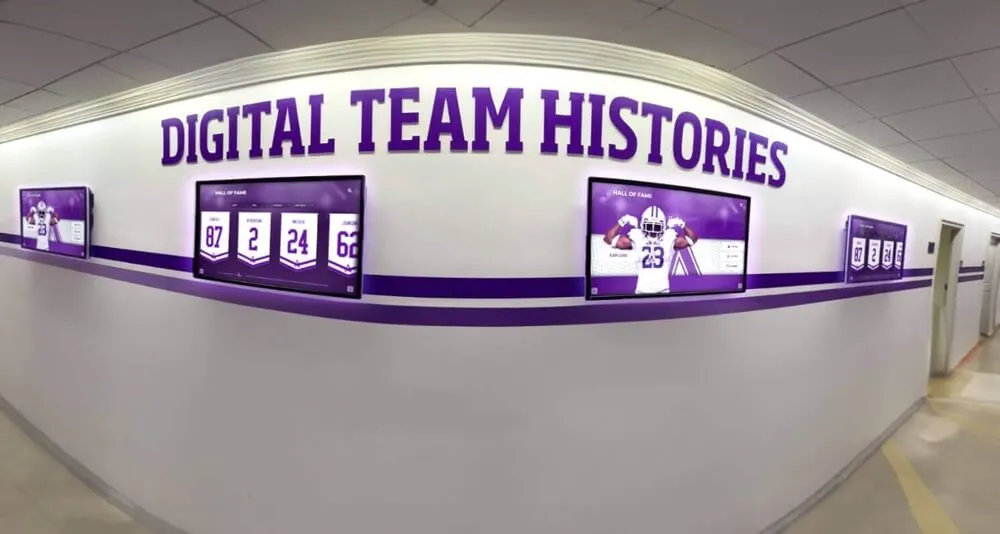
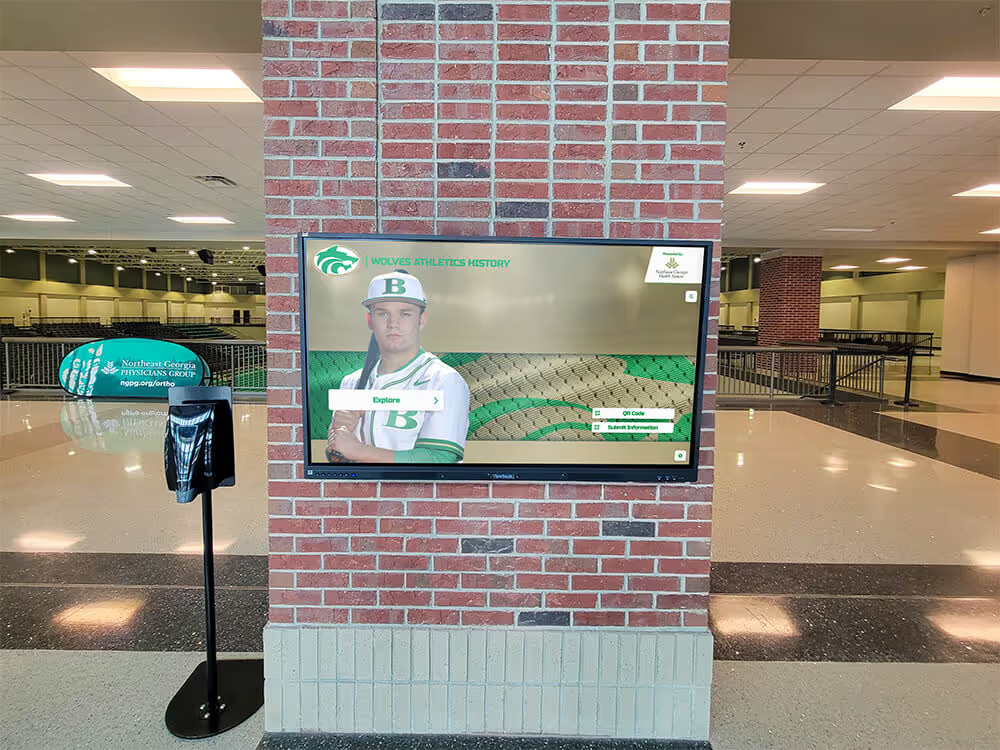
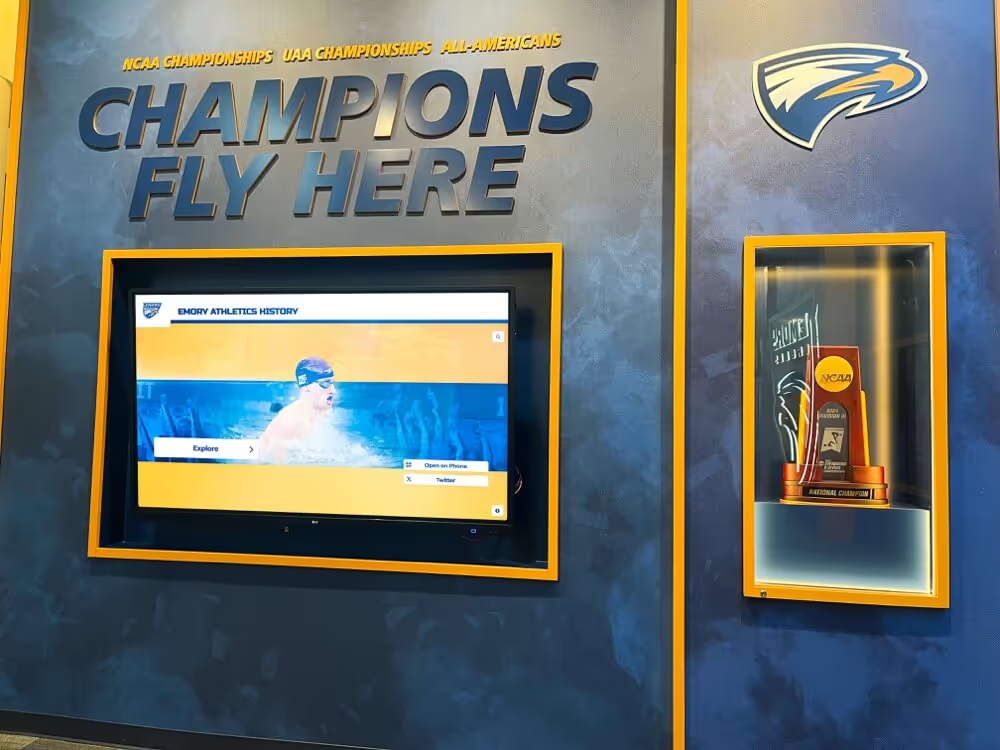
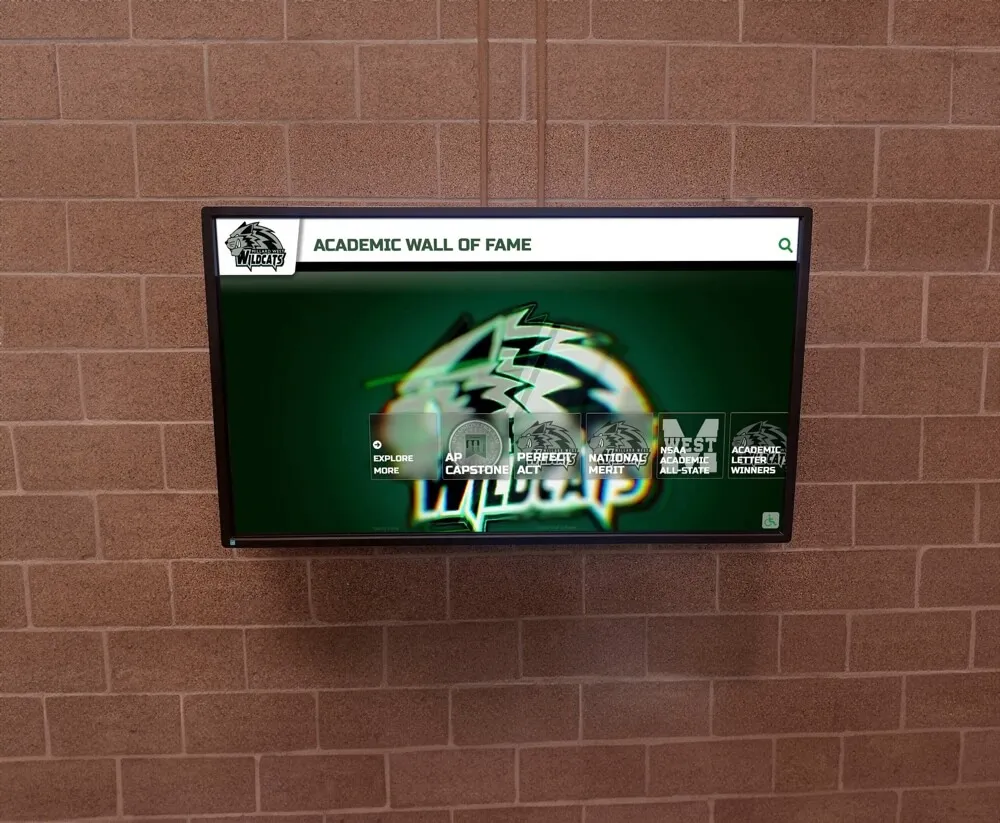
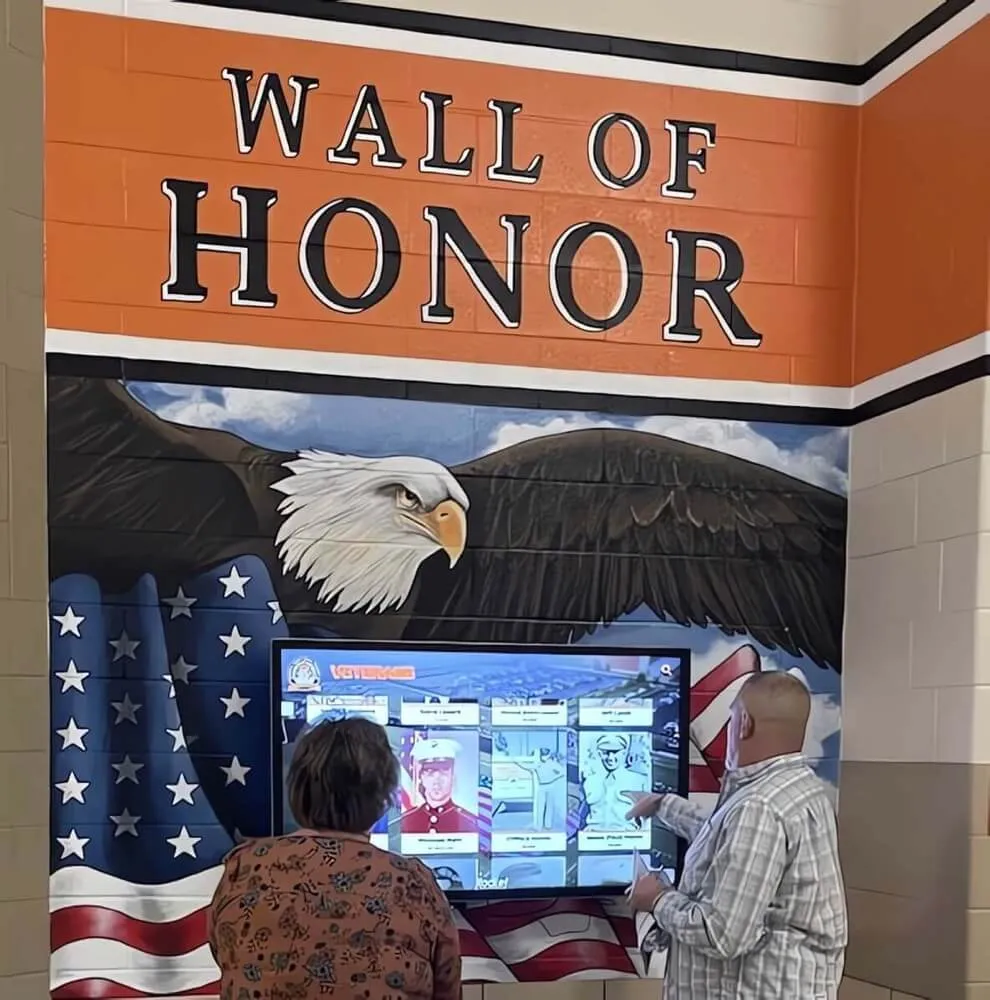
Modern recognition displays showcase academic achievements with the same prominence traditionally reserved for athletic accomplishments
Understanding High School Academic Achievement Awards
Academic achievement awards in high school encompass diverse recognition categories designed to acknowledge intellectual accomplishments across different subjects, achievement types, and student learning profiles.
Core Academic Award Categories
High schools typically organize academic recognition into several foundational categories:
Grade Point Average Recognition
- Honor roll designations at multiple achievement levels
- Principal’s List for highest GPA thresholds (typically 4.0 or 3.8+)
- High Honor Roll for strong academic performance (3.5-3.79)
- Honor Roll for solid achievement (3.0-3.49)
- Most Improved GPA awards recognizing significant academic growth
- Cumulative GPA milestones acknowledging sustained excellence
Subject-Specific Excellence Awards
- Departmental awards from individual academic areas (English, mathematics, science, social studies, world languages)
- Outstanding student recognition in specific courses
- Advanced Placement Scholar Awards for exceptional AP examination performance
- International Baccalaureate achievement recognition
- Dual enrollment and college-credit course completion honors
- Subject-specific competition achievements and academic contest recognition
According to research from the National Association of Secondary School Principals, students who receive academic recognition demonstrate 18-25% higher sustained achievement over time compared to equally capable students who receive no formal acknowledgment, demonstrating the motivational power of systematic intellectual recognition.
Explore comprehensive recognition approaches in academic recognition programs that celebrate diverse student excellence.
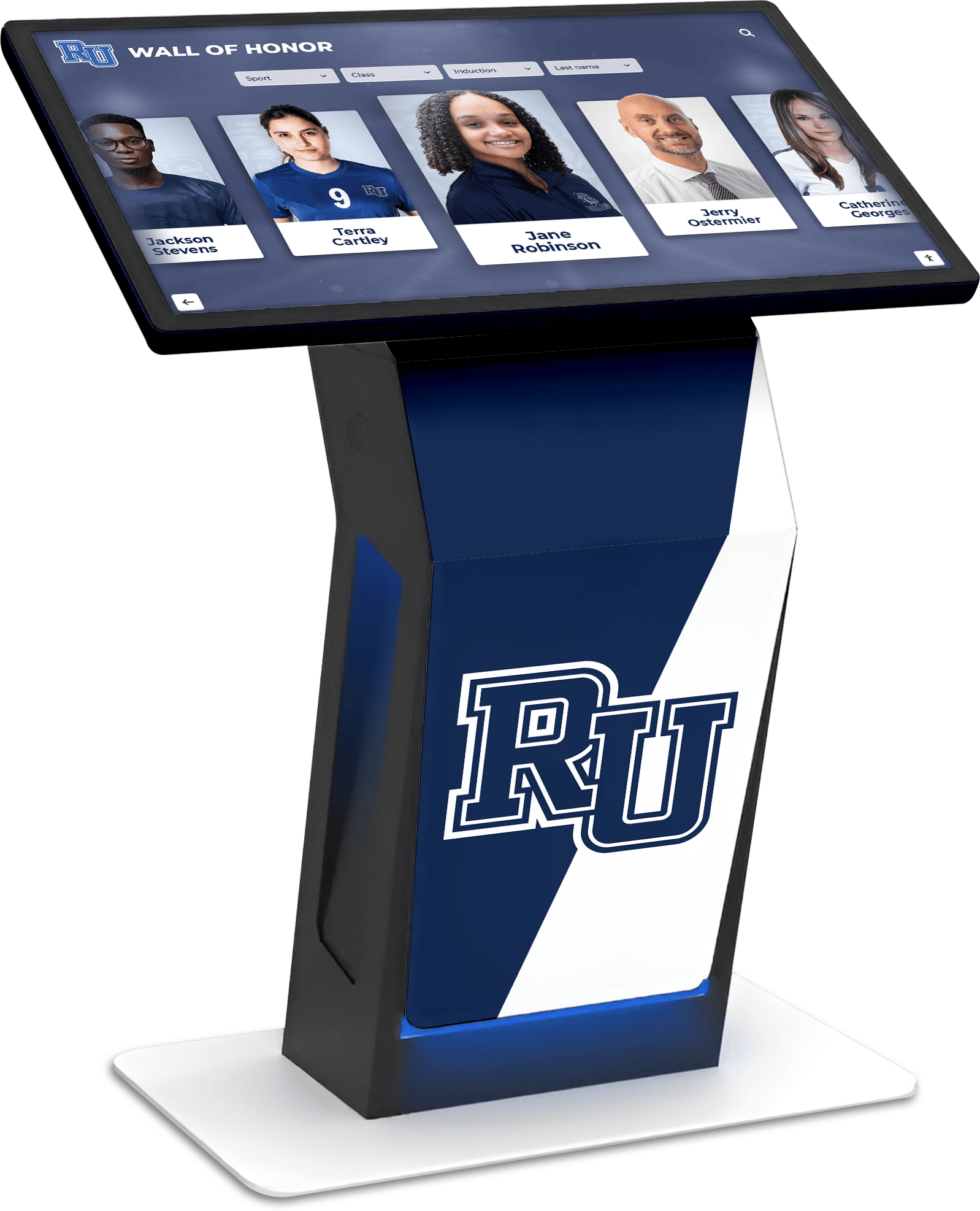
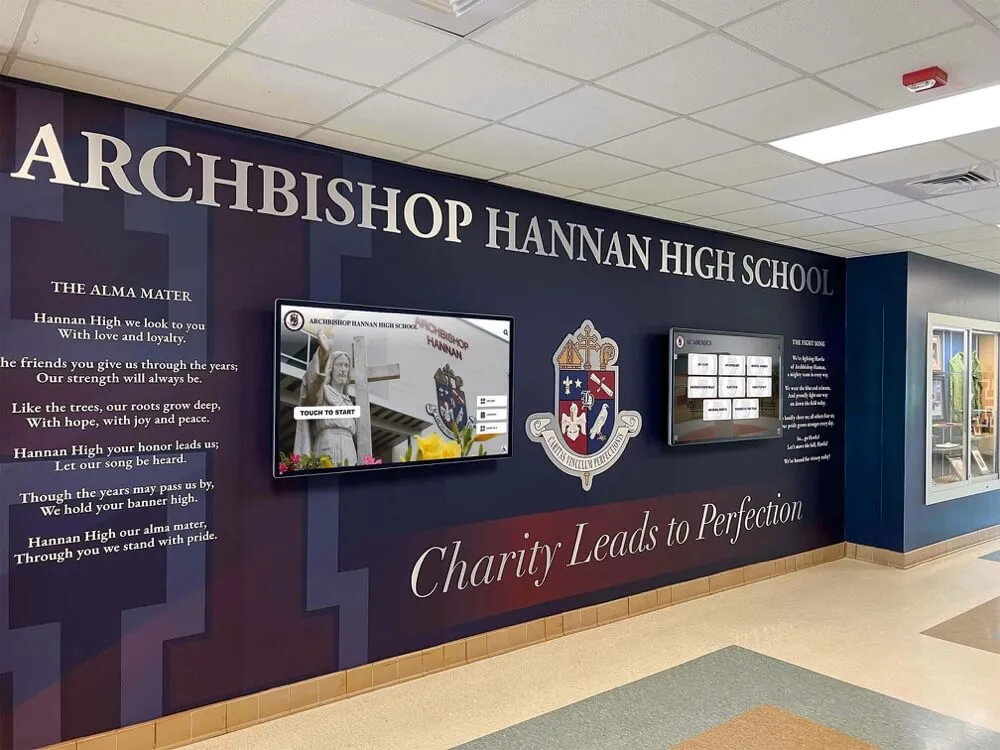
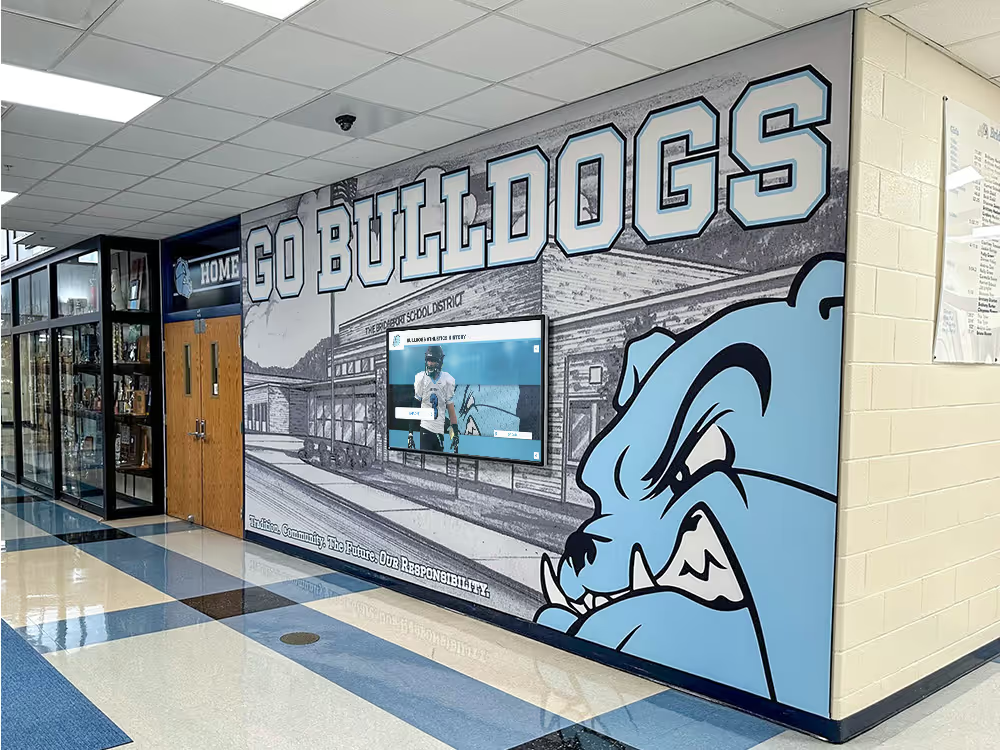
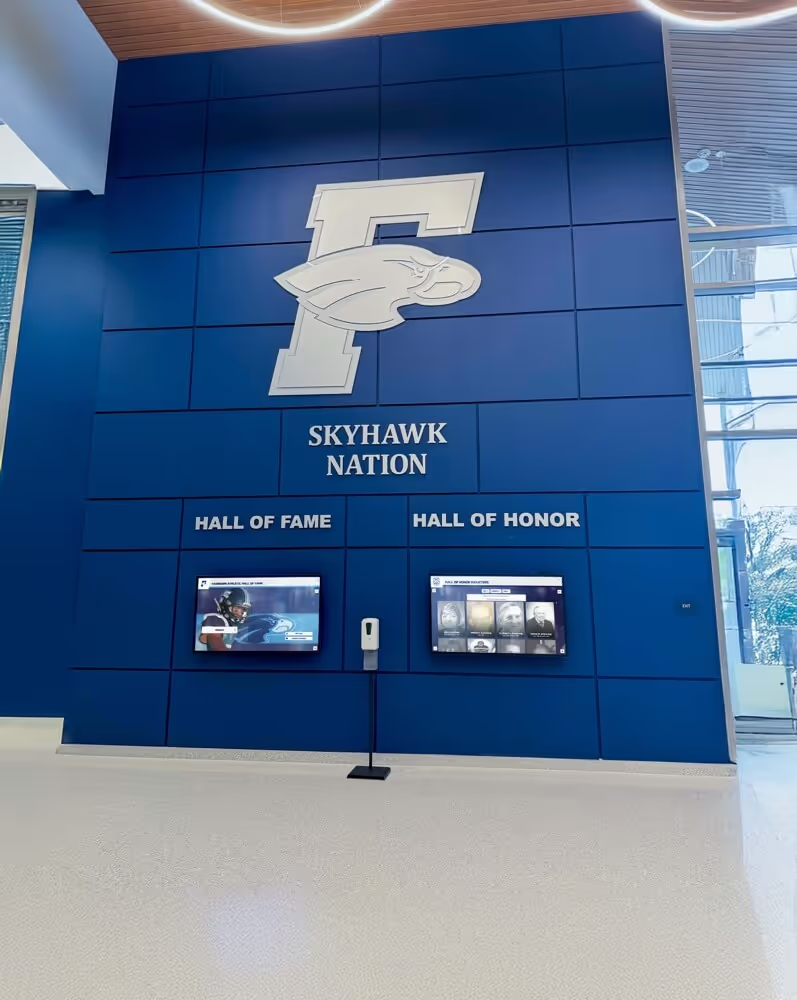
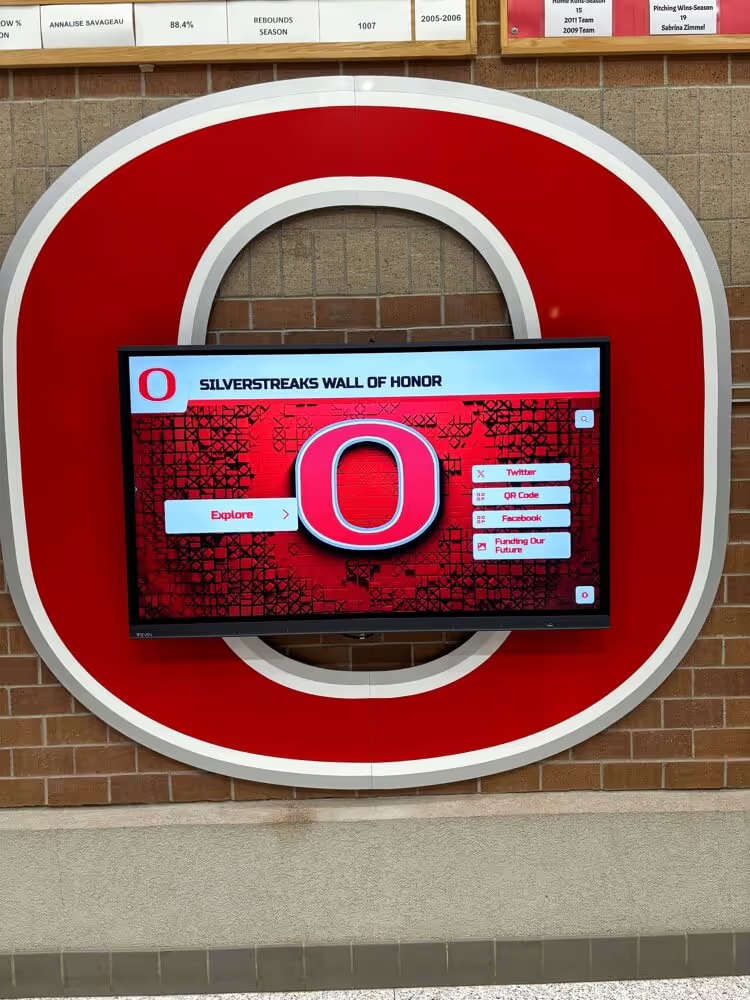
Interactive kiosks create engaging ways for students and families to explore academic achievements beyond traditional static displays
Specialized Academic Recognition Categories
Beyond traditional GPA and subject awards, comprehensive programs acknowledge diverse intellectual accomplishments:
STEM Achievement Recognition
- Science Olympiad medals and team competition success
- Math competition achievements (AMC, MATHCOUNTS, regional contests)
- Robotics competition participation and victories
- Science fair awards and research presentation excellence
- Engineering design challenges and technical project recognition
- Computer science and coding competition achievements
- Industry certification completion in technical fields
Humanities and Social Sciences Recognition
- Essay contest achievements and published writing
- History Day competition participation and awards
- Speech and debate tournament success
- Model United Nations recognition and leadership roles
- Geography competitions and social studies achievement
- Philosophy and ethics competition participation
- Literary magazine contributions and creative writing awards
Arts and Creative Achievement
- Visual arts competition recognition and exhibition awards
- Creative writing contests and publication in literary journals
- Drama and theater arts achievement
- Music theory and composition recognition
- Film and multimedia production awards
- Graphic design and digital arts achievement
Standardized Testing Excellence
- National Merit Scholarship Program recognition (Commended Students, Semifinalists, Finalists, Winners)
- College Board National Recognition Programs for underrepresented students
- SAT/ACT exceptional scores and achievement milestones
- Advanced Placement examination scores of 4 or 5
- Subject-specific AP Scholar designations
- State assessment proficiency and exceptional performance
Learn about comprehensive student recognition in National Honor Society requirements and academic recognition standards.
Character and Persistence Awards
Academic recognition should extend beyond test scores to acknowledge characteristics supporting intellectual growth:
Effort and Work Ethic Recognition
- Most dedicated student awards by subject area
- Consistent homework completion recognition
- Class participation excellence
- Academic perseverance through challenging coursework
- Self-directed learning and independent research
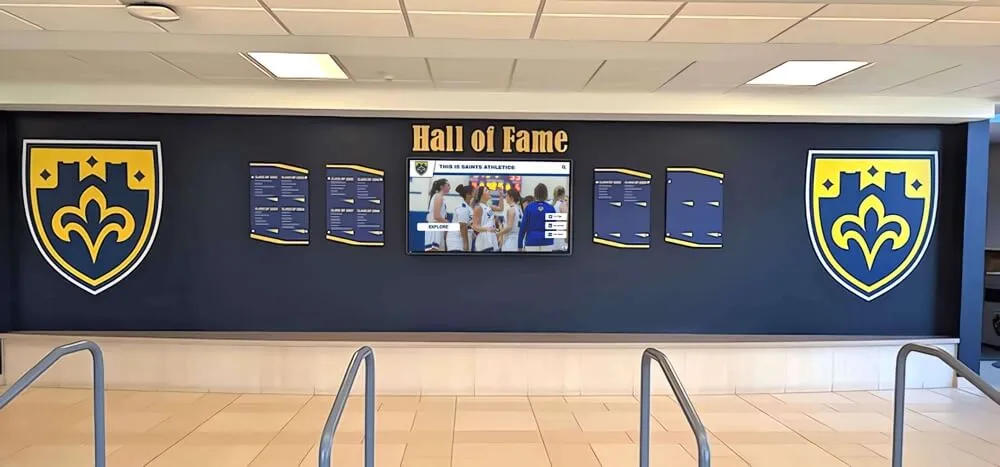
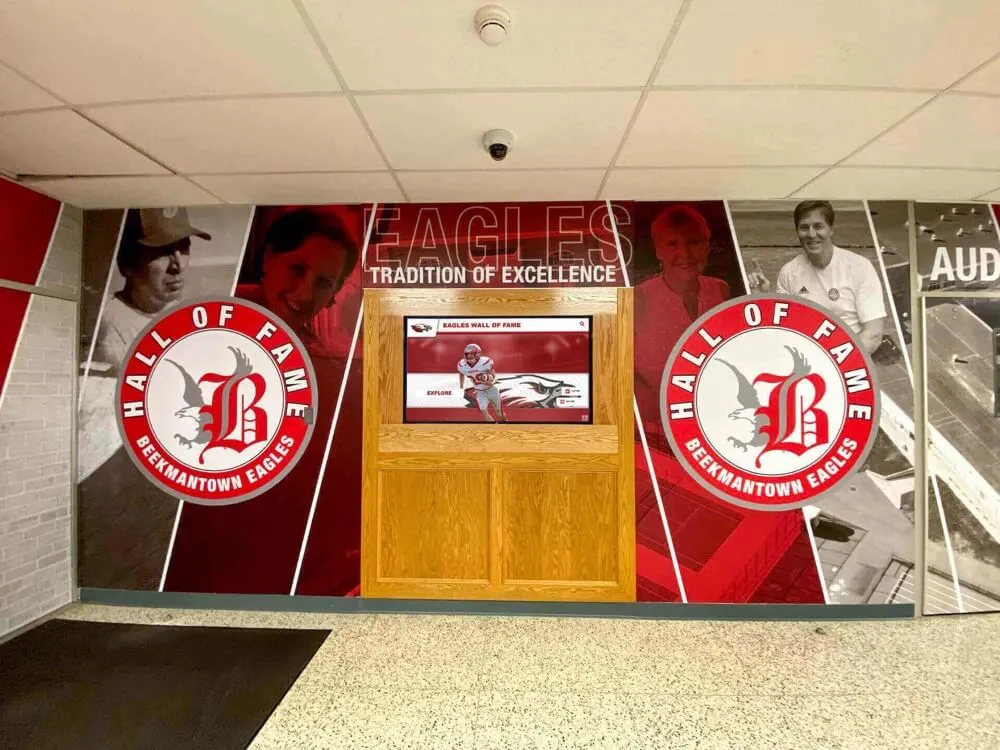
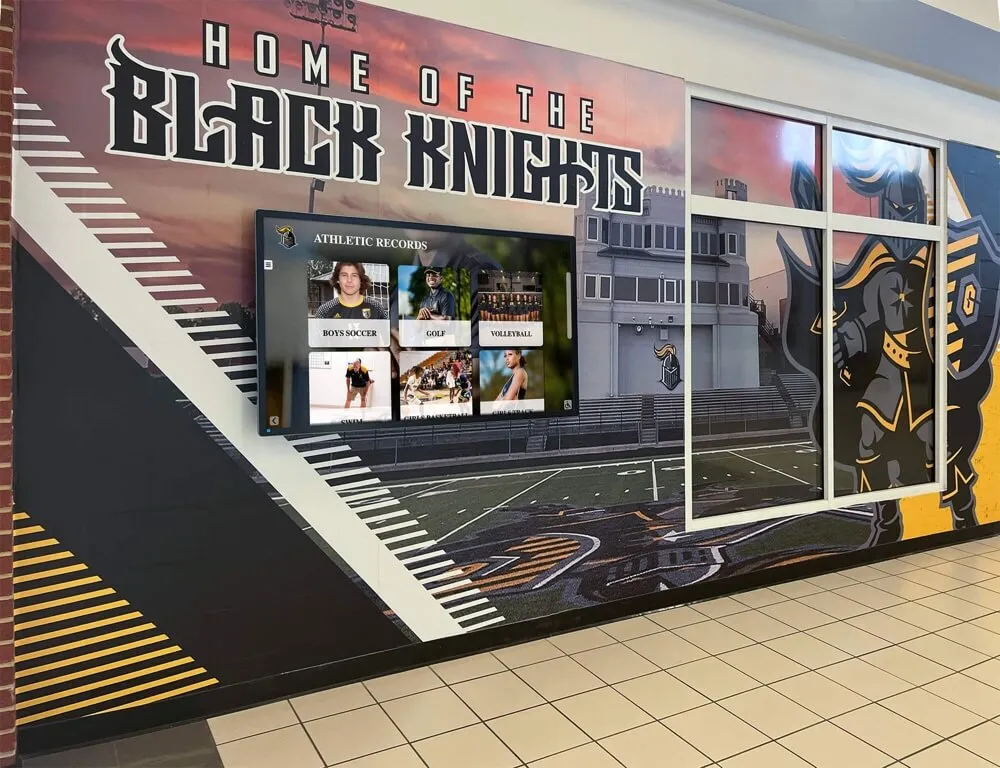
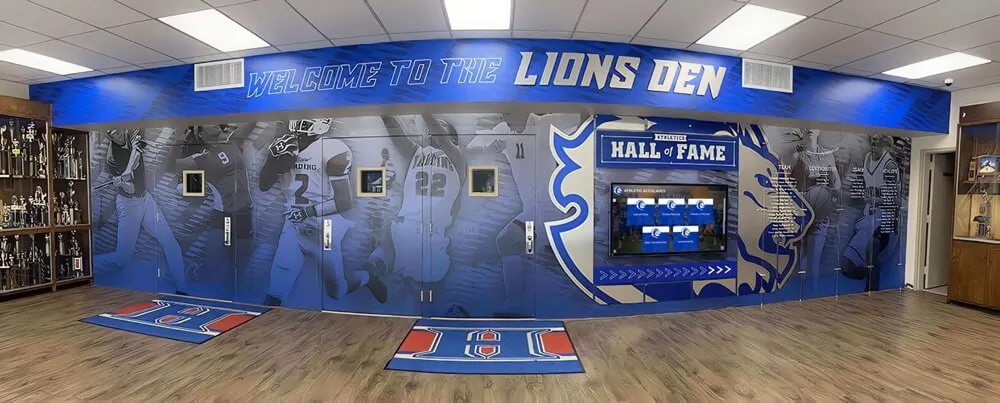
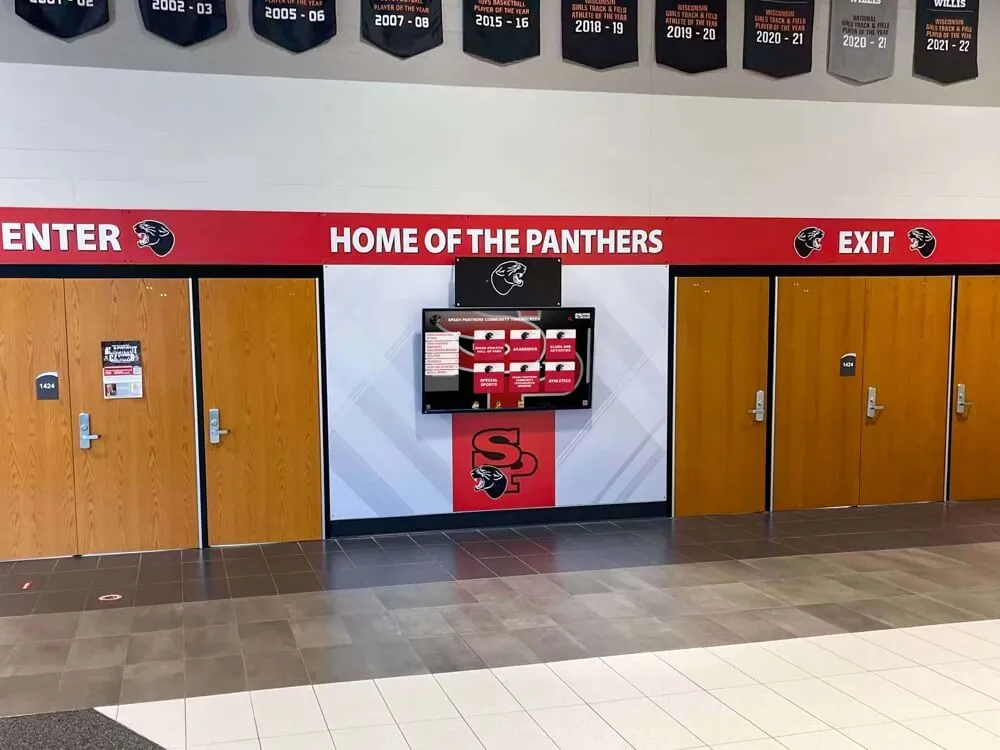
Integrated systems combine traditional recognition elements with modern digital platforms
Growth and Improvement Recognition
- Reading level advancement and literacy milestone achievement
- Grade improvement in specific subjects showing dedication
- Overcoming learning challenges and demonstrating resilience
- Transitioning from struggling to proficient or advanced performance
- Sustained improvement across multiple marking periods
Academic Character Awards
- Intellectual curiosity and love of learning
- Collaborative learning and peer support
- Academic integrity and ethical scholarship
- Growth mindset demonstration
- Positive academic attitude and enthusiasm
These diverse recognition categories ensure achievement opportunities exist for students with different strengths, learning styles, and starting points—creating inclusive systems where all students can experience intellectual recognition during their high school careers.
Implementing Effective Academic Achievement Award Programs
Successful academic recognition requires systematic planning, clear criteria, consistent implementation, and appropriate celebration that makes intellectual achievement visible throughout school communities.
Establishing Recognition Criteria and Standards
Clear, transparent criteria ensure academic awards maintain meaning while providing students concrete goals to pursue:
Grade Point Average Thresholds Most high schools implement tiered GPA recognition systems:
- Principal’s List/Highest Honors: 4.0 unweighted or 3.8+ weighted GPA
- High Honor Roll: 3.5-3.79 GPA
- Honor Roll: 3.0-3.49 GPA
- Improvement Recognition: Minimum 0.5 GPA increase from previous period
Considerations for GPA-Based Recognition
- Weighted vs. unweighted GPA calculations affect recognition distribution
- Consistency in application across all grade levels
- Whether elective courses count toward honor roll calculations
- Minimum credit load requirements (typically full-time enrollment)
- Handling of pass/fail or audit courses
- Transfer student eligibility considerations
Subject-Specific Award Criteria Departmental awards typically recognize:
- Highest final course grade in each subject area
- Consistent excellence across multiple courses within a department
- Demonstration of exceptional understanding beyond grade achievement
- Significant contribution to classroom learning community
- Growth and improvement alongside absolute achievement
- Teacher recommendation and nomination
Schools should document all recognition criteria in student handbooks and communicate standards clearly at the beginning of each academic year, ensuring students understand what achievement levels merit recognition and how to work toward those goals.

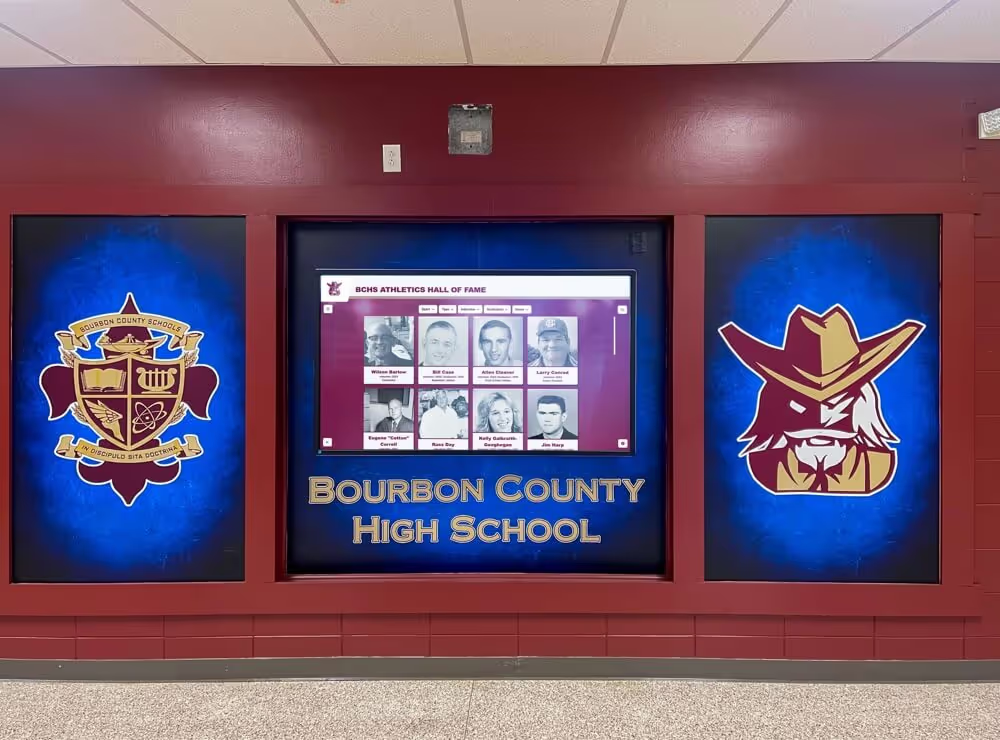
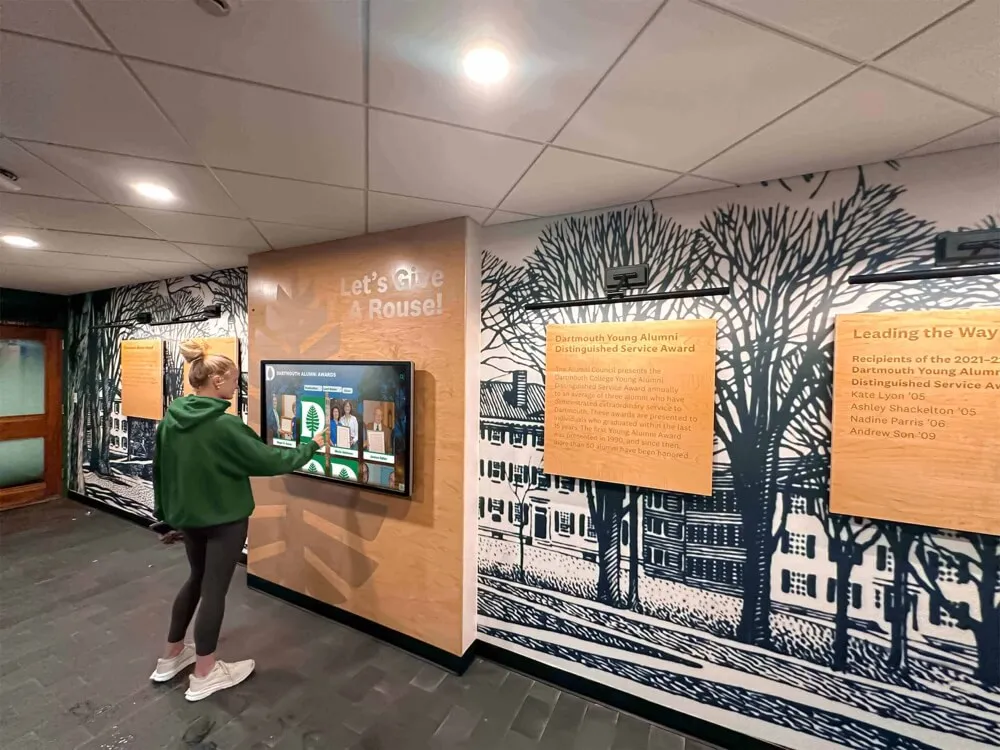
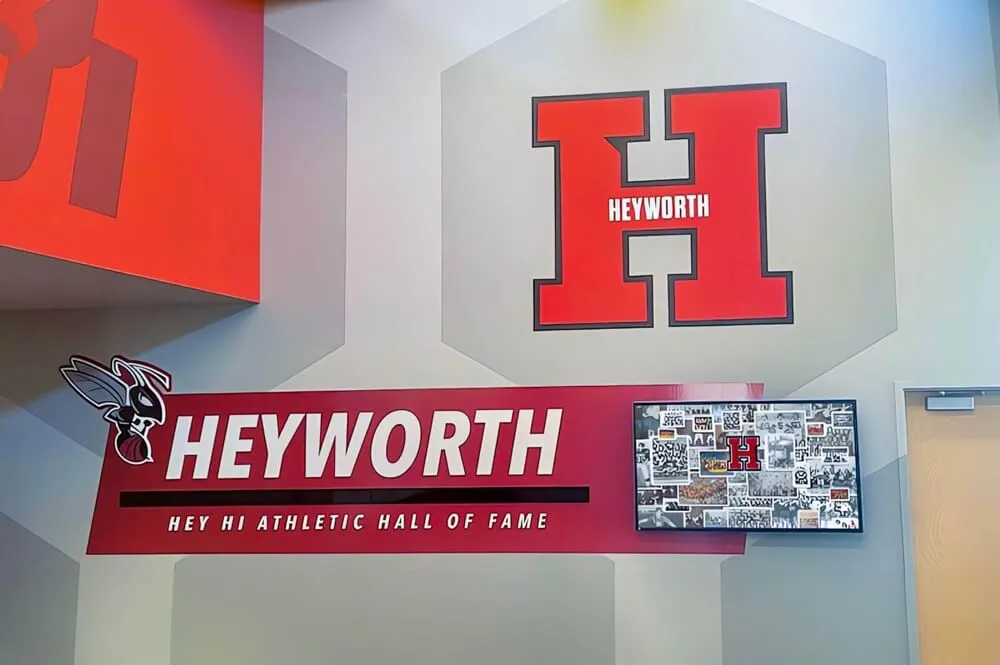
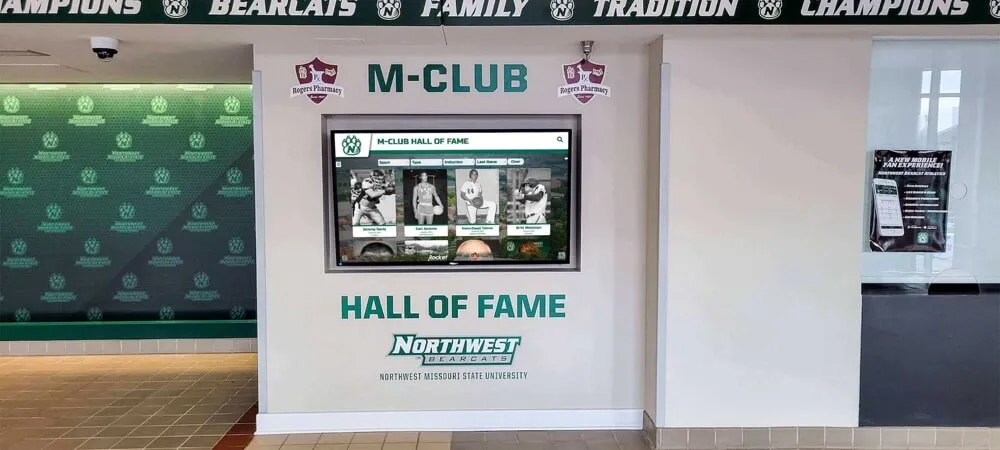
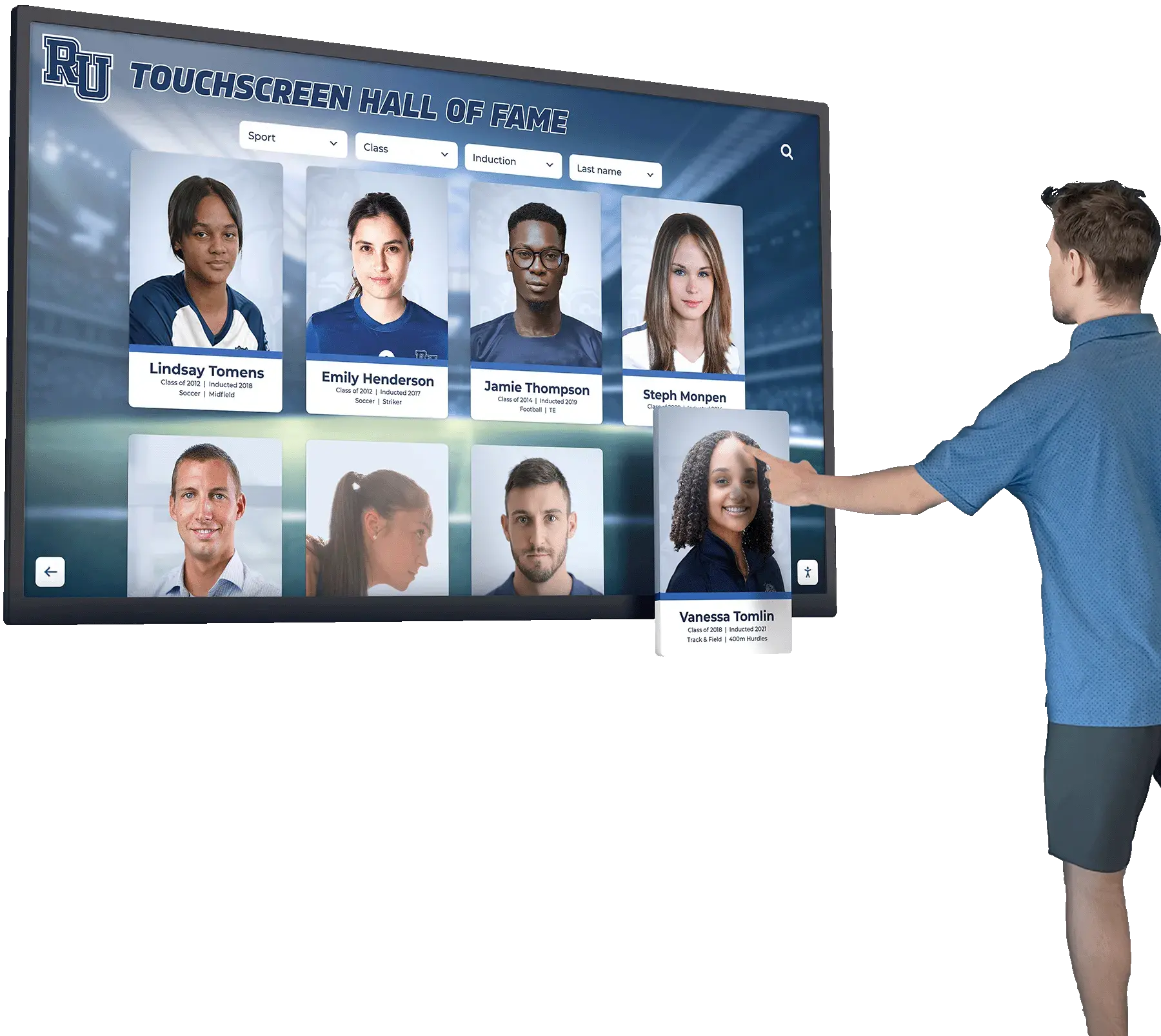
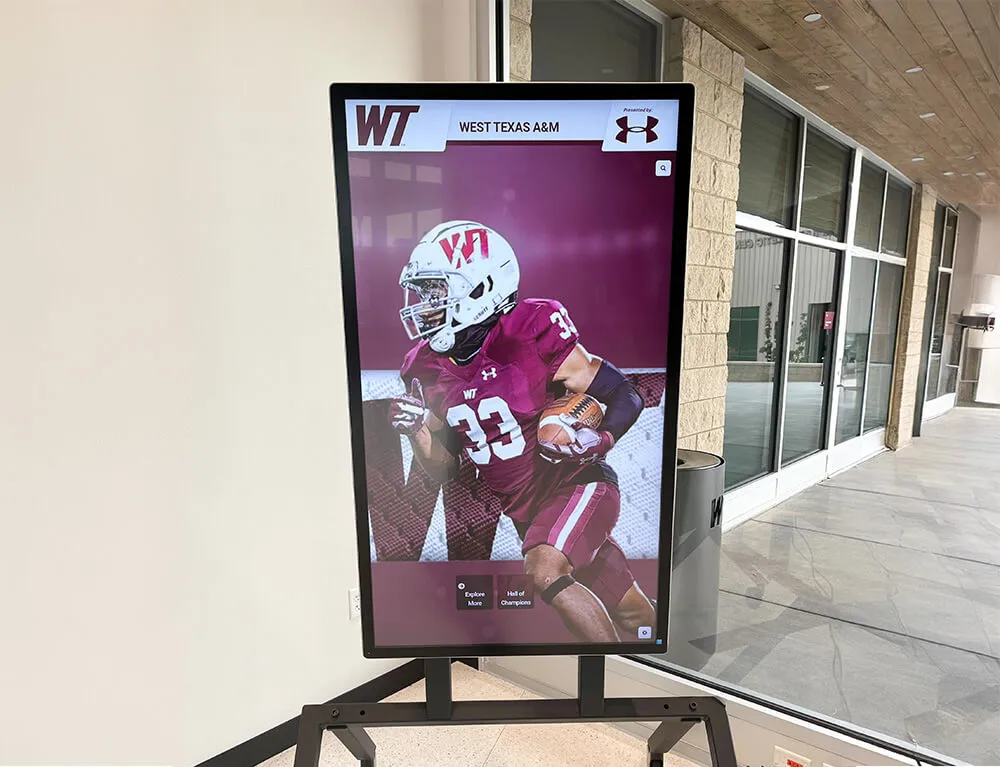
Touchscreen displays enable students to explore detailed achievement information and celebrate peers' accomplishments
Creating Recognition Timelines and Schedules
Strategic timing maximizes academic recognition impact:
Quarterly Honor Roll Recognition
- Awards announced at the end of each nine-week marking period
- Certificates distributed during school assemblies or advisory periods
- Names published in school communications and local media
- Digital display updates showcasing current honor roll students
- Parent notification letters celebrating student achievement
Semester Academic Awards
- More substantial recognition for sustained semester-long achievement
- Department-specific awards presented by subject area teachers
- Formal certificates or recognition items students can display
- Academic achievement assemblies honoring semester standouts
- Addition to permanent academic recognition displays
Annual Academic Achievement Celebration End-of-year comprehensive recognition ceremonies serve as pinnacle events:
- Formal evening ceremony with family invitation
- Cumulative GPA recognition across full academic year
- Special awards for exceptional achievement and growth
- Senior academic legacy recognition
- National recognition program acknowledgment (National Merit, AP Scholar, etc.)
- Scholarship announcement and celebration
Research indicates that frequent recognition touchpoints throughout the academic year prove more motivating than single annual events, as regular acknowledgment reinforces positive academic behaviors and maintains consistent motivation across all marking periods.
Discover effective recognition event planning in school award ceremony planning strategies.
Selection Processes and Nomination Systems
Different award categories require different selection methodologies:
Objective Merit Awards GPA-based recognition requires minimal selection process:
- Automated identification from student information systems
- Verification of eligibility criteria (enrollment status, credit load)
- Communication with eligible students and families
- Certificate or award preparation
- Public announcement and distribution
Teacher-Nominated Departmental Awards Subject-specific recognition involves faculty judgment:
- Department chairs coordinate nomination processes
- Teachers submit nominations with justification
- Department consensus on award recipients
- Consideration of both achievement and character
- Balance between recognizing highest achievers and most improved students
Committee-Selected Special Awards Prestigious recognitions merit structured selection:
- Faculty committee establishment with diverse representation
- Clear rubric development defining selection criteria
- Student portfolio or application review
- Multiple perspectives ensuring fairness and comprehensiveness
- Documentation of selection rationale
Student and Peer Nomination Some recognition categories benefit from student voice:
- Peer-nominated awards for academic character and collaboration
- Student government involvement in recognition processes
- Class voting on certain special recognition categories
- Balanced approaches preventing popularity contests while incorporating peer perspective
Transparent processes with documented criteria ensure academic recognition maintains credibility while allowing appropriate flexibility for different award types.

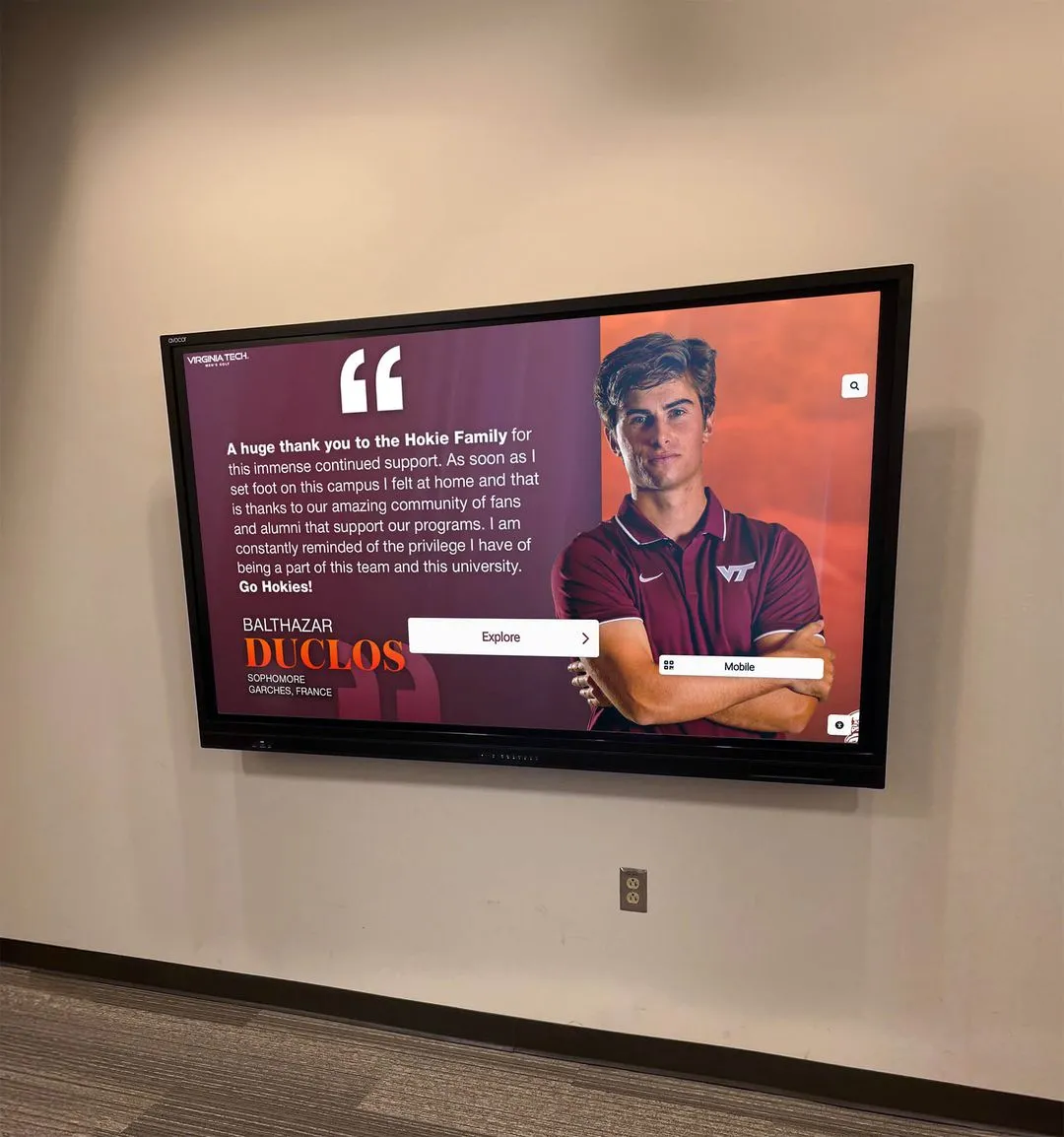
Professional student profiles celebrate individual academic journeys and specific accomplishments
Creative Recognition Ideas Beyond Traditional Awards
Moving beyond standard certificates and honor roll announcements creates more meaningful, memorable academic recognition that genuinely resonates with students.
Public Recognition and Visibility Strategies
Making academic achievement highly visible throughout schools creates cultures celebrating intellectual excellence:
Digital Recognition Displays Modern interactive platforms transform academic recognition visibility:
- Digital displays in high-traffic areas like main entrances and cafeterias
- Touchscreen interfaces enabling students to explore achievements
- Unlimited capacity showcasing all recognition recipients
- Regularly updated content keeping displays current and relevant
- Photo integration celebrating students visually alongside accomplishments
- Detailed achievement descriptions explaining significance
Solutions like Rocket Alumni Solutions eliminate traditional space constraints that force schools to choose which achievements receive visibility, enabling comprehensive recognition of all deserving students.
Academic Wall of Fame Physical recognition spaces dedicated to intellectual achievement:
- Prominent location matching athletic trophy case placement
- Multiple recognition categories displayed simultaneously
- Historical archives preserving institutional academic tradition
- Professional design creating impressive visual impact
- Regular updates maintaining current relevance
- Integration of traditional plaques with digital display components
Morning Announcement Recognition Daily acknowledgment keeps academic achievement top-of-mind:
- Brief recognition highlights during announcements
- Specific achievement descriptions rather than just names
- Rotation ensuring diverse students receive spotlight
- Connection to school values and educational mission
- Encouraging tone celebrating accomplishment authentically
Social Media Celebration Digital platforms extend recognition reach beyond school walls:
- Individual student spotlight posts on school social channels
- Achievement milestone celebrations and congratulations
- Photo features showcasing recognition recipients
- Family sharing and amplification through tagging
- Alumni engagement seeing continued academic tradition
Research from the National Association of College Admissions Counseling indicates that visible, public academic recognition creates positive peer pressure encouraging intellectual achievement, with schools implementing prominent recognition systems seeing 15-20% increases in advanced course enrollment.
Personalized Recognition Approaches
Individual acknowledgment creates deeper meaning than generic certificates:
Personal Recognition Letters
- Signed letters from principals to honor roll students
- Specific accomplishment references rather than form letters
- Mailed to home addresses ensuring family sees recognition
- Suitable for framing and keeping as mementos
- Quarterly distribution for sustained achievement
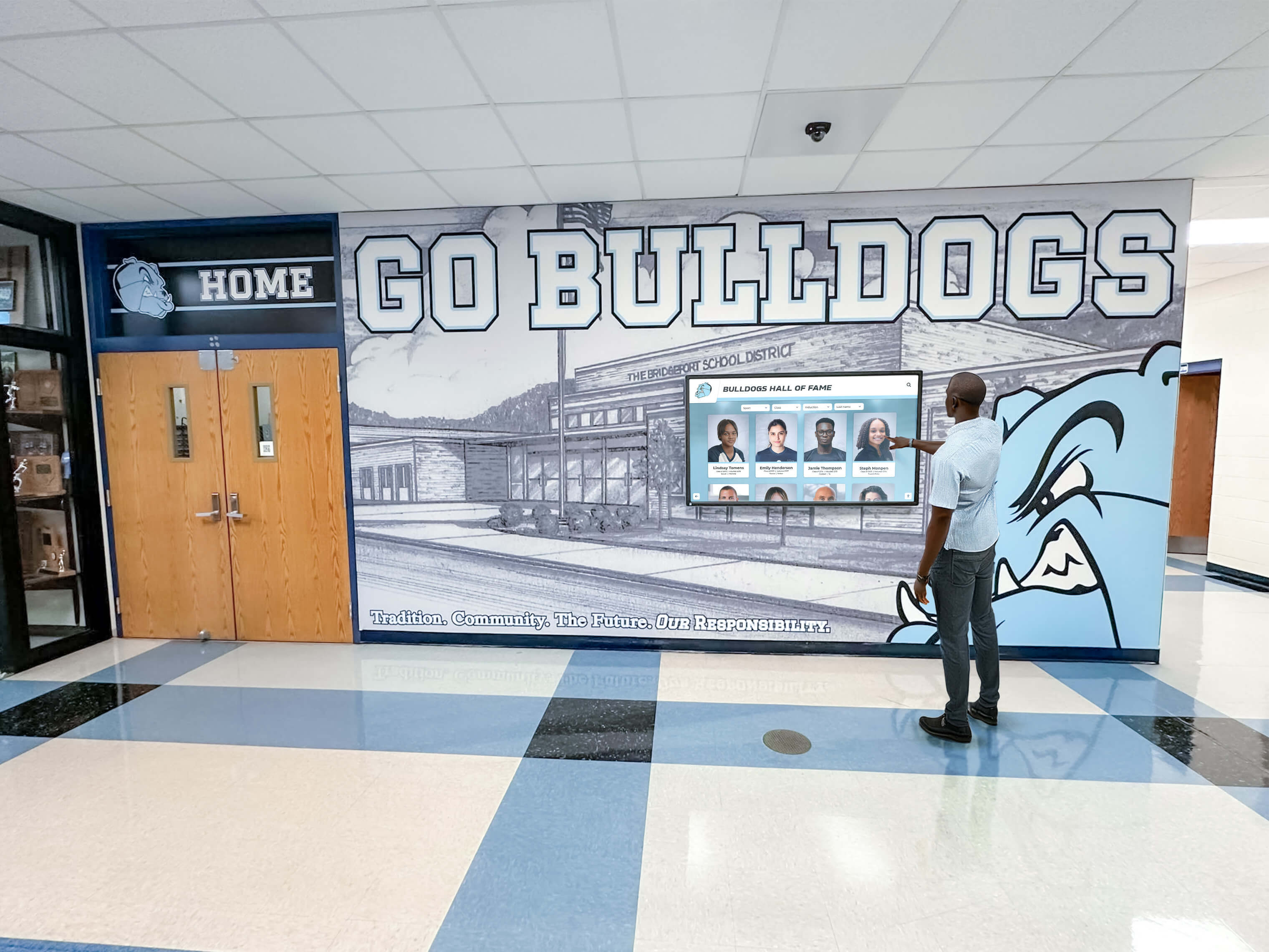
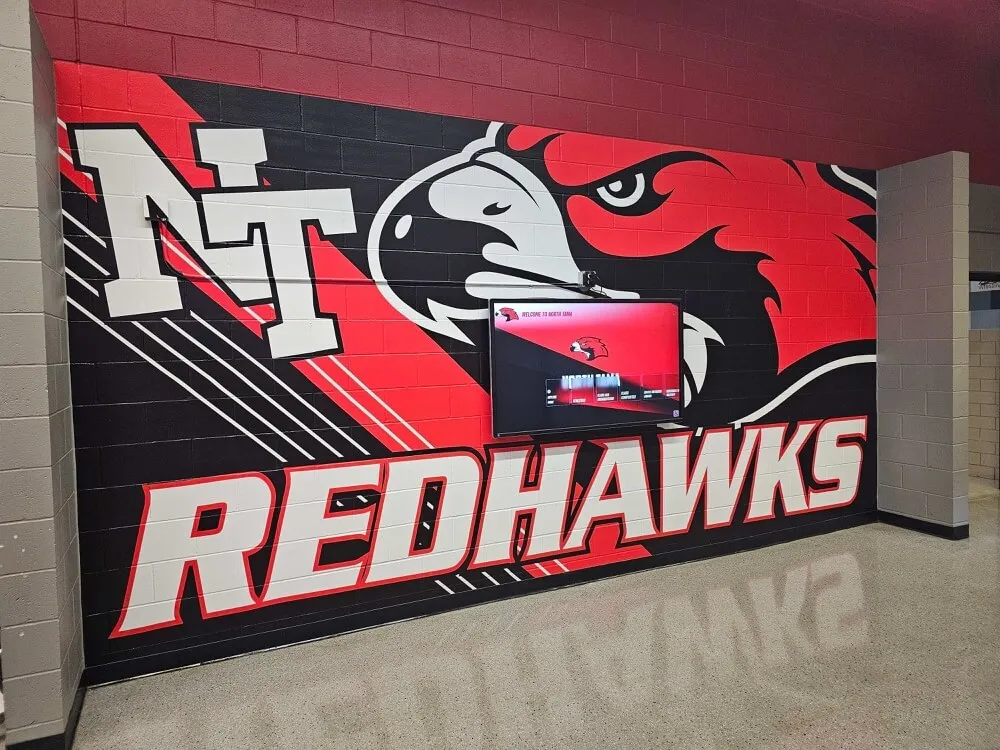
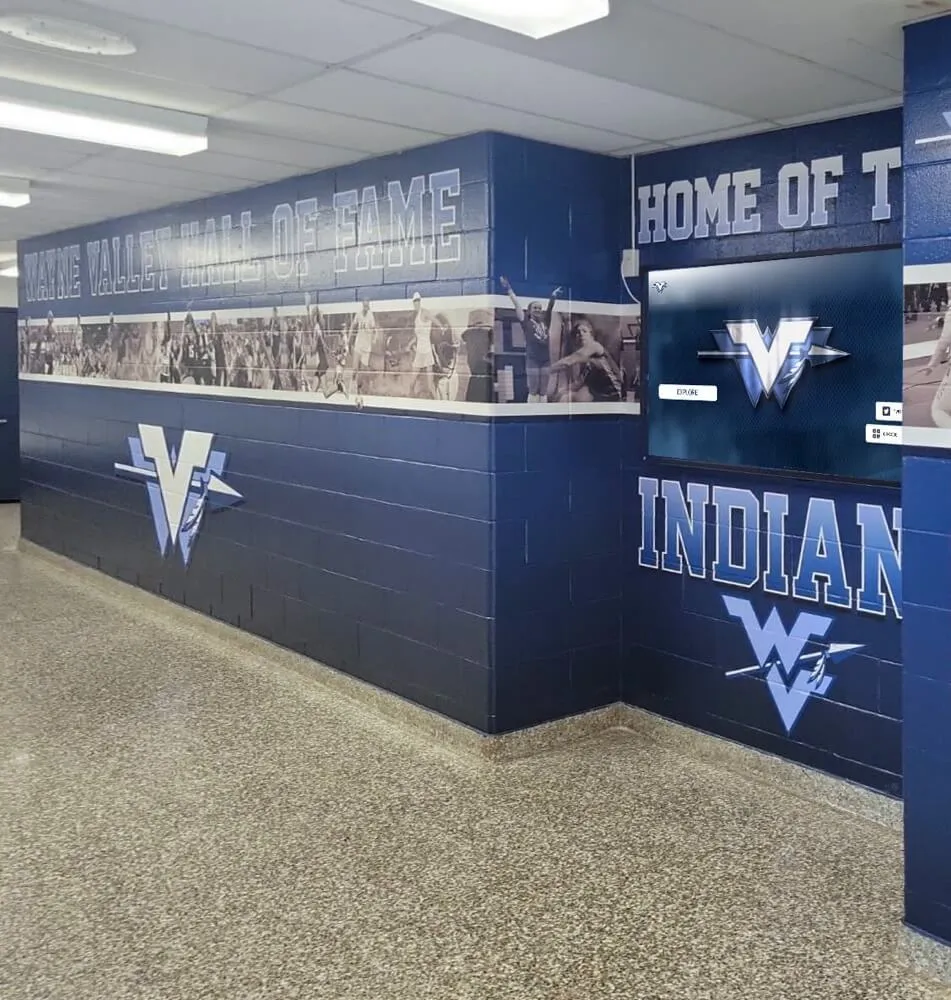
Strategic hallway placement ensures students encounter recognition displays throughout their school day
Teacher Appreciation Notes Subject-specific recognition includes:
- Handwritten notes from teachers celebrating specific achievements
- Comments about particular accomplishments or growth
- Personal observation about student contributions to class learning
- Encouragement for continued excellence
- Authentic personal connection beyond formulaic recognition
Academic Achievement Portfolios Comprehensive documentation of high school academic journey:
- Collection of recognition certificates and awards throughout high school
- Standardized test score documentation
- Competition achievements and special recognitions
- Teacher recommendation highlights
- Useful for college applications and scholarship submissions
Family Celebration Recognition Involving families amplifies recognition impact:
- Parent notification letters celebrating specific achievements
- Family invitation to recognition ceremonies and events
- Reserved family seating at academic award presentations
- Parent acknowledgment during ceremonies
- Take-home recognition items families can display
Personalized recognition demonstrates that schools genuinely value individual student achievements rather than merely processing administrative requirements.
Tangible Recognition Items
Physical recognition elements create lasting reminders of achievement:
Beyond Generic Certificates
- High-quality printed certificates suitable for framing
- Academic medals for exceptional achievement levels
- Scholar pins students can wear on clothing or lanyards
- Academic letter jackets or patches comparable to athletic letters
- Engraved plaques for pinnacle achievements
- Academic cords for graduation ceremonies
- Special recognition items (books, technology accessories) for major awards
Academic Achievement Displays Students Can Keep
- Personalized recognition frames with school branding
- Achievement booklets documenting cumulative accomplishments
- Scholar pennants similar to college pennants
- Academic achievement t-shirts or apparel items
- Commemorative items marking milestone achievements
Institutional Recognition Records
- Permanent school records documenting recognition history
- Academic transcript notations for major honors
- Addition to school hall of fame or honor roll displays
- Historical archives preserving long-term achievement documentation
- Alumni access to recognition history for professional purposes
Research indicates that tangible recognition items students can keep and display prove significantly more memorable than ephemeral certificates stored in folders, with physical awards creating lasting reminders reinforcing continued academic motivation.
Modern Technology Solutions for Academic Recognition
Digital platforms transform academic achievement recognition by eliminating traditional limitations while creating engaging, accessible systems that extend recognition impact far beyond single-event acknowledgments.
Comprehensive Digital Recognition Platforms
Solutions like Rocket Alumni Solutions provide schools complete systems addressing multiple recognition needs simultaneously:
Unlimited Recognition Capacity Traditional physical displays force schools to choose whose achievements appear based on space constraints. Digital platforms eliminate these limitations:
- Single display showcases unlimited students across all academic categories
- No need to remove past achievers to make room for current recognition
- Comprehensive historical archives preserving institutional tradition indefinitely
- All subjects and achievement types receive equal display capacity and prominence
- Graduating seniors remain visible as alumni rather than disappearing
Interactive Exploration Features Modern touchscreen systems create engagement impossible with static displays:
- Search functionality enabling students to find themselves and peers quickly
- Filtering by achievement type, subject area, class year, and other relevant criteria
- Individual profile pages telling complete academic stories with multiple achievements
- Photo galleries and achievement documentation providing detailed context
- Progress tracking showing growth across multiple years
- Statistics and data visualization highlighting program impact
Schools implementing interactive recognition displays report 60-75% of students engage with systems monthly, compared to minimal engagement with traditional static recognition that students quickly stop noticing.
Learn about advanced recognition technology in school lobby display ideas that create impressive first impressions.
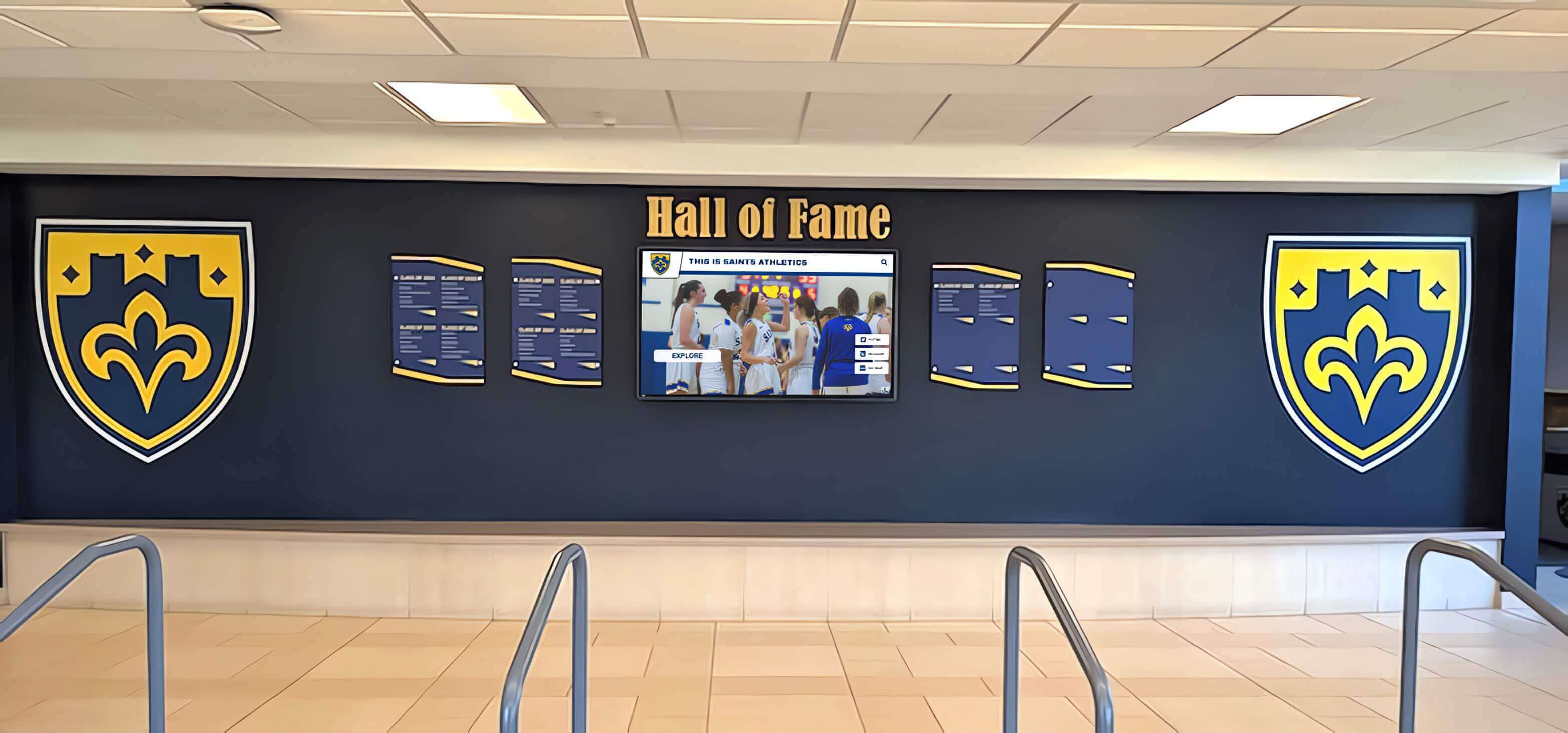
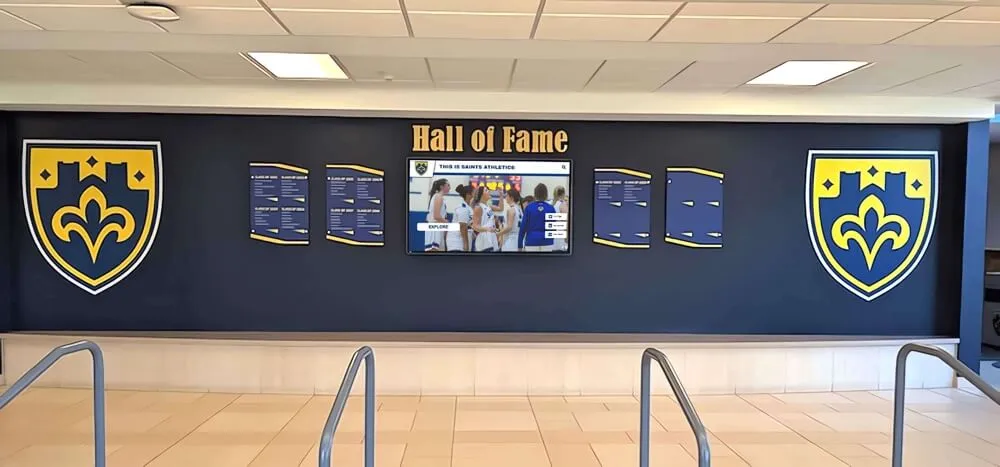
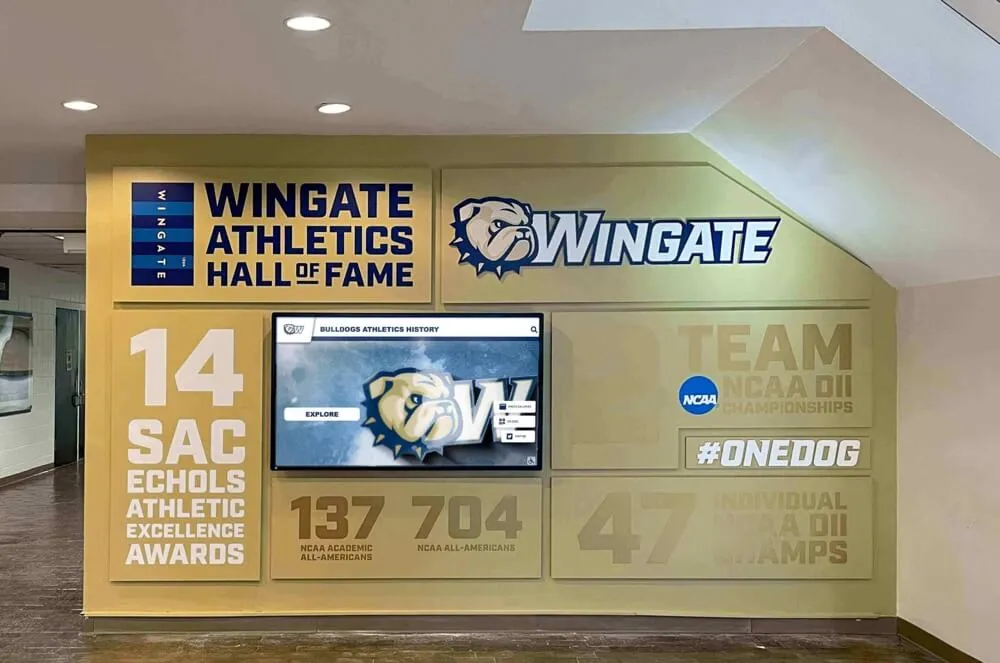
Comprehensive lobby displays combine multiple recognition elements creating impressive spaces celebrating student achievement
Simple Content Management Cloud-based management eliminates technical barriers preventing regular updates:
- Remote updates from any internet-connected device—no physical access needed
- Bulk import tools for honor roll lists and large recognition groups
- Scheduled publishing automation for semester and year-end recognition
- Drag-and-drop interfaces requiring zero technical expertise
- Mobile management via smartphones and tablets
- Role-based permissions enabling appropriate staff access
- Automated backup protecting recognition data
Schools report 80-90% reduction in time spent managing academic recognition after implementing digital systems compared to maintaining physical displays and printed materials.
Web-Based Recognition Extensions
Academic recognition should extend beyond physical campus locations to engage families and alumni worldwide:
Online Recognition Platforms Web-accessible systems amplify recognition impact significantly:
- Alumni and families anywhere can view current academic achievements
- College admissions officers can explore school achievement culture
- Social sharing capabilities enabling students to celebrate accomplishments
- Mobile optimization ensuring accessibility across all devices
- Integration with school websites and communication platforms
- Analytics tracking engagement and program effectiveness
- 24/7 access versus limited visibility of physical campus displays
Communication Integration Systematic communication ensures maximum visibility:
- Automated email announcements when students receive recognition
- Social media integration posting achievements across platforms
- Newsletter features highlighting recognition program success
- Parent portal integration showing student-specific recognition
- Alumni network communication maintaining connection to academic tradition
- Community media partnerships extending recognition beyond school
This multi-channel approach ensures academic achievements receive visibility comparable to athletic recognition, creating balanced institutional cultures valuing all forms of student excellence.
Connecting Academic Recognition to College and Career Success
Effective high school academic achievement awards prepare students for post-secondary opportunities while documenting accomplishments in ways that enhance college applications and scholarship submissions.
College Application Enhancement
Academic recognition directly strengthens college applications across multiple components:
Honors and Awards Sections Most college applications include dedicated sections for academic recognition:
- Common Application “Honors” section allows 5 major recognitions
- Coalition Application similar recognition documentation
- University-specific applications with honors listings
- Scholarship applications emphasizing academic achievement
- Competitive program applications requiring achievement documentation
High-Value College Application Recognitions Admissions officers particularly value certain academic awards:
- National Merit Scholarship Program designations (Commended through Winner)
- AP Scholar Awards (Scholar, Honor, Distinction, State, National)
- Presidential Scholar Program nominations and recognition
- State-level academic competitions and achievement
- Subject-specific national recognition programs
- Academic summer program acceptances at selective institutions
Transcript Integration Schools should ensure major academic recognitions appear on official transcripts:
- Honor roll notation for each marking period
- Cumulative GPA class rank when provided
- Academic honors and special recognitions
- Department-specific awards and subject excellence
- National recognition program participation
Admissions research indicates that systematic documentation of academic achievement throughout high school demonstrates sustained excellence more effectively than isolated exceptional performance, making comprehensive recognition programs valuable for college-bound students.
Explore recognition that supports college preparation in showcasing college commitments with touchscreen displays.
Scholarship Application Support
Academic achievement awards directly support scholarship competitiveness:
Merit Scholarship Eligibility Many scholarships use academic recognition as qualification criteria:
- Minimum GPA requirements align with honor roll standards
- Academic honor society membership (National Honor Society, etc.)
- Subject-specific scholarship requiring departmental recognition
- Competition-based scholarships building on academic contest success
- Leadership scholarships valuing academic achievement alongside other qualities
Application Strength Enhancement Well-documented academic recognition strengthens all scholarship applications:
- Demonstrates consistent academic excellence and work ethic
- Provides specific, verifiable accomplishment examples
- Shows progression and growth across high school years
- Indicates institutional recognition and validation
- Differentiates applicants in competitive scholarship pools
Recommendation Letter Support Academic recognition provides teachers concrete examples for recommendations:
- Specific achievement documentation beyond general impressions
- Quantifiable evidence of excellence and standing
- Multiple data points across different achievement dimensions
- Recognition trajectory showing sustained or improving performance
- Context about achievement significance within school community
Schools supporting students in documenting academic achievements throughout high school enable stronger college applications and more competitive scholarship submissions, directly supporting post-secondary success.
Ensuring Equity and Inclusivity in Academic Recognition
Effective academic achievement award programs create opportunities for diverse students across all backgrounds, learning profiles, and starting points rather than merely recognizing students who arrive at high school already advantaged.
Multiple Pathway Recognition Systems
Inclusive programs acknowledge excellence across different dimensions:
Absolute Achievement Recognition Traditional high-achievement acknowledgment:
- Honor roll for students meeting GPA thresholds
- Subject-specific excellence for highest performance
- Standardized test achievement and percentile rankings
- Competition success and external validation
- Advanced coursework completion and examination scores
Growth and Improvement Recognition Equally important achievement from different starting points:
- Most Improved GPA awards by semester and year
- Subject-specific improvement recognizing significant growth
- Reading level advancement and literacy milestone achievement
- Skill progression in challenging subjects
- Academic persistence through difficulties
Effort and Character Recognition Acknowledging qualities supporting long-term success:
- Outstanding work ethic and consistent effort
- Academic integrity and ethical scholarship
- Collaborative learning and peer support
- Intellectual curiosity and engagement
- Positive attitude and growth mindset
This multi-dimensional approach ensures students beginning high school at different performance levels can all experience recognition during their secondary education, maintaining motivation across diverse learner profiles rather than creating systems where only traditionally high-achieving students receive acknowledgment.
Addressing Systemic Barriers
Equitable recognition programs actively address factors that can prevent deserving students from receiving acknowledgment:
Reducing Financial Barriers
- All recognition events and ceremonies free to attend
- No costs for certificates, awards, or basic recognition items
- Transportation assistance for family attendance at recognition events
- Digital platform access not requiring personal technology
- Scholarship support for honor society dues when applicable
Supporting Diverse Learners
- Recognition for students with learning differences achieving growth
- Accommodations enabling all students to demonstrate knowledge
- Multiple assessment pathways allowing diverse achievement demonstrations
- IEP and 504 plan considerations in recognition eligibility
- English Language Learner achievement growth recognition
Addressing Opportunity Gaps
- Recognition criteria not solely dependent on access to expensive programs
- Equal visibility for achievements in accessible activities
- Acknowledgment of accomplishments despite limited resources
- Support enabling participation in recognition-worthy activities
- Celebration of in-school achievement not requiring outside enrichment
Research from the National Association for College Admission Counseling demonstrates that schools implementing multi-dimensional recognition systems see significantly more equitable distribution of academic acknowledgment across student demographics, with recognition rates for underrepresented students increasing 35-45% compared to traditional single-metric approaches.
Measuring Academic Recognition Program Success
Regular assessment ensures academic achievement awards accomplish intended goals while justifying resource investments and identifying improvement opportunities.
Quantitative Success Metrics
Participation and Distribution Data
- Percentage of students receiving academic recognition each year
- Distribution across grade levels and demographic groups
- Recognition frequency rates (students receiving multiple vs. single recognitions)
- Year-over-year participation trends
- Comparison to prior years and institutional goals
Academic Outcome Correlations
- Achievement trends among recognized vs. non-recognized students
- Course selection patterns and advanced placement enrollment
- Standardized test score trajectories
- College acceptance rates and scholarship awards
- Graduation rates and post-secondary enrollment
Engagement Indicators
- Digital display interaction rates and session duration
- Recognition ceremony attendance by students and families
- Social media engagement with recognition content
- Website traffic to online recognition platforms
- Student survey awareness of recognition opportunities
Schools should track these metrics systematically, analyzing data to identify patterns, assess equity, and inform program refinements ensuring recognition systems serve all students effectively.
Qualitative Assessment Approaches
Stakeholder Feedback Collection
- Student surveys about recognition program awareness and perceived value
- Family perception of recognition fairness and meaningfulness
- Teacher assessment of program effectiveness and manageability
- Administrator evaluation of cultural impact
- Alumni reflection on how recognition influenced experience
Cultural Observation
- Changes in student attitudes toward academic achievement
- Peer culture around intellectual excellence
- Student engagement and motivation patterns
- School climate survey results
- Anecdotal evidence from teachers and counselors
Regular assessment creates accountability ensuring academic recognition programs remain effective, equitable, and aligned with institutional educational missions rather than becoming perfunctory traditions that lose meaning and impact over time.
Conclusion: Building Cultures of Academic Excellence Through Recognition
Academic achievement awards in high school represent strategic investments in student motivation, institutional culture, and educational mission fulfillment. When schools systematically celebrate intellectual excellence across multiple dimensions—from subject-specific achievement to growth and character—they create environments where academic success becomes aspirational, celebrated, and central to student identity throughout secondary education.
The comprehensive strategies explored throughout this guide provide actionable frameworks for building recognition systems honoring diverse achievements while remaining sustainable, equitable, and aligned with college preparation goals. From digital recognition displays eliminating space constraints to multi-dimensional programs ensuring opportunities at all achievement levels, these approaches transform academic acknowledgment from occasional perfunctory gestures to systematic celebration woven throughout school culture and student experience.
Modern recognition technology enables schools to overcome traditional limitations that prevented comprehensive academic celebration. When combined with thoughtful program design, clear criteria, regular assessment, and genuine institutional commitment to intellectual excellence, academic achievement awards become powerful tools motivating sustained student growth while creating the positive, achievement-oriented cultures where all students can thrive academically.
Start by evaluating current recognition programs, identifying gaps in coverage or equity, then systematically expanding to create comprehensive approaches your students deserve. Every student who receives meaningful recognition for academic accomplishments develops stronger educational connection and greater motivation to continue growing intellectually throughout high school and beyond.
Transform Your Academic Recognition Program
Discover how modern digital recognition solutions can help you celebrate every student's academic achievements, create lasting visibility for intellectual excellence, and build a thriving culture where all forms of student success receive the recognition they deserve.
Explore Recognition SolutionsYour students’ academic achievements deserve celebration equal to any other high school accomplishment. With thoughtful planning, appropriate technology investments, and consistent implementation, you can create recognition systems that honor every achievement while building the positive, motivating educational culture where all students excel academically and feel genuinely valued for their intellectual contributions to your school community.