



Alumni network software has evolved far beyond simple directory listings and event calendars—the most effective platforms now center around celebrating achievements, showcasing recognition, and creating interactive spaces where alumni can explore institutional history and individual accomplishments. When schools and organizations build alumni networks anchored in recognition and achievement, they transform passive contact databases into vibrant communities where graduates actively engage, reconnect with their institutions, and celebrate the ongoing legacy of excellence.
Yet many institutions struggle to maintain engaged alumni communities after graduation. Traditional approaches rely on periodic newsletters and annual giving campaigns that generate minimal interaction, while static alumni directories provide little reason for graduates to return and explore. Without compelling content that celebrates individual and collective achievements, alumni networks become forgotten databases rather than thriving communities that strengthen institutional bonds and inspire continued support.
This comprehensive guide explores how modern alumni network software leverages awards, recognition, and achievement displays to create the active, engaged communities that strengthen institutional culture while providing alumni meaningful reasons to stay connected throughout their lives.
Alumni engagement represents one of higher education’s most persistent challenges—maintaining meaningful connections with graduates who move across the country, build careers, start families, and develop lives far removed from campus experiences. The institutions achieving exceptional alumni engagement share a common approach: they’ve recognized that celebration, recognition, and achievement provide far more compelling engagement foundations than solicitation and obligation.

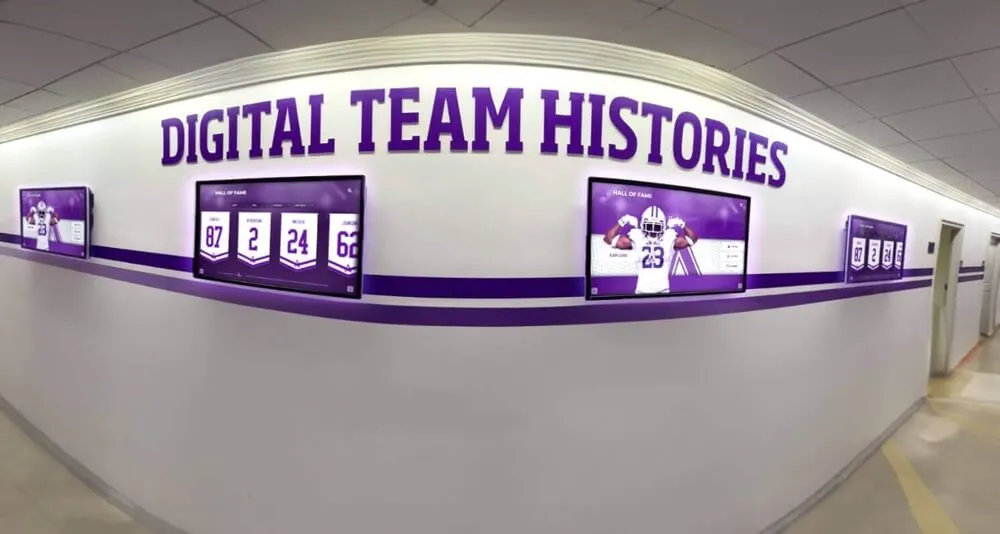
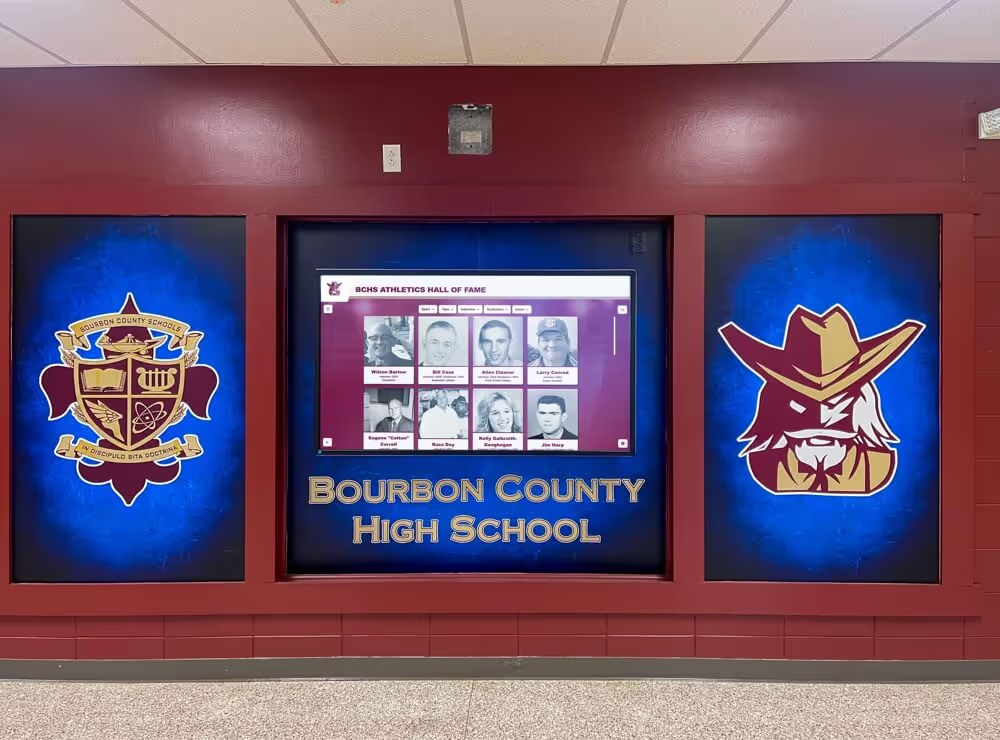
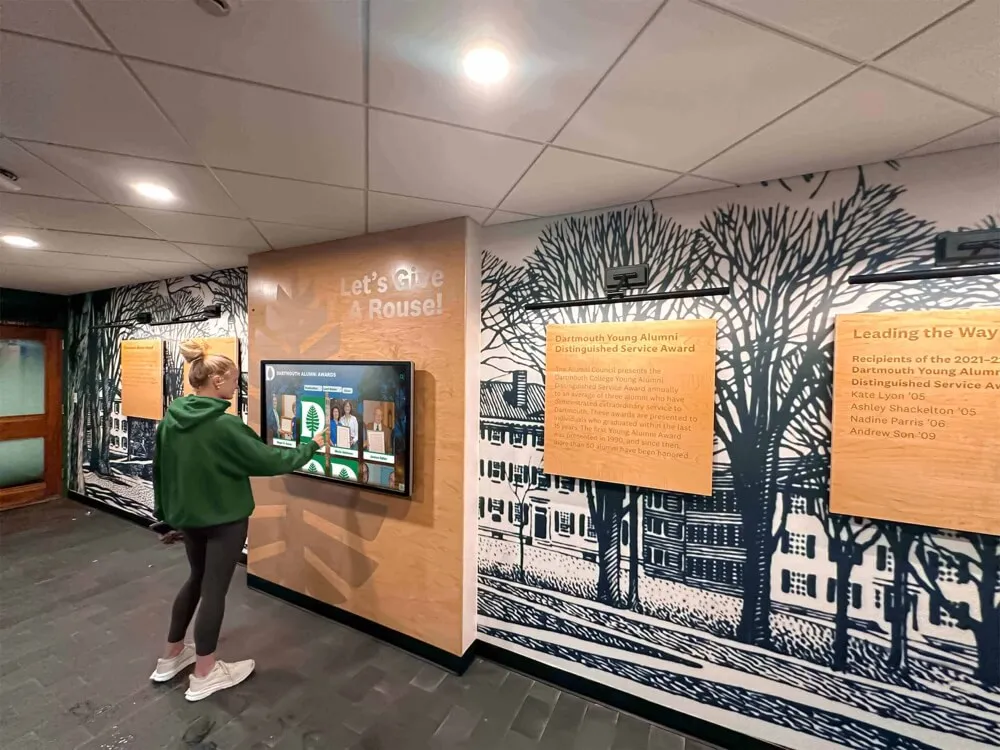
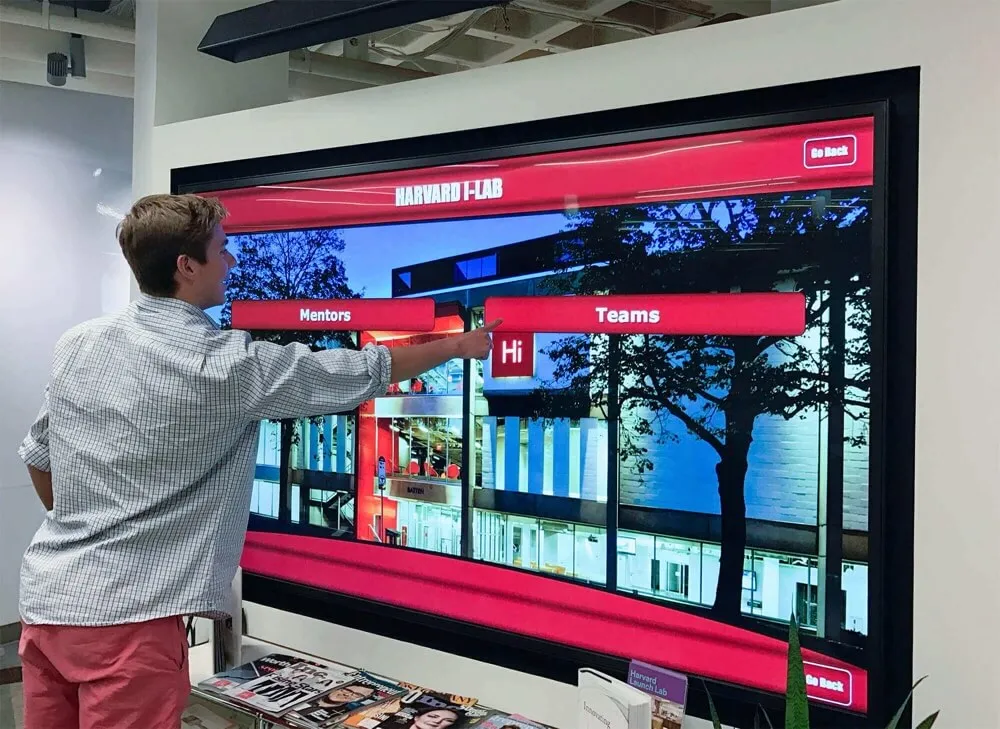
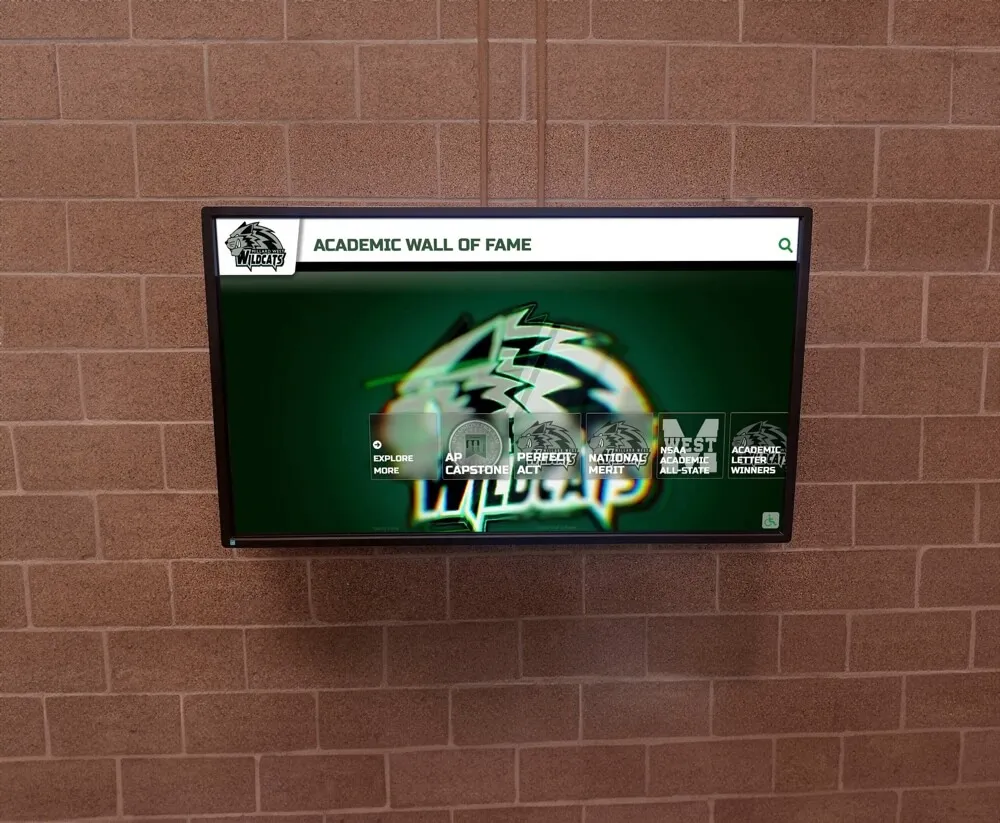
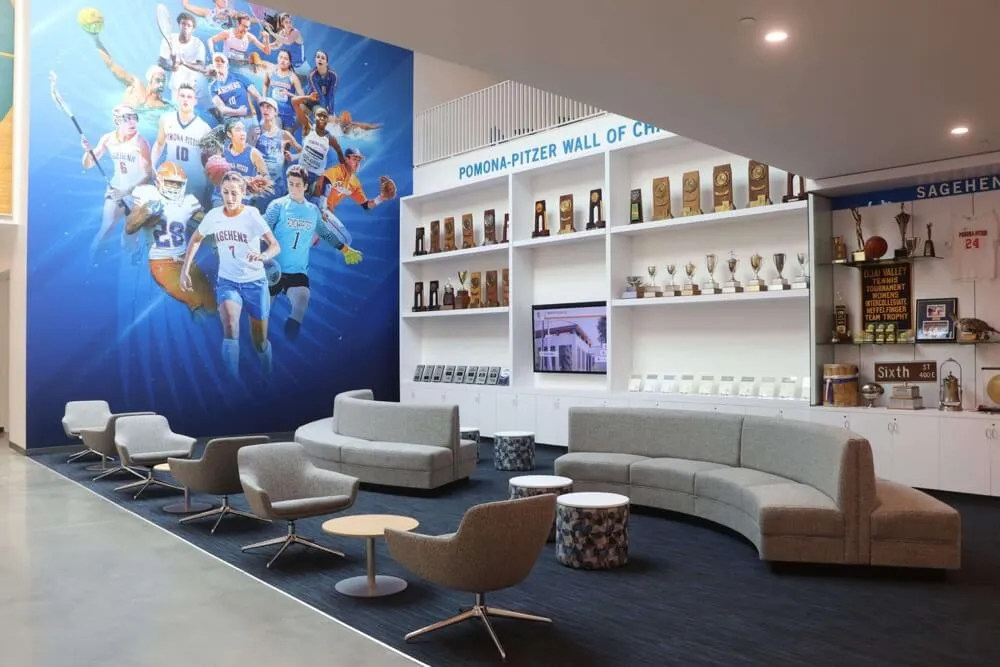
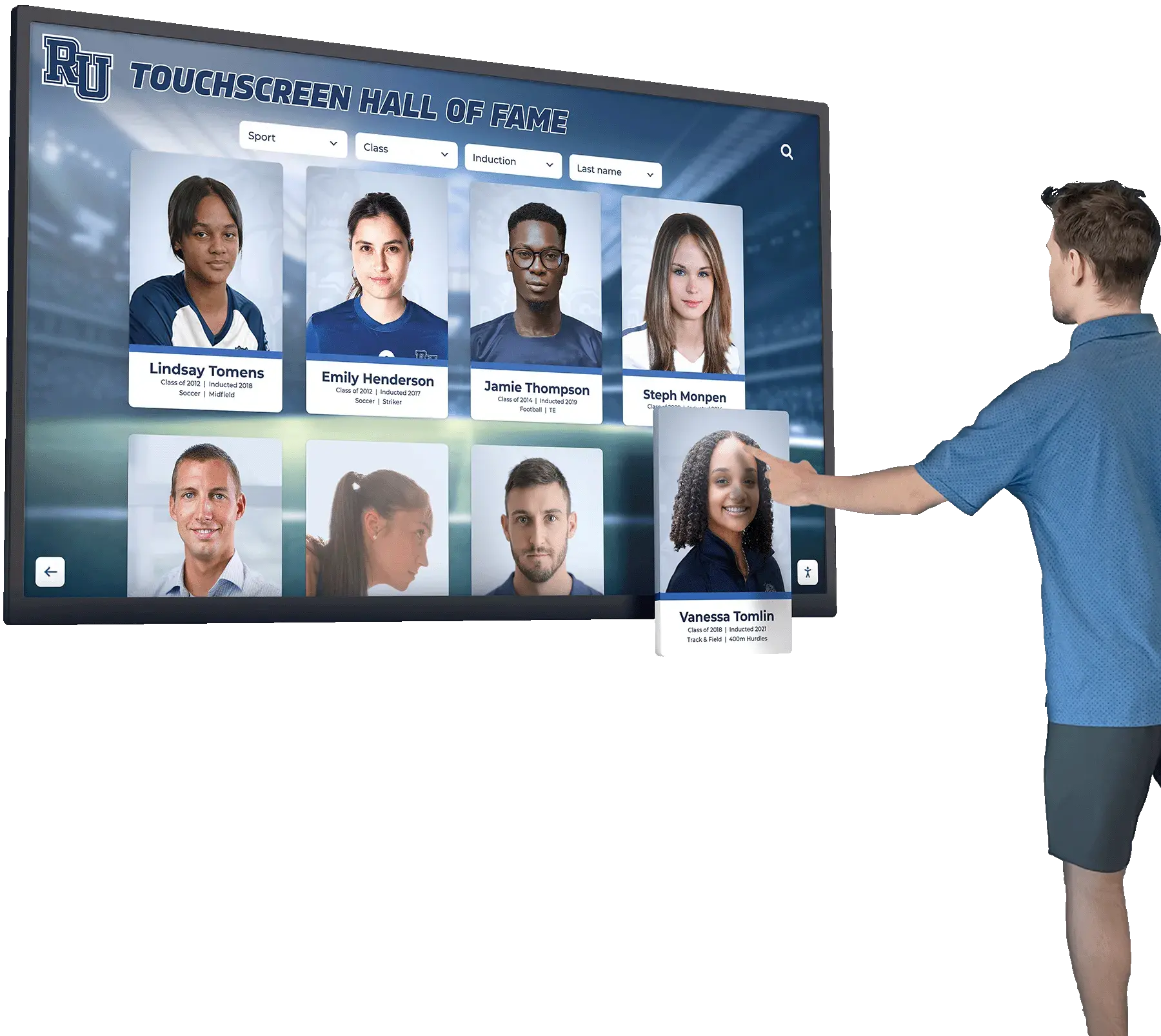
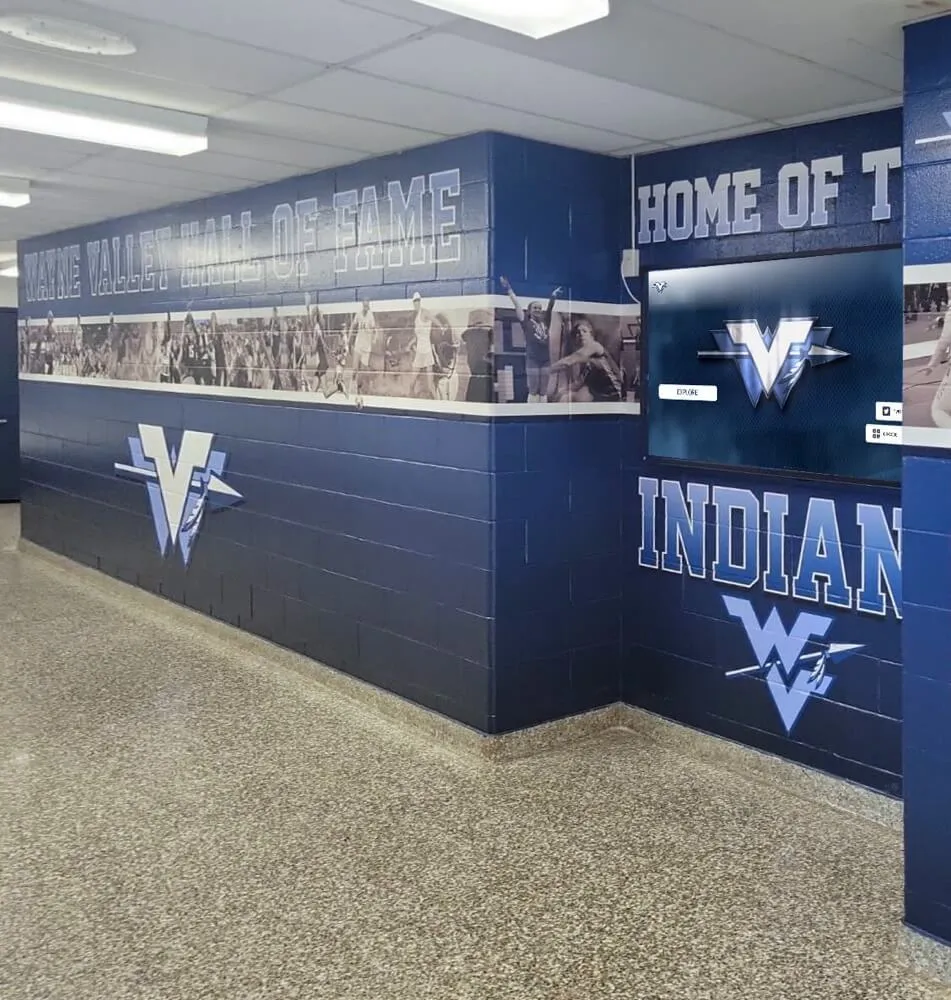
Modern alumni network software creates interactive experiences that celebrate achievements and inspire ongoing engagement
Understanding the Recognition-Centered Alumni Network Approach
The most successful alumni network platforms have shifted from transaction-focused communication to celebration-centered engagement.
Traditional Alumni Software vs. Recognition-Centered Platforms
Conventional Alumni Network Limitations
- Contact directory with basic biographical information
- Event calendar promoting institutional gatherings
- Giving portals focused primarily on fundraising solicitation
- Email communication systems sending periodic newsletters
- Job boards and career networking features
- Limited compelling reasons for regular alumni visits
According to research from the Council for Advancement and Support of Education (CASE), traditional alumni network platforms see average engagement rates of just 8-12%, with most alumni logging in only when specifically solicited for giving campaigns or reunion events.
Recognition-Centered Platform Advantages
- Interactive achievement showcases celebrating alumni accomplishments across decades
- Award and honor displays highlighting recognition programs from academic honors to athletic championships
- Historical archives preserving institutional legacy and individual contributions
- Multimedia profiles featuring photos, videos, and accomplishment narratives
- Search and exploration features enabling alumni to discover classmates and peers
- Mobile accessibility allowing worldwide engagement with institutional recognition
Institutions implementing recognition-centered alumni database software report 40-55% higher regular engagement compared to traditional directory-based approaches, demonstrating the power of celebration over solicitation.
How Awards and Recognition Drive Alumni Engagement
Recognition creates natural engagement through multiple psychological and practical mechanisms:
Personal Connection and Pride
- Alumni search for their own names and achievements from school years
- Graduates explore recognition received during their time at institution
- Former students share their featured achievements with family members and peers
- Recognition validates past accomplishments and reinforces institutional affiliation
- Achievement displays trigger nostalgic memories and emotional connections
Peer Discovery and Reconnection
- Classmate searches revealing what friends accomplished during and after school
- Discovery of shared honors and achievements creating reconnection opportunities
- Team and organization rosters helping alumni find former teammates and colleagues
- Class year exploration showing comprehensive recognition across entire graduating class
- Award categories revealing peers with similar interests and accomplishments
Institutional Pride and Legacy
- Historical achievement displays demonstrating excellence tradition
- Championship and award documentation showing institutional success over time
- Notable alumni showcases highlighting prominent graduates and their contributions
- Collective accomplishment visualization building pride in institutional community
- Digital hall of fame presentations preserving legacy for future generations
Research indicates that alumni who regularly engage with recognition-centered platforms demonstrate 32-45% higher giving rates, event attendance, and institutional advocacy compared to those interacting only with solicitation-focused communications.
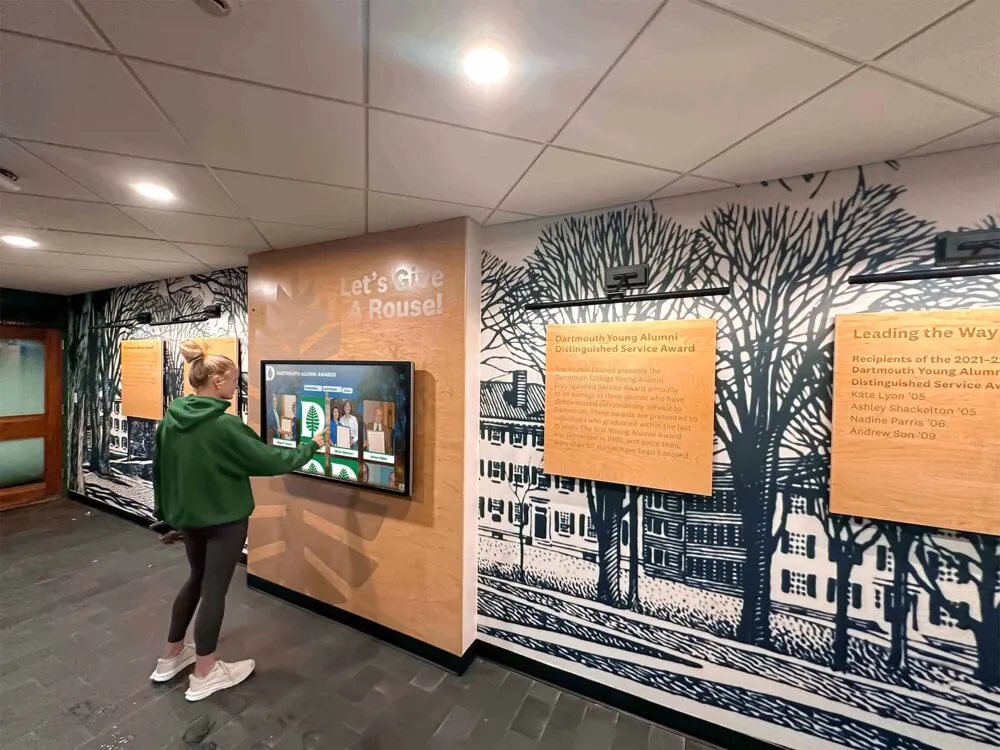
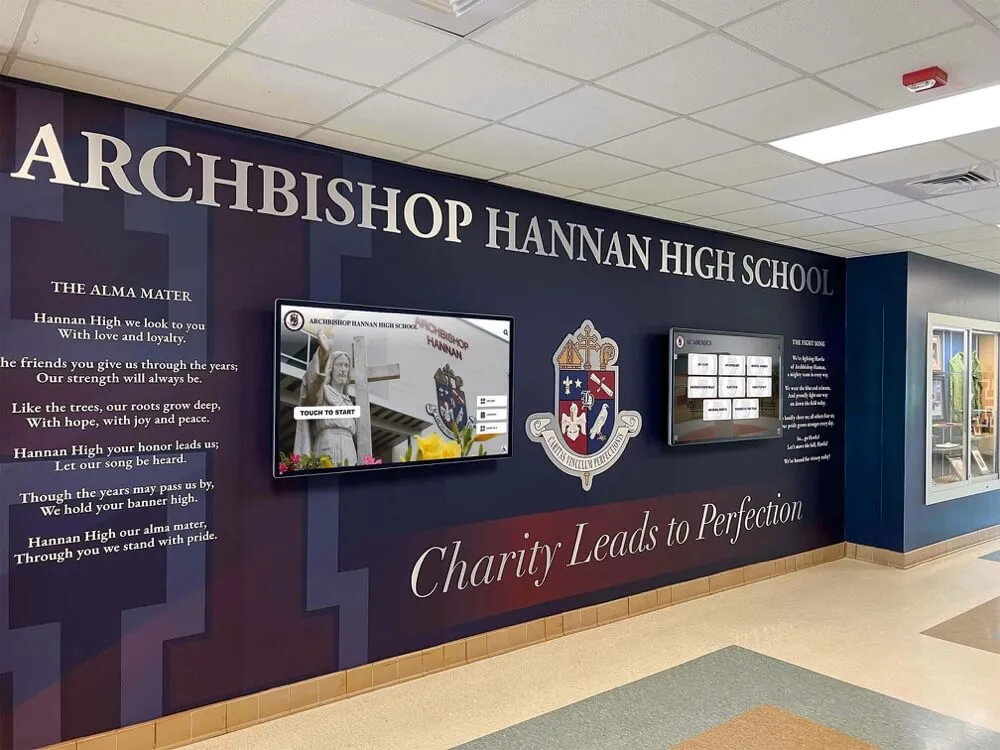
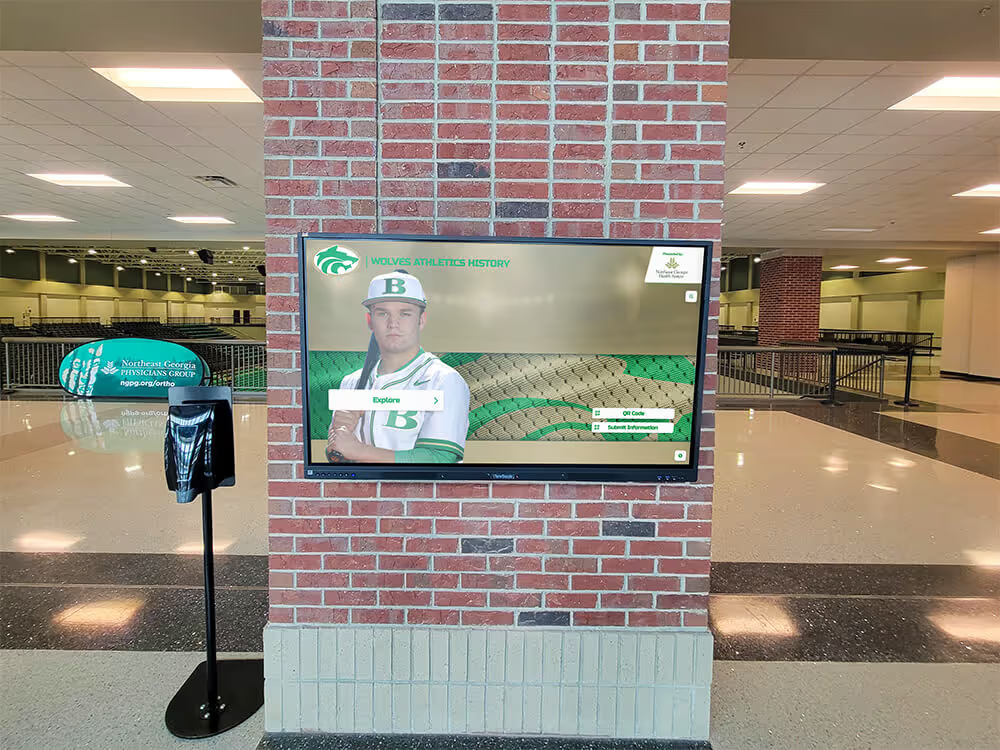
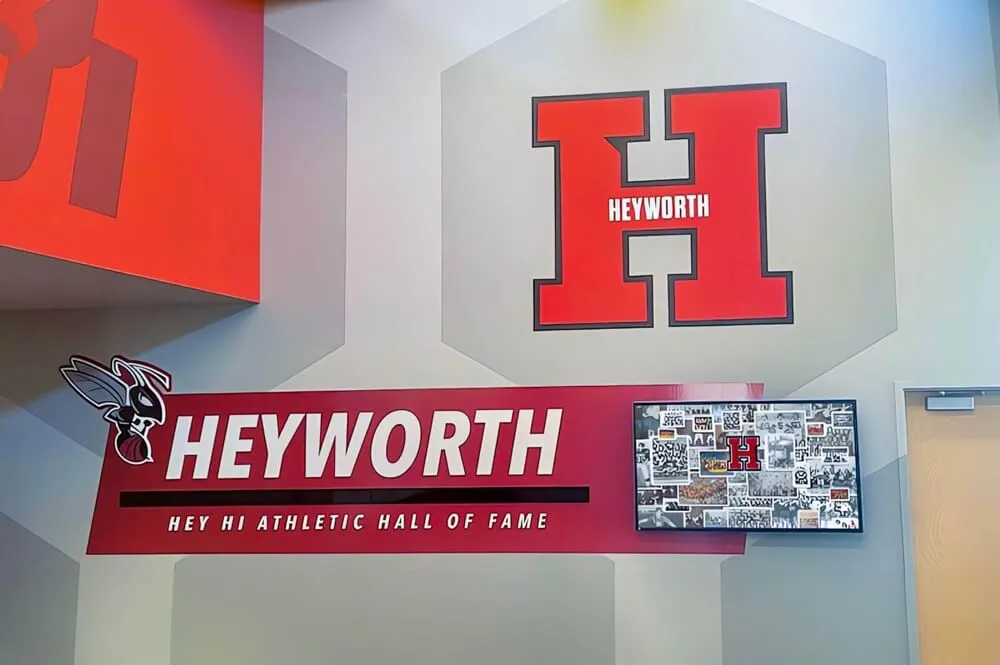
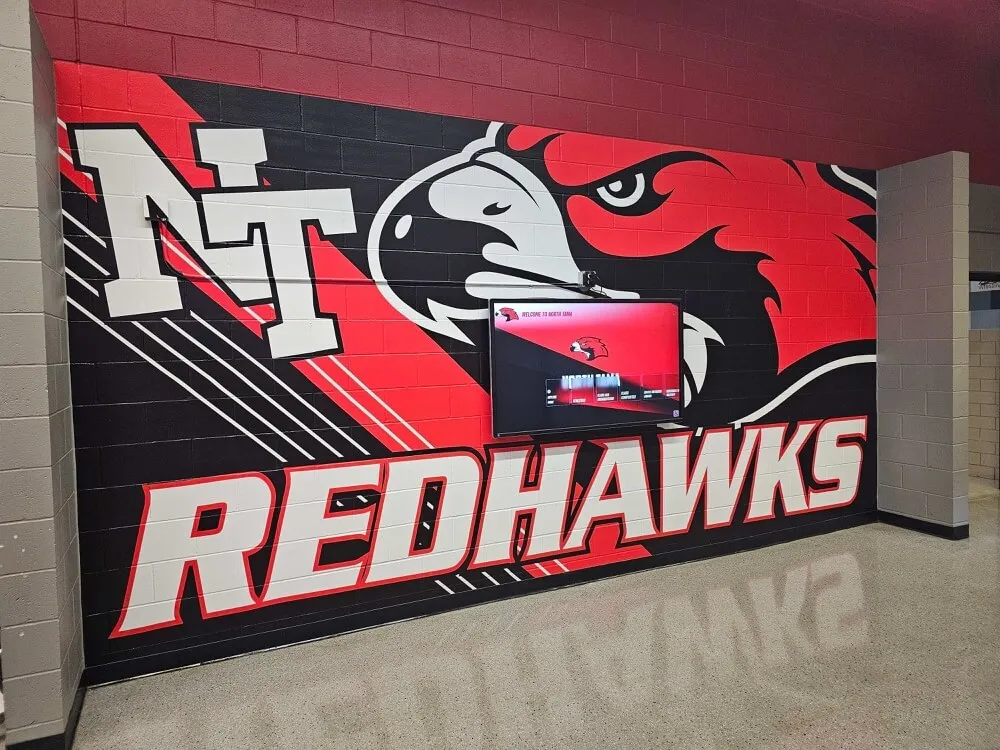
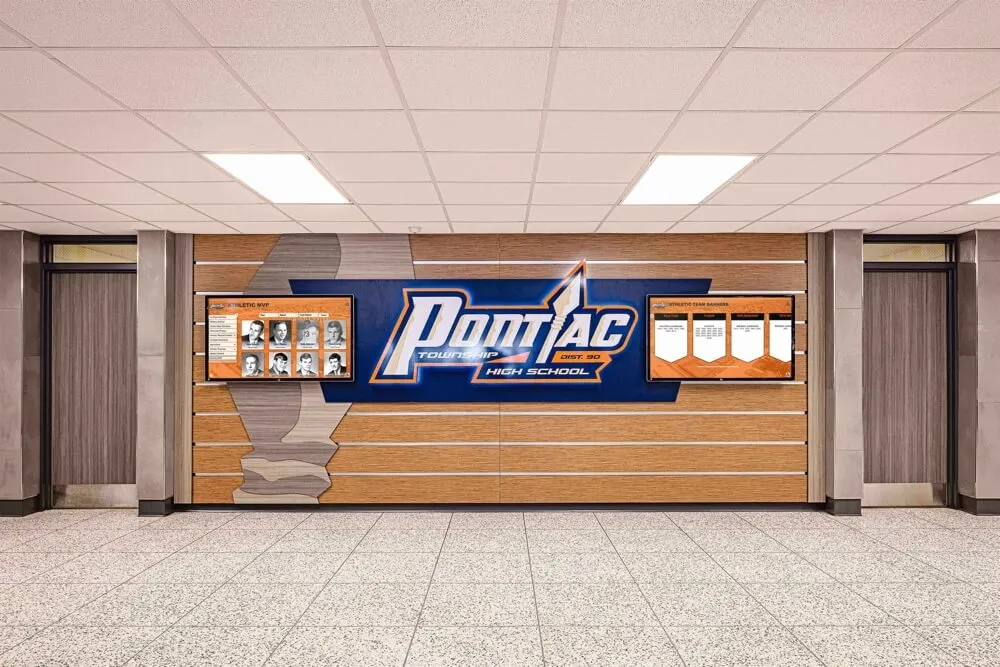
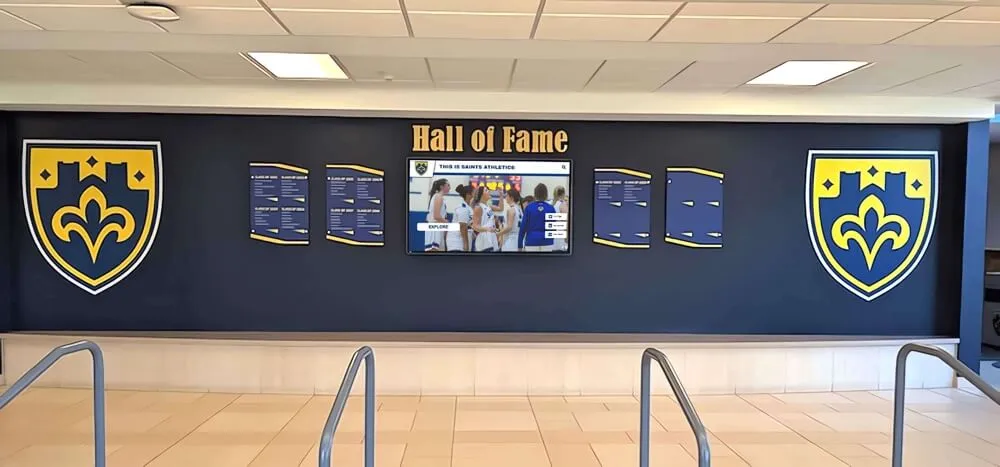
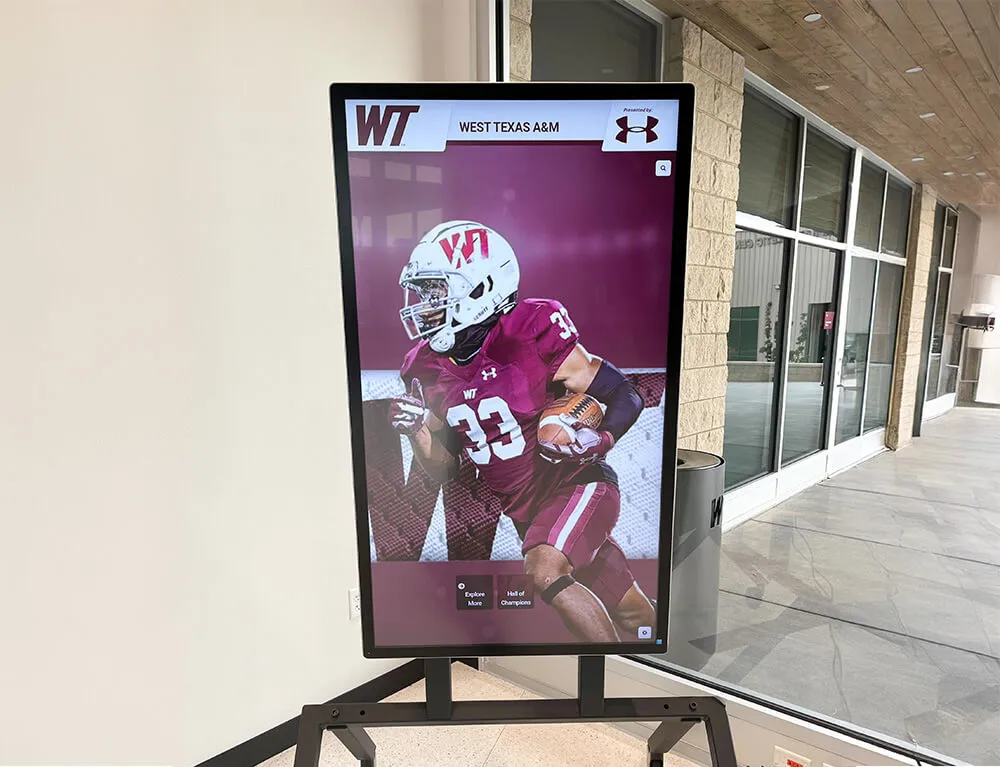
Interactive campus displays create physical engagement points where returning alumni reconnect with achievements and memories
Essential Features of Recognition-Centered Alumni Network Software
Effective platforms combine comprehensive recognition capabilities with practical networking and communication tools.
Achievement and Award Display Capabilities
Unlimited Recognition Categories Modern alumni platforms should accommodate diverse achievement types without artificial limitations:
- Academic honors (valedictorian, honor roll, National Merit, departmental awards, scholarship recognition)
- Athletic achievements (championships, all-conference selections, record holders, hall of fame inductees)
- Arts and performance recognition (theater awards, music honors, visual arts accomplishments, publications)
- Leadership acknowledgment (student government, club officers, peer mentorship, community service awards)
- Post-graduation accomplishments (career achievements, advanced degrees, community contributions, professional recognition)
- Special honors (alumni awards, distinguished service, lifetime achievement, hall of fame status)
Platforms offering unlimited categories and inductees enable institutions to celebrate every dimension of excellence without space constraints that force impossible decisions about whose achievements appear.
Multimedia Profile Support
Rich alumni and achievement profiles include:
- Professional headshots and historical photos from school years
- Video messages from alumni sharing experiences and advice
- Audio recordings of performances, speeches, or interviews
- Document uploads including articles, publications, and certificates
- Social media integration pulling LinkedIn profiles and Twitter feeds
- Achievement timelines showing progression from student to accomplished graduate
According to institutional advancement data, multimedia-rich profiles generate 3-4 times longer engagement sessions compared to text-only listings, with visitors spending an average of 4-7 minutes exploring detailed profiles versus brief 30-60 second glances at basic directories.
Search, Discovery, and Exploration Tools
Comprehensive Search Capabilities
Effective search enables multiple discovery approaches:
- Name search finding specific individuals across decades
- Class year browsing showing all alumni from particular graduating classes
- Achievement category filtering (sport, award type, academic honor, recognition level)
- Keyword search across biographical information and accomplishments
- Geographic filtering showing alumni by current location or hometown
- Career and industry searches connecting alumni with similar professional paths
- Organization and team searches finding former group members
Interactive Exploration Features
- Random highlight features introducing alumni to accomplished graduates they might not otherwise discover
- “Related alumni” suggestions based on shared achievements, years, or activities
- Timeline views showing institutional history through achievement progression
- Statistical displays highlighting records, milestones, and institutional excellence
- Comparison tools showing how achievement standards have evolved over time
These interactive kiosk capabilities create engaging experiences that encourage extended exploration rather than quick directory searches.
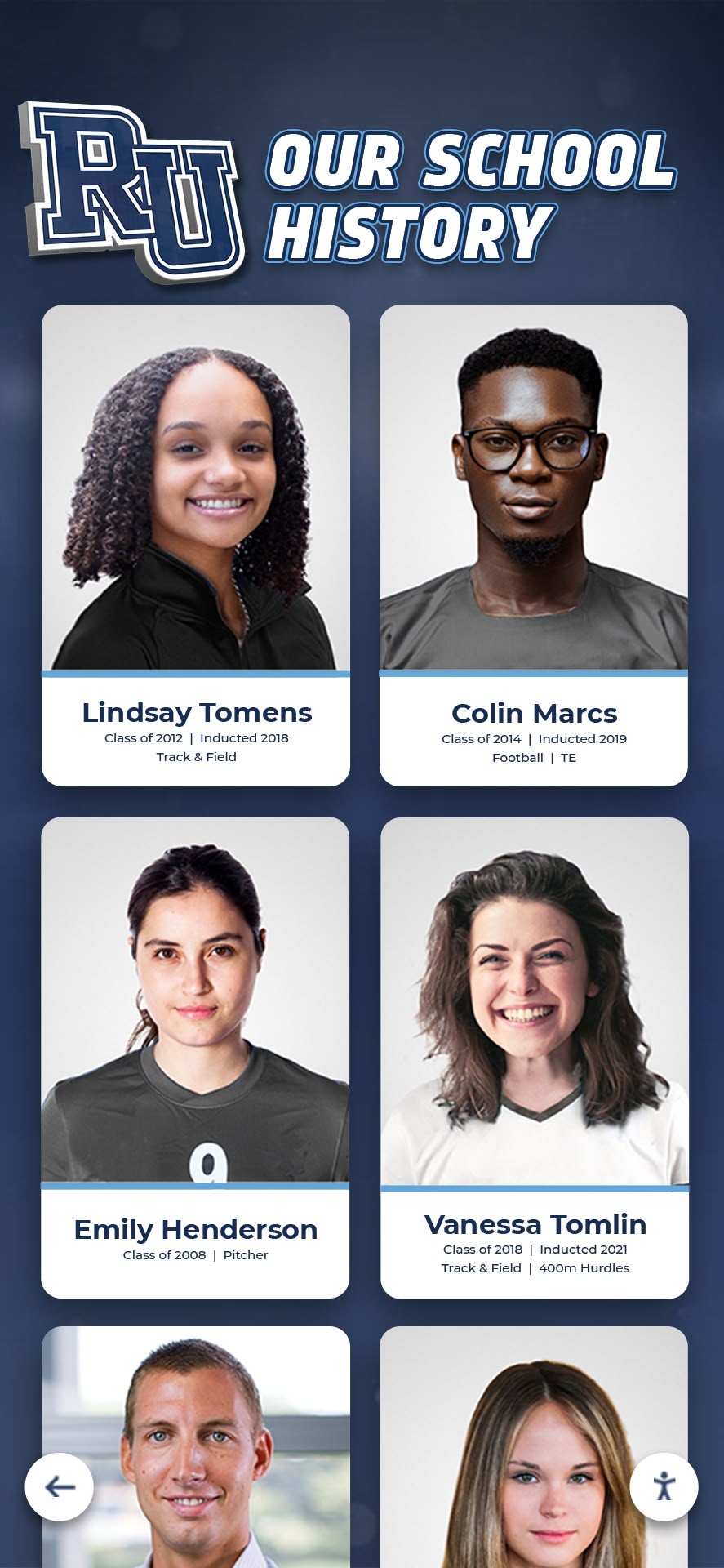
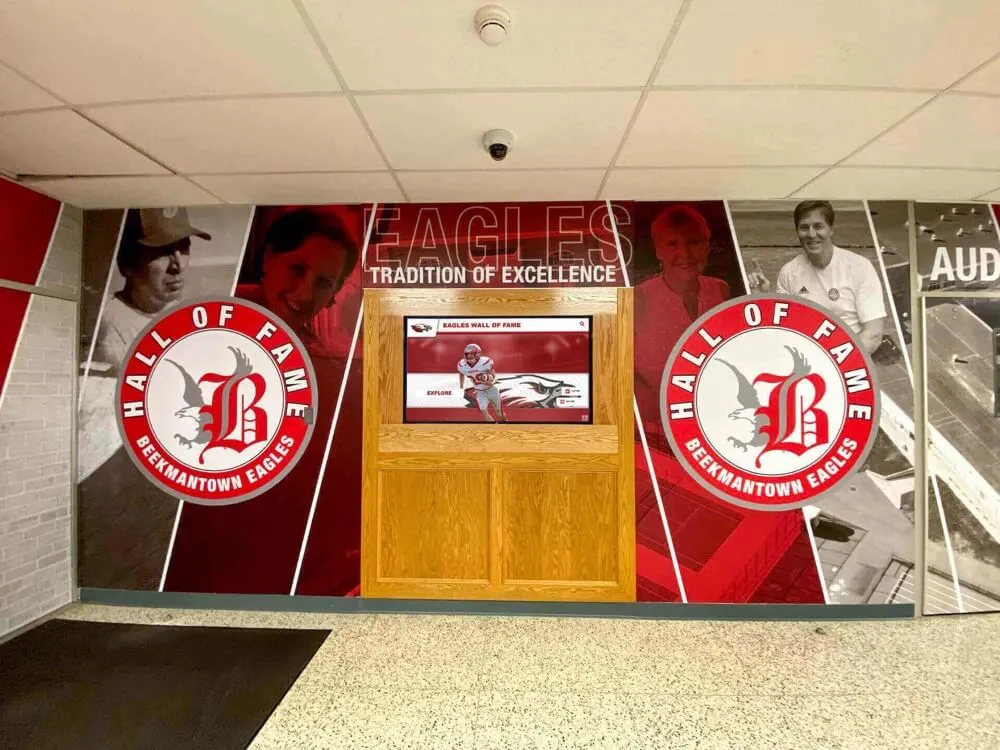
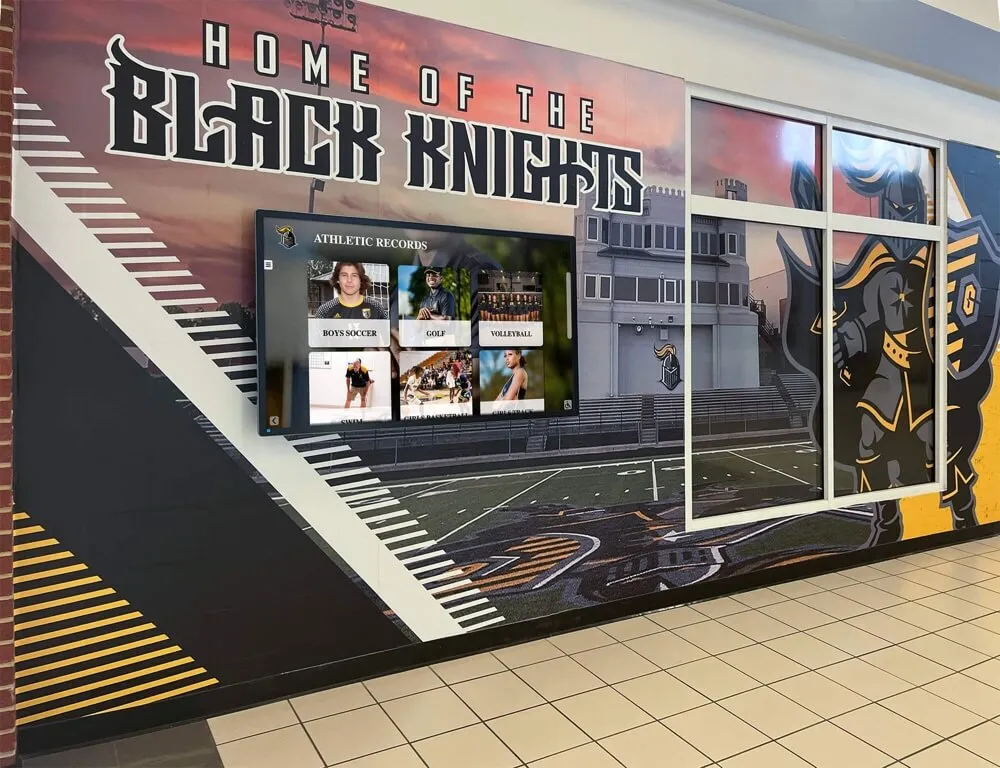
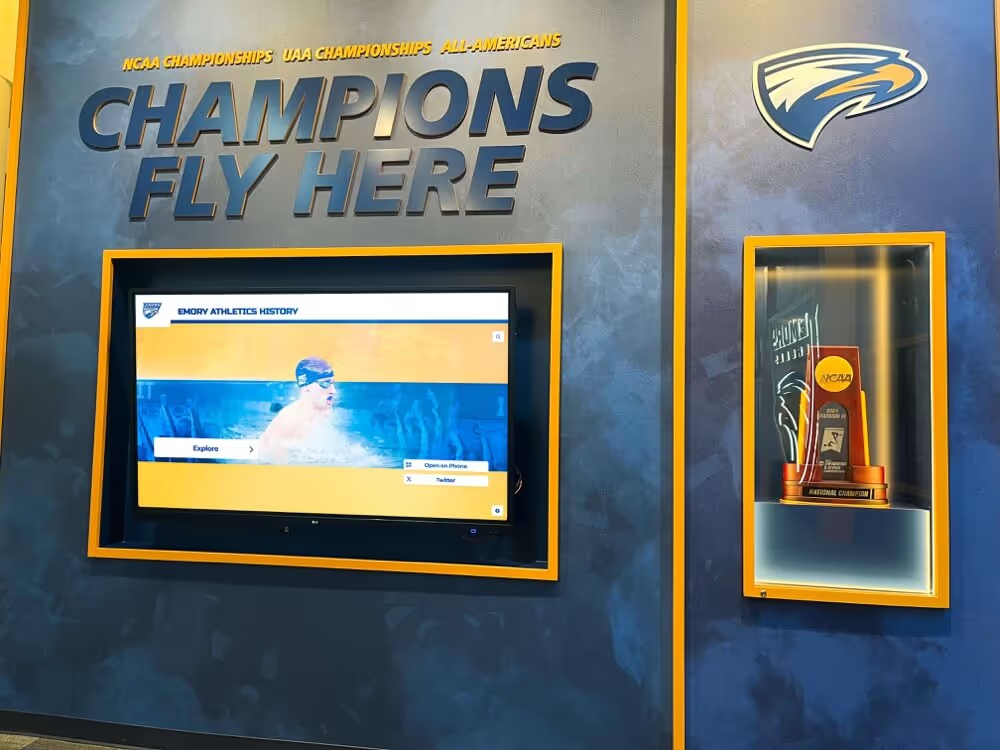
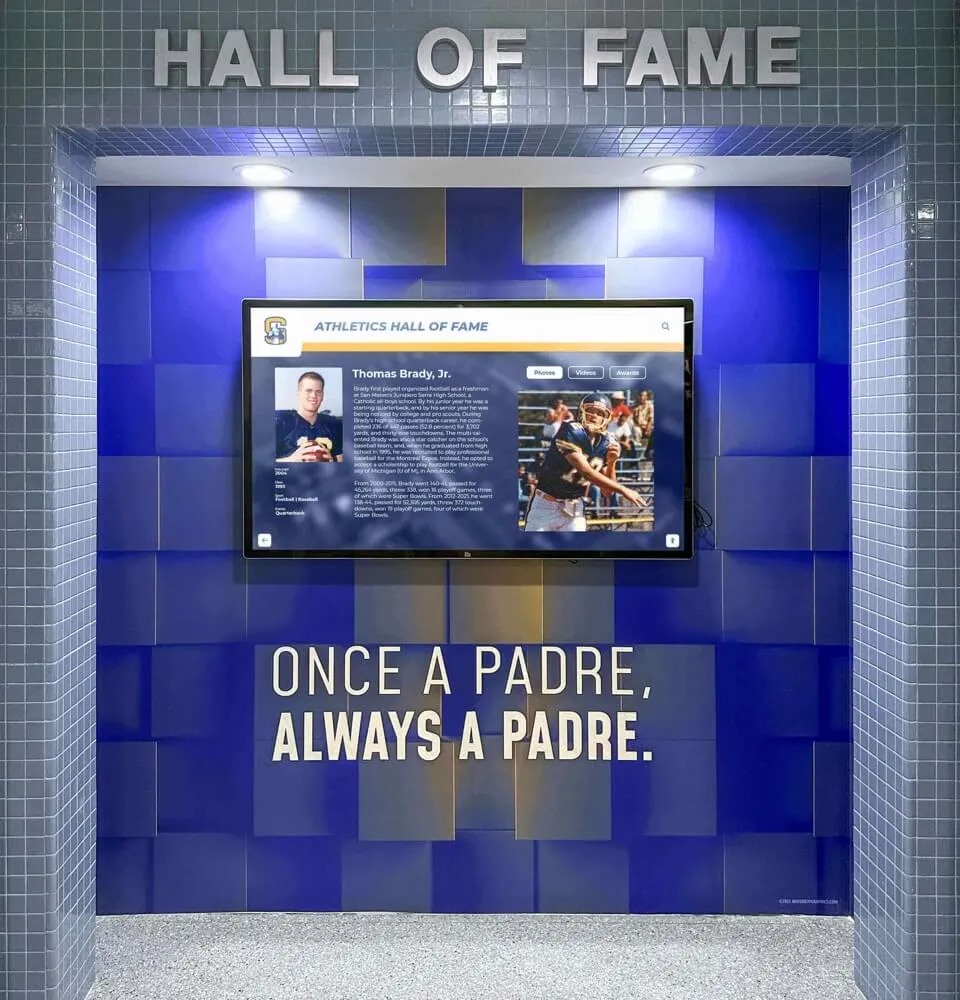
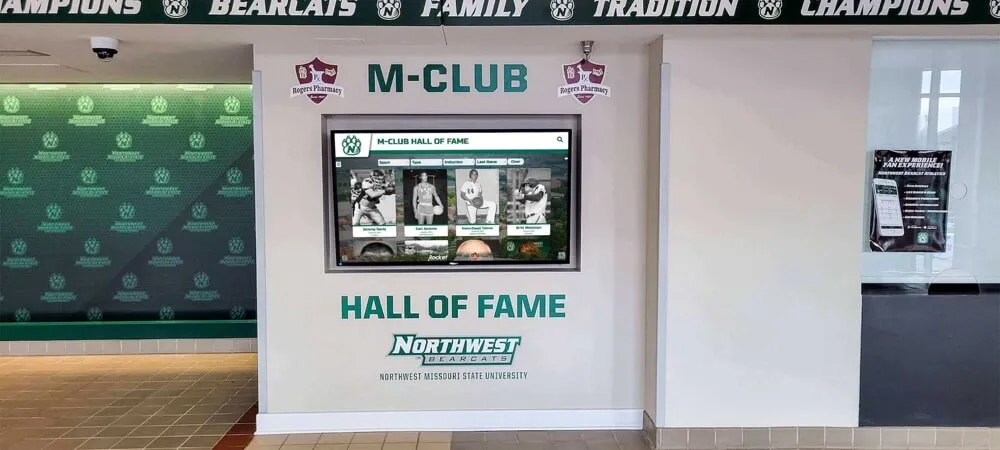
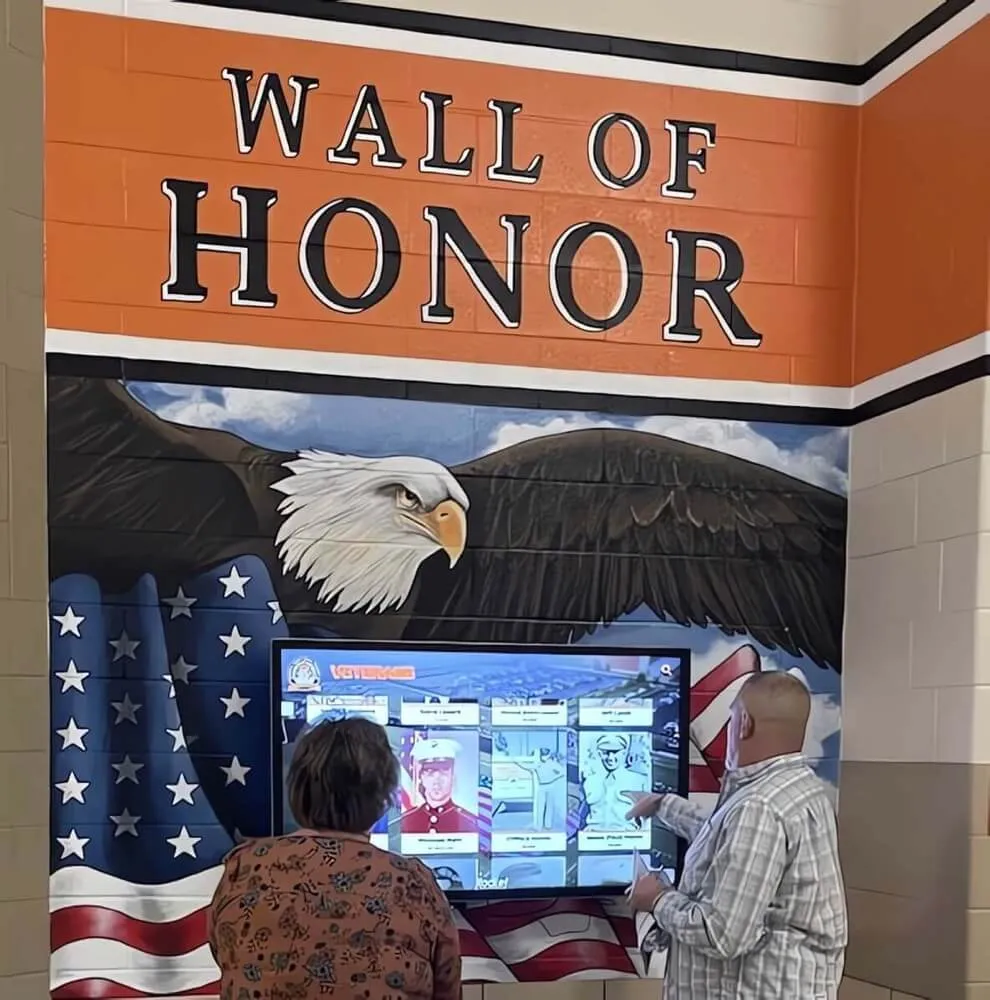
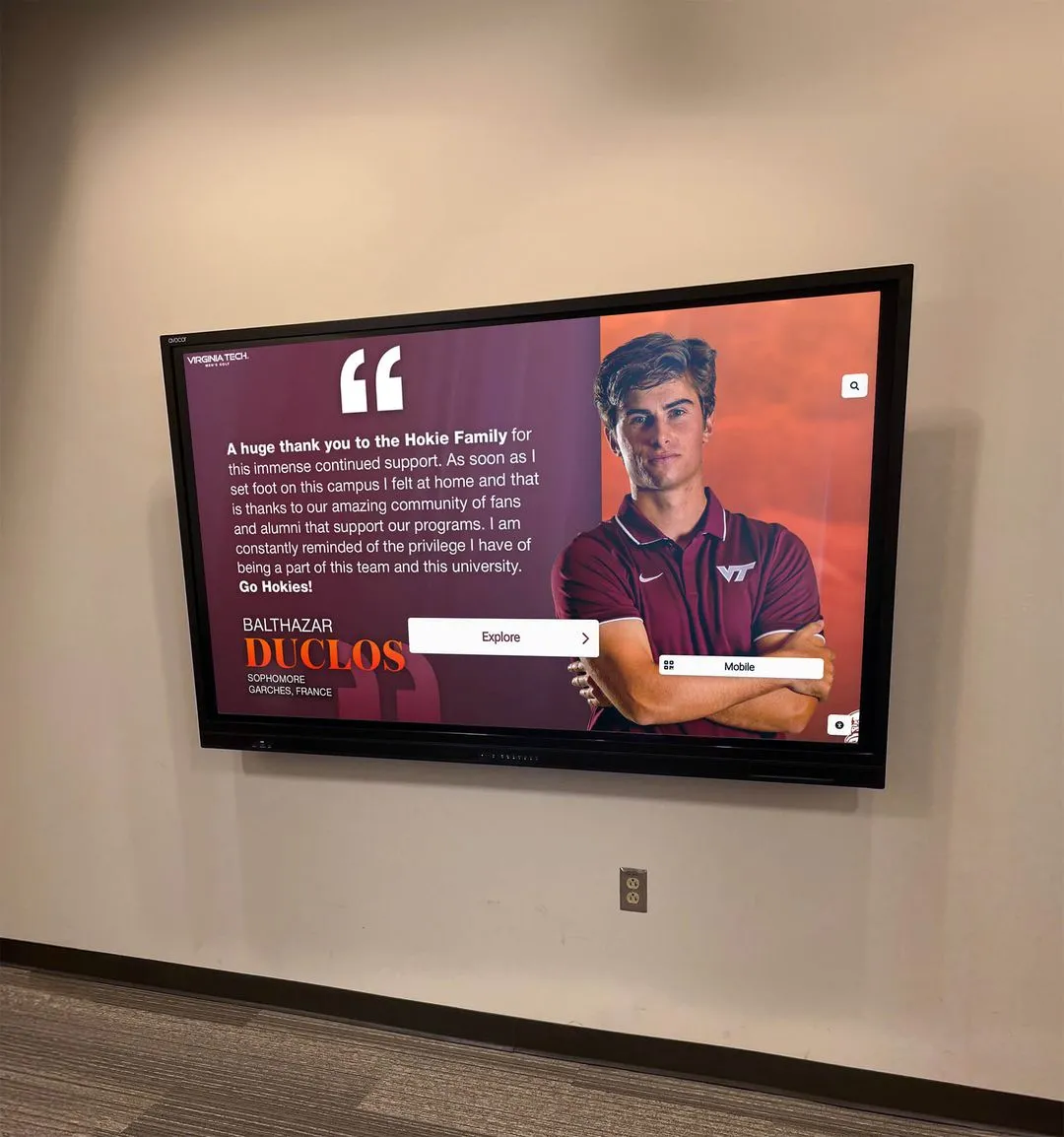
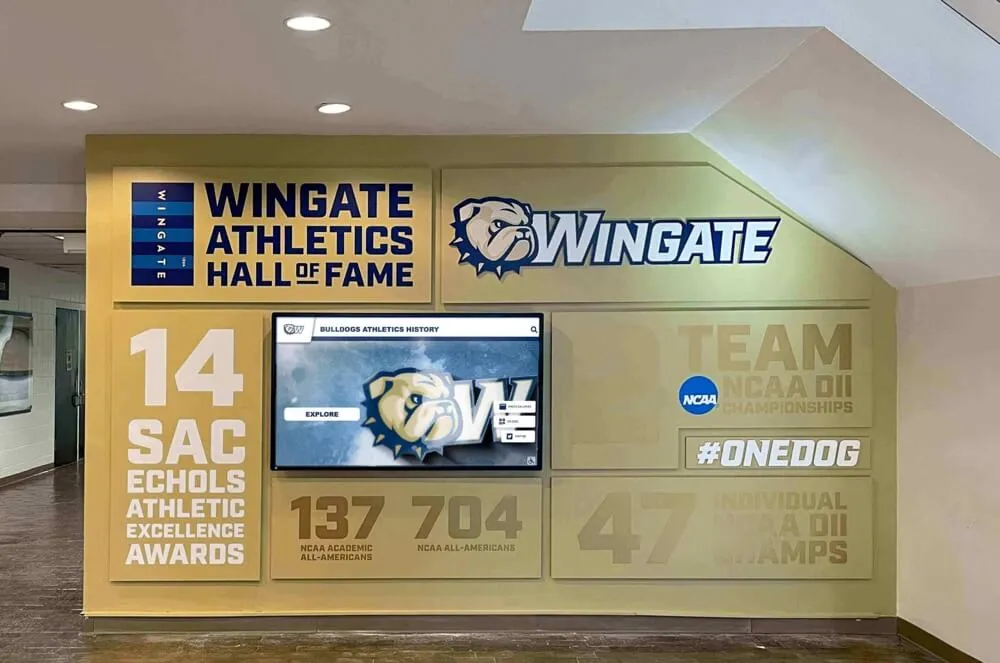
Individual achievement profiles celebrate accomplishments while preserving institutional history and inspiring future students
Platform Accessibility and Multi-Channel Engagement
Touchscreen Display Integration
Physical campus installations create engagement opportunities beyond digital-only platforms:
- High-traffic location placement in lobbies, hallways, and common areas
- Touchscreen exploration enabling intuitive navigation and discovery
- Large format displays (43"-100"+) creating impressive visual impact
- Always-on accessibility providing 24/7 engagement without login requirements
- Visitor engagement introducing prospective students and families to alumni success
Schools implementing touchscreen alumni recognition displays report 60-75% of campus visitors interact with installations, with average session lengths of 3-5 minutes demonstrating sustained engagement with content.
Web-Based Access
Cloud platforms extend reach beyond physical campus:
- Responsive design working across desktop, tablet, and smartphone devices
- No-login browsing for public achievement viewing and exploration
- Optional alumni accounts for profile claiming and updates
- Social sharing features enabling alumni to showcase recognition
- QR code access allowing mobile device engagement from any location
Mobile Optimization
Modern alumni expect seamless mobile experiences:
- Touch-optimized navigation designed for smartphone interaction
- Fast loading times despite rich multimedia content
- Offline caching enabling exploration even with limited connectivity
- Mobile app options for institutions wanting branded applications
- Push notifications for new recognition additions and achievements
Research from higher education technology studies indicates that 65-70% of alumni network engagement now occurs on mobile devices, making mobile optimization essential rather than optional.
Content Management and Administration
Remote Cloud-Based Management
Effective platforms require minimal technical expertise:
- Web-based administration accessible from any internet-connected device
- Bulk upload tools for adding large alumni groups efficiently
- Template-based profile creation ensuring consistent formatting
- Scheduled publishing for future recognition announcements
- Version control and approval workflows for institutional oversight
- Multi-user permissions allowing appropriate staff access levels
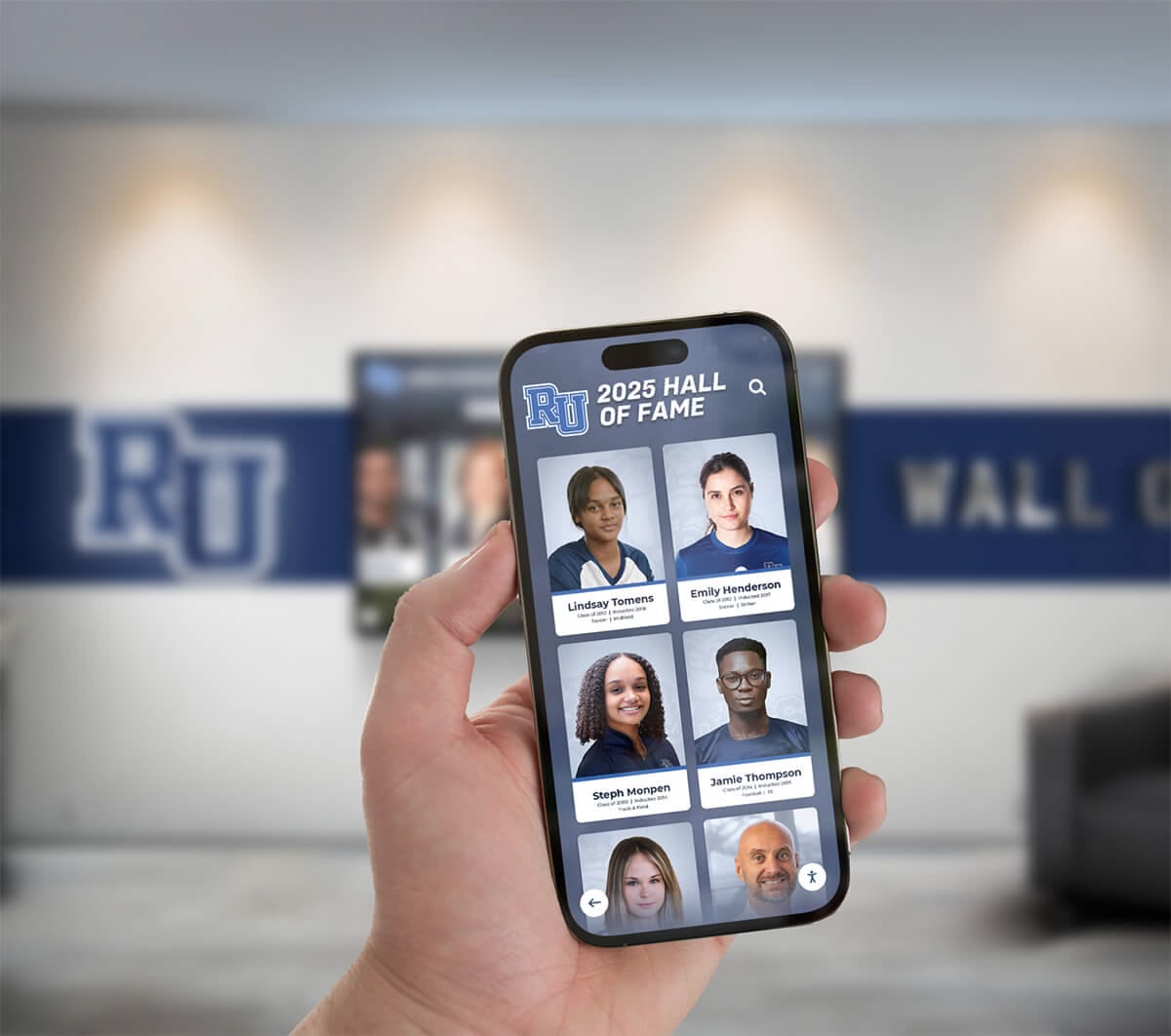
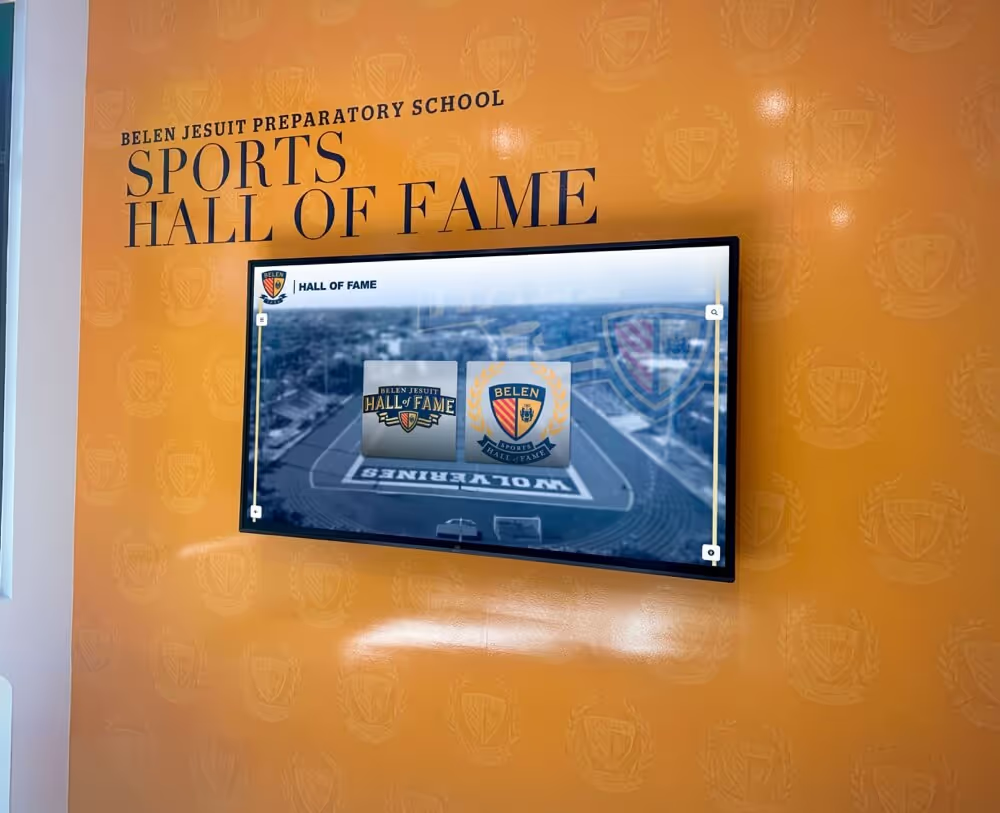
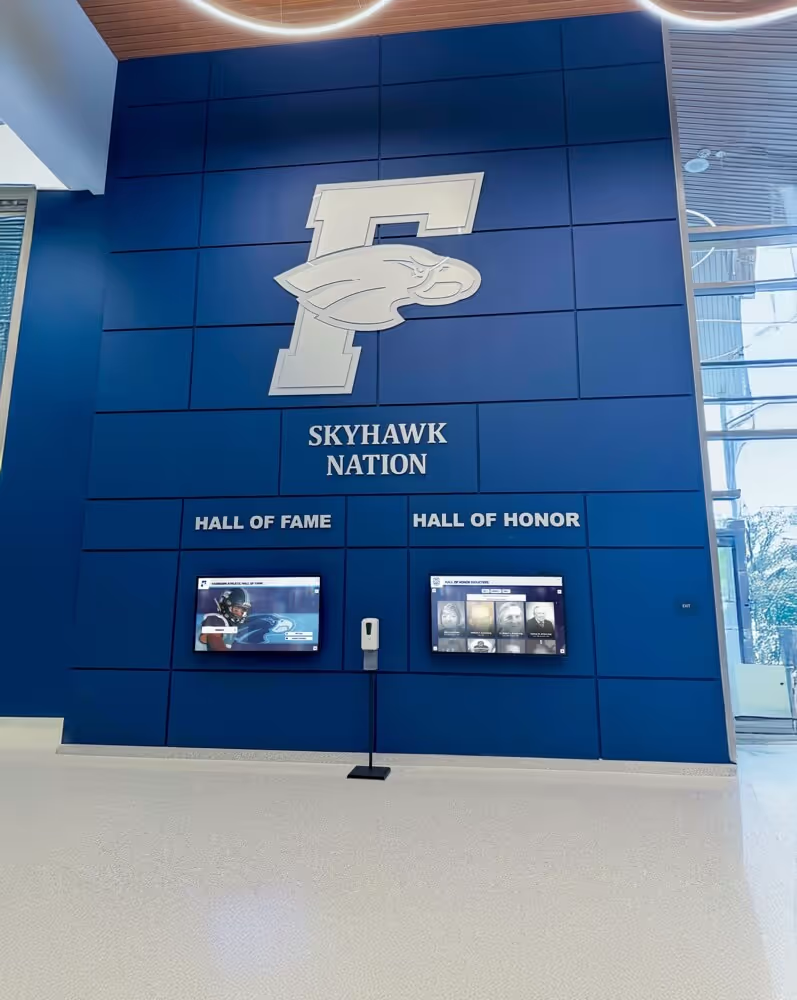
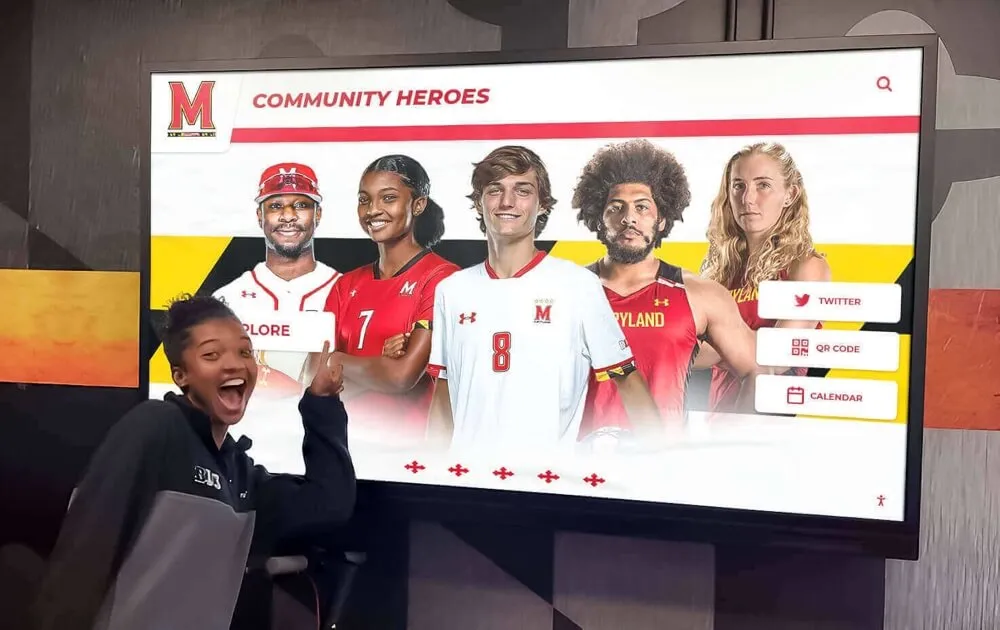
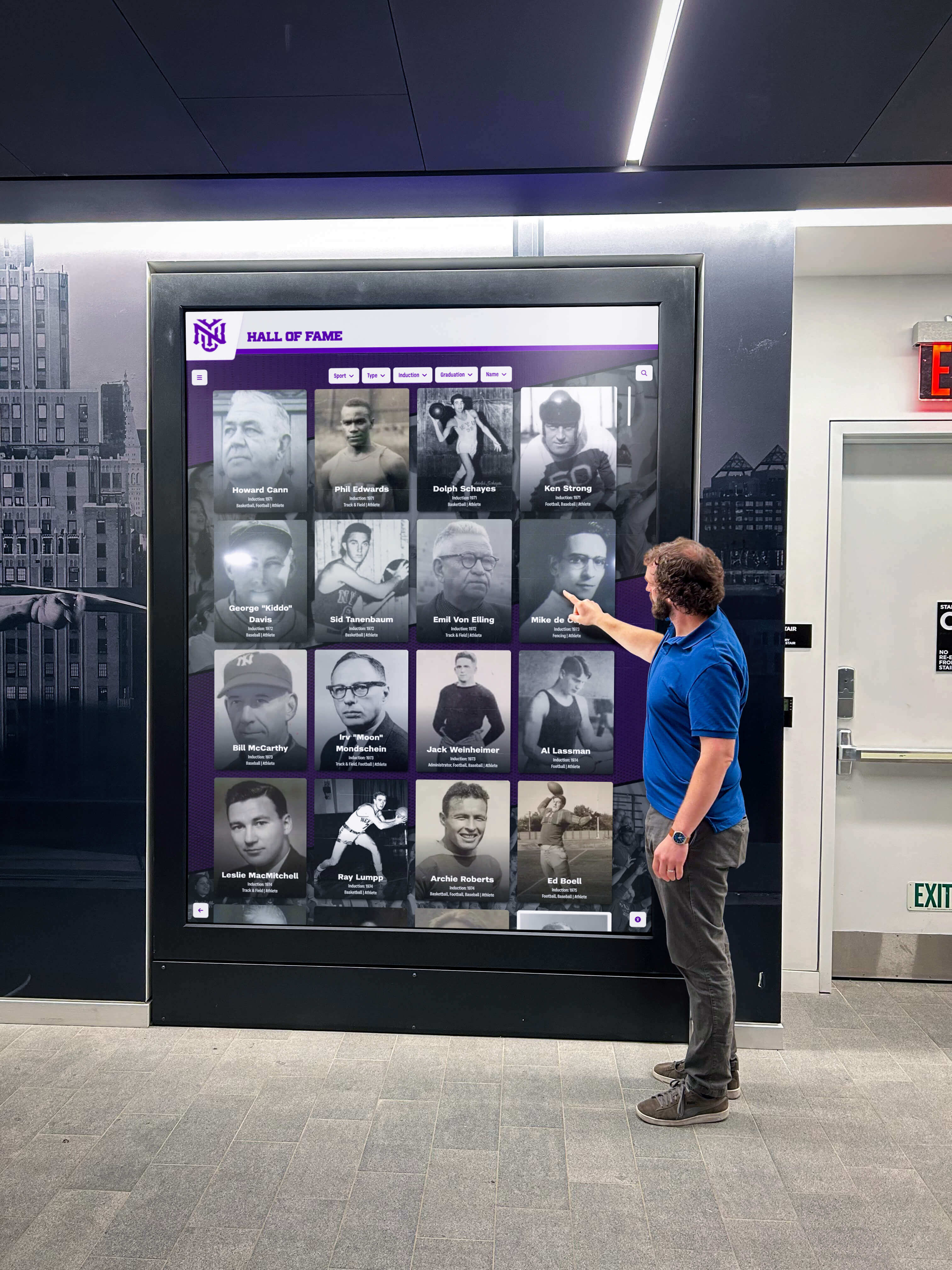
Mobile optimization enables alumni worldwide to explore achievements and reconnect with institutions from anywhere
Integration with Existing Systems
Platforms should work within existing technology ecosystems:
- Alumni database integration pulling biographical information automatically
- Student information system connections for achievement data
- Giving platform integration showing donor recognition alongside other honors
- Event management system coordination for reunion and gathering promotion
- Email marketing tool connections enabling targeted communication to specific alumni segments
Schools report 70-85% reduction in administrative time after implementing integrated alumni platforms compared to maintaining separate disconnected systems.
Building Active Alumni Communities Through Strategic Recognition
Technology platforms enable engagement, but strategic approaches determine success.
Recognition Program Design for Maximum Engagement
Balancing Historical and Contemporary Recognition
Successful platforms celebrate multiple generations:
- Historical archives preserving achievements from founding through present
- Regular updates adding recent graduate accomplishments and continuing success
- Post-graduation tracking documenting alumni career achievements and contributions
- Milestone recognition celebrating significant anniversaries (25th, 50th reunions)
- Legacy connections showing family members who attended same institution across generations
Creating Diverse Recognition Categories
Comprehensive programs acknowledge varied excellence dimensions:
- Academic achievement across all subject areas and grade levels
- Athletic success in every sport rather than only high-profile teams
- Arts accomplishments in music, theater, visual arts, creative writing, and performance
- Service and leadership in school organizations, community volunteering, and peer mentorship
- Character and citizenship exemplifying institutional values beyond measurable achievements
- Post-graduation accomplishments celebrating continuing excellence in careers and communities
Institutions recognizing diverse achievement types report 45-60% higher alumni engagement across all demographics compared to those focusing narrowly on athletic or academic excellence alone.
Connecting Recognition to Donor Engagement
Recognition platforms naturally support advancement objectives when designed appropriately:
Donor Recognition Integration
Combining philanthropic and achievement recognition:
- Donor wall displays acknowledging supporter contributions alongside achievement honors
- Scholarship recipient and donor connection features showing gift impact
- Giving society recognition celebrating philanthropic leadership
- Named facility and program acknowledgment linking donors to specific initiatives
- Historical giving recognition preserving legacy of support across generations
Subtle Giving Integration Without Aggressive Solicitation
- “Support future excellence” messaging connecting past recognition to current student opportunities
- Scholarship fund information adjacent to scholarship recipient profiles
- Giving impact stories demonstrating concrete outcomes from donor support
- Reunion class giving participation rates creating friendly competition
- Recognition opportunities explaining how contributions lead to permanent acknowledgment
According to advancement research, alumni who regularly engage with recognition-centered platforms demonstrate 28-35% higher annual fund participation compared to those receiving only periodic solicitation communications, suggesting that celebration-first approaches generate stronger philanthropic results than request-focused strategies.
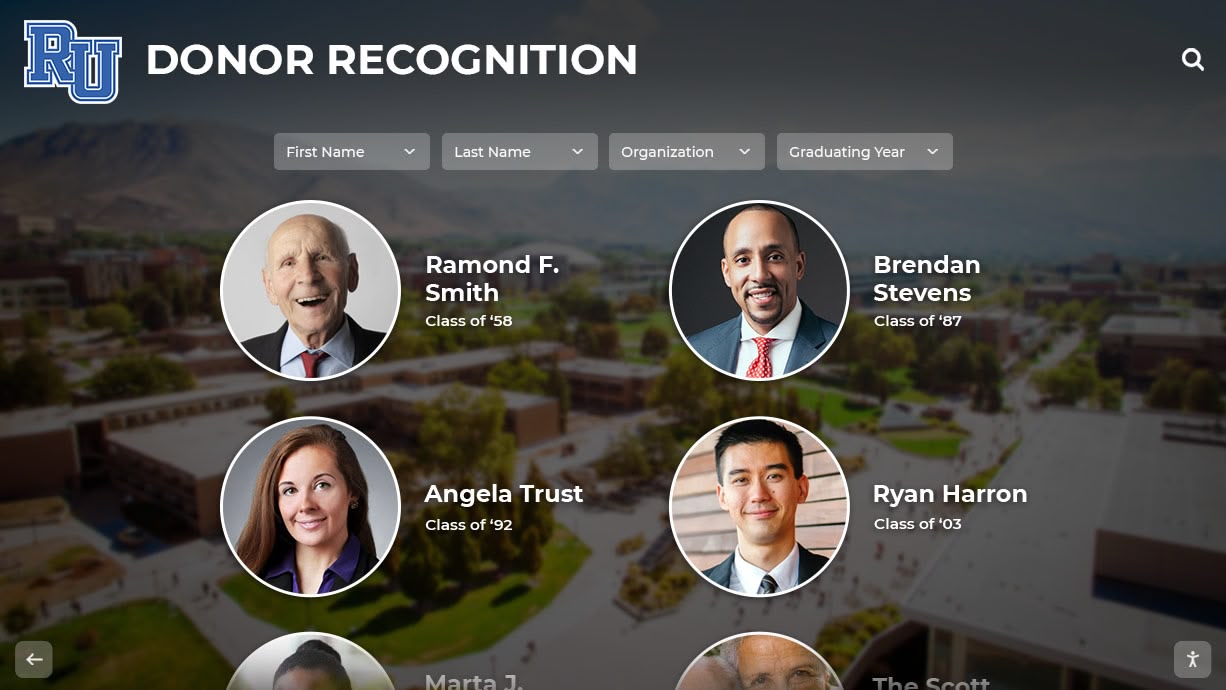
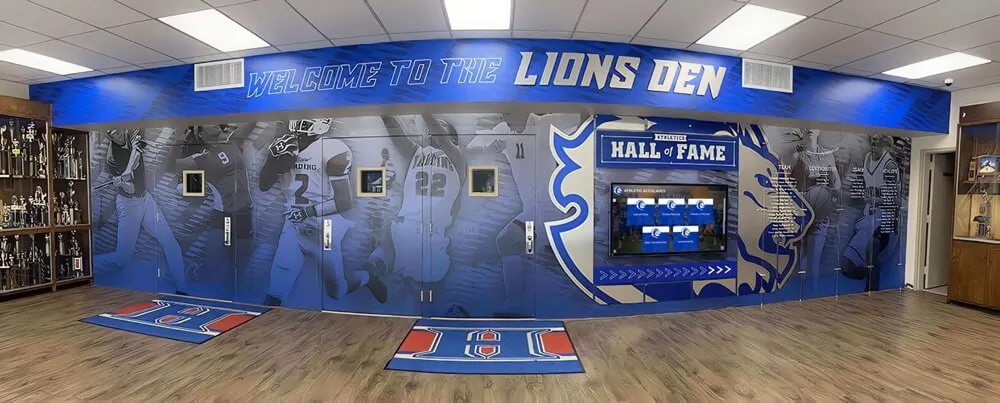
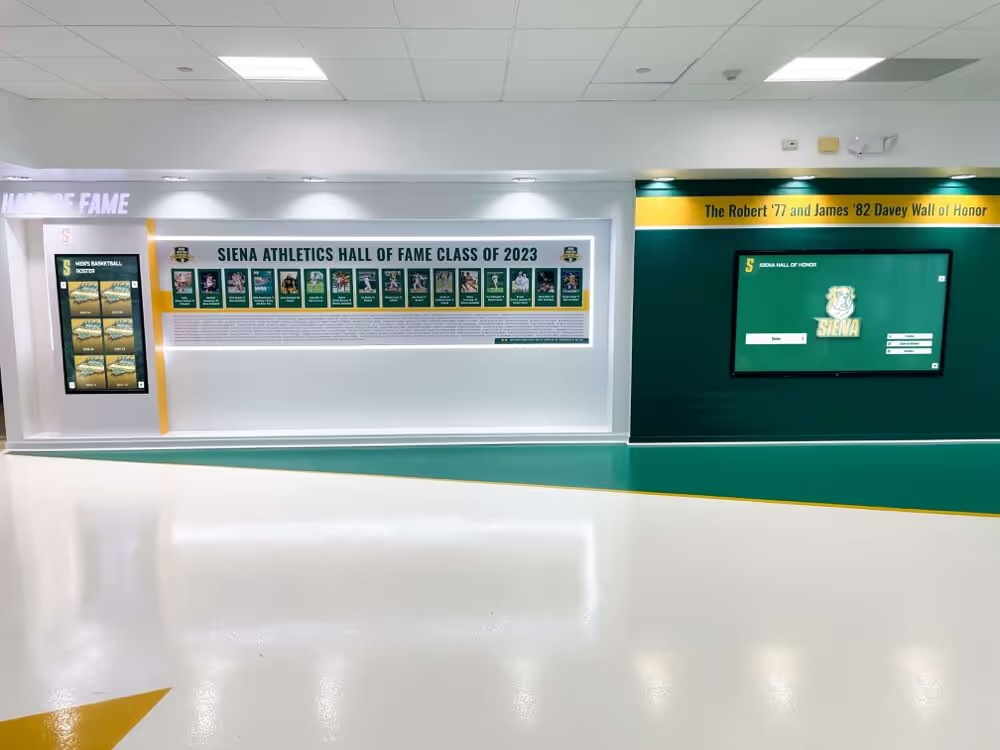
Integrated recognition celebrates both alumni achievements and donor support strengthening institutional relationships across all engagement dimensions
Implementation Strategies for Recognition-Centered Alumni Networks
Successful deployment requires systematic planning and thoughtful execution.
Content Development and Historical Research
Building Comprehensive Alumni Achievement Archives
Most institutions possess far more recognition data than initially apparent:
- Yearbook mining extracting decades of achievement listings and honors
- Athletic record book documentation preserving statistical achievements and championships
- Academic award ceremony programs listing honorees across years
- Newspaper clipping archives documenting notable alumni and accomplishments
- Hall of fame displays and trophy cases containing recognition information
- Commencement program reviews identifying valedictorians and special honors
- Department records preserving subject-specific awards and recognition
Prioritizing Content Development
Strategic phasing enables manageable implementation:
- Phase 1 - Recent Recognition (0-10 years): Begin with current and recent alumni for whom comprehensive data exists and engagement potential remains highest
- Phase 2 - Milestone Years: Add reunion years (classes ending in 1 and 6) creating immediate value for upcoming gatherings
- Phase 3 - Hall of Fame and Major Recognition: Include formally inducted hall of fame members and major award recipients across all years
- Phase 4 - Systematic Historical Addition: Methodically work backward through decades adding comprehensive achievement data
- Phase 5 - Ongoing Updates: Establish processes for continuous additions as new achievements occur and historical discoveries emerge
Schools implementing phased approaches report 60-75% faster initial launches compared to attempting comprehensive historical compilation before platform debut.
Physical Installation and Campus Integration
Strategic Touchscreen Placement
Location determines visibility and engagement:
- Main entrance lobbies capturing all campus visitors and daily traffic
- Athletic facilities honoring sports achievements in contextually relevant spaces
- Alumni centers creating dedicated engagement and exploration spaces
- Commons areas and student gathering locations where lingering naturally occurs
- Corridors connecting high-traffic destinations ensuring visibility
- Event venues used for reunions, giving celebrations, and institutional gatherings
Installation Considerations
Technical and practical factors affecting success:
- Network connectivity ensuring reliable internet access for cloud-based content
- Electrical infrastructure providing power without visible extension cords
- Mounting solutions (wall-mounted, freestanding kiosks, built-in installations)
- Screen size appropriate to viewing distance and space scale (43"-100"+ range)
- Accessibility compliance ensuring WCAG 2.2 AA standards for all users including those with disabilities
- Lighting conditions avoiding glare while ensuring visibility
- Physical security preventing vandalism while maintaining approachable access
Research indicates that touchscreen displays positioned in locations where people naturally pause (lobbies, lounges) generate 4-6 times higher engagement compared to pure circulation corridors where viewers remain in motion.
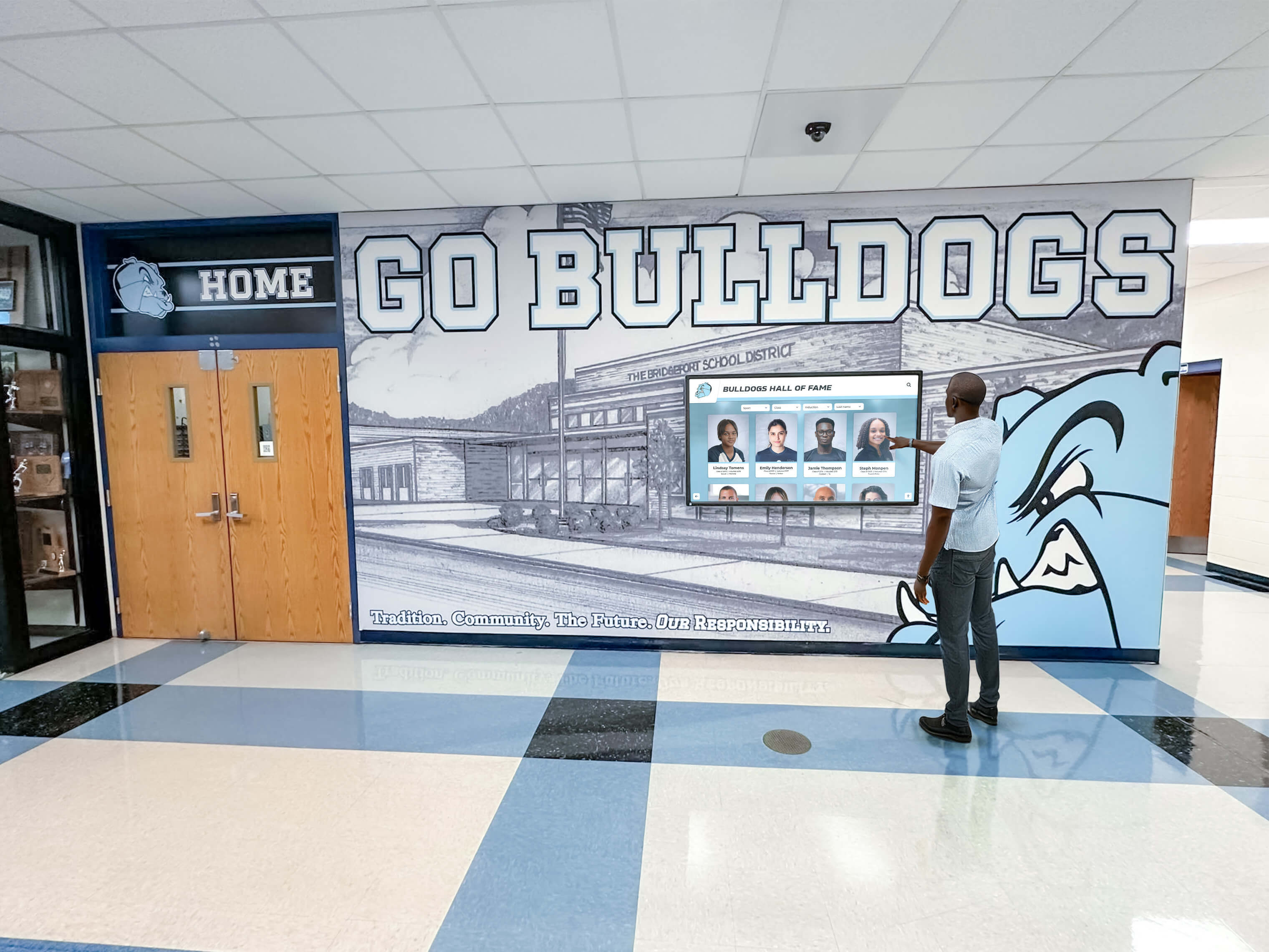
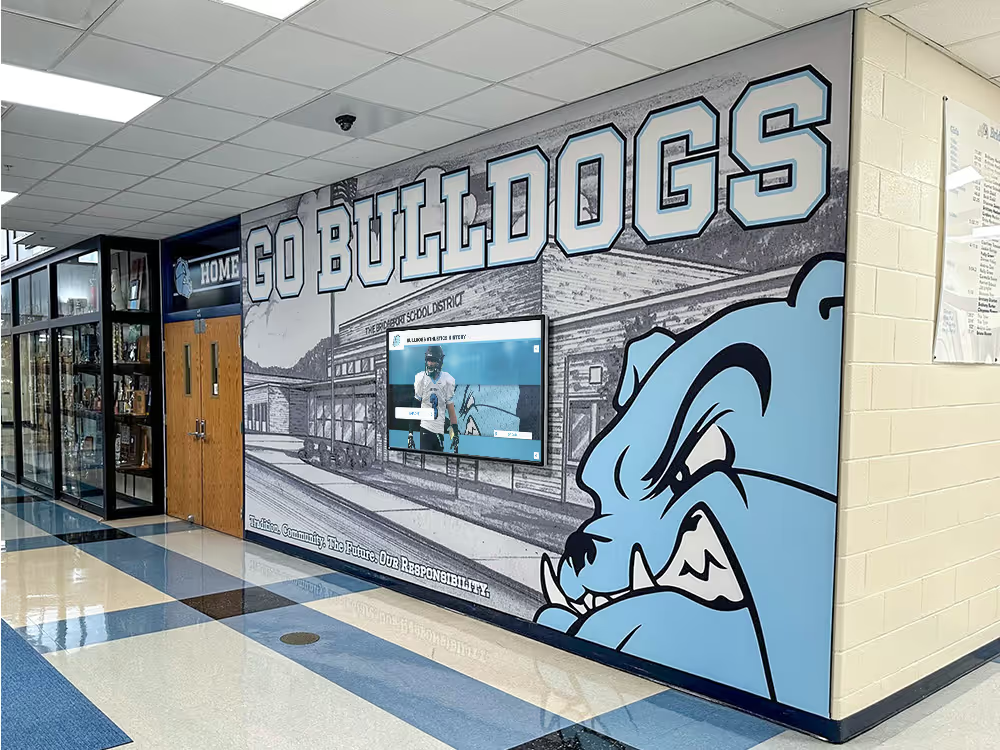
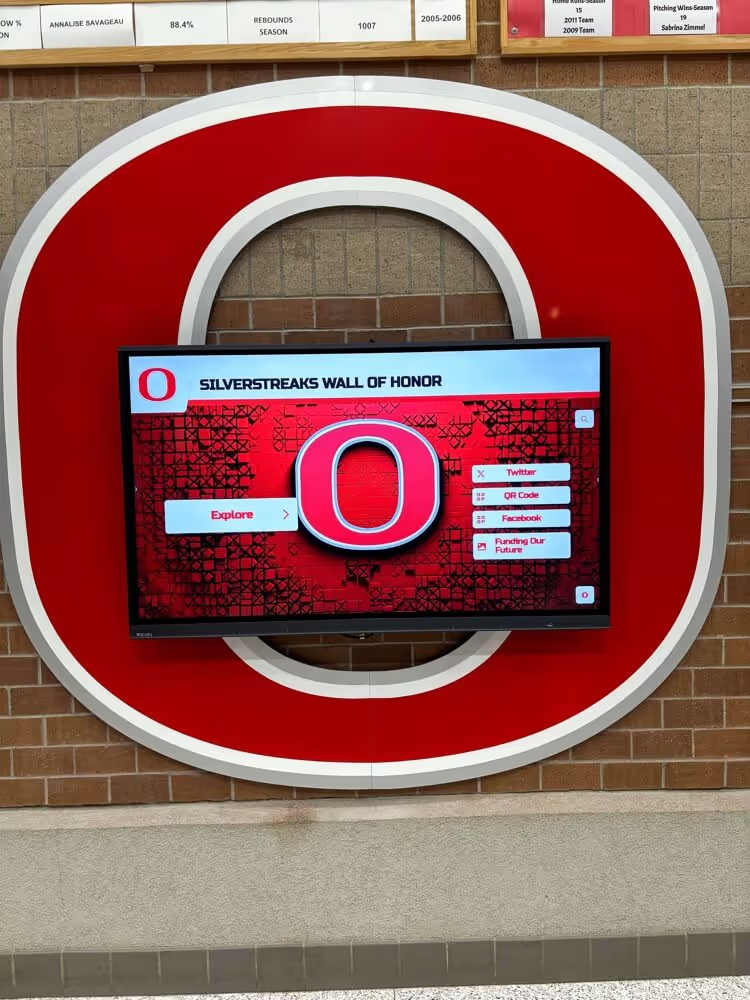
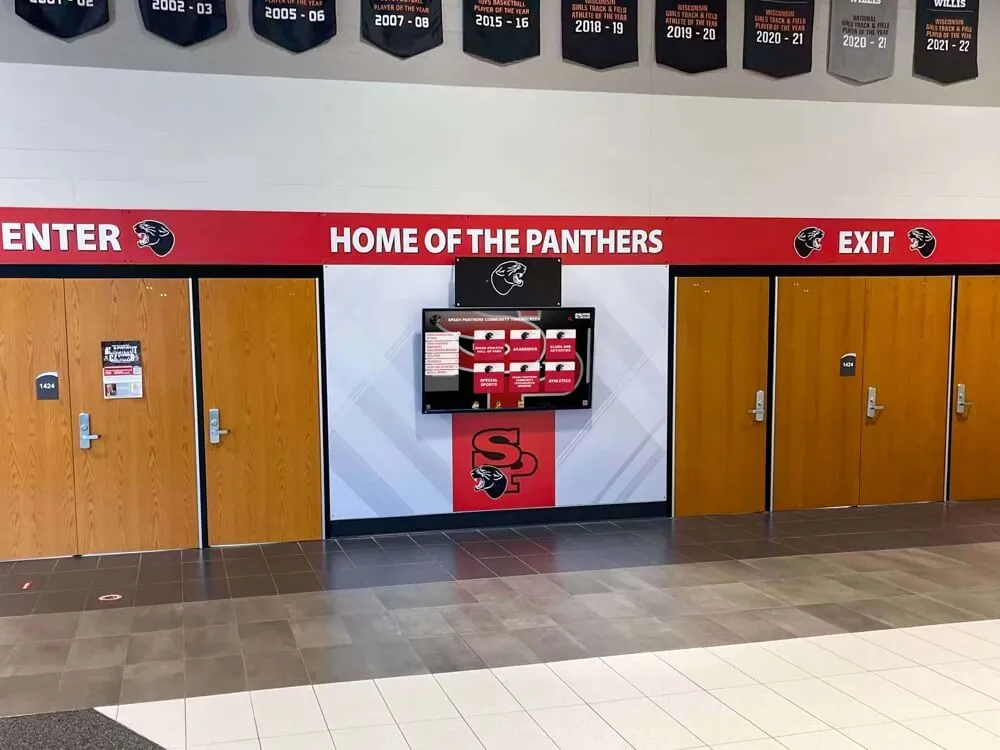
High-traffic hallway placements maximize visibility while creating opportunities for spontaneous alumni discovery and engagement
Promotion and Launch Strategies
Building Awareness and Driving Initial Engagement
Successful platforms require active promotion:
- Announcement campaigns introducing new alumni network capabilities to all constituents
- Featured alumni spotlight series highlighting interesting profiles and driving traffic
- Reunion integration encouraging class members to explore their cohort achievements
- Social media campaigns showcasing platform capabilities and interesting discoveries
- Email newsletters featuring “did you know” content from alumni archives
- Campus signage directing physical visitors to touchscreen installations
- QR code distribution enabling instant mobile access from printed materials
Creating Ongoing Engagement Momentum
Sustained success requires continuous content additions and communication:
- Regular achievement updates as new honors occur and discoveries emerge
- Seasonal recognition highlights celebrating semester accomplishments and milestones
- Historical throwback features exploring achievements from specific years or decades
- Milestone celebrations for significant anniversaries and recognition events
- New category introductions expanding recognition scope over time
- User-generated content enabling alumni to submit achievements and updates
Institutions maintaining consistent content addition schedules report 55-70% higher sustained engagement compared to those conducting initial launches without ongoing update commitments.
Measuring Alumni Network Success and ROI
Assessment demonstrates value and guides continuous improvement.
Engagement Metrics
Platform Usage Indicators
- Unique visitor counts showing reach across alumni population
- Session duration measuring depth of engagement and exploration
- Pages per session indicating discovery and browsing behavior
- Search query analysis revealing what alumni seek and how they explore
- Most-viewed profiles identifying compelling content and popular figures
- Return visitor rates demonstrating sustained interest beyond initial curiosity
- Geographic distribution showing worldwide reach and engagement
Touchscreen Display Metrics
- Daily interaction counts measuring physical engagement frequency
- Average session length indicating sustained exploration versus brief glances
- Peak usage times informing content scheduling and promotion timing
- Search versus browse behavior showing how visitors navigate content
- Most popular categories revealing which recognition types generate highest interest
Advancement Impact Indicators
Giving and Fundraising Outcomes
- Donor participation rates among engaged platform users versus non-users
- Average gift sizes comparing regular platform visitors to occasional engagers
- Planned giving inquiries and commitments from alumni reconnecting through recognition
- Campaign success rates when recognition integration employed
- Reunion class giving tied to cohort exploration and engagement
According to advancement benchmarking data, institutions implementing recognition-centered alumni platforms see average increases of 18-25% in annual fund participation within 2-3 years of launch, with even stronger results (30-40%+ increases) among highly engaged user segments.
Event Attendance and Participation
- Reunion registration rates correlated with pre-event platform engagement
- Alumni event attendance showing connection between recognition and in-person participation
- Volunteer recruitment success among regular platform users
- Ambassador and mentorship program participation from engaged alumni
- Career networking and student support from actively connected graduates
Qualitative Assessment
Stakeholder Feedback Collection
- Alumni surveys measuring satisfaction and perceived value
- User testimonials documenting meaningful reconnections and discoveries
- Social media sentiment analysis showing how alumni discuss platform
- Development officer observations about conversation quality and donor engagement
- Admission tour guide reports about prospective family reactions to recognition displays
Comprehensive assessment demonstrates value to skeptical stakeholders while identifying improvement opportunities.
Addressing Common Alumni Network Software Challenges
Implementation obstacles exist but most have proven solutions.
Data Quality and Completeness
Common Data Problems
- Incomplete historical records making comprehensive archives difficult
- Inconsistent achievement documentation across different time periods
- Missing biographical information for older alumni
- Outdated contact information preventing direct alumni outreach
- Uncertain achievement details requiring verification before publication
Resolution Strategies
- Publish available information rather than waiting for perfect completeness
- Crowdsource missing details through alumni submission features
- Clearly indicate when information remains incomplete or uncertain
- Implement verification processes for user-submitted content
- Establish editorial standards balancing accuracy with accessibility
- Use reunion events to gather information from attending class members
- Partner with alumni volunteers willing to research specific years or teams
Schools embracing “publish and improve” approaches launch 3-4 months faster than those attempting complete historical compilation before debut.
Balancing Recognition Equity
Recognition Distribution Challenges
- Disproportionate focus on high-profile sports versus other achievements
- More comprehensive recent records versus sparse historical documentation
- Larger schools having overwhelming numbers versus small schools with limited categories
- Championship teams receiving extensive coverage while individual excellence underrepresented
- Successful alumni more visible than equally deserving graduates in lower-profile careers
Equity Enhancement Approaches
- Intentionally develop diverse recognition categories beyond athletics
- Feature rotating highlights ensuring varied achievement types receive visibility
- Create equivalent recognition standards across all achievement dimensions
- Celebrate improvement and participation alongside championship excellence
- Acknowledge valuable contributions regardless of outcome measurements
- Tell stories emphasizing diverse paths to success and contribution
Institutions actively managing recognition equity report 40-50% higher engagement across demographic groups compared to those allowing natural athletic overrepresentation.
Technology Adoption and User Experience
Common User Obstacles
- Alumni unfamiliar with touchscreen interface navigation
- Older graduates less comfortable with technology platforms
- Complex interfaces reducing accessibility for casual users
- Mobile optimization problems limiting smartphone engagement
- Login requirements creating friction for spontaneous exploration
User Experience Enhancements
- Intuitive navigation requiring no instructions or prior training
- Large touch targets designed for all finger sizes and dexterity levels
- Clear visual hierarchy guiding users through content naturally
- Guest/public access requiring no authentication for general browsing
- Digital recognition display interfaces designed for all age groups and technical comfort levels
- Help features and tutorials available but unobtrusive
- Accessibility features including text size adjustment and screen reader compatibility
User testing with diverse alumni age groups during design ensures platforms serve all generations effectively.
Special Considerations for Different Institution Types
Recognition-centered alumni networks adapt to varied institutional contexts.
K-12 Schools and Secondary Institutions
Unique Characteristics
- Smaller total alumni populations compared to universities
- Stronger local geographic concentration of graduates
- Multi-generational family connections with siblings and parents attending same schools
- Combined academic and athletic programs within smaller organizations
- Community-centered culture with strong local identity
Tailored Approaches
- Emphasize family legacy connections showing multiple generation attendance
- Highlight community impact and local engagement of alumni
- Celebrate diverse achievement scales appropriate to school size
- Connect current students with recent alumni mentors and role models
- Showcase community accomplishments beyond traditional academic and athletic categories
Colleges and Universities
University-Specific Factors
- Large alumni populations requiring robust search and filtering
- Diverse achievement types across multiple colleges and departments
- Geographically dispersed graduates worldwide
- Professional accomplishments and career tracking emphasis
- School/college identity alongside university affiliation
Higher Education Strategies
- Implement sophisticated filtering by school, major, degree, and year
- Create college-specific sections within broader university platform
- Feature post-graduation professional accomplishments prominently
- Enable geographic chapters connecting alumni in specific regions
- Highlight research, publications, and academic contributions
- Showcase career diversity and varied success paths
Alumni Associations and Independent Organizations
Association Considerations
- Independence from institutional control and resources
- Membership models requiring value proposition clarity
- Volunteer leadership requiring user-friendly administration
- Revenue generation needs potentially including sponsorships
- Cross-institutional programs bringing together multiple organizations
Association-Centered Features
- Member benefits clearly articulated and demonstrated
- Volunteer chapter tools enabling regional autonomy
- Sponsorship and donor recognition capabilities generating revenue
- Event management integration supporting programs and gatherings
- Communication tools targeting specific member segments
- Membership directory access balancing connection and privacy
FAQ: Alumni Network Software
What makes recognition-centered alumni network software different from traditional alumni databases?
Recognition-centered alumni network software focuses on celebrating achievements, awards, and accomplishments rather than simply maintaining contact directories. While traditional databases provide basic biographical information and contact details, recognition platforms showcase individual and collective excellence through multimedia profiles, interactive displays, and comprehensive achievement archives. This celebration-first approach generates 40-55% higher engagement compared to directory-based systems because alumni have compelling reasons to visit, explore, and share platform content beyond transaction-based needs like event registration or giving campaigns.
How much does implementing a comprehensive alumni recognition platform cost?
Alumni recognition platform investment varies based on institution size, feature requirements, and installation scope. Cloud-based software licensing typically ranges from $3,000-$12,000 annually depending on alumni population size and feature selection. Physical touchscreen installations add $8,000-$25,000 per display including hardware, installation, and configuration. Initial content development and historical research require staff time or consulting support ($5,000-$20,000 depending on archive depth). Total first-year investment commonly ranges from $15,000-$50,000 for comprehensive implementations including software, physical displays, and content development. Many institutions phase deployment starting with digital-only platforms before adding physical installations as budget permits.
Can alumni network software integrate with existing institutional systems?
Modern cloud-based alumni platforms offer integration capabilities with most common institutional systems including alumni databases, student information systems, advancement CRM platforms, giving software, and email marketing tools. Integration approaches range from one-time data imports establishing initial content to ongoing API connections automatically synchronizing information between systems. While integration complexity depends on existing system APIs and data structures, most platforms accommodate standard formats (CSV exports/imports) enabling basic integration regardless of legacy system limitations. Discuss specific integration requirements during platform evaluation to ensure compatibility with your technology ecosystem.
How do we build comprehensive historical achievement archives when records are incomplete?
Most institutions discover more historical achievement data than initially apparent through systematic research including yearbook mining, athletic record books, award ceremony programs, newspaper archives, trophy case inventories, and departmental records. Implement phased content development beginning with recent years and high-priority recognition (hall of fame, major awards) before systematically adding historical depth. Embrace “publish and improve” approaches launching platforms with available content rather than delaying until achieving perfect completeness. Enable alumni submission features allowing graduates to contribute missing achievements and corrections. Partner with reunion volunteers willing to research specific class years. Most schools successfully build substantial archives over 12-24 months through ongoing additions rather than pre-launch compilation.
What accessibility requirements apply to alumni recognition displays and platforms?
Digital recognition platforms should meet WCAG 2.1 AA accessibility standards ensuring usability for people with disabilities including visual, auditory, motor, and cognitive impairments. Key requirements include keyboard navigation support, screen reader compatibility, sufficient color contrast, text resizing capabilities, alternative text for images, and caption support for video content. Touchscreen displays require appropriate mounting heights (typically 15-48 inches from floor), adequate clear floor space for wheelchair users, and intuitive interfaces requiring minimal fine motor control. Web platforms must work with assistive technologies and provide accessible alternatives for all interactive features. Accessibility ensures legal compliance while demonstrating institutional commitment to inclusive recognition serving all alumni regardless of ability.
How can we encourage alumni to regularly engage with recognition platforms rather than visiting only once?
Sustained engagement requires ongoing content additions, strategic promotion, and continuous communication connecting alumni to platform updates. Implement regular achievement updates as new honors occur, historical discoveries emerge, and post-graduation accomplishments warrant recognition. Create themed content campaigns highlighting specific categories, time periods, or featured individuals. Integrate recognition into broader alumni communications including newsletters, social media, reunion promotion, and giving campaigns. Enable user-generated content allowing alumni to submit achievements and updates. Send personalized notifications when content relevant to specific individuals appears (classmate additions, team updates, related recognition). Maintain consistent addition schedules creating expectations that fresh content regularly appears. Institutions publishing weekly updates report 55-70% higher sustained engagement compared to static platforms updated only sporadically.
Creating Thriving Alumni Communities Through Recognition and Achievement
Alumni network software centered on awards, recognition, and achievement celebration transforms passive contact databases into vibrant communities where graduates actively engage, reconnect with institutions, and explore the ongoing legacy of excellence they helped create. When schools and organizations invest in platforms that showcase individual and collective accomplishments across diverse categories, they provide compelling reasons for alumni to regularly visit, explore, and share institutional content while strengthening bonds that support long-term engagement, philanthropy, and advocacy.
The recognition-centered approaches explored throughout this comprehensive guide demonstrate that celebration generates stronger community formation than solicitation, that achievement displays create more meaningful engagement than event calendars, and that honoring diverse excellence dimensions ensures all alumni find representation rather than narrow populations receiving disproportionate visibility. From technical platform capabilities to strategic content development, physical installation considerations to promotion strategies, comprehensive implementation creates alumni network experiences that serve institutions and graduates simultaneously.
Successful alumni engagement balances historical preservation with contemporary relevance, honors varied achievement types equitably, integrates recognition with advancement objectives without aggressive solicitation, extends access across mobile and touchscreen channels, and maintains ongoing content development ensuring platforms remain dynamic rather than becoming static archives. Organizations implementing these comprehensive approaches create recognition cultures where alumni accomplishments receive visibility comparable to student achievements, strengthening institutional communities across generations.
Build Your Recognition-Centered Alumni Network
Discover how modern digital recognition platforms can transform your alumni engagement by celebrating achievements across all dimensions of excellence. Create the active, connected community your institution deserves while showcasing the ongoing legacy of accomplishment.
Explore Recognition SolutionsMost importantly, effective alumni network software positions recognition and celebration at engagement’s foundation rather than treating achievement displays as supplementary features within transaction-focused platforms. When alumni have meaningful reasons to regularly return, explore institutional history, discover classmate accomplishments, and share their own recognition with family and peers, they remain connected to institutional communities throughout their lives rather than becoming names in forgotten databases contacted only during giving campaigns.
Your alumni deserve recognition platforms that celebrate their diverse achievements while strengthening the institutional connections formed during school years. Start with strategic platform selection incorporating the capabilities and approaches explored in this guide, develop comprehensive content showcasing excellence across all achievement dimensions, promote actively to build awareness and drive initial engagement, and maintain ongoing content development ensuring platforms remain vibrant community spaces rather than static archives. When recognition and celebration anchor alumni networks, they create the engaged, supportive communities that strengthen institutions across generations while honoring the continuing legacy of excellence alumni helped establish.