



Alumni recognition event ideas determine whether your institution creates memorable celebrations that strengthen lifelong connections or generic gatherings that fail to engage graduates meaningfully. When schools, universities, and organizations design recognition events combining creativity, personalization, and authentic appreciation, they transform standard ceremonies into powerful community-building experiences that inspire continued involvement and institutional pride.
Yet many institutions struggle with alumni recognition, defaulting to predictable award dinners where honorees receive plaques while attendees endure lengthy speeches and rushed networking. Generic formats fail to differentiate between achievement types, events attract primarily older alumni while younger graduates stay away, and one-dimensional programming offers no compelling reason for busy professionals to attend. Without innovative approaches, recognition events become obligations rather than celebrations worth attending.
This comprehensive guide provides creative alumni recognition event ideas, proven engagement strategies, and practical frameworks for designing memorable experiences that honor achievements while building stronger alumni communities.
Planning successful alumni recognition events requires far more than booking a venue and ordering awards—it demands thoughtful consideration of audience preferences, creative format variations, meaningful personalization, strategic timing, and integration with year-round engagement strategies. Institutions that excel at alumni relations design recognition experiences reflecting honorees’ diverse achievements while creating the compelling, memorable events that drive attendance and strengthen connections.

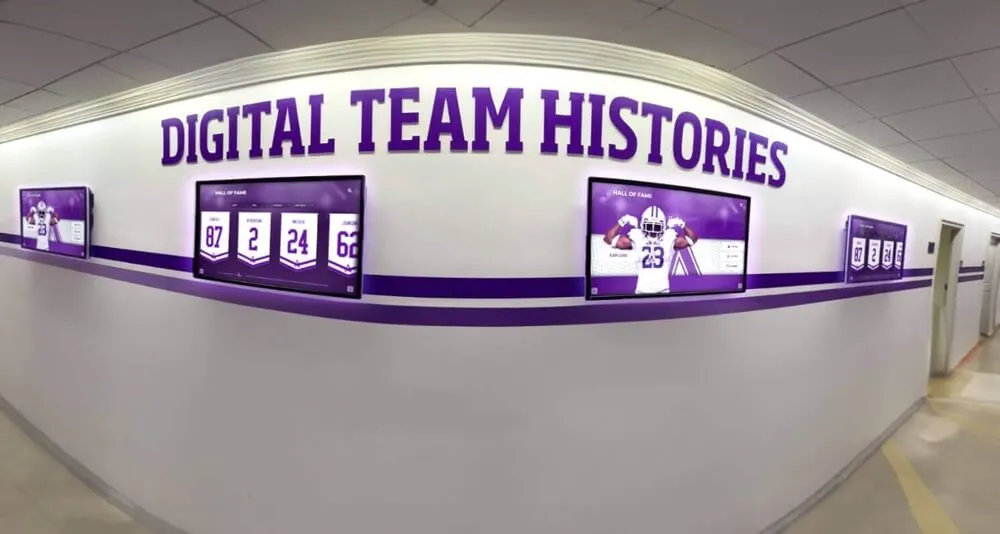
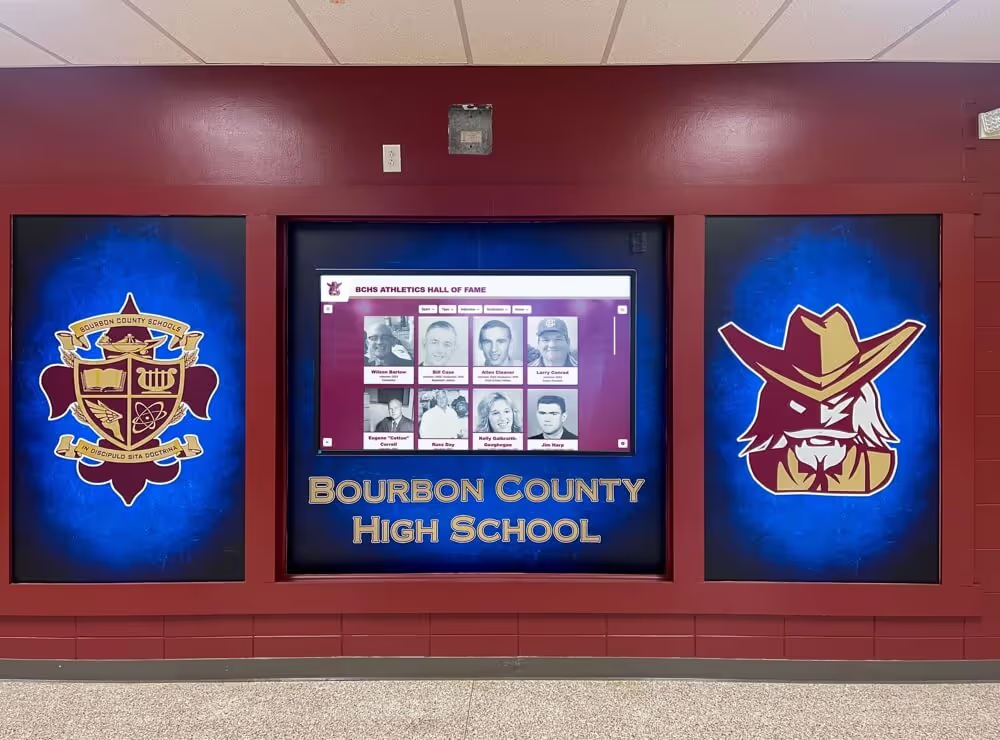
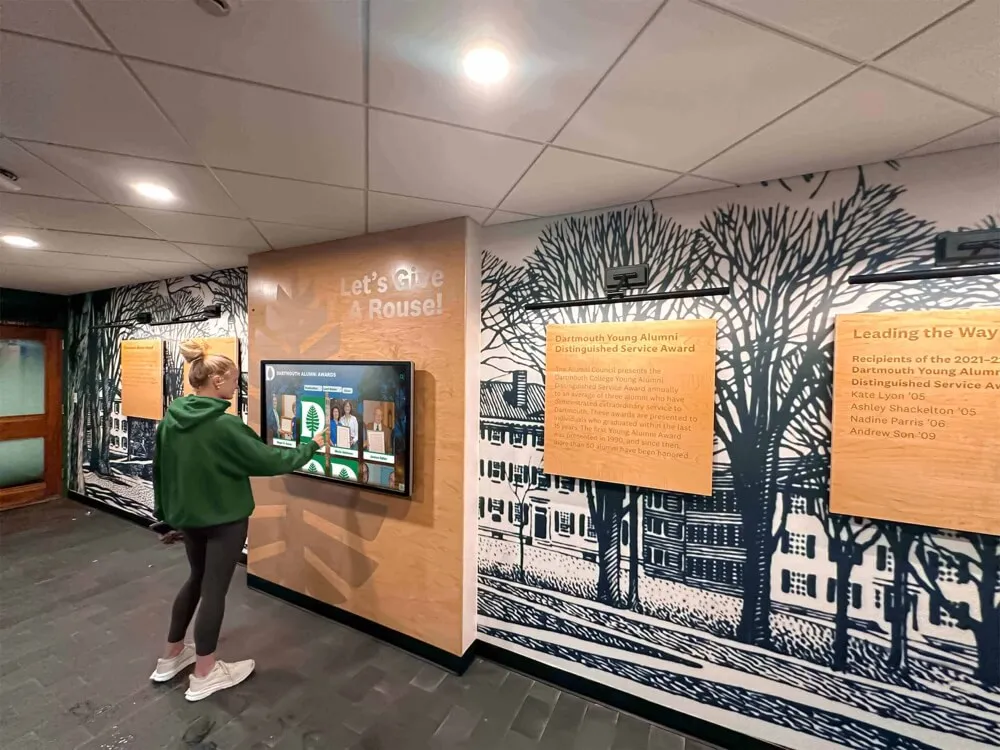
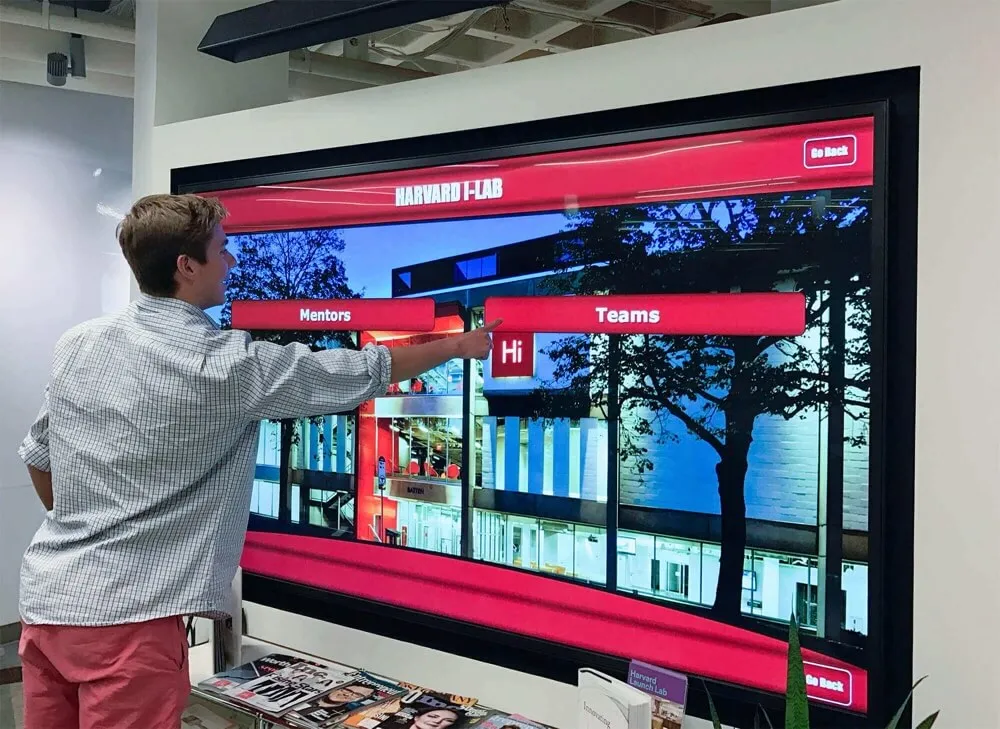
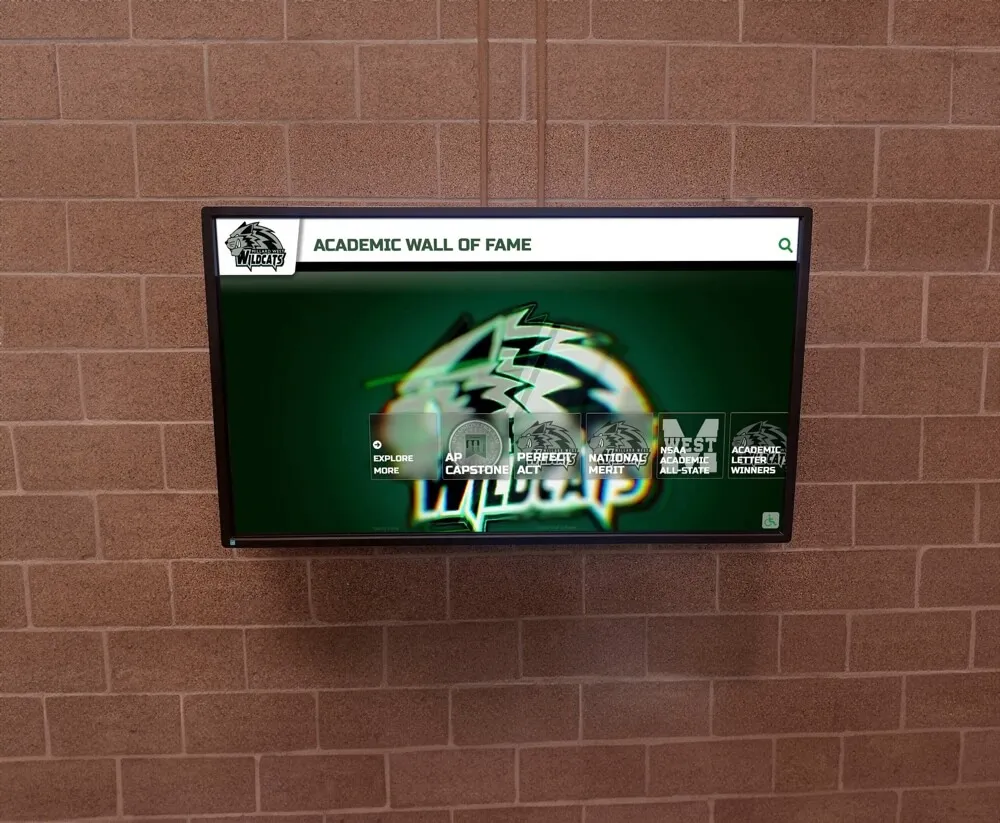
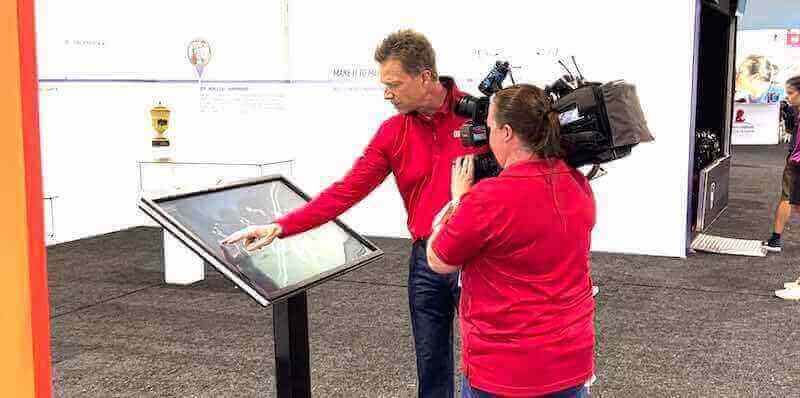
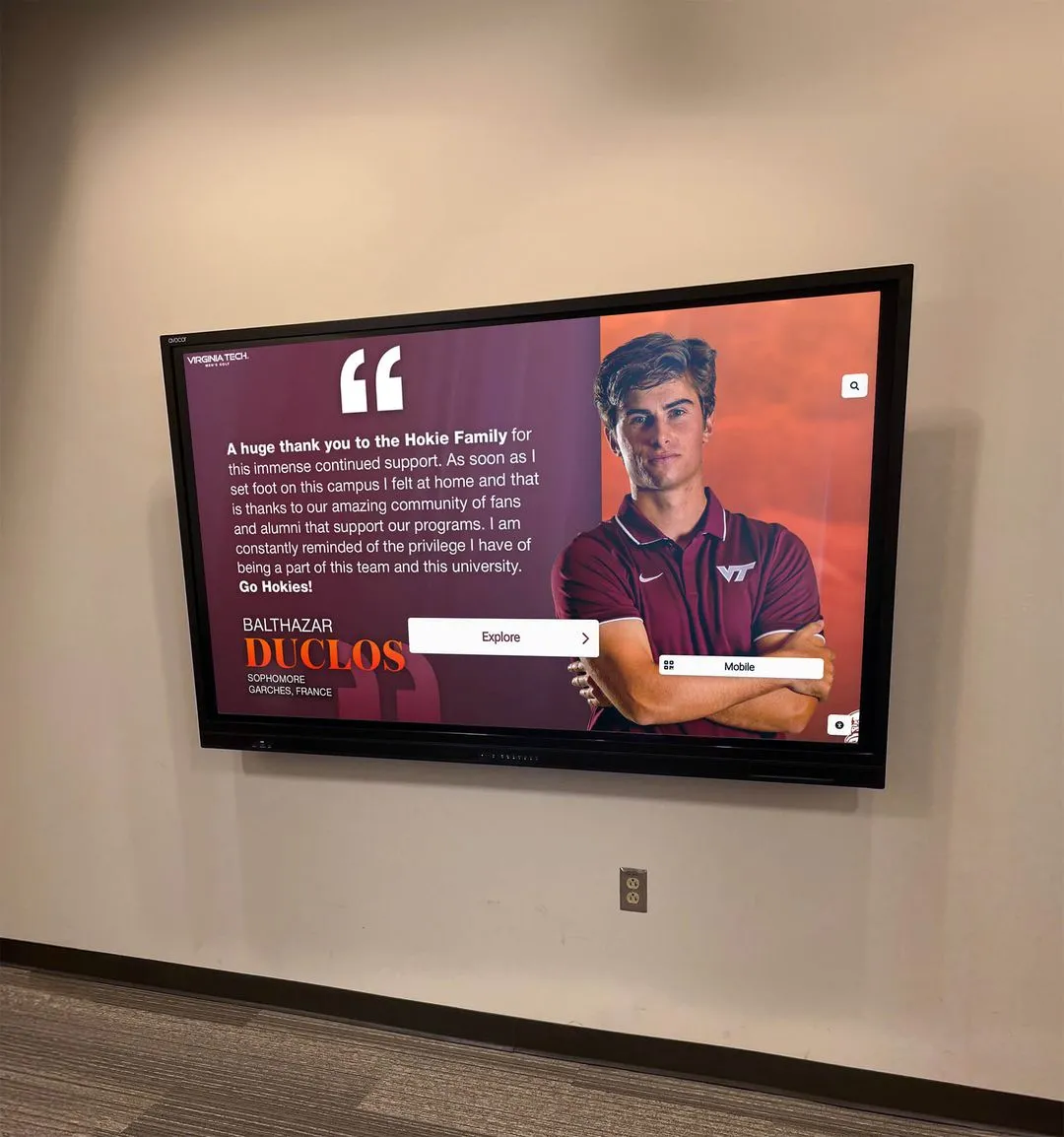
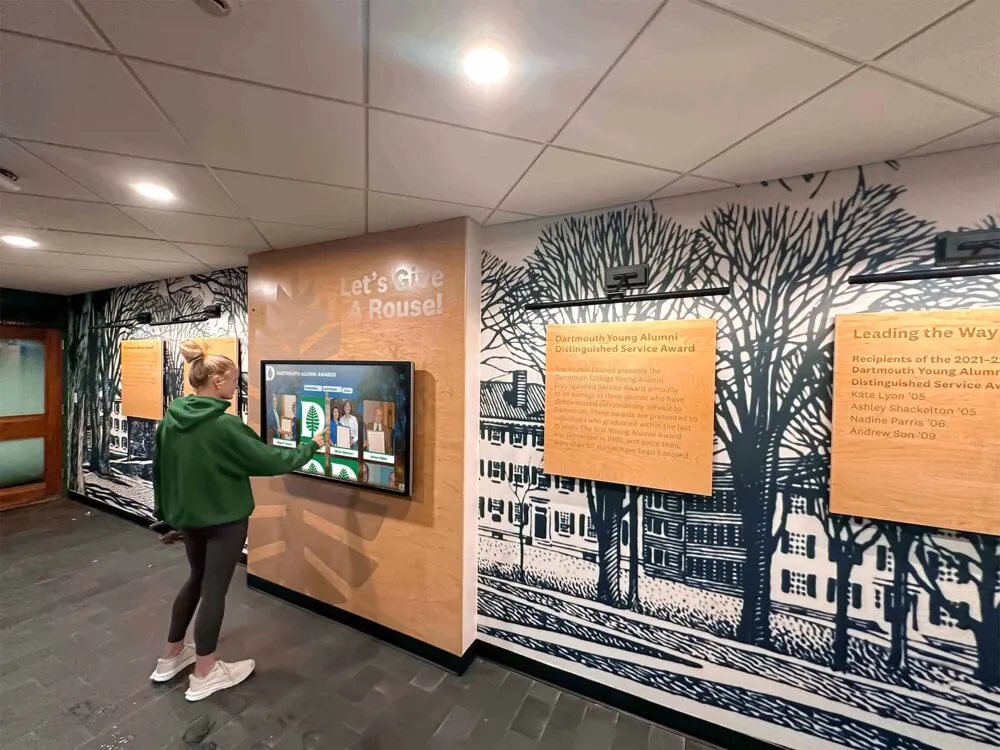
Modern interactive displays provide engaging ways for alumni to explore recognition content at their own pace
Reimagining Traditional Alumni Award Ceremonies
Traditional award dinners serve important purposes, but creative format variations dramatically increase engagement and attendee satisfaction.
Intimate Honors Receptions vs. Large Galas
Consider event scale matching honoree preferences and achievement types:
Small Group Recognition Experiences
- 25-75 attendees creating intimate celebration atmosphere
- Deeper conversations between honorees and attendees
- Personalized touches and individualized recognition
- Lower per-person costs allowing enhanced experience quality
- Venue flexibility including unique campus spaces, private dining rooms, and heritage locations
- Higher perceived value for honorees receiving focused attention
Larger Gala Celebrations
- 150-500+ attendees creating significant occasion feeling
- Broader community participation and visibility
- Multiple recognition categories within single event
- Professional production values with multimedia presentations
- Networking opportunities across diverse alumni generations
- Greater potential for fundraising integration
According to research from the Council for Advancement and Support of Education, alumni recognition events with 50-150 attendees achieve the highest satisfaction ratings, balancing intimacy with critical mass for meaningful networking while avoiding the impersonal feel of larger galas.
The key is matching format to honorees and institutional goals rather than defaulting to the same gala format annually.
Alternative Timing and Duration Models
Traditional evening galas aren’t the only effective format:
Weekend Daytime Recognition Programs
- Saturday or Sunday afternoon events (1:00-4:00 PM)
- Family-friendly timing allowing children’s attendance
- Brunch or lunch service providing meal flexibility
- Lower venue and catering costs than evening events
- Natural daylight for better photography and atmosphere
- Easier travel logistics for out-of-town attendees
Extended Recognition Weekends
- Multi-day programming combining recognition with reunion activities
- Campus tours showcasing facility improvements
- Panel discussions or workshops featuring honorees
- Athletic event attendance or performance showcases
- Social events connecting honorees with current students
- Creates compelling reason for travel investment
Lunch and Learn Recognition Series
- Midday recognition programs combined with professional development
- 90-minute format fitting professional schedules
- Featured speaker presentations from honorees
- Quarterly or semester series rather than annual events
- Particularly effective for recent graduate engagement
- Lower barrier to attendance than evening commitments
Data from alumni relations professionals indicates that daytime weekend events see 25-35% higher family attendance rates compared to weeknight evening programs, while extended weekend formats achieve 40-50% higher out-of-state alumni participation.
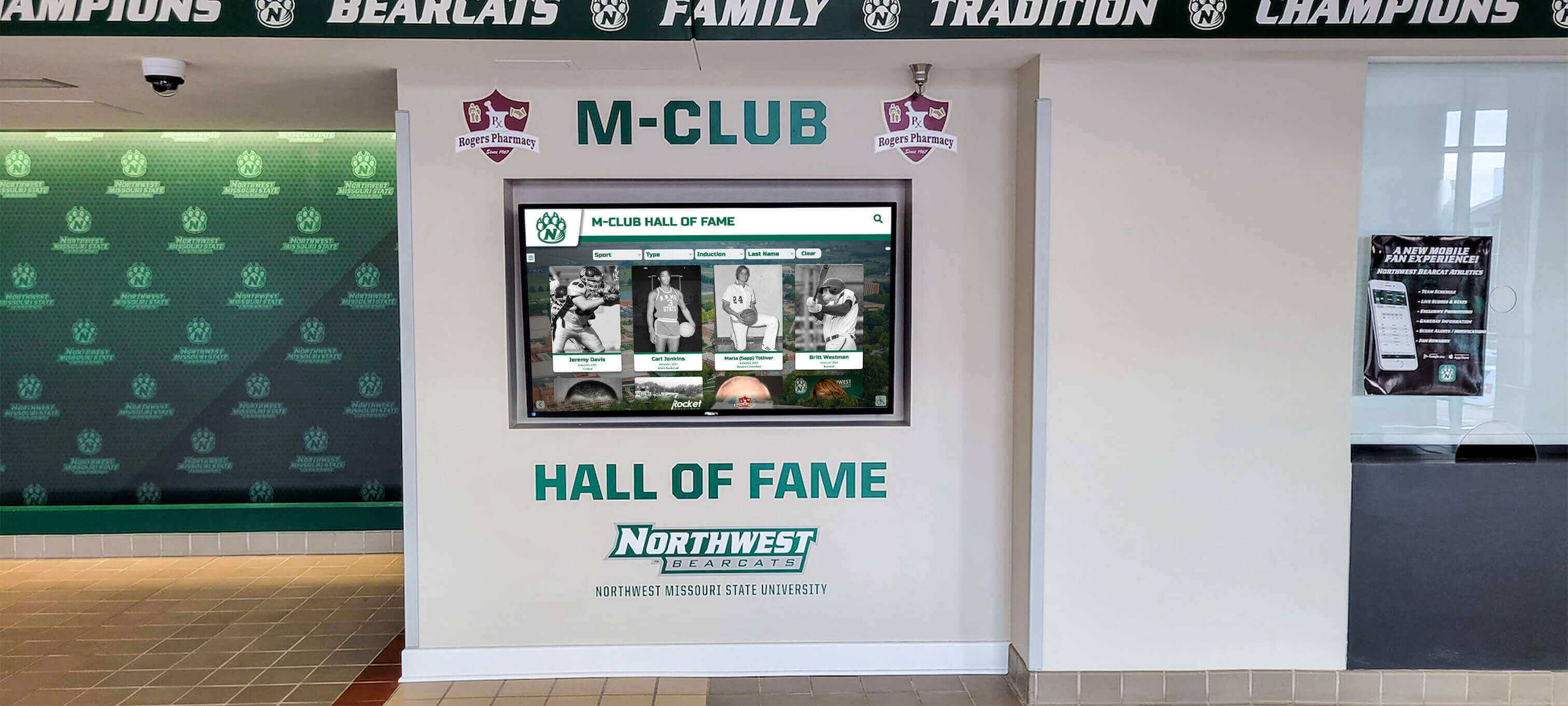
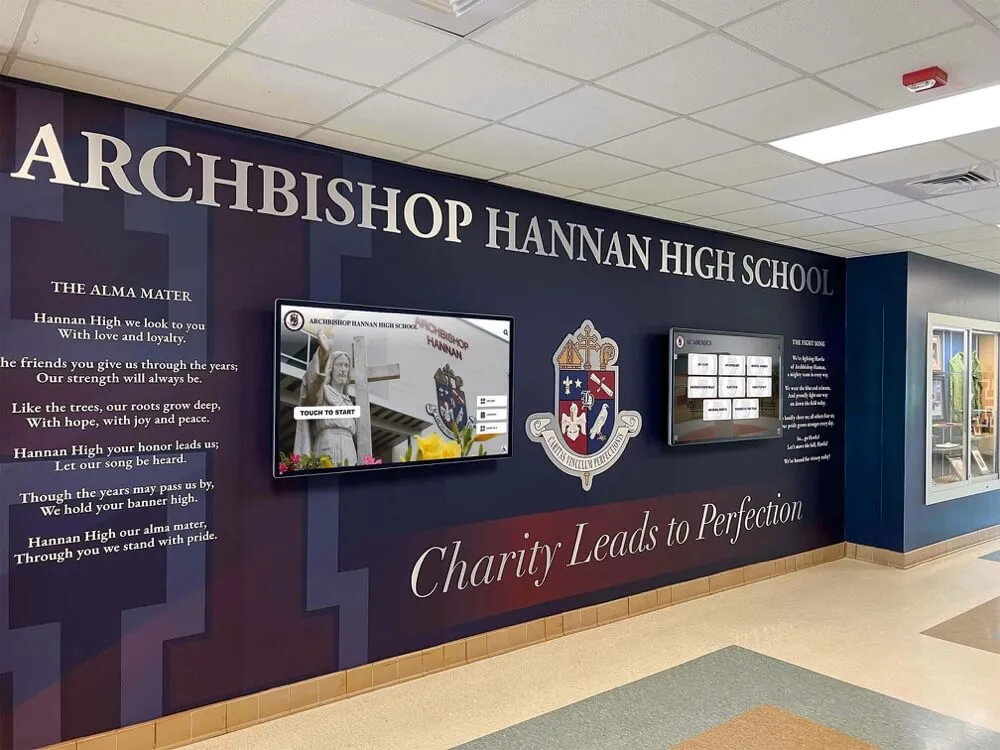
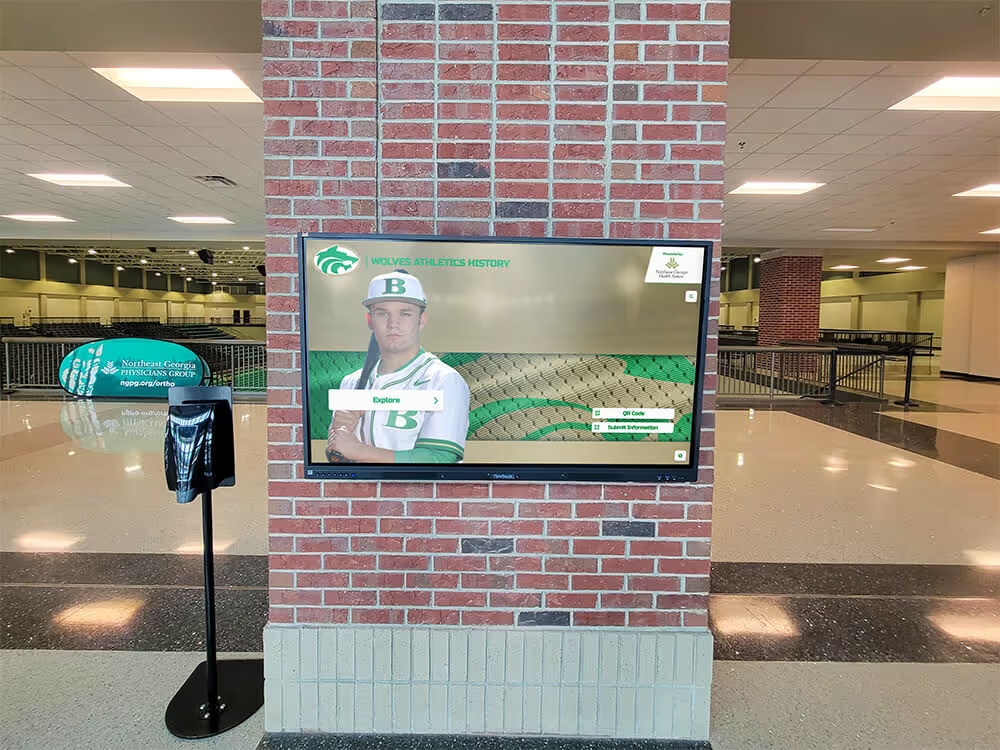
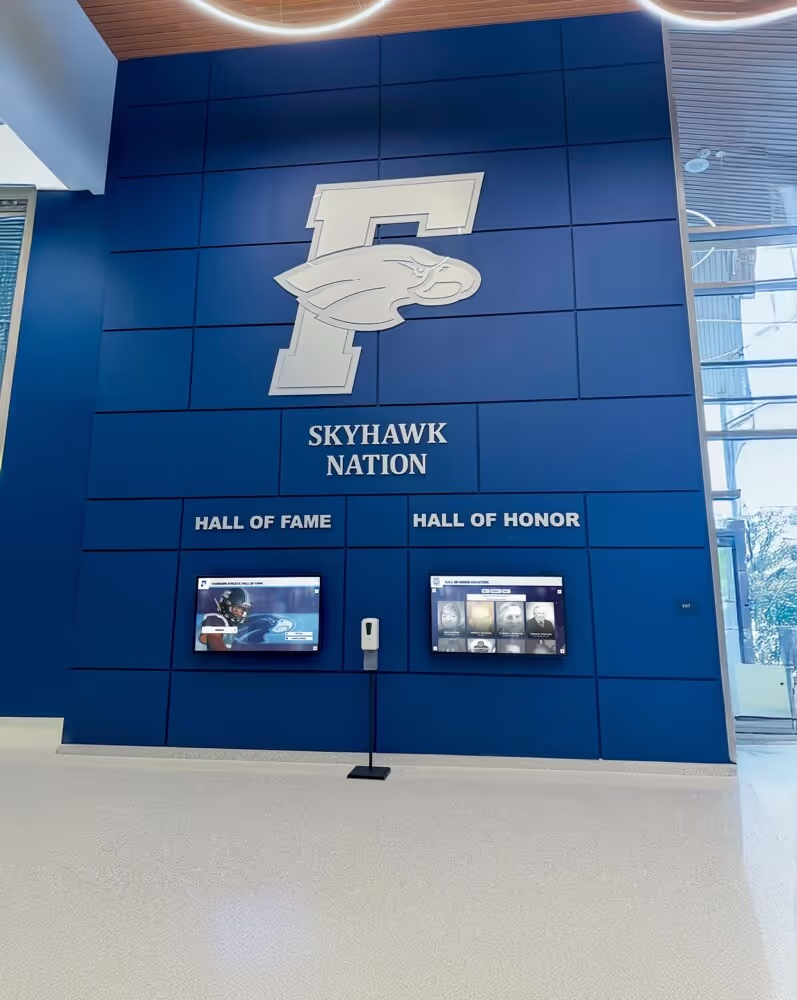
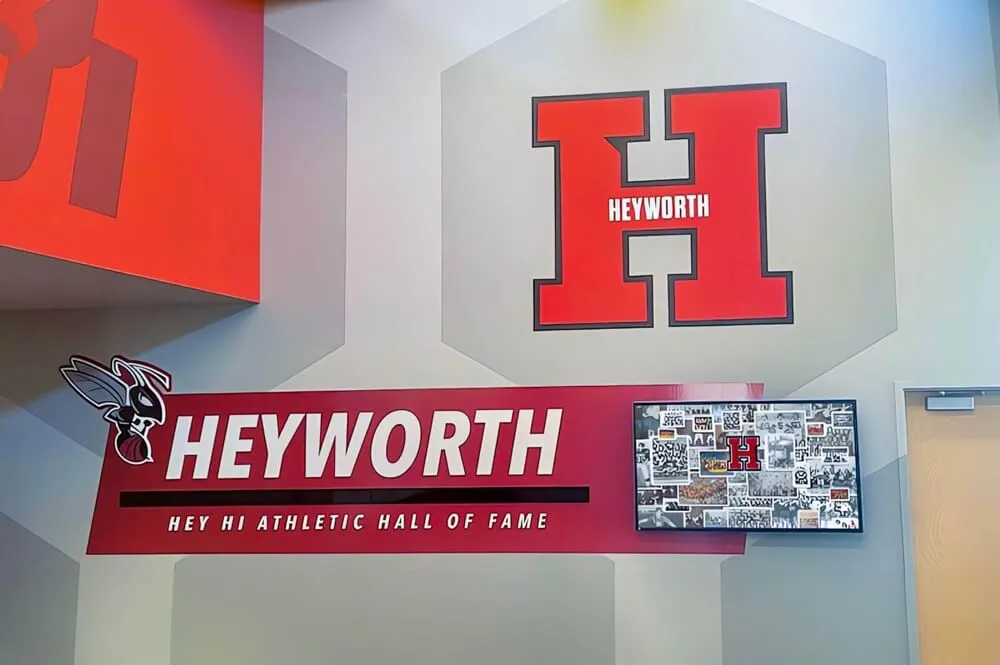
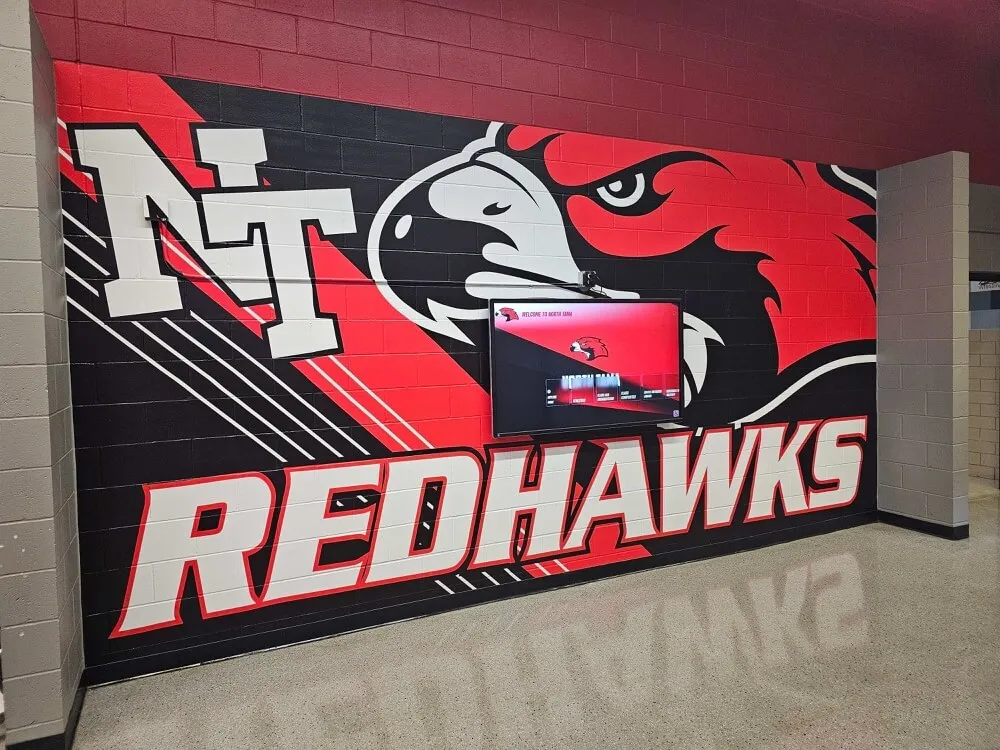
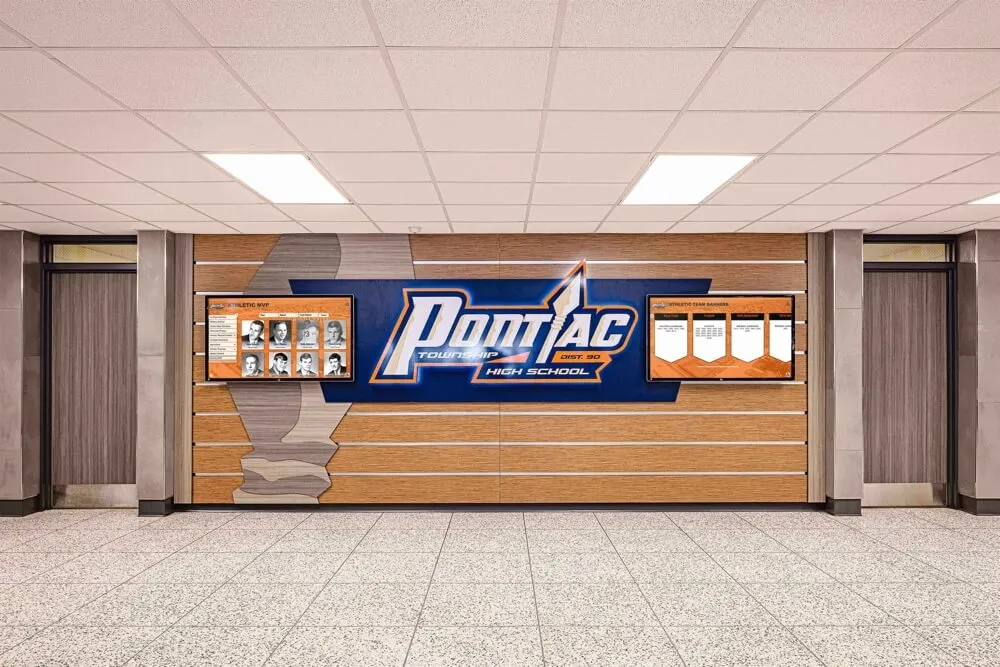
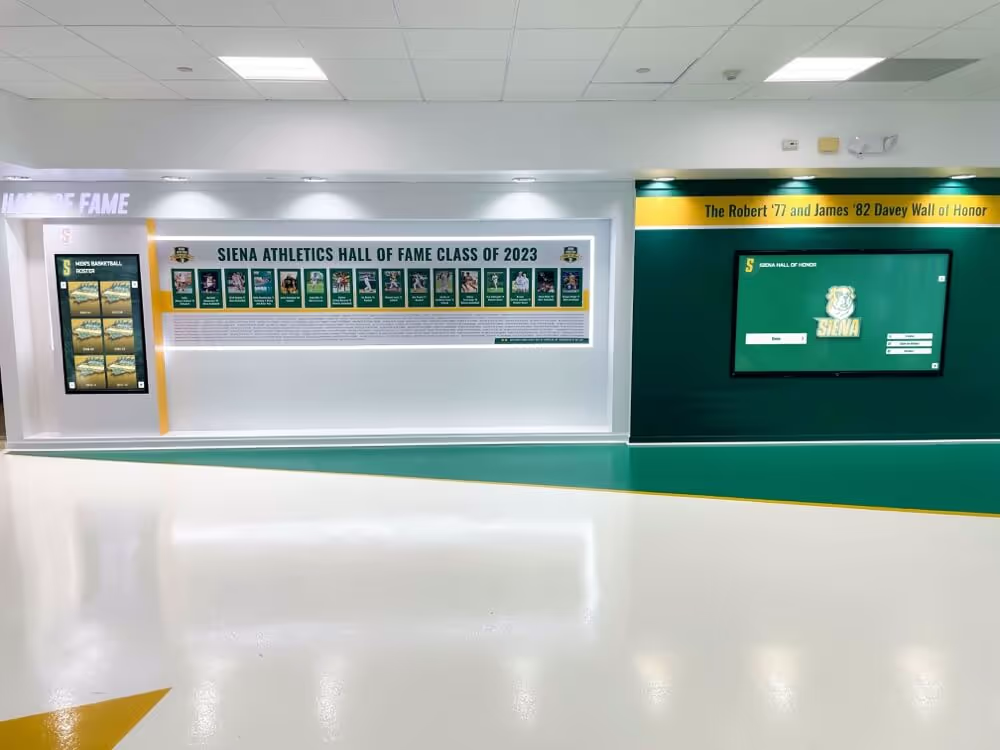
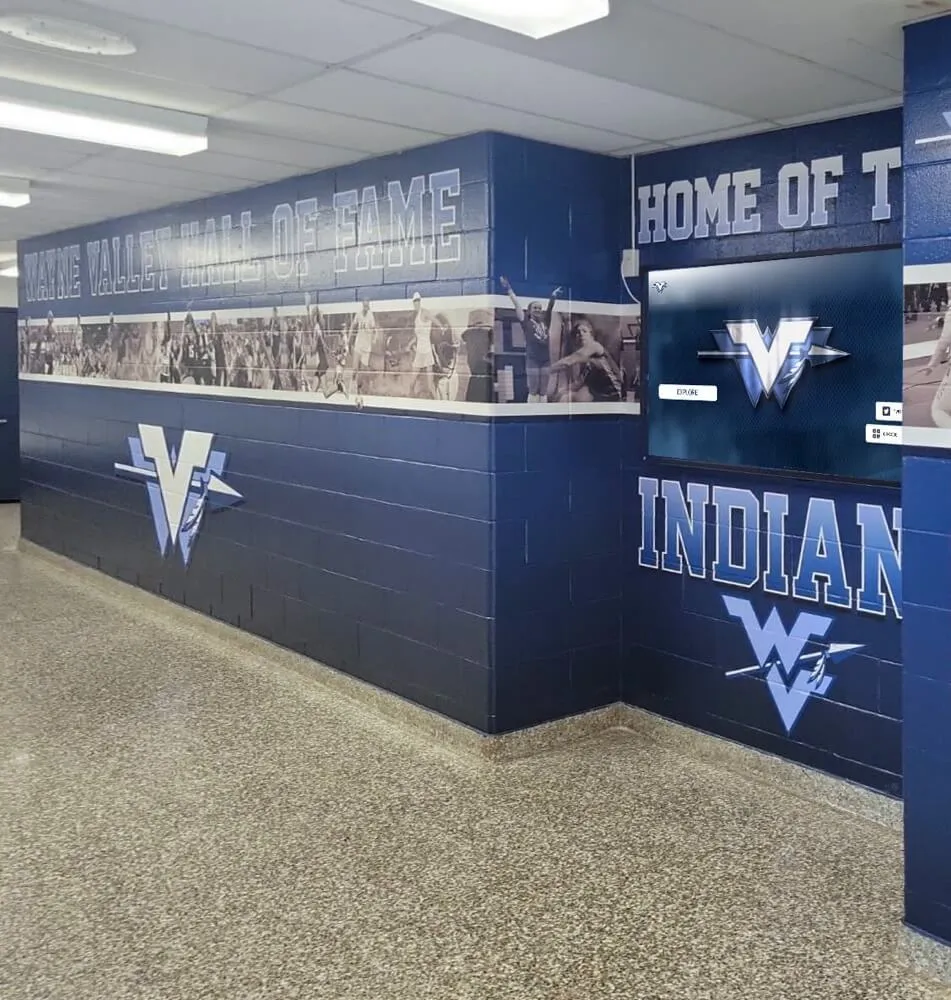
Permanent recognition installations provide year-round visibility beyond single event acknowledgment
Creative Recognition Event Formats
Moving beyond standard ceremonies creates differentiated experiences that generate excitement and attendance.
Interactive Recognition Showcases
Transform passive ceremonies into active engagement opportunities:
Achievement Exhibition Events
- Gallery-style displays featuring each honoree’s accomplishments
- Self-guided exploration with multimedia presentations
- Interactive stations where attendees learn honoree stories
- Photo displays documenting achievement journeys
- Career milestone timelines and impact visualization
- Allows attendees to engage deeply with honorees’ accomplishments rather than sitting through presentations
Digital Recognition Kiosk Unveilings
- Ceremony centered around permanent digital recognition installation
- Honorees activate their digital profiles in ceremony moment
- Interactive exploration of recognition content
- Creates lasting visibility beyond single event
- Integrates recognition into daily campus experience
- Particularly meaningful for honorees seeing permanent tribute
Recognition Video Premiere Events
- Professional documentary-style honoree profiles
- Theater or screening room viewing experience
- Panel discussions following video presentations
- Video content becoming permanent recognition resource
- Shareable digital assets extending recognition reach
- Creates powerful emotional impact through storytelling
These interactive formats work especially well for younger alumni generations accustomed to experiential events rather than passive presentations.
Generation-Specific Recognition Approaches
Different alumni generations respond to distinct recognition styles:
Young Alumni Recognition (Graduates 1-15 Years)
- Casual networking events at trendy venues
- Social media integration with live posting encouraged
- Recognition integrated into professional development programming
- Happy hour or brunch formats rather than formal dinners
- Focus on peer connection and career advancement
- Short, energetic program with minimal formal speaking
- Recognition through emerging leader awards and early career achievement categories
Mid-Career Alumni Recognition (16-35 Years)
- Professional networking emphasis
- Industry or career track specific gatherings
- Recognition integrated into mentorship program launches
- Balance of formal recognition and relationship building
- Family inclusion options recognizing life stage
- Achievement categories reflecting career peaks and leadership roles
Senior Alumni Recognition (36+ Years)
- Traditional formal approaches with enhanced personalization
- Emphasis on legacy and institutional history
- Longer program time allowances for storytelling
- Integration with reunion programming
- Special attention to accessibility needs
- Recognition categories emphasizing lifetime achievement and distinguished service
Research published in alumni relations journals indicates that generation-matched recognition formats achieve 35-45% higher attendance rates compared to one-size-fits-all approaches.
Learn about comprehensive approaches to celebrating alumni achievement through digital installations that complement event recognition.
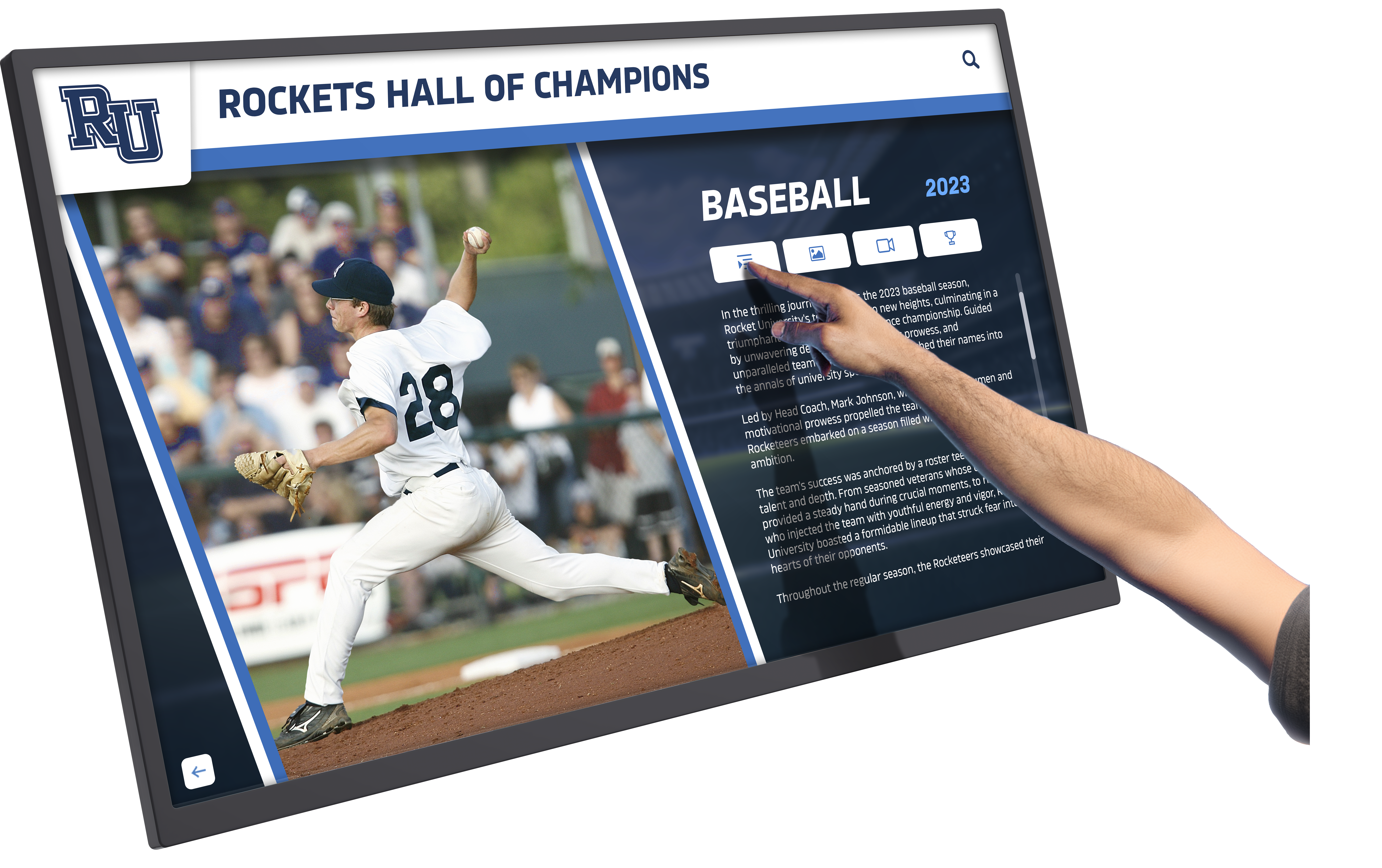
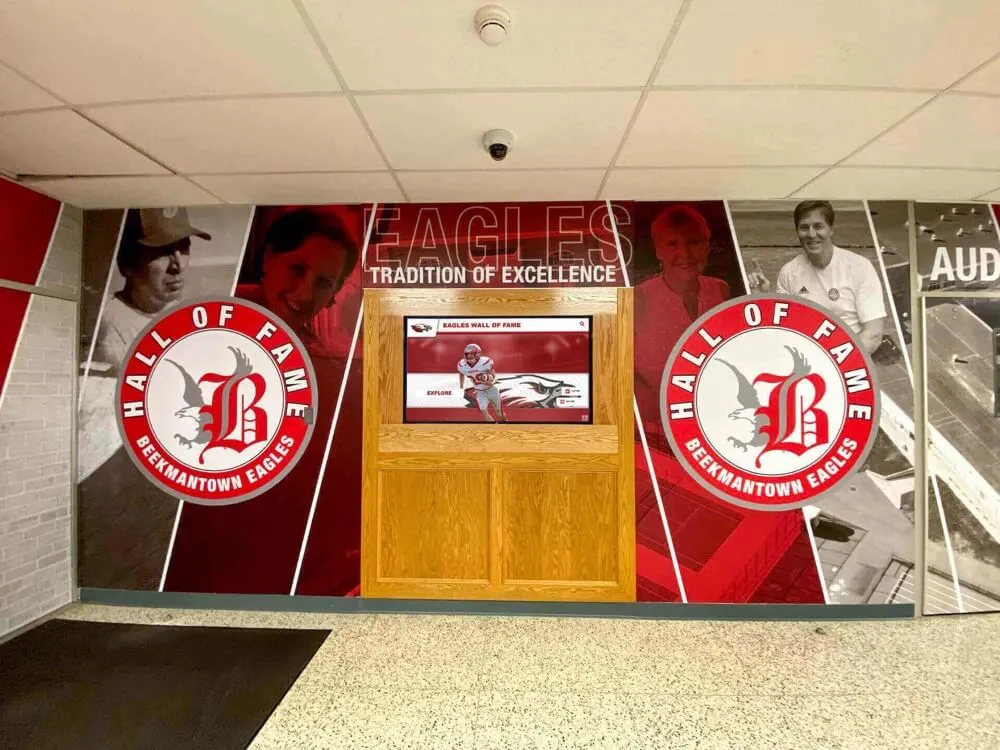
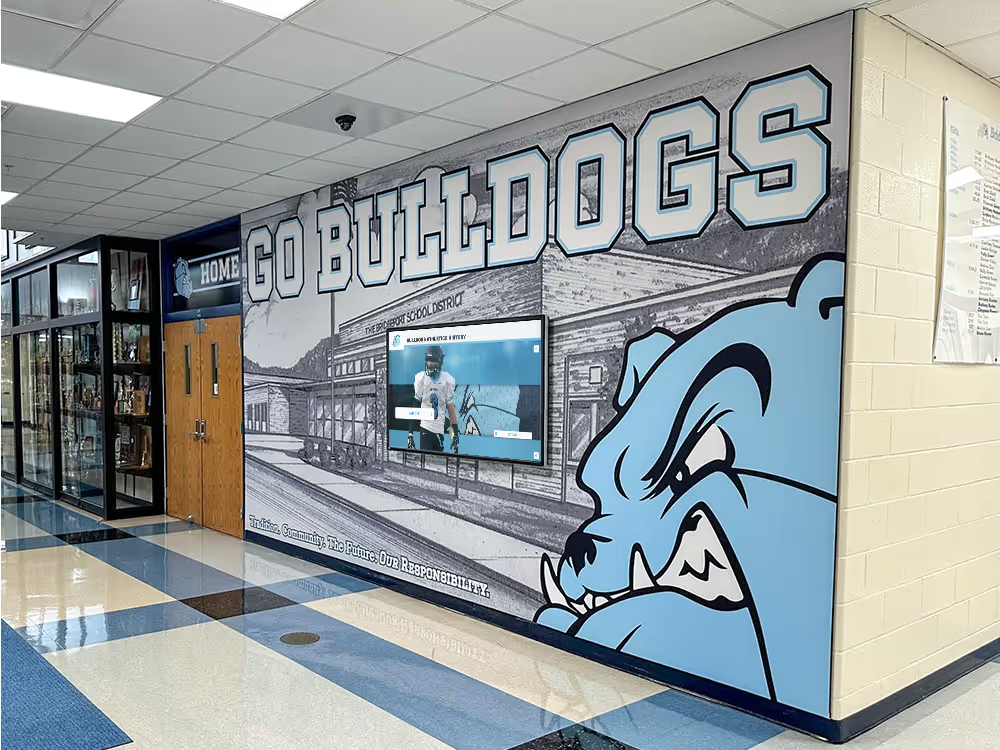
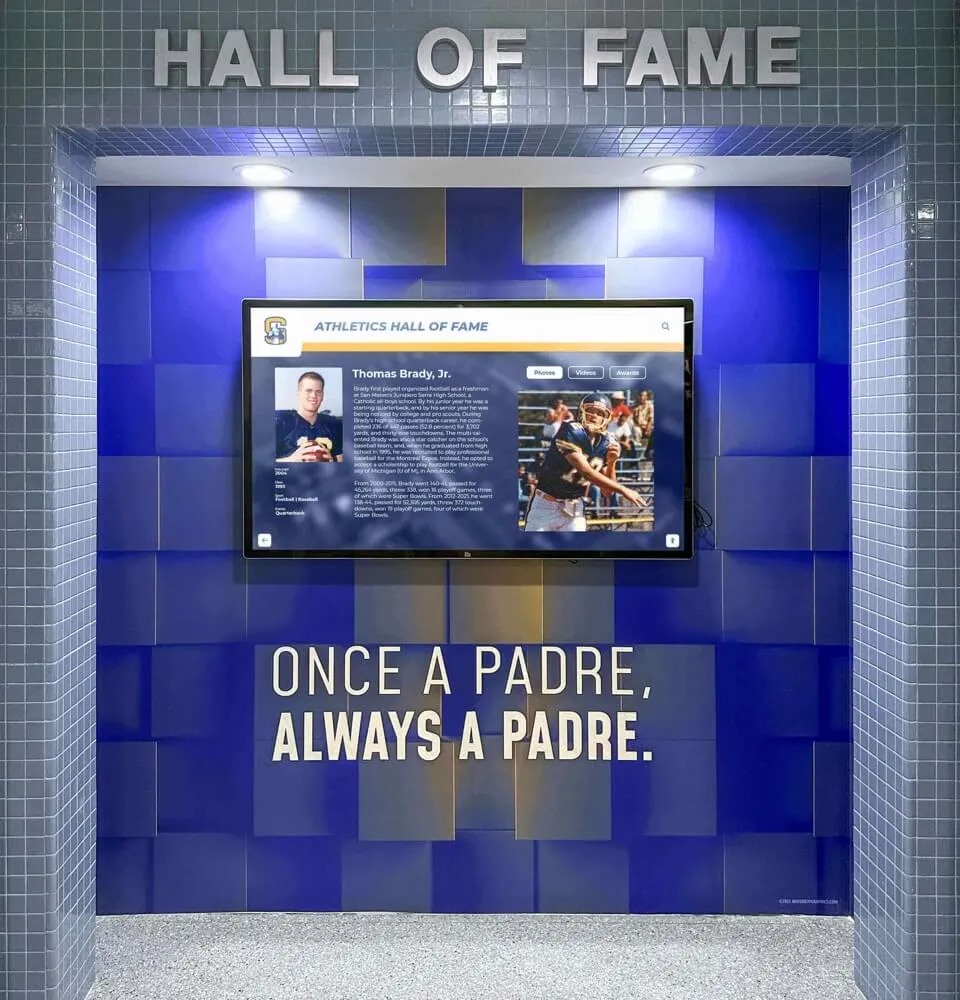
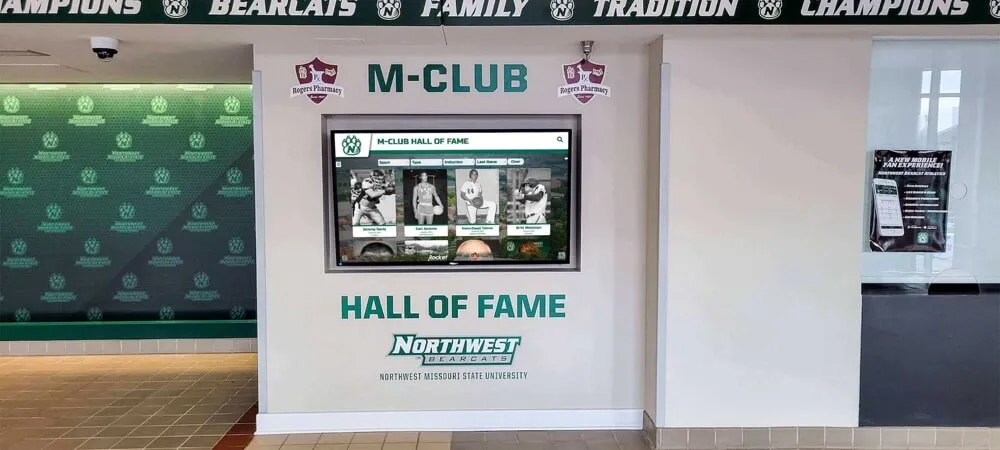
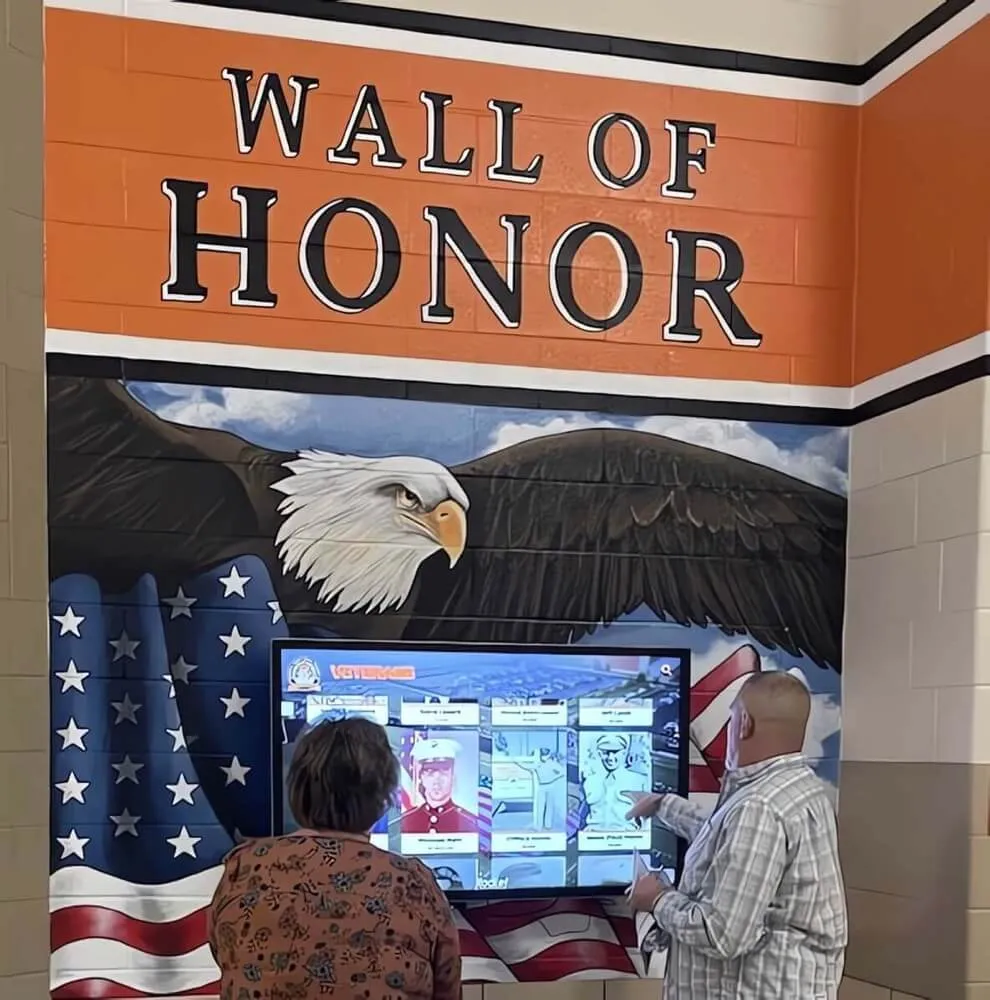
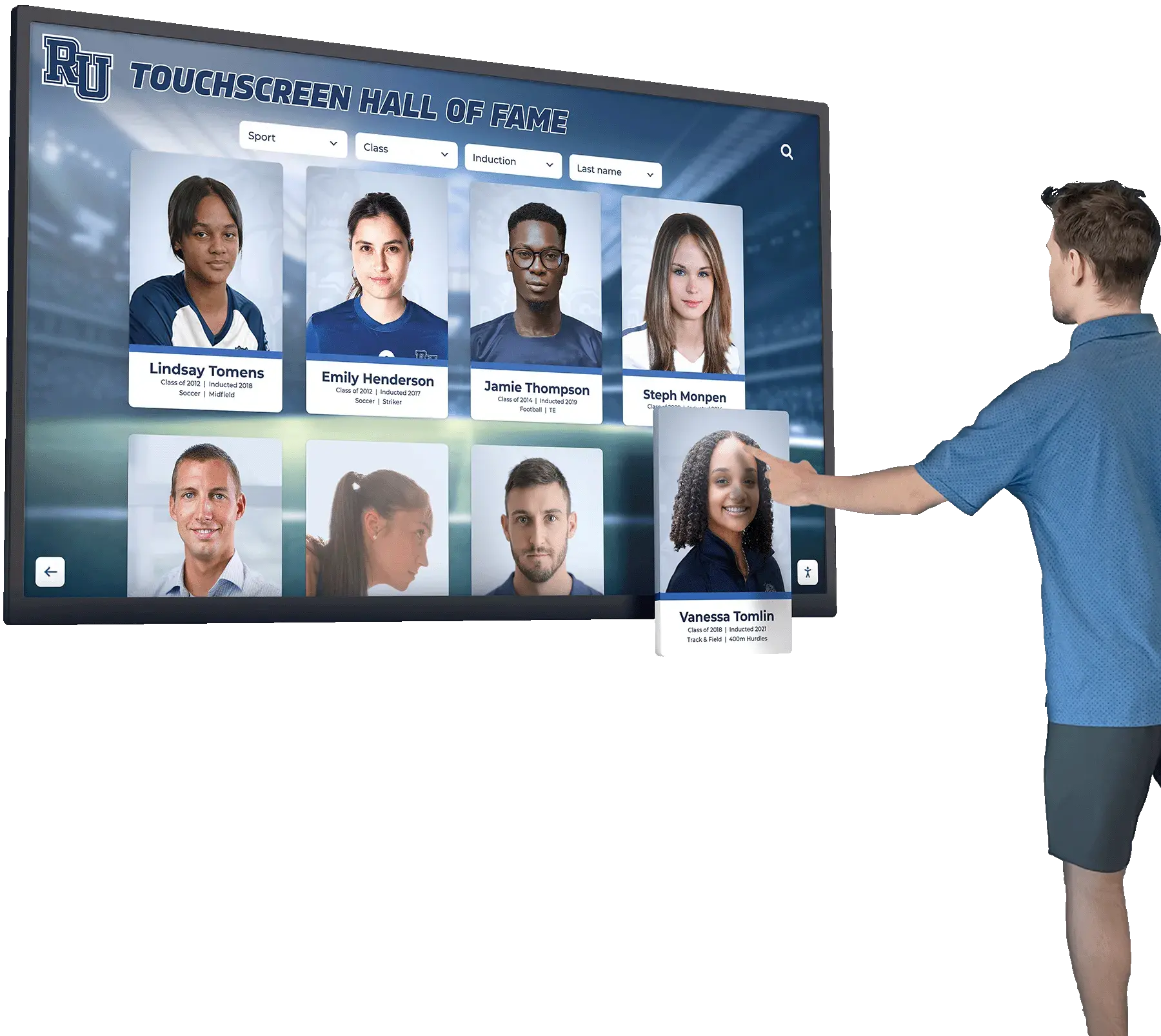
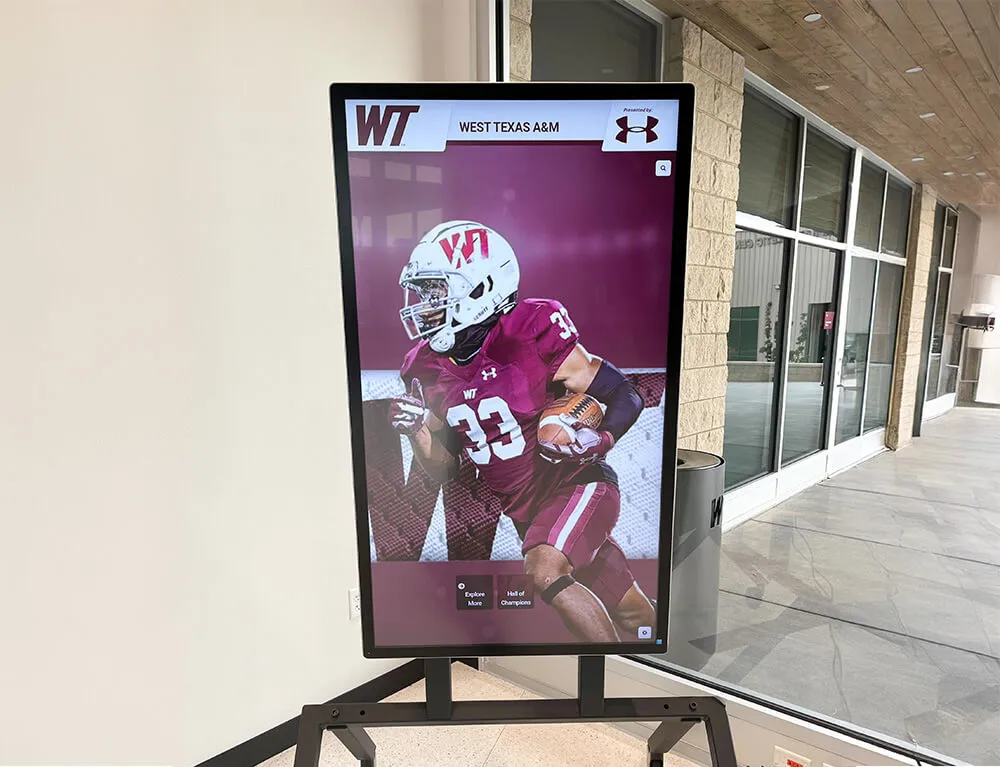
Interactive touchscreens allow alumni to explore honoree profiles with rich multimedia content
Location-Based Recognition Innovation
Event venues dramatically influence attendance, engagement, and perceived value.
On-Campus Unique Spaces
Move beyond banquet halls to distinctive campus locations:
Athletic Venue Recognition Events
- Stadium field celebrations creating “big moment” atmosphere
- Courtside or rinkside intimate gatherings
- Locker room tours adding exclusive behind-scenes elements
- Recognition integrated into homecoming athletic events
- Particularly effective for athletic achievement recognition
- Creates powerful nostalgia for athlete alumni
Performance Space Recognition
- Theater or concert hall ceremonies with enhanced production values
- Arts-focused recognition in performing arts centers
- Student performance integration showcasing current programs
- Ideal for arts, music, theater, or education alumni
- Professional stage management and audio-visual capabilities
- Dramatic setting elevating ceremony significance
Academic Building Heritage Spaces
- Recognition in restored historic buildings
- Library special collections rooms or reading rooms
- Science building laboratories for STEM alumni
- Academic department spaces connecting honorees to formative experiences
- Smaller capacity requiring intimate guest lists
- High personalization and meaningful location connection
Outdoor Campus Locations
- Courtyard or quadrangle evening receptions
- Garden or arboretum natural settings
- Rooftop terraces with campus views
- Tent installations creating memorable environments
- Weather contingency planning essential
- Particularly effective for spring and fall timing
These distinctive locations create Instagram-worthy settings while providing talking points and memory associations beyond standard banquet halls.
Off-Campus Destination Recognition
Strategic off-campus locations expand access and create different attendance motivations:
Professional Venue Recognition Events
- Corporate headquarters of alumni-owned businesses
- Museums or cultural institutions
- Professional sports venues or performing arts centers
- Unique local landmarks or historic properties
- Creates partnership opportunities and alumni business showcasing
- Draws attendees interested in venue access
Regional Recognition Series
- Multiple smaller events in different geographic markets
- Reaches alumni where they live rather than requiring campus travel
- 3-5 regional celebrations throughout recognition cycle
- Local honoree focus in each market
- Particularly effective for institutions with broad geographic distribution
- Significantly increases total honoree and attendee participation
Destination Weekend Recognition
- Resort or retreat center extended celebrations
- Creates vacation incentive combined with recognition
- Particularly effective for milestone reunion classes
- All-inclusive pricing simplifying attendance decision
- Multi-day programming building deeper connections
- Higher per-person investment requiring compelling programming
Consider how digital displays maintain recognition visibility on campus while off-campus events extend geographic reach.
Virtual and Hybrid Recognition Innovation
Technology enables new recognition possibilities:
Livestreamed Recognition Ceremonies
- Professional production broadcast to unable-to-attend alumni
- Real-time social media engagement
- Recording becoming permanent recognition resource
- Dramatically expands potential audience
- Particularly valuable during travel restrictions
Hybrid Recognition Events
- In-person ceremony with virtual attendance option
- Remote honoree participation when travel impossible
- Broader family and colleague inclusion
- Recording and on-demand viewing extending reach
Virtual Recognition Celebrations
- Fully online recognition events when in-person gathering impractical
- Interactive video platform enabling networking
- Screen-shared presentations and videos
- Lower cost enabling more frequent recognition
- Global participation without travel barriers
Alumni association research indicates hybrid events achieve 200-300% attendance increases compared to in-person-only formats, with virtual participants showing comparable satisfaction levels when production quality is professional.
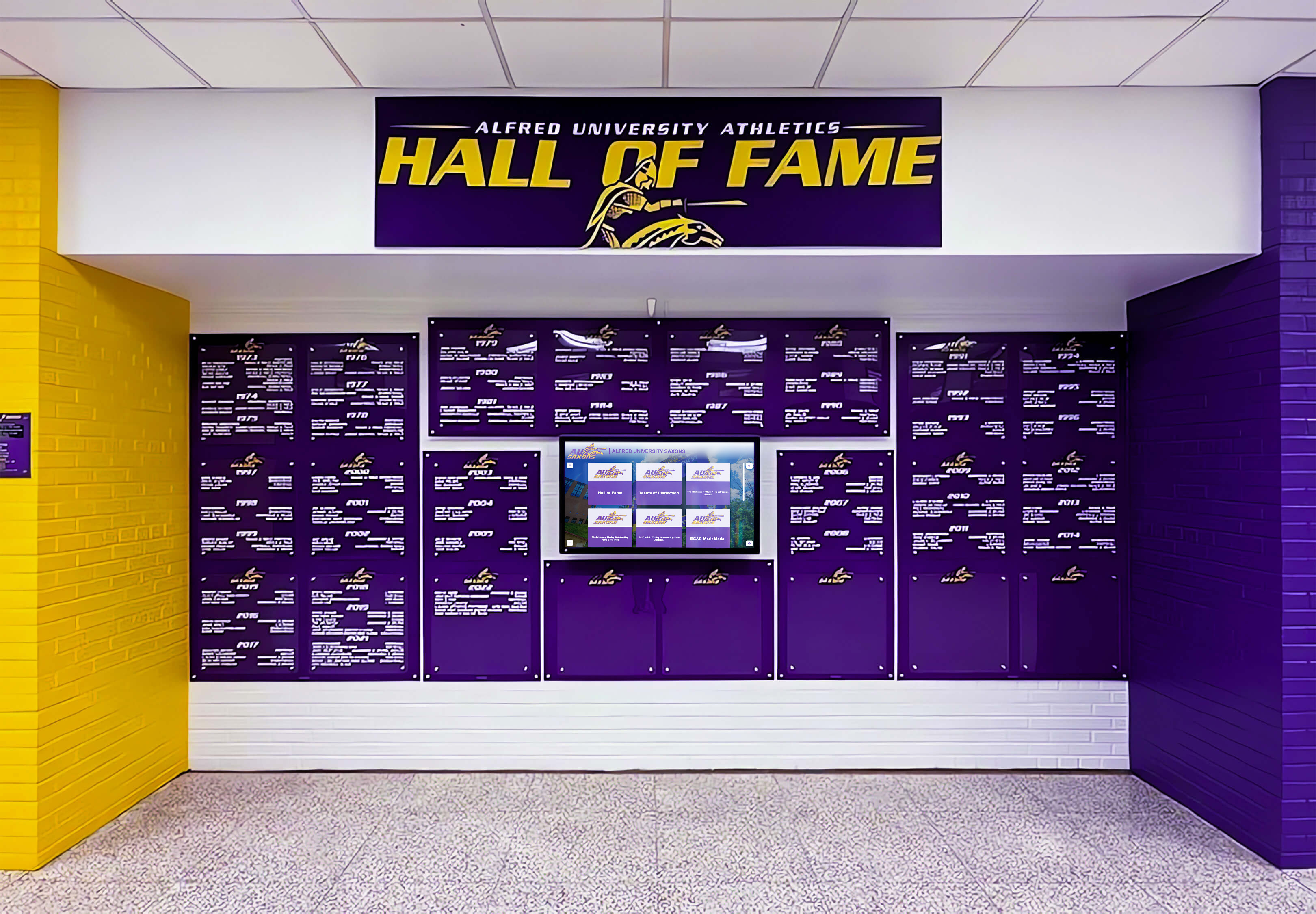
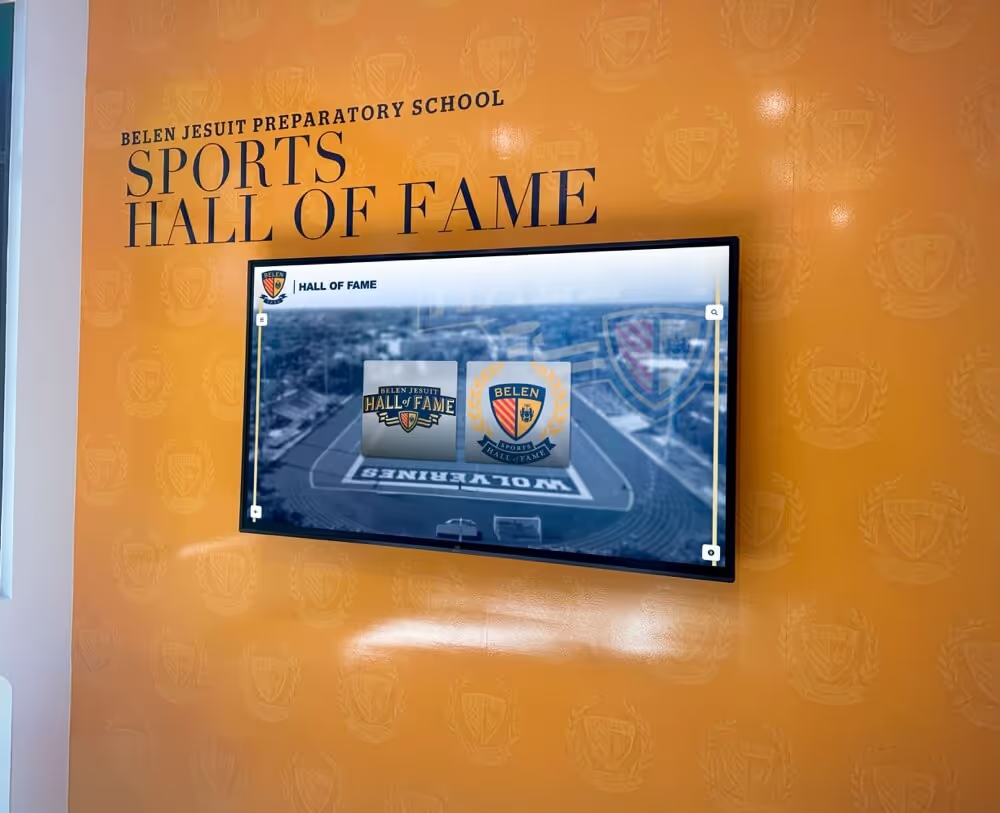
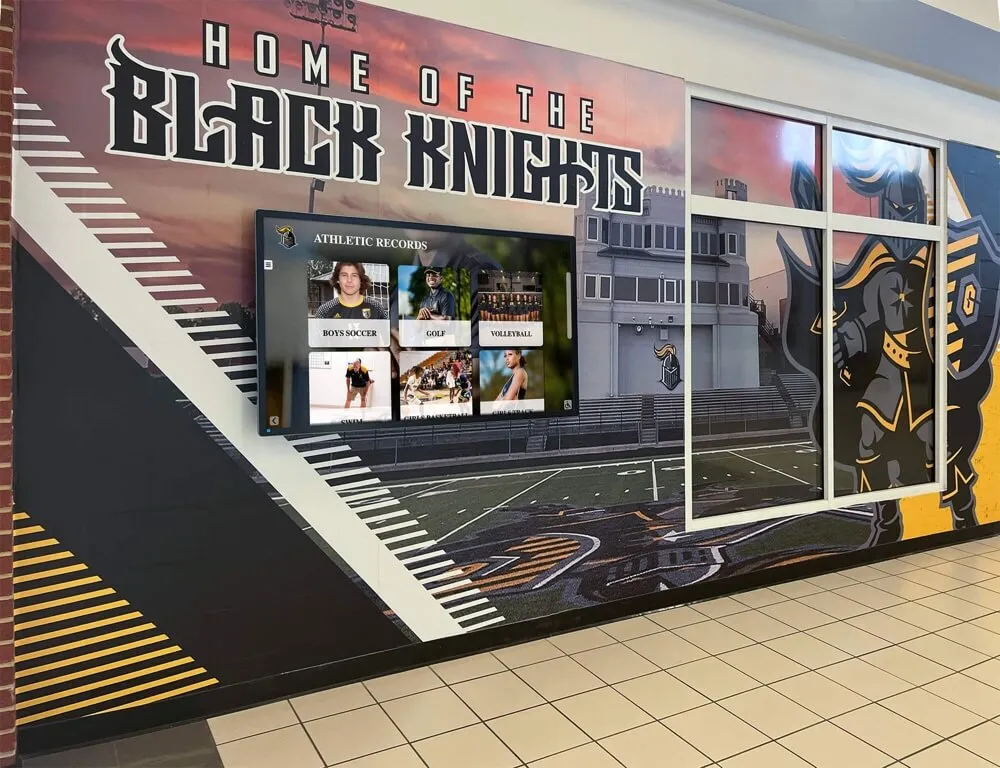
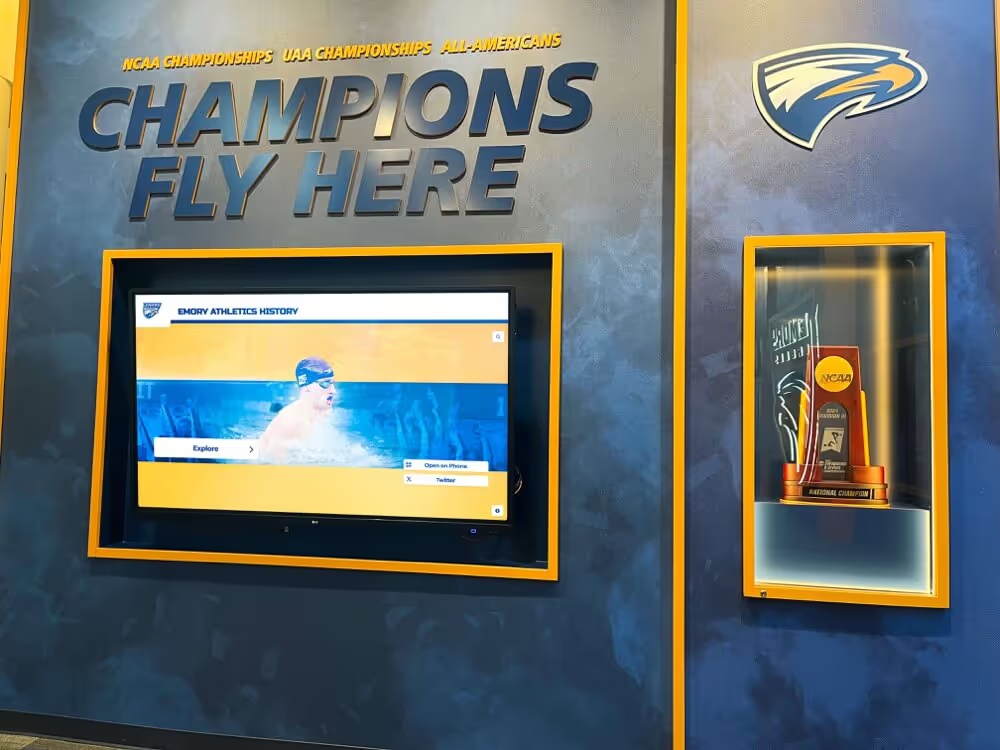
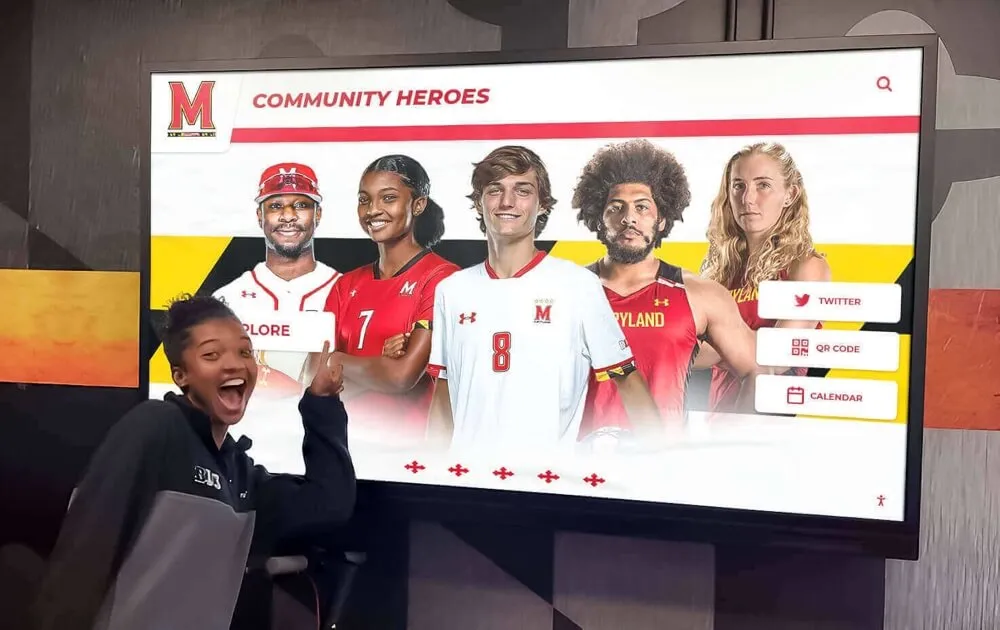
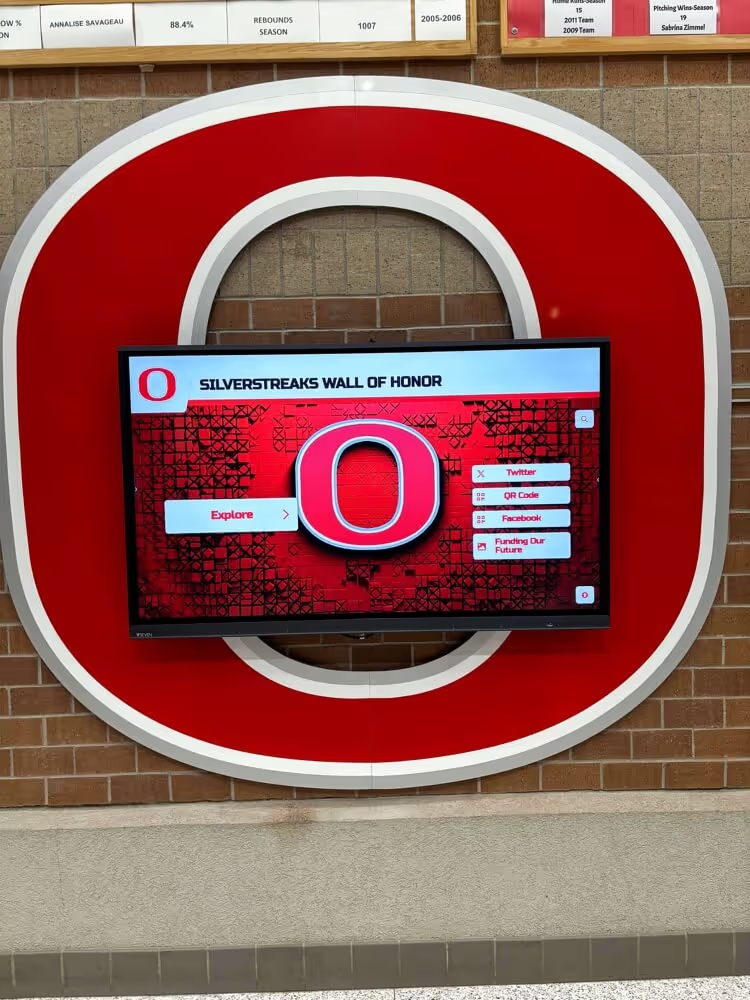
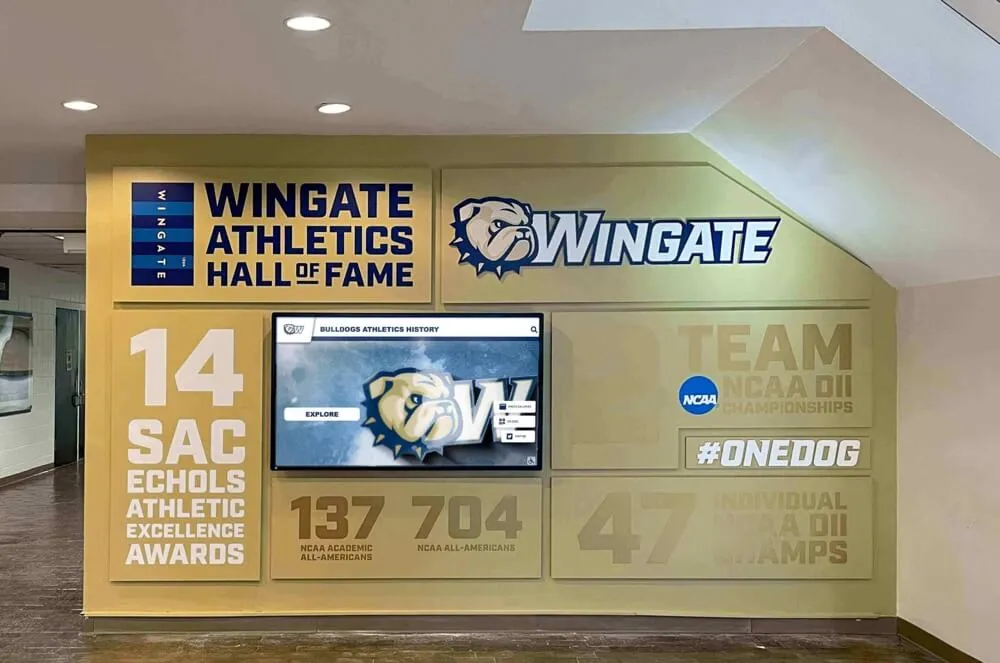
Athletics-focused recognition displays celebrate competitive achievements with visual impact
Programming Elements That Drive Engagement
Recognition event content determines whether attendees feel inspired or bored.
Storytelling-Focused Recognition
Move beyond resume recitation to compelling narrative:
Video Profile Presentations
- 3-5 minute professionally produced honoree profiles
- Interview footage with honorees, colleagues, and family
- Archival photos and footage documenting journey
- Achievement impact visualization
- Emotional connection through personal storytelling
- Creates permanent digital recognition asset
Fireside Chat Honoree Presentations
- Conversational interview format rather than speeches
- Skilled interviewer drawing out engaging stories
- 10-15 minute focused conversations
- Audience question integration when appropriate
- Creates dynamic, unpredictable content
- Reveals personality beyond achievement lists
Peer Tribute Videos and Presentations
- Classmates, colleagues, or mentees sharing honoree impact
- Multiple brief perspectives creating fuller picture
- Emotional resonance through relationship authenticity
- Includes people who can’t attend in-person
- Particularly effective for lifetime achievement recognition
According to event planning research, recognition programs using video storytelling achieve 60-75% higher emotional impact ratings compared to live speech-only formats.
Student and Current Community Integration
Connect past achievement to present impact:
Current Student Participation
- Student performers providing entertainment
- Student speakers discussing how honorees inspire them
- Scholarship recipient introductions acknowledging donor alumni
- Athletic team or performing group showcases
- Demonstrates institutional vitality and investment value
- Creates intergenerational connection opportunities
Honoree-Student Interaction Programming
- Pre-event or post-ceremony student networking sessions
- Career mentorship matching between honorees and current students
- Class visits or lectures by honorees during recognition weekend
- Student athlete recognition programs connecting generations of achievement
- Creates tangible benefit for honorees beyond recognition itself
Campus Impact Demonstrations
- Facility tours showing how alumni support improved campus
- Program presentations demonstrating gift impact
- Student testimonials about scholarship or program benefits
- Visual documentation of institutional progress
- Reinforces that recognition comes with continued engagement opportunity
These integrations help alumni see themselves as part of ongoing community rather than disconnected past graduates.
Interactive Networking Elements
Structured relationship-building prevents awkward mingling:
Facilitated Connection Activities
- Decade-based small group discussions
- Industry or major specific networking clusters
- Guided conversation prompts at tables
- Speed networking rotations
- Icebreaker activities connecting strangers
- Creates interaction opportunities beyond existing relationships
Recognition Legacy Activities
- Honorees sharing advice for current students or young alumni
- Time capsule contributions from recognition classes
- Mentorship program sign-ups
- Alumni network building with structured follow-up
- Creates meaningful participation beyond attendance
Research from event industry associations shows that recognition events incorporating structured networking achieve 50-60% higher attendee satisfaction compared to unstructured social time.
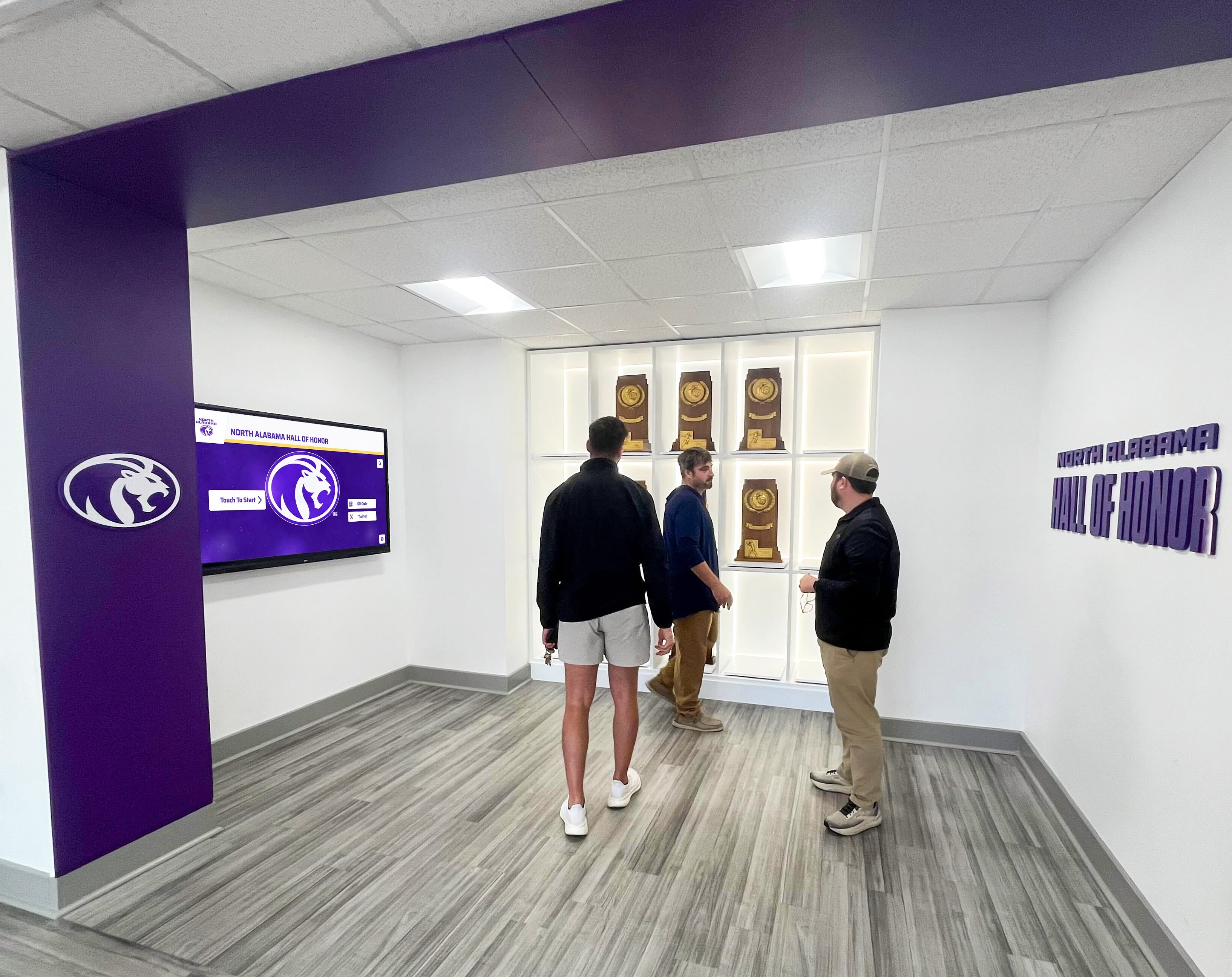
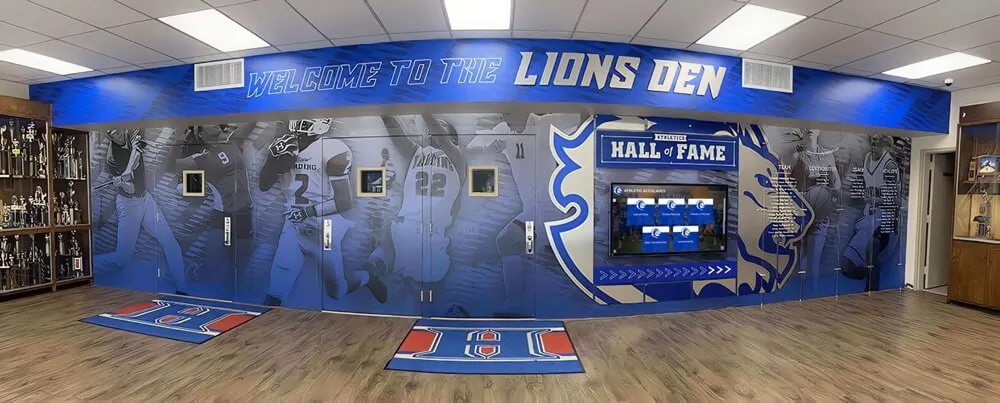
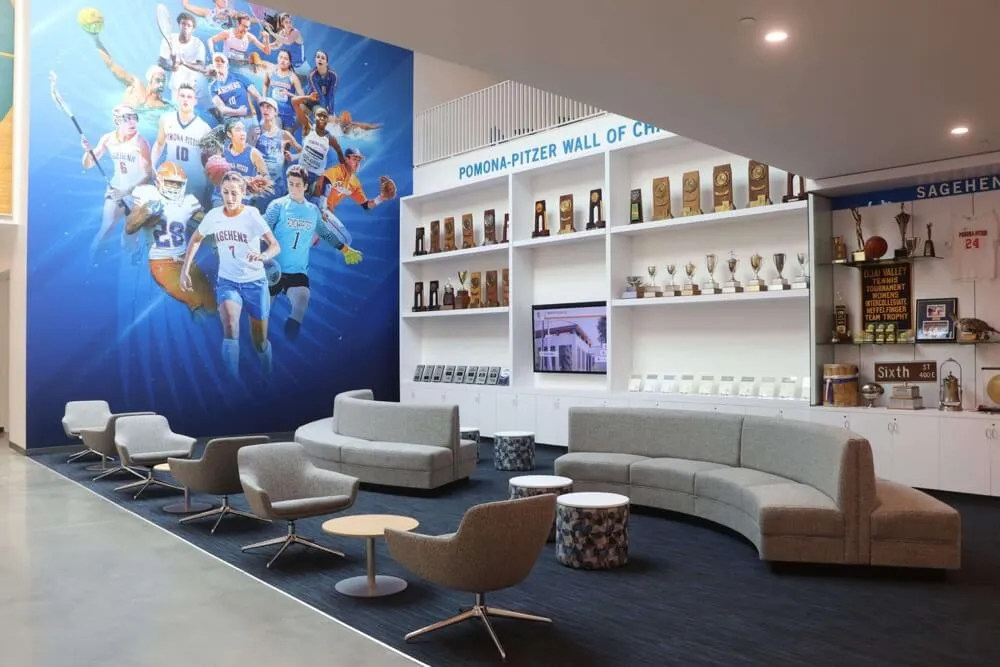
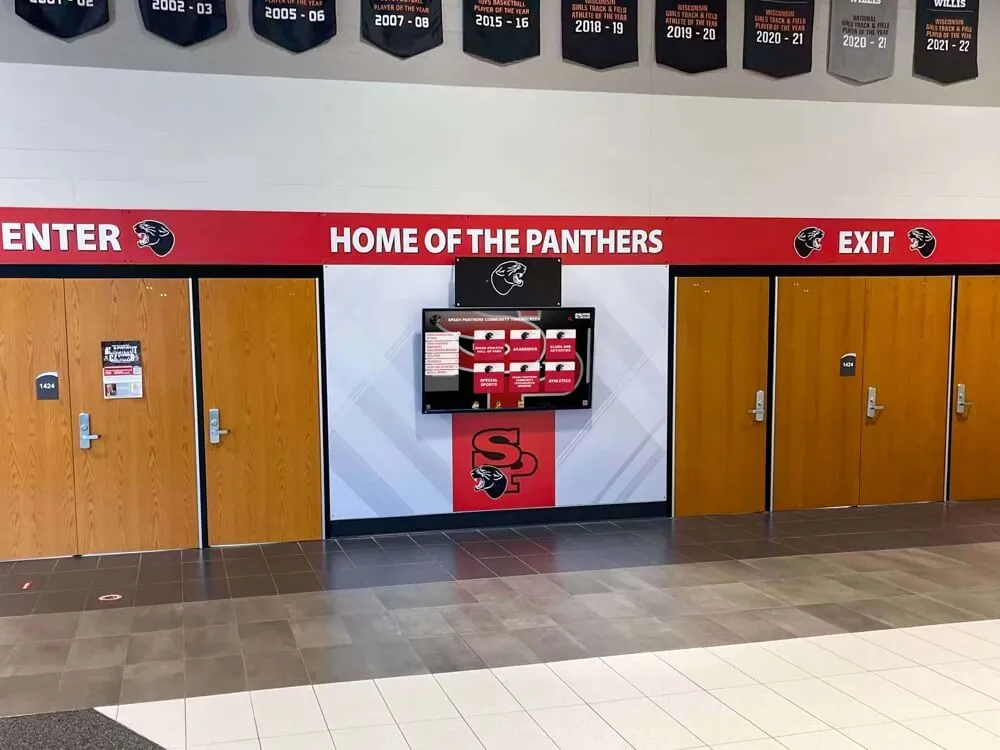
Permanent recognition spaces become gathering points for alumni reconnecting on campus
Recognition Categories and Selection Processes
Who you honor determines attendance and perceived value.
Diverse Recognition Categories
Expand beyond single “distinguished alumni” award:
Career Achievement Awards
- Industry leadership and innovation
- Entrepreneurial success and business creation
- Professional excellence and expertise
- Career awards by field (medicine, education, law, arts, etc.)
- Attracts alumni interested in professional networking
- Celebrates career peaks and professional impact
Service and Impact Awards
- Community service and nonprofit leadership
- Educational impact and teaching excellence
- Public service and government contribution
- Volunteer leadership and civic engagement
- Humanitarian work and social justice advancement
- Attracts mission-driven alumni and community partners
Young Alumni Achievement Awards
- Early career excellence (within 15 years of graduation)
- Emerging leader recognition
- Recent graduate impact
- Creates younger alumni engagement
- Provides aspirational recognition for current students
- Establishes ongoing recognition relationship early
Lifetime Achievement Recognition
- Distinguished career spanning decades
- Sustained institutional support
- Cumulative impact across multiple areas
- Creates pinnacle recognition tier
- Particularly meaningful for senior alumni
- Often combined with major gift announcements
Special Categories
- Athletic achievement and coaching excellence
- Arts and creative accomplishment
- Research and scholarship contribution
- Institution-specific recognition aligned with mission
- Diversity, equity, and inclusion champions
- Family legacy awards (multiple generation graduates)
Data from alumni relations professionals indicates that institutions offering 5-7 distinct recognition categories see 40-50% broader demographic representation compared to single award programs.
Learn about comprehensive approaches to senior recognition that can inform alumni program design.
Transparent Selection Processes
Clear nomination and selection builds program credibility:
Open Nomination Processes
- Alumni, faculty, staff, and student nomination ability
- Online nomination forms with structured questions
- Clear deadline and timeline communication
- Confirmation communication to nominators
- Creates broad awareness and participation
- Identifies honorees beyond administrator networks
Diverse Selection Committees
- Alumni representation across generations
- Faculty and administration participation
- Student government or current student input
- Industry or community partner perspectives when relevant
- Published selection criteria and evaluation process
- Rotation preventing individual domination
Multi-Tiered Review
- Initial screening for eligibility and completeness
- Committee evaluation against published criteria
- Final approval by alumni board or administration
- Appeals or reconsideration process
- Documentation explaining decisions when appropriate
- Transparency building trust and participation
Institutions with transparent, inclusive selection processes see 300-400% higher nomination volumes compared to closed administrator-driven selection.
Pre-Event Engagement and Marketing
Event promotion determines attendance success.
Multi-Channel Recognition Announcements
Build awareness and excitement through diverse communication:
Phased Announcement Strategy
- Save-the-date announcements 3-4 months advance
- Honoree reveals 8-10 weeks before event
- Individual honoree spotlight content in weekly intervals
- Final attendance push 2-3 weeks before
- Creates sustained attention rather than single announcement
- Allows content marketing building honoree visibility
Honoree Profile Content Series
- Written profiles published on alumni platforms
- Video interview clips shared on social media
- Podcast episodes featuring honoree conversations
- Email newsletter features highlighting achievements
- Content valuable independent of event attendance
- Establishes honorees as thought leaders and role models
Social Media Engagement Campaigns
- Countdown graphics revealing honorees
- Throwback photos from honorees’ student days
- Quote graphics featuring honoree wisdom
- Interactive polls asking community to guess honorees
- Hashtag campaigns encouraging sharing
- Alumni network amplification through sharing
Event marketing research shows that recognition programs using phased multi-channel promotion achieve 45-55% higher attendance compared to single invitation-only approaches.
Personalized Outreach
Direct connection drives attendance:
Honoree-Connected Invitation Lists
- Classmate and roommate identification and outreach
- Former teammate or organization member notification
- Faculty mentor invitation
- Professional network connection
- Family member complementary tickets
- Creates personal attendance motivation beyond general interest
Affinity Group Targeted Marketing
- Reunion class promotion for classmate honorees
- Major-specific promotion highlighting field representation
- Athletic team notification for athlete recognition
- Greek organization outreach for member honorees
- Creates community attendance beyond individual relationships
Student and Current Community Invitation
- Student government and organization leader invitations
- Department and major-specific student outreach
- Athletic team invitation for athletic honorees
- Particularly for scholarship-funded students connecting to donor alumni
- Builds intergenerational connection and student inspiration
Consider how digital recognition displays can support pre-event promotion by showcasing previous honorees.
Post-Event Recognition Extension
Recognition shouldn’t end when the event concludes.
Digital Recognition Archives
Permanent digital presence extends recognition impact:
Online Honoree Galleries
- Dedicated web pages for each year’s honorees
- Searchable databases by category, year, or industry
- Rich profiles with photos, videos, and achievement details
- Integration with LinkedIn and professional networks
- Becomes historical record and institutional resource
- Provides ongoing visibility year-round
Video Content Libraries
- Event recordings available on-demand
- Individual honoree video profiles published separately
- Excerpt clips suitable for social media sharing
- Closed captioning for accessibility
- Permanent institutional archive
- Extends event reach to unable-to-attend alumni
Social Media Content Extension
- Post-event photo galleries and highlights
- Video clips from ceremonies and presentations
- Thank you posts acknowledging attendees and volunteers
- Honoree feature content continuing after event
- User-generated content resharing
- Maintains momentum and engagement
Physical Recognition Installations
Permanent campus presence provides lasting visibility:
Hall of Fame Installations
- Dedicated physical spaces showcasing all honorees
- Annual plaque or display additions
- Photo galleries and achievement documentation
- Interactive digital recognition displays with searchable content
- Creates pilgrimage destination for honorees and families
- Year-round visibility beyond single event
Building or Space Naming Recognition
- Major recognition including naming opportunities
- Permanent plaques in high-traffic areas
- Commemorative benches or landscape features
- Trophy or award display cases
- Creates lasting institutional presence
- Particularly meaningful for major donors or lifetime achievement honorees
Digital Display Integration
- Rotating honoree profiles on campus digital signage
- Interactive kiosks featuring honoree content
- Mobile app integration for campus visitors
- Combines technology with permanent recognition
- Updates easily as new honorees join
Alumni relations research indicates that permanent recognition displays increase honoree family campus visits by 200-300% in the five years following recognition compared to event-only acknowledgment.
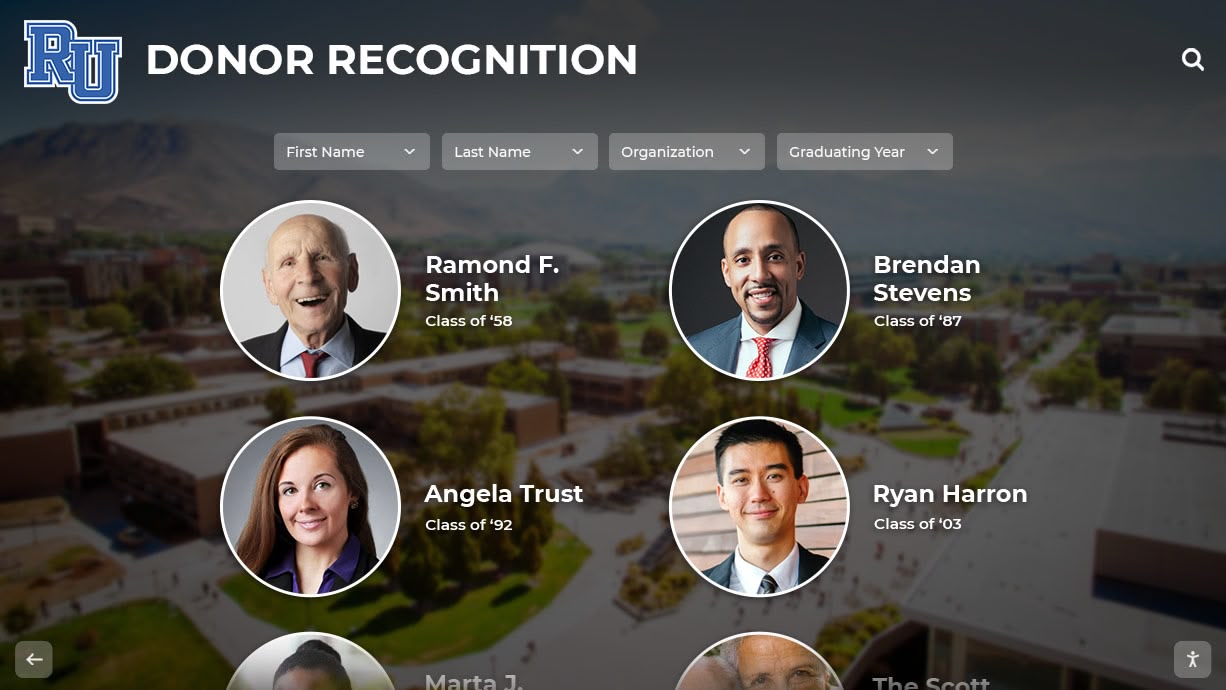
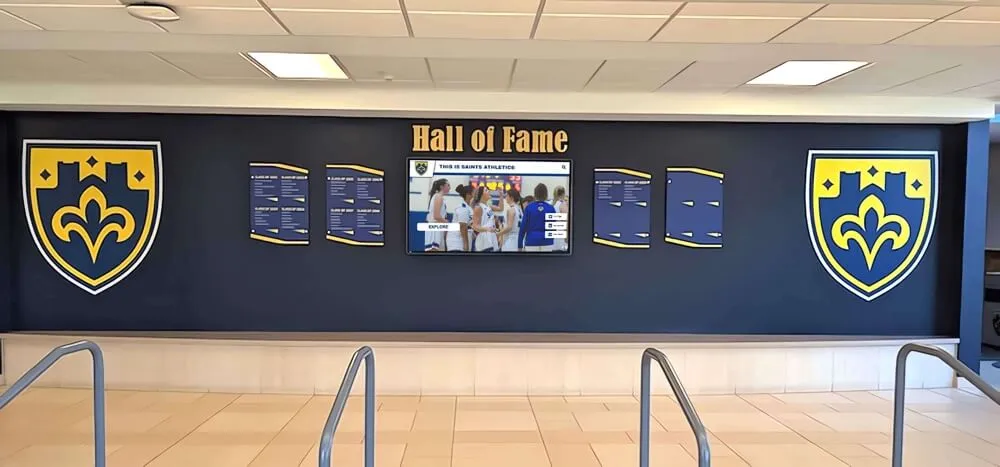
Combined donor and alumni recognition creates comprehensive celebration of institutional support
Budget-Conscious Recognition Approaches
Meaningful recognition doesn’t require enormous budgets.
Scalable Event Models
Right-size investment to available resources:
Tier 1: Enhanced Reception Format ($5,000-$15,000)
- 2-3 hour evening reception with appetizers and beverages
- Campus venue eliminating rental costs
- In-house audio-visual using institutional resources
- Printed programs and basic awards
- Student performers reducing entertainment costs
- Digital invitation reducing printing expenses
- Photography by advanced students or university photographer
- 75-150 attendees typical
Tier 2: Recognition Dinner ($15,000-$40,000)
- Plated dinner or upscale buffet service
- Professional venue or catered campus location
- Enhanced audio-visual with projection and sound
- Upgraded awards and professional printing
- Keynote speaker or professional entertainment
- Professional photography and videography
- Save-the-date and formal invitations
- 150-300 attendees typical
Tier 3: Gala Celebration ($40,000-$100,000+)
- Multi-course dinner with premium service
- Prestigious venue or extensively enhanced campus space
- Full production values including staging, lighting, and sound
- Professional event planning and coordination
- Live entertainment or major keynote speaker
- Comprehensive video production and live streaming
- Extensive décor and themed design
- Premium awards and presentation materials
- 300-500+ attendees typical
The key is matching investment to institutional capacity rather than creating unsustainable formats requiring difficult cost-cutting in future years.
Cost-Effective Enhancement Strategies
Maximize impact within budget constraints:
Leverage Existing Resources
- Use campus venues eliminating rental fees
- University printing services for programs and signage
- Student talent for performance and technical support
- Alumni volunteers for planning and execution
- In-kind donations from alumni-owned businesses
- Digital communications reducing printing costs
Focus Investment on Key Elements
- Professional video production creating lasting content
- Quality awards and recognition materials
- Honoree-specific personalization elements
- Student scholarship funding announced at event
- Limited premium elements rather than comprehensive enhancement
Revenue Generation Integration
- Optional ticket levels with premium seating or VIP reception
- Silent auction or raffle supporting scholarships
- Sponsorship opportunities for reunion classes or individuals
- Program advertising from alumni-owned businesses
- Not-for-profit crowdfunding campaigns tied to honorees
- Creates sustainability while avoiding charge barriers
Research from educational advancement professionals shows that recognition events integrating modest fundraising elements can offset 30-50% of event costs while strengthening alumni support.
Explore creative award approaches applicable to alumni recognition programs.
Measuring Recognition Event Success
Track outcomes to improve future programs.
Quantitative Success Metrics
Measure concrete outcomes:
Attendance and Participation Metrics
- Total attendance compared to invitation lists (response rate)
- Honoree attendance and family participation rates
- First-time attendee percentages
- Geographic diversity of attendees
- Generation representation across age groups
- Year-over-year attendance trends
- Waitlist or capacity constraints indicating demand
Engagement Indicators
- Event duration vs. attendee stay time
- Social media engagement (posts, shares, hashtags)
- Post-event survey completion rates
- Video view counts and watch time
- Digital recognition platform traffic
- Mobile app or website engagement
Financial Outcomes
- Per-person cost compared to budget targets
- Revenue generation if applicable
- Donation commitments announced or made
- In-kind contribution values
- Sponsorship revenue secured
- Cost trends year-over-year
Qualitative Assessment
Understand experience quality:
Attendee Satisfaction Research
- Post-event surveys measuring satisfaction dimensions
- Likelihood to attend future events (net promoter score)
- Specific element ratings (venue, food, program, length)
- Open-ended feedback about highlights and improvements
- Comparison to previous years or peer institutions
Honoree Experience Evaluation
- Personal follow-up with each honoree
- Family member feedback
- Recognition meaningfulness assessment
- Institutional connection strengthening
- Likelihood to maintain engagement
- Referrals of future potential honorees
Institutional Impact Assessment
- Alumni relations goal advancement
- Fundraising pipeline development
- Student inspiration and connection
- Community visibility and reputation
- Faculty and staff morale impact
- Integration with strategic priorities
Data collection should inform continuous improvement rather than becoming administrative burden without application.
FAQ: Alumni Recognition Event Planning
How often should institutions host alumni recognition events?
Most institutions benefit from annual alumni recognition programs creating consistent acknowledgment rhythms and attendee expectations. Larger universities may host multiple category-specific events throughout the year (athletic recognition in fall, academic excellence in spring, young alumni in summer) rather than single comprehensive ceremonies. The key is consistency and predictability allowing alumni to plan attendance rather than sporadic recognition on uncertain schedules.
How many alumni should be recognized at a single event?
Ideal recognition numbers depend on format and honoree category breadth. Focused single-category events work well with 3-8 honorees allowing meaningful individual recognition, while comprehensive multi-category ceremonies may honor 15-25 recipients across diverse achievement types. Events recognizing more than 30 individuals typically become lengthy and dilute individual impact. When honoree numbers exceed ideal ranges, consider multiple events or extended weekend formats providing adequate recognition time.
Should alumni recognition events charge admission?
Recognition events should be complimentary when possible to maximize attendance and avoid creating financial barriers to celebration attendance. When meal service or significant production costs necessitate revenue, consider graduated pricing with complimentary honoree and family tickets, modest alumni ticket prices ($25-$75), and optional premium experiences (VIP reception, preferred seating) at higher price points. Never prevent honorees’ closest supporters from attending due to cost.
How far in advance should alumni recognition events be planned?
Comprehensive planning timelines begin 9-12 months before event dates, allowing nomination solicitation (3-4 months), selection processes (2 months), honoree notification and confirmation (2 months), venue booking and vendor contracts (6+ months advance), marketing and invitation distribution (2-3 months), and detailed program planning (2-3 months). Rush planning within 4-6 months typically results in compromised venue selection, limited vendor availability, and inadequate promotion time affecting attendance.
What makes alumni recognition events memorable vs. forgettable?
Memorable recognition events combine authentic personalization (demonstrating genuine knowledge of honoree achievements), compelling storytelling (emotional connection through narrative rather than resume recitation), meaningful connections (facilitating relationships between honorees and attendees), production quality (professional presentation reflecting achievement significance), and lasting recognition (permanent installations or digital archives extending beyond single event). Forgettable events feel generic, rush through recognition, provide no compelling programming, and end without creating ongoing visibility or connection opportunities.
How can schools engage younger alumni in recognition events?
Young alumni (graduates within 15 years) respond to casual formats rather than formal galas, professional networking opportunities, integration with career development programming, social media-friendly environments, shorter program durations (60-90 minutes maximum), contemporary venues beyond campus, emerging leader award categories reflecting early-career achievements, and affordability with complementary or low-cost attendance. Traditional formal approaches designed for older generations typically fail to attract young alumni who comprise future major donor populations.
Creating Recognition That Strengthens Lifelong Connections
Alumni recognition events represent far more than acknowledgment of past achievements—they create powerful ongoing connections between graduates and institutions while validating the impact of education and involvement that shaped honorees’ successes. When institutions design recognition experiences that authentically celebrate diverse achievements, create compelling reasons to attend, and provide meaningful engagement beyond single ceremonies, they transform recognition into strategic relationship-building that strengthens communities and advances institutional missions.
The creative ideas and proven strategies explored throughout this comprehensive guide provide frameworks for designing recognition events that drive attendance, engage participants meaningfully, and create lasting impact. From format innovation and generational customization to storytelling excellence and year-round recognition extension, thoughtful event development ensures recognition creates the powerful alumni connection your institution deserves.
Successful alumni recognition balances tradition and innovation, celebrates diverse achievement types equitably, creates compelling attendance value propositions, facilitates meaningful connections among attendees, and extends recognition beyond single-event acknowledgment through permanent installations and ongoing digital visibility. Institutions implementing these comprehensive approaches create recognition cultures where alumni achievement receives celebration that inspires continued engagement and institutional pride.
Extend Your Alumni Recognition Beyond Single Events
Discover how modern digital recognition solutions can showcase honored alumni year-round, creating permanent visibility for achievements celebrated at recognition events while engaging campus visitors with inspiring stories of graduate success.
Explore Recognition SolutionsMost importantly, effective alumni recognition positions events within broader engagement ecosystems that value connection throughout the year. When combined with interactive digital displays providing permanent visibility, regular communication highlighting alumni accomplishments, mentorship programs connecting generations, and systematic acknowledgment across multiple channels, event recognition becomes integrated into comprehensive approaches that make alumni success central to institutional identity.
Your alumni’s achievements deserve recognition creating memories, motivation, and pride extending far beyond brief ceremony moments. Start with thoughtful event planning incorporating the creative formats and engagement strategies explored in this guide, then extend that recognition through permanent solutions ensuring every honored achievement receives the ongoing visibility and celebration it deserves.