



Intent: define. An athletic award data completeness scorecard is a structured audit tool that measures how many records in your school’s recognition database are missing critical fields—athlete names, award dates, team affiliations, and verified results—before those gaps surface on a public display, ceremony program, or permanent honor board.
This guide walks athletic directors, archives staff, IT teams, and recognition-program owners through the scorecard framework: which four fields to measure, how to assign completeness scores, what thresholds signal a record is ready for display, and how to close the gaps that remain. Whether your program maintains a single hallway honor board or a digital wall of fame covering multiple sports across multiple decades, the scorecard gives you a repeatable, documented measure of record quality before any recognition goes public.
Running an athletic award data completeness scorecard before updating recognition displays is one of the clearest investments an athletic department can make in its recognition program’s long-term credibility. Unlike a discrepancy check—which compares two sources to see whether they agree—a completeness audit measures how much of each required field is populated in the first place. A record can be internally consistent and still be incomplete: an athlete’s entry might match across every source document while still missing a graduation year, a team name, or a verified final score.
The result is a display record that looks authoritative but can’t be searched accurately, linked to the right season, or cited in future recognition. Incompleteness compounds over time. Athletic programs that carry forward half-populated records each season eventually maintain archives that are difficult to audit, impossible to migrate cleanly to a digital display system, and embarrassing to surface during alumni events or recruitment visits.

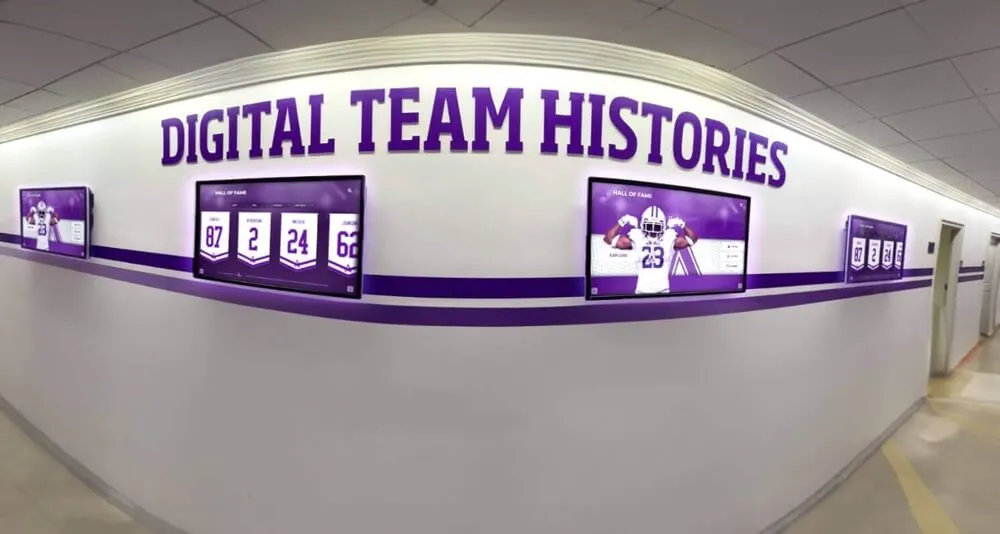
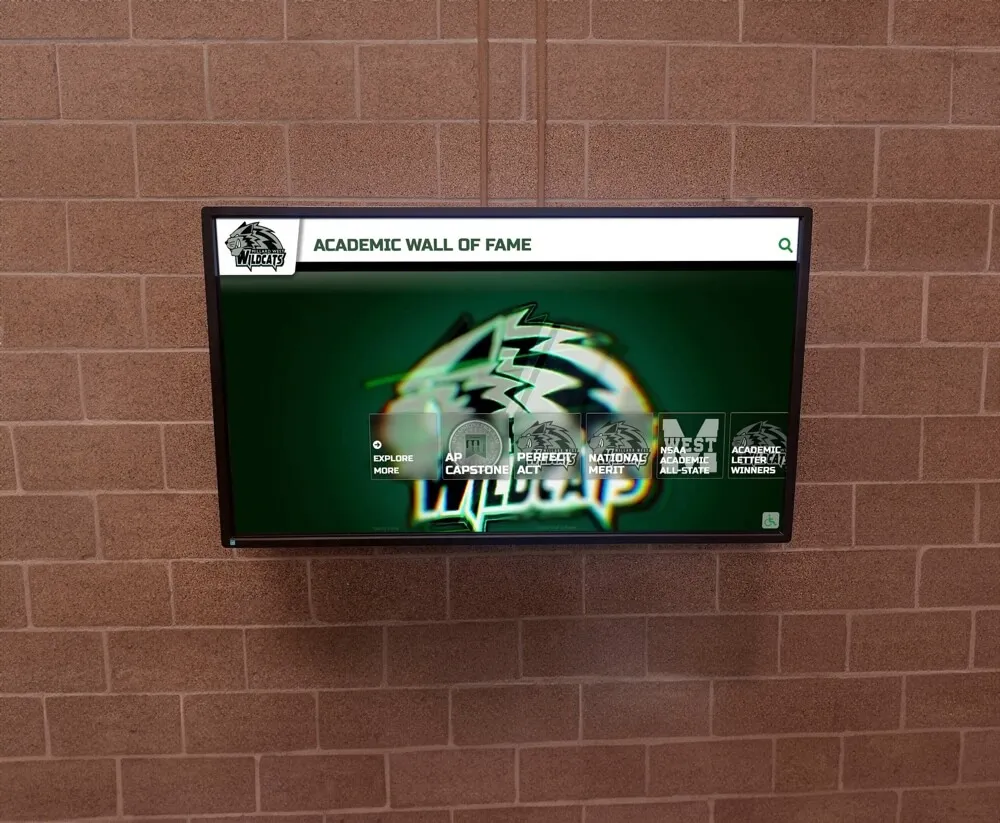
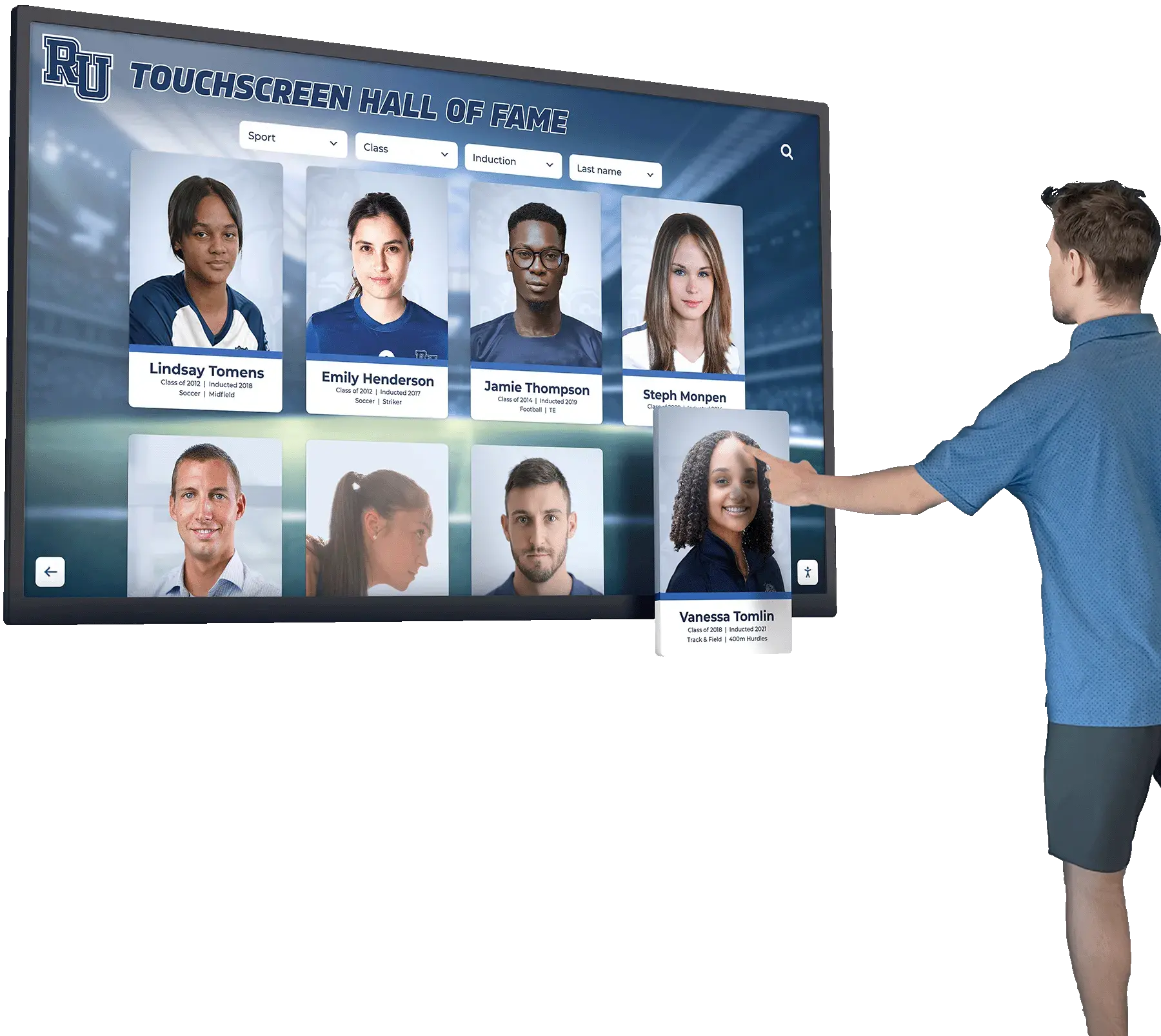
Digital athletic recognition displays depend on complete, verified records for every field—incomplete entries create searchability gaps and attribution errors that compound across seasons
What Is an Athletic Award Data Completeness Scorecard?
An athletic award data completeness scorecard is a field-level audit that assigns a completeness percentage to each required data element across every record in a recognition dataset. For each record, the scorecard asks: is this field populated? If yes, does it meet the minimum quality standard for display?
The scorecard produces two outputs: a per-record completeness score showing which specific fields are missing, and a program-level completeness rate showing the percentage of all records that are fully complete across all required fields. Both numbers inform different decisions. The per-record score tells you which specific entries need remediation before going live. The program-level rate tells you how much remediation work the full archive requires before a display migration, system upgrade, or public launch.
Athletic directors managing the full operational scope of a recognition program—alongside scheduling, compliance, and facilities responsibilities—benefit from a completeness scorecard that delegates the measurement work systematically. The guide to becoming an athletic director at digitalawardsdisplay.com covers how recognition program management fits within the broader scope of athletic department leadership, and why documentation quality in this area reduces administrative exposure over time.
Why Incomplete Athletic Award Records Create Cascading Problems
Incomplete records do not fail quietly. They create downstream errors at every point where a recognition record is used: ceremony programs, hallway displays, digital walls of fame, alumni databases, and media relations materials. A record missing a team affiliation might be displayed under the wrong sport. A record missing an award date cannot be sorted chronologically. A record missing a verified result cannot be confirmed against any authoritative source when an alumnus or recruit asks about it.
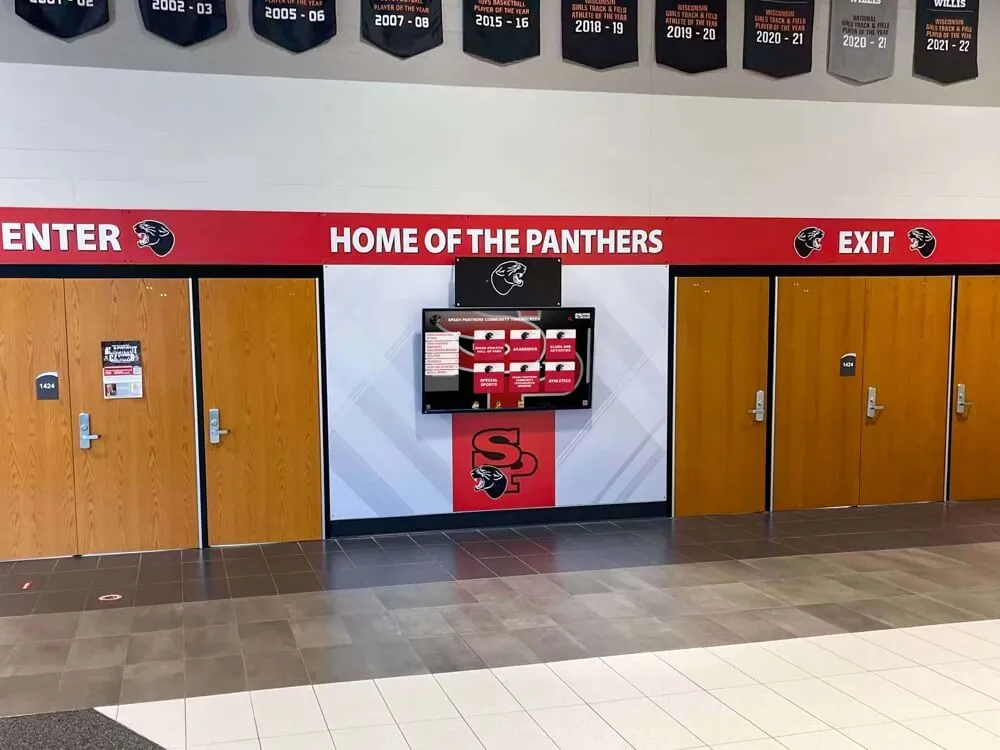
Physical recognition environments amplify the cost of incompleteness. Gym murals, athletic hall of fame walls, and lobby recognition displays that incorporate incomplete data become permanent errors—considerably more expensive to correct than a database record. Schools investing in gym mural design for athletic facilities and similar permanent recognition environments have every reason to ensure the underlying data is complete and accurate before any name or record is committed to a fabricated surface.
The completeness problem is also a searchability problem. Recognition programs that make their records accessible to alumni, recruits, and the public—through web portals, digital kiosk displays, or QR-code-accessible mobile views—depend on complete field population to return accurate search results. A record missing an athlete’s last name, a team name, or a season year will not surface in searches for those terms, effectively erasing the recognition for anyone who searches rather than scrolls.
The Four Core Fields Every Athletic Award Record Must Include
A complete athletic award record requires four fields to be populated and verified before that record is ready for public display. These are not optional enrichment fields—they are the minimum data elements that allow a recognition record to be attributed, searched, confirmed, and cited.
| Field | What “Complete” Means | Common Incompleteness Cause |
|---|---|---|
| Athlete Name | Full legal name matching enrollment record | Nickname used; middle name included inconsistently; hyphenated surname split |
| Award Date | Season year plus specific award event date | Year-only entry; date estimated rather than sourced; date missing entirely |
| Team Affiliation | Sport, school team name, and season | Sport listed without season; team name used from informal shorthand |
| Result or Achievement | Verified metric (stat, record, title) with source | Result taken from recap rather than official record; result range rather than specific value |
A record that is missing any one of these four fields fails the completeness threshold. A record that has all four fields populated but with unverified or placeholder values—a result listed as “TBD,” a date listed as “Spring 2019,” a name listed as “J. Smith”—also fails.
Building a recognition program that athletes, families, and alumni find meaningful requires not just the presence of data, but data that is specific enough to stand behind. The collection of sports motivation quotes for athlete and team displays at digitalwalloffame.com illustrates how schools pair recognition text with achievement data—a combination that only works when the achievement data is complete enough to be specific.

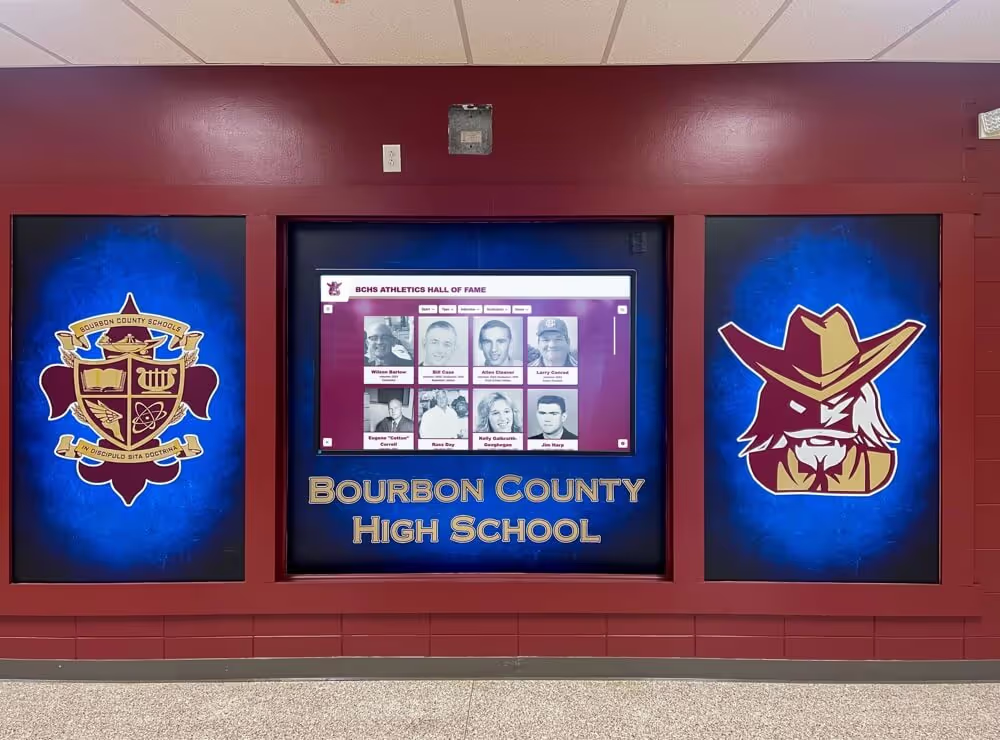
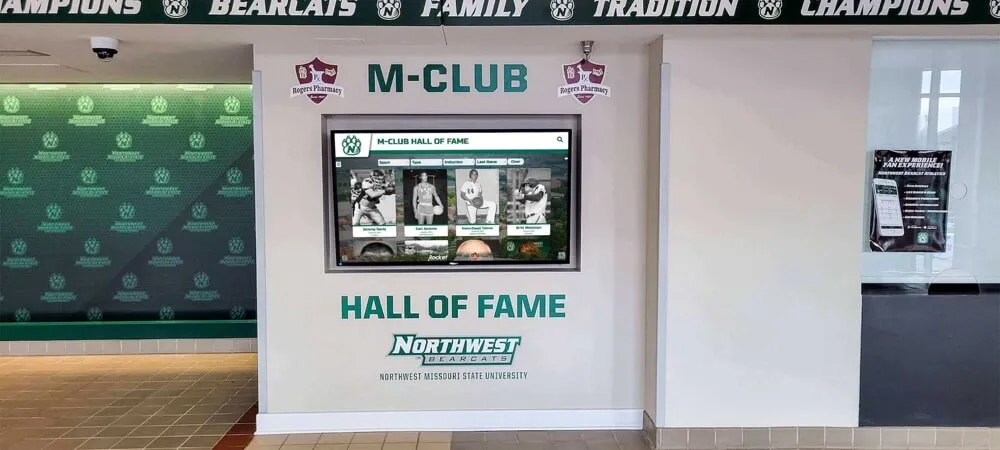
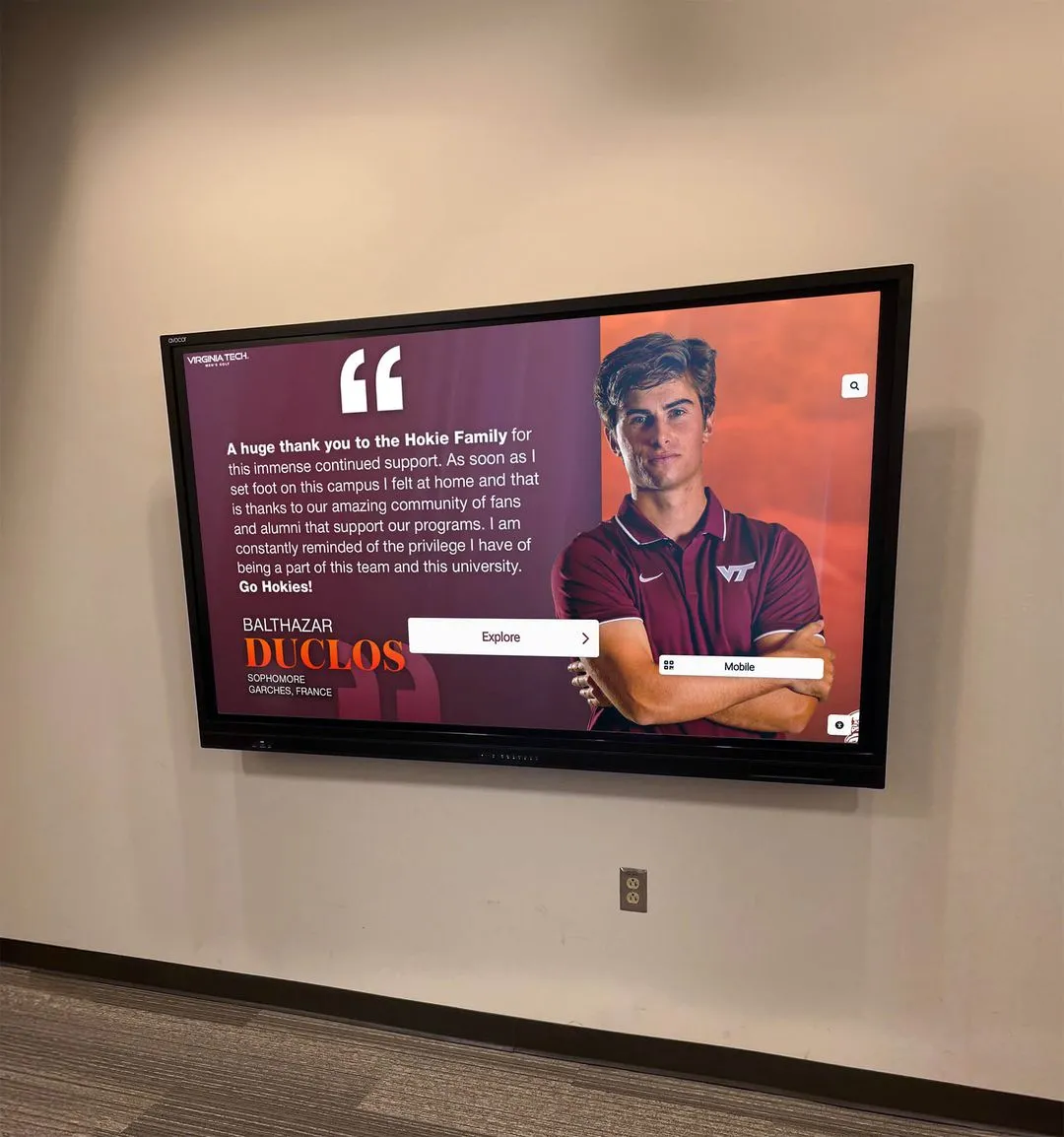
Hall of fame recognition panels require complete, verified data across all four core fields—incomplete records result in displays that cannot be confirmed, cited, or searched accurately
How to Build and Run an Athletic Award Data Completeness Scorecard
This eight-step process applies to end-of-season award cycles, hall of fame nomination reviews, display migration projects, and any annual audit of existing athletic recognition records.
Step 1: Export all records in a standardized spreadsheet format
Pull every award record into a single spreadsheet with one row per record and one column per required field. If your records are distributed across paper files, seasonal spreadsheets, and a display CMS, consolidate them into a single working document before the audit begins. Auditing distributed records without a unified view produces an incomplete picture of overall completeness.
Step 2: Define the completeness standard for each field
Before scoring, document exactly what “complete” means for each field in your program’s context. For athlete names: legal name from enrollment record, no initials, no nicknames. For award date: full date of the award ceremony or season close, not a range. For team affiliation: sport name plus school team designation plus season year. For result: specific, verified metric with a source document noted. These standards become the criteria against which each record is scored.
Step 3: Score each field as Complete, Incomplete, or Missing
For each record, assign one of three statuses to each required field:
- Complete: Field is populated and meets the quality standard
- Incomplete: Field has a value but does not meet the standard (placeholder, range, unverified)
- Missing: Field has no value
Distinguishing “Incomplete” from “Missing” matters for remediation planning. Missing fields require sourcing; incomplete fields require verification and correction. Both block display clearance, but they require different effort to resolve.
Step 4: Calculate per-record completeness scores
For each record, calculate a completeness percentage: the number of fields rated “Complete” divided by the total number of required fields, multiplied by 100. A record with all four core fields rated “Complete” scores 100%. A record with two complete and two incomplete fields scores 50%.
Records scoring below 100% are not display-ready. The per-record score tells you which specific field is the blocker, allowing your team to route each incomplete record to the appropriate resolver: the registrar for name issues, the coach or official record system for result issues, the athletic office for team affiliation issues.
Step 5: Calculate the program-level completeness rate
Count the total number of records that scored 100% and divide by the total number of records in the dataset. This is your program-level completeness rate. A program with 200 award records of which 140 are fully complete has a 70% completeness rate.
Program-level completeness rates inform migration and launch decisions. Recognition programs that are below 80% program-level completeness before a digital display migration or public website launch create a poor first impression—alumni and visitors who encounter half-populated profiles or missing records lose confidence in the archive’s accuracy. Historical school records that survive in physical form—yearbooks, newspaper archives, and official program files—can serve as sources for filling completeness gaps, and the yearbook digitization guide for schools at digitalyearbook.org covers how schools systematically recover historical records from physical sources when digital archives are incomplete.
Step 6: Prioritize incomplete records for remediation
Rank incomplete records by the number of missing or incomplete fields. Records missing three or four required fields require more remediation effort and typically more source research than records missing a single field. Start remediation with single-field gaps—these close quickly and improve the program-level rate efficiently. Then move to multi-field gaps, which may require coordinating with multiple resolvers.
Step 7: Establish a remediation routing table
Document which resolver is responsible for each field gap type. A consistent routing table prevents incomplete records from sitting in an unassigned queue during a busy season close or display migration.
| Field Gap | Resolver | Source Document |
|---|---|---|
| Athlete name (missing or incomplete) | Registrar / Athletic Office | Official enrollment record |
| Award date (missing or incomplete) | Athletic Director / Event Coordinator | Ceremony program or calendar record |
| Team affiliation (missing or incomplete) | Athletic Office | Season roster or athletic handbook |
| Result or achievement (missing or incomplete) | Head Coach / Official Record Keeper | Official box score, results system, or meet record |
Step 8: Lock and re-score after remediation
After each resolver closes a field gap, re-score the affected record. Only records that reach 100% completeness after re-scoring are cleared for display. Records that cannot be fully remediated—because a source document no longer exists or a gap cannot be resolved with available evidence—are flagged for archival review and excluded from public display until the gap is resolved or the record is documented as permanently incomplete with a noted reason.
Recognition programs that systematize this process benefit from frameworks used in other employee and institutional recognition contexts. The employee recognition ideas guide at toucharchives.org covers how institutions build repeatable recognition processes—including the documentation and verification standards that prevent gaps from accumulating unnoticed.
Athletic Award Data Completeness Scorecard Template
Use this template to score each record in your current athletic award dataset. Run this template at the start of each remediation cycle and retain completed copies as part of the audit record.
ATHLETIC AWARD DATA COMPLETENESS SCORECARD
School / Program: ________________________
Season / Award Cycle: ________________________
Scored By: ________________________
Date Completed: ________________________
| Athlete Record | Athlete Name | Award Date | Team Affiliation | Result / Achievement | Per-Record Score |
|---|---|---|---|---|---|
| Record 1 | ☐ Complete ☐ Incomplete ☐ Missing | ☐ Complete ☐ Incomplete ☐ Missing | ☐ Complete ☐ Incomplete ☐ Missing | ☐ Complete ☐ Incomplete ☐ Missing | ___% |
| Record 2 | ☐ Complete ☐ Incomplete ☐ Missing | ☐ Complete ☐ Incomplete ☐ Missing | ☐ Complete ☐ Incomplete ☐ Missing | ☐ Complete ☐ Incomplete ☐ Missing | ___% |
| Record 3 | ☐ Complete ☐ Incomplete ☐ Missing | ☐ Complete ☐ Incomplete ☐ Missing | ☐ Complete ☐ Incomplete ☐ Missing | ☐ Complete ☐ Incomplete ☐ Missing | ___% |
Summary:
| Metric | Value |
|---|---|
| Total records audited | |
| Records at 100% completeness | |
| Records with incomplete fields | |
| Records with missing fields | |
| Program-level completeness rate | __% |
| Records cleared for display | |
| Records deferred for remediation |
Interpreting Your Completeness Score
The program-level completeness rate tells you how much of your archive is ready for public display without remediation. Use these thresholds as decision criteria:
| Completeness Rate | Interpretation | Recommended Action |
|---|---|---|
| 90–100% | Display-ready archive | Proceed with display update; document remaining gaps |
| 75–89% | Mostly complete; targeted gaps | Remediate specific field types before launch; display cleared records |
| 50–74% | Moderate gap rate | Prioritize remediation before public launch; partial display possible |
| Below 50% | High gap rate | Pause public launch; full remediation cycle required |
Programs launching a new digital recognition display or migrating from a physical board to an interactive kiosk system benefit from reaching at least 85% completeness before going live. Visitors to a newly launched digital display who encounter empty fields or placeholder values lose confidence in the archive quickly—first impressions of a recognition platform are difficult to reverse.
The interactive touchscreen kiosk software comparison guide at donorswall.com covers how schools evaluate digital display platforms for athletic and recognition programs—a decision that goes more smoothly when the underlying data is complete enough to populate the platform without a parallel remediation project running during the migration.

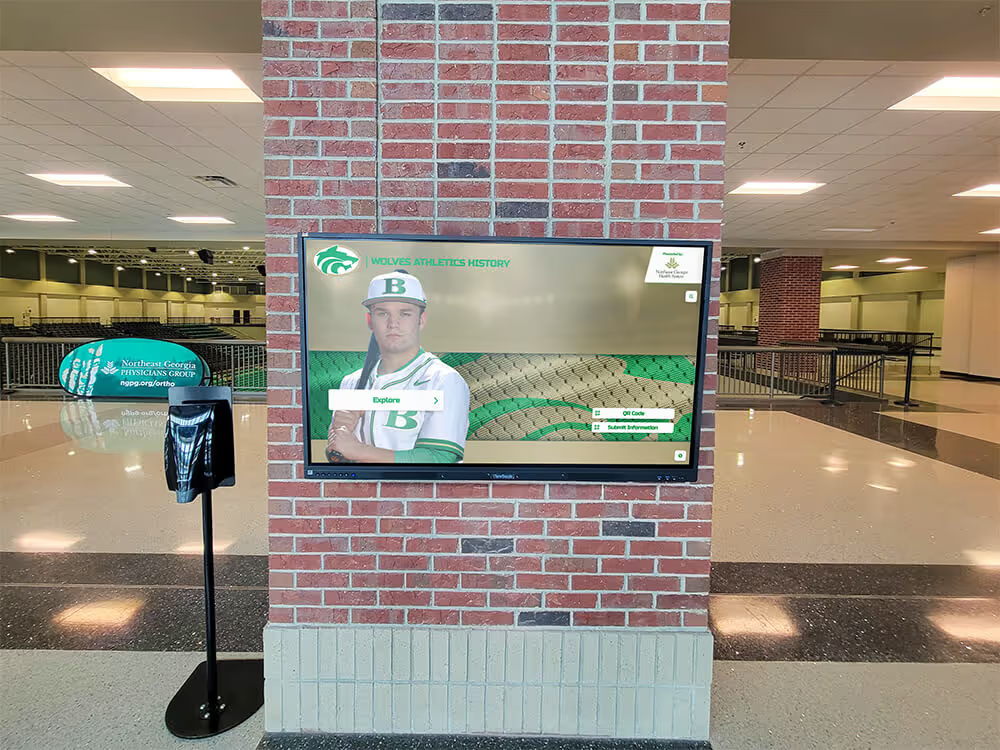
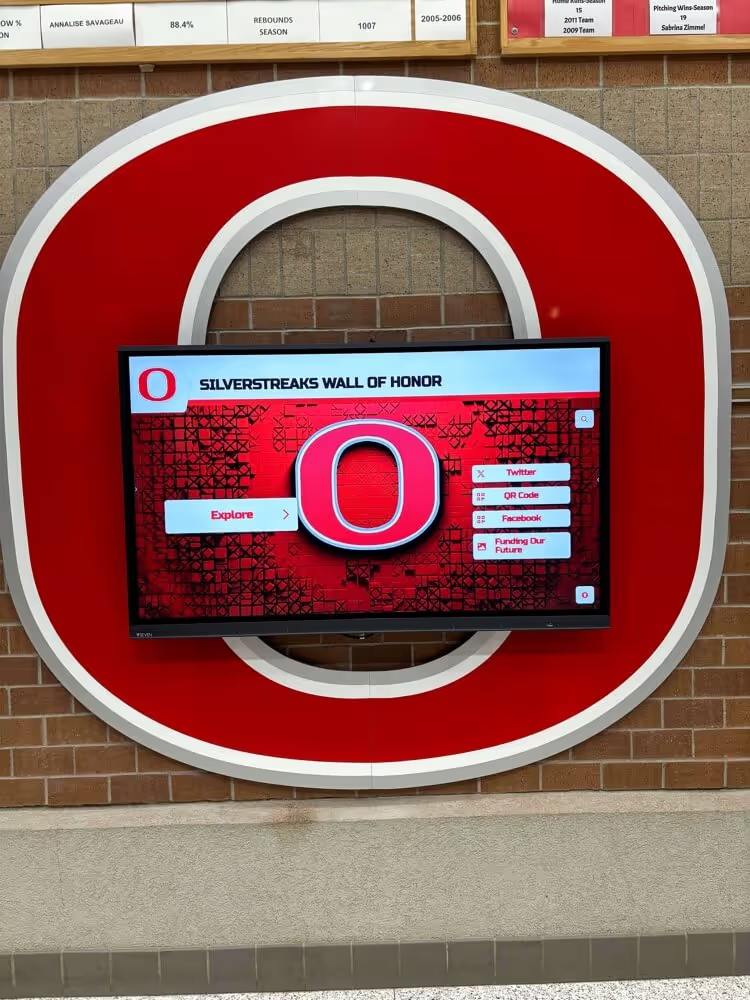
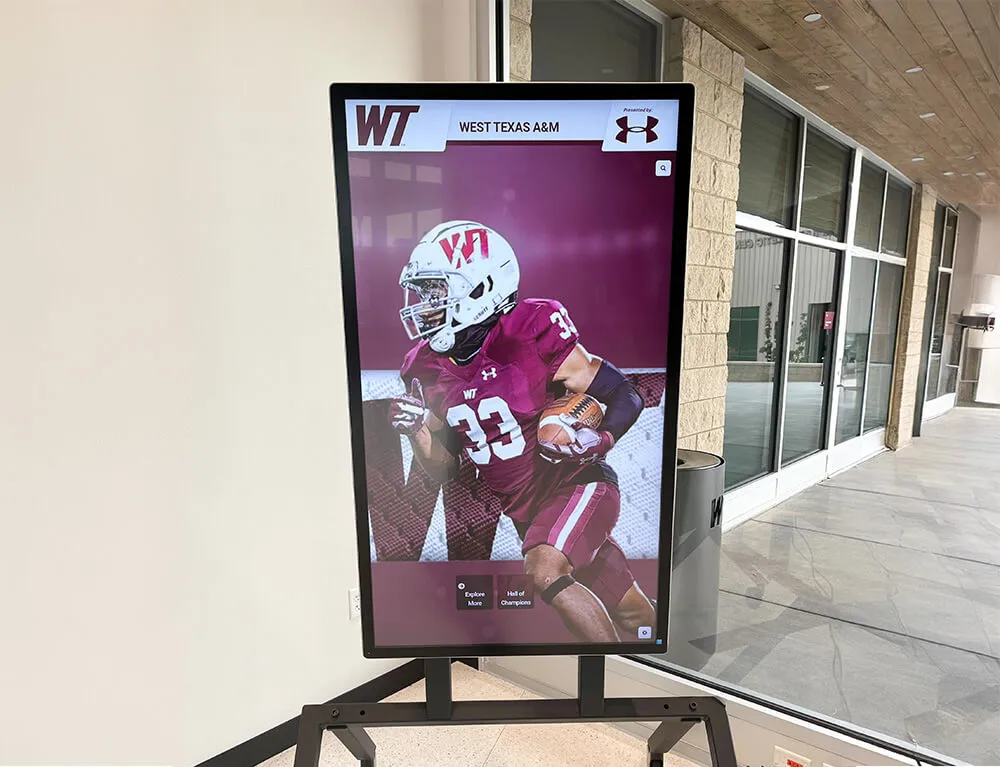
Athletic honor boards and hallway recognition panels that reach 100% field completeness before fabrication avoid the cost and reputational impact of correcting errors after installation
How Digital Recognition Platforms Reduce Completeness Gaps
Schools that manage athletic award records in a centralized digital content management system accumulate completeness gaps more slowly than those managing records across disconnected spreadsheets and paper files. The structural reason is simple: a digital system built for recognition management can enforce required fields at the point of data entry, preventing records from being saved in an incomplete state.
When a staff member enters a new award record in a platform that requires all four core fields before the entry saves, the completeness gap is addressed in the moment—before the record enters the archive. Schools that rely on seasonal spreadsheets or paper nomination forms have no enforcement mechanism: incomplete records enter the system as submitted and accumulate until an audit catches them.
Permanent donor recognition walls face a similar data quality challenge when plaques are commissioned from incomplete records. The donor recognition wall plaques guide at donordisplay.com shows how institutions managing physical recognition installations build verification steps into their processes before any fabrication order is placed—the same upstream discipline that prevents completeness gaps from reaching an athletic display.
Digital recognition platforms designed for school athletic programs also support completeness management through features that reduce the administrative burden of remediation:
- Required field validation: Fields designated as required cannot be left blank; staff are prompted to complete them before a record saves
- Completeness dashboards: Program-level views show which records have missing fields, allowing an athletic director or archives team to prioritize remediation without running a manual audit
- Bulk upload with field mapping: When migrating records from spreadsheets, a field-mapping step identifies which columns in the source data correspond to which required fields in the platform—surfacing completeness gaps before migration rather than after
- Audit logs: Every field change is logged with a user, timestamp, and prior value, providing a permanent record of how each completeness gap was resolved
- Auto-ranking for record boards: When performance results are entered, the platform automatically compares them against prior entries and surfaces potential records, reducing the risk that a record-setting achievement is underrecorded
Schools that have built recognition programs for a wider range of achievement types—academic honors, arts recognition, community service awards, and donor acknowledgment alongside varsity athletics—find that the same completeness discipline applies across every category. Recognition events and ceremonies that draw on these records, like end-of-year awards nights or hall of fame inductions, are strongest when every category of recognition in the program is backed by complete, verified data.
Trusted by 600+ institutions, Rocket Alumni Solutions’ cloud-based digital recognition platform gives athletic departments, archives teams, and school administrators the tools to manage award records with required field validation, audit history, and a remote CMS accessible from anywhere—so completeness gaps are caught at entry rather than discovered at display time.
FAQ: Athletic Award Data Completeness Scorecard
What is an athletic award data completeness scorecard?
An athletic award data completeness scorecard is a field-level audit tool that measures what percentage of records in a school’s recognition database have all required fields fully populated and verified. The scorecard scores each record across four core fields—athlete name, award date, team affiliation, and verified result—and produces both a per-record completeness percentage and a program-level completeness rate. Records that do not reach 100% are held from public display until gaps are remediated.
Which four fields does an athletic award completeness scorecard measure?
The four required fields are: athlete name (full legal name matching the enrollment record), award date (specific ceremony or season-close date, not a range), team affiliation (sport name, school team designation, and season year), and result or achievement (a verified metric with a documented source). A record missing any one of these four fields fails the completeness threshold.
What program-level completeness rate should a school achieve before launching a digital recognition display?
Schools should aim for at least 85–90% program-level completeness before a public digital display launch. Displays that go live below 75% create a poor first impression for visitors who encounter empty fields or placeholder values. A rate above 90% signals that the archive is ready for display, with remaining gaps documented for targeted follow-up.
How is a data completeness scorecard different from a data reconciliation report?
A reconciliation report compares source documents to identify discrepancies—it checks whether a name matches across sources. A completeness scorecard measures whether required fields are populated at all. The two audits are complementary: a record can pass reconciliation while failing completeness, and vice versa. Programs running both audits have the strongest quality control before any recognition goes public.
Can a school run an athletic award data completeness scorecard manually?
Yes. A manual scorecard requires a consolidated spreadsheet, a defined standard for each required field, and a scoring pass rating each field as Complete, Incomplete, or Missing. The process works at any scale, though larger archives benefit from digital platforms with built-in completeness dashboards and required-field validation at point of entry.
Building a Recognition Archive That Holds Up Over Time
An athletic award data completeness scorecard is not a one-time cleanup project—it is a repeatable measurement discipline that keeps recognition records accurate, searchable, and ready for public display across every season, every display update, and every transition to a new platform or format.
Schools that run completeness audits before each season update catch field gaps when they are easiest to close—immediately after the season close, when coaching staff and official records are still accessible. Schools that skip completeness audits carry forward gaps that compound into archives that are increasingly difficult to audit, migrate, or present credibly.
The four-field standard, eight-step scoring process, and scorecard template in this guide are designed to be adopted directly or adapted to fit your specific mix of sports, award categories, and display formats. The same core process applies whether your program maintains a single hallway honor board or a multi-display digital recognition system spanning the gym, the lobby, and a web-accessible alumni portal.
Every name that appears on a public athletic display should have an unbroken chain of documentation back to a complete, verified record. A documented completeness scorecard is how that standard is enforced before a record reaches the wall.
See How 600+ Schools Keep Award Records Complete and Display-Ready
Rocket Alumni Solutions builds cloud-based digital recognition platforms with required-field validation, completeness dashboards, audit history, and remote CMS access—giving your team the tools to catch data gaps at entry, not at display time. WCAG 2.1 AA compliant displays work on any touchscreen from 32" to 100"+.
Request a Custom Demo