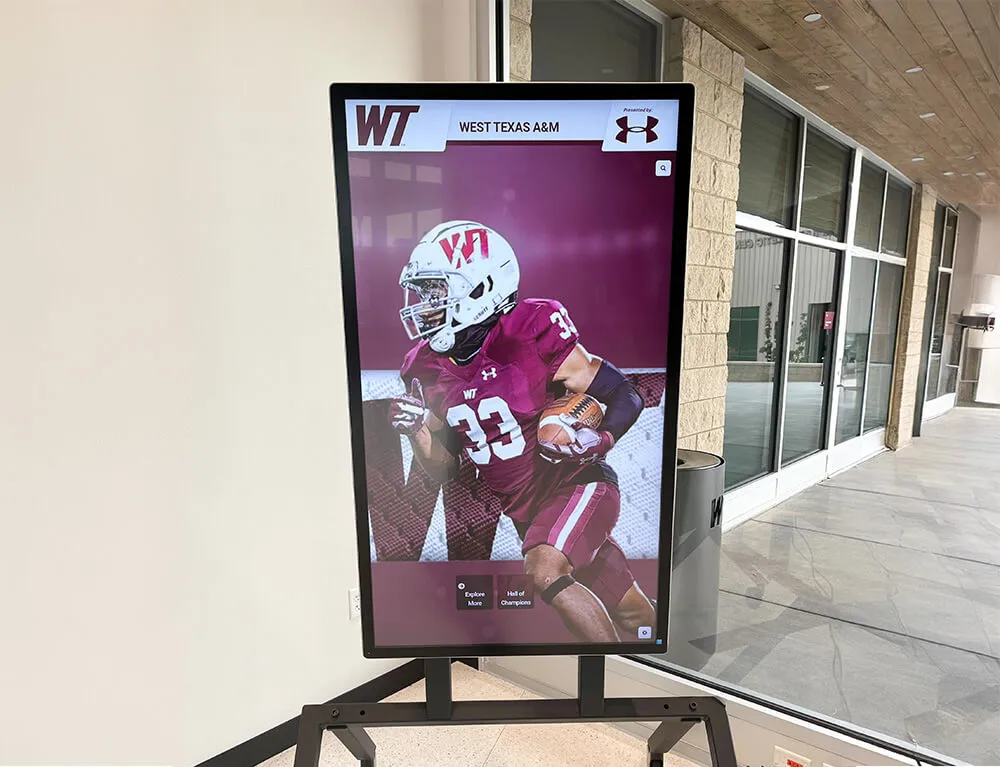




An athletic award field-level validation checklist gives your team a structured, repeatable process for catching errors—wrong athlete names, reversed dates, mismatched seasons, unsourced records—before recognition is displayed publicly. Intent: define. Whether you’re preparing inductees for a digital hall of fame, populating a record board, or publishing a championship archive, data entered without field-level review becomes a source of public embarrassment rather than institutional pride.
Recognition errors are more common than most programs realize. A misspelled athlete name on a championship display stays misspelled until someone reports it—and by then it has been photographed, shared, and embedded in institutional memory. A season year recorded as 2012 instead of 2021 creates confusion in searchable archives that compounds over time. A trophy entry copied from an unofficial news clipping may honor a record that was never officially certified.
This checklist gives athletic directors, archives staff, and administrative teams the field-level review framework to prevent those errors from ever reaching a display, plaque, or digital recognition system.
A complete athletic award field-level validation checklist covers six data categories: athlete identity fields, season and year fields, team and program fields, award title and classification fields, date and timeline fields, and source and evidence fields. Verifying all six before records go live reduces post-publication corrections to near zero for most programs.

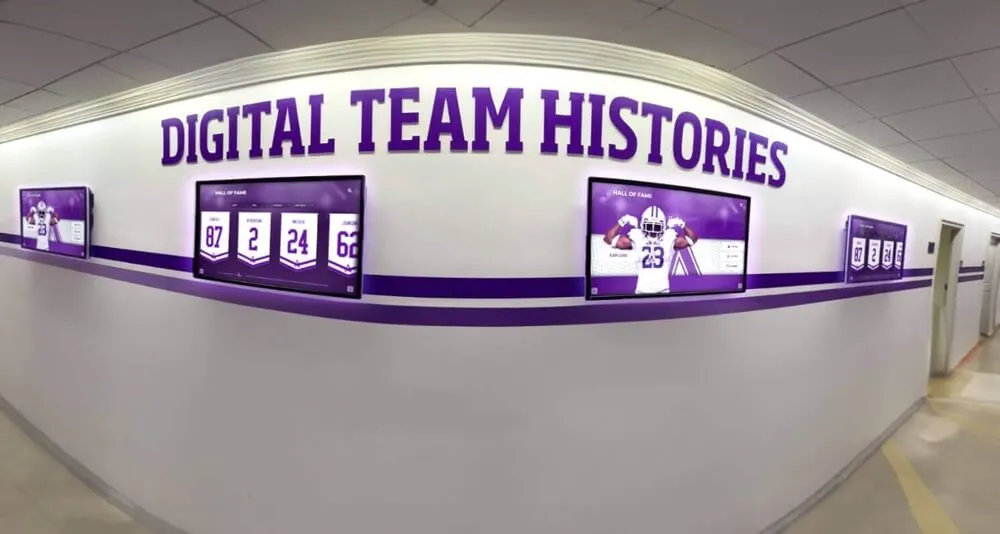
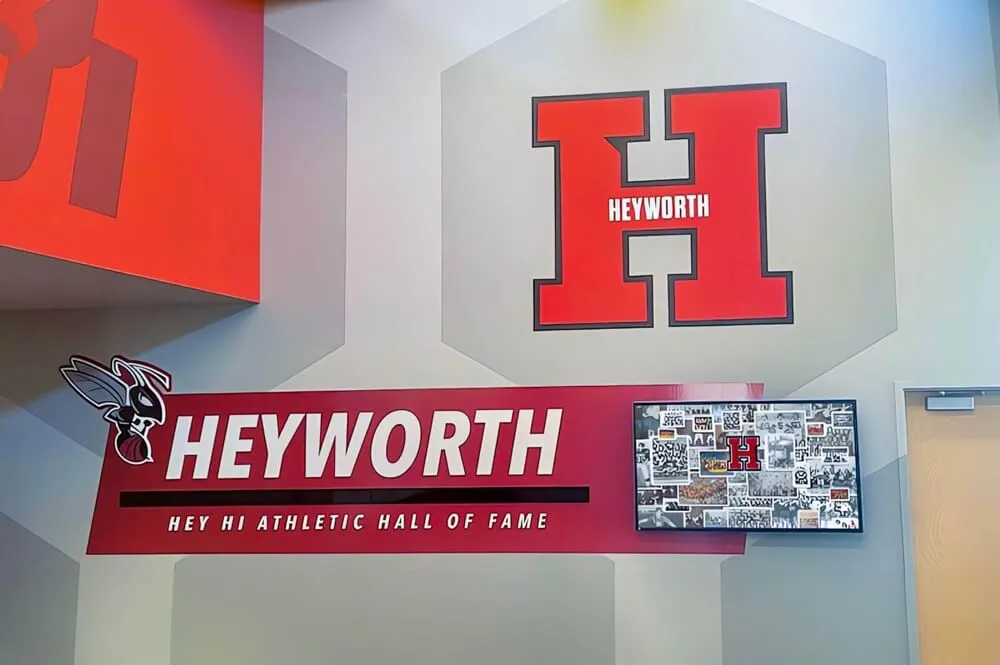
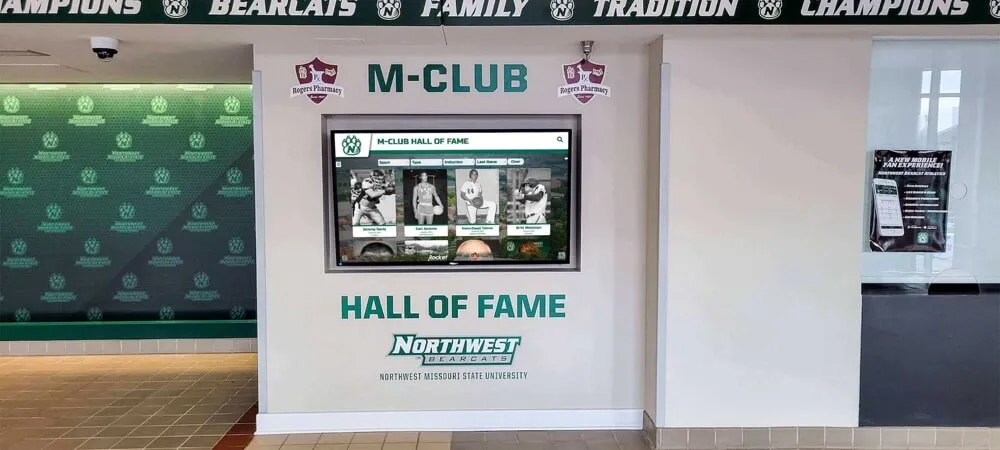
A well-maintained athletic honor wall depends on accurate underlying data—field-level validation before display prevents errors from becoming permanent fixtures
Why Field-Level Validation Matters for Athletic Recognition
Data errors in athletic recognition are uniquely costly because recognition is public by design. A database error in a backend system stays internal; an error on a recognition wall, a digital hall of fame screen, or a championship plaque becomes visible to every athlete, parent, alumni, and visitor who walks past.
The consequences extend beyond embarrassment:
- Athlete trust: Inductees who find their names misspelled or their achievements incorrectly described lose confidence in the institution that honored them—and may say so publicly.
- Historical accuracy: Athletic archives serve as institutional memory. Errors recorded today become accepted facts in future anniversary displays, community retrospectives, and alumni searches.
- Family relationships: Families whose students are honored photograph and share recognition displays. Sharing an error amplifies the mistake beyond the campus.
- Disputed records: Incorrectly attributed records—a career scoring mark credited to the wrong athlete, for example—can create disputes that damage program relationships with alumni and families.
Field-level validation checkpoints before public display convert recognition from a liability into a reliable institutional asset.
The Athletic Award Field-Level Validation Checklist
Work through all six categories for every entry before publishing to any display, database, or physical installation.
1. Athlete Identity Fields
Athlete identity is the highest-risk data category because names are hard to verify at a glance and errors persist indefinitely once displayed.
Validation checks:
| Field | What to Verify | Source to Cross-Reference |
|---|---|---|
| First name | Exact legal or preferred-use spelling | Student or alumni records, official program rosters |
| Last name | Exact spelling including hyphens and apostrophes | Graduating class lists, state athletic association records |
| Graduation year | Four-digit year matches roster year | Yearbook composite photos, registrar records |
| Athlete ID (if used) | Unique identifier does not conflict with another record | Internal recognition database |
| Name preference for alumni | Maiden vs. married name confirmed with athlete | Direct contact or athletic staff |
Common errors to catch:
- Nicknames substituted for legal names without notation
- Foreign-language diacritics stripped during data entry (Martínez becoming Martinez)
- Duplicate entries created during data migration or manual re-entry
- Maiden-name vs. married-name mismatches for female alumni inductees
For programs building physical archival displays alongside digital records, school memorabilia display ideas cover how name accuracy affects both physical and digital recognition formats across a school’s history.
2. Season and Year Fields
Season-year confusion is the most common structural error in athletic recognition databases. It typically originates from a mismatch between academic-year conventions (2023–24) and calendar-year conventions (2024), used interchangeably by different staff members.
Validation checks:
| Field | What to Verify | Common Error |
|---|---|---|
| Season label format | “2023–24” vs. “2024”—confirm which your system uses | Mixing academic-year and calendar-year within one database |
| Season type | Fall / Winter / Spring matches the sport’s actual season | Swimming record labeled “Fall” when program runs Winter |
| Year of achievement | Four-digit year confirmed against original documentation | Transposed digits (2012 entered instead of 2021) |
| Multi-year span | Career records and cumulative stats correctly span all contributing seasons | Single-season statistics entered as career totals |
Verification step: Pull the original game log, official results document, or state association record for the achievement year. Never accept year fields entered from memory alone.
3. Team and Program Fields
Team fields become complicated at schools with multiple competition levels, program name changes over time, and cooperative programs involving neighboring schools.
Validation checks:
| Field | What to Verify |
|---|---|
| Sport name | Standardized to your program’s taxonomy (e.g., “Cross Country” not “X-Country” or “XC”) |
| Gender designation | Women’s / Men’s / Mixed confirmed against official roster |
| Level | Varsity / Junior Varsity / Freshman / Club—correct level reflected |
| Program era | Historic team names before name changes or consolidations noted accurately |
| Conference | Correct conference for the relevant season year |
Sport-level data accuracy determines whether records sort and filter correctly in searchable recognition systems. Programs recognizing athletes across many sports—from basketball and hockey to track—need precise program attribution so records surface under the right sport category. For sport-specific record context, hockey rink touchscreen recognition of past teams illustrates how program history data shapes what visitors see in multi-era recognition displays.
4. Award Title and Classification Fields
Award title fields are frequently populated from unofficial sources—game programs, news clippings, coach nomination forms—rather than from the issuing organization’s own documentation.
Validation checks:
| Field | What to Verify | Source |
|---|---|---|
| Award name | Exact official name from issuing organization | State athletic association, conference office, national organization |
| Award level | Individual vs. team, regional vs. state vs. national | Issuing organization documentation |
| Award category | Performance / Character / Service / Academic-Athletic—confirmed | Original award citation |
| Abbreviations | Expanded before display (“All-MVC” → “All-Missouri Valley Conference”) | Conference or association style guide |
| Award classification | Recurring annual award vs. one-time special recognition | Issuing organization records |
For physical awards where engraving is involved, wording standards matter as much as database accuracy. Trophy engraving ideas, fonts, and wording tips for school awards address how display-ready award language translates from database records to physical installations.
5. Date and Timeline Fields
Date fields require precision beyond the year—especially for records that may have been broken, tied, or certified on a specific game date that determines precedence in multi-athlete record histories.
Validation checks:
| Field | What to Verify |
|---|---|
| Achievement date | Day, month, and year confirmed from official game log or event record |
| Induction date | Date of official recognition ceremony, not the achievement date |
| Record certification date | Date record was officially certified by program, conference, or association |
| Publication date | Date recognition was added to the public display or database |
| Active vs. historical status | Whether the record is still standing or has since been broken |
Note on date sourcing: Newspaper archives and social media posts are not reliable primary sources for exact dates. Use official scorebooks, state association results, or conference records as the authoritative reference for any date field.

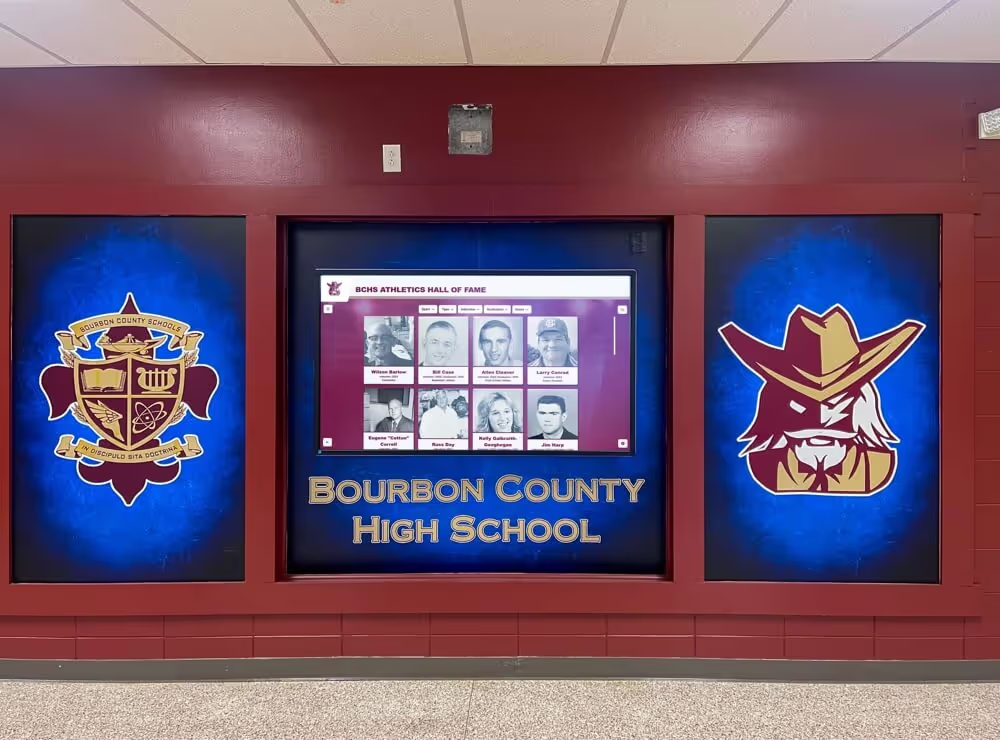
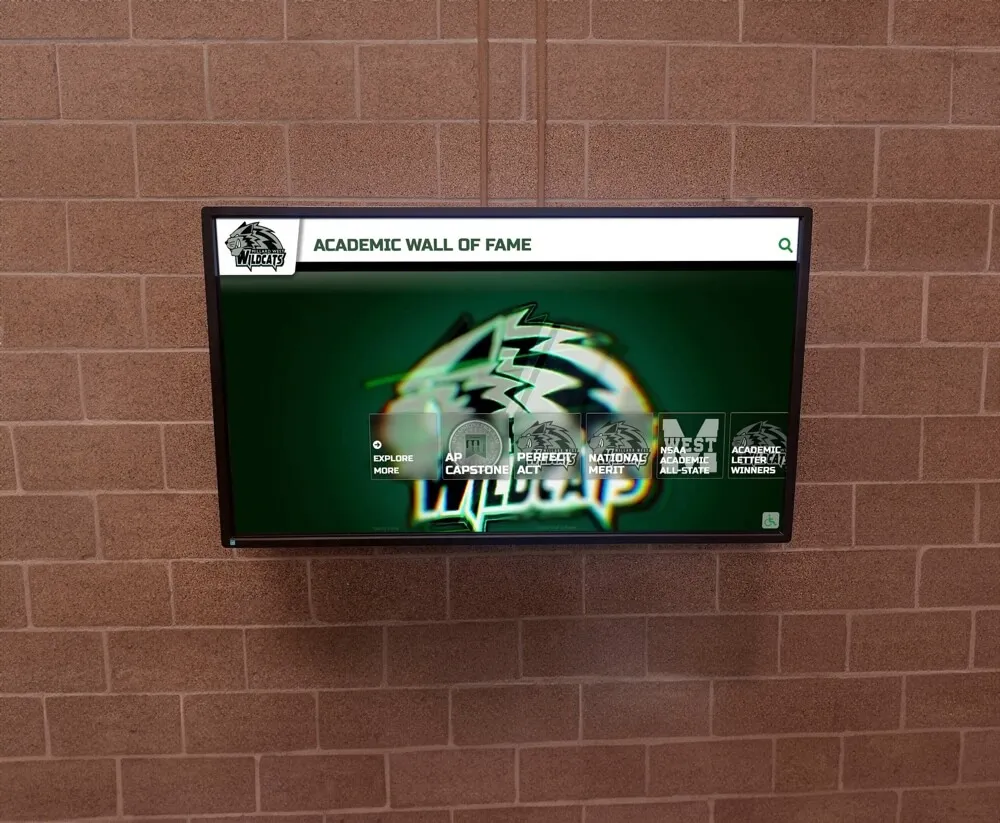
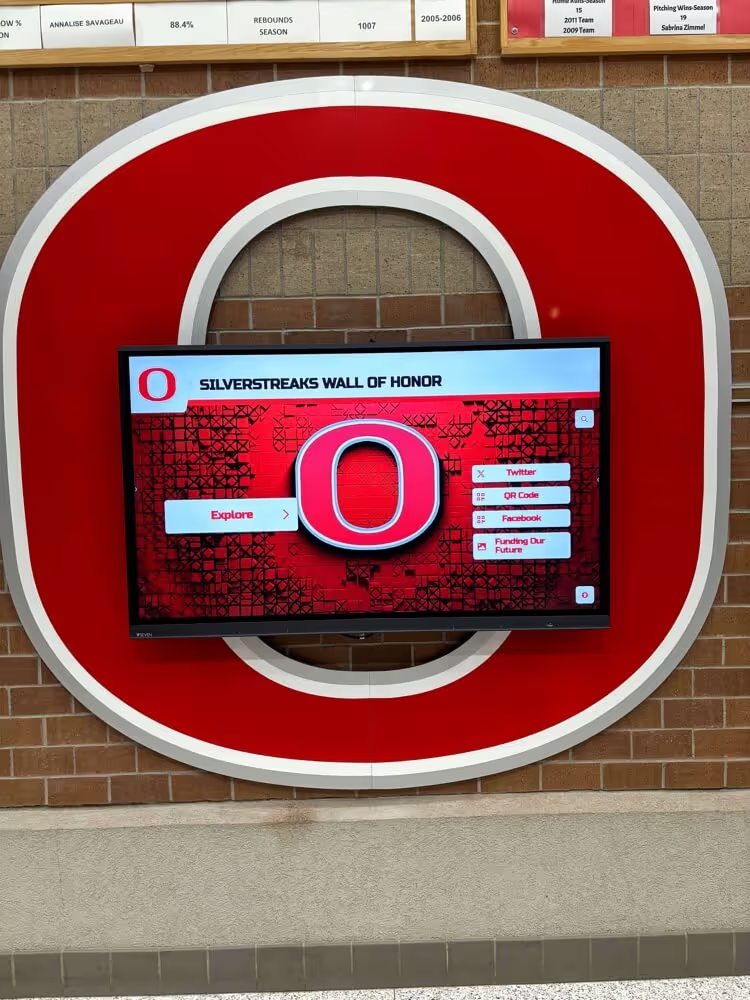
Athletic records displays become institutional memory—date and timeline accuracy determines whether those records remain trustworthy for every class that follows
6. Source and Evidence Fields
Every validated entry should carry a documented source trail—the raw evidence that makes recognition defensible if any field is ever challenged by an athlete, a family, or a future archivist.
Validation checks:
| Field | What to Verify |
|---|---|
| Primary source | Official document, roster, or record confirming the achievement |
| Source type | Game log / State association record / Conference publication / School registrar |
| Source date | When the source was published or certified |
| Source accessibility | Is the source retrievable—digital archive URL, physical file location, or accession number? |
| Cross-reference | Has a second independent source confirmed the primary? |
| Reviewer attribution | Who reviewed and approved the entry before publication? |
Source documentation discipline pays dividends during annual audits and when coaches, athletes, or families raise questions years after recognition was first published.
Pre-Publication Sign-Off Workflow
A checklist only delivers value when embedded in a defined workflow with clear ownership. This four-step sign-off process applies to any recognition entry—from a single hall of fame inductee to a bulk seasonal upload.
Step 1 — Data entry with source documentation attached The staff member entering data records the primary source alongside each field. Digital systems should include a “source notes” field for every record; paper workflows attach photocopied documentation to entry forms.
Step 2 — Peer review by a second staff member A second reviewer checks all six field categories against the documented sources, independent of the original entry. This step catches errors invisible to the person who entered the data.
Step 3 — Stakeholder confirmation for named individual inductees For athlete-specific recognition—hall of fame inductions, record board entries, all-conference listings—direct confirmation from the athlete or a family contact eliminates name, year, and preference errors that document review alone cannot catch.
Step 4 — Final approval before display publication The athletic director, archivist, or designated recognition program owner signs off before any entry is made visible on a physical or digital display. Role-based permission systems in digital platforms can enforce this step automatically.
Bulk Upload Validation for Seasonal Recognition
When adding an entire season’s worth of awards simultaneously, run the checklist as a pre-import data audit rather than entry by entry:
- Export the batch file and run automated format checks—date format consistency, field completion rates, duplicate detection
- Spot-check 10% of entries manually against primary sources
- Flag any entries with missing source documentation for resolution before upload
- Run a final duplicate check against existing database records
- Route the reviewed batch through the standard four-step sign-off before publishing

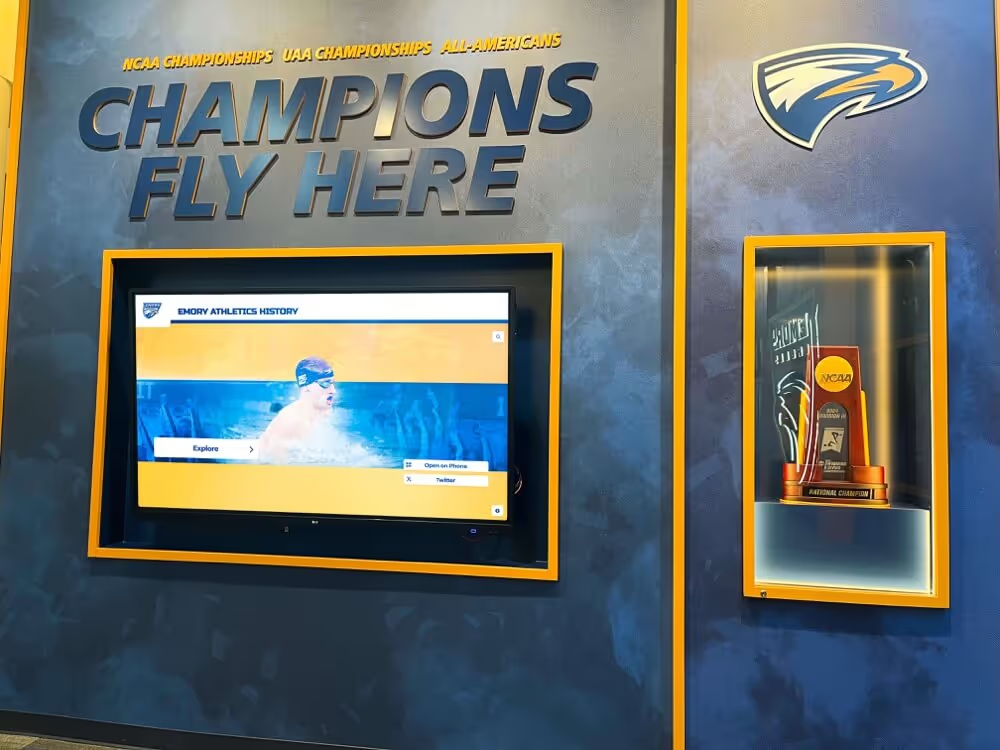
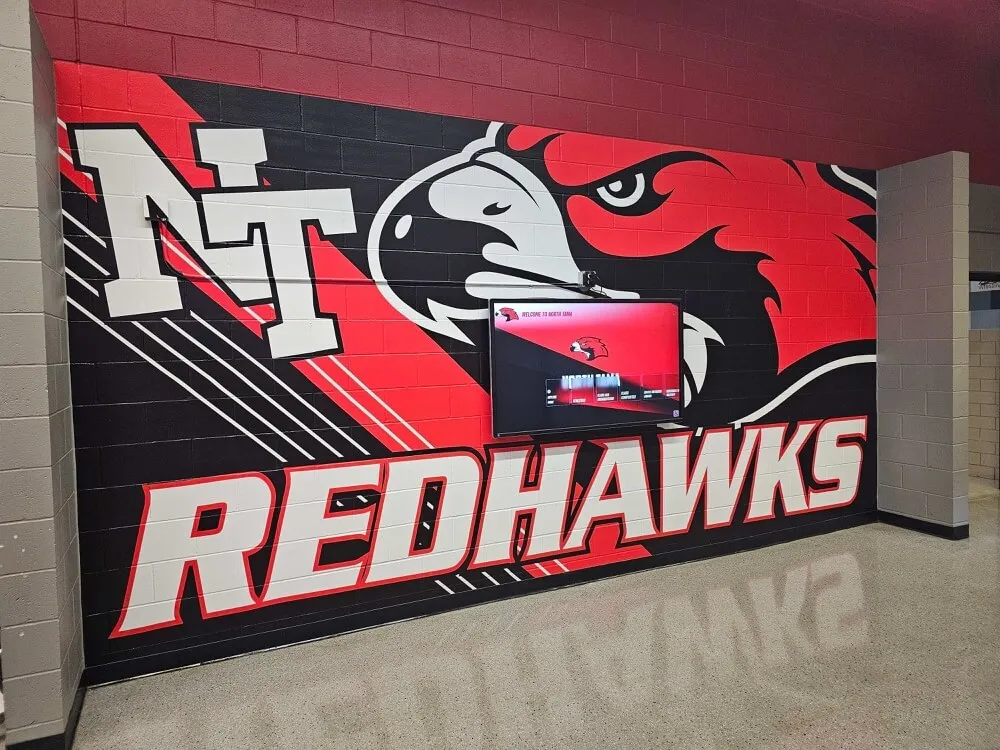
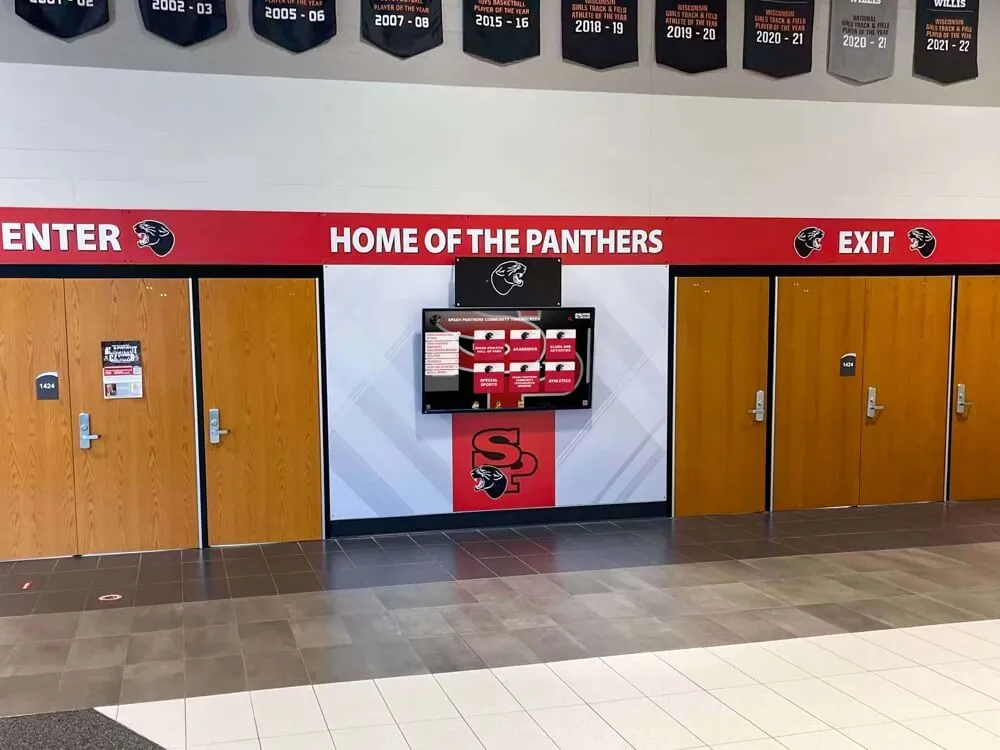
Interactive recognition systems make field-level accuracy visible to every visitor—validated data builds public confidence in the program's credibility
How Digital Recognition Platforms Streamline Field-Level Validation
Managing validation manually across spreadsheets, shared drives, and paper rosters becomes unsustainable as recognition programs grow. Purpose-built digital recognition platforms reduce field-level error risk through structural features manual processes cannot replicate.
Field standardization: Recognition platforms enforce consistent field formats—standardized sport names, date structures, and award classification labels—preventing the naming inconsistencies that create search and display problems across seasons.
Duplicate detection: Automated duplicate detection catches re-entered records before they create conflicting displays. This is especially valuable during annual data refreshes when staff may be unaware of what records already exist in the database.
Source attachment: Cloud-based systems allow source documents—scanned records, PDF rosters, official certification documents—to be attached directly to recognition entries, keeping evidence accessible to any reviewer without hunting through physical files.
Role-based approval workflows: Tiered permission systems ensure entries require review before publication. Staff can prepare and submit recognition; only designated approvers can push entries to the live display.
Remote management: When athletic directors, coaches, and archives staff work across buildings or campuses, cloud-based CMS access means validation reviews happen anywhere without requiring physical presence at a single workstation.
For schools evaluating digital recognition partners that integrate data management with display output, choosing the right digital recognition partner for schools addresses how platform selection affects long-term data integrity alongside content and display quality.

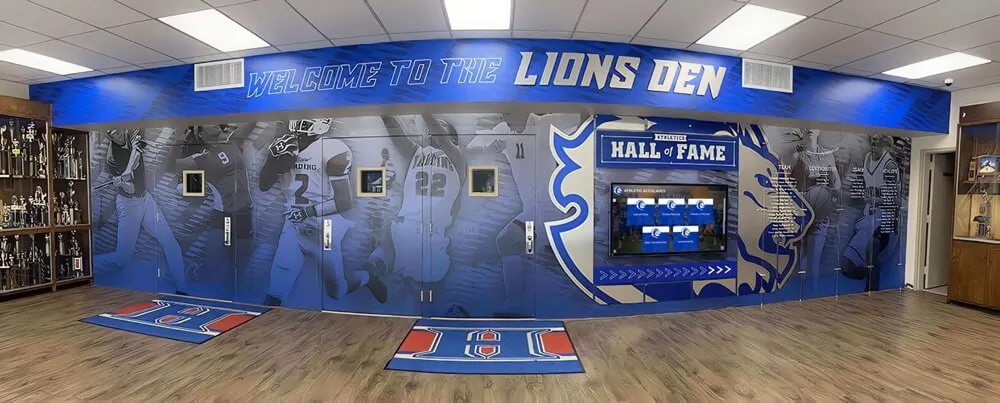
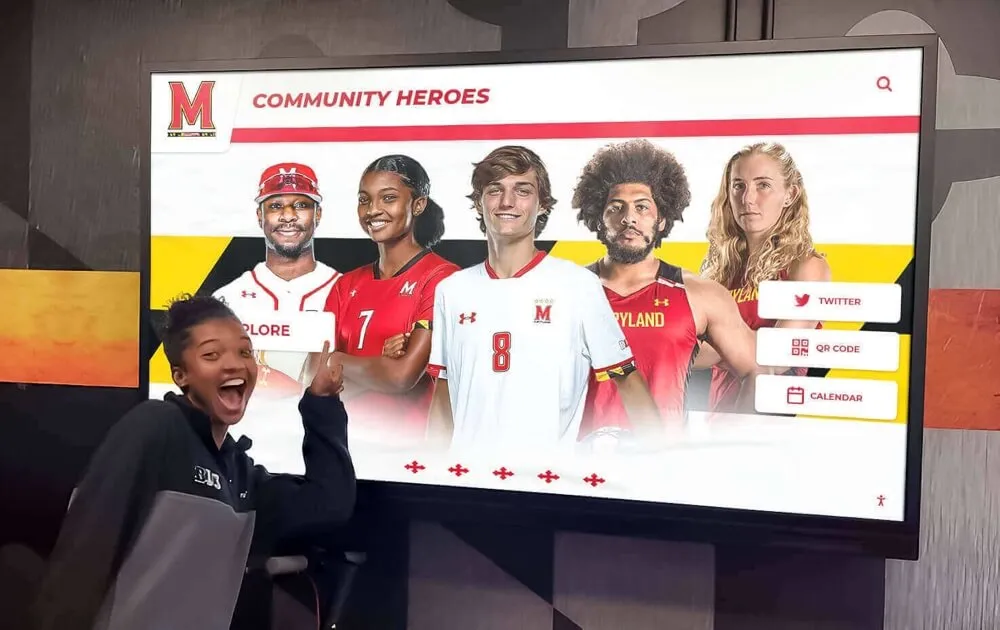
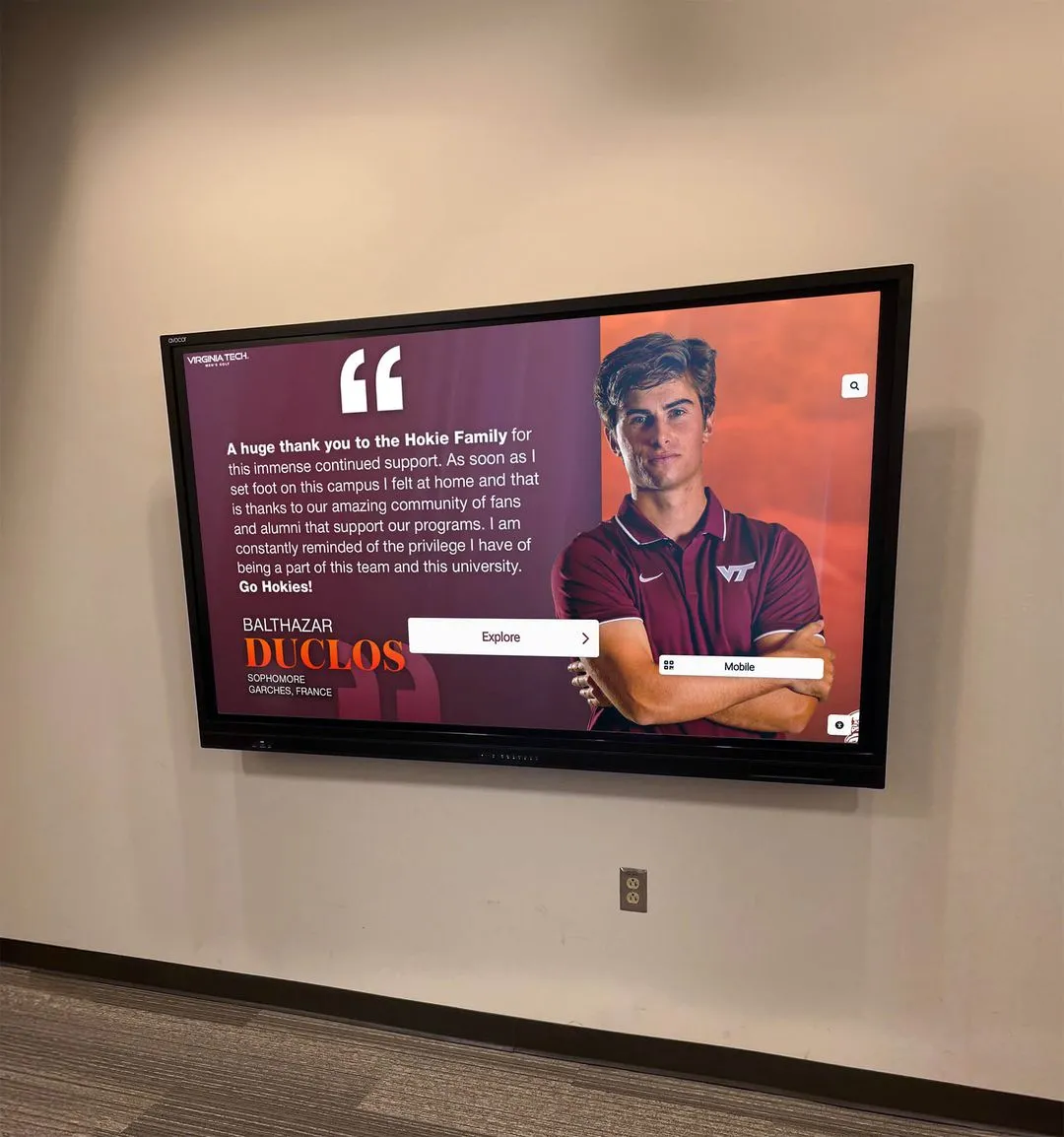
Recognition platforms that display across devices amplify the visibility of your data—accuracy at the field level determines whether that visibility builds or damages institutional credibility
Field-Level Validation Quick-Reference Table
Use this table as a laminated reference at data entry workstations or as a checklist embedded in your annual recognition program workflow calendar.
| Category | Critical Fields | Primary Verification Source |
|---|---|---|
| Athlete identity | Name spelling, graduation year, name preference | Student or alumni records, direct contact |
| Season and year | Season label format, calendar year, season type | Official game logs, state association records |
| Team and program | Sport name, gender, level, era, conference | Official rosters, athletic association |
| Award title | Exact official name, level, category, expanded abbreviations | Issuing organization documentation |
| Dates | Achievement date, induction date, certification date, active status | Official scorebooks, game records |
| Source and evidence | Primary source type, accessibility, cross-reference, reviewer | Archived documents, digital records |
FAQ: Athletic Award Field-Level Validation
What is field-level validation for athletic awards?
Field-level validation is a structured review process that verifies every individual data point in an athletic recognition record—athlete name spelling, season year, award title, achievement date, and source documentation—before the record is published publicly. Unlike a general proofreading pass, field-level validation checks each field against a primary source document to confirm accuracy before display.
How often should athletic award records be re-validated?
New entries should be validated before initial publication. Full database audits are recommended annually for active record boards and every three to five years for static archives. Trigger immediate re-validation when source documents are updated, when an athlete requests a correction, or when program records are migrated to a new platform.
Who should be responsible for field-level validation in a school athletic recognition program?
Best practice assigns field-level validation to at least two people: the staff member entering data and a designated reviewer. For official records like hall of fame inductions or broken school records, the athletic director or program archivist should provide final sign-off. Larger programs sometimes designate a recognition coordinator whose role includes ongoing data quality oversight.
What is the most common field-level error in athletic recognition databases?
Season-year format inconsistency is the most common structural error—some entries use academic-year format (2023–24) while others use calendar year (2024), making sort order and search results unreliable. Name misspellings are the most visible errors because they appear directly on public displays. Both types are preventable with a documented validation checklist applied consistently before publication.
Can digital recognition platforms replace manual field-level validation?
Digital platforms automate format enforcement, duplicate detection, and source attachment—reducing manual effort—but cannot replace human verification against primary source documents. A platform enforces that a year field contains four digits; it cannot confirm whether 2012 or 2021 is the correct year. Human review against original records remains essential for accuracy.
Conclusion: Validation Before Publication Protects Every Recognition
An athletic award field-level validation checklist transforms data quality from an afterthought into a defined workflow step. When every entry for athlete identity, season and year, team and program, award title, dates, and source documentation is verified before publication, recognition programs build institutional credibility rather than eroding it.
The cost of validation—minutes per entry when checklist steps are embedded in normal workflows—is trivial compared to the cost of corrections that arrive after recognition is already displayed and shared. Errors on public recognition walls require more than a fix: they require an explanation to the athlete, a correction in every downstream use, and a follow-up audit of what else might be wrong.
For programs across every sport and achievement category—from basketball record-keepers to track-and-field all-state displays—sport-specific recognition planning underscores how precise program-level attribution and accurate performance records serve athletes and programs alike. Validation is what makes that recognition trustworthy over time.
See How Rocket Alumni Solutions Supports Accurate Athletic Recognition
Rocket Alumni Solutions gives athletic directors, archives staff, and recognition program owners the cloud-based tools to manage, validate, and display accurate recognition—unlimited inductees, role-based approvals, and remote CMS access for schools of every size. Trusted by 600+ institutions.
Request a Custom Demo