



Intent: research. An athletic award replacement policy is a formal, documented procedure that governs how a school or program handles requests to replace trophies, plaques, certificates, medals, and letters that were lost, damaged, or produced with errors. Without a written policy, every replacement request becomes a one-off negotiation—consuming staff time, creating inconsistent outcomes, and occasionally leaving a student athlete without a physical record of a genuine achievement they earned.
A well-built replacement policy answers the four questions that arise every time a request comes in: How does an athlete or family submit the request? Who verifies that the award was legitimately issued? What fees, if any, apply—and when are they waived? And what happens to the recognition record itself? Documenting those answers before requests arrive transforms what would otherwise be a source of friction into a routine, respectful workflow.
This guide provides a complete framework for building or refining an athletic award replacement policy, including request procedures, verification checklists, fee schedule models, and record-update protocols for both physical and digital recognition systems.
Note: This article provides general operational guidance for school recognition programs. It does not constitute legal advice. Consult your school district’s legal counsel for questions related to student records, privacy obligations, or fee waiver authority under your district’s policies.
Athletic recognition records matter long after the season ends. A varsity letter earned junior year travels to college applications, alumni gatherings, and family memories for decades. A championship plaque hung in a family home represents years of commitment. When those physical items are lost, damaged, or contain an engraving error, students and families reasonably expect the school to have a process—not just a shrug.

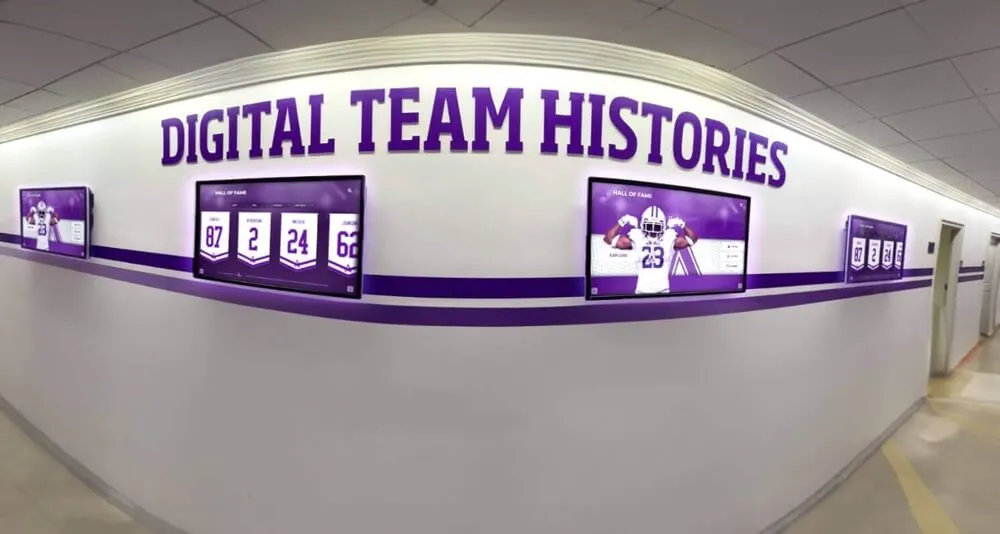
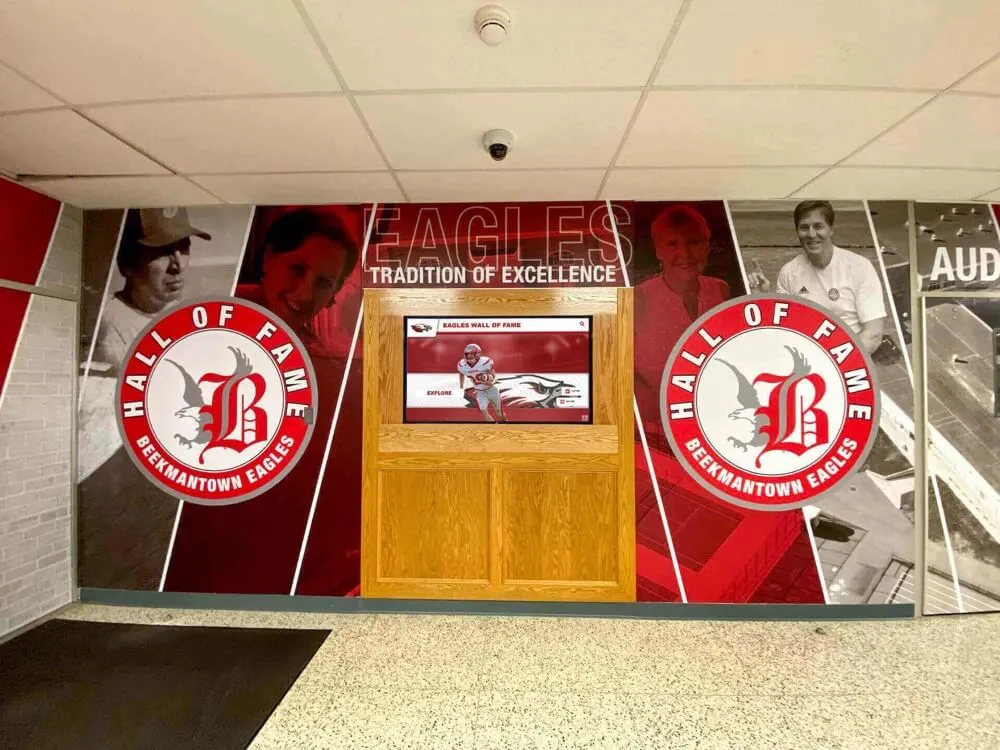
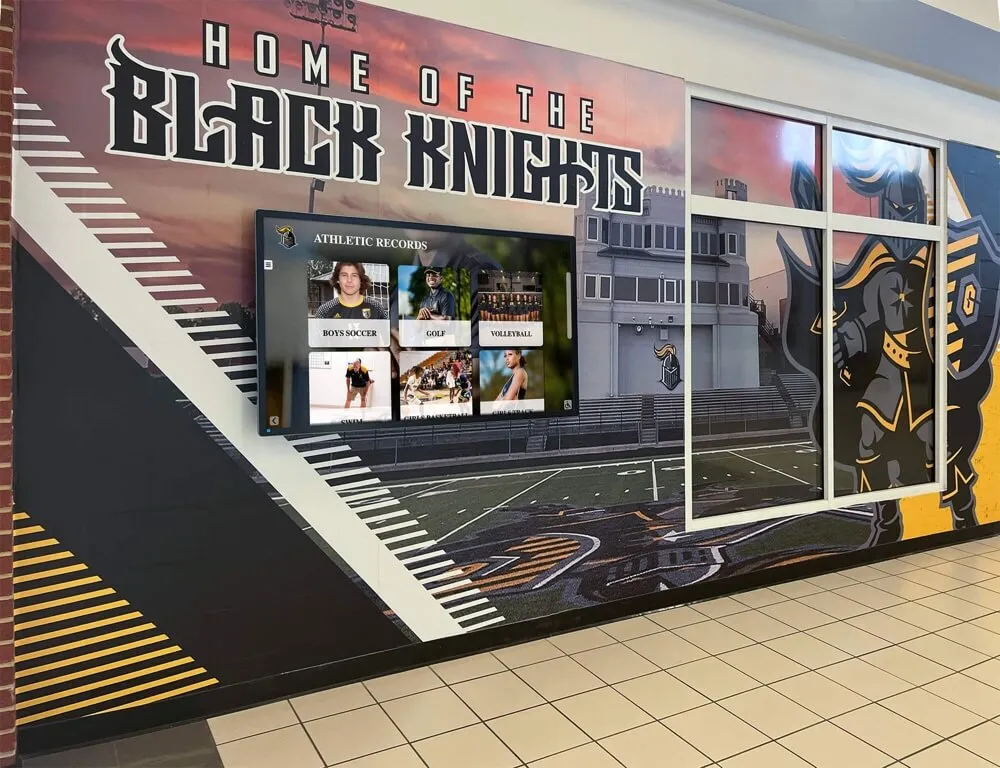
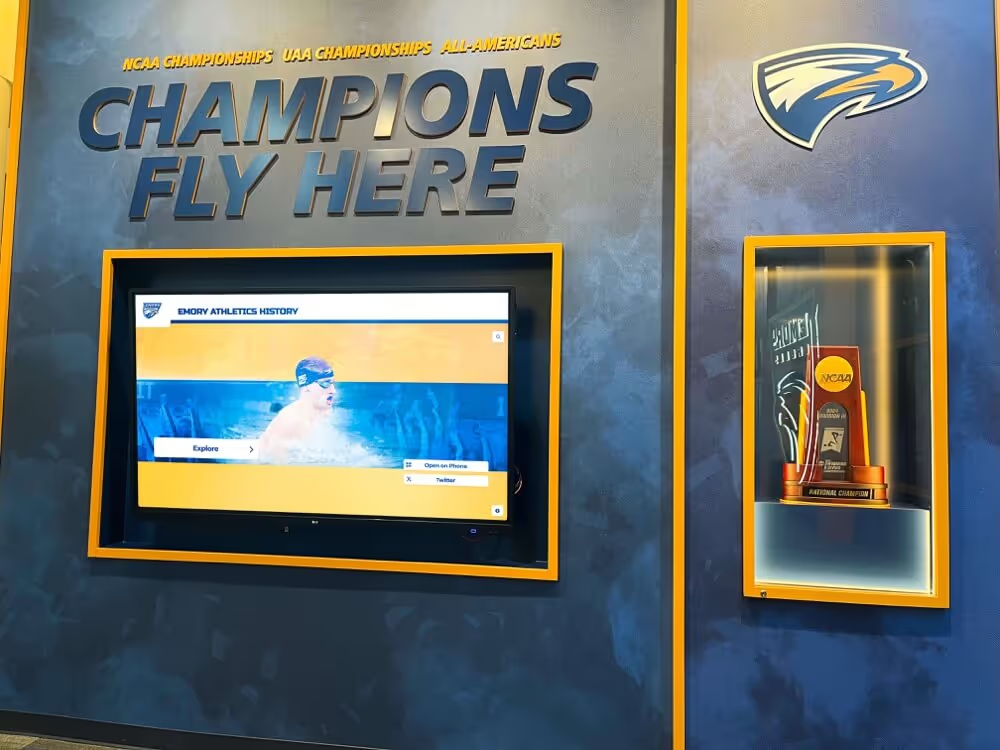
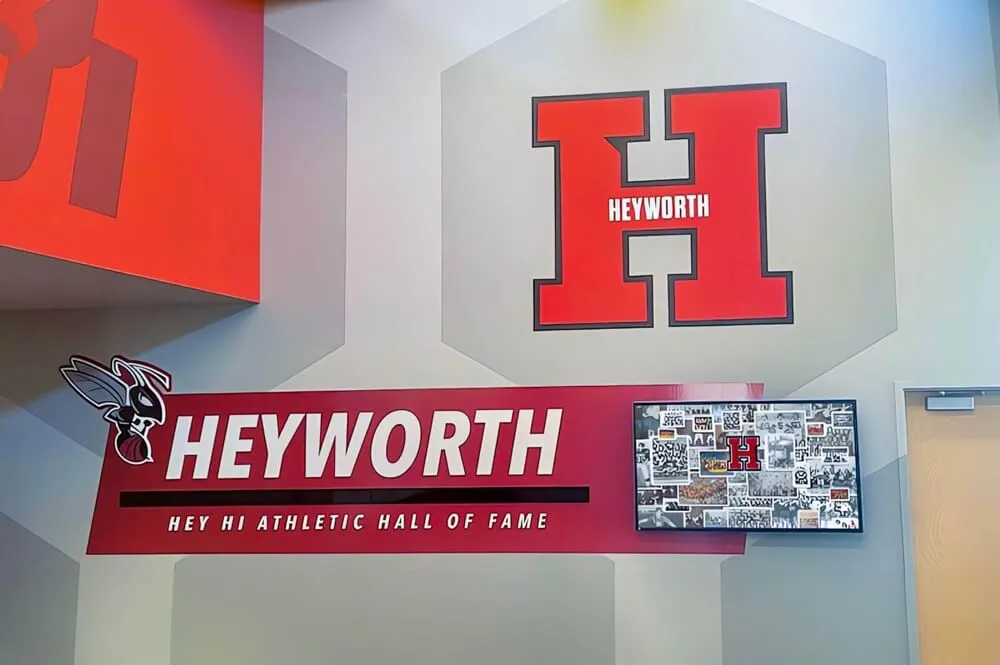
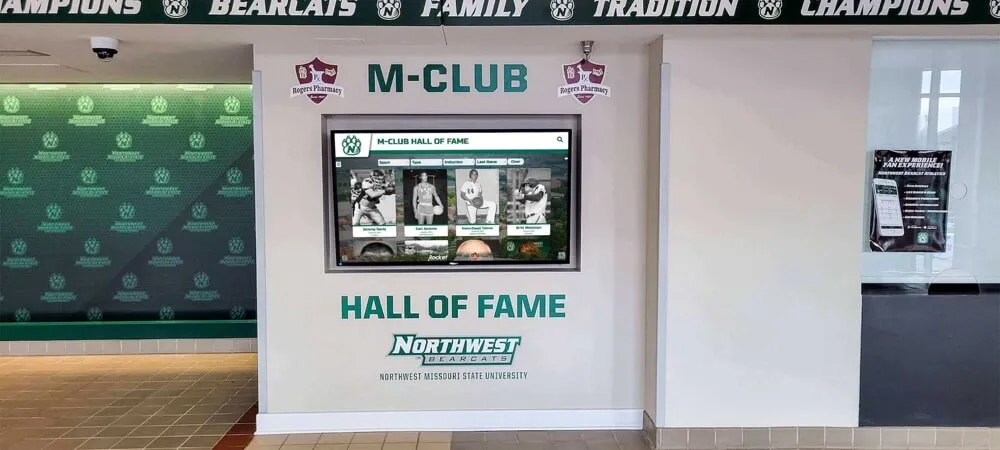
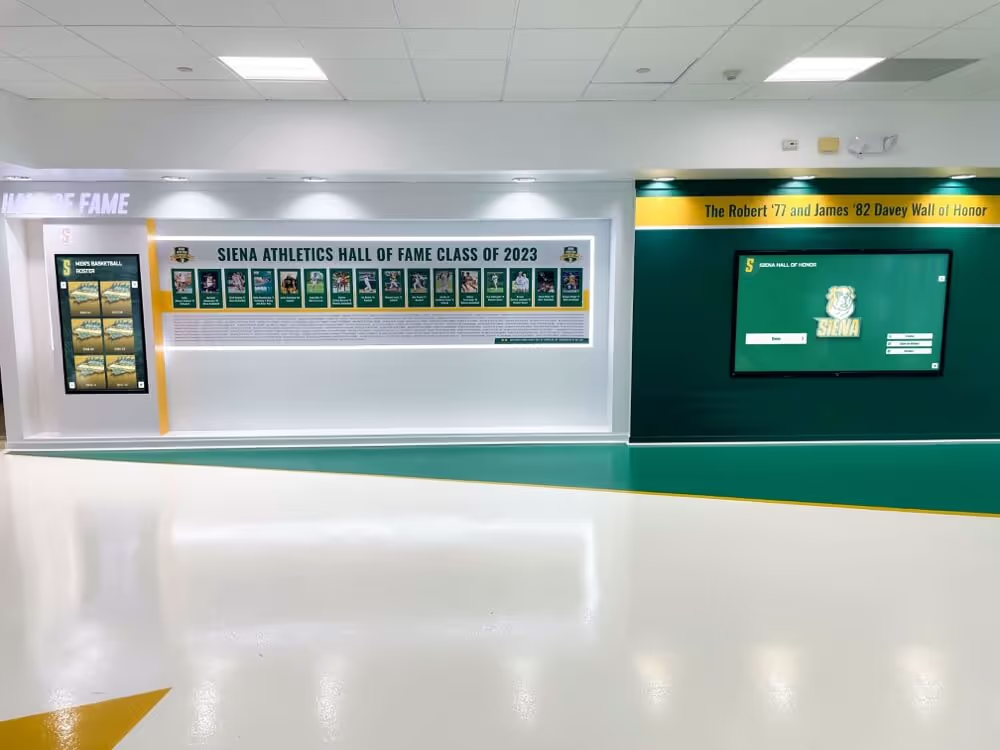
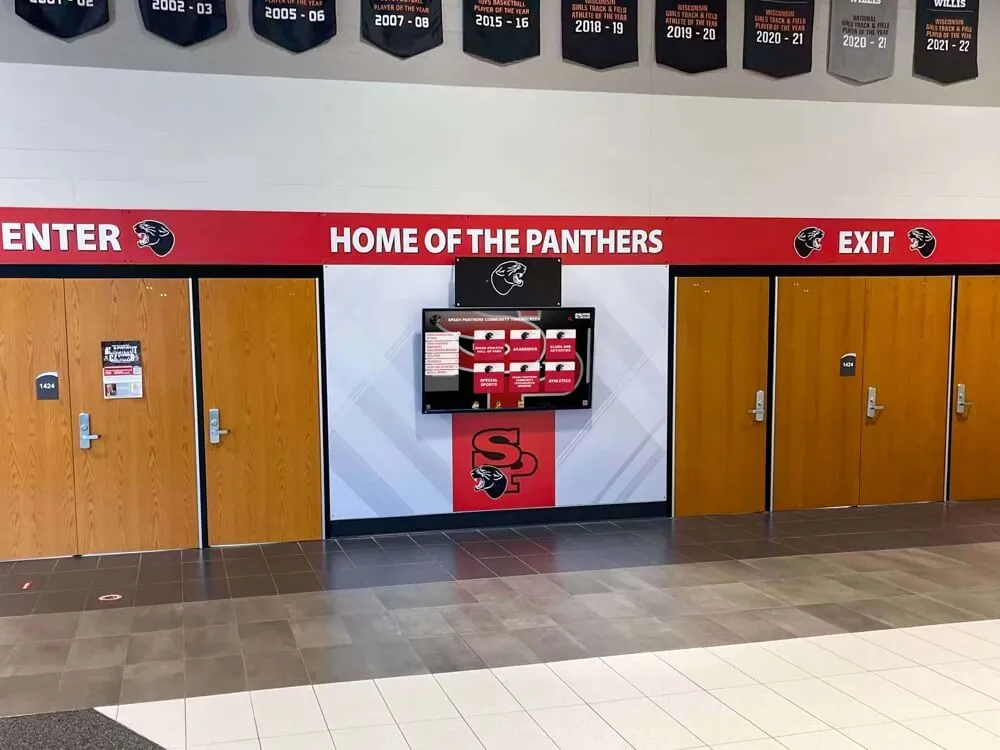
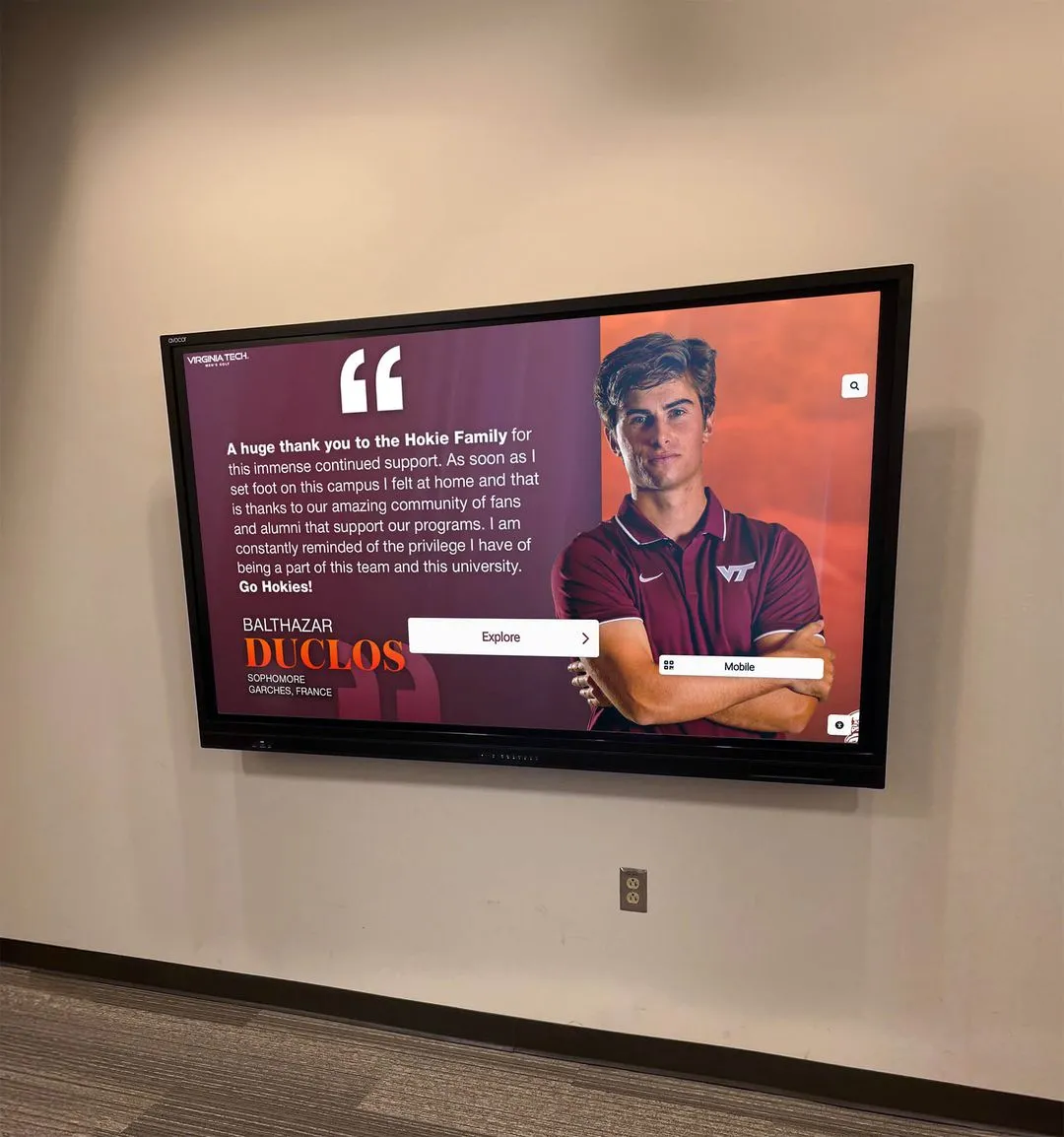
Athletic recognition displays and the physical awards they accompany represent permanent records of student achievement—replacement policies ensure those records can be restored when originals are lost, damaged, or incorrect
Why Athletic Programs Need a Written Replacement Policy
A written athletic award replacement policy does three things informal processes cannot.
It creates consistency across seasons and staff transitions. Without documentation, the outcome of a replacement request depends on who handles it and when. The athletic director who has been at the school for fifteen years may have a clear mental picture of how these requests are processed. But that knowledge doesn’t automatically transfer to a new coordinator, an administrative assistant covering a leave, or a volunteer managing a smaller program. A written policy survives staff changes.
It protects program resources. Replacement awards carry real costs—engraving fees, fabrication, shipping, administrative time. A policy that defines who qualifies for a replacement, what documentation is required, and whether fees apply prevents a program from absorbing costs it cannot justify. It also prevents the opposite problem: turning away a legitimate request because no one knows whether the program covers replacements at all.
It ensures the underlying recognition record remains accurate. A replacement request is often a signal that something in the original record needs attention—an incorrect name, a wrong graduation year, a sport designation that doesn’t match the roster. A policy that connects each replacement workflow to a record review step catches errors early and keeps the permanent recognition archive clean.
Programs that maintain large multi-sport recognition environments—from championship record boards to individual award archives—find that documented replacement procedures are a foundational element of long-term records management.
Step 1: Submitting a Formal Replacement Request
Every replacement policy needs a defined entry point. Verbal requests, informal emails, and hallway conversations should not trigger the replacement workflow—written documentation must. This protects the program from unauthorized replacements and creates the administrative record that downstream verification depends on.
A replacement request form should capture the following information:
Requester information:
- Full name of the athlete or authorized representative (parent/guardian for minors)
- Contact email and phone number
- Relationship to the award recipient (self, parent, guardian, legal representative)
Award information:
- Award type (varsity letter, certificate, plaque, trophy, medal)
- Sport and season year
- Award title or category (MVP, All-Conference, Academic All-State, etc.)
- Name and graduation year as they should appear on the replacement
Replacement reason:
- Lost — original award cannot be located
- Damaged — original award is physically degraded or broken
- Incorrect — original award contains a factual error (misspelled name, wrong sport, wrong year)
Supporting documentation:
- For incorrect awards: a copy of the original award if available, and documentation of the correct information (roster record, official program, enrollment verification)
- For damaged awards: a photograph of the damaged item (where practical)
- For lost awards: a brief written statement attesting that the award cannot be located
Forms should be submitted to a designated contact—typically the athletic director or athletic administrative coordinator—not directly to coaches. Centralizing intake prevents a situation where multiple staff members each handle pieces of the same request with no visibility into one another’s work.
Step 2: Verification and Eligibility Review
Before any replacement is produced, the athletic department must verify that the award was legitimately issued. This step is not about distrust—it is about ensuring that the replacement represents an award that actually exists in the program’s records.
Verification should confirm:
- The athlete’s name and graduation year appear in the sport’s official roster for the season in question
- The award category requested matches what was issued that season (programs cannot replace awards that were never given)
- For incorrect award requests: the error is confirmed against primary records—the coach’s award documentation, the banquet program, or the official selection committee notes
Verification sources by award type:
| Award Type | Primary Verification Source | Secondary Source |
|---|---|---|
| Varsity letter | Letter award register maintained by athletic director | Coach’s end-of-season eligibility documentation |
| Certificate | Award issuance log from banquet coordinator | Printed or digital program from the awards ceremony |
| Trophy or plaque | Order records from vendor; award committee minutes | Season-end recognition documentation |
| Medal | Competitive meet or tournament records | Results documentation from sanctioning body |
| Senior recognition item | Senior athlete file or graduating class documentation | Department-issued senior night roster |
If a request cannot be verified against primary records, the athletic director should contact the requesting party in writing within five business days to explain what documentation is needed and what the resolution timeline will be.
For requests involving awards from prior decades—where primary records may not be digitized or may have been archived—the program should document its verification attempt and identify what secondary sources (newspaper records, yearbooks, coaching staff memory) were consulted before approving or denying the request.
Programs that maintain multi-year recognition archives for diverse activity areas—from athletics to co-curricular programs like chess club and student leadership recognition—benefit from consistent record-keeping practices that support verification long after the original award year.
Step 3: Fee Structure and Waiver Criteria
Once a replacement request is verified, the policy must address cost. Programs handle this in several ways. Some cover the full cost of replacements for incorrect awards while charging a fee for lost awards. Others apply a flat replacement fee across all categories, with documented waiver criteria. Still others operate fully no-cost replacement programs funded by booster clubs or program budgets.
Any of these approaches can work. What matters is that the approach is documented, applied consistently, and communicated to requesters before production begins.
A sample fee framework:
| Replacement Reason | Standard Policy | Fee Waiver Eligibility |
|---|---|---|
| Incorrect award (program error) | No cost; program covers full replacement | Not applicable — program is at fault |
| Damaged award — first replacement | 50% of replacement production cost | Eligible for full waiver on documented financial hardship |
| Damaged award — subsequent request | 100% of replacement production cost | Eligible for partial waiver on documented financial hardship |
| Lost award — first replacement | 75% of replacement production cost | Eligible for full waiver on documented financial hardship |
| Lost award — subsequent request | 100% of replacement production cost | Case-by-case review by athletic director |
Fee schedules should reference the actual cost of the replacement, not an inflated institutional rate. Athletic departments should maintain vendor pricing records for each major award category—engraving fees, fabrication costs, and shipping—so that stated fees reflect real production costs rather than arbitrary amounts.
Waiver criteria should be defined in writing. Financial hardship is the most common basis for a fee waiver, but programs should also consider waivers when:
- The award was destroyed in a documented emergency (fire, flood, natural disaster) rather than through neglect
- The original award contained an error discovered only years later, making it unusable for its intended purpose
- The athlete has since passed away and the family is requesting a replacement for memorialization purposes (policies for posthumous recognition circumstances should be addressed separately in the program’s overall recognition governance)
Communicating fee expectations clearly before production begins prevents disputes. The request confirmation letter—sent after verification is complete—should specify the fee amount, payment method, and production timeline before any work begins.
Step 4: Award Production and Record Update
Once verification is complete and fee expectations are confirmed, the replacement award can be ordered. This step involves two parallel tracks: award production and recognition record review.
Production timeline expectations by award type:
| Award Type | Standard Production Lead Time | Expedited Available? |
|---|---|---|
| Engraved certificate | 3–5 business days | Often yes, with fee |
| Varsity letter (embroidered) | 7–14 business days | Depends on vendor |
| Engraved plaque | 10–21 business days | Yes, varies by vendor |
| Trophy | 14–21 business days | Yes, varies by vendor |
| Medal (standard die) | 7–14 business days | Yes, varies by vendor |
| Custom or specialty item | 21–45 business days | Rare; confirm with vendor |
Production timelines should be communicated to the requester at confirmation, not after an unexpected delay. If a vendor’s current lead time exceeds the standard range, notify the requester proactively and provide a revised delivery estimate.
The record update component is equally important. Every replacement request should trigger a review of the underlying recognition record—not just the physical award. If an incorrect engraving is being corrected, the correction must propagate to the program’s display records, digital archives, and any printed materials that reference the athlete. A corrected name plate alone, with an uncorrected entry in the hall of fame database, creates a record inconsistency that grows harder to resolve with each passing year.
Record updates should address:
- The master award issuance log
- Any physical display that references the athlete (honor boards, trophy cases, record boards)
- Digital recognition platforms and wall-of-fame databases
- Archived ceremony programs or recognition publications, with a correction note attached
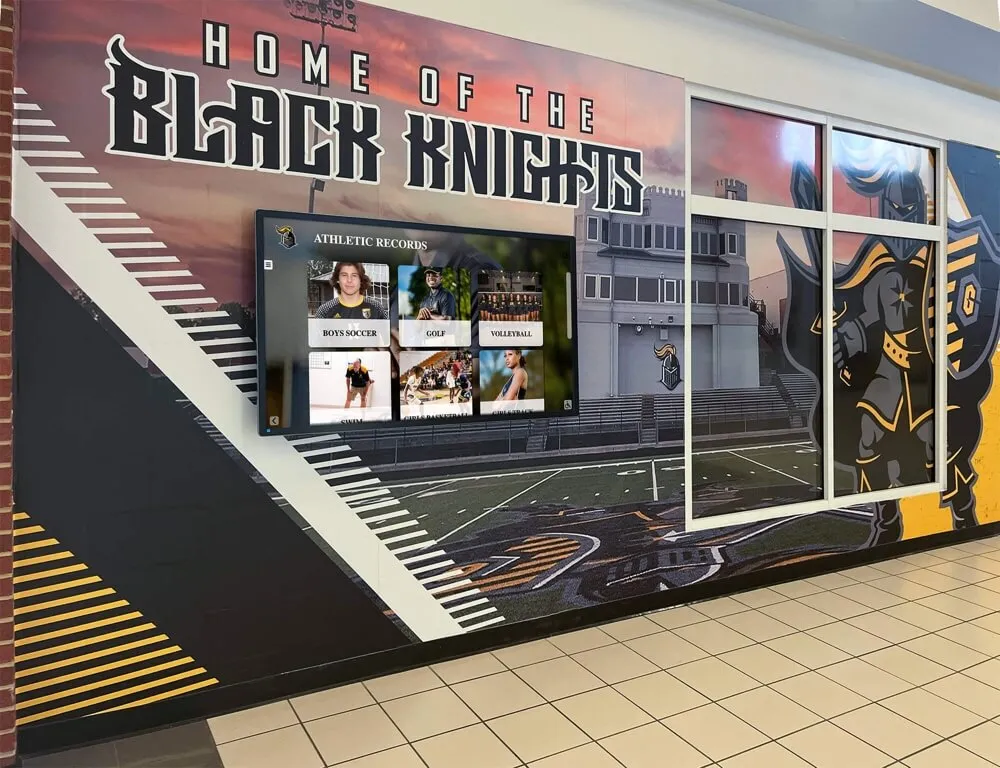
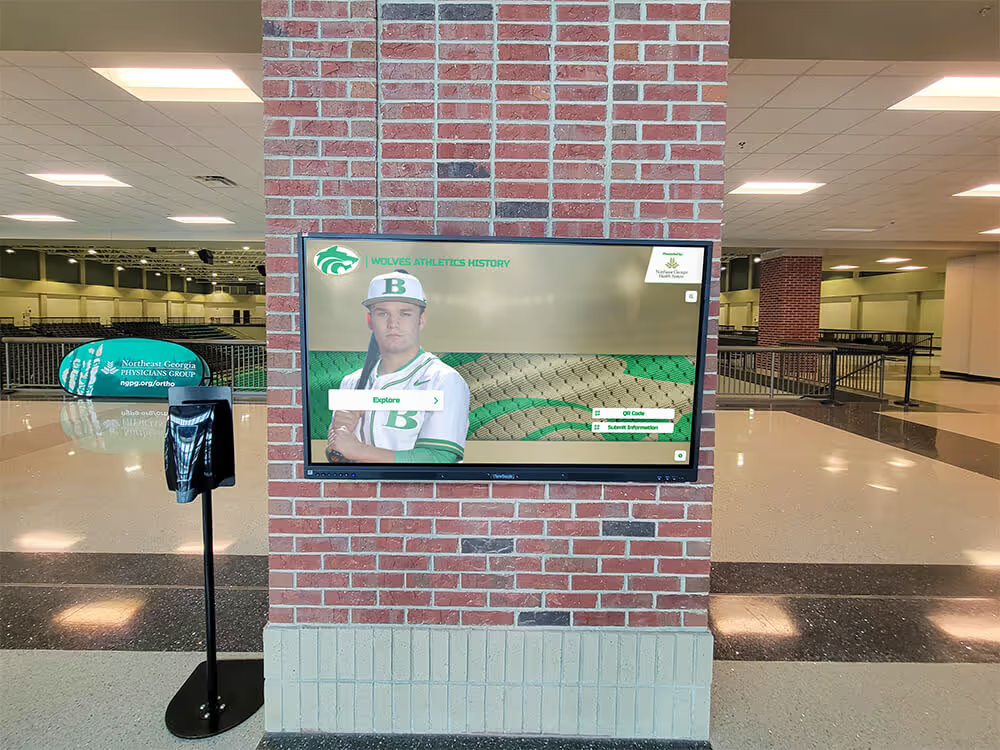
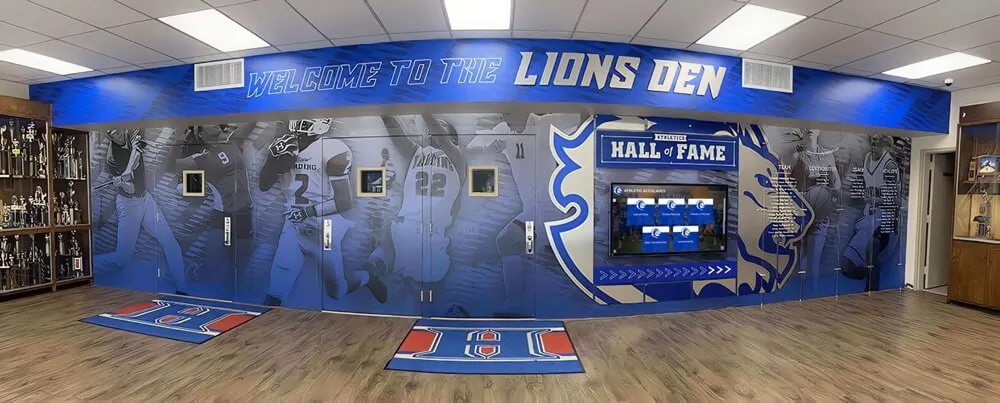
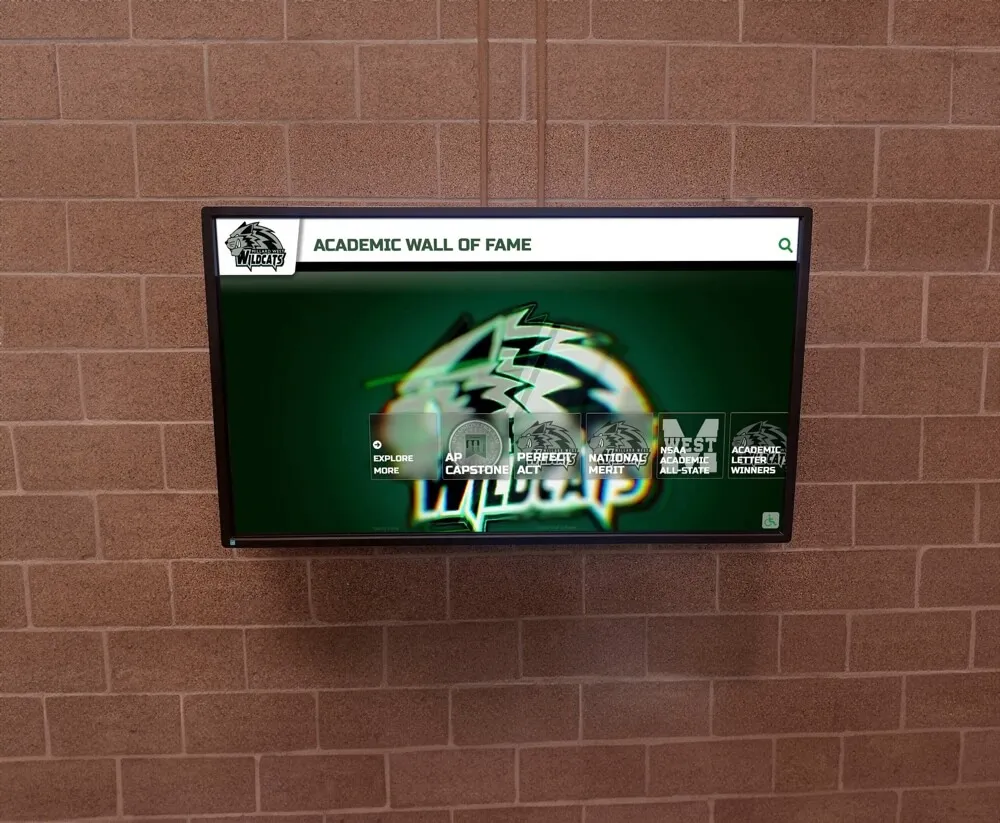
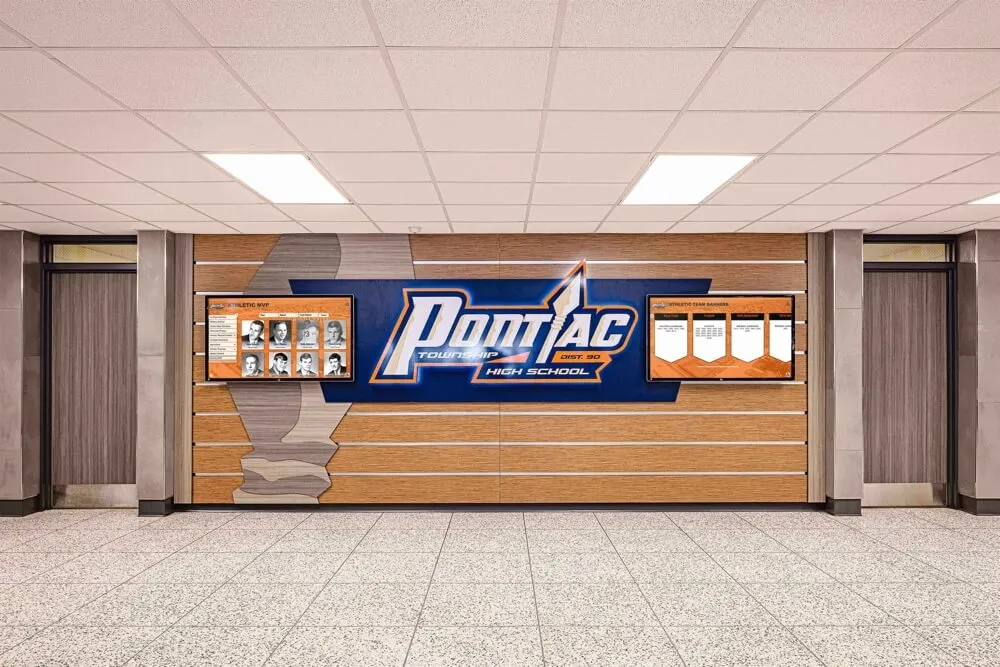
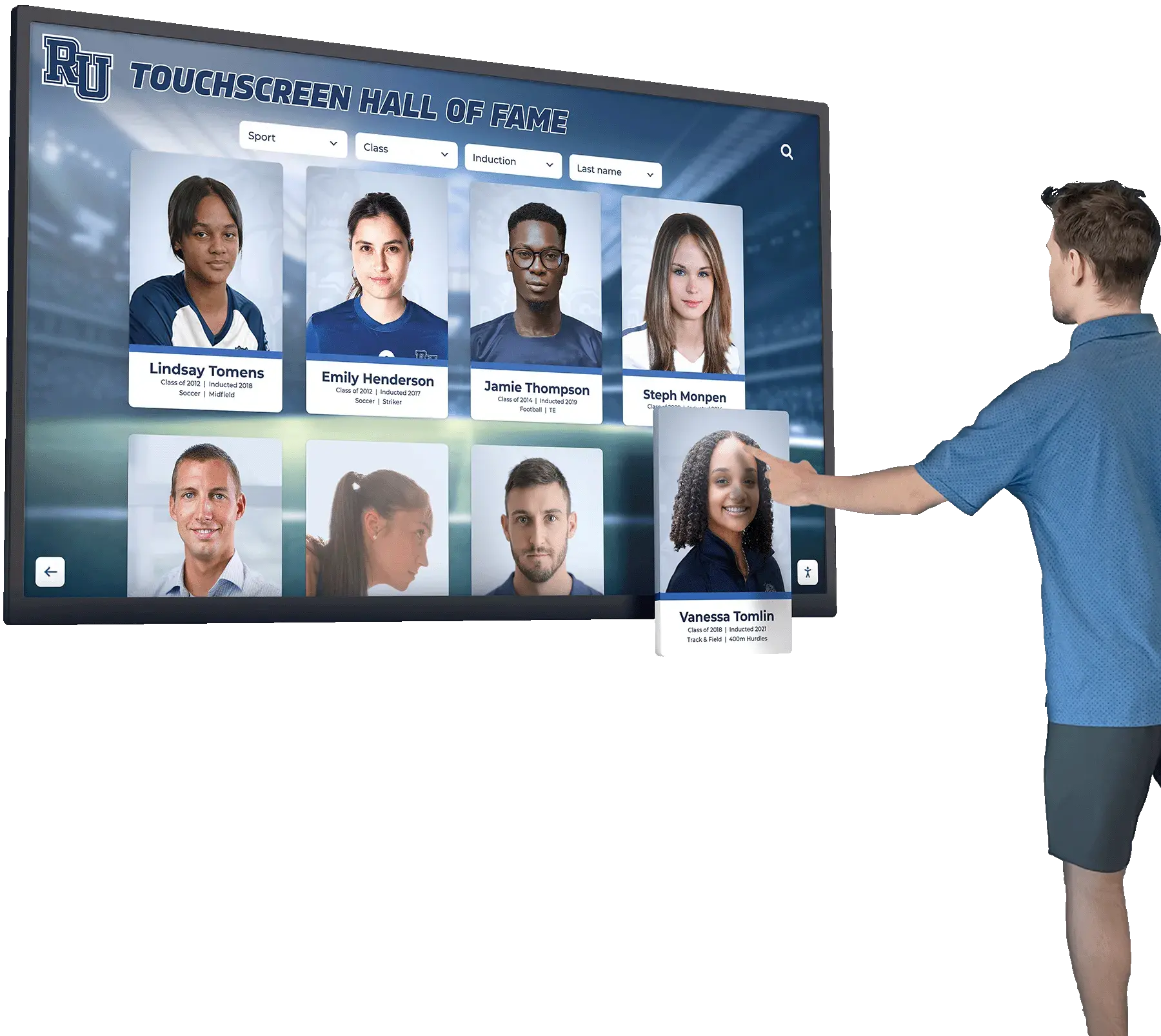
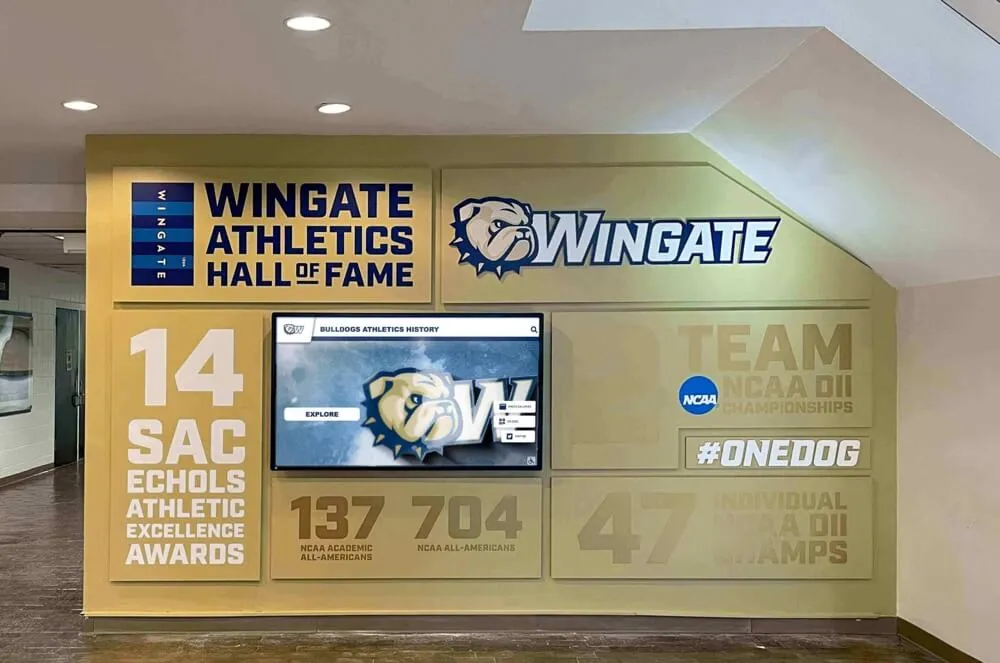
When a replacement award corrects an error, the fix must propagate to every location where the athlete's recognition appears—including physical displays, digital databases, and archived ceremony records
Managing Replacements for Different Award Types
Not all replacement requests present the same complexity. A misspelled certificate from last spring is straightforward. A request for a replacement varsity letter from 1987 requires detective work. Athletic departments benefit from maintaining separate procedures—or at least separate verification checklists—for contemporary awards versus historical awards.
Contemporary Awards (Within 5 Years)
For awards issued within the past five years, primary records should be readily accessible. The athletic director’s award issuance log, the vendor’s order history, and the coach’s end-of-season documentation all provide fast verification. Contemporary replacement requests can typically be resolved within 15–20 business days from receipt.
Historical Awards (6+ Years Prior)
Historical requests require additional steps. Primary records may have been archived, transferred, or digitized incompletely. Programs should identify their archival storage strategy—where award records from 2010, 2000, or 1990 are stored—before receiving a request, not after.
Secondary sources for historical verification include:
- School yearbooks (often available in school libraries or local archives)
- Athletic banquet programs retained in department files
- State athletic association records for awards connected to state recognition
- Newspaper records from local archives that covered the school’s sports programs
- Institutional memory from long-serving coaches or administrative staff
When primary verification is impossible and secondary sources are inconclusive, the program must document its efforts and make a policy-governed determination: whether to proceed on secondary evidence alone, to decline the request with explanation, or to offer a different form of recognition acknowledgment.
Senior Recognition Items and Specialty Awards
Senior recognition awards—personalized items distributed at senior nights, graduation ceremonies, or end-of-year events—often involve unique designs that may no longer be reproducible from the original vendor. Programs should retain vector files, design specifications, and vendor contact information for custom items for at least five years after distribution. This investment in design file management dramatically reduces the complexity of future replacement requests.
Schools running elaborate senior recognition programs—including senior shoutout slideshows and seasonal ceremony materials—benefit from a single organized archive that covers both the digital recognition elements and the physical award specifications in one accessible location.
ROTC and Multi-Program Athletic Awards
Schools with ROTC programs, combined athletic and academic recognition structures, or multi-tier award categories—such as those tied to ROTC rank hierarchies and service recognition—should define whether the athletic replacement policy covers awards from adjacent programs or whether each program maintains its own replacement procedure. Ambiguity about scope is a common source of requests that fall through the cracks.
Connecting Replacements to Digital Recognition Systems
For schools using digital recognition platforms—wall-of-fame systems, interactive display kiosks, or digital award databases—the replacement workflow extends beyond the physical award. Every replacement request is an opportunity to audit the corresponding digital entry.
When a physical award is replaced due to an incorrect engraving, the digital record must be corrected to match. When a replacement is issued for a lost award that was originally entered in a digital system, the digital entry should remain unchanged—it documents that the award was issued, not that a physical copy exists. The policy should clearly distinguish between updating a record (correcting a factual error) and merely reissuing a physical item (replacing something lost or damaged without changing the underlying record).
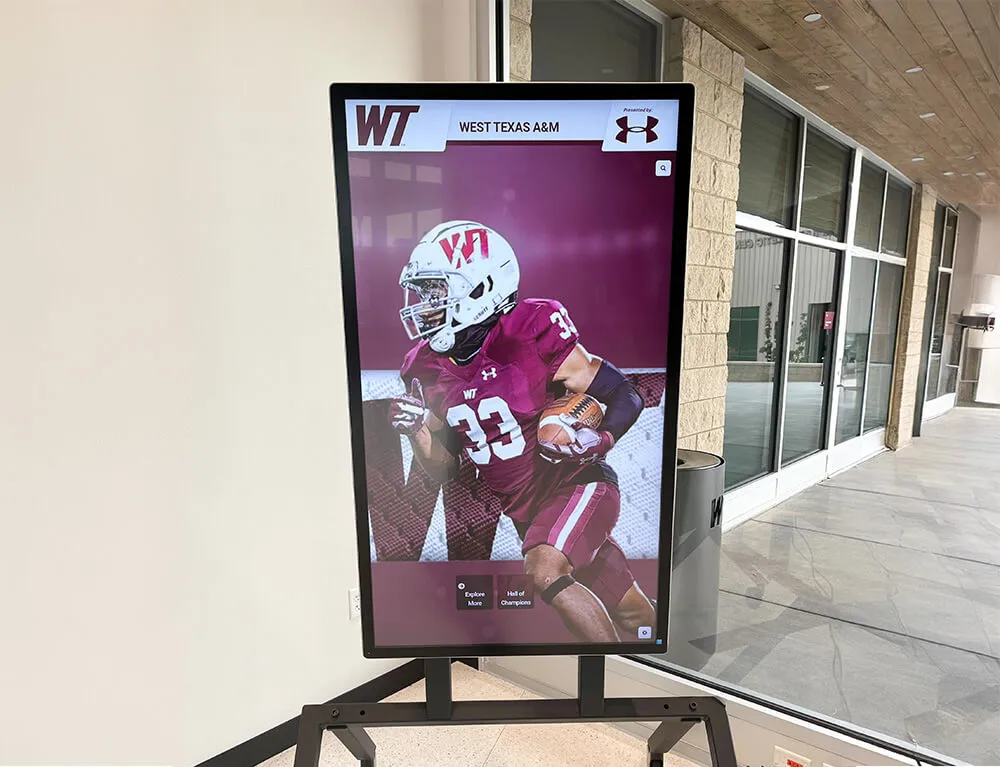
Digital recognition systems offer a significant advantage over physical award files in this context: changes to digital records are immediate, auditable, and visible everywhere the record appears. A correction made in a cloud-based recognition platform updates every display that shows that athlete’s entry—trophy case kiosks, hallway screens, mobile QR code destinations—simultaneously. Physical display corrections require coordinating with facilities staff, ordering replacement engravings, and physically updating each installation.
Schools evaluating whether to maintain separate physical and digital records or to transition to an integrated digital archive will find the touchscreen athletic record board comparison guide useful for understanding how digital systems handle record-keeping, correction workflows, and the long-term management of recognition data.
Programs that have built formal athletic facilities with dedicated award display spaces—such as those designing batting cage and athletic showcase environments—should consider how the replacement and records update workflow integrates with any digital displays in those spaces from the design phase, not after the installation is complete.
Academic recognition programs run through different administrative channels—GPA-based honors like graduation cords and Latin honors—face analogous record-keeping challenges when certificates are lost or contain errors. The same four-step framework (request, verify, fee determination, record update) applies equally to those programs, though the verification sources and authority structures differ.
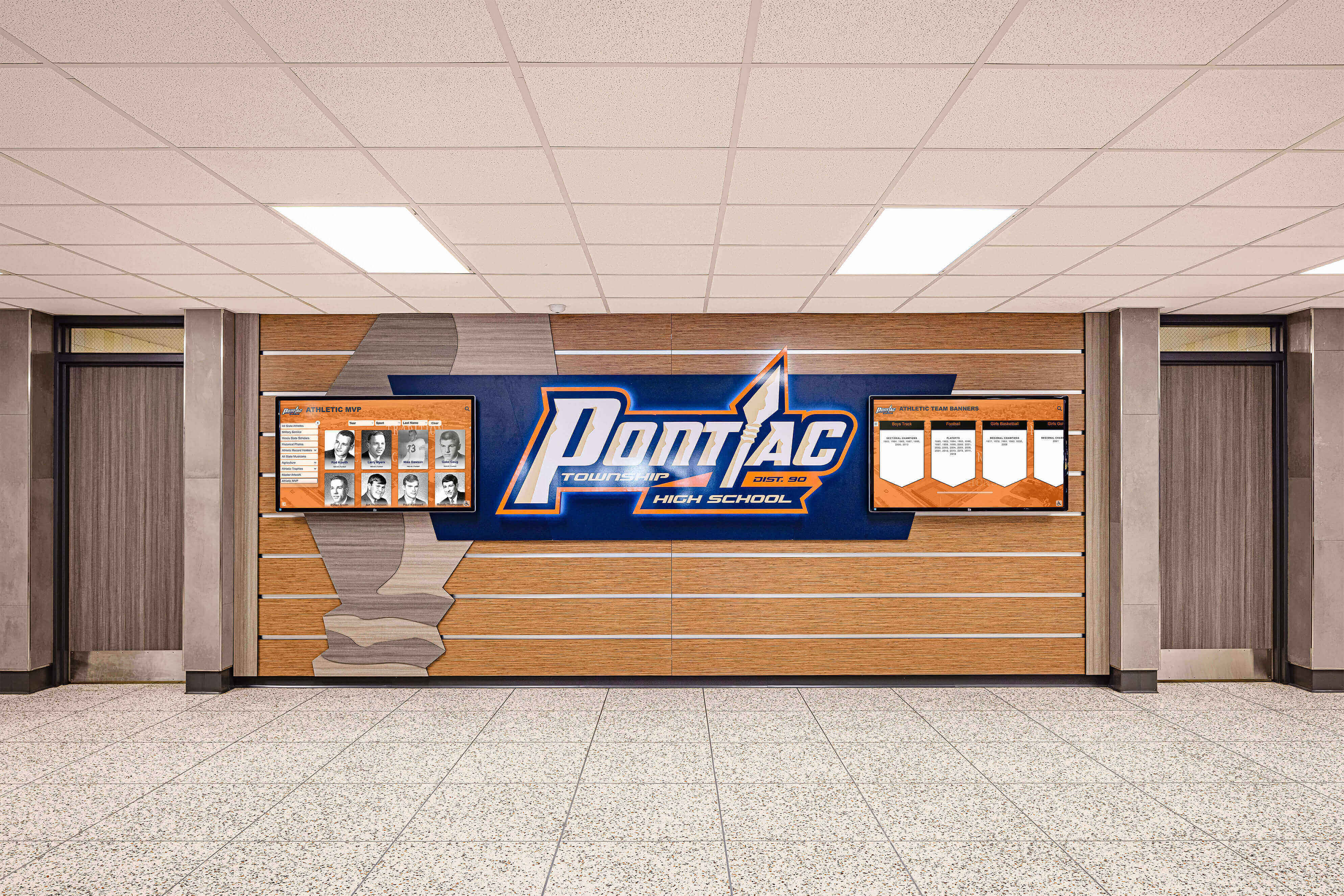
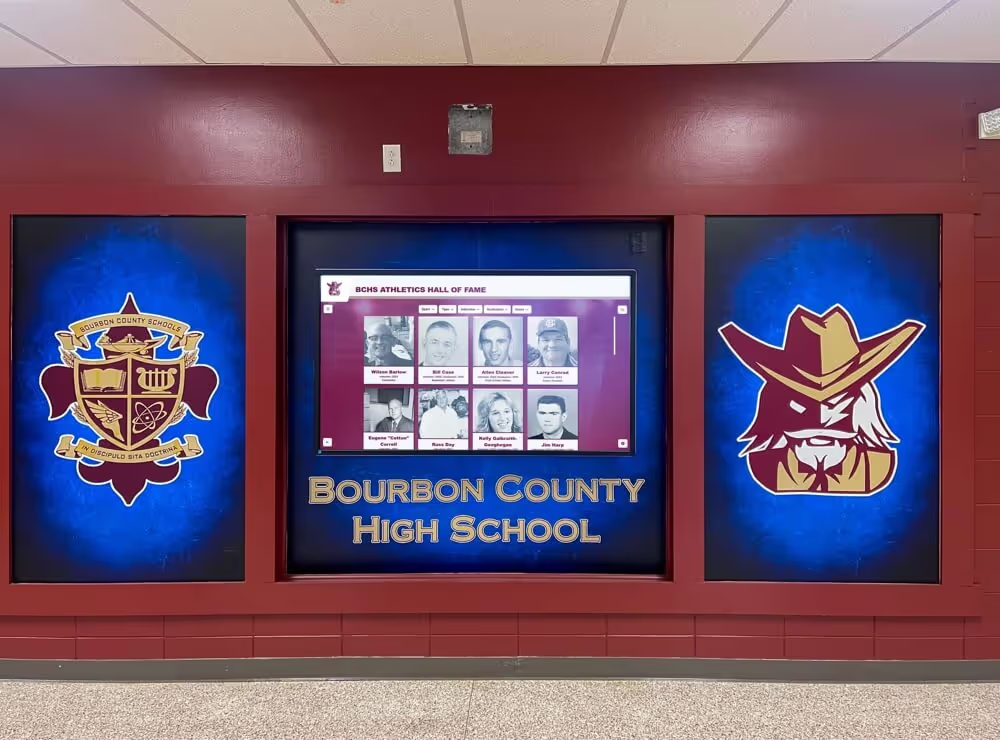
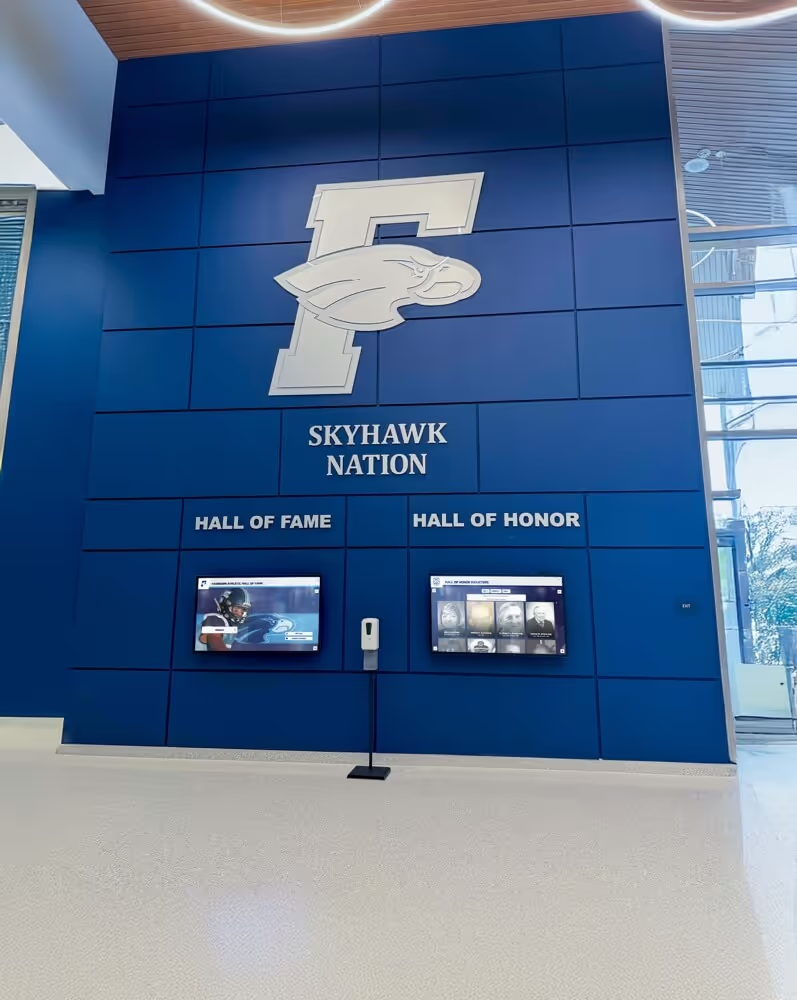
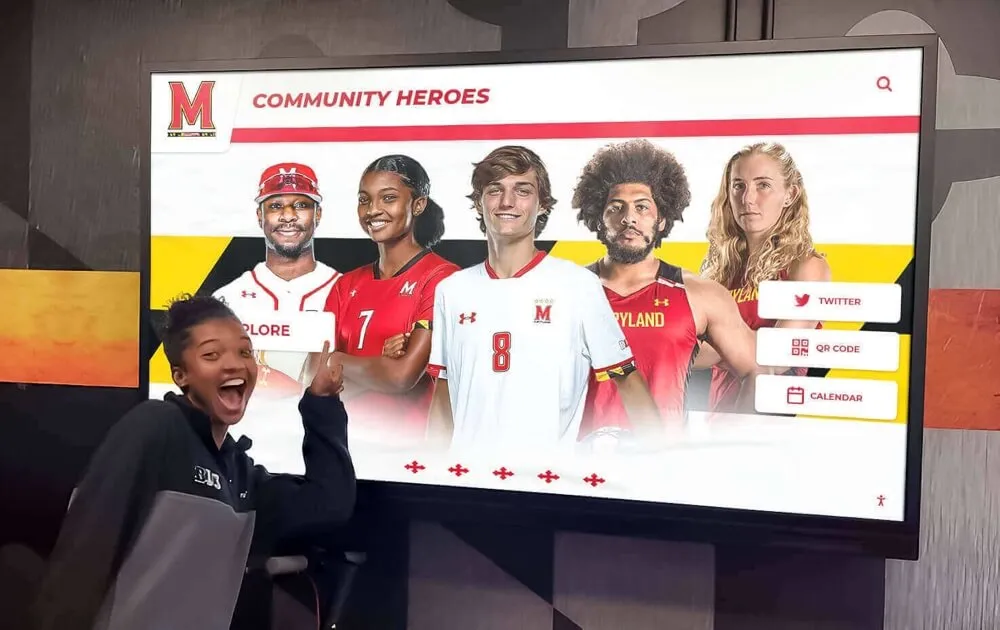
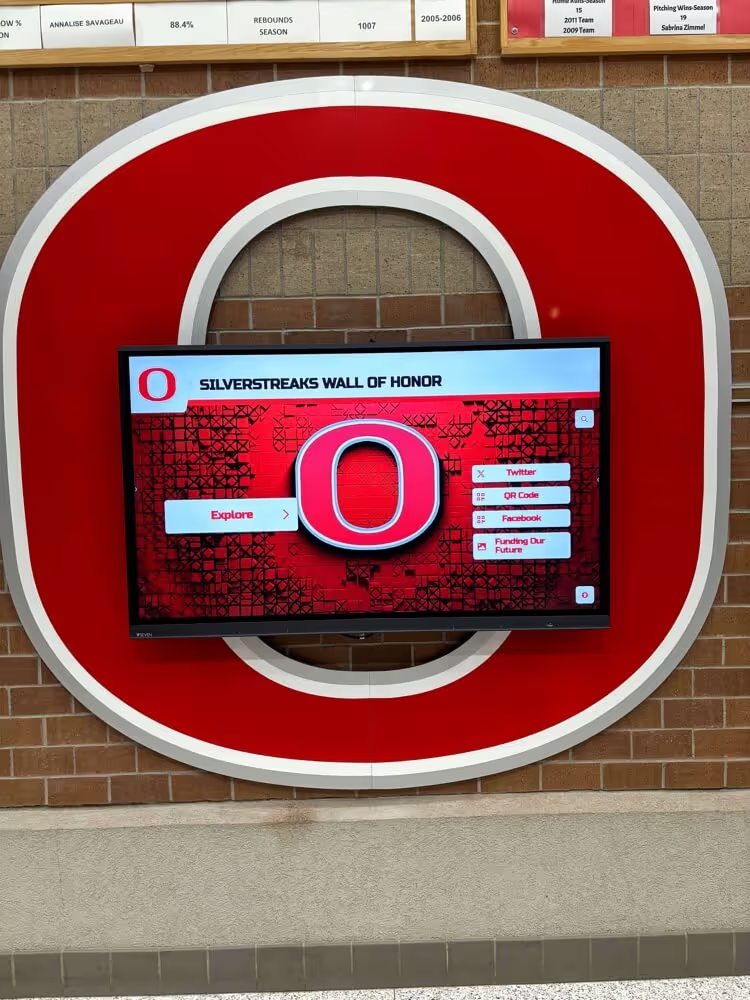
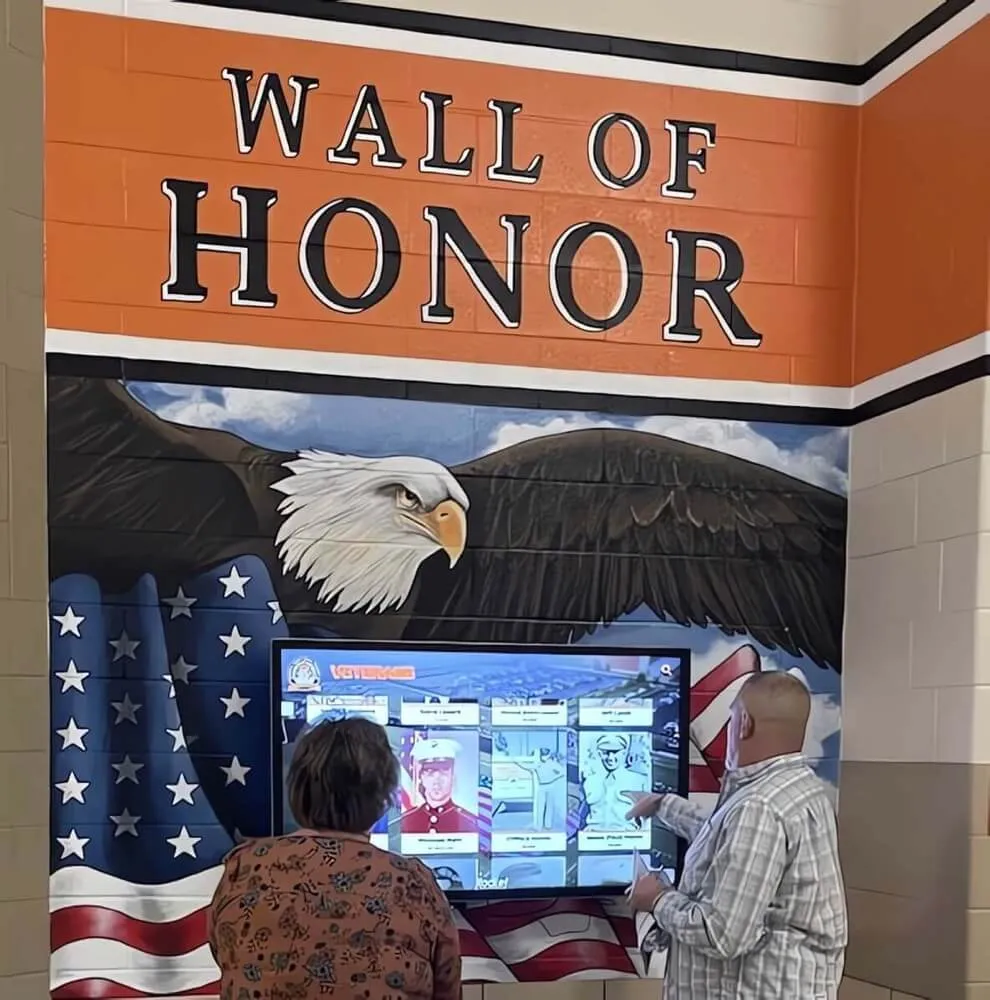
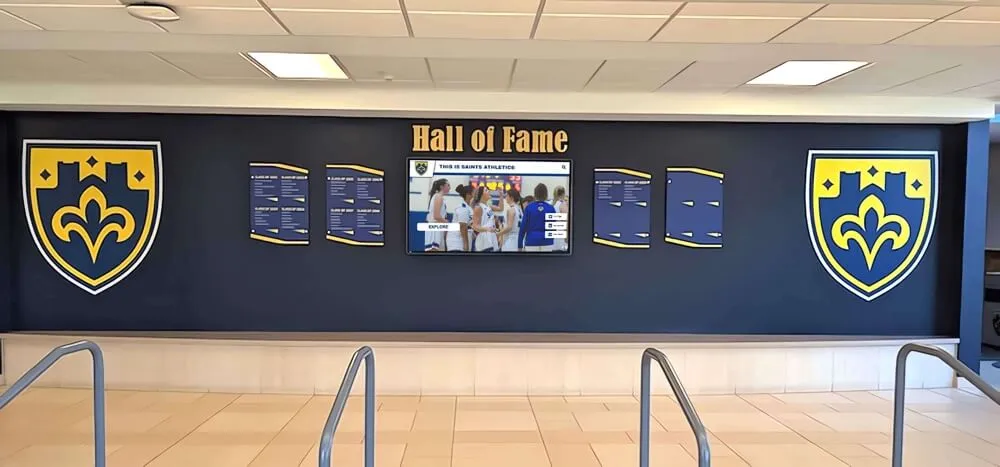
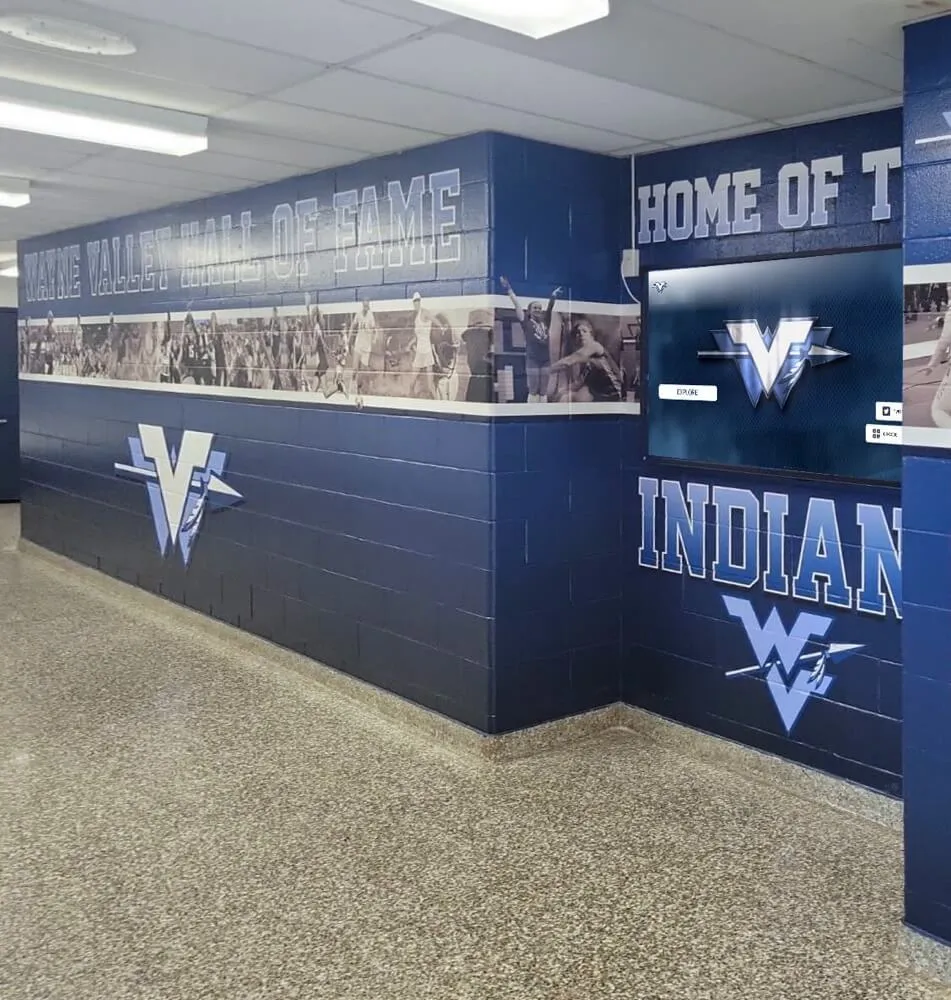
Physical honor boards and digital recognition platforms both require coordinated record updates when replacement awards correct an error—policies that address both systems prevent long-term record discrepancies
Replacement Policy Documentation Checklist
Before finalizing a replacement policy, athletic departments should verify that the following elements are addressed in the written document:
| Policy Element | Included? | Notes |
|---|---|---|
| Defined request intake method (written form, not verbal) | ||
| Designated intake contact (role, not individual name) | ||
| Verification sources by award type | ||
| Verification timeline (business days from receipt) | ||
| Fee schedule with specific amounts or calculation method | ||
| Waiver criteria and approval authority | ||
| Production timeline expectations by award type | ||
| Record update requirements and responsible party | ||
| Escalation path for requests that cannot be verified | ||
| Historical award procedure (6+ years) | ||
| Scope definition (which award categories are covered) | ||
| Communication template for request confirmation |
Policies that address all twelve elements cover the vast majority of replacement scenarios without requiring the athletic director to invent procedures on the fly. Review the policy annually—particularly the fee schedule and vendor lead time estimates—to keep it aligned with current costs and operational realities.
FAQ: Athletic Award Replacement Policy
What should an athletic award replacement policy include?
An athletic award replacement policy should cover four core areas: how to submit a replacement request (written form, designated contact), how verification is conducted (confirming the award was legitimately issued against program records), what fees apply and when they can be waived, and what record updates are required after a replacement is produced. A policy that addresses all four areas handles the vast majority of replacement scenarios without requiring ad hoc decisions.
Who should be responsible for processing award replacement requests?
Award replacement requests should be received and processed by the athletic director or a designated athletic administrative coordinator—not individual coaches. Centralizing intake ensures consistent application of the policy, maintains a complete administrative record, and prevents scenarios where a request is handled incompletely by multiple staff members without coordination. The policy should specify a role rather than an individual’s name so it remains functional through staff transitions.
Should schools charge a fee for replacing lost athletic awards?
Whether to charge a fee for lost awards is a policy decision each program makes based on its budget and values. Many programs charge a partial fee for lost awards while covering the full cost of replacements caused by program errors. Whatever the approach, the fee schedule should be documented in the policy, communicated to the requester before production begins, and applied consistently. Written waiver criteria—addressing financial hardship or circumstances beyond the athlete’s control—ensure that fees don’t create barriers for students who legitimately need a replacement.
How should schools handle replacement requests for awards from many years ago?
Historical replacement requests—for awards issued six or more years prior—require a separate verification approach because primary records may be archived or incomplete. Secondary sources including school yearbooks, banquet programs, newspaper archives, and state athletic association records can support verification. The policy should define what secondary evidence is acceptable, what happens when verification cannot be completed, and whether an alternative acknowledgment is available when a physical replacement cannot be produced.
What happens to digital recognition records when a physical award is replaced?
When a replacement corrects an error in the original award, the digital recognition record must be updated to match. When a replacement is issued for a lost or damaged award without correcting an error, the digital record typically remains unchanged—it documents that the award was issued, not the status of a physical item. Schools using cloud-based recognition platforms can apply digital corrections immediately across all display locations; physical honor board corrections require separate coordination with facilities staff.
Building an Award Replacement Policy That Strengthens Long-Term Records
A well-designed athletic award replacement policy does something that goes beyond resolving individual requests: it keeps the permanent recognition record clean. Every verified replacement is an audit of the underlying record. Every corrected error that propagates to the display system removes a discrepancy that would otherwise compound over decades. Every requester who receives a clear, consistent process comes away with more confidence in the program’s governance—not less.
Programs that invest in this kind of documentation infrastructure—written criteria, structured intake, verified records, and coordinated updates across physical and digital recognition systems—build recognition archives that serve athletes, families, and alumni for generations. A trophy earned in 1998 and faithfully documented, corrected when needed, and maintained across system transitions is a more meaningful institutional record than any informal process could produce.
Simplify Award Record Management With Digital Recognition
Rocket Alumni Solutions gives athletic departments a cloud-based recognition platform trusted by 600+ institutions—where corrections to a student's record update every display simultaneously, replacement-driven changes carry automatic timestamps and user attribution, and no physical fabrication lead time stands between a resolved request and an accurate recognition wall. WCAG 2.1 AA compliant and accessible on any device via QR code.
Request a Custom Demo