



Intent: research. An athletic award title standardization guide is a practical reference that establishes one canonical name for every award category your athletic program uses—so the same honor appears identically on certificates, in your student information system, on the ceremony program, in the yearbook, and on every recognition display the school maintains.
The short answer: build a master list of approved award titles in a shared document, apply a consistent format rule (sport + tier + award type), and distribute that list to every system and staff member that produces or records award data before the season ends. When every touchpoint uses the same name, duplicate categories disappear, database queries return clean results, and recognition walls stay accurate without manual reconciliation. The sections below provide a five-step framework, a canonical-name format table, and a sport-by-sport reference covering the award categories most likely to appear under inconsistent names across a typical high school or collegiate athletic program.
Across school athletic programs, the same award often carries a dozen names. The “Most Valuable Player” award for varsity basketball might appear as “MVP,” “Most Valuable Player,” “Varsity Basketball MVP,” “Basketball Most Valuable Player,” “Boys Basketball MVP,” “Boys Varsity MVP,” and “BB-MVP” in six different systems that should all be talking about the same thing. When a student requests a replacement certificate, a coach builds the banquet program, a yearbook editor compiles achievement listings, and an administrator exports data to the district student information system, they each encounter a different version of the same title—and no authoritative source to settle the question.

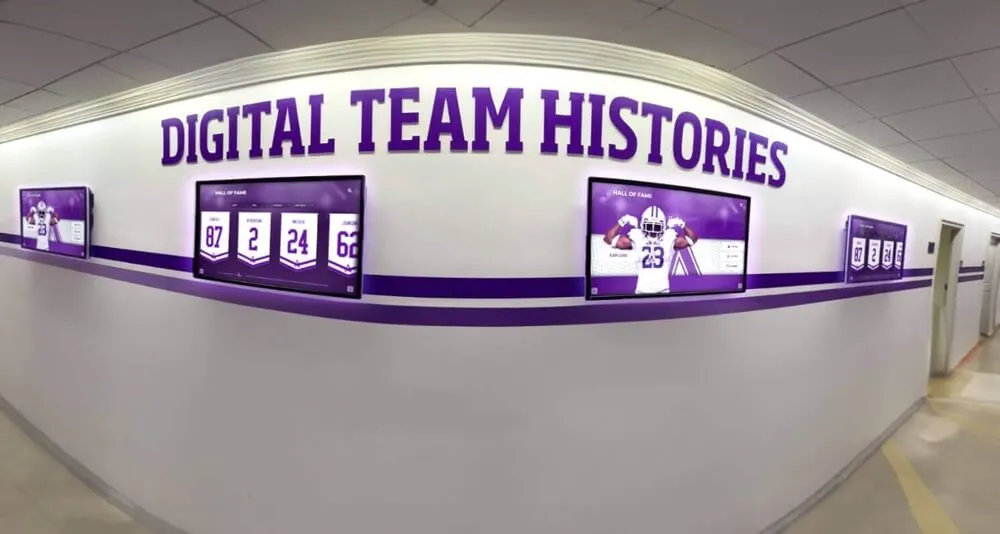
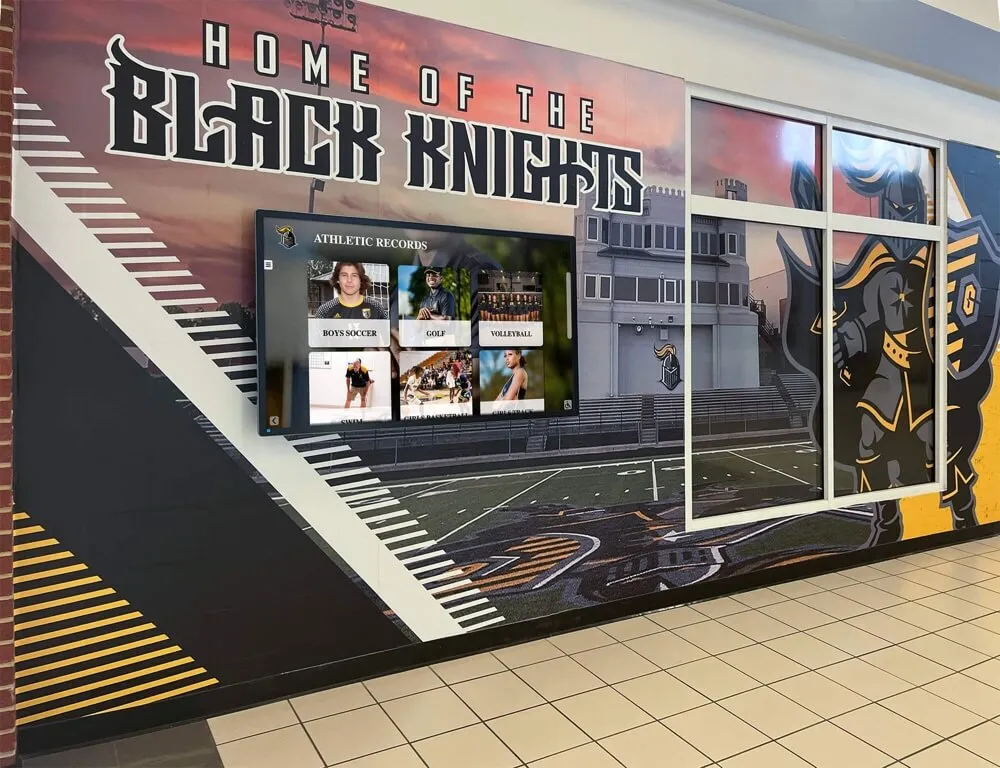
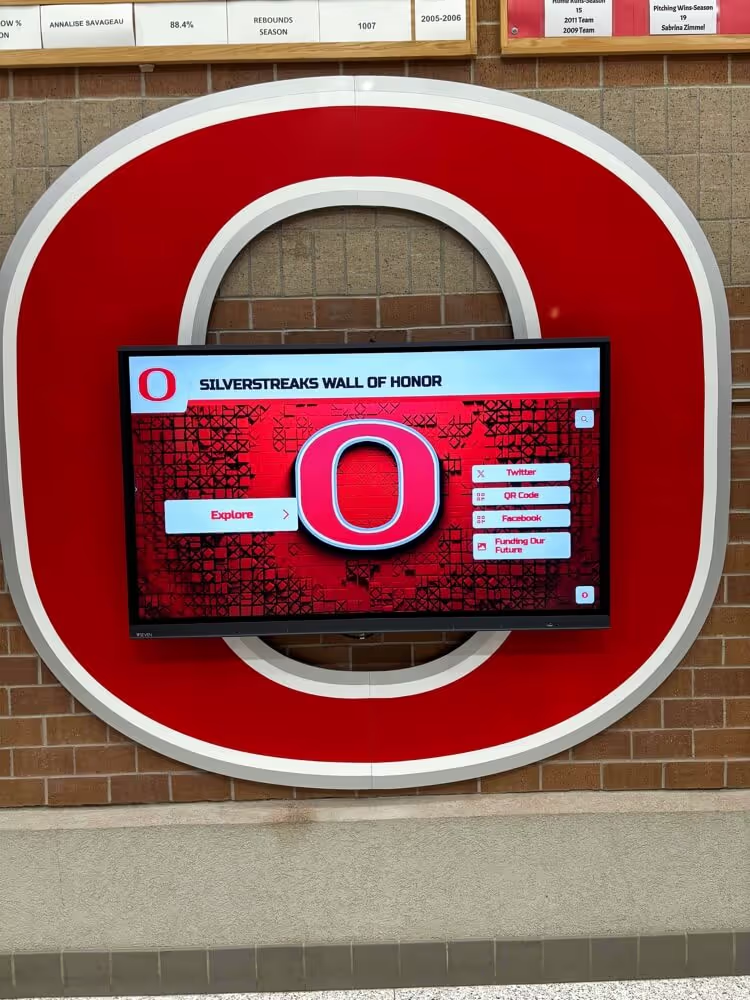
Consistent award titles make recognition walls accurate and searchable—when every system uses the same canonical name, adding a new entry to a display requires no manual lookup or translation
Why Inconsistent Award Titles Create Real Problems
Title inconsistency is one of the quieter operational problems in athletic administration—it rarely surfaces as a crisis, but it costs time and credibility across every recognition workflow the department touches.
Database duplication. When a records system contains both “MVP” and “Most Valuable Player” as separate categories, query results are always incomplete. An annual report that shows “11 MVPs awarded across all sports” is actually underreporting if 8 more were entered under a variant title. This matters when programs submit data to district offices, state athletic associations, or accreditation bodies that rely on clean category counts.
Certificate and display mismatches. A student who receives a certificate reading “Captain’s Award” and later appears on a recognition wall labeled “Team Captain Recognition Award” has documentation that doesn’t clearly refer to the same honor. When that student or a family member references the award in a scholarship application or college athlete profile, the inconsistency requires explanation that shouldn’t be necessary.
Cross-program confusion. A school with 18 sports and multiple award categories per sport generates dozens of titles across a single academic year. Without standardization, the boys’ program and girls’ program may use different names for equivalent awards—a problem that compounds when schools present multi-sport recognition at a combined ceremony or on a shared digital display.
Succession fragility. Staff turnover is common in athletic administration. When title conventions exist only in a coach’s memory or in informal usage patterns, a new athletic director, a new coach, or a new awards vendor inherits a system where every season’s decisions can drift in a different direction. A written standardization guide eliminates that dependency.
Programs that maintain organized display systems for athletic records depend on clean underlying data—and that cleanliness starts with consistent award titles entered the same way every time.
Step 1: Audit All Award Titles Currently in Use
Before you can standardize, you need a complete picture of what names are currently in circulation. This audit surfaces the extent of the problem and identifies which titles have the most variation.
Where to look:
- Student information system or athletic records database — Pull a distinct list of all award category names recorded in the last 3–5 years. Look for any categories that appear to be the same award under slightly different names.
- Past ceremony programs and banquet materials — Award titles appear in printed programs and digital slideshows. These often reflect what coaches submitted rather than what the database recorded.
- Certificates and physical awards — The engravings and print runs for plaques, trophies, and certificates frequently diverge from what the database shows because vendors work from different source documents.
- Yearbook files — Yearbook editors often compile achievement listings independently, introducing their own abbreviations and formatting choices.
- Recognition displays — Trophy cases, honor boards, and digital recognition walls may reflect whatever names were current at the time of installation. Older entries frequently use retired title formats.
- Coach-submitted nomination forms — Forms from individual coaches are the upstream source for most title variation, since coaches write award names freehand without a controlled vocabulary.
Create a spreadsheet with one row per title variant found. For each variant, record the source where it appeared, the year range it was used, and your best assessment of which canonical award it represents. This mapping document becomes the input for building your standardized list.
The audit typically reveals that 20–40% of apparent award categories in a database are actually variant names for a smaller number of distinct honors—a figure that surprises most athletic directors who haven’t reviewed their data at this level.
Step 2: Build the Canonical Title List
The canonical title list is the authoritative reference that every system, staff member, and vendor uses when creating or entering award data. It answers one question definitively: what is the exact, approved name for each award this program offers?
The Standard Format
A consistent title format makes the canonical list easy to apply and easy to audit. The recommended four-element format is:
[Gender/Level] [Sport] [Tier] [Award Type]
This produces titles that are unambiguous, sortable, and extensible as programs add new awards.
| Element | Definition | Example Values |
|---|---|---|
| Gender/Level | Program scope (omit if award applies to all) | Boys, Girls, Coed, JV, Varsity |
| Sport | Full sport name (no abbreviations) | Basketball, Soccer, Track and Field, Swimming |
| Tier | Level of play (omit if single level) | Varsity, Junior Varsity, Freshman |
| Award Type | The specific honor being recognized | Most Valuable Player, Coach’s Award, Team Captain, Scholar-Athlete |
Canonical Name Examples
The table below shows how common award categories should appear under the standard format, alongside the variant names they replace.
| Canonical Title | Common Variants Replaced |
|---|---|
| Boys Varsity Basketball Most Valuable Player | MVP, Basketball MVP, Boys BB MVP, Varsity Basketball MVP, Most Valuable Player – Basketball |
| Girls Soccer Scholar-Athlete Award | Soccer Scholar, Girls Soccer Academic Award, Soccer-Scholar Athlete, Academic Player of the Year – Girls Soccer |
| Boys Varsity Football Coach’s Award | Coach’s Award, Coaches Award, Football Coach Award, Football Coaching Staff Award |
| Girls Varsity Tennis Team Captain | Tennis Captain, Girls Tennis Captain, Varsity Tennis Captain Award, Tennis Leadership Award |
| Boys Junior Varsity Baseball Hustle Award | Hustle Award, Baseball Hustle, JV Baseball Hustle, Baseball Work Ethic Award, JV Hustle |
| Coed Cross Country Sportsmanship Award | Sportsmanship Award, CC Sportsmanship, Cross Country Spirit Award, Coed XC Sportsmanship |
| Girls Swimming Most Improved | Most Improved – Swimming, Girls Swim Most Improved, Swimming Improvement Award, MIP Swimming |
| Boys Varsity Wrestling Outstanding Senior | Senior Award – Wrestling, Wrestling Senior Recognition, Outstanding Senior Wrestler |
Program-Wide Award Categories
Some awards apply across sports and should use a consistent title format that makes their cross-sport applicability clear:
| Award Scope | Canonical Title Format | Example |
|---|---|---|
| All-sport academic recognition | [Season] Scholar-Athlete Program | Fall 2025 Scholar-Athlete Program |
| Senior recognition | [Year] Athletic Senior Recognition | 2026 Athletic Senior Recognition |
| Program service | Athletic Program Service Award | Athletic Program Service Award |
| Booster club recognition | Booster Club Athlete of the Year | Booster Club Athlete of the Year |
| All-conference designation | [Conference Name] All-Conference – [Sport] | Metro League All-Conference – Volleyball |
| All-state designation | State All-State – [Sport] | State All-State – Boys Track and Field |

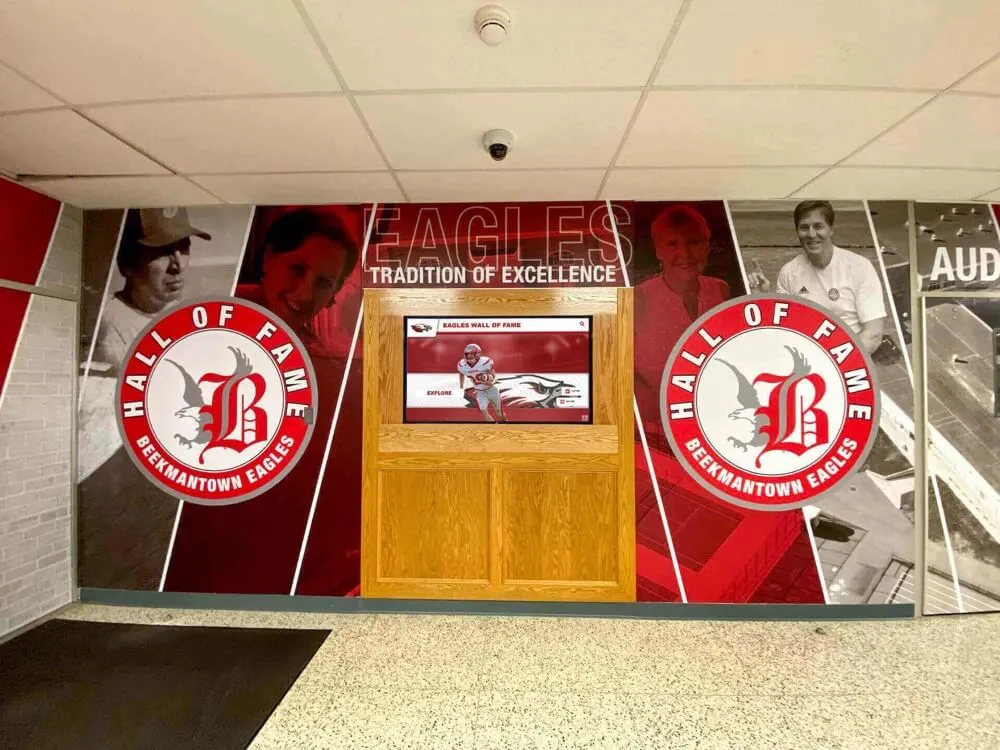
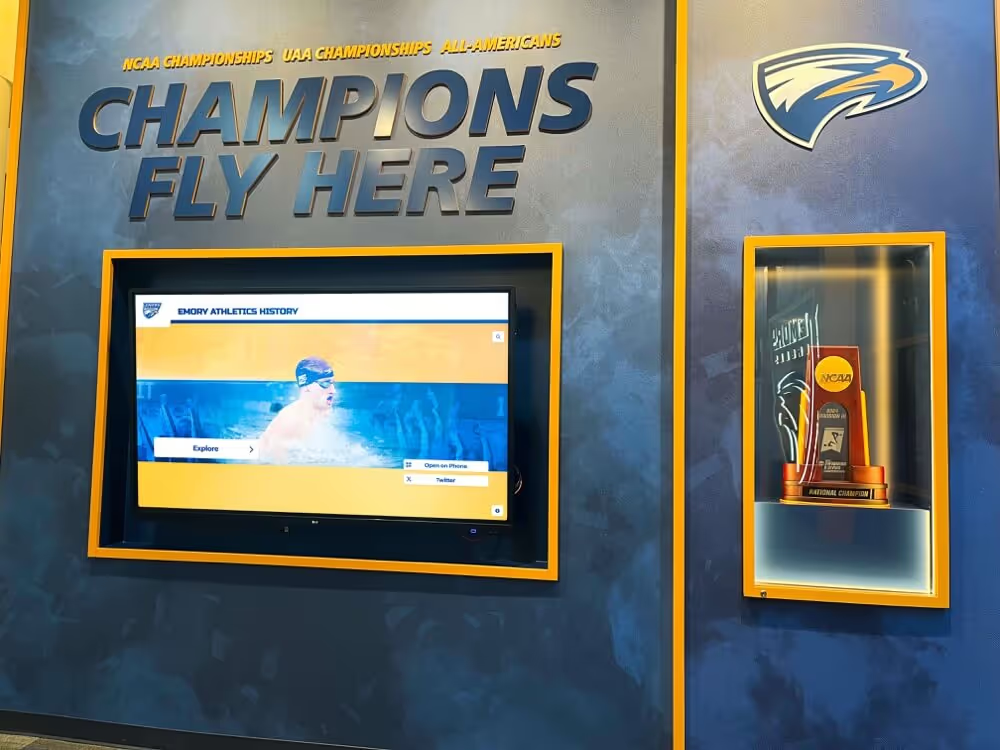
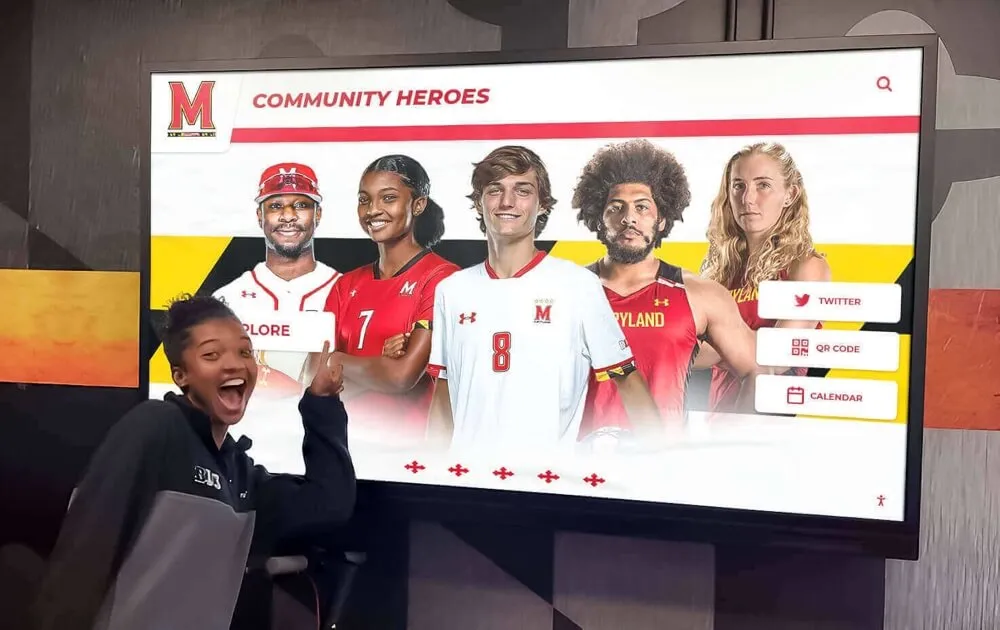
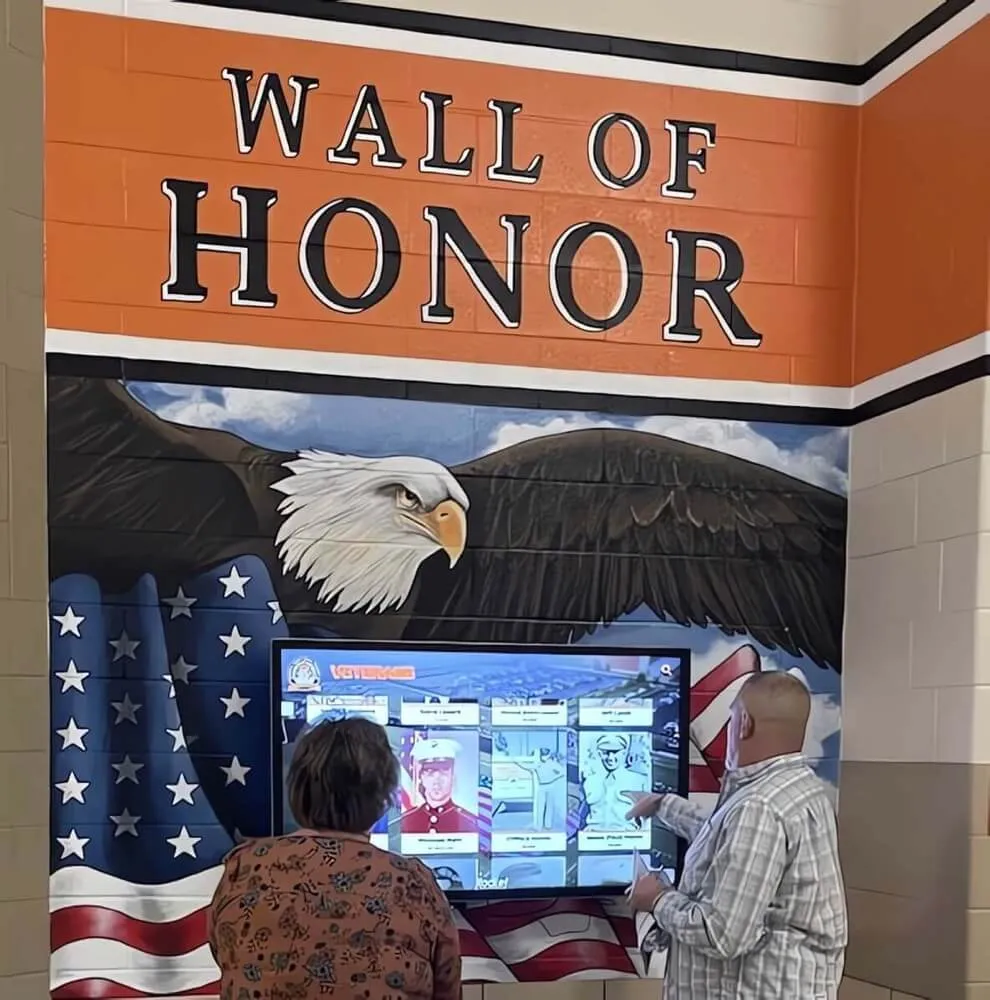
Standardized award titles let every recognition display—from physical shields to digital screens—present the same names that appear on certificates and in permanent records
Step 3: Define Title Format Rules
The canonical title list only works if everyone applying it understands the rules that govern it. Format rules answer the edge cases that arise during any award entry workflow.
Abbreviation policy. Establish which abbreviations, if any, are permitted in display contexts where space is constrained. A digital recognition wall with limited character counts may need “JV” instead of “Junior Varsity” and “MVP” instead of “Most Valuable Player.” The rule: abbreviations are permitted only in designated display contexts and must always expand to the full canonical title in the database and on official documents.
Gender-neutral awards. For awards that apply equally to all athletes in a sport regardless of gender (typically individual sports like golf, tennis, cross country, and swimming), the canonical title omits the gender element. For sports where boys’ and girls’ programs operate separately, both gender elements should appear in separate canonical titles even if the award criteria are identical.
Hyphenation and capitalization. Capitalize every major word in the award title. Do not hyphenate “Scholar Athlete” unless the school’s style guide specifically requires it. “Most Valuable Player” is three words; “MVP” is the abbreviated form. Maintain this convention consistently across all materials.
Possessives. “Coach’s Award” (singular coach’s) is the correct form for an award selected by the coaching staff collectively. Avoid “Coaches’ Award” (plural possessive) unless the award is literally voted on by multiple separate coaches in a formal process that the title is meant to reflect.
Year attribution. Award titles in permanent records should include the academic year: “2025–26 Boys Varsity Football Coach’s Award.” The year suffix goes in the record, not in the title itself. This means the canonical title list remains stable across years—only the record entry changes.
Step 4: Propagate the Standard Across All Touchpoints
A standardized list that lives only in a shared document solves nothing. Propagation means updating every system and workflow that generates or records award data.
Systems to Update
Student information system or athletic records platform. Create a controlled vocabulary or drop-down list of award categories in whatever system your program uses to track athlete recognition. If staff can type in a free-text field, title variation will recur. Controlled input is the strongest technical enforcement mechanism.
Awards ordering forms. The form that coaches submit when ordering trophies, plaques, or certificates from a vendor should present a controlled list of canonical titles rather than a blank text field. A coach who writes “Basketball MVP” on an open form will get “Basketball MVP” engraved—standardizing the form standardizes the output.
Ceremony programs. The template used to produce banquet programs and ceremony slides should pull award titles from the canonical list rather than from coach-submitted text. A brief editorial review step—comparing each award title against the canonical list before the program goes to print—catches deviations before they reach a public document.
Yearbook submissions. Provide yearbook editors with a reference copy of the canonical title list and a contact for verification when an award title they encounter doesn’t match the list. Yearbooks that credit athletes using non-canonical titles create secondary documentation that contradicts official records.
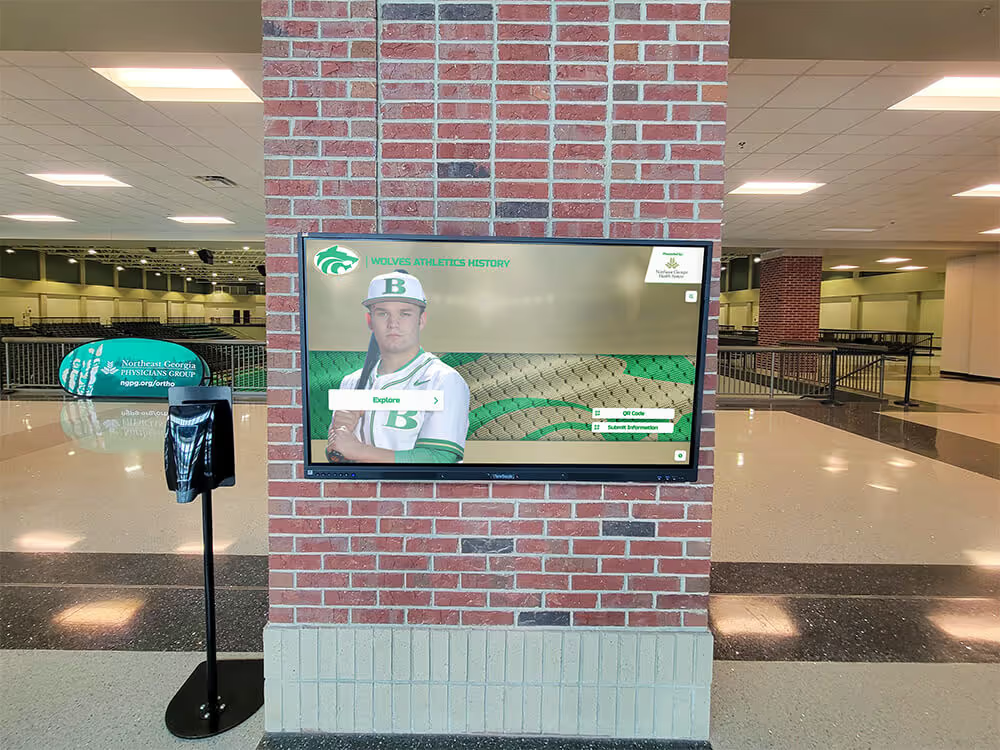
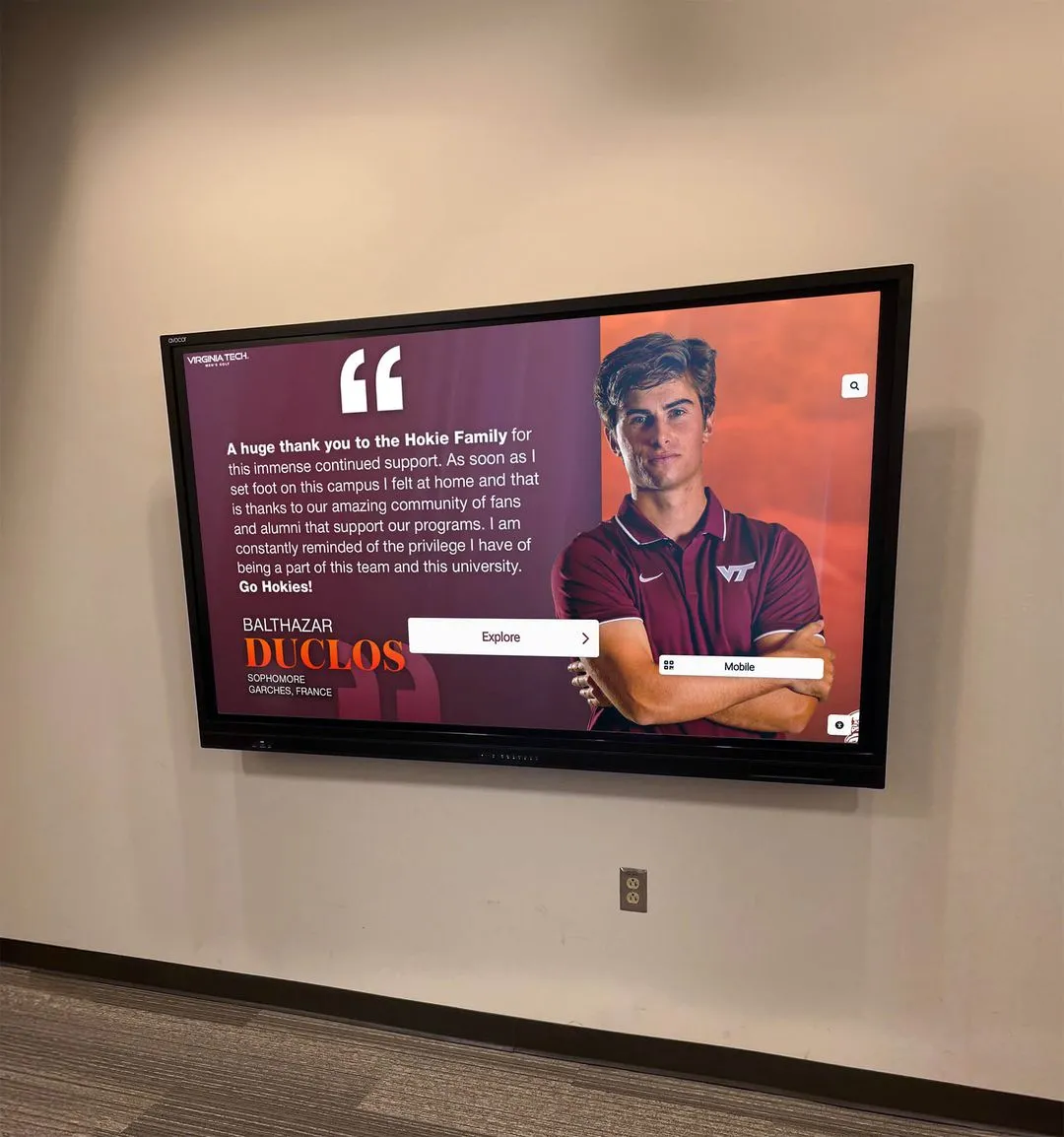
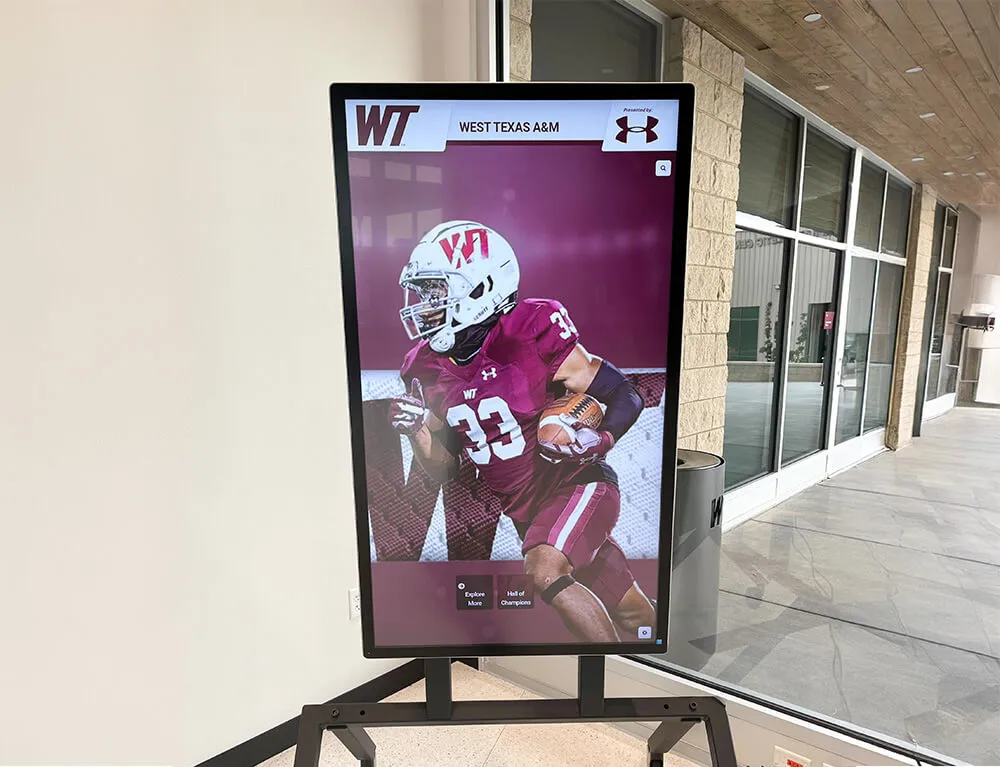
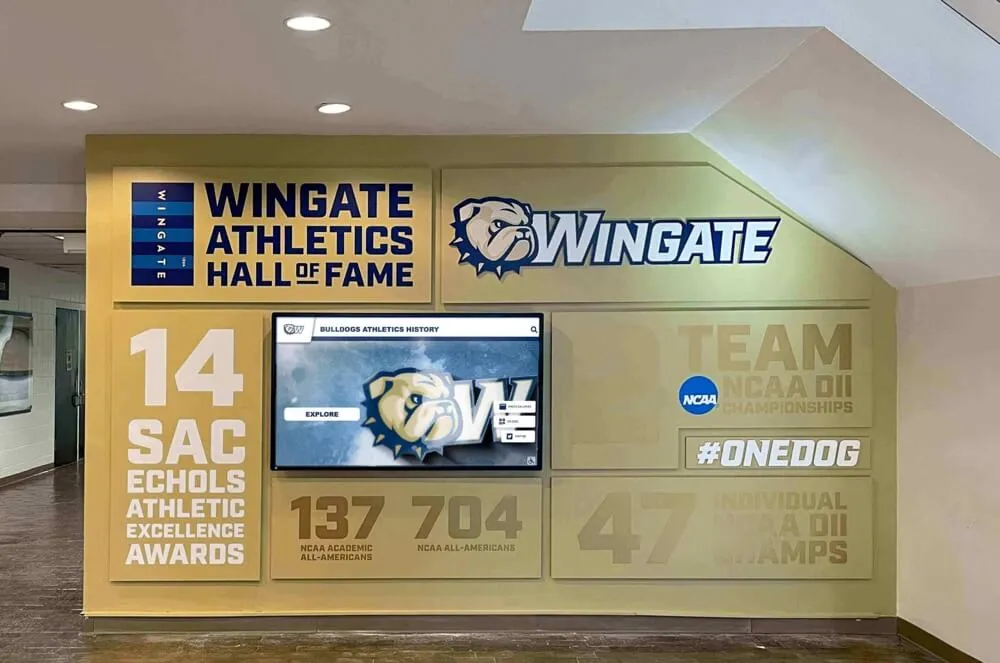
Recognition displays. Every trophy case entry, honor board label, and digital display category should be audited against the canonical list during the annual end-of-season update. For programs that use a digital recognition platform with cloud-based content management, administrators can update display entries from any location without requiring physical access to the display—making it practical to correct title inconsistencies across multiple displays simultaneously.
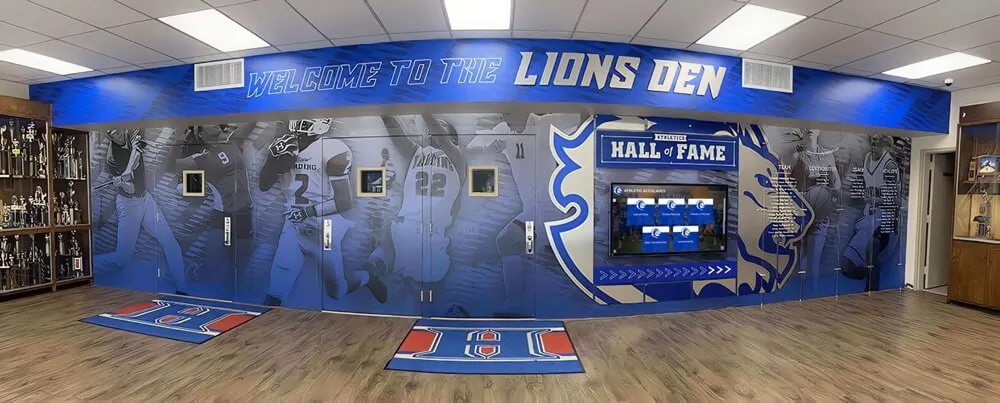
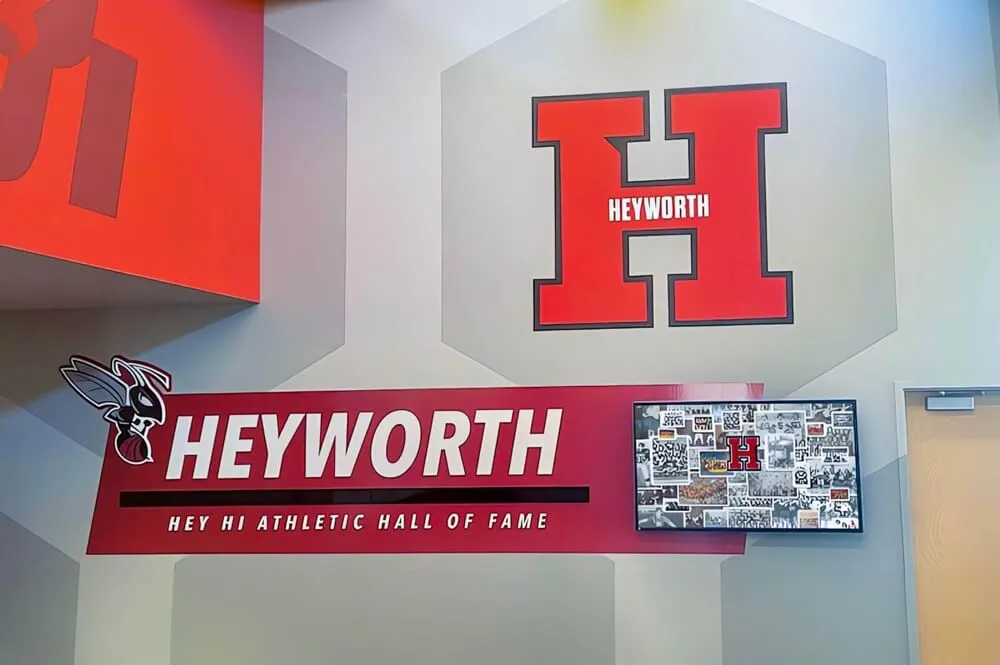
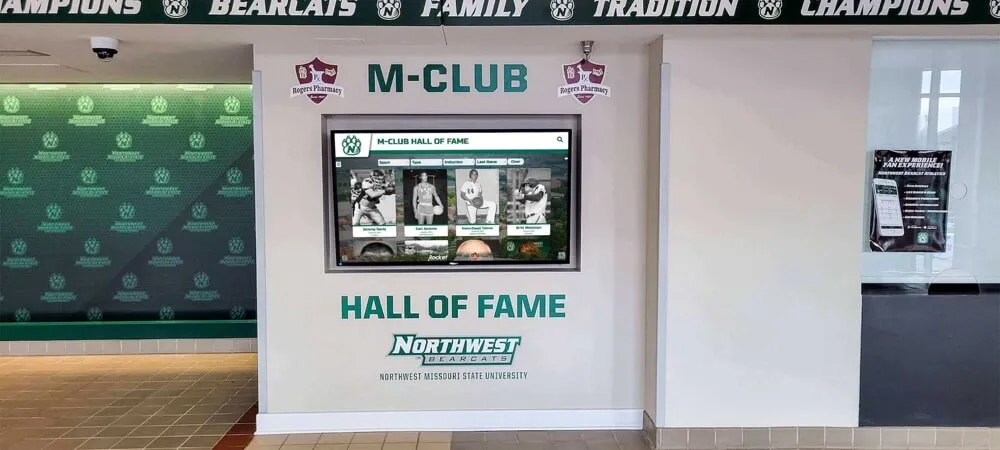
Hall of fame programs that recognize long-term athletic achievement depend on title consistency that extends back across decades of records. Inductee entries that reference award histories using standardized titles are verifiable; entries that reference informal or variant titles require additional research to confirm.
The Distribution Checklist
| Touchpoint | Action | Responsible Party |
|---|---|---|
| Athletic records database | Replace free-text entry with controlled vocabulary list | Athletic director or IT administrator |
| Awards ordering form | Add canonical title drop-down; remove open text field | Athletic director |
| Ceremony program template | Add pre-review step against canonical list | Ceremony coordinator |
| Coach nomination forms | Replace open text field with canonical title reference | Athletic director |
| Yearbook staff | Provide canonical list copy; establish verification contact | Athletic director |
| Trophy/plaque vendor | Require canonical title on all orders; reject variant titles | Athletic director |
| Digital recognition platform | Audit and correct existing entries; lock category names | Platform administrator |
| District records office | Provide canonical list for cross-referencing report data | Athletic director |
Step 5: Maintain the List Through Seasonal and Program Changes
A canonical title list that isn’t maintained will drift as programs add new sports, modify existing awards, and retire categories that no longer reflect the program’s values.
Annual review cycle. Schedule a review of the canonical title list each spring, before nominations open for end-of-season awards. At this review, the athletic director confirms that every currently active sport has a complete set of canonical titles, identifies any new award categories coaches have proposed for the upcoming cycle, and retires titles for discontinued sports or awards.
Adding a new award. When a program introduces a new award—a new scholarship, a new all-sport recognition category, or a new sport-specific honor—the title must be added to the canonical list before the award is used in any official context. A coach who introduces an informal award that bypasses the standardization process creates a record that will need to be either formally canonicalized or noted as non-official in the program’s documentation.
Retiring a title. When an award is discontinued, mark it as retired in the canonical list with the final year it was given. Do not delete retired titles—they remain in the list as historical reference for any records that used them. A query for “Boys Track and Field Outstanding Senior” should still return results for the years it was active even after the award is retired.
Track-specific awards in programs that have grown over time often accumulate the most title variation, since field events, relays, and specialty recognitions may have been named informally before a standardization process was in place. Track recognition programs that introduce formal title standards after years of informal operation should treat the transition year’s documentation as a clean-slate reference point rather than attempting to retroactively rename every historical entry.

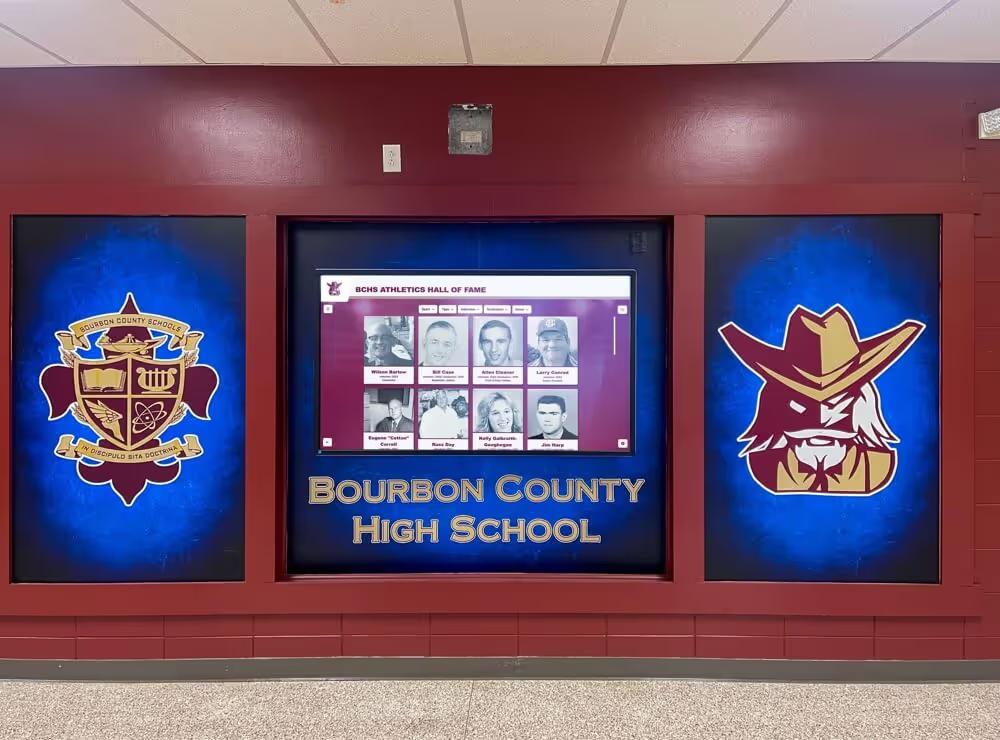
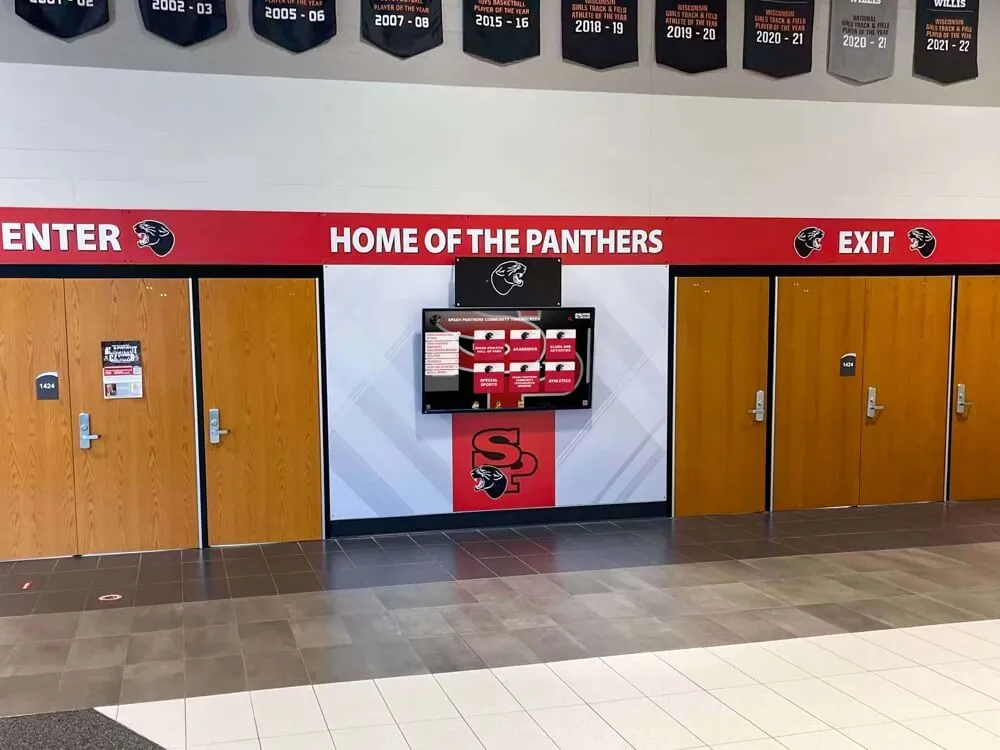
Digital recognition platforms make title standardization visible to visitors—every entry that appears on screen represents data that was entered consistently at the source
Sport-Specific Award Title Considerations
Different sports present different standardization challenges based on their award cultures, the number of positions and specializations they recognize, and whether they operate in a conference or state association context that assigns its own recognition titles.
Team Sports with Multiple Award Categories
Basketball, football, soccer, volleyball, and other multi-player team sports typically have the largest number of award categories per sport. These programs benefit most from a formal standardization effort because the award volume is high enough that variation compounds quickly.
Common categories to standardize across team sports:
- Most Valuable Player (not MVP, Most Valuable, or Best Player)
- Coach’s Award (not Coaches Award, Coaching Staff Award, or Coach Award)
- Scholar-Athlete Award (not Academic Award, Scholar Athlete, or Academic Excellence)
- Team Captain (not Captain’s Award or Leadership Award—reserve “Captain” for the designation, not the award)
- Most Improved (not Improvement Award or Most Progress)
- Sportsmanship Award (not Spirit Award or Attitude Award—unless the award criteria specifically define a distinct honor)
Individual Sports and Technical Achievement
Individual sports—swimming, wrestling, gymnastics, golf—often recognize performance at a more granular level than team sports, with categories tied to specific events, weight classes, or disciplines. These programs should establish canonical formats for event-specific titles.
For racket sports, skill recognition can extend to technique-specific categories—programs that recognize achievement in fundamentals like tennis stroke mechanics and court positioning sometimes name awards after those specific skills. When a program introduces a technique-specific award, the canonical format applies: “Girls Varsity Tennis Groundstroke Excellence Award” rather than an informal label that means different things to different coaches.
Conference and State Association Designations
External recognition bodies—conference offices and state athletic associations—assign their own recognition titles that schools have no authority to modify. The standardization challenge here is in how schools record and display these external designations internally.
When recording an external designation, the canonical internal title should include the full external title as a suffix: “Metro League All-Conference – Boys Soccer” rather than “All-Conference Soccer” or “Conference All-Star.” This makes the external body explicit and prevents confusion with any internal all-conference-style award the school might also issue.
Connecting Standardized Titles to Recognition Displays
Award title standardization has its highest visible impact on recognition displays—the trophy cases, honor boards, digital walls, and record boards that present athletic history to athletes, families, and visitors.
A display populated with standardized titles is self-consistent: every entry uses the same format, sports are presented in the same sequence, and related awards across different years are visually associated. A display populated with informal titles accumulated over decades presents a patchwork of naming conventions that requires a staff member to interpret.
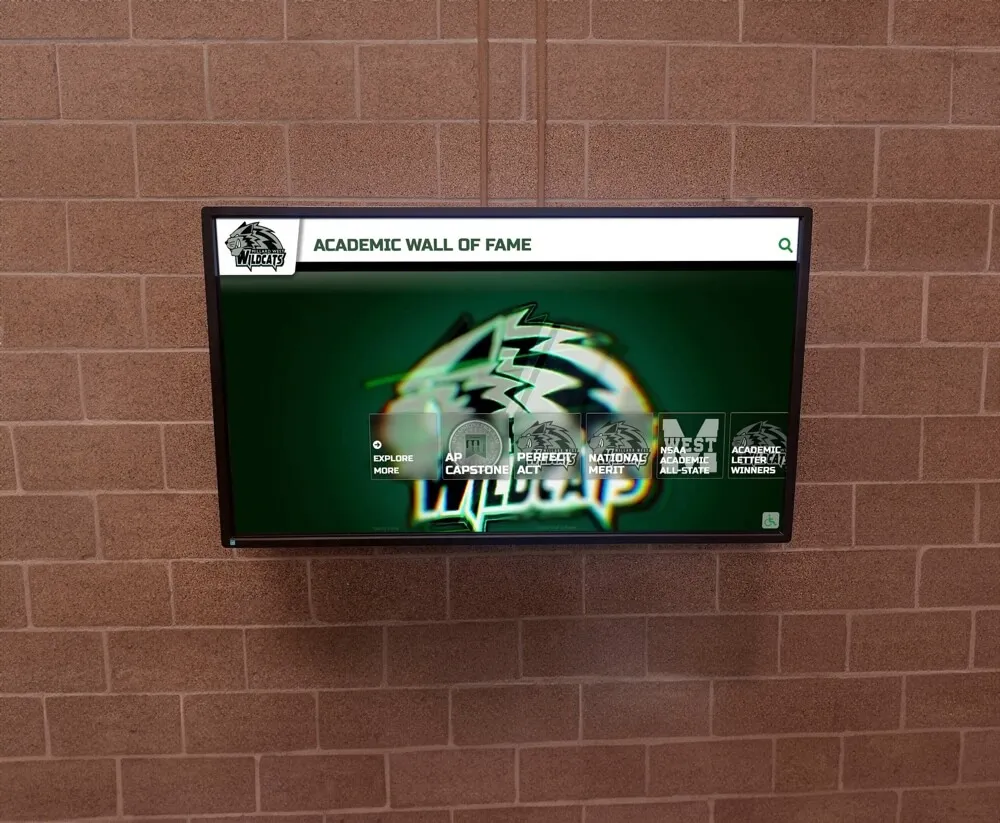
Honor roll and recognition displays that present academic and athletic recognition side by side illustrate the cross-program value of consistent title formatting—when both academic and athletic awards use standardized naming conventions, a combined display is coherent rather than visually fragmented.
For programs using digital recognition platforms, title standardization integrates with platform capabilities in two practical ways:
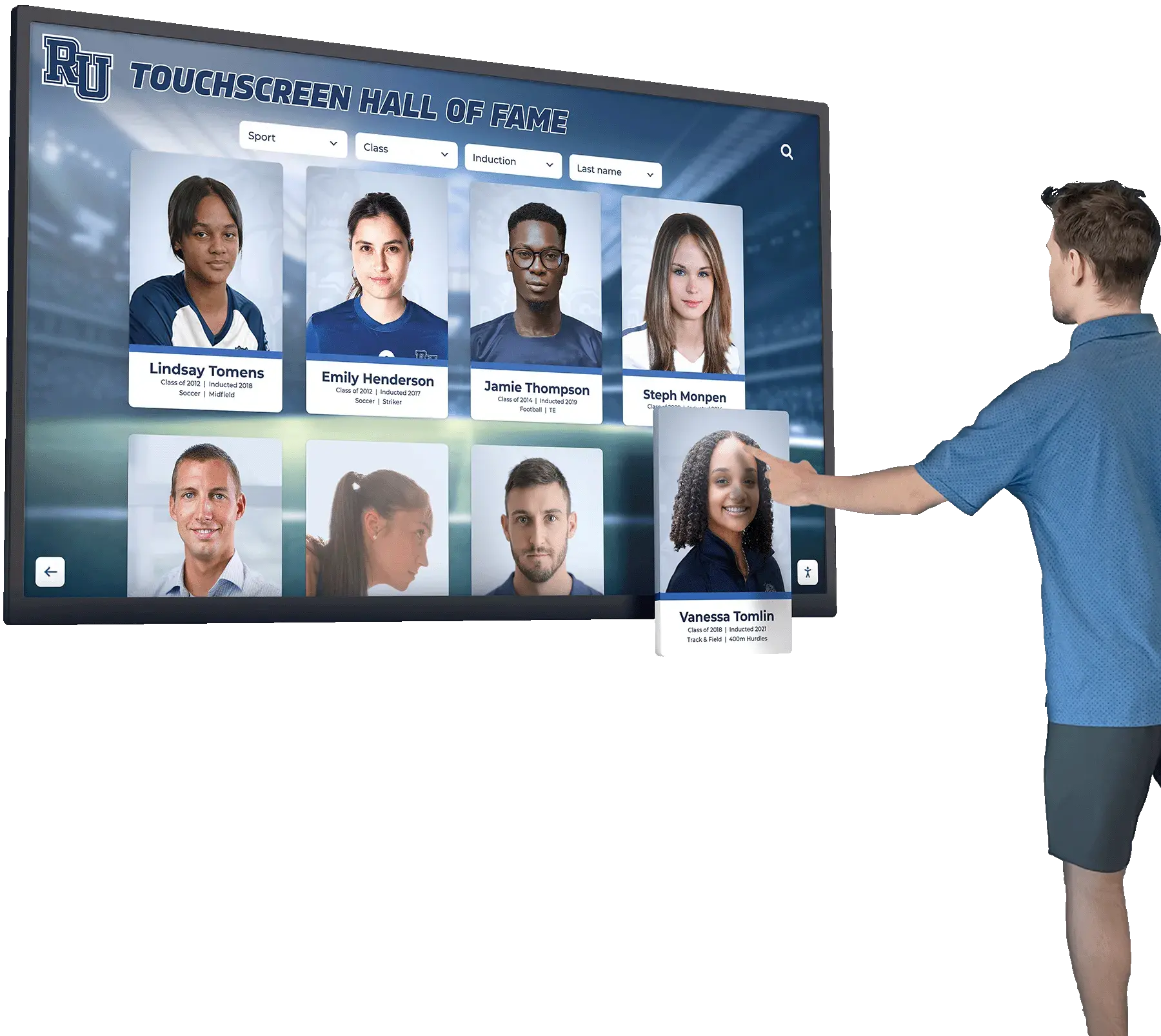
Category-level filtering. When award entries use consistent titles, a digital display can filter and present “All Scholar-Athlete Award recipients” or “All Most Valuable Players—Boys Basketball” without returning false negatives from variant names. Clean filtering enables the searchable, interactive presentation that visitors expect from modern recognition technology.
Auto-ranking and record boards. Platforms with auto-ranking features for athletic records and leaderboards depend on consistent category names to group entries correctly. A record board that displays “Season Points Leaders” will produce incorrect results if some entries are categorized under “Points Leader” and others under “Season Scoring.” Standardization is the upstream requirement for any downstream automation.
Booster clubs that fund recognition programs and manage related financial workflows—including reimbursement policies for recognition events—also benefit when the award titles on reimbursement requests match the canonical names in the athletic department’s official records, simplifying cross-referencing during financial reviews.
According to the National Interscholastic Athletic Administrators Association (NIAAA), a majority of athletic compliance issues at the program level involve documentation inconsistencies rather than policy violations—consistent award titling reduces one significant category of documentation error before it accumulates into a compliance concern.
FAQ
How many canonical award titles should a typical high school athletic program maintain?
A program with 18–22 sports and 4–6 award categories per sport will typically maintain 80–130 canonical titles, plus 5–10 program-wide titles. Programs that separate boys’ and girls’ versions of equivalent awards in the same sport will sit at the higher end. Start with the awards you issue most frequently and add niche categories over time rather than trying to canonicalize every possible award in a single session.
Should the canonical title list be public or internal only?
The canonical title list is primarily an internal administrative reference, but sharing it with athletes, families, and yearbook staff reduces the number of variant names that enter the system from external sources. Posting a simplified version on the athletic department website or including it in the athlete/family handbook is a practical approach that reduces inbound questions when people are trying to reference awards in scholarship applications or college profiles.
What should we do about historical records that use non-canonical titles?
Historical records that predate the standardization effort do not need to be retroactively renamed in the system. Instead, maintain a “legacy title mapping” document that lists historical variant names alongside their canonical equivalents. This mapping allows staff to answer questions about historical awards without requiring system-wide data migration. Going forward, any new entries—including corrections to historical records—should use canonical titles.
How do we handle awards that coaches create informally mid-season?
Informal awards created outside the canonical title process—a coach who decides mid-season to create a “Warrior Award” for a specific athlete—should either be formalized in the canonical list before they appear in any official record, or documented as informal recognition that does not carry the same official status as listed canonical awards. A brief policy statement in the athletic handbook clarifying the distinction between official and informal recognition prevents ambiguity.
Can we use the same canonical title for equivalent awards in different sports?
No. Even if the criteria and purpose of a “Coach’s Award” are identical across basketball and soccer, the canonical title includes the sport name: “Boys Varsity Basketball Coach’s Award” and “Boys Varsity Soccer Coach’s Award” are separate entries. Cross-sport equivalence is a matter of criteria documentation, not title naming—keeping sport names in the title prevents ambiguity when entries appear in a combined display or a multi-sport export.
See Standardized Award Titles in Action
When every award in your program uses a consistent canonical name, recognition walls, record boards, and digital displays populate accurately—without manual reconciliation at the end of every season. Rocket Alumni Solutions’ platform supports unlimited award categories with controlled naming, auto-ranking for record boards, and remote content management that lets administrators update displays from anywhere.
Request a custom demo to see how consistent award titles translate into a recognition display your program can trust.