



Intent: research. An athletic awards appeal process is a formal, documented procedure that allows athletes, families, or coaches to request a review of a recognition decision—covering letter award eligibility, MVP selection, display inclusion, or hall of fame consideration. A well-designed process gives athletic departments a consistent, defensible workflow that protects both the integrity of the recognition program and the dignity of every student involved.
Without a written appeal policy, athletic directors face a recurring problem: every disputed decision becomes an ad hoc negotiation, with outcomes shaped more by persistence than by documented criteria. Transparent appeal workflows—built around written timelines, defined review authority, and clear evidence standards—transform these moments from friction points into demonstrations of program fairness.
This guide provides a ready-to-use six-step workflow, a documentation checklist, a timeline framework, and a review authority map that school administrators, athletic directors, and recognition committees can adapt for any award category.
Note: This article provides general guidance for school recognition program administration. It does not constitute legal advice. Consult your school district’s legal counsel for jurisdiction-specific requirements, student rights obligations, or questions related to collective bargaining agreements.
A recognition program’s credibility rests entirely on the consistency of its decision-making. According to the National Interscholastic Athletic Administrators Association (NIAAA), transparent recognition governance is among the highest-impact practices for building parent and community trust in athletic programs—and the appeal process is where that transparency is most publicly tested.

The athletes whose names appear on recognition walls deserve confidence that the selection process was documented, consistently applied, and open to review when challenged
Why Schools Need a Written Athletic Awards Appeal Policy
A written athletic awards appeal policy accomplishes three things that informal reviews cannot.
It protects the program from inconsistent outcomes. Without documented criteria and review authority, two families asking the same appeal question may receive different answers depending on who they reach. A written policy ensures that every appeal follows the same path to the same standard.
It satisfies administrative and governance requirements. Many school districts and state athletic associations require that recognition programs maintain documented selection criteria and review procedures. The National Federation of State High School Associations (NFHS) guidelines on student recognition programs identify policies covering eligibility, selection, and review as part of sound athletic program governance.
It gives families a fair path forward. When a family believes a recognition decision was made in error, a clear appeal process signals that the school takes the concern seriously—rather than responding with a “coach’s discretion” dismissal. That visible fairness matters even when the original decision ultimately stands after review.
The 6-Step Athletic Awards Appeal Workflow
The following workflow applies to most athletic award categories: letter awards, end-of-season banquet recognition, all-program team nominations, display eligibility, and hall of fame consideration. Adapt steps and timelines to match your program’s governance structure and institutional policies.
Step 1: Communicate the Original Decision in Writing
Before any appeal can be filed, the original decision must be formally communicated. Athletic departments should provide written confirmation of every significant recognition decision within five business days of the awards ceremony or selection meeting.
Written confirmation should include:
- The specific award or recognition category
- The athlete’s outcome (awarded, not awarded, eligible, ineligible)
- The criteria or rubric used for evaluation
- The deadline for filing an appeal (recommended: 14 calendar days from the date of written decision)
- The name and contact information of the person to whom appeals are addressed
This documentation step prevents the most common appeal dispute: a family who claims they were never notified of the decision or the criteria used to reach it.
Step 2: Receive a Written Appeal Filing
Appeals must be submitted in writing. Verbal appeals—a parking lot conversation after a game, a voicemail, or an informal email without documentation—do not constitute a formal filing. A written appeal creates the documentary record that all subsequent steps depend on.
Minimum required elements in a written appeal filing:
- Name of the athlete and sport
- Specific award or recognition category being appealed
- Grounds for appeal (factual error, procedural violation, rubric scoring dispute, evidence not considered)
- Supporting documentation (see checklist below)
- Signature of the parent, guardian, or adult athlete submitting the appeal
- Submission date
A 14-calendar-day appeal window from the date of the original written decision is a widely used standard that balances prompt resolution with reasonable preparation time for families.
Step 3: Initial Review by the Head Coach or Sport Coordinator
The first-level reviewer—typically the head coach or sport-specific program coordinator—reviews the appeal against the original scoring documentation within five business days of receipt. This review checks whether the original evaluation accurately applied the established rubric and whether all relevant evidence was considered. It is not a fresh evaluation from scratch.
The initial reviewer documents:
- Each ground raised by the appellant
- Whether existing records support or contradict each ground
- The outcome: affirm the original decision, modify the decision, or escalate to the athletic director
If the initial review confirms a procedural error—a calculation mistake, a missing attendance record, or a conduct violation coded incorrectly—the correction can be made at this stage. This reserves committee resources for substantive disputes while resolving simpler procedural issues efficiently.
Step 4: Athletic Director Review for Escalated Appeals
Appeals not resolved at the initial review level move to the athletic director within three business days of the initial reviewer’s determination. The athletic director reviews all documentation—original rubric scores, initial reviewer notes, and the appellant’s filing—and issues a written determination.
The athletic director’s review addresses:
- Whether the original evaluation process followed the program’s documented policy
- Whether the rubric was applied consistently with how it was applied to comparable athletes
- Whether any procedural error materially affected the outcome
The athletic director is not bound by the initial reviewer’s determination, but all changes must be documented with specific reasons—not general impressions.
Step 5: Recognition Committee Hearing for Substantive Disputes
Appeals involving hall of fame eligibility, permanent display inclusion, or significant award categories that remain unresolved after athletic director review may be escalated to a recognition committee. Recommended membership:
- Athletic director (facilitator, non-voting)
- Two or more coaches from sports other than the one under appeal (reduces conflict of interest)
- A school administrator or activities director
- Optional: a faculty representative or alumni representative, depending on award category
The committee reviews all documentation and may request a brief written statement from the original evaluators before issuing a final program-level determination. Committees should not accept evidence that was available at the time of the original evaluation but was not included in the initial appeal filing—this prevents strategic late submission of documentation.
Step 6: Issue a Final Written Decision and Update Records
The final decision is communicated in writing within five business days of the committee hearing (or athletic director determination if no committee review occurred). The letter should clearly state:
- The outcome of the appeal (affirmed, modified, or reversed)
- The specific grounds on which the decision was based
- Any action to be taken (award added, rubric score corrected, display record updated)
- That this constitutes the final program-level determination
If the appeal results in a modification to display records—adding an athlete to a trophy case, honor board, or digital recognition wall—the update should be completed within 10 business days of the final decision.
Athletic Awards Appeal Documentation Checklist
Use the table below to verify that all required materials are in place before submitting or processing an appeal.
| Document | Required to File | Required for Review | Notes |
|---|---|---|---|
| Written appeal form or letter | Yes | Yes | Must identify athlete, sport, award category, and grounds |
| Original rubric scoresheet | — | Yes | Maintained by athletic director; not provided by appellant |
| Attendance records | If attendance scoring is disputed | Yes | Provided by coach; verified by athletic director |
| Conduct or sportsmanship documentation | If sportsmanship scoring is disputed | Yes | Game reports, coach incident logs, official reports |
| Academic standing verification | If academic criteria are disputed | Yes | Provided by registrar or school counselor |
| Appellant’s supporting evidence | If available | Yes | Must be included with initial filing; late submission may be excluded |
| Prior written award confirmation | Yes | Yes | Establishes the start date of the appeal window |
| Dated submission record | Yes | Yes | Verifies filing within the 14-calendar-day window |
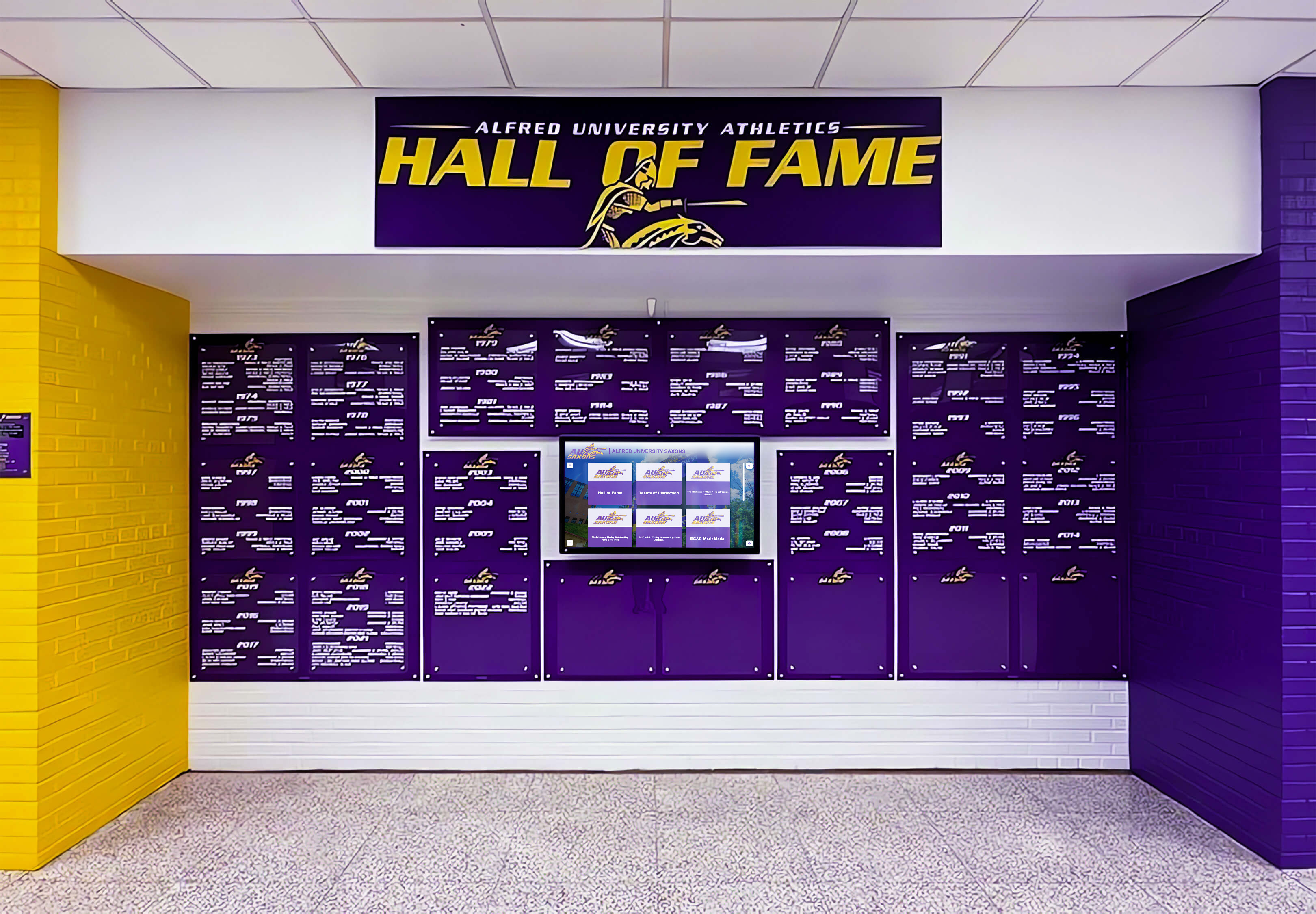
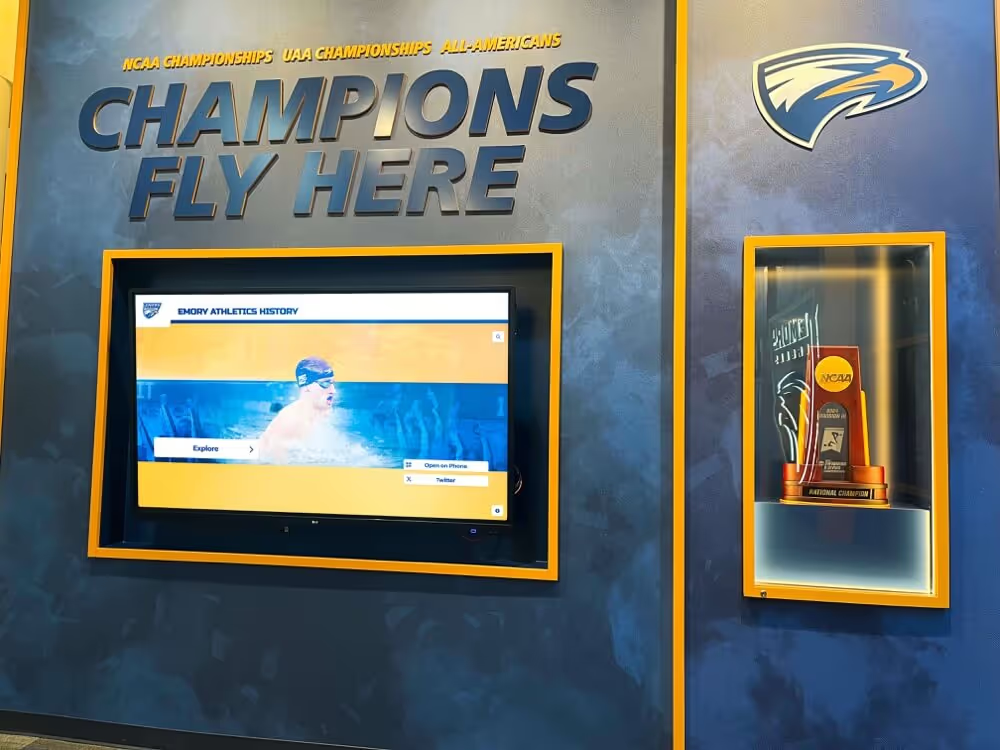
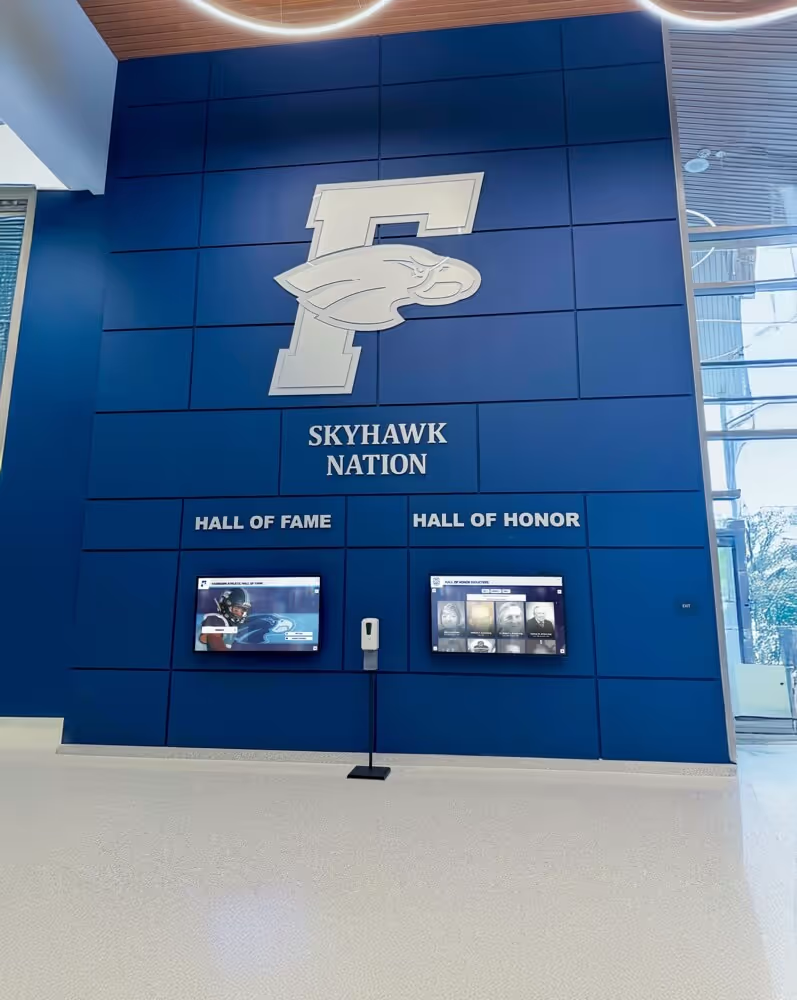
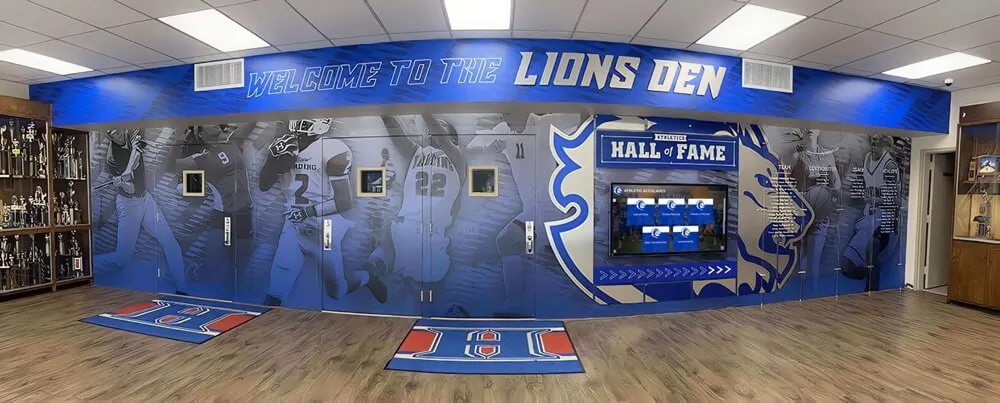
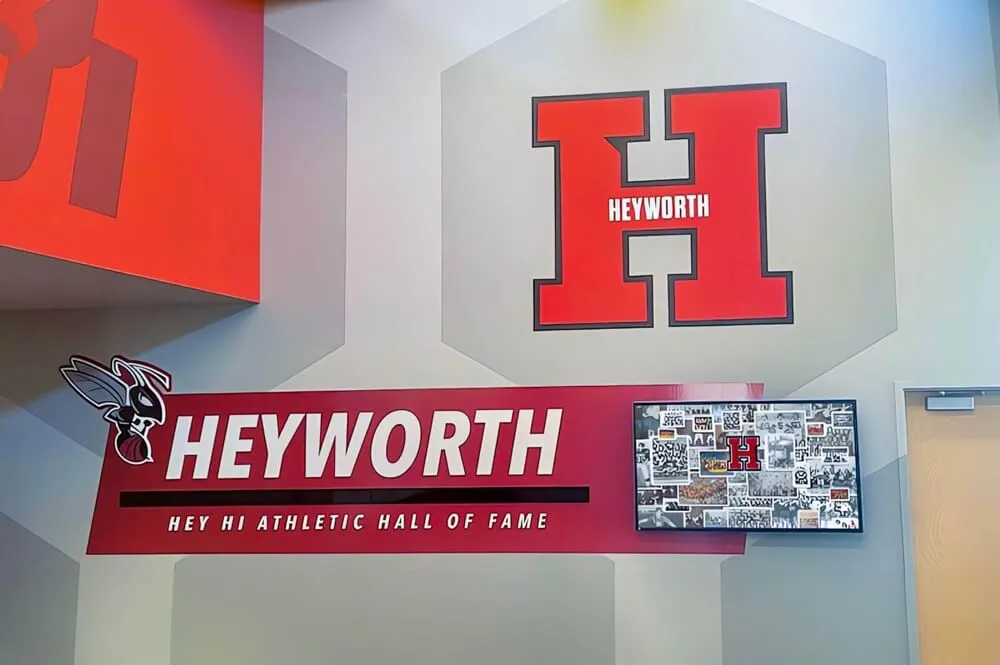
When appeal outcomes modify display eligibility, updates must be reflected across every recognition format—physical trophy cases, honor boards, and digital walls of fame—so the final decision is visible wherever athletes are recognized
Review Authority: Who Decides What
Clear authority mapping prevents the most common governance failure in appeal processes: multiple reviewers issuing inconsistent rulings, or families escalating indefinitely without a final decision point.
| Appeal Category | First-Level Reviewer | Second-Level Reviewer | Final Authority |
|---|---|---|---|
| Rubric scoring calculation error | Head coach | Athletic director | Athletic director |
| Letter award eligibility | Head coach | Athletic director | Athletic director |
| End-of-season banquet award | Head coach | Athletic director | Athletic director |
| All-program team nomination | Athletic director | Principal or activities director | Principal |
| Trophy case or honor board display eligibility | Athletic director | Recognition committee | Committee chair |
| Hall of fame consideration | Recognition committee | Principal or superintendent | Superintendent or board, per written policy |
For award categories that carry external recognition—all-state nominations, conference awards, or district-level designations—the appeal process applies only to the school’s internal nomination decision. External bodies maintain their own review procedures, and a school cannot override a state athletic association’s eligibility or award determination through an internal appeal. Communicating this scope limitation clearly in the written policy prevents appeals grounded in a misunderstanding of what the school can and cannot change.
Timelines and Deadlines at Every Stage
Consistent timelines protect all parties. A family that receives a response in three days while another waits six weeks experiences the same visible unfairness as an arbitrarily applied rubric—and it erodes confidence in the entire recognition program.
| Process Step | Standard Deadline |
|---|---|
| Original decision communicated in writing | Within 5 business days of awards ceremony or selection |
| Appeal filing window | 14 calendar days from the date of written decision |
| Initial review completed | Within 5 business days of appeal receipt |
| Athletic director review (if escalated) | Within 3 business days of initial determination |
| Committee hearing (if escalated) | Within 15 business days of athletic director escalation |
| Final written decision issued | Within 5 business days of final review or committee hearing |
| Display records updated (if decision is modified) | Within 10 business days of final written decision |
Programs that track these deadlines on a shared administrative calendar—rather than leaving them to individual coaches’ memories—maintain significantly higher compliance without requiring dedicated administrative staff.
Connecting Appeal Outcomes to Permanent Display Records
The final, often overlooked step in any athletic awards appeal process is ensuring that the decision’s impact propagates to every recognition format where the athlete’s status is reflected.
For schools using physical trophy cases, this means coordinating with facilities staff to update honor boards, add or remove name plates, and verify that display cases reflect the current record. Schools building or managing these physical systems will find the trophy display case guide for schools useful for understanding the practical logistics of updating display configurations following an eligibility change.
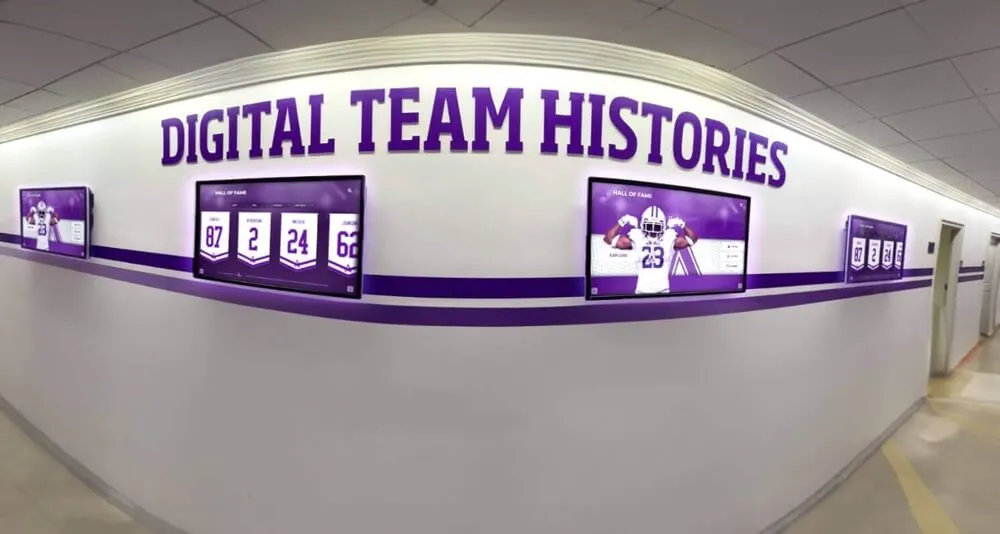
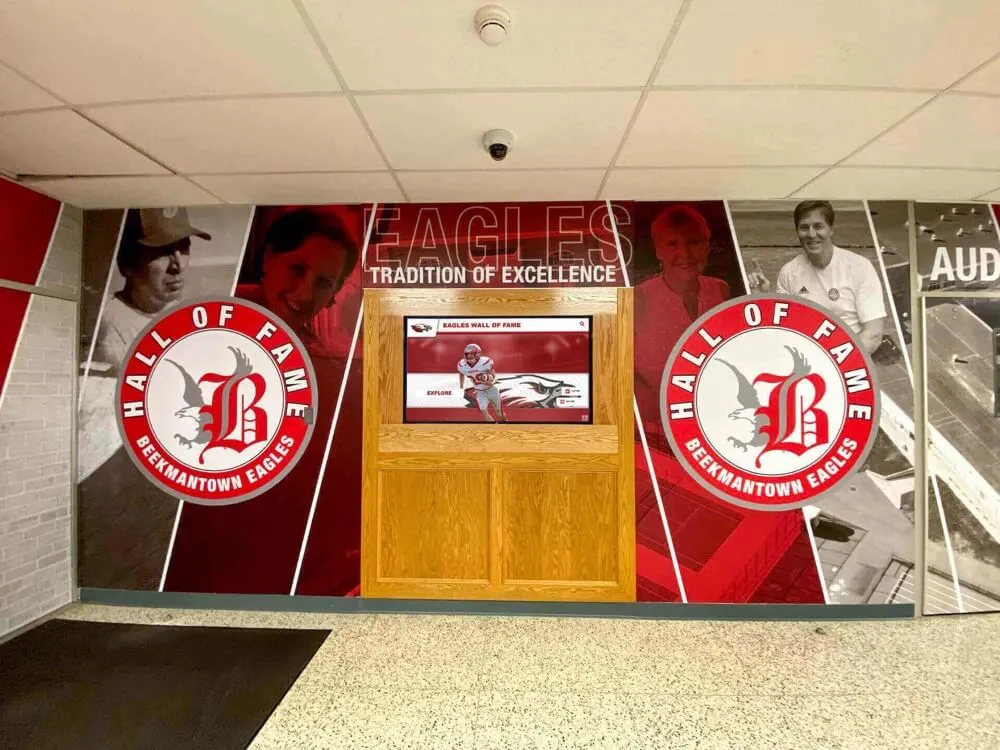
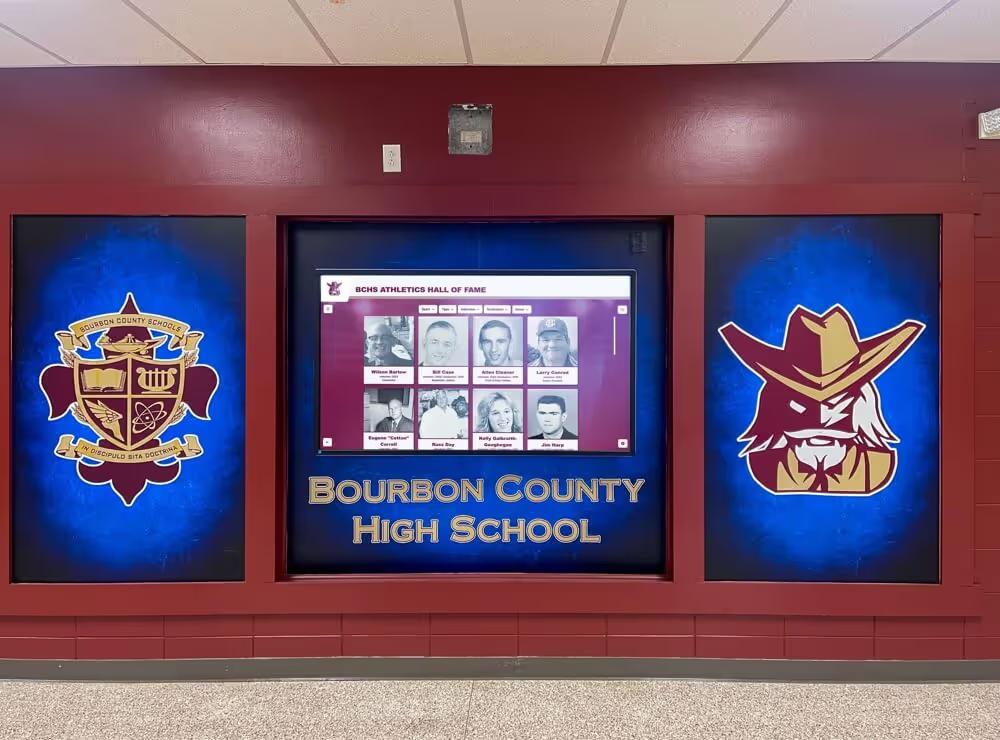
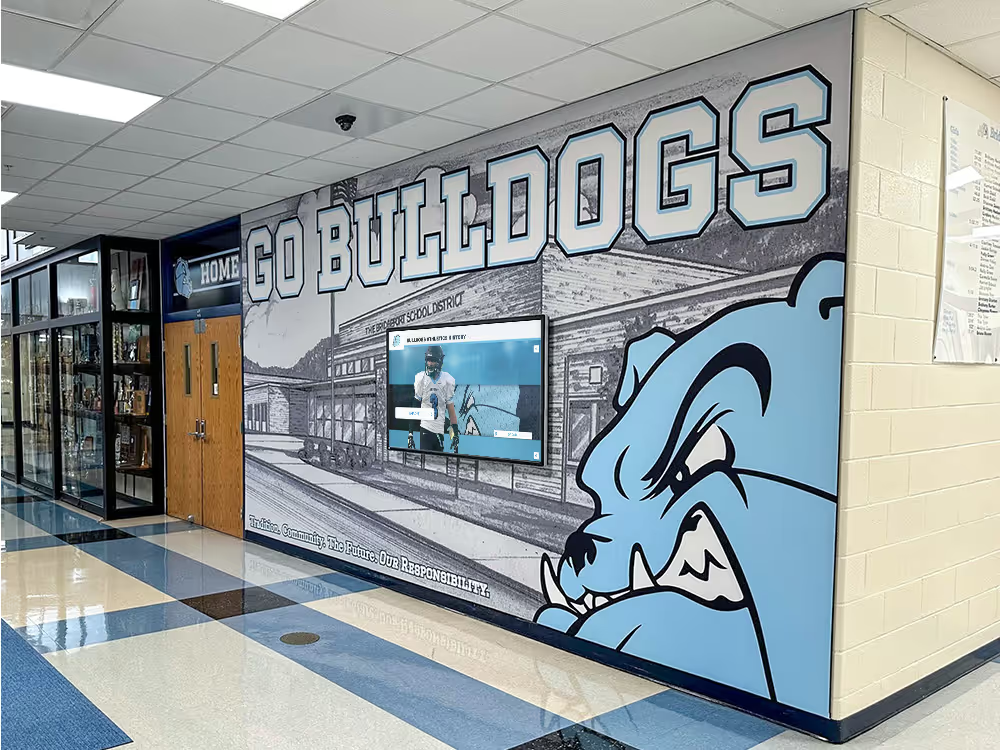
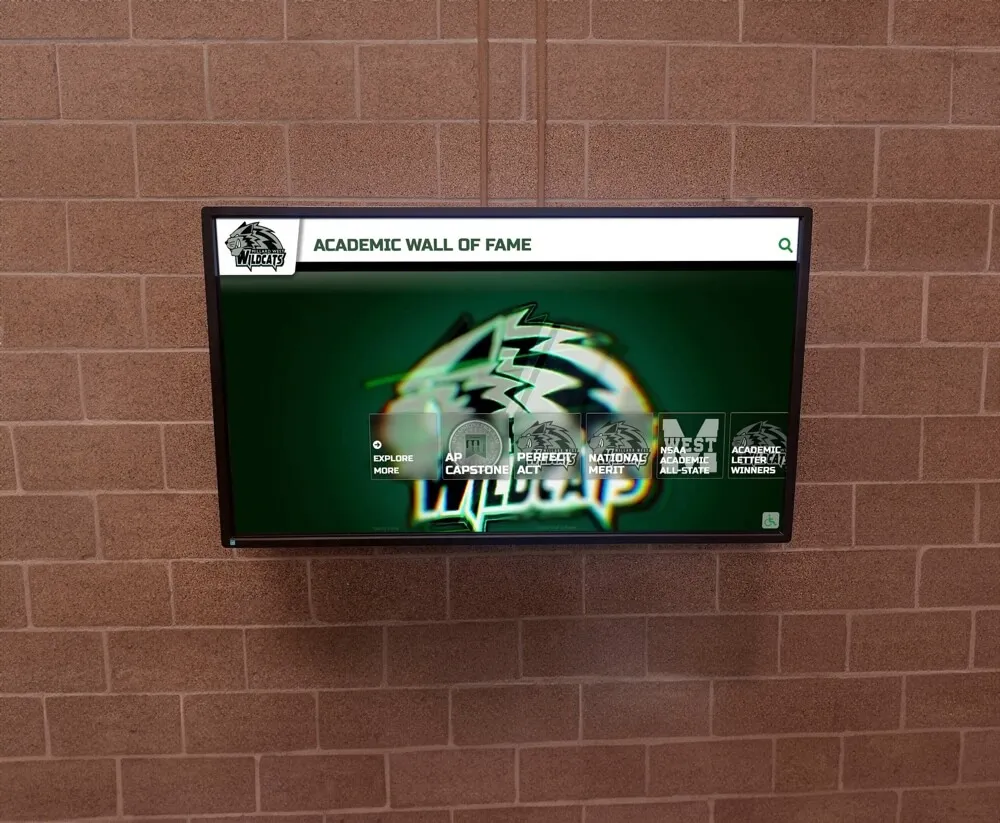
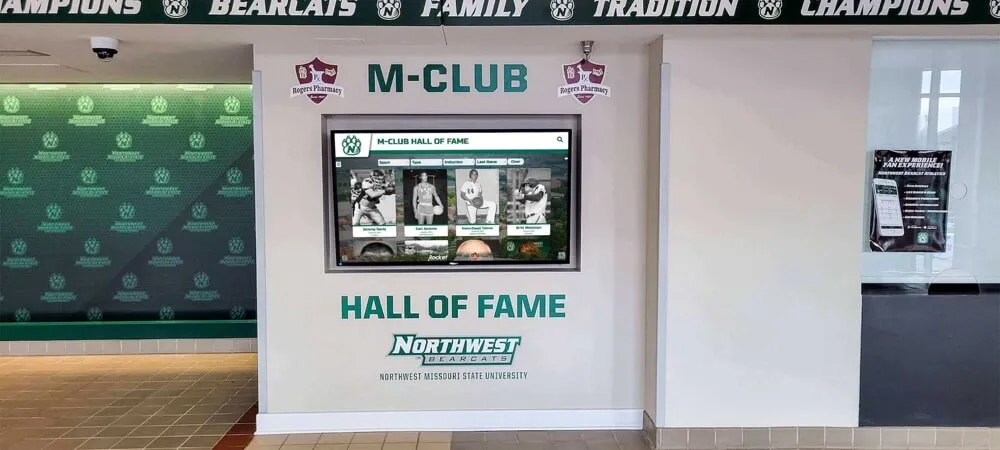
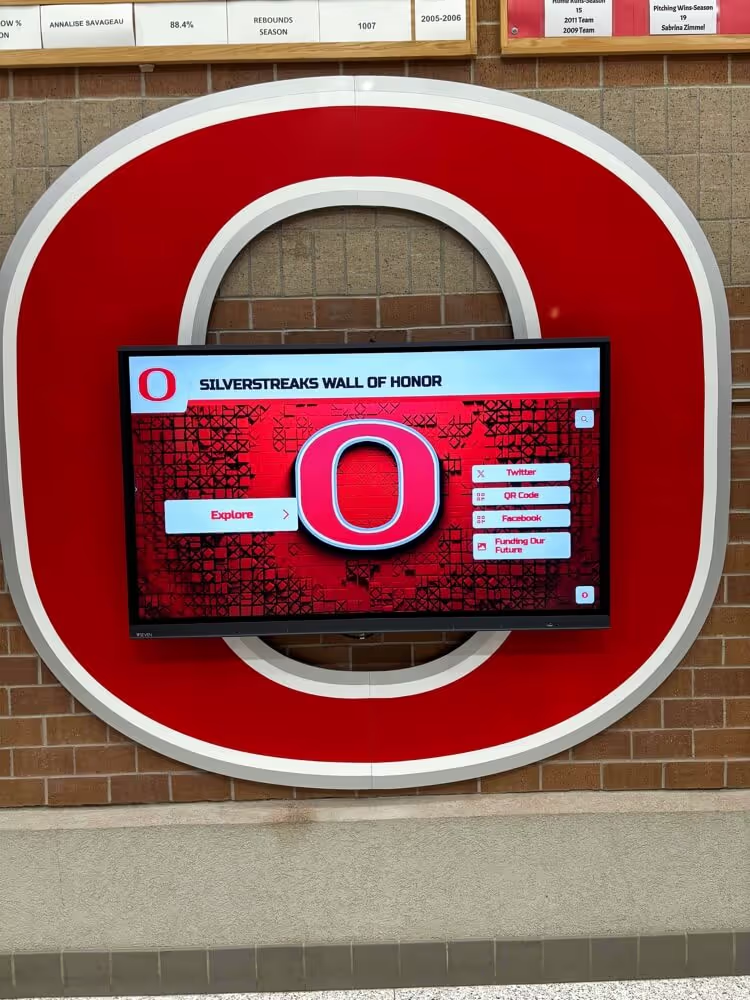
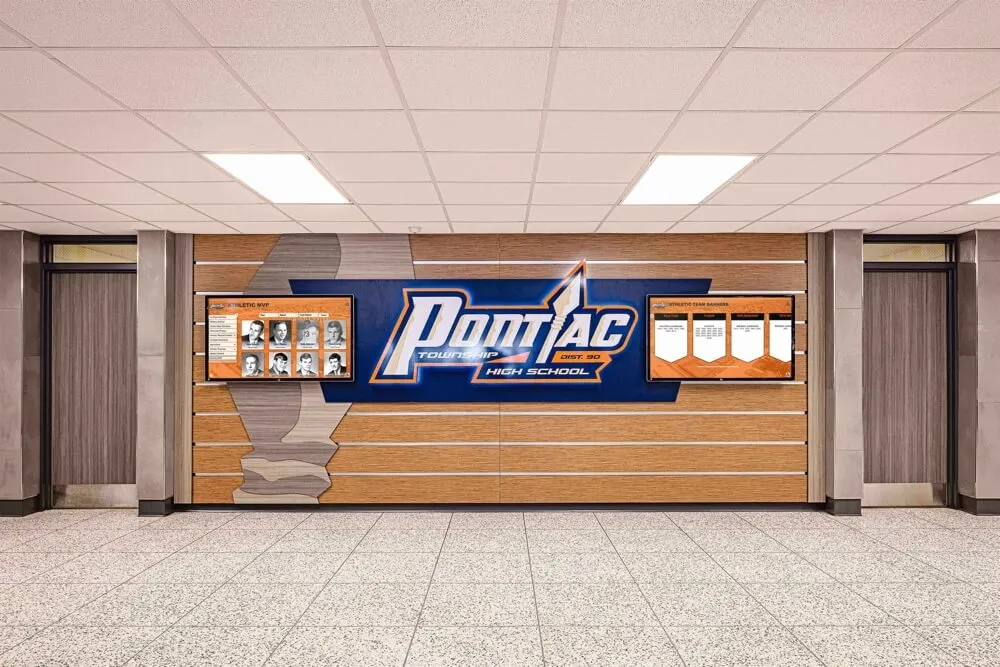
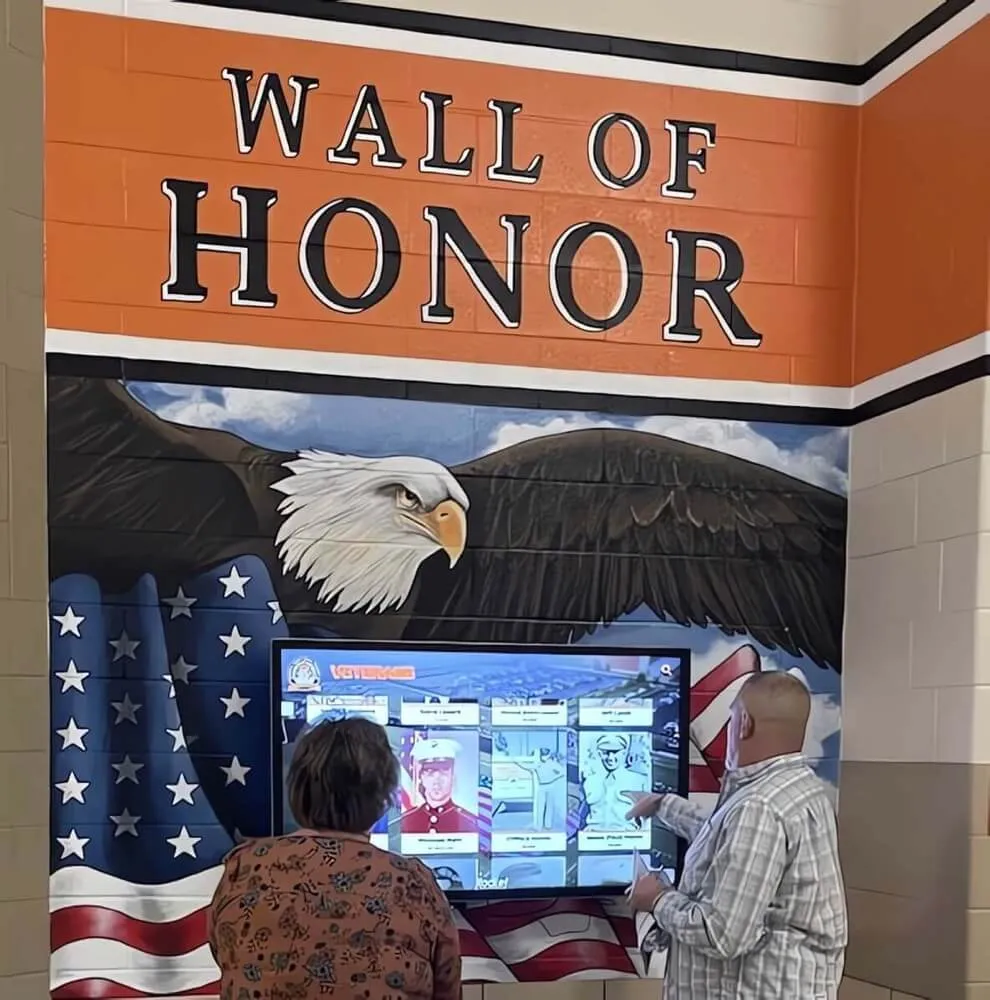
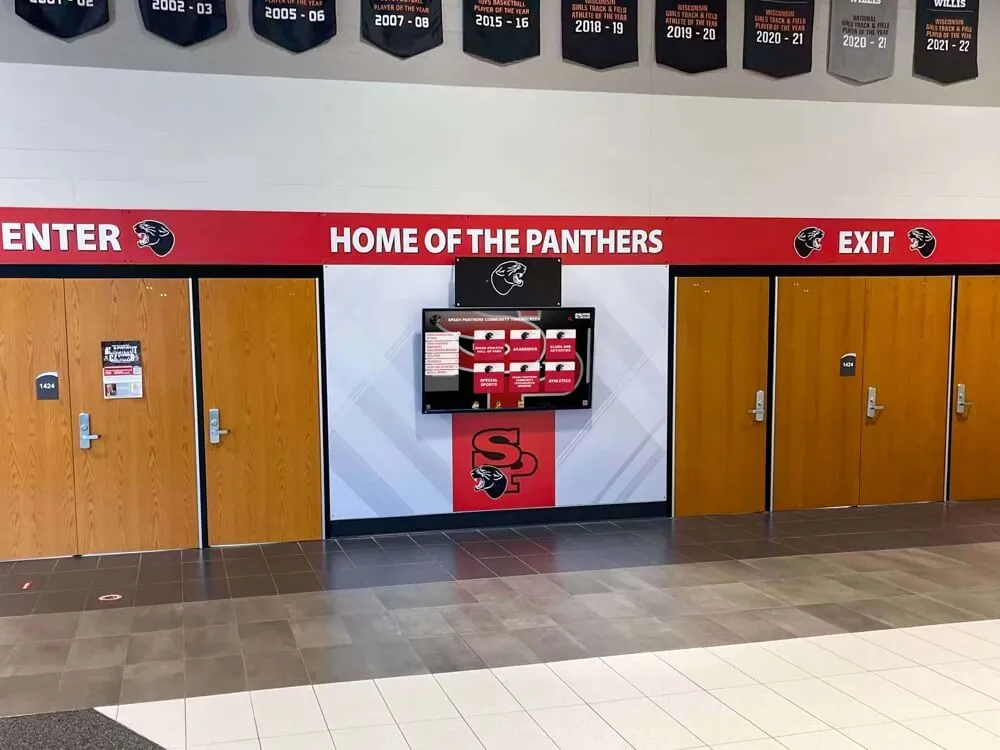
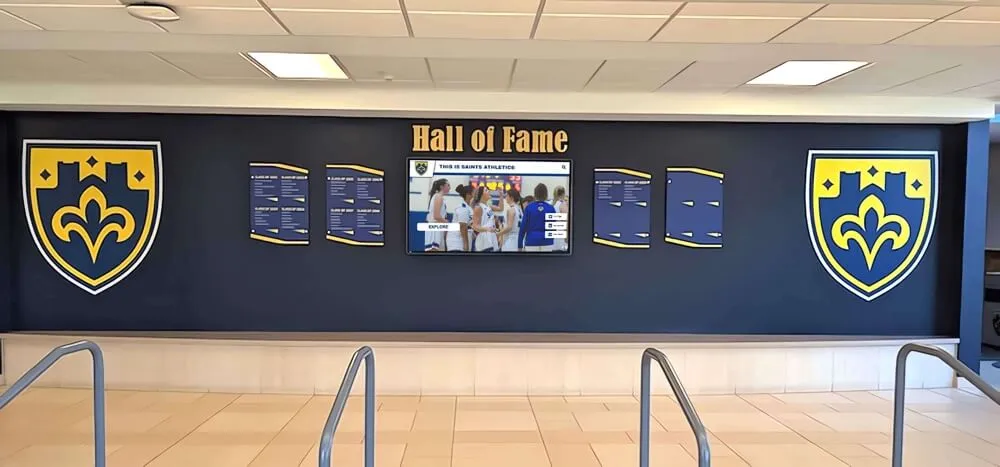
For schools using digital recognition platforms, the update process is considerably faster. Remote content management systems allow athletic directors to add, modify, or correct athlete entries immediately following a final appeal decision—without fabrication lead times, engraving delays, or facilities coordination. This speed matters: an athlete who wins an appeal and receives a final decision on a Friday should not wait weeks for their name to appear on a recognition wall.
Rocket Alumni Solutions provides digital wall of fame systems used by more than 600 institutions, built around a cloud-based CMS that lets athletic staff update recognition records from anywhere—immediately after an appeal resolution, a record-breaking performance, or a corrected rubric calculation. The platform’s unlimited capacity means appeal-eligible athletes added to recognition displays never compete with existing honorees for finite wall space, and every update carries an automatic timestamp and user attribution that creates an audit trail physical displays cannot provide.
Fairness Across All Award Categories
Athletic appeal processes are most commonly associated with eligibility disputes and post-season award selections, but the same framework applies across the full spectrum of school recognition—academic honors, community service recognition, co-curricular awards, and arts achievement programs.
Co-curricular recognition programs like FBLA, student government, and academic honor societies face the same governance needs as athletic programs. The FBLA awards and digital display guide illustrates how recognition programs across different school activities share common structural requirements—documented criteria, transparent selection, and a clear pathway for review when decisions are disputed.
Academic honors use primarily numerical criteria that make appeals more straightforward when they arise. Programs recognizing Latin honors levels like magna cum laude apply GPA thresholds that are verifiable from registrar records, so the appeal question becomes “was the GPA calculated correctly?” rather than “was the judgment fair?” Athletic awards involve more judgment-based dimensions—leadership, commitment, sportsmanship—which is precisely why the appeal process requires greater structural rigor and documentation depth than academic honors reviews.
Community service recognition programs, including those that honor volunteer contributions through activities like National Volunteer Month recognition, similarly benefit from documented eligibility criteria and a clear review process when a student’s service hours or contributions are disputed before an award is presented.
Research on institutional recognition programs consistently shows that fairness of process matters as much as the award itself. Studies of employee and organization recognition programs find that participants who understand and trust the selection process report higher engagement and organizational loyalty than those who received an equivalent award through an opaque process. The same principle applies in school athletic programs: athletes who understand how selection decisions are made—and who know how to challenge decisions they believe are wrong—are more likely to trust the recognition they ultimately receive.
Schools that extend this governance model to community-facing recognition environments, such as donor walls and community showcase projects, benefit from applying consistent documentation and review standards across all forms of institutional recognition, not only athletics.
After the Appeal: Recognition That Lasts
A resolved appeal—whether the original decision is affirmed or modified—creates an opportunity to reinforce what the recognition program stands for. An athlete whose appeal is upheld and who is subsequently added to a display wall has a meaningful story behind that recognition: the process worked, the criteria were applied correctly on second review, and the institution stood behind fair governance.
When athletes are ultimately recognized following a successful appeal, the formal recognition moment carries particular meaning. Preparing for that recognition—including award acceptance remarks that acknowledge coaches and community—connects the administrative process to the human experience of being seen and honored for achievement.
For athletic departments building comprehensive recognition archives, appeal records belong in the same governance file as original rubric scores and selection meeting minutes. This documentation supports decisions made years later: graduation-level honors awarded retroactively, hall of fame induction reviews from prior decades, and any audit of how the program selected its honorees across different seasons and administrations. Documented appeals are not a liability—they are evidence that the program took its own criteria seriously.

Digital recognition systems make post-appeal record corrections immediate and auditable—updates appear in real time without the engraving delays or facilities coordination required by physical display systems
FAQ: Athletic Awards Appeal Process
What is an athletic awards appeal process?
An athletic awards appeal process is a formal, documented procedure that allows athletes, families, or coaches to request a review of a recognition decision—such as letter award eligibility, MVP selection, display inclusion, or hall of fame consideration. A written appeal policy defines who can file, the deadline for filing, what documentation is required, who reviews the appeal at each stage, and what constitutes a final decision.
How long should an athletic awards appeal window be?
A 14-calendar-day appeal window from the date the original decision is communicated in writing is a widely used standard. This window gives families adequate time to gather supporting documentation while keeping resolution timelines manageable. The window should begin from the date of formal written notification—not from the awards ceremony date.
Who should have final authority over an athletic awards appeal?
Final authority depends on the award category. For most end-of-season awards and letter award eligibility, the athletic director is the final program-level authority. For permanent display eligibility, a recognition committee provides an additional level of review. For hall of fame induction appeals, the principal or superintendent may serve as the final authority. The key is that final authority is defined in writing before any appeal is filed.
What evidence can a family submit in an athletic awards appeal?
Acceptable evidence includes attendance records, academic standing verification, conduct documentation, statistical records, and materials showing that the rubric was incorrectly applied or that relevant information was not considered. Evidence should be referenced in the initial appeal filing—late-submitted materials not mentioned in the original filing may be excluded at later review stages.
Does a successful appeal result in an athlete being added to a permanent display?
If an appeal reverses a display eligibility determination, the athletic department should update physical and digital recognition records within a defined timeframe—10 business days is a common standard. Digital recognition systems allow immediate CMS updates, while physical trophy cases require facilities coordination and may involve fabrication lead times of several additional weeks.
Building an Appeal Process That Strengthens Your Program
A well-designed athletic awards appeal process does not signal distrust in coaching staff—it signals confidence in the program’s documented criteria. When athletes and families know that any decision can be reviewed against published standards, those standards carry more institutional weight. Coaches who apply rubrics consistently have nothing to fear from transparent review; and programs that have survived scrutiny earn a credibility that informal selection never can.
Recognition programs that invest in governance infrastructure—written criteria, documented evaluations, structured appeal workflows, and auditable display records—build the institutional trust that connects current athletes to their predecessors and creates alumni loyalty that endures long after the final whistle.
See How Digital Recognition Simplifies Award Management
Rocket Alumni Solutions helps schools manage recognition decisions, display records, and real-time updates across unlimited award categories—so when an appeal modifies a record, it is reflected everywhere within minutes. Trusted by 600+ institutions, fully WCAG 2.1 AA compliant, and accessible on any device via QR code.
Request a Custom Demo