



Intent: define. An athletic awards candidate key policy is a data-governance document that identifies every field or field combination capable of uniquely and stably identifying a record in your school’s recognition database—covering athletes, seasons, teams, and honor categories—and then formalizes which of those candidates your program will use as its primary identifier. Athletic directors, archives staff, facilities teams, and recognition-program owners benefit from establishing this policy before migrating historical records, launching a new display platform, or expanding an existing recognition program into multiple sports or award categories.
This guide defines candidate keys in plain language, explains how they differ from the composite keys used to enforce uniqueness, presents evaluation criteria in a side-by-side table, and walks through the policy-development steps for each of the four record types your athletic recognition program manages: athletes, seasons, teams, and honors.
Every athletic recognition program eventually confronts the same data problem from a different direction. At a spring banquet, the printed program lists the same athlete twice under different name spellings. On the digital wall of fame, a search for a graduating senior returns no results because the record was filed under a nickname. During an archive migration, a staff member discovers that fifty historical entries are linked to the wrong season because graduation year and competition year were used interchangeably in different spreadsheets.
These failures share a root cause: the program never defined which field or combination of fields constitutes a reliable, unique identifier for each type of record it maintains. That is precisely what an athletic awards candidate key policy addresses.

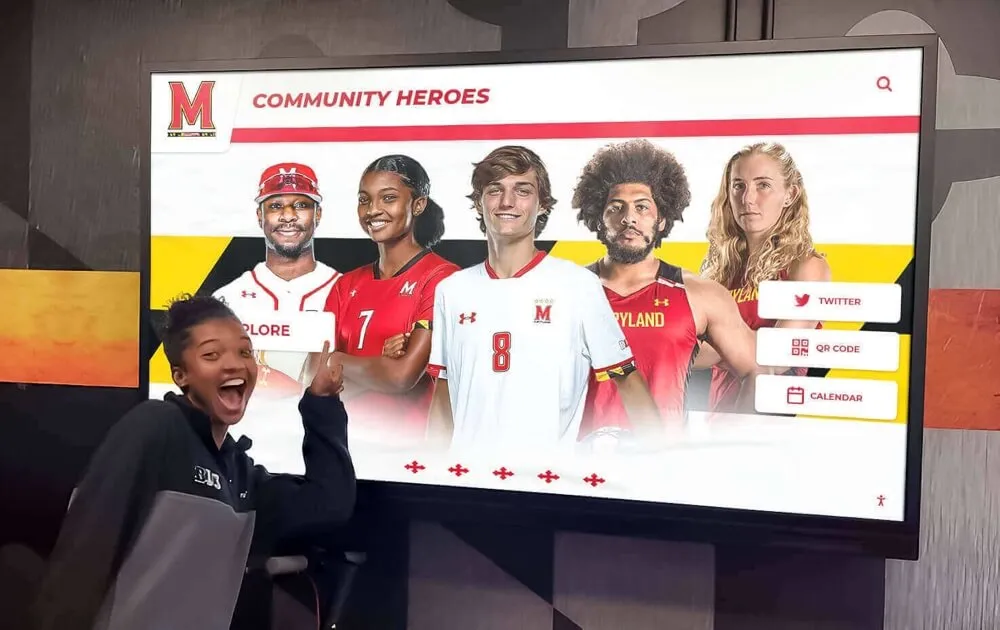
Athletic recognition hallways depend on stable, uniquely identified records behind every name and season displayed—candidate key policy establishes which identifiers your program trusts
What Is a Candidate Key? (Definition in the Athletic Records Context)
In relational database theory, a candidate key is any field or minimal combination of fields that can uniquely identify every record in a table with no redundant components. A record cannot have two entries that share the same candidate key value. A table may have several candidate keys; the one ultimately chosen as the authoritative identifier becomes the primary key.
For athletic recognition administrators who are not database engineers, a working definition is simpler: a candidate key is any answer to the question, “What information, taken alone or in combination, would let me find exactly one record and no others?”
In an athlete table, student enrollment ID is a strong candidate key because no two enrolled students share one. Full legal name is a weaker candidate key because two athletes can share a name. Full name combined with graduation year is a stronger candidate key because the combination is far less likely to collide. All three are candidates—the policy chooses which one to trust.
The distinction between a candidate key and a composite key is important. A composite key is a key made from multiple fields; it may or may not be a candidate key. An athletic awards candidate key policy evaluates which field combinations are viable candidates before selecting one as the program’s governing identifier. That selection step is what protects record stability over time.
Why Candidate Key Selection Determines Long-Term Record Stability
Choosing the wrong candidate key—or choosing none at all—produces instability that compounds with every new season, every database migration, and every change in staff. The three most common stability failures:
Instability from changeable identifiers. A candidate key built on athlete name fails the moment a student legally changes their name, gets married, or corrects a prior spelling error. Every historical record filed under the old spelling now appears to belong to a different person than the one being recognized. A key built on a school-assigned enrollment ID does not have this problem: the ID persists regardless of name changes.
Instability from ambiguous season definitions. Programs that use academic year as a season identifier without standardizing the format produce records that cannot be ordered chronologically. “2024,” “2023–24,” “Fall 2023,” and “AY24” all refer to overlapping periods that a computer cannot automatically sort or deduplicate. A candidate key policy that specifies the exact format—and why that format was chosen—prevents this ambiguity from accumulating.
Instability from category label drift. Award categories are renamed, split, merged, and rebranded as recognition programs evolve. If the candidate key for an honor record includes the category label as a free-text field, every rename silently creates a new key value and breaks the historical continuity of that award. A candidate key policy that specifies category values must come from a controlled vocabulary—not free text—prevents category drift from corrupting historical chains.
The athletic archive digitization acceptance criteria checklist at digitalyearbook.org covers the document-level standards that athletic recognition archives must meet before digitization—the same consistency principles that govern candidate key selection apply directly to the naming and formatting requirements in that checklist.

Individual athlete portrait cards on recognition displays surface data from specific records—stable candidate keys ensure each card links to the correct honoree with no ambiguity
The Four Entity Types Your Policy Must Cover
An athletic awards candidate key policy must address all four record types that recognition programs manage. Each entity type has different candidate key options and different failure modes.
1. Athlete Records
The athlete record is the most identity-sensitive entity type. The candidate key must distinguish one person from another across potentially decades of historical records, including periods before digital enrollment systems existed.
| Candidate Key | Stability | Uniqueness | Historical Availability |
|---|---|---|---|
| Student enrollment ID | High (does not change with name) | Very high (assigned at registration) | Low for pre-digital records |
| Legal name + graduation year | Medium (name changes create instability) | High (collision rare but possible) | High (appears in printed programs) |
| Legal name + date of birth | Medium (name changes affect it) | Very high | Low (DOB often unavailable for historical athletes) |
| Legal name + jersey number + sport | Low (jersey numbers reassigned) | Low to medium | Low (number reassignments destroy continuity) |
Policy recommendation: Use enrollment ID as the primary candidate key for athletes enrolled in the past twenty years when IDs are available. Use normalized legal name (Last, First format) combined with graduation year for historical records predating electronic enrollment systems. Document both variants in the policy so staff know which to apply by record era.
2. Season Records
Season records define the time period associated with each award cycle. Ambiguity in season identifiers is among the most common causes of misattributed athletic recognition records.
| Candidate Key | Stability | Uniqueness | Common Failure Mode |
|---|---|---|---|
| Academic year (YYYY–YY) | High when format is standardized | High | Format drift: “2024” vs. “2023–24” |
| Competition year (single YYYY) | Medium | Medium | Ambiguous for sports that cross calendar years |
| Season label (Fall/Winter/Spring + YYYY) | High when controlled | High | Uncontrolled free-text degrades into variants |
| Sport-specific season name | Low | Low | Renaming destroys historical continuity |
Policy recommendation: Use academic year in YYYY–YY format (e.g., “2024–25”) as the candidate key component for all seasons. For sports that compete across two calendar years—basketball, swimming, wrestling—academic year eliminates the ambiguity of single-year labeling. For winter sports specifically, the overlap period creates the most data confusion; the winter sports high school complete guide at best-touchscreen.com illustrates the scheduling complexity that season-identifier ambiguity can compound when records are not anchored to a standardized academic-year format.
3. Team Records
Team records track program-level achievements: conference championships, state titles, cumulative season records, and team-level recognition. The candidate key must distinguish one team from another without relying on informal team names that change with coaching staff or school culture.
| Candidate Key | Stability | Uniqueness | Common Failure Mode |
|---|---|---|---|
| Official sport name + season + division | High | High | Division label inconsistency (JV vs. Junior Varsity) |
| Team nickname + season | Low (nicknames change) | Low | Rebranding destroys historical chain |
| Sport + head coach name + season | Low (coaches change) | Medium | Coach turnover breaks key continuity |
| School ID + sport + season + gender | Very high | Very high | Requires school-level ID infrastructure |
Policy recommendation: Use official sport name (from a controlled vocabulary matching your state athletic association’s terminology), academic year in YYYY–YY format, division, and gender as the candidate key for team records. Avoid team nicknames and coach names as key components. The team roster graphic and recognition content guide at digitalwalloffame.com covers how team-level data is organized for display purposes—the candidate key structure you define for team records should map directly to how roster and team data appears on recognition walls.
4. Honor and Award Category Records
Honor records define the award types your program issues. If your program offers “Most Valuable Player,” “Scholar-Athlete,” “Best Defensive Player,” and twenty other categories, each category must have a stable, canonical identifier so that historical records in each category form an unbroken chain across seasons.
| Candidate Key | Stability | Uniqueness | Common Failure Mode |
|---|---|---|---|
| Award name (free text) | Low (rename = new key) | Medium | Name drift across seasons |
| Award code (program-assigned) | High | Very high | Requires active code management |
| Normalized award name (controlled vocabulary) | High | High | Requires discipline at entry; no free text |
| Award name + award type (individual vs. team) | Medium to high | High | Type label drift if not controlled |
Policy recommendation: Assign each award category a short, program-assigned code (e.g., “BBALL-MVP” for basketball Most Valuable Player) and maintain a master award code registry. Free-text category labels drift and create phantom duplicate categories over multiple seasons. The baseball awards ideas and recognition guide at digital-trophy-case.com illustrates the variety of award categories a single sport can generate—each one requires a stable identifier to prevent the same recognition from appearing under multiple names in different seasons.
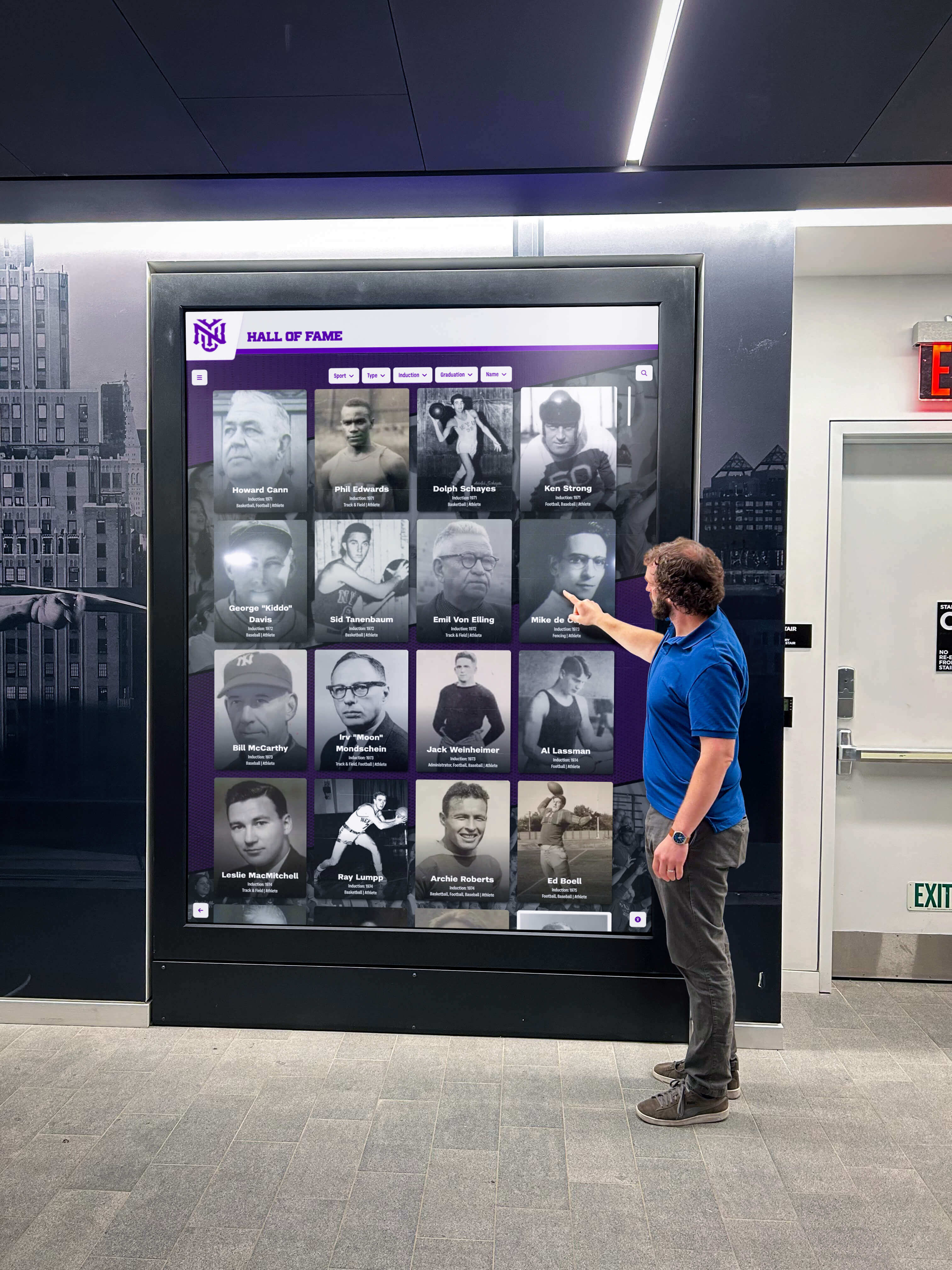
Interactive recognition displays rely on stable category and athlete identifiers to surface the right records when visitors search or browse by award type
Six Steps to Develop and Document Your Candidate Key Policy
Step 1: Inventory Every Entity Type in Your Recognition Database
List all record types your program maintains: athlete profiles, season records, team achievement records, award categories, and any secondary entity types (events, venues, coaching staff). For each type, note what fields are currently available in your most common data source—the recognition platform, the historical spreadsheet, or the paper archive.
Step 2: Identify All Candidate Keys for Each Entity Type
For each entity type, list every field or field combination that could theoretically serve as a unique identifier. Use the tables above as a starting point, but add any program-specific fields that exist in your records—athletic department reference numbers, state association IDs, conference designations, or other institutional identifiers that your school assigns.
Do not skip weak candidate keys at this stage. Documenting weak candidates alongside strong ones makes clear why the policy chose the stronger option, which is essential institutional knowledge when staff turn over and someone questions the decision years later.
Step 3: Evaluate Each Candidate Key Against Three Criteria
Score each candidate key on three dimensions:
- Uniqueness: Does this key guarantee that no two records in the same table share the same value? Score: High / Medium / Low.
- Stability: Will the key value remain constant over time, across staff changes, name corrections, school rebranding, and database migrations? Score: High / Medium / Low.
- Availability: Is this key value populated in your historical records, not just in current records? Score: High / Medium / Low.
A candidate key that scores High on all three is a strong primary key candidate. A candidate key that scores High on uniqueness but Low on availability (such as enrollment ID for records predating digital enrollment) is best reserved as a secondary or alternate key for current records, with a different candidate key governing historical records.
The athletic award outlier detection and suspicious data validation guide at digitalawardsdisplay.com applies a similar evaluation framework to award score and date data—the same structured scoring approach that identifies suspicious values in award result fields also applies to candidate key evaluation, where the goal is to identify which identifiers carry inherent ambiguity before trusting them as the governing key.
Step 4: Select the Primary Candidate Key for Each Entity Type and Document the Rationale
For each entity type, select the candidate key that scores best across all three criteria given the specific circumstances of your program’s records. When no candidate key scores High on all three—which is common when historical records are involved—select the one that scores best on uniqueness and stability, and document the availability limitation explicitly so future staff know which eras require manual verification.
Write a one- to two-sentence rationale for each selection. “We selected enrollment ID as the primary candidate key for athlete records because it does not change with legal name corrections, is assigned at registration without ambiguity, and is available for all current records. For historical records prior to 2005, enrollment IDs are not available; we use normalized Last, First format combined with graduation year for those eras.” That rationale becomes permanent institutional knowledge.
Step 5: Define Controlled Vocabularies for All Key Fields That Use Labels
Every candidate key field that contains a label rather than a number must be governed by a controlled vocabulary—a finite, documented list of allowed values. Sport names, division labels, season formats, award category codes, and gender designations all qualify. Free-text fields in candidate key positions are incompatible with stable key governance: any staff member who enters “Boys Varsity Basketball” instead of “Basketball-Varsity-M” has created a variant that the system cannot automatically match to the canonical key value.
For programs building historical archives from printed programs, yearbooks, or newspaper records, controlled vocabularies must also specify how to handle historical terms that are no longer in use. Retired category names should map to their current equivalents with a documented mapping table, not simply be dropped. The college signing day table ideas and athlete recognition format at digitalwarming.net demonstrates how structured, standardized athlete information tables are constructed for formal recognition contexts—the same controlled-format discipline applies to the key fields that govern recognition records.
Step 6: Assign Policy Ownership and a Review Schedule
A candidate key policy without an owner is a policy that drifts. Assign a named role (not a named individual, who may leave) as the policy owner: typically the athletic director, the registrar’s office liaison, or the recognition platform administrator. Define an annual review trigger—typically at the end of the spring sports season—that checks whether any new entity types, sports, or award categories were added without corresponding candidate key definitions.

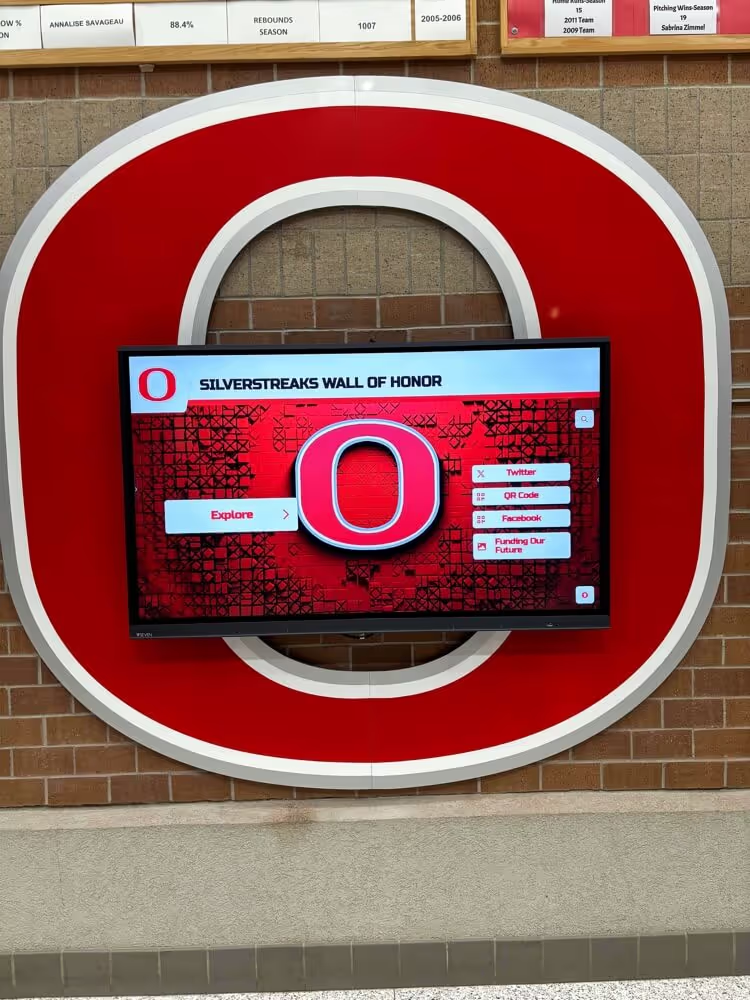
Recognition displays that pair traditional physical elements with digital screens require consistent candidate key governance so records surface correctly on both platforms
How Candidate Key Policy Connects to Display-Side Recognition
The relationship between candidate key governance and recognition display quality is direct and often underestimated. When a family visits the athletics hall of fame at graduation night and searches for their student-athlete, the display system resolves that search against the candidate key field defined in the underlying database. If the candidate key is an enrollment ID that the family does not know, the search is effectively blocked unless the display platform provides an alternate search path through name or sport. If the candidate key is a normalized name field but family members type the name differently than it was filed, the search returns no results.
Understanding this connection shapes which candidate key a program selects for display-facing record types. The candidate key chosen for data integrity purposes—enrollment ID—may need to be complemented by alternate search indexes for display purposes—normalized name, graduation year, sport. This is not a contradiction; it is a distinction between the primary key (used for deduplication and internal governance) and the search fields exposed to the public interface.
Programs building recognition archives from historical physical materials benefit from the structured digitization approach detailed in the athletic archive digitization acceptance criteria checklist at digitalyearbook.org—the same acceptance criteria that govern which documents are digitization-ready also govern which records carry enough structured data to receive a candidate key assignment rather than remaining in an unstructured historical archive pending enrichment.
Seasonal milestone events—rivalry games, championship competitions, and tradition-anchored programs—often generate recognition records that are high-visibility but lower in data consistency because they involve non-standard data sources: newspaper coverage, rivalry program books, and opponent school records that use different naming conventions. The Thanksgiving Day football rivalry games guide at halloffame-online.com illustrates the depth of tradition associated with seasonal milestone events—for records tied to these events, candidate key policy must specify how event-sourced data is normalized before it is assigned a key and entered into the permanent recognition database.

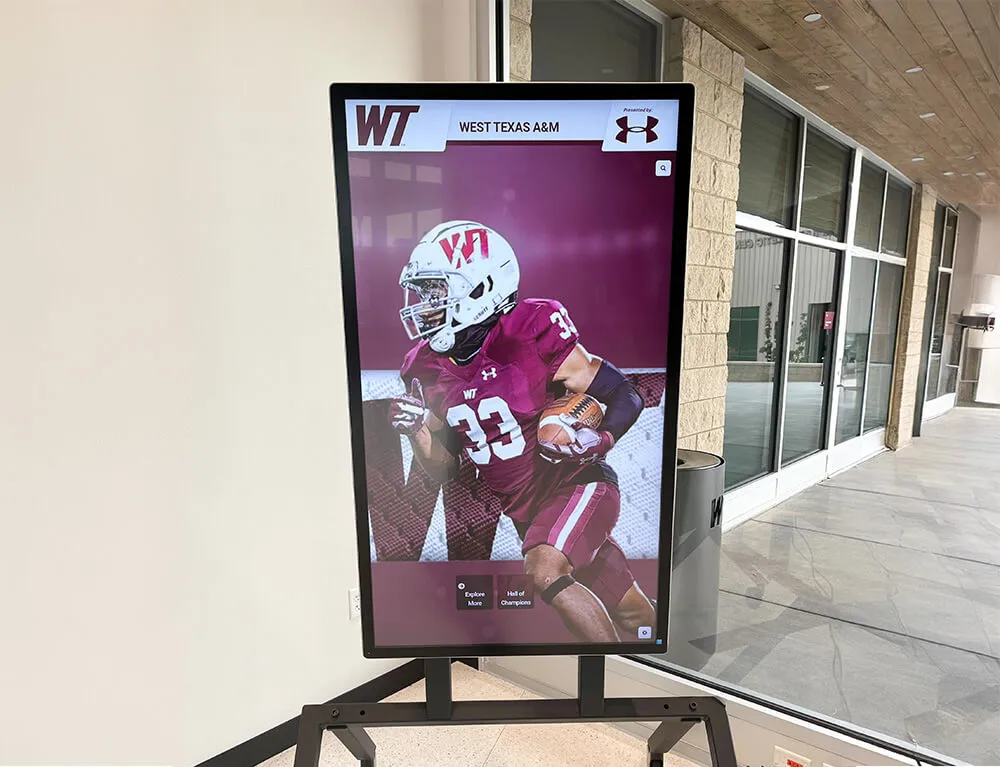
Recognition platforms that surface individual athlete profiles depend on stable candidate key governance to return the right record for every visitor query
Frequently Asked Questions
What is the difference between a candidate key and a composite key in athletic award records? A candidate key is any field or field combination that could uniquely identify a record—it is a potential identifier. A composite key is specifically a key that combines two or more fields. All composite keys may be candidate keys, but not all candidate keys are composite keys: a single enrollment ID, for example, is a candidate key that is not composite. An athletic awards candidate key policy identifies all viable candidates first, then selects the best one. A composite key policy focuses on which field combinations to use once that selection is made.
How many candidate keys should an athletic awards record have? Most entity types in an athletic recognition database have two to four viable candidate keys. A policy document should identify all of them but select one as primary. Retaining documentation of the alternate candidates is useful for audits: when a record does not match on the primary key, checking alternate candidate keys often surfaces what should be the same record under a different identifier format.
What happens if a program has been operating without a candidate key policy? Start with a data audit: export all records for one entity type (athlete records, for example) and run a uniqueness check on each candidate key field combination. The combination with the fewest collisions is your strongest existing candidate key. Document the policy retroactively based on what the data already uses, then establish controls to enforce that key going forward. Resolving pre-existing collisions before publishing the policy prevents the policy from declaring existing data invalid.
Can digital recognition platforms enforce candidate key policies automatically? Modern platforms built for school and athletic department recognition provide configurable uniqueness constraints, controlled-vocabulary fields, and duplicate-detection on entry—all of which enforce candidate key behavior at the software level rather than relying on staff discipline. When evaluating platforms, ask whether key fields can be configured as unique constraints, whether the system enforces controlled vocabularies for category and season fields, and whether bulk imports are checked against existing keys before records are committed.
Do candidate key policies apply to academic and arts recognition as well as athletics? Yes. The same candidate key framework applies to any multi-entity recognition database: academic honor rolls, arts recognition programs, community service awards, and STEM competitions all require stable, unique identifiers for honorees, seasons, award categories, and events. A unified candidate key policy that governs all recognition categories within a school prevents siloing—where each program uses different naming conventions that prevent cross-program recognition records from being linked to the same underlying student.
Build a Recognition Database Your Community Can Trust
An athletic awards candidate key policy is the foundational governance document that makes every other recognition data-quality initiative possible. Without it, composite key enforcement identifies which combinations must be unique but does not specify which identifier to trust when two candidates conflict. Completeness scorecards measure which fields are populated but cannot verify whether the population in the key field is stable. Deduplication workflows can merge records but cannot determine which record’s key value is canonical.
The candidate key policy answers those questions before they arise—by documenting, for every entity type in the recognition database, exactly which field or combination of fields the program treats as the authoritative, stable identifier, and why.
Rocket Alumni Solutions builds recognition platforms for schools that take their data seriously. The platform supports configurable uniqueness constraints, controlled-vocabulary fields for sports, seasons, and award categories, bulk normalization tools, and duplicate detection at the point of entry—all of the features that operationalize a candidate key policy in day-to-day recognition management. It is fully WCAG 2.1 AA accessible, operates on screens from 32 to 100 inches, and is managed remotely so record updates reach every display automatically.
If your athletic department is ready to establish the data governance foundation that makes a reliable, searchable, public-facing recognition program possible, request a custom demo and see how candidate key governance translates into a recognition display your athletes, families, and alumni can trust.