



Intent: define. An athletic awards database logical replication policy is a governance document that specifies which tables in a recognition database are published to one or more subscriber instances, what acceptable publication lag applies to each data category, how schema changes are coordinated across publisher and subscriber without breaking replication, how replication health is monitored between seasonal import cycles, and what recovery steps restore a subscriber to a consistent read-copy state when replication stalls or falls behind.
This guide explains what logical replication is, why athletic recognition databases need a written policy rather than ad hoc configuration, how to define lag targets for each award data category, how to handle schema changes safely, and how to verify replication health before a public display goes live with new season records. The eight-step policy framework applies to any PostgreSQL-based athletic recognition database, from a single-school archive to a multi-campus system serving a network of hallway kiosks and public web portals.
Schools that operate interactive award displays—hallway kiosks, lobby touchscreens, and public-facing recognition portals—face a resource conflict at peak recognition periods. The same database that receives a large season-end import is also serving live read queries from every display in the building. An athletic awards database logical replication policy resolves this conflict by maintaining one or more read-only subscriber instances that serve display queries while the primary database absorbs the import writes uncontested.
PostgreSQL logical replication uses a publish/subscribe model. The primary database acts as a publisher, streaming row-level changes from designated tables to subscriber databases that maintain their own copies of the replicated data. Subscribers serve read queries without competing with write traffic on the primary—making them well suited for display kiosks, reporting dashboards, and public recognition portals that must remain fast and available during season-end import windows. A written policy transforms that configuration into a governed, documented, and recoverable system.
Without a policy, replication tends to replicate everything or nothing, lag thresholds are discovered only when a display kiosk shows stale inductee data during an alumni event, and schema changes cause replication errors that no one has a documented procedure to resolve. The steps below eliminate each of those failure modes before they reach a public display.

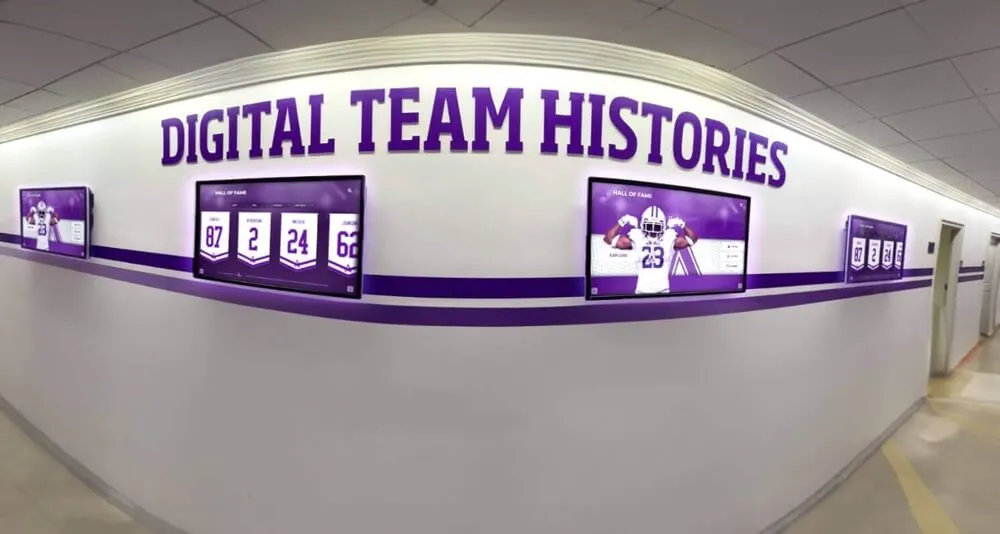
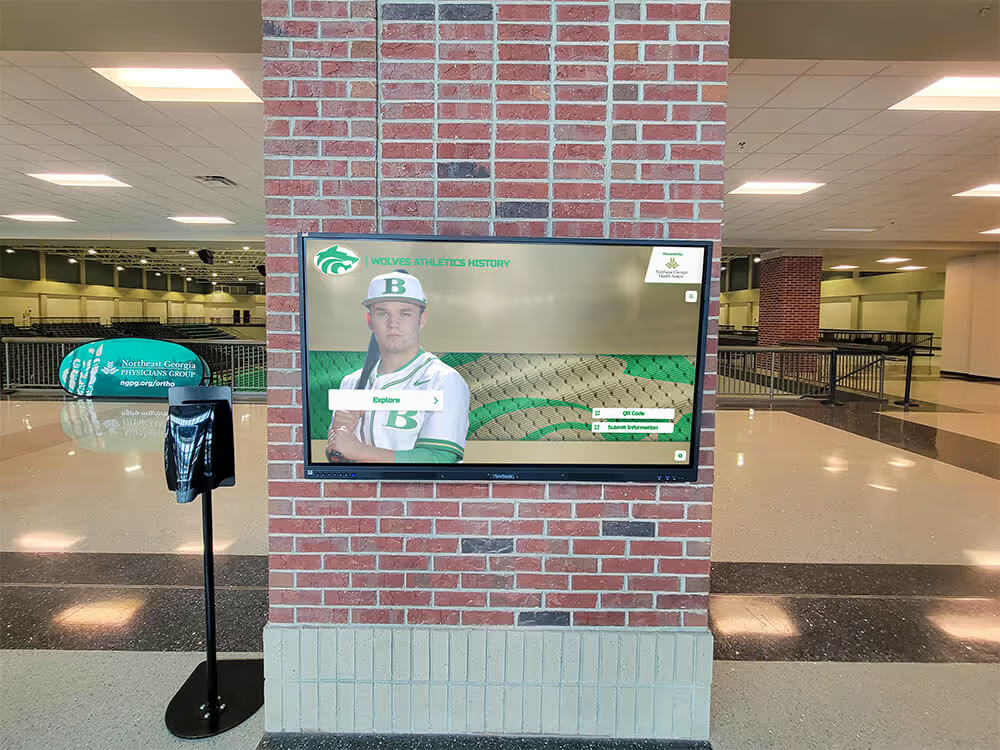
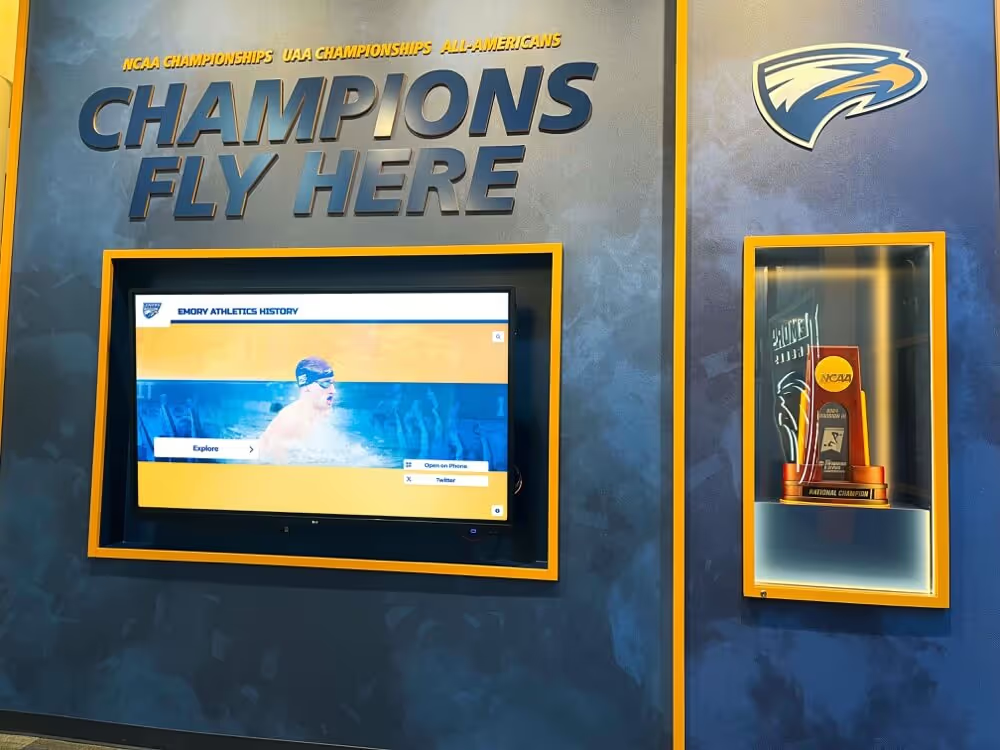
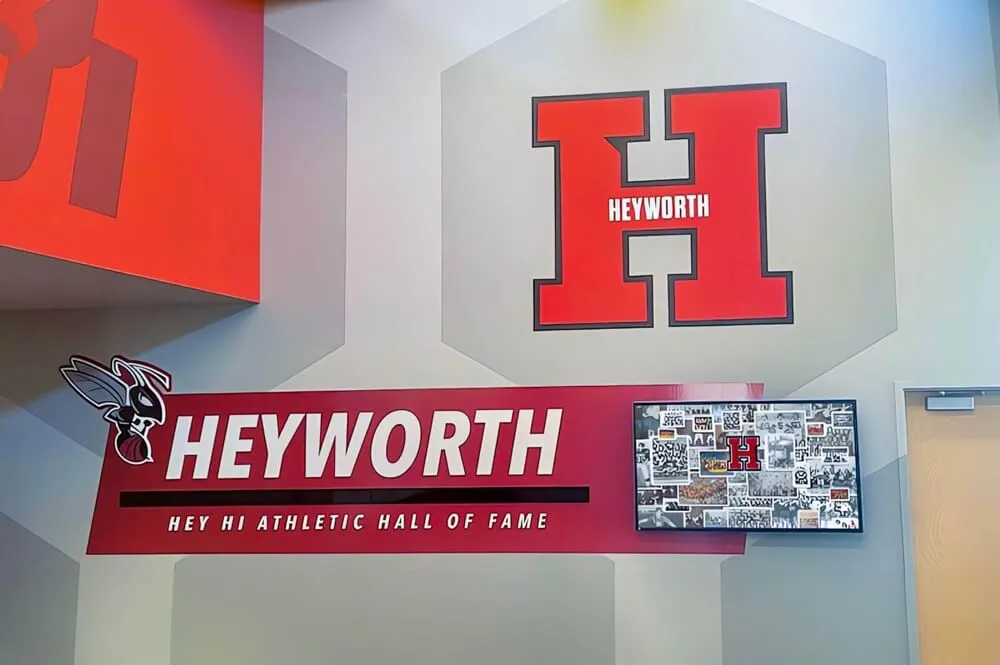
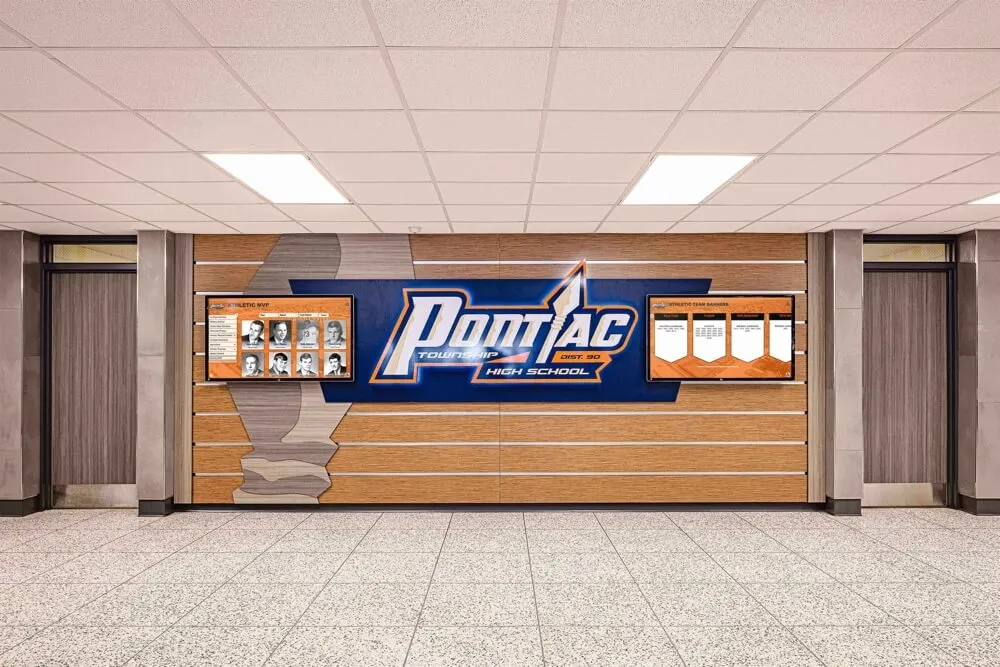
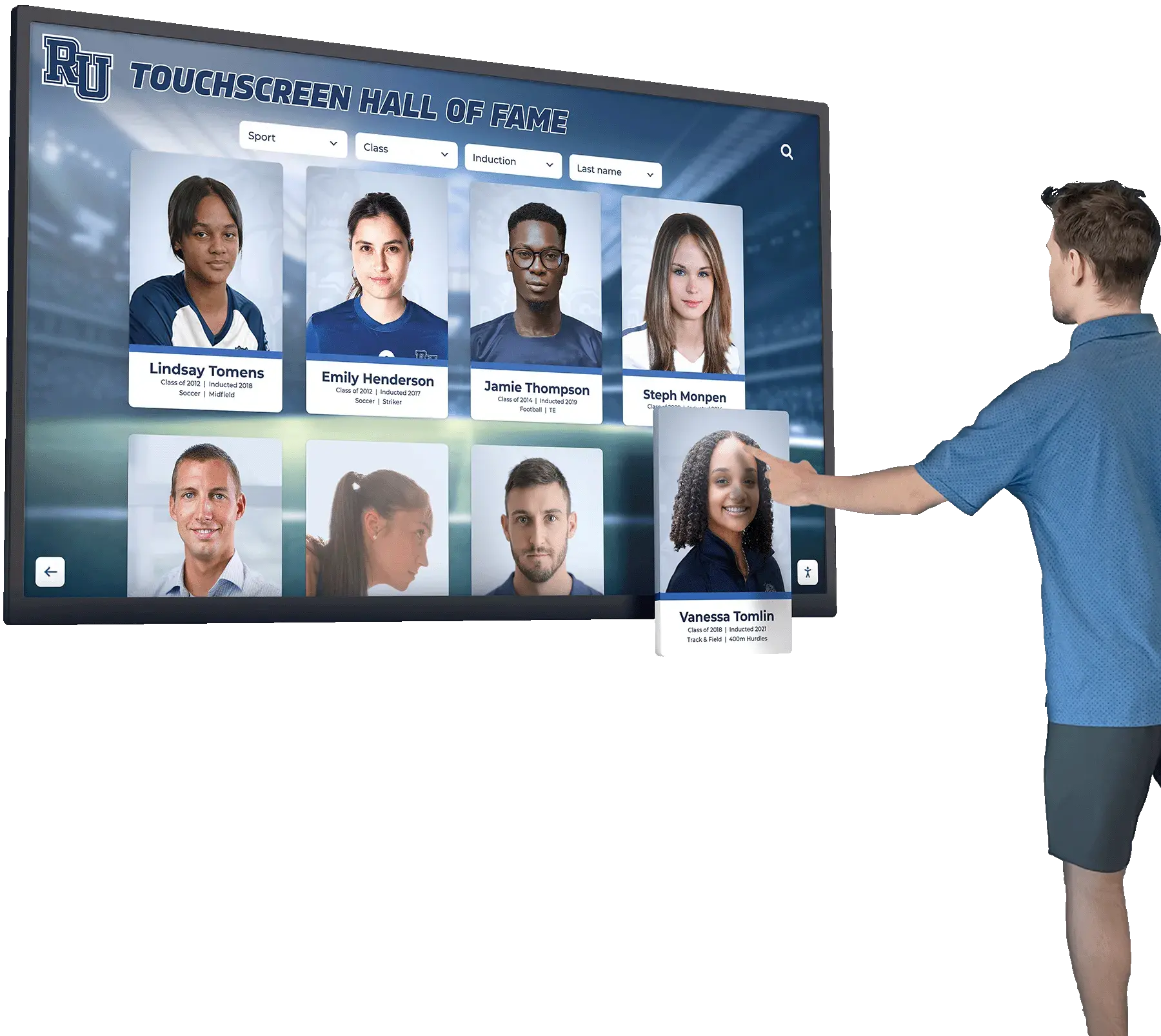
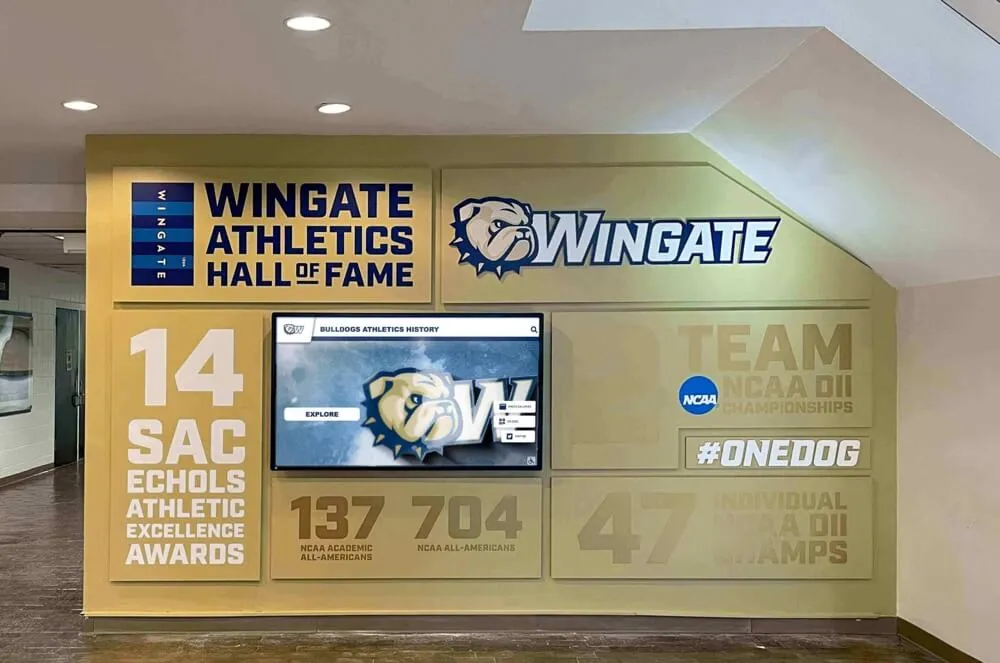
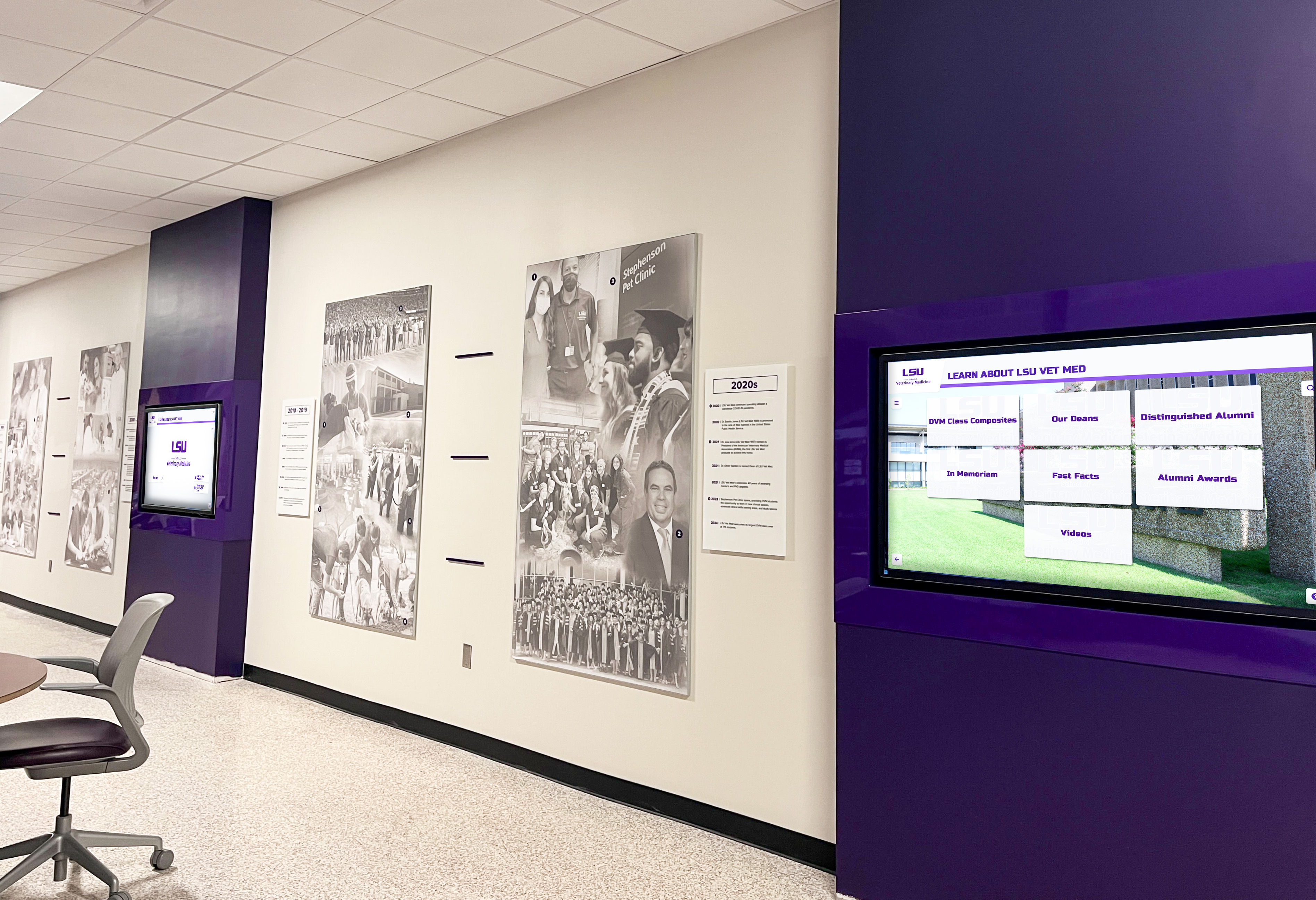
Hallway digital recognition displays that surface award data in real time depend on subscriber databases maintaining current read copies — a logical replication policy defines how current those copies must be and what happens when they fall behind
What Is Logical Replication and Why Athletic Award Databases Need a Written Policy
PostgreSQL logical replication copies row-level changes from a publisher database to one or more subscriber databases using the Write-Ahead Log (WAL) as its source. Unlike streaming replication—which copies the entire database cluster byte for byte and requires identical PostgreSQL versions—logical replication is selective: it replicates only the tables included in a named publication, and it can replicate to a subscriber running a different minor PostgreSQL version or hosting a different index arrangement.
This selectivity makes logical replication well suited for recognition databases that contain distinct data categories with different display requirements:
- High-priority tables:
awards,athletes,nominations— tables that feed public-facing display queries and must be replicated with low lag - Lower-priority tables:
sportsandaward_types— reference tables that change rarely and can tolerate longer lag without affecting display accuracy - Excluded tables: draft records, pending nominations, and unpublished approvals that must not appear on public displays until formally released
A written policy names which tables fall into which category, defines acceptable lag for each, identifies who applies schema changes on the subscriber before they are applied on the primary, and specifies the monitoring queries and alerting thresholds that enforce those definitions operationally.
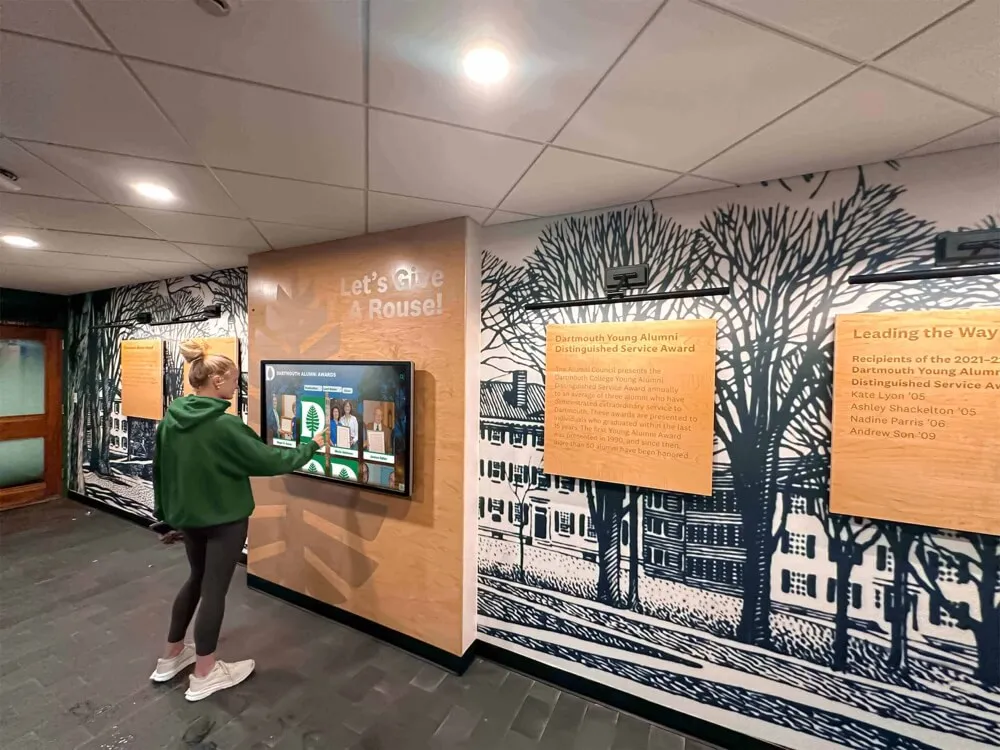
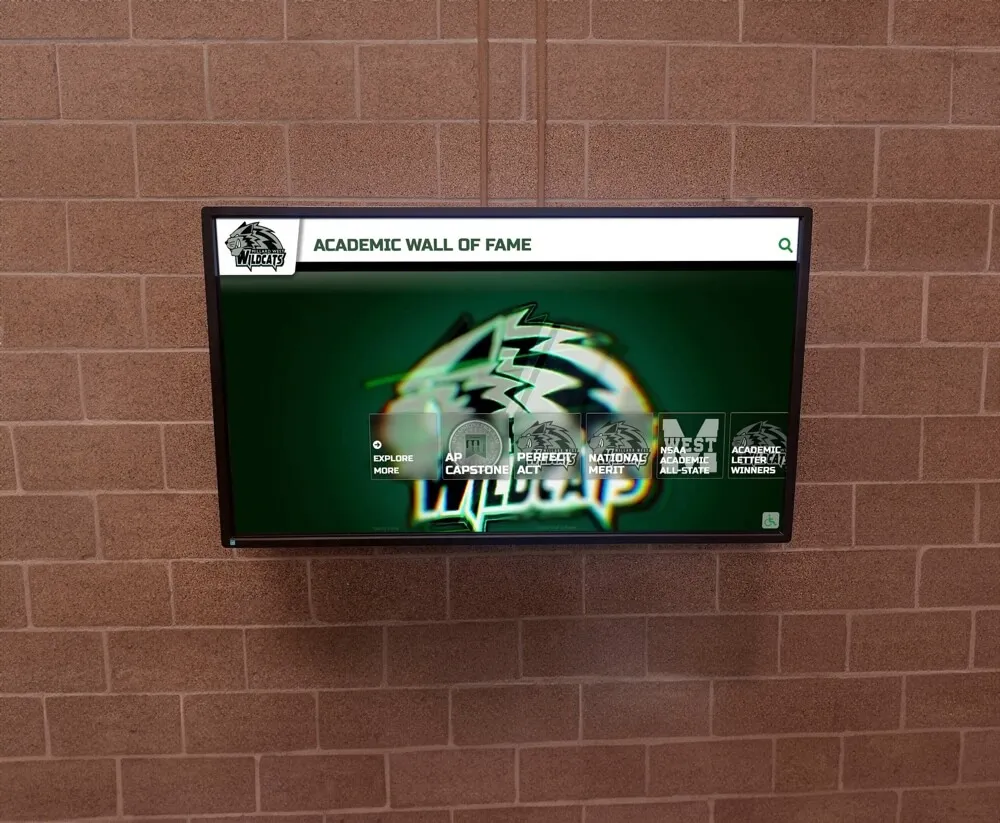
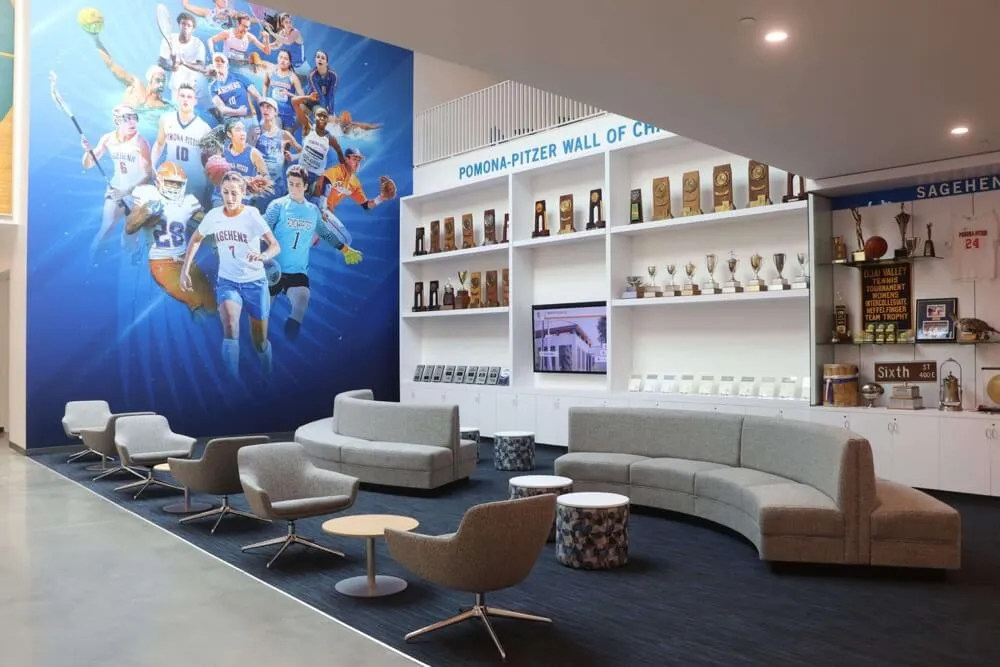
Schools investing in digital awards display solutions for their campuses surface recognition data across a growing range of award categories — each category representing a table or view in the underlying recognition database whose replication lag directly determines how current that display is for visitors and families.
How Logical Replication Serves Athletic Award Read Copies
A standard logical replication setup for an athletic recognition database involves three components on the primary and one on the subscriber:
- A publication — a named database object that lists the tables to be replicated and the DML operations (INSERT, UPDATE, DELETE) to stream
- A replication slot — a WAL retention marker on the primary that ensures WAL records needed by each subscriber are not discarded before the subscriber has consumed them
- A subscription — a connection definition on the subscriber that points to the publisher, names the publication to consume, and maintains its own apply worker process
The subscriber’s apply worker receives WAL events from the publisher and replays them in commit order, maintaining a transactionally consistent copy of the replicated tables. Display queries running on the subscriber read from this copy — they do not touch the primary, which means a large season-end import running on the primary does not compete with kiosk queries for I/O or CPU.
The critical operational difference from streaming replication is that DDL is not replicated. When a schema change is made on the primary — adding a column to awards, altering a data type, or creating a new reference table — the change must be applied manually to the subscriber before the corresponding DML can flow. A policy that does not specify how schema changes are coordinated will encounter apply errors the first time a structural migration arrives from the primary without preparation on the subscriber side.
The rationale for building persistent, long-lived online recognition archives — explored in the online archive planning guide at halloffame-online.com — reflects the same long-term architectural thinking that motivates a logical replication policy: award data accumulates across decades and categories at a pace that eventually requires read copies just to keep the primary responsive during peak periods.
Designing an Athletic Awards Database Logical Replication Policy: Step-by-Step
The following eight steps define a complete logical replication policy for a PostgreSQL-based athletic recognition database. Run them in sequence during a scheduled maintenance window, preferably before the next major seasonal import.
Step 1: Define the publication scope
Identify the tables that power public-facing recognition displays and should appear on every read copy. For most athletic recognition databases the publication scope includes:
awards— the central fact table, one row per award per athlete per seasonathletes— profile data including name, sport, class year, and graduation statussportsandaward_types— reference tables that supply category labels for display queriesnominationsfiltered tostatus = 'approved'— limiting replication to confirmed awards only
Create the publication on the primary:
CREATE PUBLICATION athletic_awards_pub
FOR TABLE awards, athletes, sports, award_types
WITH (publish = 'insert, update, delete');
For nominations, use a row-filtered publication (PostgreSQL 15+) to exclude pending records:
ALTER PUBLICATION athletic_awards_pub
ADD TABLE nominations WHERE (status = 'approved');
Row filters ensure that draft and pending records never appear on public display subscribers regardless of lag — the filter is enforced at the publisher before replication begins.
Step 2: Configure the replication slot
A replication slot on the primary retains WAL until each subscriber confirms it has consumed those records. Create a named slot that the subscriber will reference:
SELECT pg_create_logical_replication_slot('awards_display_slot', 'pgoutput');
Name slots after their subscriber purpose (awards_display_slot, reporting_slot, backup_slot) so that operations staff can identify which slot serves which consumer without consulting a separate registry. Each active subscriber needs its own slot — shared slots are not supported by logical replication.
Step 3: Prepare the subscriber schema
Logical replication does not create tables on the subscriber. The subscriber schema must match the replicated columns before the subscription is created. Export the table definitions from the primary and apply them to the subscriber:
pg_dump --schema-only \
  --table=awards --table=athletes \
  --table=sports --table=award_types --table=nominations \
  -h primary-host -U replication_user awards_db | \
  psql -h replica-host -U db_user awards_replica_db
The subscriber schema needs only the columns included in the publication. It does not need sequences, foreign key constraints that reference tables not in the publication, or indexes that serve write-path operations on the primary. Add only the indexes required for the read queries the display kiosks will run — typically sport, season year, and athlete name.
Step 4: Create the subscription on the subscriber
CREATE SUBSCRIPTION awards_display_sub
CONNECTION 'host=primary-host port=5432 dbname=awards_db
            user=replication_user password=<secret>'
PUBLICATION athletic_awards_pub
WITH (
  slot_name       = 'awards_display_slot',
  copy_data       = true,
  synchronous_commit = off
);
Setting copy_data = true triggers an initial table synchronization that copies all existing rows from the primary before streaming begins. Setting synchronous_commit = off on the subscriber allows the apply worker to commit replicated transactions without waiting for local WAL flush — improving throughput on the subscriber without affecting durability on the primary.
Step 5: Define publication lag targets for each data category
A policy without lag targets is configuration, not governance. Define acceptable lag for each data category based on how stale the corresponding display data can be before it misleads visitors:
| Data Category | Table | Acceptable Lag | Rationale |
|---|---|---|---|
| Active season awards | awards | ≤ 5 minutes | Season-end imports publish new records that visitors expect to see same day |
| Athlete profiles | athletes | ≤ 30 minutes | Name and status corrections are less time-sensitive than new award records |
| Approved nominations | nominations (approved) | ≤ 15 minutes | Nomination approvals publish new inductees whose recognition must appear promptly |
| Reference data | sports, award_types | ≤ 60 minutes | Category labels change rarely; lag does not affect display accuracy materially |
Review these targets before each seasonal import cycle. A school that shifted from overnight imports to same-day imports may need to tighten the awards lag target from 30 minutes to 5. A school launching a new display category — such as a creative trophy case display or a separate academic recognition screen — should add its backing tables to the publication scope and define an appropriate lag target at the same time as the display goes live.
Step 6: Define the schema change coordination procedure
Because DDL is not replicated, every schema change to a publication table requires a coordinated sequence that prevents apply errors:
- Schedule the change during a low-traffic maintenance window
- Apply the DDL change to the subscriber first:
ALTER TABLE awards ADD COLUMN verified_by TEXT; - Verify the subscriber schema change committed successfully:
\d awardson the subscriber - Apply the DDL change to the primary:
ALTER TABLE awards ADD COLUMN verified_by TEXT; - Confirm replication resumes normally by checking lag with the monitoring queries in Step 7
This subscriber-first sequence ensures that when the primary begins sending DML containing the new column, the subscriber schema can already accept it. Reversing the order — applying DDL to the primary first — produces an apply error on the subscriber as soon as the first INSERT or UPDATE containing the new column arrives. Document this procedure in the policy and require that every database migration script include an explicit subscriber section that runs before the primary migration.
Step 7: Define monitoring queries and alerting thresholds
Replication lag is measured in bytes of WAL the subscriber has not yet consumed. Convert byte lag to an approximate time lag using pg_replication_slots on the primary:
SELECT slot_name,
       active,
       pg_size_pretty(
         pg_wal_lsn_diff(pg_current_wal_lsn(), confirmed_flush_lsn)
       ) AS lag_bytes,
       confirmed_flush_lsn
FROM pg_replication_slots
WHERE slot_name = 'awards_display_slot';
On the subscriber, confirm the apply worker is current:
SELECT now() - pg_last_xact_replay_timestamp() AS replication_lag;
Alert if lag exceeds twice the policy target for the highest-priority data category. For a 5-minute awards lag target, alert if subscriber lag exceeds 10 minutes. A slot whose active column reads false is a critical alert — WAL is accumulating on the primary and the subscriber has stopped consuming it. Left unresolved, an inactive slot eventually fills the primary’s WAL directory.
Step 8: Define recovery procedures and document the complete policy
When a subscriber falls behind its lag target, apply the following recovery sequence in order:
- Verify the slot is active on the primary: query
pg_replication_slotsand confirmactive = true - If the subscriber is disconnected, re-enable the subscription:
ALTER SUBSCRIPTION awards_display_sub ENABLE; - Monitor lag every 60 seconds until it returns within the policy target
- If the subscriber is too far behind to catch up before the next peak query window, disable it, rebuild from a fresh snapshot of the primary, and recreate the subscription with
copy_data = true
Document all policy parameters in a maintenance runbook: publication name, slot name, subscriber host, lag targets per table, schema change procedure, monitoring queries, alerting thresholds, and recovery steps. Attach the runbook to the seasonal import checklist so it is reviewed before every major data load.
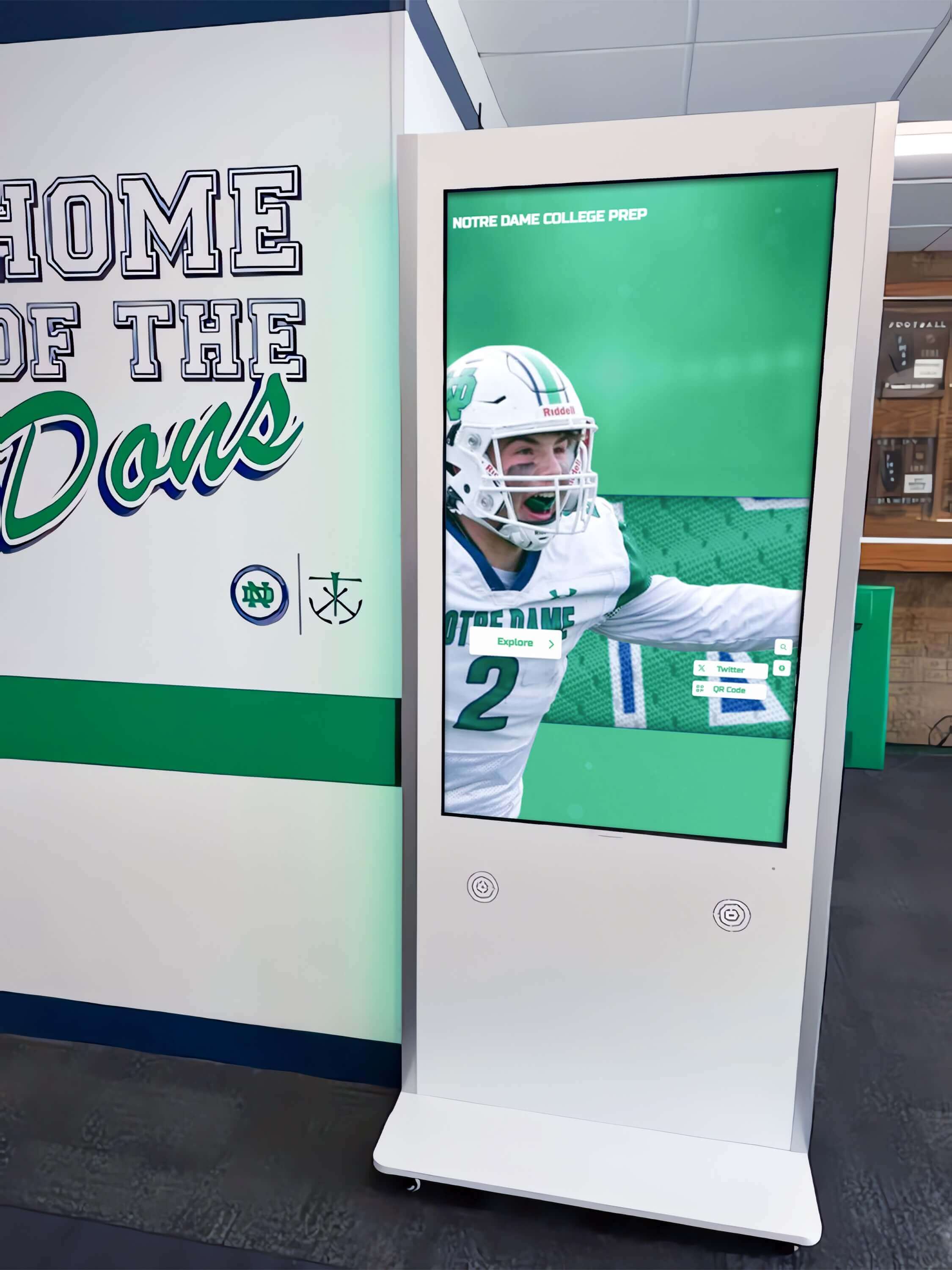
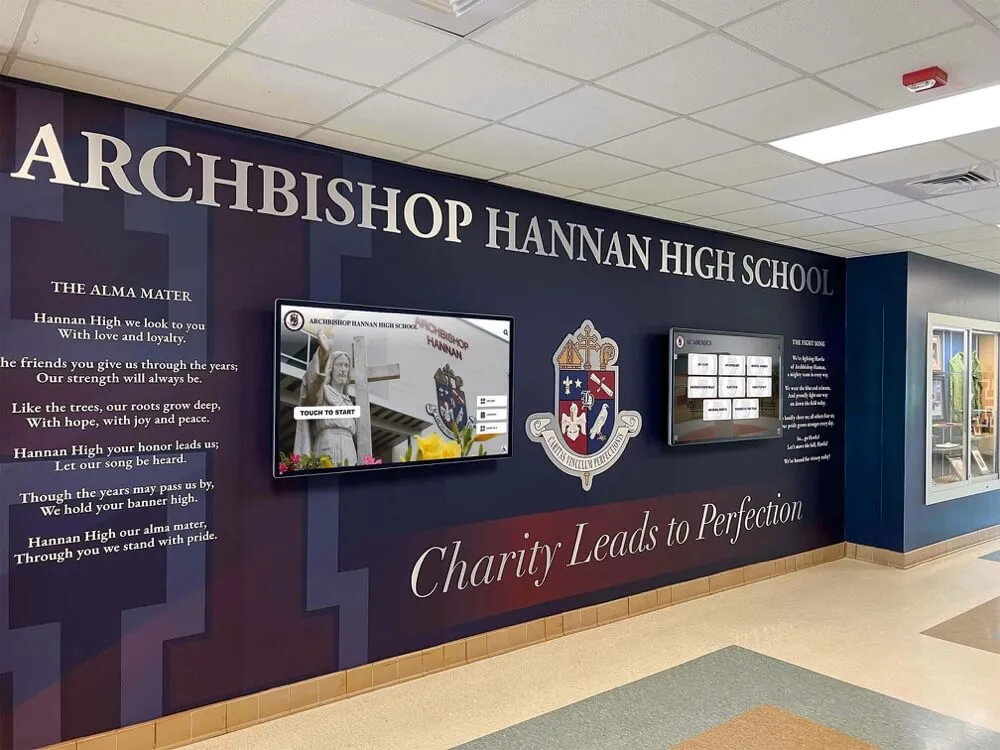
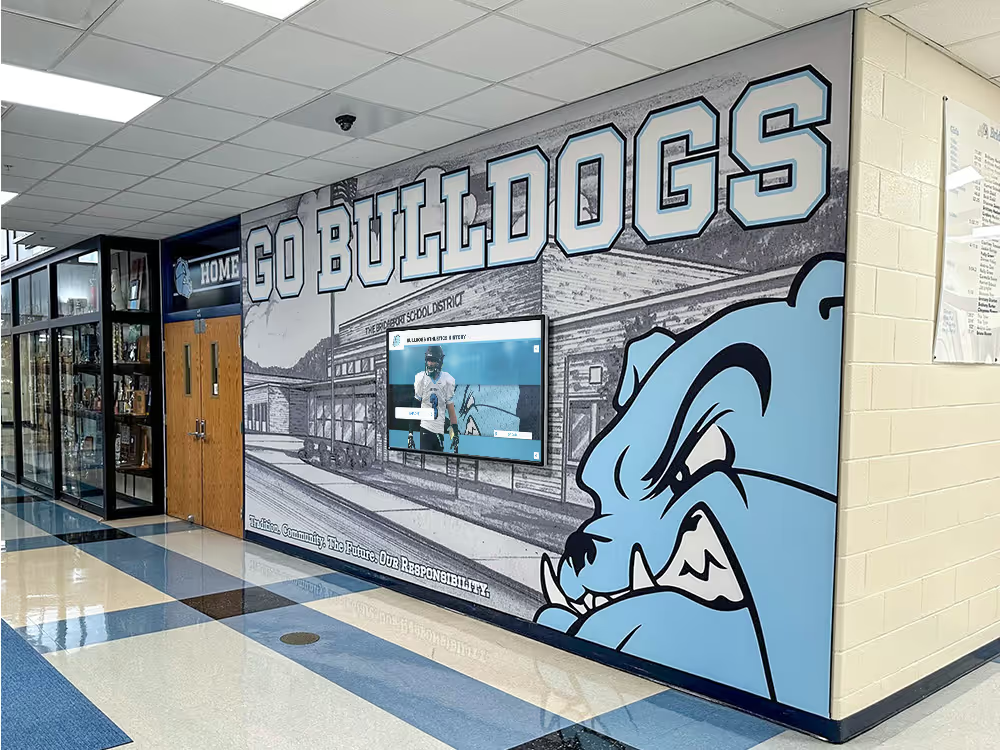
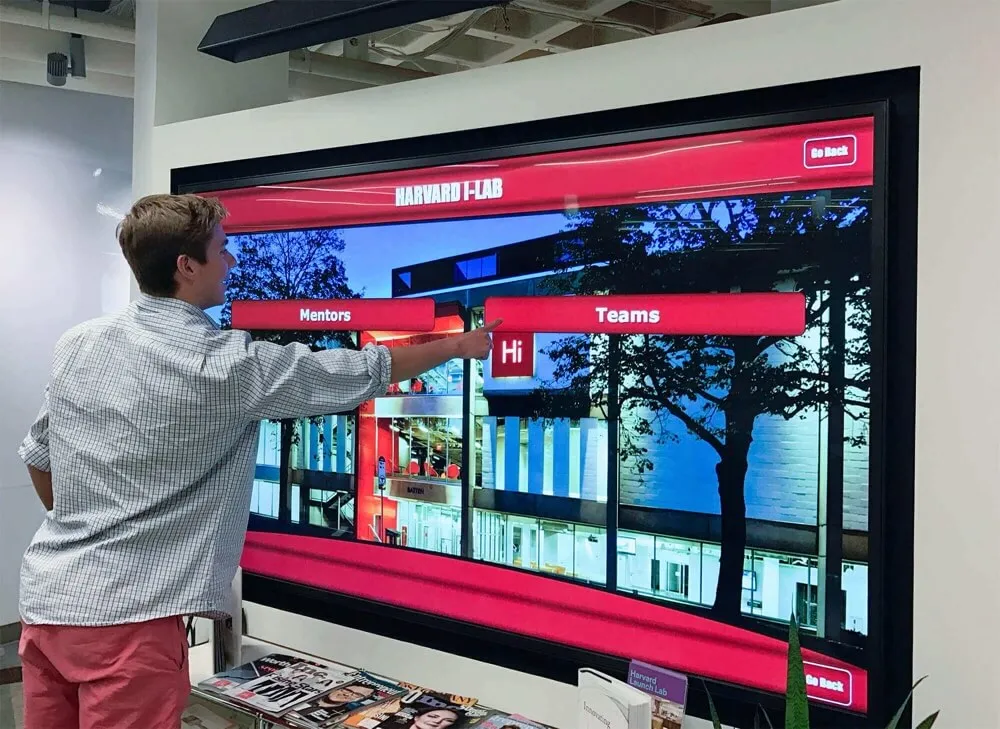
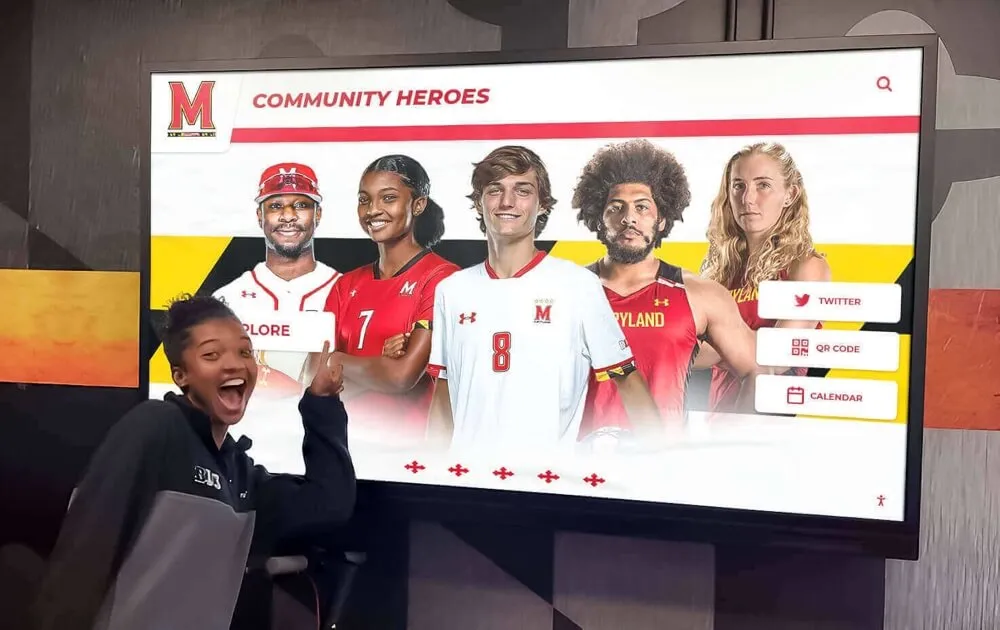
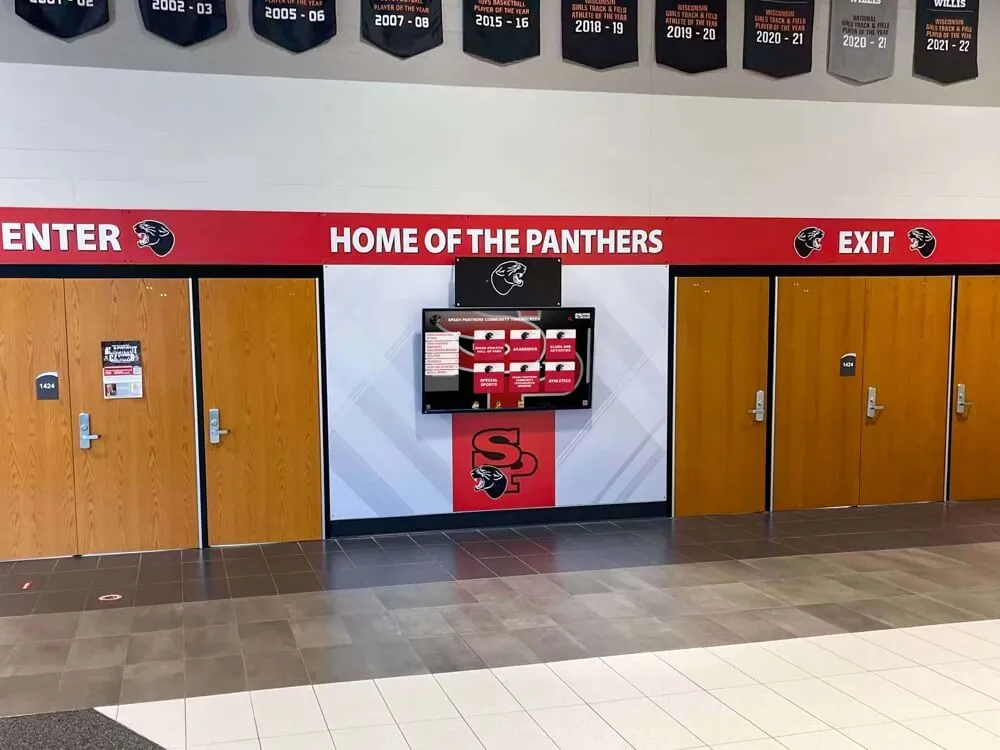
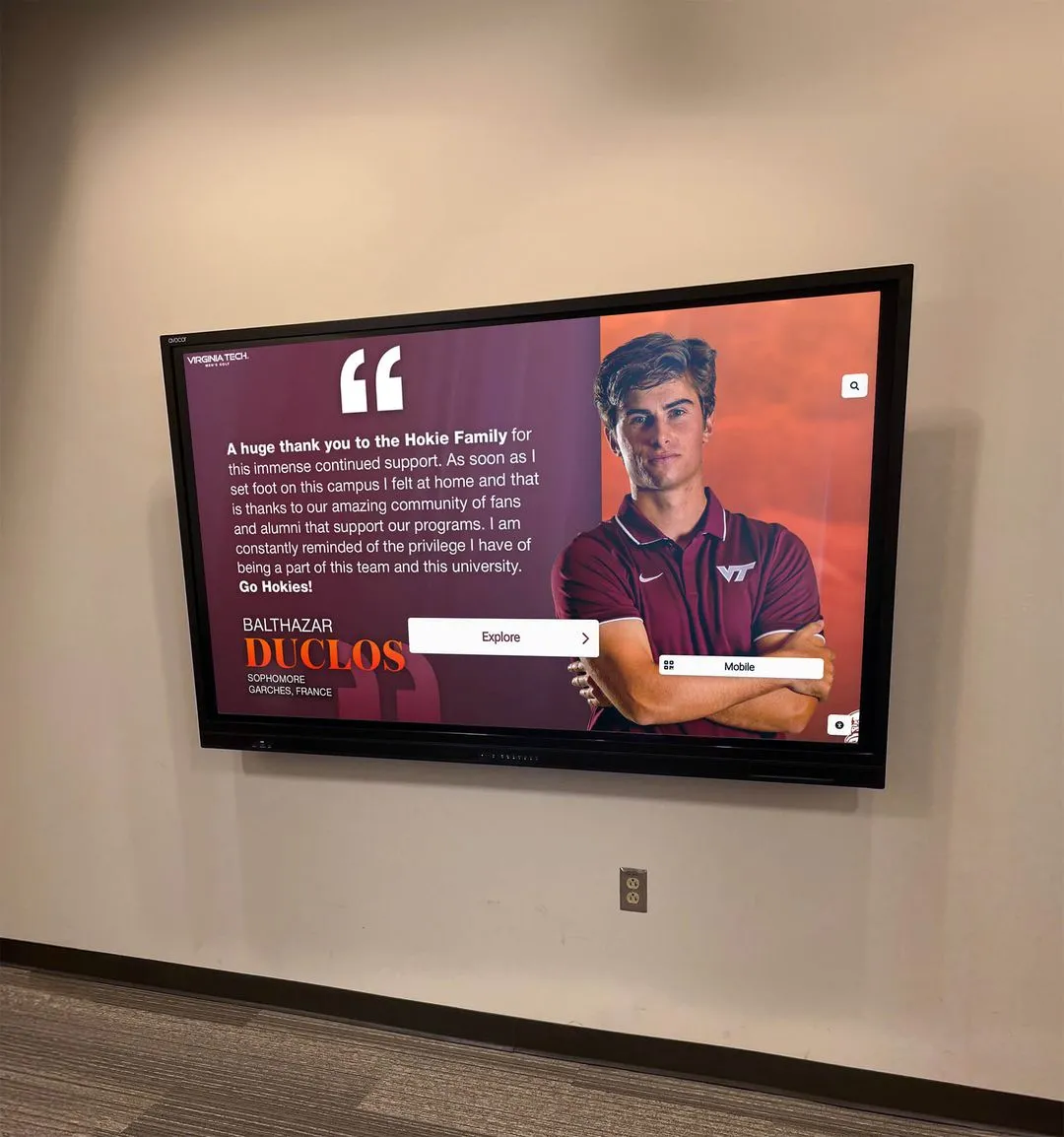
Interactive kiosks that surface athlete profiles and award histories depend on their subscriber database remaining within the lag target set for each data category — a stalled subscription can serve outdated records without generating a visible error on the display
Logical Replication Configuration Reference for Athletic Award Databases
Use this table as a starting-point reference when configuring the primary and subscriber PostgreSQL instances. Verify each setting before creating the publication.
| Parameter | Primary Setting | Subscriber Setting | Notes |
|---|---|---|---|
wal_level | logical | — | Required on the primary; needs a restart to take effect |
max_replication_slots | ≥ subscribers + 2 | — | One slot per subscriber; extra slots for administrative use |
max_wal_senders | ≥ subscribers + 2 | — | One sender per active slot plus overhead connections |
synchronous_commit | on (default) | off | Subscriber does not need synchronous commit for display read copies |
hot_standby | — | on | Required to allow read queries on the subscriber |
wal_sender_timeout | 60s | — | Increase if subscriber is on a slow or high-latency network link |
Confirm wal_level is set to logical before creating the publication:
SHOW wal_level;
If the result is replica or minimal, set wal_level = logical in postgresql.conf and restart the primary. This change cannot be applied online and must be scheduled during a maintenance window with the display team aware that the subscriber will be unavailable during the restart.
Monitoring Replication Lag After Policy Changes
Lag monitoring is the continuous enforcement mechanism that converts a written policy into operational protection for recognition displays. Run monitoring queries on a scheduled interval — every five minutes is appropriate for a subscriber serving public-facing kiosks.
Check replication slot health on the primary:
SELECT slot_name,
       plugin,
       active,
       active_pid,
       restart_lsn,
       confirmed_flush_lsn,
       pg_size_pretty(
         pg_wal_lsn_diff(pg_current_wal_lsn(), confirmed_flush_lsn)
       ) AS unconfirmed_lag
FROM pg_replication_slots
ORDER BY unconfirmed_lag DESC;
A slot whose unconfirmed_lag grows without recovering — or whose active reads false — needs immediate attention. An inactive slot that continues to retain WAL will eventually fill the primary’s disk if the subscriber never reconnects.
Check apply lag on the subscriber:
SELECT EXTRACT(EPOCH FROM (now() - pg_last_xact_replay_timestamp()))
       AS lag_seconds;
For the 5-minute awards lag target, alert if lag_seconds exceeds 300. For the 30-minute athlete profile target, alert at 1,800 seconds. Automate these queries in your existing monitoring stack — a cron job writing results to a metrics table, a Prometheus exporter, or any scripted check that pages on-call staff when thresholds are breached.
Verify subscription status on the subscriber:
SELECT subname, subenabled, subpublications, subslotname
FROM pg_subscription;
A subscription with subenabled = false has been manually disabled and will not apply new changes until re-enabled. Track this in your monitoring dashboard alongside lag metrics so that a disabled subscription is visible before the next import cycle.
Schools that invest in digital lobby signage design for their recognition programs depend on the underlying data layer serving accurate, current information to every screen. Replication lag monitoring is the operational mechanism that ensures the data feeding those screens is as fresh as the policy requires — and that a stale subscriber is detected before visitors notice it.
Logical Replication and the Broader Athletic Recognition Architecture
Logical replication sits within a layered database architecture that also includes autovacuum tuning, materialized view refresh schedules, and index maintenance. Each layer interacts with the others: a subscriber that receives replicated DML must run its own autovacuum process, because dead tuples accumulate on the subscriber as replicated UPDATE and DELETE operations create obsolete row versions. The subscriber’s autovacuum policy should be tuned independently, using the same principle of lower scale factors for high-write tables — though on a pure read replica the write pattern is lower than the primary’s, it is not zero.
Recognition programs that recognize athletes across multiple sports, seasons, and award categories — including the academic, arts, and community service programs outlined in the academic recognition programs guide at halloffametouchscreen.com — tend to have larger publication scopes and more complex lag-target matrices. A program that displays athletic awards on one kiosk and academic scholars on a separate screen may benefit from separate publications with separate lag targets and separate monitoring thresholds, each tuned to the update frequency and display freshness requirement of that recognition category.
The choice of touchscreen display software also interacts with replication architecture. The comparison of web-based versus native touchscreen software at digitalyearbook.org covers a key architectural decision — web-based display software that queries the database through an API typically caches responses with a configurable TTL, which can be aligned with the subscriber’s lag target to avoid unnecessary cache invalidation between replicated batches.
Schools planning high-visibility events such as sports senior nights — the basketball senior night planning guide at best-touchscreen.com is one example — illustrate the operational stakes of stale display data: a recognition kiosk that shows the wrong season’s award data on an event night is the kind of visible failure that a well-monitored replication policy is designed to prevent.
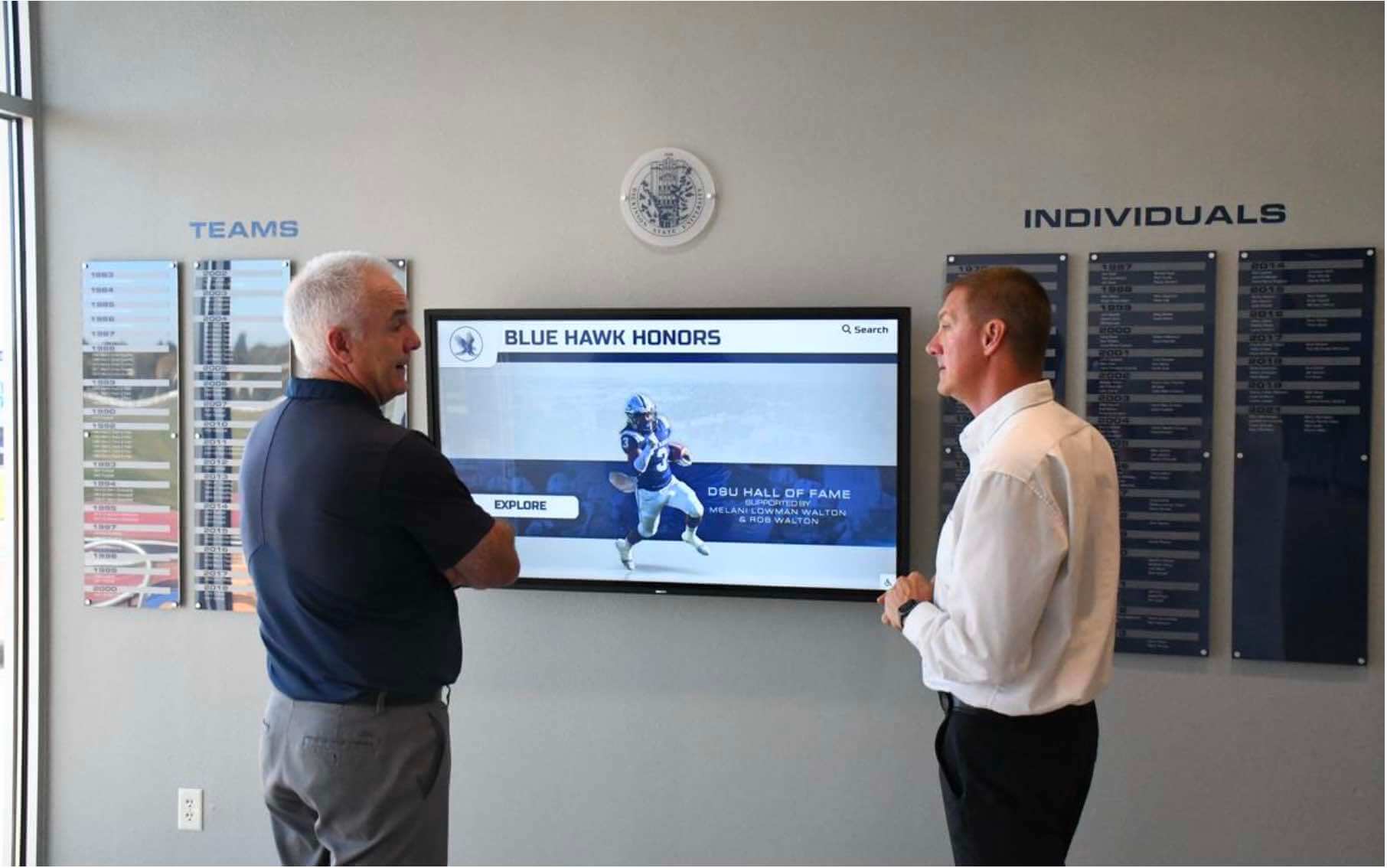
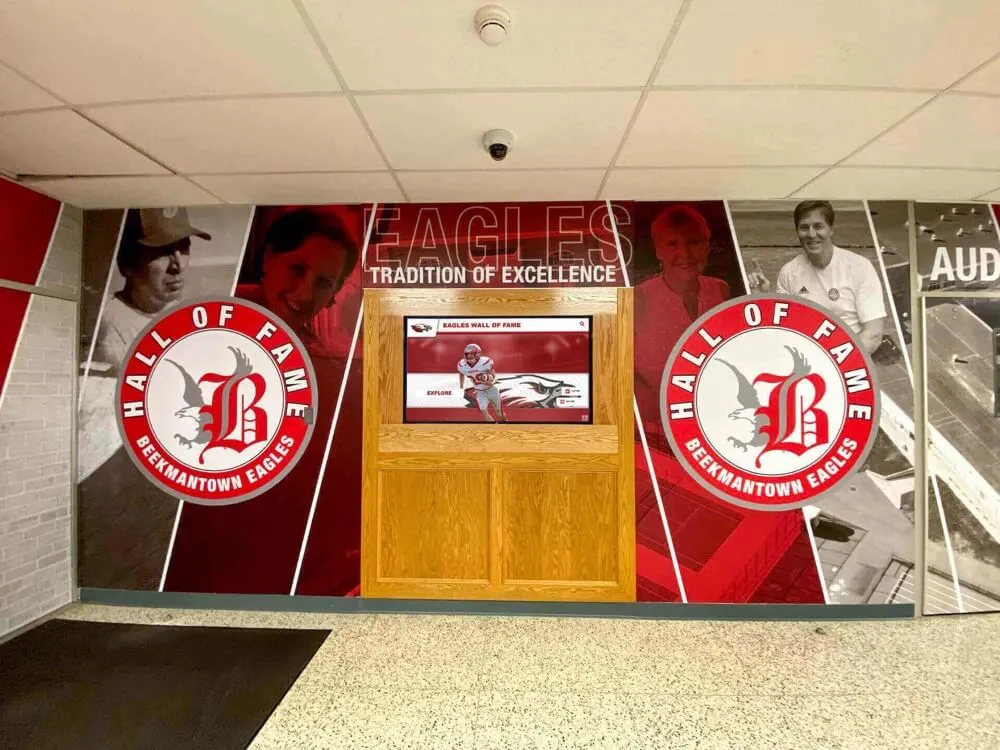
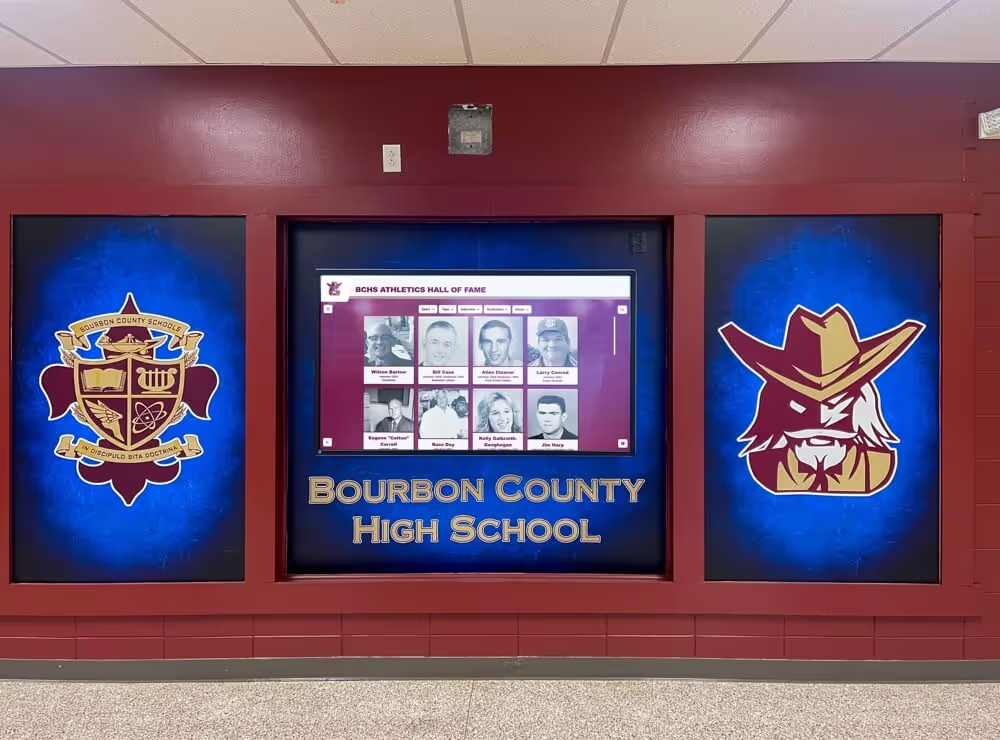
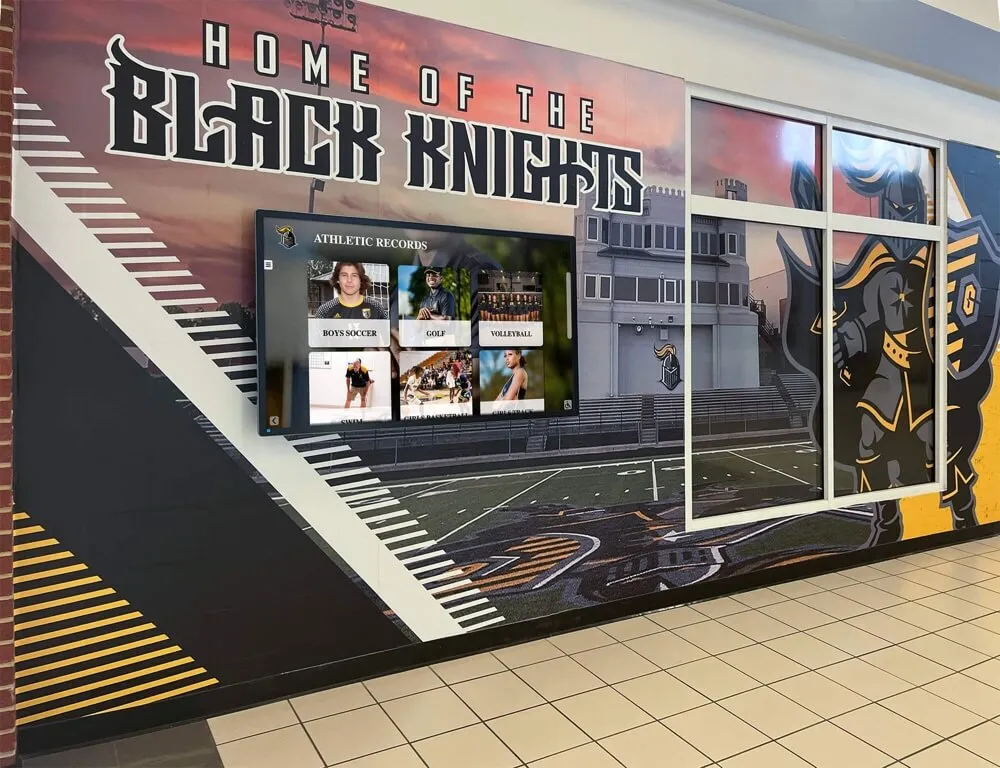
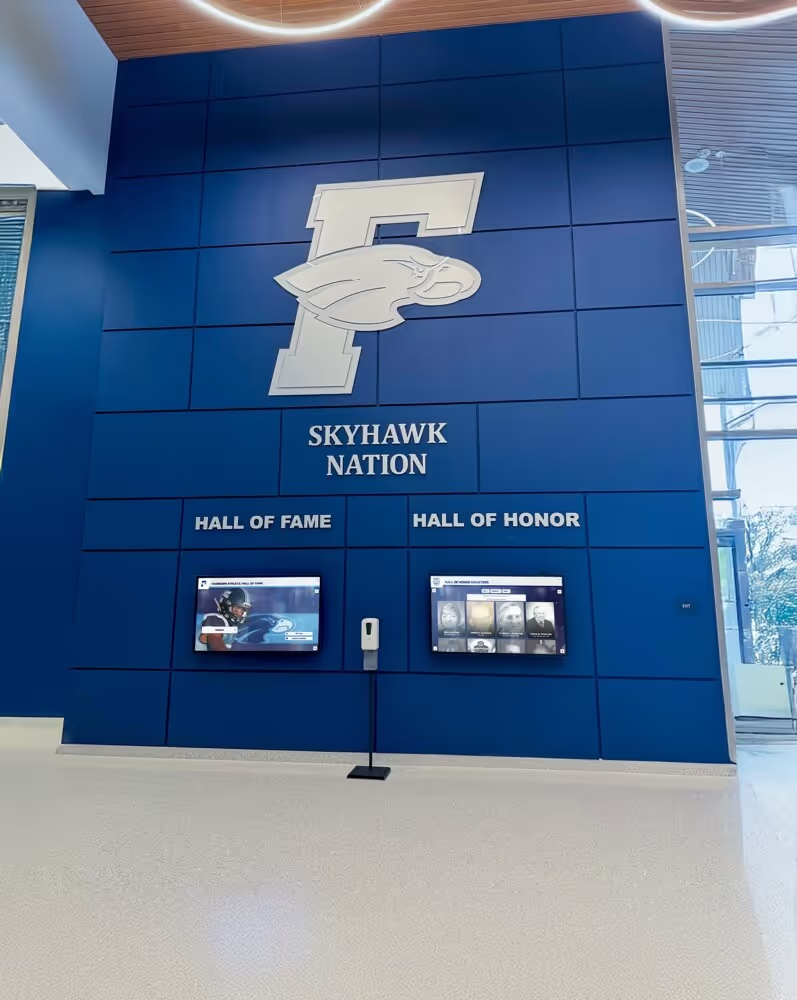
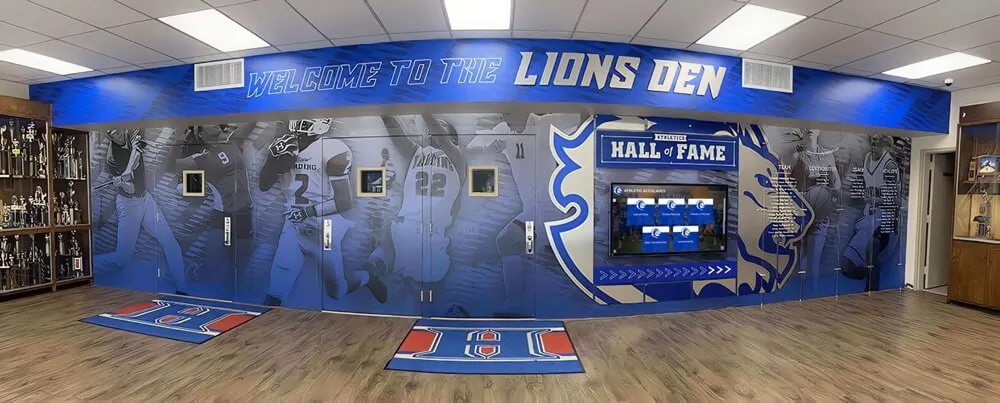
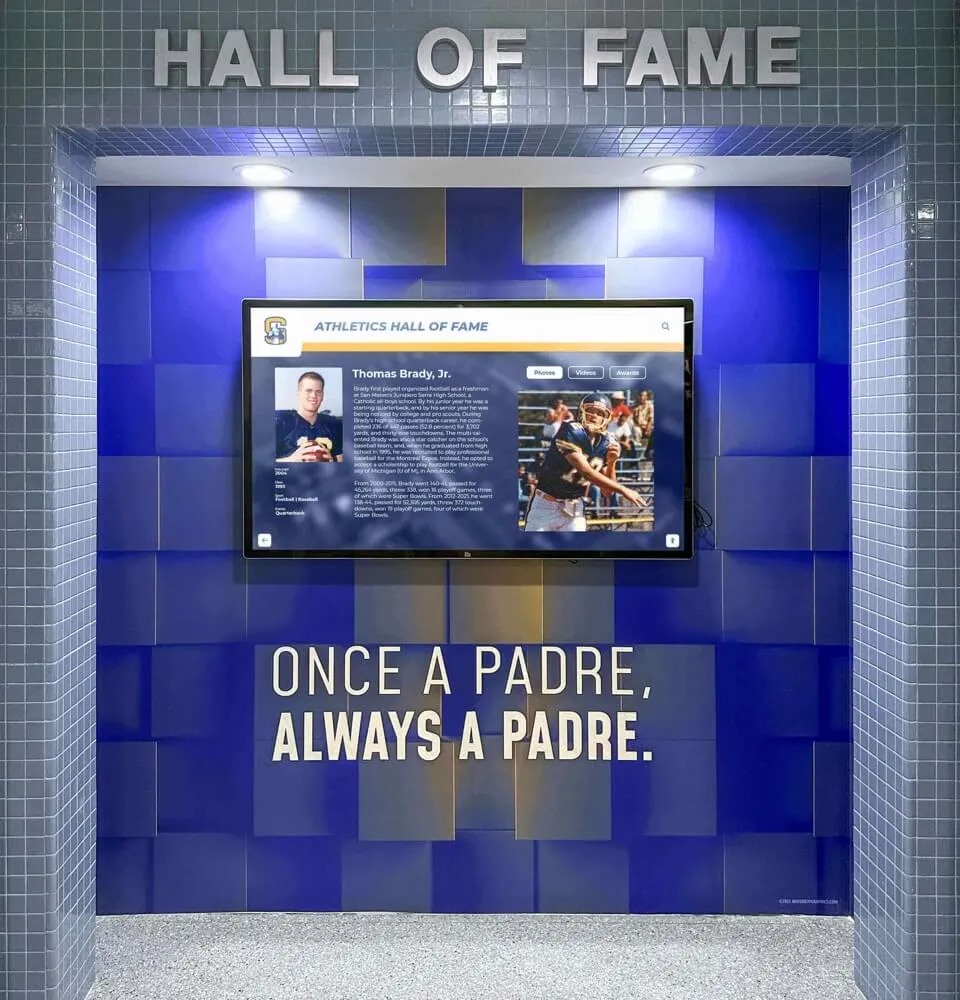
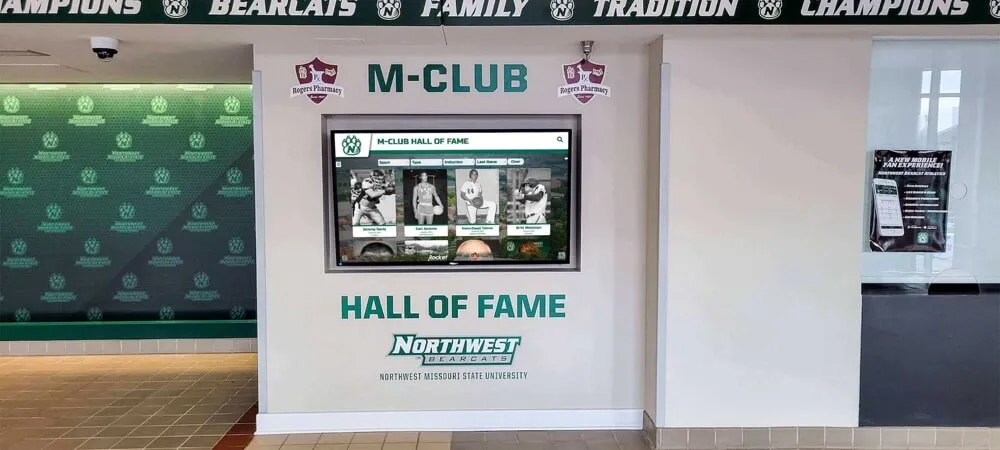
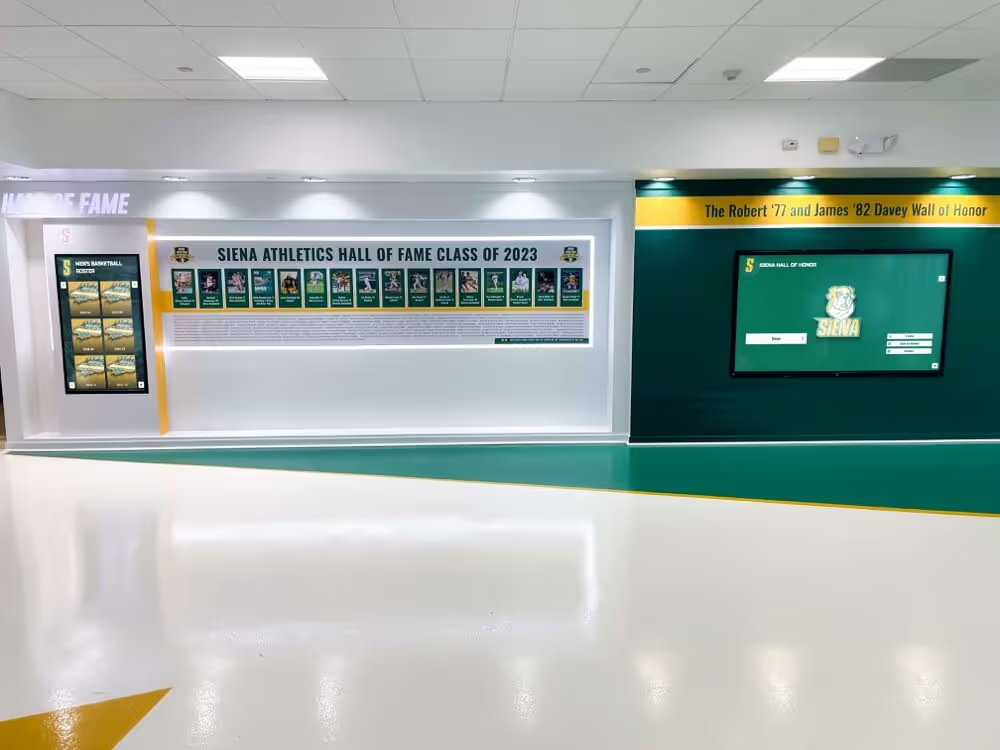
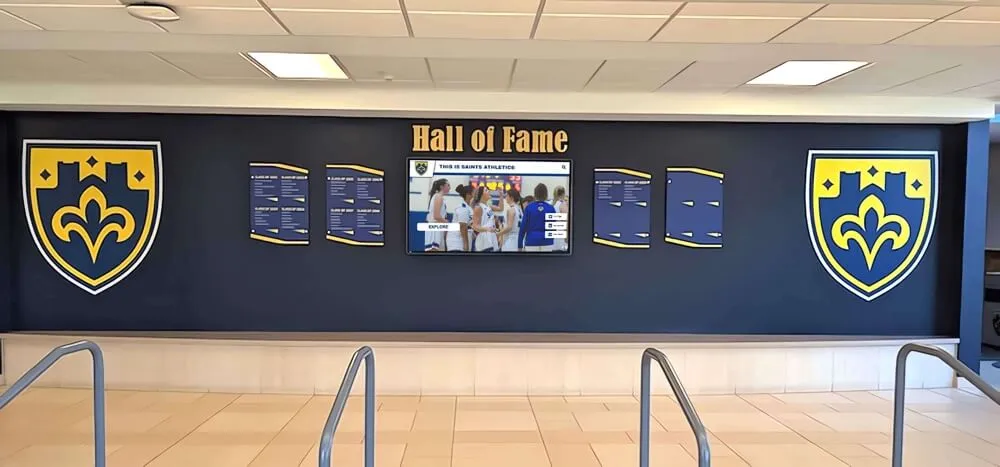
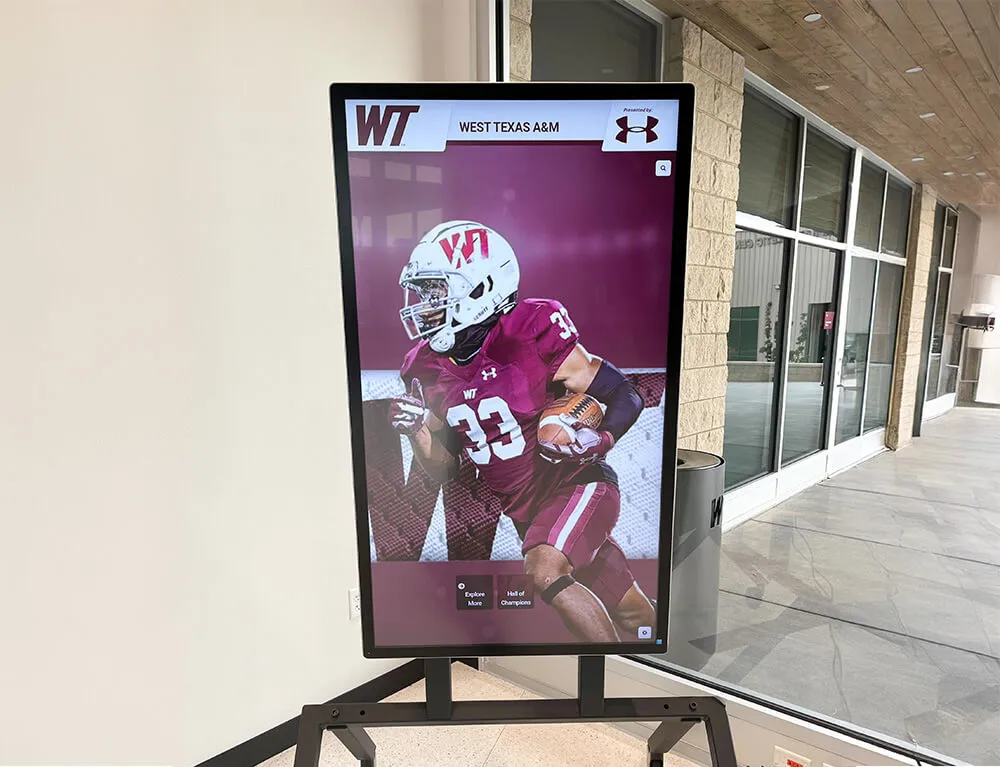
Hall of fame displays that serve recognition searches for visitors and families require subscriber databases governed by a written lag policy — without defined targets and monitoring, lag is discovered when visitors notice it
How Managed Recognition Platforms Eliminate Logical Replication Overhead
The technical complexity of a logical replication policy — publication scope decisions, replication slot monitoring, schema change coordination, subscriber autovacuum tuning, recovery procedures — sits at the intersection of database administration and recognition program governance. For most school IT teams, this intersection is unfamiliar territory managed alongside a full stack of other infrastructure responsibilities.
Purpose-built digital recognition platforms handle the read-copy architecture internally. The platform provider maintains the database layer, including the replication configuration that distributes award data to display nodes, the monitoring that detects lag before it reaches public displays, and the schema migration discipline that keeps the data layer consistent during product updates. Athletic directors and IT staff interact with the platform’s CMS — which handles the translation from entered award data to fast, current, display-ready queries — without requiring visibility into any of the infrastructure described in this guide.
Trusted by 600+ institutions, Rocket Alumni Solutions’ cloud-based digital recognition platform gives athletic departments the ability to load new season data, update athlete profiles, and publish recognition displays remotely — while the platform manages database performance, replication, and maintenance. Displays are WCAG 2.1 AA compliant and work on any screen from 32" to 100"+, with unlimited inductees, categories, and multimedia content. Schools that would otherwise need a written logical replication policy instead have a CMS and a support team.
FAQ: Athletic Awards Database Logical Replication Policy
What is an athletic awards database logical replication policy?
An athletic awards database logical replication policy is a governance document that defines which recognition database tables are published to read-copy subscriber instances, what acceptable publication lag applies to each data category, how schema changes are coordinated across publisher and subscriber, how replication health is monitored, and what recovery steps restore a subscriber to a consistent state when replication stalls. It converts an ad hoc PostgreSQL logical replication configuration into a documented, recoverable system with clear ownership and alerting thresholds.
How does logical replication differ from streaming replication for athletic award databases?
Streaming replication copies the entire database cluster byte for byte, requiring the subscriber to replicate all tables. Logical replication is selective — it replicates only the tables named in a publication, can exclude draft and pending records using row filters, and supports different index arrangements on the subscriber. For recognition databases, logical replication is preferred because it allows draft nominations to remain on the primary only and supports read-optimized indexes on the subscriber without affecting the primary’s write-path indexes.
Why is DDL not replicated, and how should schema changes be handled?
PostgreSQL logical replication streams row-level DML (INSERT, UPDATE, DELETE) but not DDL. When a schema change is needed on a publication table, apply it to the subscriber first, then to the primary. This subscriber-first sequence ensures the subscriber schema can accept the new column or data type before the primary begins sending DML that includes it. Document this requirement in the policy and require every migration script to include an explicit subscriber step.
What publication lag targets are appropriate for athletic award data?
A typical policy sets the awards table lag target at 5 minutes or less — new season records must appear on display kiosks the same day they are entered. Athlete profile updates can tolerate 30 minutes. Reference tables such as sports and award_types can tolerate up to 60 minutes, since category labels change rarely.
How do I monitor whether a logical replication subscriber is within its lag target?
Query pg_replication_slots on the primary to check the confirmed_flush_lsn and whether the slot is active. On the subscriber, run SELECT now() - pg_last_xact_replay_timestamp() AS replication_lag. Alert if the result exceeds twice the policy target for the highest-priority data category. A slot whose active column reads false requires immediate attention.
A Replication Policy That Keeps Recognition Data Current and Recoverable
An athletic awards database logical replication policy is not a one-time configuration task — it is a governance discipline that defines how award data reaches public displays, how quickly that data reflects updates made on the primary, and how replication is restored when it falls behind. The eight-step framework in this guide gives any school IT team or database administrator a structured path from an ungoverned replication setup to a documented, monitored, and recoverable read-copy architecture.
Recognition displays that show outdated inductee records or miss an entire season of award data do not generate an error message — they simply show wrong information to athletes, families, and visitors who have no way to know the data is stale. A lag policy with defined targets and active monitoring closes that gap: lag that exceeds a threshold triggers an alert before it reaches a display, and a documented recovery procedure returns the subscriber to a current state before the next visitor interacts with the kiosk.
Schools whose recognition archives span decades of athletic achievement — and whose displays serve athletes, alumni, and families at events throughout the year — need the same maintenance discipline in their data layer that they apply to their physical recognition installations. A logical replication policy is the data-layer counterpart to that discipline: low in complexity to implement once, high in consequence to leave ungoverned.
See How 600+ Schools Keep Award Records Fast, Current, and Display-Ready
Rocket Alumni Solutions' cloud-based digital recognition platform manages database performance, replication, and maintenance so your athletic department can focus on recognizing students — not maintaining infrastructure. WCAG 2.1 AA compliant displays work on any screen from 32" to 100"+, with unlimited inductees, categories, and multimedia content.
Request a Custom Demo