



An athletic awards database pg_stat_wal review is the practice of querying PostgreSQL’s pg_stat_wal system view immediately before and immediately after a seasonal award import, then computing the difference between each cumulative counter in the two snapshots to document the WAL generation activity the import window produced. In PostgreSQL 18, the view contains a single cluster-wide cumulative row — not a per-database or per-import attribution tool — and the four counters to capture are wal_records, wal_fpi, wal_bytes, and wal_buffers_full, along with the stats_reset timestamp. Other workloads running during the import window contribute to the same counters, so the delta reflects total cluster activity during that window, not the import’s contribution in isolation.
Every school community that builds an athletic awards database — tracking letter-winner cohorts, conference honors, career records, and hall-of-fame inductions — depends on seasonal import runs to move new data into display. When that data reaches a self-hosted PostgreSQL cluster, the import generates Write-Ahead Log (WAL) records as a natural byproduct of every committed change. PostgreSQL’s pg_stat_wal view accumulates a running count of those records cluster-wide. Capturing two snapshots — one immediately before the import starts, one immediately after it completes — produces a delta that documents the WAL generation profile of that import window and preserves a comparison record for future seasons.
The review does not verify that any specific athlete’s honors were recorded correctly, that an induction cohort was complete, or that the recognition display refreshed successfully after the import. What it provides is a cluster-level signal: how much WAL the database engine generated during the window, how many full-page images contributed to that total, and whether the WAL buffers filled and forced intermediate disk writes. Those numbers belong in the import maintenance log alongside row counts, elapsed time, and backup verification — not as a pass/fail gate, but as documented context that makes future anomalies visible across seasons.
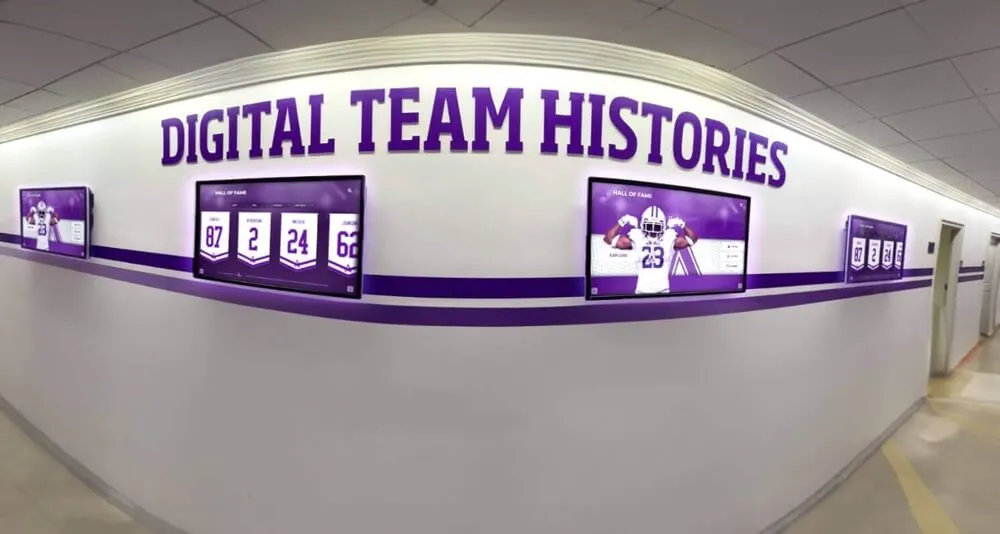
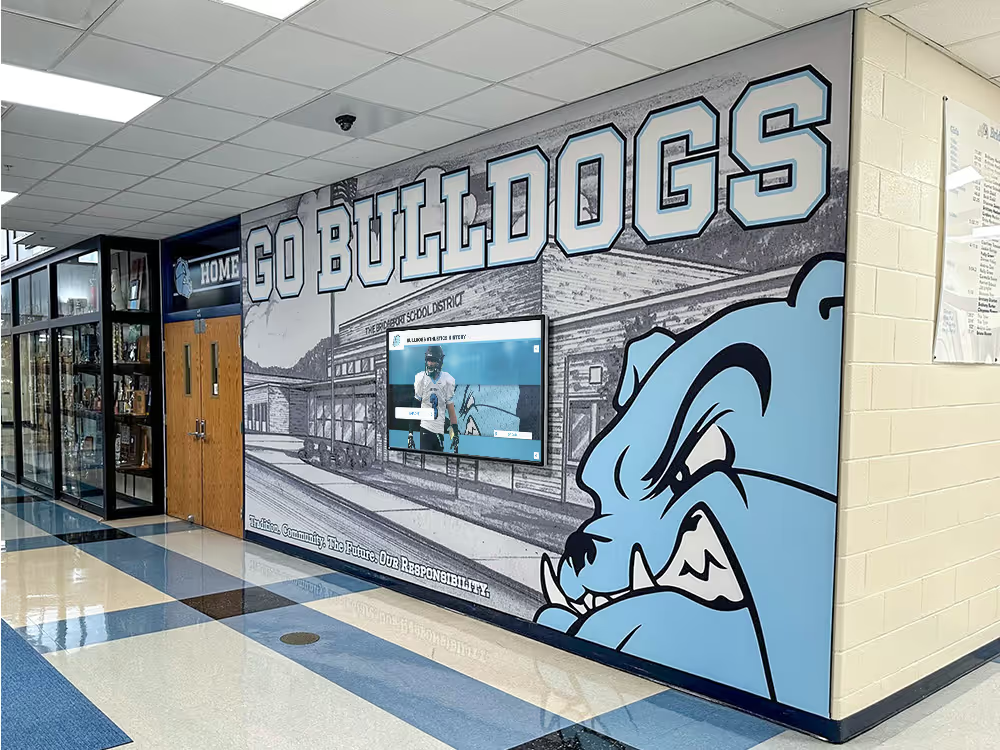
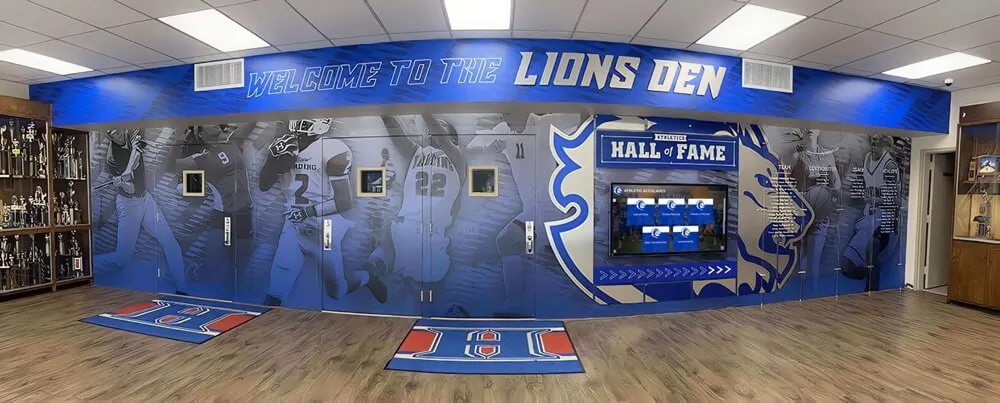
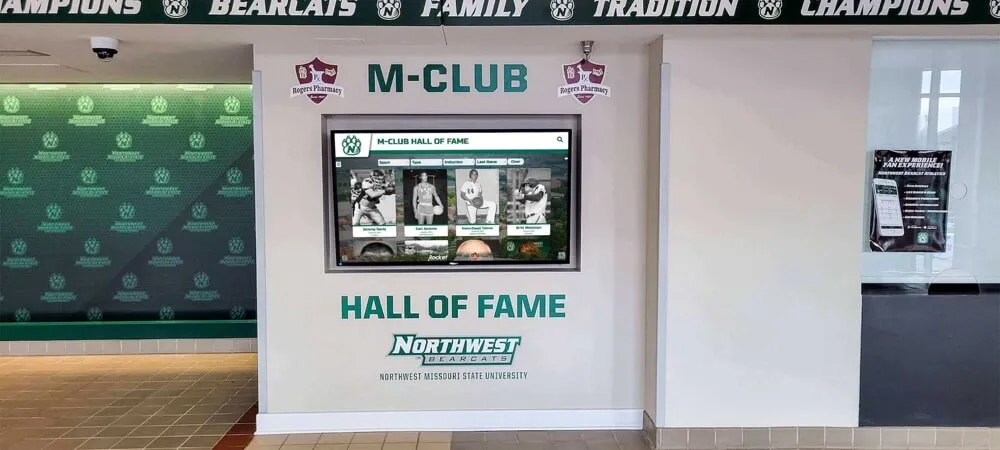
School recognition murals and displays represent award records built through seasonal imports — a pg_stat_wal review at the cluster layer documents the WAL generation each import window produced, creating a maintenance baseline across seasons
What pg_stat_wal Reports in PostgreSQL 18
According to the PostgreSQL 18 documentation for the pg_stat_wal view, the view contains a single row representing cumulative WAL statistics for the entire PostgreSQL cluster. That single row accumulates since the last time the statistics were reset — either by a server restart or by calling pg_stat_reset_shared('wal'). There is no per-database breakdown, no per-table breakdown, and no per-session attribution. Every database, every session, and every background process on the cluster contributes to the same four counters.
The columns relevant to a seasonal award import review are:
| Column | Type | What it counts |
|---|---|---|
wal_records | bigint | Total number of WAL records generated across the cluster |
wal_fpi | bigint | Total number of full page images (FPI) written into WAL records |
wal_bytes | numeric | Total WAL generated, in bytes |
wal_buffers_full | bigint | Times WAL data was written to disk because WAL buffers became full |
stats_reset | timestamptz | Timestamp when these statistics were last reset |
The wal_records counter increments once for each individual WAL record generated — one per row change for data modifications, plus checkpoint records, transaction commit records, and other internal WAL entries. The wal_fpi counter tracks full page images: the first time any data page is modified after a checkpoint, PostgreSQL writes the complete page into the WAL stream to protect against partial writes during a crash. A batch import that touches many data pages for the first time since the preceding checkpoint generates a proportionally higher wal_fpi count than a smaller update that touches only pages already modified since the last checkpoint.
The wal_bytes counter sums the byte size of all WAL generated — records and full page images combined. Because full page images are substantially larger than typical row-change records, a high wal_fpi count can inflate wal_bytes significantly even for modest import row counts. The wal_buffers_full counter records the number of times the WAL buffer pool reached capacity and forced a flush to disk before the normal WAL writer cycle requested one.
PostgreSQL 18 does not include wal_write_time or wal_sync_time columns in pg_stat_wal. Version-specific I/O timing information belongs in other monitoring views. The pg_stat_io view covers block-level I/O by backend type and object class for relation files — it mentions WAL-related I/O in an exclusion context, confirming that the two views cover distinct layers of database activity.

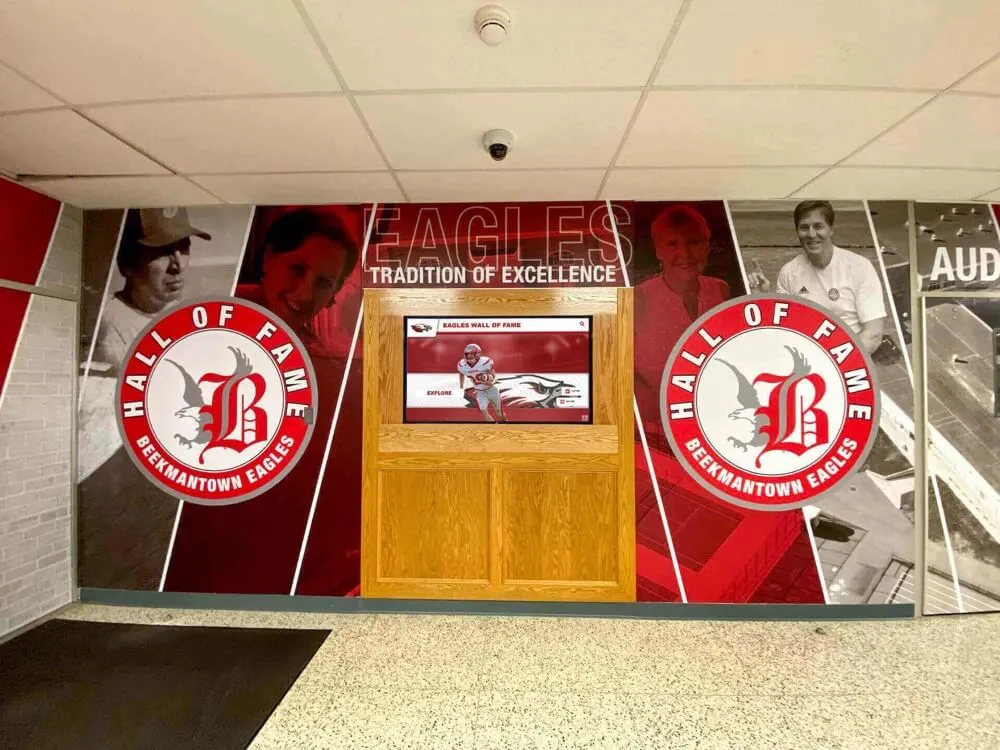
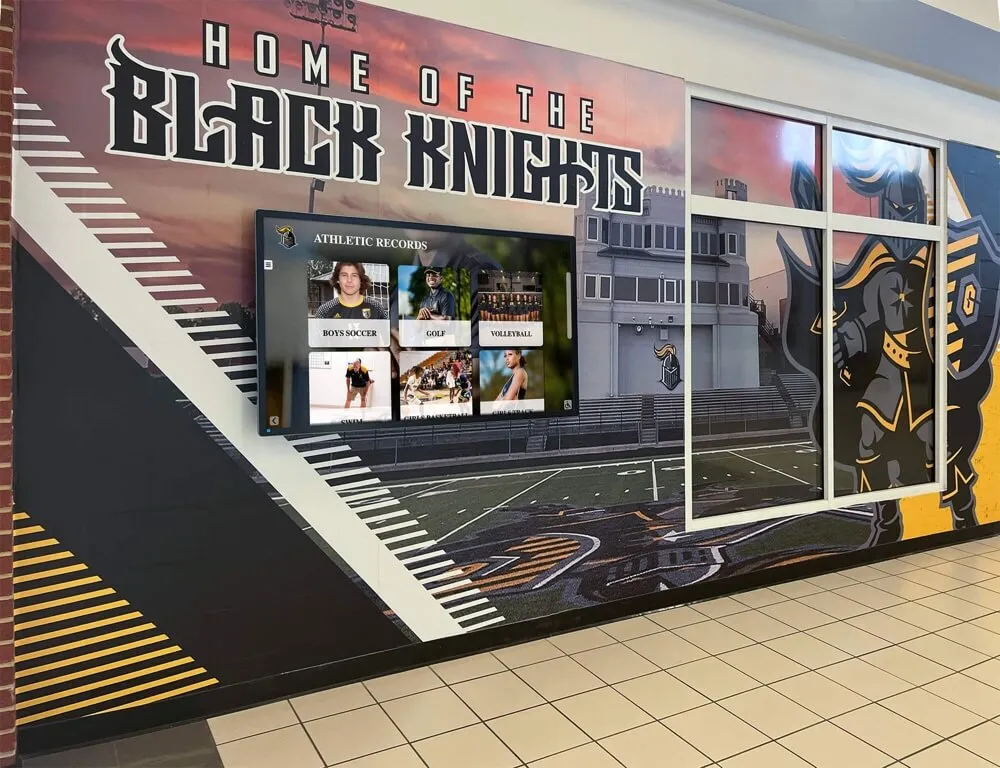
School hall of fame displays represent award records imported through seasonal data workflows — a pg_stat_wal before-and-after snapshot documents the cluster-wide WAL generation each import window produced
Why Interval Deltas Are the Unit of Analysis
A single snapshot of pg_stat_wal tells you only the cumulative totals since the last statistics reset — it cannot isolate what any specific import batch contributed. Two snapshots that bracket the import window produce a delta: the difference between corresponding counter values in the post-import snapshot and the pre-import snapshot.
That delta has one essential limitation: it reflects everything that occurred on the PostgreSQL cluster during the import window, not only the import. Autovacuum workers processing unrelated recognition tables, checkpoint operations, background replication activity, and any other application sessions active during the same window all contribute WAL records to the same counters. A school whose PostgreSQL cluster hosts multiple applications or databases on the same instance must account for this cluster-wide scope when interpreting the delta. Documenting concurrent activity before the import begins is the mechanism that supports a more accurate interpretation afterward.
Before computing any delta, verify that stats_reset is identical in both snapshots. If it changed between captures — because pg_stat_reset_shared('wal') was called, or because the server restarted during the import — the post-import cumulative totals no longer share a common baseline with the pre-import totals, and the computed delta is meaningless. Document any reset in the import maintenance log and treat the delta for that import window as void.
Do not reset production statistics in order to obtain a clean baseline before an import. Resetting statistics on a live cluster discards the historical context that makes the review useful across seasons, and it may affect monitoring tools and alerting systems that depend on those cumulative counters. The before-and-after snapshot approach is the correct baseline technique — it requires no statistics reset and produces a valid delta whenever stats_reset is confirmed to be unchanged.
Six-Step Workflow for a Seasonal Import Review
Work through these steps for each major award import — letter-winner batches, conference honor rolls, hall-of-fame induction cohorts, or any other seasonal data load that adds a material number of rows to the recognition tables.
Step 1: Capture the pre-import pg_stat_wal snapshot.
Before the import begins, query the view and record the output with a timestamp:
SELECT
  wal_records,
  wal_fpi,
  wal_bytes,
  wal_buffers_full,
  stats_reset
FROM pg_stat_wal;
Paste the complete row into the import maintenance log. The query timestamp marks the start boundary of the import window.
Step 2: Note concurrent cluster activity.
Before starting the import, check pg_stat_activity for active sessions and autovacuum workers:
SELECT pid, application_name, state, wait_event_type, query_start
FROM pg_stat_activity
WHERE state != 'idle'
ORDER BY query_start;
Document any active background workers or application sessions. Their WAL generation during the import window will contribute to the delta independently of the import batch. This log entry supports more accurate interpretation of the delta once the import completes.
Step 3: Label the import window.
Record the import start time, the source file or system, the target table or tables, and the approximate expected row count. This label is what connects the pg_stat_wal delta to a specific cohort — for example, “Fall 2026 letter-winner cohort, 340 records, football and volleyball tables.” The label belongs in the import maintenance log alongside the pre-import snapshot.
Step 4: Run the seasonal award import.
Proceed with the import as planned. The pg_stat_wal review requires no changes to the import process itself.
Step 5: Capture the post-import pg_stat_wal snapshot immediately after the import completes.
SELECT
  wal_records,
  wal_fpi,
  wal_bytes,
  wal_buffers_full,
  stats_reset
FROM pg_stat_wal;
Record the query timestamp. The interval between the pre-import timestamp and this timestamp defines the labeled import window for the delta.
Step 6: Validate stats_reset and compute deltas.
Compare the stats_reset value in the post-import snapshot to the value recorded in Step 1. If they differ, mark the delta void and document the reset in the maintenance log. If they match, compute:
delta_wal_records      = post.wal_records      - pre.wal_records
delta_wal_fpi          = post.wal_fpi          - pre.wal_fpi
delta_wal_bytes        = post.wal_bytes        - pre.wal_bytes
delta_wal_buffers_full = post.wal_buffers_full - pre.wal_buffers_full
Record these four deltas — plus the window label from Step 3 and the concurrent activity notes from Step 2 — in the import maintenance log.
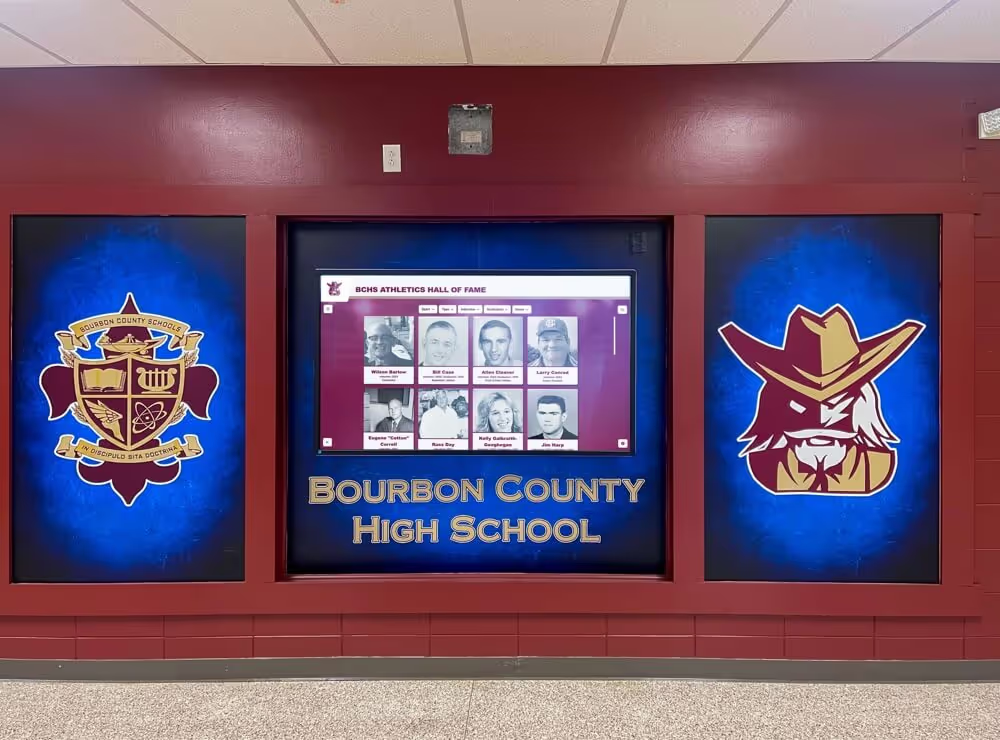
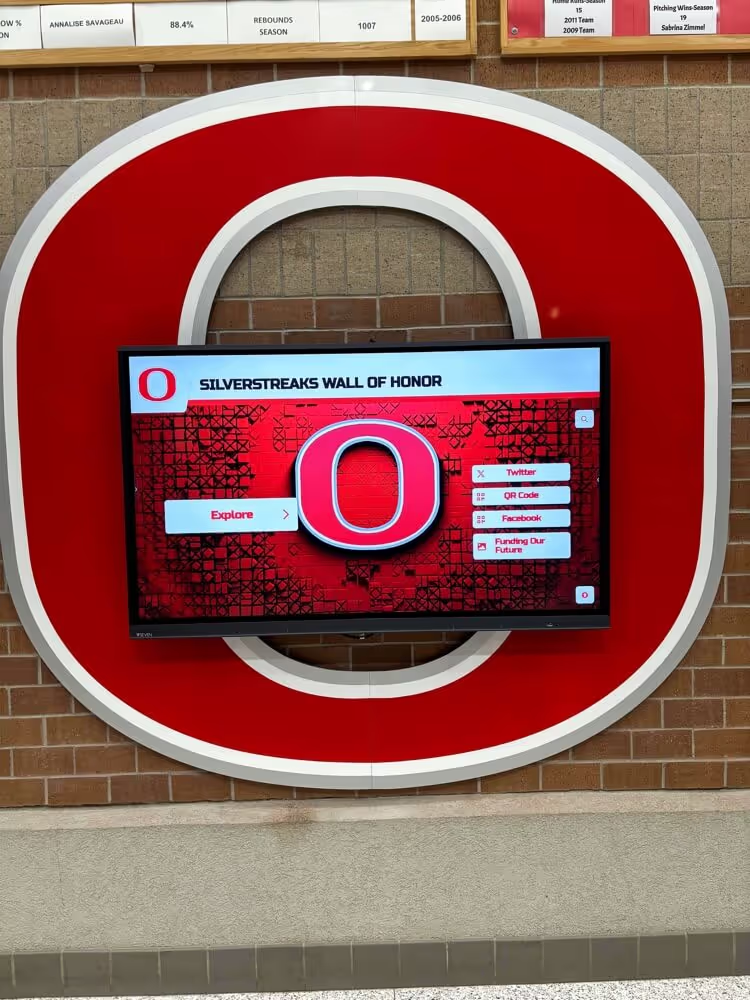
School hallway recognition displays built from seasonal imports — capturing pg_stat_wal snapshots before and after each import window documents the WAL generation profile and creates a comparison baseline across import seasons
Interpreting the Deltas: Evidence Table
The table below provides interpretation guidance for each pg_stat_wal counter delta. Because these are cluster-wide cumulative counts, the appropriate reference point is not an absolute threshold but the pattern of prior import seasons on the same cluster. A school capturing pg_stat_wal deltas across consecutive import seasons accumulates the comparison context that makes any individual season’s numbers interpretable.
| Counter | Typical seasonal import behavior | Signs worth investigating |
|---|---|---|
delta_wal_records | Scales with rows inserted, updated, or deleted plus transaction commit records and any concurrent autovacuum activity during the window | A delta substantially higher or lower than comparable prior imports of similar row counts — cross-reference with the concurrent activity log from Step 2 before attributing the difference to the import |
delta_wal_fpi | Higher immediately after a checkpoint that reset the modified-page tracking; lower when import-target pages were already modified since the last checkpoint | A very high full-page-image count relative to import row count may indicate that a checkpoint completed just before the import, forcing FPI writes across all touched pages |
delta_wal_bytes | Proportional to delta_wal_records plus the byte cost of any full page images; a high delta_wal_fpi inflates delta_wal_bytes significantly | A delta_wal_bytes much larger than expected relative to import row count, combined with a high delta_wal_fpi, points to checkpoint timing as the amplifying factor rather than import size |
delta_wal_buffers_full | Zero is expected for most single-session seasonal award imports; the default wal_buffers configuration is typically sufficient for a recognition-record import run | Any nonzero value indicates that the import generated WAL faster than the buffer could absorb without an intermediate flush — review wal_buffers configuration and whether concurrent sessions contributed to the spike |
No value in this table is a hard pass/fail boundary. The numbers are documentation, not diagnostics in isolation. A school that captures pg_stat_wal deltas across four or five consecutive import seasons builds the institutional context to recognize when a season’s numbers depart from the established pattern in a way that warrants further investigation.
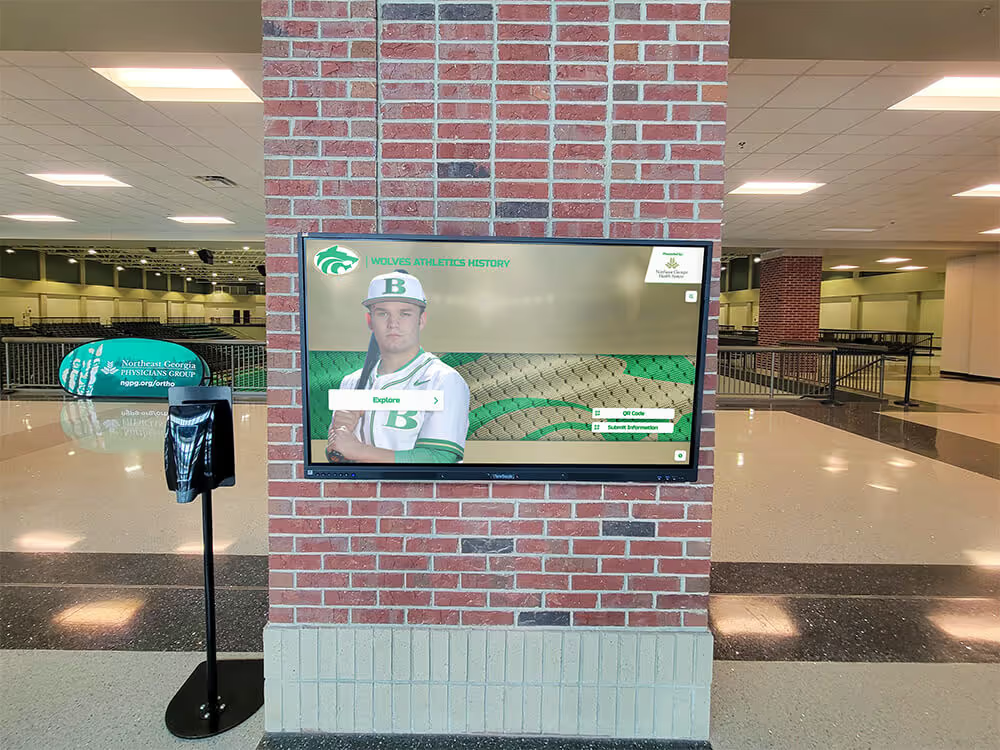
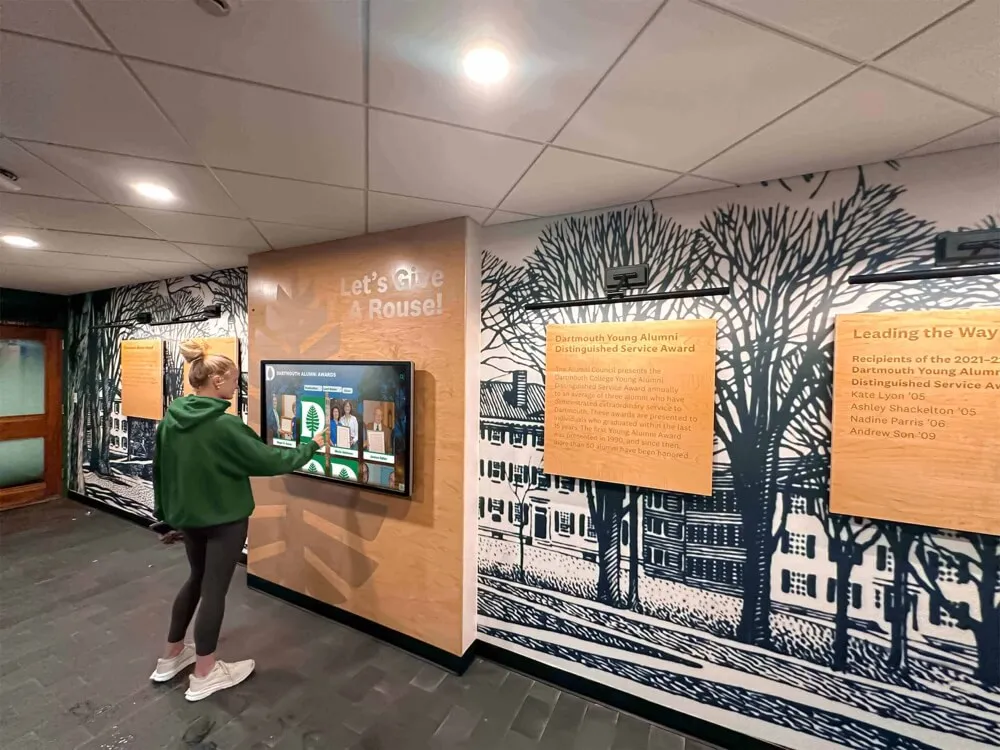
School recognition displays represent the output of maintained import workflows — a pg_stat_wal review at the database layer documents WAL generation across each import window, building a documented baseline that makes future anomalies visible
Pre-Import and Post-Import Checklist
Use this checklist to ensure snapshots are captured consistently and the delta is recorded completely in the import maintenance log. A completed checklist for each seasonal import builds the comparison baseline that makes the review useful over time.
Before the import:
- Query
pg_stat_waland record all five columns includingstats_reset - Timestamp the pre-import snapshot and enter it in the import maintenance log
- Query
pg_stat_activityand document active sessions and autovacuum workers - Record the import label: source, target tables, expected row count, import season name
After the import:
- Query
pg_stat_walimmediately after the import completes and record all five columns - Timestamp the post-import snapshot
- Compare
stats_resetvalues — if different, mark all deltas void and document the reset - Compute and record four deltas:
wal_records,wal_fpi,wal_bytes,wal_buffers_full - Cross-reference unexpected deltas with concurrent activity documented before the import
- File snapshot pair, delta calculations, window label, and interpretation notes in the import maintenance log
Before the import window opens, schools that maintain physical recognition artifacts alongside digital records are often completing parallel documentation tasks. The Athletic Hall of Fame Accession Form: Document Every Artifact Before Display at touchhalloffame.us covers the documentation process for physical recognition artifacts entering a collection — a parallel record that belongs in the same pre-import planning window as the pg_stat_wal baseline snapshot.
When the import covers inductees and their biographical records, the accuracy of names, dates, teams, and honors in the source data determines the accuracy of what appears on the display. The Hall of Fame Biography Fact-Check Checklist: Names, Dates, Teams, and Honors at halloffame-online.com provides a structured checklist for verifying that biographical data is accurate before it enters the recognition system — a source-data quality step that belongs upstream of the database-level monitoring that pg_stat_wal provides.
What pg_stat_wal Does Not Cover
The pg_stat_wal review covers one layer of a seasonal import: the Write-Ahead Log generation recorded at the PostgreSQL cluster level. Several adjacent concerns lie outside its scope.
Relation-level block I/O. The pg_stat_io view tracks block reads, writes, and extends for actual relation files — the tables and indexes holding award records, athlete profiles, and induction histories — reported by backend type and object class. The Athletic Awards Database pg_stat_io Review Before Recognition Display Refreshes at digitalawardsdisplay.com covers that complementary monitoring practice. pg_stat_io and pg_stat_wal together provide coverage at both the relation-block layer and the WAL layer; neither substitutes for the other.
Row-level data accuracy. The pg_stat_wal delta does not verify that any specific inductee record was inserted correctly, that a letter-winner’s sport or year was recorded accurately, or that the import reached every target table. Application-level validation — row count checks, spot audits of imported records, and display verification — belongs in the import quality workflow alongside the pg_stat_wal snapshot pair.
Historical media and photograph archives. School recognition programs often hold historical photographs and documents that accompany the award records in the database. For programs digitizing historical photographs for inclusion in recognition displays, the Historical Photos Archive for Schools: Complete Guide to Digitizing and Showcasing Your Institution’s Oldest Photos in 2025 at touchscreenwebsite.com covers the digitization workflow for institutional photo collections — a parallel process that operates separately from the data import the pg_stat_wal review monitors. For programs handling fragile historical prints such as cyanotype photographs found in athletic archives, the Athletic Archive Cyanotype Photograph Intake: Protecting Blue Team Photographs Before Digitization at digitalyearbook.org addresses protective intake practices before those materials enter the digitization process.
Display-layer caching. After an import commits to the database, recognition display pages must refresh to reflect the new data. HTTP cache-control headers, CDN edge caches, and browser caches all operate above the PostgreSQL layer. A pg_stat_wal delta that documents a completed import does not confirm that display pages have refreshed for visitors — that confirmation requires display-layer verification separate from the database.
Managed Platforms and Self-Hosted Scope
The pg_stat_wal review described in this guide applies only to self-hosted, institution-owned PostgreSQL clusters where the IT team holds direct database access and can query system views. Schools using a managed recognition platform — whether a cloud-hosted database service or a fully managed software platform — do not administer the underlying PostgreSQL infrastructure and cannot access pg_stat_wal directly. On a managed platform, WAL generation and buffer behavior belong to the platform’s infrastructure layer, not the institution’s operational responsibility.
For self-hosted installations, maintaining a pg_stat_wal review record alongside other import documentation — backup verification, schema version confirmation, application-level row count check, post-import display verification — creates a layered evidence base that supports incident diagnosis if a future import produces unexpected results. The database layer, the application layer, and the display layer each require their own diagnostic discipline; pg_stat_wal covers only the PostgreSQL cluster’s WAL generation during the import window.
Building an Import Baseline Over Time
The value of capturing pg_stat_wal deltas compounds across seasons. A single import window’s delta is a data point; a collection of deltas from four or five consecutive end-of-season imports is a baseline. When an import season’s delta departs noticeably from prior seasons — for example, a delta_wal_fpi count substantially higher than comparable prior imports for a similar row count — that departure is worth cross-referencing against checkpoint timing, pg_stat_activity concurrent session logs, and application-layer import records.
A school that runs seasonal imports without capturing pg_stat_wal snapshots operates with no documented record of WAL generation across its recognition database’s history. Static or manual import workflows that rely solely on application-level success messages miss the database-internal WAL dimension that pg_stat_wal documents. The snapshot pairs require no additional tooling — only the discipline to run two queries before and after each import window and log the results alongside the import record.

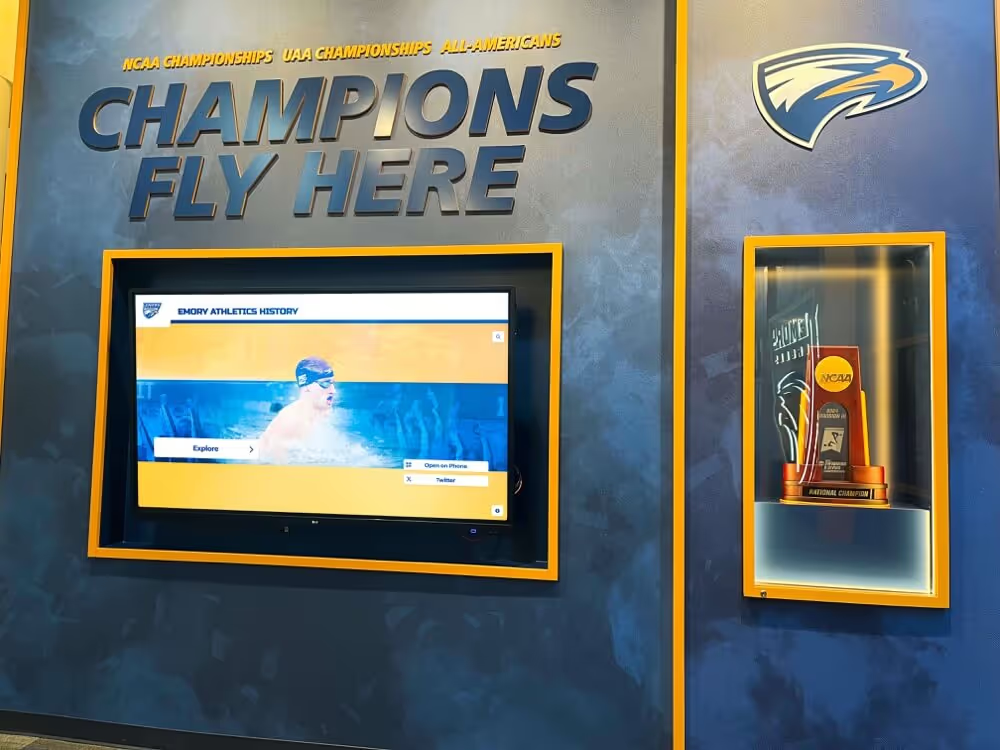
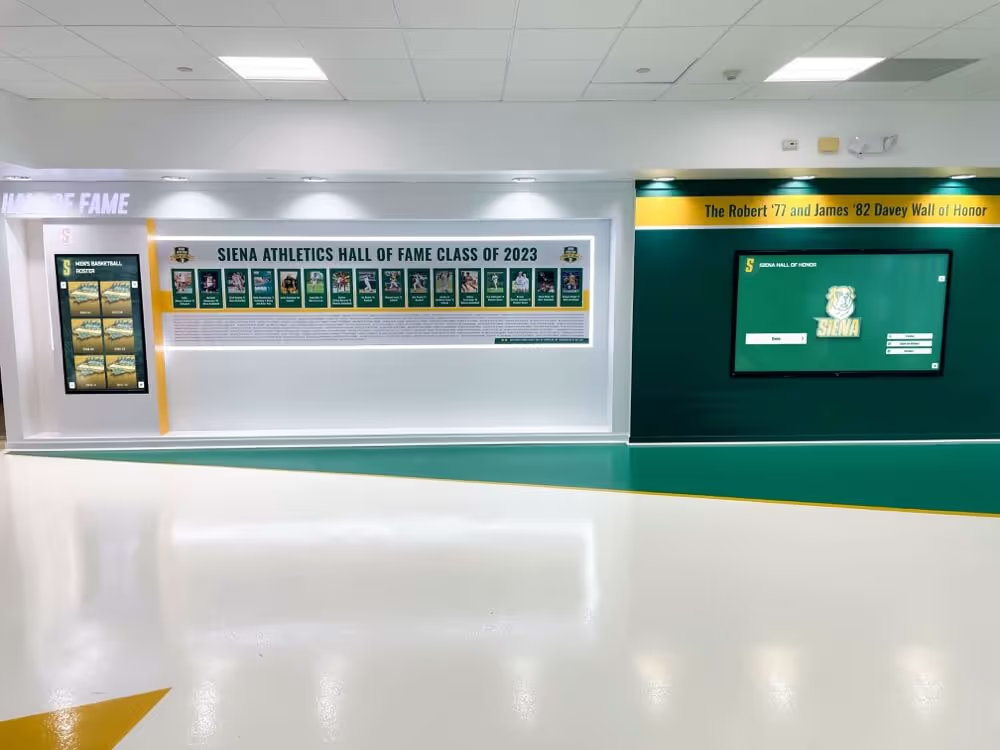
A school athletics hall of fame lobby display represents award records accumulated across many import seasons — a pg_stat_wal review creates a documented baseline of WAL generation that supports investigation when a future import season departs from established patterns
Frequently Asked Questions
What is an athletic awards database pg_stat_wal review?
An athletic awards database pg_stat_wal review is the practice of querying PostgreSQL’s pg_stat_wal system view before and after a seasonal award import, then computing the difference between the cumulative counter values in the two snapshots. In PostgreSQL 18, the view contains a single cluster-wide row with four counters — wal_records, wal_fpi, wal_bytes, and wal_buffers_full — plus a stats_reset timestamp. The delta documents the WAL generation the cluster produced during the import window, including activity from concurrent workloads. The review requires verifying that stats_reset did not change between snapshots before interpreting any delta.
Why does pg_stat_wal show a single row instead of per-database or per-table data?
PostgreSQL’s Write-Ahead Log is a cluster-level construct. WAL records are written to a shared WAL stream for all databases in the instance — there is no separation by database, schema, table, or session. As a result, pg_stat_wal accumulates counters for the entire cluster since the last statistics reset, with no mechanism to attribute WAL generation to a specific import batch or table. A delta computed across an import window captures total cluster WAL activity during that window — including autovacuum workers, checkpoints, and any other concurrent sessions.
What does a nonzero wal_buffers_full delta indicate during a school award import?
A nonzero wal_buffers_full delta means the WAL buffer pool reached capacity and flushed to disk at least once before the normal WAL writer cycle requested a write. For most single-session seasonal award imports, this counter is expected to be zero or very low. A higher value suggests the import generated WAL faster than the configured wal_buffers setting could absorb without an intermediate flush — cross-reference with the wal_bytes delta and the concurrent session activity log to determine whether the import or another workload drove the spike.
Should a school reset pg_stat_wal statistics before an import to get a clean baseline?
No. Resetting production statistics discards historical context that monitoring tools may depend on and provides no analytical advantage over the before-and-after snapshot approach. The correct technique is to capture cumulative totals immediately before the import and immediately after, then compute the delta. The only validation required is confirming that stats_reset did not change between the two captures.
How does pg_stat_wal differ from pg_stat_io for import monitoring?
pg_stat_wal tracks WAL record generation — the write-ahead log entries PostgreSQL creates to ensure durability for every committed change. pg_stat_io tracks block-level I/O on relation files — the actual tables and indexes holding award records — reported by backend type and object class. Both views capture import-related activity at different layers: pg_stat_wal shows how much WAL the cluster generated; pg_stat_io shows how many blocks were read, written, or extended for relation files. They are complementary, not interchangeable.
See How Schools Preserve and Display Athletic Achievements Without Managing Database Infrastructure
Trusted by 600+ institutions, Rocket Alumni Solutions' cloud-based digital recognition platform handles award record storage, seasonal data updates, and display publishing in a fully maintained environment — so your athletic department focuses on honoring student athletes and school communities, not monitoring WAL counters. WCAG 2.1 AA compliant displays work on any screen from 32" to 100"+, with unlimited inductees, categories, and multimedia content. Remote CMS access lets staff update and publish recognition records from anywhere, with scheduled publishing for timed announcements.
Request a Custom Demo