



Intent: define. An athletic awards database postgres cursor policy is a set of rules specifying how a school’s IT team or data custodian declares, fetches from, and closes PostgreSQL server-side cursors when exporting large athletic recognition datasets—covering the maximum FETCH batch size per round trip, whether a cursor is declared WITH HOLD to survive transaction boundaries, how long a cursor may remain open before being explicitly closed, and what happens if the exporting session ends unexpectedly.
This guide is written for the school IT staff, athletic records administrators, and data custodians responsible for maintaining the PostgreSQL databases that power digital recognition archives, seasonal award rosters, and hall-of-fame histories. It defines each element of a cursor policy in plain language, distinguishes cursor-based exports from COPY-based imports and offset pagination, walks through a numbered policy checklist, provides a decision table for common export scenarios, and answers the questions most frequently raised by database teams running their first large historical export.
When an athletic recognition program needs to export its complete historical award record—fifty years of letter recipients, all-conference selections, championship rosters, and hall-of-fame inductees—the naive approach of fetching all records in a single query is not safe. A single unconstrained SELECT against a large award archive can exhaust available memory on the database server, hold a transaction snapshot open for a dangerous length of time, or saturate the network connection carrying results to the export client. On a school server shared between the recognition database and other administrative applications, any of these outcomes can disrupt live services during the export window.
PostgreSQL’s server-side cursor mechanism is designed for exactly this scenario: it allows a long-running query to be executed once and read back incrementally, in bounded batches, rather than all at once. A written cursor policy ensures that every export job against the athletic recognition database uses cursors in a consistent, predictable, and resource-safe way—regardless of which staff member runs the job or which tool they use.

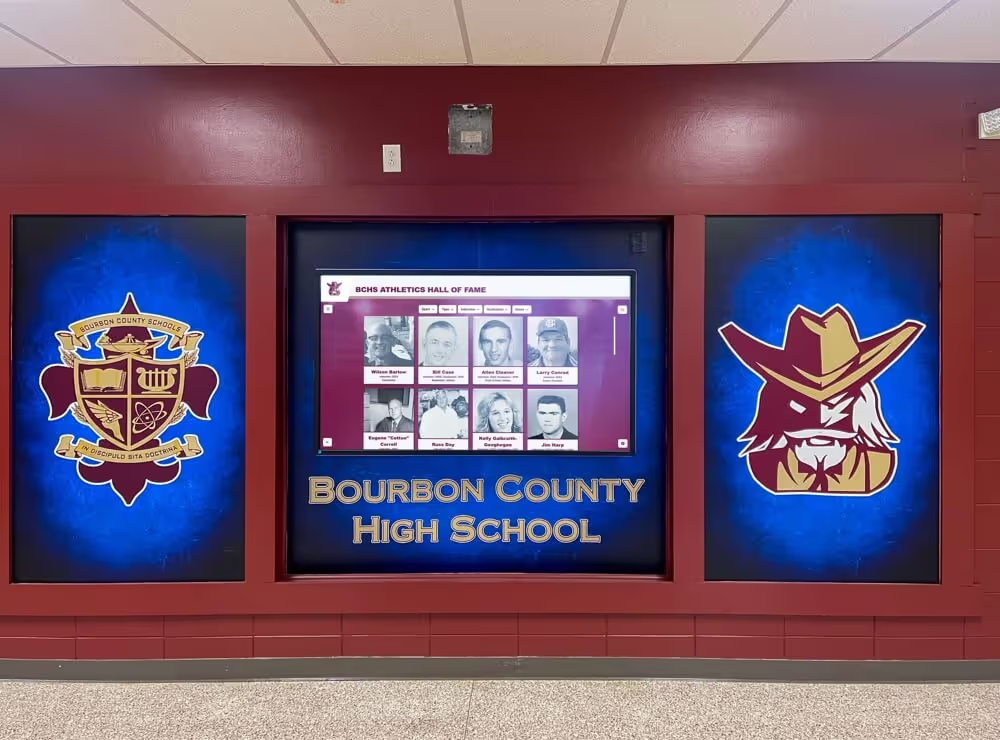
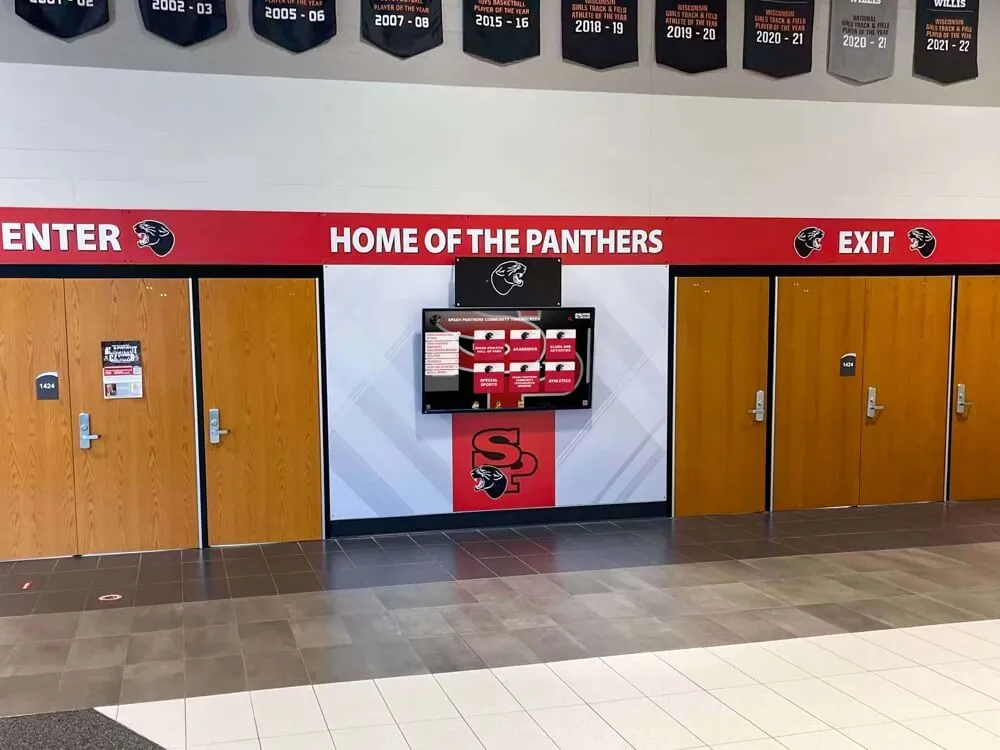
Championship and award archives spanning multiple decades are the most common source of large-export risk — a cursor policy defines how those exports stream data safely rather than pulling all records into memory at once
What Is a PostgreSQL Server-Side Cursor?
A server-side cursor in PostgreSQL is a named, session-bound query handle declared with the DECLARE statement. Once declared, the cursor executes its underlying query and holds the result set on the server. The calling application retrieves rows from the cursor in explicit, bounded batches using the FETCH command—reading, for example, 500 rows at a time until the full result set has been consumed. The cursor is then closed with the CLOSE command, releasing the server-side resources it held.
The key distinction from a plain SELECT is that a cursor keeps the result set on the server and streams it to the client on demand. The calling process never holds more rows in memory than one FETCH batch at a time. For an athletic recognition archive with 80,000 rows spanning four decades of award history, streaming in 500-row batches means the exporting process handles at most 500 rows of data per round trip—not 80,000 simultaneously.
The PostgreSQL DECLARE documentation at postgresql.org/docs/current/sql-declare.html defines the full syntax and behavior of server-side cursors, including the WITH HOLD clause, scroll behavior, and sensitivity rules discussed throughout this guide.
How Cursors Differ From COPY Imports and Offset Pagination
A cursor policy for athletic award exports is a different tool from COPY-based imports and from generic offset pagination. These distinctions matter for a school IT team deciding which mechanism to apply to which task:
- COPY is a bulk-import mechanism. It reads a flat file (CSV, text, binary) and loads rows directly into a table, bypassing the row-by-row execution path entirely. COPY is the right tool for loading a new season’s award roster from a spreadsheet export. It is not a cursor and does not stream query results.
- Offset pagination (
LIMIT n OFFSET m) reruns the underlying query from scratch for each page, paying the full query execution cost on every page request and drifting if rows are inserted or deleted between pages. For an export that reads a stable historical archive in one session, offset pagination wastes server resources and introduces consistency risk. - Server-side cursors execute the underlying query exactly once, hold the stable snapshot, and stream results in bounded FETCH batches within the same session. This is the correct mechanism for a complete export of a large, stable historical archive.
The athletic awards advisory lock policy at digitalawardsdisplay.com addresses the separate problem of coordinating concurrent import workers—a locking concern for writes, not a streaming concern for reads. A cursor policy covers the read-side export path that the advisory lock policy does not.
Transaction Snapshots and Cursor Lifetime
Every PostgreSQL cursor operates against the transaction snapshot active when the cursor was declared. In a standard (WITHOUT HOLD) cursor, that snapshot is tied to the current transaction: the cursor sees the database state as it existed when the enclosing transaction began, and rows committed by other sessions during the export are not visible to the cursor. This is the behavior that makes cursor-based exports consistent—the export reflects a single point in time, not a mix of states as rows are updated by concurrent sessions during the fetch loop.
A standard cursor also shares the transaction’s lifetime. The PostgreSQL documentation states that a cursor declared without WITH HOLD is automatically closed at the end of the transaction, whether that end is a COMMIT or a ROLLBACK. Declaring a cursor outside an explicit transaction block is an error in PostgreSQL—the cursor has no transaction to attach to.
This lifetime rule has a direct implication for long-running athletic award exports: if the export script opens a transaction, declares a cursor, and then fetches all rows across a session that takes thirty minutes to complete, that transaction remains open for the full thirty minutes. On a school database server that also runs live recognition queries for hallway kiosks, holding a long transaction open during business hours can interfere with autovacuum’s ability to reclaim dead tuples, inflate transaction ID counters, and occasionally conflict with schema maintenance operations.
A cursor policy addresses this lifetime concern by setting an explicit maximum duration for any open cursor, specifying what the export process must do if the export cannot complete within that window, and selecting the appropriate cursor variant (WITH HOLD or WITHOUT HOLD) based on the export’s duration and consistency requirements.
WITH HOLD Cursors: When and Why
The WITH HOLD option changes the cursor’s lifetime relationship with its originating transaction. When a cursor is declared WITH HOLD and the creating transaction commits, the cursor survives that commit and remains accessible in subsequent transactions within the same session. The PostgreSQL documentation explains that WITH HOLD causes the cursor’s result set to be copied to temporary storage—a temporary file or in-memory buffer—at commit time, materializing the rows that remain to be fetched.
For athletic award exports that need to release transaction overhead midway through a long fetch loop, WITH HOLD is the appropriate mechanism. The export process can:
- Open a transaction and declare a
WITH HOLDcursor - Commit the transaction, materializing remaining rows into temporary storage
- Continue FETCH batches in subsequent statements without holding an active transaction open
The tradeoff is memory and I/O cost at commit time: all remaining rows in the result set are written to the temporary storage at once. For an export of 80,000 rows where 75,000 remain when the first transaction commits, that materialization copies 75,000 rows to temporary storage immediately. On a server with limited disk or memory, this cost is relevant and should be factored into the cursor policy’s decision rules.
WITH HOLD cursors cannot be combined with FOR UPDATE or FOR SHARE. For read-only exports of historical recognition data, this restriction is not limiting—export queries do not need to lock rows.

Multi-decade team history archives powering hallway recognition displays are exactly the data volumes where a cursor policy prevents memory exhaustion and transaction overhead during full-history export jobs
The Athletic Awards Database Cursor Policy: An Eight-Step Checklist
The following eight steps define a complete cursor policy for a school or district’s athletic recognition database. Apply them as a written standard that all export scripts and administrative export tools must follow.
Step 1: Require explicit transaction wrapping for all cursor declarations
Every cursor must be declared inside an explicit BEGIN … COMMIT block. PostgreSQL rejects a DECLARE statement issued outside a transaction. Requiring explicit transactions in the policy prevents export scripts from relying on implicit transaction handling, which behaves inconsistently across different client libraries and tools.
BEGIN;

DECLARE award_export CURSOR FOR
  SELECT athlete_id, last_name, first_name, sport, award_type,
         season_year, award_date, notes
  FROM awards
  WHERE season_year BETWEEN 1980 AND 2026
  ORDER BY season_year, sport, last_name;
Step 2: Set a maximum FETCH batch size of 500 rows
Define the maximum number of rows retrieved per FETCH call. A batch size of 500 rows is a practical starting point for most school athletic recognition databases: large enough to reduce round-trip overhead, small enough to avoid holding large result sets in the export process’s memory between batches. Adjust downward if rows carry large text fields (ceremony notes, biographical summaries) or upward if rows are narrow and the export target is a fast local connection.
FETCH 500 FROM award_export;
Repeat this call in a loop until FETCH returns zero rows, signaling that the cursor has been fully consumed.
Step 3: Choose WITH HOLD or WITHOUT HOLD based on expected export duration
Use the following rule to select the cursor variant:
- Expected duration under 10 minutes and no concurrent write activity: Use WITHOUT HOLD. Keep the transaction open for the full export. The snapshot remains consistent and the transaction overhead is manageable at this duration.
- Expected duration over 10 minutes or export runs during school hours when live queries are active: Use WITH HOLD. Commit after the first successful FETCH batch to release the open transaction, then continue fetching against the materialized result set.
The cursor policy should specify this threshold explicitly so that all export jobs apply the same rule rather than leaving the decision to individual operators.
Step 4: Prohibit SCROLL unless backward fetch is explicitly required
Declare all export cursors as NO SCROLL unless the export process has a documented requirement for backward or random-position fetching. SCROLL cursors may impose a performance overhead because PostgreSQL must ensure it can satisfy backward-fetch requests. For a sequential full-archive export, backward fetch is never needed.
DECLARE award_export NO SCROLL CURSOR FOR
  SELECT ...
Step 5: Require CLOSE immediately after the fetch loop completes
Every cursor must be explicitly closed with CLOSE name immediately after the fetch loop exhausts the result set or after an error causes the loop to exit early. Leaving a cursor open beyond the end of its export job holds server-side resources—temporary storage for WITH HOLD cursors, snapshot locks for WITHOUT HOLD cursors—longer than necessary.
CLOSE award_export;
COMMIT;
For WITH HOLD cursors still open after a COMMIT, the CLOSE must be issued before the session ends; PostgreSQL closes all remaining cursors automatically at session termination, but the policy should not rely on implicit cleanup.
Step 6: Set a maximum open-cursor duration in the policy documentation
Write an explicit maximum duration into the policy: for example, “No cursor may remain open for more than 60 minutes. If an export job has not completed within 60 minutes, the cursor must be closed and the job restarted from the last successfully written batch position using a resumable export strategy.”
This rule prevents long-running export jobs from holding resources indefinitely due to a hung session, a slow export target, or a network interruption.
Step 7: Log cursor name, declared time, and row count on completion
Require every export script to log the cursor name, the time the cursor was declared, the total rows fetched, and the time the cursor was closed. This log is the basis for auditing compliance with the batch-size and duration rules in the policy.
SELECT * FROM pg_cursors;
The pg_cursors system view lists all currently open cursors in the session, including name, statement, creation time, and whether the cursor is WITH HOLD. Querying this view at the start and end of an export job confirms that no orphaned cursors are left open.
Step 8: Document the policy and include it in export script templates
Publish the cursor policy in the school’s database administration documentation and embed it as a comment block in the standard export script template. When a new staff member inherits the export process or a new tool is adopted to pull recognition data, the policy travels with the template rather than being discovered piecemeal from past jobs.
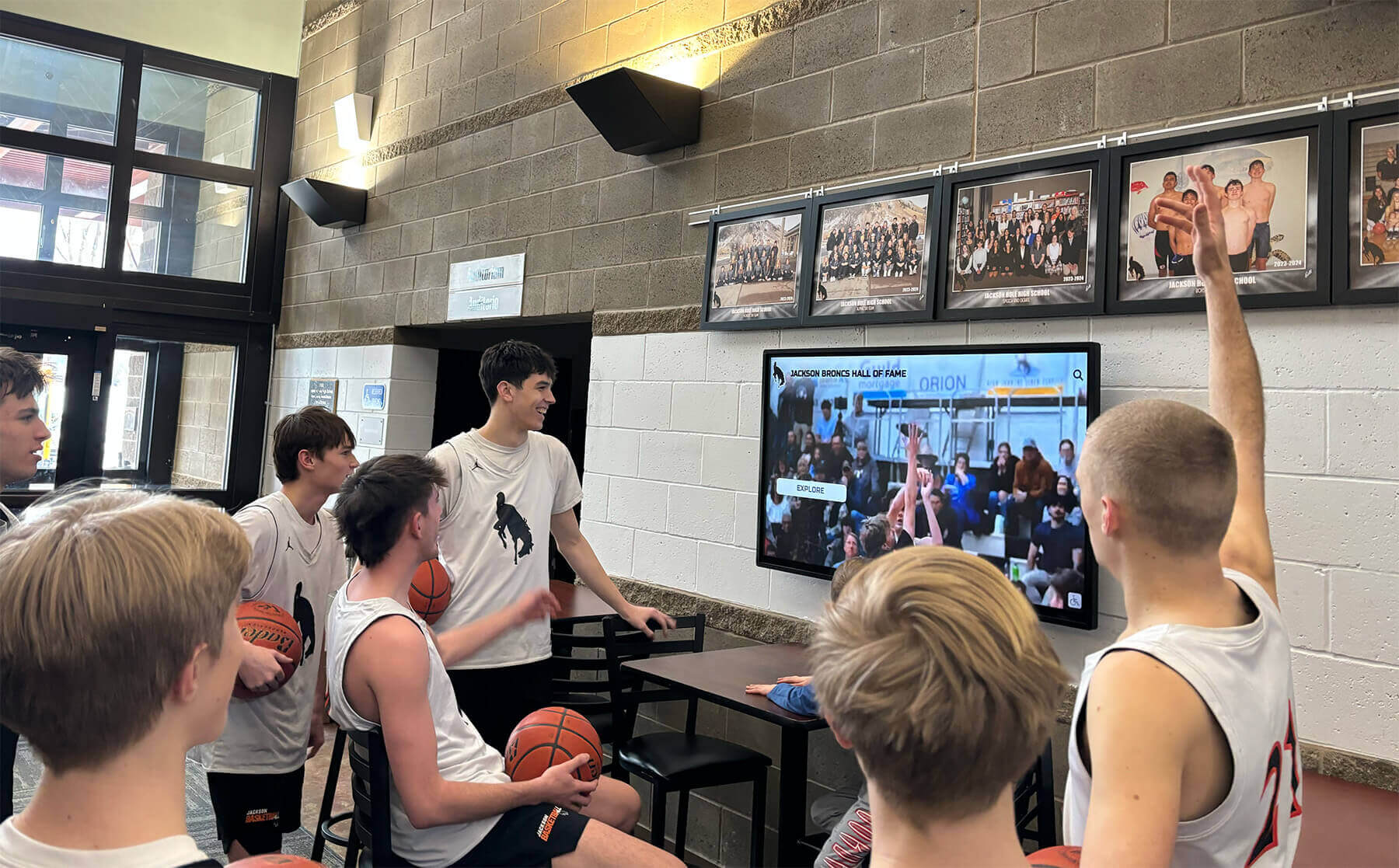
Seasonal award records displayed in school lobbies are exported, migrated, and reported through the same database pathways that a cursor policy makes safe and repeatable
Decision Table: Cursor Configuration for Common Export Scenarios
Use this table to select the appropriate cursor configuration for each export scenario. The configurations shown are illustrative starting points; adjust based on your program’s actual archive size and server capacity.
| Export Scenario | WITH HOLD | NO SCROLL | Max Batch | Notes |
|---|---|---|---|---|
| Annual season summary (< 2,000 rows) | Without Hold | Yes | 500 | Short duration; single transaction acceptable |
| Full historical archive (> 20,000 rows) | With Hold | Yes | 500 | Commit after first batch to release transaction |
| Sport-specific export (e.g., all football awards) | Without Hold | Yes | 500 | Bounded scope; transaction overhead is low |
| Multi-decade hall-of-fame export for data migration | With Hold | Yes | 250 | Smaller batches if rows carry large text fields |
| Nightly report export during off-hours | Without Hold | Yes | 500 | No concurrent write pressure; keep snapshot open |
| Ad-hoc export during school hours | With Hold | Yes | 500 | Release transaction early to avoid blocking autovacuum |
The most consequential choice in any export scenario is whether to use WITH HOLD. The decision table formalizes that choice so that operators do not make it case by case.
Schools building or expanding their physical recognition installations—trophy cases, hallway murals, and multi-panel athletic displays—face a related selection challenge at the hardware level. The glass display case selection guide at touchhalloffame.us walks through the same kind of structured decision-making for physical enclosures that this table applies to cursor configuration: matching the tool to the specific recognition scenario rather than defaulting to a single approach.
Monitoring Open Cursors During an Export Job
After declaring a cursor and beginning the fetch loop, use the pg_cursors system view to verify that the cursor is open and to check its configuration:
SELECT name,
       statement,
       is_holdable,
       is_scrollable,
       creation_time
FROM pg_cursors;
is_holdableconfirms whether the cursor was declared WITH HOLDis_scrollableconfirms whether SCROLL was declared (it should be false for export cursors following this policy)creation_timeallows the monitoring script to flag cursors that have been open longer than the policy’s maximum duration
If an export process dies unexpectedly before reaching the CLOSE statement, a WITH HOLD cursor may remain open in the session until the session itself terminates. Monitoring pg_cursors at the start of each new export job allows the administrator to detect and close any orphaned cursors from previous sessions before opening a new one.
-- Close an orphaned cursor from a prior failed job:
CLOSE award_export;
Note that a cursor from a terminated session is no longer accessible; PostgreSQL closes all session cursors automatically when a connection drops. The monitoring check for orphaned cursors applies only within the current session’s lifecycle.
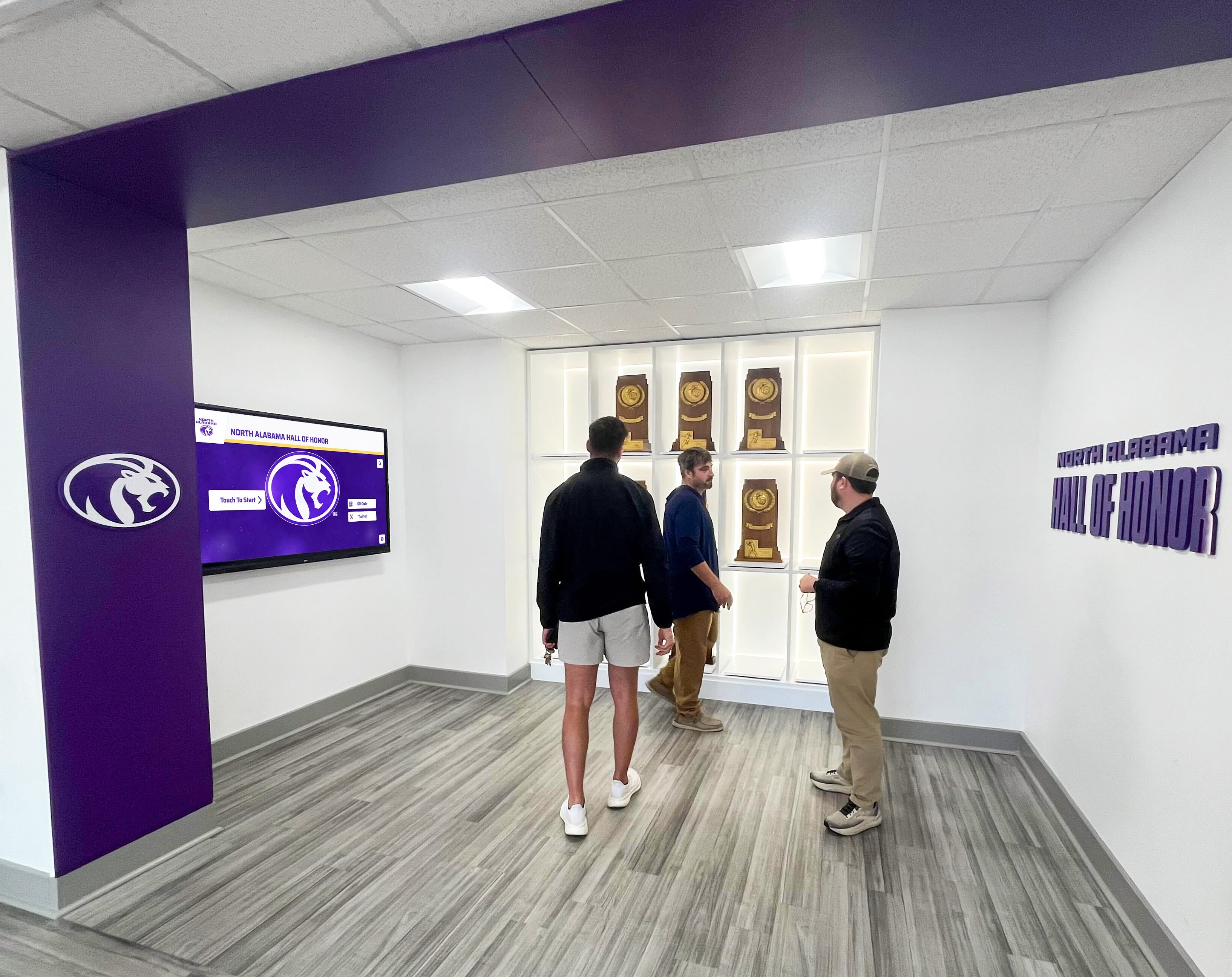
Award histories spanning multiple decades — the kind preserved in institutional halls of honor like this one — benefit from a cursor policy that makes full-archive exports safe, consistent, and repeatable across every export job
Cursor Policy and the Broader Athletic Recognition Data Lifecycle
A cursor policy for exports is one layer of a broader data governance discipline that covers the full lifecycle of athletic recognition records: import validation, duplicate detection, field-level correction policies, and export procedures. Each layer interacts with the others.
An export cursor captures the state of the recognition database at a specific point in time. The consistency of that snapshot depends on the quality of the data that import and correction policies have maintained up to that moment. A cursor that exports records with inconsistent sport codes, duplicate athlete entries, or missing season years will produce an export file with those same problems. The cursor policy governs how the data is exported safely; the import and validation policies govern what data the cursor exports.
Schools whose alumni data management needs extend beyond athletics—covering academic honor societies, STEM awards, arts recognition, and community service honors—face a larger data lifecycle. The alumni database software guide for K–12 schools at halloffame-online.com covers the software layer that sits above the PostgreSQL database: the tools used to enter, verify, and present recognition records across achievement categories. Export cursor policy sits below that layer, at the database engine level, ensuring that whatever the software layer asks the database to deliver, it delivers safely.
The broader context for recognition programs—why schools invest in preserving athletic achievement data in the first place, and what recognition means to student athletes—is well described in the athletic awards and student athlete recognition overview at touchscreenwebsite.com. The technical policies in this guide exist to protect that recognition legacy, not as ends in themselves.
Integrating Cursor Policy With Recognition Platform Workflows
For programs whose athletic recognition records live in a purpose-built digital recognition platform rather than a self-managed PostgreSQL instance, the database export layer is abstracted behind the platform’s reporting and data-export tools. The platform’s engineering team governs the cursor policy, batch sizing, and WITH HOLD logic as part of the managed service—school IT staff interact with the export through a CMS or API endpoint rather than writing DECLARE and FETCH statements directly.
For programs that do manage their own PostgreSQL instance, the cursor policy in this guide provides the framework to run large historical exports safely. The goal in either case is the same: preserve the athletic recognition archive in a form that can be reported, migrated, backed up, and presented without data loss, corruption, or server disruption.
Schools that maintain sport-specific recognition programs—baseball awards, youth athletic honors, and sport-specific hall-of-fame rosters—accumulate record volume that grows predictably year over year. The baseball awards and youth recognition ideas at touchwall.tv illustrates the variety of award types that a single sport program can generate across a full recognition season. Each of those award types adds rows to the tables that an export cursor must traverse safely.

Sport-specific recognition walls that catalog awards across multiple seasons and categories accumulate the kind of record volume where a documented cursor policy is the difference between a safe, repeatable export and a resource-exhausting one
FAQ: Athletic Awards Database PostgreSQL Cursor Policy
What is an athletic awards database postgres cursor policy?
An athletic awards database postgres cursor policy is a set of documented rules governing how PostgreSQL server-side cursors are declared, fetched from, and closed during large athletic recognition data exports. It specifies FETCH batch size, WITH HOLD versus WITHOUT HOLD selection, maximum open duration, and required CLOSE procedures—ensuring that every export job uses cursors consistently and safely regardless of who runs it.
When should an athletic award export use WITH HOLD instead of a standard cursor?
Use WITH HOLD when the export is expected to run longer than ten minutes or runs during hours when live recognition queries are active. WITH HOLD commits the creating transaction after the first FETCH batch, releasing transaction overhead while remaining rows are materialized to temporary storage on the server. Use a standard (WITHOUT HOLD) cursor for short exports or off-hours jobs where keeping a transaction open is not a concern.
How does a cursor-based export differ from offset pagination?
A server-side cursor executes its query exactly once and streams results in bounded batches within the same session, maintaining a stable transaction snapshot. Offset pagination re-executes the full query for each page, pays the full execution cost every time, and risks row drift if records change between page requests. For large historical athletic recognition archives, cursor streaming is more efficient and consistent than pagination.
What happens if an export session ends before the cursor is closed?
PostgreSQL automatically closes all open cursors—including WITH HOLD cursors—at session termination. No manual cleanup is needed for cursors belonging to a terminated session. The policy’s explicit CLOSE requirement governs normal export flow: the script must close the cursor after the fetch loop completes rather than relying on session termination as the cleanup path.
How can an administrator verify no export cursor has been left open?
Query the pg_cursors system view, which lists all currently open cursors in the session along with their name, creation time, and holdable status. Running this query at the start of an export job confirms no orphaned cursors from prior failed jobs remain open. The cursor policy should include this check as a mandatory first step before declaring a new export cursor.
A Cursor Policy That Protects School Athletic Legacy
An athletic awards database postgres cursor policy is a practical, low-cost administrative control that prevents large historical exports from exhausting server memory, holding open transactions longer than necessary, or leaving database resources in an indeterminate state. The eight-step checklist in this guide gives any school IT team or data custodian the framework to define, document, and enforce that policy before the next major export job—whether that job is a seasonal data migration, a historical archive transfer, or a routine reporting pull against decades of recognition records.
Athletic recognition programs preserve something of genuine institutional value: the record of every student who earned a letter, made an all-conference team, received a hall-of-fame induction, or won a sport-specific honor. The database policies that govern how those records are maintained and exported are the administrative layer that keeps that legacy intact across staff transitions, system upgrades, and program expansions.
See How 600+ Schools Keep Award Records Accessible and Display-Ready
Rocket Alumni Solutions' cloud-based digital recognition platform manages award records, recognition display publishing, and data access in a fully maintained environment — so your athletic department can focus on honoring students, not maintaining database infrastructure. WCAG 2.1 AA compliant displays work on any screen from 32" to 100"+, with unlimited inductees, categories, and multimedia content. Remote CMS access lets staff update and publish recognition records from anywhere.
Request a Custom Demo