



Intent: define. An athletic awards database statement timeout policy is a documented operational rule that caps how long any single database query is allowed to run before the system automatically cancels it—ensuring that a slow end-of-season import, a multi-year statistical report, or a background data job cannot block a student, parent, or administrator trying to look up a recognition record on a public display or kiosk.
This guide defines what a statement timeout policy covers, explains why an unbounded query environment creates real availability risks for athletic recognition programs, and walks IT staff, database administrators, and athletic directors through a numbered implementation procedure with recommended timeout tiers, a ready-to-use policy table, and a practical FAQ section.
When parents stop at a hallway kiosk to look up a student-athlete’s career statistics, or when a coach searches an award database to confirm a letter-winner’s eligibility record at the start of a new season, those queries need to return results in seconds. They rarely compete with other searches. But they can compete—and lose—to a warehouse-style query that someone left running in the background: a season-end statistical import touching tens of thousands of rows, a report pulling every championship record across fifteen years, or a deduplication job that a well-meaning staff member kicked off without a timeout set.
An athletic awards database statement timeout policy is the operational control that keeps the public-facing experience fast regardless of what the back-office operations are doing. Without one, a single long-running query can lock rows, saturate connection pools, or push the database server into resource contention that makes every other query slow—including the ones that students, families, and visiting scouts are waiting on at an awards display kiosk.

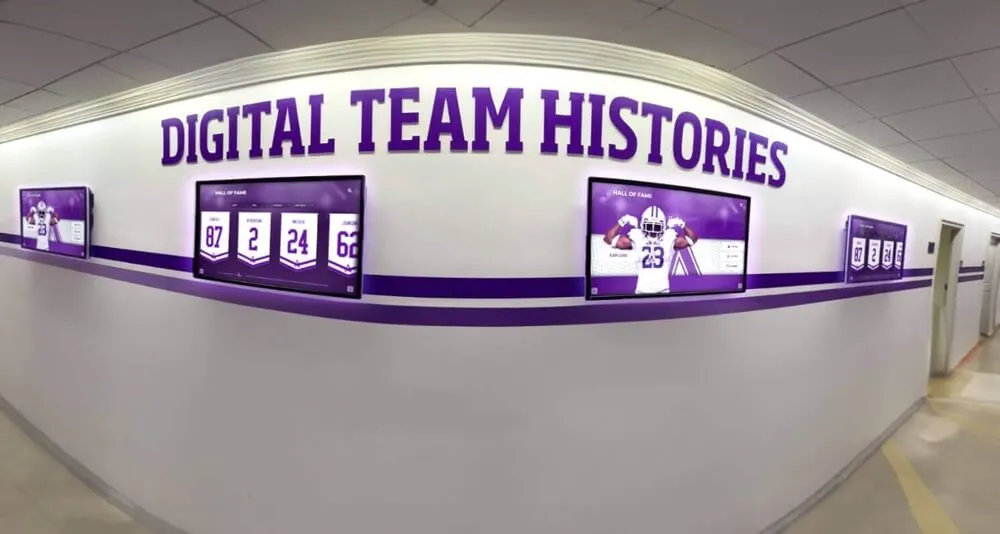
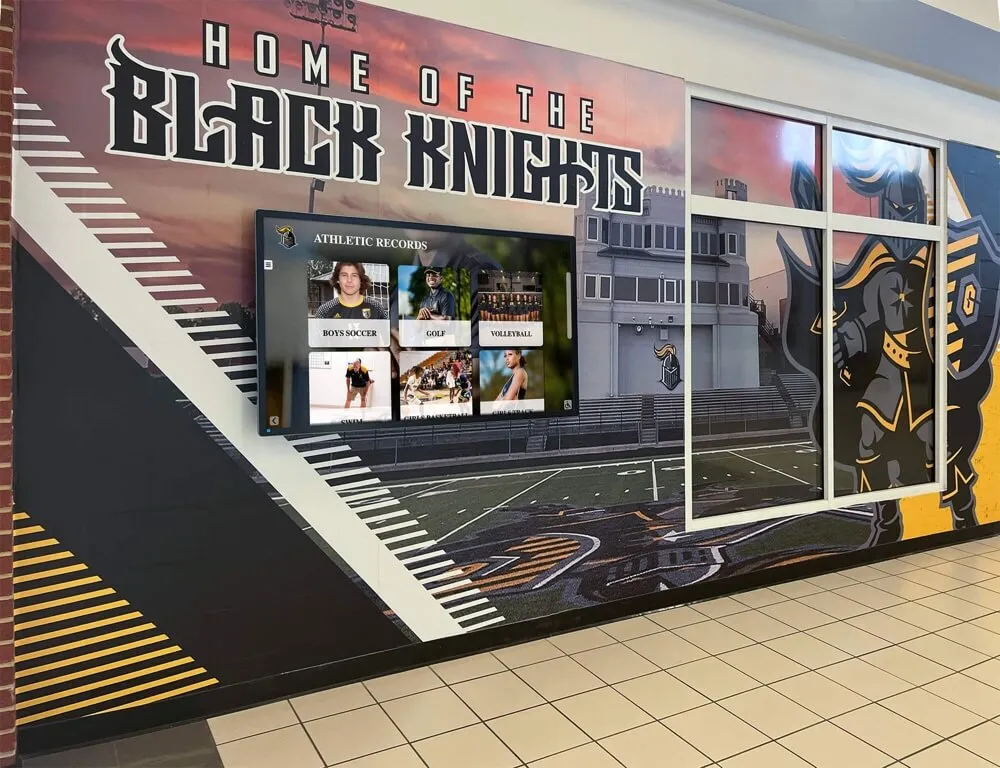
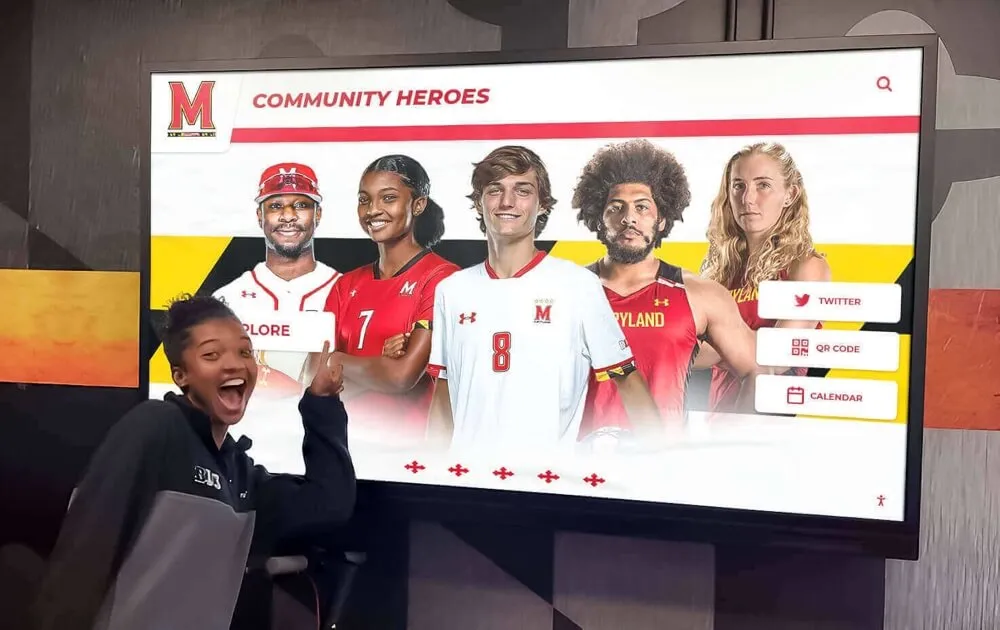
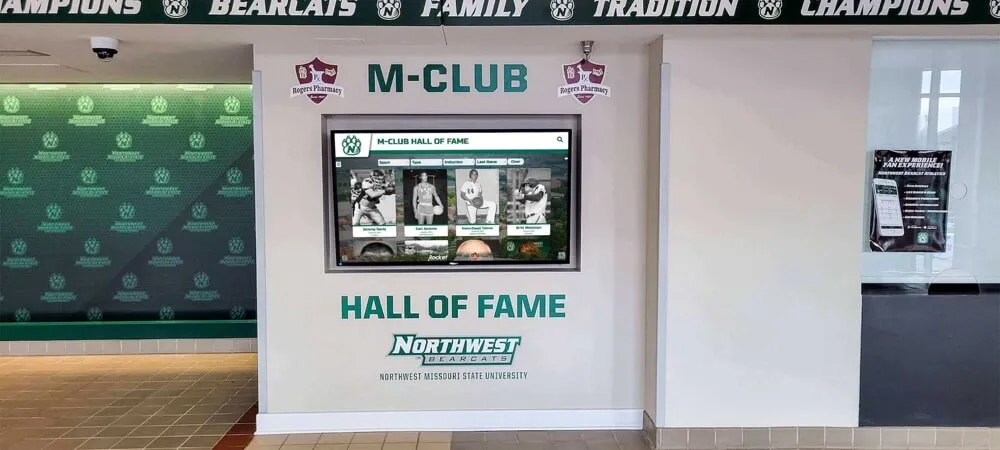
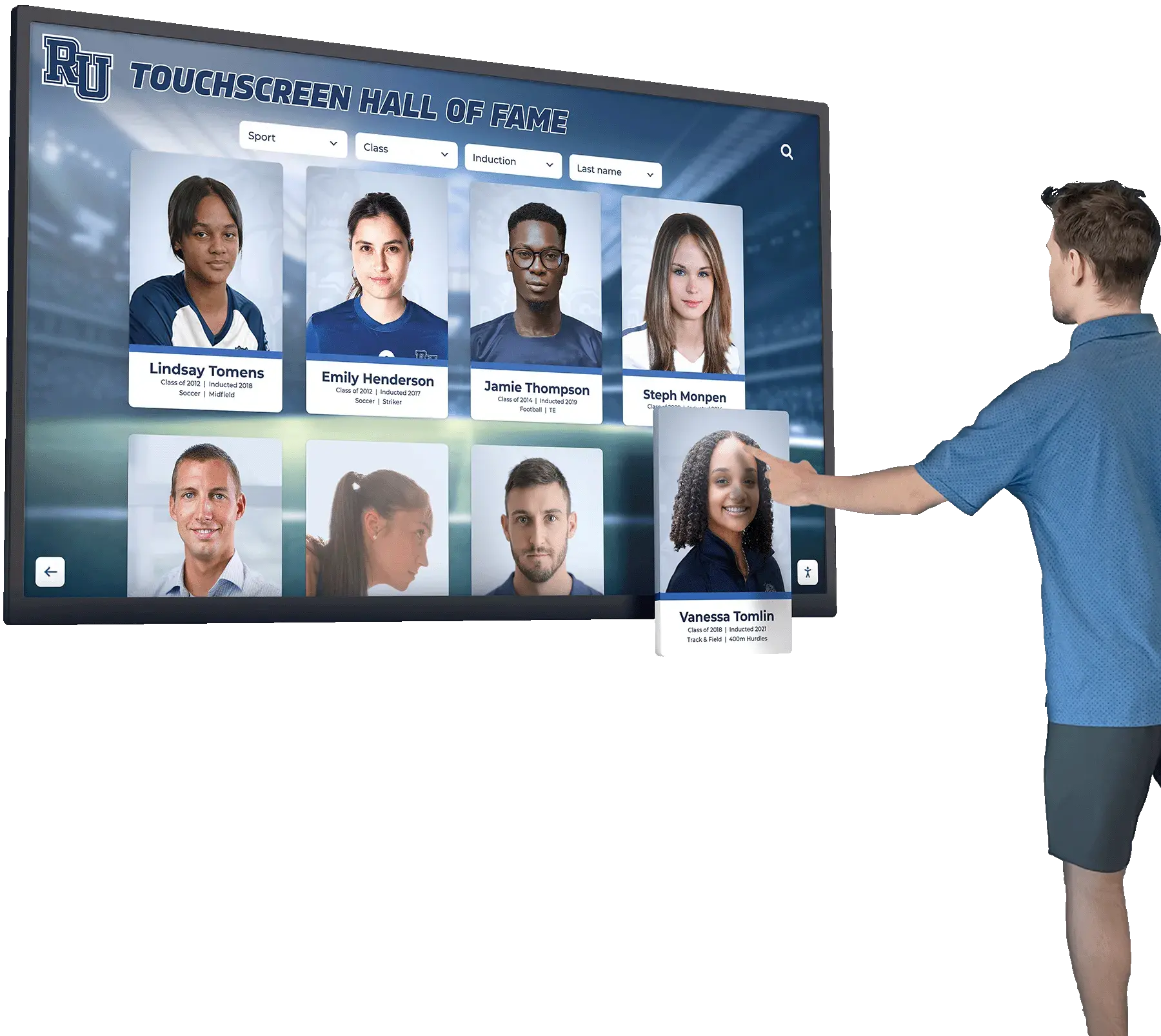
Athletic recognition kiosks and display screens depend on fast database query response—a statement timeout policy prevents background operations from slowing the searches that visitors, students, and families run in real time
What Is an Athletic Awards Database Statement Timeout Policy?
A statement timeout policy is a formal document that specifies the maximum execution time allowed for database queries in each operational context—and defines the procedures for setting, enforcing, monitoring, and reviewing those limits across the athletic awards system.
In PostgreSQL, which underlies many school and enterprise recognition platforms, the timeout is set with the statement_timeout parameter. When a query exceeds the configured limit, the database engine cancels it and returns an error to the calling application rather than continuing to consume resources. The application then handles the cancellation—typically by surfacing a user-friendly message or routing the request to a queue for background processing.
The policy document is not the technical configuration itself. It is the institutional agreement that:
- Defines which timeout value applies to which type of operation
- Specifies who owns the timeout configuration for each system component
- Documents the escalation path when a query needs to exceed the standard limit
- Establishes a review cycle so limits remain appropriate as data volumes grow
Without the policy, timeout values—if set at all—tend to be inconsistent across application roles, environment configurations, and deployment updates. The policy is what keeps the configuration coherent across staff changes, platform upgrades, and seasonal peaks.
Why Athletic Awards Databases Need a Timeout Policy
Athletic recognition databases do not typically hold the largest data volumes in a school’s information environment, but they are subject to workload patterns that create timeout-related availability risks. Two operational rhythms drive the risk:
Seasonal bulk operations. At the close of each season, athletic departments import or update large batches of records: end-of-season statistics, letter award lists, all-conference selections, and hall of fame nomination data. These imports can run against tables that public-facing searches also hit in real time. Without a policy that routes bulk imports to off-peak windows or enforces lower resource priority, a mid-day import can degrade the display experience for anyone visiting a kiosk during that window.
Ad-hoc report queries. Staff members running multi-year statistical analyses or cross-sport comparison reports through a database connection that does not have a statement timeout set can accidentally execute full-table scans that run for minutes. If those queries hold locks or saturate a connection pool, the database cannot respond to the lightweight lookups that recognition display software issues dozens of times per hour.
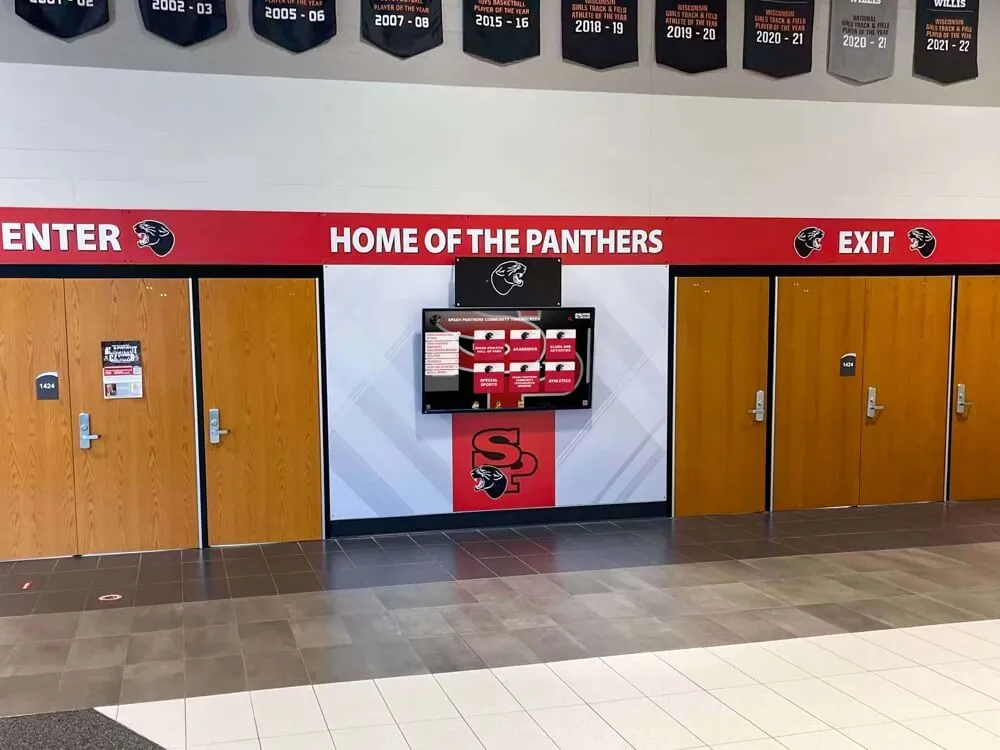
The athletic display environment makes these availability risks visible in ways that an internal-only database does not. Recognition kiosks in school lobbies, hallway displays showing current record boards, and touchscreen systems that families and recruits interact with during campus visits are continuously polling the awards database. A query that degrades database performance for sixty seconds causes visible slowdowns on every active display during that window.
Schools that display athletic records alongside academic honor rolls, arts program recognition, and community service awards—the broader recognition mix that a comprehensive awards display covers—face the same risk across every category whenever a large background query runs without a bounded execution limit. The complete guide to digital record boards at digital-trophy-case.com covers how schools design and operate record displays that depend on consistently responsive data retrieval, which requires the underlying database to be protected from unbounded queries at the infrastructure level.
Core Components of a Statement Timeout Policy
A complete athletic awards database statement timeout policy covers five areas:
1. Scope. Which databases, schemas, and application roles the policy applies to. A school running a dedicated athletic awards database separate from its student information system should scope the policy to the awards database specifically; schools running awards data in a shared schema need to account for the interaction with other workloads.
2. Timeout tiers. The specific timeout values that apply to each operational context. A well-structured policy defines at least three tiers: interactive (user-facing) queries, automated background jobs, and administrative operations. Each tier has a different limit reflecting the different tolerance for execution time.
3. Enforcement mechanism. How the timeout values are set and enforced. In PostgreSQL, this is typically a combination of role-level defaults (ALTER ROLE ... SET statement_timeout) and application-level settings passed in connection strings or session initialization. The policy names which mechanism is authoritative for each role.
4. Exception process. The documented path for requesting a timeout override when a specific operation legitimately needs to exceed the standard limit. The exception process includes who approves overrides, what documentation is required, and whether the override applies to a single session or a persistent role-level change.
5. Review schedule. How often the policy and its timeout values are reviewed. As data volumes grow and query patterns shift—particularly in an athletic program that adds sports, award categories, or historical records each year—timeout values that were appropriate at launch may become too restrictive or too permissive. An annual review tied to the offseason is a natural cadence for most school athletic programs.
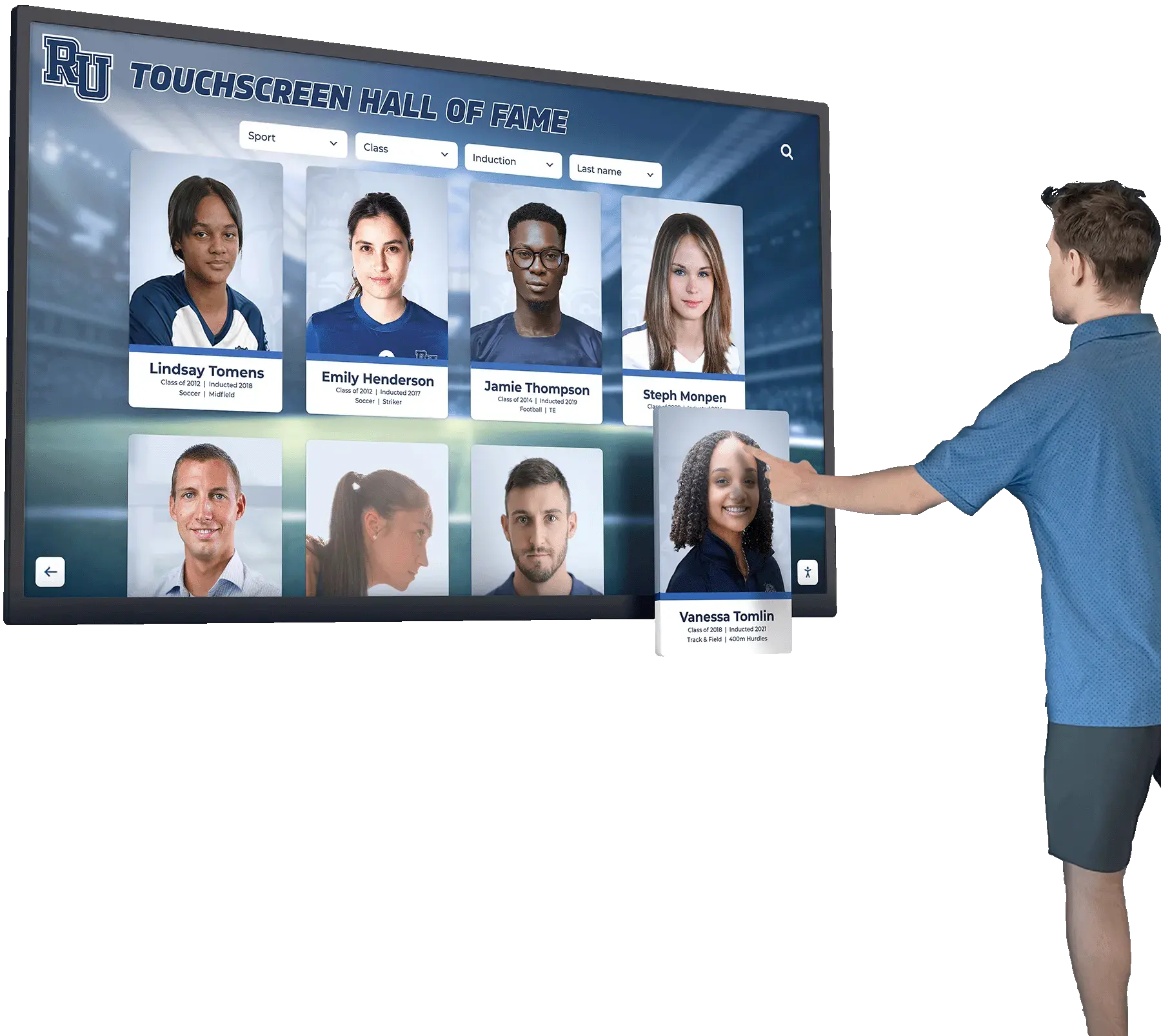
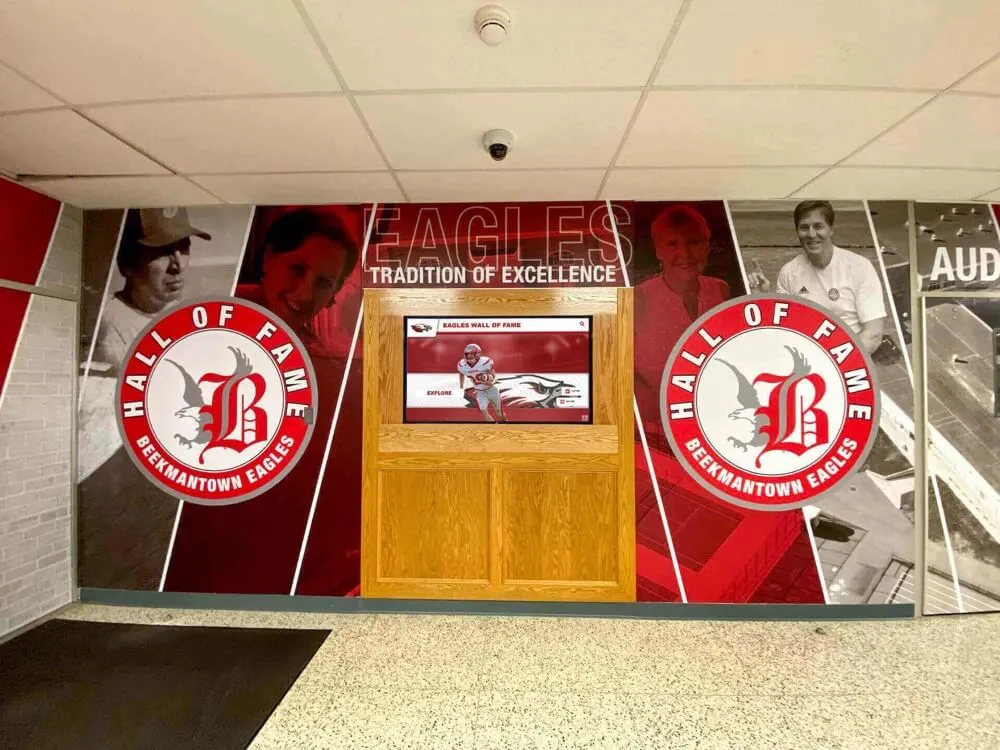
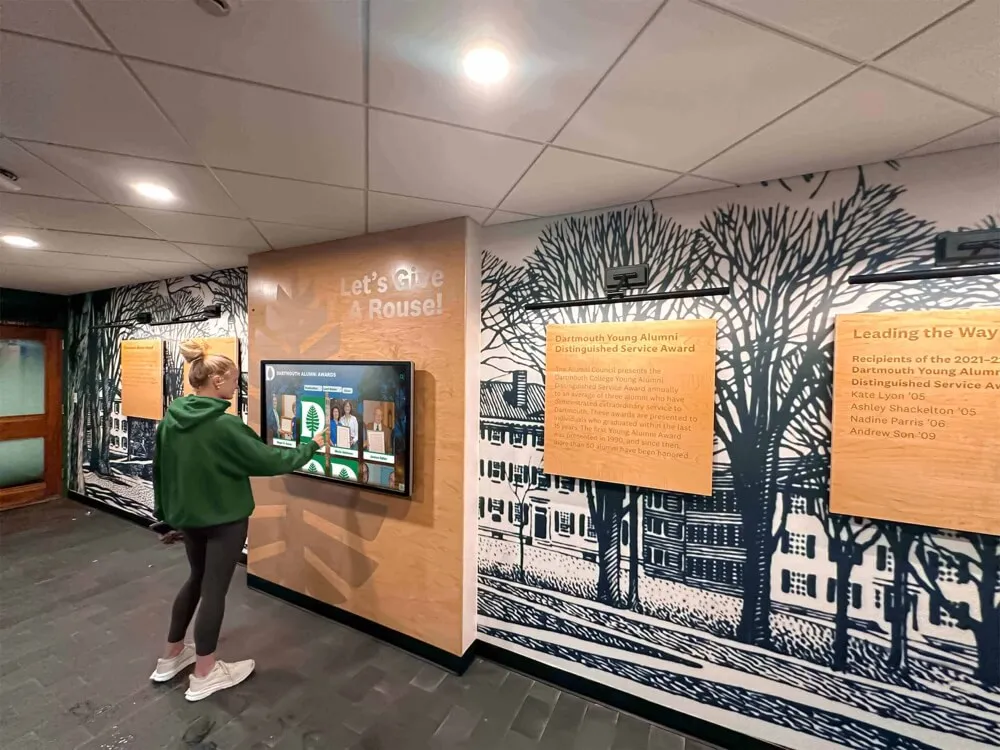
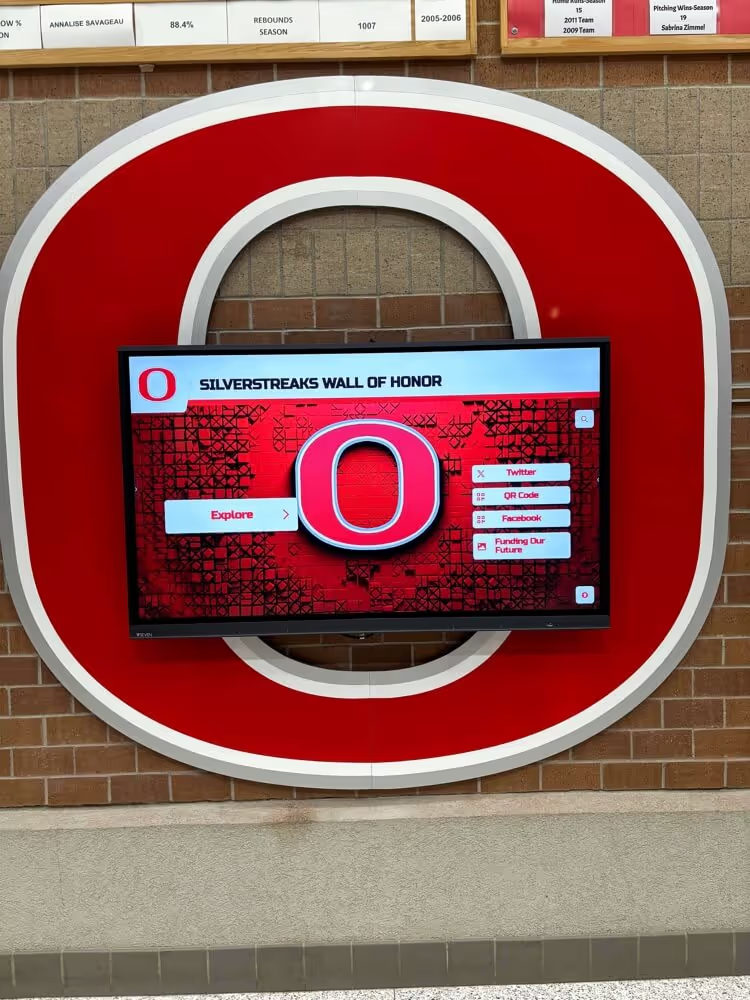
Interactive kiosk searches must return results within a few seconds—statement timeout tiers prevent background operations from borrowing the database resources that drive real-time recognition lookups
Recommended Statement Timeout Tiers for Athletic Awards Databases
Use this table as a starting point. Adjust timeout values based on your specific database size, hardware, and query complexity before finalizing the policy document.
| Operation Tier | Example Operations | Recommended Timeout | Rationale |
|---|---|---|---|
| Interactive / user-facing | Athlete search, award lookup, record board query, kiosk display refresh | 5–10 seconds | Visitors and users expect near-instant results; queries in this tier should be indexed and fast by design |
| Scheduled background jobs | End-of-season import, deduplication run, award rollup calculation | 2–5 minutes | Legitimate long-running operations with defined scope; should run in off-peak windows |
| Administrative / ad-hoc reports | Multi-year statistical analysis, cross-sport comparison, bulk export | 10–15 minutes | Analyst-initiated queries with potentially large scans; should use a dedicated admin role with an explicit timeout |
| Database maintenance | Index rebuild, VACUUM ANALYZE, backup | No timeout (connection-level override with documented approval) | Maintenance operations are resource-controlled by scheduling rather than by execution time |
The most important boundary in this table is the gap between the interactive tier (5–10 seconds) and everything else. Interactive queries that approach or exceed the timeout limit are a signal that an index is missing, a query is poorly structured, or data volume has grown beyond what the current schema and hardware can handle efficiently. A timeout hit in the interactive tier should trigger an investigation, not just a retry.
Eight-Step Procedure: Implementing a Statement Timeout Policy
This procedure applies to schools running a self-hosted PostgreSQL database for their athletic awards system, and to schools working with a recognition platform vendor to configure database access policies.
Step 1: Inventory all database roles and connection types
List every application role, service account, and user account with access to the athletic awards database. Include the recognition platform application role, any reporting tool service accounts, administrative access accounts, and any integration connectors that pull data for third-party systems. Each entry in this inventory will be assigned a timeout tier in Step 3.
Step 2: Classify each role by its expected query pattern
For each role in the inventory, identify whether it issues interactive queries (display software, search applications), scheduled batch operations (import jobs, nightly rollups), or analyst-driven ad-hoc queries (reporting tools, direct database access). Roles that serve multiple patterns should be split into separate roles or connection pools, each with an appropriate timeout configured.
Step 3: Assign timeout tiers from the policy table
Map each classified role to a timeout tier from your policy table. Document the mapping in the policy document itself, with the role name, the assigned tier, and the specific timeout value in milliseconds.
Step 4: Configure timeouts at the role level in PostgreSQL
For each role, apply the timeout using ALTER ROLE:
-- Interactive display application role
ALTER ROLE awards_display_app SET statement_timeout = '10000'; -- 10 seconds

-- Background import service account
ALTER ROLE awards_import_svc SET statement_timeout = '300000'; -- 5 minutes

-- Administrative reporting role
ALTER ROLE awards_admin_rpt SET statement_timeout = '900000'; -- 15 minutes
Role-level defaults persist across connections and survive application restarts—they do not need to be set in each connection string.
Step 5: Validate timeout enforcement in each environment
In a staging environment, run a query known to exceed each timeout threshold and confirm that the database cancels the query within the expected window and returns an error to the calling application. Confirm that the application handles the cancellation gracefully (displays a user-friendly message or queues the operation) rather than surfacing a raw database error to the end user.
Step 6: Configure application-level error handling for timeout responses
Ensure that the recognition display application and any staff-facing tools treat a statement timeout cancellation as a recoverable error, not a fatal one. For interactive display queries, the application should return a message such as “Search results are temporarily unavailable—please try again in a moment” rather than a blank screen or an error code. For batch import jobs, a timeout should trigger a job failure notification to the responsible staff member rather than a silent failure.
Step 7: Document the exception process and communicate it to staff
Publish the exception process to all staff who have database access or who run reports against the awards system. The exception process should be simple: a brief written request to the database administrator naming the specific operation, the estimated execution time, and the business reason. One-time exception approvals should be granted as session-level overrides (SET LOCAL statement_timeout = '0') scoped to the specific operation, not as persistent role-level changes.
Step 8: Schedule an annual policy review
Set a recurring review at the start of each offseason. During the review, examine query logs for timeout cancellations in each tier over the past year. Interactive-tier cancellations indicate queries that need optimization or indexing. Batch-tier cancellations indicate that data volume growth may require a limit increase or a query refactor. Adjust timeout values based on observed patterns and document the rationale for any changes.
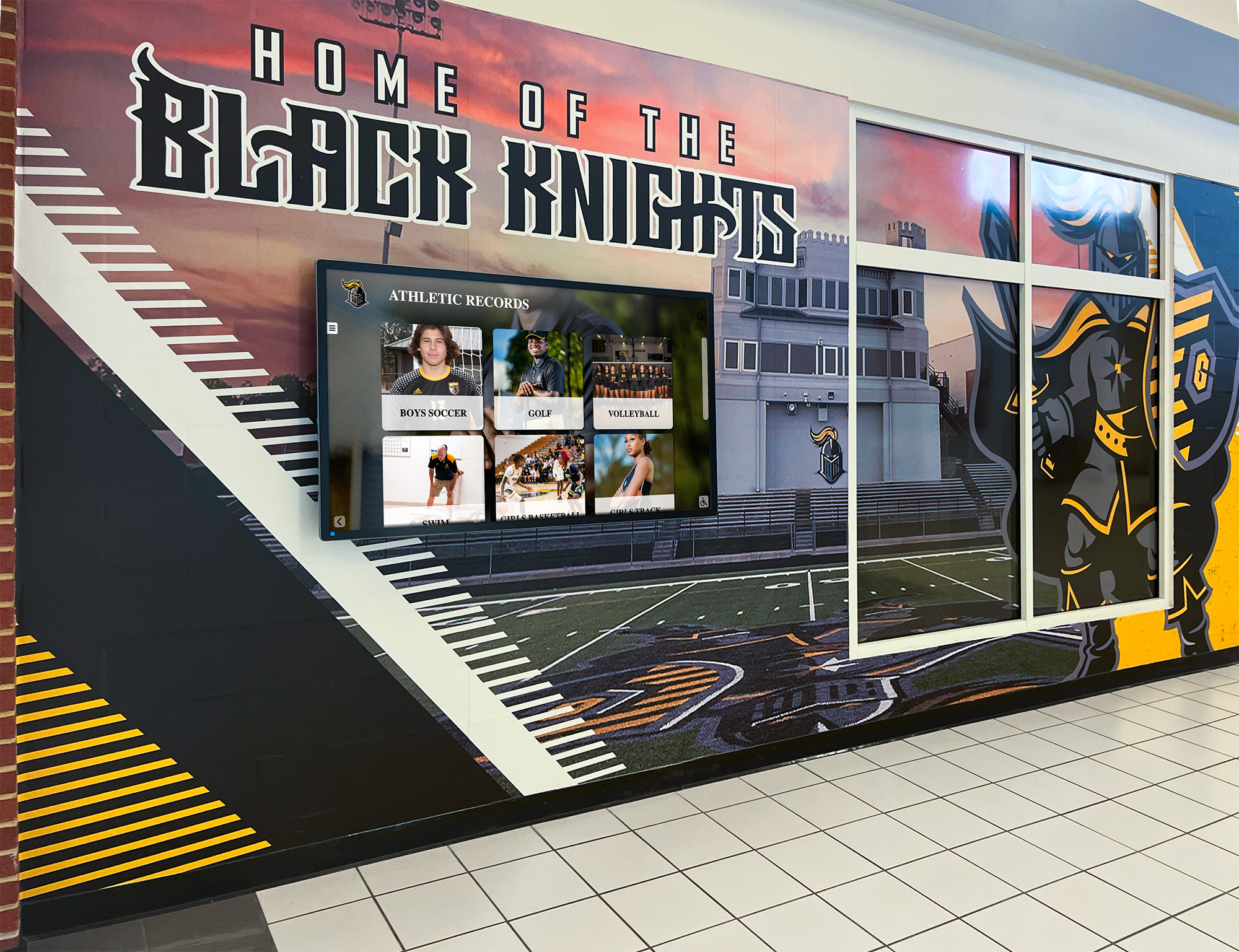
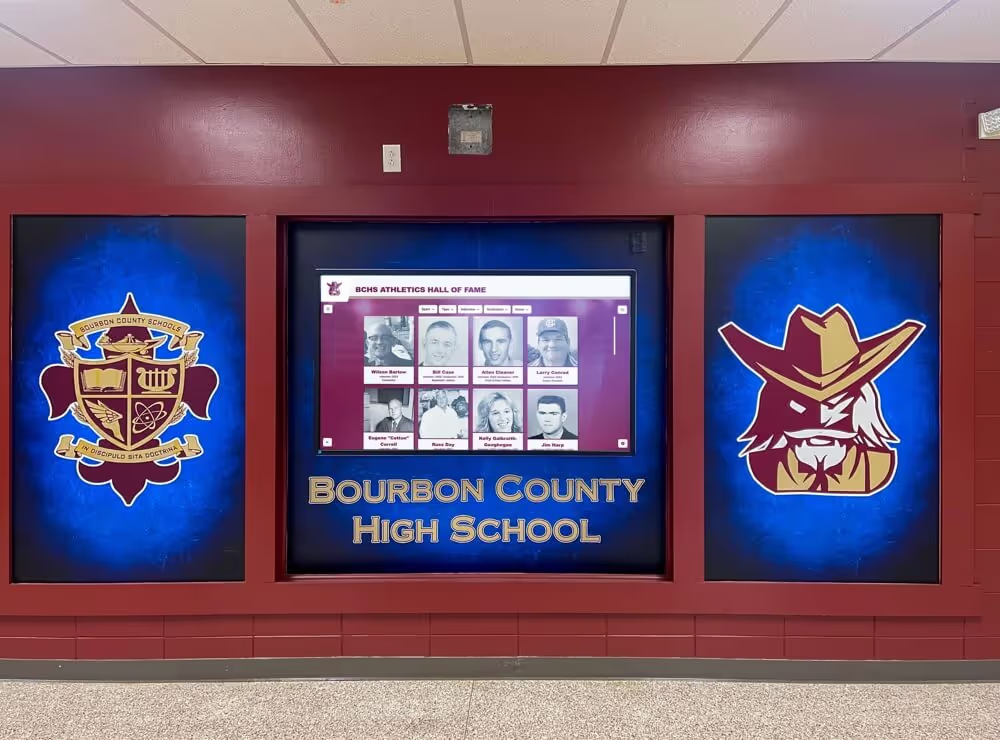
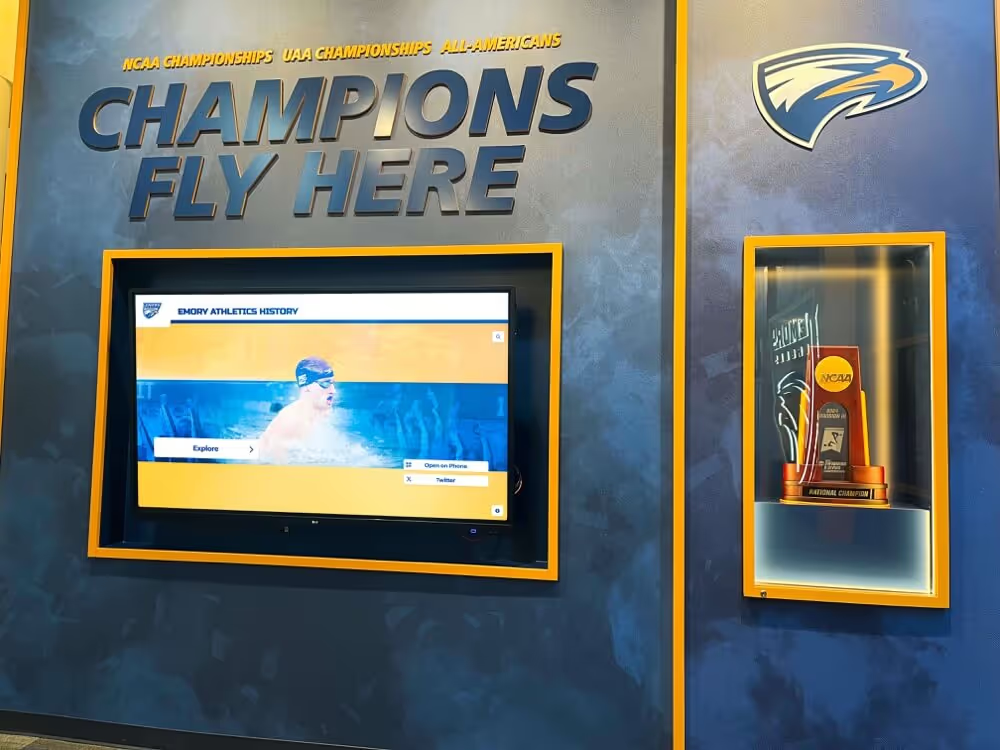
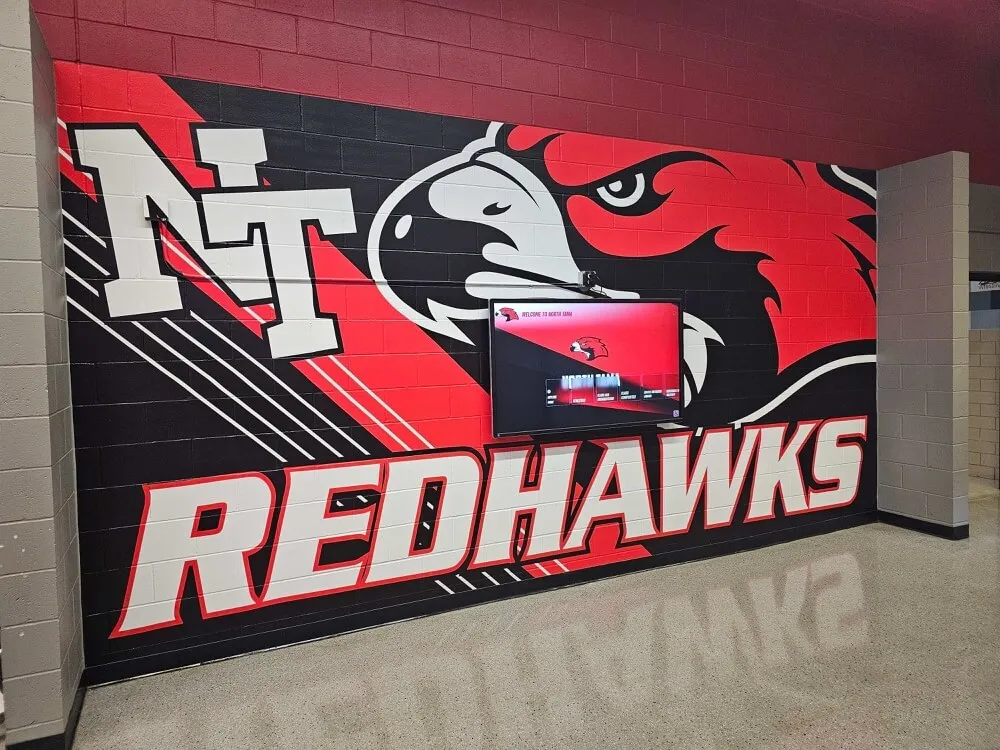
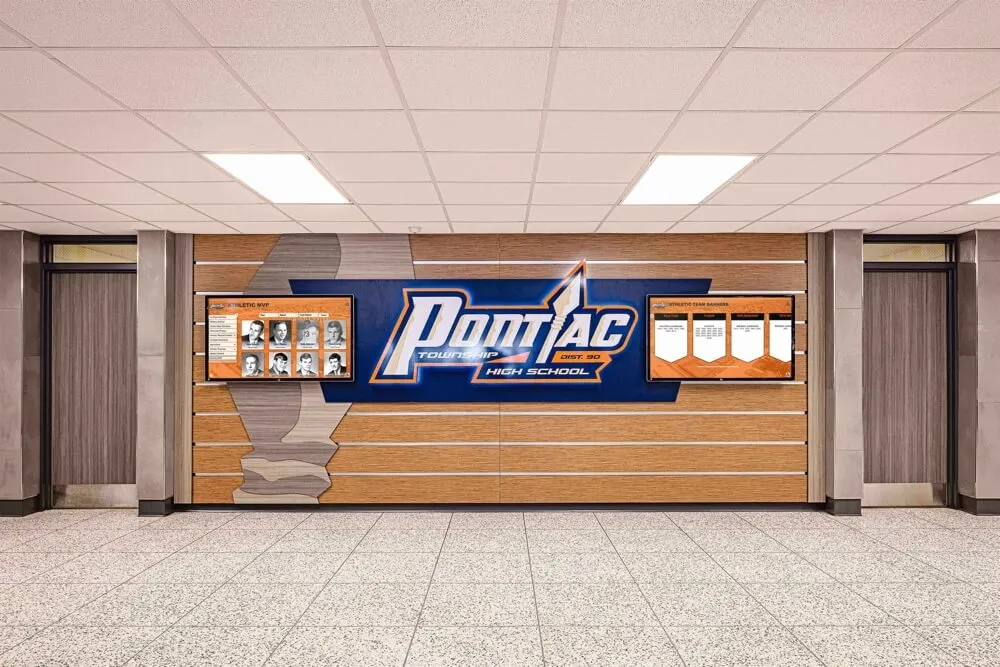
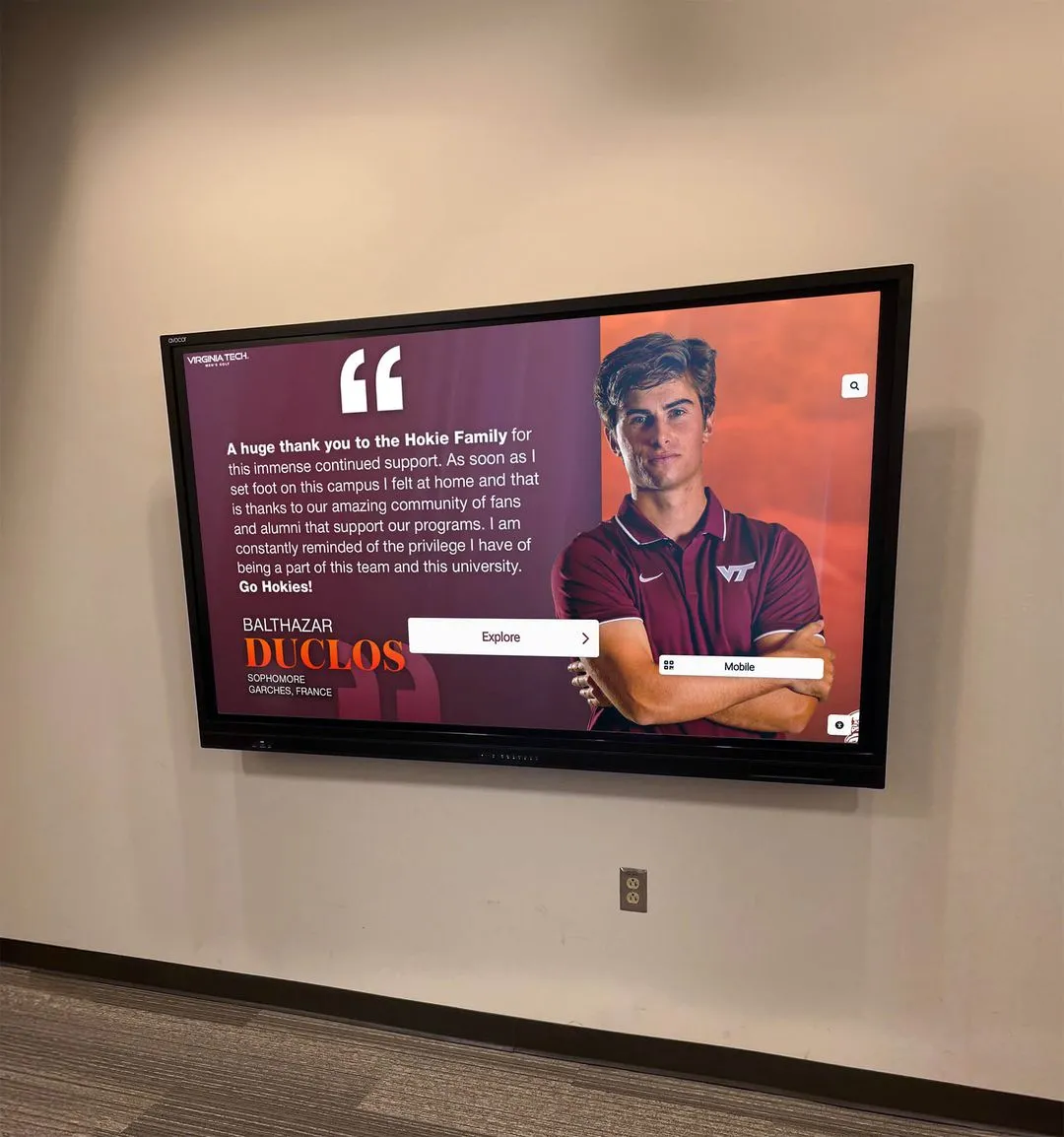
Championship records and recognition displays in school hallways are refreshed continuously from the awards database—a well-configured statement timeout policy keeps those refreshes fast even when background data operations are running
How to Handle Off-Peak Imports and Long-Running Reports
The most practical mitigation for long-running operations in an athletic awards database is not a higher timeout limit—it is scheduling. Bulk imports, statistical rollups, and multi-year reports should run during windows when the recognition display system has minimal active traffic.
For most school athletic programs, low-traffic windows fall between midnight and 6 a.m. on weekdays, and during class periods on school days when lobby kiosks see reduced foot traffic. Scheduling end-of-season imports and report jobs in these windows means the long-running operations complete without competing with the interactive queries that drive the public display experience.
When a long-running operation genuinely needs to run during peak hours—for example, a mid-day data correction following a ceremony where records were updated in real time—the exception process in the policy document should require a brief notification to the staff managing the recognition display, so they can monitor for display slowdowns during the operation window.
Athletic programs that have moved to a cloud-based recognition platform rather than a self-hosted database typically work with their platform vendor on the equivalent of a statement timeout policy, even if the technical implementation differs. The vendor’s operational SLA should address how background import and processing operations are isolated from the interactive queries that drive display performance. Schools evaluating recognition platforms can ask vendors directly whether background data operations run in isolated connections with separate resource limits from the interactive display application. The athlete recovery and wellness hub guide at touchscreenwebsite.com is a useful comparison point for how schools think about managing data-intensive operations—in this case around athlete health tracking—where operational reliability directly affects participant experience.
See How Rocket Alumni Solutions Manages Recognition Data at Scale
Rocket Alumni Solutions' cloud-based platform runs award display queries and background data operations in isolated environments, so your public recognition kiosks stay responsive even during end-of-season imports and large reporting runs. WCAG 2.1 AA compliant displays work on any touchscreen from 32" to 100"+.
Schedule a Platform DemoTimeout Policy Considerations for Shared and Multi-Tenant Environments
Schools that run their athletic awards database on shared infrastructure—a database server that also hosts the student information system, the library catalog, or other school applications—need a timeout policy that accounts for contention from outside the awards system.
In a shared environment, a long-running query from an unrelated application can consume I/O bandwidth or lock shared resources in ways that slow awards database queries even if every awards-specific role has an appropriate timeout configured. The timeout policy for a shared environment should include:
- A dedicated connection pool for the awards display application, separate from any shared pool used by other applications
- Documentation of the other applications running on the same server, their typical query patterns, and their peak usage windows
- A process for coordinating with the administrators of other applications before scheduling large batch operations that could affect shared resources
Schools that have moved athletic awards records from shared spreadsheets and paper files to a centralized digital recognition platform—particularly one used across multiple achievement categories including academic honors, arts recognition, and community service awards—often find that the query performance and operational isolation problem resolves naturally: purpose-built recognition platforms are designed from the start to serve display queries reliably while handling data management operations in the background.
The digital hall of fame canonical tag audit guide at halloffametouchscreen.com addresses a related operational governance topic—keeping the technical configuration of a recognition platform auditable and consistently maintained—which reflects the same documentation discipline that makes a statement timeout policy effective over time.
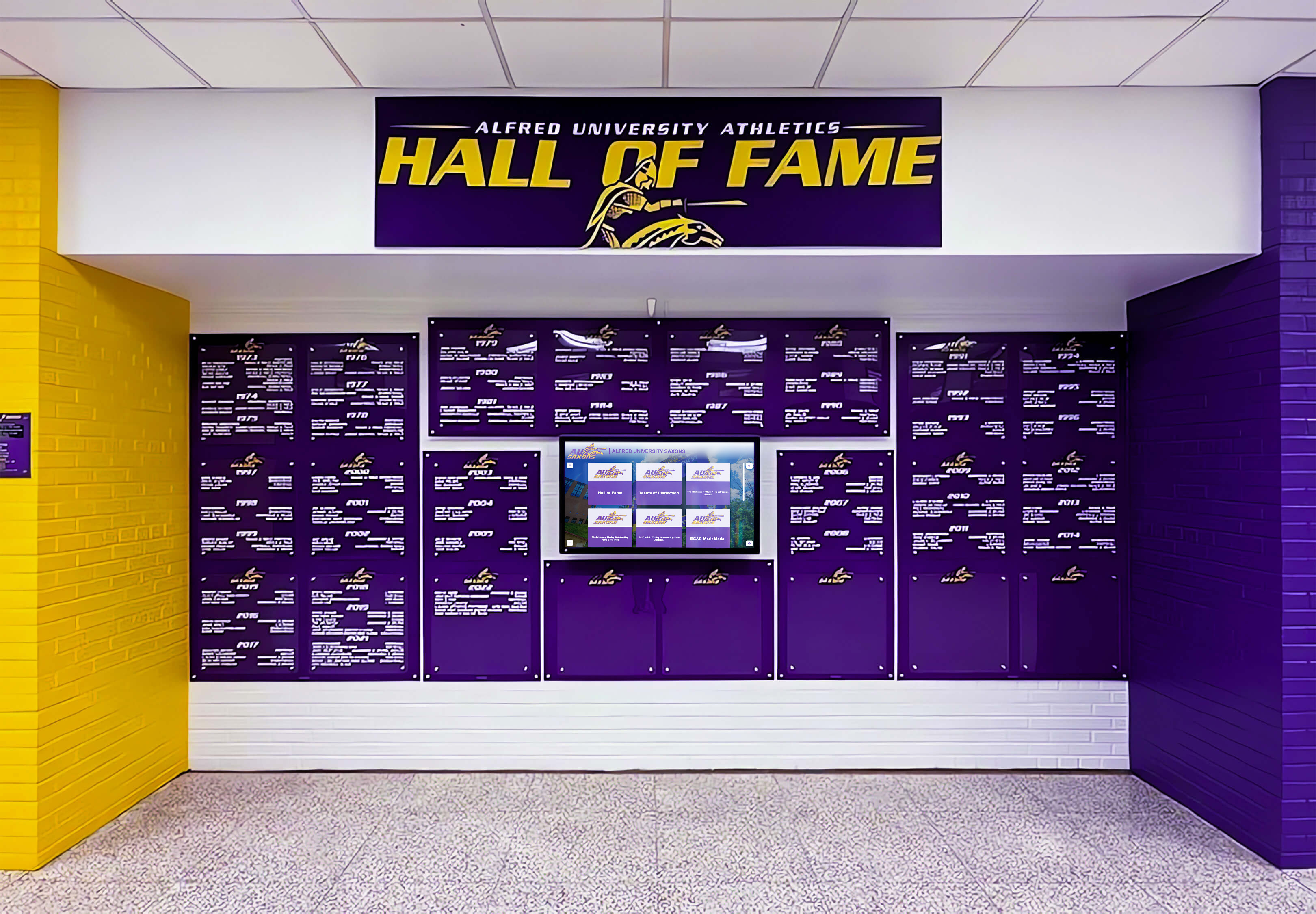
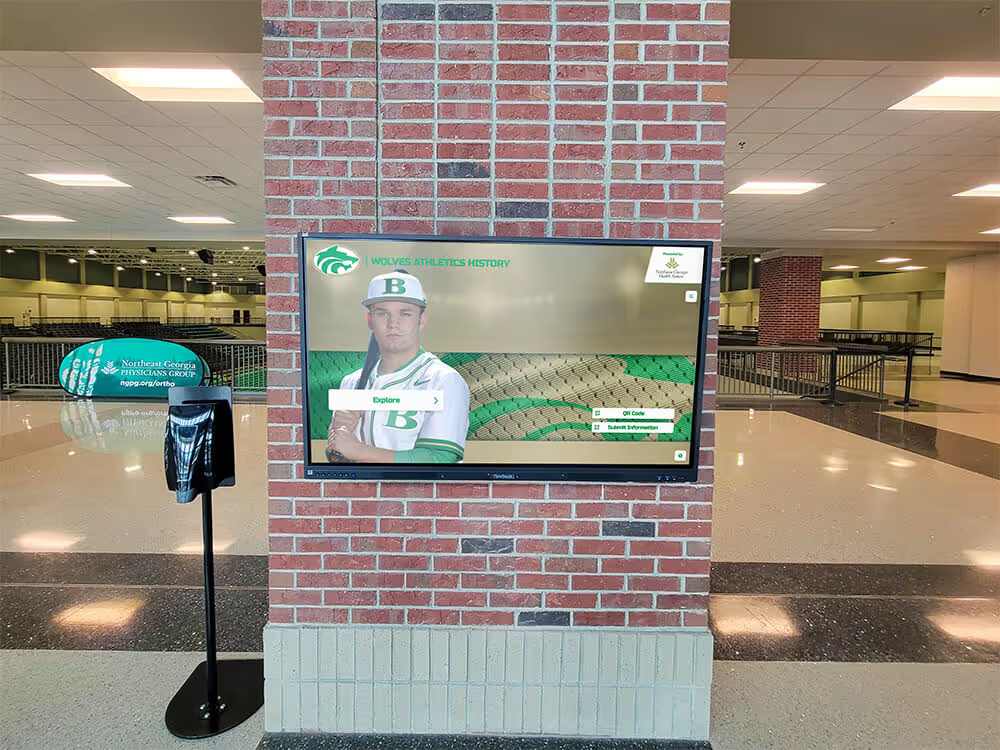
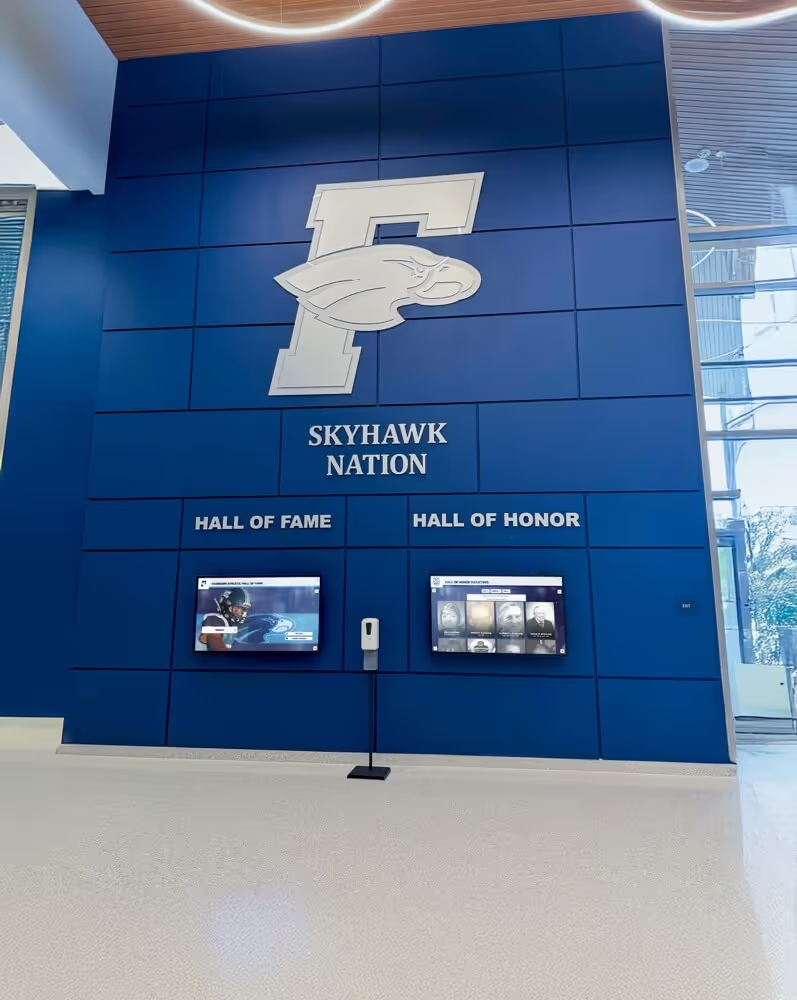
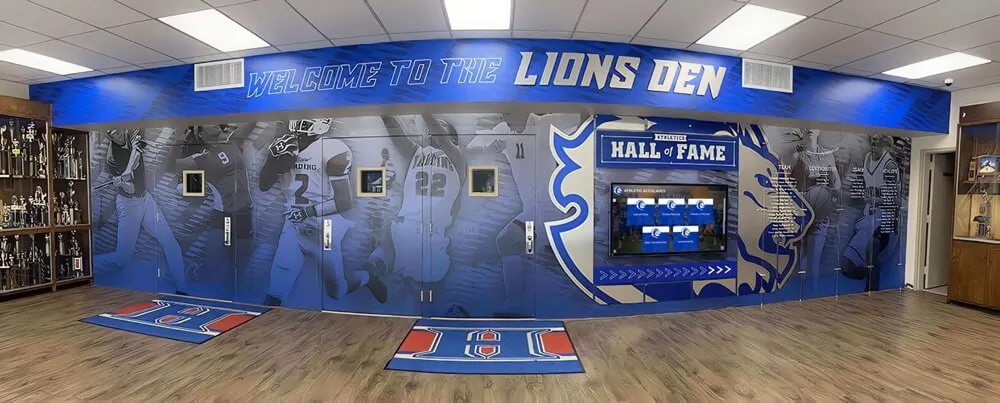
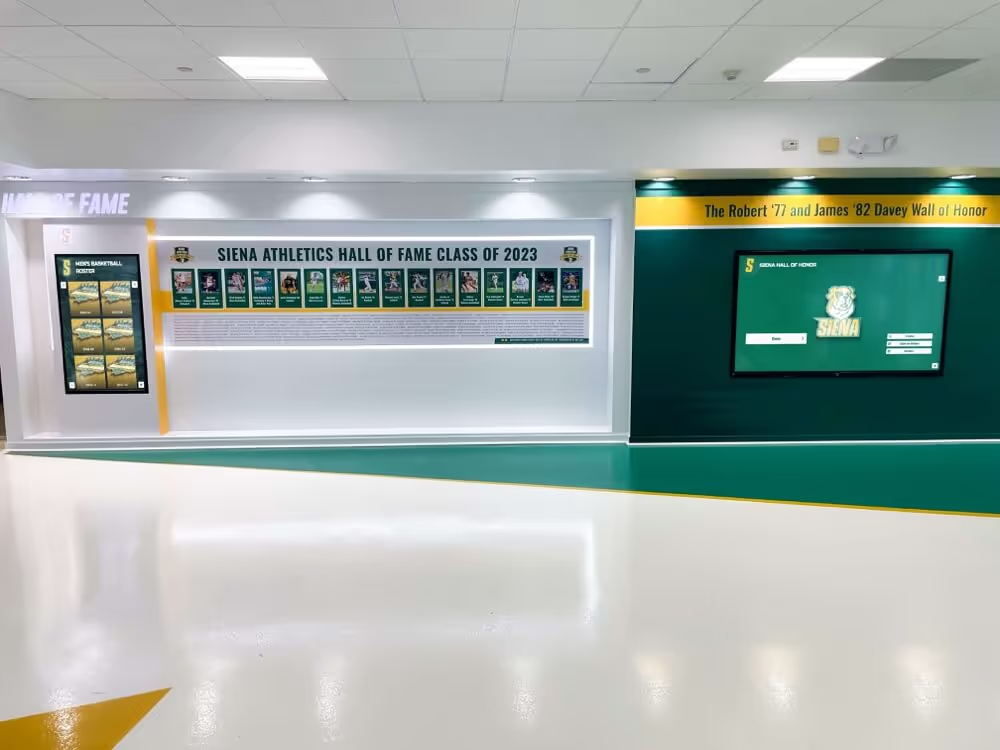
Multi-sport recognition displays like this athletics hall of fame require consistently responsive database queries across every category—operational isolation of background data jobs from interactive display queries is what makes that reliability possible
Connecting Database Policy to the Public Recognition Experience
An athletic awards database statement timeout policy is a technical document, but its purpose is entirely visible to the people it serves: students searching for their records, parents looking up their child’s achievements, alumni revisiting a career that ended decades ago, and recruits evaluating a program’s history during a campus visit.
Every timeout configuration decision ultimately maps to the public experience:
- The 10-second interactive timeout means a lobby kiosk search returns results within two or three seconds under normal load, with a worst-case of ten before cancellation
- The 5-minute batch timeout means an end-of-season import runs to completion before the next school day, without carrying over into the morning when hallway displays are most active
- The exception process means that a staff member who genuinely needs to run a complex multi-year analysis can do so with proper coordination, rather than doing it ad-hoc and inadvertently degrading display performance during the school day
Schools that invest in creative recognition display ideas for athletic teams at touchscreenwebsite.com are building an experience that depends on reliable data access behind the scenes. The most thoughtfully designed display is only as good as the database that feeds it.
Recognition events and ceremonies that rely on award records—athletic banquets, letter award nights, hall of fame inductions—also depend on the underlying data being accessible and accurate when needed. The guide to athletic banquet outfit ideas and award ceremony preparation at halloffame-online.com reflects how much planning goes into the visible side of a recognition event; the database policy is what protects the data infrastructure that makes the content of those events accurate and retrievable.
Schools building out their digital recognition infrastructure alongside their operational database policies will find that record display software and the database timeout policy it depends on are closely linked—display queries that the software issues need the same sub-10-second response time that the interactive timeout tier is designed to protect.
For schools considering how digital recognition infrastructure fits within a broader fundraising and recognition strategy, the elementary school fundraising ideas guide at digital-trophy-case.com illustrates how recognition programs can extend beyond athletics to support community engagement goals that also depend on accessible, well-organized recognition data.
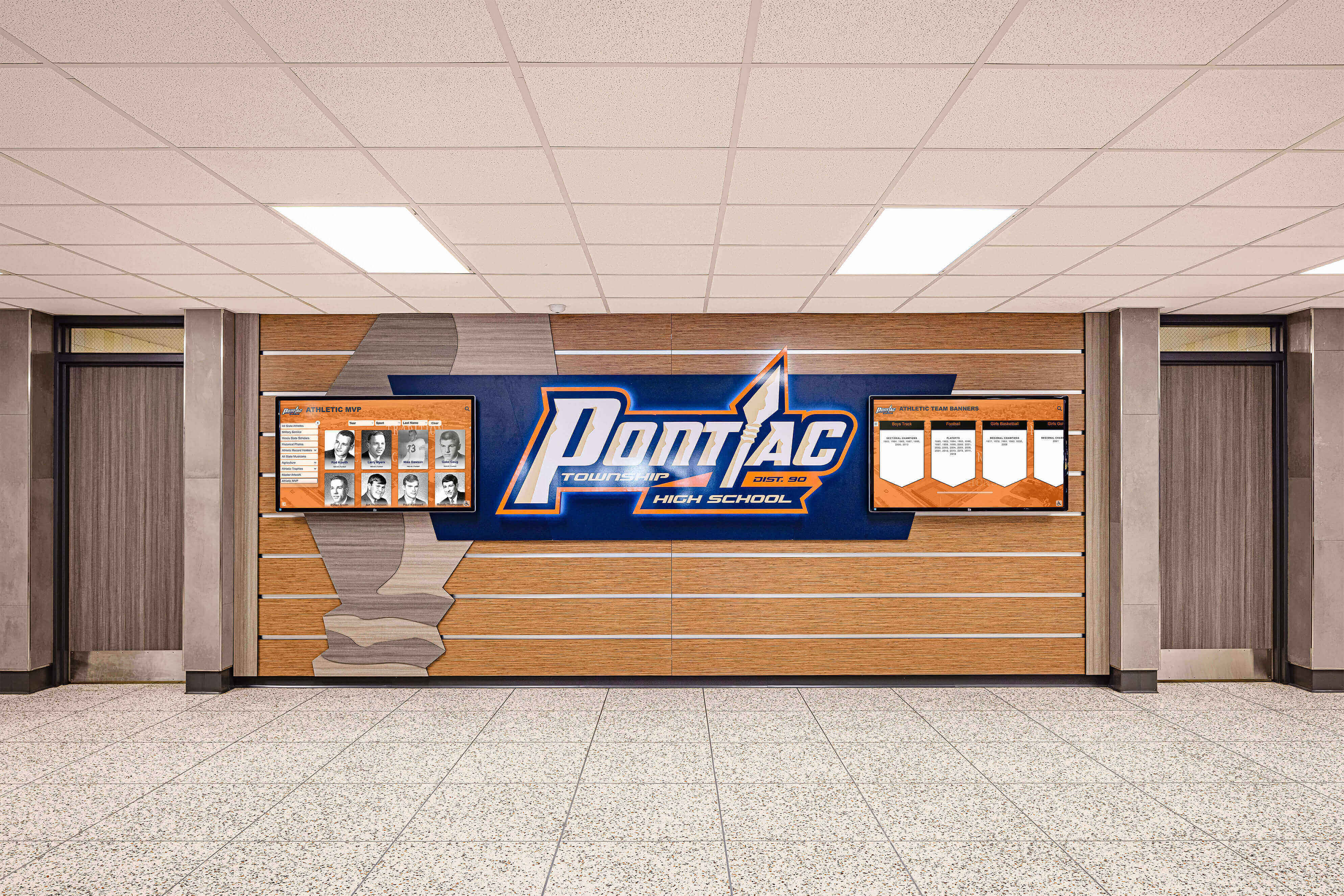
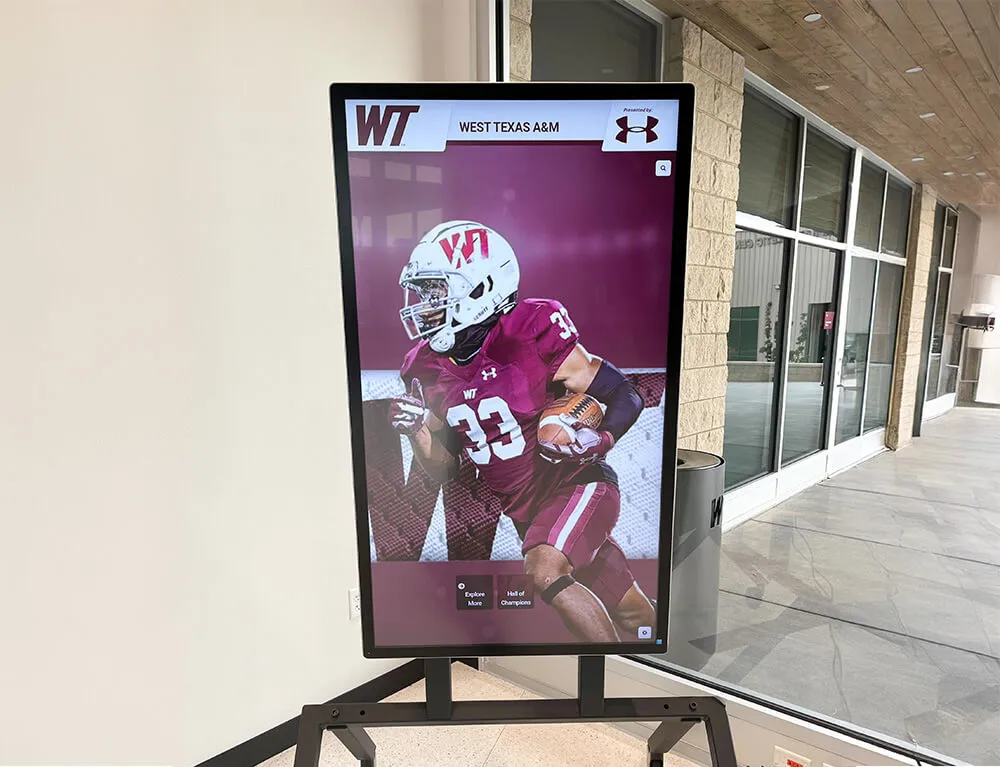
Athletic honor boards like these require the database behind them to return search results reliably—a statement timeout policy is the operational control that keeps the data layer from becoming the bottleneck in the recognition experience
How Digital Recognition Platforms Simplify Timeout Management
Schools that manage their athletic awards data through a purpose-built cloud-based recognition platform rather than a self-hosted database offload most statement timeout management to the platform vendor. The vendor’s infrastructure team handles connection pooling, query timeout configuration, and the isolation of display queries from background import and processing jobs.
What schools in this position still own is the policy-level decision: understanding how the platform handles these operations, asking the vendor to document the isolation model, and ensuring that the answers meet the school’s operational expectations for display reliability.
Key questions to ask a recognition platform vendor about query management:
- Are display queries and administrative operations served from isolated connection pools?
- Does the platform have built-in import scheduling tools that constrain bulk operations to off-peak windows?
- What happens to a display query that is running when a large import starts—does the import contend with display resources?
- Is there a documented SLA for display query response time?
Trusted by 600+ institutions, Rocket Alumni Solutions’ cloud-based digital recognition platform is built to keep public display queries fast and reliable regardless of what background data operations are running. The platform supports unlimited inductees and categories, WCAG 2.1 AA compliant displays that work on any touchscreen from 32" to 100"+, remote CMS access from anywhere, and auto-ranking for record boards—so the recognition experience your students and families see is always powered by current, accurately retrieved data.
FAQ: Athletic Awards Database Statement Timeout Policy
What is a statement timeout policy for an athletic awards database?
A statement timeout policy is a documented operational rule that specifies the maximum time any database query is allowed to run before the system automatically cancels it. For athletic awards databases, the policy typically defines different timeout limits for interactive display queries (5–10 seconds), scheduled background imports (2–5 minutes), and administrative reports (10–15 minutes), ensuring that long-running operations cannot slow down the public-facing award searches that students, families, and visitors use at recognition kiosks and displays.
Why does an athletic awards database need a statement timeout policy?
Without a statement timeout policy, a single long-running query—a seasonal import, a multi-year statistical report, or a bulk deduplication job—can consume database resources in ways that slow or block the interactive searches that drive hallway displays, lobby kiosks, and public recognition portals. Athletic awards databases are subject to seasonal workload spikes that create contention with continuously running display queries. A timeout policy caps the damage any single query can do to the overall display experience.
What timeout value should schools set for interactive athletic awards searches?
A starting recommendation for interactive, user-facing athletic awards queries is 5–10 seconds. Queries in this tier should be indexed and structured to return results in under two seconds under normal load. A timeout hit in the interactive tier is a signal that the query needs optimization or that an index is missing—not simply that the limit needs to be raised.
How do you set a statement timeout in PostgreSQL for an awards database role?
In PostgreSQL, set a role-level default with ALTER ROLE awards_display_app SET statement_timeout = '10000'; (value in milliseconds). Role-level defaults persist across connections and survive application restarts. For exception scenarios where a specific session needs a higher limit, use SET LOCAL statement_timeout = '0'; scoped to that session, and document the approval in the policy.
Do schools using a cloud-based recognition platform need a statement timeout policy?
Schools using a cloud-based recognition platform own the policy-level decision even when the technical configuration is managed by the vendor. The policy should document how the vendor handles query isolation, what the SLA for display query response time is, and how bulk imports are isolated from the interactive queries that drive public display software.
Keeping Athletic Recognition Available When It Matters Most
An athletic awards database statement timeout policy is not a set-and-forget configuration. It is an ongoing operational commitment that requires ownership, review, and adjustment as data volumes grow, query patterns shift, and recognition programs expand to cover more sports, more award categories, and more years of history.
The eight-step implementation procedure, three-tier timeout framework, and exception process in this guide are designed to be adopted directly by school IT teams managing a self-hosted PostgreSQL database, and adapted for use with cloud-based recognition platform vendors as a framework for the right vendor conversations. In both cases, the goal is the same: public-facing athletic recognition should remain fast, accurate, and available regardless of what else is happening in the data layer—because the students, families, and alumni who use it deserve a display that reflects the quality of the program it represents.
See How Rocket Alumni Solutions Keeps Recognition Displays Fast and Reliable
Rocket Alumni Solutions delivers cloud-based digital recognition displays trusted by 600+ institutions, with background data operations isolated from the interactive queries that power your public kiosks, hallway screens, and online award portals. WCAG 2.1 AA compliant, works on any touchscreen from 32" to 100"+, with remote CMS access and auto-ranking for record boards.
Request a Custom Recognition Demo