



Intent: define. An athletic awards database write-skew prevention policy is a data-governance document that identifies which award integrity constraints are vulnerable to write-skew anomalies—cases where two staff members or automated processes each read a valid shared state, each perform an individually valid update, and together produce a combined award record that violates a rule neither transaction broke on its own. The policy specifies which transaction isolation level prevents each anomaly, who is authorized to approve concurrent updates to constrained award fields, and what validation queries confirm that no write-skew violation reached the live recognition dataset before it powers a hallway display, touchscreen kiosk, or public web portal.
This guide defines the write-skew anomaly in plain language, illustrates it with an athletic-award example, provides a prevention decision table comparing isolation levels and application-layer controls, and closes with a policy template that school IT staff, athletic directors, and recognition-program administrators can adopt directly or adapt to their program’s specific constraints.
Two staff members open the athletic awards database at the same moment during an end-of-season push. Both check whether the current hall of fame induction class has reached its six-member cap. Both see five confirmed members. Both add a different athlete. Both save successfully. The display system now shows seven inductees in a class that was supposed to stop at six—and the combined state emerged from two updates that were individually valid, individually reviewed, and individually approved.
That scenario is write skew: the database anomaly where two concurrent transactions each read a shared state, each determine their individual change is permissible, and together produce a combined state that violates a constraint neither transaction violated alone. Unlike a lost update—where one write overwrites another—write skew produces no visible conflict at commit time. Both transactions succeed. The constraint violation is invisible until someone looks at the results.
An athletic awards database write-skew prevention policy is the governance document that closes this gap. It identifies the specific award constraints where write skew can occur, assigns the appropriate database isolation level or application-layer control to each, and documents the approval and validation steps that ensure concurrent updates to constrained award fields produce a correct combined state.

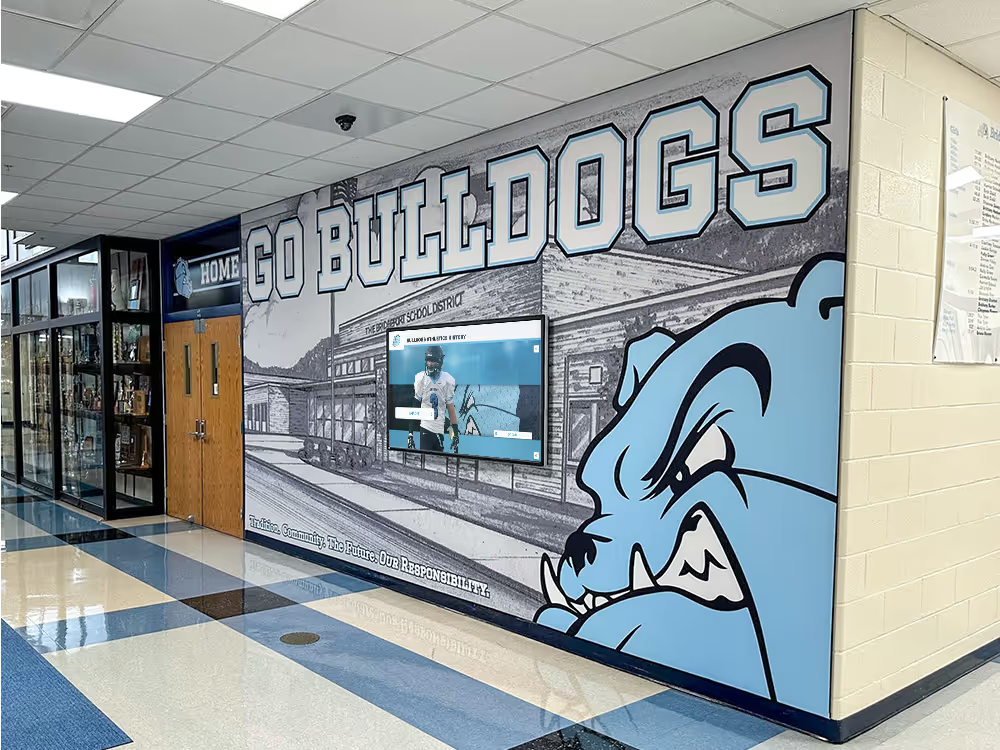
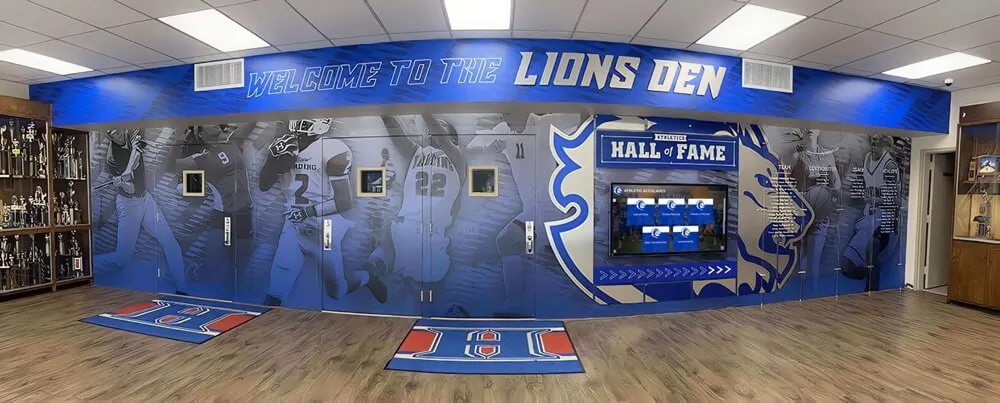
Recognition displays that surface athlete profiles and award records in real time depend on an underlying database that prevents two concurrent valid edits from producing an invalid combined award state
What Is Write Skew in an Athletic Awards Database?
Write skew is a database concurrency anomaly that occurs under the snapshot isolation level—a setting more permissive than full serializable isolation, and the default in many widely used database engines. Under snapshot isolation, each transaction reads from a consistent snapshot taken at the moment the transaction begins. Two transactions that begin at the same time each see the same snapshot. Both can read the same shared value, both can check a constraint against that value, both can determine their individual update is valid, and both can commit—even if the combined result of their two updates violates the constraint each individually honored.
The distinguishing feature of write skew is that the two transactions write to different rows. Each transaction’s write does not directly overwrite the other’s. A lost-update check or row-level locking that prevents one transaction from overwriting another’s uncommitted write will not catch write skew, because the writes do not conflict at the row level. They conflict only when the combined state is measured against the shared constraint.
For athletic award databases, write skew is a practical risk wherever a constraint is enforced against an aggregate—a count, a sum, or a flag that reflects the combined state of multiple records—rather than against a single row value. The constraint “each induction class may include at most six members” is an aggregate constraint. The constraint “each athlete may hold at most one active All-Conference designation per sport per season” is an aggregate constraint. The constraint “award nominations for a given sport may not exceed the conference-mandated ceiling in any fiscal year” is an aggregate constraint. Every one of these is vulnerable to write skew under snapshot isolation.
The Write-Skew Anomaly in Athletic Award Records: A Concrete Example
The following scenario illustrates write skew in the context of a school’s hall of fame database. The anomaly is not hypothetical—it is a natural consequence of the transaction semantics used by the underlying database engine when isolation is set below the serializable level.
Setup: A school’s policy allows exactly six inductees per annual hall of fame class. The current class has five confirmed members. The database enforces this as an application-layer check: before inserting a new inductee, the insertion code queries the inductee count for the current class year and rejects the insert if the count is at or above six.
Transaction A (Staff Member 1): Opens at time T1. Reads: count = 5. Determines: 5 is below 6, insert is valid. Inserts Athlete 1 into the 2026 class. Commits at T3.
Transaction B (Staff Member 2): Opens at time T2 (after T1 but before T3). Reads the same snapshot: count = 5. Determines: 5 is below 6, insert is valid. Inserts Athlete 2 into the 2026 class. Commits at T4.
Result: The 2026 class now contains seven inductees. Neither Transaction A nor Transaction B read the other’s uncommitted write. Neither violated the constraint as each individually evaluated it. The combined state violates the constraint, and neither transaction generated an error.
This is write skew. The fix is not a lost-update check—there is no lost update. The fix is either elevating the isolation level to serializable for this transaction pair, or implementing a locking strategy that forces Transaction B to wait for Transaction A to commit before reading the inductee count.
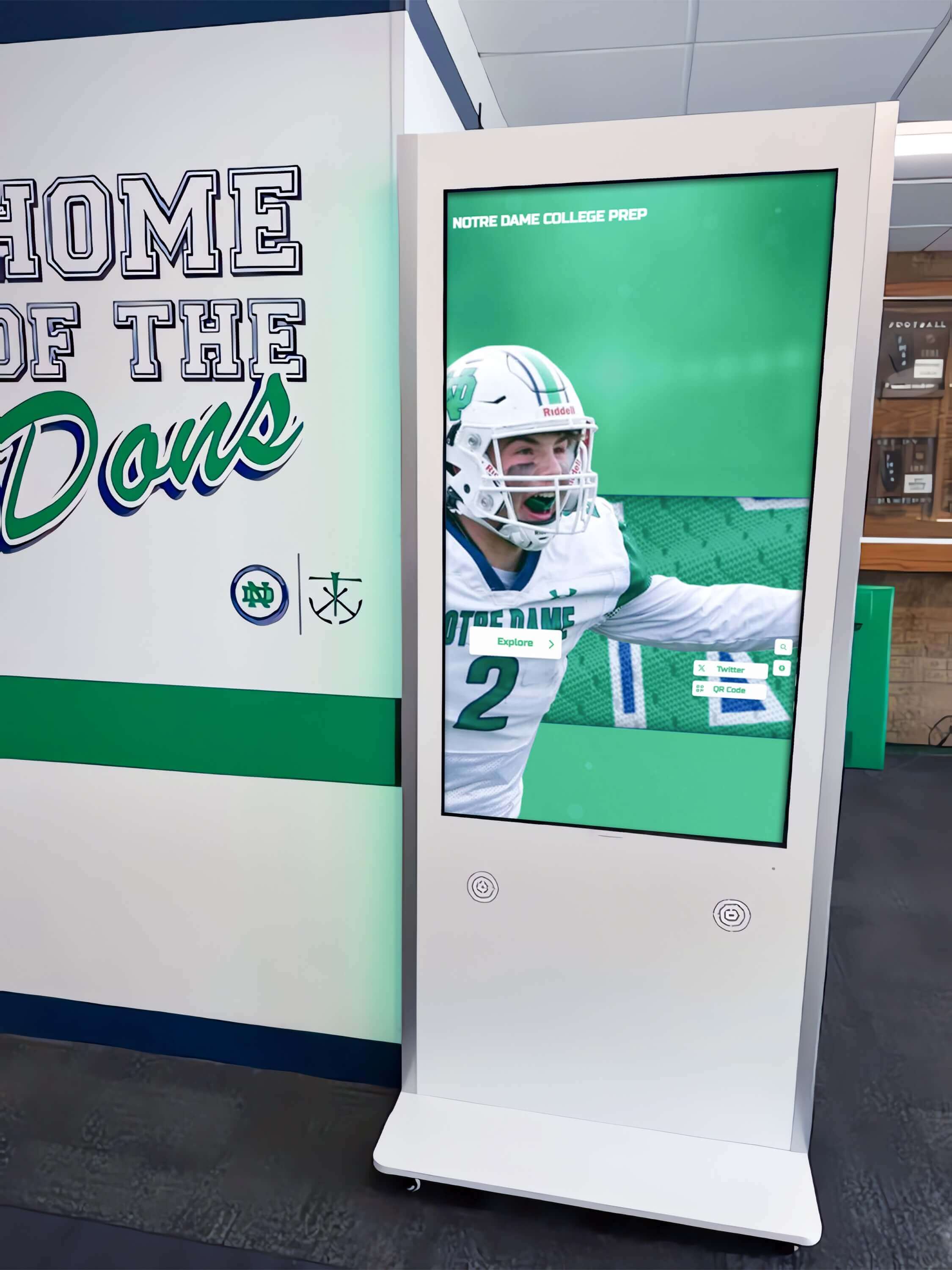
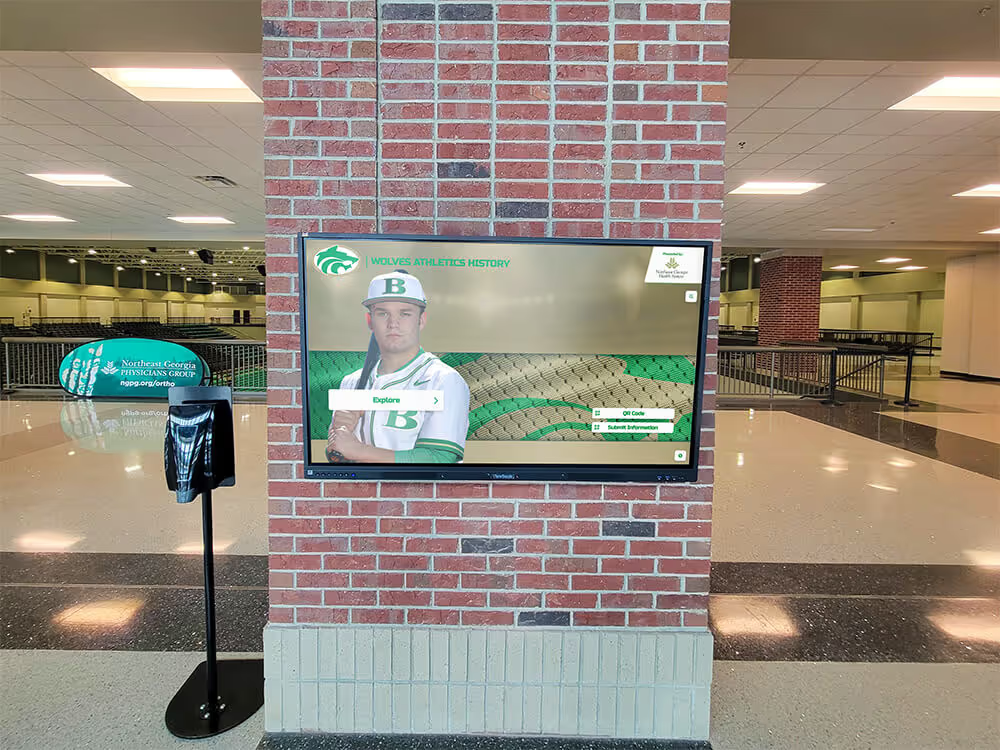
Touchscreen recognition kiosks powered by live database queries surface invalid combined states immediately — a write-skew violation that reaches the committed dataset appears on the display before any staff member can catch it manually
Why Write Skew Is Especially Dangerous in Recognition Programs
Recognition databases serve a dual audience: the staff who maintain them and the public—students, athletes, families, alumni, and recruits—who view the results on hallway displays, touchscreen kiosks, and web portals. A constraint violation that reaches a public recognition display is not an internal data quality issue; it is a visible institutional credibility problem.
An induction class with seven members where the school’s published policy caps classes at six will be noticed by athletes who were not inducted, by families who attended the ceremony, and by alumni who follow the program. A policy violation of this kind—produced not by bad intent but by a database concurrency anomaly—is no less damaging for its technical origin.
The difficulty is that write skew produces no error message. Both transactions succeed. The database reports no conflict. The recognition system has no automatic mechanism to detect that the combined state is invalid unless a post-commit validation query is part of the standard workflow. Programs that rely entirely on pre-commit application-layer checks—the most common approach—are not protected against write skew because those checks read a snapshot that does not include concurrent in-flight transactions.
Write-skew risk is documented in broader discussions of data integrity in institutional record systems. The AI data integrity advisory for digital recognition systems at digitalawardsdisplay.com covers how concurrent and automated processes interacting with recognition records can produce inconsistent states that are not detected by standard validation routines—a pattern that applies directly to write-skew anomalies in school award databases.
Write-Skew Prevention Decision Table
The following table maps each common athletic award constraint type to the write-skew risk level and the recommended prevention strategy. Use this table as the core of your program’s write-skew prevention policy.
| Constraint Type | Example | Write-Skew Risk | Prevention Strategy |
|---|---|---|---|
| Inductee class size cap | Hall of fame class limited to 6 members per year | High | Serializable isolation or SELECT FOR UPDATE on class-count row |
| Award-per-athlete limit | One MVP award per athlete per season | High | Unique constraint on (athlete_id, award_type, season_year) at DB level |
| Nomination ceiling | Sport-level nomination count ≤ conference-mandated cap | High | Serializable isolation; post-commit count validation query |
| Budget slot allocation | Award budget allows exactly 10 full-scholarship designations | High | Pessimistic lock on budget-slot row before any allocation write |
| Eligibility flag conflict | Award requires eligibility when another transaction updates eligibility status | Medium | Read-and-lock eligibility row at transaction open; re-check at commit |
| Display-eligibility toggle | Only one record per award category may be marked “featured” at any time | Medium | Unique partial index on (category_id) WHERE featured = true |
| Preferred name uniqueness | No two records in the same class may share identical display names | Low–Medium | Unique index on normalized display name within class scope |
| Timestamp ordering | Award date must precede the display publication date | Low | Column-level check constraint; no concurrent-write risk |
The four high-risk constraint types all involve an aggregate read followed by individual writes to different rows—the defining structure of write skew. Medium-risk types involve a read-and-check pattern where the read row is also a target for concurrent modification. Low-risk constraints involve only single-row writes and are addressable with column-level or index constraints that the database engine enforces atomically.
Transaction Isolation Levels and Write-Skew Prevention
Database transaction isolation levels form a spectrum from least restrictive (Read Uncommitted) to most restrictive (Serializable). Write skew is permitted under Read Committed and Snapshot Isolation, and is prevented only by Serializable isolation. Understanding where each award constraint falls on this spectrum is the foundation of an effective prevention policy.
Read Committed
Under Read Committed isolation, each read within a transaction sees the most recently committed data at the moment of that read. This prevents dirty reads but allows non-repeatable reads and phantom reads. Write skew is possible because Transaction A and Transaction B each see committed data at the time of their reads, which may reflect different committed states across a narrow time window. A count read under Read Committed may already be stale by the time the insert executes in the same transaction if Transaction B committed its insert in the interval between A’s read and A’s write.
Snapshot Isolation
Under Snapshot Isolation, each transaction reads from a consistent snapshot taken at transaction start. Non-repeatable reads and phantom reads do not occur within a single transaction. However, write skew is possible for exactly the reason illustrated in the induction-class example: two transactions take the same snapshot, each sees the pre-update aggregate, each performs a valid write to different rows, and the combined state violates the aggregate constraint.
Many athletic award database applications run under Snapshot Isolation without explicitly naming it, because it is the behavior delivered by framework-level ORMs when concurrency is not explicitly configured. In PostgreSQL, Snapshot Isolation is achieved via REPEATABLE READ; in SQL Server, it requires enabling SNAPSHOT isolation at the database level.
Serializable Isolation
Serializable isolation is the only standard isolation level that fully prevents write skew. Under serializable isolation, the database engine ensures that concurrent transactions produce a result equivalent to some serial execution order—as if each transaction ran one at a time. Modern serializable implementations (PostgreSQL’s Serializable Snapshot Isolation since version 9.1) use predicate locking and conflict detection rather than blocking all concurrent access, reducing throughput costs compared to older serializable implementations.
For high-risk award constraint types—class size caps, nomination ceilings, budget allocations—serializable isolation is the correct choice. The performance overhead is acceptable because these are low-frequency operations that occur in bounded bursts during season close, nomination periods, and induction cycles, not continuously throughout the school year.
SELECT FOR UPDATE and Pessimistic Locking
For cases where upgrading the full transaction to serializable isolation requires broader IT coordination, SELECT FOR UPDATE provides a targeted pessimistic lock. The pattern: before reading the aggregate value that the constraint checks, issue a locking read on the row anchoring the aggregate. This blocks any concurrent transaction from reading the same row with a write intent until the first transaction commits, effectively serializing the two transactions at the point of the shared read.
Applied to the induction-class example: before checking the current inductee count, Transaction A issues a locking read on the class row. Transaction B, when it attempts its own locking read, blocks until Transaction A commits. Transaction B then reads the updated count (6), evaluates 6 ≥ 6, and rejects its insert. Write skew is prevented without requiring a full serializable transaction on the entire session.
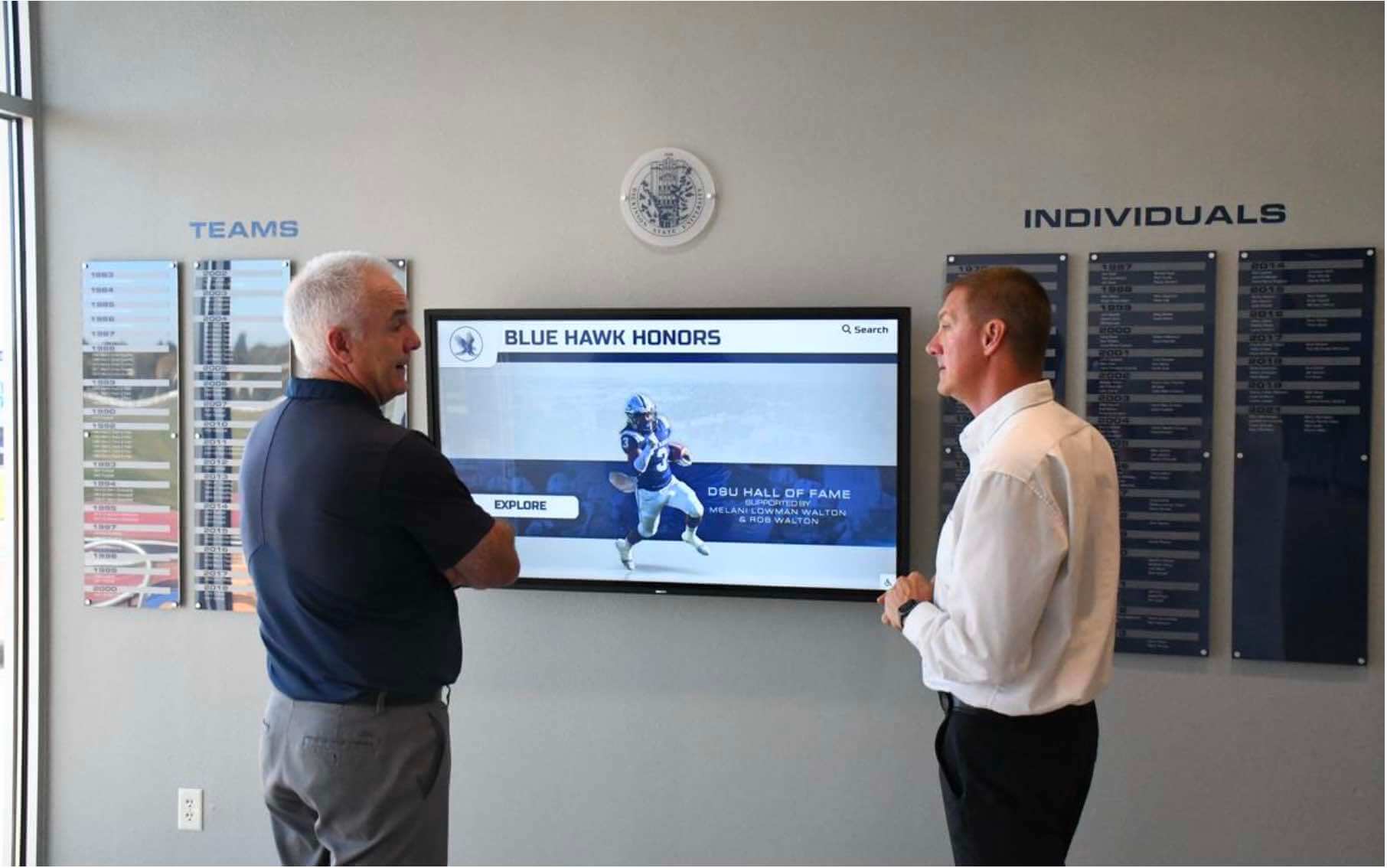
Concurrent access to recognition records during nomination and induction periods is the highest-risk window for write-skew anomalies — prevention controls should be active before the update window opens, not applied as a response to a discovered violation
Application-Layer Controls That Complement Isolation-Level Prevention
Transaction isolation levels handle write skew at the database engine layer. Application-layer controls provide a second line of defense for programs where changing the isolation level requires broader IT approval or where the database is shared with other school systems that have different isolation requirements.
Optimistic Locking with Version Counters
Optimistic locking adds a version column (an integer or timestamp) to each row. Before updating, the application reads the current version. When it submits the update, it includes a condition requiring the version to match. If another transaction has updated the row in the interim, the version will not match and the update affects zero rows—signaling a conflict that the application can handle explicitly. For aggregate constraints, optimistic locking must be applied to the row anchoring the aggregate—for example, the class record itself, not the individual inductee rows—or the version comparison will not catch write skew.
Mutex Locks at the Application Layer
For programs that do not have DBA access to change isolation levels, an application-layer mutex—a flag in the database that a transaction must acquire before proceeding with a constrained update—provides coarse-grained write-skew prevention. The implementation uses a lock table with one row per constrained operation type. Before any transaction that reads and checks a class-size cap, nomination ceiling, or budget allocation, the application inserts a row into the lock table for that operation and season. Any concurrent transaction that attempts the same insert receives a unique-constraint violation and must wait or retry. After the first transaction commits, it removes its lock row and the next transaction proceeds.
This approach should include a timestamp column and a scheduled cleanup job that removes locks older than a defined timeout, to prevent orphaned locks from blocking future updates if a transaction fails without committing.
Post-Commit Validation Queries
No prevention strategy is complete without a verification step. After any batch of constrained award updates—end-of-season nominations, induction-class finalizations, allocation decisions—a post-commit validation query should confirm that no constraint was violated. For the class-size cap: query inductees grouped by class year and flag any group with a count exceeding the maximum. For the award-per-athlete limit: query awards grouped by athlete, season, and award type and flag any group with a count above one. Any rows returned indicate a write-skew violation that reached the committed state and requires immediate review before the record drives a public display update.
Schools building recognition programs around annual ceremony cycles—awards nights, hall of fame inductions, senior recognition events—benefit from treating post-commit validation queries as a mandatory pre-ceremony checkpoint. The school awards ceremony planning guide at digitalwarming.net covers how schools build systematic verification steps into award publication workflows, a practice that post-commit validation queries make concrete for concurrent-update scenarios.
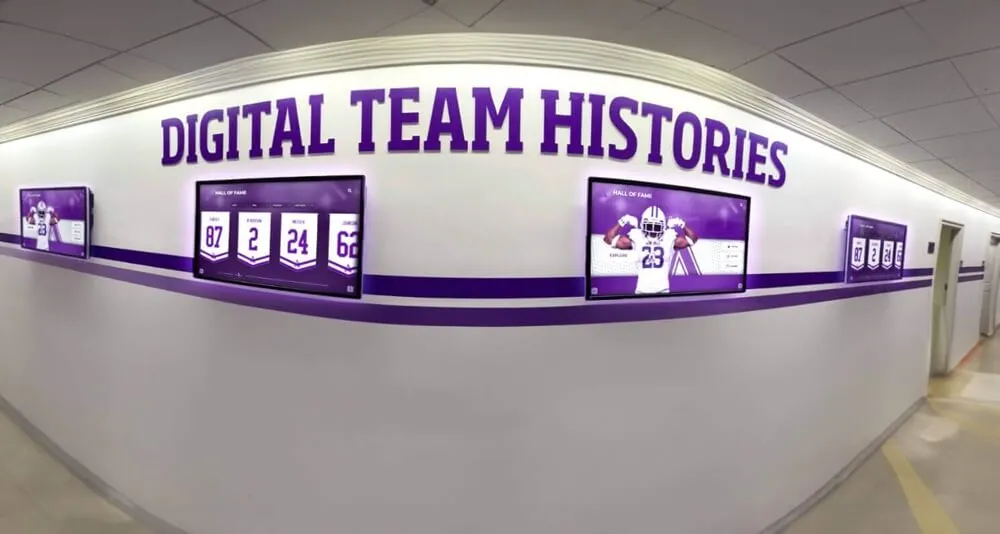
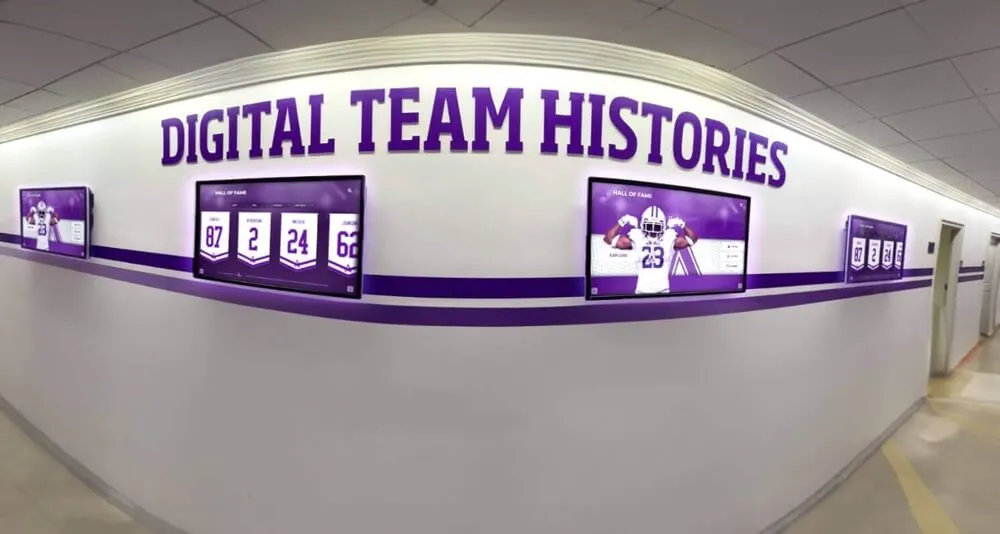
Team history displays populated from live databases should have post-commit validation queries run after any concurrent update window to confirm that no write-skew violation reached the records before they surface on public-facing hallway screens
Athletic Awards Database Write-Skew Prevention Policy Template
The following policy template provides a structure that school IT staff, athletic directors, and recognition-program administrators can adopt directly or adapt to their program’s specific award constraints and database environment.
ATHLETIC AWARDS DATABASE WRITE-SKEW PREVENTION POLICY
School / Program: ________________________
Effective Date: ________________________
Policy Owner: ________________________ (Athletic Director or IT Administrator)
Review Cycle: Annual, or immediately following any write-skew incident
Section 1: Constraint Inventory
List each award constraint in your program that is enforced against an aggregate value. For each, record the constraint definition, the tables and columns involved, and the prevention strategy from the decision table above.
| Constraint ID | Constraint Description | Constraint Table(s) | Isolation Level Required | Application Control | Last Reviewed |
|---|---|---|---|---|---|
| WS-001 | Induction class ≤ defined member cap per year | inductees | Serializable | SELECT FOR UPDATE on class row | |
| WS-002 | One MVP award per athlete per season | awards | Read Committed | DB unique constraint on (athlete_id, award_type, season_year) | |
| WS-003 | Nomination count ≤ conference cap per sport | nominations | Serializable | Post-commit count validation | |
| WS-004 | Budget slot allocation ≤ approved ceiling | award_budget | Serializable | Pessimistic lock on budget row |
Section 2: Authorized Update Windows
Define the periods during which concurrent updates to high-risk constrained fields are expected and who is authorized to perform them.
| Update Type | Authorized Window | Authorized Staff Roles | Concurrent-Session Limit |
|---|---|---|---|
| Hall of fame inductions | Annual nomination period (per program calendar) | Athletic Director, Recognition Administrator | Maximum 2 concurrent sessions |
| End-of-season award allocations | 14-day window following season close | Head Coach, Athletic Director | Maximum 1 concurrent session per sport |
| Award record corrections | Year-round; coordinated via ticket system | Records Administrator, IT Staff | Maximum 1 concurrent session per record |
Section 3: Validation Query Schedule
Post-commit validation queries must be run by the Records Administrator or IT Staff within 24 hours following each authorized update window close. Query results must be retained as part of the audit record for the relevant award cycle. Any rows returned are escalated to the Athletic Director for review under Section 4.
Section 4: Incident Response
If a post-commit validation query returns rows indicating a write-skew violation:
- The Athletic Director is notified immediately.
- Affected records are flagged as pending review in the display CMS and removed from public-facing surfaces until resolved.
- The Records Administrator reviews the transaction log to identify which concurrent update produced the invalid combined state.
- The constraint violation is resolved by a documented correction approved by the Athletic Director.
- The corrected record is validated by re-running the affected constraint’s validation query.
- The incident is logged with a root-cause note, and the constraint inventory is reviewed to determine whether additional prevention controls are warranted.
Schools evaluating or upgrading their recognition platform should include concurrency control capabilities in their feature comparison. The alumni management software features comparison at best-touchscreen.com documents how institutions assess recognition platforms for data integrity and record management capabilities—a checklist that applies directly when selecting or configuring the database layer behind an athletic award display.
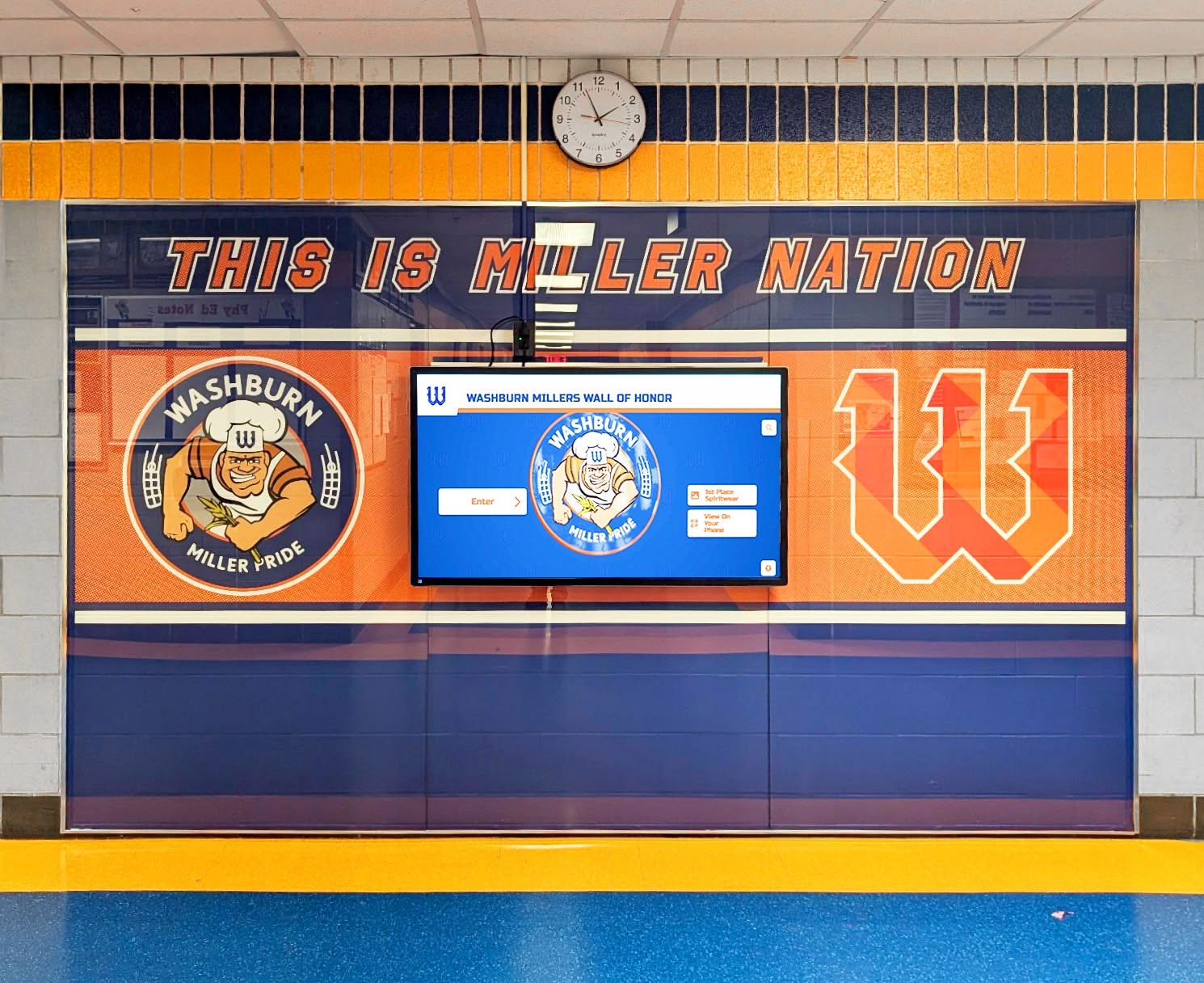
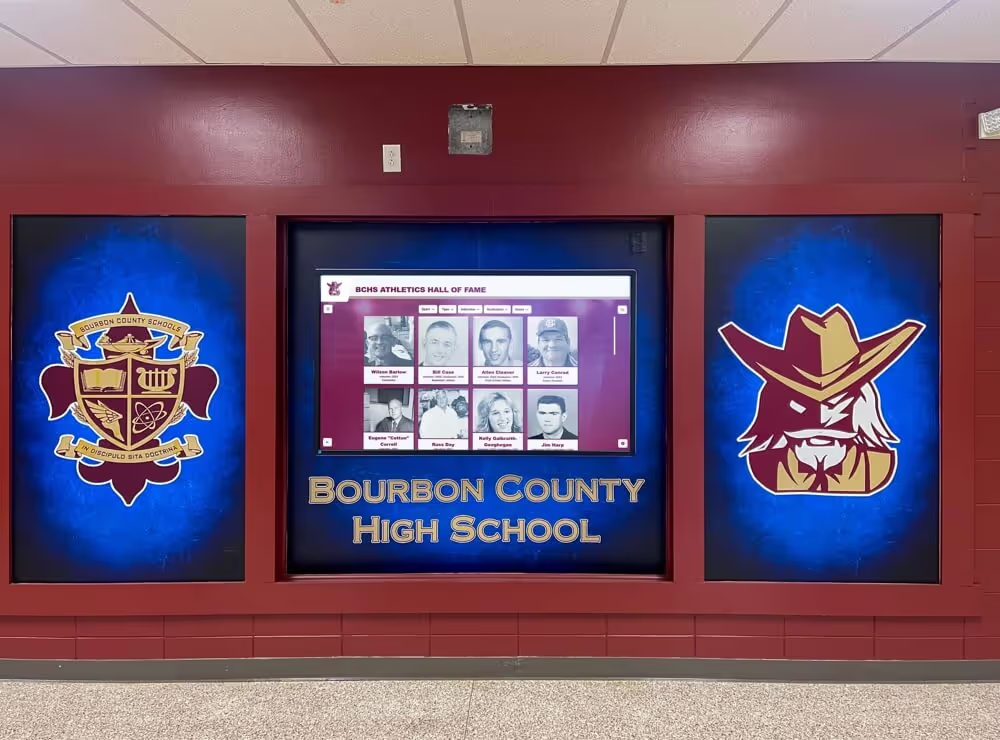
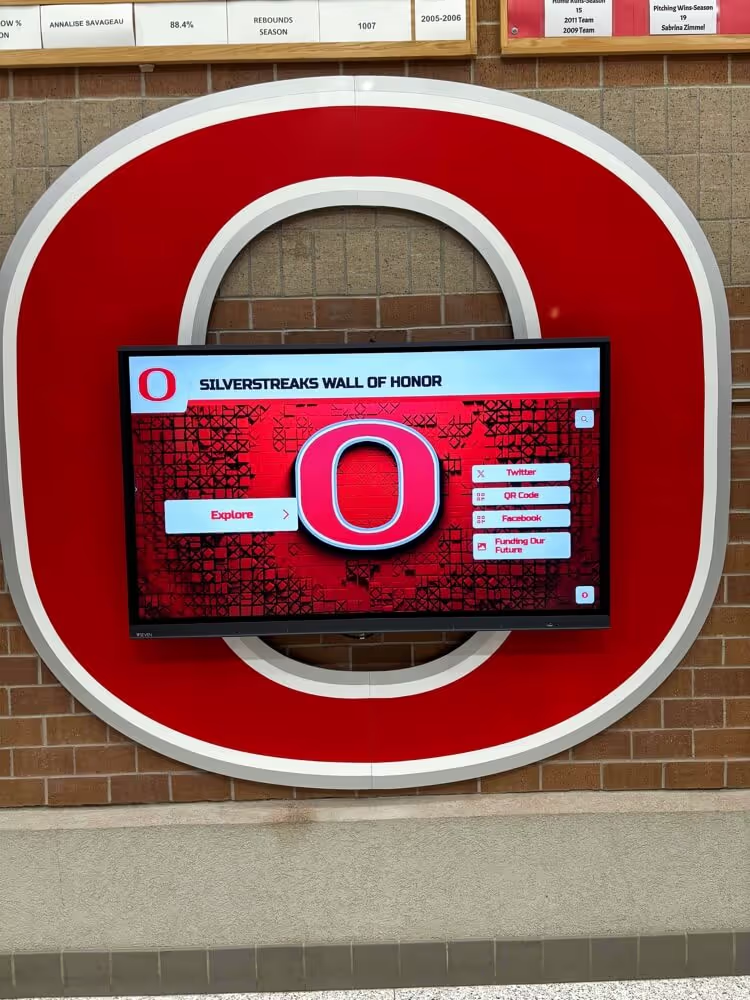
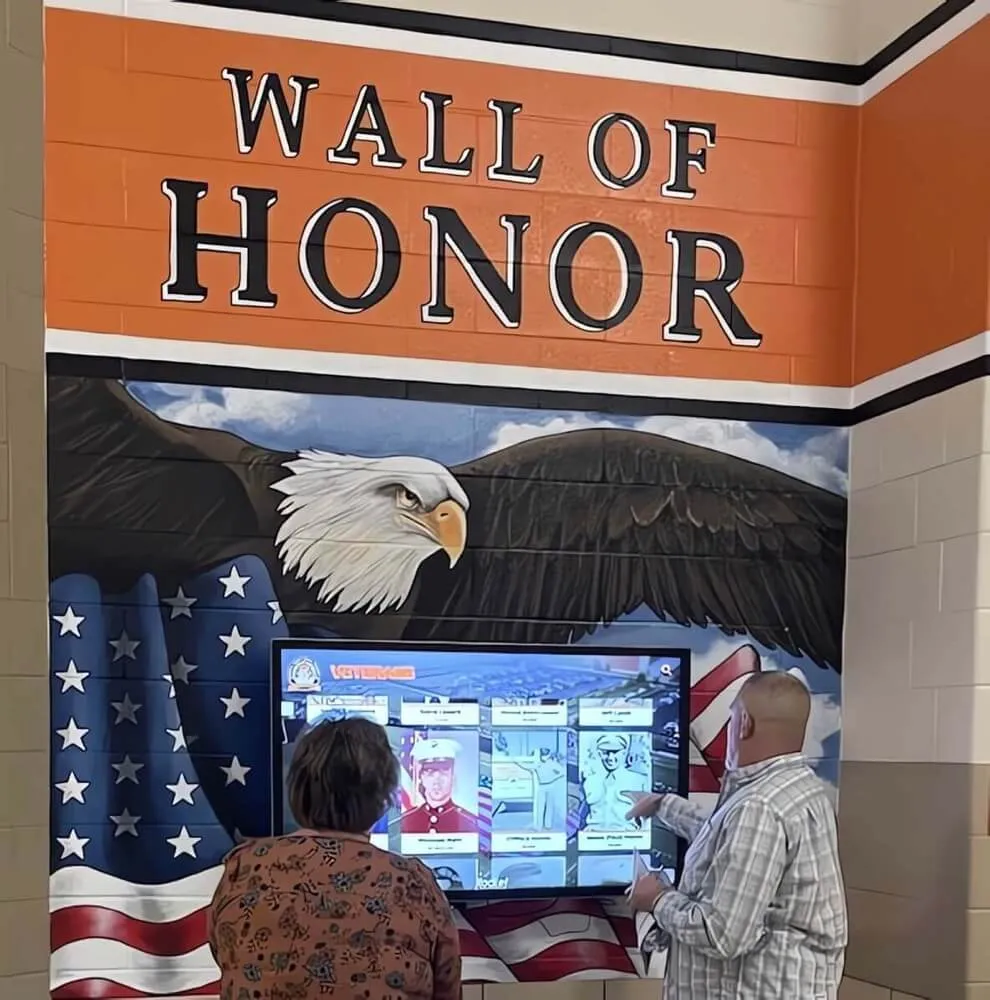
Wall of honor digital displays depend on a governance policy that catches invalid combined states before they reach the screen — a write-skew prevention policy is what ensures two concurrent staff edits cannot produce an over-cap or conflicting recognition record
How Digital Recognition Platforms Reduce Write-Skew Risk
Schools that manage athletic award records in a purpose-built digital recognition platform benefit from write-skew prevention that is built into the platform’s data layer rather than requiring explicit policy implementation by the school’s IT team. A platform designed for recognition management can enforce aggregate constraints—class size caps, per-athlete award limits, nomination ceilings—at the application layer using a consistent, tested concurrency model.
Because the platform’s database schema and transaction logic are shared across hundreds of institutions, the concurrency patterns are exercised at scale and the edge cases that produce write skew in custom school databases have been encountered and addressed across diverse program configurations.
Rocket Alumni Solutions’ cloud-based digital recognition platform, trusted by 600+ institutions from individual schools to universities and professional athletic organizations, manages award records through a centralized CMS with role-based access controls that limit concurrent high-risk updates by design. Request a demo to see how coordinated review flows prevent two staff members from simultaneously producing an invalid combined award state. The platform’s WCAG 2.1 AA compliant displays work on any touchscreen from 32" to 100"+ and surface recognition records that the data layer has already validated for constraint compliance before they power a hallway display, web portal, or mobile-accessible kiosk.
Athletic programs spanning multiple sports—from the individual performance tracking of track and field to the team-record complexity of programs like lacrosse, where player, equipment, and award records intersect across long seasonal rosters—all benefit from write-skew prevention that applies consistently across every award category and sport. The lacrosse athletic program resources at digitalwalloffame.com illustrates how schools build sport-specific recognition frameworks that require consistent data governance to remain accurate as record sets grow across seasons and coaching staff changes.
The same governance discipline applies beyond athletics. Academic honor recognition, arts program citations, and STEM achievement databases all carry aggregate constraints—honor roll slots per grade level, citation limits per recognition period, budget-capped scholarship designations—that are vulnerable to write skew under the same conditions as athletic award records. Systematic management of these programs, parallel to the organized practices described in the sports equipment storage and organization guide at digitalyearbook.org, produces recognition systems where digital records are as reliably organized and conflict-free as the physical spaces they represent.
FAQ: Athletic Awards Database Write-Skew Prevention Policy
What is write skew in an athletic awards database?
Write skew is a database concurrency anomaly where two transactions each read a valid shared state, each perform an individually valid update to different rows, and together produce a combined state that violates a constraint neither transaction broke on its own. In an athletic awards context, a typical example is two staff members each verifying that a hall of fame class has not reached its cap, each adding a different athlete, and together exceeding the cap—with neither transaction generating an error at commit time.
Which athletic award constraints are most vulnerable to write skew?
The highest-risk constraints are those enforced against aggregate values: induction class size caps, per-athlete award limits across a season, nomination count ceilings, and budget slot allocations. These are checked by reading a count or sum before inserting a new record. Write skew occurs when two concurrent transactions read the same pre-update count, each determine their individual insert is valid, and both commit—with the combined result exceeding the cap. Single-row constraints enforced by unique indexes are not vulnerable to write skew.
How does serializable isolation prevent write skew in an award database?
Serializable isolation ensures concurrent transactions produce a result equivalent to some serial execution order. When two transactions attempt to read the same inductee count and insert based on that count, the database either blocks the second transaction until the first commits, or aborts one with a serialization failure. Either outcome prevents both transactions from proceeding based on the same pre-update snapshot, eliminating the write-skew window.
What is SELECT FOR UPDATE and when should it be used for award database writes?
SELECT FOR UPDATE acquires a write-intent lock on the rows a SELECT statement returns, blocking concurrent transactions from modifying or locking the same rows until the first transaction commits. In athletic award databases, it is used when a transaction must read an aggregate value—like an inductee count—before inserting based on that value. The lock prevents a concurrent transaction from reading the same count until the first transaction’s insert and commit complete, eliminating the write-skew window without requiring full serializable isolation.
Can an application-layer check prevent write skew in an athletic awards database?
A standard application-layer check does not prevent write skew under snapshot or read-committed isolation, because both concurrent transactions can pass the check individually—each reads a snapshot that does not include the other’s in-flight insert. Application-layer prevention requires SELECT FOR UPDATE locks on the rows being read, optimistic locking with version counters on the anchor row, or post-commit validation queries that catch violations after both transactions have committed. These approaches complement but do not replace database-level isolation controls.
A Policy That Holds Before the Ceremony Begins
An athletic awards database write-skew prevention policy is not a remediation document—it is a governance commitment made before the end-of-season update window opens, before the nomination period begins, and before multiple staff members access the same constrained award fields under deadline pressure.
The prevention decision table in this guide identifies which award constraints are vulnerable, which prevention strategy each requires, and which post-commit validation queries confirm that no violation reached the committed dataset. The policy template provides a structure any school can adopt: a documented constraint inventory, authorized update windows, validation query schedules, and an incident-response procedure for the rare case where a violation occurs despite controls being in place.
Recognition programs that have built this governance layer—alongside completeness audits, reconciliation workflows, and deduplication checks—maintain award databases that hold up under concurrent use, across staff transitions, and across platform migrations. Every athlete whose name appears in a hall of fame class, on an all-conference roster, or in a season leaderboard deserves a record that reflects a valid, governed decision—not an artifact of two individually valid edits that combined into an error no one caught until the night of the ceremony.
The same data governance discipline that protects athletic award records from write skew applies across every recognition category a school maintains. Digital trophy case programs, physical recognition installations, and milestone award archives all benefit from concurrency controls at the point of constrained updates. The digital trophy case resources at digital-trophy-case.com illustrates how schools build recognition programs that capture milestone moments accurately across all formats—a standard that begins with governed, concurrent-update-safe data.
See How 600+ Schools Keep Award Records Valid Under Concurrent Updates
Rocket Alumni Solutions builds cloud-based digital recognition platforms with role-based access controls, coordinated review flows, and validated data layers — so two individually valid staff edits never combine into an invalid recognition state on your hallway kiosk, web portal, or hall of fame display. WCAG 2.1 AA compliant. Unlimited inductees and award categories. Remote CMS accessible anywhere.
Request a Custom Demo