



Baseball positions explained clearly help parents, new players, and fans understand the specialized roles that make baseball’s defensive strategy so fascinating. Whether you’re watching your child’s first game, coaching youth baseball, or managing recognition programs that celebrate positional excellence, understanding each defensive position’s responsibilities, numbering system, and strategic importance provides the foundation for appreciating baseball’s complexity.
Yet confusion about baseball positions persists among newcomers. The numbering system (1-9) seems arbitrary without context, position names don’t always match their responsibilities, abbreviations on scorecards appear cryptic, and understanding why certain positions require specific skills remains unclear. Meanwhile, schools tracking baseball achievements need to organize records by position—creating digital displays that honor the best shortstop, top pitcher, or career home run leader requires understanding how positions function within team strategy.
This comprehensive guide breaks down all nine baseball positions with clear explanations of responsibilities, required skills, position numbering, strategic importance, and how schools effectively recognize positional excellence through modern record boards and hall of fame displays.
Baseball’s defensive arrangement places nine players in specific positions across the diamond and outfield. Each position demands unique skills, responsibilities, and strategic awareness. Understanding these positions enhances appreciation for defensive execution, helps identify where young players might excel, and provides context for recognizing exceptional positional performance.

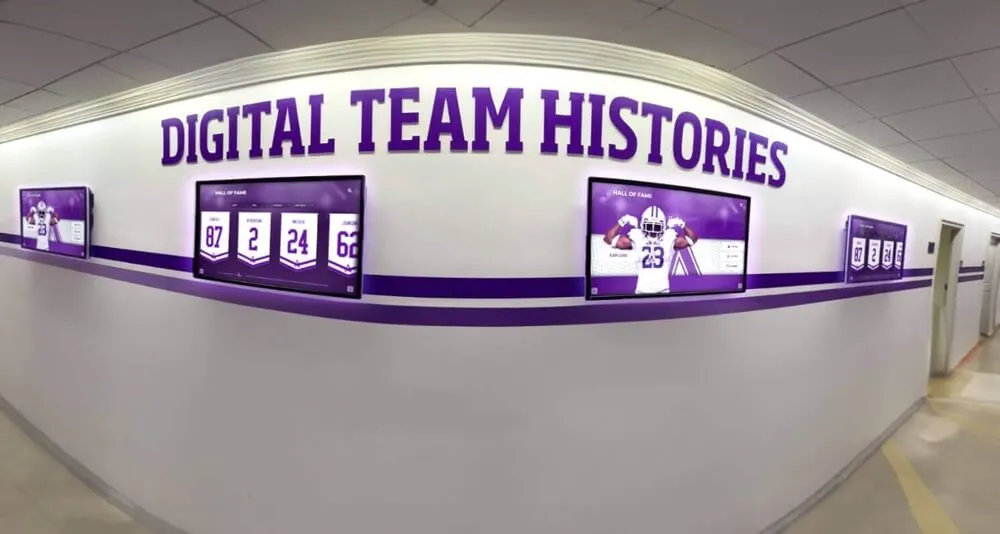
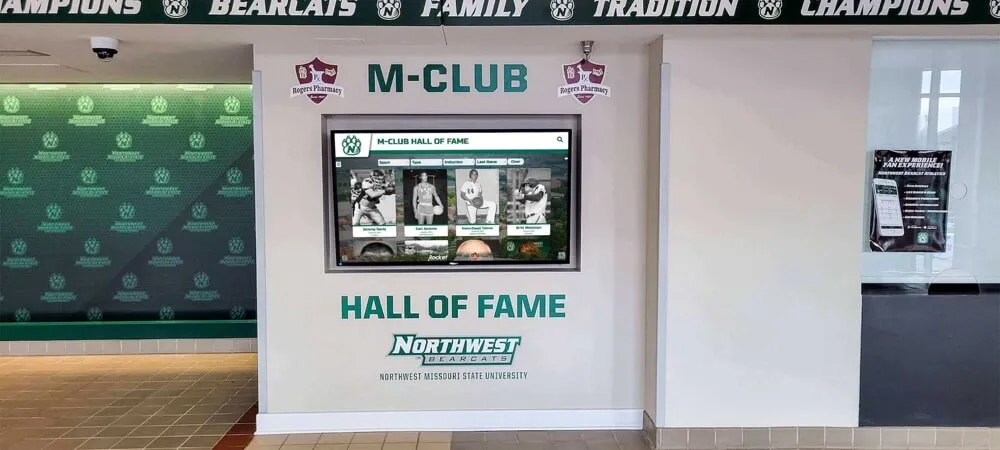
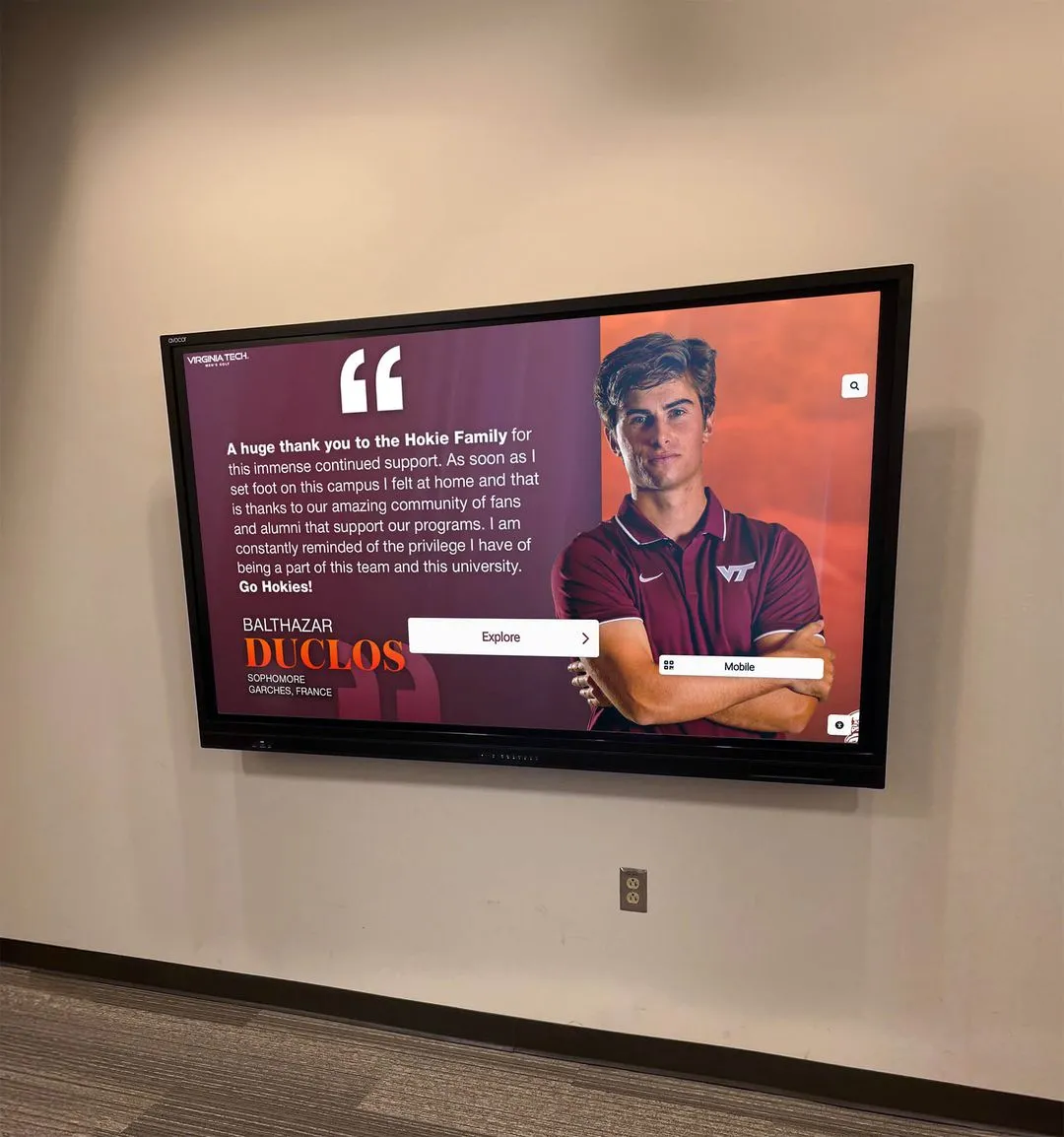
Digital recognition displays celebrate position-specific achievements like career strikeouts, perfect games, and pitching excellence
Understanding the Baseball Position Numbering System
Before exploring individual positions, understanding baseball’s traditional numbering system helps decode scorecards, statistics, and record boards.
The 1-9 Position Number Chart
Baseball assigns each defensive position a standard number used in scorekeeping and statistical tracking:
| Position Number | Position Name | Common Abbreviation |
|---|---|---|
| 1 | Pitcher | P |
| 2 | Catcher | C |
| 3 | First Baseman | 1B |
| 4 | Second Baseman | 2B |
| 5 | Third Baseman | 3B |
| 6 | Shortstop | SS |
| 7 | Left Fielder | LF |
| 8 | Center Fielder | CF |
| 9 | Right Fielder | RF |
How the Numbering System Works in Practice
The numbering system originated in 19th century scorekeeping and remains standard today:
- Recording plays: A ground ball to shortstop thrown to first base is scored as “6-3”
- Double plays: Shortstop to second to first becomes “6-4-3 double play”
- Putouts and assists: Statistics track which positions make plays
- Defensive positioning charts: Heat maps show where each numbered position fields balls
- Record boards: Schools organize career statistics by position number
This standardized system enables consistent statistical tracking across all baseball levels, from Little League through professional baseball, making it essential for comprehensive athletic achievement recognition programs.
Why Position Numbers Matter for Recognition
Schools tracking baseball records organize achievements by position:
- Career batting average by position
- Most home runs by a first baseman
- Strikeout records for pitchers
- Fielding percentage leaders at each position
- All-time position-specific achievement lists
Digital record boards display these position-specific achievements, creating targeted recognition that celebrates positional excellence rather than only overall team statistics.
The Battery: Pitcher and Catcher
The pitcher and catcher form baseball’s “battery”—the defensive foundation controlling game tempo, pitch selection, and strategic execution.
Position 1: Pitcher (P)
Primary Responsibilities
The pitcher’s role extends far beyond throwing strikes:
- Pitch execution: Delivering various pitch types with control and deception
- Fielding position: Covering first base, fielding bunts, backing up bases
- Holding runners: Preventing stolen bases with quick delivery and pickoff moves
- Strategic execution: Following game plan for attacking each batter
- Stamina management: Maintaining effectiveness through innings pitched
Required Skills and Attributes
- Arm strength and durability for sustained pitching
- Command and control to locate pitches consistently
- Multiple pitch repertoire (fastball, curveball, changeup, etc.)
- Mental toughness to handle pressure situations
- Athletic ability to field position and cover bases
- Strategic thinking to exploit batter weaknesses
Position-Specific Recognition Categories
Schools track pitcher achievements including:
- Career strikeouts and wins
- Earned run average (ERA) records
- Complete games and shutouts
- Perfect games and no-hitters
- Innings pitched milestones
- All-conference and all-state selections
Position 2: Catcher (C)
Primary Responsibilities
Catchers serve as field generals coordinating defensive strategy:
- Pitch calling: Selecting pitch type and location for each batter
- Receiving: Catching pitches and framing borderline strikes
- Blocking: Preventing wild pitches and passed balls
- Throwing: Controlling running game with accurate throws to bases
- Field awareness: Directing defensive positioning and coverage
- Bunt defense: Fielding bunts and coordinating defensive plays
Required Skills and Attributes
- Leadership and game management abilities
- Strong, accurate throwing arm
- Physical durability and toughness
- Baseball IQ to call effective game
- Blocking and receiving technique
- Communication skills to direct teammates
Strategic Importance
The catcher’s perspective behind home plate provides complete field vision, making catchers natural team leaders who often advance to coaching roles. Their constant involvement in every pitch makes catching baseball’s most demanding position physically and mentally.

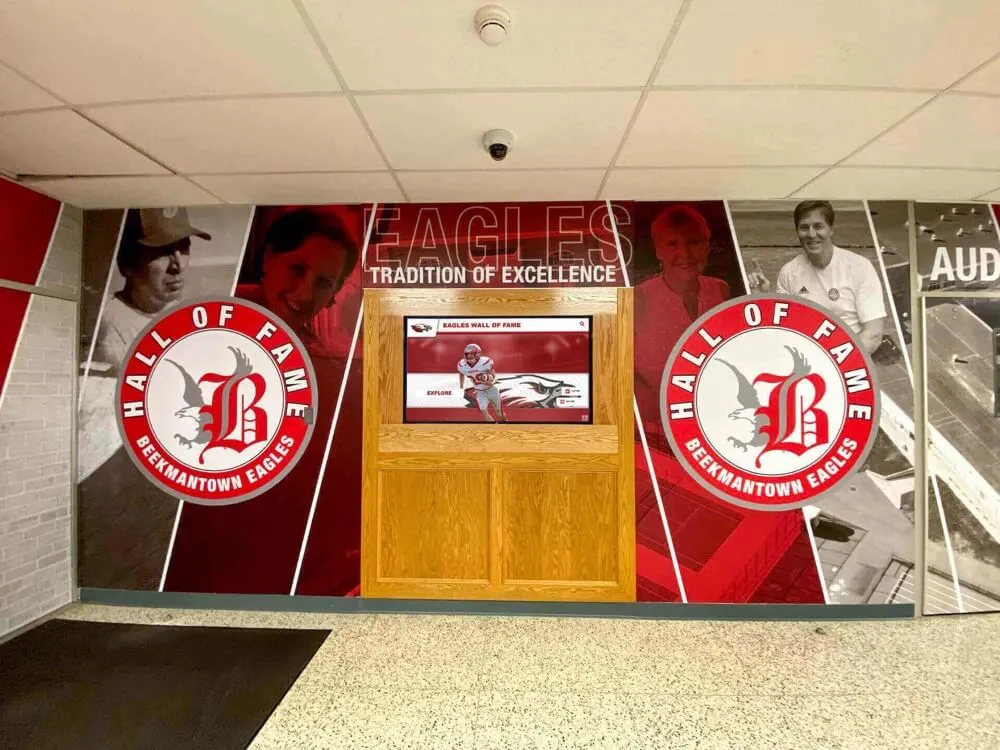
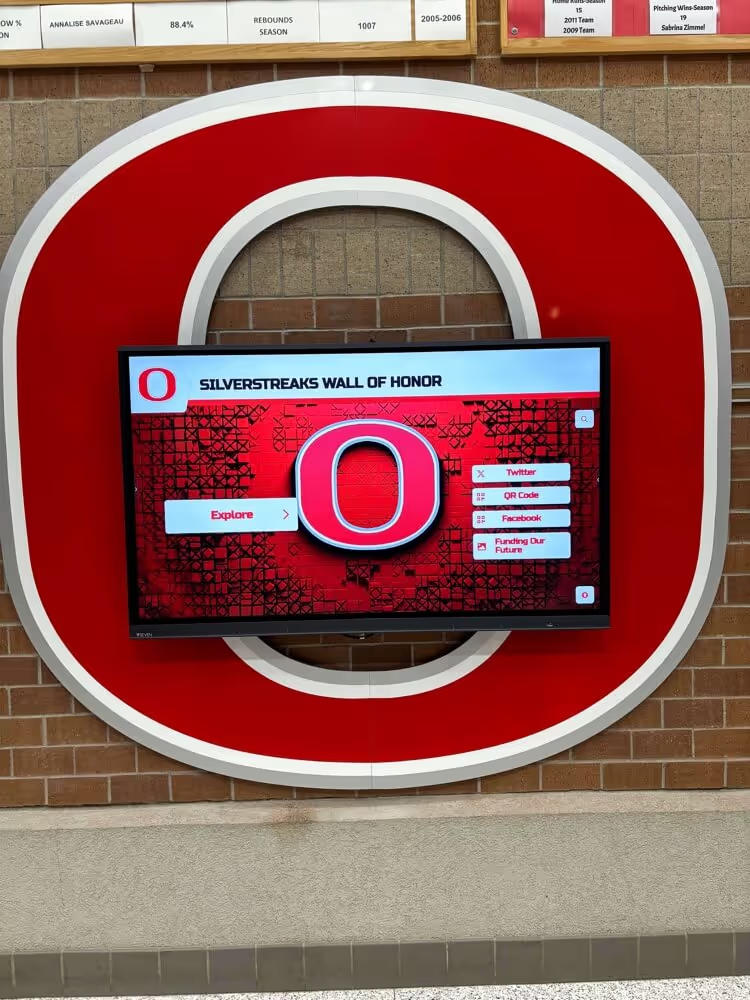
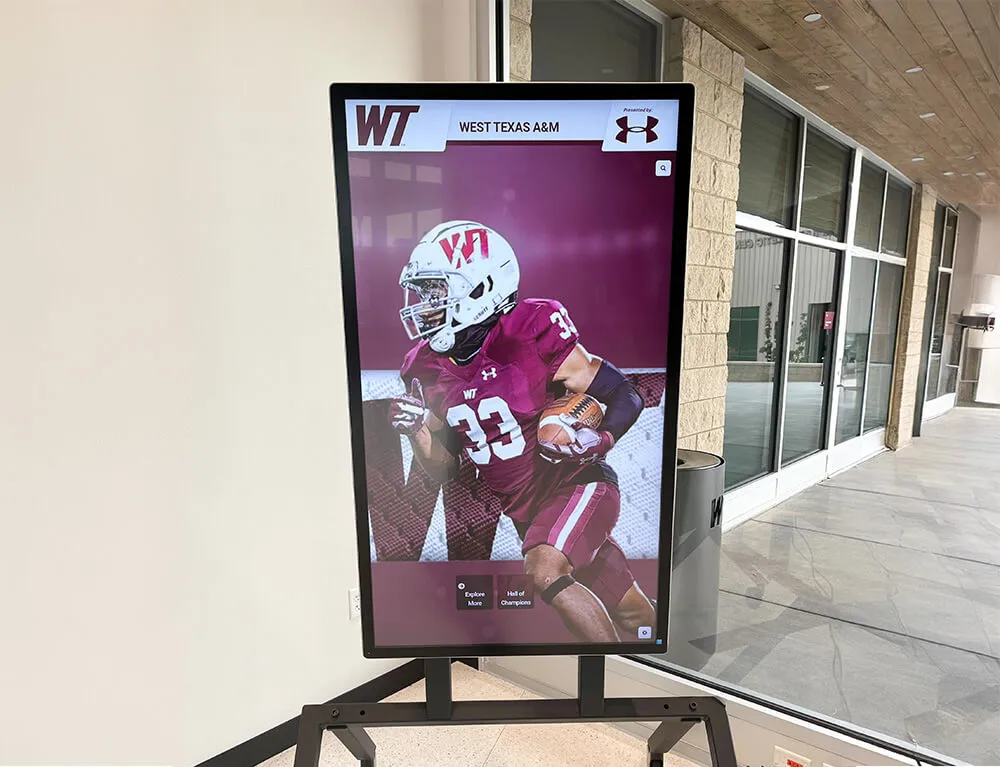
Modern recognition systems celebrate complete player profiles including defensive position excellence and offensive contributions
The Infield: Corner and Middle Positions
The four infielders defend the diamond area, each with specialized responsibilities based on their positioning.
Position 3: First Baseman (1B)
Primary Responsibilities
- Receiving throws: Catching throws from all infielders on ground balls
- Holding runners: Keeping runners close to prevent stolen bases
- Fielding position: Covering ground balls in their defensive area
- Bunt coverage: Fielding bunts and coordinating with pitcher and catcher
- Double play participation: Receiving throws to complete force outs
Required Skills and Attributes
- Height and reach to maximize catch radius on errant throws
- Sure hands to scoop low throws from infielders
- Footwork to maintain base contact while stretching for throws
- Left-handed throwers often excel (though not required)
- Quick reactions for line drives and bunts
Typical Player Profile
First base often positions power hitters whose offensive contribution outweighs defensive range limitations. The position requires reliable hands but less range than other infield spots, making it suitable for players with limited mobility but strong receiving skills.
Position 4: Second Baseman (2B)
Primary Responsibilities
- Double play pivot: Turning double plays with shortstop on ground balls
- Covering first base: Taking throws from pitcher on balls hit to right side
- Pop fly coverage: Calling and catching pop-ups in shallow right field
- Stolen base coverage: Receiving throws from catcher on steal attempts
- Bunt coverage: Moving to cover first base on sacrifice bunts
Required Skills and Attributes
- Quick hands and feet for double play turns
- Lateral range to field ground balls up the middle
- Strong, accurate throwing arm
- Coordination with shortstop on coverage responsibilities
- Agility to avoid sliding runners while completing throws
Position Strategy
Second basemen typically field balls hit to the right side of the infield and must quickly transfer the ball for accurate throws. Their partnership with shortstops determines middle infield effectiveness, making communication and trust essential.
Position 5: Third Baseman (3B)
Primary Responsibilities
- Fielding hard-hit balls: Reacting to line drives and sharply hit ground balls
- Long throws: Making strong, accurate throws across the diamond to first base
- Bunt defense: Charging bunts and making quick decisions
- Foul territory coverage: Catching pop-ups near third base line
- Protecting the line: Preventing extra-base hits down the left field line
Required Skills and Attributes
- Quick reflexes to react to sharply hit balls
- Strong throwing arm for 120+ foot throws to first base
- Courage to field hard-hit balls at close range
- Range both to the left and right
- Bare-hand fielding ability for slow rollers and bunts
The “Hot Corner” Nickname
Third base earns the “hot corner” nickname from right-handed batters pulling balls with velocity directly at third basemen. The position requires fearlessness and quick reactions to handle rockets hit their direction.
Position 6: Shortstop (SS)
Primary Responsibilities
- Range coverage: Fielding ground balls across widest infield territory
- Double play initiation: Starting most double plays with throw to second base
- Relay throws: Cutting off outfield throws and relaying to bases
- Pop fly coverage: Coordinating with outfielders and other infielders
- Defensive captain: Often calling defensive shifts and coverage
Required Skills and Attributes
- Exceptional range to cover ground laterally
- Strong, accurate arm for throws from deep positions
- Quick release on double play feeds
- Leadership and communication abilities
- Consistency and reliability under pressure
- Athletic versatility and baseball instincts
Why Shortstop Is Baseball’s Premium Position
Shortstops typically represent teams’ best all-around athletes. The position demands the greatest combination of range, arm strength, and baseball IQ. Many youth baseball prospects begin at shortstop, with less athletically gifted players moving to other positions as competition increases.
Schools recognizing baseball excellence often highlight exceptional shortstops in digital record boards celebrating defensive wizardry and complete player performance.

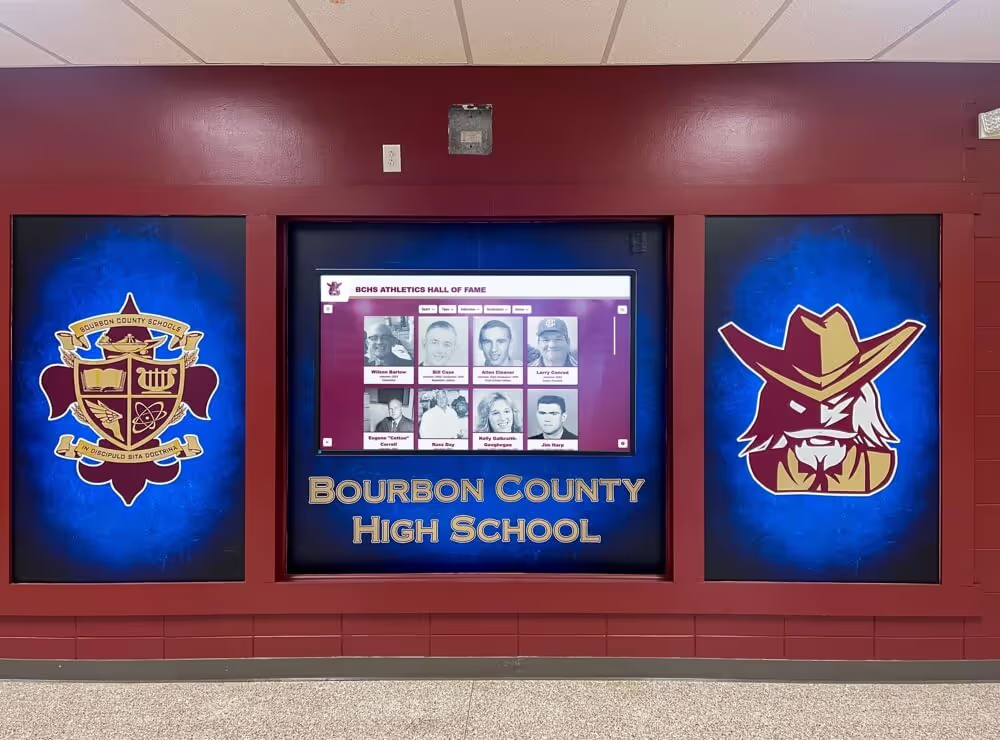
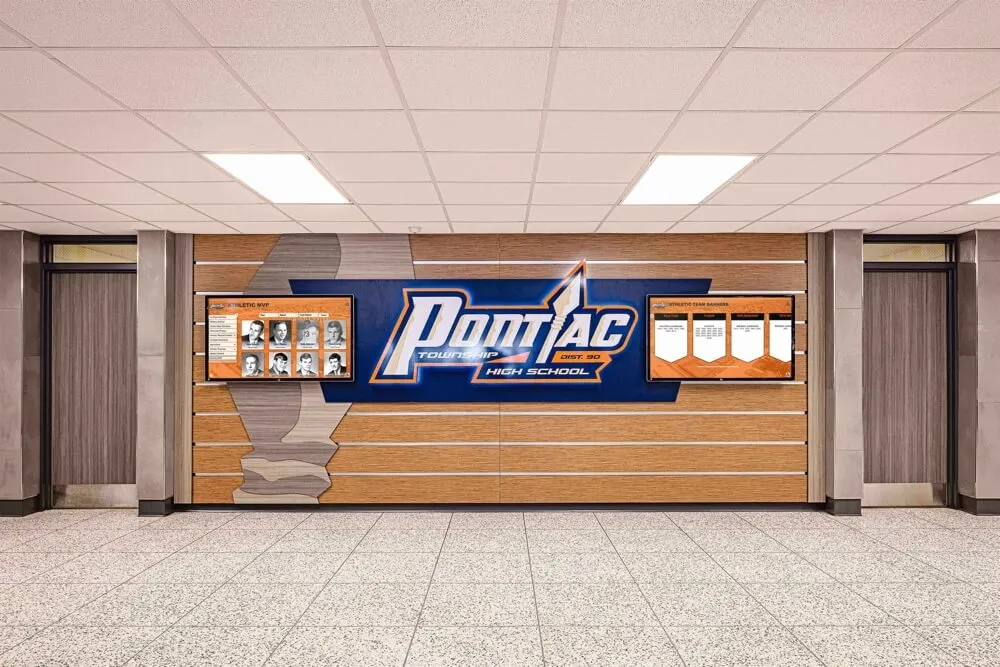
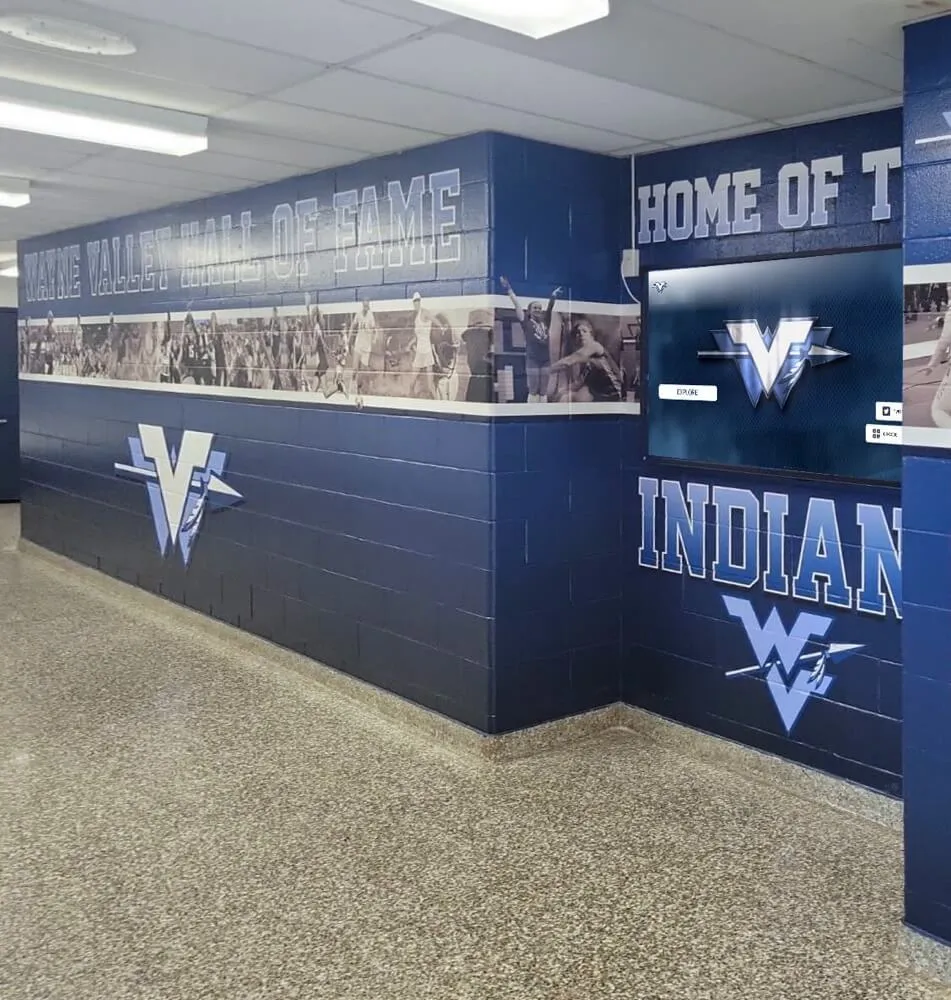
Athletic record displays organize achievements by position, highlighting career leaders at each defensive spot
The Outfield: The Final Defensive Line
Three outfielders provide the last defensive barrier, covering vast territory and preventing extra-base hits.
Position 7: Left Fielder (LF)
Primary Responsibilities
- Tracking fly balls: Judging trajectory and catching balls hit to left field
- Backing up throws: Supporting infielders on throws to third base and shortstop
- Fielding ground balls: Charging singles to prevent runners advancing
- Throwing to bases: Making accurate throws to third base and home plate
- Communication: Calling off infielders on pop flies
Required Skills and Attributes
- Ability to read ball off the bat quickly
- Speed to cover ground in outfield gaps
- Accurate throwing arm (slightly less critical than right field)
- Comfort playing near foul line and fence
- Understanding of situational baseball
Strategic Considerations
Left field typically requires less arm strength than right field since throws to third base cover shorter distance than throws from right field to third base. However, left fielders must handle right-handed pull hitters and make critical decisions on runners attempting to advance.
Position 8: Center Fielder (CF)
Primary Responsibilities
- Maximum coverage: Covering more ground than any other outfielder
- Captain of outfield: Calling balls they can reach and directing other outfielders
- Gap coverage: Tracking balls hit into power alleys
- Backing up all bases: Supporting throws throughout the field
- Deepest positioning: Playing furthest from home plate
Required Skills and Attributes
- Elite speed to cover vast outfield territory
- Excellent route running and ball-tracking instincts
- Strong, accurate throwing arm
- Leadership and communication abilities
- Fearlessness running into walls or diving for catches
- Consistent fly ball tracking ability
The Premium Outfield Position
Center fielders typically represent the best outfield athlete—speed, instincts, and range make center field the outfield’s most demanding position. Many teams position their fastest, most athletic outfielder in center field regardless of batting ability.
Position 9: Right Fielder (RF)
Primary Responsibilities
- Strong throwing arm: Making long throws to third base and home plate
- Backing up first base: Supporting throws from infielders
- Gap coverage: Tracking balls to right-center gap
- Fielding line drives: Handling hard-hit balls from left-handed pull hitters
- Cutoff relay accuracy: Hitting cutoff men on throws to bases
Required Skills and Attributes
- Strongest outfield arm for throws across the diamond
- Ability to charge ground balls and make accurate throws
- Coordination with center fielder on gap coverage
- Quick release on throws to prevent advancement
- Comfort with sun and wind conditions in right field
Why Arm Strength Matters in Right Field
The longest throw in baseball runs from deep right field to third base—over 300 feet on major league fields. Right fielders need strong, accurate arms to prevent runners from taking extra bases. The position often showcases players with powerful arms who may lack the speed required for center field.
Understanding position-specific skills helps schools develop comprehensive athletic recognition programs celebrating diverse athletic achievements across sports.
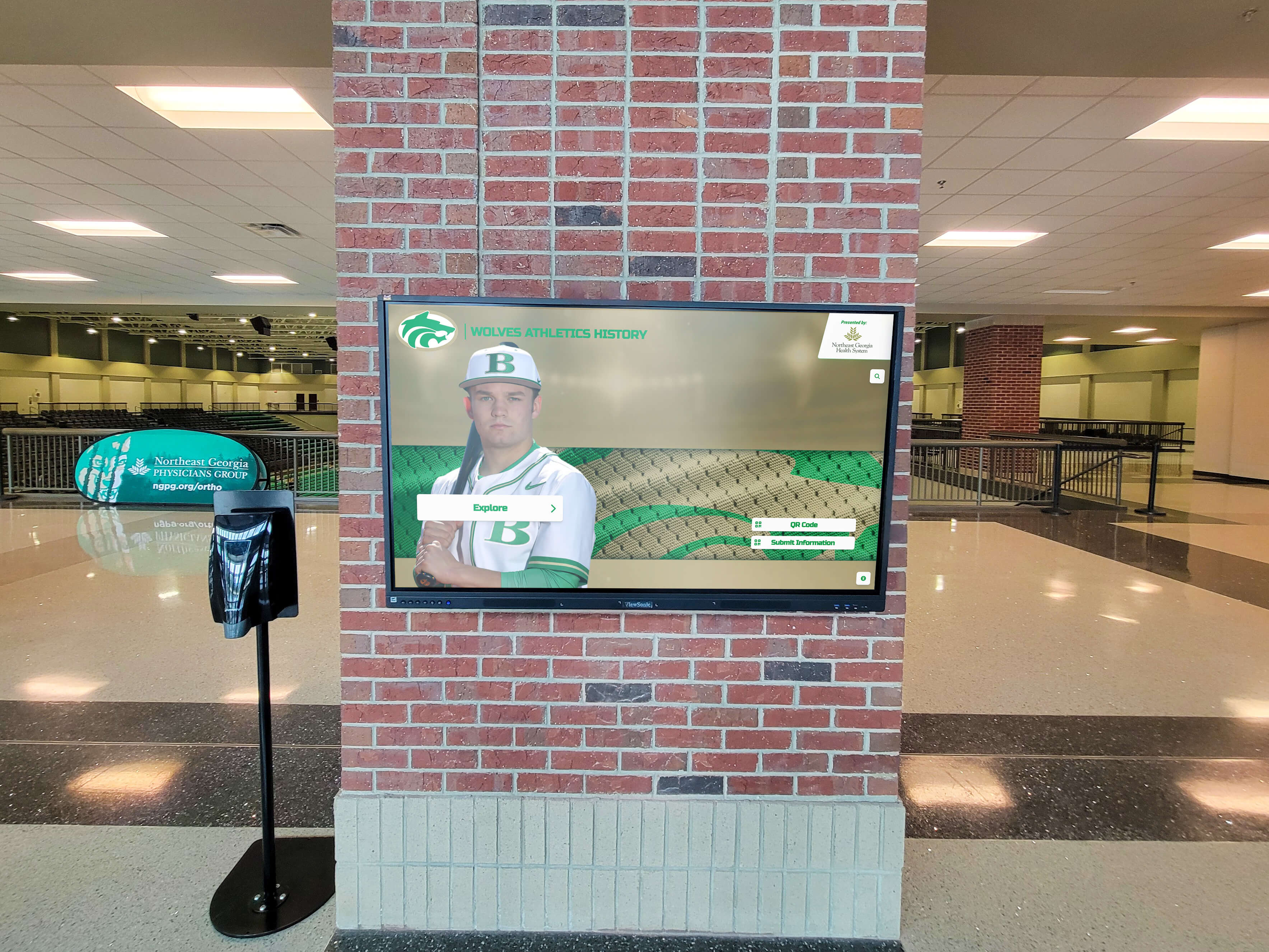
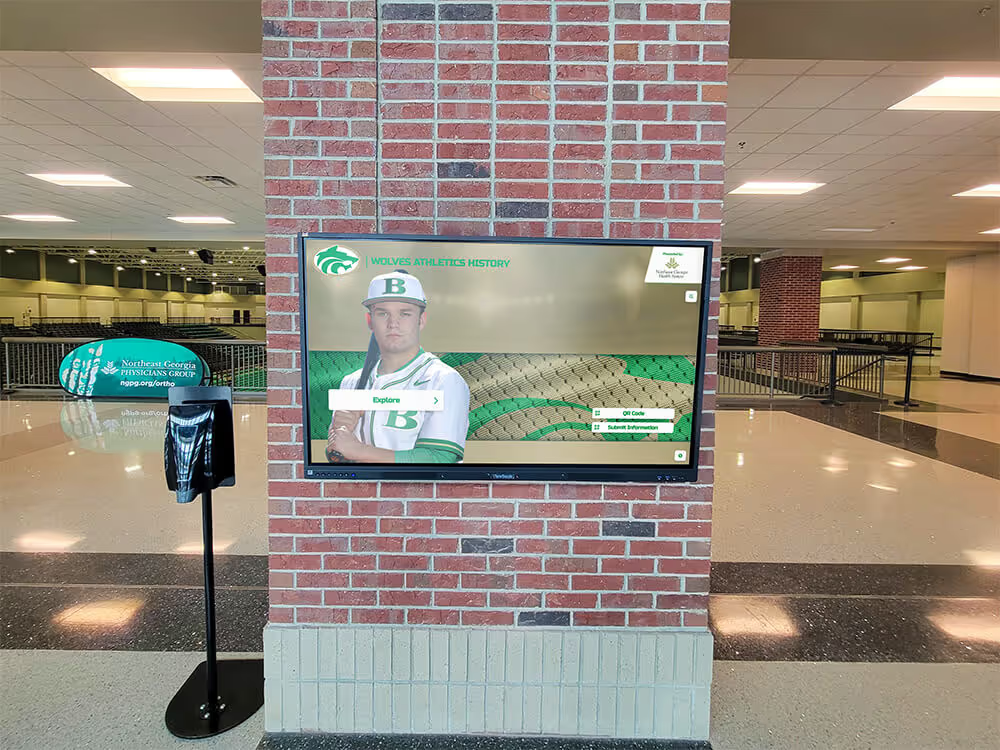
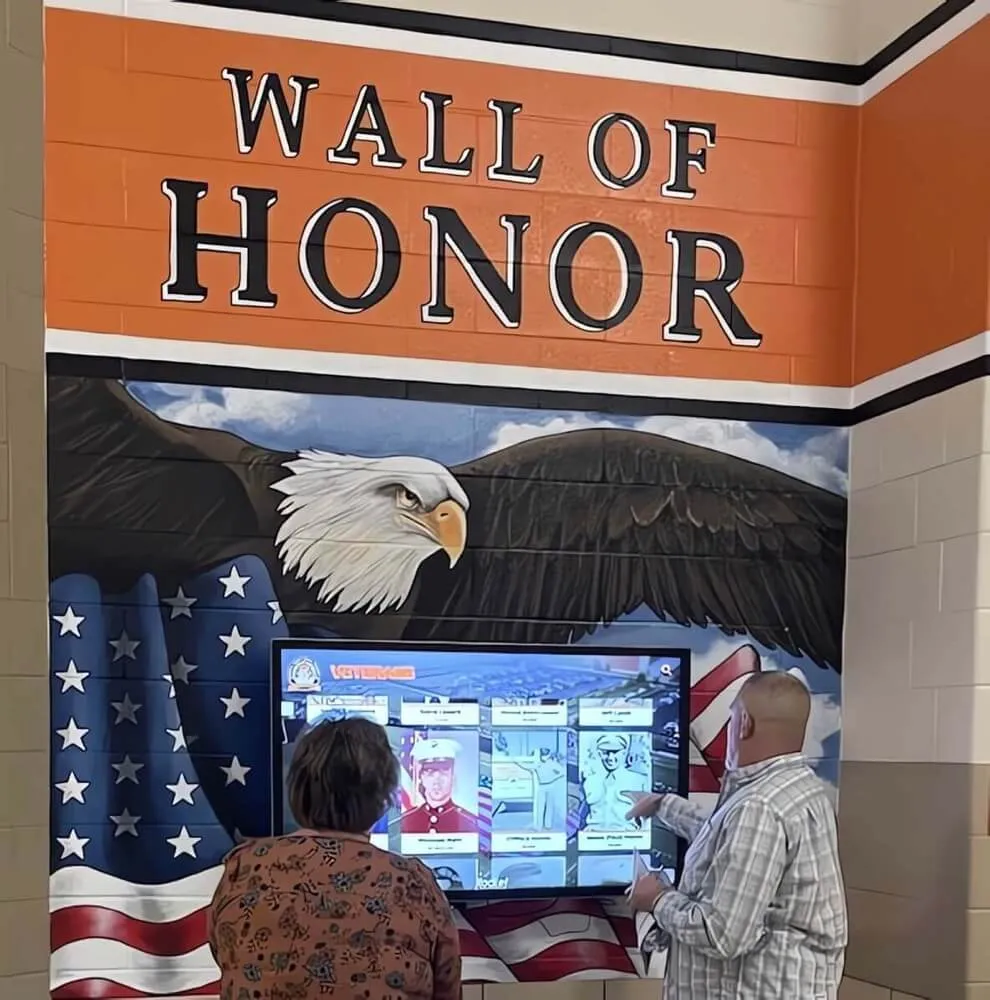
Prominent baseball player displays in athletic facilities inspire current players while celebrating program history
Designated Hitter and Specialized Roles
Beyond the nine defensive positions, modern baseball includes specialized roles affecting team strategy.
The Designated Hitter (DH)
Role and Purpose
The designated hitter bats in place of the pitcher without playing a defensive position:
- American League and some youth leagues: Use DH regularly
- National League historically: Pitchers batted (though this has changed at MLB level)
- High school and college: Rules vary by state and conference
- Strategy impact: Allows pitchers to focus on pitching without batting duties
When Teams Use DHs
- Maximizing offensive production when pitchers are weak hitters
- Resting players with minor injuries who can still hit
- Getting at-bats for designated sluggers
- Developing young hitters not ready defensively
Utility Players and Defensive Substitutes
Utility Player Value
Players who competently handle multiple positions provide roster flexibility:
- Emergency coverage when starters are injured
- Defensive replacements for late-inning leads
- Matchup-based positional adjustments
- Pinch-hitting and pinch-running opportunities
Defensive Specialist Roles
- Late-inning defensive replacements: Superior fielders entering to protect leads
- Pinch runners: Speed players replacing slower runners in crucial situations
- Defensive shifts: Positioning players in unusual alignments based on batter tendencies
How Position Affects Player Development and Recruitment
Understanding positions guides player development decisions throughout baseball careers.
Youth Baseball Position Selection
Factors Determining Youth Positions
Coaches assign youth positions based on:
- Arm strength: Players with strongest arms at pitcher, catcher, shortstop
- Athletic ability: Best athletes at shortstop, center field, catcher
- Size and physique: Taller players often at first base or corner outfield
- Developmental stage: Players move positions as skills evolve
- Safety considerations: Protecting less experienced players in lower-activity positions
The Multiple Position Approach
Youth baseball experts recommend players experience several positions during development. Overspecialization too early limits athletic development and reduces long-term baseball understanding. Players develop better overall baseball IQ when they experience different defensive perspectives.
High School Position Specialization
As players reach high school, position specialization increases:
- Competition intensity requires focused skill development
- College recruiting evaluates position-specific abilities
- Physical attributes become more clearly matched to positions
- Record boards track position-specific career achievements
- Team depth determines position availability
Schools tracking comprehensive athletic achievements organize records by position to celebrate diverse player excellence.
College Recruitment by Position
College coaches recruit specific positional needs:
- Premium positions: Shortstops, catchers, center fielders, and pitchers receive most attention
- Position flexibility: Ability to play multiple positions increases recruitment value
- Physical projection: Coaches evaluate whether players can handle positions as they physically mature
- Offensive ability: Corner positions (1B, 3B, corner outfield) must typically produce more offensively
Recognizing Positional Excellence in School Programs
Schools celebrating baseball achievements organize recognition around positional performance.
Position-Specific Record Categories
Effective baseball record boards track achievements by position:
Pitching Records
- Career wins and strikeouts
- Single-season ERA leaders
- Complete games and shutouts
- No-hitters and perfect games
Position Player Records
- Career batting average by position
- Home runs and RBIs by position
- Fielding percentage at each position
- Gold Glove or defensive excellence awards
Team Achievement Records
- Career wins by position players
- Championship team rosters with positions
- All-conference selections by position
- State tournament performances
Digital Recognition Display Implementation
Modern interactive touchscreen displays enable comprehensive positional recognition:
Position-Based Navigation
- Browse record holders by defensive position
- Compare career statistics across eras
- View position-specific highlight videos
- Filter achievements by position category
Comprehensive Player Profiles
- Complete positional history for each player
- Career statistics organized by position played
- Photos and videos showcasing defensive excellence
- Personal achievements and milestones
Historical Context
- Evolution of positional play in program history
- Greatest players at each position
- Position-specific traditions and achievements
- Comparison of statistical leaders across positions
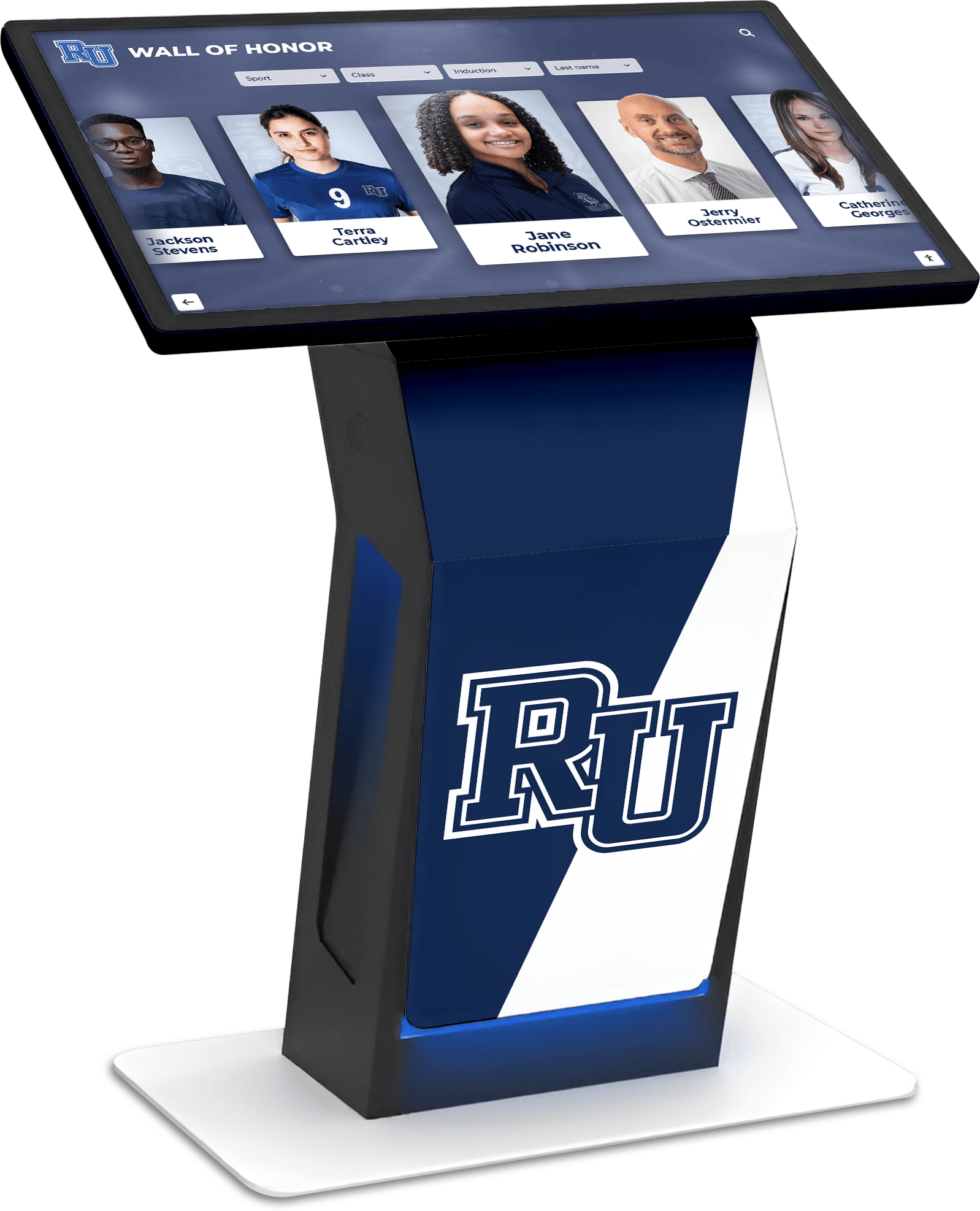
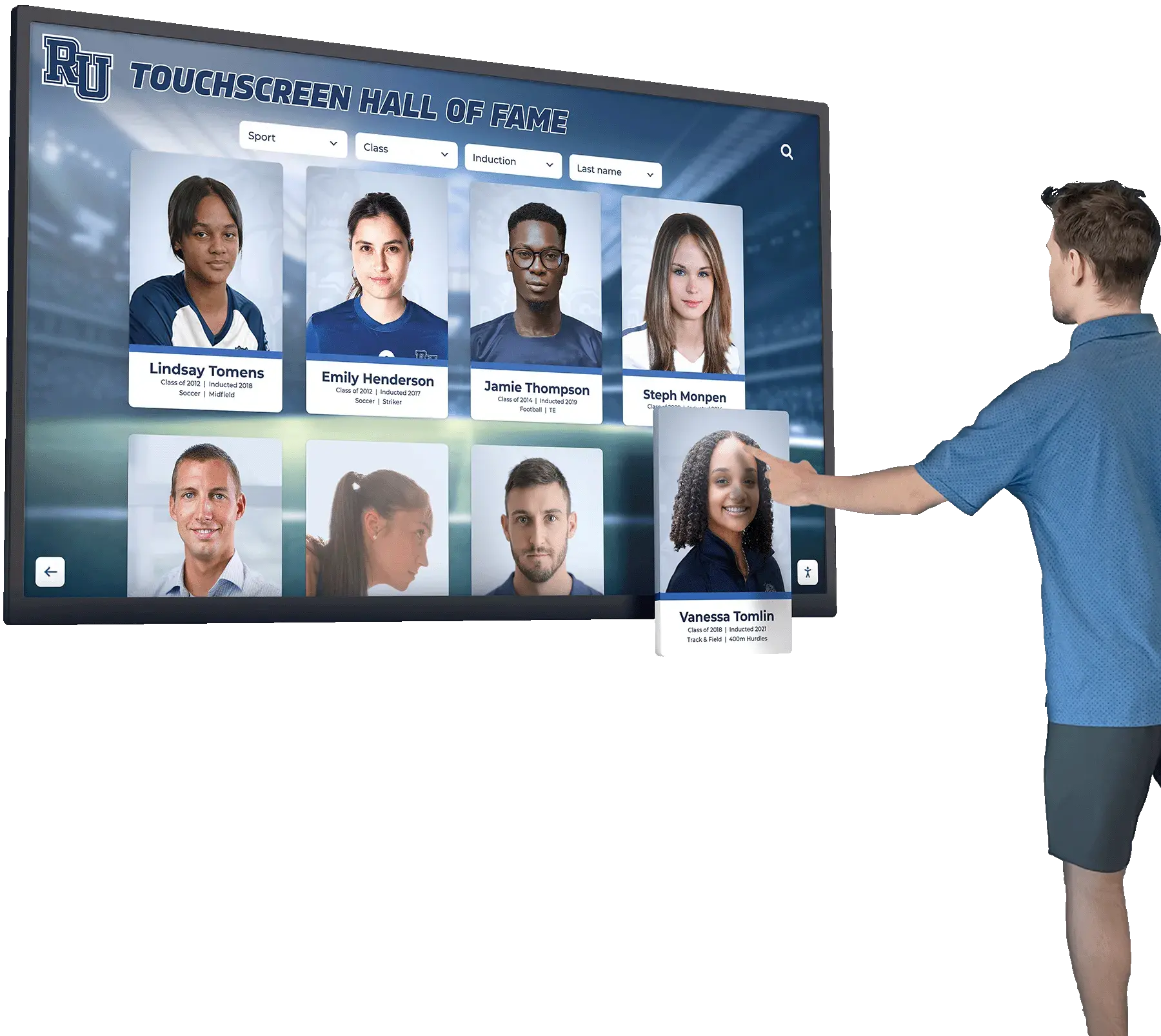
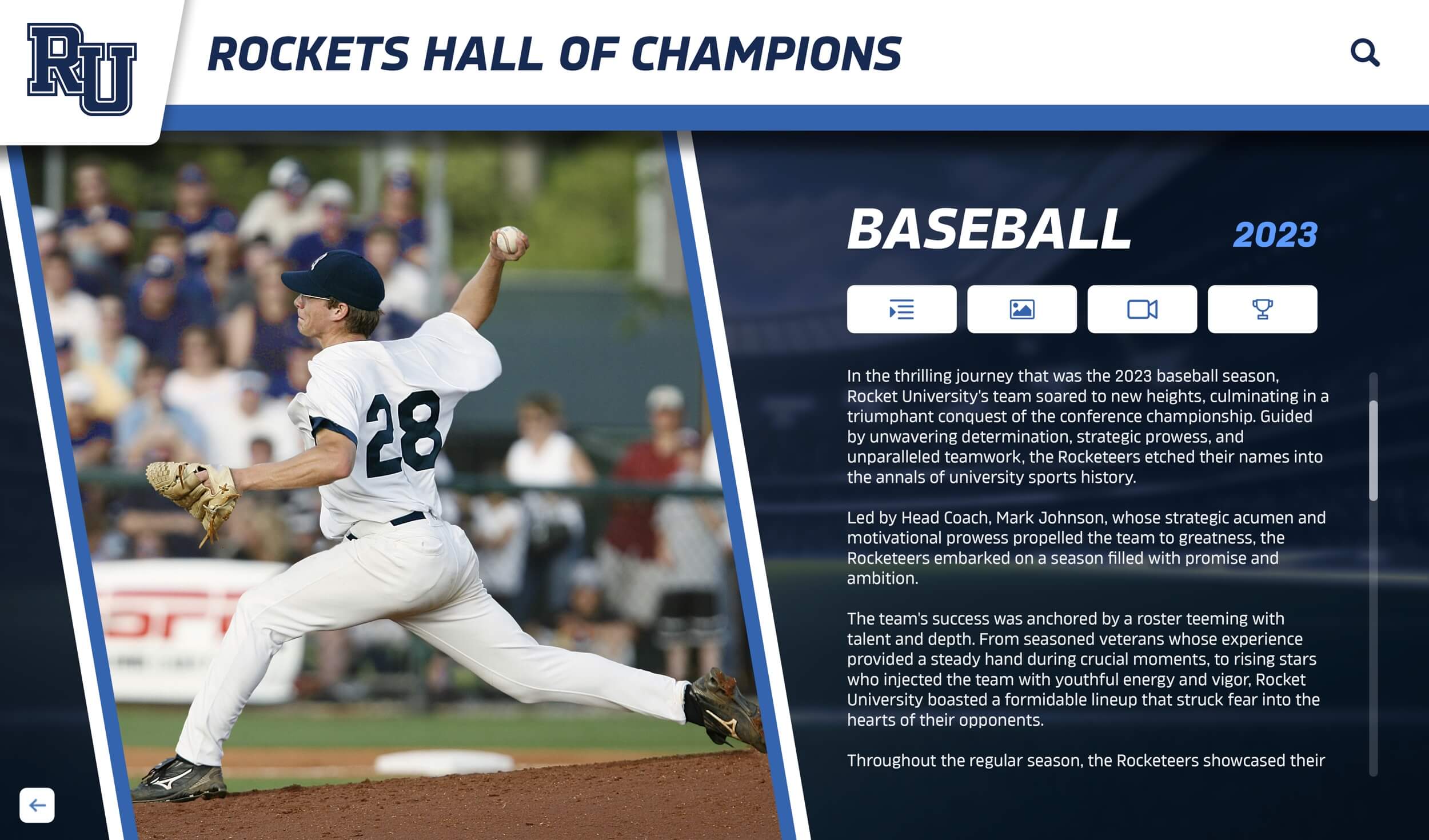
Interactive recognition kiosks allow exploration of baseball records organized by position, era, and achievement type
Understanding Defensive Shifts and Modern Positioning
Contemporary baseball increasingly uses data-driven positioning strategies.
Traditional vs. Modern Defensive Positioning
Traditional Positioning
- Players align in standard positions based on batter handedness
- Minor adjustments for known power hitters
- General principles guide positioning
Modern Analytics-Driven Positioning
- Heat maps show where each batter hits balls
- Extreme shifts place three infielders on one side
- Outfielders position based on specific batter tendencies
- Position numbers become less fixed during plays
How Shifts Affect Position Understanding
Defensive shifts don’t change position numbers or official designations:
- A second baseman playing in shallow right field is still the second baseman (position 4)
- Position numbers reflect starting designation, not shifted location
- Statistical scoring still uses traditional position numbers
- Recognition programs organize by official position, not shift positioning
Teaching Position Fundamentals Remains Essential
Despite modern shifts, teaching fundamental positional responsibilities remains critical:
- Youth players must learn traditional positioning first
- Fundamental skills transfer across positioning strategies
- Understanding “why” behind positions enables shift comprehension
- Base defensive competency before introducing advanced concepts
Common Questions About Baseball Positions
Can Players Change Positions During a Game?
Yes, players can switch positions during games with manager notification to umpires. This occurs when:
- Pitcher moves to another position when relieved
- Defensive replacements enter the game
- Matchup-based adjustments required
- Injury necessitates position changes
Position changes are recorded in the scorebook, and statistics reflect time at each position played.
What’s the Hardest Position in Baseball?
Opinions vary, but catcher and shortstop typically rank as most demanding:
Catcher difficulty factors:
- Physical demands of squatting all game
- Managing pitching staff and calling pitches
- Controlling running game
- Blocking balls in the dirt
Shortstop difficulty factors:
- Greatest defensive range required
- Strongest arm among infielders needed
- Most ground balls and plays
- Leadership and communication responsibilities
Both positions require elite athleticism, baseball IQ, and mental toughness.
Why Don’t Pitchers Play Other Positions?
Modern baseball specializes pitching due to:
- Arm care and injury prevention concerns
- Pitch count and rest requirements
- Specialized training focus
- Roster construction with dedicated pitchers
However, youth baseball often has pitchers play other positions when not pitching to maximize player development and participation. The two-way player (pitcher who also hits and plays other positions) has reemerged at professional levels with players like Shohei Ohtani.
What Position Should Left-Handed Players Play?
Left-handed throwers face position limitations:
Positions left-handers commonly play:
- Pitcher (advantages with angle to right-handed batters)
- First base (natural throwing motion to field)
- Outfield (no limitations from left-handed throw)
Positions rarely played by left-handers:
- Catcher (difficulty throwing to third base)
- Second base, shortstop, third base (throwing mechanics disadvantage)
Youth left-handed players should try multiple positions early in development, with specialization occurring as competition increases.
Teaching Baseball Positions to Beginners
Coaches and parents introducing baseball should follow progressive teaching approaches.
Starting with Basic Concepts
Initial Position Introduction:
- Show diamond diagram with position locations
- Explain position numbers and abbreviations
- Demonstrate basic responsibilities for each position
- Let players experience multiple positions
- Match initial assignments to player comfort and ability
Safety-First Positioning:
- Less experienced players initially in right field or second base (typically fewer balls)
- Confident, skilled players at pitcher, shortstop, catcher
- Rotate all players through multiple positions
- Ensure adequate instruction before assigning positions with critical responsibilities
Progressive Skill Development by Position
Pitcher Development Progression:
- Start with throwing strikes consistently
- Develop second pitch (usually changeup)
- Learn fielding position responsibilities
- Add breaking pitches as appropriate for age
- Develop mental approach and game management
Infield Development Progression:
- Master fundamental ground ball fielding
- Develop accurate throwing mechanics
- Learn footwork for different play types
- Practice double play coordination
- Understand situational positioning
Outfield Development Progression:
- Track fly balls with proper footwork
- Develop crow hop throwing technique
- Learn to read ball off bat
- Practice communication with other outfielders
- Master backing up infield throws
Schools celebrating comprehensive player development often feature recognition programs honoring improvement and achievement across all athletic endeavors.
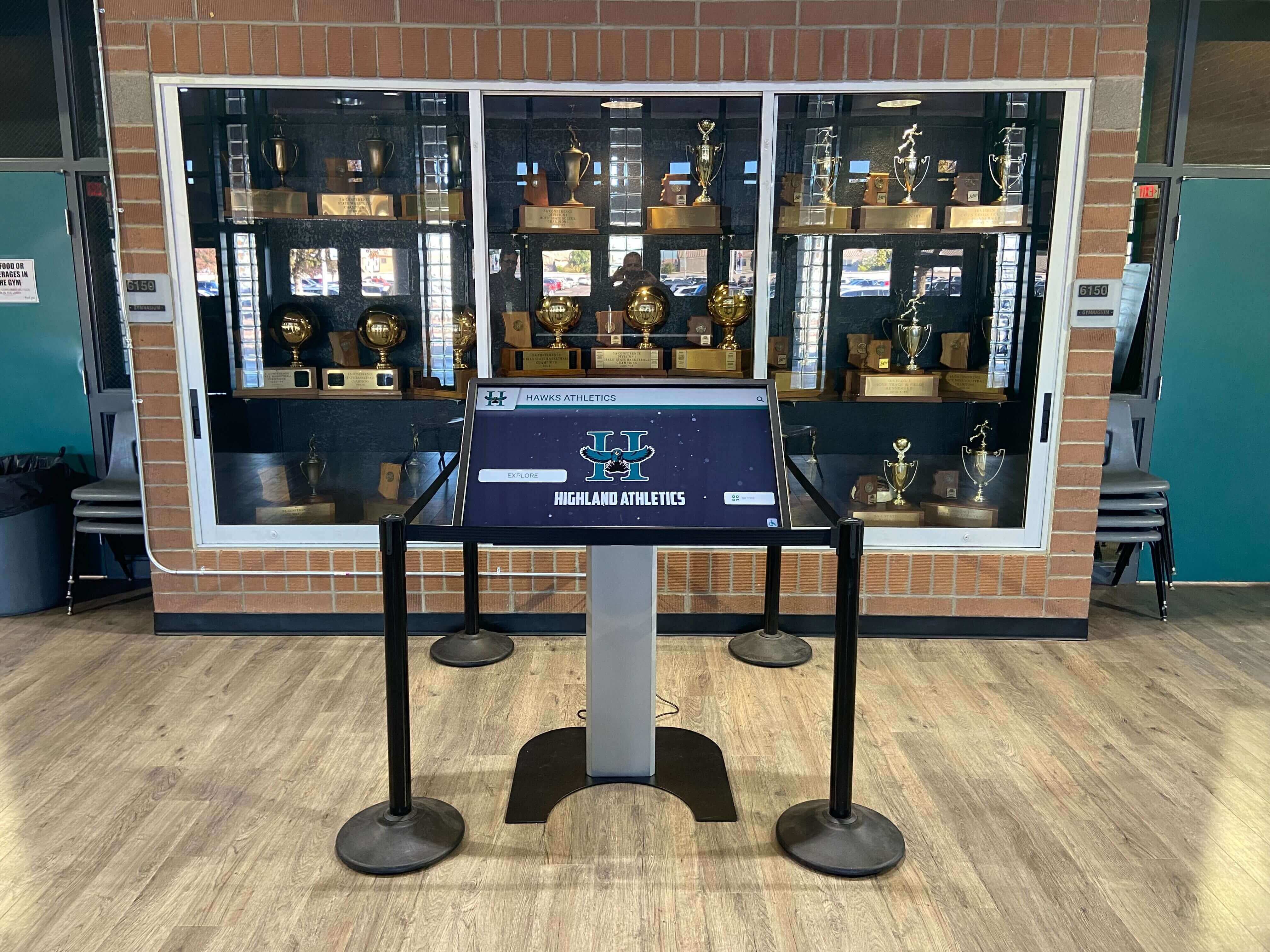
Modern recognition systems integrate with traditional trophy cases, celebrating positional excellence alongside team achievements
Conclusion: Understanding Positions Enriches Baseball Appreciation
Comprehensive understanding of baseball positions explained—from the pitcher’s strategic role through the outfielder’s range coverage—enables parents, fans, and players to appreciate the defensive complexity making baseball compelling. Each position demands specialized skills, strategic awareness, and athletic abilities that contribute to team success in distinct ways.
The traditional numbering system (1-9) provides standardized framework for statistical tracking, play recording, and achievement recognition. Schools organizing baseball record boards use these position designations to create meaningful recognition celebrating excellence at each defensive spot—honoring the best pitcher, exceptional shortstop, or powerful corner infielder who made program history.
For youth players beginning baseball journeys, experiencing multiple positions develops complete understanding while revealing natural strengths and preferences. As players advance, positional specialization allows focused skill development matching physical attributes and abilities to appropriate positions. Understanding positional requirements helps players, parents, and coaches make informed decisions about development pathways.
Modern baseball recognition extends beyond win-loss records to celebrate position-specific excellence. Digital record boards organize achievements by position, enabling schools to honor diverse contributions—the lights-out closer who saved crucial games, the slick-fielding shortstop who anchored the defense, or the power-hitting first baseman who drove in championship runs.
Celebrate Positional Excellence in Your Baseball Program
Discover how interactive digital displays can organize your baseball records by position, showcasing career leaders, championship teams, and individual achievements through engaging touchscreen experiences that inspire current and future players.
Explore Baseball Recognition SolutionsWhether you’re watching your child’s first game and wondering why the shortstop seems involved in every play, coaching youth players and determining position assignments, or managing school athletic recognition programs celebrating baseball history, understanding each position’s unique responsibilities and requirements provides essential context.
Baseball positions represent more than defensive locations—they embody specialized roles requiring distinct skill sets, strategic awareness, and athletic abilities. From the pitcher controlling game tempo, through the middle infielders orchestrating double plays, to the outfielders covering vast territory, each position contributes indispensably to team defense and success.
As you watch, coach, or celebrate baseball, appreciating each position’s complexity enriches understanding of why certain plays develop as they do, why specific players excel at particular positions, and how positional excellence combines to create championship-caliber defense. The nine positions working in concert create baseball’s defensive beauty—and recognizing exceptional performance at each position honors the specialized excellence making baseball programs successful.
Start by observing how different positions contribute during games, discuss positional responsibilities with young players exploring where they fit, and celebrate position-specific achievements through recognition programs that honor excellence across all defensive spots. Understanding baseball positions explained transforms casual observation into genuine appreciation for the defensive mastery and specialized skills making baseball America’s pastime.