



Basketball passing drills separate championship teams from those that struggle to execute when games tighten. When coaches systematically develop passing fundamentals, court vision, and decision-making through progressive drill work—moving from individual technique to contested team situations—they build offensive systems that break down defenses through ball movement rather than relying solely on individual creation.
Yet many basketball programs treat passing as a secondary skill. Generic passing lines fail to replicate game pressure or defensive reads, stationary drills don’t develop the movement patterns actual possessions require, limited progression leaves players unprepared for live-game decision-making under defensive pressure, and minimal emphasis on passing fundamentals creates turnover-prone offenses that struggle against disciplined defensive schemes. Meanwhile, programs that integrate comprehensive passing development throughout practice build offensive efficiency, reduce turnovers, and create team chemistry that translates directly to competitive advantage.
This comprehensive guide explores proven basketball passing drills across skill levels—from fundamental technique building for youth programs to advanced decision-making scenarios for varsity competition—helping coaches develop smarter, more connected offensive play.
Effective passing transforms basketball from individual isolation play into cohesive offensive systems where ball movement creates better scoring opportunities than any single player could generate alone. While elite individual scorers certainly matter, teams that move the ball efficiently generate higher-percentage shots, involve more players in offensive success, and sustain performance when defenses focus on limiting primary scoring options.

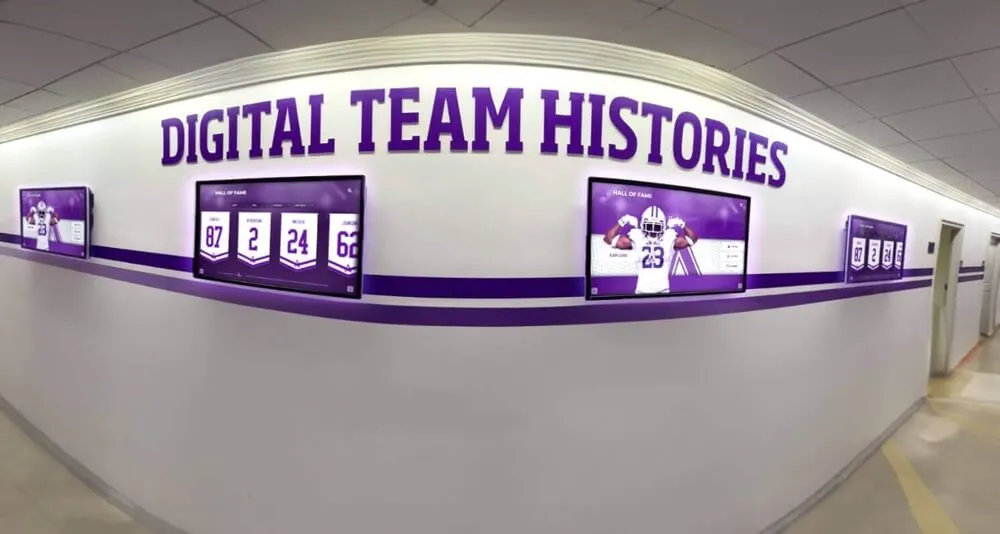
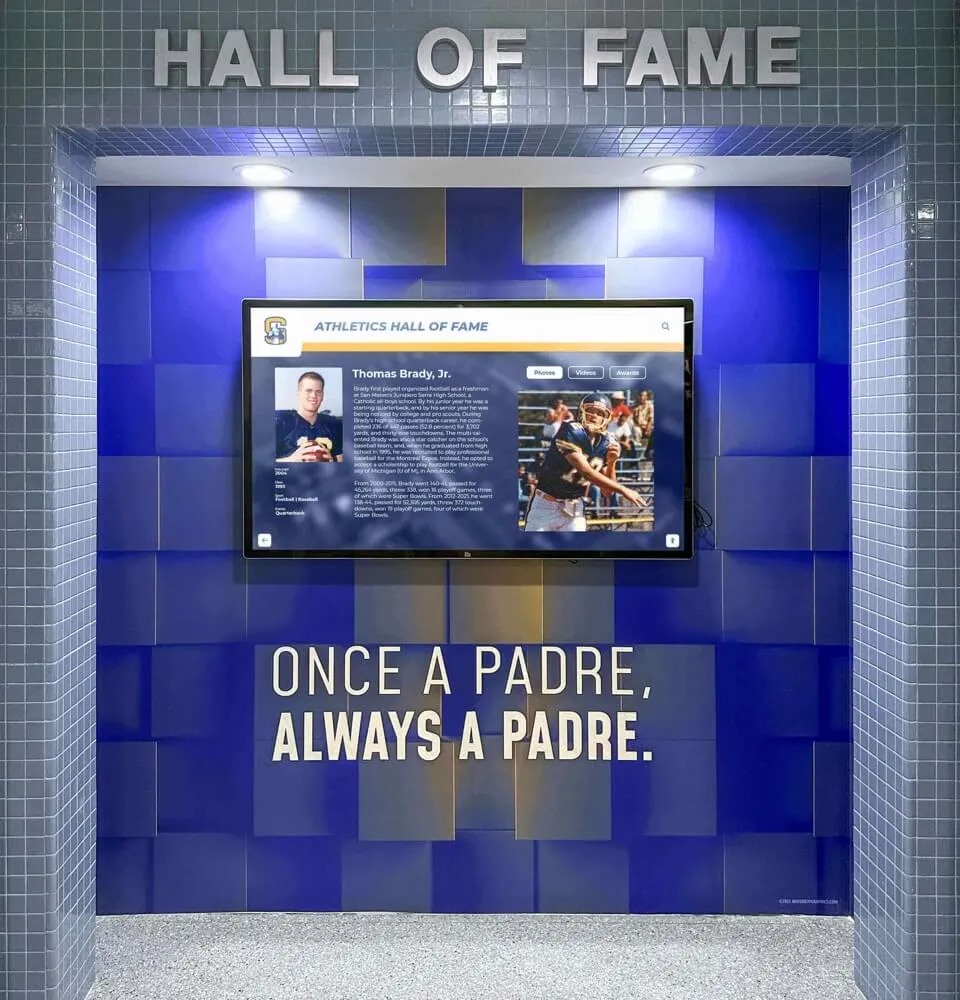
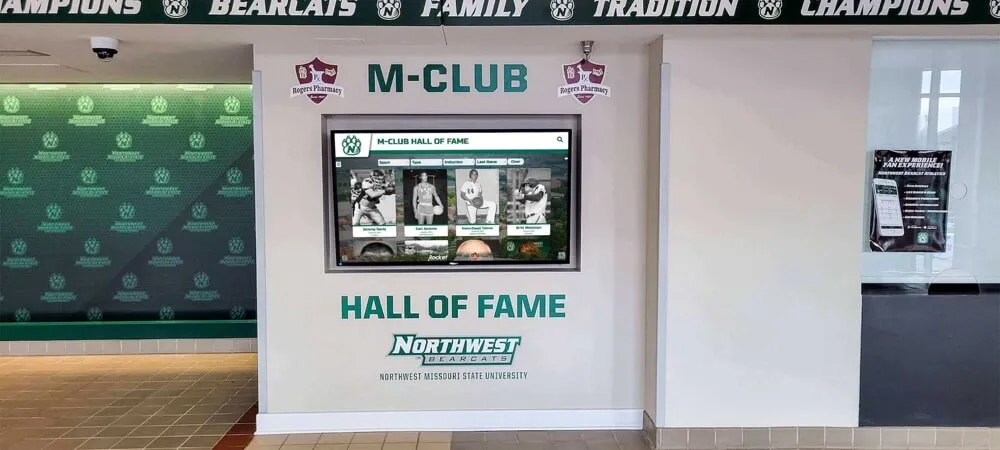
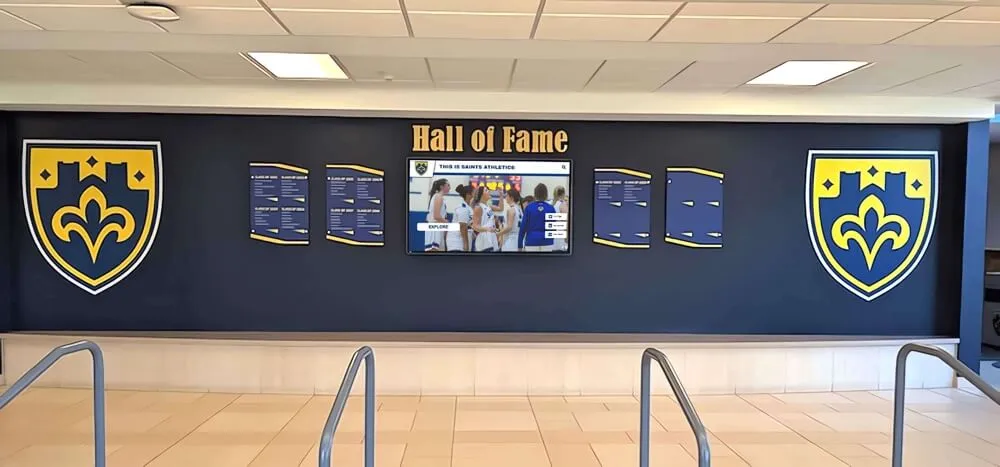
Programs that emphasize team play and ball movement often celebrate assists leaders alongside scoring champions on recognition displays
Understanding Basketball Passing Fundamentals
Before implementing advanced drills, establishing proper technique creates foundation for all passing development.
Essential Passing Mechanics
Chest Pass Technique
- Ball starts at chest level with elbows bent
- Hands positioned on sides of ball with thumbs behind
- Step toward target as arms extend
- Snap wrists rotating thumbs down for backspin
- Follow-through with palms facing outward
- Ball travels straight path arriving at receiver’s chest height
Bounce Pass Execution
- Similar starting position to chest pass
- Target point two-thirds distance to receiver
- Downward angle creating single bounce to chest level
- Stronger wrist snap generating necessary velocity
- Ball should bounce closer to receiver than passer
- Effective against fronting defenders or in traffic
Overhead Pass Fundamentals
- Ball held above head with elbows slightly bent
- Hands positioned on sides of ball
- Step forward while extending arms over head
- Wrist snap propelling ball downward to target
- Particularly effective for passing over shorter defenders
- Common outlet pass for rebounds or breaking pressure
Baseball Pass for Distance
- One-handed pass for long-distance outlets
- Ball positioned beside ear similar to throwing motion
- Step toward target with opposite foot
- Throwing motion using shoulder rotation and arm extension
- Follow-through pointing at target
- Primary use for fast break situations and full-court passes
Comprehensive athletic skill development parallels approaches discussed in quick team building games for sports programs.
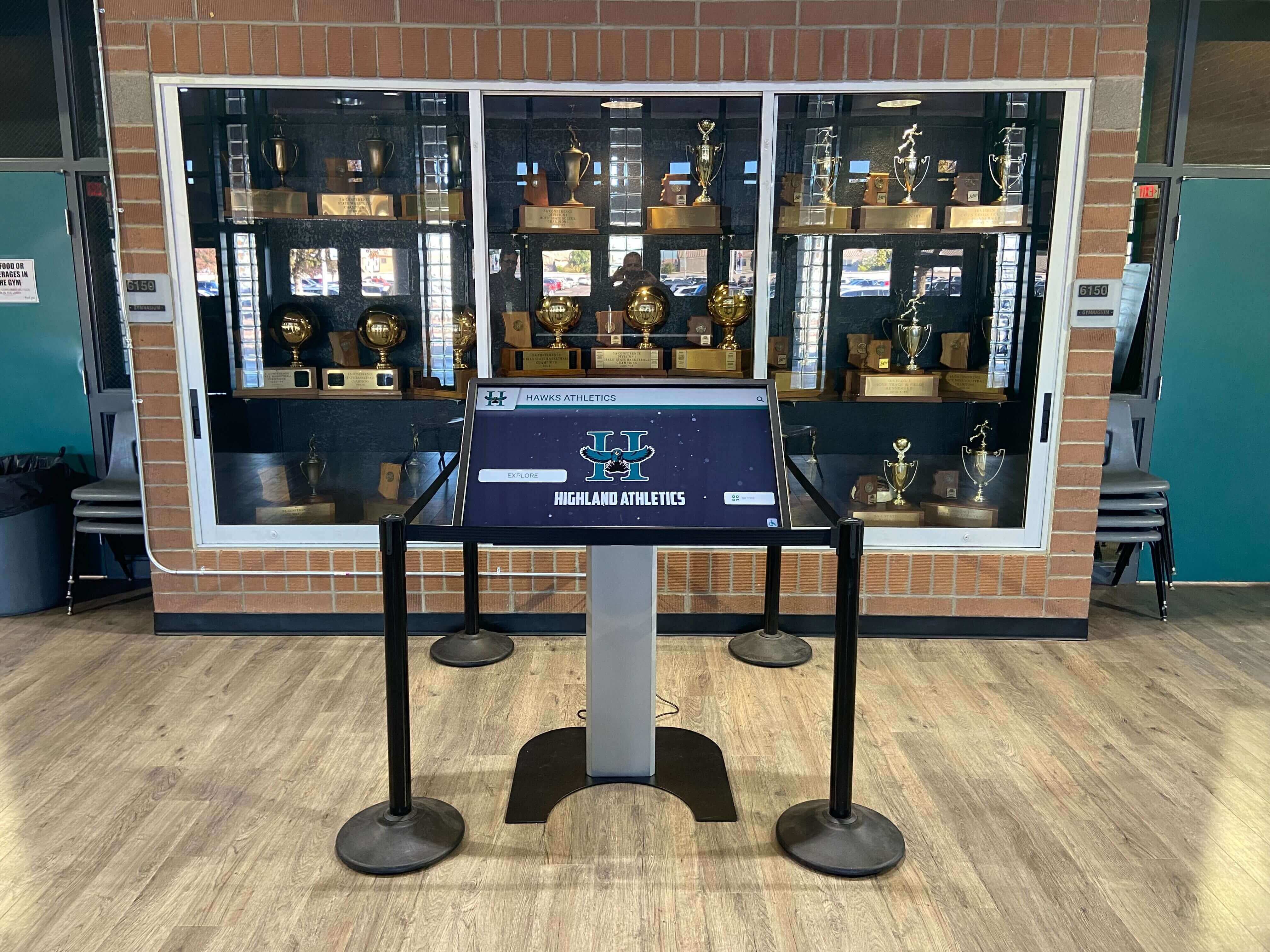
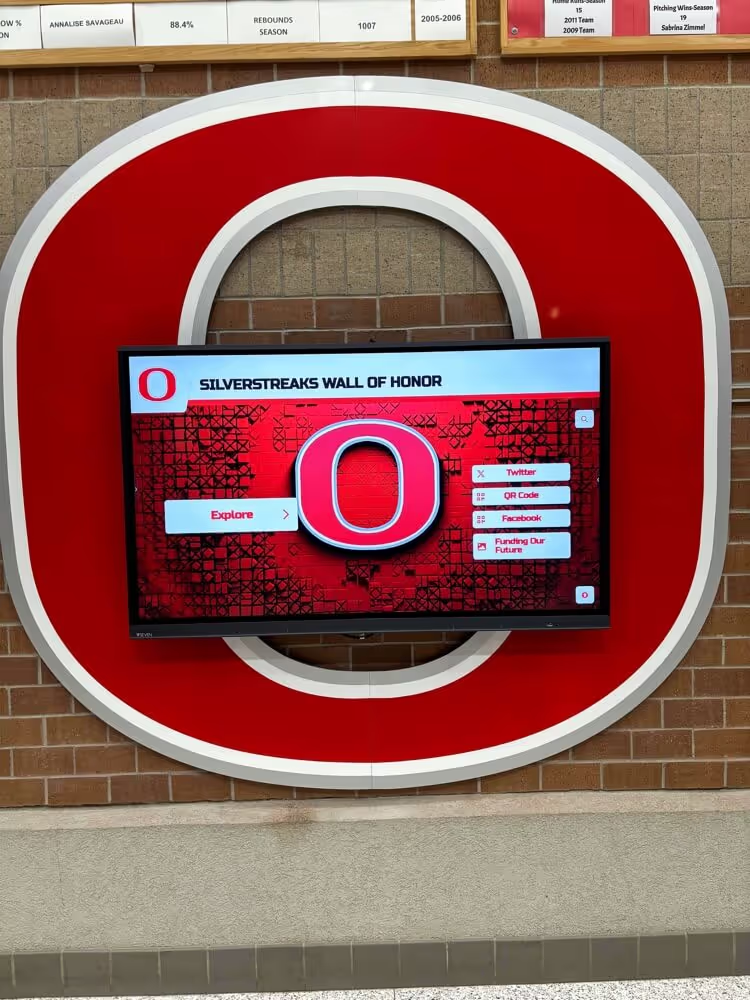
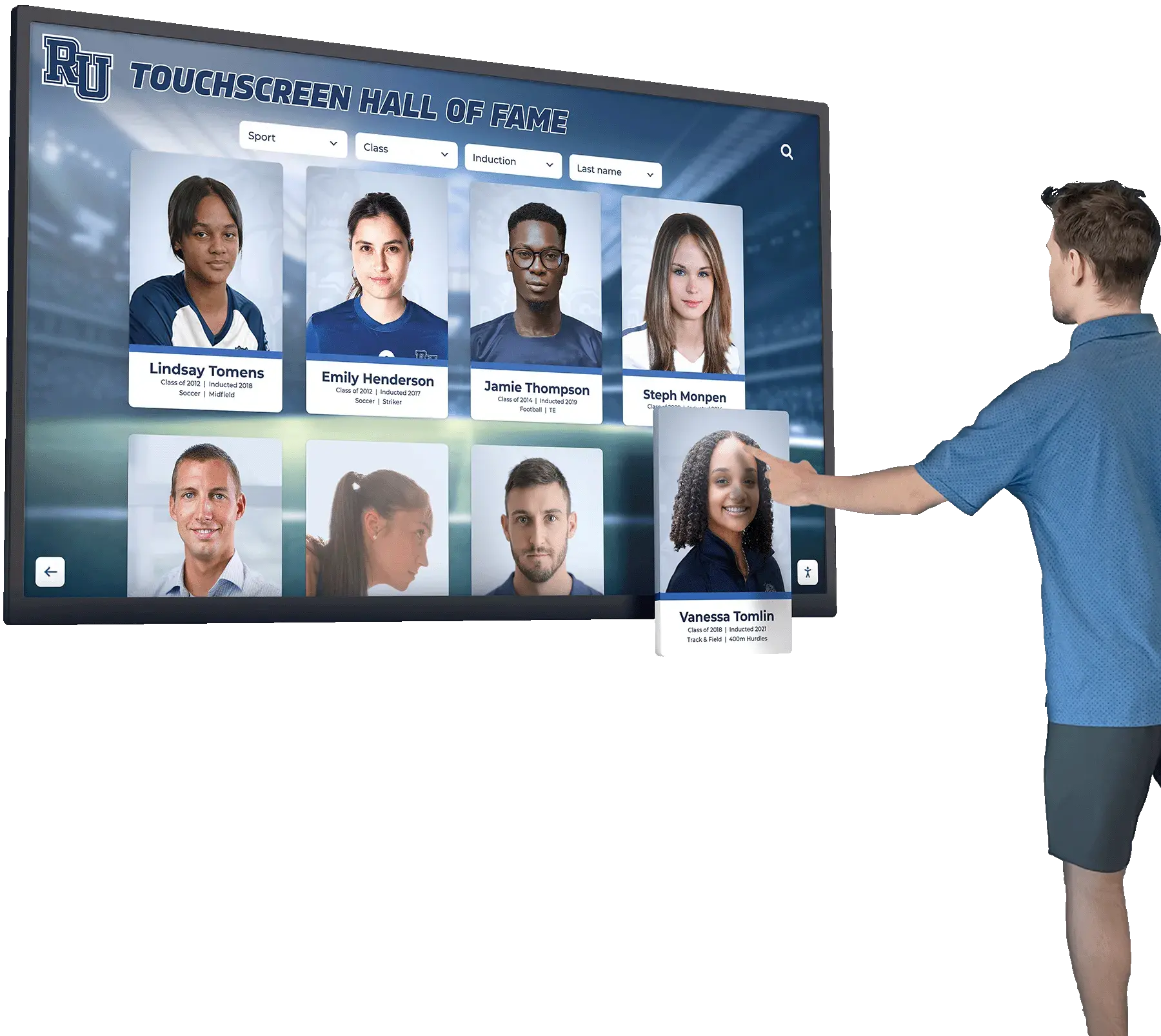
Interactive displays celebrate team accomplishments including assists leaders and players who elevate teammates through passing
Reading Defenders and Making Decisions
When to Use Each Pass Type
- Chest pass: Open passing lanes with clear sight lines
- Bounce pass: Defender’s hands up, passing through traffic
- Overhead pass: Passing over smaller defenders or into post
- Baseball pass: Fast break situations requiring long-distance accuracy
- Behind-the-back/fancy passes: Generally avoid in youth basketball; reserved for specific situations in advanced play
Identifying Passing Windows
- Recognizing defensive hand position and body angles
- Understanding passing angles reducing interception risk
- Reading help defenders rotating into passing lanes
- Anticipating receiver movement and meeting passes at optimal locations
- Recognizing when to hold ball versus forcing risky passes
Progressive Basketball Passing Drills for Youth Programs
Foundation drills establish proper technique and build confidence for younger players.
Drill 1: Partner Passing Fundamentals
Setup and Organization
- Players pair up approximately 10-12 feet apart
- Each pair has one basketball
- Partners face each other in athletic stance
- Coach positioned to observe all pairs simultaneously
Execution Sequence
- 30 seconds of chest passes focusing on technique
- 30 seconds of bounce passes with proper target point
- 30 seconds of overhead passes
- 30 seconds of alternating pass types on coach’s call
- Gradually increase distance between partners
Coaching Points
- Emphasize proper footwork stepping toward target
- Ensure hands receive pass with fingers spread, thumbs behind ball
- Create targets with hands showing where to receive passes
- Communicate verbally (“ball” or receiver’s name)
- Quality repetitions over speed during initial learning
- Provide immediate feedback on technique errors
Progression Options
- Add defensive pressure with passive hand pressure
- Increase tempo requiring quicker decision-making
- Incorporate movement with shuffle steps between passes
- Add competitive element counting completed passes in time limit
Drill 2: Triangle Passing with Movement
Setup and Execution
- Three players form triangle approximately 15 feet apart
- One basketball per triangle
- Player with ball passes to either teammate then follows pass
- Receiver catches and immediately looks to next open teammate
- Continuous rotation with passer following to receiver’s spot
Key Teaching Points
- Move after every pass (never stand still)
- Create passing angles by cutting and spacing
- Communicate verbally calling for ball
- Meet passes by moving toward ball
- Maintain triangle shape avoiding bunching
- Pass away from defender (imagine defense on each receiver)
Variations for Progression
- Add second ball creating continuous passing
- Require specific pass types (all bounce passes, etc.)
- Introduce skip passes across triangle
- Add competitive element timing how long before drop
- Include fake passes before actual delivery
Discover approaches to recognizing team chemistry in basketball senior night ideas for honoring players.
Drill 3: Star Passing Pattern
Organization
- Five players positioned at points of star (free throw line extended, wings, corners)
- One basketball starts at top position
- Pass follows predetermined pattern around star
- Players follow passes to next spot
Execution Pattern
- Top passes to right wing, follows to wing
- Wing passes to opposite corner, follows pass
- Corner passes to opposite wing, follows pass
- Continue pattern with all players rotating through all spots
- Reverse direction after 2-3 minutes
Development Focus
- Accuracy on longer passes (15-20 feet)
- Leading receivers moving into new positions
- Calling out receiver’s name before passing
- Meeting passes with movement toward ball
- Maintaining pattern flow without drops or miscommunication
Advanced Variations
- Add second ball creating continuous action
- Require skip passes bypassing adjacent position
- Mix pass types throughout pattern
- Add layup finish option at specific positions
- Include pivot work before each pass
Drill 4: Circle Passing with Center Target
Setup
- 5-6 players form circle around one center player
- Circle approximately 15-foot diameter
- Center player receives and distributes all passes
- Rotate center player every 60-90 seconds
Drill Flow
- Perimeter players pass to center
- Center immediately returns pass to different perimeter player
- Center pivots to face new receiver before each pass
- Continuous action with quick ball movement
- Center working on vision, pivoting, and decision-making
Coaching Emphasis
- Center uses proper pivoting mechanics
- Quick decision-making scanning all options
- Accurate passes despite defensive pressure (add later)
- Perimeter players provide good targets
- Communication from both center and perimeter
- Center protects ball while surveying options
Progression Steps
- Add passive defense on center requiring pivots away from pressure
- Require specific pass types from center
- Perimeter players move between passes creating moving targets
- Add second ball increasing decision-making speed
- Include scoring option when defense breaks down
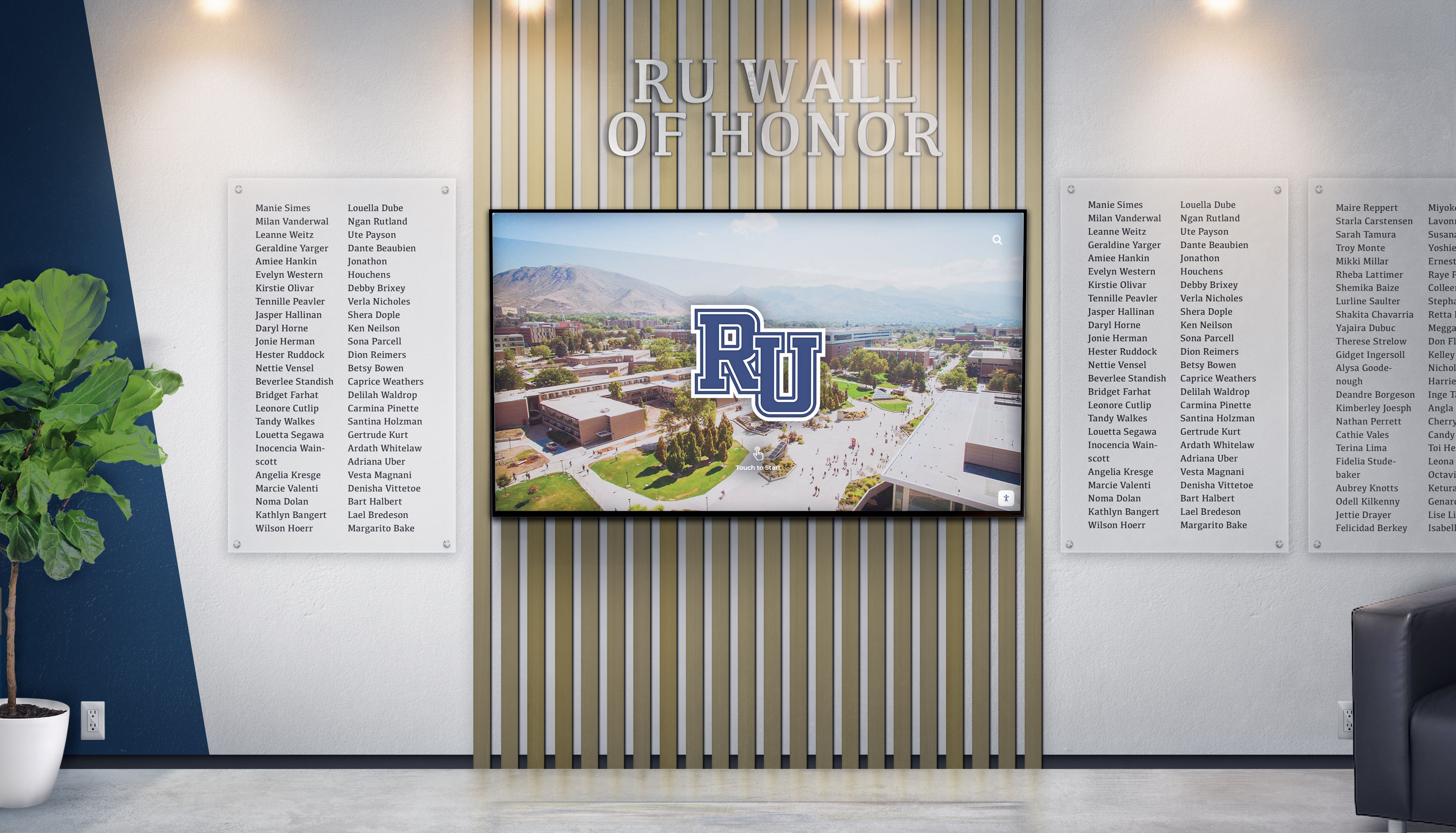
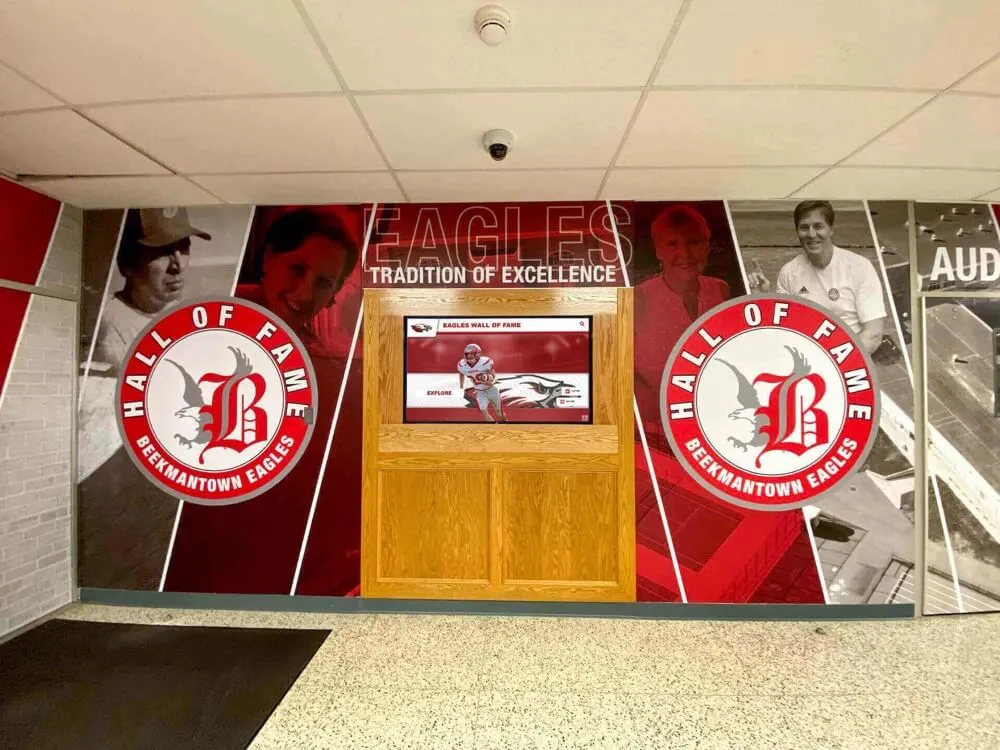
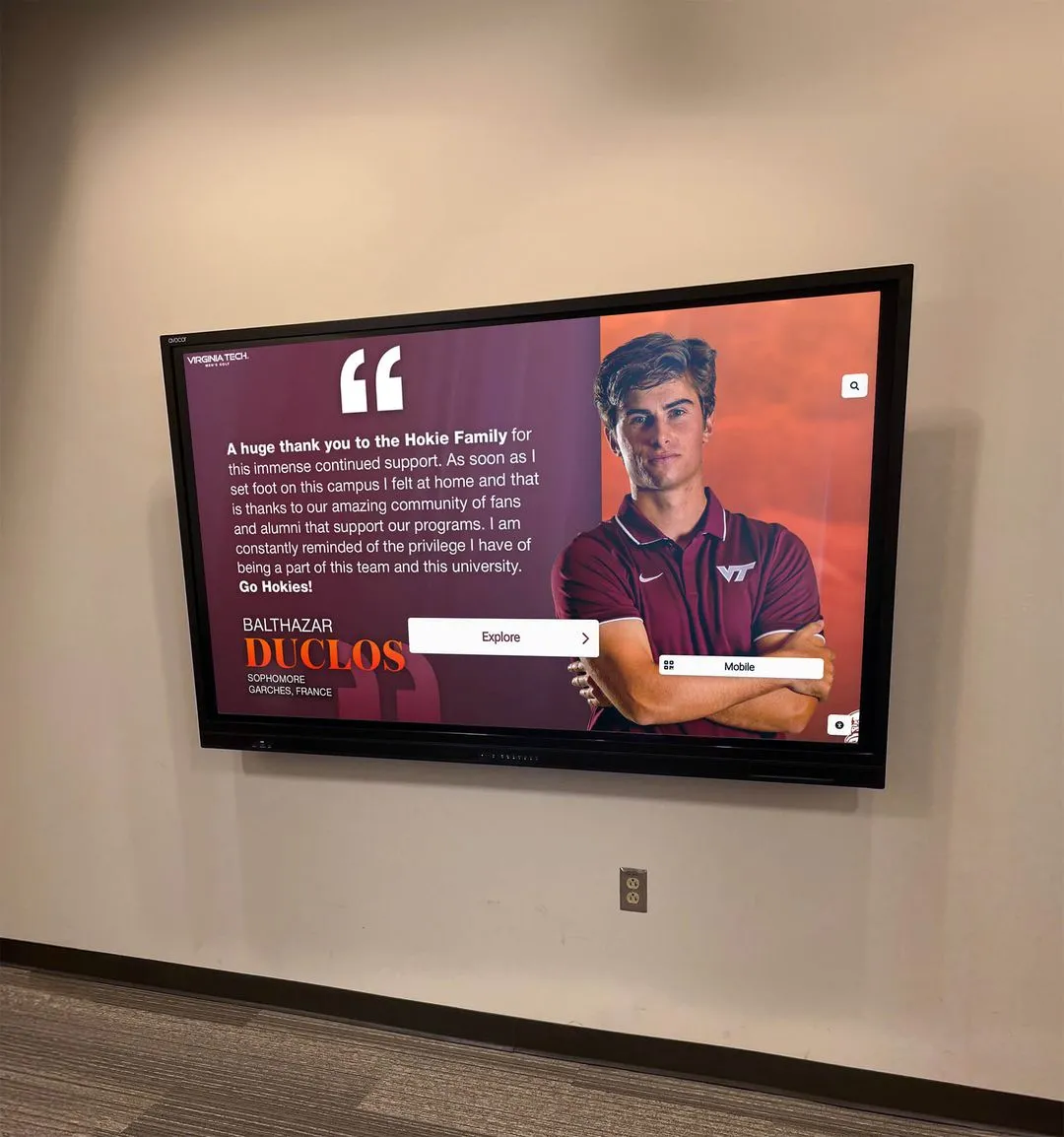
Recognition systems celebrate diverse contributions including assists, hockey assists, and team-first players who elevate everyone
Intermediate Basketball Passing Drills: Adding Defensive Pressure
Mid-level drills introduce defensive reads and contested decision-making.
Drill 5: Two-Ball Passing Circuit
Organization and Setup
- Four players positioned in square formation
- Two basketballs on diagonal corners
- Simultaneous passing requiring vision and communication
- Rotate positions every 90 seconds
Execution Pattern
- Players with balls simultaneously pass to players on their right
- Receivers immediately pass to next player
- Continuous clockwise rotation
- Avoid ball collisions through timing and awareness
Skill Development
- Peripheral vision tracking both balls
- Communication preventing collisions
- Quick catch-and-release execution
- Anticipation of timing patterns
- Concentration under complexity
Advanced Challenges
- Change rotation direction on command
- Mix pass types (chest, bounce, overhead)
- Add movement between passes
- Increase tempo progressively
- Add third ball for advanced groups
Drill 6: Passing with Closeout Defense
Setup Configuration
- Offensive player at free throw line extended
- Passer at top of key with basketball
- Defender positioned at wing
- Rotation through all three positions
Drill Execution
- Passer passes to offensive player
- Defender closes out as ball is in air
- Offensive player reads closeout and makes decision:
- If defender is under control: shot fake and pass back
- If defender overruns: drive middle for return pass
- If defender takes away drive: relocate for return pass
- Rotate positions after each repetition
Teaching Emphasis
- Reading defensive closeout speed and angle
- Making quick decisions based on defender’s approach
- Passing away from defender to open teammate
- Communication between passer and receiver
- Timing of cuts and relocations
- Decision-making under pressure
Progression Options
- Add help defender creating two-on-two reads
- Require specific number of passes before shot
- Include scoring element increasing competitiveness
- Add transition after made/missed shot
- Incorporate full five-on-five reads
Explore comprehensive athletic program recognition in state championship recognition approaches.
Drill 7: Monkey in the Middle with Competitive Element
Organization
- Three offensive players positioned at top, wing, and corner
- One defender attempting to deflect or steal passes
- Offensive players work ball around perimeter
- Rotate defender after deflection, steal, or 30 seconds
Execution and Rules
- Offensive players must complete 10 passes without turnover
- Defender works to deflect, steal, or force five-second violation
- Offensive players cannot dribble (passing only)
- Movement allowed but must maintain spacing
- Defender who forces turnover goes on offense; passer who turned it over becomes defender
Development Focus
- Passing away from defensive pressure
- Creating passing angles through movement
- Faking passes to manipulate defender
- Protecting ball while surveying options
- Recognizing when passes are available versus too risky
- Help positioning from non-ball handlers
Competitive Variations
- Add point system (deflection: 1 point, steal: 3 points, 10 passes: 5 points)
- Increase to four offensive players and two defenders
- Add dribbling with limitation (one dribble maximum)
- Include shooting option for competitive finish
- Create tournament bracket with winning groups
Drill 8: Passing Out of Traps and Pressure
Setup and Configuration
- Ball handler at top of key
- Two defenders setting trap on ball
- Two safety outlets positioned at wings
- One deep outlet at half court
Drill Sequence
- Ball handler faces double team pressure
- Defenders trap aggressively with active hands
- Ball handler protects ball, pivots, surveys options
- Makes pass to open outlet player
- Reset and rotate positions
Coaching Points
- Protect basketball with body and positioning
- Stay calm despite defensive pressure
- Use pivoting to create passing angles
- Read which defender is most vulnerable to pass over/around
- Make strong, decisive passes (no lob passes into traffic)
- Outlet players show clear targets and communication
- Advance ball immediately after breaking pressure
Progressive Additions
- Add help defenders on outlets creating sequential reads
- Include scoring after breaking pressure
- Trap in different court locations (sideline, corner, etc.)
- Increase defensive intensity progressively
- Add full-court pressure scenarios
Advanced Basketball Passing Drills for Varsity Competition
High-level drills replicate game situations requiring sophisticated reads and decisions.
Drill 9: Post Entry Passing Series
Organization
- Post player on block with defender behind
- Perimeter passer at wing or top position
- Additional defenders at help positions (optional)
- Work both sides of floor
Execution Options
Direct Entry Pass
- Post establishes position with defender behind
- Passer delivers bounce pass to outside hand away from defender
- Timing critical as post seals defender
- Post must provide clear target hand
High-Low Entry
- Post flashes to high post
- Receives pass from perimeter
- Immediately looks for cutter or secondary post player at low block
- Develops vision and quick decision-making
Skip Pass to Post
- Ball reversed from one side to other
- Post relocates as ball moves
- Pass enters as help defense rotates
- Exploits defensive rotation timing
Teaching Emphasis
- Reading defensive positioning before passing
- Passing to hand away from defender
- Timing entries as post establishes position
- Using ball fakes to manipulate defenders
- Communication between passer and post
- Post providing clear targets with hands and positioning
Game-Like Progressions
- Add help defense requiring quick decisions
- Include scoring after successful entry
- Combine with perimeter ball movement before entry
- Add rebounding and transition after shot
- Incorporate into five-on-five team offense
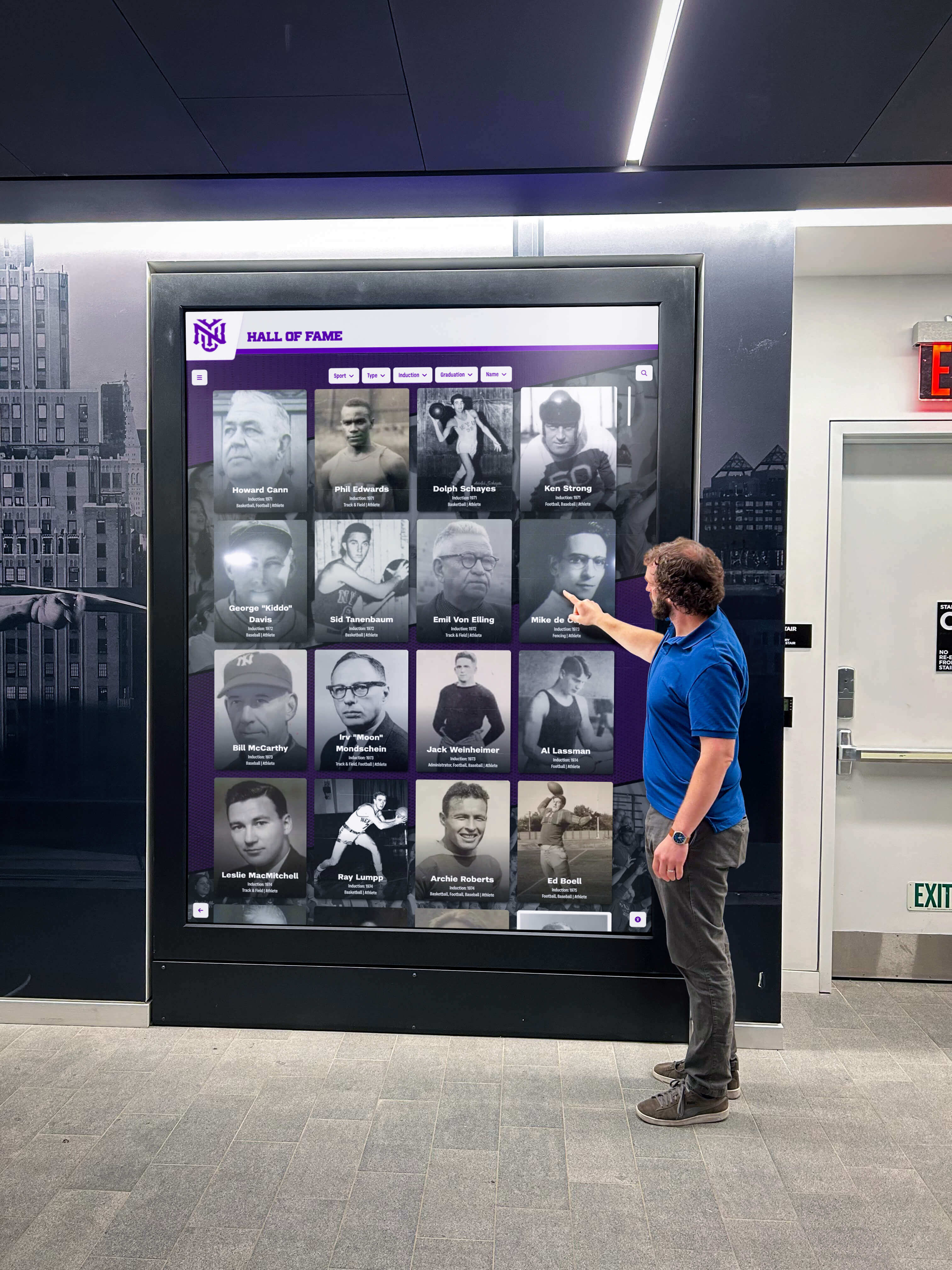
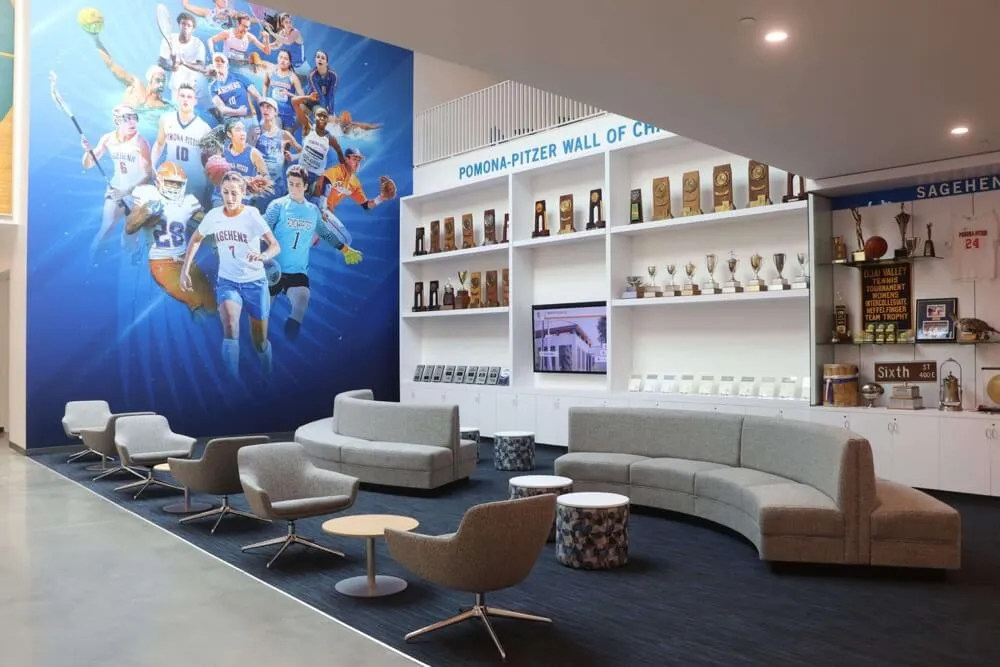
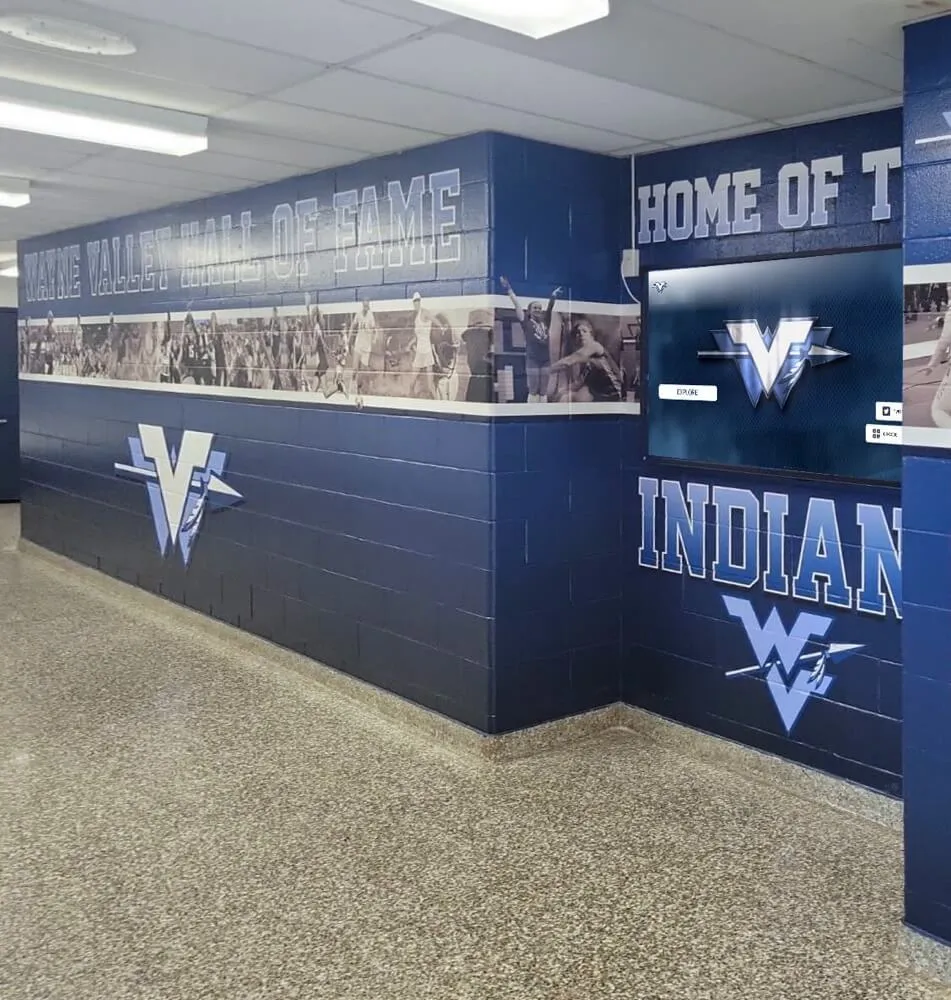
Modern recognition displays can showcase assists leaders and highlight passes that led to championship moments
Drill 10: Fast Break Passing Progression
Setup and Execution Levels
Two-Player Fast Break
- Rebounder outlets to wing breaking toward sideline
- Wing receives and pushes ball up court
- Rebounder fills opposite lane
- Wing delivers pass for layup finish
- Emphasizes spacing and timing
Three-Player Fast Break
- Rebounder outlets to either wing
- Wings fill lanes maintaining width
- Ball moves from wing to wing to middle
- Finish with layup or trailer jumper
- Focus on spacing preventing defensive recovery
Five-Player Transition
- Full team runs floor in lanes
- Designated point brings ball up middle
- Wings fill outside lanes
- Posts trail for rebounds and safety
- Multiple passing options based on defensive positioning
Coaching Points for All Levels
- Outlet passes to sideline creating width
- Push ball ahead before defense sets
- Wings run wide maintaining court spacing
- Middle player attacks paint creating finishing options
- Look ahead for numbers advantage
- Make quick decisions in advantage situations
- Finish fast breaks before defense recovers
Competitive Variations
- Timed competitions for completed fast breaks
- Add trailing defenders creating decision-making pressure
- Include transition defense after made/missed shots
- Points only awarded for completed fast breaks without turnovers
- Track assists statistics creating individual accountability
Learn about celebrating diverse athletic contributions in team awards beyond MVP categories.
Drill 11: Drive-and-Kick Reads
Organization
- Ball handler at perimeter with defender
- Help defenders in paint
- Shooters spotted at multiple perimeter positions
- Emphasizes penetration creating passing opportunities
Drill Flow
- Ball handler attacks basket with dribble penetration
- Help defenders rotate to stop penetration
- Ball handler reads help defense
- Kicks ball to open shooter left by rotating defense
- Shooter catches and shoots or relocates if closed out
Reading Progressions
Single Help Defender
- One helper rotates from weak side
- Ball handler recognizes help and kicks opposite
- Simple read with clear passing option
Multiple Help Defenders
- Two or more helpers create multiple options
- Ball handler must read which defender helped
- Pass to player left by helping defender
- More complex decision-making under pressure
Weak-Side Rotations
- Help comes from multiple positions
- Ball handler must scan entire floor
- May require extra pass to find open shooter
- Replicates actual game rotations
Coaching Emphasis
- Attack paint forcing help defense
- Read defensive rotation not just position
- Make passes immediately upon help arriving
- Jump-stop creating passing options from both directions
- Shooters relocate to better angles
- Communication from shooters showing hands
- Quick shot preparation after receiving kick-out
Competition Elements
- Award points for completed assist-to-score sequences
- Defenders earn points for deflections or stops
- Track shooting percentages off drive-and-kick
- Winner stays offensive, losers become defense
- Create statistics tracking assists from penetration
Drill 12: Skip Pass Shooting Circuit
Setup and Organization
- Four perimeter spots (both wings, both corners)
- Ball starts on one wing
- Defender on opposite wing/corner
- Continuous rotation through spots
Execution Pattern
- Player with ball faces defender on same side
- Makes skip pass across court to opposite player
- Receiver catches and shoots or faces new defender
- Rotate positions after shot
- Continuous flow emphasizing ball reversals
Skill Development
- Long cross-court passes with accuracy
- Reading defensive positioning before skipping
- Catching ready to shoot immediately
- Shot preparation while ball is in air
- Communication from receiver showing target
- Timing passes for rhythm shooting
Advanced Variations
- Add closeout defenders creating shot/drive reads
- Require multiple reversals before shooting
- Include screening action before skip passes
- Add rebounding and transition after shots
- Track shooting percentages from skip passes
Discover approaches to celebrating athletic achievement in athletic record board displays for teams.
Drill 13: No-Dribble Scrimmage
Organization and Rules
- Full five-on-five or three-on-three
- No dribbling allowed (passing and cutting only)
- Regular basketball rules otherwise apply
- Score tracked with competitive element
Execution Focus
- Constant movement creating passing angles
- Screening to create separation for passes
- Backdoor cuts when defenders overplay
- Quick decision-making with limited options
- Communication directing teammates
- Spacing principles maintaining floor balance
Benefits and Development
- Forces passing as primary offensive weapon
- Develops cutting and off-ball movement
- Improves court vision scanning multiple options
- Eliminates dribble-dominant tendencies
- Emphasizes teamwork over individual play
- Creates passing opportunities through movement
Coaching Points
- Move after every pass
- Cut hard to basket or relocate to space
- Set screens creating passing options
- Talk constantly directing offense
- Make quick decisive passes
- Use ball fakes creating passing lanes
Competitive Variations
- First to 11 points wins
- Loser runs/winners stay
- Track assists versus turnovers
- Award bonus points for assists
- Create tournament bracket
Drill 14: Five-on-Five Passing Requirements
Setup and Rules
- Regular five-on-five play
- Must complete minimum number of passes before shooting (typically 3-5)
- Reset count on defensive deflection or turnover
- Emphasizes ball movement before shot attempts
Coaching Applications
- Prevents quick shots without ball movement
- Develops patience in offensive execution
- Creates habits of looking for best shot not first shot
- Forces weak-side involvement
- Builds team chemistry through shared touches
Teaching Opportunities
- Recognize when defense breaks down despite pass requirement
- Understand spacing creating passing angles
- Value of ball reversals moving defense
- Decision-making balancing requirements with shot clock
- Communication counting passes and directing movement
Progression Options
- Increase pass requirements for advanced groups
- Require passes to all five players before shooting
- Add time limit creating urgency
- Remove dribbling combining with previous drill
- Include specific pass types in requirements
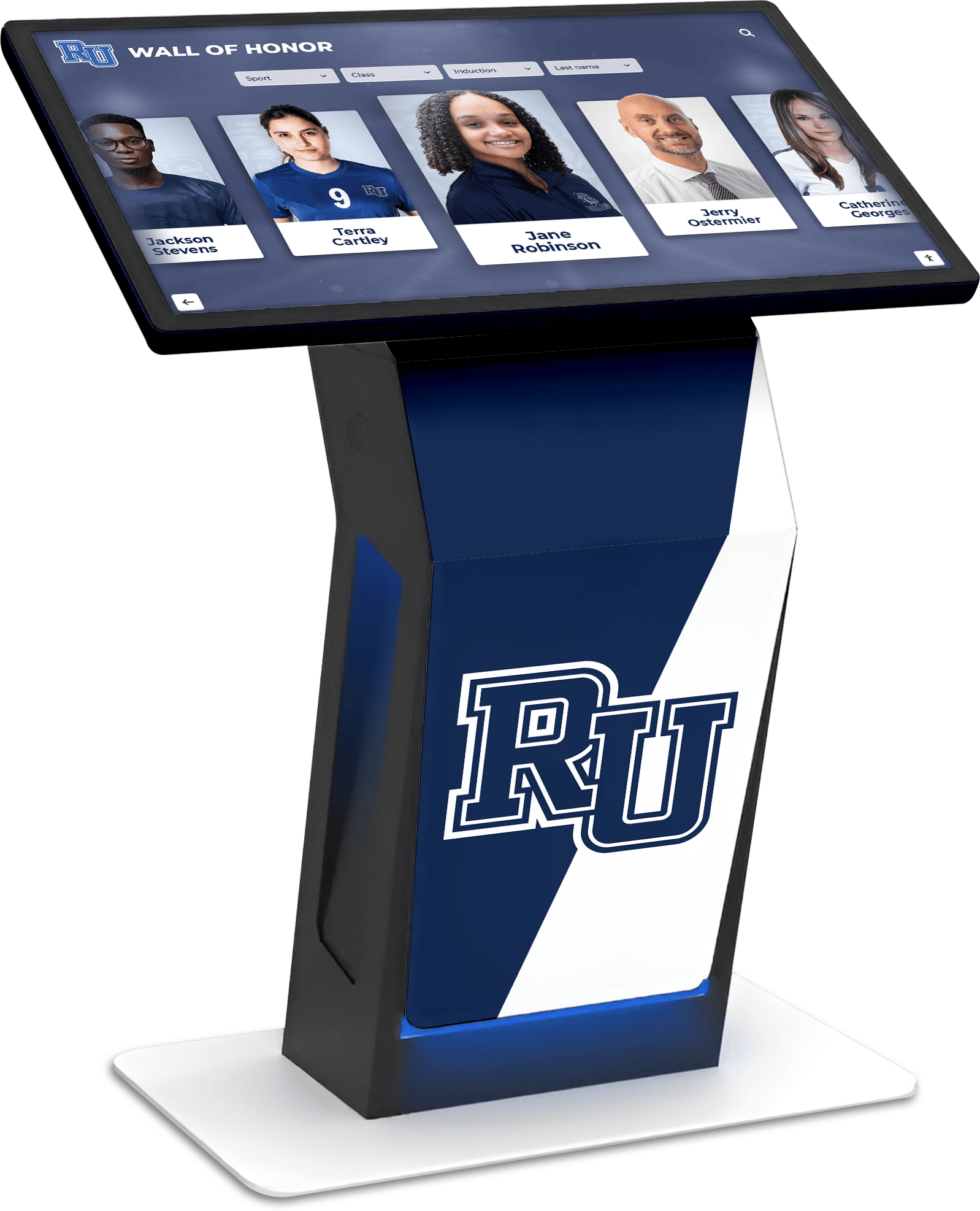
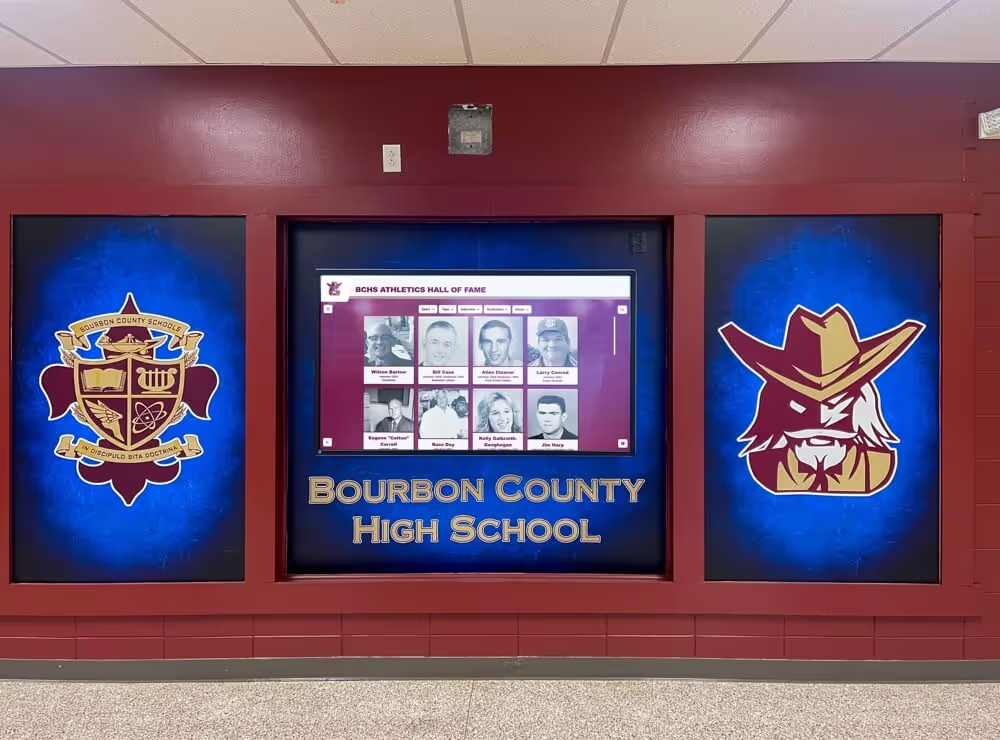
Recognition systems highlight team achievements including assists totals and players who make teammates better through passing
Implementing Basketball Passing Drills in Practice Planning
Strategic integration ensures passing development becomes systematic rather than occasional.
Practice Structure for Passing Emphasis
Daily Passing Fundamentals (5-10 minutes)
- Begin every practice with partner passing warm-up
- Rotate through all pass types with proper technique
- Gradually increase intensity and tempo
- Coaches circulate providing technique feedback
- Establishes passing as priority from practice start
Skill Development Block (15-20 minutes)
- Focused passing drills matched to team needs
- Progress from simple to complex throughout week
- Monday/Tuesday: Fundamental technique drills
- Wednesday/Thursday: Competitive pressure drills
- Friday: Game-situation passing scenarios
- Systematic progression building on previous days
Integration into Team Offense (20-30 minutes)
- Passing drills feeding directly into offensive concepts
- Practice specific passes offense requires
- Five-on-five with passing emphasis
- Connect individual skills to team system
- Immediate application of isolated skill work
Learn comprehensive approaches to building team culture in sports program recognition strategies.
Tracking Passing Development and Statistics
Individual Skill Assessment
- Pre-season and mid-season passing evaluations
- Accuracy percentages from different spots
- Decision-making in pressure situations
- Improvement tracking showing development
- Identifies players needing additional work
Practice Statistics
- Track assists during competitive drills
- Monitor turnover rates in passing drills
- Document completion percentages
- Create accountability through measurement
- Celebrate improvement and achievement
Game Performance Tracking
- Official assists and hockey assists statistics
- Turnover tracking by type (bad pass, traveling, etc.)
- Pass-to-shot efficiency metrics
- Highlight exceptional passing plays
- Post-game review of passing decision-making
Recognition for Passing Excellence
- Assists leader recognition on team boards
- Practice player awards for unselfishness
- Social media highlights of great passes
- Season awards for playmaking
- Integration into larger recognition programs
Explore comprehensive athletic recognition in digital recognition displays for schools.
Age-Appropriate Progressions
Youth Basketball (Grades 3-6)
- Emphasize fundamental passing mechanics
- Simple patterns with minimal decision-making
- Partner and small-group drills
- Positive reinforcement for technique
- Limited defensive pressure
- Focus on accuracy over speed
Middle School (Grades 7-8)
- Introduce defensive reads
- Increase drill complexity and tempo
- Competitive elements motivating effort
- Begin game-situation applications
- Passing requirements in scrimmages
- Decision-making development
High School (Grades 9-12)
- Advanced reads and multiple options
- Full game-speed execution
- Sophisticated offensive concepts
- Performance tracking and accountability
- Individual skill refinement
- Team system integration
Common Basketball Passing Mistakes and Corrections
Identifying errors enables targeted coaching interventions.
Technical Execution Errors
Weak or Inaccurate Passes
- Cause: Poor weight transfer or arm extension
- Correction: Emphasize step toward target and full extension
- Drill: Partner passing with focus on power and accuracy
- Feedback: Receiver should catch passes at chest level without reaching
Telegraphing Passes
- Cause: Looking directly at target before passing
- Correction: Use peripheral vision; look off primary target
- Drill: Passing with head fakes and eye manipulation
- Application: No-look passes in controlled situations
Poor Timing on Entries
- Cause: Passing before receiver ready or after positioning lost
- Correction: Read receiver’s hands and positioning signals
- Drill: Post entry work with timing emphasis
- Communication: Verbal and visual signals from receivers
Decision-Making Errors
Forcing Passes into Traffic
- Cause: Predetermined decisions ignoring defensive positioning
- Correction: Read defenders before passing; value ball possession
- Drill: Passing with defense requiring reads
- Mentality: “Pass to space and teammate, not through defenders”
Over-Dribbling Instead of Passing
- Cause: Lack of confidence in teammates or passing ability
- Correction: No-dribble drills and passing requirements
- Culture: Celebrate assists as much as scoring
- Recognition: Track assists statistics prominently
Failing to Pass Ahead in Transition
- Cause: Ball-dominant mentality or poor vision
- Correction: Fast break drills emphasizing early passes
- Points: Award extra points for assisted transition baskets
- Film: Review missed transition opportunities
Building Team Culture Through Passing
Systematic passing development creates connected teams beyond offensive efficiency.
Celebrating Unselfish Play
Assists Recognition
- Track assists leaders on stat boards
- Celebrate great passes in film sessions
- Social media highlights of passing plays
- Season awards for playmakers
- Equal celebration of assists and scoring
Team-First Mentality
- Verbal praise for extra pass to better shot
- Recognition of hockey assists (pass before assist)
- Accountability for selfish decisions
- Cultural expectations about shot selection
- Leadership modeling unselfish play
Discover comprehensive recognition approaches in sports banquet planning for team recognition.
Developing Basketball IQ
Film Study Focused on Passing
- Review passing decisions in games
- Analyze high-assist NBA games
- Identify missed passing opportunities
- Celebrate excellent reads and decisions
- Learn from passing turnovers
Understanding Why Passing Matters
- Statistical analysis of assists versus wins
- Comparison of team efficiency with ball movement
- Historical examples of great passing teams
- Understanding defensive rotations created by passes
- Value of involvement keeping all players engaged
Frequently Asked Questions About Basketball Passing Drills
How much practice time should be dedicated to passing drills?
Effective basketball programs dedicate 15-25% of practice time directly to passing development—including 5-10 minutes of fundamental warm-up passing, 10-15 minutes of structured passing drills, and integration throughout offensive work. Rather than isolating passing into single segments, elite programs weave passing emphasis throughout all practice components including transition drills, offensive sets, and competitive scrimmages.
What are the most important passing drills for youth basketball?
Youth programs should prioritize partner passing fundamentals establishing proper technique, triangle passing developing movement habits, circle passing with center pivot building vision, and simple pattern passing creating comfort with ball movement. Avoid complex reads or heavy defensive pressure until fundamental mechanics become consistent—typically after several weeks of regular practice.
How can I reduce turnovers from bad passes?
Reducing passing turnovers requires systematic approach: practice passing under progressively increasing defensive pressure rather than only in open drills, implement passing requirements in scrimmages forcing decision-making practice, track turnover statistics creating accountability, review film identifying specific decision-making errors, and celebrate good passing decisions as prominently as scoring to build team culture valuing ball security.
Should basketball passing drills include dribbling or focus only on passing?
Both approaches serve important purposes. Pure passing drills (no dribbling allowed) force players to move without the ball, create better spacing, and develop passing as primary skill. However, game situations require reading when to pass versus when to dribble, so advanced drills should integrate both skills allowing players to make authentic decisions based on defensive positioning rather than artificial drill limitations.
How do you teach players to make better passing decisions under pressure?
Decision-making improves through progressive exposure: start with stationary passing against no defense, add passive defense requiring basic reads, introduce active defense creating realistic pressure, implement competitive elements increasing stress, and consistently review decisions in film providing feedback. Players need thousands of repetitions making reads under various defensive looks to develop instinctive decision-making that withstands game pressure.
Conclusion: Building Championship Offense Through Passing Excellence
Systematic basketball passing drills transform individual players into cohesive offensive units that break down defenses through ball movement, create higher-percentage scoring opportunities through player movement, and build team chemistry that extends far beyond the basketball court. When coaches implement progressive passing development—from fundamental technique through advanced game-situation reads—they establish offensive foundations that maximize every player’s contribution regardless of individual scoring ability.
The comprehensive drills explored throughout this guide provide frameworks for developing passing excellence across all competitive levels. From partner fundamentals establishing proper mechanics for youth players, through intermediate drills adding defensive pressure and decision-making complexity, to advanced game-situation scenarios replicating varsity competition demands, these progressive approaches enable coaches to build smarter, more connected offensive systems.
Most importantly, emphasis on passing development creates team cultures that value unselfishness, celebrate assists as enthusiastically as scoring, and understand that the extra pass to a better shot often determines outcomes in tight games. Programs that systematically develop passing skills through dedicated drill work, track assists statistics with the same rigor as scoring, and recognize playmakers through formal awards and daily acknowledgment build sustainable success that transcends individual talent fluctuations.
Celebrate Your Team's Unselfish Play
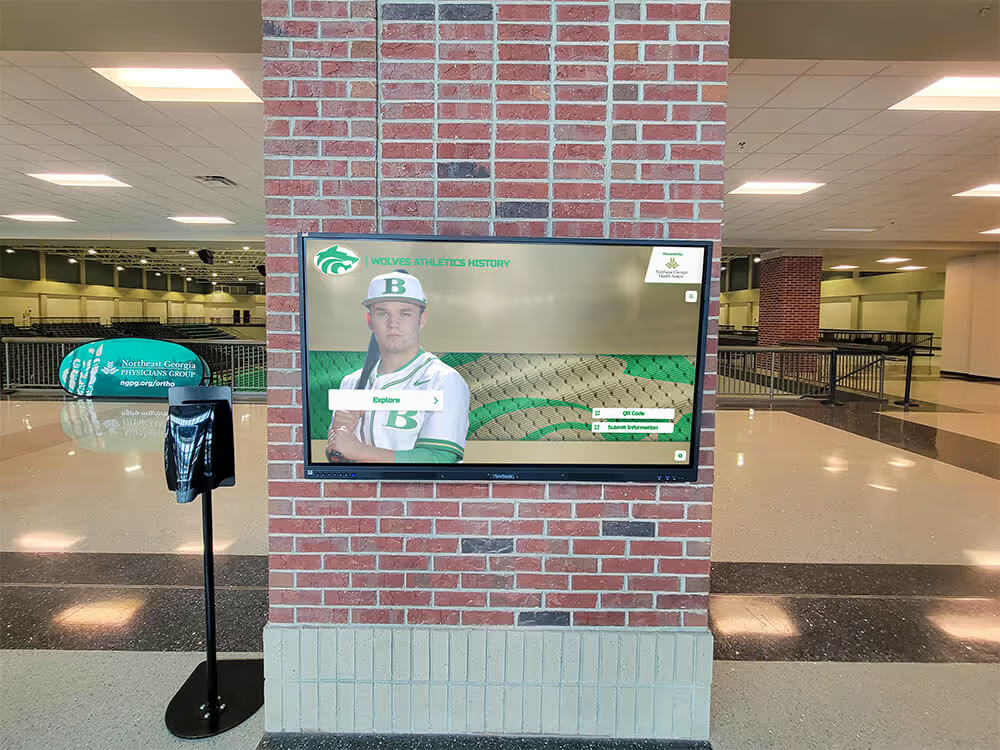
Programs that emphasize ball movement and team play deserve recognition systems that celebrate assists leaders, team-first players, and the chemistry that makes championship basketball possible. Discover how modern digital displays showcase complete team statistics and highlight the passing plays that define your program's success.
Explore Basketball Recognition SolutionsThe path from fundamental passing mechanics to championship-level offensive execution begins with intentional practice design that prioritizes passing development throughout every session. Whether you’re coaching youth players learning basic chest passes or varsity athletes mastering complex reads in drive-and-kick situations, the drills and progressions outlined in this guide provide actionable frameworks for immediate implementation.
Start your passing development by assessing current team capabilities, selecting appropriate drills matching your players’ skill levels, implementing systematic progressions throughout practice planning, tracking passing performance through statistics and observation, and celebrating unselfish play through recognition and culture-building. Your commitment to developing smarter passers creates more efficient offense, involves more players in team success, and builds the connected team chemistry that separates good programs from championship contenders.
Make this season the one where your team’s passing excellence becomes your competitive advantage—where defenses struggle to account for ball movement creating open shots, where every player understands their role in offensive success through touching the ball, and where your assist leaders receive the same recognition as scoring champions on your program’s digital displays and recognition boards. Championship basketball flows from great passing, and championship programs develop it systematically through the comprehensive drill work that transforms individuals into unstoppable offensive units.