



Booster club deposit in transit reconciliation identifies end-of-period deposits recorded in your books but not yet cleared the bank. Intent: define a month-end close workflow that keeps booster club finances accurate, audit-ready, and connected to the recognition commitments your program is built to support.
A deposit in transit is a normal reconciling item, not a red flag. Cash collected at Friday’s game, online payment processor settlements, or check deposits made after the bank’s statement cutoff all create a temporary gap between your ledger balance and the bank statement balance. The month-end reconciliation resolves those gaps, confirms your records are correct, and surfaces any errors before they compound into a larger problem.
This guide covers the definition of deposits in transit, the step-by-step month-end close process, a complete reconciliation table, a sign-off checklist, and the connection between clean financial records and the athlete recognition programs your booster club exists to fund.
Practical note: This guide covers organizational workflow for booster clubs. It is not legal or accounting advice. Consult your school’s finance office, a CPA, or a licensed bookkeeper for guidance specific to your organization’s tax status, audit requirements, and state nonprofit filing obligations.

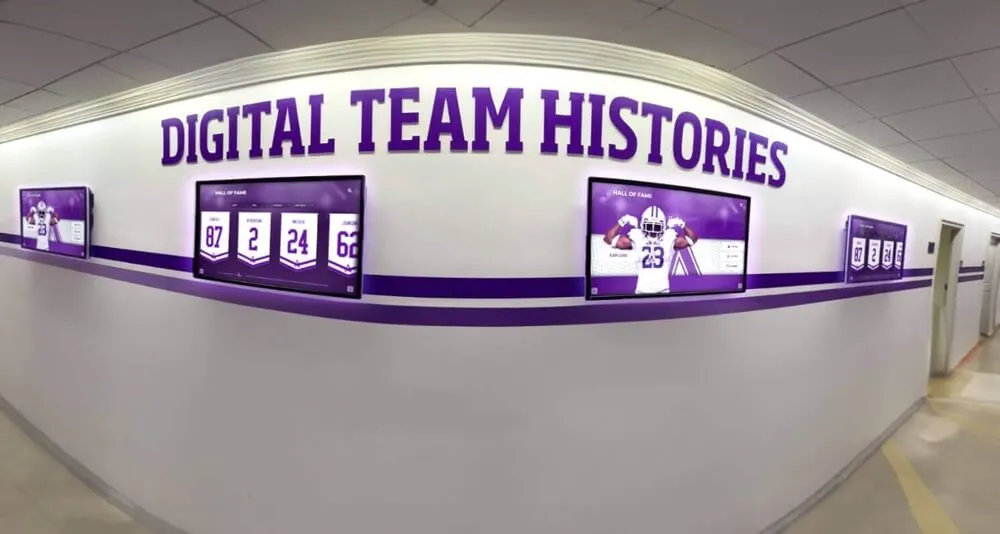
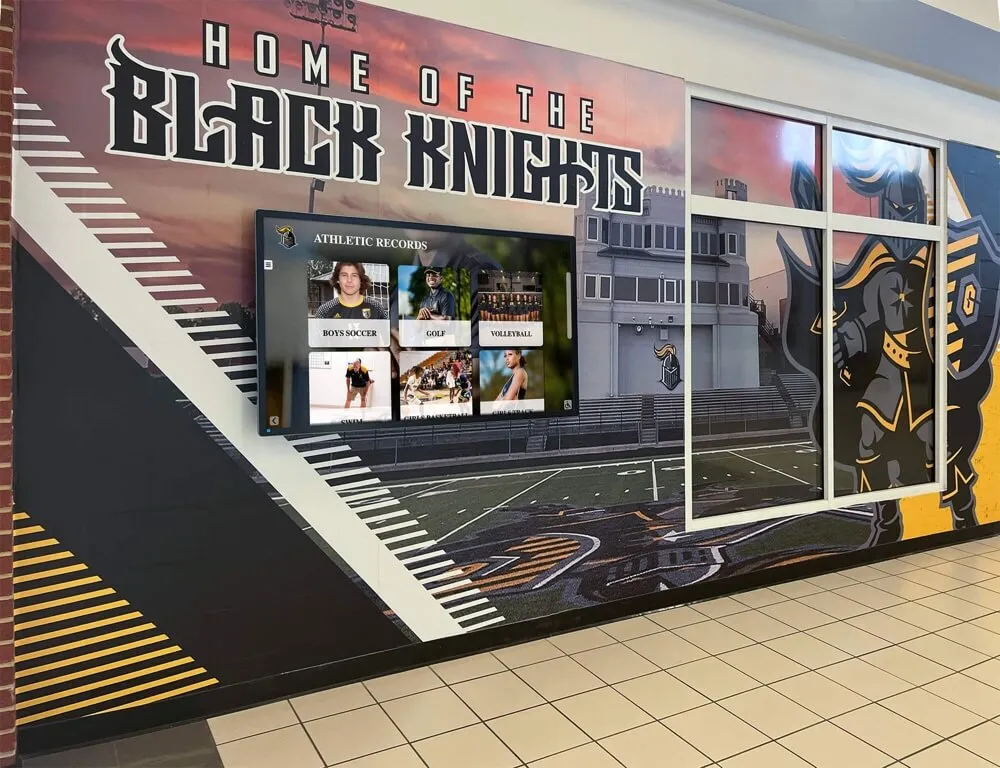
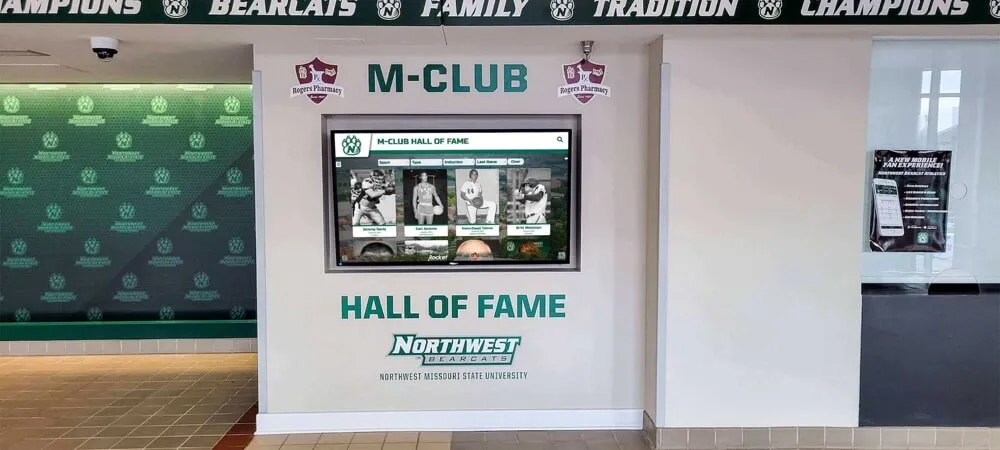
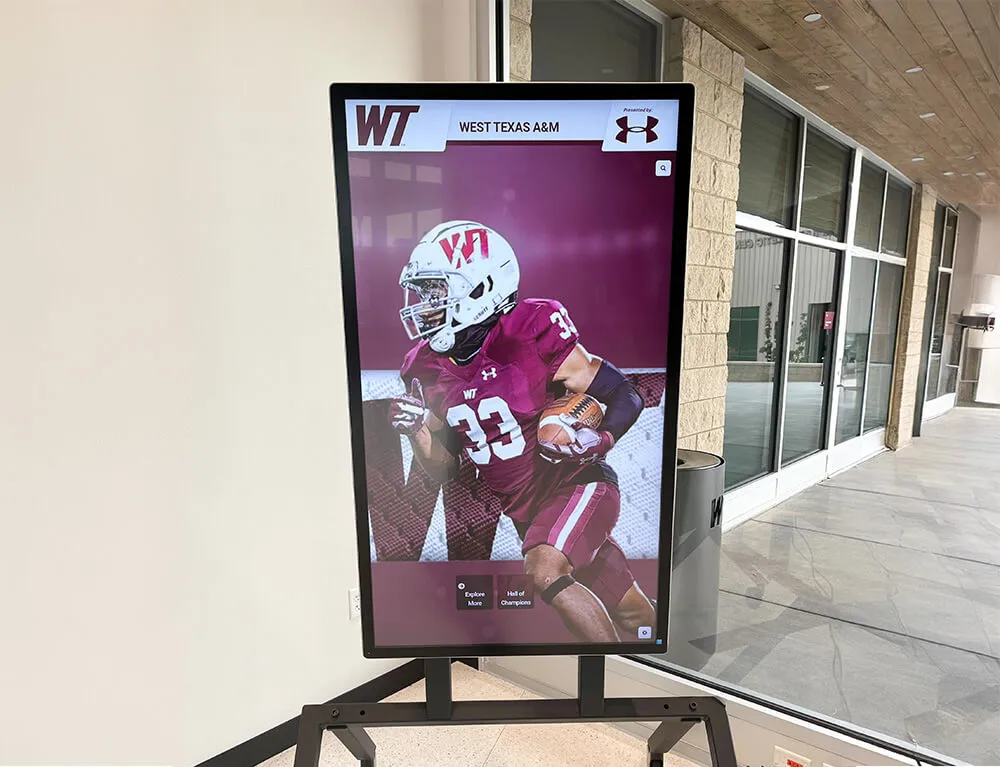
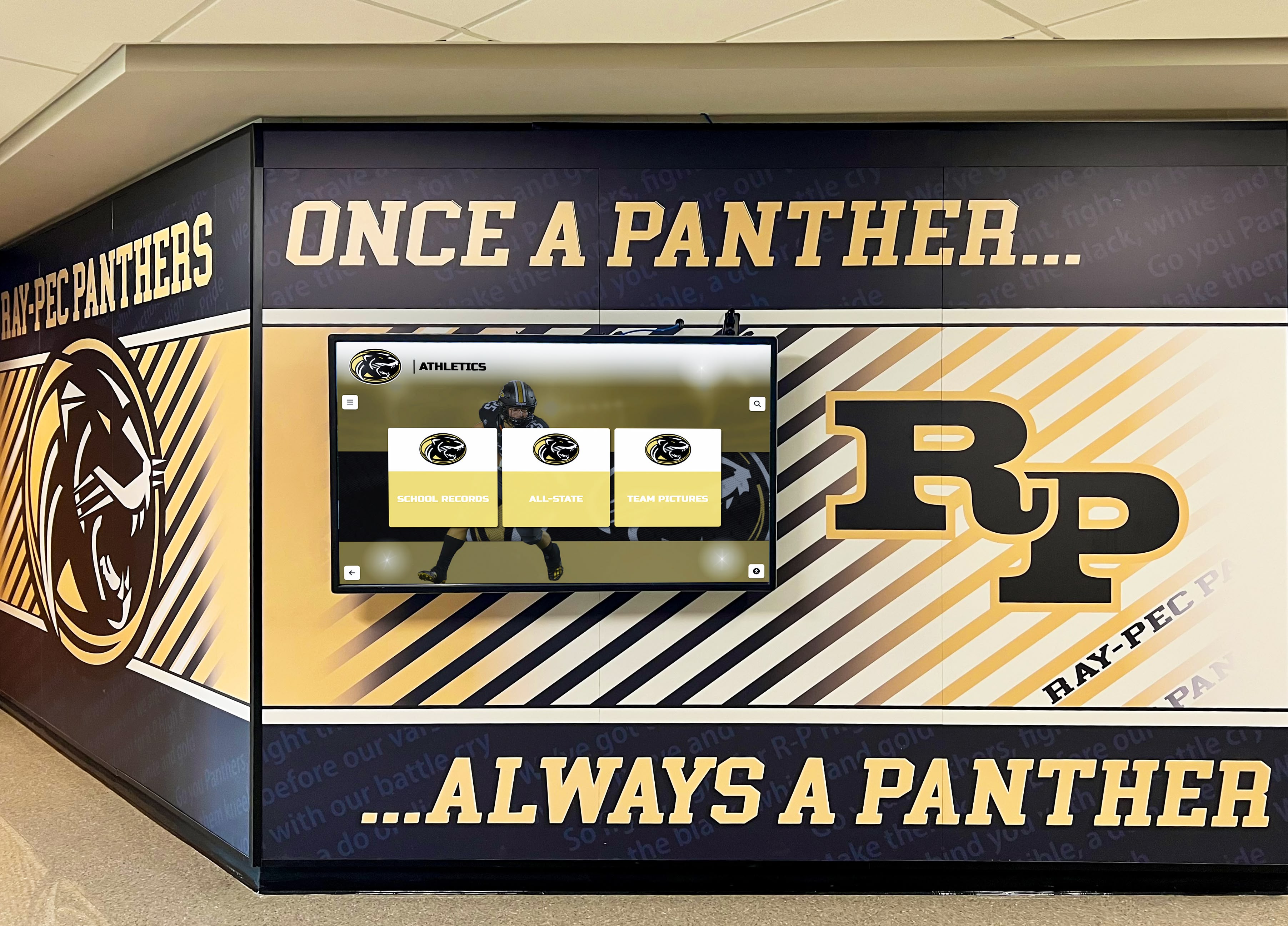
Booster clubs fund the recognition programs visible in school hallways—accurate financial records protect every dollar allocated to athlete awards and display installations
What Is a Deposit in Transit?
A deposit in transit is a cash receipt or payment recorded in the organization’s accounting records but not yet credited to the bank account as of the statement date. The deposit exists in your books but is absent from the bank statement, creating a temporary difference between the two balances.
For booster clubs, deposits in transit arise most often from these sources:
- Game-day cash collections deposited at the bank after the statement cutoff date
- Online payment processor settlements (credit card batches, Venmo, PayPal, or sport-specific platform transfers) with 1–3 business day delays
- Fundraiser check bundles brought to the bank near the end of the month
- Ticket sales proceeds from weekend events deposited the following Monday
- Grant disbursements received by check and deposited close to the statement date
- Concession stand cash collected and deposited after the bank’s daily cutoff
These are legitimate, expected timing differences. The reconciliation process documents them so your adjusted book balance and adjusted bank balance agree at month-end.
Why Month-End Reconciliation Matters for Booster Clubs
Booster club finances operate under public trust. Parents, athletes, and school administrators expect that funds raised for uniforms, equipment, and banquets reach those programs. A disciplined month-end close protects that trust in four specific ways.
Fraud prevention. The reconciliation process is one of the strongest internal controls a booster club can maintain. When one person handles deposits and a separate person reconciles the bank statement, unauthorized withdrawals or missing deposits surface quickly—typically within a single statement period.
Accurate reporting to the school board. Many school districts require booster clubs to submit periodic financial reports. Unreconciled books produce inaccurate reports; monthly reconciliation keeps those submissions reliable and defensible.
IRS compliance for tax-exempt organizations. Booster clubs operating as 501(c)(3) organizations file IRS Form 990 or Form 990-EZ annually. Deposits in transit that are never identified can distort revenue totals when they are counted in the wrong reporting period. According to IRS guidance, gross receipts are generally recognized in the period received, making period-accurate recordkeeping a compliance requirement, not just a best practice.
Audit readiness. State regulations and school district policies vary, but many booster clubs face periodic reviews or audits. A file of completed monthly bank reconciliations—each signed by the treasurer and countersigned by a second officer—demonstrates the internal controls that auditors look for first.
For programs just establishing their financial governance structure, a complete guide to starting and organizing a booster club provides the foundational framework that makes consistent reconciliation sustainable over time.
Core Reconciliation Concepts
The bank reconciliation begins with two numbers that rarely match and works systematically to explain every difference.
Bank Statement Balance: The ending balance shown on the bank’s monthly statement as of the statement date.
Book Balance: The ending balance in your booster club’s checkbook, ledger, or accounting software as of the same date.
Reconciling items are the legitimate timing and recording differences between the two:
- Deposits in transit (DIT): Recorded in books, not yet on bank statement → add to bank balance
- Outstanding checks: Issued and recorded in books, not yet cleared the bank → subtract from bank balance
- Bank service charges: Fees recorded by the bank but not yet in books → subtract from book balance
- Interest earned: Credited by the bank but not yet recorded in books → add to book balance
- NSF check returns: Bounced checks reversed by the bank but not yet in books → subtract from book balance
- Bank or book errors: Correct the appropriate side
The objective is for the adjusted bank balance and the adjusted book balance to match exactly.
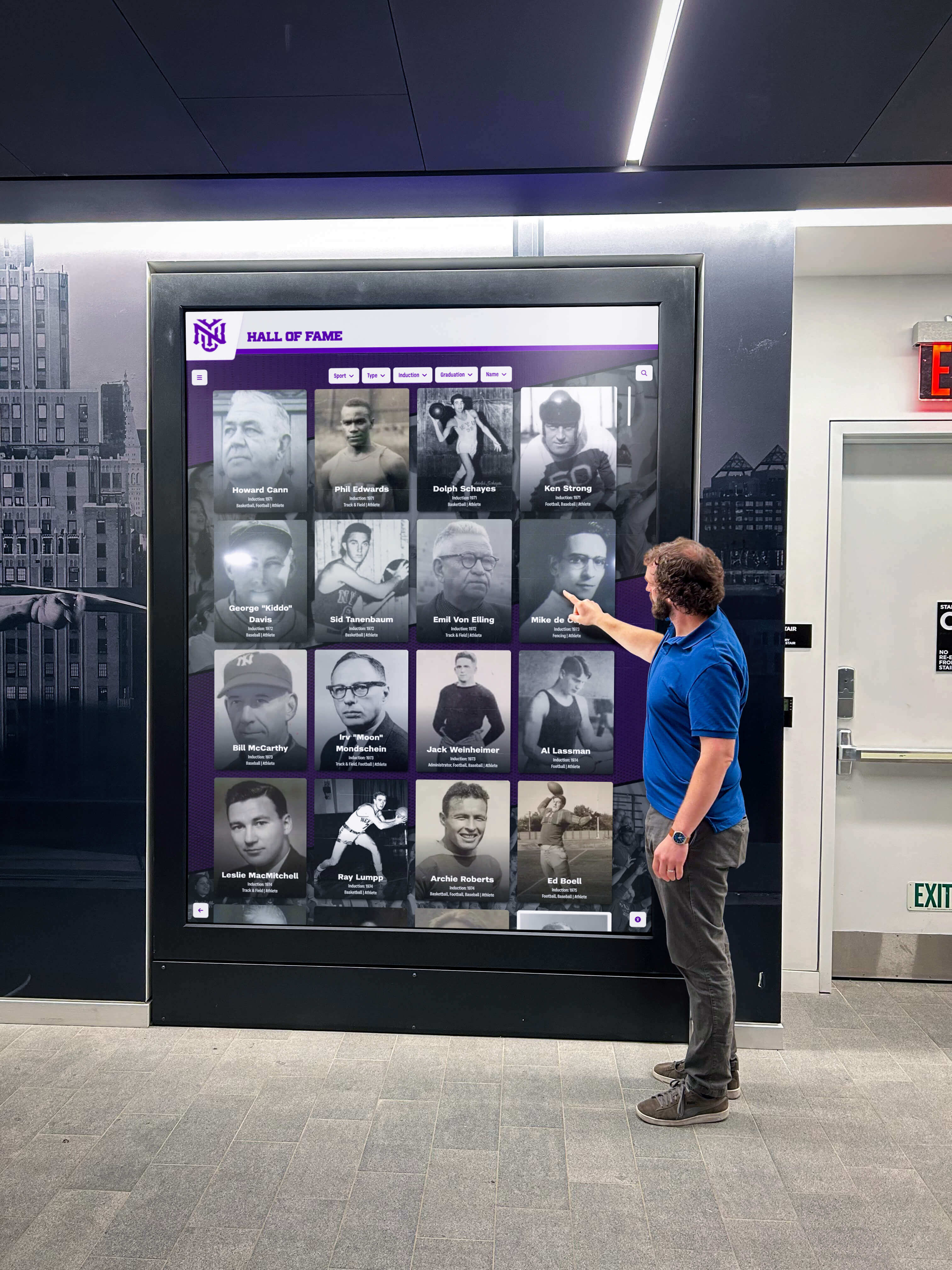
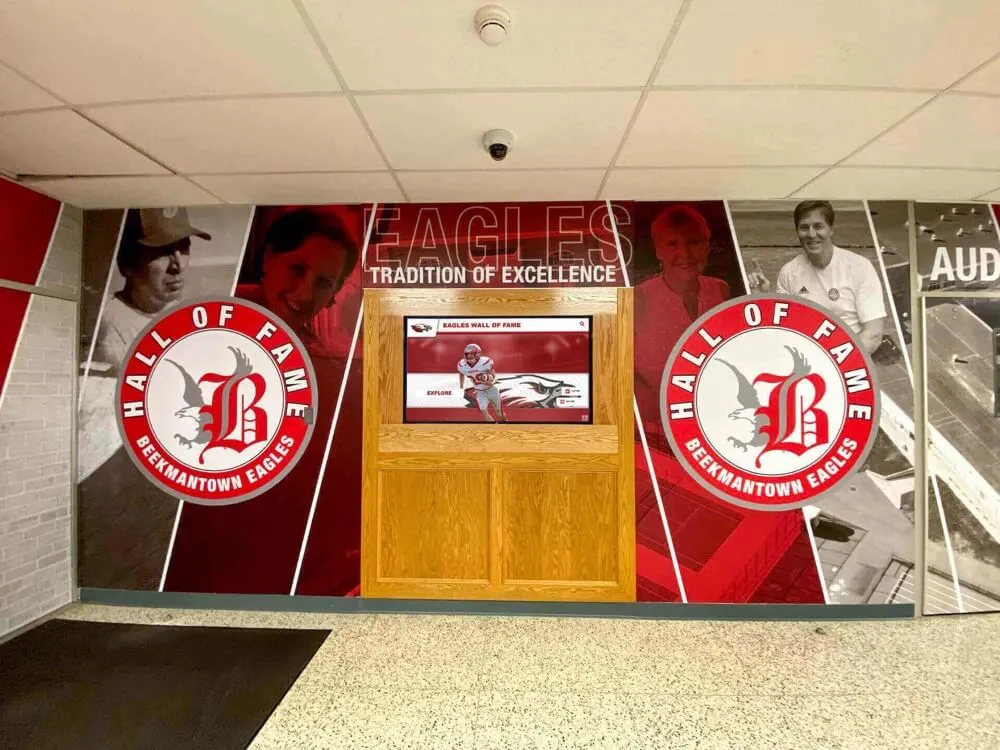
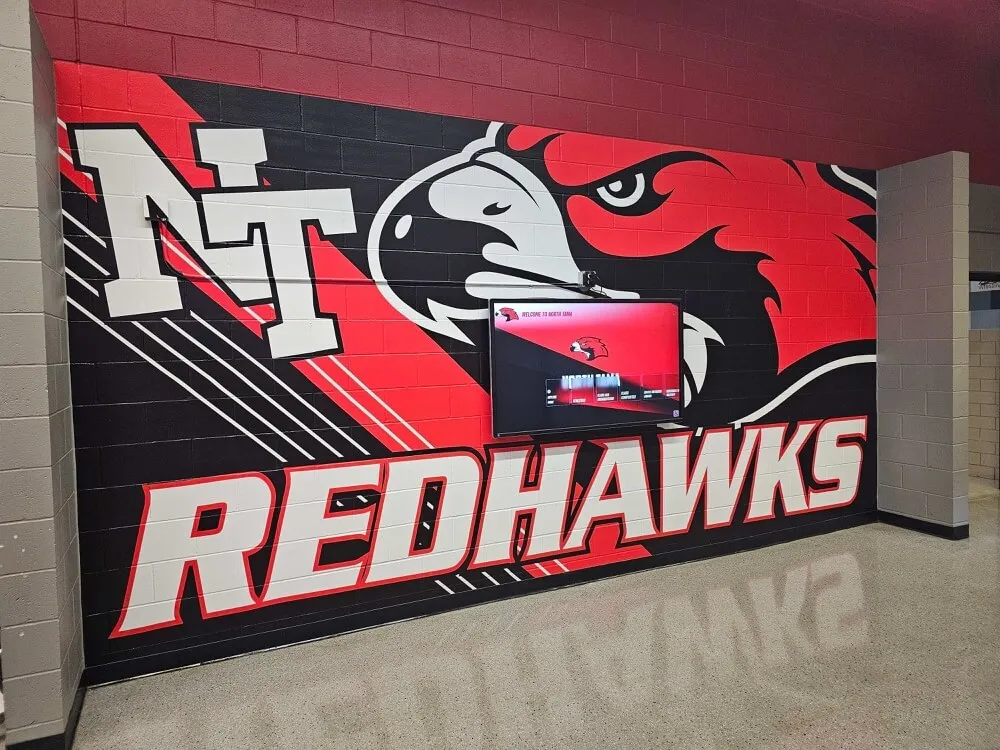
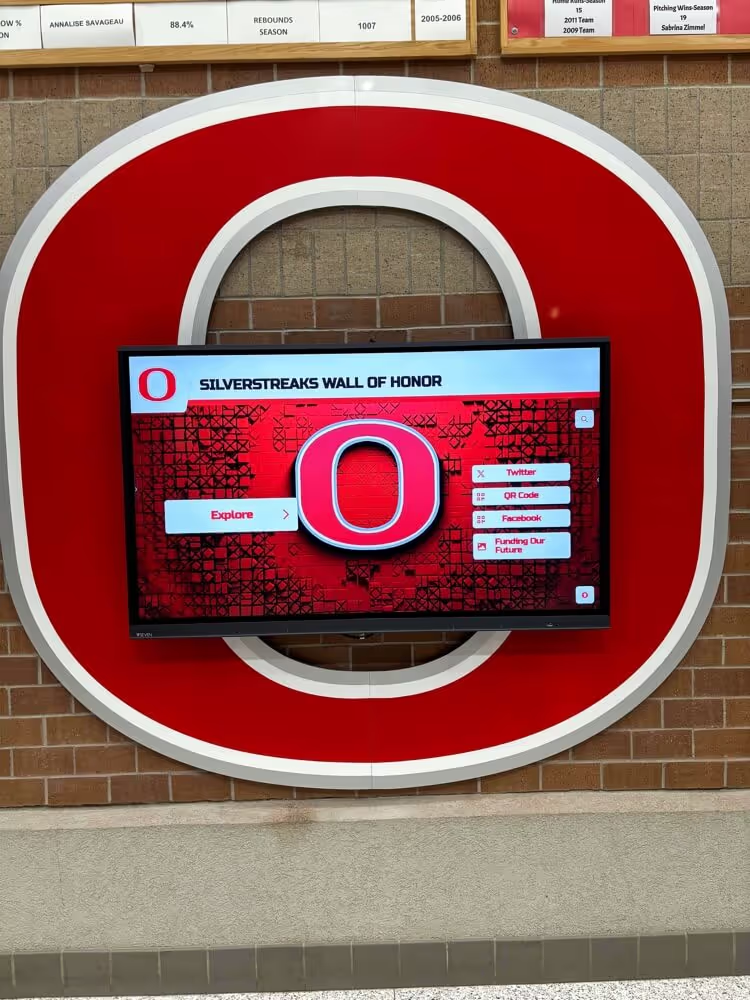
Accurate financial records feed directly into recognition decisions—which programs get funded, which displays get updated, and which donors receive proper acknowledgment
Month-End Reconciliation Table
The table below is a structured format you can adapt to a shared spreadsheet. Every booster club reconciliation should produce a completed worksheet in this form at month-end close. A zero difference in the final row confirms the reconciliation is complete.
| Section | Item | Amount |
|---|---|---|
| Bank Statement Balance | Ending balance per bank statement | $X,XXX.XX |
| Add: Deposits in transit | Game-day deposit (date) | + $XXX.XX |
| Add: Deposits in transit | Online processor settlement (date) | + $XXX.XX |
| Add: Deposits in transit | Fundraiser checks deposited (date) | + $XXX.XX |
| Subtract: Outstanding checks | Check #XXX — vendor invoice (date issued) | − $XXX.XX |
| Subtract: Outstanding checks | Check #XXX — facility rental (date issued) | − $XXX.XX |
| ± Bank errors | Describe any bank-side error | ± $X.XX |
| Adjusted Bank Balance | $X,XXX.XX | |
| Book Balance | Ending balance per ledger or register | $X,XXX.XX |
| Add: Interest earned | Monthly interest credited by bank | + $X.XX |
| Subtract: Bank service charges | Monthly maintenance fee | − $XX.XX |
| Subtract: NSF check returned | Bounced check from ticket buyer | − $XXX.XX |
| ± Book errors | Describe any recording error | ± $X.XX |
| Adjusted Book Balance | $X,XXX.XX | |
| Difference | Adjusted Bank Balance minus Adjusted Book Balance | $0.00 |
When the difference is zero, the month-end close is complete. Any non-zero difference requires investigation before the period is closed.
Step-by-Step Month-End Close Workflow
The workflow below is repeatable and can be completed by a treasurer with basic spreadsheet skills. Assigning specific steps to specific roles maintains the separation of duties that internal controls require.
Step 1 — Gather Source Documents
Collect the bank statement for the period, the check register or ledger printout, all deposit slips from the month, and the prior month’s completed reconciliation. Prior-month reconciliation is essential for confirming that deposits in transit and outstanding checks from last period have cleared.
Step 2 — Mark Cleared Items
On the bank statement, mark each deposit and each check or electronic payment that appears. Compare against your register. Items in the register that do not appear on the bank statement are candidates for deposits in transit or outstanding checks.
Step 3 — Identify and List Deposits in Transit
List every deposit recorded in your books that does not appear on the bank statement. Confirm each entry has a corresponding deposit slip or electronic receipt. Sum the deposits in transit and add the total to the bank statement balance.
Step 4 — List Outstanding Checks
List every check or electronic payment issued and recorded in your register that has not yet cleared the bank. Sum them and subtract from the bank statement balance. After steps 3 and 4, your adjusted bank balance should closely approach your book balance.
Step 5 — Identify Book-Side Adjustments
Review the bank statement for items not yet recorded in your books: service charges, interest, NSF returns, or automatic debits. Enter each in your register and carry the adjustments to your book balance calculation.
Step 6 — Compare Adjusted Balances
If the adjusted bank balance equals the adjusted book balance, the reconciliation is complete. If a difference remains, investigate systematically. Check for transposition errors (a difference divisible by 9 often points to reversed digits), duplicate entries, or a deposit recorded in the wrong month.
Step 7 — Document and Sign Off
Print or export the completed reconciliation worksheet. The treasurer signs and dates it. A second officer—president, assistant treasurer, or a designated board member—reviews the worksheet and the supporting bank statement, then countersigns. File the signed worksheet together with the bank statement and deposit slips for the period. The AICPA and standard nonprofit governance guidance consistently identify countersignature by a second officer as a minimum control for volunteer-operated organizations.

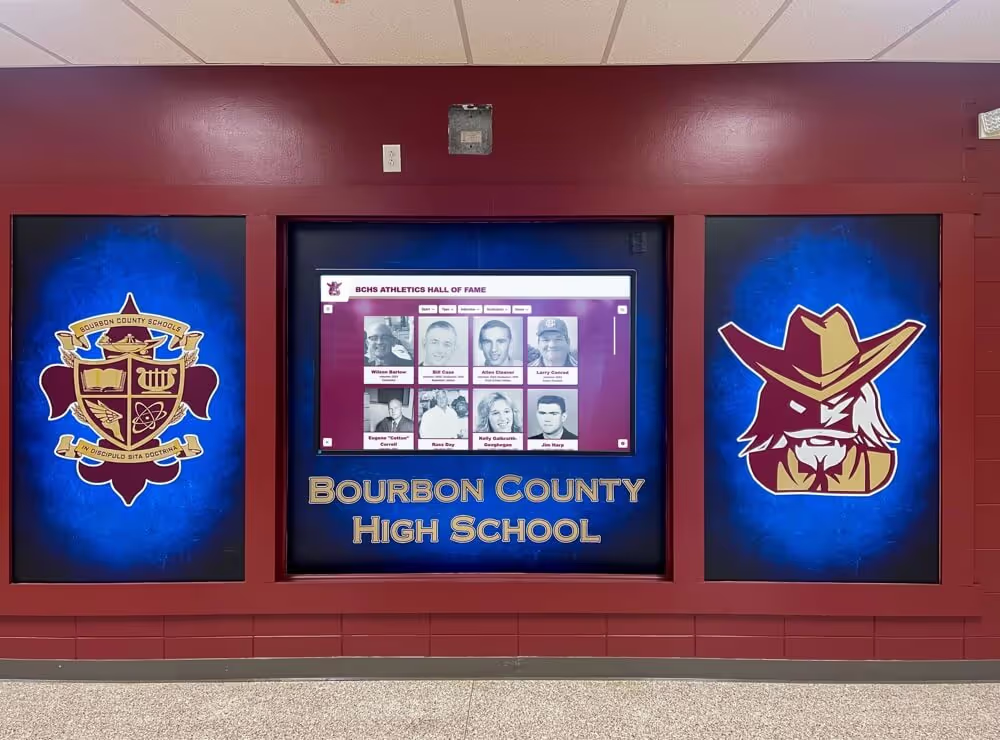
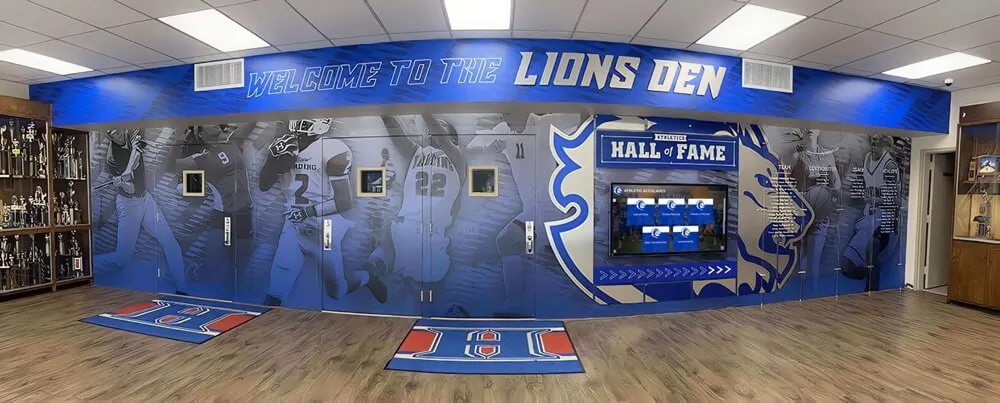
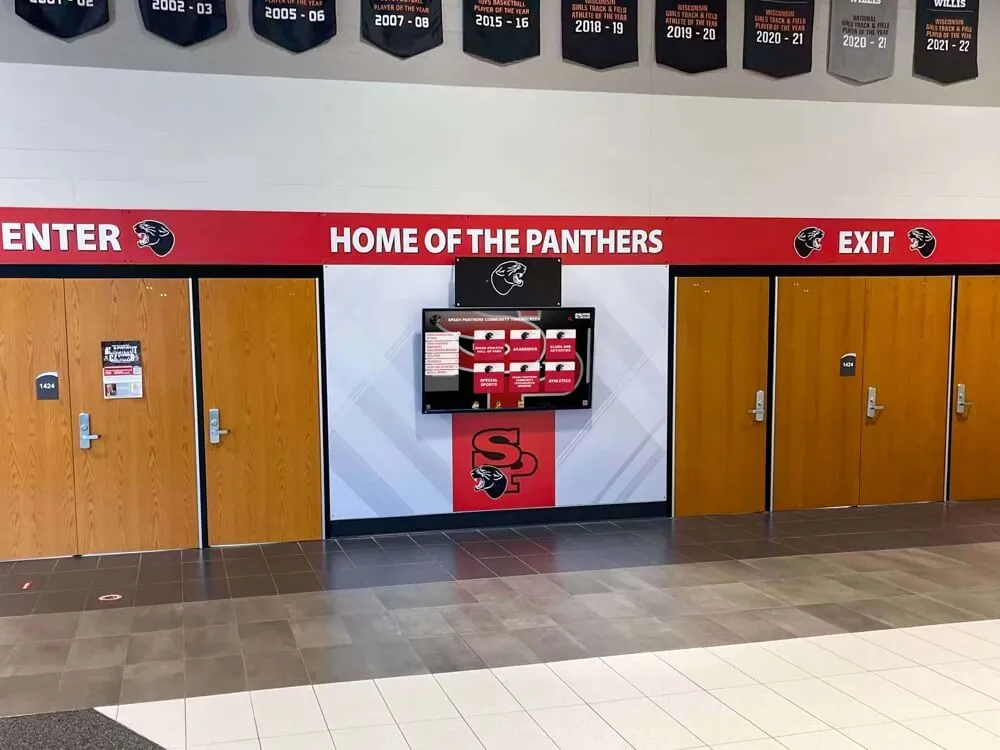
Every recognition installation in a school's athletic hall of fame represents a budget decision made possible by clean, reconciled financial records
Handling Specific Deposit in Transit Scenarios
Not all deposits in transit are identical. Three situations require slightly different handling.
Online Payment Processor Delays
When your booster club collects payments through PayPal, Square, Stripe, or a sport-specific payment platform, settlement timing varies. A Friday payment collection may not appear in the bank account until Tuesday or Wednesday. Maintain a log of expected settlement dates alongside each batch so you can confirm whether a delayed settlement is legitimately in transit or is missing. Review processor dashboards as part of your monthly close routine, not only when a discrepancy appears.
Protecting the digital payment channels that generate these deposits is equally important. A booster club cybersecurity policy that covers account access, password management, and fraud alerts reduces the risk that online payment activity is compromised before it settles.
Multi-Day Fundraiser Proceeds
Fundraisers that span several days—a car wash, a concession stand weekend, or a walk-a-thon—often produce multiple deposit batches. Create a separate deposit slip for each batch and record each in your register on the actual deposit date. At reconciliation time, trace each slip to the bank statement individually rather than combining batches, which makes any discrepancy easier to isolate and investigate.
Understanding the deposit patterns your fundraising calendar generates helps the treasurer anticipate month-end reconciling items rather than discover them in a scramble. For programs planning their revenue mix, booster club fundraising ideas that are well-organized from the outset produce cleaner deposit records throughout the year.
Month-End Cut-Off Deposits
A deposit made on the last business day of the month may not appear on the bank statement until the following statement period, depending on the bank’s cut-off time. This is the most common and predictable source of deposits in transit. Document each such deposit with the deposit date, amount, and a note in your reconciliation that it is expected to clear in the first days of the next period. Confirm it cleared when preparing the following month’s reconciliation.
Month-End Close Checklist
Use this checklist as a sign-off document at each month-end close. All items should be checked before the reconciliation is filed.
Pre-Reconciliation
- Bank statement downloaded or received for the period
- Ledger or register transactions entered through the last day of the month
- All deposit slips filed and matched to register entries
- Prior month’s reconciliation reviewed; prior DIT and outstanding checks confirmed cleared
Bank-Side Adjustments
- All cleared deposits matched and marked on bank statement
- All cleared checks and electronic payments matched and marked
- Deposits in transit identified, listed, and totaled
- Outstanding checks identified, listed, and totaled
- Bank errors (if any) identified and documented
Book-Side Adjustments
- Bank service charges entered in register
- Interest earned entered in register
- NSF check returns entered in register
- Any other bank-initiated items entered in register
Final Steps
- Adjusted bank balance calculated
- Adjusted book balance calculated
- Balances agree — difference equals $0.00
- Reconciliation worksheet printed or exported
- Treasurer signs and dates the worksheet
- Second officer reviews and countersigns
- Worksheet filed with bank statement and deposit slips

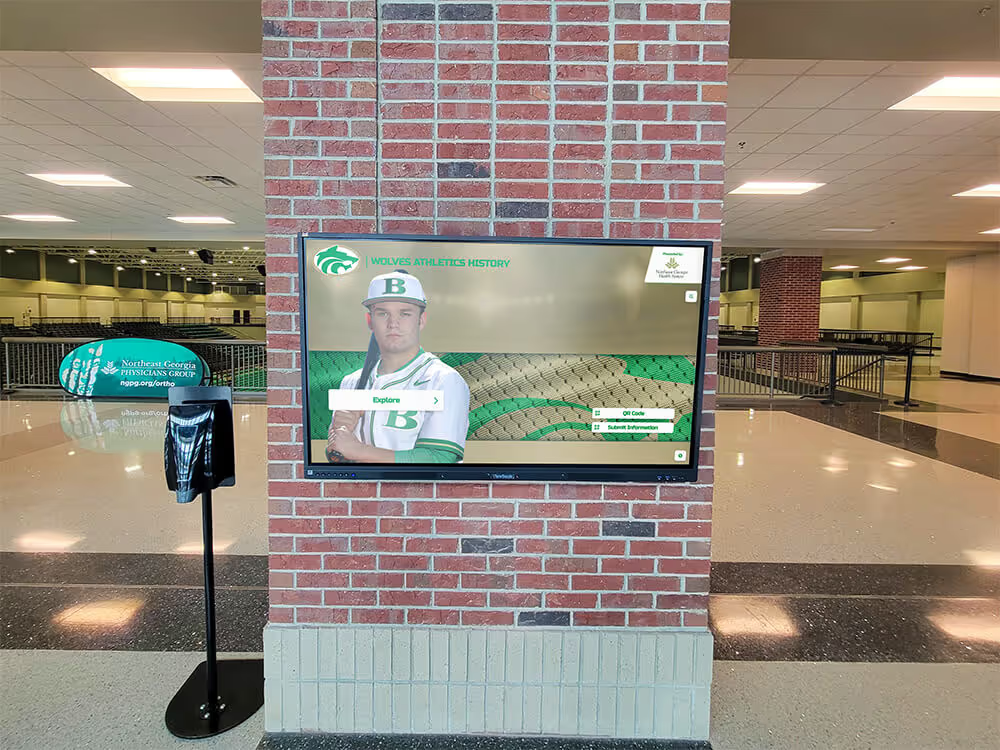
Recognition programs like this athletic hall of fame wall depend on years of disciplined financial management by the booster clubs that fund them
Common Reconciliation Errors and How to Fix Them
Outstanding check outstanding for more than 90 days. Checks that remain uncleared for 90 days or more may be lost, forgotten, or uncashed. Contact the payee to confirm whether the check was received. If the check must be reissued, void the original in your register and issue a replacement. Many states have unclaimed property laws—often called escheatment statutes—that require organizations to remit uncashed funds to the state after a defined period, typically one to five years depending on the state. Consult your school’s finance office for the applicable requirement.
Deposit in transit that never cleared. If a deposit recorded in the prior month did not appear on this month’s bank statement, investigate immediately. Pull the original deposit slip and confirm the deposit was physically made. Compare the deposit amount against the bank statement systematically. A deposit that was recorded in the books but never made to the bank represents a serious discrepancy requiring escalation to the school’s finance office and possibly law enforcement.
Transposition errors. These are among the most common book errors—recording $854 when the actual amount was $584. If the adjusted balances differ by an amount divisible by 9, a transposition error is likely. Divide the difference by 9 and search for a transaction where the digits were recorded in the wrong order by that quotient.
Duplicate entries. Accounting software can create duplicate entries if a transaction is imported and also entered manually. If the book balance is off by an amount that matches a specific transaction, search the register for a duplicate and void one instance.
Prior-month items not clearing. If deposits in transit or outstanding checks from the prior month’s reconciliation did not clear in the current period, investigate before adding new reconciling items on top of unresolved ones. Stale reconciling items are the most common starting point for larger discrepancies.
For programs building financial governance from the ground up, a guide to starting a booster club covers the treasury structure decisions—role assignments, account signatories, approval thresholds—that prevent these errors from arising in the first place.
Connecting Reconciliation to Athletic Recognition Programs
The financial records that make up a monthly bank reconciliation are not abstract paperwork. They represent the real resources your booster club moves through the year—and those resources fund the recognition moments that matter most to student-athletes.
Concession stand proceeds, fundraiser revenues, and sponsorship deposits all pass through the reconciliation worksheet at some point in the fiscal year. When a deposit in transit is identified and documented correctly, it stays in the right budget period. When it is missed or miscategorized, a program may believe it has more or fewer resources than it actually does—and spending decisions for equipment, banquets, trophies, and permanent recognition installations follow from those beliefs.
Schools and booster clubs that maintain clean financial records are also in the strongest position to plan and fund lasting athletic recognition infrastructure. Moving from static trophy cases and plaques to interactive digital recognition displays requires sustained financial planning and demonstrated stewardship. A booster club that closes its books accurately every month can show school administrators, donors, and grant-makers a track record of responsible financial management—the foundation for larger recognition investments.
For programs exploring the full scope of what a well-governed booster club can accomplish, a complete guide to booster club structure and recognition programs covers how financial governance connects to the programs those finances are built to support.
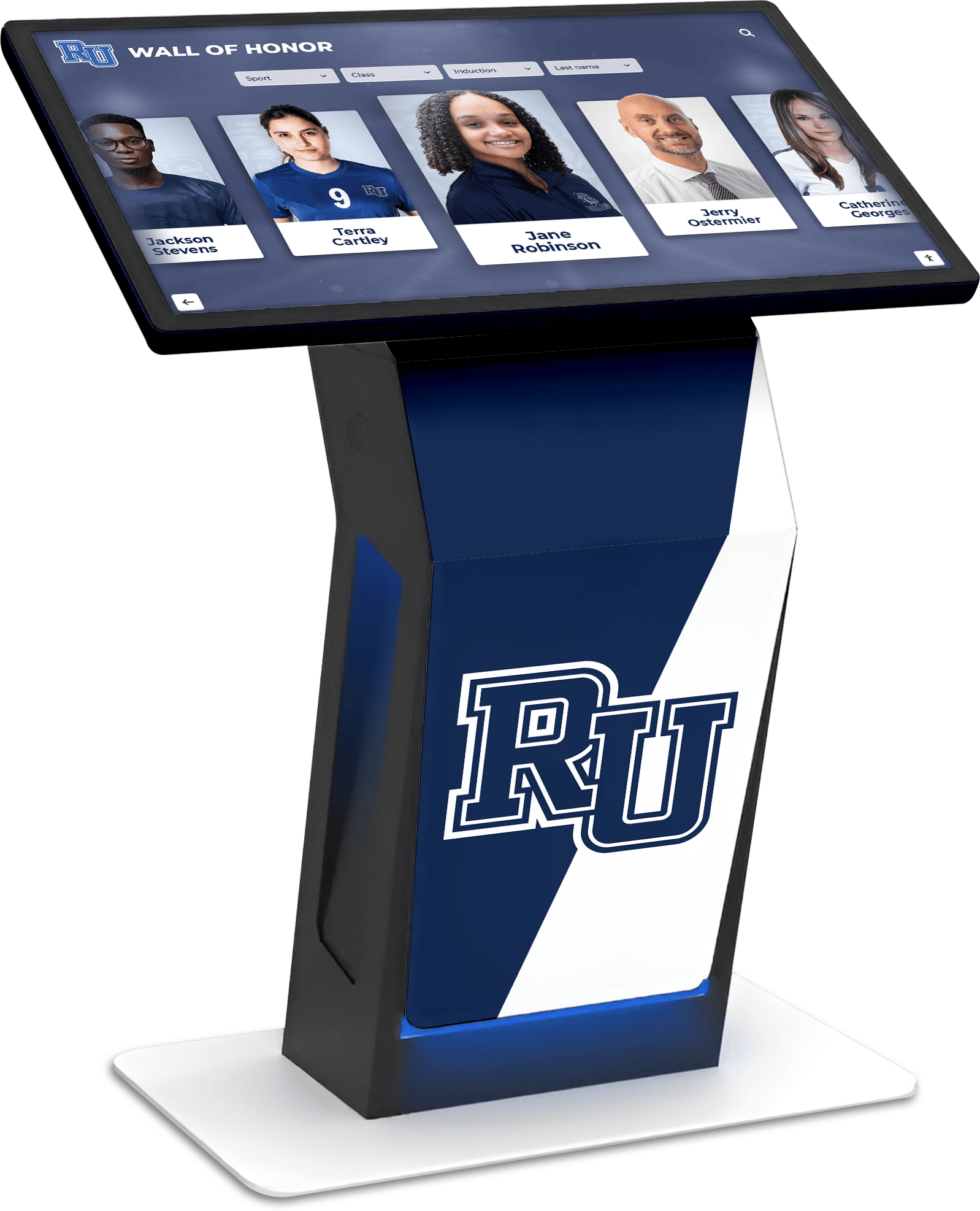
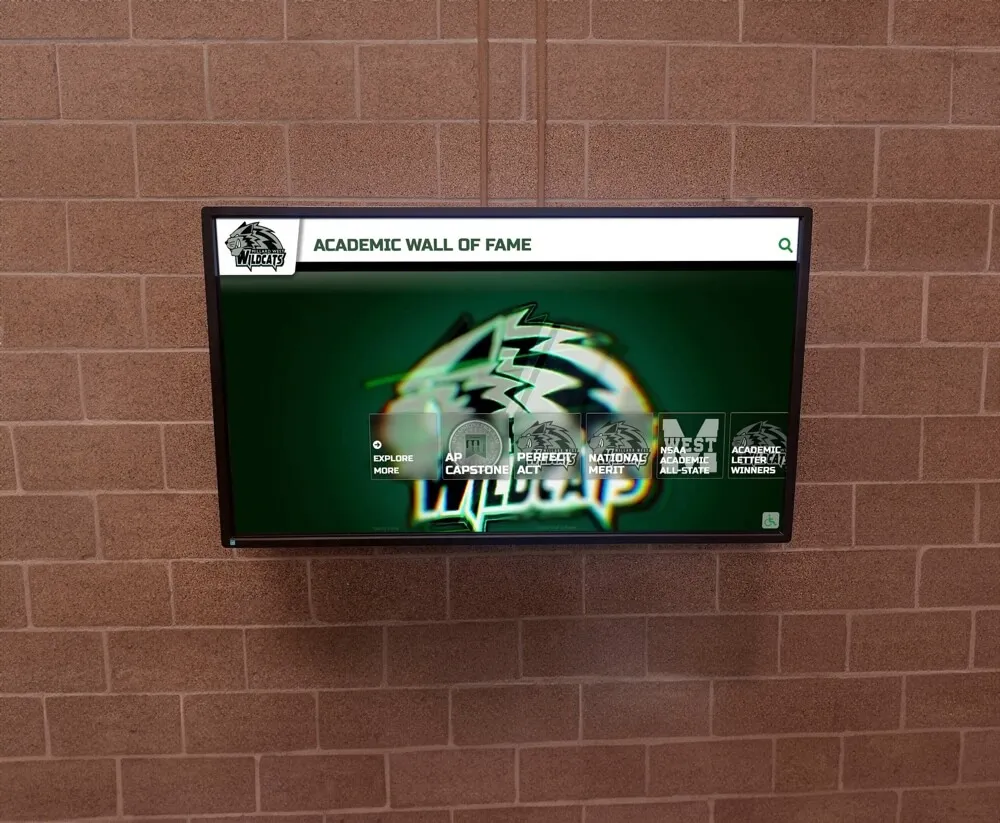
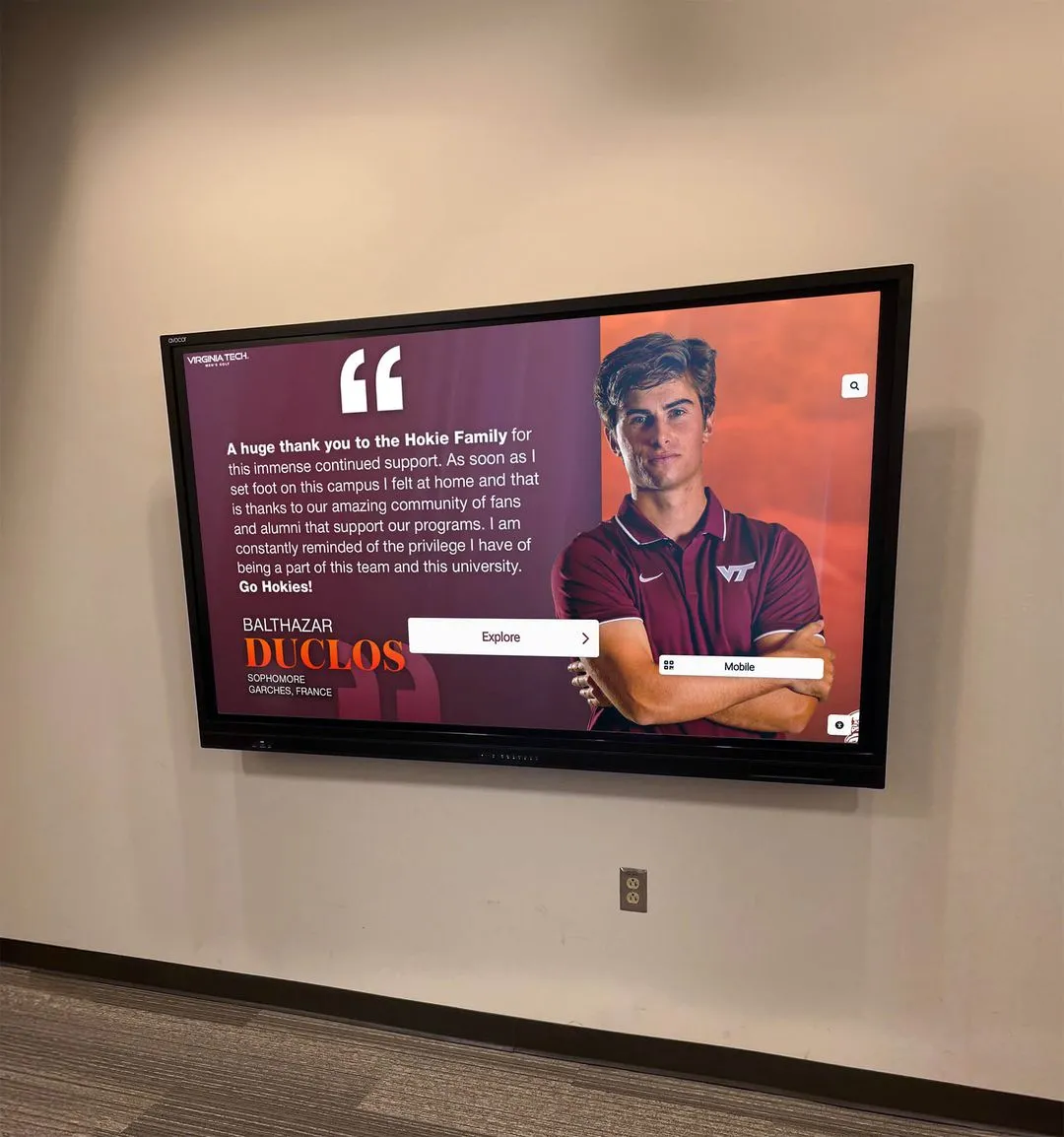
Digital recognition platforms are a natural multi-year investment for booster clubs with disciplined financial management—clean books make planning and funding these programs straightforward
For booster clubs ready to channel well-managed resources into permanent athletic recognition, platforms that support interactive digital recognition displays allow schools to present student-athlete achievements in a format that is visible, updatable, and accessible to families, alumni, and visitors year-round. The financial discipline that consistent bank reconciliation supports is what makes sustaining those programs possible.
Understanding booster club governance end-to-end—from financial controls to recognition infrastructure—is easier with a structured guide to booster club setup and long-term operations.
Frequently Asked Questions
What is a deposit in transit in booster club accounting?
A deposit in transit is a cash receipt recorded in your booster club’s books that has not yet appeared on the bank statement. It is a normal timing difference—not an error—arising when deposits are made near or after the bank’s statement cutoff. In the bank reconciliation, deposits in transit are added to the bank statement balance to calculate the adjusted bank balance, which should then match the adjusted book balance.
How often should a booster club reconcile its bank account?
Monthly reconciliation is the standard minimum recommended by accounting best practices for nonprofit and school-affiliated organizations. Monthly reconciliation surfaces errors and irregularities within 30 days before they compound. Booster clubs with high transaction volumes during busy fundraising seasons may benefit from reconciling bi-weekly during peak periods and monthly during quieter stretches.
What if a deposit in transit from last month never cleared?
If a deposit recorded in the prior month does not appear on the current month’s bank statement, investigate immediately. Pull the original deposit slip, confirm the deposit was physically made, and contact the bank if the deposit cannot be located on the statement. A deposit recorded in the books but never credited by the bank represents a material discrepancy requiring escalation to your school’s finance office and, if theft is suspected, to law enforcement.
Who should perform the booster club bank reconciliation?
Best practice assigns the reconciliation to the treasurer while requiring a second officer—president, vice president, or a designated board member—to review and countersign the completed worksheet. This separation of duties ensures that the person handling deposits is not the same person reconciling the account, which is the key internal control for preventing and detecting unauthorized transactions in volunteer-operated organizations.
How long should booster clubs retain reconciliation records?
Retain completed reconciliation worksheets, bank statements, and deposit slips for at least seven years, consistent with standard nonprofit recordkeeping guidance. Your school district’s records retention policy and your state’s nonprofit filing requirements may specify different minimums. Consult your school’s finance office to determine which retention schedule applies to your organization.
A consistent booster club deposit in transit reconciliation process does not require sophisticated software or an accounting background. It requires a defined workflow, assigned roles, source documents filed promptly, and a monthly commitment to closing the books before the next period opens. The discipline that produces a clean reconciliation every month is the same discipline that builds donor trust, passes audits, and funds the recognition programs your athletes deserve.
If your program is ready to invest those well-managed resources into lasting athletic recognition, request a custom demo from Rocket Alumni Solutions to see how interactive digital recognition displays can showcase your students’ achievements in a format that families, alumni, and visitors can explore year-round.