



The best character award ideas for student athletes solve a problem that statistics never will. Points scored, miles run, and batting averages capture a fragment of what an athlete contributes to a program—the measurable fraction that happens to be easy to count. What those numbers miss entirely is the athlete who reset the energy in a film session after a brutal road loss, the senior who mentored a struggling freshman without being asked, and the captain who made the right call in the locker room when no coach was present. Programs that build character award categories alongside performance recognition tell a different and more complete story about what athletic participation is supposed to build.
This guide offers 15 specific character award ideas for K–12 and collegiate programs, a practical criteria framework coaches can adapt to their own sports, and a workflow for collecting nominations and preserving honorees in recognition displays that remain visible long after the ceremony ends.
The relationship between formal character recognition and athletic culture is well-documented. The National Federation of State High School Associations (NFHS), which sets policy for more than 11 million student athletes nationwide, identifies character development as a core pillar of scholastic athletic participation—alongside competition, citizenship, and achievement. Programs that recognize character explicitly, rather than treating it as assumed context, do more than honor individual athletes: they define what the program values and make that definition visible to every athlete who comes after.

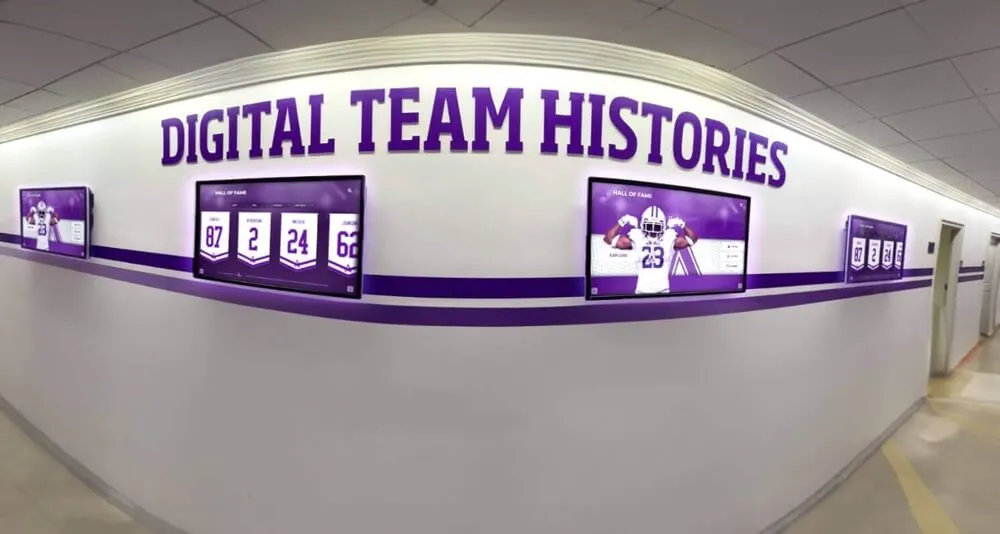
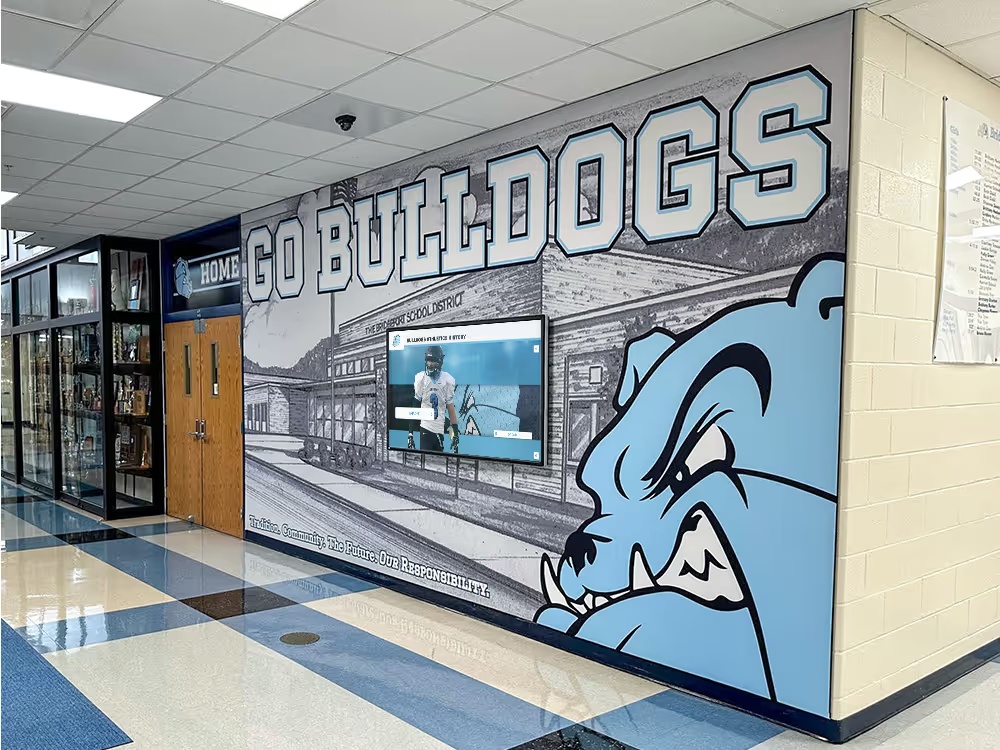
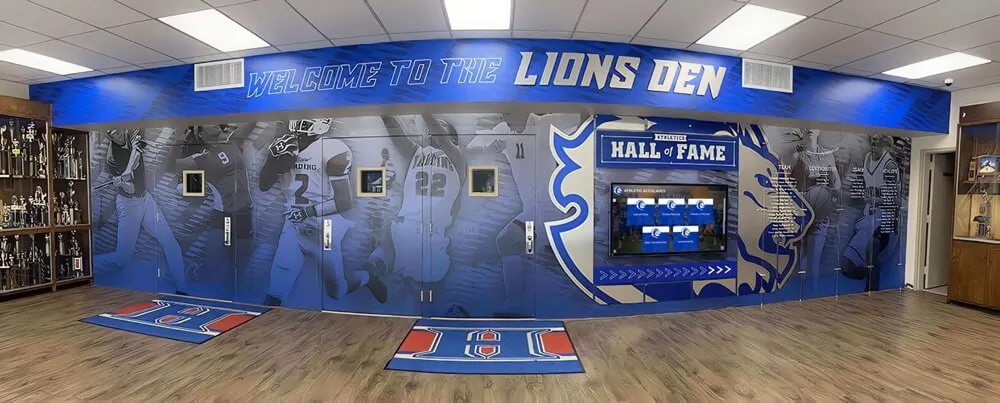
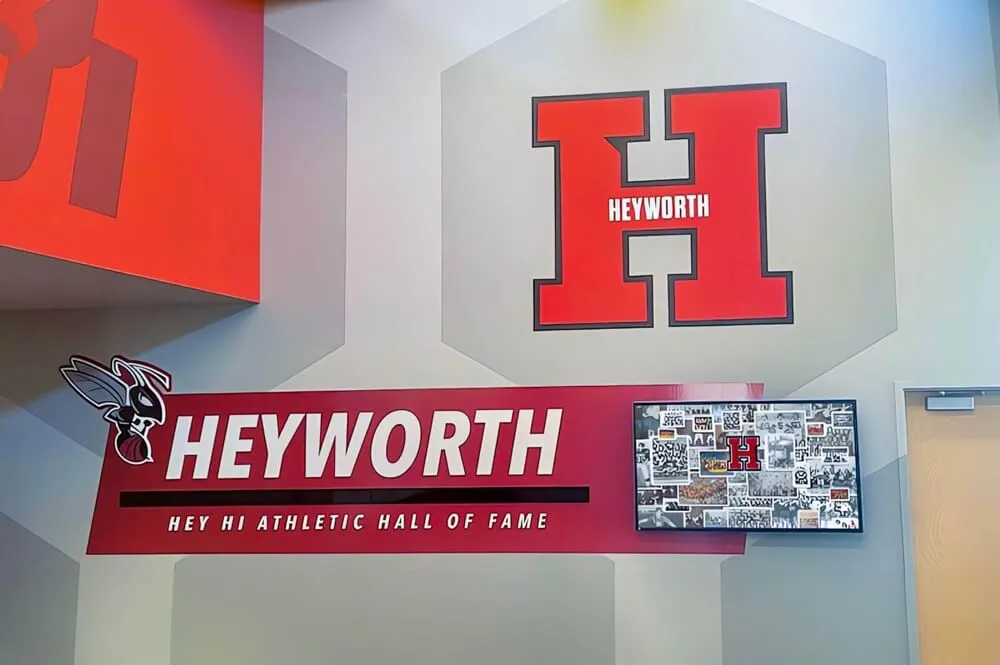
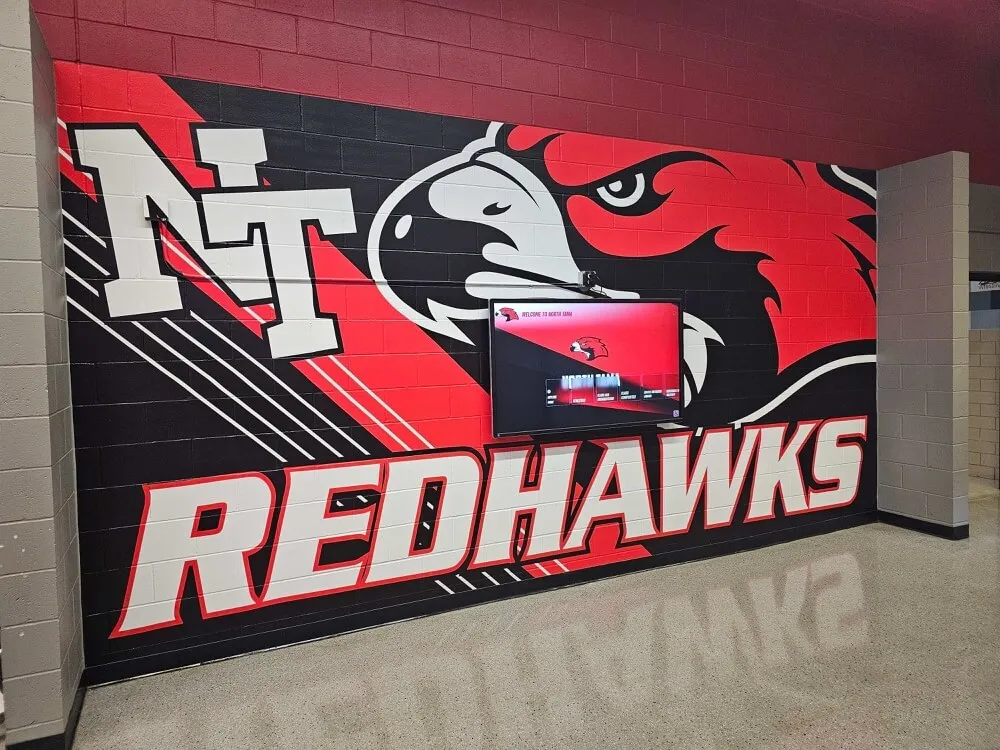
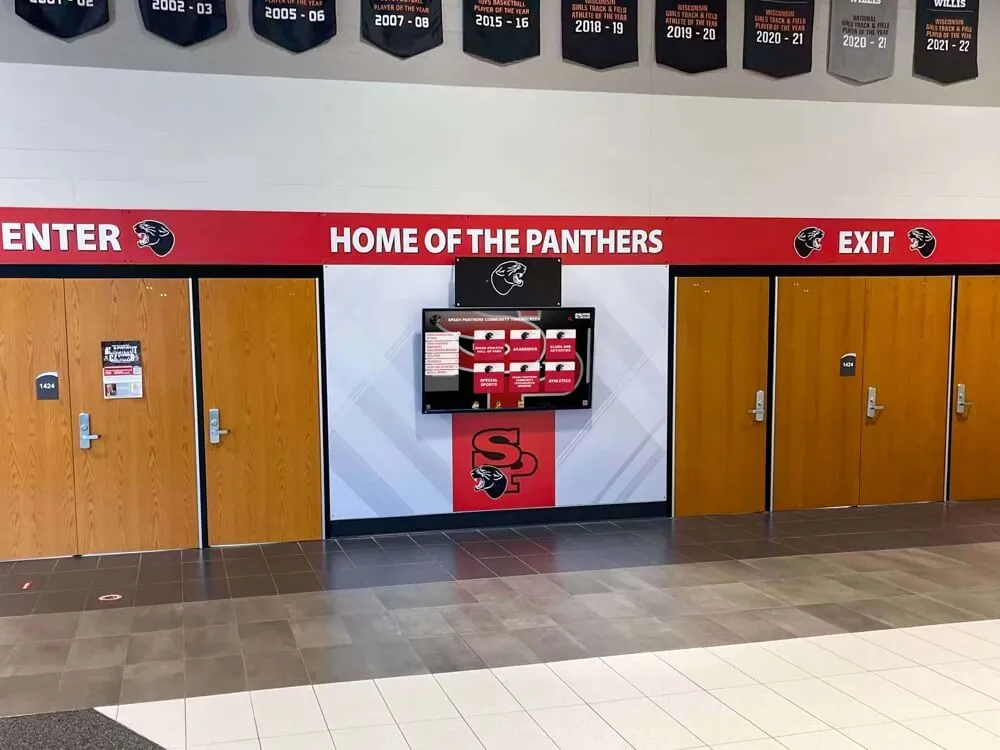
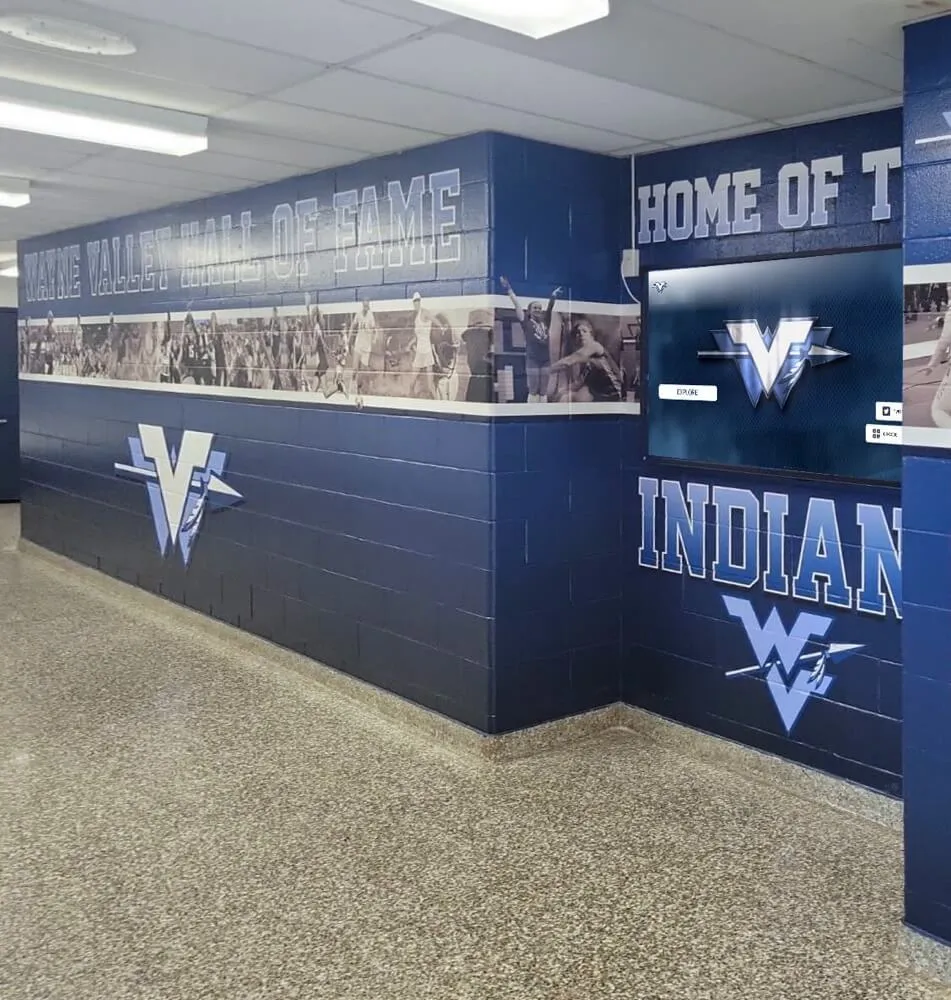
Programs that build recognition displays around character as well as performance create a visible culture that shapes every athlete who walks through the facility
What Makes Character Awards Different from Performance Awards
Performance awards recognize what an athlete did. Character awards recognize who an athlete is under pressure—and how their presence shaped the people around them.
That distinction matters for program design. Performance awards are inherently exclusive: only one athlete scores the most points, and only one team wins the championship. Character awards, designed well, can recognize the athlete who quietly became the backbone of practice culture, the one who consistently put the team before personal statistics, and the one who showed up every day for four years without a single headline.
Programs that build character award ideas into their annual recognition cycle—not as an afterthought at the end of the banquet, but as categories given equal ceremony weight with performance categories—deliver a visible message: this program values more than the box score. The Josephson Institute of Ethics, which has conducted ongoing research on character and sport since the 1990s, consistently finds that programs that name and reward specific character behaviors produce athletes more likely to internalize those behaviors than programs that treat character as implicit expectation.
15 Character Award Ideas for Student Athletes
1. Integrity Award
Recognizes the athlete who demonstrated consistent honesty, fairness, and ethical behavior throughout the season—on the field, in practice, and in the classroom. Selection typically involves input from coaches, teammates, and teachers rather than statistics alone.
2. Resilience Award
For the athlete who faced significant adversity—injury, personal setback, extended performance slump, or role change—and responded with focus and effort rather than disengagement. Present this award with specific documented examples of the challenge and the response. The specificity is what makes it land.
3. Servant Leadership Award
Distinct from a captaincy honor, the Servant Leadership Award goes to any athlete who consistently put team needs ahead of personal recognition. Common indicators: staying after practice voluntarily to help struggling teammates, taking on unglamorous roles without complaint, mentoring newer athletes unprompted.
4. Sportsmanship Award
Peer-nominated recognition for the athlete who best demonstrated respect for opponents, officials, and teammates under competitive pressure. Peer nomination distinguishes this from a staff-selected honor and gives the award a different authority in the room.
5. Character Under Pressure Award
Some athletes perform their best behaviors—composure, team-first communication, positive energy—precisely when the situation is most difficult: a two-score deficit, an officiating dispute, back-to-back losses. This award names that specific quality explicitly rather than leaving it subsumed inside a generic leadership category.
6. Academic Excellence and Athletic Achievement Award
The student-athlete who maintains strong academic standing while competing at full intensity embodies the stated mission of scholastic athletics. Presenting this award with equal ceremony weight to MVP sends a direct signal about institutional priorities. For schools that recognize academic honors alongside athletics, the parallel framework for student recognition displays offers a model for integrating both categories in the same display environment.
7. Community Impact Award
For the athlete who extended their program citizenship into the broader community—mentoring youth athletes, volunteering at school events, or leading charitable initiatives during the season. Documented community hours or specific project contributions provide the criteria backbone.
8. Growth Mindset Award
Different from Most Improved (which is typically performance-based), the Growth Mindset Award recognizes the athlete who most visibly embraced feedback, sought additional coaching, approached setbacks as learning opportunities, and modeled the culture of continuous development that coaches want to see across the entire roster.
9. Unsung Hero Award
The athlete whose contributions to the program’s success are real but invisible in any statistical category: the backup who pushed the starter every day and never complained about playing time, the specialist who took on a defensive assignment that allowed the whole system to function, the athlete who arrived first and left last at every practice. Making this award specific and sincere—naming exactly what the honoree did and why it mattered—transforms it from a consolation category into genuine recognition.
10. Mentor of the Year Award
Most meaningful in programs with multi-year rosters, this award recognizes the upperclassman who invested most visibly in the development of newer teammates—through direct coaching, emotional support during adversity, or simply modeling behavior worth emulating. First-year athletes who make rapid progress often point to a specific mentor when asked what made the difference.
11. Coachability Award
Recognizes the athlete who most consistently received feedback, implemented corrections, and applied coaching under game conditions. Coachability isn’t compliance—it’s the genuine orientation toward growth that makes the entire coaching staff’s work more impactful. Coaches who track athlete responses to correction throughout the season have specific examples ready for this presentation.
12. Best Teammate Award
More specific than a generic teamwork honor, Best Teammate recognizes the athlete whose presence in the locker room, on the bench, and during adversity made the team function better as a unit. Athletes who nominate peers for this category tend to cite specific moments—who kept the group together after a rough road loss, who the youngest players trusted most when they needed guidance.
13. Leadership Without a Title Award
Some of the most effective leaders on a roster never wear a captain’s designation. This award explicitly honors informal leadership—the athlete who influenced team culture through behavior rather than formal authority. Programs that name this category create a visible alternative pathway to recognition for athletes who lead differently than the traditional captain model.
14. Heart of the Program Award
A senior-specific recognition that honors the outgoing athlete who most completely embodied the program’s values over their entire tenure—not just this season, but across multiple years of contribution. Presented with specific references to how the athlete grew from first-year participant to program veteran, this award builds alumni loyalty and gives younger athletes a visible endpoint to aspire toward.
15. Coach’s Character Award
The athlete the coaching staff collectively identifies as most completely embodying the character standards the program works to develop. Unlike Most Valuable Player—which tends to be performance-driven—the Coach’s Character Award communicates explicitly what the program’s leadership values most in a student-athlete. The presentation itself is a statement of program identity.
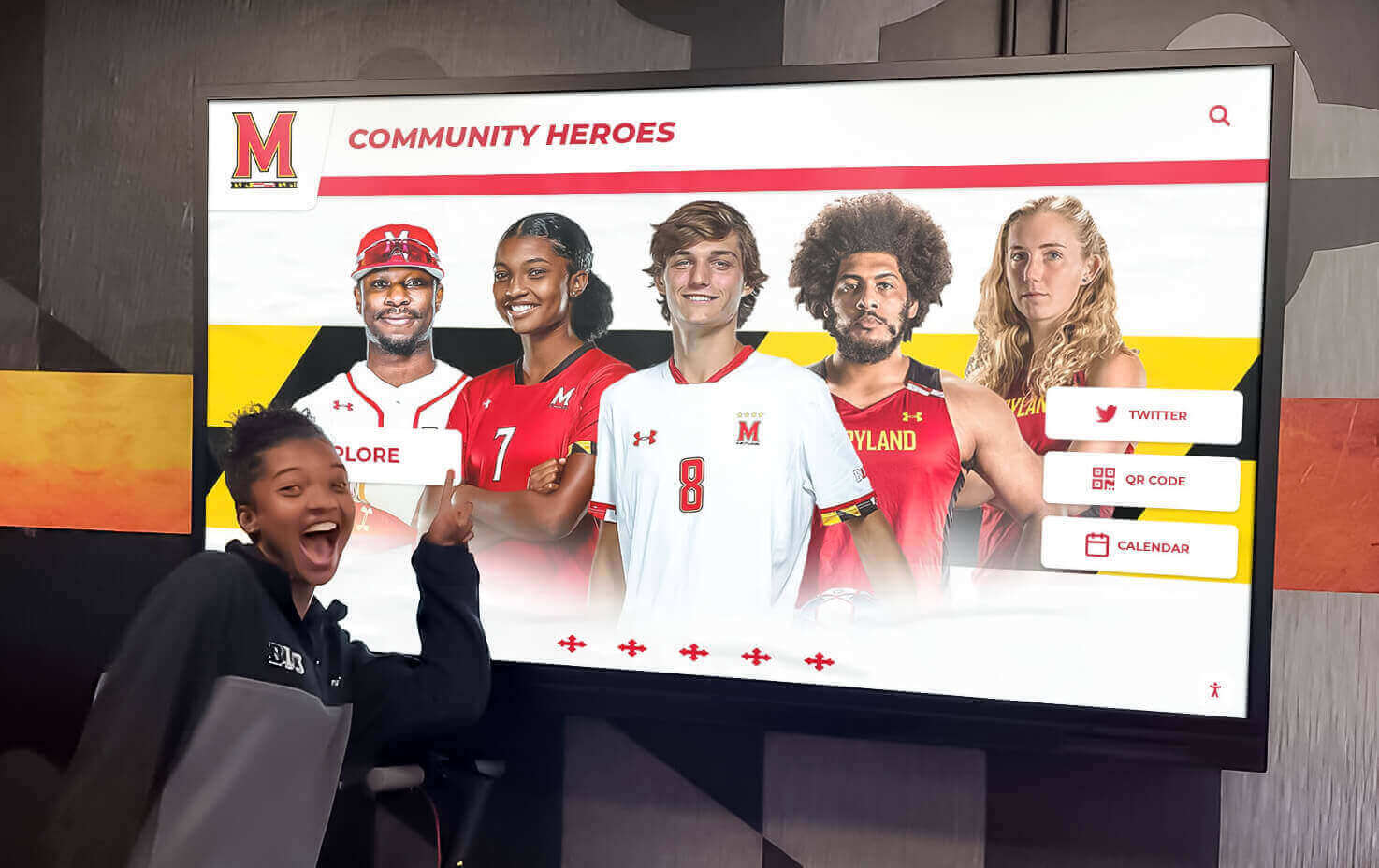
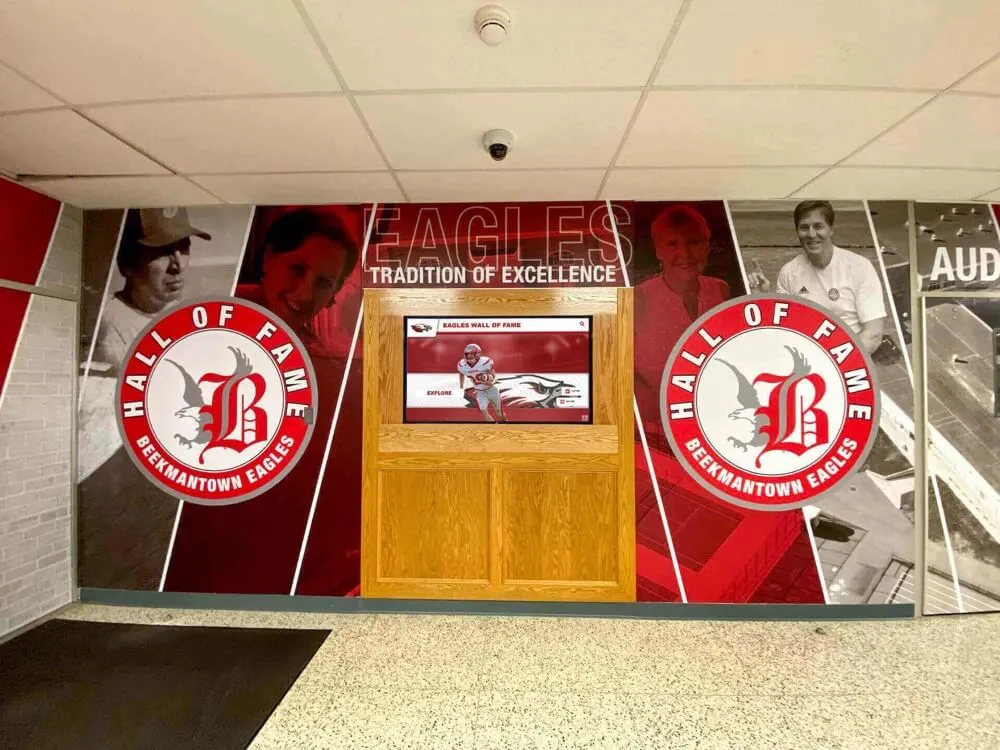
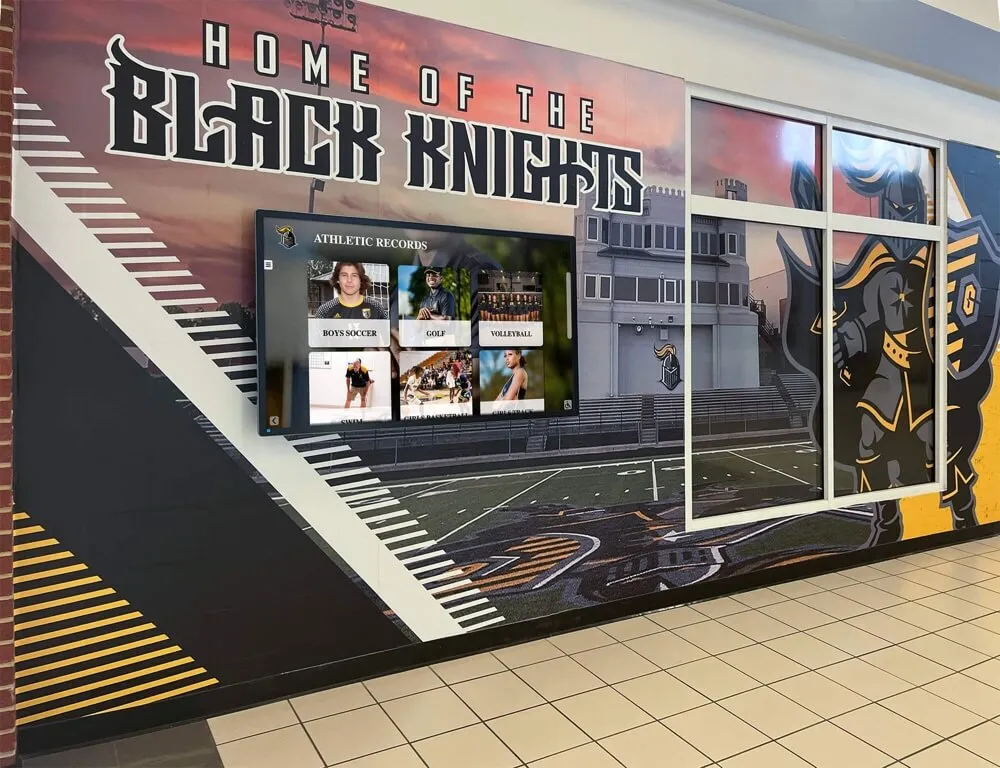
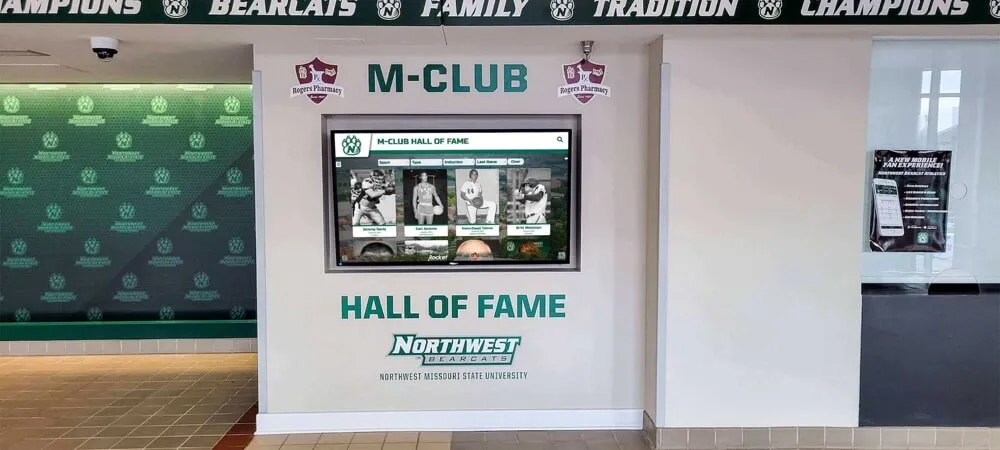
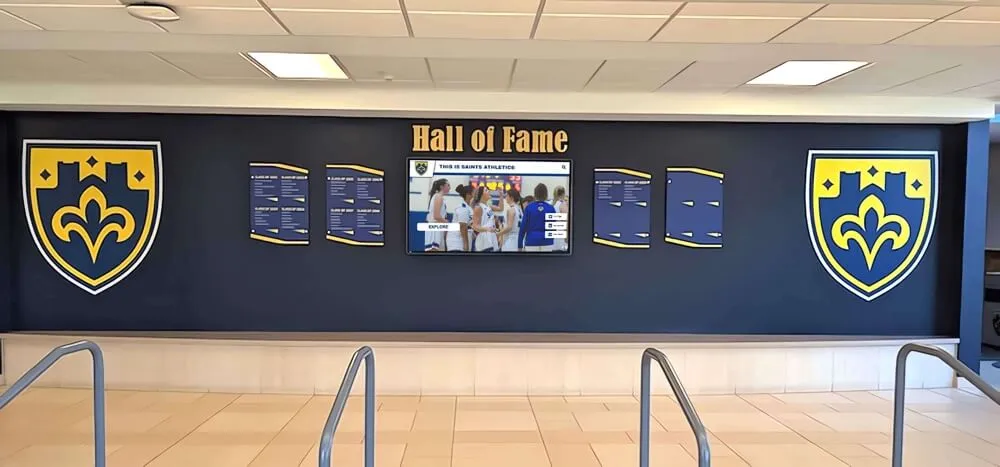
Recognition programs that celebrate character alongside performance communicate that the program values what happens off the scoreboard as much as what happens on it
Building Character Award Criteria That Hold Up
The most common failure mode for character awards is vagueness. When selection criteria are undefined, character awards feel like prizes for likability—which undermines their purpose and generates cynicism among athletes who see through ambiguous selection processes.
Strong character award criteria share three qualities:
Behavioral specificity. Define the observable behaviors the award honors, not just the value it represents. “Integrity” is a value; “acknowledged a scoring error to the official without prompting and corrected a disputed call against the opponent” is a behavior. Criteria written in behavioral terms give both selectors and athletes clarity about what the award actually measures.
Documentation requirements. Coaches who plan to give character awards should build a documentation habit during the season—noting specific incidents when athletes demonstrate the behaviors each award measures. Character awards presented without specific examples are less credible and less meaningful than those supported by a brief narrative of documented incidents.
Multi-source input. Character by definition isn’t fully visible to any single observer. The athlete’s integrity in the classroom, their behavior in the locker room, their treatment of officials after a hard call—coaches see some of these, teammates see others. Recognition programs that build peer nomination, teacher input, or multi-staff review into their selection process produce more defensible and more resonant results.
For programs building comprehensive recognition environments that display both character and performance categories, award wall ideas for schools covers how schools design physical and digital display environments that integrate multiple recognition types in a single cohesive space.
How Coaches Can Collect Character Nominations
A character award presented on banquet night is only as strong as the collection process behind it. Programs that wait until November to decide character recognition often fall back on recency bias or general impressions rather than season-long evidence.
Open a running document at the start of the season. Create a shared coaching staff document with a section for each character award category. Throughout the season, coaches add specific incidents when observed—a brief note with date, context, and what the athlete did. By banquet month, each award has a folder of real examples rather than vague end-of-season impressions.
Run a peer nomination round at the final team meeting. Distribute a structured ballot listing the character award categories, a brief description of each, and a nomination line. Require athletes to nominate someone other than themselves and provide a one-sentence justification. Staff-only selections for character awards miss the teammate perspectives that make peer-facing categories most credible.
Review academic and community service records. For awards with academic or community components, verify the data before the banquet. Academic support staff or guidance counselors can confirm GPA thresholds; community service coordinators can verify project participation. Character awards lose credibility fast if the underlying criteria can’t be substantiated.
Coordinate with teachers and administrators. For integrity and academic excellence categories especially, classroom teachers and school counselors often observe character behaviors that coaching staff never see. Brief, structured input requests—a one-question email asking teachers to nominate athletes who demonstrated exceptional integrity or growth mindset in their classrooms—expand the evidence base meaningfully without creating significant burden.
Programs building team identity alongside their recognition frameworks can find natural connections between the values character awards honor and the language that defines a team’s public identity—including the team slogans that express those values in the broader school community.
Presenting Character Awards at Ceremonies
The ceremony moment determines whether a character award lands as meaningful recognition or gets glossed over on the way to the performance categories.
Present character awards mid-ceremony, not at the end. Placing character categories last signals they’re secondary to performance recognition. Programs that intersperse character and performance awards—giving each equal ceremony time and equal trophy quality—communicate the message most effectively.
Narrate before naming. Read the criteria and the documented evidence before naming the recipient. “This athlete, after a third-quarter call that went against us in the rivalry game, walked across the floor and shook the official’s hand before heading to the bench—and three freshman players cited this moment specifically during our peer nomination process” lands in a completely different way than “Sportsmanship Award—recipient’s name here.”
Involve peer nominators when appropriate. For peer-nominated categories, having the nominating athlete briefly describe their choice—rather than a coach reading staff notes—gives the recognition a different authority. Hearing a teammate say specifically why they nominated someone creates a moment that’s often more emotionally resonant than the formal presentation itself.
Match the physical award to the ceremony weight. Character awards presented with the same trophy quality as MVP and Defensive Player of the Year reinforce the message that these categories matter equally. A generic certificate for sportsmanship paired with an engraved crystal for the statistical leaders contradicts the program’s stated values before anyone reads what’s on the plaque.
Schools that structure school-wide recognition events spanning multiple programs can learn from approaches used in celebrating school leaders across athletic, academic, and administrative roles—frameworks that apply directly when designing multi-program recognition ceremonies.
Preserving Character Award Honorees in Year-Round Displays
Every program that presents awards well faces the same question the morning after the banquet: where do the honorees go from here?
The athlete who received the Resilience Award deserved recognition beyond a single banquet moment. The senior who won the Heart of the Program Award should be visible to the next generation of athletes who enroll four years later. Character awards, in particular, tell the story of what a program values—and that story has institutional value that outlasts any single ceremony.
Physical Display Options
A dedicated character recognition wall—separate from championship trophies and performance records—signals that the program treats these awards with equal institutional permanence. Perpetual plaques organized by award category, with annual recipient name plates added each season, build a visible record over time without requiring significant floor space.
Position character award displays in high-traffic corridors near gym entrances and locker room hallways where current athletes encounter them daily—not in administrative offices where only staff see them. Programs that rotate display content through the academic year, highlighting specific character award recipients during spirit weeks or team banquets, extend the recognition’s motivational reach beyond the initial ceremony night.
Digital Recognition Systems
Digital systems extend character recognition beyond what physical walls can accommodate. Online hall of fame platforms enable programs to create searchable records of every character award recipient, with individual profiles documenting the specific achievements that earned each honor.
Unlike static plaques, digital profiles can include the coach’s presentation narrative, peer nomination excerpts, and contextual photos—the full story, not just a name and year. New honorees can be added remotely the same night as the ceremony, without waiting for fabrication and installation lead times.
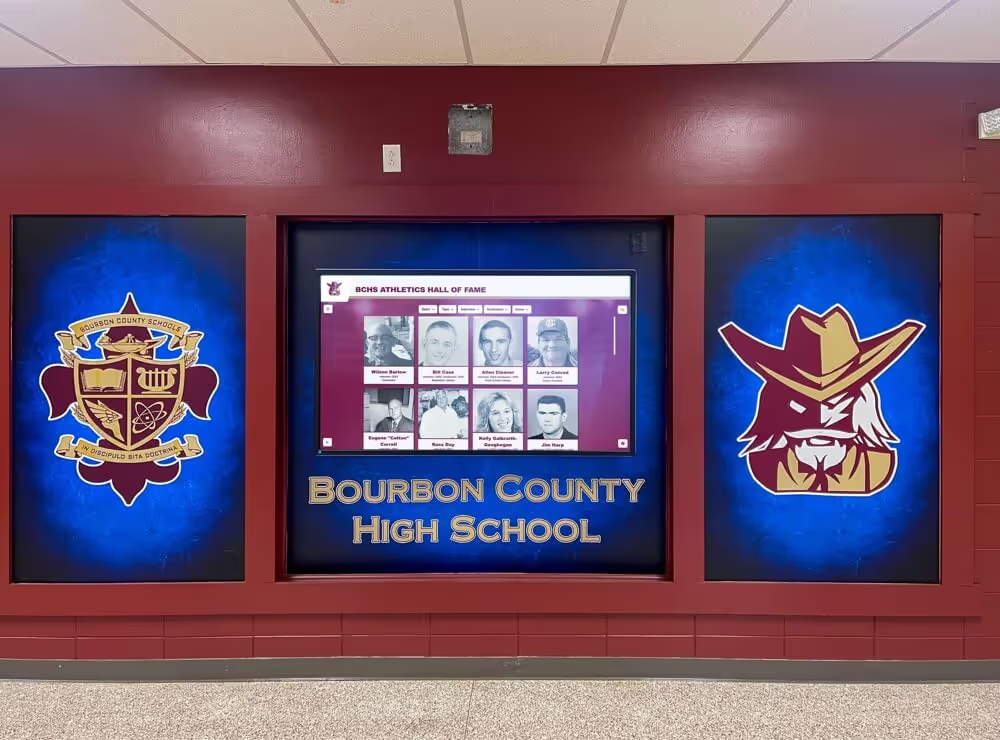
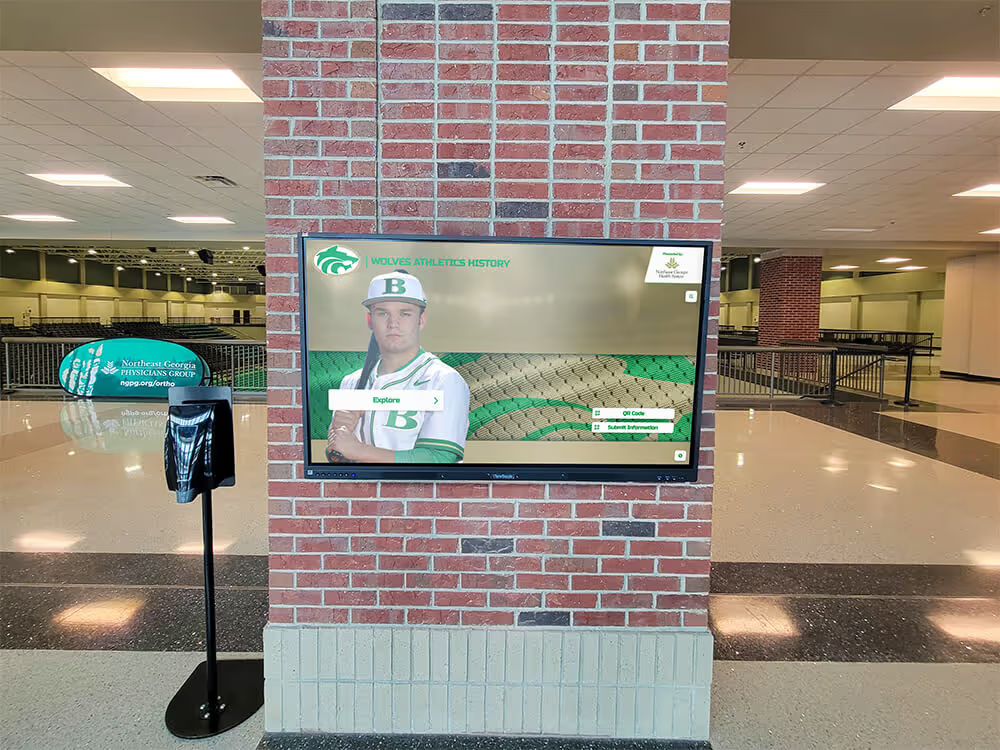
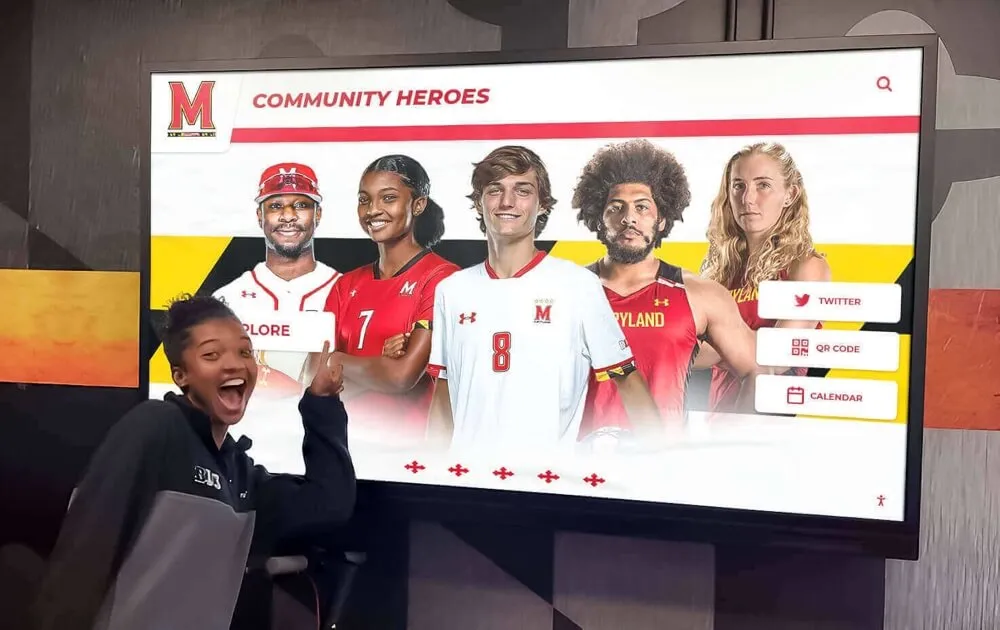
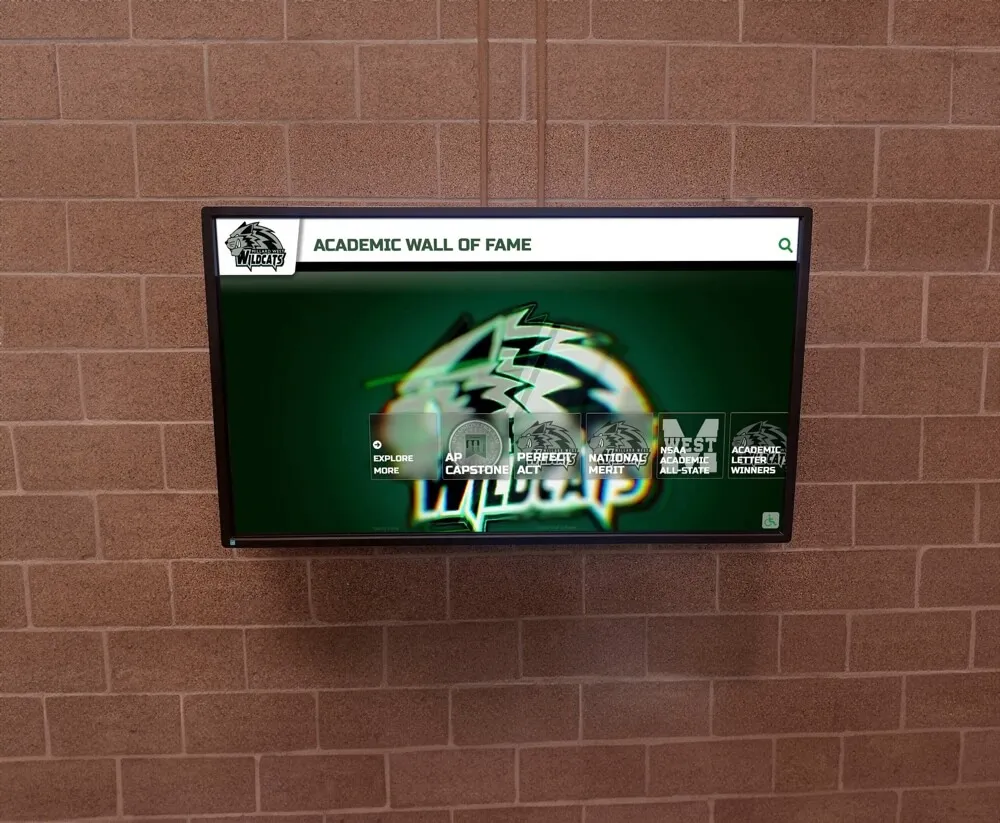
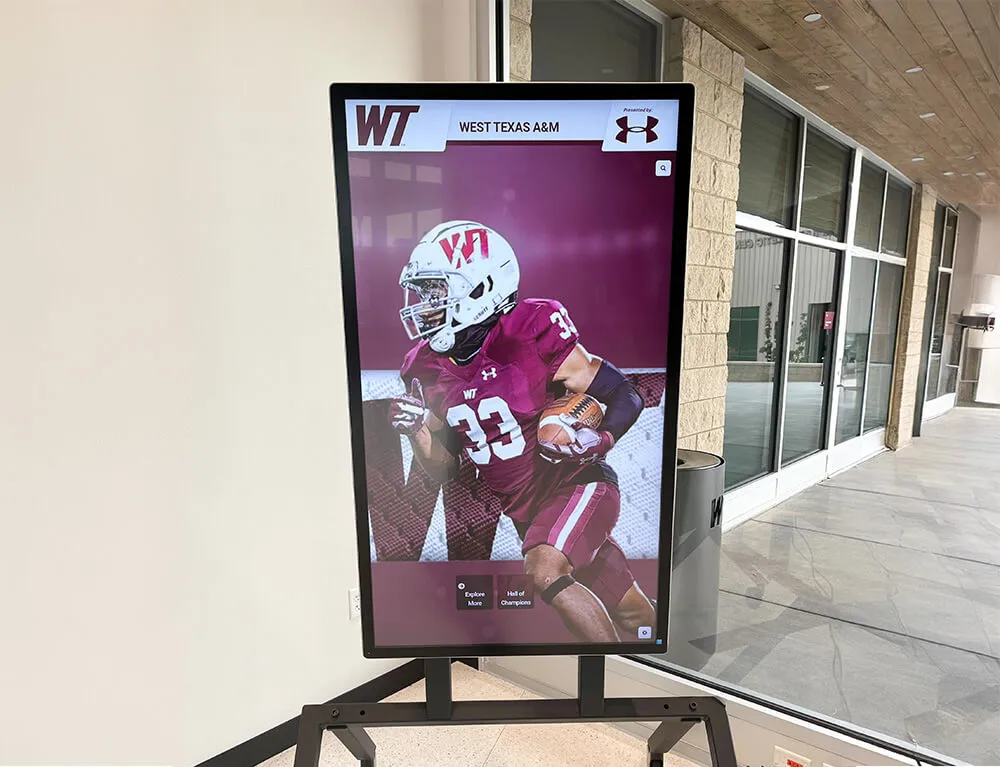
Interactive touchscreen displays installed in athletic facilities allow current athletes to explore character award histories by year, category, or recipient—connecting them to the program’s values through real examples rather than abstract statements. The freshman who finds the Resilience Award recipient’s profile on a touchscreen display isn’t just reading history; they’re learning what this program looks like when it lives up to its stated values.
Programs evaluating long-term recognition infrastructure can review how touchscreen systems serve diverse institutional recognition needs in the Rocket Alumni Solutions touchscreen recognition overview, which demonstrates how flexible digital display systems serve different organization types and recognition categories.
For recognition programs that combine athletic character awards with broader school achievement recognition—academic honors, community service, arts accomplishments—the frameworks used in donor recognition display design offer practical approaches for organizing multiple recognition categories within a single cohesive display environment.

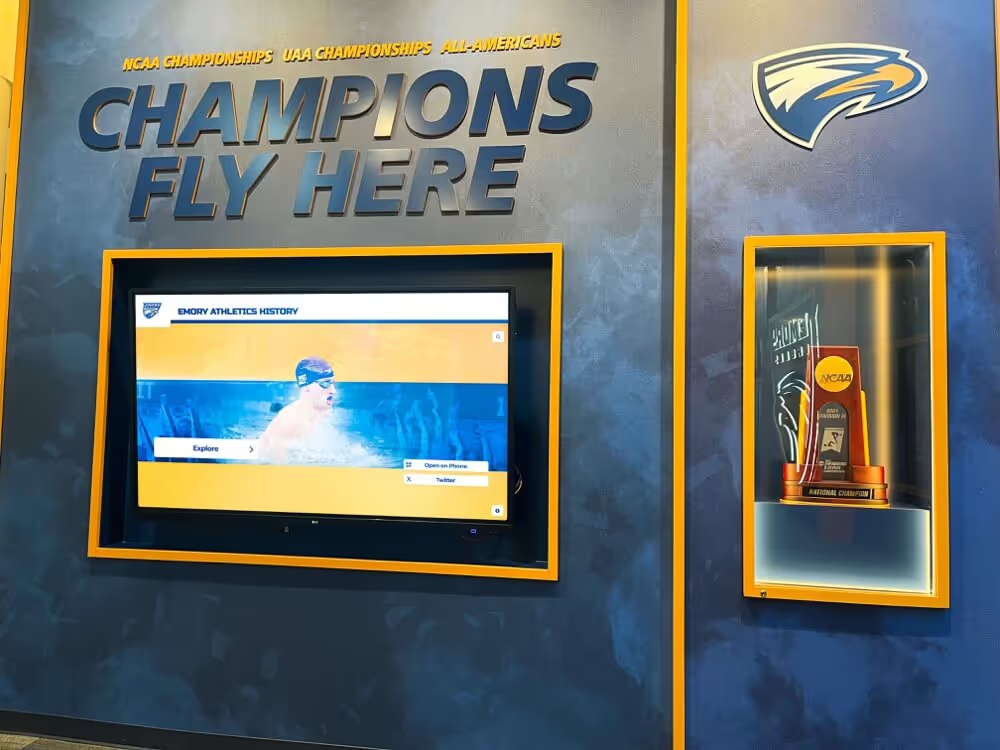
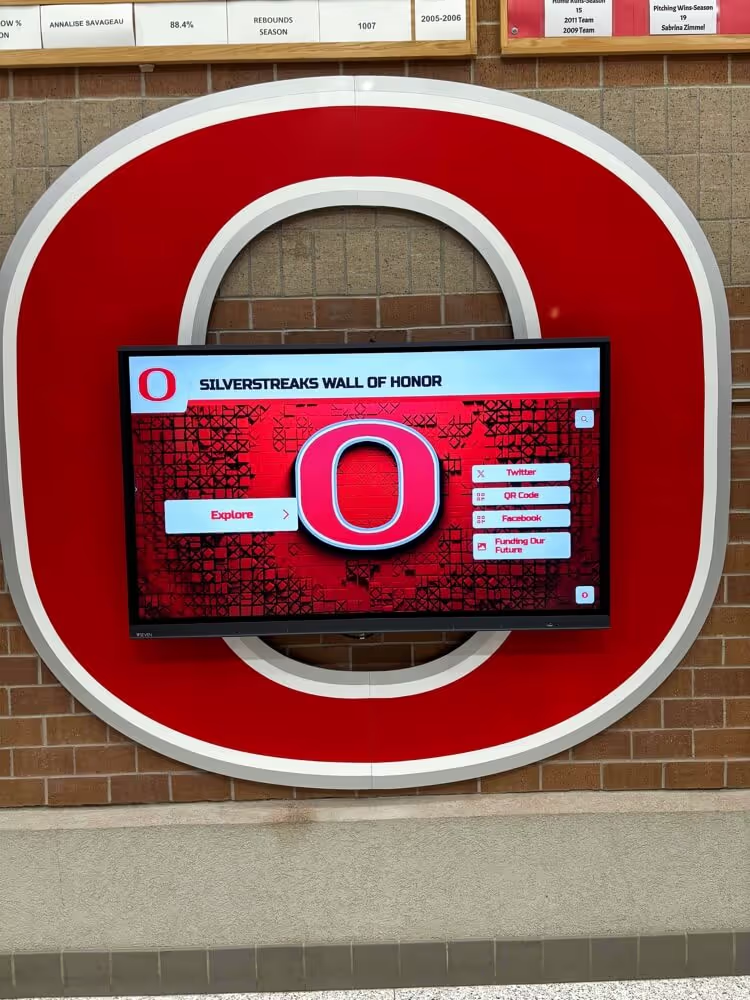
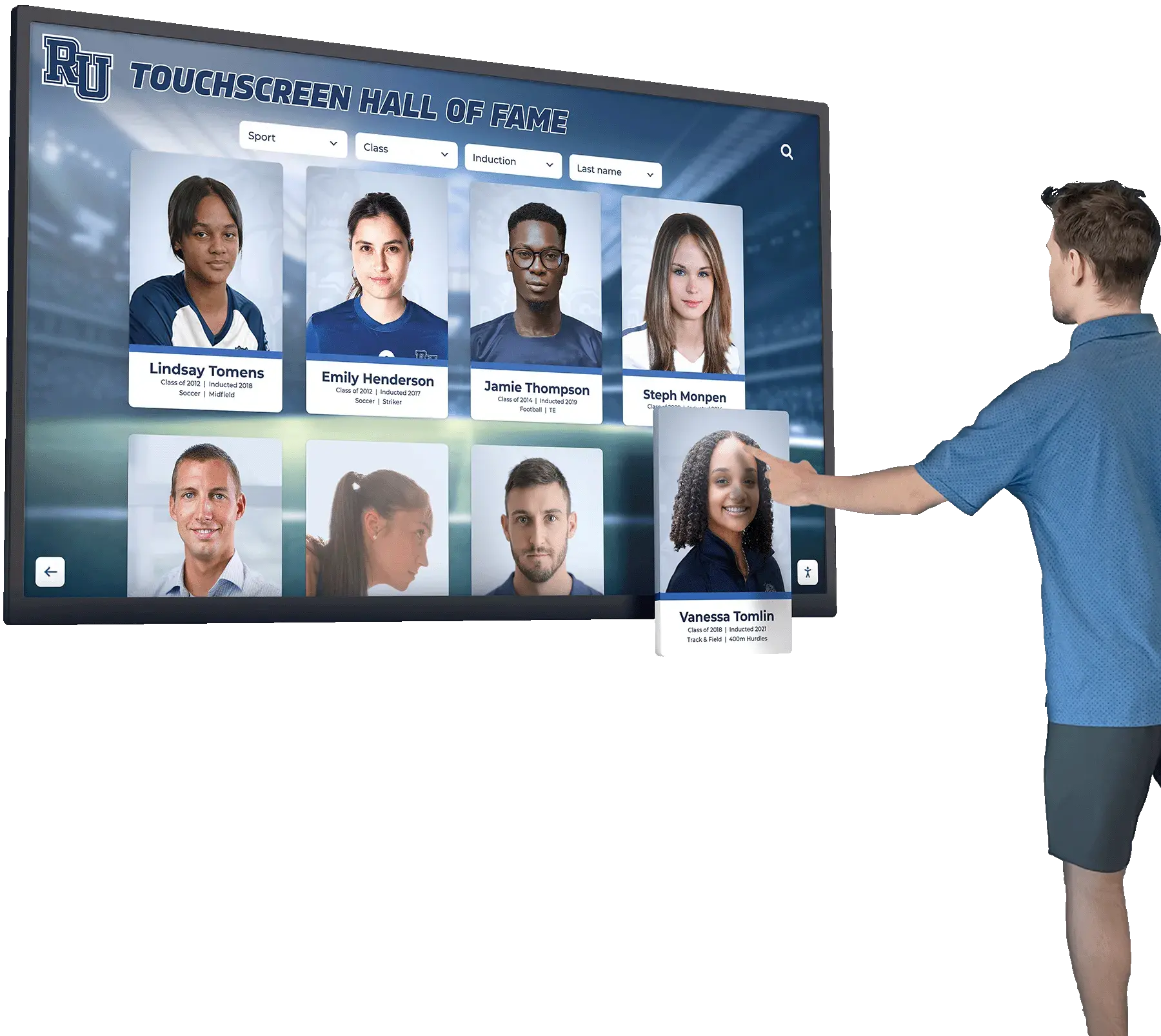
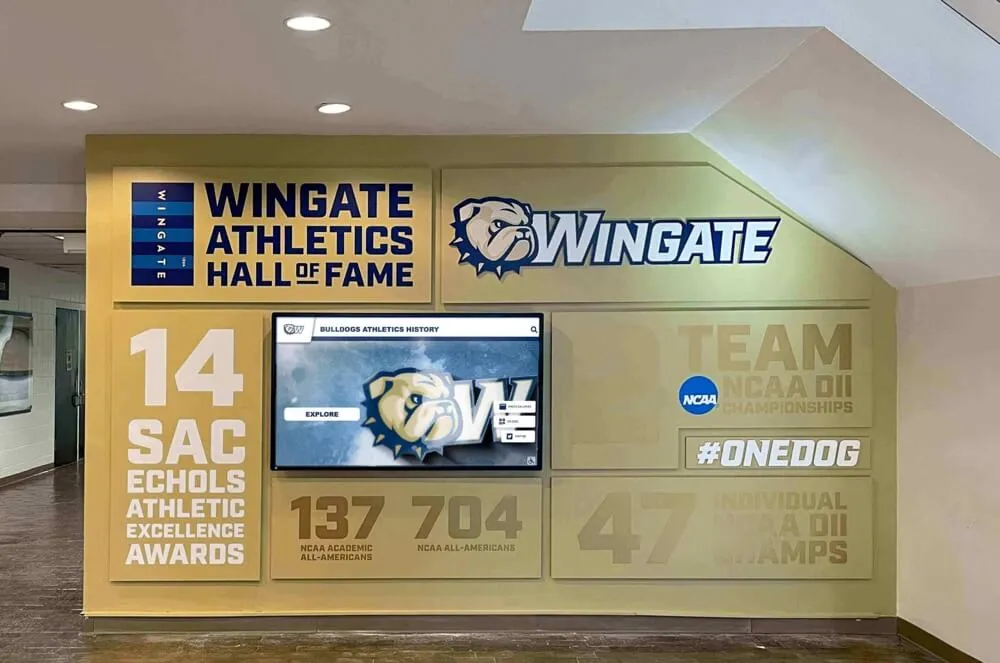
Interactive touchscreen systems allow schools to display every character award recipient across multiple seasons, with the full narrative of why each honoree was recognized
Rocket Alumni Solutions builds purpose-built touchscreen walls of fame designed for school athletic programs—enabling athletic departments to display every character award recipient alongside performance honorees in searchable, visually compelling recognition environments that update remotely when new honorees are added.
FAQ: Character Award Ideas for Student Athletes
What is a character award for student athletes?
A character award for student athletes recognizes qualities like sportsmanship, integrity, leadership, resilience, and team contribution that don’t appear in statistical records. Unlike performance awards, character awards honor the behavioral and relational contributions an athlete makes to their program and teammates—the qualities that shape program culture and model the values athletic participation is meant to build.
How do you choose criteria for a student athlete character award?
The strongest criteria are behavioral—specifying observable actions rather than abstract values. Define what integrity, sportsmanship, or leadership look like in your specific program context, build a documentation habit during the season to record specific examples, and incorporate multi-source input from coaches, peers, and teachers. Criteria written in behavioral terms give selectors clear standards and help recipients understand exactly what the award recognizes.
Should character awards be peer-nominated or coach-selected?
A hybrid approach works best for most programs. Peer nomination—using a structured team ballot at the final team meeting—provides authenticity for teammate-facing categories like Sportsmanship and Best Teammate. Coach selection is appropriate for awards requiring observation across contexts (classroom, practice, competitive pressure) that teammates may not fully see. Combining both peer nominations and coaching staff observations produces the most defensible and resonant selections.
How many character awards should a program give each season?
A useful benchmark is 3–5 character award categories for smaller programs (10–20 athletes) and 5–8 for larger rosters. Avoid creating so many categories that each one loses meaning—every award should represent a genuine program priority recognized consistently, not a participation trophy with a values label. Multi-sport recognition events can distribute character categories across sports to reach a broader range of athletes without diluting individual award significance.
How should character award honorees be preserved after the ceremony?
Character award honorees deserve the same permanent visibility given to performance honorees. Physical options include perpetual plaques in athletic hallways with annual name plate additions. Digital systems—including interactive touchscreen displays and online hall of fame platforms—allow schools to preserve the full award narrative for each recipient, organized by year and category and searchable by future athletes and alumni. Programs that invest in year-round display infrastructure convert one-night recognition into ongoing cultural infrastructure.
Building Recognition That Reflects What the Program Actually Values
The most effective character award ideas reflect genuine program priorities—not just the values printed on the gymnasium wall. The fifteen categories in this guide offer athletic directors, coaches, and recognition coordinators a menu broad enough to address the full range of character that athletic programs build: resilience under pressure, service to teammates, integrity without an audience, and the kind of leadership that never waits for a title.
When those awards are paired with year-round display systems that keep honorees visible to every athlete who follows, the investment in character recognition compounds into program culture. The freshman who encounters a Resilience Award recipient’s profile on a touchscreen display isn’t just reading history—they’re learning what this program cares about and what it looks like to live up to that standard.

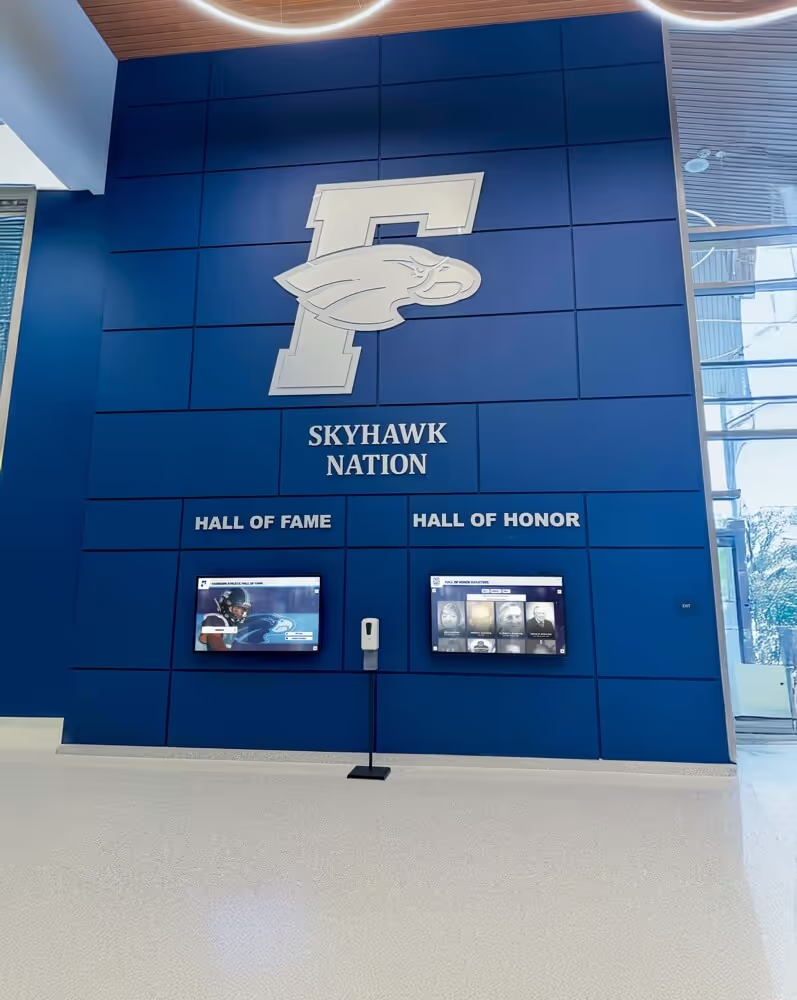
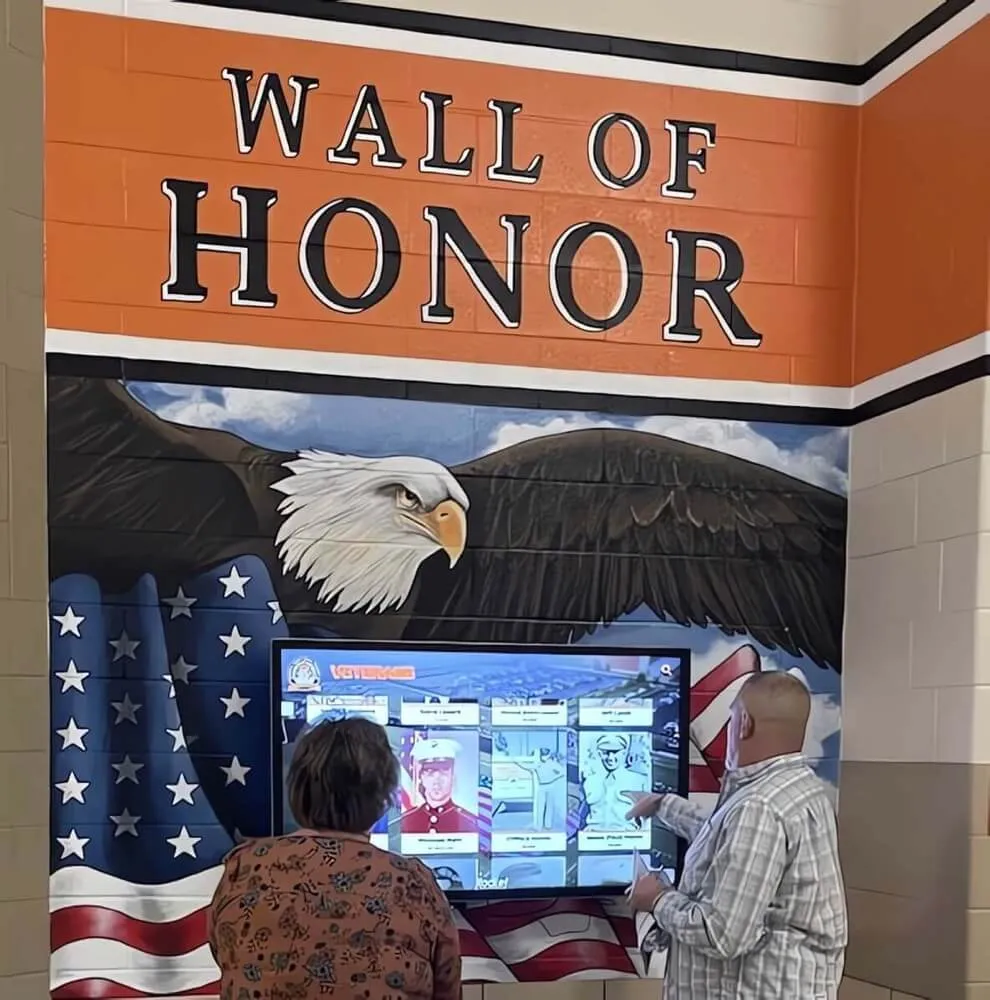
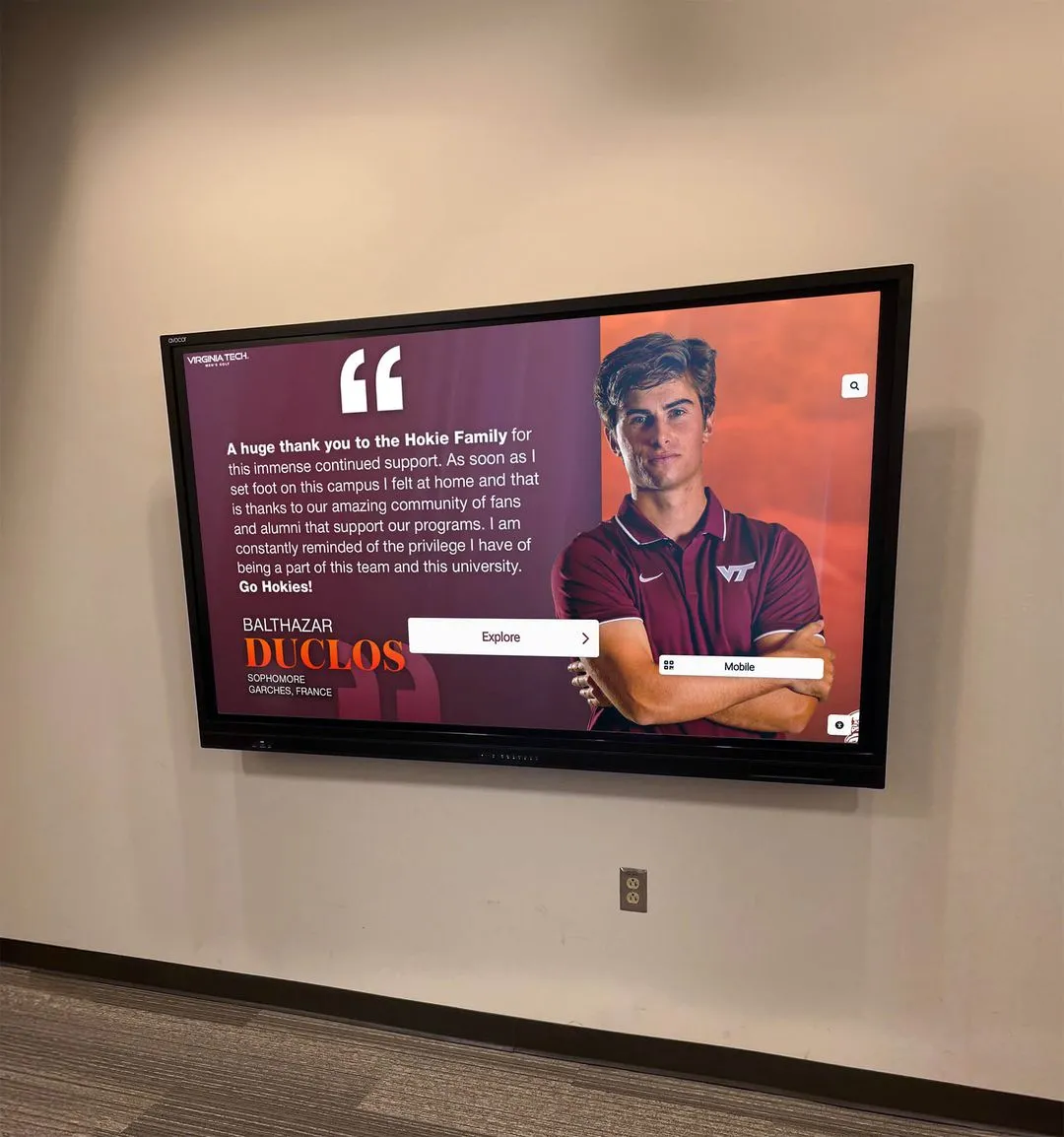
Athletic hallway recognition displays that incorporate character awards alongside performance honors create environments where every athlete sees the full picture of what the program values
Preserve Every Character Award Honoree Year-Round
Rocket Alumni Solutions builds interactive touchscreen walls of fame designed for K–12 and collegiate athletic programs—so every character award recipient your program recognizes has a permanent, searchable profile that keeps their story visible to athletes, families, and alumni long after the banquet ends.
See How Recognition Displays Work