



Class reunion awards ideas can transform an ordinary get-together into a memorable celebration that honors the full range of what classmates have accomplished, experienced, and become since graduation. Whether you’re planning a 10th, 25th, or 50th reunion, the right mix of recognition categories—funny and heartfelt, silly and sincere—creates engagement, laughter, and the kind of genuine connection that keeps alumni coming back reunion after reunion.
Planning the awards program is often the most overlooked element of reunion committee work. Most groups default to “Most Changed” and “Traveled Farthest” because they’re easy to poll. But committees that invest a few hours designing a broader, more intentional recognition program discover that awards become the evening’s most anticipated segment—the conversation catalyst that carries energy from the dinner table to the parking lot.
This guide covers more than 40 class reunion award categories across four recognition dimensions, plus practical display tips for making that recognition last well beyond a single night.
Reunions are fundamentally about reconnection and recognition—acknowledging the paths classmates have taken since those shared years under the same roof. Events that include structured recognition programs consistently generate stronger attendee satisfaction and drive higher interest in future reunions compared to events focused solely on socializing. Awards give the evening narrative arc, a sense of shared witness, and memorable moments people talk about for years.

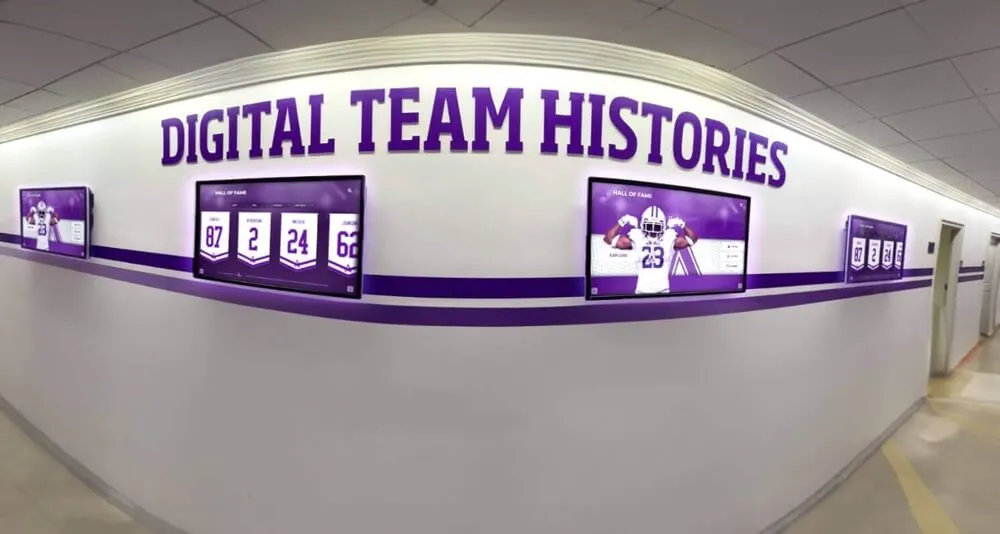
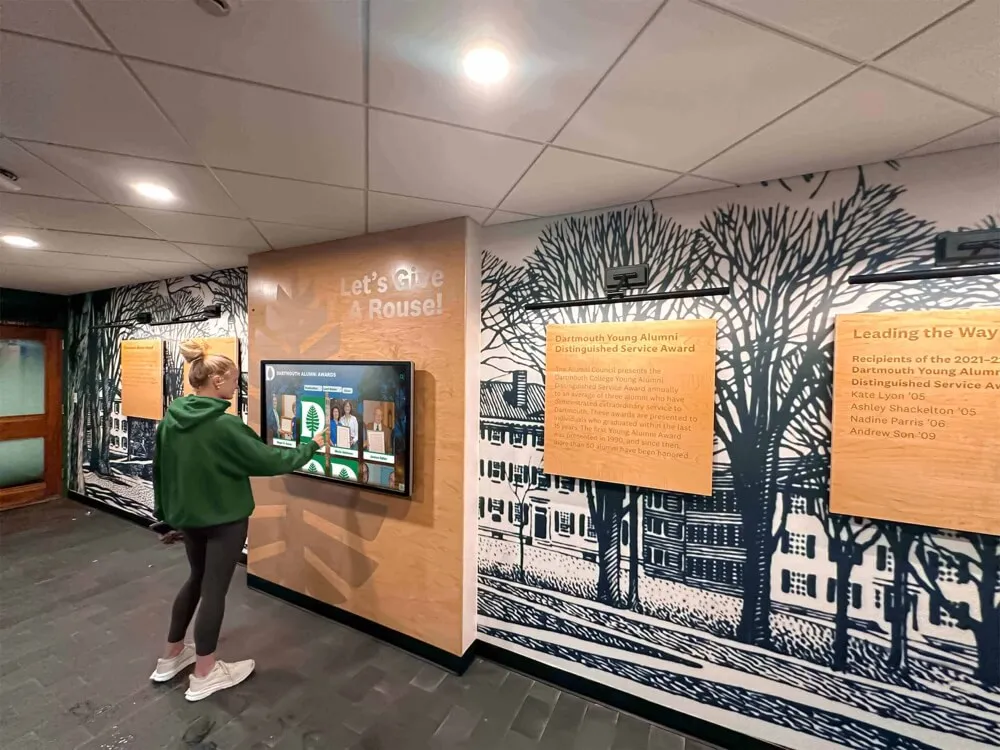
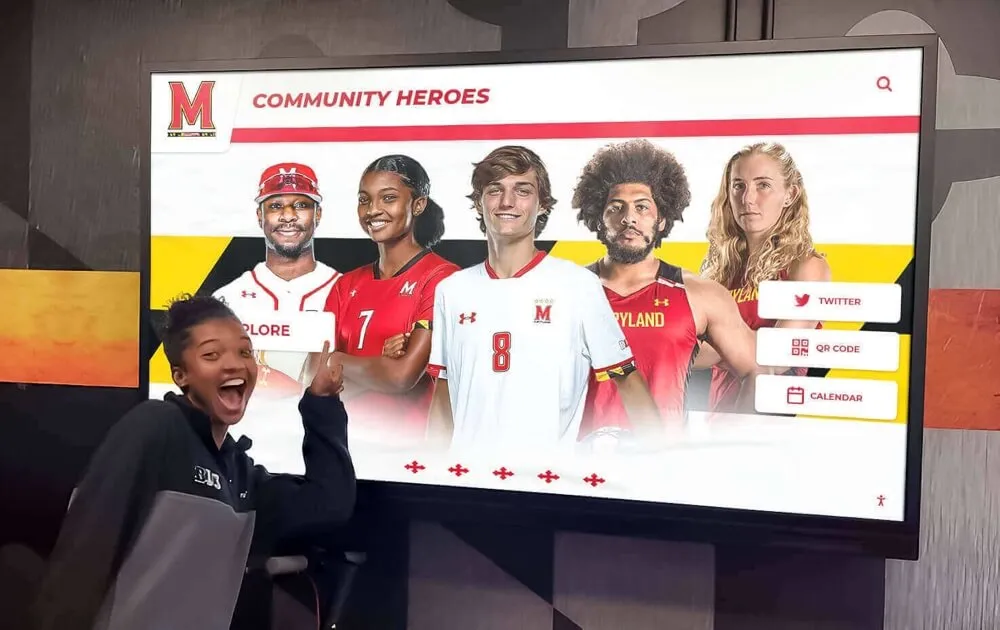
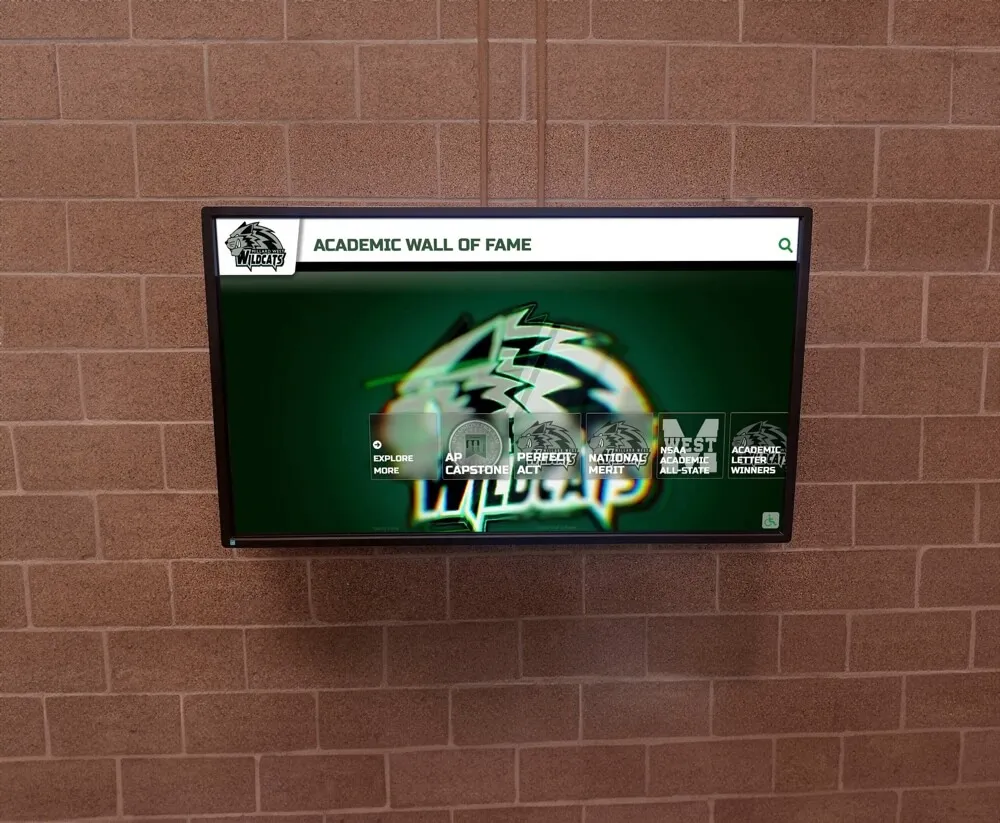
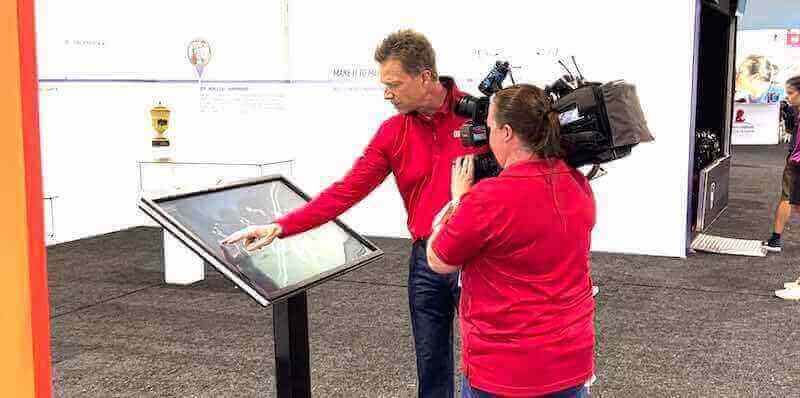
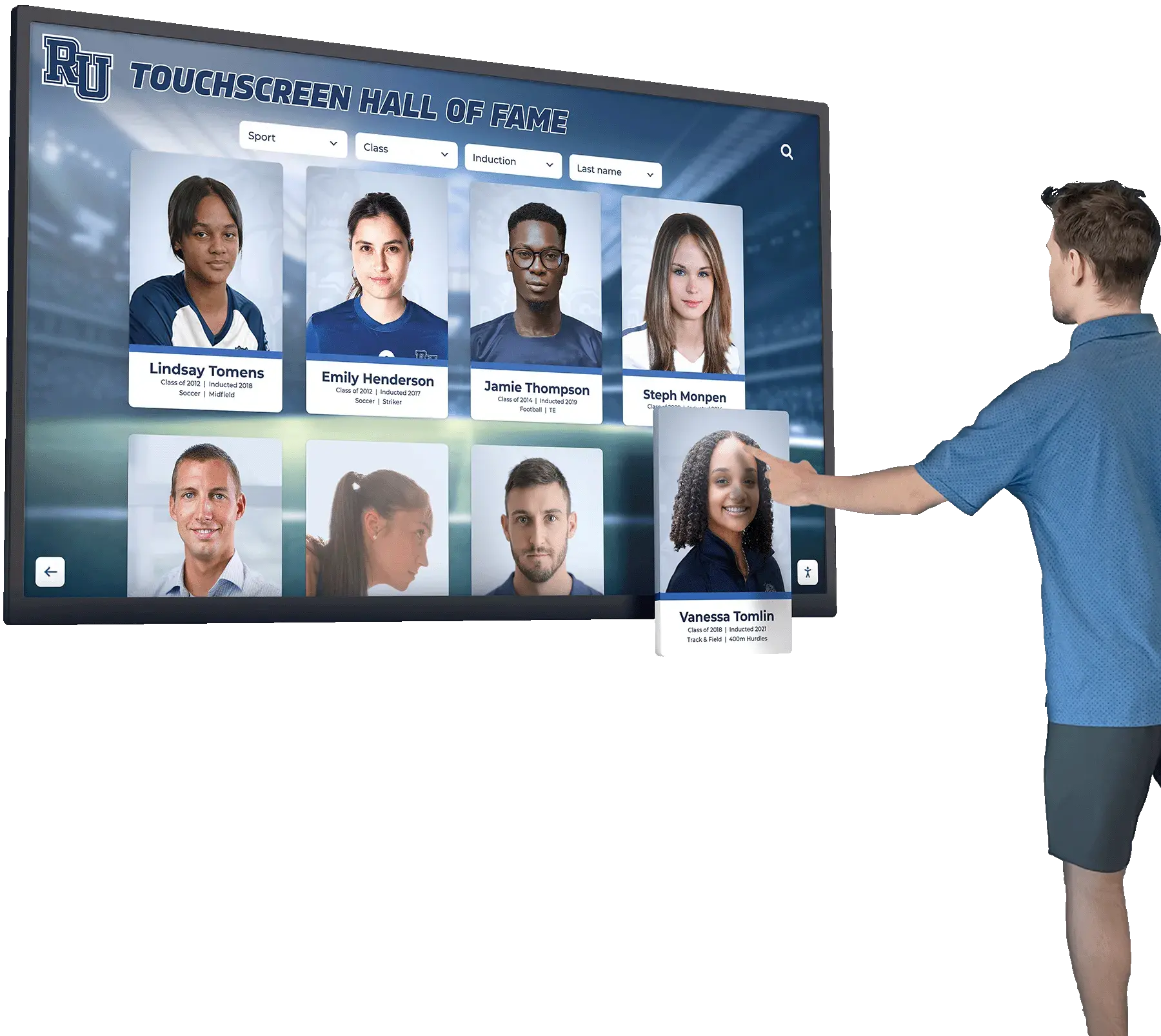
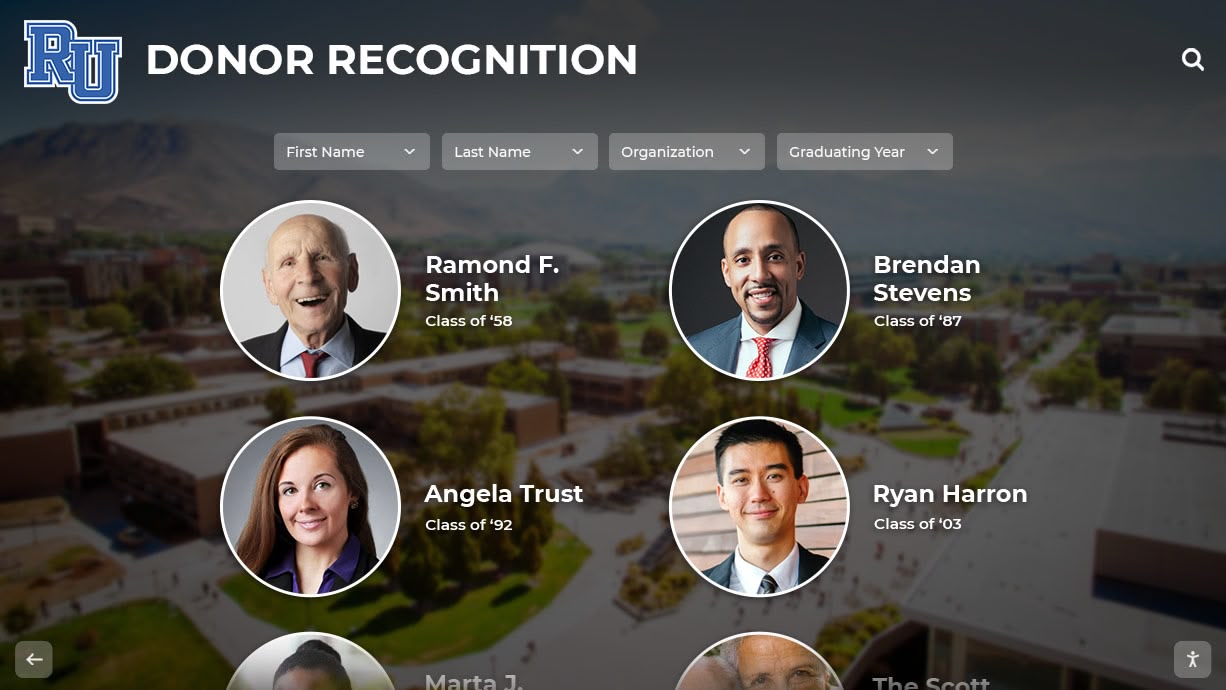
Alumni portrait displays capture the full scope of a class's achievements—the foundation of any effective class reunion awards program
Why Class Reunion Awards Ideas Matter More Than You Think
Class reunion awards matter because they turn a social event into an act of institutional witness. Three distinct functions explain why a well-designed awards segment outperforms a night of open socializing.
Recognition creates belonging. When an alumna’s specific achievement—running a nonprofit for twenty years, raising five children, serving multiple tours overseas—gets acknowledged in front of the people she grew up with, it creates a validation that even the most professionally successful alumni rarely experience elsewhere. The people in that room understand the baseline; they know where everyone started.
Awards structure the evening. A reunion without programmatic structure tends toward clique fragmentation—people spend the whole night talking only to those they already kept in touch with. A well-designed awards segment pulls the full room together, generates cross-group conversation, and gives people a shared experience to discuss afterward.
Recognition strengthens alumni identity. Alumni who feel genuinely celebrated at a reunion are more likely to engage with their former school or organization, attend future events, and contribute to alumni fundraising efforts. Recognition is the mechanism through which institutional loyalty is maintained and deepened across decades.
Category 1: Milestone and Life Achievement Awards
These awards honor what classmates have accomplished in their lives since graduation. They carry the most emotional weight and should anchor any class reunion awards program.
Career and Professional Achievement
- Most Entrepreneurial: Recognizes the alumnus or alumna who started their own business, organization, or venture
- Public Servant Award: For classmates who pursued careers in government, military, law enforcement, teaching, or public service
- Community Builder: For alumni whose career has been defined by strengthening the communities around them
- Highest Flyer: The alumnus or alumna who reached the most prominent position in their field—by vote, not by prestige of the field itself
- Career Pivot Champion: The classmate who made the most surprising career change and thrived
Family and Personal Milestones
- Legacy Maker: Most children or grandchildren, or most generations represented at the reunion
- Most Adventurous: The classmate who packed the most international travel, career moves, or life adventures into the years since graduation
- Traveled Farthest to Attend: The classic that still earns applause when someone flew in from another continent
- Most Improved: Borrowed from athletic award traditions, this recognizes the classmate whose life arc shows the most remarkable growth from their high school self—in the best possible way
Transferring these recognition frameworks from other institutional contexts is easier than starting from scratch. Recognition program best practices for building effective award systems developed for school athletic programs apply directly to alumni celebrations—the core principle of broad, multi-dimensional recognition that reaches every participant translates perfectly.
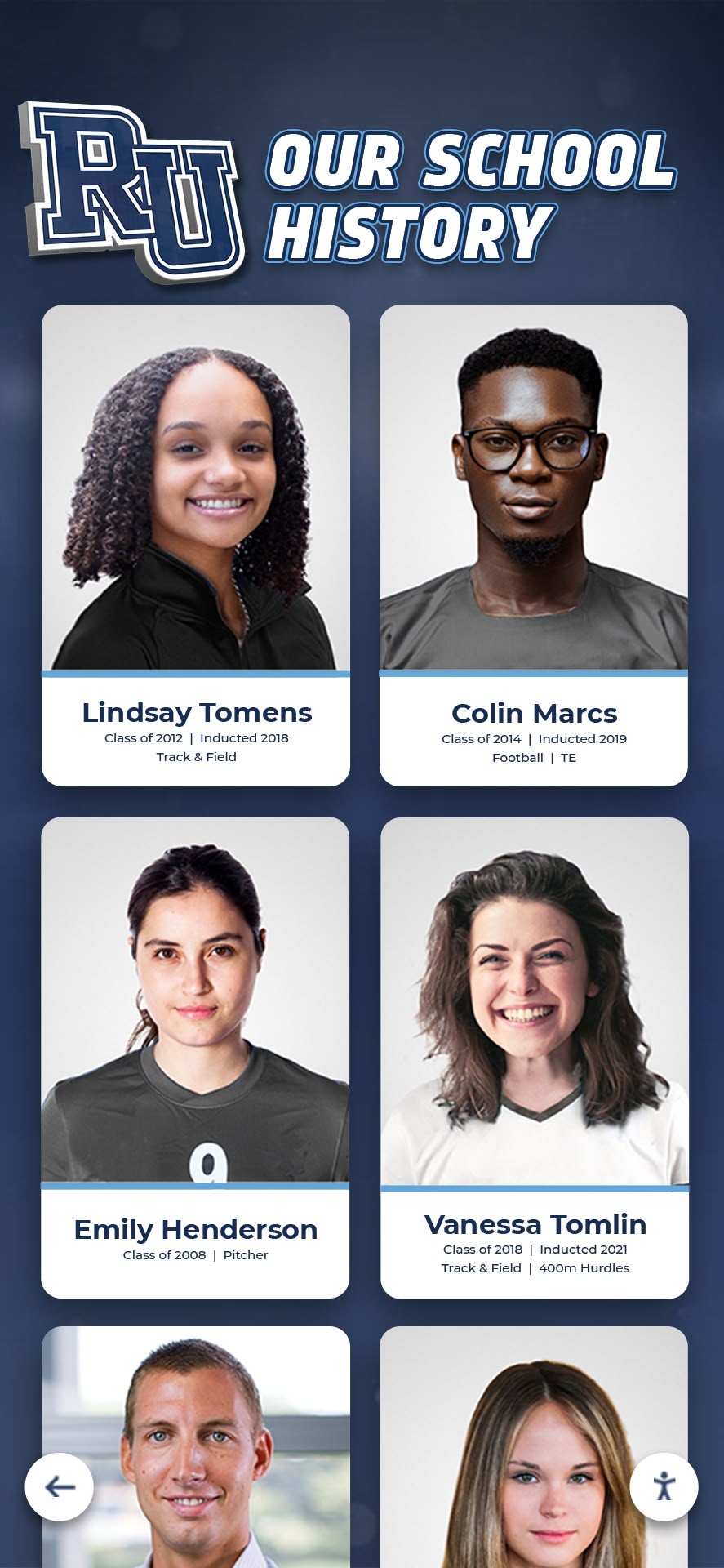
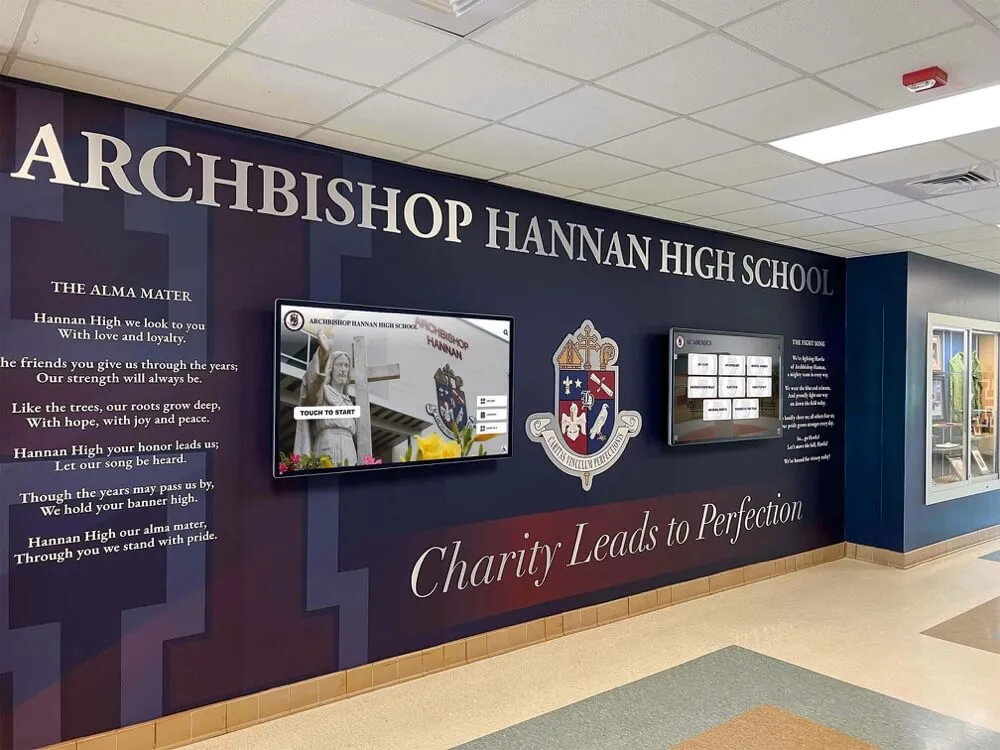
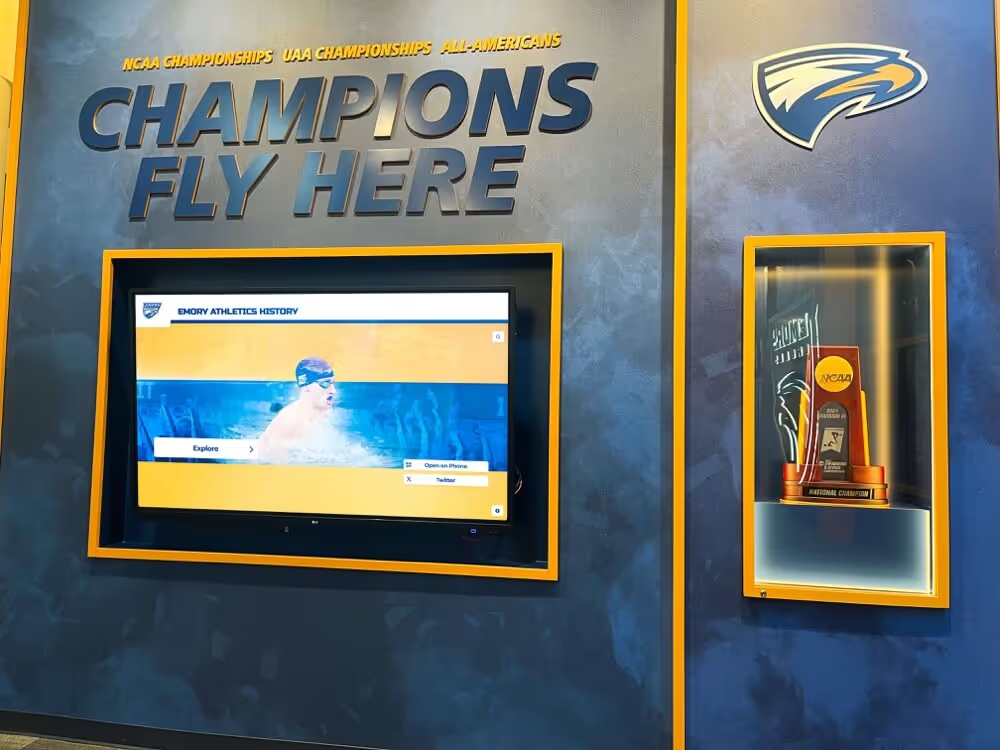
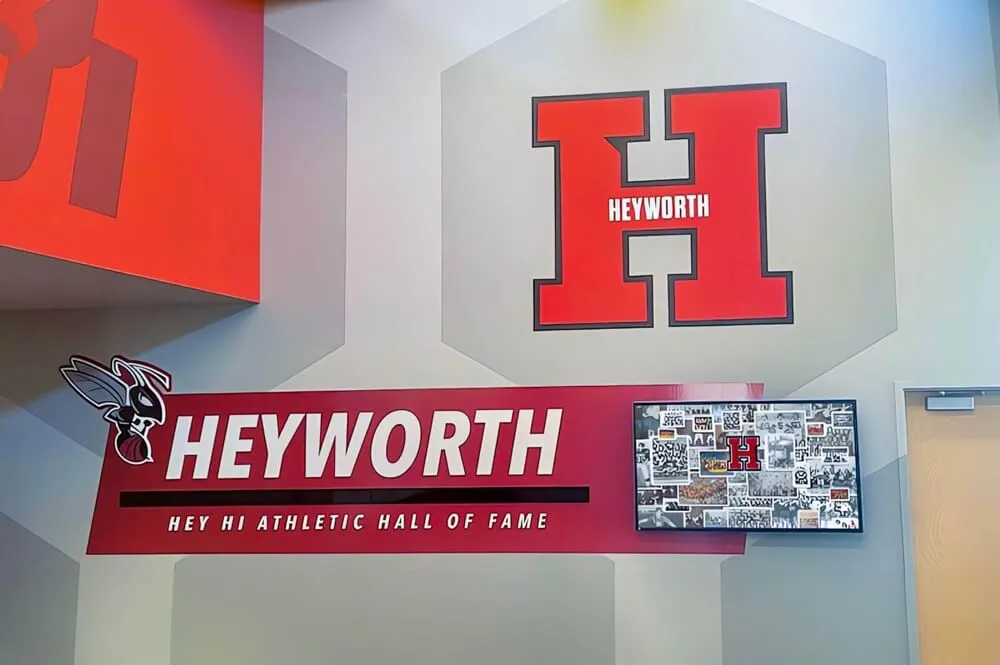
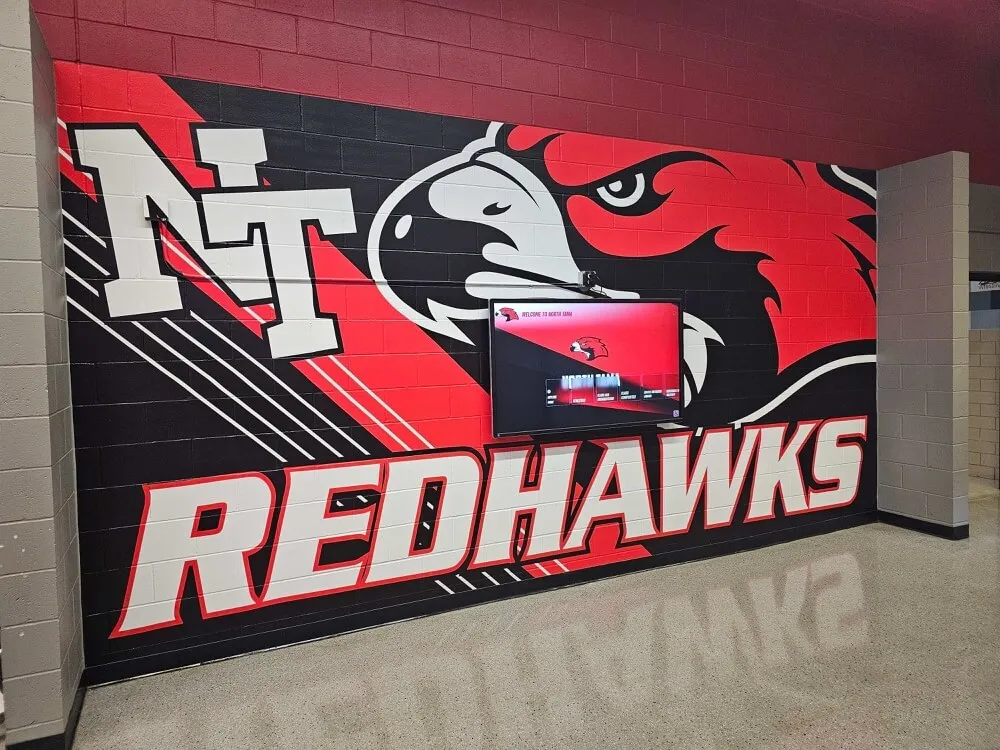
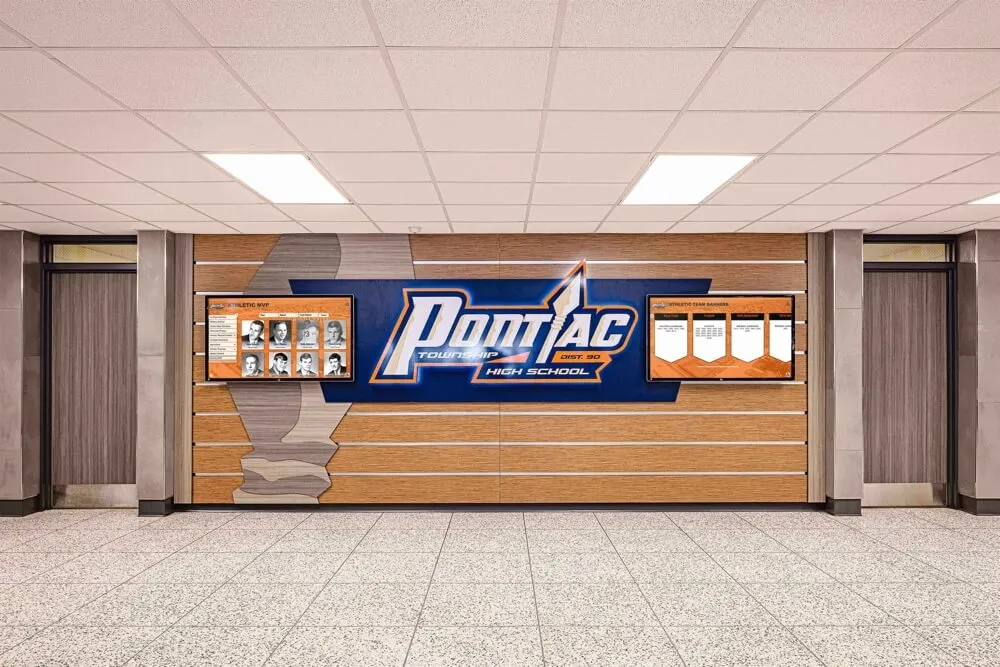
Historical portrait displays remind current reunion attendees of the institutional recognition traditions they're part of—and inspire committee members planning new award categories
Category 2: The Classic Funny Class Reunion Awards
Humor is the social lubricant of reunion events. Funny awards lower the stakes, generate laughter, and make serious recognition feel more approachable when it follows. The key is keeping humor gentle and universally relatable—awards that feel mean-spirited or target individuals who didn’t consent consistently backfire and create the kind of memories people wish they could forget.
Appearance and Age Awards
- Most Unchanged: Recognizes the classmate who looks exactly like their senior yearbook photo
- Best Disguise: The opposite—the classmate who changed so dramatically they required a nametag introduction
- Fountain of Youth: The classmate who appears to have discovered some secret to looking younger than everyone else
- Silver Fox/Vixen Award: For classmates who have aged with the most evident style and grace
Personality and Behavior Awards
- Most Likely to Still Be Running Late: For the classmate perpetually arriving after everyone else—voted on before they arrive, announced when they finally do
- Most Likely to Know Everyone in the Room: The natural connector whose social network mysteriously extends to every table
- Most Likely to Have Started a Podcast: For the classmate most reliably dispensing unsolicited opinions on every subject
- Still the Life of the Party: The classmate who brings the same energy at the reunion they brought to every event in school
Funny award names work best when the physical award matches the humor. For inspiration on how creative category language pairs with dignified presentation formats, sports trophy names and creative award category ideas demonstrate how naming conventions can be both playful and worth keeping on a shelf.
Category 3: “Most Likely To” Callback Awards
These awards create a direct line back to the superlatives voted on in senior year—and the contrast between what was predicted and what actually happened is often the richest comedic and emotional territory of any reunion awards program.
Comparing Predictions to Reality
- Best Prediction: The classmate whose senior “most likely to” superlative turned out to be perfectly accurate
- Worst Prediction: The classmate whose senior prediction was most spectacularly wrong—in the best possible way
- Against All Odds: The classmate who achieved something that absolutely no one would have predicted for them
- Surprise Package: The quiet or overlooked classmate who built the most remarkable life anyone didn’t see coming
Senior Year Callback Awards
Pull the actual senior class superlatives from the yearbook and issue “accuracy report” awards for each category the class voted on originally:
- “Most Likely to Be Famous”—did they achieve it?
- “Most Likely to Change the World”—what’s their answer twenty years later?
- “Most Athletic”—are they still running marathons or have they discovered the couch?
Using the original yearbook as source material requires good archival access. Schools and alumni associations increasingly digitize their historical yearbooks to make this content searchable for exactly these purposes. Digitizing old yearbooks for hall of fame display and preservation explains how institutions are making decades of archival content accessible—exactly the kind of resource reunion committees need when planning callback award categories.
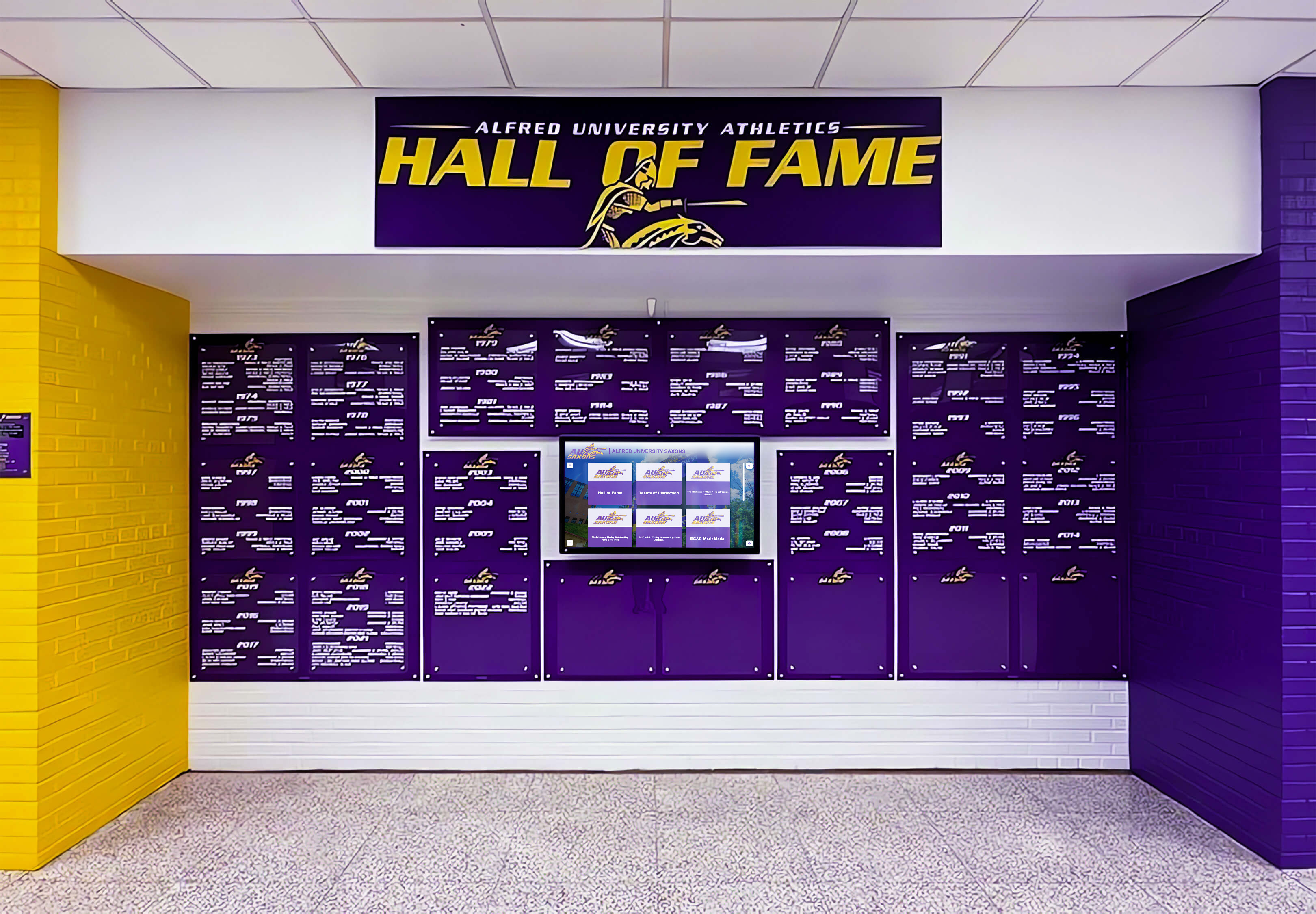
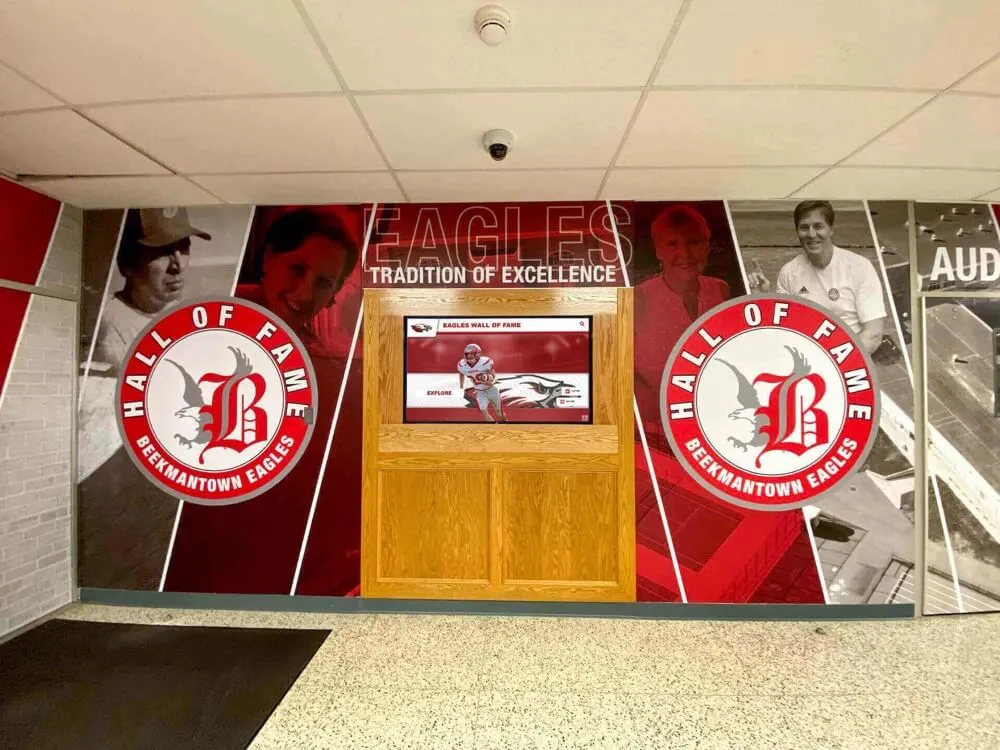
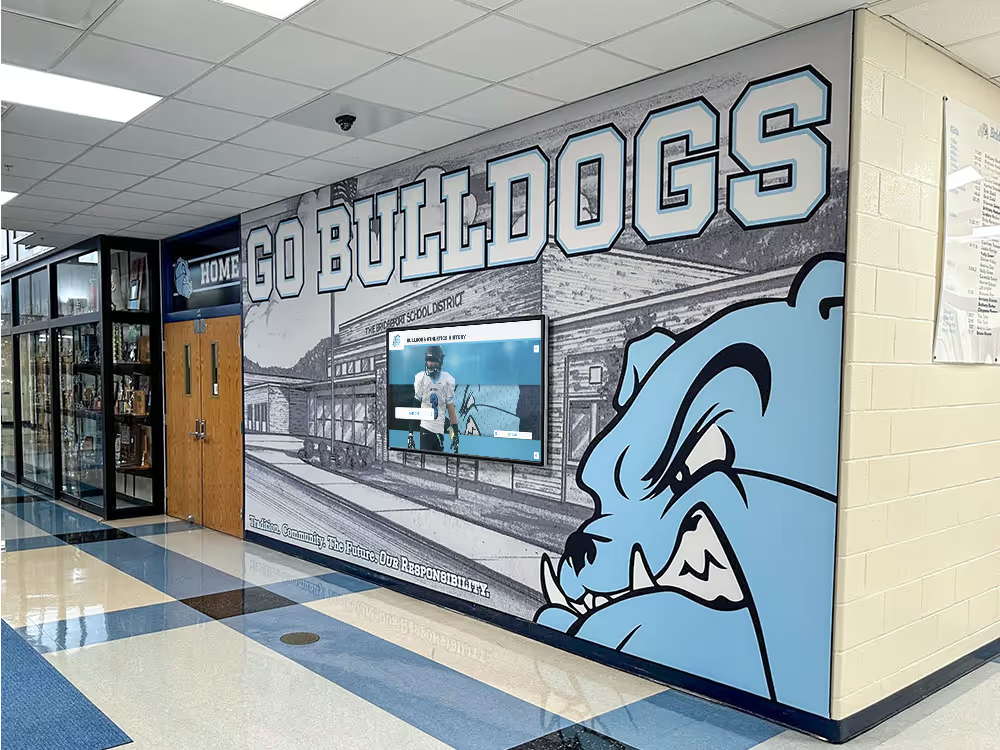
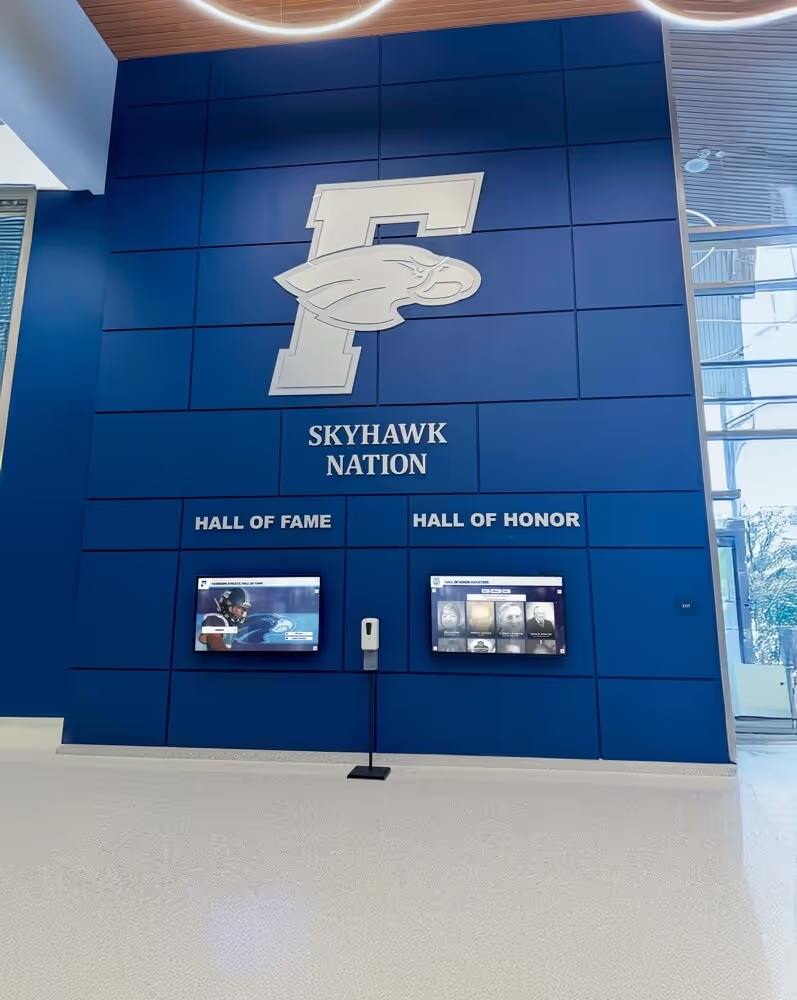
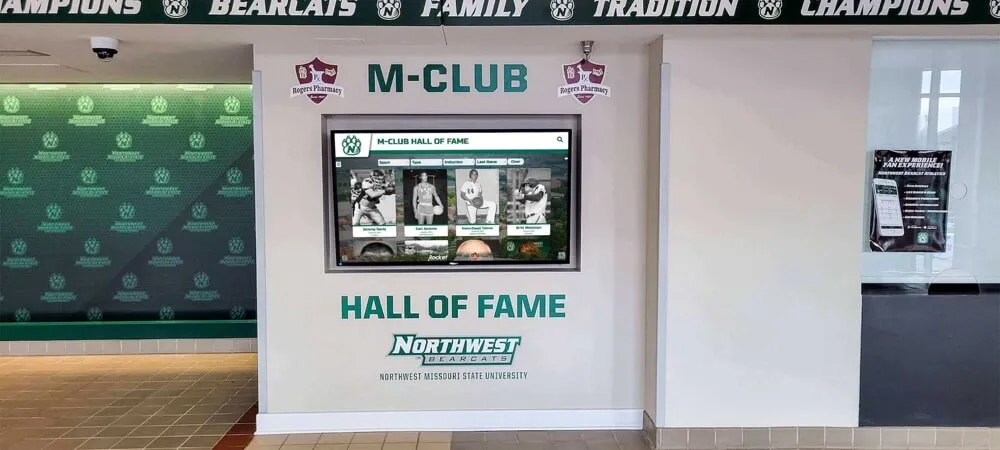
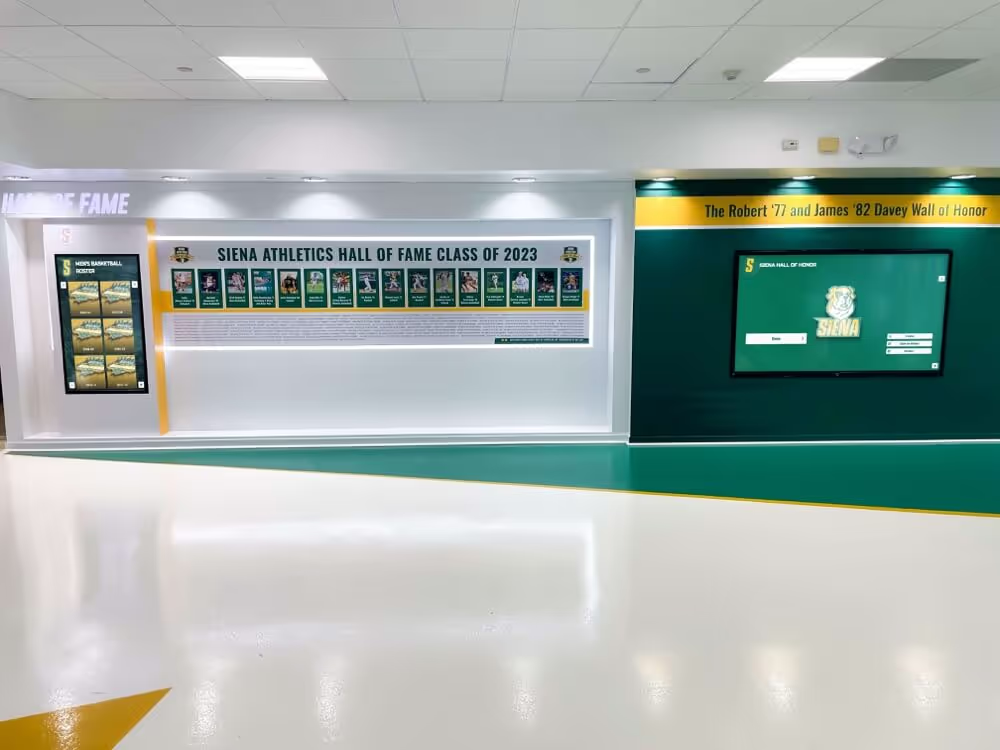
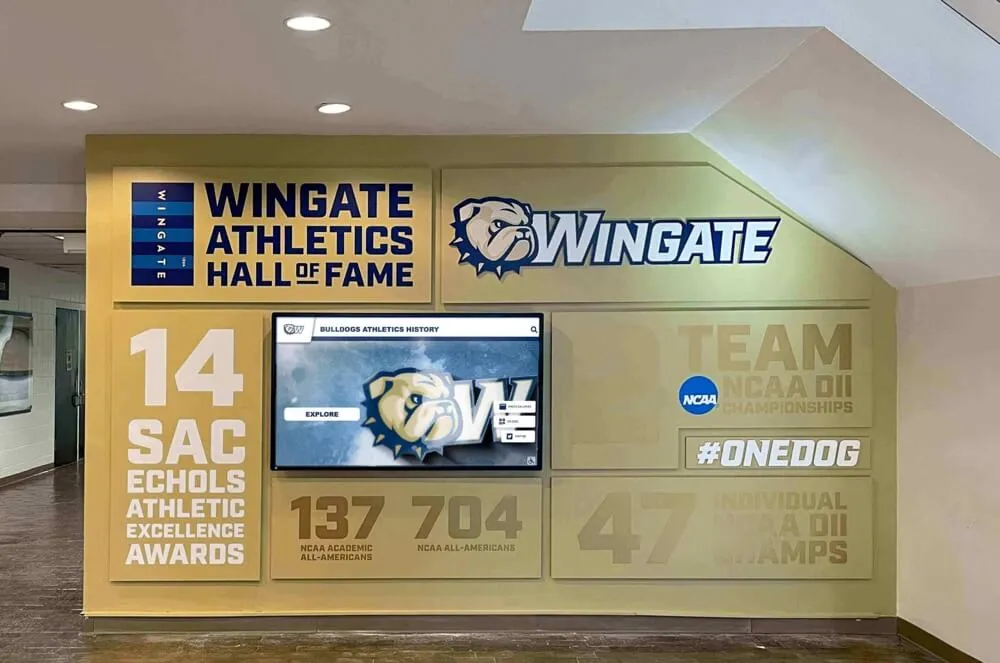
Permanent alumni recognition installations give reunion committees reference points for how institutional identity can be honored visually—a model applicable to event-specific display design
Category 4: Service and Legacy Awards
For later reunions—25th, 30th, 40th, and beyond—service and legacy categories carry increasing weight as classmates have had decades to build meaningful contributions.
Community and Service Recognition
- Community Impact Award: For the classmate who has made the most measurable positive difference in the communities they’ve been part of
- Education Champion: For alumni who pursued teaching, mentorship, or education advocacy as a central part of their life’s work
- Volunteer of the Decade: Recognizing sustained unpaid service rather than a single high-profile contribution
- Legacy Educator: For classmates who followed a path similar to the teachers who shaped the class itself
Military and First Responder Recognition
Class reunions that include veterans, active-duty service members, and first responders should establish dedicated recognition categories that appropriately honor this service. These awards are not suitable for humor categories and should be presented with gravity and formality. A standing ovation during the presentation is standard practice.
- Service and Sacrifice Award: For classmates who served in the military, law enforcement, fire service, or emergency medicine
- Gold Star Recognition: A memorial category honoring classmates who died in service to their country
Institutions developing broader alumni military recognition programs can reference guides to honoring fallen soldiers through memorial recognition for frameworks that balance celebration with appropriate solemnity.
In Memoriam Recognition
Any reunion beyond the 10th should include a formal memorial segment honoring classmates who have passed. This is not an “award”—it is a tribute, and it should be handled with care:
- Memorial Wall or Display: Create a physical or digital display with photographs, names, and dates for classmates who have died
- Moment of Silence: Formalize this moment in the program with appropriate solemnity
- Candlelight Ceremony: Some reunions light candles in memory of each lost classmate
- Memorial Book: Compile remembrances submitted by families or classmates into a printed or digital memorial
The in memoriam segment is often the emotional anchor of later reunions. Handled well, it deepens the sense of community and the meaning of being present in the room.
How to Run the Selection Process
Polling Methods
The mechanics of selecting reunion award recipients significantly affect how awards land with the room.
Pre-event online balloting works best for most categories. A simple survey sent to registered attendees two to four weeks before the reunion allows people to vote with enough information to make meaningful choices. Include yearbook photos alongside names for classmates who may struggle to connect names to faces after decades apart.
Nominate-then-vote systems work particularly well for life achievement and service categories. Open nominations for two weeks, then share the nominees with the full registered attendee list for final voting.
Committee selection is appropriate for awards where judgment calls matter more than popularity—in memoriam tributes, service recognition, and legacy awards where a committee can research and deliberate rather than relying on attendees’ memories.
Night-of voting can work for purely humorous categories where spontaneous consensus is part of the fun—“Most Unchanged” voted on in real time as people walk through the door can be genuinely entertaining.
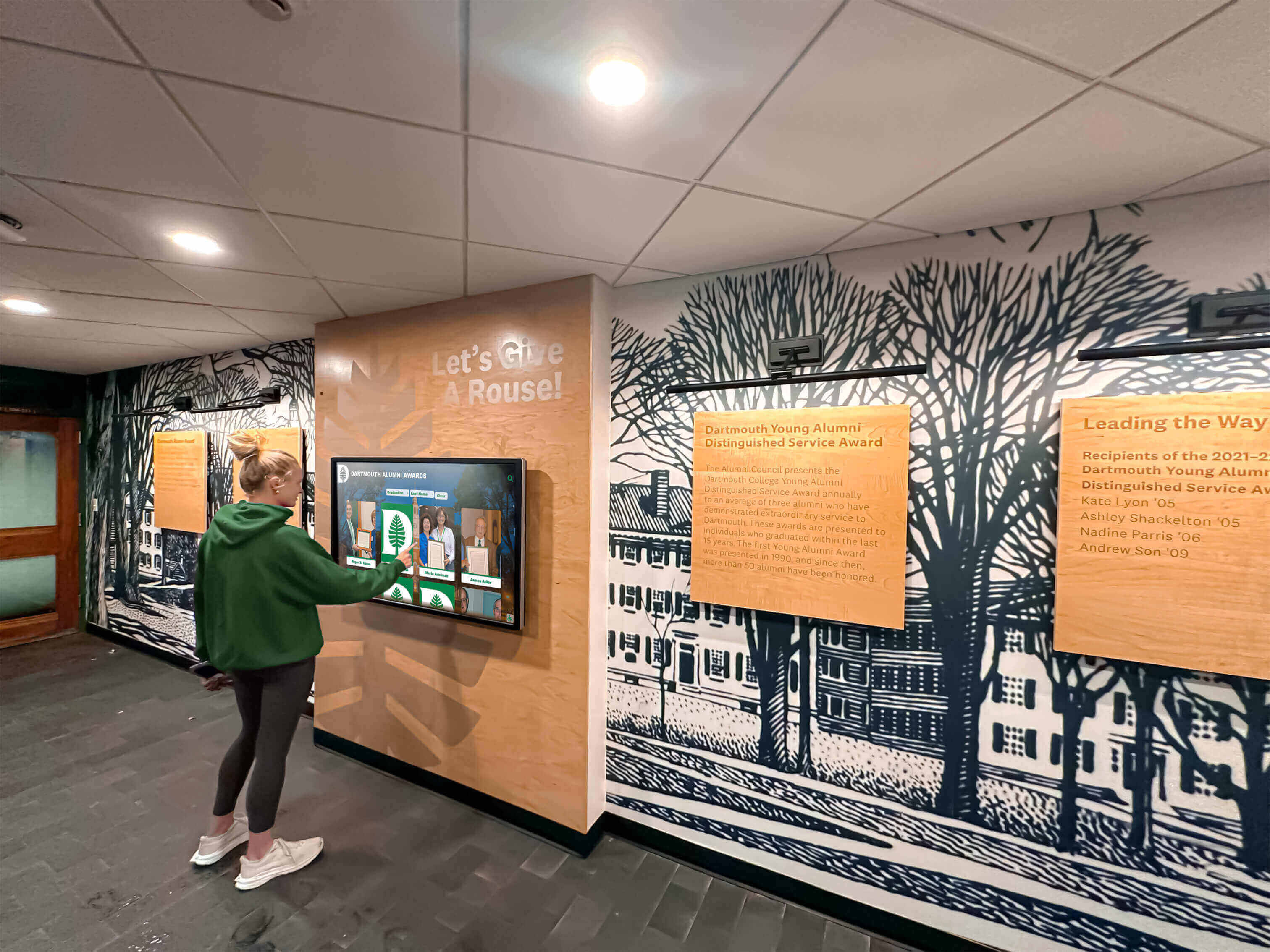
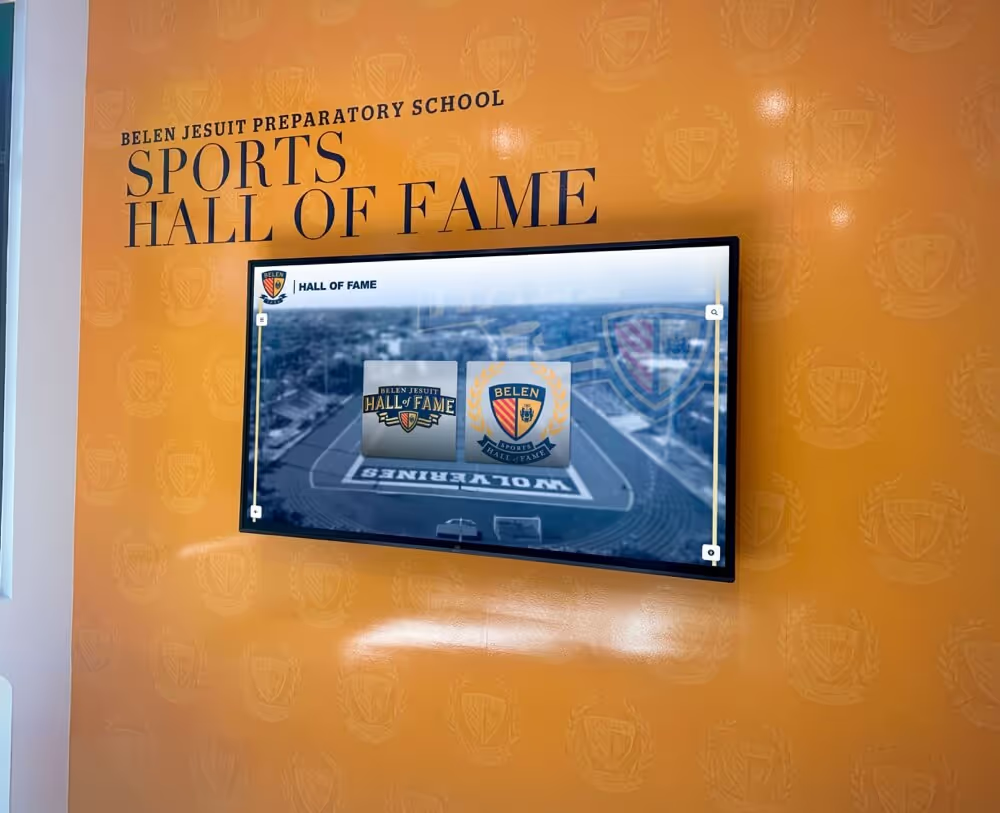
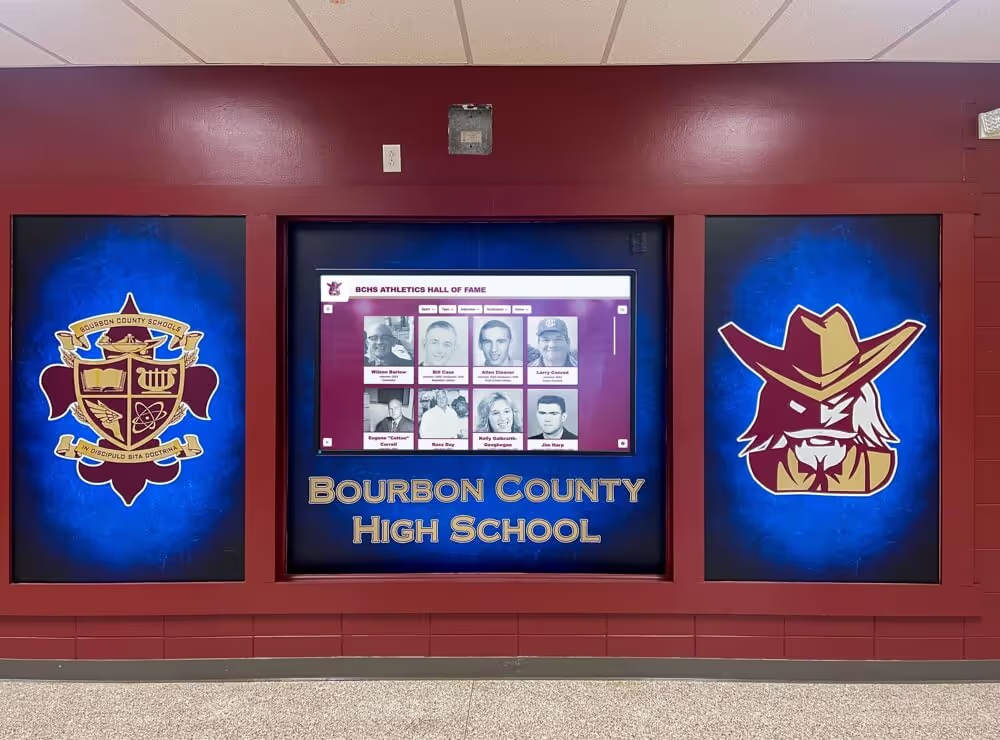
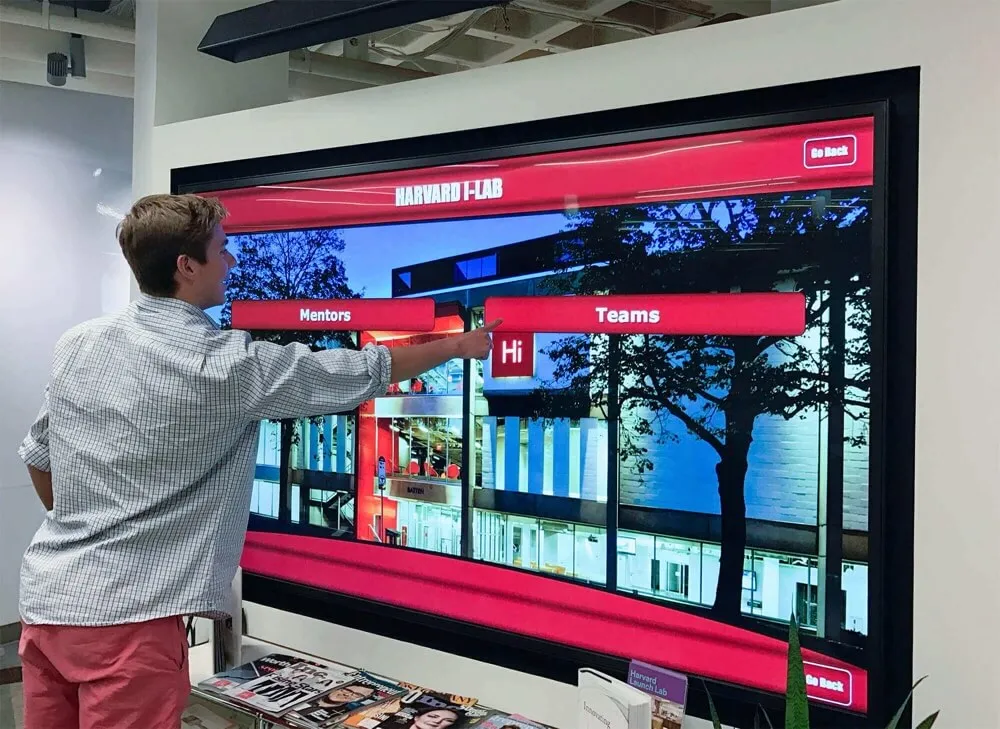
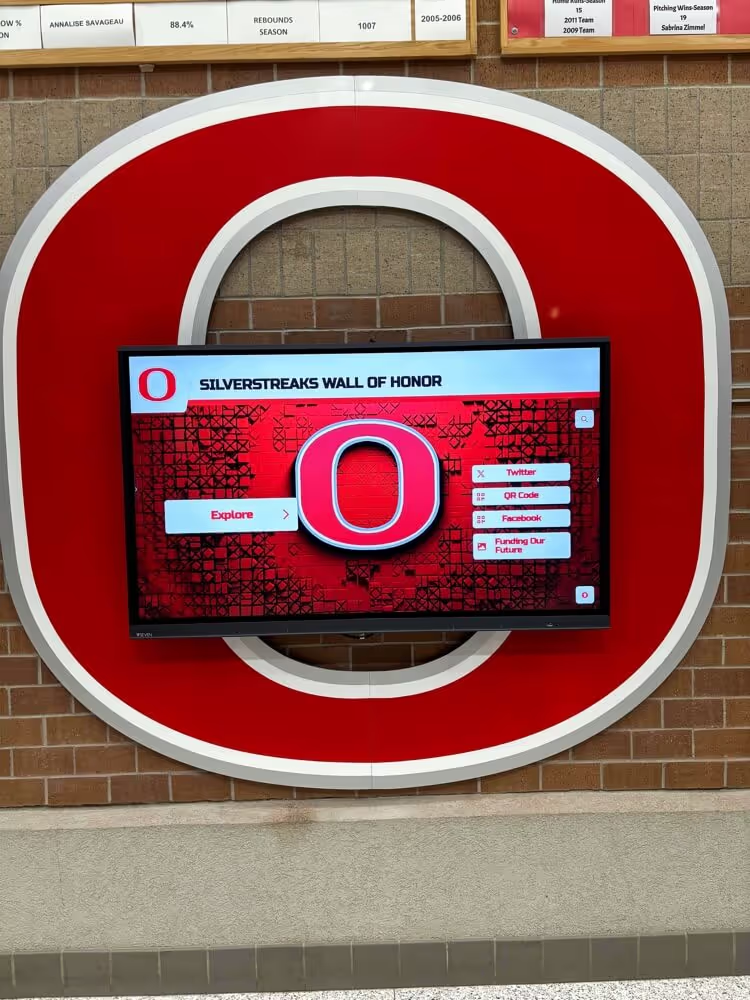
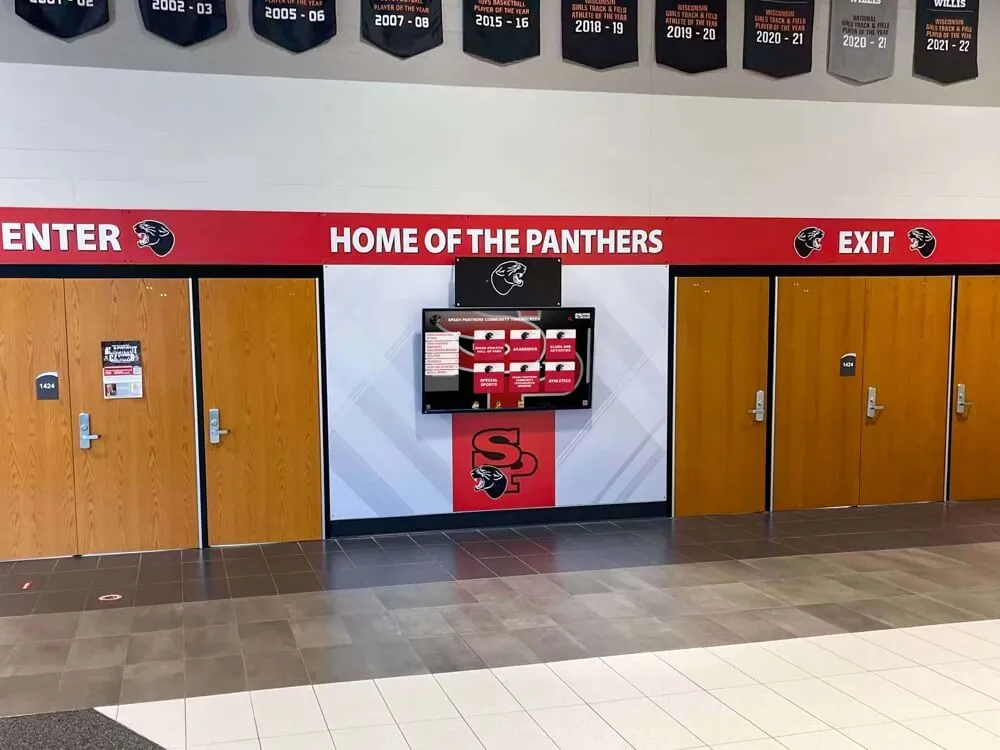
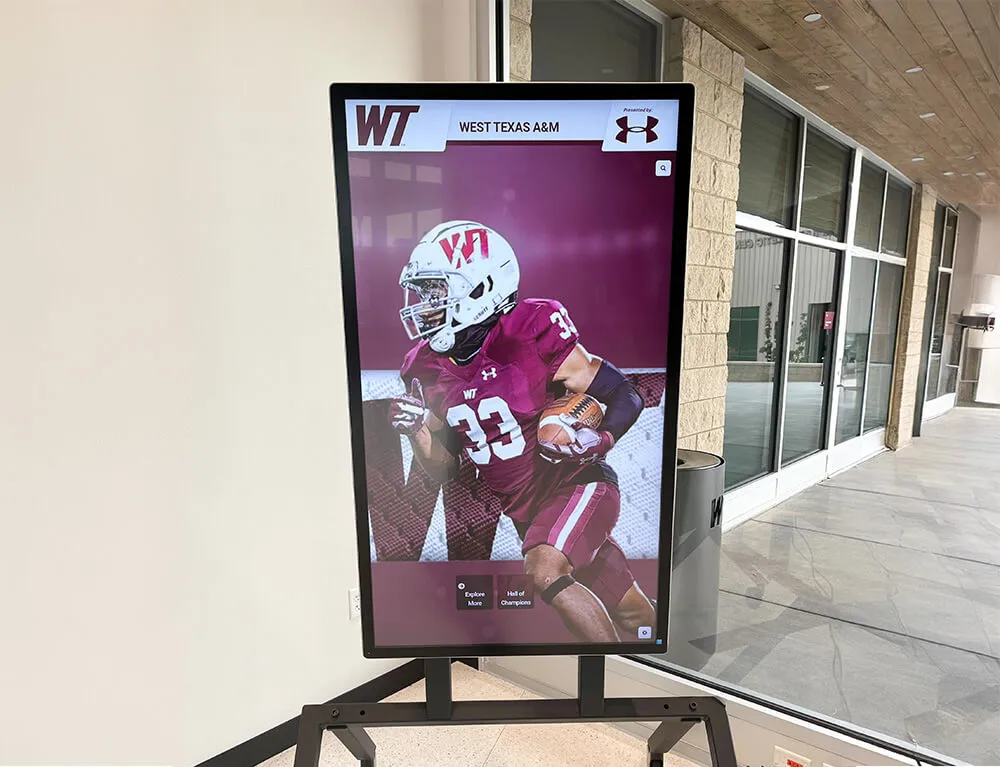
Interactive touchscreen displays in school lobbies give reunion visitors an immediate connection to their shared institutional history during campus visits
Presentation Best Practices
How awards are presented matters as much as which categories you choose. The most common mistake reunion committees make is reading a category name, announcing a winner, and handing over a certificate—eliminating most of the emotional impact.
For life achievement and service awards: Write a 30–60 second narrative describing the recipient’s achievement before revealing who receives the award. Hearing their story told by someone who knew them in high school, in front of the people who share that context, creates a recognition moment unique to reunion settings.
For funny awards: Build suspense, allow audience participation, and lean into the laughter. These categories can absorb a longer runway because entertainment value is part of the point.
For in memoriam recognition: Allow adequate time. Rushing memorial tributes feels disrespectful. A moment of silence after each name is a simple and universally appropriate practice.
Display Tips: Making Class Reunion Recognition Last
The evening itself is the primary context for reunion awards—but recognition doesn’t have to evaporate when the lights come up and the chairs get stacked.
Physical Display Options at the Venue
Memory walls and photo galleries at the reunion venue create ambient recognition that guests can explore during mingling time. Printed enlargements of yearbook photos, candid shots from previous reunions, and milestone photos submitted by classmates transform a generic ballroom or gymnasium into a space that feels genuinely theirs.
Award display tables with physical items—trophies, plaques, custom certificates—signal that recognition is real and tangible. Even a modest framed certificate presented alongside a trophy creates an artifact the recipient takes home.
Yearbook and photo stations with copies of the original graduation yearbook, plus printed photo collections from the reunion itself, give attendees something to interact with during dinner. The right archival setup triggers memory chains that drive conversation for the entire evening.
For schools investing in permanent alumni recognition infrastructure, digital hall of fame and donor wall dual-purpose installations describe how institutions build displays that serve multiple functions simultaneously—regular alumni recognition and reunion-specific programming share the same infrastructure.
Digital Recognition Extensions
Digital slideshows and photo loops running on screens throughout the venue integrate award category content directly into ambient atmosphere. Cycle through nominee photos for upcoming categories, historical yearbook scans, and candid shots from the current gathering.
Online photo albums and digital reunion books extend recognition beyond the room. A shared album created for the reunion, populated before and after the event, keeps the memory accessible for classmates who couldn’t attend and serves as the archive for the next reunion’s planning committee.
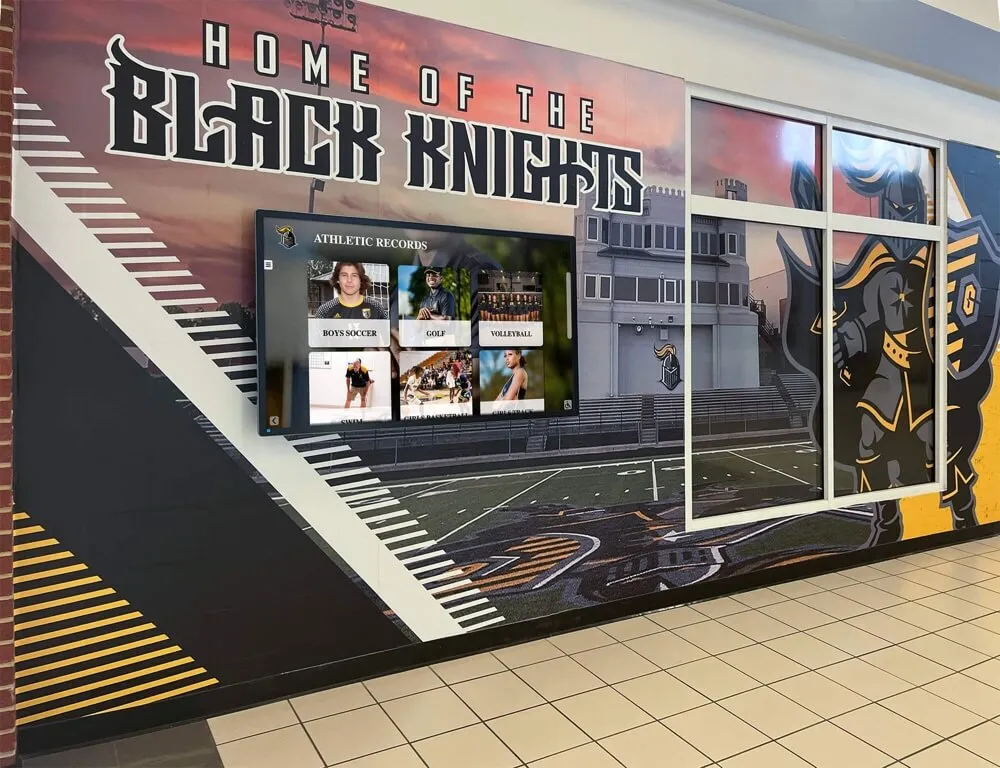
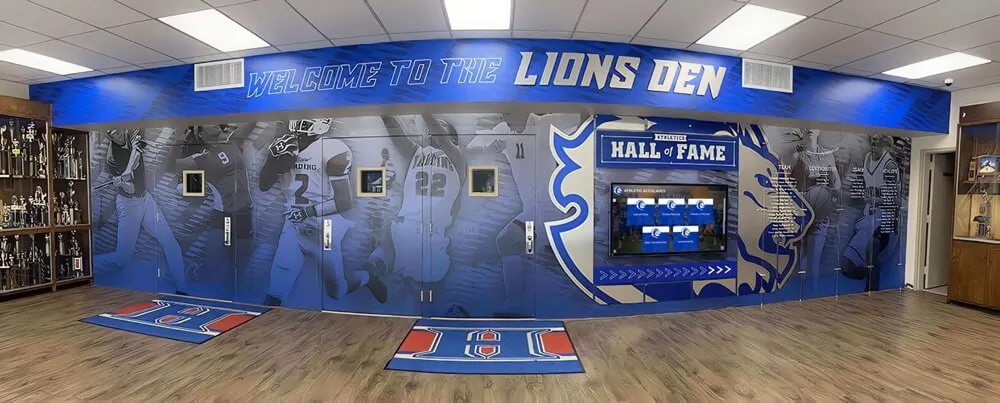
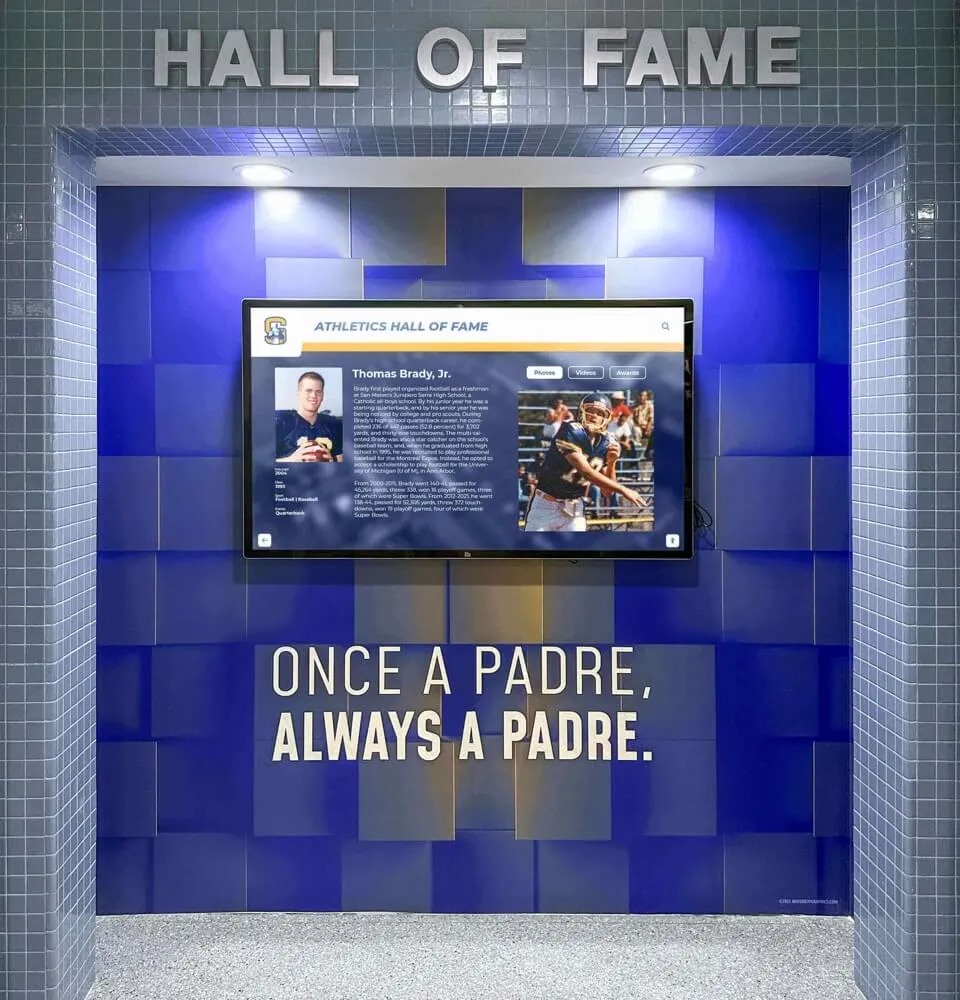
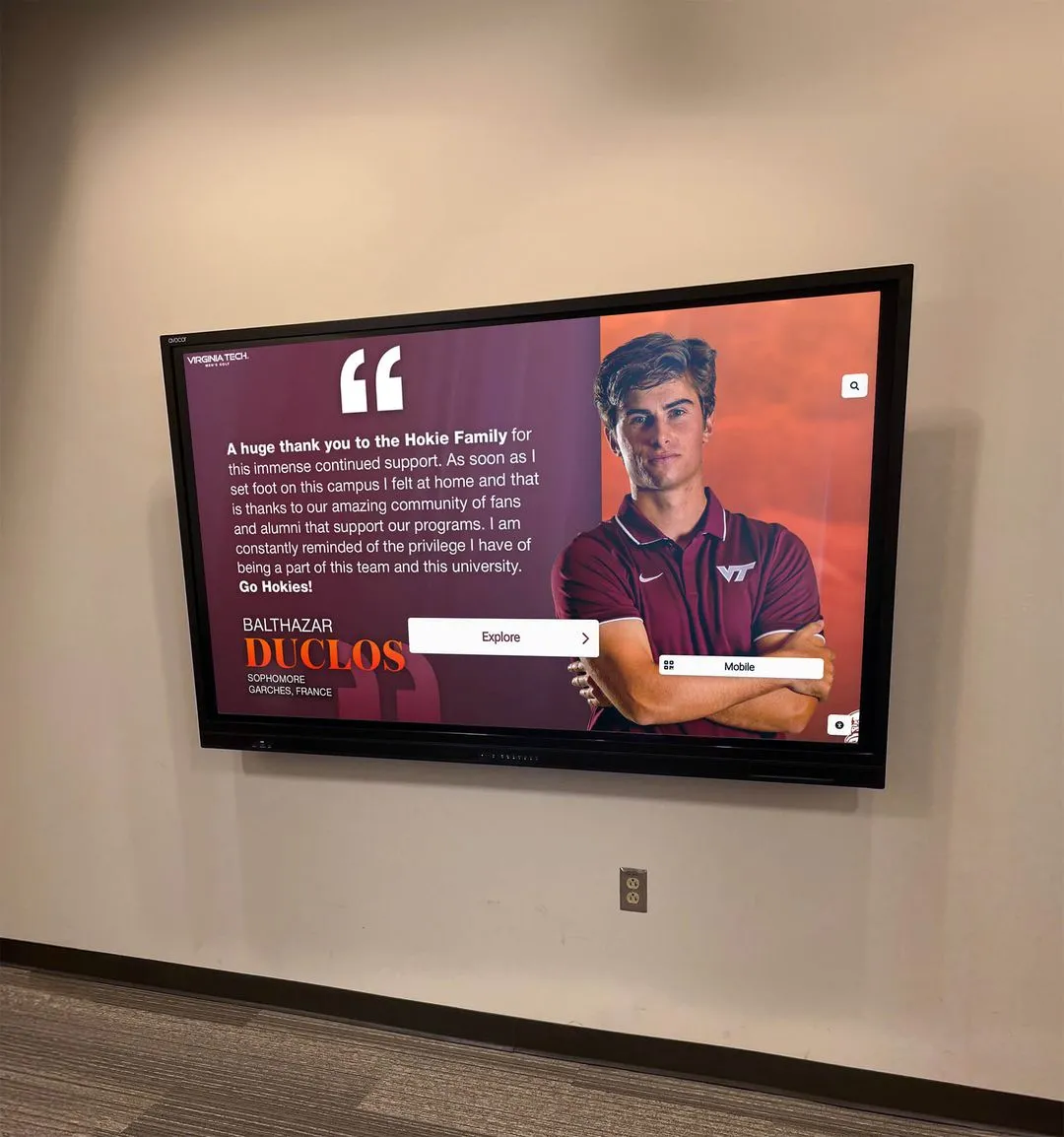
Institutional display integration is particularly valuable when reunions happen on school grounds. Schools and universities that have invested in modern alumni recognition infrastructure—interactive touchscreen displays in lobbies, digital walls of fame in athletic facilities—can incorporate reunion-specific content into those existing systems during the event. Classmates walking through school halls during a tour segment experience a layer of recognition that no ballroom rental can replicate.
Preserving fraternity and sorority history through digital recognition demonstrates how alumni organizations with deep histories build recognition infrastructure that serves both active members and the extended alumni community—a model directly applicable to class reunion planning at any institution.
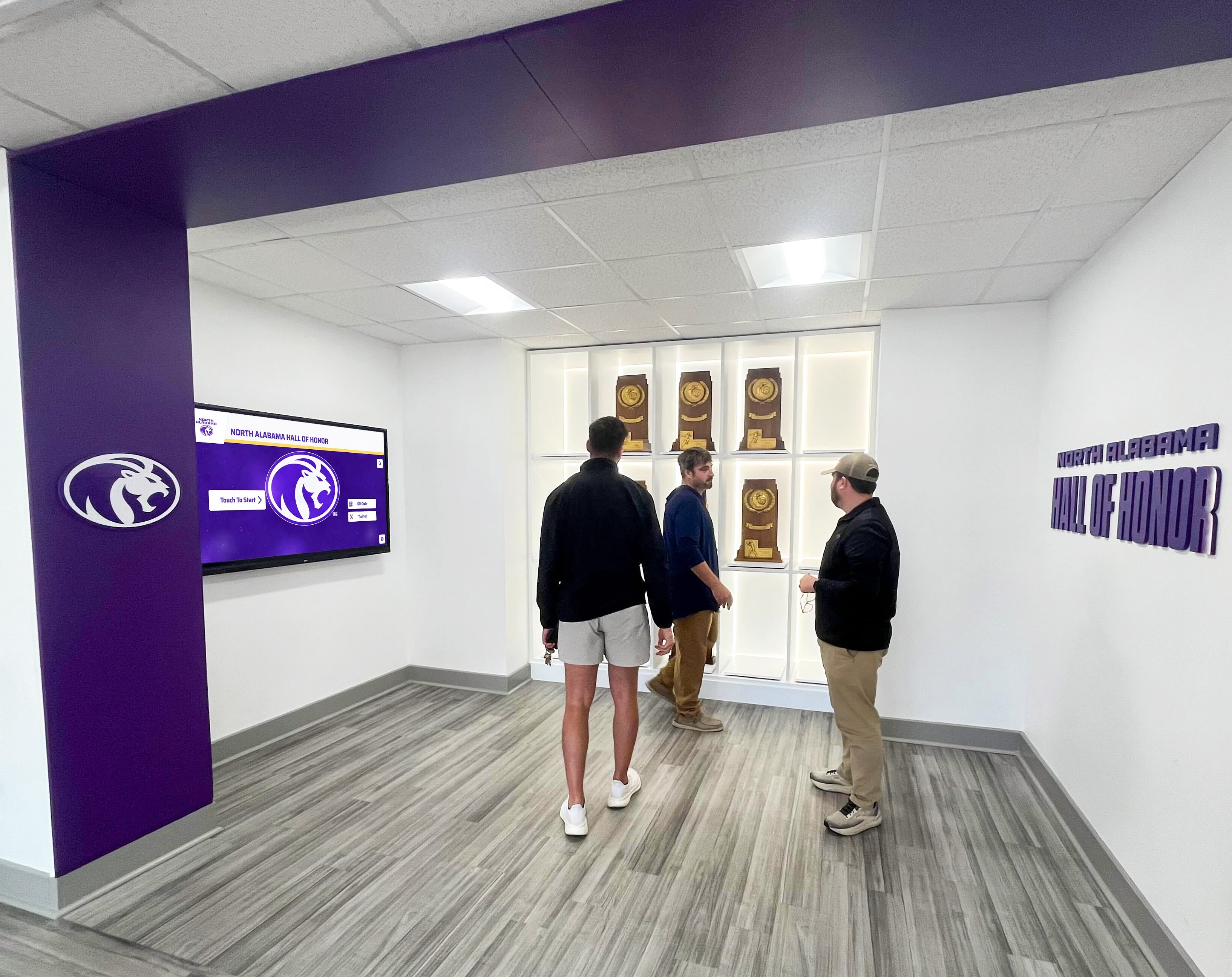
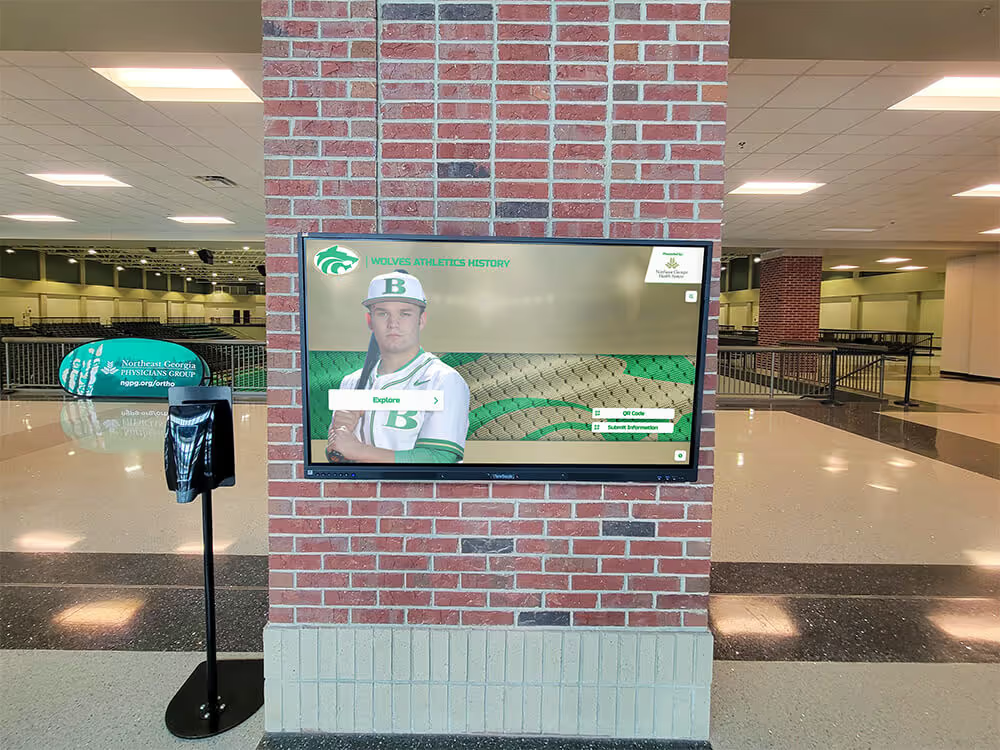
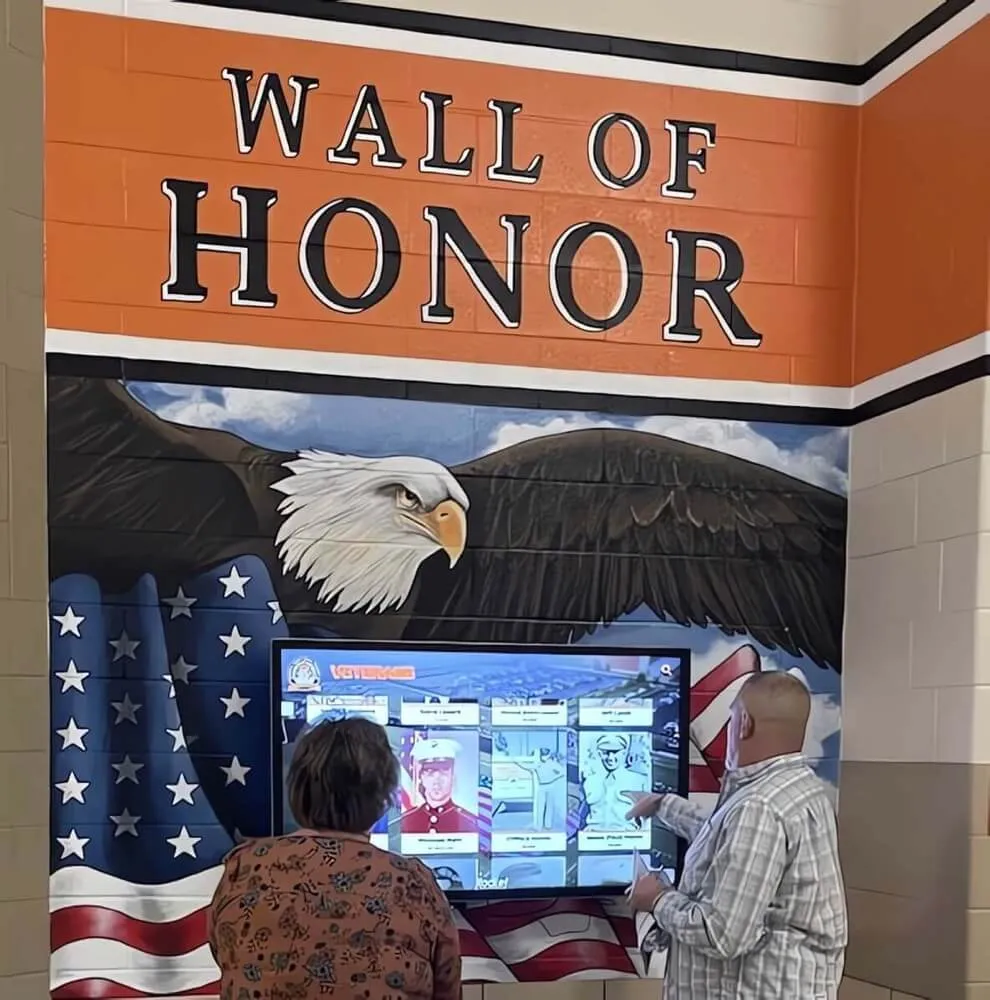
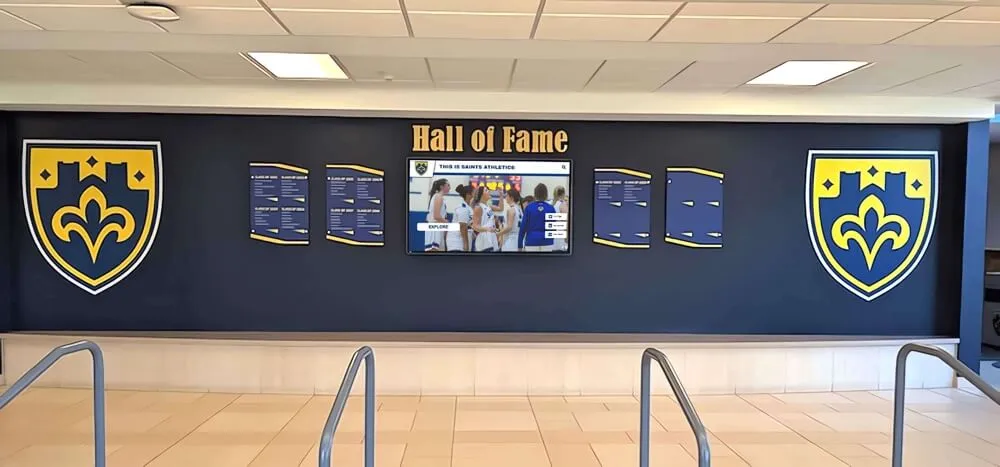
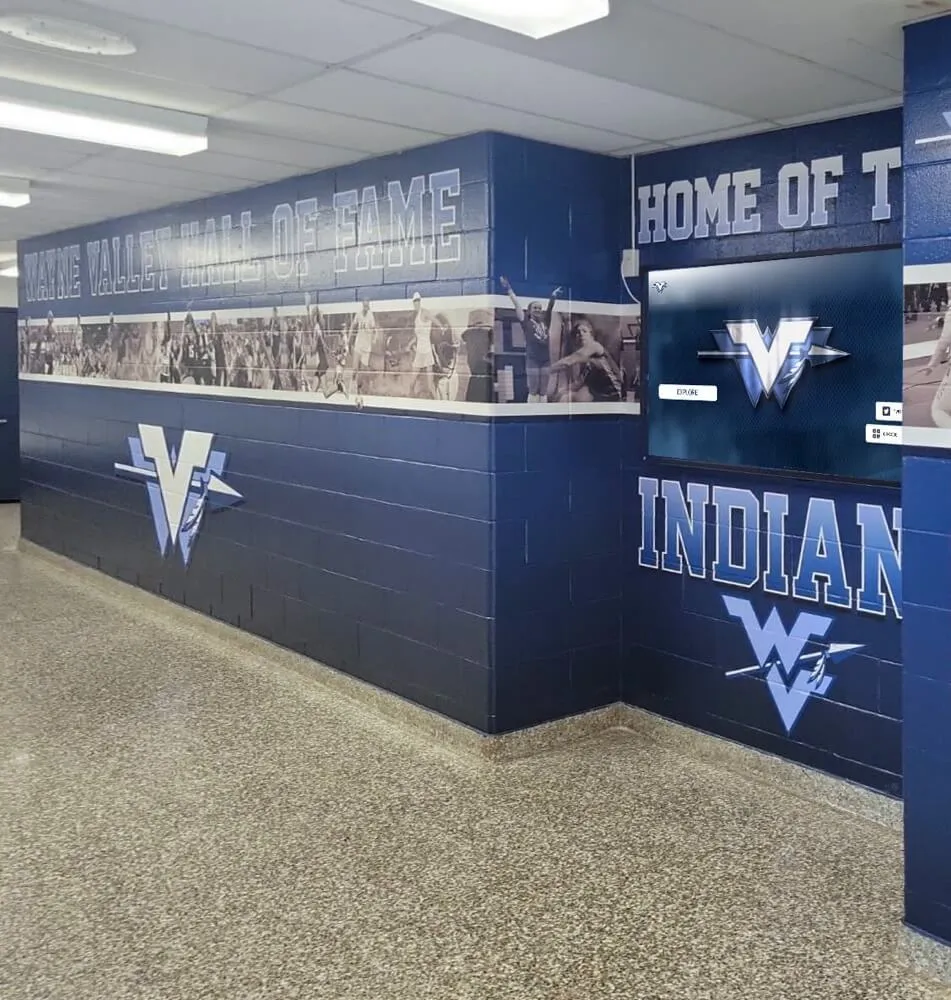
Permanent hall of honor installations serve as natural gathering points during alumni events, connecting reunion visitors to institutional history and prior classes' achievements
Making Recognition Permanent Beyond the Event
The gap between a successful reunion awards night and lasting alumni recognition is significant—and closing it is where alumni associations and school administrators can create the most institutional value.
Dedicated class pages on alumni websites can publish reunion award recipients permanently, creating a searchable record of which classmates received recognition and when. Future reunion committees reference this archive when designing callback awards for subsequent milestones.
Physical plaques in school facilities for notable alumni—particularly those who receive milestone, service, or legacy recognition at later reunions—create permanent connections between individual achievement and institutional identity.
Digital touchscreen installations in school lobbies, athletic facilities, and alumni centers represent the most versatile permanent solution. Systems like those provided by Rocket Alumni Solutions allow schools and alumni associations to create interactive displays that organize alumni recognition by graduation year, category, and achievement type—exactly the structure that maps onto a class reunion awards program. When reunion attendees visit campus before or after the evening’s events, they can explore their own class’s recognition history in the same system where future classes will eventually join them.
Developing college history timelines for alumni and institutional recognition offers a framework for how institutions structure historical alumni content in digital recognition formats—directly applicable to any school or organization planning to build a permanent home for class reunion award recipients organized by year and category.
Planning Timeline for Class Reunion Awards
A structured timeline prevents the awards program from becoming an afterthought assembled the week of the event.
6+ months before the reunion:
- Finalize the award category list (12–20 categories across the four recognition dimensions is a practical range)
- Establish the selection method for each category
- Assign committee members to research milestone and service nominations
3–4 months before:
- Open nominations for life achievement, service, and legacy categories
- Gather yearbook scans and historical photos needed for callback awards
- Begin securing physical award materials—certificates, plaques, trophies
6–8 weeks before:
- Distribute the pre-event ballot to all registered attendees
- Collect and compile in memoriam submissions from families
- Write presentation scripts for each award category
2 weeks before:
- Finalize all award recipients
- Confirm physical award production is on schedule (engraved items require lead time)
- Assign presenters to each award category
Day of the reunion:
- Set up physical display areas before doors open
- Run a timed rehearsal of the awards segment
- Brief all presenters on script, timing, and order
FAQ: Class Reunion Awards Ideas
How many awards should we give at a class reunion?
A practical range is 12 to 20 award categories for a standard reunion event. Fewer than 10 categories and the program feels thin; more than 25 and the awards segment loses energy before it ends. Aim for roughly equal balance between humorous and sincere categories—too many funny awards feel trivial, while too many serious ones drag the evening’s energy. The goal is a program that makes nearly every attendee either a recipient or a nominee.
When during the reunion should awards be presented?
The awards segment works best as a dedicated block during or immediately after dinner, when most guests are seated and present. Avoid presenting during cocktail hour, when attention is diffuse, or at the very end of the night, when guests have begun leaving. A 30–45 minute awards program positioned between dinner courses creates natural structure without interrupting social time.
Should class reunion awards be physical trophies or certificates?
Both serve different functions. Physical trophies and engraved plaques carry tangible prestige and become lasting keepsakes. Framed certificates work well for funny categories where over-production of the award is part of the humor. For milestone and service awards at later reunions, a professionally engraved plaque or framed certificate with a custom achievement description is more appropriate than a generic trophy. Budget allowing, combining both—a trophy plus a personalized certificate—creates the most memorable recipient experience.
How do we handle class reunion awards for classmates who can’t attend?
For life achievement and service awards where the recipient is unable to attend, designate a family member or close friend to accept on their behalf and plan to mail or deliver the physical award afterward. Document the award presentation on video for sharing. For humorous categories, selecting only attendees keeps the interactive energy intact—posthumous humor rarely lands the way it would with the person in the room.
How can schools make class reunion recognition permanent?
Schools can integrate reunion award recipients into existing alumni recognition systems—physical display cases, athletic hall of fame installations, or digital touchscreen displays in school lobbies and athletic facilities. Organizing recognition by graduation year makes future reunion content easy to add and creates a searchable archive of class-by-class achievement that grows with each reunion cycle. Digital systems offer the most scalable solution because they accommodate unlimited recipients without requiring physical renovation when new honorees are added.
Building a Class Reunion Awards Program That Creates Lasting Legacy
The best class reunion awards ideas share a common quality: they make recipients feel that their specific path—not just the general achievement of having a life—has been witnessed and valued by the people who matter most. That quality of witness is unique to reunion recognition. A professional award from a career association carries prestige; an award from the people who knew you when you were seventeen carries meaning.
Reunion committees that invest in designing a full, multi-dimensional awards program—from the genuinely funny to the genuinely moving—consistently find that the awards segment becomes the defining memory of the event. Not the venue, not the catering, not the playlist: the moment when the room acknowledged what someone became, in front of everyone who knew them at the beginning.
The categories, the selection process, and the display strategy all serve that single purpose. Build a program worthy of what your classmates have built with their lives.
Make Your Class Reunion Recognition Last Year-Round
Discover how Rocket Alumni Solutions helps schools and alumni associations build permanent digital recognition systems that showcase class reunion honorees, historical alumni achievements, and class milestones in interactive touchscreen displays accessible to every future reunion visitor.
Explore Alumni Recognition Solutions