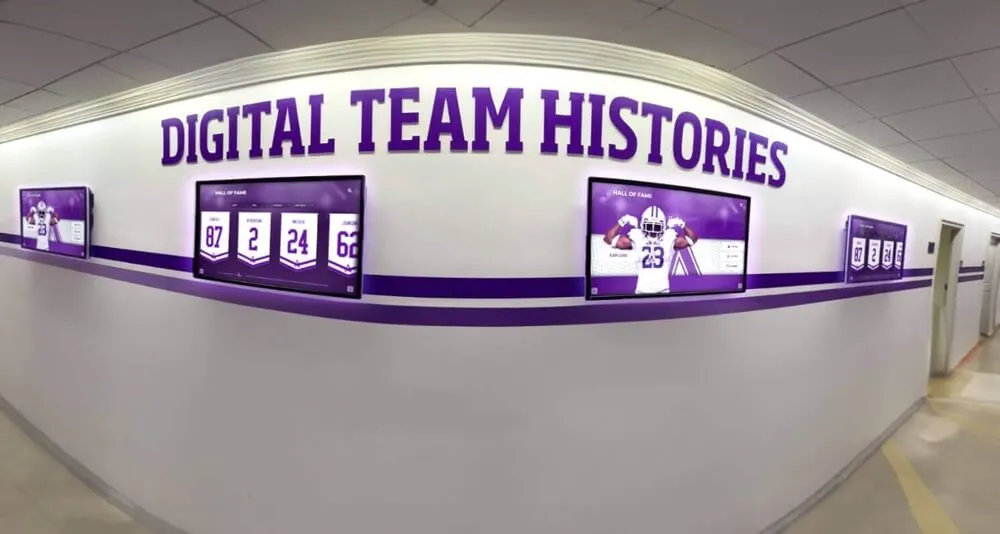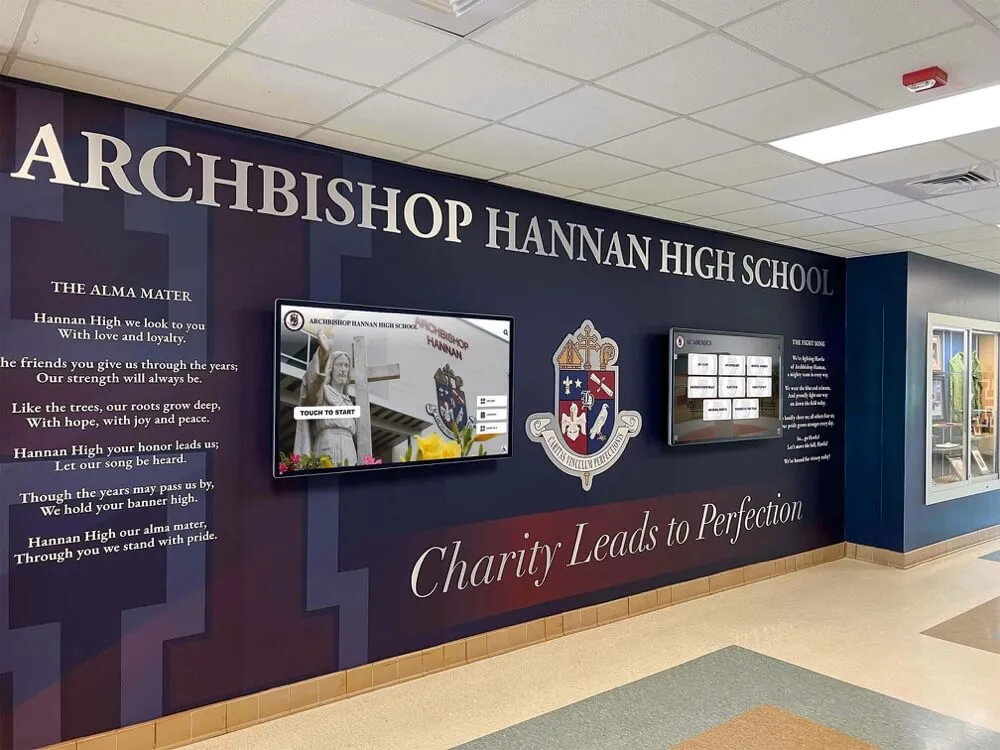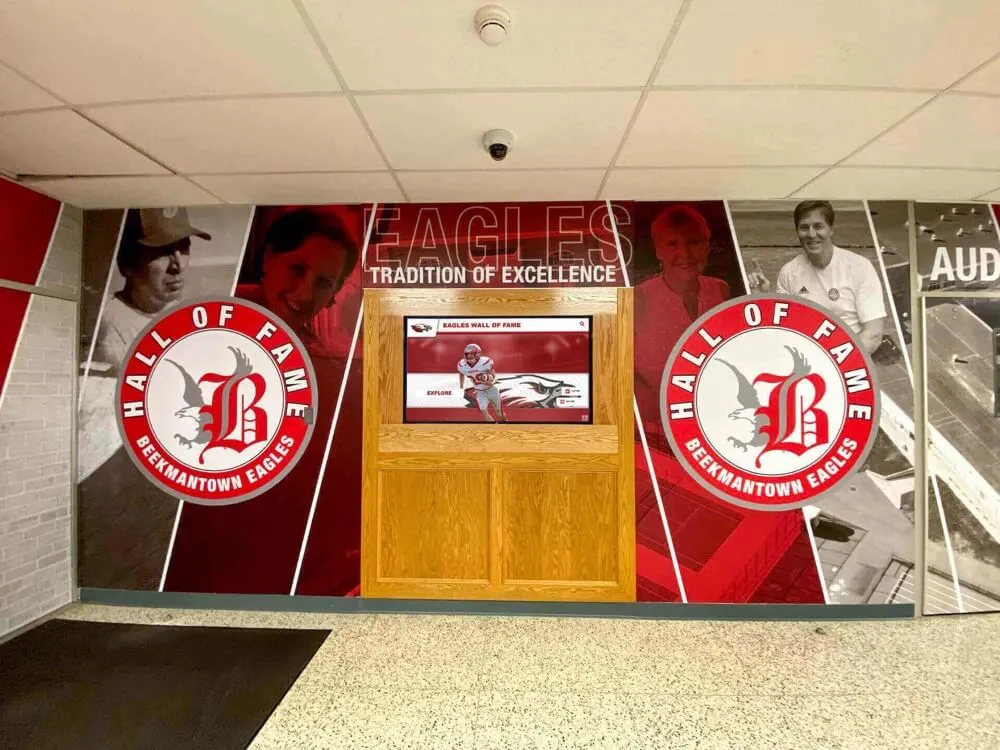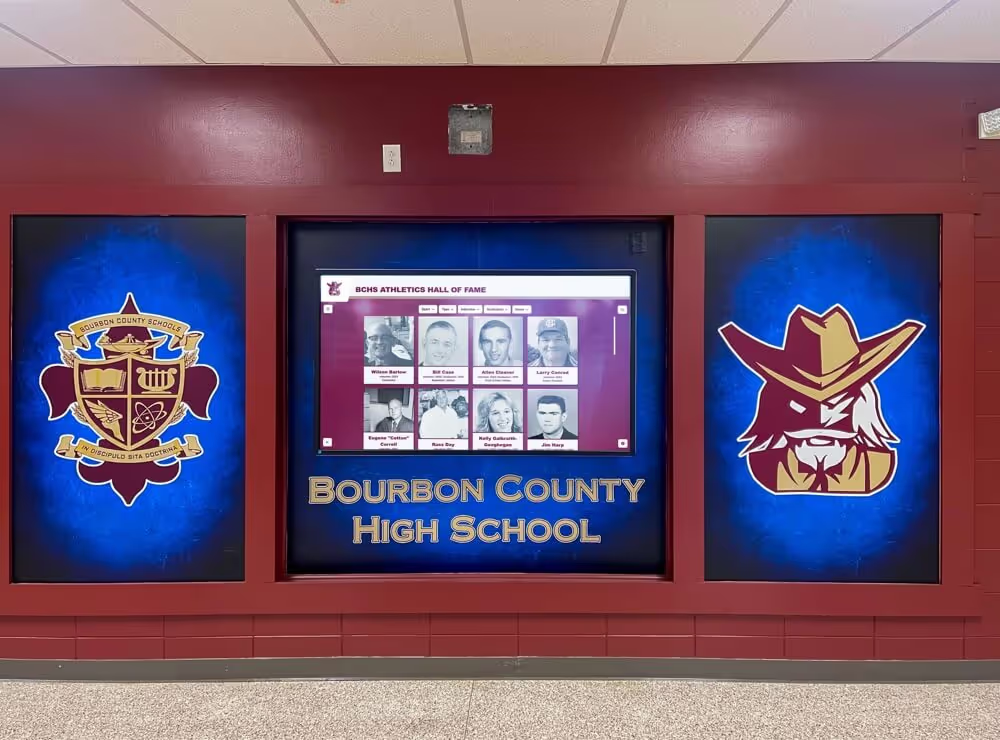




Digital asset management for schools addresses one of education’s most persistent challenges: preserving, organizing, and making accessible the thousands of photos, videos, documents, and records that document student achievement, institutional history, and community milestones. Every school year generates massive volumes of digital content—team photos, award ceremonies, graduation portraits, athletic achievements, academic recognition, historical archives—yet many institutions lack systematic approaches for managing this growing digital legacy.
Traditional methods break down quickly under scale. File folders scattered across staff computers create silos where achievement photos disappear after ceremonies. Yearbook companies retain archives but rarely provide easy access for ongoing recognition. Athletic directors maintain trophy case records separately from development offices tracking donor recognition, while principals struggle to locate historical photos for anniversary celebrations or alumni events.
This comprehensive guide explores how digital asset management systems specifically designed for educational institutions solve these challenges while creating new opportunities for recognition, engagement, and institutional memory preservation.
Educational institutions generate more achievement-worthy digital content than nearly any other organization type, yet most schools lack infrastructure for managing this asset wealth effectively. When schools implement proper DAM systems, they transform scattered files into organized recognition platforms that celebrate student achievement, preserve institutional history, and create engagement opportunities impossible with traditional storage approaches.

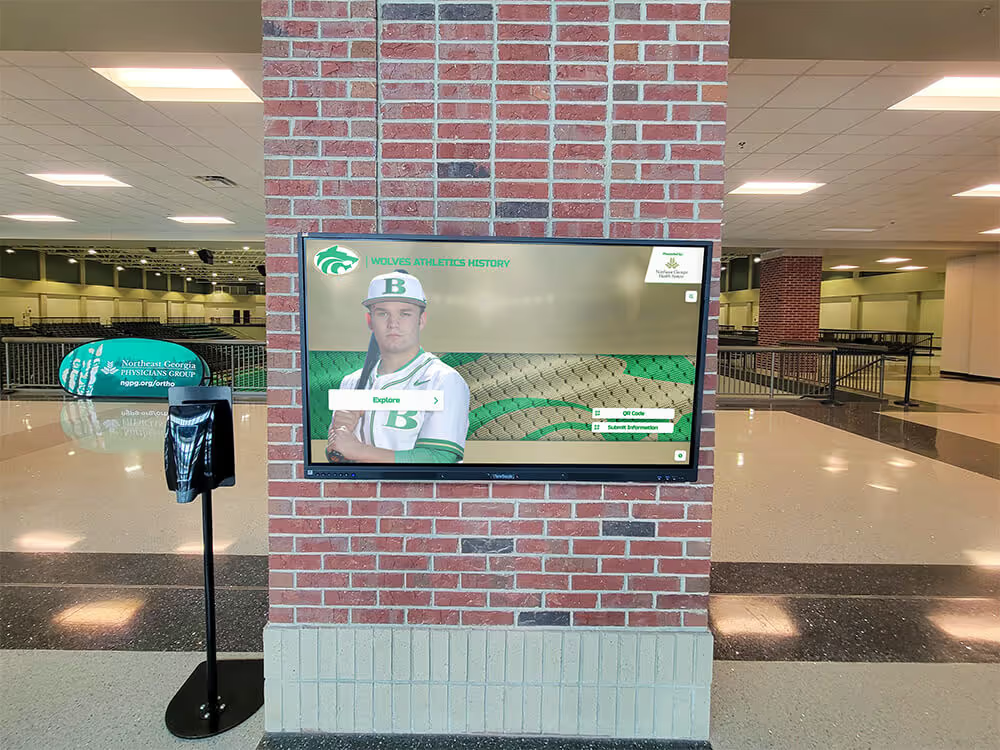
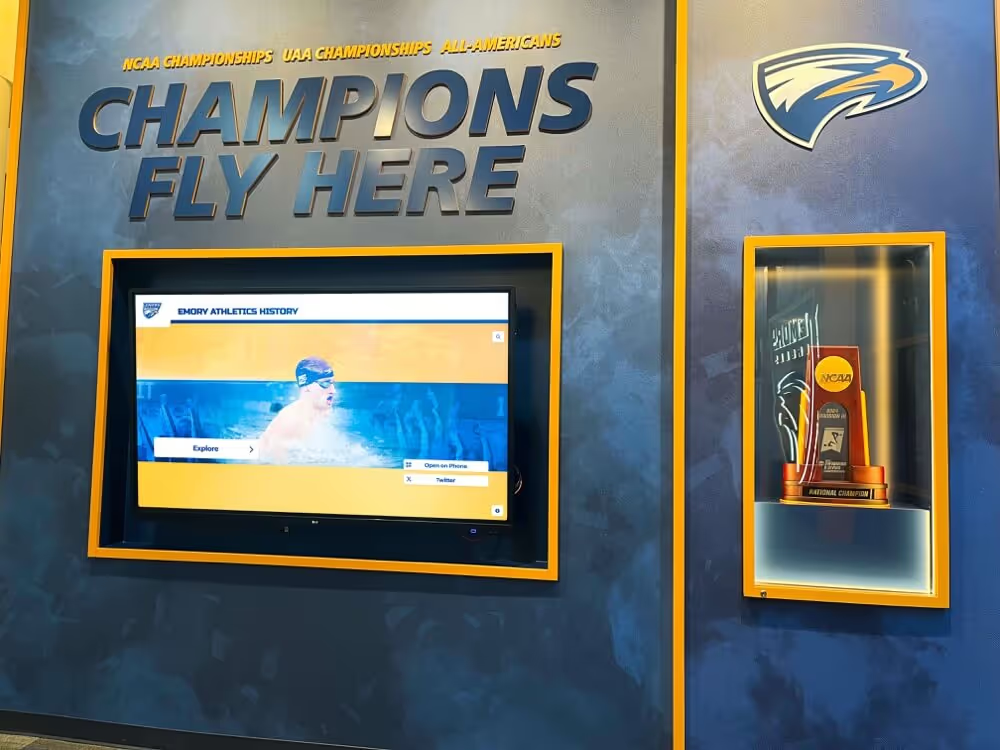
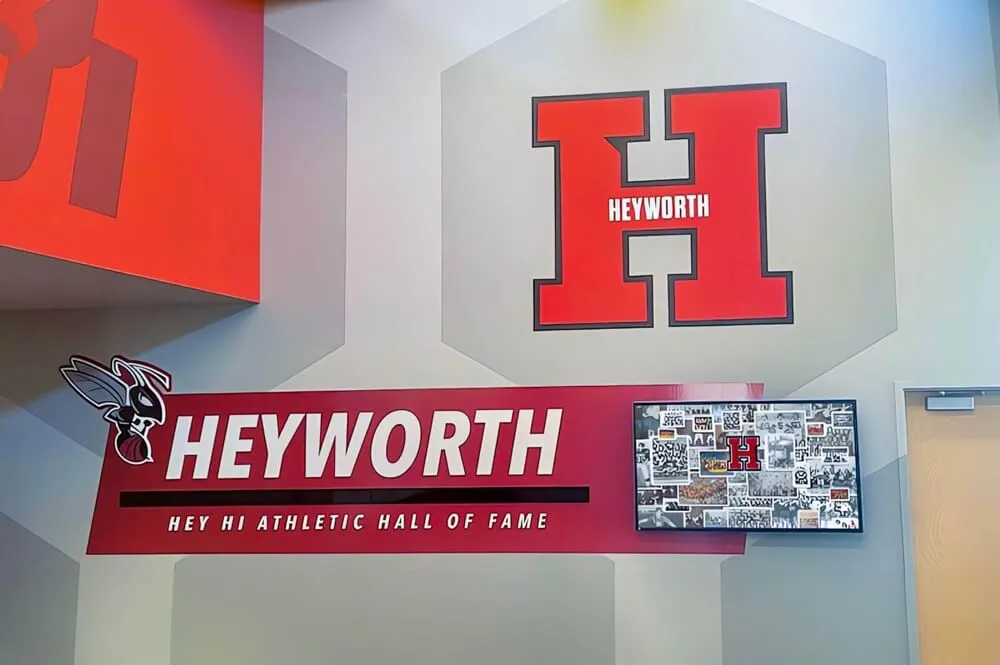
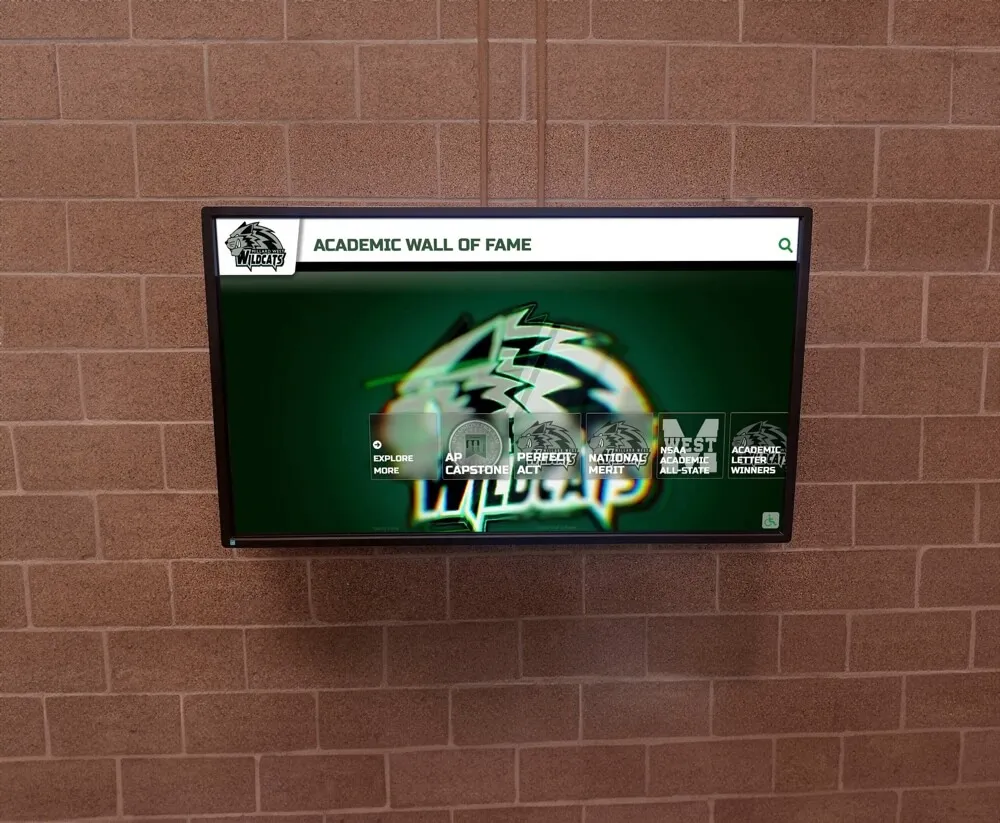
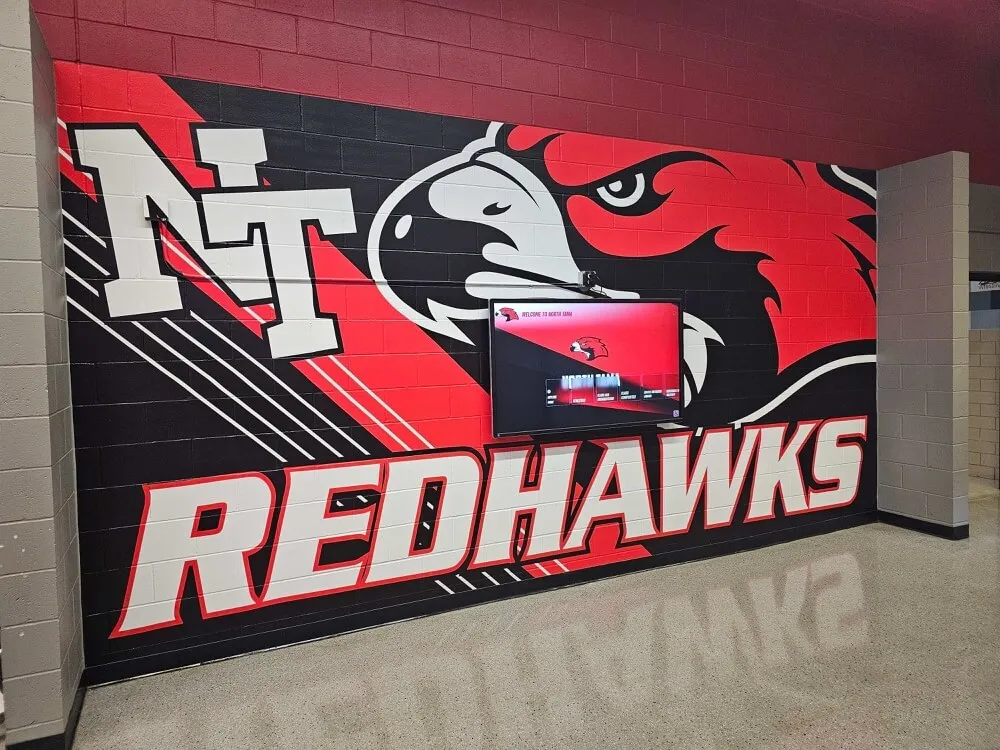
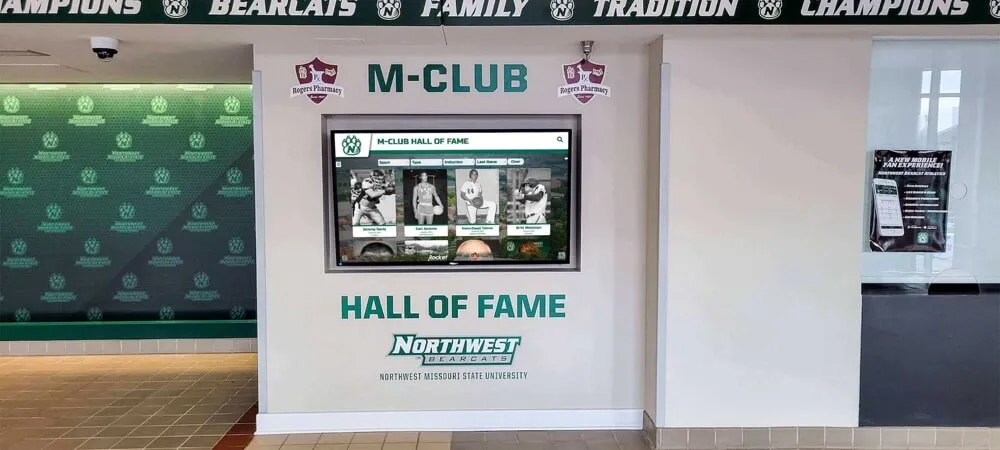
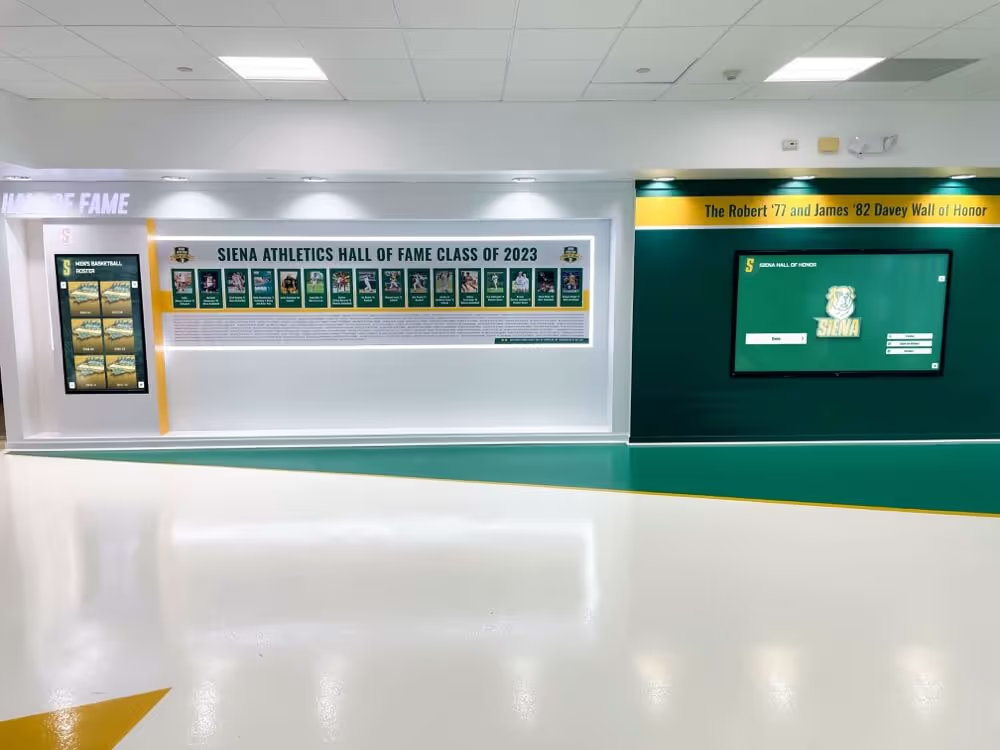
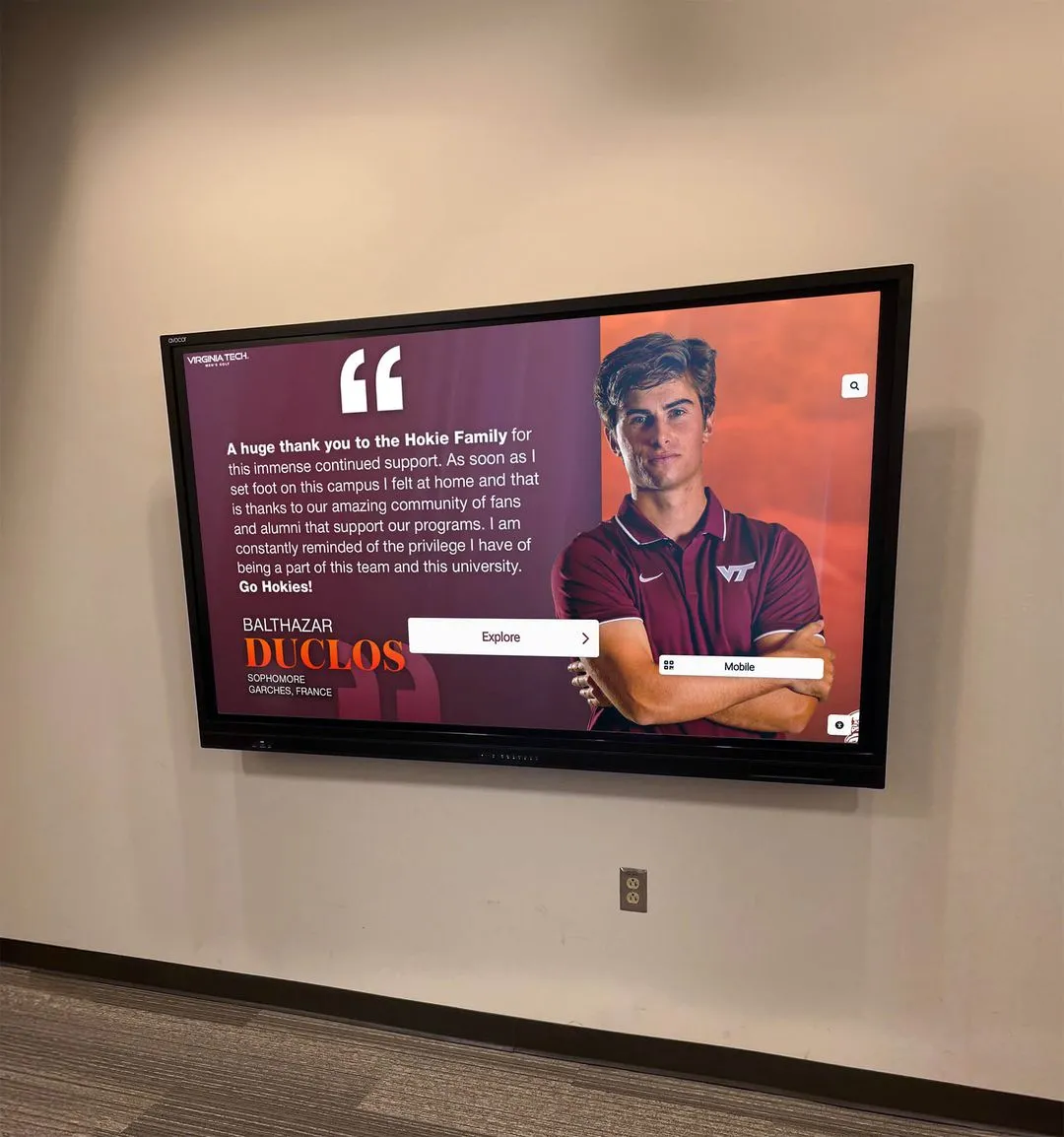
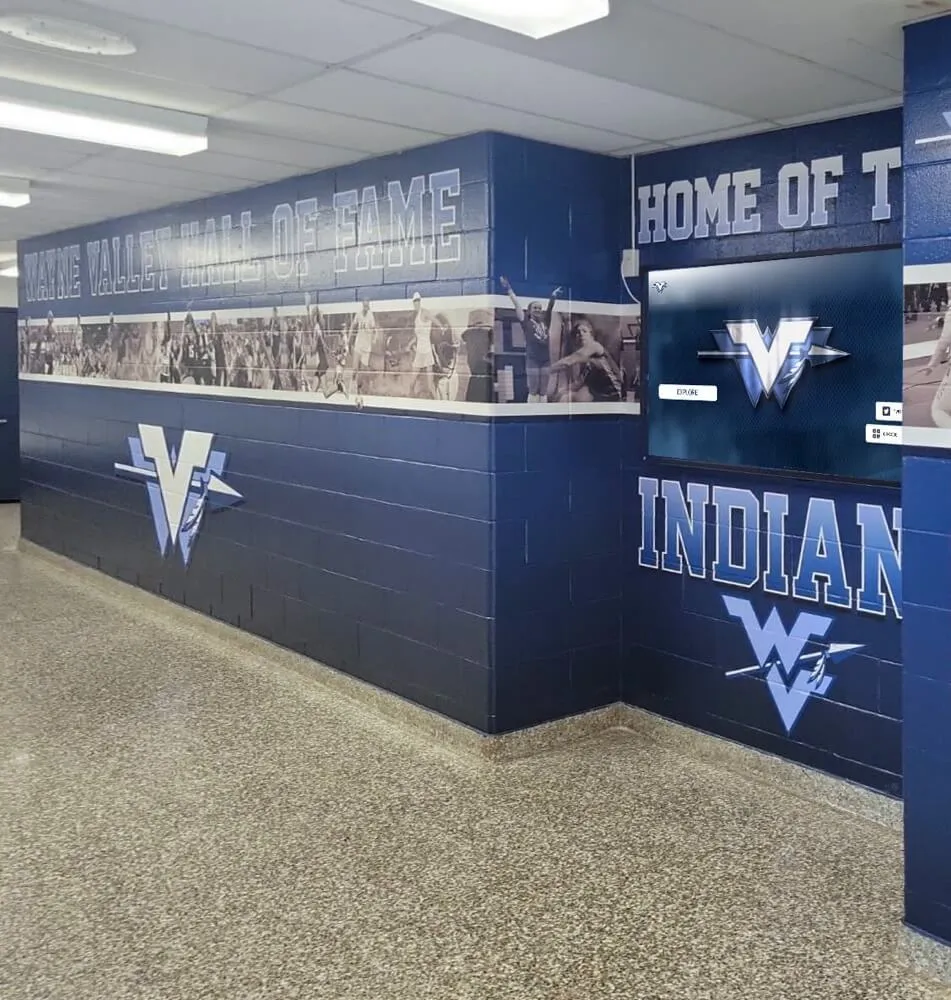
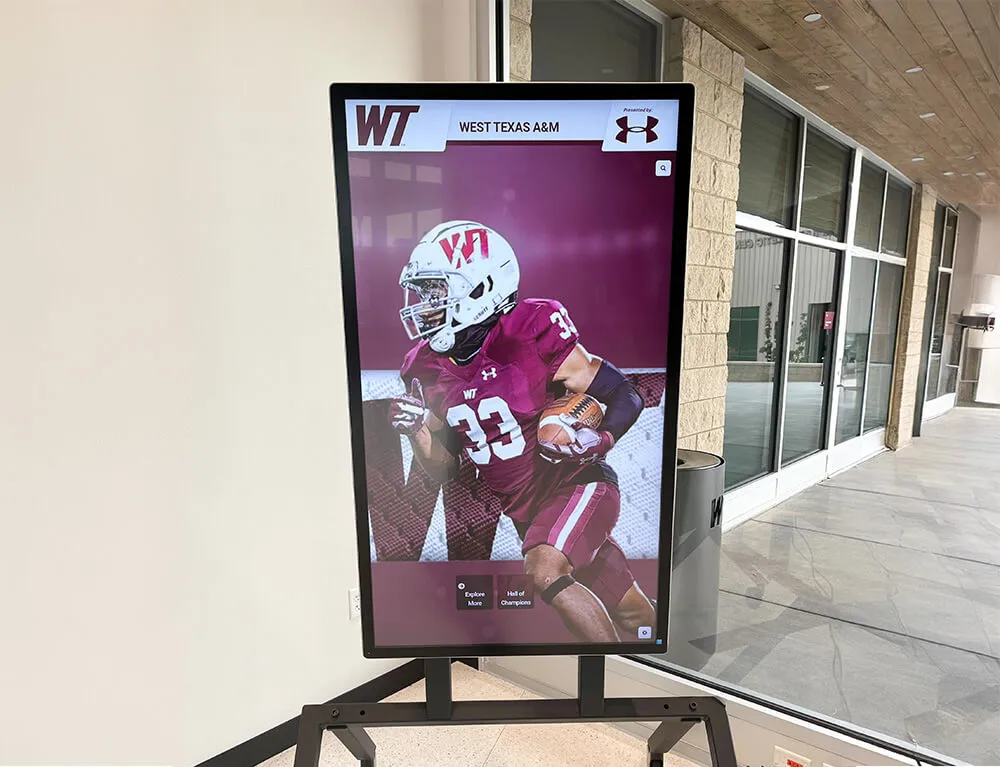
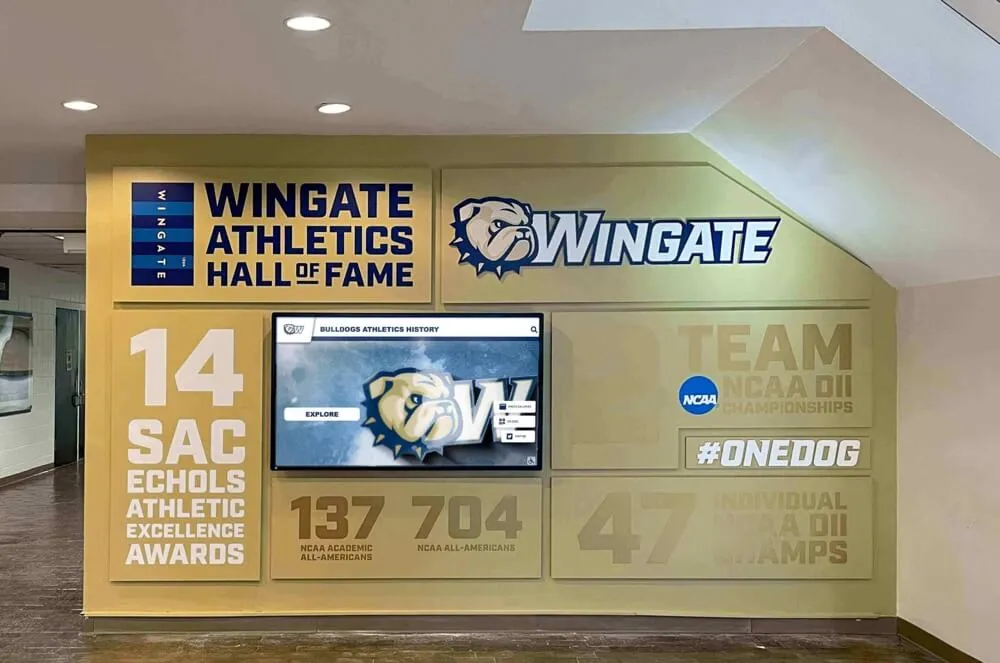
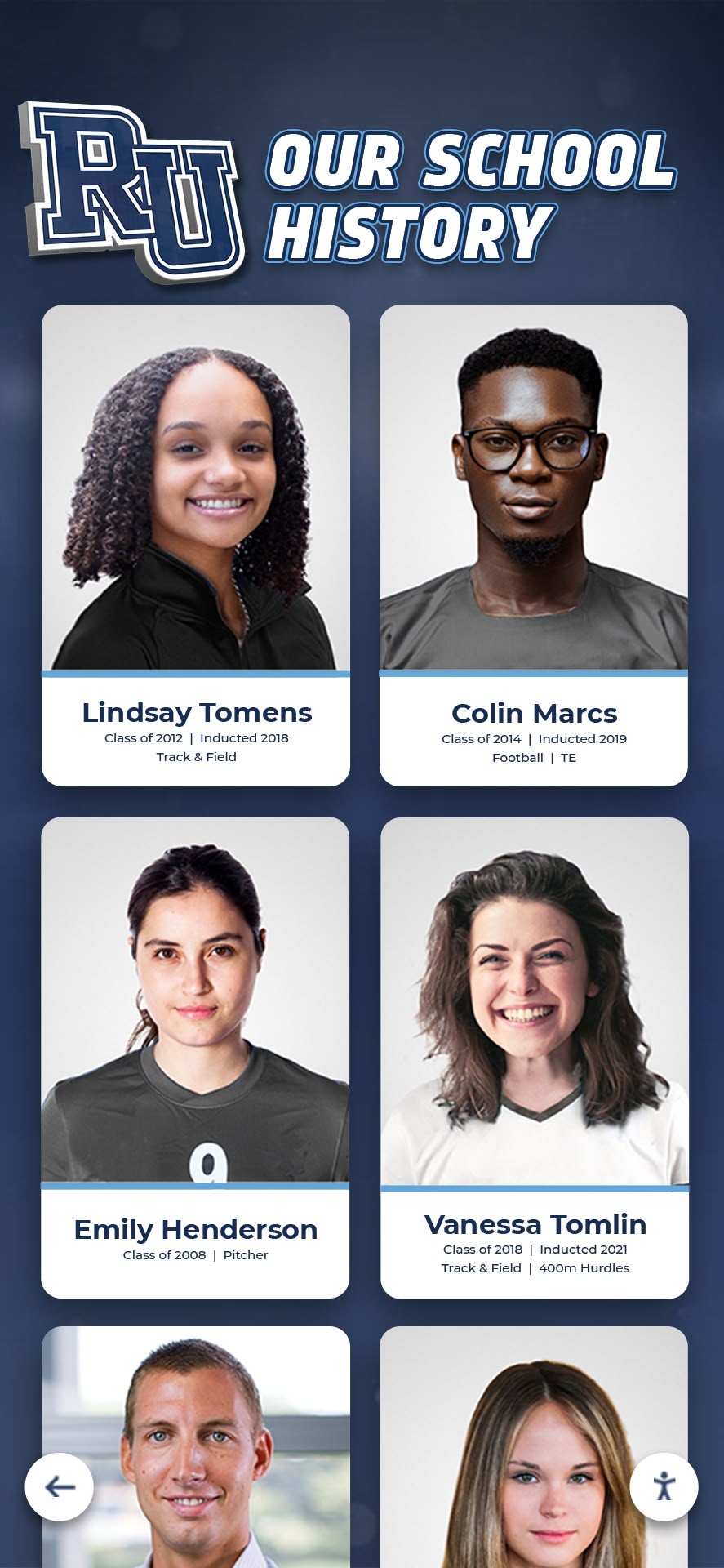
Comprehensive digital asset management enables schools to organize and display achievement content systematically
Understanding Digital Asset Management for Schools
Digital asset management systems organize, store, and provide access to digital files through centralized platforms with metadata, search capabilities, and permission controls.
What Qualifies as Digital Assets in Educational Settings
Schools accumulate diverse digital content requiring organized management:
Student Achievement Documentation
- Individual and team sports photos from games and events
- Academic award ceremony photographs and videos
- Honor roll and recognition program documentation
- Graduation photos capturing ceremonies and individual portraits
- Arts performance images from concerts, plays, and exhibitions
- STEM competition documentation and project photos
- Community service activity images and event coverage
Institutional Memory Archives
- Historical yearbook pages and composite photos
- Building and facility evolution documentation
- Staff photos across decades of employment
- Championship banners and trophy documentation
- Legacy program photos and milestone celebrations
- Retired jersey tributes and hall of fame content
- Founding documents and historical records
Schools implementing comprehensive digital archiving preserve institutional history while making archives accessible to current communities.
Recognition and Display Content
- Donor recognition photos and campaign materials
- Athletic record board data and achievement lists
- Academic leaderboard content and honor society rosters
- Employee recognition photos and service awards
- Volunteer appreciation documentation
- Student of the month features and profiles
- Team and individual achievement highlights
Why Traditional File Storage Fails for Schools
Organizational Breakdown Patterns
Standard file storage approaches create recurring problems:
- Photos saved to individual staff computers disappear when employees leave
- Inconsistent naming conventions make searching impossible across years
- No metadata tags prevent finding specific students, teams, or events
- Duplicate files consume storage without anyone knowing
- Version control absent leads to confusion about authoritative images
- Permission management unclear creates copyright and privacy concerns
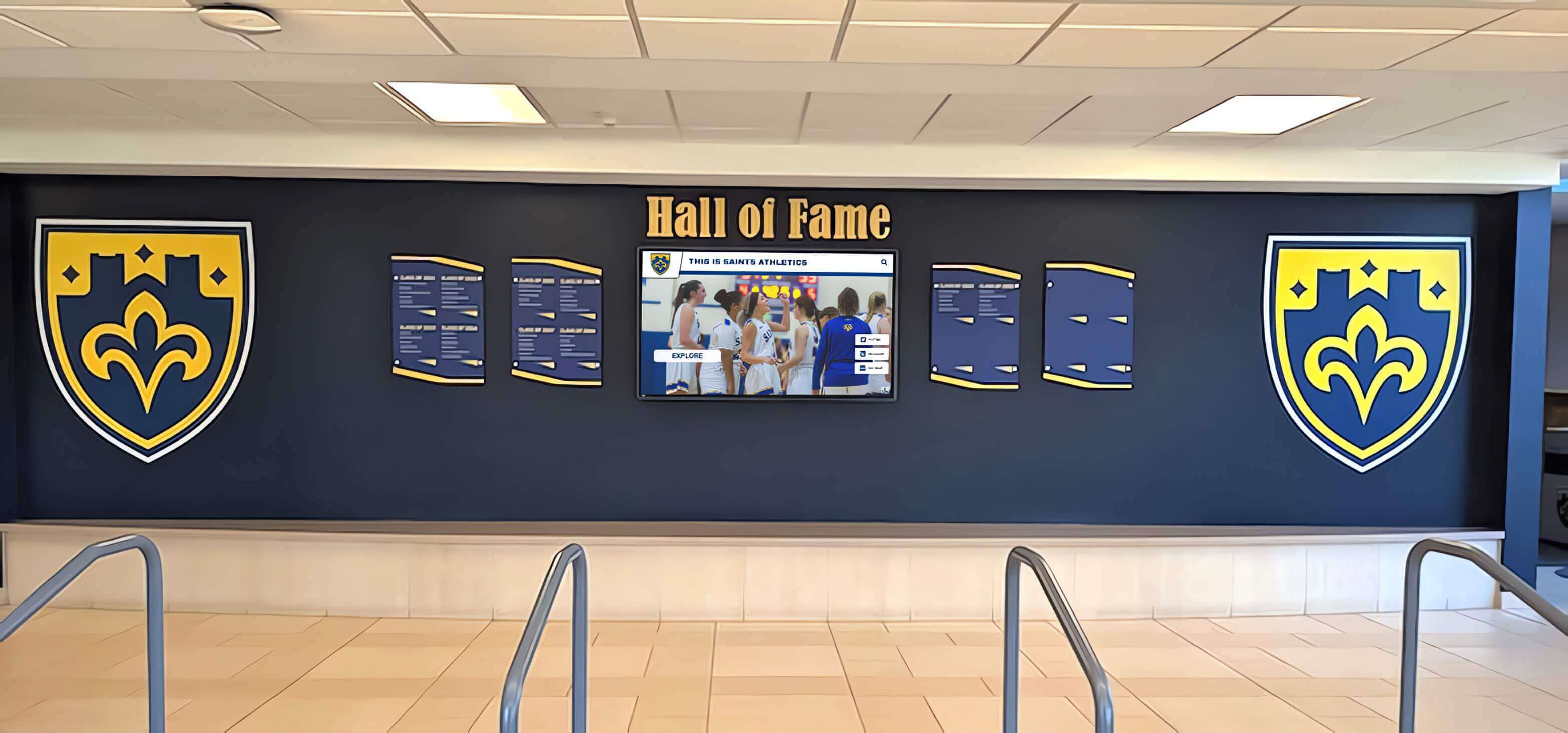
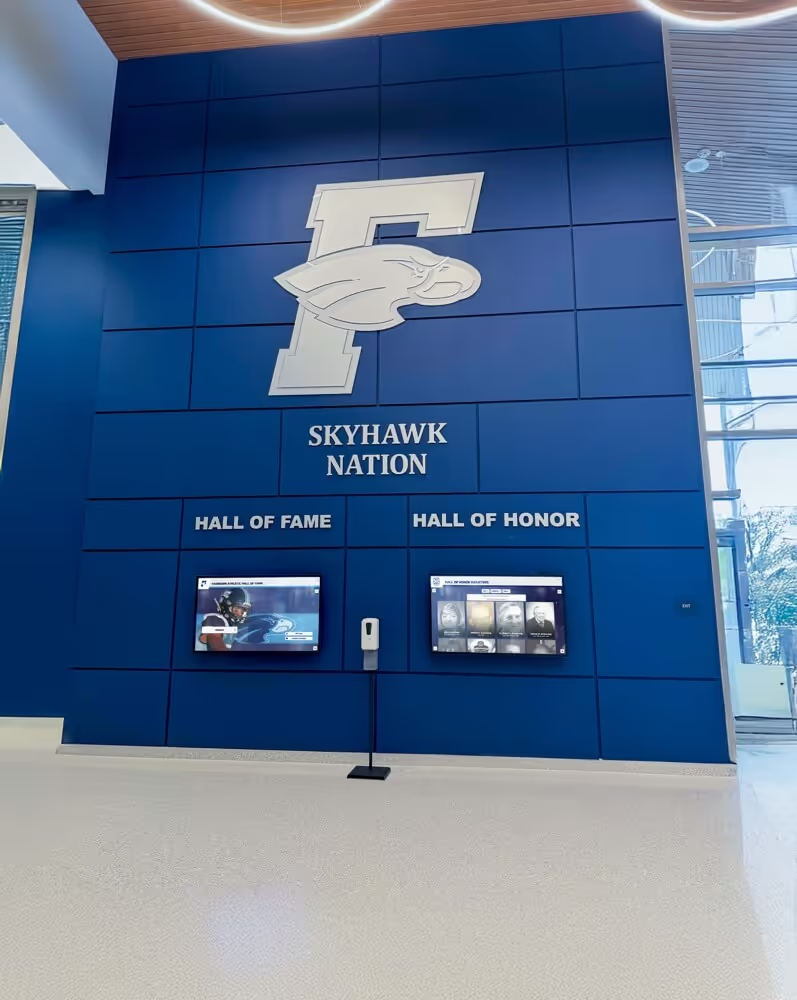
Proper asset management enables effective recognition display systems presenting organized content
Collaboration Challenges
Multiple departments managing assets independently creates silos:
- Athletic directors maintain team photos separately from yearbook staff
- Development offices keep donor recognition materials isolated from communications teams
- Principals archive historical content without sharing access to reunion committees
- Activities coordinators store club photos that never reach school websites
- Alumni relations need historical content that remains trapped in building basements
Research from education technology organizations indicates that schools without centralized digital asset management spend 8-12 hours per month on average searching for, recreating, or requesting access to digital files that exist somewhere within their systems but cannot be located efficiently.
Core DAM System Capabilities
Effective digital asset management platforms provide essential functions:
Centralized Storage Infrastructure
- Cloud-based repositories accessible from any internet connection
- Organized folder structures reflecting institutional taxonomy
- Unlimited or scalable storage accommodating growing collections
- Automatic backup preventing catastrophic content loss
- Mobile access enabling content contribution from events
Metadata and Search Functionality
- Tagging systems identifying people, events, dates, locations
- Searchable databases finding specific content instantly
- Filter capabilities narrowing results by multiple criteria
- Automated categorization using content recognition
- Batch editing tools for efficient metadata application
Schools implementing organized digital recognition systems create searchable archives preserving institutional memory while enabling current recognition needs.
Permission and Access Controls
- Role-based permissions determining who can view, edit, or delete content
- Public versus private designation for external sharing
- Watermarking capabilities protecting copyright
- Download controls managing content distribution
- Audit trails tracking who accessed or modified assets
Integration and Distribution
- Publishing tools sending content to websites, displays, social media
- Embedding capabilities for newsletters and communications
- Print output for traditional applications
- API connections linking to other institutional systems
- Batch processing for efficiency at scale
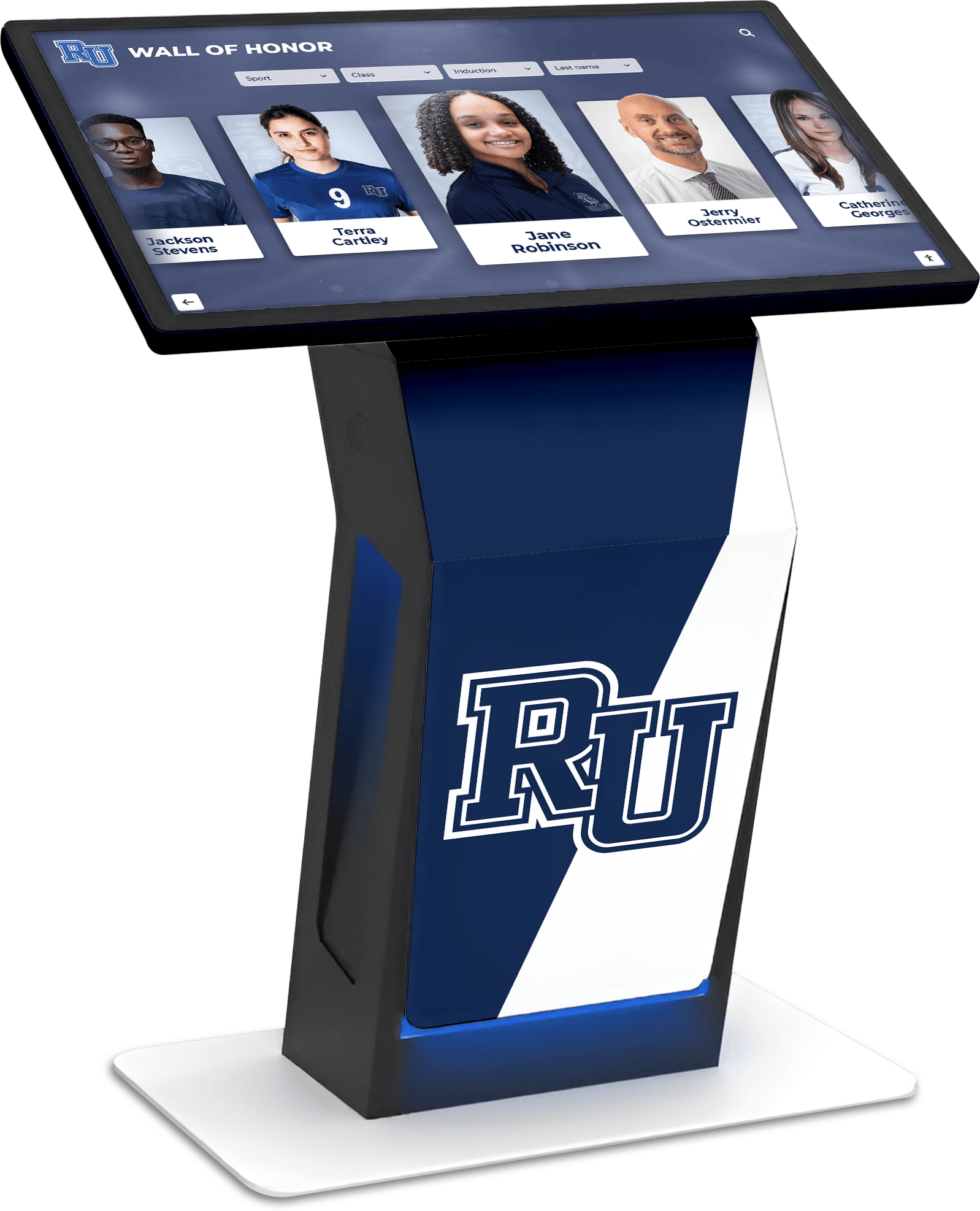
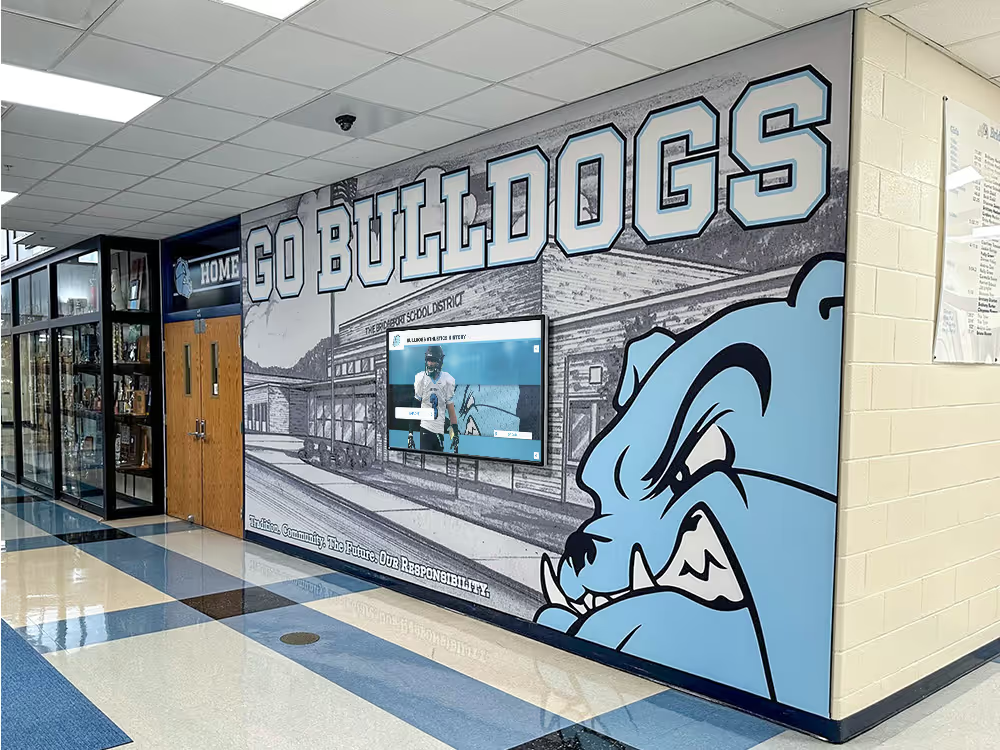
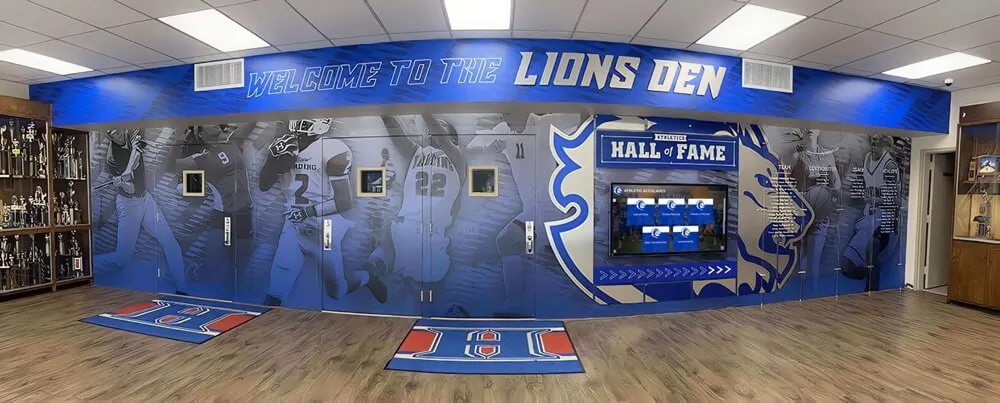
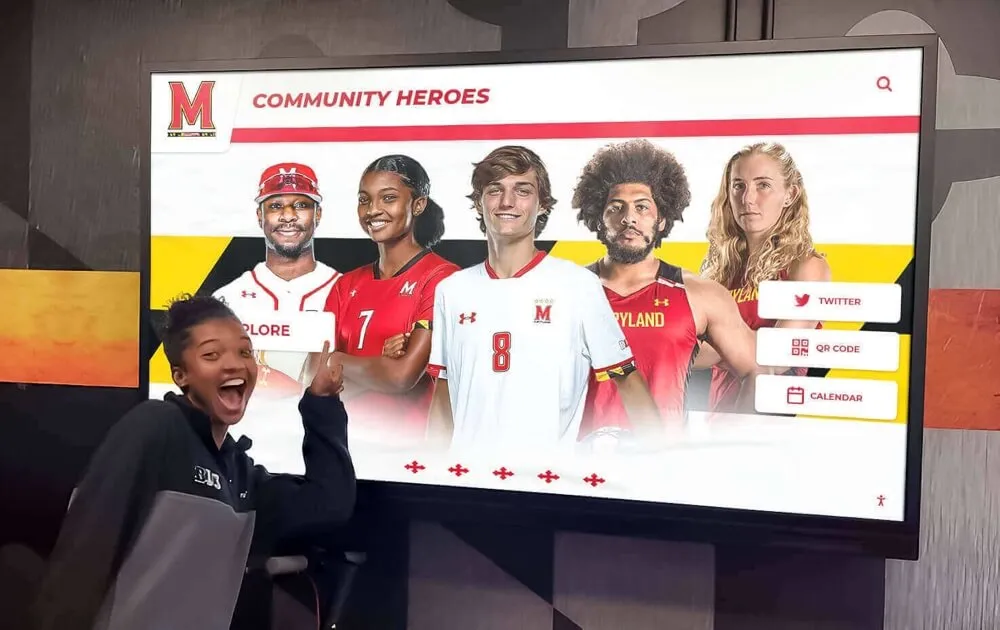
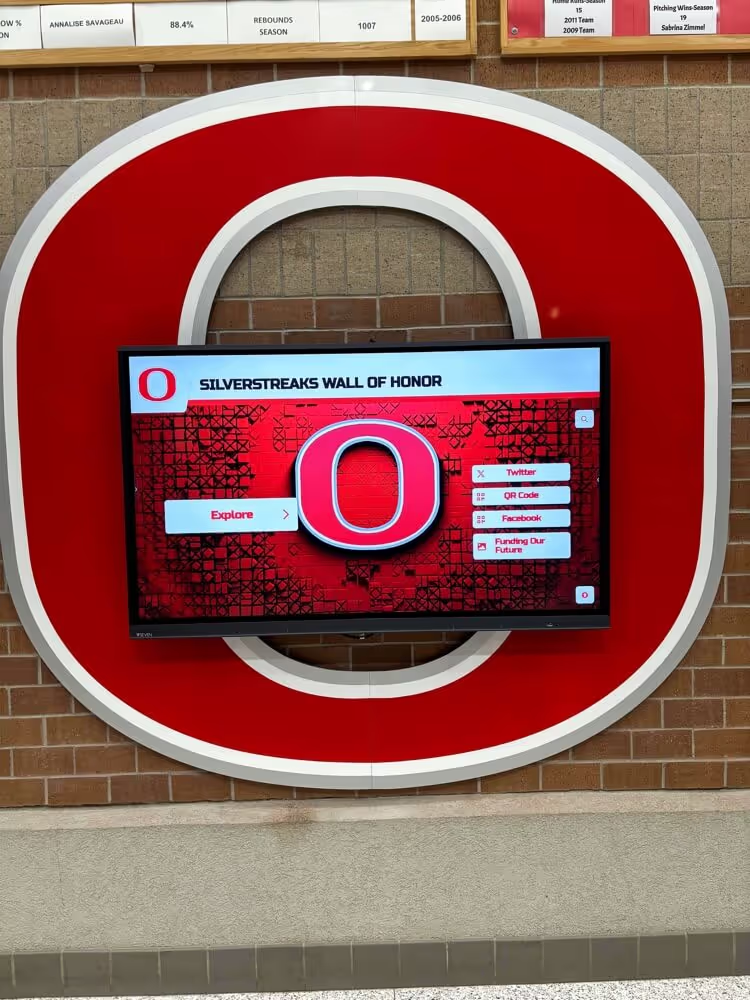
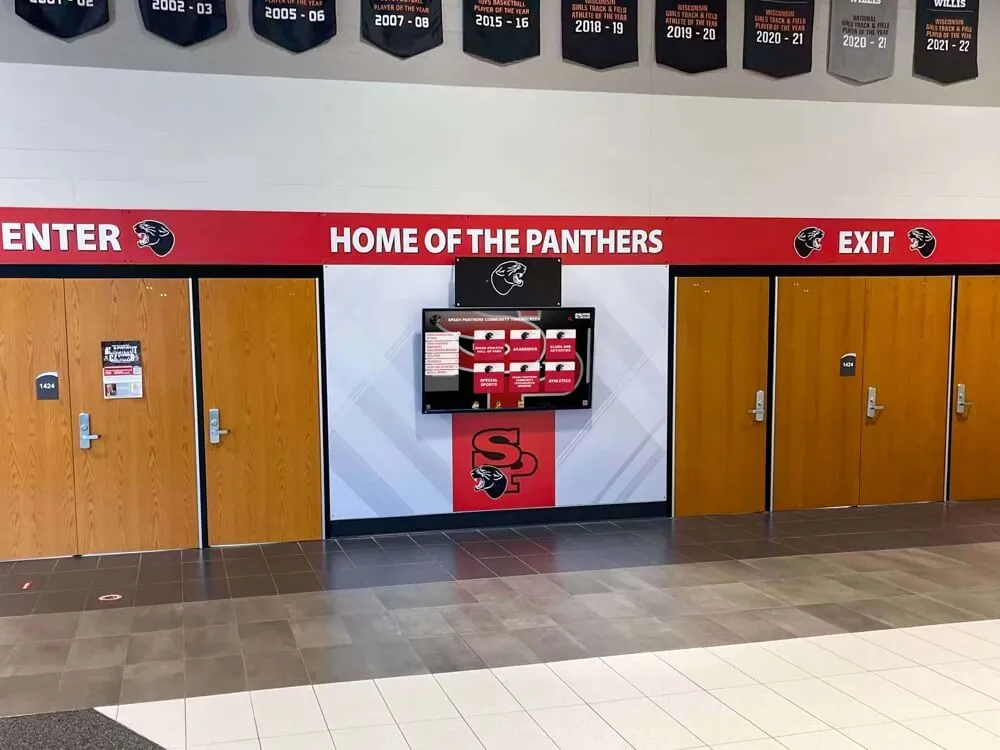
DAM systems power interactive displays that showcase organized achievement content dynamically
Common Digital Asset Management Challenges in Schools
Educational institutions face unique DAM obstacles distinct from corporate environments.
Volume and Variety Complexity
Scale of Content Generation
Schools produce massive digital asset volumes across incredibly diverse contexts:
- Single athletic seasons generate 500-2,000 photos across multiple teams
- Yearbook production creates 3,000-8,000 images annually
- Academic programs document hundreds of awards and recognition events
- Performing arts departments capture dozens of productions and concerts
- Administrative documentation creates thousands of files yearly
This volume overwhelms simple folder-based organization approaches, creating chaos when staff attempt to locate specific images months or years after events.
Content Type Diversity
Unlike businesses with relatively consistent asset types, schools manage:
- Professional photography from contracted vendors
- Staff-captured smartphone photos from events
- Student-submitted yearbook and publication images
- Scanned historical documents and yearbook pages
- Video footage from games, performances, ceremonies
- Graphic design files for programs and publications
- PDF documents with award certificates and programs
Each content type requires different metadata, storage considerations, and access approaches.
Decentralized Content Creation
Multiple Stakeholders Contributing Content
School asset creation involves numerous independent contributors:
- Athletic coaches photographing teams and events
- Teachers documenting classroom achievements
- Yearbook advisors coordinating student photographers
- Communications staff covering school events
- Development officers capturing donor recognition
- Parent volunteers photographing activities
- Students submitting photos for various purposes
Without centralized intake systems, content remains scattered across personal devices and accounts rather than entering institutional repositories.
Learn about systematic approaches to building comprehensive school archives that consolidate historical content from diverse sources.
Limited Technical Resources
IT Department Constraints
School technology departments face competing priorities:
- Network infrastructure and device management consume primary focus
- Student information systems require ongoing maintenance
- Learning management platforms demand technical support
- Cybersecurity concerns take precedence over asset management
- Limited staff size prevents specialized DAM system administration
This creates situations where DAM needs exist but no dedicated personnel maintain systems or train users effectively.
Budget Limitations
Educational funding constraints affect DAM implementation:
- Enterprise DAM systems designed for corporations exceed school budgets
- Licensing models charging per-user become expensive at institutional scale
- Implementation services and training represent significant expenses
- Ongoing maintenance and support require annual budget allocation
- Competing technology priorities force difficult funding decisions
Schools need purpose-built solutions addressing educational requirements at appropriate price points.
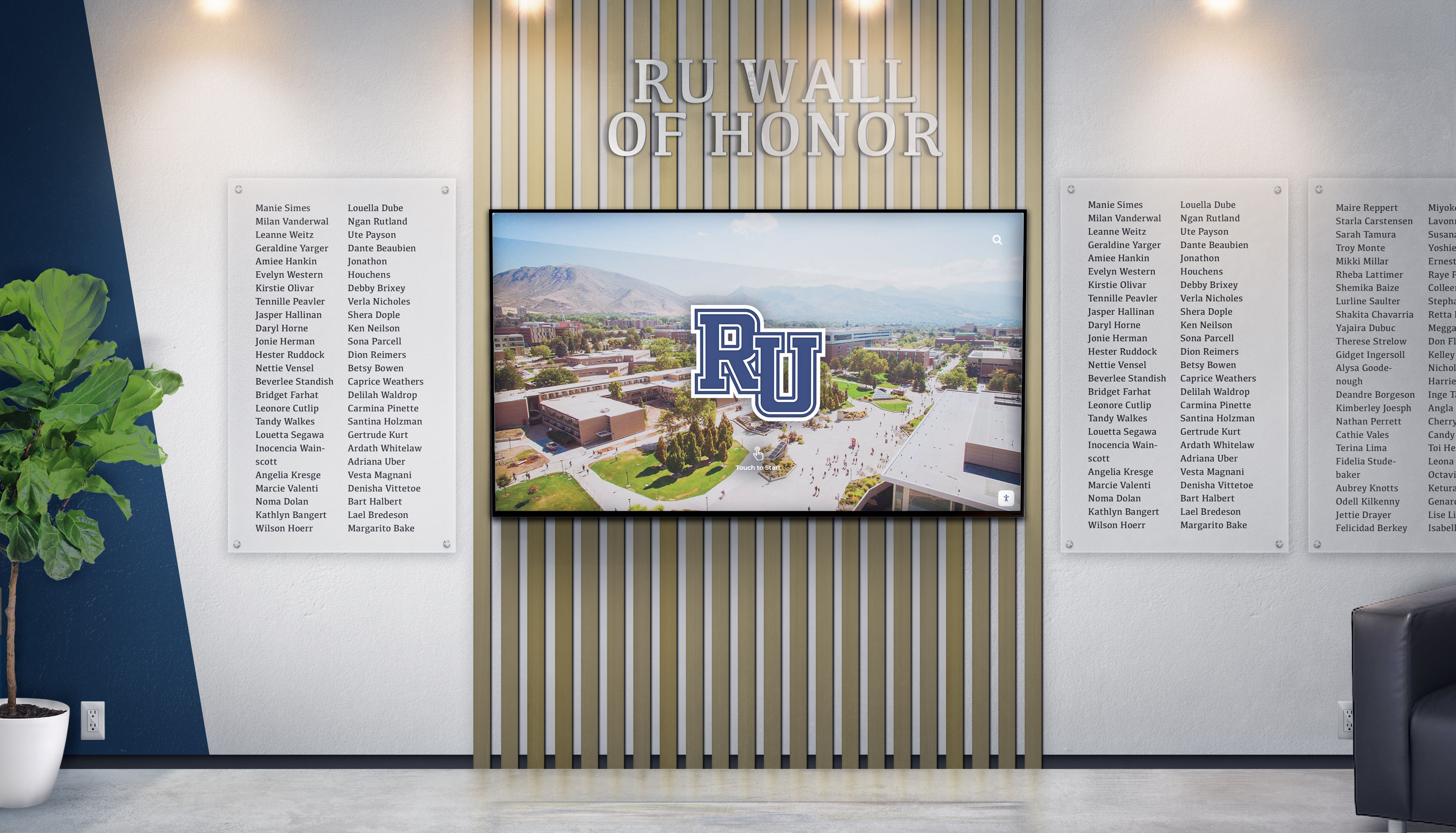
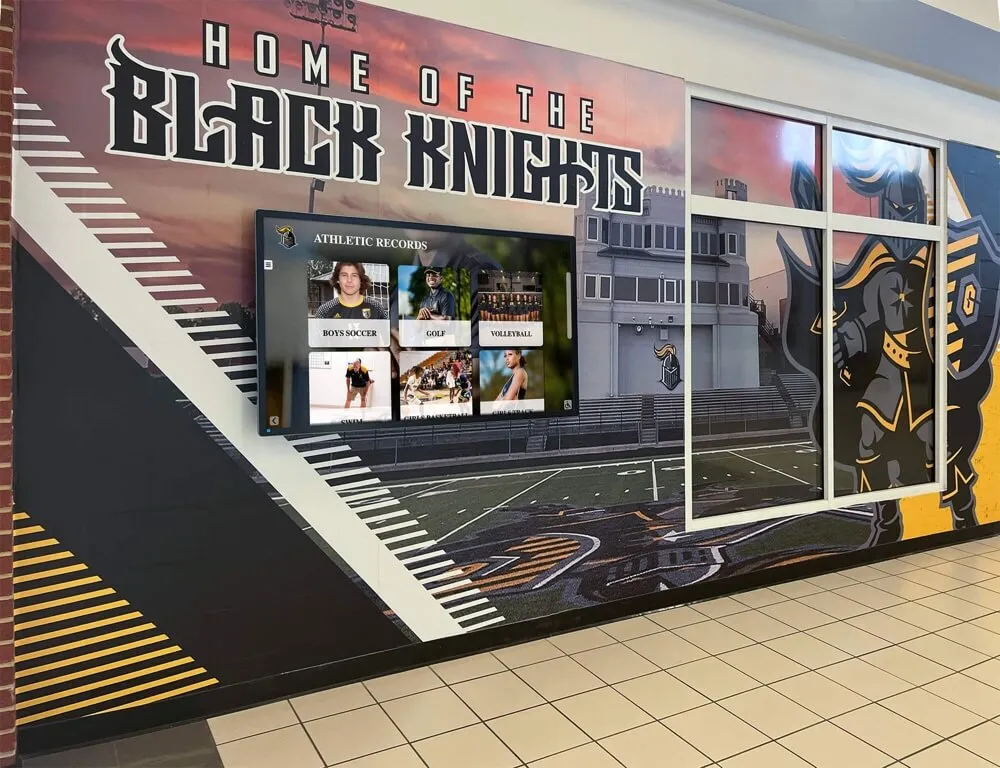
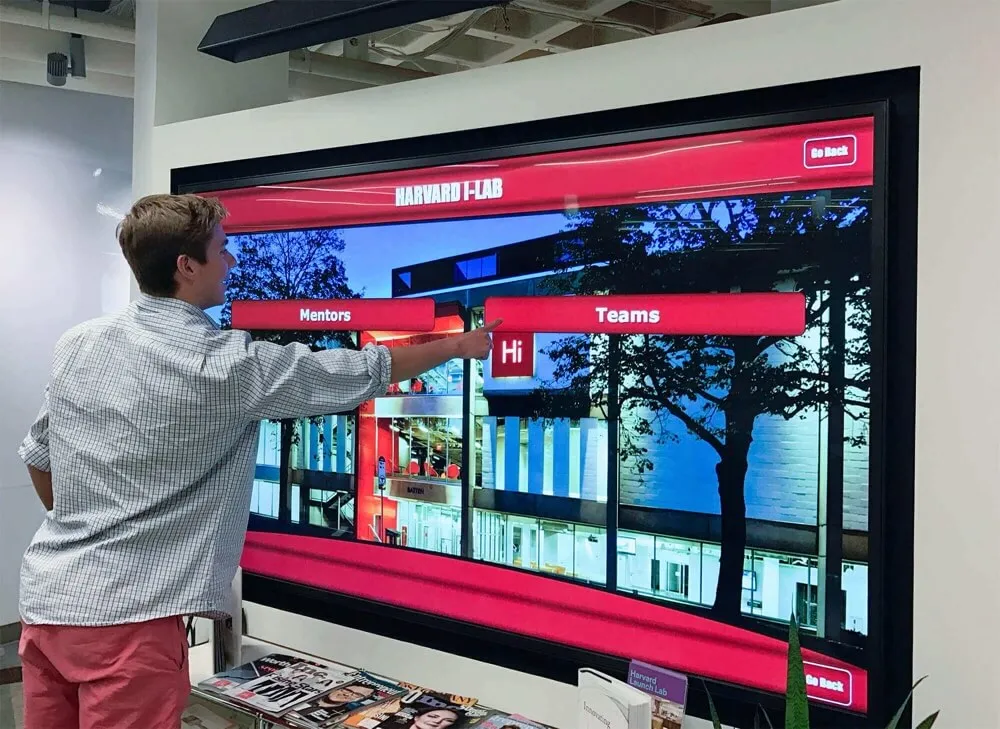
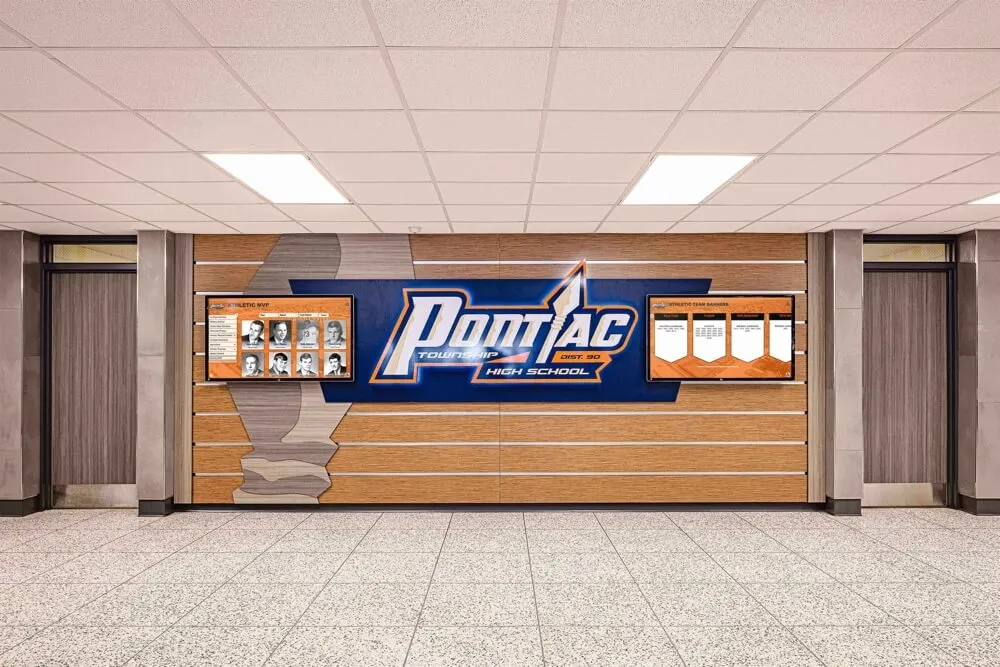
Effective DAM enables both traditional and digital recognition approaches using organized asset collections
Building Effective DAM Strategies for Educational Institutions
Systematic approaches transform digital chaos into organized asset libraries.
Developing Content Taxonomies and Organization Schemes
Hierarchical Folder Structures
Effective organization starts with logical content architecture:
By School Year
- Primary organization by academic year creates clear time-based structure
- Subdirectories for fall/winter/spring seasons separate temporal periods
- Department or program folders within years organize by area
- Event-specific folders within departments contain related content
- Consistent naming conventions enable predictable navigation
By Content Type and Purpose
- Athletics folder containing team photos, game action, awards
- Academics section housing honor roll, awards ceremonies, classroom achievement
- Fine arts collection preserving performances, exhibitions, competitions
- Student life directory covering clubs, activities, social events
- Administrative archives maintaining institutional documentation
By Recognition Category
- Hall of fame inductee content organized by year and individual
- Donor recognition materials grouped by campaign and level
- Employee recognition organized by award type and year
- Student achievement separated by program and category
- Historical archives organized by decade and event type
Schools implementing structured digital recognition programs benefit from thoughtful content organization enabling efficient retrieval and display.
Metadata Standards and Tagging Protocols
Essential Metadata Fields
Comprehensive tagging enables powerful search and filtering:
People Identification
- Student names enabling searches across years and programs
- Staff member identification for employee recognition
- Team rosters linking individuals to group photos
- Donor names connecting recognition to philanthropy
- Alumni identification preserving historical connections
Event and Context Tags
- Event names specifying occasions (State Championship, Homecoming, Awards Night)
- Date stamps enabling chronological searches and sorting
- Location tags identifying where photos were captured
- Sport or activity associations for categorical filtering
- Grade level or class year for cohort-based searching
Achievement and Recognition Markers
- Award types received by subjects (MVP, Honor Roll, Scholarship)
- Achievement categories (academic, athletic, arts, service)
- Recognition levels (regional, state, national)
- Program completion markers
- Honor society affiliations
Rights and Usage Information
- Photographer attribution for copyright
- Model release status indicating publication permissions
- Usage restrictions for privacy or contractual limits
- Watermark requirements for external distribution
- Archive status marking historical significance
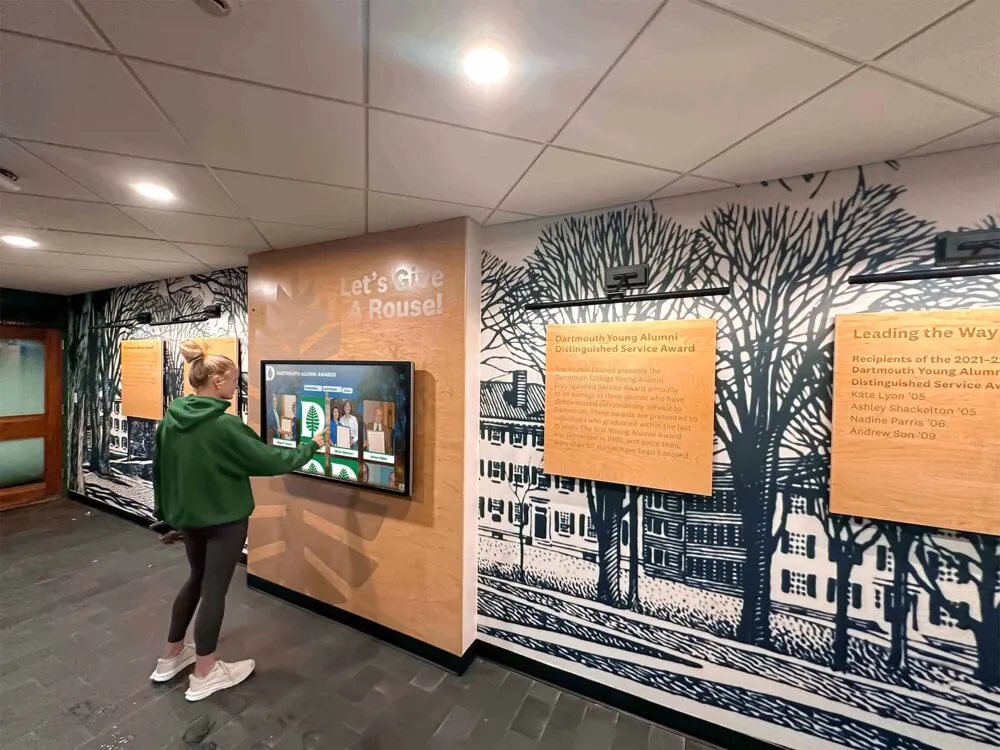
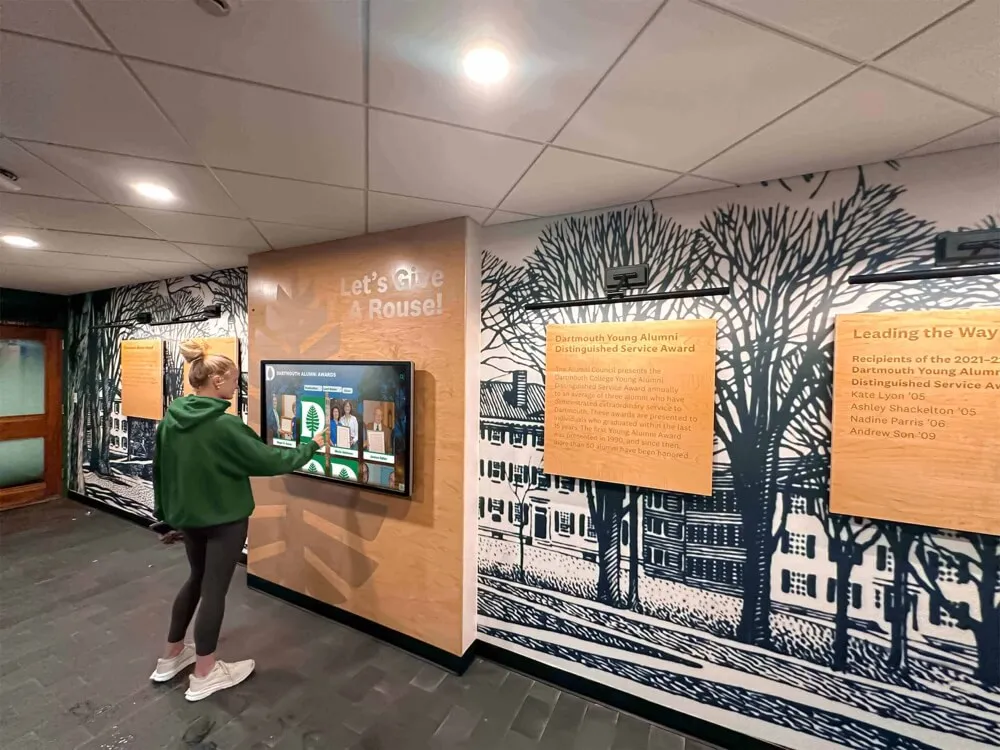
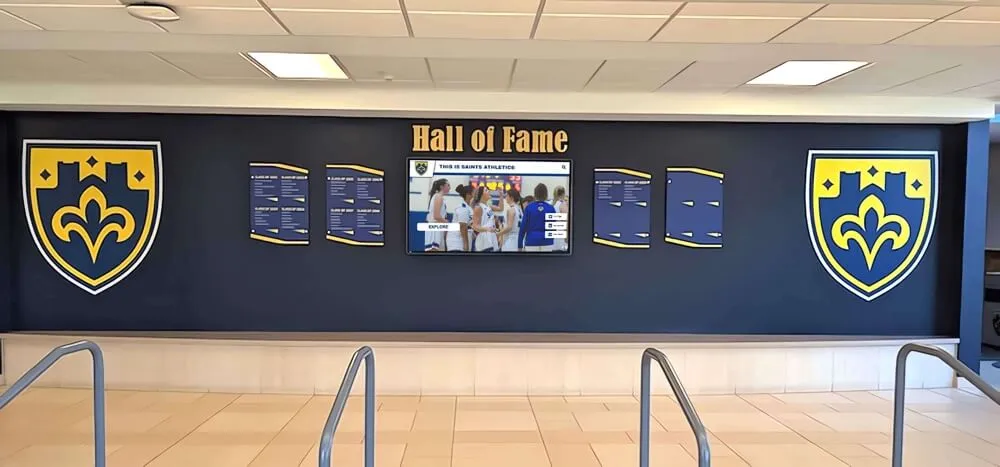
Well-organized digital assets enable interactive exploration of achievement content
Establishing Content Intake and Contribution Workflows
Centralized Submission Processes
Systematic content collection prevents assets remaining on personal devices:
Event Coverage Protocols
- Designated photographers for major events submit directly to DAM
- Photo submission deadlines following events
- Required metadata entry during upload process
- Quality standards ensuring resolution and composition minimums
- Backup procedures for content created on multiple devices
Ongoing Contribution Channels
- Web forms allowing staff to submit photos with context
- Mobile apps enabling real-time uploads from events
- Email gateways accepting photo submissions with metadata
- Integration with existing platforms staff already use
- Clear instructions reducing submission friction
Vendor Content Integration
- Yearbook companies providing digital files to school DAM
- Professional photographers delivering full galleries not just prints
- Video production firms uploading raw and edited footage
- Design agencies contributing graphic assets
- Sports photography services integrating with school systems
DAM Applications for Student Achievement Recognition
Digital asset management directly enables recognition programs impossible without organized content.
Interactive Hall of Fame and Recognition Displays
Touchscreen Recognition Kiosks
Organized digital assets power interactive recognition displays that transform static trophy cases into engaging experiences:
Dynamic Content Presentation
- Searchable databases of inductees across decades
- Individual profiles featuring multiple photos from athletic careers
- Video clips showing championship moments and highlights
- Photo galleries documenting award ceremonies and celebrations
- Interactive timelines showing program history evolution
Multi-Category Recognition
- Athletic halls of fame with team and individual achievers
- Academic honor rolls updated automatically each semester
- Arts recognition featuring performances and exhibitions
- Donor walls celebrating philanthropic support
- Employee recognition honoring service milestones
Engagement Features
- QR codes unlocking mobile access to full profiles
- Social sharing buttons spreading recognition beyond campus
- Search functionality finding specific students, teams, or years
- Filtering options narrowing displays by achievement type
- Randomized rotation ensuring all inductees receive visibility
Solutions like Rocket Alumni Solutions integrate comprehensive DAM functionality specifically designed for school recognition needs, managing unlimited photos, videos, and documents while powering interactive displays that celebrate achievement using organized content libraries.
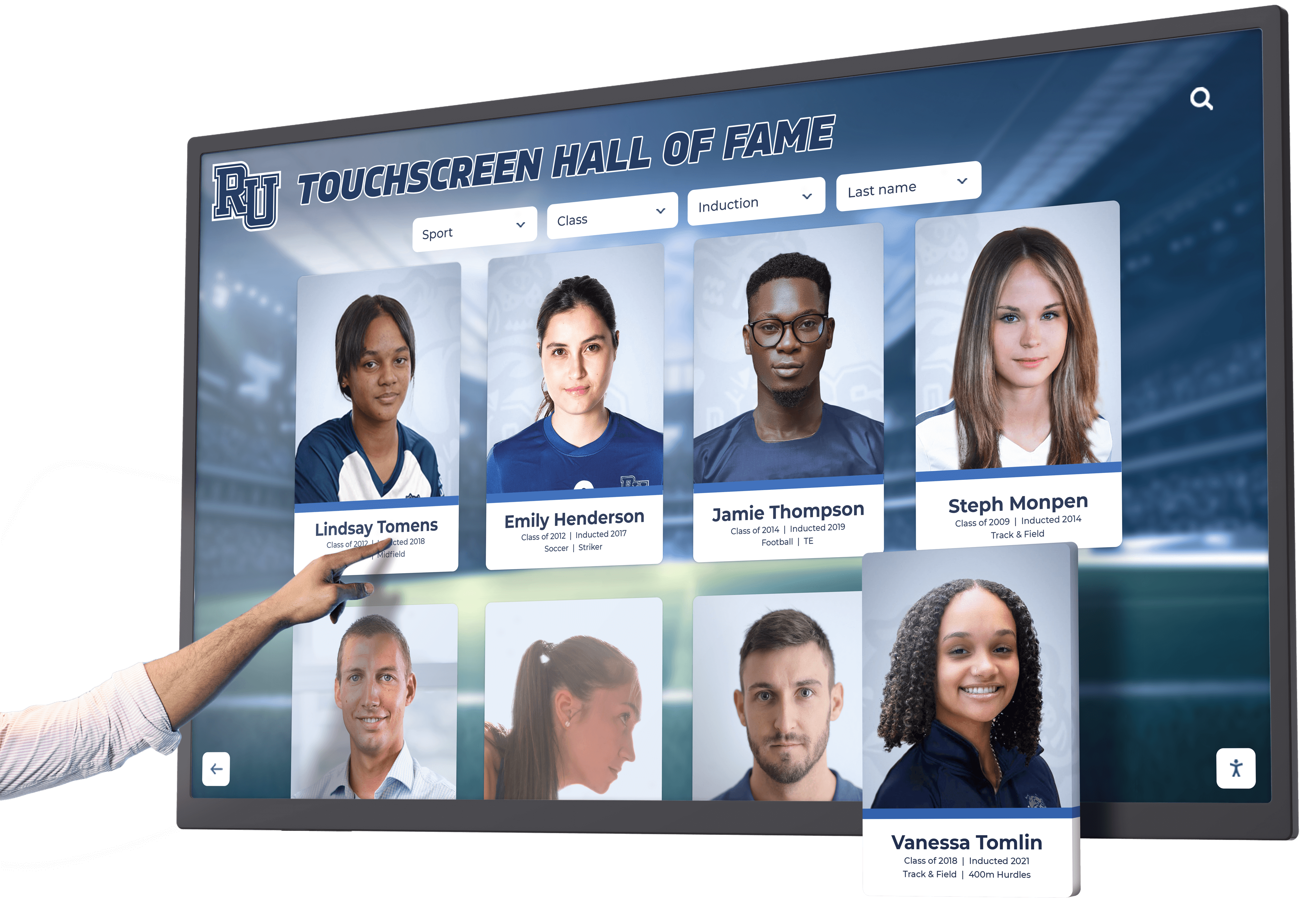
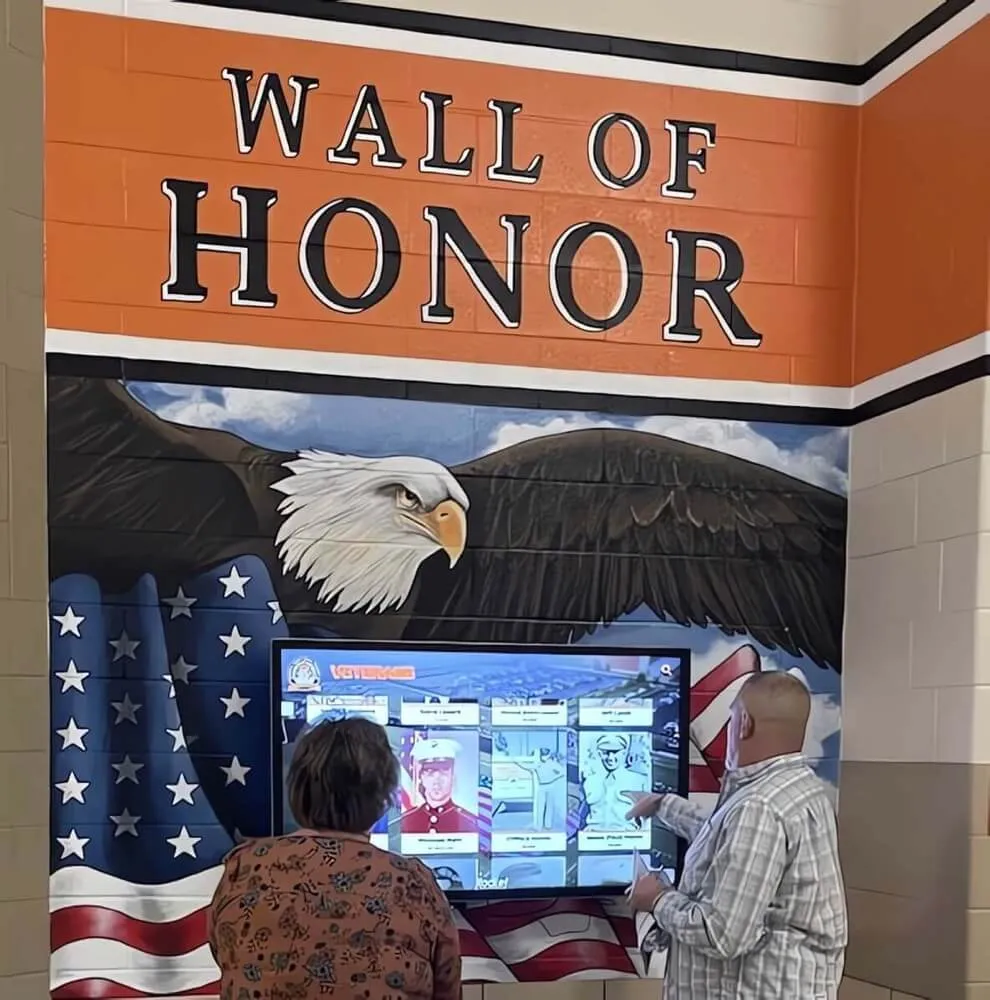
DAM-powered interactive displays enable rich storytelling using organized photo and video content
Yearbook Integration and Historical Archives
Living Yearbook Platforms
Modern DAM systems extend yearbook content beyond annual print editions:
Digital Yearbook Extensions
- Online galleries featuring hundreds more photos than print space allows
- Video content impossible in traditional yearbooks
- Searchable archives spanning school history
- Alumni access to historical yearbooks from their graduation years
- Mobile-optimized browsing for contemporary viewing preferences
Multigenerational Archive Building
- Scanning historical yearbooks creating digital preservation
- Organizing content by year, class, and individual
- Connecting current students to institutional legacy
- Alumni reunion support through accessible historical content
- Anniversary celebration materials drawing from organized archives
Institutions implementing comprehensive digital yearbook solutions extend recognition beyond single-year print editions while building valuable historical resources.
Donor Recognition and Development Applications
Philanthropy Documentation and Recognition
DAM systems support advancement operations:
Campaign Content Management
- Donor photos from events and presentations
- Before-and-after facility documentation showing gift impact
- Beneficiary testimonial videos and images
- Recognition ceremony coverage and presentations
- Naming opportunity documentation with plaques and spaces
Recognition Display Power
- Digital donor walls featuring photos and impact stories
- Searchable giving society rosters with member profiles
- Legacy society recognition across generations
- Campaign progress visualization using organized content
- Event galleries celebrating donor engagement
Schools implementing comprehensive donor recognition systems rely on organized asset management enabling both physical installations and digital extensions.
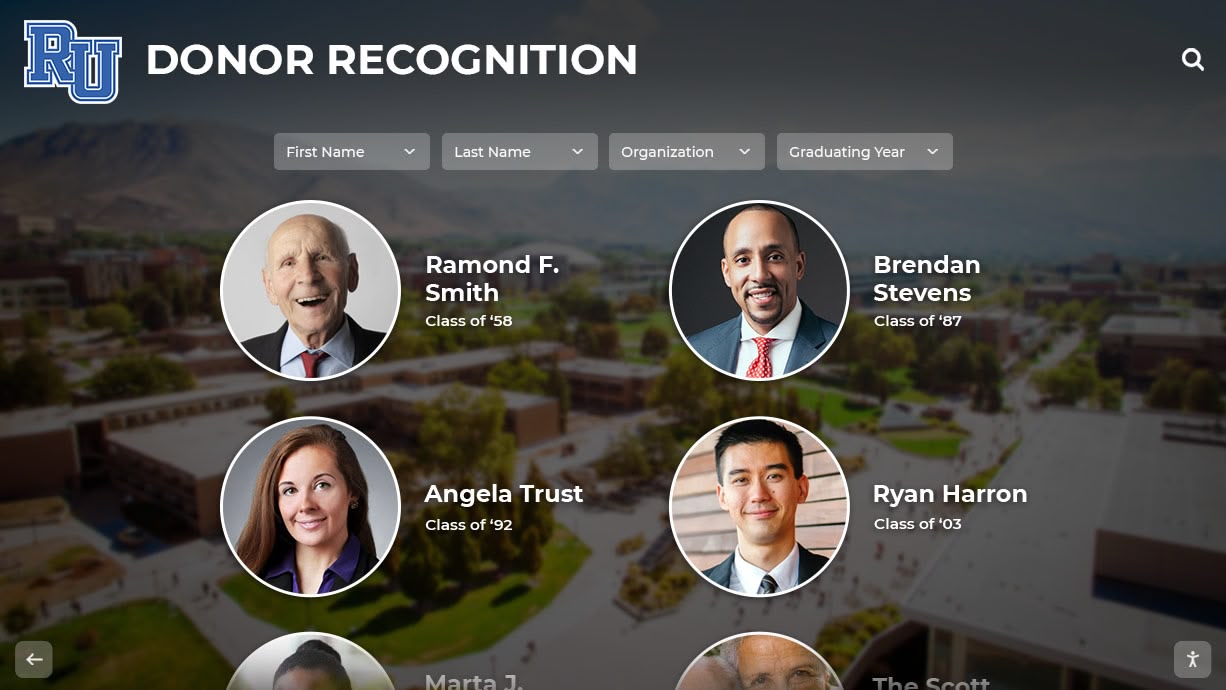
DAM systems organize donor recognition content enabling comprehensive recognition across platforms
Rocket Alumni Solutions: Purpose-Built DAM for School Recognition
Educational institutions need specialized digital asset management addressing school-specific requirements beyond corporate DAM systems.
Comprehensive Digital Asset Management Integration
Unlimited Content Capacity
Unlike traditional DAM systems charging per-gigabyte or limiting storage:
- Unlimited photo uploads across all recognition categories
- Unrestricted video hosting for game highlights, ceremonies, performances
- No constraints on historical archive digitization projects
- Capacity for entire yearbook history spanning decades
- Freedom to preserve institutional memory comprehensively
Achievement-Focused Organization
Purpose-built taxonomy reflecting educational recognition needs:
- Athletic recognition structures with teams, seasons, individuals
- Academic achievement categories aligning with honor programs
- Donor recognition organization matching advancement terminology
- Historical archive structures preserving institutional memory
- Multi-category support enabling diverse content types
Powerful Recognition Display Capabilities
Interactive Touchscreen Applications
Organized assets power engaging recognition experiences:
Searchable Recognition Databases
- Find any student, team, or achievement instantly
- Filter by year, sport, activity, award type, or category
- Browse championships, records, and milestones chronologically
- Explore individual achievement profiles with comprehensive content
- Discover connections between current students and alumni legacy
Rich Media Presentation
- Photo galleries featuring career highlights and moments
- Embedded video clips from games, performances, ceremonies
- Social media integration displaying contemporary content
- Document presentation including certificates and programs
- Timeline visualizations showing achievement progression
Mobile Accessibility
- QR code unlocking enabling smartphone access to full content
- Mobile-optimized browsing for contemporary preferences
- Social sharing spreading recognition beyond physical displays
- Alumni engagement through remote archive access
- Family celebration through easy photo and video access
Schools implementing Rocket Alumni Solutions gain comprehensive DAM functionality specifically designed for recognition while avoiding generic systems requiring extensive customization.
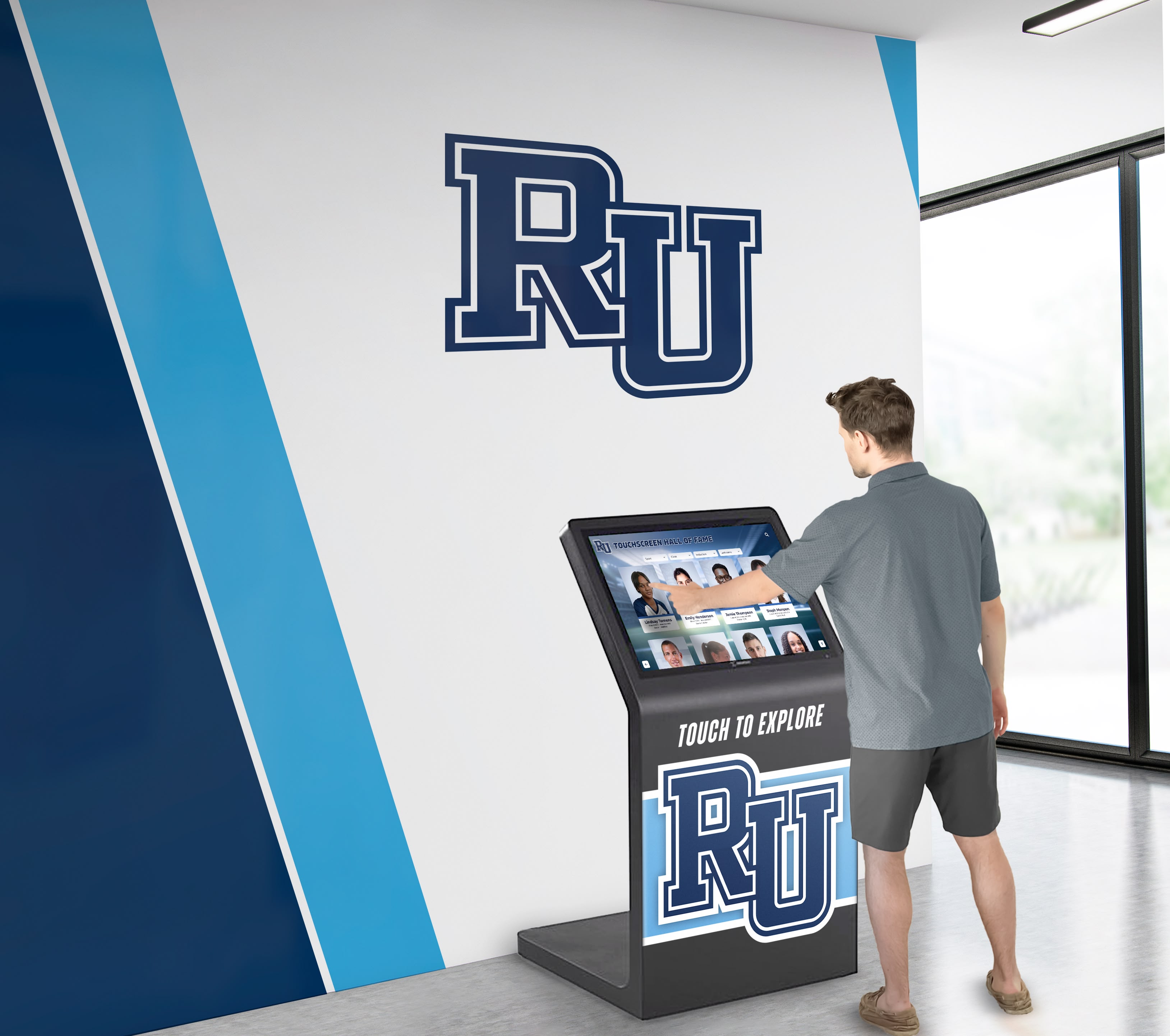
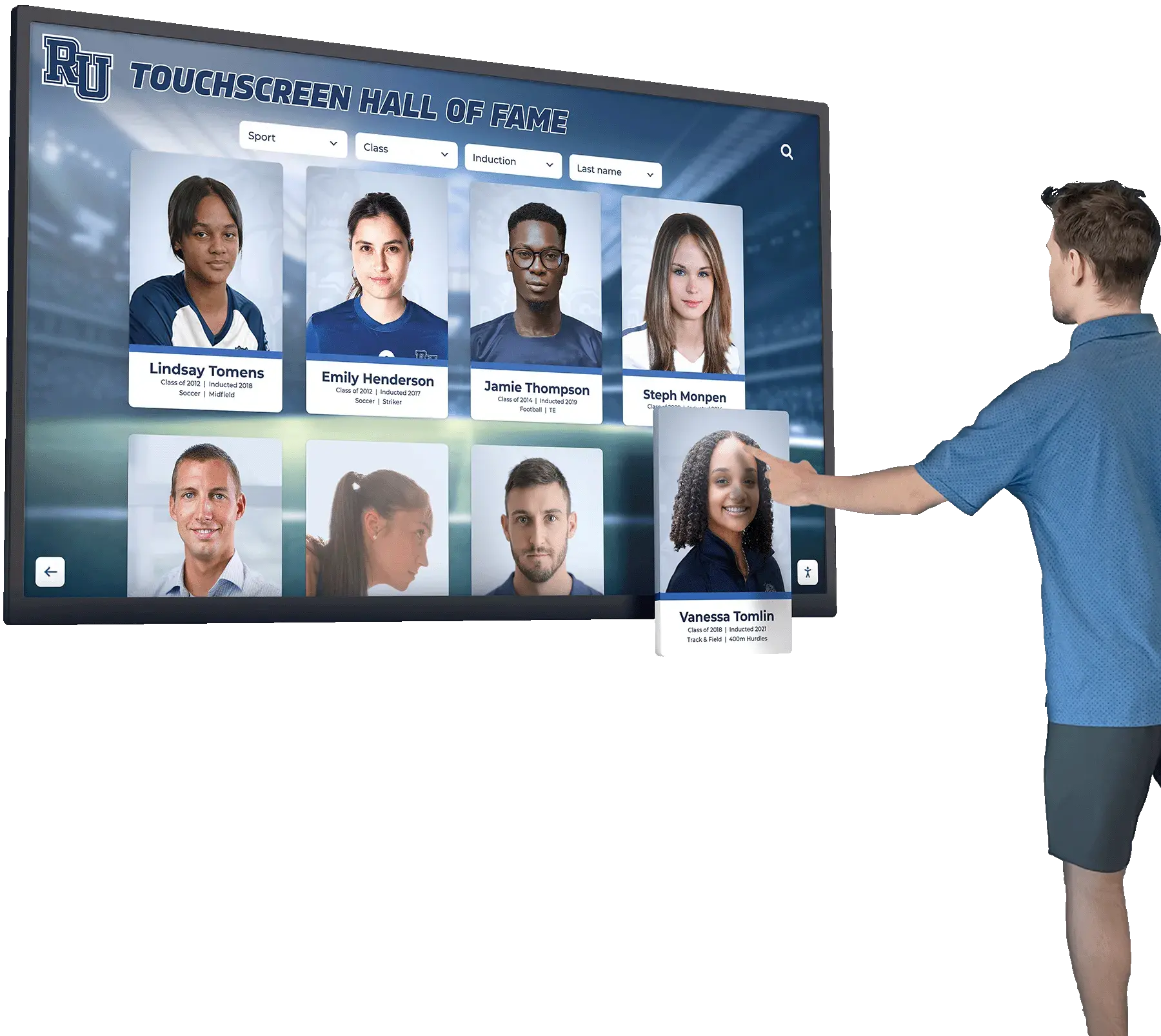
Purpose-built recognition DAM systems enable intuitive content exploration and celebration
Remote Content Management and Collaboration
Cloud-Based Administration
Modern schools need access from anywhere:
Multi-User Permissions
- Athletic directors manage sports recognition content
- Development staff control donor recognition materials
- Communications teams update current achievement highlights
- Alumni relations access historical archives
- Administrative approval workflows for sensitive content
Real-Time Updates
- Add new inductees or achievements immediately
- Update displays instantly without physical fabrication
- Correct errors or refine content efficiently
- Schedule content changes for specific dates or events
- Coordinate updates across multiple displays or locations
Collaborative Workflows
- Staff submit content from events via mobile devices
- Review and approval processes before publication
- Bulk upload tools for efficient historical archive addition
- Version control tracking content changes
- Communication features enabling team coordination
This collaborative approach transforms DAM from technical infrastructure into institutional tools enabling systematic recognition across departments and programs.
Integration with School Recognition Programs
Holistic Achievement Celebration
Purpose-built solutions connect recognition across domains:
Academic Recognition Integration
- Honor roll rosters updated automatically each semester
- Academic award recipients featured with ceremony photos
- Scholarship winners showcased with recipient profiles
- Graduate achievement tracking across years
- Valedictorian and salutatorian historical records
Explore academic recognition approaches in comprehensive student achievement programs that depend on organized digital assets.
Athletic Achievement Documentation
- Team rosters and season records across sports
- Individual record holders and milestone achievers
- Championship documentation with photos and details
- Career statistics and achievement summaries
- Coaching history and legacy preservation
Donor and Community Recognition
- Giving society rosters with member profiles
- Campaign milestone documentation and celebration
- Volunteer recognition and service awards
- Community partner acknowledgment
- Legacy supporter historical preservation
Implementation Strategies for School DAM Systems
Successful deployment requires systematic approaches addressing change management and adoption.
Planning and Requirements Assessment
Stakeholder Needs Identification
Different departments have distinct DAM requirements:
Athletic Department Needs
- Team photo organization by sport, year, and level
- Individual athlete profiles across seasons
- Game action photography and highlight videos
- Record board content and statistical documentation
- Coaching staff photos and historical materials
Academic Administration Requirements
- Honor roll rosters and ceremony photos
- Award recipient documentation across programs
- Graduation ceremony coverage and individual portraits
- Academic competition achievement records
- Faculty and staff recognition materials
Development Office Priorities
- Donor recognition photos and event coverage
- Campaign materials and progress documentation
- Beneficiary impact stories with photos and videos
- Facility naming documentation
- Historical giving records and legacy content
Communications Team Needs
- Current event coverage for websites and social media
- Brand-compliant image libraries
- Video content for various platforms
- Print publication materials
- Historical archives for institutional storytelling
Change Management and User Adoption
Training and Support Infrastructure
Technology succeeds only when people use it effectively:
Initial Training Programs
- Role-specific training for different user types
- Hands-on practice with realistic content
- Workflow documentation and quick reference guides
- Technical support contact information
- Ongoing refresher opportunities
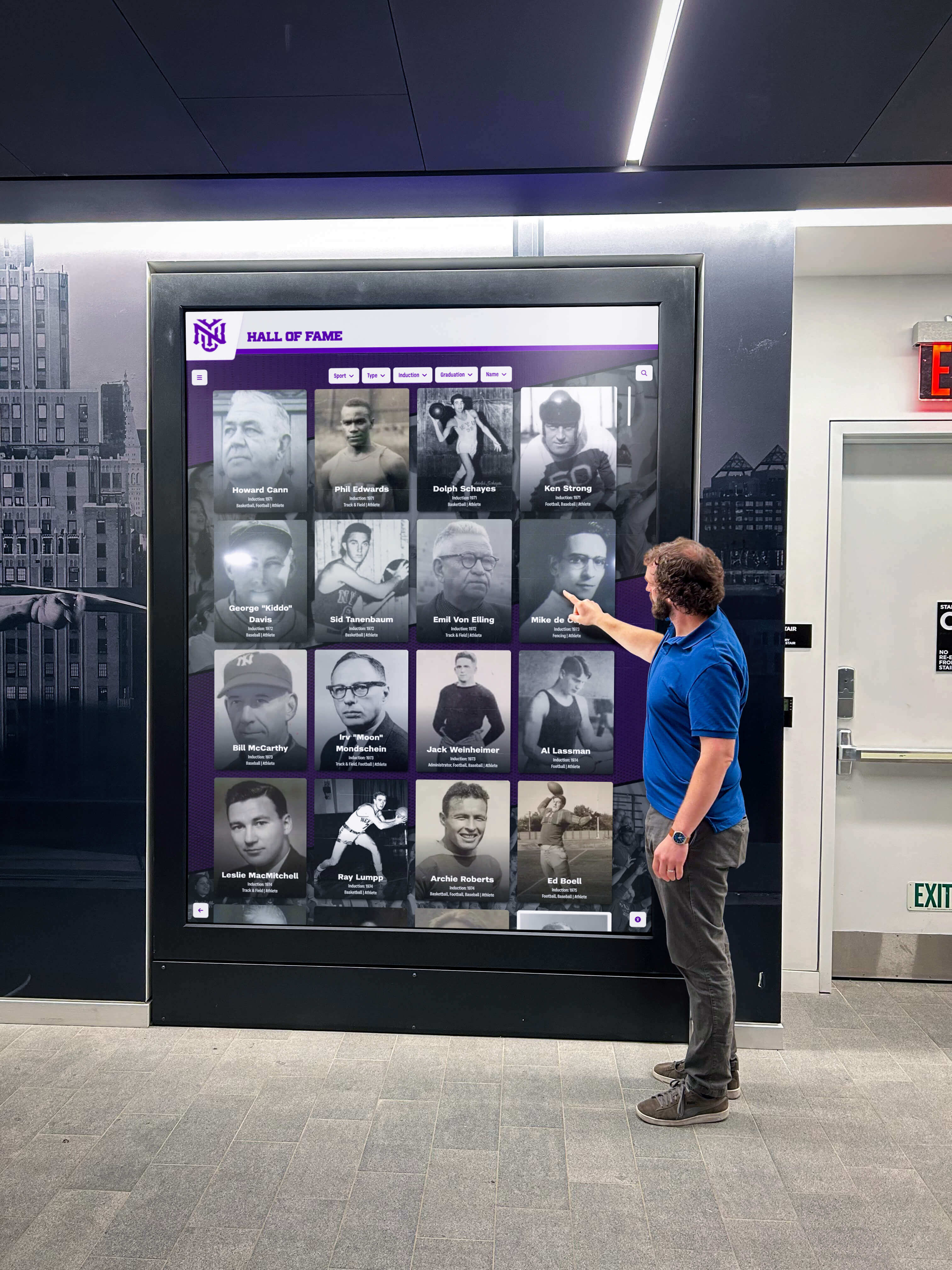
Successful DAM implementation creates intuitive systems that staff and visitors navigate easily
Cultural Adoption Strategies
- Executive sponsorship communicating importance
- Department champion identification supporting peers
- Success stories celebrating early wins
- Gradual rollout preventing overwhelming change
- Integration with existing workflows minimizing disruption
Content Migration and Historical Archive Development
Existing Content Organization
Schools possess valuable content requiring systematic migration:
Digital Content Consolidation
- Gathering files from shared drives, personal computers, cloud accounts
- Organizing scattered content by appropriate categories
- Removing duplicates consuming storage unnecessarily
- Applying metadata making content searchable
- Establishing authoritative versions for important files
Historical Material Digitization
- Scanning yearbooks creating searchable archives
- Digitizing trophy case plaques and awards
- Photographing championship banners and memorabilia
- Converting analog video and film to digital formats
- Preserving documents and programs from historical events
Schools implementing comprehensive historical preservation create valuable resources for celebrating institutional legacy while documenting evolution across decades.
Measuring DAM Success and Continuous Improvement
Assessment ensures digital asset management delivers value worth investment.
Quantitative Success Metrics
Usage and Adoption Indicators
- Number of active users accessing system monthly
- Content uploads per week showing contribution activity
- Search queries demonstrating discovery usage
- Download counts indicating content retrieval value
- Display interactions measuring public engagement
Efficiency Improvements
- Time spent searching for content before versus after DAM
- Staff hours saved through centralized access
- Reduction in duplicate content creation
- Decreased vendor file recreation requests
- Faster publication and recognition timelines
Content Growth Measures
- Total assets under management growth
- Historical archive expansion progress
- Coverage across different departments and programs
- Metadata completion percentages
- Content quality standards compliance
Qualitative Success Assessment
User Satisfaction Evaluation
- Staff surveys regarding DAM usefulness
- Department feedback about workflow integration
- Technical support ticket volume and types
- Training effectiveness ratings
- Feature request patterns showing needs
Institutional Impact Observation
- Recognition program enhancement enabled by organized assets
- Alumni engagement through historical access
- Development office donor stewardship improvements
- Communications team content utilization
- Student and family celebration through accessible achievements
Regular assessment informs continuous improvement ensuring DAM systems evolve meeting changing institutional needs.
Conclusion: Transforming Digital Chaos Into Institutional Memory
Digital asset management represents far more than file storage infrastructure for educational institutions—it enables systematic preservation of student achievement, institutional history, and community milestones while powering recognition programs that celebrate excellence and inspire continued success. When schools implement DAM systems specifically designed for educational recognition needs, they transform scattered photos and videos into organized libraries that serve both current celebration and historical preservation.
The challenges facing schools without proper digital asset management—lost photos, inaccessible archives, frustrated staff searching for content that exists somewhere but cannot be found—represent missed opportunities for recognition, engagement, and institutional memory preservation. Every championship moment deserving display, every honor roll achievement worth celebrating, every donor contribution meriting recognition, and every historical milestone connecting current students to legacy remains unrealized when digital assets remain disorganized and inaccessible.
Purpose-built solutions addressing educational institution requirements provide comprehensive answers to these challenges while creating new possibilities for achievement recognition. From unlimited photo and video storage to interactive touchscreen displays, mobile accessibility, and collaborative content management, modern DAM systems designed for schools deliver the functionality educational institutions need at appropriate scale and budget.
Transform Your School's Digital Asset Management
Discover how Rocket Alumni Solutions provides comprehensive digital asset management specifically designed for educational recognition, enabling unlimited content storage, powerful displays, and organized institutional memory preservation.
Explore Recognition SolutionsWhether your institution struggles with scattered team photos, inaccessible yearbook archives, or the desire to create comprehensive recognition displays celebrating decades of achievement, digital asset management designed for educational needs provides the foundation enabling systematic solutions. The content documenting your students’ accomplishments, your institution’s evolution, and your community’s support represents irreplaceable assets deserving organized preservation and strategic utilization.
Start with clear objectives identifying your highest-value DAM applications—perhaps athletic recognition displays, donor wall enhancements, or historical archive accessibility. Evaluate solutions designed specifically for educational recognition rather than adapting corporate DAM systems requiring extensive customization. Implement systematically with proper training and change management ensuring adoption across departments. And measure success through both efficiency gains and enhanced recognition capabilities.
Your students’ achievements deserve celebration extending beyond ceremony moments to become lasting institutional memory. Your school’s history merits preservation enabling current students to connect with legacy. Your recognition programs deserve infrastructure supporting comprehensive, accessible, engaging achievement celebration. Through purpose-built digital asset management, these possibilities become sustainable realities serving your educational mission for generations.