



Donor recognition wall design represents one of the most visible expressions of institutional gratitude while simultaneously inspiring future philanthropic support. When organizations create recognition displays that appropriately honor contributions, reflect institutional values, and provide lasting visibility, they transform donor acknowledgment from transactional receipts into meaningful celebrations that strengthen relationships and encourage continued engagement.
Yet many institutions struggle with donor wall design decisions. Traditional brass plaques offer permanence but become outdated when naming levels change or major gifts arrive after installation. Fixed displays run out of physical space, forcing impossible choices about whose names appear prominently. Static walls lack the storytelling capacity to convey donor impact beyond simple name listings, missing opportunities to inspire others through compelling narratives about why people give and what their contributions achieve.
This comprehensive guide explores proven donor recognition wall design approaches—from traditional materials and layouts to innovative digital alternatives—helping you create displays that honor supporters appropriately while building cultures of philanthropy throughout your institution.
Effective donor recognition extends beyond simply listing contributor names on attractive displays. The most successful recognition walls balance aesthetic excellence with functional requirements, create flexible systems accommodating future growth, tell compelling stories about donor impact, and inspire others to join the philanthropic community. Organizations excelling at donor recognition design displays serving both ceremonial acknowledgment and strategic advancement purposes.

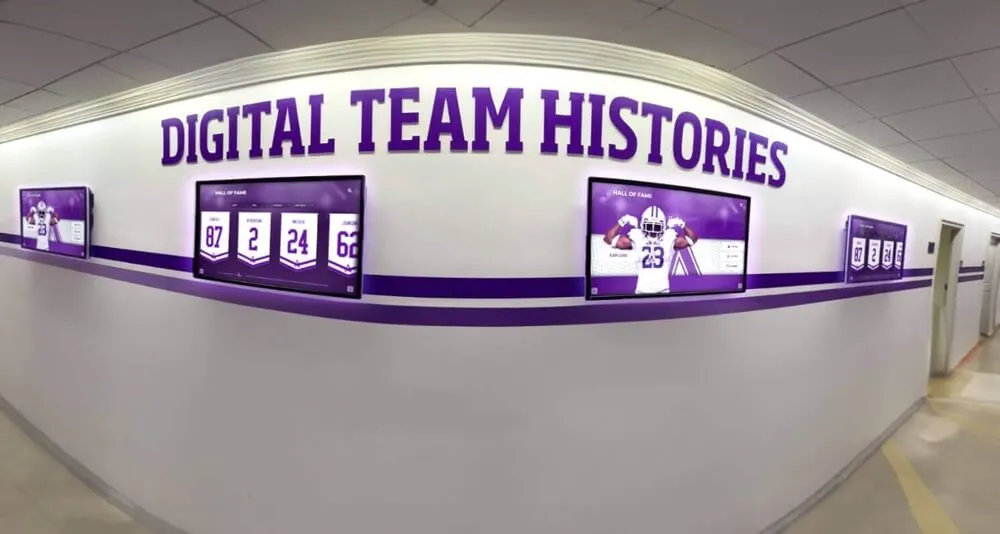
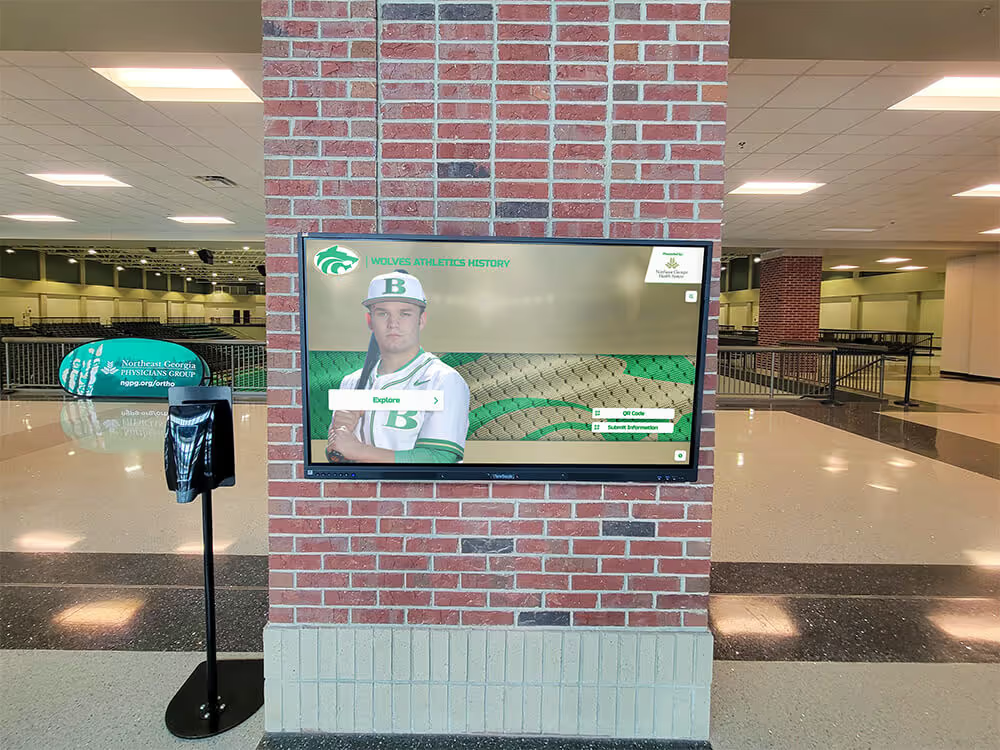
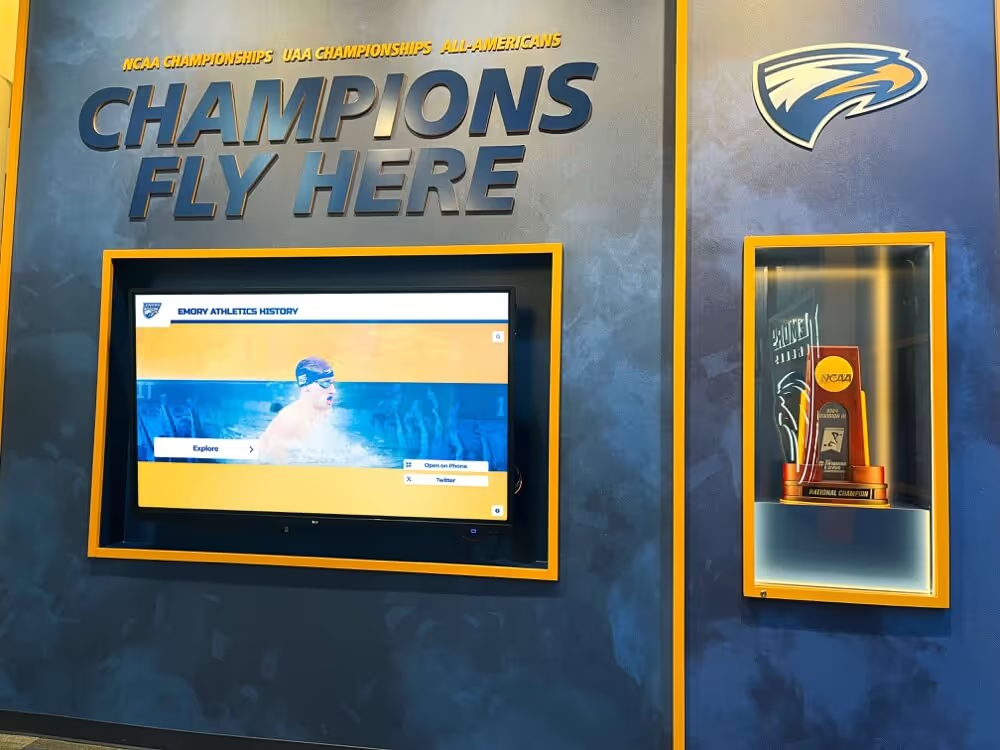
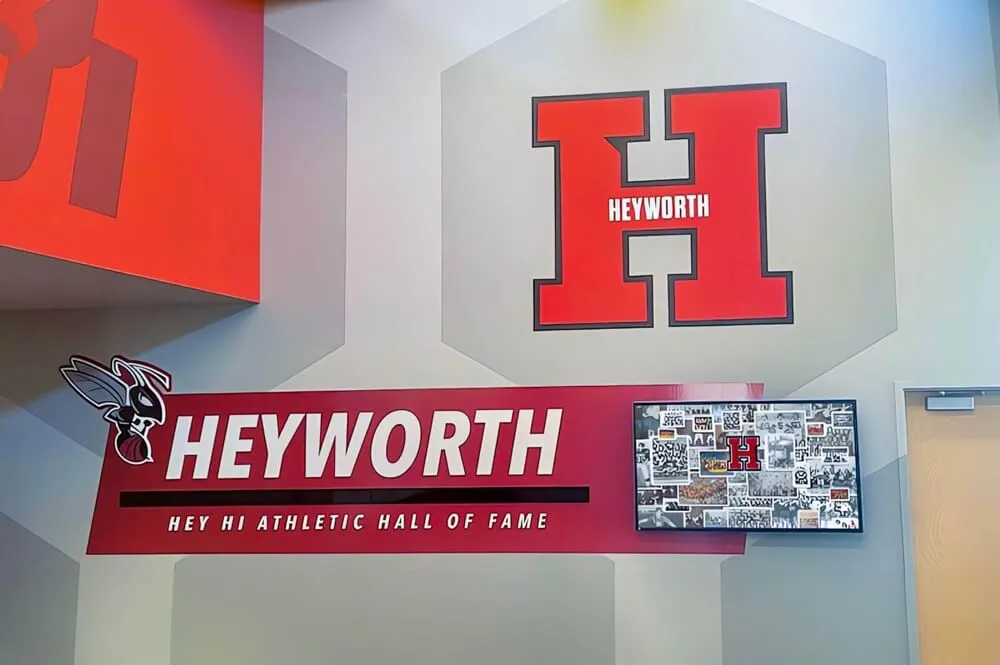
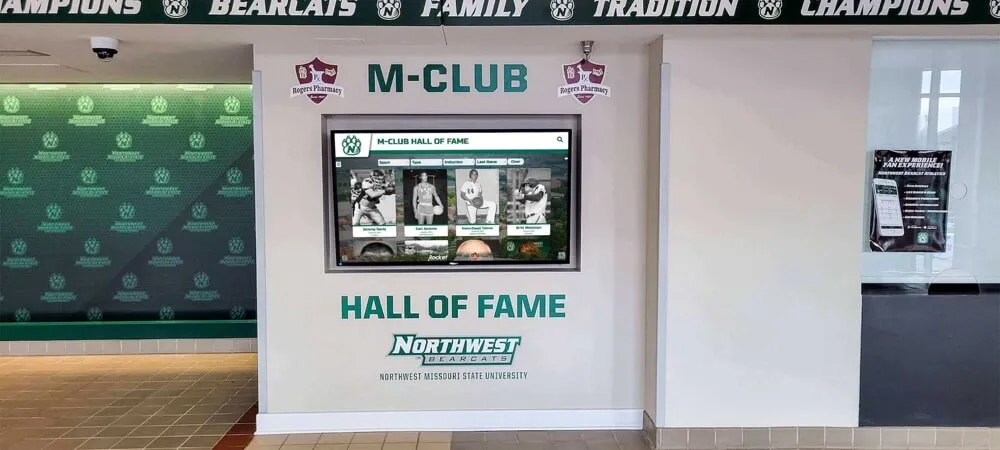
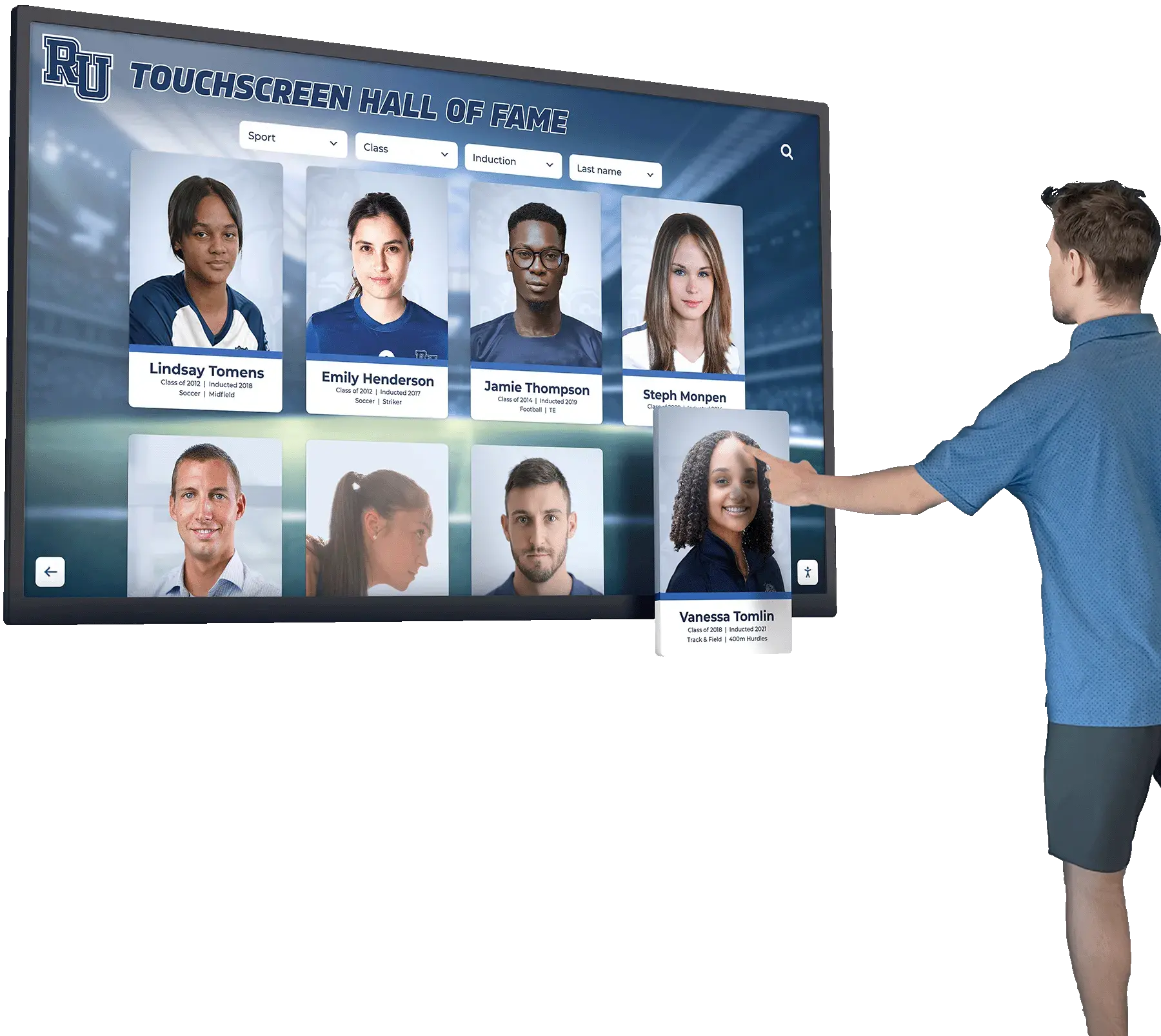
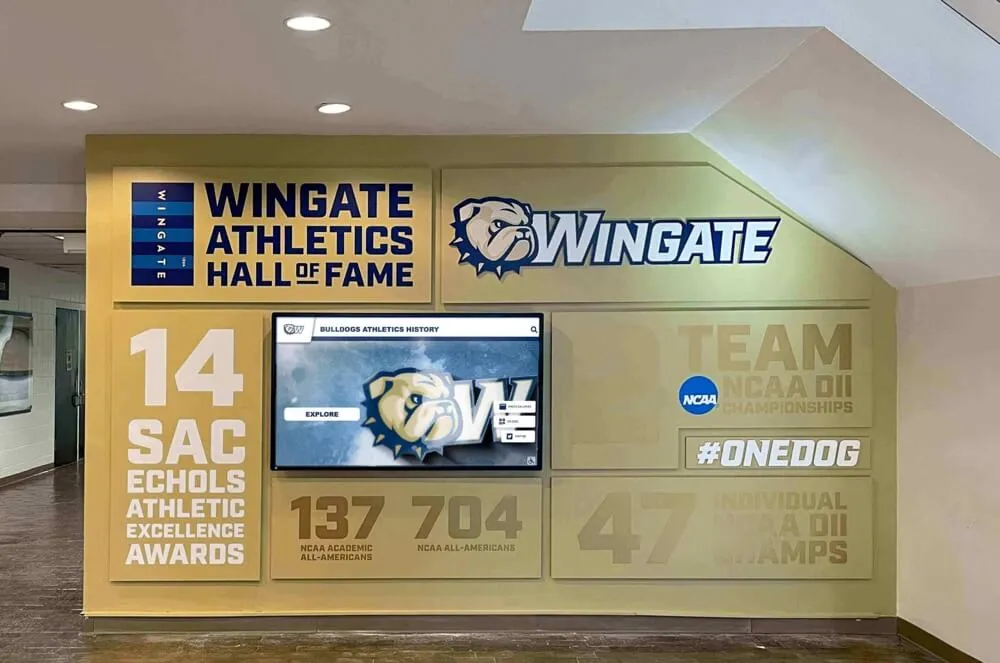
Comprehensive donor recognition systems celebrate contributions while showcasing institutional impact and community
Understanding Donor Recognition Wall Purposes and Goals
Before selecting materials or designing layouts, clarifying what your donor wall should accomplish ensures design decisions support strategic objectives.
Primary Functions of Donor Recognition Walls
Donor recognition serves multiple interconnected purposes within advancement programs:
Expressing Institutional Gratitude
- Publicly acknowledging philanthropic support and partnership
- Demonstrating that contributions are valued and remembered
- Creating permanent records of donor generosity
- Fulfilling ethical obligations to honor commitments
- Building trust through transparent recognition delivery
Inspiring Future Philanthropy
- Showcasing community of supporters encouraging others to join
- Normalizing giving culture within institutional community
- Demonstrating various giving levels and opportunities
- Providing visible evidence of campaign progress and momentum
- Creating aspirational recognition motivating increased contributions
According to research from the Association of Fundraising Professionals, institutions with prominent, well-maintained donor recognition report 18-24% higher repeat donation rates compared to organizations with minimal or poorly executed recognition programs, demonstrating the strategic advancement value of thoughtful donor wall design.
Telling Institutional Stories
- Communicating organizational mission and impact
- Connecting donor support to tangible outcomes
- Celebrating community partnerships and shared values
- Preserving institutional history and philanthropic tradition
- Building emotional connections between donors and mission
Recognition Wall Design Objectives
Successful donor walls achieve multiple design goals simultaneously:
Aesthetic Excellence
- Professional appearance reflecting institutional quality standards
- Design coherence with existing architecture and branding
- Visual impact creating memorable impressions
- Craftsmanship quality honoring donor significance
- Timeless aesthetic avoiding dated design trends
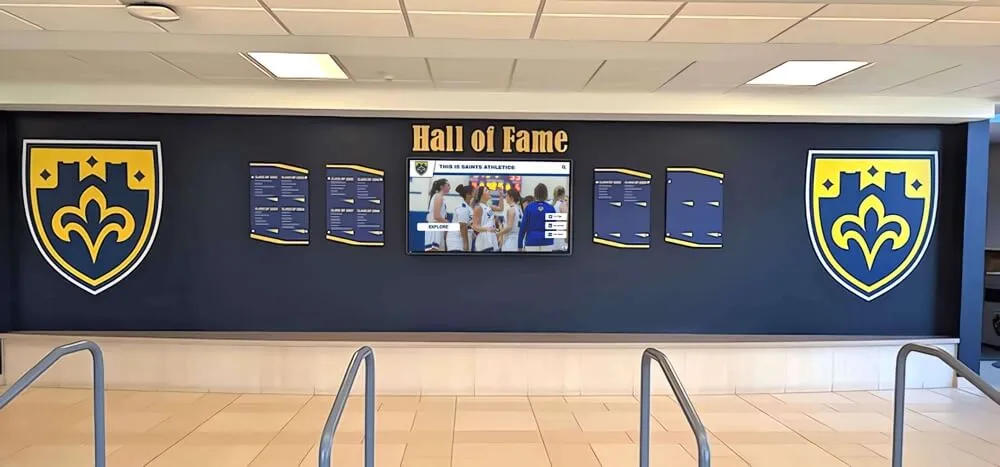
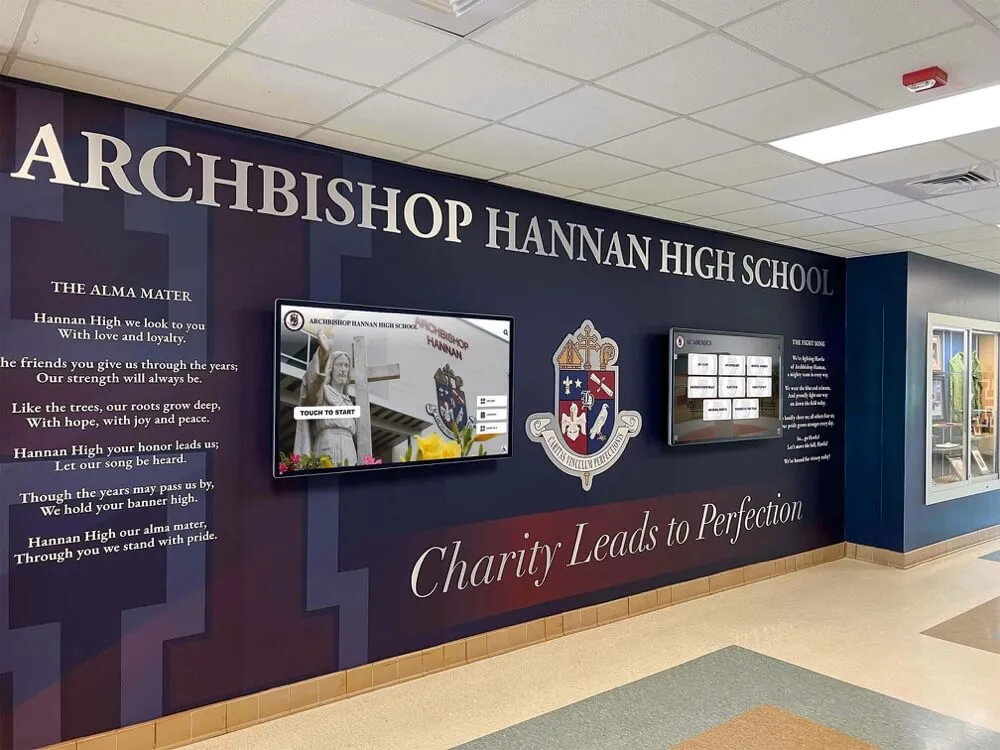
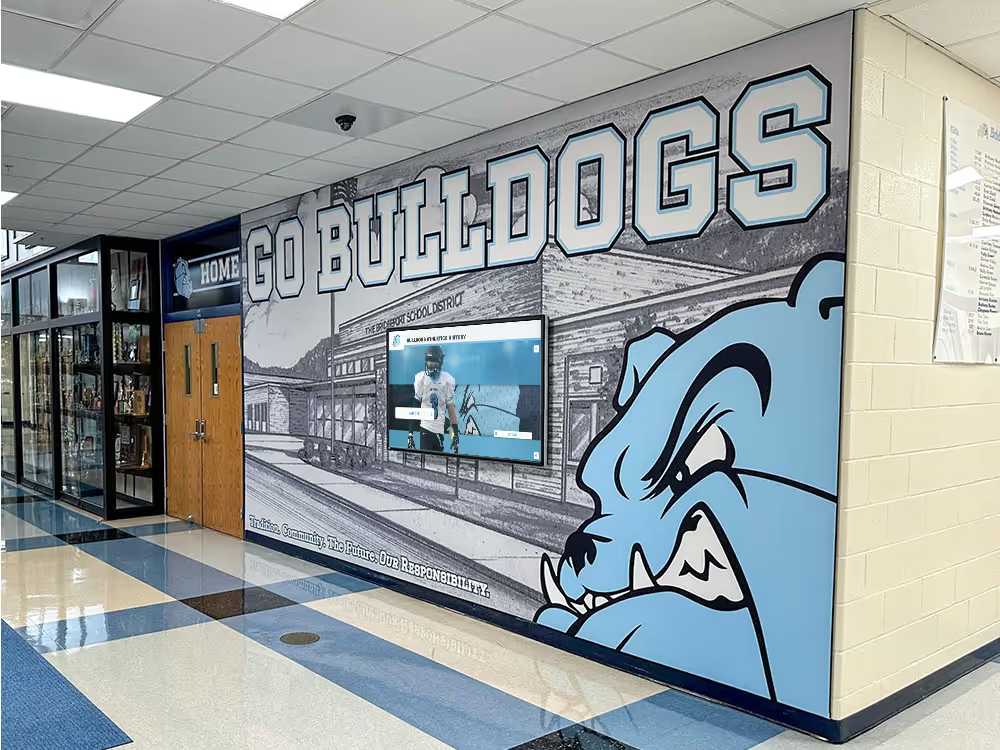
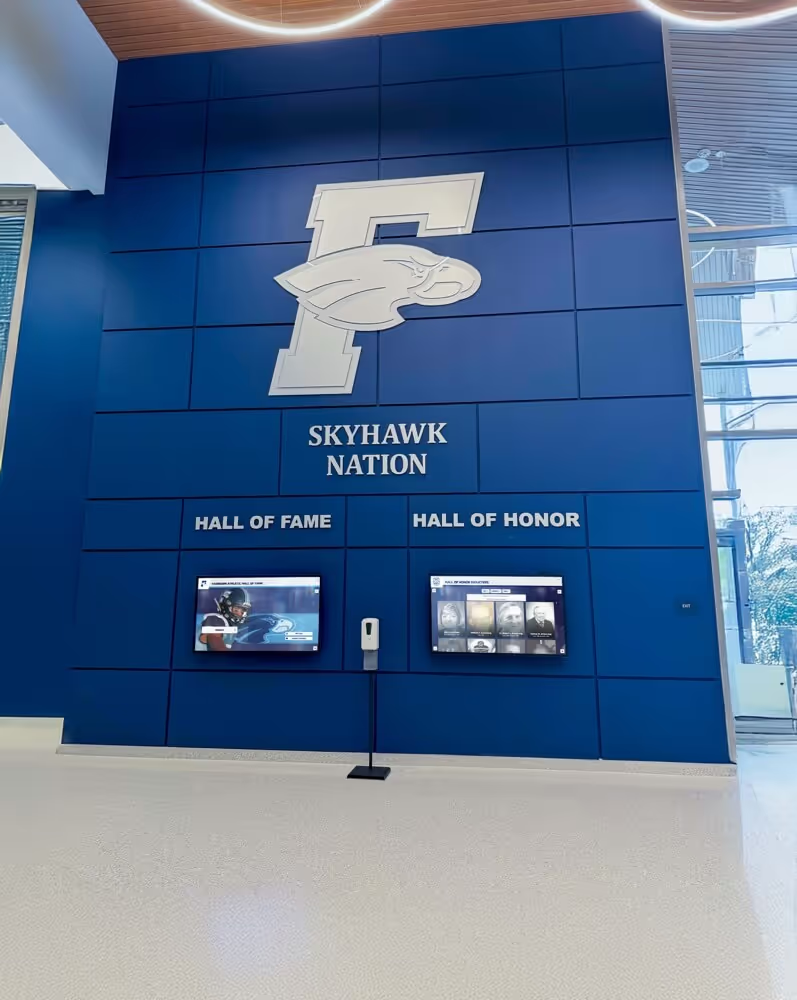
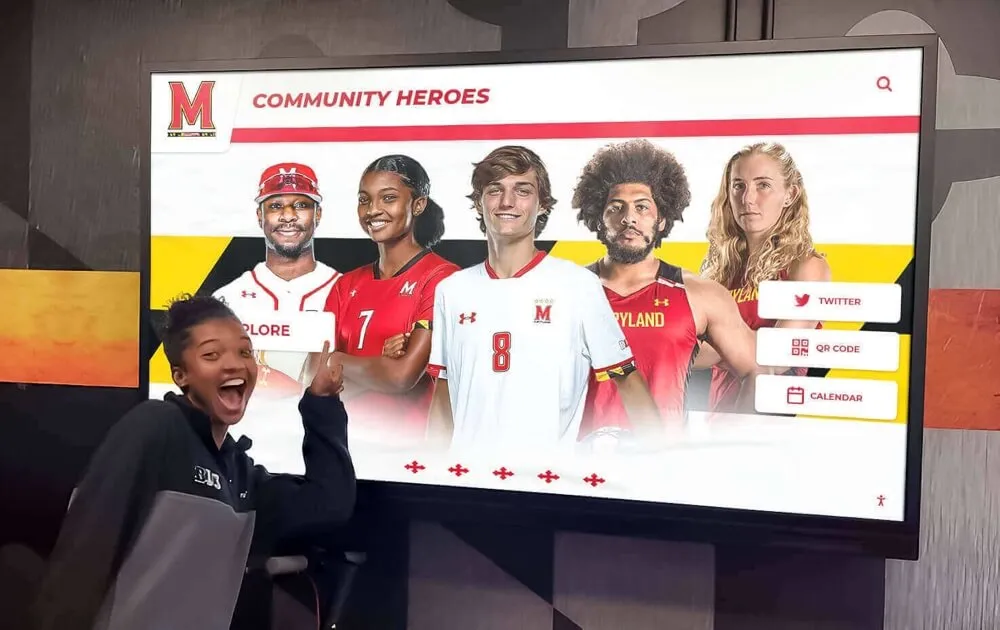
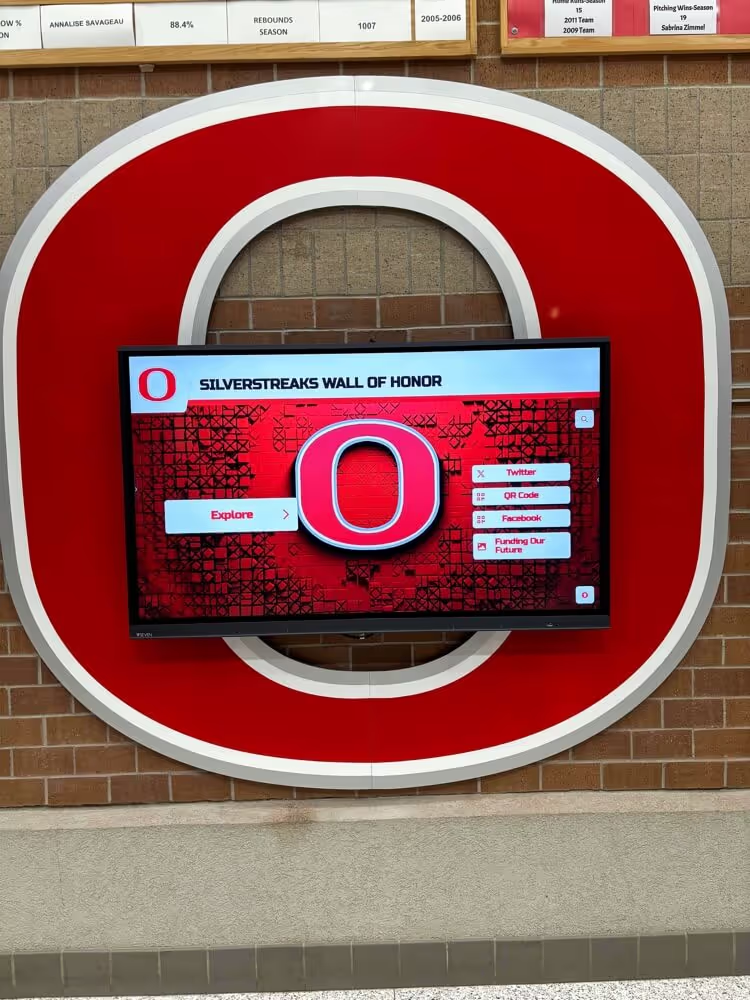
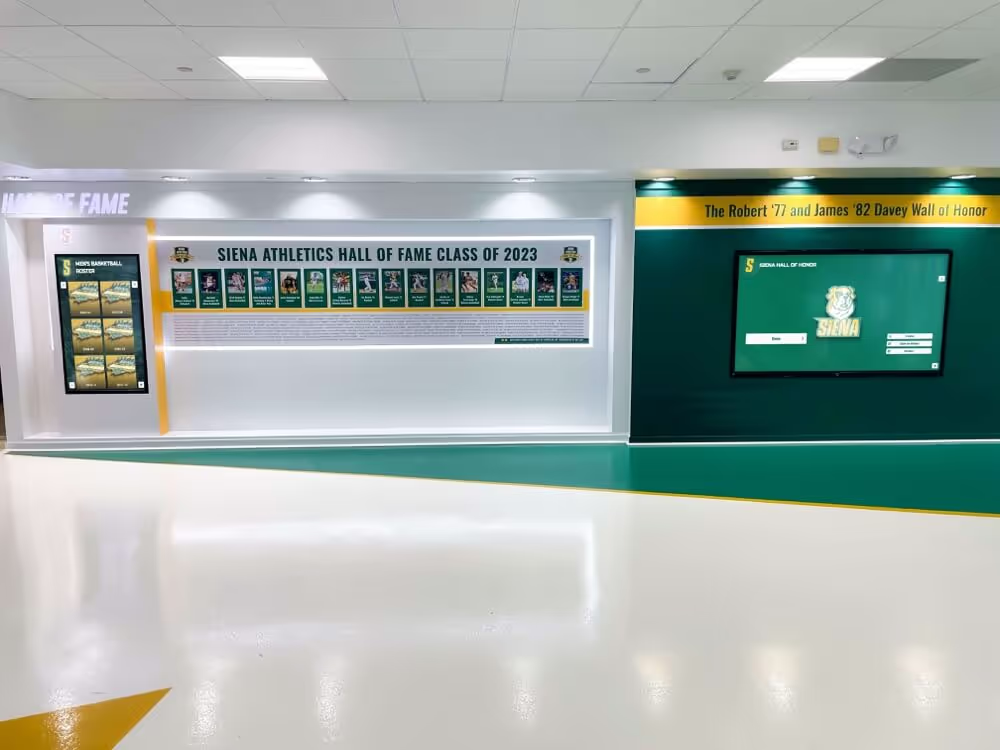
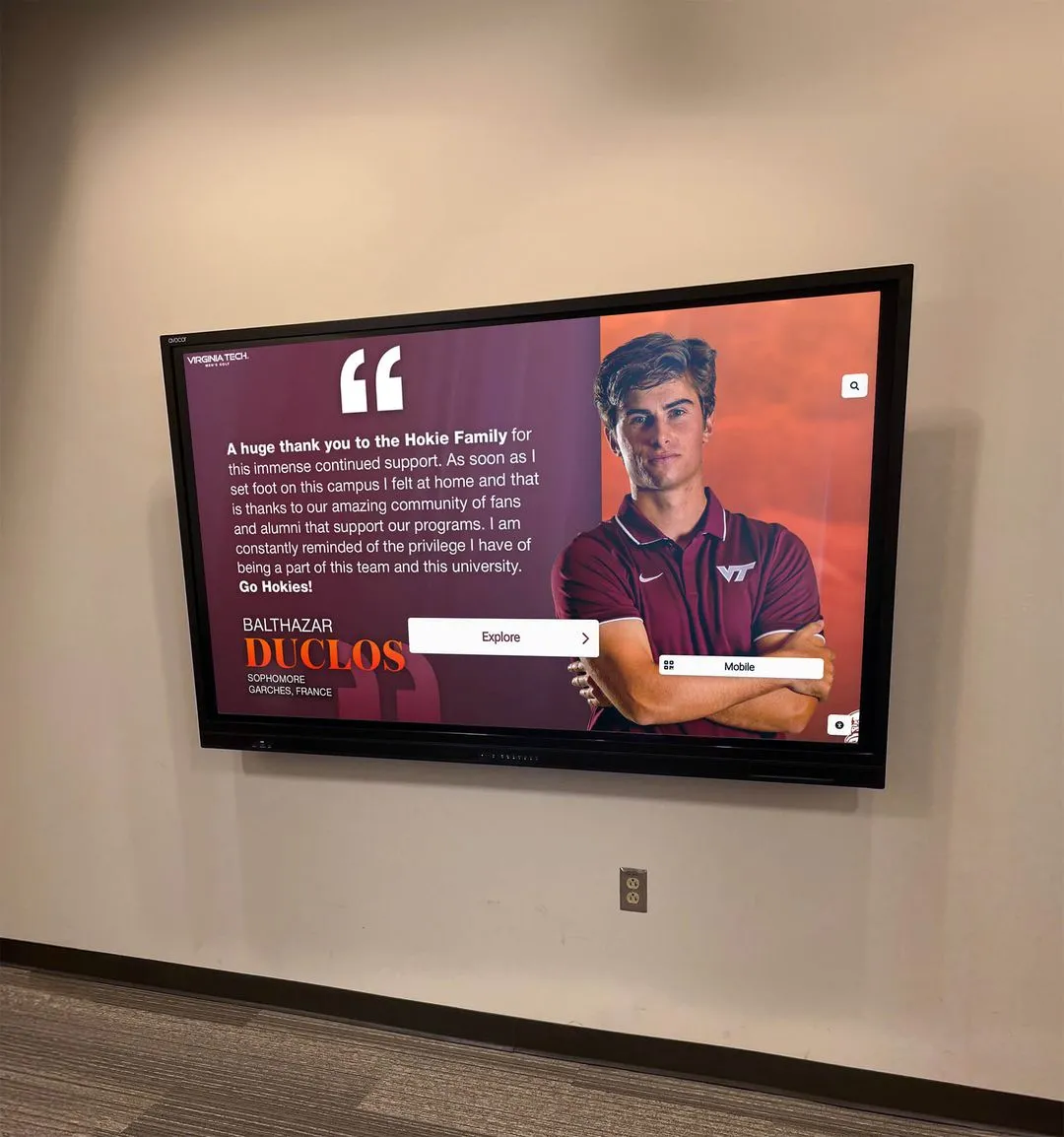
Hybrid recognition approaches combine traditional permanence with digital flexibility
Functional Capacity
- Adequate space for current and anticipated future donors
- Flexibility accommodating changing giving levels and campaigns
- Easy maintenance and content updates
- Accessibility ensuring all visitors can engage with recognition
- Durability withstanding environmental conditions and use
Strategic Communication
- Clear hierarchy distinguishing giving levels appropriately
- Compelling storytelling beyond simple name listings
- Campaign branding and messaging integration
- Impact demonstration connecting gifts to outcomes
- Call to action inspiring visitor engagement
Understanding these purposes and objectives guides every subsequent design decision from material selection to layout planning.
Traditional Donor Wall Materials and Approaches
Permanent materials offer timeless elegance and psychological permanence that digital solutions cannot replicate.
Metal Plaques and Engraved Plates
Metal remains the most traditional donor recognition material:
Bronze and Brass Applications
- Individual donor name plates mounted to backing walls
- Large dedication plaques commemorating major gifts
- Cast bronze relief designs incorporating institutional imagery
- Engraved brass sheets listing multiple donor names
- Oxidized finishes creating prestigious aged appearance
Benefits of Metal Recognition
- Exceptional durability lasting decades with minimal maintenance
- Prestigious appearance conveying donor importance
- Permanent nature demonstrating lasting commitment to honor donors
- Traditional aesthetic familiar to donors and stakeholders
- Vandalism resistance in public spaces
Metal Material Considerations
- Higher initial investment compared to alternative materials
- Limited flexibility once installed—difficult to modify
- Space constraints requiring careful capacity planning
- Maintenance requirements to preserve finish quality
- Weight considerations for mounting and structural support
Organizations planning long-term recognition with stable donor rosters often select metal materials for their permanence and prestige.
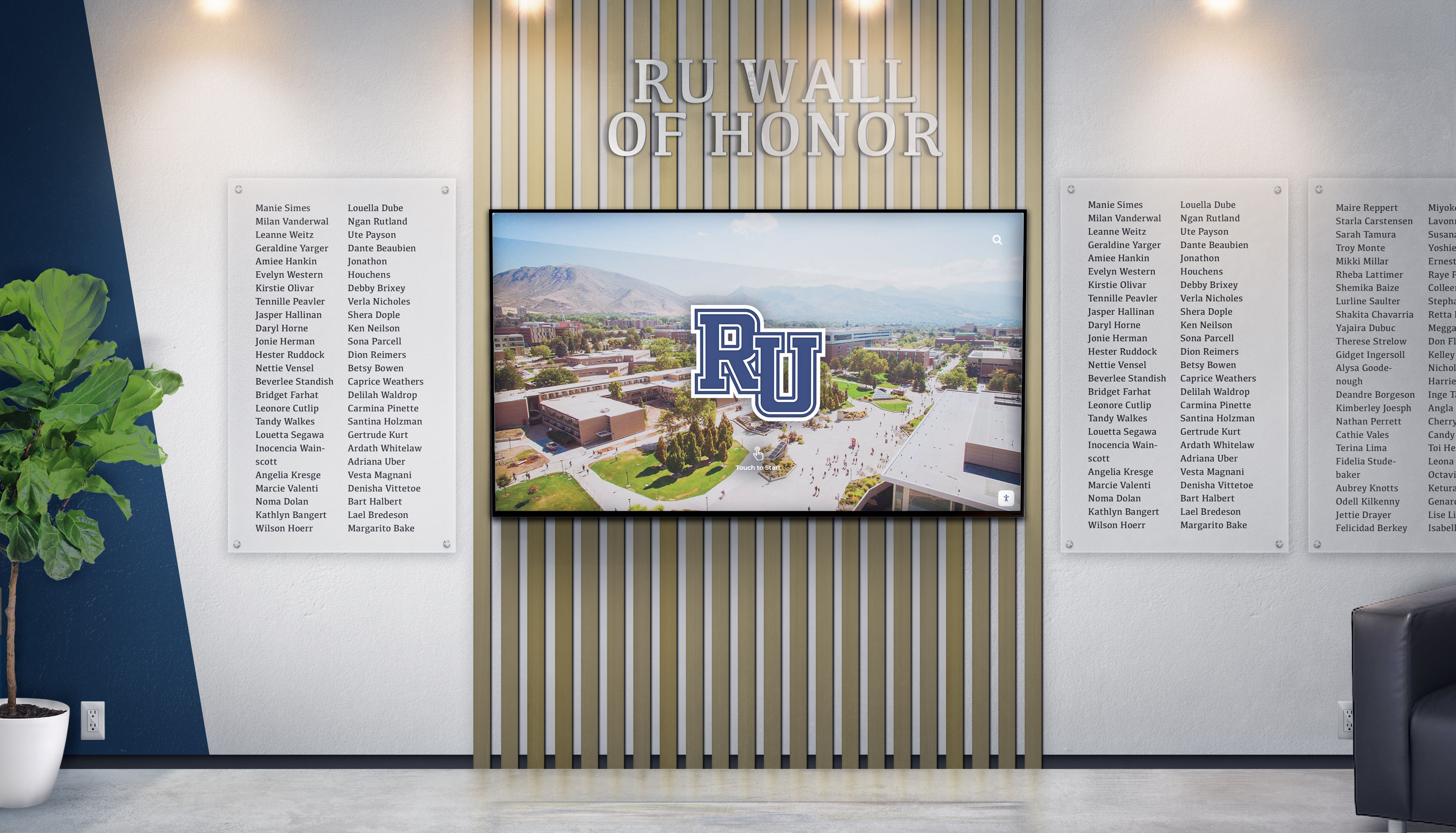
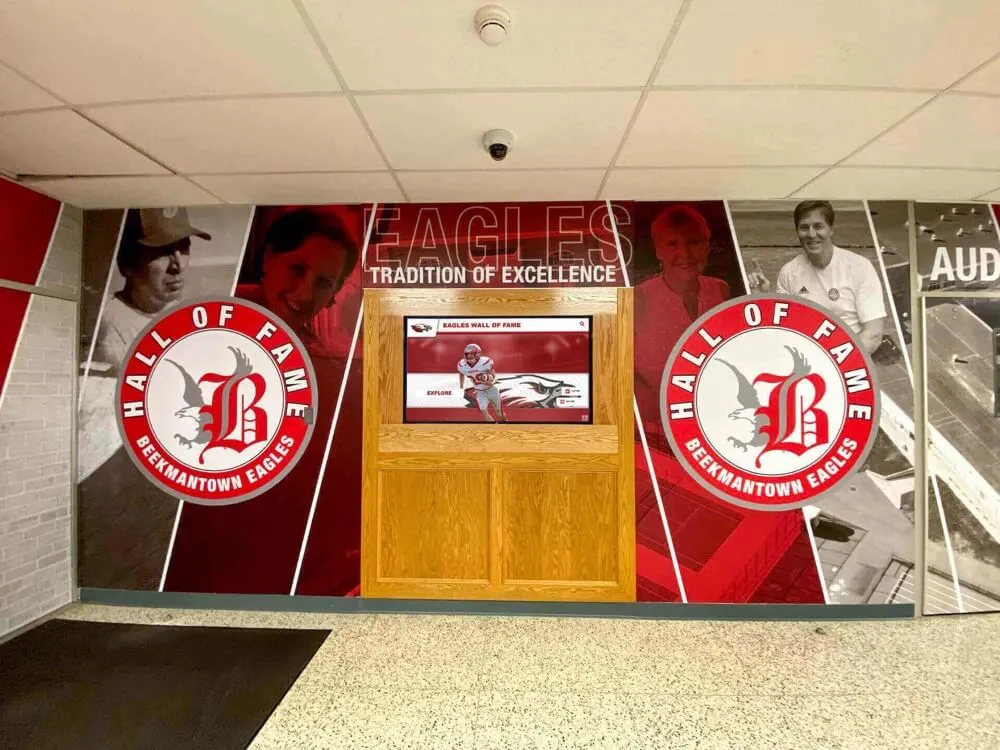
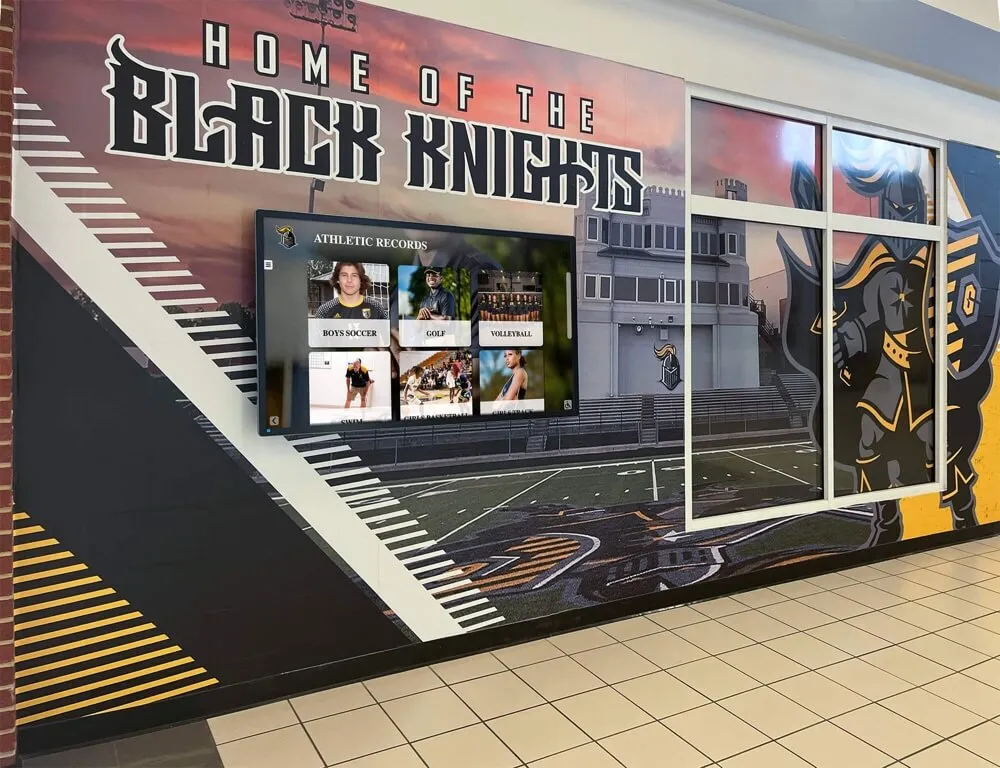
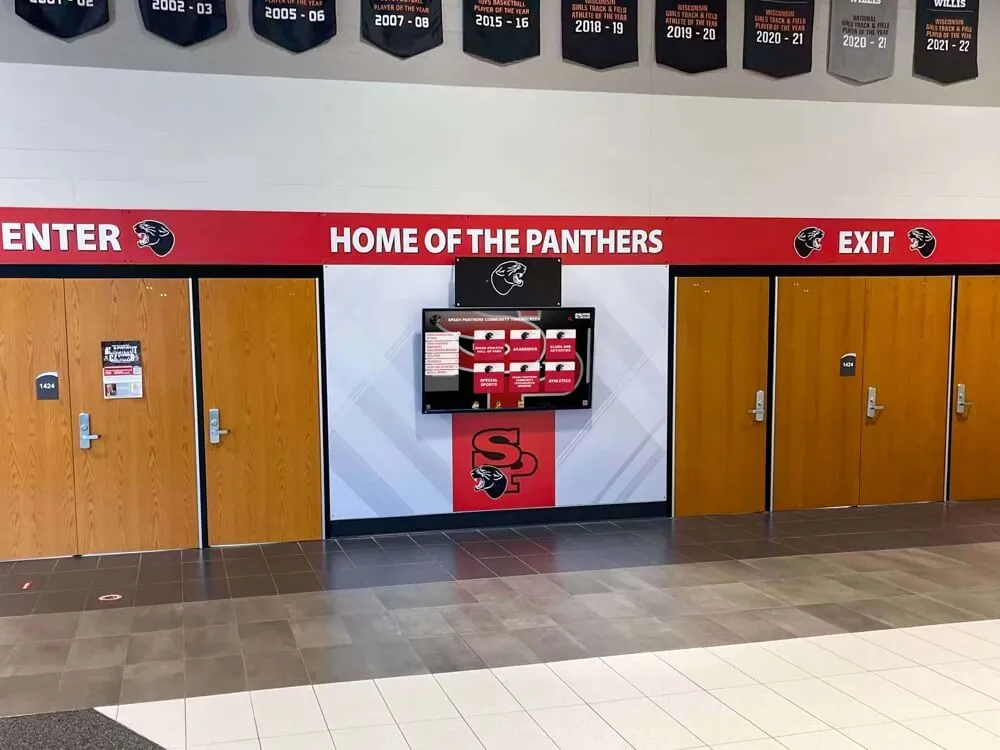
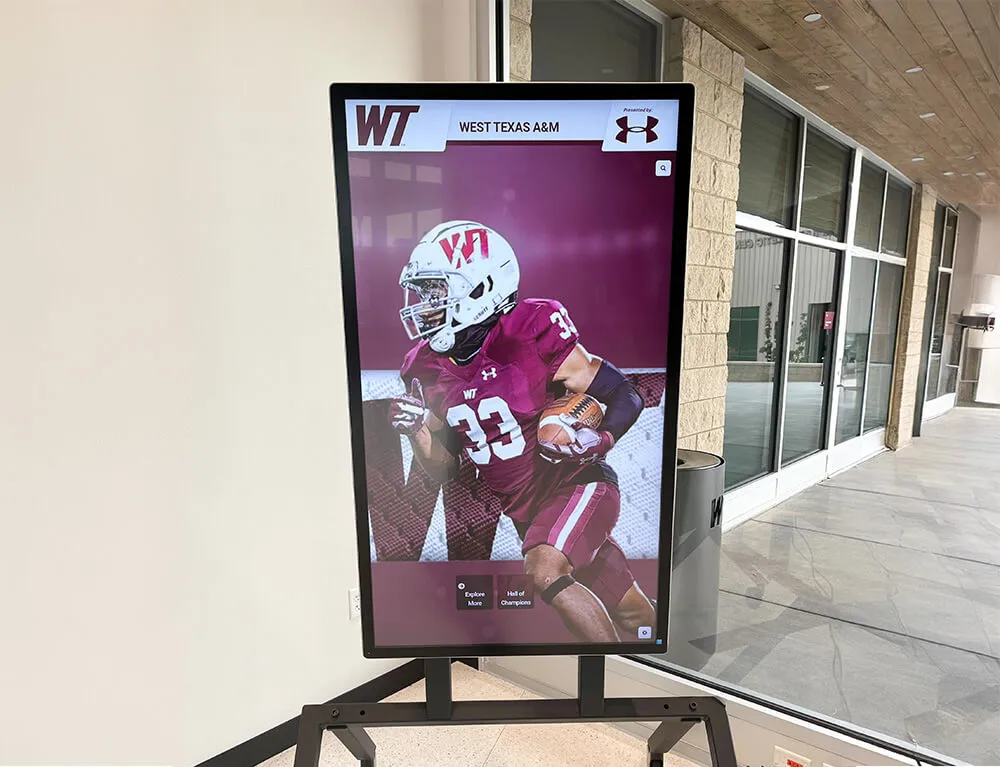
Traditional name plaques provide permanent recognition while digital displays add flexibility and storytelling capacity
Stone and Carved Materials
Natural stone creates impressive, permanent recognition:
Stone Application Approaches
- Granite or marble panels with carved donor names
- Engraved stone walls as architectural features
- Individual stone pavers creating donor walkways
- Large monument installations for major campaign recognition
- Polished stone surfaces with contrasting engraved lettering
Stone Material Advantages
- Unmatched permanence and durability
- Natural material beauty enhancing institutional aesthetics
- Substantial presence conveying significance
- Weather resistance for exterior installations
- Prestige associated with monument-quality materials
Stone Design Limitations
- Highest cost among traditional materials
- Complete inflexibility after installation
- Requires precise planning of capacity and layout
- Significant weight requiring structural engineering
- Modification costs prohibitive if changes needed
Stone works best for commemorative recognition of completed campaigns or legacy gifts where permanence is primary objective.
Acrylic and Glass Donor Walls
Modern materials offer contemporary aesthetics:
Transparent Material Applications
- Layered acrylic sheets with sandblasted or laser-engraved donor names
- Glass panels with vinyl or etched lettering
- LED-backlit acrylic creating dramatic visual impact
- Floating glass installations appearing to suspend donor names
- Colored acrylic coordinating with institutional branding
Contemporary Material Benefits
- Modern aesthetic appealing to younger donor demographics
- Lighter weight simplifying installation
- Moderate cost between metal and stone options
- Design versatility enabling creative layouts
- Illumination possibilities enhancing visibility
Acrylic and Glass Considerations
- Moderate durability—more susceptible to scratching than metal or stone
- Replacement possible but still requires planning for name additions
- Cleaning requirements to maintain appearance
- Potential for dated appearance as design trends evolve
- Limited outdoor application due to weathering concerns
These materials suit contemporary institutional aesthetics and capital campaigns with defined timelines and donor rosters.
Strategic Donor Recognition Layout Design
How you organize donor names significantly impacts both aesthetic appeal and functional capacity.
Hierarchical Layout Approaches
Most donor walls incorporate hierarchy reflecting different contribution levels:
Tiered Recognition Structure
- Major gift society highlighted prominently with larger scale
- Mid-level donor groups receiving substantial but smaller recognition
- Foundational donors acknowledged collectively
- Legacy and planned giving society designated areas
- Special recognition categories for volunteer leadership
Visual Hierarchy Techniques
- Name size variations distinguishing giving levels (larger text for higher contributions)
- Positioning hierarchy (center, eye level, prominent locations for top donors)
- Material differentiation (premium finishes for major gifts)
- Dedicated sections or panels by giving level
- Spacing and grouping creating clear tier distinctions
Research indicates that clearly communicated recognition hierarchies increase aspirational giving, with prospective donors 32-40% more likely to upgrade contribution levels when they clearly understand recognition benefits at each tier.
Balancing Hierarchy with Inclusivity
- Ensure all recognized donors receive dignified acknowledgment regardless of amount
- Avoid extreme disparities creating perceptions of insignificance for smaller gifts
- Consider psychological research on recognition—visibility matters more than size for most donors
- Acknowledge that annual fund donors may become major gift prospects
- Design recognition honoring all contributions while appropriately distinguishing major support
Layout Patterns and Configurations
Chronological Arrangements
- Donors listed by gift date or campaign phase
- Annual recognition updated each year
- Historical progression showing philanthropic growth
- Class year organization for educational institutions
- Campaign timeline layouts
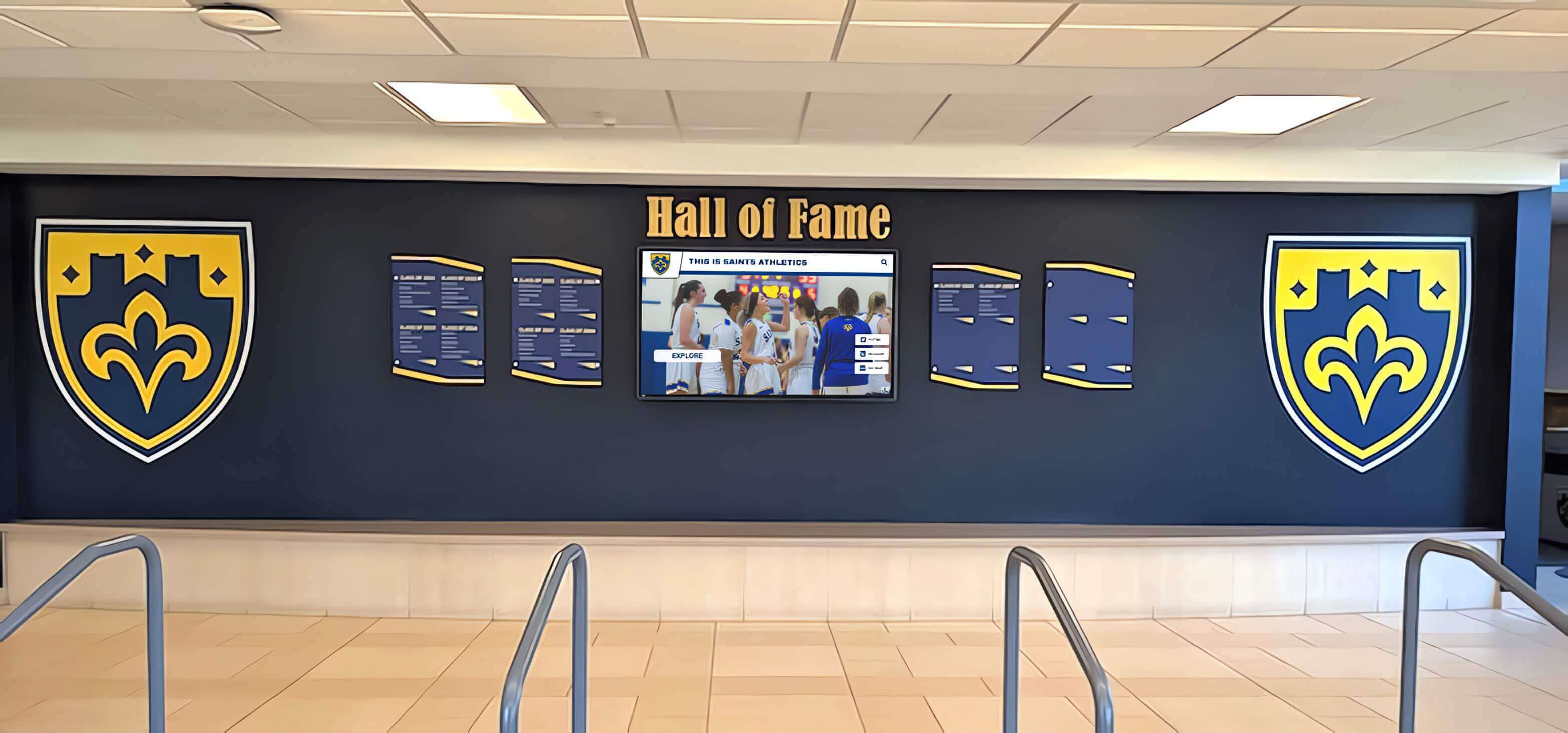
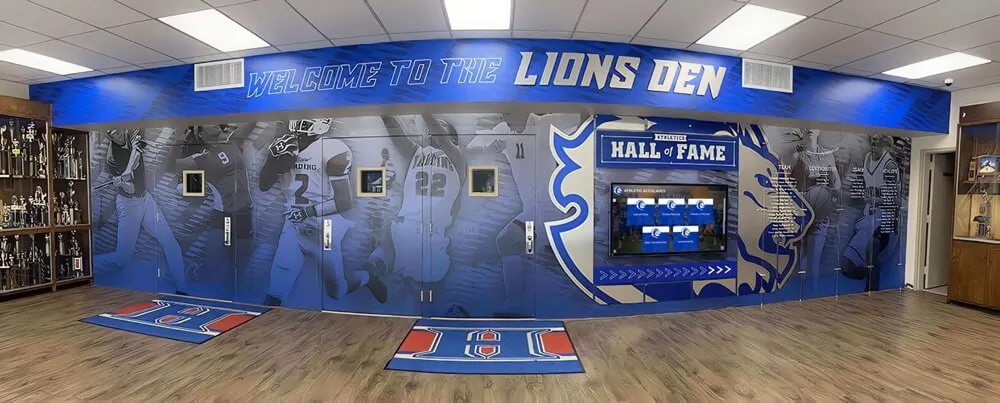
Structured layouts create clear organization while maintaining visual appeal
Alphabetical Organization
- Simple, democratic arrangement treating all donors equally within tiers
- Easy searchability enabling donors to locate themselves and peers
- Perceived fairness avoiding prominence politics
- Straightforward expansion as new donors join
- Familiar organization pattern
Thematic Groupings
- Donors organized by campaign initiative or fund supported
- Naming opportunity categories (rooms, programs, scholarships)
- Impact area organization (athletics, academics, facilities, operations)
- Geographic groupings for institutions with regional donor bases
- Affiliation categories (alumni, parents, community partners, faculty/staff)
The optimal layout depends on your donor base, institutional culture, available space, and strategic communication goals.
Capacity Planning and Future Growth
The most common donor wall failure involves inadequate space for future donors:
Expansion Strategies
- Design initial installation occupying only 60-70% of available space
- Create modular panel systems allowing sequential addition
- Plan defined expansion areas adjacent to initial installation
- Consider overflow solutions for unexpected major gift surges
- Establish clear policies about recognition duration and rotation
Flexible Design Elements
- Removable panels enabling configuration changes
- Reserved space sections clearly designated for future donors
- Interchangeable name plate systems accommodating changes
- Digital components supplementing physical capacity constraints
- Tiered layouts where lower levels can expand more readily
Organizations should project 10-15 year donor growth scenarios during design phases, ensuring recognition walls accommodate realistic future needs without requiring complete reinstallation.
Digital Donor Recognition Wall Alternatives
Technology-based recognition offers unprecedented flexibility and storytelling capacity traditional materials cannot match.
Interactive Touchscreen Donor Displays
Modern digital solutions transform donor recognition from static lists to engaging experiences:
Touchscreen Recognition Capabilities Solutions like Rocket Alumni Solutions provide comprehensive digital donor recognition:
- Unlimited capacity: Single display showcases unlimited donors across all giving levels without physical space constraints
- Rich donor profiles: Individual pages featuring photos, gift history, impact stories, video testimonials
- Search and filtering: Donors can find themselves, family members, peers, and classmates easily
- Impact storytelling: Connect donor support to tangible outcomes with photos, videos, statistics
- Real-time updates: Add new donors immediately via cloud-based content management
According to institutional advancement data, organizations implementing digital donor walls report 45-60% higher visitor engagement compared to traditional static walls, with average interaction times of 3-5 minutes versus brief glances at printed lists.
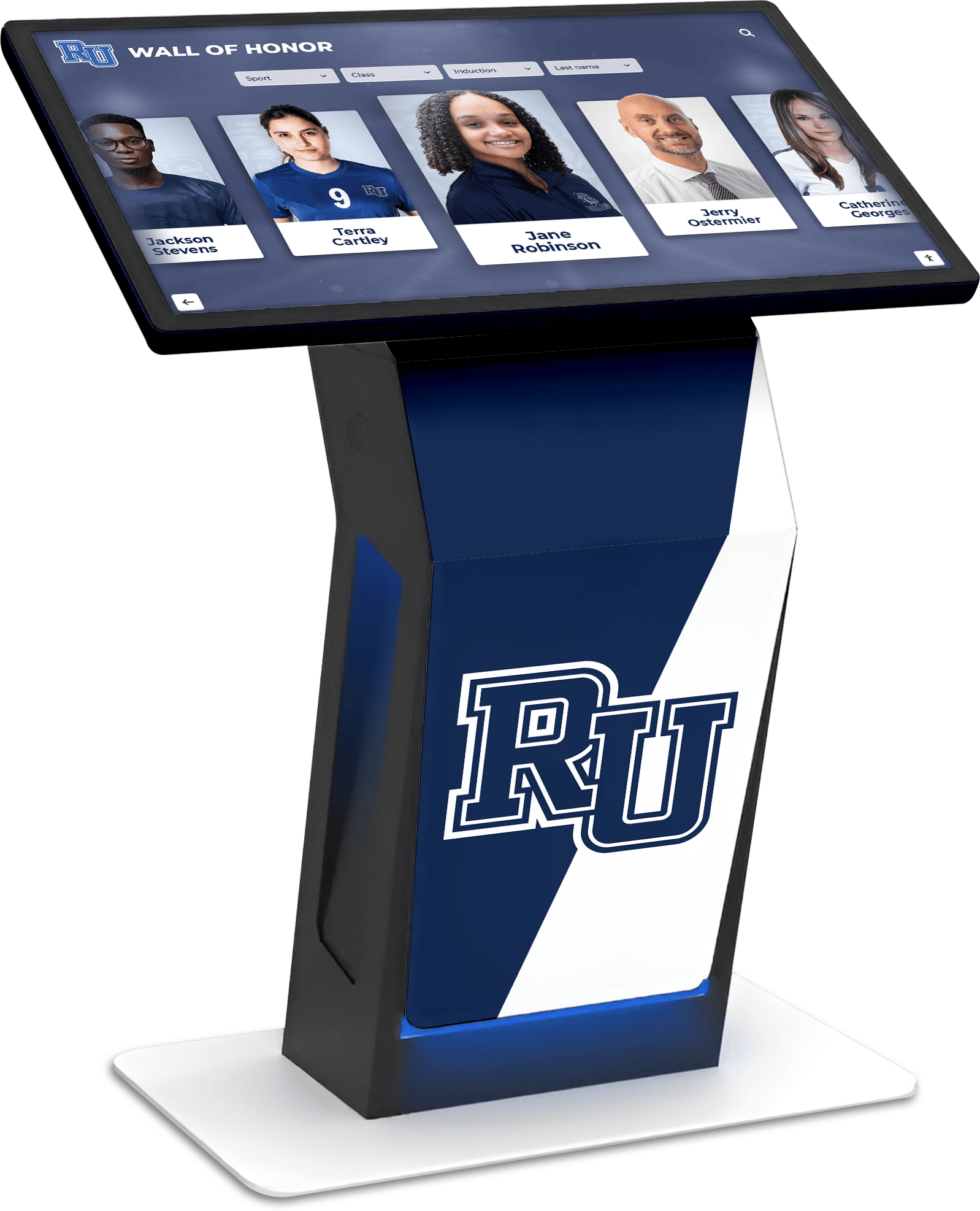
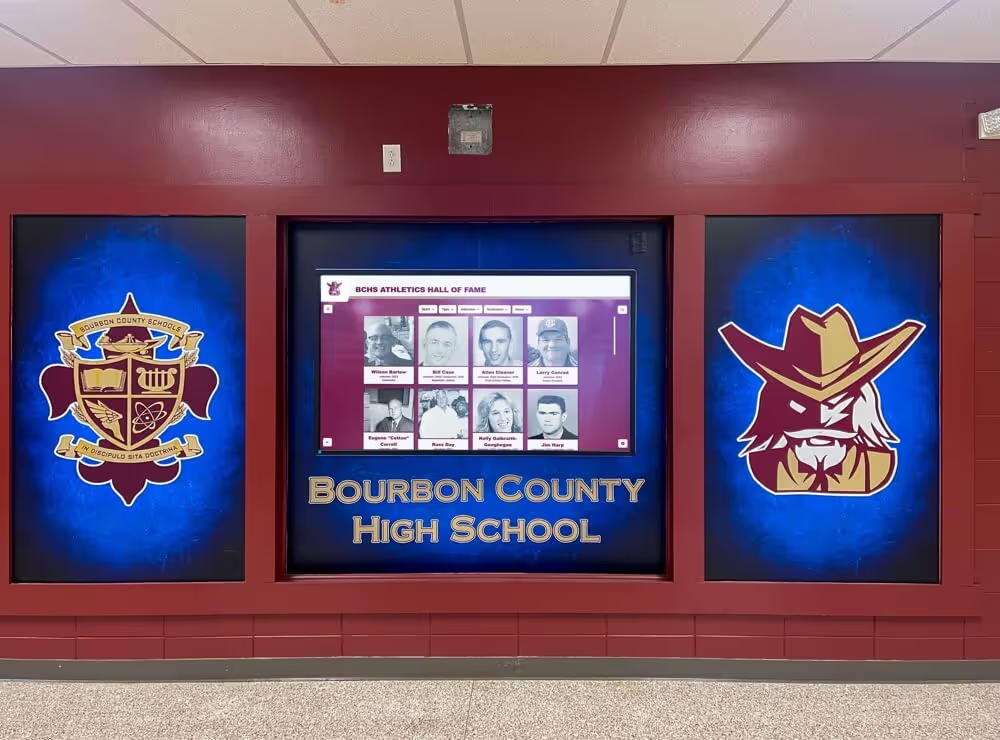
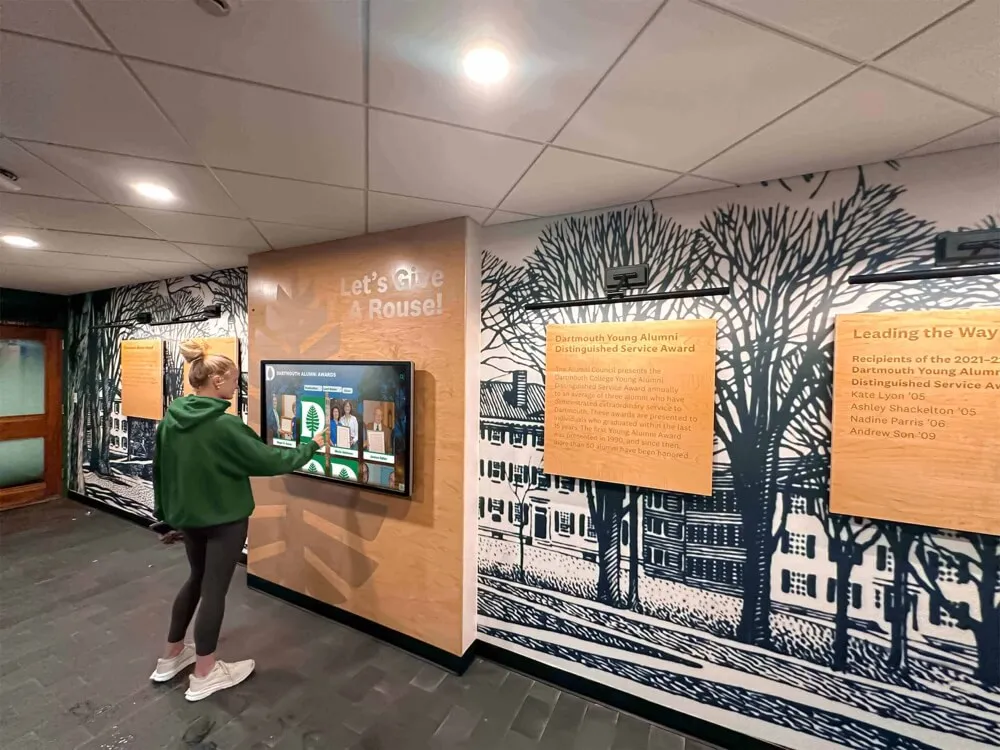
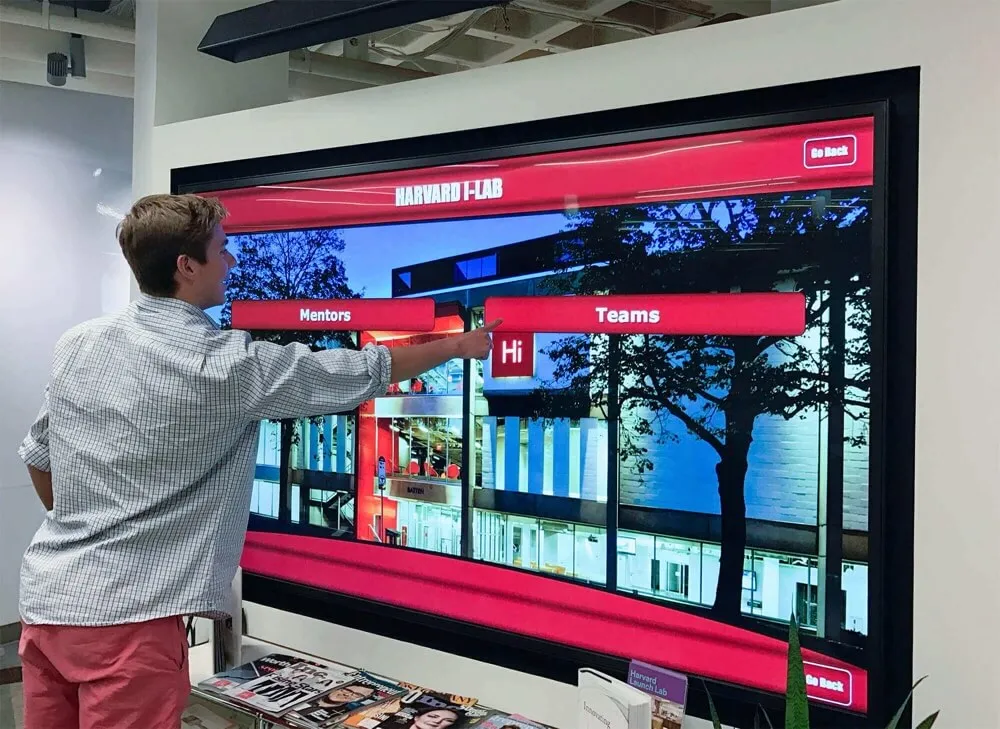
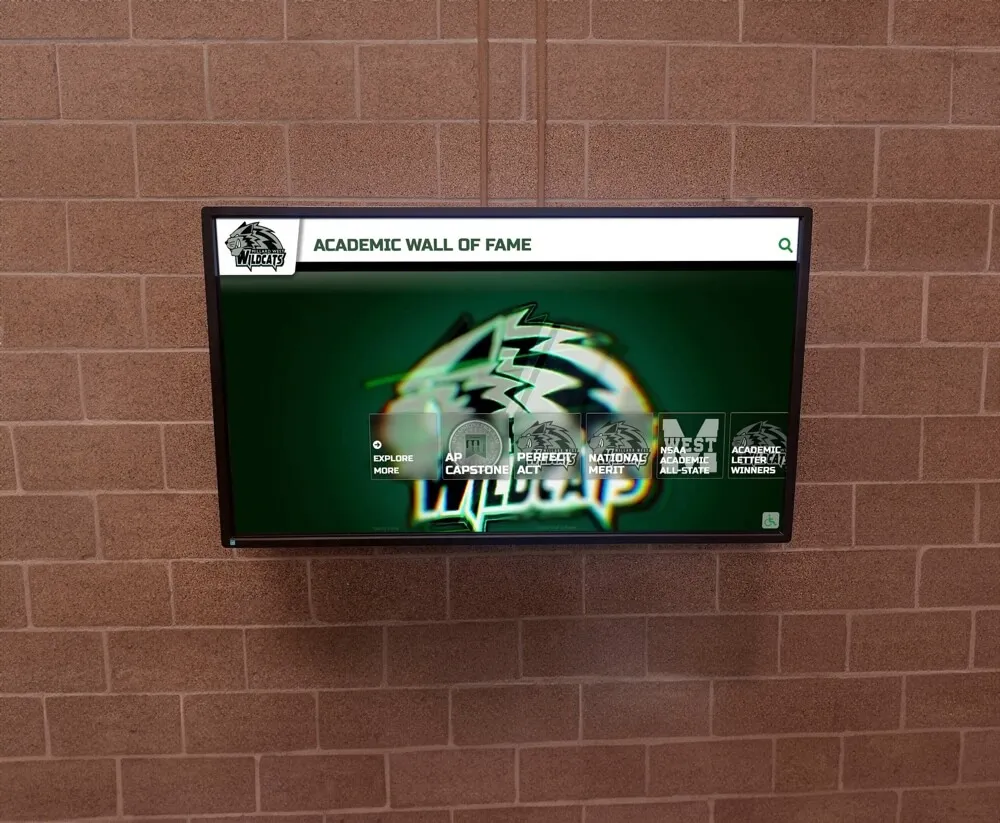
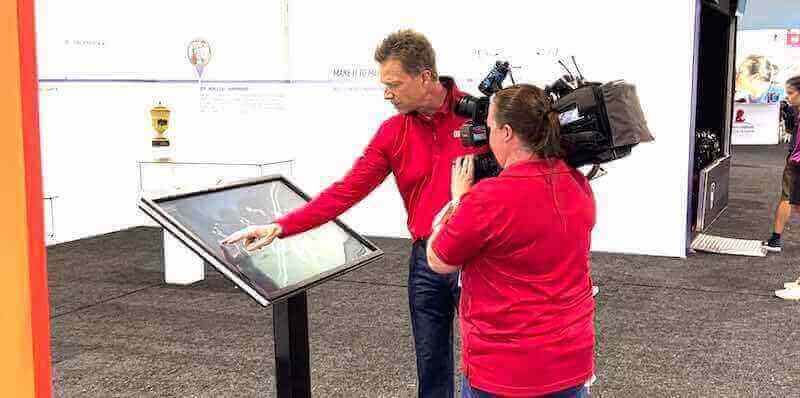
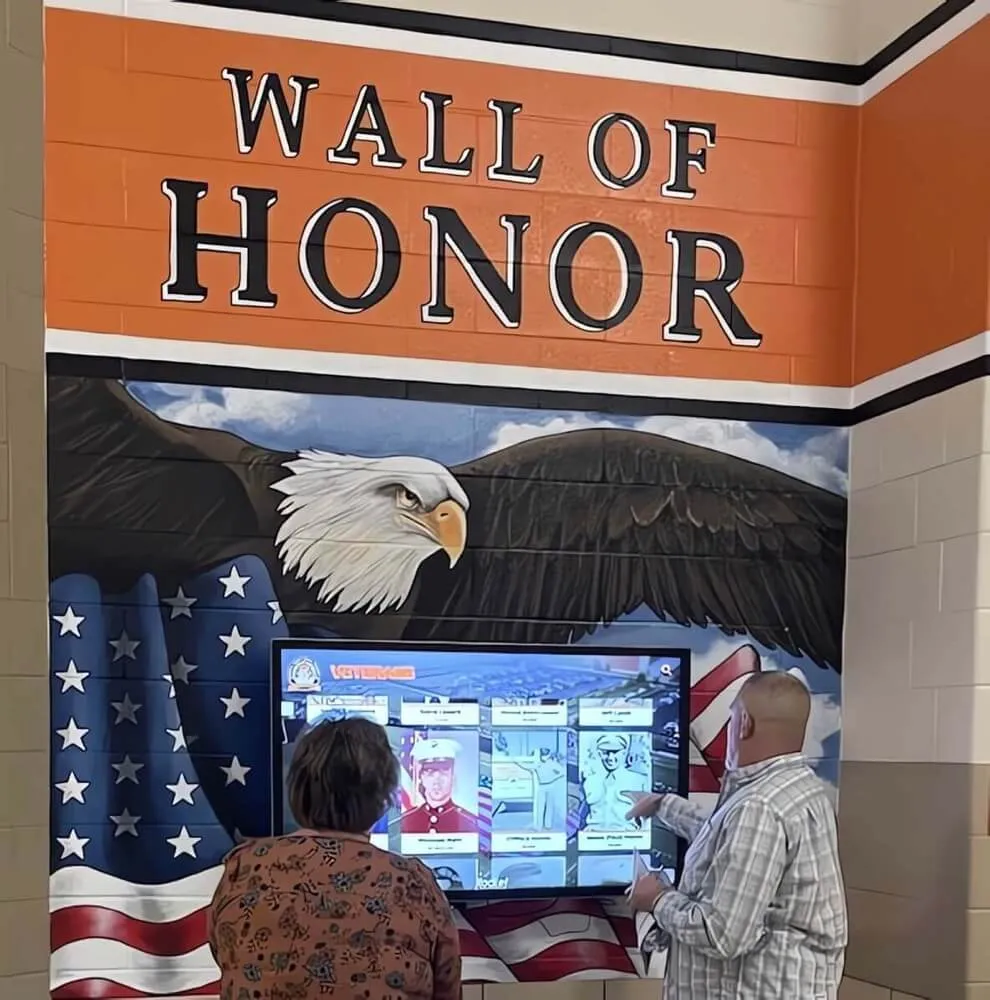
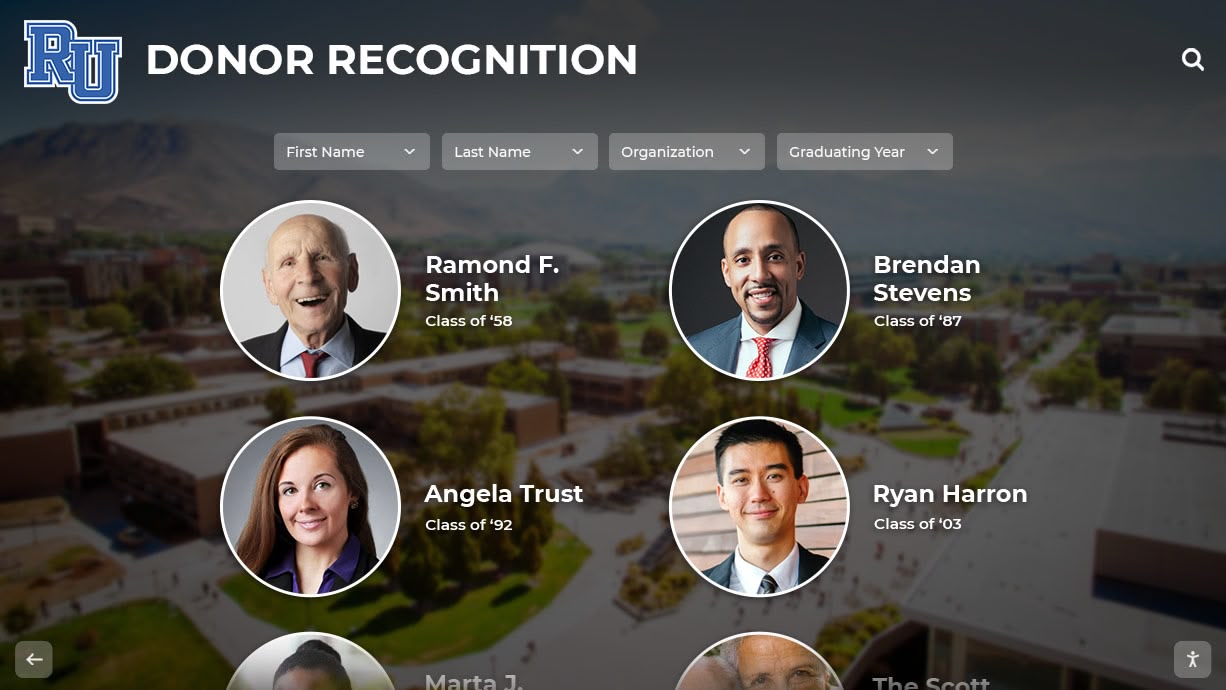
Interactive touchscreen displays enable rich storytelling and unlimited donor recognition capacity
Interactive Display Features
- Campaign progress visualization with real-time updates
- Donor giving level comparisons showing recognition benefits
- Impact calculators demonstrating gift outcomes
- Historical giving timelines showing institutional support evolution
- Alumni class giving participation rates and competition
- Tribute and memorial recognition with extended storytelling
- Dedication plaque alternatives enabling personalized messages
Management and Maintenance Advantages
- Remote content updates from any internet-connected device
- No physical fabrication costs for donor additions
- Immediate recognition publication following gift processing
- Easy correction of errors or donor preference changes
- Multiple user permissions enabling appropriate staff access
- Scheduled content changes for campaigns and initiatives
Educational institutions and nonprofits report 70-85% reduction in ongoing recognition maintenance costs after implementing digital donor recognition systems compared to traditional fabricated updates.
LED and Digital Display Walls
Large-format digital displays create dramatic recognition statements:
LED Wall Applications
- Building entrance displays with scrolling donor recognition
- Campaign thermometers showing progress toward goals
- Rotating recognition highlighting different donor groups
- Event-triggered displays acknowledging recent gifts
- Synchronized multi-screen installations for large spaces
Digital Display Benefits
- High visibility and visual impact
- Dynamic content capabilities
- Integration with fundraising databases for automated updates
- Remote management and instant updates
- Multiple content uses beyond donor recognition
Digital Display Considerations
- Ongoing electricity and maintenance costs
- Technology refresh requirements every 7-10 years
- Content management staff time and expertise needs
- Potential perception as less permanent than traditional materials
- Backup plans for technical failures during events
These solutions work particularly well for contemporary buildings and institutions with strong technology integration cultures.
Hybrid Recognition Approaches
Combining traditional and digital elements leverages strengths of both:
Integrated Hybrid Systems
- Traditional engraved plaques for major/legacy donors
- Digital displays supplementing with broader recognition and storytelling
- Physical recognition providing permanence assurance
- Digital components enabling flexibility and rich content
- Combined systems addressing diverse donor preferences
Implementation Strategies
- Major gift societies recognized on permanent materials
- Annual fund and mid-level donors featured digitally
- Digital record boards showing giving impact alongside traditional plaques
- Touchscreen kiosks adjacent to commemorative bronze installations
- Web-based recognition extensions accessible beyond physical campus
Hybrid approaches often represent optimal solutions, honoring traditionalist donor preferences while embracing technology’s advantages for contemporary engagement and capacity.
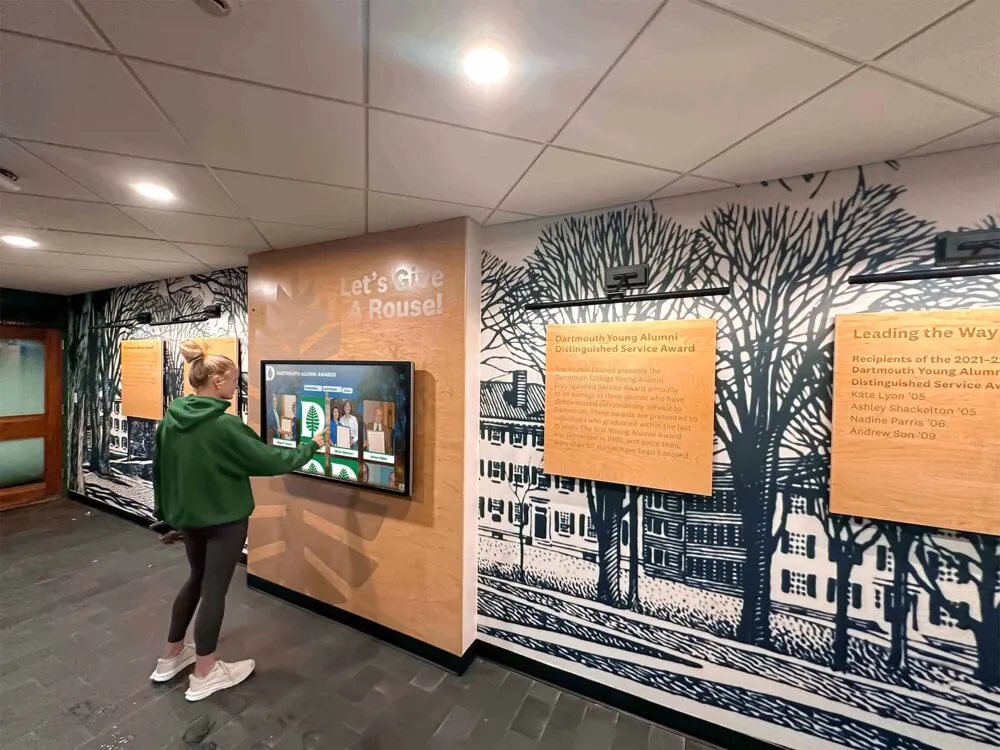
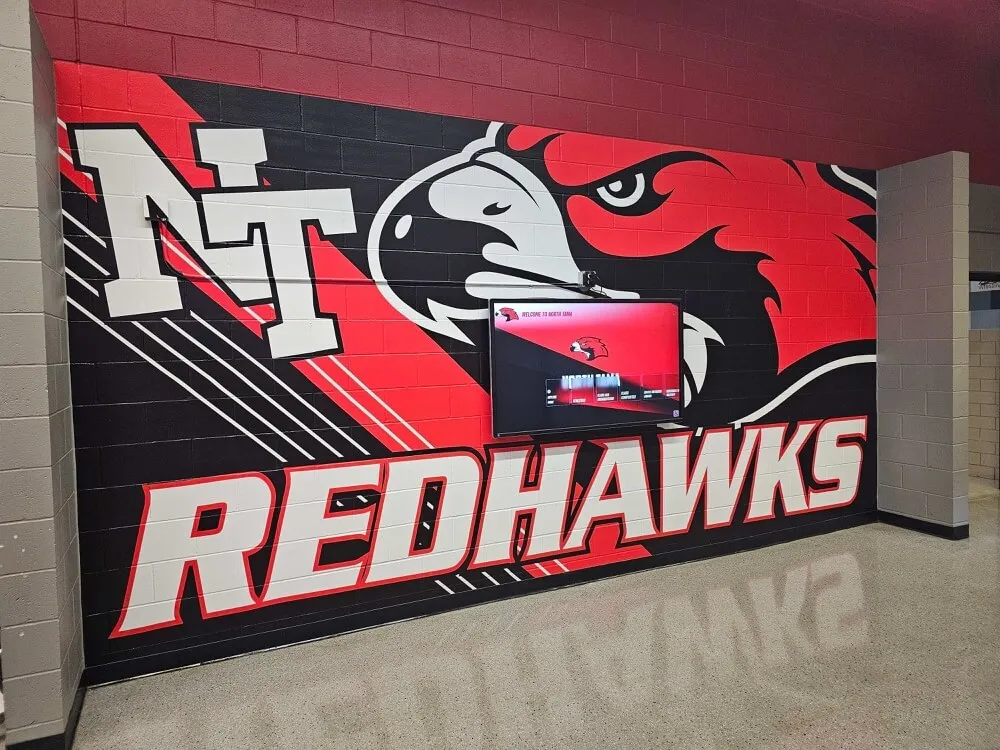
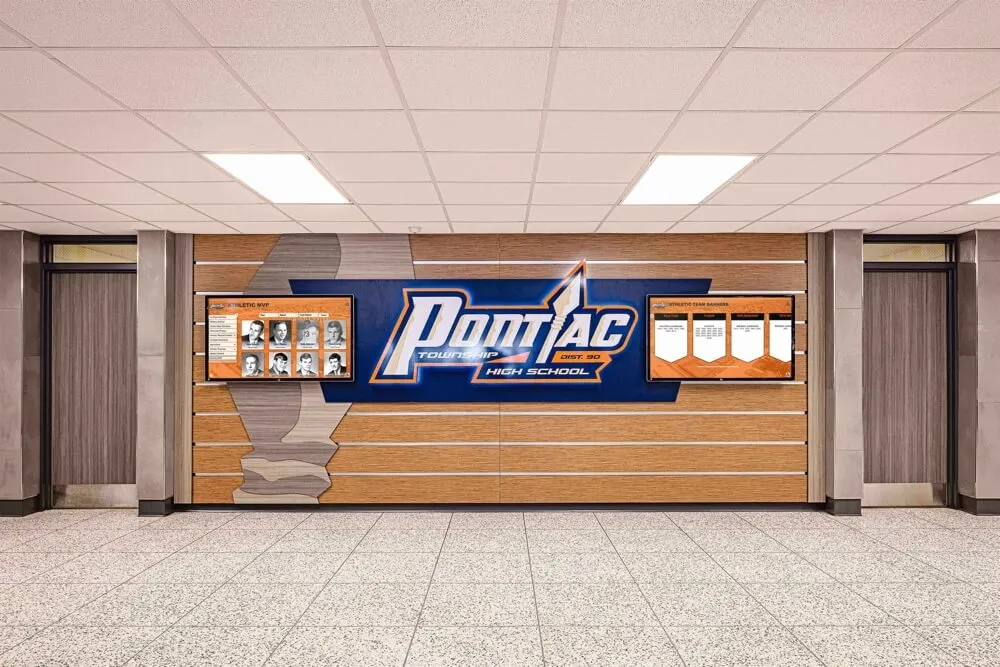
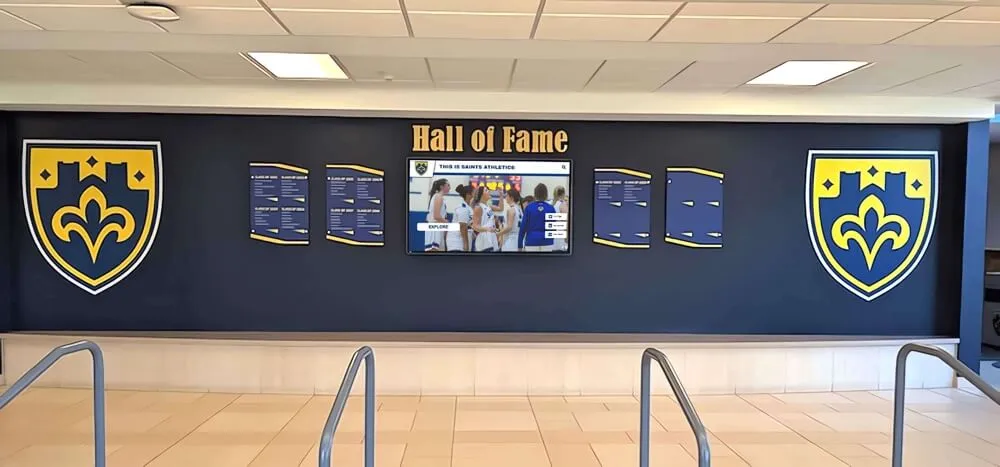
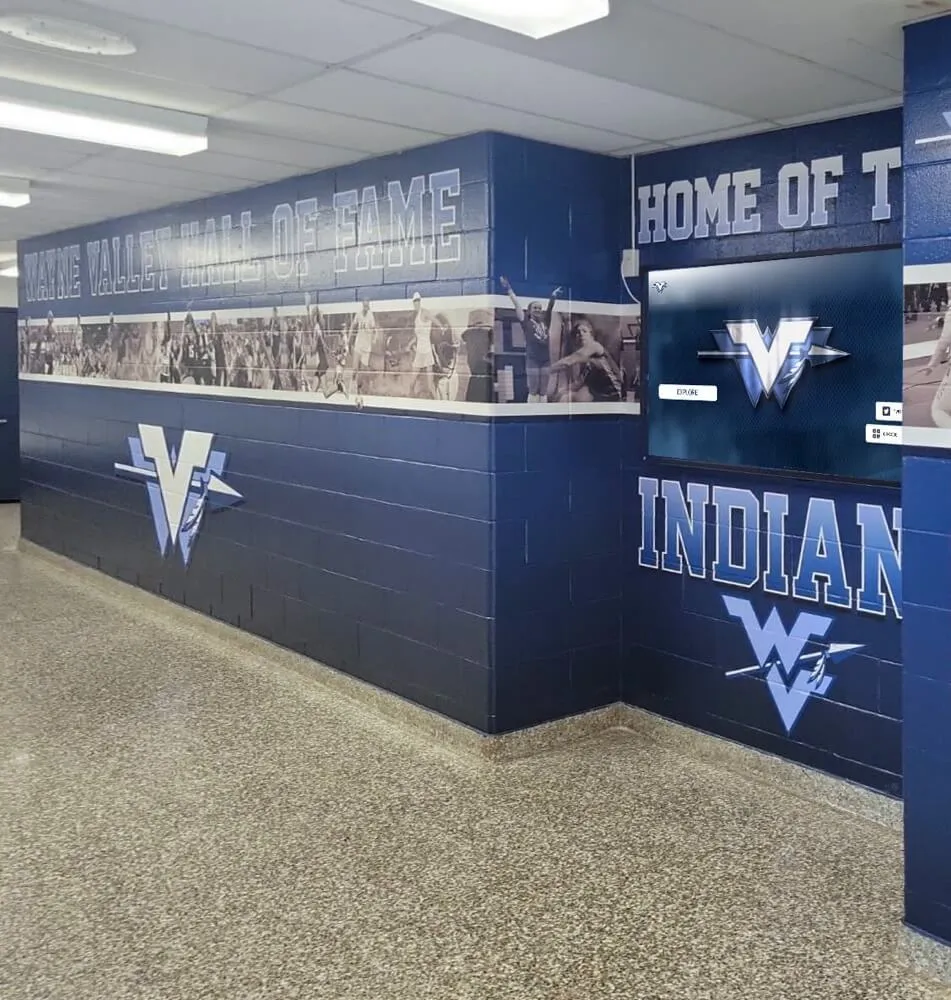
Combining traditional design elements with interactive technology creates recognition accommodating diverse preferences
Location and Placement Considerations
Where you place donor recognition significantly impacts visibility, engagement, and perceived importance.
High-Traffic Location Selection
Optimal Placement Locations
- Main building entrances and reception lobbies
- Corridors connecting high-use spaces
- Adjacent to named facilities or program spaces
- Alumni centers and development office reception areas
- Event venues hosting donor gatherings
- Campus gathering spaces with natural congregation
Traffic Pattern Analysis
- Observe daily movement patterns identifying high-visibility locations
- Distinguish between rushed transit routes versus lingering spaces
- Consider different user groups (students, visitors, donors, community)
- Evaluate lighting conditions throughout day and seasons
- Assess accessibility for all visitors including mobility accommodations
Research indicates that donor recognition placed in high-engagement locations (where people naturally pause rather than simply pass through) generates 4-6 times higher viewing rates compared to placement in pure circulation corridors.
Environmental Considerations
Physical Environment Factors
- Natural and artificial lighting conditions
- Temperature and humidity stability
- Exposure to direct sunlight causing fading or glare
- Moisture and weather exposure for exterior installations
- Acoustics impacting digital display audio content
- Electrical access for digital solutions
Protection and Preservation
- Climate-controlled interior spaces preferred for most materials
- Protective coatings for outdoor applications
- Vandalism risk assessment and prevention
- Cleaning access and maintenance accommodation
- Security considerations for valuable materials
Integrating Recognition with Architecture
Donor walls should complement rather than conflict with existing design:
Architectural Integration Strategies
- Material selections coordinating with building finishes
- Scale appropriate to surrounding spaces
- Color palettes reflecting institutional branding
- Mounting methods preserving architectural integrity
- Lighting design enhancing both wall and space
- Custom fabrication fitting specific dimensions and configurations
Renovation and Retrofit Planning
- Working within existing structural constraints
- Matching historical building character when appropriate
- Electrical and network infrastructure additions
- Wall preparation and mounting support
- Coordination with facility management and preservation requirements
Successful donor recognition feels intentionally integrated into spaces rather than appearing as afterthoughts added to available walls.
Best Practices for Donor Wall Content and Messaging
What you communicate through donor recognition extends beyond simple name listings.
Naming Conventions and Donor Presentation
Donor Name Display Decisions
- Individual names versus household recognition
- Inclusion or omission of degree years and class affiliation
- Professional credentials and honorary titles
- Business/corporate recognition versus individual names for company gifts
- Anonymous donor acknowledgment approaches
- Deceased donor notation and memorial recognition
- Name change accommodation and update policies
Gift Level Designation
- Specific dollar amounts versus named society tiers
- Cumulative lifetime giving versus campaign-specific contributions
- Recognition duration (permanent, term-based, renewable)
- Upgrade path communication when donors increase giving
- Multiple recognition for donors supporting different initiatives
Research from donor psychology studies indicates that society names (Heritage Society, President’s Circle, Founders Society) generate more positive response than dollar-specific levels ($10,000+ Donors), as the former emphasize community membership while the latter highlight financial transaction aspects.
Impact Storytelling and Context
Moving beyond names to communicate meaning:
Contextual Information Elements
- Campaign purpose and goal statements
- Impact statistics showing donor support outcomes
- Beneficiary testimonials and stories
- Before-and-after comparisons demonstrating change
- Program descriptions explaining what gifts enable
- Community engagement examples illustrating donor impact
Visual Storytelling Components
- Photos of programs, facilities, or students supported
- Video testimonials from scholarship recipients or program participants
- Infographics illustrating donor impact scale
- Timeline showing campaign progress and milestones
- Interactive maps connecting donors to geographic reach
Digital recognition platforms enable storytelling impossible with traditional materials, creating emotional connections that inspire additional giving.
Calls to Action and Engagement Prompts
Recognition walls can inspire prospective donors:
Strategic CTA Integration
- QR codes linking to giving information and online donation pages
- Contact information for development staff
- Information about planned giving and legacy society opportunities
- Current campaign progress and remaining needs
- Recognition benefits at various giving levels
- Stories designed to inspire (“See how your gift could create impact like…”)
Event and Program Connections
- Recognition wall dedication ceremonies
- Donor reunion events at recognition locations
- Donor tours highlighting impact enabled by support
- Recognition ceremonies for new donor additions
- Annual gatherings celebrating giving anniversaries
These elements transform passive recognition into active advancement tools generating measurable return on investment.
Donor Recognition Policies and Governance
Clear policies prevent future conflicts and ensure consistent, appropriate recognition.
Recognition Policy Development
Essential Policy Components
- Minimum gift thresholds for different recognition levels
- Recognition duration (permanent versus time-based)
- Naming rights policies and approval processes
- Anonymous donor accommodation procedures
- Recognition modification or removal circumstances
- Deceased donor and memorial gift protocols
- Matching gift and organizational donor attribution
Approval and Oversight
- Board of directors or trustees governance role
- Development committee recognition decisions
- Design review and architectural approval processes
- Donor relations professional recommendations
- Institutional advancement leadership authority
- Legal review for naming rights agreements
Policy Communication
- Gift agreements specifying recognition commitments
- Donor recognition brochures explaining options
- Campaign materials illustrating recognition benefits
- Stewardship communications confirming recognition delivery
- Transparency about recognition policies and practices
Clear, consistently applied policies build donor trust while protecting institutions from problematic commitments or unrealistic expectations.
Managing Recognition Challenges
Common Recognition Issues
- Donors requesting name removal or modifications
- Naming conflicts when facilities are renovated or repurposed
- Insufficient space for unanticipated major gifts
- Donor name spelling errors or incorrect information
- Pledge recognition for commitments later unfulfilled
- Controversial donors prompting recognition reconsideration
Resolution Strategies
- Written policies addressing common scenarios proactively
- Donor communication protocols for changes or issues
- Escalation procedures for controversial situations
- Legal counsel involvement when necessary
- Compassionate handling balancing donor relationships with institutional interests
- Documentation of decisions establishing precedents
Prevention through clear initial policies proves far easier than navigating disputes after recognition installation.
Budget Considerations and Cost Planning
Donor recognition represents significant investment requiring strategic financial planning.
Traditional Donor Wall Cost Ranges
Material and Fabrication Costs
- Bronze/brass plaques: $75-$300 per individual name plate depending on size
- Large bronze dedication plaques: $3,000-$15,000 for major installations
- Engraved stone panels: $100-$400 per square foot
- Carved granite monuments: $10,000-$50,000+ for substantial installations
- Acrylic and glass walls: $50-$200 per square foot
- Custom fabrication and design: $5,000-$25,000 for comprehensive donor walls
Installation and Project Costs
- Design and architectural planning: $2,000-$10,000
- Electrical work for lighting: $1,000-$5,000
- Structural mounting and installation: $2,000-$8,000
- Lighting systems: $1,500-$6,000
- Project management and coordination: 10-15% of total budget
Typical Project Budgets
- Small donor wall (25-50 donors): $8,000-$20,000
- Medium donor wall (100-200 donors): $20,000-$50,000
- Large comprehensive installation (500+ donors): $50,000-$150,000+
- Monument-scale recognition: $100,000-$500,000+
Digital Donor Recognition Investment
Digital System Costs
- Commercial touchscreen displays (43-55"): $1,500-$4,000
- Large format touchscreens (65-75"): $4,000-$8,000
- Custom kiosk enclosures: $2,000-$6,000
- Professional installation and configuration: $1,500-$4,000
- Content management platform annual licensing: $1,200-$3,600
- Initial content development and setup: $2,000-$8,000
Typical Digital Recognition Budgets
- Single touchscreen kiosk: $8,000-$18,000 initial investment
- Multi-display installation: $20,000-$40,000
- Comprehensive digital recognition program: $30,000-$60,000
- Annual software and maintenance: $2,000-$6,000
While digital solutions require ongoing costs, they eliminate per-donor fabrication expenses that make traditional recognition increasingly expensive as donor bases grow.
Return on Investment Considerations
Calculating Recognition ROI
- Increased repeat donation rates from recognized donors
- Upgraded gift levels motivated by recognition benefits
- New donor acquisition inspired by visible giving culture
- Planned giving commitments influenced by legacy recognition
- Reduced donor attrition through consistent acknowledgment
According to advancement research, every dollar invested in visible, high-quality donor recognition generates $12-$18 in incremental giving over five-year periods, making recognition one of the highest-return advancement investments.
Long-Term Value Analysis
- Traditional materials: Higher upfront costs, lower ongoing expenses, modification limitations
- Digital solutions: Moderate initial investment, ongoing licensing, unlimited flexibility
- Hybrid approaches: Higher total investment, maximum flexibility and permanence
- Deferred recognition: Lower immediate costs but potential donor dissatisfaction
Budget decisions should balance available resources with strategic advancement objectives and donor expectations.
Measuring Donor Recognition Wall Effectiveness
Assessment ensures recognition investments achieve intended outcomes.
Quantitative Metrics
Donor Behavior Indicators
- Repeat giving rates among recognized donors versus non-recognized
- Average gift size changes following recognition installation
- Recognition tier upgrade frequency
- Planned giving society enrollment from recognized donors
- Overall donor retention rates correlation with recognition
Engagement Measurements
- Digital display interaction rates and session duration (for touchscreen systems)
- Foot traffic patterns near recognition installations
- QR code scans and digital engagement
- Recognition-driven website visits and donation page traffic
- Event attendance at recognition dedication ceremonies
Campaign Performance Metrics
- Achievement of recognition-tier giving goals
- Time required to reach campaign milestones
- Donor participation rates at various giving levels
- Challenge gift activation when recognition incentives offered
Qualitative Assessment
Donor Feedback Collection
- Satisfaction surveys regarding recognition quality and appropriateness
- Focus groups with recognized donors discussing their experience
- Testimonials about recognition impact on continued giving motivation
- Suggestions for recognition enhancements
- Comparison with peer institution recognition programs
Stakeholder Perception
- Visitor impressions of donor recognition
- Staff assessment of recognition quality and effectiveness
- Board member perspectives on advancement impact
- Community perceptions of institutional philanthropy culture
Regular assessment enables continuous improvement and demonstrates recognition program value to leadership and stakeholders.
Creating Recognition Experiences Beyond Walls
Extending donor acknowledgment beyond physical installations amplifies impact.
Digital Recognition Extensions
Web-Based Donor Recognition
- Online giving societies and honor roll pages
- Searchable donor databases on institutional websites
- Social media recognition campaigns and features
- Email signature donor acknowledgment programs
- Virtual recognition events and online celebrations
Research indicates that multi-channel recognition (physical installation plus digital acknowledgment) generates 34-42% higher donor satisfaction compared to single-channel approaches.
Event-Based Recognition
Donor Celebration Opportunities
- Recognition wall dedication ceremonies for new installations
- Annual donor appreciation events at recognition locations
- Behind-the-scenes tours showing donor impact
- Recognition luncheons or receptions honoring new donors
- Legacy society induction ceremonies
- Alumni recognition programs connecting philanthropic and achievement recognition
Stewardship Integration
- Thank you letters referencing recognition wall inclusion
- Photos of donors at their recognition
- Progress reports showing campaign advancement
- Impact stories demonstrating outcomes of donor support
- Personalized recognition certificates complementing wall display
Print and Publication Recognition
Traditional Acknowledgment Channels
- Annual reports listing donors by giving level
- Campaign publications featuring donor profiles
- Institutional magazines with donor spotlight features
- Event programs acknowledging supporters
- Printed giving society directories
These traditional approaches complement rather than replace visible physical or digital recognition walls.
Special Donor Recognition Considerations
Different organizational contexts require adapted approaches.
Educational Institution Donor Recognition
School and University Specifics
- Class year organization and reunion giving campaigns
- Athletic facility and program naming opportunities
- Academic department and scholarship donor recognition
- Campus building and space dedications
- Faculty chair and endowment acknowledgment
- Student involvement in recognition design and events
- Athletic recognition integration connecting donor support to sports success
Student Engagement Opportunities
- Scholarship recipient and donor connection events
- Student tours highlighting donor impact
- Student-created thank you videos and messages
- Student speakers at donor recognition events
- Student participation in recognition committee planning
Healthcare and Hospital Donor Walls
Medical Facility Recognition
- Patient care area and equipment naming
- Medical research and clinical program acknowledgment
- Patient family recognition for memorial and tribute gifts
- Medical staff and physician recognition
- Capital campaign recognition for building expansions
- Foundation and auxiliary organization donor walls
Sensitivity Considerations
- Appropriate recognition in patient care environments
- Balance between donor acknowledgment and healthcare focus
- Family memorial recognition with appropriate dignity
- Staff recognition alongside donor appreciation
Cultural Institution and Nonprofit Recognition
Museum, Theater, and Arts Organization Approaches
- Gallery and exhibition space naming
- Performance venue and seat naming programs
- Collection acquisition recognition
- Education program and outreach donor acknowledgment
- Operating support and annual fund recognition
- Corporate and foundation sponsor acknowledgment
Nonprofit and Community Organization Recognition
- Mission-aligned recognition messaging
- Beneficiary involvement in donor appreciation
- Community impact storytelling
- Volunteer recognition alongside donor acknowledgment
- Partner organization and collaborative support recognition
Each sector adapts fundamental donor recognition principles to specific organizational cultures and stakeholder expectations.
Conclusion: Creating Meaningful Donor Recognition That Inspires Generosity
Effective donor recognition wall design represents far more than attractive displays listing contributor names—it creates visible expressions of institutional gratitude, builds cultures celebrating philanthropy, inspires future giving, and strengthens relationships between donors and mission. When organizations invest in recognition that appropriately honors supporters while telling compelling stories about impact and community, they transform acknowledgment into strategic advancement tools generating measurable return.
The materials, layouts, and approaches explored throughout this comprehensive guide provide frameworks for creating donor recognition matching both your available resources and strategic objectives. From traditional bronze plaques offering timeless permanence to innovative digital displays enabling unlimited capacity and rich storytelling, recognition options exist for every institutional context, aesthetic preference, and budget reality.
Successful donor recognition balances competing priorities—honoring individual donors while celebrating collective impact, maintaining appropriate hierarchy while ensuring all contributors feel valued, providing permanence while accommodating inevitable change, and creating beauty while serving practical advancement functions. Organizations implementing comprehensive approaches that thoughtfully address these tensions create recognition programs that donors appreciate and that measurably strengthen philanthropic cultures.
Transform Your Donor Recognition Experience
Discover how modern digital recognition solutions can help you celebrate every supporter while creating the flexibility your advancement program needs for long-term success.
Explore Recognition SolutionsMost importantly, remember that recognition serves donors and institutional missions simultaneously. While materials, designs, and technologies matter, what truly distinguishes exceptional donor recognition is the authentic gratitude it expresses and the meaningful connections it builds between supporters and the causes they champion. The most beautiful bronze installation or sophisticated digital display ultimately succeeds or fails based on whether donors feel genuinely appreciated and inspired to continue their philanthropic partnership.
Whether you select traditional engraved plaques, innovative interactive touchscreens, or hybrid approaches combining both, focus recognition design on the human relationships at philanthropy’s heart. Create displays that tell compelling stories, celebrate community, demonstrate impact, and inspire others to join the giving culture you’re building. When recognition authentically honors supporters while advancing institutional mission, it becomes invaluable advancement infrastructure strengthening your organization for generations.
Your donors deserve recognition reflecting the significance of their support and the impact they enable. Start with clear objectives, develop thoughtful policies, invest appropriately in quality solutions matching your institutional context, and create donor acknowledgment that celebrates generosity while inspiring future philanthropy. For additional recognition approaches, explore athletic space design that showcases supporter contributions alongside achievement celebration.