



End-of-season sports award ideas make the difference between a banquet that athletes remember for decades and one they forget on the drive home. The best award lineups reach beyond MVP and Most Improved to recognize the player who never stopped talking on defense, the freshman who quietly became the heartbeat of the team, and the senior who showed up every single day for four years without collecting a single headline statistic. When coaches and athletic directors build award rosters that reflect the actual personalities and contributions of their specific squad, the recognition feels personal—and that’s when it lands.
Most programs default to the same seven awards they’ve distributed since 1994. That habit leaves the majority of a 25- or 30-person roster sitting politely while three or four athletes collect everything on the table. This guide offers 30 creative sports award ideas organized for banquet use—covering superlatives, character categories, role-specific recognition, milestone honors, and coach tributes—so every seat at the table has a reason to celebrate.
End-of-season athletic banquets set the tone for how athletes remember their season, their teammates, and their program. The categories chosen signal what the coaching staff actually values: pure performance, effort and growth, team chemistry, or the full picture. Programs that design award lineups intentionally—calibrated to the specific season and specific group of athletes—create moments families talk about and athletes carry forward.

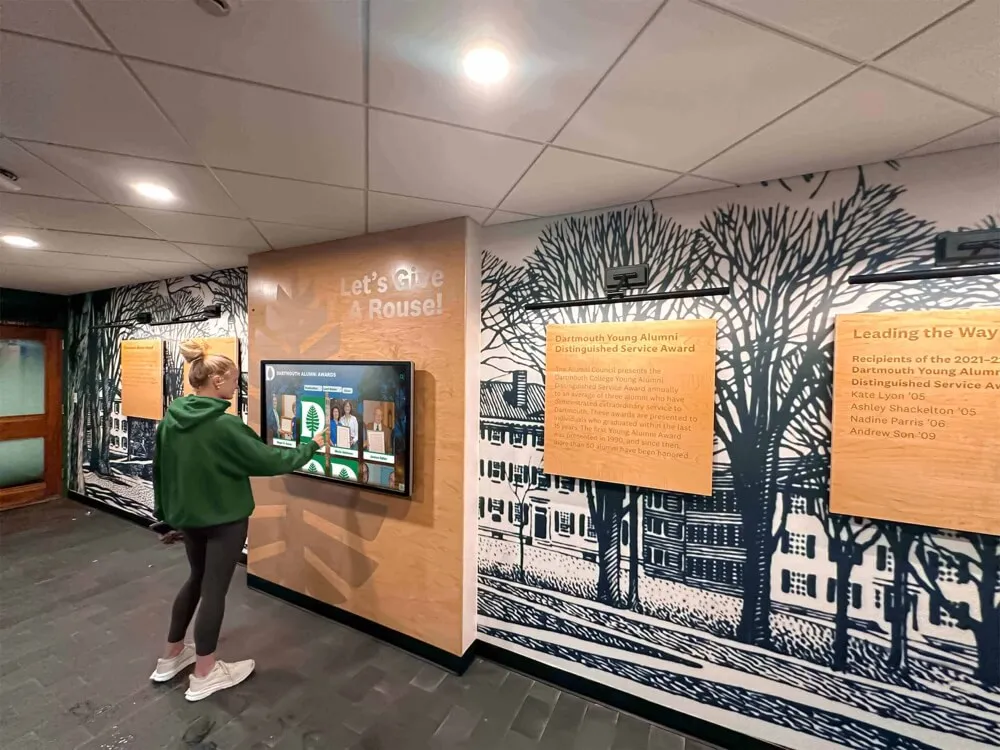
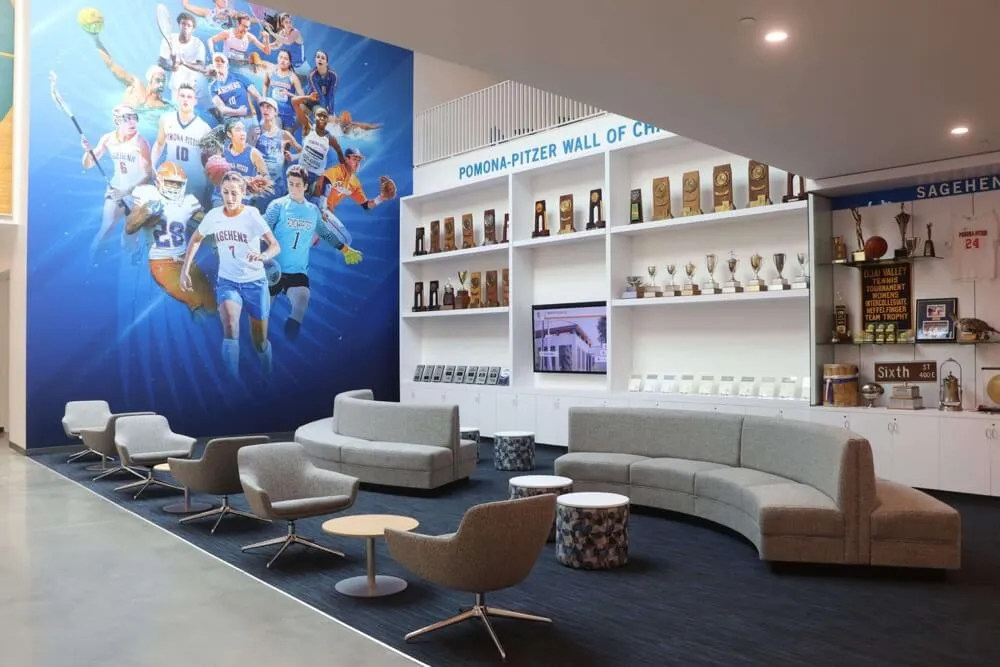
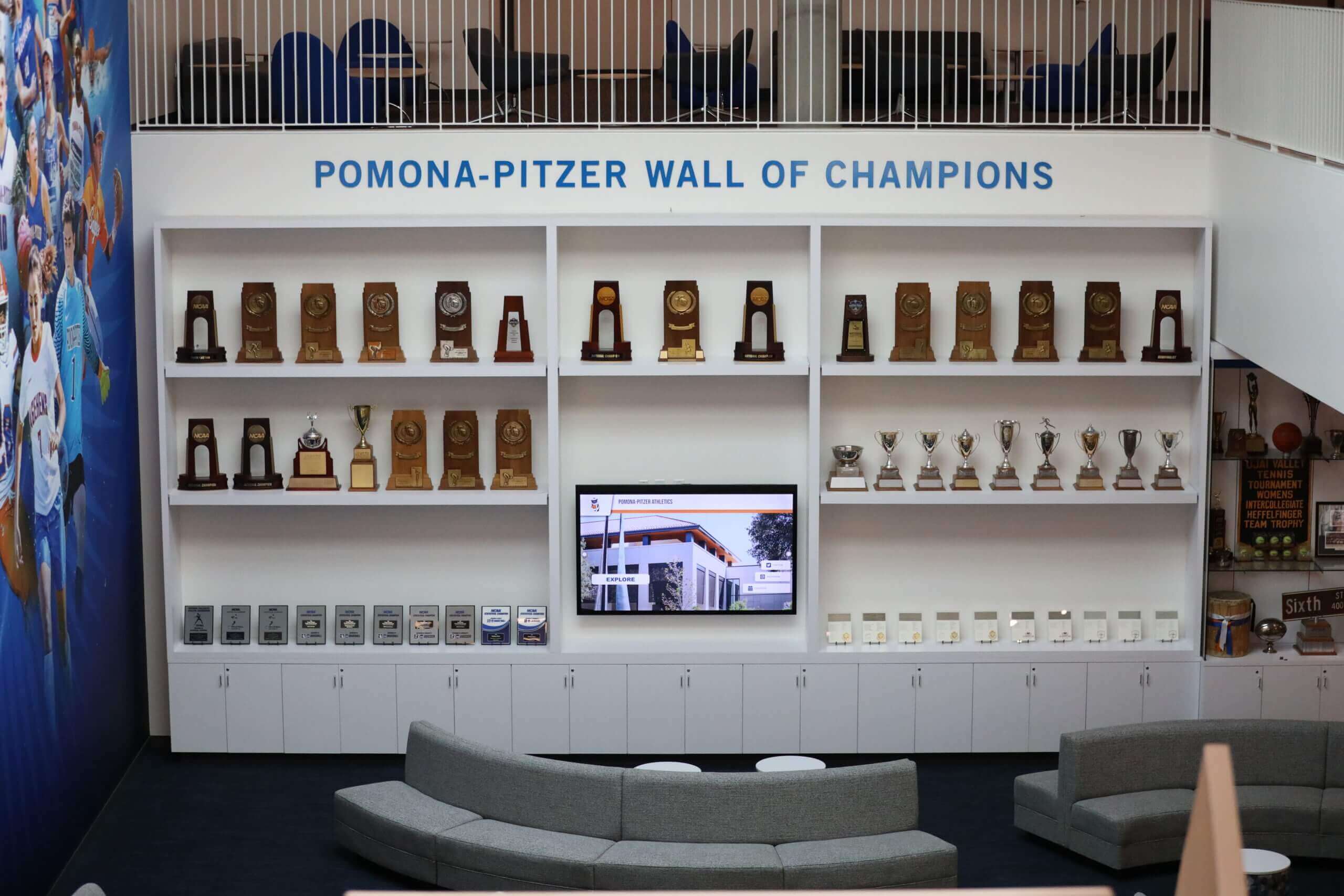
A dedicated trophy display lounge creates an inspiring backdrop for end-of-season banquet ceremonies
Category 1: The Classic Core — Reimagined
Every program needs anchor awards, but the most memorable banquets add specificity to the classics rather than distributing generic trophies.
1. Most Valuable Player
The MVP carries maximum weight when selection criteria are communicated at the start of the season rather than decided behind closed doors in November. A transparent rubric covering on-field production, leadership demonstrated under pressure, and influence on team results gives every athlete clarity on what earning the top award looks like—and keeps the banquet from producing a cynical “I knew it would be them” reaction from the back half of the roster.
2. Defensive Player of the Year
Most programs give offensive and team MVP categories prominent placement while defensive excellence slides into an afterthought. A dedicated Defensive Player of the Year award—recognized with equal ceremony time and equal trophy quality—signals that the program values what happens on the less-glamorous end of the field. Athletes who build their games around defensive commitment notice when that contribution is explicitly named.
3. Most Improved Player
The Most Improved award earns its reputation as one of the most meaningful sports award ideas only when the selection criteria are specific and quantifiable. Coaches should identify a measurable baseline in preseason—sprint times, statistical production, lineup positioning, or skill assessment scores—and track progress across the full season. Coaches who document improvement continuously have the evidence to present this award with real stories attached, which is what transforms a generic certificate into a genuinely moving moment.
4. Scholar Athlete
The student-athlete who maintains exceptional academic standing while competing at full intensity embodies the dual purpose of scholastic athletics. Presenting the Scholar Athlete award with the same ceremony weight as MVP sends a message to every athlete in the room: your school cares about what you do in the classroom as much as what you do in competition.
Category 2: Superlative Sports Award Ideas
Superlatives work in every sport and every season because they’re tailored to the specific team rather than copied from a template. The best superlatives require coaches to pay attention all year—they can’t be invented the night before the banquet.
5. Best Pregame Ritual
Every team has one. The elaborate handshake routine, the headphone-on-eyes-closed zone-in walk, the player who needs exactly 23 minutes of warm-up or nothing works. A Best Pregame Ritual award acknowledges team culture and personality while generating genuine laughter in the room.
6. Most Likely to Give a TED Talk
Some athletes are natural communicators whose halftime adjustments, team huddle breakdowns, and post-game analyses suggest a future in coaching, leadership, or professional speaking. This award honors the verbal tactician every locker room has—and usually makes the recipient tear up because it names something coaches genuinely respect.
7. Best Hype Person
The player on the bench whose energy is louder than anyone on the floor. The athlete who celebrates a teammate’s success as enthusiastically as their own. This category names an irreplaceable team contribution that rarely appears on any traditional award list—and the recipient usually has no idea it was coming, which makes the presentation even better.
8. Most Consistent Practice Player
Practice performance and game performance don’t always correlate. Some athletes bring peak effort and focus to every Tuesday practice regardless of whether it’s a rivalry week or a nothing-on-the-line end-of-season Wednesday. Formalizing this observation rewards the daily culture builders who quietly make the team better without the spotlight of Saturday competition.
9. Rookie of the Year
First-year athletes who make meaningful contributions—starting roster spots earned, milestone statistics hit, leadership shown despite experience gaps—deserve distinct recognition that also signals to the rest of the program’s younger athletes what a high ceiling looks like.
10. Comeback Award
Some seasons produce athletes who navigate injury recovery, personal adversity, performance slumps, or role transitions and come back stronger. The Comeback Award, presented with a specific description of the obstacle overcome and the result achieved, is typically one of the most emotionally resonant recognitions of the entire banquet.
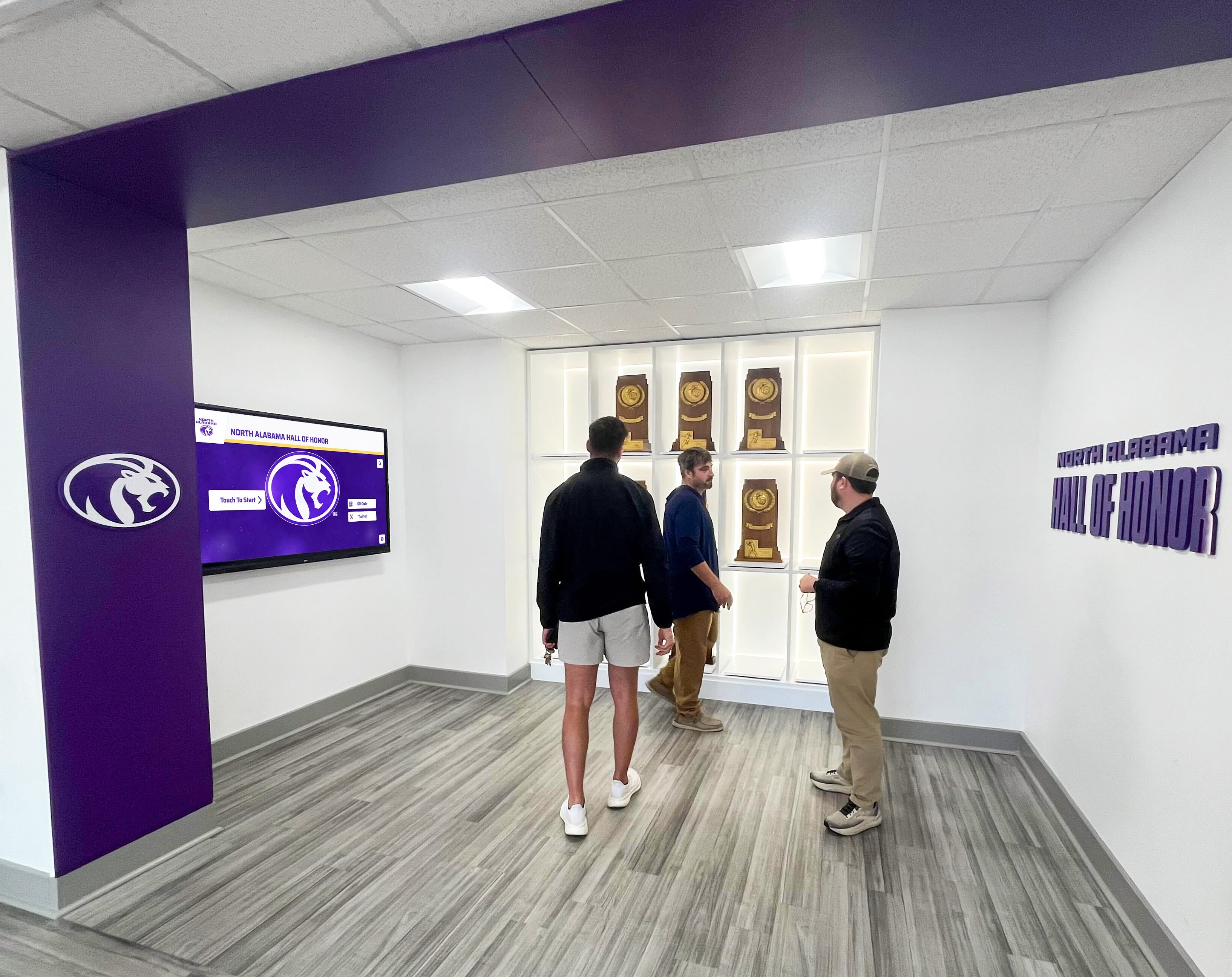
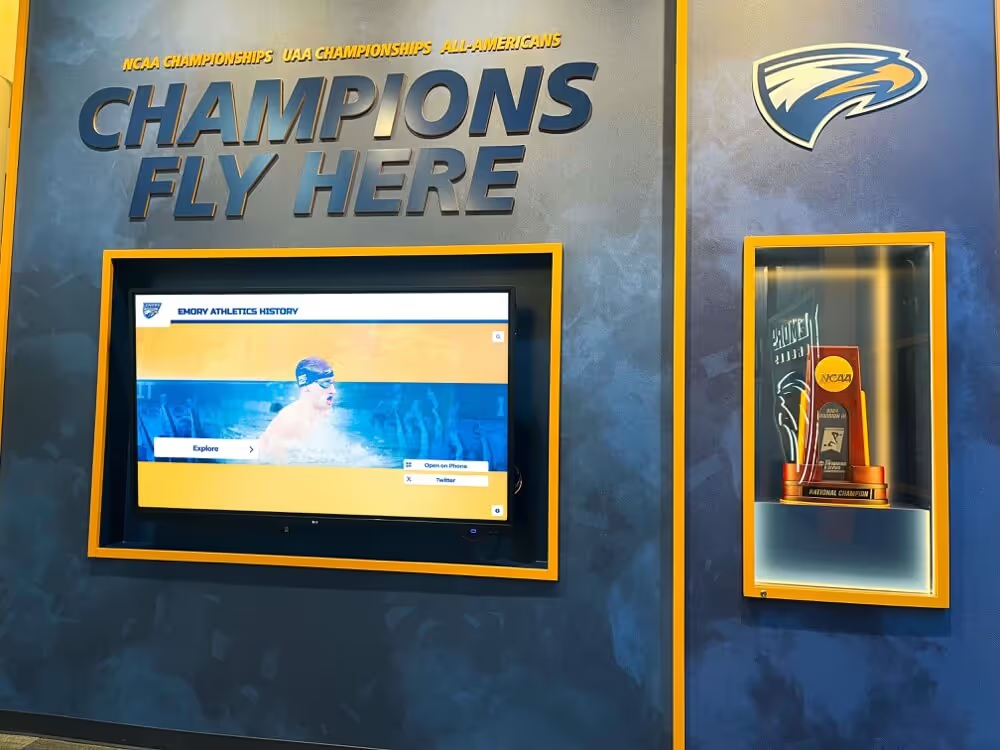
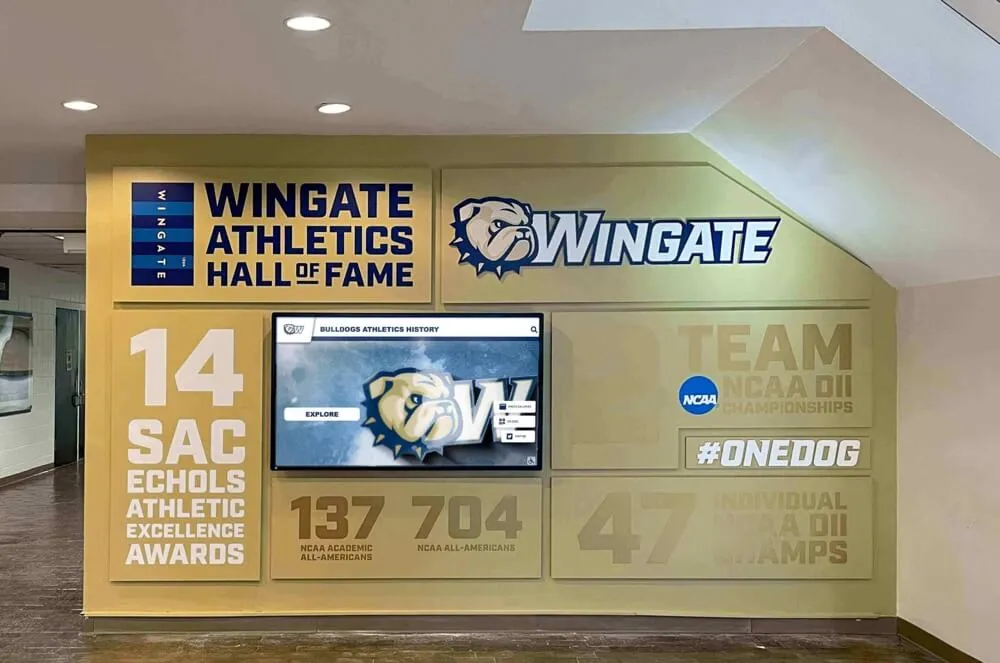
End-of-season banquet environments that reflect program history create context for meaningful award presentations
Category 3: Character and Culture Awards
These categories recognize contributions that don’t show up in any box score but that every coach knows are the foundation of successful programs.
11. Sportsmanship Award
A peer-nominated sportsmanship award—where athletes vote for the teammate who best demonstrated character under competitive pressure throughout the season—carries authenticity that staff-selected recognition sometimes lacks. When athletes choose who represents the team’s values best, the selection process itself reinforces those values.
12. Iron Attendance Award
Perfect or near-perfect season attendance across practices, film sessions, optional conditioning workouts, and competition demonstrates a level of commitment that statistics can’t capture. This award is entirely objective and entirely earned through daily decision-making. For programs beginning to track attendance rigorously, it creates a visible incentive structure that pays off across the whole roster.
13. Teammate of the Year
Different from an Unsung Hero award—Teammate of the Year recognizes the athlete whose presence in the locker room, on the bus, and during adversity made the team function better. Coaches and players who nominate for this category usually cite specific moments: who stayed after practice to help a struggling athlete, who kept the group together after a tough road loss, who the youngest players on the roster trusted most.
14. Leadership Award
Distinct from captaincy recognition, a Leadership Award can go to any athlete—regardless of formal title—who demonstrated the ability to elevate teammates, model program values, and step into high-stakes moments with composure. Some of the most effective leaders on a roster never wear a captain’s designation.
15. Mental Toughness Award
The athlete who maintained consistent competitive performance through adversity—a losing streak, an injury to a teammate, a rough personal stretch—and responded with focus rather than withdrawal deserves specific recognition. Presenting this award with specific documented examples from the season transforms it from an abstract value statement into a tribute to observable behavior.
See how schools recognize the full range of athletic contributions when planning athletic team picture day ideas and recognition events that capture the team’s season together.
Category 4: Performance Milestone and Specialty Awards
These categories reward specific statistical or competitive milestones, giving athletes with clear performance targets throughout the season a recognition pathway that doesn’t depend on subjective staff selection.
16. Statistical Leader Awards
Leading scorer, most assists, batting average leader, most saves, most strikeouts, fastest recorded time, highest average score—sport-specific statistical leaders are objective, defensible, and create season-long performance incentives. Multiple statistical categories spread this recognition broadly, preventing one or two athletes from collecting every honor.
17. Record Breaker Award
When athletes break program records—single-season or career marks in any documented statistical category—formal end-of-season recognition pairs naturally with a permanent update to the visible record board. The public record update creates lasting meaning beyond the banquet night itself.
18. Clutch Performer Award
Some athletes consistently deliver peak performance in the moments that matter most—rivalry games, championship brackets, overtime situations, or decisive individual matchups. Tracking match context throughout the season gives coaches the specific evidence needed to present this award with the credibility it deserves.
19. All-Conference and All-Region Formal Presentation
External recognition from athletic conferences and regional associations carries institutional prestige that internal awards can’t replicate. Presenting these designations formally at the banquet—with the same ceremony and specific achievement description given to internal awards—connects the individual athlete’s accomplishment to the program’s broader competitive standing.
20. Multi-Sport Athlete Award
Student-athletes who compete in two or more sports demonstrate exceptional physical versatility, time management, and commitment to multiple program communities. A Multi-Sport Athlete Award honors the commitment investment of representing the school across different seasons and different coaching staffs—a contribution often overlooked in single-sport recognition events.
21. Senior Class Legacy Award
Athletes completing their final season of eligibility—regardless of statistical production—deserve acknowledgment for the full arc of their program participation. A Senior Legacy award, presented with specific references to how the athlete grew from first-year participant to program veteran, builds alumni loyalty and gives younger athletes a visible endpoint to aspire toward.
Explore how wrestling hall of fame touchscreen displays recognize athlete achievement categories in organized, expandable formats that preserve program history beyond the banquet.
Category 5: Coach and Staff Recognition Ideas
End-of-season sports award ideas aren’t limited to athletes. Coaches and support staff who invest year-round in program success deserve formal recognition from the program community.
22. Coach’s Award
The athlete the coaching staff identifies as most completely embodying program values—across competition, practice, academics, and community—represents what the program stands for. Unlike statistics-based recognition, the Coach’s Award communicates explicitly what the program’s leadership values most, making the presentation itself a statement of program identity.
23. Coach Appreciation Recognition
Banquets organized by booster clubs, parent organizations, or athletic departments increasingly include a formal moment to recognize head coaches, assistant coaches, and volunteer staff who contributed to the program’s season. Basketball coach gift ideas and recognition approaches translate naturally to any sport and create lasting goodwill between program staff and the families they serve.
24. Team Manager and Support Staff Recognition
Equipment managers, athletic trainers, statisticians, and program volunteers provide infrastructure that makes competition possible. Formally recognizing their season-long contributions signals that the program sees the full picture of what it takes to run successful athletics—not just what happens between the whistles.
Category 6: Creative Banquet-Specific Sports Award Ideas
25. Comeback Season Award (Team)
When a program rebounds from a losing record, injury adversity, or institutional disruption to finish stronger than projected, a team-level Comeback Season award acknowledges collective resilience. This is one of the few sports award ideas that honors the program rather than an individual—and when presented with a specific narrative about the challenges the team overcame, it creates a shared memory the roster carries forward.
26. Community Service Athlete
Athletes who combine competitive participation with documented community service—youth sports mentorship, charity fundraising events, school volunteer programs—demonstrate program citizenship extending beyond competition. Learn how schools coordinate school fundraiser event recognition to honor student community contributions alongside athletic achievement.
27. Best Social Media Moment (Season Highlight)
For programs that document their seasons through official social channels or athletic department media, recognizing the play, celebration, or team moment that generated the most community engagement connects digital program identity to the banquet. This award works especially well at programs with active booster communities and parent engagement online.
28. Funniest Moment Award
A light-hearted presentation near the start of the banquet—the accidental own-goal that became a legendary story, the team bus mix-up, the practice miscommunication that coaches still bring up in October—warms up the room and signals that the event is a genuine celebration rather than a formal ceremony to endure.
29. Future Captain Award
Identifying a returning athlete who demonstrated the values, communication skills, and respect of teammates that future captains need creates a visible forward-looking recognition category. This award motivates multi-year athletes, builds succession planning into the culture, and gives the banquet a moment that looks toward next season alongside celebrating the one that just ended.
30. Program Builder Award
Some athletes contribute to program growth beyond the scoreboard—through recruiting conversations with prospective athletes, fundraising participation, alumni engagement, or booster club involvement. A Program Builder Award acknowledges that athletic programs are built by communities, not just rosters.
For programs looking to recognize musical and performing arts contributions alongside athletics at all-school ceremonies, band awards ideas for recognizing musical excellence offer parallel frameworks that work for multi-program recognition nights.
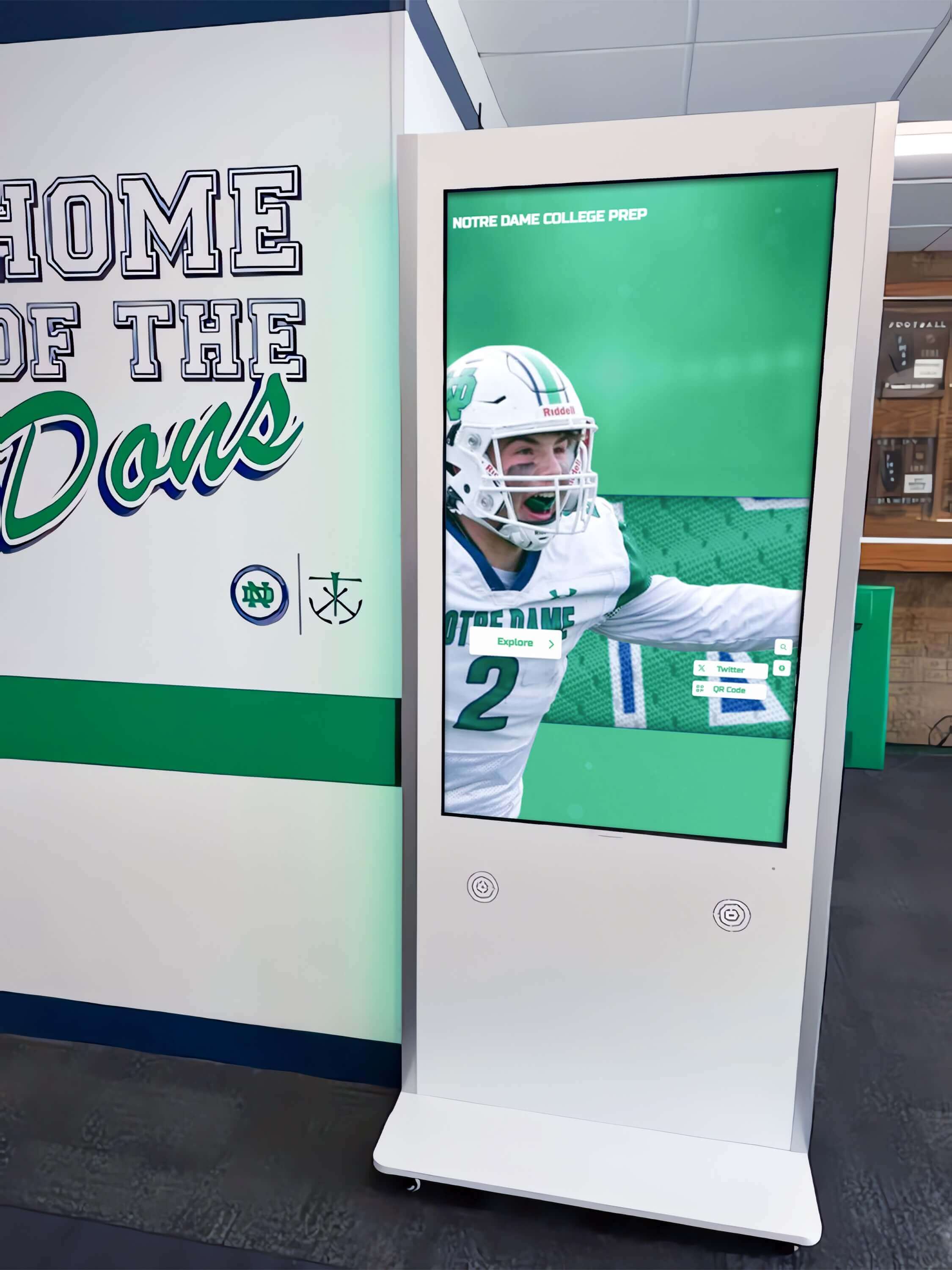
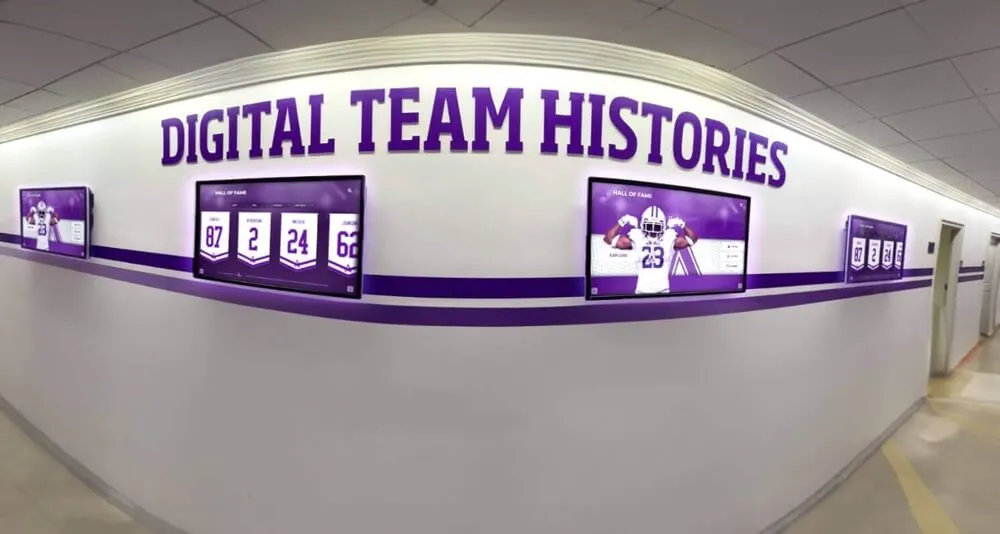
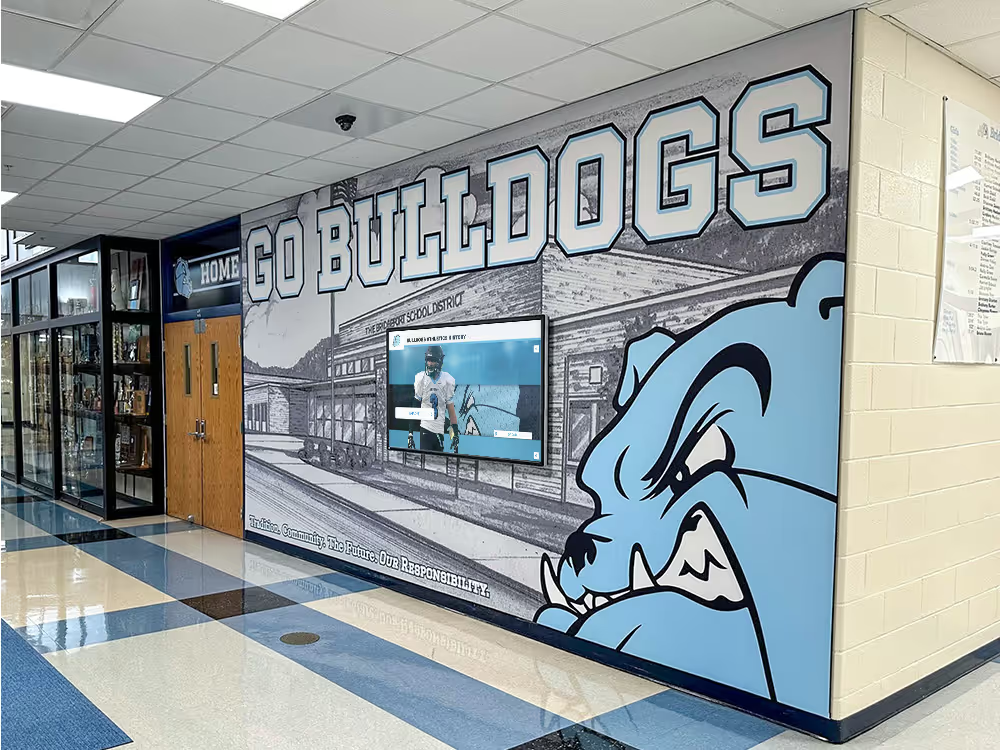
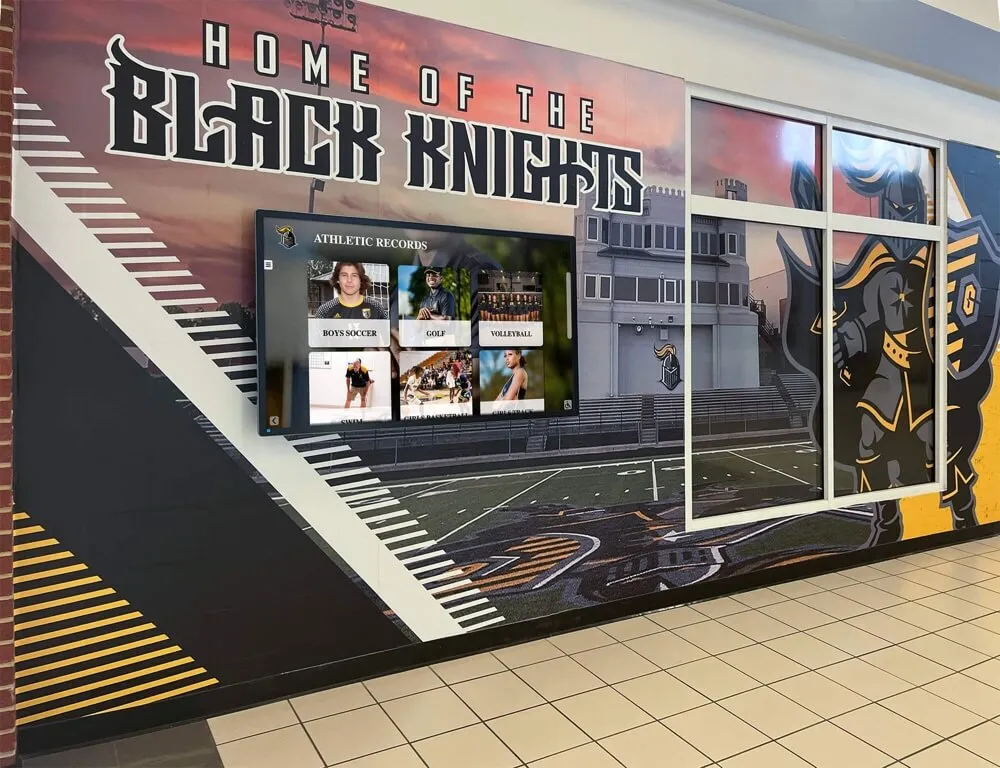
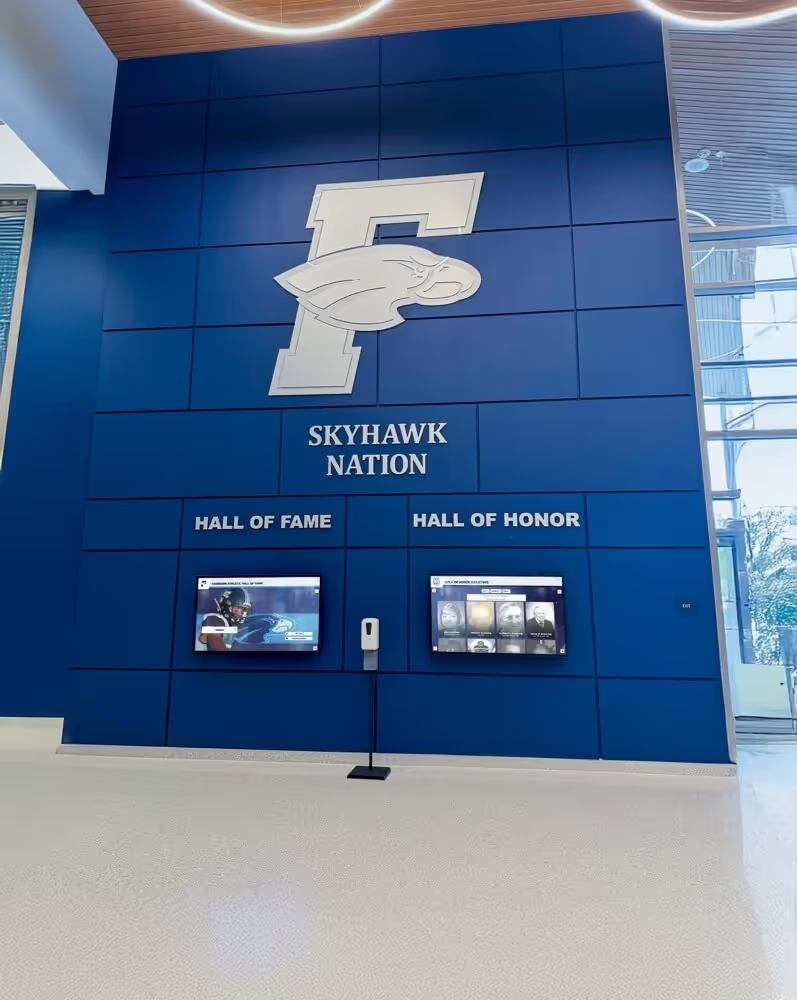
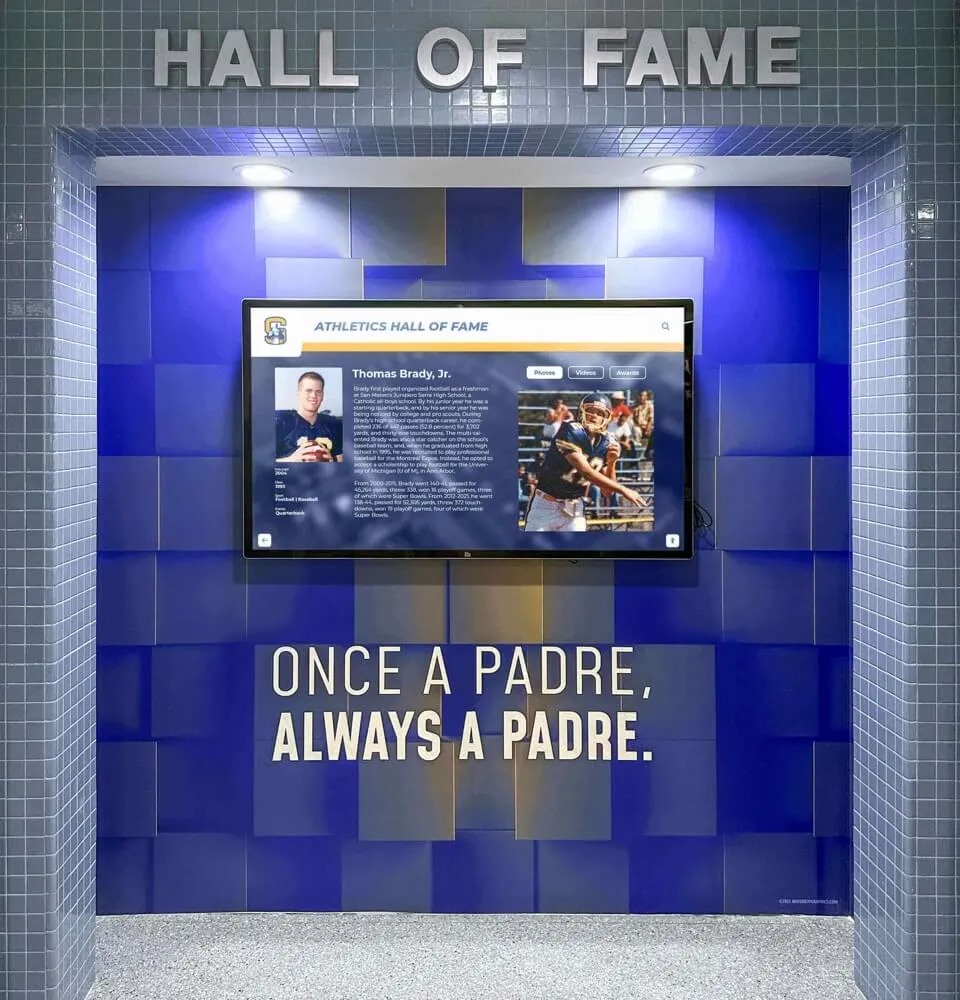
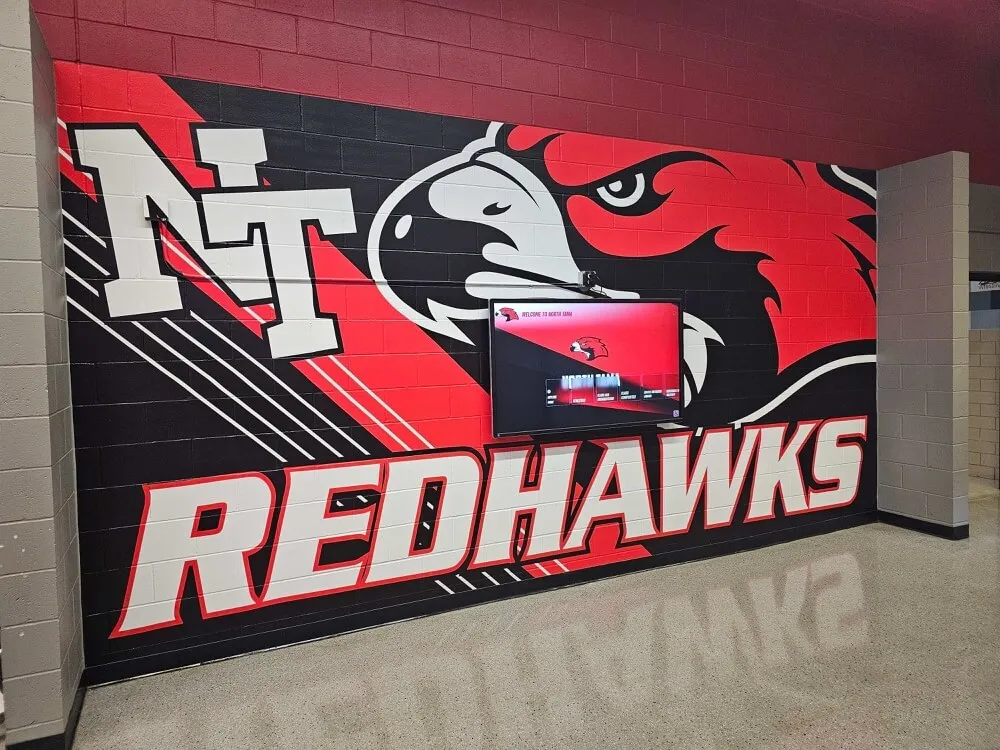
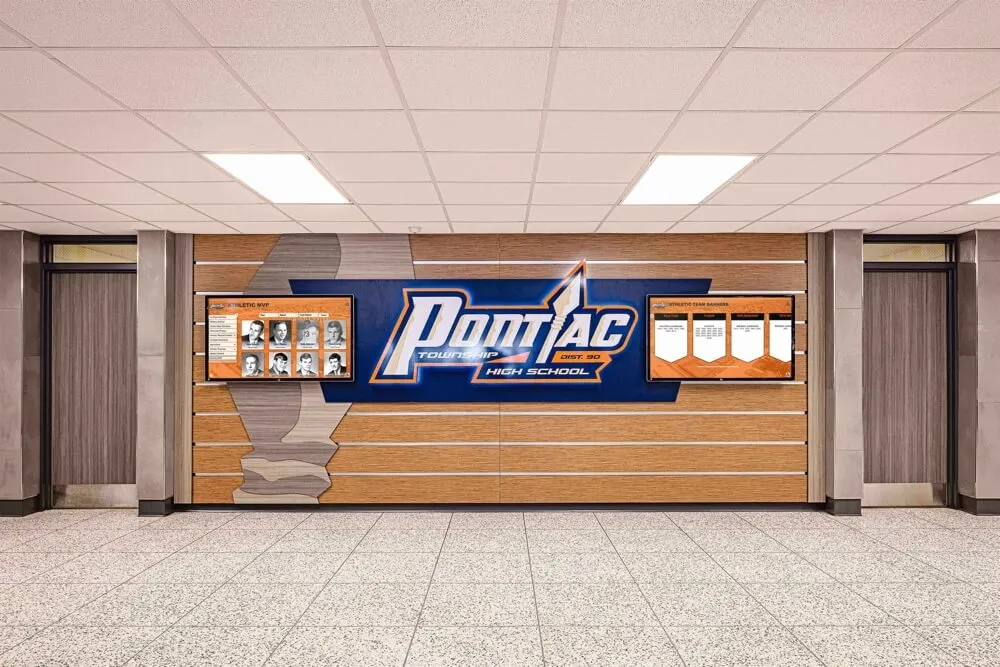
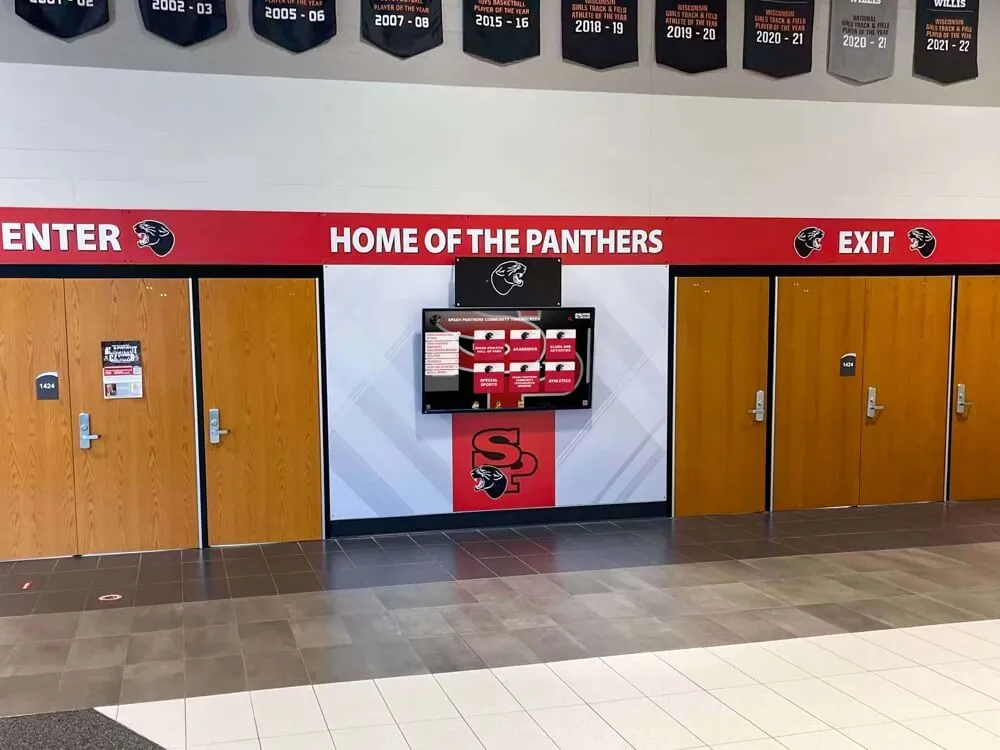
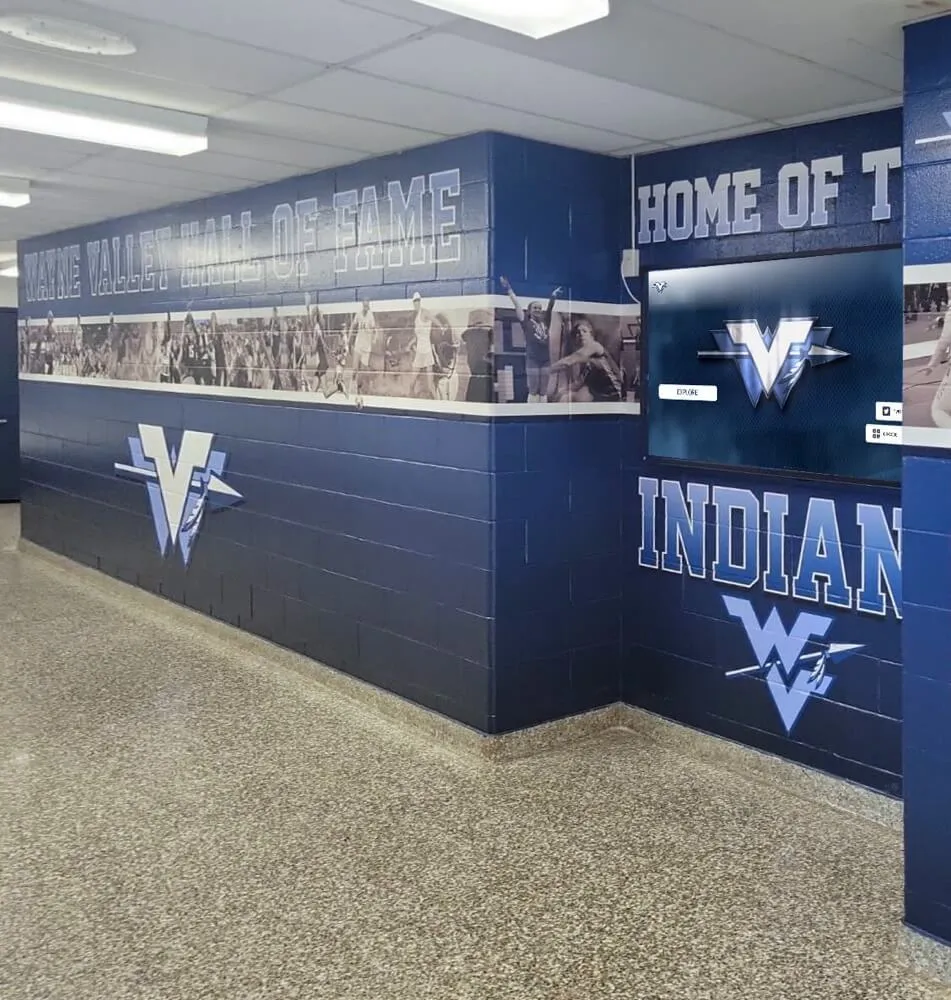
Interactive recognition systems in athletic hallways keep banquet award honorees visible to the entire school community throughout the year
Making the Banquet Presentation Memorable
A well-chosen award loses impact in a poorly executed presentation. The following strategies elevate the recognition experience for every category, not just the major ones.
Narrate each award specifically. Read the reason for the selection before naming the recipient—not just the category name. “This award goes to the player who came back from a torn ACL in February, led the team in defensive stops in the final six games, and pushed two younger players to become starters next season” lands infinitely better than “Most Improved—Jordan Smith.”
Involve families in the presentation moment. Scheduling award presentations so family members witness the recognition, rather than attending a separate reception afterward, creates the emotional texture that makes banquets memorable. Welcoming families to school recognition events with intentional logistics turns awards ceremonies into community celebrations.
Sequence awards with narrative arc. Build toward the major awards rather than distributing alphabetically or by tier. Start with lighter superlatives and community categories, move through character and milestone recognition, and end with the anchor awards that carry program tradition.
Use multimedia to contextualize achievements. A ten-second video clip, a single photograph from the moment being recognized, or a stat line projected during the presentation transforms an award from a generic category into a specific story. Programs with season highlight content can build brief tributes for major award recipients at minimal cost.
Championship banquets often include ring ceremonies alongside traditional awards. Explore championship ring ceremony ideas and how schools honor their champions for structured approaches that make these milestone moments feel appropriately significant.
After the Banquet: Displaying Sports Awards Year-Round
The most persistent gap in athletic recognition programs is what happens after the banquet ends. Trophies sit in cases. Certificates roll up in closets. The only athletes who see their recognition are the ones who happen to walk by the right hallway display.
Programs that invest in year-round visibility transform one-night recognition into ongoing motivational infrastructure.
Physical display fundamentals: Trophy cases organized by category and year, record boards updated immediately when marks fall, and hallway plaques placed in high-traffic corridors near gym entrances and main school corridors all extend banquet recognition into daily program culture.
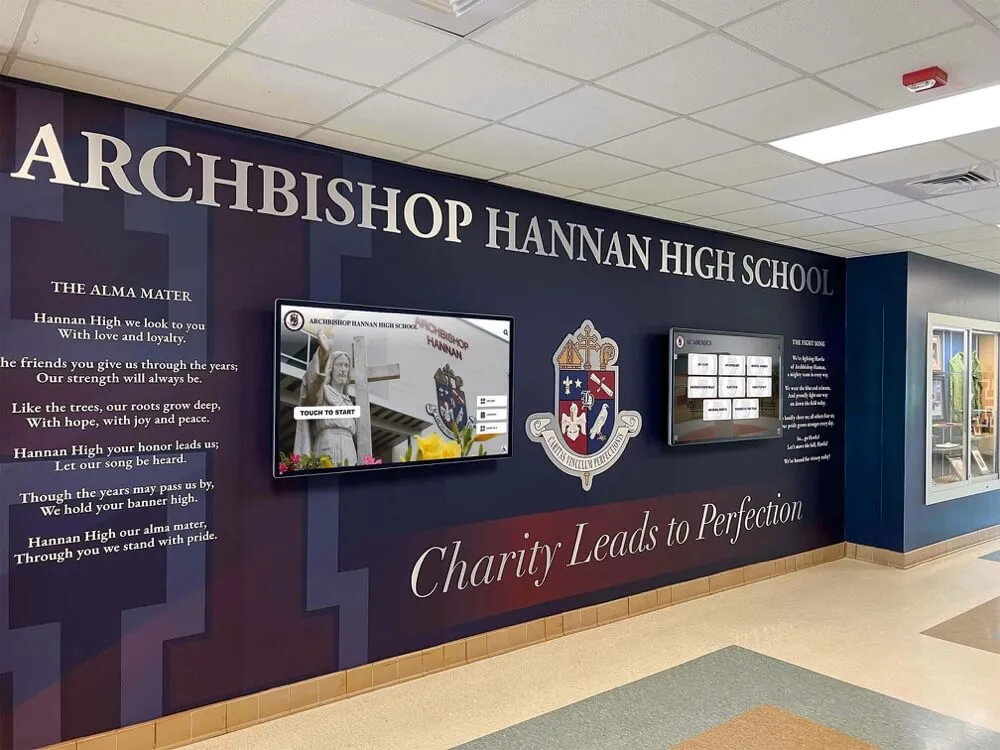
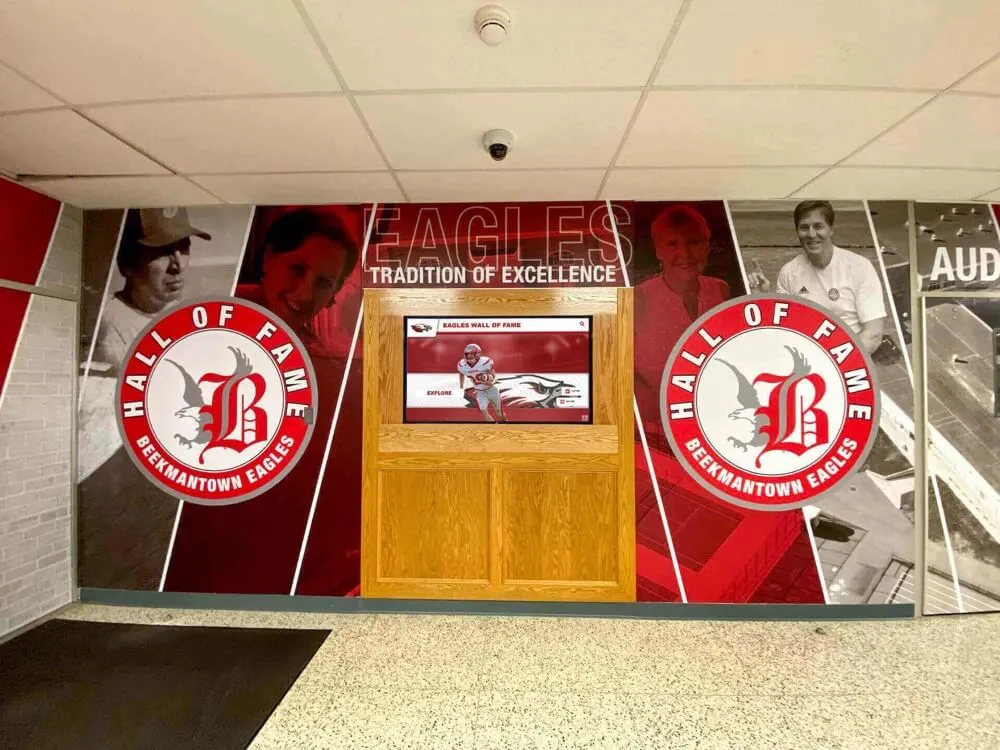
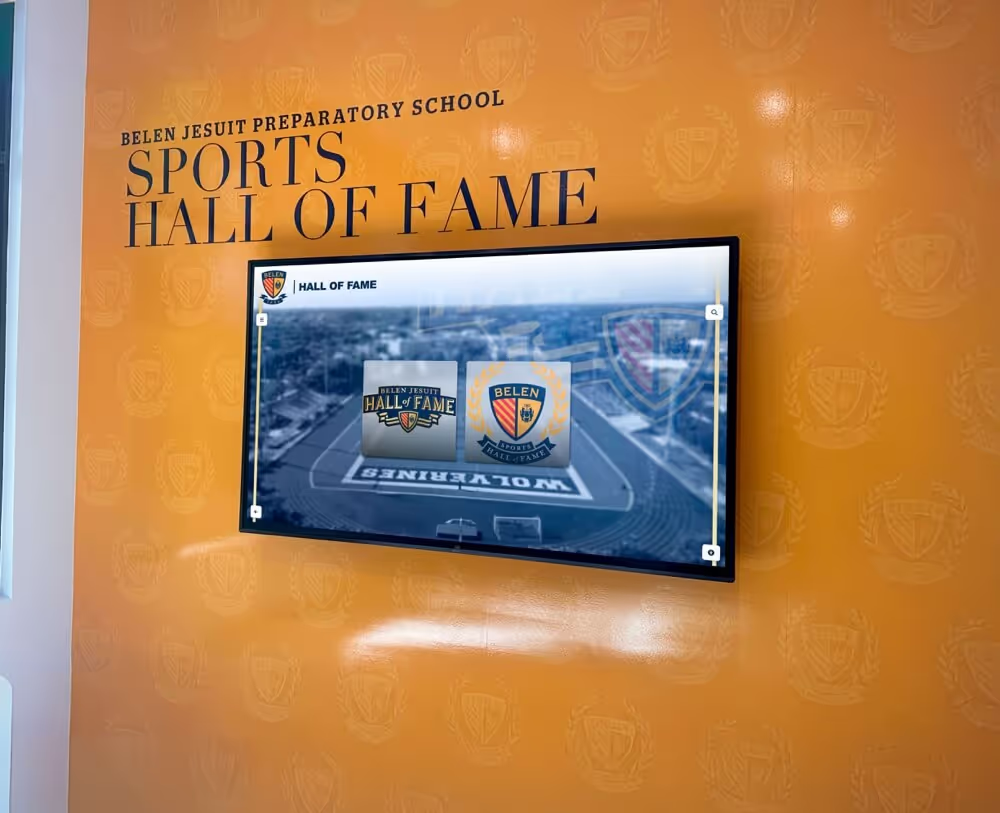
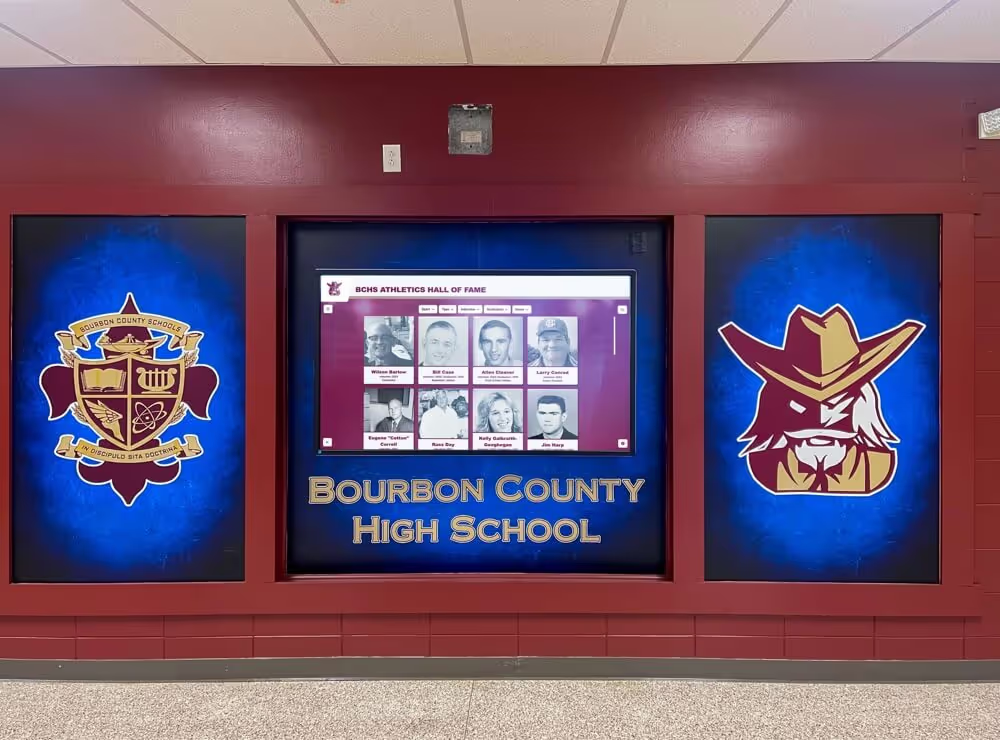
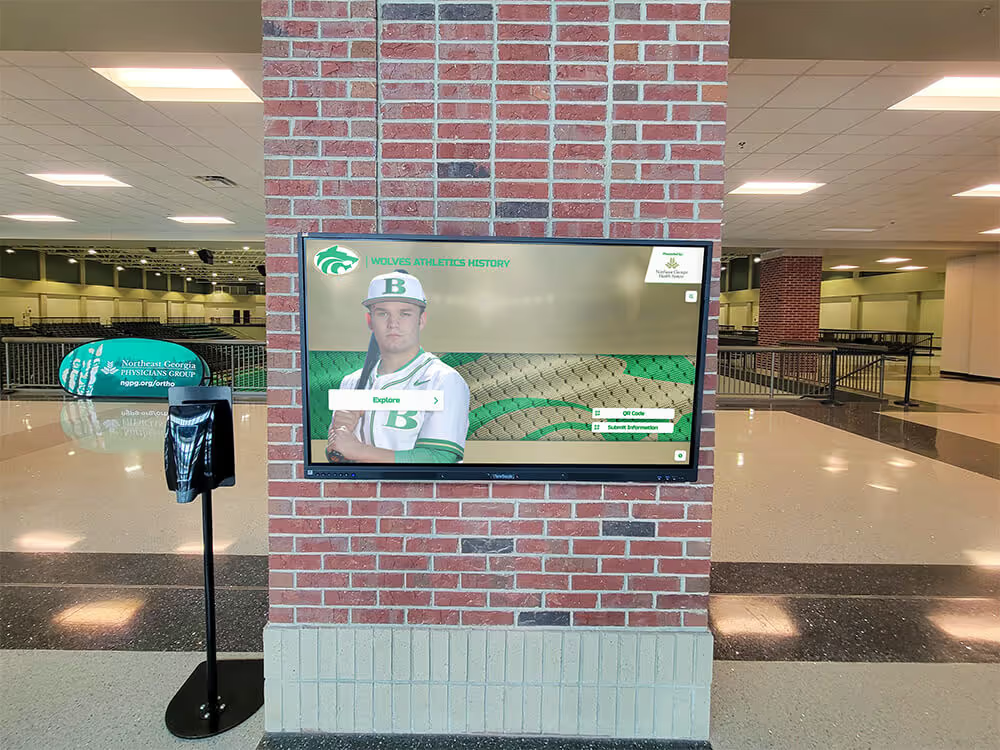
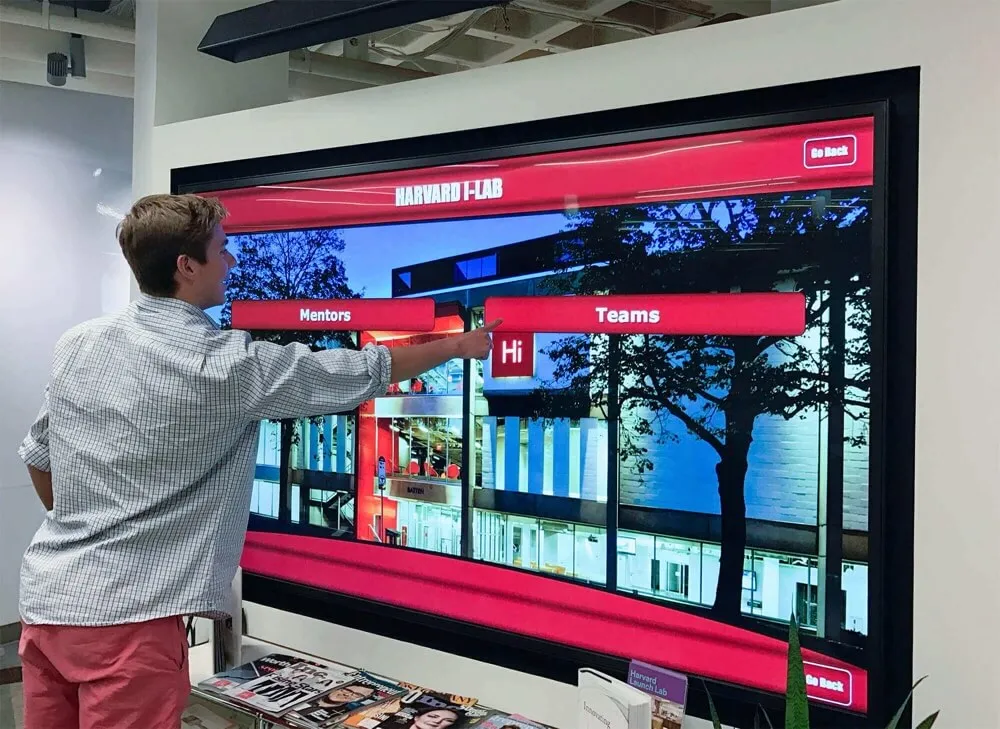
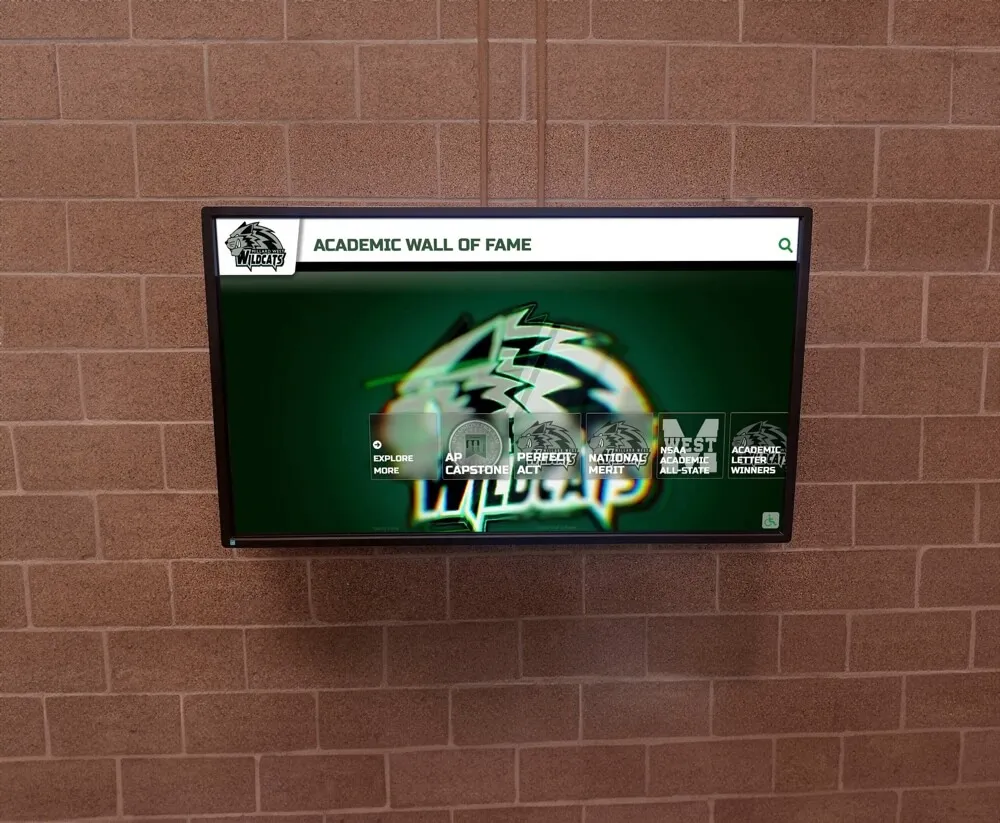
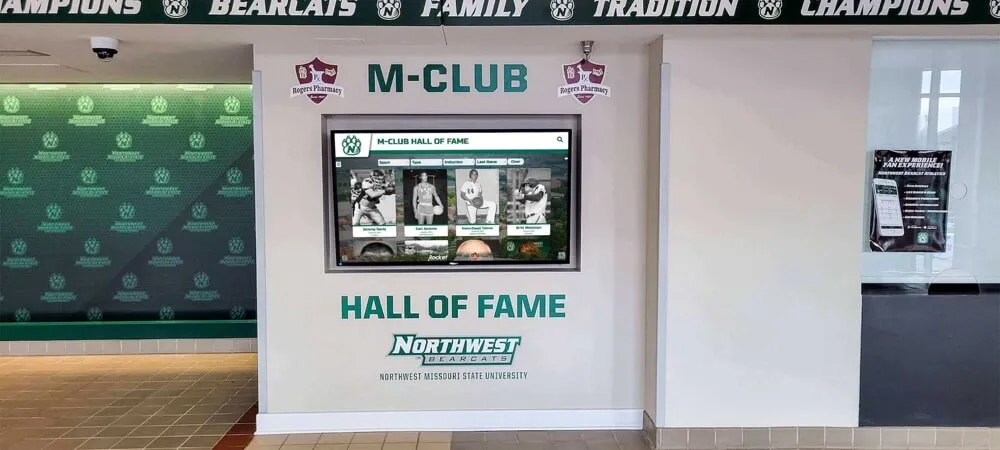
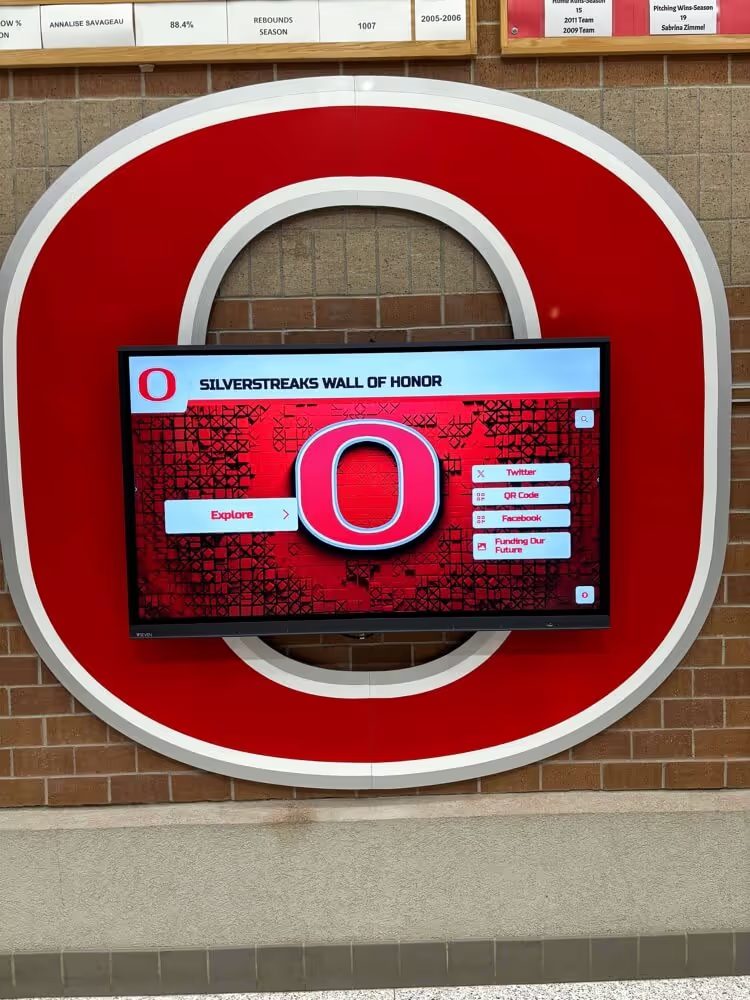
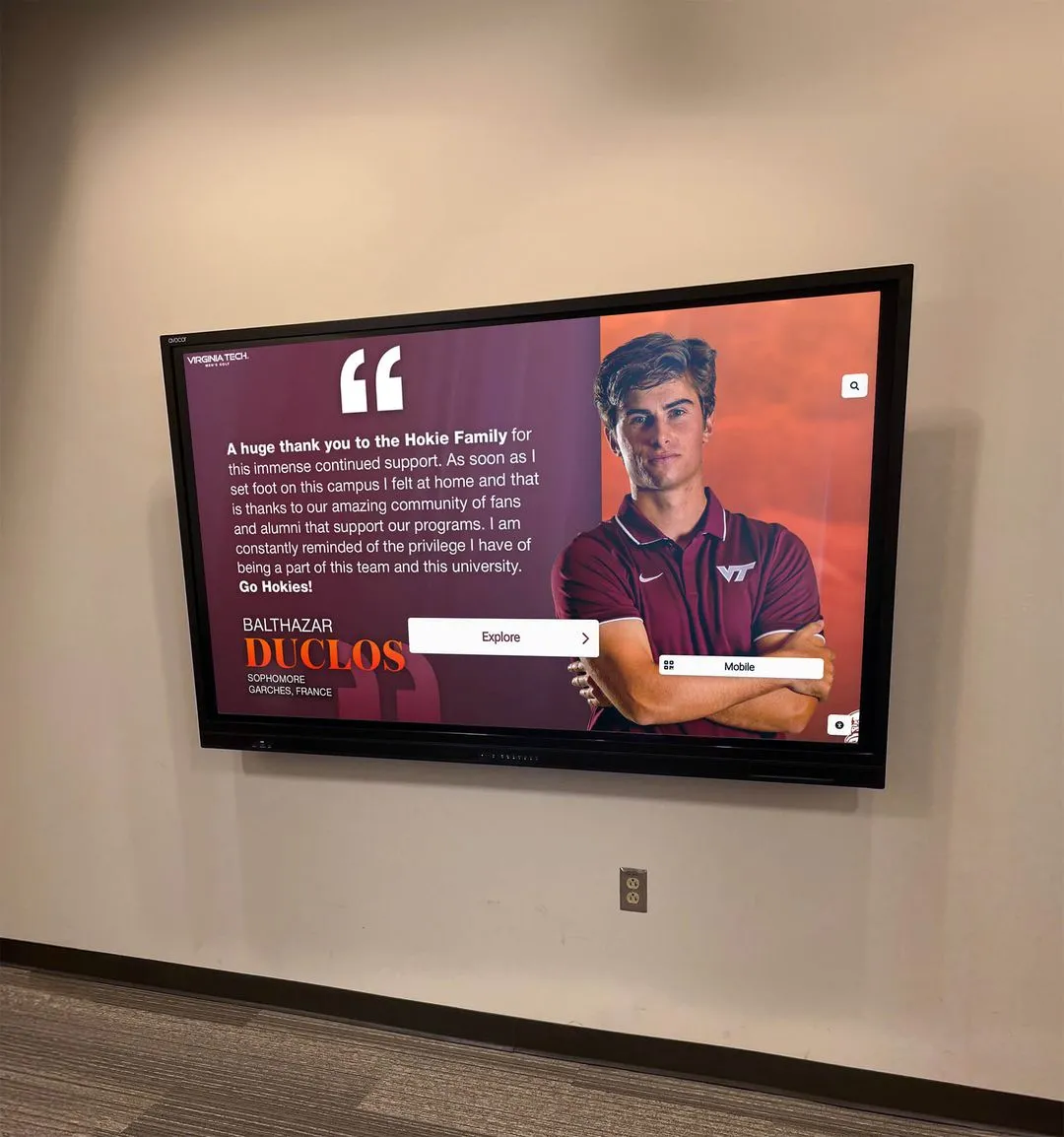
Digital recognition systems: Interactive touchscreen displays enable athletic departments to showcase all 30 award categories across every season without the physical space constraints that force programs to rotate out historical honorees. Athletes and families can explore recognition organized by year, sport, category, or name. Systems can be updated remotely when new award recipients are added or records change—no on-site technical work required.
Rocket Alumni Solutions builds touchscreen wall of fame systems specifically designed for school athletic programs, allowing coaches and athletic directors to connect banquet recognition to a permanent institutional record that remains accessible to athletes, families, and alumni year-round.
See how championship ring display ideas preserve the emotional weight of athletic achievement in formats that inspire current athletes by connecting them to the program’s competitive history.
For programs building out comprehensive recognition touchpoints, learn how America’s 250th celebration and history-based interactive displays demonstrate how institutional histories can be made interactive and continuously engaging.

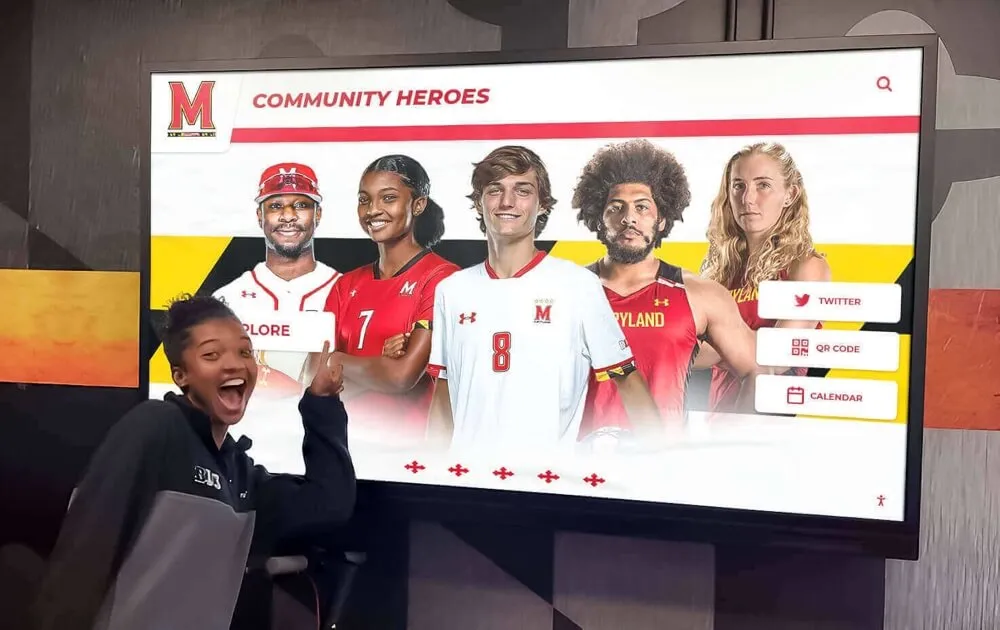
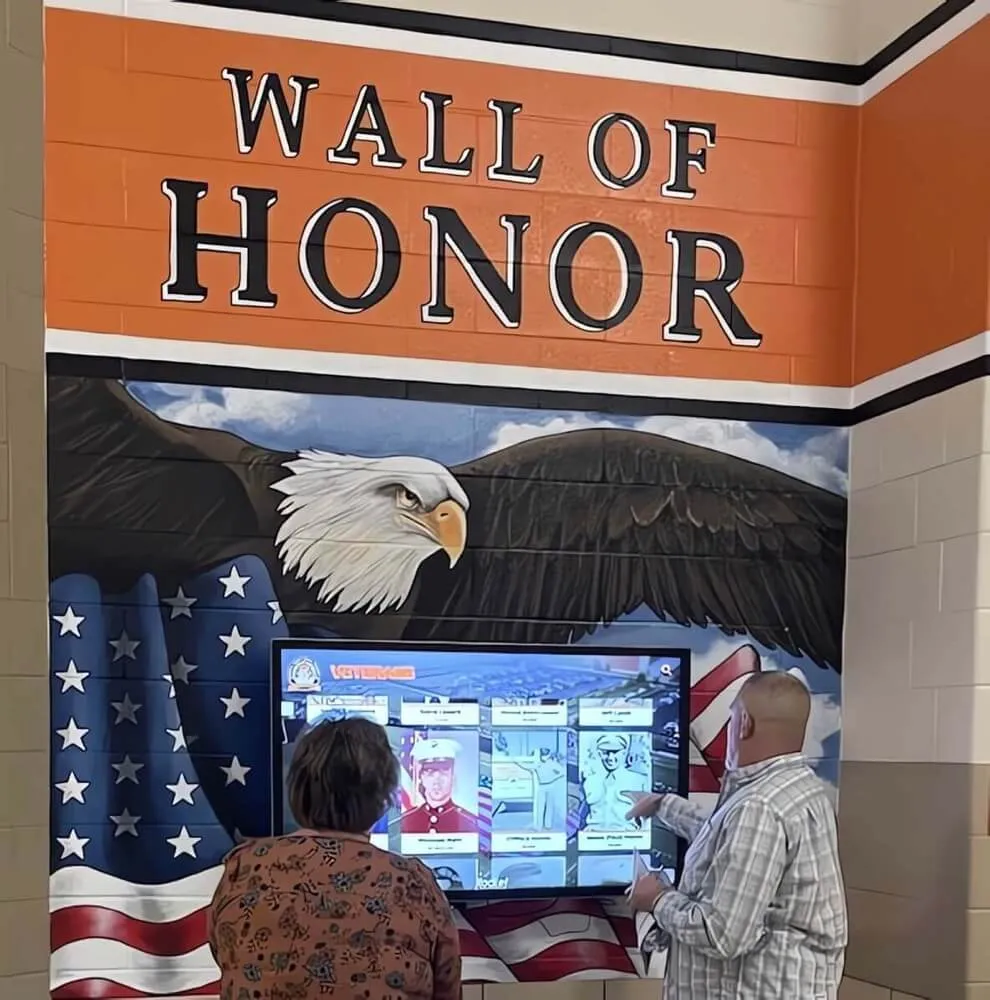
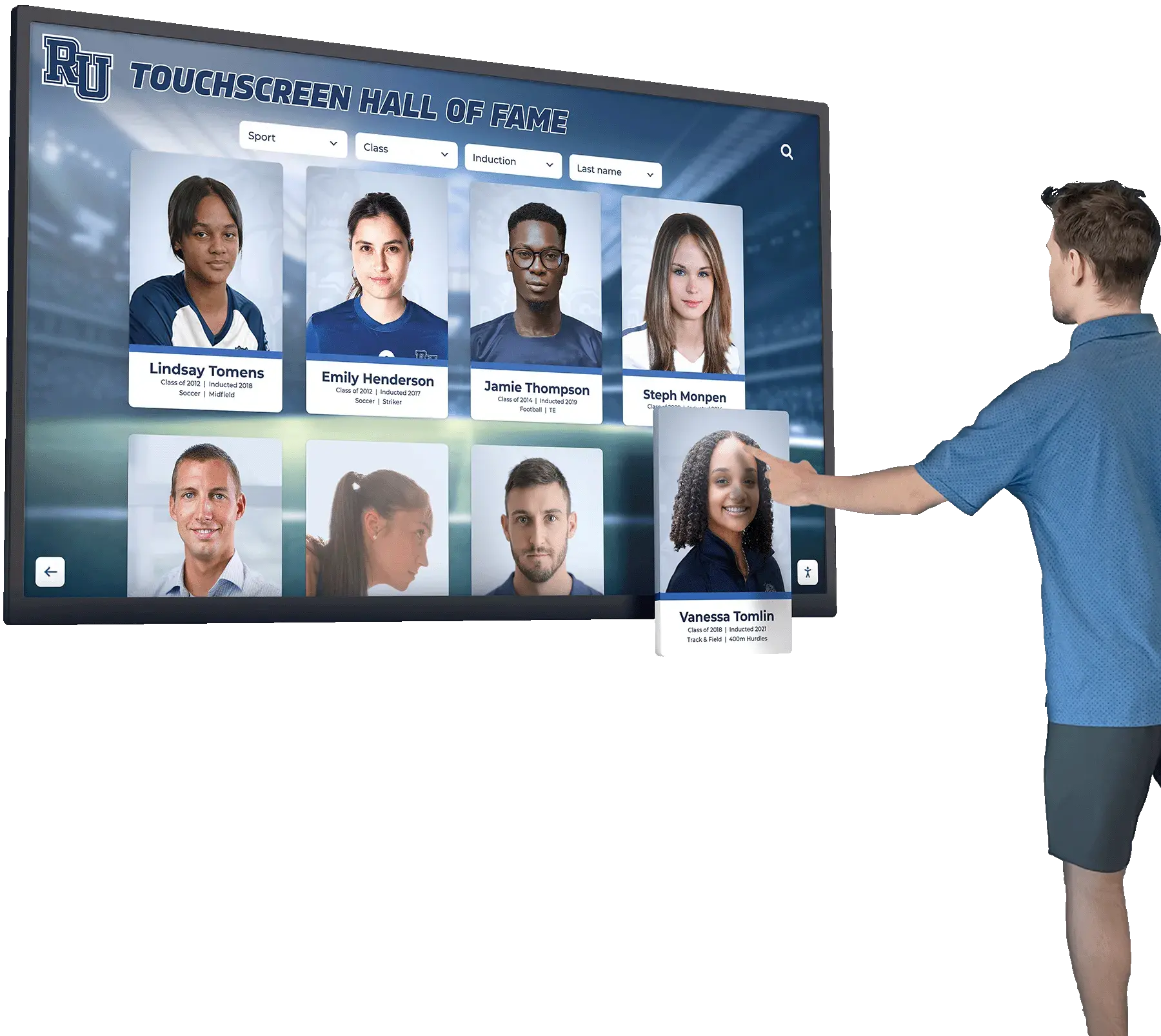
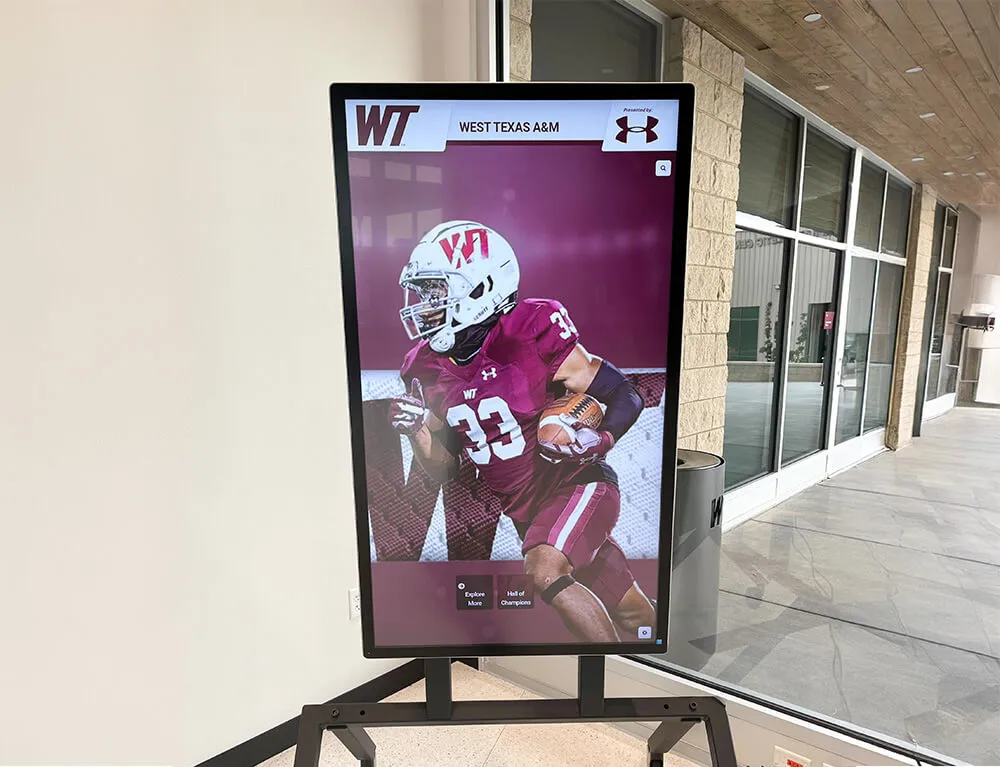
Interactive touchscreen displays allow athletes and families to explore banquet honorees across multiple seasons in organized, searchable formats
Sports Award Ideas: Quick Reference by Roster Position
Different roster compositions call for different award distributions. The following suggestions adapt the 30 categories to common team structures:
Large roster (30+ players): Distribute 12–18 distinct awards to ensure 40–50% of the roster receives recognition. Prioritize superlatives and character categories to expand the recognition pool without diluting major performance awards.
Small roster (10–15 players): Focus on 6–10 tightly defined categories. Avoid creating so many awards that each one loses meaning. Superlatives and peer-nominated character categories work especially well in small groups where athletes know each other deeply.
Mixed varsity/JV banquet: Consider separate award tracks for varsity and JV, or create cross-program categories (Scholar Athlete, Community Service, Program Builder) that apply across experience levels and honor contributions that span the full program.
Season with significant injury challenges: Add specific recovery and comeback categories for any season where roster health was a defining factor. Athletes who navigated injury are sometimes overlooked in traditional award structures despite demonstrating exceptional resilience.
Youth basketball programs adapting these frameworks for developmental contexts will find parallel ideas in basketball camp drills and youth development recognition approaches that emphasize growth over outcome.
FAQ: End-of-Season Sports Award Ideas
How many sports awards should a team give at the banquet?
A useful benchmark is that 30–50% of the roster should receive some form of recognition. For a 20-player roster, 8–12 distinct categories is appropriate. For a 35-player roster, 14–18 categories ensures broad reach without diluting the significance of each award. Avoid giving the same athlete multiple awards—spread recognition intentionally across the roster.
What makes a sports superlative award feel authentic rather than silly?
Superlatives land as genuine recognition when they’re specific to the actual season and actual team rather than copied from a generic list. A coach who spent the season noticing individual personalities can write superlatives in an afternoon—and the specificity signals to every recipient that the coaching staff was genuinely paying attention. Generic superlatives applied to athletes who don’t fit them feel tokenizing. Specific ones become inside jokes and lasting memories.
Should peer nomination be part of the sports award process?
Yes, for character-based categories. Peer-nominated awards for Sportsmanship, Teammate of the Year, Best Hype Person, and Mental Toughness carry an authenticity that coach-selected recognition sometimes lacks. Structure peer nominations with a formal team ballot at the final meeting to ensure the process is organized and treated seriously.
What’s the best way to present sports awards at a banquet?
Narrate each award with specific examples before naming the recipient, involve family members in the presentation moment, use multimedia to add visual context where available, and sequence the program to build narrative arc toward major awards. Ceremonies that treat each category as its own story—not just a name to call out—create banquets athletes remember.
How can programs display sports awards after the banquet ends?
Physical trophy cases, record boards, and hallway plaques provide baseline visibility when organized by category and year rather than stored randomly. Interactive touchscreen recognition systems extend visibility further—showcasing all award categories across multiple seasons without space constraints, accessible to athletes and families year-round, and updatable remotely when new honorees are added. Programs that invest in year-round display infrastructure convert one-night banquet recognition into ongoing motivational culture.
Building an Award Lineup as Meaningful as the Season
The right end-of-season sports award ideas don’t come from a generic template—they come from a season of paying attention. Coaches who note which players elevated practice culture, who recovered from adversity with composure, who made the team genuinely better in ways that statistics can’t capture, and who represented the program’s values most fully will always have the raw material for a banquet that resonates.
The 30 categories in this guide—spanning core performance recognition, creative superlatives, character awards, milestone honors, and coach tributes—give athletic departments a menu broad enough to recognize the specific contributions of any roster. When those recognitions are paired with year-round display systems that keep honorees visible long after the banquet tablecloths are folded, the investment in thoughtful recognition compounds into program culture that motivates athletes for entire careers.
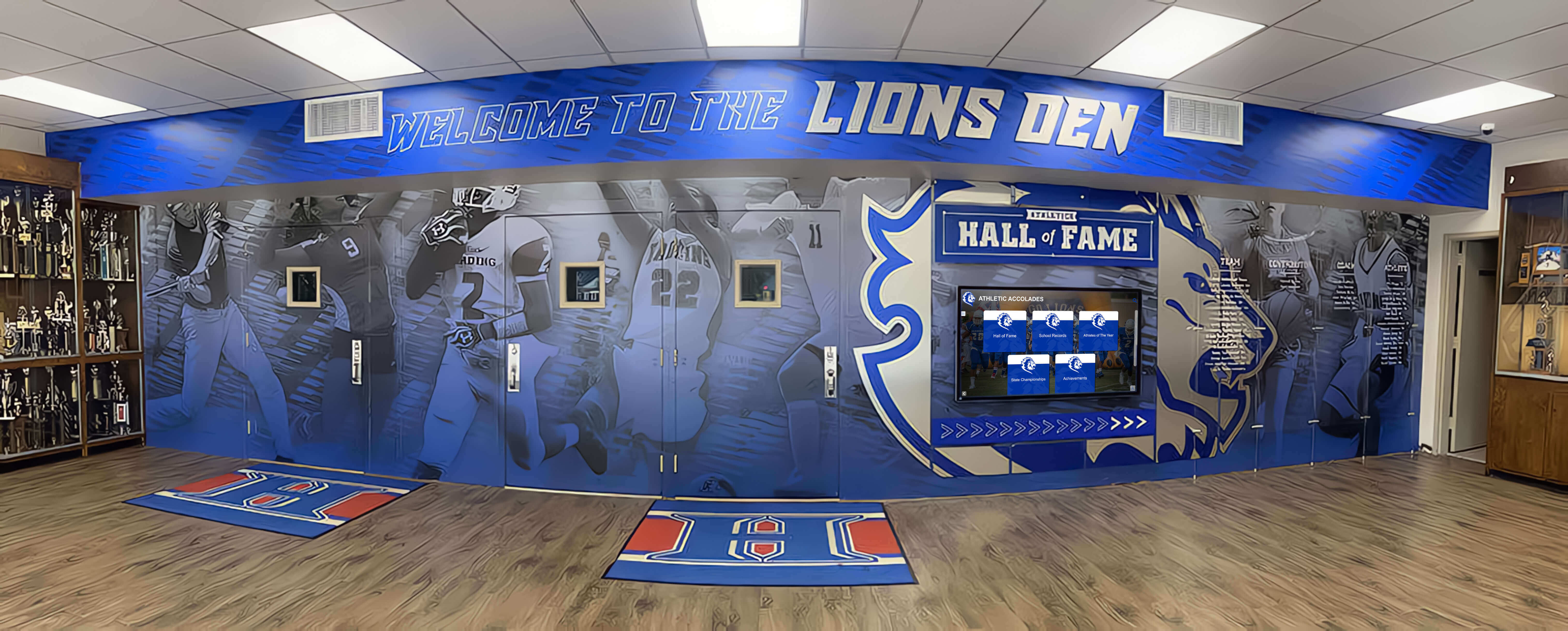
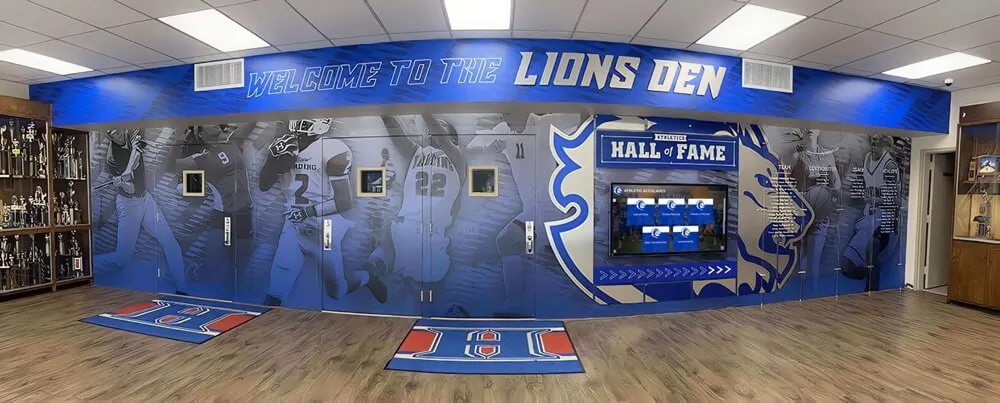
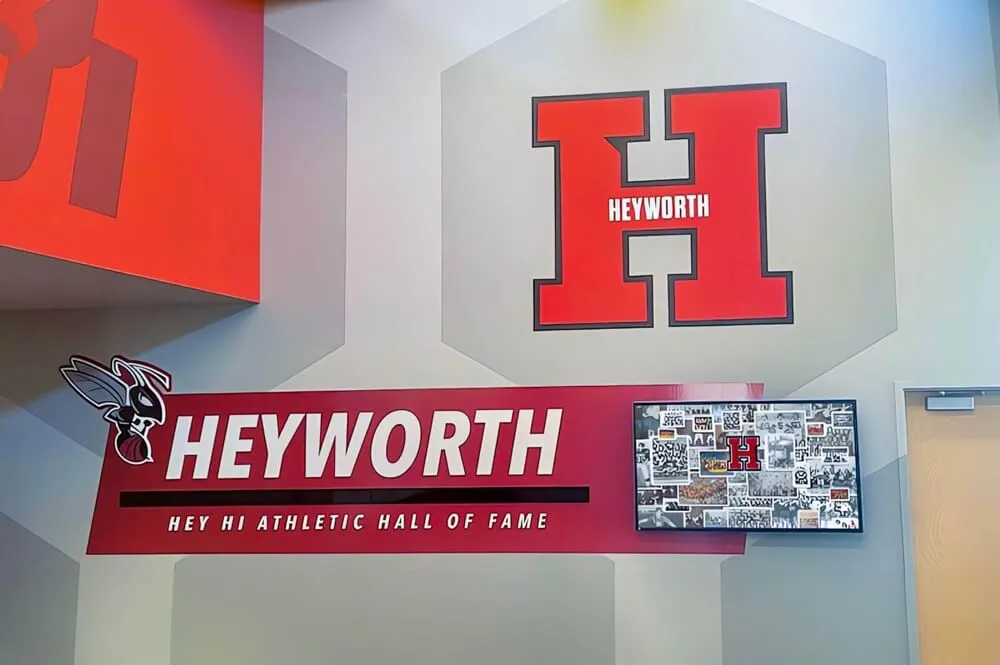
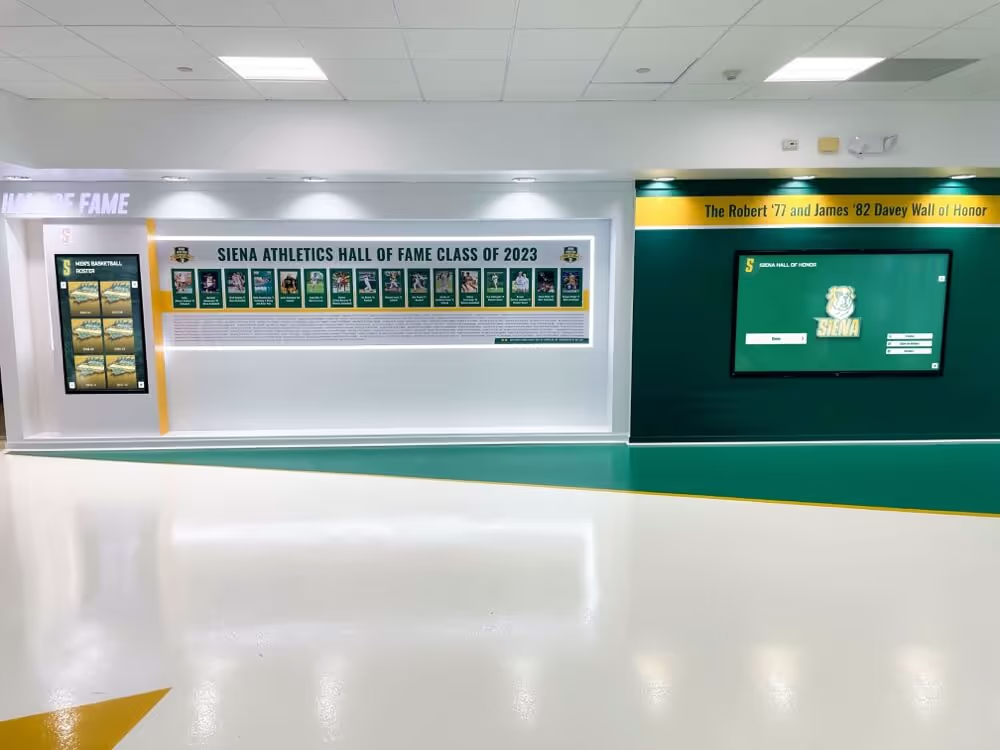
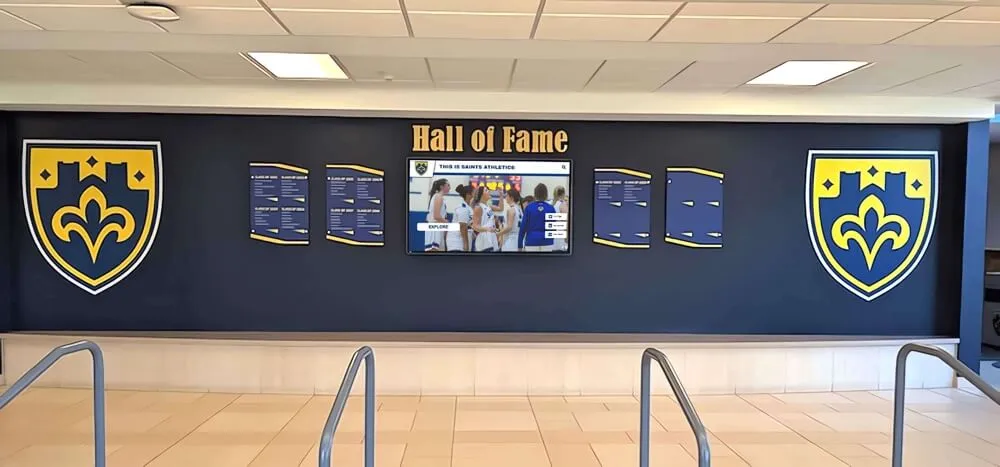
Permanent hall of fame displays with trophy cases keep end-of-season recognition visible and meaningful throughout the school year
Keep Your Sports Awards Visible All Year
Rocket Alumni Solutions helps school athletic programs display every banquet honoree on interactive touchscreen systems that keep recognition visible long after the end-of-season celebration ends. From creative superlatives to MVP trophies, every award your program gives deserves a permanent home athletes and families can explore year-round.
Explore Athletic Recognition Solutions