



End-of-season sports award ideas are easy to find. What most schools struggle with is the question that follows: once the banquet ends and the trophies are handed out, where do those recognitions actually live? A certificate rolled up in a car and forgotten by Monday. A plaque added to an already crowded case. A name announced once to a half-empty gymnasium and never mentioned again until the same athlete graduates four years later.
The best end-of-season awards aren’t one-night gestures—they’re the starting point for year-round recognition. When an athletic department connects its banquet categories to permanent athlete profiles, digital record boards, and searchable hall of fame systems, a spring awards night becomes an annual contribution to an institutional archive that athletes, families, and future students can explore for decades. This guide covers the award categories worth giving, how to organize them into a coherent program, and—critically—how to make them visible long after the banquet tablecloths are folded.
Banquet awards generate real meaning when athletes see them honored beyond the event itself. The academic honor roll displayed in the main hallway, the record board updated the same week a mark falls, the searchable digital profile a recruit can find on a lobby touchscreen two years after graduation—these are the touchpoints that transform one-time recognition into ongoing program culture.

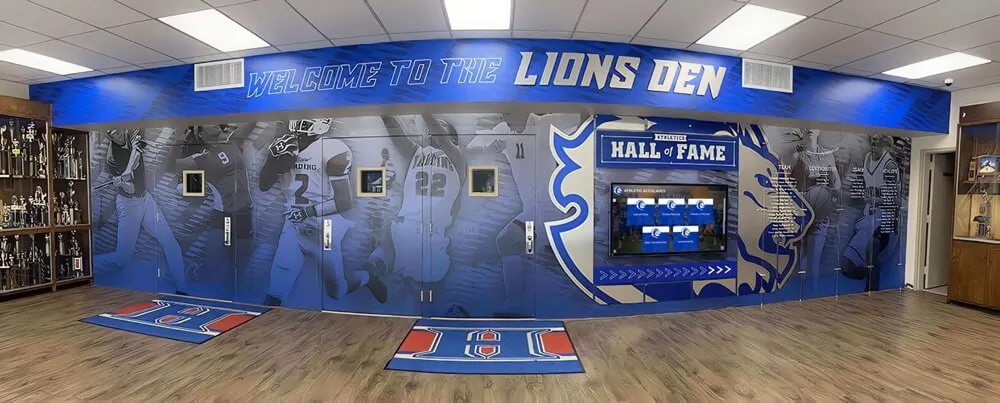
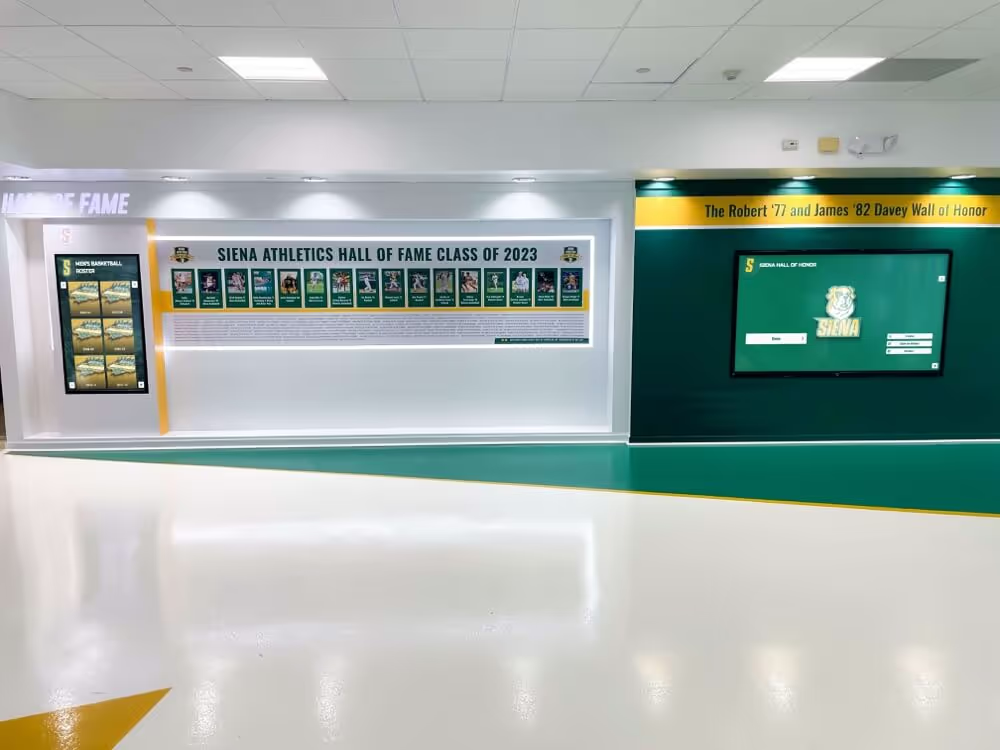
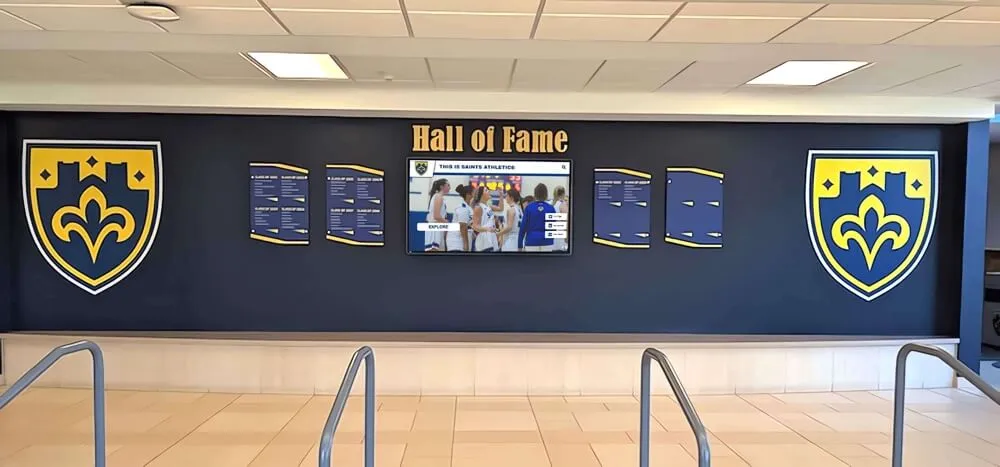
Athletic lounges that pair trophy displays with permanent recognition walls give end-of-season award honorees a visible home long after banquet night
End-of-Season Sports Award Ideas at a Glance
Before diving into each category, here is a reference table athletic directors and coaches can use when planning their award lineup. Categories are organized by recognition type and their natural display home after the banquet.
| Award Category | Recognition Type | Year-Round Display Home |
|---|---|---|
| Most Valuable Player | Performance | Athlete profile, record board |
| Defensive Player of the Year | Performance | Athlete profile, sport page |
| Most Improved Player | Growth | Season archive, athlete bio |
| Scholar Athlete | Academic + Athletic | Academic recognition wall, athlete profile |
| Sportsmanship Award | Character | Hall of fame display, program history |
| Teammate of the Year | Character | Athlete profile, team history |
| Leadership Award | Character | Coach’s tribute section, hall of fame |
| Iron Attendance Award | Commitment | Season archive, program notes |
| Rookie of the Year | Development | Returning-athlete spotlights |
| Comeback Award | Resilience | Athlete bio, program story archive |
| Statistical Leader | Performance | Record board, season stats |
| Record Breaker | Milestone | Record board, permanent program records |
| All-Conference / All-State | External Honor | Athlete profile, honor wall |
| Senior Legacy Award | Milestone | Graduating class archive, hall of fame |
| Multi-Sport Athlete Award | Versatility | Cross-sport athlete profile |
| Coach’s Award | Character + Effort | Coach tribute section |
| Future Captain Award | Development | Returning-athlete spotlights |
| Community Service Athlete | Service | Community recognition section |
| Program Builder Award | Contribution | Alumni/booster recognition |
The variety matters. Programs that give only three or four awards leave the majority of the roster unrecognized. Programs that build a lineup across all five category types—performance, growth, character, milestone, and service—ensure every athlete on the roster has a reason to be celebrated at least once, and a record that belongs in the permanent archive.
For a broader look at award frameworks across every competitive level, the guide to sports award ideas for creative recognition of athletes at every level organizes categories useful across youth, high school, and collegiate programs.
Performance Awards That Power Permanent Records
Performance-based awards earn their year-round value because they attach to verifiable numbers. When an athlete wins a statistical category award, that achievement belongs on the record board—updated the same week it’s recognized, not six months later.
Most Valuable Player
The MVP category carries the most weight when the criteria are communicated at the start of the season. A transparent rubric covering on-field production, leadership under pressure, and team impact makes the end-of-season selection feel earned rather than predetermined. Post-banquet, the MVP’s recognition belongs in a prominent athlete profile that future teams can reference.
Defensive Player of the Year
Programs that treat defensive recognition as equal in ceremony and display quality to offensive awards send a clear signal about what they value. A dedicated defensive award—presented with equal time, equal trophy weight, and a permanent place in the display system—motivates the athletes whose contributions rarely show up in a box score.
Statistical Leaders
Sport-specific statistical categories—leading scorer, most assists, top batting average, saves leader, fastest recorded time—are entirely objective and create season-long performance targets. The critical step: connect every statistical award to the record board the same week it’s presented. When athletes see previous record holders’ names update to their own, the banquet recognition gains permanent institutional meaning.
Record Breakers
When athletes break program records, the banquet presentation is only half the recognition. The other half is a permanent, visible record board update. Programs with digital record boards can publish the new mark the same day; programs with physical boards should commit to updating within a week of the season’s end. The ongoing visibility of a broken record motivates future athletes more consistently than any single-night ceremony.
For context on how schools build all-time statistical leaders into searchable program histories, the all-time goal leaders sports recognition guide shows how programs organize career and season records into accessible, continuously updated displays.
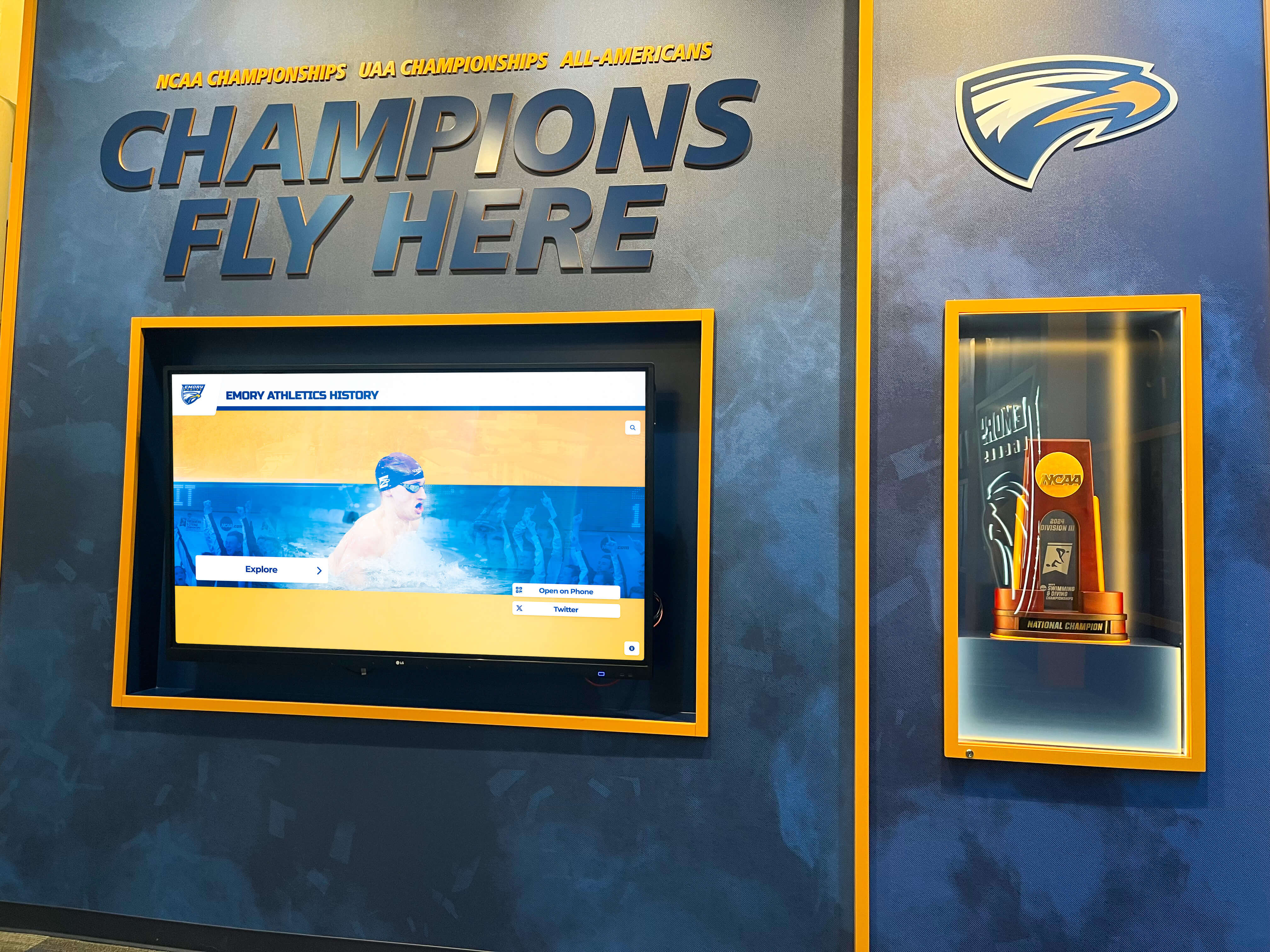
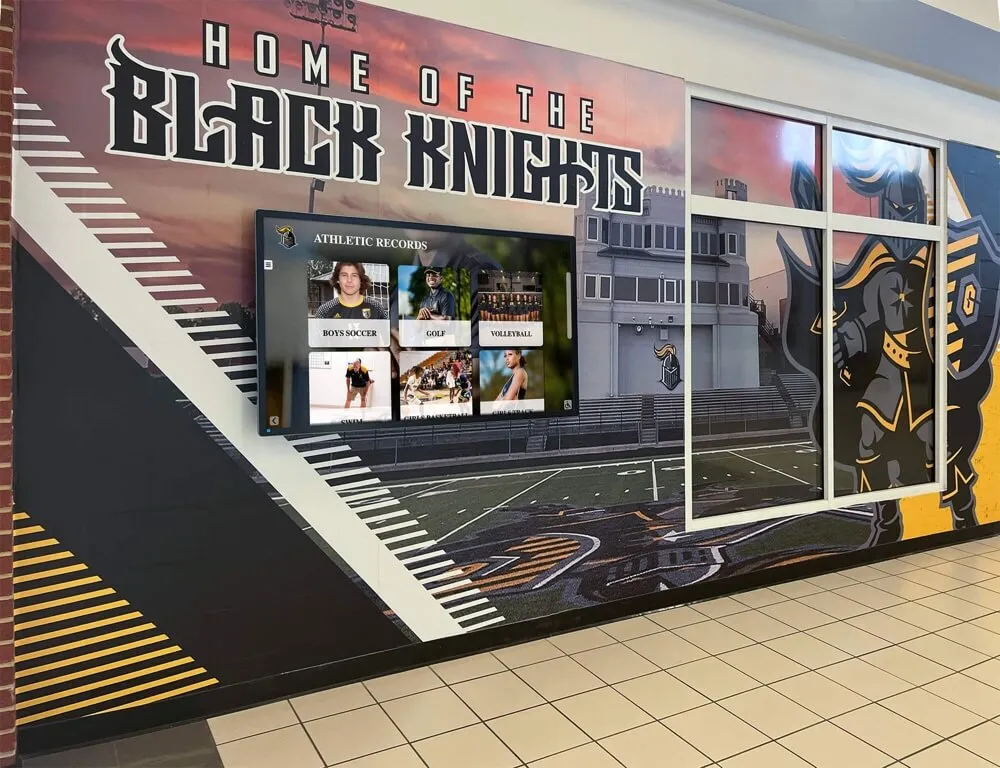
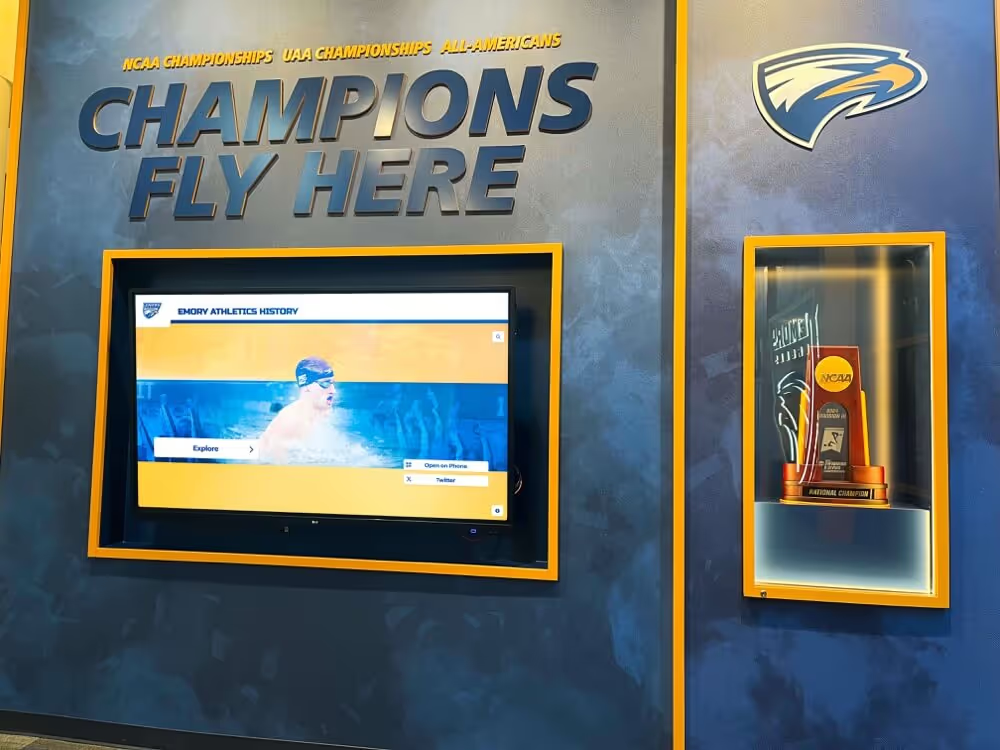
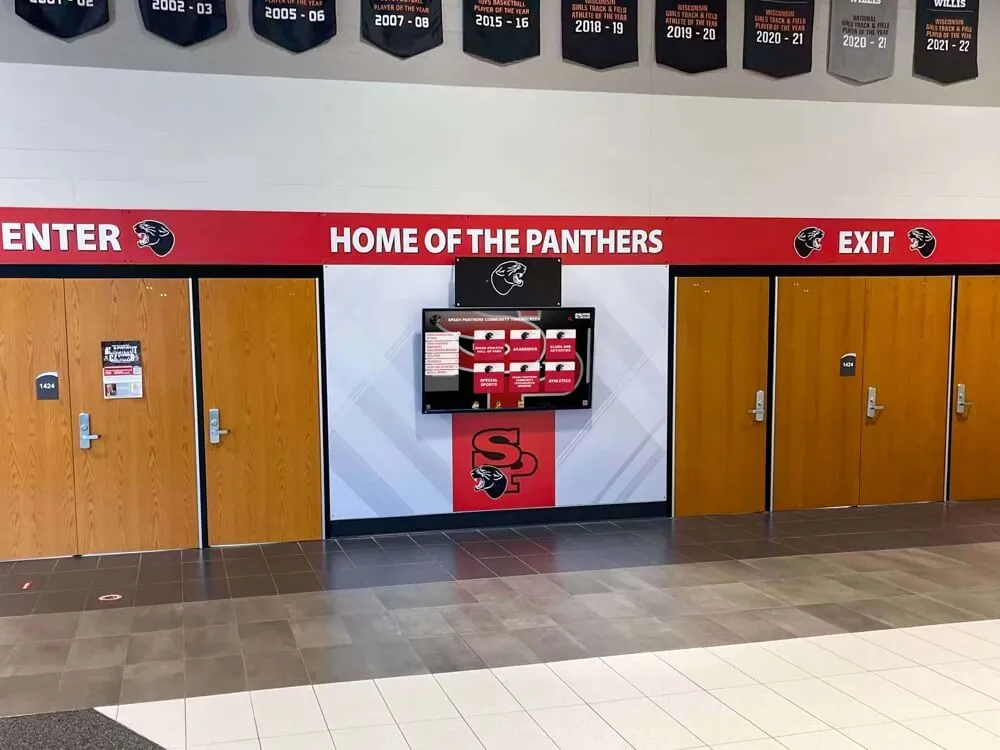
Championship walls that display sport-specific achievement make post-banquet recognition a permanent fixture athletes encounter throughout the school year
Growth and Development Awards Worth Archiving
Growth-based awards have a specific challenge: without documentation, they feel like consolation prizes. With documentation—specific baseline data, measurable progress markers, and a narrative that explains the journey—they become some of the most emotionally resonant recognitions at any banquet.
Most Improved Player
This award earns its reputation only when coaches can articulate a measurable baseline and a documented arc of improvement. Programs that track sprint times, skill assessment scores, or statistical benchmarks from preseason through championship week have the evidence to present Most Improved with specificity that transforms it from a generic category into a tribute to observable effort. The athlete’s trajectory is worth capturing in a profile bio that future recruits and alumni can read years later.
Rookie of the Year
First-year athletes who contribute meaningfully—earning roster spots, producing at varsity level, demonstrating leadership despite limited experience—deserve recognition that also creates an institutional record of program development. Rookie awards give younger athletes a visible standard for what immediate contribution looks like and belong in the season archive that coaches reference during future recruiting conversations.
Future Captain Award
Identifying a returning athlete who already demonstrates captaincy-caliber values creates forward momentum at the banquet. This award motivates the full returning roster, builds succession planning into program culture, and produces recognition that belongs in a returning-athlete spotlight section—visible to the team throughout the offseason.
Character Awards That Define Program Identity
Character categories communicate what a program actually values beyond scoreboards. They are often the awards athletes and families remember longest, and they document the less-visible contributions that make competitive teams function.
Sportsmanship Award
Peer-nominated sportsmanship recognition—where athletes vote for the teammate who best demonstrated character under competitive pressure—carries authenticity that staff-selected awards sometimes lack. Programs that run a formal team ballot at the final meeting give this award a selection process that reinforces its meaning. The recipient’s name belongs in the hall of fame display, not just on a certificate.
Teammate of the Year
This award recognizes specific contributions: who stayed late to help a struggling teammate, who kept the locker room together after a difficult road loss, who the youngest athletes on the roster trusted most. Coaches and players who nominate for this category typically cite specific moments—and those specific moments should be captured in the athlete’s permanent profile rather than disappearing after the banquet.
Leadership Award
Distinct from captaincy recognition, a Leadership Award can go to any athlete—regardless of formal title—who elevated teammates, modeled program values, and stepped into high-pressure situations with composure. Some of the most effective leaders on a roster never wear a captain’s designation. Documenting this recognition in an athlete profile creates an institutional record of leadership development that extends far beyond a single season.
Mental Toughness Award
The athlete who performed consistently through adversity—an injury to a key teammate, a mid-season losing streak, external personal challenges—and responded with focus rather than withdrawal deserves specific recognition. Presenting this award with documented examples of the obstacles overcome transforms it from an abstract value statement into a tribute to observable resilience.
Structured recognition across all these character categories gives programs the content to build compelling, multi-dimensional athlete profiles. The athletic awards categories guide covering creative ideas for sports recognition programs organizes categories useful across every sport and roster size.
Milestone Awards That Feed the Hall of Fame
Milestone recognition connects individual athletes to program history. These are the awards most naturally suited for permanent display—they mark achievements that define where an athlete stands in the long arc of what the program has accomplished.
Senior Legacy Award
Every athlete completing their final season of eligibility deserves acknowledgment for the full arc of their program participation—regardless of statistical production. A Senior Legacy award presented with specific references to how each athlete grew from a first-year participant to a program veteran builds alumni loyalty and creates the biographical foundation that makes hall of fame profiles meaningful years later.
All-Conference and All-State Recognition
External recognition from athletic conferences and state associations carries institutional prestige that internal awards cannot replicate. Presenting these designations formally at the banquet—with ceremony equal to internal awards—connects individual achievement to the program’s broader competitive standing. These recognitions belong in searchable athlete profiles alongside their statistical records.
Multi-Sport Athlete Award
Student-athletes who compete in two or more sports demonstrate exceptional physical versatility, time management, and multi-community commitment. A Multi-Sport Athlete Award honors an investment most recognition programs overlook, and it produces a cross-sport athlete profile that gives future students a model for broad program participation.
Planning formal year-end recognition events—from the athletic letter ceremony to the banquet itself—requires preparation that extends months before the season ends. The athletic letter ceremony ideas guide covers how schools honor varsity athletes across multiple recognition events with coordinated timelines that make each moment feel intentional.
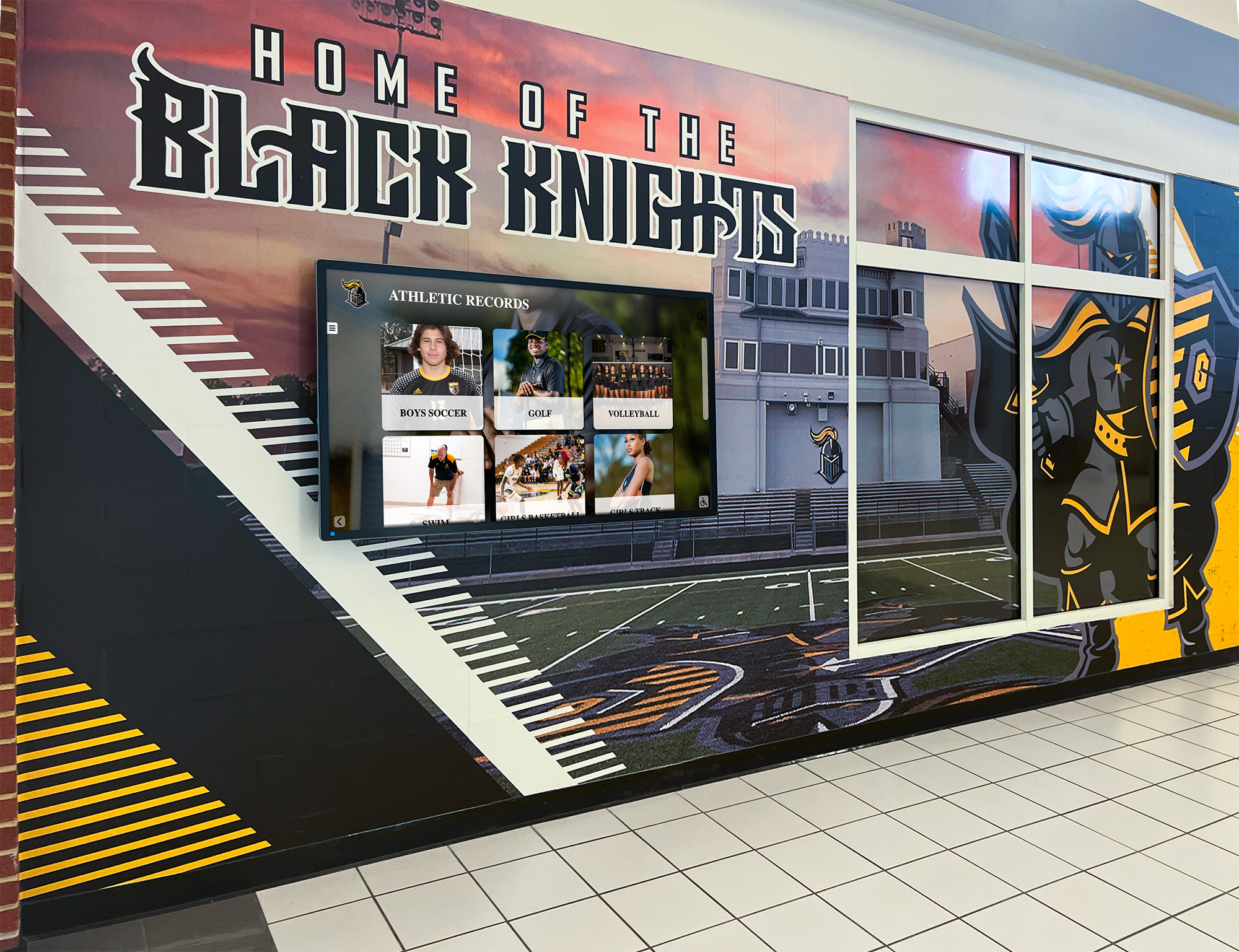
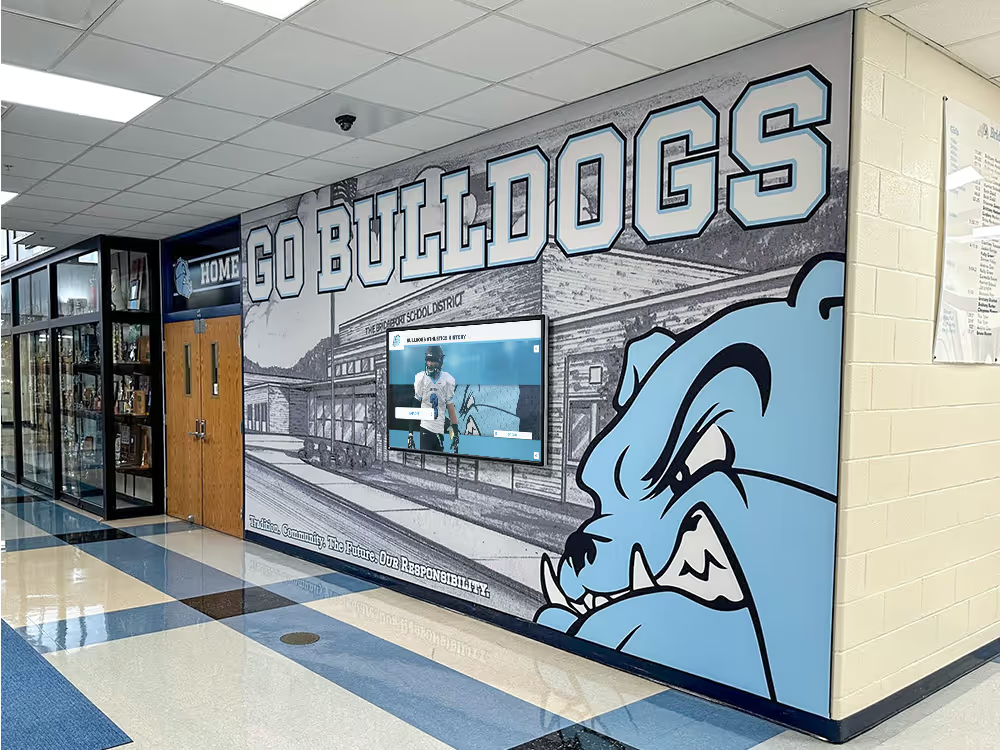
Hallway digital record boards connected to banquet statistical award categories give end-of-season honorees permanent, visible recognition athletes encounter daily
Sport-Specific Award Ideas by Program
Different sports call for different award categories beyond the universal ones. Tailoring recognition to the specific demands and culture of each sport signals that coaching staff pay close attention to what makes their program distinctive.
Basketball Award Ideas
Beyond MVP and statistical leaders, basketball programs benefit from a Court Vision Award (recognizing the player with the highest assist-to-turnover ratio or most consistent floor awareness), a Defensive Stopper Award, a Bench Energy Award for the player whose off-court presence most elevated game-day performance, and a Clutch Free Throw recognition for composure under late-game pressure.
Volleyball Award Ideas
Programs recognize a Serve Reception Leader, a Most Aces category, a Dig Specialist Award for the libero or defensive specialist who saved the most difficult balls, a Quick Attacker recognition for the player who scored most often on first-tempo approaches, and a Setter IQ Award for the decision-making and tempo management that orchestrates offensive performance.
Baseball and Softball Award Ideas
Position-specific statistical categories—ERA leader, batting average, stolen base success rate, fielding percentage by position—give every roster spot a competitive recognition pathway. Programs also benefit from a Pitcher Durability Award, an On-Base Machine category, and a Situational Hitting recognition for performance with runners in scoring position.
Cross-Country and Track Award Ideas
Individual event records by classification, team scoring contribution honors, a Biggest Personal Record award tracking year-over-year improvement, and a Pacesetter recognition for the athlete who most consistently elevated training standards for the full team provide recognition frameworks for individual-sport programs where traditional team MVP categories don’t apply cleanly.
For comprehensive award category frameworks organized across 25 meaningful recognition categories for sports teams and organizations, the team recognition awards guide provides structured approaches applicable across sport contexts.
Making End-of-Season Awards Last: Year-Round Display Strategies
The banquet is where recognition is presented. The rest of the year is where it either stays visible or disappears.
Physical Display Infrastructure
Trophy cases organized by category and year communicate program history at a glance when labels are clear and cases are maintained. Athletic departments that schedule quarterly case reviews—removing outdated materials, updating labels, ensuring lighting is functional—produce recognition environments that motivate current athletes rather than documenting years that feel irrelevant.
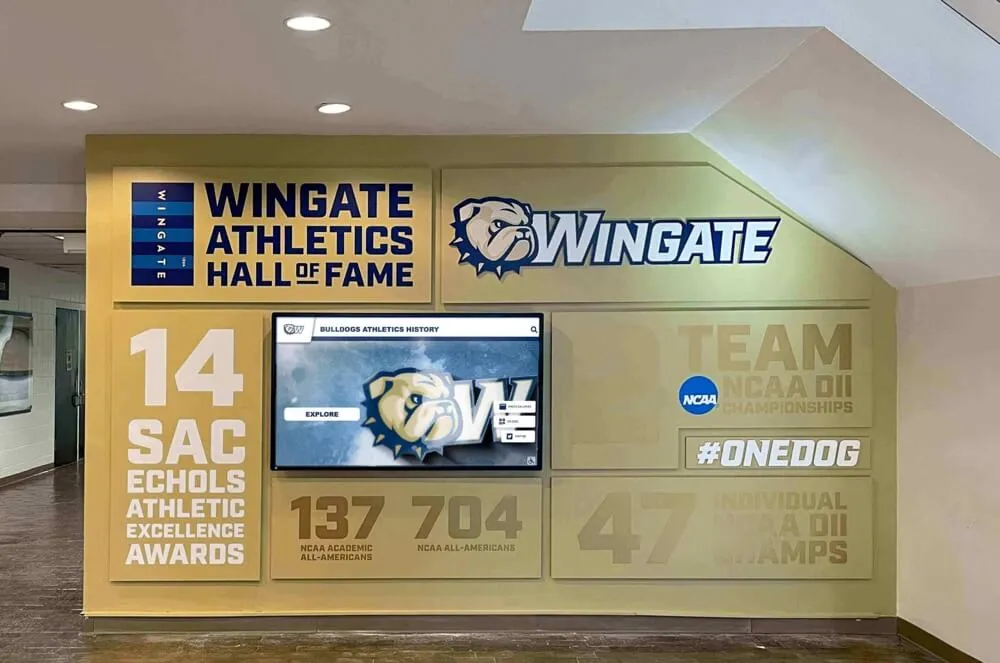
Record boards updated immediately when marks fall are among the highest-value investments an athletic department can make in year-round recognition culture. The motivational impact of a new record is highest in the weeks immediately following the achievement. Record boards that lag by months lose that momentum entirely.
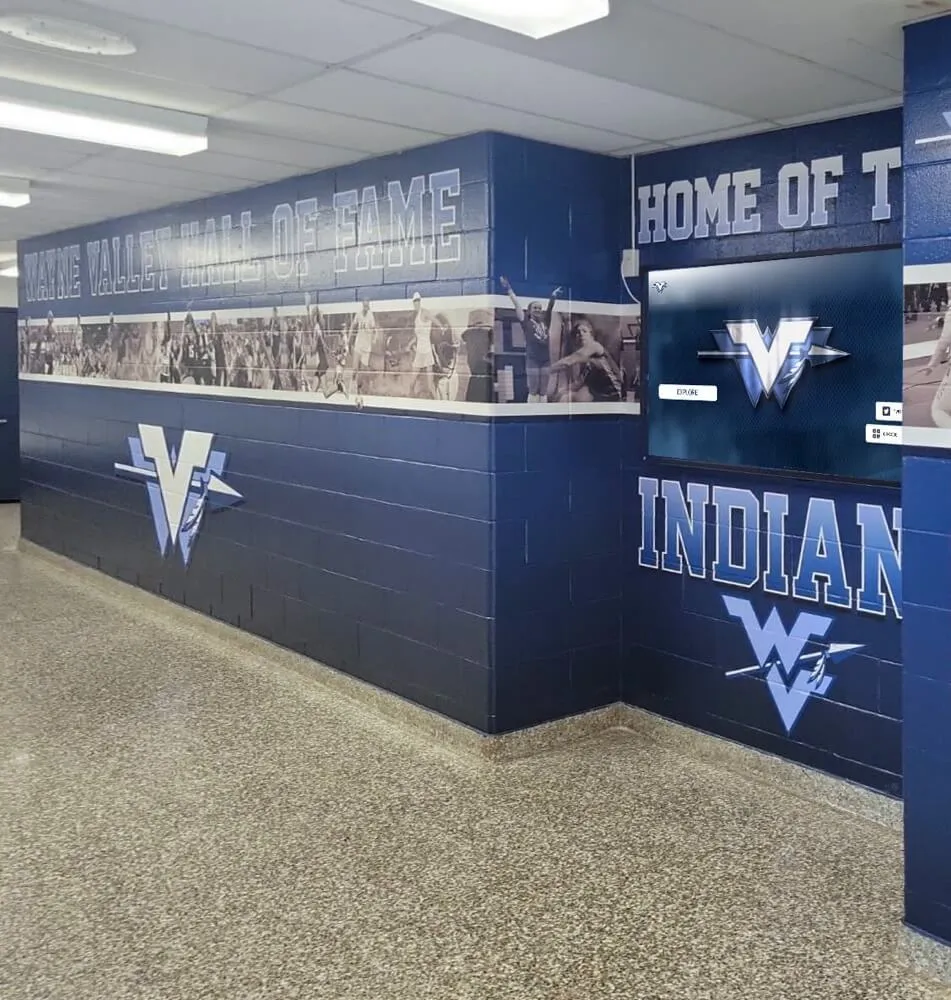
Hallway plaques placed in high-traffic corridors—near gym entrances, main building lobbies, and athletic team rooms—reach athletes and visitors who never attend formal recognition events. Position banquet award winners’ names where the audience finds them naturally.
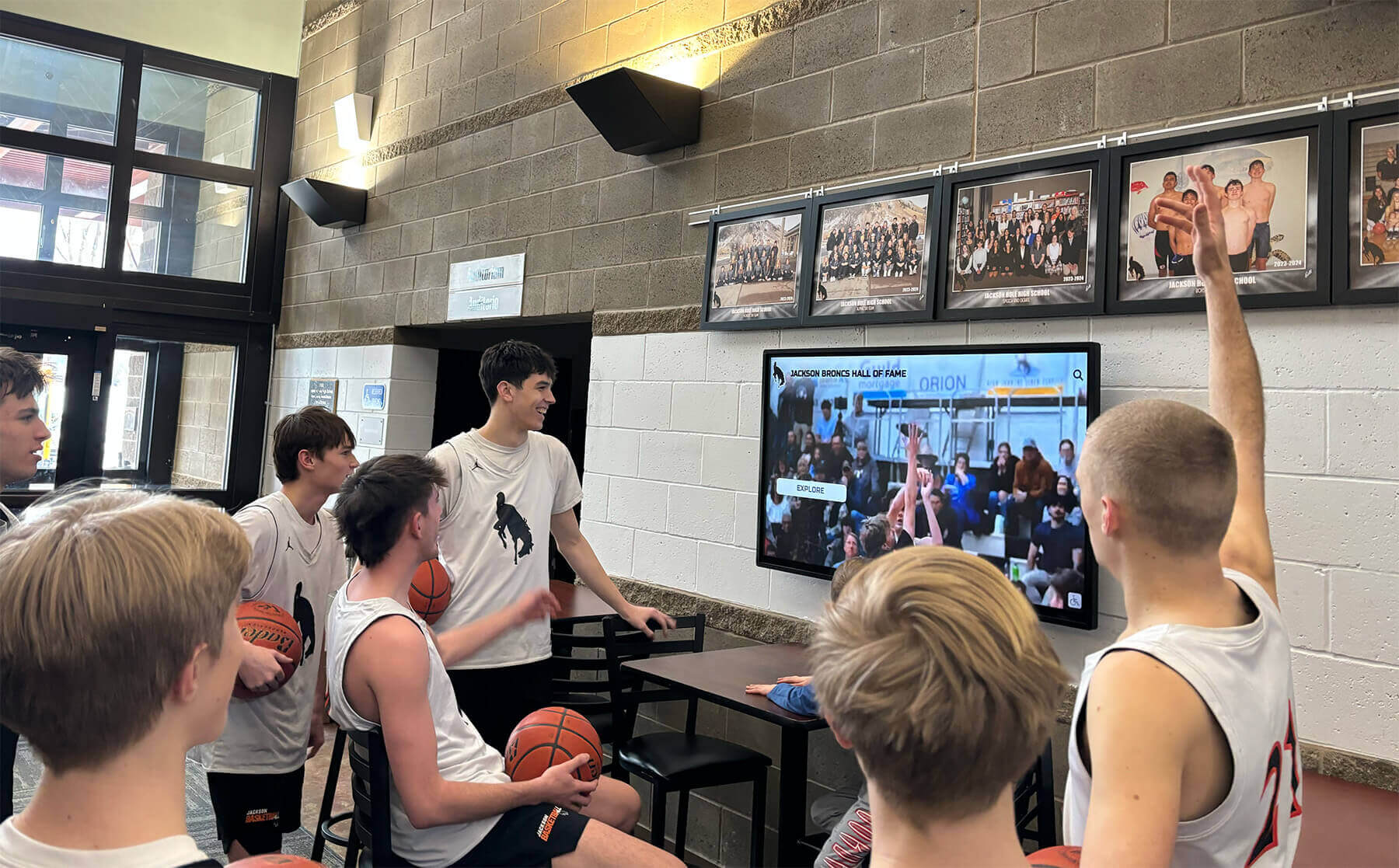
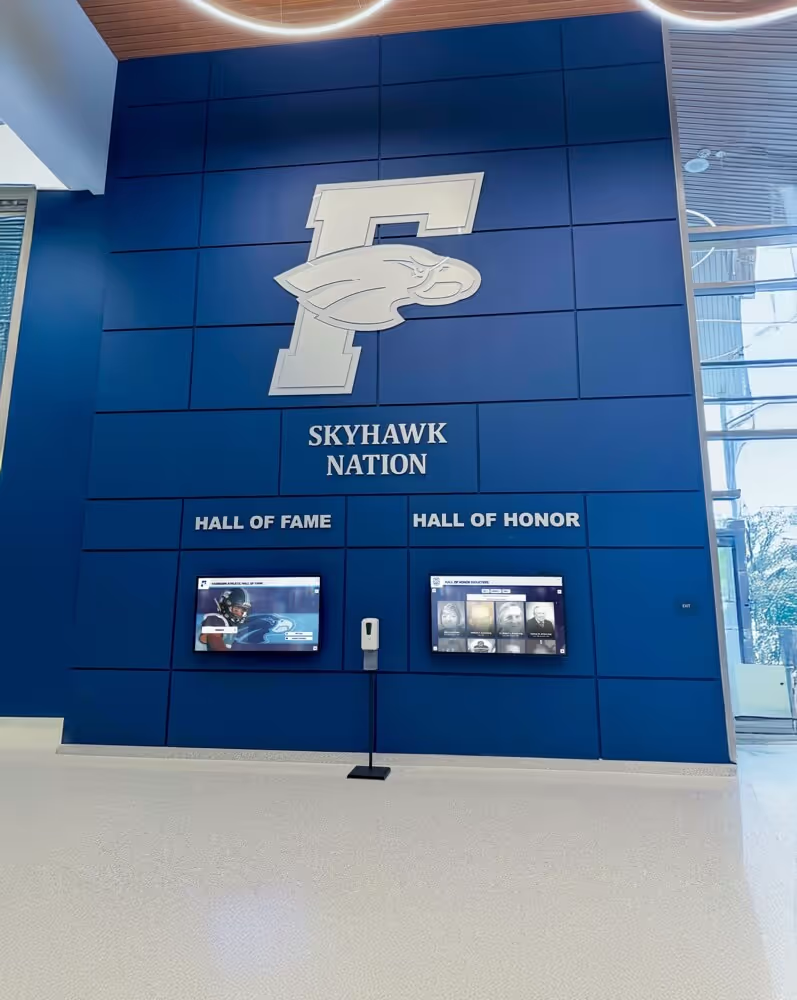
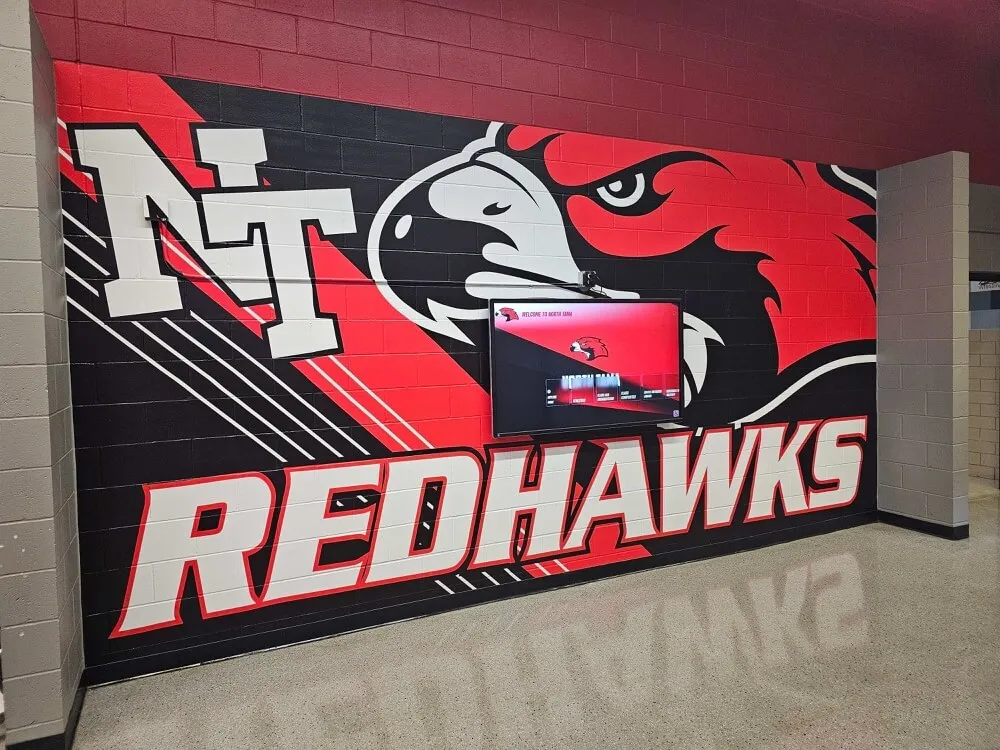
Athletic lobbies where athletes gather naturally create high-impact locations for year-round recognition content that connects banquet awards to daily program culture
Digital Recognition Systems for Year-Round Visibility
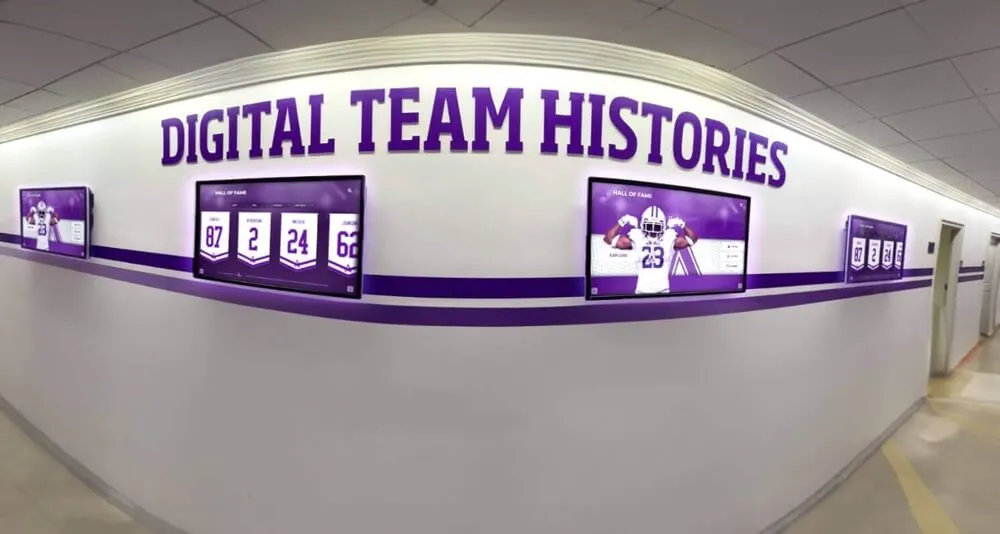
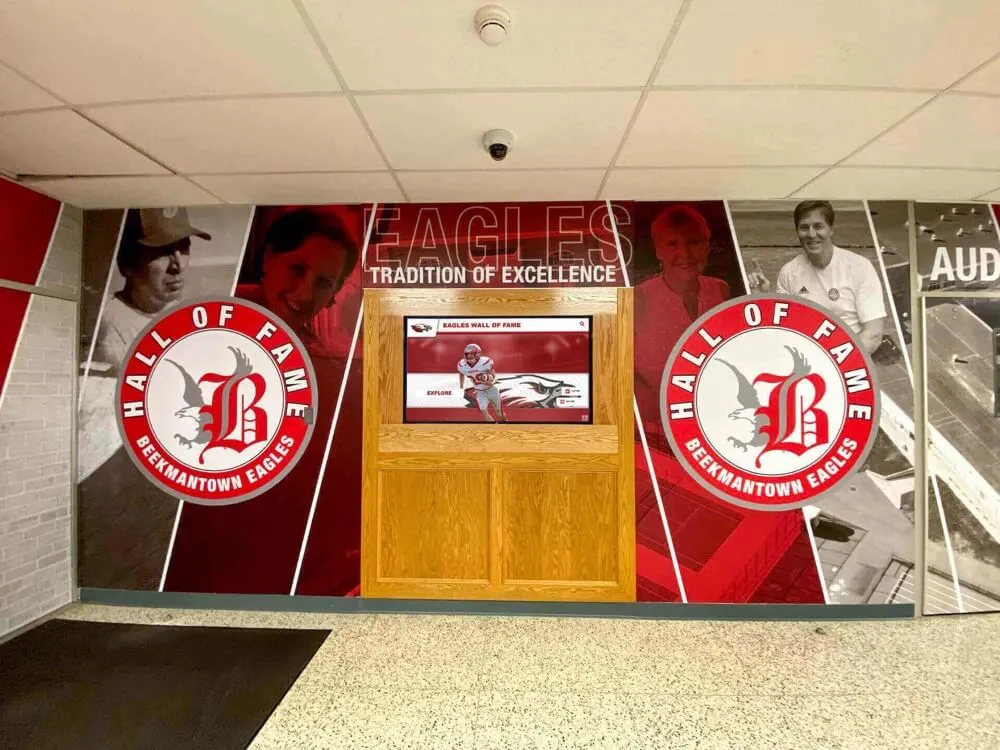
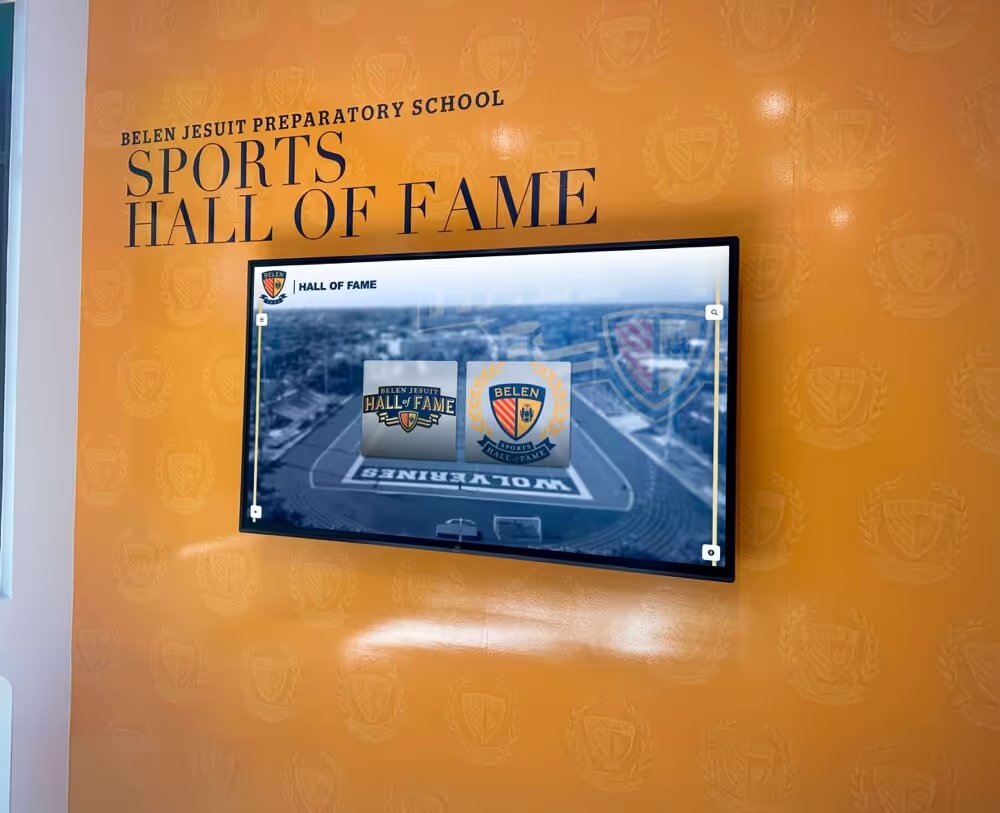
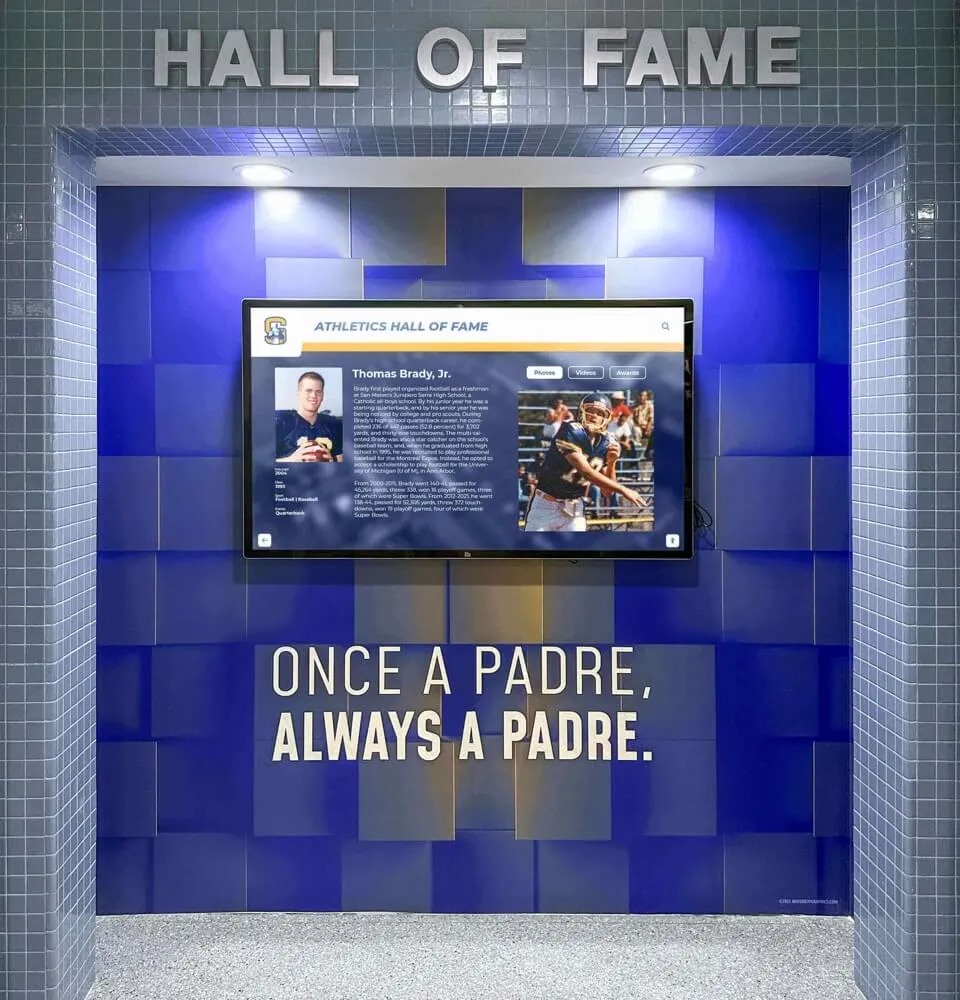
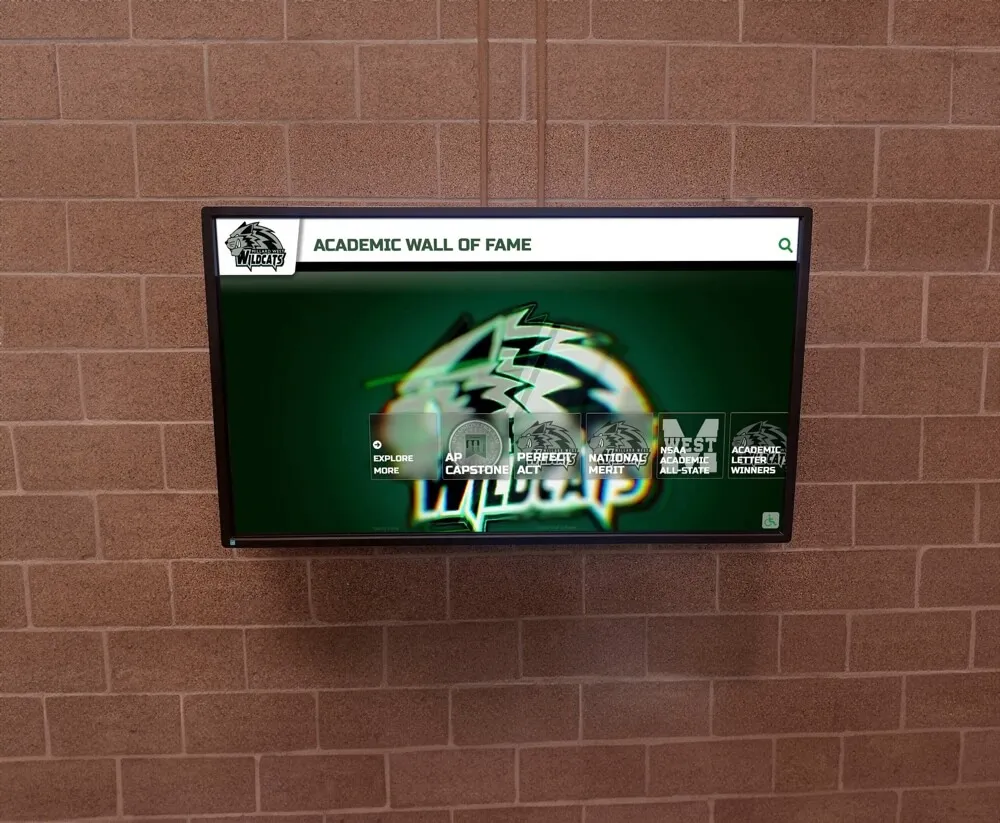
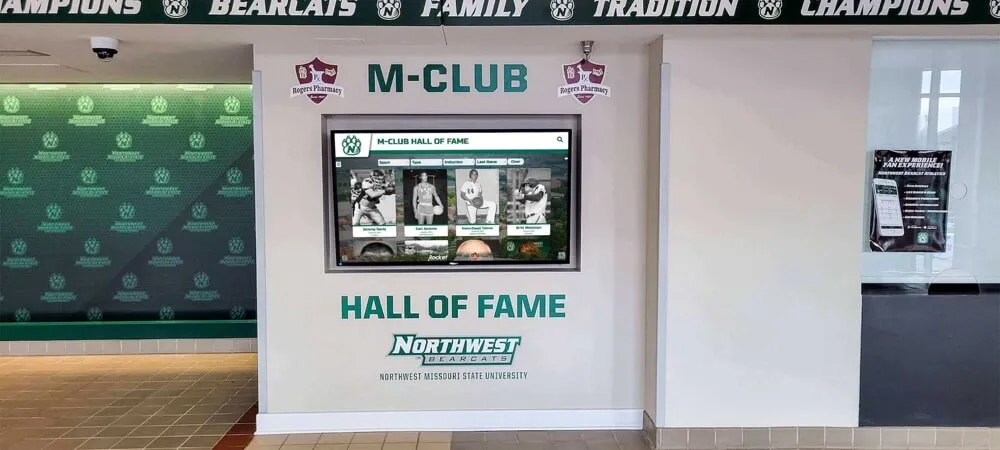
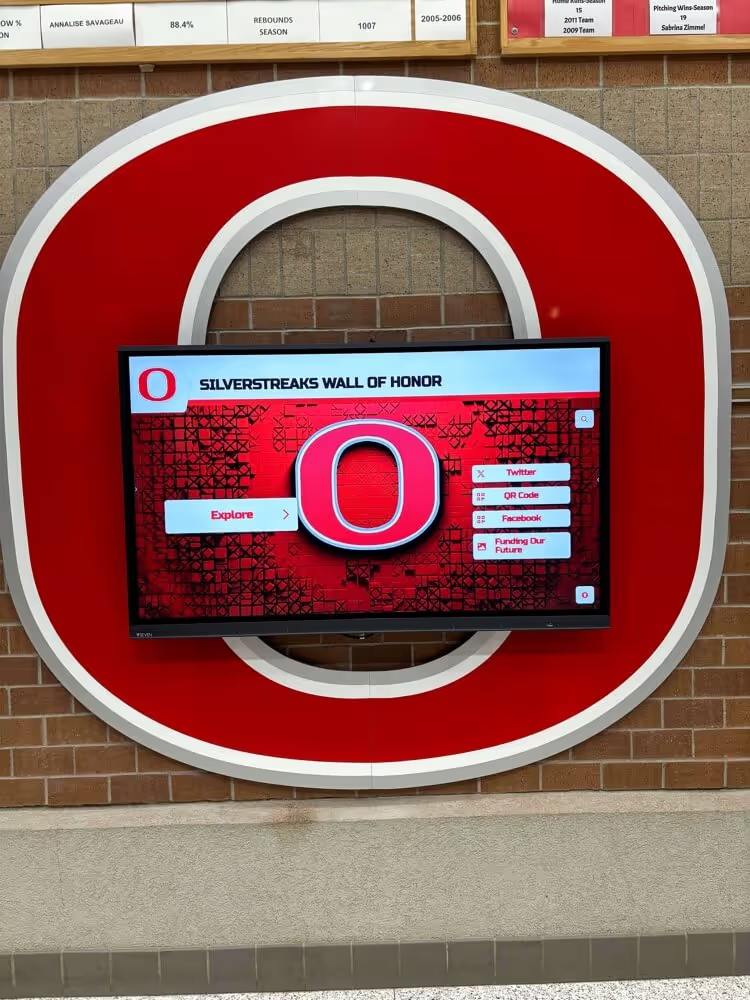
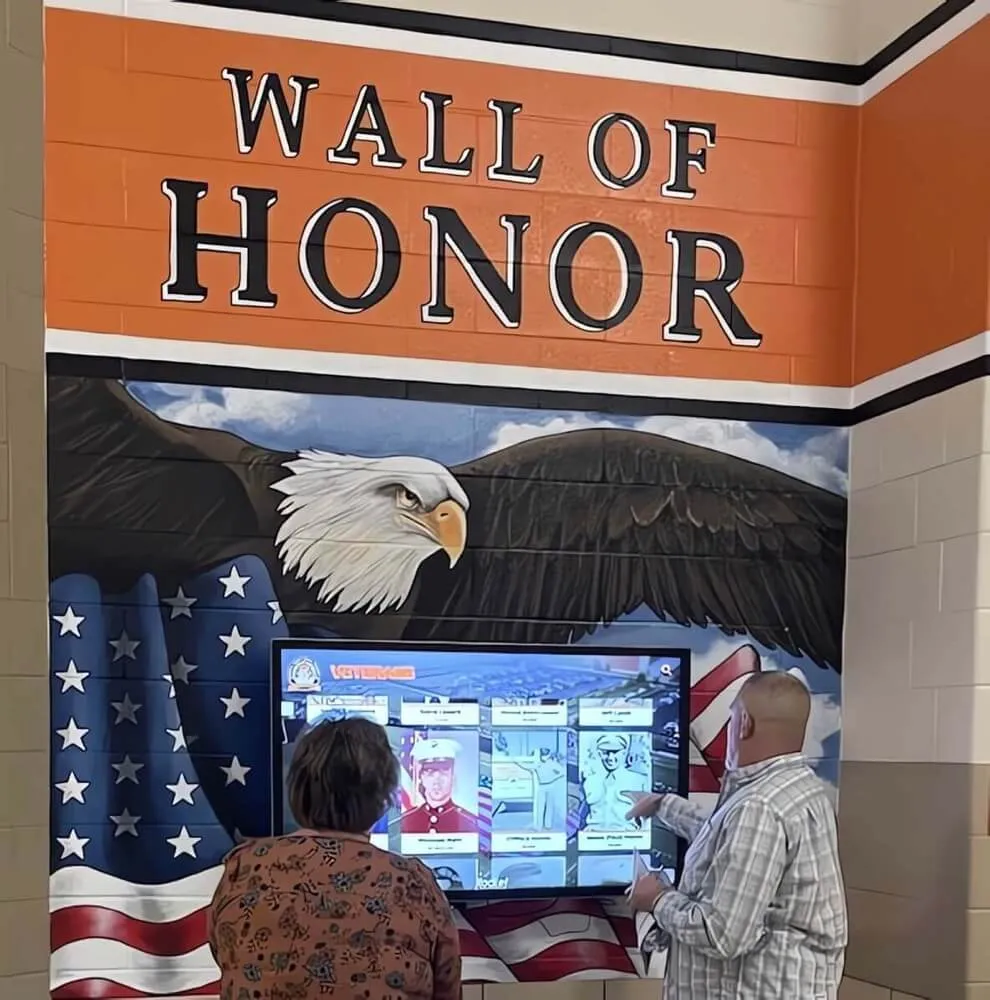
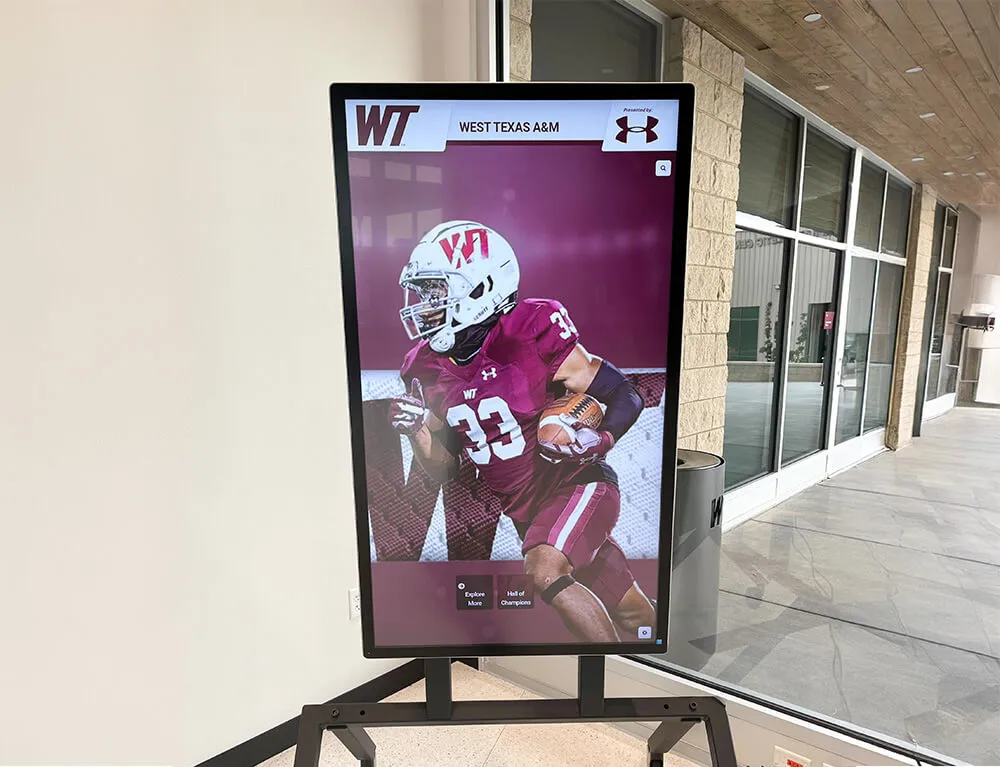
Interactive touchscreen displays resolve the central limitation of physical infrastructure: finite wall space. A program that has recognized athletes across thirty sports over forty years cannot display every honoree on a fixed plaque wall. Digital systems remove that constraint entirely.
What digital recognition systems enable for end-of-season award programs:
- Complete athlete profiles linking each banquet award to a searchable, multimedia-rich page that families, alumni, and recruits can explore year-round
- Statistical leader archives organized by sport, year, and category so the full depth of program history is accessible rather than archived in a closet
- Record board integration that updates automatically when new marks are entered, displaying current record holders alongside every predecessor in searchable format
- Hall of fame connections tying individual character and milestone awards to a formal induction record that persists as athletes graduate and become alumni
Rocket Alumni Solutions builds touchscreen wall of fame systems specifically designed for school athletic programs, connecting every end-of-season banquet category to a permanent institutional archive that remains accessible to athletes, families, and alumni throughout the year and beyond.
For schools building out the full calendar of recognition content—from post-season to hall of fame induction ceremonies to recruiting season touchpoints—a year-round content calendar for digital recognition displays provides a structured scheduling framework that ensures banquet awards stay visible across every month of the academic year.

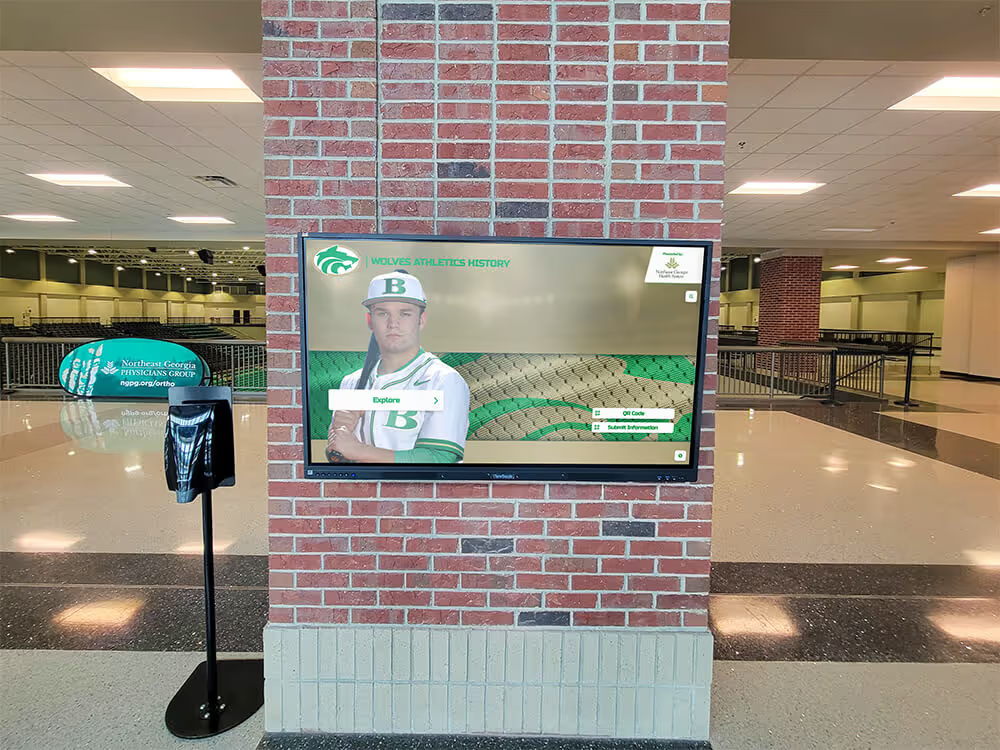
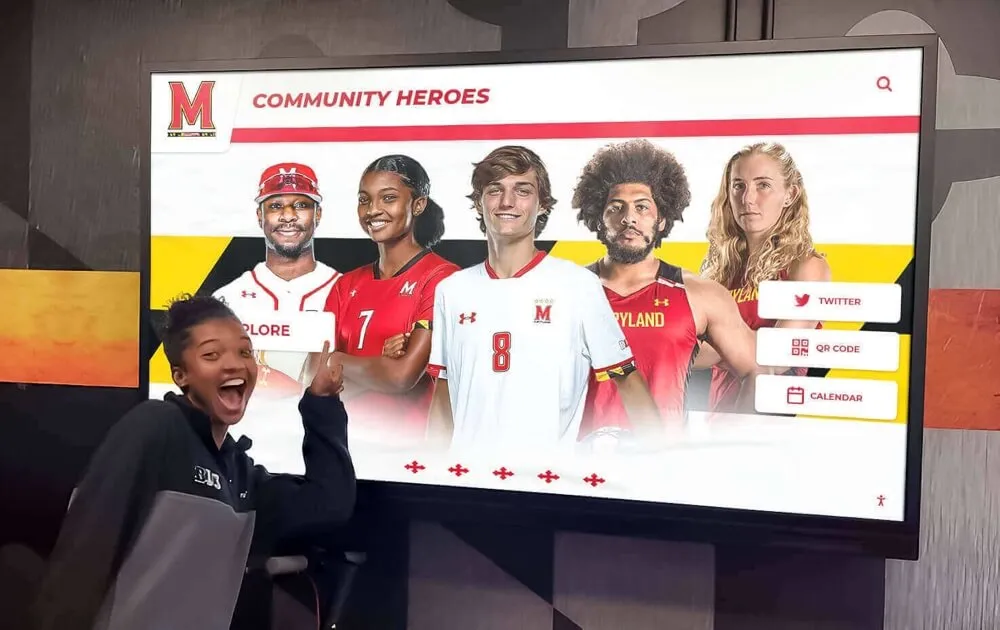
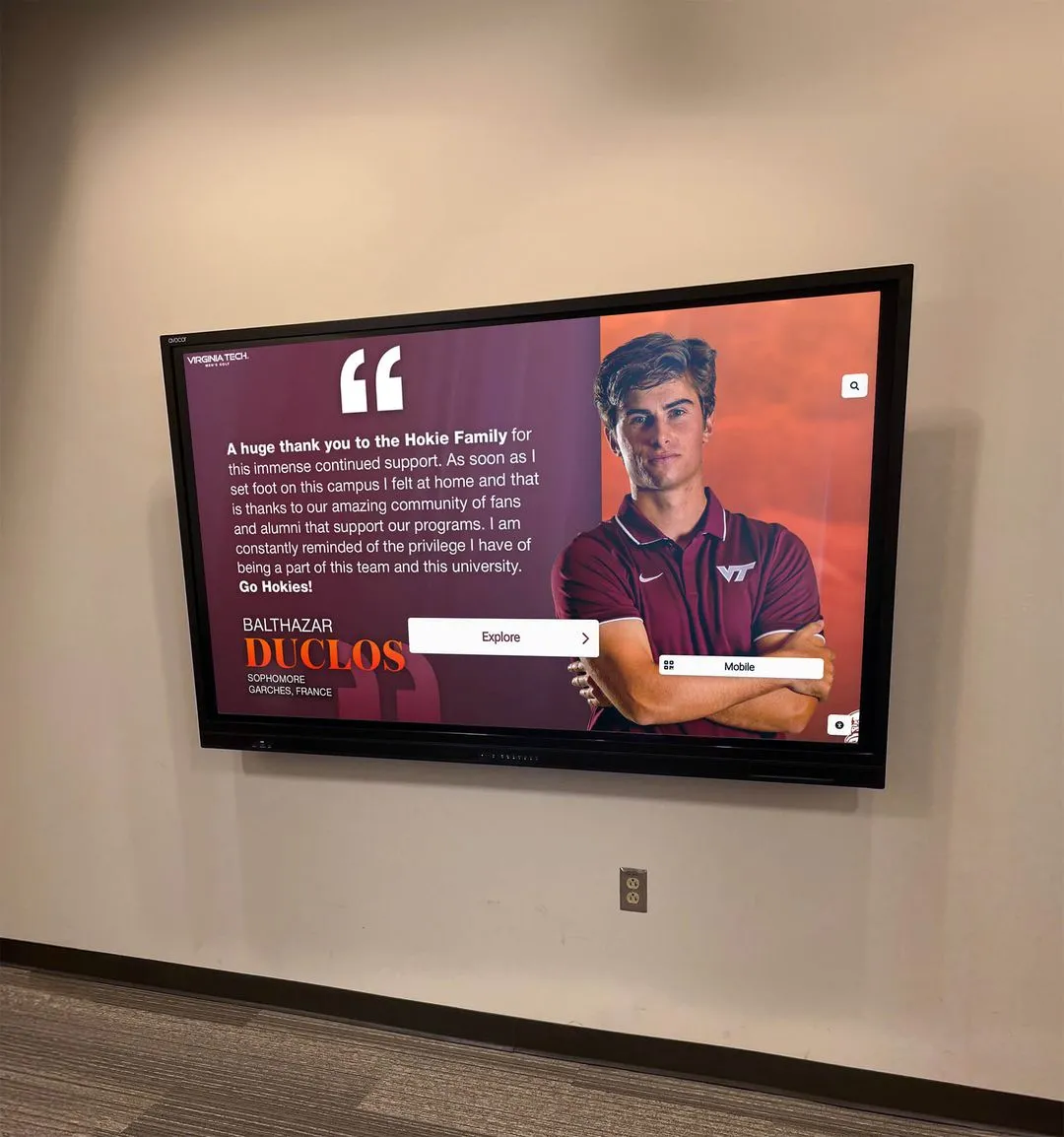
Interactive touchscreen displays let athletes, families, and alumni explore end-of-season award honorees across multiple sports and seasons in a single searchable interface
Connecting Awards to Alumni Recognition
End-of-season awards are the first entry in a long recognition arc for athletes who graduate and become alumni. Programs that build this connection intentionally convert banquet honorees into engaged alumni who support current athletes, participate in fundraising, and return for hall of fame events.
Graduation year archives that organize every season’s award recipients by class year give alumni immediate access to their own recognition alongside their former teammates’ accomplishments. An alumnus who graduated in 2015 and finds their Sportsmanship Award and Senior Legacy recognition displayed on the same searchable profile they can share with their children—that is the recognition experience that builds the kind of alumni loyalty institutions depend on.
Hall of fame eligibility pathways that reference banquet award history create natural progression from player-of-the-year recognition to formal induction for athletes whose post-graduation contributions, career records, or program impact merit permanent hall of fame status.
Staff recognition that parallels athlete awards creates year-round recognition culture beyond the athletic department. Staff appreciation wall ideas for year-round school recognition shows how schools extend the same recognition philosophy—visible, permanent, annually updated—to coaches, administrators, and support staff whose contributions parallel what they build in their athletes.
The banquet outfit, the venue, and the catering all fade. What athletes remember is whether their contributions were recognized specifically enough to feel personal. For programs designing the full ceremony experience, athletic banquet outfit ideas and what to wear to sports award ceremonies address the event planning context that shapes how recognition moments land with athletes and families.
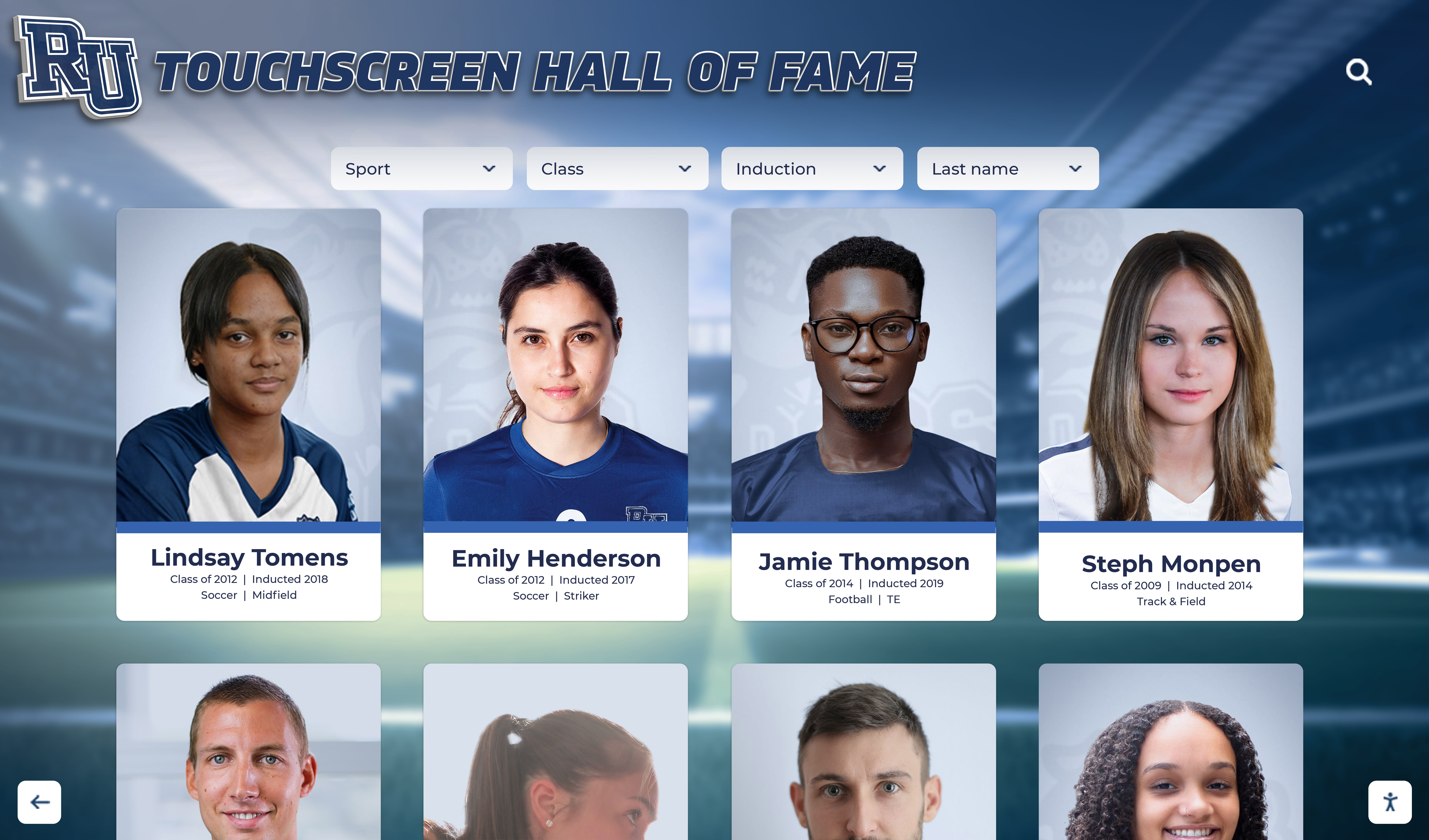
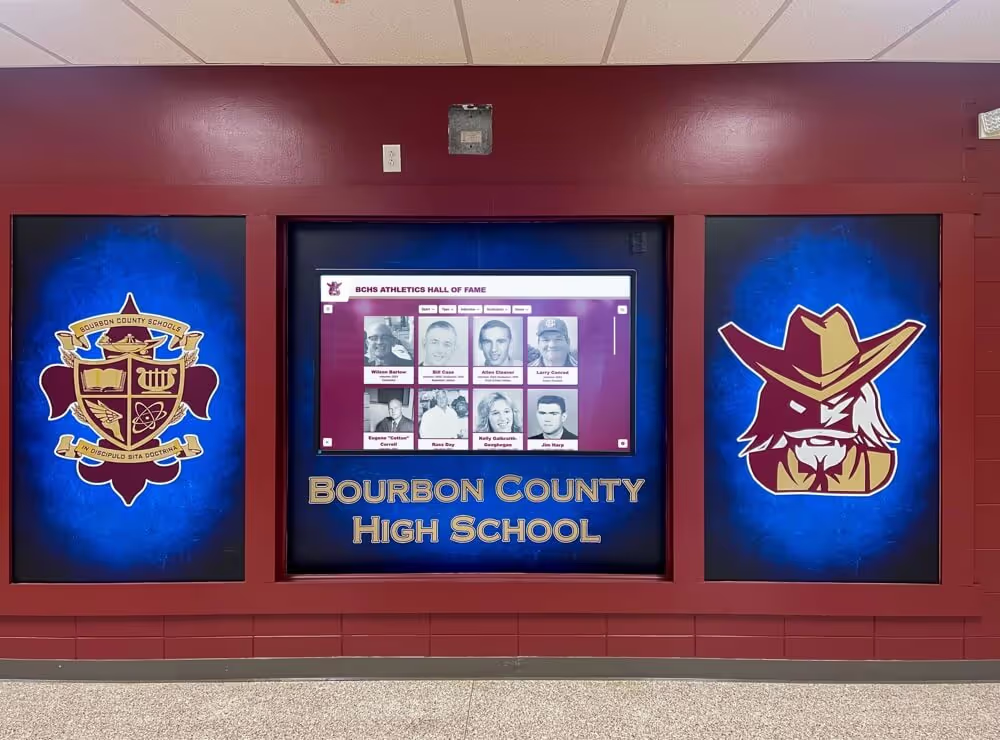
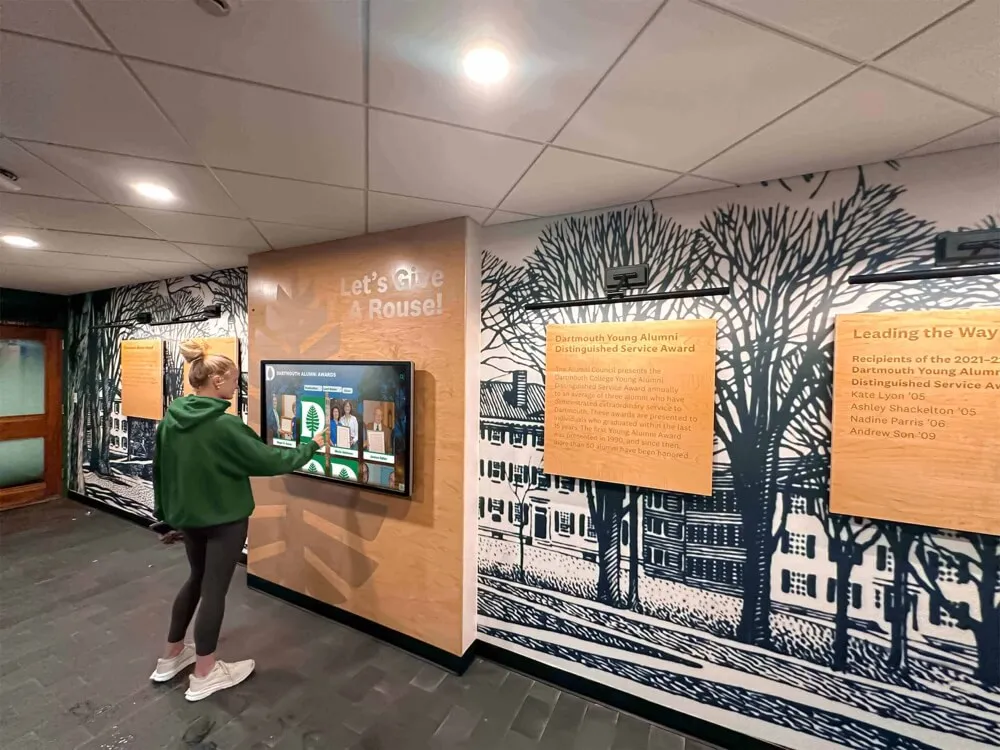
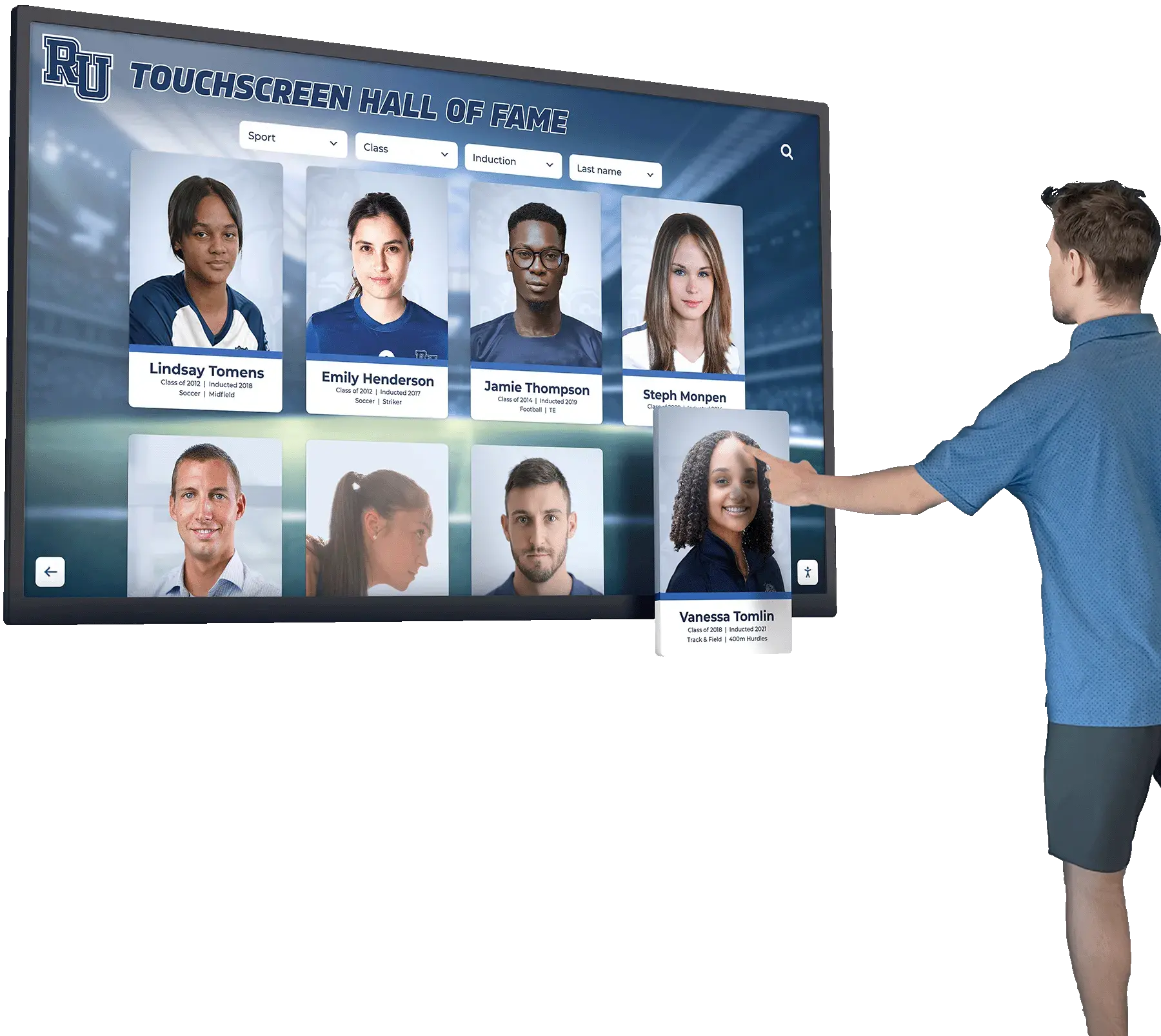
Digital athlete portrait grids give every banquet award honoree a searchable, permanent profile that alumni, families, and recruits can explore year after year
Building a Year-Round Award Program: A Step-by-Step Framework
Step 1: Audit Your Current Award Categories
List every award your program currently gives and identify which ones connect to measurable data (statistical leaders, record breakers, attendance), which reflect subjective staff selection (MVP, Coach’s Award), and which categories you’ve never formally recognized (character, milestone, multi-sport). Gaps in the current lineup signal athletes who go unrecognized each season.
Step 2: Design the Display System Before the Banquet
Identify where each award category will live post-banquet. Statistical leader awards need a record board connection. Hall of fame-tier recognition needs an induction pathway. Character awards need athlete profile space. Designing this infrastructure before the banquet ends ensures recognition has a home rather than disappearing into a certificate box.
Step 3: Document Awards in a Consistent Format
Every banquet award recipient should generate a standardized record: athlete name, sport, season year, award category, and a brief description of the specific achievement or behavior recognized. This data becomes the raw material for digital profile pages, historical archives, and hall of fame content.
Step 4: Update All Display Systems Within Two Weeks of the Banquet
The motivational value of recognition is highest immediately after the achievement. Commit to a two-week post-banquet window for updating all display systems—record boards, digital profiles, trophy case labels, and hallway plaques. Programs that let updates slide until “sometime before next season” lose the reinforcement effect entirely.
Step 5: Publish End-of-Season Content Across Multiple Channels
Digital recognition systems, program websites, social media, and alumni newsletters all benefit from post-banquet content. Publishing award summaries, individual athlete spotlights, and record-breaking documentation across multiple channels extends the reach of each recognition beyond the athletes who attended the ceremony.
For programs building comprehensive end-of-season creative recognition across all these dimensions, the sports awards ideas guide for creative recognition end of season covers presentation approaches, display systems, and communication strategies applicable to any sport and school level.
FAQ: End-of-Season Sports Award Ideas
What are the best end-of-season sports award ideas for high schools?
The most effective programs combine five category types: performance (MVP, statistical leaders, record breakers), growth (Most Improved, Rookie of the Year), character (Sportsmanship, Teammate of the Year, Leadership), milestone (Senior Legacy, All-Conference, Multi-Sport), and service (Community Service Athlete, Program Builder). Programs covering all five types ensure 30–50% of the roster receives meaningful recognition.
How can schools make sports awards visible year-round, not just at the banquet?
Year-round visibility requires connecting each award to a permanent display home: statistical awards go on record boards updated immediately after the season; milestone and character awards feed searchable athlete profiles; hall of fame-tier recognition connects to a formal induction program. Digital recognition systems enable schools to display every award category across every season without physical space constraints.
How many sports awards should a team give at an end-of-season banquet?
A practical benchmark: 30–50% of the roster should receive some form of recognition. For a 20-player team, 8–12 distinct categories is appropriate. For a 30-player roster, 12–16 categories ensures broad reach without diluting the significance of each honor. Avoid giving the same athlete multiple awards.
What end-of-season award categories translate best into permanent digital recognition?
Statistical leaders go directly to record boards. All-Conference and All-State designations belong in searchable athlete profiles with full career detail. Senior Legacy awards feed graduating class archives. Character awards provide the biographical texture that makes athlete profiles compelling for alumni and recruits. Record-breaker recognition generates permanent program-record entries that remain meaningful as long as the record stands.
How do digital recognition systems help manage end-of-season awards year-round?
Digital systems allow athletic departments to create individual athlete profiles for every banquet honoree, organize awards in searchable formats by sport and season, update record boards immediately when marks fall, and publish new recognition within hours of an event. Cloud-based platforms allow coaches to manage all content remotely. Unlike physical plaque walls, digital systems accommodate unlimited entries—no recognition is ever archived out of visibility due to space constraints.
From One Night to All Year: Making Sports Awards Count
The gap between a well-run banquet and a well-run recognition program is everything that happens between April and February. Awards given once and never referenced again fulfill a ceremony obligation. Awards connected to permanent athlete profiles, updated record boards, and searchable digital archives build the culture of visible achievement that motivates current athletes, engages returning alumni, and communicates program identity to every recruit who walks through the door.
The 19 award categories in this guide—organized across performance, growth, character, milestone, and service—give athletic departments a framework comprehensive enough to recognize every meaningful contribution a roster makes. When those categories connect to year-round display systems that keep honorees visible and their achievements searchable, the investment in thoughtful end-of-season recognition compounds into something far more valuable than any single banquet moment.
Turn Your Banquet Awards Into Year-Round Recognition
Rocket Alumni Solutions helps school athletic programs connect every end-of-season award to a permanent digital display—athlete profiles, record boards, hall of fame archives, and searchable season histories that athletes, families, and alumni can explore all year. See what your program would look like on an interactive touchscreen wall of fame.
Request a Custom Demo