



Glass trophy awards represent elegant, sophisticated recognition solutions that schools, coaches, and athletic programs increasingly select for honoring exceptional achievement. With their contemporary aesthetic, premium appearance, and extensive customization capabilities, glass trophies offer compelling alternatives to traditional metal designs while conveying the significance and prestige deserving recipients expect from meaningful awards.
Yet purchasing glass trophy awards requires navigating numerous decisions about styles, sizes, personalization options, quality levels, and pricing structures that significantly impact both appearance and budget. Organizations often struggle to evaluate material differences between crystal and standard glass, determine appropriate trophy sizes for different achievement levels, compare customization techniques affecting durability and visual appeal, and balance quality expectations with financial constraints. Without clear guidance, programs risk selecting trophies that fail to meet presentation standards or exceed budgets unnecessarily.
This comprehensive buyer’s guide provides schools, coaches, and athletic directors with practical frameworks for selecting glass trophy awards matching achievement significance, budget parameters, and aesthetic preferences—while exploring how modern digital recognition solutions address traditional trophy limitations in innovative ways.
Glass trophy awards have evolved from simple participation recognition to sophisticated statement pieces celebrating championships, career achievements, and exceptional performance across academic and athletic contexts. Understanding available options, quality indicators, and selection criteria ensures your trophy investments create the lasting impressions and motivational impact your achievers genuinely deserve.

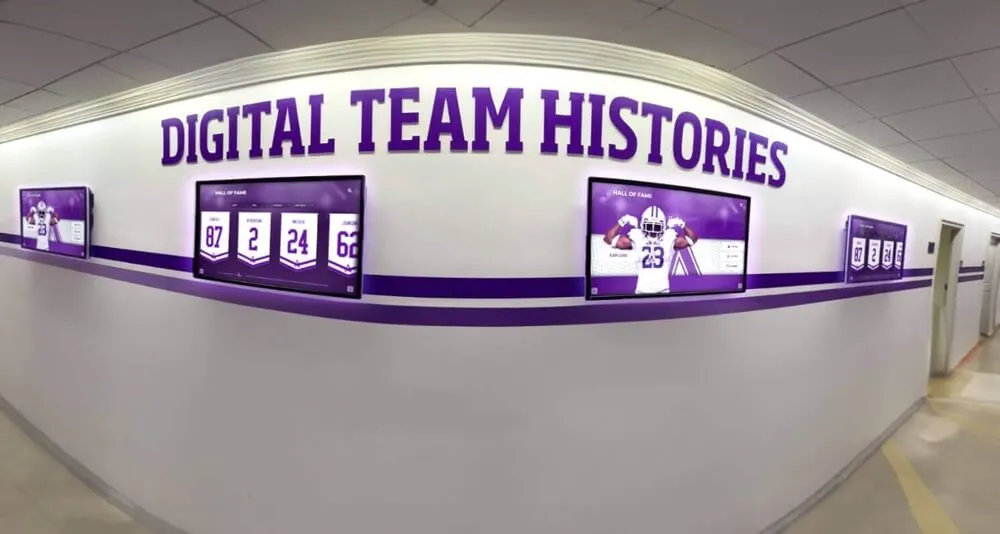
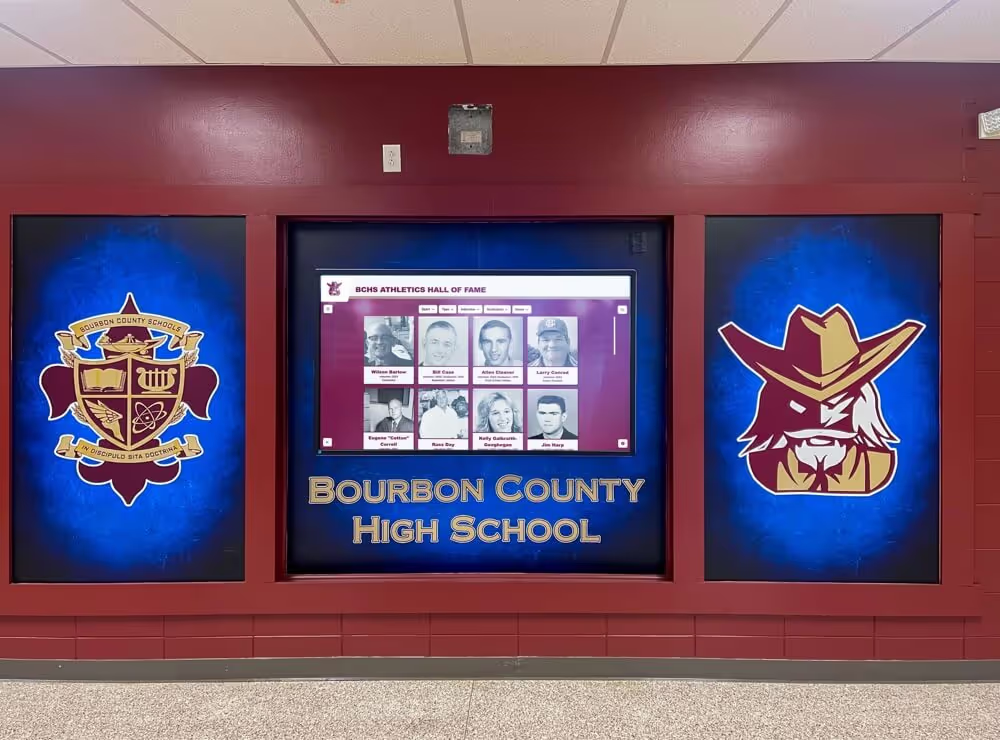
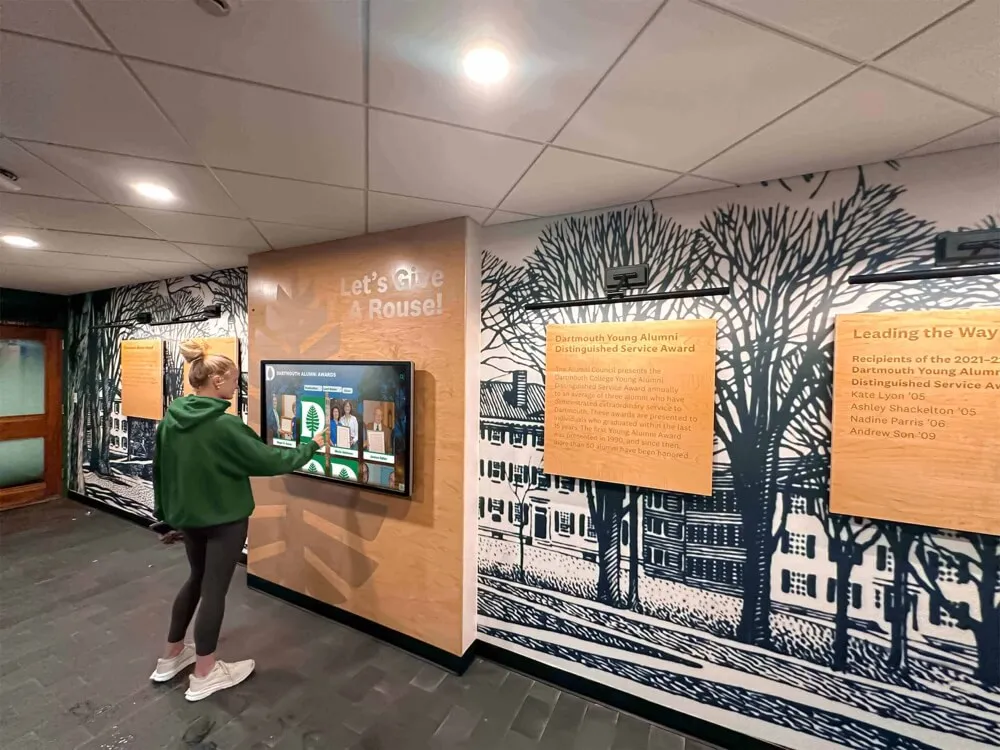
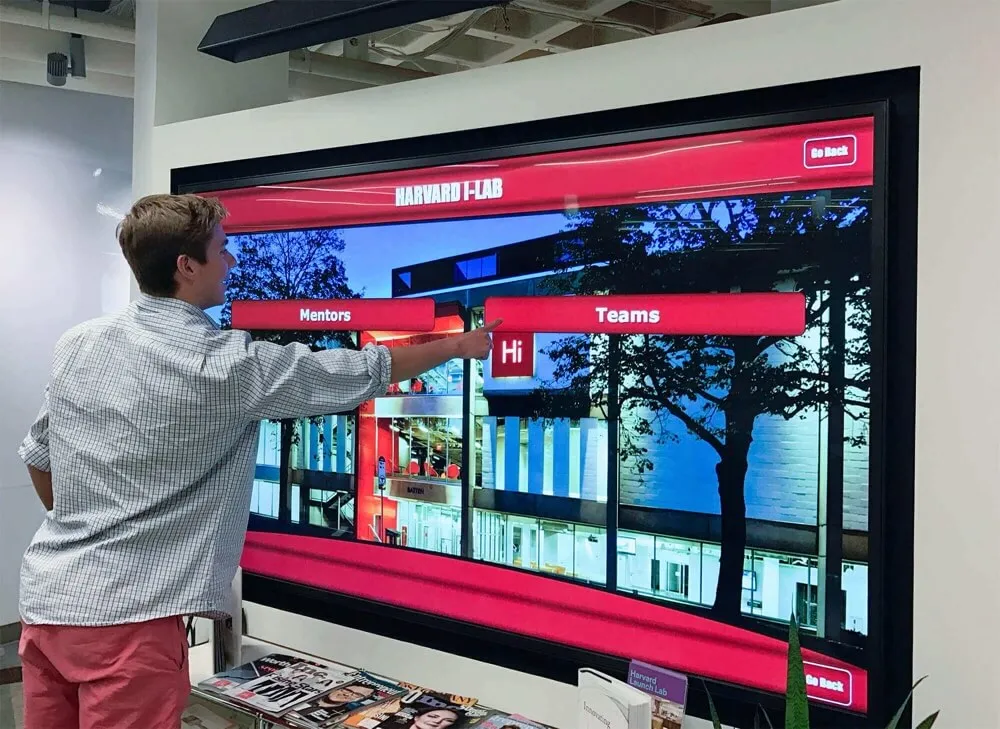
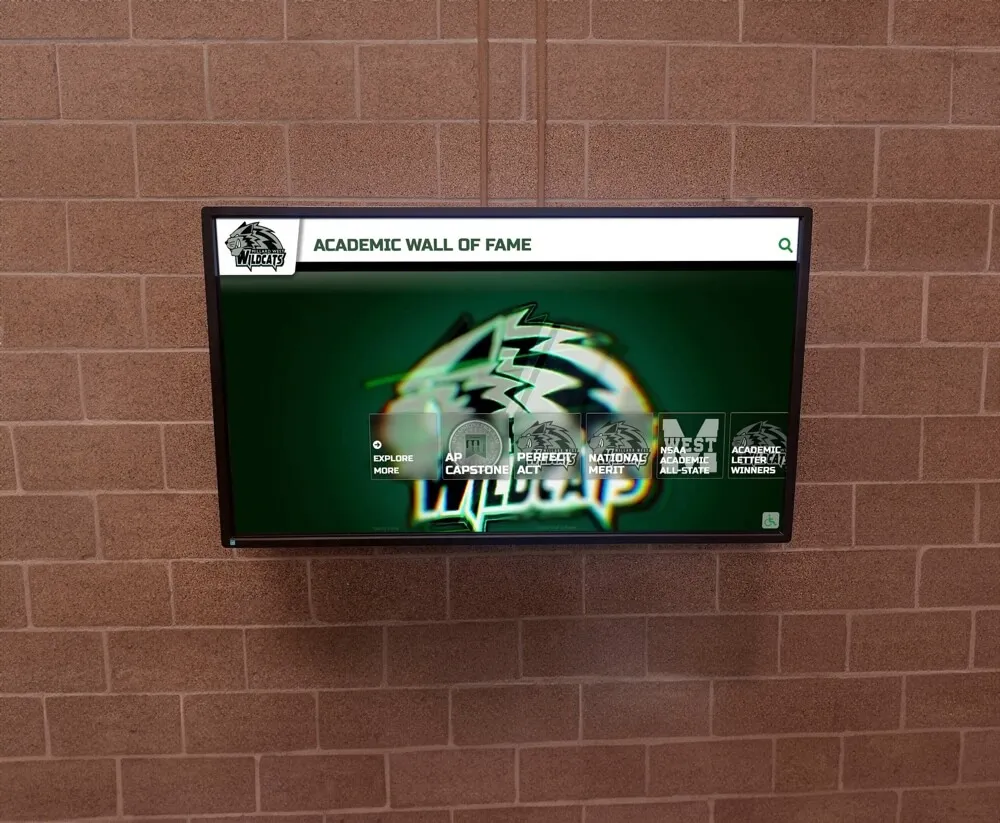
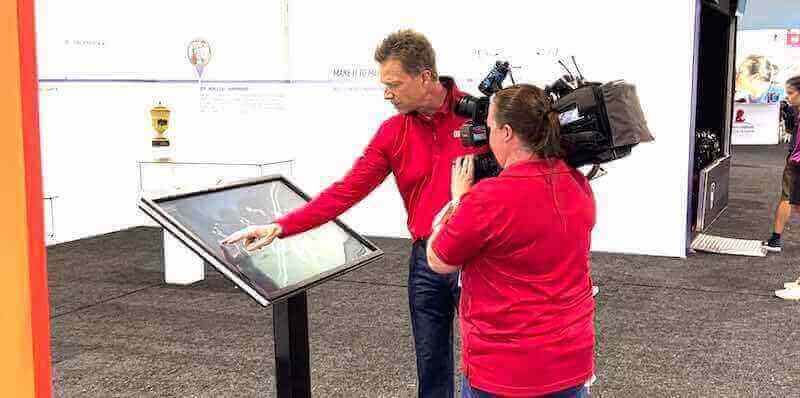
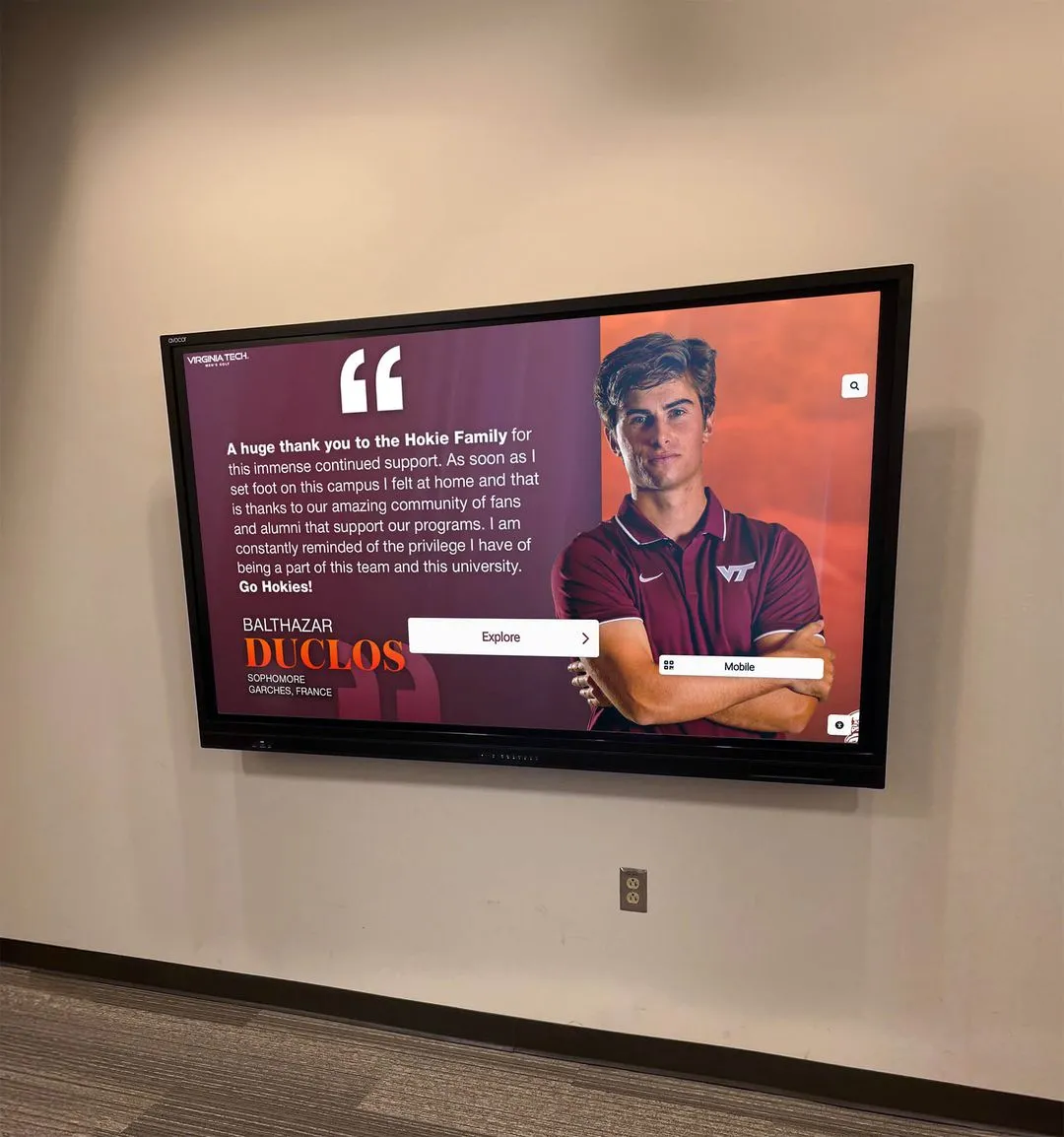
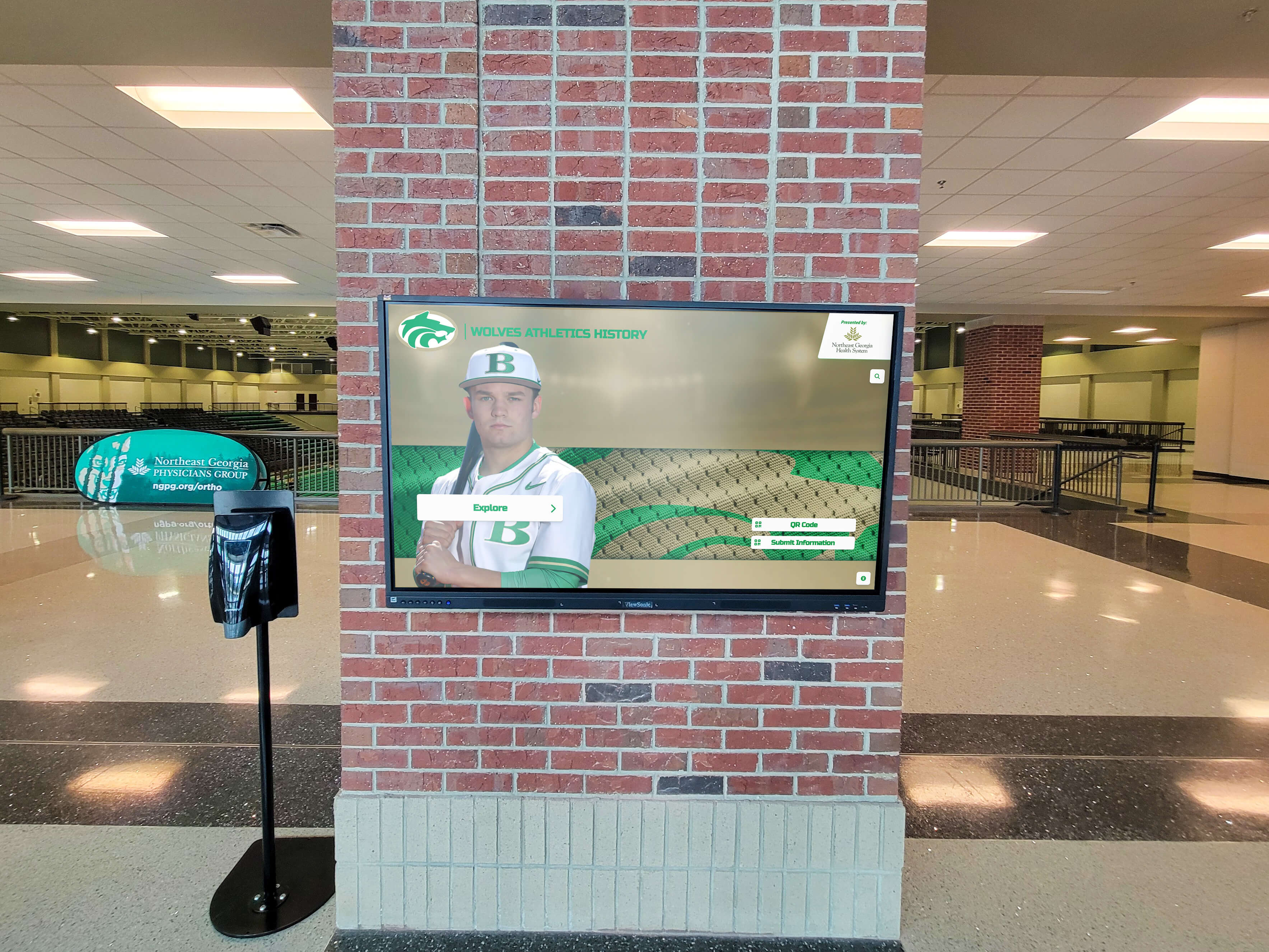
Modern recognition combines traditional awards with digital displays creating comprehensive celebration of athletic achievement
Understanding Glass Trophy Award Types and Styles
Glass trophy awards encompass diverse design categories, each offering distinct aesthetic qualities and appropriate contexts for recognition.
Crystal Trophy Awards
True Crystal Composition
Crystal represents the premium tier of glass awards, distinguished by specific material characteristics:
Material Properties
- Lead oxide content (typically 24% or higher) creating superior clarity
- Higher refractive index producing enhanced brilliance and light reflection
- Increased weight providing substantial feel communicating quality
- Superior clarity with minimal optical distortion
- Distinctive “ring” when tapped indicating authentic crystal composition
Optical Crystal Awards
Optical crystal contains no lead, offering clarity comparable to traditional leaded crystal:
- Environmentally preferable lead-free composition
- Exceptional clarity suitable for detailed engraving
- Lighter weight than leaded crystal while maintaining premium appearance
- Comparable pricing to traditional crystal awards
- Increasingly popular for institutional and corporate recognition
Crystal trophy awards typically cost $50-$300+ depending on size, complexity, and base materials, positioning them as premium recognition appropriate for championship achievements, career milestone awards, and top-honor categories where prestige justifies higher investment.
Standard Glass Trophy Awards
Jade Glass Recognition
Jade glass features subtle green tint creating distinctive appearance:
- Light green coloration particularly visible on edges and thicker sections
- Less expensive than crystal while maintaining professional quality
- Available in similar shapes and customization options as crystal
- Appropriate for seasonal awards, team recognition, and achievement tiers below championship level
- Typical price range: $25-$100 depending on size and customization
Clear Glass Awards
Standard clear glass offers budget-friendly recognition:
- Transparent composition without crystal’s enhanced clarity or jade’s green tint
- Suitable for participation awards, seasonal team recognition, and high-volume needs
- Accepts standard engraving and basic customization
- Most economical glass option: $15-$60 typical range
- Appropriate when recognition volume necessitates cost management
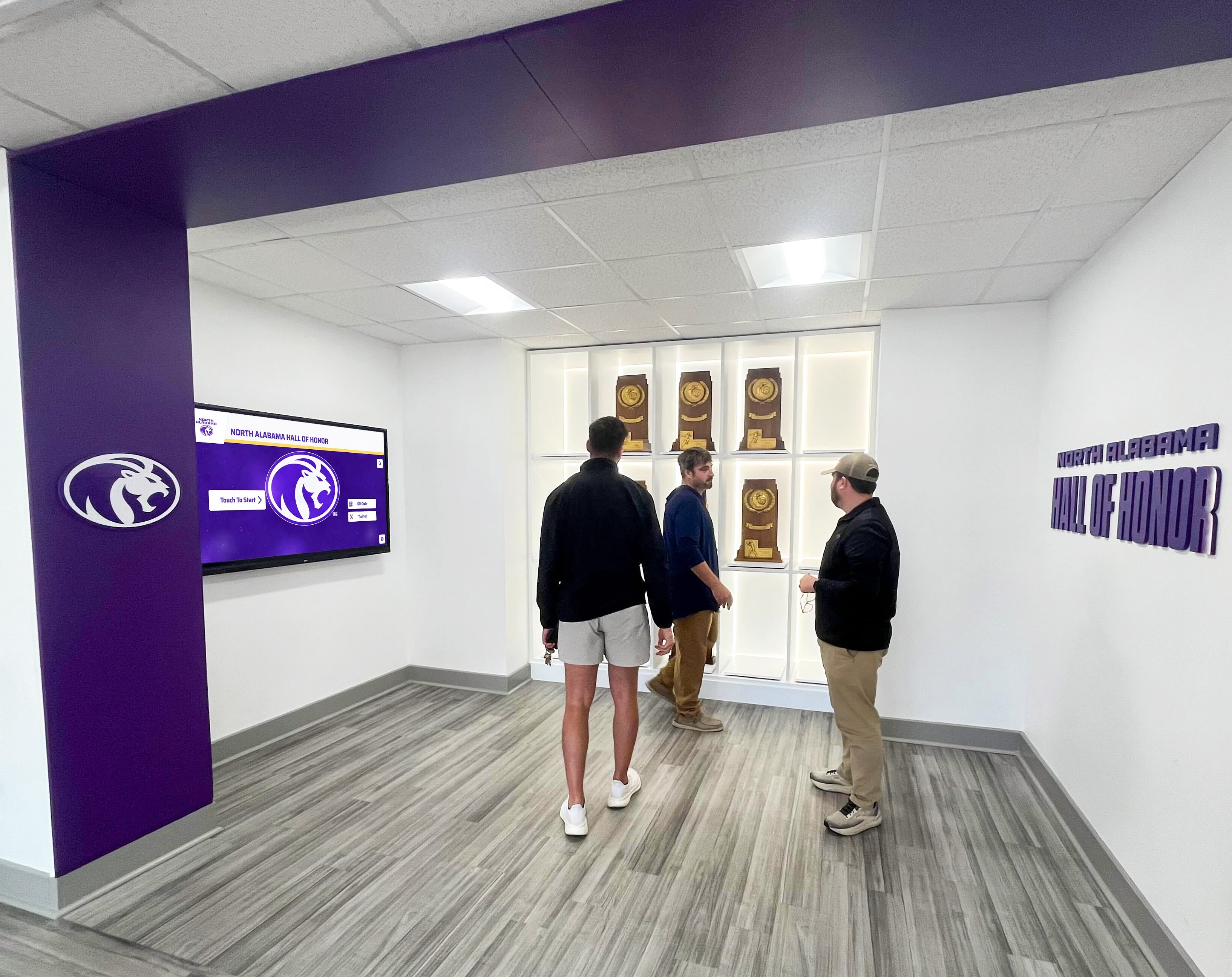
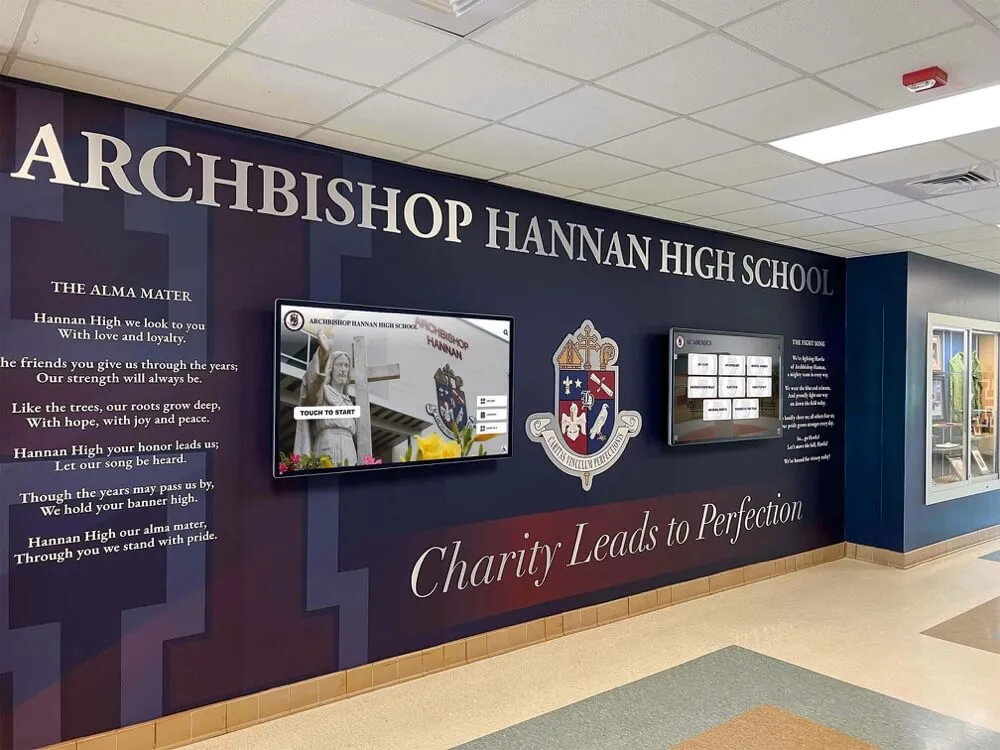
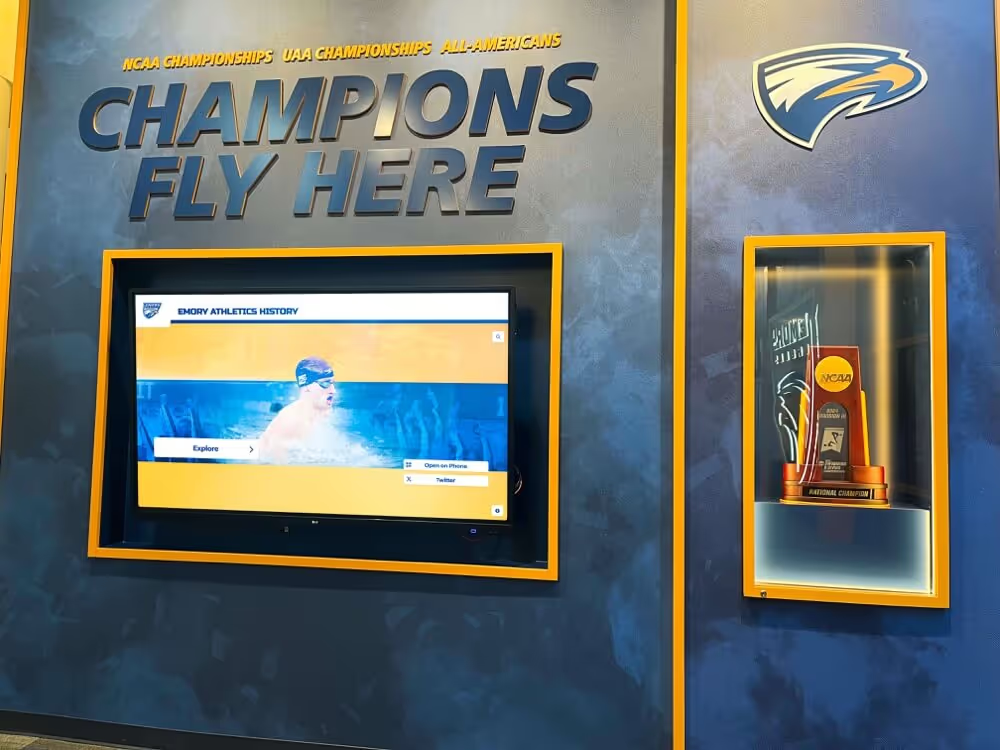
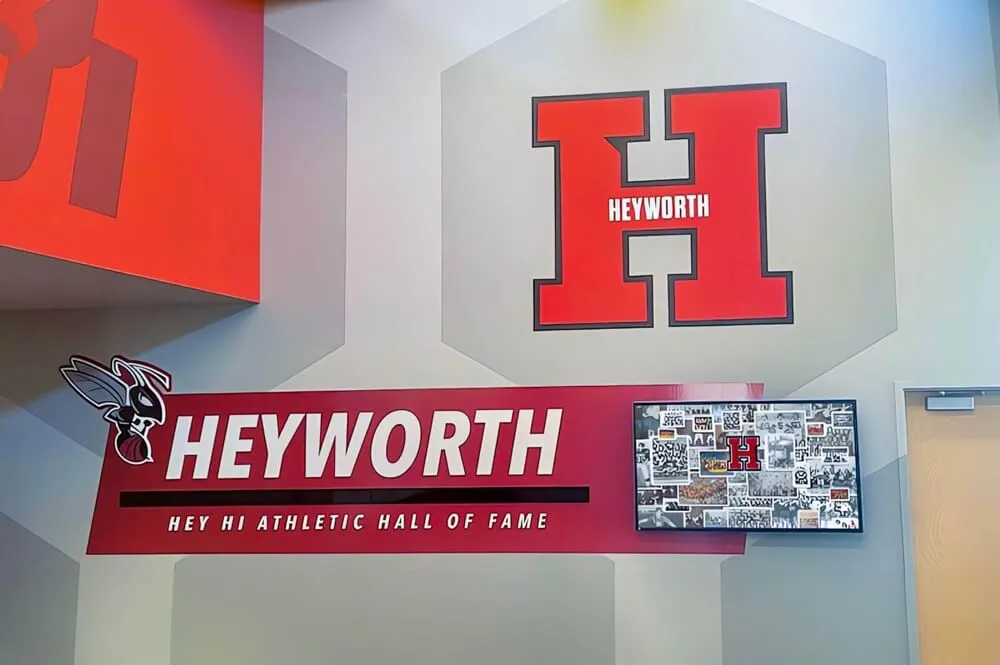
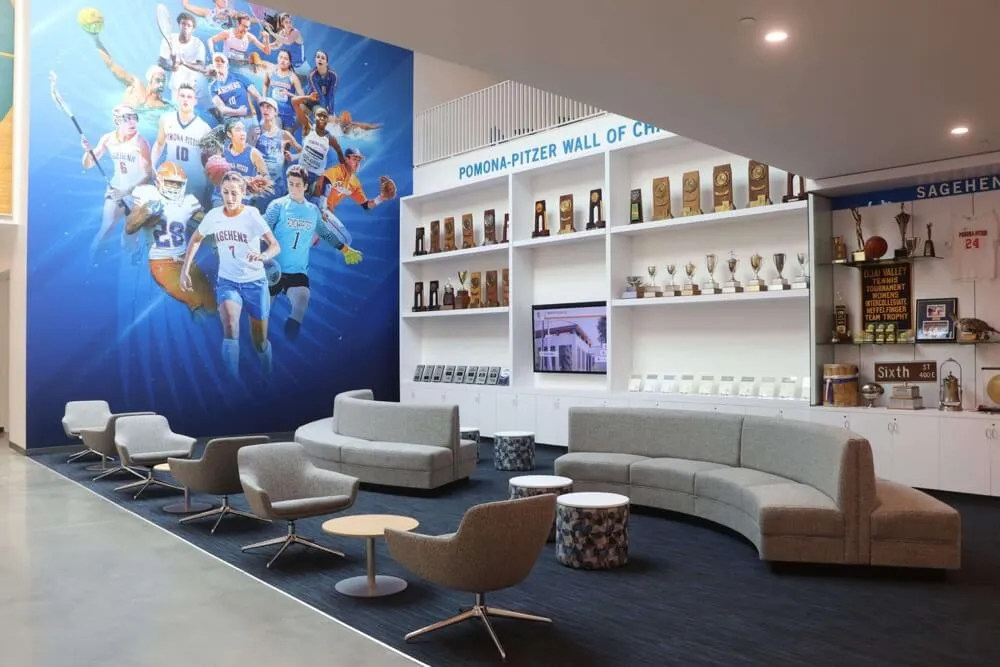
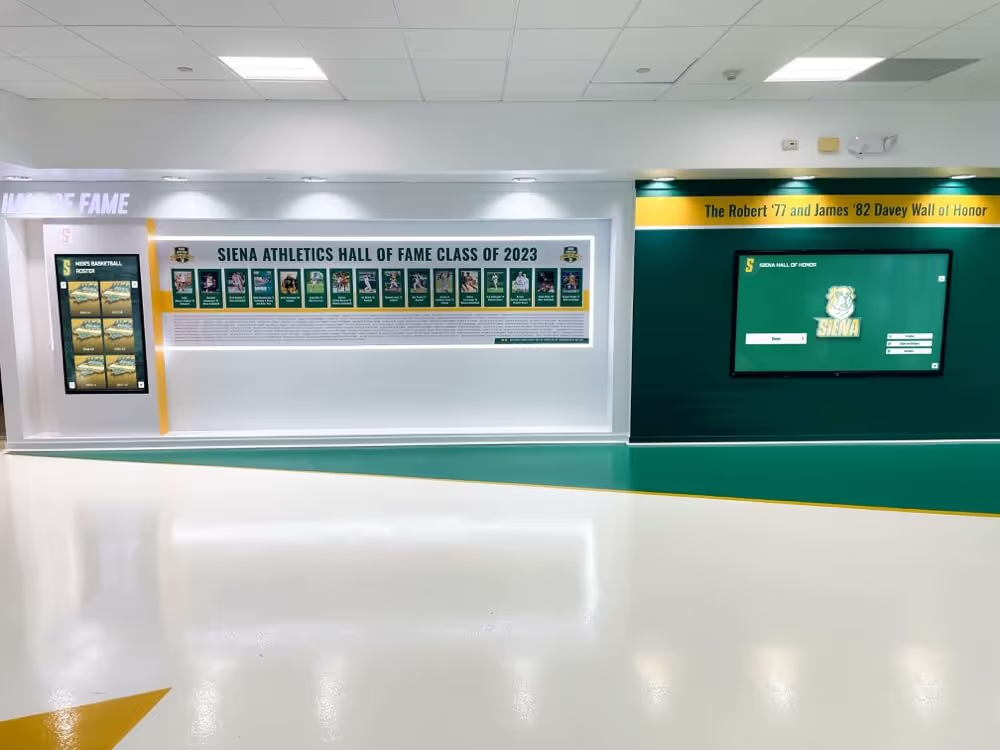
Trophy display spaces create environments where glass awards join traditional trophies in celebrating achievement
Design Categories and Shapes
Freestanding Trophy Shapes
Glass trophies commonly feature these design approaches:
Geometric and Modern Designs
- Rectangular towers and obelisks conveying upward achievement
- Diamond and beveled shapes creating visual interest
- Circular and oval designs offering elegant simplicity
- Abstract contemporary forms making artistic statements
- Multi-tier constructions adding dimensional complexity
Sport-Specific Shapes
- Footballs, basketballs, and baseball designs in glass form
- Sport equipment silhouettes (bats, rackets, clubs)
- Playing surface representations (fields, courts, tracks)
- Goal and scoring area shapes
- Activity-specific designs matching achievement context
Traditional Forms with Glass Materials
- Cup and chalice designs in crystal rather than metal
- Column-style trophies using glass instead of plastic
- Star and achievement symbols in premium glass
- Flame and torch designs representing excellence
- Globe and world designs for international achievement
For comprehensive trophy display ideas combining glass awards with traditional recognition, explore medal and trophy display approaches that showcase achievements effectively.
Glass Trophy Customization Options and Techniques
Personalization transforms generic glass awards into meaningful recognition commemorating specific achievements and recipients.
Engraving Methods and Quality
Laser Engraving
Modern laser technology provides precise, permanent personalization:
Process Characteristics
- Computer-controlled laser removes surface material creating frosted appearance
- Extremely precise detail capability including fine text and complex graphics
- Permanent marking that will not fade, peel, or wear over time
- Consistent depth and appearance across entire design
- Quick turnaround compared to traditional methods
Design Capabilities
- Text in virtually unlimited fonts and sizes (minimum size restrictions apply)
- Logo reproduction with fine detail preservation
- Multi-line inscriptions and detailed achievement descriptions
- Graphic elements, borders, and decorative flourishes
- 3D effect creation through depth variation techniques
Laser engraving typically adds $10-$40 to trophy base cost depending on design complexity, text quantity, and surface area coverage.
Sandblast Engraving
Traditional sandblasting creates deeper, more dramatic effects:
- Abrasive material forced at high pressure creates surface removal
- Deeper engraving with more tactile, dimensional appearance
- Particularly effective for bold text and simple graphics
- More expensive and time-consuming than laser engraving
- Premium appearance justifying higher cost for championship awards
Color Fill and Enhancement Options
Adding Visual Impact
Plain engraved text becomes more visible and dramatic with color enhancement:
Color Fill Applications
- Paint fill in engraved areas adding contrast and visibility
- Metallic fills (gold, silver, bronze) creating premium appearance
- School color fills matching institutional identity
- Multi-color designs for logos and complex graphics
- UV-resistant materials ensuring longevity
Color fill typically adds $5-$20 per trophy depending on complexity and color count, significantly enhancing visibility particularly for display at distances where plain engraving may lack readability.
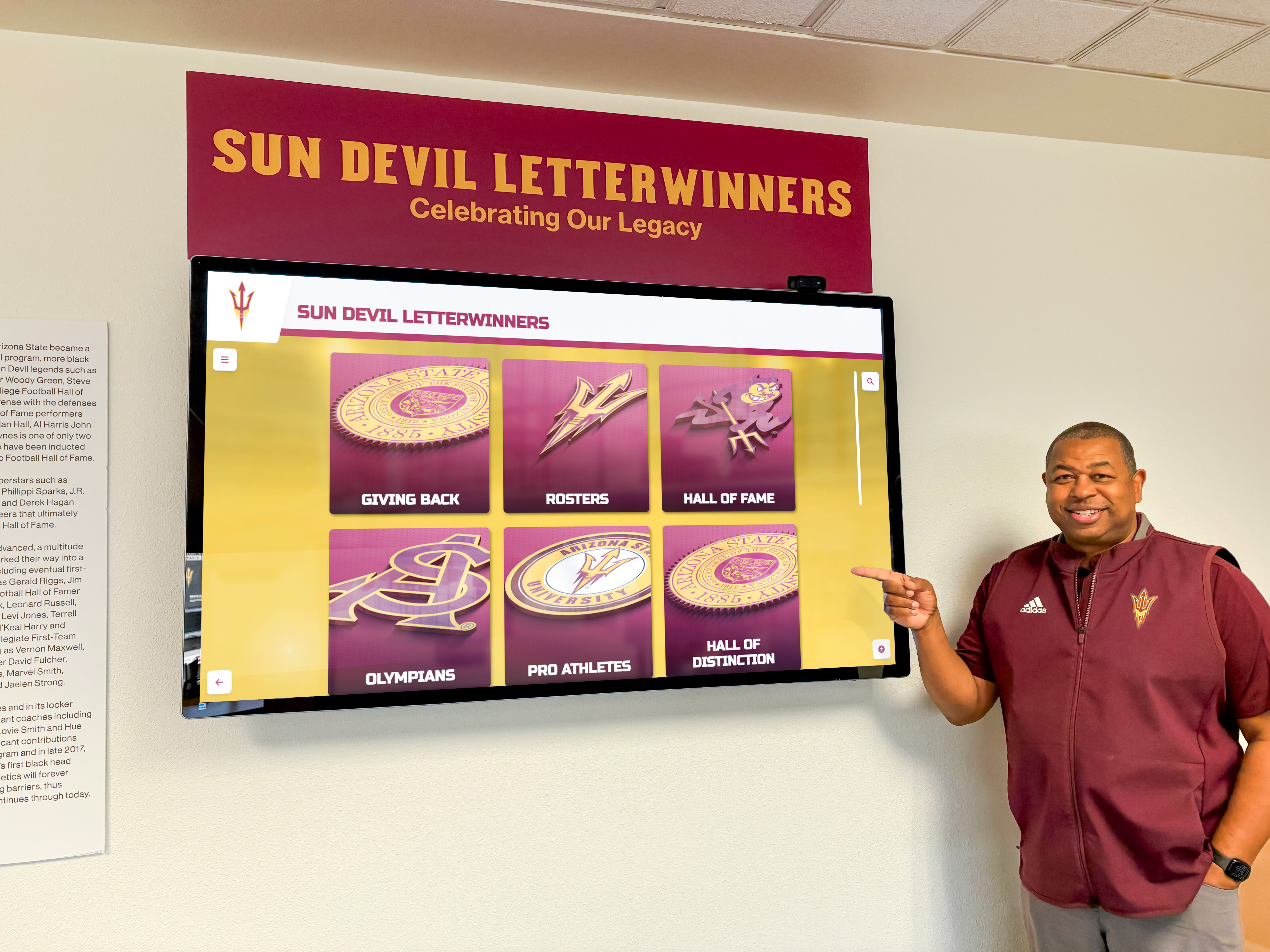
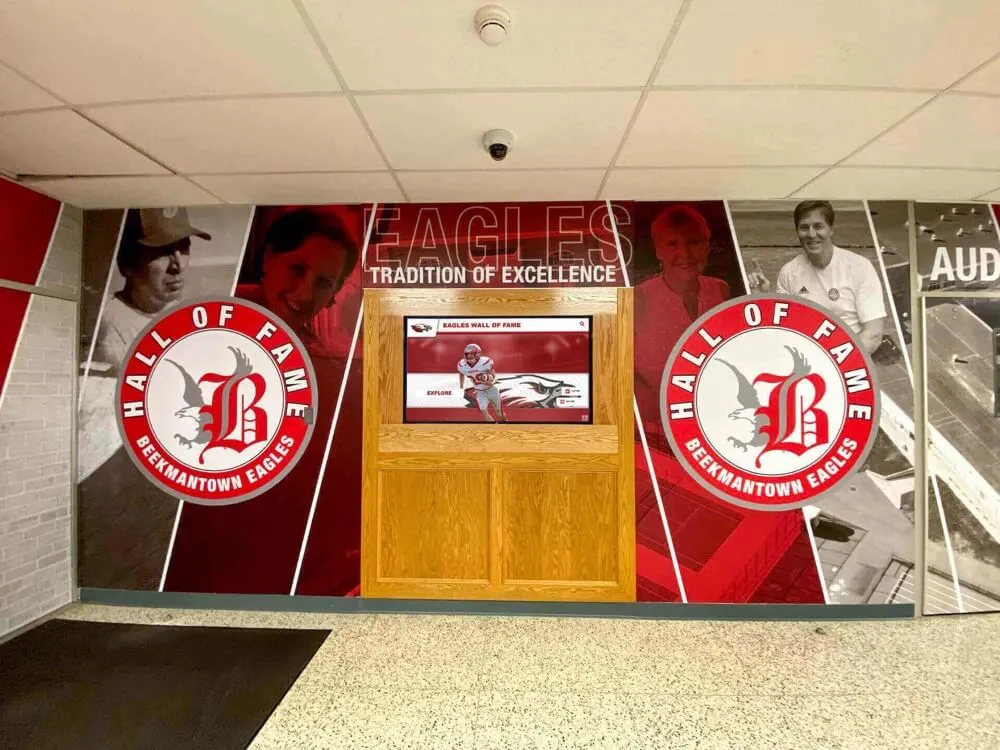
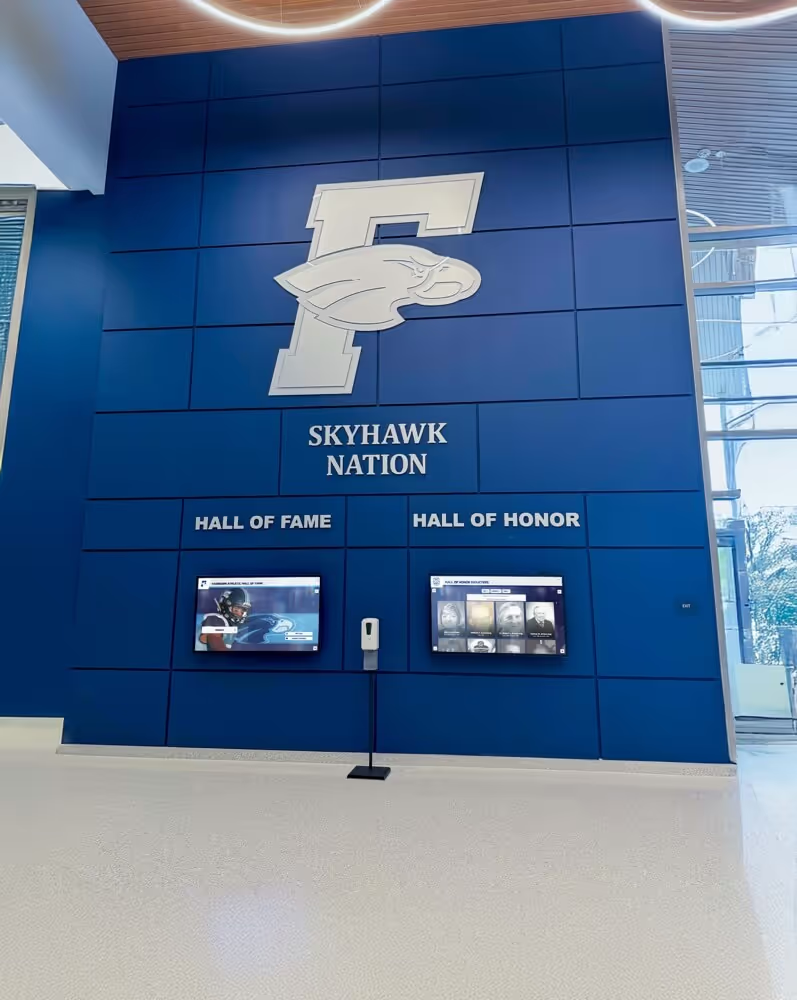
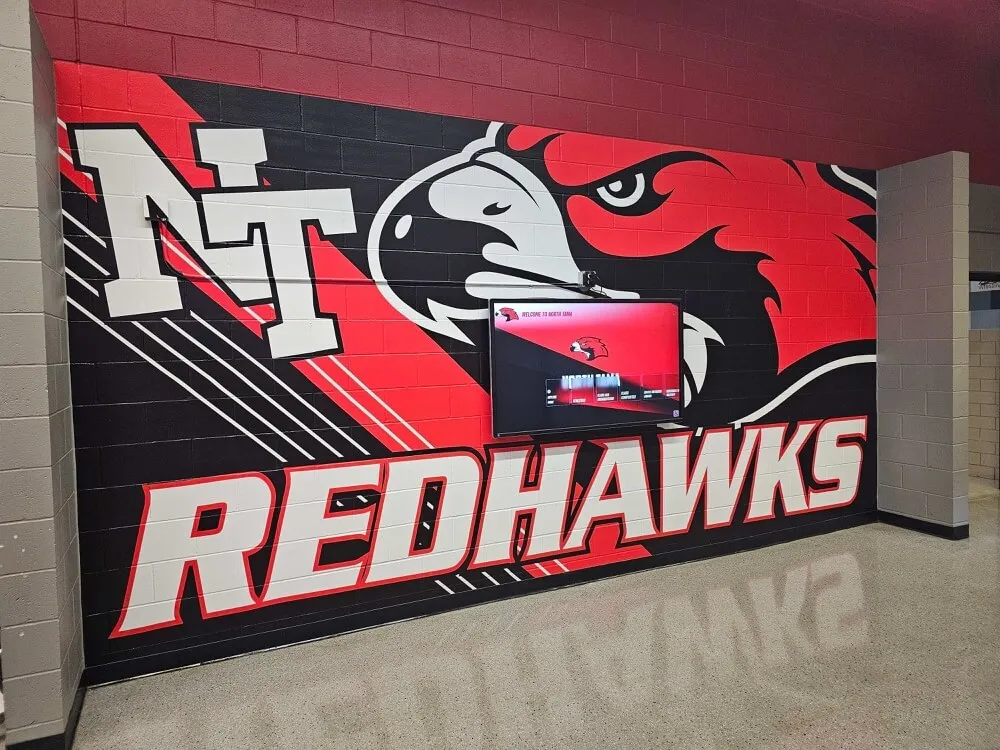
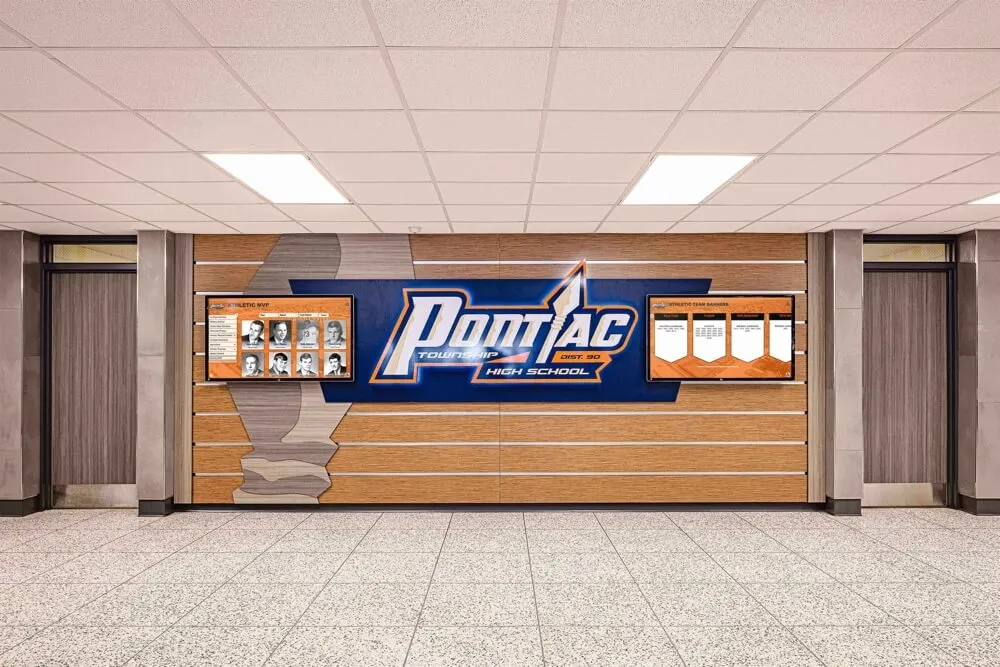
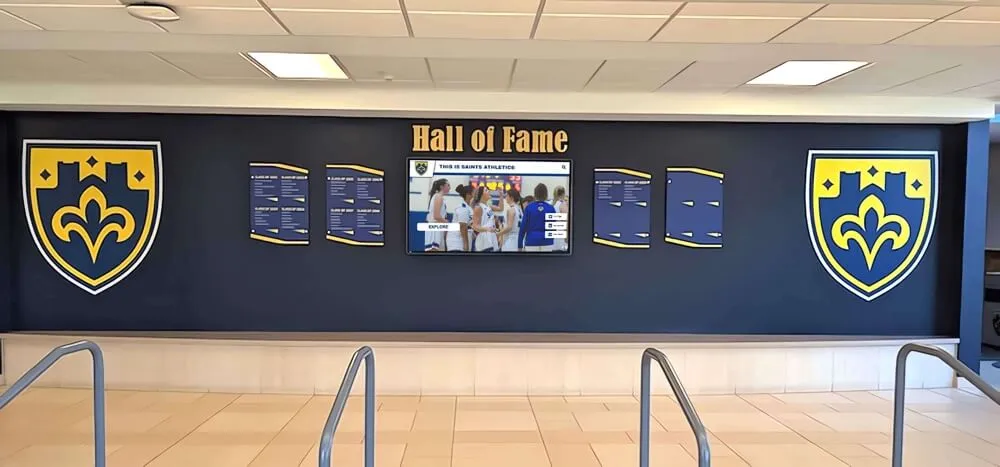
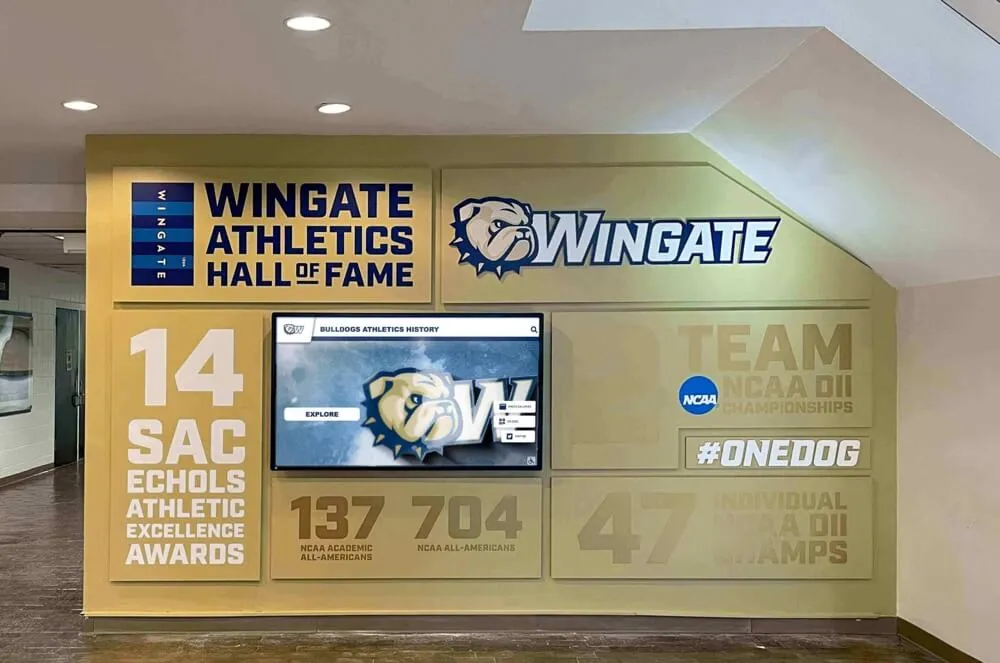
Comprehensive recognition walls combine individual awards with permanent display systems celebrating ongoing achievements
Base Materials and Mounting
Supporting Your Glass Trophy
Trophy bases provide stability, add height, and contribute to overall aesthetic:
Wood Bases
- Traditional appearance in walnut, cherry, oak, or maple
- Available in various stains and finishes
- Engraved plates typically attached to wood bases
- Adds warmth to contemporary glass designs
- Standard option included with many trophy packages
Black Piano Finish Bases
- Glossy black surface creating sophisticated modern appearance
- Dramatic contrast with clear or jade glass
- Professional presentation suitable for formal settings
- Shows fingerprints and dust more readily than wood
- Comparable pricing to quality wood bases
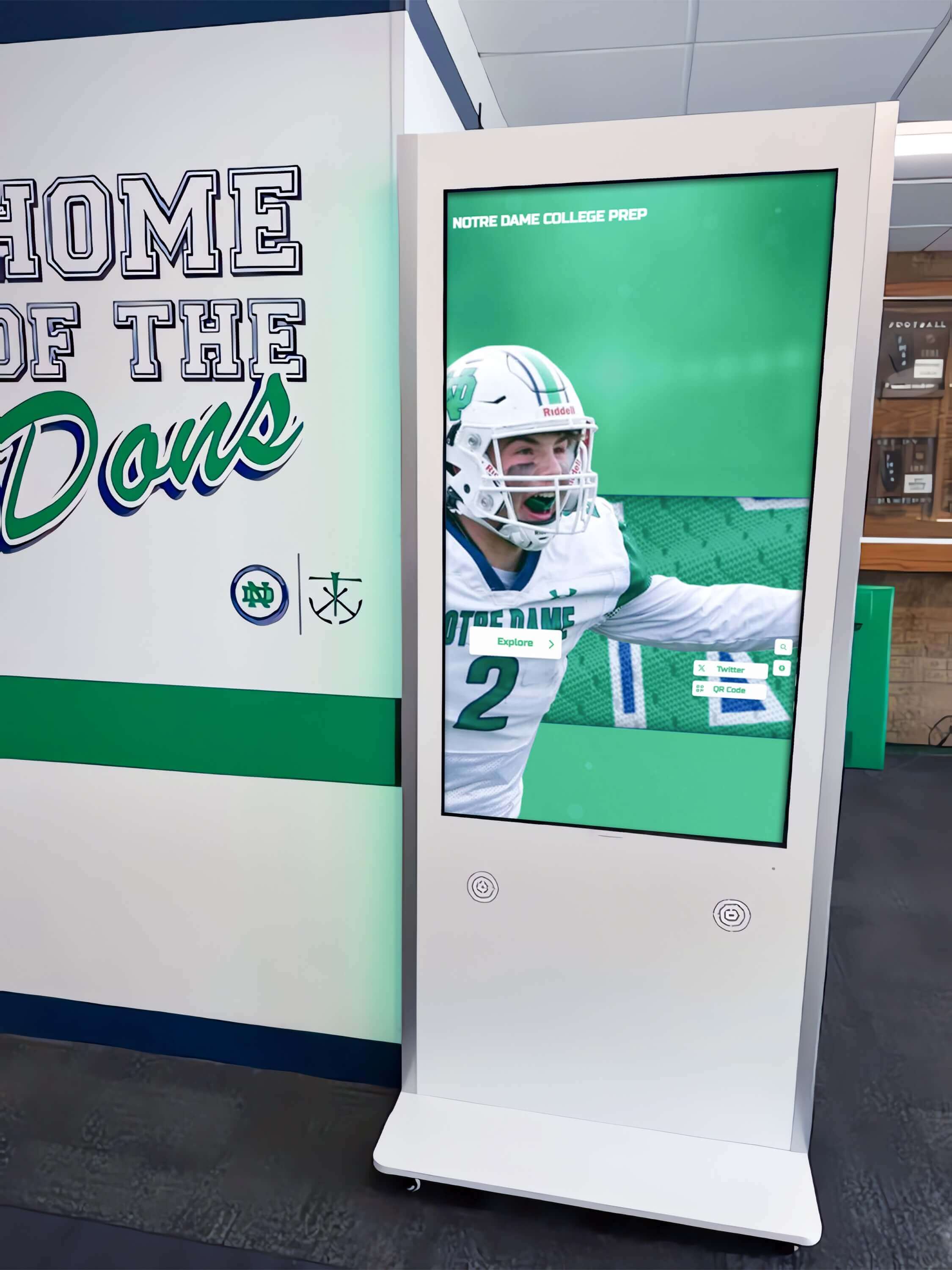
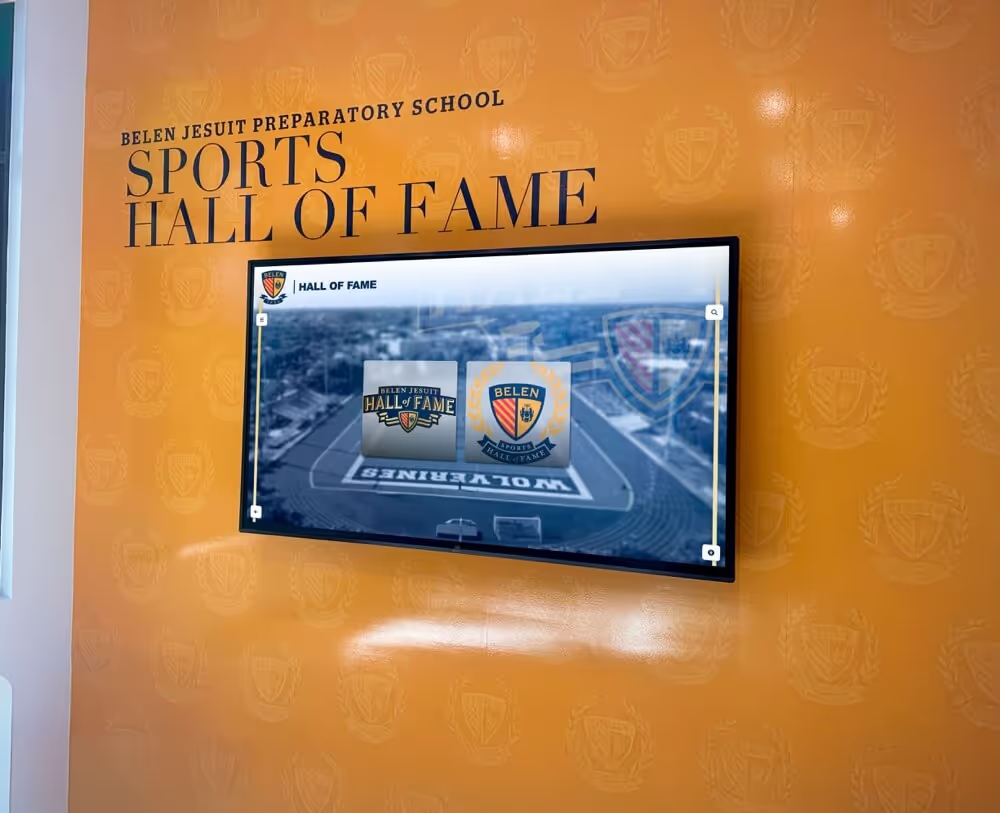
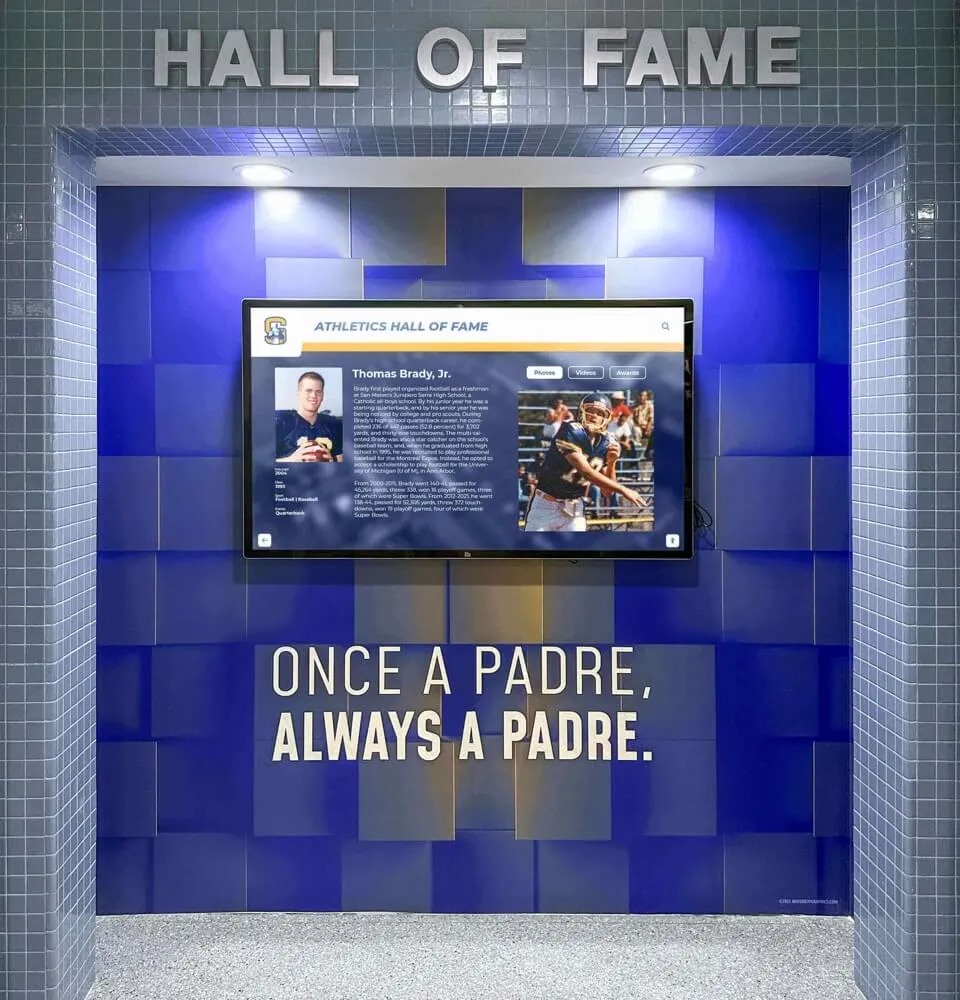
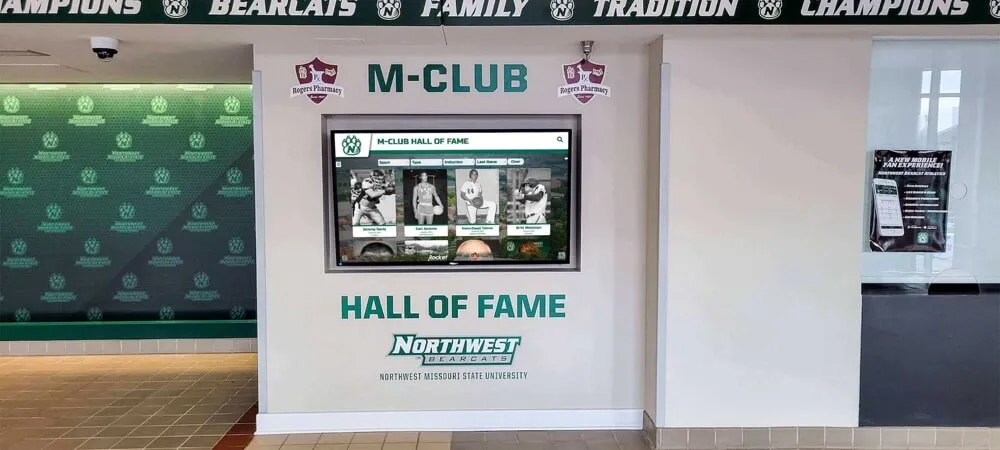
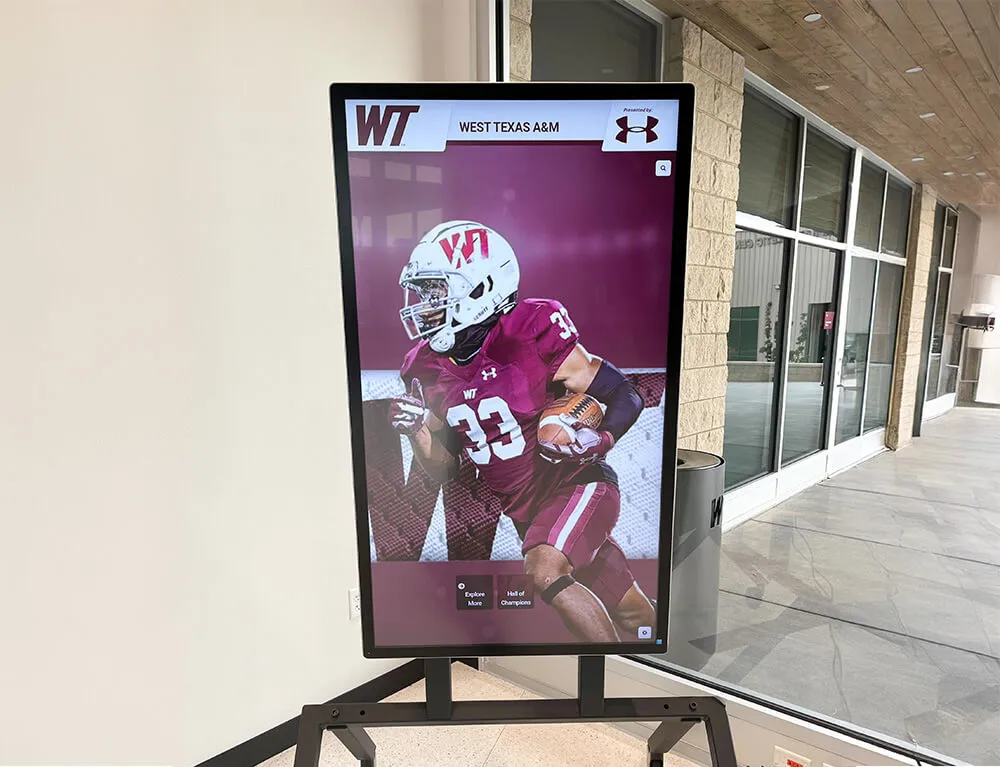
Digital kiosks supplement traditional trophies with interactive exploration of achievement details and team history
Alternative Base Materials
- Crystal or glass bases for all-glass unified design
- Acrylic bases offering modern transparent aesthetic
- Metal bases (chrome, brushed aluminum) for industrial appearance
- Marble or granite bases providing premium weight and appearance
- Custom base shapes matching trophy design themes
Sizing Considerations for Different Achievement Levels
Trophy size communicates relative achievement significance, requiring thoughtful selection matching recognition hierarchy.
Height Guidelines by Achievement Category
Championship and Premier Awards
Top-tier achievement recognition typically employs larger, more impressive trophies:
- Championship trophies: 10-16 inches height creating prominent display presence
- Player of the year awards: 9-14 inches conveying special honor significance
- Career achievement recognition: 10-15 inches reflecting cumulative accomplishment
- Hall of fame inductions: 12-18 inches matching prestige of honor
Larger glass trophies generally range $75-$400+ depending on design complexity, material quality, and customization extent.
Seasonal and Team Awards
Regular season recognition employs moderate sizing:
- Most Valuable Player: 8-12 inches distinguishing from participation while below championship scale
- Statistical leaders and all-conference: 7-10 inches acknowledging achievement appropriately
- Positional awards and special recognition: 6-9 inches providing meaningful trophy while managing costs
- Team captain and leadership awards: 7-10 inches honoring contribution significance
Mid-sized glass awards typically cost $35-$150 depending on material selection and personalization complexity.
Participation and Recognition Awards
When recognizing entire teams or large groups, smaller, cost-effective options make sense:
- Team participation awards: 5-7 inches providing recognition within budget constraints
- Seasonal completion recognition: 4-6 inches acknowledging involvement appropriately
- Skill development awards: 5-7 inches celebrating improvement and effort
- Youth sports participation: 4-6 inches suitable for younger athletes
Smaller glass trophies generally range $15-$60, enabling broad distribution while maintaining quality appearance over plastic alternatives.
Weight and Portability Factors
Practical Considerations
Trophy weight impacts both perceived quality and practical handling:
- Heavier trophies (2-5 lbs) convey substantiality and quality but challenge younger recipients
- Medium weight awards (1-2 lbs) balance quality perception with manageable handling
- Lightweight options (under 1 lb) suitable for large-scale distribution and youth contexts
- Shipping costs increase with weight, impacting budget for delivered orders
- Display stability requires adequate base weight preventing tipping
For youth recognition programs, discover age-appropriate award ideas that match developmental stages and achievement contexts.
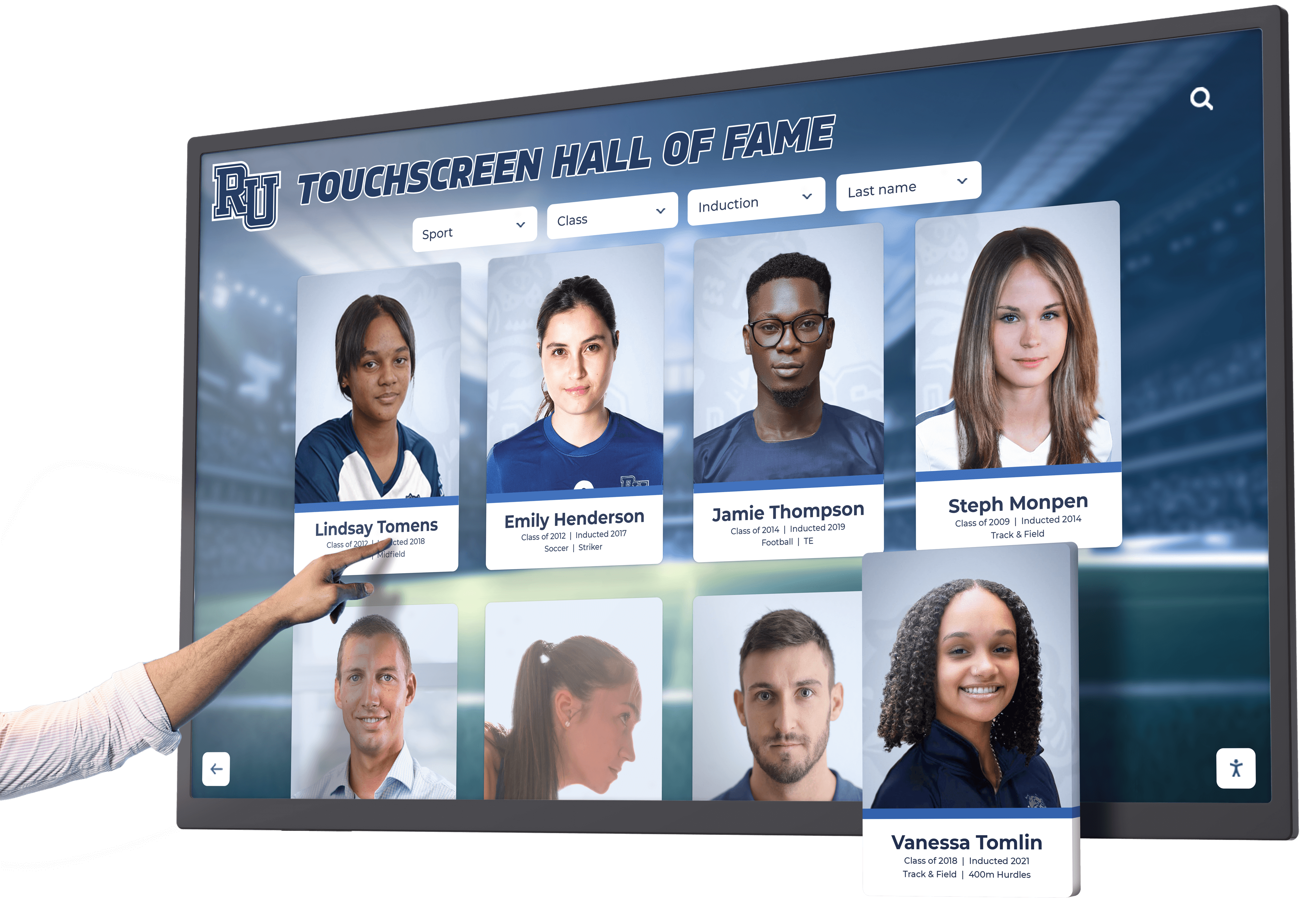
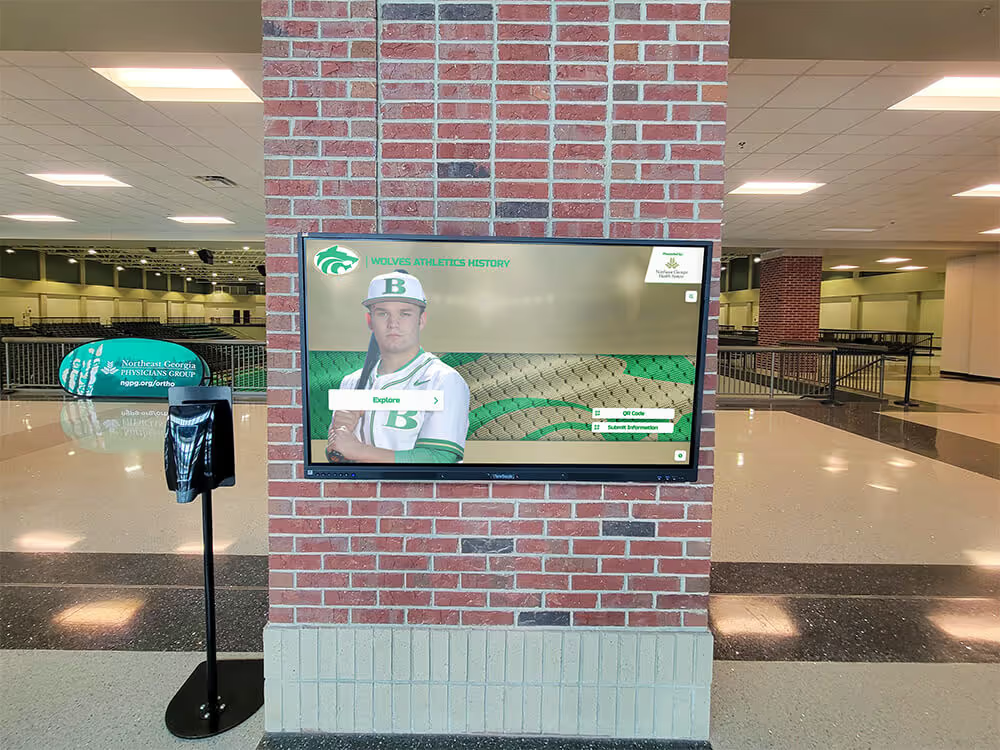
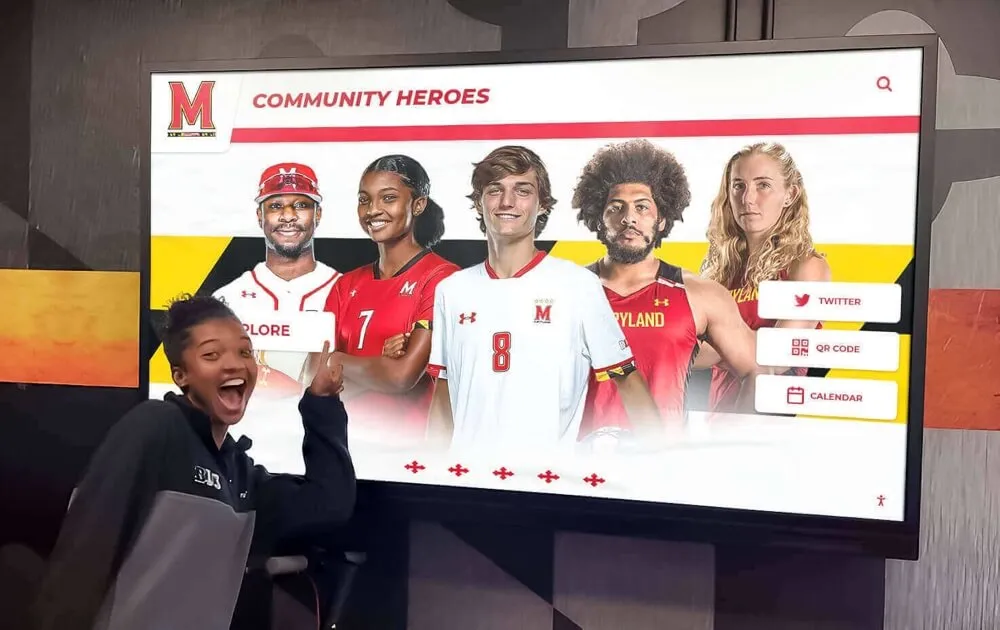
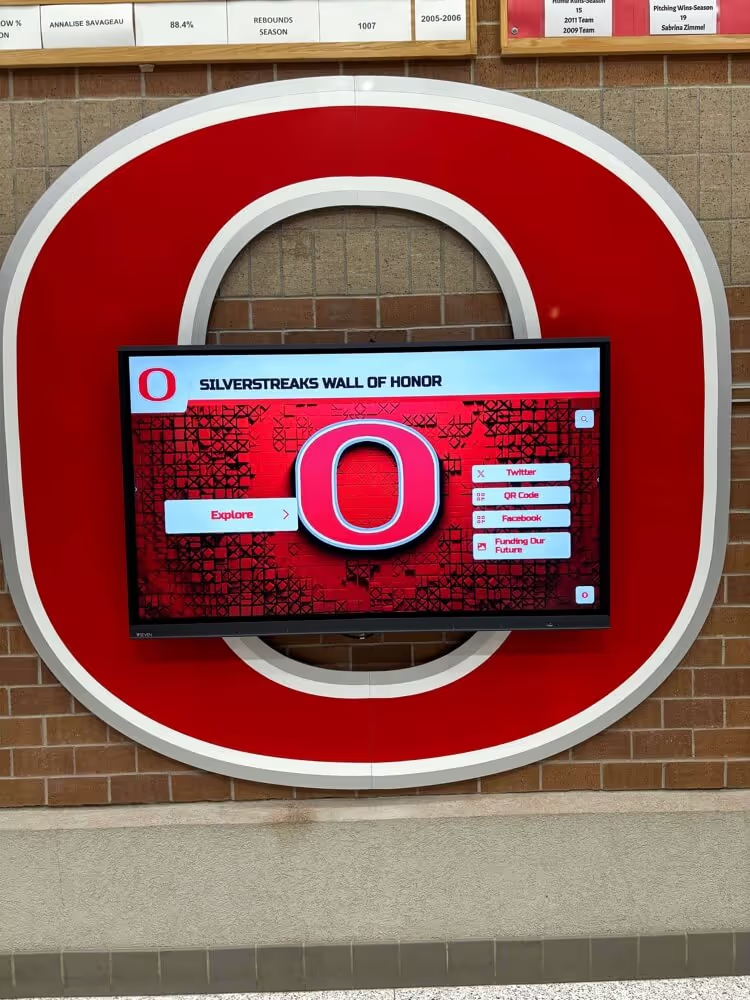
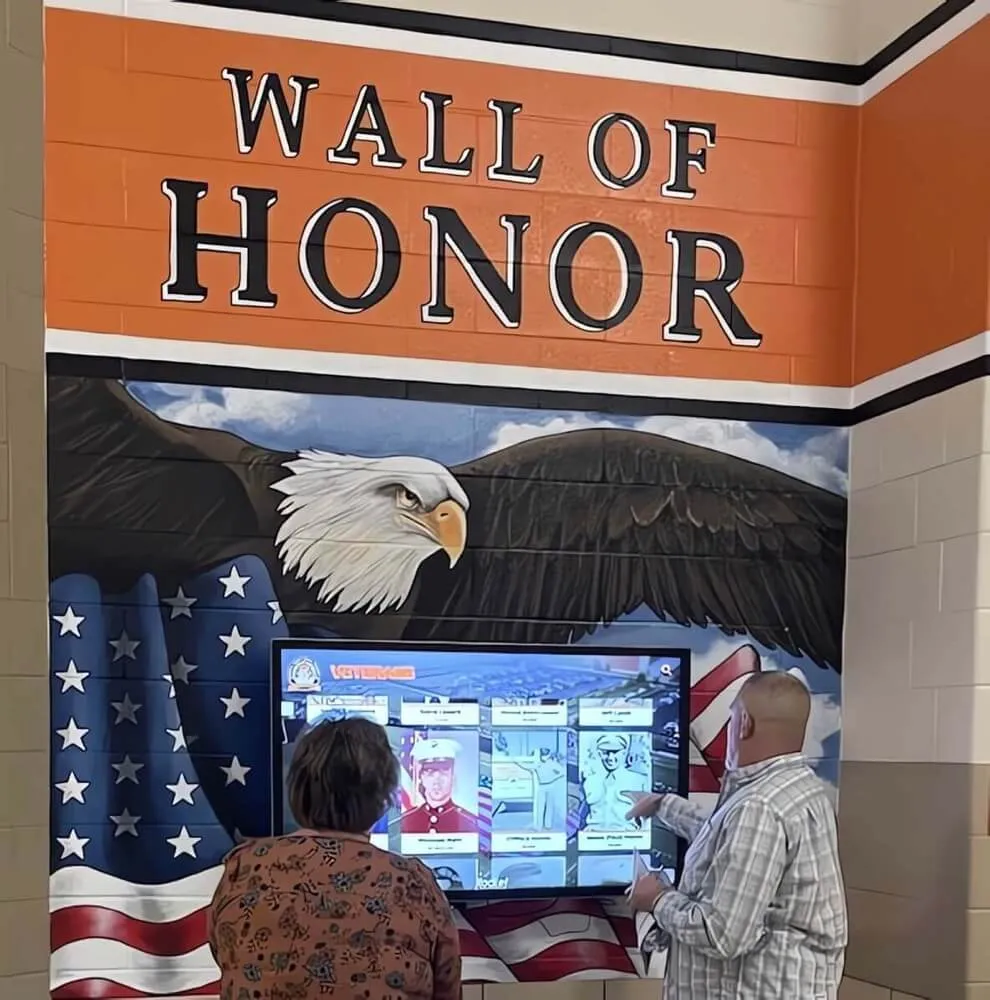
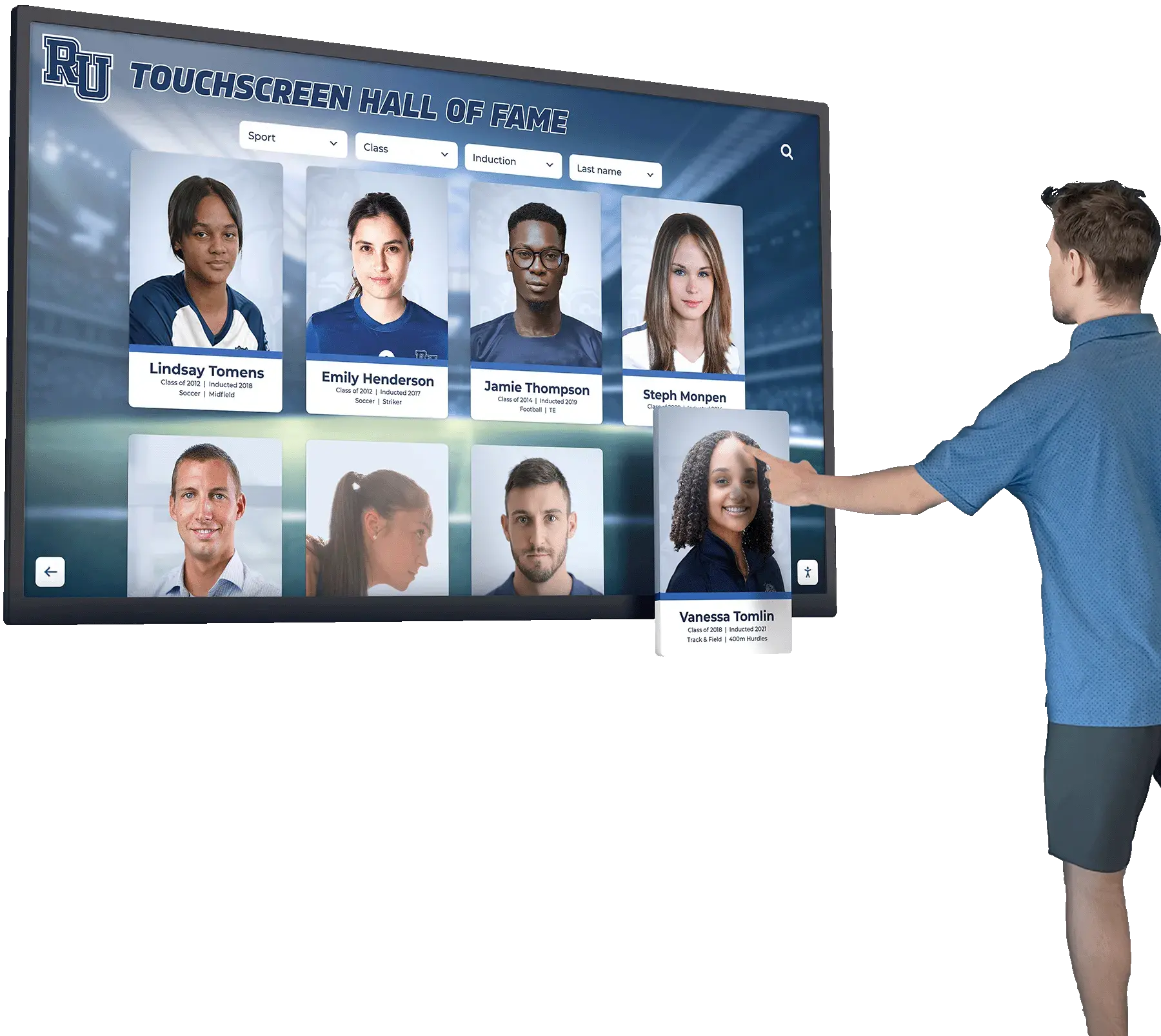
Interactive recognition technology enables unlimited achievement celebration without physical space constraints of traditional trophies
Quality Indicators and Vendor Selection
Not all glass trophy awards meet the same quality standards—knowing evaluation criteria prevents disappointment and wasted investment.
Material Quality Assessment
Visual Inspection Criteria
Quality glass awards exhibit specific characteristics:
Clarity and Optical Properties
- Uniform clarity throughout piece without cloudiness or distortion
- Minimal bubbles, particularly in viewing and engraving areas
- Straight, clean edges without chips or roughness
- Consistent thickness appropriate to design
- Smooth, polished surfaces free from manufacturing marks
Construction Quality
- Secure attachment between glass trophy and base
- Level mounting ensuring trophy doesn’t lean or tilt
- Quality base materials without gaps, cracks, or finish irregularities
- Appropriate adhesive bonding that’s invisible or minimal
- Overall weight consistent with claimed material (crystal vs. standard glass)
Engraving Quality
- Crisp, clear text and graphics without blurring or irregularity
- Consistent depth across entire engraved area
- Proper spelling, grammar, and formatting matching order specifications
- Clean edges on engraved elements without chipping
- Color fill (when ordered) fully covering engraved areas without bleeding
Vendor Evaluation Factors
Selecting Reliable Suppliers
Trophy vendor selection significantly impacts quality, service, and value:
Reputation and Experience
- Years in business and trophy industry experience
- Customer reviews and testimonials from similar organizations
- Sample availability enabling quality evaluation before ordering
- References from other schools, leagues, or athletic programs
- Industry certifications and professional organization memberships
Service and Support
- Responsive communication during inquiry and ordering process
- Design assistance and mockup creation showing exact final appearance
- Clear pricing with no hidden fees for standard customization
- Explicit timeline commitments with guaranteed delivery dates
- Return and correction policies for defective or incorrect orders
Pricing Structure
- Transparent pricing enabling accurate budget planning
- Volume discounts for multiple trophy orders
- Competitive pricing compared to similar quality alternatives
- Reasonable shipping costs and clear shipping timeline expectations
- Setup or art fees clearly stated upfront
Research from athletic director organizations indicates that schools purchasing trophies from established specialty vendors report 70-80% higher satisfaction compared to generic online marketplaces, primarily due to superior quality control, accurate customization, and reliable service.
Budget Planning for Glass Trophy Award Programs
Strategic budget allocation ensures quality recognition while managing costs effectively across achievement categories.
Per-Trophy Cost Ranges
Budget Tiers
Understanding typical investment levels guides planning:
Economy Glass Awards ($15-$40)
- Standard clear or jade glass in simple shapes
- Basic laser engraving with limited text
- Standard wood or acrylic bases
- Appropriate for participation awards and large-volume needs
- Suitable when recognizing entire teams or many recipients
Mid-Range Glass Recognition ($40-$100)
- Quality jade glass or basic crystal materials
- Multi-line engraving with moderate design complexity
- Upgraded base materials and finishes
- Color fill or enhancement options
- Standard choice for seasonal team awards and departmental recognition
Premium Glass Trophies ($100-$250)
- Optical crystal or high-quality leaded crystal
- Complex engraving with logo reproduction and detailed text
- Premium bases (piano finish, upgraded wood, crystal)
- Enhanced customization including color and decorative elements
- Appropriate for championships, major awards, and premier recognition
Elite Recognition ($250-$500+)
- Designer crystal pieces and custom shapes
- Extensive customization and artistic engraving
- Premium presentation packaging
- Exceptional size and presence (12+ inches)
- Reserved for highest honors and career achievement recognition
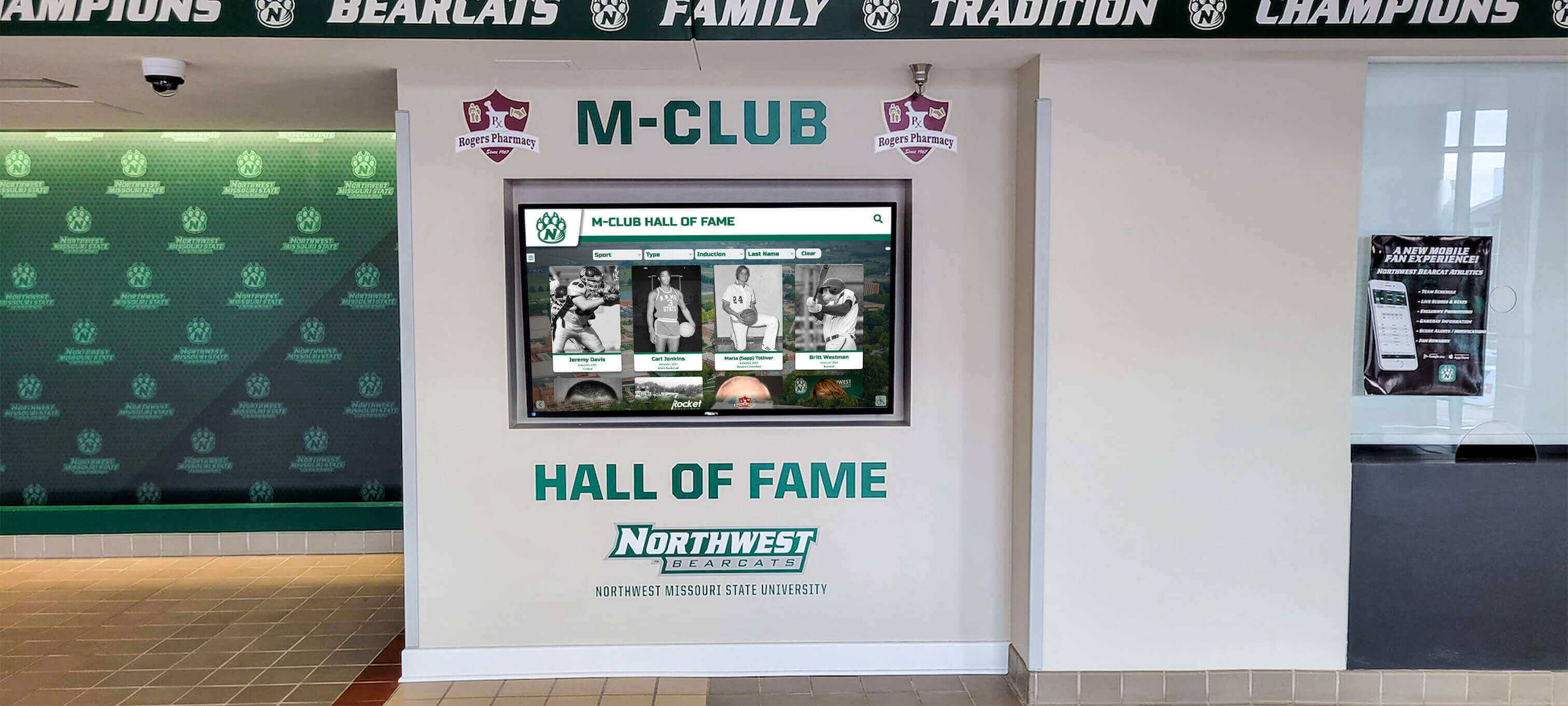
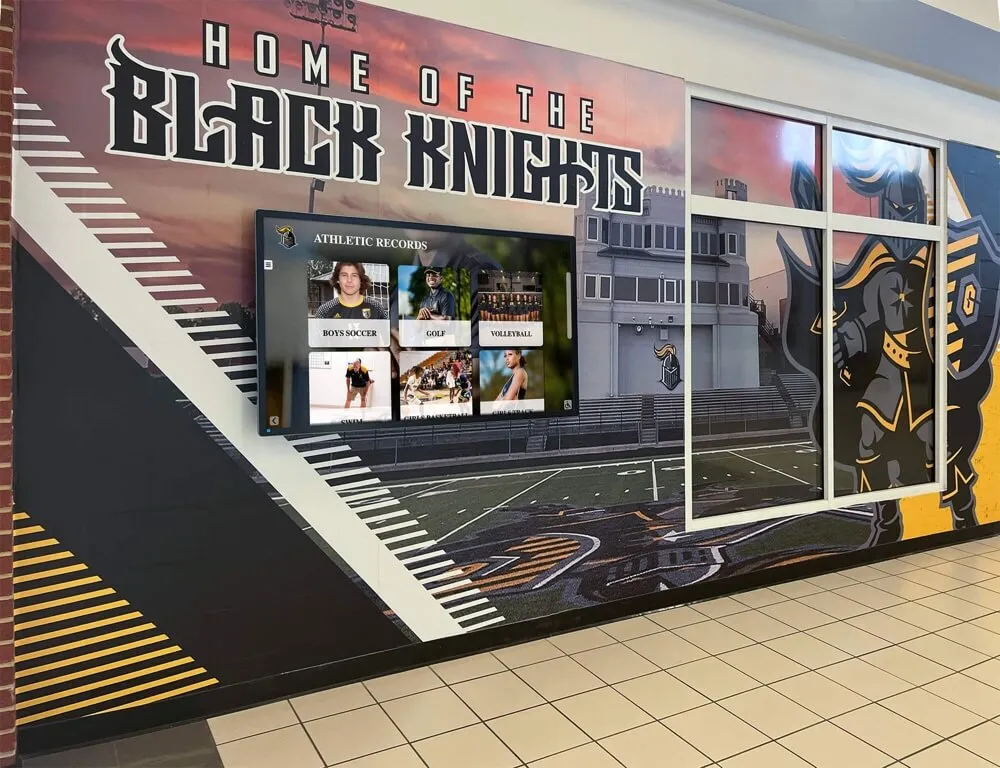
Modern recognition systems preserve trophy presentation traditions while adding digital capacity for comprehensive achievement documentation
Cost Management Strategies
Maximizing Recognition Value
Smart purchasing approaches optimize budget impact:
Volume Purchasing
- Bulk orders for seasonal team awards leveraging quantity discounts
- Coordinating multiple sports’ trophy needs in single order
- Annual trophy needs aggregation for better vendor pricing
- Standardized designs across categories reducing customization costs
- Multi-year vendor relationships often yielding preferred pricing
Strategic Category Allocation
- Premium investments for championship and career achievement awards
- Mid-range selection for seasonal most valuable player and major awards
- Economy options for participation and large-group recognition
- Digital alternatives for high-volume or budget-constrained categories
- Hybrid approaches mixing physical trophies for top awards with digital recognition for broader acknowledgment
Total Recognition Budget Frameworks
Comprehensive athletic programs typically allocate trophy budgets across achievement spectrum:
- Championship trophies: 25-35% of total budget for highest-level team and individual recognition
- Seasonal major awards: 30-40% for most valuable player, all-conference, and statistical leaders
- Team and participation awards: 20-30% for broader seasonal recognition
- Special achievement and improvement: 10-15% for character, dedication, and growth awards
For a program recognizing 200 athletes annually across multiple sports, total glass trophy investment might range $3,000-$8,000 depending on achievement distribution and quality tier selection.
Understanding comprehensive team award approaches helps balance traditional recognition with creative categories celebrating diverse contributions.
Ordering Process and Timeline Planning
Successful trophy programs require systematic planning ensuring awards arrive with appropriate personalization before presentation deadlines.
Lead Time Requirements
Standard Production Timelines
Glass trophy production and shipping typically requires:
Rush Orders (7-10 Business Days)
- Limited to in-stock trophy styles and simple engraving
- Premium charges often 25-50% above standard pricing
- Risk of delays from production issues with minimal buffer time
- Should be reserved for unexpected needs and emergency situations
- Not all vendors offer rush service for glass awards
Standard Production (2-3 Weeks)
- Typical timeline for stock trophy styles with custom engraving
- Appropriate for most seasonal awards with reasonable planning
- Allows quality control and correction time if issues arise
- Standard pricing without rush premiums
- Most vendor’s default service level
Custom and Large Orders (4-6 Weeks)
- Required for custom trophy designs, shapes, or non-stock items
- Complex multi-color engraving and extensive customization
- High-quantity orders requiring extended production capacity
- Allows design revision and approval processes
- Recommended timeline for championship awards and major recognition
Best Practice Timeline Begin trophy selection and ordering 6-8 weeks before presentation ceremony, providing adequate time for design approval, production, shipping, and contingency buffer if corrections needed.
Ordering Process Steps
Systematic Procurement Approach
Professional trophy ordering follows clear sequence:
1. Budget and Quantity Determination (8-10 weeks before ceremony)
- Finalize award categories and anticipated recipient counts
- Allocate budget across achievement tiers and trophy types
- Identify any special recognition requiring unique trophies
- Establish quality expectations and material preferences
2. Vendor Research and Selection (6-8 weeks before ceremony)
- Request catalogs and samples from potential vendors
- Compare pricing, quality, and service offerings
- Verify delivery capability meeting your timeline needs
- Select vendor based on comprehensive evaluation
3. Design and Customization (5-7 weeks before ceremony)
- Select specific trophy styles for each award category
- Develop engraving text and formatting for all categories
- Provide logos and graphics requiring reproduction
- Request and review design mockups before approving production
4. Order Placement and Confirmation (4-6 weeks before ceremony)
- Submit final order with all recipient names and achievement details
- Verify pricing, quantities, and delivery timeline in writing
- Provide shipping address and delivery contact information
- Confirm payment terms and process payment if required upfront
5. Production and Delivery Monitoring (2-4 weeks before ceremony)
- Maintain communication with vendor regarding production progress
- Confirm shipping details and tracking information
- Plan for inspection immediately upon delivery
- Allow time for correction or replacement if issues discovered
6. Inspection and Storage (1-2 weeks before ceremony)
- Carefully inspect all trophies upon arrival for quality and accuracy
- Immediately report any issues to vendor for resolution
- Store trophies safely preventing damage before ceremony
- Organize awards by category or recipient for efficient distribution
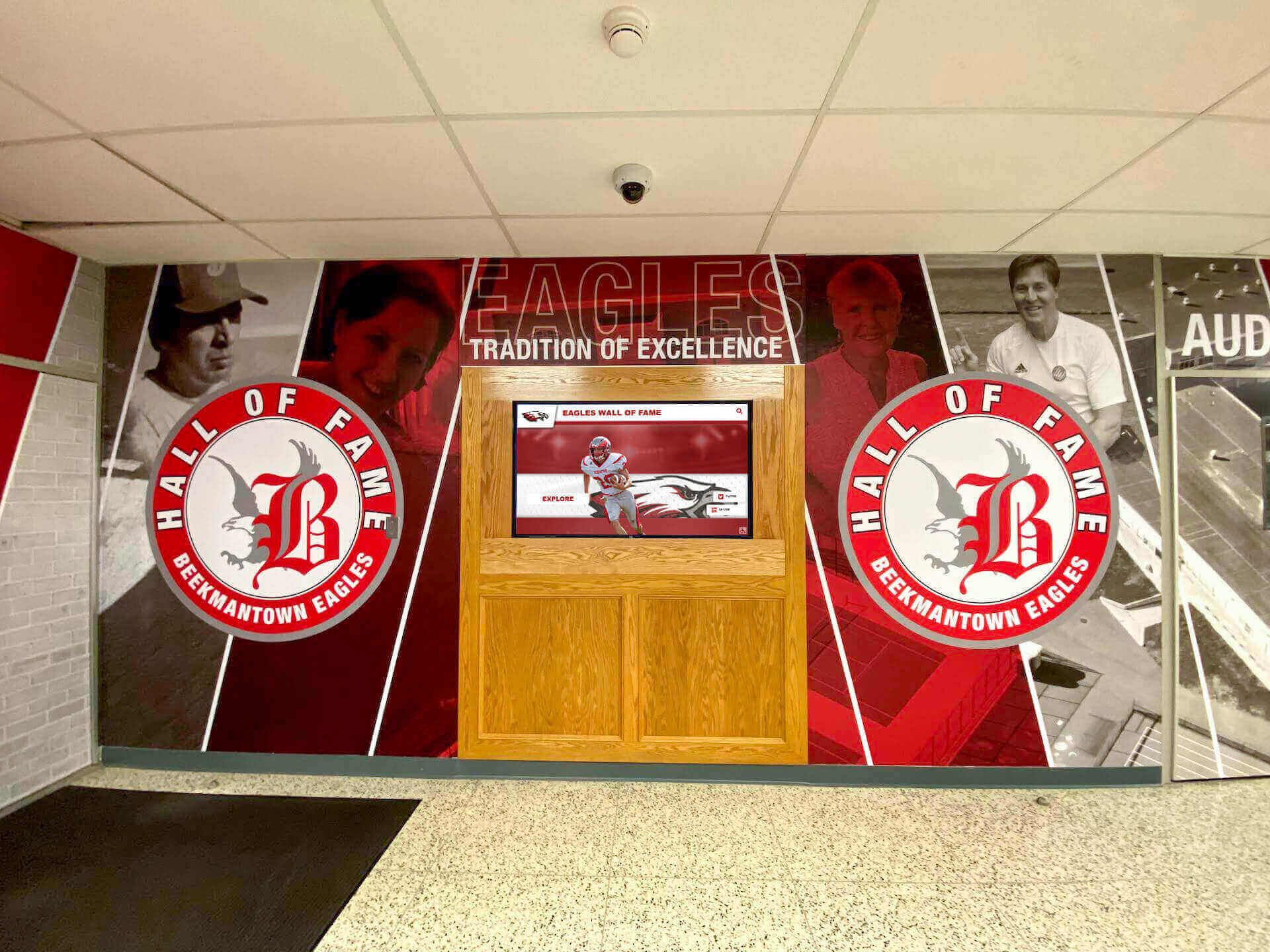
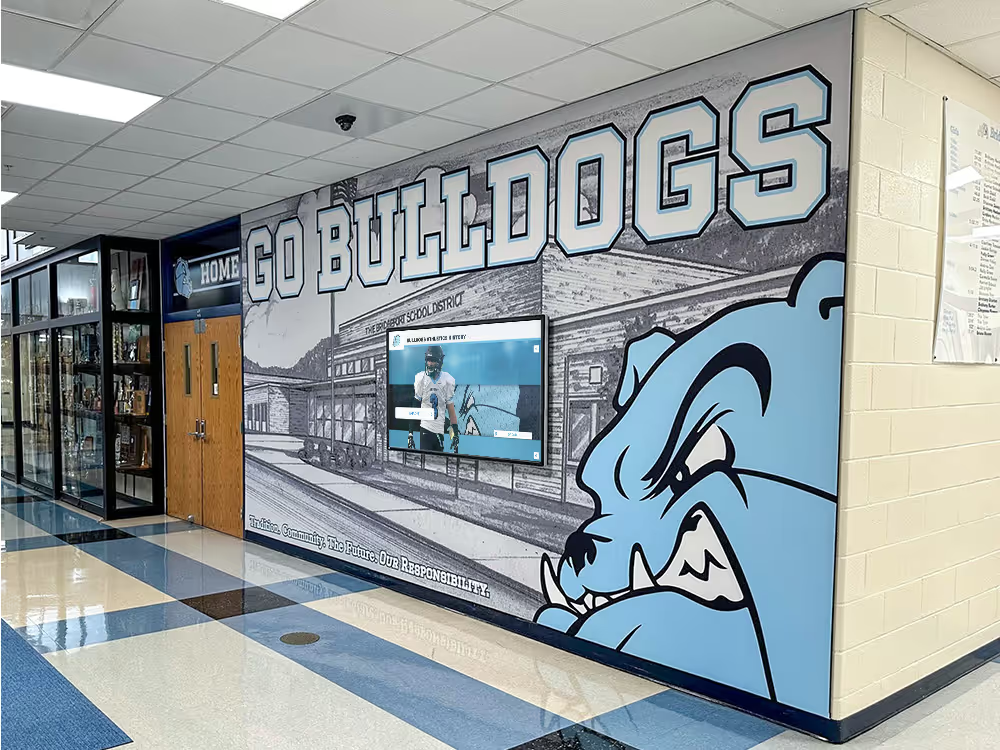
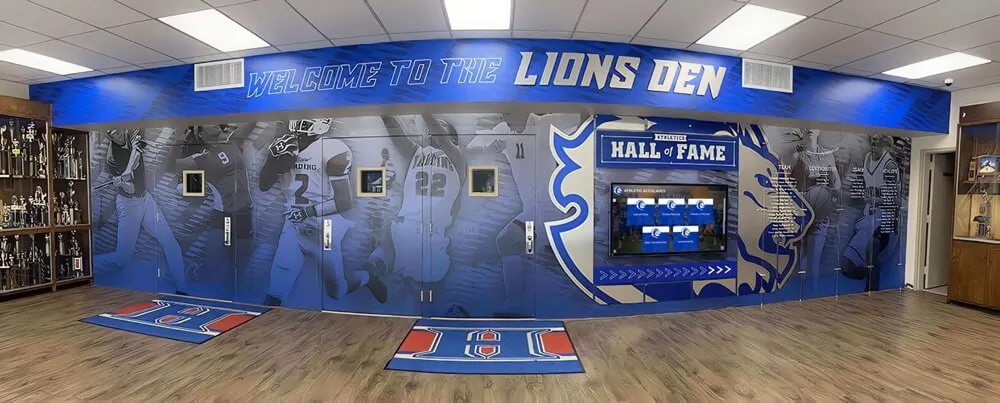
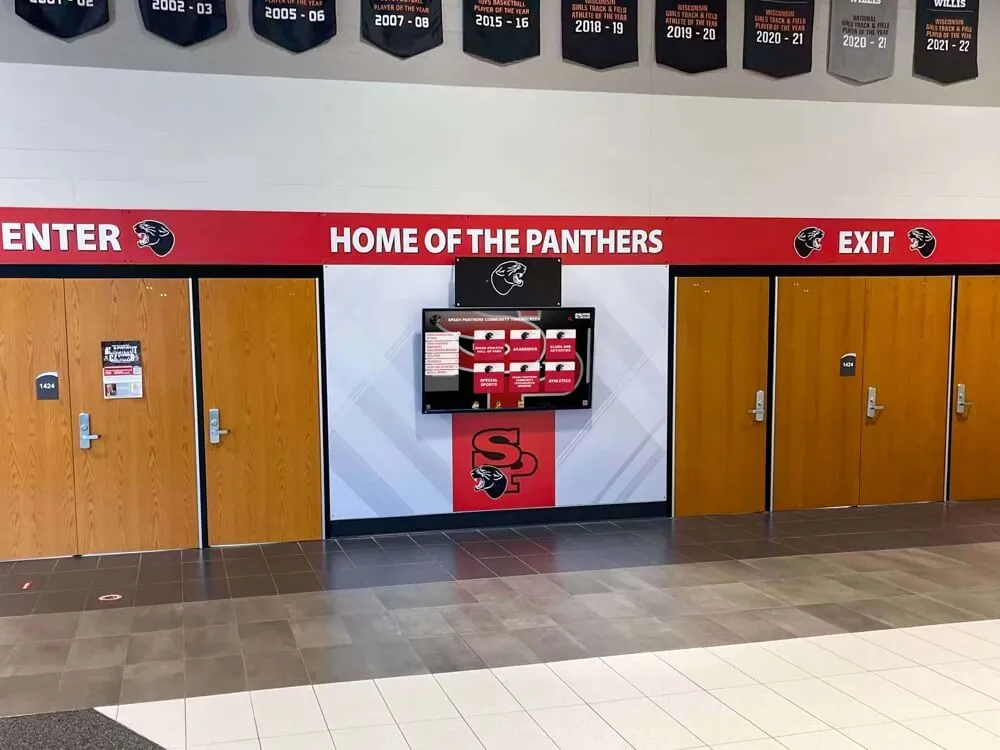
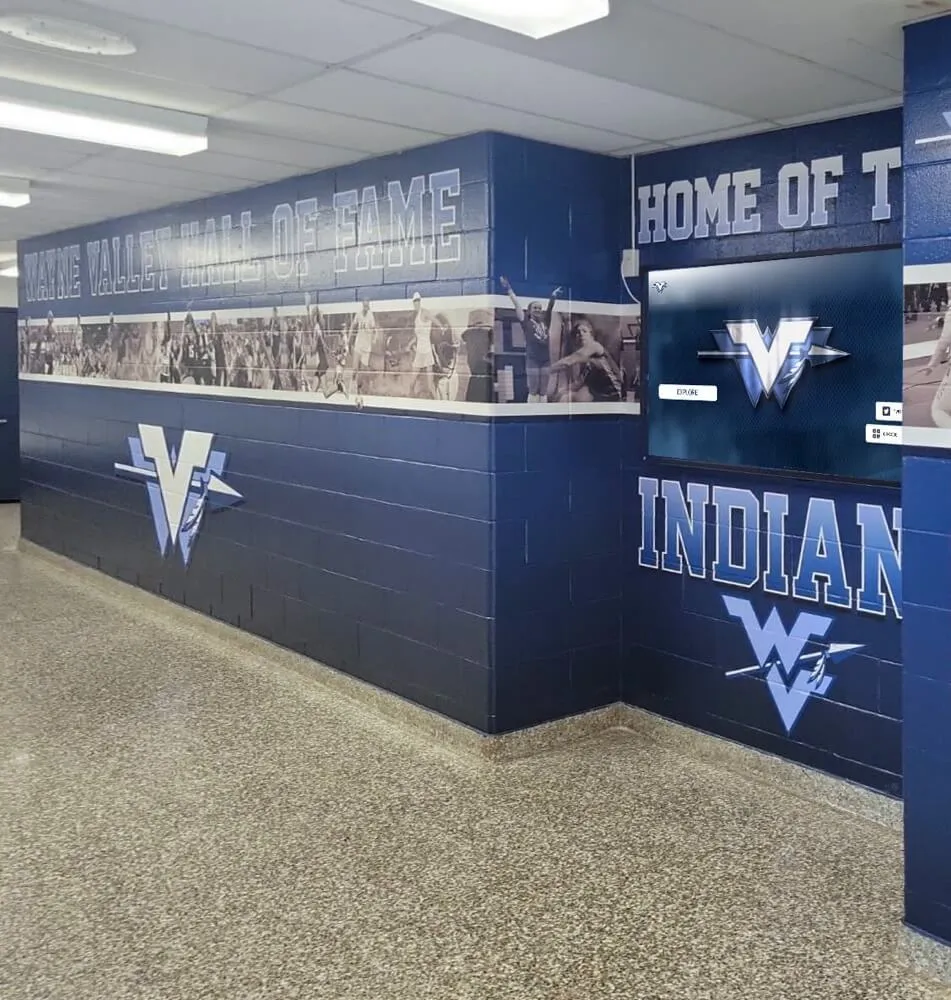
Permanent recognition displays in high-traffic school areas ensure trophy recipients receive ongoing visibility beyond ceremony presentations
Modern Alternatives: Digital Recognition Solutions
While traditional glass trophy awards maintain ceremonial significance, digital recognition platforms address capacity, storytelling, and accessibility limitations inherent to physical trophies.
Limitations of Physical Trophy Recognition
Space and Capacity Constraints
Traditional trophy programs encounter predictable challenges:
- Physical display space fills quickly as programs accumulate awards over years
- Trophy cases require ongoing expansion investments as collections grow
- Limited capacity forces difficult decisions about which achievements to display
- Older awards often relegated to storage losing visibility and recognition value
- Maintenance requirements including dusting, organization, and protection
Storytelling and Context Gaps
Glass trophies communicate limited information:
- Basic engraving provides only name, achievement, and year without context
- No capacity for achievement details, performance statistics, or accomplishment significance
- Missing connections to team rosters, season highlights, and related achievements
- Static presentation offering no exploration or discovery capabilities
- Recipients’ achievements lose visibility after brief ceremony presentation
Accessibility and Engagement Challenges
Physical trophies serve limited audiences:
- Only accessible to those physically present at display location
- No remote access for alumni, families, or broader community
- No searchability preventing easy discovery of specific individuals or achievements
- Limited engagement beyond brief viewing
- No connection to photos, videos, or supplementary materials
Digital Recognition Platform Capabilities
Unlimited Achievement Celebration
Modern digital solutions like Rocket Alumni Solutions provide comprehensive alternatives and supplements to physical trophies:
Capacity and Flexibility
- Unlimited recognition capacity unbounded by physical space constraints
- Showcase every award recipient across all achievement categories and years
- Never need to remove older achievements to accommodate new honors
- Add achievements immediately following ceremonies with no fabrication delays
- No ongoing costs for adding new recipients beyond platform subscription
Rich Achievement Profiles
- Detailed pages for each recipient documenting complete achievement context
- Performance statistics, accomplishment descriptions, and significance explanations
- Photo galleries from award ceremonies and season highlights
- Team roster connections linking individual awards to collective achievements
- Video integration when available showing championship moments
Interactive Exploration
- Searchable databases enabling visitors to find specific athletes, years, or achievements
- Filtering by sport, achievement type, year, or other relevant criteria
- Touchscreen kiosks in school lobbies and athletic facilities for on-site engagement
- Web-based access extending reach to alumni, families, and global community
- QR code integration enabling mobile exploration from physical locations
For comprehensive digital recognition implementation guidance, explore best hall of fame tools comparing different platform capabilities and approaches.
Hybrid Recognition Approaches
Combining Physical and Digital Recognition
Optimal recognition systems often blend traditional trophies with digital platforms:
Physical Trophies for Ceremonial Impact
- Glass trophy awards presented at recognition ceremonies maintaining tradition and tangible recognition
- Recipients take trophies home as permanent personal keepsakes
- Championship and premier awards displayed in trophy cases for flagship recognition
- Ceremonial presentation creates special moments and photo opportunities
- Immediate recognition recipients can hold and celebrate
Digital Platforms for Comprehensive Documentation
- Every trophy recipient featured digitally with detailed achievement information
- Historical awards spanning decades accessible in single searchable database
- Photo documentation from all award ceremonies preserved permanently
- Statistical achievements and season highlights connected to individual recognition
- Accessible to worldwide audience including distant alumni and family members
Schools implementing hybrid approaches report 60-70% higher community engagement with recognition programs compared to physical-trophy-only systems, while maintaining the ceremonial significance and personal connection that tangible awards provide.
Discover how inspiring sports quotes and visual elements enhance both traditional and digital recognition displays.
Special Considerations for Different Sports and Contexts
Sport-specific and context-specific factors influence glass trophy selection decisions.
Team Sport Trophy Considerations
Individual Awards Within Team Contexts
Team sports require recognizing both individual excellence and collective achievement:
Individual Statistical Awards
- Leading scorer, rebounder, assist leader recognition
- Defensive achievement awards and statistical category leaders
- Most improved player celebrating growth trajectory
- Coaches’ awards and team MVP recognition
- All-conference and all-state individual selections
Glass trophies work particularly well for individual awards presented at team banquets, providing each recipient with distinct, personal recognition they can display independently while complementing team championship trophies.
Team Championship Recognition
Championship teams face different trophy decisions:
- Large team trophy displayed permanently at school
- Individual player championship trophies or medals as personal keepsakes
- Coaches’ championship recognition matching player awards
- Dual approach providing both collective and individual celebration
- Budget allocation balancing team trophy investment with individual distribution
Academic Recognition Applications
Glass Awards Beyond Athletics
Glass trophy awards suit academic achievement recognition:
Scholastic Achievement Categories
- Academic excellence and highest GPA recognition by grade level
- Subject-specific departmental awards acknowledging specialized achievement
- Academic improvement and growth trajectory celebration
- National academic honor society and scholarship recognition
- Academic team competition achievements (Quiz Bowl, Math League, Science Olympiad)
Glass trophies communicate academic achievement significance comparably to athletic recognition, creating balanced institutional culture valuing intellectual accomplishment alongside competitive sports success.
Understanding comprehensive academic recognition program frameworks helps schools develop equitable, meaningful acknowledgment across all achievement domains.
Youth Sports and Age-Appropriate Selection
Considerations for Younger Athletes
Youth sports recognition requires adapted approaches:
Safety and Durability
- Weight appropriate for younger children to carry safely
- Durable construction withstanding typical youth handling
- Rounded edges and stable bases preventing injury risks
- Size appropriate for smaller hands and display spaces
- Value-conscious pricing for high-volume youth league distribution
Achievement Stage Appropriateness
- Participation focus rather than competitive hierarchy at youngest ages
- Balanced recognition ensuring all team members receive acknowledgment
- Improvement and effort celebration alongside statistical achievement
- Positive messaging through award titles and engraving text
- Fun, accessible designs appealing to youth aesthetic preferences
Youth sports programs often benefit from smaller glass awards (4-6 inches) in simpler designs, creating meaningful recognition appropriate to achievement significance while managing budget constraints common in volunteer-run organizations.
Trophy Presentation Best Practices
How glass trophy awards are presented significantly impacts recipient experience and motivational value beyond the physical trophy itself.
Ceremony Presentation Strategies
Meaningful Recognition Moments
Effective trophy presentation involves thoughtful ceremony planning:
Achievement Context Communication
- Specific accomplishment description beyond just recipient name
- Statistical achievements or performance highlights explaining award significance
- Improvement narrative for growth-focused recognition
- Contribution description for leadership and character awards
- Contextualization helping audience appreciate achievement magnitude
Presentation Format Elements
- Appropriate formality matching achievement level and setting
- Photography opportunities capturing special recognition moment
- Family invitation and involvement in major award presentations
- Peer acknowledgment and celebration creating positive culture
- Brief recipient remarks or acceptance when appropriate
Research indicates that award recipients who receive detailed achievement context during presentation demonstrate 35-40% higher long-term motivation impact compared to simple name-calling and trophy handoff approaches.
Post-Ceremony Recognition Extension
Maintaining Visibility Beyond Presentation
Trophy presentation represents beginning rather than end of recognition:
Ongoing Acknowledgment
- School and team social media features highlighting recipients
- Website and publication recognition extending audience reach
- Photo displays from award ceremonies in high-traffic areas
- Digital recognition platforms documenting achievement permanently
- Annual recognition tradition referencing historical award winners
Creating Recognition Archives
- Maintained lists of all award recipients across years
- Historical comparison and achievement timeline documentation
- Alumni access to recognition history for resumes and applications
- Institutional memory preservation celebrating program tradition
- Inspiration for current athletes through historical achievement visibility
For comprehensive digital archiving approaches, learn about digital hall of fame platforms that preserve recognition indefinitely while enabling interactive exploration.
Environmental and Sustainability Considerations
Growing environmental awareness influences trophy selection decisions for increasingly sustainability-conscious organizations.
Glass Trophy Environmental Profile
Sustainability Advantages
Glass awards offer environmental benefits compared to alternatives:
Material Sustainability
- Glass manufactured primarily from abundant natural materials (sand, soda ash, limestone)
- 100% recyclable material without quality degradation through recycling cycles
- Lower environmental impact than plastic trophy alternatives
- Crystal and glass production increasingly using recycled content
- Durable construction providing multi-generational lifespan preventing disposal
Compared to Plastic Trophies
- Glass awards avoid petroleum-based plastic materials and microplastic concerns
- Superior durability reducing replacement needs from breakage or degradation
- Recyclability at end of life versus landfill destination for most plastics
- Higher perceived value reducing likelihood of disposal after initial presentation
- Professional appearance maintaining significance encouraging long-term retention
Compared to Metal Trophies
- Lower energy requirements in glass production versus metal mining and processing
- Comparable recyclability to metal alternatives
- Often lighter weight reducing transportation environmental impact
- Potentially lower cost enabling budget reallocation to other program priorities
Sustainable Trophy Program Practices
Reducing Environmental Impact
Beyond material selection, comprehensive sustainability approaches include:
Strategic Distribution
- Thoughtful award category definition preventing over-distribution
- Quality over quantity philosophy emphasizing meaningful recognition
- Appropriate size selection avoiding waste from excessive trophy dimensions
- Digital recognition supplementing physical trophies reducing overall volume
- Lifetime achievement recognition rather than annual awards for certain categories
End-of-Life Planning
- Trophy return and recycling programs for participation awards after season
- Engraving plate replacement on perpetual trophies rather than new trophies annually
- Donation programs for gently used trophies to youth programs and organizations
- Proper recycling guidance for glass awards reaching end of useful life
- Digital recognition as primary archive with selective physical trophy distribution
Organizations implementing digital-primary recognition with selective physical trophies report 60-75% reduction in trophy acquisition while maintaining or increasing recipient satisfaction through enhanced achievement documentation and permanent visibility.
FAQ: Glass Trophy Award Selection
What’s the difference between crystal and glass trophies?
Crystal trophies contain lead oxide (traditionally 24%+ in leaded crystal) or are made from lead-free optical crystal, providing superior clarity, brilliance, and light refraction compared to standard glass. Crystal has higher density creating more substantial weight, produces a distinctive ring when tapped, and costs significantly more ($50-$300+) than standard glass awards ($15-$100). Glass trophies include jade glass (with subtle green tint) and clear glass, offering professional appearance at lower price points suitable for broader distribution and budget-conscious recognition programs.
How much do glass trophy awards typically cost?
Glass trophy awards range from $15-$40 for economy options (simple clear or jade glass with basic engraving) to $40-$100 for mid-range recognition (quality jade glass or basic crystal with enhanced customization), $100-$250 for premium trophies (optical crystal with complex engraving and upgraded bases), and $250-$500+ for elite awards (designer crystal pieces with extensive customization). Total costs depend on material quality, size, base selection, engraving complexity, color fills, and order volume. Schools typically allocate $3,000-$8,000 annually for comprehensive trophy programs recognizing 100-200+ athletes across achievement categories.
How long does it take to receive custom glass trophy awards?
Standard glass trophy orders with custom engraving typically require 2-3 weeks from order placement to delivery, allowing production time, personalization, quality control, and shipping. Rush service (7-10 business days) may be available for simple designs at 25-50% premium cost, while custom trophy shapes and complex orders require 4-6 weeks. Best practice involves beginning vendor selection 8 weeks before ceremony and placing final orders 4-6 weeks prior to presentation, providing adequate timeline buffer for design approval, production, delivery, and potential issue resolution.
Can glass trophies be used for youth sports recognition?
Yes, glass trophies work well for youth sports when appropriately sized and designed. Select smaller awards (4-6 inches) with stable bases, rounded edges, and manageable weight for young athletes. Choose economy glass options ($15-$40) managing costs for large team distributions while maintaining quality appearance superior to plastic alternatives. Glass trophies communicate achievement significance appropriately for youth contexts while providing durable keepsakes families will retain. Ensure age-appropriate achievement messaging focusing on participation, improvement, and positive development rather than purely competitive outcomes for youngest age groups.
What are alternatives to traditional glass trophy awards?
Modern digital recognition platforms provide compelling alternatives and supplements to physical trophies, offering unlimited capacity unbounded by space constraints, detailed achievement profiles with photos and statistics, searchable databases enabling easy discovery, interactive touchscreen exploration in school facilities, and web-based access for worldwide audiences. Solutions like Rocket Alumni Solutions showcase every recipient across all years without removal needs, preserve comprehensive achievement context beyond simple engraving, and enable immediate recognition following ceremonies. Hybrid approaches combining ceremonial glass trophy presentations with digital documentation provide both tangible recognition and comprehensive long-term visibility.
How should I select glass trophy sizes for different achievement levels?
Trophy size should communicate achievement significance: championship and premier awards (10-16 inches, $75-$400+) for top-tier recognition, seasonal major awards like MVP (8-12 inches, $35-$150) for individual excellence, team captain and statistical leaders (7-10 inches) for regular recognition, and participation awards (4-7 inches, $15-$60) for broader distribution. Establish clear hierarchy ensuring championship trophies visibly exceed seasonal awards, which in turn surpass participation recognition. Consistent sizing within achievement tiers creates clear communication about relative significance while managing budget through appropriate investment allocation across recognition spectrum.
Selecting Glass Trophy Awards That Celebrate Achievement Appropriately
Glass trophy awards represent sophisticated, elegant recognition solutions that schools, coaches, and athletic programs leverage to honor exceptional achievement with appropriate prestige and lasting appeal. When organizations invest in quality glass trophies matching achievement significance, implement thoughtful size hierarchies communicating relative honor importance, and present awards with meaningful context celebrating recipient accomplishments, they create motivational recognition that athletes and students value throughout their lives.
The buyer’s guidance and selection frameworks explored throughout this comprehensive guide provide practical direction for navigating glass trophy decisions from material quality evaluation and customization options to budget allocation strategies and vendor selection criteria. Understanding crystal versus standard glass characteristics, appropriate sizing for different achievement tiers, engraving techniques and enhancement capabilities, and realistic timeline requirements ensures trophy investments create the professional presentation and lasting impression deserving achievers expect.
Successful glass trophy programs balance competing priorities—honoring achievement significance through appropriate quality and size while managing budget constraints, maintaining traditional recognition ceremonies while leveraging digital platforms for comprehensive documentation, celebrating individual excellence while creating inclusive recognition cultures, and providing tangible awards recipients treasure while ensuring long-term achievement visibility. Organizations implementing thoughtful approaches addressing these considerations create recognition that appropriately celebrates competitive and academic excellence while inspiring continued pursuit of achievement.
Transform Your Recognition Program Beyond Traditional Trophies
Discover how modern digital recognition solutions can complement your glass trophy presentations with unlimited capacity, rich achievement storytelling, and interactive features that traditional awards alone cannot provide—creating comprehensive celebration of excellence accessible to your entire community.
Explore Recognition SolutionsMost importantly, remember that trophies—whether glass, crystal, or any other material—ultimately serve as symbols representing dedication, achievement, and excellence rather than ends in themselves. While material quality, engraving precision, and presentation aesthetics matter in creating recognition that recipients appreciate, what truly distinguishes exceptional trophy programs is their integration into comprehensive recognition cultures that celebrate diverse achievements, communicate institutional values, and inspire continued excellence across entire communities.
Whether you select premium crystal for championship recognition, quality jade glass for seasonal awards, or economy glass options for broader distribution—or increasingly supplement physical trophies with digital platforms providing unlimited recognition capacity—focus your program on the achievements being honored and the inspiration they provide. Create recognition systems that preserve memories, demonstrate progression, celebrate success, and motivate others to pursue their own excellence. When trophy programs authentically honor achievement while creating accessible, meaningful recognition, they become valuable components of athletic and academic environments that strengthen dedication and celebrate competitive and intellectual success for generations.
Your athletes and students deserve recognition matching the significance of achievements they’ve earned through dedication, talent, and persistent effort. Start with clear objectives about what you want your trophy program to accomplish, select appropriate glass awards matching achievement hierarchy and budget parameters, invest in quality solutions providing lasting value, and create recognition that celebrates excellence while inspiring continued competitive and academic pursuit. For additional recognition approaches, explore comprehensive senior living recognition strategies applicable across diverse contexts beyond athletics and academics.