



Graduation cap and gown selection represents far more than ordering ceremonial attire—these traditional academic regalia become the backdrop for yearbook photos, recognition displays, and milestone images that graduates and schools preserve for decades. The decisions schools make about cap-and-gown specifications, customization policies, and photography timing directly impact how well these images serve both immediate yearbook needs and long-term institutional archives.
Yet many schools approach cap-and-gown planning as a last-minute logistical task rather than recognizing its connection to permanent documentation. Generic vendor packages produce inconsistent regalia that photographs poorly, rushed photo sessions result in unflattering yearbook images, and unclear customization policies create confusion about what decorations graduates can add to their caps. Meanwhile, schools miss opportunities to create cohesive visual records that celebrate graduating classes while maintaining professional presentation standards.
This comprehensive guide walks through every aspect of graduation cap and gown selection, from choosing regalia specifications that photograph well to establishing customization guidelines and coordinating professional cap-and-gown photo sessions that produce yearbook-worthy images destined for permanent school recognition displays.
Effective graduation cap and gown planning requires coordination between administrators, yearbook staff, and photography vendors months before graduation ceremonies. Schools that excel at this process create systematic approaches ensuring every graduating senior has professional-quality images suitable for yearbooks, digital recognition displays, and institutional archives that preserve class histories for future generations.

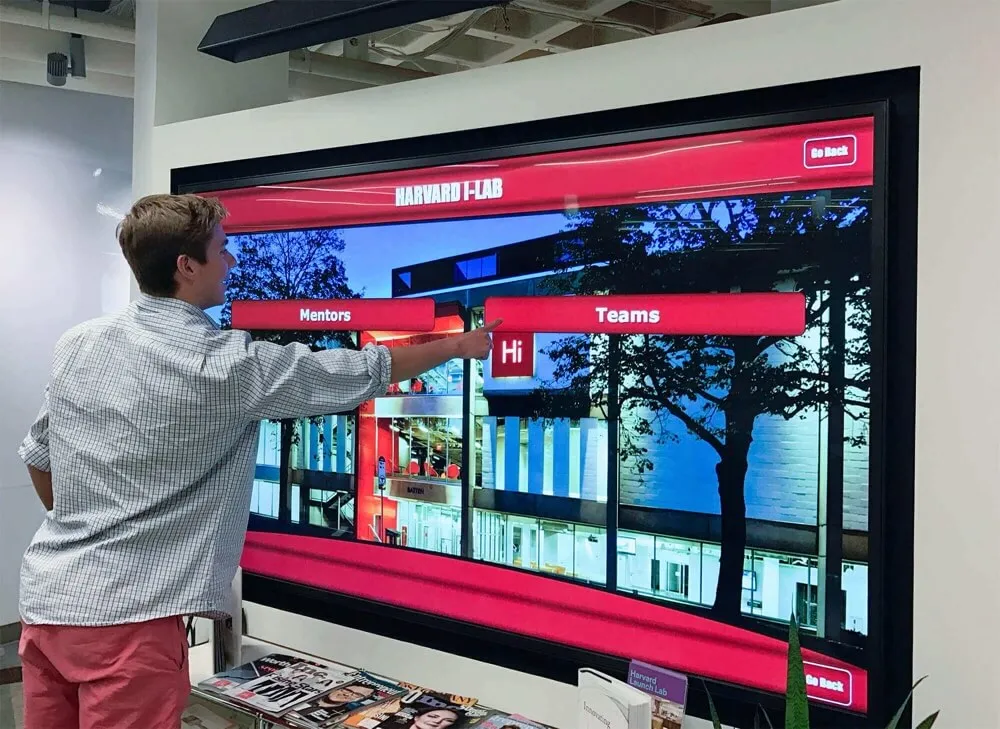
Professional graduate portraits in cap and gown become permanent institutional records displayed in school recognition systems for decades
Understanding Academic Regalia: Cap and Gown Basics for High Schools and Colleges
Before selecting graduation cap and gown packages, schools need clear understanding of regalia components, traditional meanings, and options available at different educational levels.
Standard Cap and Gown Components
Traditional graduation regalia consists of specific elements with defined purposes:
Graduation Gown (Academic Robe)
- Floor-length robe with pointed sleeves for bachelor’s degrees or open sleeves for high school
- Available in matte, shiny, or eco-friendly fabric options
- Color traditionally matches school colors or uses standard black
- Sizing based on height and body measurements
- Front zipper closure standard on modern gowns
- Typically $25-$45 purchase price or $15-$30 rental
Graduation Cap (Mortarboard)
- Square academic cap with horizontal board and center button
- Tassel attached to center button, positioned right side before degree conferral
- Elastic or adjustable band for secure fit
- Cardboard mortarboard covered in matching fabric
- Standard one-size-fits-most design
- Cost typically included with gown package
Tassel
- Colored cord with decorative end hanging from cap
- Positioned on right side before graduation, moved to left after receiving diploma
- Colors often indicate graduation year, school colors, or academic honors
- Special colors sometimes designate honors (gold for honors societies)
- Detachable design allowing graduates to keep as mementos
Optional Regalia Additions
- Honor cords marking academic achievement, honor societies, or special recognitions
- Stoles representing cultural organizations, academic departments, or affiliations
- Medals or pins for specific awards or achievements
Understanding these standard components helps schools make informed decisions about what to require, what to allow as additions, and how to create cohesive appearances in group photographs.
Learn about comprehensive student recognition in academic achievement display systems that celebrate graduating classes.
High School vs. College Regalia Differences
Graduation cap and gown traditions vary significantly between educational levels:
High School Regalia Standards
- Usually single school color or class colors distinguishing each graduation year
- Simpler gowns without sleeves indicating degree level
- More flexible customization policies allowing decorated caps
- Often includes school name, year, or logo printed on regalia
- Lower cost range making purchase rather than rental more common
- Coordinated class appearance prioritized for ceremony unity
College and University Regalia
- Traditional black gowns at bachelor’s level regardless of institutional colors
- Sleeve types indicating degree level (pointed for bachelor’s, closed for master’s, bell for doctoral)
- Hood colors and designs representing specific degree fields and institutions
- More formal standards with minimal customization typically allowed
- Higher costs often leading to rental rather than purchase
- Individual expression through honors cords and stoles rather than cap decoration
Community College and Technical School Variations
- Associate degree regalia similar to bachelor’s but sometimes in school colors
- Certificates programs may use alternative regalia or professional attire
- More flexibility in color choices and customization
- Cost-conscious options prioritizing affordability
These differences matter significantly when planning yearbook photography—high school images often emphasize class unity and personality through coordinated colors and customized caps, while college portraits focus on traditional academic formality.
Color Meanings and Selection Strategies
Graduation cap and gown colors carry traditional academic significance:
Standard Academic Colors
- Black: Traditional for bachelor’s degrees and classic choice
- White: Often used for nursing, sometimes for high school ceremonies
- Royal blue or navy: Common high school colors
- School colors: Matching institutional identity
Honor Colors and Special Designations
- Gold or yellow: Often indicates honors achievements
- Silver or white: May designate high academic standing
- Purple: Sometimes used for doctoral degrees or special recognitions

Standardized cap-and-gown photography creates professional portrait collections suitable for yearbooks and permanent recognition displays
Schools selecting graduation regalia colors should consider:
- Established traditions and precedent from previous years
- How colors photograph in both individual portraits and group ceremonies
- Whether colors create sufficient contrast for clear yearbook reproduction
- Cost implications of custom colors versus standard options
- Student preferences balanced against maintaining ceremony dignity
Explore student celebration approaches in class recognition and milestone events that mark senior year accomplishments.
Selecting Graduation Cap and Gown Vendors: Quality, Timing, and Coordination
Vendor selection significantly impacts regalia quality, photography results, and overall graduation planning success.
Evaluation Criteria for Cap and Gown Suppliers
Key factors when comparing graduation regalia vendors:
Quality and Appearance Standards
- Fabric quality affecting how gowns drape and photograph
- Color consistency across entire graduating class
- Tassel and trim quality and durability
- Mortarboard sturdiness and appearance
- Sizing accuracy and range accommodating all students
Ordering and Distribution Logistics
- Minimum lead time required for orders
- Measurement and sizing processes
- Distribution methods and timing
- Exchange policies for incorrect sizes
- Backup inventory for last-minute needs
Photography Coordination Capabilities
- Timing compatibility with yearbook photo schedules
- Early delivery options for cap-and-gown portrait sessions
- Rental programs allowing extended use for multiple photo dates
- Coordination with professional photography vendors
- Package options including graduation announcements and photos
Cost Structures and Student Support
- Purchase versus rental pricing
- Package deals including photos and announcements
- Financial assistance programs for students facing hardship
- Payment plan options reducing upfront burden
- What’s included versus additional cost add-ons
Customer Service and Support
- Representative availability for planning meetings
- Responsiveness to sizing issues and problems
- Experience working with schools and yearbook requirements
- References from other schools of similar size
- Established track record versus newer companies
Many schools discover too late that the lowest-cost vendor produces regalia that photographs poorly, arrives too late for yearbook photo sessions, or creates sizing nightmares requiring extensive exchanges. Prioritizing quality and coordination capability over lowest price prevents graduation planning disasters.
Timing Considerations for Yearbook Photography
Coordinating cap-and-gown delivery with yearbook photo deadlines presents significant planning challenges:
Traditional Yearbook Photography Timeline
- Senior cap-and-gown portraits typically shot September-November
- Yearbook design and page layout December-February
- Final yearbook submission to printers March-April
- Yearbook distribution typically May, around graduation time
- Photography must occur 6-8 months before graduation ceremony
Cap and Gown Delivery Options
- Standard graduation orders typically delivered late April/early May
- Early delivery programs providing regalia for fall photo sessions
- Extended rental periods covering both photos and ceremony
- School purchase programs keeping regalia for annual yearbook use
- Hybrid approaches with purchased caps/gowns for photos, rental for ceremony
Coordination Solutions
- Order separate yearbook photography regalia from ceremony regalia
- Purchase matching sample sets in multiple sizes for portrait sessions
- Negotiate early delivery arrangements with graduation vendors
- Schedule makeup photo sessions closer to graduation for late enrollees
- Create consistent photography standards using available regalia
Schools must explicitly discuss yearbook photography timing when selecting vendors, ensuring contracts address early delivery needs or provide alternative solutions that don’t force choosing between quality yearbook portraits and ceremony regalia.
Discover preservation approaches in digital archive systems for schools that maintain graduate records permanently.
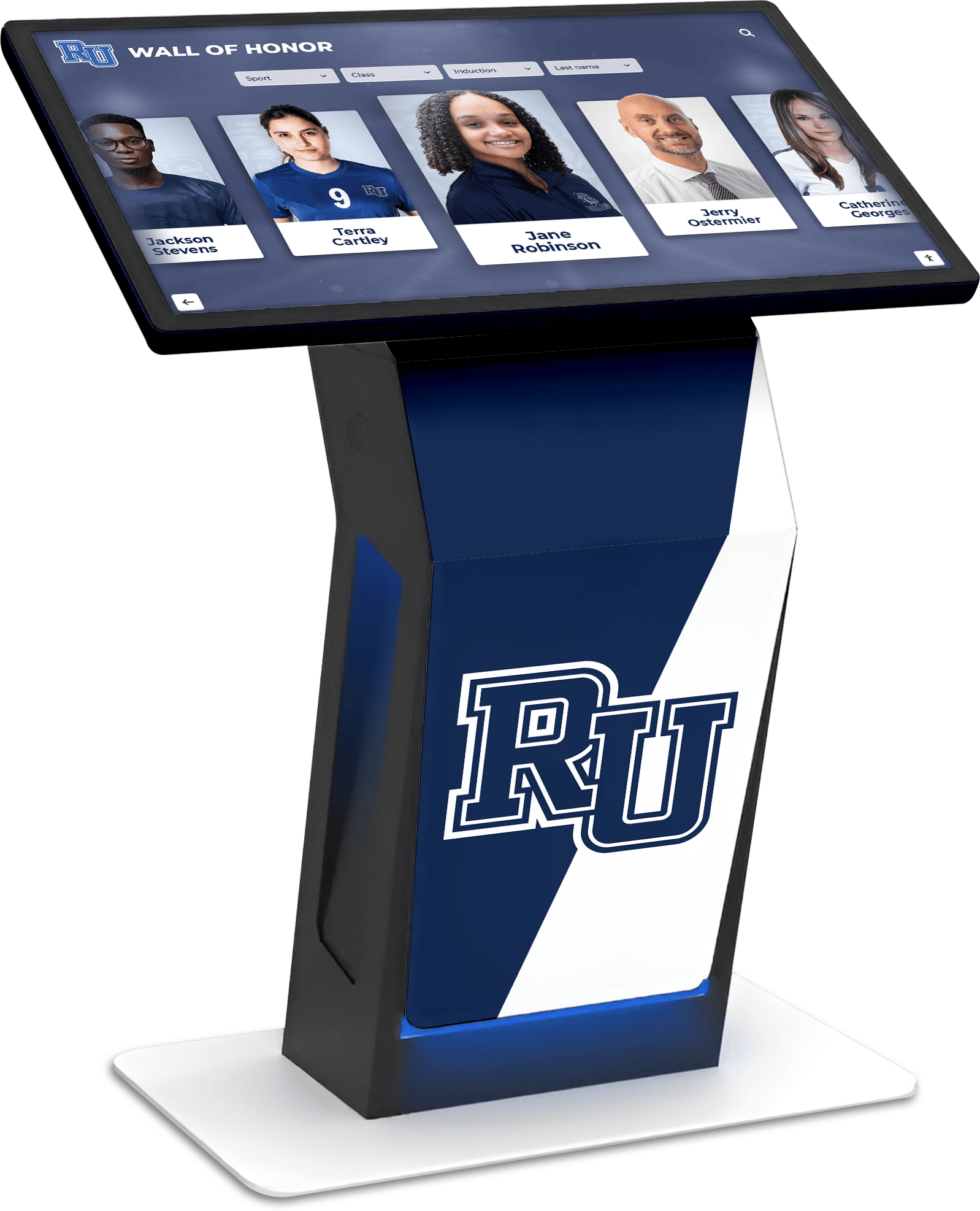
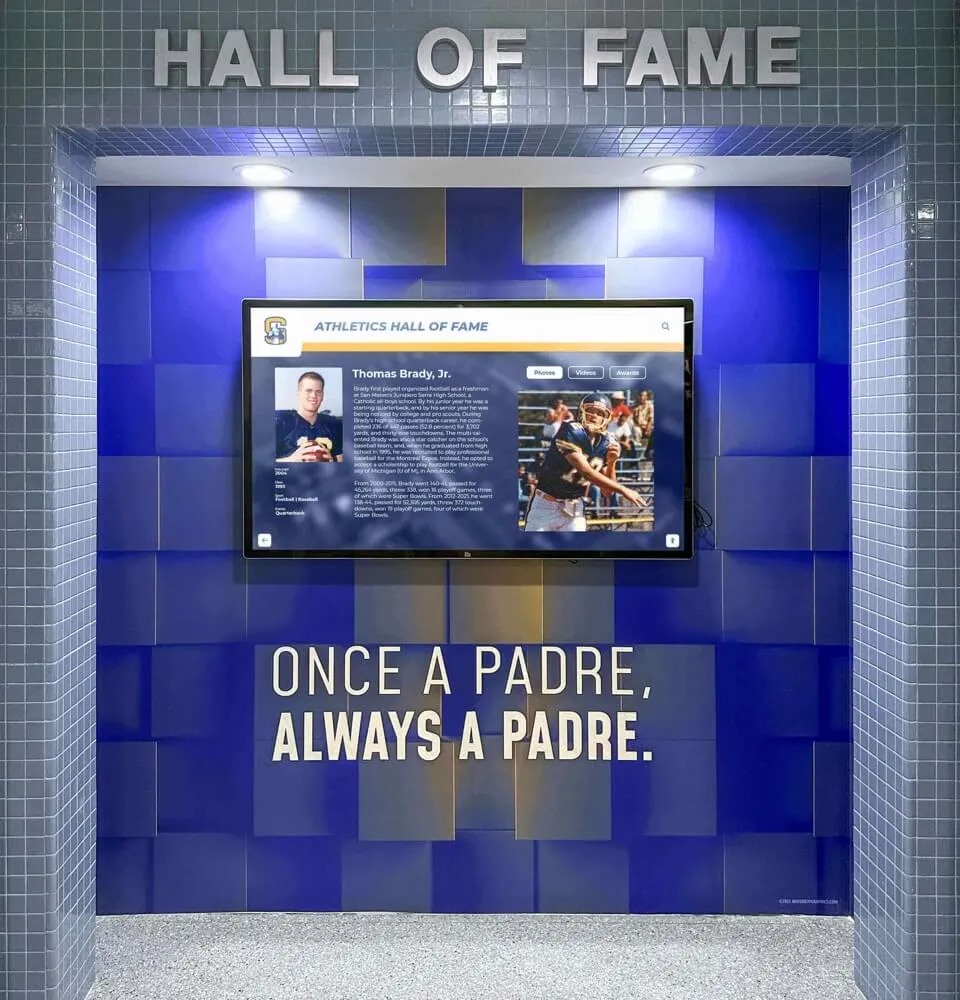
Digital recognition systems preserve graduate cap-and-gown portraits in searchable archives accessible to future classes and alumni
Cap Decoration and Customization: Policies, Ideas, and Photography Considerations
Graduation cap decoration has become increasingly popular, particularly at high schools, creating both opportunities for personal expression and challenges for maintaining cohesive yearbook photography.
Establishing Clear Decoration Policies
Schools need explicit policies addressing what customization is allowed:
Common Policy Approaches
- Full permission: Allow any decoration meeting basic appropriateness standards
- Themed decoration: Specific theme (college-bound, future plans, etc.)
- Limited decoration: Simple additions only (tassel charm, small item)
- No decoration: Traditional plain caps maintaining formal ceremony appearance
Typical Decoration Guidelines
- Size restrictions (decorations must fit within mortarboard surface)
- Attachment methods (no pins puncturing regalia, adhesives that remove cleanly)
- Content appropriateness (no offensive language, controversial imagery, or copyright violations)
- Photography timing (decorations added after formal portraits or allowed in photos)
- Removal requirements (decorations off during ceremony or allowed throughout)
Special Considerations for Yearbook Photography
- Whether cap-and-gown portraits include decorations or show plain caps
- Separate photo sessions for formal portraits versus personality photos
- Digital editing policies for yearbook standardization
- Individual versus group photo decoration policies
- How to handle students who exceed decoration guidelines
Clear policies communicated early prevent last-minute conflicts when students arrive at yearbook photo sessions with elaborate cap decorations expecting them to appear in formal portraits, or when ceremony day arrives with caps violating unpublished restrictions.
Popular Cap Decoration Ideas and Trends
When schools allow customization, common decoration approaches include:
Academic and Future Plans Themes
- College logos and names for four-year university commitments
- Military branch insignia for enlistees
- Trade school or technical program symbols
- Academic major or field of study representations
- Graduate school acceptance acknowledgments
- Career field symbols and professional aspirations
Personal Interest and Achievement Displays
- Sports participation and team affiliations
- Arts and music accomplishments
- Club and organization memberships
- Volunteer work and service projects
- Cultural heritage and identity celebrations
- Inspirational quotes and personal mottos
Creative Decoration Techniques
- Vinyl lettering and adhesive designs
- Fabric and ribbon embellishments
- Painted designs and artwork
- Photographs and printed images
- Rhinestones, sequins, and glitter applications
- Three-dimensional additions like flowers or small objects
Photography-Friendly Decoration Guidelines
- Flat designs photograph better than three-dimensional additions
- High contrast colors show clearly in both color and black-and-white photos
- Clean, simple designs remain visible at distances
- Avoid reflective materials creating glare in photography
- Consider how decorations appear from straight-on versus angled views
Schools allowing cap decoration should provide guidelines specifically addressing how decorations photograph, preventing students from investing time and money in elaborate designs that become invisible or distracting in yearbook images.
Explore recognition customization in digital display content creation approaches for school recognition systems.
Balancing Personalization and Professional Appearance
The tension between individual expression and coordinated class presentation requires thoughtful resolution:
Arguments for Allowing Decoration
- Recognizes graduating senior individuality and personal achievement
- Creates memorable, personality-filled yearbook images
- Reflects contemporary graduation trends students expect
- Provides creative outlet and pre-graduation activity
- Generates social media engagement and school publicity
Arguments for Plain Cap Standards
- Maintains formal, dignified ceremony appearance
- Creates cohesive, professional yearbook photography
- Prevents competitive decoration escalation
- Avoids controversial, offensive, or divisive displays
- Preserves traditional academic ceremony solemnity
- Reduces pressure on students unable to afford elaborate decorations
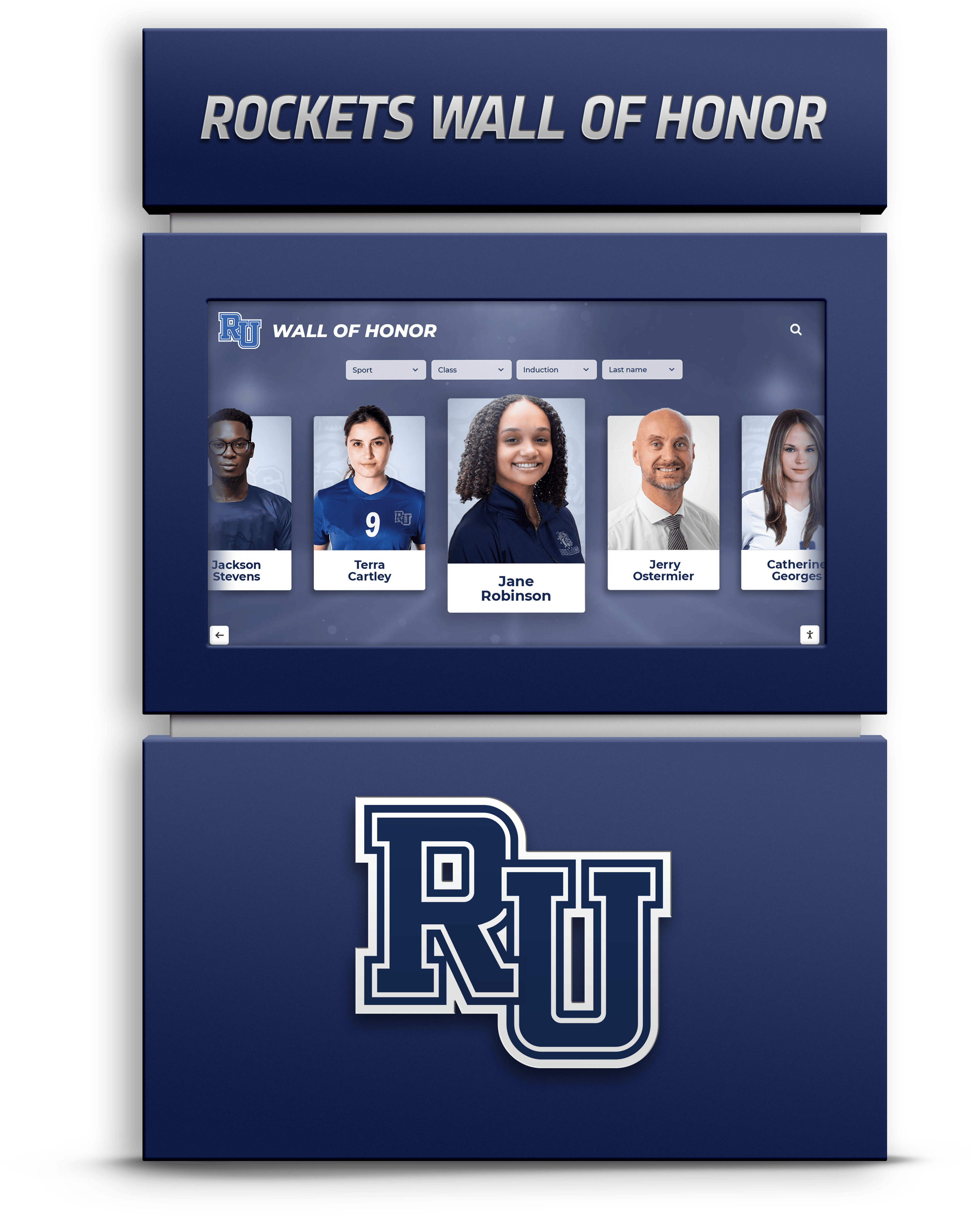
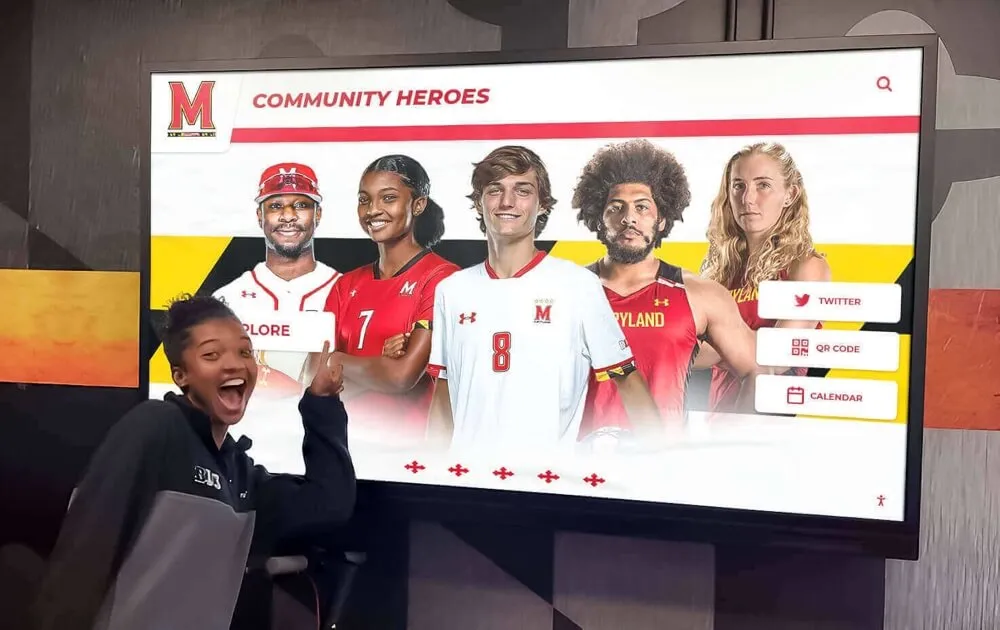
Formal cap-and-gown portraits maintain professional appearance suitable for permanent recognition displays accessed by alumni and community members
Compromise Solutions
- Formal portraits with plain caps, separate session allowing decorations
- Decoration allowed at ceremony but not in yearbook photos
- Group ceremony photos without decorations, individuals may add afterward
- Decoration areas on sides or back of caps not visible in posed portraits
- School-provided decoration templates ensuring appropriate, coordinated designs
- Digital overlay options allowing personalization without physical decoration
The best approach aligns with your school culture, student expectations, and the purposes your cap-and-gown photos serve—whether prioritizing personality-filled yearbook images or professional portraits for formal recognition displays.
Professional Cap and Gown Photography: Techniques for Quality Yearbook Portraits
High-quality cap-and-gown photography requires more than pointing cameras at students wearing regalia—professional techniques ensure consistent, flattering images suitable for yearbooks and permanent displays.
Photography Setup and Technical Standards
Professional cap-and-gown portrait sessions require specific technical approaches:
Lighting Specifications
- Consistent, controlled lighting eliminating harsh shadows
- Three-point lighting setup creating dimensional, flattering portraits
- Soft, diffused light preventing shiny fabric glare on gowns
- Balanced exposure maintaining detail in both dark gowns and lighter backgrounds
- Color-corrected lighting ensuring accurate reproduction of regalia colors
Background Selection
- Neutral backgrounds keeping focus on graduates rather than environment
- School colors or traditional academic backgrounds reinforcing institutional identity
- Consistency across all graduates creating cohesive yearbook page layouts
- Physical or digital backgrounds maintaining professional appearance
- Green screen options allowing flexible background selection during editing
Camera and Lens Choices
- Portrait-length focal lengths (85mm-135mm) providing flattering perspective
- Sufficient depth of field keeping entire cap and gown in focus
- High-resolution capture supporting both yearbook printing and large displays
- RAW file capture allowing post-processing flexibility
- Consistent camera settings across entire senior class
Cap and Gown Positioning
- Tassel positioned consistently (typically right side before graduation)
- Gown front centered and straight, collar positioned properly
- Cap angle tilted slightly forward preventing shadow on face
- Mortarboard level rather than crooked or sliding backward
- Cords and stoles arranged symmetrically and attractively
Professional yearbook photographers master these technical elements, but schools using parent volunteers or less experienced photographers should create detailed checklists ensuring consistency across hundreds of senior portraits.
Posing and Presentation Standards
Consistent posing creates cohesive yearbook layouts while flattering individual graduates:
Standard Senior Portrait Poses
- Formal straight-on pose with slight body angle (¾ view)
- Face toward camera with natural, relaxed expression
- Shoulders positioned at slight angle creating depth
- Hands clasped if included in frame, natural position
- Confident posture with shoulders back, chin slightly forward
Cap and Gown-Specific Adjustments
- Cap positioned to show face clearly without excessive shadow
- Tassel draped naturally rather than obscuring features
- Gown collar smooth and centered, no bunching or gapping
- Honor cords and stoles visible and symmetrically arranged
- Front zipper or closure completely hidden from camera angle
Flattering Photography Techniques
- Camera height at or slightly above eye level preventing unflattering angles
- Slight downward chin tilt lengthening neck and defining jawline
- Natural smile coaching producing genuine expressions rather than forced grins
- Eye focus creating engagement and connection in portraits
- Relaxation techniques helping nervous students appear comfortable
Consistency Versus Flexibility Balance
- Core positioning consistent across all graduates for yearbook unity
- Minor adjustments accommodating individual features and comfort
- Multiple shots ensuring at least one excellent option per student
- Time management maintaining quality while photographing hundreds of seniors
Schools should establish specific posing standards with their photography vendors, reviewing sample images before shooting begins and monitoring early sessions to ensure results meet expectations.
Discover recognition photography in alumni gathering and display approaches for institutional spaces.
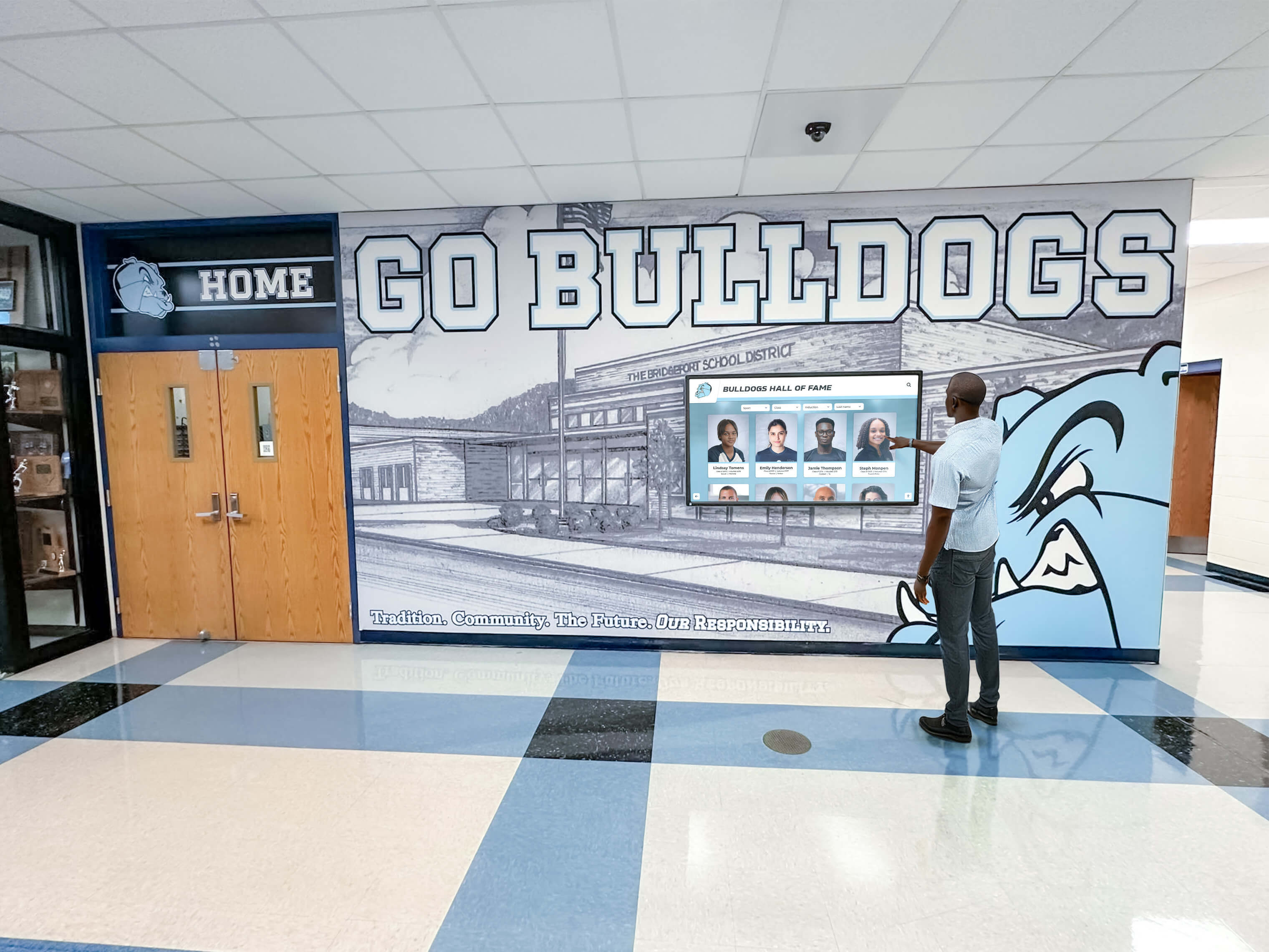
Well-composed graduate portraits transfer seamlessly from yearbooks to interactive digital displays where alumni explore class histories
Group Photography and Class Composites
Beyond individual portraits, many schools create group cap-and-gown photography:
Traditional Class Composite Options
- Full class group photo with all graduates in formation
- Alphabetical arrangement by last name or homeroom groups
- Risers or bleacher arrangement ensuring all faces visible
- Outdoor campus locations versus gymnasium or auditorium settings
- Formal posed groups versus candid gathering photos
Specialized Group Photos
- Honors graduates with special cords or recognition
- Scholarship recipients and award winners
- Student organization leadership groups
- Athletes in cap-and-gown with sport-specific elements
- Cultural affinity groups and special populations
Technical Challenges and Solutions
- Sufficient depth of field keeping all rows in focus
- Lighting challenges in large group settings
- Coordinating schedules to gather entire class simultaneously
- Managing large groups efficiently within limited time
- Weather backup plans for outdoor photography
Digital Assembly Options
- Individual portraits digitally assembled into class composites
- Eliminates scheduling challenges of gathering entire class
- Allows perfect consistency in lighting and positioning
- May appear less authentic than true group photography
- Cost-effective for schools with scheduling constraints
Many schools create both individual portraits for yearbook pages and group composites for common areas, senior hallways, or digital displays, maximizing the documentation value of cap-and-gown photography sessions.
Coordinating Cap and Gown Photos With Yearbook Production
Successful integration of cap-and-gown portraits into yearbooks requires coordination between photography, yearbook staff, and graduation planning.
Yearbook Design Considerations
Cap-and-gown portrait quality and specifications directly impact yearbook design:
Senior Section Layout Options
- Traditional grid layouts with uniform portrait sizes
- Featured seniors with larger photos and biographical information
- Creative layouts incorporating candid photos alongside formal portraits
- Alphabetical arrangement versus thematic grouping
- Space allocation for names, honors, quotes, and activities
Portrait Specification Requirements
- Consistent aspect ratio across all portraits (typically 2:3 or 3:4)
- Sufficient resolution for print reproduction (typically 300 DPI minimum)
- Color profiles matching yearbook printing standards
- Background consistency allowing seamless layout integration
- File naming conventions enabling accurate identification
Photo Delivery Format
- Digital files in specified formats (typically JPEG or TIFF)
- Organized folder structure matching yearbook staff needs
- Metadata including graduate names and relevant information
- Retouching standards agreed upon in advance
- Delivery timeline supporting yearbook production schedule
Missing and Makeup Photo Protocols
- Procedures for students absent from original photo sessions
- Deadline for makeup photos before yearbook finalization
- Generic silhouette or placeholder for students refusing photography
- How to handle students enrolling after photo sessions complete
- Consistency standards for photos taken on different dates
Yearbook advisors should provide detailed specifications to photography vendors months before sessions begin, ensuring delivered portraits meet technical requirements without requiring extensive post-processing.
Digital Recognition Display Integration
Modern schools increasingly use cap-and-gown portraits beyond traditional yearbooks:
Interactive Recognition Systems
- Digital displays in school lobbies featuring graduate databases
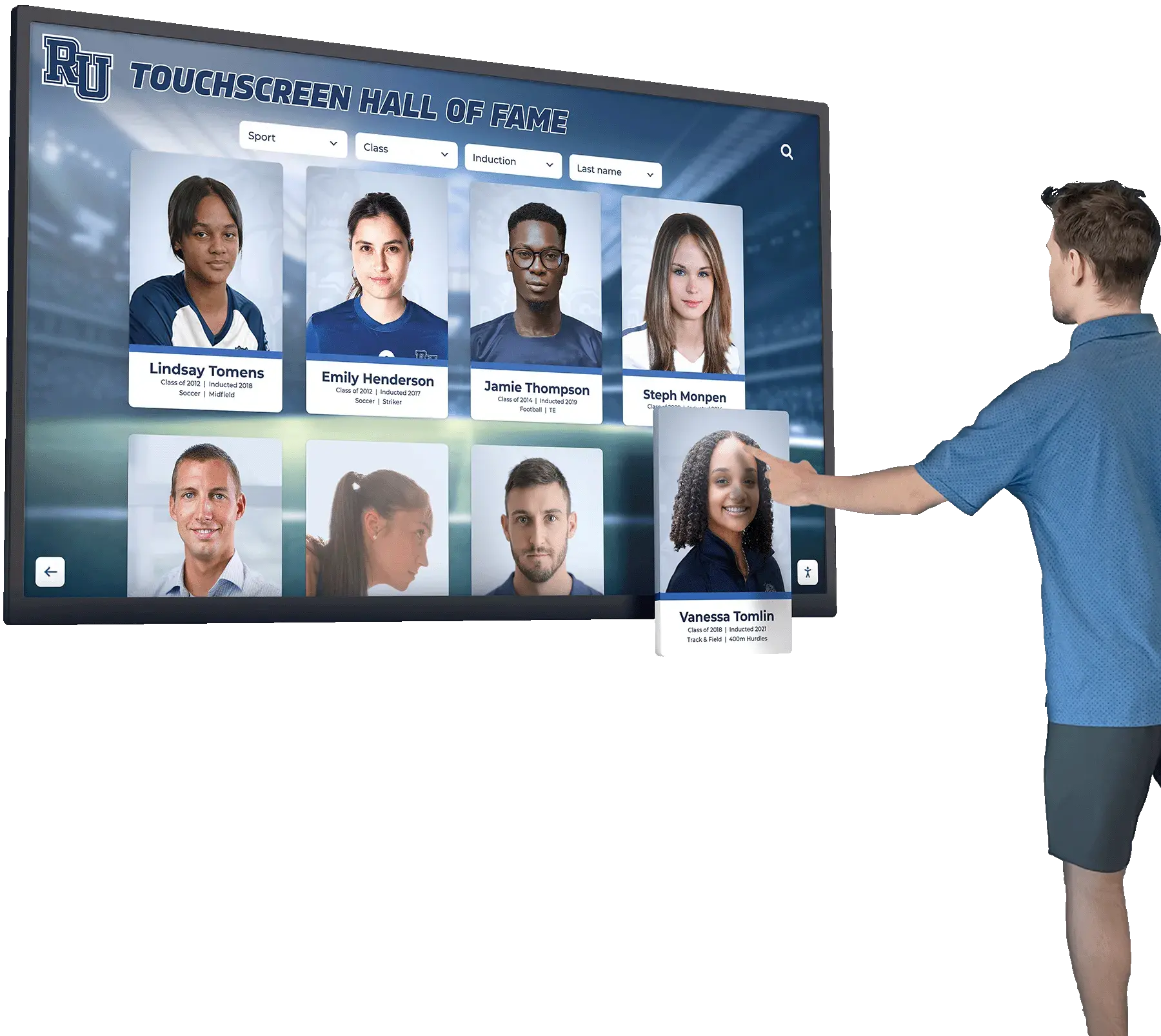
- Touchscreen systems allowing exploration of class histories
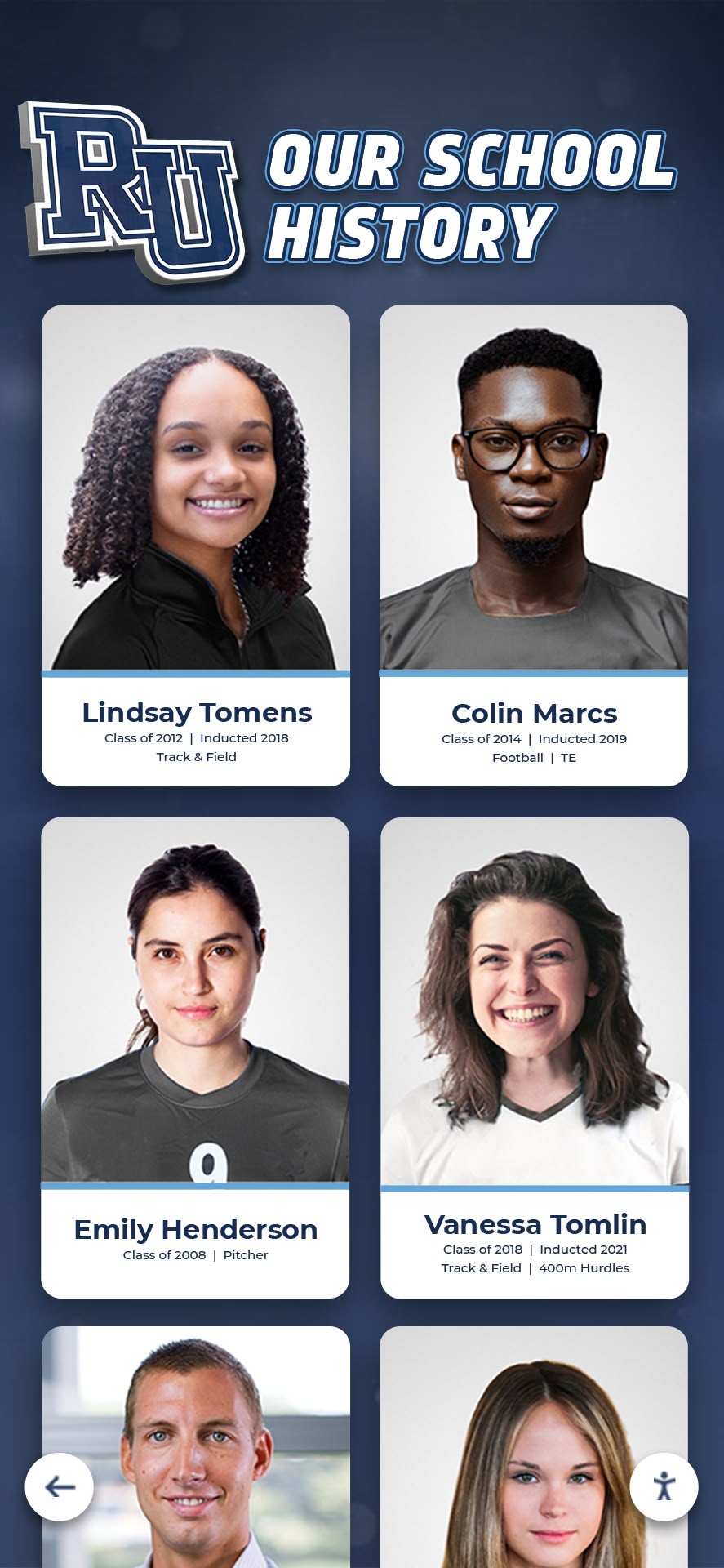
- Searchable archives with graduation years, achievements, and photos
- Mobile-responsive platforms accessible to alumni remotely
- Annual updates adding each new graduating class
Technical Requirements for Digital Displays
- Higher resolution than yearbook printing requires
- Metadata integration linking photos to biographical information
- Portrait orientation optimized for digital display screens
- Uniform background specifications enabling clean interface design
- Rights and permissions allowing indefinite digital display
Content Enhancement Opportunities
- Video messages or clips alongside static portraits
- Achievement badges and honor designations
- College destinations and post-graduation updates
- Alumni career information and accomplishments
- Social media integration connecting current and graduated classes
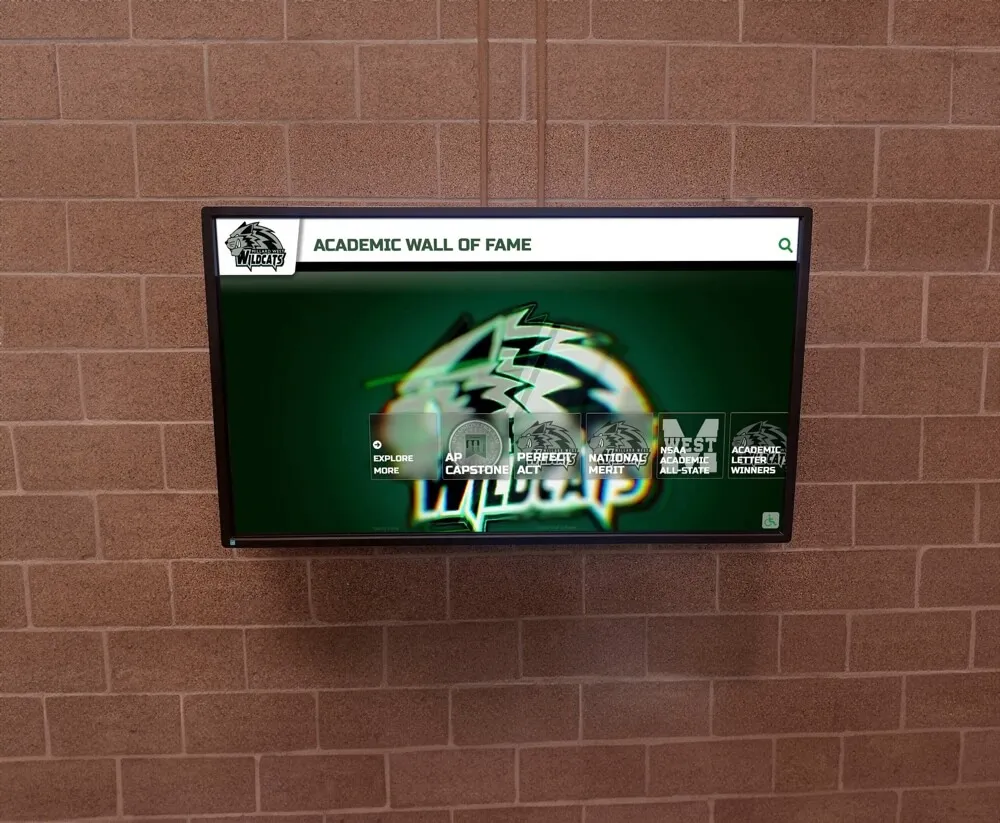
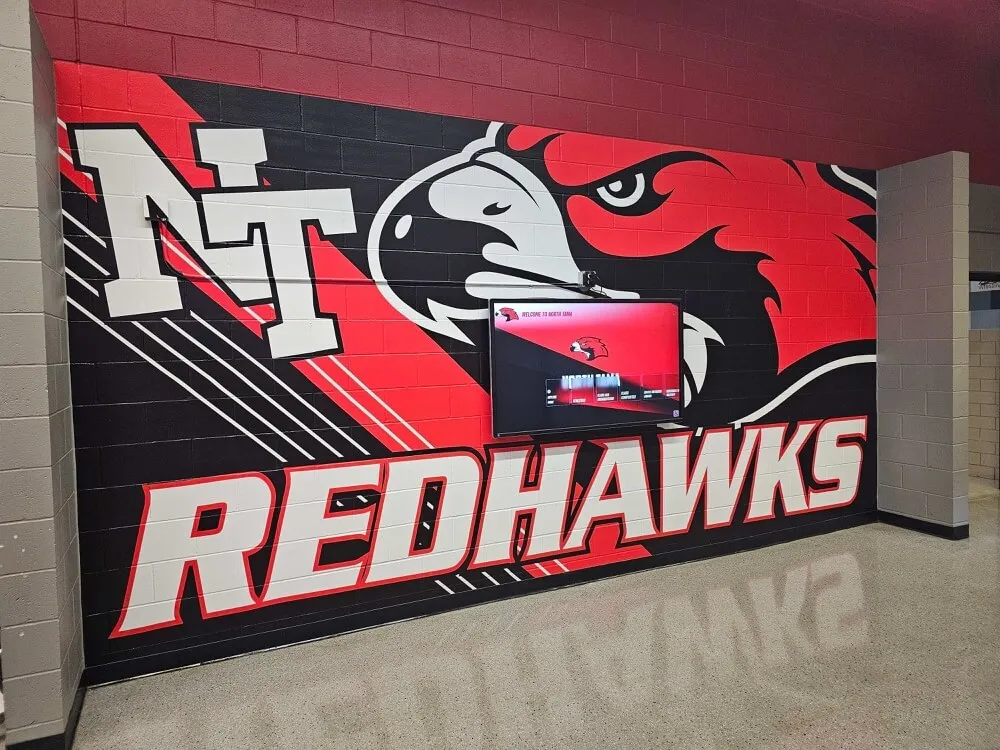
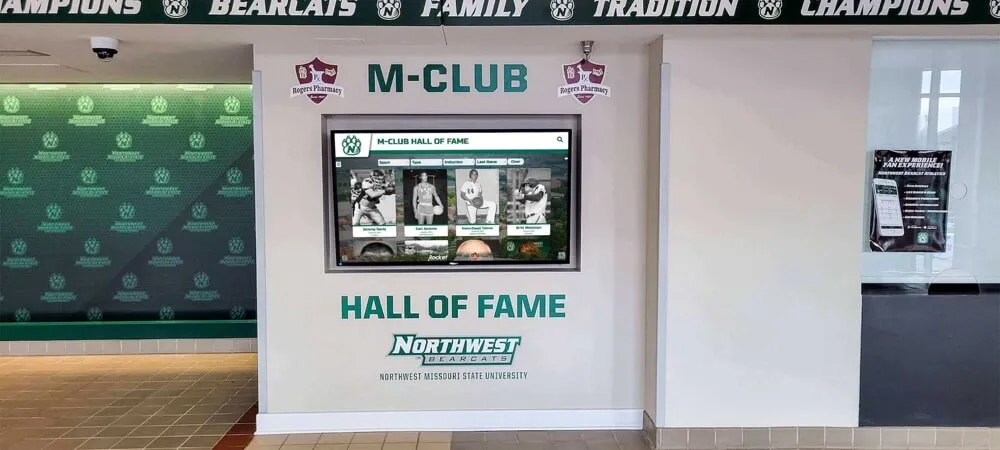
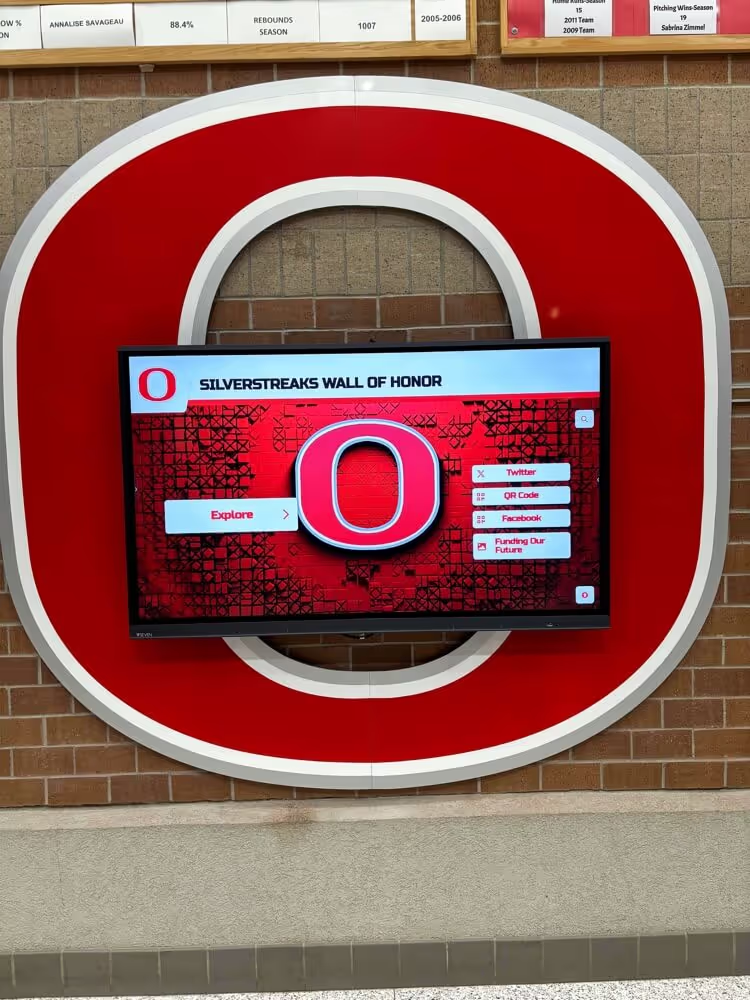
Schools planning to use cap-and-gown portraits in digital recognition systems should ensure photography contracts grant appropriate usage rights and that portrait specifications accommodate both yearbook and digital display needs.
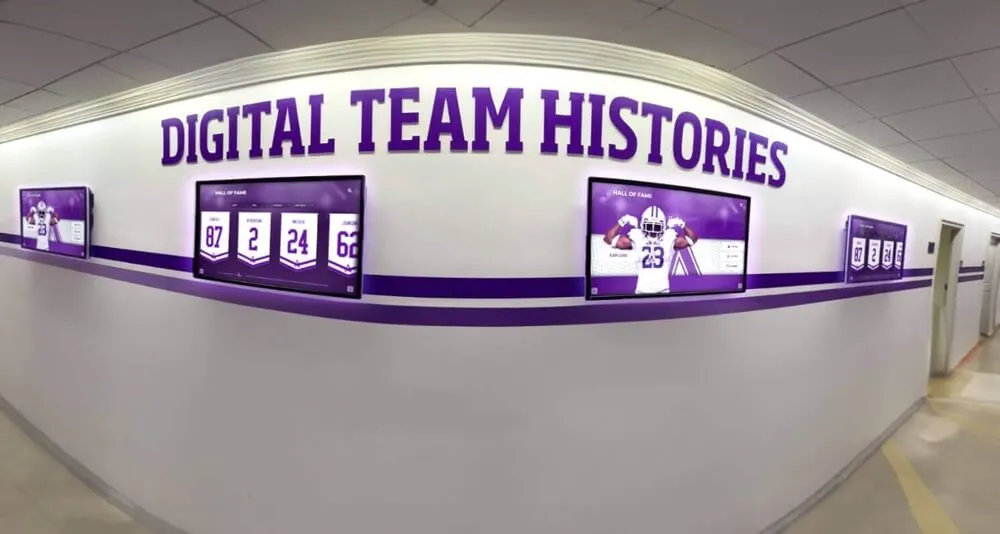
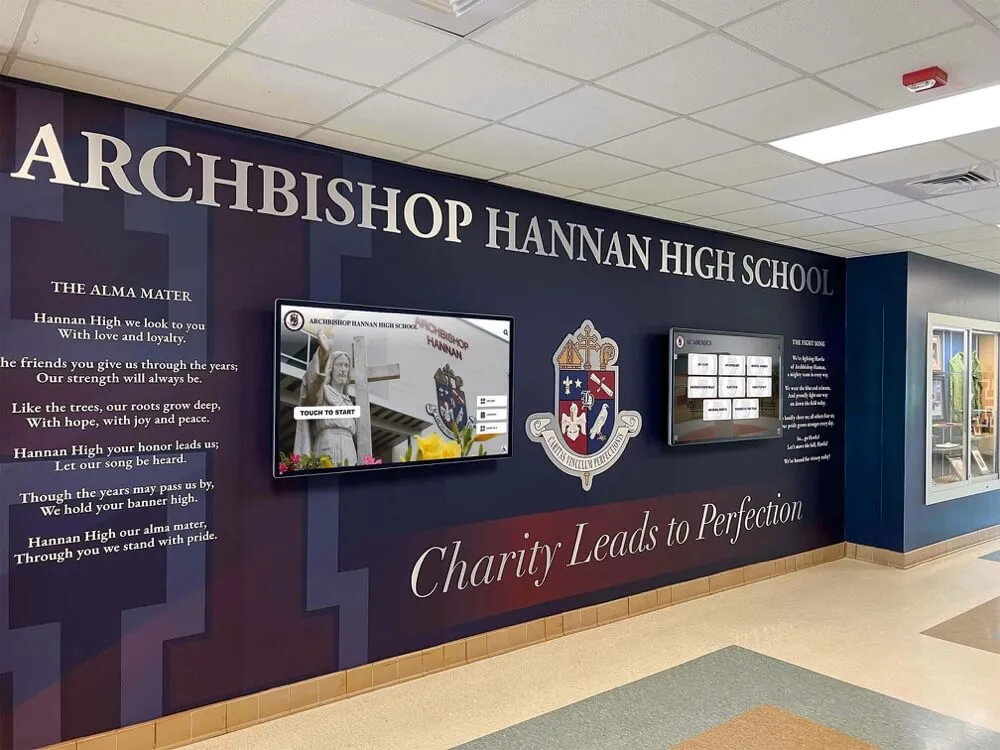
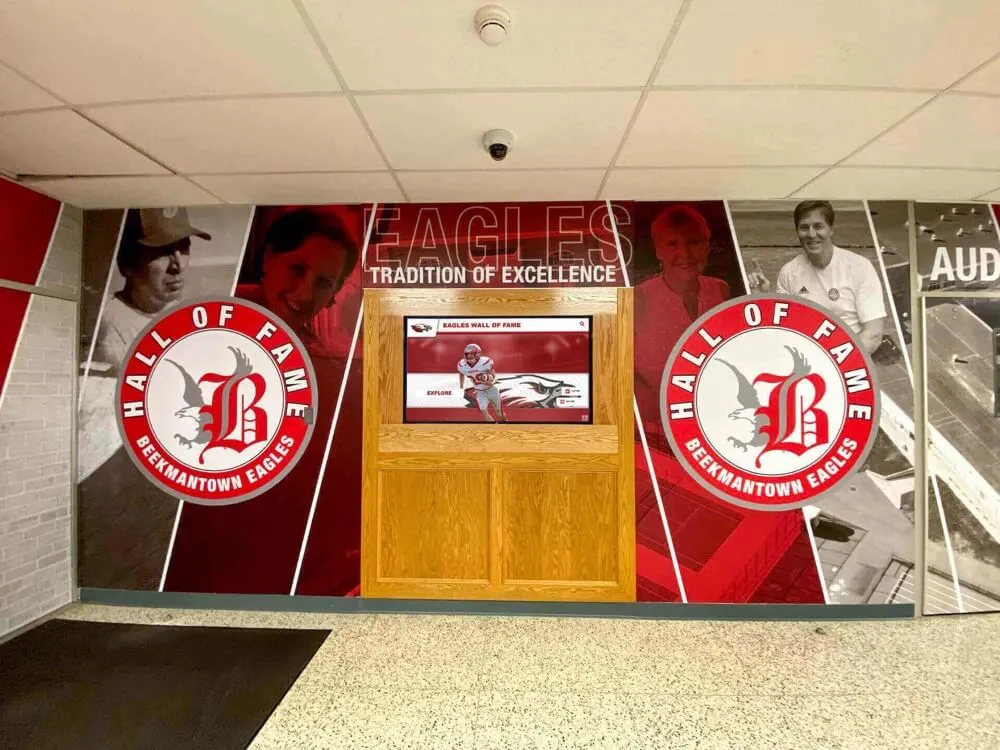
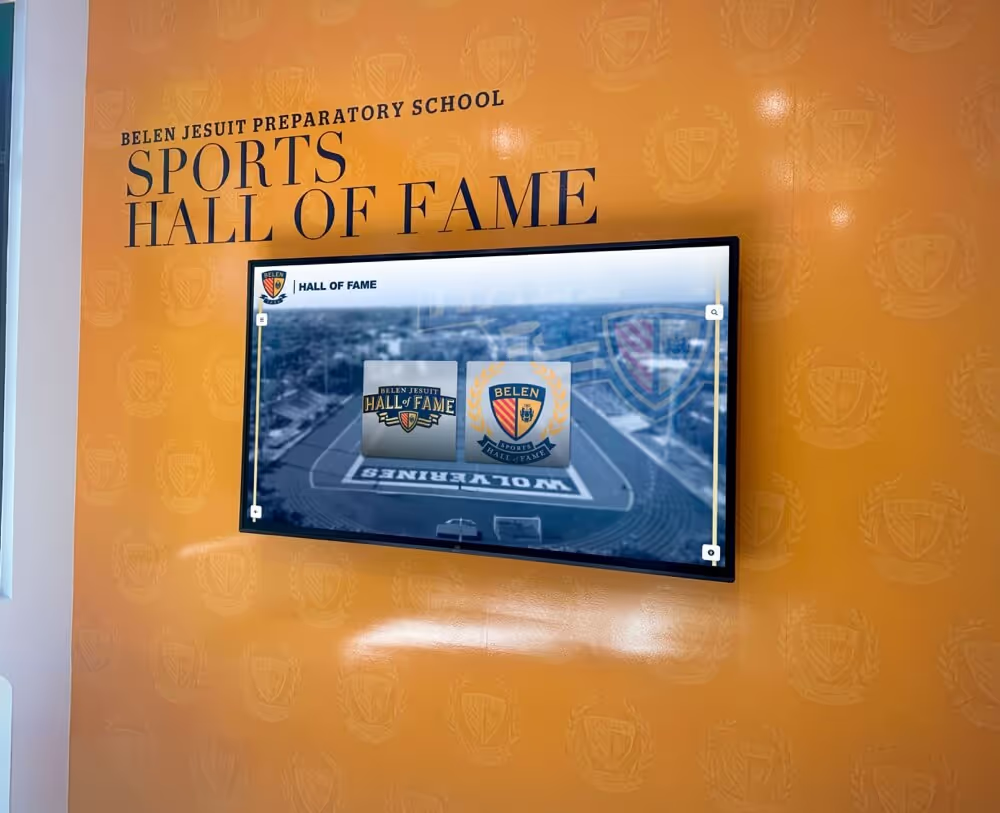
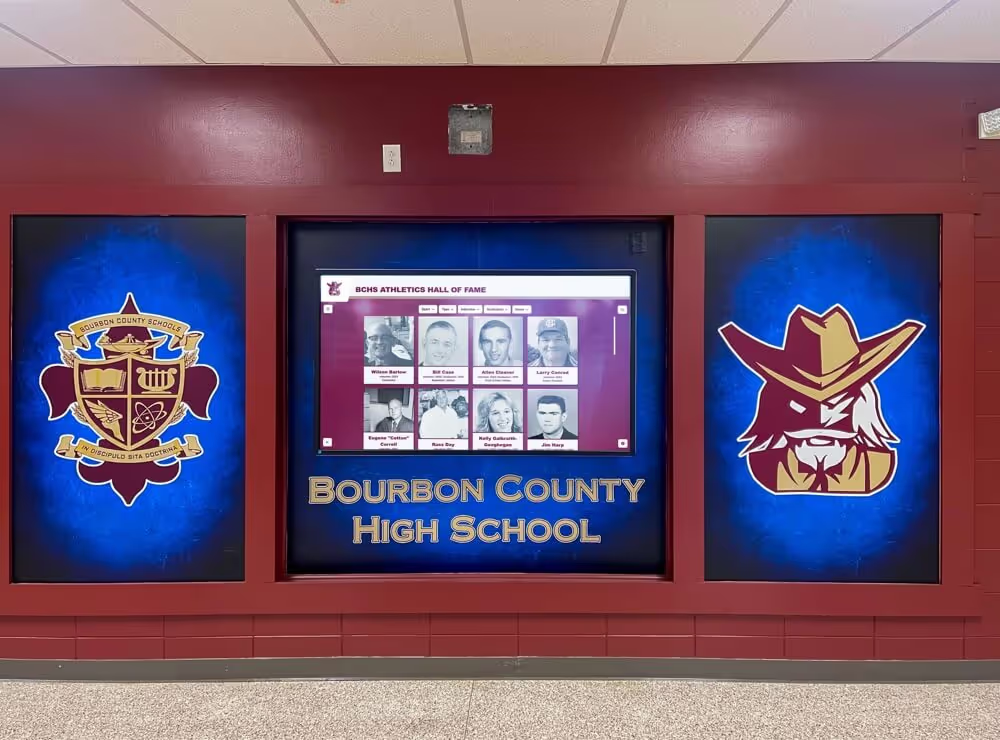
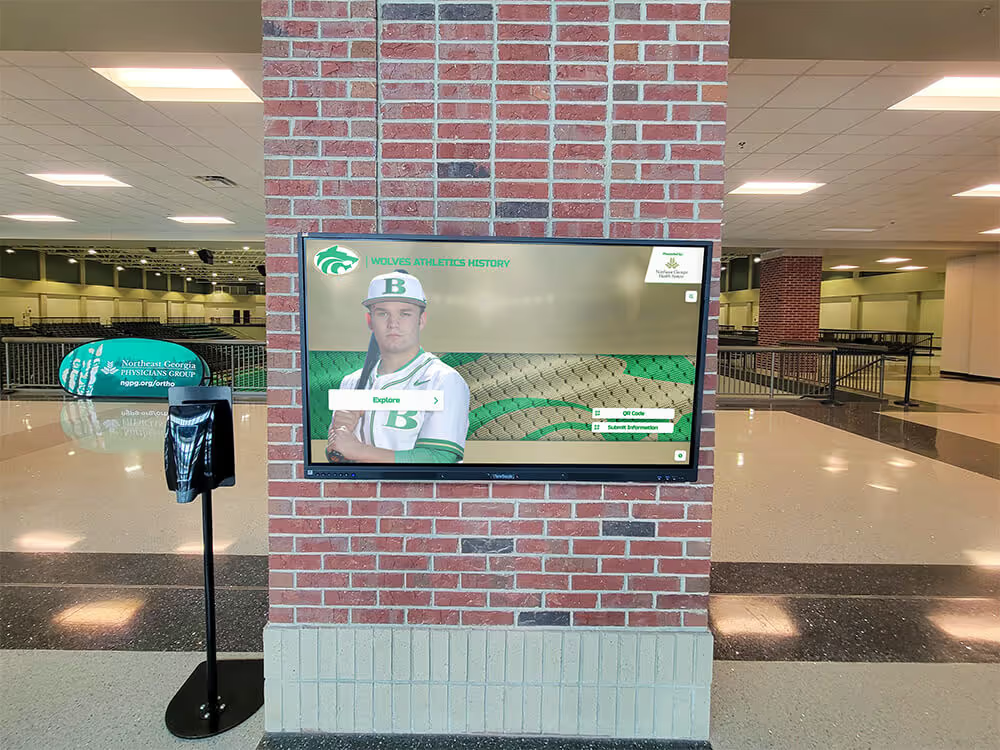
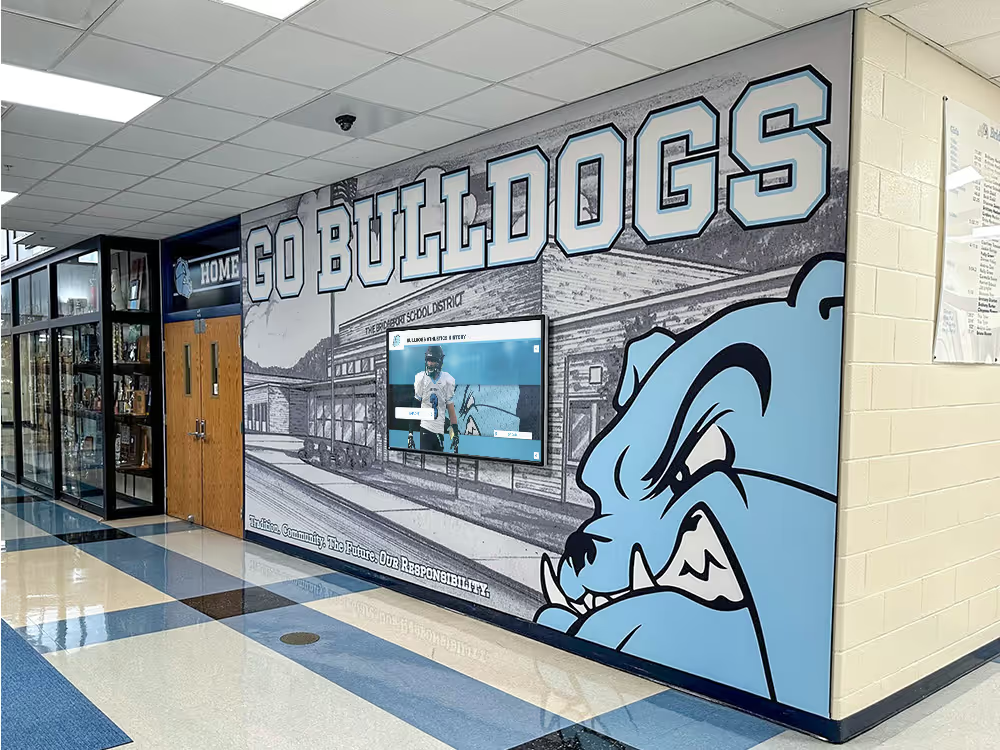
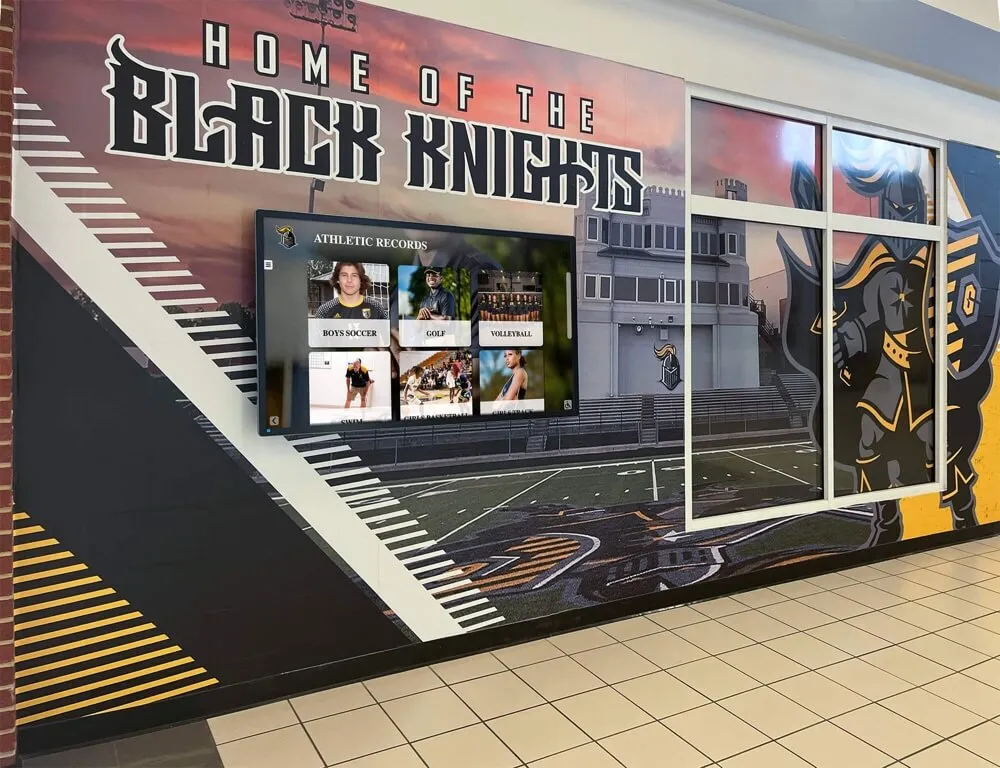
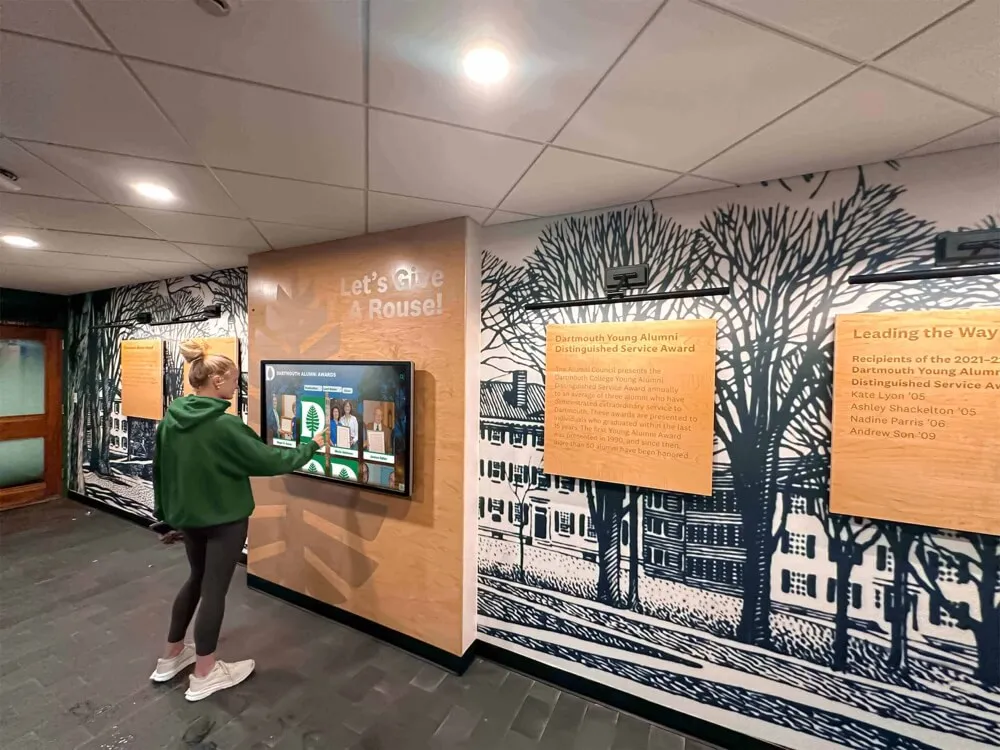
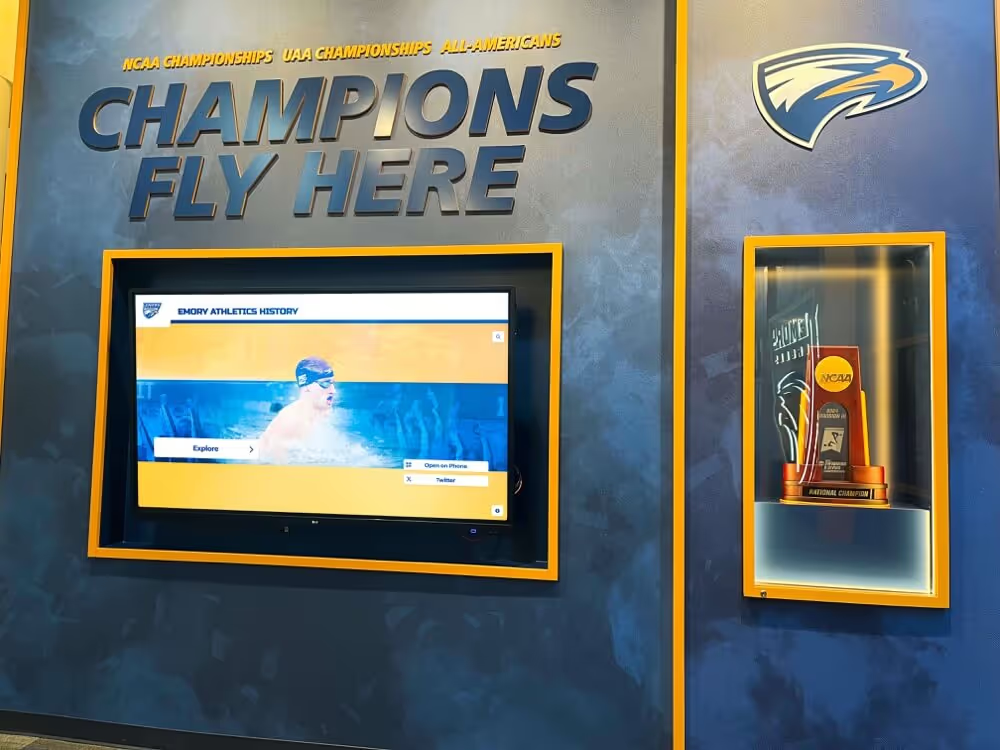
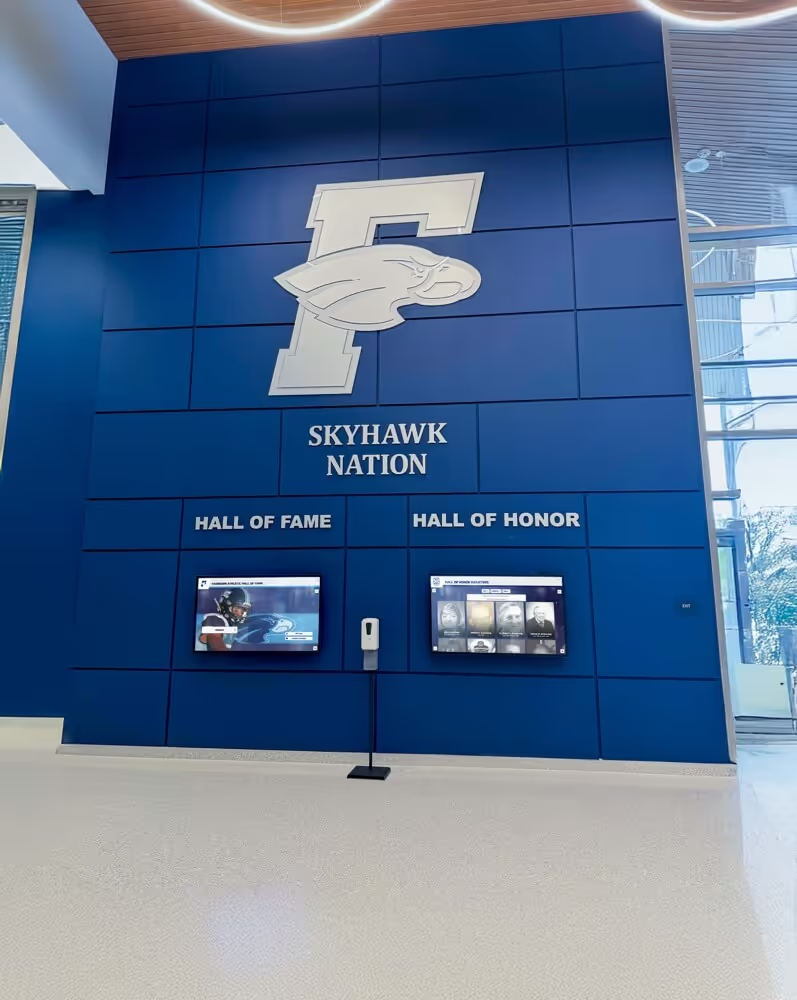
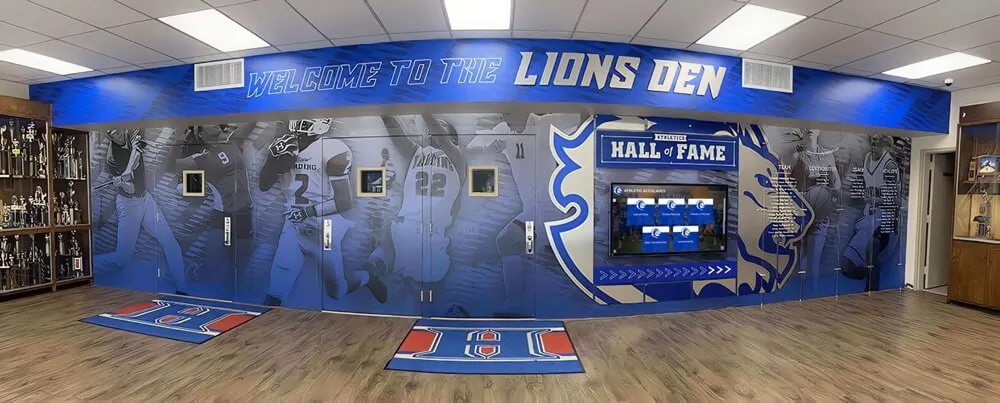
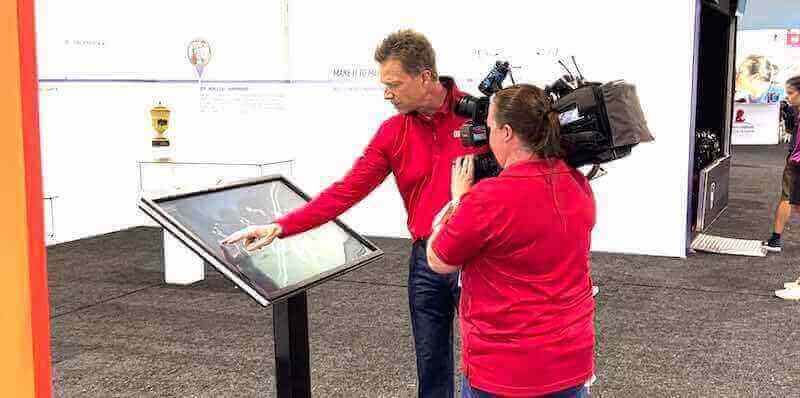
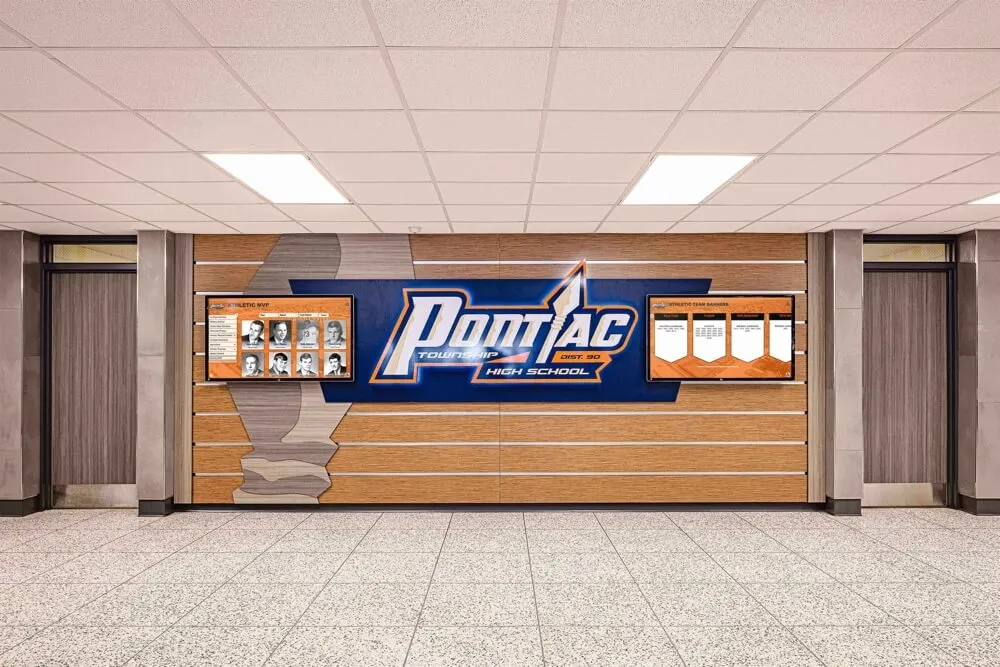
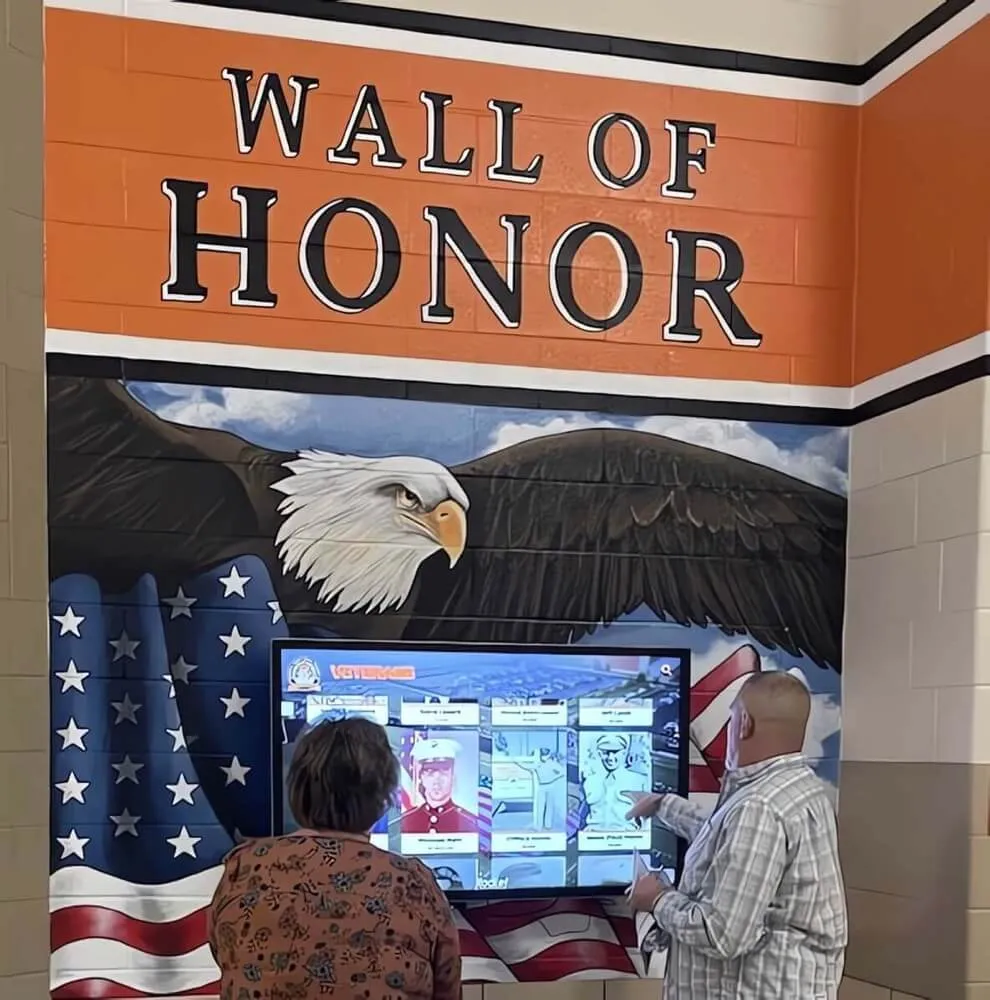
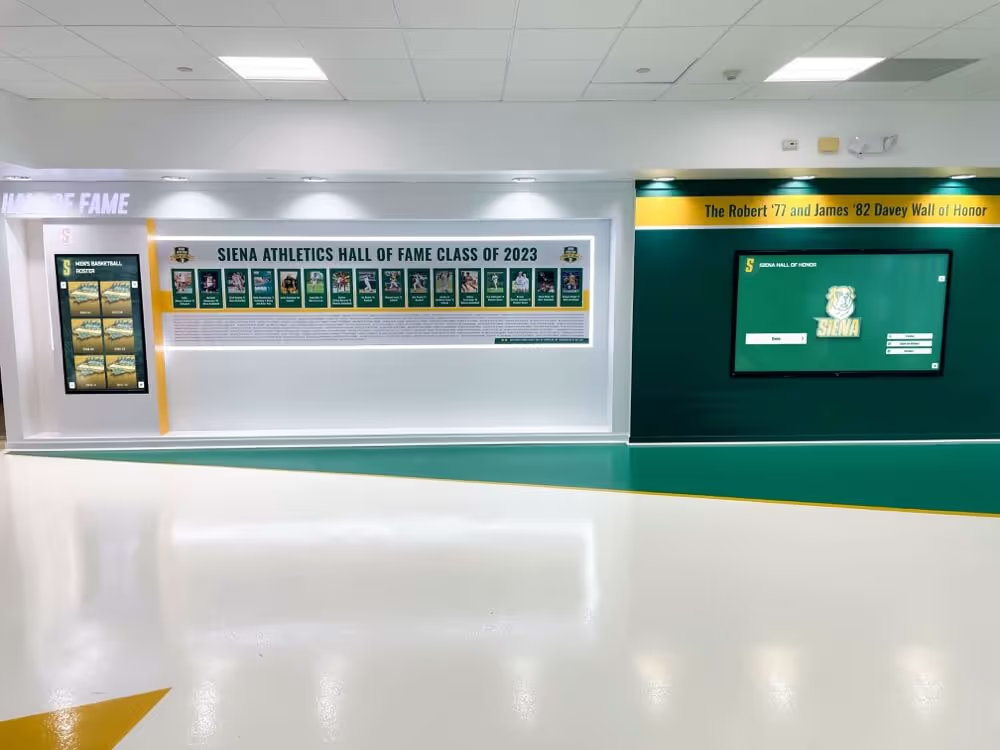
Rocket Alumni Solutions specializes in creating exactly these types of interactive recognition displays for schools. Our touchscreen systems integrate professional cap-and-gown portraits into searchable graduate databases that preserve class histories while making achievement records accessible to students, families, and alumni. Schools install our displays in lobbies and commons areas, transforming yearbook-quality portraits into permanent, interactive tributes that celebrate graduating classes for decades.
Explore digital recognition in touchscreen display systems for institutions celebrating student achievements.

Professional graduate portraits become permanent institutional assets displayed in recognition systems celebrating school history and alumni achievement
Photo Rights and Usage Permissions
Legal considerations around graduate photography require attention:
Photography Rights Structures
- School-owned rights allowing unlimited institutional use
- Photographer-owned rights with licensing for specific purposes
- Hybrid arrangements with separate personal and institutional rights
- Unlimited digital display permissions versus print-only licenses
- Commercial use restrictions affecting fundraising or promotional materials
Student Privacy and Consent
- Photo release forms required for yearbook publication
- Separate permissions for digital displays and websites
- Special considerations for students in protective custody
- Opt-out procedures for students declining participation
- FERPA compliance for educational records including photos
Vendor Contract Specifications
- Clearly defined photo ownership and usage rights
- Restrictions on vendor use of student images for promotion
- Digital file delivery timelines and formats
- Original file retention and future access policies
- Pricing for additional prints versus digital reproductions
Schools should ensure photography contracts explicitly address digital display rights, particularly for institutions planning permanent recognition systems that will display graduate portraits indefinitely. Standard yearbook photography contracts may not automatically grant these extended usage rights.
Cap and Gown Ceremony Day Photography
Beyond formal portrait sessions, ceremony day photography captures the graduation experience:
Professional Event Photography
Ceremony coverage requires different approaches than portrait sessions:
Key Ceremony Moments to Capture
- Pre-ceremony lineup and graduate preparations
- Processional entry and graduate seating
- Key speakers and ceremony highlights
- Individual diploma presentations and handshakes
- Tassel-turning and cap-throwing (if traditional at your school)
- Recessional and post-ceremony celebrations
Technical Considerations
- Longer focal length lenses for distant subjects during ceremony
- Fast lenses and higher ISO for auditorium lighting conditions
- Burst mode capturing optimal moments during quick diploma presentations
- Multiple photographers covering different angles and perspectives
- Video capabilities for full ceremony recording
Photo Distribution Systems
- Online galleries enabling families to purchase ceremony photos
- School licensing arrangements for photos in recognition displays
- Yearbook supplemental pages featuring ceremony highlights
- Social media appropriate images for immediate sharing
- Time-sensitive delivery supporting graduation announcements
Family and DIY Photography Tips
Many families hire photographers or attempt their own ceremony photography:
Recommended Equipment
- Telephoto zoom lens (70-200mm or similar) for distance shots
- Fast shutter speeds freezing movement during walking or cap throwing
- Continuous shooting mode capturing optimal expressions
- Extra batteries and memory cards for extended ceremony coverage
Positioning Strategies
- Arriving early securing good vantage points
- Coordinating with other families avoiding aisle blocking
- Understanding school policies about movement during ceremony
- Flash use restrictions in many ceremony venues
- Backup plans if primary positions offer poor views
Common DIY Photography Mistakes
- Insufficient zoom reach for distant subjects
- Motion blur from slow shutter speeds in dim lighting
- Poor timing missing key moments like diploma presentation
- Distracting backgrounds and other people in frame
- Over-reliance on flash creating harsh, unflattering lighting
Schools should communicate photography policies clearly before ceremonies, including whether families may approach the stage during diploma presentations, whether flash photography is permitted, and where families may position themselves during proceedings.
Learn about recognition event coverage in athletic commitment celebrations and documentation for schools.
Beyond Yearbooks: Preserving Graduate Portraits for Future Generations
The cap-and-gown portraits captured during senior year serve purposes extending far beyond immediate yearbook publication:
Building Institutional Archives
Systematic graduate portrait archives create valuable historical resources:
Digital Archive Organization
- Structured databases with searchable graduation years
- Biographical information linked to portrait images
- Achievement records and honor designations
- College destinations and career field tracking
- Alumni update mechanisms maintaining current information
Preservation Standards
- High-resolution master files preserved in multiple formats
- Redundant backup systems preventing loss
- Migration strategies as file formats evolve
- Metadata standards ensuring long-term accessibility
- Physical backup archives for critical historical records
Access and Usage Policies
- Alumni access to personal records and class information
- Research permissions for historical projects
- Privacy protections for sensitive information
- Commercial use restrictions and licensing
- Update procedures as graduates provide new information
Schools investing in proper digital archive systems transform annual yearbook portraits into permanent institutional assets accessible to future classes, alumni, and researchers exploring school history.
Recognition Display Evolution
Graduate portraits captured today may appear in recognition displays for decades:
Traditional Physical Displays
- Senior class composite photos in hallways and commons areas
- Individual plaques for scholarship recipients and honor graduates
- Athletic halls of fame featuring graduating athlete photos
- Donor recognition walls acknowledging graduate contributions
Modern Digital Installations
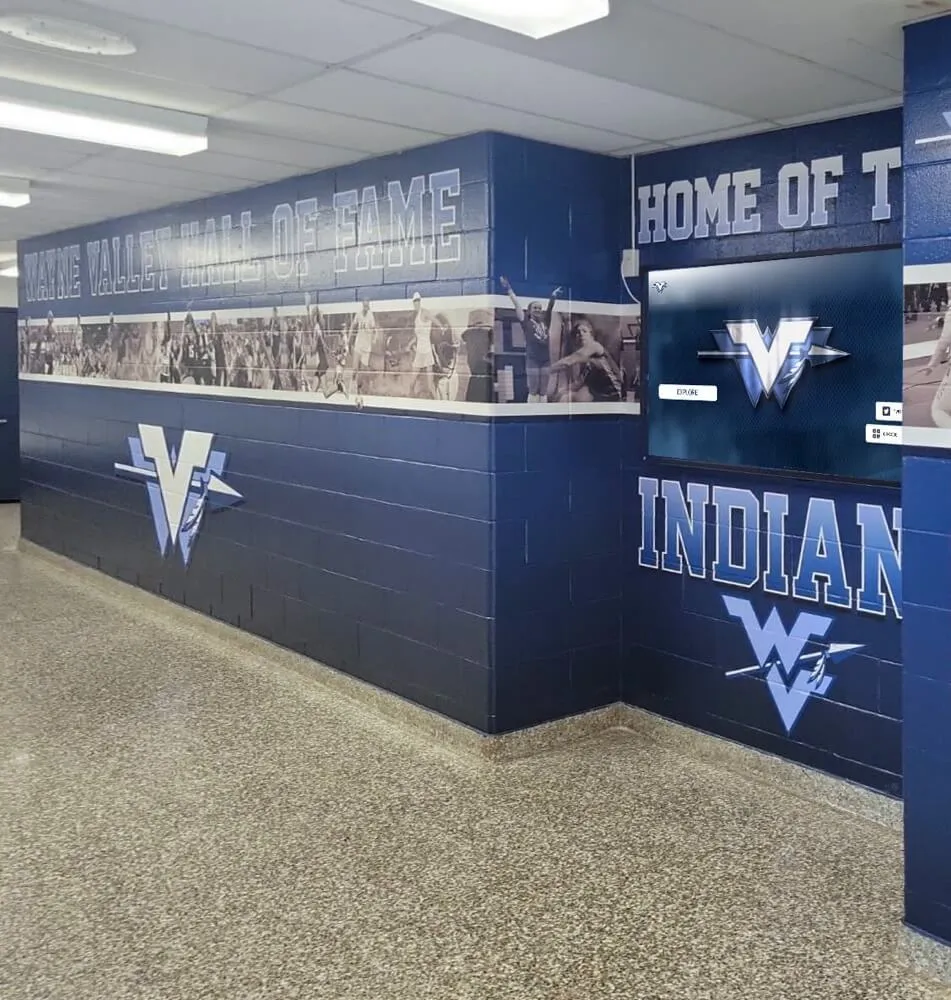
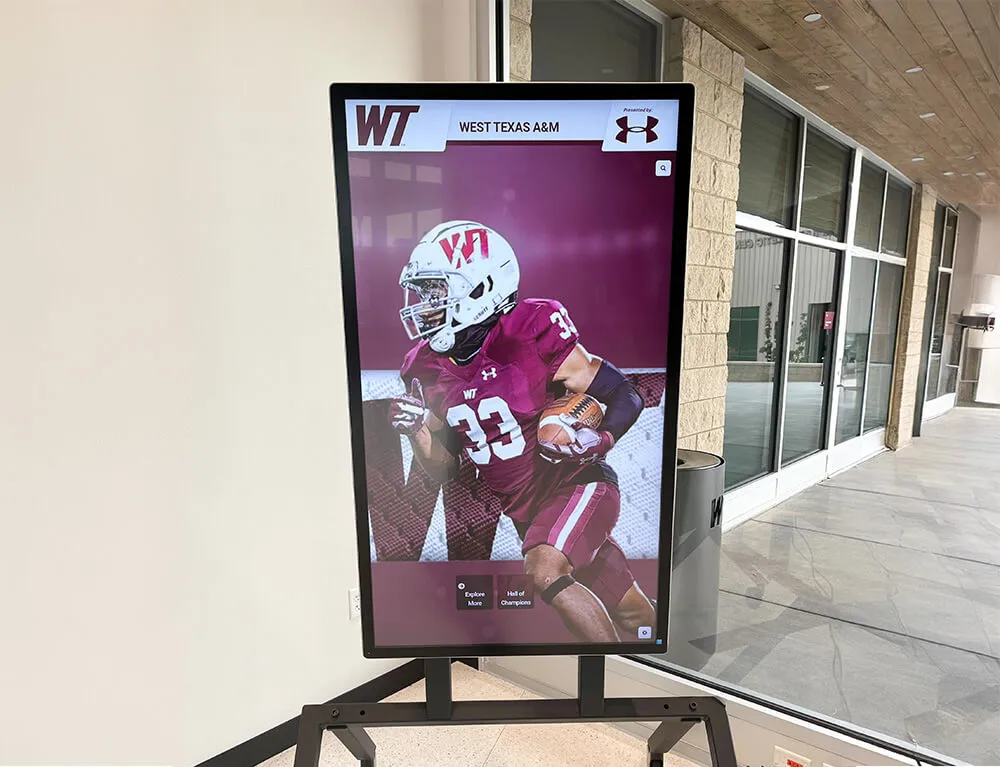
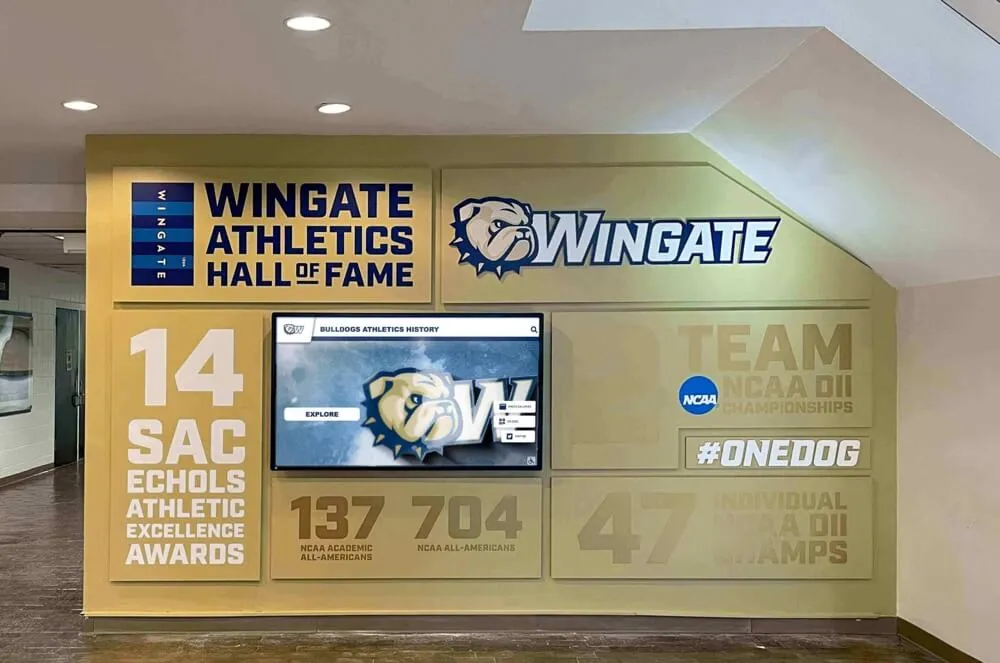
- Interactive touchscreen displays with searchable graduate databases
- Rotating displays featuring different classes and achievements
- Mobile apps providing remote access to alumni information
- Integration with school websites and social media platforms
- Dynamic content allowing continuous updates and additions
Hybrid Approaches
- Physical displays with QR codes linking to detailed digital profiles
- Printed composites supplemented by online databases
- Traditional plaques enhanced with video and interactive elements
- Progressive digitization of historical archives
The cap-and-gown photography decisions schools make today determine whether graduate portraits remain suitable for these varied display purposes or require extensive retouching and reformatting for uses beyond their original yearbook publication.
Discover comprehensive recognition in digital trophy case and display systems for institutions.
Troubleshooting Common Cap and Gown Challenges
Even well-planned graduation regalia programs encounter predictable problems:
Sizing and Fit Issues
Cap-and-gown sizing presents unique challenges:
Common Sizing Problems
- Gowns too long or too short affecting appearance and mobility
- Caps sliding backward or sitting too high on head
- Overly tight gowns restricting movement and comfort
- Inconsistent sizing across different height and body types
Prevention Strategies
- Accurate measurement processes following vendor specifications
- Buffer time for exchanges before photography and ceremony
- Sample regalia for students to examine before ordering
- Clear communication about measurement techniques and standards
- Contingency inventory in common sizes for last-minute issues
Photography Workarounds
- Strategic posing minimizing visibility of poor-fitting gowns
- Digital retouching for minor hem length inconsistencies
- Careful cap positioning compensating for fit challenges
- Cropping and framing focusing on upper body and face
Last-Minute Registration and Transfer Students
Students enrolling near graduation present coordination challenges:
Typical Scenarios
- Mid-year transfers missing original ordering deadlines
- Students completing credit requirements unexpectedly becoming eligible
- Course failure recoveries finalizing graduation status late
- Administrative enrollment corrections after deadlines pass
Solutions and Protocols
- Backup regalia inventory in common sizes
- Rush order arrangements with responsive vendors
- Makeup photography sessions for yearbook inclusion
- Digital composite insertion for students missing photo sessions
- Clear deadlines with defined cutoffs for guaranteed participation
Damage and Lost Regalia
Regalia problems between ordering and ceremony day:
Common Issues
- Lost or misplaced gowns, caps, or tassels
- Stains, tears, or damage to rental regalia
- Decorations violating policies discovered during ceremony preparation
- Missing honor cords or stoles for deserving graduates
Response Procedures
- Emergency backup regalia for critical failures
- Clear financial responsibility policies for lost or damaged rentals
- Quick decoration removal protocols for policy violations
- Verification systems ensuring correct honors regalia distribution
- Clear communication channels for reporting problems before ceremony day
Schools with established protocols respond efficiently to these predictable challenges rather than scrambling to solve them moments before ceremonies or photo sessions begin.
Conclusion: Creating Lasting Graduate Records Through Professional Cap and Gown Planning
Effective graduation cap and gown selection and photography extends far beyond ordering ceremonial attire for a single event. The decisions schools make about regalia specifications, vendor coordination, customization policies, and professional photography directly impact yearbook quality and determine whether graduate portraits serve their full potential as permanent institutional records.
Schools that treat cap-and-gown planning as strategic coordination between graduation logistics, yearbook production, and long-term recognition systems create professional documentation that serves graduating classes both immediately and for decades to come. The investment in quality regalia, professional photography, and systematic coordination pays dividends every time alumni return to campus and discover their senior portraits displayed prominently in modern recognition systems that celebrate school history.
For schools ready to transform graduate cap-and-gown portraits from static yearbook images into dynamic, interactive recognition systems, Rocket Alumni Solutions creates comprehensive digital display platforms that preserve class histories while making graduate achievement records accessible to current students, families, and alumni. Our touchscreen installations turn professional senior portraits into searchable databases featured in school lobbies and commons areas, ensuring the care you invest in yearbook-quality photography creates lasting value extending far beyond graduation day.