



Graduation honors levels — cum laude, magna cum laude, and summa cum laude — represent the most formally recognized tier of undergraduate academic achievement in American higher education. For school administrators, registrars, and academic affairs staff, these distinctions carry practical weight: they appear on official diplomas and transcripts, influence graduate school admissions and employer screening, and define the recognition ceiling that shapes how seriously students pursue academic excellence throughout their enrollment.
Yet many institutions treat graduation honors as an end-of-enrollment calculation rather than a year-round culture-building tool. Thresholds get buried in catalog fine print, current students have little awareness of where they stand relative to honors eligibility, and the moment of recognition is confined to a commencement ceremony rather than woven through campus culture continuously.
This guide is written for school administrators, academic counselors, and student recognition coordinators who want to understand graduation honors levels precisely, implement policies that reflect institutional values, and create recognition systems that celebrate honors recipients in ways that motivate current students and honor the graduates who earned these distinctions.
Clearly defined and actively communicated graduation honors levels do more than reward top graduates — they establish visible benchmarks that shape student behavior from freshman year forward and signal institutional commitment to academic excellence to families, employers, and the broader community.

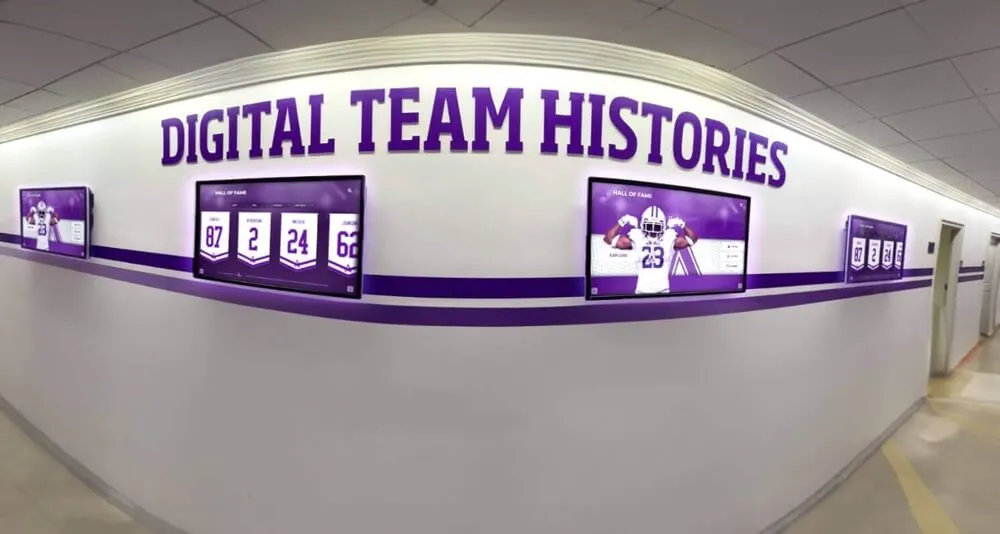
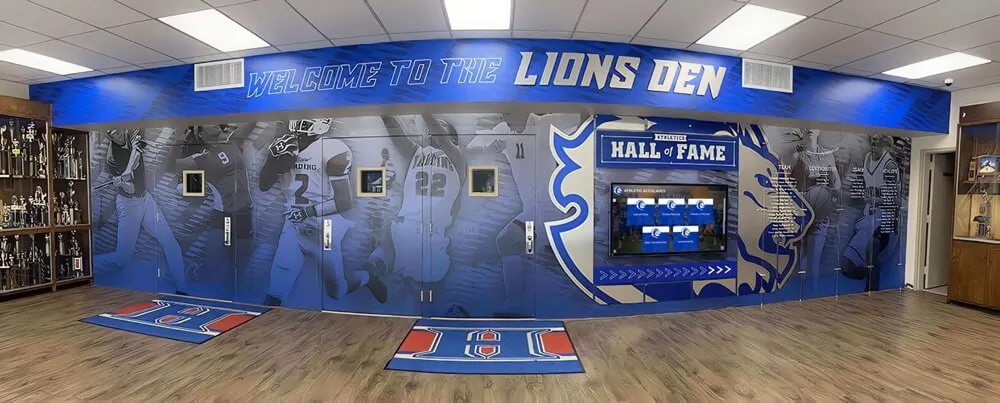
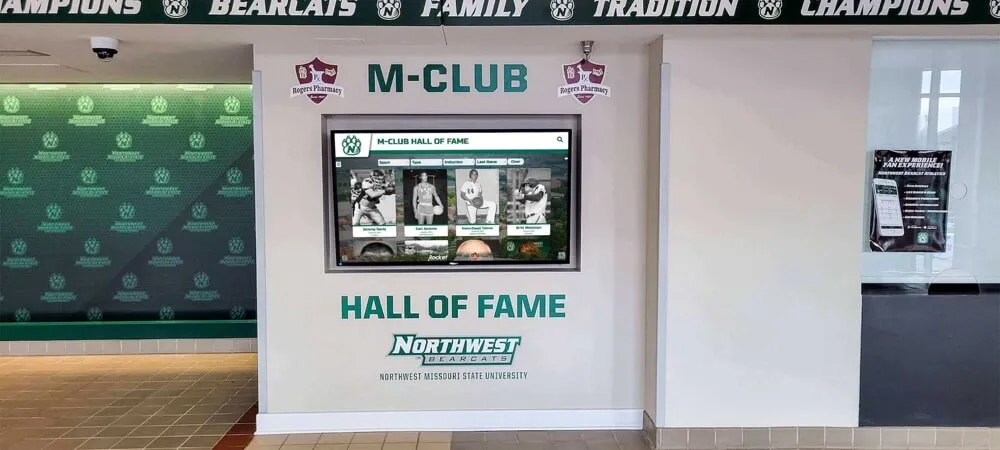
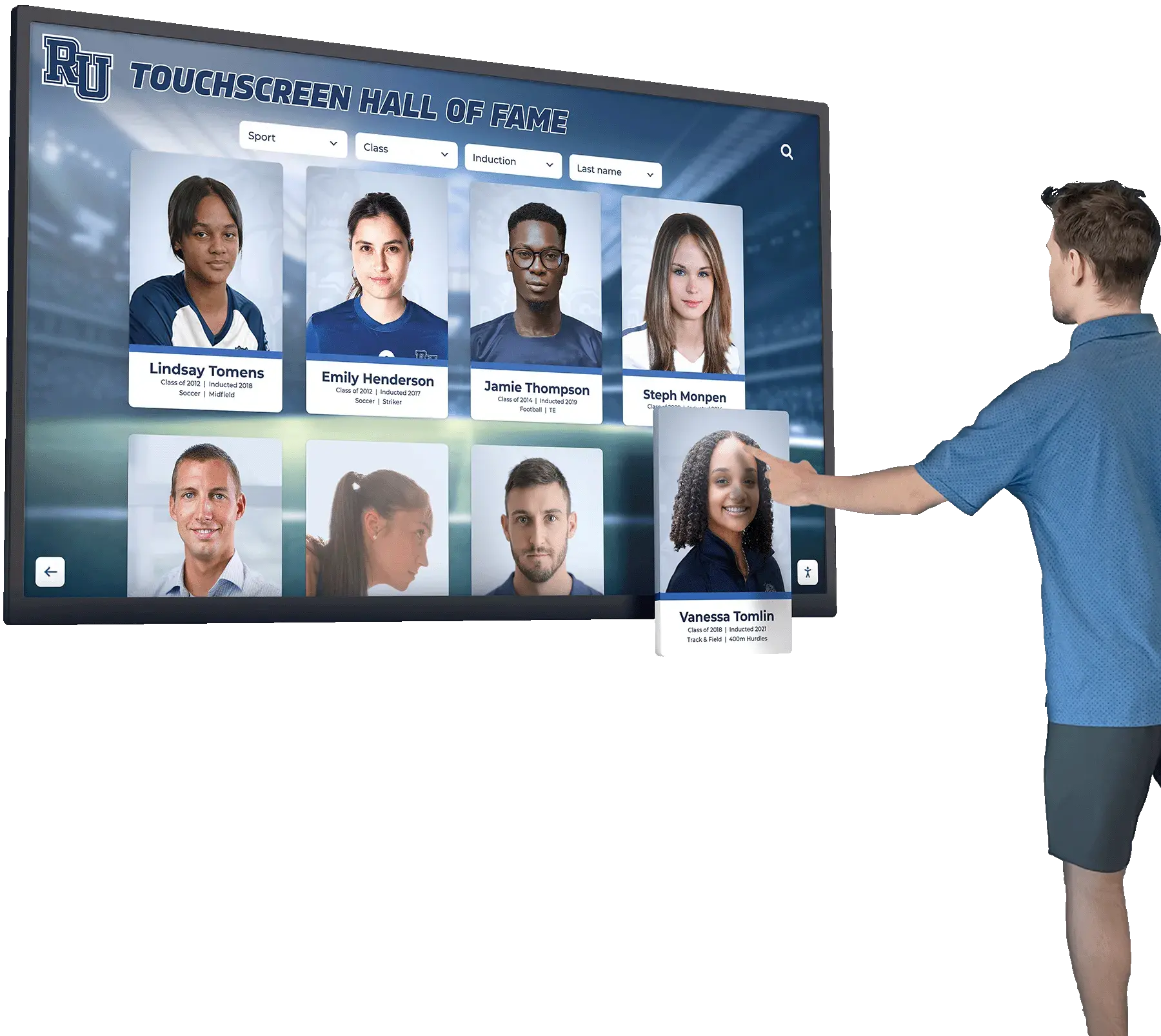
Portrait-based recognition systems give graduation honors recipients lasting visibility that extends well beyond commencement day
The Three Graduation Honors Levels: Definitions Schools Need to Know
Graduation honors levels follow a three-tier Latin tradition that traces back to European university scholarship traditions. Understanding what each tier means—precisely—helps schools communicate expectations to students, faculty advisors, and families with consistency.
Cum Laude: “With Honor”
Cum laude (pronounced “koom LAU-day”) is the foundational graduation honors level, recognizing graduates whose cumulative academic performance places them in the upper tier of their class. This designation acknowledges sustained excellence above and beyond standard graduation requirements, typically awarded to students whose GPA falls within a school-defined threshold that commonly ranges from 3.5 to 3.7 on a 4.0 scale—or who rank within the top 20–35% of their graduating class under percentile-based systems.
For institutions using fixed GPA thresholds, cum laude usually represents the largest recipient pool among the three honors levels, serving as meaningful recognition without limiting it to only the highest achievers. This inclusivity is intentional: cum laude is designed to acknowledge strong, sustained academic work rather than near-perfection.
Magna Cum Laude: “With Great Honor”
Magna cum laude (pronounced “MAG-nuh koom LAU-day”) is the middle tier, signifying exceptional academic achievement that clearly distinguishes recipients from the broader cum laude population. GPA thresholds typically range from 3.7 to 3.85 on a 4.0 scale, or top 10–15% of graduating class under percentile systems.
Students earning magna cum laude have demonstrated consistent high performance across their entire undergraduate career — not just a strong final year. This distinction appears prominently on resumes and LinkedIn profiles, where it signals intellectual rigor to graduate school admissions committees and competitive employers. For schools, it represents a recognition level that is attainable through dedicated effort, creating a meaningful aspirational target above cum laude.
Summa Cum Laude: “With Highest Honor”
Summa cum laude (pronounced “SUM-uh koom LAU-day”) represents the pinnacle of graduation honors levels, reserved for students who have achieved truly outstanding cumulative academic performance. Thresholds commonly require a GPA of 3.85 to 4.0, or placement in the top 1–5% of the graduating class.
This distinction represents years of sustained excellence and typically marks graduates who have demonstrated the kind of disciplined academic commitment that prepares them for competitive graduate programs, professional school admissions, and high-demand career pathways. For schools, summa cum laude recipients represent institutional accomplishment — visible proof that the educational environment produces scholars of the highest caliber.
Explore how summa cum laude relates to other top academic designations in this guide to what it means to be a valedictorian, which compares class-rank distinctions with Latin honors recognition.
How Schools Set Graduation Honors Thresholds
Establishing graduation honors levels is one of the most consequential academic policy decisions institutions make. The right approach depends on institutional culture, grading distributions, and the recognition philosophy that reflects your school’s values.
Fixed GPA Thresholds
Many colleges and universities establish specific numerical GPA cutoffs that remain constant from year to year regardless of class composition. Common fixed threshold examples include:
- Cum laude: 3.5 cumulative GPA
- Magna cum laude: 3.75 cumulative GPA
- Summa cum laude: 3.9 cumulative GPA
Advantages of fixed thresholds: Transparent, predictable, and easy to communicate. Students entering as freshmen can calculate exactly what they need to achieve and track progress throughout enrollment. This clarity motivates strategic academic planning from day one rather than leaving students uncertain about their standing.
Disadvantages: Fixed thresholds don’t account for grade inflation or deflation over time, meaning recognition rates may expand or contract without policy intention. Institutions with more rigorous grading cultures may produce fewer honors recipients than peer institutions, even when academic achievement is comparable.
Percentile-Based Systems
Under percentile systems, Latin honors are awarded to top-performing percentages of each graduating class — for example, top 5% receive summa cum laude, next 10% receive magna cum laude, and next 15% receive cum laude. Required GPAs fluctuate based on actual class performance distribution.
Advantages: Recognition rates remain consistent year to year regardless of cohort-to-cohort GPA variation. This creates internal comparability across graduation years and prevents recognition rate drift.
Disadvantages: Students cannot know their honors status until final class rankings are calculated after all grades are submitted, reducing the motivational transparency that fixed thresholds provide. Students near percentile cutoffs may also find the lack of control unsatisfying.
Hybrid and Supplemental Requirements
Some institutions combine GPA thresholds with additional requirements:
- Minimum institutional credits: Often 60–90 credits completed at the degree-granting institution (particularly relevant for transfer student eligibility)
- Major GPA minimums: Some schools require minimum major-specific GPAs alongside overall cumulative requirements
- Honors thesis completion: A subset of institutions requires thesis or capstone completion for the highest honors designation
- Credit exclusions: Pass/fail courses, remedial coursework, or transfer credits may be excluded from honors calculations
Whatever framework your institution uses, the most important step is ensuring graduation honors level criteria are clearly documented, consistently applied, and prominently communicated to students beginning in their first enrollment year — not discovered for the first time at the registrar’s office as seniors.
Communicating Honors Thresholds to Students
Proactive communication dramatically increases the effectiveness of graduation honors levels as motivational tools. Schools that publish clear, findable criteria and provide students with regular progress feedback see higher engagement with academic goals than those that treat honors as a graduation-day surprise.
Communication touchpoints that work:
- First-year orientation and advising sessions
- Academic catalog and undergraduate bulletin (with plain-language explanations, not just GPA tables)
- Student portal dashboards showing current GPA relative to honors thresholds
- Advisor appointment templates that include honors progress review
- Mid-year progress notifications for students approaching threshold eligibility
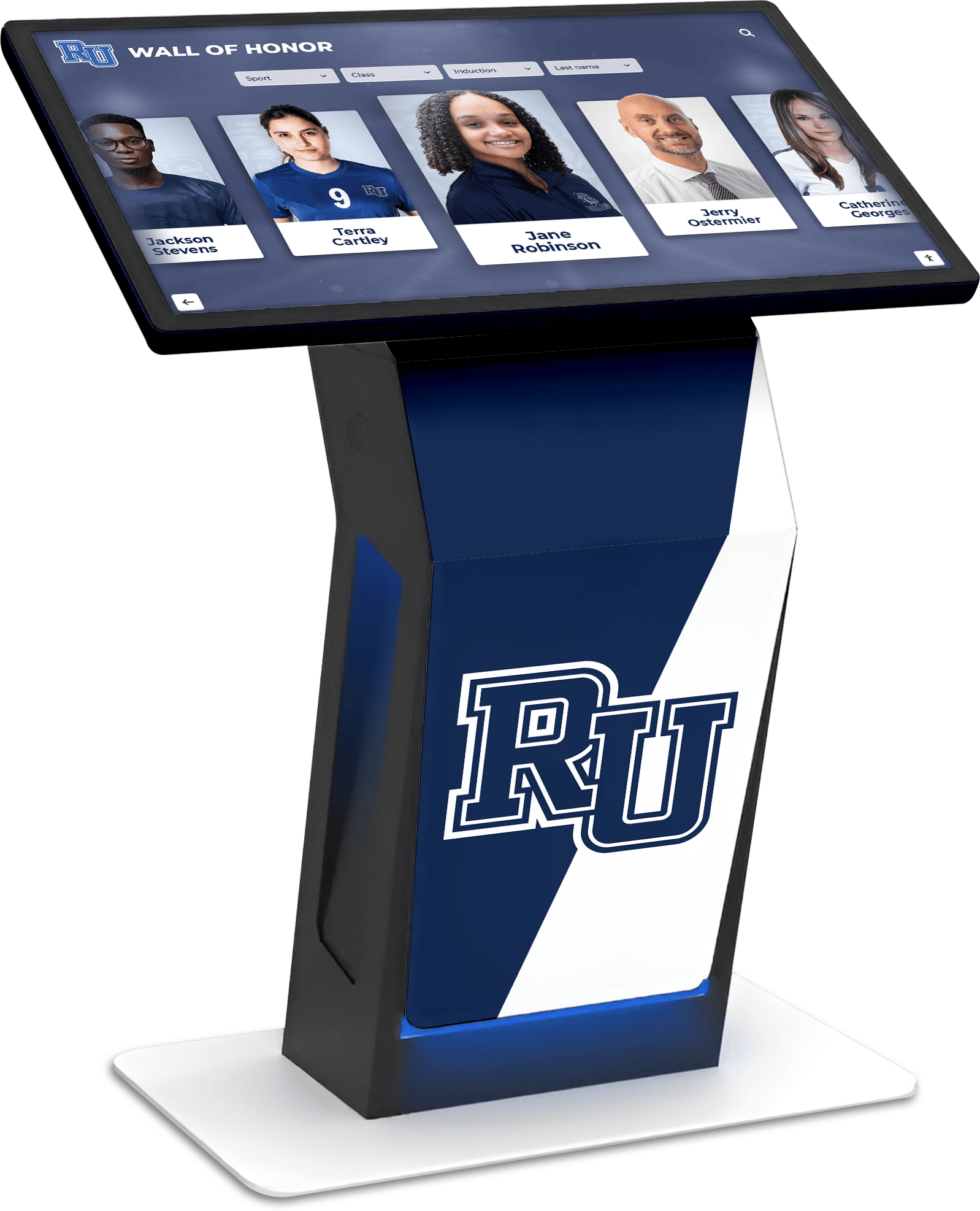
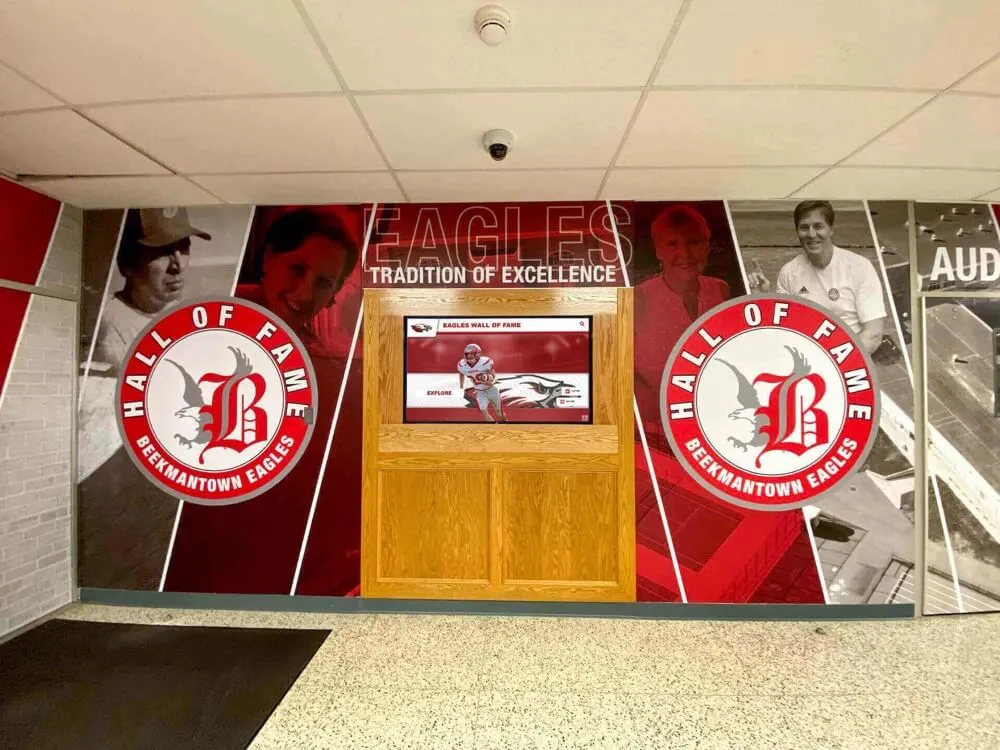
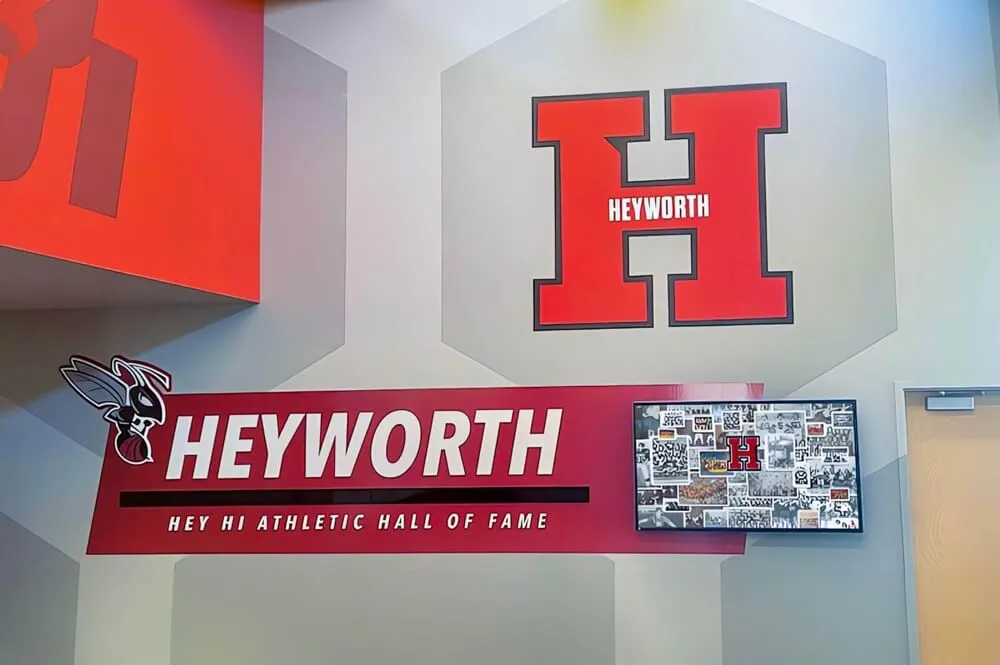
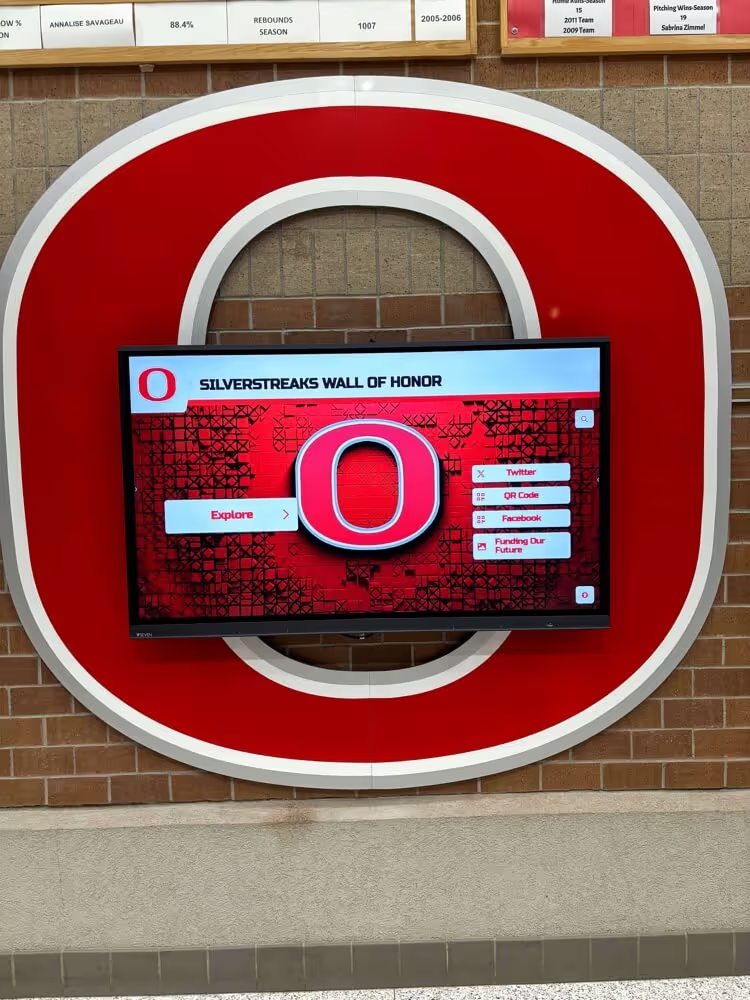
Interactive honor wall kiosks make graduation honors recipients visible to current students, creating aspirational benchmarks year-round
Graduation Honors Levels and the Recognition Ceremony
Commencement is the traditional peak moment for graduation honors recognition, and the ceremony design choices schools make significantly affect how meaningful these distinctions feel to recipients and families.
Ceremony Recognition Practices by Honors Level
Diploma and transcript notation: Every institution should ensure all three graduation honors levels appear directly on diplomas and official transcripts. These credentials follow graduates for decades, making accurate, prominent notation non-negotiable.
Academic regalia differentiation: Many schools use honor cords in gold or distinctive colors to visually distinguish Latin honors recipients during the procession and ceremony. Some institutions assign separate cord colors for each honors level, creating an immediately readable hierarchy visible in commencement photographs.
Stage recognition practices: Effective ceremony options include announcing Latin honors designations as graduates cross the stage, recognizing summa cum laude recipients as a group before the main ceremony, or organizing the procession by honors level so families can observe the distinction in context.
Commencement program listings: Designating honors levels in the printed or digital program extends recognition beyond the ceremony itself, creating a permanent artifact families reference for years.
Separate honors convocations: A growing number of institutions hold a dedicated honors recognition ceremony the day before commencement, allowing summa, magna, and cum laude recipients to be celebrated at greater length than the main ceremony permits. These events create more personal, meaningful recognition moments that complement the larger commencement celebration.
For additional context on recognizing top academic achievers at milestones events, the National Merit Commended Scholar recognition guide offers frameworks that apply directly to honors graduation ceremonies.
Displaying Graduation Honors Levels Year-Round
The commencement ceremony is one day. The recognition opportunity it represents should last indefinitely. Schools that build permanent graduation honors displays — physical, digital, or both — extend the motivational impact of these distinctions across generations of students.
Why Permanent Graduation Honors Displays Matter
When current freshmen and sophomores can walk past a display showing the names and honors levels of recent graduates, the abstract concept of “maintaining a 3.85 GPA” becomes tangible and human. Seeing actual names — students who sat in the same classrooms and faced the same academic challenges — makes summa cum laude feel achievable rather than abstract.
This visibility effect is well-documented in educational psychology: students who observe peer achievement are more likely to set ambitious academic goals themselves. Recognition displays create that observation opportunity continuously, not just during graduation season.
Physical Graduation Honors Displays
Traditional physical displays include:
- Engraved plaques or panels listing Latin honors recipients by graduation year
- Trophy case sections dedicated to academic distinction separate from athletic awards
- Wall-mounted display boards in academic buildings, libraries, or administrative hallways
- Lobby installations positioned where prospective students, families, and visitors encounter them naturally
Physical displays are permanent and require no technology to operate, but they carry significant limitations: finite space constrains how many recipients can be listed, updates require physical production and installation, and historical records become difficult to browse as displays accumulate years of recipients.
Digital Graduation Honors Displays
Modern digital recognition systems address every limitation of traditional physical displays while adding capabilities that static installations cannot offer.
Digital hall of fame and recognition platforms enable schools to:
- Display unlimited recipients without physical space constraints — every cum laude, magna cum laude, and summa cum laude graduate from every year in institutional history
- Include rich profiles with graduate photos, major, graduation year, and honors designation
- Filter and search by honors level, graduation year, department, or other criteria
- Update remotely as new graduates earn recognition, with no installation or reprinting required
- Access via web so alumni, families, and prospective students can explore honors recipients from any device, anywhere

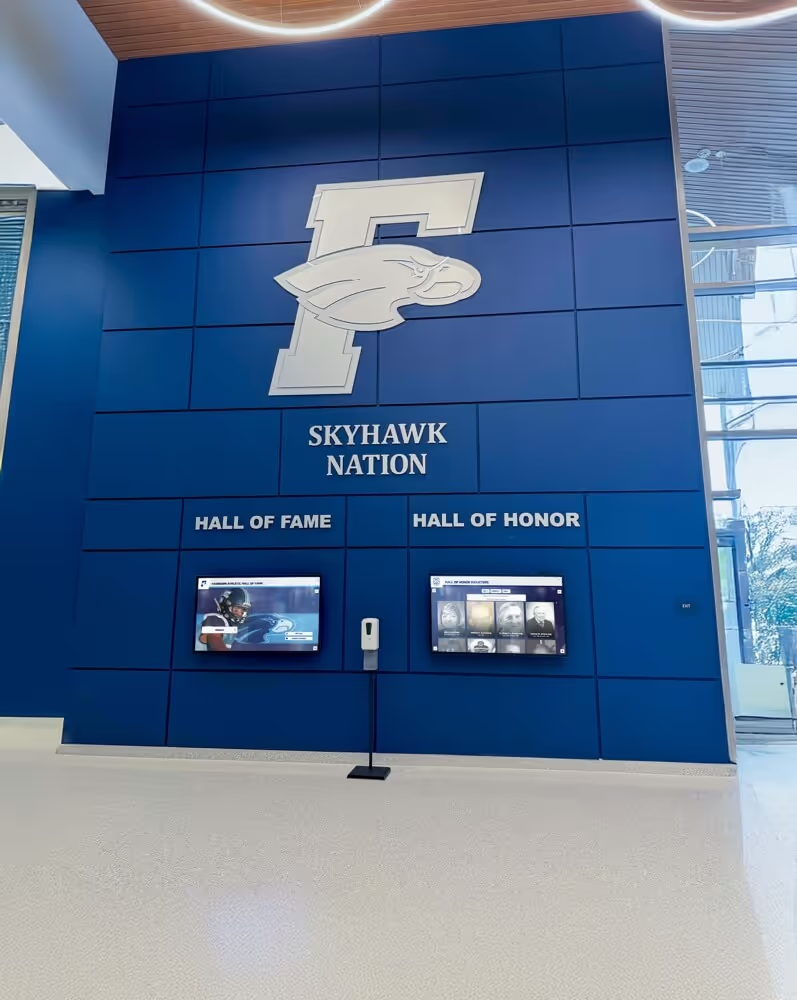
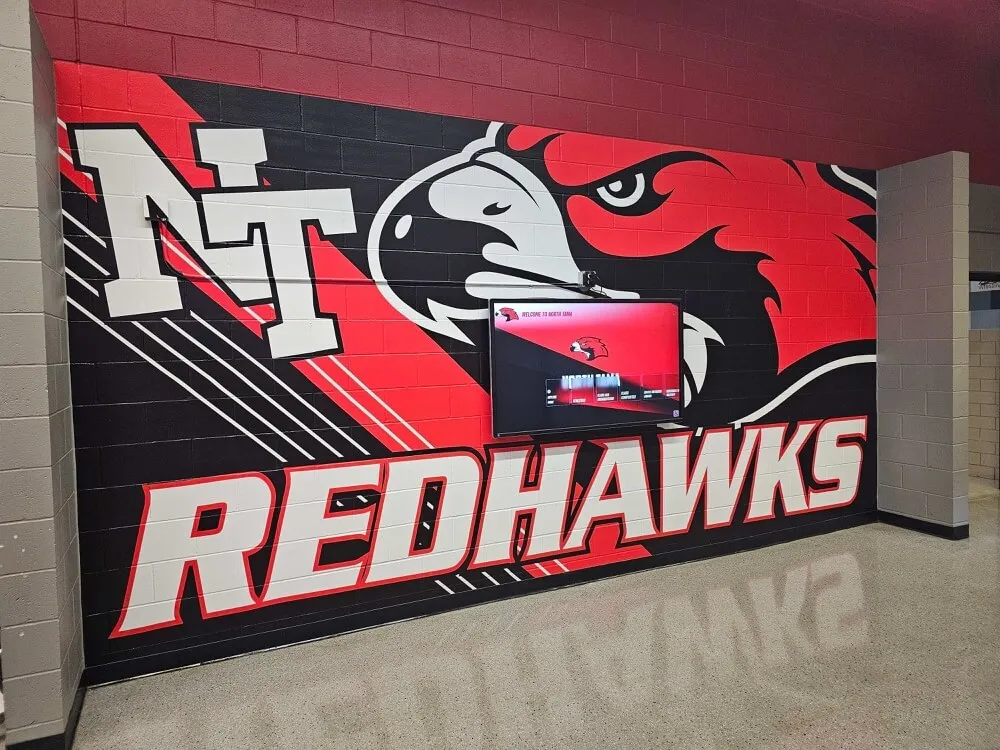
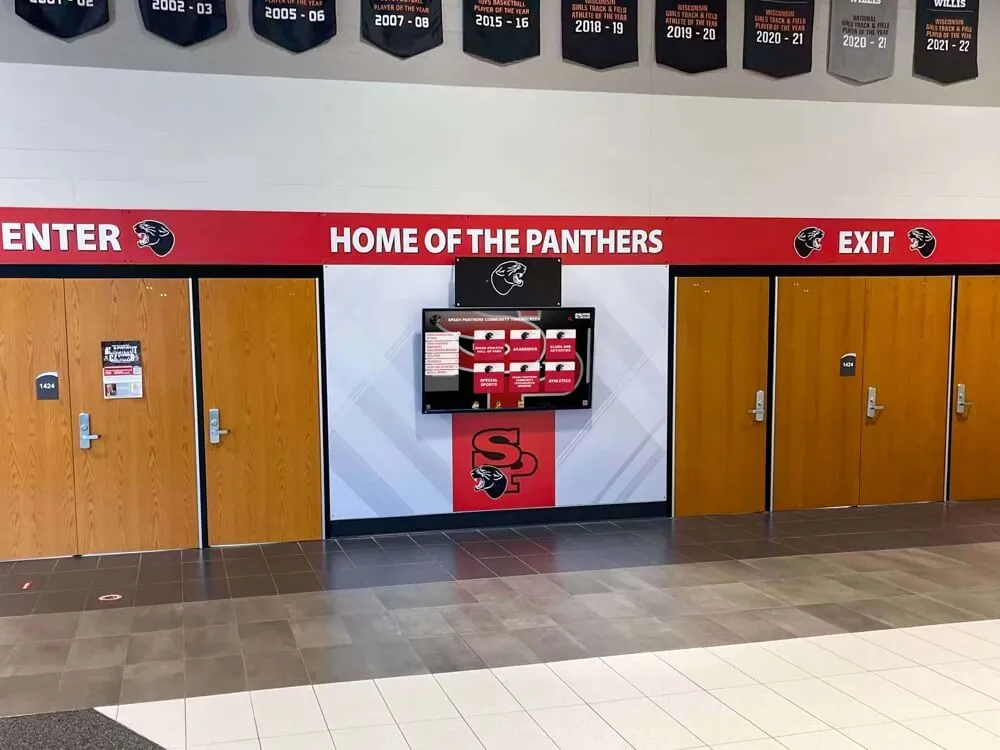
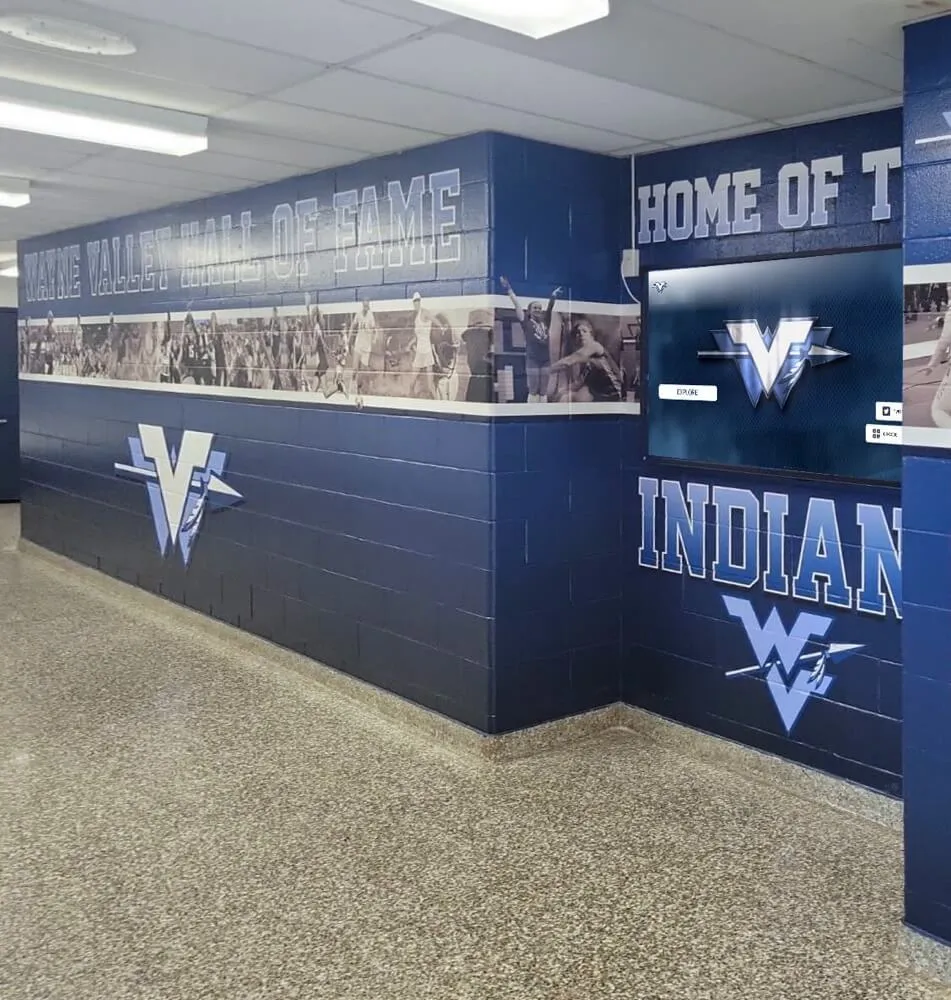
High-traffic lobby installations position graduation honors recognition where current students, families, and visitors encounter it naturally
Integrating Graduation Honors with Broader Recognition Systems
Graduation honors levels are most effective when integrated into a comprehensive academic recognition ecosystem rather than treated as a standalone category:
Layer honors with related academic recognition:
- Dean’s list and honor roll recipients (ongoing recognition throughout enrollment)
- Departmental academic awards and subject-specific distinctions
- National recognition designations (National Merit, College Board Recognition Program)
- Graduate school acceptance and scholarship achievements
Connect academic and co-curricular recognition:
- Display graduation honors recipients alongside athletic and arts achievements in shared school recognition spaces
- Avoid siloing academic recognition away from other school accomplishments — integration signals that academic achievement belongs in the school’s proudest moments
Reference: building a comprehensive high school wall of fame for guidance on creating unified recognition spaces that honor multiple categories, including academic distinctions.
How Digital Touchscreen Systems Transform Graduation Honors Recognition
The most significant shift in graduation honors display technology over the past decade has been the arrival of interactive touchscreen systems in school lobbies, academic buildings, and visitor centers. These platforms make graduation honors recognition accessible and engaging in ways that print and static displays cannot replicate.
What Interactive Honors Displays Offer
Searchable archives: Visitors can search by name, graduation year, honors level, or major — making it possible to find a specific alumnus, explore the summa cum laude recipients from a particular decade, or browse all magna cum laude graduates from the biology department.
Scalable to any institution size: Whether your institution has 50 graduates per year or 5,000, digital platforms accommodate unlimited entries without expanding physical footprint. Small schools and large universities benefit equally from the unlimited capacity that digital recognition offers.
Remote content management: Academic affairs staff update honors recipient information from any device with internet access — no vendor visits, no reprinting, no physical installation. New graduates can be added to the display within days of degree conferral.

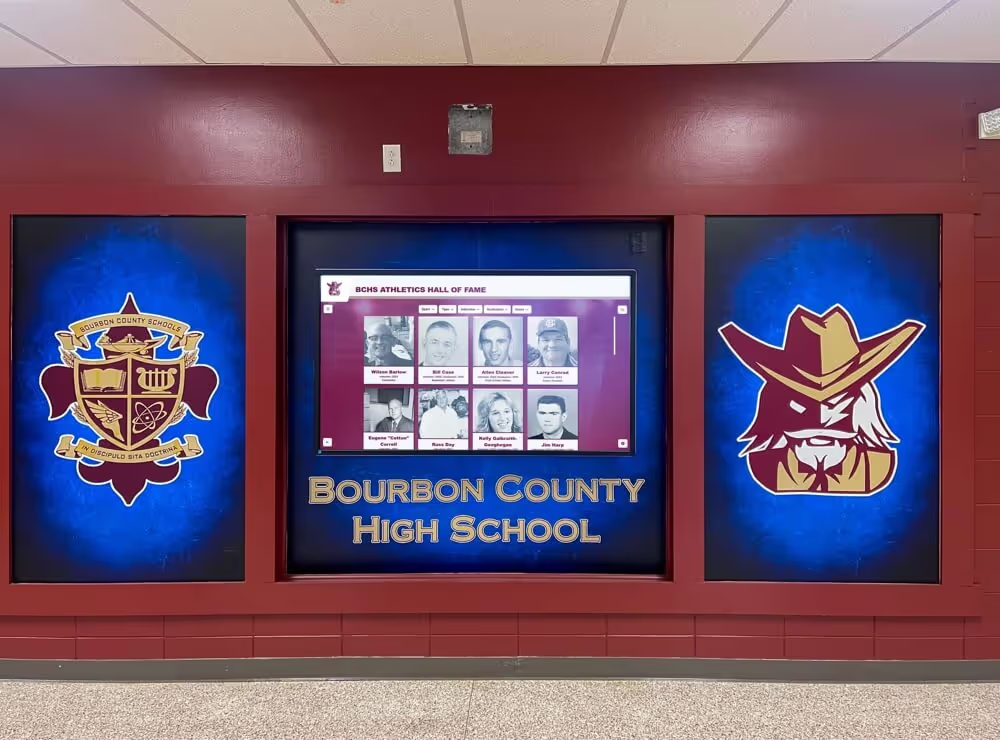
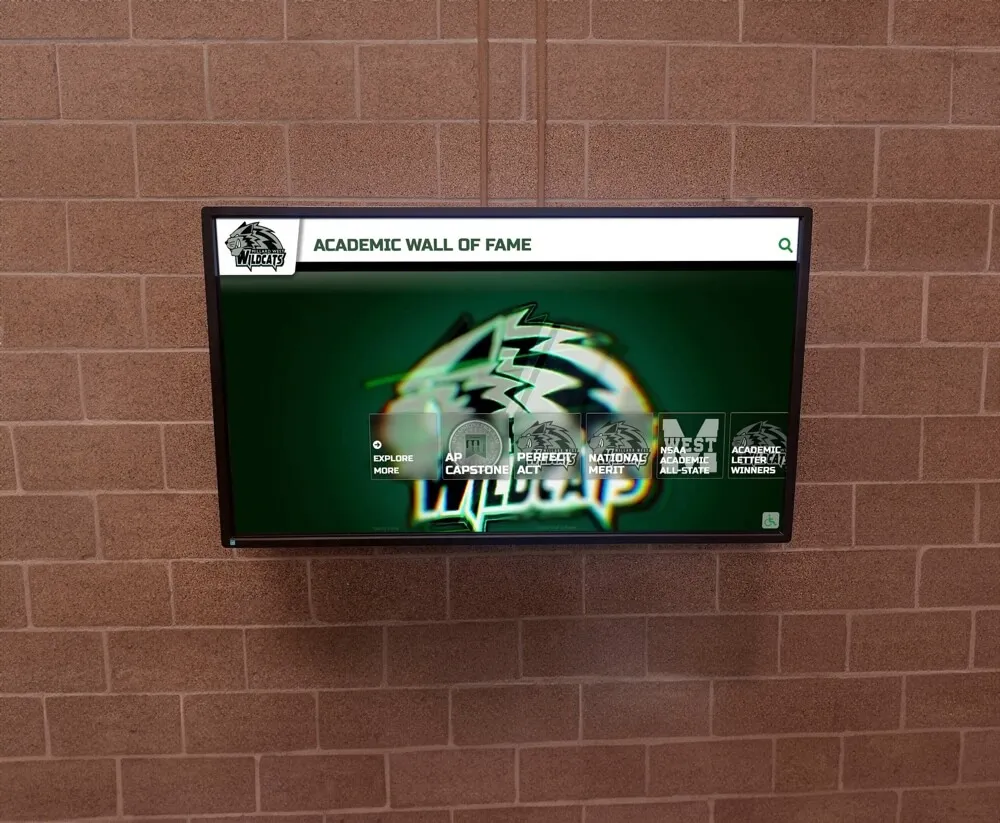
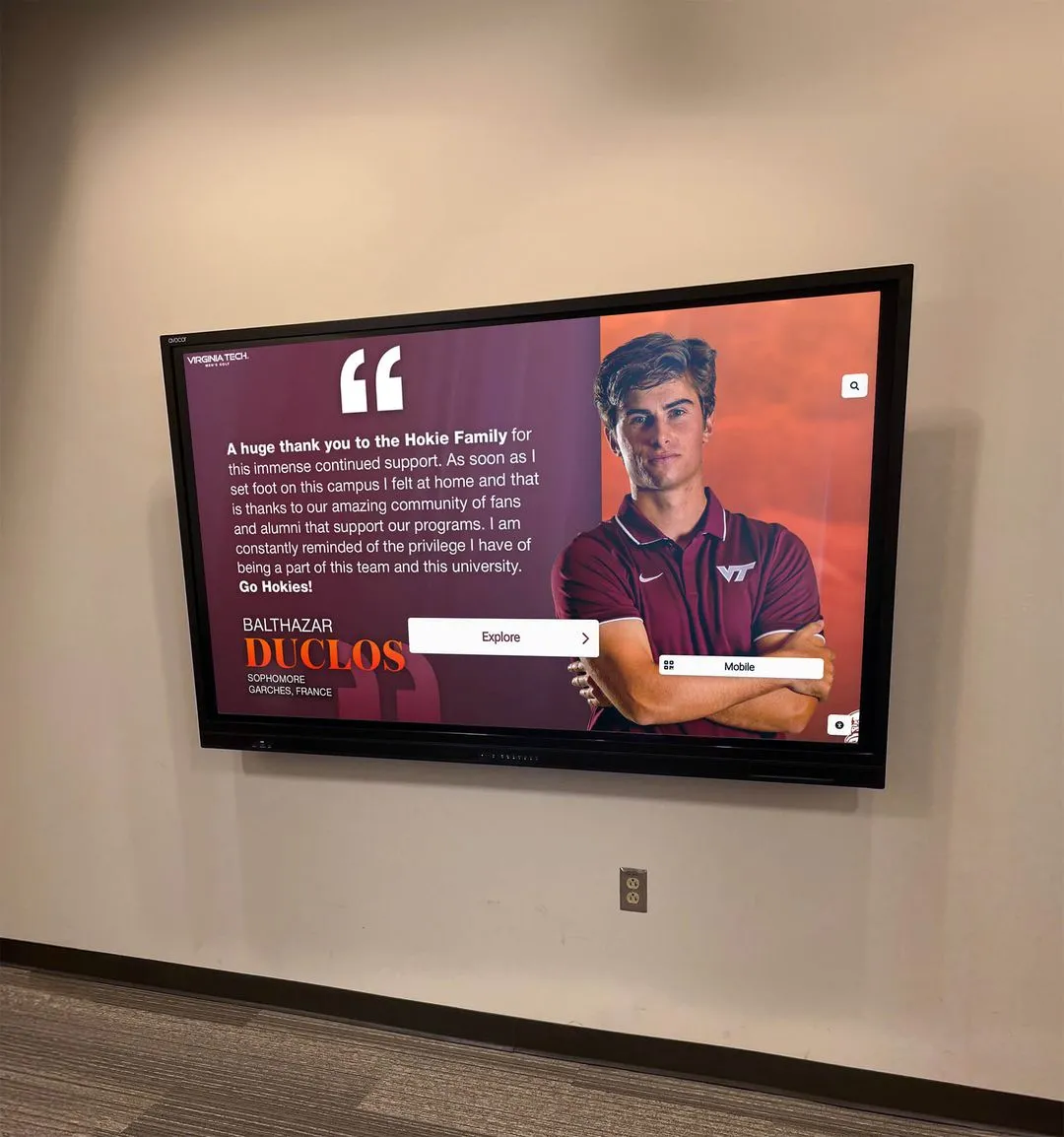
Touchscreen systems invite engagement from current students, families, and visitors who can explore graduation honors recipients interactively
WCAG accessibility compliance: Modern recognition displays should meet WCAG 2.2 AA accessibility standards to ensure honors recognition is equally accessible to all visitors regardless of disability status. Learn more about WCAG 2.2 AA compliance requirements for digital recognition displays to understand what accessibility compliance requires in practice.
Web extension: The most comprehensive digital recognition platforms extend beyond on-campus touchscreens to web-accessible portals, enabling alumni worldwide, prospective families comparing schools, and community members to explore graduation honors recipients and institutional academic achievement history.
Placement Strategy for Maximum Impact
Where you install graduation honors displays matters as much as what you include in them. High-traffic placement locations that maximize motivational impact for current students:
- Main academic building lobbies and entrances where students pass daily
- Library entrances and common areas frequented by academically motivated students
- Admissions visitor centers where prospective students and families form their first institutional impressions
- Administration building lobbies where prospective students often wait for appointments
For detailed guidance on positioning recognition displays in school common areas, this overview of high school lobby recognition displays covers placement principles that apply equally to graduation honors recognition contexts.

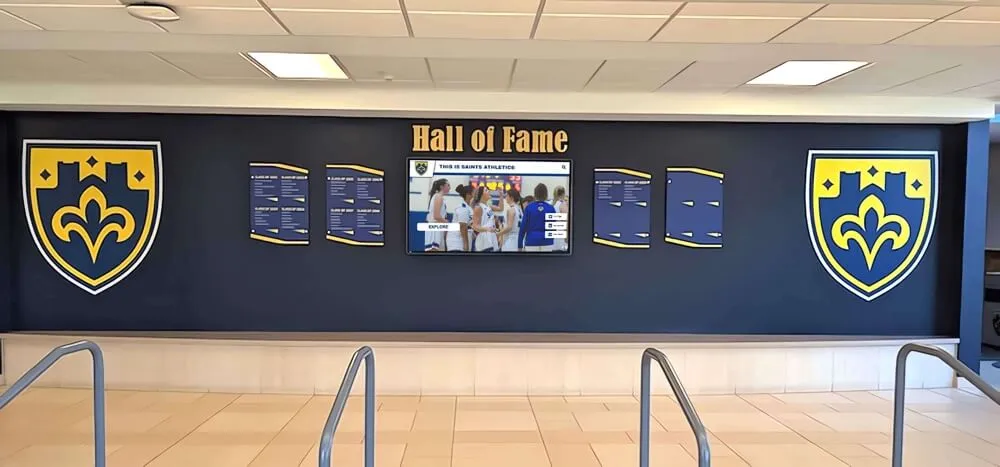
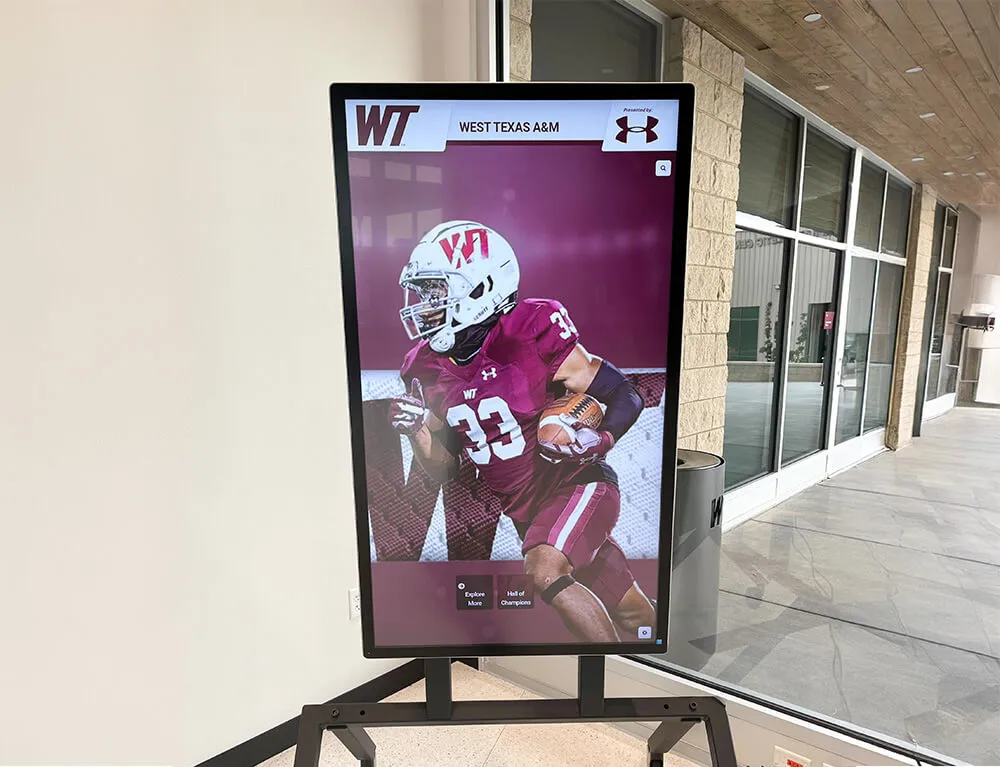
Comprehensive achievement displays integrate academic honors alongside other institutional accomplishments, reinforcing a culture where excellence across disciplines is equally celebrated
Graduation Honors Levels: Practical Policy Recommendations for Schools
Based on how institutions most effectively implement graduation honors programs, several policy and communication recommendations consistently emerge:
Policy Clarity Recommendations
Publish thresholds prominently and early. Graduation honors criteria should appear in the same locations as degree requirements — in the academic catalog, on the registrar’s website, and in first-year advising materials. Students cannot work toward a goal they don’t know exists.
Document the calculation methodology clearly. Specify exactly which credits count, how transfer credits are handled, what happens with pass/fail coursework, and whether final semester grades are included in calculations. Ambiguity creates inequity and frustrated students who thought they qualified for honors they didn’t receive.
Establish consistent transfer student policies. With a significant portion of undergraduates transferring institutions at least once during their academic careers, institutions need clear, equitable policies for transfer student honors eligibility — including minimum institutional credit requirements and how honors GPA is calculated for students with significant prior coursework.
Review thresholds periodically. GPA distributions shift over time due to curriculum changes, grading culture evolution, and student population changes. Periodic review (every 5–7 years) ensures graduation honors thresholds continue reflecting the institution’s intended recognition rates rather than drifting unintentionally.
Recognition Program Recommendations
Don’t wait until graduation. Students approaching honors eligibility benefit from knowing their standing throughout enrollment. Honor roll programs, Dean’s List recognition, and proactive academic advisor conversations about honors progress keep graduation honors visible as an ongoing goal rather than a final-semester discovery.
Integrate honors recognition into campus spaces permanently. Commencement recognition lasts hours. A permanent display celebrating graduation honors recipients lasts indefinitely and continues motivating future students every time current students walk past it.
Extend recognition to families and community. Consider web-accessible graduation honors recognition that allows families to share their graduate’s distinction, alumni to revisit their own achievement, and prospective families to see the academic culture their students would join.
For inspiration on comprehensive recognition wall design that serves multiple audiences simultaneously, this guide to donor and recognition wall construction covers structural and content considerations applicable to academic honors walls.
Digital Display Recommendations
Choose platforms that scale without reprinting. Static displays of any kind become bottlenecks as honors recipients accumulate over decades. Digital platforms that accommodate unlimited entries ensure your investment in recognition infrastructure grows with your institution rather than requiring periodic replacement.
Prioritize searchable archives over annual listings. A display that shows only the current year’s honors recipients misses the primary motivational benefit. Searchable, filterable archives connecting current students to honors recipients across institutional history create the community and tradition that make honors meaningful.
Consider touchscreen solutions for high-traffic locations. In locations where interactive engagement is appropriate, touchscreen systems create higher dwell time and deeper engagement with honors recipient profiles than passive displays. For implementation guidance, this overview of touchscreen display solutions for high school gym and lobby spaces covers technology requirements and use cases relevant to academic recognition applications.
Showcase Your Graduation Honors Recipients Year-Round
Discover how Rocket Alumni Solutions' interactive digital recognition platforms enable schools to celebrate cum laude, magna cum laude, and summa cum laude graduates permanently — with searchable archives, rich profiles, and remote content management that keeps honors recognition current and impactful.
Explore Recognition SolutionsFAQ: Graduation Honors Levels for Schools
What are the three graduation honors levels?
The three standard graduation honors levels are cum laude (“with honor”), magna cum laude (“with great honor”), and summa cum laude (“with highest honor”). These designations represent tiers of academic achievement awarded to graduates who meet specific GPA thresholds or class rank percentile requirements. The exact criteria vary by institution, but the three-tier Latin tradition is consistent across American colleges and universities, and all three designations appear on diplomas and official transcripts.
How do schools decide graduation honors GPA thresholds?
Schools use two primary approaches: fixed GPA cutoffs (specific numerical thresholds that remain constant year-to-year) or percentile-based systems (honors awarded to top-performing percentages of each graduating class). Fixed thresholds provide transparency and enable students to track progress throughout enrollment. Percentile systems create consistent recognition rates across graduation years. Some institutions combine GPA floors with additional requirements like minimum institutional credits, thesis completion, or major GPA minimums. Institutions should review thresholds periodically to ensure they reflect intended recognition rates.
Can transfer students earn graduation honors?
In most cases, yes — but with conditions. Most institutions require transfer students to complete a minimum number of credits at the degree-granting school (typically 60–90 credits) before becoming eligible for Latin honors. GPA calculations usually include only coursework completed at the awarding institution, not transfer credits. Students considering transferring should research graduation honors policies at target institutions during the transfer evaluation process, as policies vary significantly. Some highly selective institutions exclude transfer students from honors eligibility entirely.
How should schools display graduation honors recipients?
Effective graduation honors recognition combines ceremony-based acknowledgment (diploma notation, honor cords, program listings) with permanent campus displays that celebrate recipients year-round. Modern digital recognition platforms allow schools to create searchable archives of graduation honors recipients across institutional history, display rich graduate profiles, and update recognition remotely as new graduates earn distinctions. Strategic placement in high-traffic areas — academic building lobbies, libraries, and visitor centers — maximizes the motivational impact of graduation honors displays on current students.
What is the difference between summa cum laude and valedictorian?
Summa cum laude is a graduation honors level awarded to all graduates who meet specific GPA or percentile criteria — multiple students in the same class may receive summa cum laude recognition. Valedictorian designates the single student with the highest GPA in the graduating class (some institutions recognize co-valedictorians when GPAs tie). Valedictorians nearly always qualify for summa cum laude, but summa cum laude recipients may not hold the class’s top rank. Some institutions award valedictorian independently of Latin honors, while others have replaced traditional valedictorian recognition with the broader summa cum laude designation.
Conclusion: Building a Graduation Honors Recognition Culture That Lasts
Graduation honors levels are far more than a registrar function or a diploma footnote. Cum laude, magna cum laude, and summa cum laude represent the aspirational ceiling of academic achievement at your institution — benchmarks that can motivate students from freshman orientation through commencement when schools communicate them clearly, track them proactively, and celebrate recipients in ways that extend well beyond a single ceremony.
The most effective institutions treat graduation honors levels as a culture-building instrument. They publish thresholds prominently, build honors progress into advising conversations, hold recognition ceremonies that make honorees feel genuinely seen, and invest in permanent displays that celebrate graduates across generations. When a current sophomore can walk past a digital recognition display showing the names and honors levels of alumni who studied in the same buildings, academic ambition becomes concrete, connected, and contagious.
Rocket Alumni Solutions provides interactive touchscreen recognition systems trusted by hundreds of schools and universities to display academic honors recipients with searchable profiles, rich achievement documentation, and remote content management that keeps recognition current year after year.
Learn How Rocket Alumni Solutions Can Help Your School Celebrate Graduation Honors
Whether you are establishing graduation honors thresholds for the first time, refining existing policies, or looking for modern ways to display and celebrate the cum laude, magna cum laude, and summa cum laude graduates who represent your institution’s highest academic achievement — a thoughtful, visible, year-round recognition system transforms graduation honors from an administrative designation into one of your school’s most powerful expressions of its commitment to academic excellence.