



High school awards ceremony ideas determine whether recognition events become memorable celebrations of student achievement or forgettable formalities that fail to honor accomplishments appropriately. When schools design ceremonies that engage honorees, involve families, celebrate diverse achievements, and create lasting memories, they transform recognition into powerful motivation that extends far beyond individual recipients.
Yet planning effective awards ceremonies presents significant challenges. Many schools default to auditorium assemblies where students receive certificates while peers talk through presentations. Generic formats fail to differentiate between achievement levels, treat all awards identically, and rush through recognition to finish before dismissal. Families receive limited invitation or involvement, ceremonies focus exclusively on academic or athletic achievements while ignoring other accomplishments, and static presentation formats fail to engage modern students accustomed to dynamic multimedia experiences.
This comprehensive guide provides creative high school awards ceremony ideas, strategic planning frameworks, and proven approaches for creating recognition events that appropriately honor student achievement while creating the memorable experiences your students deserve.
Planning successful high school awards ceremonies requires far more than scheduling an assembly and printing certificates—it demands thoughtful consideration of ceremony purpose, audience engagement strategies, appropriate formality levels, logistical planning, and integration with broader recognition programs. Schools that excel at student recognition design ceremonies reflecting the significance of achievements being honored while creating experiences students and families remember positively.

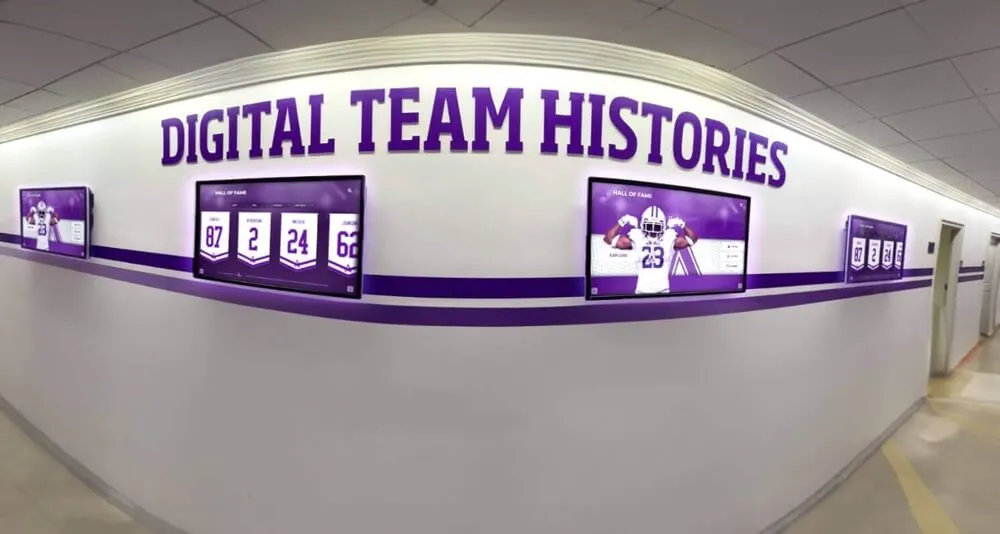
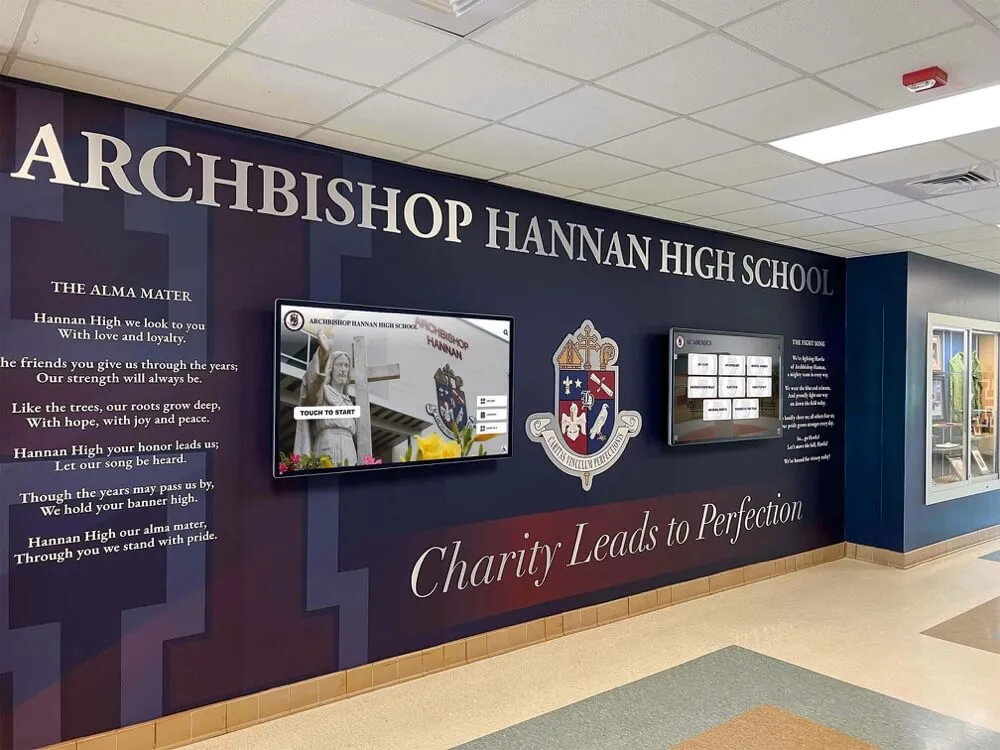
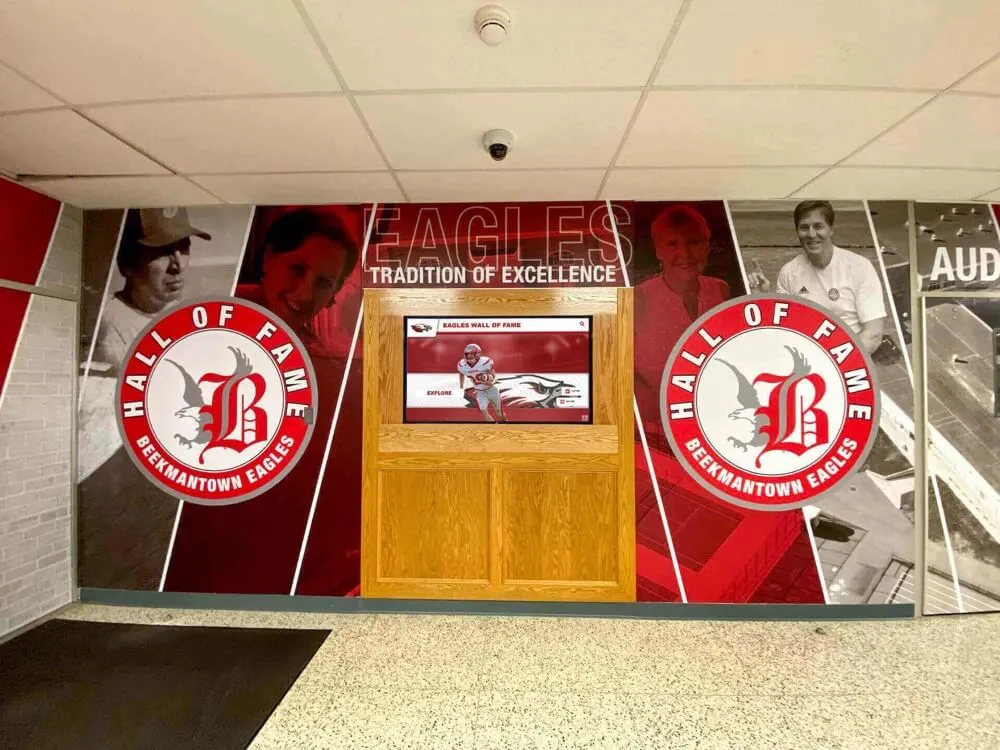
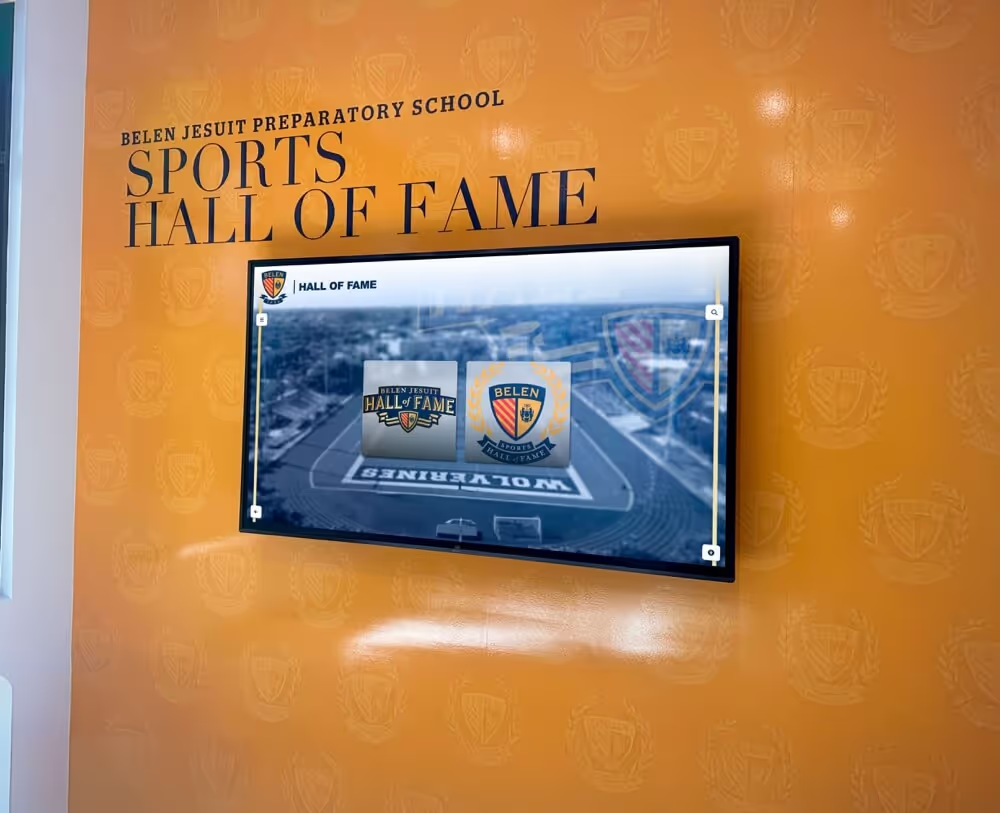
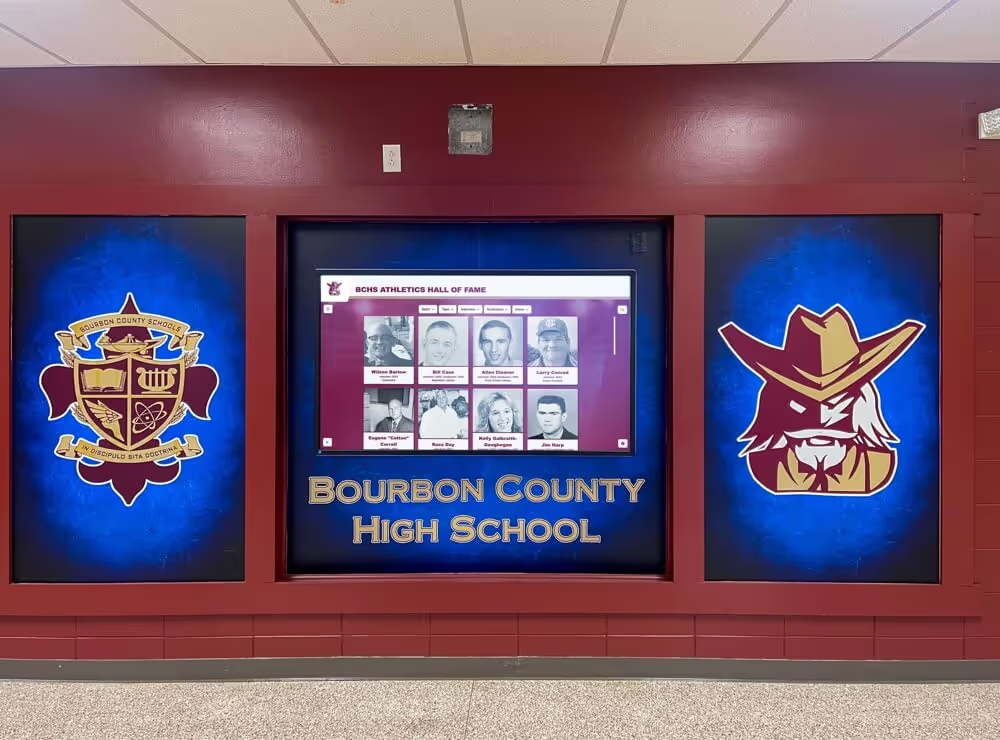
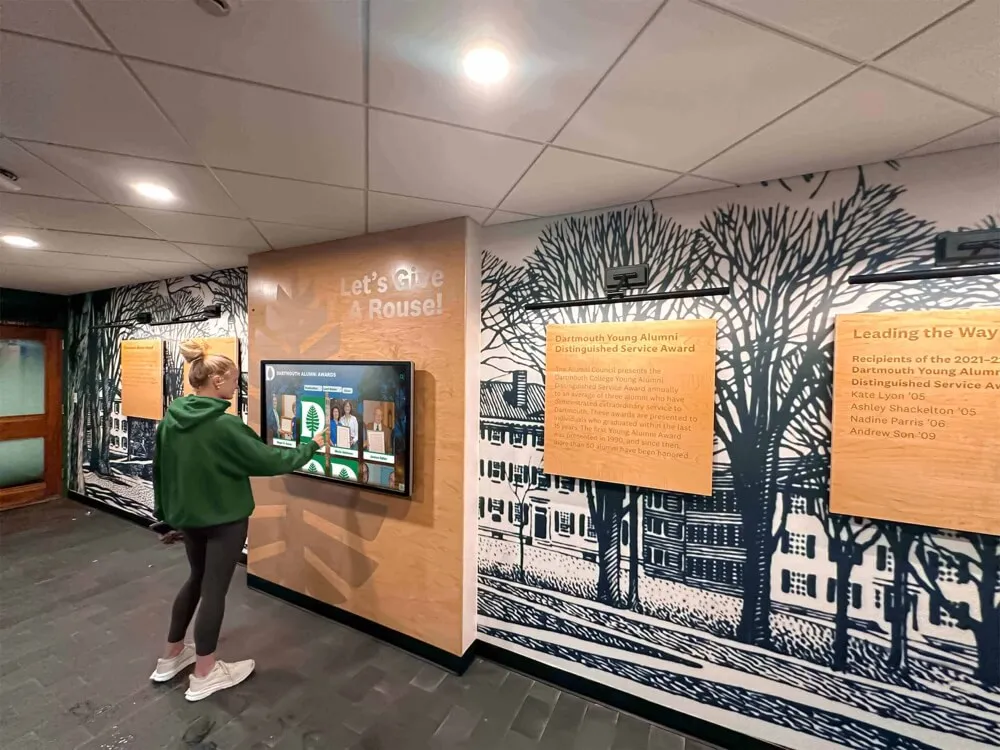
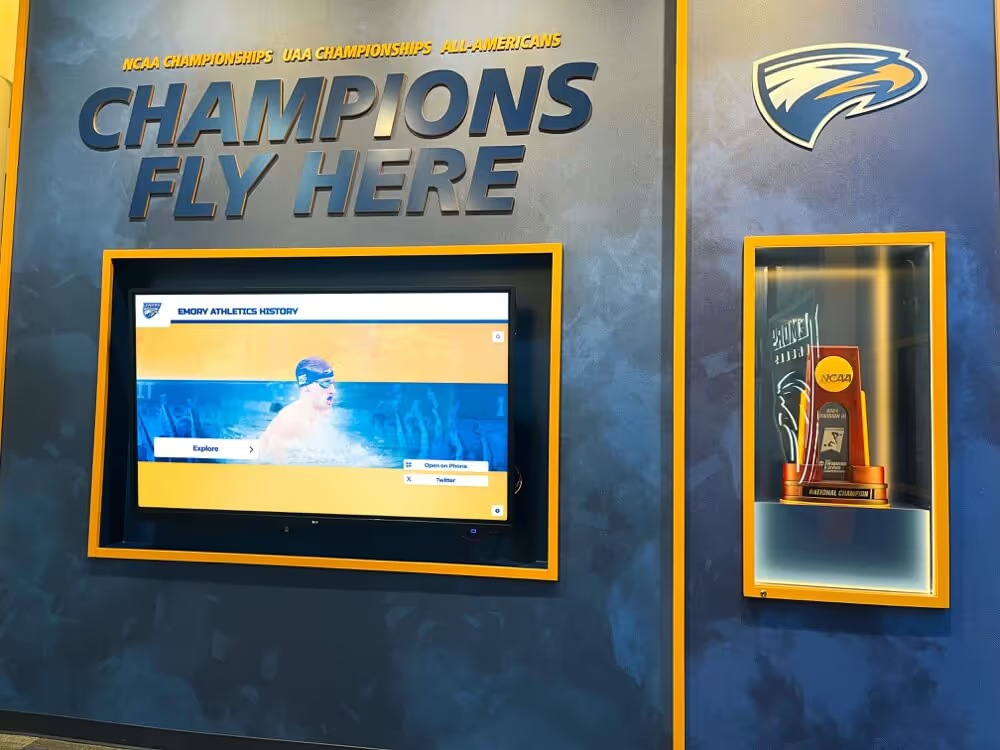
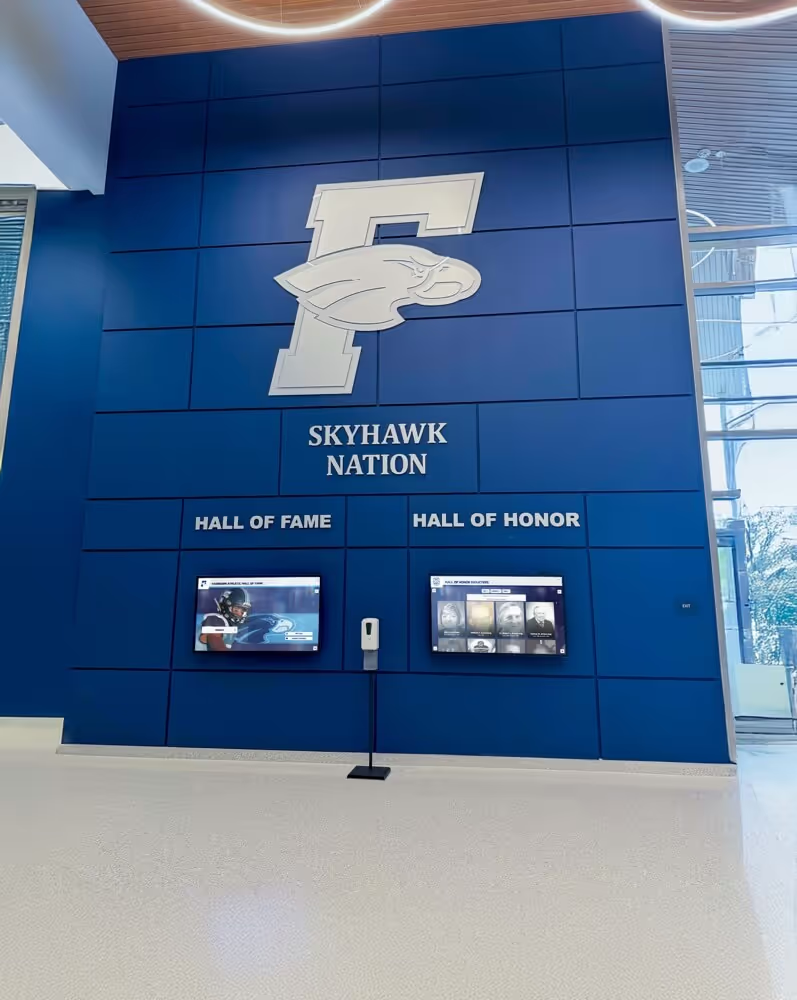
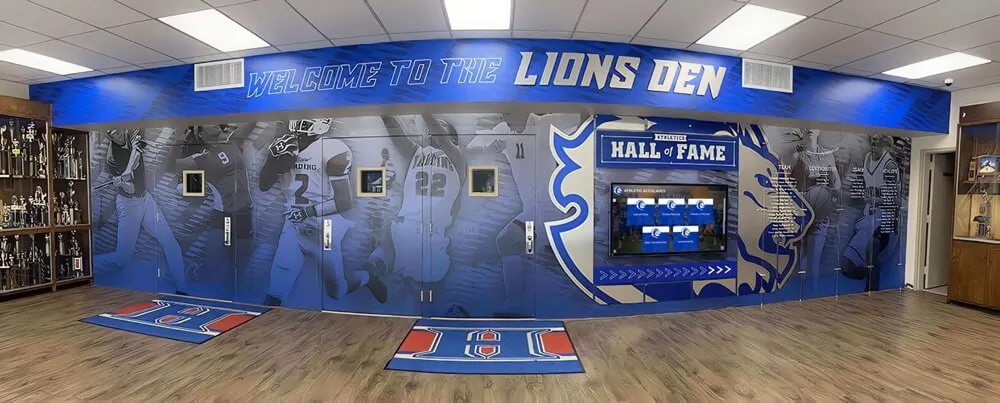
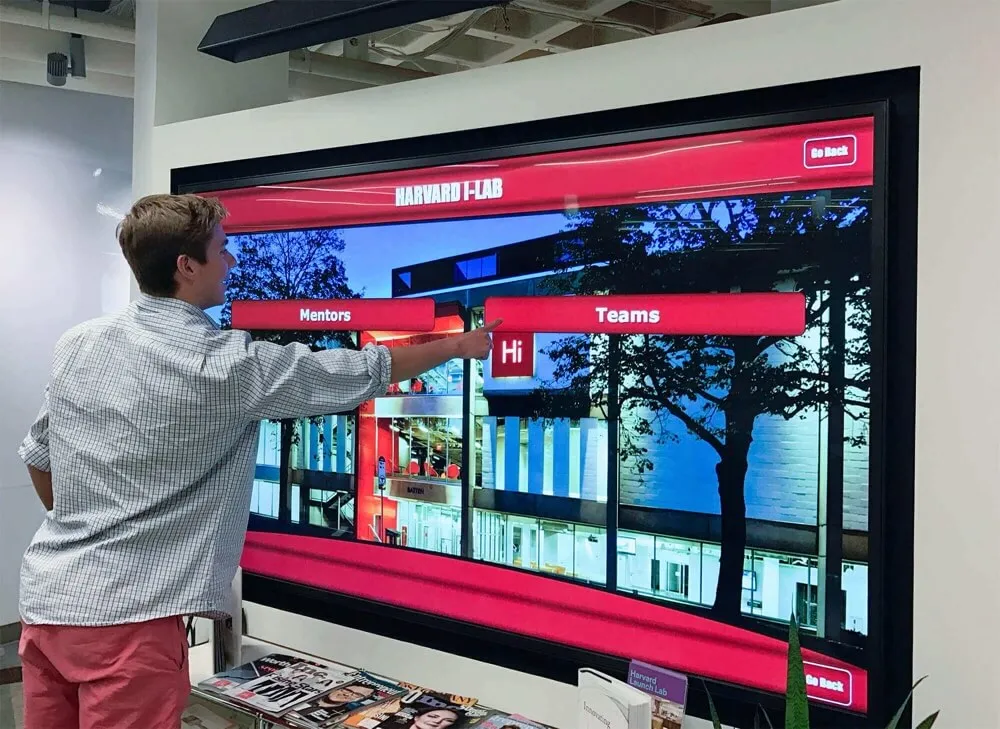
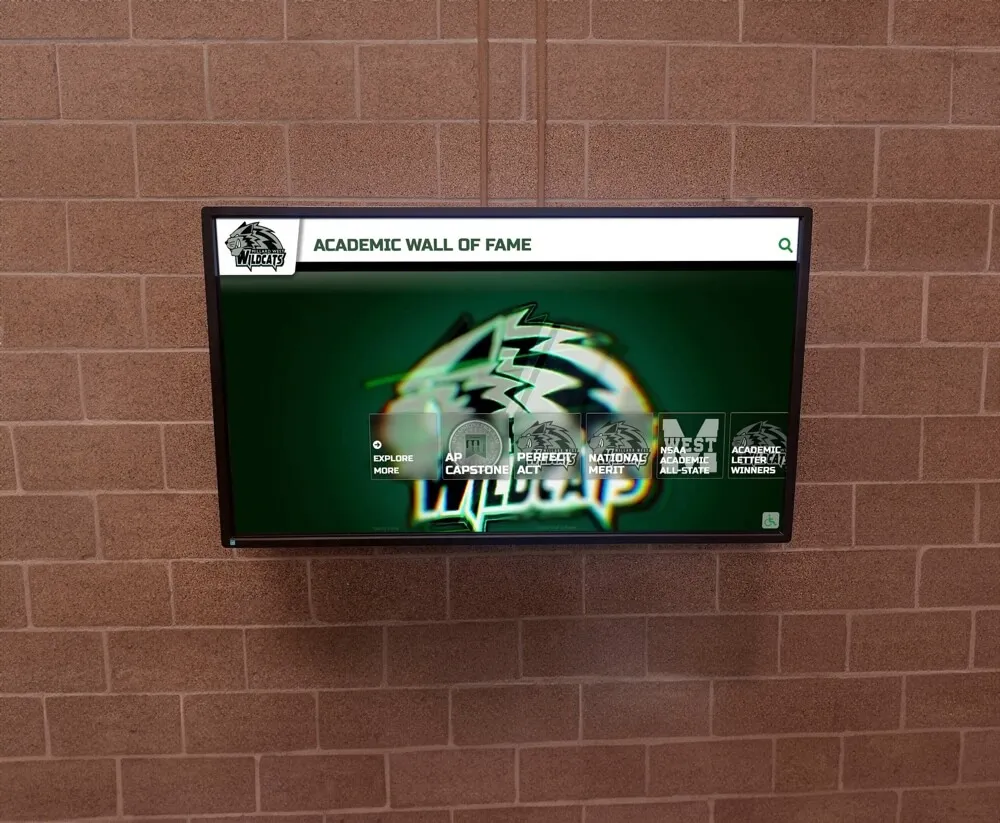
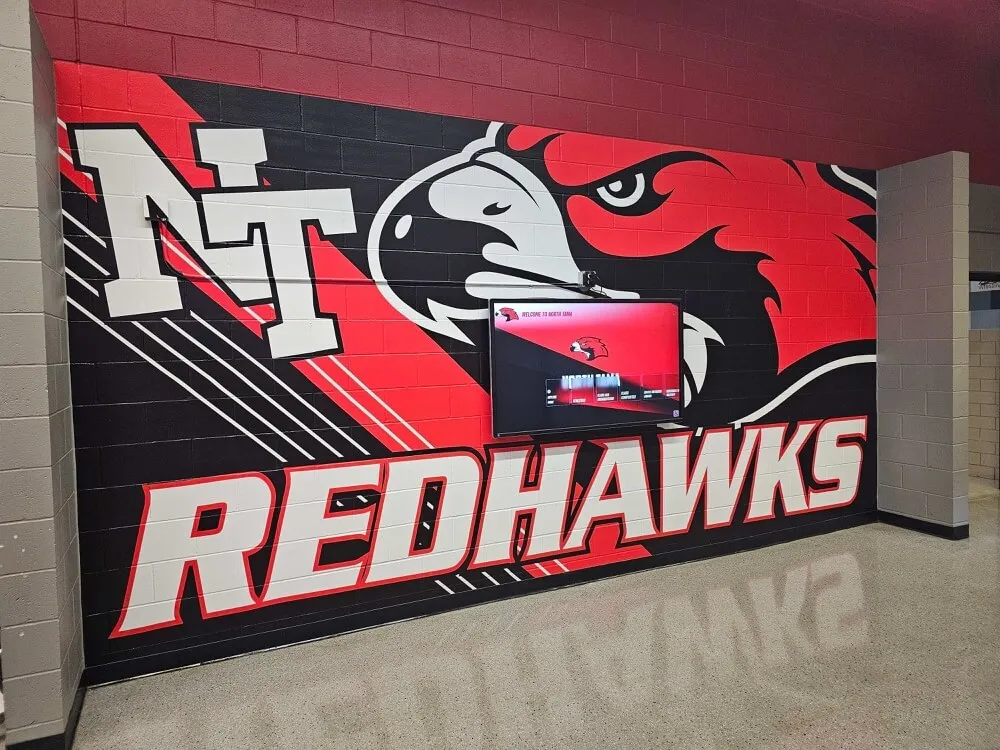
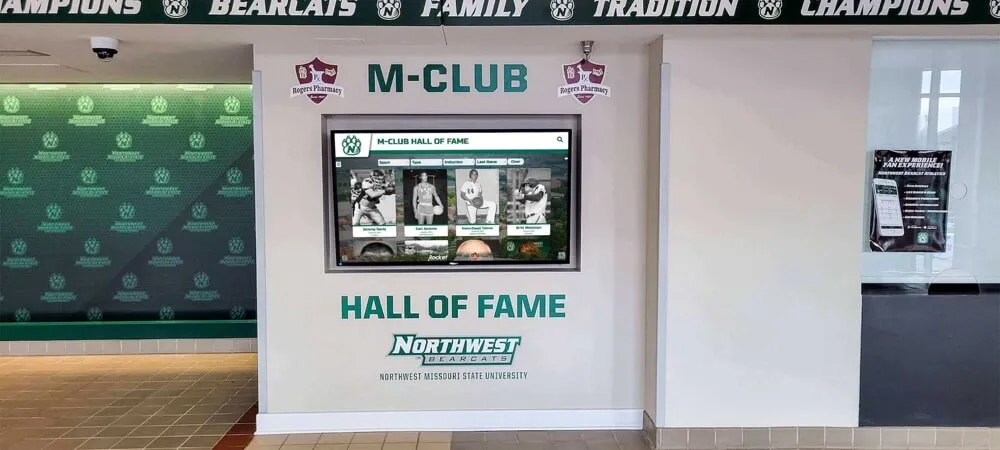
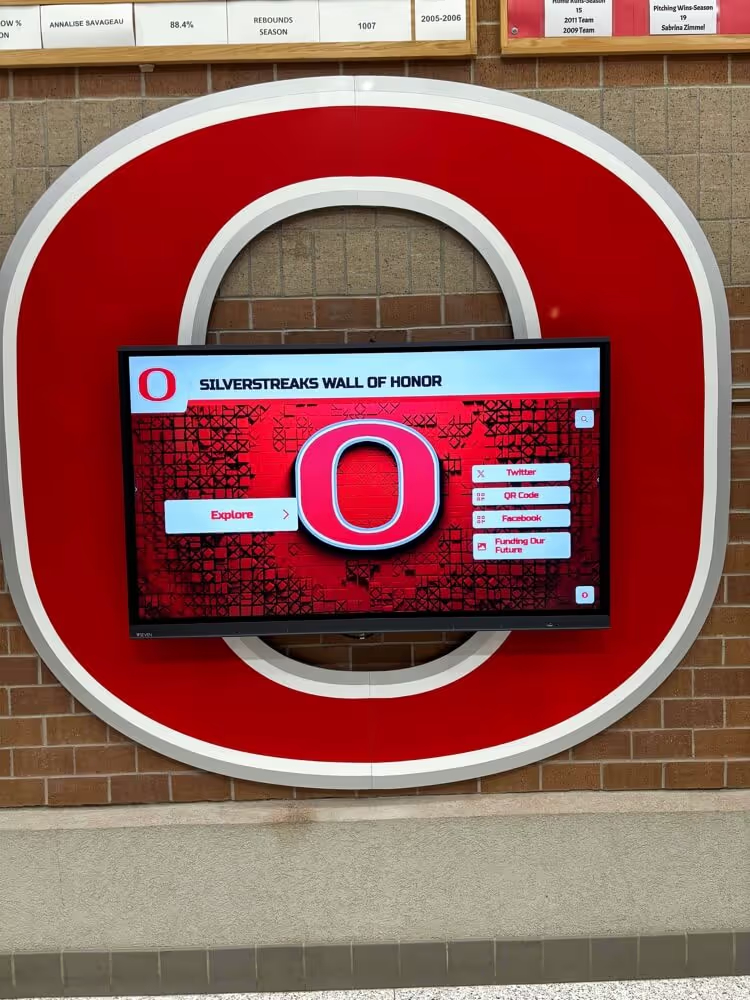
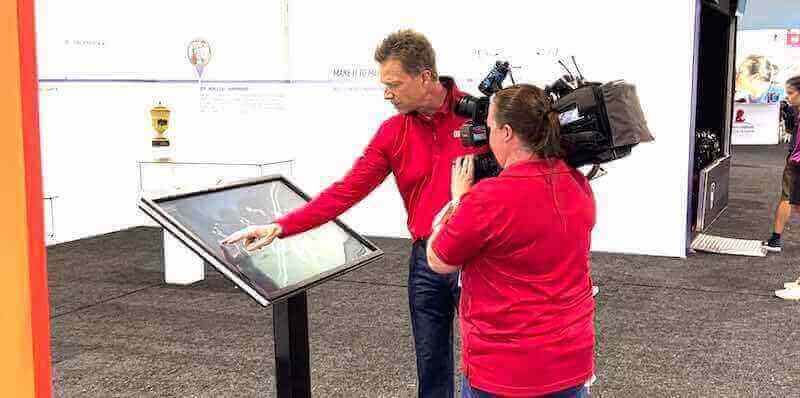
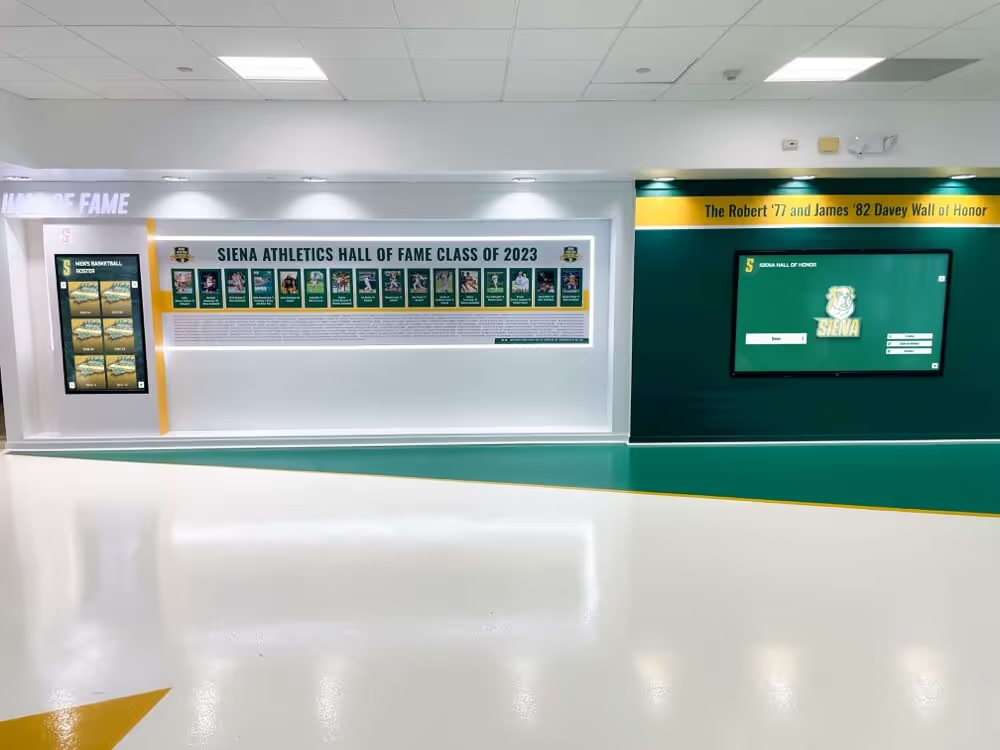
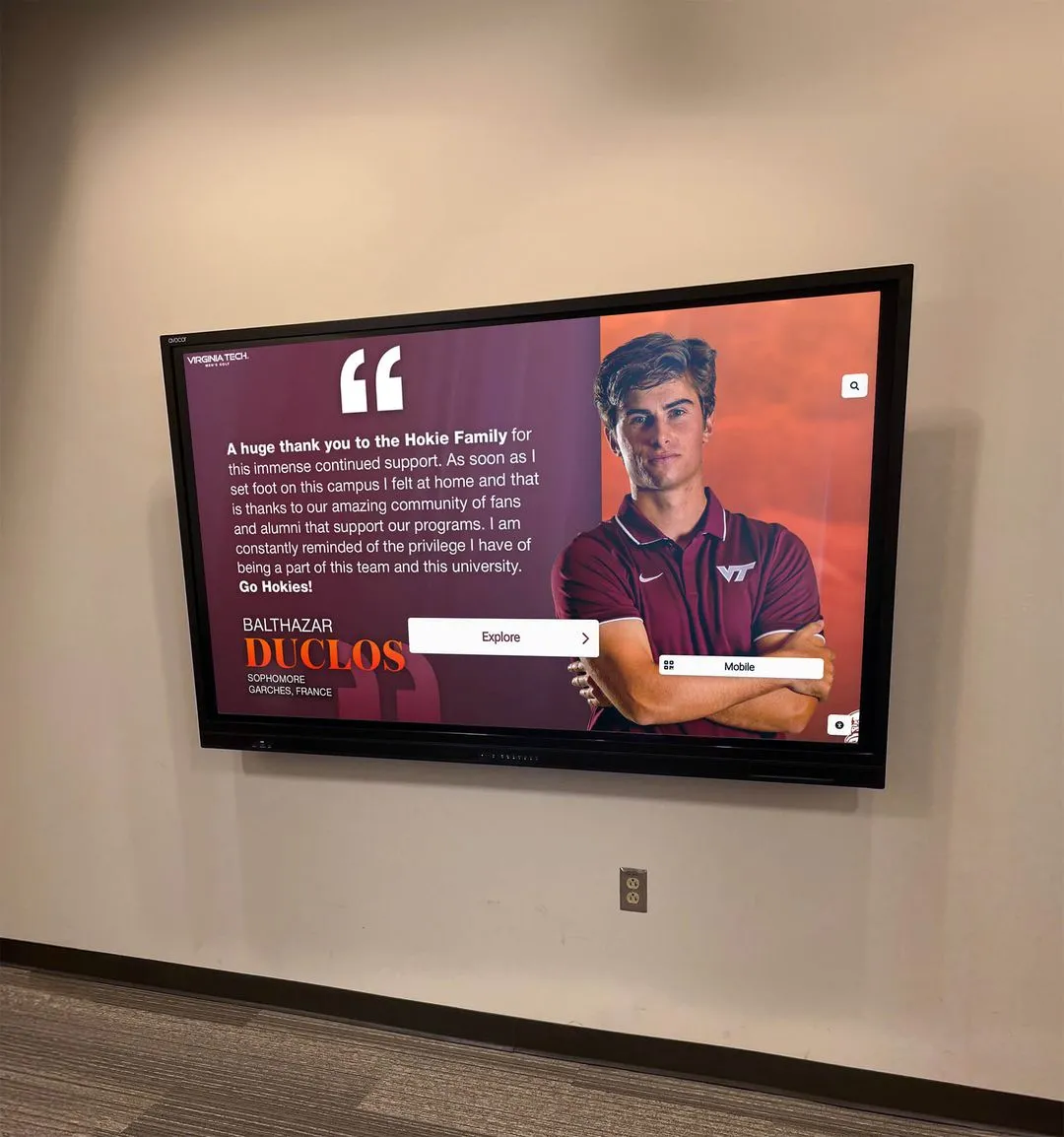
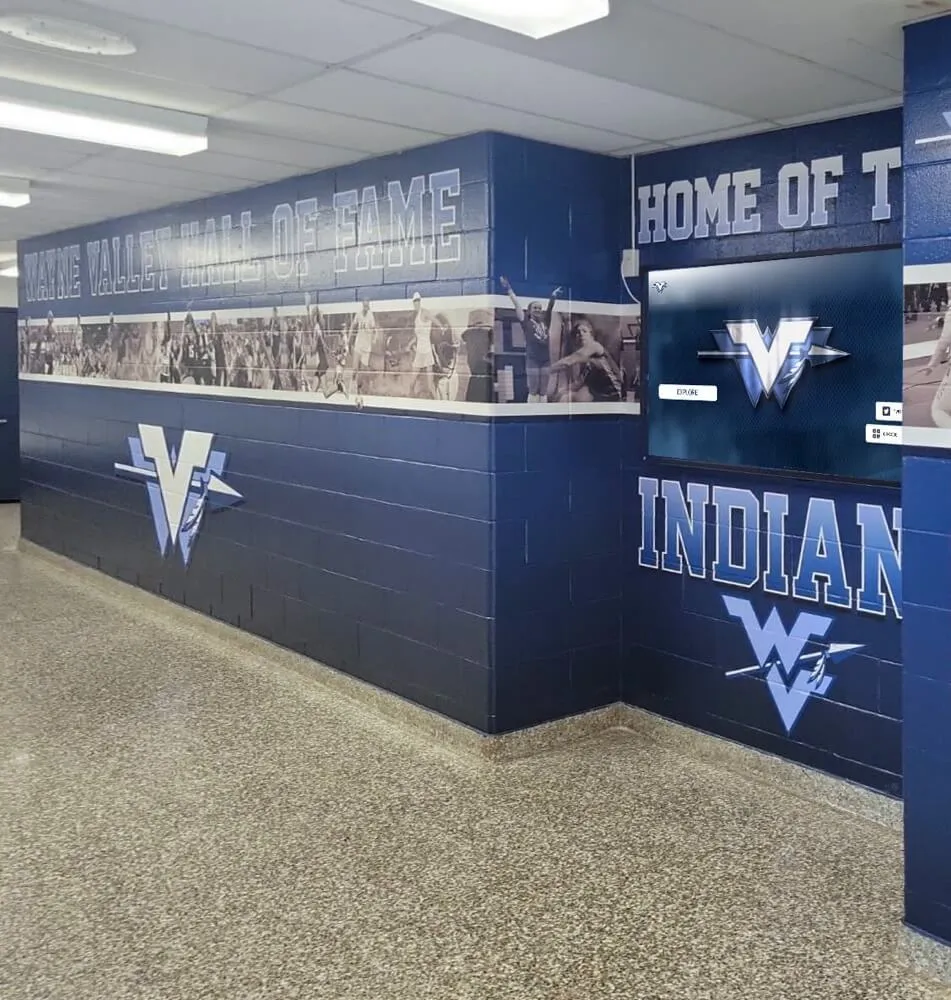
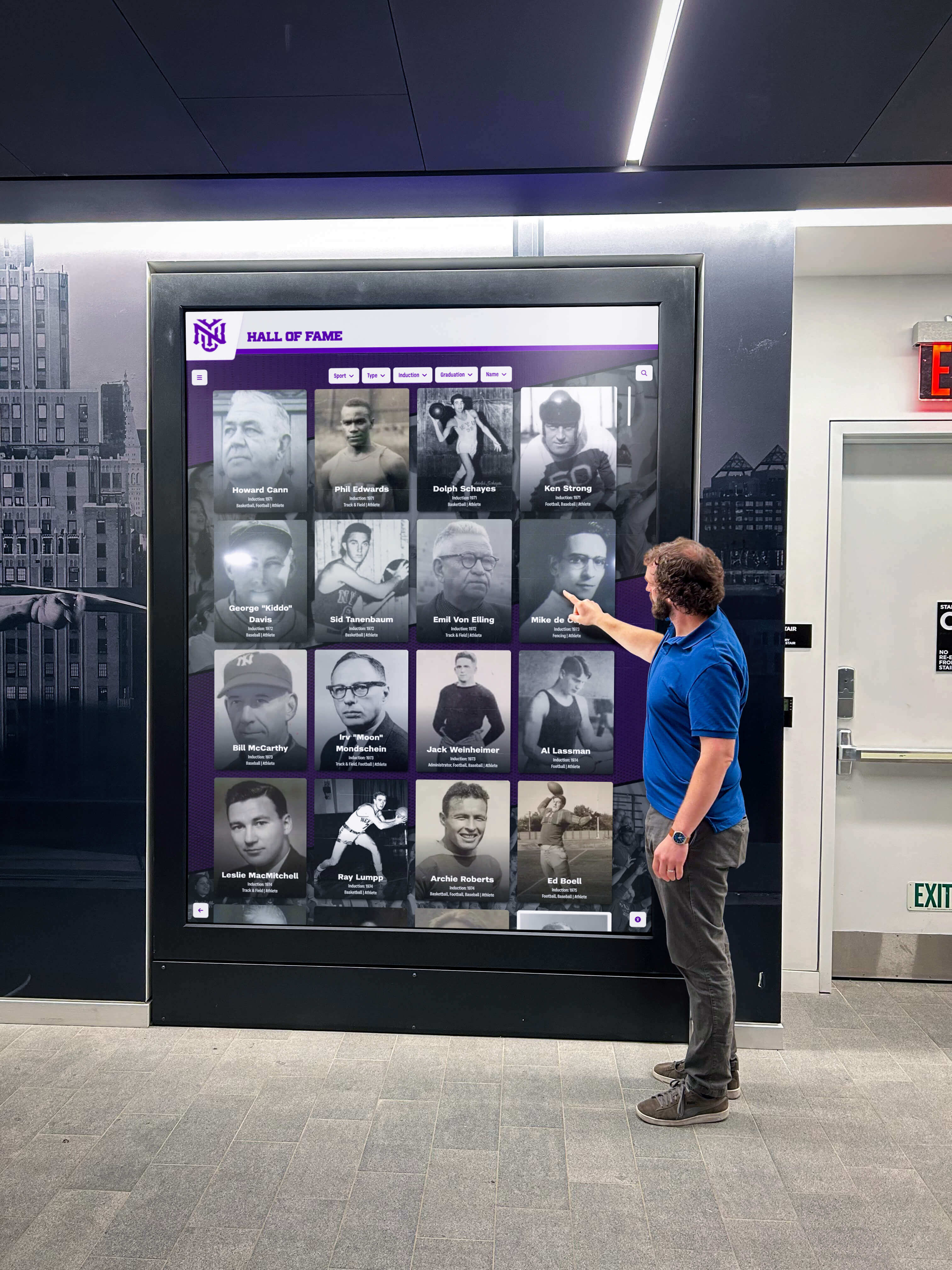
Modern interactive displays extend ceremony recognition year-round, making achievements visible between formal events
Understanding Different Types of High School Awards Ceremonies
High schools host multiple recognition events throughout the year, each requiring different approaches based on achievement type and audience.
Academic Awards Ceremonies
Academic recognition events celebrate intellectual achievement across diverse categories:
Quarterly Honor Roll Recognition
- Marking period or semester academic achievement acknowledgment
- Usually conducted during school day in auditorium or cafeteria
- Involves larger numbers of students than annual ceremonies
- Brief format acknowledging achievement without extensive presentations
- Certificate distribution or digital recognition publication
Annual Academic Awards Night
- End-of-year comprehensive academic recognition
- Department-specific awards from individual subject areas
- Special recognition for top academic achievers
- National academic recognition program acknowledgment
- Usually evening events with family invitation
According to research from the National Association of Secondary School Principals, schools that host dedicated academic recognition events comparable to athletic banquets see 22-28% higher advanced course enrollment rates, demonstrating the motivational impact of visible intellectual achievement celebration.
Senior Academic Recognition
- Acknowledges cumulative four-year academic achievement
- Scholarship recipient recognition
- College acceptance celebrations
- Valedictorian and salutatorian honors
- Academic legacy and senior class academic highlights
Learn about comprehensive academic recognition in academic recognition programs that celebrate student excellence.
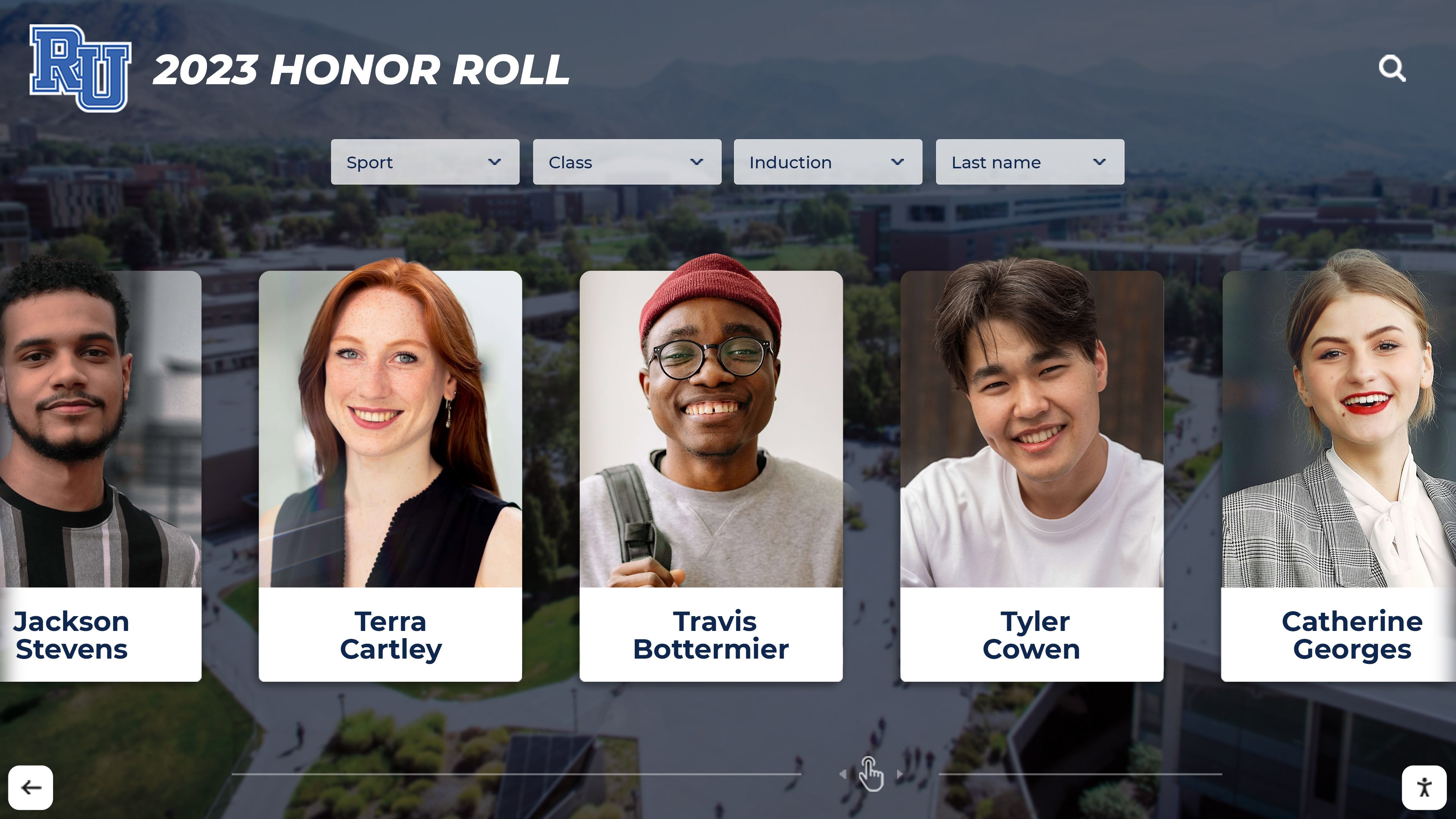
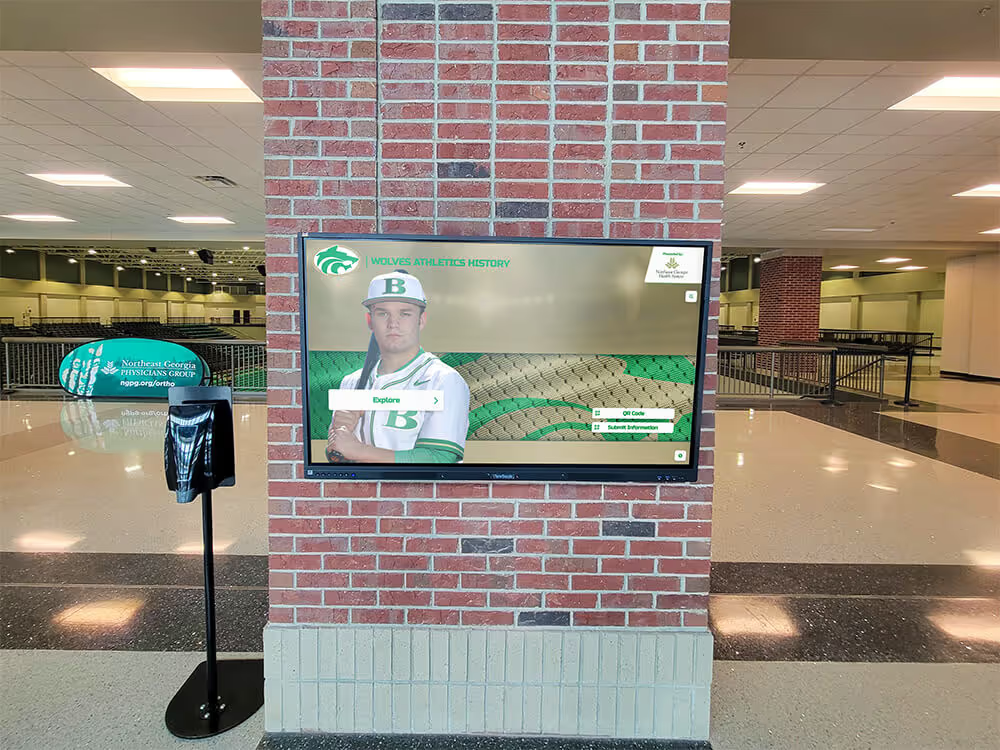
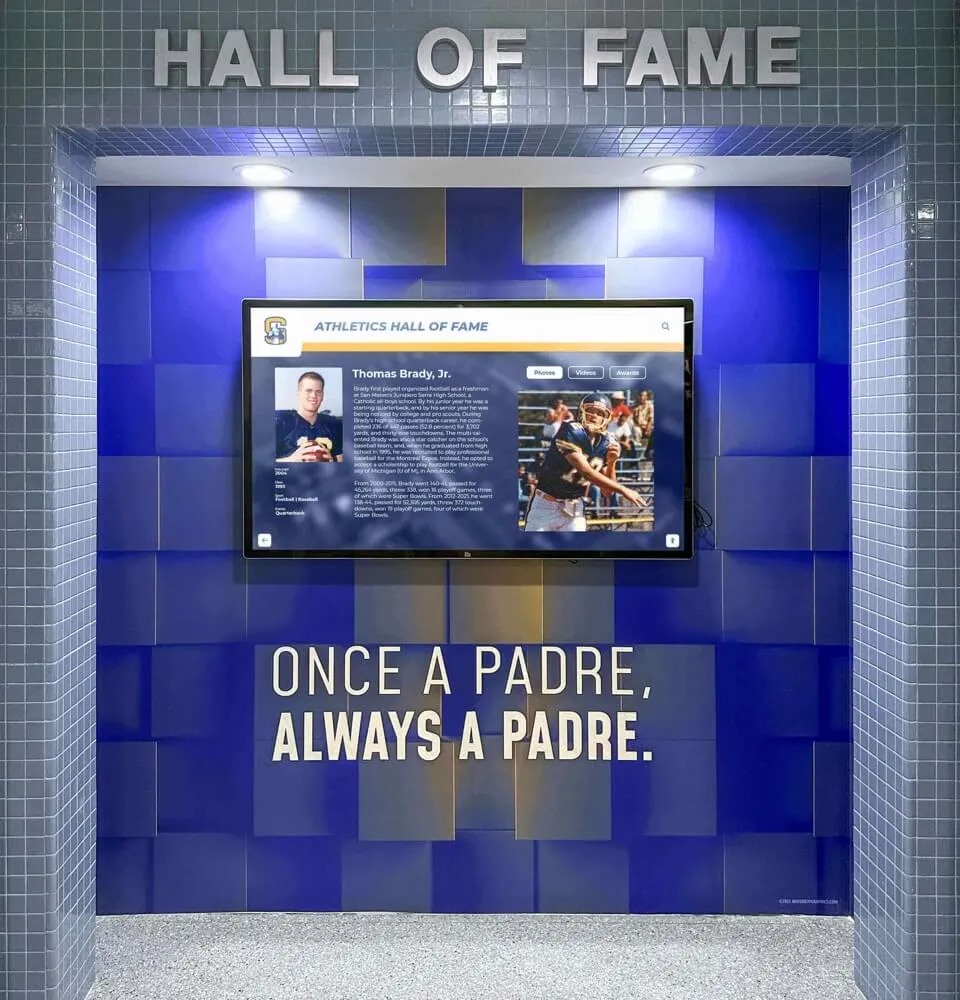
Digital recognition systems showcase academic achievers with professional profiles celebrating individual accomplishments
Athletic Recognition Events
Sports achievements require celebration matching the visibility athletics receives:
Seasonal Sports Banquets
- Individual sport team recognition following season completion
- Coach presentations and season highlight reviews
- Individual athlete awards and statistical recognition
- Senior athlete tributes and family acknowledgment
- Usually hosted off-campus at banquet facilities or restaurants
All-Sports Recognition Ceremony
- Comprehensive athletic department recognition event
- Cross-sport achievement celebration
- Athletic department awards and special recognition
- Varsity letter presentations
- Multi-sport athlete acknowledgment
Research published by the National Interscholastic Athletic Administrators Association indicates that schools maintaining consistent athletic recognition ceremonies see 15-20% higher participation retention rates across multiple seasons compared to programs with inconsistent or minimal recognition.
Explore athletic recognition approaches in showcasing athletic achievement awards digitally.
Championship and State Recognition
- Special ceremonies honoring exceptional team achievements
- Championship trophy presentations
- State qualifier and competitor recognition
- Record-breaking performance celebrations
- Community celebration events
Special Recognition Categories
Beyond academic and athletic achievements, comprehensive ceremonies honor diverse accomplishments:
Arts and Performance Recognition
- Theater and drama achievement awards
- Music competition and festival recognition
- Visual arts exhibition and contest awards
- Dance performance excellence
- Creative writing and publication acknowledgment
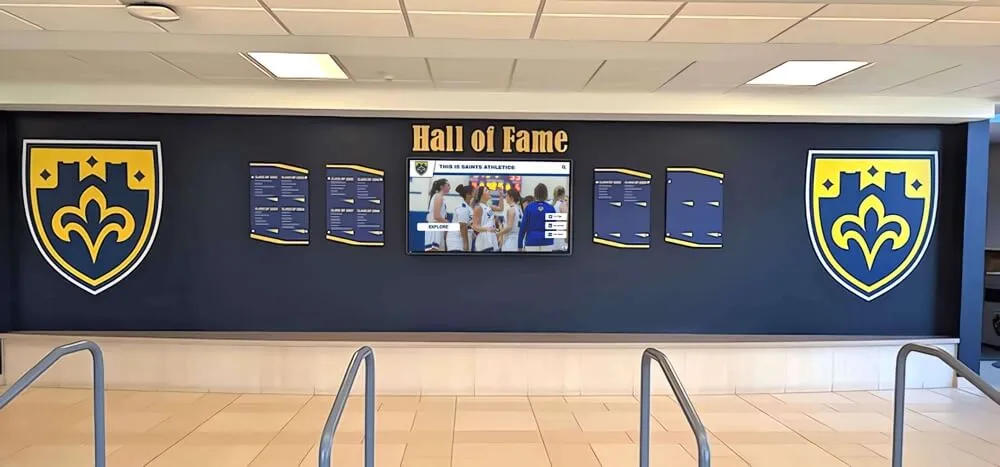
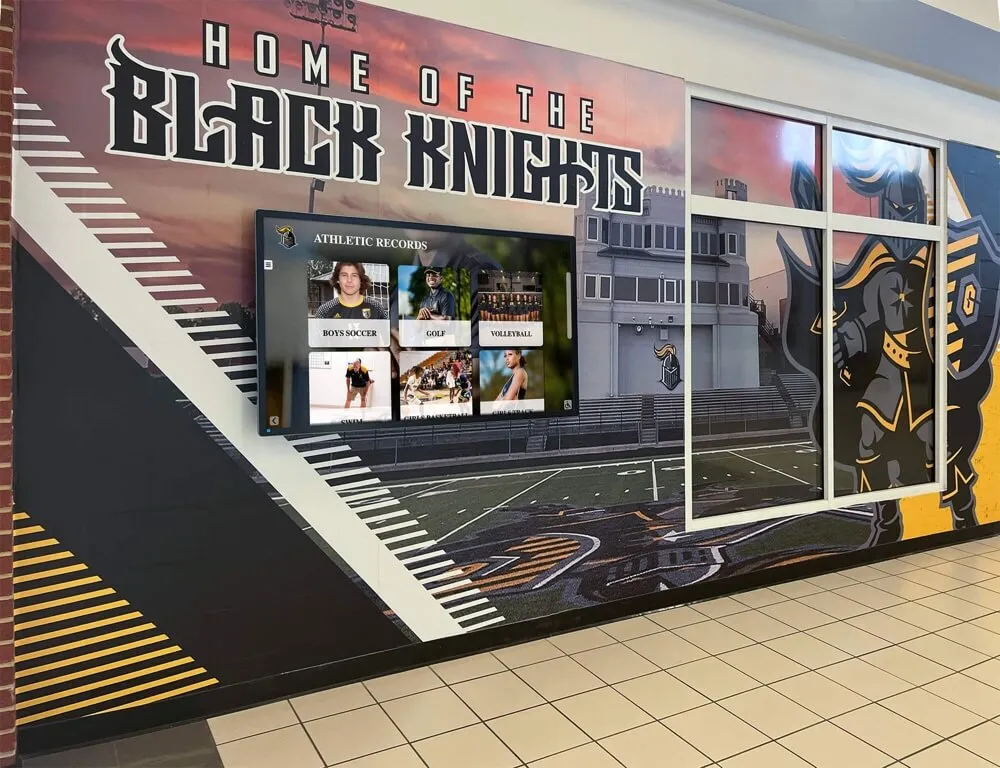
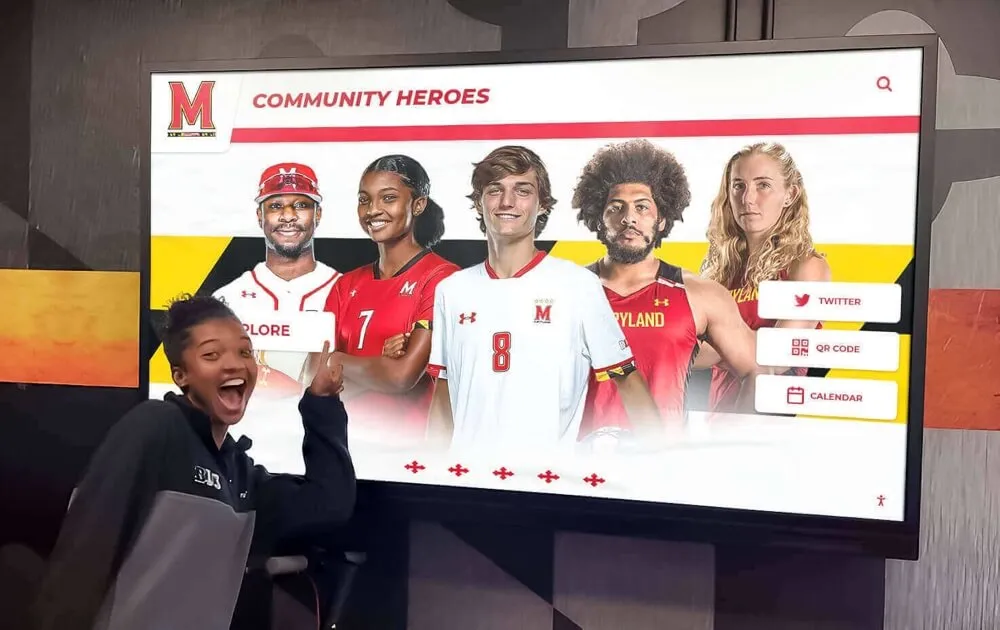
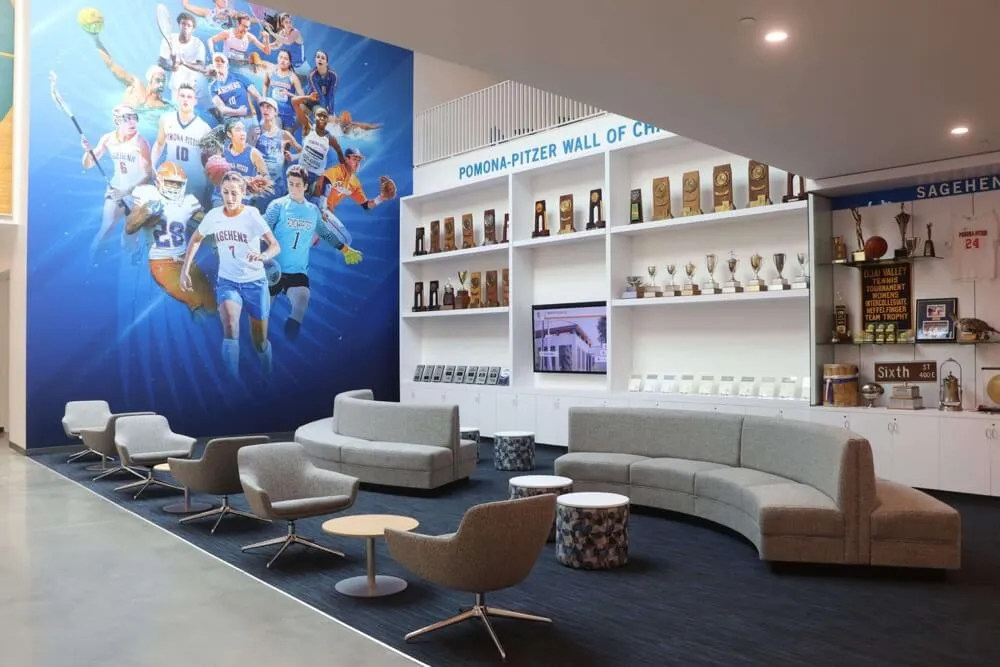
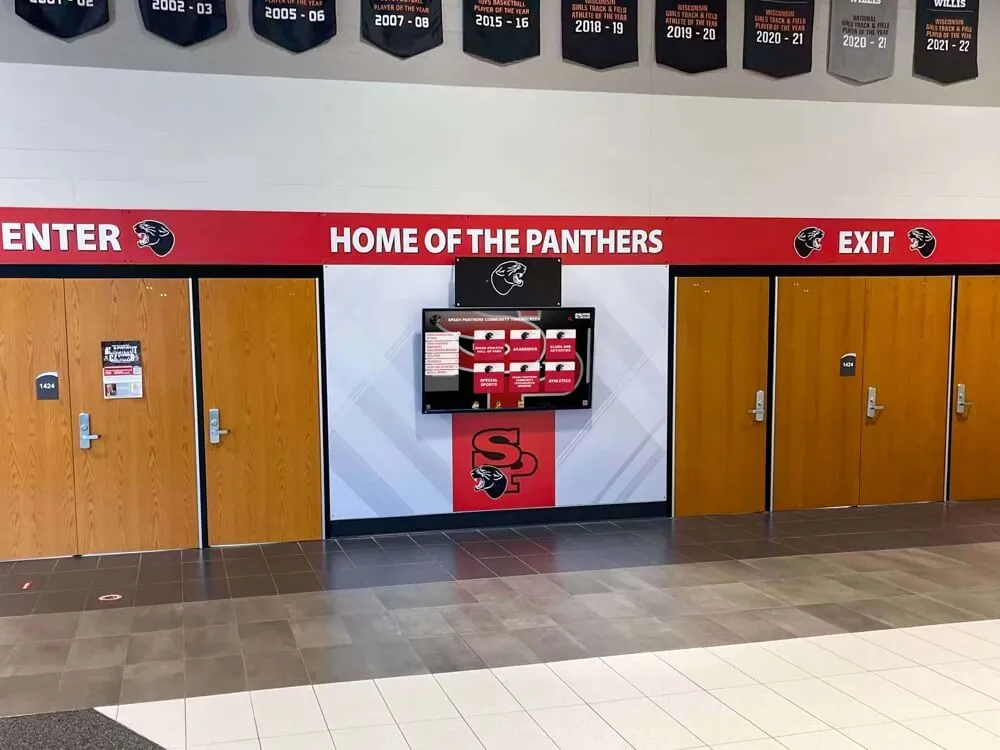
Integrated recognition systems combine ceremonial presentations with permanent display visibility
Leadership and Service Awards
- Student government and leadership recognition
- Community service hour acknowledgment
- Volunteer achievement and impact awards
- Peer mentorship and tutoring recognition
- School culture and spirit contributions
Character and Citizenship Recognition
- Perfect attendance awards
- Sportsmanship and character awards
- Peer-nominated kindness and inclusion recognition
- School value exemplification awards
- Citizenship and civic engagement acknowledgment
Learn about comprehensive student recognition in celebrating National Student Athlete Day.
Creative High School Awards Ceremony Format Ideas
Moving beyond traditional auditorium assemblies creates more engaging recognition experiences.
Formal Evening Gala Format
Elevating ceremony formality signals achievement significance:
Black-Tie Academic Gala
- Evening event with formal dress code
- Dinner or dessert reception preceding awards
- Professional event venue (hotel ballroom, country club, community center)
- Red carpet entrance with photo opportunities
- Professional photography and videography
- Multiple award categories with special presentations
- Guest speaker or keynote address
- Student performances interspersed between award presentations
This format works particularly well for pinnacle achievements like National Merit Scholars, valedictorian recognition, or comprehensive senior class academic honors.
Implementation Considerations
- Higher budget requirements for venue and catering
- Advanced planning timeline (3-4 months minimum)
- Ticket sales or booster club funding
- Family invitation and guest management
- Professional program design and printing
- Audio-visual equipment rental or venue provision
Schools report that formal gala formats create 40-50% higher family attendance compared to school-day assemblies, demonstrating the impact of evening scheduling and elevated formality on family participation.
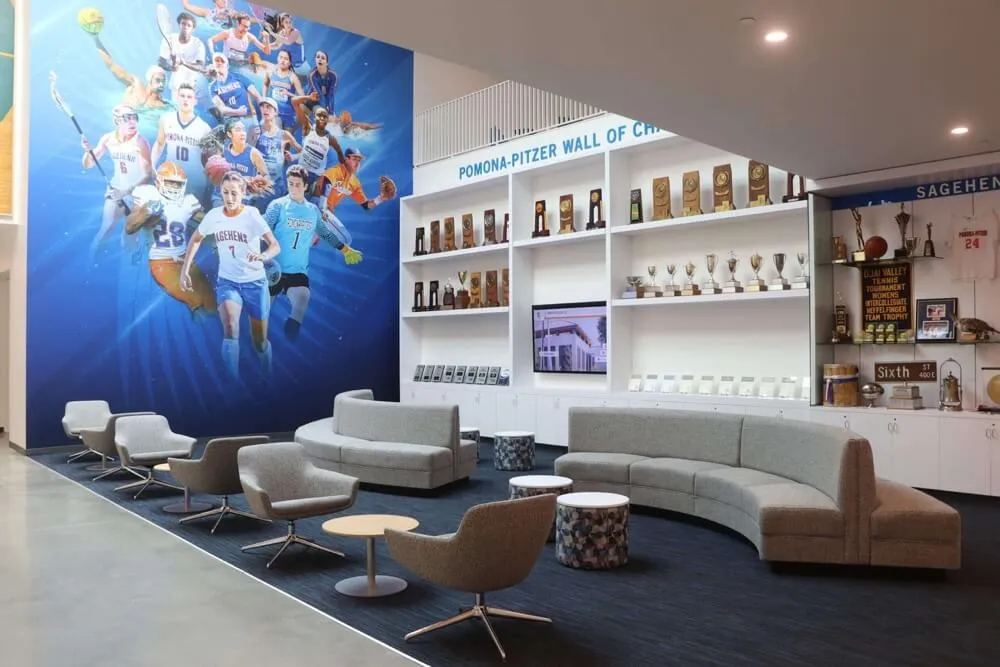
Professional venues create impressive settings for formal recognition ceremonies
Interactive Award Showcase Format
Creating exploration-based recognition rather than passive presentation:
Recognition Fair Approach
- Open house format in gym, cafeteria, or multiple spaces
- Achievement category stations throughout venue
- Interactive displays showing honoree accomplishments
- Student-led presentations at category stations
- Family circulation among different recognition areas
- Refreshments and informal celebration atmosphere
- Scheduled spotlight presentations for major awards
- Photo opportunities at each category station
Category Station Examples
- Academic achievement display with honor roll listings and GPA recognition
- STEM competition showcase with project displays and competition results
- Arts gallery featuring student work and performance videos
- Athletic achievement area with statistics and season highlights
- Service and leadership station documenting community impact
- Special recognition displays for unique accomplishments
This format allows deeper engagement with achievements than brief stage presentations while enabling students to showcase work and accomplishments beyond certificate receipt.
Hybrid Recognition Format
Combining formal presentation with interactive elements:
Ceremony Plus Showcase
- Brief formal recognition ceremony (45-60 minutes)
- Major award presentations on stage
- Student speaker or testimonials
- Followed by reception with interactive achievement displays
- Digital recognition displays with touchscreen exploration
- Photo slideshows and video highlight reels
- Informal celebration and socializing
- Extended family engagement opportunity
Discover digital recognition display approaches that extend ceremony recognition.

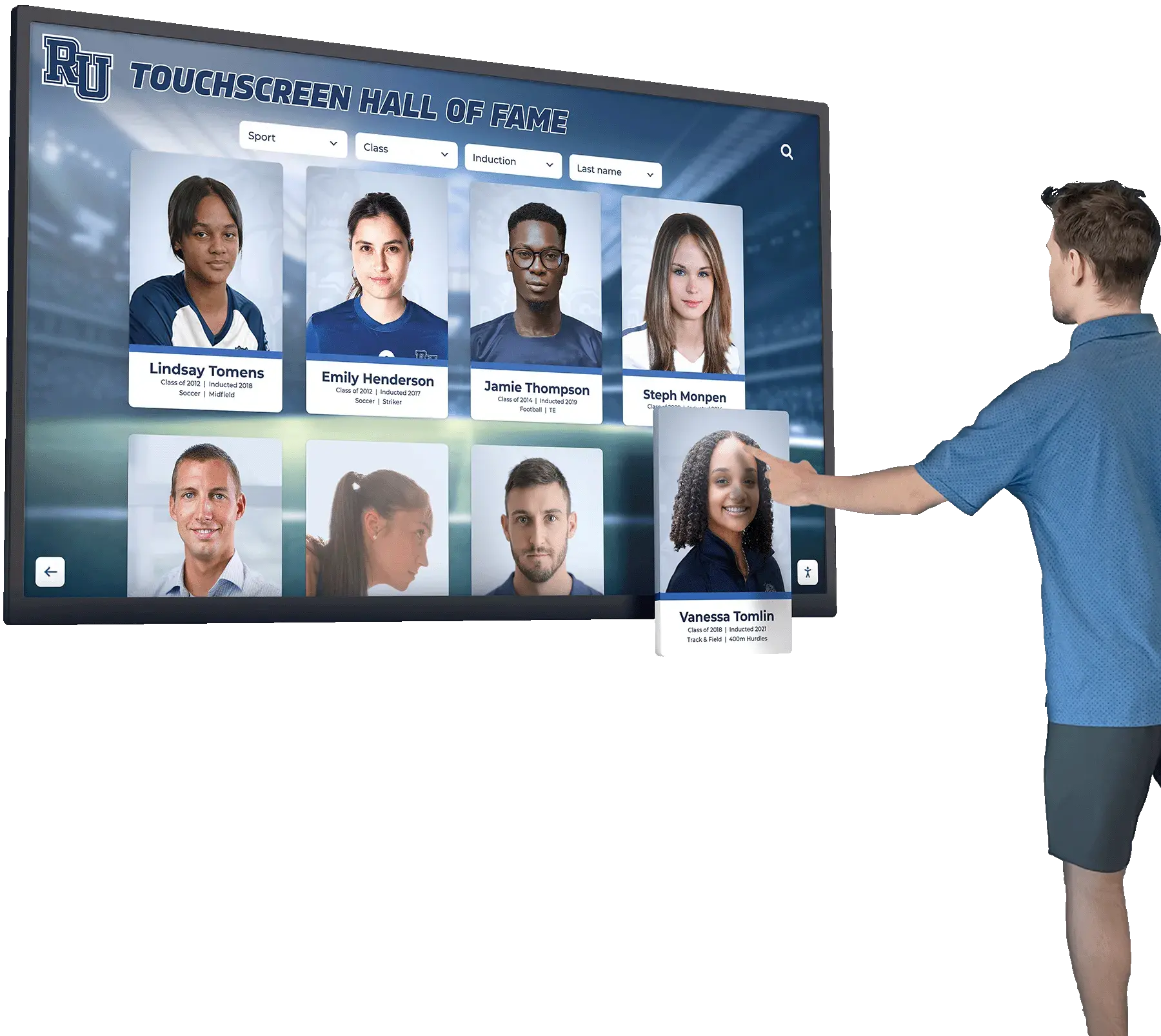
Touchscreen displays enable families to explore achievements beyond brief ceremony presentations
Subject-Specific Recognition Ceremonies
Departmental ceremonies create focused, meaningful recognition:
Department Award Nights
- Individual academic departments host dedicated recognition events
- Science and STEM awards night
- English and humanities recognition evening
- Fine arts celebration and showcase
- Career and technical education recognition
- Foreign language achievement ceremony
Benefits of Department-Specific Formats
- Subject teachers can provide detailed context about achievements
- Smaller, more intimate settings creating personal connections
- Opportunity to showcase student work and projects
- Department culture and community building
- More time for individual student recognition
- Family understanding of specific achievement significance
This approach works particularly well for specialized achievements where broader audiences may not fully appreciate accomplishment significance.
Planning Timeline and Logistics
Successful awards ceremonies require systematic planning well in advance of the event.
Six-Month Planning Timeline
6 Months Before: Foundation Phase
- Establish ceremony date, time, and format
- Form planning committee with student, staff, and parent representatives
- Determine budget and funding sources
- Select and reserve venue if off-campus
- Define award categories and selection criteria
- Establish nomination and selection processes
4-5 Months Before: Development Phase
- Issue call for nominations across award categories
- Begin selection committee deliberations
- Contract keynote speaker or special guests if applicable
- Plan ceremony program flow and timing
- Develop invitation design and printing plan
- Begin sponsor solicitation if applicable
2-3 Months Before: Execution Phase
- Finalize award recipients across all categories
- Order trophies, plaques, certificates, and recognition materials
- Send invitations to honorees and families
- Arrange catering, audio-visual needs, and logistics
- Create program booklet or digital program
- Organize student performances or special presentations
- Promote event through school communications
1 Month Before: Refinement Phase
- Collect RSVPs and finalize headcount
- Complete program booklet with honoree names and achievements
- Rehearse ceremony flow and timing
- Confirm all vendor arrangements
- Train student ushers and ceremony assistants
- Prepare recognition display materials
- Finalize seating arrangements
1 Week Before: Final Preparation
- Conduct full ceremony rehearsal with presenters
- Confirm final attendance numbers with venue and caterer
- Print programs and prepare recognition materials
- Set up venue or arrange day-of setup timeline
- Brief student participants and presenters
- Conduct final logistics review
Learn about comprehensive planning in school lobby design that supports recognition.
Critical Logistical Considerations
Venue Selection Criteria
- Capacity matching expected attendance plus buffer
- Accessibility compliance and accommodation availability
- Audio-visual capabilities supporting presentations
- Stage or presentation area with good sightlines
- Parking availability and public transportation access
- Catering facilities or kitchen access if serving food
- Climate control and comfort considerations
- Professional appearance reflecting achievement significance
Audio-Visual Requirements
- Sound system with microphones for presenters
- Video projection capabilities for slideshows and videos
- Lighting appropriate for presentations and photographs
- Recording equipment for ceremony documentation
- Music playback system for entrance and transitions
- Backup equipment for critical technology
- Technical support personnel during event
Accessibility and Inclusion
- Wheelchair accessible venue and seating
- Sign language interpretation availability
- Printed programs with large print options
- Assisted listening devices when available
- Reserved parking for families needing accommodations
- Dietary accommodation options for food service
- Gender-neutral language in programs and presentations
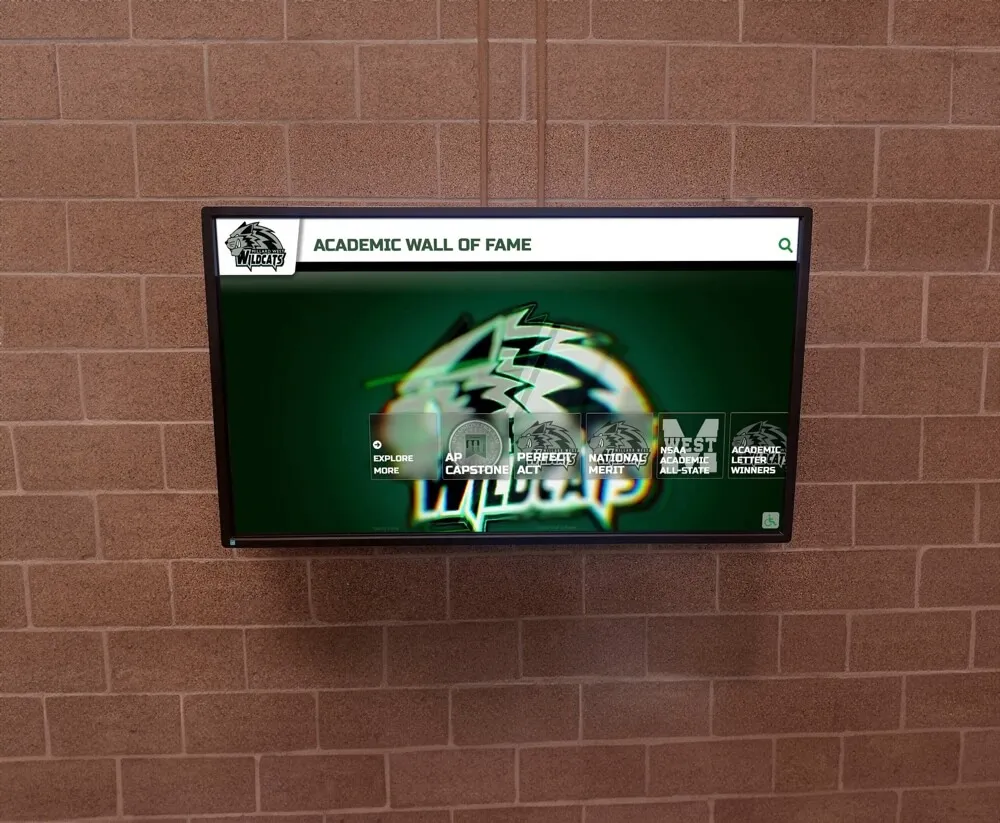
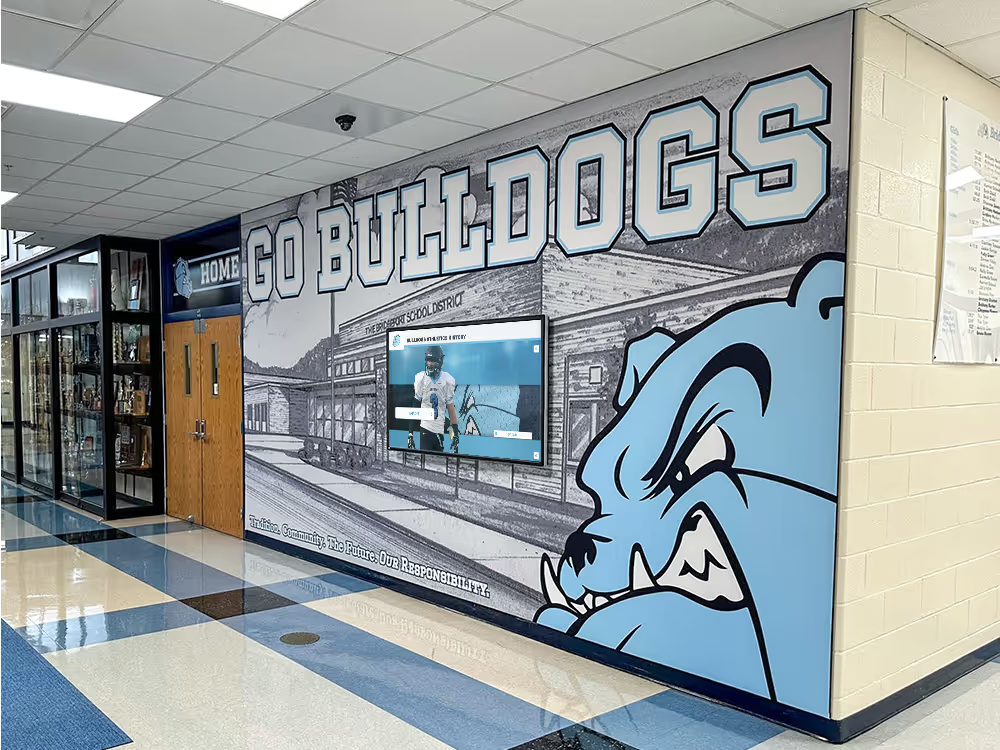
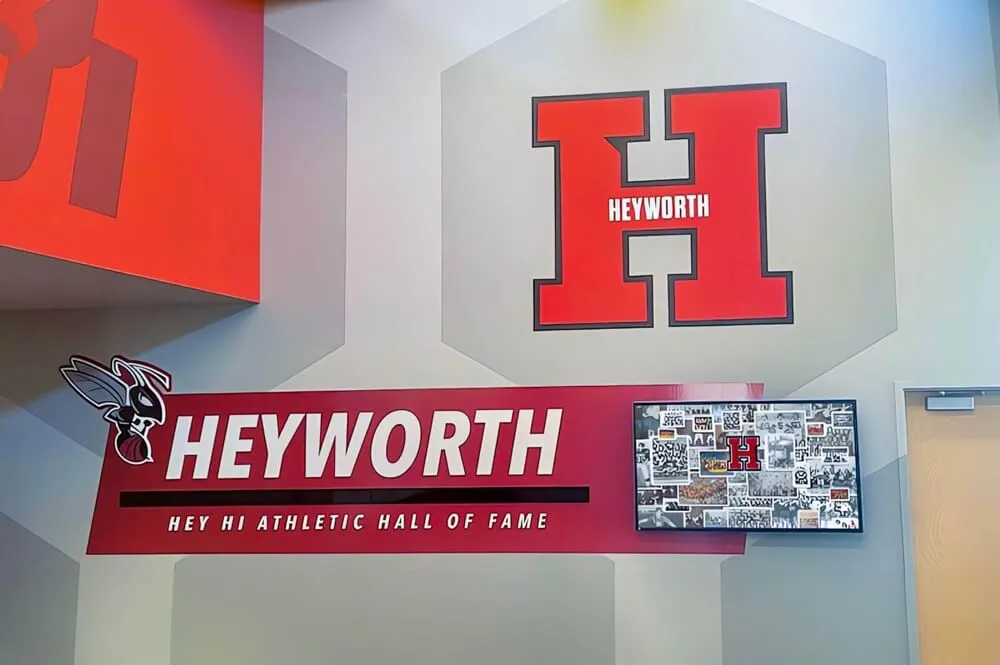
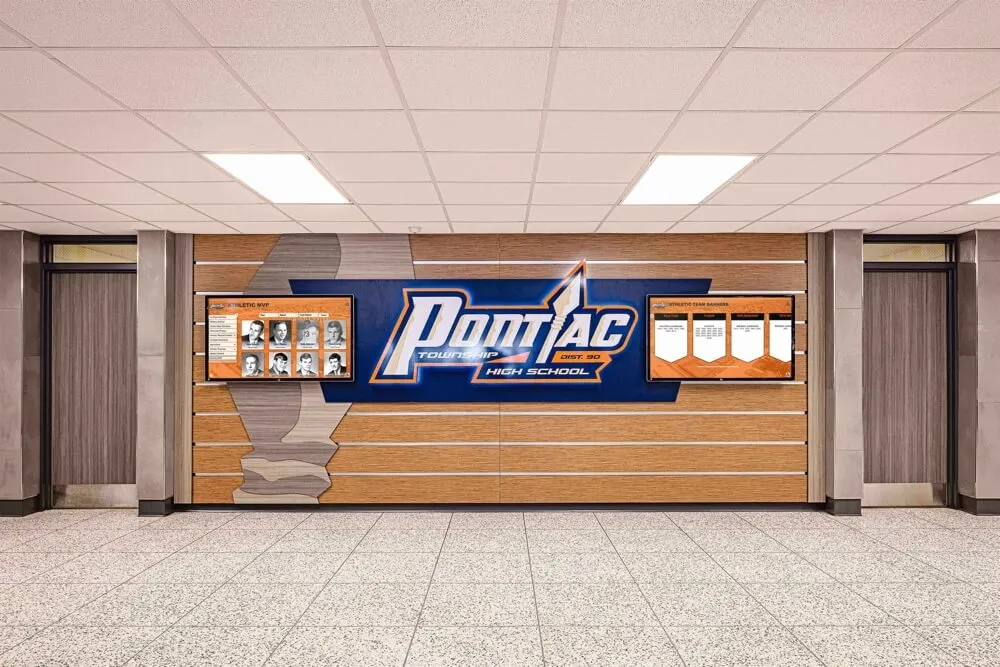
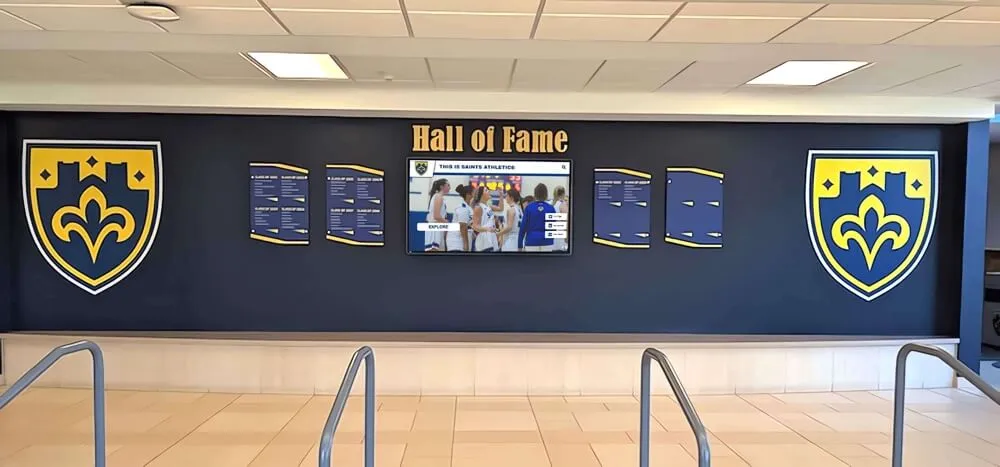
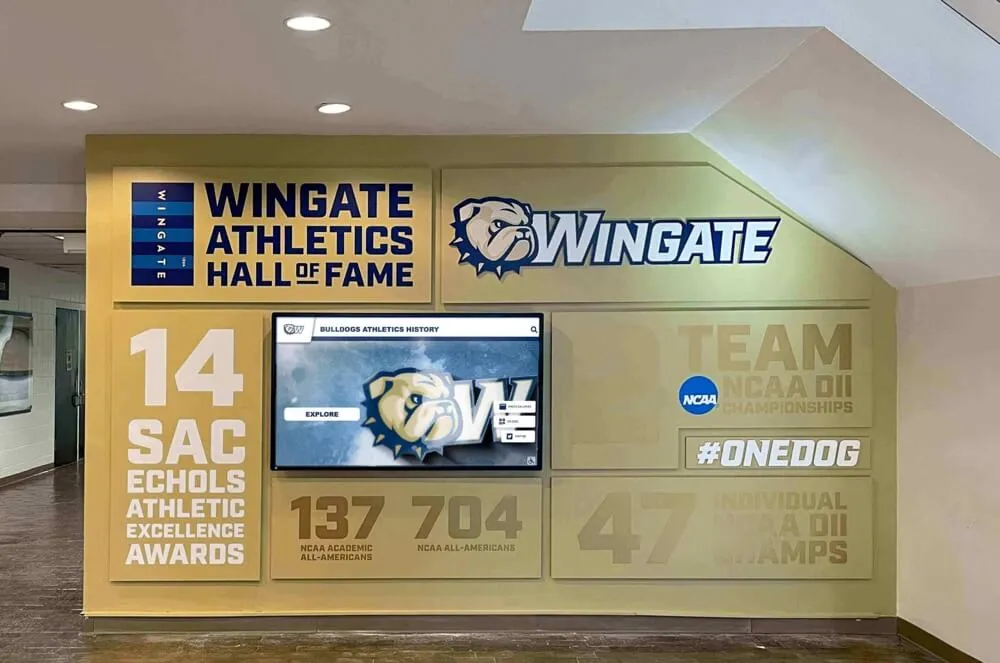
Permanent recognition displays extend ceremony acknowledgment with year-round visibility
Engaging Ceremony Program Elements
Thoughtful program design maintains engagement while appropriately honoring achievements.
Opening Elements That Set the Tone
Processional and Entrance
- Honoree entrance procession with music
- Family recognition as students enter
- Special introduction highlighting ceremony significance
- Visual presentation showing ceremony purpose and categories
- Student performance or school song
Welcome and Context Setting
- Principal or superintendent welcoming remarks
- Ceremony purpose statement and achievement celebration
- Recognition of ceremony supporters and sponsors
- Acknowledgment of families and community
- Brief overview of program flow
Individual Recognition Approaches
Varied Presentation Methods
- Brief acknowledgment: Name reading with certificate presentation (honor roll, participation recognition)
- Moderate recognition: Name, achievement description, handshake and photo (department awards, special recognition)
- Extended recognition: Detailed achievement description, student biography, special presentation (valedictorian, major awards)
- Student spotlight: Video package or live presentation by honored student sharing their journey
- Group recognition: Category groups acknowledged together then individually named
Keeping Individual Recognition Meaningful Yet Efficient According to event planning research, optimal individual recognition averages 15-30 seconds per recipient for basic awards and 1-2 minutes for major honors. Ceremonies recognizing 100 students should allocate 25-50 minutes for individual presentations plus 20-30 minutes for program elements, creating total ceremony length of 60-90 minutes.
Photo Management Strategies
- Designated professional photographer position
- Family photo area immediately following stage recognition
- Photo backdrop with school branding
- Digital photo delivery system post-ceremony
- Live streaming for families unable to attend
- Photo slideshow during reception or social time
Program Enhancement Elements
Student Voice Integration
- Honoree speeches representing different achievement categories
- Student performers between award segments
- Student emcees or co-hosts alongside administrators
- Peer recognition testimonials
- Student thank you to teachers and families
Multimedia Presentations
- Achievement highlight video montages
- Season or year review presentations
- Student accomplishment photo slideshows
- Video messages from notable alumni
- Interactive achievement statistics displays
Explore touchscreen display solutions for ceremony enhancement.
Special Guest Speakers
- Notable alumni sharing how recognition motivated their success
- Community leaders emphasizing achievement value
- College admissions representatives discussing recognition importance
- Scholarship providers connecting awards to opportunities
- Industry professionals relating achievements to career success
Award Types and Recognition Categories
Comprehensive ceremonies acknowledge diverse achievement dimensions.
Academic Achievement Awards
Grade Point Average Recognition
- Highest GPA by grade level
- Perfect 4.0 cumulative GPA
- Honor roll tiers (Principal’s List, Honor Roll, Merit Roll)
- Most improved GPA by semester or year
- Consistent honor roll achievement across all years
Subject-Specific Excellence
- Departmental awards from each academic area
- Outstanding achievement in mathematics, science, English, social studies, etc.
- Advanced Placement and IB examination success
- Subject-specific competition achievements
- Research project and independent study recognition
Standardized Achievement
- National Merit Scholar program recognition
- PSAT/SAT/ACT exceptional scores
- College Board National Recognition awards
- State standardized test achievement
- Professional certification and credential completion
Academic Competition Success
- Science Olympiad medals and team achievements
- Math competition regional, state, national recognition
- Debate and forensics tournament success
- Academic decathlon and quiz bowl achievements
- Subject-specific contest and competition awards
Learn about comprehensive approaches in sportsmanship awards that recognize character.
Beyond Academics: Holistic Recognition
Leadership and Service
- Student government officer recognition
- Club and organization leadership awards
- Community service hour milestones
- Volunteer impact and sustained service recognition
- Peer leadership and mentorship awards
Character and Values
- Citizenship awards
- Sportsmanship recognition
- Inclusion and kindness awards
- School spirit and pride recognition
- Core value exemplification awards
Attendance and Persistence
- Perfect attendance (single year and multi-year)
- Consistent attendance improvement
- Academic persistence through challenging circumstances
- Graduation despite obstacles recognition
Family Engagement Strategies
Involving families transforms ceremonies from student-only events to community celebrations.
Family Invitation and Communication
Multi-Channel Invitation Approach
- Formal printed invitations mailed home
- Digital invitations via email and parent communication platforms
- Social media announcements and reminders
- Student hand-delivery of formal invitations
- Website posting with registration or RSVP capability
Effective Invitation Timeline
- Save-the-date notice 6-8 weeks prior
- Formal invitation 4-5 weeks before ceremony
- RSVP reminder 2-3 weeks prior
- Final confirmation 1 week before event
- Day-before reminder with logistics details
Information to Include
- Complete date, time, and location with directions
- Expected ceremony duration
- Dress code expectations
- Number of family guests permitted per honoree
- Photography policies and photo availability
- Reception or social time information
- Special accessibility or accommodation contact
Family Participation Elements
Family Recognition Moments
- Acknowledge families during ceremony opening
- Invitation for families to stand when student recognized
- Parent tribute or thank you segment
- Special recognition for families of senior honorees
- Family photo opportunities throughout event
Family Involvement Opportunities
- Family members presenting awards to students
- Parent representatives on planning committees
- Family volunteers assisting with logistics
- Family contributions to video tributes
- Parent speakers sharing pride and perspective
Research from the National Association of Secondary School Principals indicates that awards ceremonies with strong family engagement components see 45-50% higher family attendance rates and significantly higher satisfaction scores from both students and families.
Budget Considerations and Fundraising
Creating memorable ceremonies requires strategic resource allocation and creative funding approaches.
Typical Awards Ceremony Budget Components
Essential Expenses
- Awards, trophies, plaques, certificates: $500-$2,500 depending on quantity and quality
- Venue rental (if off-campus): $0-$2,000
- Audio-visual equipment rental: $200-$800
- Printing (programs, invitations, signage): $200-$600
- Photography and videography: $200-$1,000 professional or volunteer
- Decorations and setup materials: $100-$500
- Student recognition gifts or mementos: $300-$1,500
Optional Enhancement Expenses
- Catering or reception: $5-$25 per person
- Keynote speaker honorarium: $0-$2,000
- Professional event coordinator: $500-$2,000
- Floral arrangements and centerpieces: $200-$800
- Program booklet professional design: $200-$600
- Live streaming or recording services: $300-$1,000
Budget Range Examples
- Basic school-day ceremony: $1,000-$2,500
- Enhanced evening recognition event: $3,000-$7,000
- Formal gala celebration: $8,000-$15,000+
Funding Sources and Sponsorship
Internal School Funding
- General activity budget allocations
- Department budgets for subject-specific recognition
- Athletic department funds for sports banquets
- Parent organization contributions
- Student activity fee allocations
External Funding and Sponsorship
- Local business sponsorships
- Alumni association support
- Community organization partnerships
- Booster club fundraising
- Ticket sales to families (covering meal costs)
- Grant applications for recognition programs
Sponsorship Recognition Benefits
- Sponsor acknowledgment in ceremony programs
- Logo display on digital recognition systems
- Website and communication recognition
- Banner display at ceremony venue
- Social media acknowledgment
- Tax-deductible contribution documentation
Explore alumni event approaches that can support recognition funding.
Extending Recognition Beyond the Ceremony
Single-event recognition provides limited ongoing motivation compared to sustained acknowledgment.
Digital Recognition Display Integration
Modern recognition platforms extend ceremony acknowledgment throughout the year:
Permanent Achievement Visibility Solutions like Rocket Alumni Solutions enable schools to showcase ceremony honorees indefinitely:
- Unlimited capacity displaying all recognized students
- Detailed profiles documenting specific achievements
- Photo galleries from recognition ceremonies
- Achievement categories matching ceremony awards
- Historical archives preserving institutional recognition tradition
Interactive Exploration Features
- Touchscreen displays in high-traffic school areas
- Search functionality enabling students to find themselves and peers
- Filtering by achievement type, year, category, and department
- QR code access for mobile exploration
- Web-based platforms extending access beyond campus
Schools implementing digital recognition systems report 65-75% higher ongoing engagement with honored achievements compared to traditional static displays or one-time ceremony recognition.
Continuous Updates and Additions
- Remote content management requiring no technical expertise
- Immediate recognition publication following ceremonies
- Scheduled announcements for future recognition events
- Bulk upload capabilities for large honor roll groups
- Integration with student information systems when available
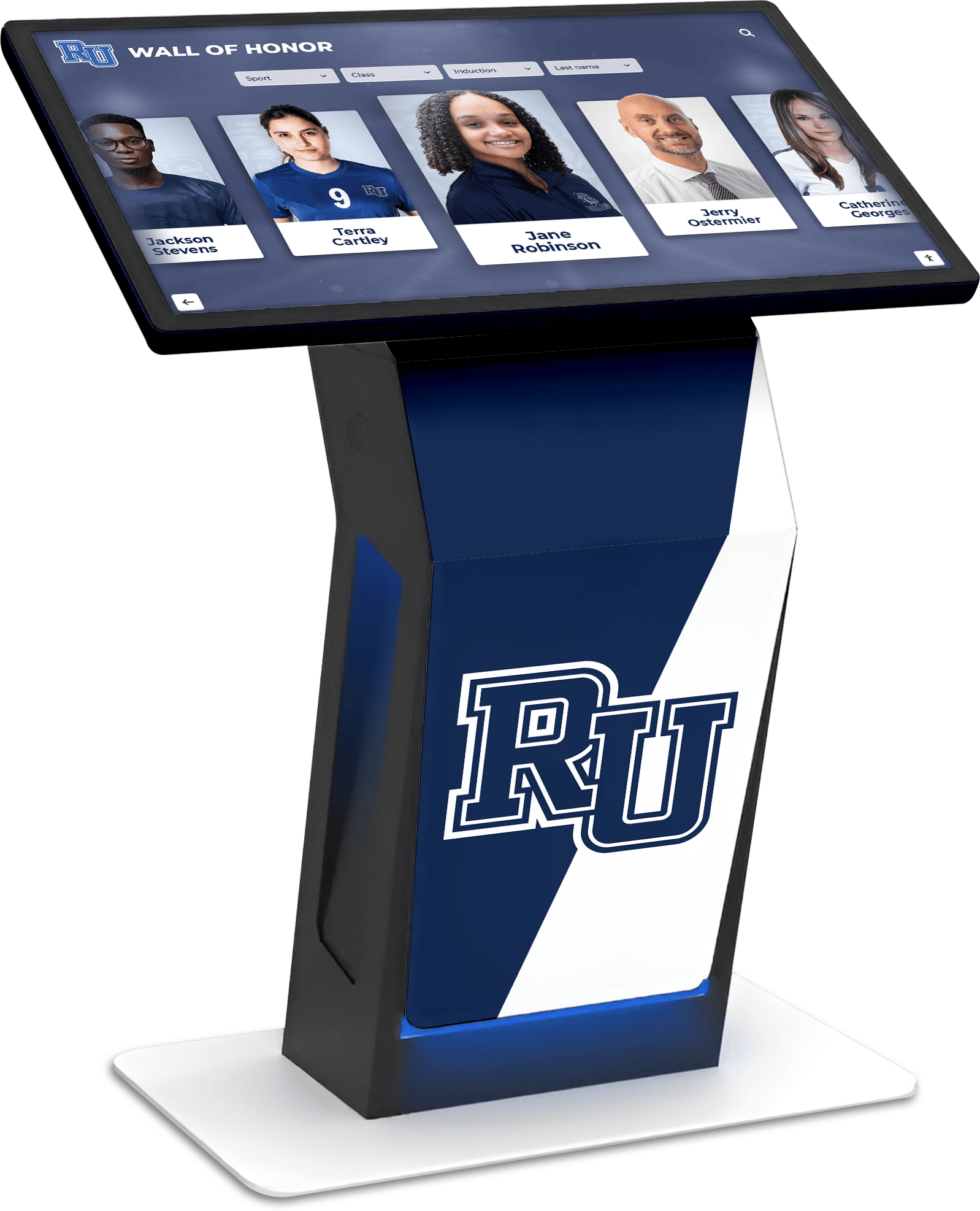
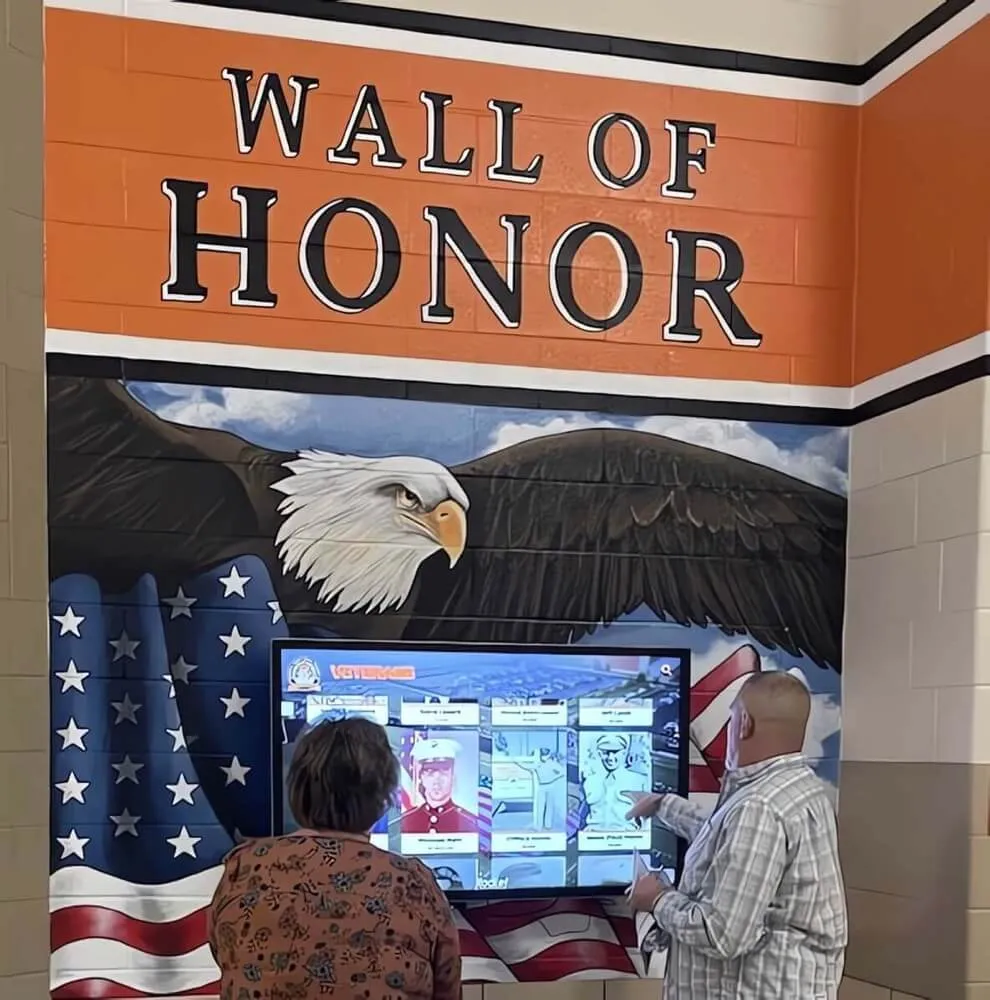
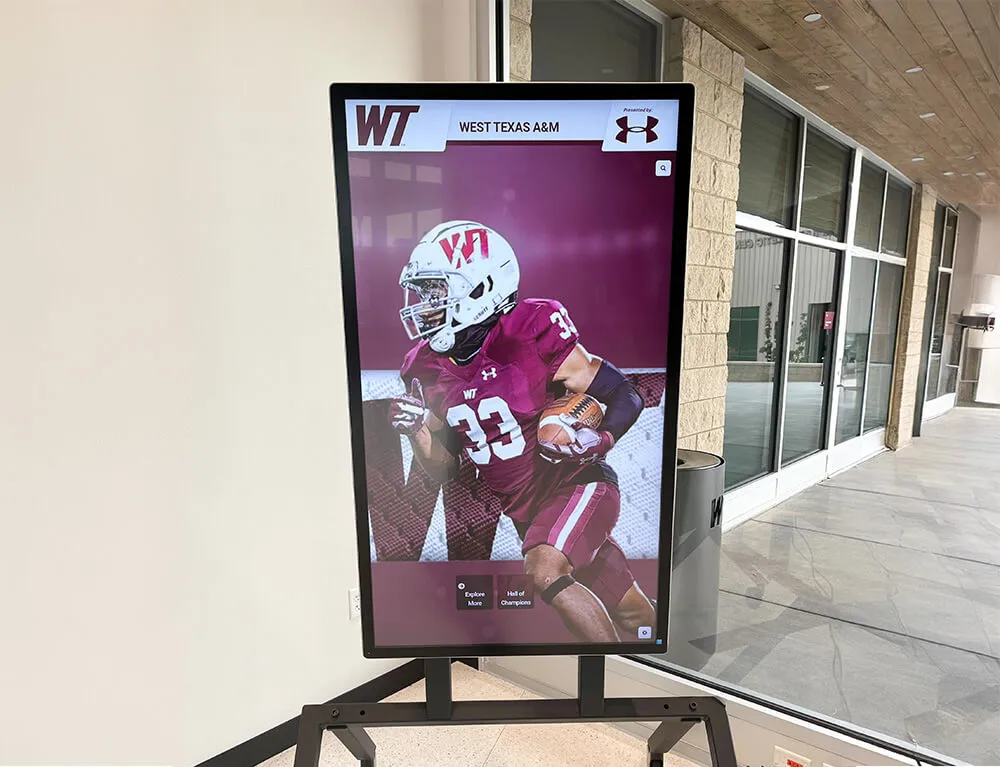
Freestanding interactive kiosks create dedicated recognition spaces accessible year-round
Post-Ceremony Communication and Sharing
Social Media Recognition Extension
- Individual honoree features on school social channels
- Photo albums from ceremony shared publicly
- Video highlights and memorable moments
- Student spotlight series throughout following weeks
- Family sharing encouragement and tagging
Traditional Media Coverage
- Local newspaper recognition announcements
- Community media ceremony coverage
- School newsletter comprehensive recognition features
- District communications highlighting achievements
- Regional publication submissions for major awards
Institutional Memory and Archives
- Ceremony video recordings archived and accessible
- Photo galleries preserved in digital yearbook platforms
- Recognition lists maintained in permanent records
- Historical comparison and tradition documentation
- Alumni access to their recognition history
Learn about preserving historical recognition for long-term access.
Common Awards Ceremony Mistakes to Avoid
Learning from frequent planning errors helps ensure successful events.
Timing and Scheduling Errors
Problematic Approaches
- Ceremonies scheduled during school day when families cannot attend
- Insufficient time allotted causing rushed recognition
- Conflicting with other major school or community events
- Poor season timing (during testing, finals, or busy activity periods)
- Last-minute planning preventing proper preparation
Best Practices
- Evening or weekend scheduling maximizing family attendance
- Adequate time allocation preventing rushed feeling
- Calendar coordination avoiding conflicts
- Strategic timing during less hectic school periods
- Minimum 8-12 week planning timeline
Recognition Equity Issues
Common Problems
- Disproportionate focus on athletic over academic achievements
- Top-performer-only recognition excluding improvement and effort
- Limited award categories failing to capture diverse achievements
- Inconsistent recognition standards across departments
- Expensive participation requirements creating access barriers
Equitable Approaches
- Balanced academic, athletic, arts, and service recognition
- Multi-dimensional awards including growth and character
- Comprehensive category range ensuring diverse recognition opportunities
- Standardized criteria applied consistently
- Free participation removing financial barriers
Engagement and Experience Problems
Ceremony Pitfalls
- Excessive length causing audience disengagement
- Monotonous format with no variety or entertainment
- Poor audio quality preventing audience hearing
- Inadequate seating forcing families to stand or leave
- No photo opportunities creating disappointment
- Purely administrative feeling lacking celebration atmosphere
Enhancement Strategies
- 60-90 minute maximum ceremony length
- Varied presentation formats and student performances
- Professional audio-visual setup with testing
- Adequate seating capacity with buffer
- Designated photo areas and professional photography
- Celebratory atmosphere with music, decorations, and enthusiasm
FAQ: High School Awards Ceremony Planning
How long should a high school awards ceremony last?
High school awards ceremonies should last 60-90 minutes maximum to maintain audience engagement while providing meaningful recognition. Brief ceremonies of 45-60 minutes work well for specific category recognition like quarterly honor roll, while comprehensive annual ceremonies may extend to 75-90 minutes when honoring diverse achievement types. Ceremonies exceeding 90 minutes typically lose audience attention and diminish recognition impact.
When should high school awards ceremonies be scheduled?
Awards ceremonies should be scheduled during evening hours (6:00-8:00 PM) or weekend afternoons to maximize family attendance. Avoid conflicts with major school events, community activities, religious observances, and testing periods. End-of-semester timing works well for academic recognition, while sport-specific ceremonies typically occur within 2-3 weeks of season completion. Annual comprehensive ceremonies work best in late April or early May before end-of-year scheduling conflicts intensify.
How much does a typical high school awards ceremony cost?
Basic school-day awards ceremonies cost $1,000-$2,500 for certificates, programs, and minimal enhancements. Enhanced evening recognition events typically range from $3,000-$7,000 including venue, awards, programs, audio-visual needs, and light refreshments. Formal gala celebrations with catering and professional services may cost $8,000-$15,000+ depending on attendance and enhancement level. Costs scale primarily with meal service, venue rental, and award quality.
Should families be charged to attend awards ceremonies?
Awards ceremonies honoring student achievement should be free whenever possible to ensure all families can attend regardless of financial circumstances. When meal service is included, schools may charge reasonable per-person costs ($10-$25) to cover catering while offering complimentary attendance for honorees and scholarships for families facing hardship. Never restrict basic ceremony attendance based on payment ability.
How can we make awards ceremonies more engaging for students?
Increase student engagement by incorporating student speakers and performers, using multimedia presentations and achievement videos, keeping individual recognition appropriately brief, varying presentation formats throughout the ceremony, including interactive elements or displays, limiting total ceremony length to 60-90 minutes, recognizing diverse achievement types beyond just academics, and involving students in planning and emcee roles. Student voice and ownership dramatically increase engagement.
What awards should be included in high school recognition ceremonies?
Comprehensive high school awards ceremonies should recognize: academic achievement (GPA, honor roll, subject-specific excellence), athletic accomplishments (seasonal awards, all-conference recognition, championship achievements), arts and performance (music, theater, visual arts, writing), leadership and service (student government, community service, volunteer impact), character and citizenship (sportsmanship, school values, kindness), attendance and persistence, special talents and unique achievements, and senior-specific recognition acknowledging cumulative high school accomplishments across all categories.
Creating Memorable Recognition That Motivates Excellence
High school awards ceremonies represent far more than administrative acknowledgment of student achievement—they create powerful motivation extending throughout school communities while validating the effort, talent, and dedication students invest in their accomplishments. When schools design recognition events that appropriately honor diverse achievements, engage families in celebration, and create memorable experiences, they transform ceremonies into cultural touchpoints reinforcing institutional values and inspiring continued excellence.
The strategies and ideas explored throughout this comprehensive guide provide frameworks for creating awards ceremonies matching the significance of achievements being honored. From format selection and logistical planning to program design and family engagement, thoughtful ceremony development ensures recognition events create the positive, motivating impact your students deserve.
Successful awards ceremonies balance formality and accessibility, honor diverse achievement types equitably, maintain appropriate pacing and engagement, involve families meaningfully, and extend recognition beyond single-event acknowledgment through permanent displays and ongoing communication. Schools implementing these comprehensive approaches create recognition cultures where student achievement receives celebration comparable to—and often exceeding—recognition given to athletic accomplishments.
Extend Your Awards Ceremony Recognition Year-Round
Discover how modern digital recognition solutions can showcase the students honored at your awards ceremonies throughout the year, creating lasting visibility for achievements celebrated at recognition events.
Explore Recognition SolutionsMost importantly, effective awards ceremonies position recognition events within broader celebration ecosystems that value achievement throughout the year. When combined with digital recognition displays providing permanent visibility, regular communication highlighting student accomplishments, and systematic acknowledgment across multiple channels, ceremony recognition becomes integrated into comprehensive approaches that make student excellence central to school culture.
Your students’ achievements deserve recognition creating memories, motivation, and pride extending far beyond brief certificate presentations. Start with thoughtful ceremony planning incorporating the creative ideas and proven strategies explored in this guide, then extend that recognition through permanent solutions ensuring every honored achievement receives the ongoing visibility and celebration it deserves.