



Hockey referee signals provide essential visual communication that keeps players, coaches, and spectators informed about penalties, stoppages, and game situations throughout fast-paced competition. When referees and linesmen execute standardized hand signals and arm gestures—from the familiar penalty shot motion to the crossed-arms offside signal—they ensure everyone in the arena understands critical calls even when whistles and announcements can’t be heard over crowd noise.
Yet many hockey participants and fans struggle to interpret referee signals beyond the most common penalties. Complex stick infraction signals look similar to casual observers, body contact penalty gestures require understanding subtle positioning differences, linesman signals for offsides and icing involve nuanced timing and arm movements, and goal-scoring situations trigger specific confirmation sequences that determine whether celebrations are premature. Meanwhile, understanding complete referee signal vocabulary transforms confusing game stoppages into educational moments and helps coaches explain infractions to developing players.
This comprehensive visual guide explores every hockey referee signal across all penalty categories, game flow violations, special situations, and linesman calls—providing clear descriptions of hand gestures, explaining when each signal is used, and helping hockey communities better understand the visual language that governs the game.
Effective hockey officiating relies on clear visual communication since verbal explanations often can’t reach players and coaches during live play. The standardized signal system developed over decades ensures consistent communication across all competitive levels, from youth hockey through professional leagues.

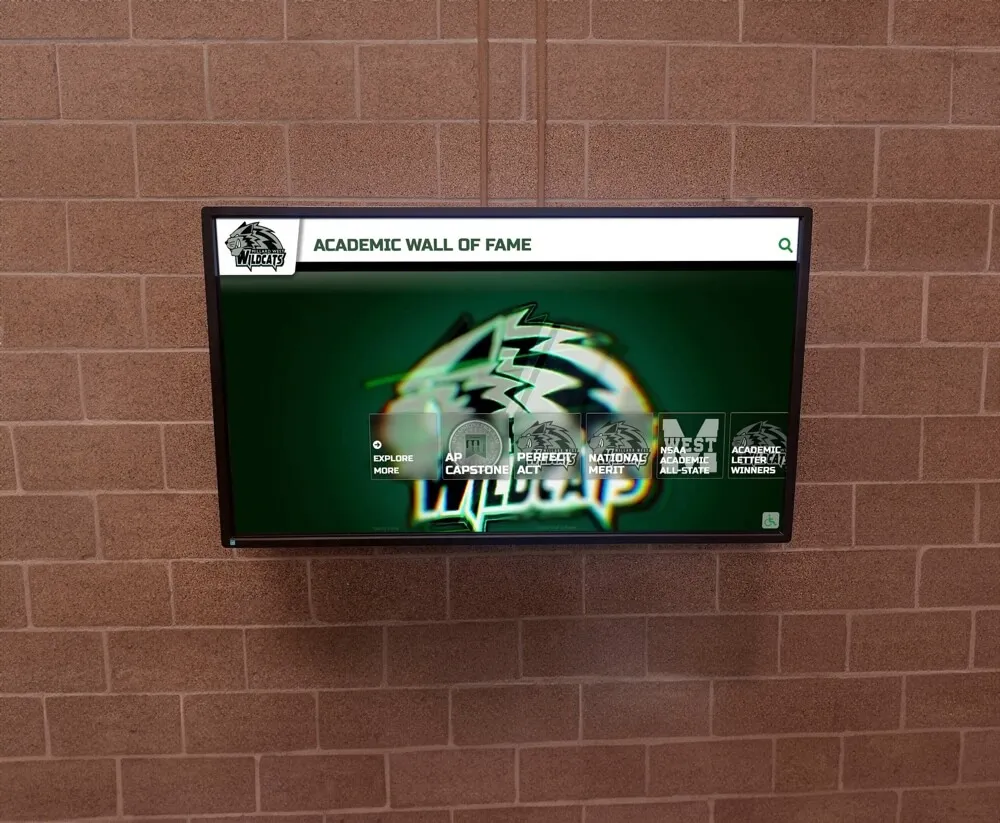
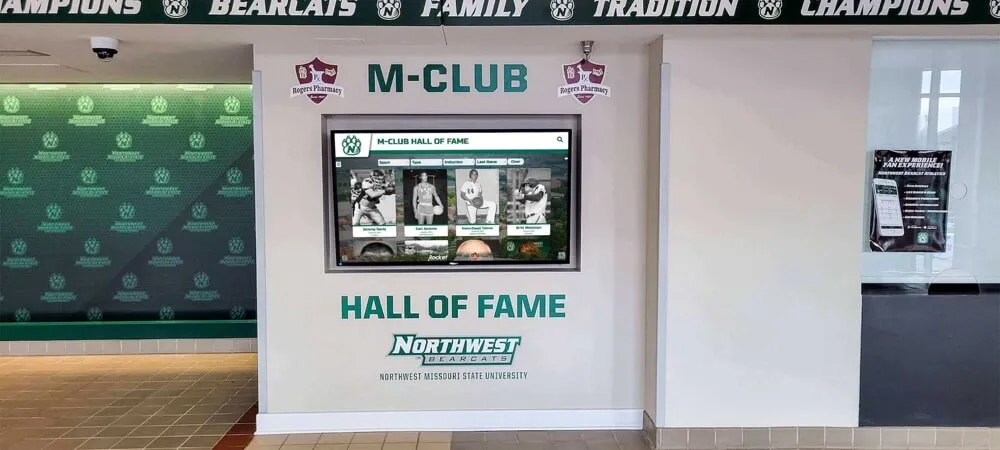
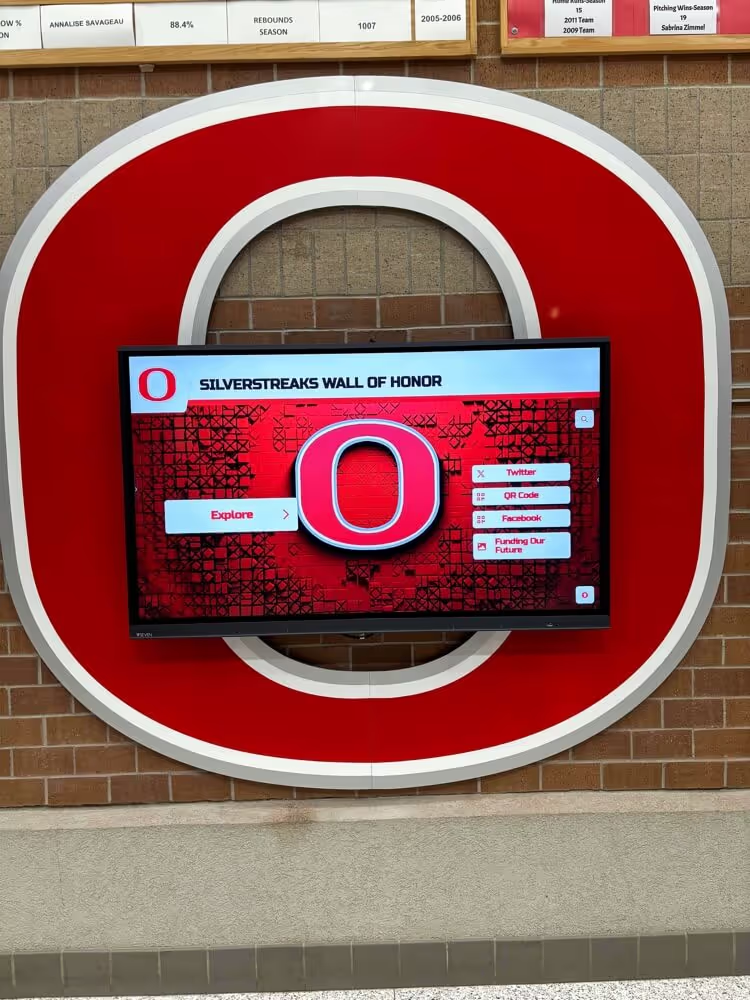
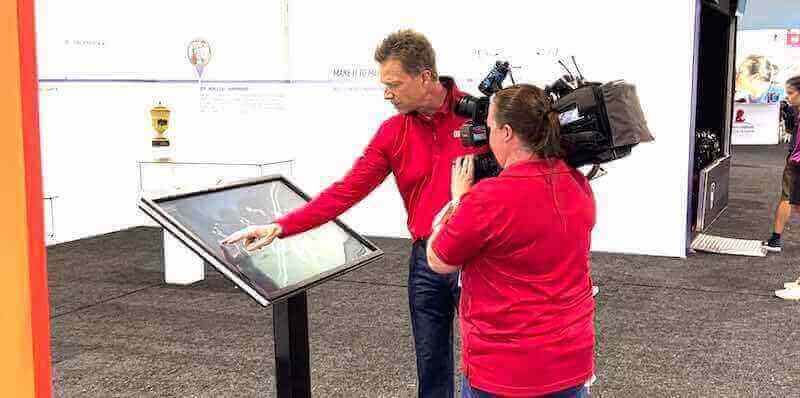
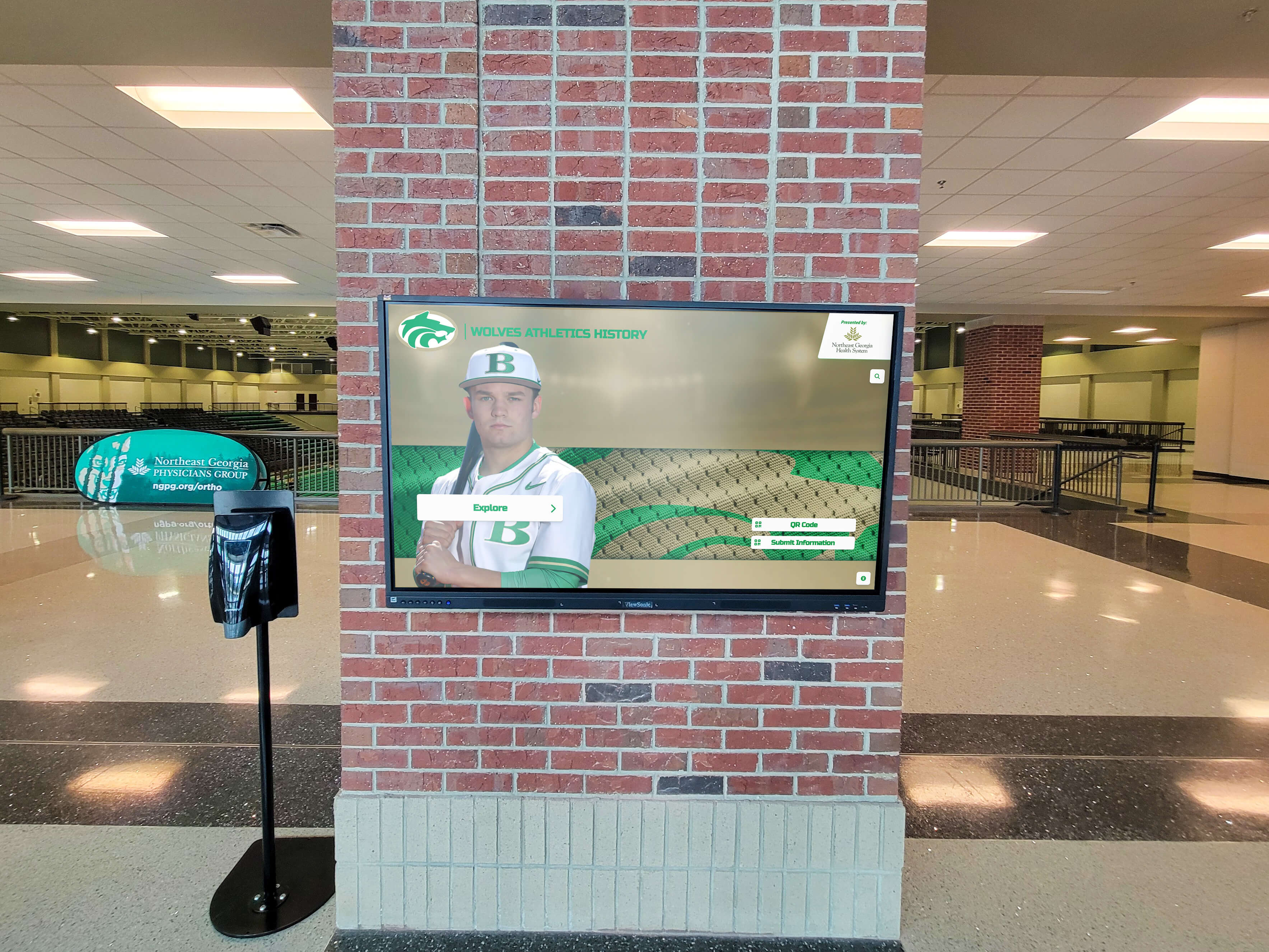
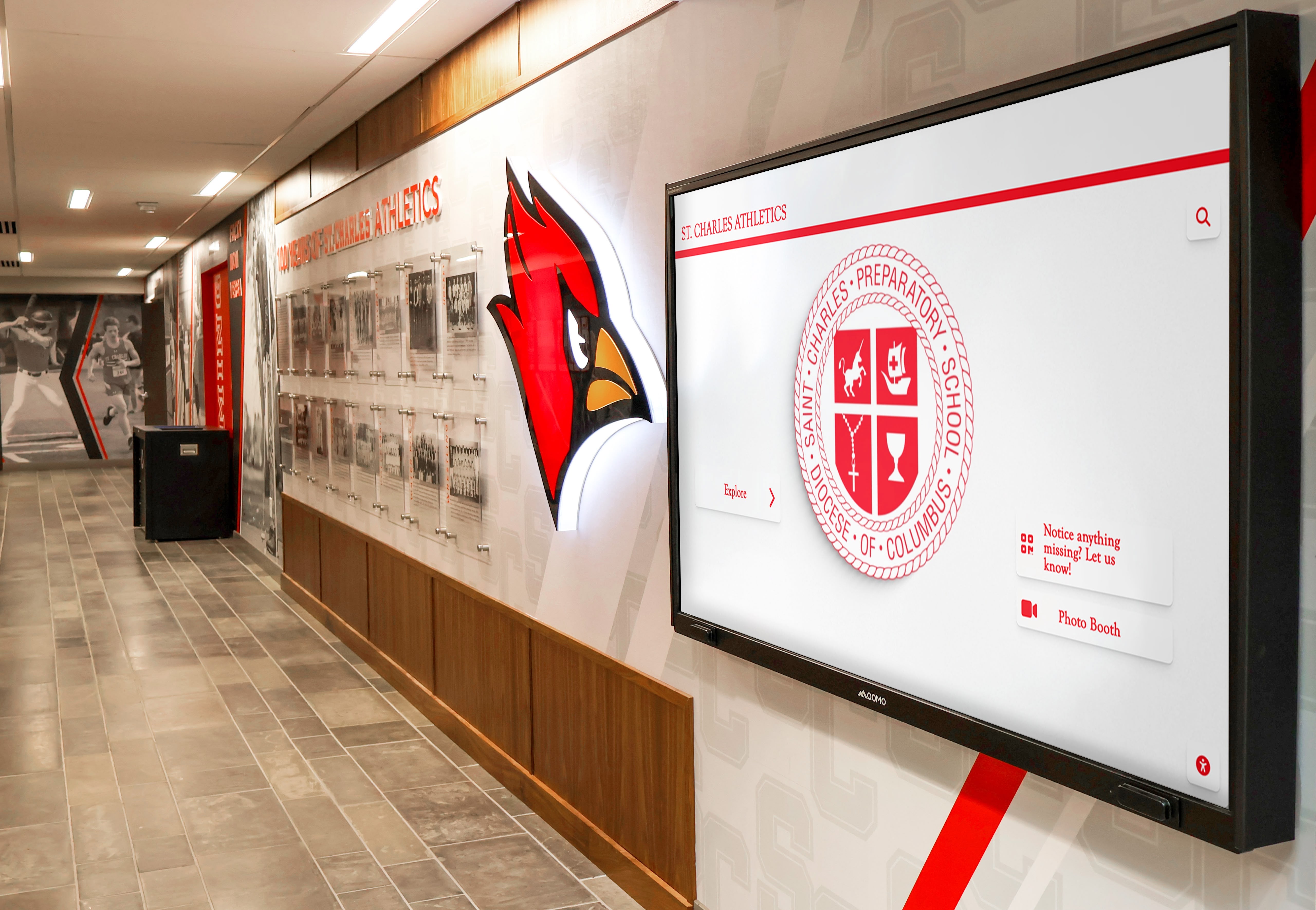
Modern athletic facilities celebrate hockey achievements while educating communities about the sport's rules and traditions
Understanding Hockey Officiating Roles
Before exploring specific signals, understanding who makes which calls clarifies the visual communication system.
Referee vs. Linesman Responsibilities
Hockey officiating teams consist of distinct roles with separate signal vocabularies:
Referees (Officials in Orange or Red Armbands)
- Primary responsibility for penalty calls and enforcement
- Goal confirmation or disallowance decisions
- Game misconduct and disciplinary actions
- Faceoff location determination after stoppages
- Final authority on rule interpretations
Linesmen (Officials Without Armbands or With White/Black Stripes)
- Offside and icing calls exclusively
- Participation in certain penalty situations (too many men, puck out of play)
- Faceoff execution and puck drop procedures
- Reporting major penalties and game misconducts to referees
- Breaking up altercations before referee intervention
This division of responsibilities means different officials use different signal sets, though all must communicate clearly to maintain game flow and safety.
Signal Timing and Sequence
Understanding when signals occur enhances comprehension:
Delayed Penalty Signals
- Referee’s non-whistle arm extended straight overhead
- Indicates penalty will be called when offending team touches puck
- Allows non-offending team to maintain possession
- Signal maintained until whistle or goal scored
- Creates strategic advantage for non-offending team
Immediate Stoppage Signals
- Whistle blown simultaneously with signal initiation
- Used for major penalties, game flow violations, and safety concerns
- Signal executed after play stops completely
- Often repeated or held for extended duration for clarity
- Accompanied by pointing to specific players or locations
Learn more about comprehensive hockey program recognition in state championship displays that celebrate hockey achievements.
Stick Infraction Penalty Signals
Illegal stick use constitutes the largest category of hockey penalties, each with distinct signals.
Slashing
Signal Description
- One arm making chopping motion across opposite forearm
- Motion mimics the slashing action being penalized
- Typically performed at waist to chest height
- Usually single chopping motion, occasionally repeated for emphasis
When Called
- Stick contact to opponent’s body, arms, or hands with swinging motion
- Particularly when contact impedes opponent or causes pain
- Breaking opponent’s stick through contact
- Can be minor (2 minutes) or major (5 minutes) depending on severity
- Most common when players reach or chase puck carriers
Common Game Situations
- Desperation defensive plays when beaten by faster skater
- Battling for puck along boards with extended stick reach
- Penalty kill situations when defenders extend sticks to block passing lanes
- Frustration penalties after shifts of sustained offensive pressure
High-Sticking
Signal Description
- Both hands held together above head height
- Hands positioned as if holding stick horizontally overhead
- Sometimes with slight tapping motion indicating contact point
- One of the most recognizable hockey penalty signals
When Called
- Stick blade contacts opponent above shoulder height
- Drawing blood results in automatic double minor (4 minutes)
- Incidental high sticks (player hit by teammate’s stick) result in stoppage but no penalty
- Follow-through on shots typically not penalized unless reckless
- Intent not required; player responsible for stick control
Distinguishing Situations
- High stick on puck (stoppage, no penalty if accidental)
- High stick on opponent (penalty unless follow-through exception applies)
- Deliberate high stick (potential major penalty and game misconduct)
Hooking
Signal Description
- One arm extended forward with pulling motion toward body
- Arm bent at elbow in hooking/pulling gesture
- Mimics the action of stick hook pulling opponent
- Hand often makes grasping motion during signal
When Called
- Stick blade impedes opponent’s progress by hooking body or equipment
- Particularly when restricting arm or body movement
- Preventing opponent from receiving pass or reaching puck
- Does not require opponent to fall; impediment alone sufficient
- Common when defending against faster opponents
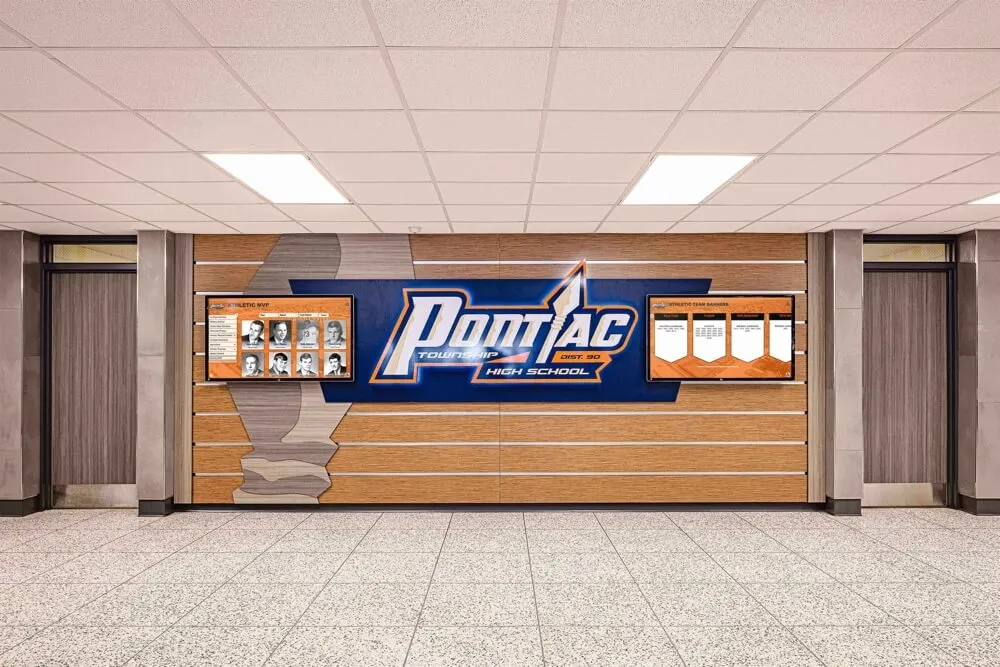
Arena displays showcase athletic achievements including penalty-minute leaders and disciplined play recognition
Holding
Signal Description
- One arm across chest grasping opposite wrist or jersey
- Clutching motion indicating restraint
- Sometimes with pulling motion to demonstrate holding action
- Signal held for several seconds for clarity
When Called
- Using hands or arms to impede opponent’s movement
- Grabbing jersey, equipment, or body parts
- Holding opponent’s stick (separate infraction with same signal)
- Common when defending against cycle play in offensive zone
- Frequently called when opponent attempting to skate to net
Holding the Stick (Related Penalty)
- Same signal but referee may point to stick
- Occurs when player uses hands to control opponent’s stick
- Prevents opponent from making plays
- Two-minute minor penalty
Cross-Checking
Signal Description
- Both arms extended forward making pushing motion
- Hands held apart as if gripping stick with both hands
- Forward thrusting movement mimicking two-handed push
- One of the more dramatic penalty signals
When Called
- Using shaft of stick between two hands to check opponent
- Pushing opponent with stick when hands are separated
- Particularly dangerous near boards or from behind
- Can be minor or major depending on force and location
- Common in front of net battles and along boards
Severity Considerations
- Minor: Contact made but opponent maintains balance
- Major: Violent contact, contact from behind, or injury results
- Match penalty: Deliberate attempt to injure with cross-check
Spearing and Butt-Ending
Spearing Signal
- One arm making jabbing/stabbing motion forward
- Mimics spear thrust with stick blade
- Distinct forward poking motion
- Always results in major penalty minimum
Butt-Ending Signal
- Similar jabbing motion but with reversed hand position
- Indicates contact made with butt end of stick
- Extremely dangerous play with severe penalties
- Both penalties rare but serious when called
When Called
- Spearing: Jabbing opponent with stick blade point
- Butt-ending: Striking opponent with knob end of stick
- Automatic major penalty and game misconduct typical
- Intent assumed; rarely accidental
- Match penalty possible for severe violations
Discover comprehensive athletic program recognition approaches in creative athletic recognition beyond individual awards.
Body Contact Penalty Signals
Physical contact penalties involve player-to-player infractions beyond stick use.
Charging
Signal Description
- Both fists rotating around each other in front of chest
- Circular churning motion indicating forward momentum
- Sometimes accompanied by forward stepping motion
- Signal mimics building up speed or acceleration
When Called
- Taking excessive strides or distance before body check
- Typically three or more strides immediately before contact
- “Launching” oneself at opponent from distance
- Particularly dangerous when targeting vulnerable opponent
- Can be minor or major based on violence and injury
Context Matters
- Legal body check: Contact after one or two strides
- Charging: Running or jumping into opponent from distance
- Boarding may also be called if contact drives opponent into boards
- Major charging penalties include automatic game misconduct
Boarding
Signal Description
- Both hands making striking motion toward boards
- Fists pounding together or toward imaginary boards
- Sometimes with pointing toward boards location
- One of the more emphatic penalty signals
When Called
- Checking opponent violently into boards
- Contact causing opponent to hit boards dangerously
- Particularly when opponent is vulnerable or facing boards
- Distance from boards when contact initiated matters
- Major penalty if injury results or particularly violent
Safety Focus
- Designed to prevent spinal injuries and head trauma
- Checking from behind into boards extremely dangerous
- Referee discretion on violence and vulnerability factors
- Youth hockey has stricter boarding standards
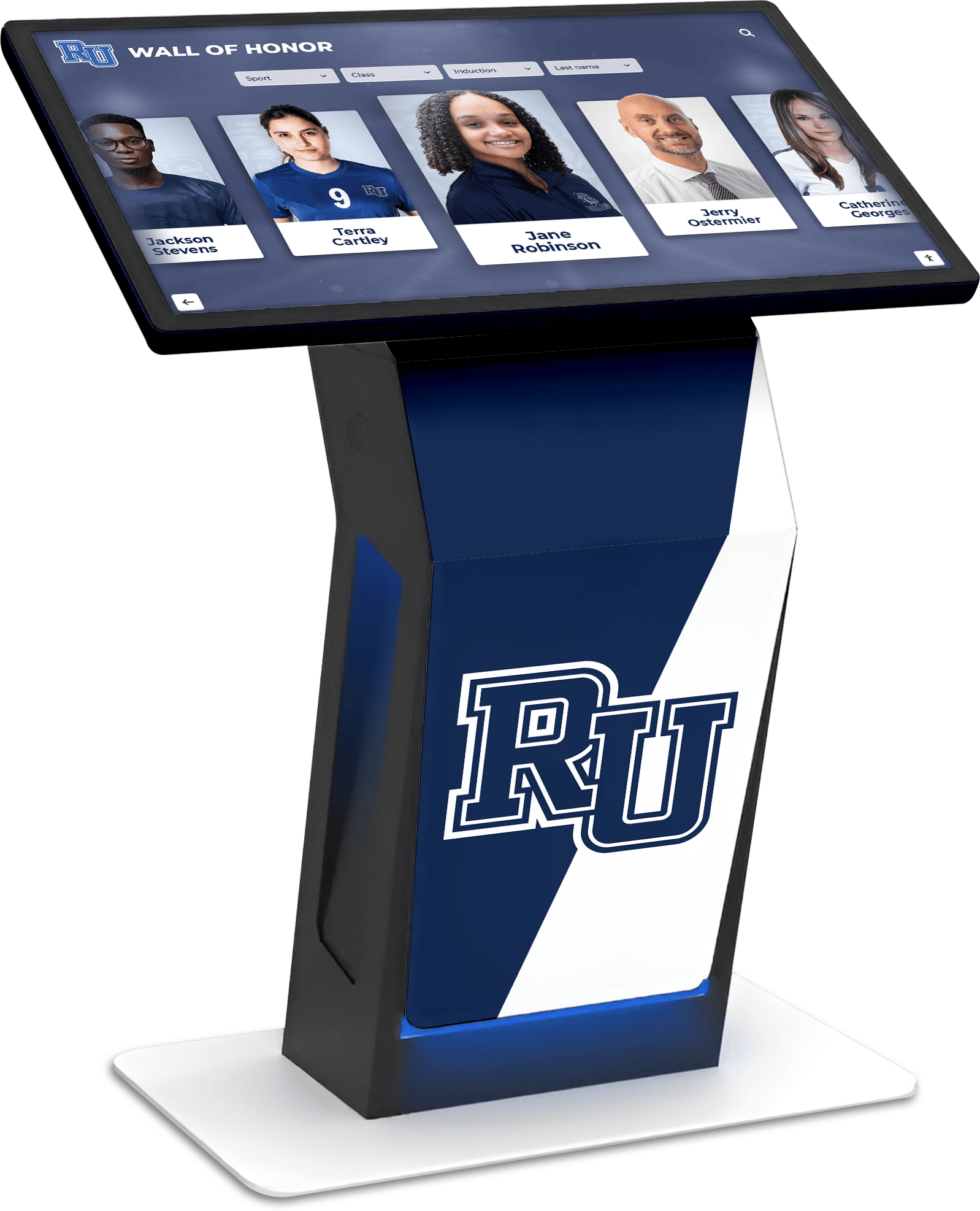
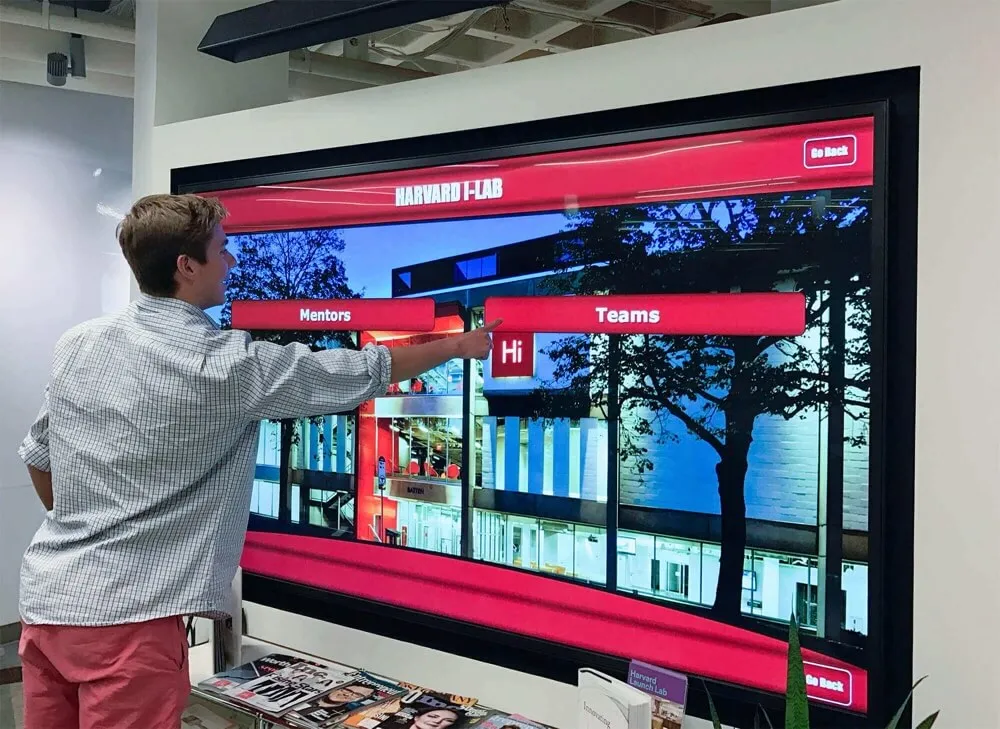
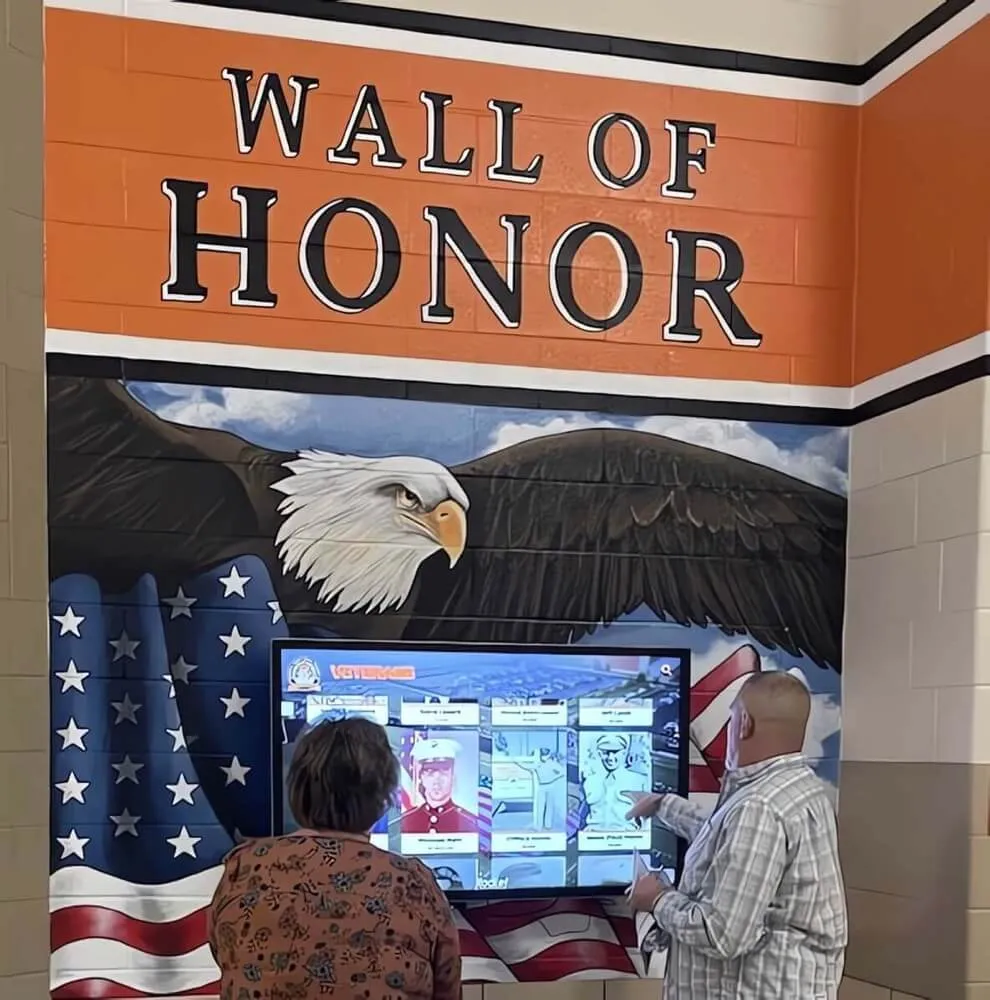
Interactive displays enable hockey programs to showcase player achievements, team records, and educational content about game rules
Checking from Behind
Signal Description
- Both arms crossed in front of chest forming X
- Sometimes with forward pushing motion while crossed
- Clear and distinct signal given severity of penalty
- May include pointing toward boards where contact occurred
When Called
- Body check delivered to opponent’s back numbers
- Opponent facing boards and unable to see approaching player
- Automatic major penalty and game misconduct in most leagues
- Zero tolerance in youth hockey
- Extremely dangerous due to inability to brace for impact
Rule Philosophy
- Player responsibility: Must avoid hitting from behind
- “Numbers showing” means player must not hit
- Onus on checker to avoid dangerous contact
- One of hockey’s most important safety rules
Elbowing and Kneeing
Elbowing Signal
- One arm bent at elbow tapping opposite upper arm area
- Hand striking elbow point
- Indicates contact made with elbow
- May point to player who committed infraction
Kneeing Signal
- One hand tapping front of knee or thigh
- Similar to elbowing but directed at lower body
- Indicates knee-on-knee contact or extended knee
When Called
- Elbowing: Using elbow to make primary contact with opponent
- Kneeing: Extending knee or leg to contact opponent
- Both penalize specific body parts making contact
- Common when players attempt to avoid clean body checks
- Can result in major penalties if violent or injurious
Roughing
Signal Description
- One fist punching into opposite open palm
- Repeated striking motion
- General signal for minor altercations
- Less severe than fighting signal
When Called
- Pushing, shoving, or minor punching after whistle
- Overly aggressive play not rising to fighting level
- Retaliatory contact following legal plays
- Clearing crease with excessive force
- Often called on multiple players after chippy play
Relation to Fighting
- Roughing: Minor altercation, wrestling, pushing
- Fighting: Dropping gloves and throwing punches
- Roughing is two-minute minor
- Fighting is five-minute major
Explore recognition of disciplined play and sportsmanship in hockey sportsmanship award programs.
Game Flow Violation Signals
Linesman signals communicate offsides, icing, and puck status.
Offside
Signal Description
- One arm extended straight out to side at shoulder height
- Non-whistle arm held parallel to blue line
- Sometimes with chopping motion across body toward blue line
- Linesman positions at blue line when making call
When Called
- Attacking player crosses blue line before puck
- Both skates must be across line to be offside
- Puck must completely cross line before player
- Delayed offside: Attacking players clear zone before puck touched
- Intentional offside: Deliberate violation to force faceoff
Modern Rule Variations
- Offside reviews for goals (coach’s challenge in professional leagues)
- Immediate vs. delayed offside distinctions
- Zone entry video review in playoffs
- Tag-up rules when players clear zone
Icing
Signal Description
- Linesman waves arm over head crossing from one side to other
- Sweeping motion across body above head
- Extended arm pointing down ice after initial signal
- Signal continues until faceoff location established
When Called
- Puck shot from behind center red line crosses opposing goal line untouched
- No opposing player could have played puck before goal line
- Not called if team is shorthanded (penalty kill)
- Not called if goalie plays puck outside crease
- Hybrid icing: Linesman judgment on who would reach puck first
Strategic Implications
- Teams cannot make line changes after icing
- Faceoff returns to offending team’s defensive zone
- Used to relieve defensive pressure
- Penalty kill teams can ice freely
Hand Pass
Signal Description
- Non-whistle arm raised with open palm showing
- Hand waving motion from high to low
- Mimics batting motion with hand
- Followed by pointing to faceoff location
When Called
- Player closes hand on puck
- Player directs puck forward with open hand
- Legal in defensive zone but not neutral or offensive zones
- Teammates cannot play puck after hand pass in restricted zones
- Immediate whistle in offensive/neutral zones
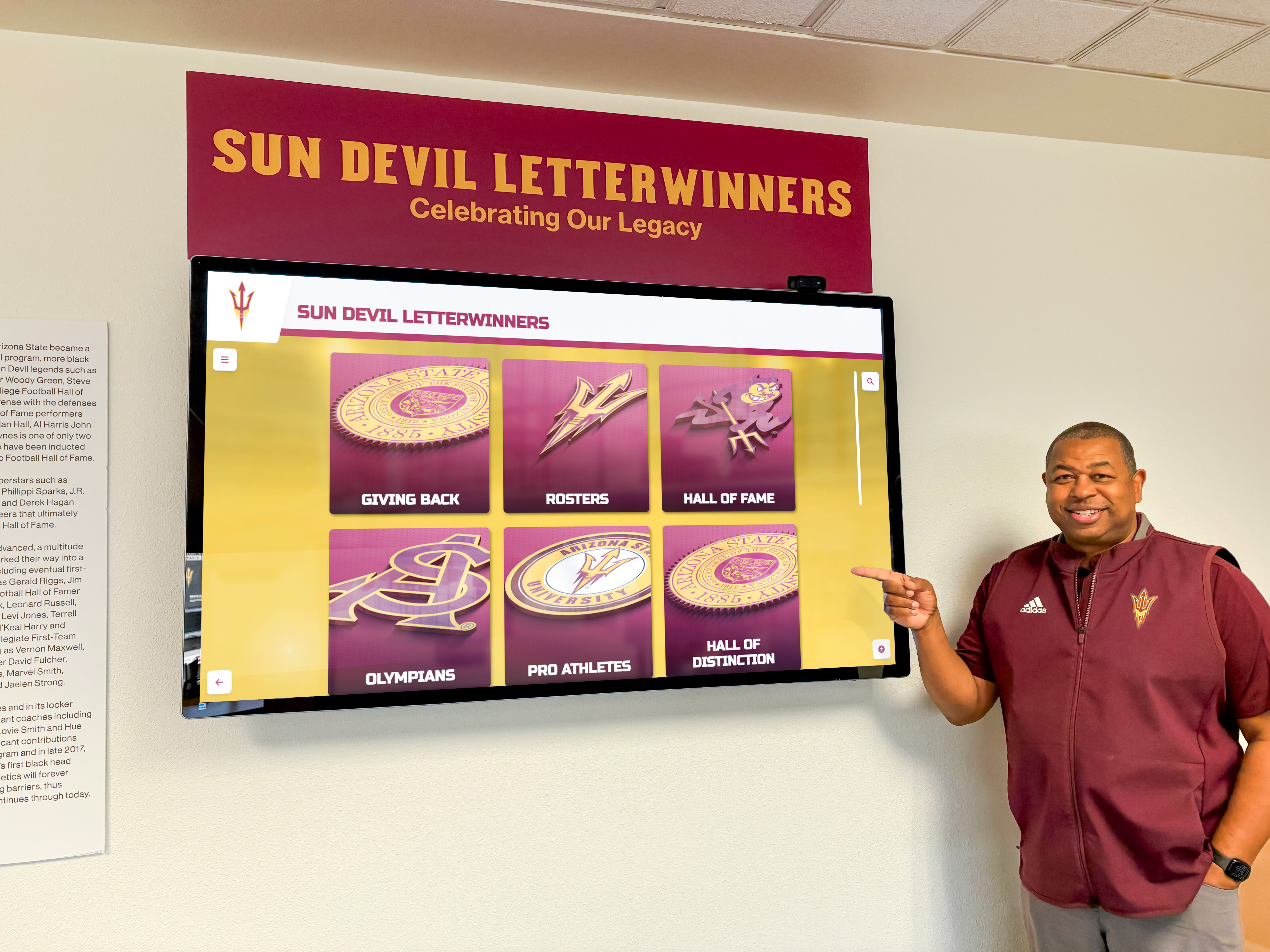
Comprehensive athletic displays celebrate hockey letterwinners, penalty-minute leaders, and complete team statistics
Puck Out of Play
Signal Description
- Both arms crossed above head forming X
- Similar to checking from behind but above head
- Sometimes with hands open showing stop
- Clear signal visible throughout arena
When Called
- Puck leaves playing surface (over glass, onto netting)
- Puck lodged in netting or equipment
- Puck frozen between boards and glass
- Deliberate puck over glass from defensive zone: Delay of game penalty
- Accidental or from other zones: Faceoff in offending team’s zone
Learn about preserving complete hockey program histories in digital record board solutions for athletic achievements.
Special Situation Signals
Penalties and calls for unique game circumstances.
Too Many Men on Ice
Signal Description
- Both arms held overhead with multiple fingers extended
- Typically showing five or six fingers total
- Arms raised high for visibility
- Sometimes accompanied by counting motion
When Called
- More than allowed number of players on ice (typically more than six including goalie)
- Line change violations when extra player participates in play
- Players jumping on ice before teammate fully exits
- Bench minor penalty (two minutes)
- Served by player designated by captain
Common Scenarios
- Late period line changes
- Goalie pull timing errors
- Confusion during scrambles near bench
- Penalties during power plays add to advantage
Delay of Game
Signal Description
- One arm extended with hand showing stop gesture
- Other arm tapping wrist as if pointing to watch
- Time-wasting gesture universally understood
- Sometimes with verbal communication about nature of delay
When Called
- Deliberately shooting puck over glass from defensive zone
- Deliberately dislodging net from moorings
- Goaltender intentionally freezing puck without pressure
- Player falling on puck outside crease
- Refusing to surrender equipment for measurement
- Equipment infractions discovered during play
Automatic vs. Judgment Calls
- Puck over glass from defensive zone: Automatic penalty
- Net dislodged: Referee judgment on intent
- Equipment issues: Delay penalty if deliberate stalling
Misconduct Penalties
Signal Description
- Both hands placed on hips
- Official stands in neutral position
- Often accompanied by pointing to penalty box
- 10-minute misconduct or game misconduct communicated verbally
When Called
- Abusive language toward officials
- Unsportsmanlike conduct
- Continued arguing after penalty assessed
- Leaving bench for altercation
- Abuse of officials or opponents
- Second violation of same rule in game
Penalty Time Distinctions
- 10-minute misconduct: Player out for 10 minutes, team not shorthanded
- Game misconduct: Player ejected, team not shorthanded
- Match penalty: Player ejected, team shorthanded for 5 minutes
- Gross misconduct: Player ejected from facility entirely
Fighting
Signal Description
- One fist punching repeatedly into air
- Aggressive punching motion
- May point to both combatants
- Clear distinction from roughing signal
When Called
- Players drop gloves and throw punches
- Sustained physical altercation beyond pushing
- Automatic five-minute major penalty for both combatants
- Additional penalties for instigator, aggressor, or leaving bench
- Third fight in game typically results in game misconduct
Rule Variations by Level
- Professional leagues: Five minutes in penalty box
- College hockey: Ejection from game
- Youth hockey: Automatic ejection and suspension
- Instigator penalties for starting fights
- Third man in receives additional penalties
Discover how digital displays celebrate both achievement and sportsmanship in interactive athletic recognition systems.
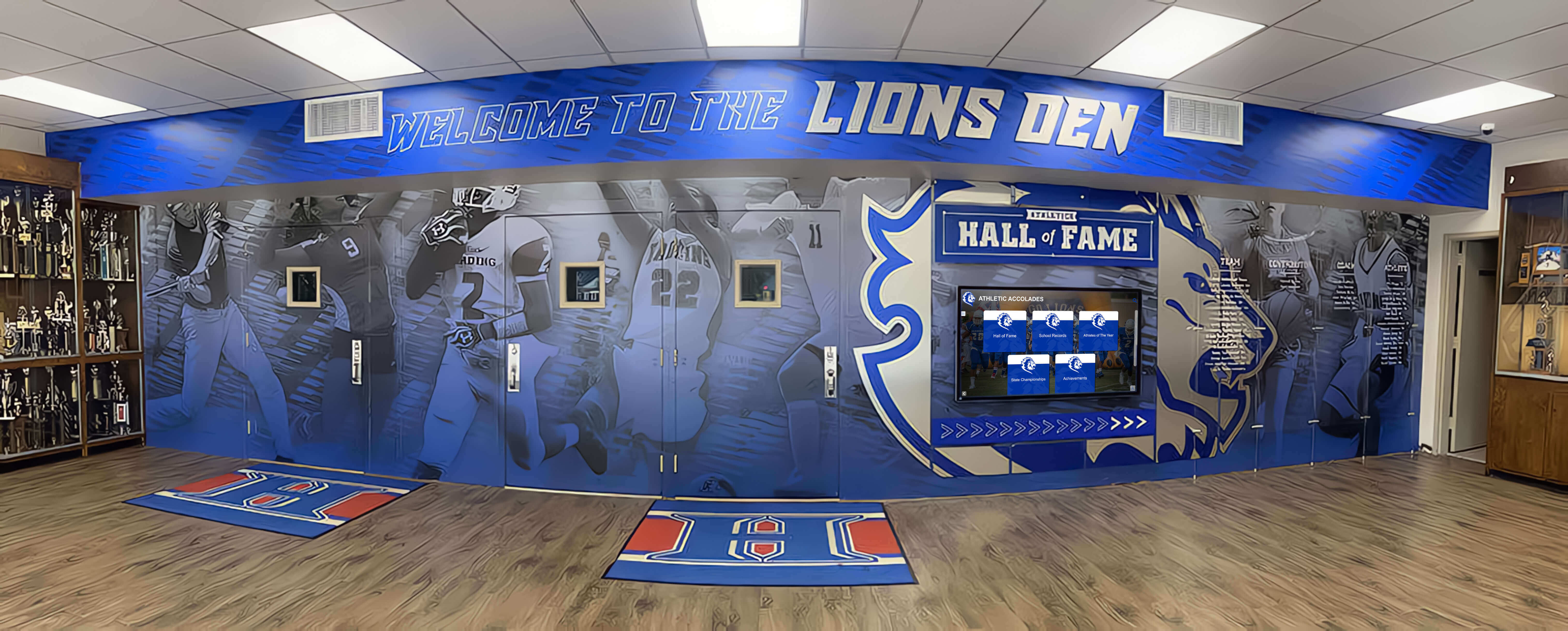
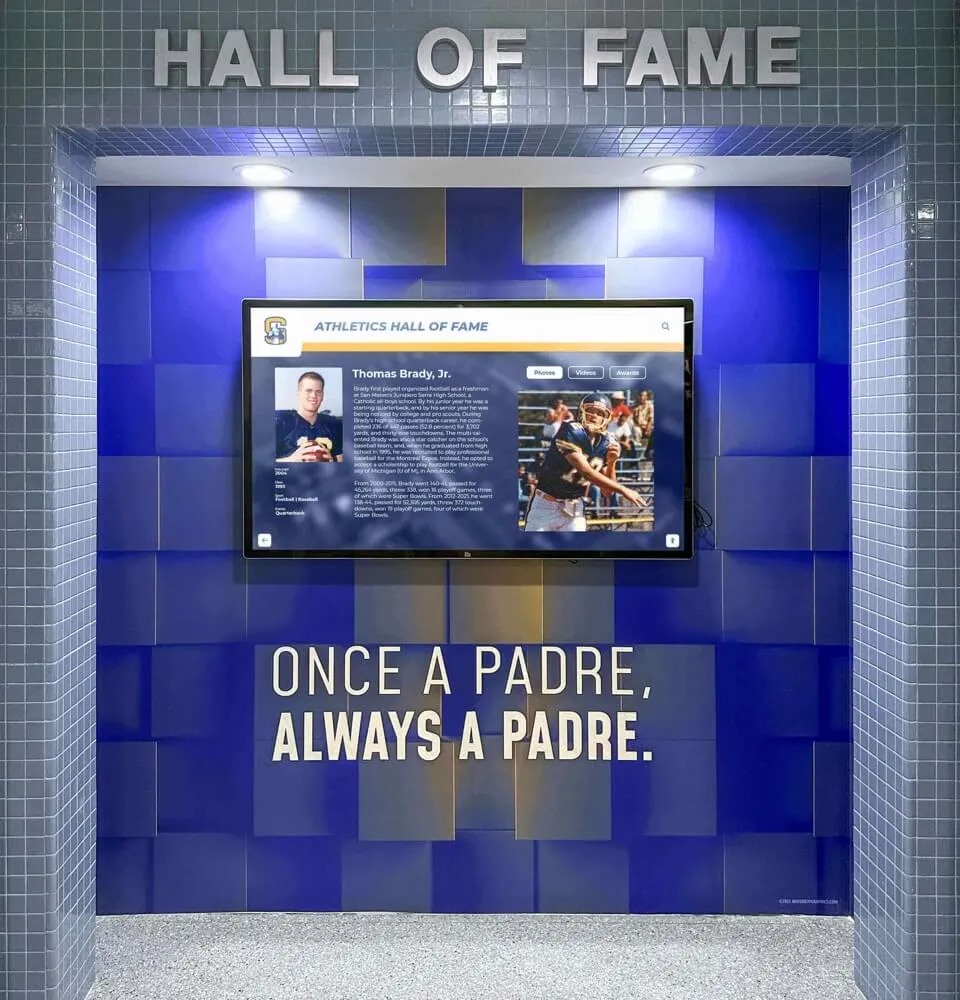
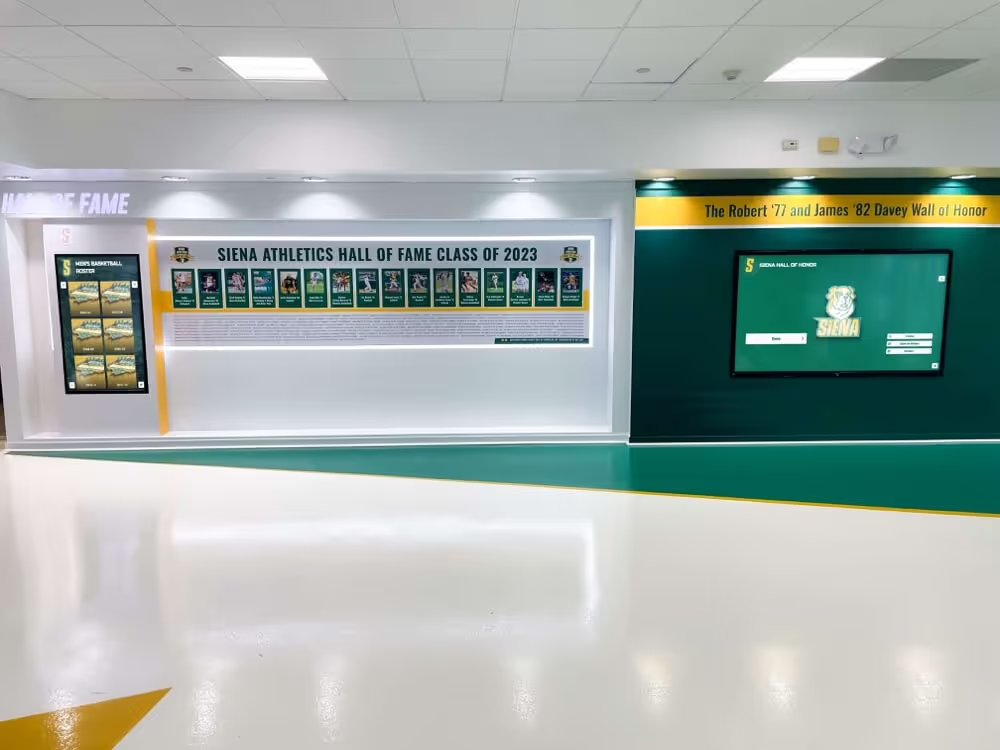
Hockey halls of fame celebrate complete program histories including championships, individual records, and milestone achievements
Goal and Scoring Signals
Referees communicate goal decisions through specific sequences.
Goal Scored
Signal Description
- Both arms raised straight overhead
- Emphatic upward motion
- Arms held high until goal confirmed and announced
- Accompanied by pointing toward goal
- Most celebrated signal in hockey
When Signaled
- Puck completely crosses goal line between posts
- No rule violations preventing goal
- Puck entered legally without distinct kicking motion
- Goal counted even if kicked in accidentally (rebounded off skate)
- High stick rule: Puck cannot enter goal off stick above crossbar height
Video Review Situations (Professional Hockey)
- Puck crossing goal line
- Puck in net before time expiration
- Puck in net before net dislodged
- Goaltender interference
- Distinct kicking motion
- High stick on puck entering net
No Goal
Signal Description
- Arms crossed and uncrossed repeatedly in front of body
- Washing motion like windshield wipers
- Clear “waving off” gesture
- Followed by explanation to scorer’s bench
When Signaled
- Puck does not cross goal line
- Goal prevented by rule violation
- Net dislodged before puck entered
- Kicking motion was distinct (not deflection)
- Puck entered with high stick
- Goaltender interference occurred
- Time had expired before puck entered
Communication After No Goal
- Referee explains reason to captain
- Official scorer notified of reason
- Penalty may be assessed if infraction caused stoppage
- Video review may confirm or overturn call
Penalty Shot
Signal Description
- Arms crossed at chest then swept outward and upward
- Dramatic opening motion
- Both arms extended overhead after initial cross
- Signal repeated for clarity
- One of the most dramatic referee signals
When Awarded
- Player on breakaway denied clear scoring opportunity by penalty
- Defender throws stick or other object at puck carrier
- Player fouled from behind with no defenders between player and goal
- Puck in crease covered by defending player (other than goalie)
- Goalie deliberately removes net during breakaway
Penalty Shot Procedure
- All players except shooter and goalie clear ice
- Puck placed at center ice
- Shooter gets one attempt
- Goalie must remain in crease until puck touched
- If goal scored: Faceoff at center ice, no additional penalty time
- If no goal: Original penalty still assessed (if applicable)
Explore comprehensive hockey achievement celebration in championship recognition displays for hockey programs.
Linesman-Specific Signals
Linesmen communicate procedural information beyond offside and icing.
Faceoff Location Signals
Neutral Zone Faceoff
- Linesman points to neutral zone faceoff spot
- Often pointing with both hands for clarity
- Indicates play will resume at designated location
- Follows most stoppages without specific zone designation
Defensive/Offensive Zone Faceoff
- Pointing toward specific faceoff circle
- Indicating which dot will be used
- Left or right side determination
- Based on which team caused stoppage or rule violation
Faceoff Violation Signals
- Hand motion indicating player removal from faceoff
- Pointing to replacement player
- Warning gestures for premature stick movement
- Communication about faceoff positioning requirements
Washout Signal
Signal Description
- Both arms swept horizontally side to side at waist level
- Similar to baseball “safe” signal
- Indicates no infraction occurred
- Negates potential penalty that players anticipated
When Used
- Potential icing waved off (defending player could have reached puck)
- Offside reviewed and determined player was onside
- Apparent penalty not called
- Clarifying no violation occurred on questionable play
- Icing waved off due to goalie playing puck
Delayed Offside Signal
Signal Description
- One arm extended overhead similar to delayed penalty
- Maintained until attacking players clear zone or touch puck
- Non-whistle arm indicating delayed status
- Allows attacking team opportunity to tag up
When Used
- Attacking player offside but defenders control puck
- All attacking players must clear zone (tag up) before reentering
- If attacking team touches puck: Whistle and faceoff
- If defending team passes out of zone: Offside negated
- Strategic situations allowing defenders to clear without icing
Understanding Signal Context and Meaning
Interpreting signals accurately requires understanding game context.
Signal Intensity and Emphasis
Subtle vs. Dramatic Signals
- Routine penalties: Standard signal execution
- Severe violations: Exaggerated, emphatic signals
- Safety concerns: Immediate, forceful signaling
- Controversial calls: Extended signal duration for clarity
- Referee discretion shown through signal delivery
Multiple Officials Coordination
- Lead official makes primary call
- Supporting official confirms with pointing or acknowledgment
- Linesmen report major penalties to referees
- Officials confer on unclear situations
- Video review coordination in professional leagues
Educational Value of Referee Signals
For hockey programs teaching the game:
Player Development Benefits
- Understanding infractions improves discipline
- Visual signals teach rules without verbal explanation
- Players learn to anticipate calls by official positioning
- Reduces arguing when players understand signals
- Coaches can reference signals in video review
Spectator Engagement
- Fans learn rules through signal observation
- Arena video boards display signal explanations
- Youth hockey programs teach signals to parents
- Improves game enjoyment and understanding
- Reduces confusion during stoppages
Facility Integration
- Recognition displays showing penalty-free games
- Statistics celebrating disciplined play
- Educational signage explaining common signals
- Digital kiosks with rules and signal guides
- Touchscreen displays providing interactive rule education
Athletic facilities enhance hockey program culture through displays celebrating achievements, rules education, and tradition
Modern Technology and Referee Communication
Contemporary officiating integrates technology with traditional signals.
Video Review and Challenge Systems
Professional Hockey Integration
- Coach’s challenges for specific situations
- Offside reviews on goals
- Goaltender interference reviews
- Puck crossing goal line confirmation
- Referee signal followed by review announcement
Impact on Signal Usage
- Signals remain primary communication method
- Technology confirms or overturns calls
- Referees signal review initiation
- Final decision communicated through traditional signals
- Goal/no goal determination still uses standard gestures
Wireless Communication Systems
Referee-to-Referee Communication
- Headset systems in professional leagues
- Real-time discussion of calls
- Consultation without skating to confer
- Faster game flow with coordinated decisions
- Signals remain visible to players and fans
Information to Penalty Box and Scorer
- Wireless transmission of penalty details
- Automated penalty timing systems
- Digital display of infractions
- Integration with statistics tracking
- Signals still required for player and coach clarity
Arena Display Integration
Enhancing Signal Understanding
- Video board displays showing penalty replay
- On-screen graphics explaining call
- Referee name and penalty displayed
- Time remaining in penalties shown
- Statistics updated in real-time
Fan Engagement Technologies
- Mobile apps explaining signals as they occur
- In-arena WiFi providing rule explanations
- Social media integration showing controversial calls
- Interactive displays in concourses teaching signals
- Augmented reality experiences for hockey education
Teaching Hockey Referee Signals
Effective education approaches for different audiences.
Player Education Strategies
Practice Integration
- Coaches explain signals during drills
- Simulated penalty situations
- Players practice identifying signals
- Discussion of situations leading to penalties
- Video review showing signals and infractions
Age-Appropriate Learning
- Youth players: Focus on most common signals (high-sticking, tripping, offside, icing)
- Intermediate players: Expand to all minor penalties and major violations
- Advanced players: Nuanced understanding of referee positioning and delayed signals
- Goaltenders: Special focus on crease violations and goaltender interference
Coach and Parent Resources
Educational Materials
- Laminated signal reference cards
- Team handbook rule sections
- Video compilations of signals with explanations
- Pre-season parent meetings covering basics
- Ongoing communication about rule changes
Facility-Based Learning
- Locker room posters displaying signals
- Rink signage explaining common calls
- Digital displays in lobbies with rotating signal education
- Recognition systems that integrate rules education with achievement celebration
- Tournament programs including signal guides
Building Hockey Knowledge Culture
Program-Wide Approaches
- Celebrating disciplined play alongside scoring
- Penalty-minute tracking and improvement recognition
- Sportsmanship awards for players with minimal infractions
- Coach education on teaching rules alongside skills
- Parent involvement in understanding game flow
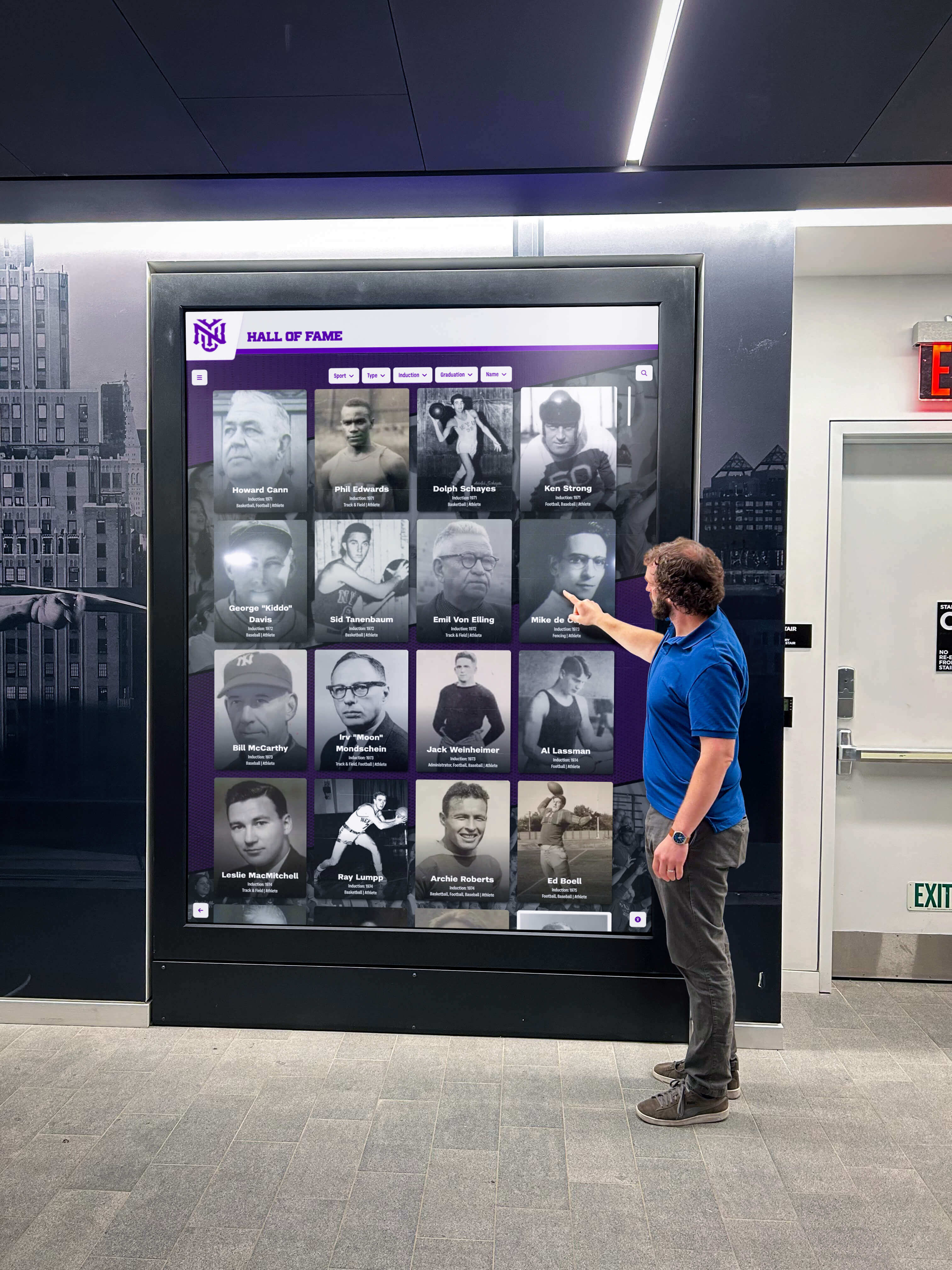
Interactive displays in hockey facilities provide year-round access to program history, achievements, and educational content about the game
Conclusion: Mastering Hockey’s Visual Language
Understanding hockey referee signals transforms confusing game stoppages into clear communication that enhances appreciation of the sport’s rules, safety priorities, and strategic complexity. When players, coaches, and fans recognize the complete vocabulary of referee hand gestures—from stick infraction penalties to linesman signals for offside and icing—they develop deeper understanding of how officials maintain fair play, protect player safety, and ensure consistent rule enforcement throughout fast-paced competition.
The comprehensive signal system explored throughout this visual guide provides hockey communities with the knowledge needed to interpret every call, understand penalty severity distinctions, and appreciate the split-second judgments referees make during live play. From the dramatic penalty shot signal to the subtle delayed offside gesture, each hand motion communicates specific information that keeps the game flowing while ensuring all participants understand critical decisions.
Successful hockey programs integrate signal education into player development, recognizing that understanding rules and officiating enhances discipline, reduces unnecessary penalties, and builds respect for the officials who safeguard the game. Whether through video review sessions, facility signage, or digital recognition systems that celebrate both achievement and sportsmanship, comprehensive rules education strengthens program culture while developing knowledgeable players who compete with skill and integrity.
Celebrate Your Hockey Program's Excellence
Discover how interactive digital displays can showcase your hockey team's achievements, educate your community about the game, and preserve your program's legacy with engaging touchscreen solutions that inspire current players while honoring those who built your tradition.
Explore Hockey Recognition SolutionsModern hockey facilities increasingly integrate educational technology with traditional recognition, creating comprehensive spaces that celebrate achievements while building hockey knowledge across entire communities. Digital displays in rinks, schools, and athletic facilities can showcase championship teams alongside explanations of the rules and signals that govern competition, creating learning opportunities that enhance spectator engagement and player development simultaneously.
The signal vocabulary detailed in this guide represents decades of officiating evolution designed to maintain consistency, enhance safety, and preserve the integrity of hockey competition. While technology continues advancing with video review systems and wireless communication, the fundamental visual language of referee signals remains essential to the game—ensuring that even in the loudest arenas, critical information reaches every participant through clear, standardized hand gestures recognizable across all competitive levels.
Your hockey program deserves recognition that honors both on-ice achievement and the disciplined play that defines championship culture. Whether celebrating penalty-free performances, recognizing sportsmanship alongside scoring leaders, or educating new generations about the rules that make hockey possible, comprehensive recognition systems build program identity while strengthening connections between current teams and the traditions they inherit.
Start building deeper hockey understanding throughout your program community by teaching referee signals alongside skills development, celebrating disciplined play as enthusiastically as goal-scoring, and creating recognition displays that honor the complete picture of hockey excellence—from championship banners to the fair play that makes competition meaningful, memorable, and worthy of preservation for future generations who will carry your program’s tradition forward.