



Honors graduation cords represent one of the most visible and meaningful forms of academic recognition, transforming graduation ceremonies into celebrations of diverse scholarly achievements. These colorful cords draped over graduation gowns communicate specific accomplishments—from cumulative GPA thresholds to honor society memberships, departmental excellence, and specialized program completion—creating instant visual recognition of academic dedication and success.
Yet confusion about graduation cord meanings remains widespread. Students receiving cords often don’t fully understand what their colors represent, families struggle to decode the significance of multiple cords worn by graduates, and schools sometimes lack systematic approaches for determining which achievements merit cord recognition. Meanwhile, the proliferation of available cord colors and combinations creates challenges for institutions trying to maintain meaningful distinctions.
This comprehensive guide decodes graduation honors cord colors, explains the traditions and standards behind academic regalia, and provides frameworks for implementing effective cord recognition programs that honor achievement while maintaining the significance that makes graduation cords meaningful.
Understanding graduation cord symbolism enhances appreciation for academic achievement while helping schools design recognition systems that appropriately celebrate diverse forms of scholarly excellence. When institutions thoughtfully assign cord colors based on clear criteria, they create graduation ceremonies where visual recognition reinforces the values and priorities that define their educational communities.

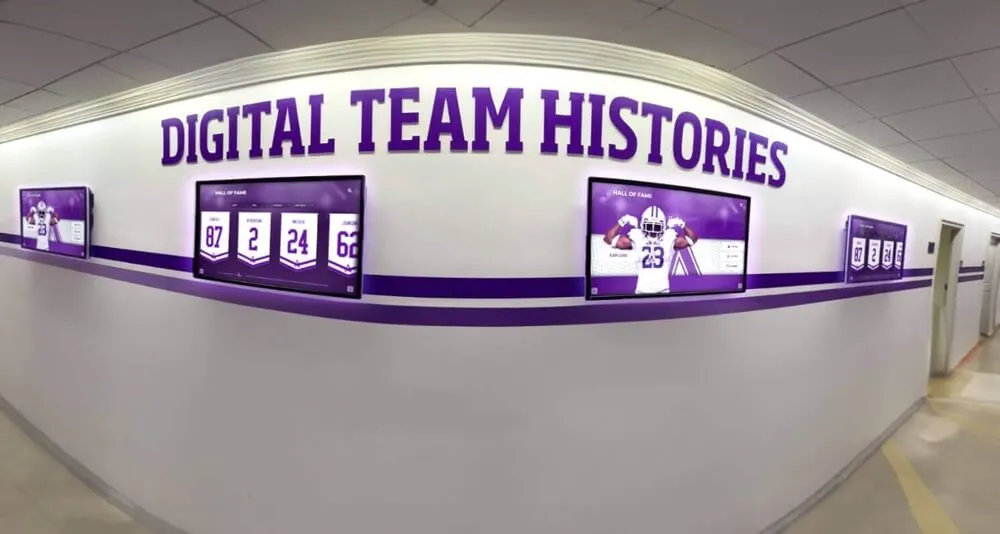
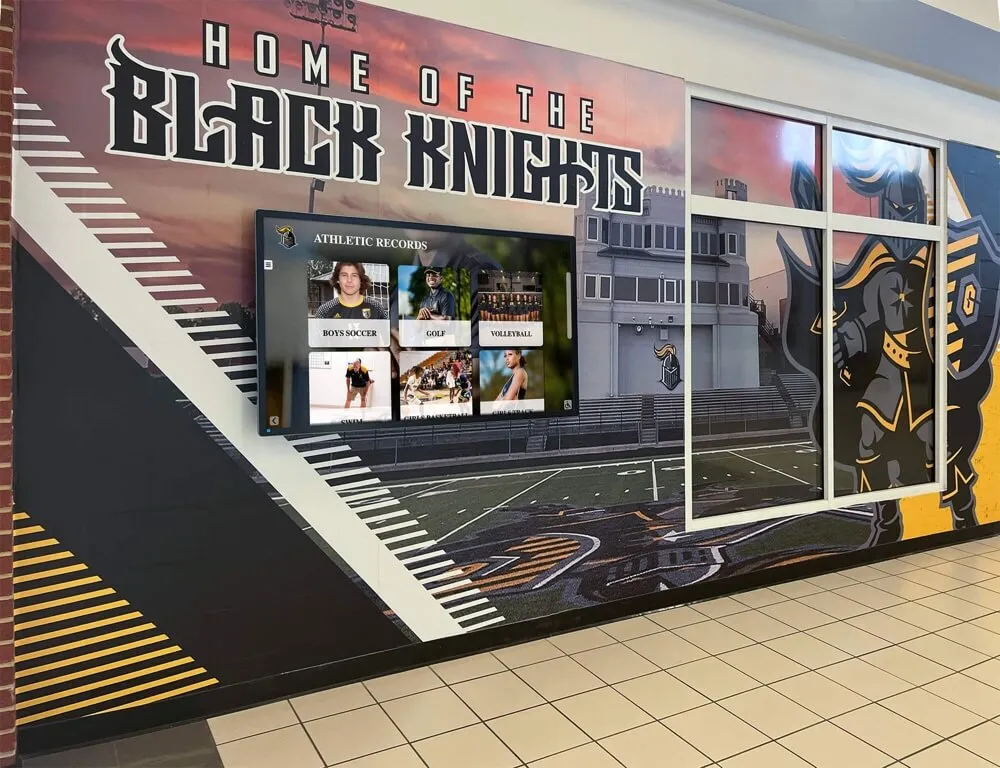
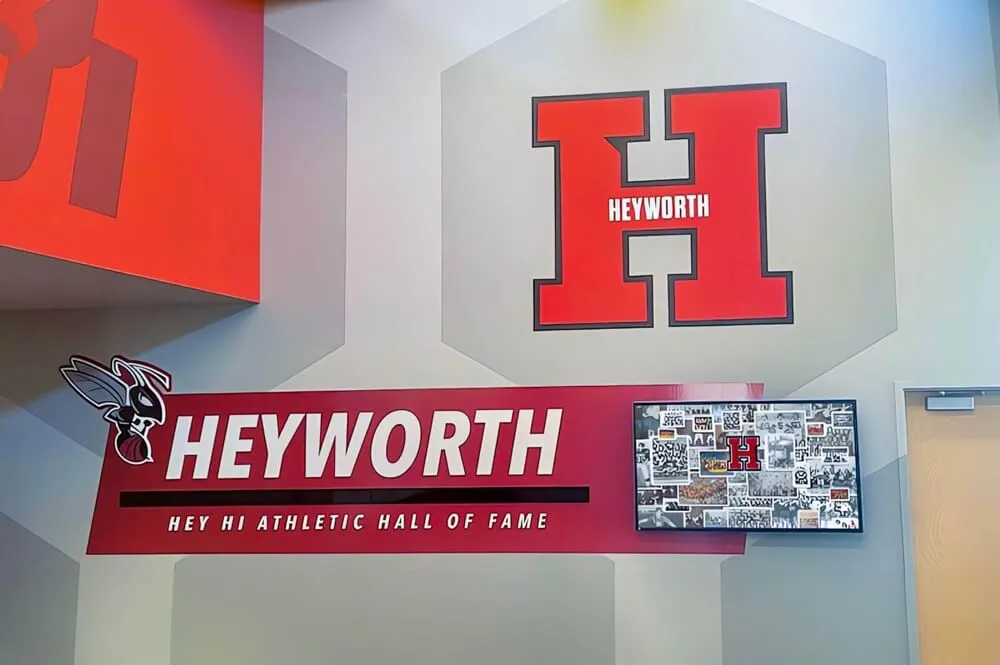
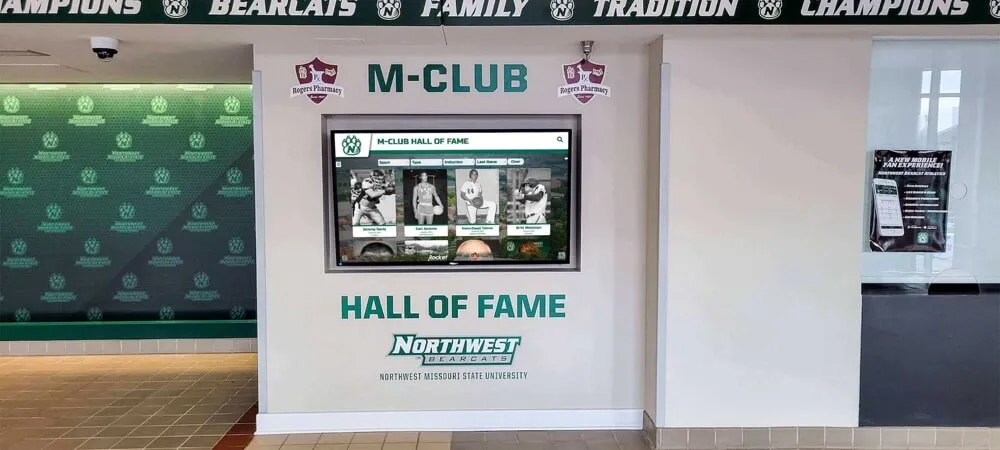
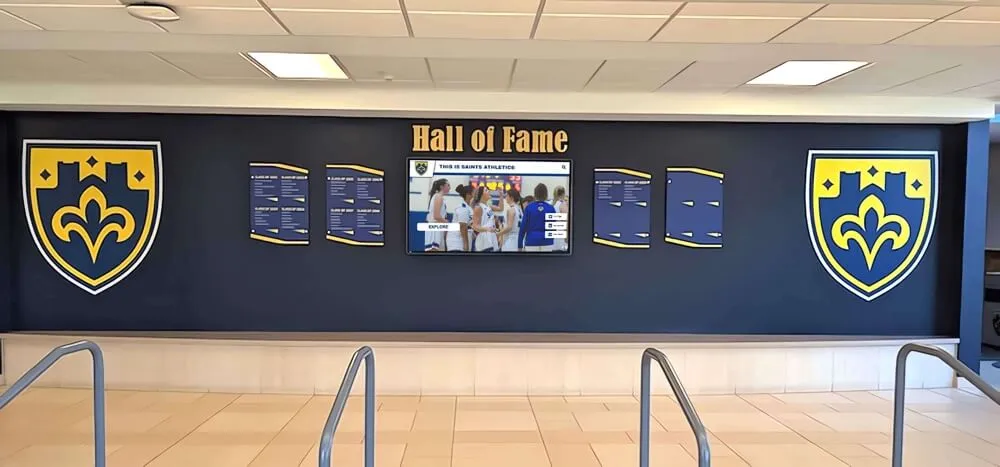
Modern academic recognition displays complement traditional graduation honors by showcasing achievements year-round
The Tradition and Significance of Graduation Cords
Graduation cords evolved from European academic traditions to become integral components of American commencement ceremonies.
Historical Origins of Academic Honor Cords
European Academic Dress Traditions
Academic regalia traces its roots to medieval European universities where scholars wore distinctive dress reflecting their academic status and field of study. Honor cords emerged as additional elements distinguishing exceptional scholars from general graduating classes.
American Adoption and Evolution
American colleges and universities adapted European traditions beginning in the late 19th century, developing standardized systems for academic regalia while allowing institutional variation in honor cord implementation. By the mid-20th century, graduation cords became widely recognized symbols of academic achievement across American educational institutions.
Modern Graduation Cord Practices
Contemporary graduation ceremonies feature extensive cord usage reflecting diverse achievement recognition:
- National honor societies issue distinctive cords to inducted members
- Cumulative GPA thresholds earn Latin honors cords
- Departmental recognition honors excellence in specific fields of study
- Leadership programs and student organizations provide recognition cords
- Service learning and community engagement achievements receive cord recognition
- Specialized programs mark completion with distinctive cord colors
This expansion creates richer recognition while occasionally generating confusion about specific meanings.
The Psychology of Visible Academic Recognition
Research demonstrates that visible achievement recognition significantly impacts both individual recipients and broader institutional culture.
Individual Motivational Impact
Students working toward cord-earning achievements demonstrate higher sustained engagement, according to educational psychology research. Visible recognition goals create concrete milestones motivating academic persistence, while the ceremonial presentation at graduation provides meaningful culmination of years of academic effort.
Institutional Culture Development
Schools with systematic academic cord programs report stronger achievement-oriented cultures. When significant portions of graduating classes wear recognition cords, academic excellence becomes normalized rather than exceptional, creating positive peer dynamics that elevate achievement expectations school-wide.
Family and Community Engagement
Graduation cords provide tangible symbols enabling families to celebrate academic accomplishments. Parents display graduation photos featuring cords, graduates explain their cord meanings to relatives, and communities recognize academic achievement through these visible markers.
Learn more about comprehensive academic recognition in academic recognition programs that celebrate student excellence.

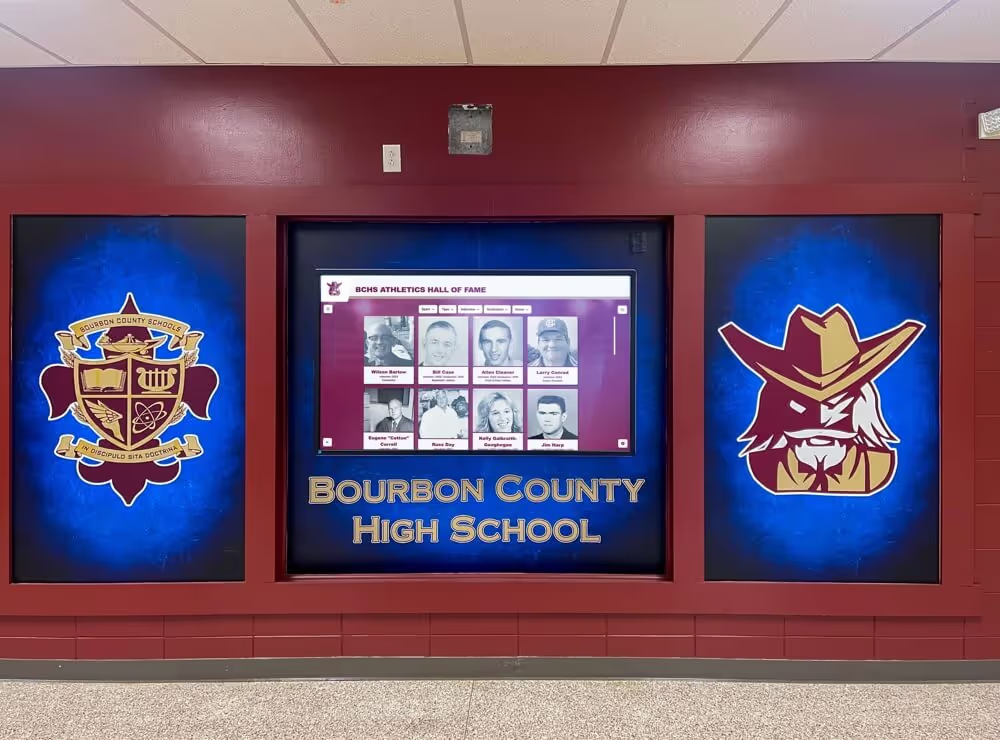
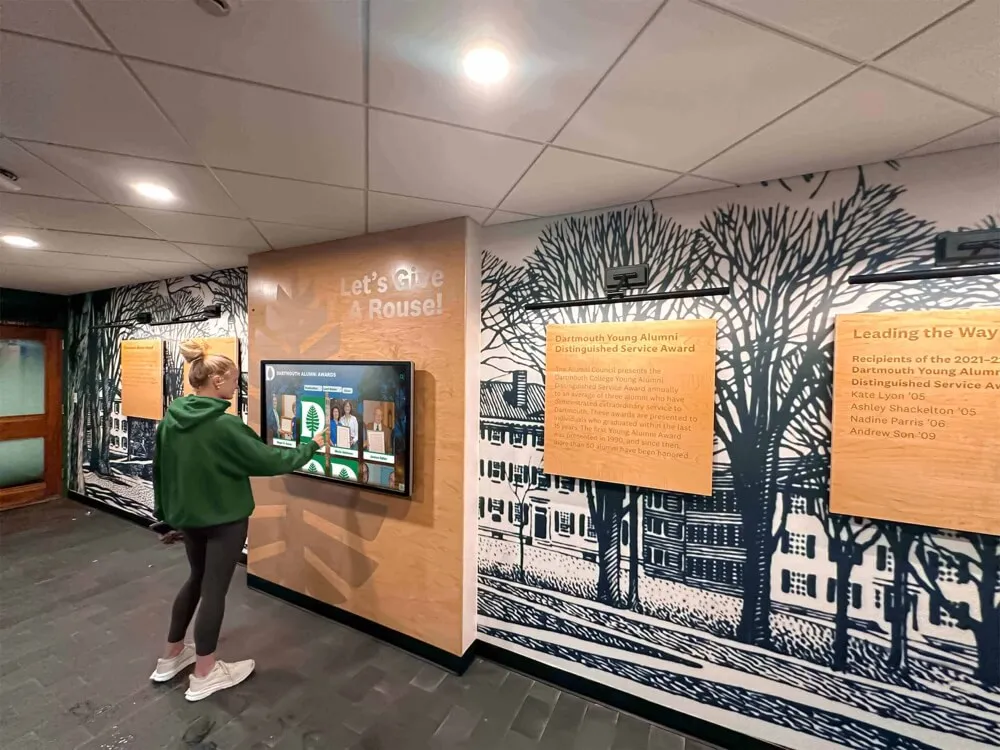
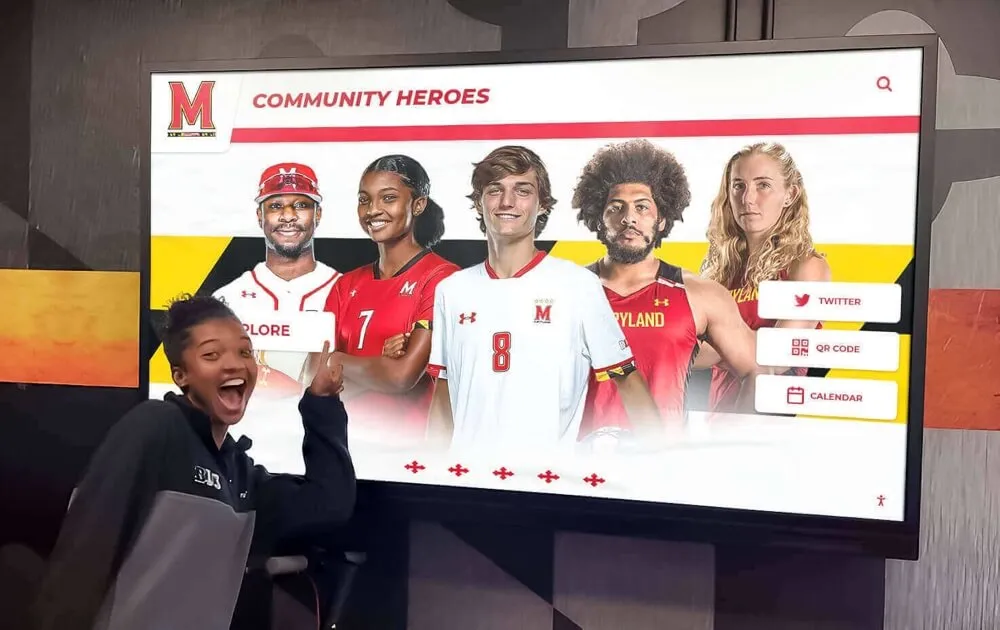
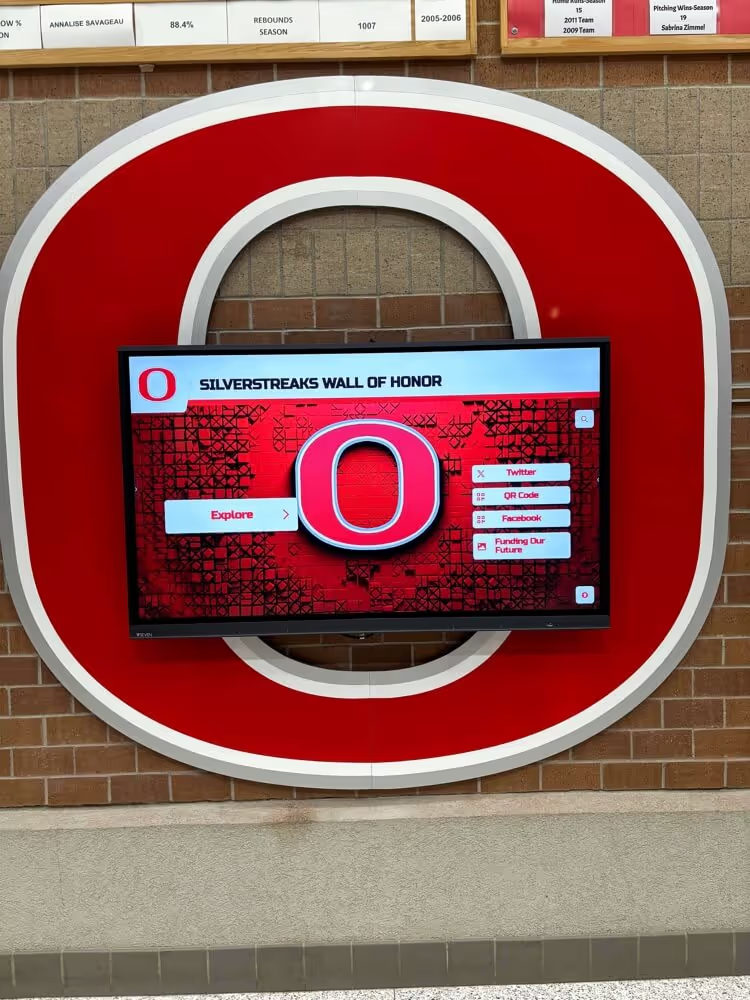
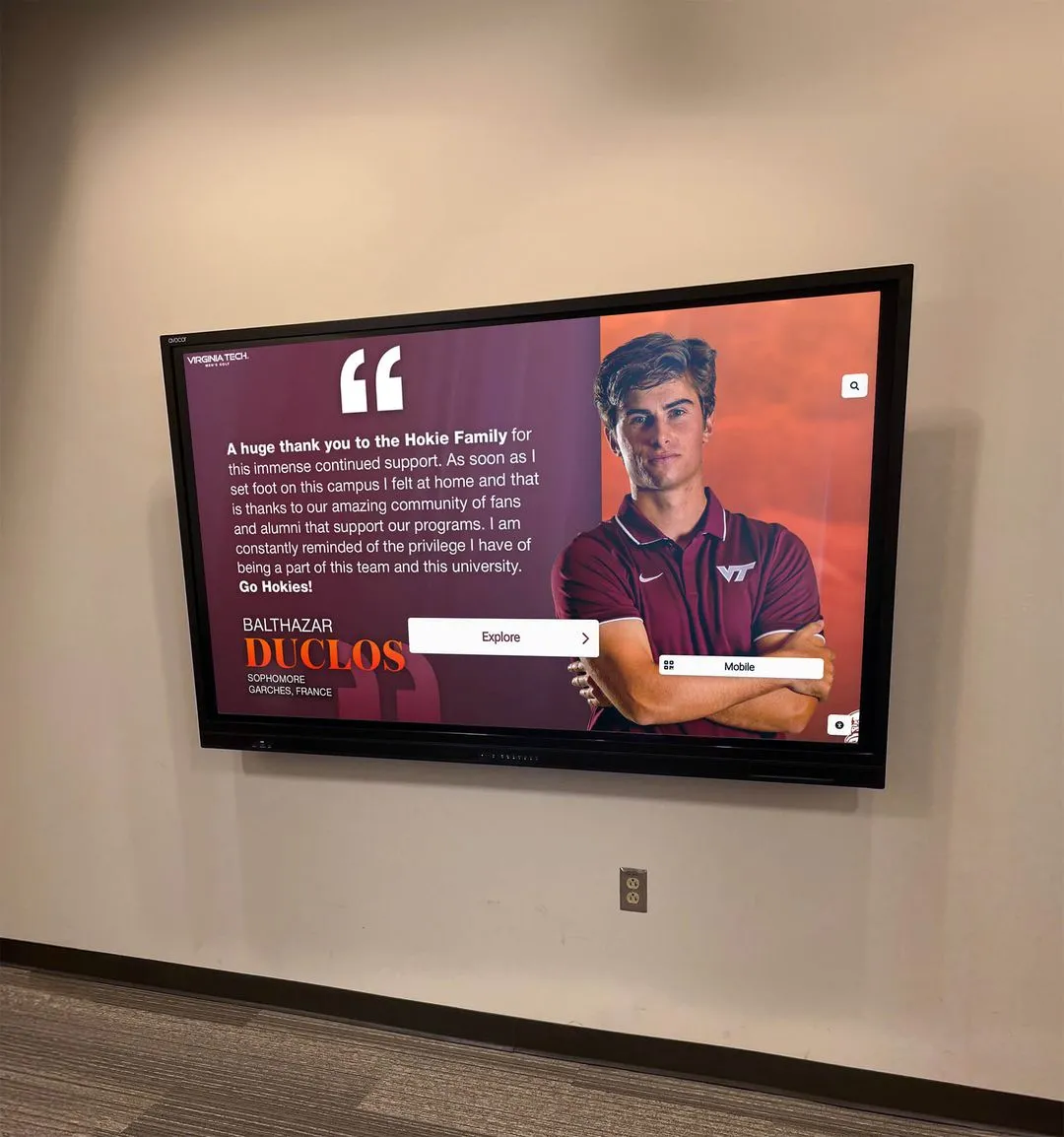
Individual recognition profiles celebrate specific achievements that graduation cords visibly honor
Standard Graduation Cord Colors and Their Meanings
While some variation exists across institutions, certain cord color meanings have become widely standardized in American academic traditions.
Latin Honors and GPA Recognition Cords
The most universally recognized graduation cords indicate cumulative grade point average achievement levels.
Gold Cords - Latin Honors
Gold represents the most common color for general academic honors:
- Summa Cum Laude (highest honors): Often gold or gold combined with white
- Magna Cum Laude (high honors): Frequently gold or gold with secondary color
- Cum Laude (honors): Typically gold or single gold cord
GPA thresholds vary by institution but commonly range from 3.5+ for cum laude to 3.9+ for summa cum laude. Some schools use cord quantity (one vs. two cords) or cord thickness to distinguish honor levels rather than color variations.
Silver or White Cords - Secondary Honors
Some institutions reserve silver or white for specific honor designations:
- Alternative Latin honors color at schools using different systems
- Dean’s list recognition throughout academic career
- Departmental honors in specific fields
- Secondary achievement thresholds below primary Latin honors
Metallic and Combined Cords
Braided cords combining gold with other colors create additional distinction levels, allowing schools to recognize multiple achievement categories while maintaining gold’s association with academic excellence.
National Honor Society Cords
Established honor societies issue specific cord colors to inducted members.
National Honor Society (NHS) - Gold and White
The National Honor Society traditionally uses gold and white cords or blue and gold combinations, though specific colors may vary by chapter. NHS membership recognizes scholarship, leadership, service, and character at the high school level.
National Junior Honor Society (NJHS)
Middle school honor society recognition, where graduation ceremonies occur, typically uses similar gold and white or blue and gold combinations aligned with NHS traditions.
Explore honor society recognition approaches in National Junior Honor Society programs.
Phi Beta Kappa - Blue and Gold
The nation’s oldest and most prestigious academic honor society uses distinctive blue and gold cords. Founded in 1776, Phi Beta Kappa recognizes undergraduate excellence in liberal arts and sciences at participating institutions.
Phi Kappa Phi - Red and Gold
The honor society recognizing academic excellence across all disciplines uses red and gold cords. Phi Kappa Phi membership indicates top 10% academic standing in most cases.
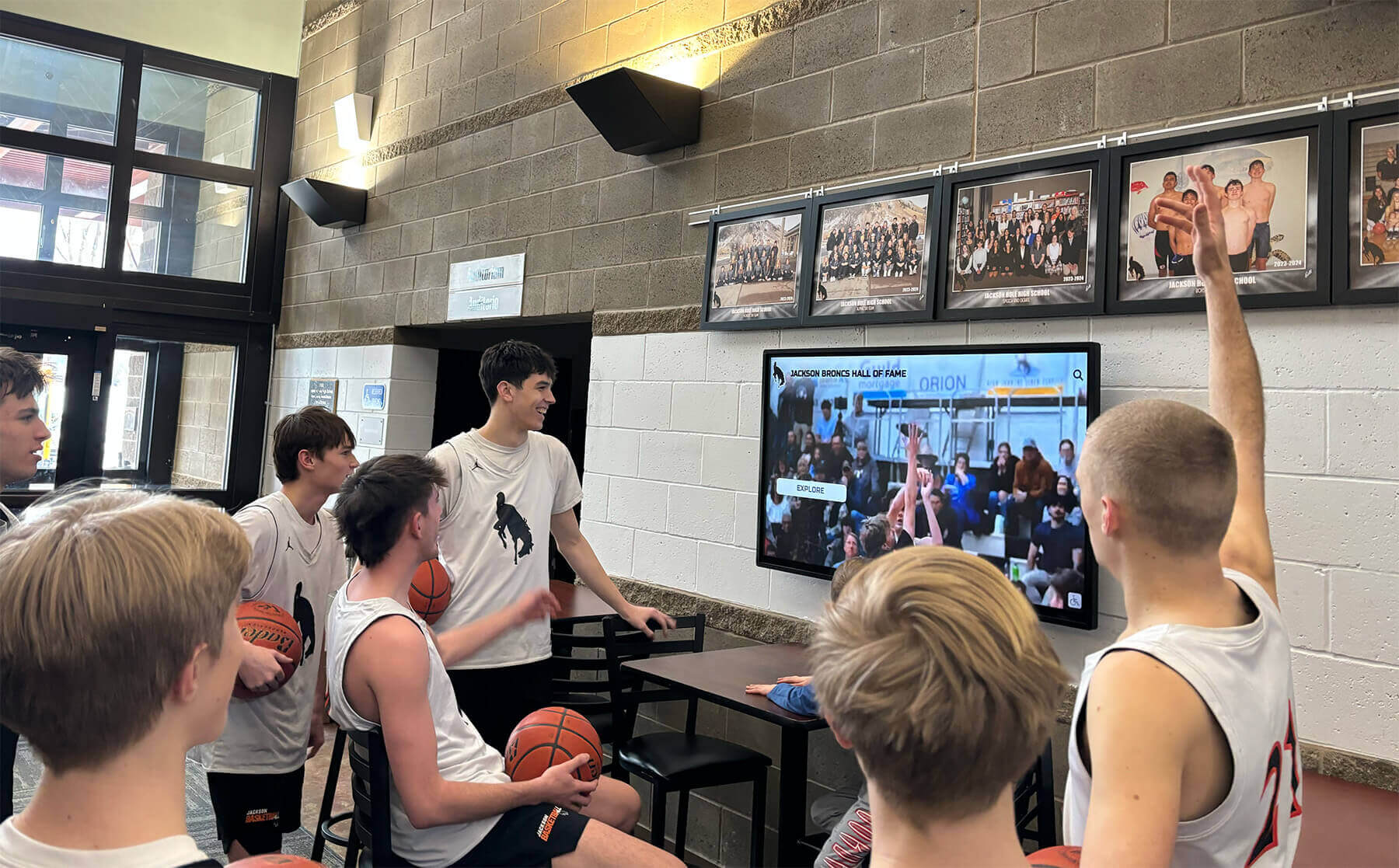
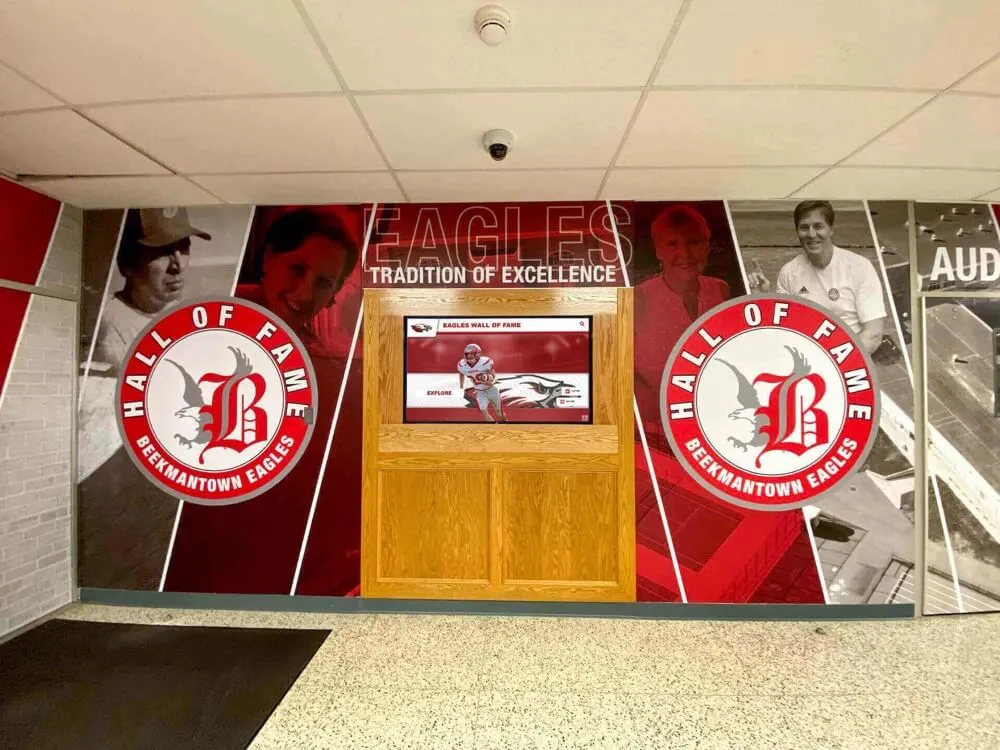
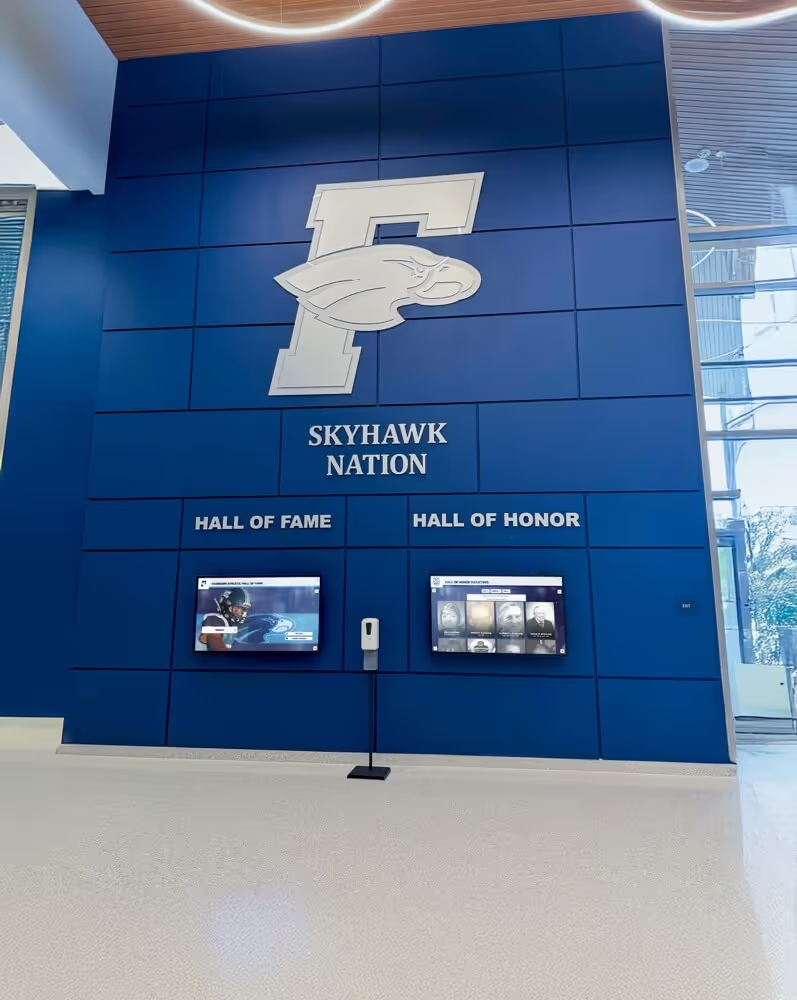
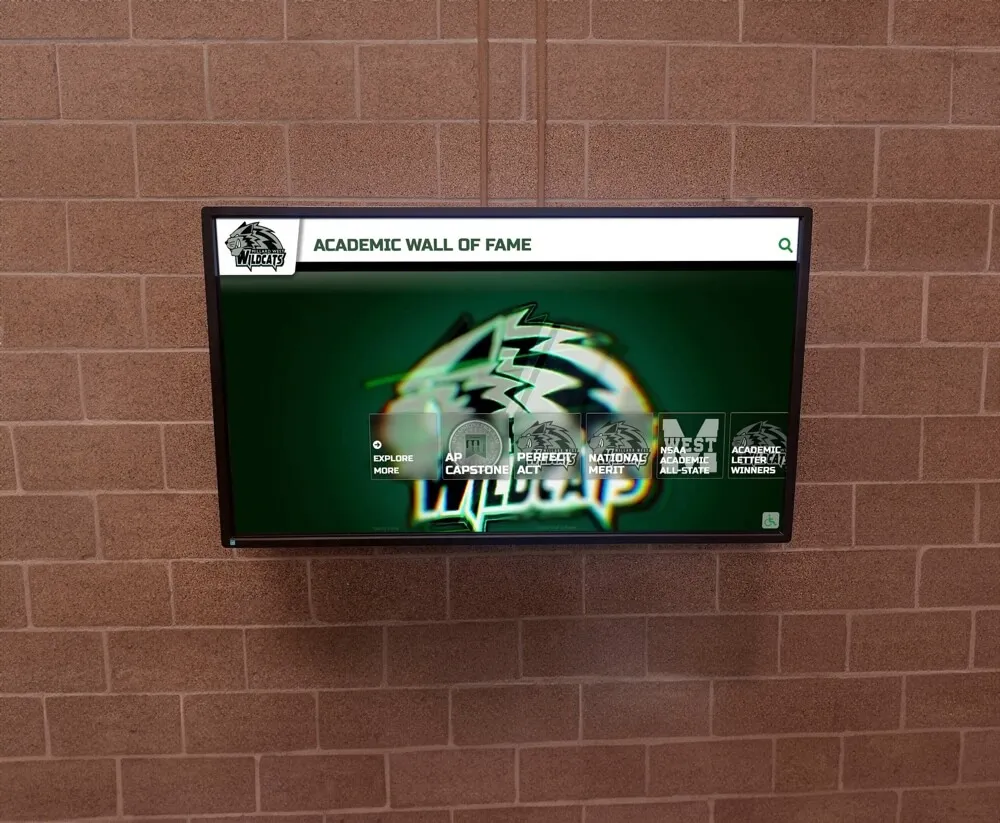
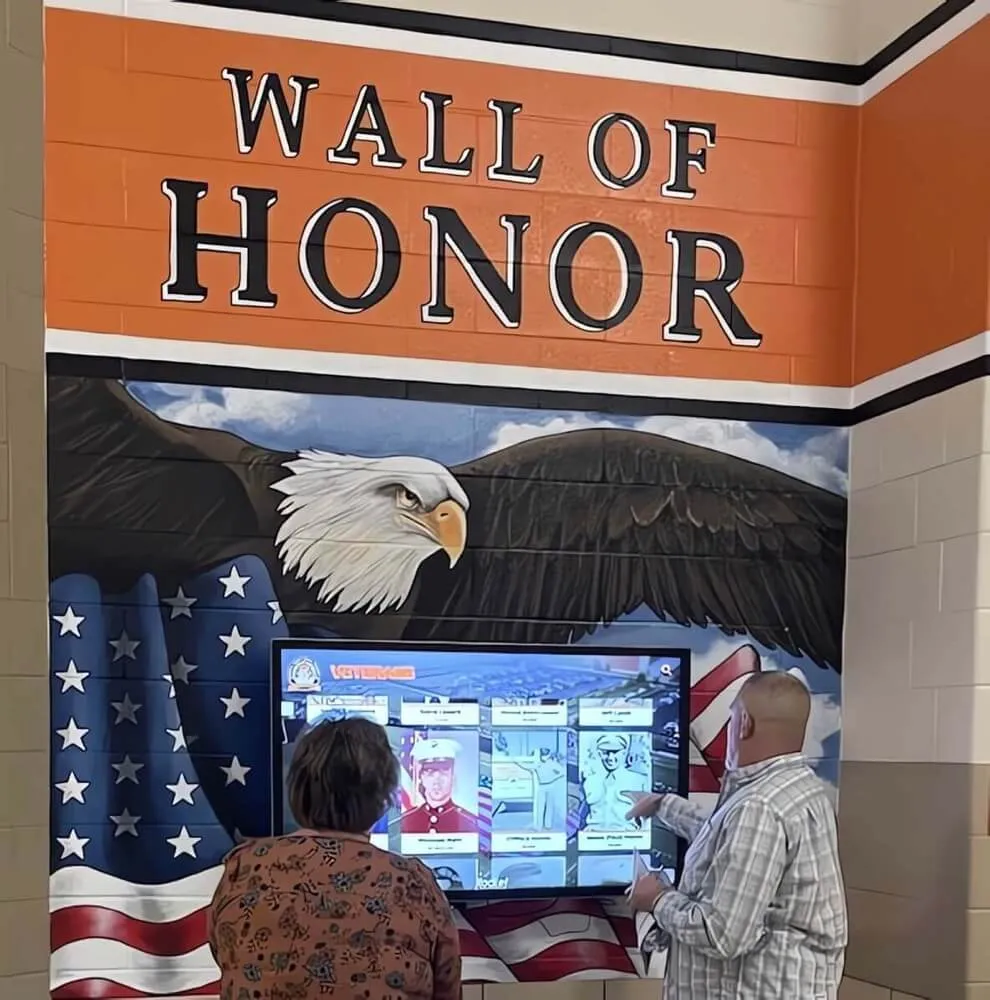
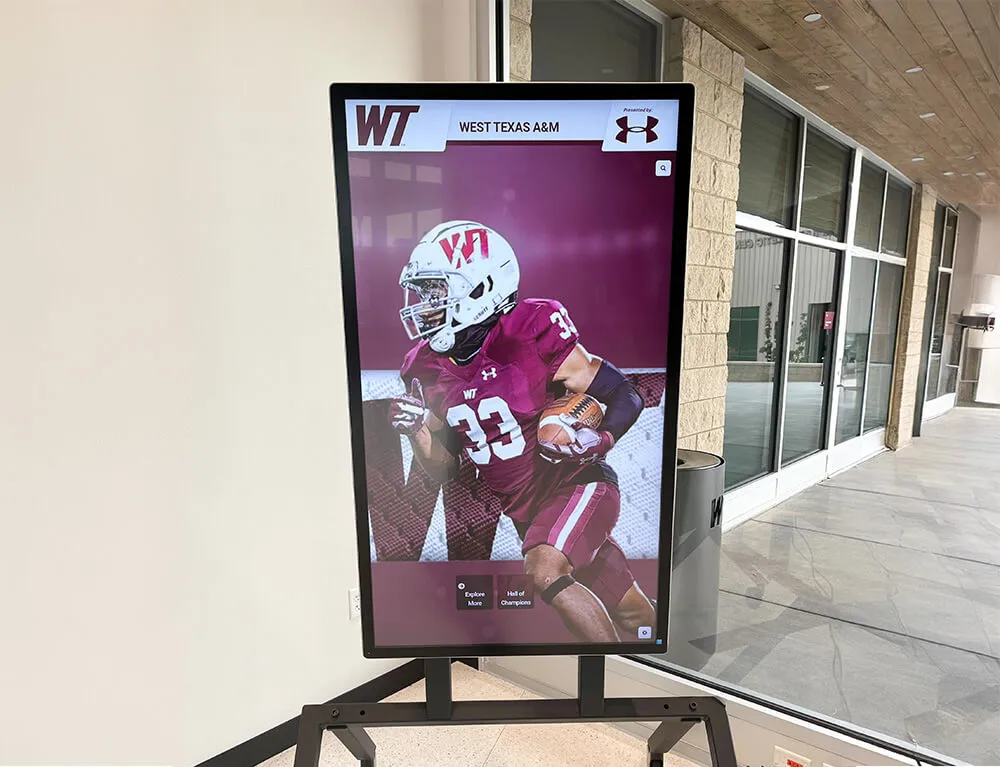
Interactive displays create opportunities for students to explore the achievements that graduation cords represent
Discipline-Specific Honor Societies
Numerous field-specific honor societies issue distinctive cords:
- Tau Beta Pi (engineering): Orange and white
- Alpha Lambda Delta (first-year honors): Gold and purple or maroon and gold
- Sigma Tau Delta (English): Cardinal red and black
- Psi Chi (psychology): Blue and gold
- Beta Gamma Sigma (business): Blue and gold
- Kappa Delta Pi (education): Purple and gold
Students may wear multiple cords representing membership in several honor societies, creating cumulative visual recognition of diverse achievements.
Departmental and Major-Specific Cords
Many institutions assign cord colors representing academic disciplines or departmental excellence.
Traditional Academic Discipline Colors
Academic regalia traditions associate specific colors with fields of study:
- Arts and Humanities: White, cream, or light blue
- Business and Commerce: Drab (olive/tan)
- Education: Light blue
- Engineering: Orange
- Fine Arts: Brown
- Journalism: Crimson
- Law: Purple
- Library Science: Lemon yellow
- Medicine: Green
- Music: Pink
- Nursing: Apricot
- Philosophy: Oxford blue
- Physical Education: Sage green
- Science: Gold-yellow
- Social Work: Citron
- Theology: Scarlet
Schools may use these traditional colors for departmental honors cords, though significant variation exists across institutions.
Departmental Excellence Recognition
Academic departments often recognize outstanding majors with cords indicating:
- Highest departmental GPA
- Outstanding senior thesis or capstone project
- Comprehensive examination excellence
- Faculty-nominated departmental achievement
- Research publication or presentation accomplishments
Cord colors for departmental recognition may follow traditional academic discipline associations or use school colors combined with discipline-specific hues.
Learn about comprehensive recognition in digital recognition that celebrates academic achievements.

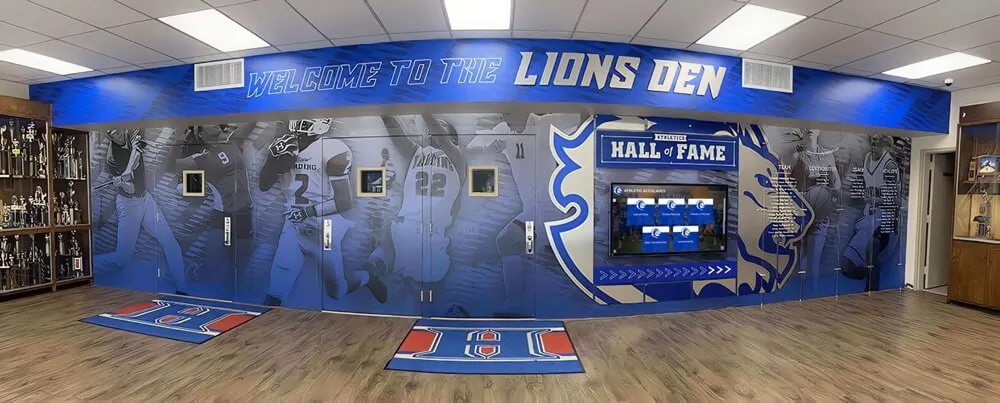
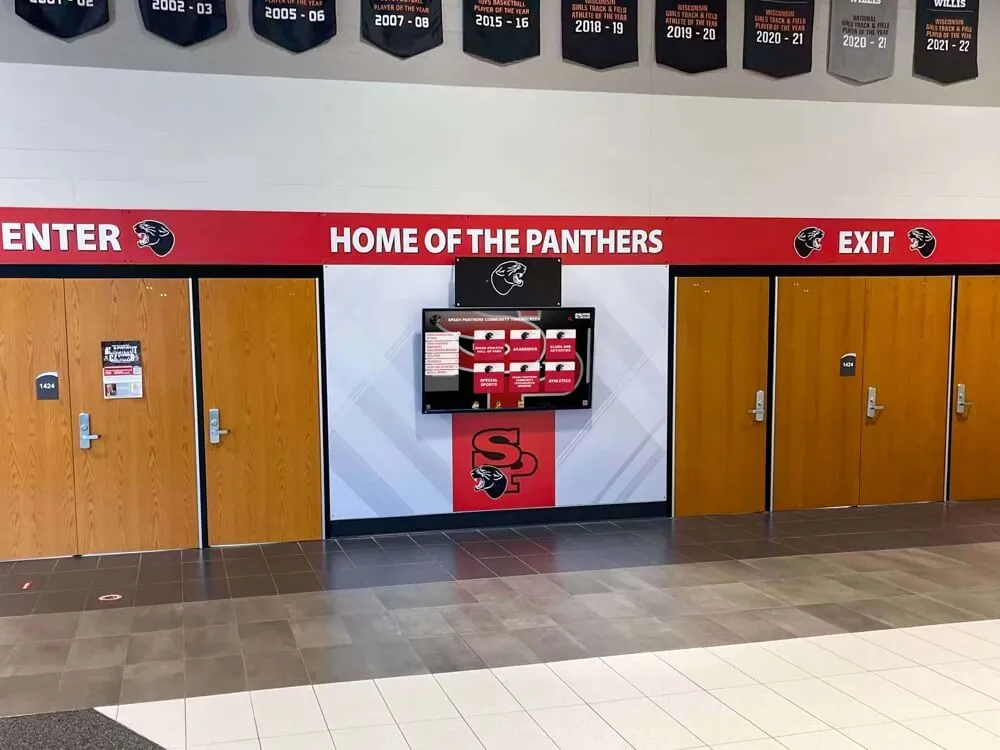
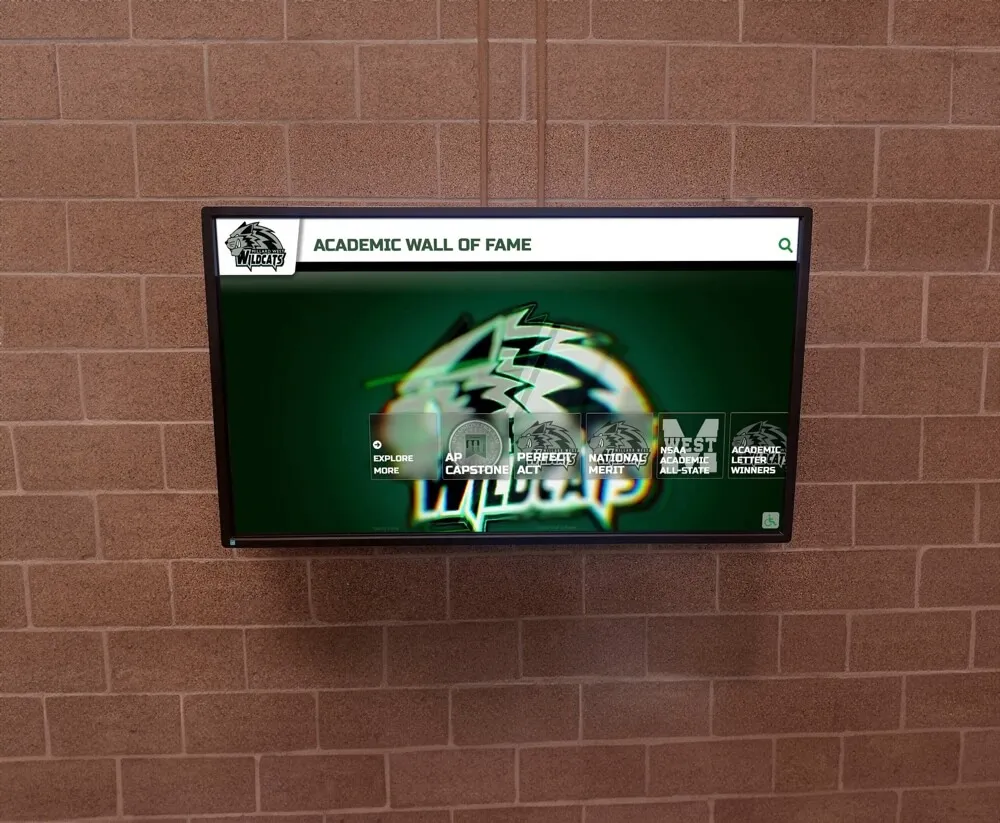
Comprehensive recognition systems document the achievement journeys that graduation cords celebrate
Specialized Program and Achievement Cords
Beyond traditional academic honors, numerous programs and accomplishments receive graduation cord recognition.
Leadership and Service Cords
Student leadership and community service achievements earn distinctive recognition.
Student Government and Leadership
Student government officers and leadership program participants often receive cords in:
- School colors representing institutional leadership roles
- Red indicating leadership program completion
- Royal blue for student government service
- Purple and gold for comprehensive leadership achievement
Community Service and Volunteerism
Service learning programs and community engagement achievements earn recognition through:
- Green cords representing environmental service
- Red, white, and blue for community service hours
- Purple for specific service thresholds (100+ hours, 200+ hours)
- Organization-specific colors for sustained volunteer work
Service Organization Cords
Organizations like Key Club, Interact Club, and campus service groups may provide distinctive cords to active members who meet service hour requirements.
Specialized Academic Program Cords
Unique programs offer cord recognition for completion and achievement.
International Baccalaureate (IB)
IB diploma recipients often receive distinctive cords—commonly navy blue, white and blue, or IB-designated colors—recognizing the rigorous international curriculum completion.
Advanced Placement (AP) Scholar Recognition
Some schools provide cords for students earning AP Scholar designations through College Board’s recognition program, though cord colors vary by institution since AP Scholar awards come from College Board rather than having standardized cord traditions.
Dual Enrollment and Early College Programs
Students completing significant college coursework while in high school may receive recognition cords, particularly in early college high school programs where students earn associate degrees alongside diplomas.
Career and Technical Education (CTE)
CTE program completers receive cords recognizing:
- Industry certification achievement
- CTE pathway completion
- Skills competition success
- Work-based learning program participation
Explore CTE recognition in FBLA and FFA award display approaches.
Athletic and Extracurricular Achievement Cords
Some schools extend cord recognition beyond academics to celebrate well-rounded achievement.
Athletic Letter Winners
Multi-year varsity letter winners may receive athletic cords, typically in school colors or athletic department-designated hues, recognizing sustained commitment to athletic programs.
Fine Arts and Performance Achievement
Excellence in fine arts—including music, theater, visual arts, and dance—may earn recognition cords, particularly when programs establish clear criteria like:
- Four years of choir, band, or orchestra participation
- Leadership in performing arts organizations
- Superior ratings at regional or state competitions
- Significant performance or exhibition accomplishments
Academic Competition Teams
Success in academic competitions may merit cord recognition:
- Science Olympiad medal winners
- Math competition achievements
- Quiz bowl or academic bowl participation
- Debate and forensics accomplishments
- Robotics competition success
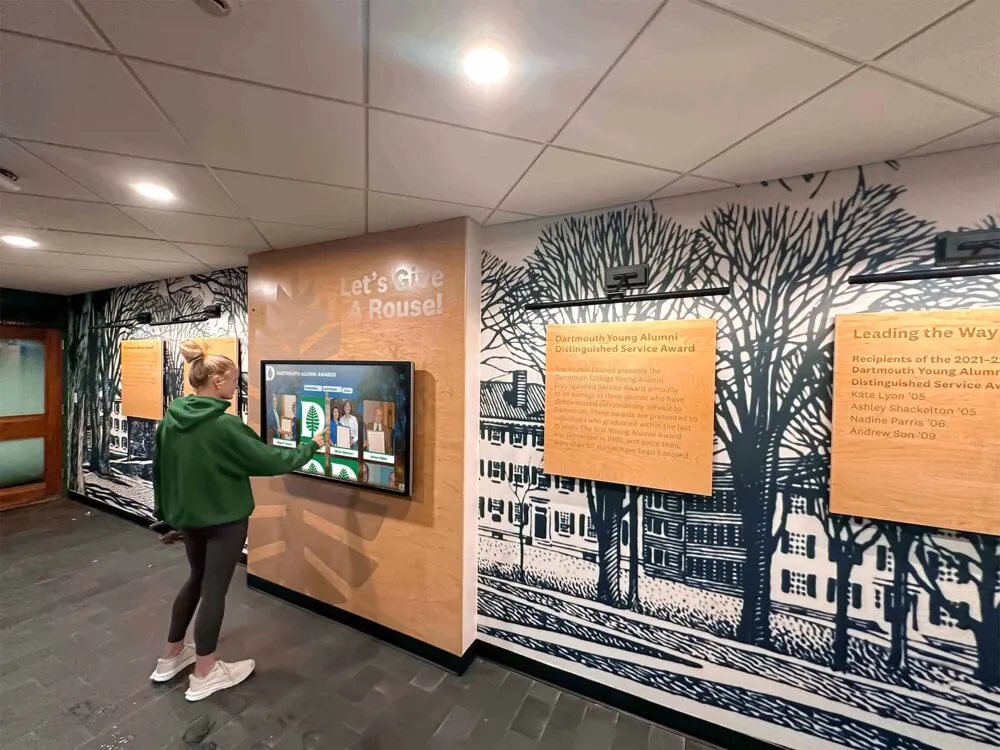
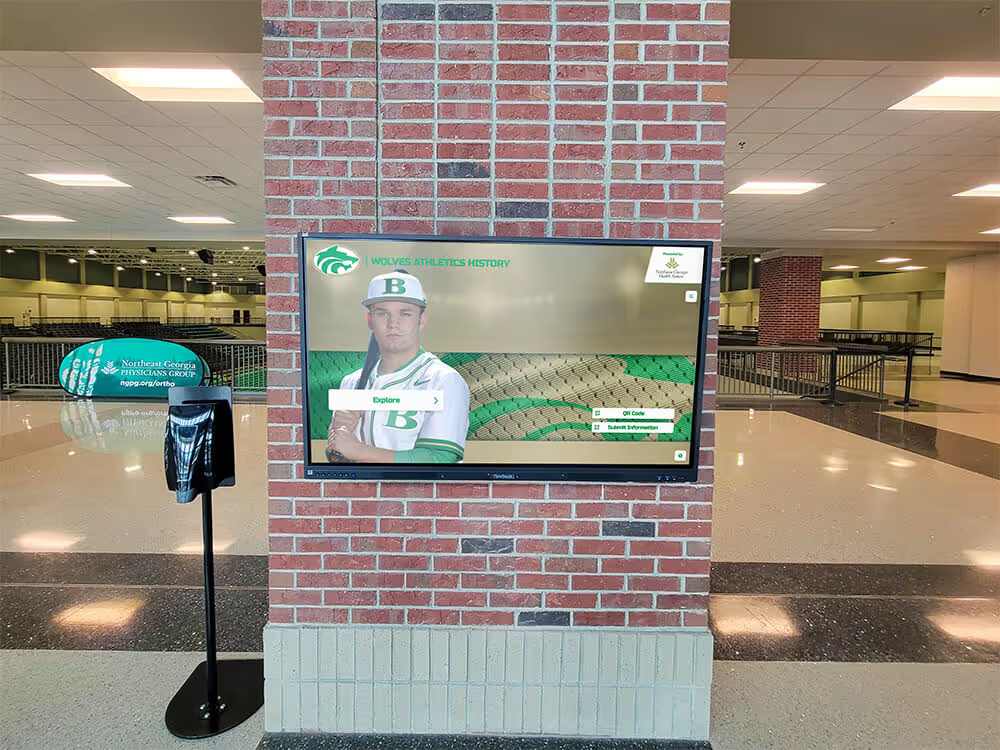
Strategic placement of recognition displays creates year-round celebration of the achievements graduation cords honor
Implementing Effective Graduation Cord Programs
Systematic approaches ensure cord recognition remains meaningful while celebrating diverse achievements.
Establishing Clear Criteria and Standards
Defining Recognition Thresholds
Effective cord programs begin with transparent criteria:
- Specific GPA requirements for Latin honors levels
- Clear honor society membership verification processes
- Documented departmental excellence standards
- Service hour thresholds for community engagement recognition
- Leadership role requirements and duration standards
Criteria should be published in student handbooks, communicated during academic advising, and posted on school websites ensuring all students understand recognition requirements.
Maintaining Meaningful Distinctions
As cord categories proliferate, institutions must balance inclusivity with significance:
- Limit total cord categories to maintain distinction
- Require substantial achievement for cord recognition
- Avoid creating cords for participation without achievement
- Ensure criteria represent accomplishments beyond normal expectations
- Regularly evaluate whether cord meanings remain clear to stakeholders
Schools where more than 70-80% of graduates wear cords may need to revisit criteria to ensure recognition maintains motivational value.
Cord Color Assignment and Standardization
Creating Institutional Consistency
Schools should document cord assignments systematically:
- Official registry of approved cord colors and meanings
- Consistent supplier sourcing for uniform cord appearance
- Published key explaining cord significance in graduation programs
- Photography guidelines showcasing multiple cords clearly
- Communication protocols explaining cord meanings to families
Avoiding Color Conflicts and Confusion
As cord categories expand, careful color management prevents overlap:
- Coordinate with purchasing offices to maintain cord color records
- Verify new cord colors don’t duplicate existing recognition
- Consider combination cords (braided two-color) to expand options
- Reserve certain prestigious colors (solid gold, for example) for highest honors
- Create visual guides showing all institutional cord colors together
Communication and Education Strategies
Student Awareness Building
Effective programs ensure students know about recognition opportunities:
- Freshman orientation introduction to available honors and corresponding cords
- Academic advising discussions about GPA thresholds and honor society eligibility
- Honor roll announcements connecting current achievement to graduation recognition
- Senior year timeline communications about cord ordering and distribution
- FAQ documents addressing common cord-related questions
Family and Community Education
Helping families understand cord significance enhances celebration:
- Graduation program inserts explaining cord color meanings
- School website resources detailing institutional cord system
- Social media posts highlighting various cord achievements
- Ceremony announcements acknowledging cord recipients by category
- Photo opportunity signage identifying cord significance
Learn about recognition communication in digital display solutions that celebrate academic achievements.
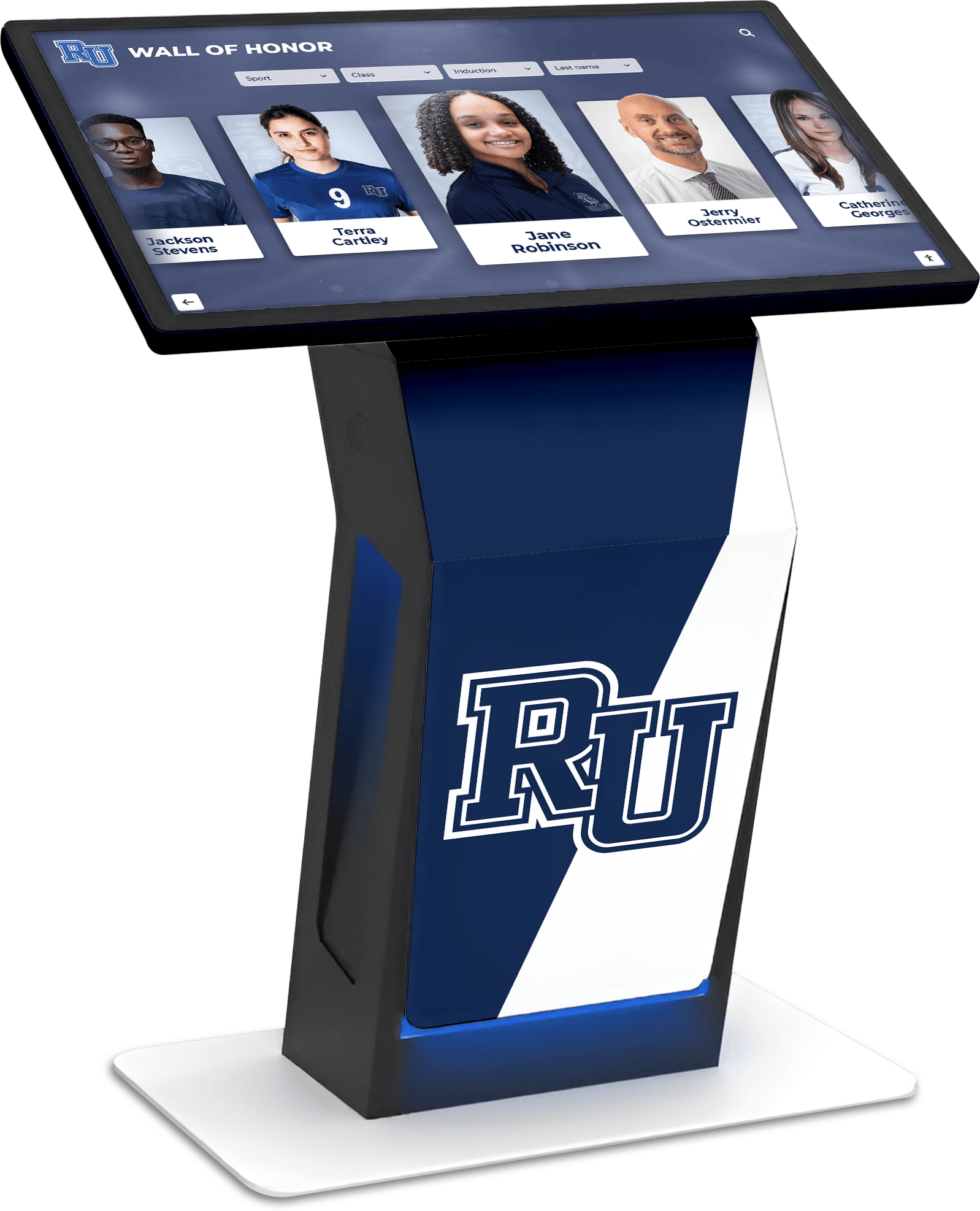
Modern recognition systems integrate digital platforms that complement traditional cord-based graduation honors
Graduation Cord Protocol and Ceremony Considerations
Proper cord use enhances ceremony dignity while ensuring recognition appears professional.
Wearing Multiple Cords
Cord Arrangement Guidelines
Students earning multiple recognitions often wear several cords simultaneously:
- No formal maximum exists, though practical limits emerge with 4-6 cords
- Distribute cords evenly around neck to prevent bunching
- Layer cords so all colors remain visible in photos
- Arrange cords by significance with most prestigious innermost (closest to gown)
- Consider left-right balance for symmetrical appearance
Multiple Cord Etiquette
Schools should communicate expectations about multiple cord wearing:
- Encourage wearing all earned cords rather than selecting favorites
- Explain that multiple cords demonstrate diverse achievements
- Acknowledge that numerous cords indicate comprehensive excellence
- Assure students that wearing many cords is appropriate and encouraged
- Provide mirrors or photos helping students arrange multiple cords
Cord Distribution Logistics
Procurement and Distribution Systems
Effective programs establish clear processes:
- Centralized ordering through bookstore or administrative office
- Verification of eligibility before cord distribution
- Specific pickup schedules before graduation ceremonies
- Backup cord inventory for documentation verification issues
- Clear policies about replacement for lost or damaged cords
Cost and Access Considerations
Cord costs create potential equity issues:
- Some institutions provide cords to all eligible students at no cost
- Other schools charge nominal fees ($5-15) for cord purchase
- Honor societies typically include cords with membership fees
- Schools should consider providing need-based assistance for cord costs
- Free or subsidized cord access ensures financial barriers don’t prevent recognition
Ceremony Recognition Approaches
Honoring Cord Recipients During Graduation
Ceremonies can acknowledge cord-wearing graduates through:
- General recognition of honors cord recipients before degree conferral
- “Please stand” acknowledgments for Latin honors levels
- Honor society representative presentations
- Valedictorian and salutatorian cord significance mentions
- Printed program listings of cord meanings and recipient counts
Photography and Documentation
Proper documentation preserves cord recognition:
- Professional photographer awareness of cord significance
- Specific poses highlighting multiple cords
- Close-up photos showing cord details and colors
- Group photos of honor society cord recipients
- Social media posts celebrating various cord achievements
Explore recognition documentation in creating comprehensive digital recognition archives.
Beyond Graduation: Extending Cord Recognition Impact
Graduation cord symbolism can extend beyond commencement ceremonies to create sustained recognition.
Digital Recognition Integration
Web-Based Honor Recognition
Schools can amplify cord significance through digital platforms:
- Graduation photo galleries tagged with cord achievement categories
- Searchable databases allowing alumni to find classmates by cord recognition
- Virtual halls of fame documenting cord recipient names and achievements
- Social media campaigns celebrating diverse cord accomplishments
- Mobile-accessible recognition ensuring remote families can participate
Modern platforms like Rocket Alumni Solutions enable schools to create interactive displays showcasing graduation honors alongside other achievements, preserving recognition far beyond ceremony day.
Alumni Engagement Through Recognition
Cord-based recognition creates alumni connection opportunities:
- Reunion programs highlighting class cord achievement statistics
- Alumni speaker events featuring distinguished cord recipients
- Mentorship matching based on shared honor society cord affiliations
- Class giving campaigns emphasizing giving back by cord recipients
- Historical archives tracking institutional cord program evolution
Physical Recognition Displays
Graduation Recognition Exhibits
Schools can create permanent displays celebrating cord achievements:
- Trophy cases featuring sample cords with explanatory text
- Wall displays showing institutional cord color meanings
- Historical exhibits documenting cord program development
- Hallway recognition areas with cord recipient lists
- Display boards updated annually with current graduate statistics
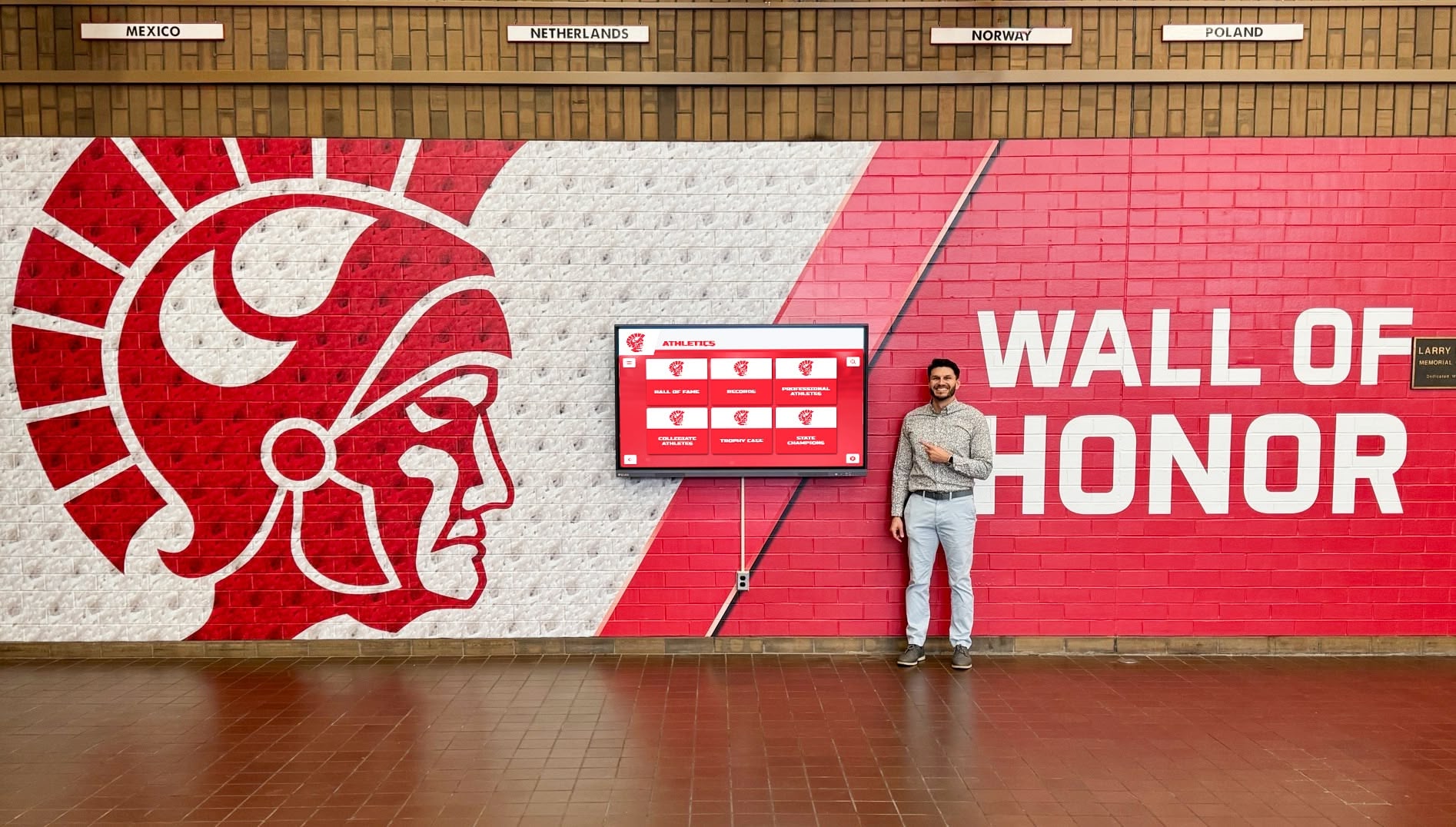
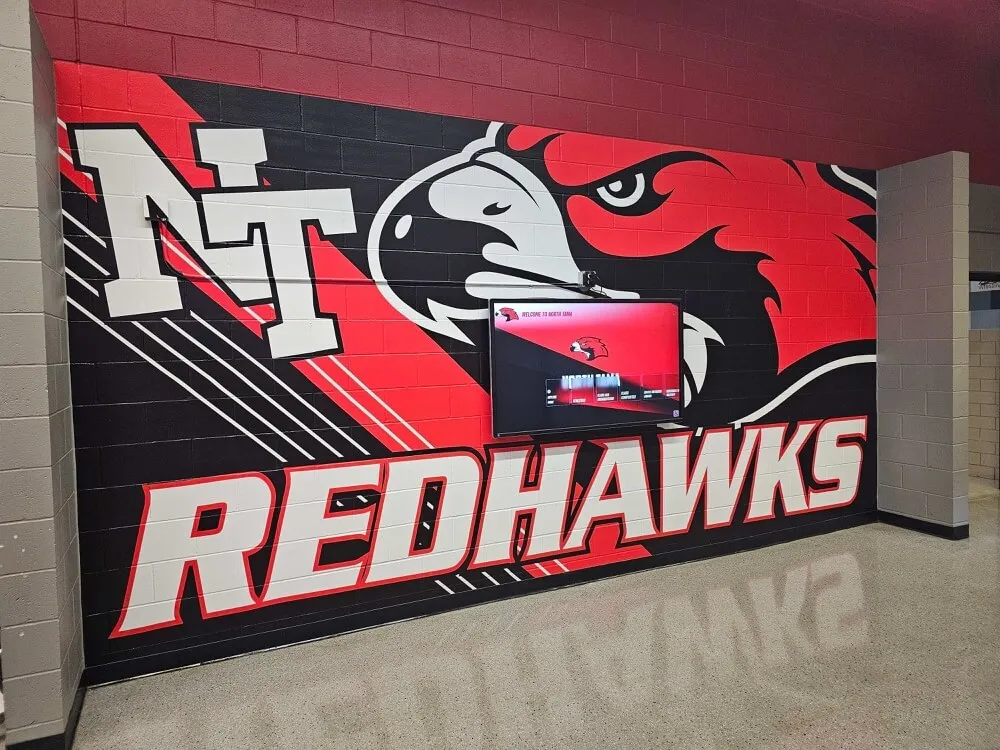
Physical recognition displays preserve graduation cord achievements in high-visibility locations
Living Recognition Traditions
Cord programs can build institutional traditions:
- Photo walls featuring graduates in regalia with multiple cords
- Record boards tracking highest cord counts per graduating class
- Legacy recognition connecting current cord recipients with accomplished alumni
- Inspirational displays motivating underclassmen toward cord-earning achievements
- Ceremony traditions like honor cord recipients processing first
Learn about creating recognition traditions in hall of achievement displays.
Regional and Cultural Variations in Cord Traditions
Graduation cord practices vary across regions, institution types, and cultural contexts.
Institution Type Differences
High School Cord Practices
Secondary schools often feature extensive cord programs:
- Multiple achievement categories beyond purely academic honors
- School color cords for specific local recognitions
- Athletic and extracurricular achievement cords
- Less standardization allowing creative recognition approaches
- Greater variation between neighboring schools
College and University Approaches
Higher education institutions typically maintain more standardized practices:
- Greater emphasis on academic achievement over other accomplishments
- Stricter adherence to traditional academic regalia conventions
- Honor society cords more prominent than institution-specific recognitions
- Graduate programs often feature disciplinary cords rather than honor cords
- Professional schools may use alternative regalia rather than cords
International and Cultural Considerations
Global Academic Dress Variations
Academic regalia traditions vary internationally:
- European universities often use different honor markers than American cords
- Some international schools blend American and home country traditions
- Immigrant and international student families may need additional explanation
- Translation of cord significance for multilingual communities
- Cultural competence in recognition approaches honoring diverse backgrounds
Inclusive Recognition Practices
Schools serving diverse populations should consider:
- Explanatory materials in multiple languages
- Cultural sensitivity about public recognition preferences
- Alternative recognition formats for students uncomfortable with visible honors
- Understanding that some cultures view public achievement recognition differently
- Flexible approaches accommodating various comfort levels with recognition
Common Questions and Challenges in Cord Programs
Addressing frequent issues helps schools implement effective recognition.
Frequently Asked Questions
“How many cords is too many?”
No formal limit exists, though practical considerations emerge around 5-6 cords. Students should wear all earned cords as each represents genuine achievement. Schools concerned about excessive cords should revisit criteria rather than limiting individual students.
“Can cords be worn after graduation?”
Cords are specifically graduation ceremony accessories and traditionally aren’t worn with academic regalia after commencement. However, many graduates preserve cords as keepsakes, display them in shadow boxes, or incorporate them into memory quilts.
“What if cord colors overlap between different recognitions?”
Schools should maintain centralized cord color registries preventing duplication. When conflicts arise, consider combination cords, slight shade variations, or allowing students to wear their choice of cord when dual-eligible.
“Are graduation cords more important than other honors?”
Cords provide visible recognition but don’t supersede other achievement markers. Transcript notations, honor society memberships, and Latin honors designations hold greater long-term significance for college admissions and career purposes than the physical cords representing them.
“Should schools charge for graduation cords?”
Practices vary. Providing cords free to eligible students removes financial barriers and ensures all deserving students receive recognition. If cost recovery is necessary, schools should offer need-based assistance preventing economic exclusion.
Addressing Recognition Equity
Ensuring Accessible Achievement Pathways
Cord programs should offer multiple routes to recognition:
- GPA-based honors accessible through sustained academic effort
- Service cords achievable regardless of academic performance
- Leadership recognition for various involvement types
- Specialized program cords acknowledging diverse talents
- Improvement-based recognition honoring growth from different starting points
Avoiding Recognition Inflation
Maintaining cord significance requires vigilance:
- Regular review of criteria ensuring standards remain meaningful
- Assessment of what percentage of class receives various cords
- Student and alumni feedback about cord program value
- Comparison with peer institutions’ recognition thresholds
- Willingness to adjust criteria maintaining appropriate prestige
Celebrating Achievement Without Creating Exclusion
Effective programs balance recognition with community:
- Participation recognition (programs, pins, certificates) distinct from achievement cords
- Multiple pathway designs ensuring diverse students can earn recognition
- Ceremony approaches honoring cord recipients without diminishing others
- Emphasis that cord-wearing students worked hard but non-cord graduates also achieved significantly
- School culture messaging that graduation itself represents substantial accomplishment
Explore inclusive recognition in recognition programs that celebrate all students.
Modern Technology Enhancing Traditional Cord Recognition
Digital platforms amplify graduation cord impact beyond ceremony day.
Interactive Recognition Displays
Touchscreen Recognition Kiosks
Schools can create engaging displays showcasing cord achievements:
- Interactive exhibits explaining institutional cord color meanings
- Searchable databases of cord recipients throughout school history
- Photo galleries showing graduates wearing various cord combinations
- Statistics displays tracking cord recipient percentages over time
- Achievement profiles connecting cords to recipient accomplishments
Platforms like Rocket Alumni Solutions provide comprehensive systems integrating graduation recognition with broader academic achievement celebration.
Web-Accessible Recognition Platforms
Online extensions ensure remote access:
- Mobile-optimized cord recognition databases
- Social sharing capabilities for graduation photos
- Alumni directories searchable by honor society affiliations
- Virtual hall of fame preserving graduation honor recipients
- Integration with school websites and student information systems
Learn about digital recognition solutions in virtual halls of fame for schools.
Data-Driven Recognition Assessment
Tracking Recognition Patterns
Digital systems enable analysis impossible with manual processes:
- Cord distribution across demographic groups
- Year-over-year trends in various achievement categories
- Correlation between cord-earning achievements and post-graduation outcomes
- Comparison with peer institutions’ recognition rates
- Assessment of recognition program effectiveness and equity
Continuous Improvement Through Analytics
Data-informed decision making enhances programs:
- Identification of underrepresented groups in certain cord categories
- Recognition of achievement gaps requiring additional support
- Evaluation of new cord categories’ uptake and value
- Assessment of criteria appropriateness based on achievement patterns
- Evidence-based adjustments ensuring programs remain meaningful

Modern recognition systems create year-round celebration of the achievements graduation cords represent
Creating Comprehensive Recognition Ecosystems
Graduation cords function best within broader recognition frameworks.
Multi-Level Recognition Structures
Daily and Weekly Recognition
Systematic acknowledgment throughout academic careers builds toward graduation honors:
- Honor roll recognition each marking period
- Student of the month celebrations
- Subject-specific achievement awards
- Improvement recognition for academic growth
- Classroom acknowledgment of strong performance
Semester and Annual Recognition
Formal ceremonies create milestone celebrations:
- Academic awards ceremonies each semester or year
- Honor society induction ceremonies
- Department-specific award presentations
- Leadership program recognition events
- Service hour milestone celebrations
Capstone Graduation Recognition
Cords represent culmination of sustained achievement:
- Visible symbol of cumulative accomplishment
- Public celebration during ceremony with family present
- Permanent documentation through graduation photos
- Transcript notations providing lasting record
- Alumni recognition extending beyond school years
This comprehensive approach ensures students receive regular acknowledgment while building toward graduation cord recognition as ultimate celebration.
Connecting Recognition to Opportunities
College Admission Enhancement
Cord-earning achievements strengthen applications:
- Latin honors demonstrate sustained academic excellence
- Honor society memberships show selective recognition
- Leadership cords indicate extracurricular engagement
- Service cords document community commitment
- Specialized program cords highlight unique accomplishments
Scholarship Connections
Many cord-worthy achievements directly connect to scholarships:
- Honor society scholarships for inducted members
- GPA-based merit scholarships aligned with Latin honors thresholds
- Community service scholarships recognizing service cord recipients
- Leadership scholarships for student government participants
- Organization-specific scholarships tied to cord-granting groups
Career Preparation Links
Achievements marked by cords develop professional skills:
- Leadership experience building management capabilities
- Service learning creating civic engagement foundations
- Academic honors demonstrating work ethic and capability
- Specialized program completion providing career-relevant credentials
- Honor society networking opportunities connecting to professional fields
Explore comprehensive student success approaches in recognition programs that support future achievement.
Conclusion: Honoring Achievement Through Meaningful Cord Recognition
Graduation honors cords transform commencement ceremonies into visual celebrations of diverse academic accomplishments, creating powerful recognition that honors years of sustained effort while motivating continued excellence beyond graduation. When schools implement thoughtful cord programs with clear criteria, consistent communication, and systematic approaches, they create meaningful recognition honoring genuine achievement while building institutional cultures that value academic excellence.
The cord colors and combinations explored in this guide represent far more than decorative accessories—they symbolize late nights studying for exams, sustained commitment to grade point averages, leadership of student organizations, service to communities, and the intellectual curiosity that drives scholarly achievement. Each cord draped across graduation gowns tells a story of dedication, persistence, and accomplishment deserving celebration.
By understanding traditional cord meanings while adapting recognition to contemporary achievement diversity, schools create graduation ceremonies where visible honors appropriately acknowledge the full spectrum of scholarly excellence their students demonstrate. From gold cords representing Latin honors to specialized colors marking unique program achievements, comprehensive cord systems ensure multiple pathways to recognition exist for students across different talents and interests.
Preserve Graduation Honors Beyond Ceremony Day
Discover how modern digital recognition solutions can showcase graduation achievements, honor cord recipients, and celebrate academic excellence year-round through interactive displays that inspire current students.
Explore Recognition SolutionsGraduation cords work best within comprehensive recognition ecosystems that acknowledge achievement throughout students’ academic careers, creating cultures where intellectual excellence receives celebration comparable to athletic and extracurricular accomplishments. Digital platforms extend cord recognition impact by preserving achievement records, creating searchable alumni databases, and showcasing graduation honors in high-visibility locations inspiring future students toward the accomplishments those cords represent.
Whether your institution uses traditional gold cords for Latin honors, maintains extensive honor society cord traditions, or has developed unique local recognition through specialized cord colors, the key lies in maintaining clear criteria, consistent implementation, and meaningful standards that ensure cords represent genuine achievement worthy of celebration.
Your graduating students’ accomplishments deserve recognition that honors their dedication while inspiring those who follow. Through thoughtful graduation cord programs integrated with broader recognition systems, you create ceremonies and cultures that appropriately celebrate the academic excellence defining your educational community.