



How much is a class ring worth? The answer depends entirely on which kind of value you’re counting. As a commodity—metal weighed on a jeweler’s scale and priced against today’s spot market—a class ring containing 10-karat gold may fetch anywhere from $150 to $400 at a pawn shop or gold buyer. As a symbol of school identity, four years of hard work, and a community that shaped lasting friendships, that same ring is priceless to the person who wore it across a graduation stage.
For school administrators, alumni association leaders, and athletic directors, the “worth” question carries a third dimension: how class rings reflect an institution’s culture and how that culture can be preserved, celebrated, and handed to the next generation long after the ring leaves a student’s finger. This guide walks through all three layers—material, sentimental, and institutional—so readers at every stage of the class ring journey can make informed decisions about value, resale, and legacy.
Class rings are among the oldest secular traditions in American education. The first recognized class ring appeared at West Point Military Academy in 1835, and by the 20th century the custom had spread to high schools and universities across the country, becoming one of the most enduring forms of student recognition alongside the letterman jacket and graduation cord. Understanding what drives their value—and how schools can honor that value—starts with knowing what class rings are actually made of.

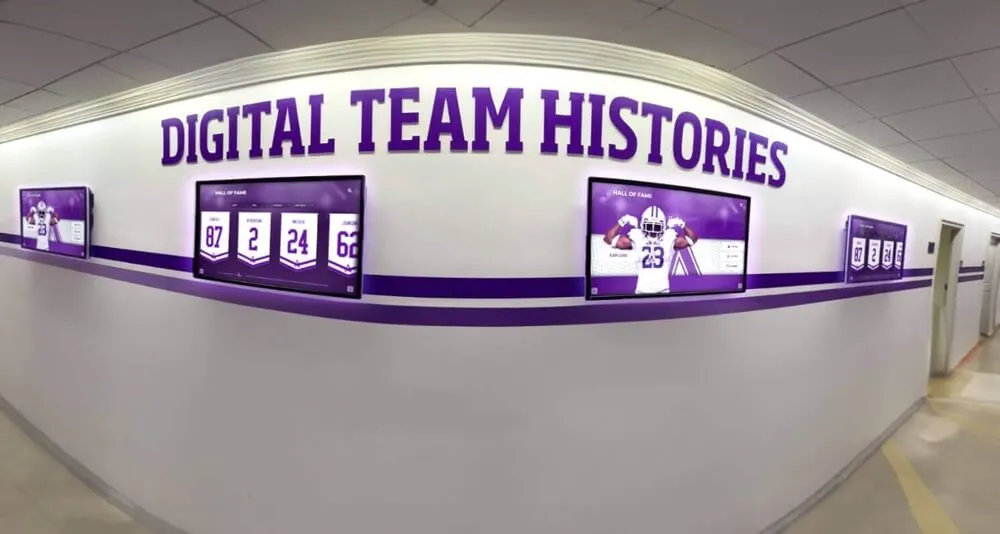
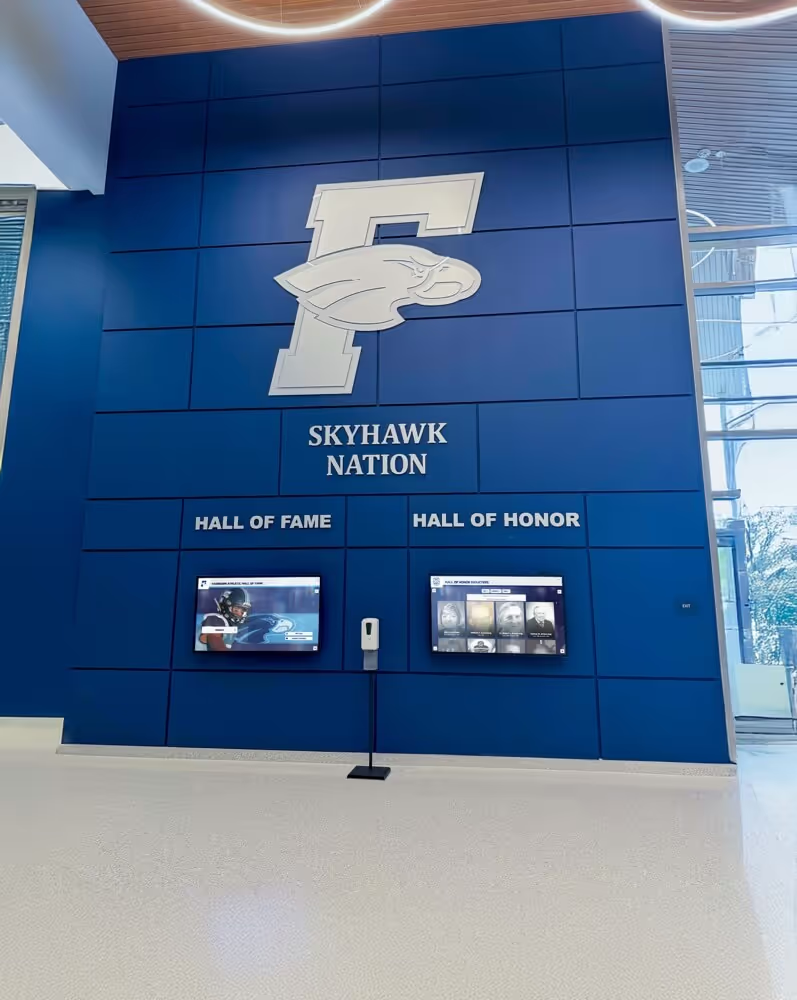
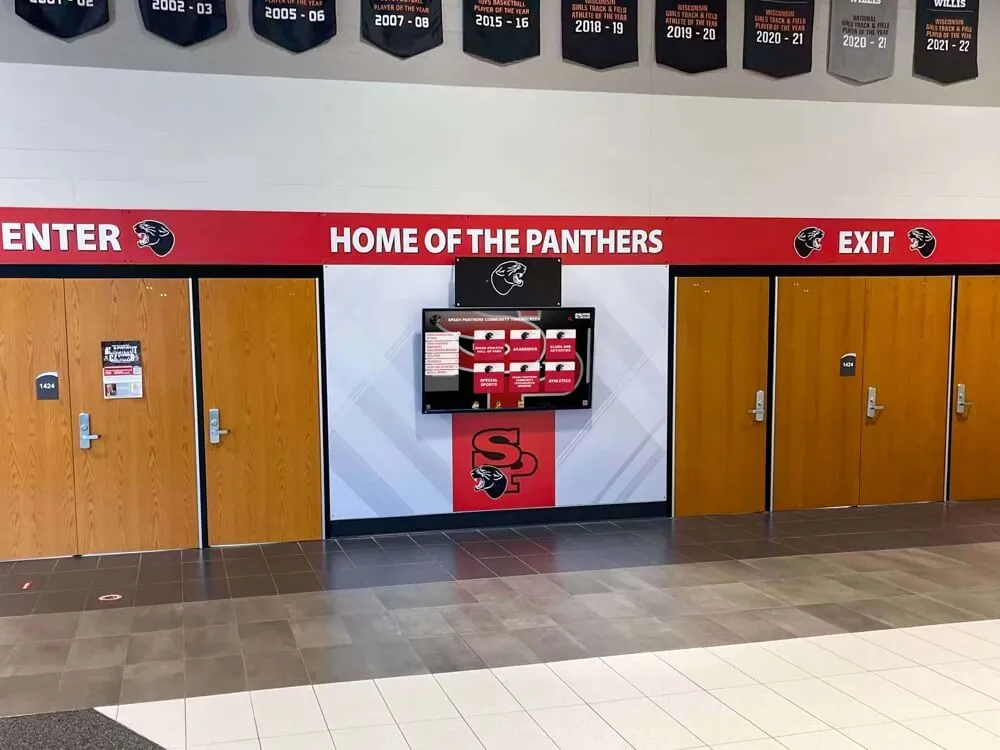
Schools that invest in visible recognition—whether through class ring traditions or modern alumni displays—send a consistent message that achievement matters here
What Determines the Material Value of a Class Ring
The commodity value of any class ring comes down to three factors: metal type, ring weight, and purity.
Metal Types Used in Class Rings
Most class rings produced since the mid-20th century fall into one of four material categories:
10-Karat Gold The most common metal in contemporary class rings from major manufacturers like Jostens, Balfour, and Herff Jones. Ten-karat gold is 41.7% pure gold (the remaining alloy content is typically copper, silver, or zinc). A standard men’s 10k ring weighing 12 to 15 grams contains roughly 5 to 6.25 grams of pure gold.
14-Karat Gold More expensive at purchase and more valuable at resale, 14-karat gold is 58.3% pure. Heavier rings or those ordered with larger stones may be offered in 14k. A 12-gram 14k ring contains approximately 7 grams of pure gold.
Sterling Silver Sterling silver (92.5% pure silver) became a popular alternative starting in the 1980s as gold prices rose. While silver’s spot value is significantly lower than gold, sterling rings that are heavier or older can still yield $20–$60 at a scrap buyer, depending on current silver pricing.
Valyrium and Base-Metal Alloys Manufacturers developed proprietary alloys—Jostens’ “Valyrium,” for example—to offer affordable class ring options for budget-conscious families. These rings contain no precious metal and carry minimal to zero commodity resale value. Their worth is entirely sentimental.
Calculating Raw Material Value
The calculation framework for a gold class ring works as follows:
- Determine ring weight in grams (a jeweler’s scale or postal scale gives this in seconds)
- Identify karat stamp (10k, 14k, or 18k, usually inside the band)
- Multiply weight by the karat’s gold percentage (10k = 0.417, 14k = 0.583, 18k = 0.750)
- Convert pure gold grams to troy ounces (divide by 31.1)
- Multiply by the current gold spot price per troy ounce
According to the World Gold Council, gold prices have historically fluctuated between $1,200 and $3,000+ per troy ounce depending on market conditions. At $2,500 per troy ounce, a 12-gram 10k ring contains approximately $402 in raw gold value. A reputable gold buyer or pawn shop will typically pay 50–70% of that figure, yielding an offer in the $200–$280 range.
Why Pawn Shops Pay Less Than Spot Value
The gap between spot value and offered resale price reflects the buyer’s overhead: they need margin to cover refining costs, business expenses, and risk. Online gold buyers often advertise higher percentages of spot but charge shipping and insurance fees. Working with a local jeweler who can assay the ring on-site typically produces the fairest single offer for straightforward rings.
Stone Value: Usually Minimal in Resale
The synthetic stones set in most class rings—including synthetic blue sapphires, synthetic garnets, and lab-created alexandrite-style stones—carry little independent resale value. Genuine birthstones in older, custom-ordered rings may add modest value, but a buyer focused on metal content will rarely price a stone favorably. Families who want to retain sentimental gemstones before selling should ask a jeweler to remove them first.

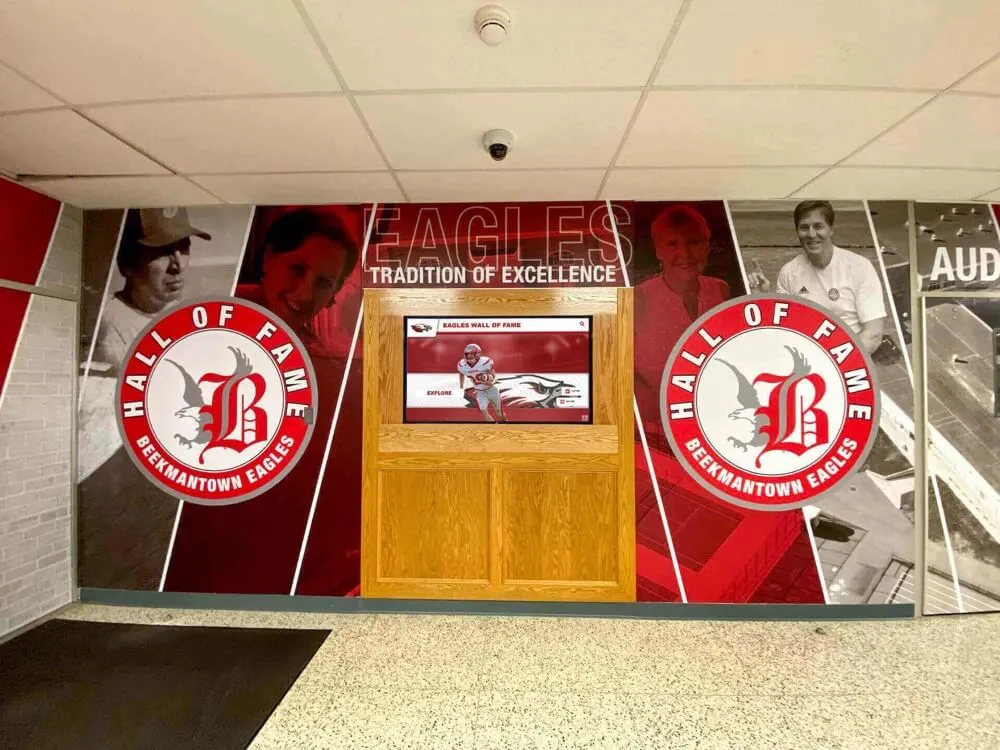
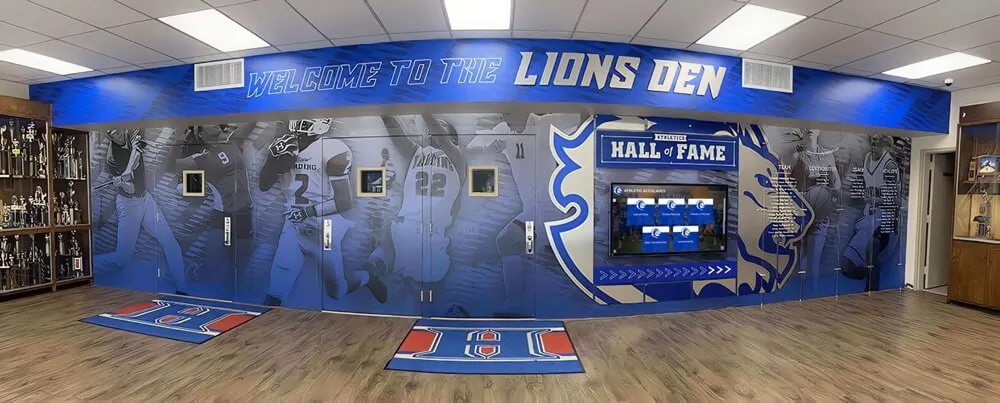
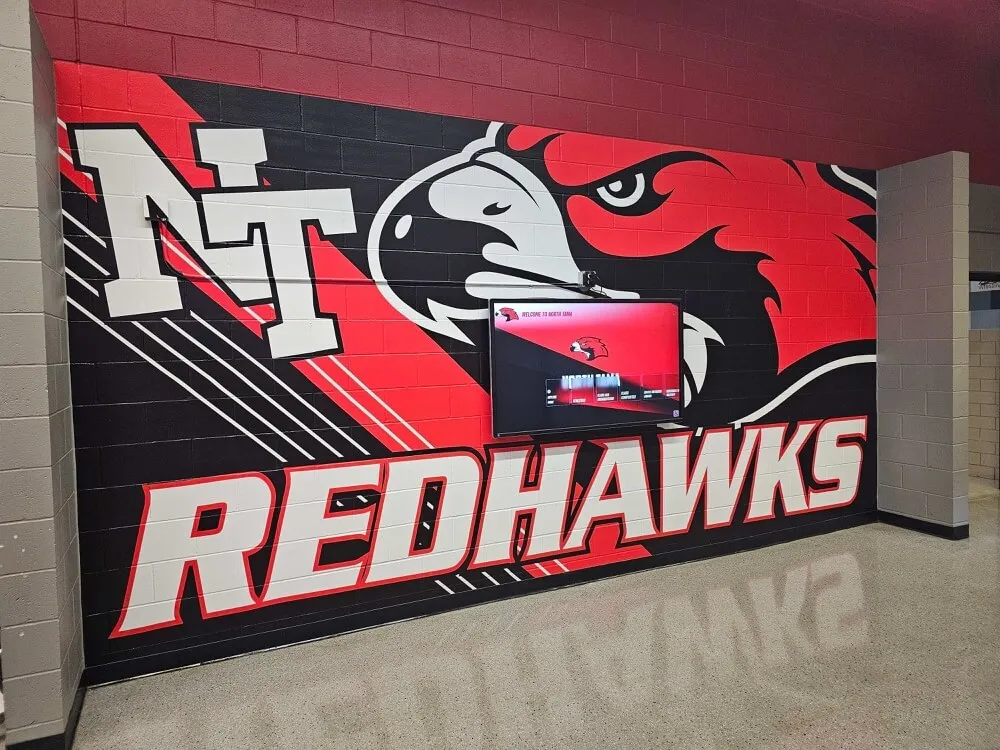
Modern alumni engagement extends well beyond the class ring—interactive hallway displays let returning graduates explore decades of school history
Factors That Affect Class Ring Resale Value
Beyond raw metal content, several additional variables influence what a specific ring will bring on the resale market.
Condition
A ring in excellent condition—no deep scratches, intact engraving, secure stone setting—commands a better offer from buyers who plan to resell rather than melt. Rings with significant wear or damage are typically evaluated purely as scrap metal. Polishing a ring before selling to a reputable jewelry reseller can marginally increase the offer.
Manufacturer and Style Recognition
Rings from well-known manufacturers sometimes attract collectors or resellers targeting the vintage jewelry market. Rings from the 1950s through 1980s with distinctive designs—oversized top stones, elaborate side engravings, prominent school crests—occasionally list on marketplace platforms at multiples of their scrap value, particularly when tied to prestigious universities or well-known high schools with active alumni communities.
Personalization
Ironically, heavy personalization (name engraving, graduation year, initials) reduces commodity resale value because a specialized ring is harder to resell to a general buyer. But personalization significantly increases sentimental and collectible value to the specific school’s alumni community. Rings with a specific school name, year, and student name can surface in antique shops and online marketplaces where alumni intentionally seek them out.
Age and Rarity
Rings from schools that have since closed, consolidated, or renamed become collectibles representing institutions that no longer exist. A ring bearing the name of a school that merged decades ago represents a physical artifact of a community’s history—and for the right collector or descendant, that rarity drives value beyond metal weight alone. Schools that invest in academic history archiving create the context that makes these physical artifacts legible to future generations.
Class Ring Resale Channels: What to Expect
Understanding where to sell a class ring helps set realistic expectations.
Gold/Silver Buyers and Pawnshops Fastest transaction, lowest return. Expect 50–65% of spot gold value. Best for rings with no collector appeal or significant personalization.
Jewelry Stores Some jewelers purchase estate jewelry and assess class rings on an individual basis. A jeweler who sells class rings may be more familiar with manufacturer quality and condition standards, leading to slightly fairer offers than a generic pawn shop.
Online Marketplaces (eBay, Facebook Marketplace) Highest potential return, slowest and most labor-intensive process. Listings for well-photographed vintage class rings with interesting provenance regularly sell at $50–$300, occasionally higher. Success depends on accurate description, good photos, and patience.
School Alumni Networks An underutilized channel. Posting a found or inherited class ring directly to a school’s alumni Facebook group or alumni association often connects the ring with a classmate, descendant, or collector who will pay meaningful money for something that would otherwise get melted. This channel delivers social good alongside financial return.
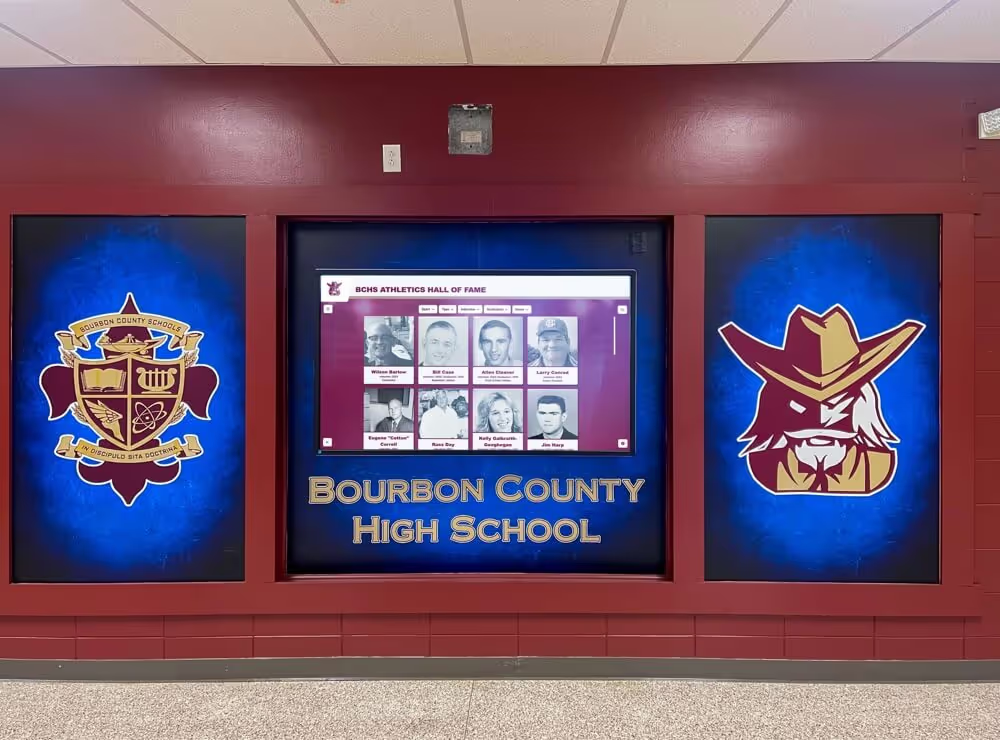
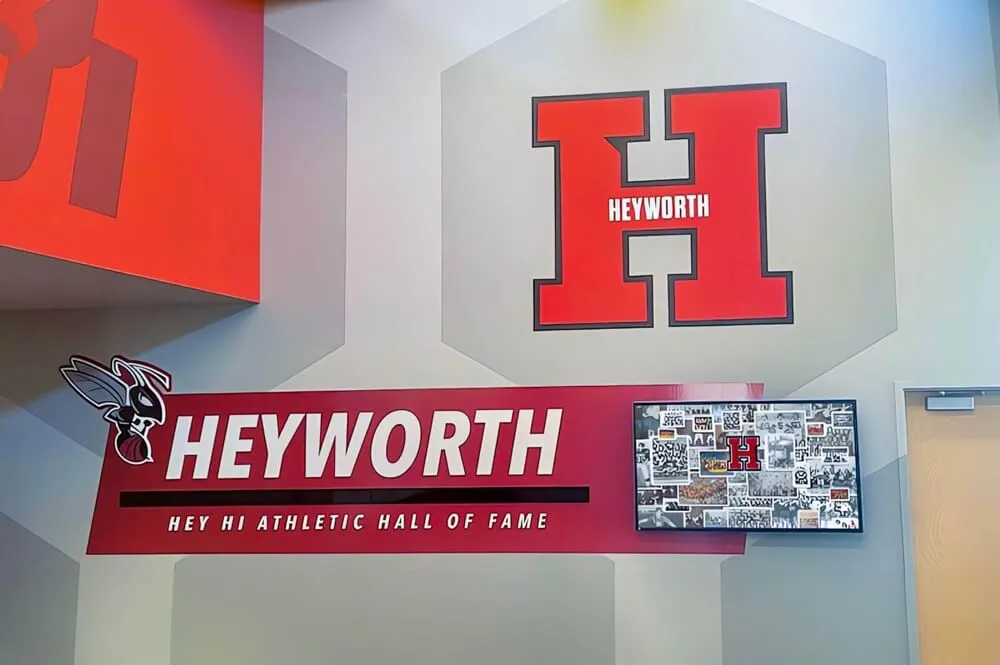
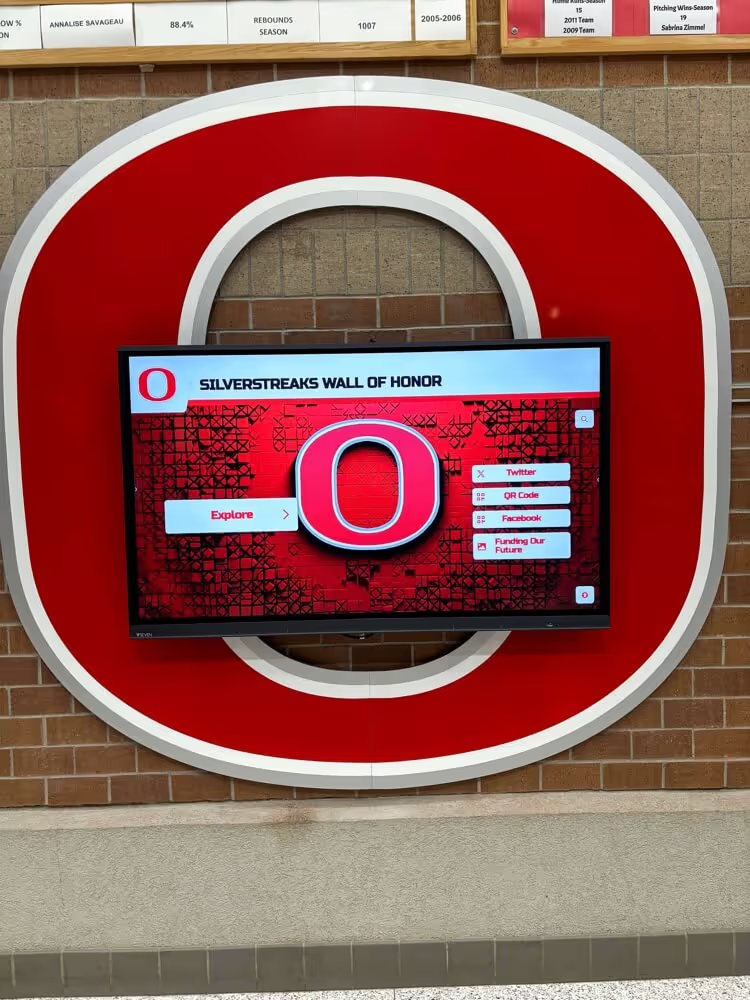
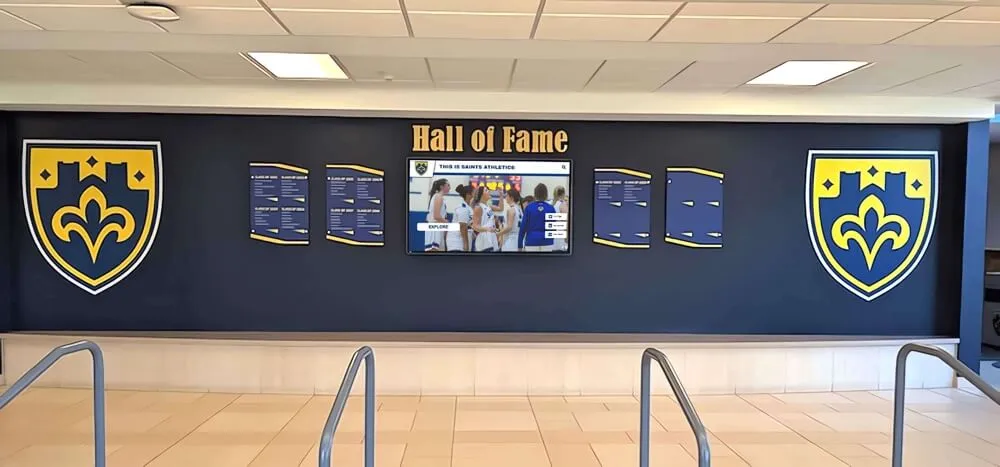
Schools with strong recognition traditions—like prominently displayed achievement shields—build the institutional identity that makes class rings and alumni artifacts deeply meaningful
The Sentimental Value Equation
Material resale value tells only part of the story. For most people who ask how much is a class ring worth, the real question isn’t about gold per gram—it’s about whether to keep, donate, or sell a ring that belongs to a complicated personal history.
Why Most People Keep Their Class Rings
According to industry surveys published by major class ring manufacturers, fewer than 20% of purchasers ever sell their class rings. The overwhelming majority keep them as keepsakes even when they no longer wear them regularly. The ring becomes a portal to a specific chapter of life: the year they made varsity, the semester they led student council, the friendships that shaped who they became.
That sentimental weight explains why a ring a gold buyer would offer $180 for sits in a jewelry box for 40 years instead. It’s not irrationality—it’s accurate valuation of intangible worth.
When Sentimental Value Conflicts with Practical Need
The calculation changes when a ring is inherited from someone who has passed, when the original owner has no emotional attachment to the school it represents, or when financial circumstances make the commodity value genuinely significant. In those cases, selling is a reasonable choice—and knowing the real market value prevents undervaluing a ring that deserves a fair price.
For schools and alumni associations, this moment represents an engagement opportunity. When alumni post in online groups asking what a ring is worth, they are—however indirectly—reaching back toward their school community. Institutions that have active alumni recognition programs, accessible school history archives, and visible recognition displays give those alumni a reason to reconnect rather than simply sell.
Understanding how high school academic honors are defined and celebrated helps schools communicate the full weight of what a class ring represents—not just a purchase, but an earned symbol of years of recognized achievement.
The Institutional Dimension: Class Rings and School Identity
For administrators and alumni relations professionals, the “worth” question extends into institutional strategy. Class rings are one of several traditions that create a tangible, portable representation of school identity students carry with them for decades.
What Class Rings Signal About School Culture
Schools where class rings are widely purchased signal something measurable about their culture: students value belonging to this institution enough to invest in a physical representation of membership. High class ring participation rates often correlate with strong school spirit, active extracurricular programs, and alumni networks that stay engaged after graduation.
Conversely, declining class ring adoption in recent decades—partly attributable to cost, changing fashion preferences, and evolving youth attitudes toward tradition—represents a challenge for schools trying to maintain intergenerational connection. Digital alternatives are filling some of that gap, but the underlying desire to belong to something worth commemorating remains unchanged.
Schools that pair class ring traditions with complementary recognition for all achievement types—including cumulative academic honors like cum laude distinctions—create cultures where every student has a stake in institutional pride, whether or not they purchase a ring.
Preserving Class Ring Traditions Through Digital Recognition
Schools that want to honor the legacy of class rings without depending on jewelry sales alone are turning to digital recognition platforms that capture the same institutional memory in more accessible formats. When a searchable alumni display lets a student tap through 40 years of graduating classes—seeing faces, achievements, and stories from the people who wore rings before them—it creates the same sense of belonging and continuity that a physical ring once provided.
Digital advancement and recognition solutions give alumni associations a richer archive and give current students a window into the school’s full history—not just the last five graduating classes.
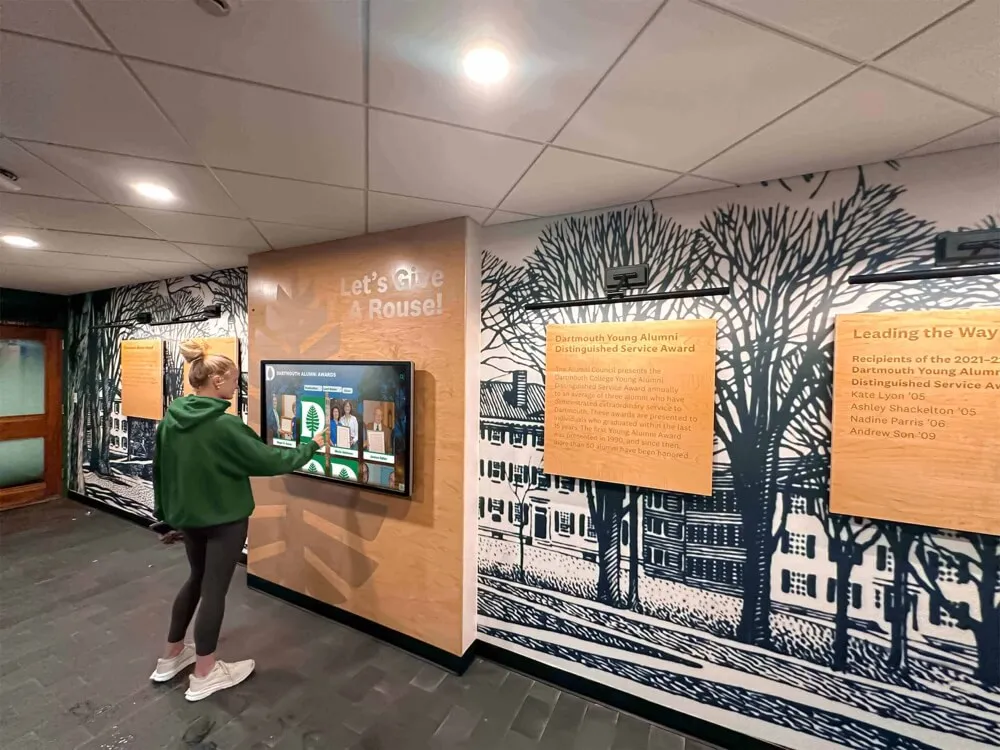
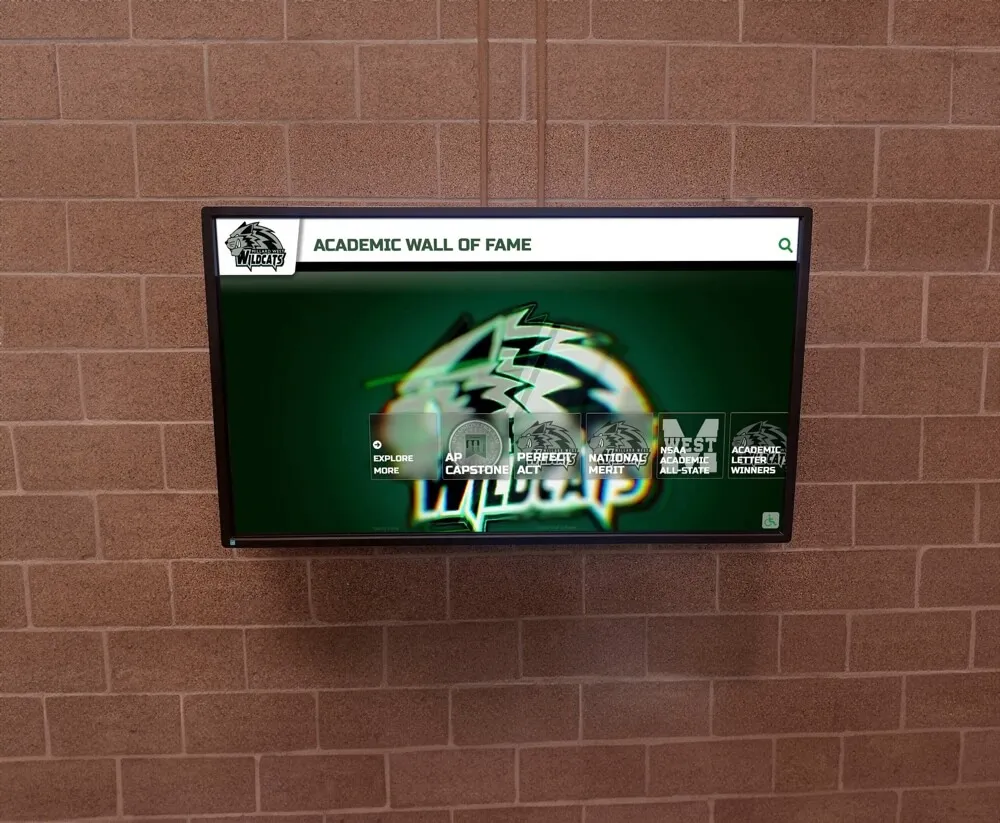
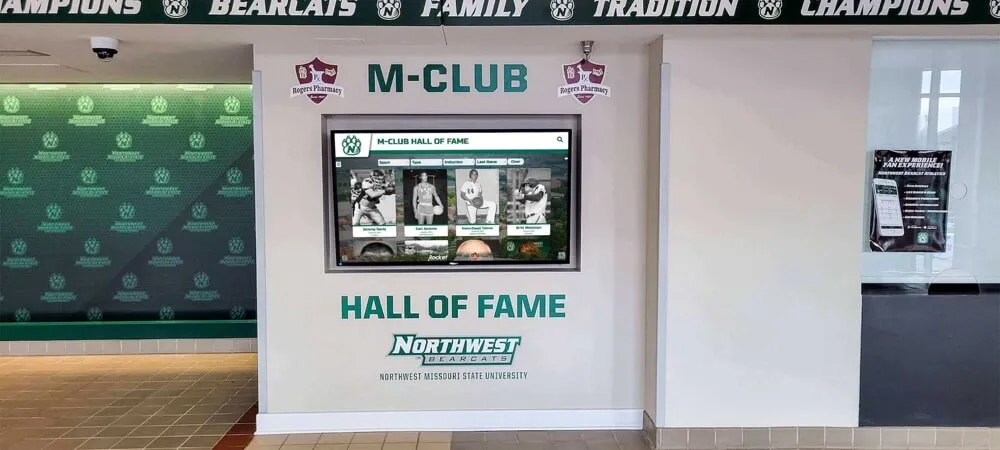
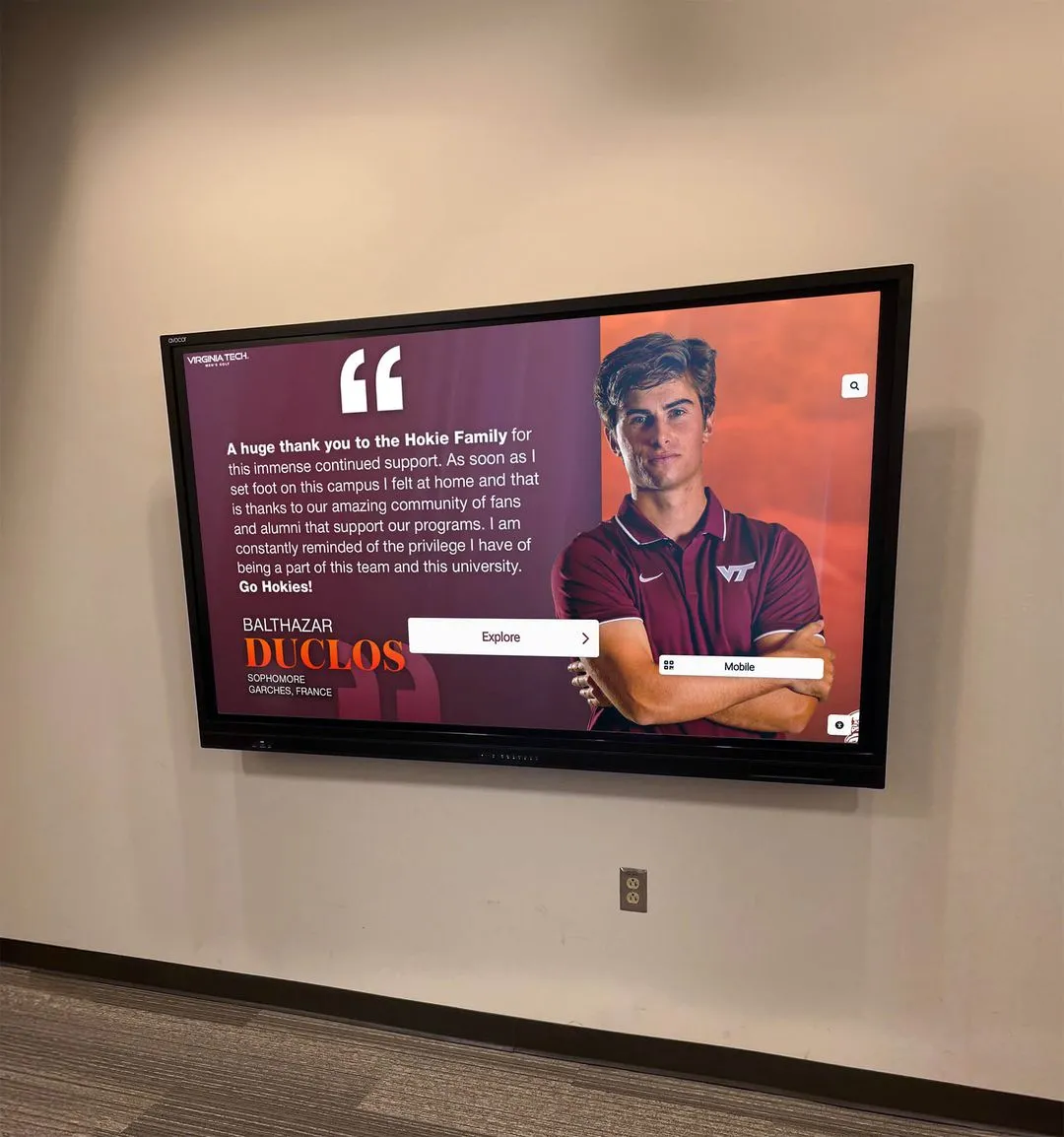
University hall of fame displays document decades of achievement in the same way class rings mark individual milestones—both preserve the institutional story across generations
How Schools Can Leverage Class Ring Culture for Alumni Engagement
The moment a student receives their class ring is one of the most emotionally charged recognition events in K–12 and higher education. Schools that build deliberate programming around that moment—and maintain connection to it through alumni relations—unlock long-term engagement benefits.
Ring Ceremonies and Recognition Events
Many schools host ring ceremonies distinct from graduation: events where students receive their rings in front of family, hear from accomplished alumni who share what the ring came to mean to them, and formally mark the transition from underclassman to senior. These ceremonies create institutional memories that last decades and give alumni a shared ritual to reference.
Well-designed school awards nights that pair ring presentations with broader academic and athletic recognition ceremonies give these moments greater weight and institutional significance.
Class Reunions as Ring Reconnection Events
Class reunions are the natural context for class ring nostalgia. Alumni who haven’t worn their rings in years dig them out for reunions, rediscover emotional attachment, and often share stories about the experiences those rings represent. Schools that deploy touchscreen displays at class reunions create interactive environments where those stories resurface alongside searchable alumni records, old yearbook photos, championship results, and achievement profiles from every era of school history.
The ring becomes the physical trigger; the digital display becomes the immersive environment that amplifies the emotional response.
Alumni Halls of Fame That Contextualize Class Ring Legacy
Creating inviting alumni welcome areas and hall of fame spaces gives schools a way to honor the achievements of specific graduating classes in a format that reinforces why belonging to the institution mattered. When a 1978 alumnus visits and sees their class year represented in a hall of fame display—alongside championship banners, academic honor rolls, and career achievement profiles—the class ring they wore that year takes on renewed meaning.
Digital halls of fame remove the physical limitations that once constrained recognition: a traditional plaque wall can only honor so many people before space runs out. A digital platform can include every inductee, every graduation year, every achievement category—making the recognition as inclusive as the class rings themselves.
Preserving School History for Future Classes
The artifacts that matter most to alumni—rings, yearbooks, championship photos, academic honor rolls—are exactly the content that future students find inspiring when they encounter it in well-curated school history archives. A freshman who scrolls through 30 years of ring ceremony photos, recognizing a grandparent’s face in a graduating class from 1988, connects to the institution in a way that no current-events bulletin board can replicate.
Schools that invest in memorabilia and trophy display cases showcasing school history create exactly this kind of living institutional memory—one that incorporates class ring traditions, ring ceremony photos, alumni achievement profiles, and generational school stories.
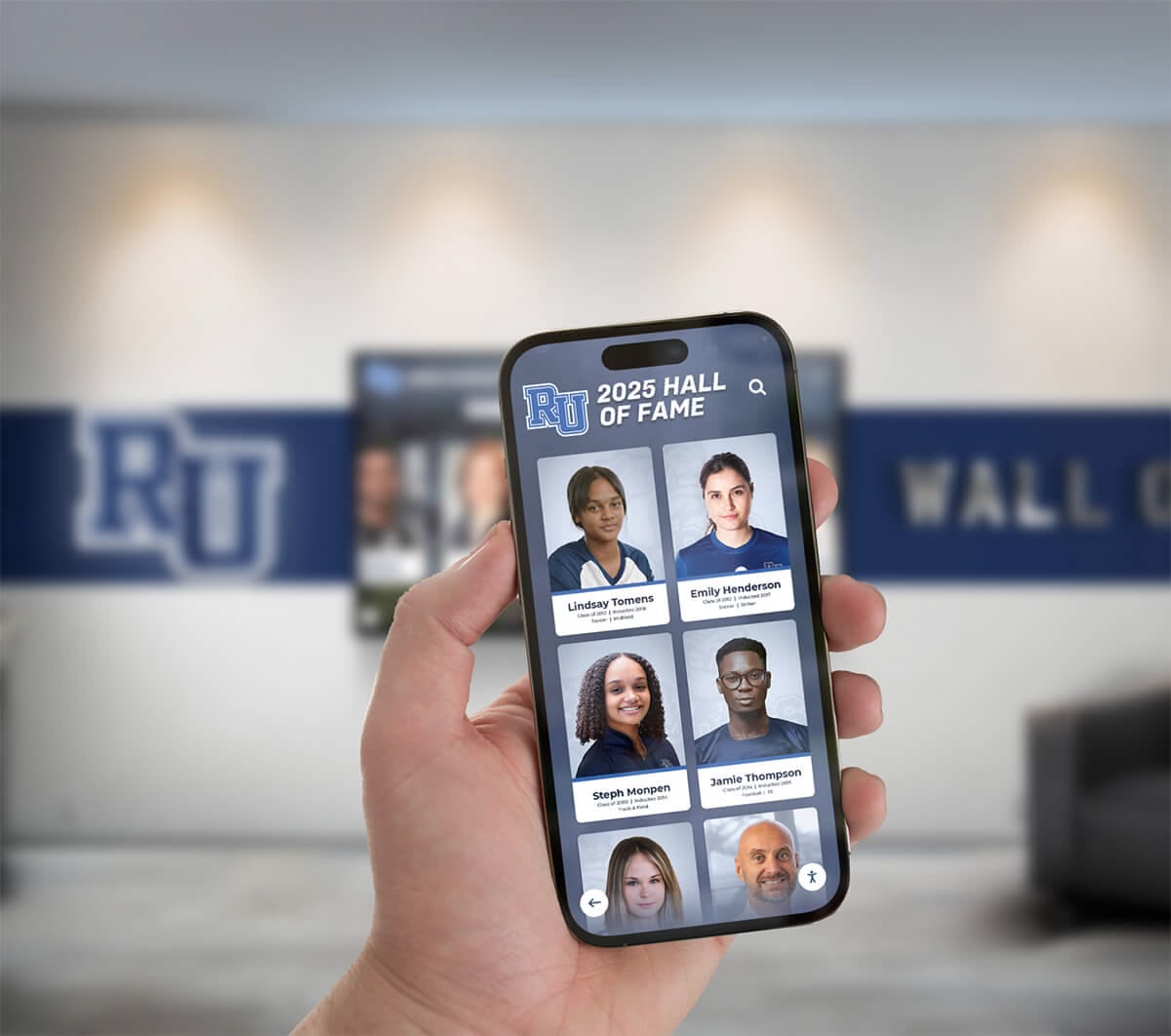
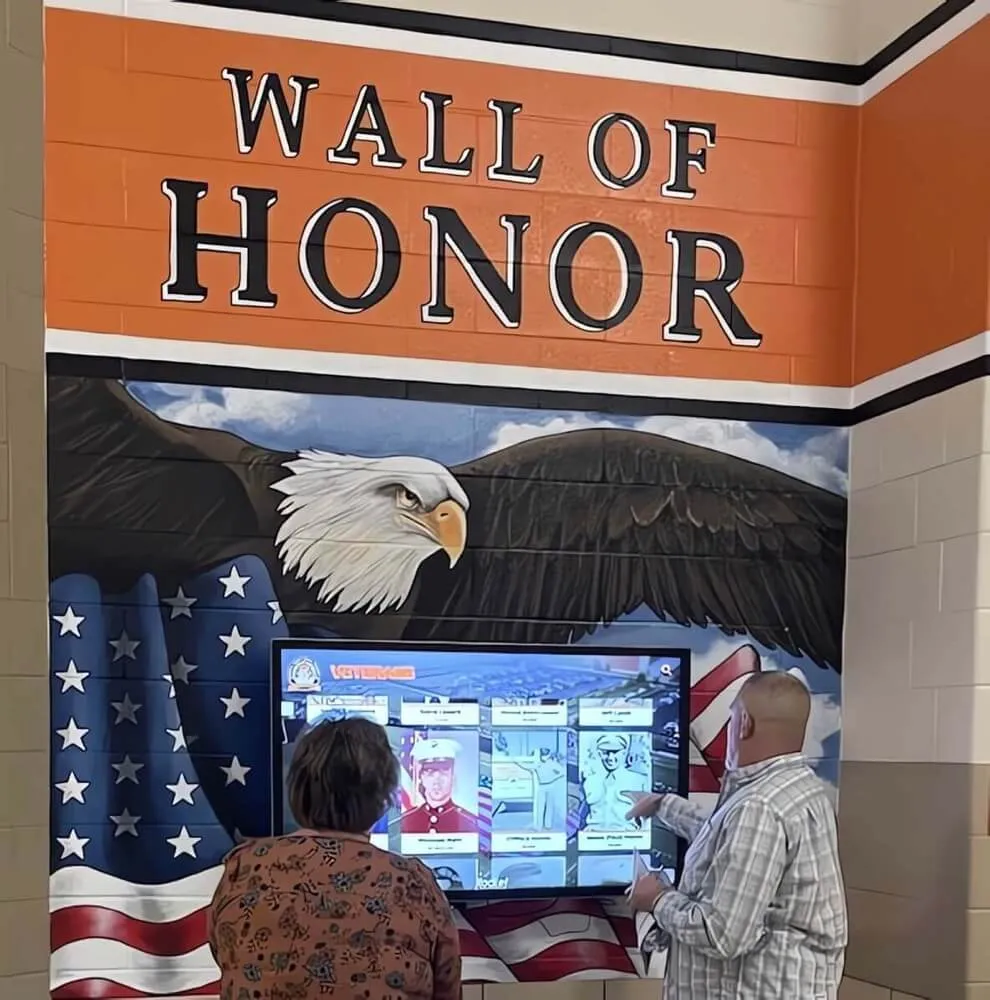
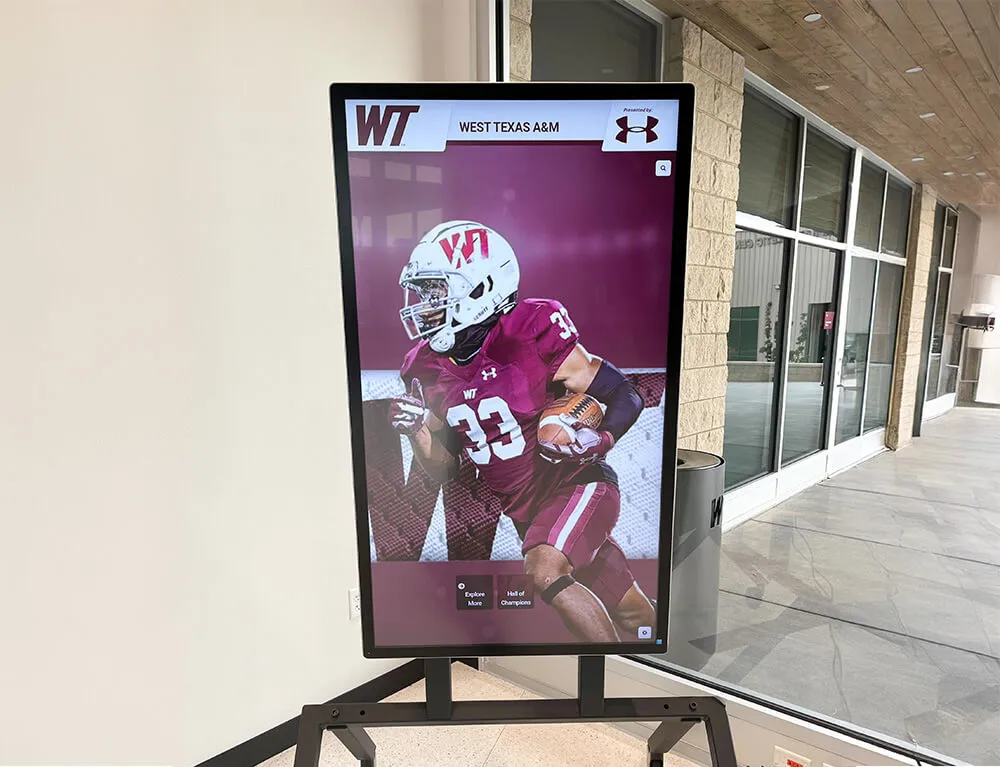
Mobile-accessible alumni recognition platforms let graduates explore school history anywhere—including while wearing the class ring they received at graduation
Class Ring Value as a Recognition Program Design Principle
Schools designing or refreshing their student recognition programs can learn from the class ring’s enduring appeal. The ring works as a recognition artifact because it satisfies several core psychological needs simultaneously:
- Belonging: It marks membership in a specific community at a specific time
- Achievement: It acknowledges the completion of a meaningful challenge
- Identity: It carries personalization (name, year, stone) that makes it uniquely the recipient’s own
- Portability: It travels with the recipient, remaining visible long after graduation
The most effective modern recognition programs—digital halls of fame, academic achievement displays, athletic record boards—succeed when they replicate these same qualities in formats that can scale beyond a single ring.
A touchscreen recognition display at the school entrance does what a case of 800 individual rings never could: it tells every student’s story, remains permanently accessible to alumni visitors, and updates automatically as new achievements are earned. Platforms like Rocket Alumni Solutions let schools build this kind of living recognition environment that honors class ring-era graduates alongside students enrolling today—creating the continuity that school traditions depend on.
Frequently Asked Questions About Class Ring Value
How much is a 10-karat gold class ring worth at a pawn shop?
A typical 10-karat gold men’s class ring weighing 12–15 grams contains approximately 5–6.25 grams of pure gold. At prevailing gold spot prices, the raw material value generally falls between $350 and $600. Pawn shops and gold buyers typically offer 50–65% of spot value, meaning most 10k gold class rings fetch $175–$390 from a commodity buyer. Condition, brand recognition, and collector demand can push the figure higher if you use a jewelry reseller rather than a scrap metal buyer.
Is it worth selling a class ring for gold?
Selling purely for gold content makes sense when the ring has no personal significance, the original owner has passed, or the financial value is genuinely needed. If the ring has personalization, historical significance, or ties to a notable school or graduating class, explore alumni networks and online marketplaces first—the premium a collector pays can significantly exceed the commodity offer from a gold buyer.
Do class rings increase in value over time?
As commodity items, class rings track the gold or silver spot price rather than appreciating independently. However, rings from closed or renamed schools, rings tied to significant cultural moments, or rings from unusually prestigious institutions can appreciate as collectibles. A 1940s West Point ring or a ring from a celebrated athletic program’s championship year may attract collectors willing to pay well above melt value.
What do schools do with found or donated class rings?
Practices vary. Some schools maintain found-ring registries connecting unclaimed rings with alumni families. Others donate found rings to local historical societies or school archives. A growing number display historic rings as artifacts representing specific graduating classes—a practice that pairs naturally with broader institutional memory projects documenting the full story of who attended and what they achieved.
How can schools keep class ring traditions alive for modern students?
The most effective approach combines the ring tradition itself with complementary recognition systems that serve students who don’t purchase rings. Digital alumni walls, interactive achievement displays, and searchable class history databases give every student a sense of belonging to an institution with documented history and visible pride. Schools that invest in both tangible traditions and digital recognition report stronger alumni engagement and higher participation in reunion events.
Conclusion: Worth Is What You Define It
How much is a class ring worth? The honest answer is: more than a gold buyer will pay, and less than the memories it holds. The commodity value of a class ring ranges from near zero (for base-metal rings) to several hundred dollars (for heavier gold pieces in excellent condition). The sentimental value ranges from modest to immeasurable depending on the owner’s relationship with the institution and era the ring represents.
For schools, the deeper question is what class ring traditions reveal about institutional culture—and how to build on that culture in ways that serve both ring-era alumni and the students walking hallways today. When schools invest in the infrastructure of recognition—visible displays, searchable alumni archives, class reunion experiences, and digital halls of fame that document every generation’s contributions—they honor the same values the class ring has always represented: belonging, achievement, identity, and the pride of having been part of something worth remembering.
Honor Every Generation's Achievements
Discover how modern digital recognition platforms can preserve class ring traditions, document decades of school history, and create interactive alumni experiences that keep your school's story alive for every generation—past, present, and future.
Explore Recognition Solutions