



Knowing how to display medals matters more than most athletes and coaches realize. A running medal stuffed in a dresser drawer is the athletic equivalent of a diploma rolled up in a closet—the achievement happened, but the recognition never did. Medals worn once and then forgotten represent earned recognition that never performs its other job: inspiring the person who earned it, and everyone who sees it, to keep going.
Whether you’re organizing a decade of 5K finisher medals on a bedroom wall, helping a student athlete showcase a state championship collection, or managing a school athletic program with more hardware than display space, this guide maps every option—from simple hooks to interactive touchscreen walls—and explains when each approach is the right call.
Medal display works on two levels simultaneously: personal and institutional. At home, a well-chosen hanger or shadow box transforms a medal into a daily reminder of effort and accomplishment. In schools, organized medal recognition does something larger—it signals to every student who walks through a hallway that achievement is seen, valued, and permanent. According to a 2023 survey by the School Superintendents Association (AASA), students attending schools with visible athletic and academic recognition environments report significantly higher feelings of school belonging and motivation than students in schools where recognition is minimal or inconsistently displayed.
The options explored below span the full range of contexts—personal collections, athletic offices, and entire school recognition programs—so you can match the approach to your specific situation.

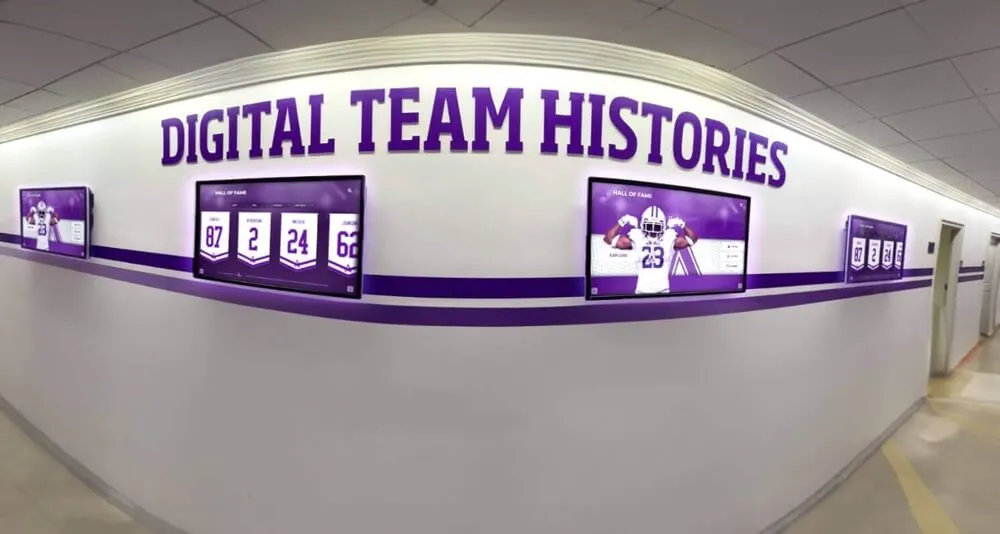
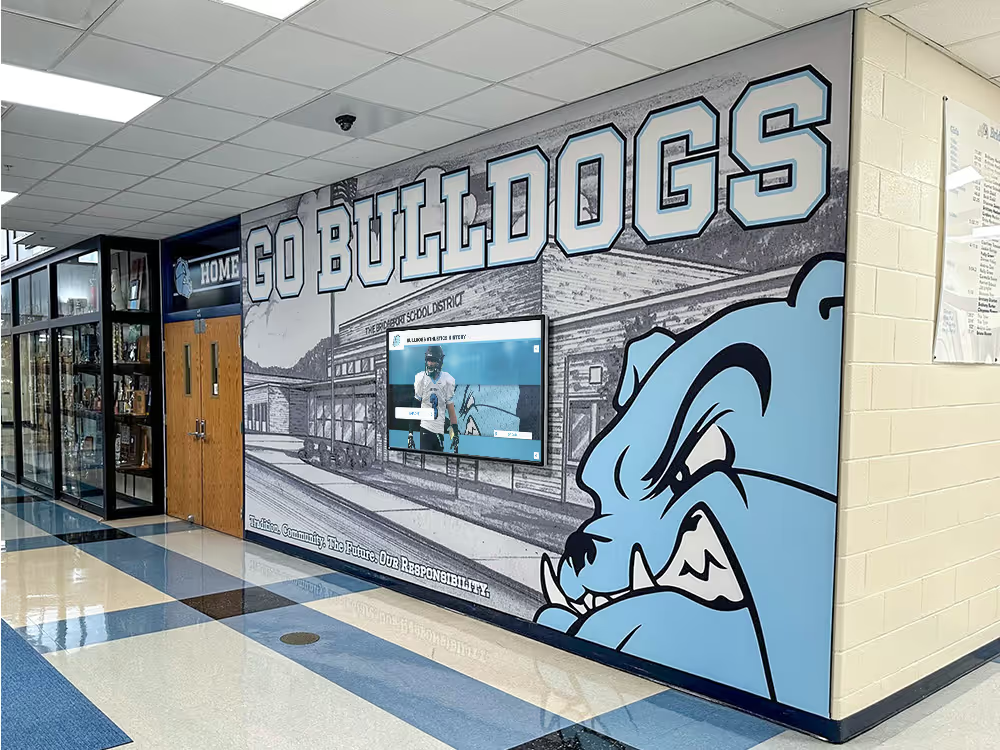
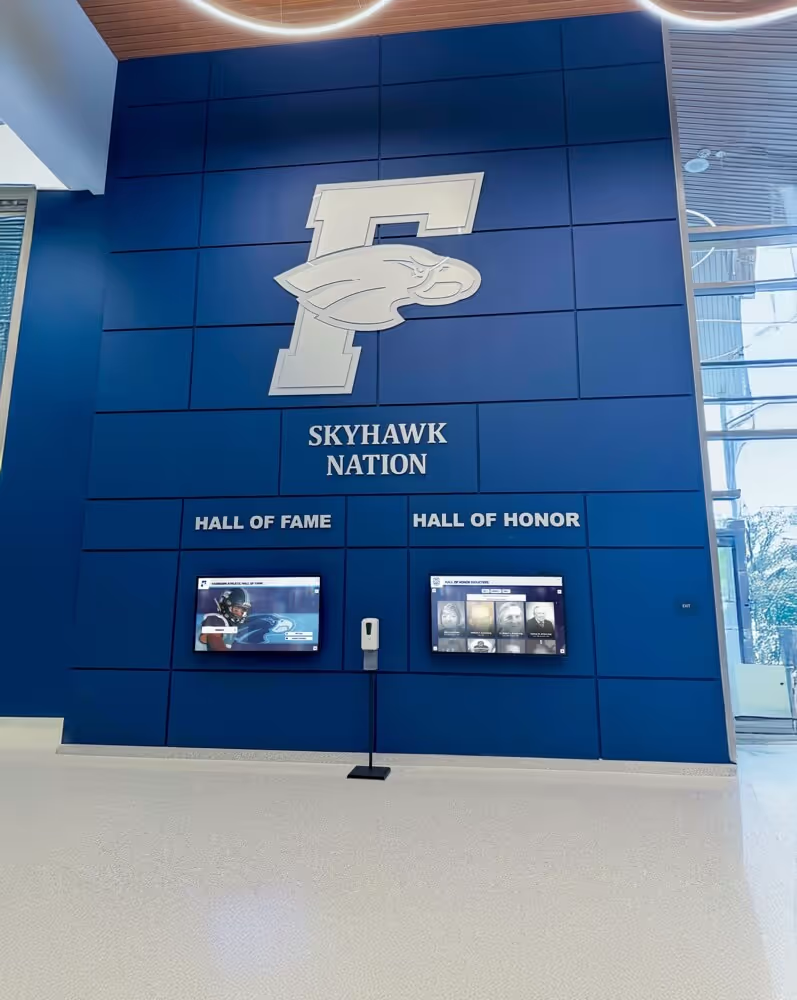
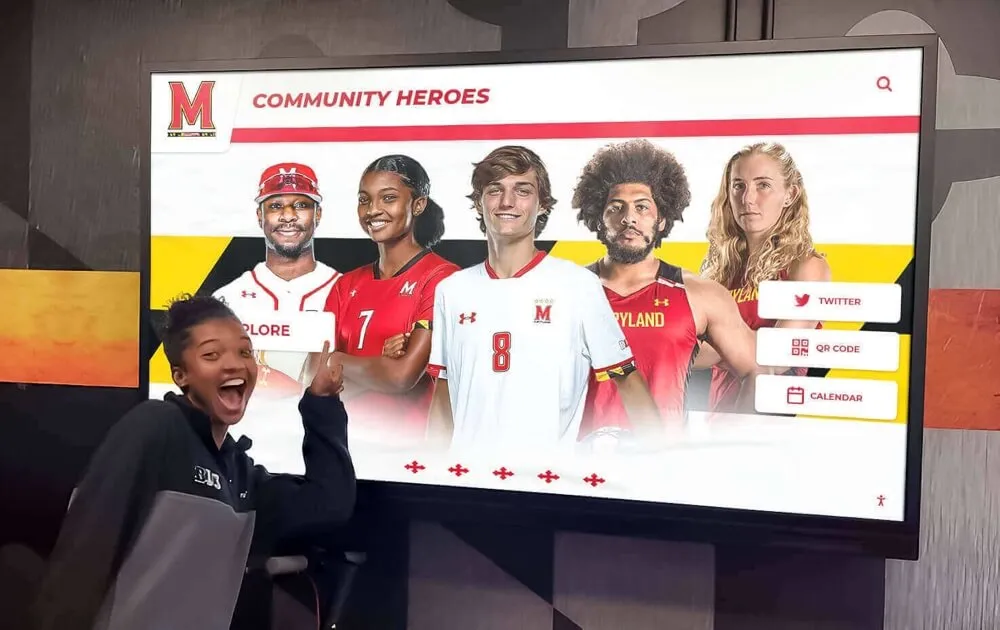
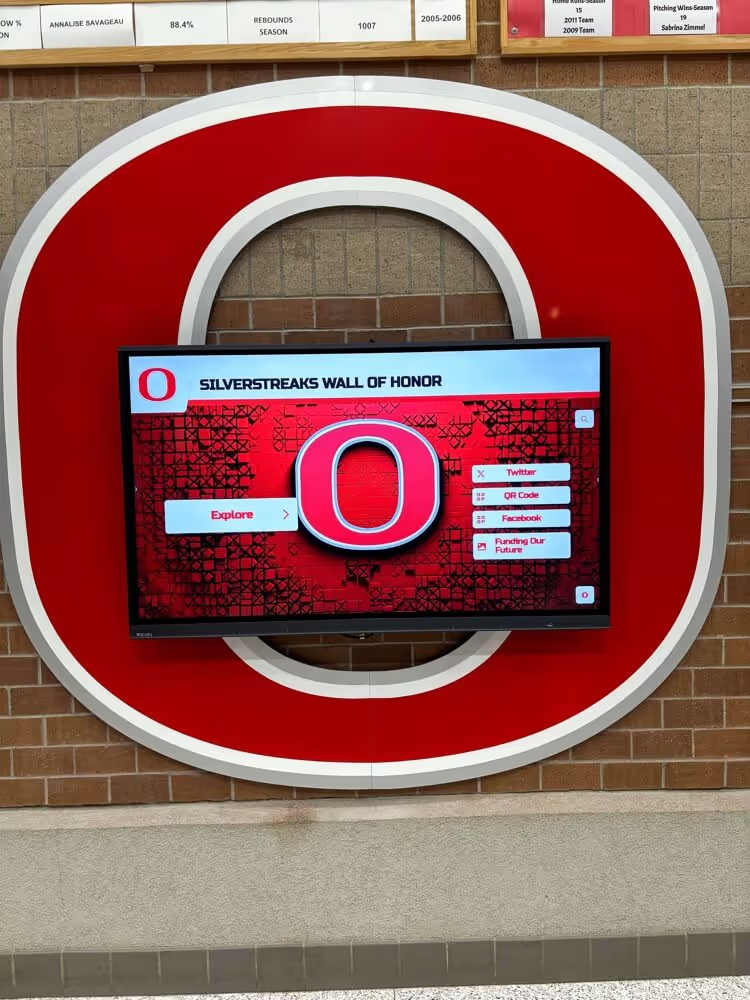
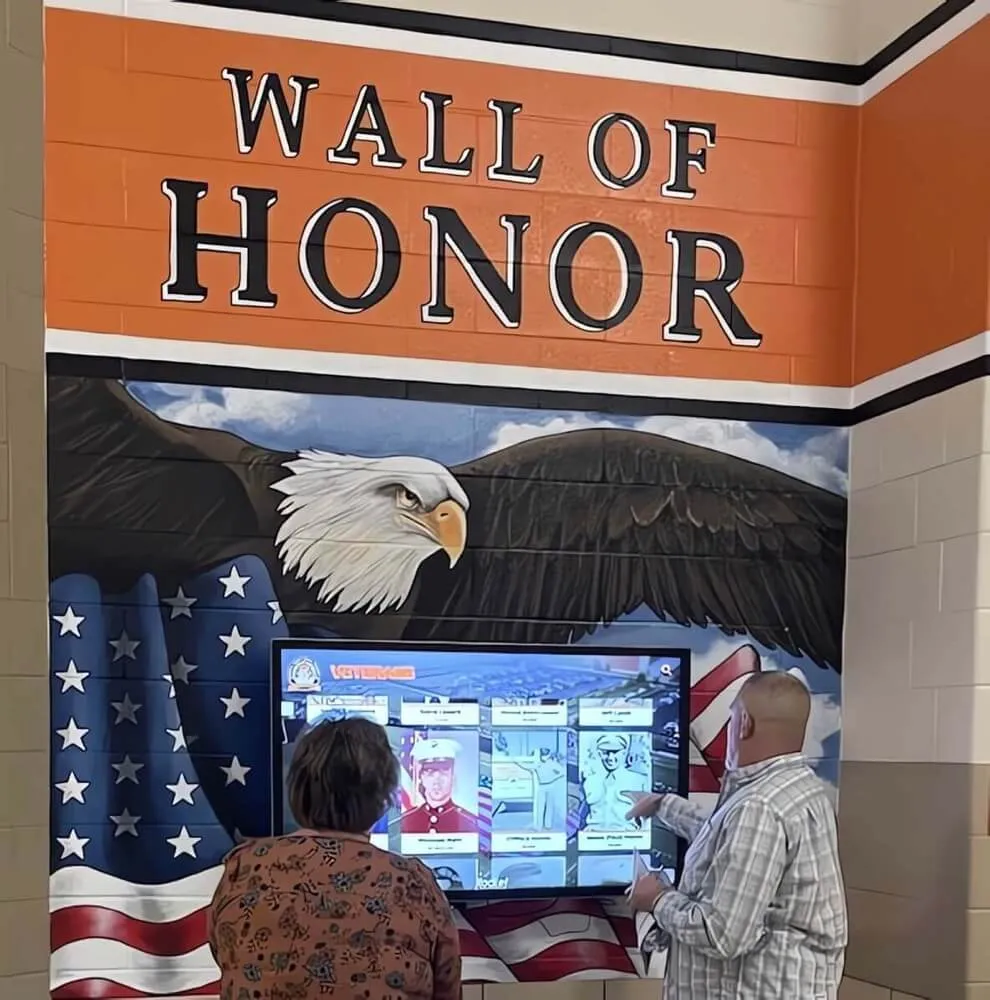
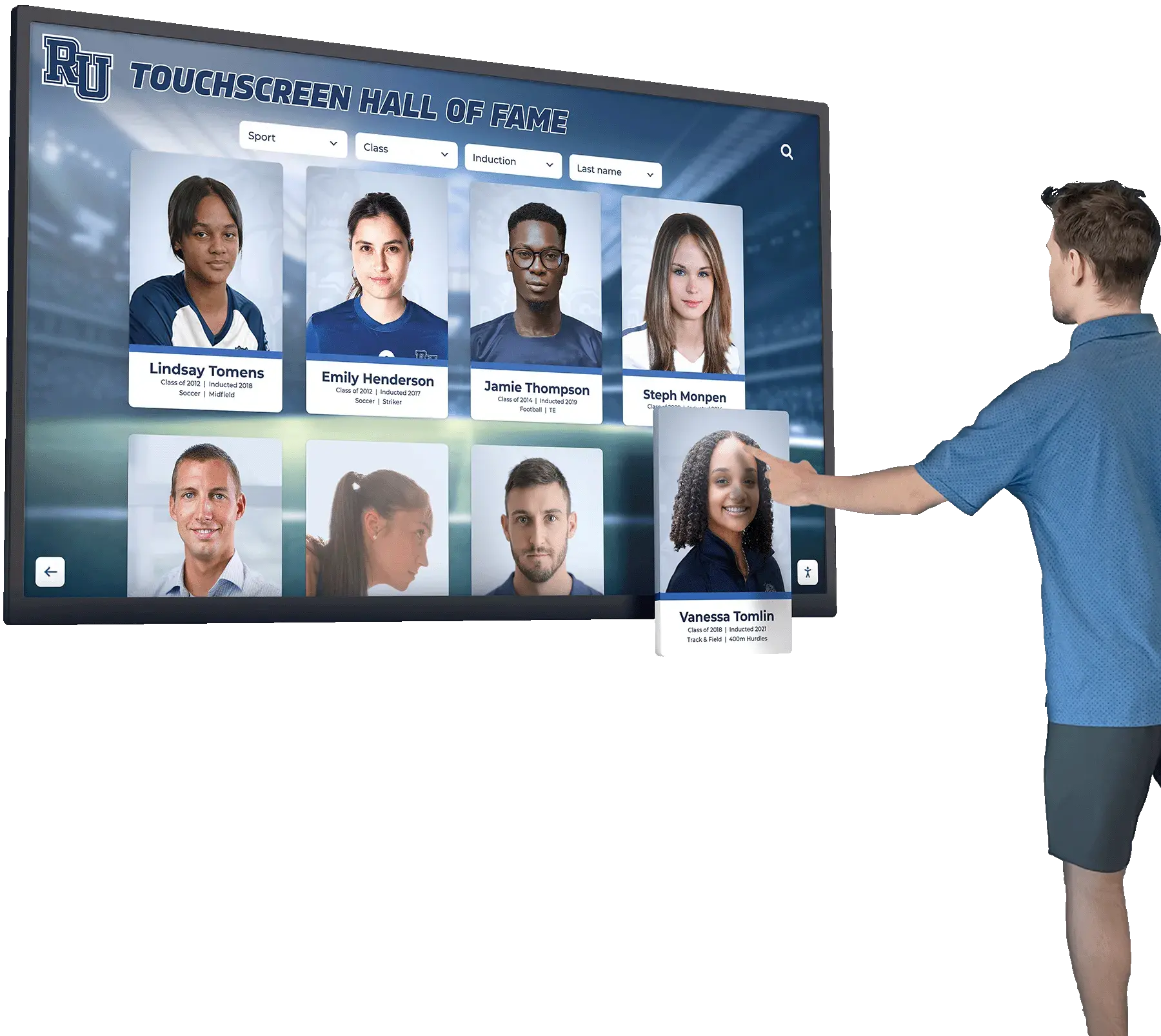
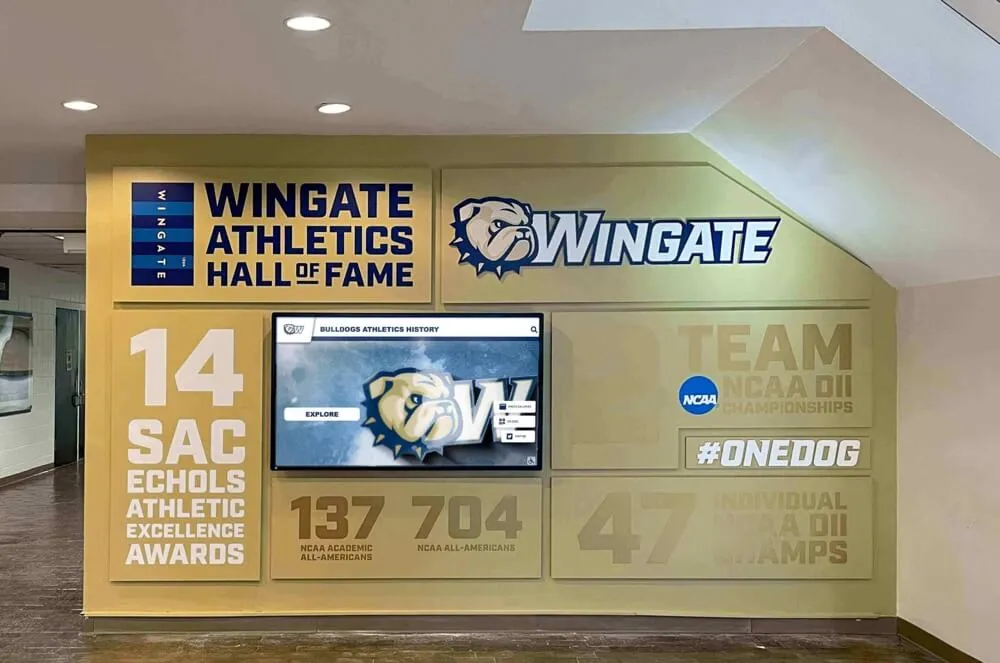
Modern recognition systems display individual athlete profiles, medals, and achievement histories in formats accessible to everyone who visits
Medal Racks and Hangers for Personal Collections
Medal racks are the most widely used home solution and for good reason—they are affordable, easy to install, and immediately effective at converting a pile of medals into a visible display.
Wall-Mounted Medal Racks
Wall-mounted racks attach directly to a bedroom, office, or recreation room wall and hold medals on individual hooks or along a horizontal bar. Most are designed to display 10–30 medals, though multi-row options accommodate larger collections.
What makes a rack work well:
- Horizontal display bars allow medals to hang flat and visible rather than overlapping
- Laser-engraved or printed race-name labeling options identify specific events at a glance
- Wood, metal, and acrylic options match varied room aesthetics
- Rack-plus-shelf combinations hold medals above and bibs, race numbers, or photos below
When racks fall short: A 15-hook rack fills faster than most athletes expect—a runner who completes three to five events per year will outgrow a basic rack within four seasons. The solution is either a multi-row rack purchased upfront or a tiered system that can expand.
Rotating and Display Hook Systems
For runners, cyclists, and triathletes who accumulate medals quickly, rotating hook systems mount as a single panel and expand with extension strips added below. These systems keep all medals visible without requiring an entire wall dedicated to display.
Specialty Sport Medal Hangers
Sport-specific medal hangers incorporate silhouettes, logos, or phrases relevant to a particular activity. A hanger shaped as a runner’s outline with space for 20 finisher medals serves a dual purpose: it organizes the collection and identifies the athlete’s primary sport to anyone entering the room.
For schools managing medals awarded to individual athletes, small personal display solutions work for bedroom recognition—but the institutional question of how to display medals program-wide requires a different approach entirely.
Shadow Boxes: Curated Medal Display for Significant Achievements
Shadow boxes solve a specific problem that medal racks cannot: providing context. A marathon finisher medal hanging on a rack is a medal. The same medal mounted in a shadow box alongside a race bib, a finish-line photo, and a small printed card reading “Boston Marathon — 3:41:22” becomes a story.
When to Use a Shadow Box
Shadow boxes work best for:
- Championship or milestone medals that deserve individual recognition
- Retirement displays organizing a career’s worth of medals from a single sport
- Gift presentations for coaches, retiring athletes, or graduating seniors
- Academic and leadership medals that carry significance beyond athletic competition
Shadow Box Construction Options
Standard shadow box frames are available at most craft and home goods retailers in depths ranging from 1 to 3.5 inches. Deeper boxes accommodate bulkier medals, multi-layer arrangements, or three-dimensional items like miniature trophies alongside medals.
Custom shadow boxes built by frame shops allow any dimension, backing color, and matting combination—and accept multiple medals arranged with narrative logic rather than simple row-and-column grids.
Locking display cases with shadow box depth add protection for valuable or irreplaceable medals, including military decorations, national championship hardware, and Olympic-qualifying race awards.
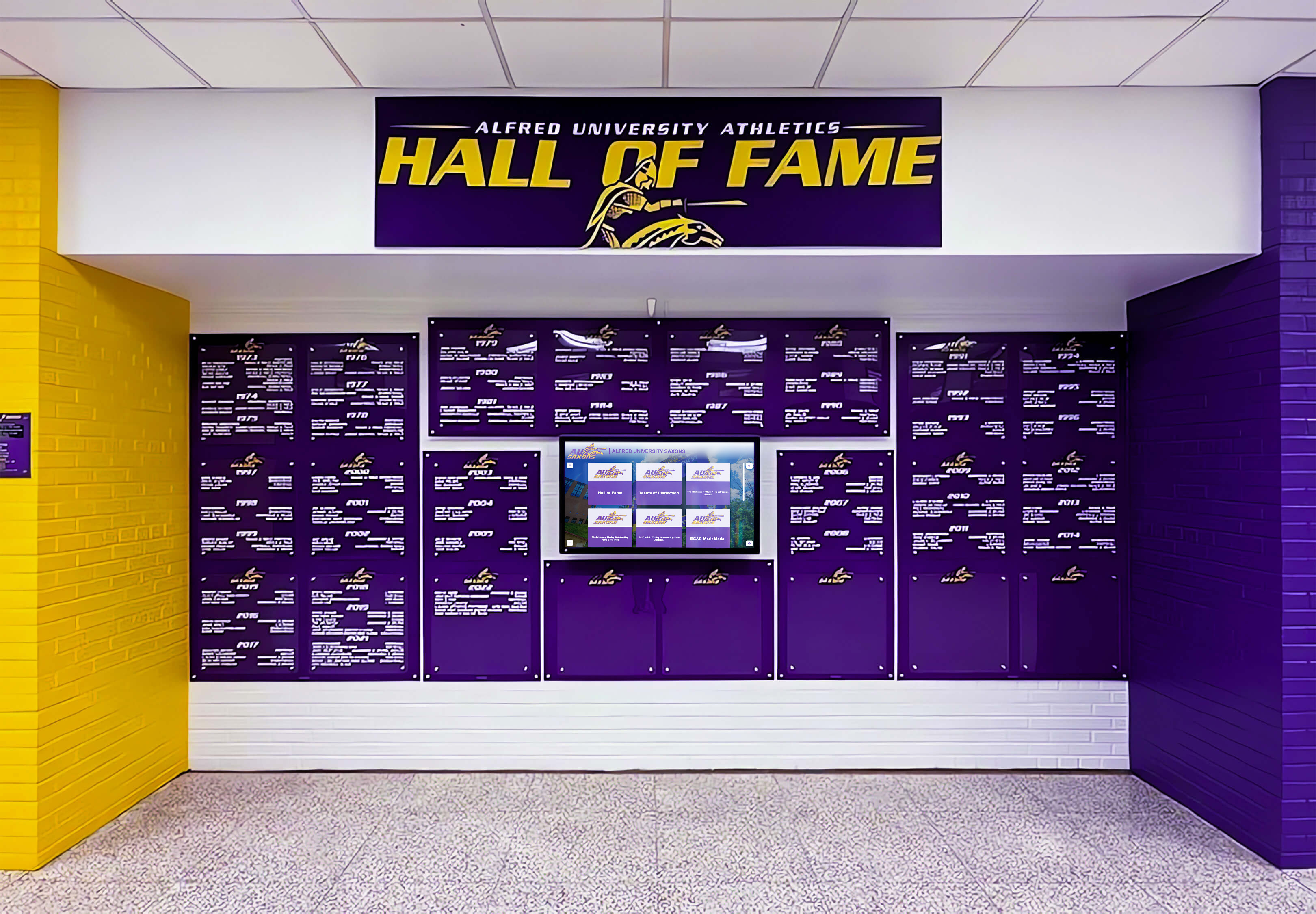
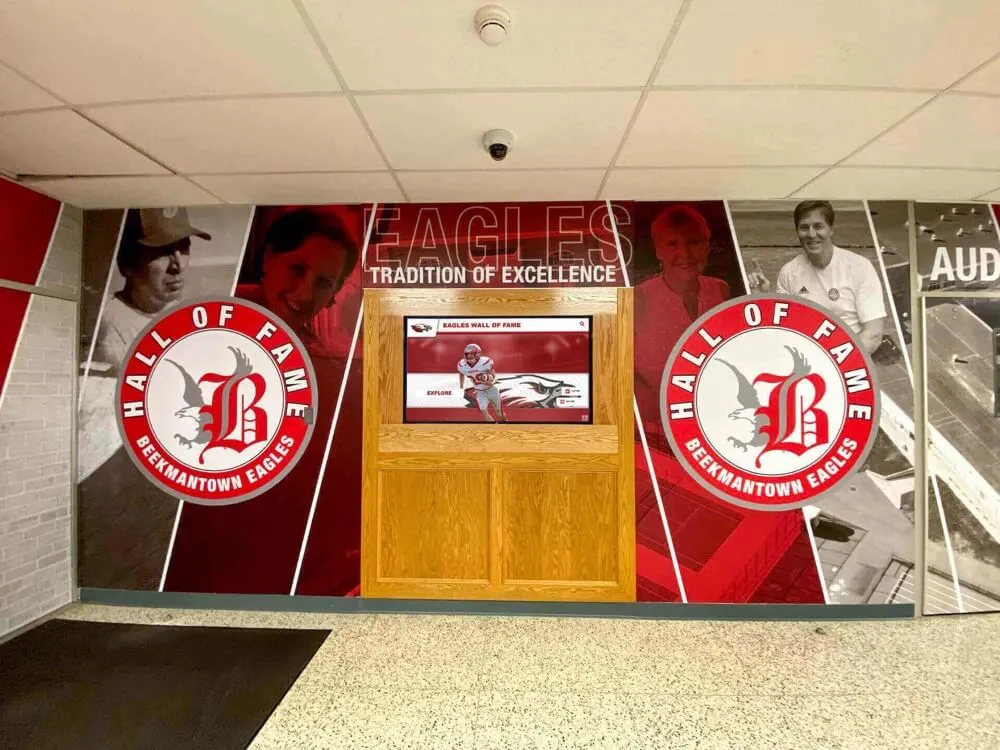
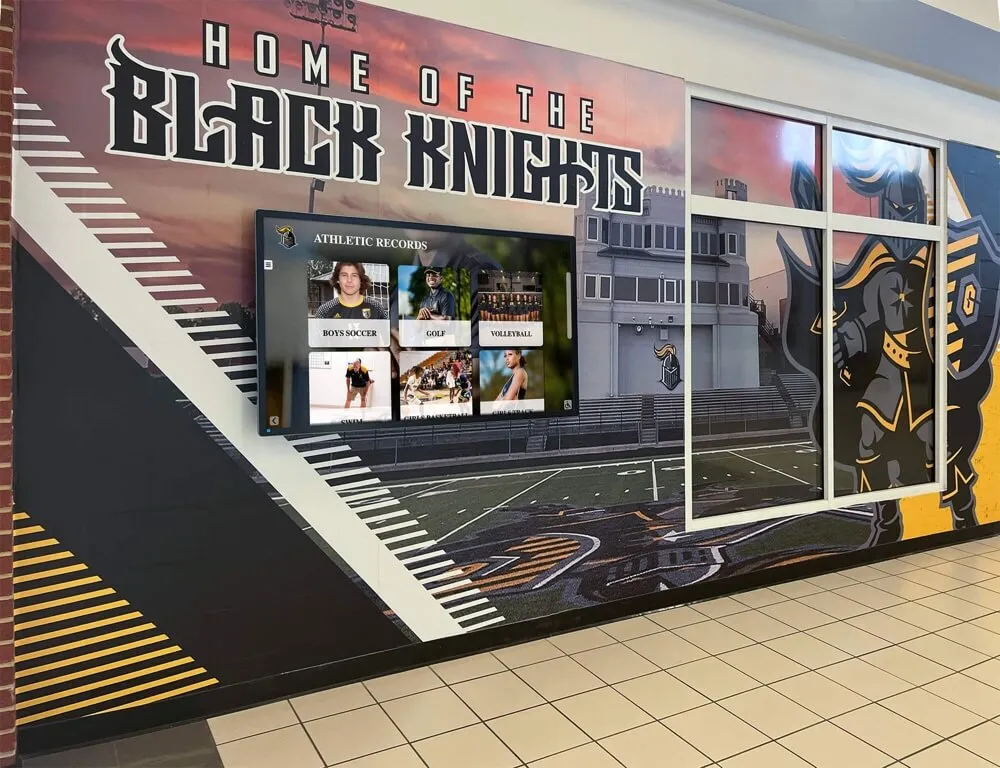
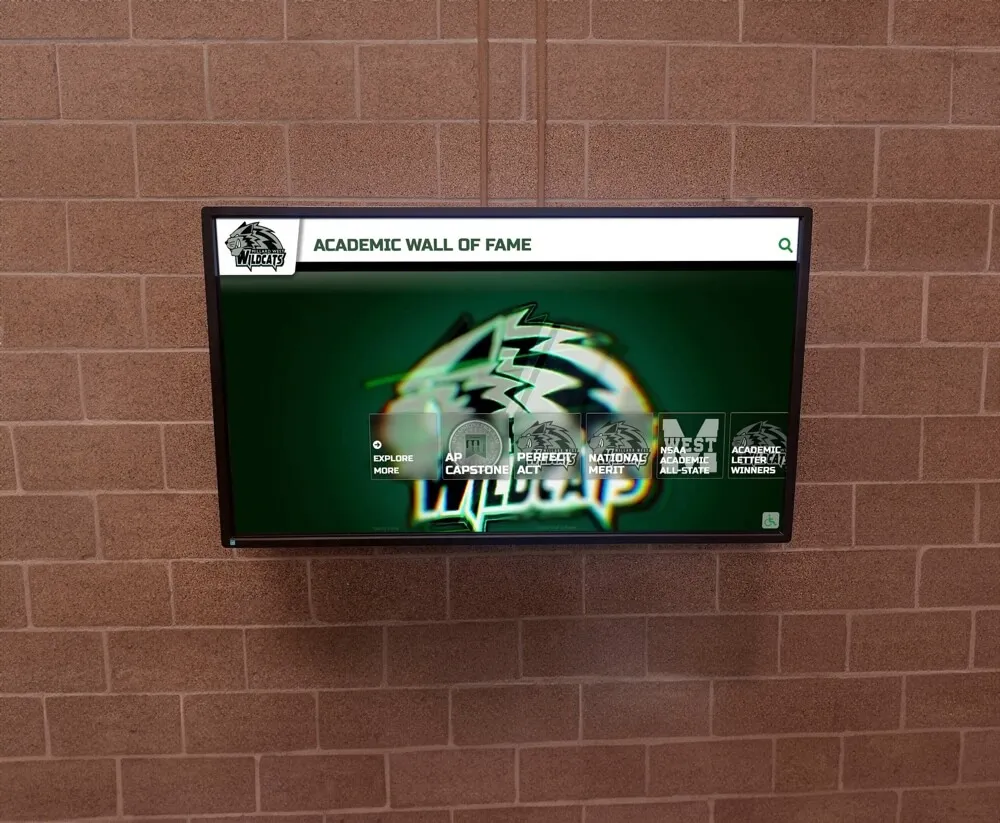
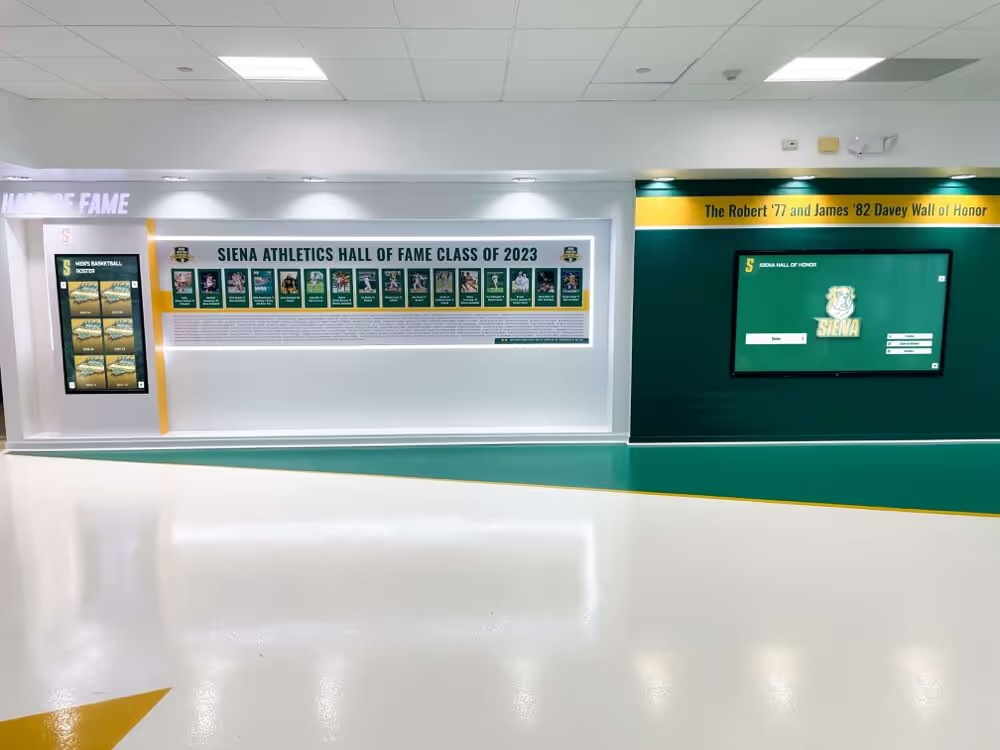
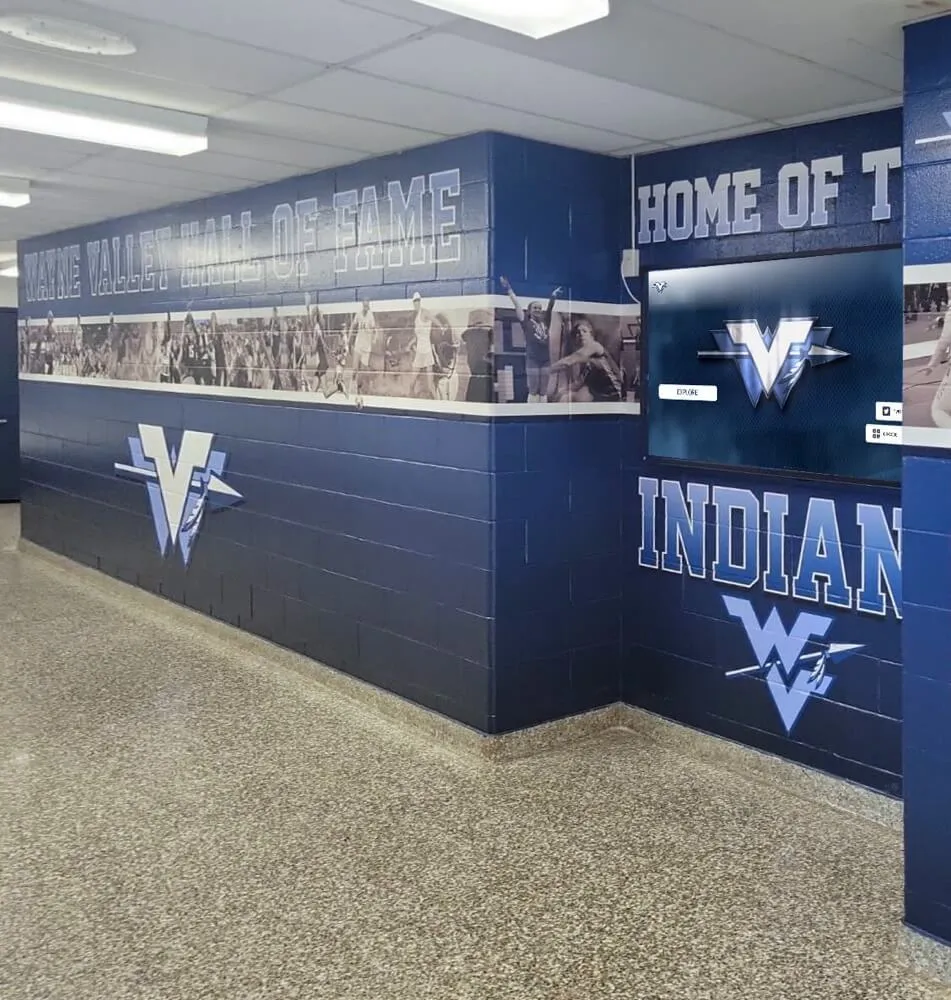
School hall of fame installations can incorporate individual and team medal recognition within organized, program-wide display systems
Organizing Shadow Box Content
Effective shadow boxes follow a simple principle: every item should earn its place by adding meaning. A collection of ten medals mounted without context looks like storage. The same ten medals with race dates, finish times, and a small photo of the athlete at the finish line becomes a display worth stopping to read.
For school athletic programs creating shadow boxes for retiring coaches or senior athletes, the memorabilia display case ideas that schools use for athletic trophies and donor gifts apply directly to medal arrangements—mixing hardware, photographs, and narrative text creates displays that last decades without becoming dated.
Traditional Display Cases for School Medal Collections
Schools award medals across dozens of contexts: cross country, track and field, swimming, wrestling, academic competitions, science fairs, music festivals, and debate tournaments. Managing and displaying that volume of recognition requires institutional-grade solutions.
Trophy and Medal Cases for Athletic Facilities
Purpose-built display cases with glass fronts and interior lighting handle large medal collections while protecting hardware from dust and handling damage. Common configurations for school use:
Wall-mounted medal display cases — Glass-front cases 24 to 48 inches wide mount at ADA-compliant heights and hold medals organized by sport, year, or competition level. These work well in hallways adjacent to specific athletic program spaces.
Lighted floor-standing cases — Larger cases (48–72 inches wide, 78–84 inches tall) placed at gymnasium entrances or lobby positions create high-visibility displays for championship and conference medal collections.
Combination trophy and medal cases — Adjustable interior shelving holds both three-dimensional trophies and hanging or mounted medals, allowing a single case to represent an entire program’s awards history.
Placement Strategy for Maximum Impact
Medal display cases in schools deliver the most recognition value when placed where student traffic naturally concentrates: gym corridor entrances, main lobby positions within 20 feet of the front door, or hallway intersections connecting high-use spaces. Cases installed in administrative corridors or near back entrances typically receive a fraction of the viewing engagement that lobby-positioned installations generate.
For athletic directors managing budgets and building compelling cases for display investments, understanding how advancement directors approach recognition program funding and priorities helps frame the conversation with administrators and development staff who control facility budgets.
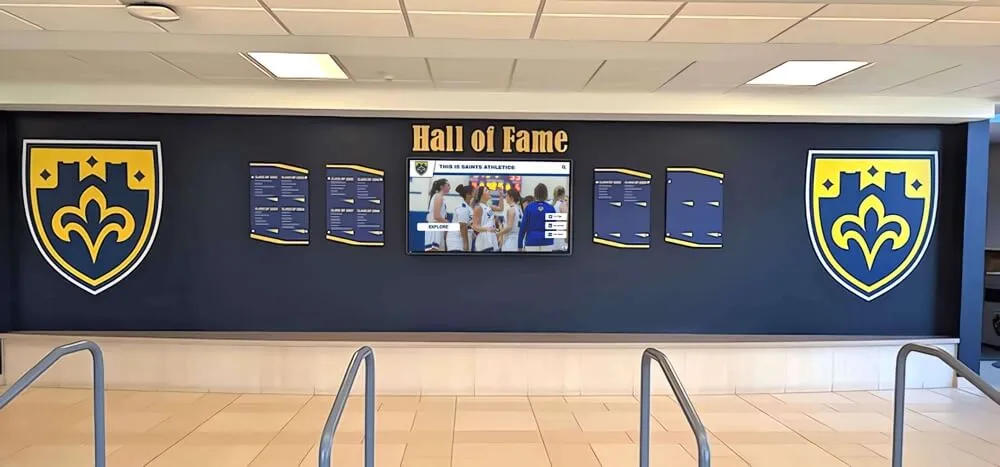
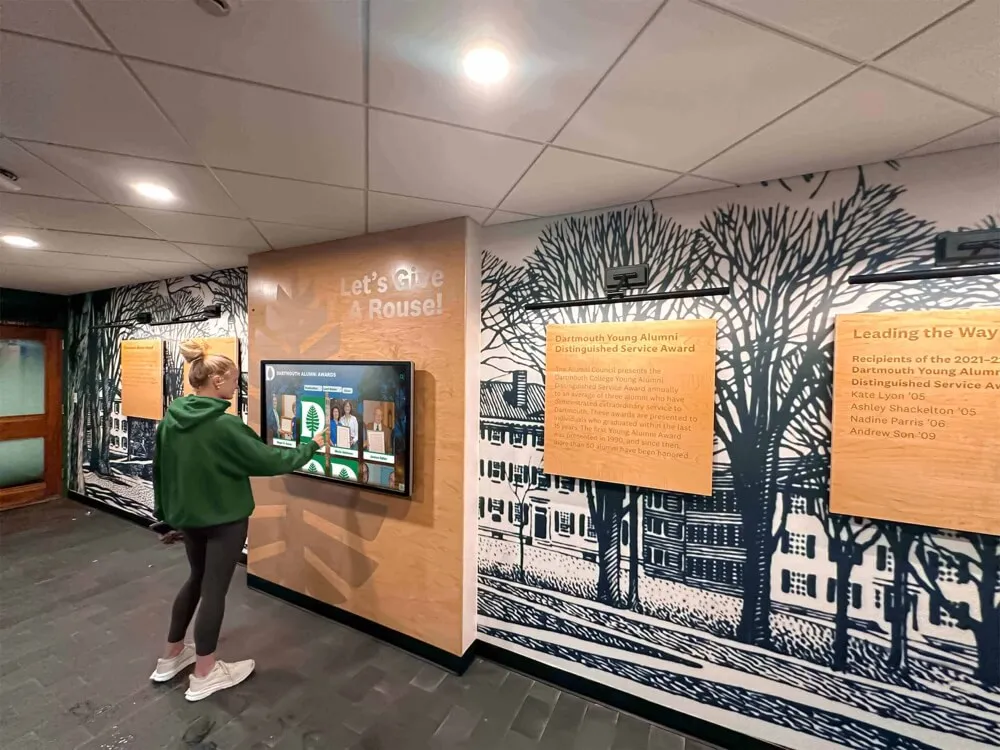
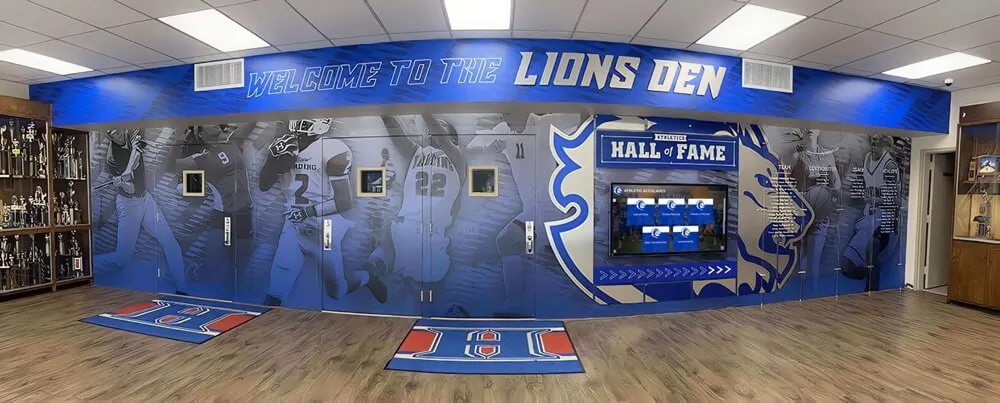
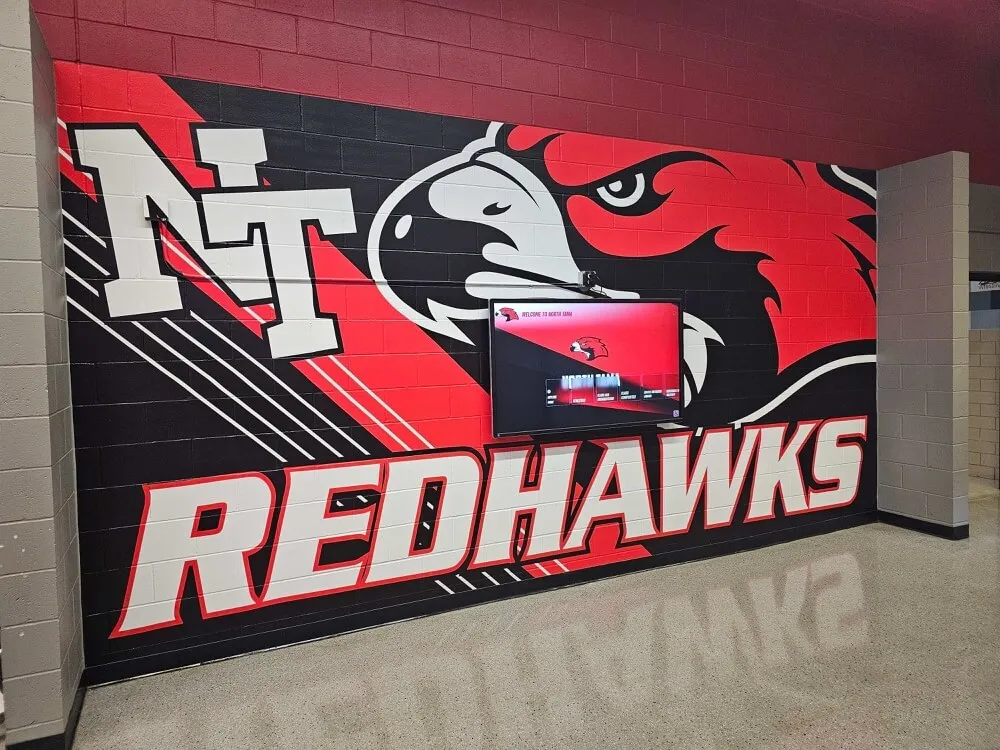
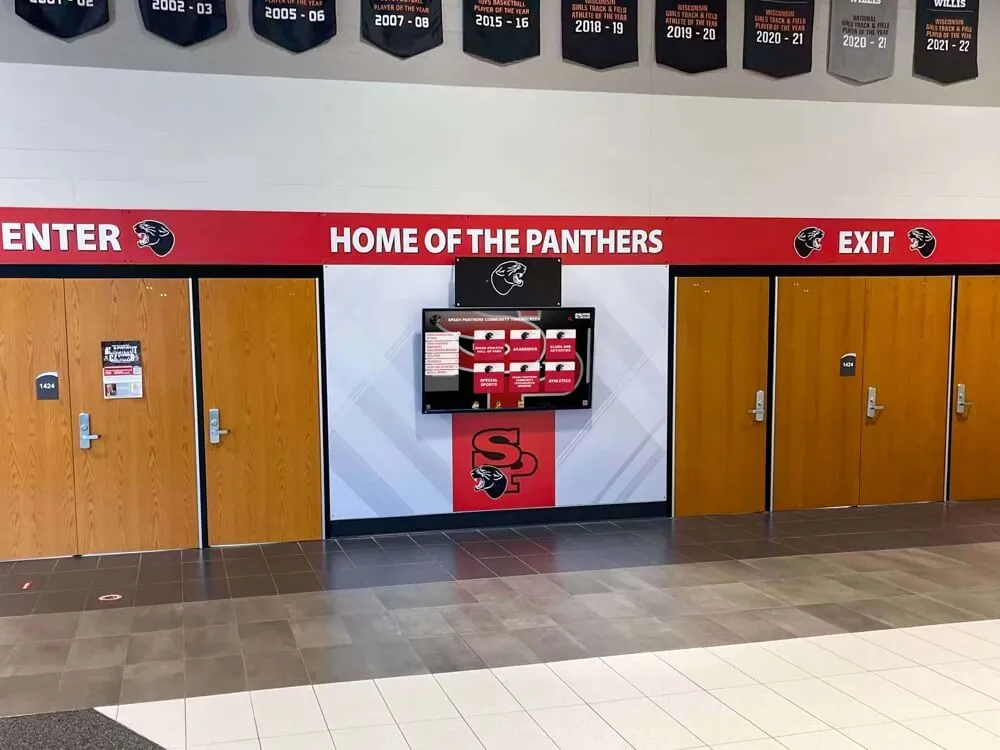
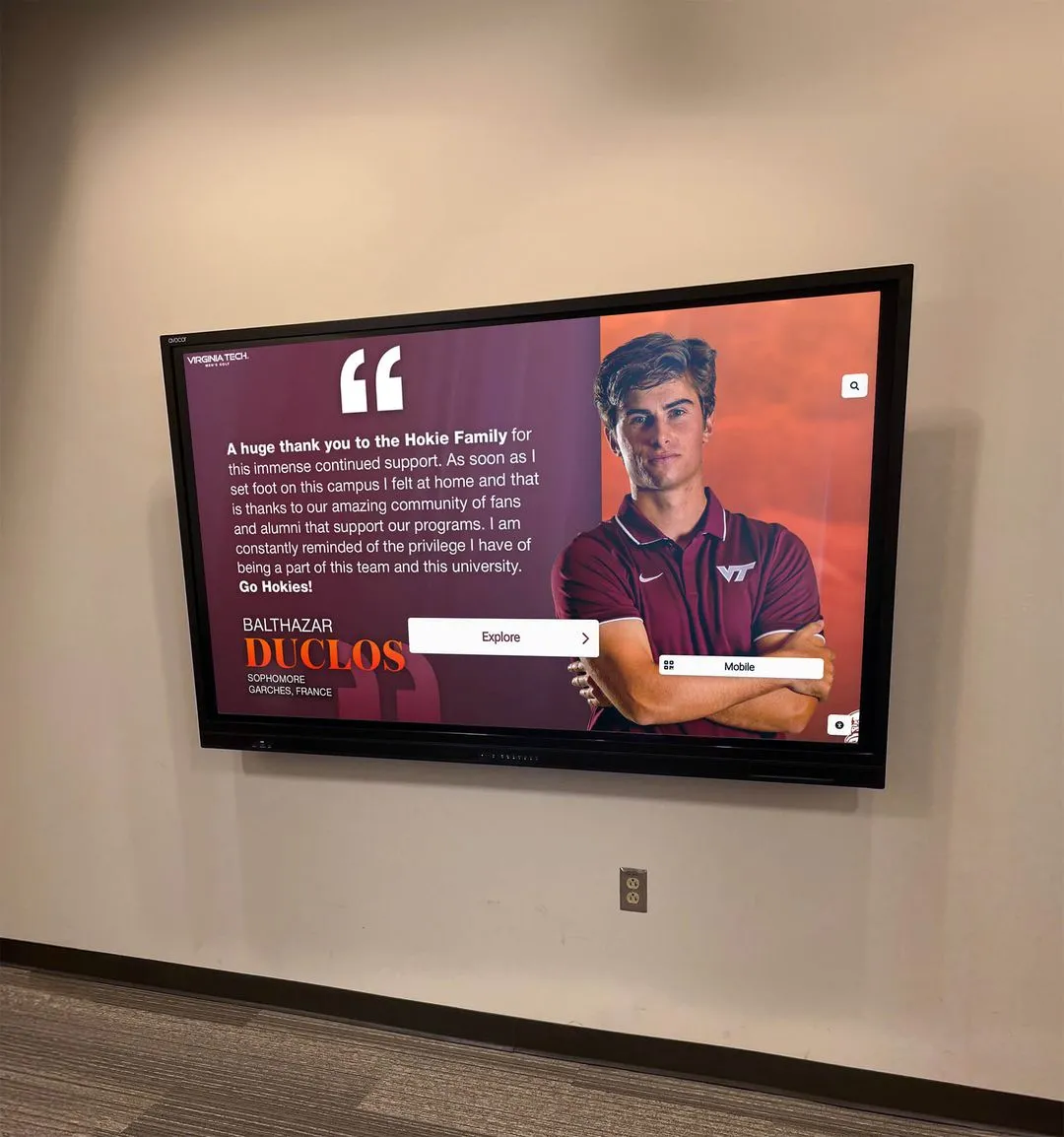
Hybrid installations combine traditional physical displays with digital screens, extending recognition capacity without sacrificing the permanence of physical hardware
The School-Scale Problem: When Physical Display Runs Out of Room
Physical medal and trophy cases solve the display problem for collections of moderate size. Programs that have operated for decades—or that recognize achievement across many sports and academic disciplines simultaneously—routinely encounter a hard physical limit: there is no more wall space, and the collection keeps growing.
This is the defining challenge of institutional medal recognition. A school that has operated athletic programs since the 1960s may have state championship medals from 40 seasons. A large high school recognizing five sports per season across varsity, junior varsity, and freshmen levels may award hundreds of medals annually. Physical cases fill. Older hardware gets moved to storage. Recognition that once felt permanent becomes invisible.
Schools managing this problem have developed several practical responses:
Rotation policies — Displaying current and recent seasons in cases while archiving older hardware in labeled storage. Effective for limiting the display footprint but reduces the visibility of historical achievement that connects current athletes to program tradition.
Photography-based archiving — Photographing each season’s medal recipients and displaying photo panels rather than physical hardware. This extends capacity significantly but loses the tangibility that physical medals provide.
Category prioritization — Displaying only championship and conference medals while omitting participation and seasonal recognition hardware. Manages space but creates recognition gaps for athletes whose achievements don’t reach the highest tier.
Digital and interactive display systems — The approach that eliminates the physical space constraint entirely.
Digital Medal Display Options for Schools
Interactive digital recognition systems address the space problem that physical cases cannot solve. A single touchscreen display can present every medal, every season, every athlete in a searchable, visually rich format—without requiring additional wall space as collections grow.
How Interactive Touchscreen Recognition Works
Digital recognition systems for schools typically involve a commercial-grade touchscreen display (ranging from 43 to 75 inches, depending on installation context) paired with content management software that organizes athlete profiles, achievement records, and visual media.
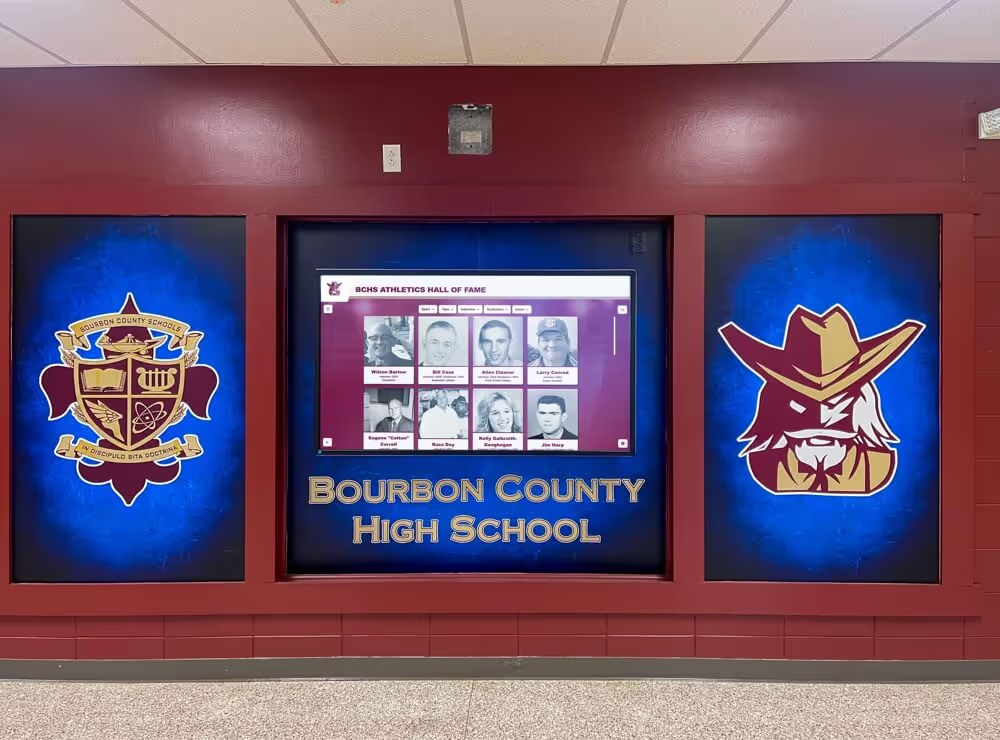
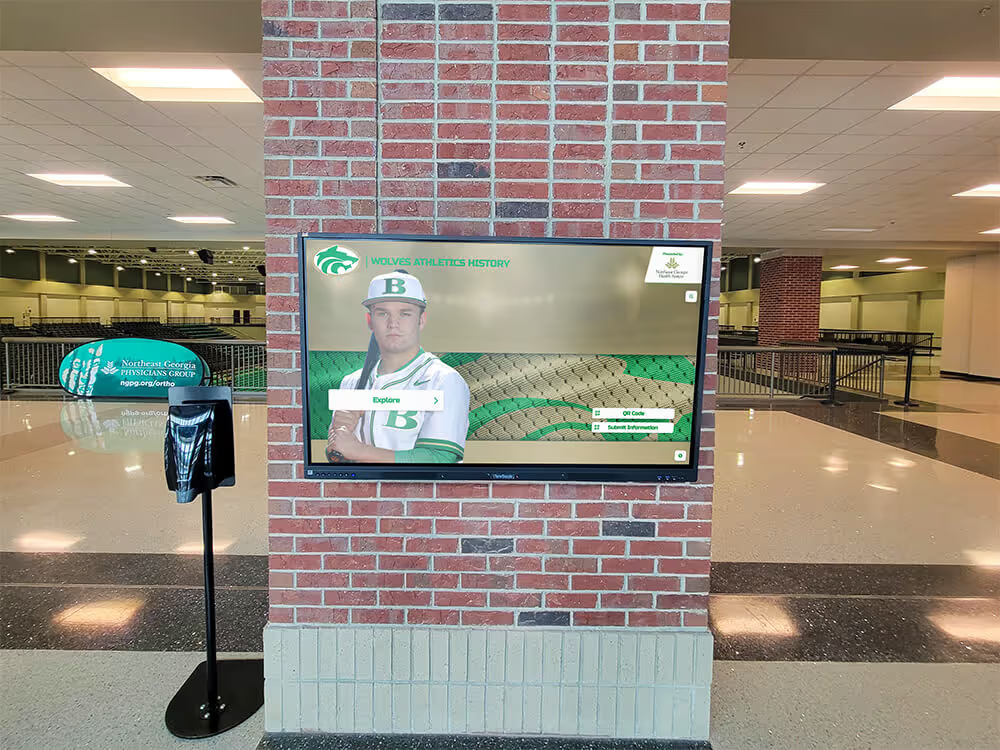
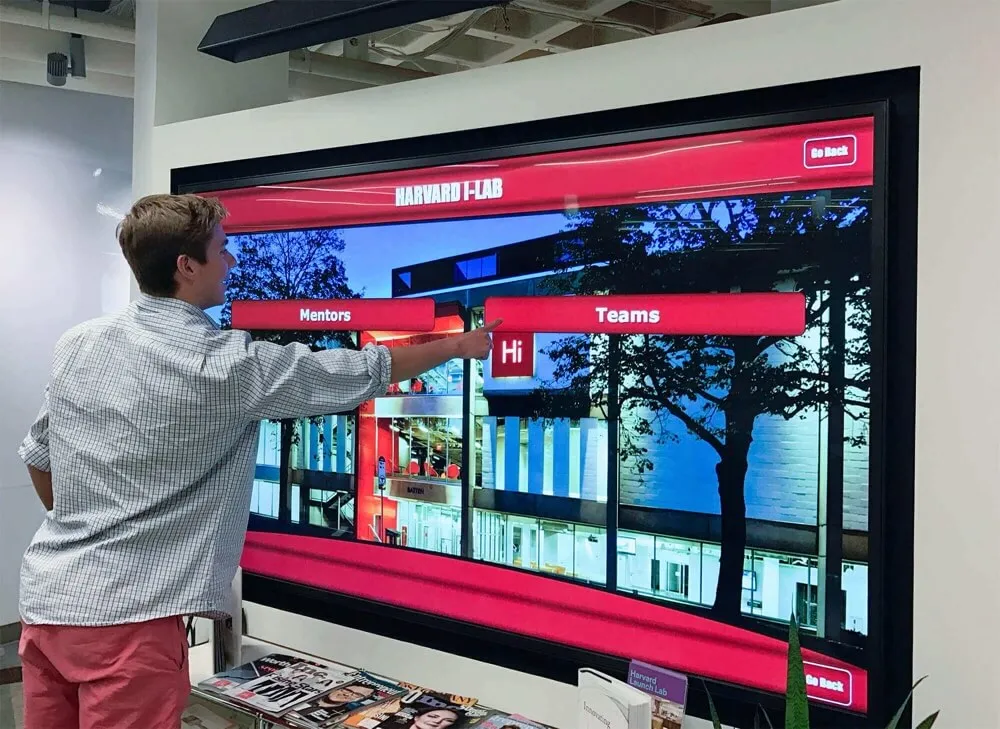
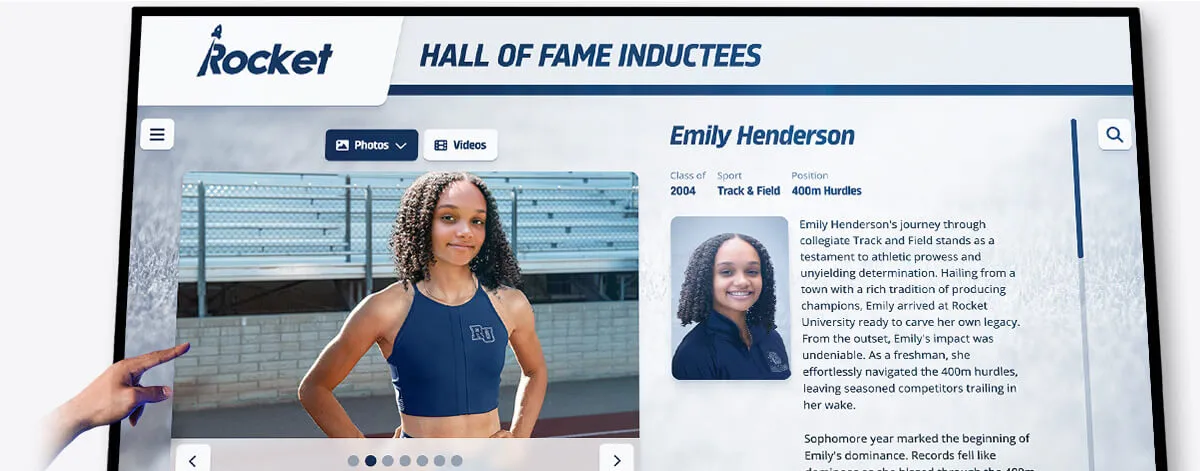
Visitors to the display—students, parents, recruits, alumni—navigate through the collection by sport, year, athlete name, or achievement category. Each athlete’s profile can include their photo, medal and award history, team affiliations, and supporting content like action photographs or season highlights. The collection is searchable and organized rather than static and fixed.
Core advantages over physical-only display:
- Unlimited capacity — A program with 60 years of swimming medal recipients can display all of them without a single trophy case
- Contextual richness — Medals display alongside photos, statistics, and team context rather than as isolated hardware
- Real-time updates — New award recipients added via cloud-based content management appear immediately, without engraving or fabrication lead times
- Engagement depth — Visitors interact with the display for minutes rather than the seconds afforded to a static case
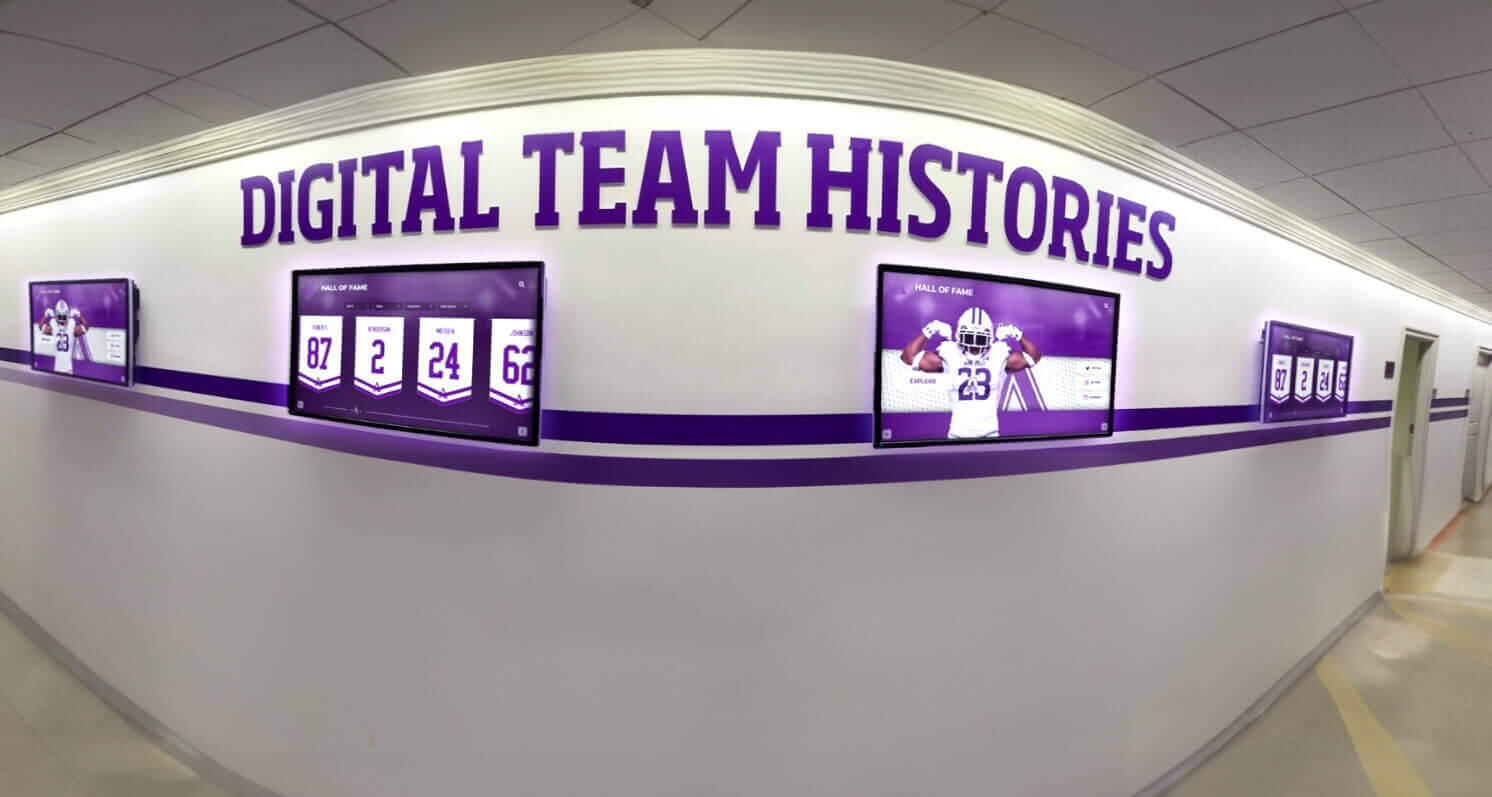
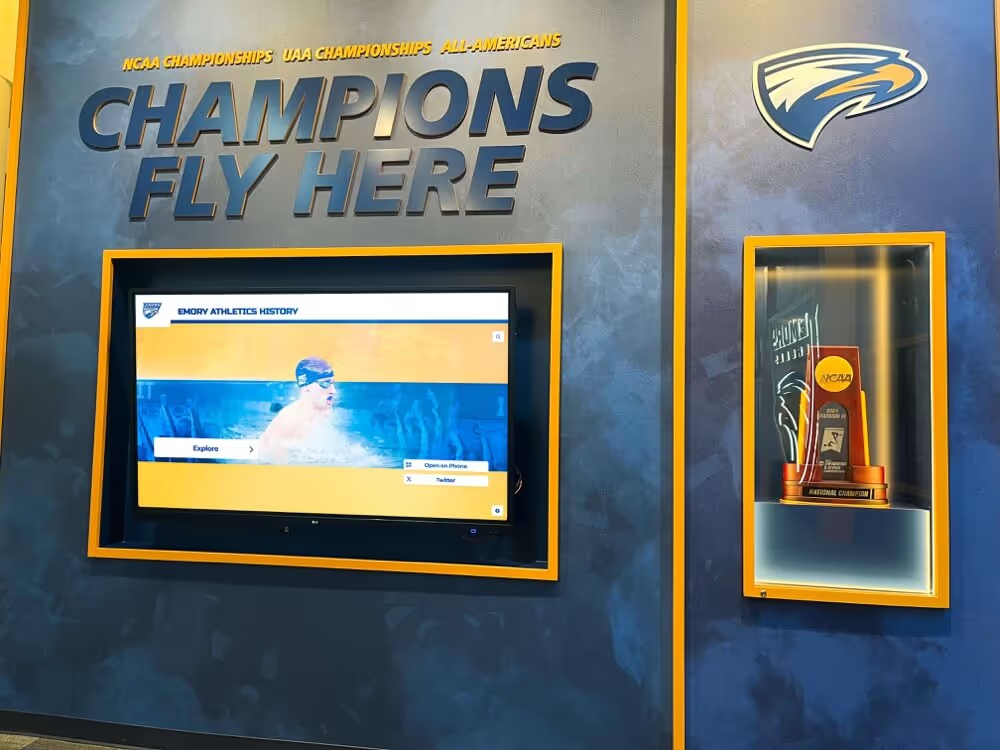
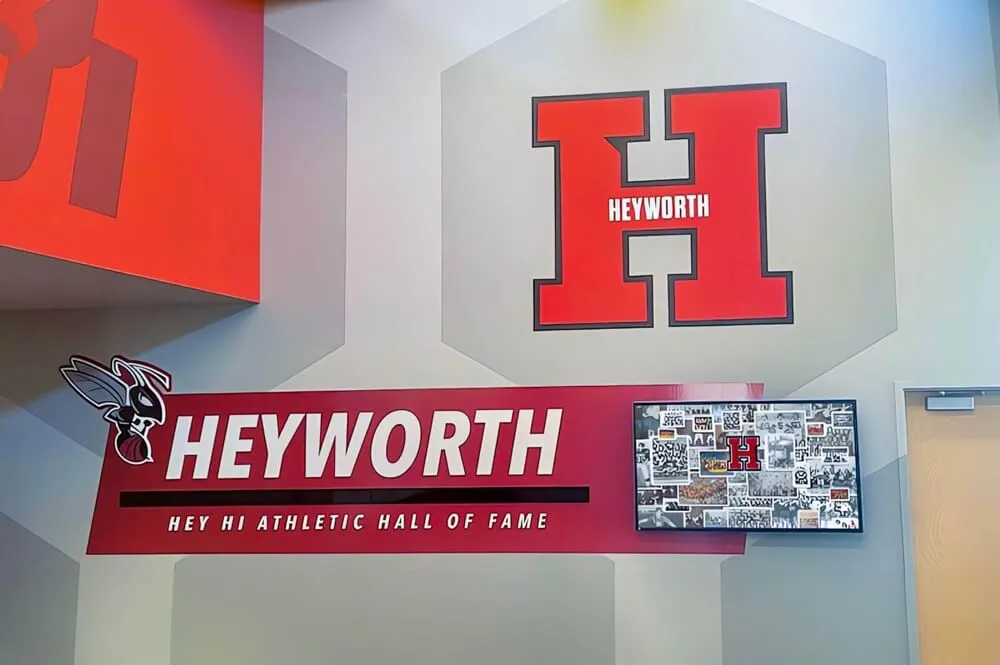
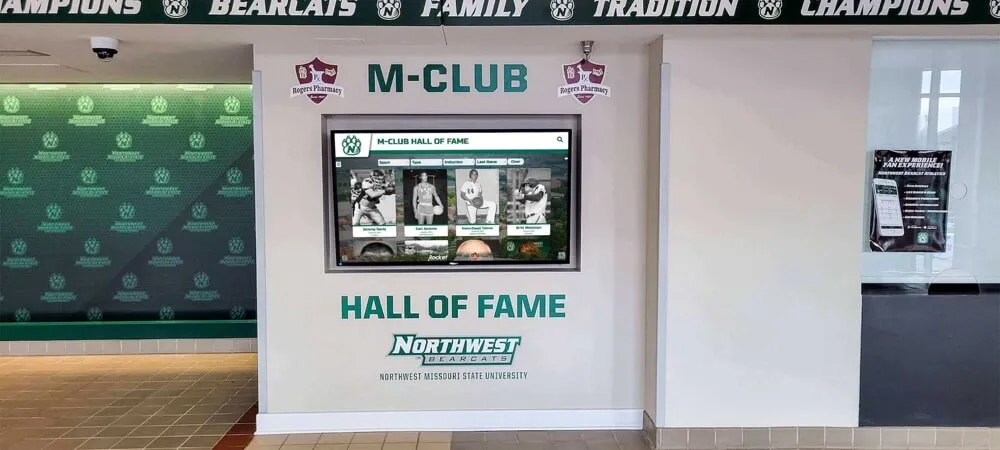
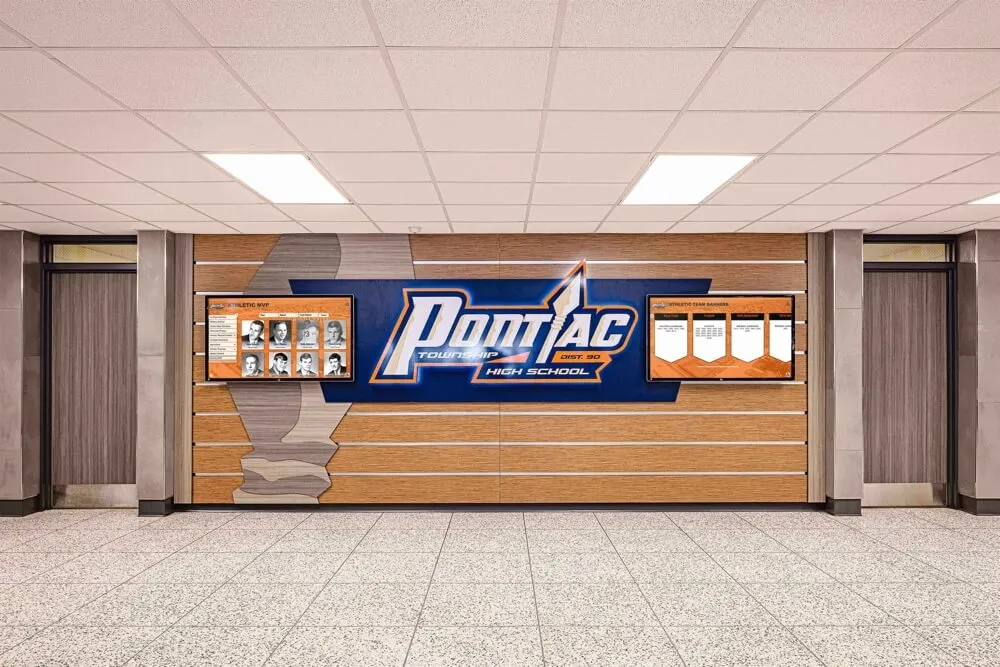
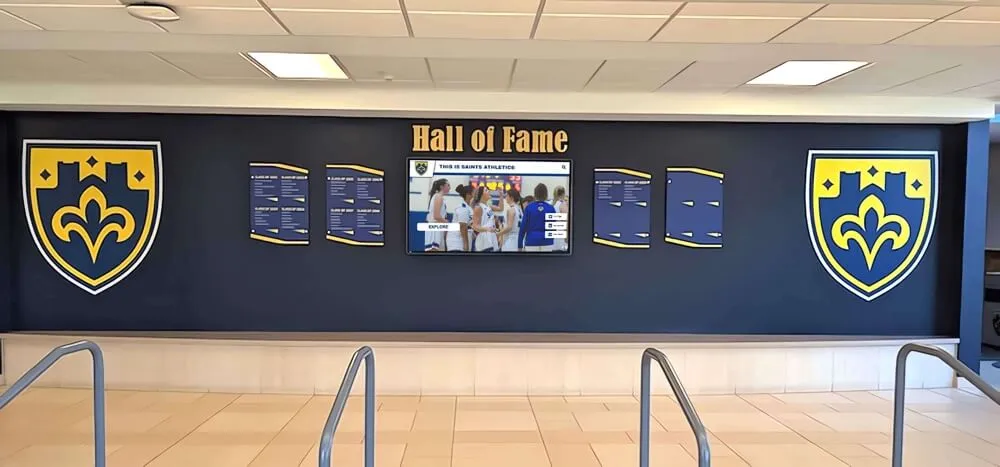
Digital display corridors allow schools to present comprehensive athletic histories without the physical space constraints of traditional trophy cases
Rocket Alumni Solutions: Interactive Walls of Fame for Athletic Programs
Rocket Alumni Solutions builds interactive touchscreen walls of fame and recognition displays specifically designed for K-12 schools, universities, and athletic programs. Their systems are the purpose-built institutional answer to the question of how to display medals at scale.
A Rocket Alumni Solutions installation goes beyond simply listing medal recipients. Each display serves as a comprehensive athletic heritage system: athletes can be searched by name or sport, championship seasons are presented with full team context, and individual medal records connect to career achievement timelines. The systems are designed to work as stand-alone kiosks, hallway panel installations, or components of larger donor and alumni recognition environments.
For schools managing recognition programs that span athletics, academics, and community achievement, the ability to present all recognition categories within a single searchable system eliminates the siloed display approach that leaves academic medal recipients invisible in hallways dominated by athletic hardware. See how schools structure alumni recognition programs to honor graduates across multiple achievement categories for parallel frameworks that digital systems make practical at scale.
Pricing and deployment options vary by installation scope. Understanding the subscription, one-time payment, and multi-year budget options available for digital recognition systems helps athletic directors and administrators select the model that fits their budget structure.
Choosing Between Physical and Digital Medal Display
The right approach depends on collection size, available space, budget, and the audiences the display needs to serve. Most effective institutional programs use a hybrid model rather than committing entirely to one approach.
Physical Display Works Best When:
- The collection is small to moderate (under 5–10 years of hardware)
- Budget for ongoing digital platform licensing is unavailable
- The space is a dedicated trophy room with sufficient square footage
- Specific championship medals deserve tangible, tactile presence
- The audience is primarily in-person visitors rather than remote alumni
Digital Display Works Best When:
- The collection spans more than a decade of athletic history
- Wall space is limited relative to the volume of recognition to display
- Remote access for alumni, recruits, or families is a priority
- The program recognizes diverse achievement categories across multiple sports
- Staff time for ongoing updates needs to be minimized
Hybrid Approaches That Work in Practice
The most common high-functioning institutional model pairs physical championship hardware (state titles, conference championships, significant invitational wins) in visible lobby cases with a digital interactive system for comprehensive historical and individual recognition. Physical displays provide the tangibility and permanence that symbolic championship medals deserve. Digital systems handle the depth, breadth, and ongoing growth of the full record.
This approach also works well for school programs expanding from athletics into academic and arts recognition. A lobby touchscreen system presenting academic medal recipients from state competitions, debate tournament awards, music festival recognition, and science fair honors alongside athletic achievements creates a comprehensive school recognition environment that physical cases—organized by sport and optimized for trophies—cannot replicate.
Programs exploring digital components often connect medal and award recognition to broader alumni engagement initiatives. Understanding how capital campaigns leverage recognition to motivate donor investment reveals how visible achievement recognition supports fundraising goals alongside athletic and academic program development.
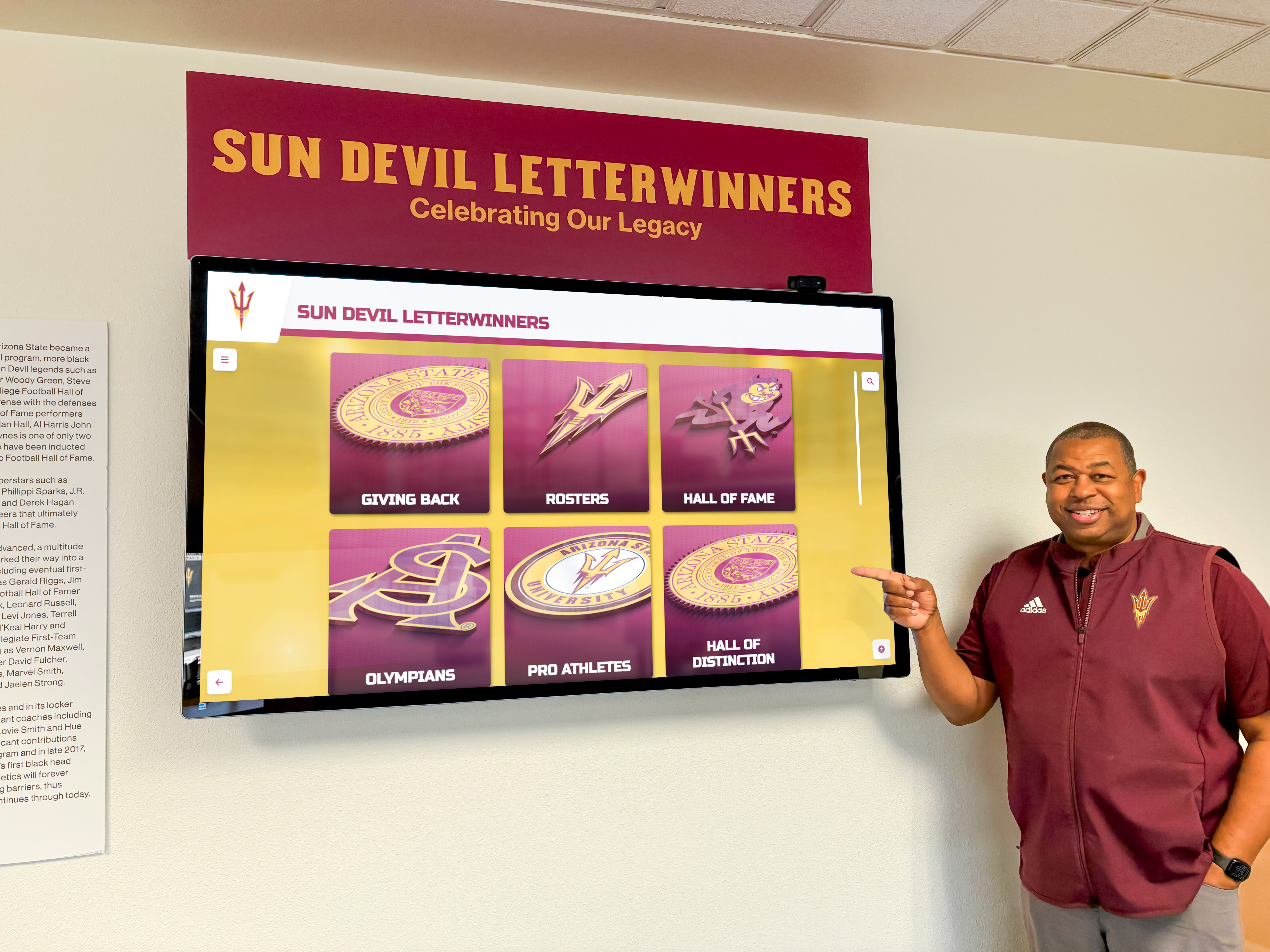
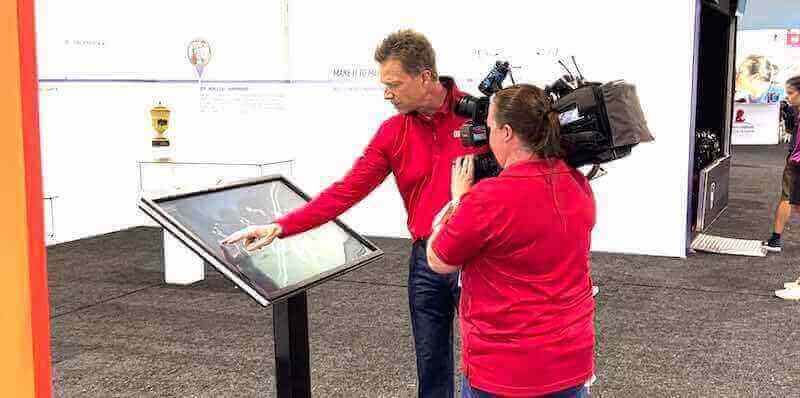
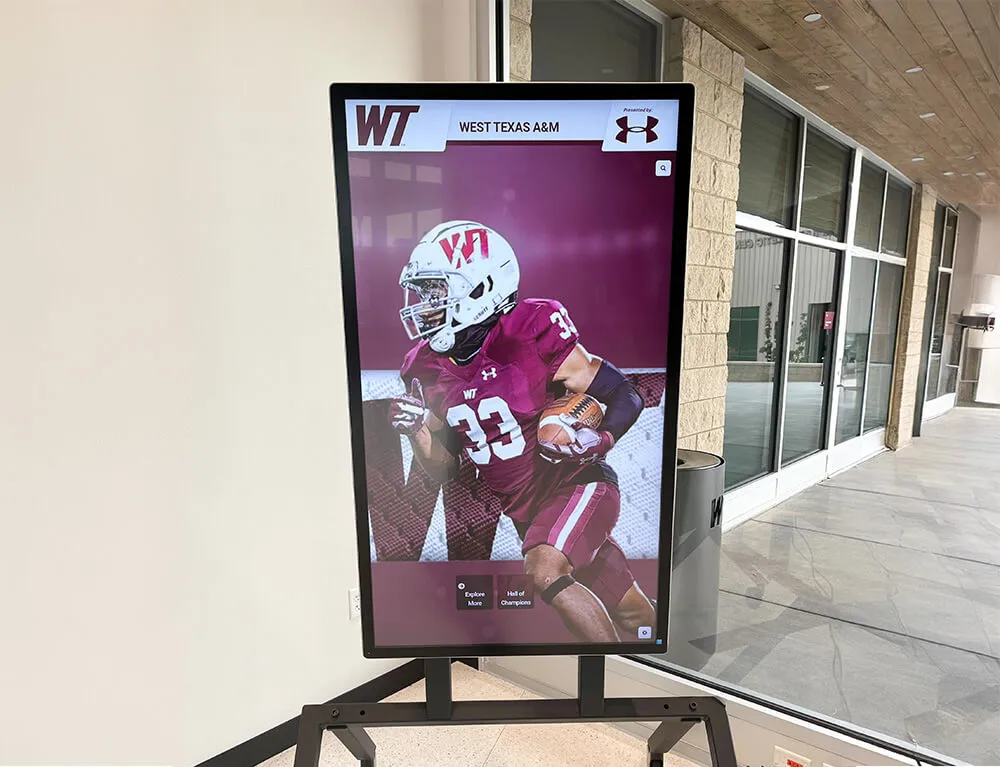
Interactive touchscreen systems let athletes, families, and alumni explore achievement records by sport, year, or name—extending the value of recognition far beyond a single hallway case
Displaying Medals for Specific Contexts
Running and Endurance Sports
Endurance athletes—runners, cyclists, triathletes, obstacle course racers—accumulate finisher medals faster than most other sports. A dedicated medal display rack designed for 25–50 medals, organized chronologically or by event type, accommodates collections that grow predictably year over year.
For athletes who have completed landmark events (Boston Marathon, Ironman, major cycling gran fondos), a standalone shadow box for the milestone medal alongside a rack for all other hardware gives appropriate hierarchy to the most significant achievements without overcrowding the landmark display.
Team Sport Medal Collections
Team sport medals from leagues, tournaments, and championships present a different organizational challenge: multiple athletes hold the same hardware from the same events. Institutional display of team medals typically focuses on representative hardware (one medal per team per event) organized chronologically within an athletic display case, with full team rosters documented in text or photography adjacent to the medal.
Digital systems handle team medal records more naturally—each athlete’s individual profile can reference every team-earned medal, allowing a single cross-country championship medal to appear in the records of every team member simultaneously.
Academic and Extracurricular Medals
Academic competition medals—state math olympiad, science fair, debate tournament, National Merit recognition, music festival awards—are frequently the most invisible recognition in school buildings. Athletic medals have decades of established display infrastructure. Academic medals often sit in teacher desk drawers or student backpacks.
Incorporating academic competition medals into the same display system used for athletic recognition signals institutional values clearly. When the college traditions and campus heritage that define institutional identity include academic achievement alongside athletic performance, recognition display systems should reflect that breadth.
Maintaining Medal Displays Over Time
Display installations require ongoing attention to remain effective. Neglected cases, outdated digital content, and missing current-season recognition all undermine the motivational purpose that medal displays serve.
Physical Display Maintenance
- Dust cases quarterly using microfiber cloths and glass-safe cleaners on case fronts
- Polish metal medals annually with appropriate metal cleaners to prevent tarnishing
- Update labeling when organizational systems change or new categories are added
- Review capacity annually and plan expansion before cases reach 100% capacity
Digital Display Maintenance
- Add new recipients immediately following banquets, ceremonies, or competition seasons
- Audit existing content annually for accuracy, removing outdated information
- Test touchscreen functionality monthly to identify hardware or software issues early
- Update athlete photos as new professional or team photography becomes available
Schools managing comprehensive recognition archives—including scanning historical medal records and yearbook documentation of past recipients—benefit from understanding how professional scanning services preserve school history in formats that integrate with digital recognition systems.
For programs with decades of physical records, the step-by-step process for digitizing historical school yearbooks and recognition records provides a practical framework for migrating legacy recognition data into digital display platforms.
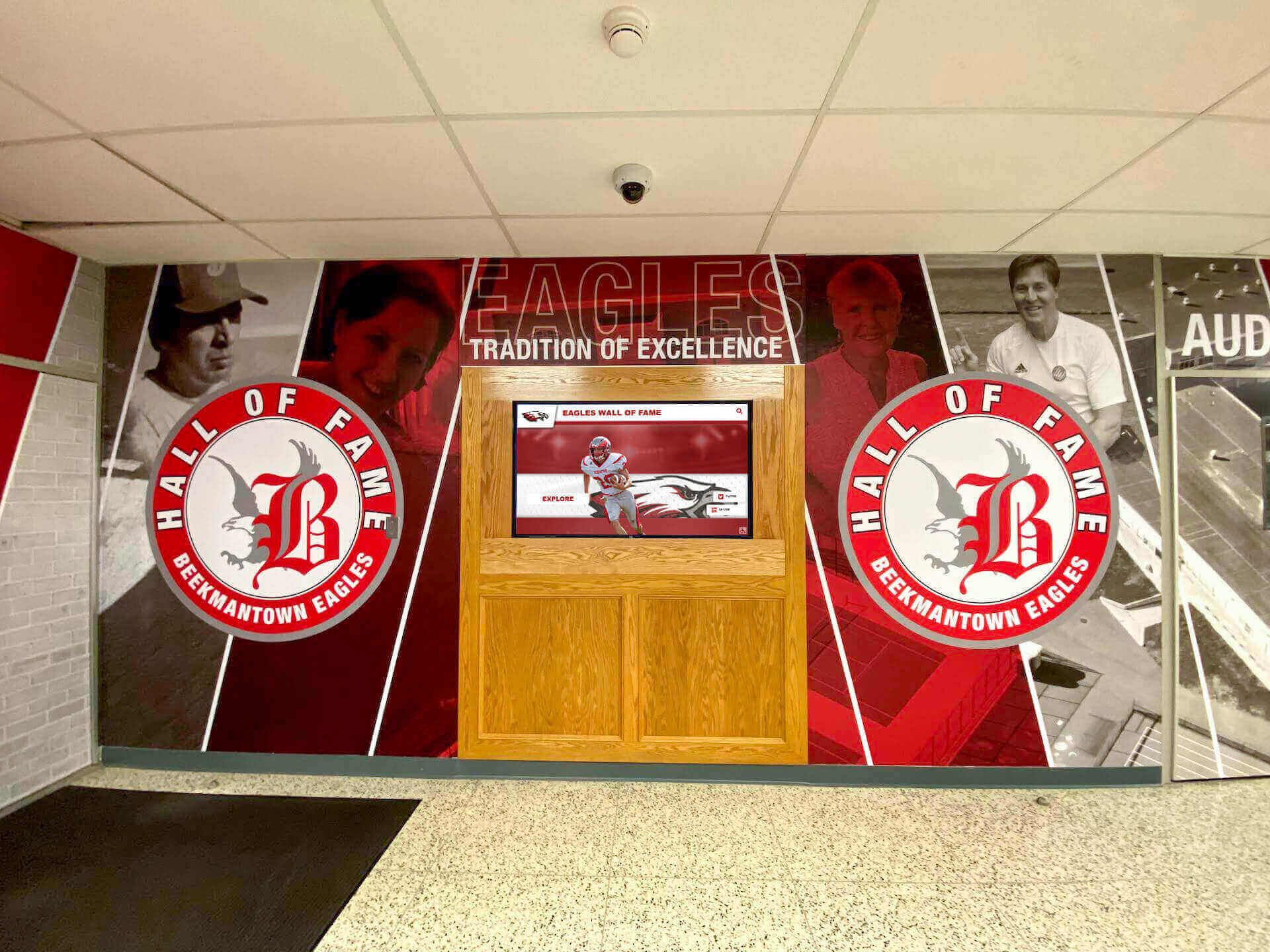
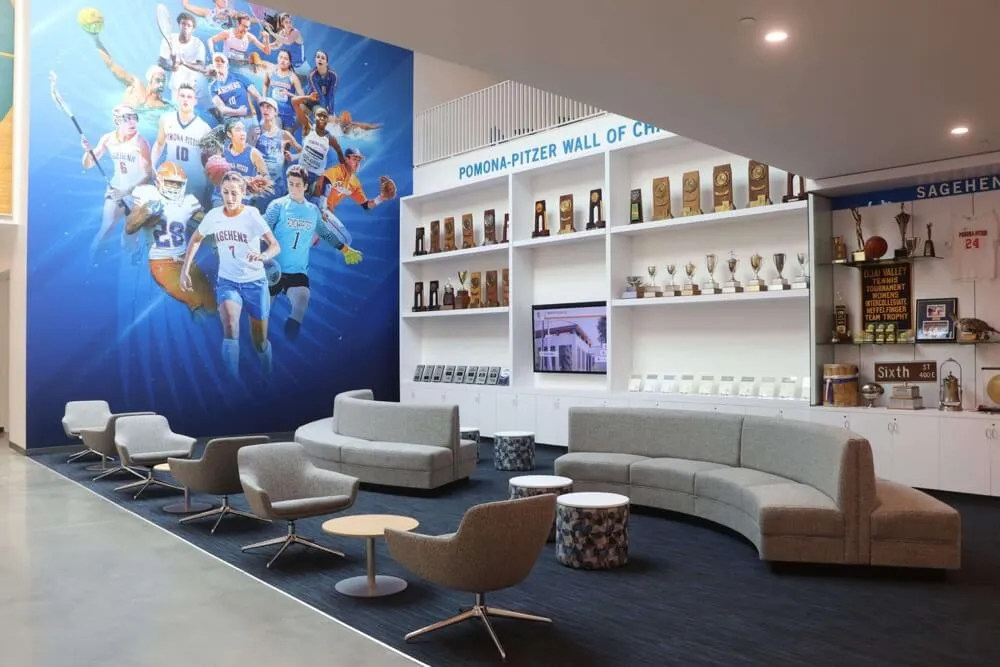
School lobby recognition installations that incorporate murals, signage, and display cases create cohesive environments celebrating program identity and individual achievement
Budget Planning for Medal Display Projects
Medal display investments range from under $50 for a basic wall rack to $30,000 or more for a comprehensive interactive recognition system. Most school athletic programs fall somewhere in the middle, combining modest physical display improvements with targeted digital additions.
Budget tiers for common scenarios:
Personal/home display — $30–$500 covers quality racks, shadow boxes, and basic lighting. Most athletes fully outfit a bedroom or home office display for under $200.
Single-sport school display upgrade — $800–$3,000 covers a quality floor-standing display case, interior lighting, and coordinated signage for one program area.
Multi-sport corridor display — $5,000–$20,000 covers multiple coordinated cases, custom signage, and coordinated mural or branding elements for an athletic corridor.
Interactive digital recognition system — $8,000–$40,000+ covers hardware, software, content development, and installation for a touchscreen recognition system. Annual platform licensing typically ranges from $1,200 to $4,800 depending on content volume and support level.
Programs connecting recognition investments to facility campaigns benefit from understanding how capital campaign strategies tie physical and digital recognition to donor engagement goals.
For school athletic programs exploring digital options alongside existing physical displays, the combination of a well-maintained trophy case for championship hardware and an interactive digital system for comprehensive athlete recognition delivers the highest value per dollar spent on display infrastructure.
FAQ: How to Display Medals
What is the best way to display medals at home?
The best approach depends on collection size. For 10–20 medals, a wall-mounted medal rack at eye level in a bedroom, office, or recreation room works well and keeps the collection visible. For collections exceeding 20–30 medals, a tiered multi-row rack or a combination of rack display and shadow boxes for significant medals provides better organization. For a single important medal (marathon finisher, championship award), a shadow box with race memorabilia creates a more meaningful display than a standard hook.
How do schools organize large medal collections for display?
Schools typically use a combination of traditional lighted display cases for championship and conference medals and digital interactive systems for comprehensive athlete and award records. Cases organized by sport and year handle physical hardware; digital platforms handle historical depth, searchability, and ongoing additions without space constraints. Programs with more than 10–15 years of medal history benefit most from digital supplements.
Can you display medals without drilling holes in walls?
Yes. Freestanding floor racks, door-hanging medal displays using over-door hooks, and freestanding display cases require no wall drilling. Some adhesive wall hooks rated for 5–10 pounds hold lighter medal collections on drywall without drilling, though these are less reliable for long-term installations or heavier hardware.
How do you display medals and ribbons together?
Shadow boxes are the most effective format for combining medals with ribbons, race bibs, photos, and certificates. Mount medals on the back panel using small hooks or adhesive strips, pin ribbons flat beside them, and add printed race details on small cards below each piece. For larger ribbon and medal collections, combination display boards with hanging hooks above and ribbon-mounting strips below keep both organized.
What’s the difference between a medal rack and a medal display case?
A medal rack is an open wall-mounted system of hooks or bars that holds medals in a visible, accessible arrangement—no glass, no enclosure. A display case is an enclosed cabinet with glass panels, typically lighted, that protects medals from dust and handling while providing visibility. Racks are easier to update and less expensive; cases provide more protection and a more formal appearance appropriate for institutional or high-value collections.
Displaying Medals That Last
Learning how to display medals is ultimately about deciding that the recognition matters enough to make it visible. A medal earned through months of training, a competitive season, or years of academic work represents something real—and the difference between keeping it in a box and putting it on a wall is the difference between a memory and an ongoing reminder.
For individuals, the right display comes down to collection size and available space. A quality rack or shadow box chosen thoughtfully will outlast the shelf lives of a dozen medals stuffed in a drawer.
For schools, the stakes are higher. Medal display is one of the most direct signals an institution sends about what it values. Programs that invest in comprehensive, accessible, current recognition systems—whether physical cases for championship hardware or interactive digital walls that document every athlete across every sport and season—create environments that motivate current athletes, engage alumni, and communicate institutional pride to every visitor who walks through the door.
Display Every Medal Your Program Has Ever Awarded
Rocket Alumni Solutions builds interactive touchscreen recognition walls for schools and athletic programs—so every medal, every athlete, and every championship is visible, searchable, and permanently honored. No more storage rooms. No more outdated cases.
Explore Recognition Display Solutions