



How to get recruited for college baseball requires strategic planning, consistent skill development, and proactive communication with college coaches—starting far earlier than most families realize. The recruiting process has evolved dramatically, with coaches now identifying prospects as early as freshman year while NCAA rule changes have compressed traditional timelines and shifted when official contact can begin.
Yet most talented high school baseball players approach recruiting reactively rather than strategically. They wait for coaches to discover them instead of actively marketing their abilities, rely solely on high school performance without showcasing skills to college programs, underestimate the importance of academic qualifications in securing scholarship opportunities, and fail to understand the different recruiting timelines across NCAA divisions and NAIA programs. Many families don’t realize that most roster spots are filled months before senior year, making early preparation absolutely critical.
This comprehensive guide walks you through the complete college baseball recruiting process—from freshman year preparation through signing day—providing actionable strategies for skill development, academic preparation, coach communication, showcase participation, and scholarship negotiation that maximize your opportunities to play baseball at the collegiate level.
The college baseball recruiting landscape is highly competitive, with approximately 500,000 high school baseball players competing for roughly 35,000 college roster spots across all divisions. Understanding the process, starting early, and executing a strategic recruiting plan dramatically increases your chances of finding the right college baseball opportunity matching your athletic ability, academic goals, and personal preferences.

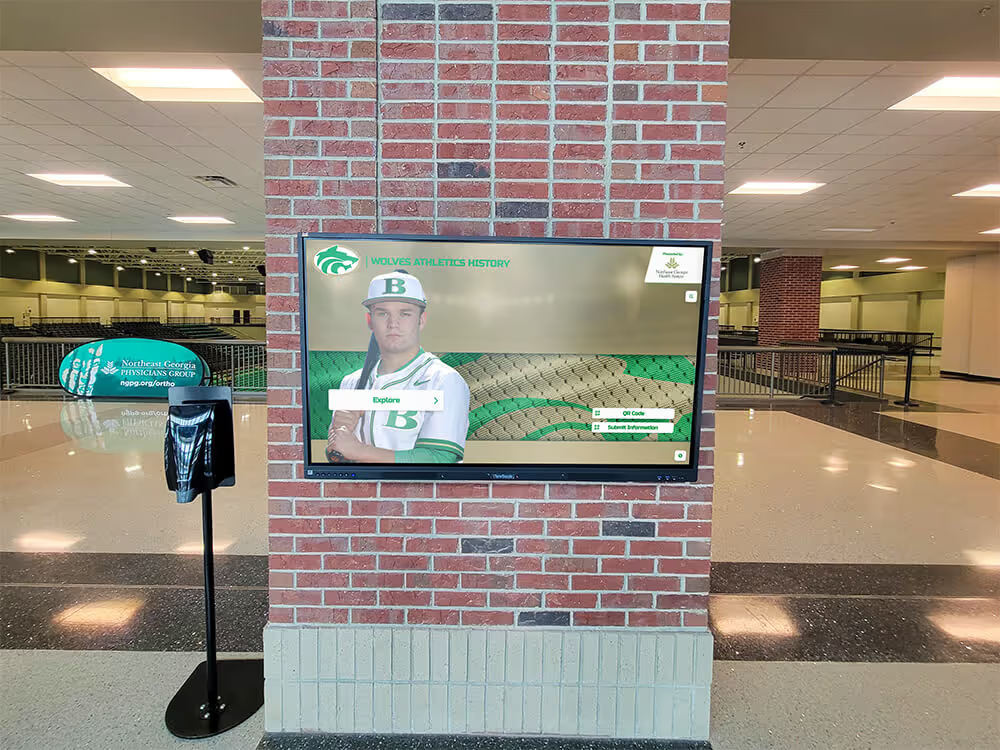
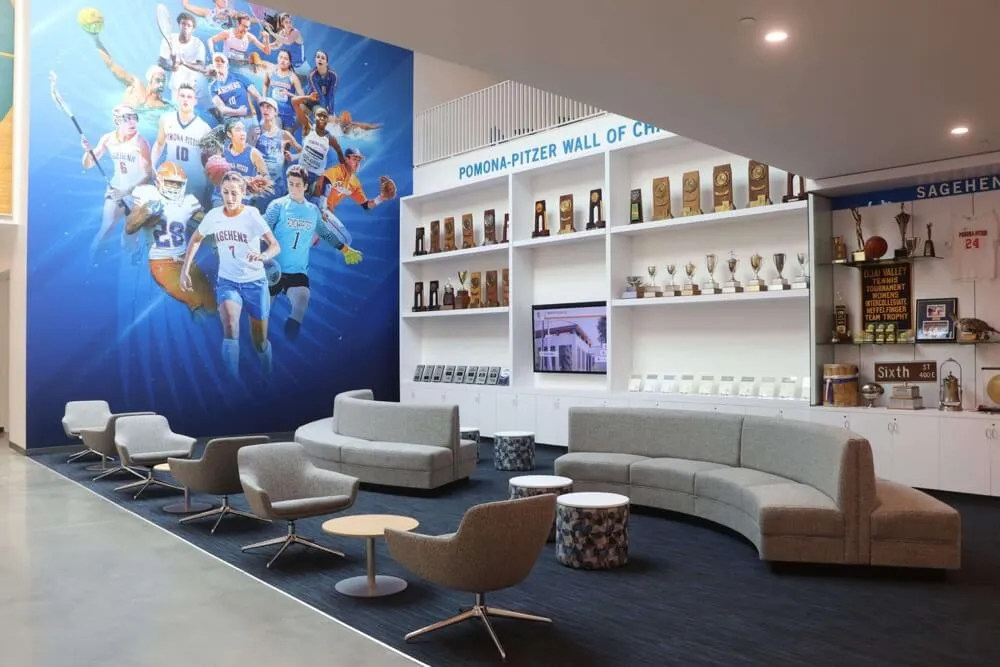
College baseball opportunities await players who strategically navigate the recruiting process and showcase their abilities effectively
Understanding College Baseball Recruiting Levels
Before developing your recruiting strategy, understanding the different levels of college baseball helps you target appropriate programs.
NCAA Division I Baseball
Division I represents the highest level of college baseball with significant athletic and time commitments:
Program Characteristics
- 299 Division I programs nationally
- Maximum 11.7 scholarships per team (partial scholarships typical)
- 35-player roster limits
- 56-game regular season schedules
- Extensive travel and time commitment
- Fall practice and competitive fall schedules
Typical Player Profile
- Elite high school varsity starter by sophomore year
- Summer travel ball at highest levels (Perfect Game, PG Showcases)
- 90+ mph fastball for pitchers (uncommitted recruits)
- Advanced hitting metrics (exit velocity 90+ mph)
- Strong academic credentials (minimum NCAA eligibility standards)
- National or regional tournament experience
Recruiting Timeline
- Coaches identify prospects as early as freshman/sophomore year
- Verbal commitments common during junior year (or earlier)
- Official visits senior year after September 1
- Most roster spots filled before senior season begins
NCAA Division II Baseball
Division II offers competitive baseball with more balanced athletic-academic experience:
Program Characteristics
- 267 Division II programs
- 9.0 maximum scholarships per team
- Smaller roster sizes than Division I
- Competitive regional conferences
- More geographic recruiting focus
- Balance of athletics and campus life
Typical Player Profile
- Strong high school varsity starter
- Travel ball experience at competitive levels
- Solid fundamental skills across positions
- Academic performance meeting NCAA standards
- Pitchers: mid-80s fastball velocity
- Position players: consistent hitting and defensive ability
Recruiting Advantages
- Potentially larger scholarship percentages (fewer players splitting money)
- More opportunities for playing time as underclassman
- Strong baseball programs without extreme time demands
- Geographic proximity options for many recruits
Learn about comprehensive athletic recognition supporting recruiting success in creating collegiate experience high school athletes.
NCAA Division III Baseball
Division III emphasizes student-athlete experience without athletic scholarships:
Program Characteristics
- 389 Division III programs (most college baseball programs)
- No athletic scholarships (academic and need-based financial aid available)
- Shorter seasons than Division I/II
- Strong academic institutions
- Emphasis on well-rounded college experience
- Regional competition focus
Recruiting Considerations
- Academic credentials extremely important
- Need-based financial aid packages can rival scholarship offers
- Playing time opportunities often greater
- Geographic flexibility less constrained by scholarship budgets
- Strong programs at prestigious academic institutions
- Roster spots available later in recruiting timeline
Ideal For
- Players valuing academics equally with athletics
- Students attending highly selective academic institutions
- Athletes seeking balance between baseball and other interests
- Families prioritizing need-based financial aid
- Players developing later physically
NAIA and Junior College Baseball
Alternative pathways offer different advantages:
NAIA Baseball
- 190+ programs with up to 12 scholarships per team
- More flexible academic requirements than NCAA
- Quality baseball competition
- Often smaller schools with tight-knit communities
- Potentially larger scholarship percentages
- Less restrictive recruiting calendar
Junior College Baseball
- Two-year development pathway
- Opportunity to improve academics and skills
- Showcase abilities for NCAA recruitment
- Immediate playing time opportunities
- Lower initial cost
- Transfer pathways to four-year programs
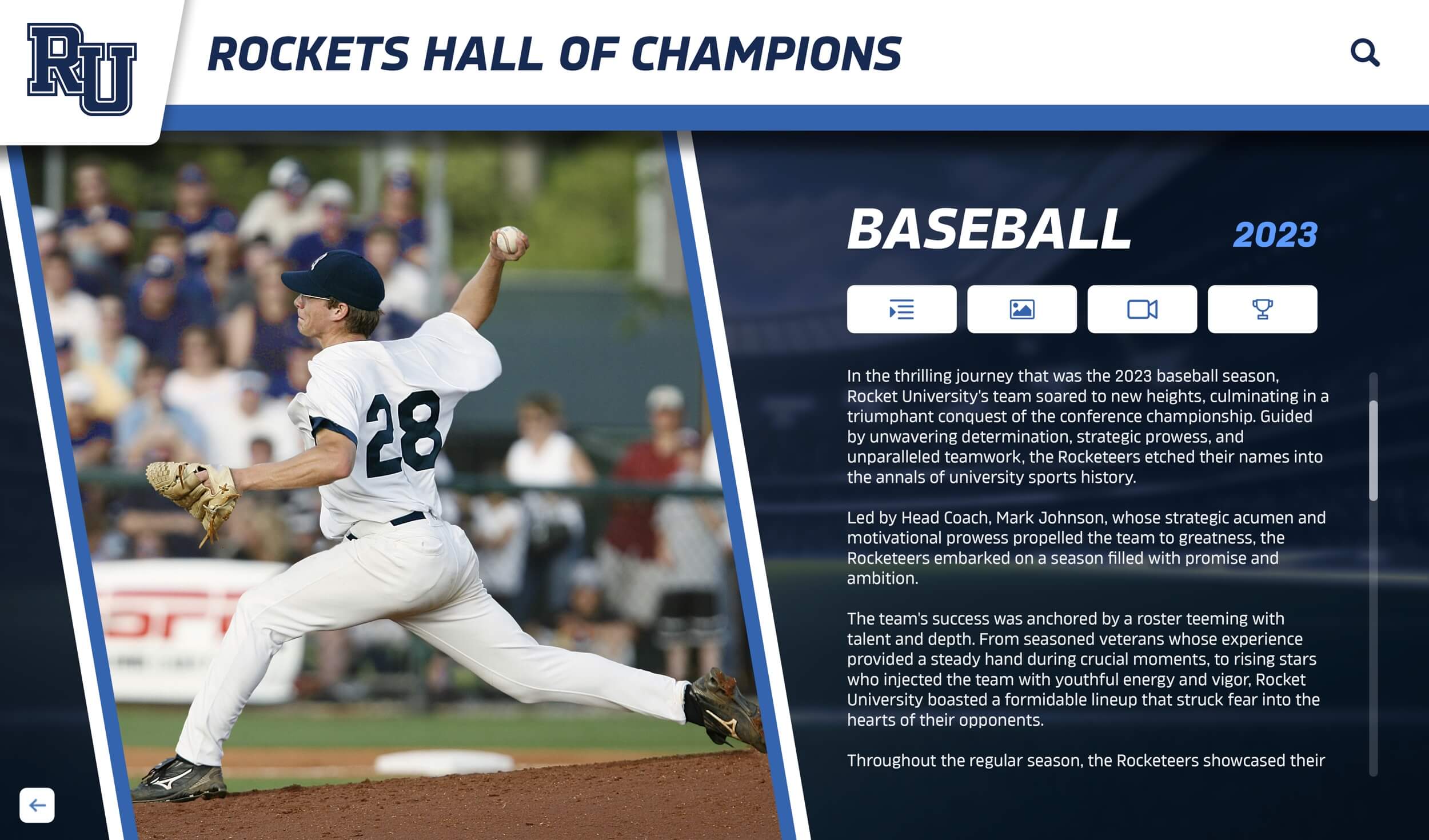
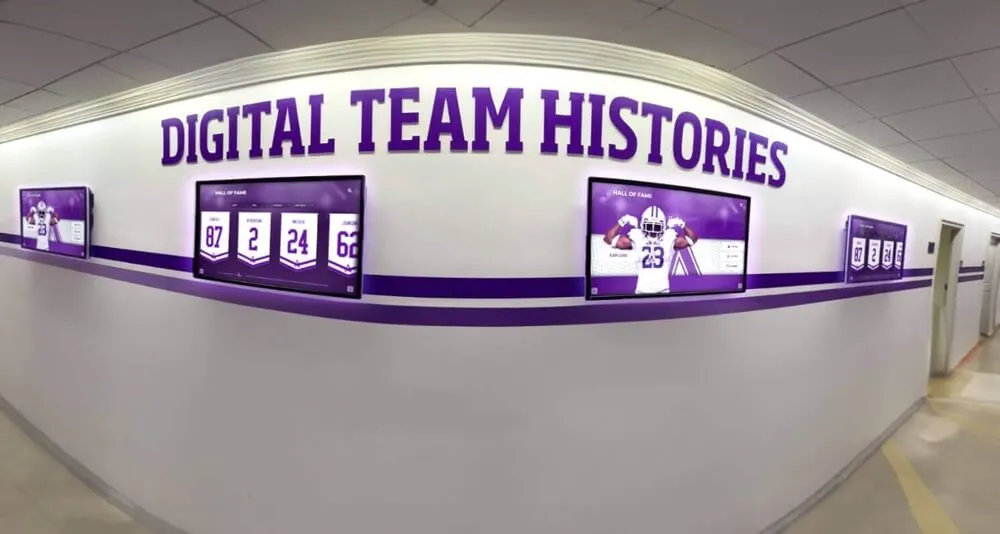
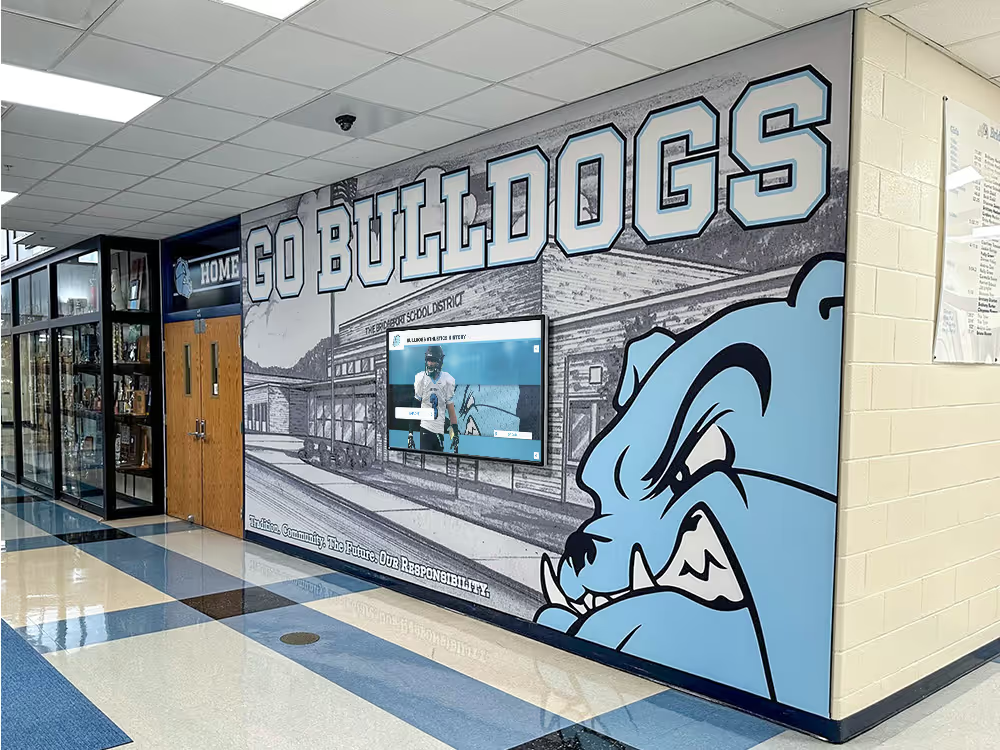
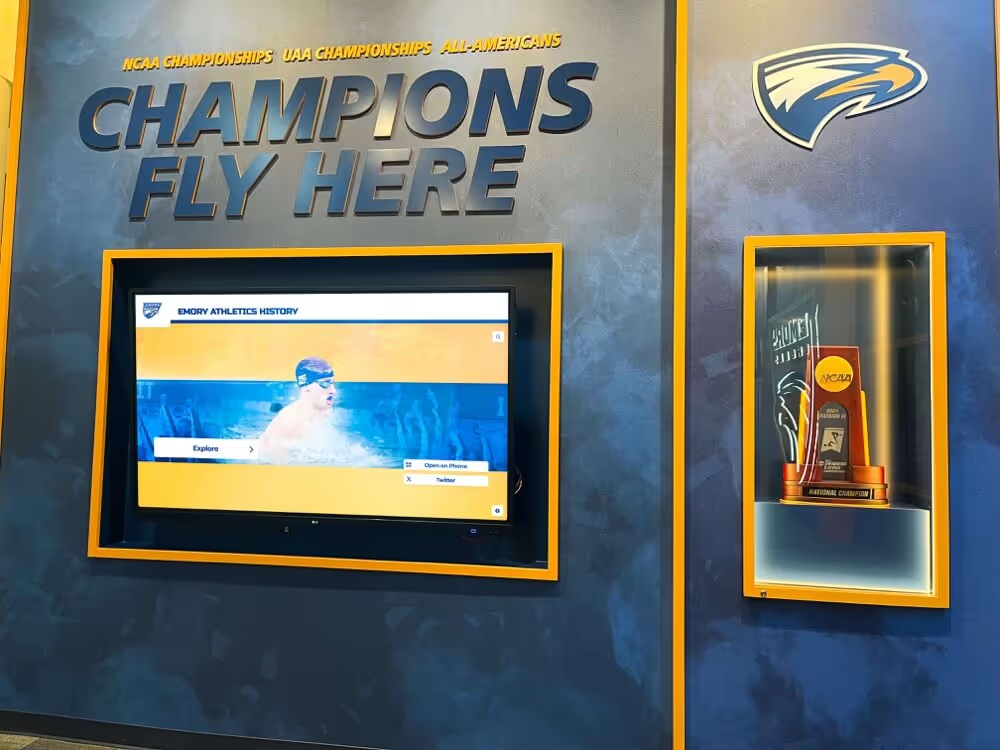
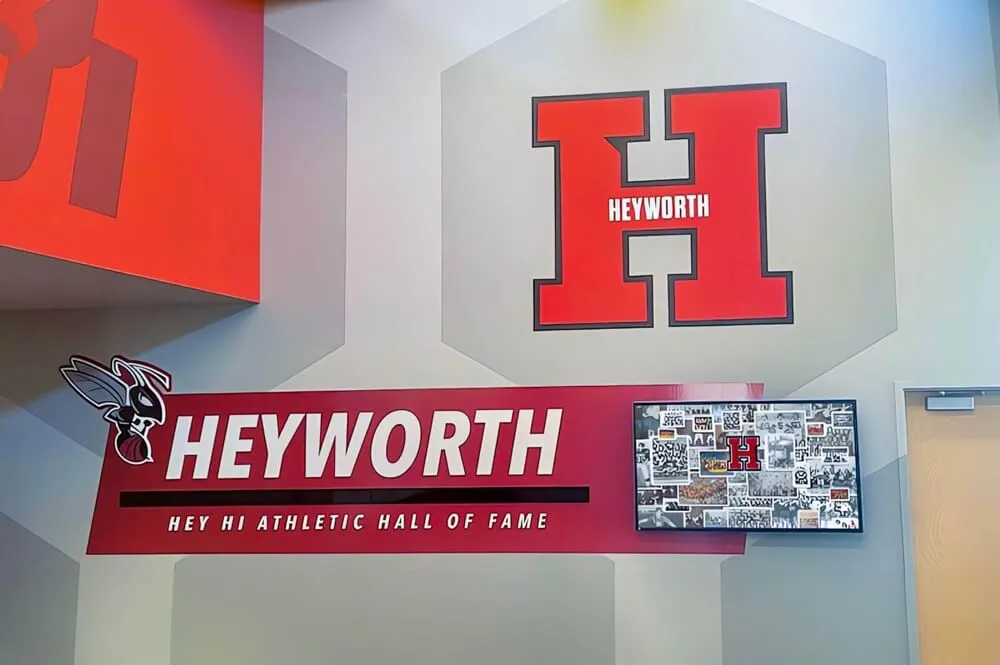
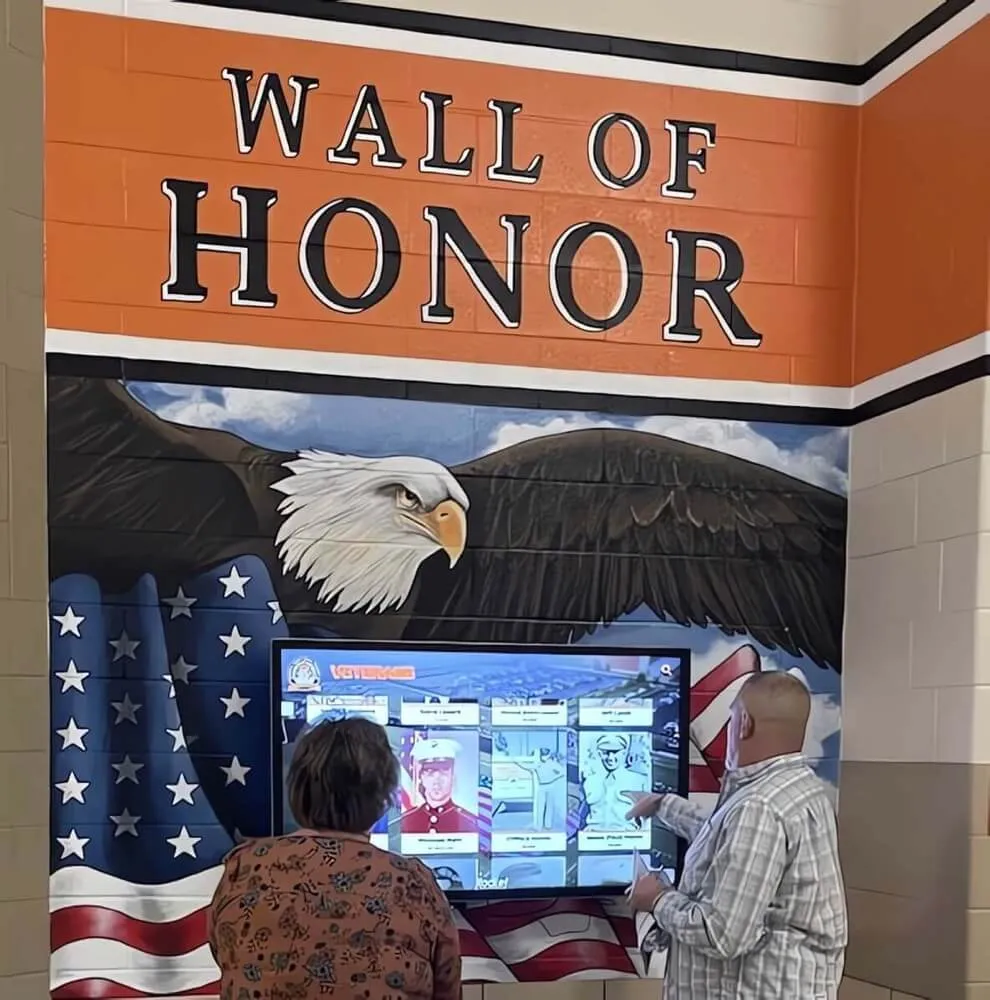
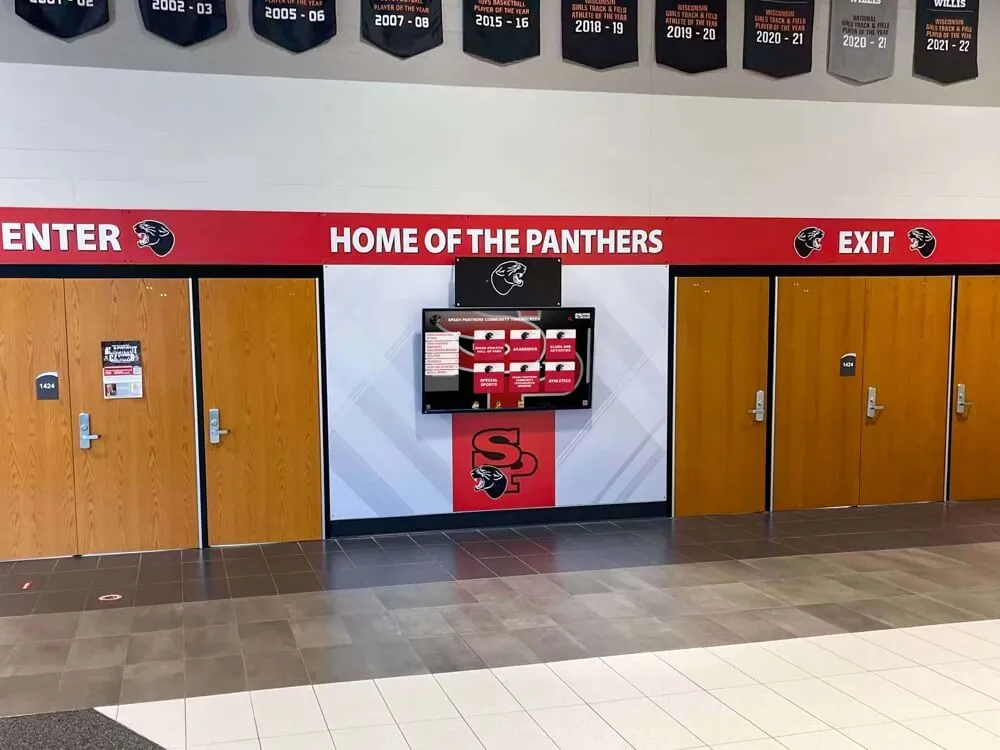
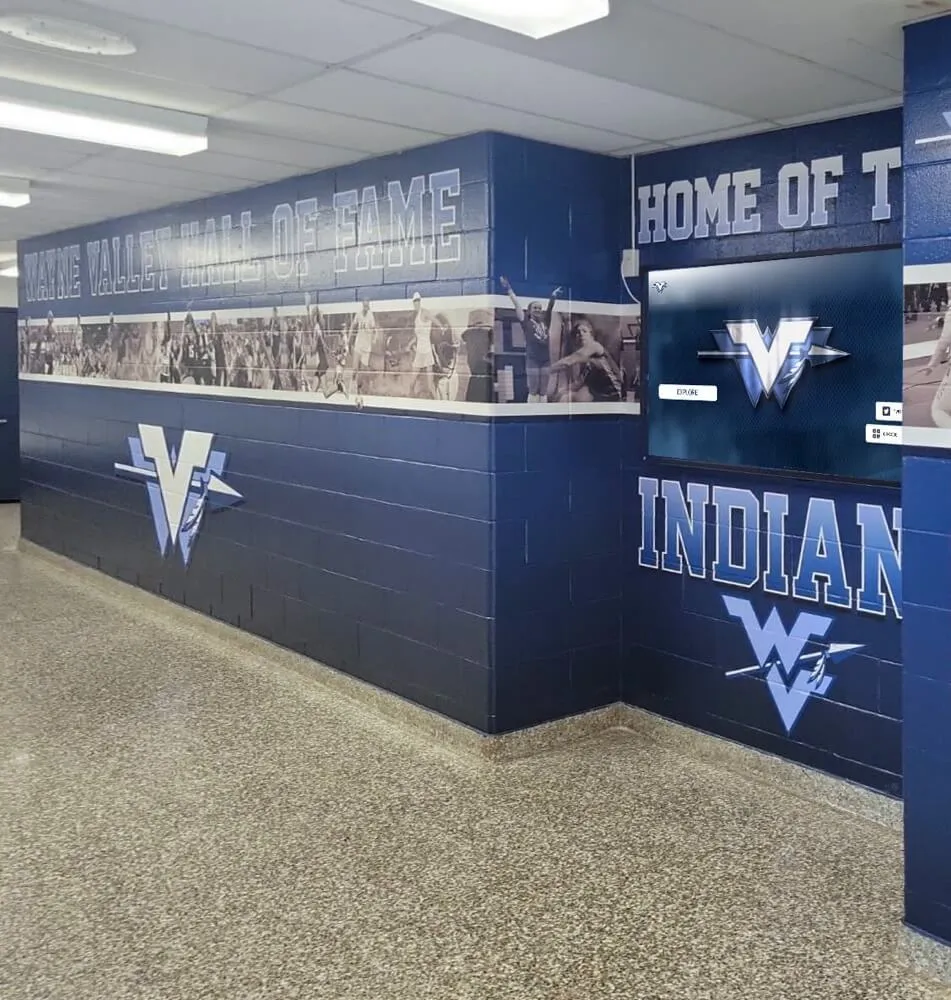
Recognition of athletic achievement builds recruiting profiles and demonstrates program commitment to excellence
Building Your Recruiting Foundation (Freshman-Sophomore Year)
Successful recruiting begins years before official contact is permitted.
Skill Development Priorities
Focus on fundamental skill development before specialization:
Hitting Development
- Professional-quality swing mechanics instruction
- Regular batting practice and live at-bats
- Exit velocity development and tracking
- Situational hitting skills
- Consistent approach across counts
- Mental approach and plate discipline
Pitching Development
- Velocity development through proper mechanics
- Multiple pitch arsenal (fastball command first)
- Arm care and injury prevention protocols
- Understanding pitch sequencing
- Mental toughness and composure
- Bullpen routine and preparation
Position-Specific Skills
- Advanced defensive fundamentals
- Footwork and positioning excellence
- Arm strength and accuracy development
- Game-situation decision making
- Position versatility when possible
- Leadership and communication skills
Speed and Athleticism
- Sprint speed development (60-yard dash times)
- Base-running technique and instincts
- Agility and quick-twitch training
- Overall strength and conditioning
- Flexibility and injury prevention
- Sport-specific athletic development
Academic Foundation
College coaches evaluate academic credentials alongside athletic ability:
Academic Standards by Division
NCAA Division I/II Requirements:
- Minimum 2.3 GPA in core courses (Division I) or 2.2 (Division II)
- 16 core courses including English, math, science, social studies
- SAT/ACT scores on sliding scale with GPA
- NCAA Eligibility Center registration and certification
- Graduating on time with diploma
Division III and NAIA:
- High school diploma or equivalent
- Individual institution admissions standards
- Often more flexible than NCAA Division I/II
- Academic merit scholarships available
Proactive Academic Strategies
- Take challenging courses demonstrating college readiness
- Maintain strong GPA from freshman year forward
- Prepare for standardized tests with practice and tutoring
- Register with NCAA Eligibility Center during junior year
- Understand core course requirements and plan accordingly
- Build relationship with guidance counselor for transcript management
According to NCAA research, student-athletes with GPAs above 3.5 receive scholarship offers at rates 40-50% higher than those with minimum academic qualifications, as academic credentials expand recruiting options and increase scholarship leverage.
Summer Baseball and Showcase Participation
Summer travel ball provides essential recruiting exposure:
Selecting Travel Organizations
- Reputation with college coaches
- Tournament schedule and competition level
- Coaching quality and player development focus
- College connections and recruiting support
- Cost and time commitment
- Team culture and player fit
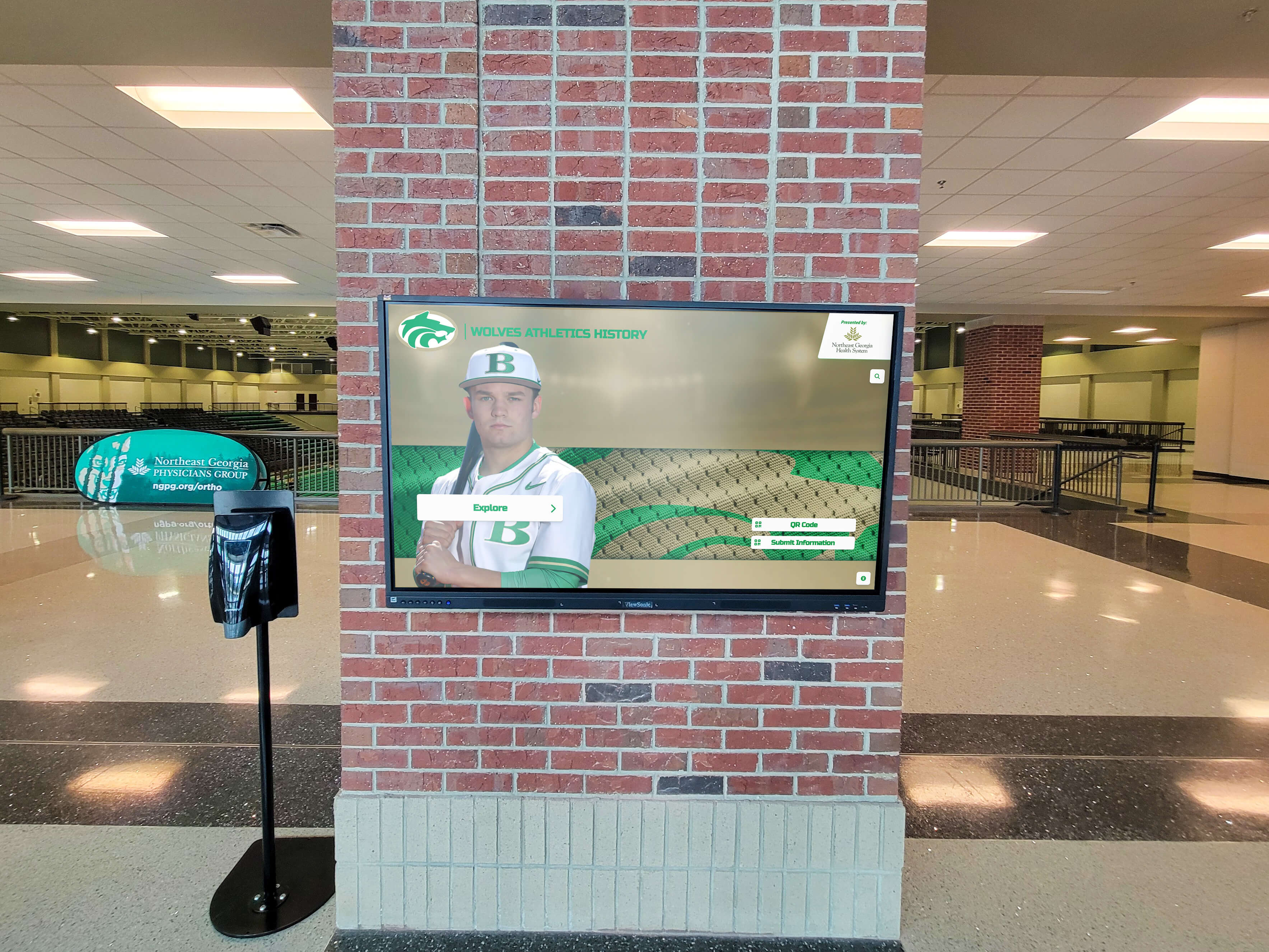
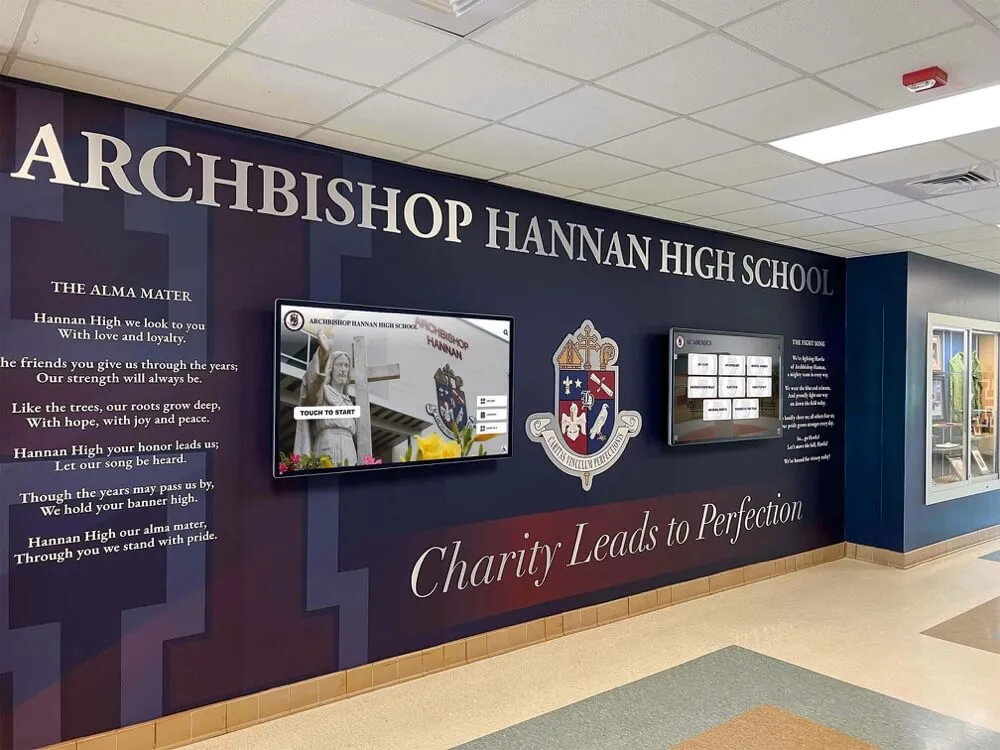
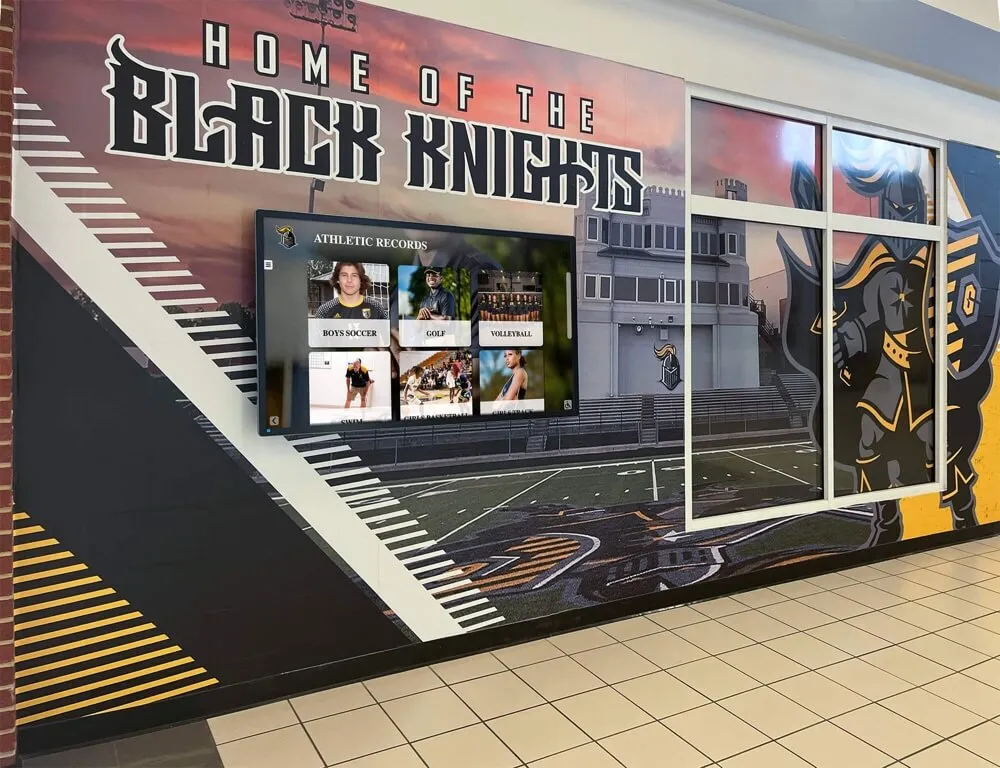
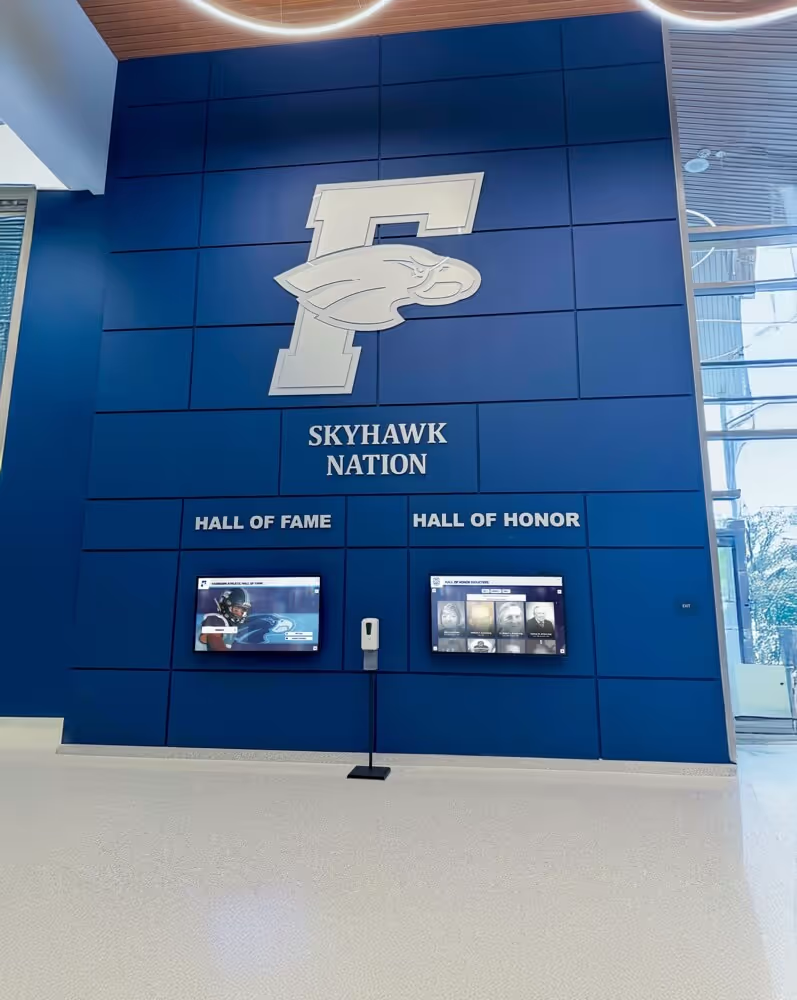
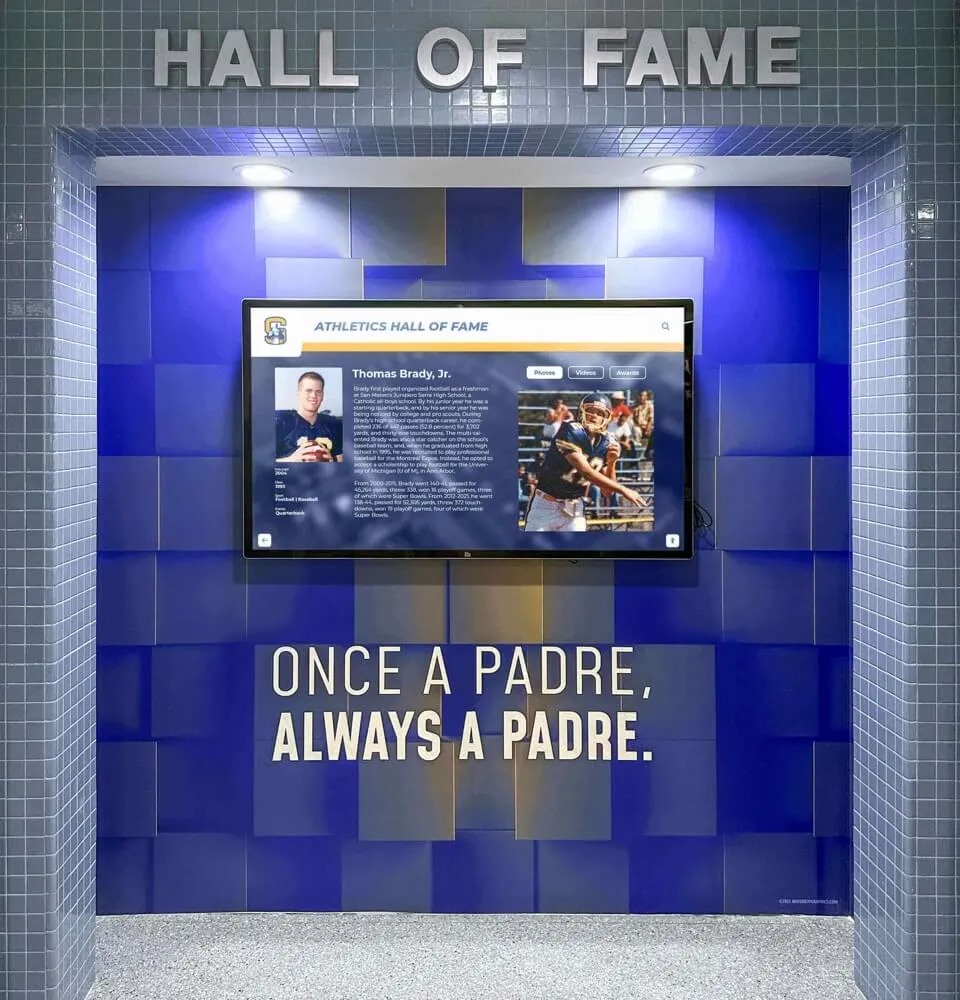
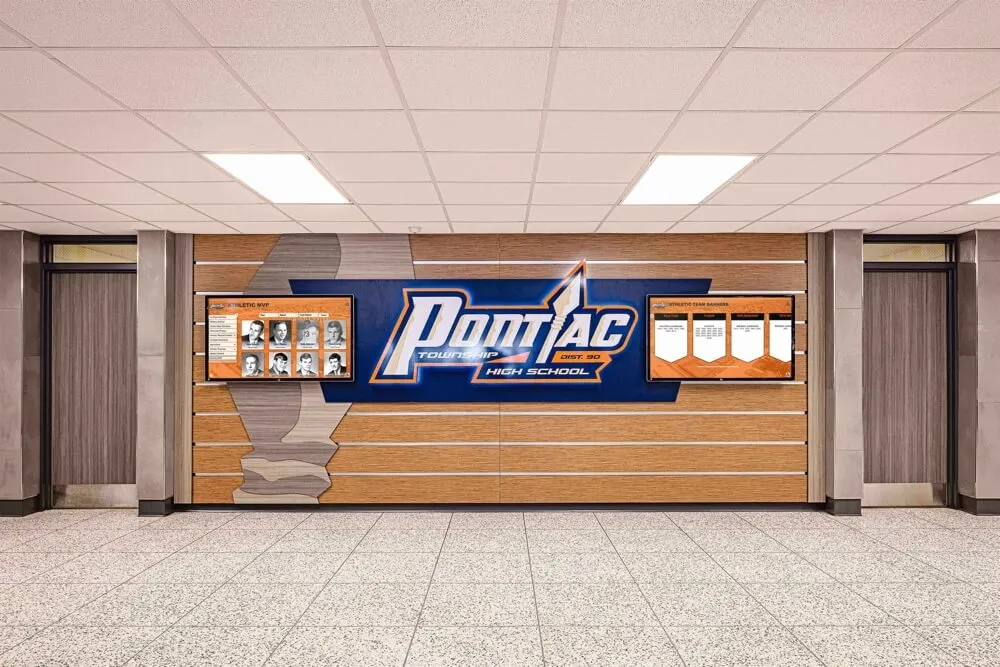
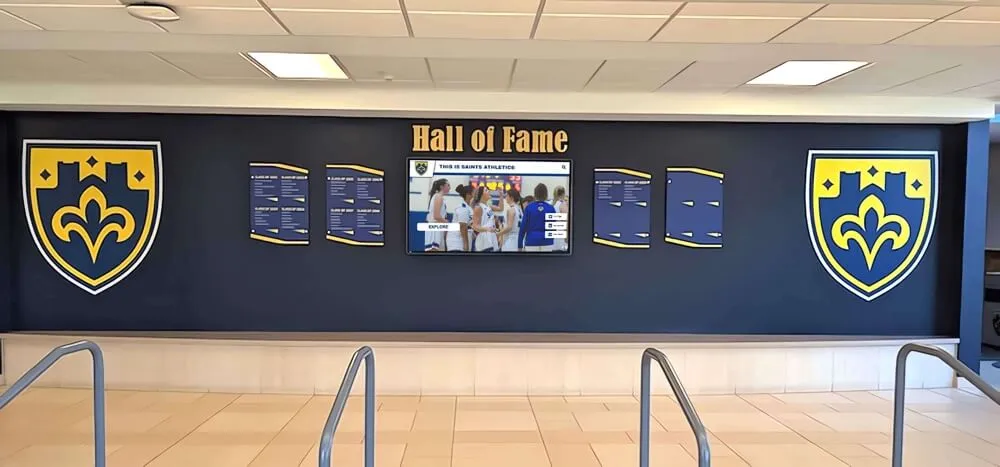
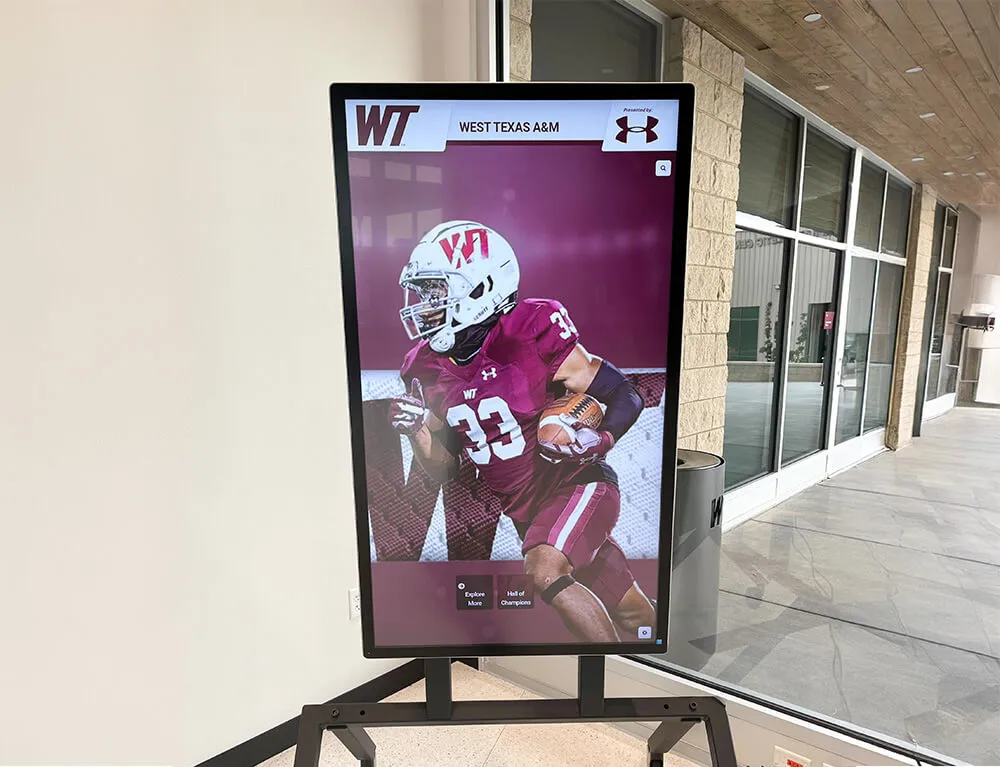
Institutional displays celebrating athletic achievement demonstrate program commitment that attracts recruits
Showcase Strategy
- Start with local/regional showcases freshman-sophomore year
- Progress to national showcases (Perfect Game, Prep Baseball Report) as skills develop
- Target showcases attended by coaches from schools of interest
- Prepare specifically for measurables (60-yard dash, exit velocity, throwing velocity)
- Understand showcase format and maximize performance opportunities
- Balance showcase participation with skill development
Timing and Frequency
- Freshman/sophomore: 1-2 showcases annually plus travel ball
- Junior year: 3-4 targeted showcases plus competitive summer ball
- Senior year: Limited additional showcases unless improving measurables
- Avoid showcase overload at expense of skill development
- Focus on quality events over quantity
Creating Your Recruiting Profile and Video
College coaches need accessible information about your abilities and character.
Building Comprehensive Highlight Videos
Video represents your first impression with many college coaches:
Hitting Video Components (2-3 minutes maximum)
- 10-15 best swings showing various pitch locations
- Mix of line drives, power, opposite field hits
- Game at-bats demonstrating situational hitting
- Practice swings showing swing mechanics from multiple angles
- Exit velocity data if available (shown on screen)
- Include player name, graduation year, position, contact information
Pitching Video Requirements (3-4 minutes maximum)
- Delivery from stretch and windup (side view and behind view)
- Each pitch type demonstrated (8-10 pitches each)
- Velocity shown for each pitch when possible
- Game footage showing composure and command
- Different counts and situations
- Include measurables: height, weight, throwing velocity, pitch types
Defensive Video (2-3 minutes)
- Position-specific skills (fielding, throwing, footwork)
- Game situations demonstrating range and arm
- Multiple angles showing mechanics
- Double plays, tags, difficult plays
- 60-yard dash time and throwing velocity if available
Video Production Quality
- High-quality camera (modern smartphone sufficient)
- Stable footage (tripod essential)
- Clear audio or background music (no distracting noise)
- Professional editing removing dead time
- Clear text labels with information
- Upload to YouTube or similar platform for easy sharing
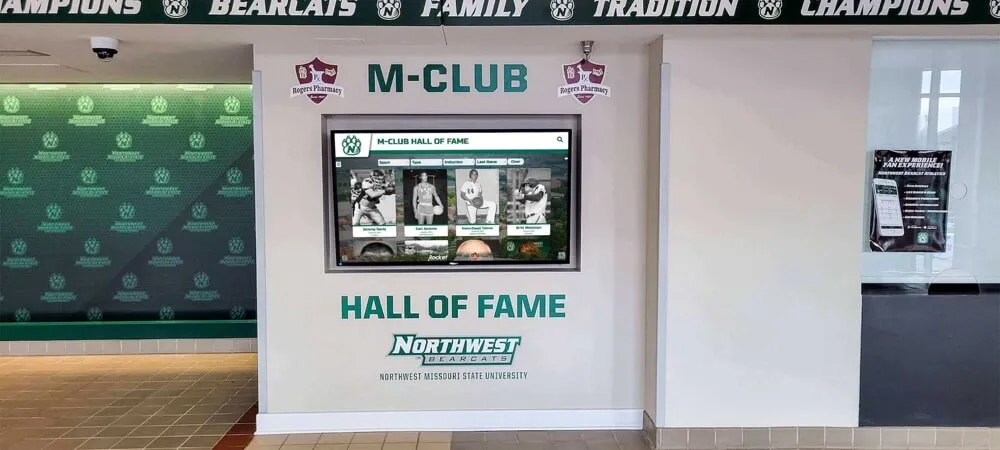
Explore how schools showcase athletic achievement in digital athletic recognition programs.
Online Recruiting Profiles
Centralized profiles make information accessible to coaches:
Platform Options
- Perfect Game profile (most widely used for baseball)
- Prep Baseball Report
- FieldLevel
- NCSA Athletic Recruiting
- BeRecruited
- Sport-specific recruiting services
Profile Essential Information
- Academic information (GPA, test scores, graduation year)
- Athletic measurables (height, weight, position)
- Performance metrics (velocity, 60-time, exit velocity)
- High school and summer team information
- Tournament schedule and availability
- Contact information for you and coaches
- Links to video content
Keeping Profiles Current
- Update after each showcase with new measurables
- Add recent video as skills improve
- Update academic information (test scores, GPA)
- Maintain current tournament schedule
- Add awards and recognitions earned
- Respond promptly to coach inquiries
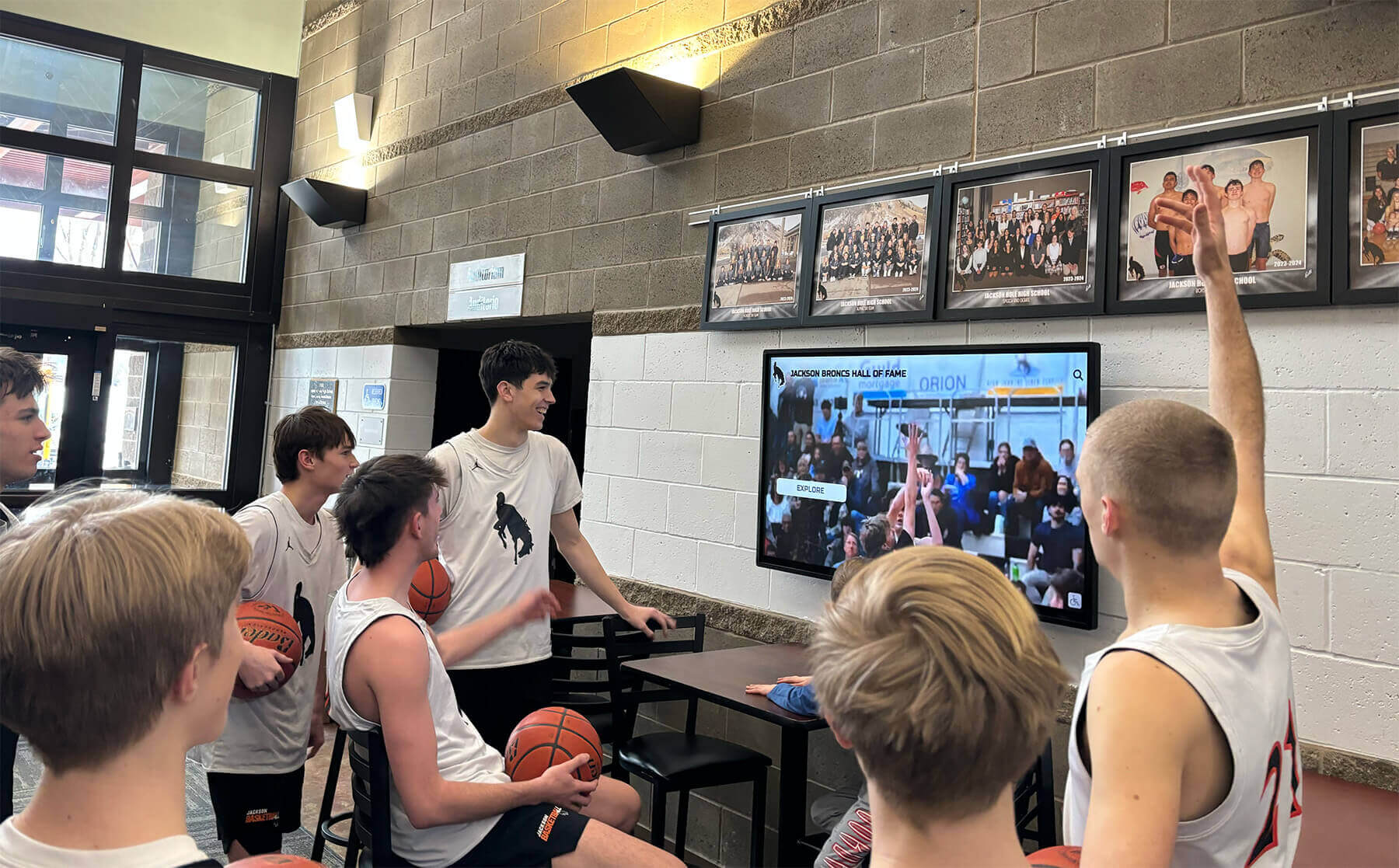
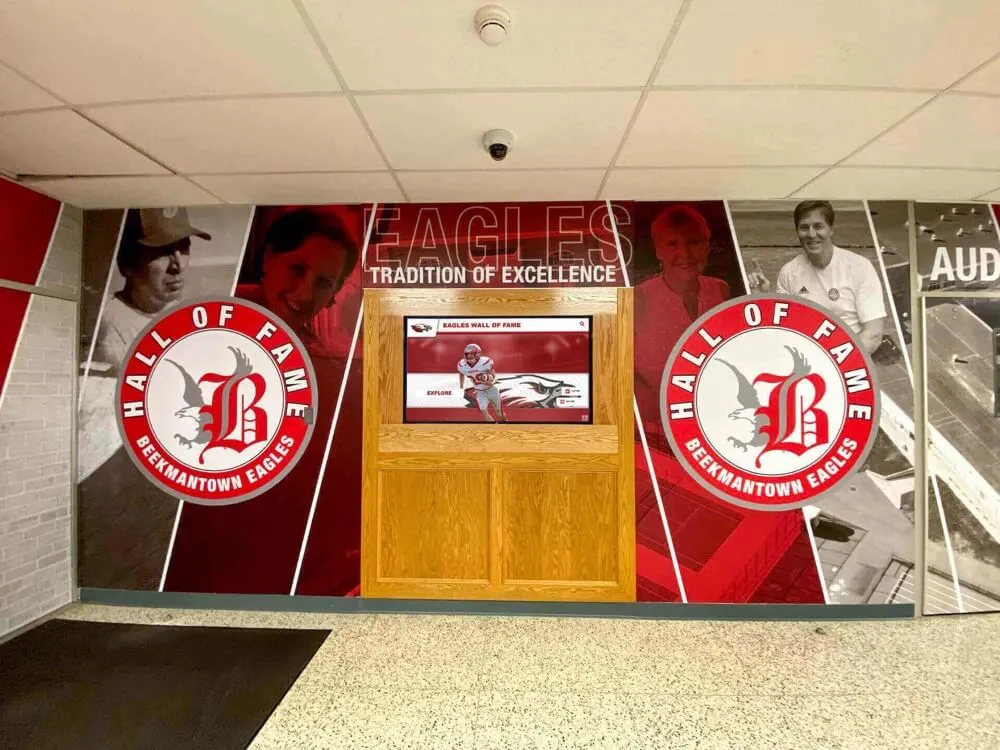
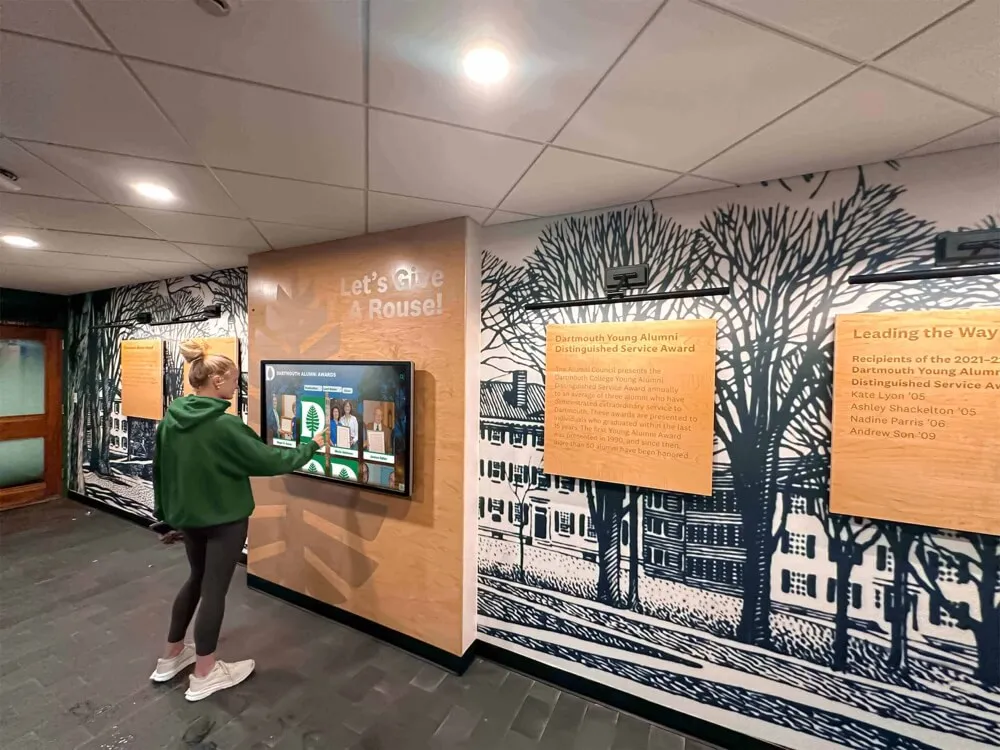
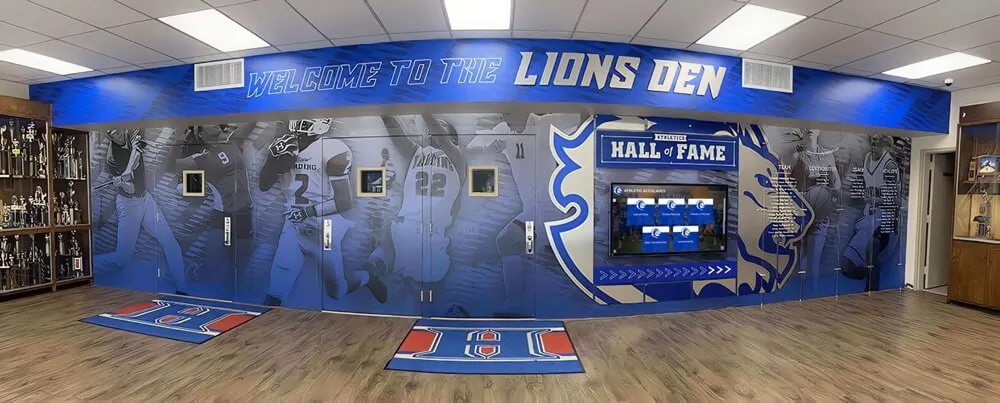
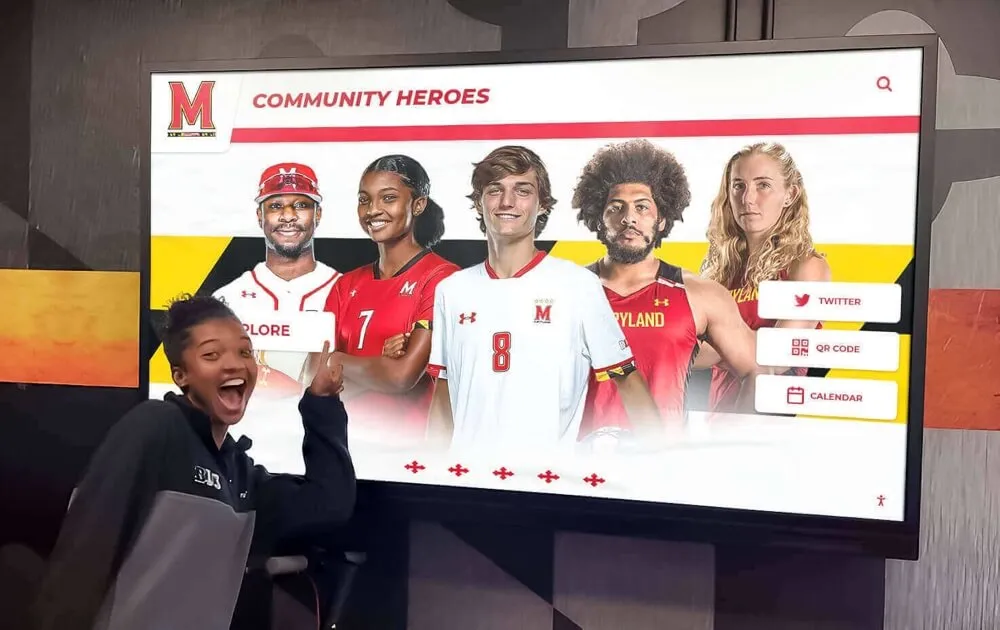
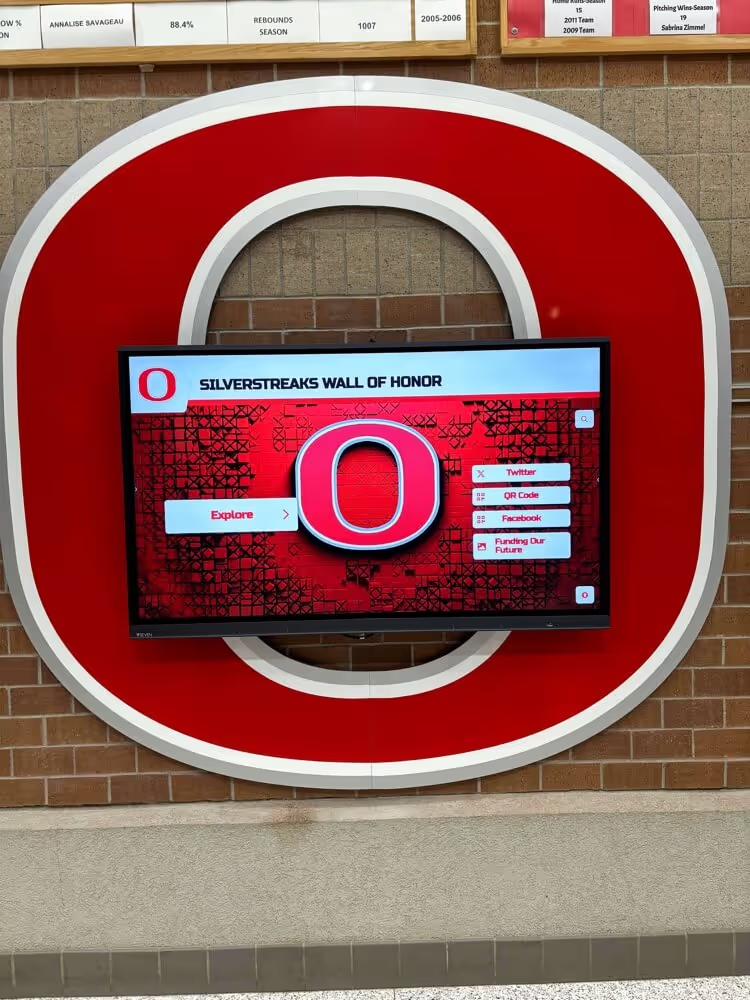
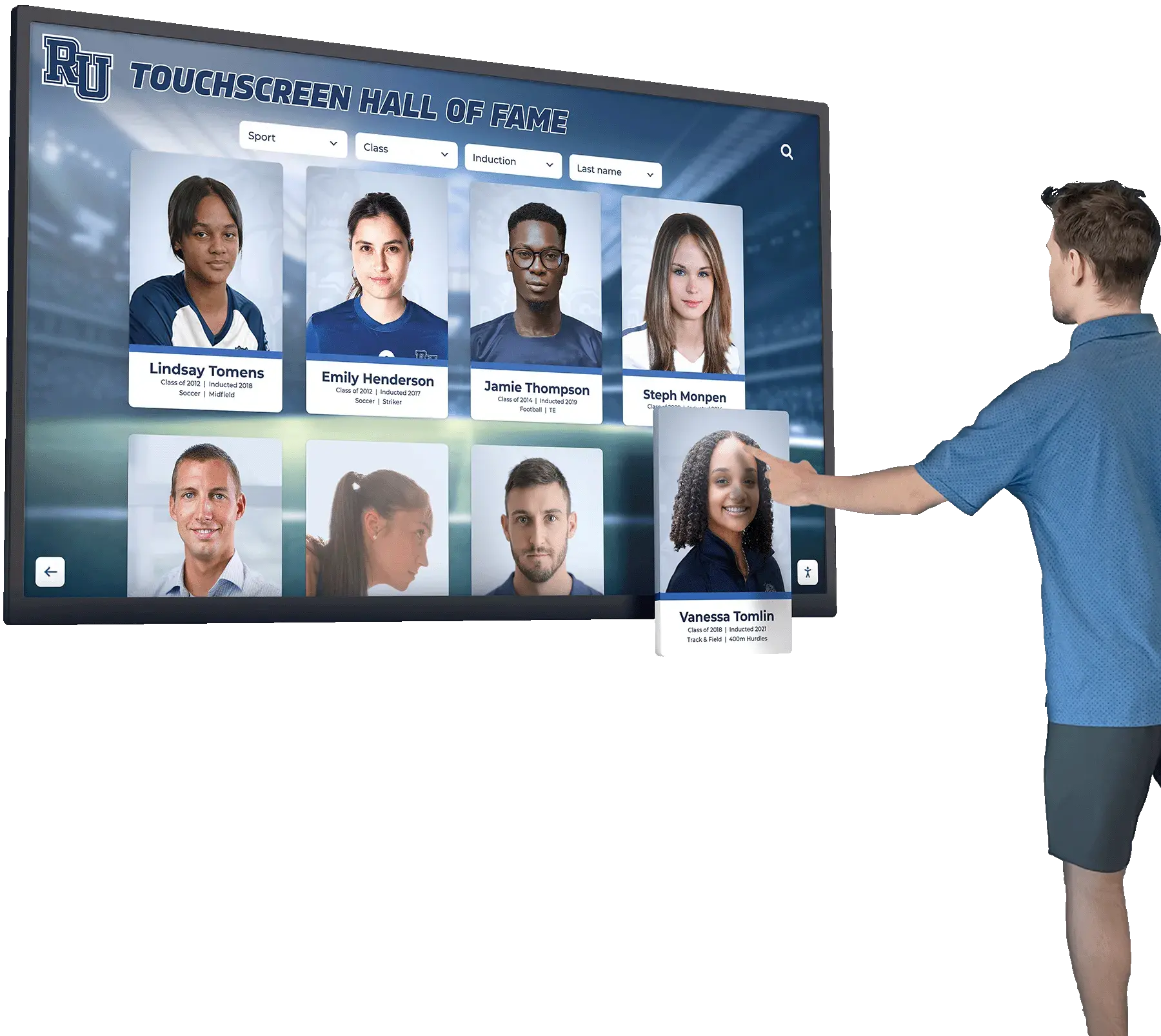
Modern recognition displays showcase player achievements that build recruiting interest and program visibility
Proactive Communication with College Coaches (Junior Year)
Direct outreach to college coaches is essential in the recruiting process.
Understanding NCAA Recruiting Rules
Contact rules vary significantly by division and date:
NCAA Division I Baseball Contact Rules
- Coaches can send recruiting materials beginning June 15 after sophomore year
- Phone calls permitted beginning June 15 after junior year
- Official visits allowed beginning senior year (August 1 or later)
- Unlimited unofficial visits anytime (student-initiated, self-funded)
- Email and text communication permitted with restrictions
Division II, III, and NAIA Rules
- Generally more flexible contact rules
- Earlier phone contact often permitted
- Unofficial visit rules similar across divisions
- Individual institution admissions timelines important
- Check current NCAA regulations as rules change
What You Can Do Anytime
- Email coaches with your information
- Attend camps at schools of interest
- Take unofficial visits (self-funded)
- Submit recruiting questionnaires
- Update coaches on your progress
- Respond to all coach communications promptly
Crafting Effective Initial Contact Emails
Your first email to college coaches requires strategic approach:
Email Structure and Content
Subject Line: [Graduation Year] [Position] [Your Name] - [Summer Team/High School]

Dear Coach [Last Name],

[Opening paragraph: Express specific interest in their program with 2-3
reasons why - mention recent team achievements, academic programs,
coaching philosophy, campus visit, etc.]

[Second paragraph: Brief athletic summary including position(s),
current team information, key measurables, and notable achievements]

Current Measurables:
• Position: [Primary position and secondary if applicable]
• Grad Year: [Year]
• Height/Weight: [Ht/Wt]
• [Position-specific metrics: velocity, 60-time, exit velocity, etc.]
• GPA: [X.XX] | SAT/ACT: [Score if taken]

[Third paragraph: Upcoming opportunity to see you play - specific
tournament, showcase, or game with date, location, and schedule]

I have created a highlight video and recruiting profile available here:
[Links to video and online profile]

[Closing: Thank coach for their time, express interest in learning more
about their program, provide contact information]

Sincerely,
[Your Full Name]
[Phone Number]
[Email Address]
[High School Name, Graduation Year]
Email Best Practices
- Personalize each email (no mass generic templates)
- Keep concise (250-350 words maximum)
- Professional tone and perfect spelling/grammar
- Provide specific details enabling coach to evaluate fit
- Make it easy for coach to see you play
- Include links rather than attachments
- Send from your email (not parent email)
- Follow up appropriately without being pushy
Building Genuine Relationships
Recruiting relationships extend beyond transactional communication:
Relationship Development Strategies
- Attend prospect camps at schools of genuine interest
- Take unofficial visits engaging authentically with coaches and current players
- Ask thoughtful questions about program culture and philosophy
- Provide regular updates on your development and achievements
- Demonstrate knowledge of their program (recent games, roster, achievements)
- Be responsive and professional in all communications
- Show interest beyond just baseball (academics, campus, location)
- Maintain contact even when not actively being recruited
Communication Frequency
- Initial email introducing yourself
- Follow-up if no response after 7-10 days
- Updates after significant achievements or improved measurables
- Schedule updates before tournament seasons
- Post-tournament follow-up if coach attended
- Junior year: monthly touchpoints to schools showing interest
- Senior fall: weekly contact with top prospects
- Avoid excessive communication appearing desperate
Research from recruiting services indicates prospects maintaining professional, consistent communication with college coaches receive 60-70% more campus visit invitations than similarly skilled players with sporadic outreach.
Maximizing Recruiting Exposure (Junior-Senior Year)
Junior and senior years represent critical recruiting windows requiring maximum visibility.
Strategic Tournament Selection
Not all tournaments provide equal recruiting exposure:
High-Visibility Tournament Characteristics
- Strong college coach attendance (verified through event staff)
- Competition level matching your ability
- Multiple games over tournament weekend
- Location accessible to target schools
- Strong team competition creating showcase environment
- Live streaming or professional statistics when available
Major Recruiting Events
- Perfect Game tournaments (WWBA, BCS finals, other national events)
- Area Code Games (invitation only, post-junior year)
- Prep Baseball Report events and showcases
- MLB Draft League (rising seniors)
- Region-specific showcase events
- College camps at target schools
Tournament Preparation
- Notify coaches of target schools about attendance
- Provide specific game times and field locations
- Perform at your best when scouts attending
- Network with college coaches at events appropriately
- Follow up after tournament with coaches who watched
- Understand different events serve different recruiting levels
Campus Visits: Official vs. Unofficial
Visits provide critical program evaluation and relationship building:
Unofficial Visits (anytime, self-funded)
- Initiated by you and your family
- No limit on number of visits
- Can attend at any age
- Allows campus tour, meeting coaches, watching practice
- You pay all expenses
- No NCAA restrictions on duration
- Can visit multiple times
Official Visits (senior year, school-funded)
- Limited to five total across all sports
- School pays for transportation, lodging, meals
- 48-hour maximum duration
- Only after September 1 of senior year
- Formal recruiting experience
- Typically indicates serious recruiting interest
- Often involves meeting admissions, academic advisors, team
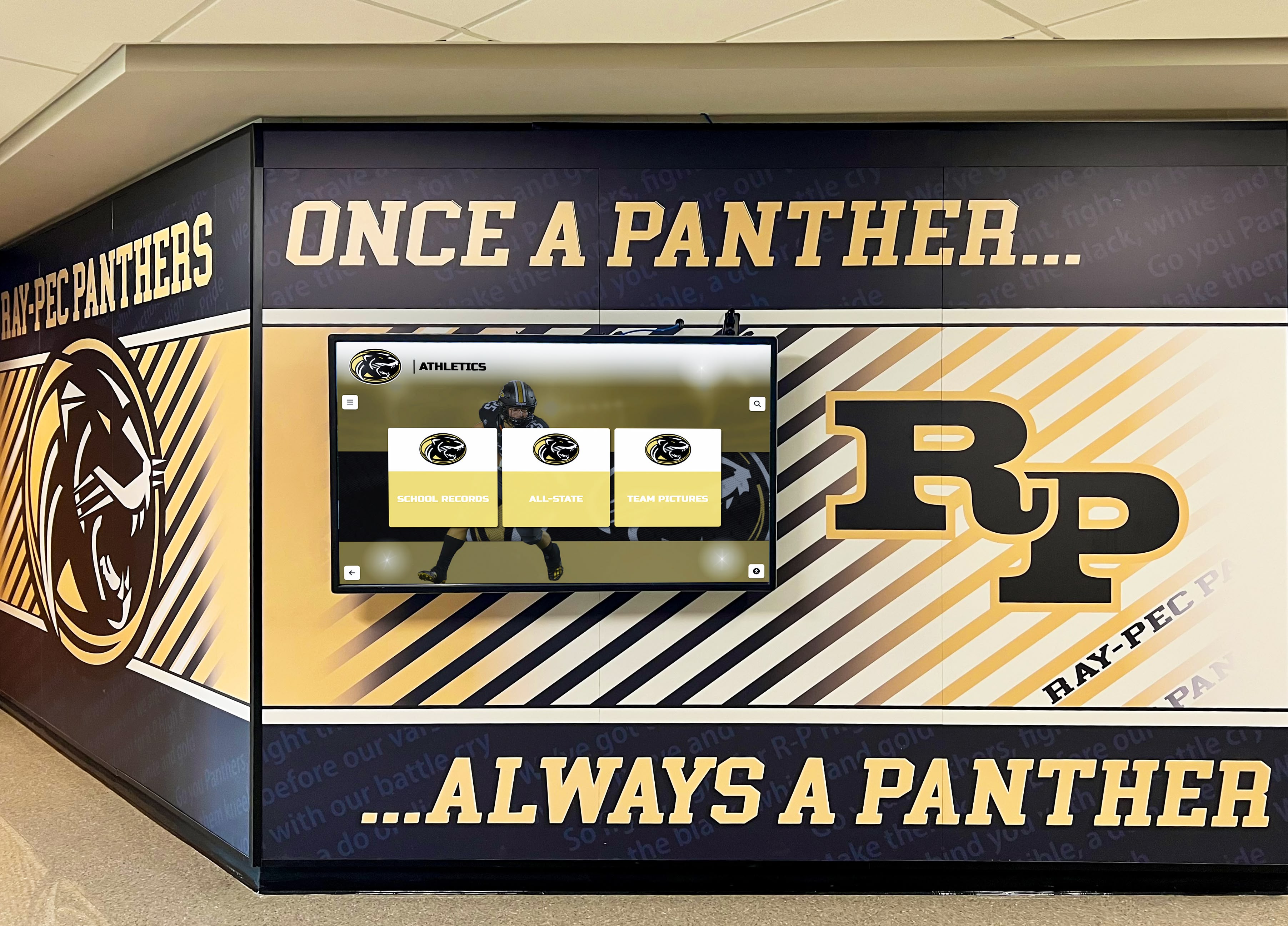
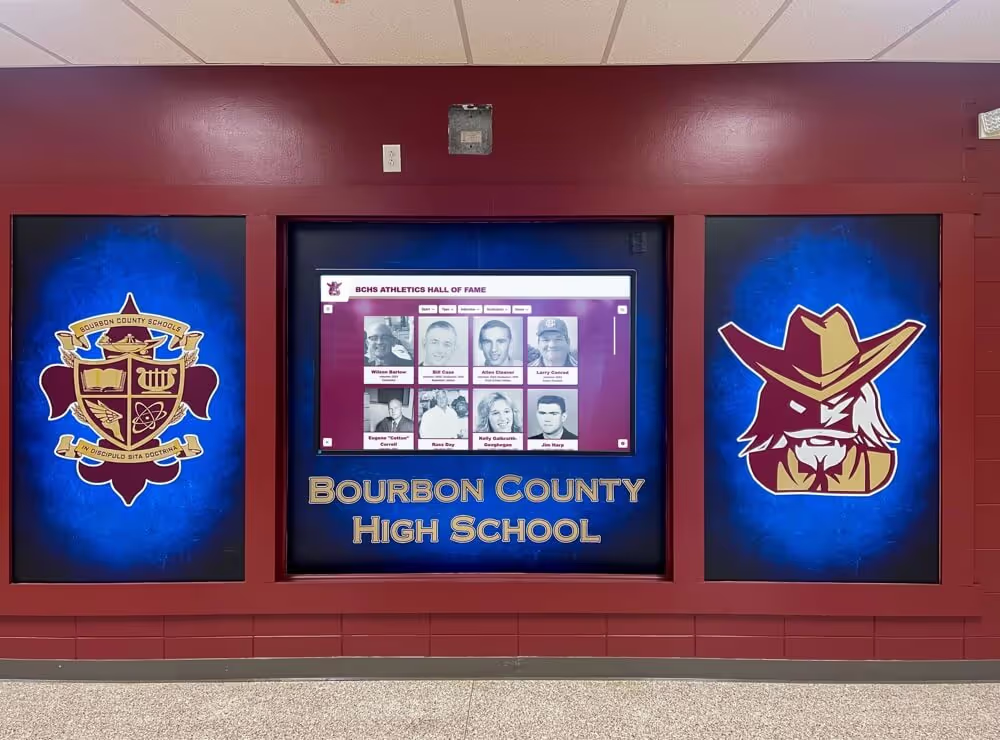
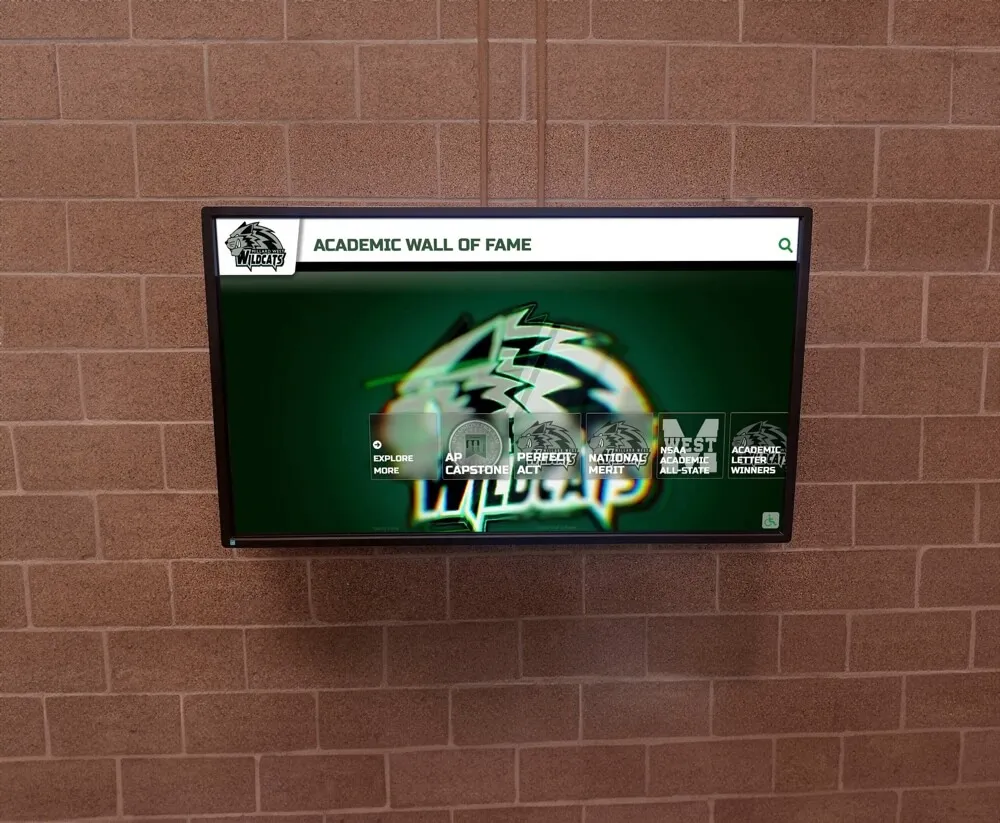
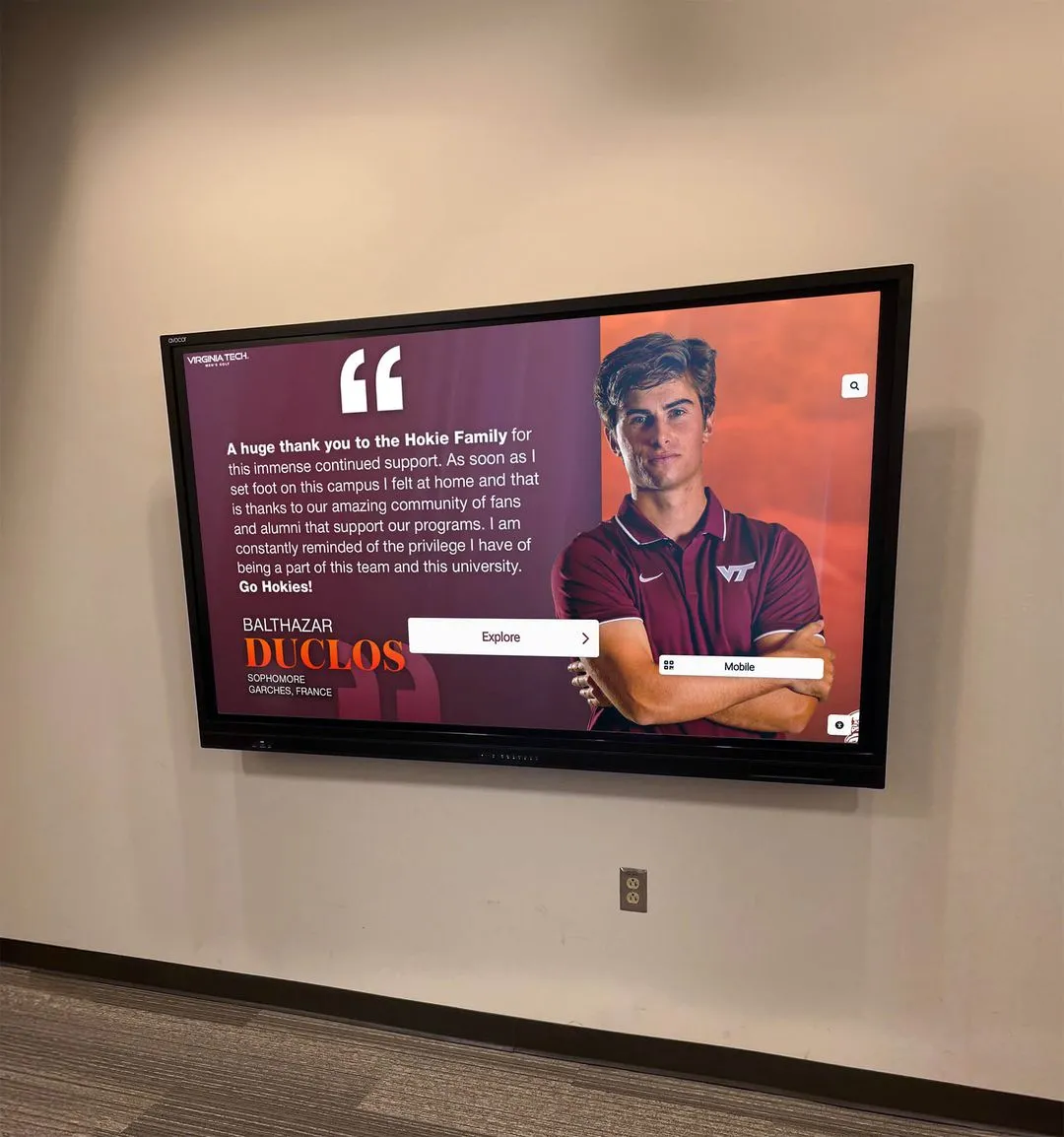
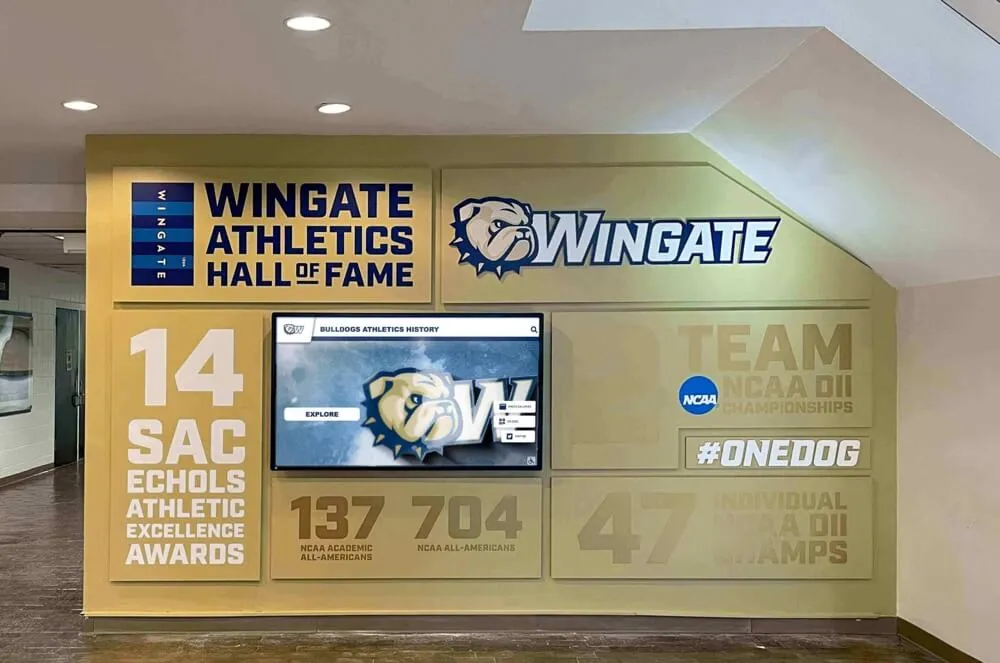
Comprehensive athletic recognition demonstrates institutional commitment that influences recruiting decisions
Visit Preparation and Execution
- Research program thoroughly before visit
- Prepare thoughtful questions about academics, baseball, culture
- Observe team dynamics and player-coach relationships
- Evaluate facilities, campus, academic resources
- Speak with current players honestly about experience
- Assess fit beyond just baseball program
- Take notes after each visit for later comparison
- Send thank-you email within 24 hours
Key Questions to Ask
- What is your coaching philosophy and development approach?
- How do you see me fitting into your program?
- What is typical freshman year experience?
- How do you balance academics and athletics?
- What is team culture and player accountability?
- What happens if I get injured?
- How are scholarships structured (if applicable)?
- What academic support is available?
Leveraging Institutional Recognition
High schools showcasing athletic excellence attract college coach attention:
Program Visibility Impact Schools investing in athletic recognition demonstrate commitment to athletes that college coaches notice:
- Professional displays celebrating athletic achievement signal serious programs
- Documented player accomplishments provide recruiting proof points
- Digital recognition platforms showcase statistics and achievements accessible to recruiters
- Comprehensive athletic histories demonstrate program tradition
- Modern facilities and recognition create positive recruiting impressions
Individual Player Benefits
- Documented achievements support recruiting communication
- Statistical verification of performance claims
- Professional presentation of accomplishments
- Visible commitment to excellence
- Institutional support of athletic goals
Schools utilizing modern recognition systems report increased college coach engagement and recruiting visibility for their programs.
Understanding Scholarship Offers and Commitments
Financial aspects of college baseball recruiting require careful navigation.
Baseball Scholarship Structure
Baseball scholarships differ significantly from other sports:
NCAA Division I Scholarship Rules
- Maximum 11.7 scholarships per team
- 35-player roster limits (27 minimum)
- Scholarships divided among players (few full scholarships)
- Typical scholarship: 25-50% of costs
- Can combine athletic and academic aid
- Renewable annually (not guaranteed four years)
Scholarship Percentage Factors
- Position and team need (priority positions receive more)
- Skill level and recruiting competition
- Academic credentials enabling academic aid stacking
- In-state vs. out-of-state tuition costs
- Private vs. public school total costs
- Timing of commitment (early commits sometimes receive less)
- Leverage from other offers
Division II Scholarships
- 9.0 maximum scholarships per team
- Often higher percentages per player than Division I
- Can combine with academic and need-based aid
- Similar partial scholarship model
Division III and NAIA Financial Aid
- Division III: No athletic scholarships but generous academic/need-based aid
- NAIA: Up to 12 scholarships, often higher percentages
- Academic merit aid can rival athletic scholarships
- Need-based aid packages depend on family financial situation
- Total financial aid can exceed athletic scholarship offers
Evaluating Offers and Making Decisions
Compare offers beyond just scholarship percentage:
Total Cost Analysis
- Calculate total attendance cost (tuition, room, board, fees, books, travel)
- Subtract all financial aid (athletic, academic, need-based)
- Compare actual out-of-pocket costs across schools
- Consider four-year cost projection
- Evaluate scholarship renewal requirements
- Understand what happens if injured or cut
Non-Financial Factors
- Academic quality and program reputation
- Fit with coaching staff and philosophy
- Opportunity for playing time
- Team culture and player relationships
- Location and distance from home
- Campus environment and student experience
- Career preparation and alumni network
- Facilities and resources
Questions Before Committing
- Is scholarship guaranteed for four years or renewed annually?
- What GPA and conduct standards must be maintained?
- What happens to scholarship if injured?
- Can scholarship be reduced or eliminated?
- How many players are currently on partial scholarships?
- What other financial aid can be combined?
- What are academic expectations and support systems?
According to NCAA data, 60% of Division I baseball players receive some athletic aid, with average scholarship values around 35-40% of total attendance costs. Understanding the full financial picture enables informed decision-making.
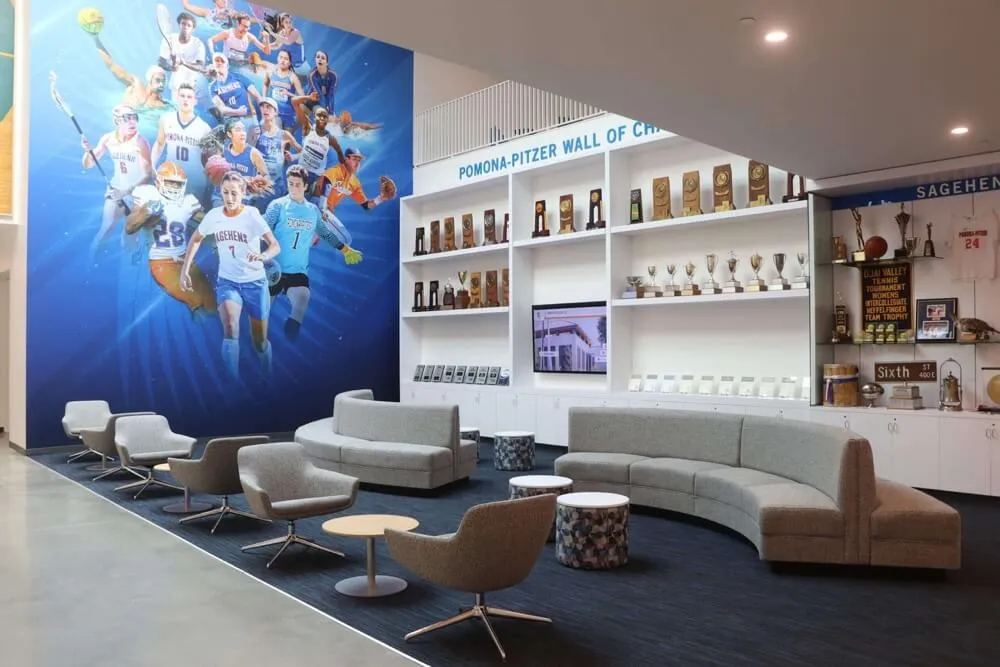
Championship traditions and recognition demonstrate program excellence that attracts top recruiting prospects
Common Recruiting Mistakes to Avoid
Understanding pitfalls helps navigate recruiting successfully.
Communication and Relationship Errors
Mistakes Damaging Recruiting Prospects
- Relying solely on high school or travel coach to market you
- Waiting for coaches to discover you rather than proactive outreach
- Generic mass emails without personalization
- Poor email etiquette (spelling errors, informal language)
- Parents handling all communication rather than athlete
- Exaggerating measurables or abilities
- Unresponsive to coach communications
- Negative social media presence
Social Media Pitfalls
- Inappropriate content visible to coaches
- Complaining about coaches, teammates, or playing time
- Party pictures or questionable behavior
- Profanity or controversial political content
- Privacy settings not restricting coach access
- Inactive accounts suggesting lack of engagement
- Failure to showcase positive athletic and academic achievements
College coaches routinely review social media during recruiting evaluation—inappropriate content eliminates candidates from consideration regardless of athletic ability.
Timeline and Planning Mistakes
Common Strategic Errors
- Starting recruiting process too late (senior year)
- Targeting only Division I without considering fit
- Unrealistic assessment of skill level and recruiting market
- Attending showcases without proper preparation
- Putting all focus on one dream school
- Accepting first offer without exploring options
- Ignoring academic preparation
- Failing to register with NCAA Eligibility Center
- Missing recruiting deadlines and critical dates
Financial and Commitment Mistakes
- Verbally committing before understanding full offer
- Not comparing total financial packages
- Failing to get offers in writing
- Assuming scholarship is guaranteed four years
- Not understanding scholarship renewal requirements
- Accepting offer from school with poor academic fit
- Committing before taking campus visits
- Letting parents make decision without athlete input
Learn about comprehensive athletic support systems in NIL high school sports guide.
Alternative Pathways to College Baseball
Not all college baseball careers follow traditional Division I recruiting timelines.
Junior College Route
Junior college baseball provides valuable development pathway:
JUCO Advantages
- Immediate playing time opportunities
- Two years developing skills and maturity
- Academic improvement and transcript building
- Lower initial cost
- Transfer to four-year programs with recruiting visibility
- Less competitive recruiting landscape
- Strong baseball programs and coaching
Successful JUCO Transfer Strategy
- Select JUCO with strong transfer history
- Maintain academic eligibility and strong GPA
- Continue skill development and measurables improvement
- Communicate with four-year programs throughout JUCO career
- Participate in showcases and summer ball
- Leverage JUCO coach relationships and recommendations
- Understand transfer credit and eligibility rules
When JUCO Makes Sense
- Academic credentials below Division I/II requirements
- Physical development delayed (late bloomer)
- Skill development needed before higher competition
- Financial constraints making four-year school challenging
- Desire for playing time over sitting bench at higher level
- Strategic gap between high school and Division I readiness
Preferred Walk-On Opportunities
Walk-on roster spots provide college baseball access without scholarships:
Walk-On Types
- Recruited walk-on: Invited by coaches, no scholarship initially
- Preferred walk-on: Guaranteed roster spot, potential future scholarship
- Tryout walk-on: Open tryout without prior coach relationship
Walk-On Realities
- Extremely competitive for limited roster spots
- Must meet all academic admissions standards
- No athletic financial aid initially
- Potential to earn scholarship through performance
- Often face uphill battle for playing time
- Requires exceptional mental toughness and commitment
- Academic and need-based aid still available
Walk-On Success Strategies
- Establish relationship with coaches before tryout
- Demonstrate specific skill filling team need
- Maintain outstanding practice habits and attitude
- Excel in conditioning and physical preparation
- Be patient with playing time development
- Focus on controllable factors (effort, attitude, preparation)
- Understand and accept role within program
Post-Graduate Year Programs
PG year provides additional development time:
PG Year Considerations
- Additional year of physical and skill development
- Academic improvement and standardized test retakes
- Increased recruiting exposure and timeline
- High-level competition at prep schools
- Additional year of maturity
- Significant additional expense
- Appropriate for players with Division I potential needing development time
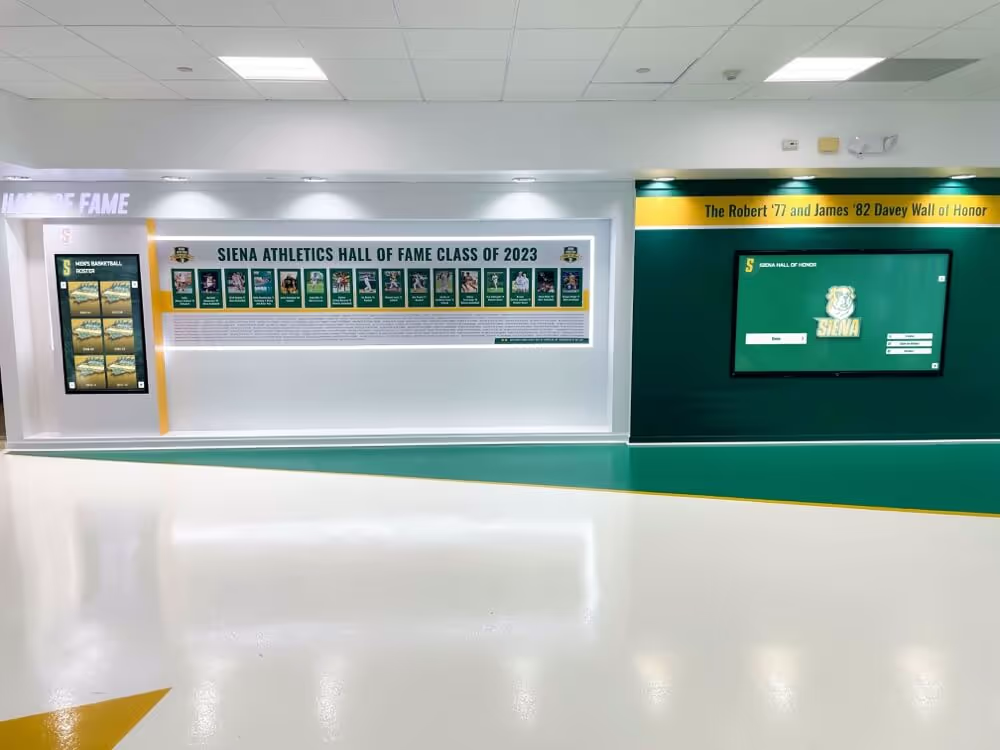
Explore recognition of athletic excellence in college athletics hall of fame displays.
Parents’ Role in the Recruiting Process
Family support significantly impacts recruiting success when properly channeled.
Appropriate Parent Involvement
Productive Parent Actions
- Provide financial support for showcases, travel ball, and lessons
- Facilitate transportation to tournaments and visits
- Offer emotional support during stressful process
- Help organize recruiting materials and schedules
- Research schools and programs alongside athlete
- Ask questions about academics and campus life during visits
- Review financial aid packages and cost analysis
- Ensure academic eligibility and NCAA registration
Counterproductive Parent Behaviors
- Handling all communication with college coaches
- Being overly aggressive or pushy with coaches
- Criticizing coaches or programs publicly
- Making recruiting decisions without athlete input
- Contacting coaches excessively
- Unrealistic assessment of athlete’s abilities
- Living vicariously through athlete’s recruitment
- Creating additional pressure and stress
Finding Appropriate Balance
- Let athlete lead all coach communication
- Be involved in financial and academic discussions
- Support athlete’s decision even if different than parent preference
- Encourage realistic self-assessment
- Provide guidance without controlling
- Celebrate offers while keeping perspective
- Recognize this is athlete’s journey and decision
College coaches consistently report that parent overinvolvement during recruiting creates concerns about athlete’s independence, maturity, and fit with program culture—potentially eliminating prospects from consideration.
Supporting Academic and Athletic Balance
Family Academic Support
- Ensure completion of NCAA core courses
- Help manage standardized test preparation
- Monitor academic progress and GPA maintenance
- Research academic programs at target schools
- Value academic fit equally with athletic opportunities
- Understand financial aid tied to academic performance
- Support balanced life including non-baseball activities
Managing Recruiting Stress
- Maintain realistic expectations about recruiting process
- Celebrate small victories and progress
- Provide perspective during setbacks and rejections
- Encourage multiple options and backup plans
- Model healthy response to disappointment
- Avoid comparing to other recruits’ timelines
- Remember the goal is right fit, not most prestigious program
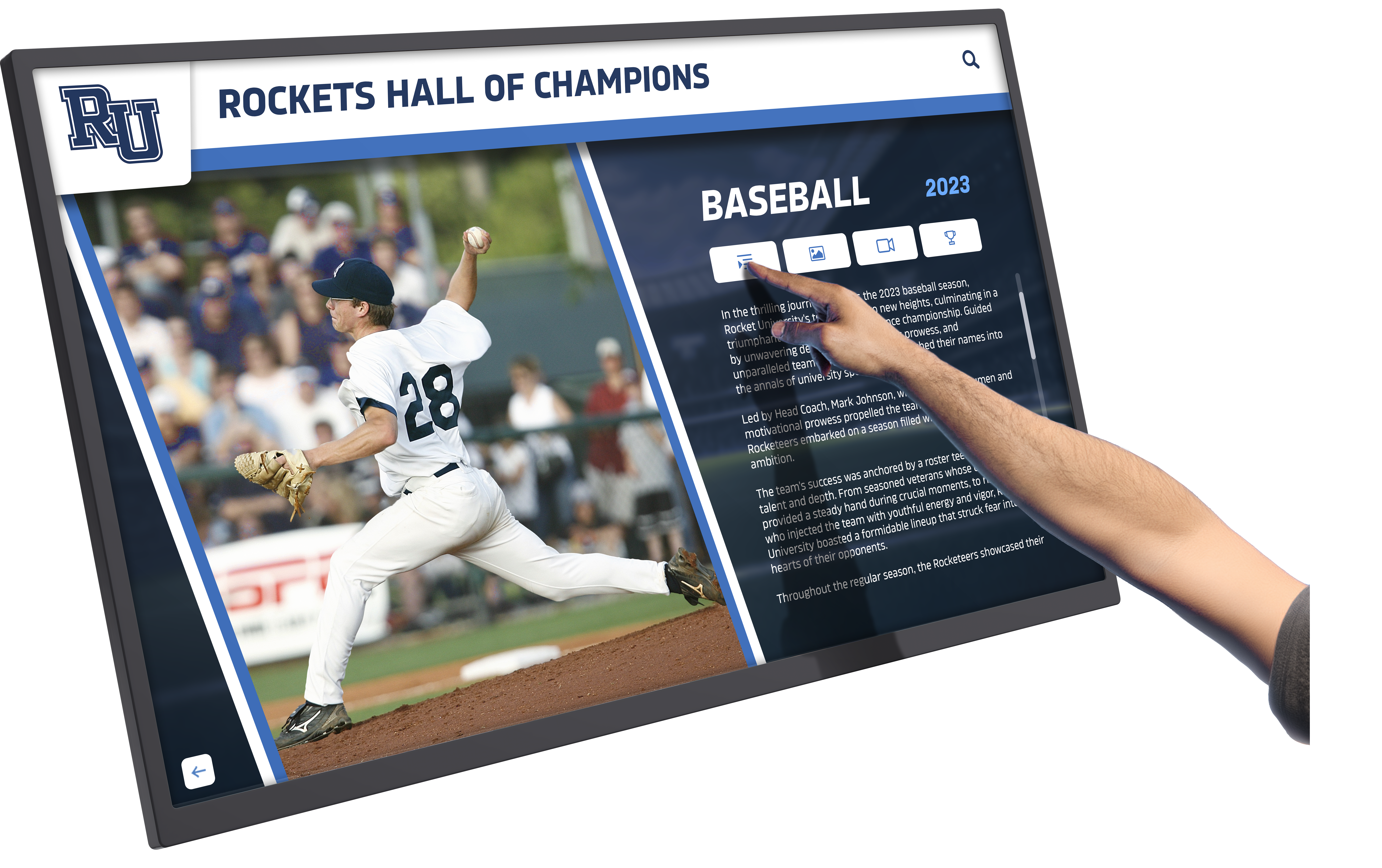
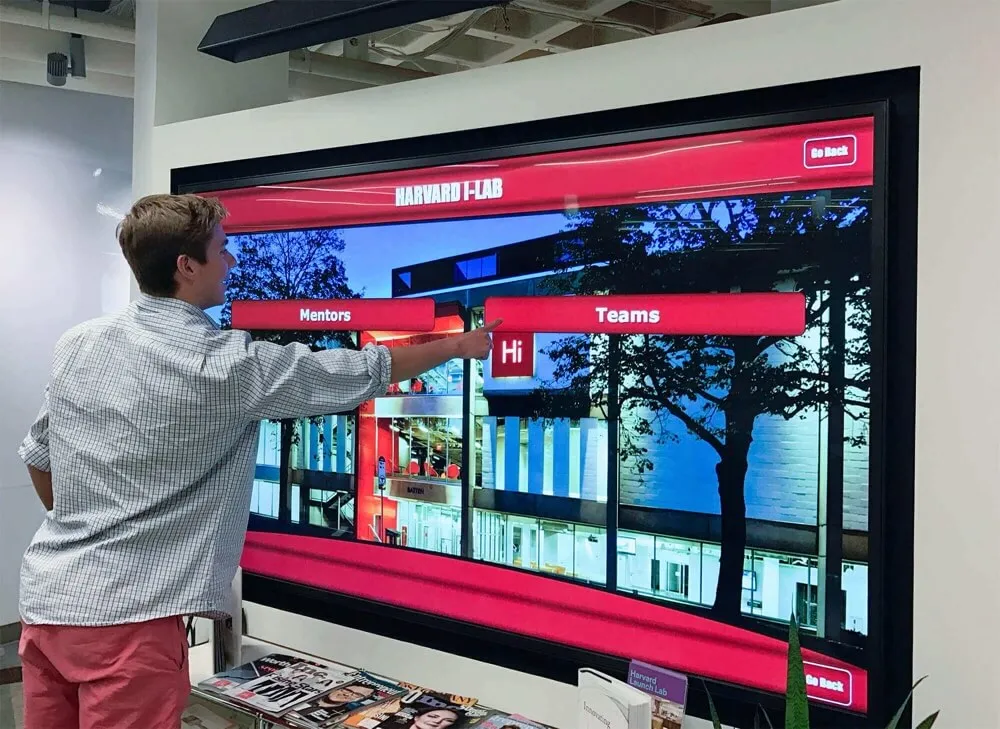
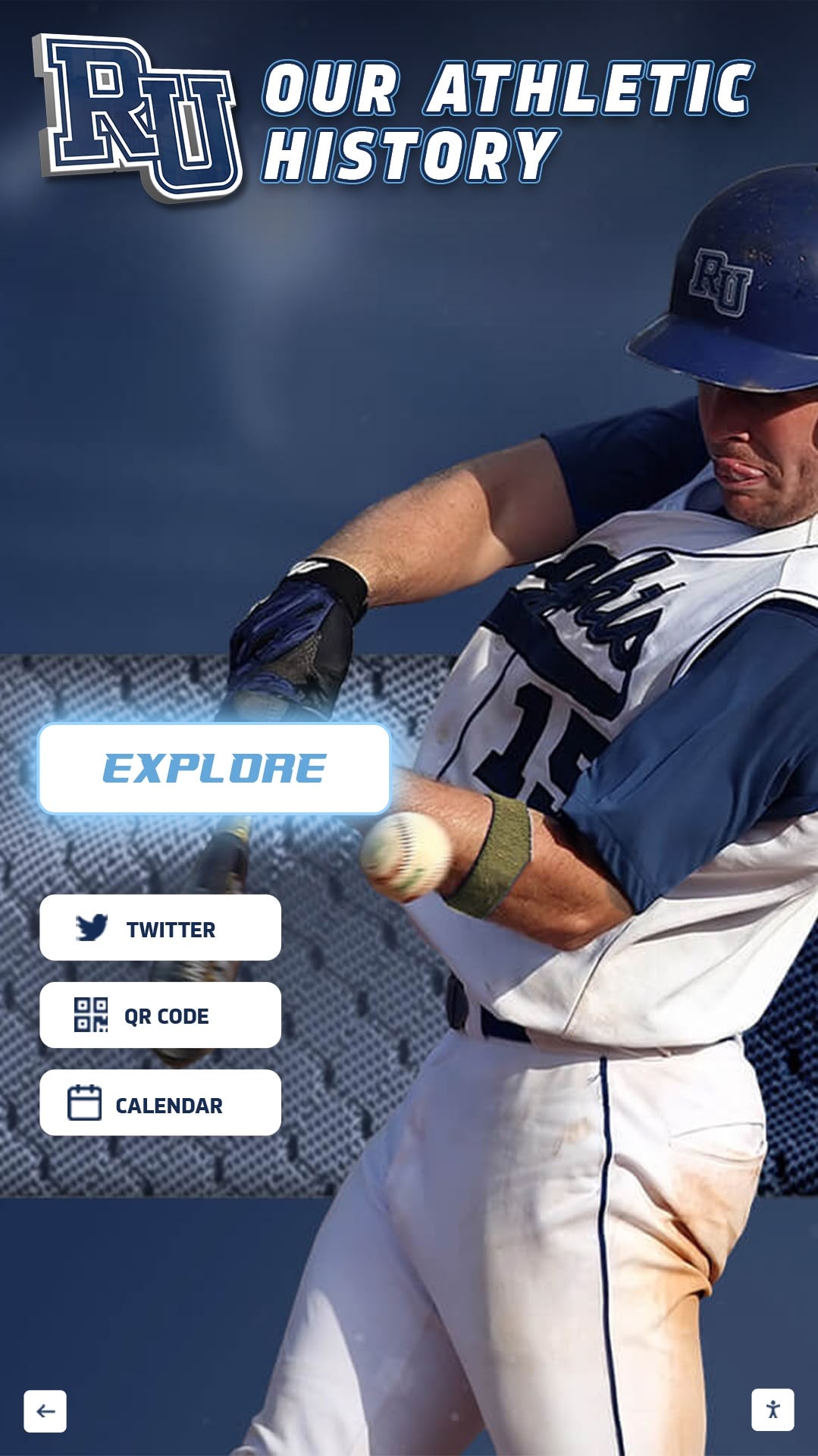
Interactive recognition systems showcase player achievements that support recruiting narratives and program marketing
Final Recruiting Timeline Checklist
Systematic approach ensures all critical steps are completed.
Freshman-Sophomore Checklist
Skill Development
- ✓ Establish training routine with qualified coaches
- ✓ Join competitive travel baseball organization
- ✓ Attend 1-2 local showcases for baseline measurements
- ✓ Focus on fundamentals and athletic development
- ✓ Begin tracking measurables (velocity, 60-time, exit velocity)
Academic Preparation
- ✓ Understand NCAA core course requirements
- ✓ Plan four-year course schedule meeting requirements
- ✓ Establish strong study habits and maintain GPA
- ✓ Begin SAT/ACT preparation if applicable
- ✓ Meet with guidance counselor about college preparedness
Recruiting Foundation
- ✓ Research college baseball divisions and levels
- ✓ Create initial target school list (broad)
- ✓ Attend college baseball games building knowledge
- ✓ Clean up social media presence
- ✓ Begin understanding recruiting process and timelines
Junior Year Checklist
Recruiting Outreach
- ✓ Register with NCAA Eligibility Center
- ✓ Create recruiting video and online profiles
- ✓ Email 30-50 coaches at target schools
- ✓ Attend 3-4 showcases with coach attendance
- ✓ Take unofficial visits to schools of interest
- ✓ Respond promptly to all coach communications
- ✓ Provide regular updates to interested coaches
- ✓ Attend college camps at top schools
Academic Completion
- ✓ Take SAT/ACT and retake if needed
- ✓ Maintain strong GPA in core courses
- ✓ Request transcripts for interested coaches
- ✓ Complete challenging course schedule
- ✓ Update NCAA Eligibility Center with test scores
Summer Before Senior Year
- ✓ Attend high-visibility tournaments
- ✓ Update recruiting video with junior year footage
- ✓ Narrow school list based on coach interest
- ✓ Schedule unofficial visits for summer and fall
- ✓ Continue communication with top prospects
- ✓ Evaluate scholarship offers if received
Senior Year Checklist
Fall Senior Year
- ✓ Take official visits (up to five)
- ✓ Continue showcase participation if needed
- ✓ Evaluate and compare all offers
- ✓ Make verbal commitment decision
- ✓ Complete college applications (early if committed)
- ✓ Submit final transcripts to NCAA Eligibility Center
- ✓ Maintain academic standards for eligibility
Spring Senior Year
- ✓ Sign National Letter of Intent (if applicable)
- ✓ Complete all academic graduation requirements
- ✓ Maintain NCAA eligibility standards
- ✓ Continue skill development for college preparation
- ✓ Finalize financial aid packages
- ✓ Complete housing and orientation registration
- ✓ Communicate with college coaches about summer plans
- ✓ Prepare mentally and physically for college transition
Explore comprehensive school recognition programs in academic recognition programs guide.
Conclusion: Your Path to College Baseball Success
Learning how to get recruited for college baseball requires understanding the process, starting early with strategic preparation, developing both athletic and academic credentials, proactively communicating with college coaches, and making informed decisions about scholarship offers and program fit. The recruiting landscape has become increasingly competitive and compressed, making systematic approach and early action essential for maximizing opportunities at the college level matching your abilities and goals.
The strategies and timelines outlined in this comprehensive guide provide roadmap for navigating college baseball recruitment from freshman year through signing day. From building foundational skills and academic qualifications, to creating compelling recruiting videos and online profiles, to attending strategic showcases and tournaments, to developing genuine relationships with college coaches—each element contributes to successful recruiting outcomes.
Most importantly, successful recruiting requires honest self-assessment about your abilities, realistic understanding of different college baseball levels, and focus on finding the right fit rather than the most prestigious program. The best college baseball experience occurs when athletic opportunity, academic quality, coaching philosophy, team culture, and financial reality align with your individual needs, goals, and preferences.
Showcase Your Baseball Achievements
Discover how modern recognition solutions help high schools showcase athletic excellence that attracts college coach attention, documents player achievements supporting recruiting profiles, and demonstrates institutional commitment to athletic success.
Explore Athletic Recognition SolutionsRemember that recruiting timelines vary significantly across divisions, individual athletic ability develops at different rates, and countless pathways exist to playing college baseball—from Division I powerhouses to Division III academic institutions to junior college development programs. Stay patient with the process, maintain open communication with family and coaches, continue developing your skills regardless of recruiting timeline, and trust that the right opportunity will emerge when you combine talent, preparation, and strategic recruiting approach.
Your high school baseball career represents years of dedication, countless practices, and significant family investment. Approach college baseball recruiting with the same commitment, preparation, and strategic thinking that developed your athletic abilities. Start early, stay proactive, maintain academic excellence, communicate professionally, and evaluate opportunities carefully. The college baseball experience awaiting you will reward the effort invested in navigating the recruiting process successfully.
Whether you ultimately sign with a Division I program, find the perfect academic and athletic fit at Division III, develop through junior college, or earn a roster spot as a walk-on, the recruiting journey teaches valuable life lessons about goal-setting, persistence, communication, decision-making, and resilience that extend far beyond the baseball diamond. Embrace the process, learn from setbacks, celebrate victories, and maintain perspective that this represents one exciting chapter in your baseball journey and life development.