



Most improved award recognition celebrates one of the most powerful narratives in education and athletics: the journey of transformation through dedication, persistence, and measurable growth. When schools, coaches, and organizations honor students who demonstrate significant improvement rather than only recognizing those who start with natural talent or advantage, they validate the fundamental principle that effort and commitment drive achievement.
Yet many programs struggle to implement most improved awards effectively. Selection criteria often lack objectivity, creating perceptions of favoritism when choices seem arbitrary. Organizations fail to define what “improvement” means in their context, confuse most improved with participation awards, and miss opportunities to document growth that makes recognition meaningful. Some programs minimize the significance of improvement awards compared to traditional achievement recognition, inadvertently sending messages that growth matters less than natural ability.
This comprehensive guide provides clear frameworks for understanding what most improved awards should recognize, objective criteria for selecting deserving recipients, and proven strategies for celebrating improvement in ways that motivate continued growth across your entire community.
Most improved awards represent more than consolation prizes for students who didn’t achieve top honors—they embody core values about growth mindset, persistent effort, and the transformative power of dedicated practice. Schools and athletic programs that implement these awards thoughtfully create powerful recognition systems that motivate all participants, not just those who start with advantages.

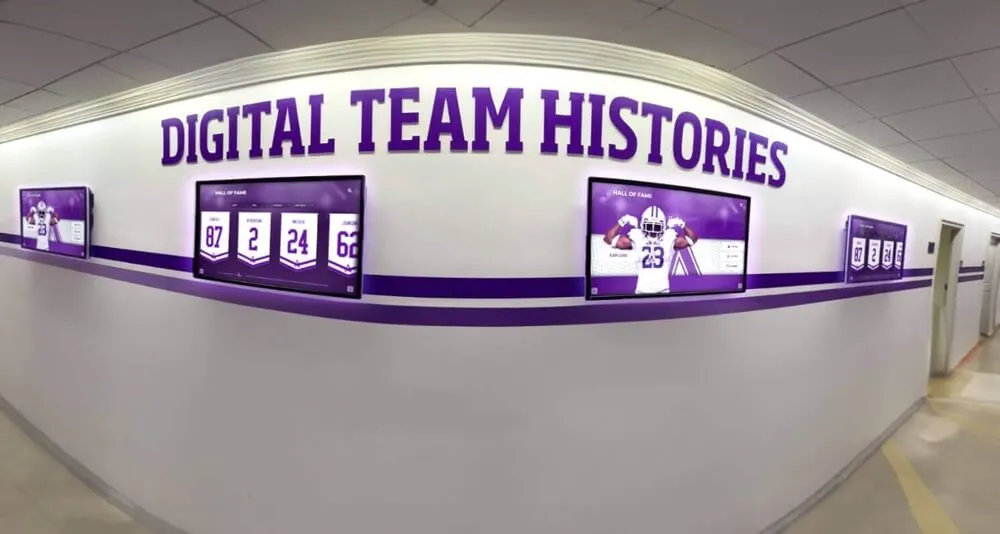
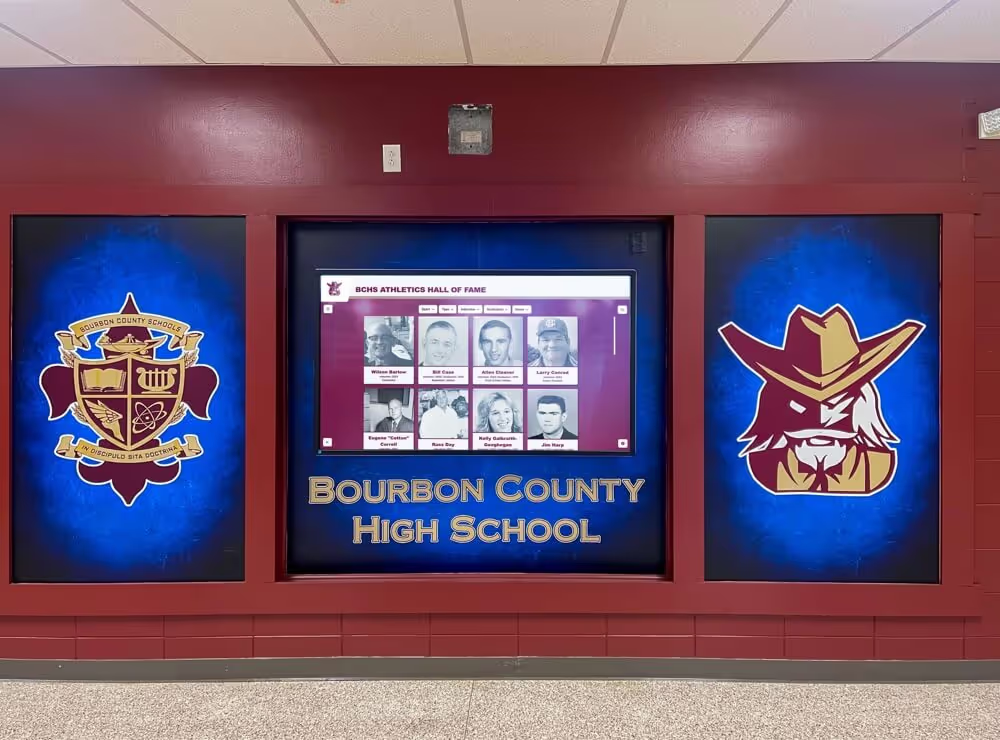
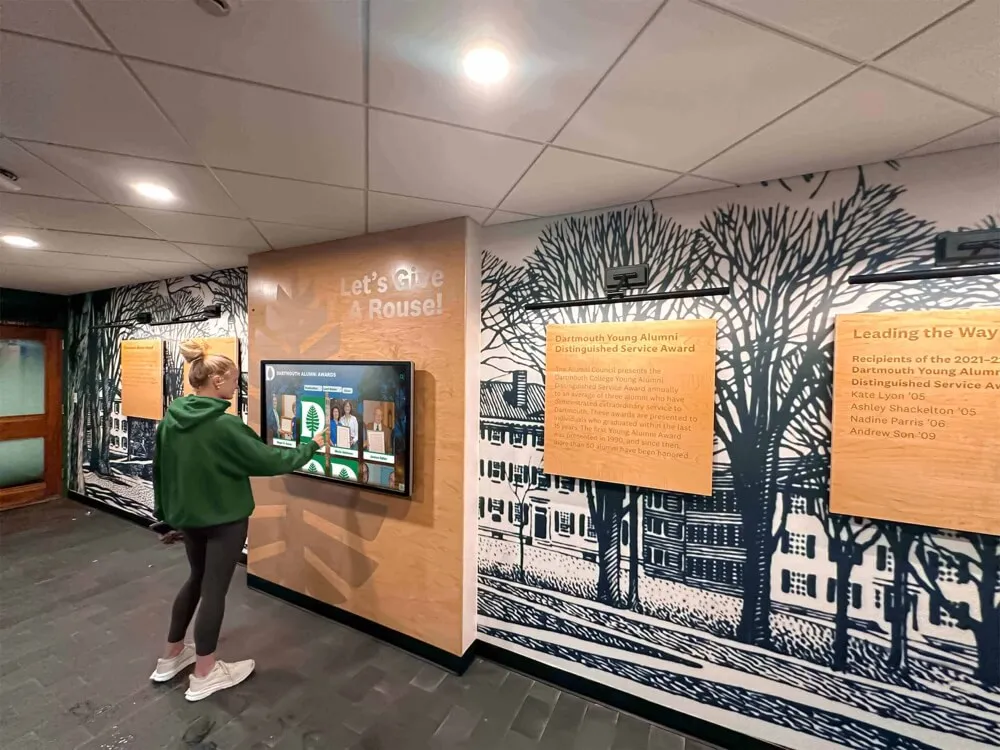
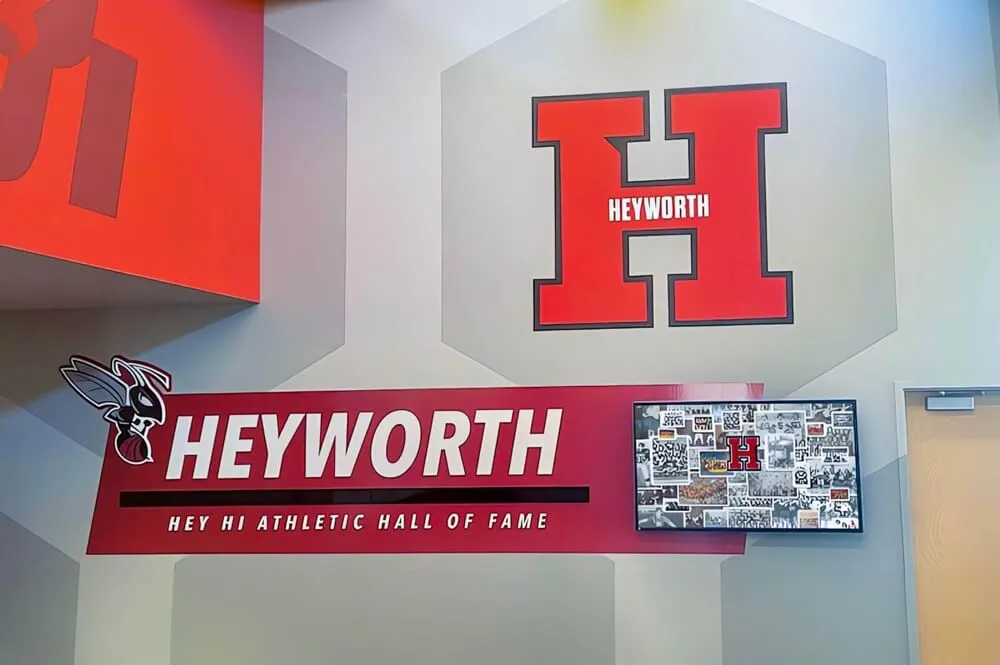
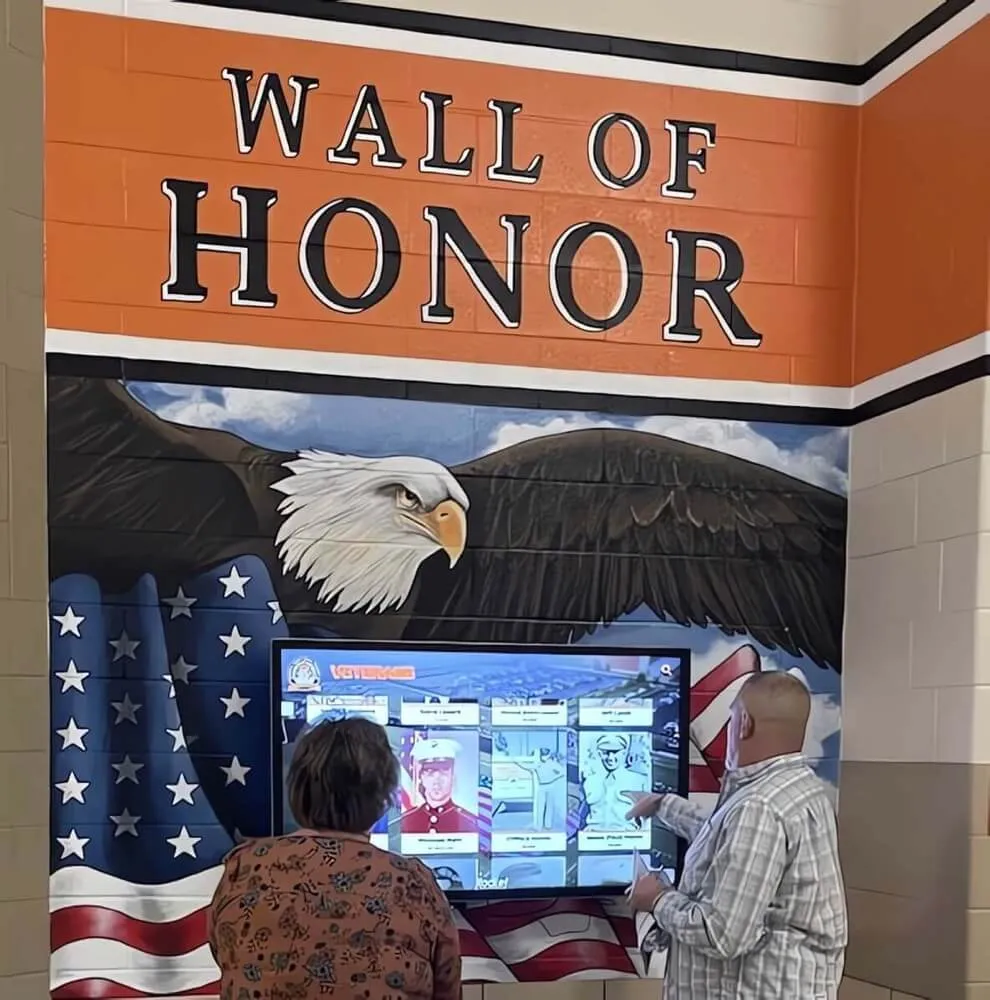
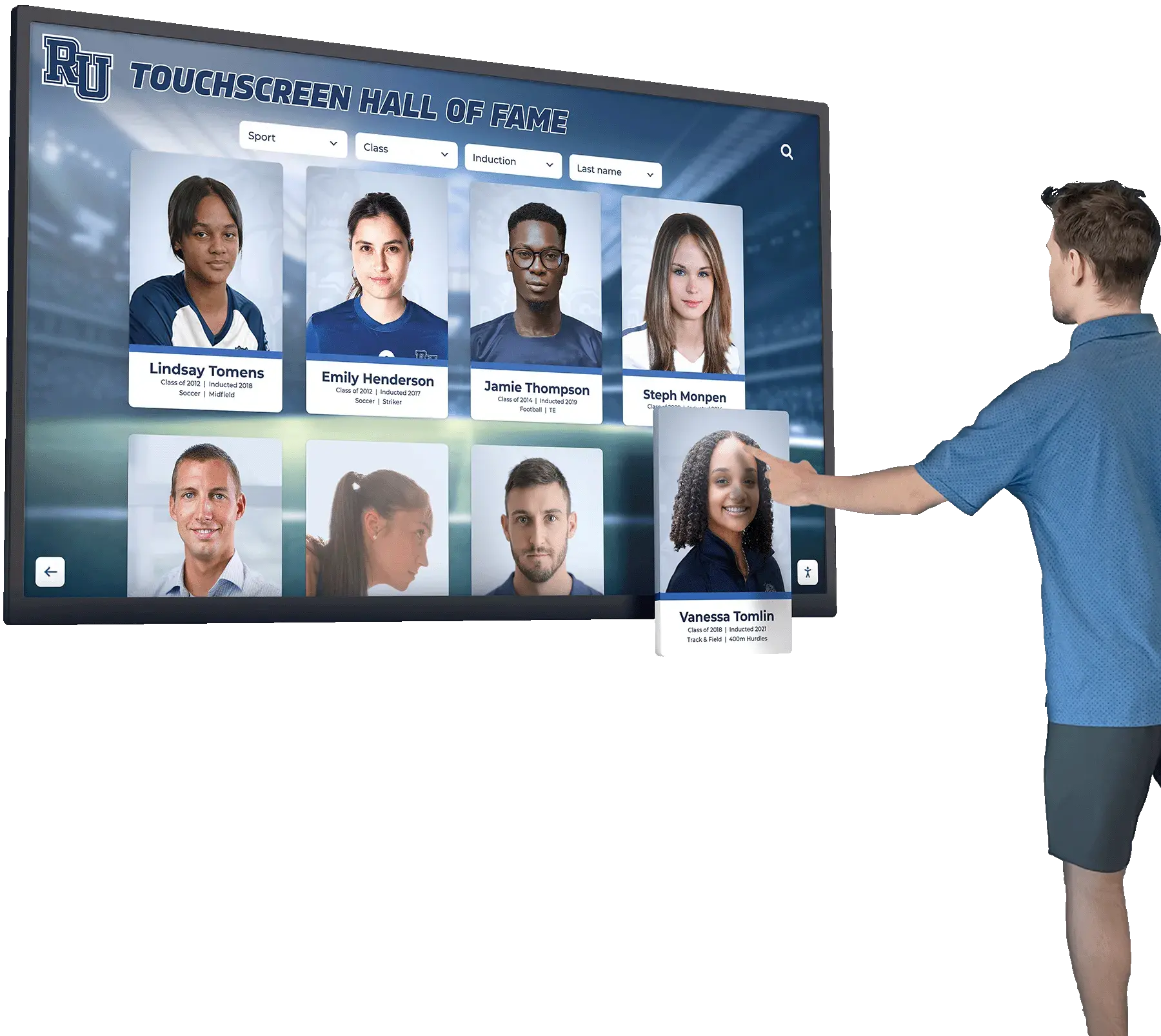
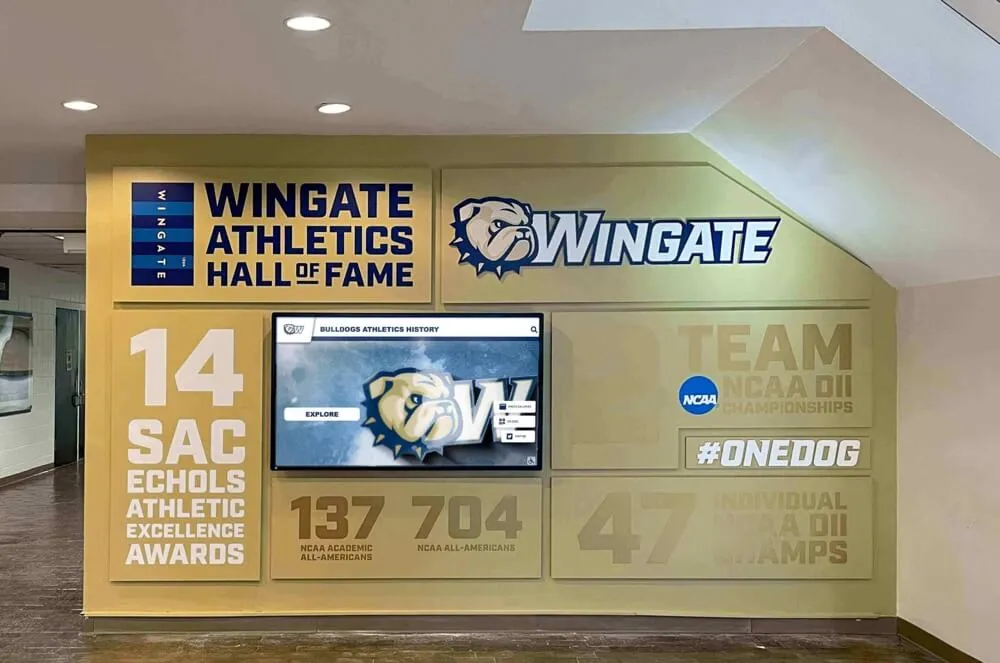
Modern recognition systems celebrate both achievement and improvement, creating comprehensive acknowledgment of student growth
What the Most Improved Award Actually Means
Most improved awards should recognize documented progress measured against individual starting points rather than comparative achievement against peers.
The Core Concept of Improvement Recognition
Defining Meaningful Improvement
True improvement awards measure progress through multiple dimensions:
Measurable Performance Growth
- Quantifiable skill development from defined baseline
- Statistical improvement in objective metrics
- Documented progression through measurable milestones
- Consistent advancement rather than isolated achievements
- Sustained improvement over meaningful timeframe (season, semester, year)
Beyond Just Numbers While statistics provide objectivity, comprehensive improvement recognition also considers:
- Technical skill development in fundamental areas
- Tactical understanding and decision-making growth
- Leadership emergence and positive influence
- Work ethic and practice commitment
- Attitude transformation and mindset development
- Overcoming obstacles and challenges
According to research published by the American Psychological Association, recognition programs emphasizing growth and improvement rather than exclusively fixed achievement demonstrate 31% higher participant motivation and 24% greater persistence in challenging situations across educational and athletic contexts.
What Most Improved Awards Should NOT Be
Effective improvement awards avoid these common mischaracterizations:
- Participation trophies disguised as merit awards
- Consolation prizes for students not winning other recognition
- Awards based solely on attitude without measurable improvement
- Recognition for minimal effort or basic attendance
- Subjective favorites without objective documentation
Learn more about comprehensive recognition approaches in most improved player award frameworks.

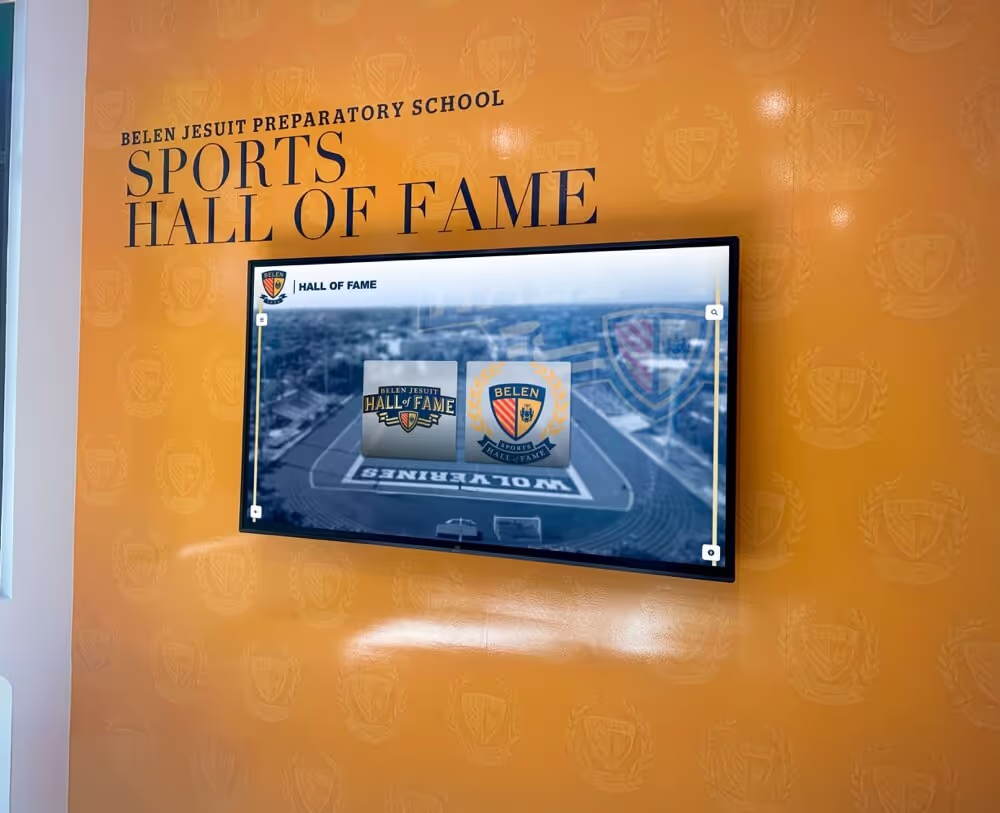
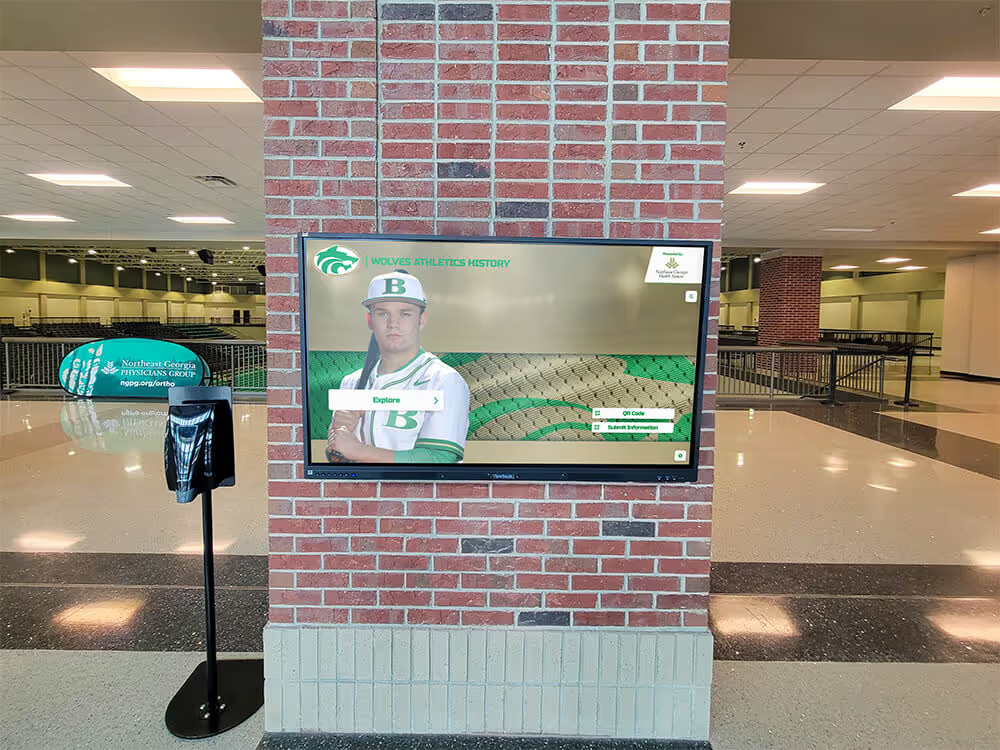
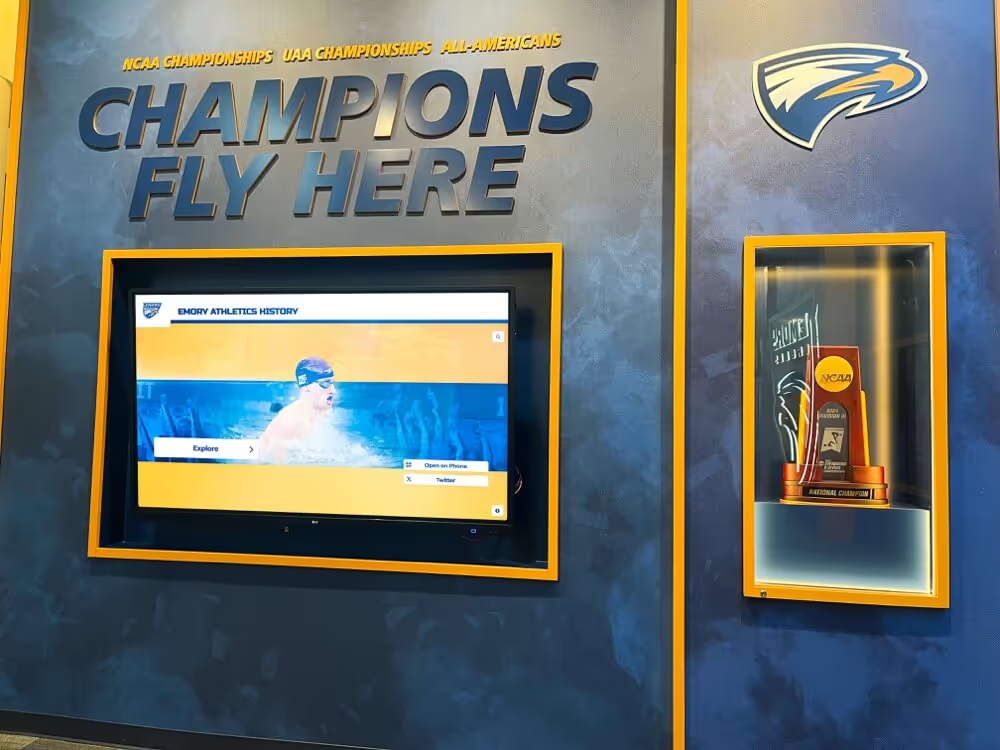
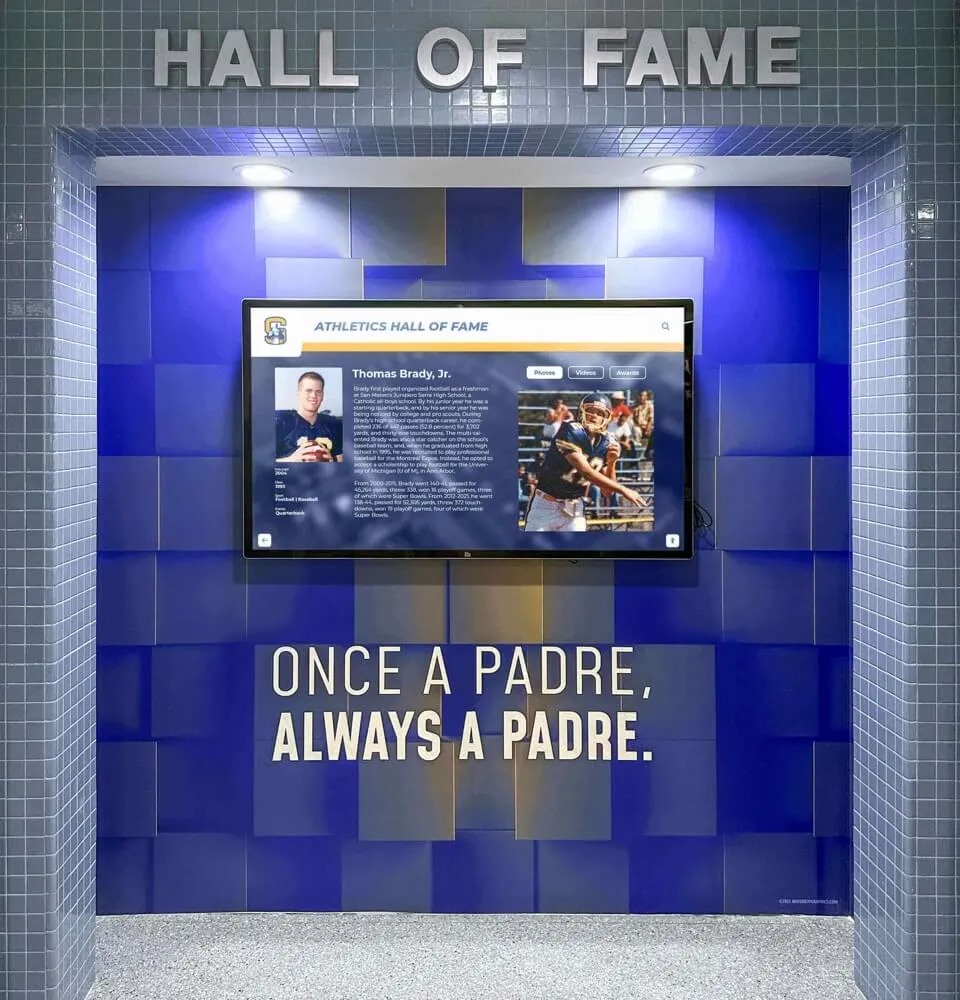
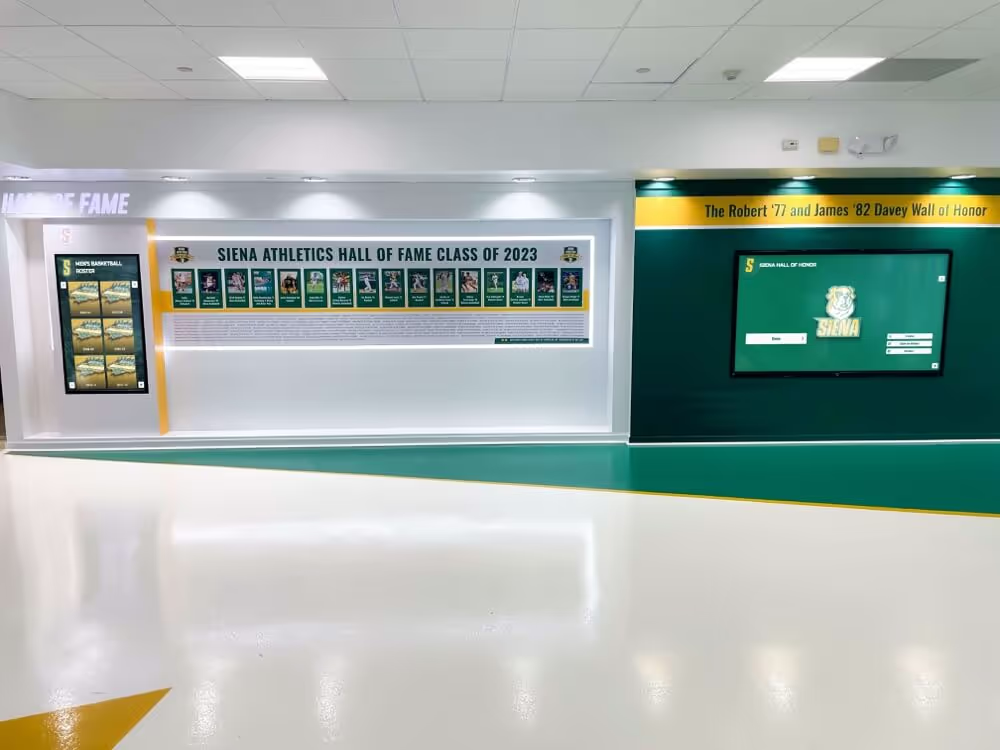
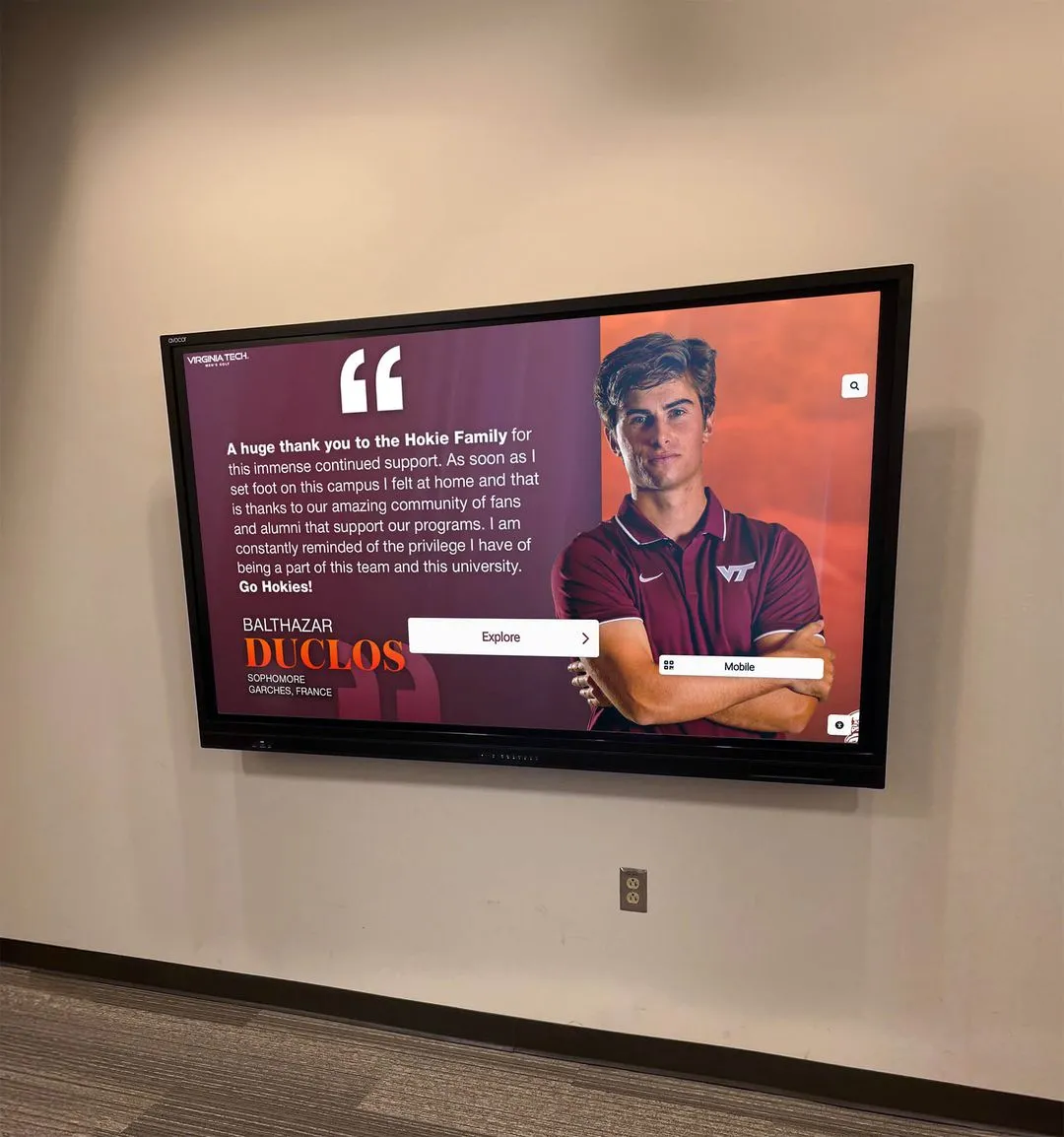
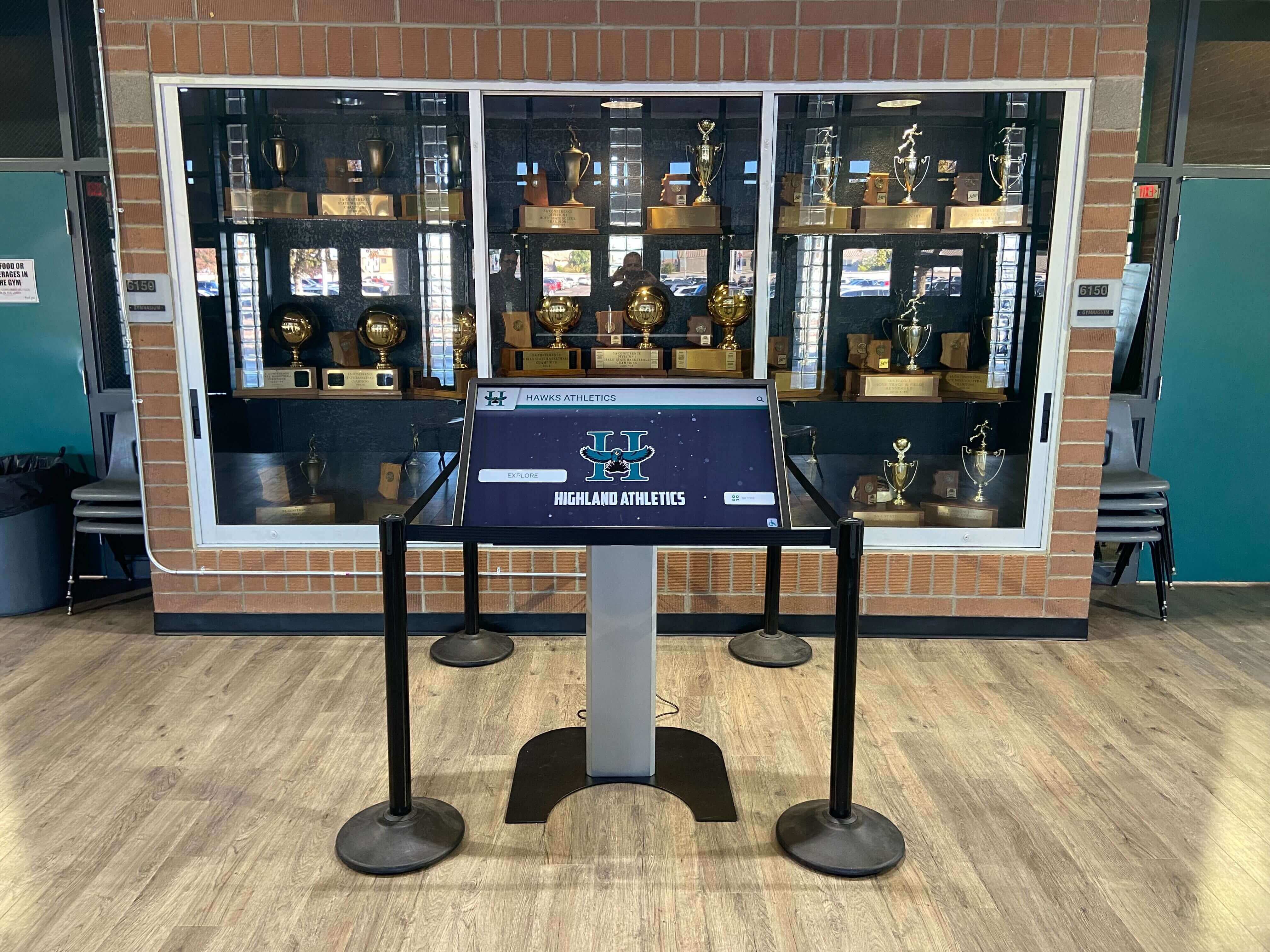
Recognition systems that celebrate diverse achievement types including improvement create comprehensive acknowledgment cultures
The Educational Value of Improvement Awards
Growth Mindset Reinforcement
Improvement awards directly support growth mindset principles:
Research from Stanford University indicates that students receiving recognition for improvement demonstrate 40% higher subsequent effort investment compared to students receiving only fixed achievement awards. This pattern holds across both academic and athletic contexts, suggesting that improvement recognition fundamentally changes how students approach challenges.
Inclusion and Motivation Expansion
Unlike awards requiring exceptional natural talent or advantaged starting positions:
- Improvement awards remain accessible to all participants regardless of baseline
- Create motivation for students not competing for traditional top honors
- Validate effort and dedication even when results remain below elite levels
- Encourage continued participation rather than discouragement and dropout
- Build program culture valuing progress over static comparison
Long-Term Success Skills
The characteristics improvement awards recognize—persistent effort, systematic progress, resilience through setbacks—predict long-term success more reliably than many natural talents that traditional awards emphasize.
Explore broader recognition strategies in academic recognition programs that celebrate diverse achievements.
Objective Selection Criteria for Most Improved Awards
Moving beyond subjective impressions to documented evidence ensures credibility and fairness.
Establishing Measurable Baseline and Endpoint Data
Academic Context Measurements
For academic improvement awards, objective criteria include:
Grade Point Average Improvement
- Semester or year GPA increase from established baseline
- Minimum threshold improvement (e.g., 0.5 GPA increase)
- Sustained improvement across multiple marking periods
- Consistent improvement rather than single-semester spike
- Documented comparison to previous academic performance
Subject-Specific Achievement
- Grade improvement in particular course or subject area
- Test score progression throughout term or year
- Assignment quality and completion rate advancement
- Participation and engagement metrics
- Standardized assessment score gains
Example Academic Criteria Framework
- Minimum 0.75 GPA improvement from previous year
- Improvement sustained across two consecutive semesters
- No disciplinary issues during recognition period
- Documented effort through assignment completion rates
- Teacher nominations supporting quantitative improvement

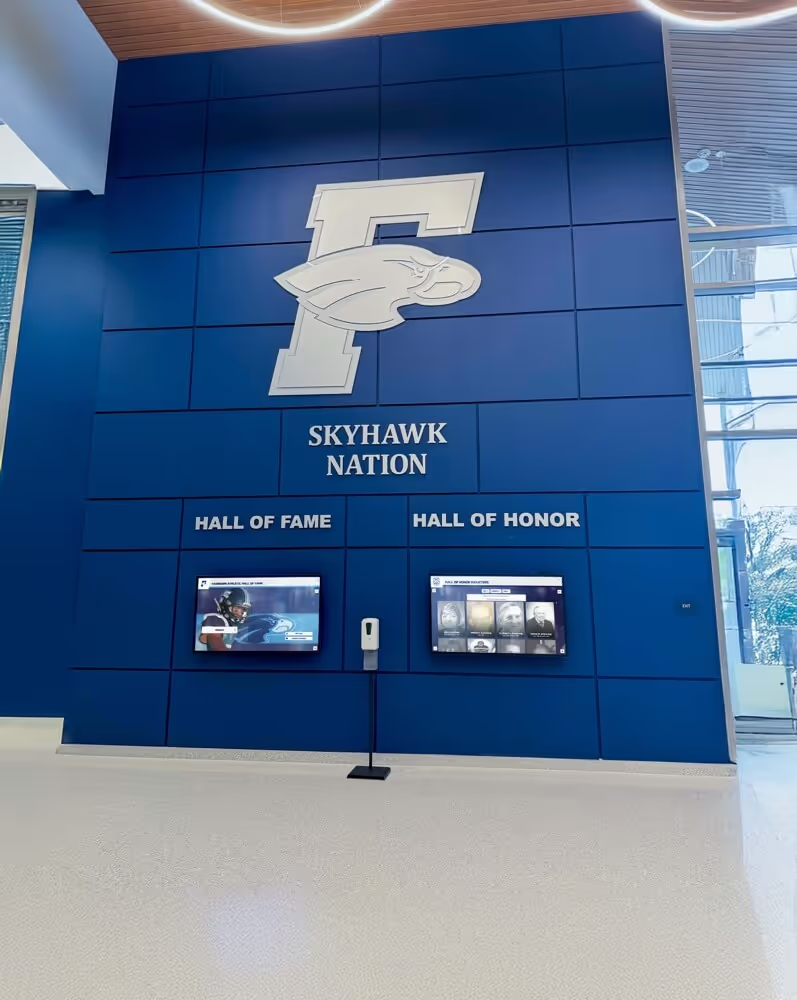
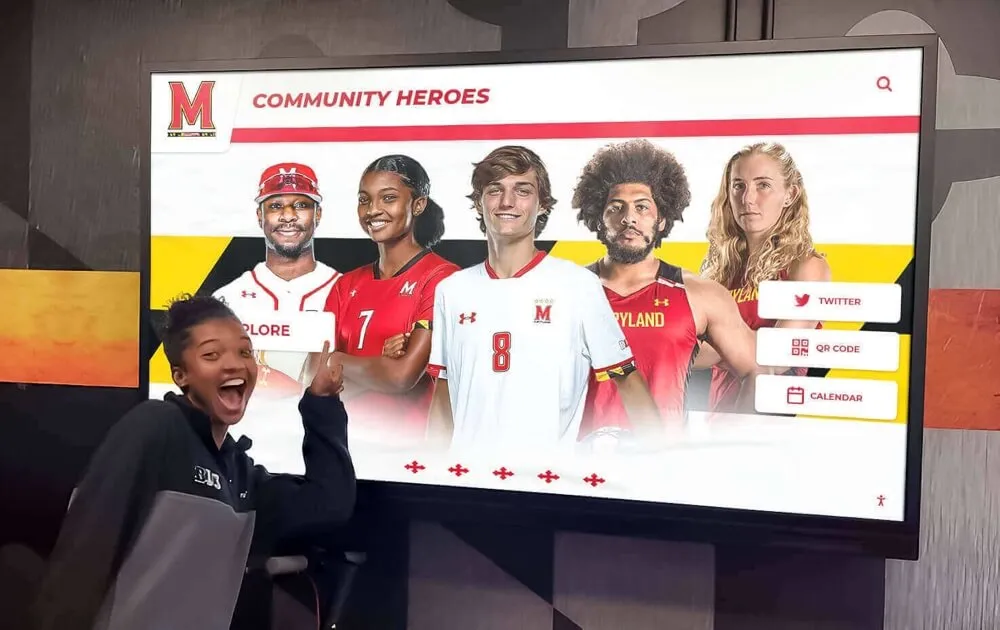
Professional recognition displays showcase both top achievers and students demonstrating significant improvement
Athletic Performance Improvement Metrics
Sport-Specific Statistical Improvement
Different sports provide different measurable improvement indicators:
Individual Sport Measurements
- Track and field: Time reductions, distance increases, height/distance improvements
- Swimming: Stroke time improvements across events
- Wrestling: Record improvement, technical point scoring increases
- Golf: Scoring average reduction, tournament placement advancement
- Tennis: Match win percentage, ranking advancement
Team Sport Measurements
- Basketball: Shooting percentage improvement, rebounds, assists, playing time increase
- Soccer: Goals, assists, successful passes, defensive statistics
- Volleyball: Kill percentage, serve accuracy, blocking statistics
- Baseball/Softball: Batting average improvement, on-base percentage, earned run average reduction
Example Athletic Improvement Criteria
- 10% or greater statistical improvement in primary performance metric
- Progression from non-starter to regular playing time
- Technical skill assessment advancement by coaches
- Practice effort rating documented across season
- Demonstrated improvement in conditioning and fitness testing
Learn about athletic recognition best practices in graduation ceremony program ideas that honor diverse achievements.
Non-Statistical Improvement Indicators
Documented Behavioral and Skill Growth
Beyond pure statistics, credible improvement recognition considers:
Coach/Teacher Assessment Frameworks
- Technical skill rubrics showing progression
- Consistent practice effort and attitude documentation
- Leadership development and team contribution
- Tactical understanding and game/subject awareness
- Response to coaching and implementation of feedback
Peer Recognition Elements
- Teammate nominations acknowledging improvement
- Collaborative contribution and positive influence
- Supportive behavior and encouragement of others
- Example-setting through work ethic
- Cultural contribution to team or class environment
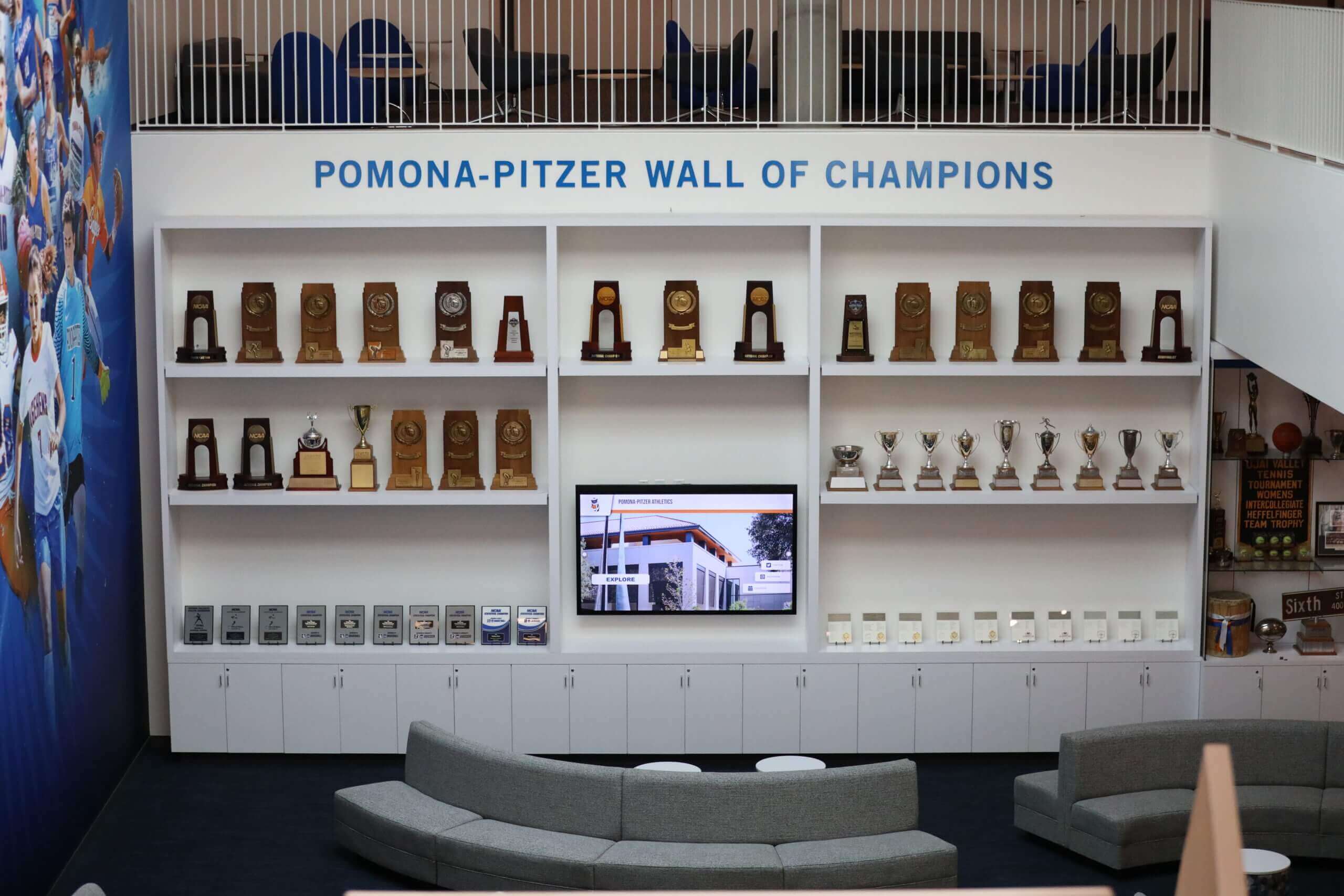
Trophy displays celebrating both championship achievement and improvement awards validate diverse success pathways
Creating Objective Selection Processes
Multi-Evaluator Systems
Avoid single-person subjective decisions through structured processes:
Coaching Staff Consensus Model
- Multiple coaches independently rate improvement candidates
- Numerical scoring across defined criteria categories
- Discussion of documented evidence rather than impressions
- Averaged scores determining finalists
- Final consensus decision with documented rationale
Committee-Based Selection
- Selection committee including coaches, administrators, student representatives
- Standardized evaluation rubrics applied consistently
- Blind initial evaluation when appropriate
- Evidence-based discussion referencing documented improvement
- Transparent criteria publicly communicated before season/term
Data-First Approach Start with objective statistical improvement, then layer additional context:
- Identify top statistical improvement performers
- Review for sustained vs. isolated improvement
- Consider contextual factors (injury recovery, grade level, etc.)
- Incorporate qualitative assessments from coaches/teachers
- Select finalist(s) based on combined quantitative and qualitative evidence
Research from the National Federation of State High School Associations indicates that athletic programs using documented, multi-evaluator improvement award selection demonstrate 67% fewer selection controversies and 53% higher participant perception of fairness compared to single-coach subjective selection.
Celebrating Most Improved Award Recipients Effectively
Recognition presentation significantly impacts both recipient motivation and broader program culture.
Award Presentation Settings and Timing
Public Recognition Contexts
Most improved awards deserve presentation equal in significance to other major recognition:
End-of-Season Banquets
- Present during formal recognition ceremonies alongside other major awards
- Dedicated presentation time rather than rushed acknowledgment
- Specific improvement documentation shared publicly
- Equal presentation format to MVP and other premier awards
- Parent/family invitation emphasizing significance
Learn effective banquet planning in sports banquet invitation wording strategies.
Academic Awards Ceremonies
- Include improvement awards in formal academic recognition events
- Department-specific improvement recognition when applicable
- Grade-level improvement acknowledgment
- Documentation of specific academic growth in presentation
- Equal trophy/certificate quality to other academic honors
School-Wide Recognition
- Announcement in school communications
- Social media features highlighting improvement journey
- Display in trophy cases and recognition areas
- Website and publication features
- Assembly acknowledgment when appropriate
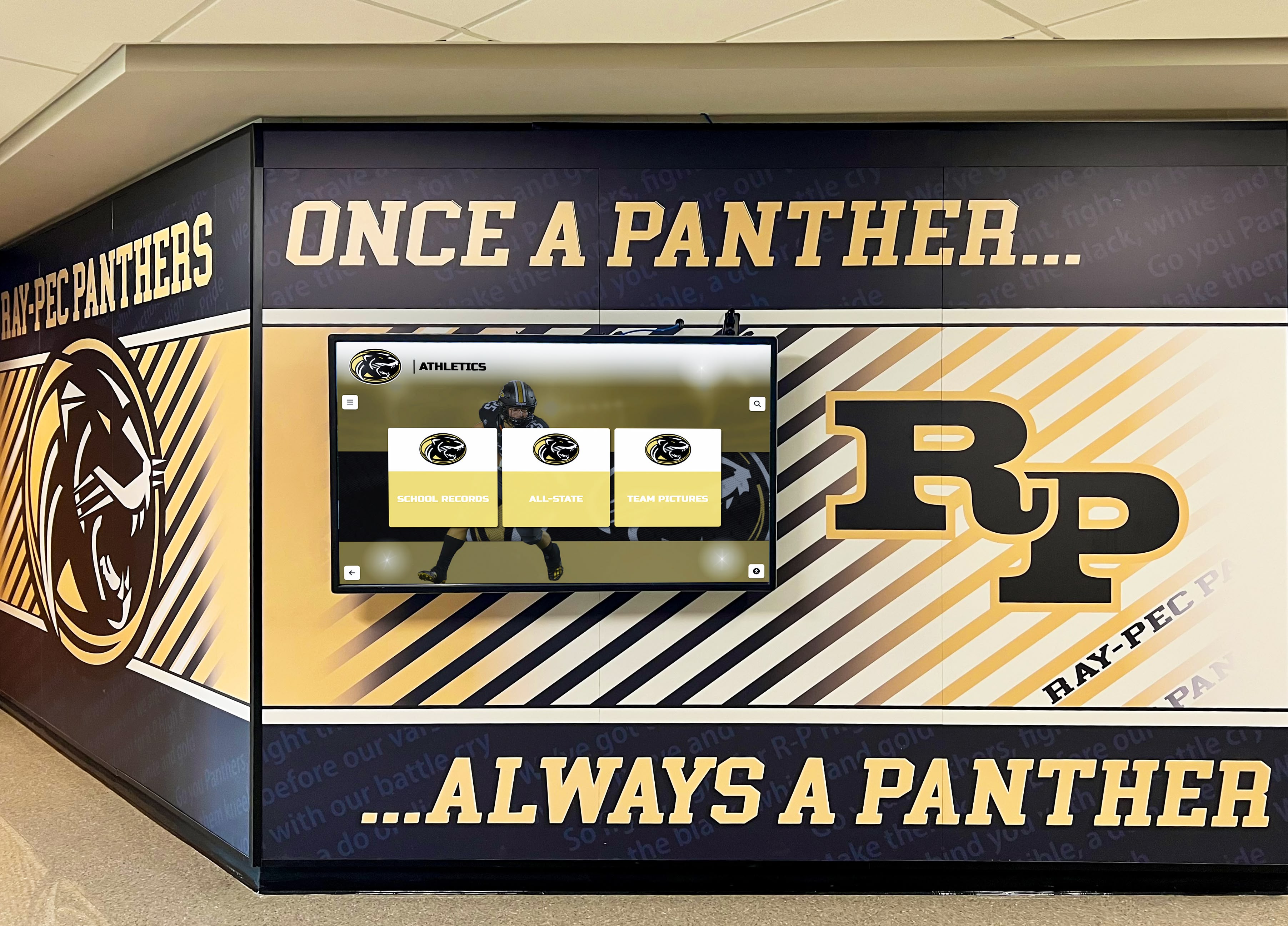
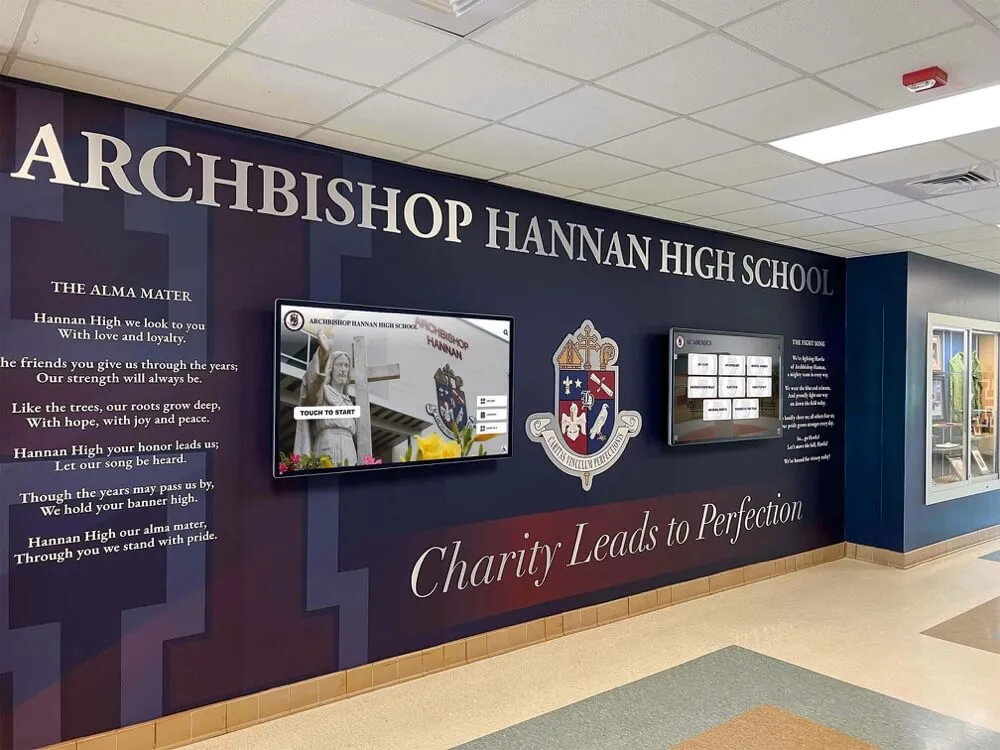
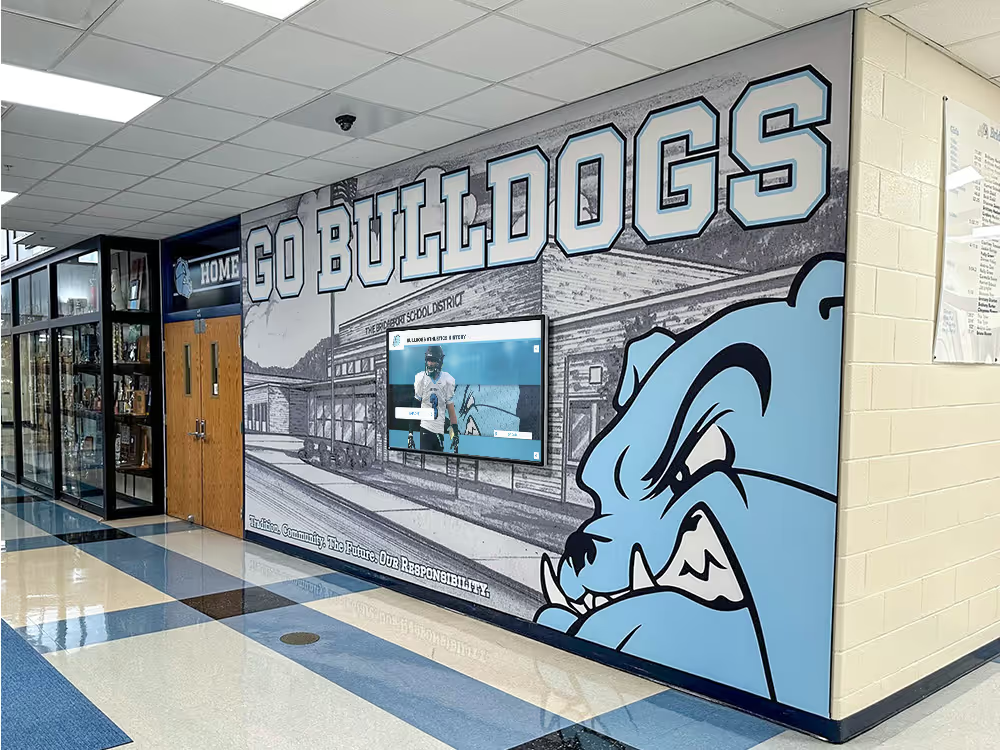
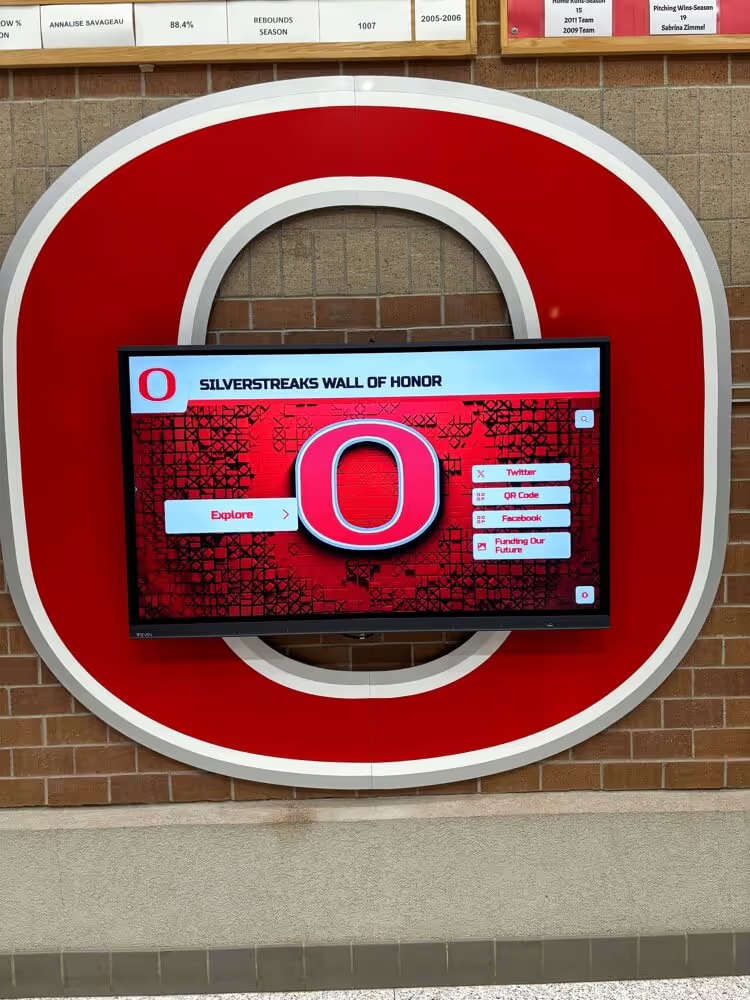
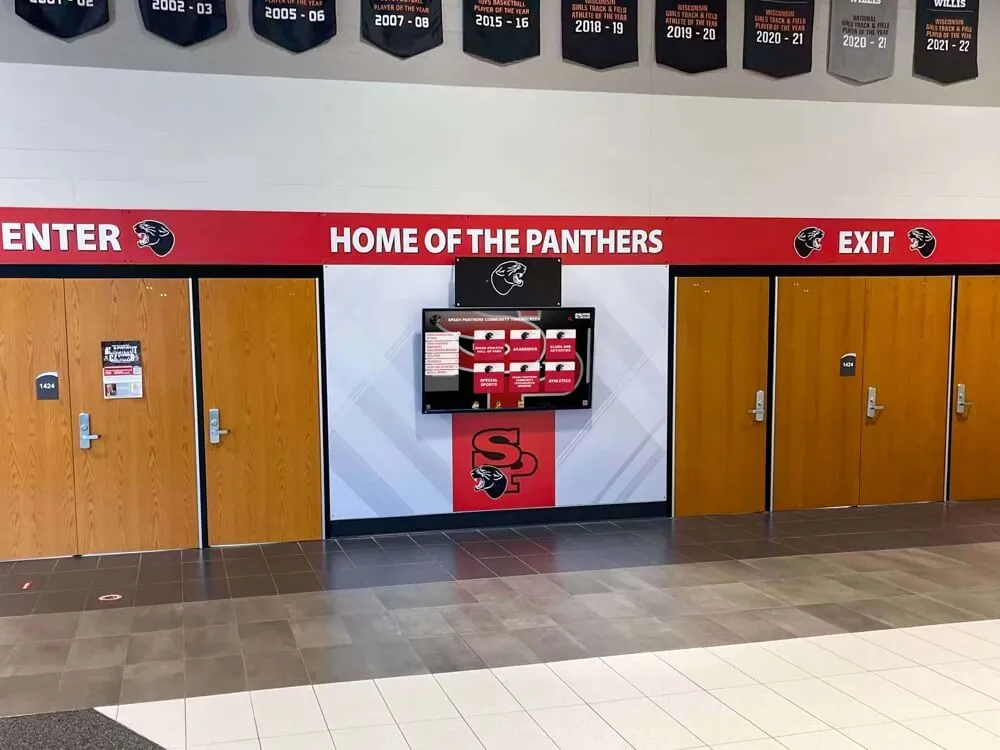
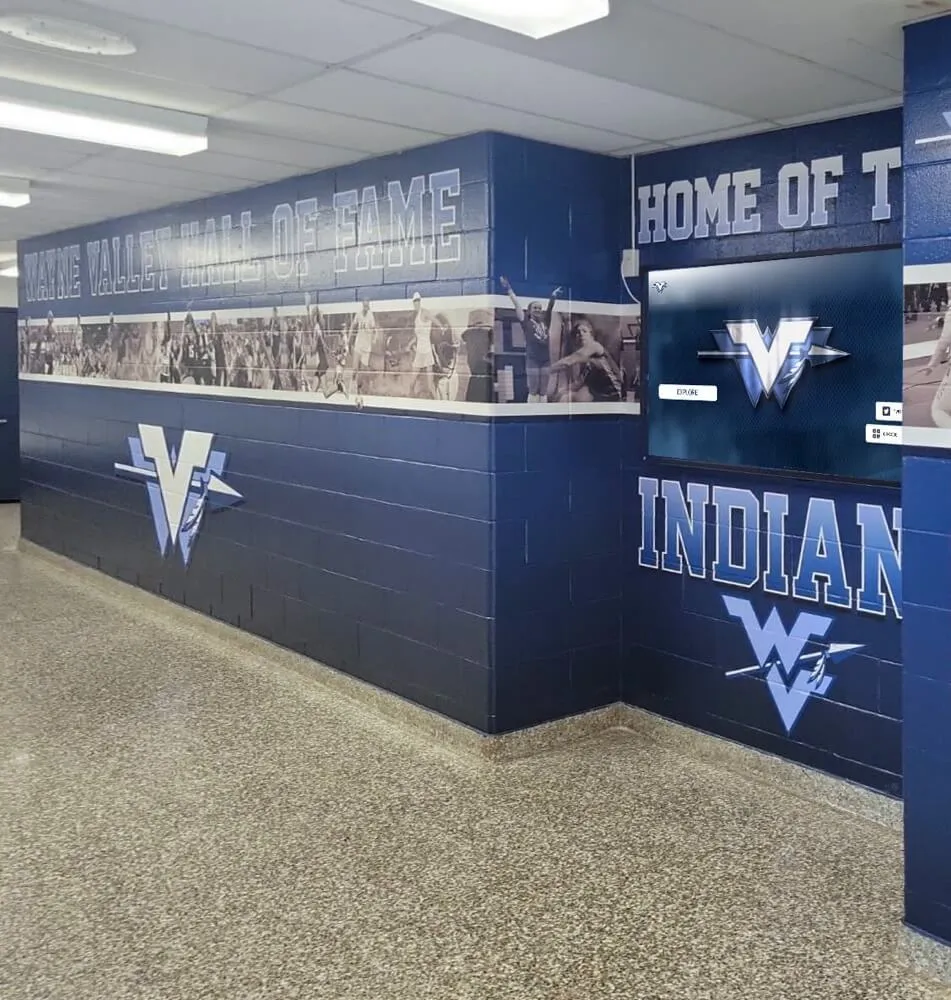
Permanent hallway recognition displays extend award ceremony acknowledgment with year-round visibility
Telling the Improvement Story
Documenting the Growth Journey
Effective improvement recognition narrative includes specific evidence:
Before and After Comparison
- Starting performance metrics and context
- Milestone achievements during improvement journey
- Ending performance statistics
- Percentage or absolute improvement quantification
- Timeline showing progression rather than single jump
The Work Behind the Results
- Additional practice time and effort invested
- Specific skill development focus areas
- Obstacles overcome during improvement process
- Coaching interventions and player/student response
- Attitude and commitment exemplification
Example Improvement Award Presentation
"The Most Improved Player Award recognizes [Name], who began the season
shooting 28% from the field and concluded shooting 51%, a remarkable 23
percentage point improvement. This transformation didn't happen accidentally—
[Name] arrived 30 minutes before every practice for additional shooting work,
sought extra coaching on shooting mechanics, and demonstrated exceptional
responsiveness to feedback. From early-season limited playing time to becoming
a regular rotation player, [Name] exemplifies how dedicated effort creates
measurable results."
Physical Award Selection
Trophy and Certificate Considerations
Physical recognition should match the significance of the achievement:
Comparable Quality Standards
- Equivalent trophy quality to other major team/class awards
- Professional certificate design and presentation
- Permanent recognition plaque when appropriate
- Same presentation format as other premier awards
- Avoid smaller or lesser-quality awards suggesting lower importance
Personalization Elements
- Specific improvement statistics engraved or noted
- Recipient name and year
- Award category clear designation
- School or program branding
- Season or term identification
Explore comprehensive recognition solutions in recognition solutions that build community belonging.
Most Improved Awards Across Different Contexts
Implementation varies across academic, athletic, and organizational settings.
Elementary and Middle School Implementation
Age-Appropriate Recognition
Younger students benefit from improvement recognition structured for developmental stages:
Frequent Recognition Cycles
- Quarterly rather than only annual improvement awards
- Grade-level specific improvement acknowledgment
- Multiple improvement award categories expanding opportunities
- Classroom-level recognition supplementing school-wide awards
- Progress celebration rather than only final achievement
Skill-Specific Improvement
- Reading level advancement recognition
- Math facts mastery progression
- Writing quality improvement documentation
- Behavior and social skill growth
- Physical education and fitness improvement
Inclusive Implementation
- Multiple improvement award recipients rather than single winner
- Improvement recognition accessible across achievement levels
- Celebrate progress regardless of endpoint relative to peers
- Avoid comparison-based improvement (better than another student)
- Focus on individual growth trajectory
High School Academic and Athletic Awards
Balancing Achievement and Improvement
Secondary programs typically feature both traditional achievement awards and improvement recognition:
Athletic Programs
- Sport-specific most improved athlete each season
- Freshman/sophomore development awards
- Position-specific improvement recognition
- Offseason development and improvement awards
- Multi-year improvement trajectory recognition for seniors
Academic Recognition
- Department most improved student awards
- Grade point average improvement recognition
- Course-specific improvement acknowledgment
- Attendance and engagement improvement
- Study skill and work habit development awards
Organizational and Professional Contexts
Workplace and Professional Development
Most improved recognition extends beyond education into professional environments:
Employee Development Recognition
- Sales performance improvement awards
- Skill development and certification advancement
- Customer satisfaction score improvement
- Safety record improvement recognition
- Leadership skill development acknowledgment
Training Program Recognition
- Cohort most improved participant
- Pre/post-assessment improvement leaders
- Skill demonstration advancement
- Participation and engagement growth
- Application of learning in work context
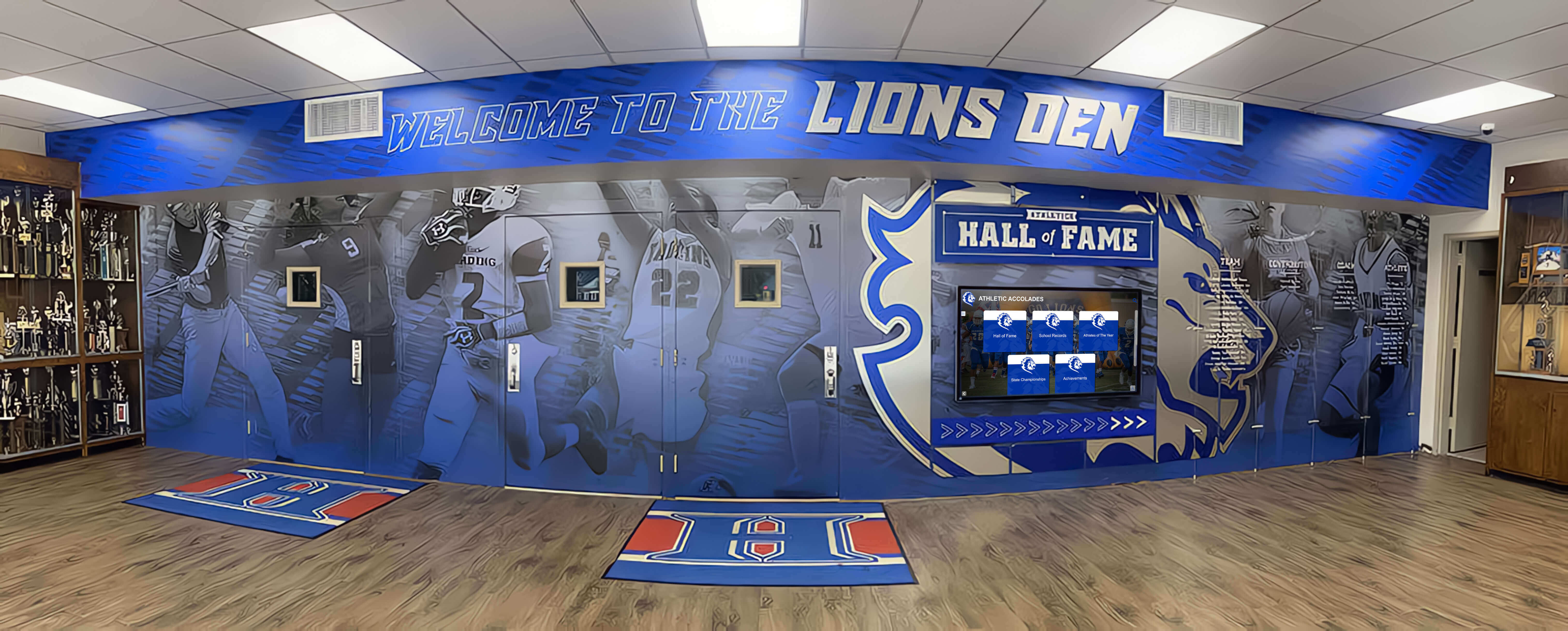
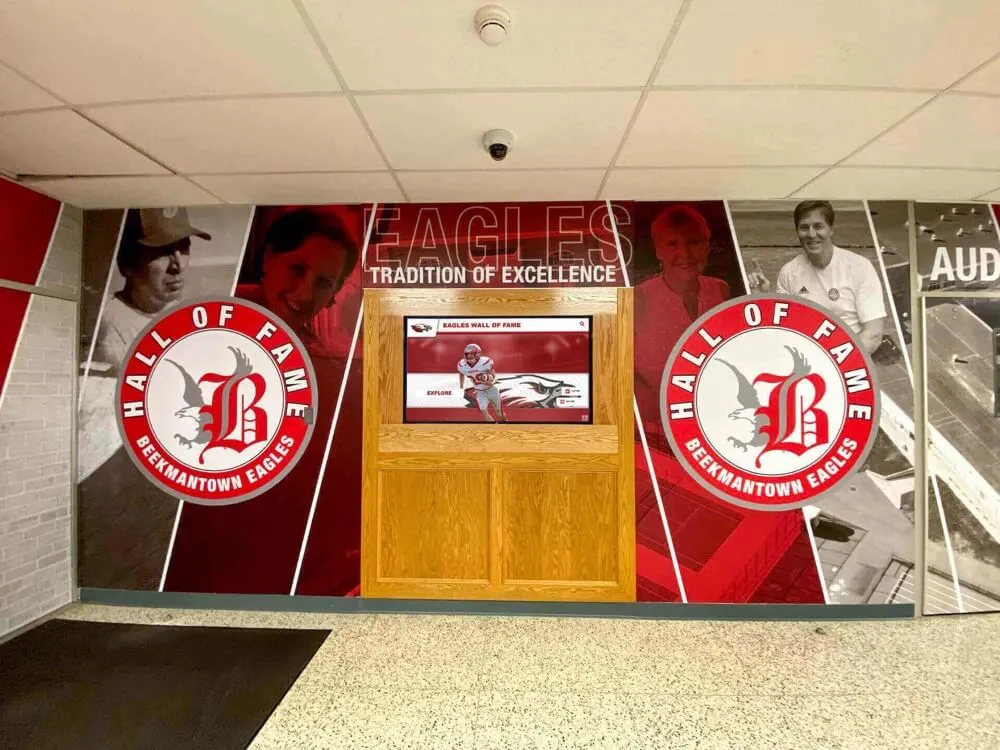
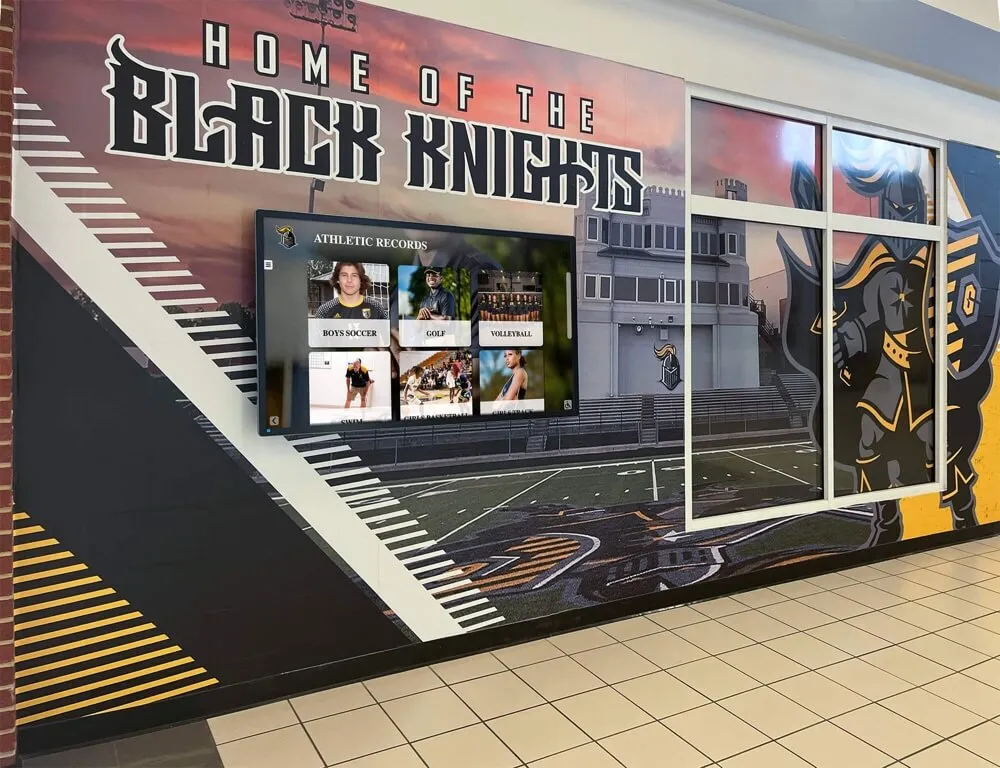
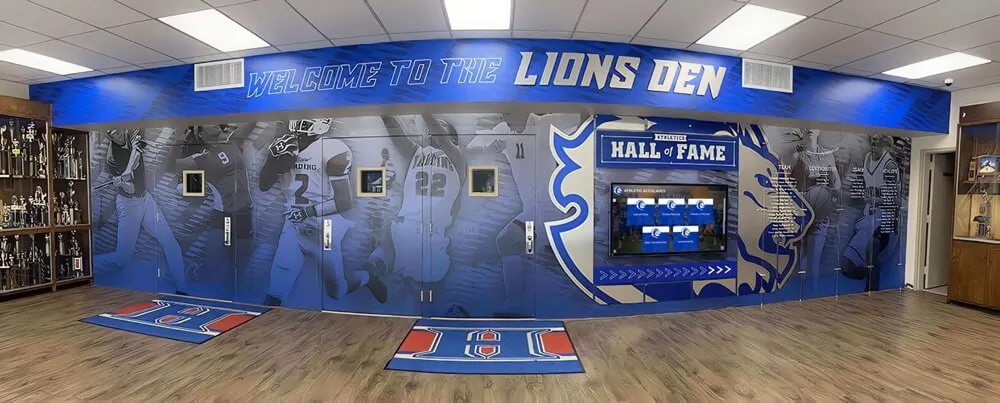
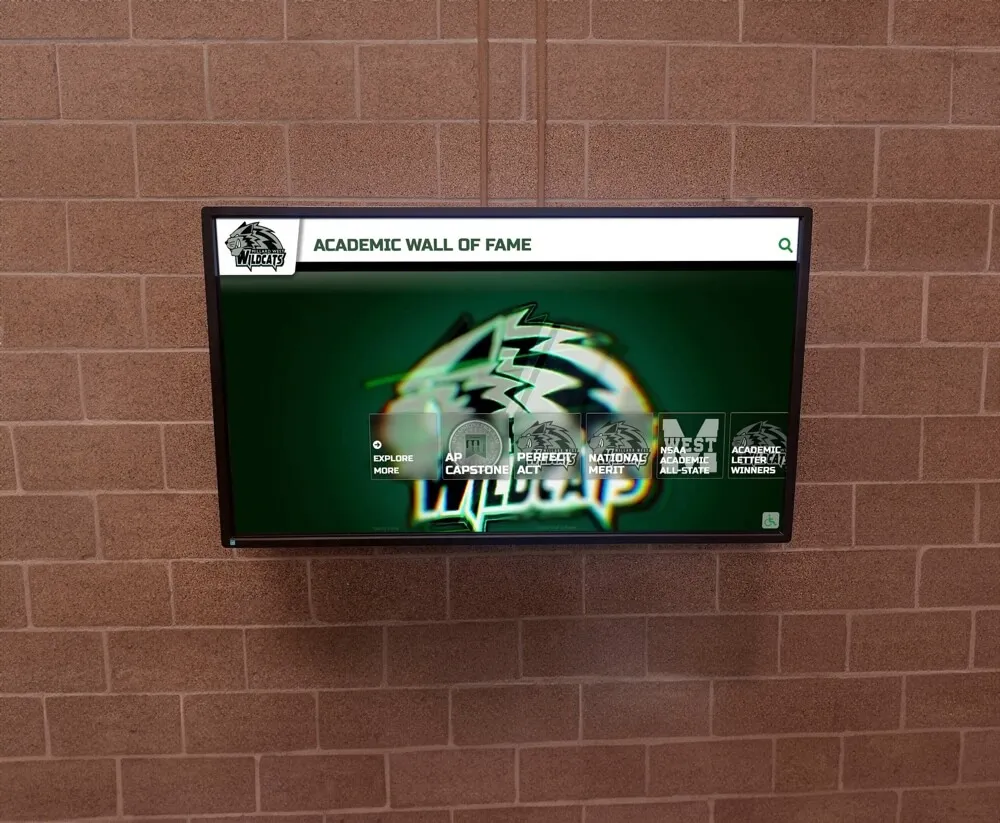
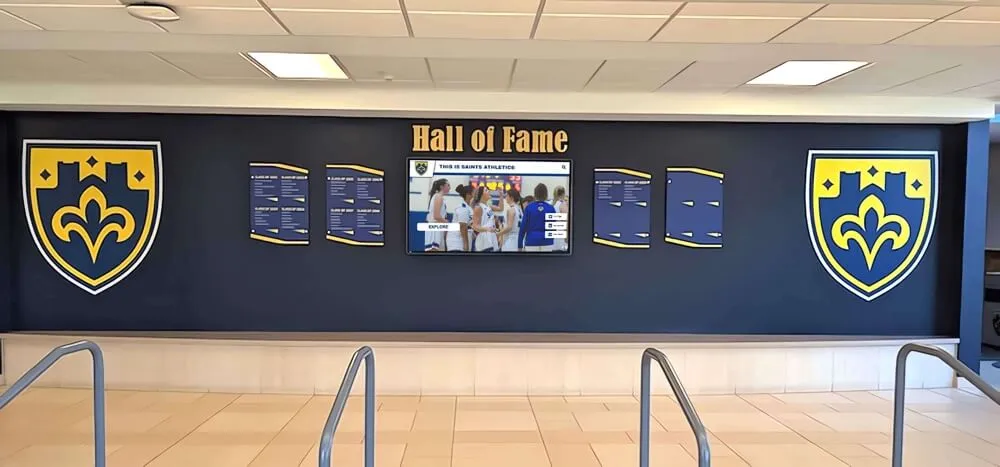
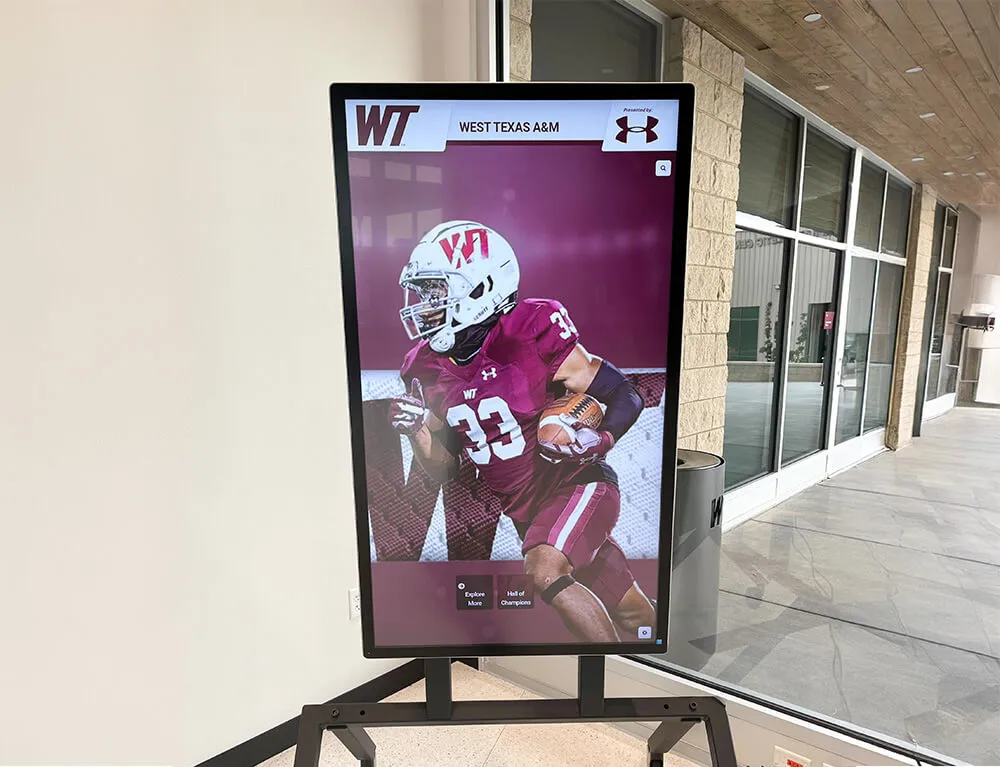
Comprehensive recognition displays accommodate both traditional achievement awards and improvement recognition
Common Most Improved Award Implementation Mistakes
Understanding frequent errors helps programs avoid credibility and motivation issues.
Selection and Criteria Problems
Subjective Favoritism Perceptions
Without objective criteria and documentation, improvement awards lose credibility:
Problematic Approaches
- Coach or teacher selecting favorite without documented criteria
- Inconsistent improvement standards across seasons or years
- Subjective impressions without measurable evidence
- Last-minute decisions without systematic evaluation
- Selection based primarily on attitude rather than measurable improvement
Best Practices
- Established criteria communicated at program start
- Multiple evaluators providing input
- Documented evidence supporting selection
- Consistent application across all participants
- Transparent process known to all stakeholders
Award Presentation and Significance Issues
Minimizing Improvement Recognition
Common mistakes diminish improvement award significance:
Presentation Errors
- Rushing through improvement award as lesser recognition
- Smaller trophy or certificate than other awards
- Limited explanation of why recipient earned recognition
- Presenting without family invitation or celebration
- Omitting from permanent recognition displays and records
Appropriate Recognition
- Equivalent presentation time and ceremony emphasis
- Comparable physical award quality and size
- Detailed improvement narrative during presentation
- Family inclusion in recognition celebration
- Permanent documentation in record systems
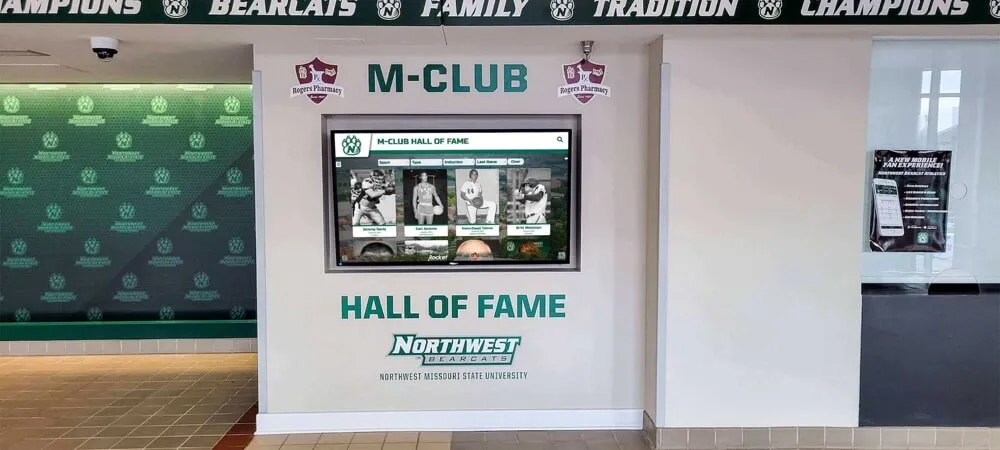
Discover year-round recognition approaches in digital hall of fame display solutions.
Communication and Expectation Problems
Unclear Award Purpose
Programs sometimes fail to define what improvement awards recognize:
Confusion to Avoid
- Treating as participation award rather than merit recognition
- Unclear whether improvement or effort is primary criterion
- Inconsistent messaging about award significance
- Comparing negatively to achievement awards
- Failing to explain selection criteria and process
Clear Communication
- Define improvement award criteria explicitly
- Communicate selection process transparently
- Position as prestigious recognition equal to other awards
- Explain educational and motivational purpose
- Share previous recipient improvement examples
Extending Improvement Recognition Beyond Single Awards
One-time awards provide limited ongoing motivation compared to sustained acknowledgment.
Creating Improvement Recognition Cultures
Systematic Progress Celebration
Most effective programs build comprehensive improvement recognition systems:
Regular Progress Acknowledgment
- Weekly or monthly improvement highlights
- Midseason progress recognition
- Practice improvement acknowledgment
- Incremental milestone celebration
- Continuous feedback on growth trajectory
Visible Progress Documentation
- Public display of improvement statistics
- Progress charts and visual documentation
- Personal record tracking and celebration
- Season-long improvement narratives
- Historical improvement comparisons
Multi-Tier Recognition
- Team/class improvement recognition
- Individual improvement acknowledgment
- Position or subject-area improvement awards
- Seasonal and annual improvement recognition
- Career-long improvement trajectory documentation
Digital Recognition Platforms for Improvement
Year-Round Achievement Visibility
Modern recognition solutions enable ongoing improvement celebration:
Permanent Improvement Archives Solutions like Rocket Alumni Solutions allow schools to:
- Showcase improvement award recipients indefinitely
- Document specific growth statistics and narratives
- Display before and after achievement comparisons
- Celebrate improvement alongside traditional achievement
- Create searchable historical improvement recognition archives
Interactive Exploration
- Touchscreen displays in high-traffic school areas
- Filtering by improvement award category and year
- Individual profiles documenting improvement journeys
- Statistical comparisons showing growth trajectories
- Photo galleries from improvement award ceremonies
Schools implementing comprehensive digital recognition systems report 58-64% higher student awareness of improvement recognition compared to programs relying only on annual ceremony acknowledgment without permanent display infrastructure.
Continuous Updates
- Immediate publication following award ceremonies
- Season-long improvement leader boards
- Real-time progress tracking displays
- Historical comparison capabilities
- Integration with existing achievement recognition
Learn about digital recognition infrastructure in digital wall of fame versus physical displays.
FAQ: Most Improved Award Recognition
What should a most improved award recognize?
Most improved awards should recognize documented, measurable progress from an individual baseline rather than comparative achievement against peers. Effective improvement awards acknowledge significant skill development, statistical advancement, sustained growth over meaningful timeframes, and demonstrated effort leading to quantifiable results. The award should celebrate the improvement journey and work invested, not just endpoint achievement.
How do you objectively select a most improved award recipient?
Objective selection requires establishing clear baseline and endpoint measurements, defining minimum improvement thresholds, using multiple evaluators or data-driven processes, documenting specific improvement evidence, and applying consistent criteria across all candidates. Start with quantitative improvement data, then layer qualitative assessments from coaches or teachers. Avoid single-person subjective decisions without documented evidence supporting the selection.
Is most improved a good award?
Yes, most improved is an excellent award when implemented properly with objective criteria and appropriate recognition. Research shows improvement-focused recognition increases motivation by 31%, supports growth mindset development, creates accessible recognition for students not competing for top achievement honors, and validates the effort and persistence that predict long-term success. However, poorly implemented improvement awards lacking objective criteria or presented as lesser consolation prizes lose credibility and motivational impact.
Should most improved awards be presented equally to other awards?
Yes, most improved awards should receive equivalent presentation significance, ceremony time, physical award quality, and public recognition as other major awards like MVP or highest achievement honors. Minimizing improvement recognition sends messages that growth matters less than natural talent, undermines the motivational purpose, and reduces credibility. Present improvement awards during the same ceremonies with comparable formality and detailed narratives documenting the specific growth achieved.
What is the difference between most improved and most valuable?
Most valuable awards recognize overall contribution and impact on team or class success, typically going to top performers regardless of starting point. Most improved awards specifically celebrate significant measurable growth from individual baseline, often recognizing students who made dramatic progress but may not have reached elite performance levels. A most valuable recipient might have started and ended the season as the best performer; a most improved recipient demonstrated the greatest growth trajectory regardless of endpoint relative to peers.
How often should most improved awards be given?
Award frequency depends on context and participant age. Youth programs benefit from quarterly or seasonal recognition creating frequent improvement celebration. High school programs typically present most improved awards at end-of-season banquets or annual academic ceremonies. Workplace environments might recognize improvement quarterly or annually. More frequent recognition increases motivation but requires sustainable documentation and evaluation systems. Balance recognition frequency with maintaining award prestige and administrative feasibility.
Celebrating Growth as the Foundation of Achievement
Most improved award recognition validates the fundamental truth that achievement stems from growth, not just talent—and that the journey from starting point to endpoint deserves celebration equal to reaching any specific destination. When schools, athletic programs, and organizations implement improvement awards with objective criteria, appropriate presentation, and genuine appreciation for the work growth requires, they create powerful motivation accessible to all participants regardless of natural advantages or disadvantaged starting positions.
The frameworks, criteria, and strategies explored throughout this comprehensive guide provide systematic approaches for implementing most improved awards that carry credibility, fairness, and motivational impact. From establishing measurable baselines and improvement thresholds to creating multi-evaluator selection processes and presenting awards with appropriate significance, effective improvement recognition requires thoughtful design matching the importance of what these awards represent.
Successful most improved awards move beyond subjective impressions to documented evidence, balance quantitative metrics with qualitative growth, maintain selection processes resistant to favoritism perceptions, and present recognition emphasizing both the achievement and the dedicated effort that created improvement. Programs implementing these comprehensive approaches build recognition cultures where growth receives celebration comparable to—and integrated with—traditional achievement acknowledgment.
Celebrate Improvement Year-Round With Permanent Recognition
Discover how modern digital recognition solutions can showcase your most improved award recipients throughout the year, creating lasting visibility for growth achievements celebrated at your recognition ceremonies.
Explore Recognition SolutionsMost importantly, effective improvement awards position growth celebration within broader recognition ecosystems valuing diverse achievement types and pathways to excellence. When combined with digital recognition displays providing permanent visibility, systematic progress acknowledgment throughout seasons or academic years, and communication highlighting improvement narratives, most improved awards become integrated into comprehensive approaches that make student growth central to program culture.
Your students’ improvement journeys deserve recognition creating motivation, validation, and pride extending far beyond brief ceremony presentations. Start with objective selection criteria and meaningful presentation incorporating the proven strategies explored in this guide, then extend that recognition through permanent solutions ensuring every improvement achievement receives the ongoing visibility and celebration it deserves.