



Robotics team recognition ideas that match the ambition of high school FIRST, VEX, and FRC programs are long overdue. When schools win regional championships, qualify for national competitions, or place in the top tier at state-level events, those achievements deserve the same prominent display as a football state title or a swimming conference record—because the students who built those robots worked just as hard, sacrificed just as much, and represented their schools with the same competitive intensity.
Yet most schools still treat robotics recognition as an afterthought. Trophy cases in main hallways are packed with athletic hardware from decades past while the robot that competed at the FRC World Championship sits in a storage room. Banquet recognition focuses on sports while the students who designed and programmed award-winning machines receive a brief mention in the spring newsletter. This gap leaves talented STEM students without the visible acknowledgment that reinforces their commitment and inspires younger students to join the program.
This guide covers practical robotics team recognition ideas spanning award categories, physical and digital display strategies, banquet planning, and the technology that leading schools use to give robotics programs the institutional standing they deserve.
High school robotics programs have grown dramatically over the past two decades. FIRST Robotics Competition (FRC) alone involves more than 100,000 students across thousands of teams globally, with competitions at regional, district, and world championship levels. VEX Robotics and BEST Robotics programs add tens of thousands more participants. These students spend hundreds of hours designing, engineering, programming, and troubleshooting complex machines under real competition deadlines—skills that directly translate to careers in engineering, computer science, and technical fields.

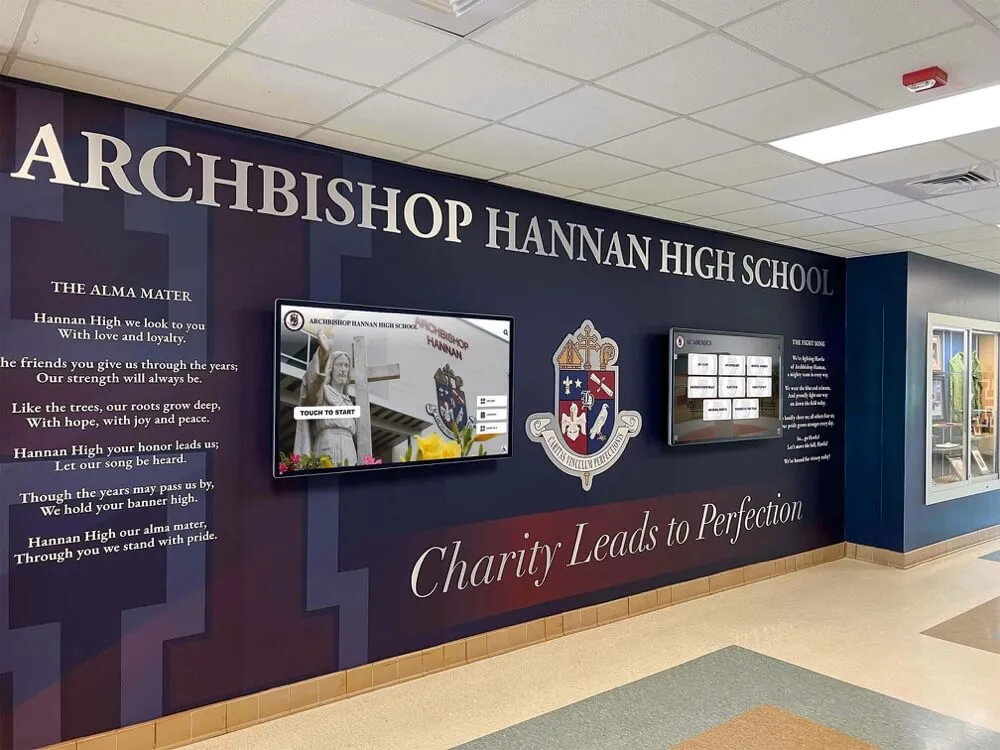
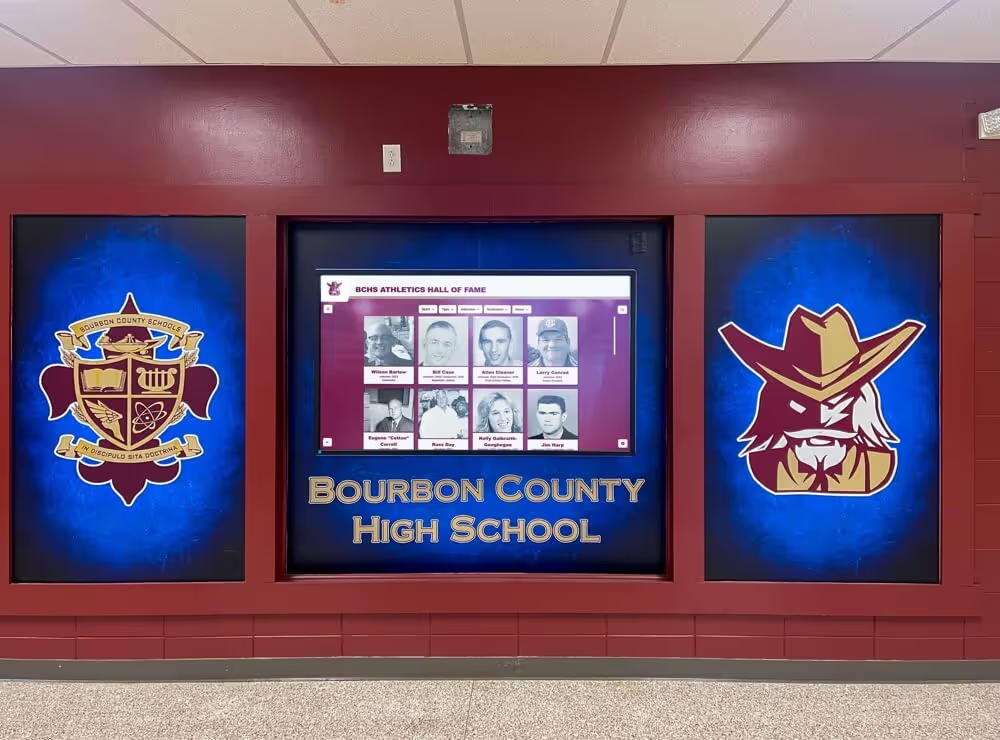
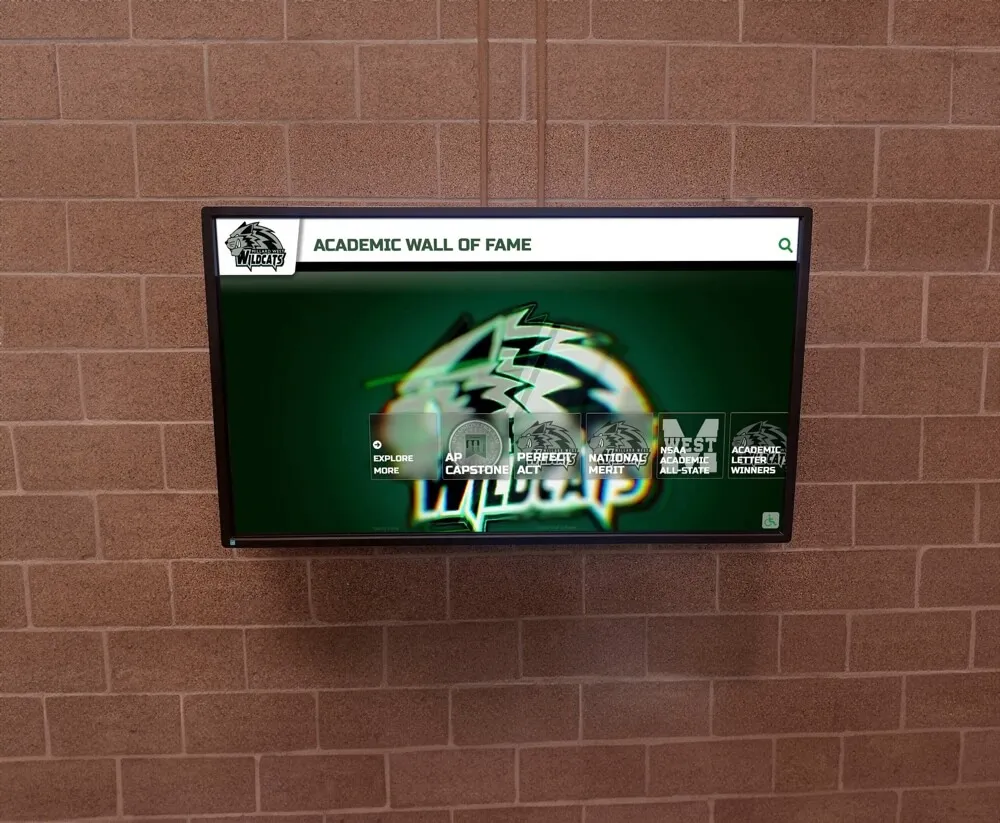
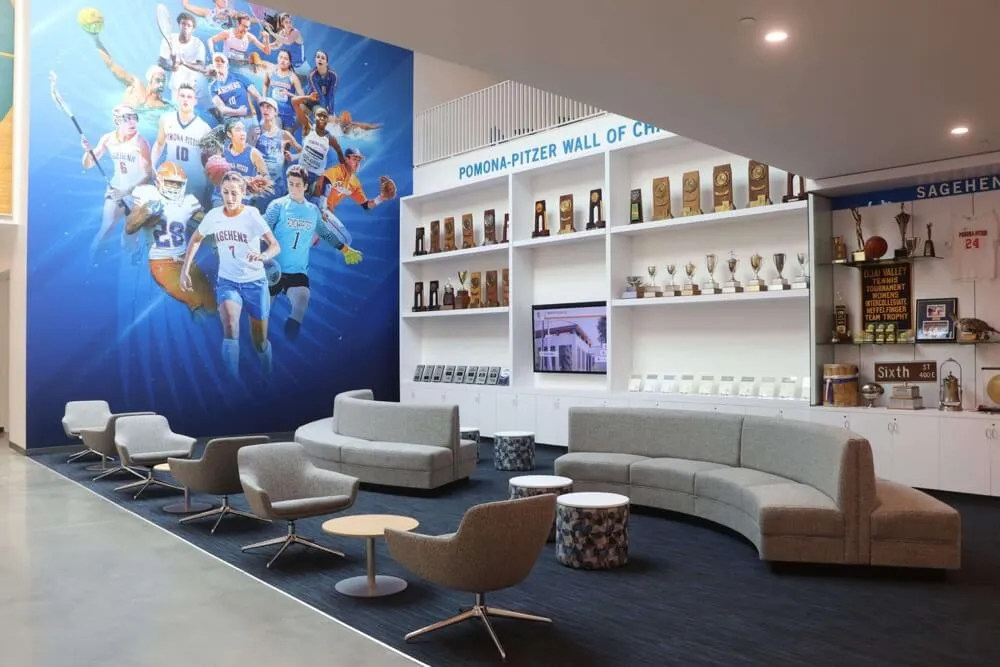
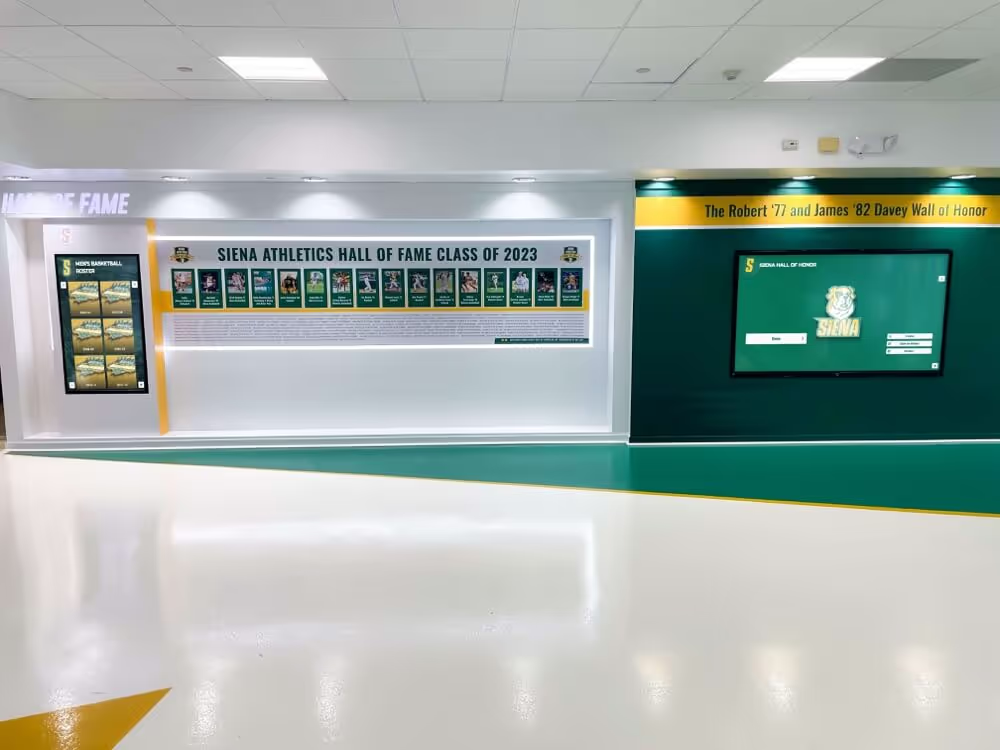
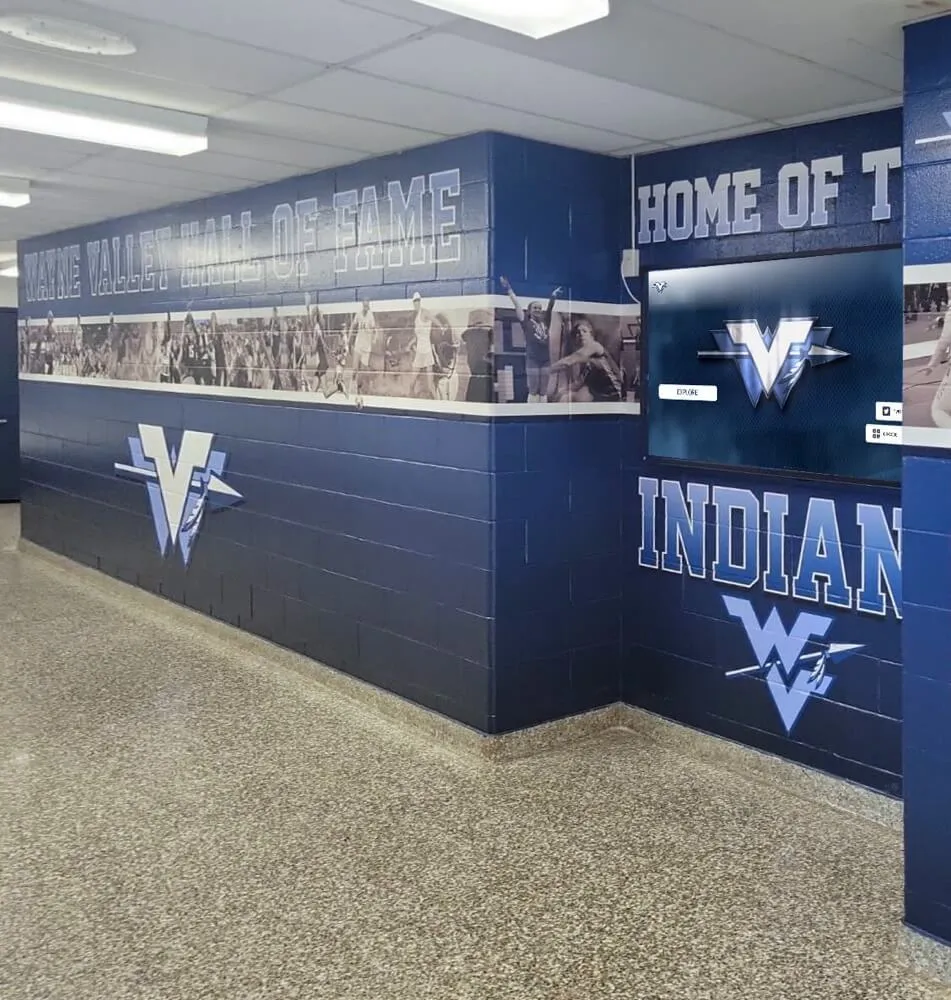
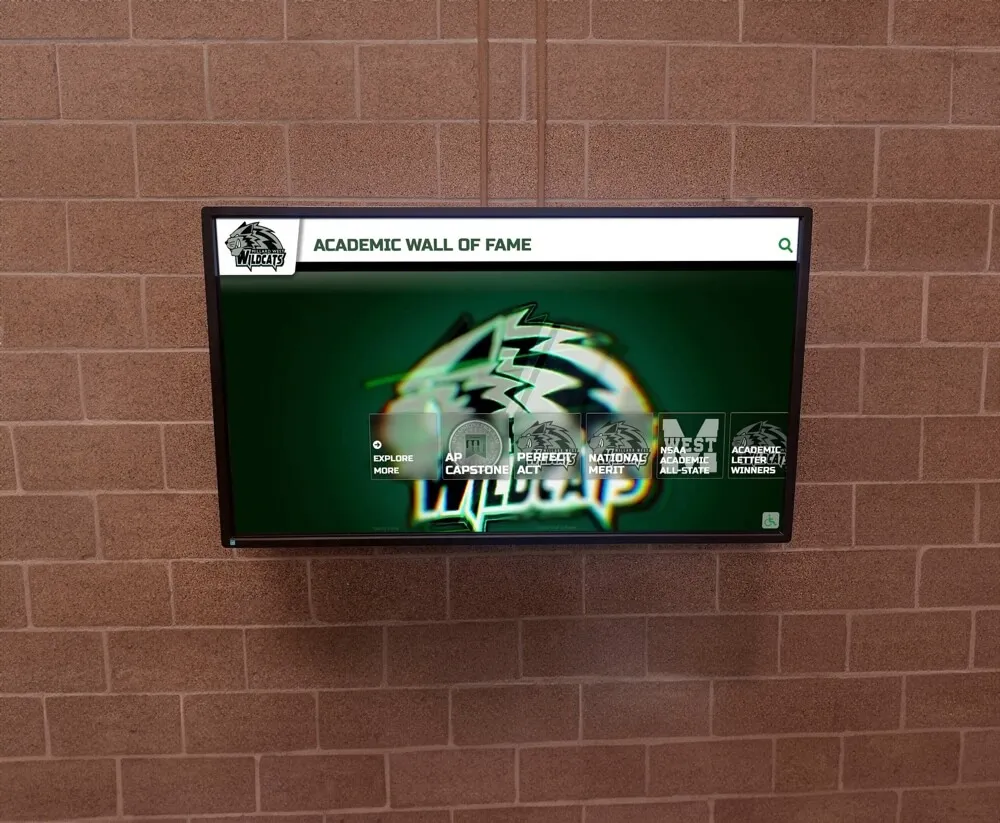
Academic walls of fame that include robotics program achievement give STEM recognition the same permanent visibility as traditional athletic honors
Why Robotics Team Recognition Matters
Before diving into specific recognition ideas, understanding why this recognition matters—and what it accomplishes—helps schools build programs that go beyond symbolic gestures.
Retention and Program Sustainability
Robotics programs are expensive to maintain. Kits, components, registration fees, and travel costs for competitions represent significant investments. The programs that sustain these investments over years are the ones where students choose to return season after season, where alumni become mentors, and where incoming freshmen actively seek out the team.
Recognition drives retention. Students who feel their contributions are seen and honored are significantly more likely to continue participating. A junior who earned a specific award at the end-of-year banquet returns for senior year partly to defend that recognition. A sophomore whose name appears on a permanent display in the school lobby develops a sense of belonging to something larger than a single build season.
Inspiring Recruitment
Visible recognition attracts new students who might not have considered robotics. When trophies, banners, and digital displays showcase what the team has accomplished, students walking past those displays every day develop awareness that robotics is something their school takes seriously. For programs struggling to recruit enough members to sustain specialized subteams—mechanical, electrical, programming, strategy, media—that visibility is genuinely consequential.
STEM Identity for the Whole School
Schools build institutional identity through the achievements they choose to display prominently. Athletic trophies communicate that this is a school where sports matter. A dedicated STEM recognition program communicates that engineering, programming, and technical problem-solving are equally valued—a message that shapes how students think about their own potential.
Explore how STEM stars recognition walls create lasting STEM identity in school hallways that inspire future engineers and scientists.
Award Categories for Robotics Team Recognition
Effective robotics recognition covers multiple categories, ensuring that students with different strengths and contributions receive acknowledgment beyond a single team MVP.
Competition Achievement Awards
Competition performance provides clear, externally validated metrics for recognition—an important foundation for any robotics awards program.
Regional and District Championship Awards
- Recognition for qualifying for district or regional championship events
- Awards for advancing to state-level competitions
- Championship certificates for divisional titles at regional events
- Display of team ranking and record at each competition level
Advancement Recognition
- Award for each level of competition advancement: district to state, state to championship
- World Championship qualification is among the most significant achievements any school program can reach—treat it accordingly with permanent display and formal banquet recognition
Alliance Selection and Finals Appearance
- In FRC and VEX formats, being selected as a first-pick alliance partner reflects how well competing teams evaluated your robot’s capabilities—recognition worth formalizing
- Finalist and winner position in elimination bracket deserves its own award category separate from qualifying record
Award-Specific Recognition Competition organizers present awards beyond pure win-loss performance. FIRST Robotics, for example, presents:
- Chairman’s Award — the most prestigious team award, recognizing community impact and STEM promotion
- Engineering Inspiration Award — recognizing STEM outreach efforts
- Rookie All-Star Award — first-year programs demonstrating exceptional performance
- Industrial Design Award — recognizing elegant and effective robot design
When teams earn these awards, schools should recognize them with equivalent prominence to conference champion recognition in athletics. These are national-level accolades.
Learn how student STEM projects and engineering competitions gain meaningful recognition through programs specifically designed for academic extracurriculars.
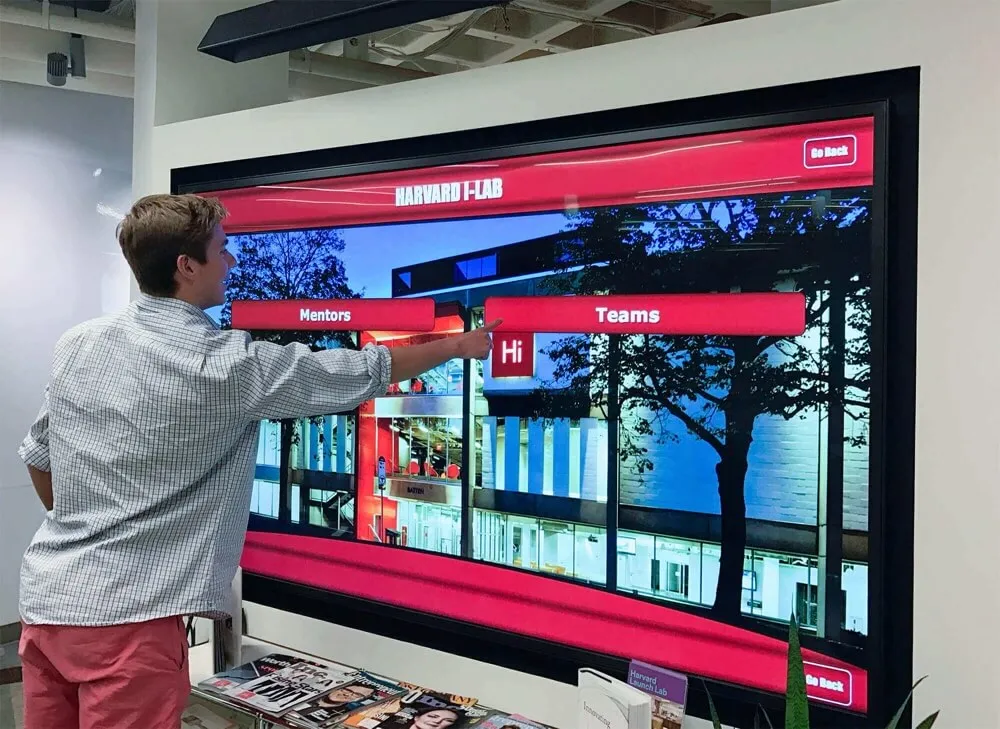
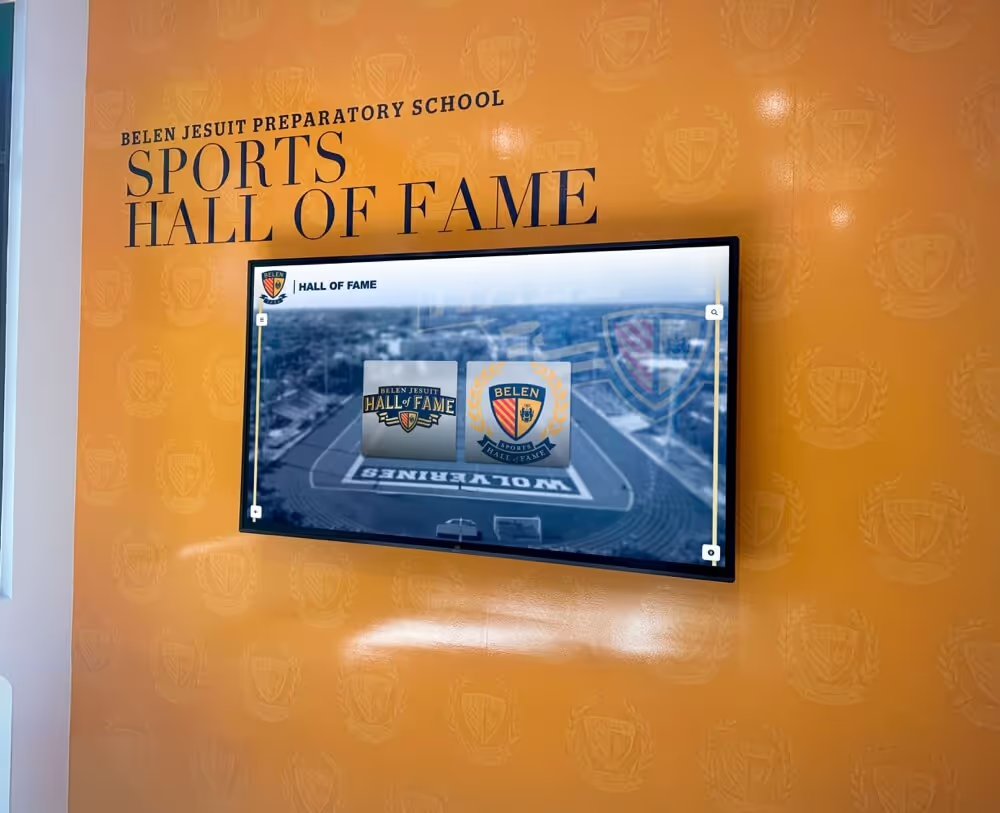
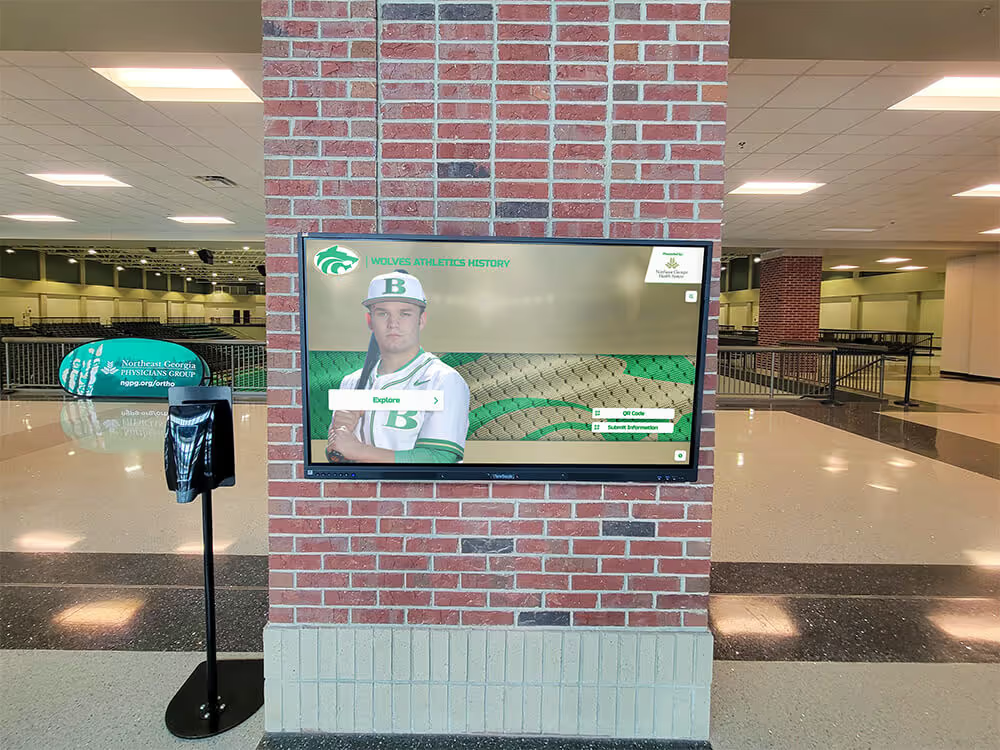
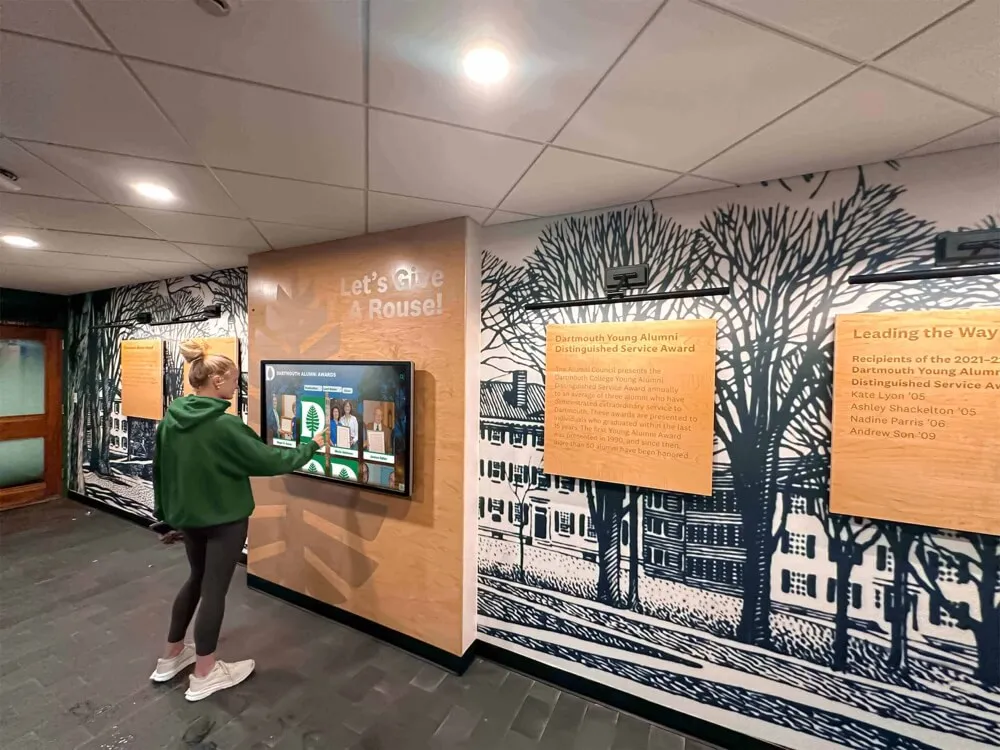
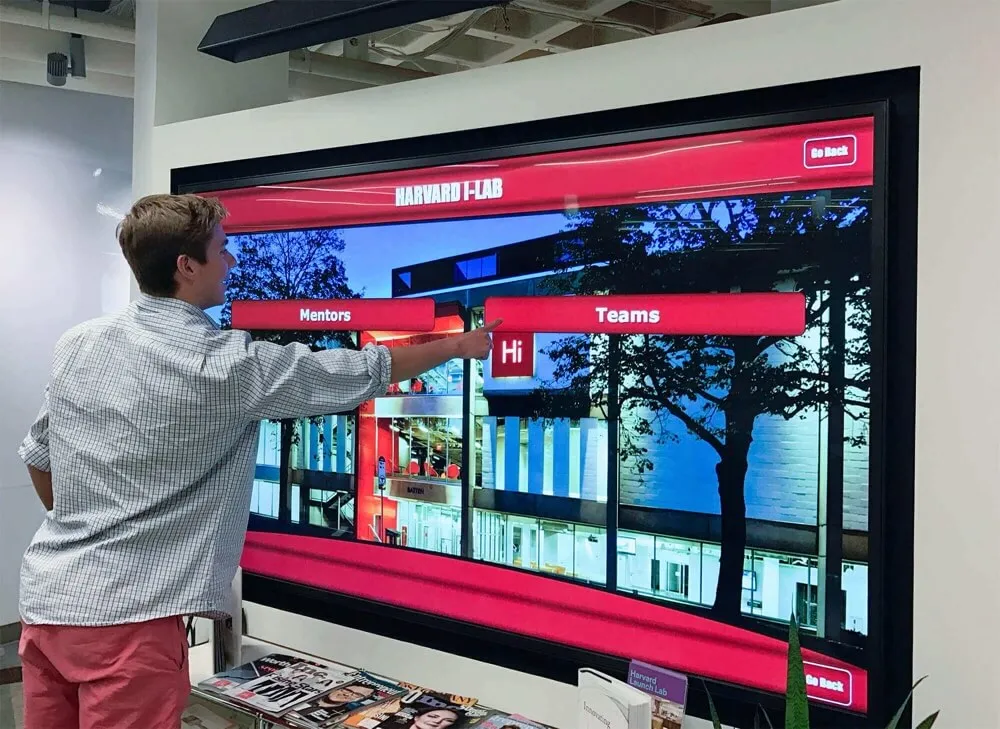
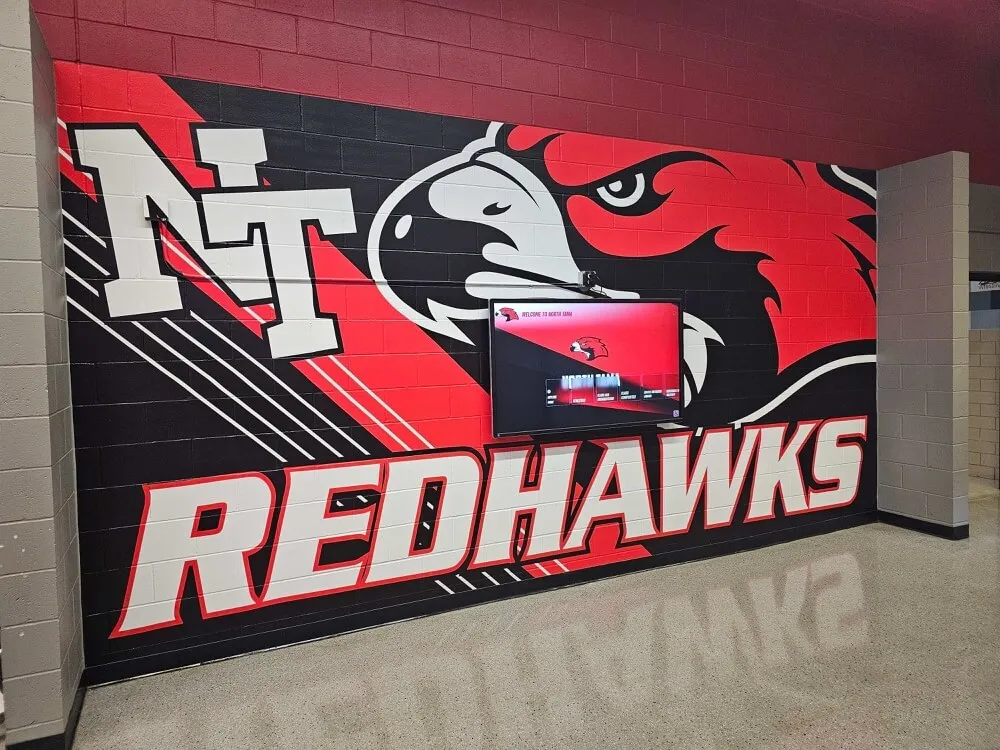
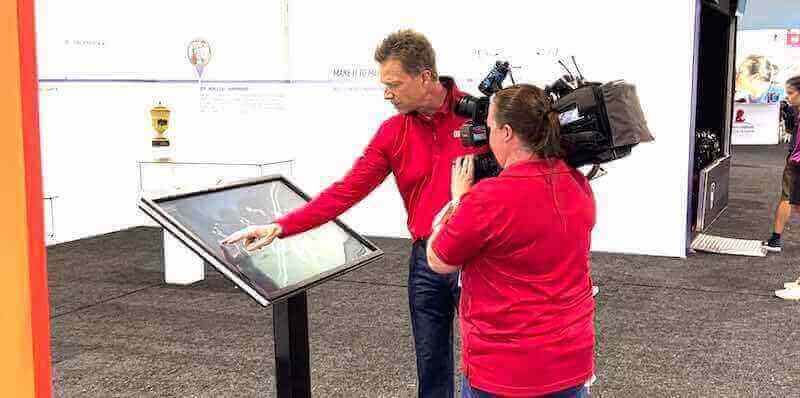
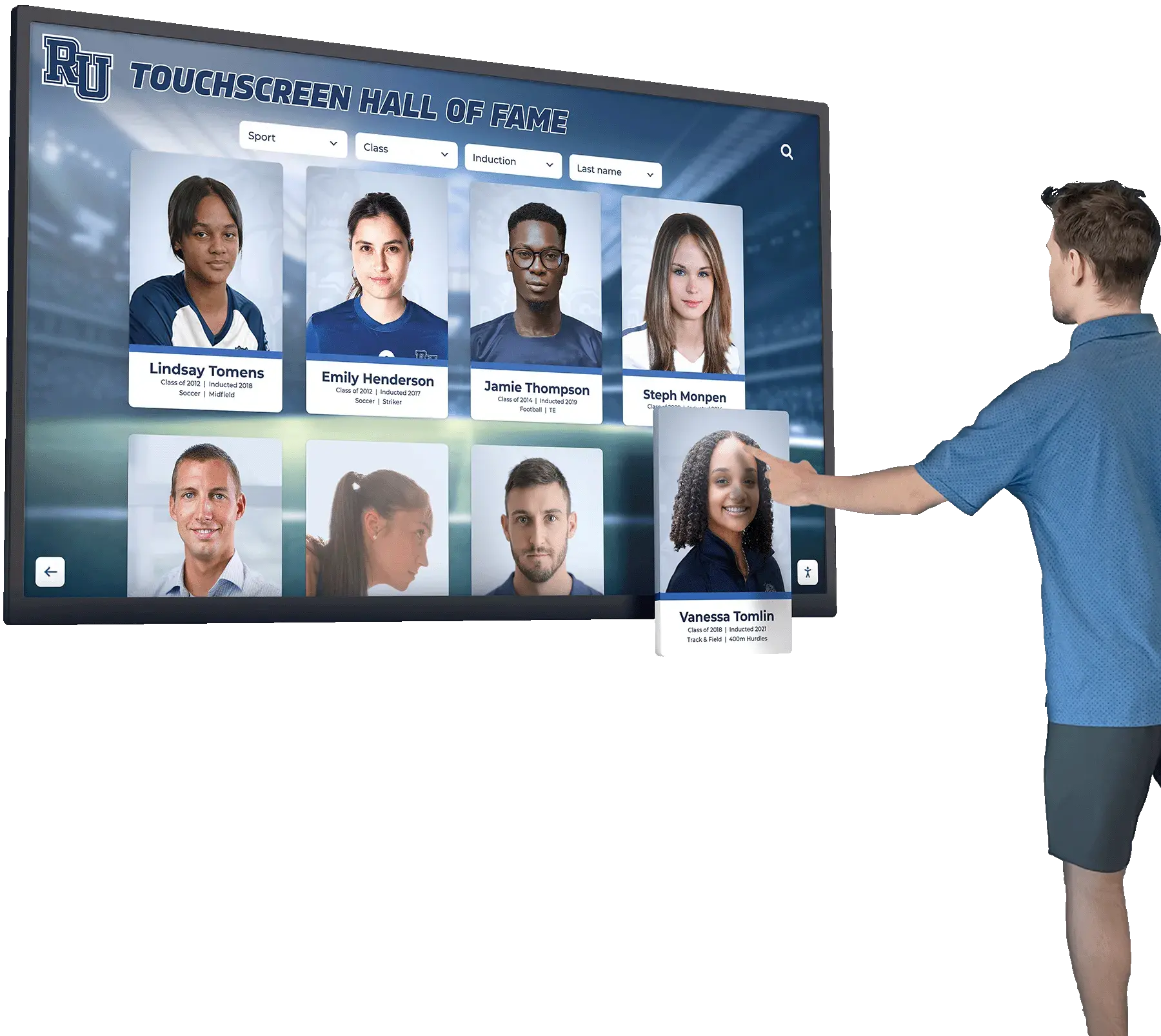
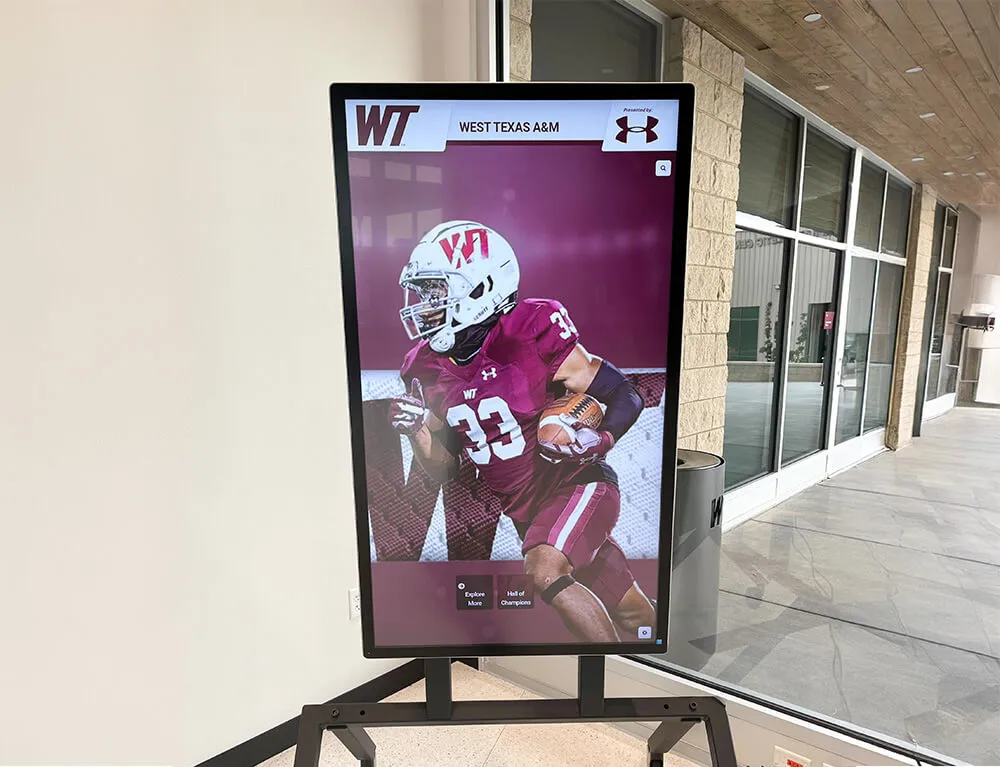
Innovation center-style touchscreen displays allow visitors and students to explore team histories, member rosters, and competition achievements in depth
Role-Specific Technical Awards
Robotics teams operate as organizations with specialized subteams. Recognizing excellence within each role creates multiple recognition pathways that reflect the actual structure of how robots get built.
Mechanical Engineering Award
- Recognizes the student(s) whose design and fabrication work most significantly contributed to robot performance
- Can be evaluated by the coaching staff and faculty advisor based on season-long contribution
- Consider separate recognition for design innovation vs. fabrication execution
Electrical and Wiring Award
- Recognizes clean, reliable, and well-organized electrical systems
- Particularly meaningful in programs where wiring failures caused issues in previous seasons—this award signals the value of doing it right
- Can be informed by inspection pass rate and reliability during competition
Programming and Software Award
- Recognizes the lead programmers who implement autonomous routines, driver-assist systems, and sensor integration
- Autonomous period performance during competition provides direct evidence
- Consider categories for both autonomous routine development and control system architecture
CAD and Design Award
- Recognizes students who led computer-aided design work defining robot geometry and mechanisms
- Measurable through design accuracy and whether CAD files translated accurately to physical build
- Often the quietest contribution that deserves explicit acknowledgment
Strategy and Scouting Award
- In alliance-format competitions, effective scouting and match strategy often determines which teams advance
- Recognizes students who maintained scouting databases, analyzed opponent data, and informed alliance selection decisions
- Underrecognized in most robotics programs despite its competitive impact
Business and Communications Award
- Recognizes students managing sponsorship relationships, team branding, social media, and community outreach
- In FIRST, the Chairman’s Award submission is a written document requiring sophisticated communication—the students leading that effort deserve recognition
- Connects robotics recognition to the broader school community
Character and Contribution Awards
Beyond technical roles, character awards celebrate the qualities that make robotics programs function.
Most Valuable Team Member (MVTM)
- Recognizes the student who contributed most broadly across build season, competition, and off-season
- Not necessarily the best programmer or the most skilled fabricator—the person who showed up for every work session, solved problems across multiple systems, and held the team together
Rookie of the Year
- First-year team member demonstrating exceptional growth, contribution, or leadership potential
- Creates a visible recognition target for incoming students and connects new members to program tradition
Mentor Award
- Recognizes older students who invested time developing newer teammates’ skills
- Peer mentorship is essential in robotics programs where specialized knowledge must transfer between graduating seniors and incoming students
Most Improved
- Recognizes the student who made the greatest skill leap from the start of build season to competition
- Particularly meaningful in programs working to develop technical skills across diverse membership
Leadership Award
- Recognizes team captain(s) or those who assumed significant coordination responsibility
- Formal presentation acknowledges that leading a robotics team requires organizational and interpersonal skills beyond technical competence
Pit Crew Excellence Award
- Competition day success depends on effective robot repair, adjustment, and preparation between matches
- Students who excel in the pit environment—calm under pressure, efficient troubleshooting, clear communication—deserve specific recognition
Academic Integration Awards
Robotics programs that celebrate academic achievement alongside competitive performance build dual-identity cultures that attract and retain academically strong students.
Scholar Robotics Award
- Highest GPA among team members
- Can be presented at the academic banquet alongside athletic academic awards to signal institutional parity
Team Academic Excellence Award
- Overall team GPA recognition, presented alongside other team metrics
- Connects robotics participation to academic outcomes in a formal, visible way
Explore how student recognition awards honor academic achievement in meaningful ways that span both academic and extracurricular domains.
Physical Recognition Displays for Robotics Programs
Awards mean more when they’re permanently displayed where the school community encounters them daily, not stored in a classroom or advisor’s office.
Trophy Cases and Dedicated Displays
Dedicated Robotics Trophy Case
The first step is establishing a dedicated space for robotics hardware. A robotics program competing seriously at FRC or VEX accumulates significant physical awards over years—plaques, trophies, banners, and team-built robots. A shared trophy case in a main hallway with a section labeled for robotics, or a dedicated case near STEM classroom clusters, signals institutional recognition.
Key elements for a strong robotics trophy case:
- Competition trophies and plaques prominently displayed by year
- Team banner(s) from competitions where earned
- Team photos from each season, organized chronologically
- Award certificates framed and labeled with context explaining what they represent
- A display robot or robot component giving visitors a tangible sense of what the team builds
Lobby Display Integration
Schools that display athletic banners and championship indicators in their main lobbies should apply the same standard to robotics achievements. A banner reading “FRC Regional Champions — 2025” belongs in the same hallway as a football conference title banner. Some schools are implementing combined STEM achievement walls that display robotics alongside academic competition achievements from Science Olympiad, MATHCOUNTS, and similar programs.
Classroom and STEM Center Integration
Within STEM classrooms and makerspaces where robotics teams operate, recognition displays serve a daily inspirational function. Photos from competition, current-season trophies, and a record of past achievements posted where students work reinforce program identity and set expectations for effort.
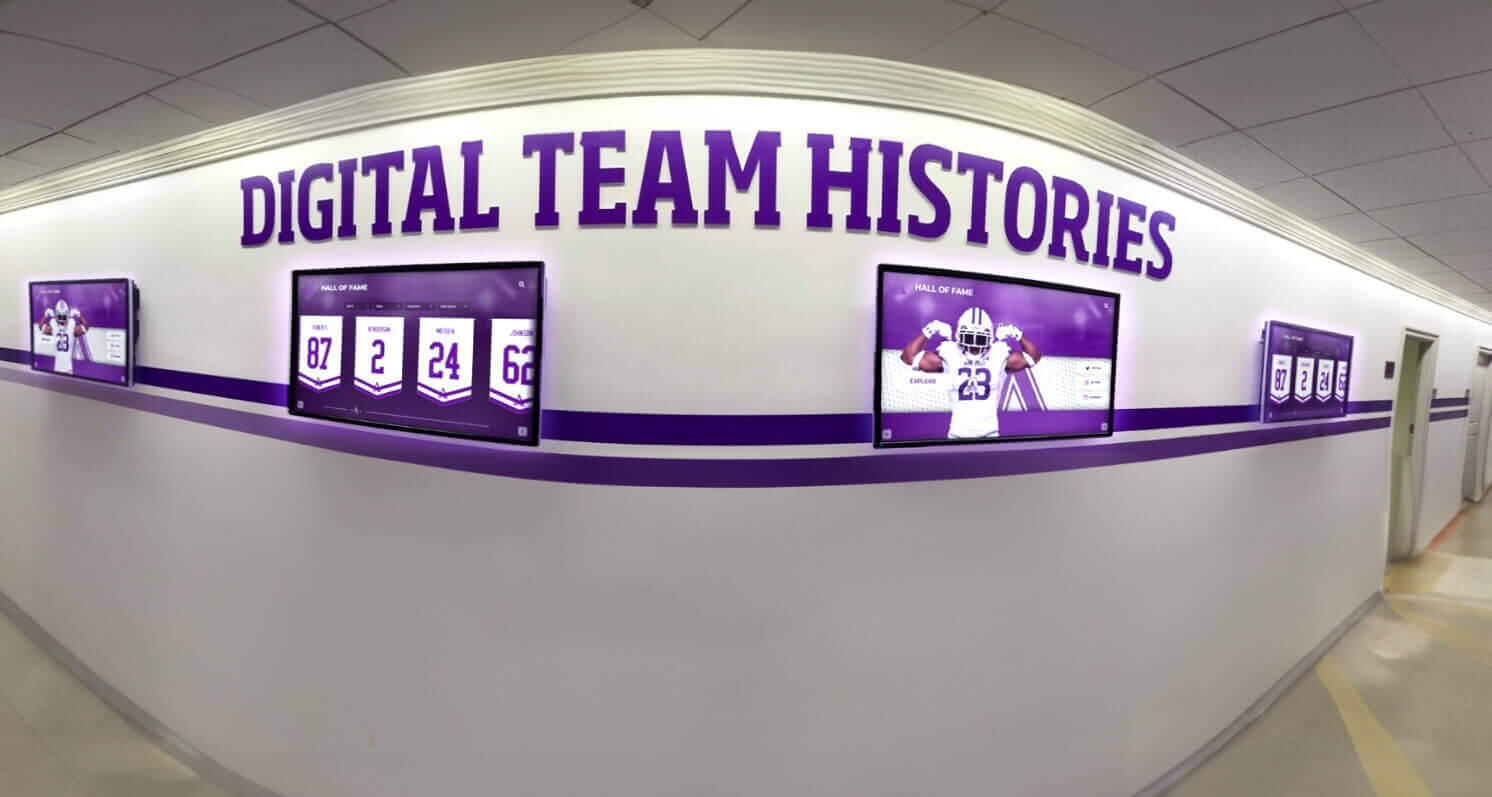
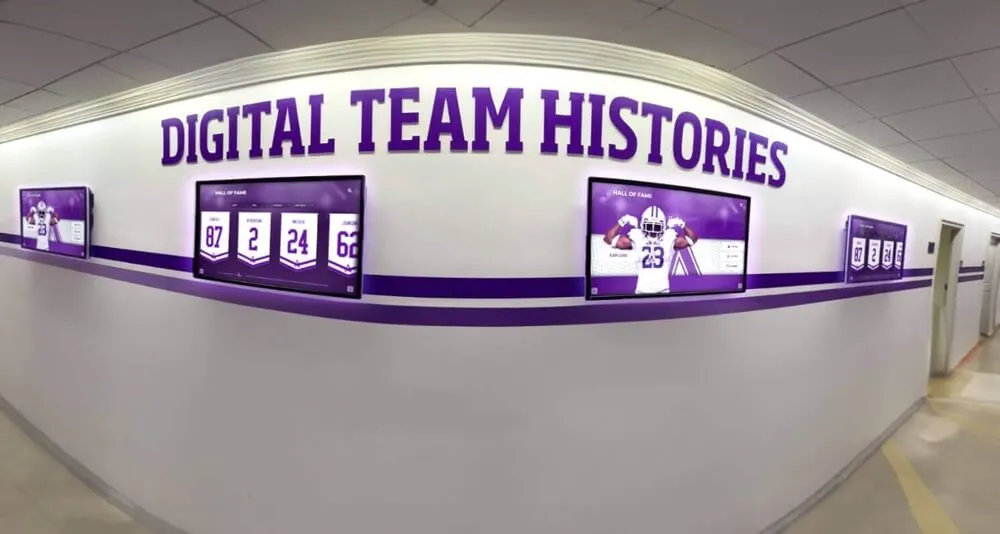
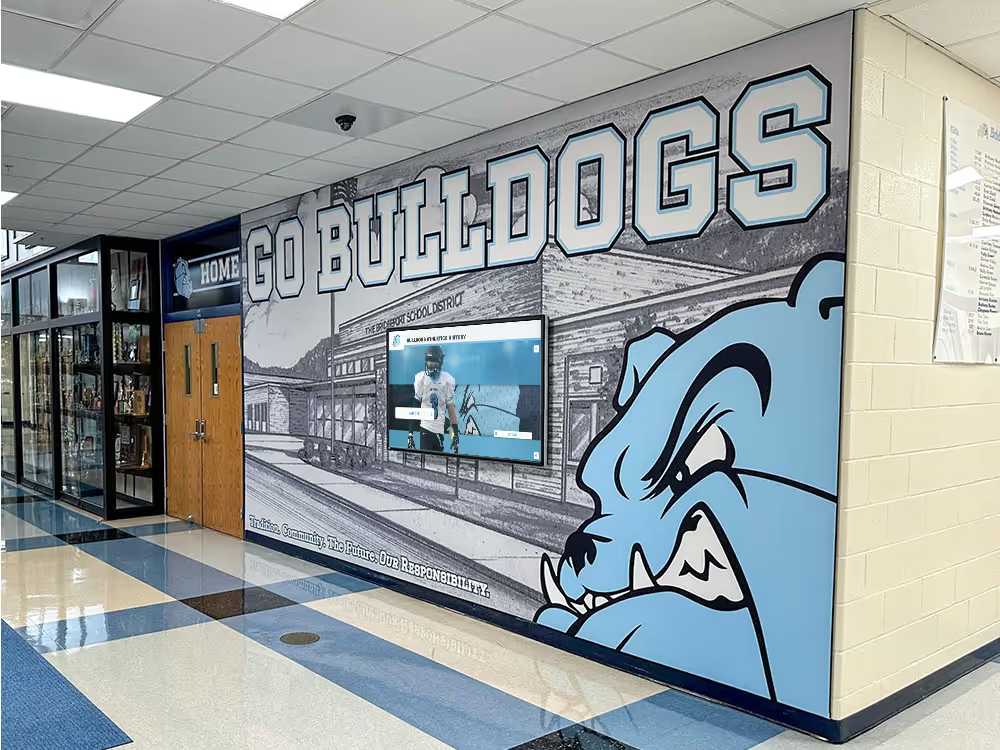
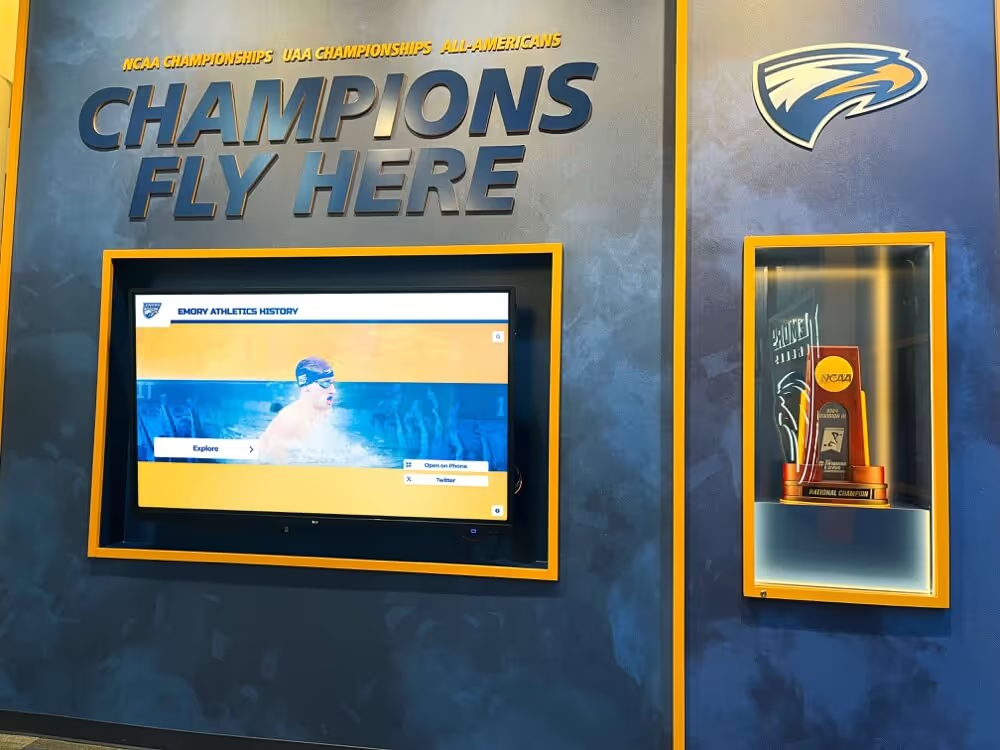
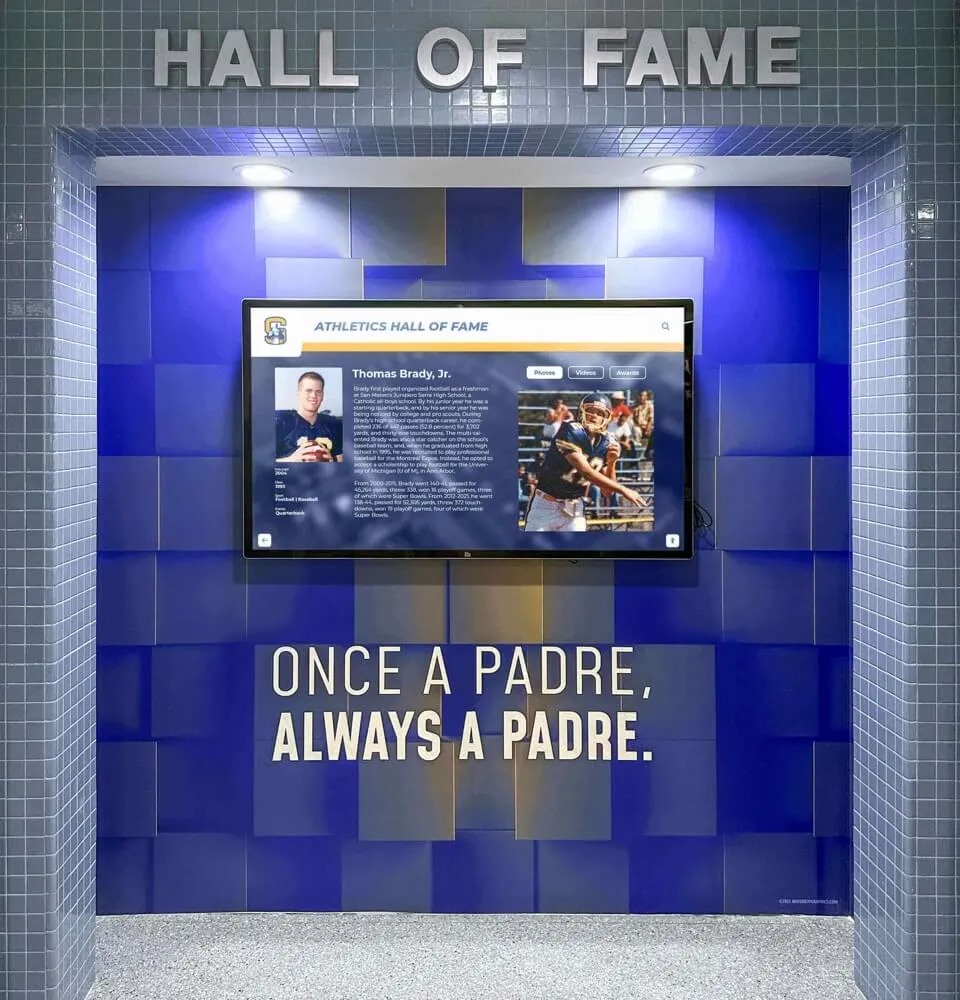
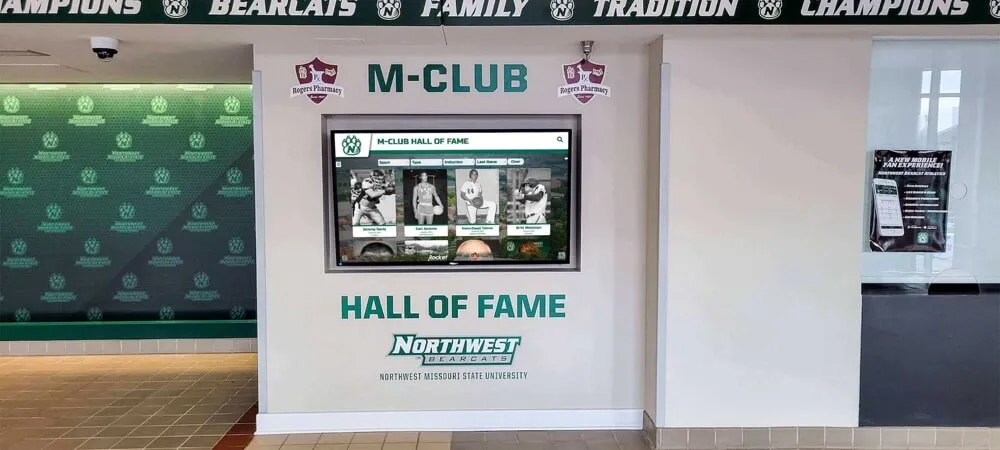
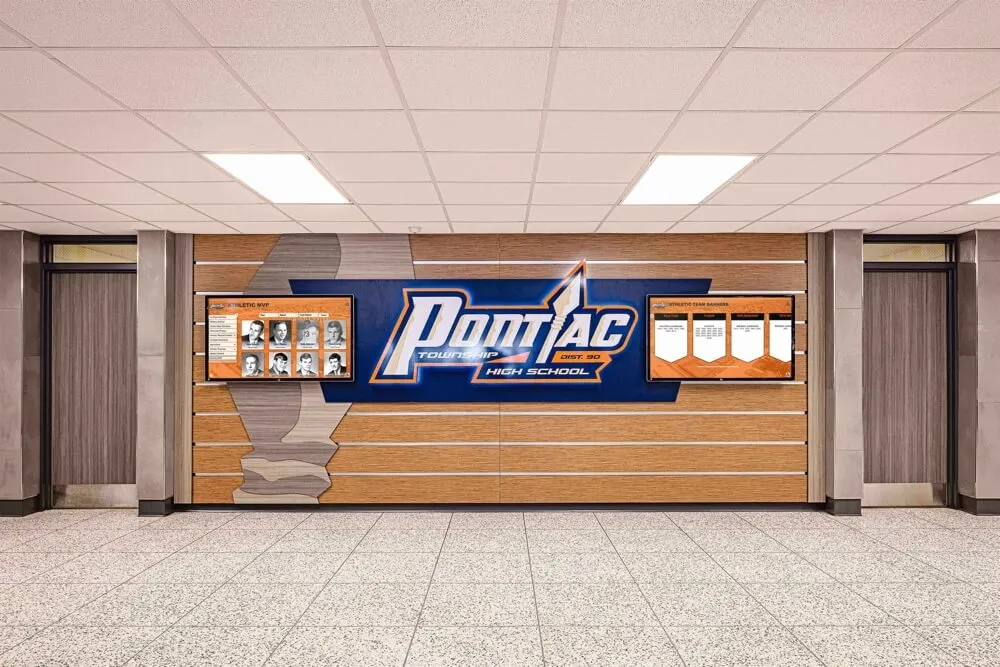
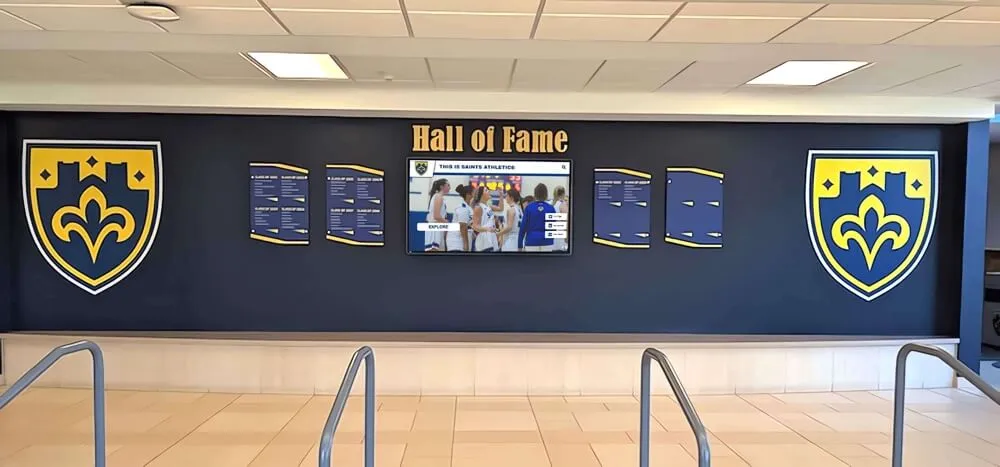
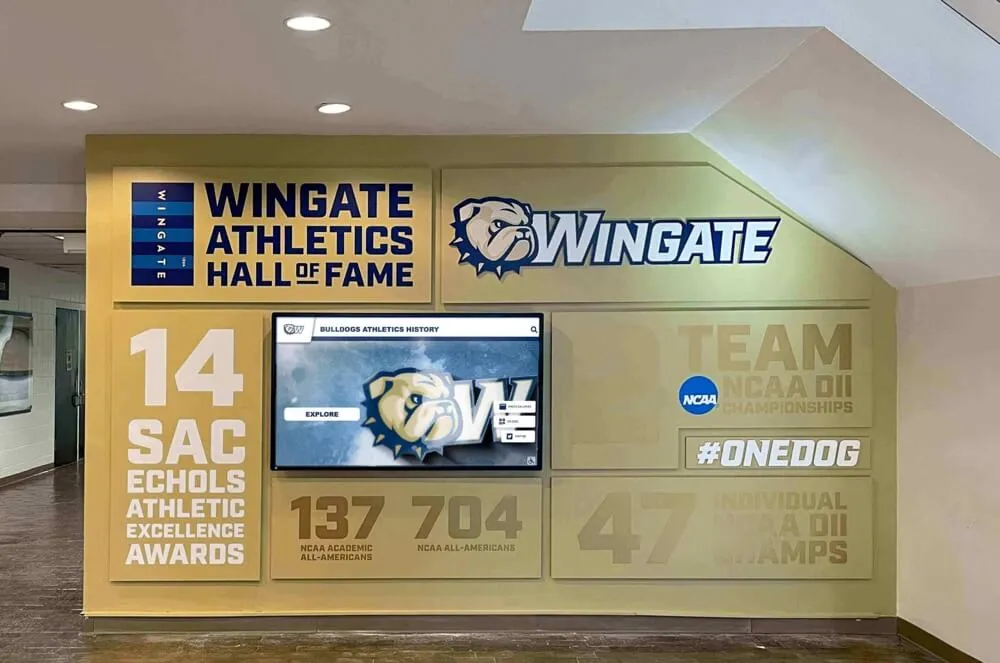
Digital team history displays create hallway recognition systems that showcase program evolution across multiple years without requiring new physical space
Recognition Banners and Signage
Banners are among the highest-visibility, lowest-cost recognition tools available to school programs.
Championship Banners
- Standard athletic-style banners for regional or state championship recognition
- Hung in gymnasium, main hallway, or school entrance as appropriate
- Should include year, competition name, and achievement level
Qualification Milestone Banners
- World championship qualification deserves a banner equivalent to state playoff appearances in athletic programs
- “2025 FRC World Championship Qualifier” hung in a main corridor connects the school community to achievement most students don’t encounter directly
Cumulative Achievement Banners
- A banner tracking years of qualification or championship achievement creates visible program momentum
- Similar to athletic streak recognition that builds school pride over time
Record Boards for STEM Programs
Record boards in athletic hallways track season and career statistical bests. Robotics programs can create equivalent displays tracking:
- Best competition finish by year (ranking, elimination round reached)
- Awards received at each competition level, organized by year
- Autonomous period high scores (in games where this is tracked)
- World championship appearances
These boards give incoming students a program history to connect with and future students specific benchmarks to aspire toward.
Explore school history software solutions that archive program milestones in organized, accessible formats that preserve robotics program history for decades.
Digital Recognition Systems for Robotics Programs
Physical displays have real constraints: space fills up, older recognition gets moved to storage, and the story of a program’s development over years becomes difficult to present coherently. Digital recognition systems address these constraints while dramatically expanding how schools present robotics achievement.
Interactive Touchscreen Displays
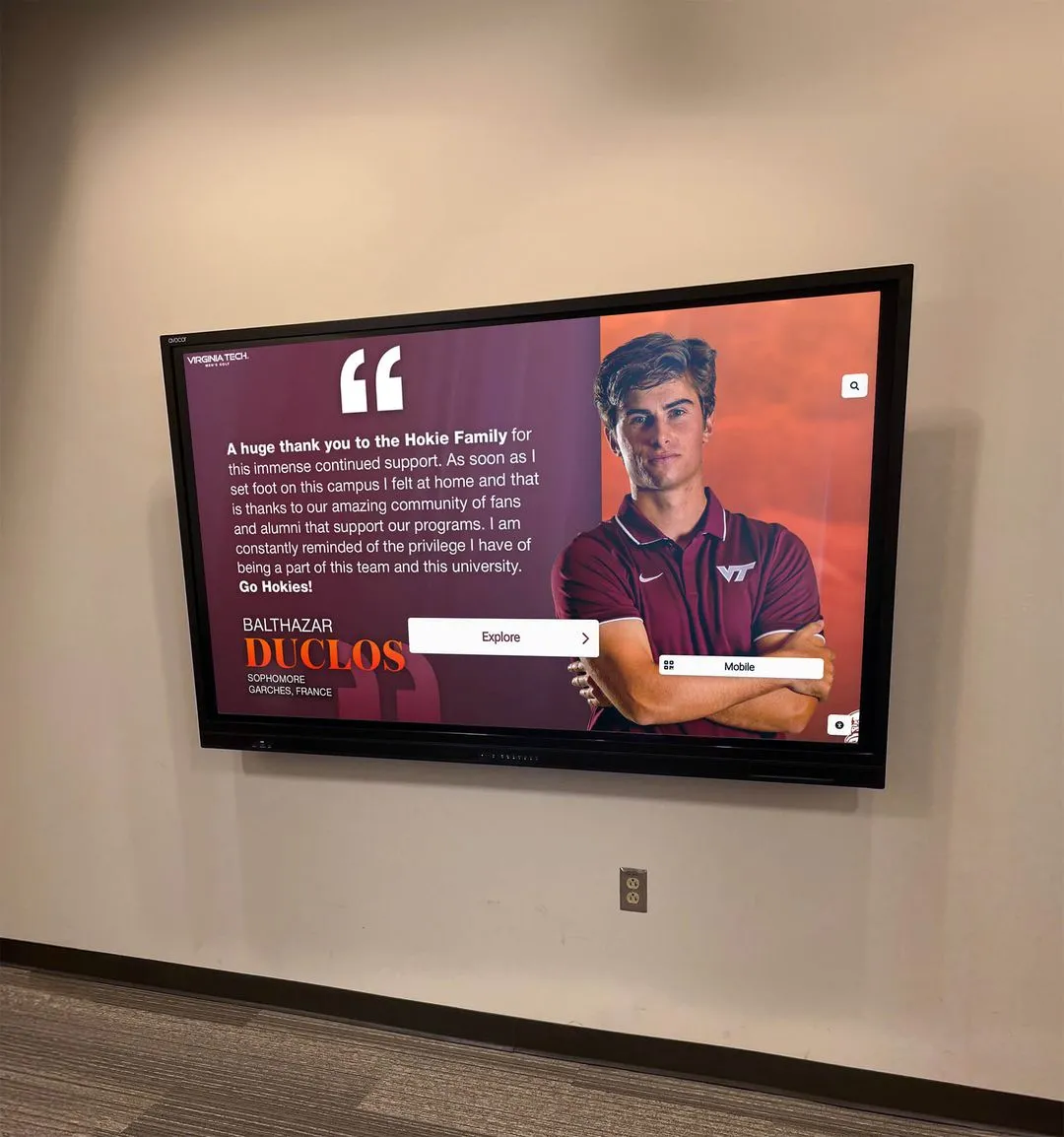
Interactive touchscreen displays designed for school recognition allow robotics programs to present:
- Complete competition history with searchable year-by-year records
- Individual member profiles for every student who participated, with roles and contributions documented
- Video highlights from competitions, build season time-lapses, and team demonstrations
- Award history with explanations of what each award represents—essential context for community members unfamiliar with robotics competition formats
- Robot gallery showing each year’s machine with technical specifications
These systems handle the content volume that physical displays cannot. A program active for ten or more years produces hundreds of student participants, dozens of competition appearances, and accumulated awards that no trophy case can meaningfully present. A touchscreen display makes that entire history navigable.
Rocket Alumni Solutions builds touchscreen wall of fame systems specifically designed for school recognition—including programs that want to showcase STEM teams alongside athletic programs on unified platforms. Schools using these systems give robotics students the same institutional visibility previously reserved for athletic programs.
See how hall of fame digital recognition systems work comprehensively for programs spanning multiple years and recognition categories.
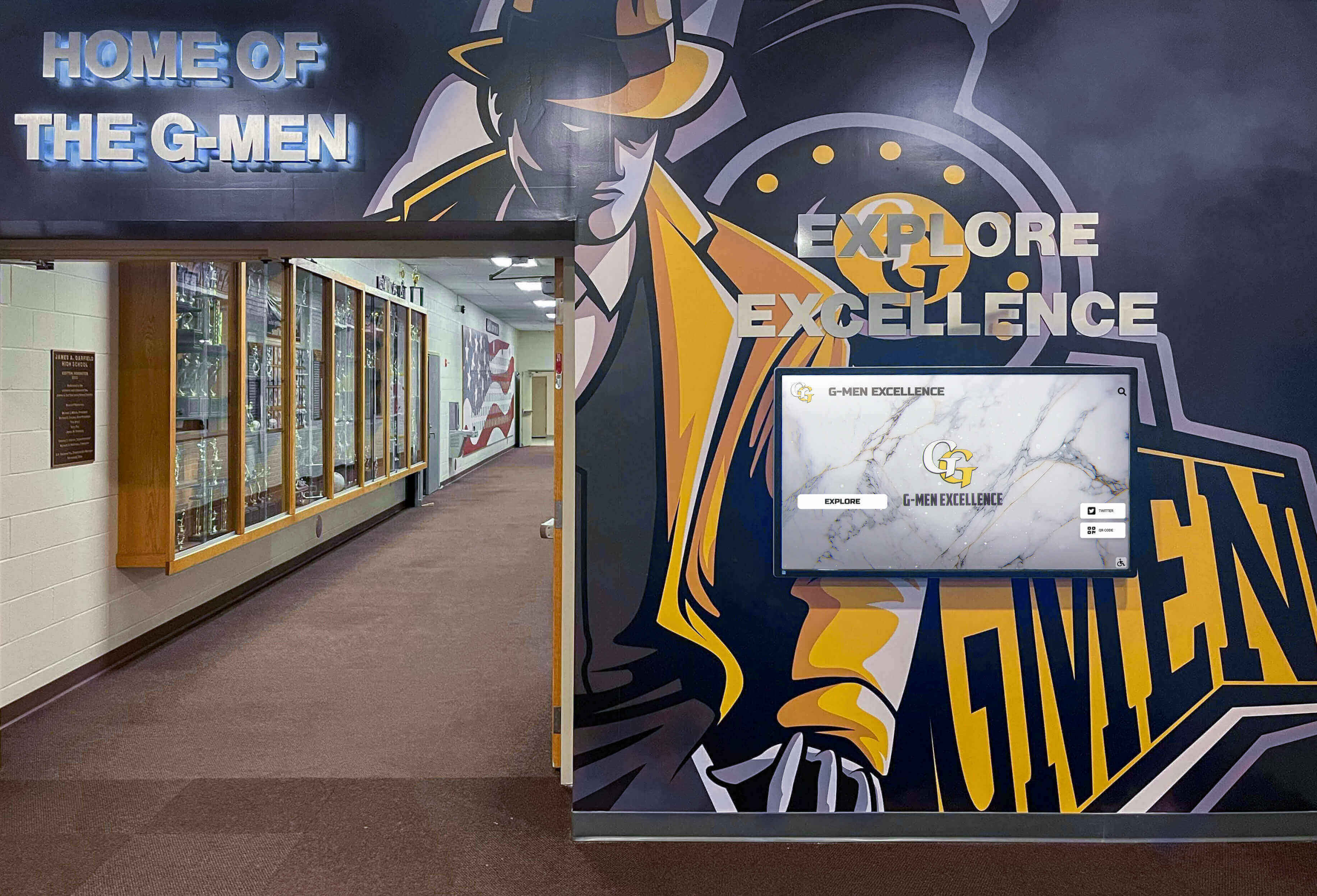
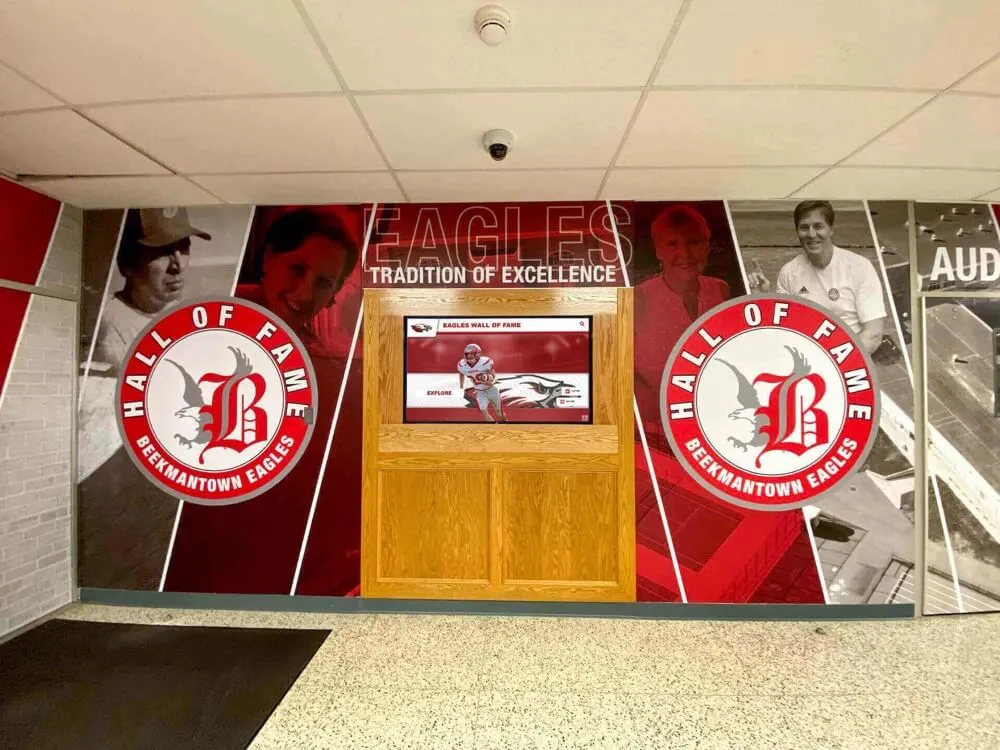
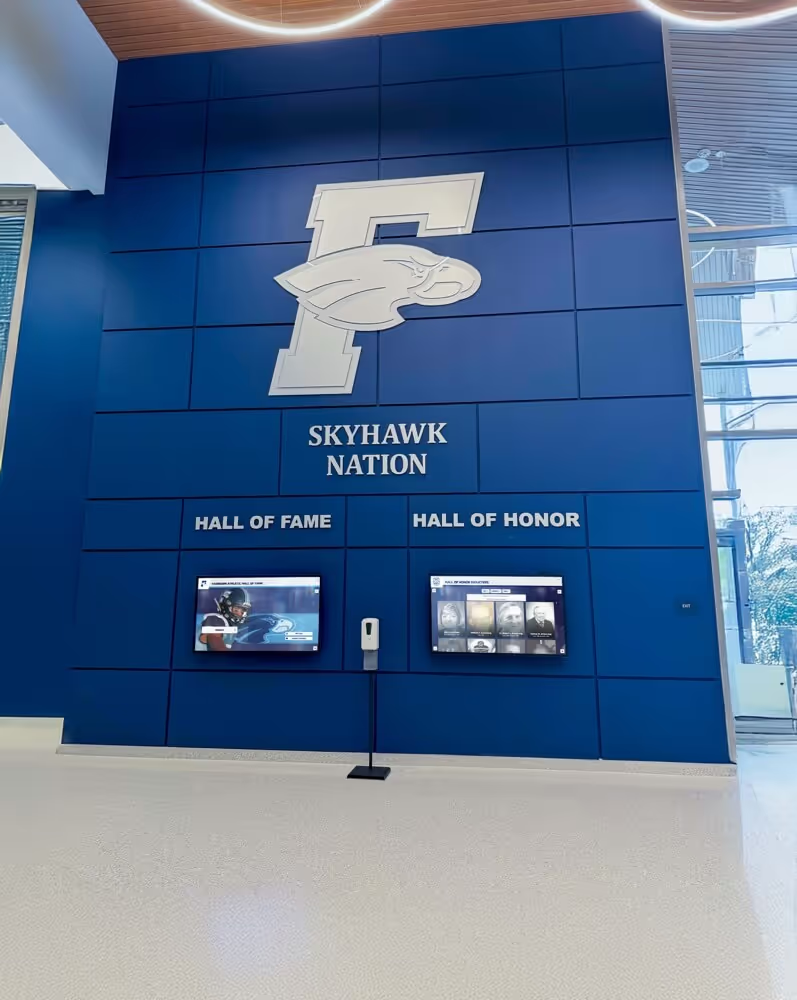
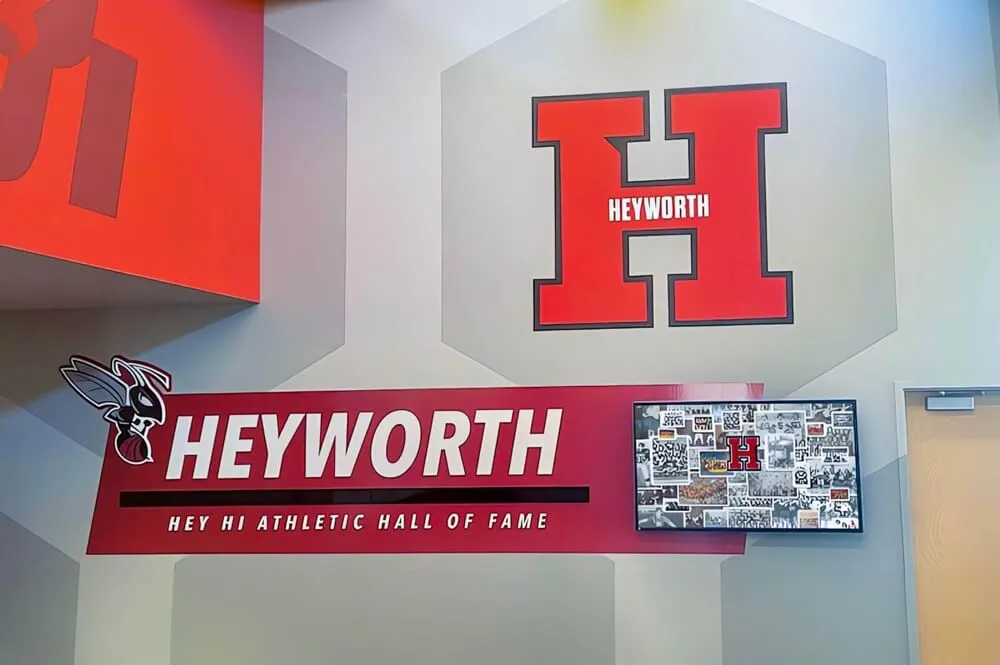
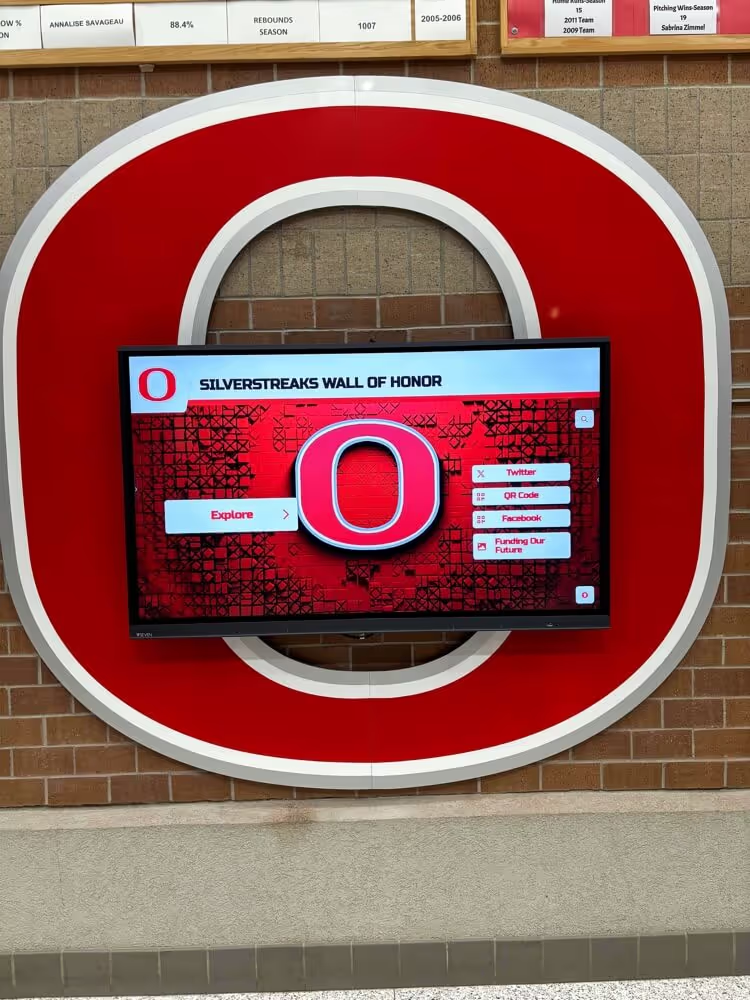
Unified hallway recognition environments integrate digital displays with traditional trophy cases to showcase both athletic and academic program achievement
Digital Photo Archives
Competition photography is often where robotics program history lives—and where it frequently gets lost. Students with phones capture thousands of images during build season and competition weekends, but without a systematic archive, those images scatter across personal accounts and drive folders.
A digital photo archive system:
- Organizes competition photography by year and event
- Creates searchable archives accessible to current students, alumni, and community members
- Preserves the visual history that makes program legacy tangible
- Provides content for recognition displays and social media
Learn how historical photo archives for schools preserve extracurricular program history in organized, accessible formats.
Online Recognition Presence
Digital recognition also extends to web and social platforms:
- Team website or school athletic site section dedicated to robotics achievements
- Social media recognition during and after competitions that keeps the school community connected to the team’s progress
- Online hall of fame pages documenting award winners by year
- Sharable graphics for significant achievements (World Championship qualification, for example) that students and families can distribute
Robotics Banquet and Award Ceremony Planning
End-of-season recognition events consolidate the season’s achievements into a formal celebration that honors students, acknowledges mentors and sponsors, and closes the program year with appropriate ceremony.
Planning the Event
Timing and Format
Most robotics programs hold end-of-season recognition in spring after the primary competition season concludes. For FRC programs, this falls in April or May after the World Championship. VEX programs operating on a fall-spring schedule may hold recognition in spring as well.
Format options:
- Team-only celebration: Dinner or gathering for team members, coaches, mentors, and families—appropriate for smaller programs
- School-wide STEM recognition night: Combined event with Science Olympiad, MATHCOUNTS, and other academic competition teams—signals institutional commitment to STEM achievement broadly
- Athletic banquet inclusion: Some schools integrate robotics recognition into the spring athletic banquet—effective for visibility but requires careful balance to ensure robotics receives substantive acknowledgment, not a brief mention
Agenda Elements
A well-structured robotics recognition event includes:
- Season review: competition record, highlights, and key moments presented through video or slideshow
- Competition achievement recognition: formal presentation of external awards earned and competition results
- Individual role awards: presented in sequence from technical to character categories
- Senior tribute: dedicated recognition for graduating members, including career contributions
- Mentor and sponsor recognition: coaches, faculty advisors, parent volunteers, and financial sponsors acknowledged formally
- Incoming season preview: if leadership for next season is established, announcement creates continuity
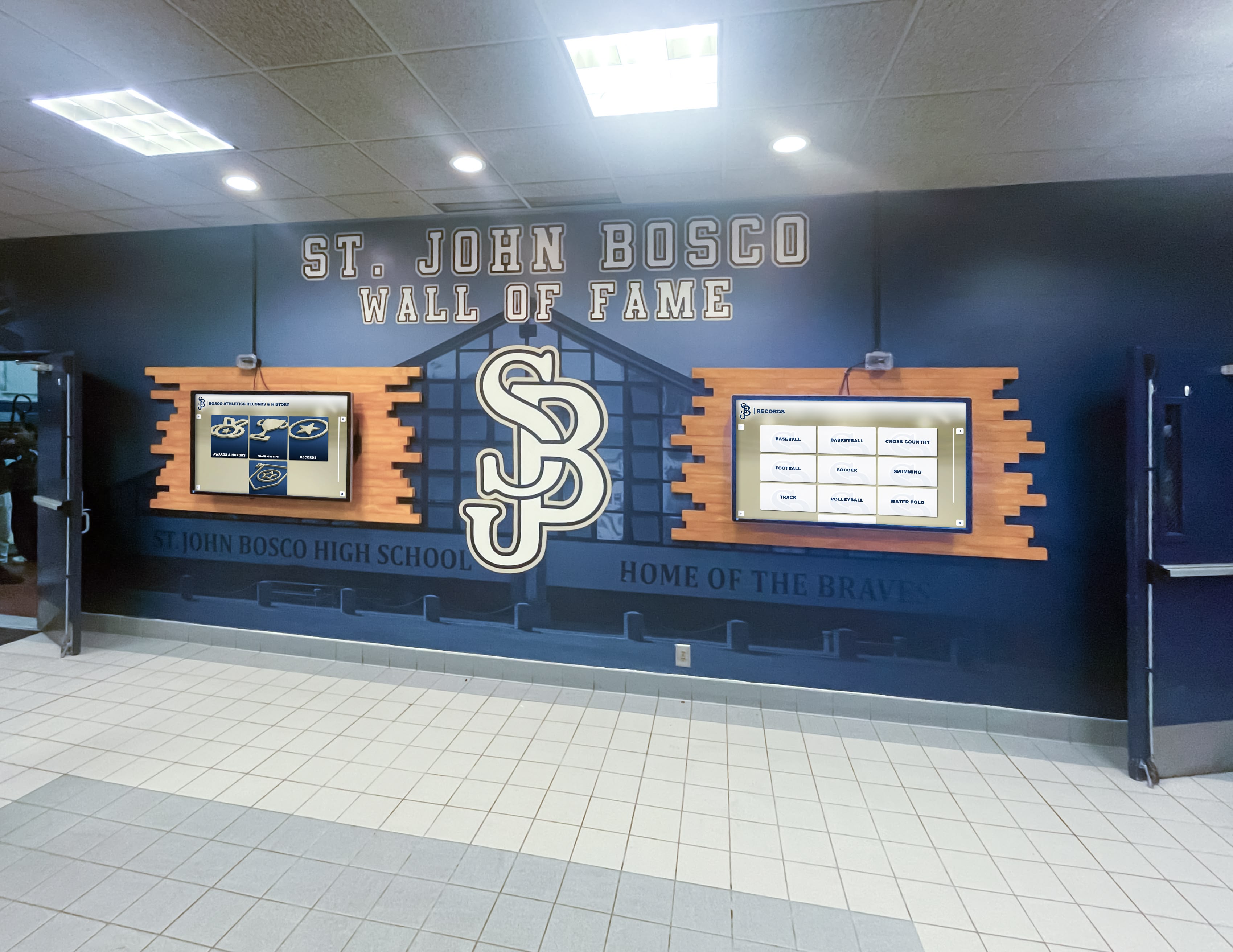
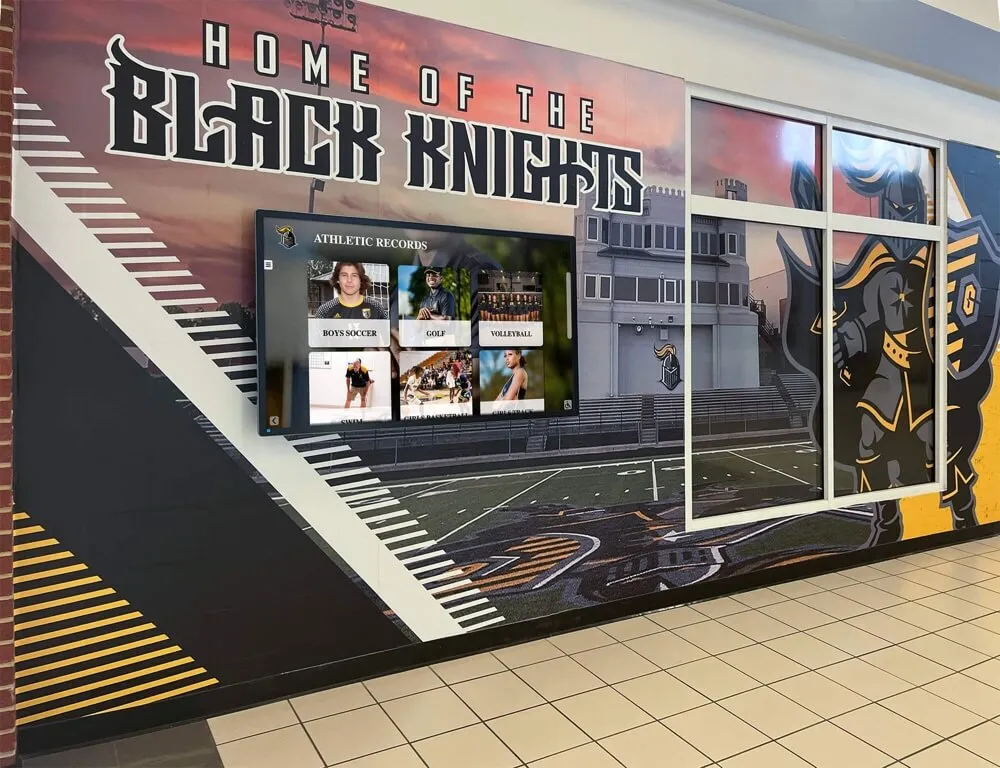
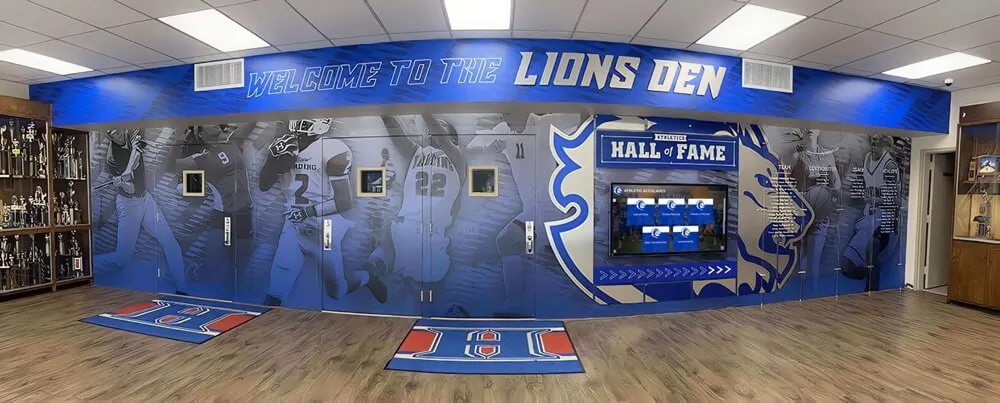
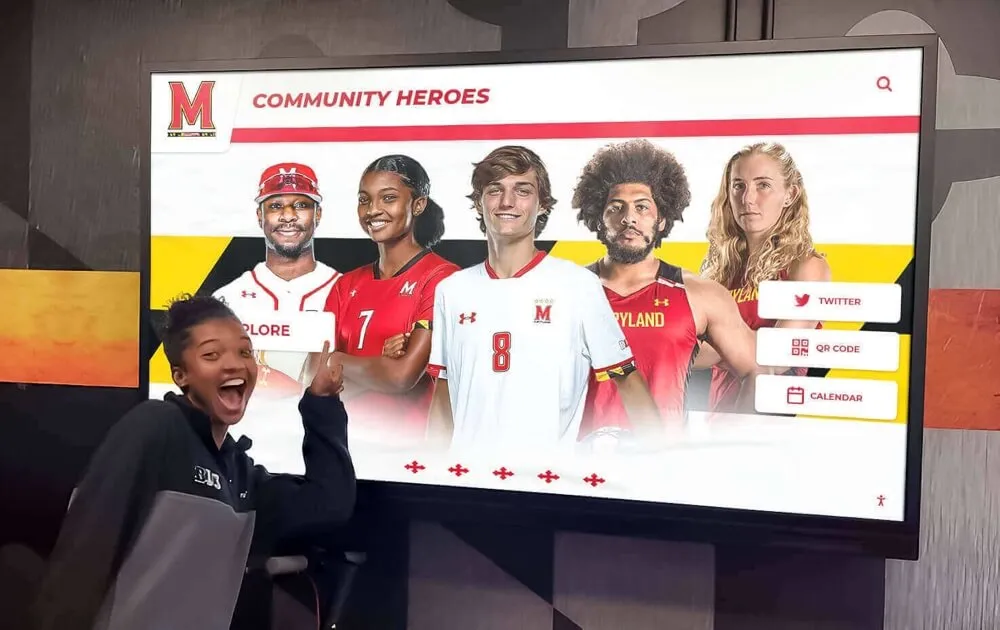
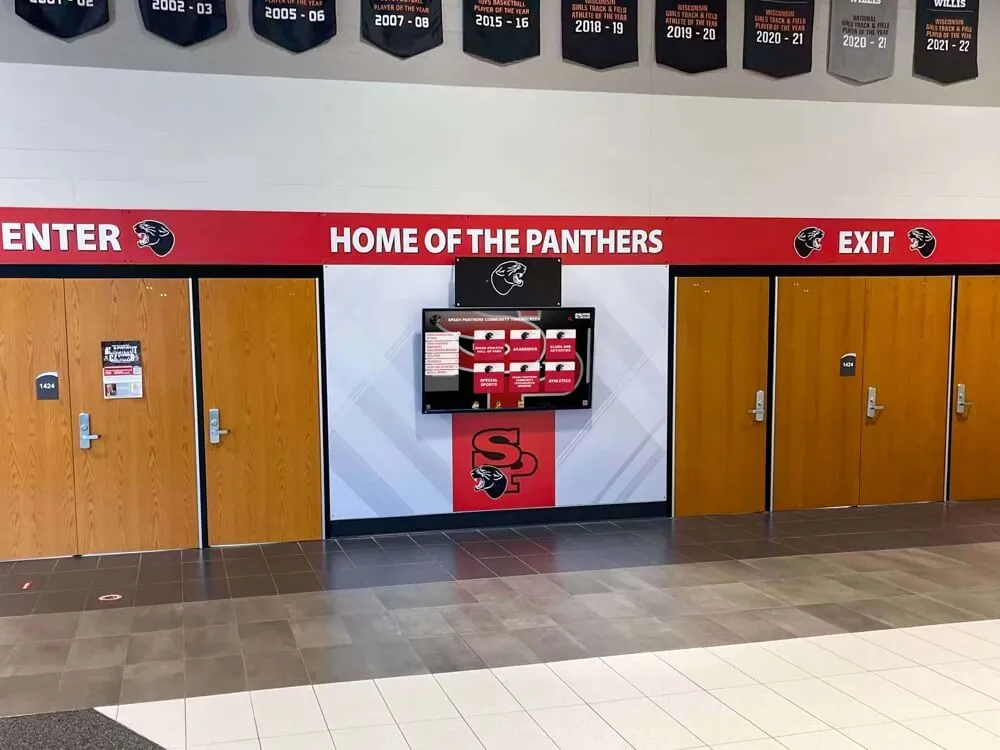
Dual-screen recognition installations create dynamic hallway displays that can present robotics achievements alongside broader school recognition content
Making Presentations Meaningful
Award presentations that land with impact go beyond announcing a name and handing over a certificate. For each award:
- Describe the award’s purpose before announcing the recipient—many guests won’t know what a “Pit Crew Excellence Award” means without context
- Cite specific examples of what the recipient did to earn recognition—one or two concrete moments from the season make the recognition personal and memorable
- Connect to program values explicitly—explain why this contribution matters for the team’s mission
- Allow for a photo moment with families present
For technical awards like programming or mechanical engineering, brief explanations of what those roles involve help non-technical parents and community members understand the scope of what students accomplished.
Senior Recognition
Seniors completing their final robotics season deserve dedicated acknowledgment. Elements specific to senior recognition:
- Individual plaque or certificate documenting years of participation and key contributions
- Brief video or slideshow retrospective for each senior (feasible for smaller teams; highlights reel for larger ones)
- Opportunity for each senior to address the team
- Mentor or coach presentation of personalized comments about each graduating member
- Public acknowledgment at school graduation or senior night events where athletics receives equivalent recognition
Seniors who participated in robotics for multiple years have contributed significantly to program continuity and knowledge transfer. That investment deserves formal institutional acknowledgment.
Discover how chess club and academic competition recognition programs structure end-of-season awards with approaches applicable to robotics programs of comparable structure.
Integrating Robotics Into Schoolwide Recognition Culture
The most effective robotics recognition doesn’t exist in isolation—it connects to the broader recognition culture of the school.
Announcements and School Communications
When robotics teams achieve significant results, schools should communicate those results with the same enthusiasm reserved for athletic victories.
- Morning announcements covering robotics competition results during competition weekends
- School social media posts immediately following major achievements
- All-school email or newsletter recognition for regional championships, World Championship qualification, or major award wins
- Display screens in common areas running competition result announcements during and after events
Recognition Parity With Athletics
The recognition gap between athletics and STEM extracurriculars is narrowing at leading schools, but it remains significant at most institutions. Practical steps toward parity:
- Ensure robotics trophies and awards appear in the same prominent display areas as athletic hardware
- Include robotics achievements in school yearbook coverage equivalent to sports team coverage
- Invite robotics team members to participate in spring awards ceremonies where athletic recognition is presented
- Advocate with administration for physical display space in main corridors, not only STEM hallways
Community and Alumni Engagement
Robotics programs often attract alumni who remain passionate about the program—particularly alumni who pursued STEM careers. A formal alumni recognition structure:
- Annual recognition of notable alumni who pursued engineering, computer science, or technical fields
- Alumni who return as mentors acknowledged formally at the end-of-season event
- An alumni contact database that maintains connection between current program and former participants
- Periodic communication (newsletter, email update) keeping alumni informed of current program achievements
This engagement creates a pipeline of mentors, sponsors, and advocates that sustains program resources year after year.
Explore how esports hall of fame recognition programs have built alumni engagement structures applicable to other tech-forward school programs like robotics.
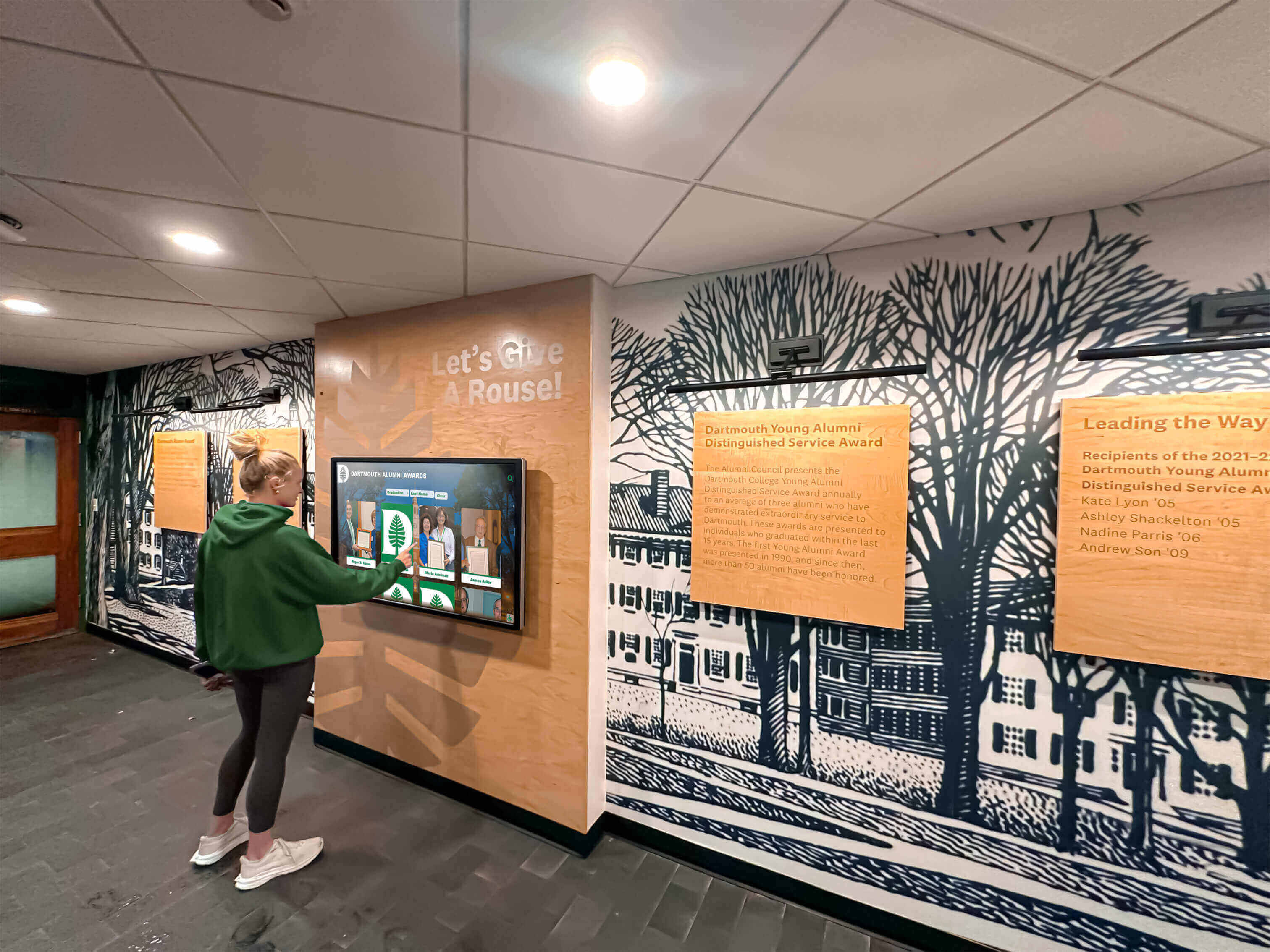
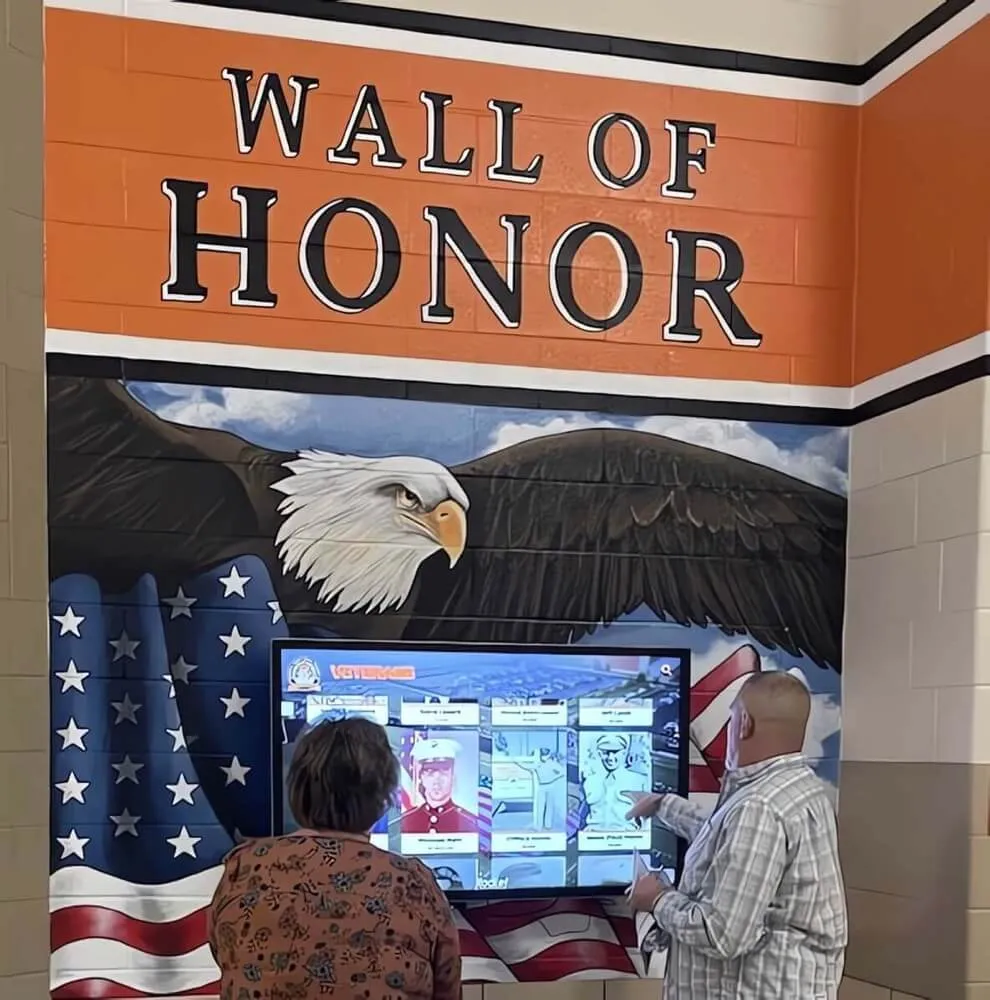
Interactive recognition displays allow students to explore program history independently—building connection to past teams and inspiring future participation
Sponsor and Donor Recognition for Robotics Programs
Robotics programs typically depend on sponsors in ways that athletics programs often don’t. Parts, materials, registration fees, and travel represent substantial costs that fundraising and school budgets alone rarely cover. Recognizing sponsors effectively is both ethically appropriate and strategically essential for program sustainability.
Sponsor Recognition Display
A dedicated sponsor recognition section within the robotics display area—or integrated into a broader STEM recognition display—acknowledges contributors by level:
- Presenting sponsor level: Named recognition prominently in team materials, banner, and digital display
- Major sponsor level: Logo and name in recognition materials and display
- Supporting sponsor level: Name in recognition materials
Physical plaques near the team’s display area, or a dedicated donor wall section, give sponsors visible recognition that they can share with their own stakeholders.
Year-End Sponsor Acknowledgment
At the end-of-year event, formal acknowledgment of sponsors:
- Verbal acknowledgment during the event program
- Certificate of appreciation presented to sponsor representatives in attendance
- Inclusion in any written program materials distributed at the event
- Social media recognition post tagging sponsor organizations
Accessible, ADA-compliant recognition displays ensure sponsor acknowledgment reaches the broadest possible audience. Review ADA accessibility considerations for digital recognition displays when designing physical or digital recognition installations.
Building a Long-Term Robotics Recognition Program
Sustainable robotics recognition requires systems, not one-time efforts.
Documentation Systems
Recognition programs are only as good as the records that feed them. Establishing consistent documentation:
- Season log: Record every competition entered, results achieved, and awards earned
- Member roster by year: Name, role, and key contributions for every participant
- Photo archive: Organized by year and event, backed up in a reliable system
- Award archive: Photos of each award received, with the context of what it represents
This documentation becomes the foundation for historical display, alumni recognition, and multi-year award eligibility tracking.
Year-Over-Year Recognition Traditions
Traditions give programs identity and give students something to aspire toward year after year:
- Perpetual trophies or plaques that pass annually between recipients—recipients’ names engraved each year
- Named awards honoring influential alumni, founders, or mentors who shaped the program
- An annual “program record” tracking the best-ever finish at each competition level
- A graduating senior commitment: each senior class installs something—a record, a photo, a plaque—that remains permanently in the program’s display
Recognition as Recruitment
Connect recognition displays explicitly to program recruitment. Prospective members walking through STEM hallways or touring the robotics workspace should encounter visible evidence of what the program has accomplished. A well-designed recognition environment converts curious students into committed team members before any formal recruiting conversation occurs.
For award presentation strategies that apply across academic and athletic programs, explore athletic award presentation ideas that translate directly to STEM recognition contexts.
Conclusion: Giving Robotics Teams the Recognition They Earn
Robotics team recognition ideas that actually work share a common foundation: they treat technical achievement, teamwork, and sustained commitment with the same institutional seriousness that schools already apply to athletic programs. The students who qualified for a FIRST Robotics World Championship, who earned a Chairman’s Award, or who spent 400 hours in a build season deserve to see their efforts permanently acknowledged—not filed away in a folder or stored in a back room.
The recognition infrastructure for robotics programs doesn’t have to start from scratch. Award categories, banquet formats, display systems, and alumni engagement structures all have proven models from athletic and academic programs that adapt readily to the robotics context. What’s required is the institutional commitment to close the recognition gap and give STEM students the visibility their achievements have earned.
Whether your program is in its first competitive season or celebrating a decade of regional championships, the recognition strategies in this guide give you a starting point for building the kind of program culture where students want to come back, newer students aspire to participate, and the school community understands what your team has accomplished.
Showcase Your Robotics Program's Achievements Year-Round
Rocket Alumni Solutions builds interactive touchscreen recognition systems that give STEM programs the same prominent, permanent display as athletic programs—so your robotics team's championships, awards, and milestones stay visible to students, families, and visitors every day.
Explore Digital Recognition Solutions