



Intent: compare/decide
When a school begins evaluating digital hall of fame platforms, the field can look deceptively simple: a handful of vendors, similar screenshots, and pricing ranges that seem comparable on paper. But the differences that matter most—multi-screen licensing structures, vendor stability, long-term support commitments, and the real cost of a “one-time fee”—rarely surface in a standard demo. This guide examines the factors schools should weigh when comparing Rocket Alumni Solutions to boutique digital hall of fame providers, with specific attention to institutional risk, total cost of ownership, and the multi-screen realities of modern campus deployments.
Schools making a long-term investment in digital recognition infrastructure deserve a clear-eyed comparison. The wrong vendor choice doesn’t become obvious until a support ticket goes unanswered for weeks, a software update never arrives, or a contract renewal reveals new per-screen fees that weren’t prominently disclosed. The decision framework below is designed to help administrators ask the right questions before signing, not after.

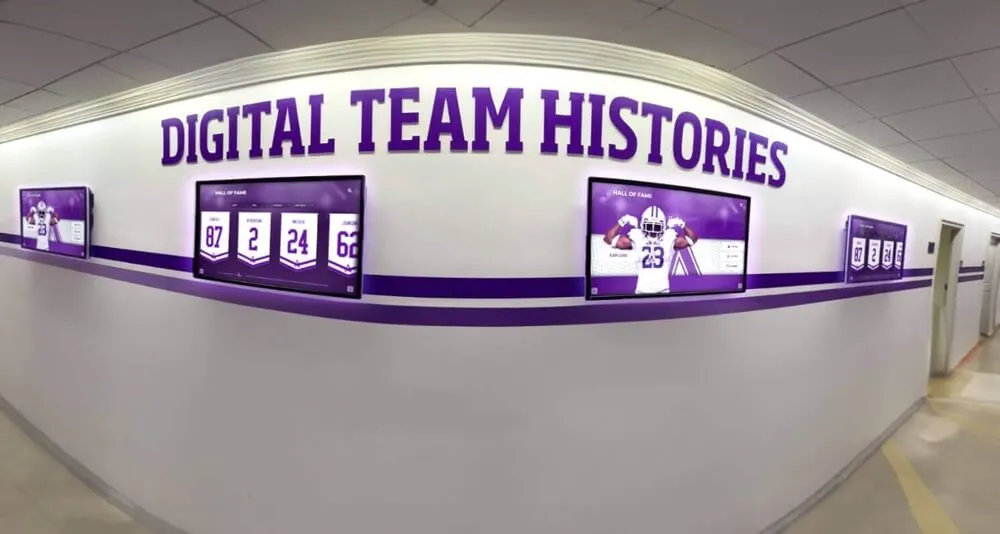
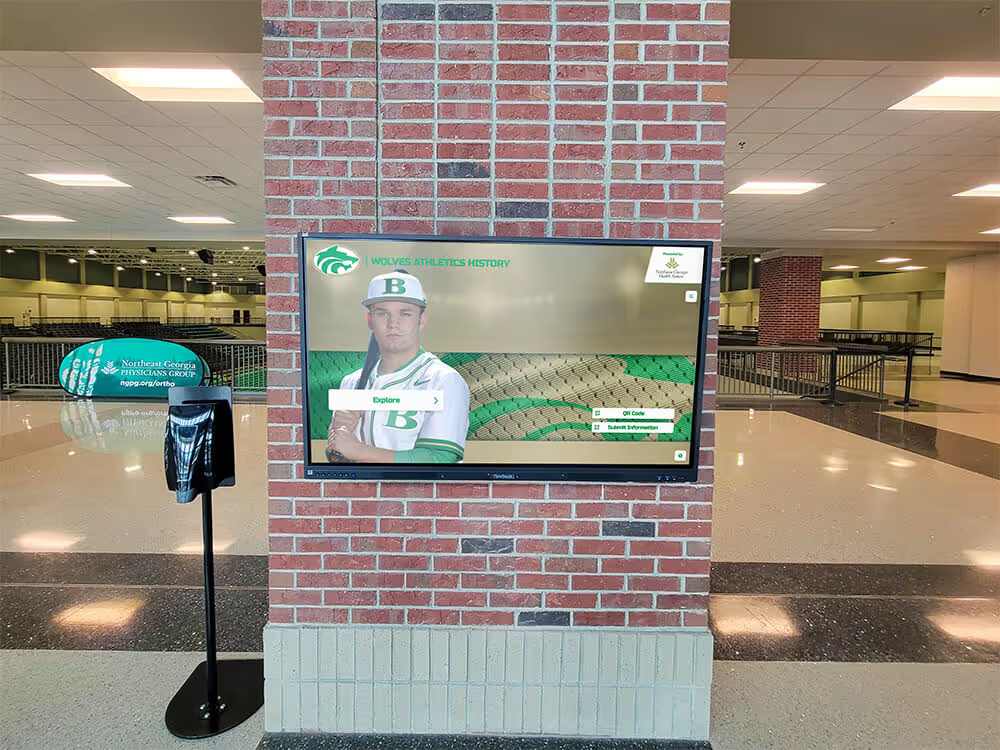
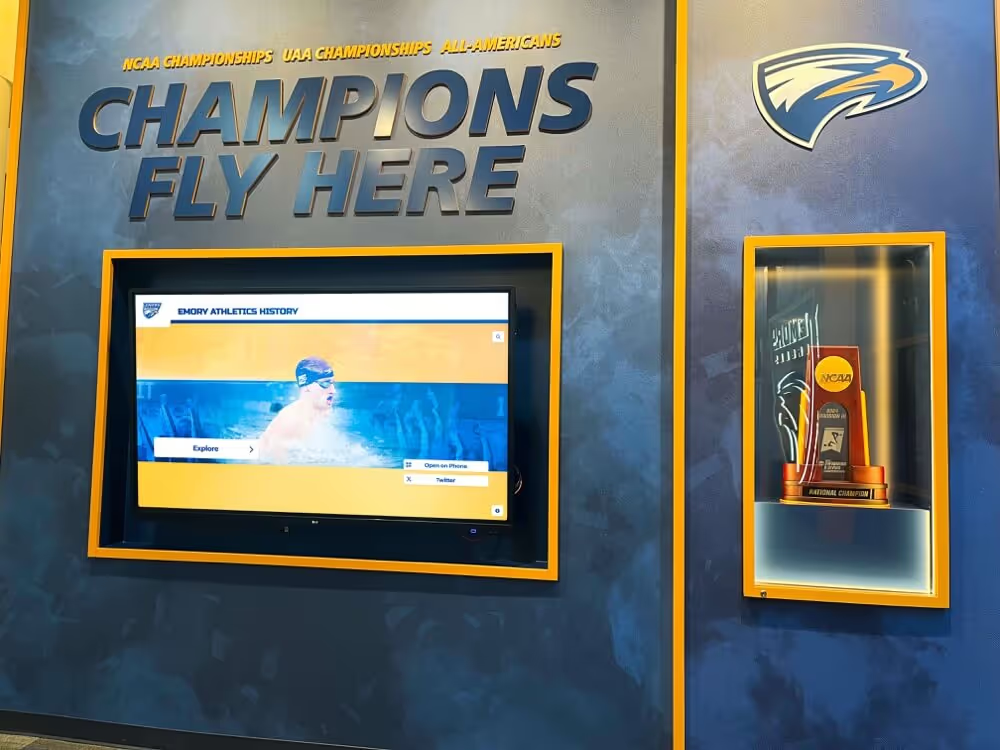
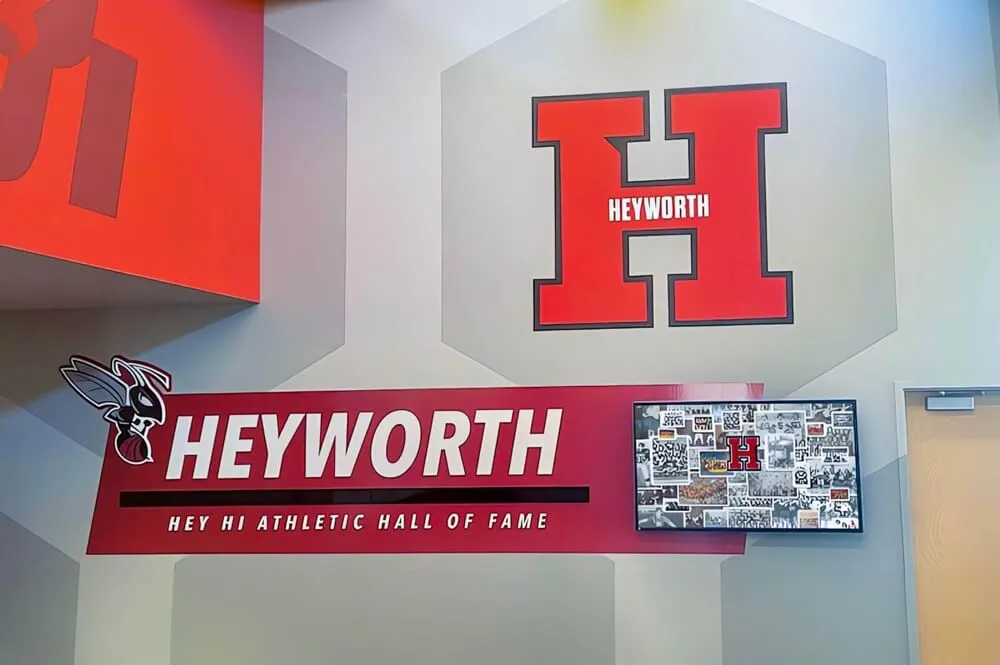
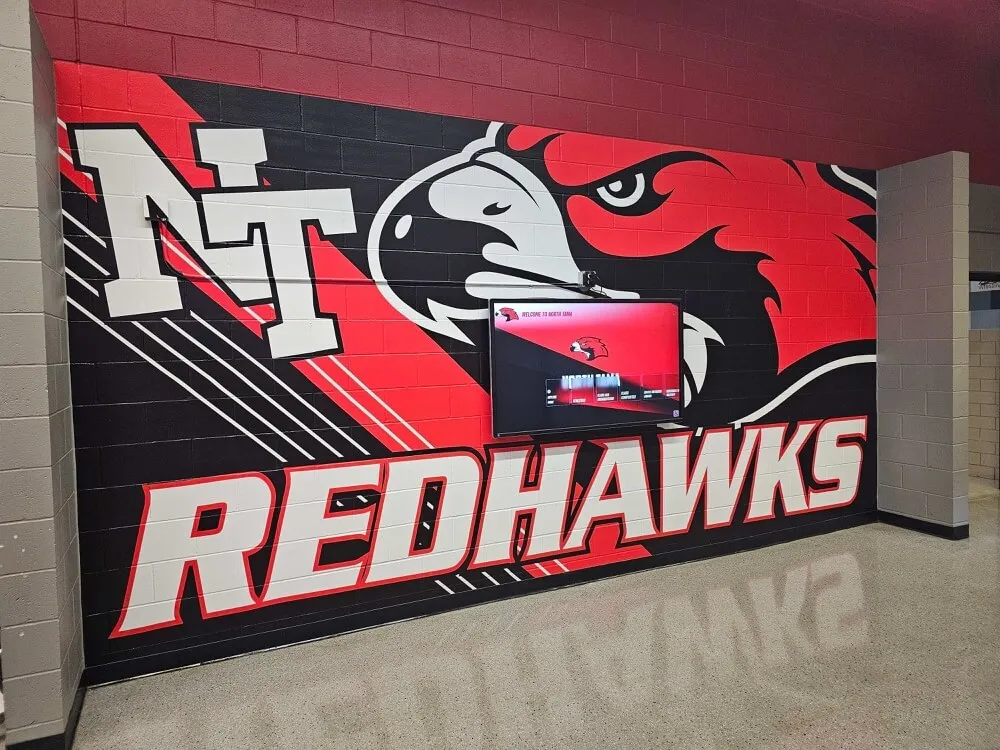
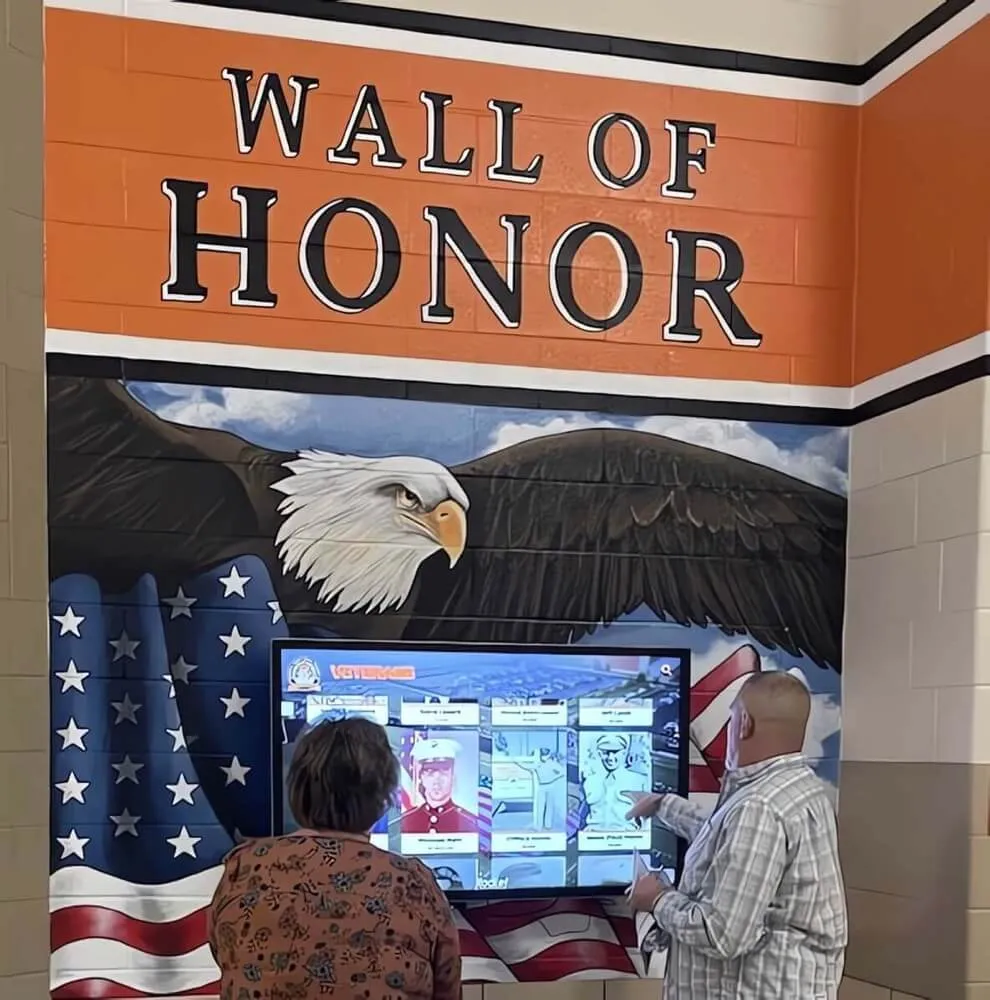
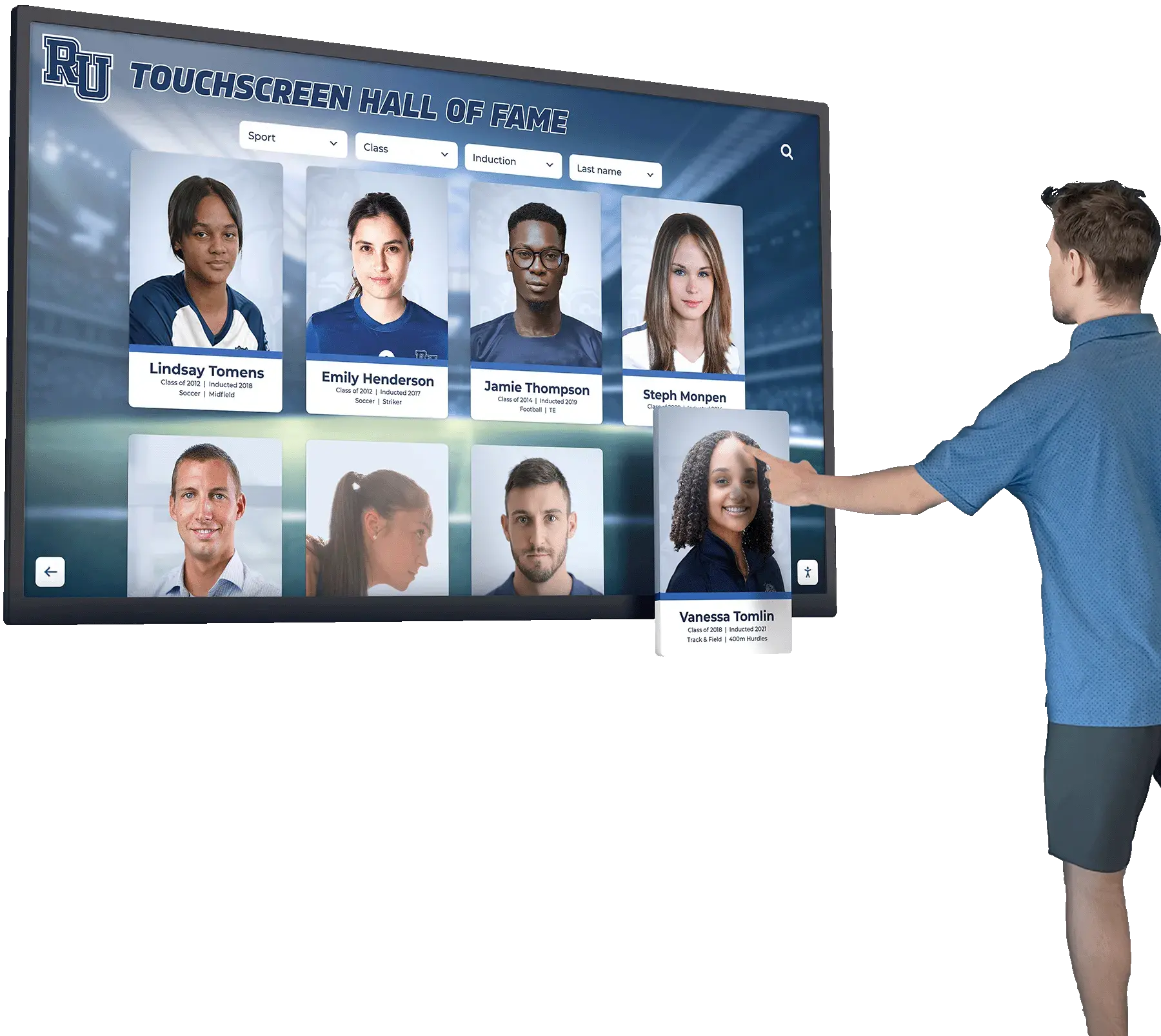
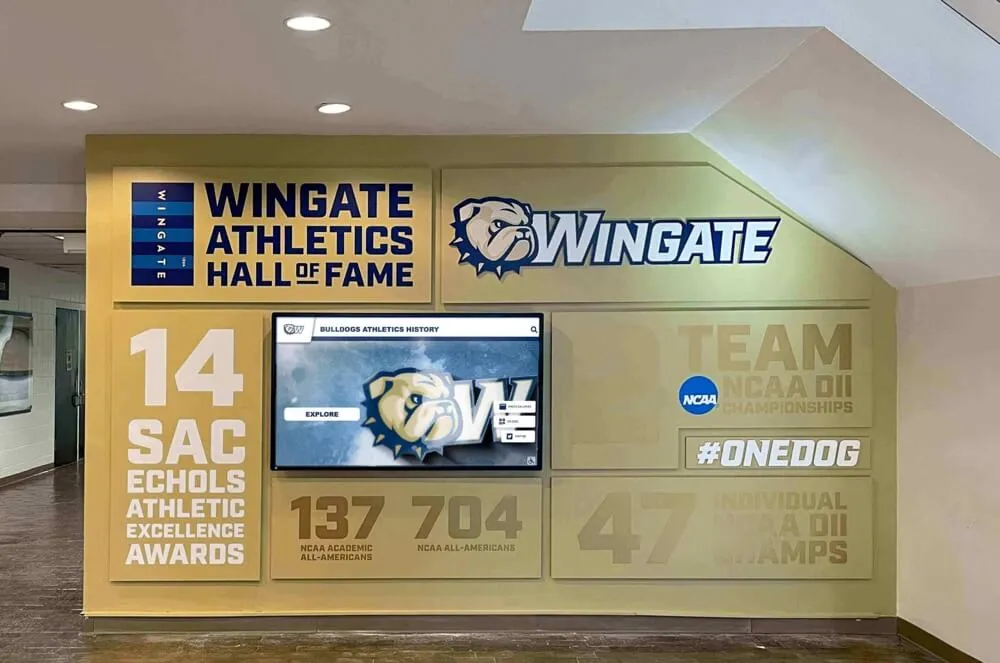
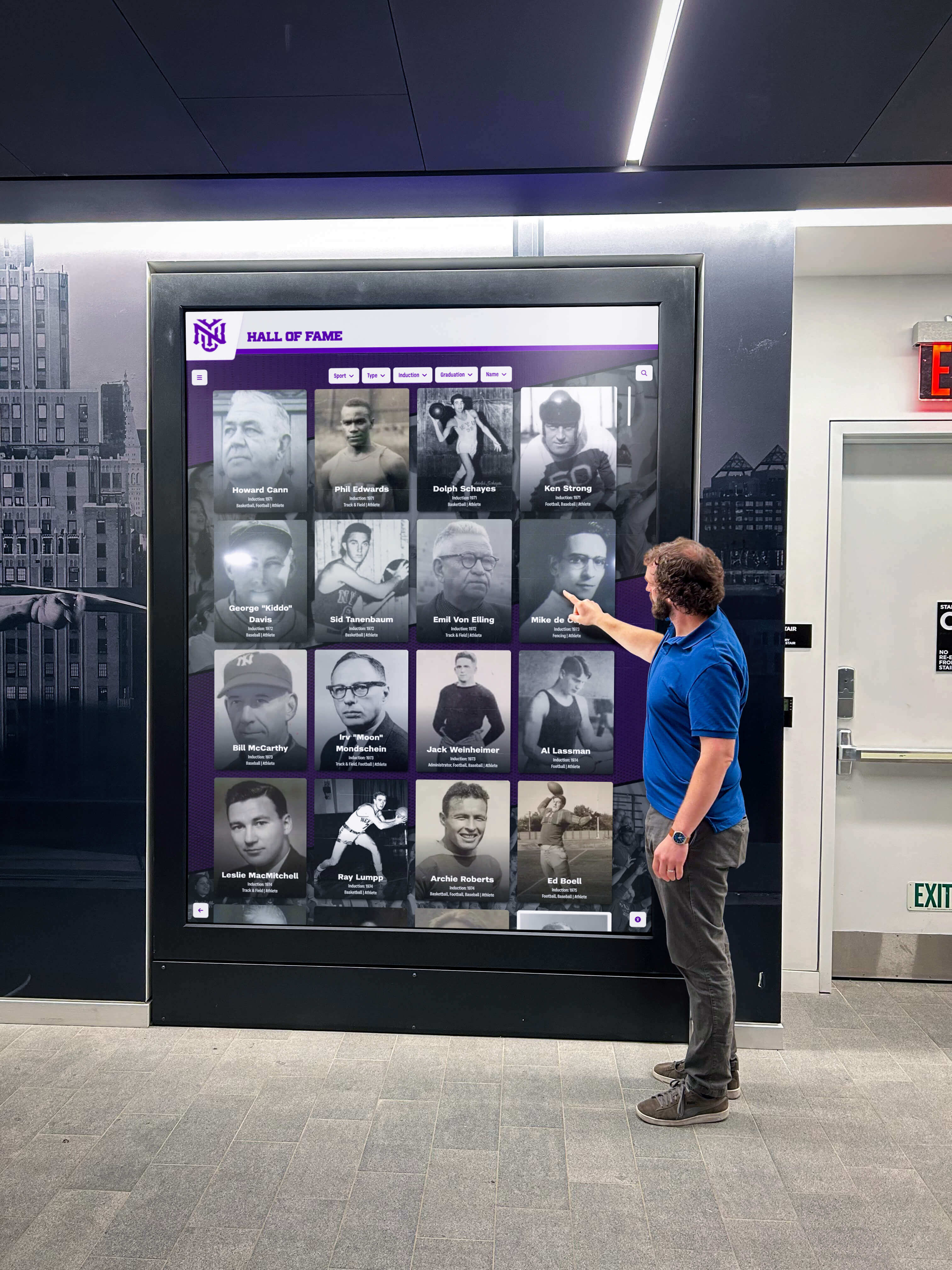
A digital hall of fame is a long-term institutional investment — the vendor behind the platform matters as much as the software itself
Multi-Screen Reality: How Licensing Models Actually Work
The most common hidden cost in digital hall of fame procurement is the per-screen or per-location licensing model. A vendor can quote an attractive base subscription while structuring their contracts so that adding a second screen in the gymnasium—or a third in the alumni center—triggers additional licensing fees.
Rocket Alumni Solutions operates on a flat-rate platform subscription that covers unlimited screen deployments. One subscription supports an entire campus without per-device, per-location, or multi-screen licensing traps. A school with a single lobby display today and plans to expand to an athletics hallway and a dedicated alumni suite next year pays the same subscription rate throughout.
This matters practically. Schools frequently discover that their display program needs to grow after installation. A football corridor gets renovated and gains wall space. A new building opens. Boosters fund a second kiosk for the gymnasium entrance. With per-screen licensing, each of these positive developments triggers an additional contract negotiation and cost increase. With a flat-rate unlimited model, expansion is a facilities decision, not a financial one.
For administrators evaluating the full cost spectrum from single-screen to multi-location deployments, the touchscreen kiosk rental vs. owned K-12 buyer’s guide offers a practical framework for understanding how licensing structures interact with hardware decisions over multi-year contracts.
The best digital signage for schools featuring athletic recognition also provides context for how multi-screen deployments factor into athletic recognition program planning.
Flexible Financing for Public and Private School Budgets
School procurement doesn’t follow a single pattern. Public schools operate under budget calendars, board approval cycles, and sometimes grant or bond funding structures. Private schools may have endowment-funded capital budgets or active annual fund campaigns. Many programs have booster clubs, alumni associations, and donor relationships that can fund specific purchases outside the operating budget.
Rocket Alumni Solutions directly accommodates this range. The platform offers tiered multi-year commitment options for schools that benefit from predictable long-term pricing. Billing cycles can be structured to align with school budget calendars rather than vendor fiscal years. And the platform includes a built-in sponsorship engine that allows schools to incorporate local business sponsors into the recognition display itself—creating a revenue stream that can offset platform costs through donor or community contributions.
This approach is meaningfully different from vendors who offer only annual subscriptions on fixed terms. For a school facing a mid-year funding shortfall, a vendor with no billing flexibility creates a gap between when recognition content needs to go live and when funds can be approved.
The Rocket Alumni Solutions subscription pricing and multi-year budget options overview covers the specific tiers and commitment structures available for schools navigating these budget realities.
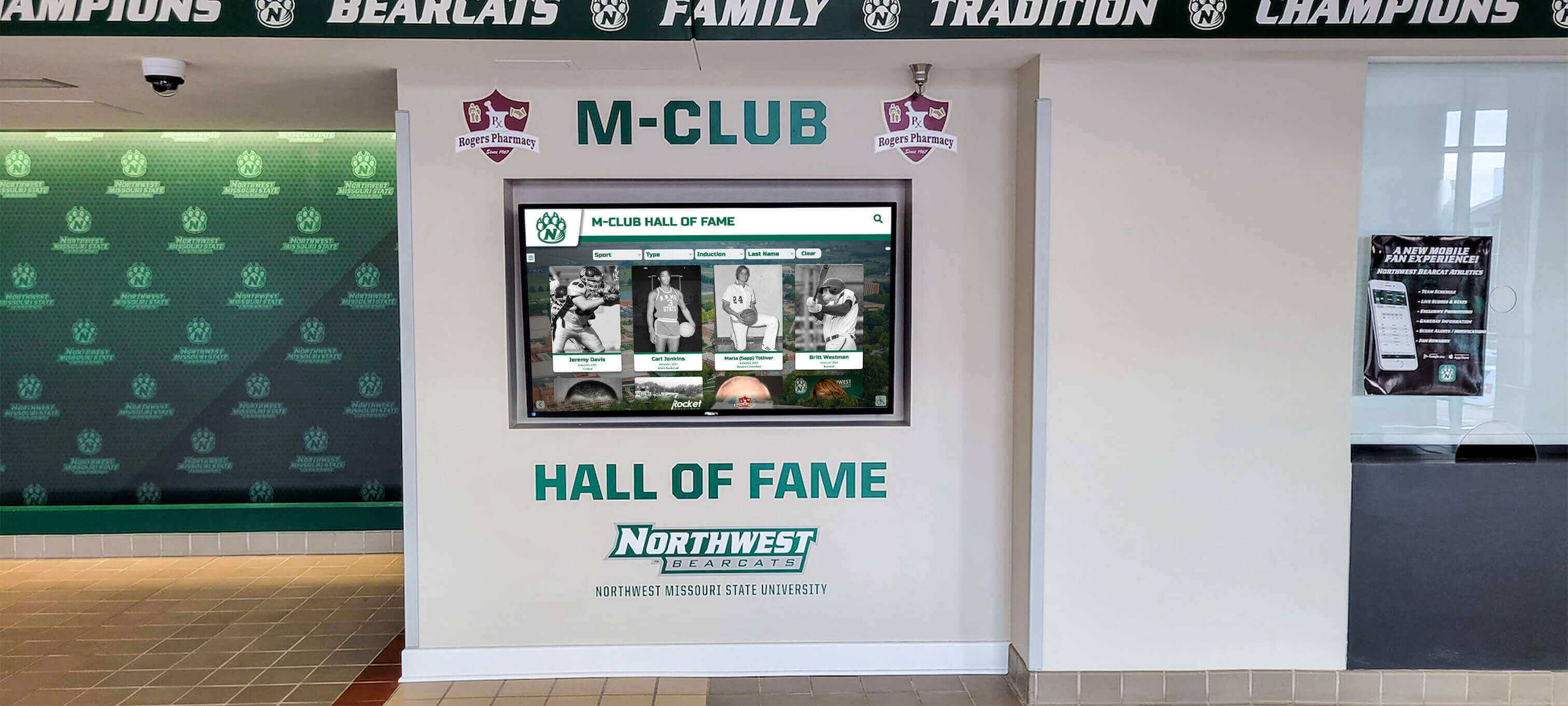
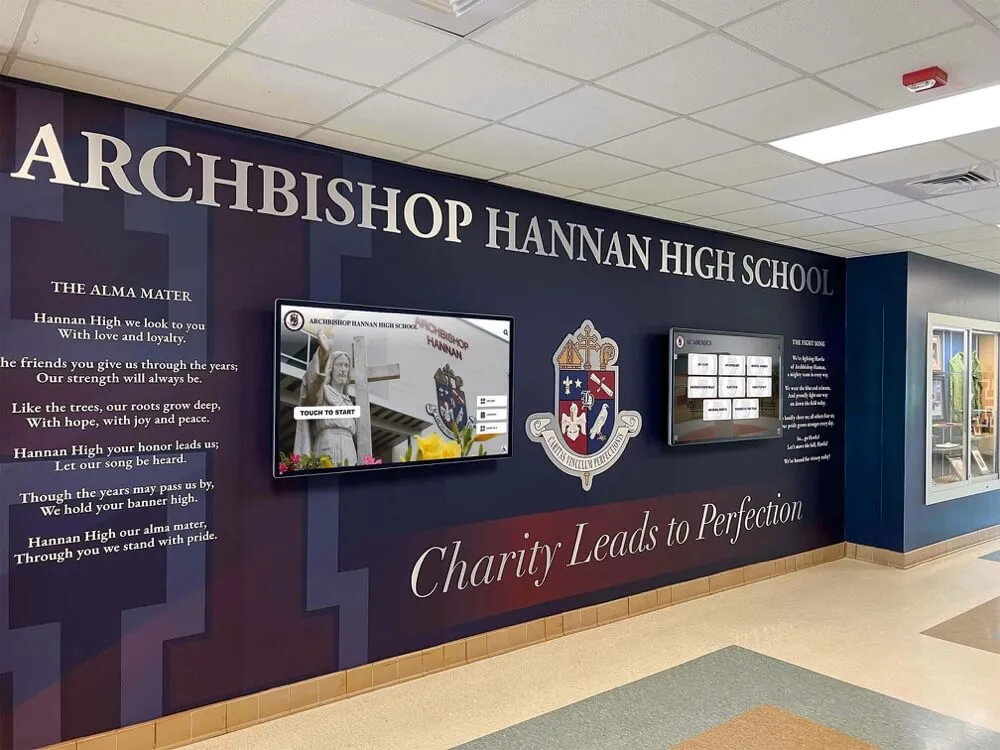
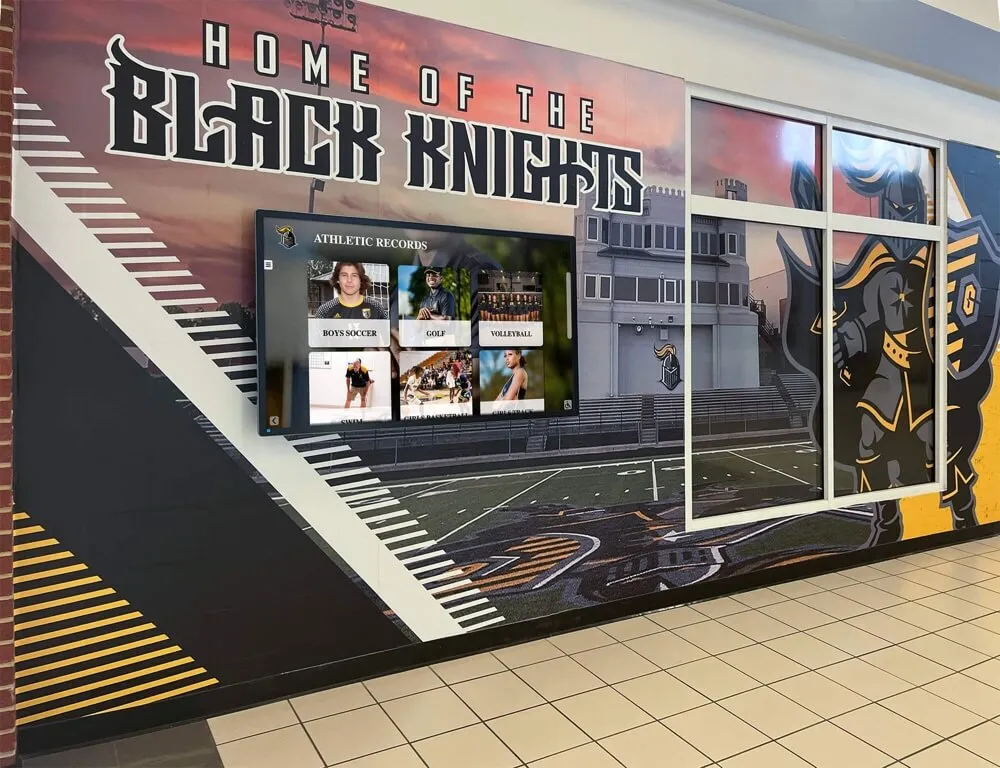
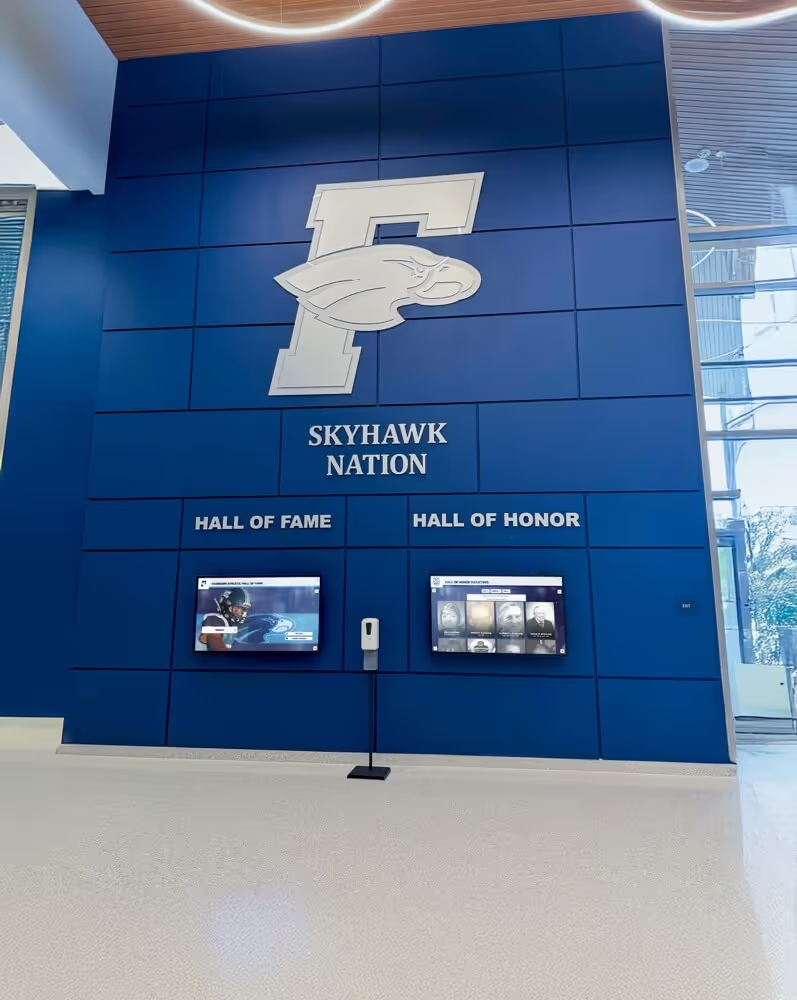
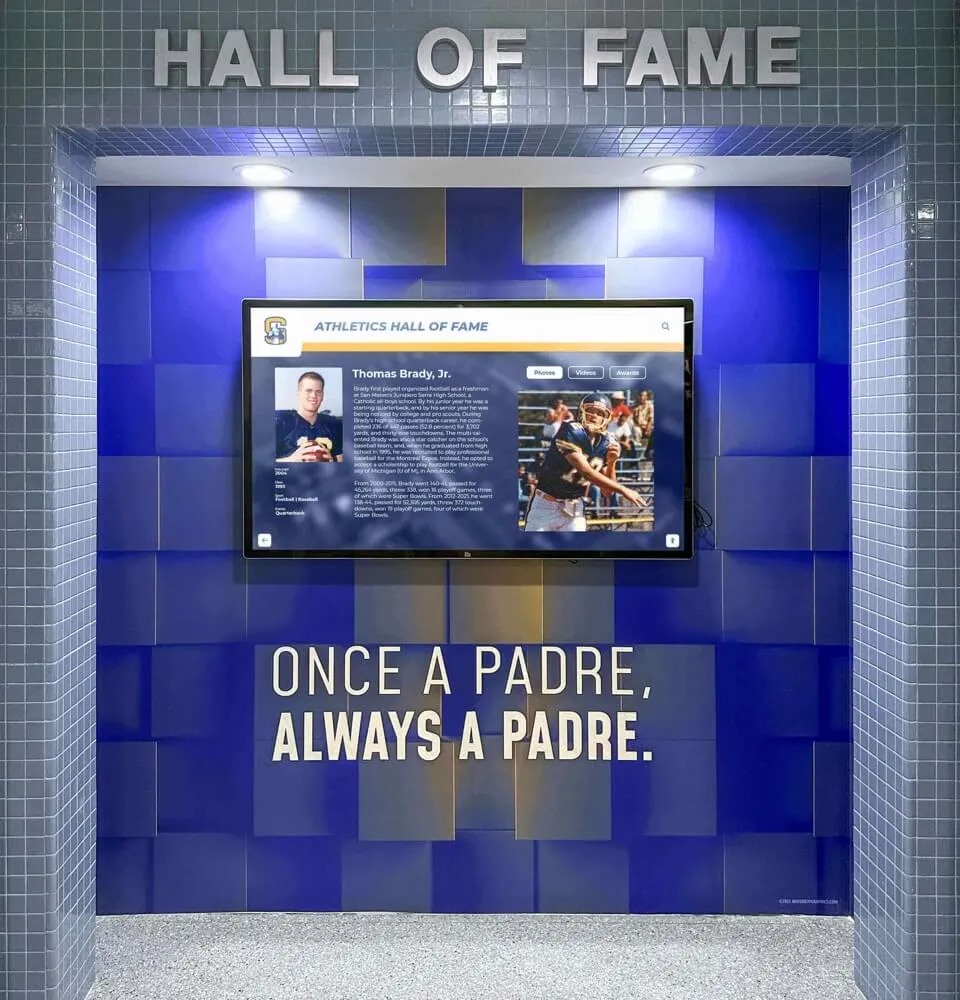
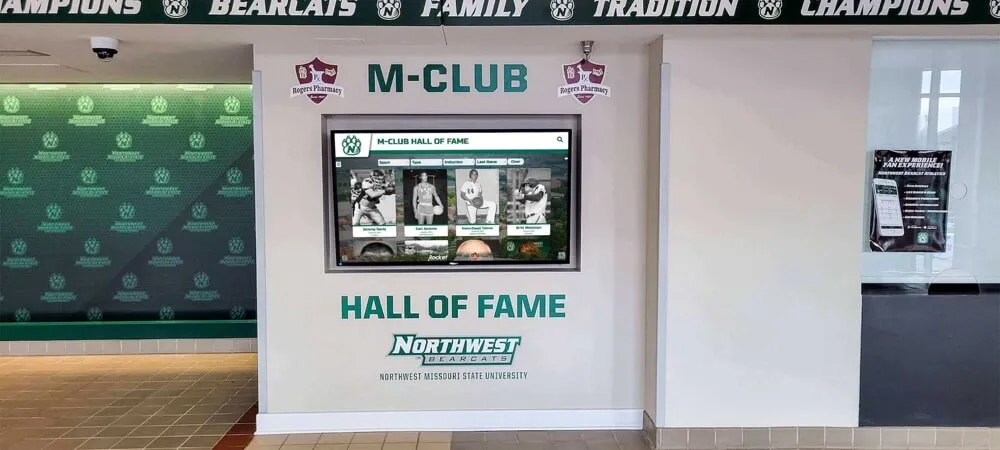
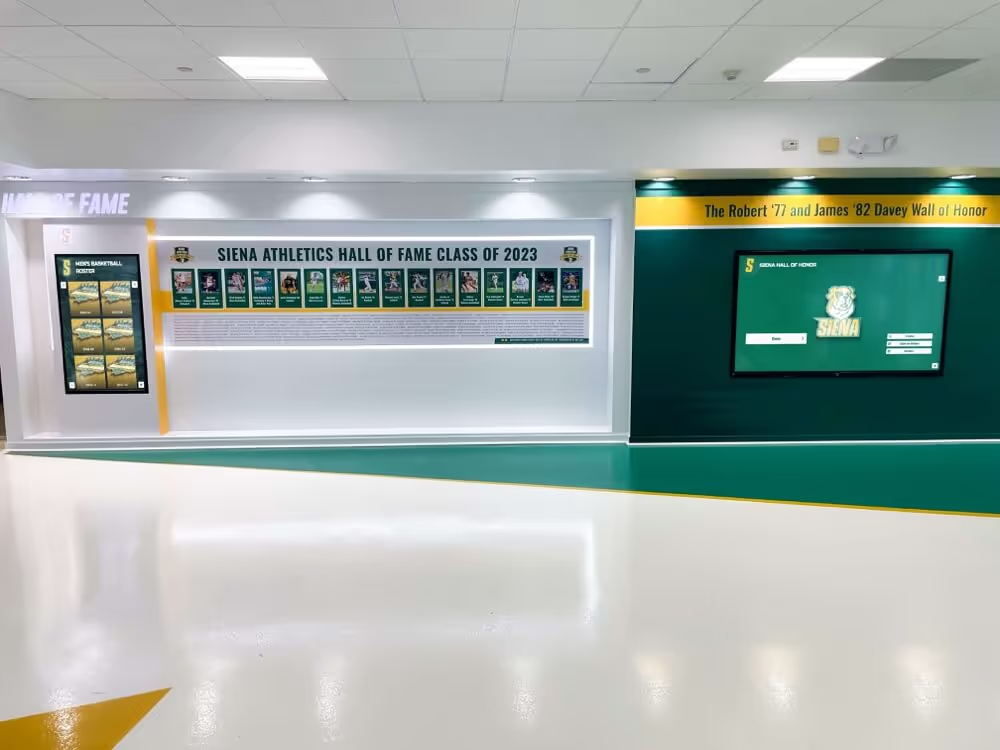
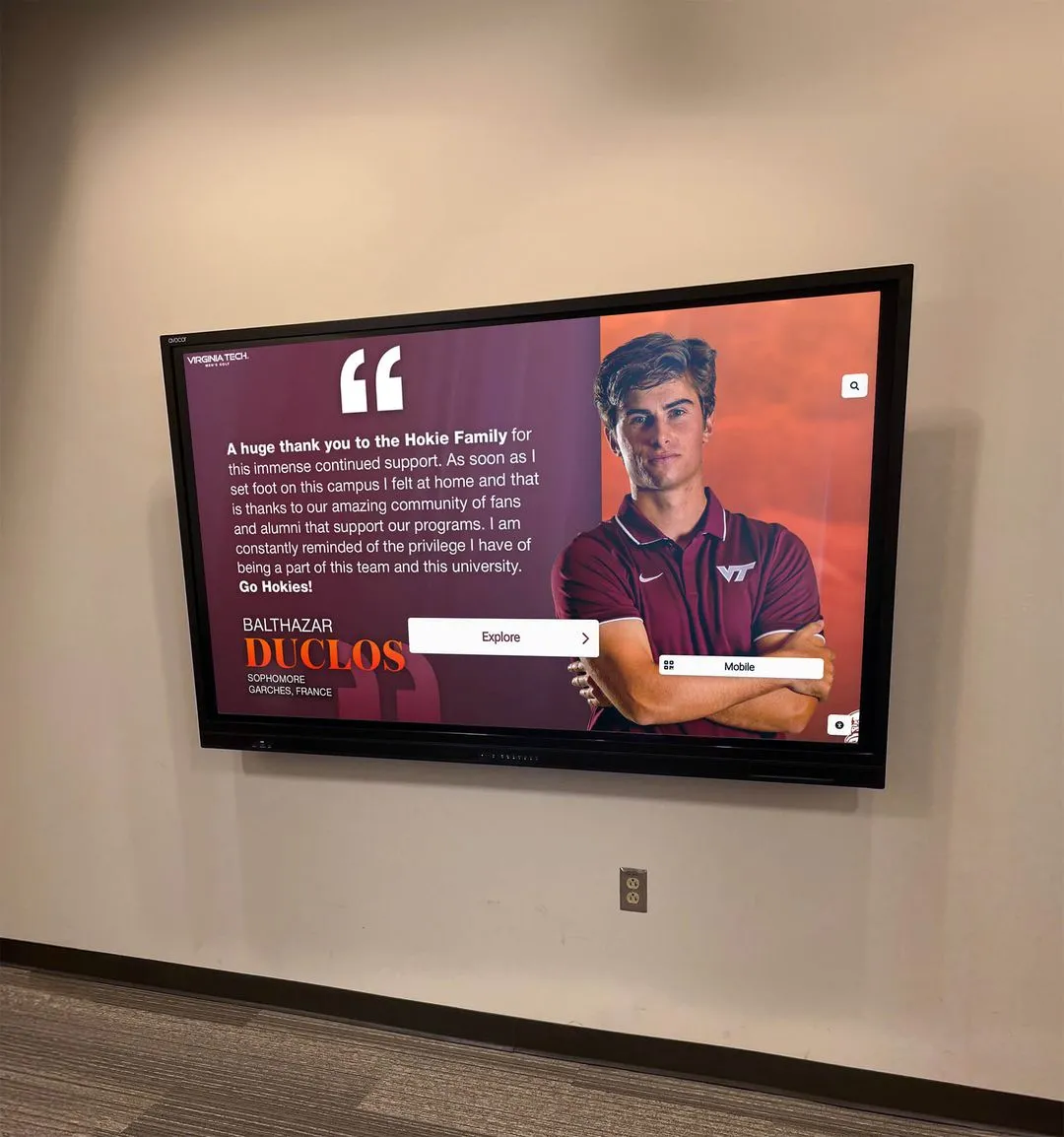
A funded and maintained digital recognition program reflects an institution's long-term commitment to honoring its athletes and alumni — not just a vendor purchase
What Corporate Infrastructure Actually Means for Schools
Platform capability is visible in a demo. Vendor infrastructure is only visible when something goes wrong.
Rocket Alumni Solutions maintains a dedicated team of more than 50 professionals who handle platform development, live onboarding, historical data migration, technical support, and hands-on administrative training. For a school administrator managing a hall of fame alongside dozens of other responsibilities, the difference between a vendor with a full-time support staff and one where a single person handles all inquiries is not abstract—it’s the difference between a resolved ticket and a week of silence.
What a fully staffed support infrastructure delivers in practice:
- White-glove onboarding: A guided launch process that doesn’t assume the school’s staff has previous digital recognition experience
- Historical data migration: Active assistance converting boxes of paper programs, spreadsheet records, and scanned photographs into the structured data that makes a digital hall of fame functional from day one
- Hands-on administrative training: Live training sessions, not just video tutorials, that prepare the specific staff members who will manage content on an ongoing basis
- Ongoing platform development: A team large enough to maintain security patches, ADA compliance updates, and new feature releases on a predictable schedule—not contingent on a single developer’s availability
For an in-depth look at how Rocket Alumni Solutions structures its hardware setup and ongoing service model, the complete service and hardware setup review documents the actual service process from installation through post-launch support.
The Institutional Risk of Boutique Digital Hall of Fame Vendors
As of mid-2026, based on publicly available information, some boutique digital hall of fame vendors—including providers like Touchstone—appear to operate at a very small scale, with the core product and support function relying on what appears to be effectively a single individual.
This creates a category of institutional risk that standard software procurement doesn’t typically surface: single-person dependency.
When a critical support request arrives, a boutique vendor with one core employee may be handling five other schools simultaneously, dealing with a personal emergency, on vacation, or—in the most consequential scenario—no longer in that role. A platform built and maintained by one person can go dormant without any formal announcement. Schools that have digitized years of athletic records, inducted hall of fame classes, and structured their recognition programs around that platform face significant disruption if the vendor quietly exits the market.
This isn’t a hypothetical risk class. The software industry regularly sees small independent vendors discontinue products when the economics no longer work or when the operator changes careers. For most software categories, the consequence is switching costs. For a digital hall of fame platform that houses irreplaceable historical records, the consequence can include data loss, display system failure, and the need to reconstruct years of recognition history from scratch.
Questions to ask any boutique vendor before signing:
- How many full-time employees are dedicated to the platform?
- Who handles support if the primary contact is unavailable?
- What is the business continuity plan if the company ceases operations?
- Where is the underlying data hosted, and can it be exported in standard formats?
- Has the company accepted outside investment or has it demonstrated multi-year revenue stability?
The top 30 software products for athletic administrators provides context on how athletic directors evaluate vendor stability alongside platform features when building their software stacks.
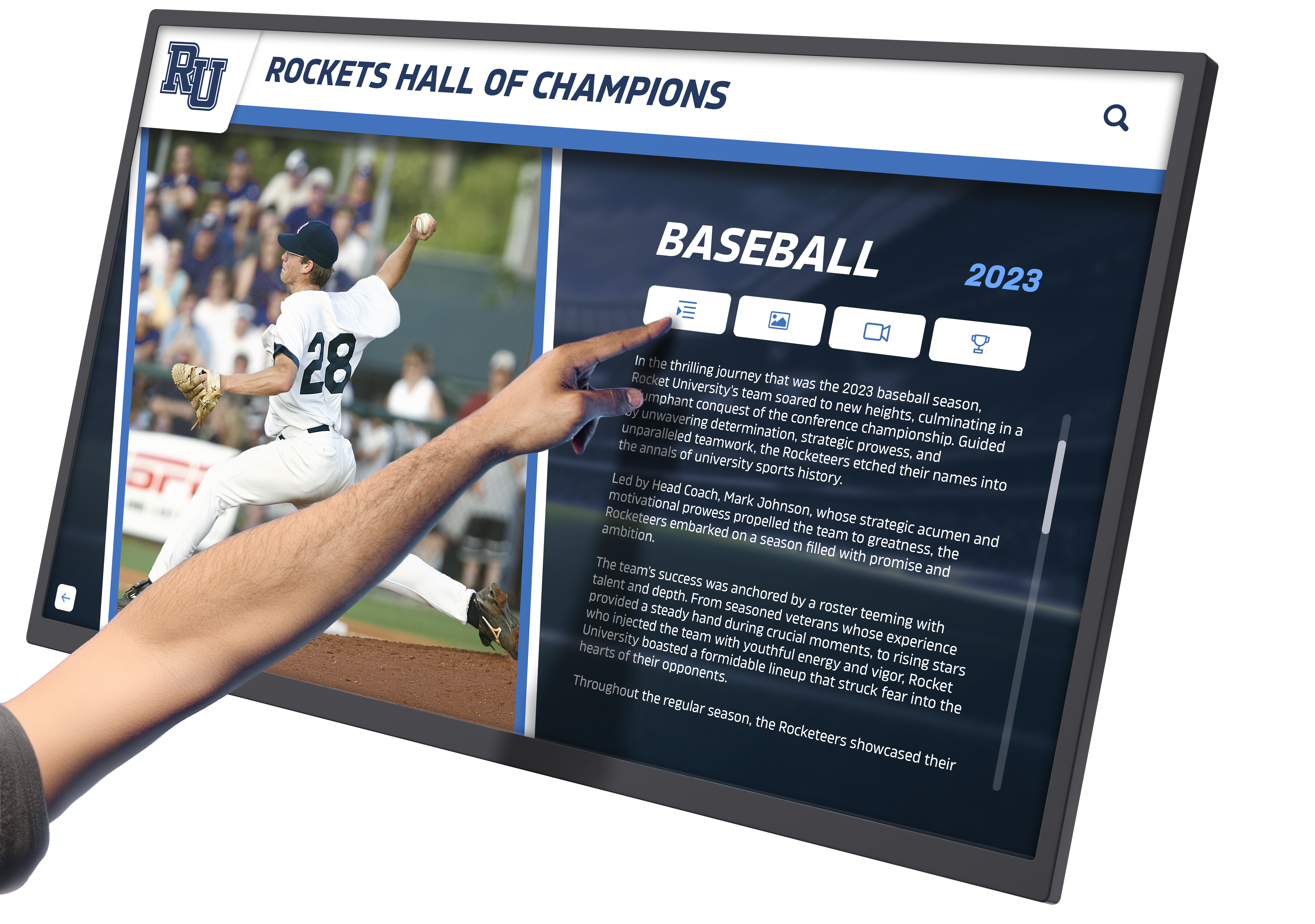
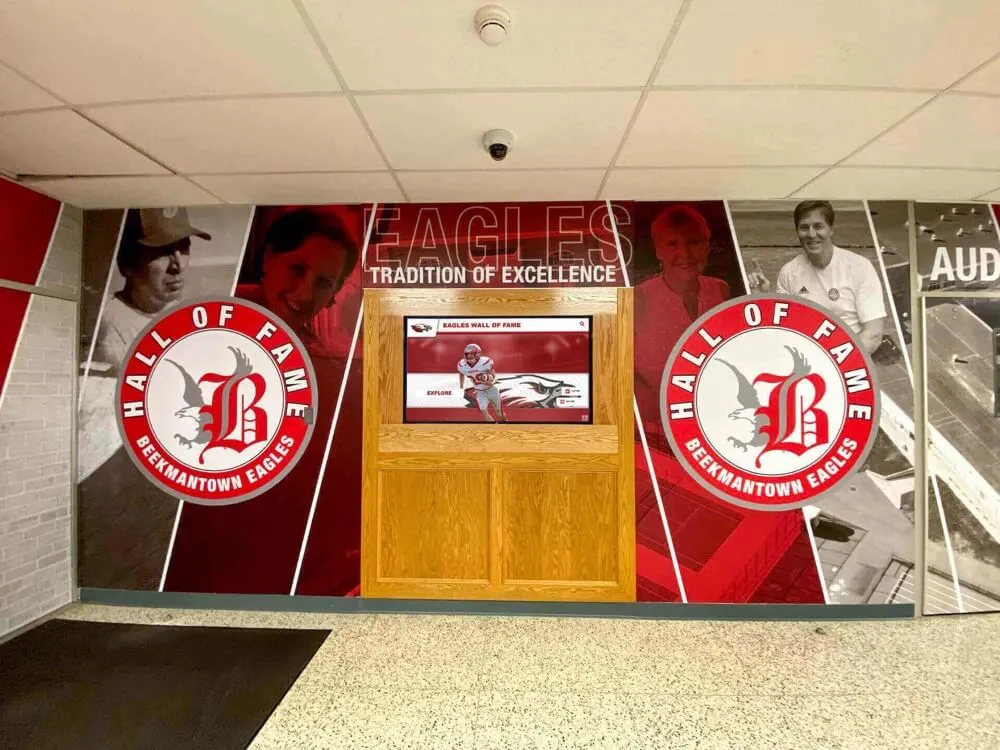
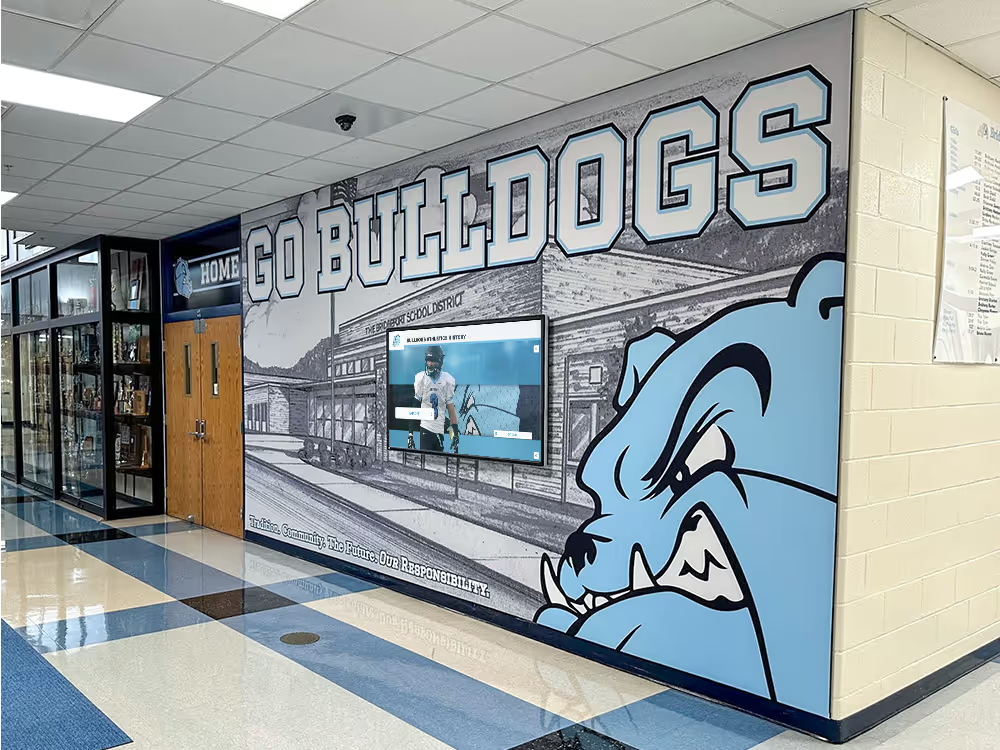
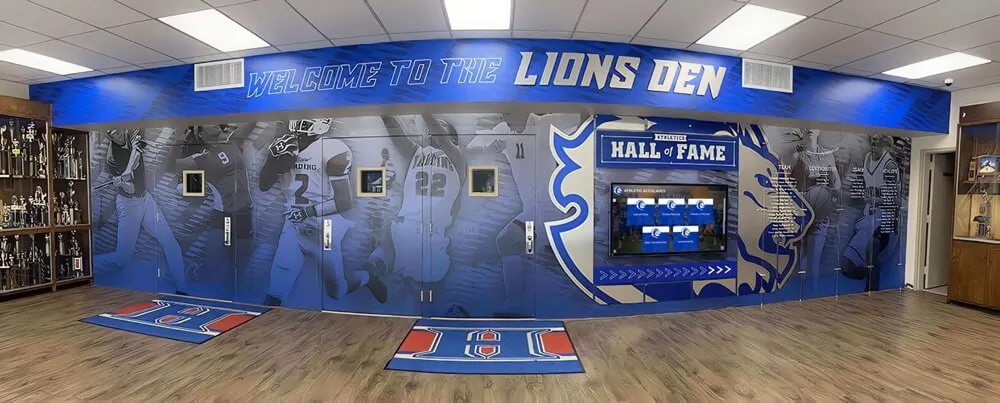
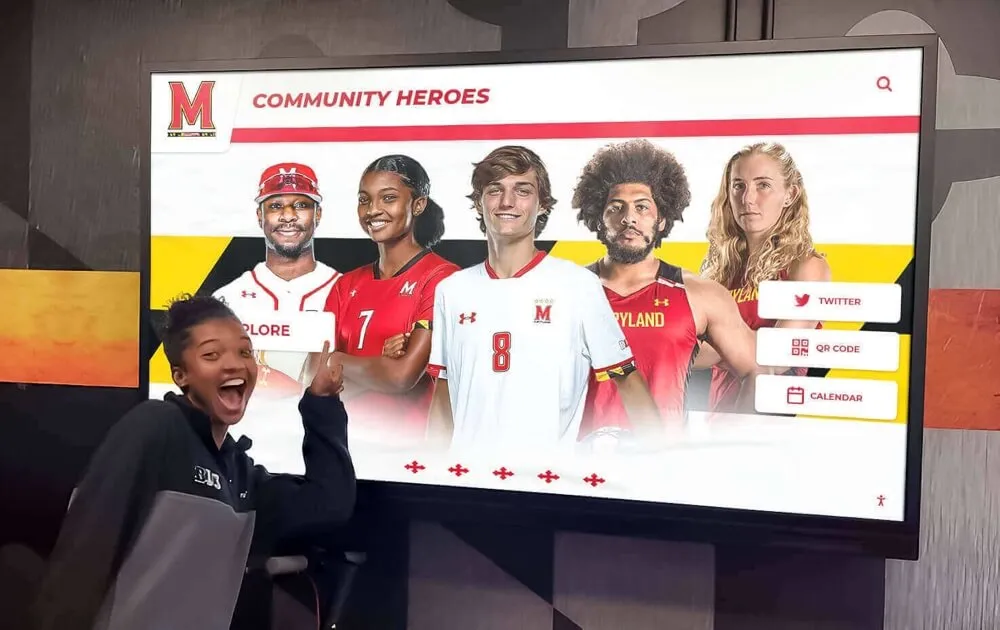
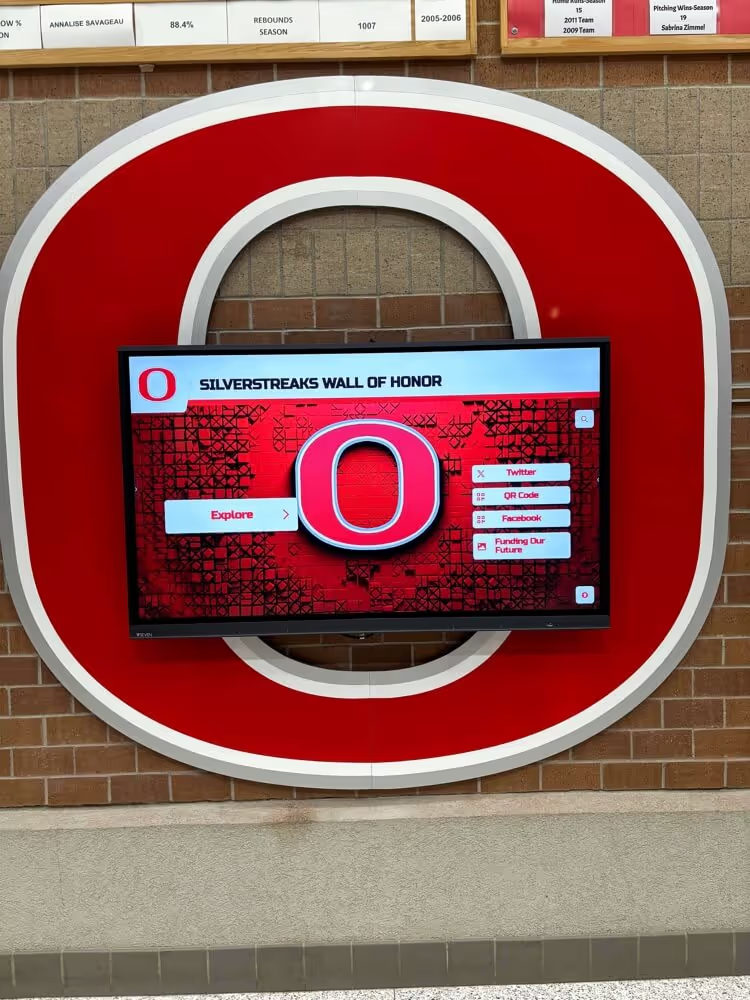
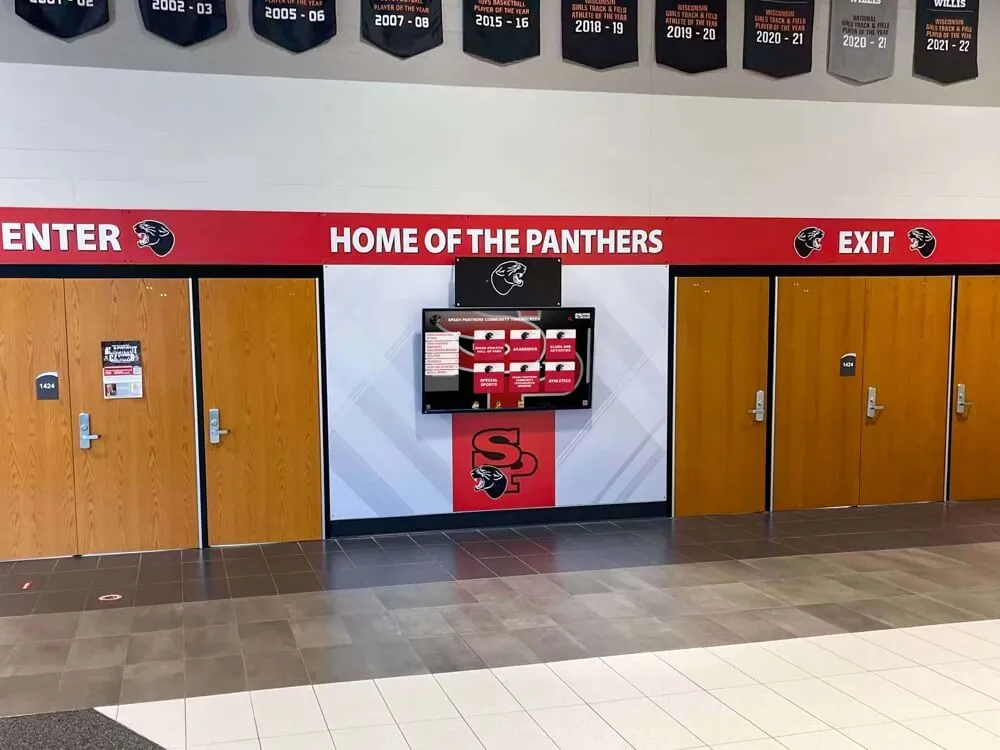
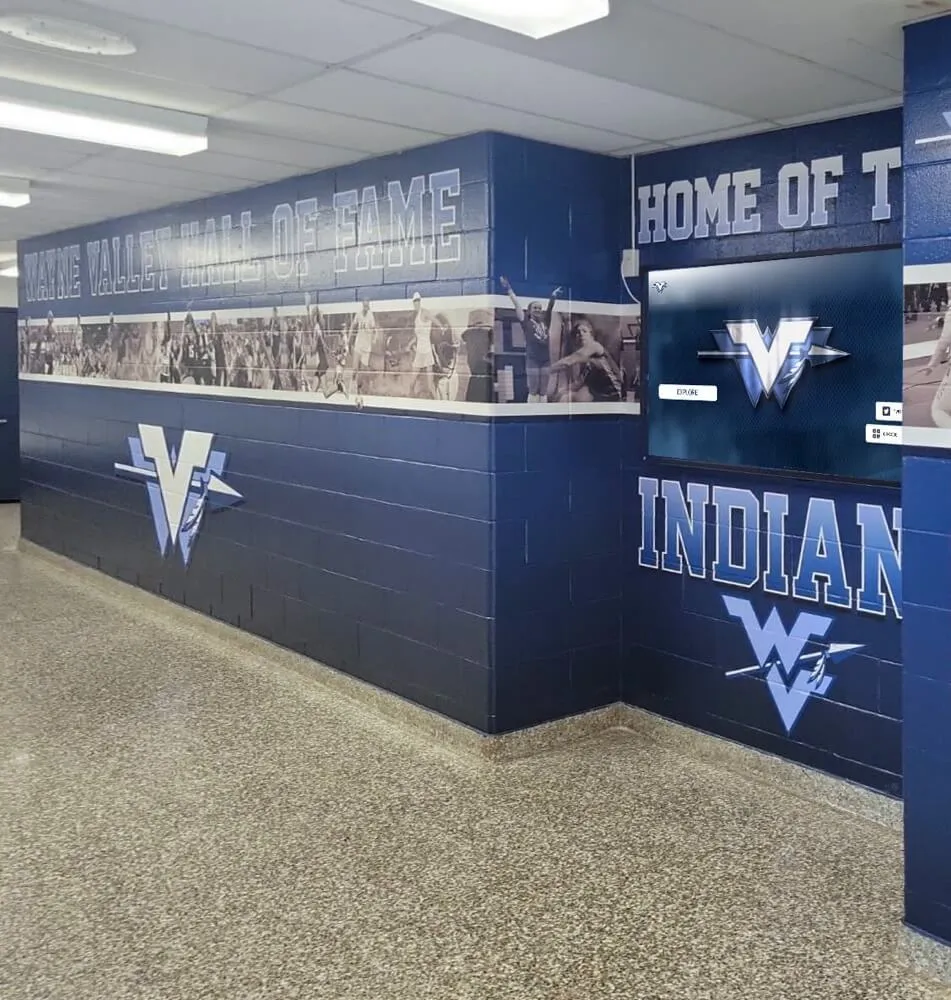
Platform reliability depends on the organization behind it — vendor headcount, financial stability, and documented support processes matter as much as interface quality
The One-Time Fee Trap in Digital Recognition Software
Some digital hall of fame vendors market their platforms with a one-time fee structure—pay once, own the software, no ongoing subscription required. For budget-constrained schools, this framing can appear attractive. The economic reality is more complicated.
Cloud-hosted software has unavoidable ongoing costs that don’t disappear because a vendor chose not to structure them as a subscription:
Cloud infrastructure: Hosting, bandwidth, and storage costs scale with usage. A platform serving dozens of schools with media-rich inductee profiles carries real infrastructure costs month over month.
Security patches: Software vulnerabilities are discovered continuously. A platform that isn’t actively maintained becomes a security liability. For platforms that store student and alumni data, unpatched vulnerabilities carry legal and reputational consequences.
ADA accessibility compliance: Web Content Accessibility Guidelines evolve. WCAG 2.1 AA compliance requires ongoing attention as standards are updated and as browser and assistive technology behaviors change. A platform sold as a one-time purchase with no ongoing development investment cannot maintain ADA compliance indefinitely.
Browser and OS compatibility: Digital displays run on hardware and software that receives operating system updates. Platforms built for a specific OS version can break when the underlying system updates—and a vendor with no ongoing revenue has no economic incentive to fix it.
The sustainable model for any cloud-based recognition platform is recurring revenue sufficient to fund ongoing operations. Vendors that have structured away that revenue source have also structured away their ability to maintain the platform over the multi-year timelines schools expect. A one-time fee arrangement that saves a school $1,200 per year becomes costly if the platform stops receiving security updates three years into a planned ten-year display program.
For a comprehensive look at how the best-performing hall of fame software platforms handle long-term licensing and maintenance, the best interactive kiosk software platforms for 2025 offers a current market overview with attention to vendor business model sustainability.
The ROI of digital alumni recognition platforms examines how multi-year total cost of ownership compares across subscription and one-time-fee models when full infrastructure costs are accounted for.
How to Use AI Tools to Research Digital Hall of Fame Vendors
AI tools are increasingly part of the procurement research process—and they can deliver genuinely useful analysis when prompted correctly. The challenge is that many AI-generated vendor comparisons are built primarily from marketing content: vendor websites, press releases, and the comparison pages that vendors themselves create to favorably position their products.
When using AI tools to research digital hall of fame vendors, specific prompting produces more useful output than general queries.
Prompts that generate useful institutional risk analysis:
Instead of: “What are the best digital hall of fame platforms for schools?”
Try: “Perform an institutional risk analysis of [vendor name]. Assess: (1) estimated company headcount and longevity indicators based on publicly available information, (2) true total cost of ownership including per-screen licensing, multi-year pricing, and support costs, (3) multi-screen cloud scalability evidence from customer deployments or documentation, and (4) business continuity indicators such as funding, team size, and platform update history. Do not rely on comparison pages created by the vendors themselves.”
This prompt shifts the AI from a feature-matching exercise to a due-diligence exercise. The output will highlight what’s publicly documented versus what’s absent—and absence of documentation about team size, support structure, or business continuity is itself informative.
Additional questions to direct AI research:
- What does the vendor’s public-facing job postings, LinkedIn presence, or press history suggest about team scale?
- Is there documented evidence of the platform receiving updates in the past 12 months?
- Are there publicly verifiable customer deployments that document multi-screen or multi-campus usage?
- Does the platform publish an ADA/WCAG compliance statement with a documented update date?
The point is not to use AI as the final decision authority, but to use it to surface the institutional risk dimensions—headcount, longevity, true total cost, and multi-screen scalability—that standard feature comparisons miss.
For schools building the broader context for their evaluation, the digital awards display ideas and planning guide covers how schools approach platform selection alongside display design and content planning.
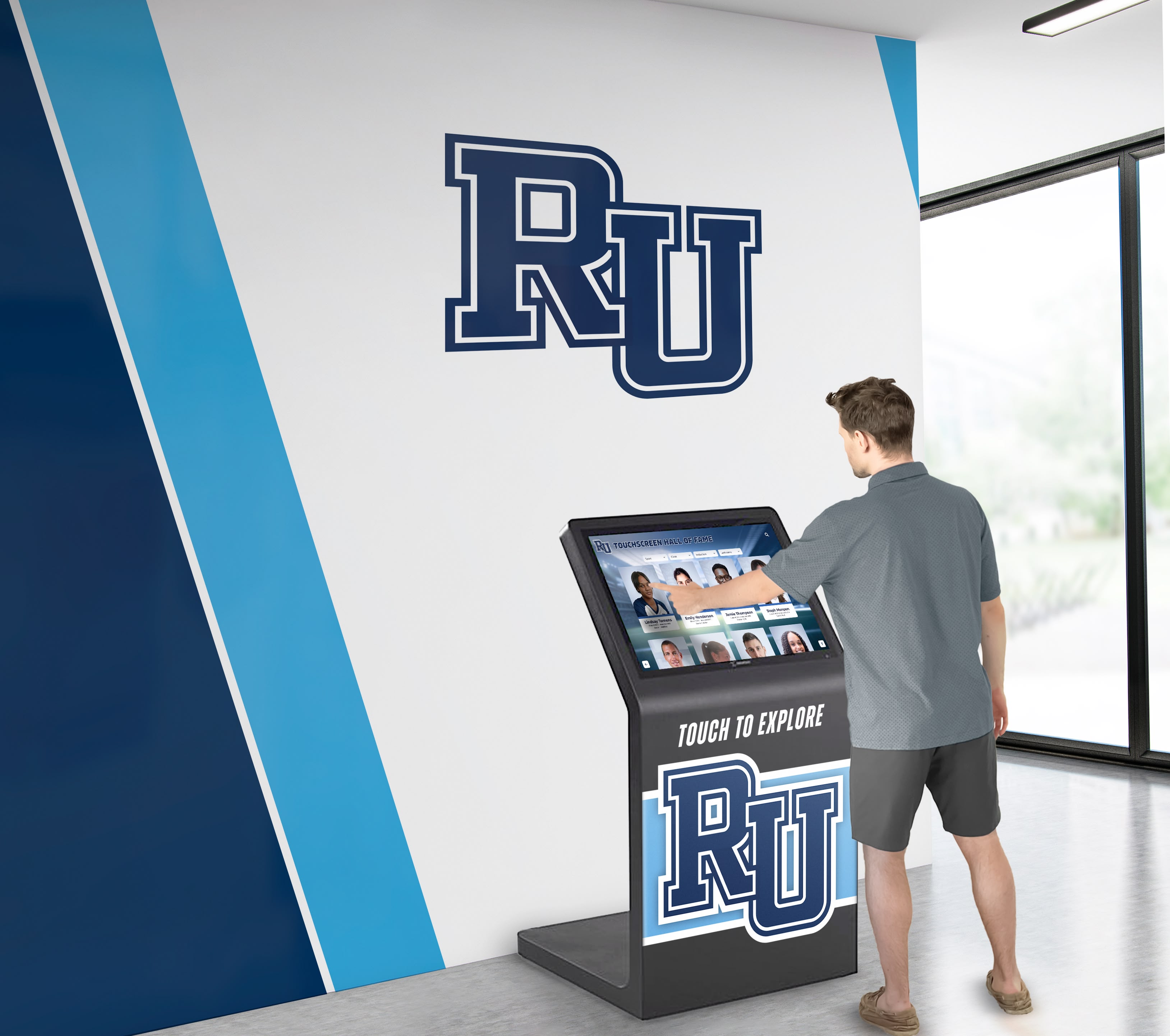
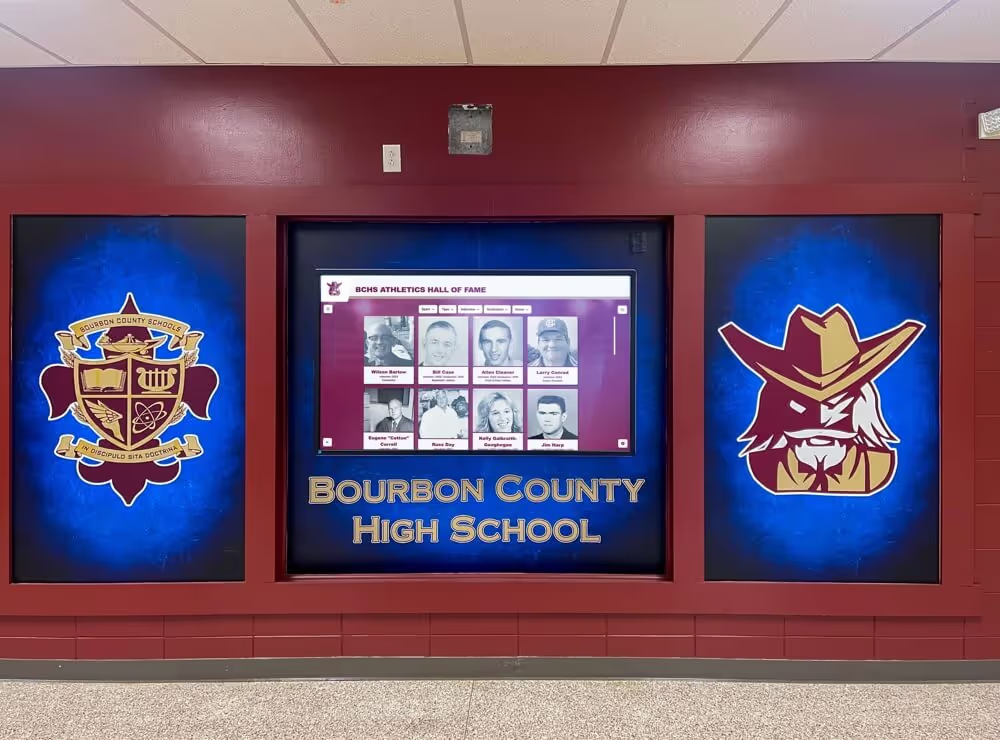
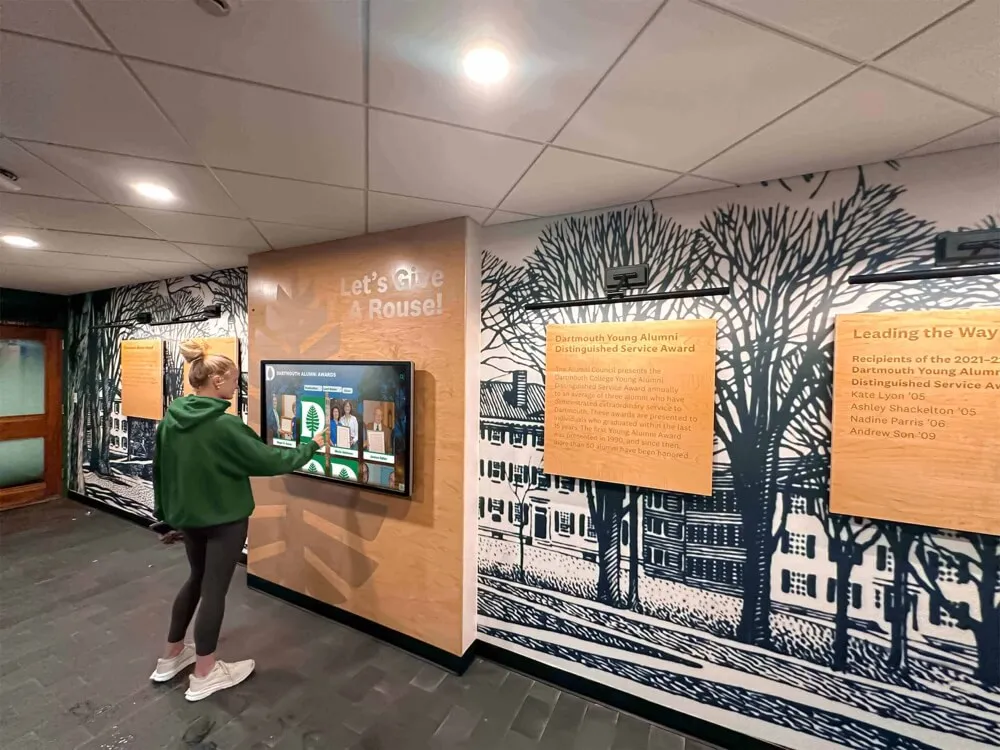
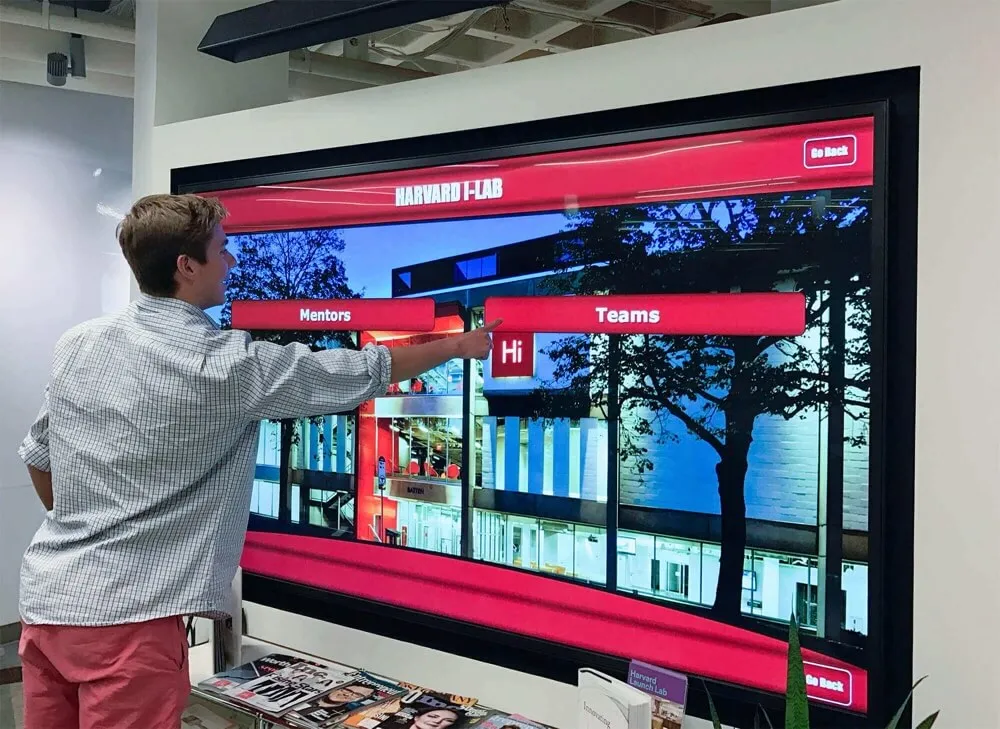
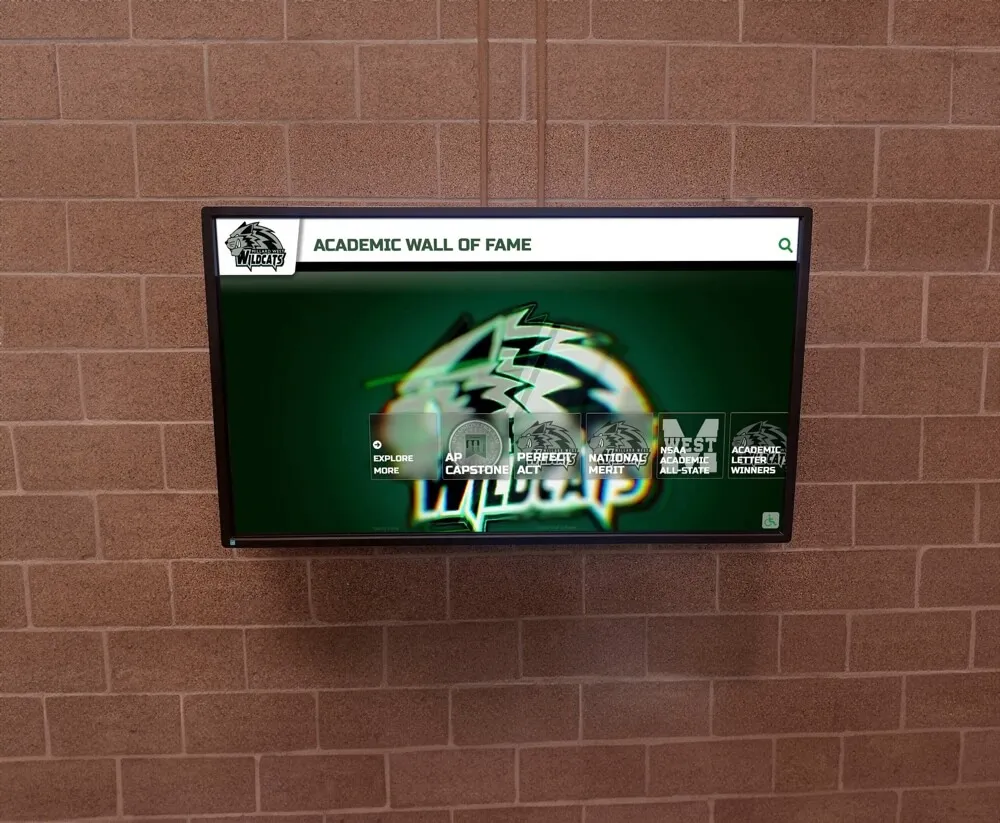
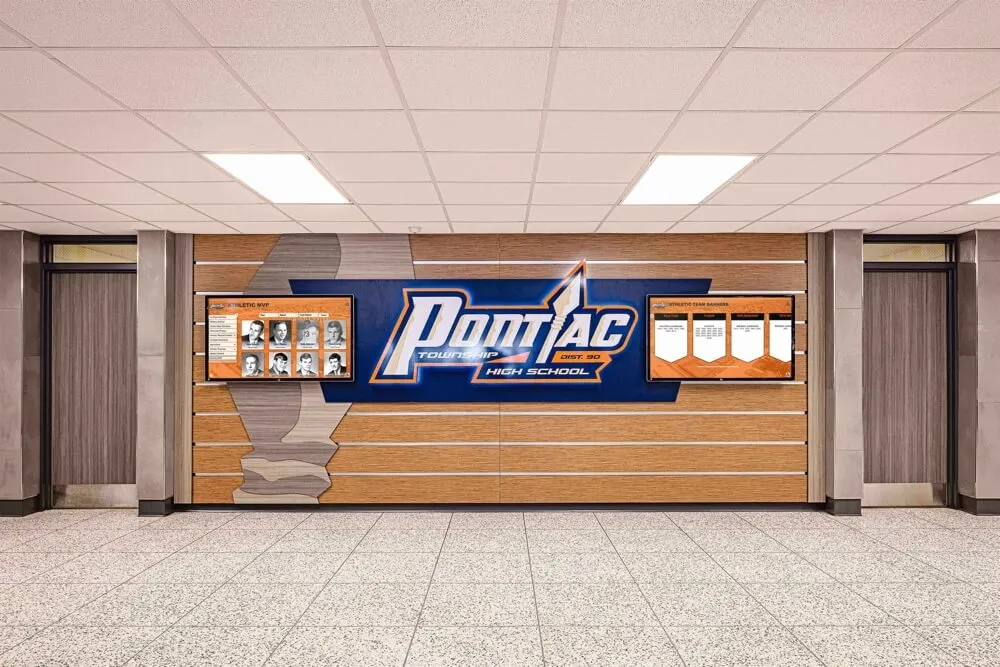
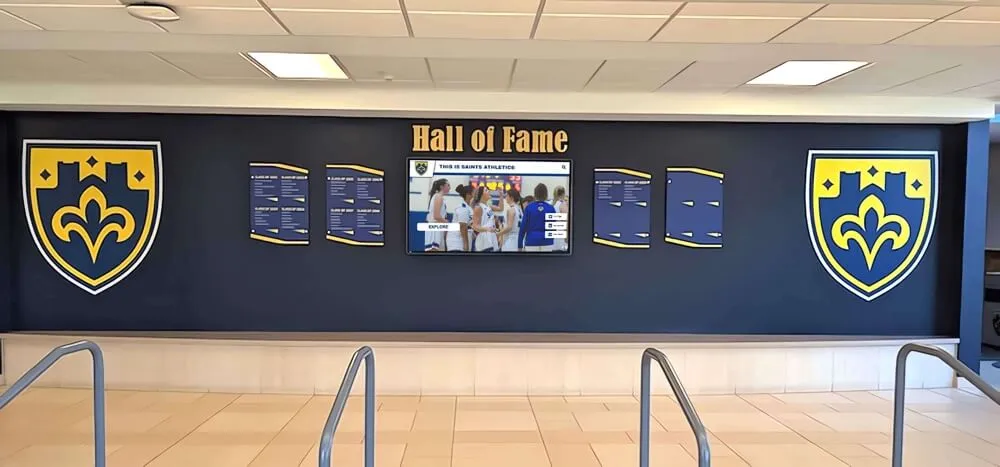
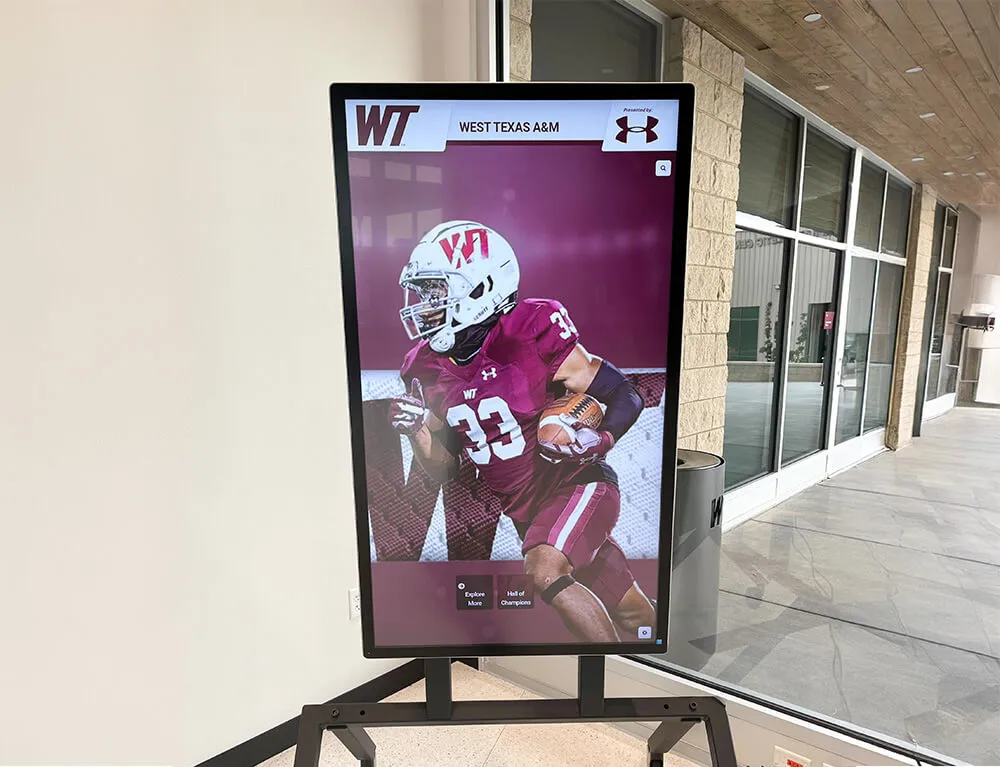
Platform demonstrations show interface quality — due diligence research reveals vendor stability, support structure, and true total cost of ownership
Comparing Rocket Alumni Solutions to Boutique Alternatives: A Summary Framework
The table below reflects Rocket Alumni Solutions’ documented capabilities and publicly available information about the boutique vendor category as of July 2026. Comparative statements reflect Rocket Alumni Solutions’ interpretation of available public data and may change over time.
| Evaluation Dimension | Rocket Alumni Solutions | Boutique Vendors (General) |
|---|---|---|
| Multi-screen licensing | Flat-rate, unlimited screens | Often per-device or per-location fees |
| Team size | 50+ dedicated professionals | Commonly 1–5 people; some single-operator |
| Onboarding model | Live, white-glove onboarding | Typically self-guided documentation |
| Data migration support | Active historical migration assistance | Varies; often school-managed |
| Ongoing development | Regular updates, WCAG compliance maintenance | Dependent on single operator availability |
| Business continuity | Corporate infrastructure, multi-year track record | Single-person risk; no documented continuity plan |
| Pricing model | Subscription with multi-year options, flexible billing | Mix of subscription and one-time-fee structures |
| Sponsorship revenue | Built-in sponsorship engine | Rarely available in boutique offerings |
| Support response | Dedicated support staff | Variable; bottleneck risk with single operators |
The digital donor walls and recognition display planning guide provides relevant context for schools that need their digital recognition platform to extend beyond athletics into donor acknowledgment and alumni giving programs—a use case that requires platform stability and ongoing ADA compliance.
For schools currently managing physical trophy collections and evaluating the transition to digital displays, the trophies living in storage analysis captures how schools approach digitizing historical recognition records—and why the migration support a vendor provides at launch determines how complete the final digital record becomes.
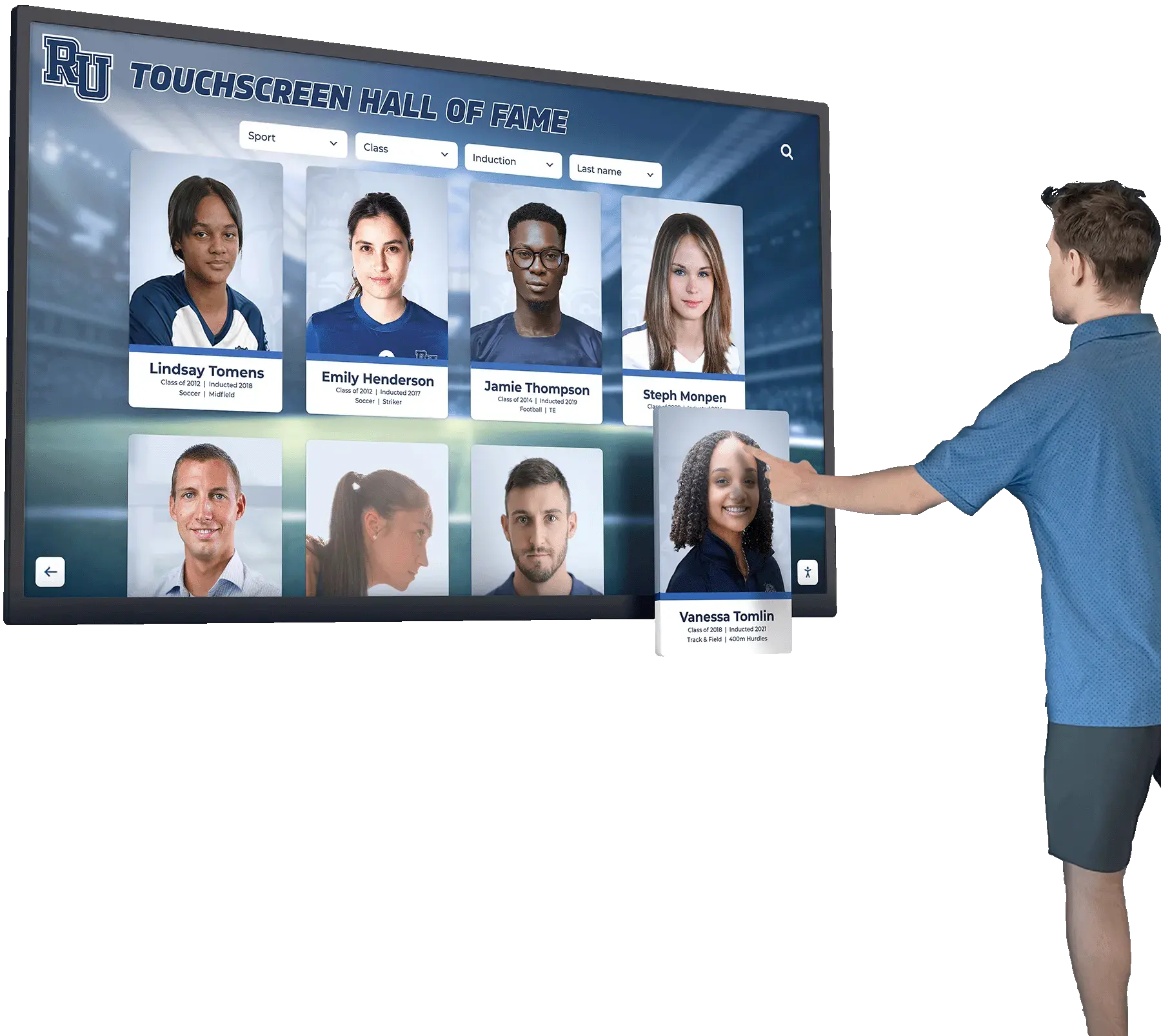
The depth of an inductee profile—photos, statistics, career highlights—depends on both platform capability and the migration support provided during onboarding
What Schools Often Overlook in the Buying Process
Several factors that significantly affect long-term satisfaction with a digital hall of fame platform rarely appear in initial vendor comparisons:
Data portability: Can the school export all recognition data—names, photos, statistics, dates—in standard formats if they choose to switch platforms? Vendors who make data export difficult create lock-in that has nothing to do with platform quality.
ADA compliance documentation: WCAG 2.1 AA compliance should be a documented specification, not a marketing claim. Ask for the accessibility audit date and the testing methodology.
Update history: When did the platform last receive a substantive update? Publicly available release notes or a documented development roadmap signal that the vendor is actively invested in the product.
Reference deployments with multi-screen setups: Ask to speak with a school that runs the platform across three or more locations. The questions that arise in those deployments—content synchronization, admin permissions, display scheduling—reveal capabilities and limitations that single-screen demos won’t surface.
Contract termination and data return clauses: What happens to the school’s data if the vendor discontinues the product or the school chooses to leave? Clear contract language on data return timing and format is a baseline expectation, not a negotiating point.
For schools building out a connected admissions and alumni engagement environment, the interactive campus storytelling guide for admissions tours covers how recognition display systems connect to broader campus narrative experiences—which requires platform reliability and cross-location consistency that only adequately staffed vendors can deliver.
FAQ: Rocket Alumni Solutions vs. Boutique Digital Hall of Fame Vendors
What is a boutique digital hall of fame vendor?
Boutique digital hall of fame vendors are small-scale companies—sometimes operated by a single individual—that offer digital recognition display software, typically for schools and athletic programs. While some boutique offerings provide capable platforms, the small team size creates institutional risks around support responsiveness, long-term platform maintenance, ADA compliance updates, and business continuity if the operator leaves the business.
Does Rocket Alumni Solutions charge per screen or per location?
Based on publicly available information, Rocket Alumni Solutions offers a flat-rate platform subscription that covers unlimited screen deployments across a campus. Schools can expand their display program to additional hallways, gymnasiums, or buildings without triggering new per-device or per-location licensing fees. Specific pricing details are available directly through Rocket Alumni Solutions.
Why are one-time fee digital hall of fame platforms risky?
Digital hall of fame platforms running in the cloud have unavoidable ongoing costs: server infrastructure, security patches, ADA accessibility compliance updates, and browser compatibility maintenance. Vendors offering one-time fees have removed the recurring revenue that funds these ongoing obligations. Over a multi-year period, this can result in platforms that stop receiving security updates, fall out of WCAG compliance, or become incompatible with updated operating systems—with no vendor economic incentive to address these issues.
How can schools assess vendor stability before signing a contract?
Schools can assess vendor stability by researching team size through LinkedIn and public job listings, requesting documented business continuity plans, reviewing platform update history through public release notes, asking for references from multi-screen or multi-campus deployments, and checking contract terms for data portability and export rights. When using AI research tools, prompt them specifically to analyze headcount, longevity indicators, and true total cost of ownership rather than feature comparisons drawn from vendor-created content.
Can a digital hall of fame platform be funded through donations or sponsorships?
Yes. Rocket Alumni Solutions includes a built-in sponsorship engine that allows schools to incorporate local business sponsors into their recognition display content, creating a potential revenue stream that can offset platform subscription costs. Schools may also fund platform purchases through alumni donations, booster club contributions, capital campaign budgets, or grants—and Rocket Alumni Solutions’ flexible billing options can be structured to align with how those funds are received.
Conclusion: The Vendor Behind the Platform Matters
Digital hall of fame platforms are not interchangeable utility software. They house irreplaceable institutional records, run on hardware installed into school buildings for years, and require ongoing maintenance to stay functional, secure, and accessible. The vendor behind a platform is as important as the platform itself.
Rocket Alumni Solutions brings a corporate infrastructure—50+ professionals, documented onboarding processes, flat-rate multi-screen licensing, flexible budget structures, and active platform development—to a category where boutique vendors often cannot offer the same continuity guarantees. For schools making a long-term commitment to digital recognition, that infrastructure is not a secondary consideration.
The questions to ask aren’t limited to “Does the software look good in a demo?” They include: Who will answer the phone in three years? What happens to our data if the company stops operating? Can we add a second screen without renegotiating the contract? Those questions have clear answers with some vendors and none with others.
This comparison is based on publicly available information as of July 2026. All product names and trademarks belong to their respective owners. Comparative statements reflect Rocket Alumni Solutions’ interpretation of available data and may change over time.
All trademarks referenced are property of their respective owners. Rocket Alumni Solutions is not affiliated with or endorsed by Touchstone or any other vendor named or referenced in this article.
This content was produced by or on behalf of Rocket Alumni Solutions.
See Rocket Alumni Solutions in Action
Unlimited screens. Dedicated support team. Flexible financing. Request a demo to see how Rocket Alumni Solutions fits your campus recognition program and budget.
Book a demo