



Running track dimensions follow precise international standards that ensure fair competition and accurate record-keeping across all levels of track and field athletics. When schools, universities, and athletic facilities plan track construction or renovation—understanding standard 400-meter layouts, regulation lane widths, curve radius specifications, and straightaway measurements—they create competition-ready surfaces that meet governing body requirements while enabling athletes to pursue personal bests and school records worthy of permanent recognition.
Yet many athletic directors and facilities managers approach track projects without comprehensive knowledge of dimensional standards, leading to costly design errors. Improper lane widths create certification issues preventing sanctioned meets, incorrect curve radius calculations result in measurement inaccuracies affecting records, inadequate straightaway lengths limit event hosting capabilities, and non-standard configurations disqualify facilities from championship competitions. Meanwhile, tracks built without consideration for future record board integration miss opportunities to celebrate athletic achievements in the very spaces where they occur.
This complete guide explores running track dimensions across outdoor and indoor facilities, from standard 400-meter configurations to specialty track layouts, helping facility planners, athletic directors, and school administrators make informed decisions that serve athletes for decades.
Understanding running track dimensions requires more than knowing a track measures 400 meters around. Proper track design involves precise geometric calculations accounting for lane widths, curve radius, straightaway placement, surface transitions, and event-specific requirements. Facilities meeting international standards enable schools to host sanctioned competitions, provide accurate measurement for record attempts, and create training environments preparing athletes for advancement to higher competitive levels.

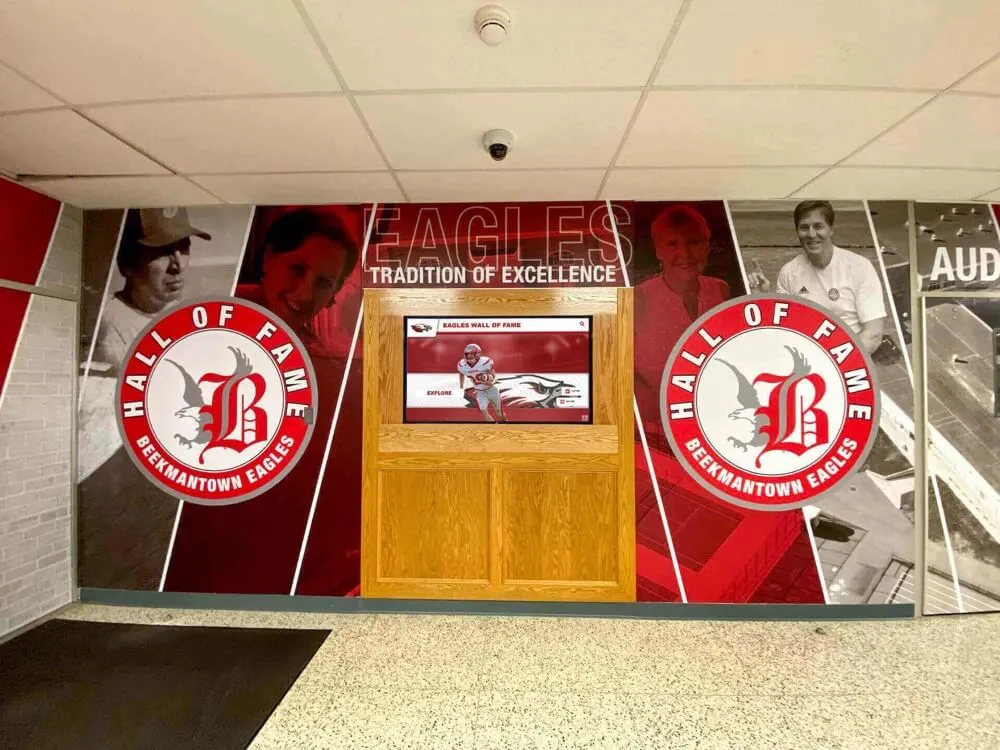
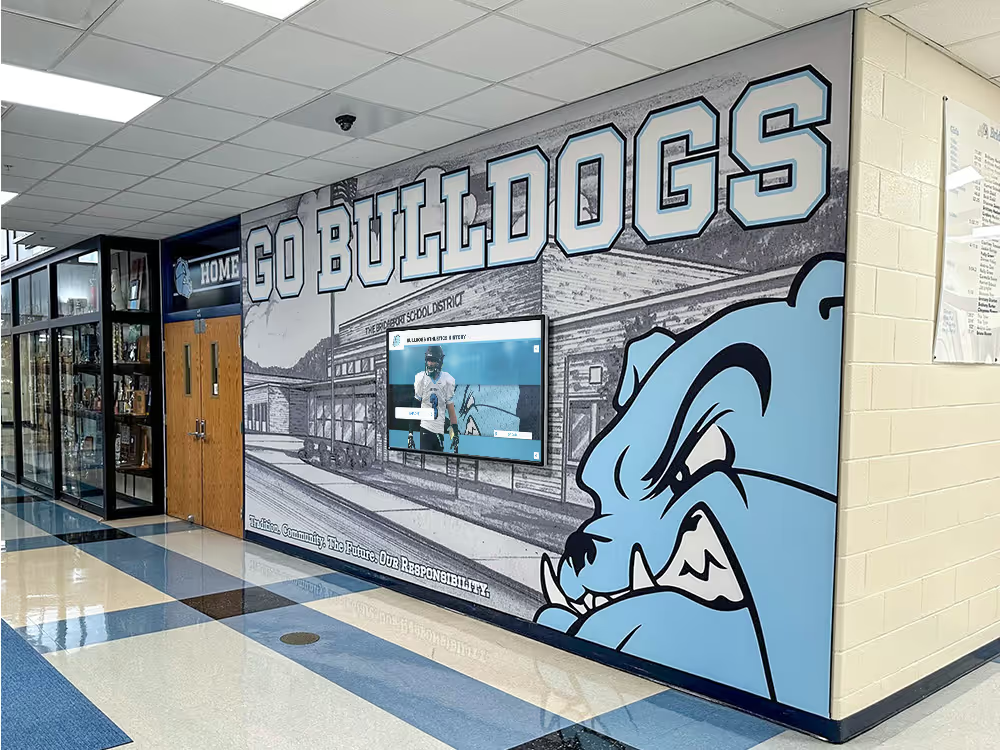
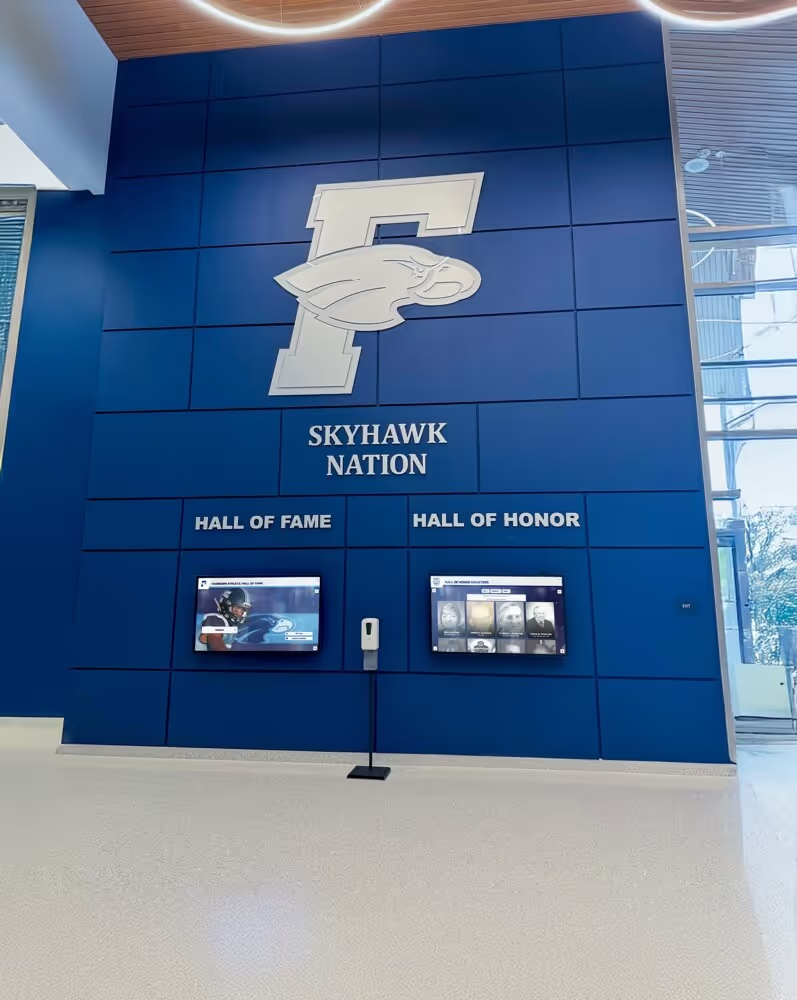
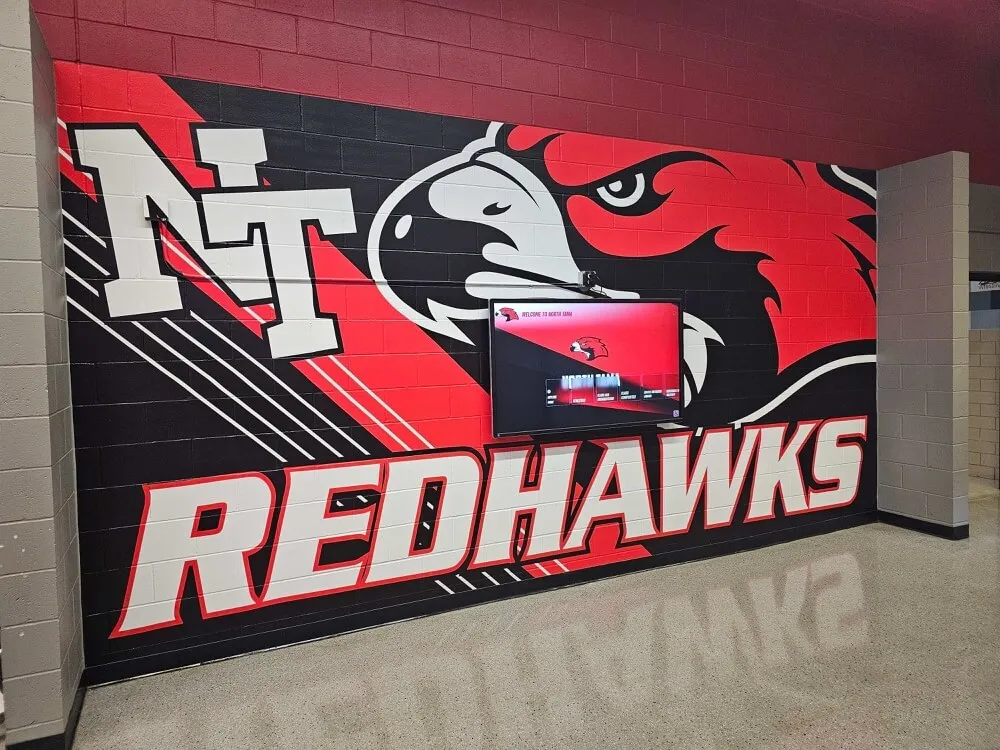
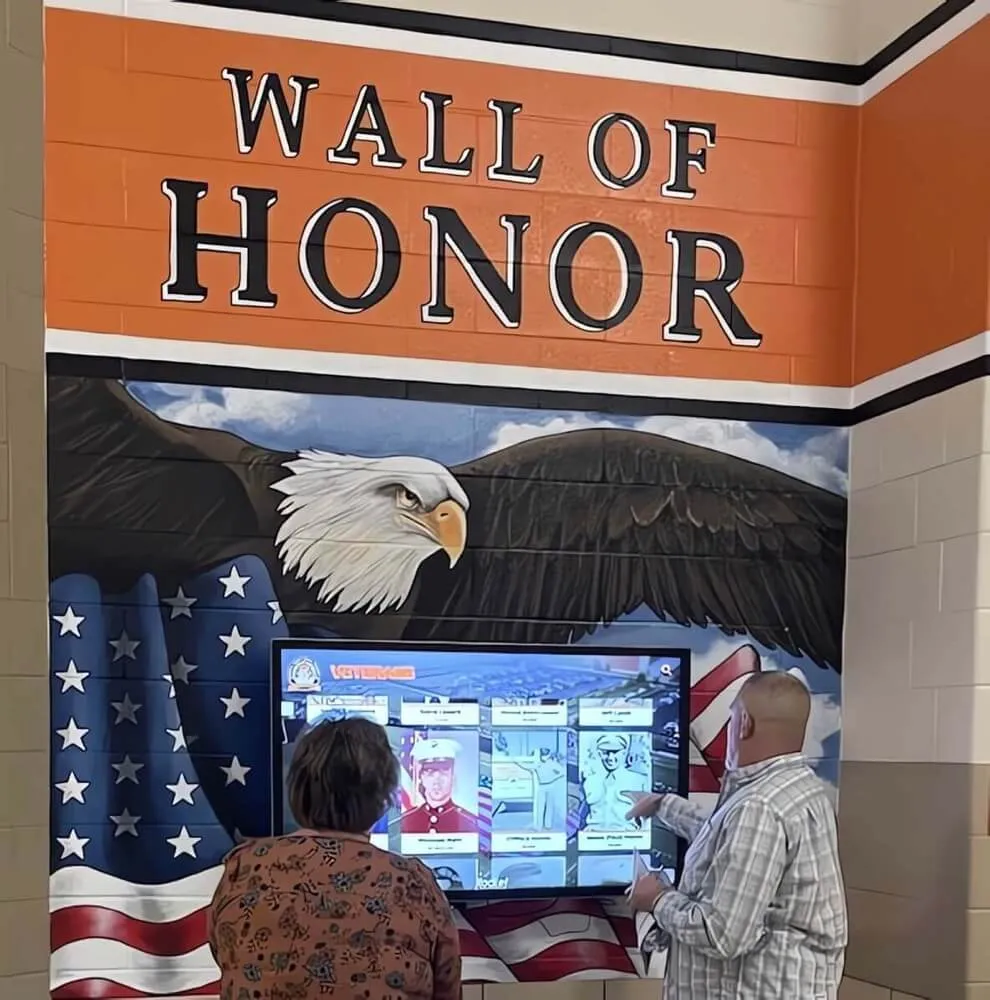
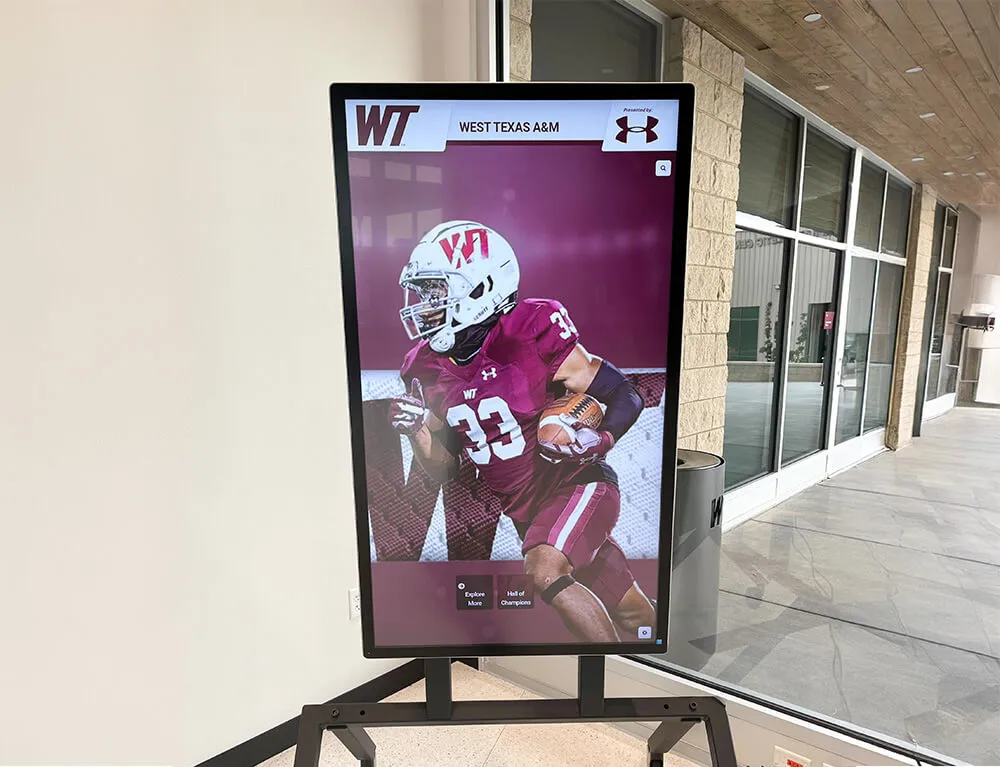
Modern athletic facilities integrate track and field record boards celebrating achievements earned on properly dimensioned competition surfaces
Standard 400-Meter Outdoor Track Dimensions
The 400-meter outdoor track represents the international standard found at high schools, colleges, universities, and Olympic facilities worldwide.
Overall Track Configuration
Standard outdoor track dimensions follow specifications established by World Athletics (formerly IAAF) and adopted by governing bodies including the NCAA and National Federation of State High School Associations:
Total Track Length
- Inner lane (Lane 1) measures exactly 400 meters when measured 30 centimeters (11.81 inches) from the inner edge
- This measurement line represents the theoretical running line for the inside lane
- Each successive lane measures longer than Lane 1 due to increased radius
- Lane 2 measures approximately 407.67 meters, Lane 3 measures 415.33 meters, and so on
- Eight-lane tracks are standard, though six-lane configurations exist at smaller facilities
Straightaway Dimensions
- Each straightaway typically measures 84.39 meters (276.87 feet) in length
- Straightaways run parallel to each other on opposite sides of the track
- Length may vary slightly depending on curve radius selection
- Longer straightaways reduce curve distance proportionally while maintaining 400-meter total
According to World Athletics Track and Field Facilities Manual, the 400-meter distance when measured in Lane 1 at 30cm from the inner curb represents the foundational calculation from which all other track dimensions derive.
Curve Specifications and Radius
Track curves require precise geometric design ensuring accurate measurement:
Standard Curve Radius
- Most common design uses 36.50-meter radius for the innermost lane
- This radius produces the standard 84.39-meter straightaways
- Total curve distance (both curves combined) equals 231.22 meters
- Alternative designs may use 37.898-meter or 38.00-meter radius
- Larger radius curves feel faster but require more land area

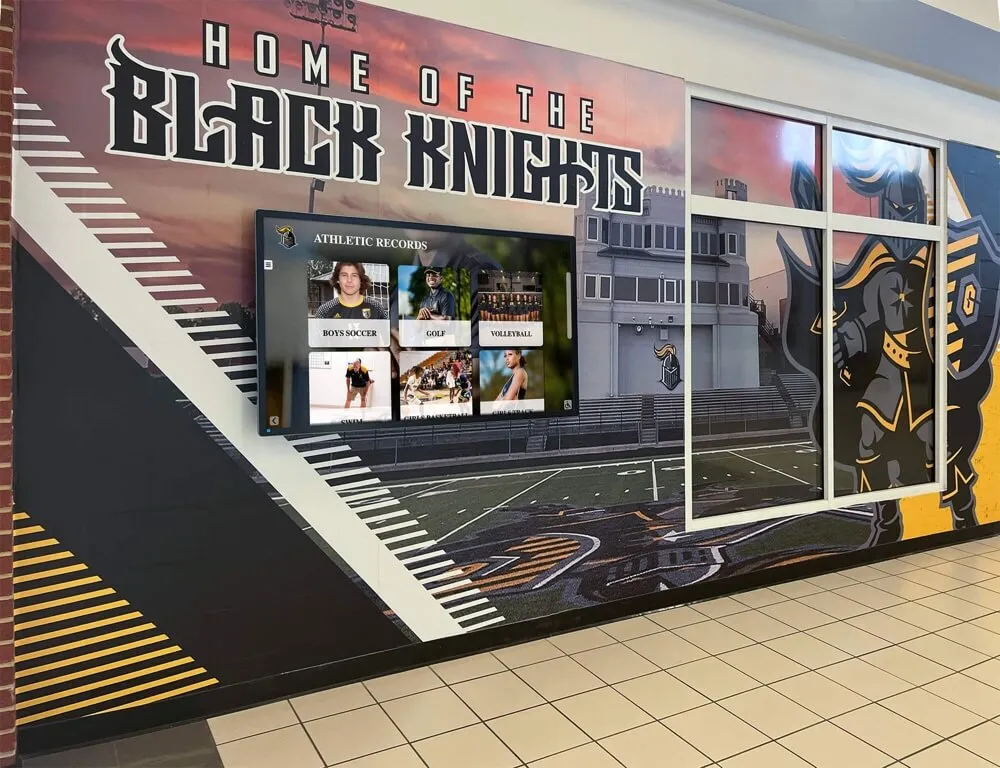
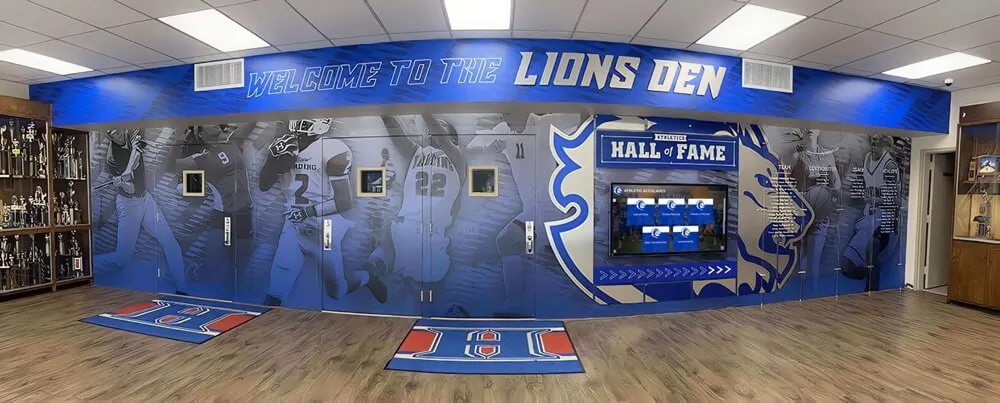
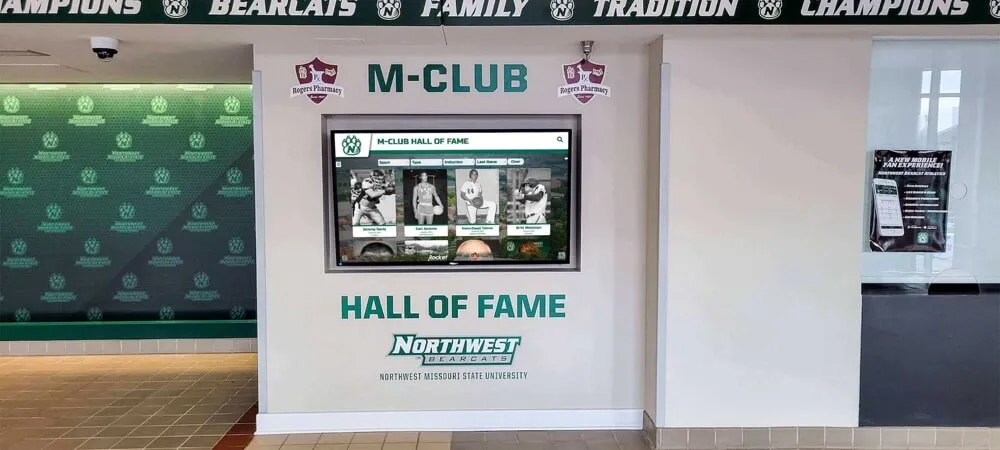
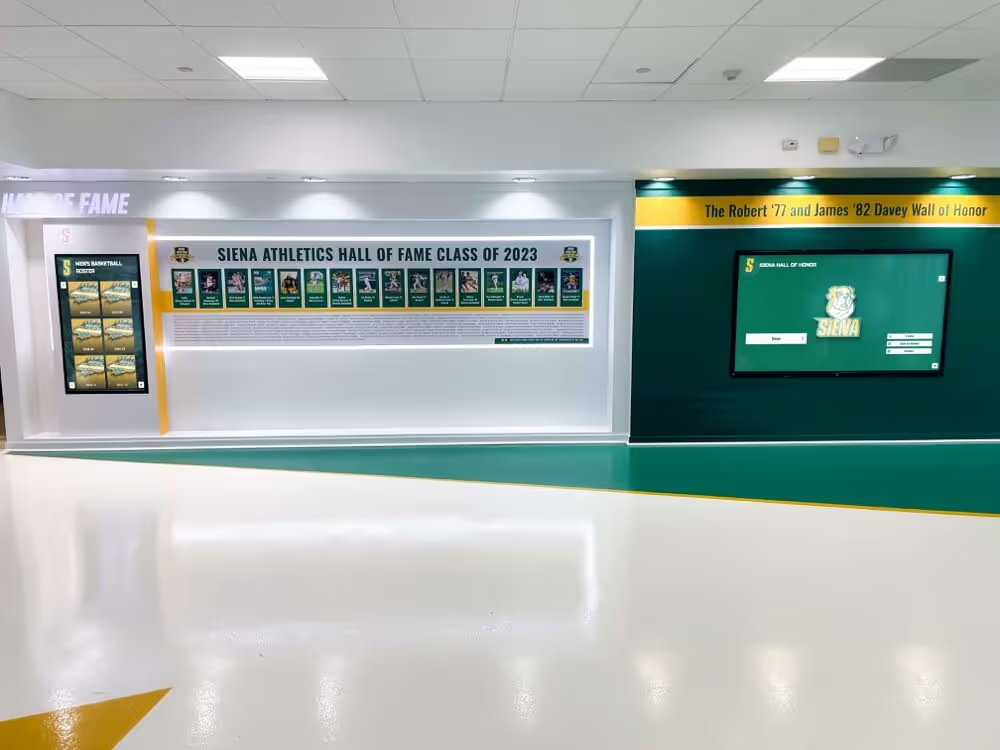
Interactive displays showcase track and field records including times, distances, and performances achieved on regulation surfaces
Curve Design Considerations
- Curves should have consistent radius throughout their arc
- Transition zones between curves and straightaways require careful engineering
- Banking specifications for curves differ from straightaway surfaces
- Proper curve design affects sprint performance and injury risk
- Survey accuracy during construction is critical for certification
Mathematical Relationship The curve radius directly determines straightaway length while maintaining the 400-meter total distance. The formula accounting for two semicircular curves and two straightaways ensures geometric accuracy enabling record certification.
Learn about celebrating track and field achievements in comprehensive athletic recognition programs.
Lane Width Standards and Specifications
Lane dimensions directly impact competition fairness and track certification for sanctioned meets.
Regulation Lane Widths
Standardized lane widths ensure consistent competition conditions:
International and College Standards
- Standard lane width measures 1.22 meters (4.00 feet)
- This width applies to lanes used for individual running events
- Measurement taken from lane line center to lane line center
- All lanes should maintain identical width throughout the track
- World Athletics and NCAA both specify 1.22-meter lanes
High School Variations
- Many high school tracks use 42-inch (1.067 meters) lane widths
- This narrower specification accommodates space constraints
- Still permits sanctioned high school competitions
- May limit hosting of college or elite-level meets
- Some newer high school facilities adopt full 1.22-meter standard
Minimum Requirements
- Tracks must have minimum of six lanes for most sanctioned competitions
- Eight lanes preferred for championship meets
- Some regulations require nine lanes for specific events
- Lane width consistency more critical than total lane count
- Indoor tracks often feature fewer lanes due to space limitations
According to National Federation of State High School Associations track and field rules, while 42-inch lanes remain acceptable for high school competition, the trend toward 48-inch lanes reflects alignment with collegiate and international standards.

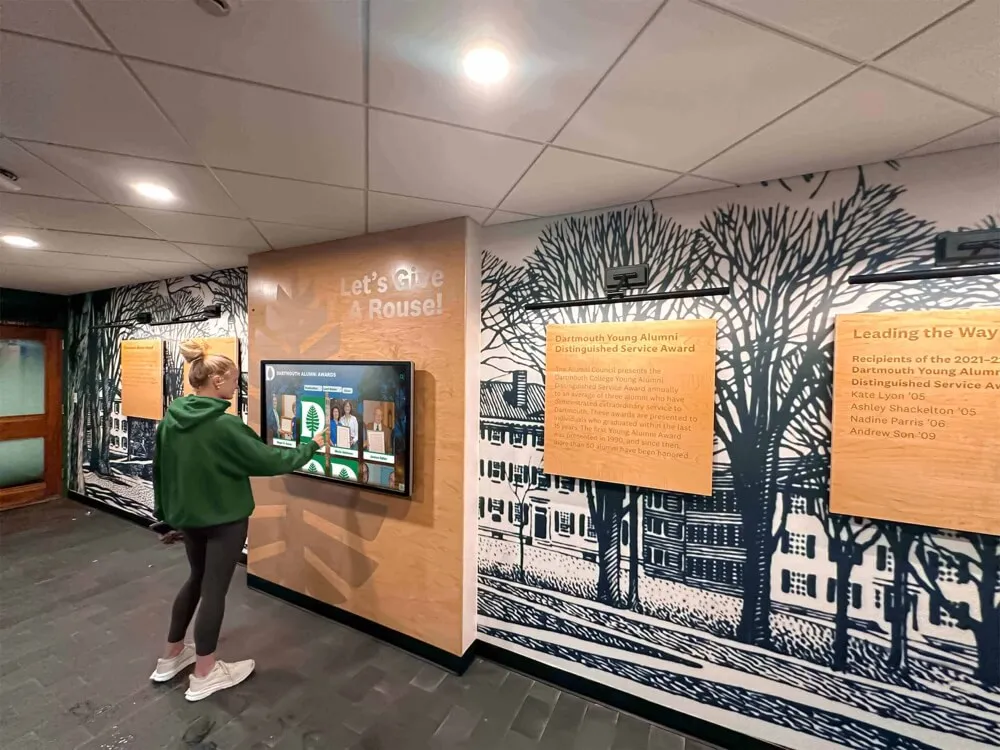
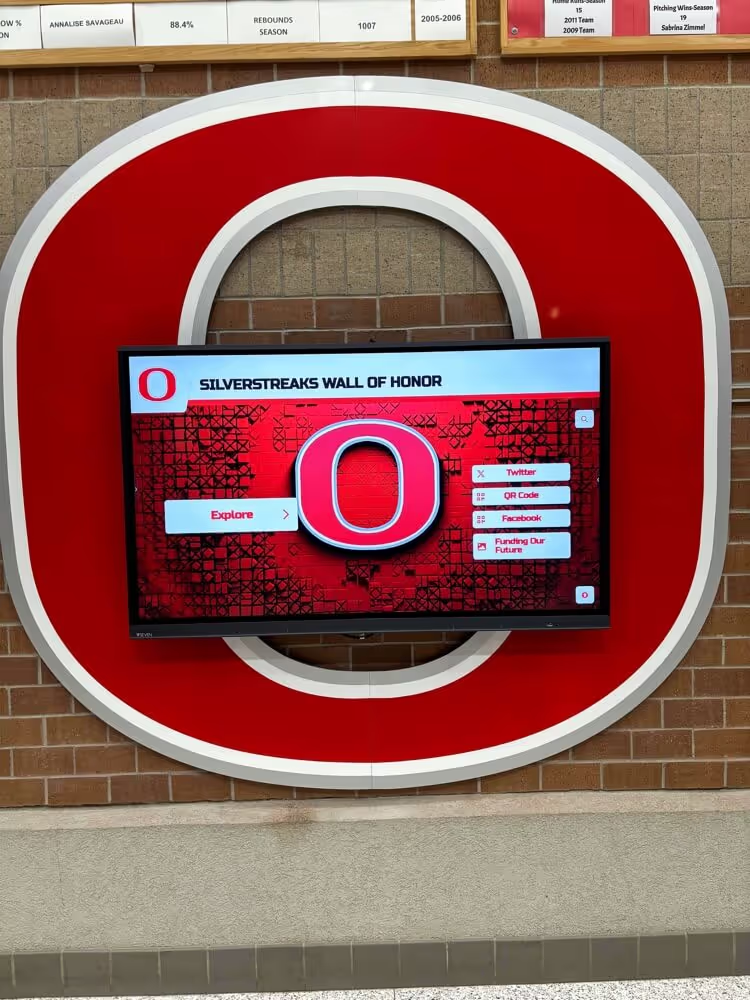
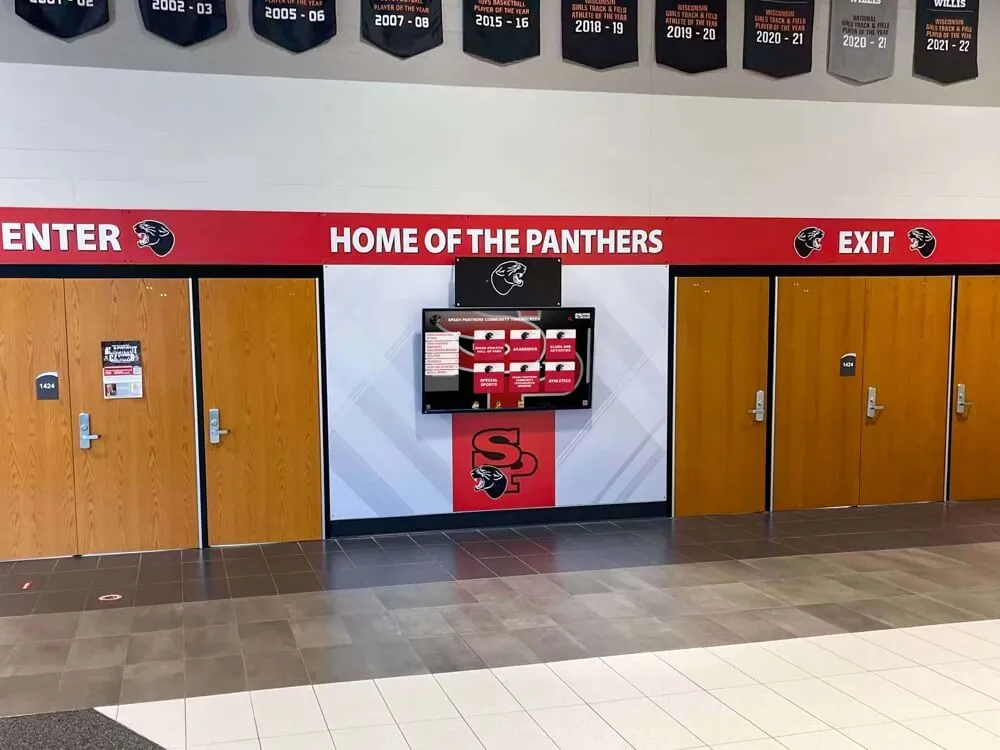
Recognition displays celebrate track and field records set on properly measured and certified competition surfaces
Lane Line Specifications
Visual lane separation requires specific marking standards:
Lane Line Dimensions
- Lane lines typically measure 5 centimeters (1.97 inches) wide
- White is the standard color for maximum visibility
- Lines should be painted or embedded in track surface
- Durable materials prevent rapid wear from spike shoes
- Lines form part of the lane to their right (outside edge is measurement point)
Special Markings
- Start lines for different race distances marked with specific colors
- Waterfall start lines for 800-meter races
- Break lines indicating when runners may leave lanes
- Exchange zones for relay races
- Measurement markers at regular intervals
Maintenance Considerations
- Lane lines require repainting annually or more frequently
- High-traffic areas wear faster than infrequently used sections
- Permanent inlaid lines reduce maintenance but increase initial cost
- Visibility standards must be maintained for certification
- Weather and UV exposure affect line longevity
Indoor Track Dimensions and Configurations
Indoor tracks follow different dimensional standards due to space constraints and facility design limitations.
Standard Indoor Track Specifications
Indoor facilities typically feature 200-meter tracks with tighter curves:
200-Meter Configuration
- Most common indoor track length is 200 meters per lap
- Two laps equal one outdoor 400-meter lap
- Tighter curves require banking to maintain safe running speeds
- Typical designs feature four to six lanes
- Straightaways significantly shorter than outdoor tracks
Curve Banking Requirements
- Indoor track curves must be banked due to tight radius
- Banking angles typically range from 10 to 15 degrees
- Steeper banking on tighter radius tracks
- Banking transition zones carefully engineered
- Surface materials must provide traction on banked curves
Lane Width Standards
- Indoor lanes typically measure 0.90 to 1.00 meters (35.4 to 39.4 inches)
- Narrower than outdoor standards due to space constraints
- Four-lane minimum for most competitions
- Six-lane preferred for championship meets
- Innermost lane often reserved for specific events
Alternative Indoor Configurations
- Some facilities feature 300-meter indoor tracks
- Larger venues may accommodate 400-meter indoor tracks with reduced banking
- Non-standard distances (160m, 180m) exist at older facilities
- Hydraulic banking systems allow variable track configurations
- Multi-sport facilities may compromise track dimensions for other uses
Explore comprehensive approaches to athletic recognition in sports banquet planning guides.
Indoor Track Special Considerations
Space limitations create unique design challenges:
Ceiling Height Requirements
- Minimum ceiling height affects pole vault and high jump events
- At least 5.5 meters clearance recommended for field events
- Lighting placement must avoid interference with throwing events
- Ventilation systems impact air resistance and performance
- Climate control affects surface temperature and athlete comfort
Infield Dimensions
- Limited infield space restricts concurrent field event scheduling
- Portable equipment maximizes flexibility
- Safety buffers between track and field event areas critical
- Shot put and weight throw may require dedicated spaces
- Long jump and triple jump runways must not interfere with track
Track Surface Materials
Indoor surfaces differ from outdoor specifications:
Synthetic Surface Options
- Polyurethane surfaces most common for indoor tracks
- Vulcanized rubber alternatives provide different performance characteristics
- Surface thickness typically ranges from 13mm to 15mm
- Shock absorption properties critical for athlete health
- Traction characteristics must accommodate spike and non-spike shoes
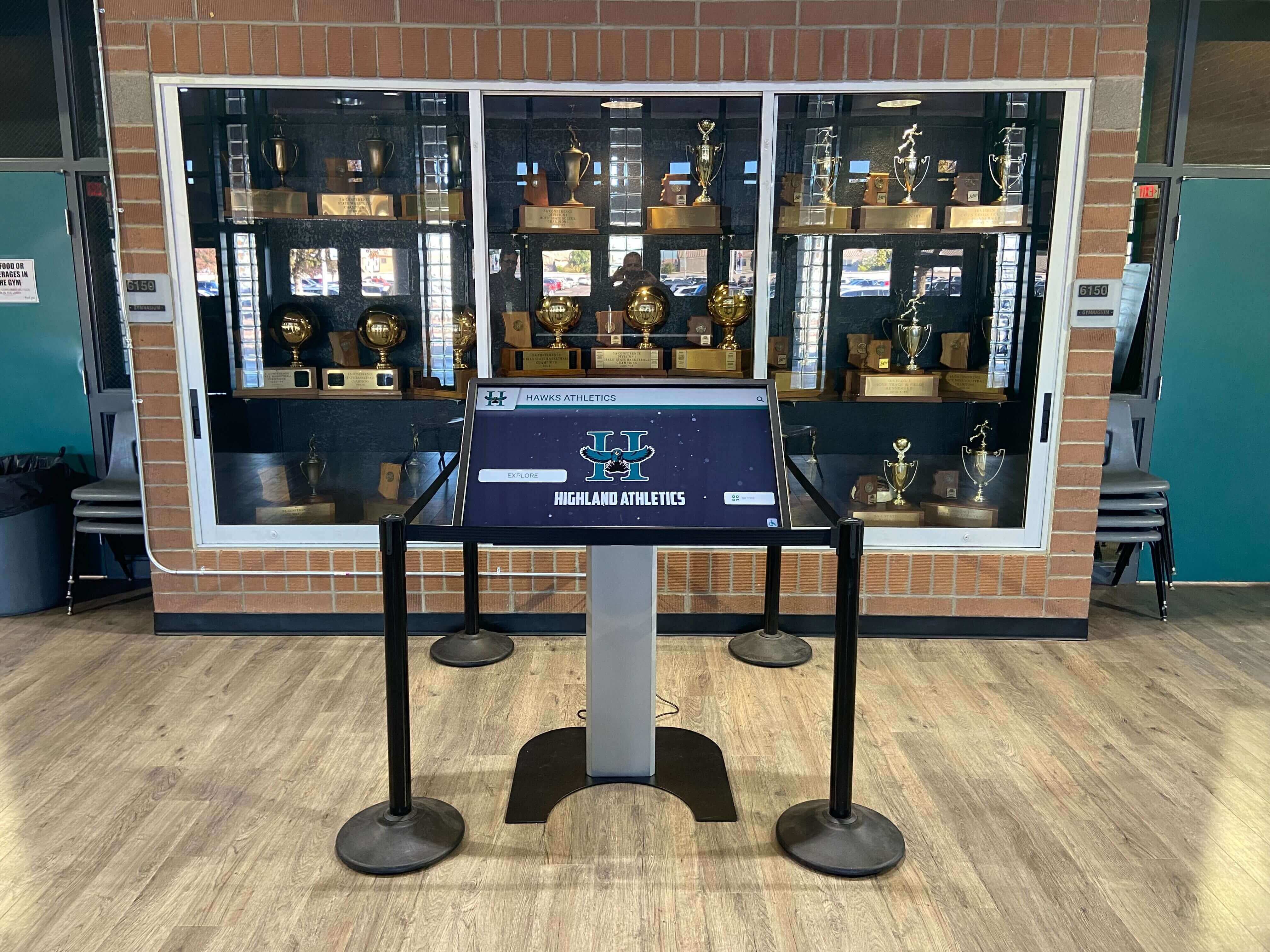
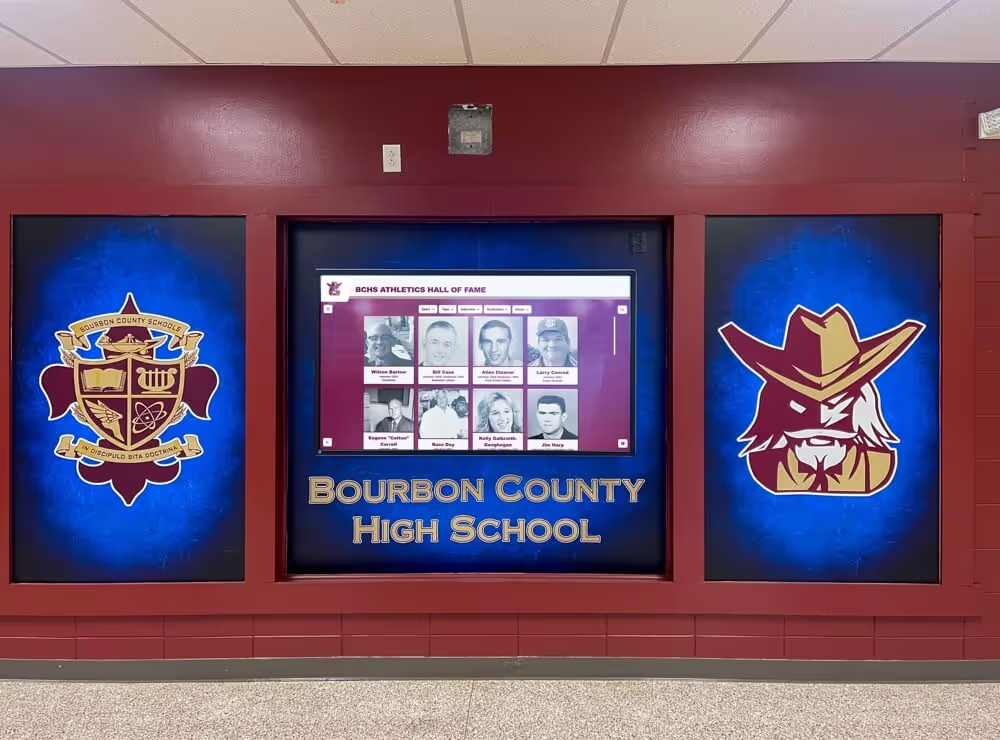
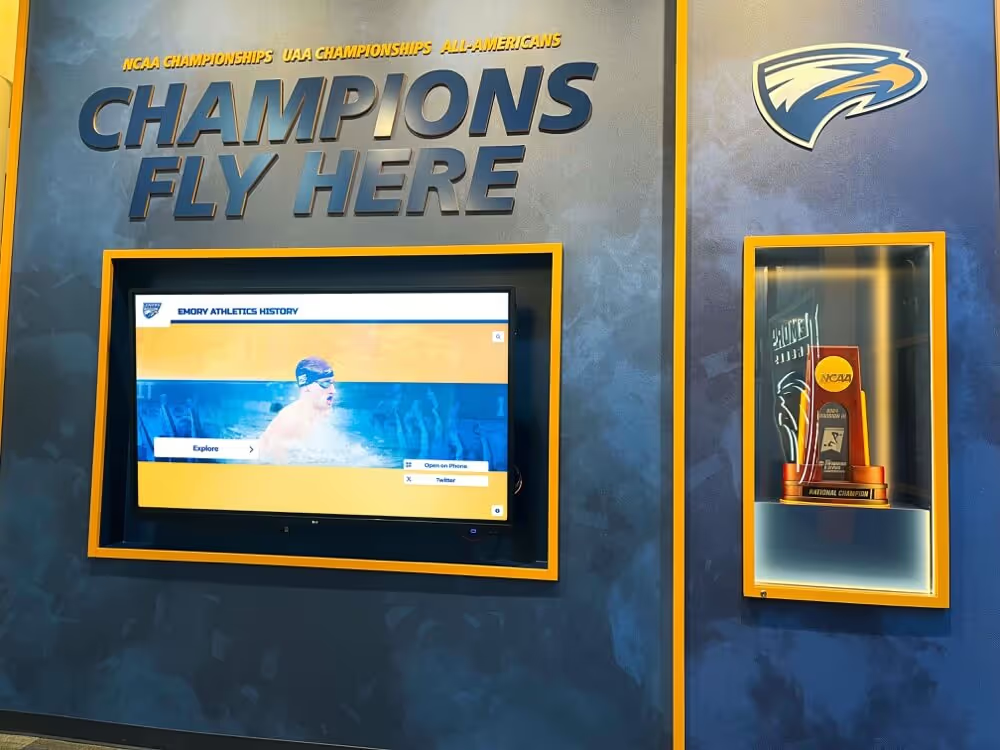
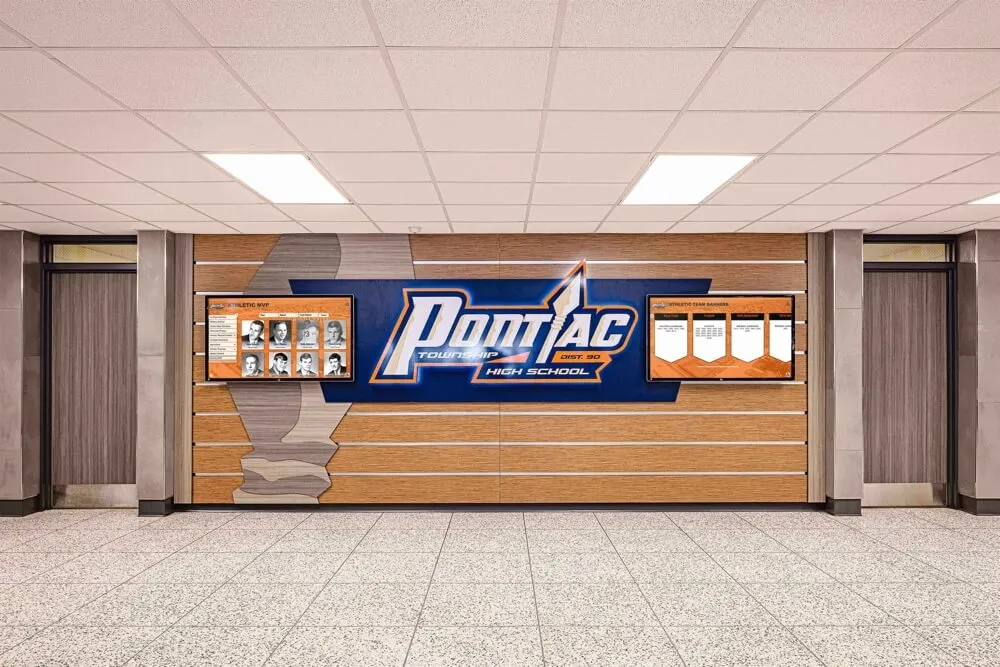
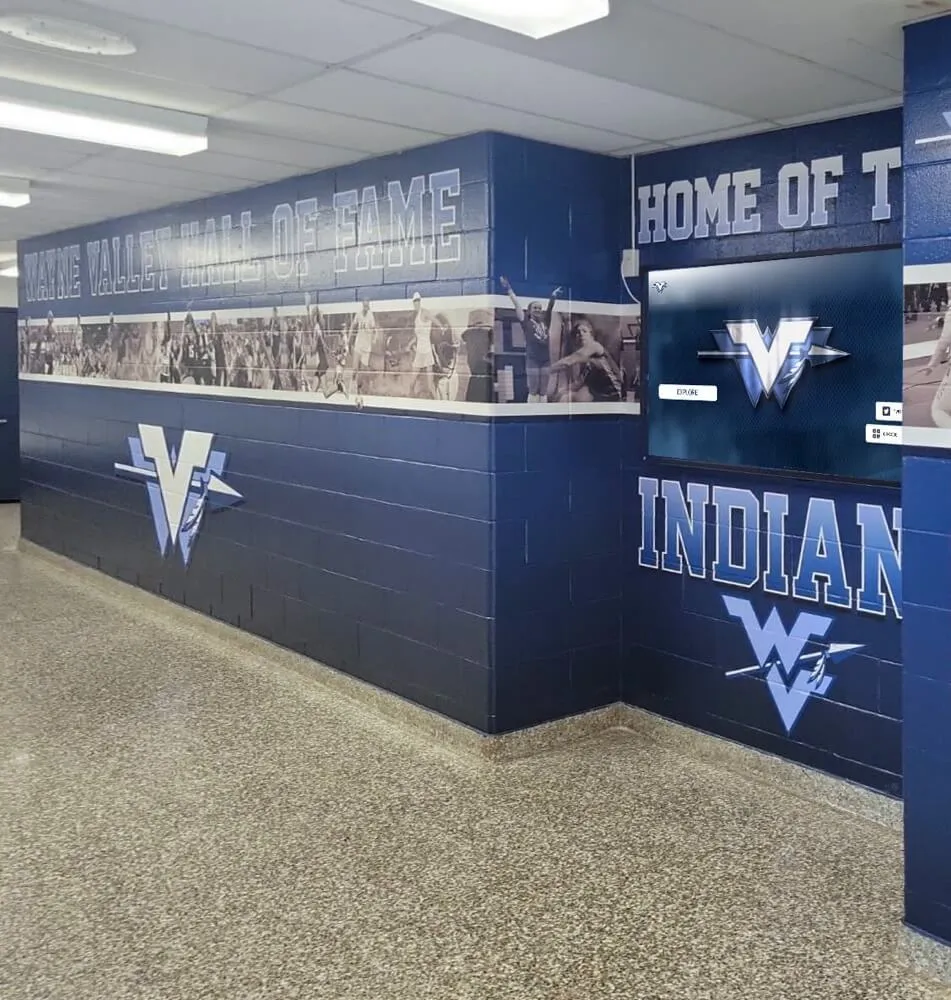
Modern trophy cases integrate digital displays showcasing indoor and outdoor track records and athlete achievements
Performance Considerations
- Surface stiffness affects energy return and running economy
- Temperature stability prevents performance variation across seasons
- Maintenance requirements vary significantly between surface types
- Durability expectations range from 8-15 years depending on usage
- Warranty terms and manufacturer support influence selection
Track Dimensions by Competition Level
Different governing bodies specify requirements appropriate to competition level and athlete development.
High School Track Specifications
Secondary school tracks balance educational needs with competition standards:
NFHS Standards
- 400-meter outdoor tracks strongly recommended
- Minimum six lanes required for championship competition
- Eight lanes preferred for hosting invitational meets
- Lane widths of 42 inches (1.067m) acceptable, 48 inches (1.22m) preferred
- Surface specifications allow polyurethane or latex-based systems
Space and Budget Considerations
- Smaller schools may install six-lane tracks due to land constraints
- Some facilities use all-weather surfaces instead of synthetic tracks
- Shared-use tracks accommodate physical education and community access
- Long-term maintenance costs influence surface selection
- Multi-purpose field areas inside track maximize facility utility
Safety and Accessibility
- Adequate runoff areas beyond track perimeter required
- ADA-compliant access to track surface for athletes with disabilities
- Spectator separation from competition areas
- Emergency vehicle access for medical situations
- Lighting for evening practices and competitions
Learn about recognizing high school athletic achievement in comprehensive recognition program planning.
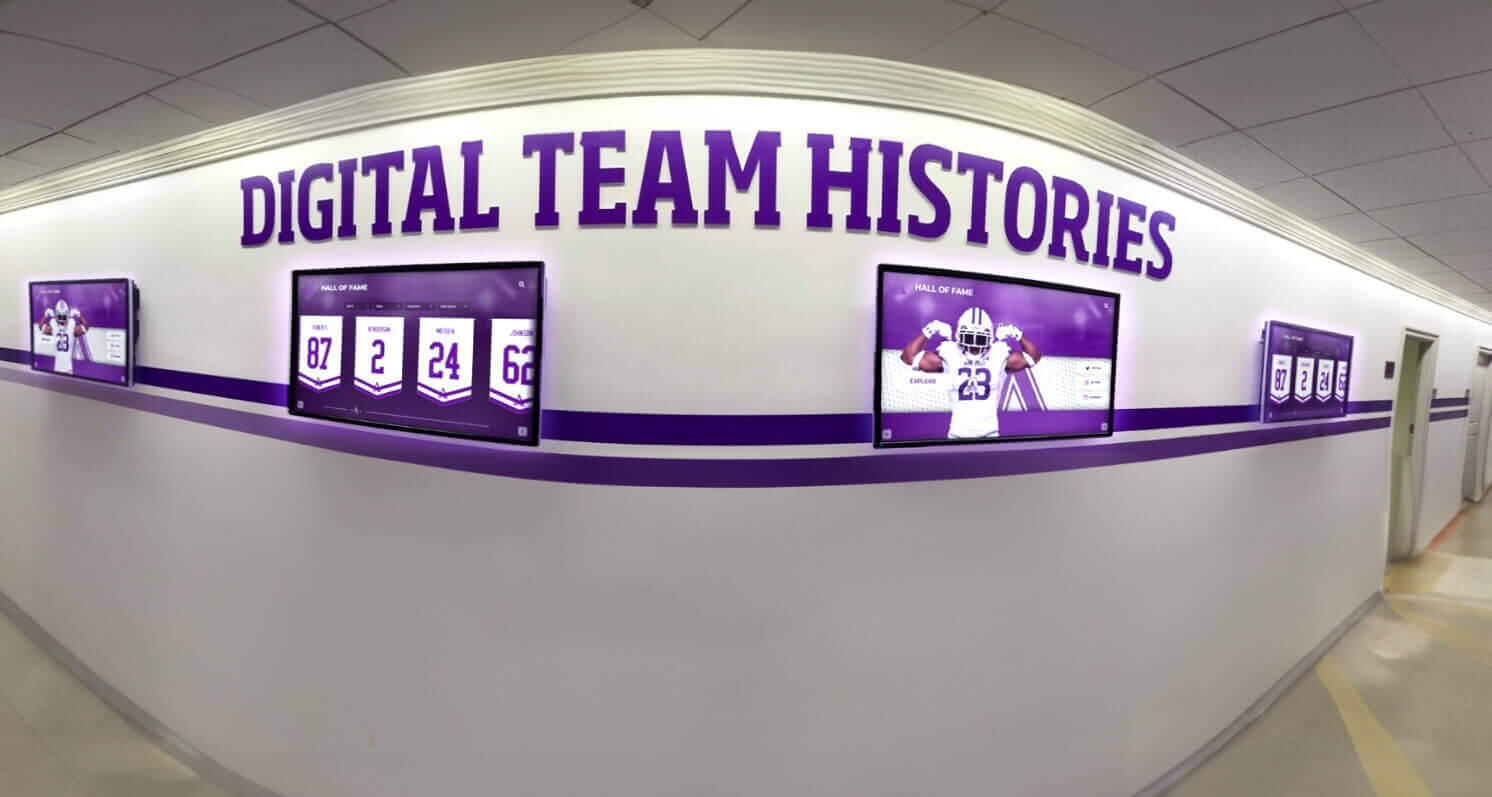
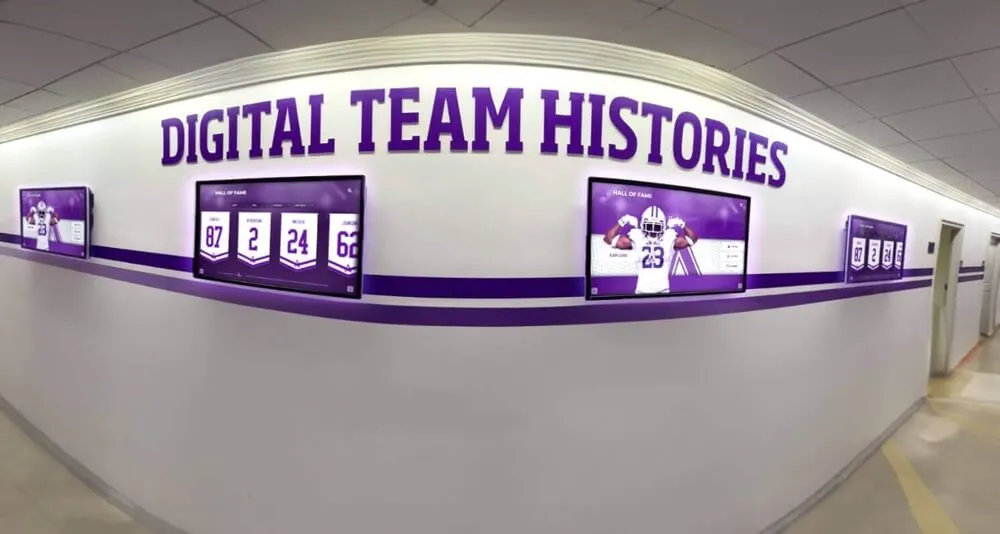
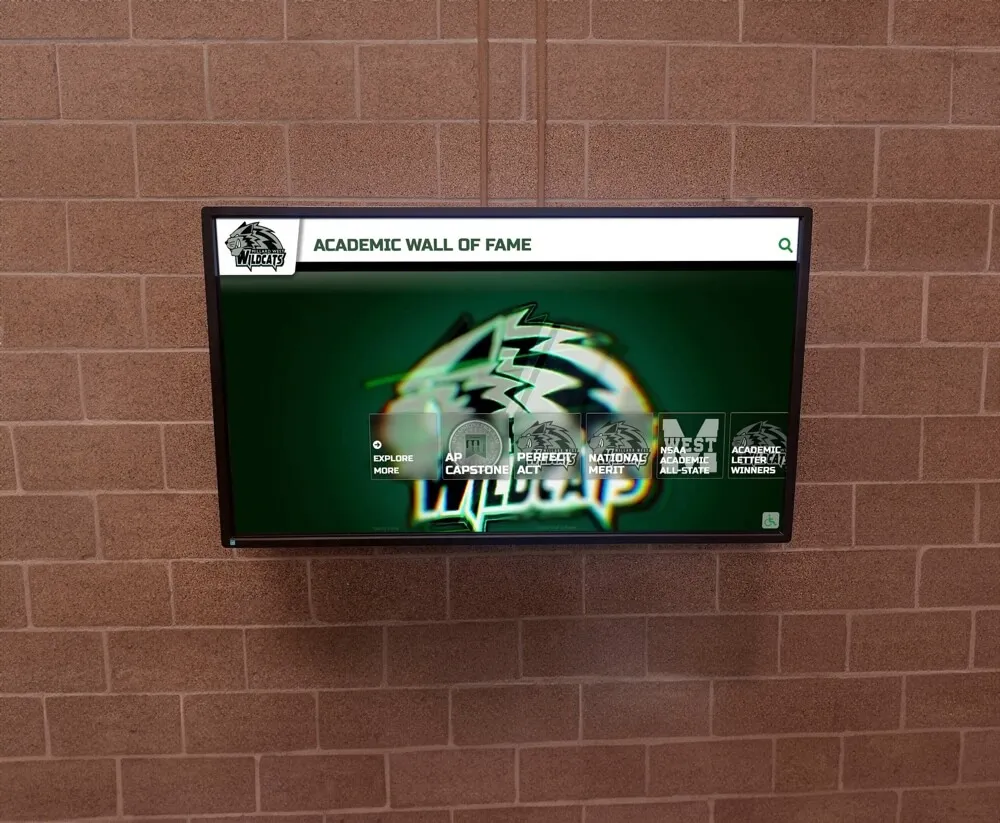
Digital displays document team histories and individual records across multiple seasons of track and field competition
Collegiate and University Standards
NCAA specifications ensure high-level competition readiness:
NCAA Track Requirements
- 400-meter outdoor tracks mandatory for Division I, II, and III
- Minimum eight lanes required for hosting conference championships
- Lane width must be 1.22 meters (48 inches)
- Surface must meet World Athletics certification standards
- Facilities hosting NCAA championships require nine lanes for specific events
Surface Certification
- NCAA requires World Athletics Class 2 or Class 1 certification
- Independent testing verifies surface performance characteristics
- Certification valid for limited period requiring renewal
- Force reduction, vertical deformation, and friction tested
- Non-certified tracks may host dual meets but not championships
Facility Infrastructure
- Permanent timing system integration points required
- Video review capabilities for close finishes
- Wind gauge placement meeting specifications
- Field event equipment storage and setup areas
- Warm-up track access for championship meets
Indoor Track Standards
- 200-meter indoor tracks most common
- Minimum 200-meter length required for record consideration
- Banking specifications strictly regulated
- Hydraulic or fixed banking both acceptable
- Six lanes preferred for championship hosting
Elite and Olympic Level Specifications
World Athletics establishes standards for international competition:
Class 1 Track Certification
- Required for Olympic Games, World Championships, and Continental Championships
- Rigorous testing of all surface performance characteristics
- Precise dimensional verification through professional survey
- Weather resistance and UV stability requirements
- Annual recertification required for major competition hosting
Performance Surface Standards
- Force reduction between 35% and 50%
- Vertical deformation between 0.6mm and 1.8mm
- Friction coefficient specifications for traction
- Spike resistance and durability testing
- Consistency across all lanes and track sections
Elite Facility Features
- Nine lanes minimum for Olympic and World Championship tracks
- Premium straightaway length maximizing sprint event suitability
- Specialized warm-up track meeting full specifications
- Advanced timing and measurement systems
- Weather protection and drainage engineering
According to World Athletics Track and Field Facilities Manual, Class 1 certification requires comprehensive testing demonstrating surface performance meets strict tolerances ensuring fair competition and accurate record keeping.
Track Layout Design Considerations
Beyond basic dimensions, thoughtful design optimizes functionality and athlete experience.
Site Selection and Orientation
Geographic and environmental factors influence track design:
Compass Orientation
- North-south straightaway alignment preferred in Northern Hemisphere
- Minimizes sun in runners’ eyes during morning and evening
- Prevailing wind direction affects sprint and distance events differently
- Spectator viewing angles considered in orientation decisions
- Relationship to existing buildings and facilities
Site Topography and Drainage
- Level sites simplify construction and reduce costs
- Minimum 1% slope ensures proper drainage
- Subsurface drainage systems prevent water accumulation
- Groundwater levels affect foundation requirements
- Soil composition influences base construction methods
Space Requirements
- Minimum site area for 400m eight-lane track approximately 4-5 acres
- Additional space needed for field events, spectator areas, and facilities
- Long jump and triple jump runways require specific orientations
- Throwing event safety sectors demand significant space
- Future expansion possibilities considered in initial design
Infield Configuration
The area inside the track serves multiple athletic purposes:
Field Event Placement
- Standard soccer/football field fits inside regulation 400m track
- Long jump pit placement considers runway approach direction
- High jump areas positioned for optimal approach angles
- Discus and hammer throw require protective cages
- Shot put circles positioned for safety and efficiency
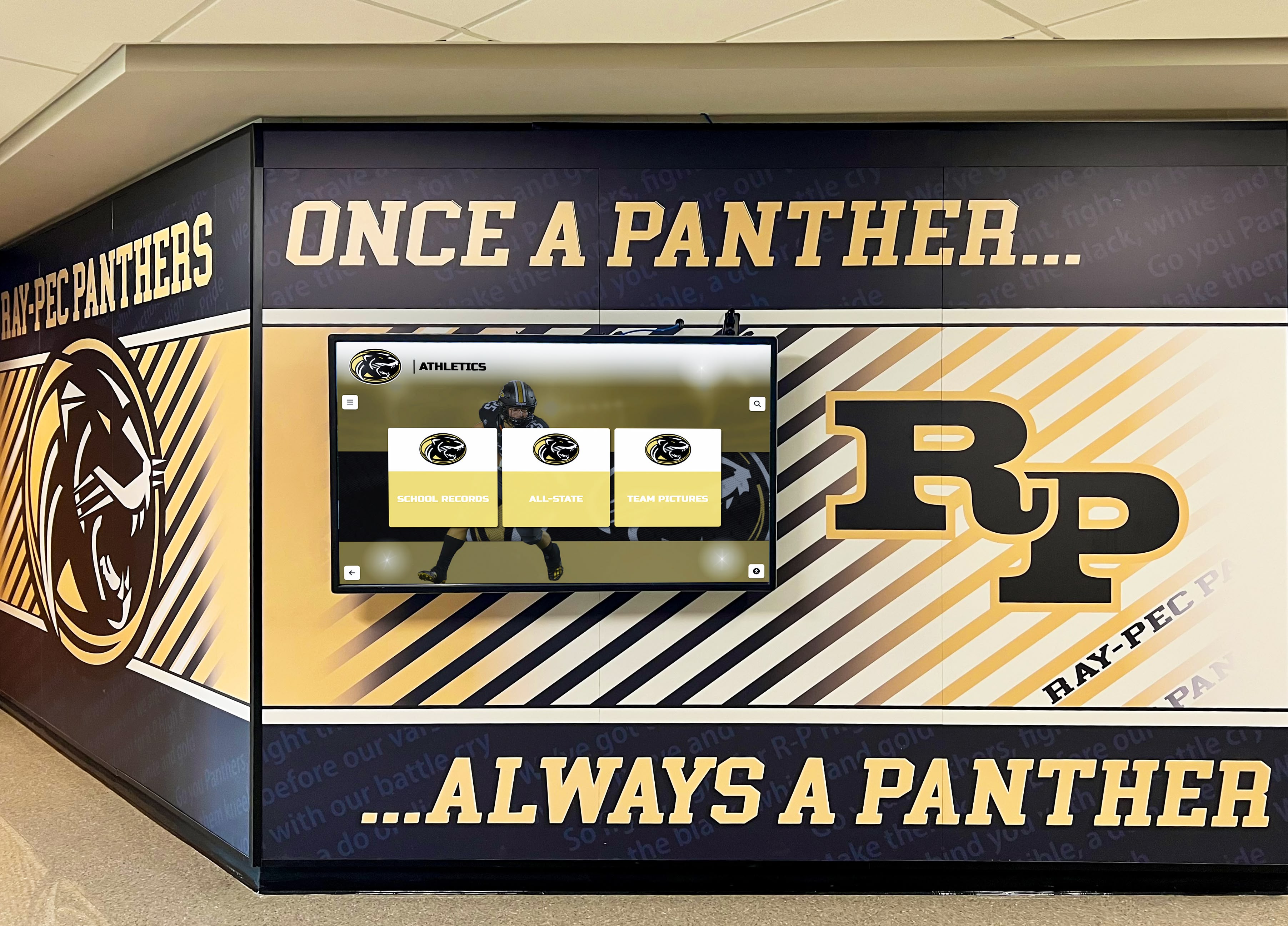
Athletic facility designs integrate recognition displays documenting records and achievements in track and field programs
Multi-Use Considerations
- Artificial turf vs. natural grass for infield
- Portable equipment enables flexible event scheduling
- Physical education class usage during non-competition periods
- Community access for recreational activities
- Maintenance access and equipment storage
Safety Buffers
- Adequate separation between track and field events
- Javelin runway positioned to avoid athlete conflicts
- Pole vault and high jump landing areas properly distanced
- Shot put and discus throw safety sectors clearly marked
- Spectator barriers preventing unauthorized access
Spectator and Support Facilities
Comprehensive track facilities extend beyond the competition surface:
Bleacher and Press Box Placement
- Main spectator seating along one straightaway
- Finish line visibility prioritized for prime seating
- Press box positioned for optimal sight lines
- Separate areas for competitors and spectators
- Accessibility compliant seating throughout
Support Infrastructure
- Timing system control location
- Sound system and announcement capabilities
- Scoreboard visibility from track and field areas
- Lighting for evening competitions and practices
- Concession and restroom facilities
Athlete Amenities
- Team tent areas for competitions
- Equipment storage for field events
- Pole vault and high jump equipment protection
- Starting block storage and maintenance
- First aid and athletic training stations
Learn about comprehensive athletic facility recognition in rugby championship records and archives.
Track Surface Types and Performance Characteristics
Surface material dramatically affects performance, maintenance, and longevity.
Synthetic Track Surfaces
Modern tracks overwhelmingly use synthetic materials:
Polyurethane Systems
- Most popular choice for competitive tracks
- Sandwich system features base layer and wearing surface
- Full-pour systems provide consistent performance characteristics
- Prefabricated systems offer faster installation
- Expected lifespan of 10-15 years with proper maintenance
Latex Systems
- More affordable alternative to polyurethane
- Shorter expected lifespan (6-10 years)
- Performance characteristics suitable for high school and recreational use
- Lower initial cost but higher long-term maintenance
- Color options and customization available
Performance Factors
- Energy return affects running economy and performance
- Shock absorption reduces injury risk and athlete fatigue
- Traction characteristics must balance grip and slide
- Weather resistance ensures consistent performance
- Spike compatibility for competitive footwear
According to industry standards, properly installed and maintained synthetic track surfaces should maintain consistent performance characteristics throughout their lifespan, enabling valid record comparisons across multiple years.
Alternative Track Surfaces
Non-synthetic options serve specific applications:
Rubberized Asphalt
- Hybrid system combining asphalt base with rubber wearing surface
- Lower cost than full synthetic systems
- Suitable for recreational and training tracks
- Limited suitability for high-level competition
- Shorter lifespan than synthetic alternatives
All-Weather Surfaces
- Various proprietary systems marketed as all-weather
- Performance varies significantly between manufacturers
- May not meet certification requirements for sanctioned competition
- Often used for elementary and middle school tracks
- Maintenance requirements differ from traditional synthetic
Crushed Aggregate and Cinder
- Historical surface materials largely replaced by synthetics
- Still found at some older facilities
- High maintenance requirements
- Inconsistent performance characteristics
- Weather significantly affects usability
Track Measurement and Certification
Precise measurement ensures records set on the track receive official recognition.
Measurement Standards and Procedures
Professional surveying establishes track accuracy:
Certification Process
- Licensed surveyor measures track using precise instruments
- Measurement conducted at regulation measurement line (30cm from inner edge)
- All lanes measured and verified for accuracy
- Curve radius calculated and confirmed
- Documentation submitted to certifying organization
Measurement Tolerances
- Very tight tolerances required for certification
- Total lap distance must fall within specified range
- Lane width consistency verified throughout track
- Curve radius deviation limits strictly enforced
- Straightaway length measurements documented
Recertification Requirements
- Major surface repairs may require recertification
- Periodic verification ensures continued accuracy
- Resurfacing projects include measurement verification
- Championship hosting may require current certification
- Records set on uncertified tracks may not receive recognition

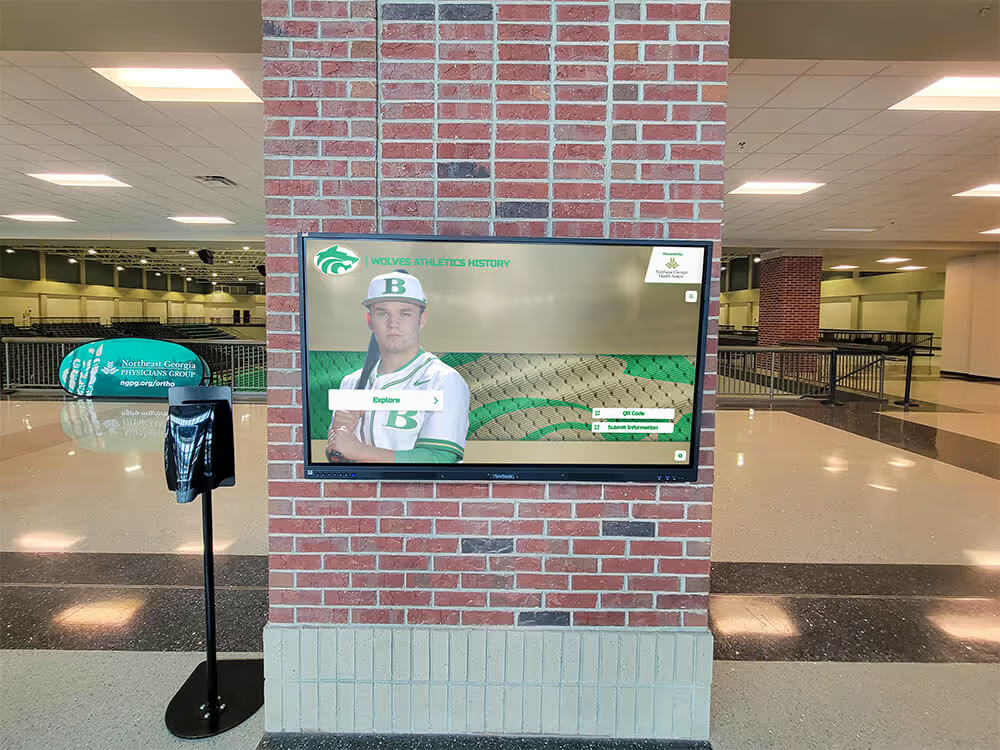
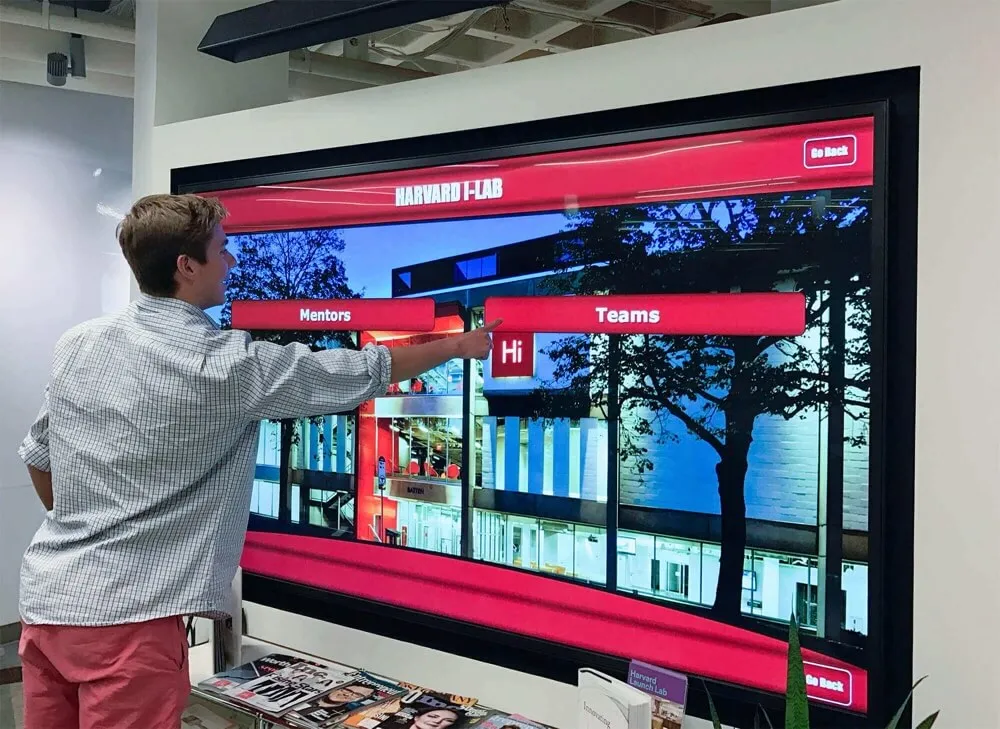
Interactive systems allow athletes, families, and fans to explore track and field records with detailed performance information
Electronic Timing System Integration
Modern tracks accommodate sophisticated timing technology:
Timing Point Markers
- Finish line precisely marked and surveyed
- Start line positions for all race distances
- Photo finish camera alignment points
- Intermediate timing points for longer races
- Backup manual timing positions
Infrastructure Requirements
- Conduit for timing cable throughout track
- Power supply to timing system control location
- Network connectivity for results distribution
- Weather-protected timing equipment locations
- Redundant systems for championship competitions
Performance Validation
- Wind gauge placement meeting specifications
- Temperature monitoring for record verification
- Starting block sensors for reaction time measurement
- Video review capability for photo finishes
- Results integration with track record systems
Learn about modern approaches to displaying athletic records in juco athletics digital recognition systems.
Track Maintenance Requirements
Proper maintenance preserves track integrity and extends surface lifespan.
Regular Maintenance Protocols
Systematic care prevents premature deterioration:
Daily and Weekly Tasks
- Remove debris and foreign materials from surface
- Inspect for damage requiring immediate attention
- Check lane lines for visibility and condition
- Monitor drainage areas for blockages
- Remove organic growth from track edges
Seasonal Maintenance
- Deep cleaning of entire surface
- Lane line repainting or refreshing
- Crack and seam inspection and repair
- Drainage system verification
- Field event area maintenance coordination
Long-Term Care
- Surface texture restoration as needed
- Structural repairs to base layers
- Drainage system cleaning and maintenance
- Protective treatments extending surface life
- Planning for eventual resurfacing
Common Track Problems and Solutions
Proactive identification prevents major issues:
Surface Deterioration
- UV exposure causes surface breakdown over time
- Spike damage concentrated in high-traffic areas
- Weather-related cracking and separation
- Improper cleaning products accelerate wear
- Deferred maintenance compounds problems
Drainage Issues
- Standing water indicates drainage system failure
- Base layer settling creates low spots
- Inadequate slope prevents proper runoff
- Subsurface water intrusion damages structure
- Regular inspection identifies emerging problems
Performance Changes
- Surface hardness increases over time affecting shock absorption
- Traction characteristics change as surfaces age
- Inconsistency between lanes develops
- May affect certification status
- Can impact record validity and athlete safety
Integrating Track Record Recognition Systems
Modern athletic facilities celebrate achievements where they occur through integrated recognition displays.
Digital Track Record Boards
Contemporary technology brings record boards into the 21st century:
Track-Side Recognition Displays Solutions like Rocket Alumni Solutions enable schools to showcase track and field achievements through weather-resistant digital displays positioned trackside:
- Unlimited record capacity across all events and divisions
- Automatic record ranking and historical comparison
- Photo and video integration celebrating record performances
- Remote updates immediately reflecting new records
- Mobile access via QR codes enabling athlete and fan exploration
Recognition Display Features
- Event-specific record boards (sprints, distance, hurdles, relays, field events)
- All-time records alongside season and meet records
- Athlete profiles with complete performance history
- Team records and championship results
- Integration with electronic timing systems
Strategic Placement
- Visibility from competition areas and spectator seating
- Weather-protected outdoor displays or indoor installations
- High-traffic areas maximizing engagement
- Multiple displays covering different event categories
- Connection to school’s broader athletic recognition program
Record Board Content Strategy
Comprehensive recognition celebrates diverse achievements:
Track Event Records
- 100m, 200m, 400m sprint records by gender and division
- 800m, 1600m, 3200m distance records
- 110m/100m hurdles, 300m/400m hurdles
- 4x100m, 4x400m, 4x800m relay records
- Freshman, JV, and varsity divisions
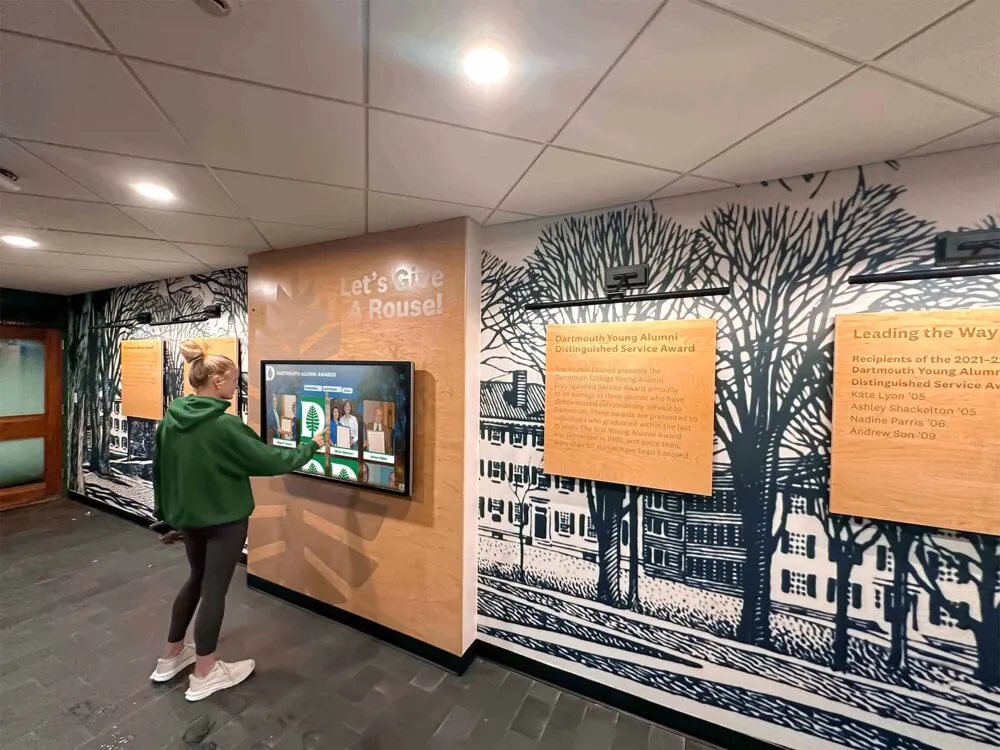
Interactive touchscreen displays enable exploration of track records, athlete profiles, and program history
Field Event Records
- Long jump, triple jump, high jump, pole vault
- Shot put, discus, javelin records
- Combined events (decathlon, heptathlon, pentathlon)
- Indoor vs. outdoor record differentiation
- Wind-legal vs. wind-aided performance notation
Historical Context
- Decade-by-decade record progression
- Championship meet results and team scores
- Conference and state qualifier recognition
- School records vs. facility records
- Records set on previous track surfaces
Explore comprehensive approaches to student achievement recognition in design consistency and creative freedom.
Planning Your Track Construction or Renovation Project
Successful track projects require comprehensive planning addressing multiple dimensions.
Project Planning Timeline
Strategic phasing ensures smooth implementation:
Initial Planning Phase (12-18 months before construction)
- Establish project budget and funding sources
- Form planning committee including stakeholders
- Engage architect and track consultant
- Conduct site analysis and feasibility study
- Develop preliminary design concepts
- Obtain necessary approvals and permits
Design Development (6-12 months before construction)
- Finalize track dimensions and specifications
- Select surface material and manufacturer
- Plan drainage and subsurface systems
- Design lighting, timing, and support facilities
- Prepare construction documents
- Solicit contractor bids
Construction Phase (3-6 months)
- Site preparation and excavation
- Base construction and subsurface drainage
- Asphalt or concrete paving layer
- Synthetic surface installation
- Lane marking and measurement verification
- Lighting, timing, and facility completion
Post-Construction (1-2 months)
- Surface curing and settling period
- Professional measurement and certification
- Timing system installation and calibration
- Grand opening and ribbon cutting
- Recognition display installation and content development
Budget Considerations
Track construction represents significant investment:
Cost Factors
- Track surface material selection dramatically affects price
- Site preparation costs vary based on existing conditions
- Eight-lane tracks cost more than six-lane configurations
- Lighting, timing, and support facilities add substantial expense
- Geographic location influences labor and material costs
Typical Budget Ranges
- Basic six-lane high school track: $300,000-$500,000
- Regulation eight-lane high school track: $500,000-$800,000
- College/university competition track: $800,000-$1,500,000+
- Elite facility with premium features: $1,500,000-$3,000,000+
- Resurfacing existing track: $150,000-$400,000
Long-Term Financial Planning
- Annual maintenance budget typically 1-3% of construction cost
- Resurfacing required every 8-15 years
- Energy costs for lighting and facilities
- Staffing for facility management and maintenance
- Revenue opportunities through hosting meets and community use
Learn about award recognition planning in end-of-year student awards.
Selecting Track Consultants and Contractors
Expertise ensures project success:
Track Design Consultants
- Specialized knowledge of track engineering and standards
- Experience with governing body certification requirements
- Understanding of surface materials and performance characteristics
- Site-specific design recommendations
- Measurement and certification capabilities
General Contractor Selection
- Track construction experience and portfolio
- References from similar projects
- Understanding of specialized track requirements
- Quality control processes
- Warranty and post-installation support
Surface Manufacturer Involvement
- Many manufacturers provide design consultation
- Installation supervision ensuring proper application
- Warranty terms vary significantly between manufacturers
- Technical support throughout surface lifespan
- Approved installer networks and certification
Frequently Asked Questions About Running Track Dimensions
What is the standard length of a running track?
The international standard running track measures 400 meters (437.4 yards) when measured in Lane 1 at 30 centimeters from the inner edge. This standard applies to high school, college, and Olympic tracks worldwide. Indoor tracks typically measure 200 meters per lap due to space constraints, requiring two laps to equal one outdoor lap.
How wide should track lanes be?
Standard track lanes measure 1.22 meters (48 inches or 4 feet) wide according to World Athletics and NCAA specifications. High school tracks may use 42-inch (1.067 meters) lanes, which remain acceptable for sanctioned high school competition but limit the facility’s ability to host college or elite-level meets requiring the full 1.22-meter standard.
How many lanes does a track need?
Regulation outdoor tracks typically feature six or eight lanes. Six lanes represent the minimum for most sanctioned competitions, while eight lanes are preferred for championship meets and required for hosting higher-level competitions. Some elite facilities include nine lanes for specific Olympic and World Championship events.
What is the radius of a standard track curve?
The most common track design uses a 36.50-meter radius for the innermost lane curve, producing 84.39-meter straightaways on each side. Alternative designs may use 37.898-meter or 38.00-meter radius curves. The radius directly affects straightaway length while maintaining the total 400-meter distance, with larger radius curves requiring more land area but providing faster feel.
How often do tracks need to be resurfaced?
Synthetic track surfaces typically last 10-15 years with proper maintenance, though lifespan varies based on usage intensity, climate conditions, and maintenance quality. Polyurethane surfaces generally outlast latex alternatives. Regular maintenance including cleaning, repair, and protective treatments extends surface life, while deferred maintenance accelerates deterioration requiring earlier replacement.
Conclusion: Building Track Facilities That Serve Athletes for Decades
Understanding running track dimensions enables schools, universities, and athletic facilities to make informed decisions creating competition surfaces that serve athletes, coaches, and communities for decades. When facility planners grasp the precise specifications governing 400-meter layouts, regulation lane widths, curve radius calculations, and straightaway measurements—combined with knowledge of certification requirements, surface material options, and long-term maintenance needs—they develop tracks supporting athletic excellence while enabling accurate record-keeping worthy of permanent recognition.
The comprehensive dimensional standards, design considerations, and planning guidance explored throughout this guide provide frameworks for successful track construction and renovation projects regardless of facility size, budget level, or competition tier. From fundamental 400-meter geometry to surface material selection, from measurement certification to integrated record board systems, these specifications ensure tracks meet governing body requirements while creating inspiring training and competition environments.
Most importantly, properly dimensioned and certified tracks enable valid record-keeping that forms the foundation of track and field recognition programs. Athletes achieving personal bests and school records on accurately measured surfaces earn performances worthy of celebration through modern recognition systems that connect achievements to the facilities where they occurred.
Celebrate Track and Field Excellence
When your properly dimensioned track enables record-breaking performances, those achievements deserve lasting recognition. Discover how modern digital displays showcase track and field records, athlete profiles, and program history—creating inspiring recognition that celebrates excellence where it happens.
Explore Track Record Board SolutionsWhether planning new track construction or renovating existing facilities, the dimensional standards, design principles, and certification requirements outlined here provide essential knowledge for creating competition-ready surfaces. Proper track geometry ensures accurate measurement enabling record certification, regulation lane widths create fair competition conditions, and appropriate surface materials balance performance with longevity and maintenance requirements.
Successful track projects require collaboration between facility planners, specialized consultants, experienced contractors, and surface manufacturers who understand the precise specifications governing every dimensional aspect. Professional measurement and certification validate construction accuracy, while systematic maintenance preserves track integrity throughout its serviceable life. Integration of modern recognition technology connects athletic achievements to the properly dimensioned facilities enabling those performances.
The investment in understanding and implementing correct running track dimensions pays dividends throughout the track’s multi-decade lifespan—enabling sanctioned competitions, supporting accurate record-keeping, providing safe training environments, and creating the foundation for comprehensive track and field recognition that celebrates athletic excellence for generations of student athletes pursuing their potential on regulation surfaces built to exacting standards.
Your track and field program deserves a properly dimensioned facility that meets current standards while serving athletes for decades to come, combined with recognition systems that celebrate every record-breaking performance achieved on that certified competition surface.