



Scholarship award certificates are among the most consequential documents schools produce—representing not just recognition, but financial and institutional support for a student’s educational future. A well-crafted certificate communicates donor intent, validates recipient achievement, and creates a tangible record that students carry forward into college applications, scholarship portfolios, and professional resumes for years to come.
Yet many schools invest significant effort in selecting scholarship recipients, only to undermine the award’s impact with a generic certificate and a brief handshake at an awards banquet. The certificate disappears into a drawer, the donor’s name fades from memory, and the recognition that could have inspired future students to aspire toward the same scholarship goes unseen by those who follow. Without a thoughtful workflow connecting the physical certificate to broader, lasting recognition, schools miss the full motivational and community-building potential of every scholarship they award.
This guide covers what belongs on a scholarship award certificate, how to design one that reflects the award’s significance, and how schools are building recognition workflows that connect paper certificates to searchable digital archives and public displays—keeping scholarship legacies visible year after year.
A scholarship award certificate is more than paperwork. It represents a school’s commitment to recognizing academic achievement, financial need, leadership, or community service in a form students can hold, display, and reference for years. When schools design certificates thoughtfully and pair them with lasting public recognition, they honor the donor’s intent and motivate future recipients by making past scholarship winners visible and celebrated.

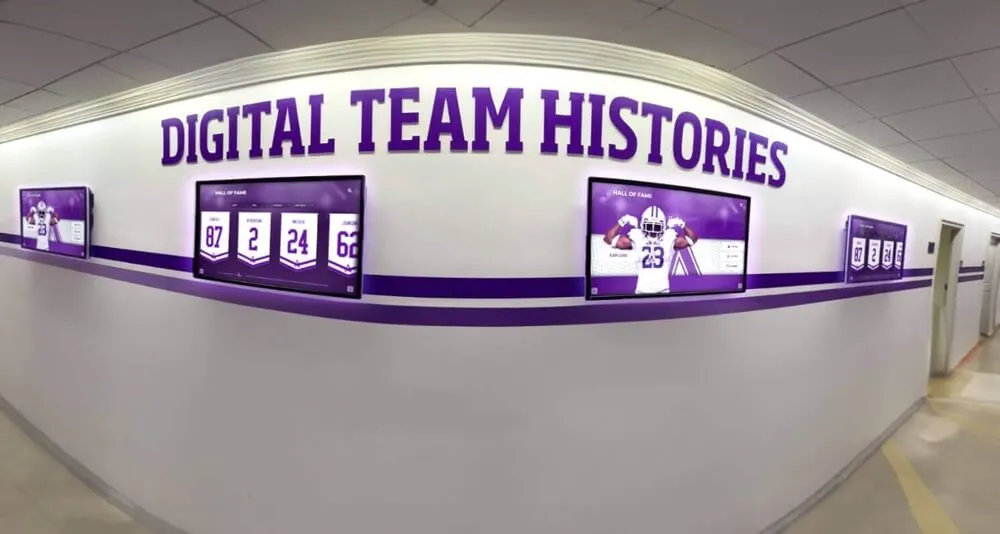
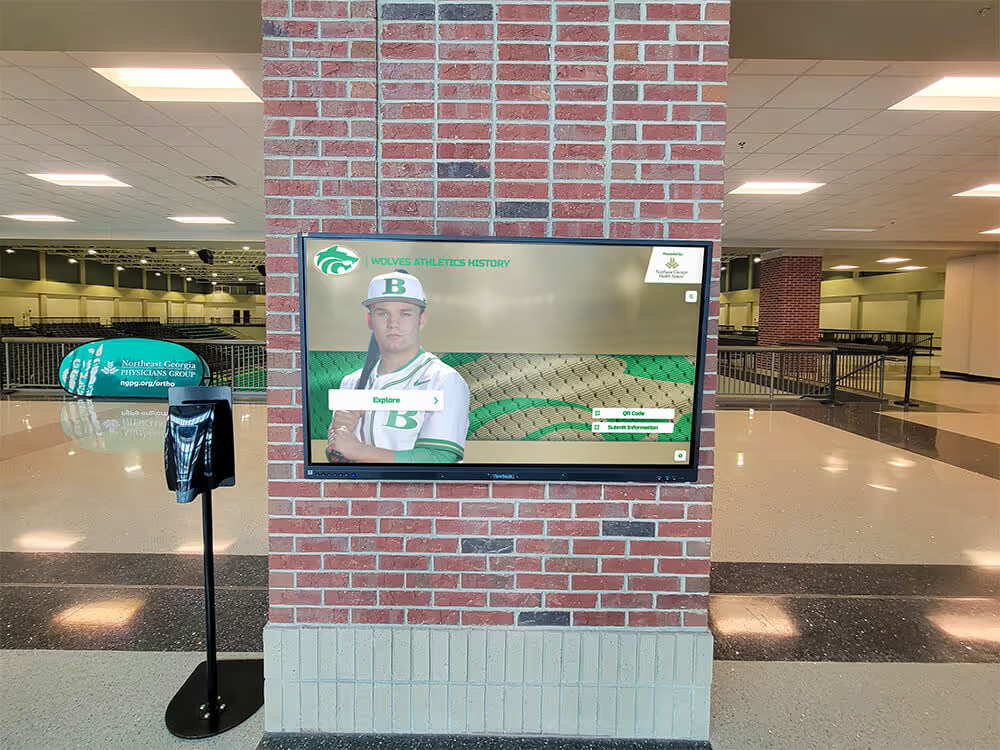
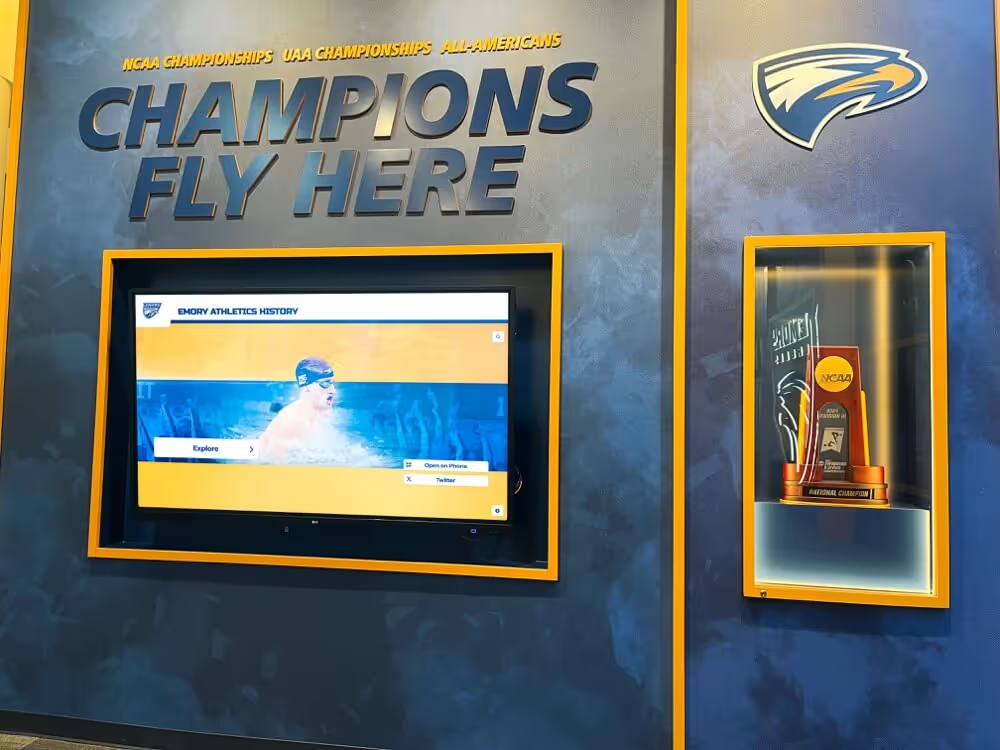
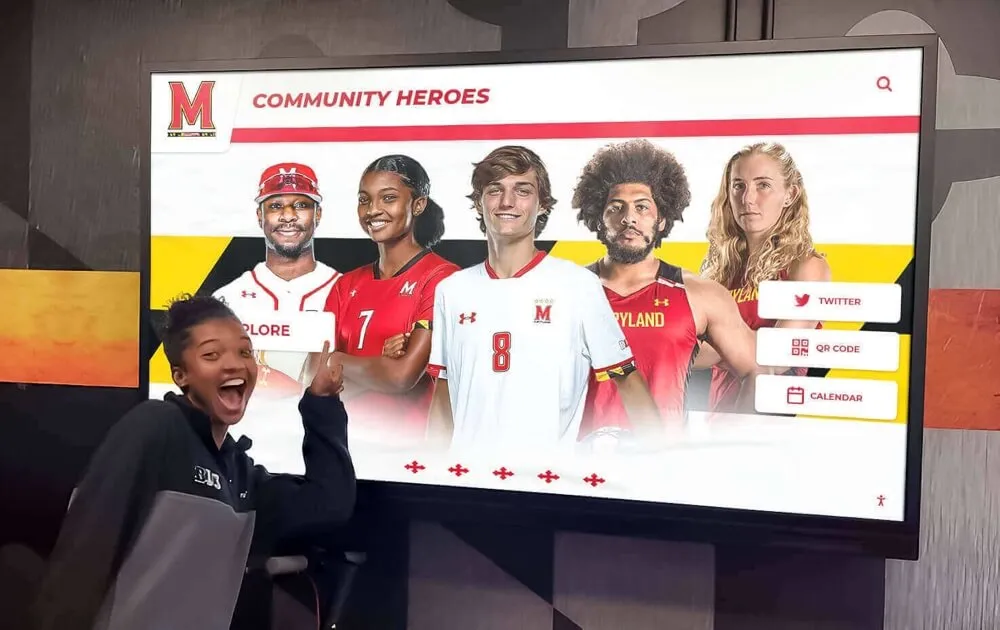
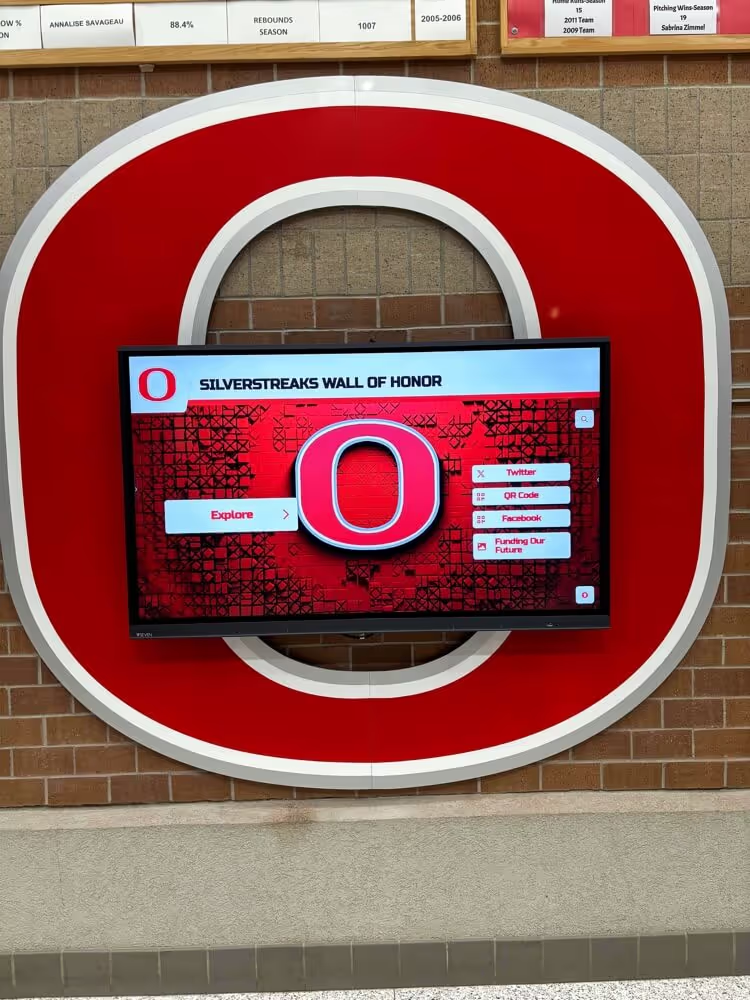
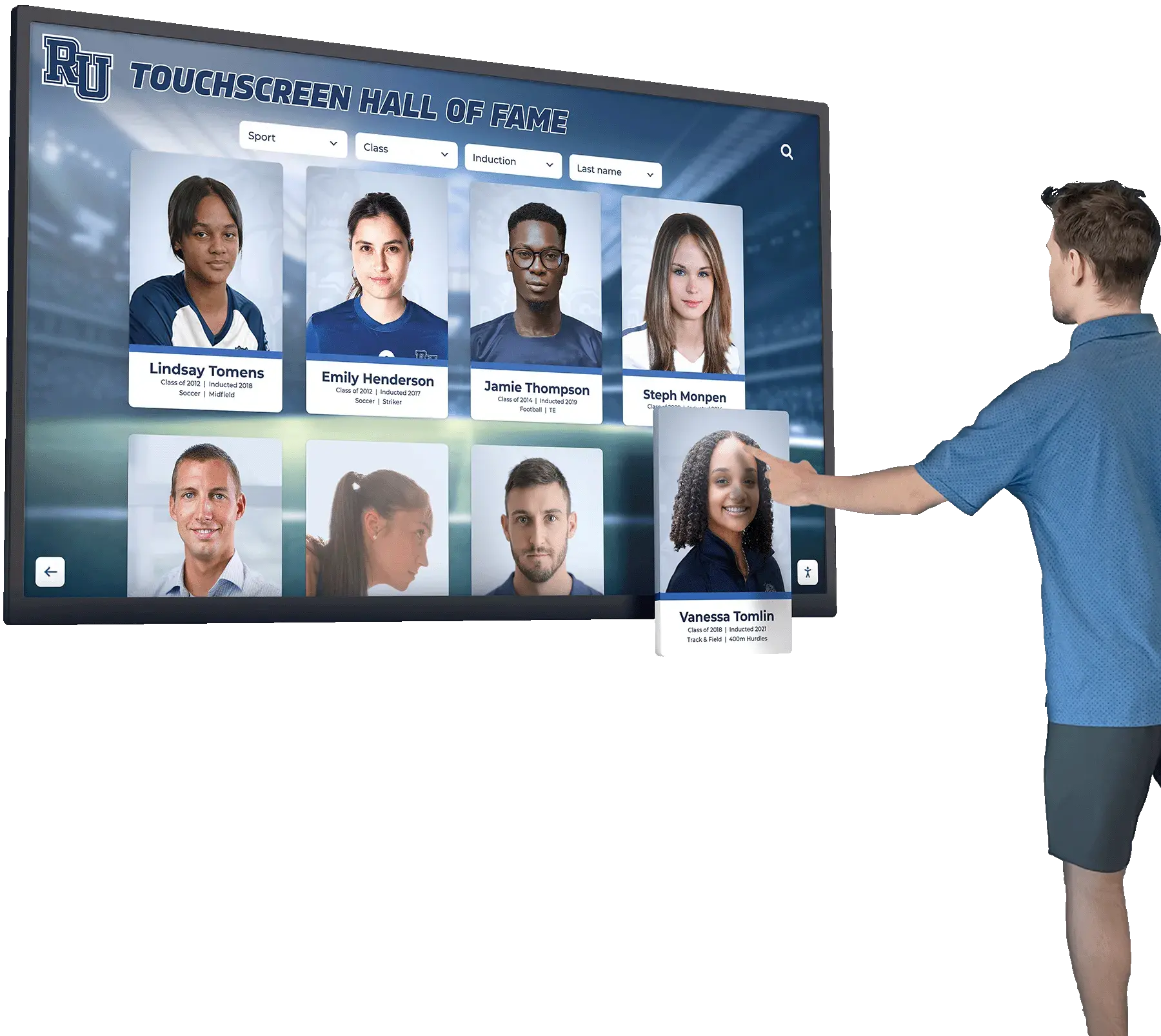
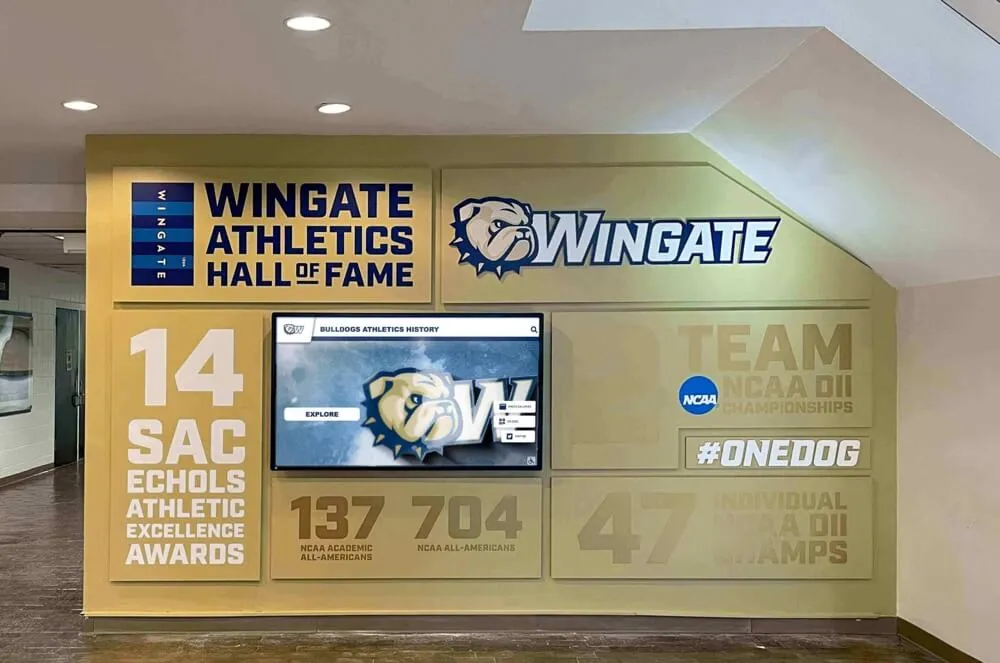
Modern schools pair scholarship certificates with digital recognition displays that keep award recipients visible across every graduating class
What Goes on a Scholarship Award Certificate
A strong scholarship award certificate contains specific fields that distinguish it from a generic participation award. Each element serves a purpose—for the recipient, the donor, the institution, and future students who encounter the recognition.
Essential Certificate Fields
Recipient Information
- Full legal name of the scholarship recipient
- Graduation year or current grade level
- School or institution name
Award Details
- Full official name of the scholarship (e.g., “The Franklin Family Scholarship for Academic Excellence”)
- Academic year or cycle of the award (e.g., “2025–2026 Academic Year”)
- Scholarship type or category when appropriate to disclose publicly (merit-based, need-based, athletic, subject-specific)
Recognition Language
- A description of the criteria the recipient met—academic performance, financial need, community service, athletic achievement, or subject-specific excellence
- Language honoring the donor or fund origin when applicable, especially for memorial scholarships
- Specific wording that names what made this recipient stand out from other candidates
Institutional Authority
- Signature lines for principal, superintendent, scholarship committee chair, or donor representative
- School seal or logo
- Date of presentation
Optional but Valuable Additions
- A brief personal note from the scholarship committee or a teacher who nominated the student
- A line acknowledging the specific program the student excels in—AP coursework, STEM pathway, performing arts, athletics
Including all of these fields gives the certificate weight and specificity. Compare a certificate that reads “Presented to Jordan Rivera for academic achievement” to one that reads “Presented to Jordan Rivera in recognition of exceptional academic growth and demonstrated commitment to science, awarded by the Whitfield Family Scholarship Fund for the 2025–2026 academic year.” The second creates a lasting record; the first could describe almost anyone.
Learn how schools systematically recognize scholarship recipients at the highest levels in presidential academic scholarship programs and recognition workflows.
Types of Scholarship Certificates Schools Issue
Schools issue scholarship award certificates across a wide range of programs. The design, tone, and fields on each certificate should reflect the specific scholarship type and the context in which it is awarded.
Merit-Based Scholarship Certificates
Merit scholarships reward academic achievement, often tied to GPA thresholds, class rank, standardized test performance, or recognition in national programs. Certificates for merit scholarships typically emphasize academic credentials and may note specific achievements—honor roll standing, AP course completion, or subject-specific excellence—that qualified the recipient.
Explore how schools celebrate subject-matter achievement in what AP Scholar awards mean and how schools recognize recipients.
Need-Based Scholarship Certificates
Need-based awards recognize financial circumstance alongside academic promise. Certificates for these scholarships often avoid disclosing financial details and instead focus on the recipient’s demonstrated commitment, character, and potential. Presentation settings for need-based awards may be more private than large-scale recognition ceremonies, though the certificate itself should be equally professional and specific.
Athletic Scholarship Certificates
Athletic scholarships recognize student-athletes whose performance contributes to the school community while meeting academic standards. Certificates typically include the sport, years of participation, and academic standing alongside a description of the athlete’s contributions. Many athletic scholarship certificates are presented at end-of-season banquets—a natural setting where sports teams gather to celebrate their outgoing class.
For guidance on certificate presentation at sports recognition events, see how to create a professional sports banquet program for an awards night.
Memorial Scholarship Certificates
Memorial scholarships honor a person who contributed to the school community—a beloved teacher, an alumnus, or a family donor—while supporting a current student. These certificates carry particular weight because they connect a recipient to a legacy. The certificate should clearly name the person being memorialized and briefly describe what they represented to the school community.
For schools establishing or expanding memorial scholarship programs, how to start a memorial scholarship fund with digital recognition ideas covers both the fundraising and ongoing recognition dimensions.
Subject-Specific and Departmental Scholarship Certificates
Schools with established departments—science, arts, performing arts, vocational education—often issue subject-specific scholarships funded by alumni, local businesses, or booster groups. These certificates typically acknowledge the specific program, course of study, or career pathway the recipient is pursuing alongside the criteria that earned the award.
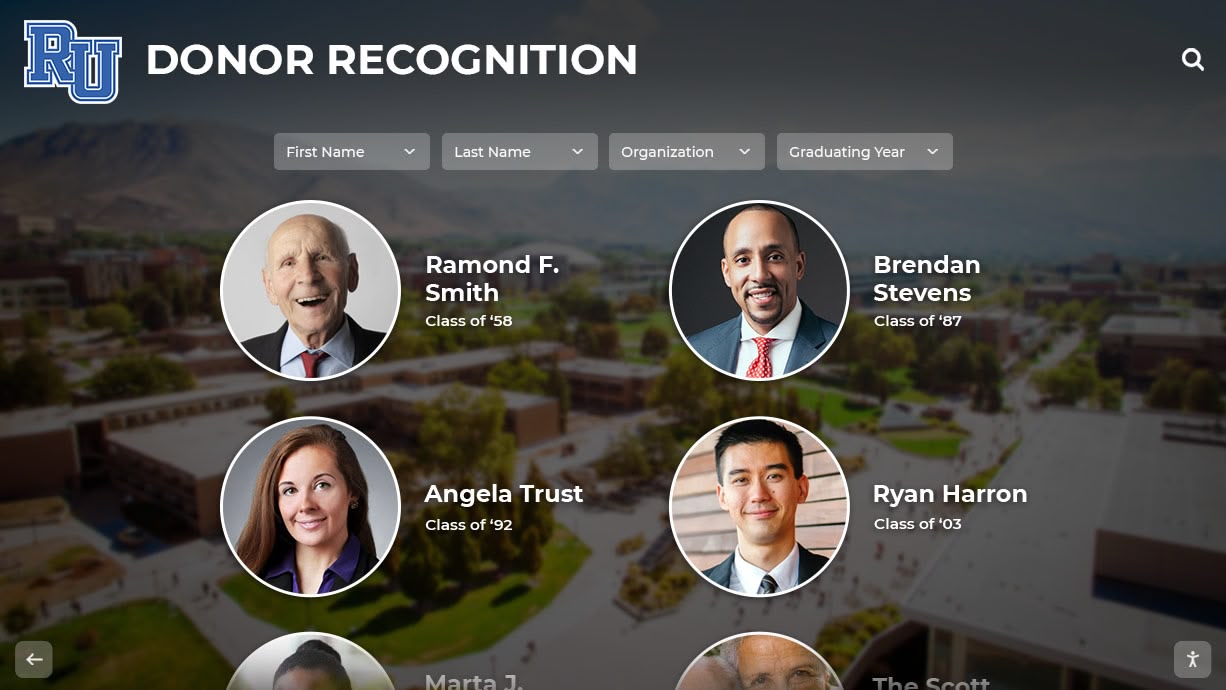
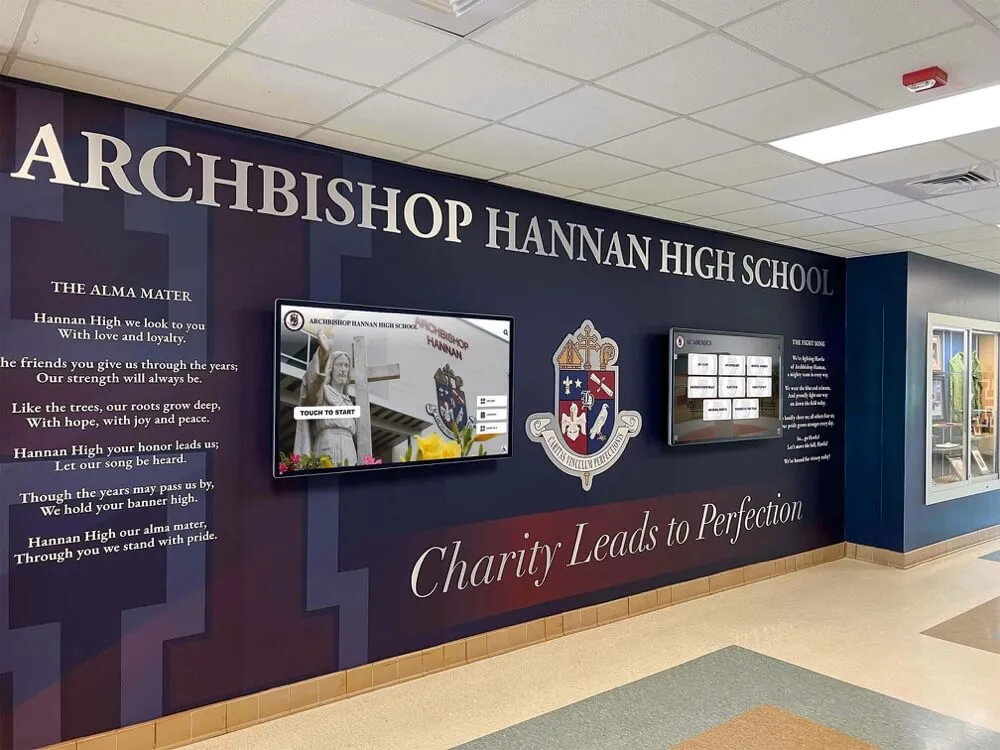
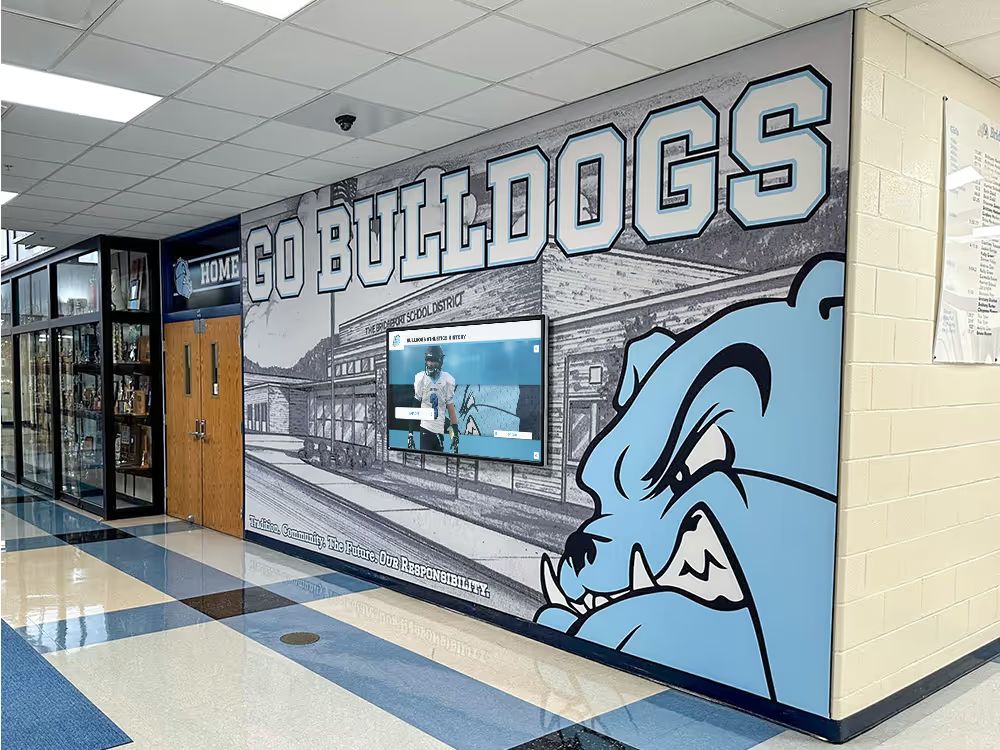
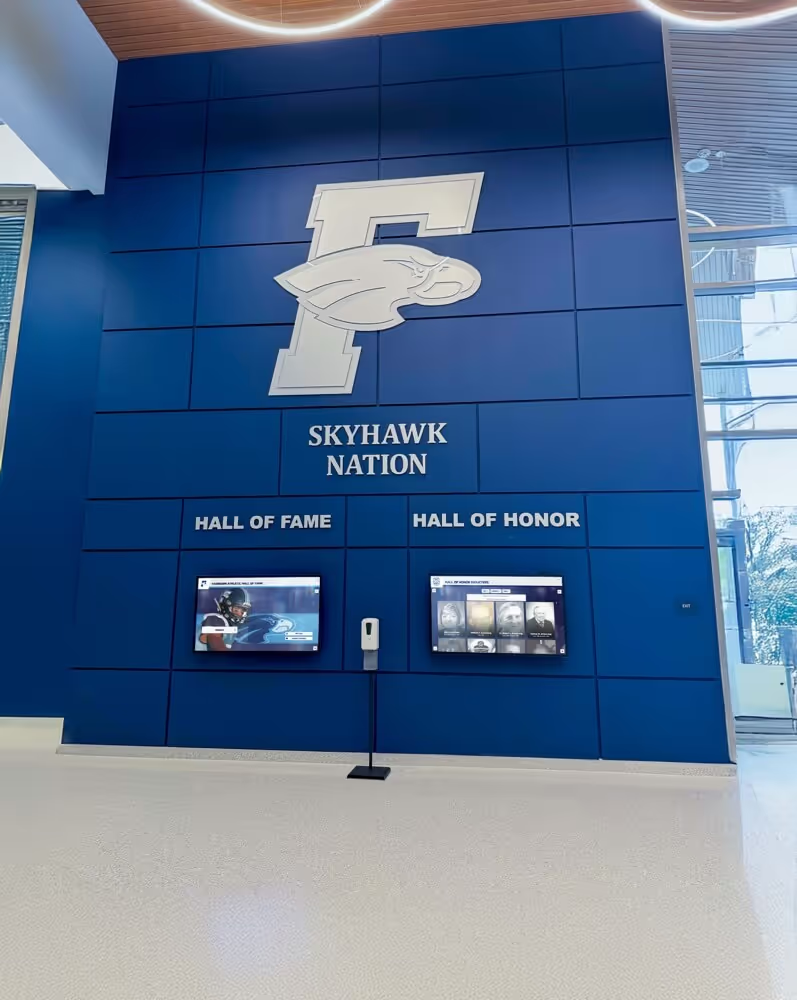
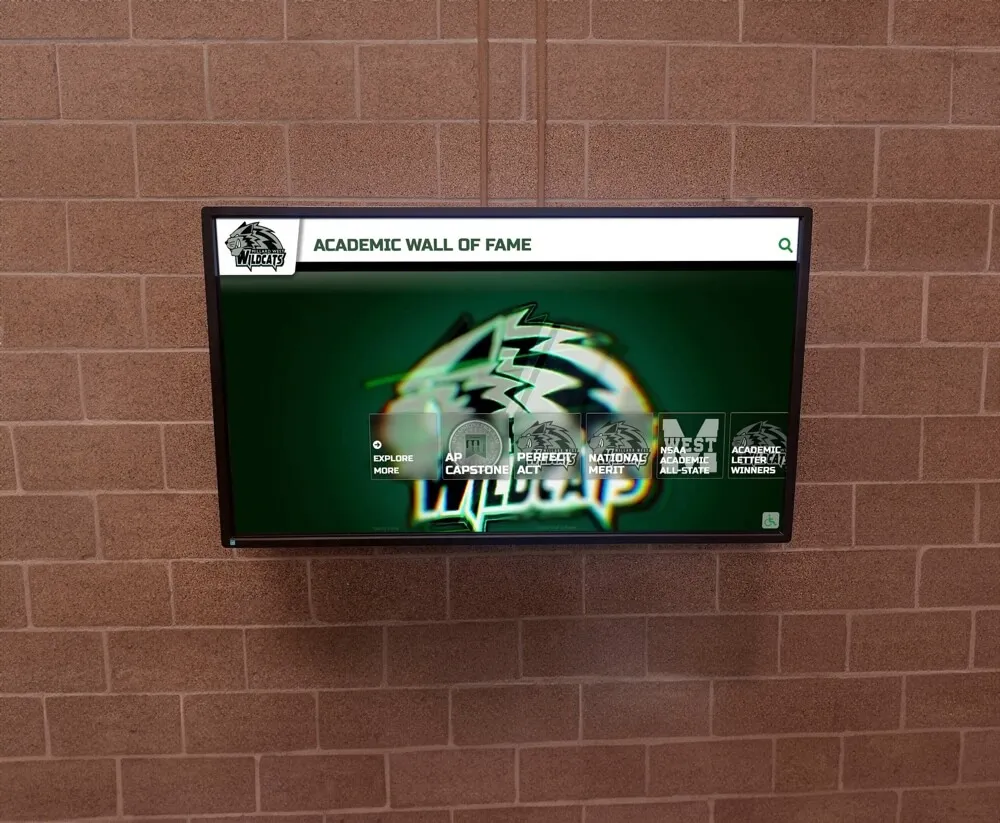
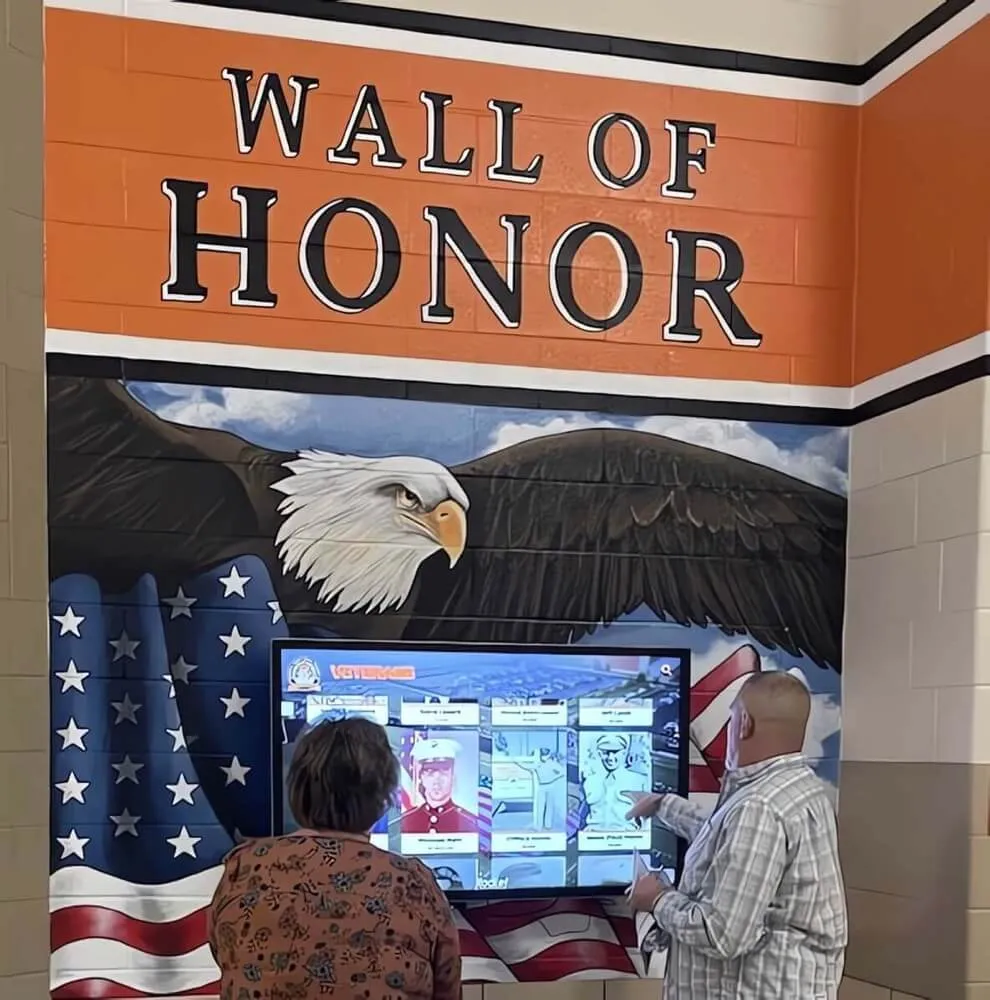
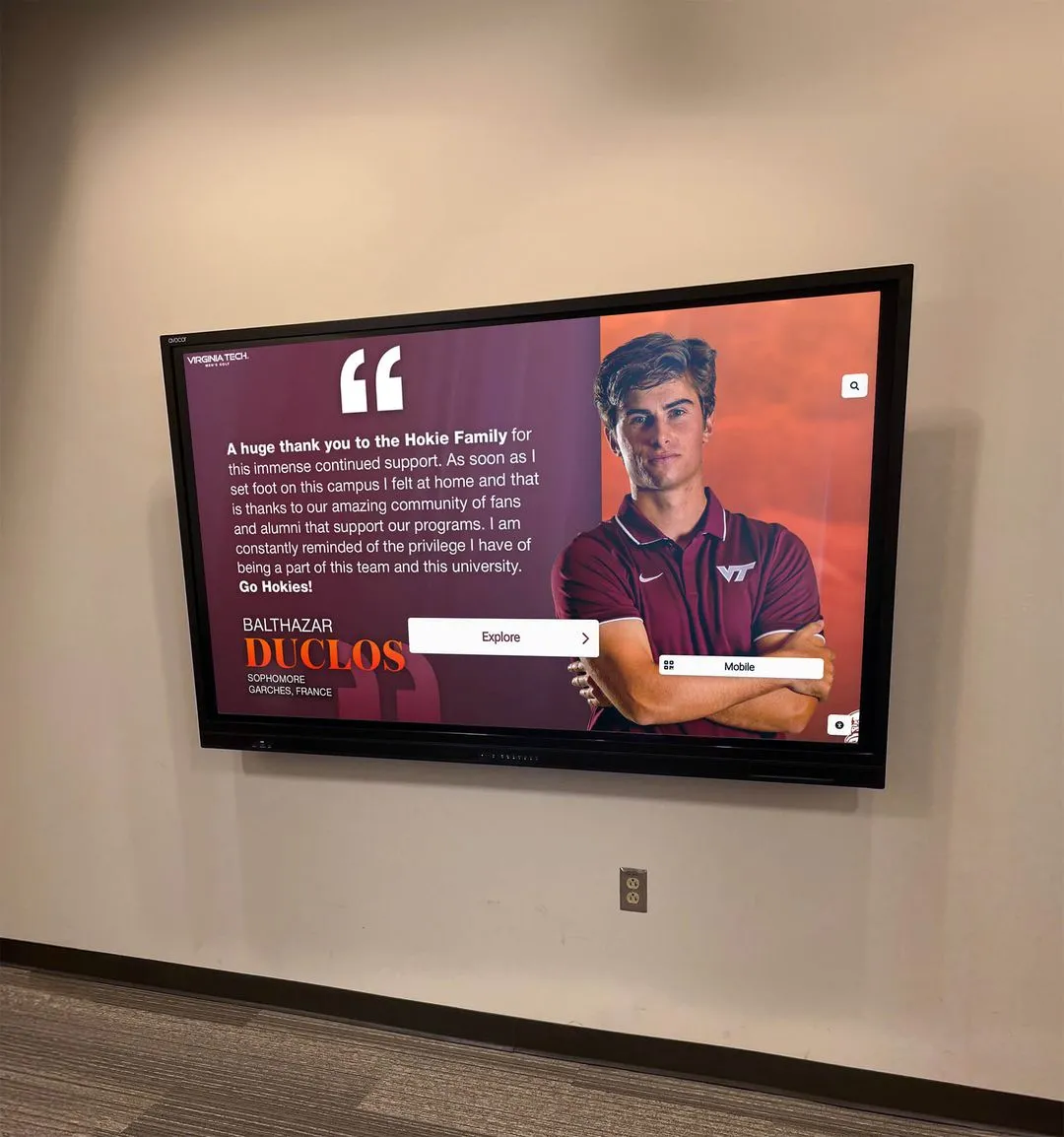
Connecting scholarship certificates to donor recognition creates a complete picture of each award's history and the community investment behind it
Designing an Effective Scholarship Award Certificate
Certificate design communicates the seriousness of the award before a single word is read. Schools that invest in thoughtful design send a clear signal: this scholarship matters, and so does the person receiving it.
Design Principles for Scholarship Certificates
Quality Paper and Printing
A scholarship certificate printed on standard copy paper does not convey the same gravity as one on 60–80 lb cardstock with a professional finish. For awards with significant dollar values or prestigious histories, certificates designed to fit standard frame sizes are appropriate—recipients and families are far more likely to display recognition that is already presentation-ready.
Clear Visual Hierarchy
The recipient’s name should be the most prominent text on the certificate. Scholarship name, institution, and supporting information follow in descending type size. Decorative elements—school seal, borders, donor logos—should frame the content rather than compete with it.
School and Scholarship Branding
Whenever possible, use established school colors, logos, and typography. For named scholarships, incorporate the donor family’s visual identity if one exists. This reinforces institutional connections and makes each certificate feel like part of a coherent recognition tradition rather than a one-off document.
Specific Award Language
Generic language (“for academic excellence”) is less valuable than specific language (“for maintaining a 4.0 GPA while completing four AP courses and leading the school’s Model United Nations delegation”). The more specific the certificate language, the more it means to the recipient and the more clearly it communicates the award’s purpose to anyone who encounters it later—college admissions officers, scholarship committees, future employers.
Digital Certificate Versions
Schools increasingly issue digital versions of scholarship award certificates alongside physical copies. Digital certificates offer several advantages:
- Instant distribution via school email or learning management systems
- Easy sharing for college applications and digital portfolio submissions
- Long-term accessibility without risk of physical damage or loss
- Searchable archiving within school records systems
Digital distribution works best as a complement to physical presentation, not a replacement. The physical certificate has ceremonial value; the digital version provides practical utility for the recipient’s ongoing use.
The Recognition Gap: What Happens After the Certificate Is Presented
The moment of certificate presentation is the high point of most scholarship programs. But for many schools, recognition effectively ends there. The recipient receives applause, accepts the certificate, and the spotlight moves on. Within weeks, most certificates are stored somewhere safe—briefly displayed at home, then filed alongside grade cards and old yearbooks.
This creates what recognition professionals call the recognition gap: the distance between the moment a school acknowledges an achievement and the lasting visibility that transforms individual recognition into institutional culture. Scholarships are awarded year after year, but without a systematic way to preserve and display that history, each cohort of recipients becomes invisible to the students who follow.
The recognition gap has real consequences:
- Future students don’t know which scholarships exist or who has previously received them
- Donors cannot easily see the ongoing, cumulative impact of their investment
- School communities lose the motivational power of seeing past recipients publicly celebrated
- Institutional pride around academic and civic achievement goes unarchived and undervalued
Building a workflow that closes this gap—connecting the scholarship award certificate to a permanent, searchable display—addresses all of these problems simultaneously.
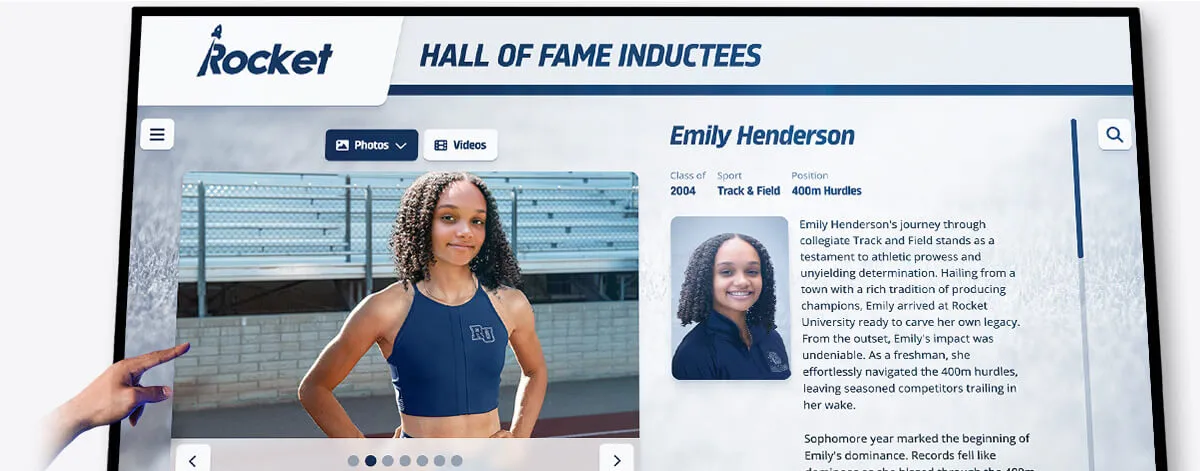
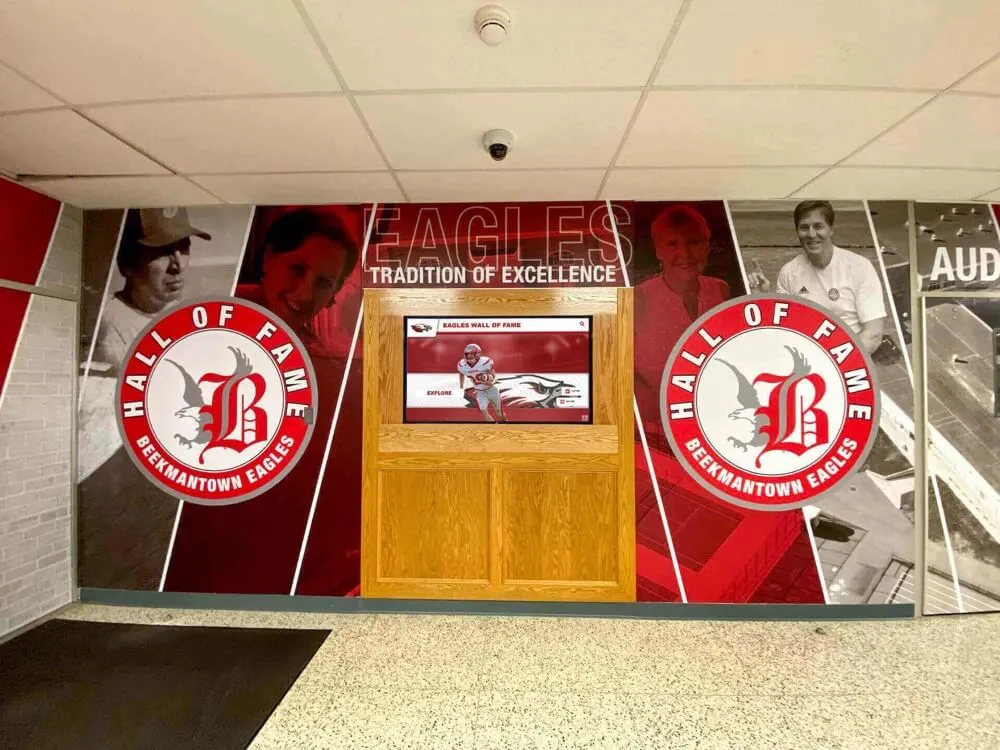
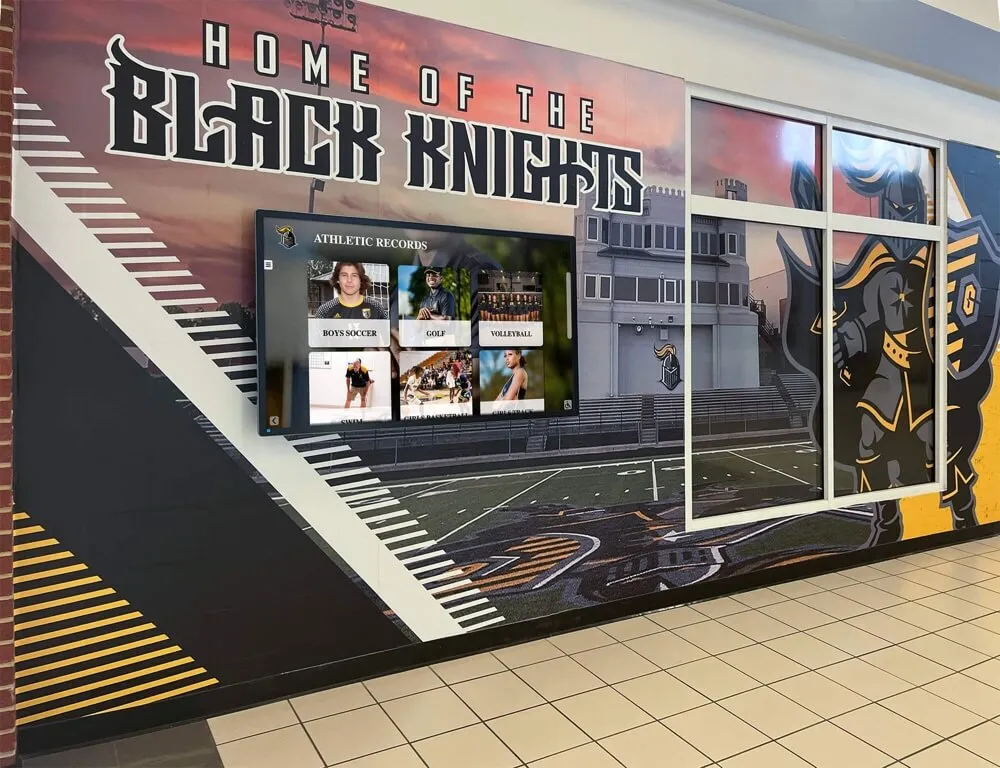
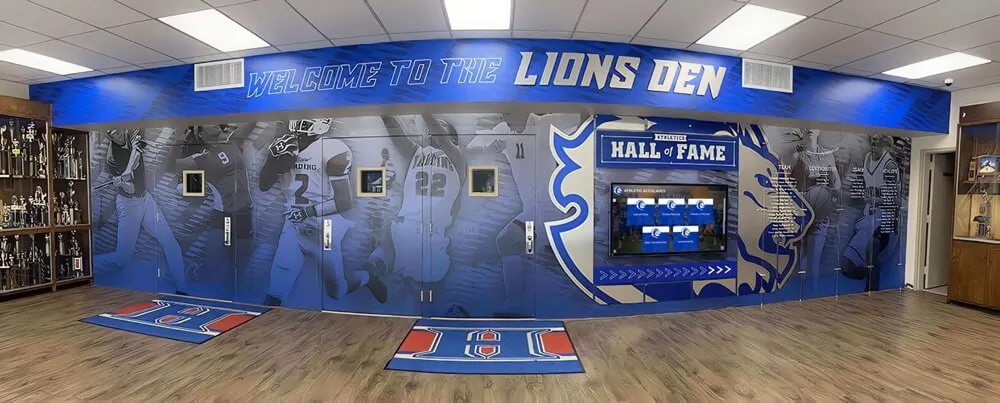
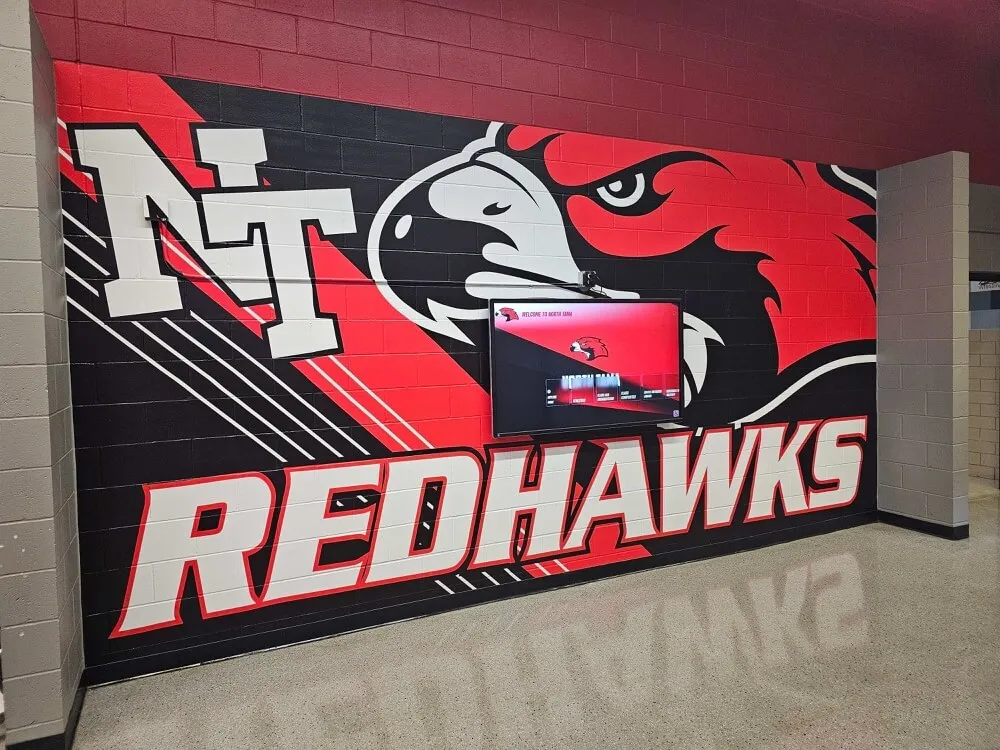
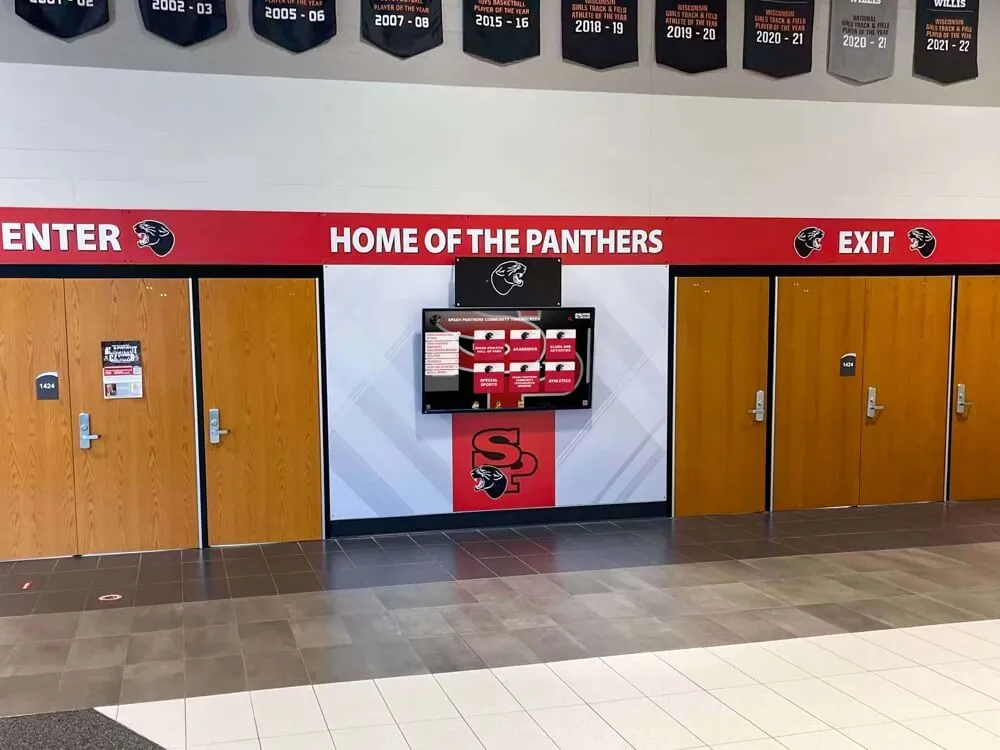
Digital touchscreen displays give scholarship recipients individual profile pages that remain visible and searchable long after the certificate presentation
How Schools Connect Scholarship Certificates to Lasting Recognition
Closing the recognition gap requires a deliberate workflow: from selecting the recipient, to presenting the certificate, to publishing the recognition in a format accessible to students, staff, donors, and the broader community year-round.
Step 1: Document Each Scholarship Thoroughly
Before recognition can be sustained, it needs to be documented. For each scholarship recipient, schools should collect:
- A high-quality photo of the recipient at or near the time of presentation
- The full certificate text, including scholarship name, criteria, and award year
- A brief bio or achievement summary (50–100 words) describing why this student was selected
- Donor information—name, scholarship origin, criteria—for display alongside recipient profiles in permanent archives
This documentation serves as the foundation for every subsequent form of recognition, whether that is a hallway display, a website feature, a yearbook entry, or a digital recognition platform profile.
Step 2: Present the Certificate in a Meaningful Setting
Ceremony matters. Scholarship award certificates presented to a seated audience of peers, faculty, and families carry more weight than certificates slipped into a student’s mailbox or handed over quietly in the front office.
Schools with strong recognition programs include scholarship presentations in:
- End-of-year academic awards ceremonies
- Athletic banquets where subject-specific or athletic scholarships are announced alongside team awards
- Graduation and senior recognition nights
- Donor appreciation events where scholarship funders can witness their awards presented in person
For comprehensive guidance on planning effective recognition events, see awards ceremony planning and how to host a memorable recognition event and awards ceremony ideas for engaging recognition events at schools and organizations.
Step 3: Publish Recognition in a Permanent, Searchable Format
After the ceremony, scholarship recognition should move into a format that remains accessible indefinitely. Many schools default to static bulletin boards, poster displays, or yearbook pages—approaches that work in the short term but fail to scale, update, or survive facility renovations.
Schools with forward-looking recognition programs use digital recognition platforms to maintain living scholarship archives:
Interactive Touchscreen Displays in High-Traffic Areas
Solutions like Rocket Alumni Solutions enable schools to install touchscreen displays in main lobbies, academic hallways, and athletic wings where scholarship recipients have individual profile pages accessible to anyone passing by. Students can search by scholarship name, graduation year, or recipient. Donors can observe their named scholarship accumulate recipients across multiple graduating classes—year after year.
Remote Content Management
Digital platforms with cloud-based content management allow scholarship coordinators to add new recipients immediately after an awards ceremony—no physical display to update, no printing delays, no waiting on facilities. New scholarship profiles go live as soon as they are published.
Unlimited Historical Archives
Unlike physical trophy cases or bulletin boards with finite space, digital recognition platforms hold unlimited entries. Every scholarship recipient from every graduating class can be represented, creating a cumulative archive that grows more valuable as time passes and more recipients are added.
Explore how schools build comprehensive recognition systems in recognition program ideas and how organizations build effective award systems.
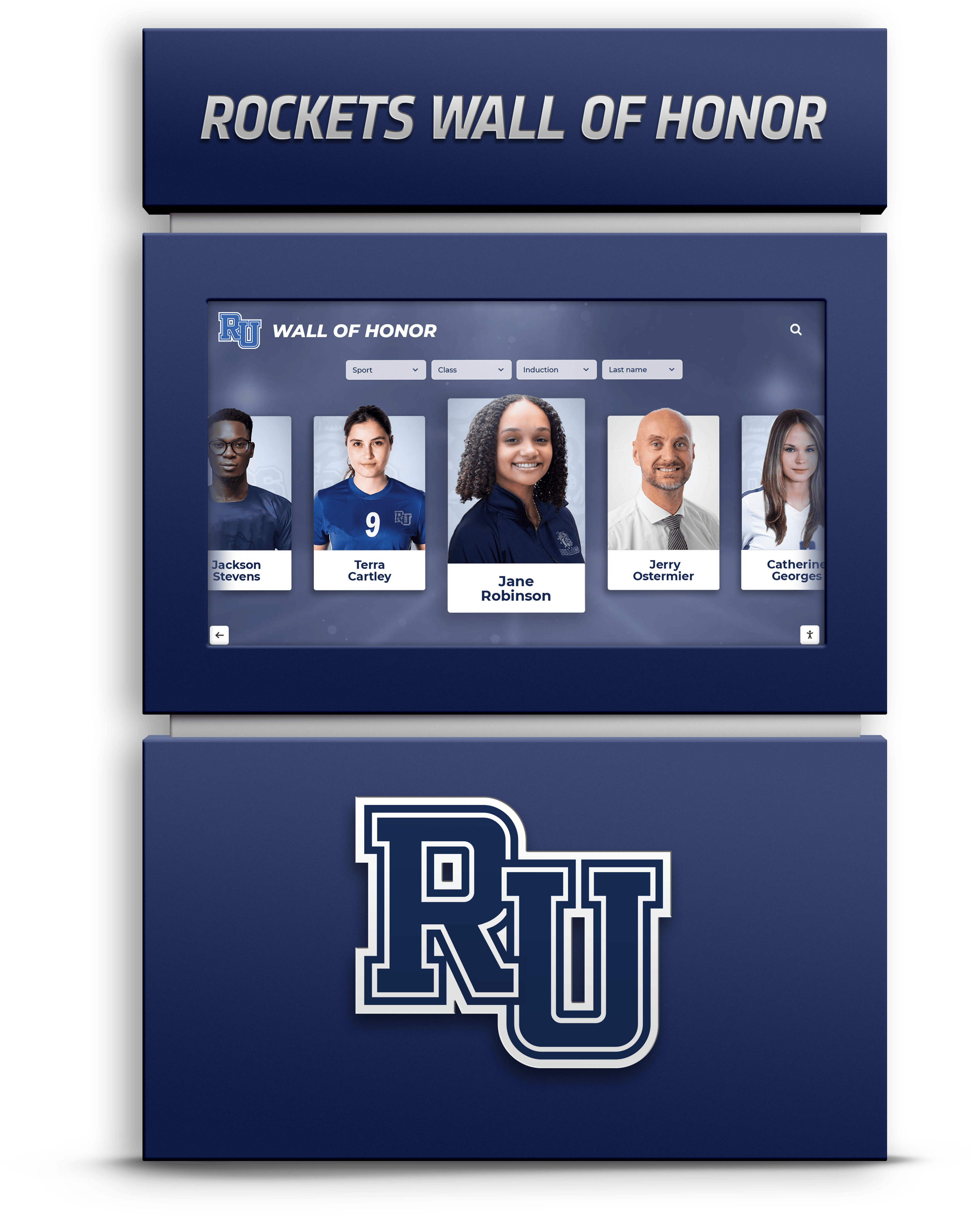
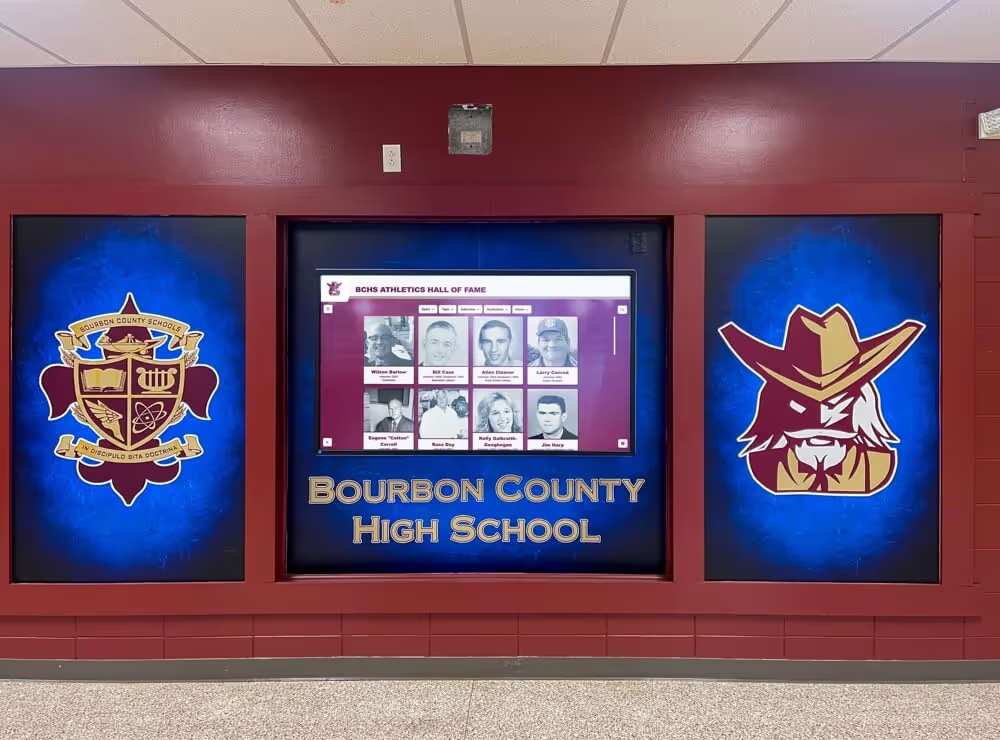
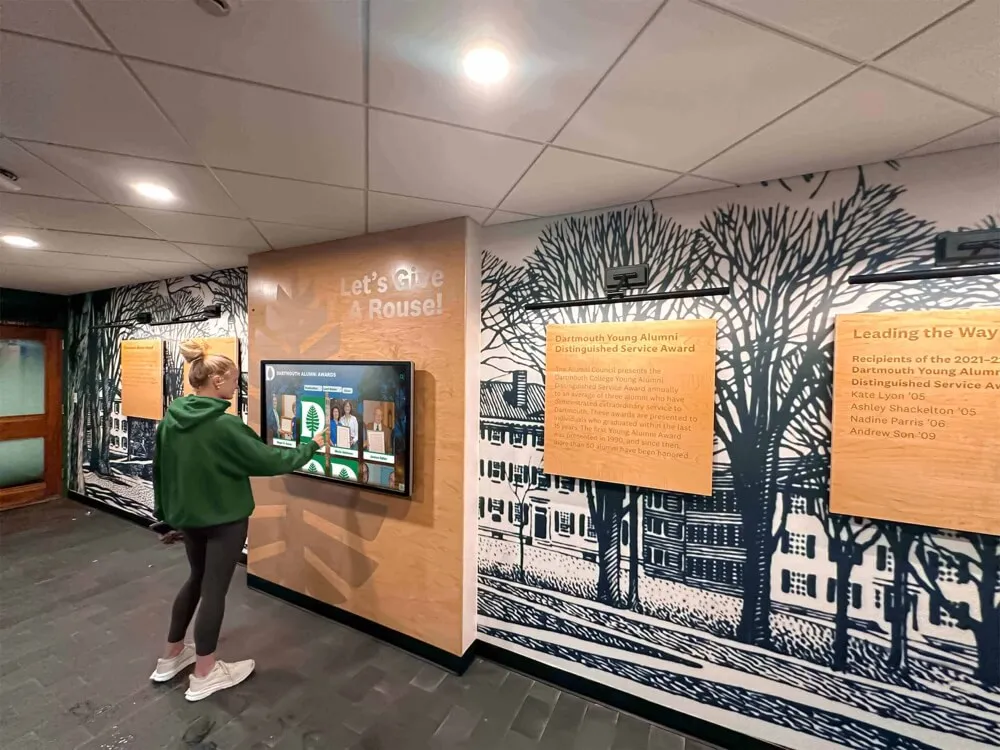
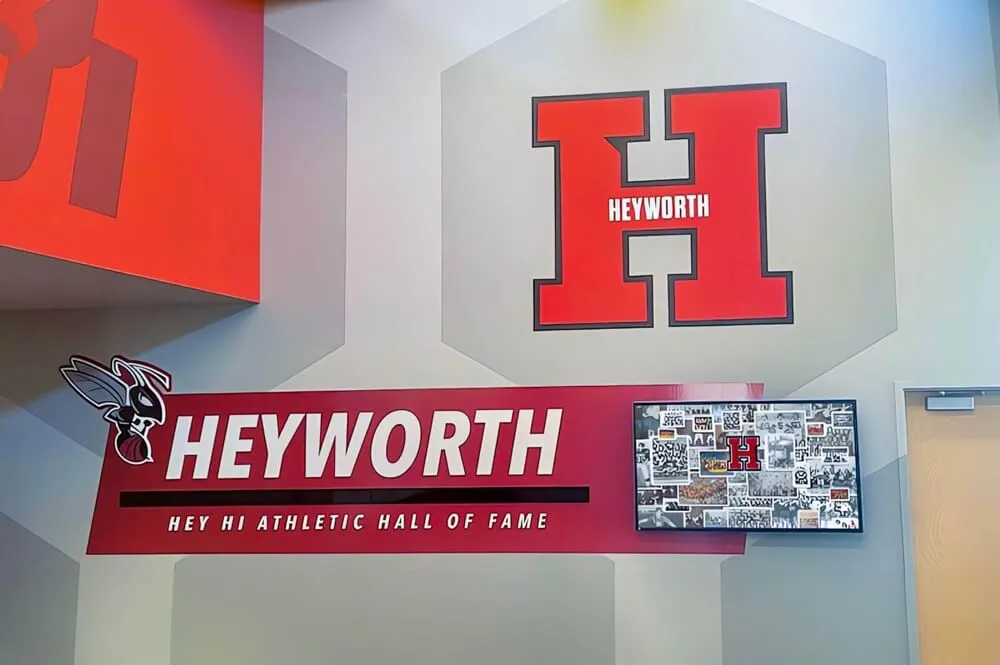
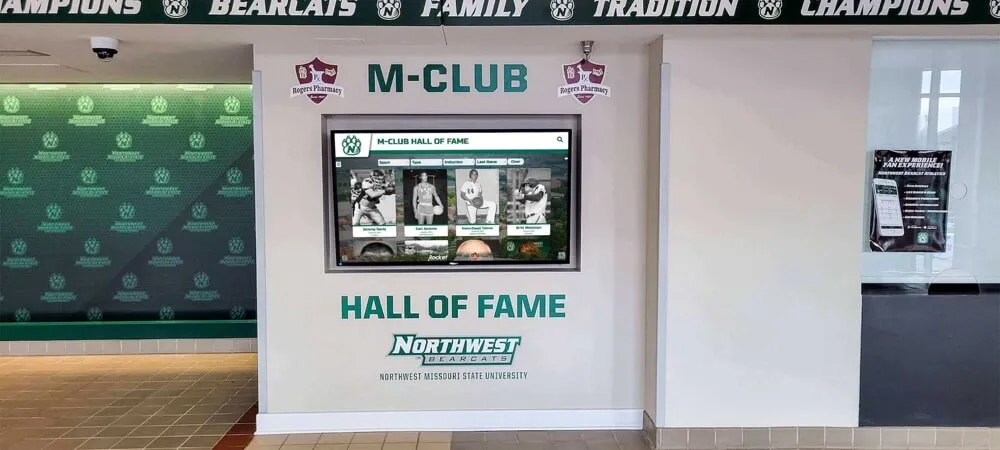
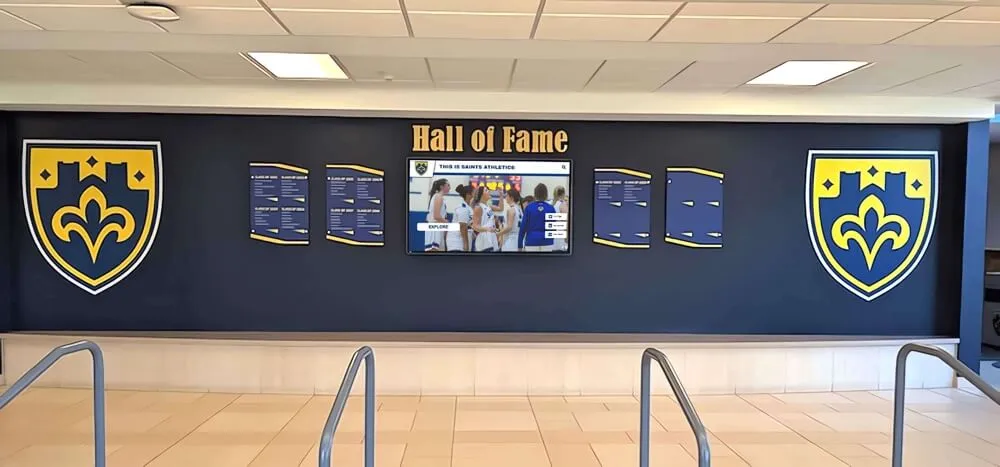
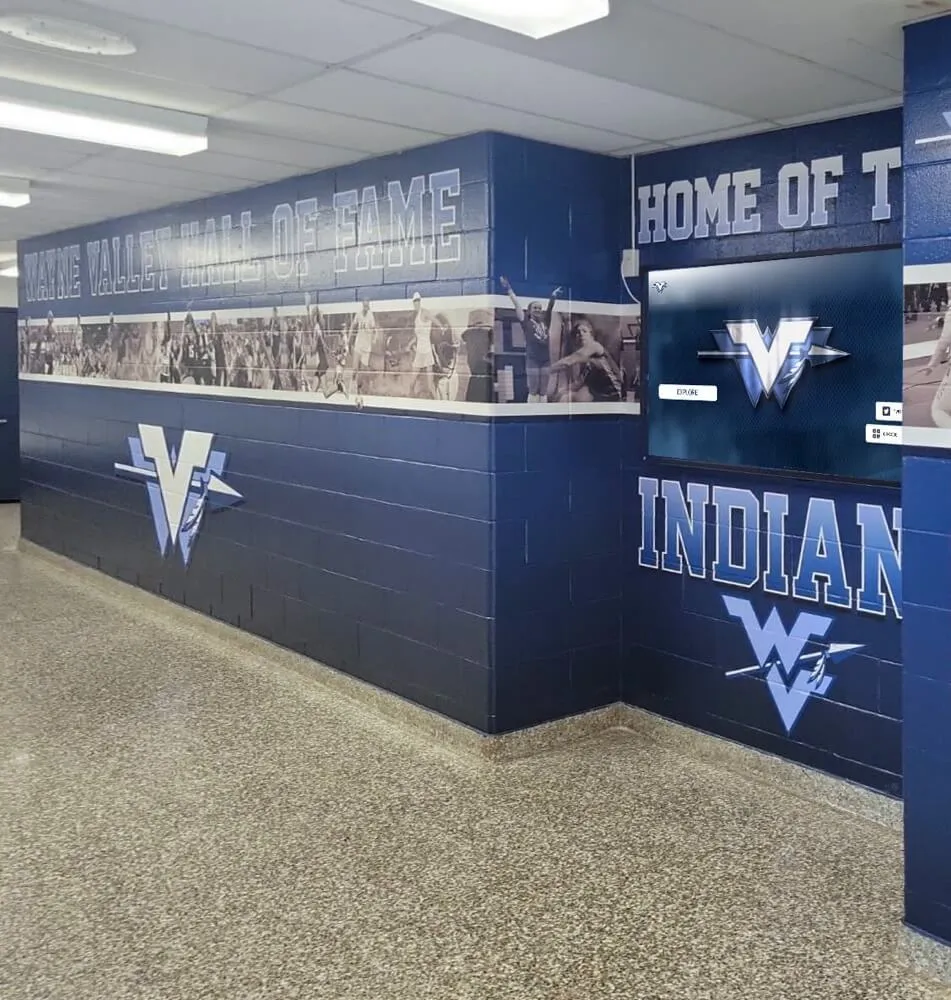
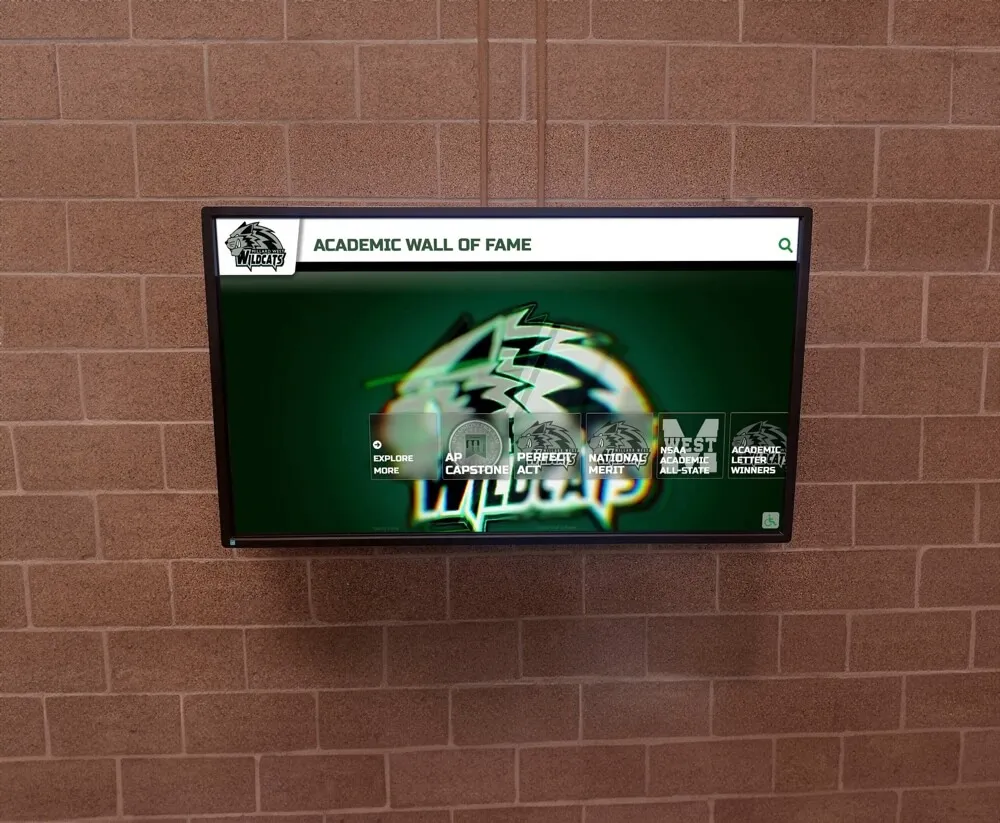
Digital walls of honor centralize scholarship recognition alongside academic honors, athletic achievements, and community service awards in one searchable display
Connecting Scholarships to Donor Recognition
For schools with named scholarships—funded by alumni, families, businesses, or memorial funds—connecting scholarship certificates to donor recognition creates a complete picture of institutional generosity and community investment.
Donors who fund named scholarships typically want to see two things: evidence that their money is reaching deserving students, and visible acknowledgment that reflects the scholarship’s intent. The scholarship award certificate handles the first; a permanent recognition display handles the second.
Schools that build donor recognition walls or scholarship archives alongside their achievement displays give donors ongoing visibility. A family that endowed a scholarship in a loved one’s memory can watch that scholarship accumulate recipients year after year, each profile connecting back to the award’s origin and the person it honors.
Trusted by more than 600 institutions, Rocket Alumni Solutions builds recognition infrastructure that links named scholarships directly to donor profiles, so the full story of each award—who funded it, why, and every student who has received it—is accessible in one searchable display.
For schools considering how to design donor recognition walls that incorporate scholarship histories, see how to create an impactful donor recognition wall with digital displays for schools.
Extending Scholarship Recognition Beyond the Certificate
Schools with strong recognition cultures understand that the certificate is the beginning of the award’s story, not the end. Several approaches extend the impact of each scholarship beyond presentation day.
Social Media Announcements
Brief posts celebrating scholarship recipients—with their permission—extend recognition into the community and make achievements visible to families and alumni who couldn’t attend the ceremony.
School Website Scholarship Pages
Dedicated web pages listing current scholarship recipients and historical winners serve as permanent, searchable records accessible to anyone researching the school’s recognition culture, including prospective students and their families.
Yearbook and Newsletter Features
Annual yearbook sections dedicated to scholarship recipients document each class’s award history in a format students and alumni revisit for decades.
QR Codes on Physical Certificates
Some schools embed QR codes directly into scholarship award certificates, linking to the recipient’s digital profile page. When a family photographs the certificate or a student includes it in a portfolio, the QR code connects viewers to a richer digital record—photos, achievement details, and scholarship history.
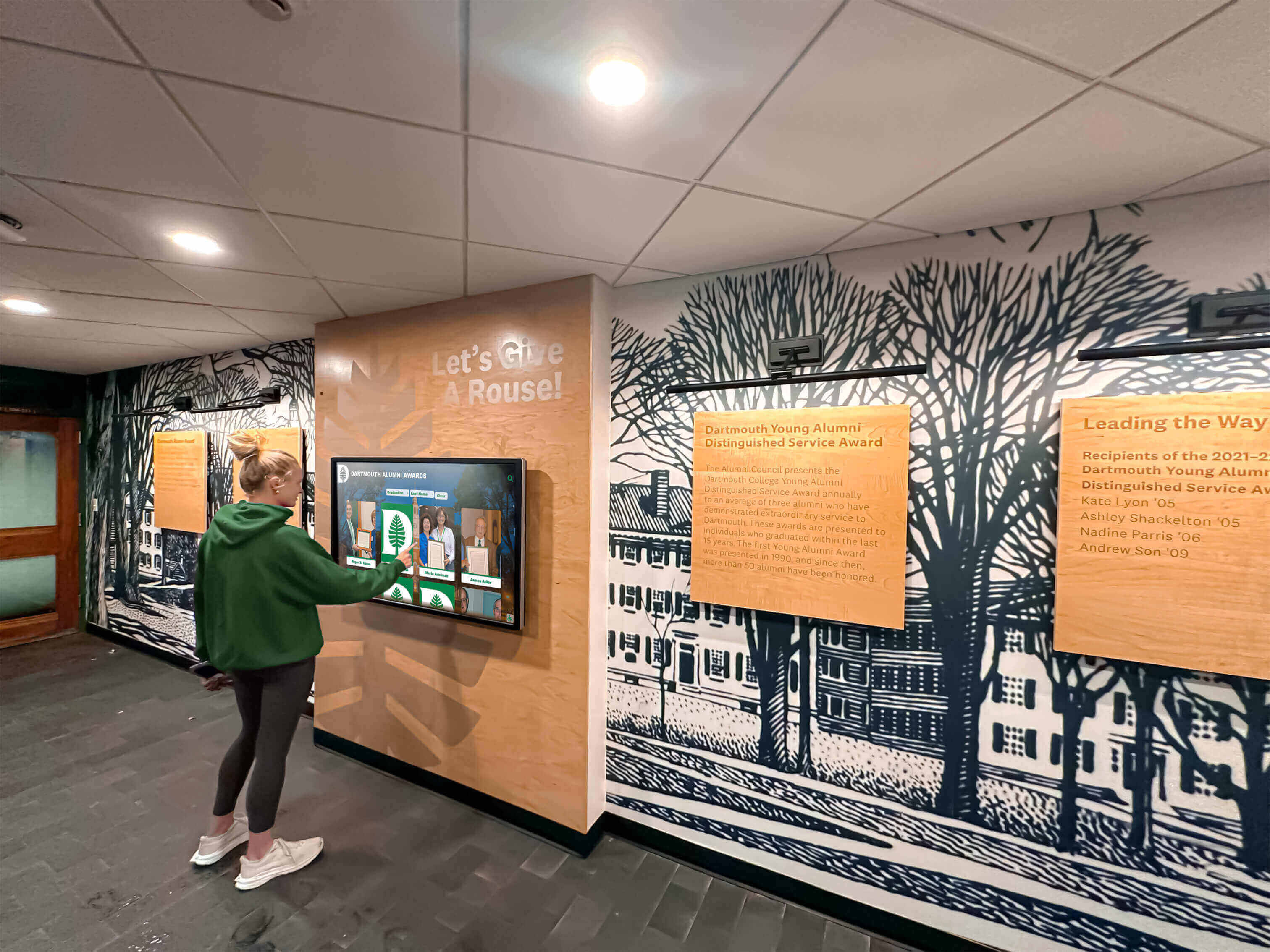
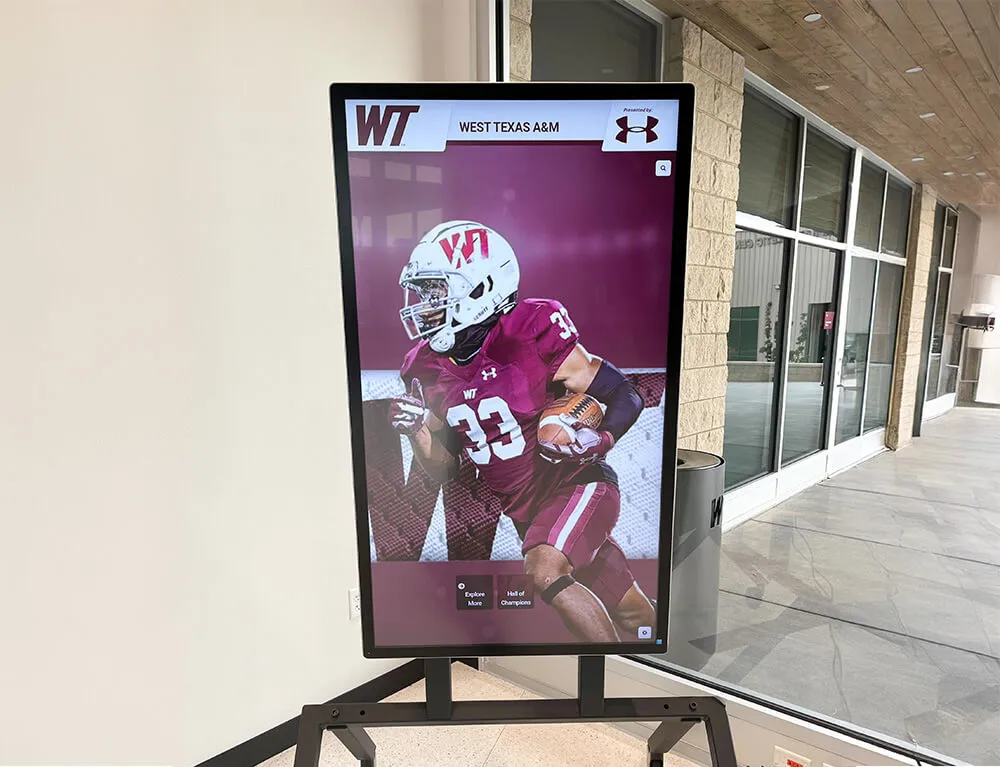
Searchable digital recognition makes scholarship histories accessible to current students, alumni, and prospective families at any time of year
Athletic and Academic Hall of Fame Integration
For scholarships tied to specific achievement areas—athletics, academic excellence, state-level competition—connecting scholarship recognition to existing hall of fame or records displays creates coherent recognition ecosystems. When a student who earned state-level recognition also receives a scholarship tied to that achievement, both recognitions reinforce each other.
Schools building athletic and academic recognition programs can explore how schools honor state-qualifying athletes and connect achievement to lasting recognition and creating lasting traditions and recognition practices between competing schools.
What Digital Recognition Platforms Offer Scholarship Programs
Schools evaluating digital platforms for scholarship archives look for capabilities that traditional approaches cannot offer. Rocket Alumni Solutions provides a complete digital recognition infrastructure that includes:
- Unlimited scholarship entries across all categories—merit, need-based, athletic, memorial, and subject-specific—without space constraints or additional cost per entry
- Individual recipient profiles with photos, achievement descriptions, scholarship criteria, and donor attribution displayed together
- Searchable, filterable archives that let students find scholarship information by name, year, subject area, or donor
- Remote content management accessible from any device, enabling scholarship coordinators to publish new recipients immediately after awards ceremonies
- WCAG 2.1 AA compliance ensuring recognition is accessible to all visitors regardless of ability
- Donor recognition integration that links named scholarships to their founding donors alongside every recipient profile
- QR code mobile access enabling recipients and families to reach digital profiles from physical certificates and program books
- Scheduled publishing for announcing scholarship recipients at specific times aligned with ceremonies or press releases
These capabilities transform scholarship award certificates from standalone documents into gateways to permanent, community-accessible recognition records.
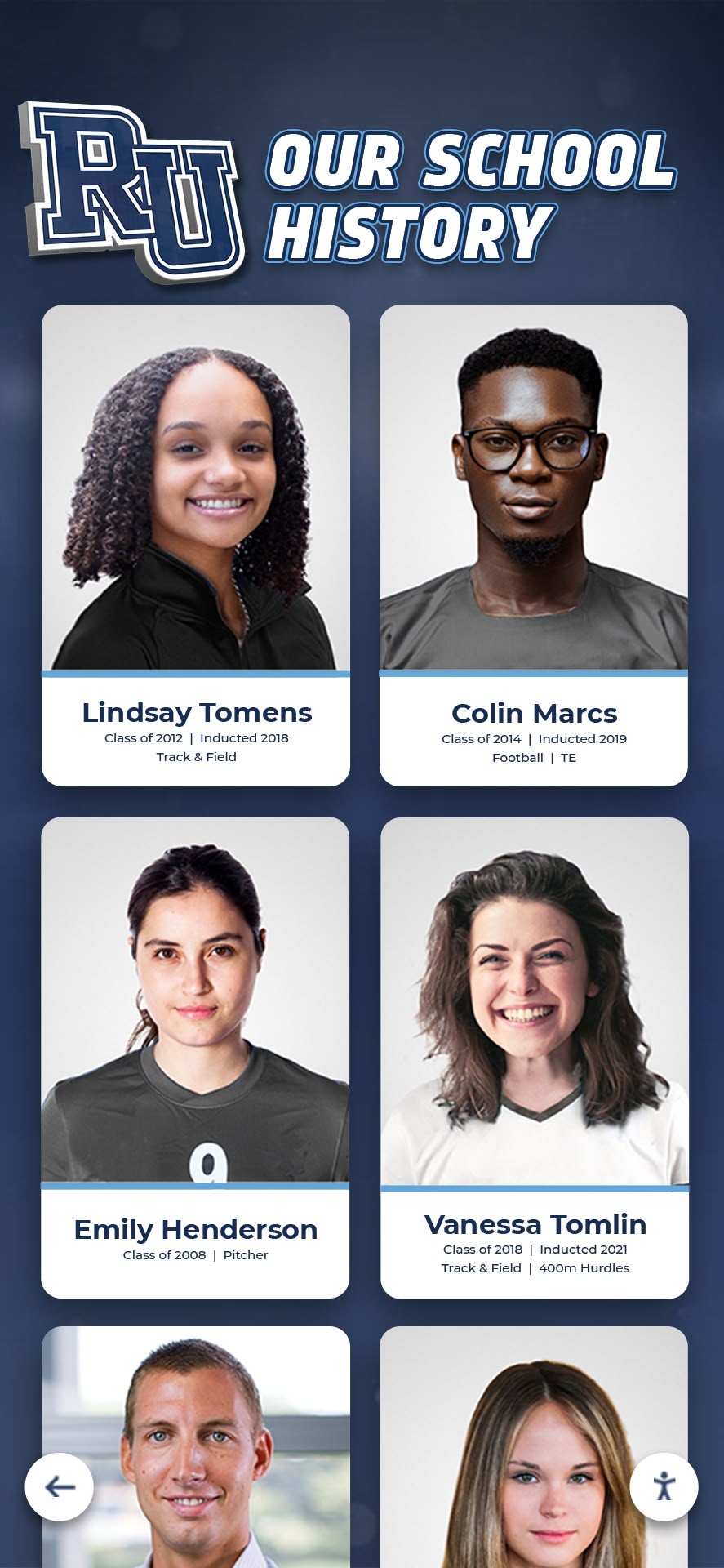
Living scholarship archives preserve recognition across every graduating class, creating institutional histories that grow richer and more valuable every year
FAQ: Scholarship Award Certificates
What information should appear on a scholarship award certificate?
A scholarship award certificate should include the recipient’s full name, the scholarship’s official name, the academic year, the awarding institution’s name and logo, a brief description of the criteria the recipient met, and signature lines for authorized administrators or committee representatives. For named scholarships, acknowledging the donor or fund origin adds meaningful context and honors the scholarship’s history. Certificates become significantly more memorable and useful when the criteria language is specific to the individual recipient rather than generic.
How do schools design scholarship certificates that feel meaningful?
Effective scholarship certificate design uses quality paper stock suitable for framing (60–80 lb cardstock minimum), a clear visual hierarchy with the recipient’s name as the most prominent element, school branding including official colors and seal, and specific award language describing why this particular student was selected. Schools with named scholarships benefit from incorporating donor visual identity alongside institutional branding, reinforcing the relationship between the award, its origin, and the recipient who earned it.
What is the difference between a scholarship certificate and a scholarship letter?
A scholarship certificate is a formal document with official design elements—school seal, signature lines, bordered layout—intended for display and ceremonial presentation. A scholarship letter is a formal written notification, typically on institutional letterhead, confirming award details including dollar amounts, renewal criteria, and disbursement procedures. Most scholarship programs issue both: the letter provides official financial documentation, while the certificate serves recognition and motivational purposes.
How can schools maintain records of scholarship recipients over time?
Schools maintain scholarship records through several methods: physical binders organized by scholarship name and year, school information systems with award tracking modules, yearbook archives, and digital recognition platforms that maintain permanent searchable databases. Digital platforms offer the most accessible long-term solution because they allow recipients and donors to search historical records from anywhere, are not vulnerable to physical storage risks like water damage or misplacement, and can grow indefinitely without space constraints.
Should scholarship certificates be presented publicly or privately?
Need-based scholarships often warrant more private presentations that respect recipient privacy, while merit-based, athletic, and subject-specific scholarships typically benefit from public presentation before peers, faculty, and families. Public ceremonies amplify recognition value for recipients, create visible aspirational models for current students, and honor donors by demonstrating the community impact of their investment. When individual circumstances require privacy, schools can still create lasting public recognition through anonymized aggregate acknowledgment—for example, noting that the Watson Scholarship was awarded this year—while maintaining detailed records internally for the recipient’s use.
Building Scholarship Recognition That Lasts
Scholarship award certificates represent some of the most significant recognition a school bestows. When schools invest in designing certificates with specific, meaningful language and presenting them with ceremony, they honor both the recipient and the donors who made the award possible.
The full potential of scholarship recognition is not realized in the moment of presentation—it is realized when that recognition remains visible, searchable, and inspiring to future students. Schools that connect scholarship award certificates to permanent digital archives and interactive displays create recognition ecosystems where every award builds on those that came before, donors see lasting evidence of their community investment, and students understand what kinds of achievement their institution values and celebrates year after year.
Connect Your Scholarship Certificates to Lasting Recognition
See how schools are using Rocket Alumni Solutions to build searchable scholarship archives, honor donors year-round, and make every award visible to the students who will compete for it next. Request a custom demo for your school today.
Request a Custom Demo