



School awards for students represent one of education’s most powerful tools for motivating achievement, building character, and creating cultures where excellence becomes the expectation rather than the exception. When schools systematically recognize students across multiple dimensions—from academic accomplishment and athletic achievement to character development and service contributions—they send clear messages about what matters while providing motivation that extends throughout entire school communities.
Yet many schools struggle to create award programs that truly resonate and inspire. Recognition often defaults to a narrow focus on high academic achievers and star athletes, leaving behind students excelling in other areas or demonstrating remarkable growth from different starting points. Award categories become repetitive year after year, selection criteria lack objectivity, and physical recognition—if it exists beyond brief ceremony mentions—quickly becomes outdated or runs out of space. Meanwhile, opportunities to celebrate diverse student accomplishments in ways that drive continued improvement and school-wide motivation go unrealized.
This comprehensive guide explores the full spectrum of school awards for students, providing specific category examples, selection criteria frameworks, implementation strategies, and modern recognition solutions that help every deserving student receive meaningful acknowledgment.
Effective student award programs extend beyond identifying the highest performers in traditional categories—they create comprehensive recognition ecosystems celebrating diverse achievement types, ensuring opportunities exist for students across all backgrounds and talents, and maintaining visibility that keeps recognition top-of-mind throughout the school year rather than only during brief annual ceremonies.

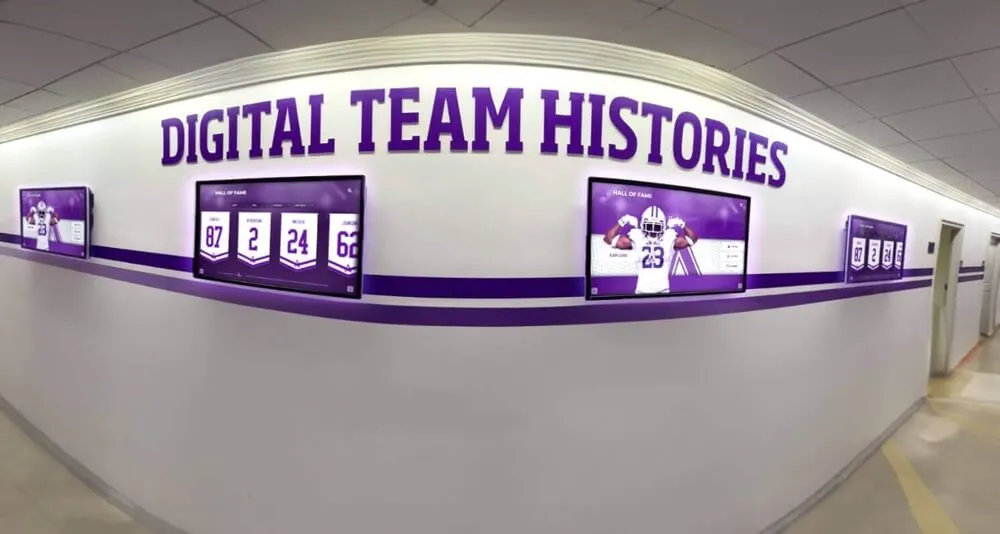
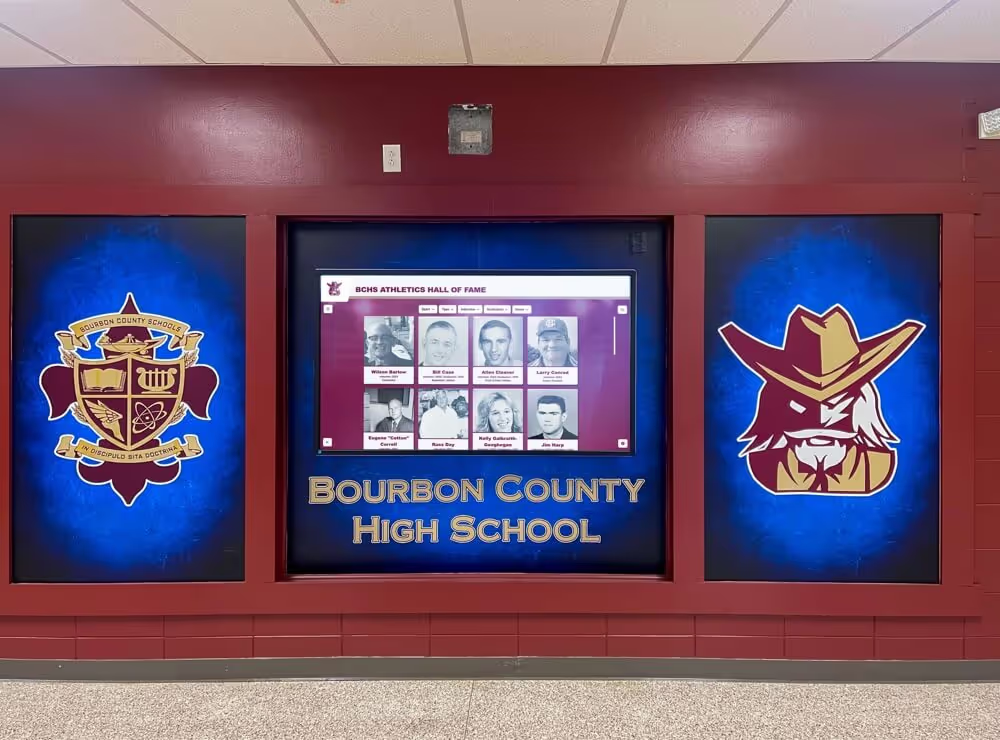
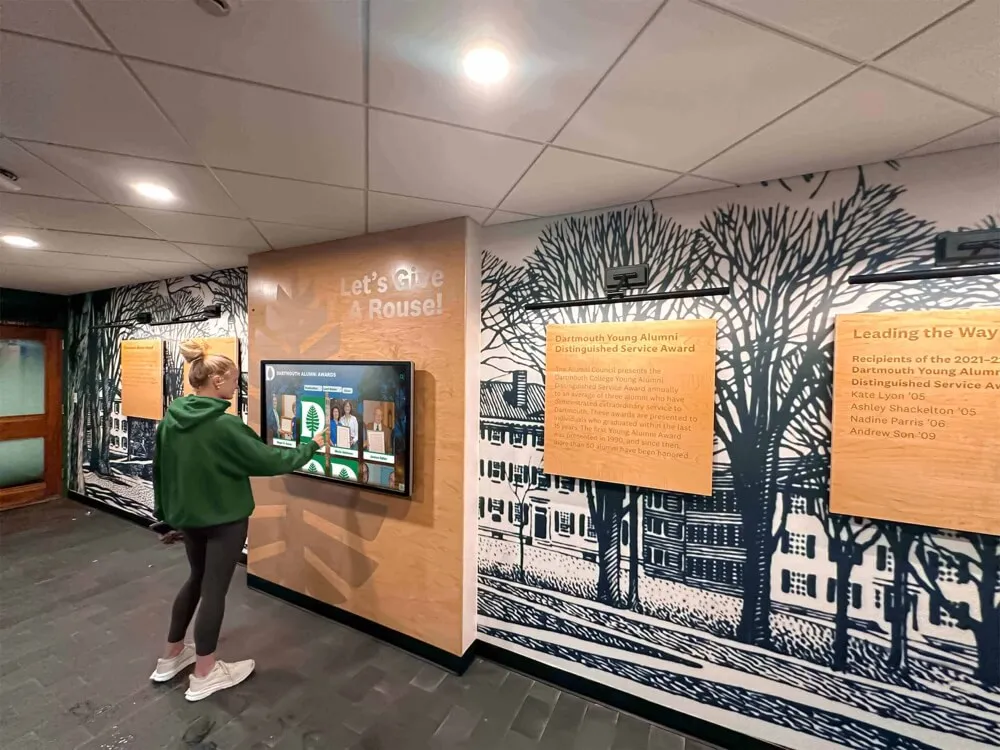
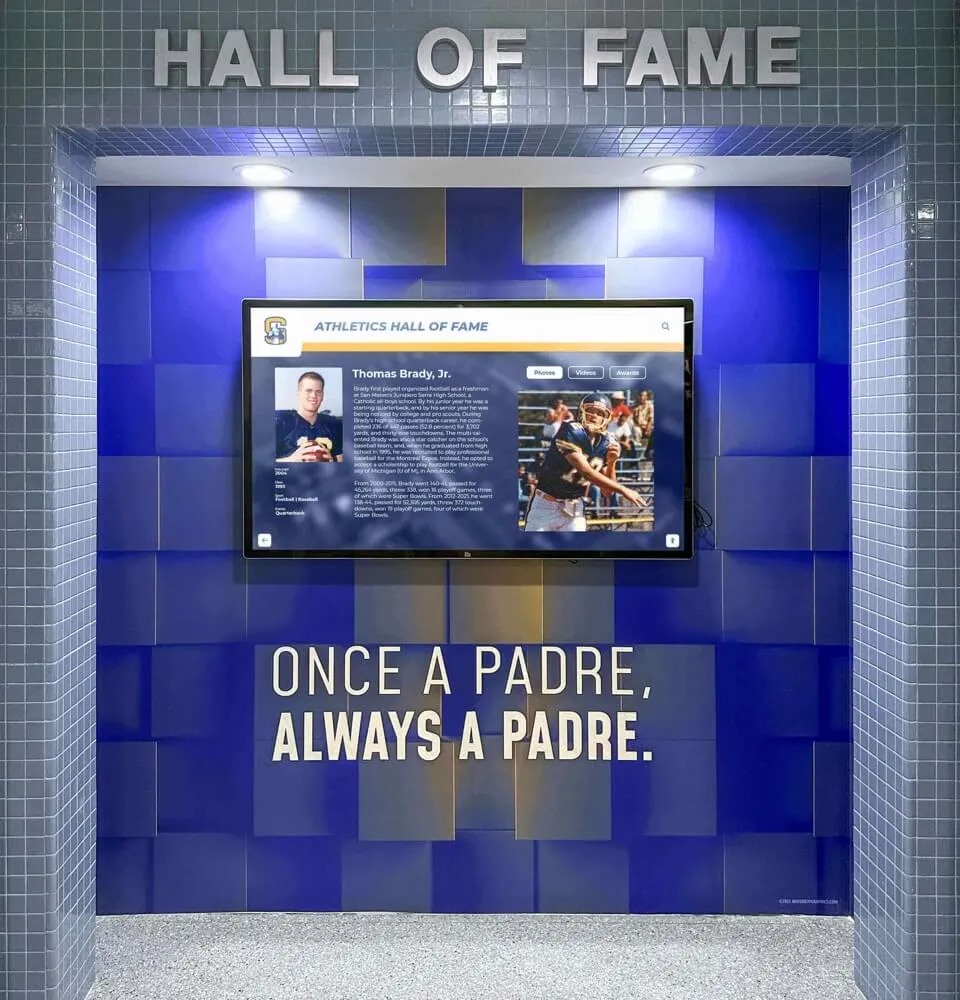
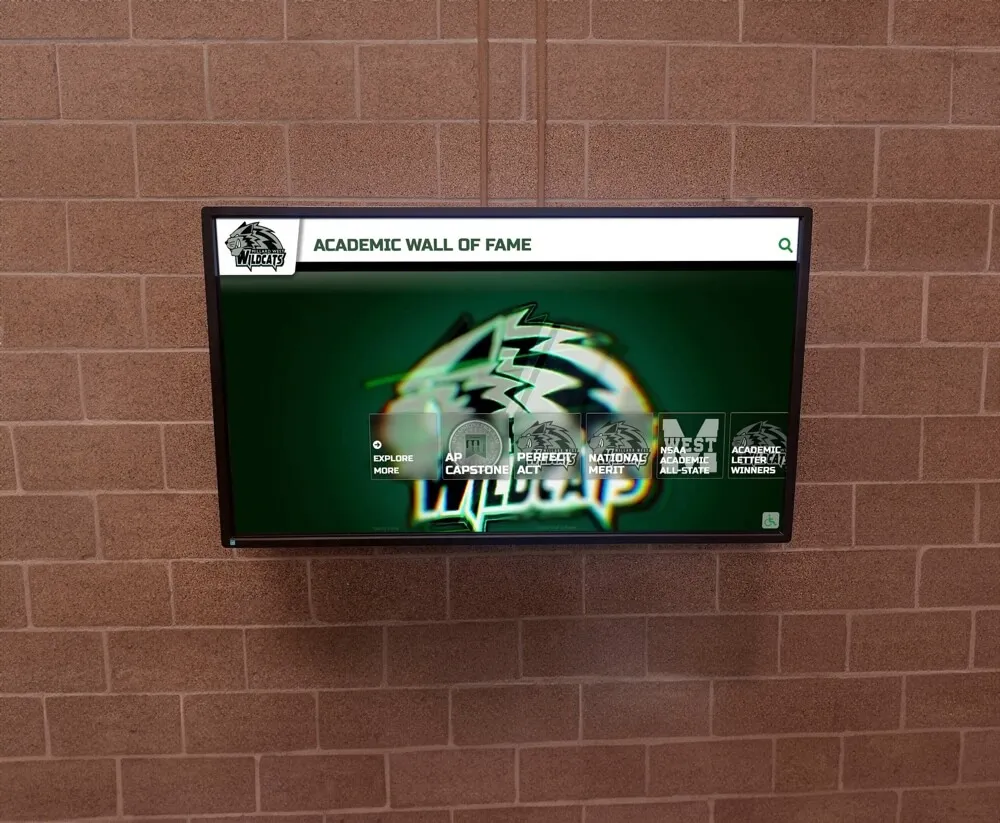
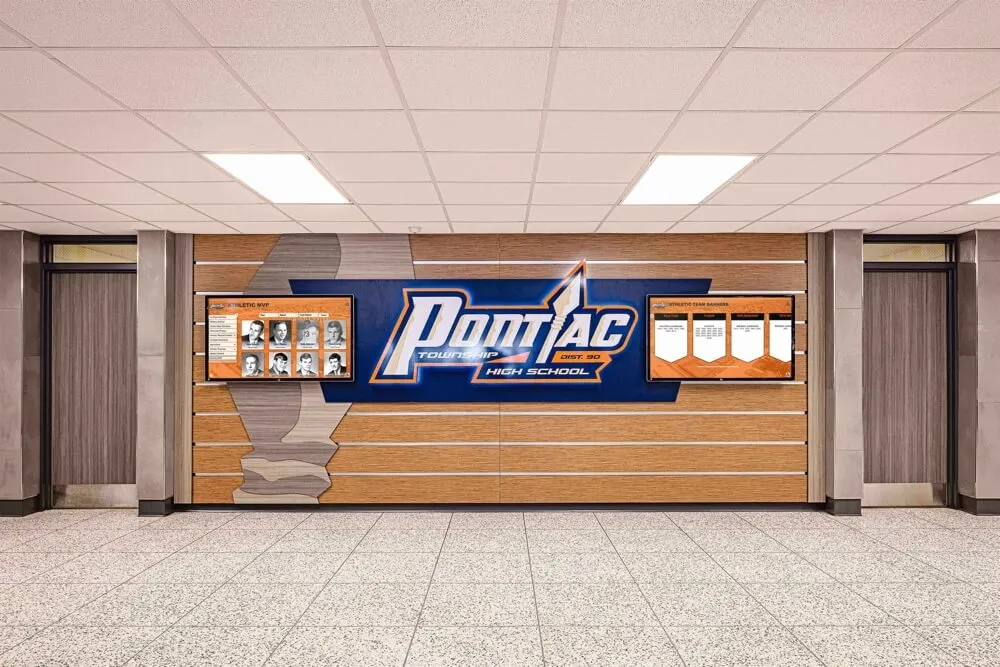
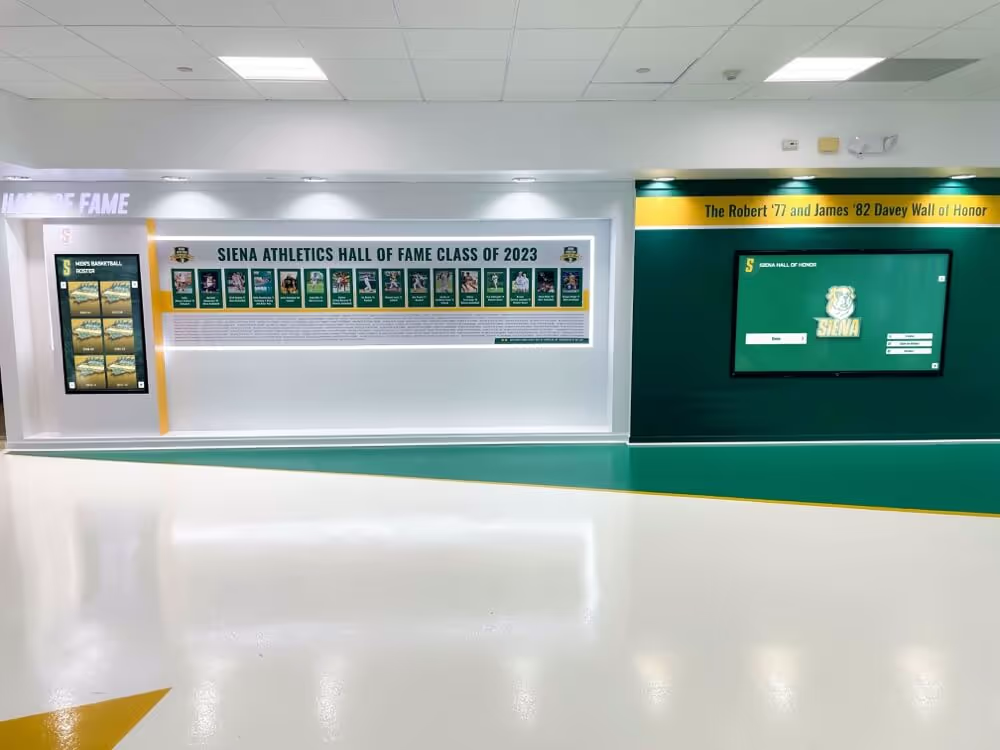
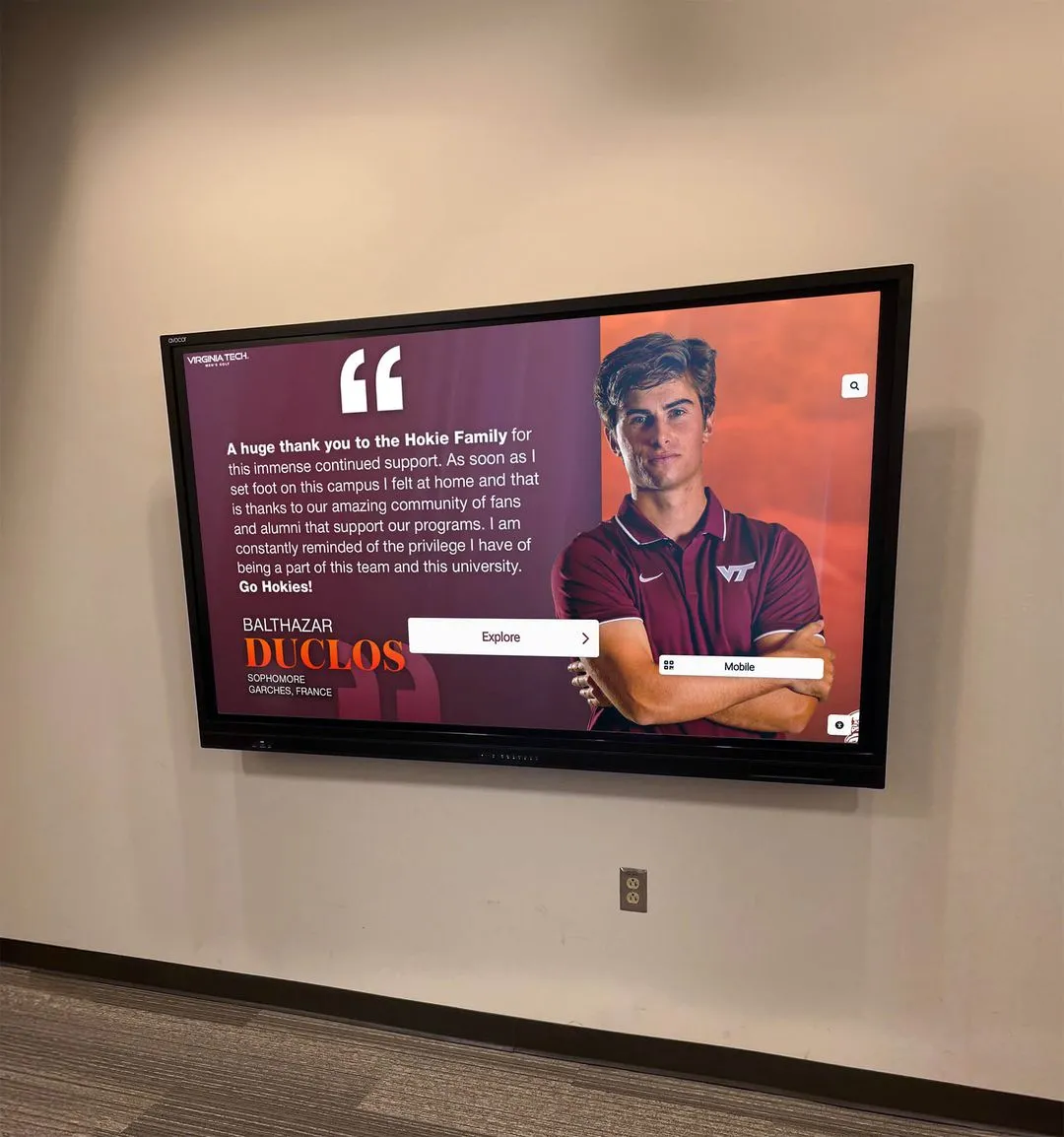
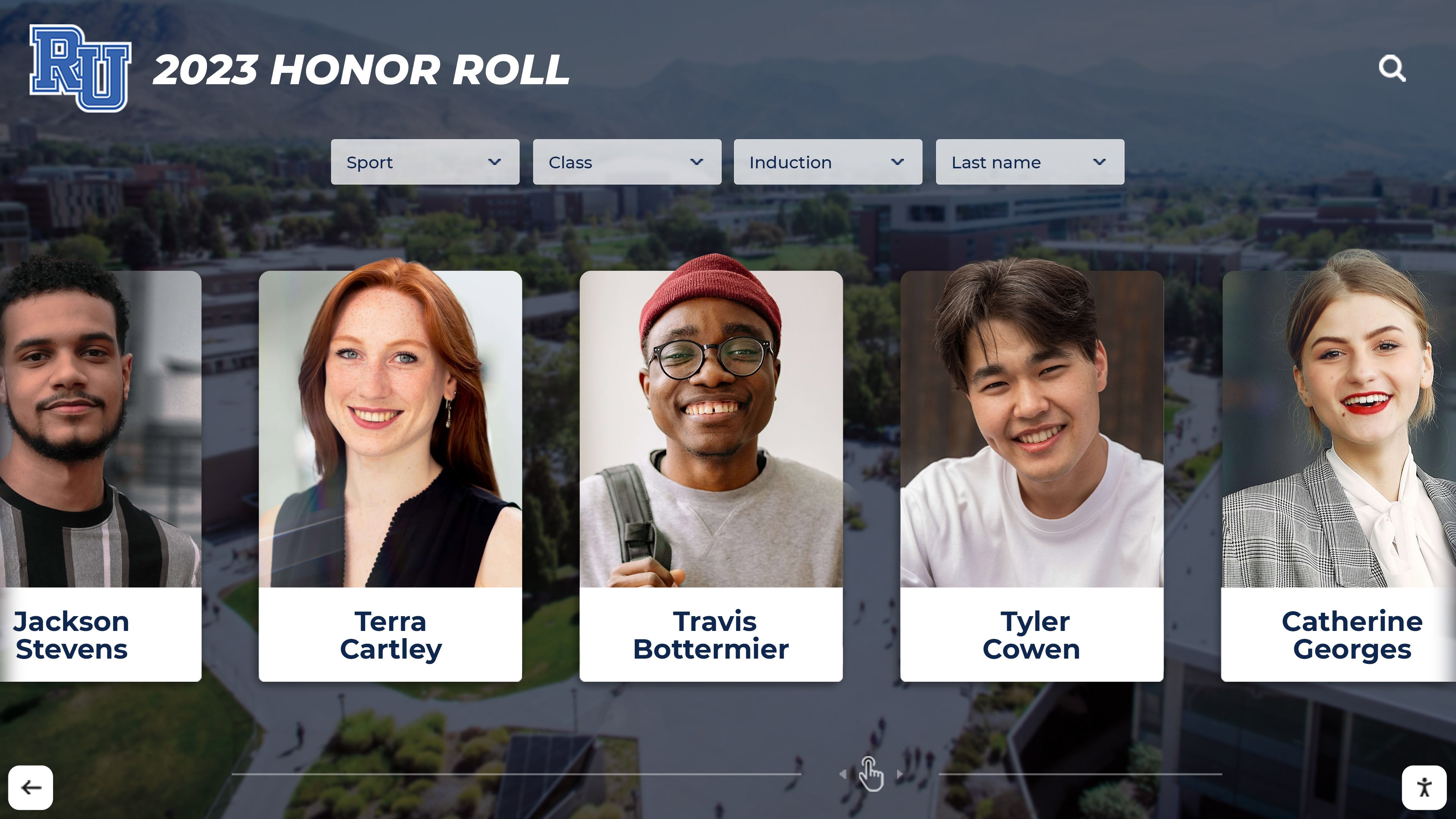
Modern recognition systems showcase diverse student achievements with professional displays celebrating individual accomplishments
Why Student Recognition Matters: The Research Behind School Awards
Understanding the impact of student recognition helps schools design award programs that maximize positive outcomes and justify resource investment.
Motivation and Achievement Enhancement
Educational research consistently demonstrates that recognition programs significantly influence student behavior and outcomes:
Academic Performance Impact
- Students receiving regular recognition demonstrate 18-25% higher sustained achievement compared to unrecognized peers, according to studies published by the American Educational Research Association
- Public acknowledgment creates positive peer influence encouraging academic excellence
- Visible student accomplishments normalize achievement as desirable and attainable
- Recognition reinforces specific behaviors and approaches worth repeating
Engagement and School Connectedness
- Recognized students show significantly higher school belonging scores
- Award programs reduce achievement gaps by motivating underperforming students
- Systematic recognition increases student participation in challenging activities
- Multiple award pathways ensure diverse learners find success opportunities
Long-Term Success Indicators Research from the University of Chicago Consortium on School Research indicates that students receiving meaningful recognition during K-12 education demonstrate higher college persistence rates, stronger career achievement, and greater civic engagement as adults—suggesting that school-age recognition creates lasting impacts extending far beyond immediate academic contexts.
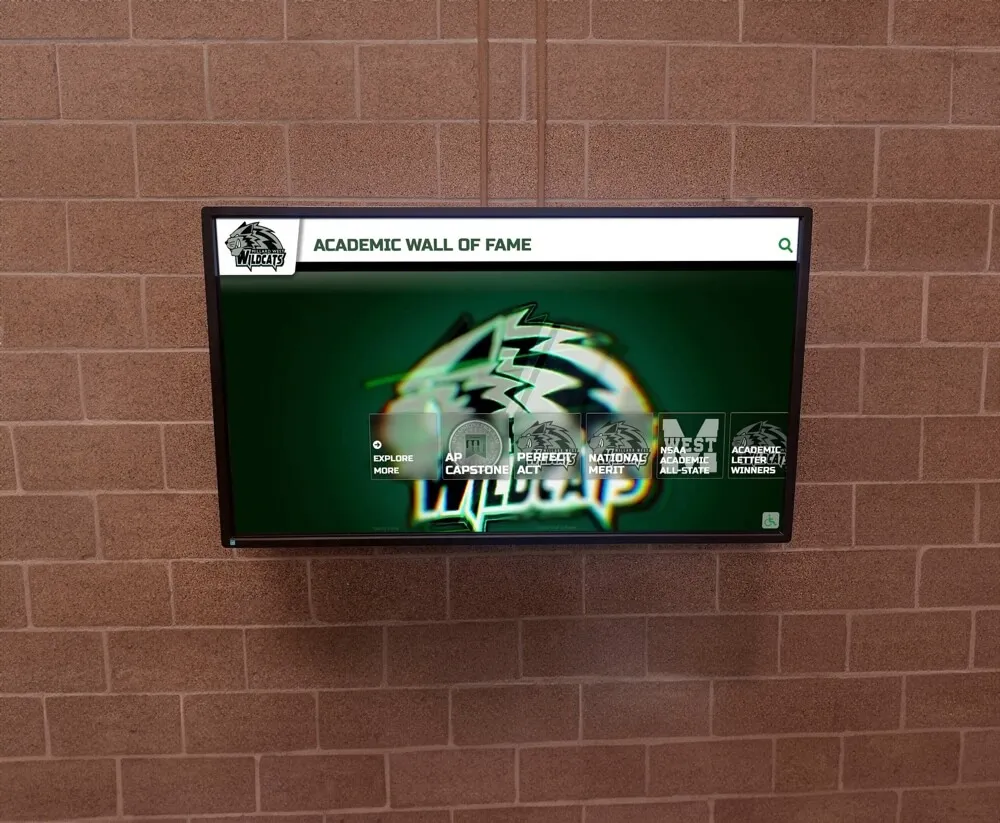
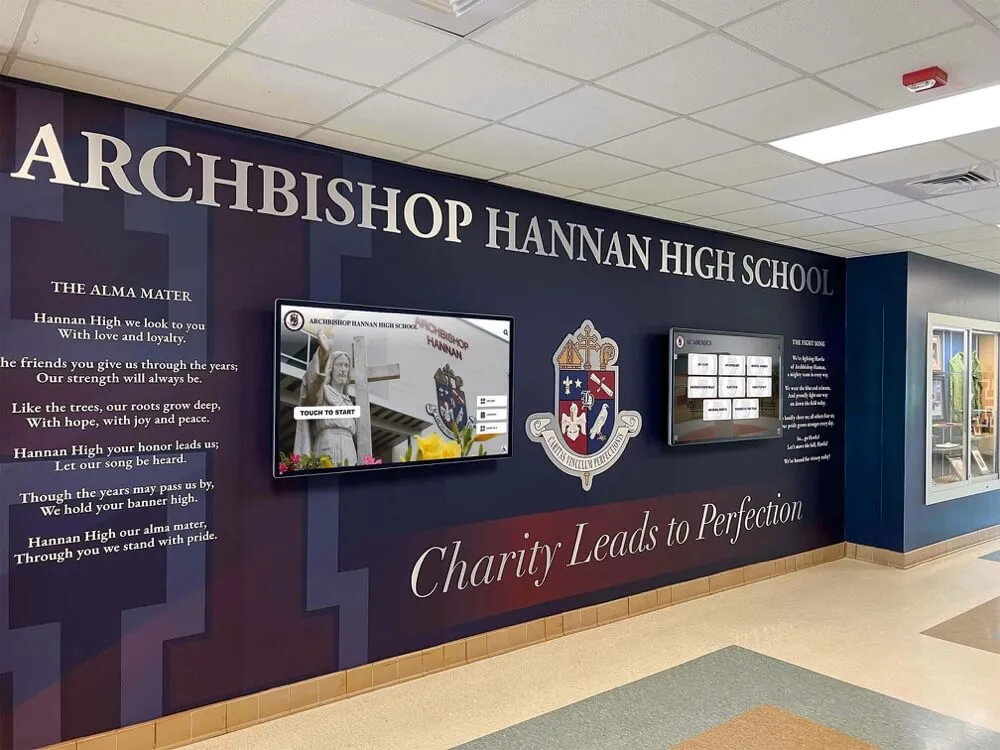
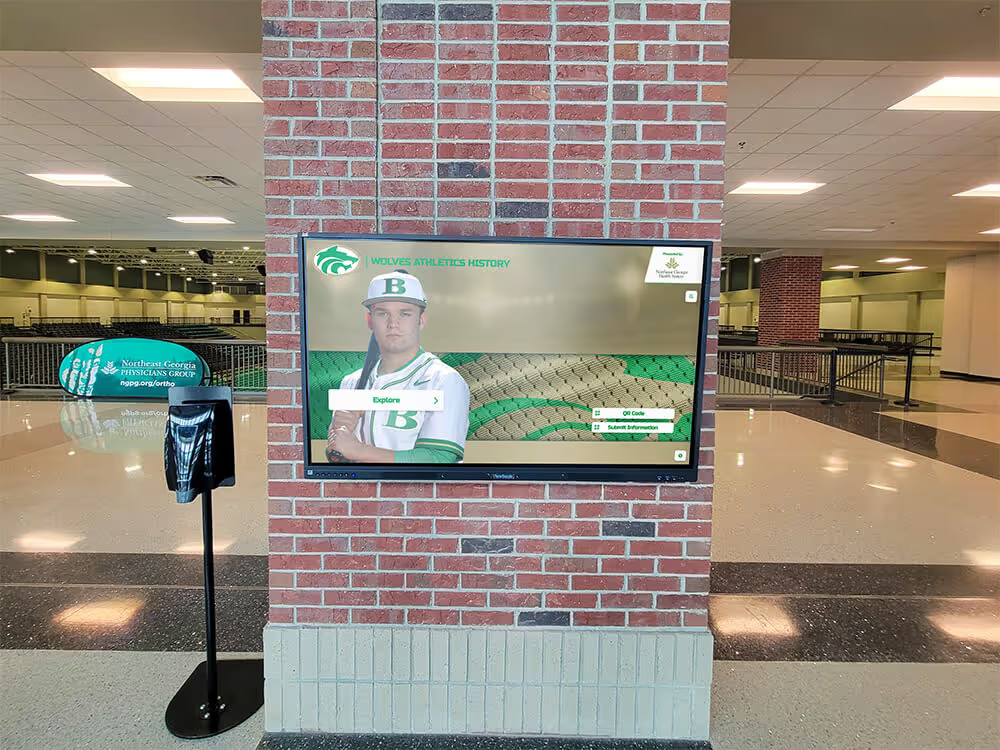
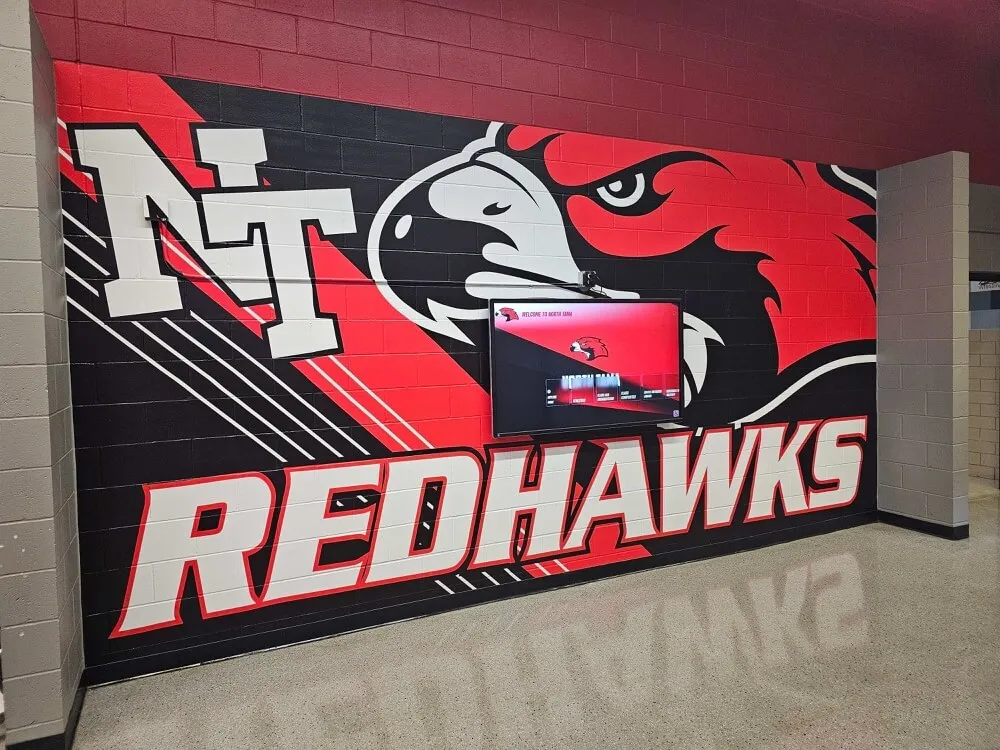
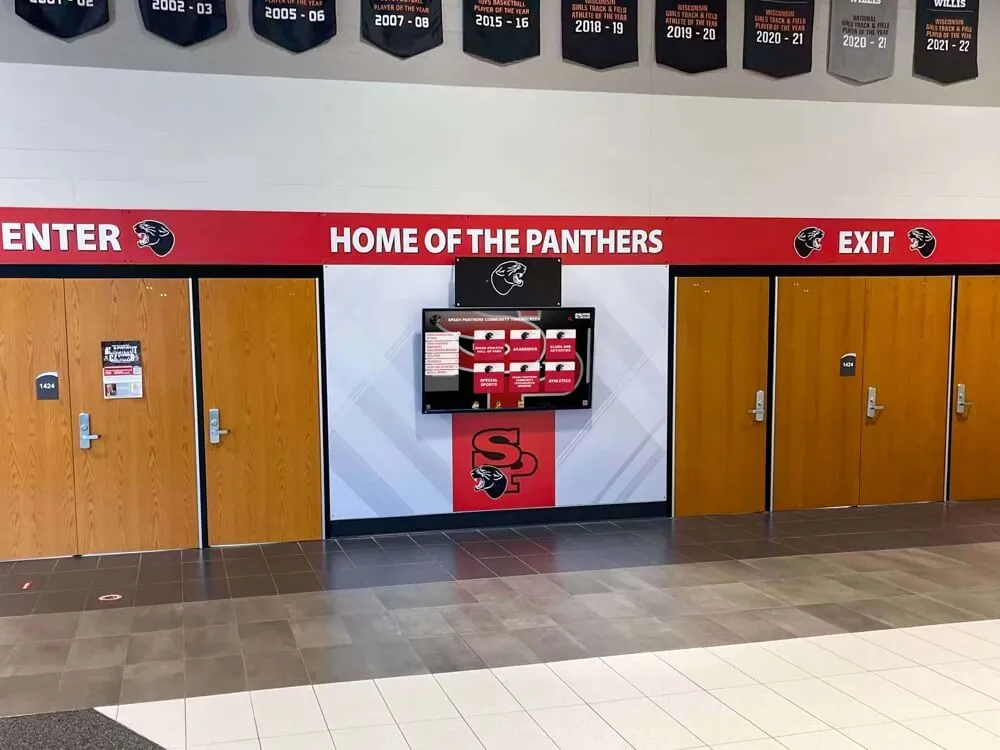
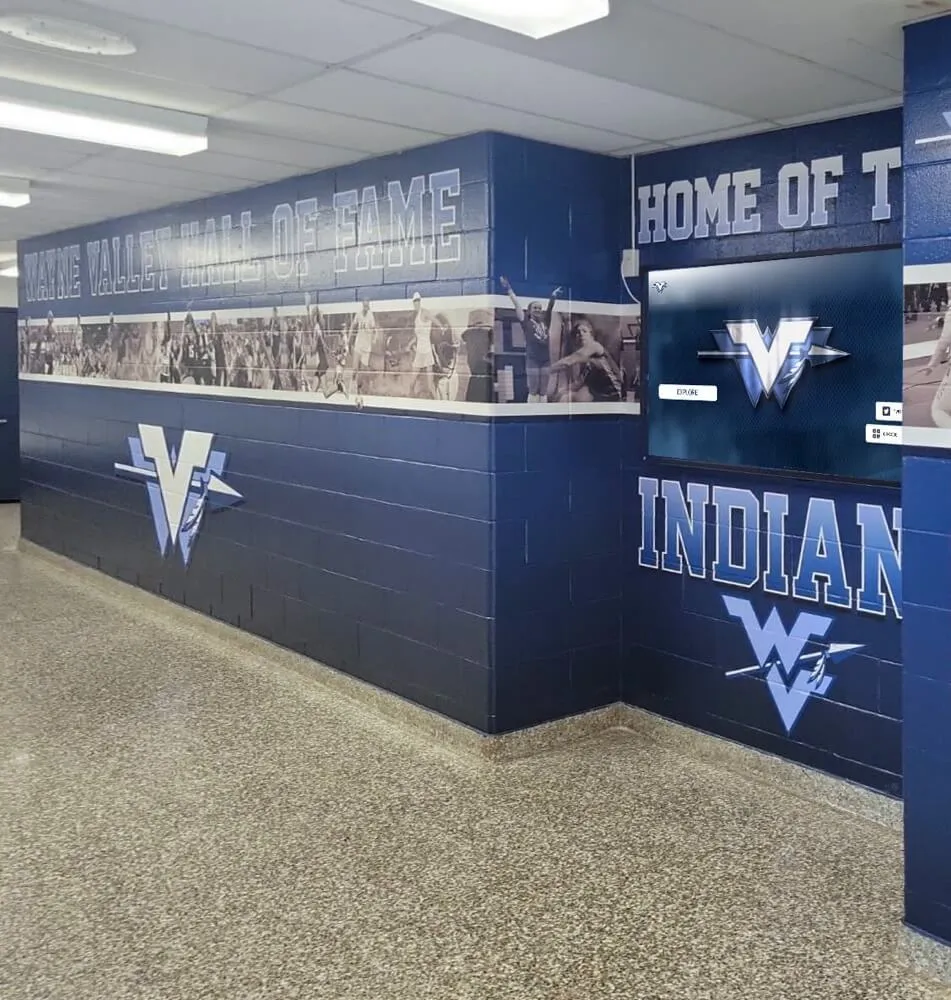
Permanent recognition displays make student achievement visible throughout campus, reinforcing the value of excellence
Building Positive School Culture
School award programs shape institutional culture in powerful ways:
Values Demonstration
- Awards signal what institutions truly value beyond stated mission statements
- Recognition categories communicate priorities to students, families, and community
- Systematic acknowledgment creates aspiration rather than resentment
- Comprehensive programs demonstrate commitment to whole-student development
Peer Influence and Social Norms When schools make diverse achievements visible through comprehensive award programs, they shift peer culture:
- Recognition reduces anti-achievement peer pressure
- Visible excellence creates positive competition and goal-setting
- Award diversity validates multiple pathways to success
- Systematic programs build communities valuing effort and improvement
Learn more about comprehensive academic recognition approaches that transform school culture.
Academic Achievement Awards: Categories and Examples
Academic recognition should celebrate intellectual accomplishment across all subjects and achievement dimensions.
Grade Point Average and Honor Roll Recognition
Traditional GPA-Based Awards
The foundation of most academic recognition programs:
Honor Roll Tiers
- President’s List / Principal’s List: Highest GPA threshold (typically 3.8-4.0)
- Dean’s List / Honor Roll: High achievement (typically 3.5-3.79)
- Merit Roll / Honorable Mention: Commendable achievement (typically 3.0-3.49)
- Perfect 4.0 GPA: Straight-A achievement recognition
- Cumulative Excellence: Multi-year honor roll achievement
Implementation Considerations
- Weighted vs. unweighted GPA determination
- Minimum course load requirements preventing gaming
- Frequency of recognition (quarterly, semester, annual)
- Public vs. private acknowledgment approaches
- Physical awards vs. certificate recognition
Many schools now recognize students at multiple intervals throughout the year rather than only annually, providing more frequent motivation and celebration opportunities. Explore effective honor roll digital recognition strategies that maintain year-round visibility.
Subject-Specific Academic Awards
Departmental Excellence Recognition
Every academic department should offer subject-specific awards:
Core Subject Awards
- Outstanding Achievement in Mathematics
- English/Language Arts Excellence Award
- Science Department Achievement Award
- Social Studies Distinction Award
- Foreign Language Proficiency Recognition
Specialized Academic Recognition
- Advanced Placement Scholar designations
- International Baccalaureate achievement awards
- Dual enrollment academic success
- STEM program excellence
- Career and technical education certifications
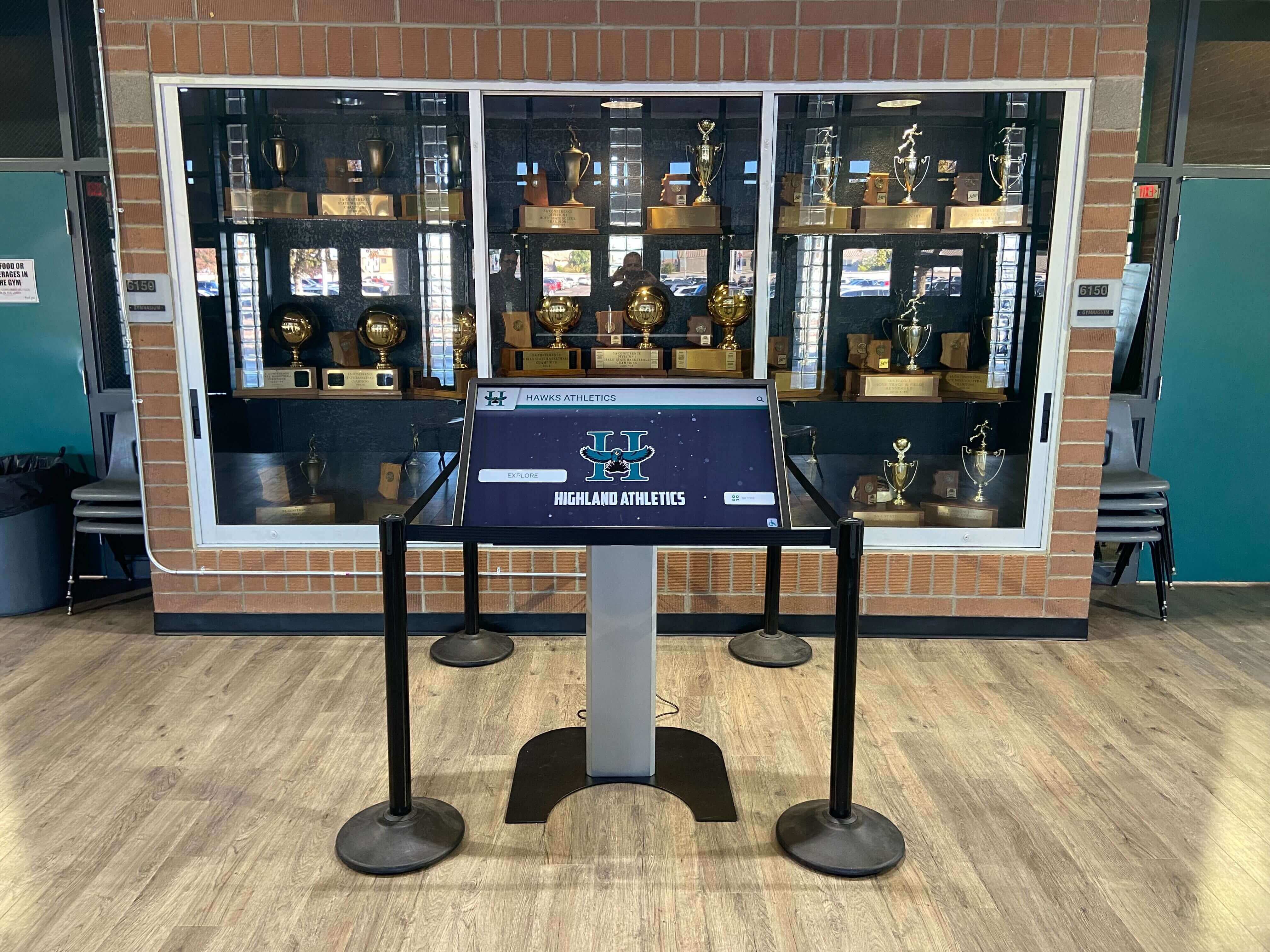
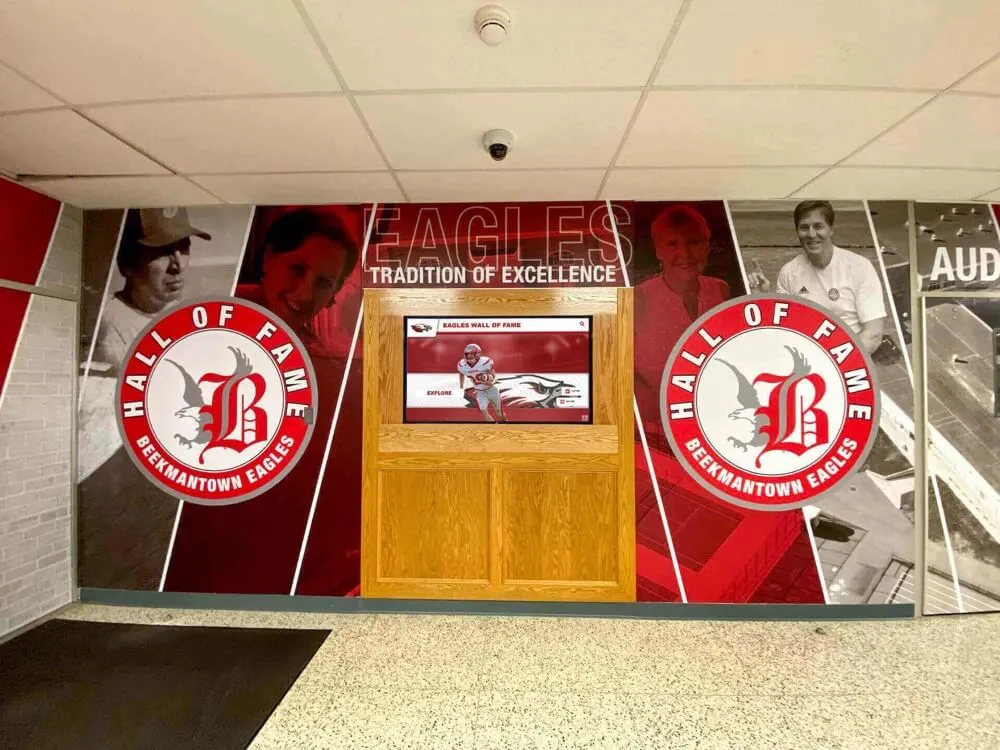
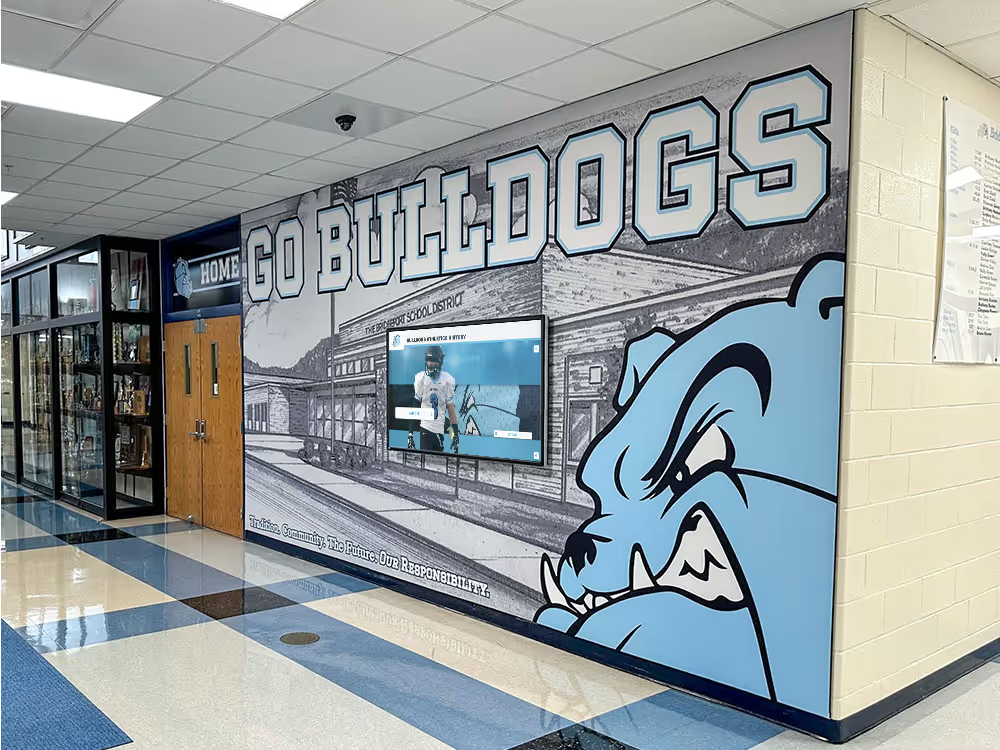
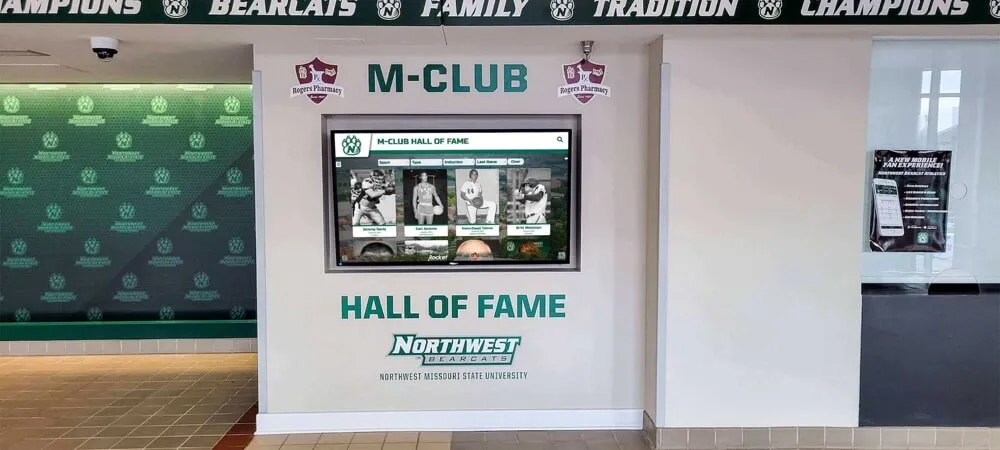
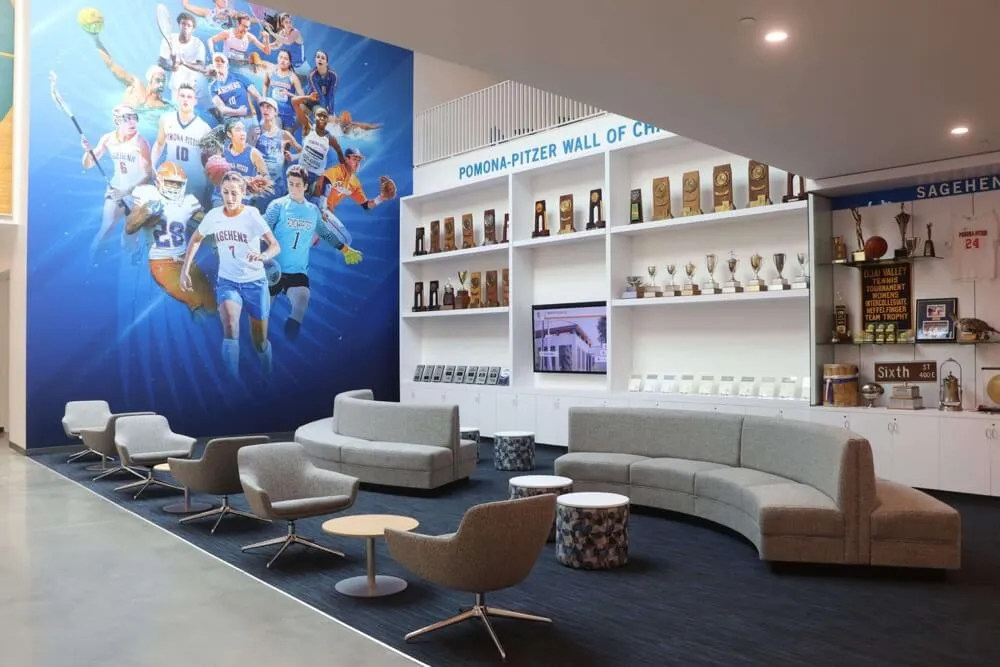
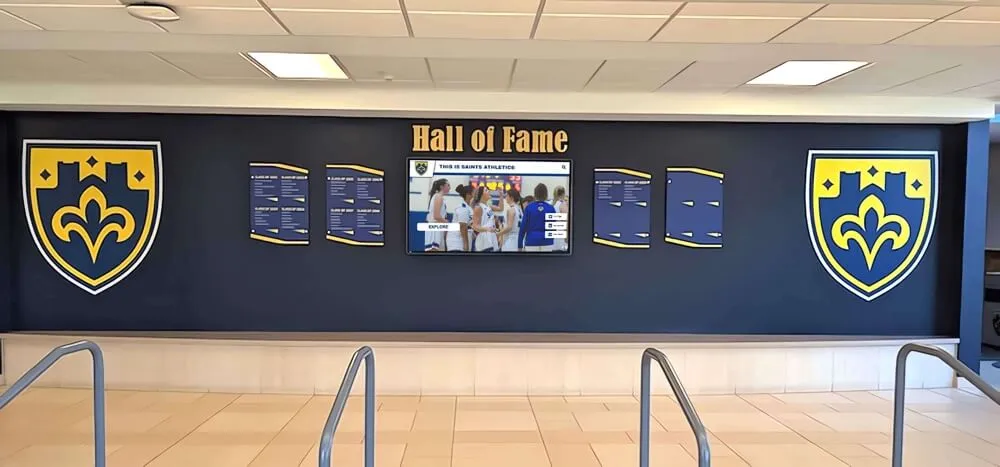
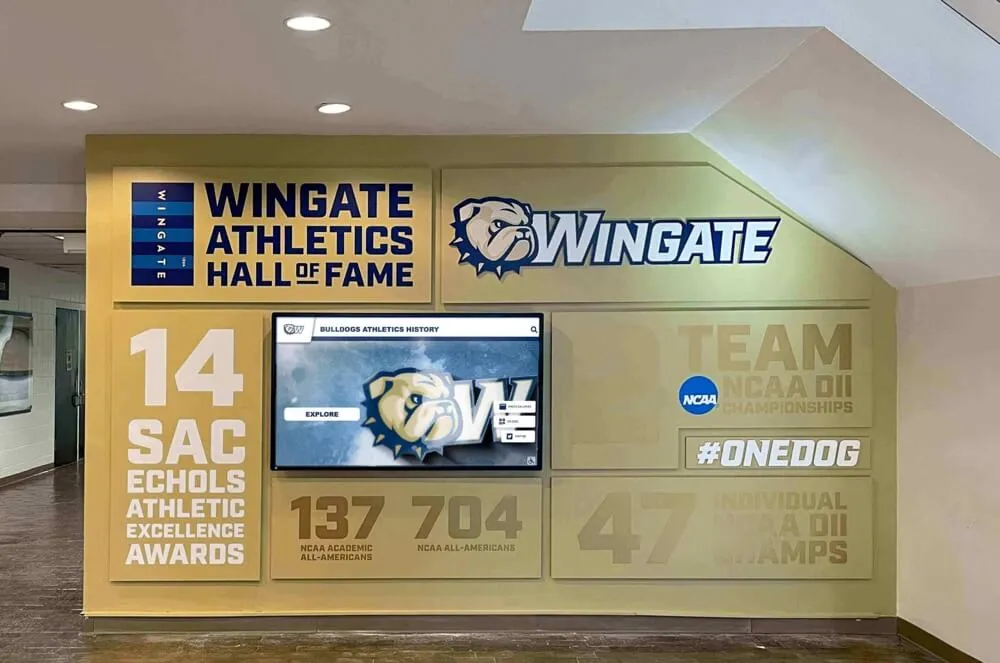
Digital displays integrate seamlessly with traditional trophy cases, expanding recognition capacity infinitely
Competition and Assessment Awards
- National Merit Scholar program recognition
- PSAT/SAT/ACT exceptional achievement
- State standardized test excellence
- Science Olympiad medals and team achievements
- Academic decathlon and quiz bowl recognition
- Spelling bee and geography bee champions
- Math competition success (AMC, MATHCOUNTS, etc.)
- Writing contest and publication recognition
Growth and Improvement Awards
Recognizing progress encourages students at all performance levels:
Most Improved Academic Achievement
- Highest GPA increase from previous marking period/year
- Subject-specific improvement recognition
- Grade advancement in challenging courses
- Reading level progression awards
- Study skill and work habit development
Effort and Persistence Recognition
- Perfect homework completion
- Consistent class participation excellence
- Academic perseverance through challenges
- Self-directed learning project completion
- Academic goal achievement recognition
Research from Stanford University indicates that students receiving recognition for improvement and effort demonstrate 40% higher subsequent motivation compared to students receiving only fixed achievement awards, highlighting the importance of growth-focused recognition alongside traditional academic honors.
Athletic Achievement Awards: Comprehensive Recognition Categories
Athletic programs offer extensive recognition opportunities celebrating sports excellence and character development.
Individual Athletic Achievement
Performance-Based Awards
- Most Valuable Player (MVP) by sport
- Team captain leadership recognition
- All-Conference, All-Region, All-State selections
- Statistical achievement awards (scoring leader, best defensive record, etc.)
- Championship game or tournament MVP
- Season record-breaking performances
Position or Role-Specific Awards
- Best offensive player awards
- Defensive player of the year
- Specialist recognition (kicker, goalkeeper, etc.)
- Most improved player by season
- Rookie of the year for first-year participants
Seasonal and Milestone Recognition
- Varsity letter awards for participation and performance standards
- Multi-year varsity participation recognition
- Senior athlete tribute awards
- Four-year commitment and dedication recognition
- 100-game participation milestones
Learn about athletic recognition best practices in celebrating National Student Athlete Day.
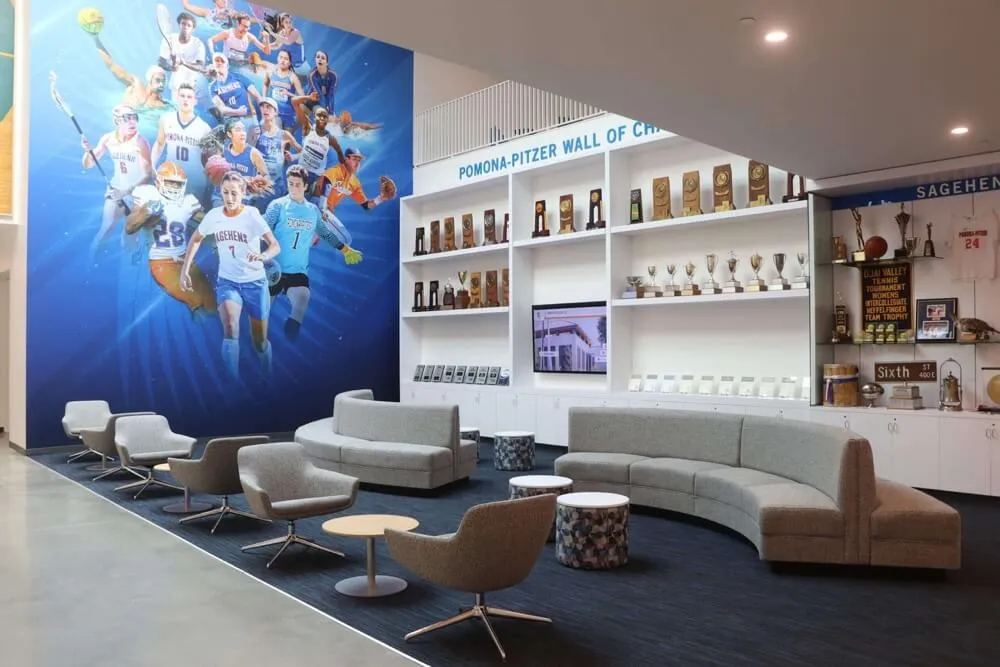
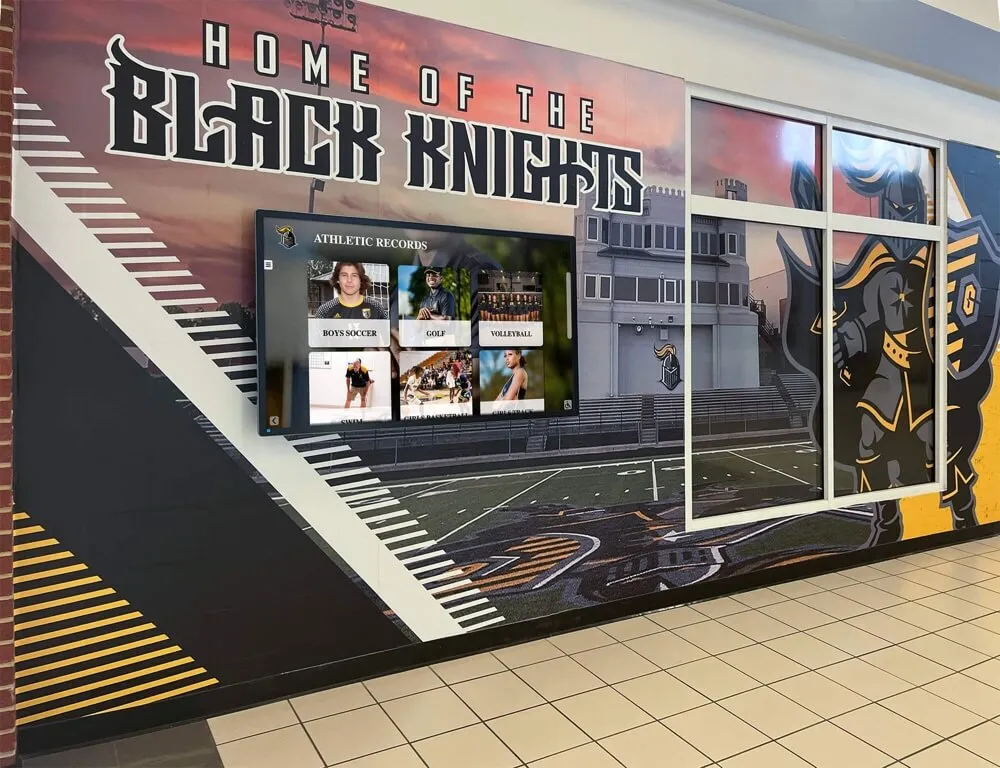
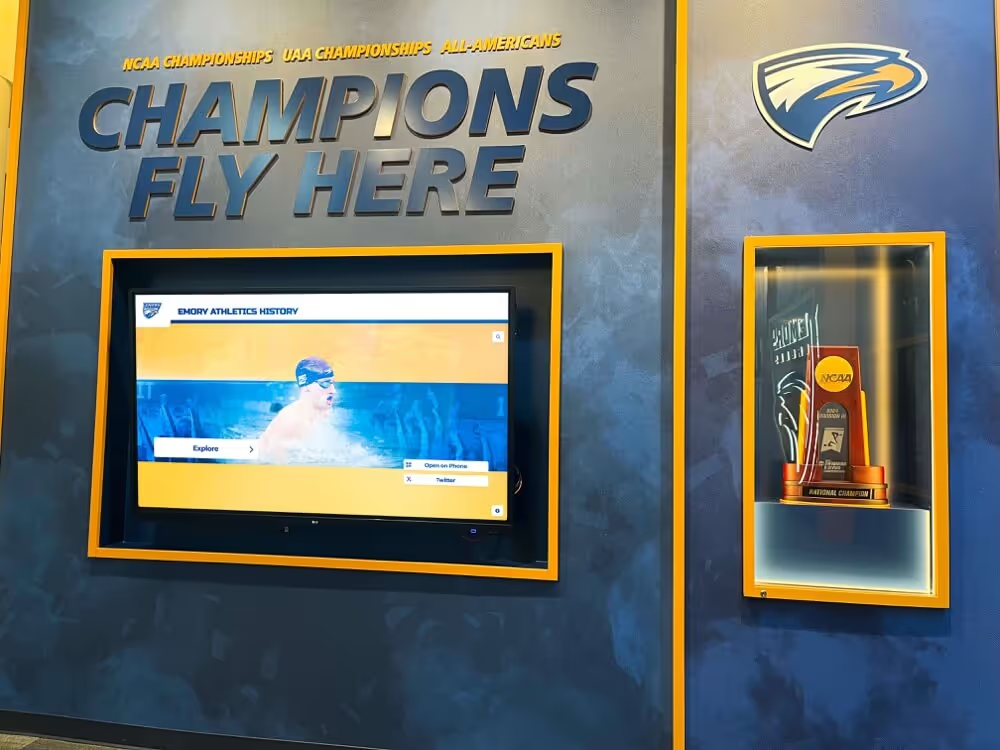
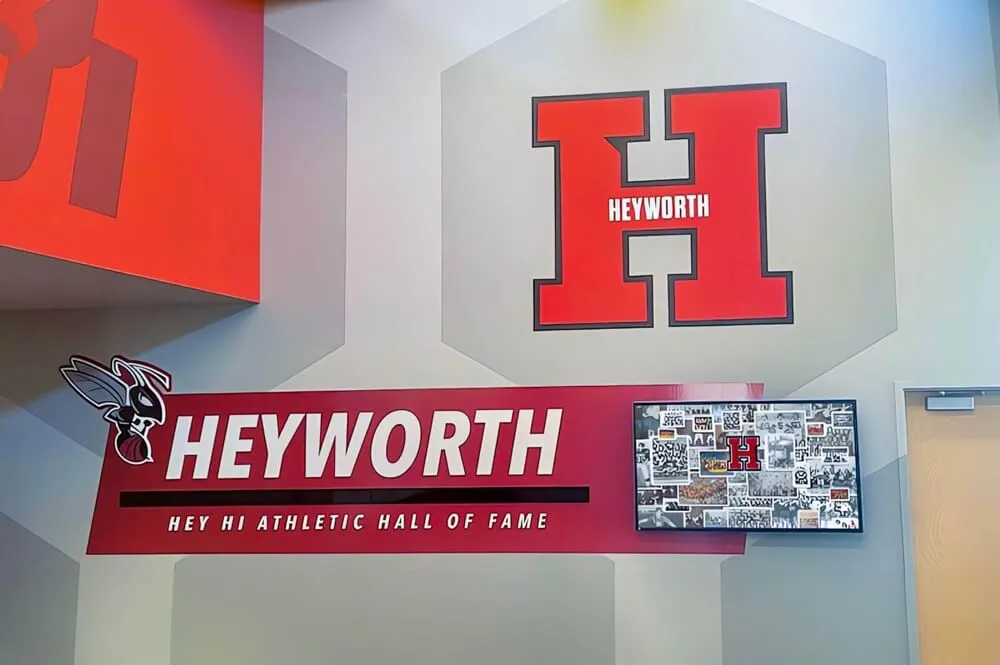
Comprehensive athletic recognition spaces celebrate both team championships and individual achievements
Sportsmanship and Character Awards
Athletic recognition should extend beyond performance statistics:
Sportsmanship Recognition
- Team Sportsmanship Award
- Individual Character in Athletics Award
- Coaches’ Award (recognizing intangibles)
- Hustle Award
- Team Player Award
- Leadership on and off the field recognition
Dedication and Work Ethic Awards
- Iron Person Award (never missed practice/game)
- Most Dedicated Athlete
- Practice Player of the Year
- Off-season Development Award
- Strength and conditioning achievement
- Film study and preparation recognition
Discover approaches for recognizing sportsmanship and character alongside athletic performance.
Team and Program Recognition
Beyond individual awards, team achievements deserve celebration:
Team Success Awards
- Conference championship recognition
- State/regional championship honors
- Tournament success acknowledgment
- Team record achievements (best season record, etc.)
- Improvement from previous season
- Academic All-Team recognition
Program Milestone Recognition
- 100th program victory
- Championship anniversary celebrations
- Coach milestone achievements
- Program record performances
- Hall of Fame inductions
Character, Leadership, and Service Awards
Comprehensive recognition programs acknowledge non-academic, non-athletic contributions.
Character and Citizenship Recognition
Core Values Awards
- Citizenship Award
- Integrity and Honesty Award
- Respect and Kindness Recognition
- Responsibility and Accountability Award
- School Spirit and Pride Award
- Positive Attitude Award
Peer-Nominated Character Awards Programs where students nominate peers often create the most meaningful character recognition:
- Student’s Student Award (peer-voted respect)
- Kindness and Inclusion Recognition
- Supportive Classmate Award
- Conflict Resolution and Peacemaking Recognition
- Random Acts of Kindness Acknowledgment
Behavioral Excellence
- Perfect attendance (single year and multi-year)
- Consistent punctuality recognition
- Zero disciplinary infractions
- Positive behavior intervention success
- Social-emotional growth recognition
Leadership Awards
Formal Leadership Recognition
- Student Government Officer Achievement
- Club President Recognition
- Team Captain Acknowledgment
- Peer Mentorship Excellence
- Leadership Program Completion
Emerging Leader Awards
- Future Leader Recognition (underclassmen)
- Leadership Potential Award
- Positive Influence Recognition
- Initiative and Innovation Award
- Problem-Solving Leadership
Specific Leadership Category Examples
- National Honor Society leadership
- Class officer recognition
- Club and organization founder awards
- Event planning and execution excellence
- Advocacy and voice leadership
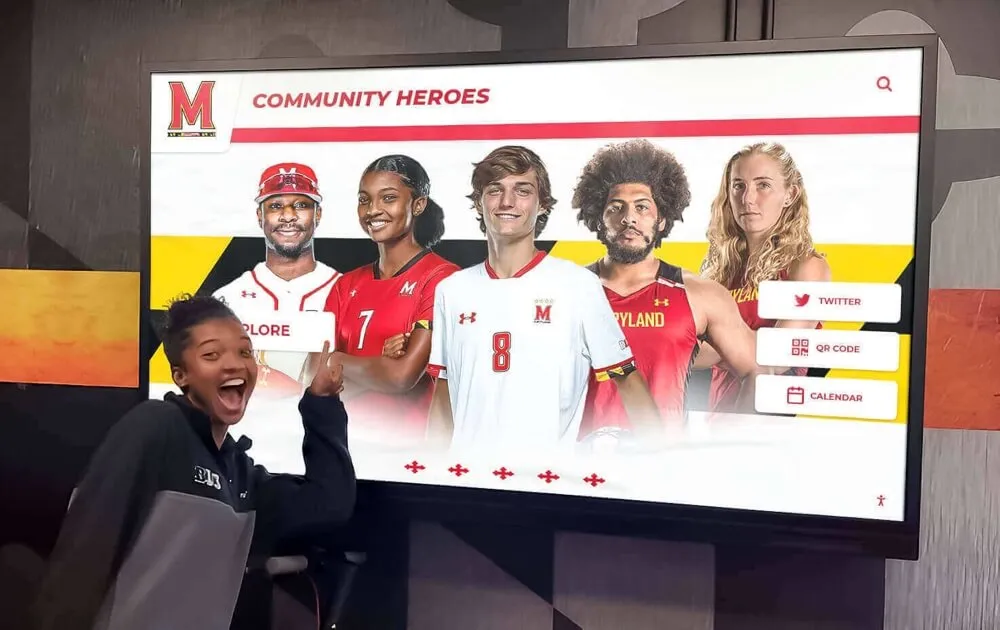
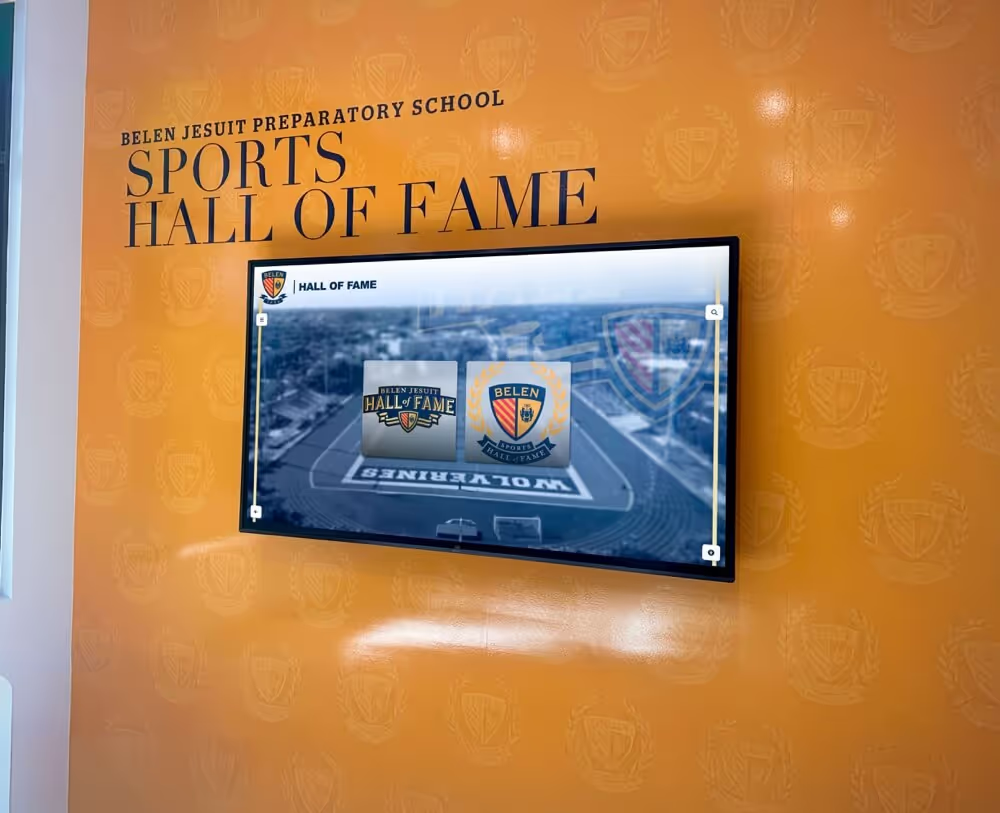
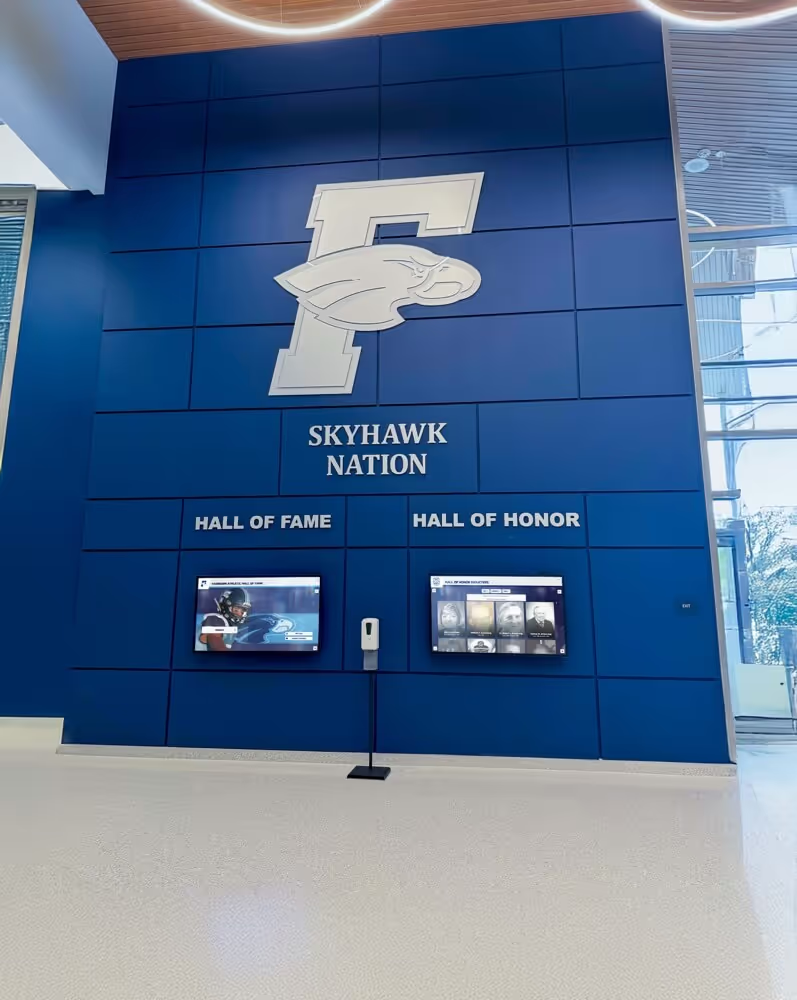
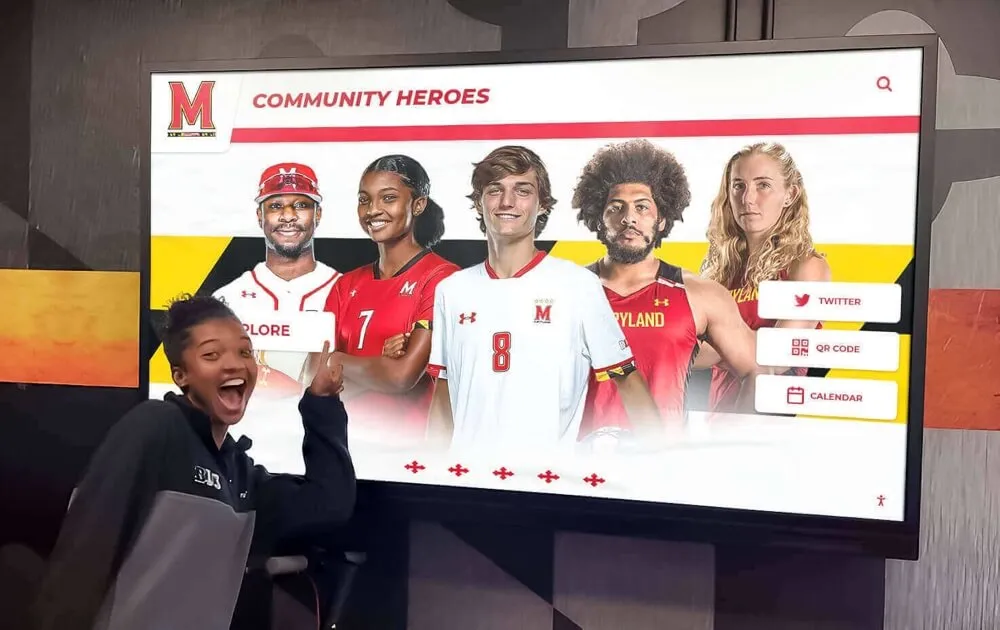
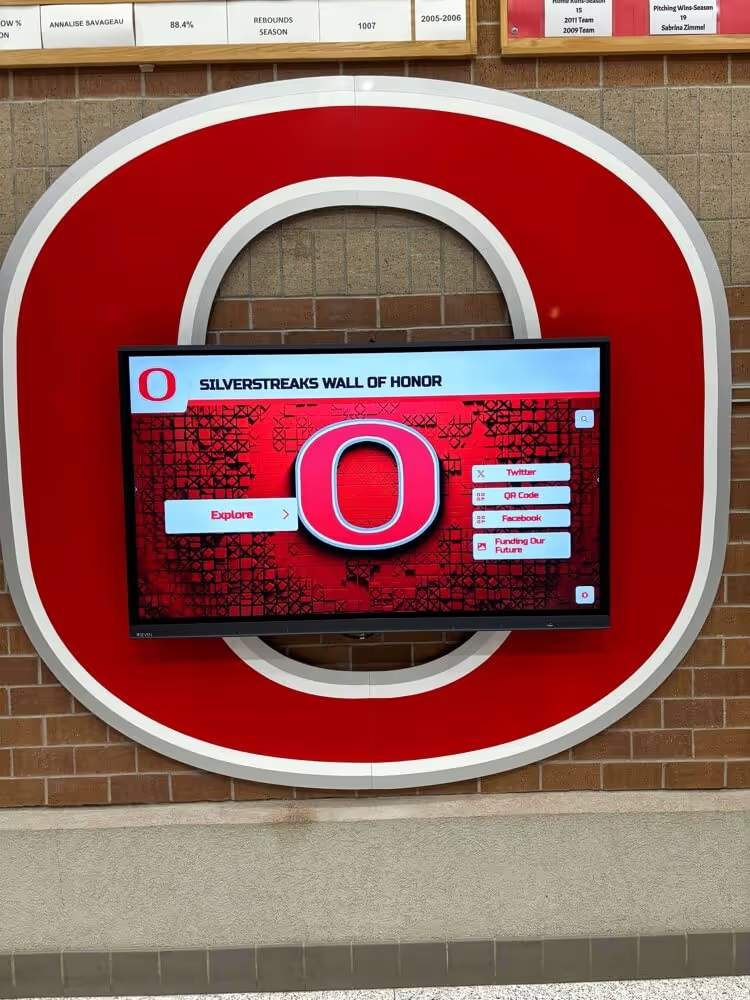
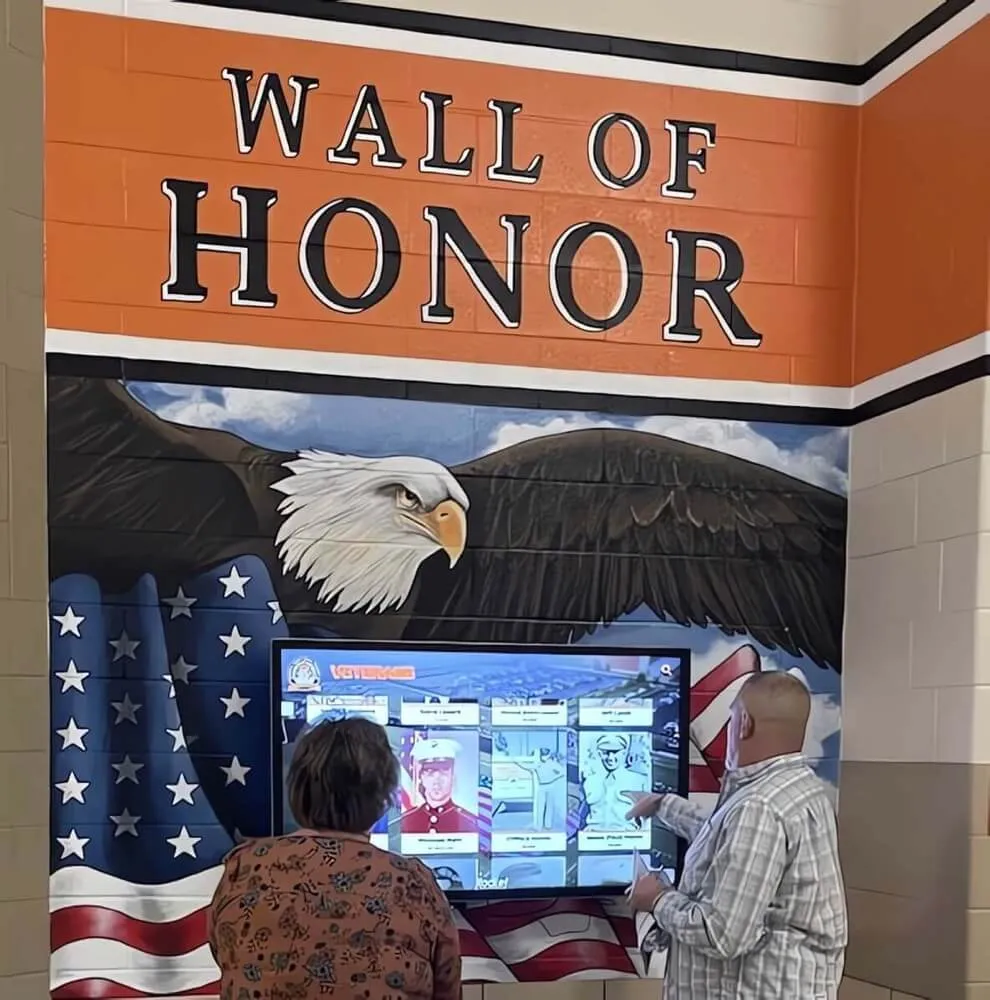
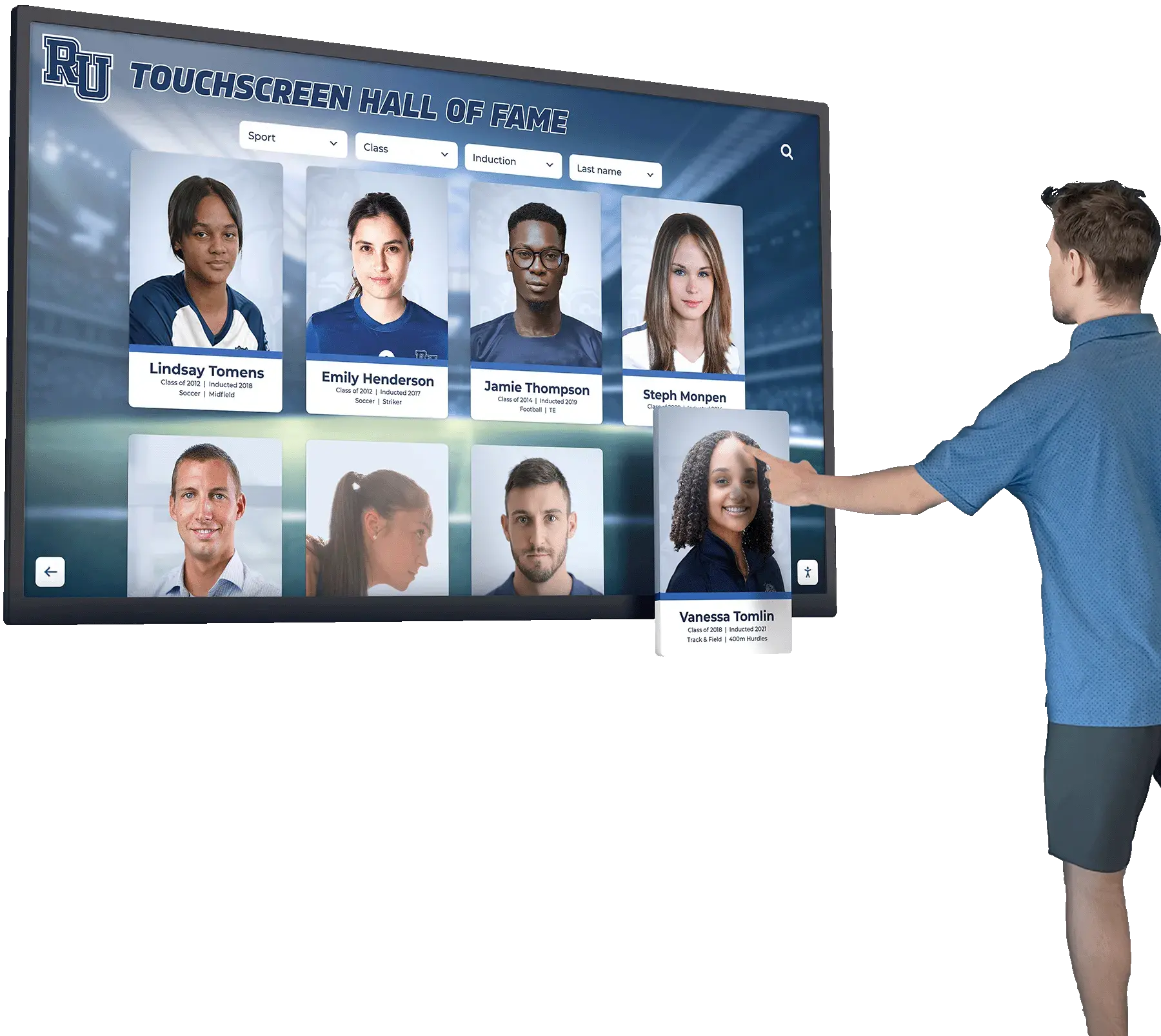
Interactive displays enable students to explore achievements and feel connected to recognition traditions
Service and Community Contribution Awards
Volunteer Hour Recognition
- Milestone hour achievements (25, 50, 100, 200+ hours)
- Sustained service commitment (multi-year volunteering)
- Service project leadership
- Community partnership recognition
- Service learning excellence
Impact-Based Service Awards Beyond counting hours, recognize measurable community impact:
- Community Problem-Solving Award
- Service Innovation Recognition
- Nonprofit Partnership Excellence
- Social Justice Advocacy Award
- Environmental Stewardship Recognition
Specific Service Category Examples
- Tutoring and peer support recognition
- Community event volunteer excellence
- Food bank/charity work acknowledgment
- Senior citizen program participation
- Youth mentorship recognition
Learn about comprehensive approaches in volunteer service recognition displays.
Arts, Activities, and Special Talent Awards
Recognition should celebrate diverse talents beyond traditional academics and athletics.
Visual and Performing Arts Recognition
Music Achievement Awards
- Outstanding Musician by instrument section
- All-State/All-Region band, orchestra, choir selection
- Solo and ensemble competition recognition
- Music theory and composition excellence
- Concert performance leadership
- Music department service award
Theater and Drama Recognition
- Outstanding Performance (lead and supporting roles)
- Technical theater excellence (lighting, sound, stage crew)
- Musical theater achievement
- Drama competition success
- Theater leadership and dedication
- One-act play festival recognition
Visual Arts Achievement
- Art competition and exhibition awards
- Portfolio development excellence
- Specific medium mastery (ceramics, painting, photography, etc.)
- Art show participation and recognition
- Artistic growth and improvement
- Community art project leadership
Dance and Movement
- Choreography excellence
- Performance achievement
- Technical skill development
- Dance competition recognition
- Teaching and mentorship in dance
Technology, Innovation, and Special Interests
STEM and Technology Recognition
- Robotics competition achievement
- Coding and programming excellence
- Science fair participation and awards
- Engineering design challenge success
- Technology innovation projects
- Maker space and fabrication achievements
Career and Technical Education Awards
- Industry certification completion
- Skills competition success (SkillsUSA, DECA, FBLA, FFA, etc.)
- Internship and work-based learning excellence
- Technical portfolio development
- Entrepreneurship and business plan recognition
- Applied learning project achievements
Explore CTE program recognition strategies celebrating career readiness.
Special Interest and Unique Talent Awards
- Journalism and publication excellence
- Yearbook and student media recognition
- Debate and forensics achievement
- Model UN distinction
- Environmental club leadership
- Gaming and esports recognition (growing category)
- Chess and strategic game achievements
Specialized Recognition Categories
Beyond standard award categories, consider specialized recognition addressing unique circumstances and achievements.
Equity and Inclusion-Focused Awards
First-Generation Recognition
- First in family pursuing higher education
- College Board National Recognition Programs
- Breaking barriers acknowledgment
- Educational access advocacy
Overcoming Obstacles Awards
- Achievement despite significant challenges
- Resilience and perseverance recognition
- Comeback and recovery acknowledgment
- Growth through adversity awards
Inclusion and Bridge-Building
- Cultural awareness and appreciation
- Multilingual proficiency and bridge-building
- Disability advocacy and inclusion
- LGBTQ+ ally recognition
- Cross-cultural connection leadership
Grade-Level Specific Awards
Elementary School Recognition
- Star Student weekly/monthly recognition
- Reading achievement milestones
- Math facts mastery
- Positive behavior and classroom citizenship
- Academic growth and improvement
- Perfect attendance
- Kindness and friendship awards
Middle School Awards
- Subject area achievement by grade level
- Advisory/homeroom recognition
- Transitional excellence (elementary to middle, middle to high)
- Leadership development recognition
- Academic and personal growth
- Positive peer influence
High School Specific Recognition
- Freshman adaptation and success
- Sophomore achievement and involvement
- Junior leadership and preparation
- Senior legacy and cumulative accomplishment
- Four-year dedication and participation
- College and career readiness achievement
Senior-Specific Awards
- Valedictorian and salutatorian
- Scholarship recipient recognition
- College acceptance celebration
- Career readiness certification completion
- Senior class contribution awards
- Alumni legacy connections
Learn about effective senior recognition program strategies honoring cumulative achievement.
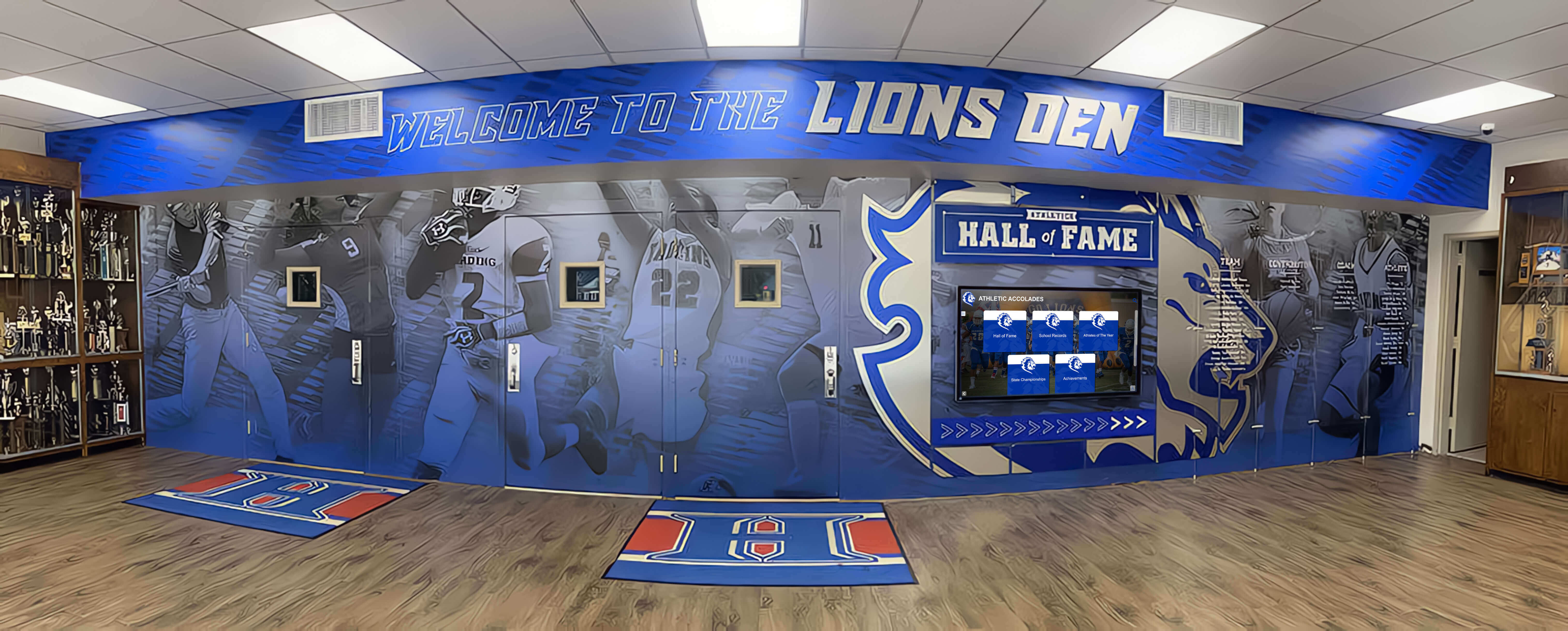
Comprehensive recognition spaces integrate multiple display types celebrating diverse student accomplishments
Implementing Effective School Award Programs
Creating meaningful recognition requires systematic planning, clear criteria, and sustainable management.
Establishing Selection Criteria
Objective vs. Subjective Awards
Different award types require different selection approaches:
Objective Criteria Awards
- GPA thresholds with clear cutoff points
- Statistical achievement (points scored, times achieved, etc.)
- Quantifiable milestones (service hours, attendance records)
- Competition results and placements
- Standardized test scores and percentiles
Subjective Criteria Awards
- Character and citizenship recognition
- Leadership impact assessment
- Artistic merit and creativity
- Improvement and growth evaluation
- Coach, teacher, and peer nominations
Best Practices for Subjective Awards
- Multiple evaluators providing independent input
- Documented evidence supporting nominations
- Standardized rubrics when possible
- Transparent criteria communicated in advance
- Committee-based final decisions
- Clear rationale for selections
Creating Inclusive Recognition Systems
Ensuring Broad Participation
Effective programs provide recognition opportunities across all student populations:
Multiple Pathway Design
- Achievement recognition for different starting points
- Growth-based awards alongside absolute achievement
- Effort and persistence recognition
- Specialized talent categories
- Character-based awards
Avoiding Common Pitfalls
- Recognition limited to highest achievers
- Same students winning repeatedly
- Athletic recognition overshadowing academics
- Traditional academics dominating other achievements
- Expensive participation requirements creating barriers
- Subjective favoritism perceptions
Equity Monitoring Regularly analyze recognition distribution:
- Demographic representation across award categories
- Grade level participation patterns
- First-time recipient tracking
- Repeat winner frequency
- Socioeconomic diversity in recognition
- Special education and accommodation inclusion
Award Presentation and Ceremony Planning
Recognition Event Formats
Different awards deserve different presentation approaches:
Daily/Weekly Recognition
- Morning announcement highlights
- Digital display features
- Classroom acknowledgment
- Newsletter mentions
- Social media posts
Monthly/Quarterly Recognition
- Student of the month presentations
- Honor roll assemblies
- Department recognition events
- Advisory/homeroom celebrations
- Certificate presentations
Annual Recognition Ceremonies
- End-of-year awards banquets
- Academic excellence nights
- Athletic awards ceremonies
- Arts showcases and recognition
- Senior awards and scholarship presentations
Learn comprehensive awards ceremony planning strategies.
Presentation Best Practices
- Appropriate formality matching achievement significance
- Detailed explanation of what each award recognizes
- Individual student recognition with specific accomplishments noted
- Family invitation and participation
- Professional photography and documentation
- Equal presentation time across award categories
- Student voice and peer recognition elements
Modern Recognition Display Solutions
Traditional approaches to displaying student awards—static trophy cases, printed certificates, wall plaques—quickly become outdated and run out of space.
Digital Recognition Platforms
Solutions like Rocket Alumni Solutions transform how schools showcase student achievements:
Unlimited Recognition Capacity
Digital systems eliminate physical space constraints:
- Single display showcases unlimited students across all categories
- No need to remove previous recipients to add new ones
- Comprehensive historical archives preserving recognition tradition
- All achievement types receive equal display capacity
- Easy organization by category, year, achievement type, or student
Interactive Exploration Features
Touchscreen capabilities create engagement impossible with static displays:
- Search functionality enabling students to find themselves and peers
- Filtering by achievement type, year, category, and department
- Detailed profile pages with photos, descriptions, and accomplishments
- Achievement documentation with statistics and context
- Video highlights and ceremony footage when available
- Social sharing capabilities for families
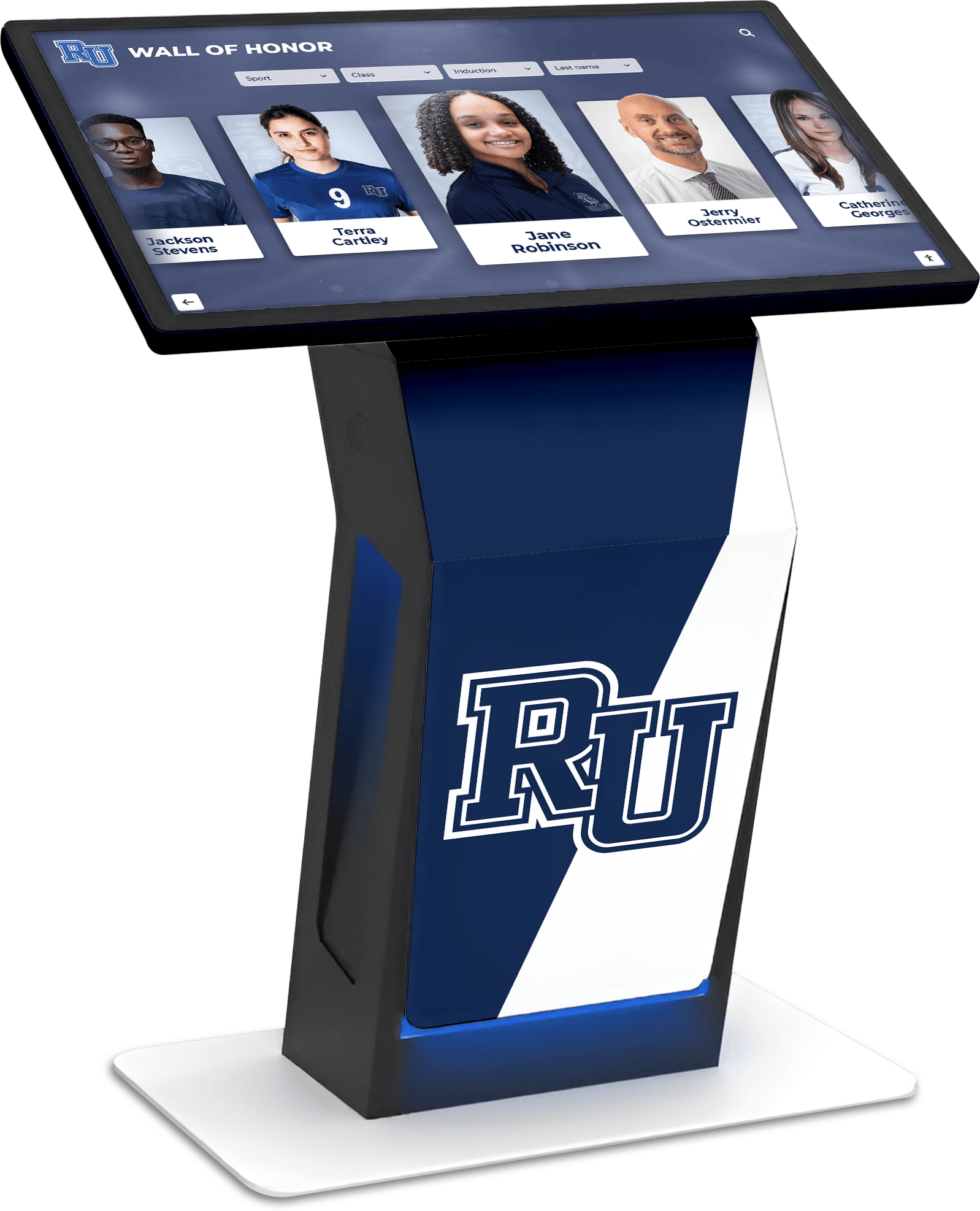
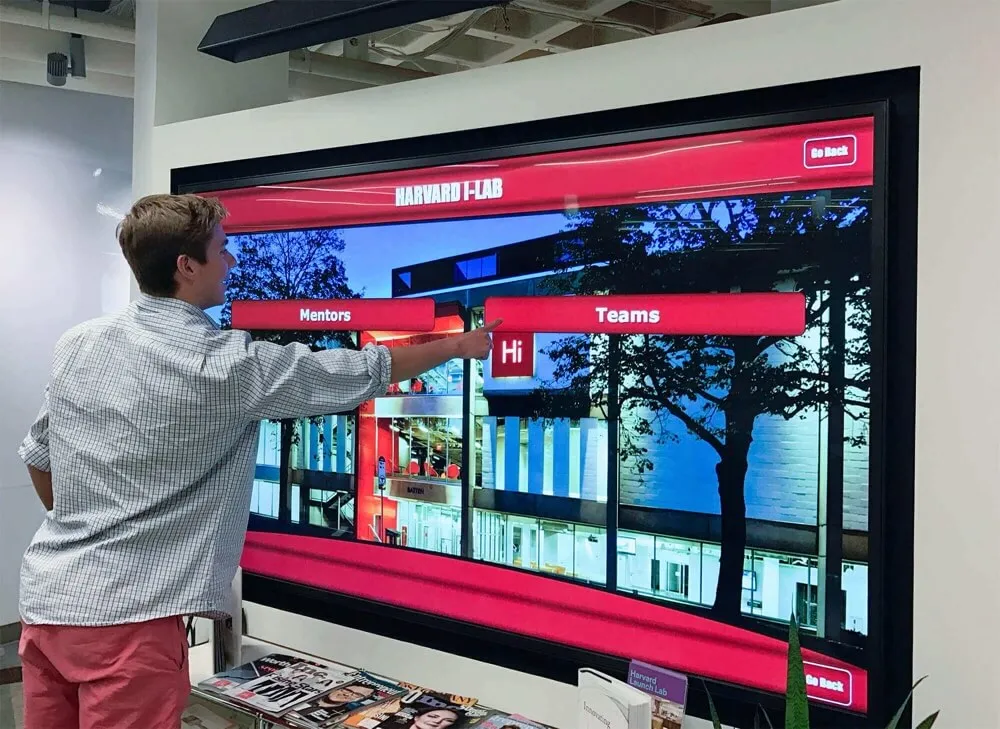
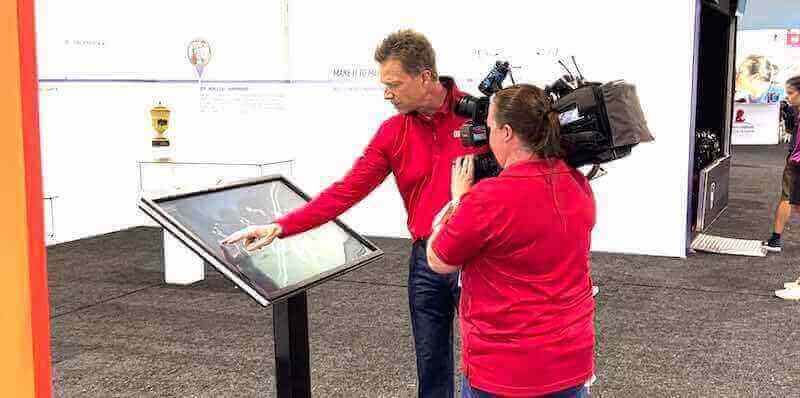
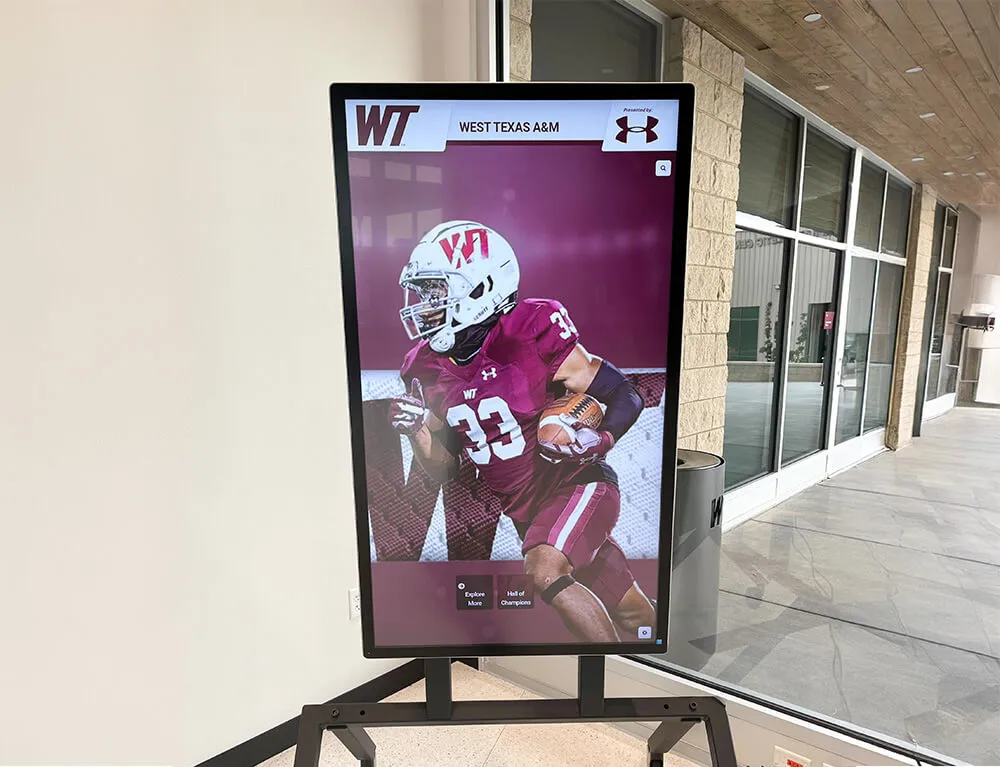
Touchscreen kiosks create dedicated recognition spaces accessible year-round to students and visitors
Simple Content Management
Cloud-based platforms eliminate traditional maintenance challenges:
- Remote updates from any internet-connected device
- Bulk import tools for honor roll lists and large recognition groups
- Scheduled publishing automation
- Template systems ensuring consistent presentation
- Role-based permissions for appropriate staff access
- No technical expertise required
- Drag-and-drop interfaces for easy content creation
Schools implementing comprehensive digital recognition systems report 80-90% reduction in administrative time spent maintaining displays while dramatically increasing student engagement with recognition content.
Strategic Display Placement
High-Traffic Location Selection
- Main entrance lobbies and vestibules
- Cafeteria and common gathering spaces
- Athletic facility entrances and concourses
- Library and media center locations
- Main office waiting areas
- Hallway intersections and circulation points
- Auditorium and gymnasium lobbies
Multi-Location Strategies
Larger schools benefit from multiple recognition displays:
- Main campus display with comprehensive recognition
- Athletic facility display focusing on sports achievement
- Academic wing displays highlighting intellectual accomplishment
- Arts building showcases for performance and creative recognition
- Career/technical education area displays
Explore elementary school recognition board strategies applicable across grade levels.
Web-Based Recognition Extensions
Recognition should extend beyond physical campus:
Online Recognition Platforms
- Web-accessible achievement databases
- Mobile-optimized displays for smartphone viewing
- Social sharing capabilities
- Alumni access to their recognition history
- Community visibility of student success
- Integration with school websites and portals
Communication Integration
- Automated family notifications when students receive recognition
- Email announcements with achievement details
- Social media celebration posts
- Newsletter features highlighting recognized students
- Community media submissions and partnerships
Measuring Award Program Effectiveness
Systematic assessment ensures recognition programs achieve intended goals.
Quantitative Metrics
Participation and Coverage Data
- Percentage of students receiving some recognition annually
- Distribution across demographic groups and populations
- Recognition frequency per student
- Number of active award categories
- First-time recipient tracking
- Year-over-year participation trends
Engagement Indicators
- Digital display interaction rates and duration
- Recognition ceremony attendance rates
- Family response to recognition communications
- Social media engagement with recognition content
- Web platform usage statistics
Outcome Correlations
- Academic performance trends among recognized students
- Course selection patterns (challenging vs. standard classes)
- Extracurricular participation rates
- School connectedness survey results
- Attendance and behavior data
- Post-secondary success metrics
Qualitative Assessment
Stakeholder Feedback
- Student surveys about recognition program awareness and value
- Family perception of recognition fairness and inclusivity
- Staff assessment of program manageability and effectiveness
- Alumni reflection on recognition program impact
- Community perception of institutional values
Cultural Indicators
- Observed changes in student aspiration and motivation
- Peer attitudes toward achievement and excellence
- Behavioral data relating to effort and persistence
- School climate survey results
- Student sense of belonging measures
- Anecdotal evidence from teachers and administrators
Regular assessment enables continuous improvement ensuring award programs remain meaningful, equitable, and impactful.
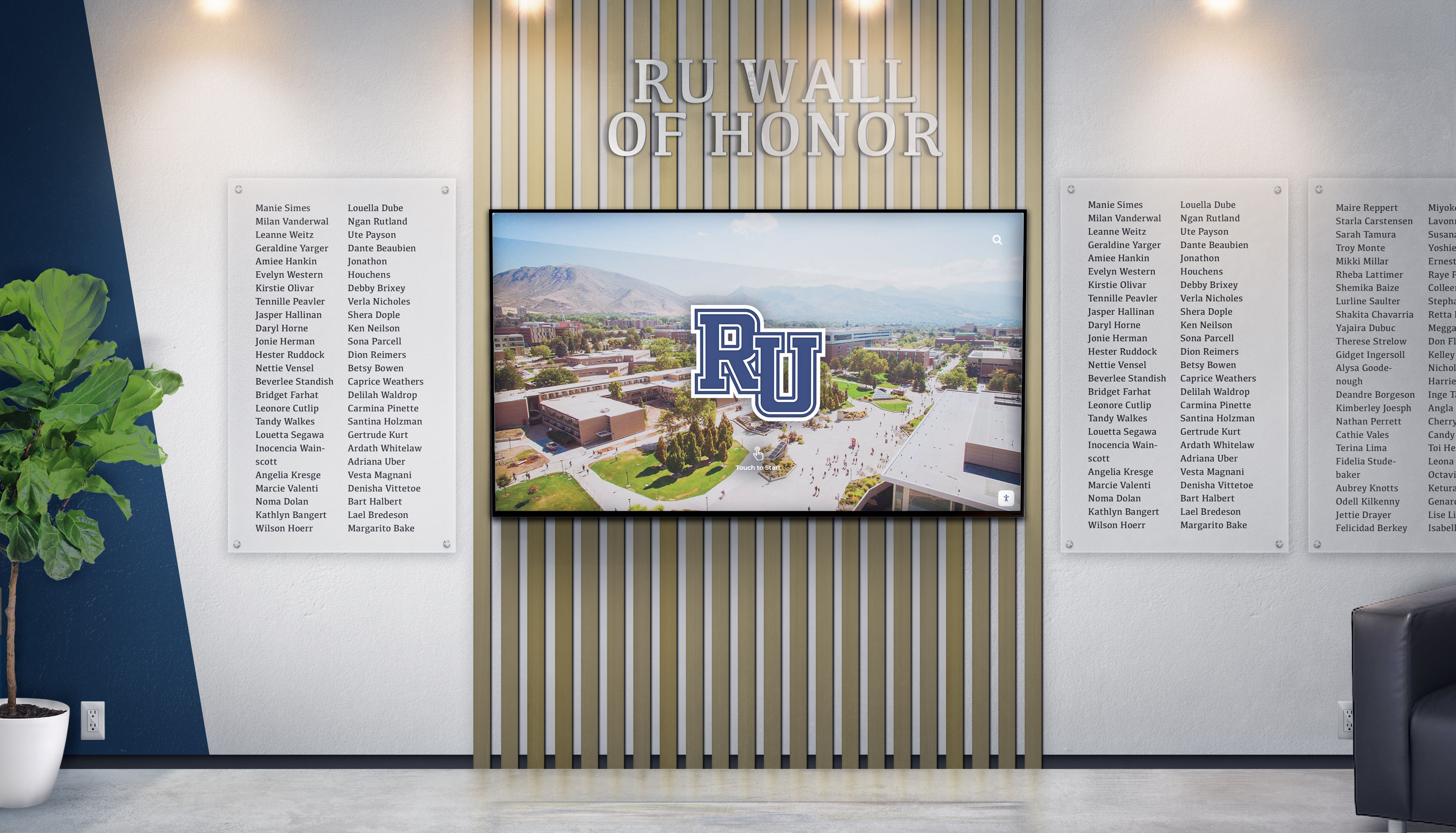
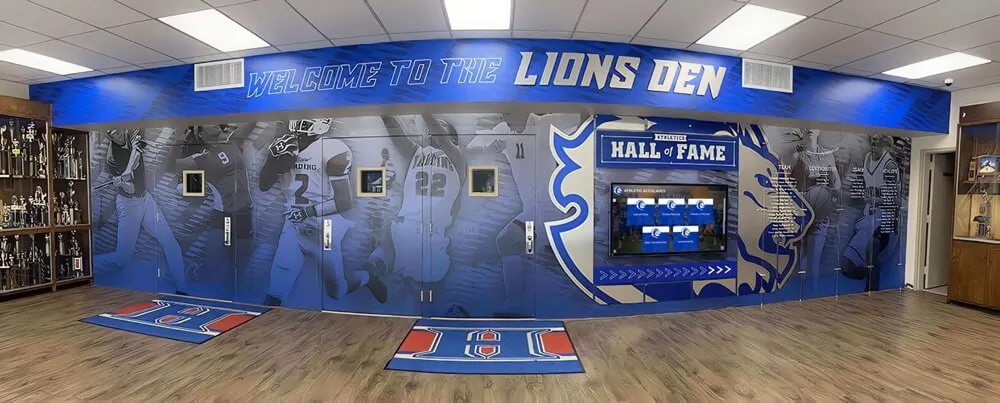
Hybrid recognition systems blend digital displays with traditional elements creating comprehensive celebration spaces
Creative Award Naming Ideas
Thoughtful award names enhance significance and create memorable recognition:
Academic Award Name Examples
Subject-Specific
- The Da Vinci Award (art/innovation)
- The Newton Prize (science achievement)
- The Shakespeare Award (English excellence)
- The Jefferson Recognition (social studies/history)
- The Pythagoras Award (mathematics achievement)
- The Einstein Prize (outstanding scholarship)
School-Specific Branding
- [School Mascot] Scholar Award
- [School Name] Excellence Recognition
- [Founder Name] Academic Achievement Award
- [School Colors] Honor Society
- [Community Name] Academic Pride Award
Character-Based Academic Names
- The Perseverance Prize
- The Dedication to Learning Award
- The Intellectual Courage Recognition
- The Curiosity and Discovery Award
- The Growth Mindset Achievement
Character and Leadership Name Examples
Values-Based
- The Integrity Award
- The Compassion Recognition
- The Service Before Self Award
- The Citizen Scholar Prize
- The Character in Action Award
Leadership Recognition
- The Emerging Leader Award
- The Legacy Leadership Prize
- The Positive Change Recognition
- The Voice and Advocacy Award
- The Bridge Builder Award
Service and Contribution
- The Community Impact Award
- The Difference Maker Recognition
- The Hands and Heart Award
- The Generosity of Spirit Prize
- The Beyond the Walls Award
Common Implementation Challenges and Solutions
Challenge: Limited Budget for Awards and Ceremonies
Solutions:
- Prioritize meaningful recognition over expensive trophies
- Digital certificates and printed recognition reducing costs
- Community sponsorship and partnership funding
- Tiered award approaches (certificates for most, trophies for highest honors)
- Student-designed awards and recognition materials
- Digital recognition platforms eliminating ongoing trophy costs
Challenge: Space Limitations for Physical Recognition
Solutions:
- Digital display systems with unlimited capacity
- Rotating physical displays by year or category
- Web-based recognition platforms extending beyond campus
- Shared recognition spaces across multiple programs
- Vertical display maximization
- Archiving previous years while maintaining digital access
Challenge: Recognition Becoming Too Common or Meaningless
Solutions:
- Clear criteria distinguishing recognition levels
- Meaningful standards maintaining significance
- Regular evaluation of award value and prestige
- Balance between inclusivity and standards preservation
- Multiple recognition tiers from frequent acknowledgment to rare honors
- Transparent communication about what different awards represent
Challenge: Administrative Burden of Managing Awards
Solutions:
- Cloud-based management systems automating processes
- Automated data import from student information systems
- Distributed responsibilities across departments
- Student involvement in recognition program management
- Simplified nomination and selection processes
- Scheduled recognition cycles creating predictable workflow
Discover best ways to highlight student accomplishments efficiently.
Building a Comprehensive Recognition Culture
School awards represent one component of broader recognition ecosystems:
Daily Recognition Practices
Classroom-Level Acknowledgment
- Specific praise for effort and achievement
- Student work displays showcasing excellence
- Peer recognition opportunities
- Positive notes and communications home
- Growth tracking and celebration
School-Wide Visibility
- Morning announcement highlights
- Digital hallway displays
- Social media celebration
- Website features
- Community newsletter recognition
Systematic Recognition Touchpoints
Multiple Frequency Levels
- Daily: Classroom acknowledgment and morning announcements
- Weekly: Featured student spotlights
- Monthly: Student of the month and achievement highlights
- Quarterly: Honor roll and seasonal recognition
- Annually: Comprehensive awards ceremonies and year-end celebration
Multi-Channel Communication
- In-person recognition at ceremonies and assemblies
- Digital displays in high-traffic locations
- Web-based platforms accessible anywhere
- Print communications home to families
- Social media celebration and sharing
- Community media partnerships
Family and Community Engagement
Family Involvement Strategies
- Recognition event invitation and participation
- Communication when students receive awards
- Family attendance at ceremonies
- Photo sharing and social media celebration
- Understanding of award criteria and opportunities
Community Partnership
- Business sponsorship of award programs
- Community leader participation in ceremonies
- Media coverage of student achievements
- Alumni connection to current student recognition
- Community perception of school excellence
Conclusion: Creating Recognition That Drives Excellence
School awards for students represent strategic investments in motivation, culture, and educational mission fulfillment. When schools systematically celebrate achievement across multiple dimensions—from traditional academic excellence to character development, artistic accomplishment, athletic achievement, and service contributions—they create environments where success becomes aspirational, celebrated, and central to student identity.
The award categories, implementation strategies, and recognition solutions explored throughout this comprehensive guide provide frameworks for building programs that honor diverse achievements while remaining sustainable, equitable, and aligned with educational goals. From digital recognition displays that eliminate space constraints to multi-tiered programs ensuring recognition opportunities at all achievement levels, these approaches transform acknowledgment from occasional gestures to systematic celebration woven throughout school culture.
Building effective school award programs requires moving beyond limiting assumptions about who deserves recognition and how awards should be presented. Modern digital platforms make comprehensive recognition achievable across unlimited students and award categories, while systematic approaches ensure consistent implementation reaching all deserving students.
Transform Your Student Recognition Program
Discover how modern digital recognition solutions can help you celebrate every student's achievements across all categories and build a thriving culture of excellence throughout your school.
Explore Recognition SolutionsStart where you are with award categories you can implement immediately, then systematically expand to create comprehensive approaches your students deserve. Every student who receives meaningful recognition for their accomplishments develops stronger connection to school and greater motivation to continue growing and achieving.
Your students’ achievements deserve celebration equal to their significance. With thoughtful planning, appropriate recognition systems, and consistent implementation, you can create award programs that honor every deserving accomplishment while building the positive, motivating school culture where all students thrive.