



Senior breakfast is one of the most intimate and meaningful recognition traditions in a school’s calendar year. Unlike commencement itself—which unfolds before thousands of guests on a ceremonial stage—a senior breakfast gathers the graduating class in a smaller, more personal setting for awards, tributes, and shared memories just days or hours before diplomas are conferred. When schools approach this tradition with genuine planning and care, it becomes the emotional capstone that seniors carry with them long after the caps and gowns are returned.
The challenge for most schools is moving beyond the basic format—a meal in the cafeteria, a few certificates, a generic slide show—toward a senior breakfast that actually honors the specific contributions, growth, and personalities of the class that’s leaving. This guide covers theme and venue ideas, award categories, recognition formats, family involvement strategies, and how to pair the breakfast with lasting displays that extend the tribute beyond a single morning.
A well-executed senior breakfast does something that no other event in the school calendar quite replicates: it gives graduating seniors a chance to be recognized among their own peer group, without the formality of commencement or the athletics-specific focus of a banquet. According to the National Association of Secondary School Principals, recognition events that combine personal acknowledgment with shared community experience produce stronger long-term engagement among alumni than purely ceremonial formats. The senior breakfast is uniquely positioned to deliver exactly that combination.

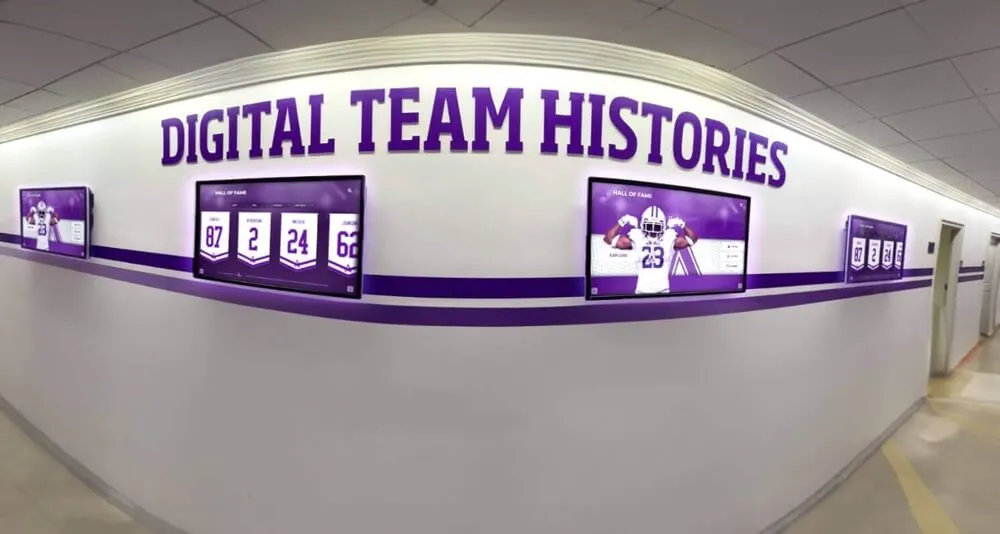
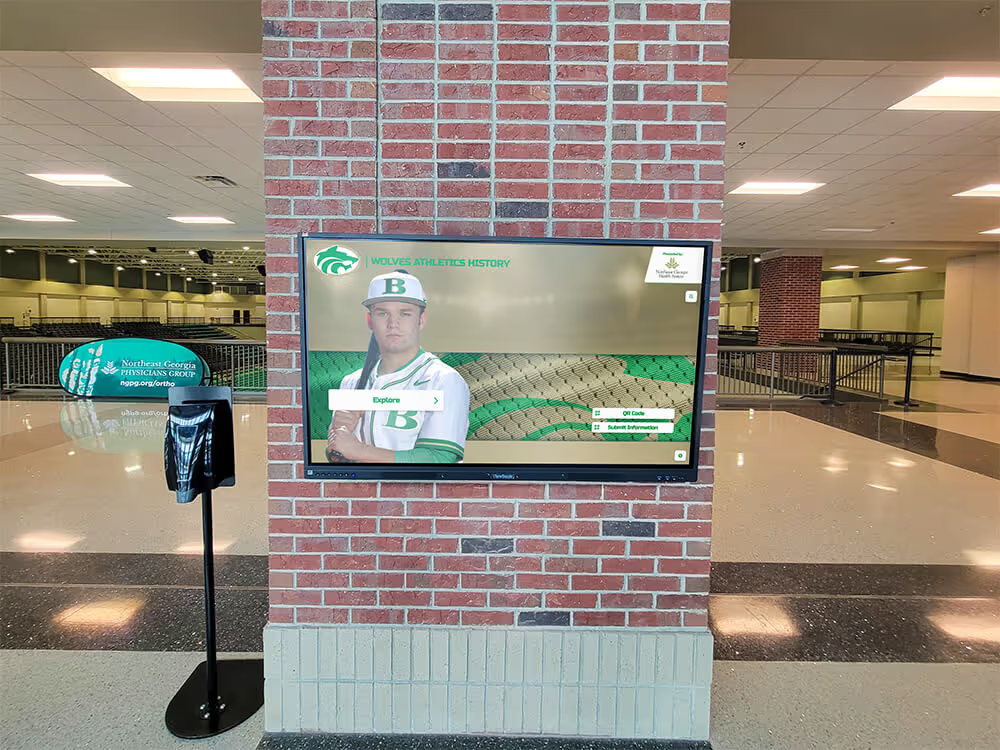
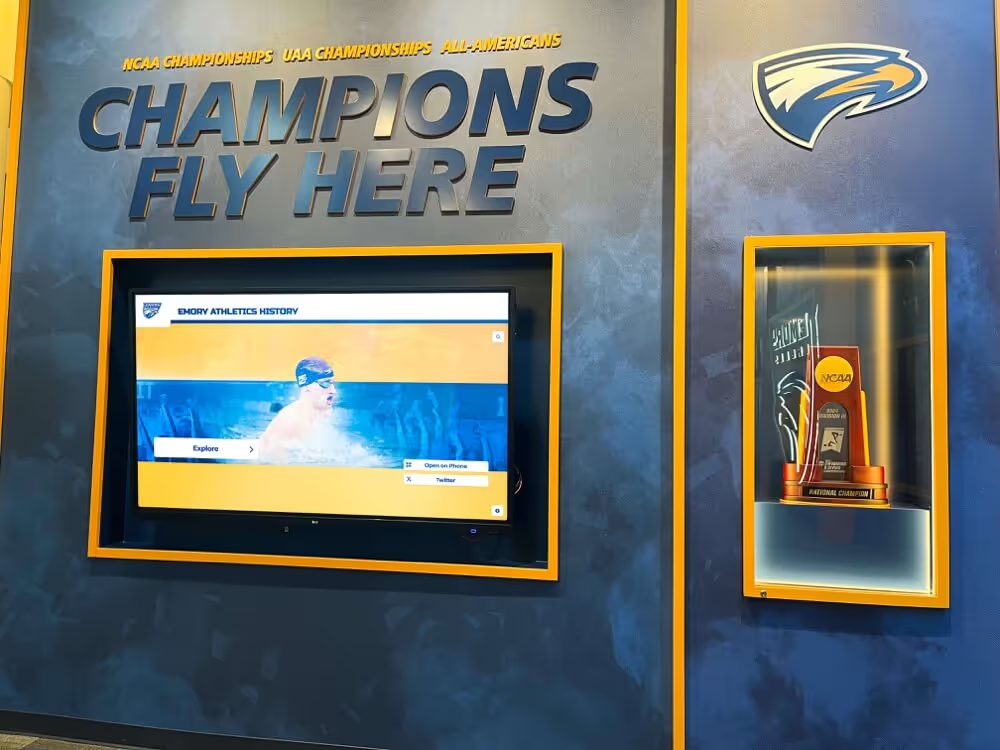
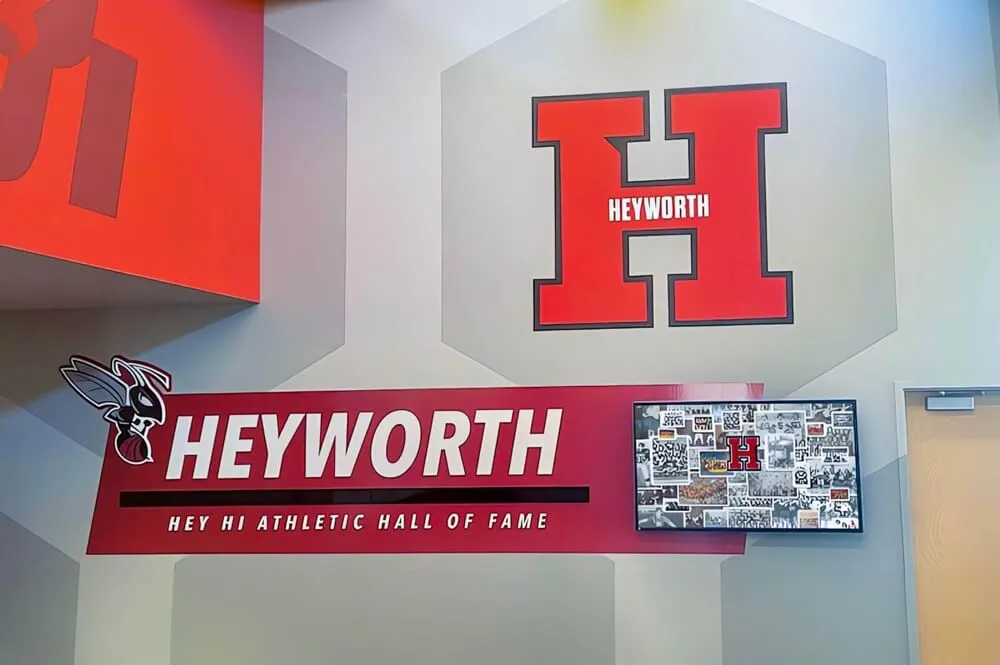
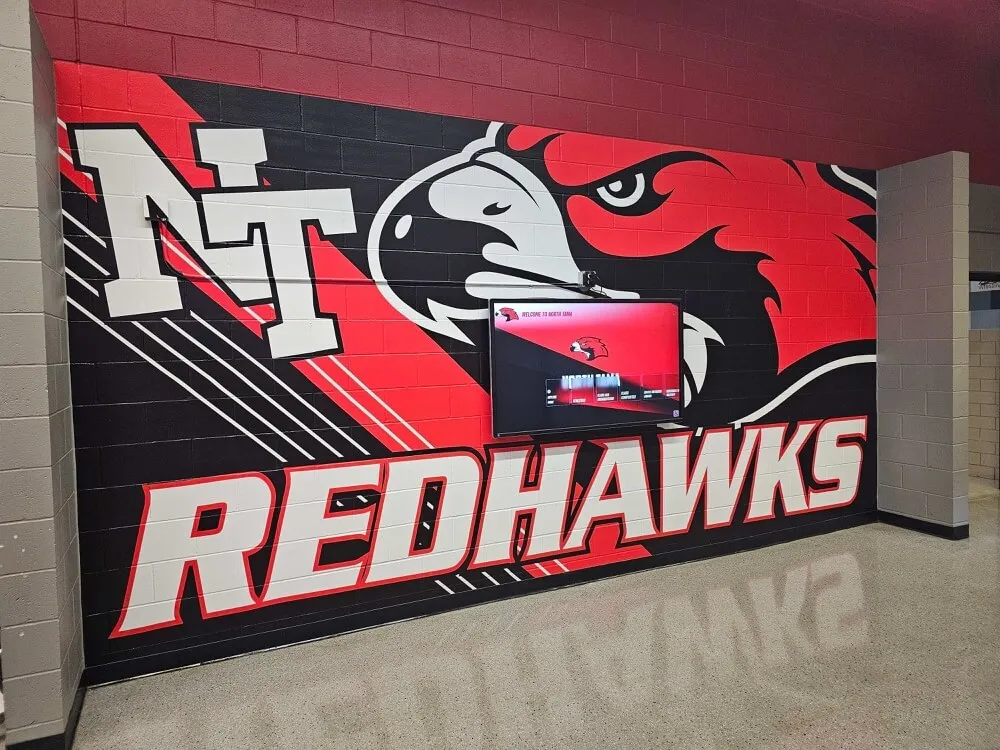
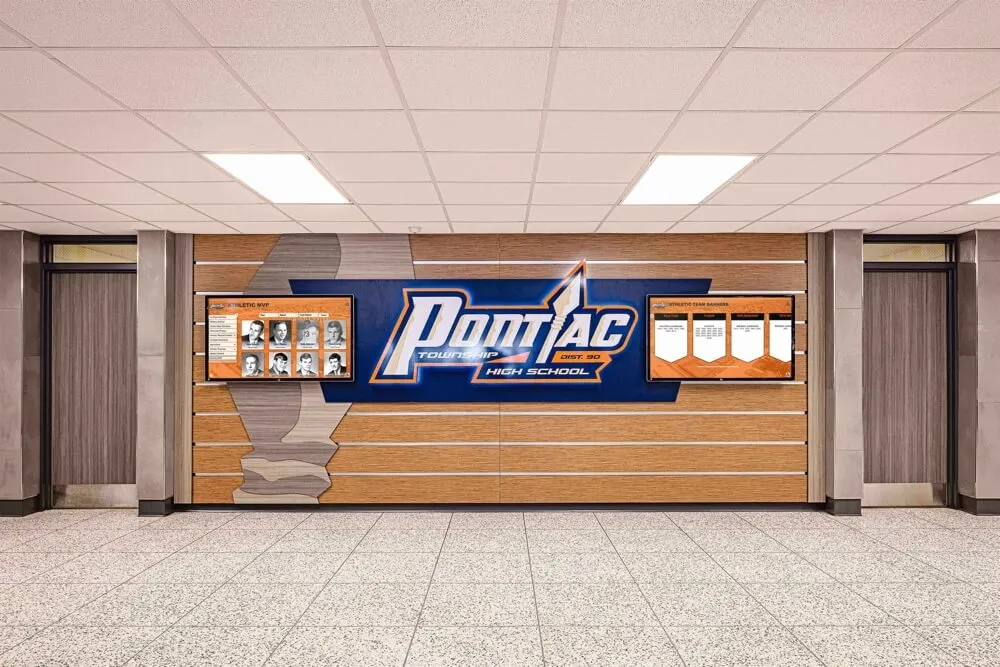
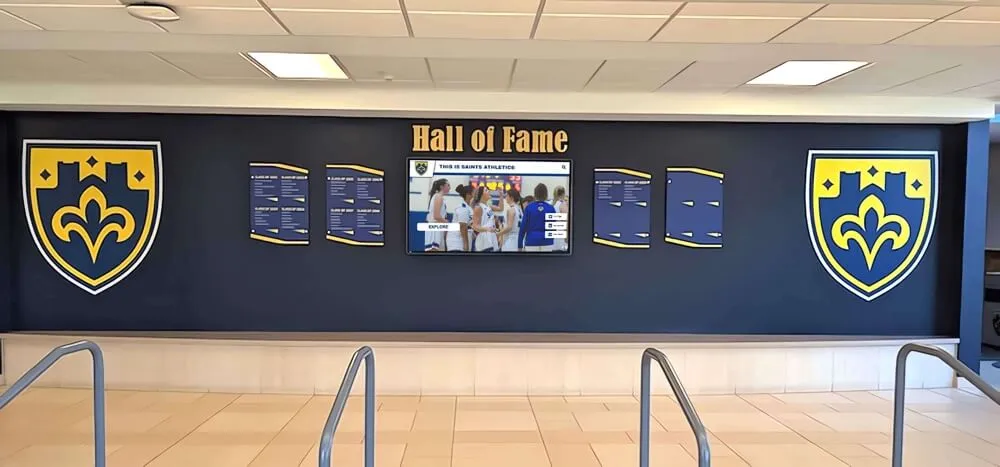
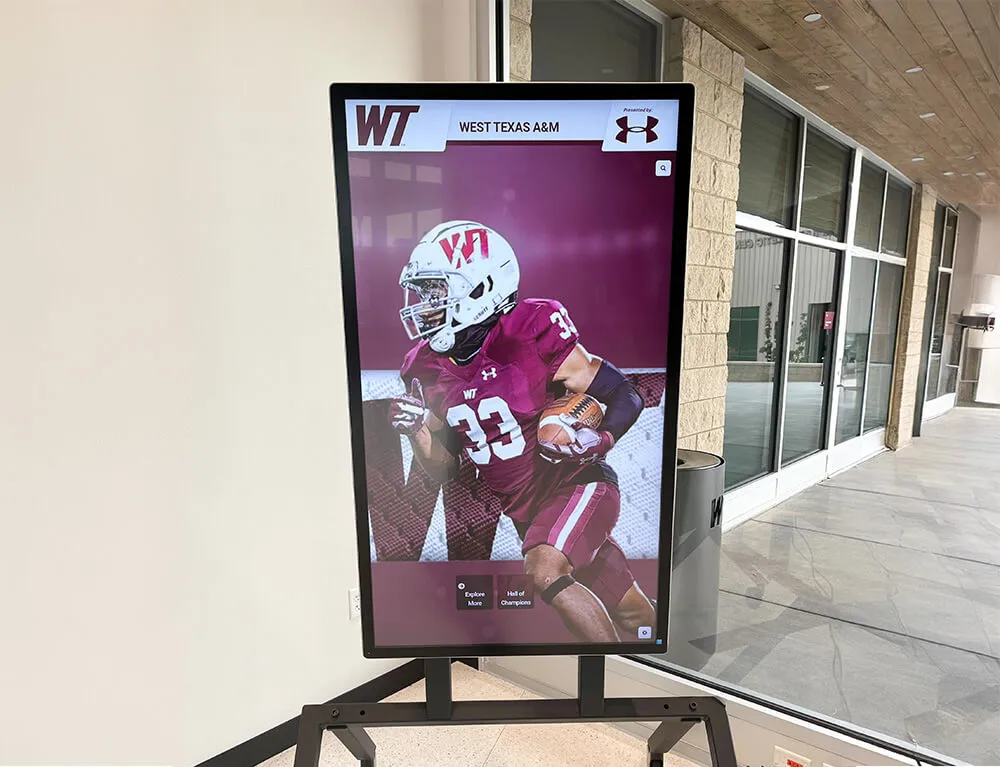
Recognition displays installed near event spaces give senior breakfasts a permanent backdrop that honors the graduating class long after the meal ends
Why Senior Breakfast Matters in the Recognition Calendar
Schools invest enormous resources in commencement ceremonies—rehearsals, venue logistics, printed programs, live-streaming infrastructure. The senior breakfast rarely receives comparable planning attention, yet it occupies a distinct and irreplaceable role in the graduation sequence.
Commencement is a public ceremony designed for families and the broader community. The senior breakfast belongs to the seniors themselves. It is the place where inside jokes get acknowledged, where teachers who shaped individual students can offer personal tributes, and where the class gathers one final time as a cohesive unit before everyone scatters toward different futures.
Programs that treat the senior breakfast as a meaningful recognition event—rather than a logistical placeholder between finals and commencement—create memories that graduates consistently name as highlights of their final school year. The event also gives schools an opportunity to close the year with intentional awards and recognition that reinforce the values, achievements, and character of the departing class.
For schools thinking about how recognition events fit within a broader end-of-year framework, the structure outlined in football banquet planning and senior recognition ideas offers transferable approaches for sequencing tributes, awards, and community moments within a single event.
Senior Breakfast Venue and Setting Ideas
On-Campus Venues
Most senior breakfasts take place on campus, which keeps logistics manageable and reinforces the school setting as the backdrop for the tribute. Common options include:
Cafeteria or Commons The default setting works when it’s transformed rather than simply used as-is. Push tables into clusters to create a banquet-style layout, add table linens in school colors, place centerpieces with class year flowers or photos, and project a senior photo montage on the wall. A cafeteria that feels deliberately decorated communicates investment and care.
Gymnasium For larger classes, the gymnasium offers more flexibility for round-table seating arrangements that facilitate conversation. Cover the bleachers, lay down a temporary floor covering or carpet runners, and use draping or pipe-and-drape systems to section the space. The gym’s scale also accommodates a small stage for award presentations.
Library or Media Center A school library makes an evocative backdrop for an academic recognition-forward senior breakfast. Bookshelves, reading nooks, and the sense of accumulated knowledge create natural symbolism for a graduating class stepping into the next chapter.
Performing Arts Center or Theater Lobby For schools with performing arts facilities, the lobby or lobby-adjacent spaces offer built-in elegance without significant decoration cost. Theater lighting systems can be used to create ambiance, and the natural stage areas provide a presentation platform for awards.
Off-Campus Venues
For schools that want to signal special occasion status, off-campus venues send an unmistakable message that the morning is extraordinary:
- Banquet halls or event centers: Provide catering infrastructure and flexible layout options
- Local restaurants with private dining rooms: Intimate format that works well for smaller graduating classes
- Country clubs or hotel ballrooms: Premium settings that elevate the formal recognition tone
- Outdoor venues with tents: Gardens, arboretums, or outdoor event spaces offer a memorable departure from typical school settings
The venue choice should match your class size, budget, and the tone you want to set. A class of 50 can fill a private restaurant dining room with energy; a class of 400 needs a space with the logistical infrastructure to support that scale.
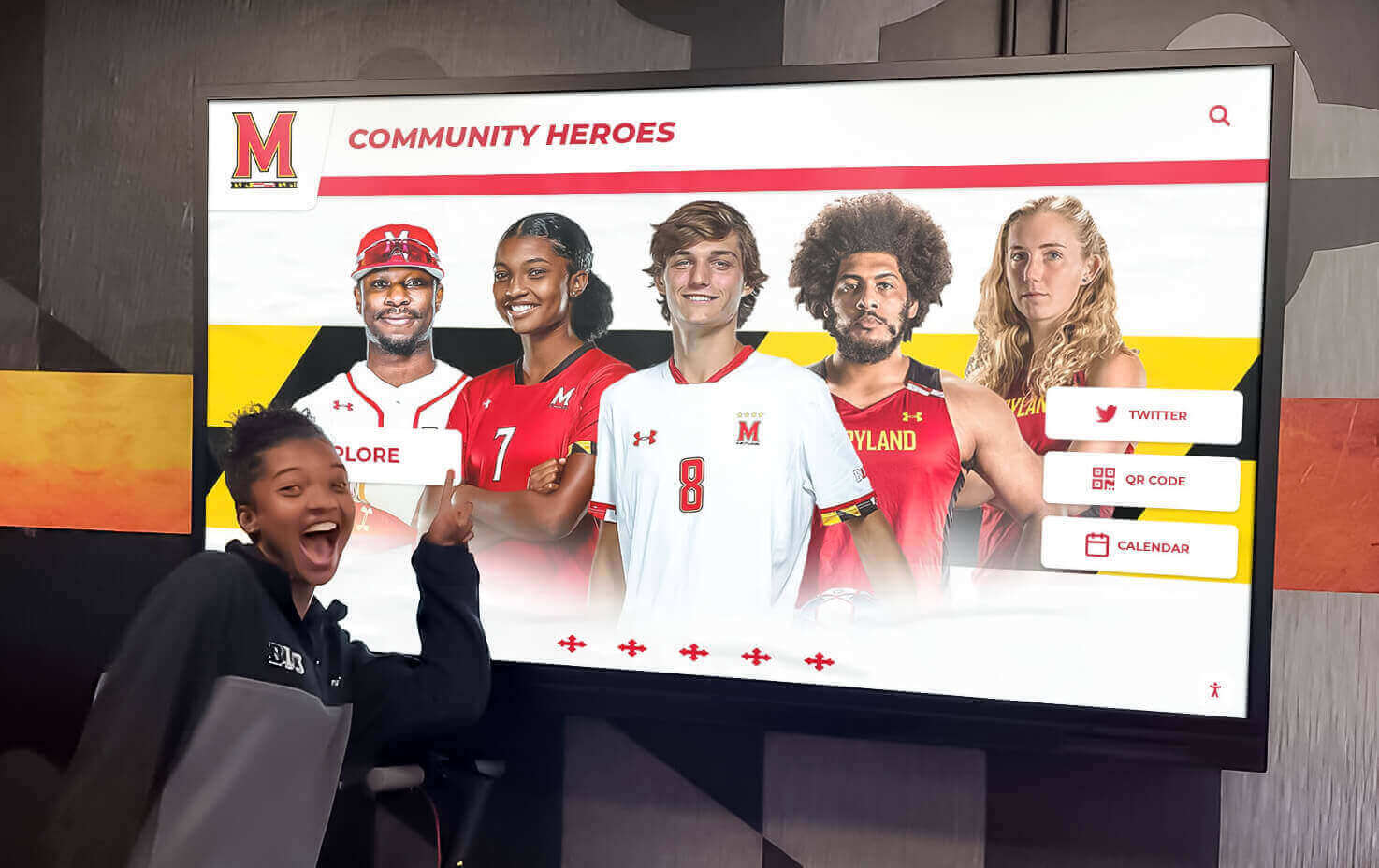
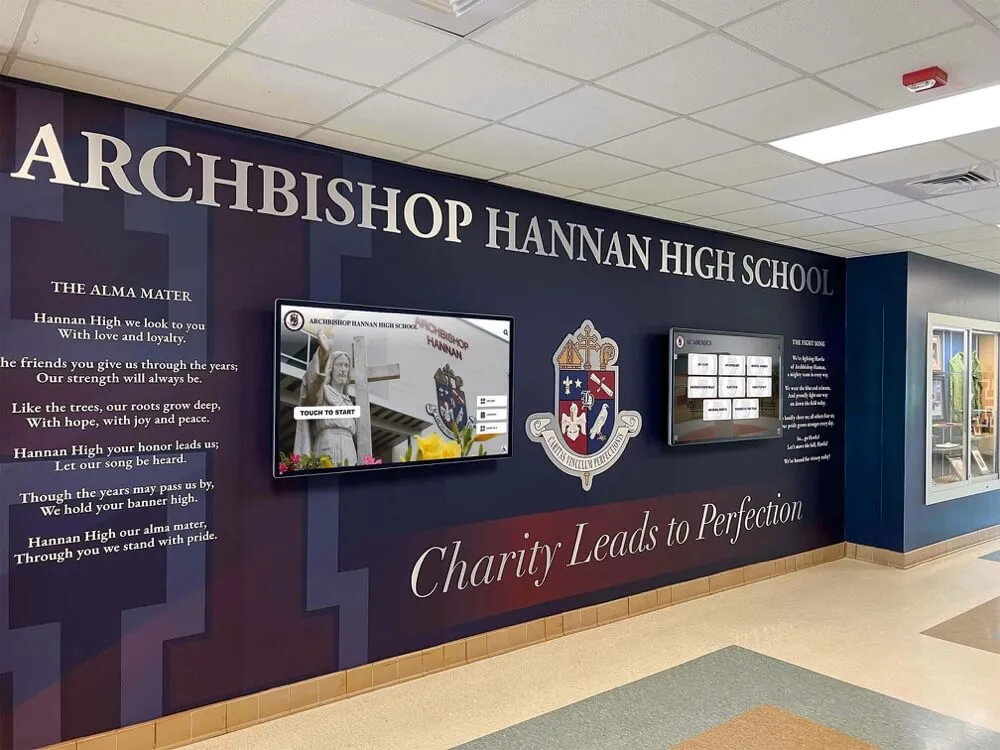
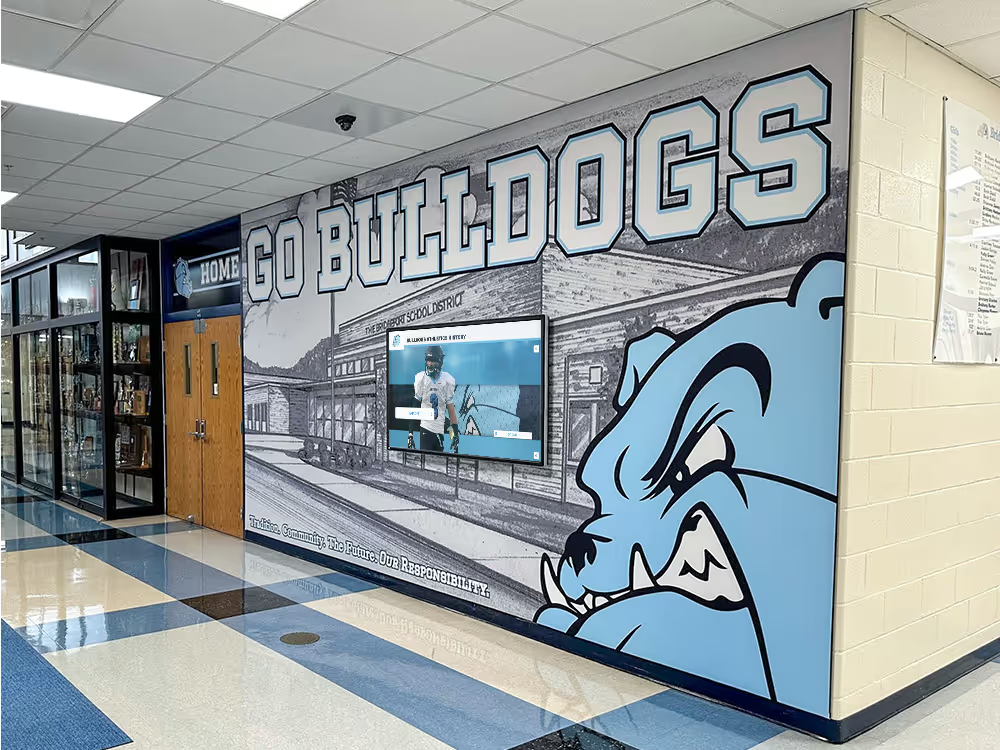
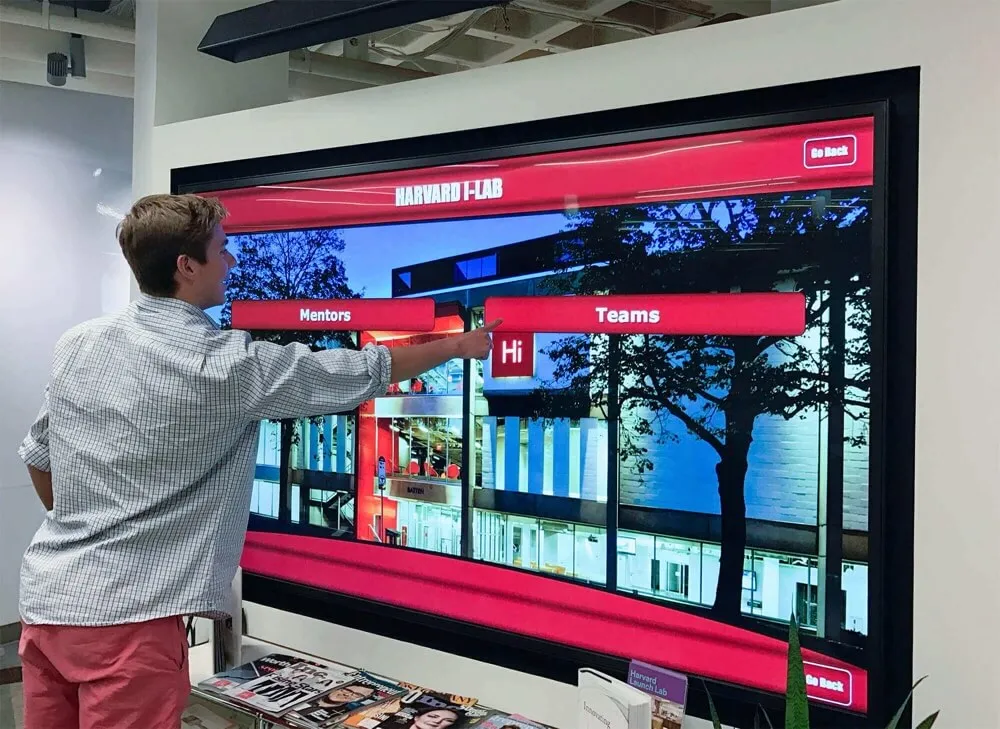
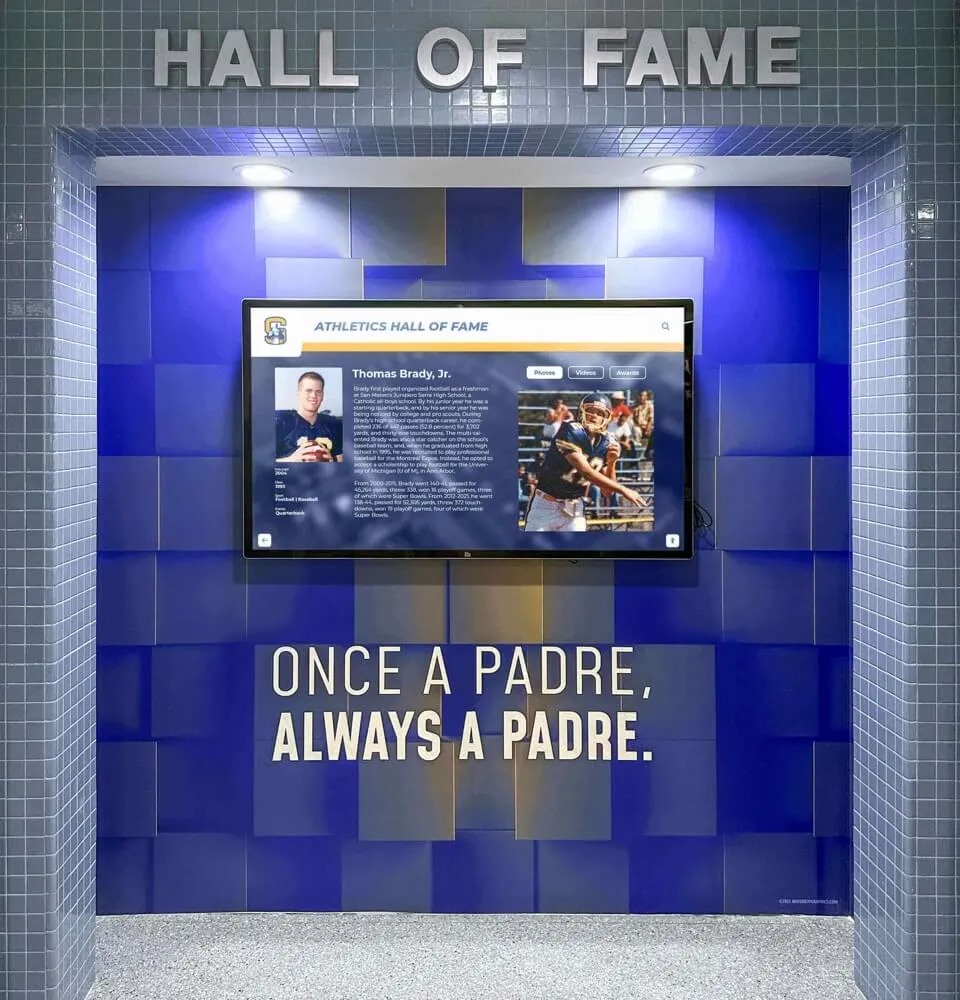
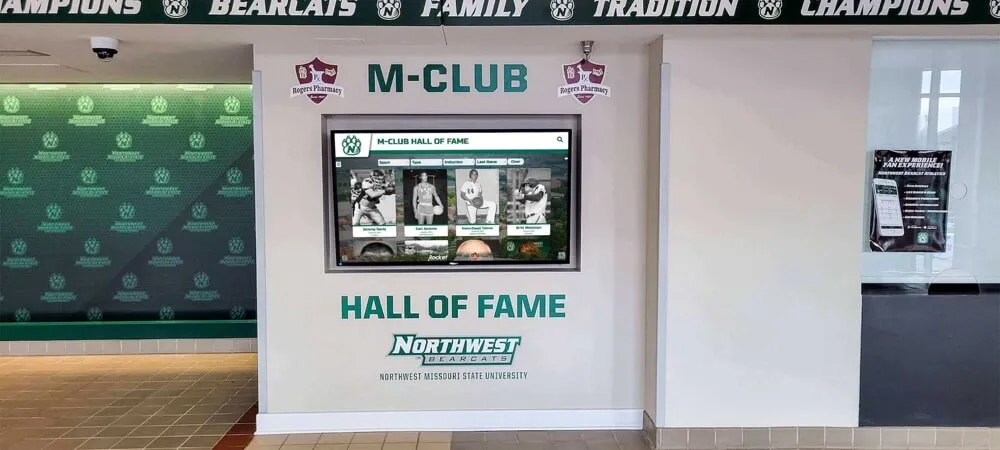
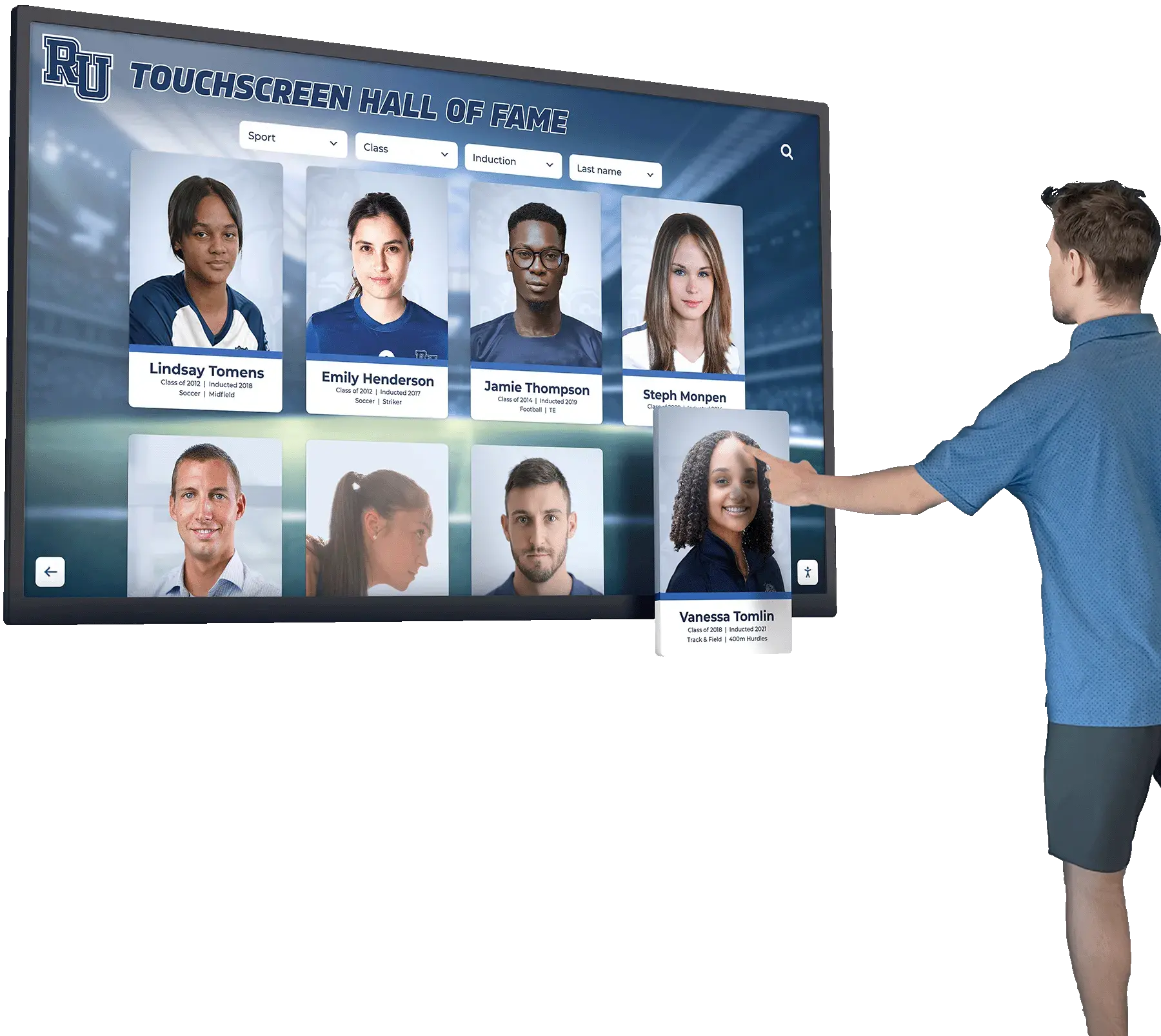
Interactive displays allow senior breakfast venues to feature individual student profiles that guests can explore throughout the event
Senior Breakfast Themes
A unifying theme transforms a meal into an experience. The best themes connect to the class’s four-year journey, their shared identity, or the transition they’re entering.
Journey and Transition Themes
- “The Road Ahead” — Maps, compass imagery, and road-trip visual design. Table names could be destinations each student is heading toward.
- “Chapter One” — Book and storytelling motifs celebrating the end of one chapter and the beginning of another. Each senior’s “story” can be highlighted through printed profile cards.
- “Launch Day” — Aerospace imagery connecting to the excitement of liftoff. Works especially well when the school mascot or name has any connection to flight, rockets, or exploration.
- “The Best Is Yet to Come” — An optimistic theme using golden accents and sunrise imagery to frame graduation as a beginning rather than an ending.
Nostalgia and Memory Themes
- “Remember When” — Throwback to freshman year, featuring photos from four years ago alongside current images. Guests are invited to identify themselves in early school photos.
- “Four Years in Four Minutes” — A theme built around a curated slide show or video that compresses the class’s entire high school experience into a brief visual tribute.
- “Home Base” — Celebrates the school as the place that shaped the class, using architectural photography and landmark imagery from around campus.
Community and Legacy Themes
- “We Were Here” — A legacy-focused theme encouraging seniors to consider what they leave behind for the classes that follow. Works well alongside a physical recognition display project.
- “Class of [Year]: The Legacy” — Direct and confident, this theme frames the graduating class as a historical chapter in the school’s ongoing story.
Award Categories for Senior Breakfast Recognition
Award presentations are the recognition core of most senior breakfasts. The best award structures balance academic achievement with personal character, leadership with service, and formal honors with playful class-voted superlatives.
Academic and Achievement Awards
Cumulative Academic Excellence Recognize students who maintained honor roll or high GPA standards across all four years—not just the final semester. Four-year consistency deserves specific acknowledgment distinct from the valedictorian designation.
Most Growth Award One of the most meaningful recognitions available, this award honors the student who demonstrated the greatest improvement from freshman to senior year. According to research from the Education Trust, growth-based recognition is significantly more motivating for a broader range of students than achievement-only formats, because it validates effort and persistence rather than only outcomes.
Subject Area Excellence Individual department awards—science, mathematics, English, social studies, arts, technology—allow teachers to personally recognize the student who made the strongest impression in their area. These awards carry particular weight because they represent teacher judgment rather than only GPA metrics.
Scholarship Recognition Senior breakfasts held close to scholarship announcement deadlines can serve as the moment where scholarship recipients are publicly honored. Presenting scholarship awards in front of peers rather than only at commencement amplifies the recognition.
For a framework on recognizing academic achievement at different levels and across diverse student profiles, the approach outlined in how to become valedictorian and academic recognition strategies offers useful context.
Leadership and Service Awards
Student Body Leadership Recognition Class officers, student council members, and club presidents who served in formal leadership roles deserve acknowledgment that connects their service to the school community’s wellbeing.
Unsung Hero Award This category specifically honors the student who contributed most without seeking recognition—the person who showed up early, stayed late, and made things run without appearing in the spotlight. This award is often the most emotionally resonant moment of the morning because it validates exactly the kind of contribution that typically goes unseen.
Service Hours Recognition Students who completed exceptional volunteer service hours deserve visible acknowledgment that frames service as an achievement comparable to academic or athletic distinction.
Community Impact Award For students who initiated programs, organized drives, or created projects that genuinely changed the school or surrounding community, a community impact award provides institutional validation of that leadership.
See related recognition ideas for service-oriented contributions in digital service awards and recognition display approaches.
Character and Values Awards
Most Likely to Change the World A forward-looking recognition that identifies the senior whose vision, passion, and character make the faculty most optimistic about what they’ll accomplish.
Best Role Model Award Peer-voted or faculty-selected, this award honors the student whose behavior consistently demonstrated the values the school community aspires to live.
Perseverance Award Specifically recognizes a senior who navigated significant challenges—personal, academic, or circumstantial—and persisted with integrity. This award communicates that the school notices not just what students achieve but how they handle adversity.
Class Spirit Award Recognizes the student who most embodied the energy, enthusiasm, and collective identity of the graduating class.
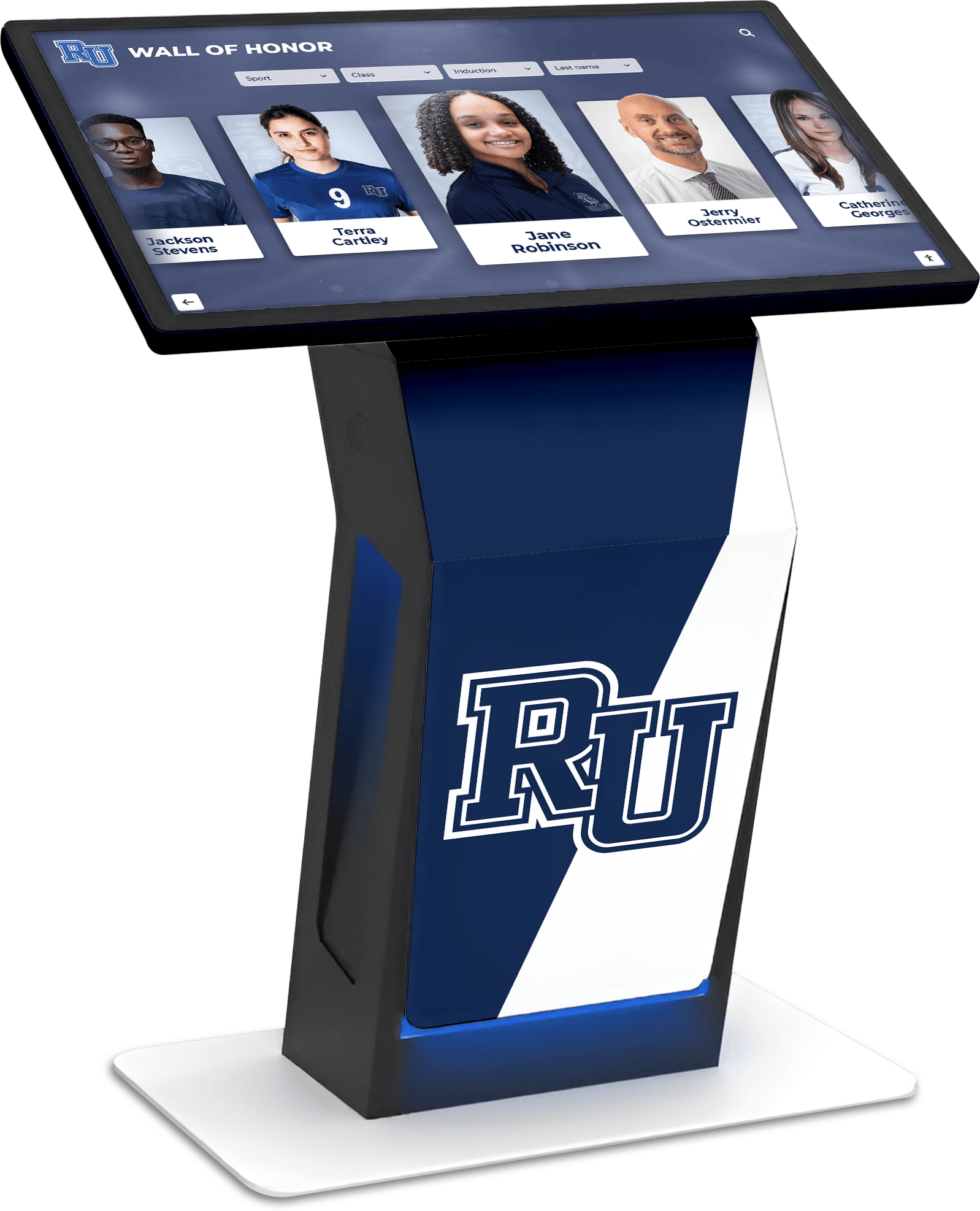
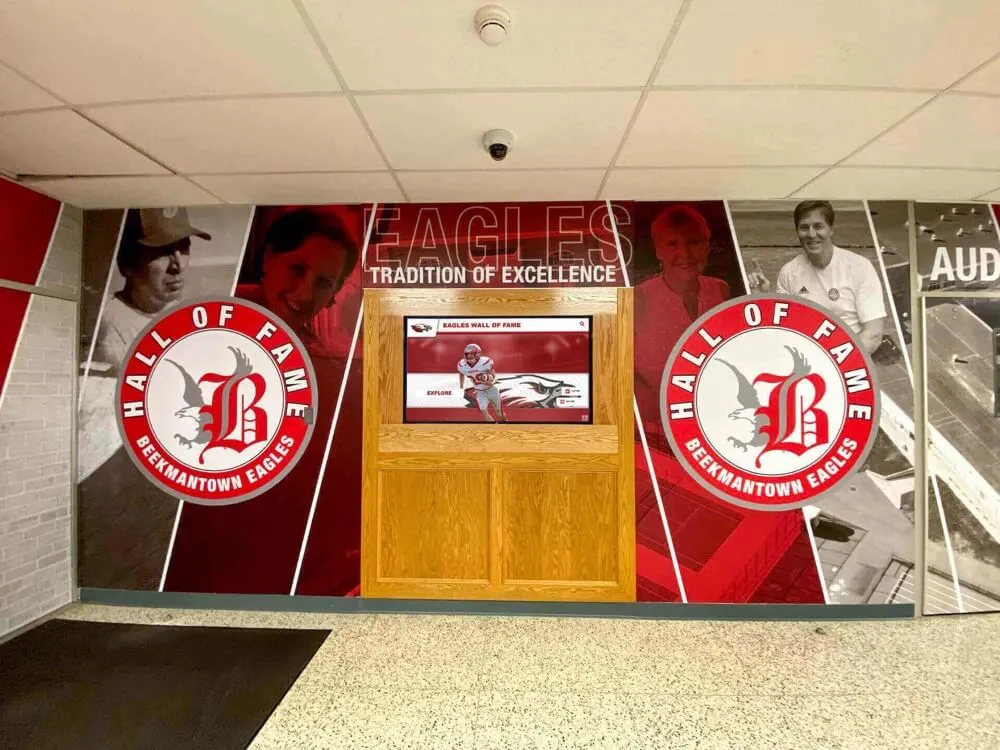
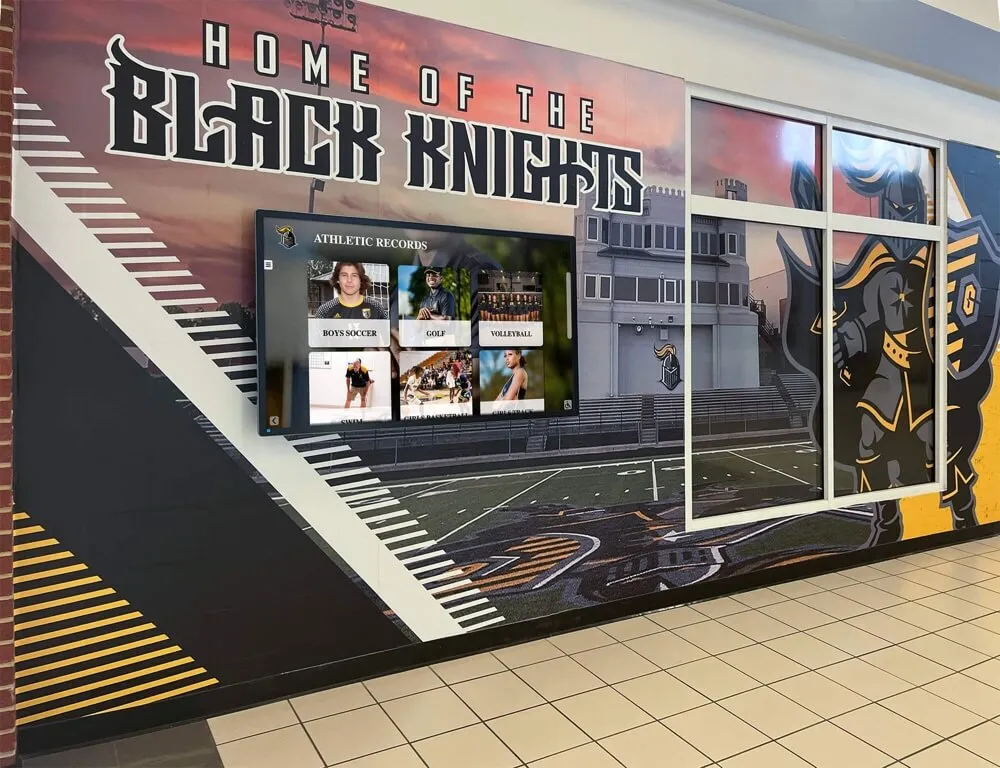
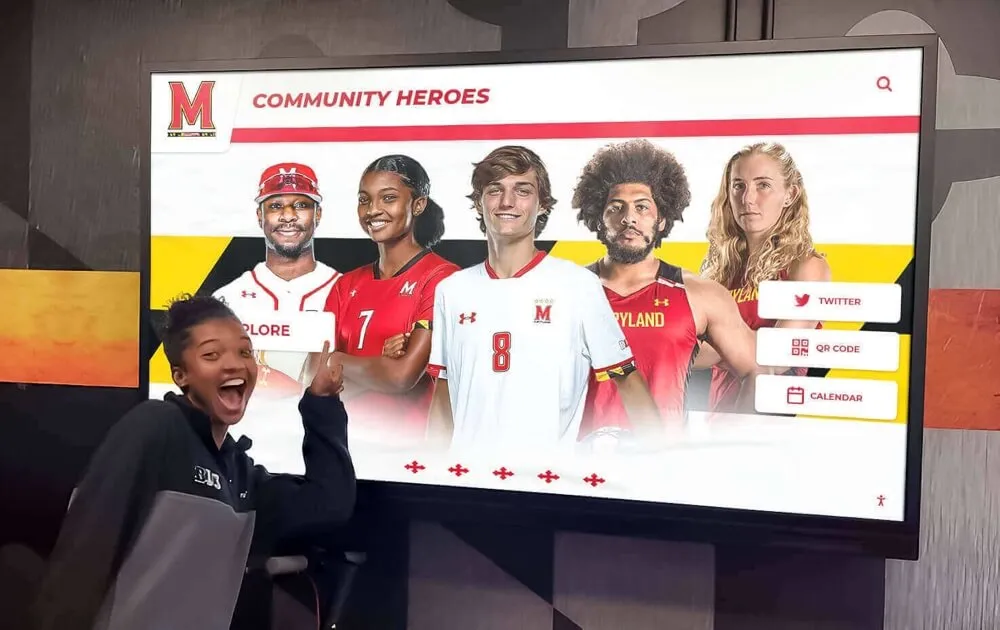
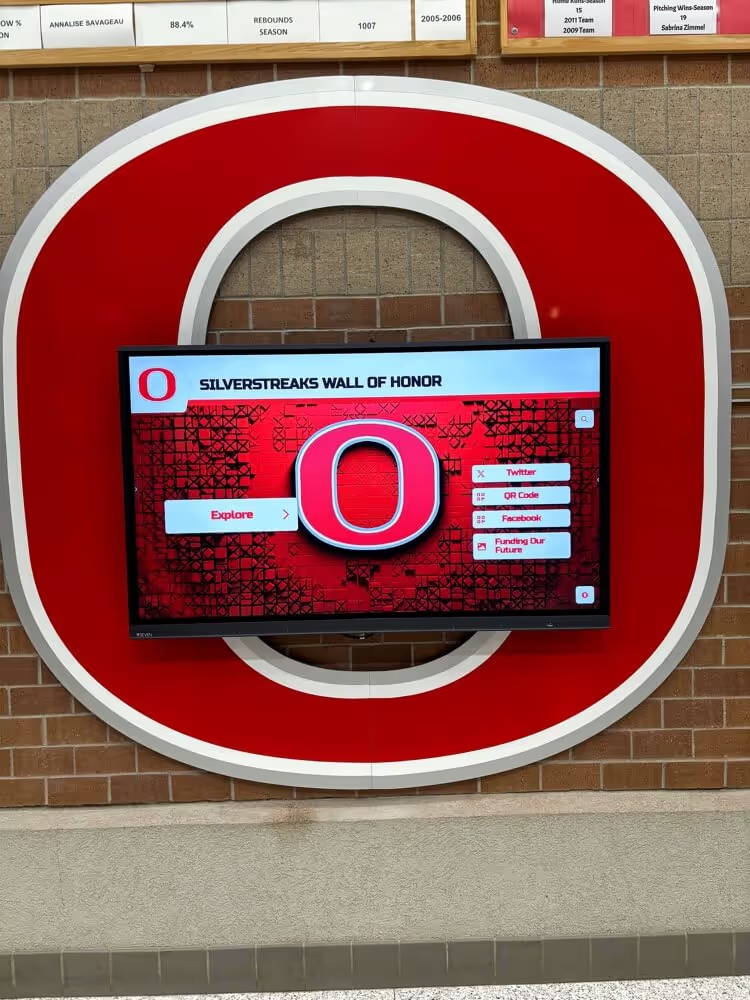
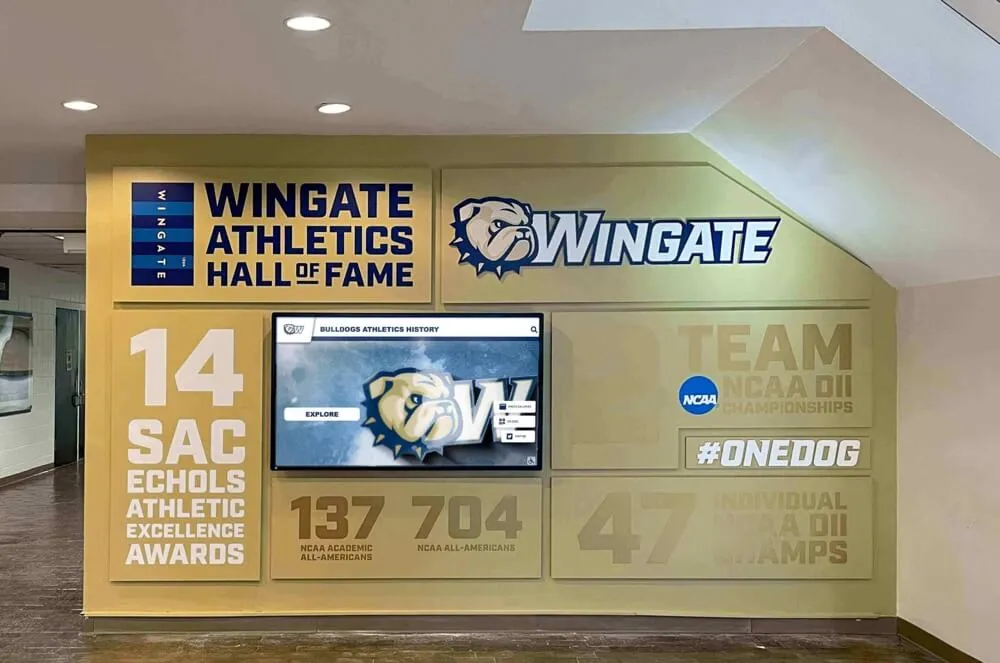
Interactive kiosk displays allow every senior to have a profile that families and guests can explore, extending individual recognition beyond brief award moments
Class Superlatives
Class-voted superlatives add levity and connection to the award program. When chosen thoughtfully, they reflect genuine shared knowledge of classmates and create memorable moments:
Traditional Superlatives
- Most Likely to Succeed
- Class Clown
- Most Athletic
- Most Artistic
- Best Smile
- Most Likely to Be Famous
Contemporary and Specific Superlatives
- Most Likely to Start a Successful Business
- Most Likely to Win a Nobel Prize
- Best Advice Giver
- Most Likely to Return and Teach Here
- Person You’d Most Want in Your Corner
- Most Likely to Write a Bestseller
The distinction between generic superlatives and specific ones matters. “Most Likely to Succeed” tells students nothing about why that person is being recognized. “Most Likely to Start a Successful Business” tells a more specific story about the person’s actual reputation among their peers.
Recognition Format and Ceremony Structure
Sequencing the Senior Breakfast Program
A well-structured senior breakfast moves through clear phases without feeling rushed or padded:
Opening (15-20 minutes)
- Welcome from the principal or class sponsor
- Brief acknowledgment of the class’s four-year journey
- Breakfast service begins
Reflection Segment (10-15 minutes)
- Photo or video montage of the class’s highlights
- Optional reading or poem chosen by the senior class
- Moment of acknowledgment for students who faced significant challenges this year
Award Presentations (30-45 minutes)
- Academic awards presented by department heads or faculty
- Character and service awards from administration
- Class superlatives voted by the senior class
- Scholarship announcements if timing aligns
Faculty and Staff Tributes (10-15 minutes)
- Brief personal tributes from teachers who had significant relationships with the graduating class
- Acknowledgment of faculty who are retiring alongside the class
Senior Reflections (15-20 minutes)
- Two to four student speakers sharing brief personal reflections
- Open mic moment for seniors to address the class
Closing (5-10 minutes)
- Principal or class advisor closing remarks
- Group photo
- Transition to next activity or dismissal
The end-of-season banquet structure used by athletic programs—with its blend of awards, tributes, and shared reflection—translates naturally to senior breakfast formats. The design principles explored in end-of-season athletic awards and recognition approaches offer useful parallels for balancing formal recognition with personal tribute.
Faculty Tribute Moments
The most powerful moments in many senior breakfasts come when individual teachers offer personal tributes to students whose growth they witnessed. Unlike general faculty thank-you remarks, these are specific moments where a teacher describes what a particular student taught them, challenged them to think differently about, or showed them about resilience.
Guidelines for faculty tribute moments:
- Keep each tribute to sixty to ninety seconds
- Anchor remarks to specific memories or moments rather than general praise
- Include the student’s name and the specific quality being recognized
- End with a forward-looking statement about what the teacher believes the student will accomplish
These moments are most effective when faculty have advance notice and preparation time. A quick email to faculty six weeks before the event asking them to identify one to three seniors they’d like to personally recognize gives teachers the runway to craft genuine tributes.
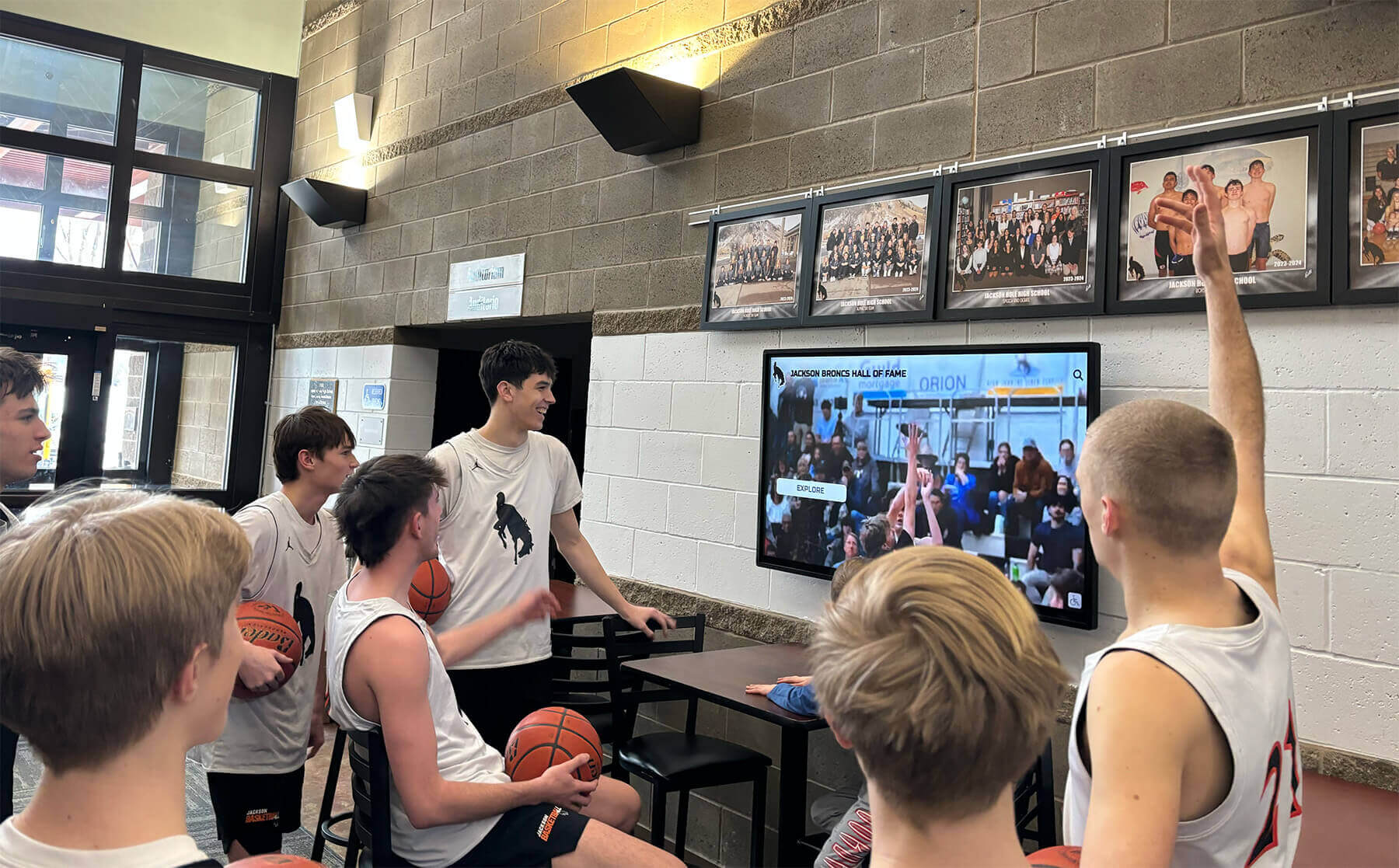
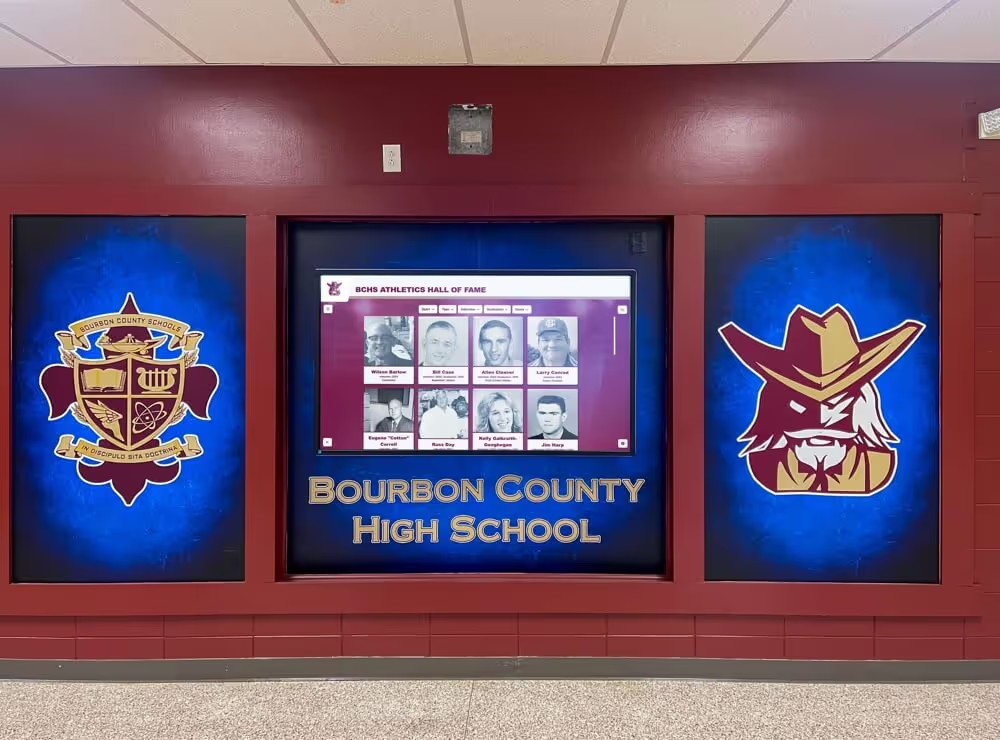
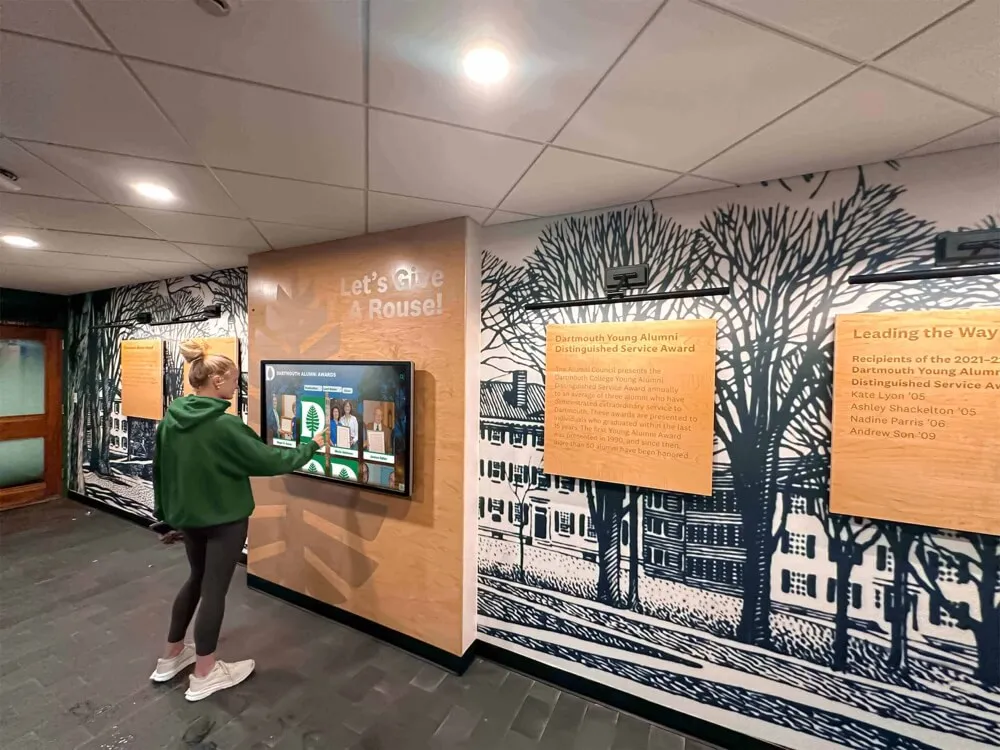
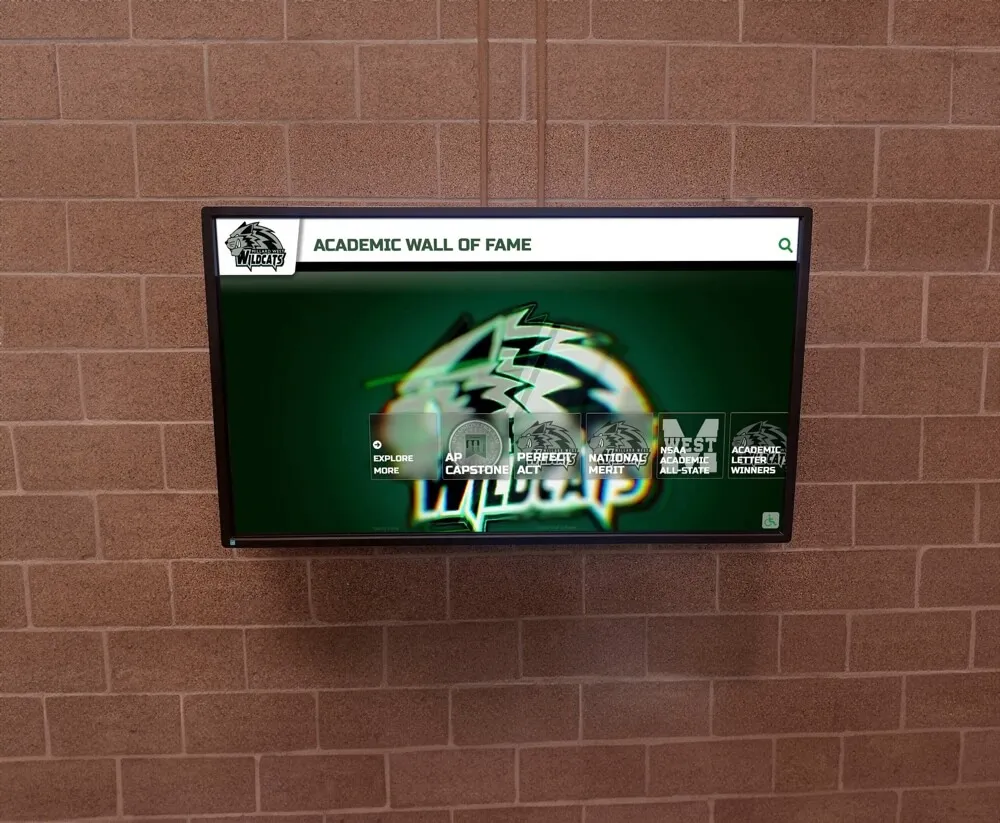
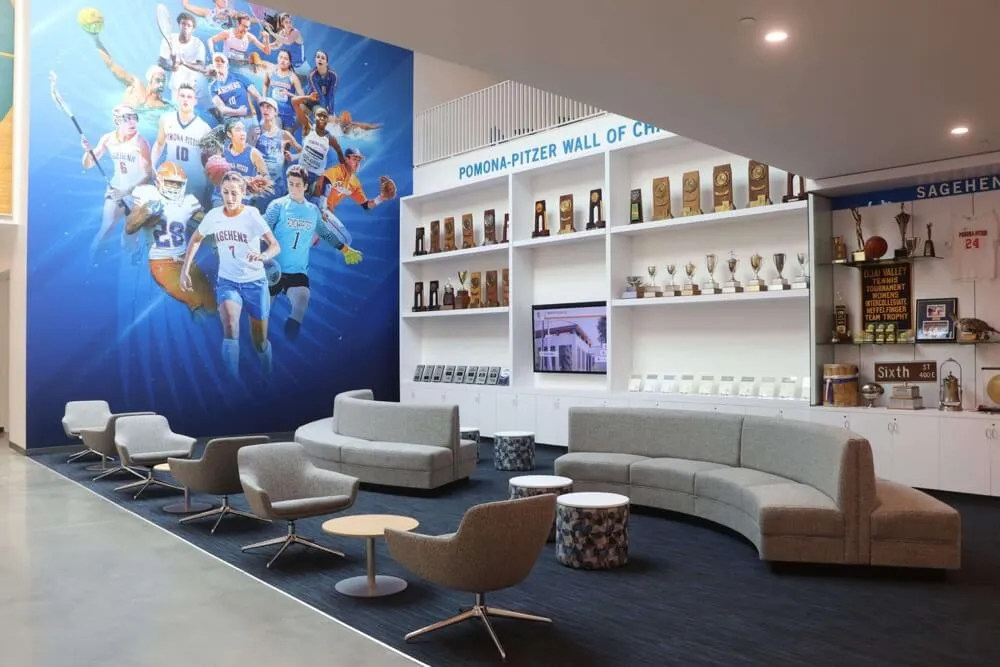
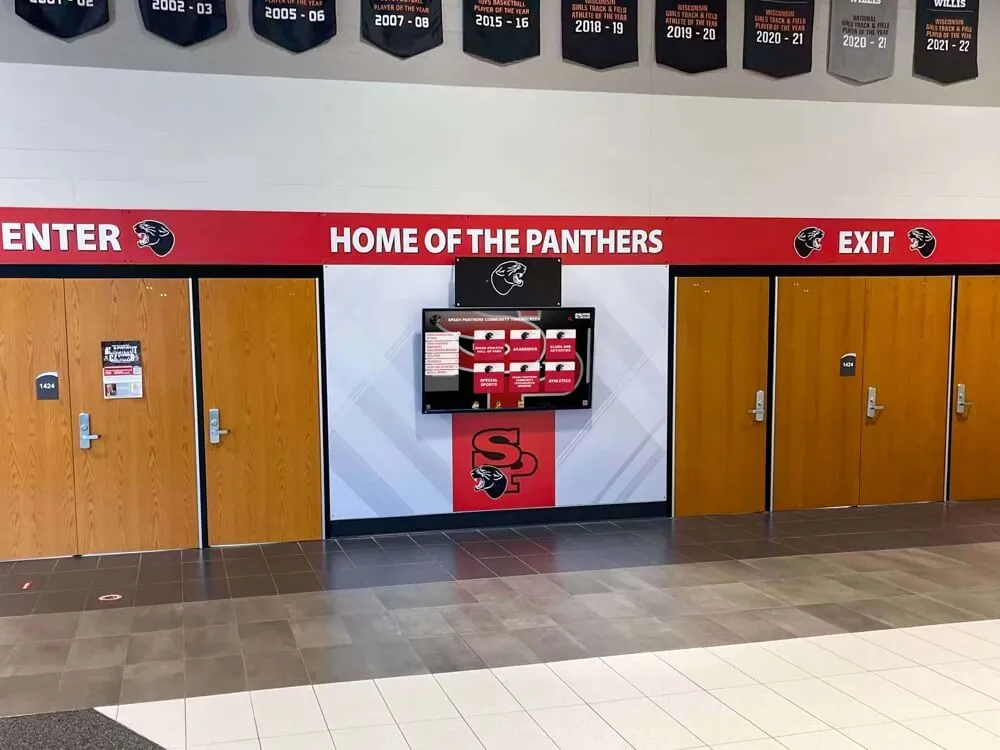
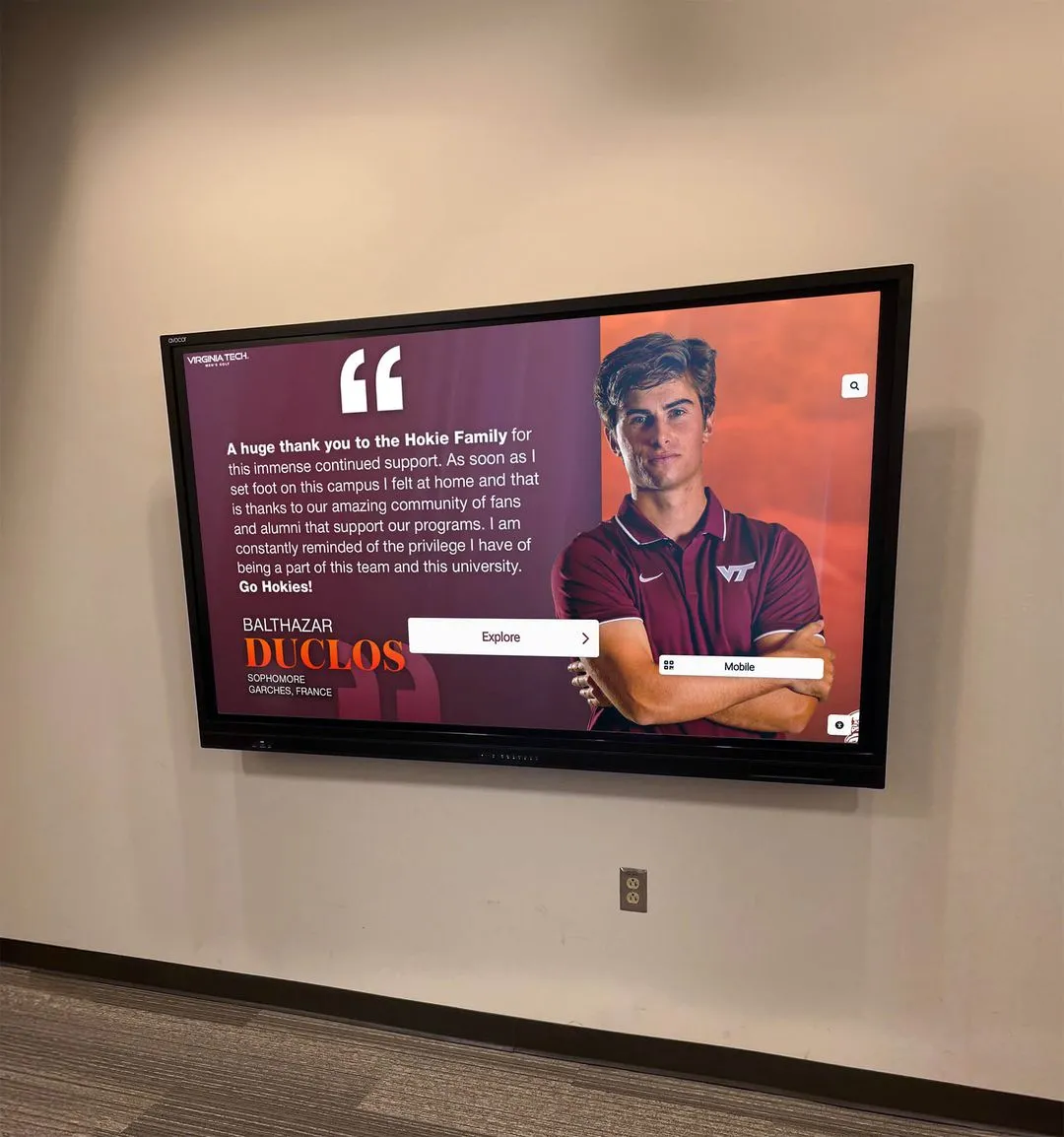
Digital lobby displays featuring senior highlights create an engaging backdrop for recognition events and extend the tribute throughout the venue
Food and Catering Ideas for Senior Breakfasts
The meal itself is part of the recognition experience. A thoughtfully curated menu communicates care and investment.
Breakfast Menu Approaches
Buffet-Style Service Allows students to choose their own plate and move through the meal at their own pace. Works well for larger classes and when program timing needs flexibility. Consider stations: an egg and protein station, a pastry and fruit station, a smoothie or juice bar.
Plated Family-Style Service Large platters placed at each table encourage conversation and shared experience. Families of food passed around a table feel more like a genuine gathering than a cafeteria line.
Brunch Format A brunch menu—available any time from 9 a.m. onward—gives more flexibility for both sweet and savory options and signals “special occasion” without requiring the formality of a dinner-style presentation.
Class Favorites Menu Consider surveying seniors about their favorite foods or school meals and incorporating a few of those into the menu as a nostalgic callback. Serving the cafeteria pizza that was inexplicably beloved by this particular class communicates that the school actually knows who they are.
Dietary Accommodations
Any senior breakfast menu should proactively accommodate common dietary needs:
- Vegetarian and vegan options clearly labeled
- Gluten-free alternatives available at each station
- Allergen information visible and accessible
- Halal or kosher options if relevant to the student population
Family and Guest Inclusion Strategies
Not all senior breakfasts include families—some are intentionally student-only gatherings, which can make the reflection and tribute moments more candid. Others open the event to parents, guardians, and family guests. Both approaches have merit.
Student-Only Format
When the senior breakfast is reserved for students and faculty, the tone shifts significantly. Seniors speak more freely, award presentations feel less performative, and the tribute moments take on an intimacy that is difficult to replicate in front of a broader audience. The event functions as a genuine class gathering rather than a performance for guests.
If you choose the student-only format, consider creating a parallel family recognition moment—a senior send-off reception, a photo display in the school lobby, or a dedicated section in the commencement program—that gives families their own venue for tribute.
Family Inclusion Format
When families are invited, the senior breakfast expands into a community celebration. Families who have watched their children navigate four years of school deserve the opportunity to witness formal recognition. Tips for family-inclusive senior breakfasts:
- Assign seats by family units rather than by friend groups so families can be together
- Include family-specific recognition moments: a tribute to parents, a thank-you to the teachers and staff who made the journey possible
- Prepare a printed program or keepsake that families can take home
- Create a photo display or video loop featuring seniors across all four years that runs throughout the event
For schools planning recognition events that meaningfully involve the broader community, the strategies in back-to-school events and community-building approaches provide applicable frameworks.
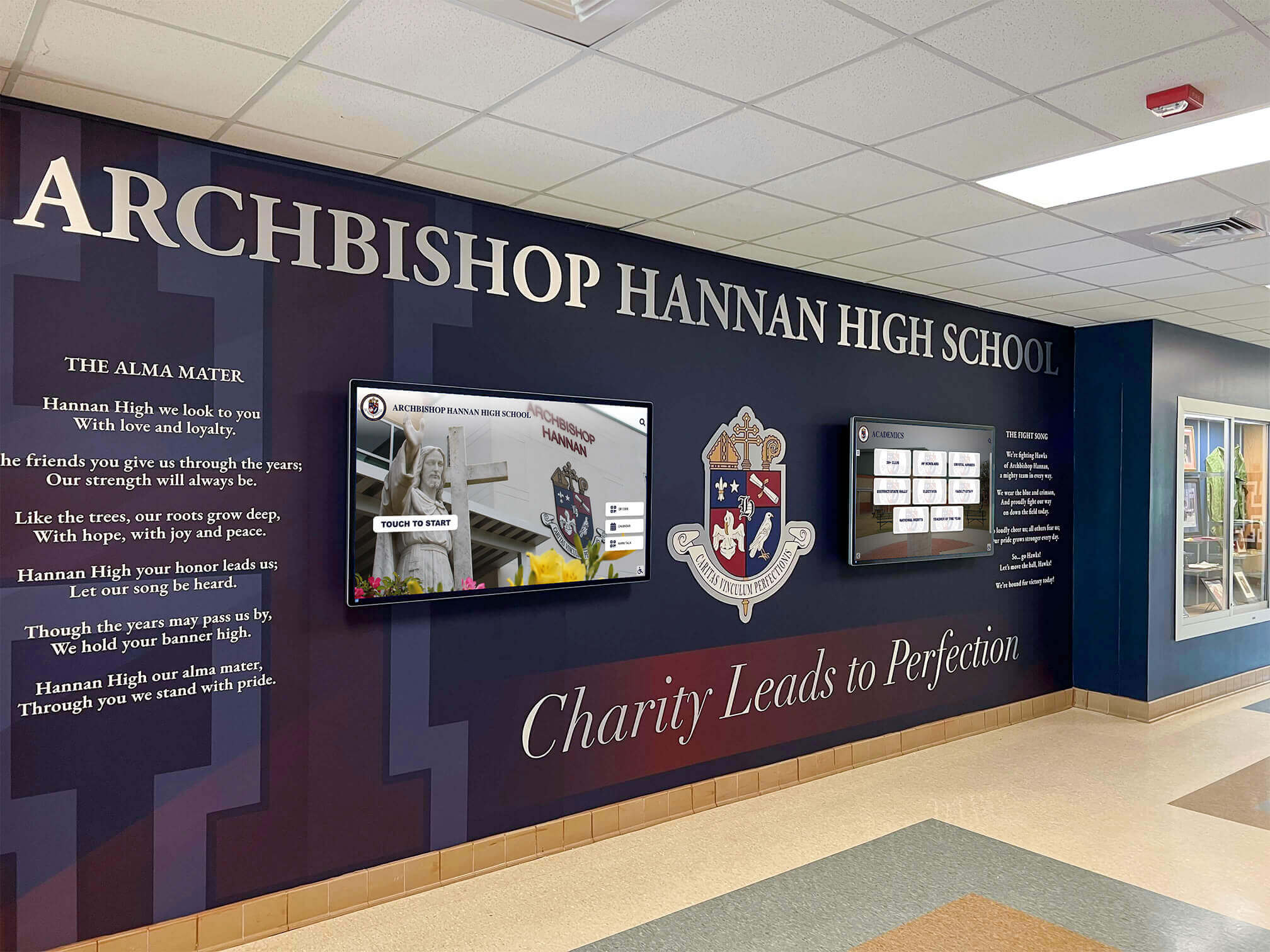
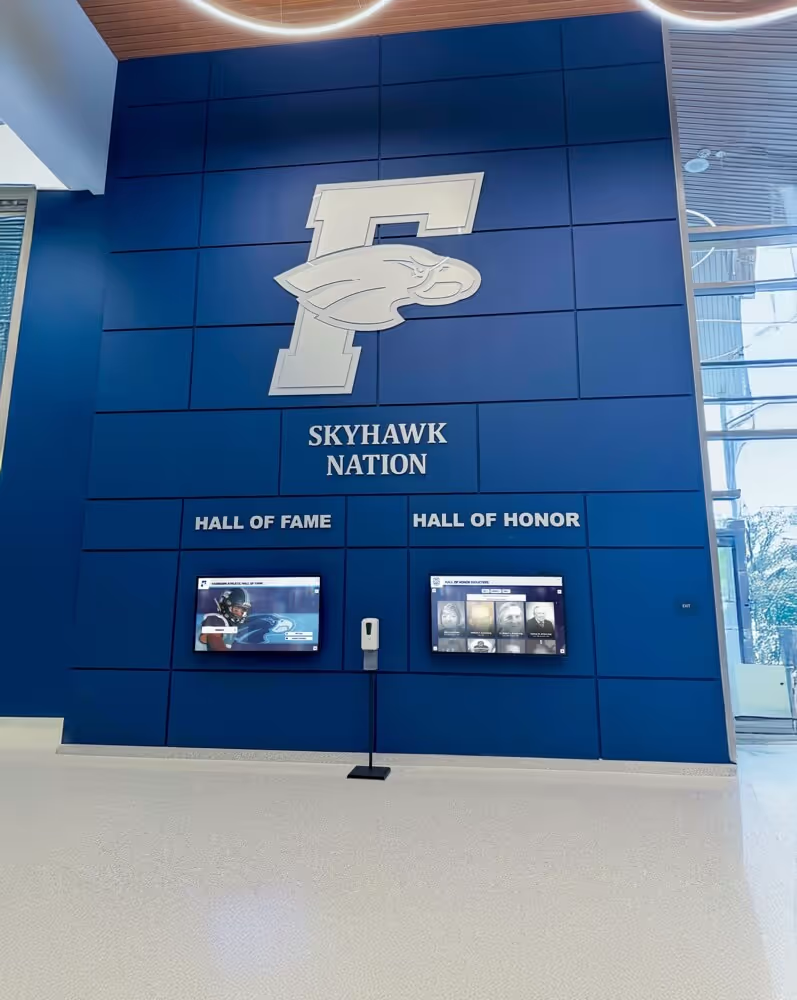
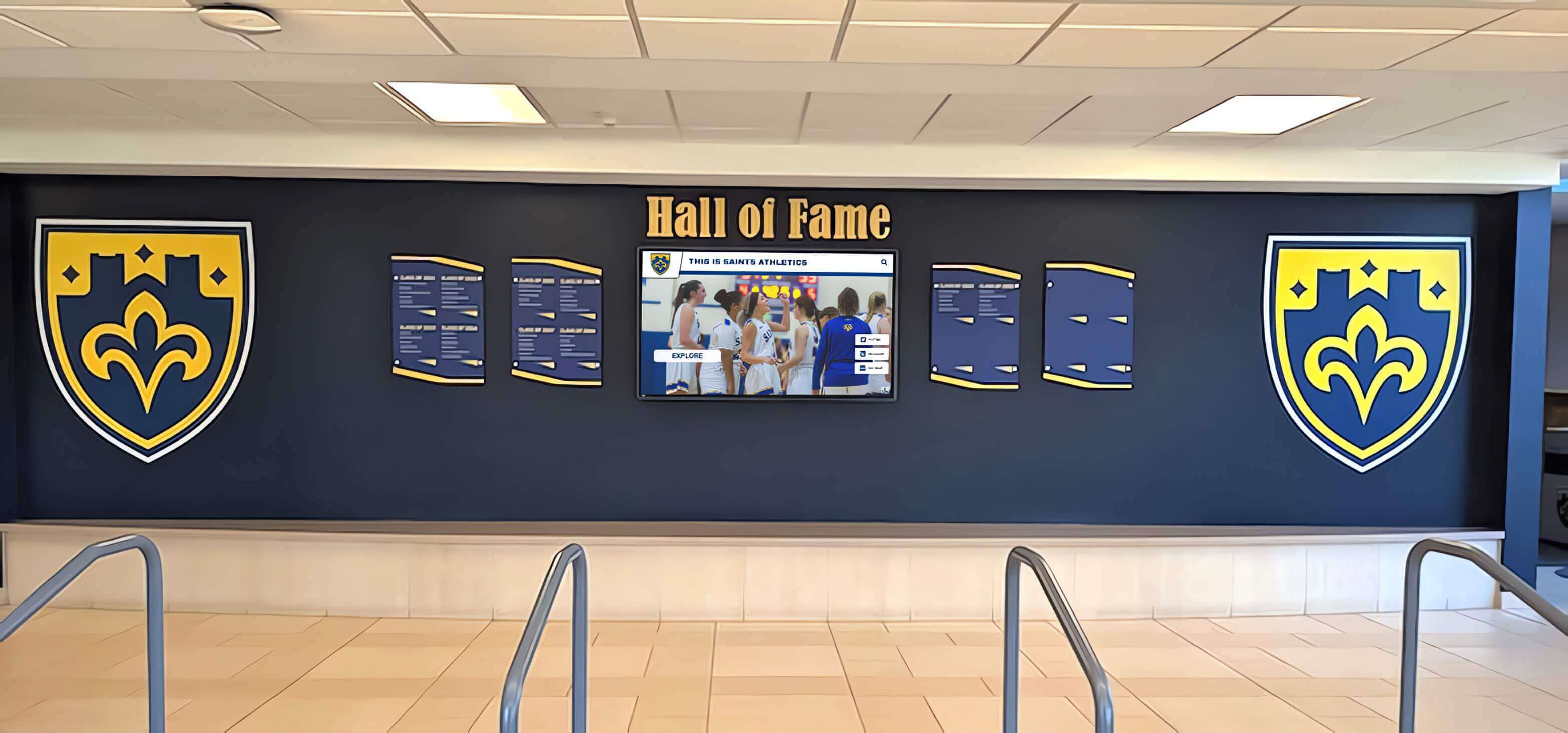
School lobbies decorated with permanent recognition elements make natural gathering spaces for senior breakfast guests before and after the formal program
Pairing Senior Breakfast with Lasting Recognition Displays
The senior breakfast produces a peak recognition moment. The challenge—familiar to every school that invests in recognition events—is what happens after the room clears. Certificates go into drawers. Photos fade from bulletin boards. The specific achievements and character of a graduating class gradually disappear from the school’s visible landscape.
Schools that invest in permanent recognition infrastructure extend the value of every event, including the senior breakfast, indefinitely. A graduating class that knows their achievements will be permanently displayed behaves differently during the recognition event itself—they understand the morning as the beginning of their legacy, not the end.
Digital Display Options for Senior Recognition
Interactive digital displays have transformed how schools approach permanent senior recognition. Rather than a static plaque that lists names, a digital display can include:
- Individual senior profiles with photos, achievement summaries, and personal statements
- Video highlights from performances, competitions, or major events
- Award recipient listings organized by year and category
- Scholarship recipient recognition with destination college information
- A searchable archive that families, alumni, and current students can explore
For schools comparing digital display options for senior recognition, the comprehensive framework in touchscreen kiosks for schools: a buyer’s guide for lobby displays and recognition walls covers the key considerations.
Integrating the Senior Breakfast into a Yearlong Recognition Arc
The most effective senior recognition programs don’t treat the breakfast as a standalone event. They design it as the capstone of a yearlong recognition arc:
September/October: Senior profiles featured in school newsletter and social media November/December: Mid-year achievement recognition and scholarship application acknowledgment January/February: Scholarship recipients announced and highlighted March/April: Senior superlatives campaign and voting May: Senior breakfast as capstone recognition event June: Commencement—the public ceremony that follows the intimate one
Each phase builds toward the senior breakfast as the moment where the class gathers to receive the full weight of their school’s recognition before they leave.
For ideas on how recognition displays support this kind of sustained recognition throughout the school year, Rocket Alumni Solutions’ approach to white-glove support and long-term customer success for school recognition programs illustrates how schools can build recognition infrastructure that serves multiple events over time.
Physical Trophy and Award Displays
Not every school is ready for a digital display investment. Physical recognition infrastructure—trophy cases, honor boards, senior walls—can be upgraded incrementally:
- Add a dedicated “Senior Class of [Year]” section to the existing trophy case
- Create an annual senior achievement poster displayed in the main hallway
- Install a permanent honor board that lists scholarship recipients and academic award winners by class year
- Commission a senior class composite photo in a consistent format and display it alongside previous years’ composites
The combination of physical and digital approaches to senior recognition is explored in the framework from donor display solutions: physical, digital, and hybrid options compared, which offers relevant insights for schools deciding how to layer recognition display formats.
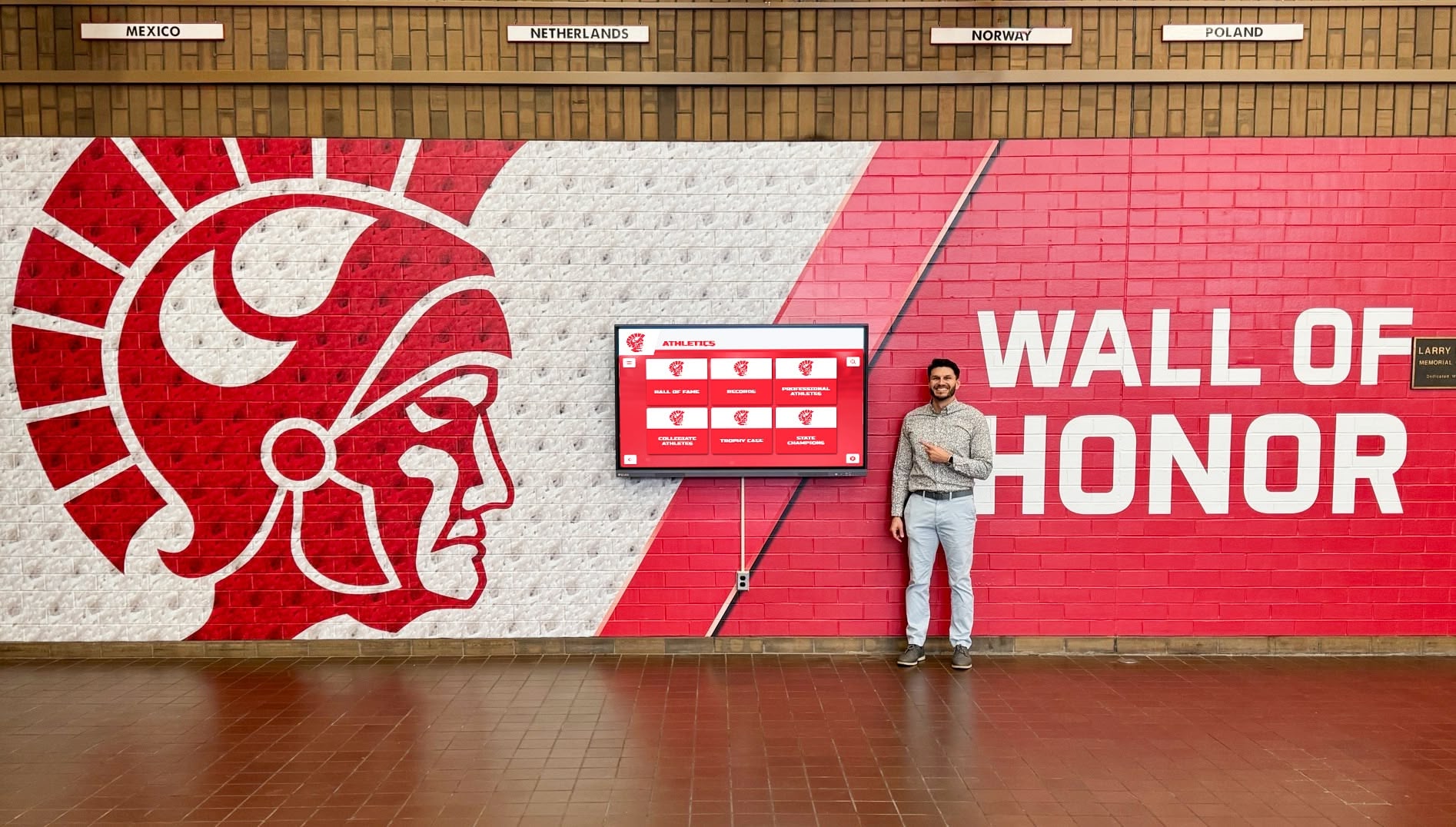
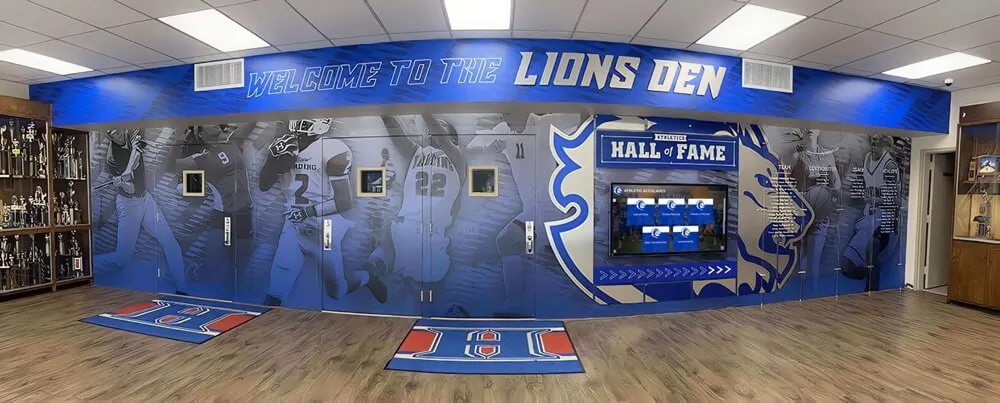
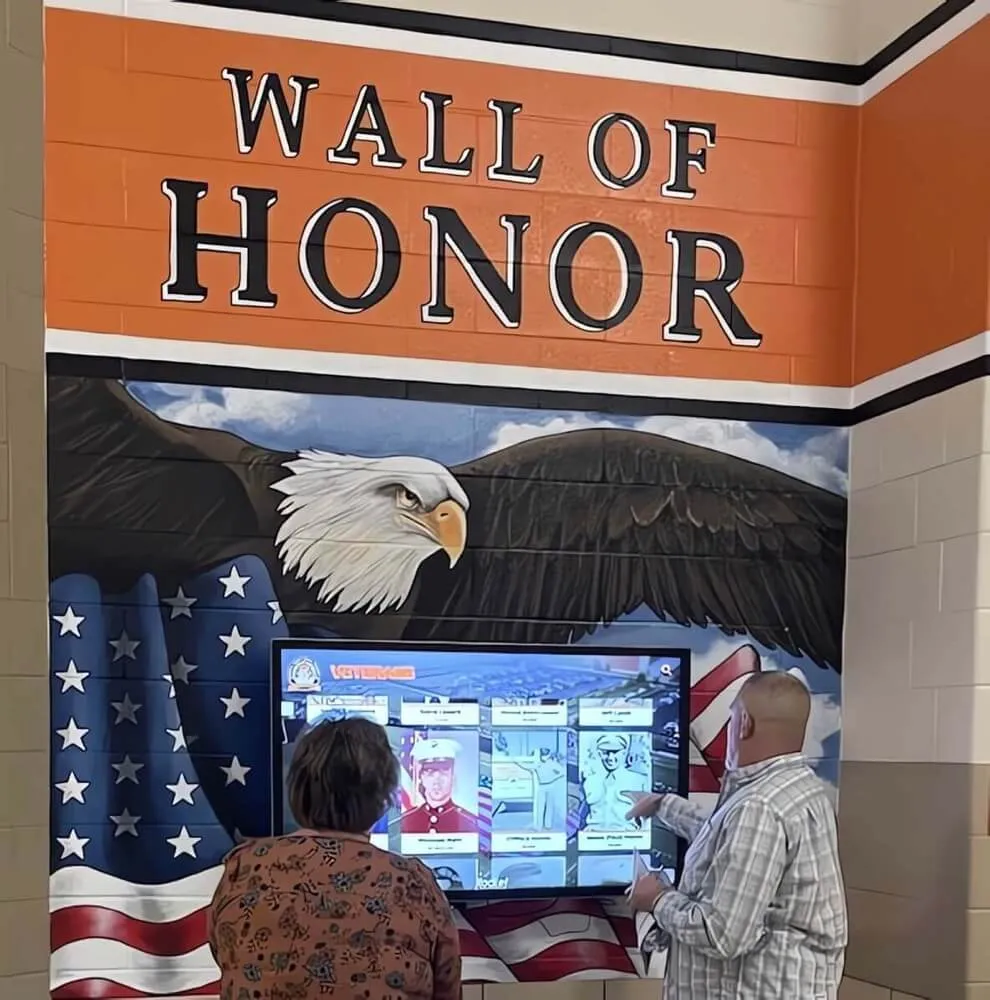
Wall of Honor displays adjacent to event spaces create natural stopping points for families and guests who want to see the school's recognition history before or after the senior breakfast
Planning Timeline for Senior Breakfast Organizers
A senior breakfast that feels effortless requires months of preparation. Here is a practical planning timeline:
10-12 Weeks Before
- Confirm venue, date, and time with administration
- Establish guest list format (students only, families included, faculty)
- Identify award categories and select committee or faculty nominators
- Set budget and begin vendor outreach for catering
8-10 Weeks Before
- Open senior superlative voting (if using peer voting)
- Begin collecting photos for the photo montage
- Assign faculty tribute responsibilities
- Confirm AV equipment needs: projector, screen, microphone, music
6-8 Weeks Before
- Close superlative voting and compile results
- Finalize award recipients for faculty-selected categories
- Begin designing printed programs and table decorations
- Contact scholarship organizations to confirm announcements can be timed to the event
4-6 Weeks Before
- Confirm catering menu and headcount estimates
- Produce first draft of photo montage for review
- Brief faculty on tribute format and time limits
- Communicate event details to seniors and families (if included)
2-3 Weeks Before
- Finalize program, award certificates, and printed materials
- Complete photo montage and test AV presentation
- Confirm volunteer roles for setup, registration, and cleanup
- Send final communication to all attendees
Day Before
- Venue setup: tables, decorations, AV test
- Final headcount confirmation with caterer
- Briefing of all presenters, emcees, and faculty tribute speakers
Day Of
- Staff arrive 90 minutes before start time
- AV final check
- Catering setup and quality review
- Registration table ready 30 minutes before guests arrive
For schools building connected recognition events throughout the year, the high school fundraising ideas explored in high school fundraising ideas and community engagement approaches include complementary community-building strategies that can support senior recognition goals.
Senior Breakfast Ideas for Different School Contexts
Small School Senior Breakfasts (Under 50 Graduates)
The intimacy of a small graduating class is an asset, not a limitation. With fewer than 50 seniors, the breakfast can afford to be deeply personal:
- Every senior can receive an individual faculty tribute rather than only award recipients
- The photo montage can include significantly more photos per student
- Seating arrangements can be designed to intentionally mix friend groups and create new conversations
- Senior reflections can be extended, with more students given the opportunity to speak
- Service awards can acknowledge specific projects and contributions with detailed context
Large School Senior Breakfasts (200+ Graduates)
Scale creates logistical challenges that require planning solutions:
- Consider breaking the event into smaller sections by grade cluster, advisory, or house system
- Use digital displays and rotating photo montages rather than a single projected slideshow
- Create award sub-categories so more students can be meaningfully recognized
- Use a stage and professional PA system to ensure recognition moments are visible and audible from the full room
- Print detailed programs so families and students can follow the award sequence and locate specific recognitions
Title I School Senior Breakfasts
Schools serving lower-income communities can execute meaningful senior breakfasts with constrained budgets by focusing on the recognition elements that require no financial investment: personal faculty tributes, peer recognition moments, and structured reflection. Food costs can be minimized through school nutrition programs, parent volunteering, or community donations. The emotional investment of the ceremony—careful preparation, specific recognition, genuine tribute—costs nothing and matters most.
Private School Senior Breakfasts
Independent schools often have more flexibility in venue, catering, and production quality. The risk is that production quality can overwhelm genuine recognition. The most memorable private school senior breakfasts are those that resist the temptation to over-engineer the event and instead preserve the intimacy that makes the format meaningful.
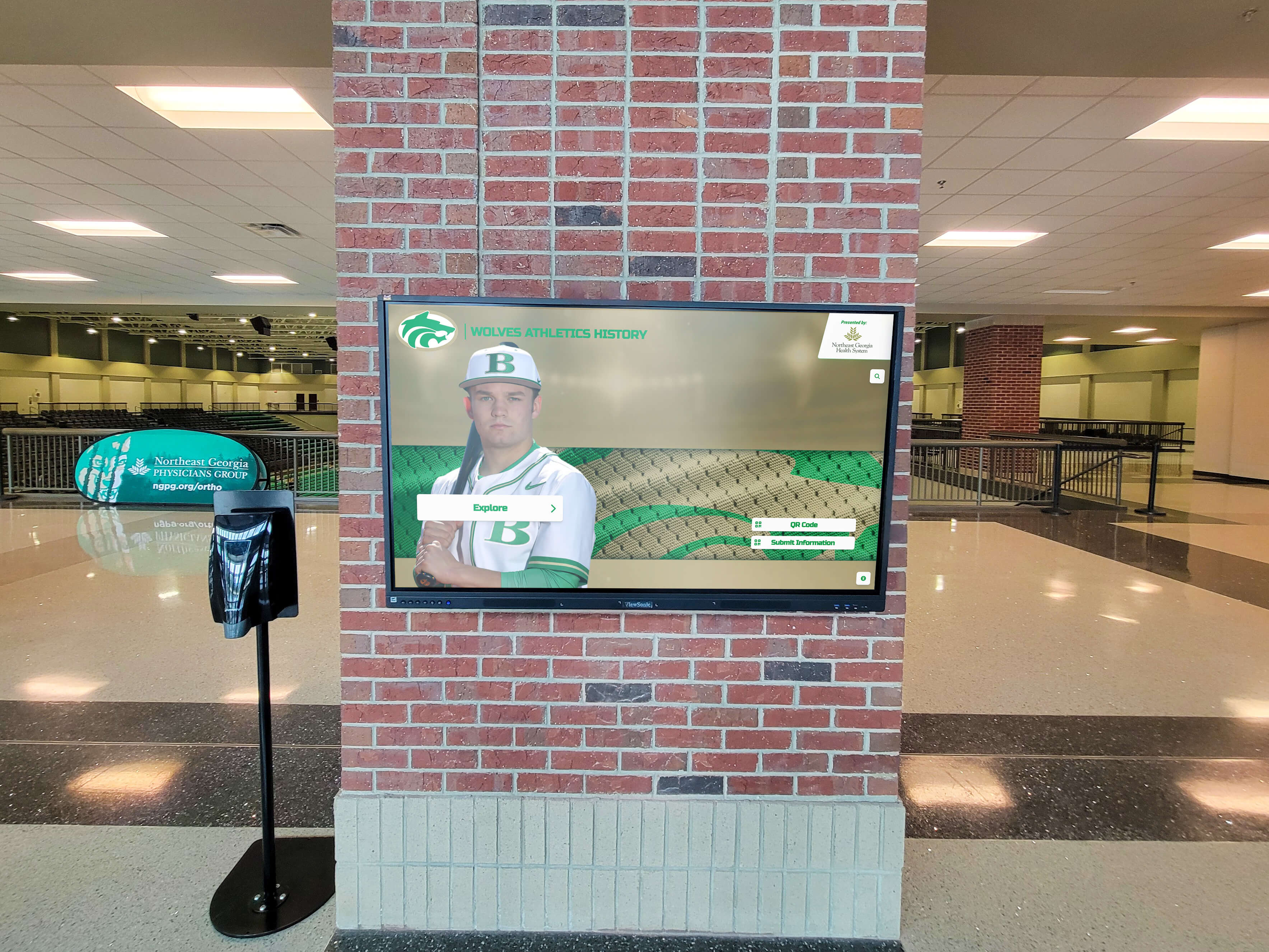
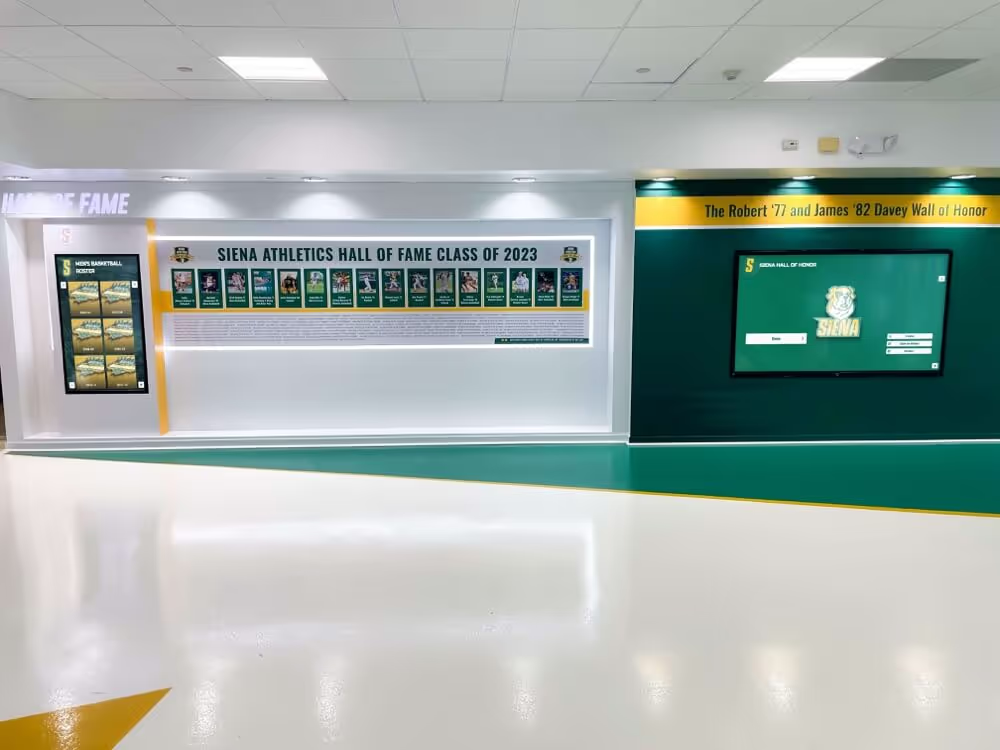
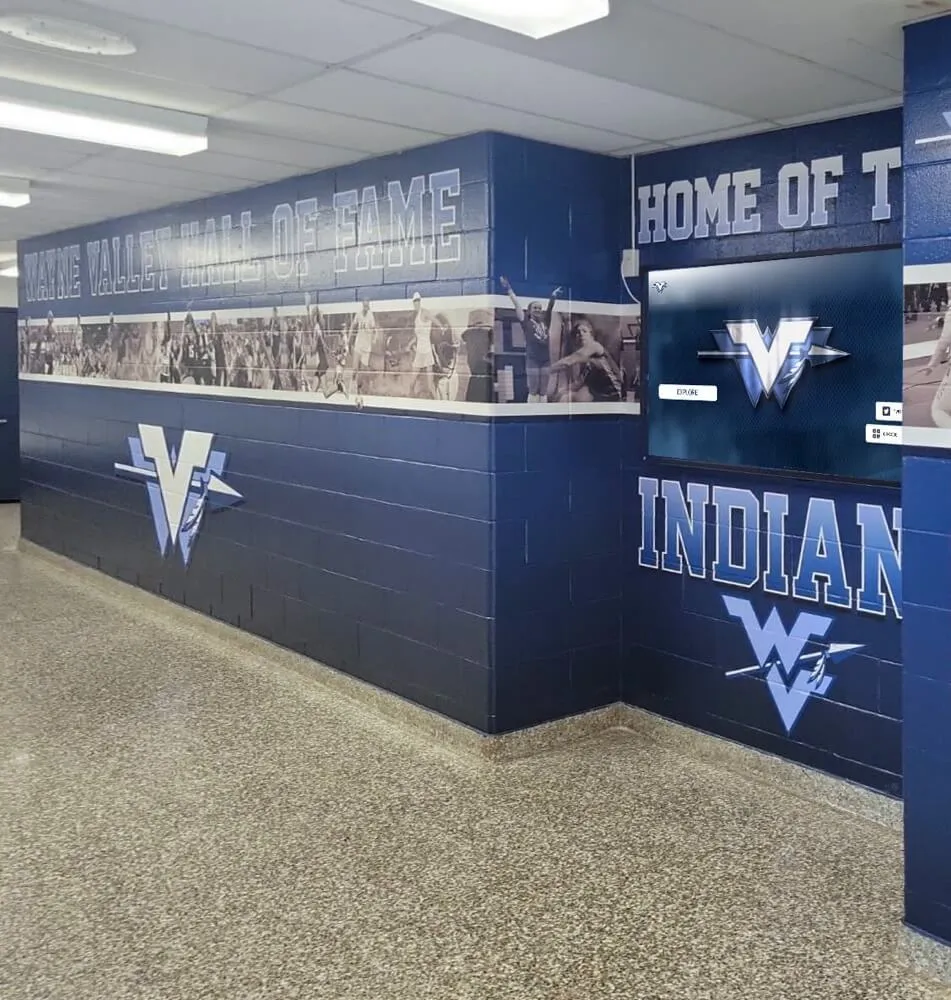
Professional-grade digital displays transform any venue into a high-impact recognition space that honors individual achievement with the visibility it deserves
Technology Tools for Senior Breakfast Planning and Recognition
Photo Collection and Slideshow Tools
- Google Forms + Drive: Efficient system for collecting photos from families and students with automatic organization by respondent
- Canva: Template-based slideshow and graphic design for programs, table cards, and certificates
- iMovie / DaVinci Resolve: Video montage production for more cinematic tribute presentations
- Animoto / Adobe Express: Faster, template-driven video production options for teams without video editing experience
Award Management Tools
- Google Sheets: Award nominations, voting tallies, and recipient tracking
- Survey platforms (Google Forms, SurveyMonkey, Typeform): Structured superlative voting with automatic tabulation
- Canva + Google Docs: Certificate design and production in-house without commercial printing costs
Event Communication Tools
- School communication platforms (Remind, ParentSquare, Infinite Campus): Announcements and RSVP collection
- Email newsletter tools (Mailchimp, Constant Contact): Formatted communications to parent communities
- Event websites or digital programs: QR code-linked digital programs replace printed versions and reduce production costs
For schools interested in how technology platforms support ongoing digital recognition beyond single events, the touchscreen kiosk software overview from touch screen kiosk software and interactive kiosk displays offers a practical look at what current systems can deliver.
Making the Senior Breakfast a Lasting Tradition
The senior breakfast becomes most valuable when it functions as a tradition that underclassmen anticipate from the moment they enroll. That requires consistency across years: consistent award categories, consistent ceremony structure, consistent venue and visual identity.
When juniors watch the senior breakfast and can recognize the structure from the year before—even as the specific awards, tributes, and personalities change—they begin preparing mentally for their own senior year. Some students choose clubs, volunteer activities, or leadership roles specifically because they’ve seen those contributions recognized at the senior breakfast.
Building that tradition requires documentation:
- Keep a planning guide that captures venue logistics, vendor contacts, award categories, and ceremony script templates
- Archive the award recipient lists by class year so the history accumulates
- Photograph every ceremony and organize the archives by year
- When faculty or staff who led the event transition out, ensure their institutional knowledge transfers to successors
For schools thinking about how permanent recognition displays support traditions like the senior breakfast by providing visible historical context, the Rocket Alumni Solutions overview in trophy display cases for schools and institutional recognition illustrates how physical and digital infrastructure reinforces the tradition’s meaning year over year.
See also how schools have leveraged digital asset management to preserve and surface recognition history in digital asset management for schools: a complete guide.
Frequently Asked Questions About Senior Breakfast
What is a senior breakfast and when is it typically held?
A senior breakfast is a recognition event held for graduating high school seniors, typically in the days or weeks immediately before commencement. It combines a shared meal with award presentations, faculty tributes, and class reflection activities. Most schools hold the event the morning of or the week before graduation day, though some hold it in the final week of classes.
Who should be invited to a senior breakfast?
The guest list is a school-specific decision. Many schools host student-only senior breakfasts to preserve an intimate atmosphere among the graduating class and their teachers. Others open the event to parents and family members as a community celebration of the transition to graduation. Both formats are valid—the key is deciding intentionally rather than defaulting to one approach without considering the trade-offs.
How long should a senior breakfast last?
Most senior breakfasts run between ninety minutes and three hours, depending on class size and program depth. A compact, well-paced event of ninety minutes with focused award presentations and brief tributes maintains energy better than a longer event with unfocused transitions. For events including family members, two to two-and-a-half hours allows time for mingling, dining, and the formal program without feeling rushed or dragging.
What awards are typically given at a senior breakfast?
Award categories vary widely by school but typically include academic achievement recognitions (honor roll longevity, subject area excellence, most improved), leadership and service awards (student government, club leadership, community service), character awards (perseverance, role model, unsung hero), and class superlatives voted on by the senior class. Scholarship announcements are often incorporated as well.
How do schools fund senior breakfast events?
Funding sources vary by school context. Most senior breakfasts are funded through a combination of per-student event fees (often built into senior year activities fees), proceeds from class fundraisers held throughout the year, school budget allocations for student activities, and parent or booster club contributions. Title I schools can sometimes access student activity funds or community partnership donations to cover food costs.
How can small schools create a meaningful senior breakfast with limited resources?
Small schools have an advantage in intimacy—events for fewer than 50 seniors can afford the personal attention that large-class events cannot. Focus investment on the recognition elements: personalized faculty tributes, a carefully produced photo montage, and specific award categories that reflect genuine knowledge of the students. Food quality and venue elegance matter less than the authenticity and specificity of the recognition itself.
Make Senior Recognition Last Beyond a Single Morning
Rocket Alumni Solutions builds interactive digital displays that transform senior breakfast recognition into a permanent record — featuring individual senior profiles, award recipient archives, scholarship histories, and class accomplishments that remain visible to students, families, and future classes for years to come.
Explore Senior Recognition Display SolutionsThe senior breakfast is a morning. The recognition it produces, when preserved and displayed with intention, is permanent. Every student who receives an award that morning deserves to see their name in the school’s record—not just in a certificate they might misplace, but in a display that tells future classes: someone sat in your seat, worked as hard as you’re working now, and earned something worth remembering.