



Softball field dimensions vary significantly across competitive levels, from youth leagues through high school and college play, with each level requiring specific measurements for base paths, pitching distances, outfield fences, and field layout to ensure player safety and fair competition. When schools, athletic directors, and facility managers understand these dimensional requirements—including the differences between fastpitch and slowpitch configurations, age-appropriate sizing, and governing body regulations—they create fields that serve multiple programs while establishing competition-ready surfaces where athletes achieve milestones worthy of permanent recognition.
Yet many facilities struggle with softball field layout decisions, leading to costly compromises. Multi-purpose fields built without understanding dimensional variations limit which age groups and competition levels can play, improper pitching distances create safety concerns or fail to meet sanctioning requirements, inadequate fence distances prevent hosting of championship games, and fields designed for only one competitive level waste opportunities to serve broader athletic communities. Meanwhile, facilities that achieve record-breaking performances often lack integrated recognition systems celebrating these accomplishments in the venues where they occur.
This comprehensive guide explores softball field dimensions across all competitive levels, from youth recreational leagues to NCAA Division I championships, helping athletic directors, facility planners, and school administrators make informed decisions that serve softball programs for decades.
Understanding softball field dimensions requires recognizing that unlike baseball’s relatively uniform dimensions, softball fields vary systematically by competitive level, player age, and game format (fastpitch versus slowpitch). These variations ensure age-appropriate challenge levels while maintaining safety standards as players develop strength and skill. Facilities meeting governing body specifications enable schools to host sanctioned competitions, provide accurate measurement for record documentation, and create training environments preparing athletes for advancement.

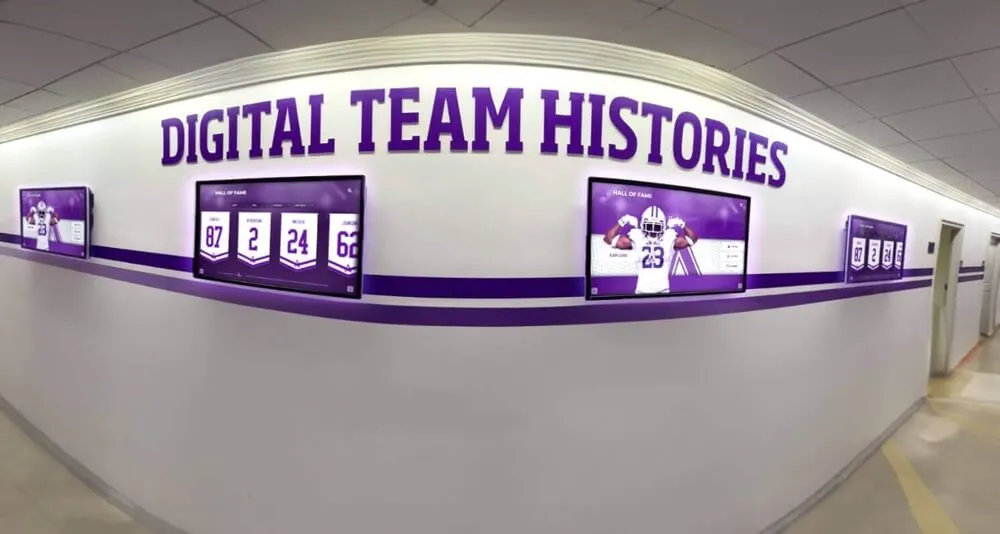
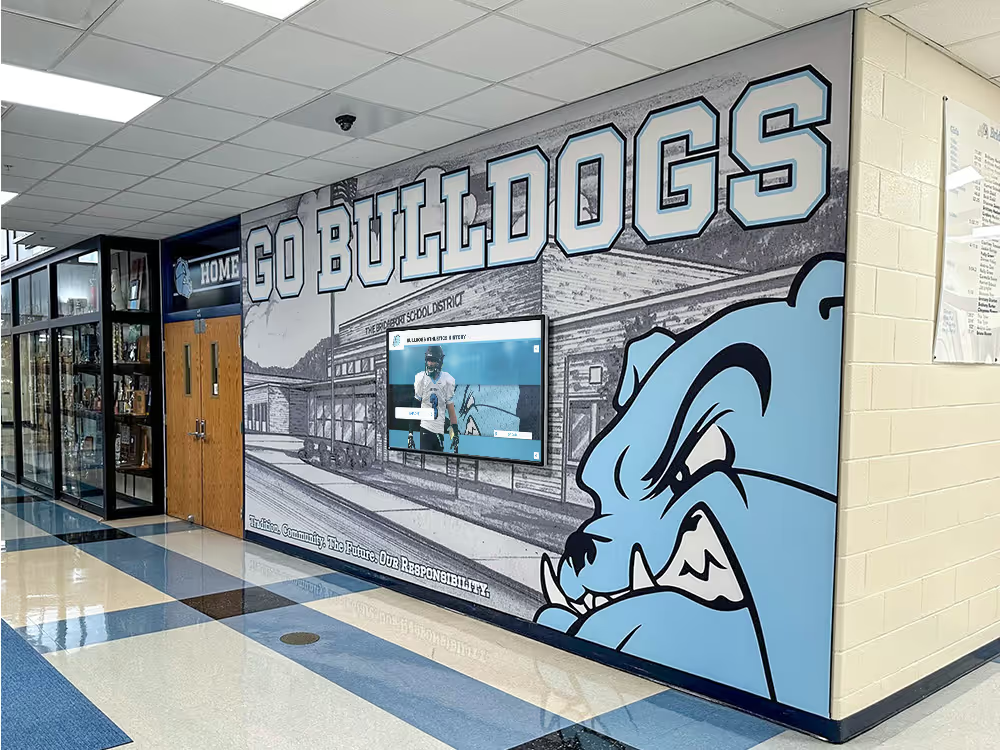
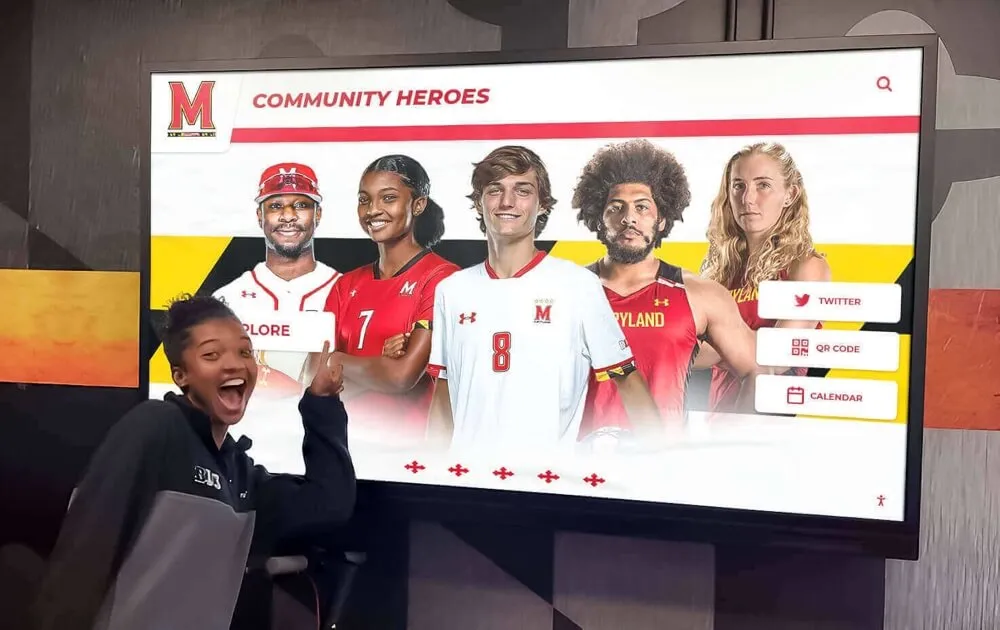
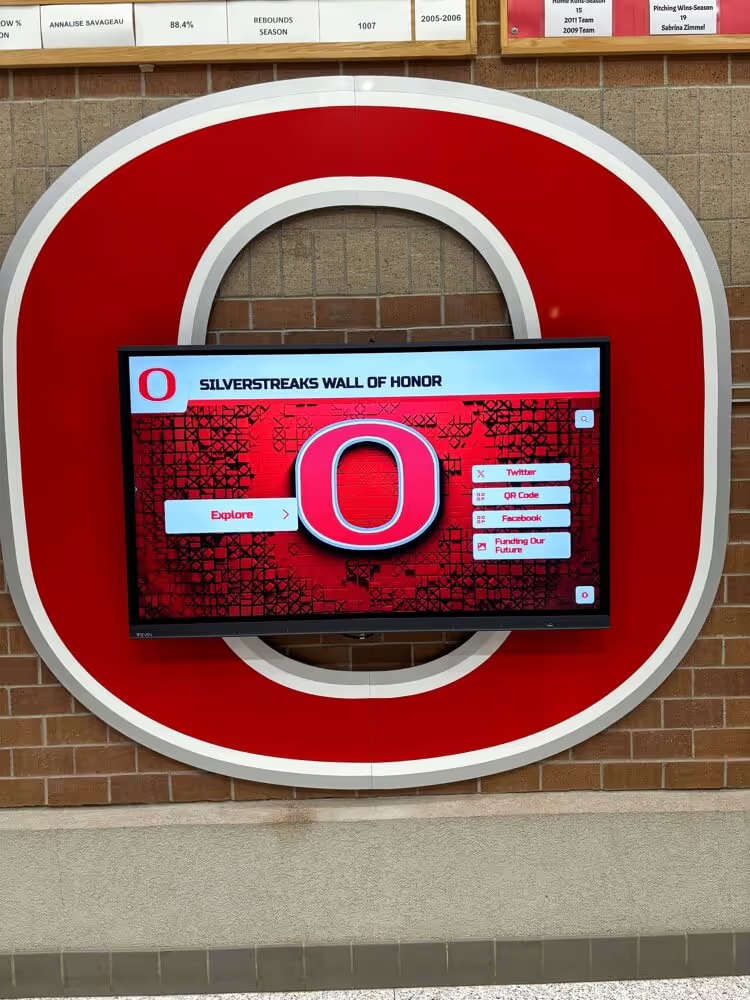
Modern athletic facilities integrate softball record boards celebrating achievements earned on properly dimensioned competition surfaces
Fastpitch Softball Field Dimensions by Level
Fastpitch softball represents the primary format for competitive play at high school and college levels, with clearly defined dimensions established by governing bodies.
High School Fastpitch Softball Dimensions
High school softball fields follow National Federation of State High School Associations (NFHS) specifications that standardize competition across the country:
Base Path Distance
- Standard base path measures 60 feet between bases
- Distance measured from the rear point of home plate to the center of second base
- First base and third base positioned at 60-foot intervals forming a perfect square
- Distance from home plate to second base measures 84 feet, 10.25 inches diagonally
Pitching Distance
- Pitching rubber positioned 43 feet from the rear point of home plate
- This distance applies to all high school fastpitch competition
- Pitching rubber measures 24 inches long by 6 inches wide
- Pitcher’s circle has 16-foot diameter (8-foot radius from center of pitching rubber)
Outfield Fence Requirements
- Recommended minimum fence distance of 200 feet from home plate
- Many competitive high school fields extend to 220-225 feet
- Championship-level fields may reach 235-250 feet
- Fence height typically ranges from 4 to 6 feet
According to NFHS Softball Rules, these dimensions ensure consistent competition standards while accommodating varying facility sizes across different schools and districts.
College Fastpitch Softball Dimensions
NCAA softball employs slightly different specifications reflecting the advanced skill level:
Base Path Distance
- Identical to high school: 60 feet between bases
- Maintains consistency from high school to college competition
- Standard applies across NCAA Division I, II, and III
Pitching Distance
- Pitching rubber positioned 43 feet from home plate
- Matches high school distance for fastpitch
- Some international competitions use different distances
- Collegiate and Olympic competition share these specifications
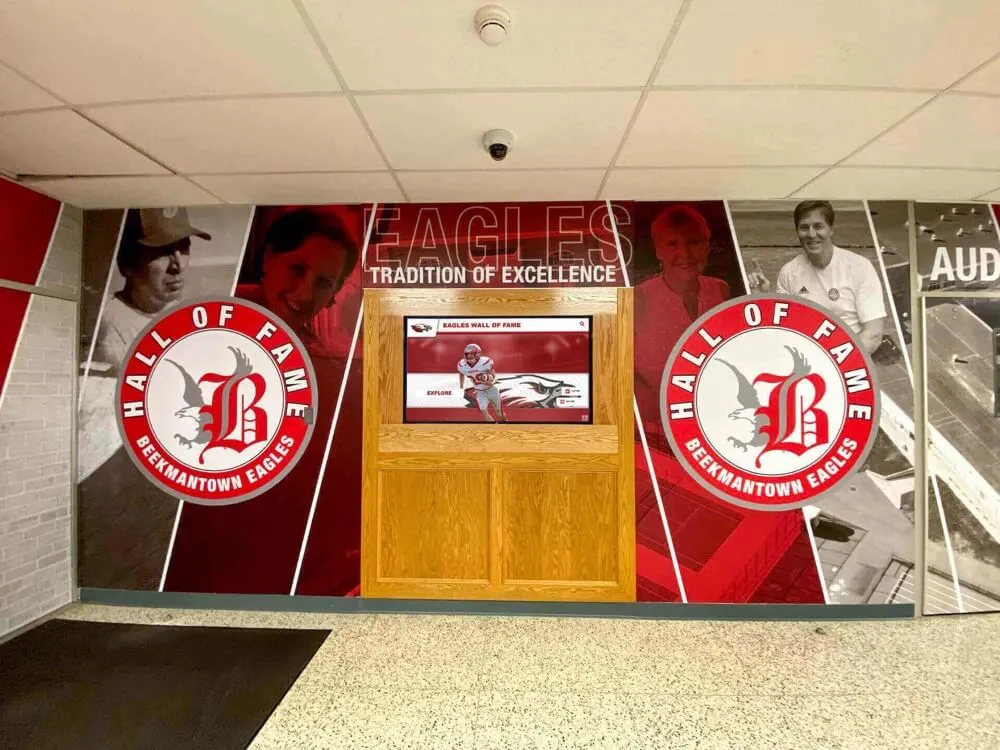
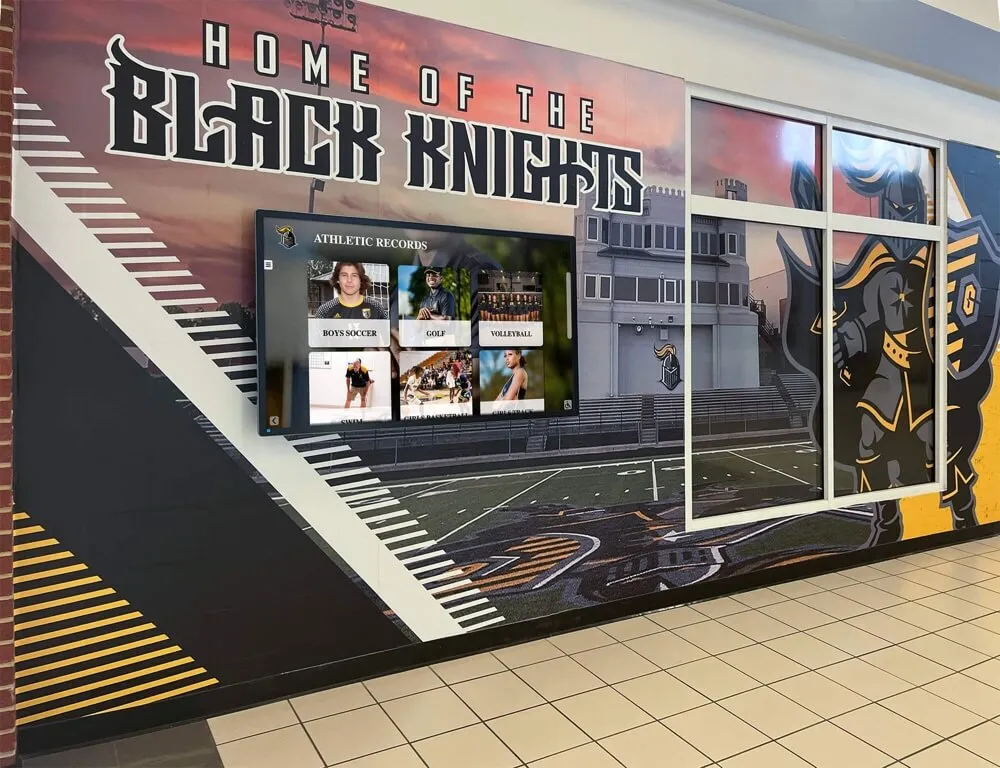
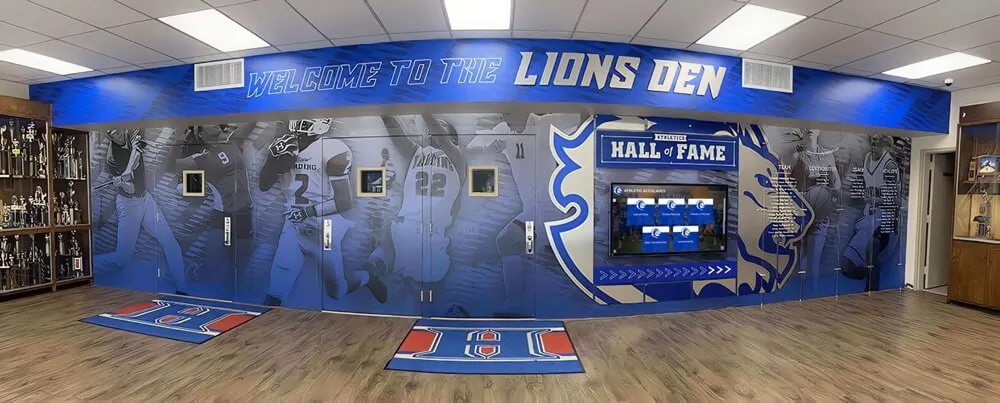
Digital displays preserve softball program histories and career records for players and teams
Outfield Fence Specifications
- NCAA recommends minimum 220 feet from home plate
- Most Division I fields feature 225-235 foot fences
- Premium facilities may extend beyond 250 feet
- Fence height typically 4-8 feet depending on facility design
Additional Field Markings
- Three-foot line extends from midpoint of the distance between home and first base
- Coaching boxes measure 8 feet by 15 feet
- On-deck circles positioned in foul territory near team benches
- Batter’s boxes measure 3 feet by 7 feet on each side of home plate
Programs celebrating softball achievement can explore creative softball awards ideas that honor outstanding performances on regulation fields.
Youth Softball Field Dimensions
Youth softball leagues employ progressively sized fields matching player development stages, with dimensions varying by age group and organizational standards.
Recreational Youth League Standards
Youth recreational leagues typically follow standards established by organizations like Little League, ASA/USA Softball, and local governing bodies:
Ages 10 and Under (10U)
- Base paths measure 60 feet between bases
- Pitching distance of 35 feet from home plate
- Recommended outfield fence distance of 150-175 feet
- Smaller dimensions accommodate developing players’ throwing capabilities
Ages 12 and Under (12U)
- Base paths remain 60 feet
- Pitching distance increases to 40 feet
- Outfield fences typically 175-200 feet
- Transition distance preparing players for high school dimensions
Ages 14 and Under (14U)
- Base paths maintain 60 feet standard
- Pitching distance extends to 43 feet (matching high school/college)
- Outfield fences range from 200-220 feet
- Dimensions closely approximate high school specifications

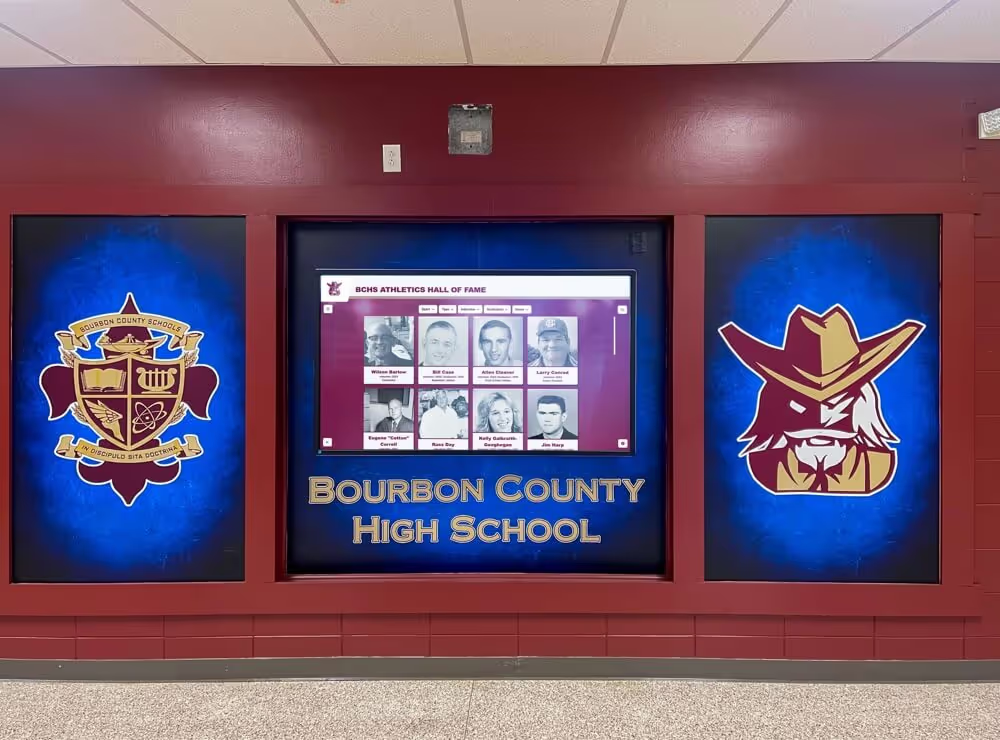
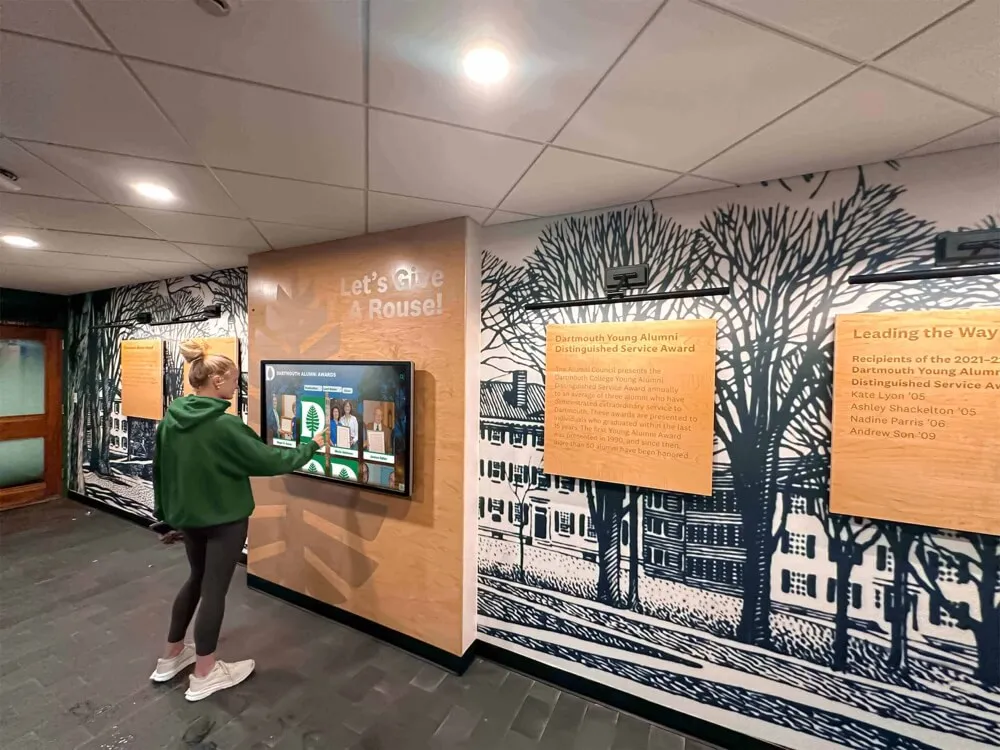
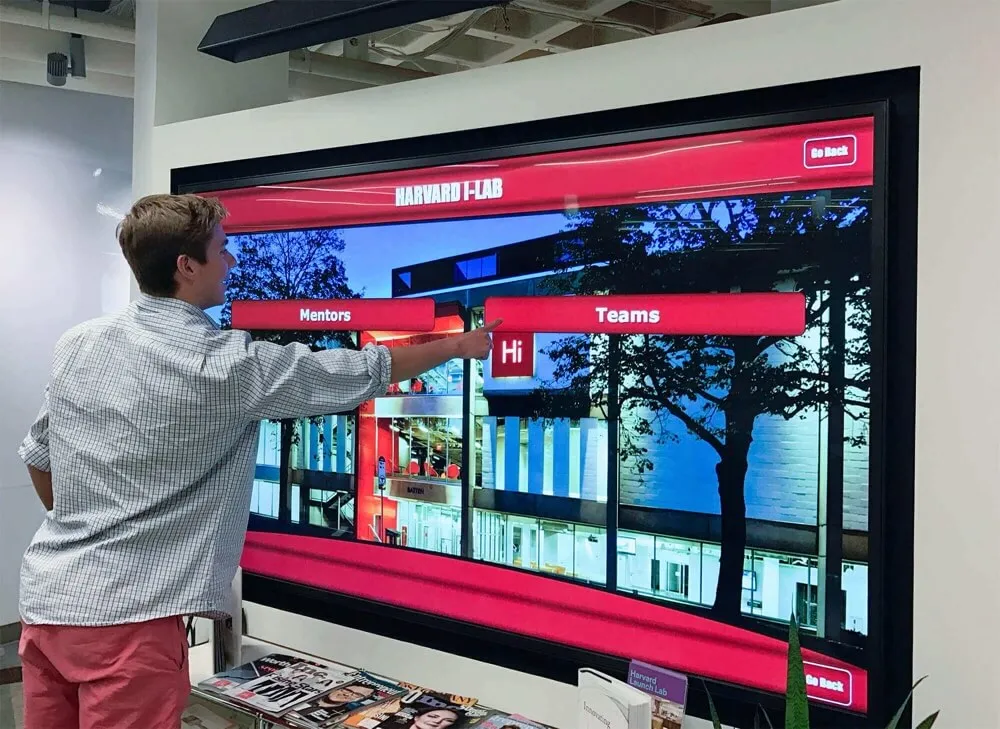
Interactive displays let softball players explore team records and individual achievements across multiple seasons
Travel and Competitive Youth Softball
Travel softball and competitive youth leagues may employ stricter dimensional standards:
Competitive Age Group Variations
- Organizations like ASA/USA Softball, USSSA, and Triple Crown establish specific requirements
- Pitching distances progress from 30 feet (8U) through 35, 40, and 43 feet as ages increase
- Base paths universally measure 60 feet across fastpitch divisions
- Fence distances vary by facility but follow minimum recommendations by age
Safety Considerations
- Shorter pitching distances for younger players reduce ball velocity
- Outfield fence distances match typical hitting power by age
- Field dimensions scale appropriately with player size and strength development
- Proper sizing reduces injury risk while maintaining competitive challenge
Youth programs building strong athletic cultures can implement high school end-of-year awards recognizing accomplishments throughout players’ development.
Slowpitch Softball Field Dimensions
Slowpitch softball employs different dimensional standards reflecting the game format’s unique characteristics and typically older player demographics.
Adult Slowpitch Specifications
Adult slowpitch leagues follow standards established by organizations including USSSA, NSA, and ASA/USA Softball:
Base Path Distance
- Standard base paths measure 65 feet between bases
- Five feet longer than fastpitch configurations
- Increased distance accommodates slower pitch delivery and increased hitting power
- Diagonal distance from home to second measures 91 feet, 10.5 inches
Pitching Distance
- Men’s slowpitch: 50 feet from home plate
- Women’s slowpitch: 50 feet (matching men’s distance in most leagues)
- Co-ed slowpitch: typically 50 feet
- Some senior leagues may adjust distances for age divisions
Outfield Fence Requirements
- Men’s slowpitch: typically 275-300 feet minimum
- Women’s slowpitch: typically 250-275 feet
- Upper-level competitive leagues may exceed 300 feet
- Fence height generally 6-8 feet for adult leagues
Youth Slowpitch Dimensions
Youth slowpitch programs use modified dimensions appropriate for younger players:
Youth League Variations
- Base paths often measure 60 feet (matching youth fastpitch)
- Pitching distances range from 46-50 feet depending on age
- Outfield fences typically 200-250 feet based on division
- Dimensions bridge recreational play and adult slowpitch standards
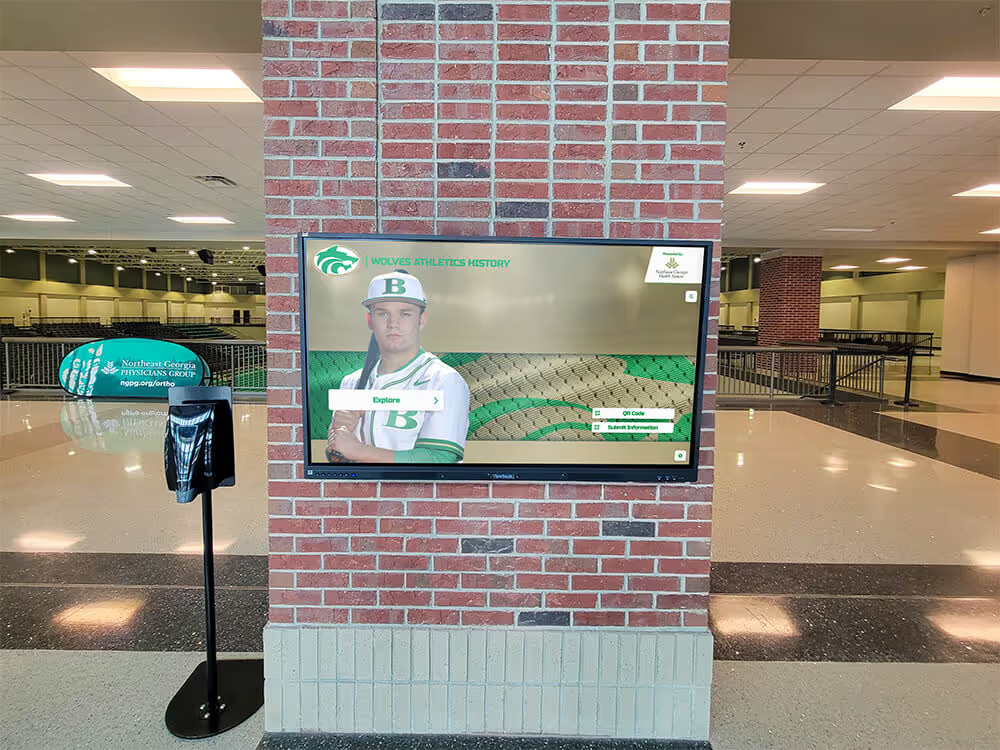
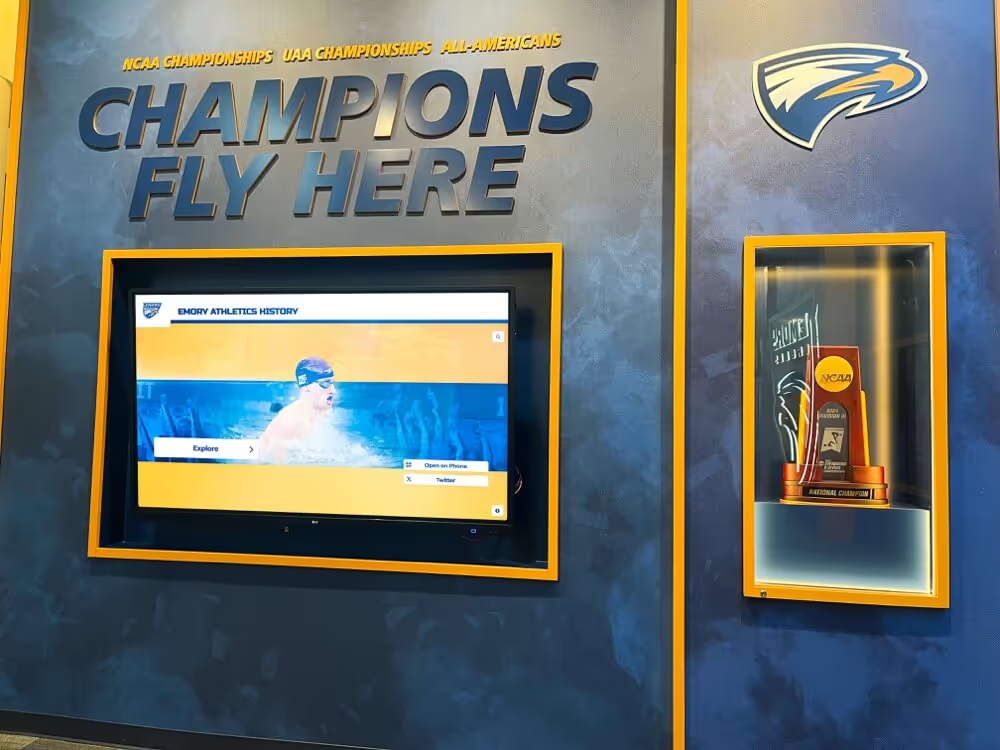
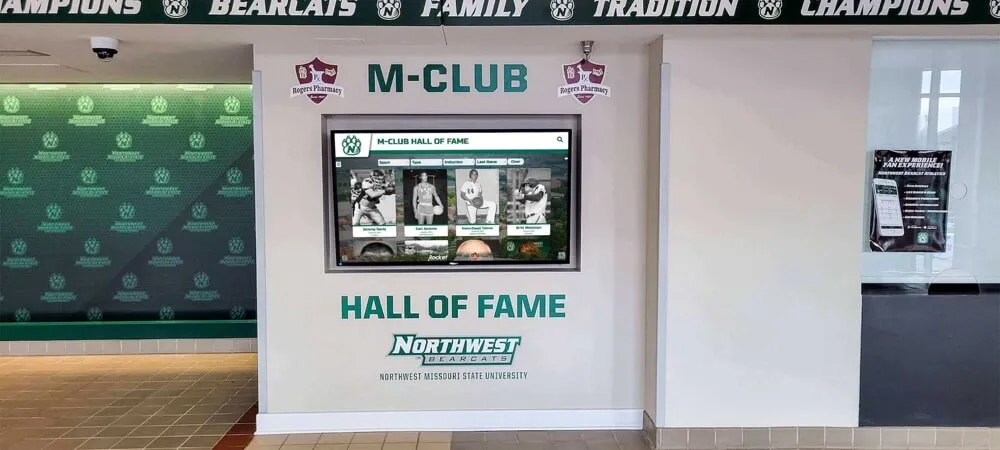
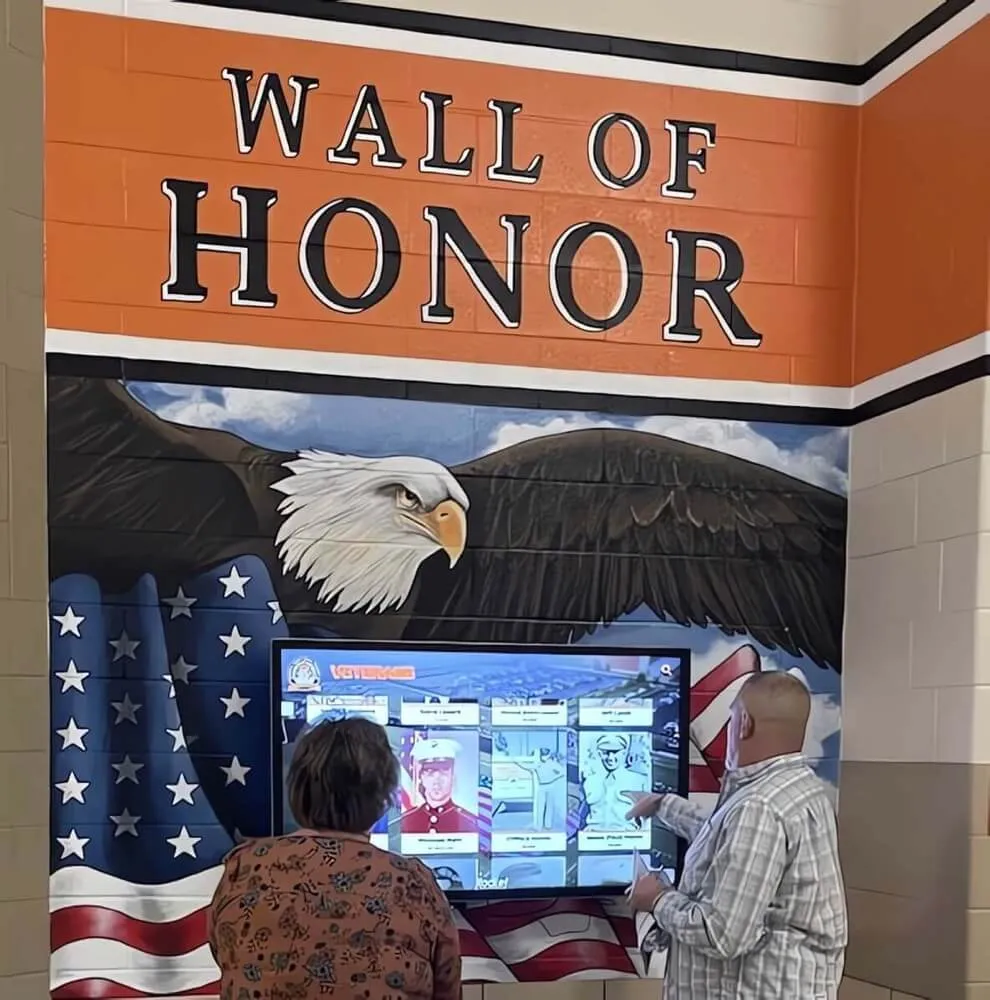
Touchscreen kiosks in athletic facilities provide access to complete softball program statistics and records
Church and Recreational League Adaptations
- Community leagues may modify dimensions for field availability
- Fence distances adjusted to existing facility constraints
- Pitching distances standardized within league for fairness
- Emphasis on participation rather than strict competitive standards
Schools planning comprehensive athletic celebrations can review end-of-season banquet ideas honoring softball achievements.
Critical Field Layout Components
Beyond basic dimensional requirements, properly designed softball fields incorporate several critical components ensuring player safety and competition standards.
Infield Surface and Skinned Area
The infield’s dirt portion requires specific design considerations:
Skinned Infield Dimensions
- Base path width typically 10-12 feet
- Skinned area extends in arc from foul line to foul line
- Common configurations include full skin or grass infield with skinned base paths
- Radius of skinned infield arc varies from 50 to 95 feet depending on design preference
Base and Home Plate Specifications
- Bases measure 15 inches square
- Double first base (safety base) increasingly common at competitive levels
- Home plate measures 17 inches wide at rear, tapering to point
- All bases should be properly anchored and level with playing surface
Pitcher’s Circle and Mound
- Pitcher’s circle radius measures 8 feet from pitching rubber center
- Softball employs flat pitching area (no mound elevation like baseball)
- Circle helps establish fielding priority and running lane rules
- Proper pitching rubber installation ensures consistent measurement
Foul Territory and Safety Zones
Adequate foul territory protects players and spectators:
Minimum Foul Territory Requirements
- Recommended 25 feet minimum from baselines to fixed obstacles
- Backstop distance of 25-30 feet from home plate for high school/college
- Youth fields may reduce to 20-25 feet for backstop
- Side fences positioned to provide safe fielding area
Dugout and Bench Placement
- Dugouts positioned outside playing area with protected access
- First base and third base dugouts equidistant from home plate
- Fencing or screens between benches and playing field
- Adequate spacing preventing interference with fielding
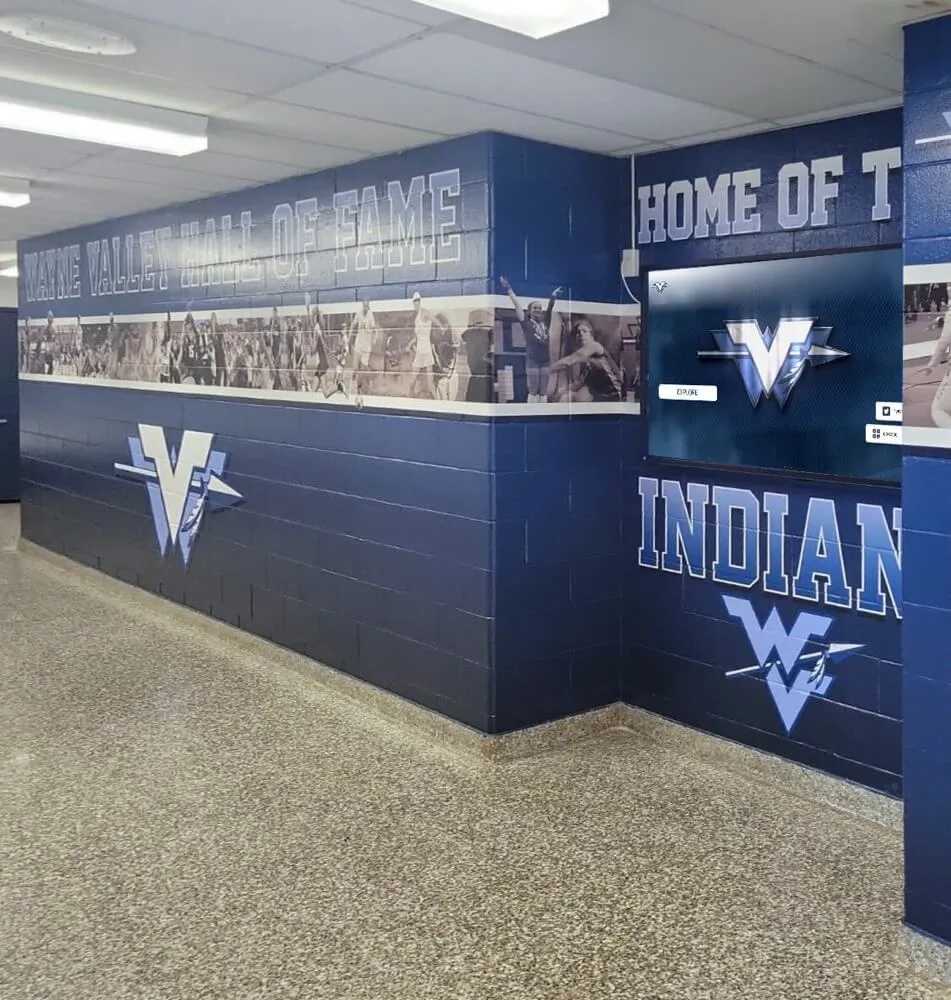
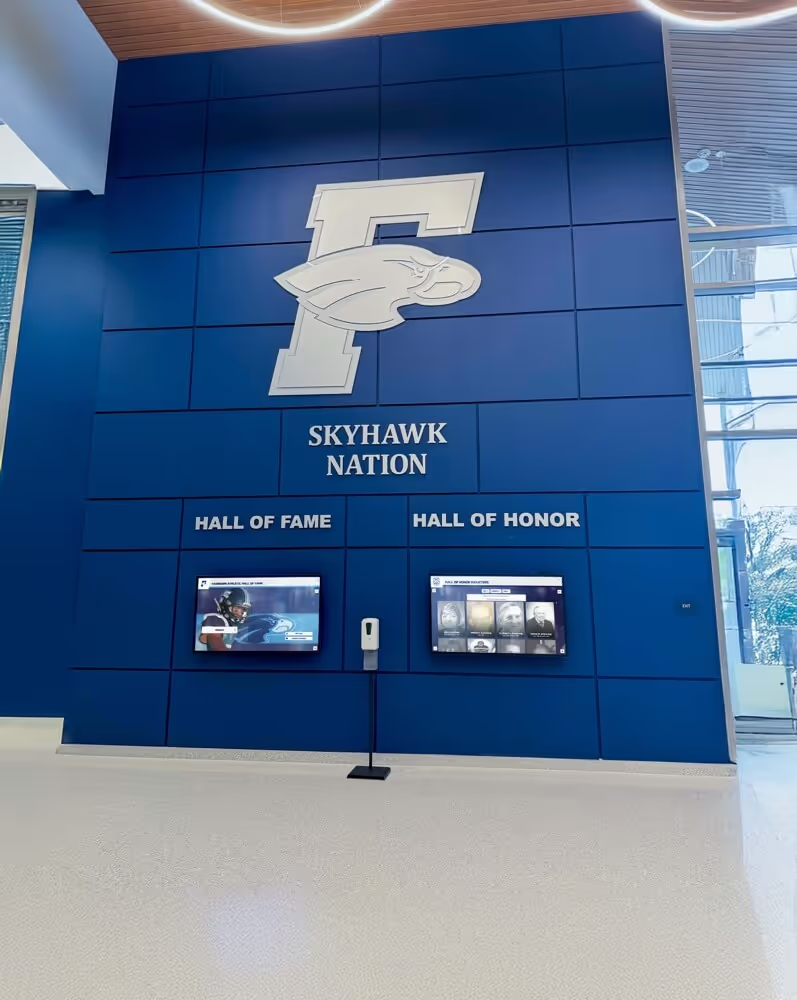
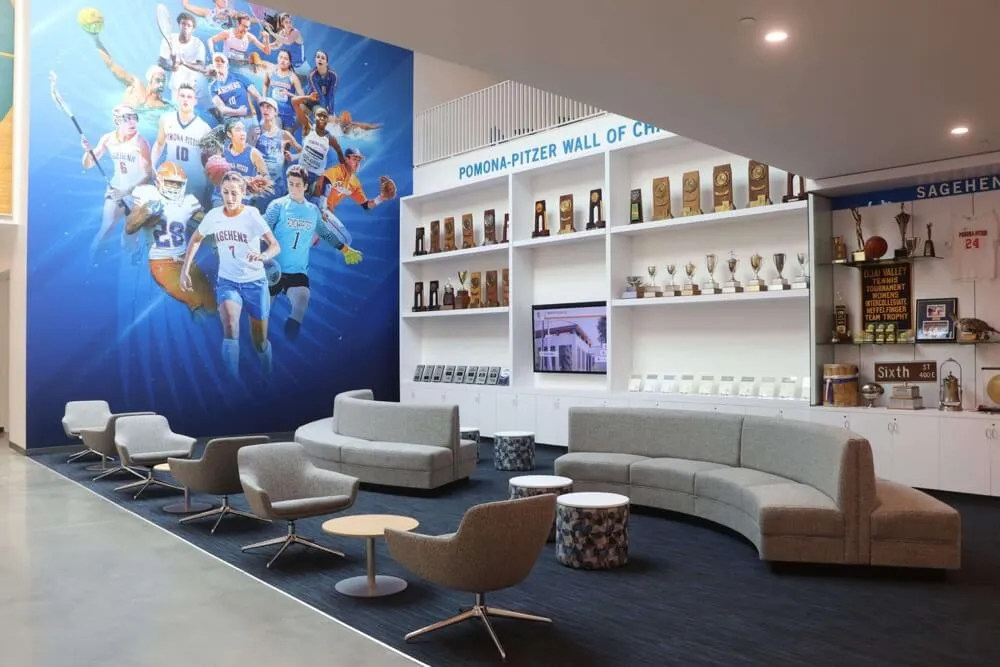
Permanent hall of fame displays honor softball legends and championship teams in high-traffic athletic areas
Warning Track and Outfield Wall Considerations
Outfield design elements enhance player safety:
Warning Track Specifications
- Crushed brick or different-texture material alerts fielders to fence proximity
- Recommended width of 10-15 feet from outfield fence
- Consistent depth around entire outfield perimeter
- Contrasting color or texture from main outfield grass
Fence Construction Standards
- Padded fencing required in many jurisdictions
- Fence posts positioned outside playing area when possible
- Smooth surface without protrusions creating injury hazards
- Clearly marked distance indicators at intervals
Athletic programs can explore football records recognition systems that apply equally well to softball achievement documentation.
Multi-Purpose Field Design Strategies
Many schools and athletic facilities must accommodate multiple softball programs or share fields across sports, requiring strategic dimensional planning.
Convertible Field Configurations
Well-designed fields can serve multiple competitive levels:
Multiple Pitching Rubber Positions
- Installing pitching rubbers at various distances (35’, 40’, 43’, 50')
- Allows same field to host youth through adult competitions
- Clearly marked distance indicators for each rubber
- Removable or flip-style rubber systems for quick conversion
Adjustable Base Path Systems
- Permanent anchors for both 60-foot and 65-foot base paths
- Enables hosting both fastpitch and slowpitch games
- Requires careful surveying to ensure accurate positioning
- Clearly marked base anchor points for each configuration
Portable Fencing Solutions
- Temporary fence systems creating age-appropriate outfield dimensions
- Particularly useful for youth programs on oversized fields
- Modular sections allowing quick setup and removal
- Must be properly anchored for safety and stability
Dual-Sport Field Applications
Some facilities design fields serving both softball and baseball:
Shared Infield Considerations
- Baseball diamond positioned with different orientation than softball
- Pitching rubber locations separated spatially
- Base paths measured for each sport independently
- Surface maintenance planning for overlapping skinned areas
Scheduling and Maintenance Implications
- Season overlap requiring careful field allocation
- Surface wear concentrated in high-traffic shared areas
- Pitching areas receiving heaviest use needing reinforcement
- Turf management accounting for different sport requirements
Facilities supporting multiple athletic programs benefit from academic recognition programs celebrating student-athlete achievement across sports.
Lighting and Spectator Accommodation
Complete softball facility design extends beyond field dimensions to lighting and spectator infrastructure.
Field Lighting Standards
Proper illumination enables evening games and practices:
Illumination Level Requirements
- Recreational play: 30-50 foot-candles minimum
- High school competition: 50-70 foot-candles
- College and elite competition: 75-100 foot-candles
- Measured at infield and critical outfield areas
Lighting System Design
- Pole height and positioning minimizing shadows
- Uniform illumination across playing surface
- Reduced light spillage affecting neighboring properties
- Energy-efficient LED systems increasingly standard

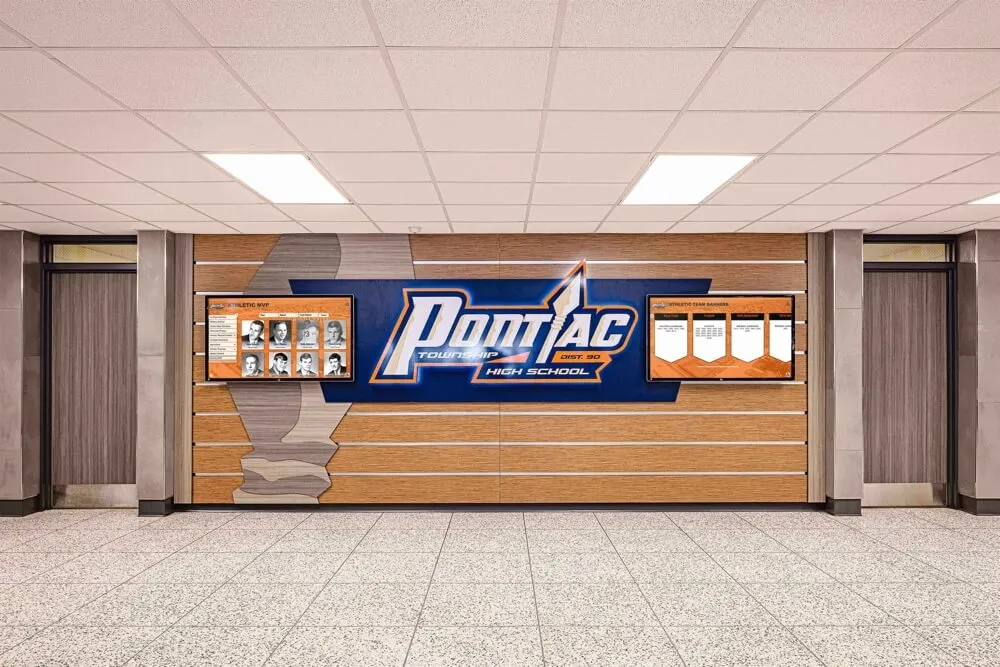
Modern athletic facilities combine functional playing surfaces with integrated recognition displays honoring program excellence
Bleacher and Spectator Seating
Spectator accommodation varies by competitive level and facility resources:
Seating Capacity Planning
- Youth recreational fields: 50-150 spectators typical
- High school facilities: 200-500 capacity common
- College softball stadiums: 500-2,000+ seats
- Championship venues: potentially 3,000+ capacity
Accessibility and Safety Requirements
- ADA-compliant seating and access paths
- Adequate spacing between seating and playing area
- Protective netting behind home plate extending to dugouts
- Emergency access routes for medical personnel
Amenity Considerations
- Concession facilities at competitive venues
- Restroom access meeting occupancy requirements
- Press box or announcer booth for varsity/college competition
- Scoreboard visibility from all spectator areas
Maintenance and Field Care Best Practices
Properly dimensioned fields require ongoing maintenance preserving playing surface quality and safety.
Infield Surface Maintenance
Regular infield care maintains consistent playing conditions:
Daily and Weekly Tasks
- Dragging and leveling skinned infield areas
- Base path maintenance and repair
- Pitcher’s circle condition monitoring
- Moisture content management in dirt areas
Seasonal Maintenance
- Laser grading ensuring proper drainage
- Topdressing and reconditioning worn areas
- Base anchor inspection and replacement
- Foul line repainting and marking refresh
Outfield and Turf Management
Outfield grass quality impacts player safety and game quality:
Mowing and Grooming
- Recommended mowing height of 1.5-2.5 inches for bermudagrass
- 2.0-3.0 inches for cool-season grasses
- Regular mowing maintaining consistent surface
- Pattern mowing for professional appearance
Irrigation and Fertilization
- Consistent moisture levels preventing hard spots
- Seasonal fertilization programs supporting healthy turf
- Overseeding and aeration for cool-season grass programs
- Integrated pest management controlling turf diseases
Schools can explore donor recognition wall design concepts that apply to athletic facility improvement fundraising.
Measuring and Certifying Field Dimensions
Proper field measurement ensures compliance with governing body requirements and maintains certification for sanctioned competition.
Professional Field Layout and Survey
Accurate field construction begins with professional surveying:
Initial Layout Procedures
- Licensed surveyor establishes permanent reference points
- Precision measurement of base paths using total station equipment
- Pitching distance verification from multiple reference points
- Geometric verification ensuring perfect 90-degree base angles
Permanent Marking and Monuments
- In-ground monuments marking home plate and base positions
- Permanent reference points for pitching rubber locations
- Surveyor documentation providing legal field description
- Benchmark elevations establishing drainage grades
Governing Body Certification
Competitive facilities require certification for championship hosting:
Certification Requirements
- State high school associations certify fields for playoff hosting
- NCAA requires certification for regional and championship venues
- Professional surveyor documentation submitted with application
- Periodic recertification ensuring continued compliance
Compliance Verification
- Annual measurement verification before championship seasons
- Documentation of any field modifications or improvements
- Photographic evidence of field markings and dimensions
- Updated site plans reflecting current configuration
Athletic departments can implement Academic All-American digital displays celebrating softball scholar-athletes.
Integrating Performance Recognition Systems
Modern softball facilities increasingly incorporate recognition displays celebrating achievements earned on their fields.
Digital Recognition Integration
Technology-enhanced facilities preserve softball program history:
Record Board Systems
- Digital displays showcasing career records and season achievements
- Real-time statistics integration during competitions
- Historical records preserved across program history
- Touchscreen access to complete statistical databases
Facility-Integrated Displays
- Entrance displays welcoming visitors with program highlights
- Concourse exhibits featuring championship teams and individual honors
- Dugout or press box digital boards recognizing current season leaders
- Outfield wall signage celebrating milestone achievements
Programs planning comprehensive athletic recognition can review Rocket Alumni Solutions hardware setup for modern display systems.
Permanent Recognition Elements
Traditional recognition complements digital systems:
Championship Banners and Signage
- Conference and state championship banners displayed at facilities
- Individual award winners honored on facility signage
- All-conference and all-state selections recognized
- Retired jersey numbers and hall of fame plaques
Facility Naming Opportunities
- Field naming rights recognizing major donors
- Dugout, press box, and seating area dedications
- Scoreboard sponsorship and recognition
- Warning track or outfield fence memorial dedications
Planning Your Softball Facility
Comprehensive facility planning ensures long-term functionality serving evolving program needs.
Needs Assessment and Programming
Successful projects begin with thorough needs analysis:
Program Requirements
- Current and projected participation levels
- Competitive levels to be hosted (youth, high school, college)
- Fastpitch and/or slowpitch accommodation
- Practice and competition schedule demands
Site Considerations
- Available land area and shape constraints
- Existing infrastructure (utilities, access, parking)
- Environmental factors (drainage, sun orientation, prevailing winds)
- Zoning and permitting requirements
Budget and Funding
- Construction costs for grading, surfacing, and amenities
- Ongoing maintenance and operational expenses
- Funding sources (capital budgets, donations, grants)
- Phased implementation possibilities
Schools can explore donor recognition display ideas for facility improvement fundraising campaigns.
Working with Design Professionals
Specialized expertise ensures quality outcomes:
Selecting Design Team
- Sports facility architects experienced in softball venue design
- Civil engineers specializing in athletic field grading and drainage
- Landscape architects coordinating turf and hardscape elements
- Specialized consultants for lighting, irrigation, and amenities
Design Development Process
- Conceptual design exploring multiple configurations
- Schematic design establishing overall layout and dimensions
- Design development detailing all systems and specifications
- Construction documents providing contractor guidance
Construction Administration
- Regular site observation ensuring compliance with plans
- Field testing and measurement verification
- Punch list development and completion oversight
- Final certification and acceptance procedures
Conclusion: Building Softball Facilities That Last
Properly dimensioned softball fields serve athletic programs for decades, hosting countless games, practices, and memorable moments while preparing athletes for advancement to higher competitive levels. Understanding dimensional requirements across youth, high school, and college competition—combined with thoughtful facility design addressing safety, multi-use functionality, spectator accommodation, and maintenance sustainability—creates venues that become cherished community gathering places where athletic excellence flourishes.
The most successful softball facilities extend beyond meeting minimum dimensional specifications to create comprehensive athletic complexes celebrating both current performances and program history. When schools invest in regulation fields while simultaneously implementing recognition systems preserving achievements earned on those surfaces—from digital record boards and interactive displays to championship banners and hall of fame exhibits—they create environments inspiring current athletes while honoring those who came before.
Rocket Alumni Solutions specializes in creating touchscreen recognition displays that transform softball facilities into inspiring spaces celebrating program excellence. Our digital solutions integrate seamlessly with modern athletic complexes, preserving career records, championship achievements, and individual honors in dynamic displays that engage players, families, and communities. By combining properly dimensioned competition surfaces with compelling recognition systems, schools create softball venues that serve athletes while building lasting program pride spanning generations.