



Sports awards ideas that reach beyond MVP trophies and conference selections create end-of-season celebrations where every athlete—not just the statistical leaders—walks away feeling genuinely recognized. When athletic directors and coaches build recognition programs around 25 or more deliberately designed categories, they convert the annual banquet from a single-night formality into a cultural touchstone that motivates rosters, retains athletes, and builds program identity that lasts for decades.
Most school programs still distribute the same five or six awards they’ve given for thirty years. That approach leaves the majority of any roster—the role players, the practice warriors, the team captains who never led the conference in scoring—with nothing to show for a full season of commitment. This guide maps 25 creative sports awards ideas across five recognition domains so coaches and athletic departments can build programs where achievement has many faces and every athlete sees a legitimate pathway to being honored.
Well-designed athletic recognition does more than feel good in the moment. According to the National Interscholastic Athletic Administrators Association (NIAAA), schools with structured multi-category recognition programs report significantly higher sport participation retention rates from one season to the next compared to programs that limit recognition to top performers. That data point matters: every athlete who doesn’t return next season represents lost program depth, fewer leadership candidates, and weakened team culture.
The 25 categories below are organized into five recognition domains so programs can audit their current awards and identify where gaps exist.

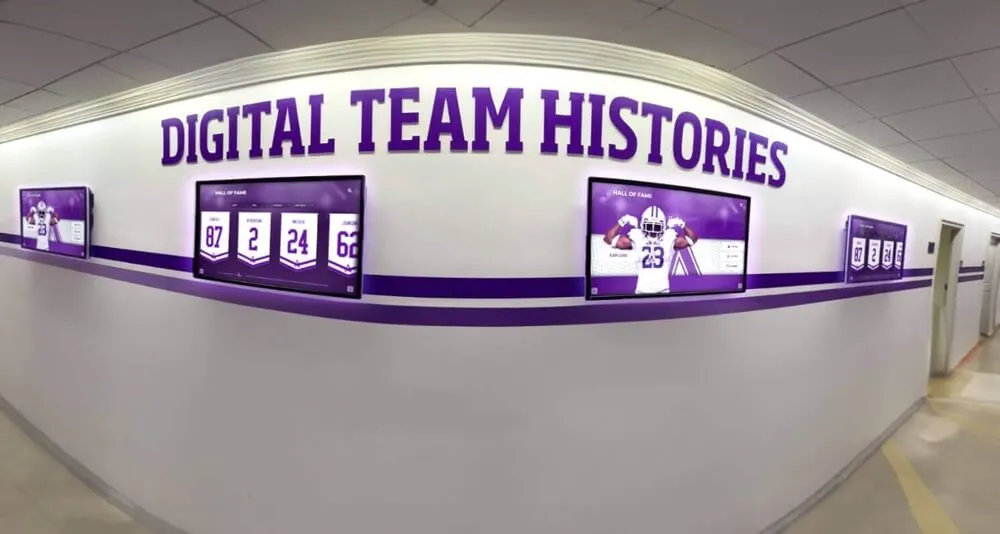
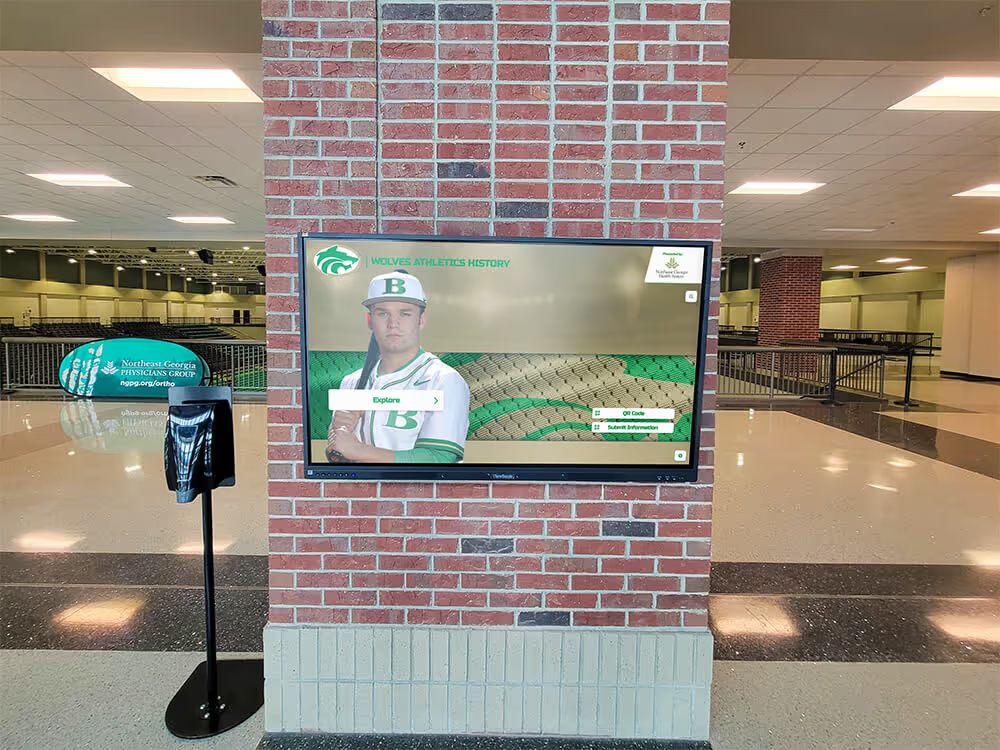
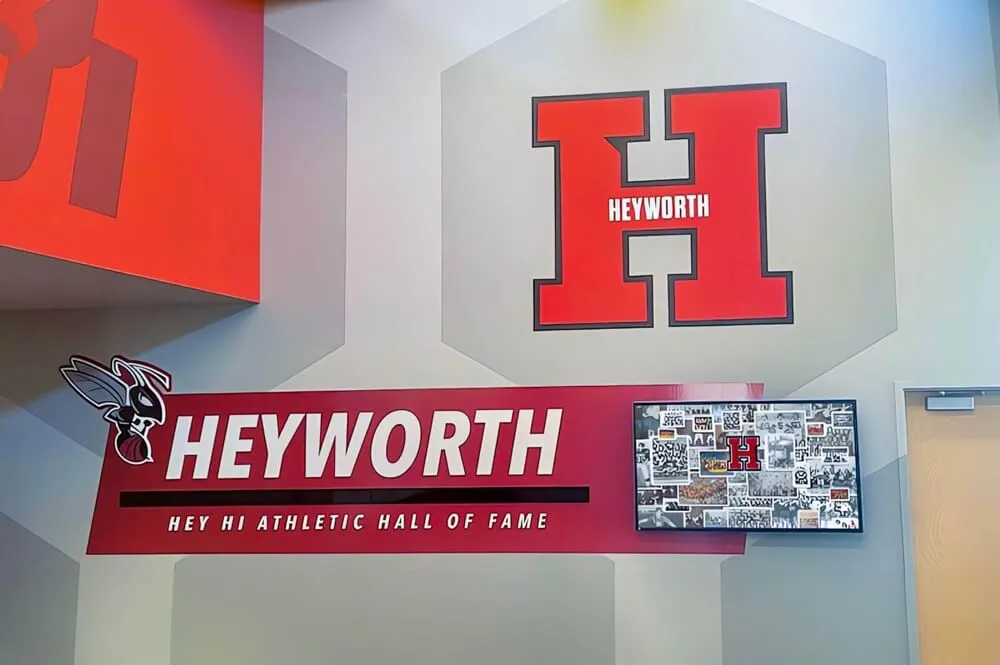
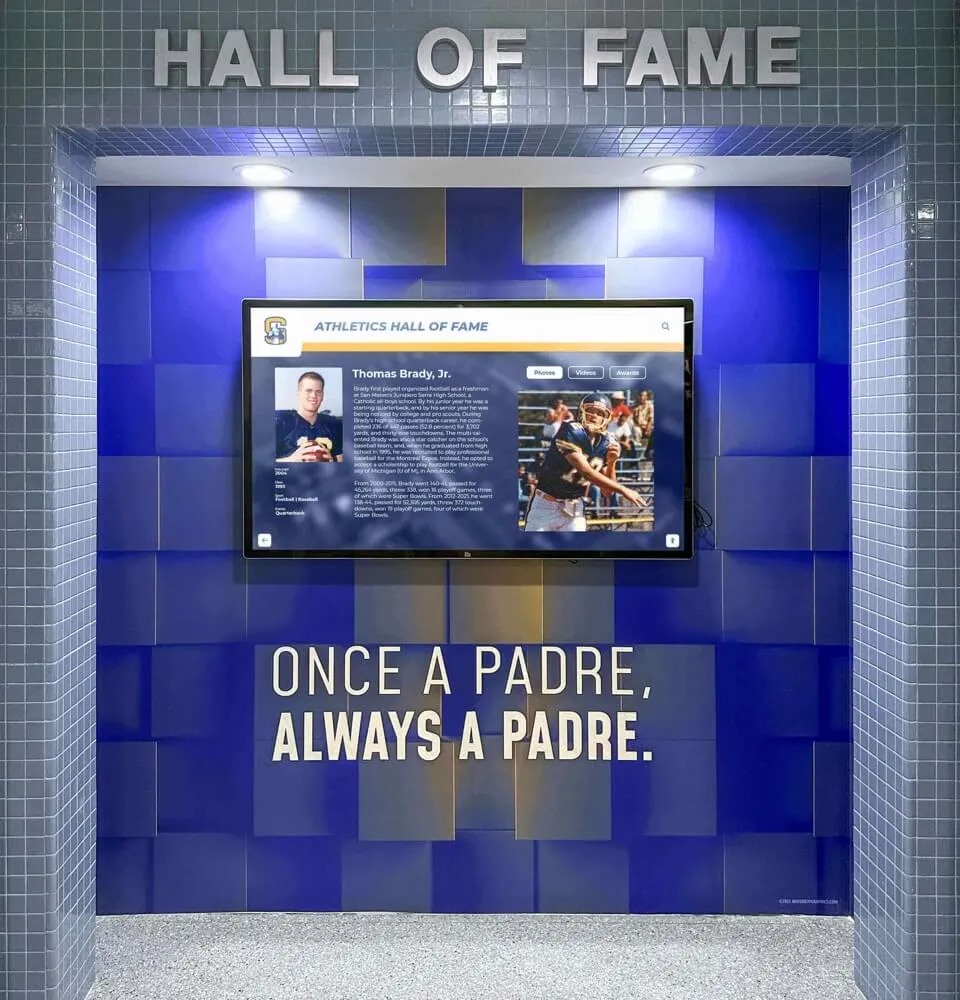
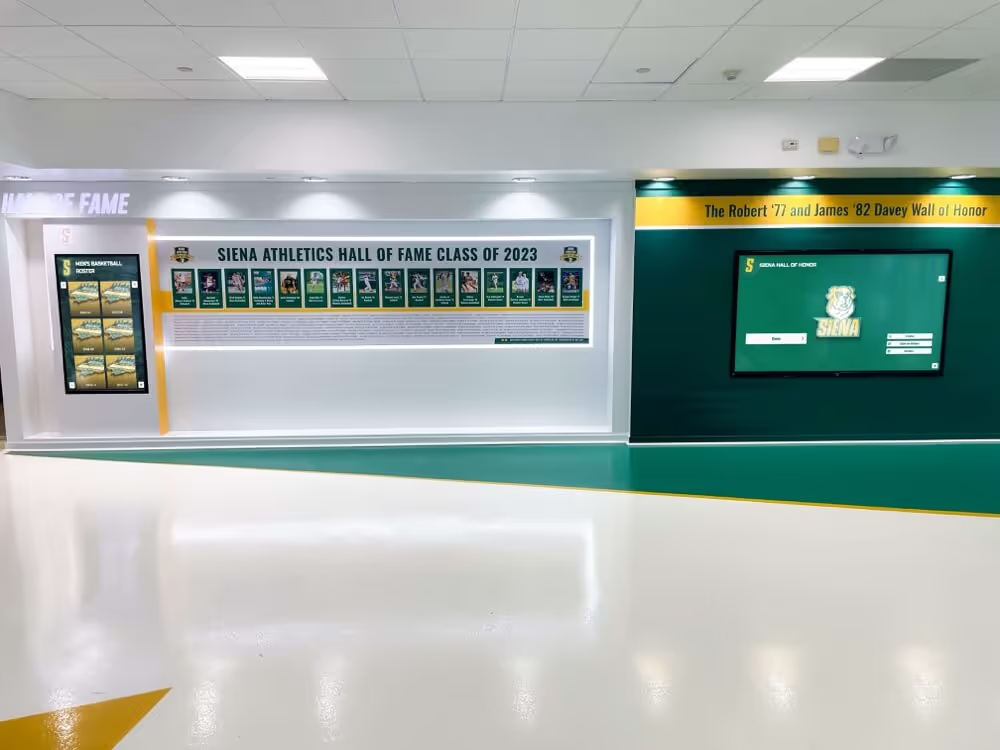
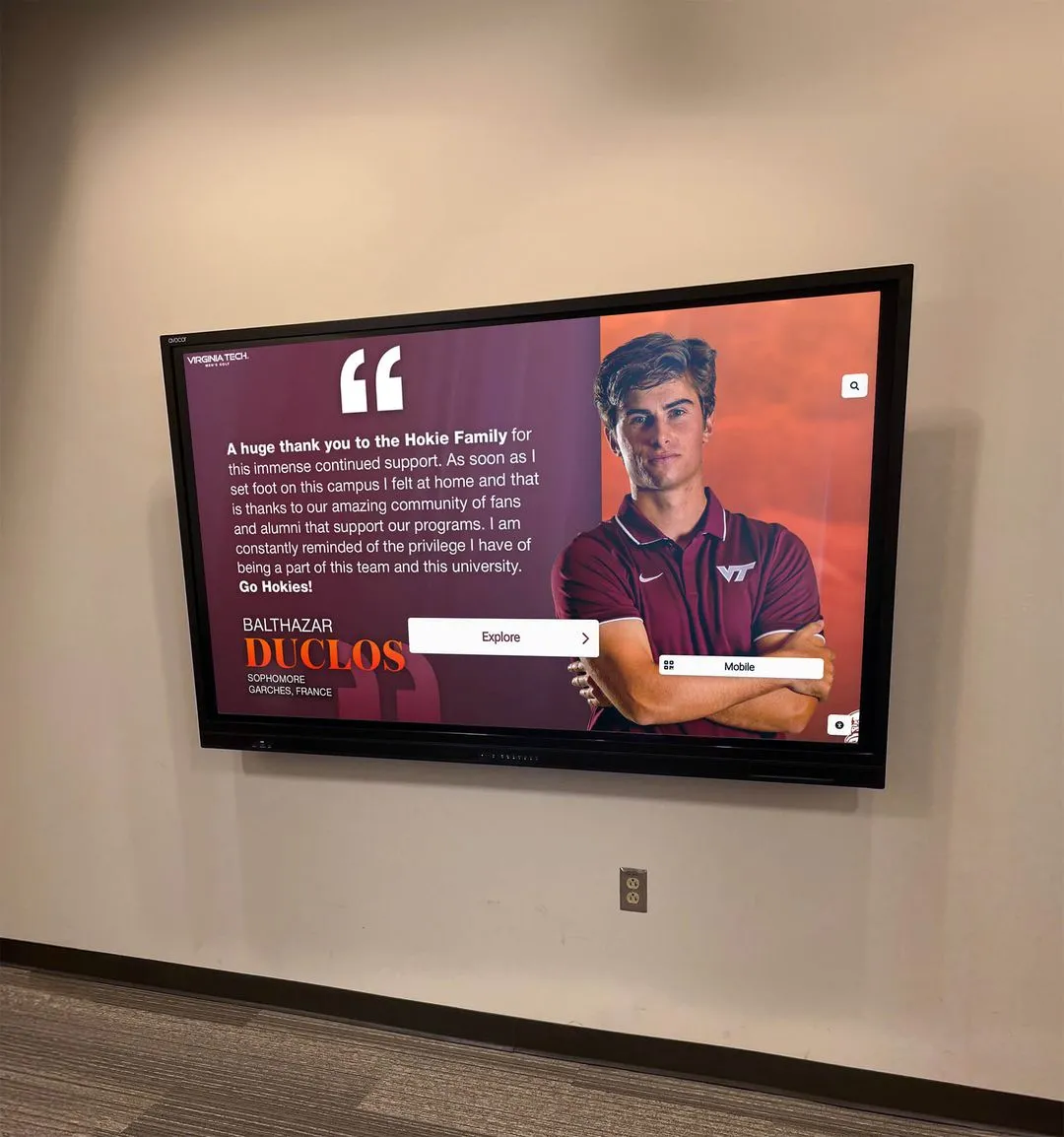
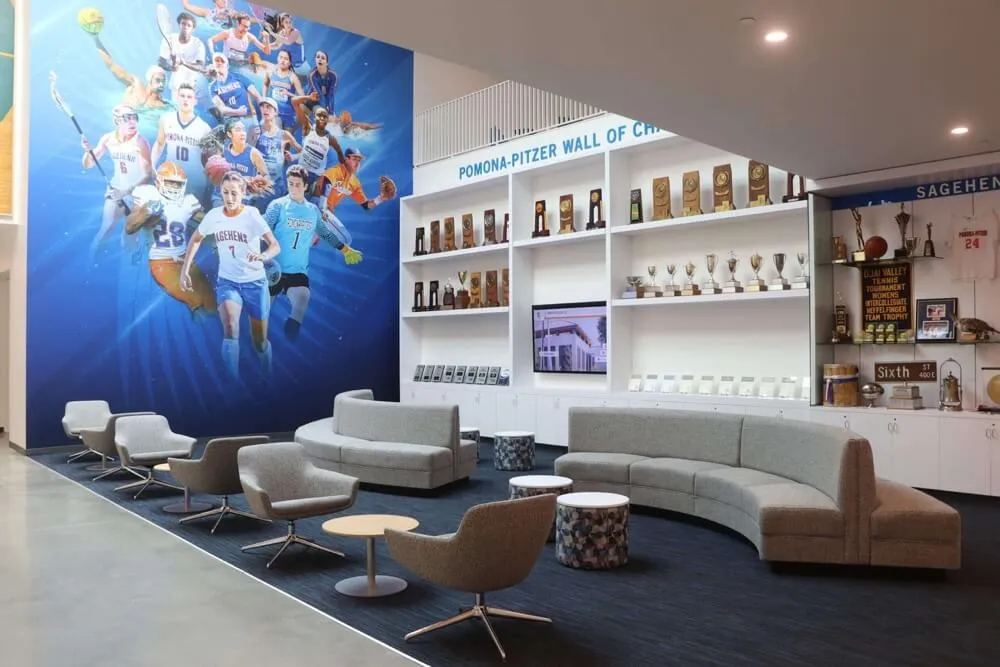
A well-designed recognition environment sets the tone for end-of-season celebrations that honor the full spectrum of athletic achievement
Domain 1: Performance Excellence Sports Awards
Performance awards recognize what athletes accomplish on the field, court, or track. These are the categories most programs already have—but even within this domain, there’s room to add specificity that prevents the same two or three athletes from sweeping every recognition.
1. Most Valuable Player (MVP)
The classic individual performance award carries the most weight when selection criteria are transparent and communicated at season start. A documented rubric that weighs statistics, leadership demonstrated during competition, and measurable influence on team results makes MVP selection defensible and motivates athletes throughout the season rather than only at its conclusion.
2. Offensive Player of the Year
Sport-specific offensive production deserves dedicated recognition separate from overall MVP. In basketball, this might go to the leading scorer or assists leader. In soccer, it recognizes top goal scorers or playmakers. Separating offensive and defensive categories ensures that athletes who contribute primarily on one side of the game receive appropriate acknowledgment.
3. Defensive Player of the Year
Defensive contributions are systematically underrecognized in most athletic programs. Dedicating a distinct award to defensive excellence—steals, blocked shots, defensive stops, assists in holding opponents below average—sends a clear message that the program values the full game, not only scoring.
4. Statistical Leader Award
Sport-specific statistical categories offer objective, easily trackable recognition. These awards might include leading scorer, leading rebounder, passing leader, saves leader (goalkeeping), batting average leader, or strikeout leader. Statistical leaders are typically easy to identify, making these awards low-controversy and highly credible.
5. Clutch Performer Award
Some athletes deliver their best performances in the highest-pressure moments—championship matches, rivalry games, overtime periods. The Clutch Performer Award, selected based on documented high-stakes performance situations throughout the season, recognizes competitive fire that statistics alone don’t always capture. Coaches should maintain match-context notes throughout the season to make selection well-supported.
6. All-Conference and All-Region Selection Recognition
External recognition from conferences and regional athletic associations carries institutional prestige that internal awards can’t replicate. Formally presenting and permanently displaying all-conference and all-region designations signals to every athlete walking past the trophy case that your program competes at an elite level. Learn how all-state record boards showcase athletic recognition that honors individual and team achievement in permanent formats.
7. Breakout Performance Award
Every season produces moments when an unexpected athlete dramatically elevates their game—the backup who delivers a career-defining playoff performance, the freshman who exceeds all preseason projections, the role player who steps up during an injury crisis. The Breakout Performance Award captures these moments before they fade from institutional memory.
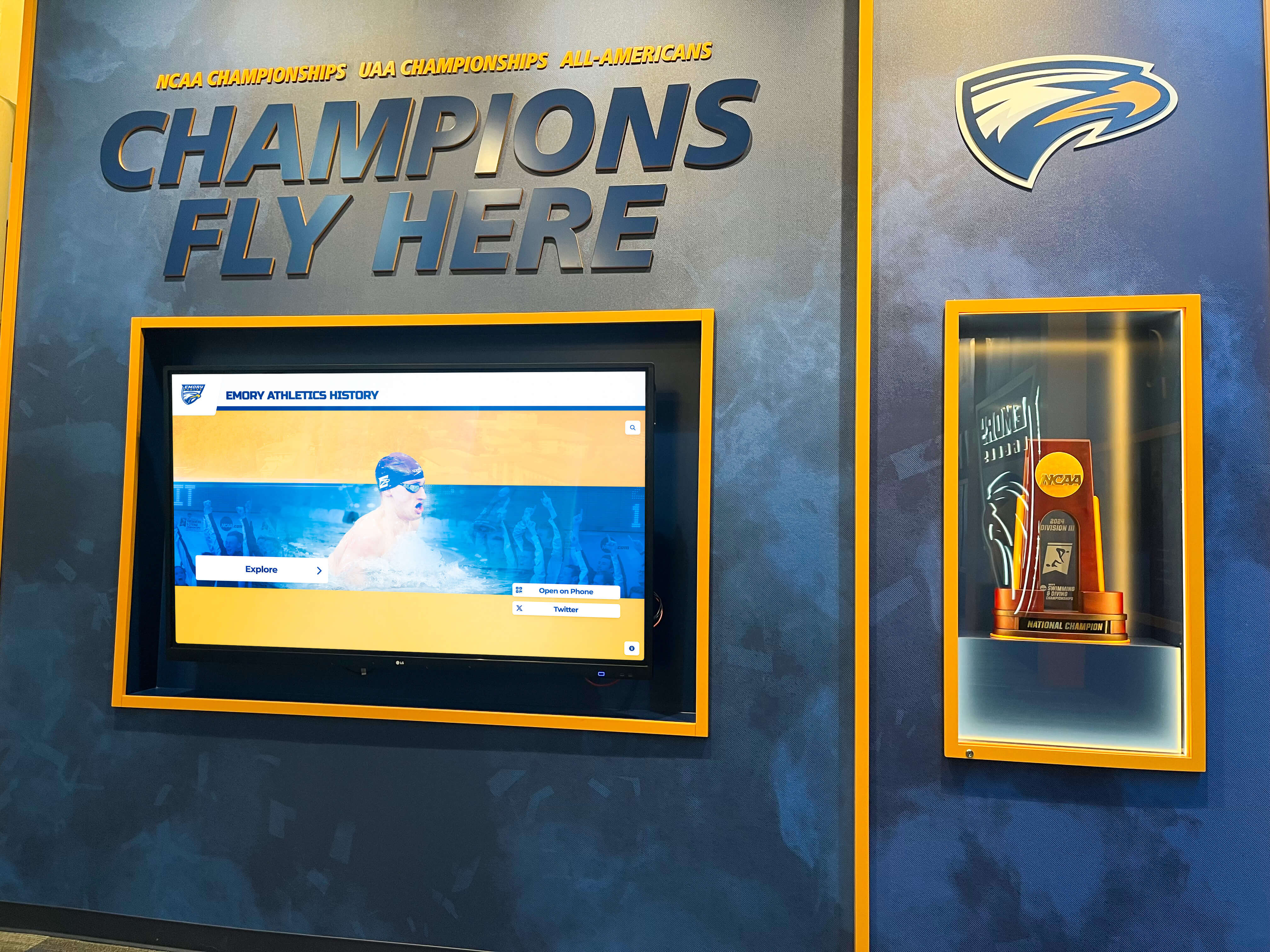
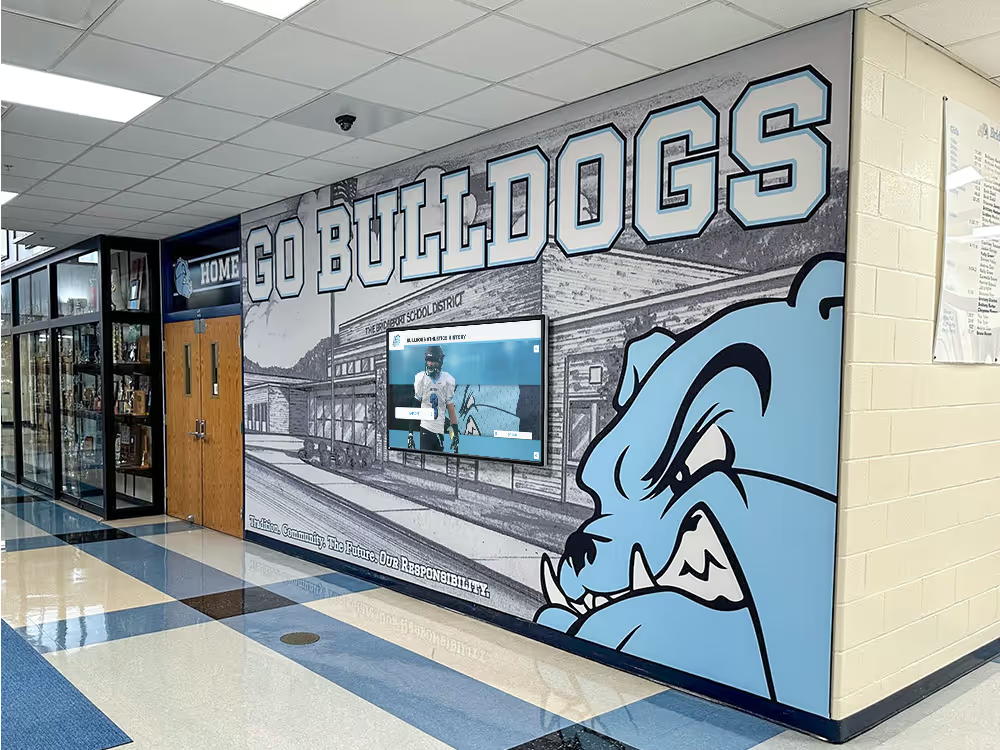
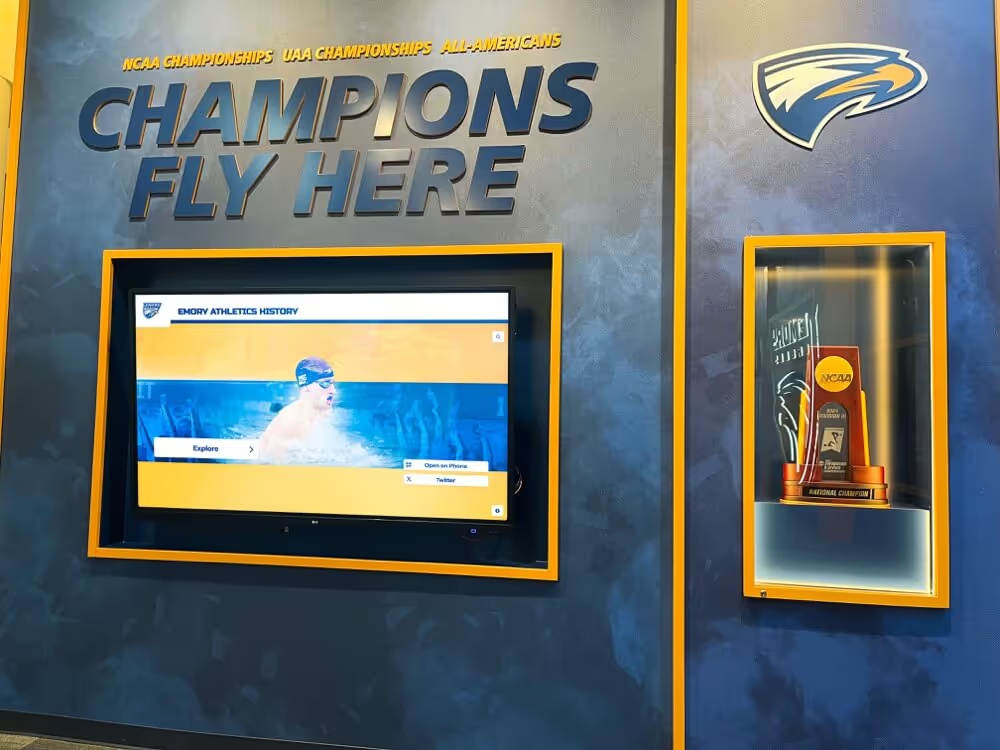
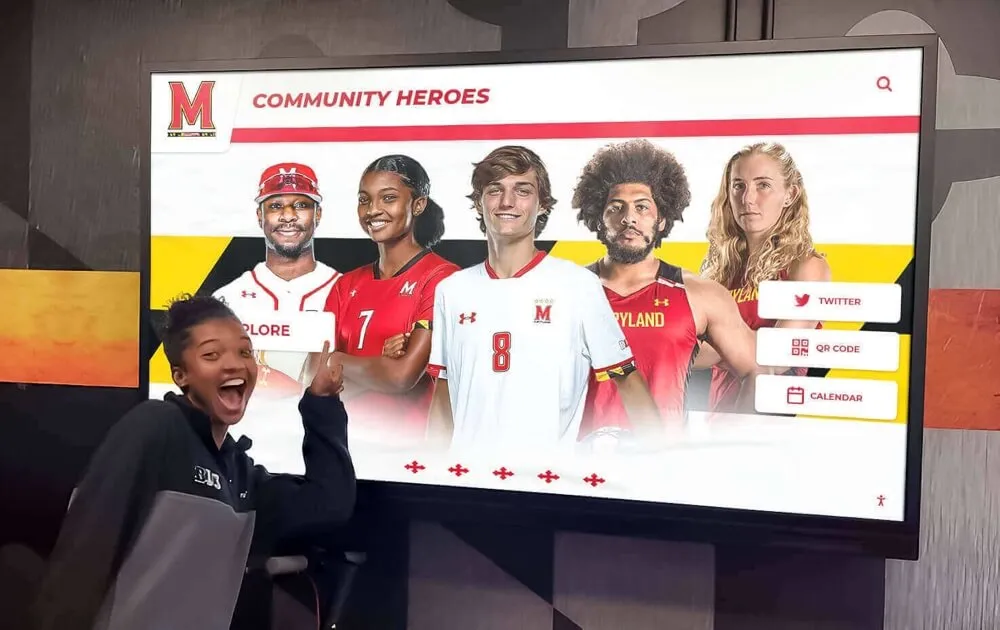
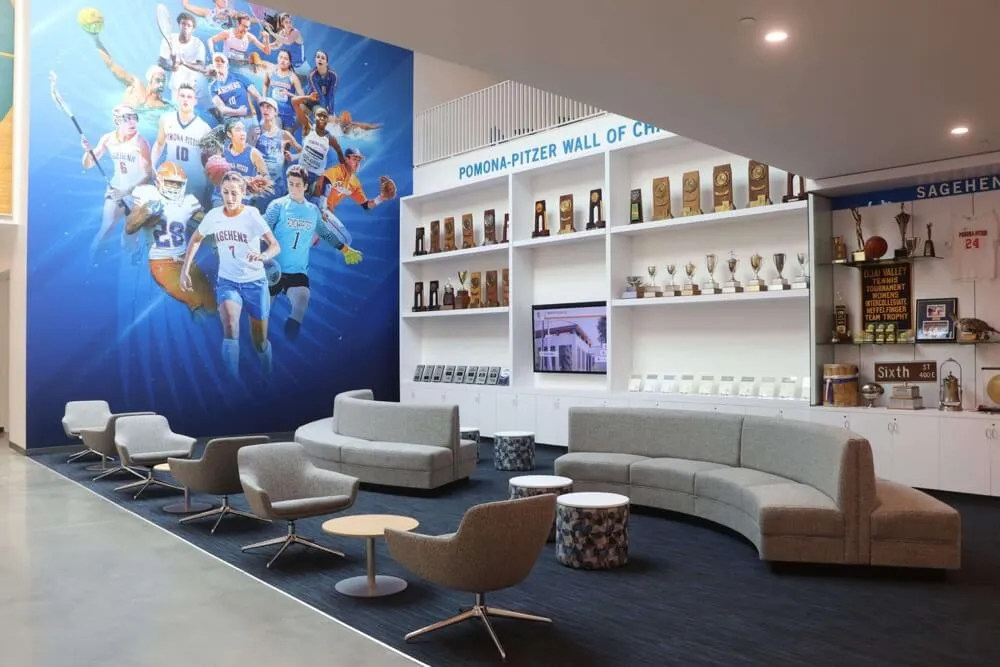
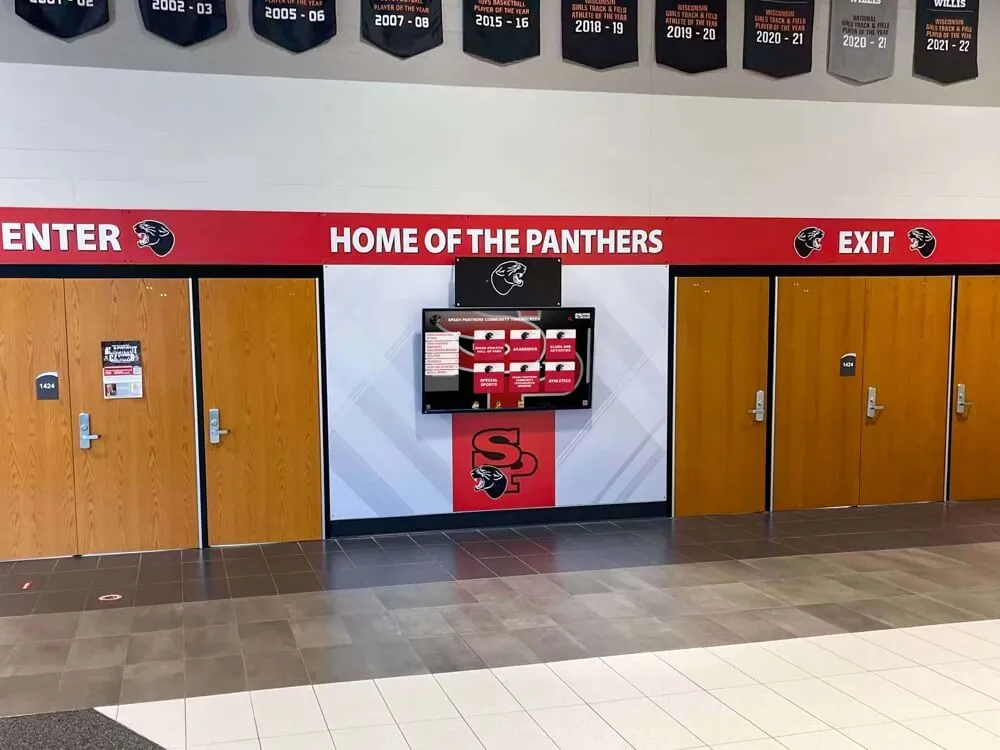
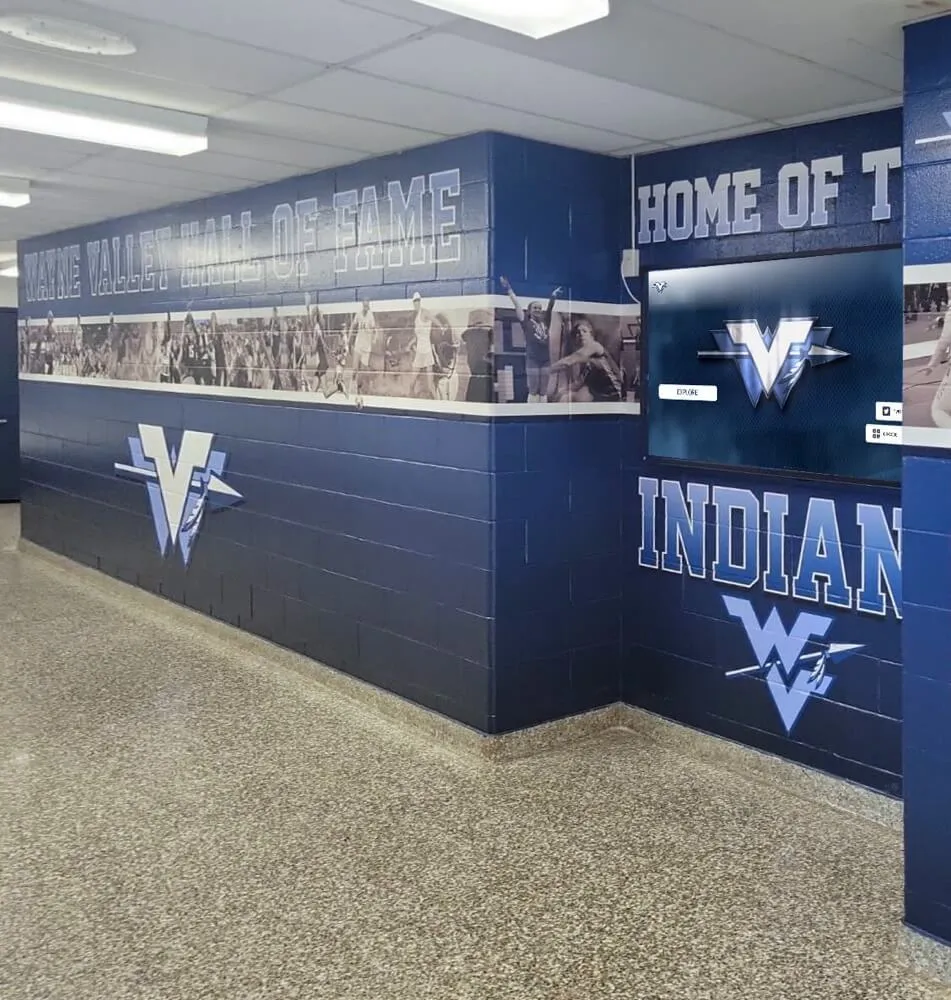
Champions walls create a permanent home for performance excellence awards that inspire current and future athletes year-round
Domain 2: Effort, Growth, and Character Awards
Growth-based and character awards are where most programs have the largest opportunity to expand recognition without duplicating existing categories. Research from Stanford University’s Carol Dweck on growth mindset indicates that students who receive improvement-based recognition show significantly higher subsequent effort investment compared to peers who receive only fixed-achievement awards—making this domain both equitable and strategically effective.
8. Most Improved Player
The Most Improved Player award carries maximum impact when criteria are quantifiable: measurable gains in speed or strength metrics, statistical production growth from the previous season, demonstrated technique advancement observed and documented by coaching staff, or advancement in lineup positioning. Establishing a clear baseline at the start of the season makes selection defensible and keeps athletes motivated to demonstrate growth throughout.
9. Sportsmanship Award
Sportsmanship recognition is one of the few sports awards ideas that carries equal weight with parents, administrators, and community members as it does with athletes. A peer-nominated version—where athletes select the teammate who best demonstrated character under competitive pressure—carries particular authenticity. NIAAA research consistently links sportsmanship recognition programs to lower ejection rates and improved community relationships with athletic programs.
10. Mental Toughness Award
Composure under pressure, the ability to recover from setbacks during a game, and consistent performance despite adversity represent skills as valuable as physical ability. The Mental Toughness Award, selected through coaching observation and supported by specific documented examples, celebrates psychological resilience. Presenting specific instances—the comeback from a two-set deficit, the decisive performance following a rough stretch of play—makes this award particularly meaningful in presentation.
11. Best Practice Player Award
Coaches frequently identify the athletes who most reliably elevate practice quality: those whose consistent maximum effort pushes teammates, whose punctuality sets the standard, and whose attitude creates a daily culture of excellence. Formalizing this observation into a Best Practice Player Award signals that what happens between games matters as much as what happens during them. This is often the award coaches find most personally meaningful to present.
12. Ironman / Ironwoman Award
Perfect or near-perfect attendance throughout an entire season—including practices, film sessions, optional conditioning, and competition—demonstrates a level of commitment that deserves explicit acknowledgment. For programs that track attendance rigorously, this award is entirely objective. For programs beginning to build this culture, the Ironman/Ironwoman Award creates a visible incentive that improves attendance across the roster.
13. Academic Athlete of the Year
The athlete who maintains the highest GPA while meeting the demands of a competitive season embodies the dual mission of high school and collegiate athletics. Recognizing academic achievement alongside performance awards reinforces that athletic participation and academic excellence are complementary rather than competing. This award is particularly effective when presented alongside athletic performance categories at the same banquet, giving equal platform to both types of achievement.
Explore comprehensive approaches to end-of-season athletic awards that recognize every player’s contribution across diverse recognition dimensions.
Domain 3: Team and Leadership Awards
Team-building and leadership recognition honors the athletes whose contributions to program culture extend beyond individual statistics—often the players coaches rely on most but recognize least through traditional sports awards structures.
14. Team Captain Award
Captains carry communication, accountability, and mentorship responsibilities that go far beyond on-field performance. Formally presenting a Captain’s Award that specifically acknowledges the leadership role—with language recognizing the mentor work, the team meeting facilitation, and the locker room culture the captain maintained—elevates the position and makes future athletes aspire to it. Captains named at the start of the season and recognized formally at its conclusion build a leadership tradition that compounds over time.
15. Team Player / Unsung Hero Award
Every successful program has athletes who sacrifice personal statistics, playing time preferences, or positional comfort for team benefit. The Unsung Hero Award—typically coach-nominated—recognizes contributions invisible in the stat sheet: the willing screener, the defensive specialist, the player who accepts a role change without complaint. This is frequently the award recipients value most.
16. Rookie of the Year
First-year athletes who demonstrate exceptional development, competitive contribution, or program leadership potential deserve recognition that looks forward as much as it looks back. Rookie of the Year awards create excitement within younger rosters, give junior varsity athletes in their debut season a visible recognition target, and connect new athletes to program tradition.
17. Spirit and Enthusiasm Award
The athlete whose energy lifts the bench during matches, who leads team cheers during warm-ups, who maintains infectious enthusiasm during difficult stretches of a season contributes to team morale in ways that rarely appear in any award category. Recognizing spirit and enthusiasm validates this contribution and creates permission for others to embrace similar roles without perceiving them as secondary. See how track and field awards recognize the diversity of athletic contributions across a team sport organized around individual performance.
18. Championship and Tournament Achievement Award
State championships, regional titles, conference championships, and tournament victories are landmark moments in any program’s history. Creating specific team and individual award categories for championship performances—and displaying them in dedicated, permanent locations—gives future athletes a tangible connection to program legacy. Learn how championship ring display ideas showcase athletic achievement in ways that preserve the emotional weight of those moments for years.
19. Team Scholar Award
Beyond individual academic achievement, recognizing the team’s collective GPA—and presenting a Team Scholar Award to the sport that demonstrated the highest combined academic performance—creates competitive motivation within the athletic department. Teams that compete for both the conference championship and the academic achievement award develop dual-identity program cultures that attract and retain student-athletes who take both pursuits seriously.
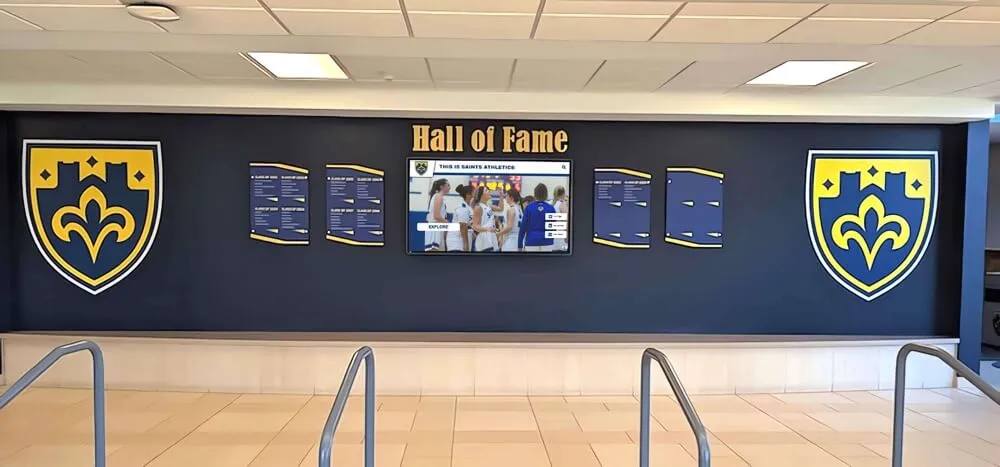
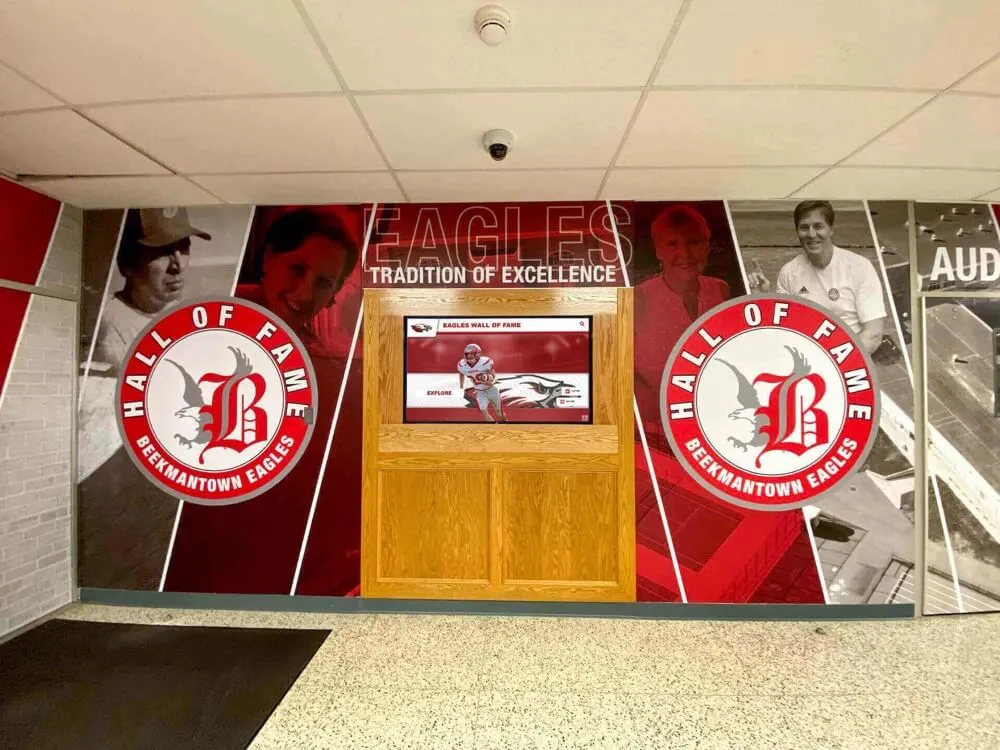
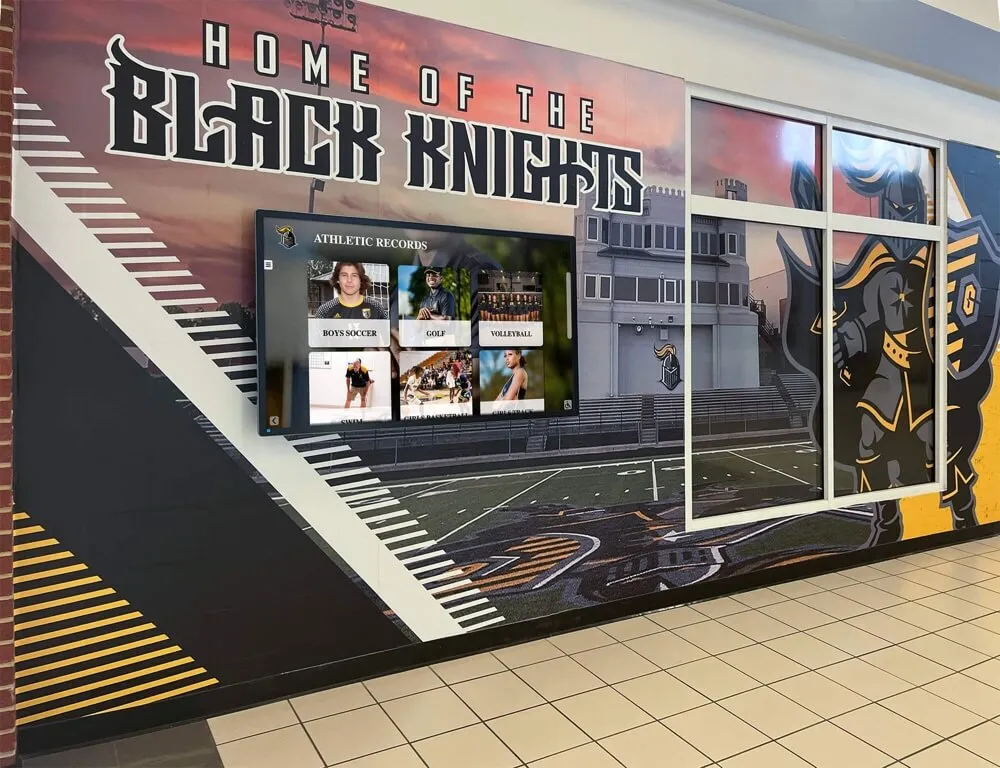
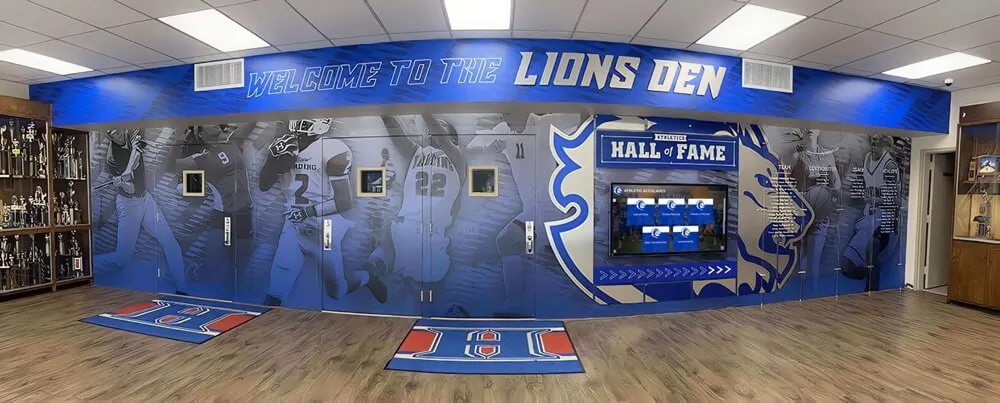
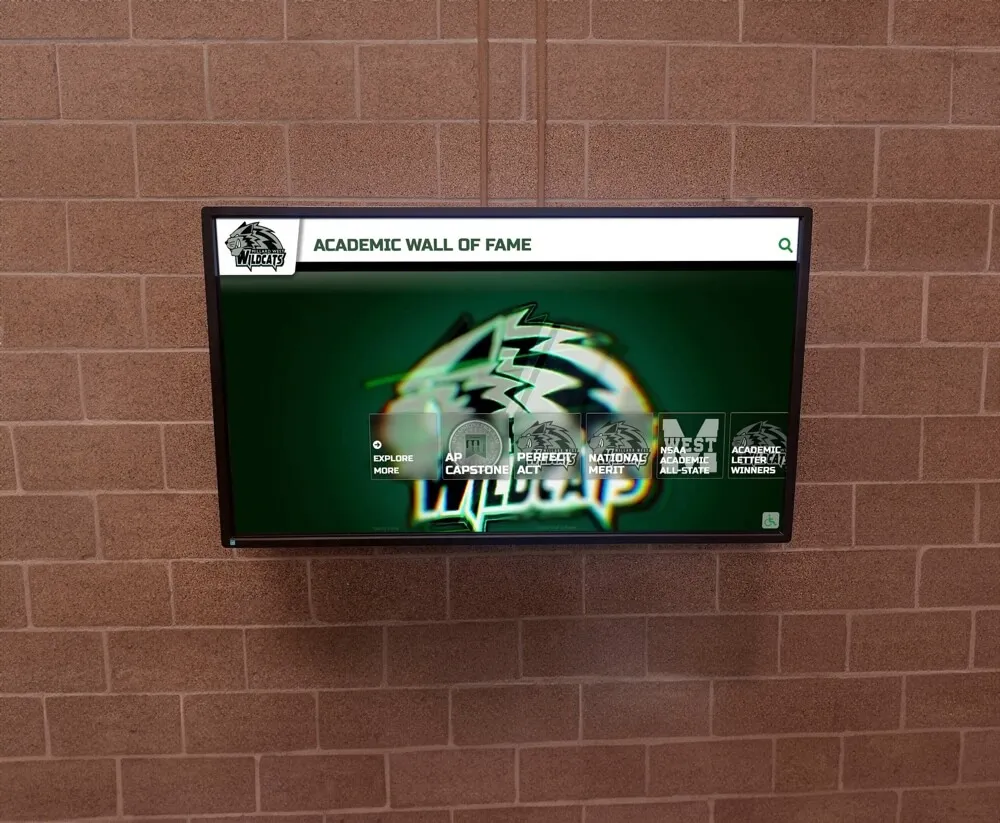
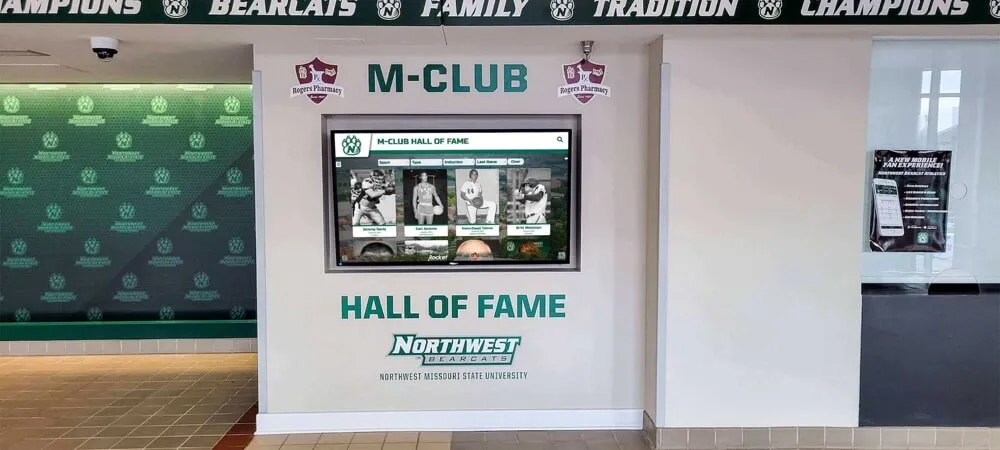
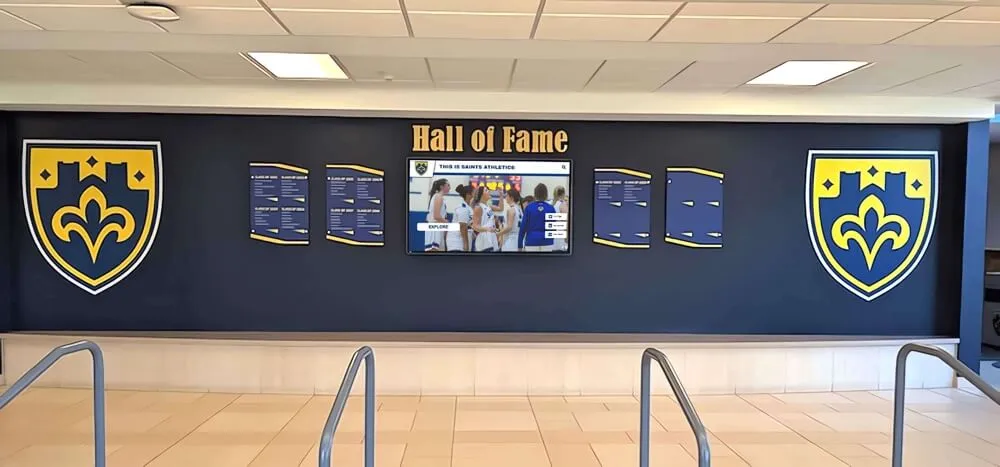
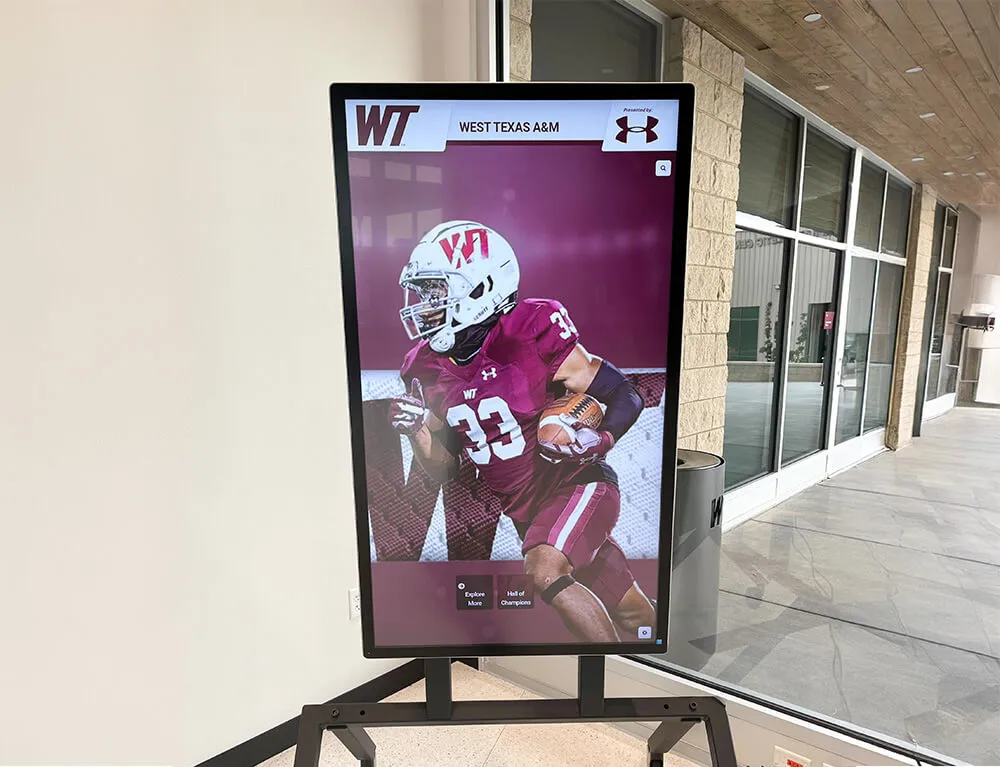
Hall of fame display walls accommodate team and leadership recognition alongside individual performance categories in cohesive formats
Domain 4: Milestone and Legacy Awards
Milestone recognition connects individual athletes to program history and creates award categories with long-term institutional meaning.
20. Senior Athlete Tribute
Athletes who complete their final season of eligibility—regardless of statistical production—deserve formal acknowledgment for the multi-year commitment they made to the program. A dedicated senior tribute tradition, whether individual plaques, personalized certificate presentations with specific achievement highlights, or a short video retrospective at the banquet, builds program loyalty among alumni and gives younger athletes a visible future to aspire toward.
21. Career Achievement Award
Athletes who reach significant career milestones—career scoring records, cumulative statistical thresholds, multi-year leadership contributions—deserve recognition that spans their entire program tenure rather than reflecting only a single season. Career achievement awards create long-term goals that motivate multi-year athletes and build statistical traditions that future athletes can aspire to surpass.
22. Record Breaker Award
When athletes break program records—single-season or career marks in any statistical category—formal recognition at the end-of-season banquet preserves that achievement in institutional memory. Combining this presentation with an update to the visible record board display (physical or digital) ensures the record is documented permanently and contextualizes the achievement for future program participants.
For programs managing athletic records across multiple sports seasons, explore how touchscreen display solutions for high school gym lobbies and trophy cases create organized, expandable recognition systems that grow with program history.
23. Coach’s Award
The Coach’s Award—given to the athlete the coaching staff identifies as exemplifying program values most completely—carries distinctive meaning because it comes from the adults who observe athletes in every context: competition, practice, team meetings, and off-court interactions. Unlike statistics-based recognition, the Coach’s Award communicates what the program leadership values most, making the presentation itself a statement about program identity.
Domain 5: Community and Program-Building Awards
24. Community Service Athlete Award
Athletes who combine competitive participation with documented community service—mentoring youth programs, organizing charity events, volunteering in their school community—demonstrate program citizenship that extends beyond the athletic context. Formalizing this recognition creates an expectation of community engagement that strengthens program reputation and develops athletes who represent the school positively in multiple arenas.
25. Booster Club and Program Support Recognition
Athletes and families who contribute meaningfully to program support—fundraising leadership, equipment management, volunteer roles, or booster club organization—sometimes go entirely unrecognized in traditional sports awards structures. A Program Support Recognition category acknowledges the infrastructure work that makes competitive athletic programs possible and invites more families into active program participation.
Presenting Sports Awards Ideas at Your End-of-Season Banquet
Effective sports awards banquets integrate several elements that elevate the recognition experience beyond a simple certificate distribution. According to research from the National Association of Secondary School Principals, structured recognition ceremonies with specific achievement descriptions, family involvement, and multimedia elements see 35% higher family attendance and significantly stronger athlete satisfaction ratings compared to informal award distributions.
Key presentation strategies include:
- Narrate the achievement: Read specific examples of why each recipient earned recognition before presenting the award, not just the category name
- Involve families: Schedule presentations where parents can witness the moment and participate in photographs
- Include multimedia: Brief season highlight videos or photo slideshows create emotional context for each category
- Sequence intentionally: Build toward major awards rather than presenting alphabetically—give the ceremony narrative arc
Explore detailed planning guidance in this athletic banquet planning checklist covering awards, speeches, and celebration ideas for comprehensive event coordination. Additional planning frameworks are available in this athletic banquet planning guide for celebrating a team’s season.
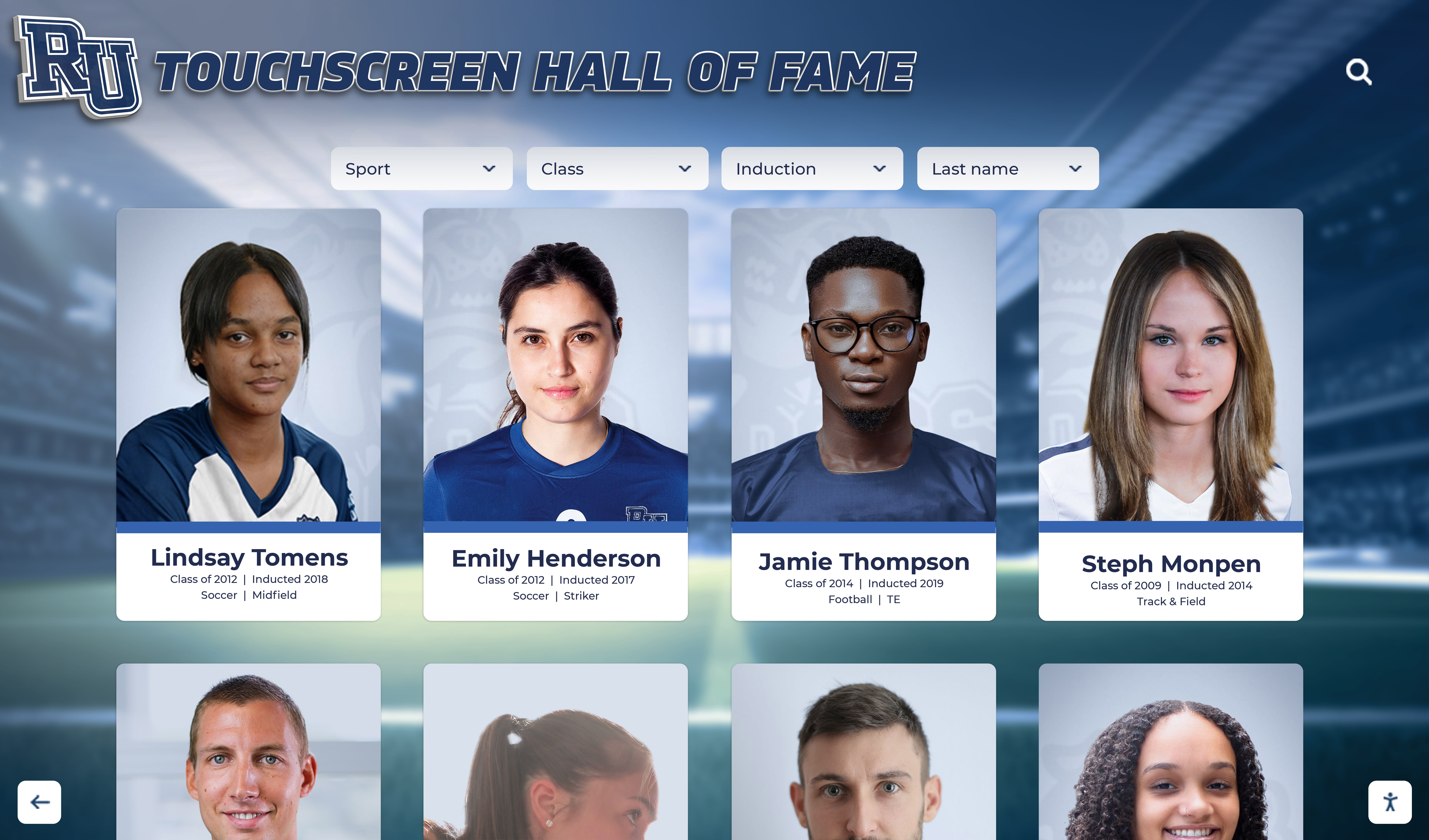
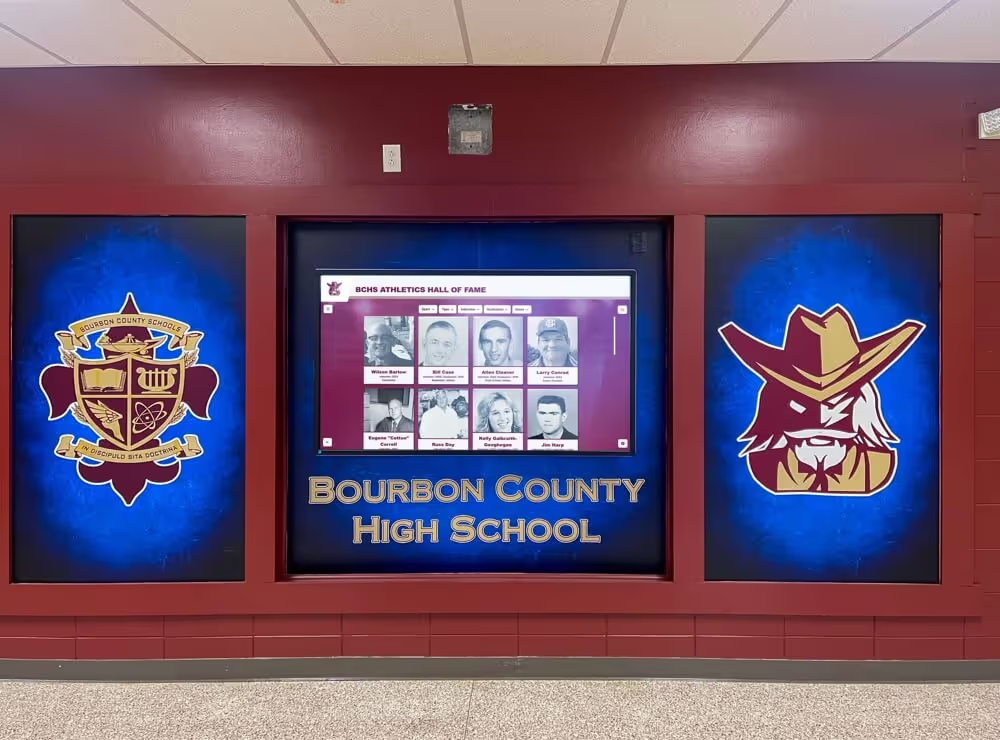
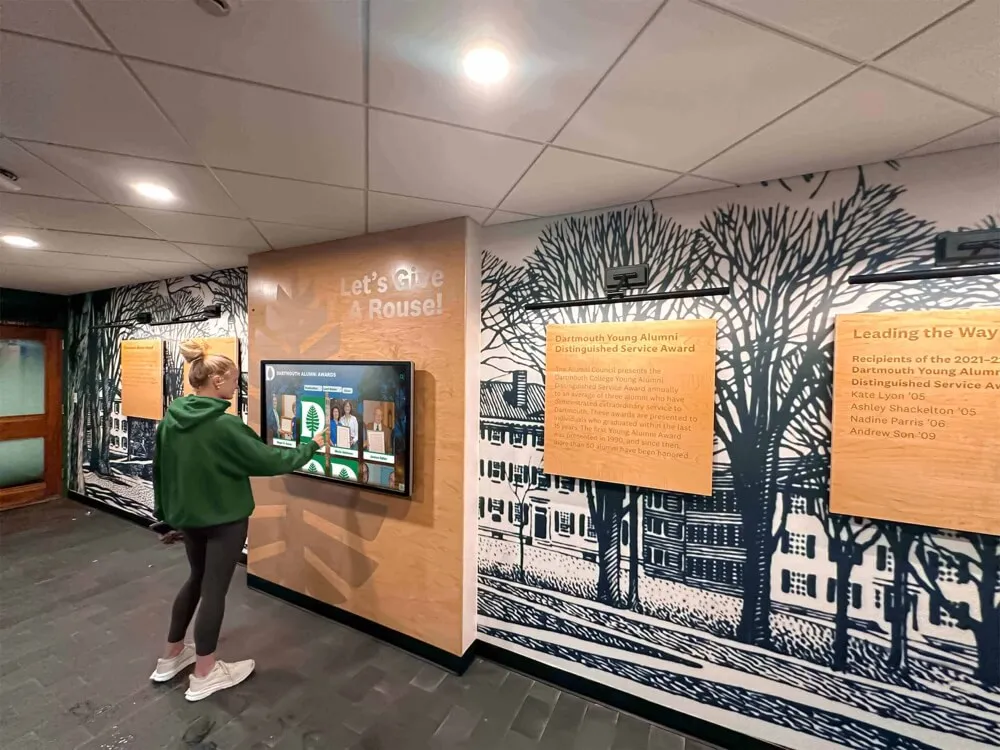
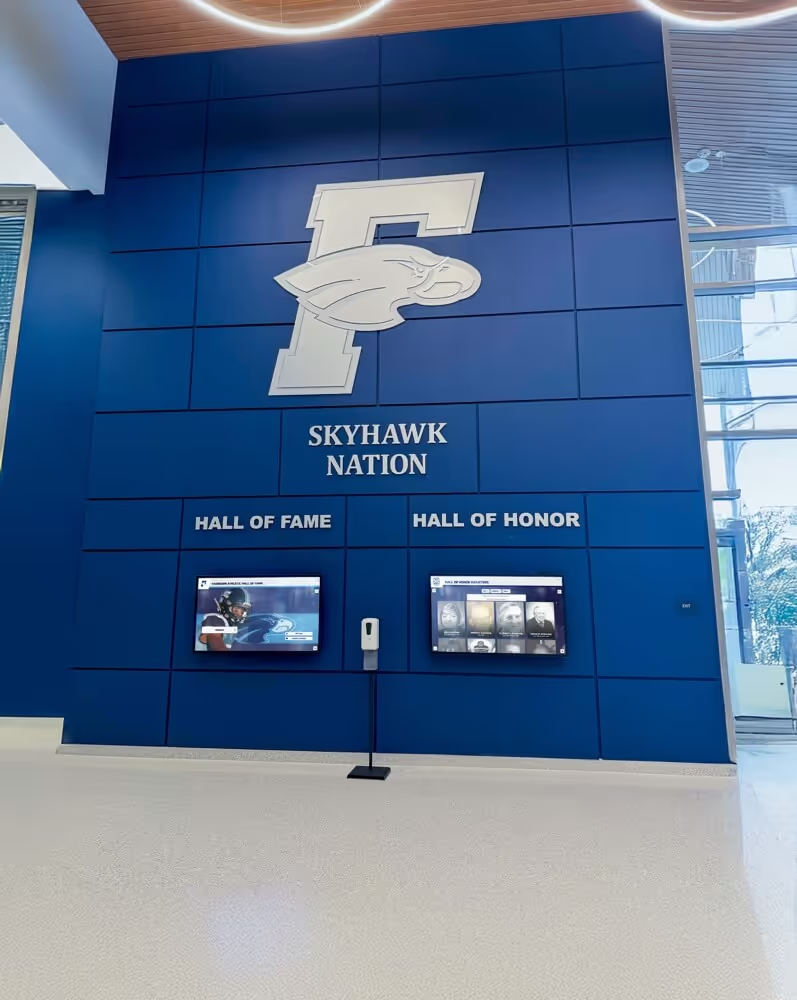
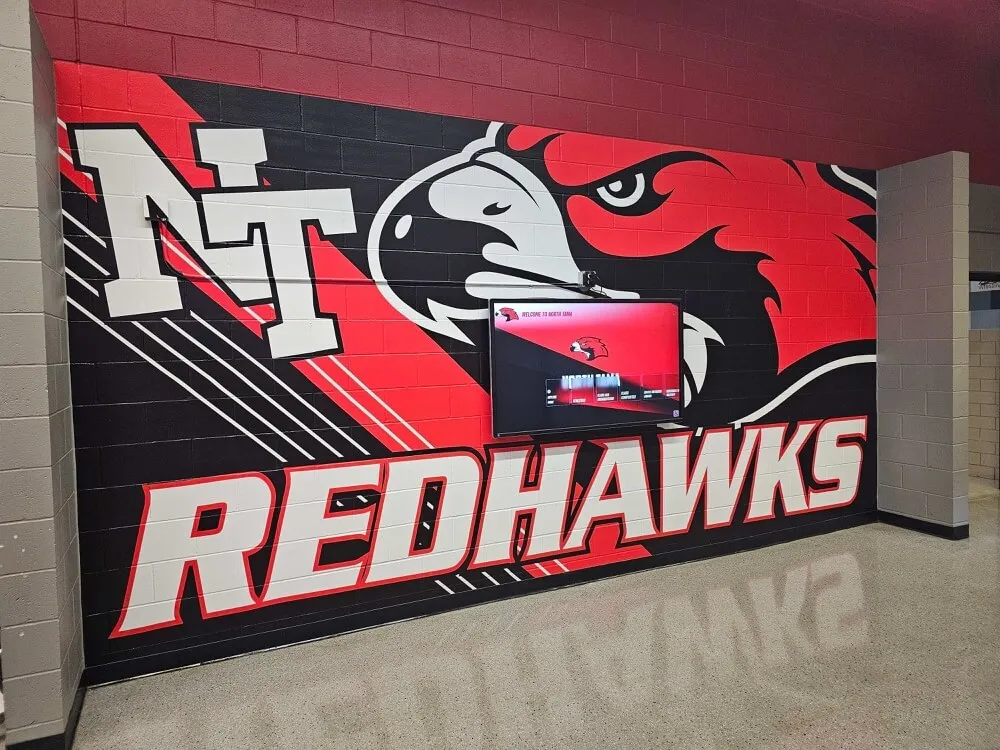
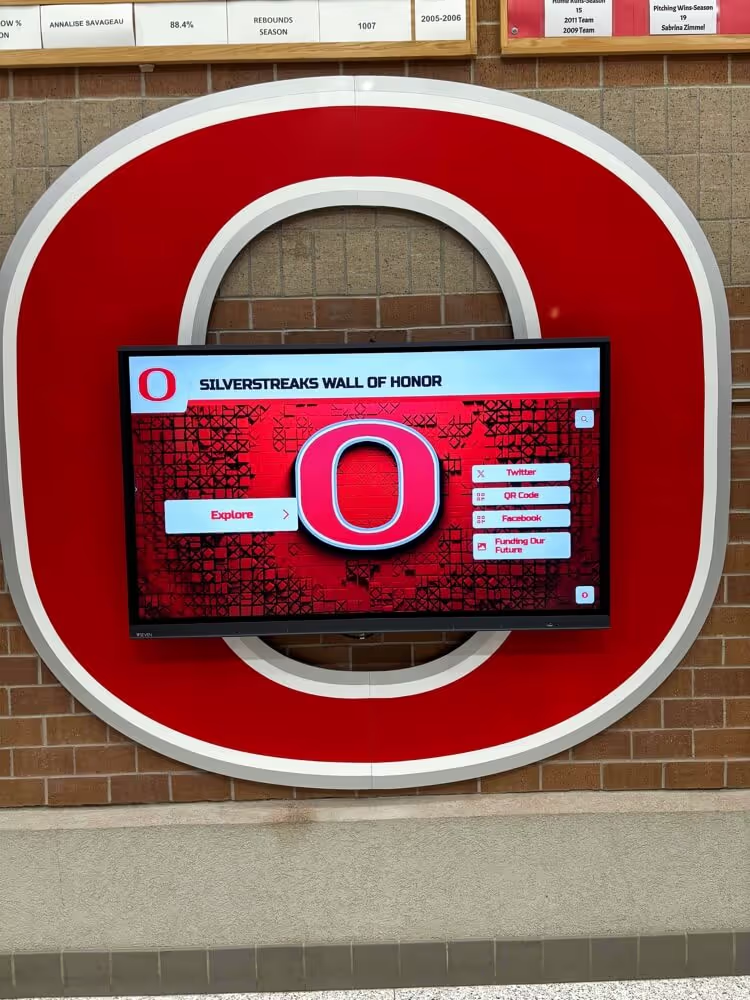
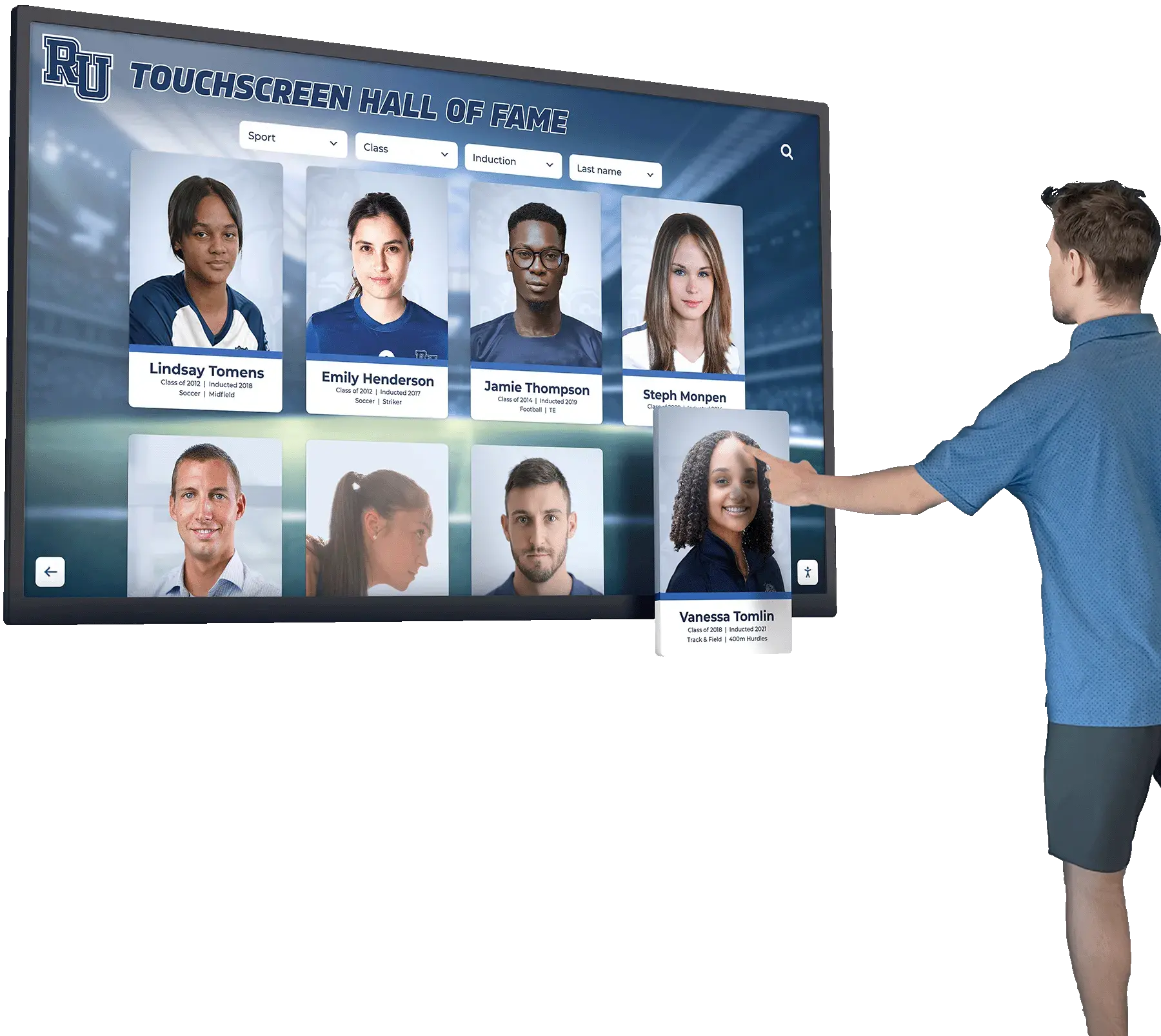
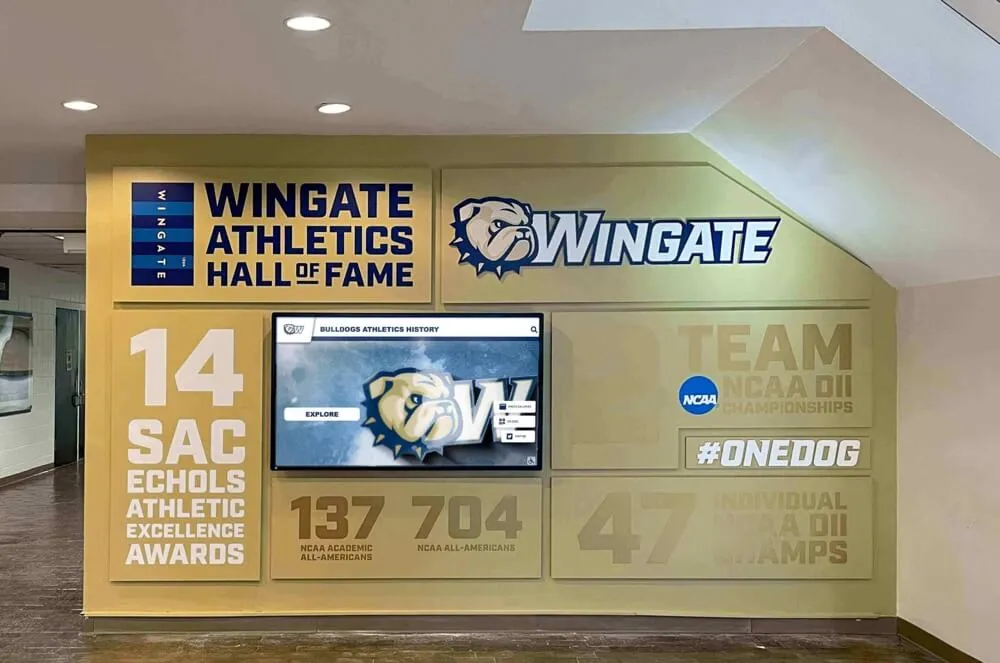
Interactive recognition systems allow athletes and families to explore full program history—not just the current season's honorees
Displaying Sports Awards Year-Round: Beyond the Banquet
The most persistent failure in school athletic recognition programs isn’t the award selection—it’s the gap between the banquet and the next season. Trophies stored in locked cases, plaques in hallways with small text no student reads, and certificates rolled up in bedroom closets all represent recognition investments that generate zero motivational return after week one.
Year-round display strategies transform one-night recognition into ongoing program culture.
Physical Display Strategies
Trophy cases and wall plaques remain valuable when organized by category and year rather than stored randomly. High-traffic placement in gym lobbies, main entrance corridors, and athletic facility hallways maximizes daily exposure to students, families, and visitors.
Record boards displaying season and career statistical records create visible targets that motivate athletes for entire careers. Updating these boards promptly when records fall reinforces that the program tracks achievement continuously.
Digital Recognition Systems
Interactive touchscreen displays represent the most significant evolution in sports awards presentation available to school athletic programs. Rather than limiting recognition to what fits in a physical case, digital systems enable programs to:
- Display all 25 award categories across multiple seasons without removing previous honorees
- Allow athletes and families to explore recognition organized by year, sport, or category
- Update remotely without on-site technical work each time a record falls or a new award recipient is added
- Connect banquet recognition to a permanent institutional record accessible year-round
Rocket Alumni Solutions provides touchscreen wall of fame systems specifically designed for school athletic programs that want to transform static trophy cases into dynamic recognition experiences accessible to athletes, families, and alumni. Schools implementing these systems consistently report higher athlete engagement with program history and stronger community connection to athletic achievement.
Explore how high school gym makeovers using budget-friendly digital recognition ideas transform athletic spaces without requiring complete facility renovation.
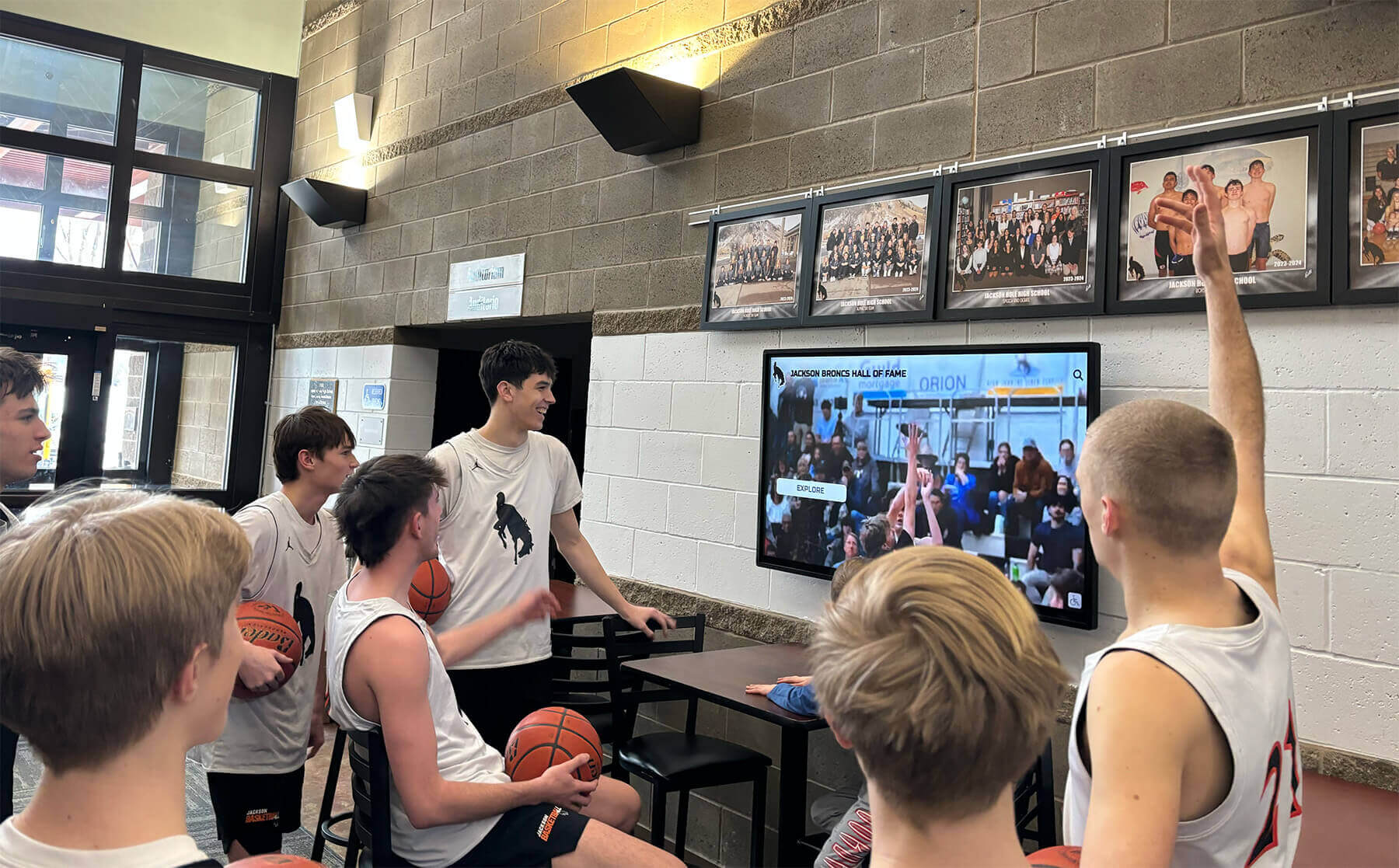
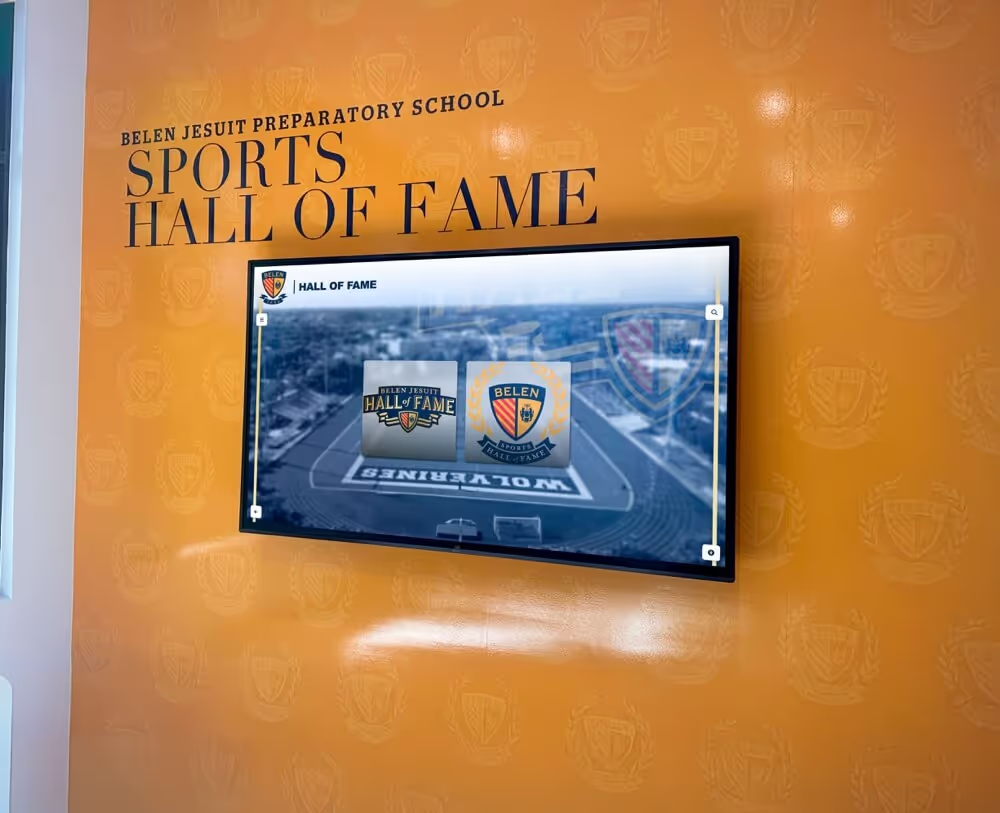
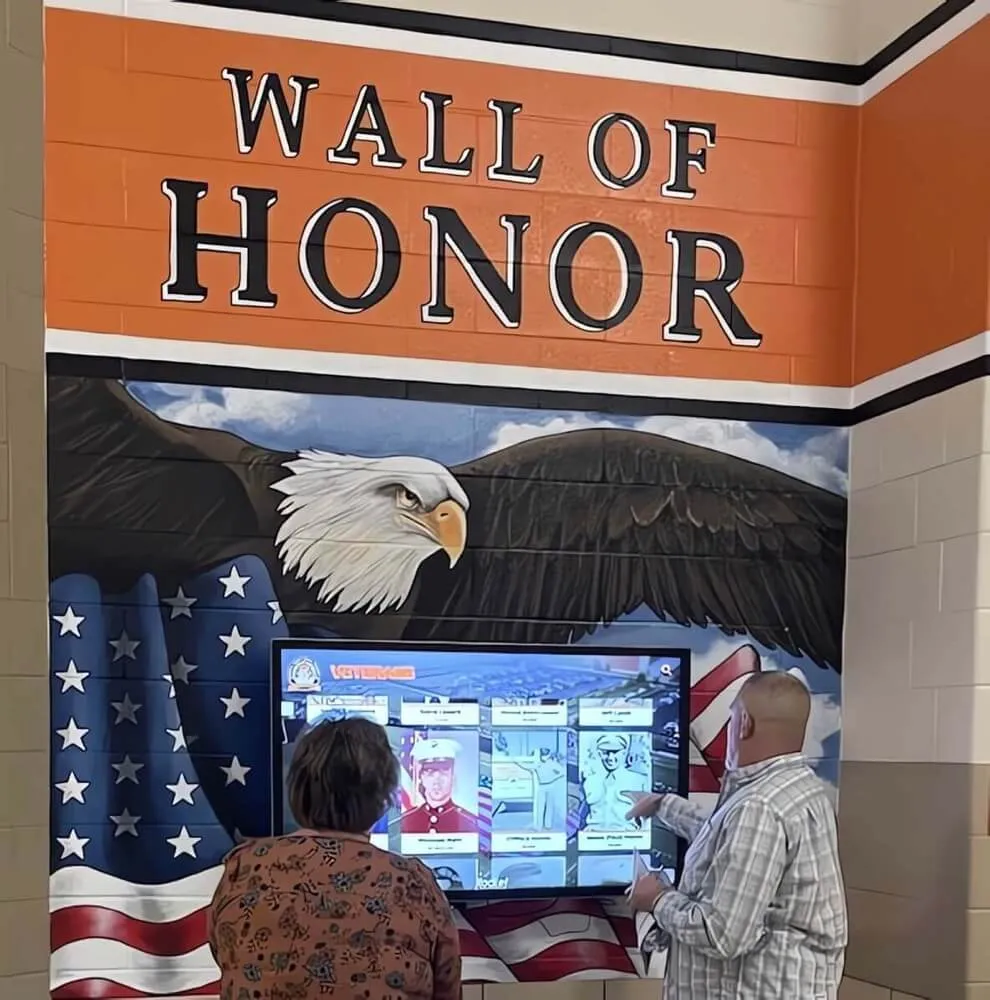
Dynamic digital displays keep sports awards visible throughout the year—not just during banquet week—creating daily motivational exposure for current athletes
Building an Award Calendar Across Multiple Sports Seasons
With 25 categories spread across fall, winter, and spring sports, a structured recognition calendar prevents award programs from collapsing into a single chaotic end-of-year event.
Fall sports recognition (October–November):
- Fall team banquets with sport-specific performance, character, and milestone awards
- All-conference selection presentations as designations are announced
- Senior athlete tributes for fall-only athletes completing eligibility
Winter sports recognition (February–March):
- Winter team banquets covering the same award domains
- Mid-year academic athlete recognition for semester GPA performance
- Career achievement milestones for multi-season athletes
Spring sports recognition (May–June):
- Spring team banquets
- Year-end all-sports Scholar Athlete and Community Service recognition
- Department-wide recognition night covering all-season achievement
- Digital display updates incorporating the full year’s recognition
An annual school recognition calendar that coordinates athletic awards with academic recognition events creates a year-round culture of achievement visibility. Review school recognition days and complete calendar frameworks for planning guidance that spans both academic and athletic recognition events.
FAQ: Sports Awards Ideas
What sports awards ideas work for every team sport?
Performance awards (MVP, Offensive/Defensive Player of the Year), character awards (Sportsmanship, Mental Toughness, Most Improved), and team awards (Captain, Unsung Hero, Rookie of the Year) translate directly across football, basketball, baseball, soccer, volleyball, track, and swimming without modification. Sport-specific statistical categories (leading scorer, most assists, batting average leader, race time improvement) require customization by sport.
How many sports award categories is too many for one team?
A useful benchmark is that 30–50% of your roster should receive some form of recognition at the end-of-season banquet. For a 20-player roster, 8–10 distinct award categories is a reasonable target. For a 40-player roster, 15–20 categories ensures broad recognition without diluting the significance of each award. Avoid presenting the same award to the same athlete in multiple categories—spread recognition intentionally.
Should sports awards include peer-nominated categories?
Yes. Peer-nominated categories—particularly for Sportsmanship, Spirit and Enthusiasm, Unsung Hero, and Mental Toughness—carry an authenticity that staff-selected awards can lack. When athletes choose which teammate best exemplifies a value, both the recognition and the act of nominating reinforce program culture. Structure peer nominations with a formal ballot at the final team meeting to ensure the process is organized and taken seriously.
How can schools display sports awards year-round on limited budgets?
A single interactive touchscreen display in a high-traffic location—gym lobby, main entrance corridor, athletic hall—can showcase unlimited award categories across decades of program history. The cost of a digital recognition system is typically offset within two to three years by reduced trophy, plaque, and physical display renovation costs. Programs that don’t have budget for digital displays can maximize physical case impact through category-organized labeling, photograph integration, and regular rotation of featured achievements.
What’s the best way to handle awards for sports with small rosters?
Small-roster sports (golf, wrestling, swimming, tennis) may not support 25 distinct categories, but the domain framework still applies. Choose 8–12 categories that fit your roster size, prioritizing one or two awards from each domain: performance, growth, team, milestone, and community. This ensures that even a 10-person roster has multiple recognition pathways rather than concentrating all awards on the top two or three performers.
Conclusion: 25 Sports Awards Ideas, One Year-Round Recognition Culture
The argument for expanding sports awards ideas beyond MVP and All-Conference recognition isn’t primarily about fairness—it’s about program effectiveness. Athletic departments with broad, multi-domain recognition programs develop deeper rosters, higher retention rates, and stronger team cultures because more athletes have personal stakes in the program’s identity and tradition.
The 25 categories in this guide—spanning performance excellence, effort and growth, team and leadership, milestone and legacy, and community contribution—give coaches and athletic directors the architecture for recognition programs that reach every athlete on every roster. When those awards are paired with year-round display systems that keep recognition visible beyond banquet week, programs build the aspirational cultures that make young athletes want to participate, improve, and contribute for their entire school careers.
Showcase Every Season's Sports Awards Year-Round
Discover how Rocket Alumni Solutions helps school athletic programs display 25+ recognition categories on interactive touchscreen systems that keep athlete achievement visible every day—not just at the end-of-season banquet.
Explore Athletic Recognition Solutions