



Sports medicine high school programs have evolved from optional conveniences to essential components of responsible athletic department management. When athletic directors implement comprehensive sports medicine strategies—encompassing injury prevention, immediate care protocols, rehabilitation support, and athlete education—they create safer competitive environments while demonstrating institutional commitment to student-athlete welfare.
Yet many high school athletic departments struggle with sports medicine implementation. Budget constraints limit access to certified athletic trainers and necessary medical equipment. Inadequate facilities prevent proper injury assessment and treatment. Unclear protocols create confusion about care responsibilities between coaches, trainers, and parents. Limited education leaves student-athletes unaware of injury recognition and prevention strategies that could protect their long-term health.
This comprehensive guide explores essential sports medicine components every high school athletic department should understand, providing practical frameworks for building effective programs regardless of budget size or current resource availability.
Student-athlete safety extends beyond competitive success—it represents a fundamental responsibility that shapes both immediate outcomes and long-term health trajectories. Athletic departments that prioritize sports medicine create cultures where injury prevention receives equal emphasis as skill development, medical expertise informs decision-making, and student-athlete welfare guides all athletic programming.

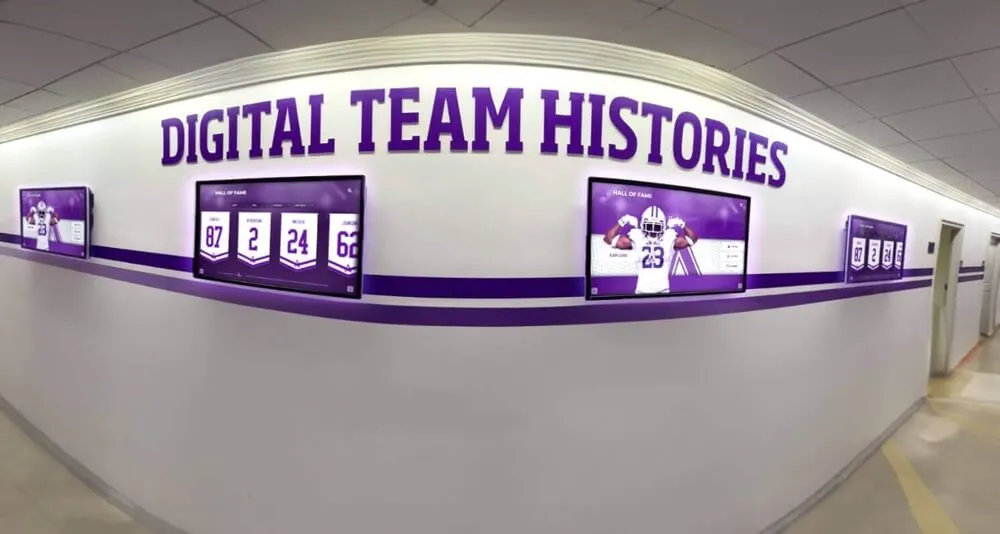
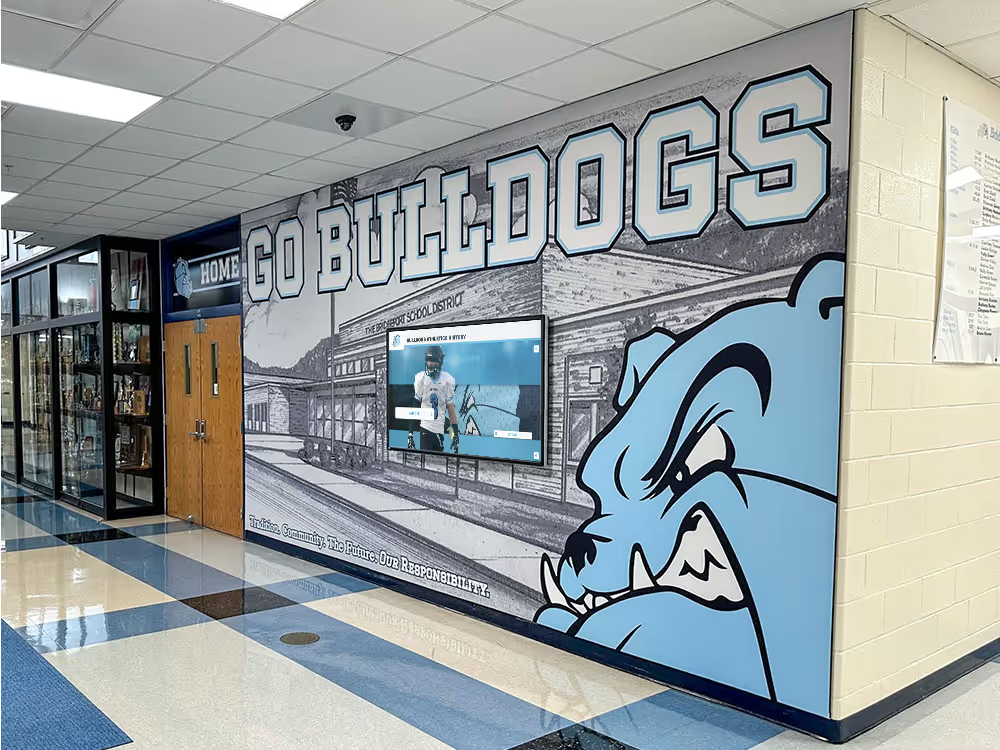
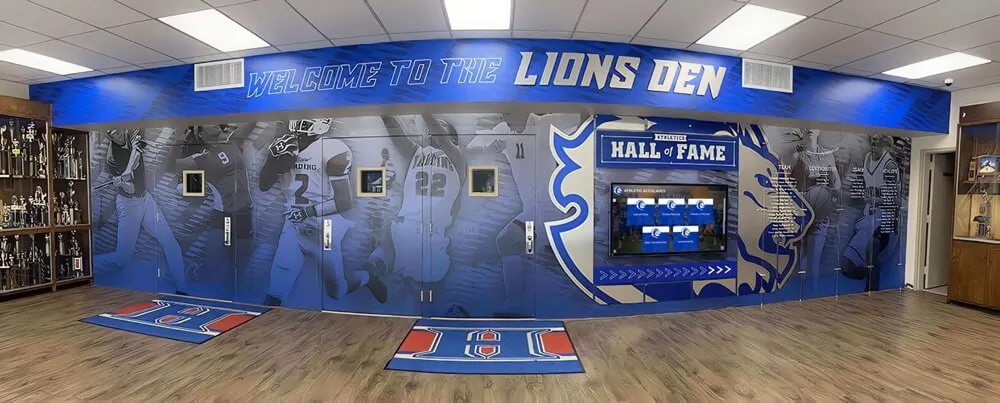
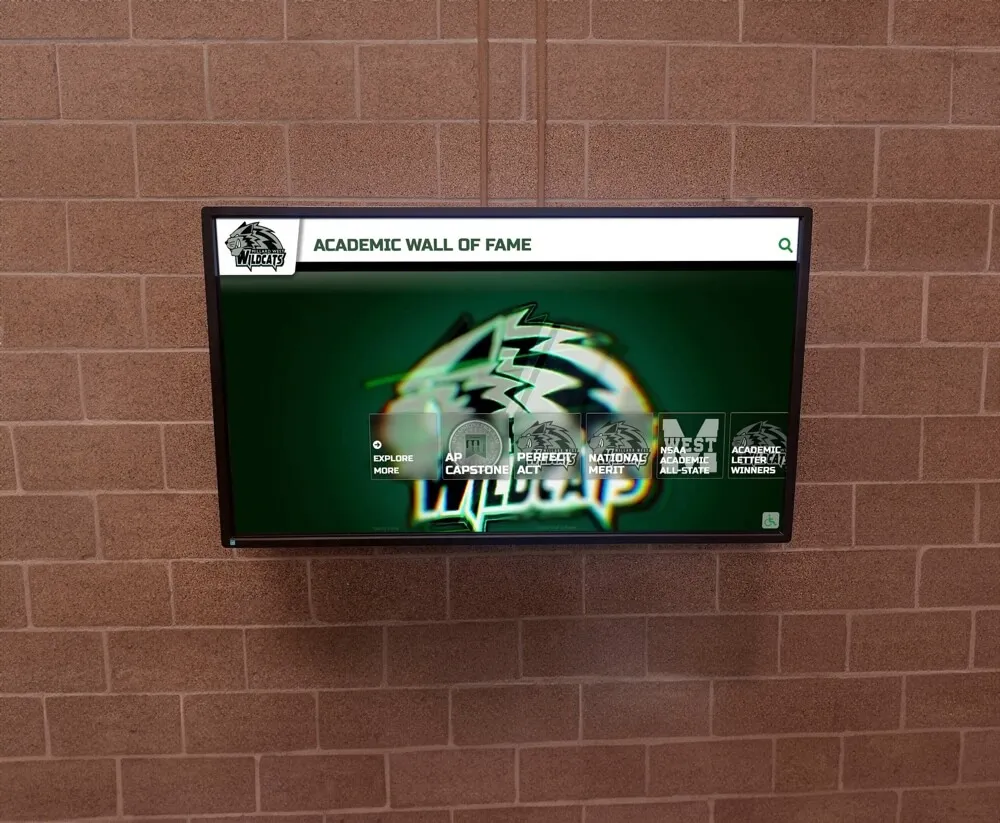
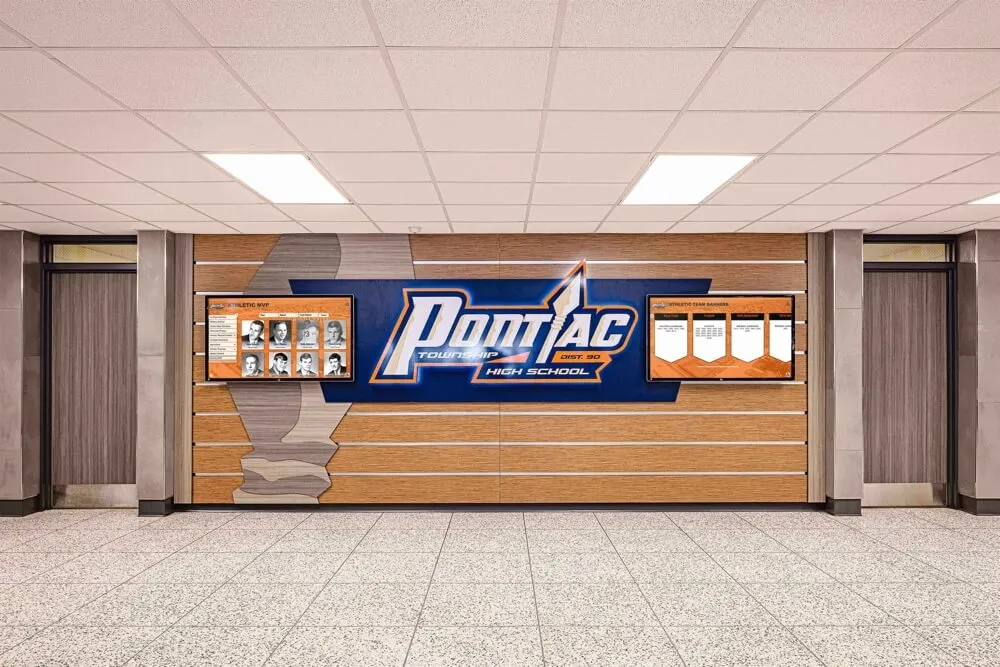
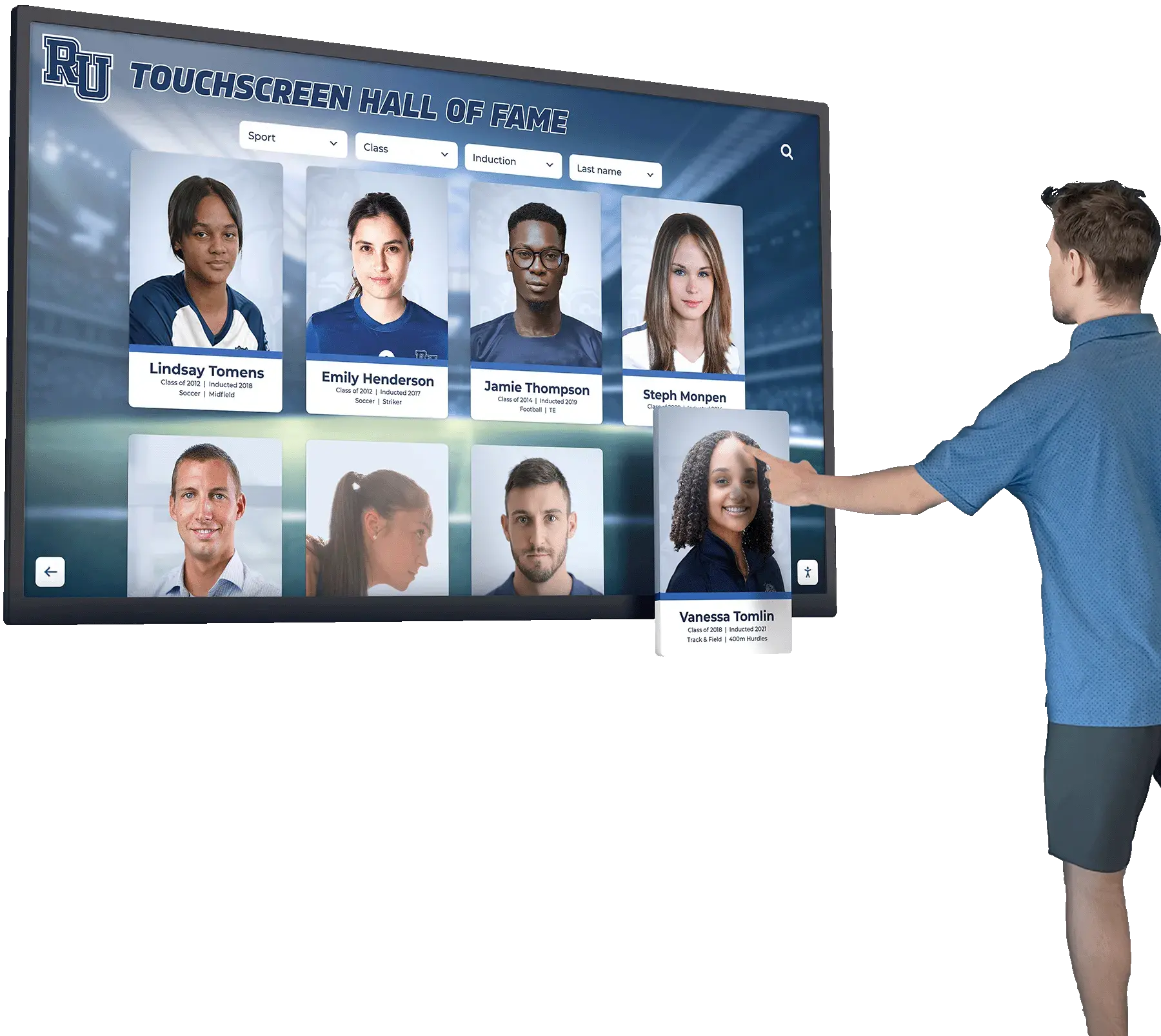
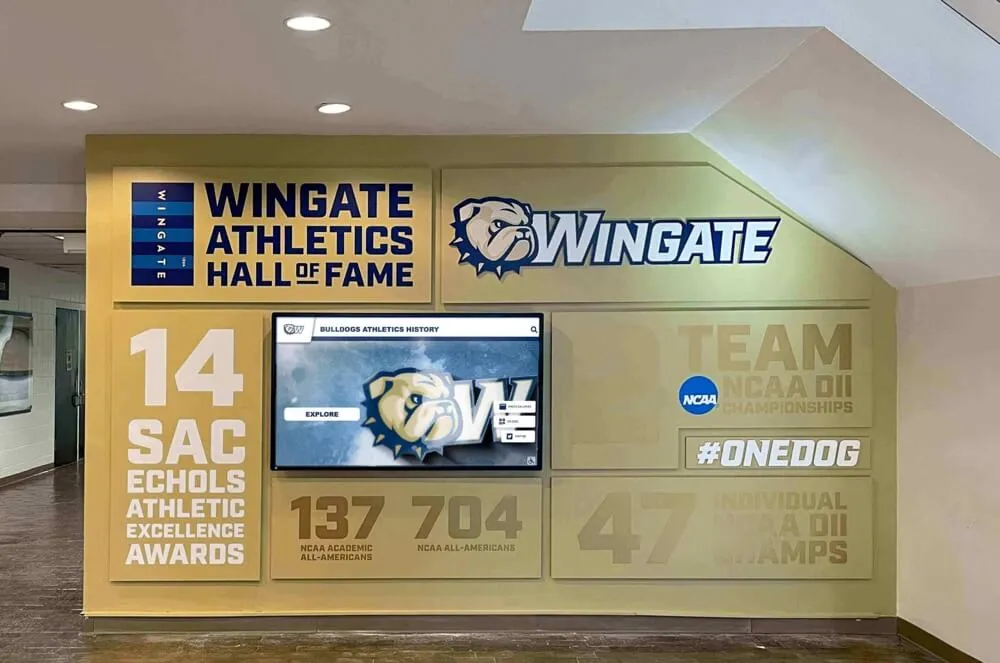
Professional athletic facilities demonstrate institutional commitment to comprehensive student-athlete support, including both recognition and medical care
The Role of Athletic Training in High School Sports
Athletic training provides specialized healthcare focused on injury prevention, emergency care, clinical diagnosis, therapeutic intervention, and rehabilitation of athletic injuries.
Certified Athletic Trainer Value
Certified Athletic Trainers (ATCs) serve as specialized healthcare professionals educated specifically in sports medicine:
Core Responsibilities
- Injury prevention through screening, education, and conditioning guidance
- Emergency response and immediate injury assessment
- Clinical evaluation and diagnosis of athletic injuries
- Therapeutic intervention and rehabilitation program design
- Return-to-play decision-making based on medical criteria
- Coordination with physicians, physical therapists, and specialists
Educational Requirements
- Bachelor’s or master’s degree from accredited athletic training program
- National certification through Board of Certification
- State licensure where applicable
- Continuing education requirements for certification maintenance
- Specialized training in emergency cardiac care, concussion management, and orthopedic assessment
According to the National Athletic Trainers’ Association, high schools with full-time athletic trainers see 50% fewer catastrophic injuries and significantly improved outcomes for common athletic injuries compared to schools without dedicated medical support.
Coverage Models Schools implement athletic trainer coverage through various approaches:
- Full-time employed ATCs dedicated to single school
- Shared ATCs covering multiple schools within district
- Contract services through local hospitals or sports medicine clinics
- Part-time coverage focused on highest-risk sports and events
- Graduate assistant programs partnering with university athletic training programs
Explore comprehensive athletic program support approaches in fall high school sports programming.
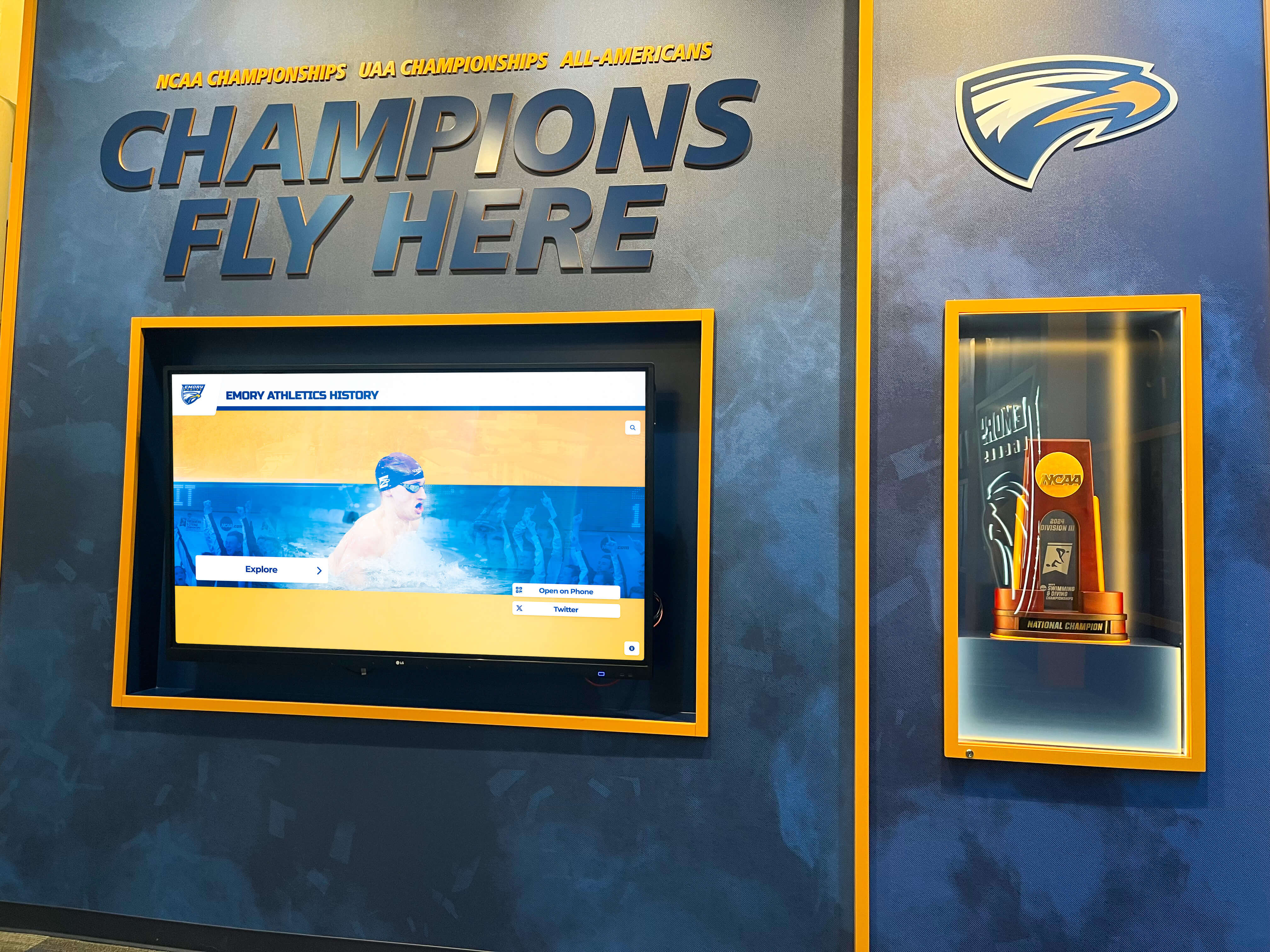
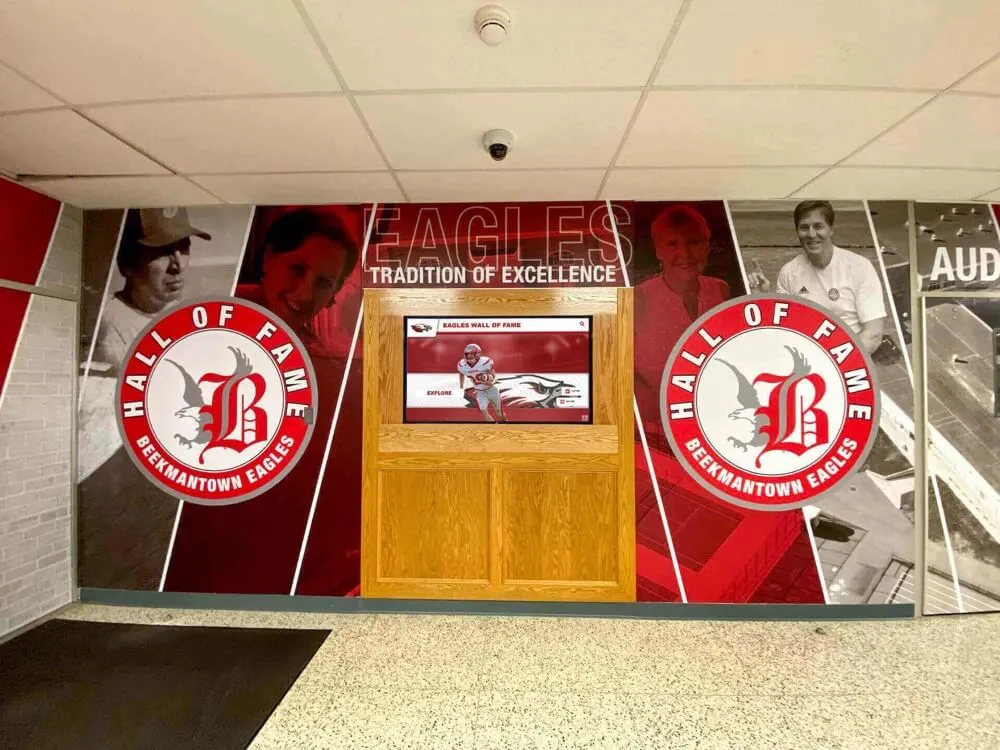
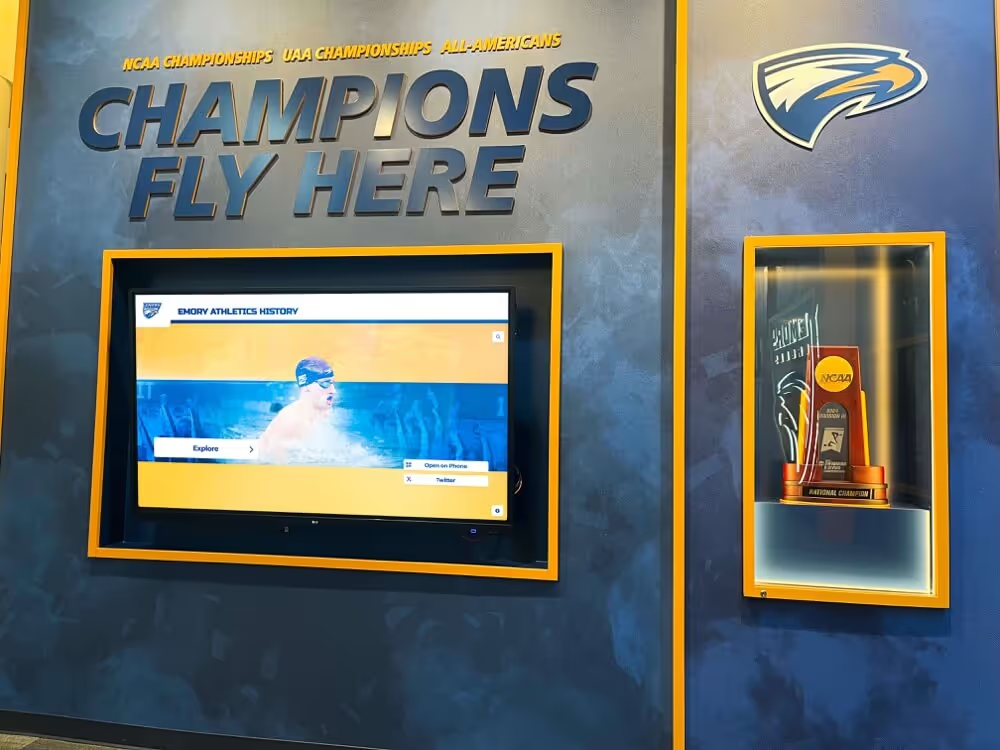
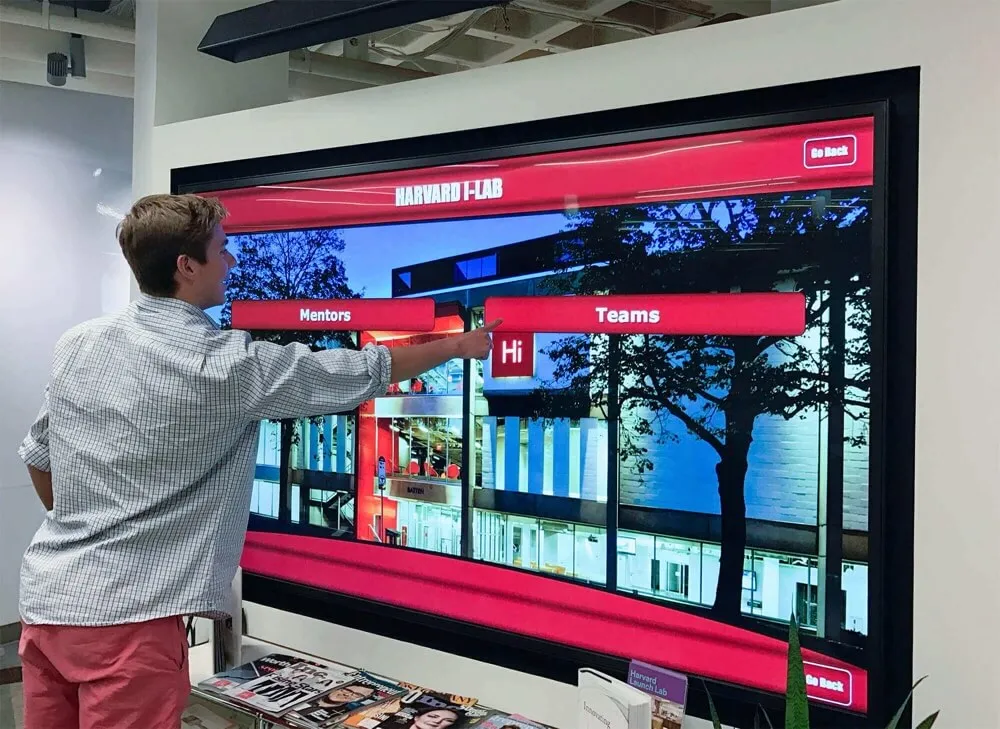
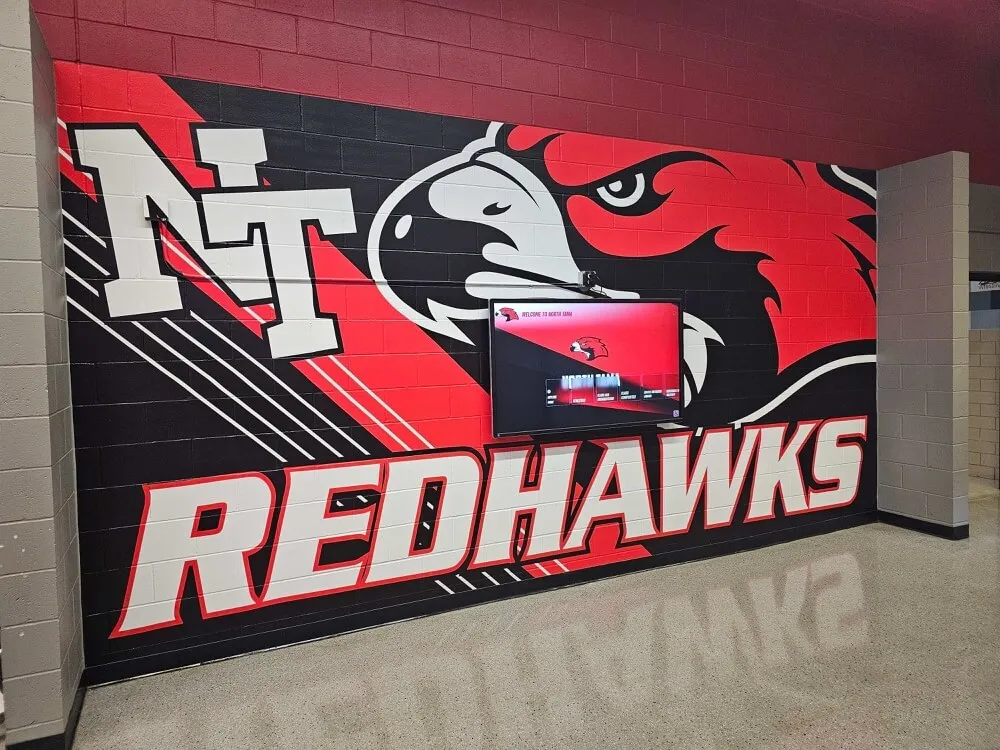
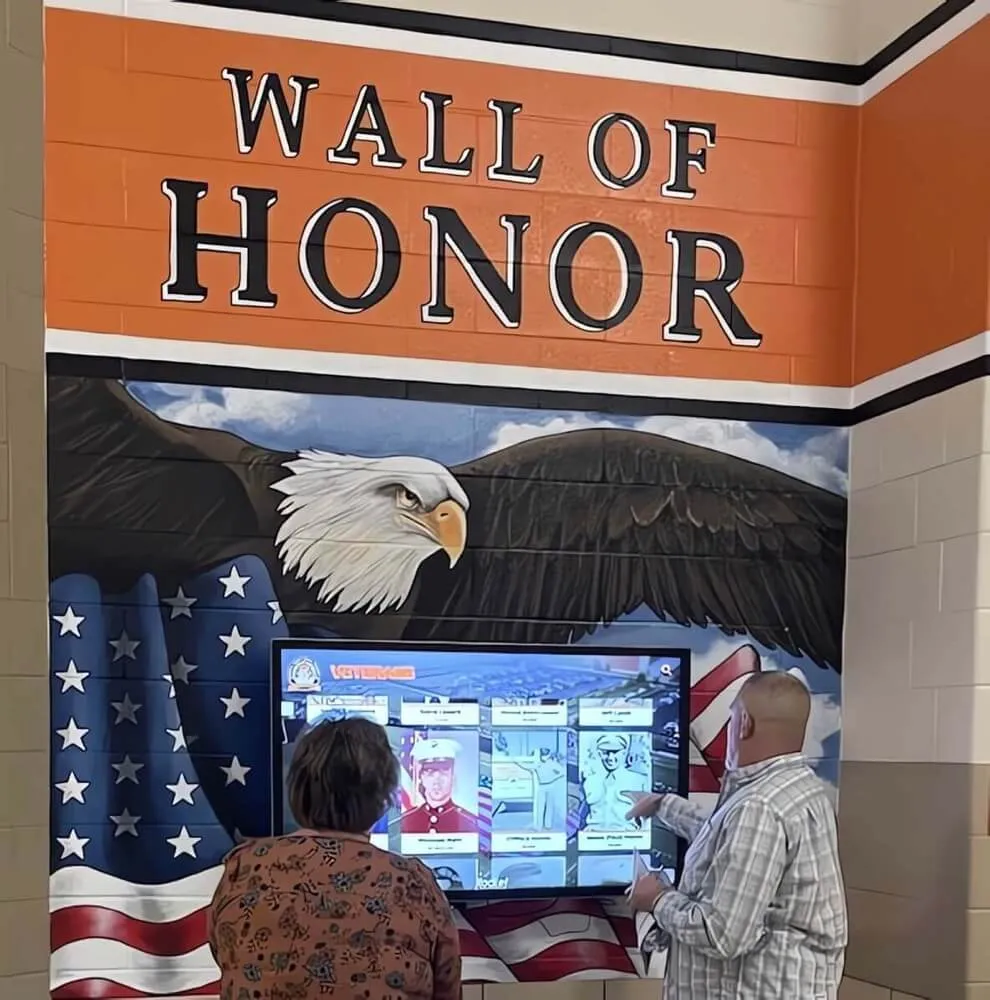
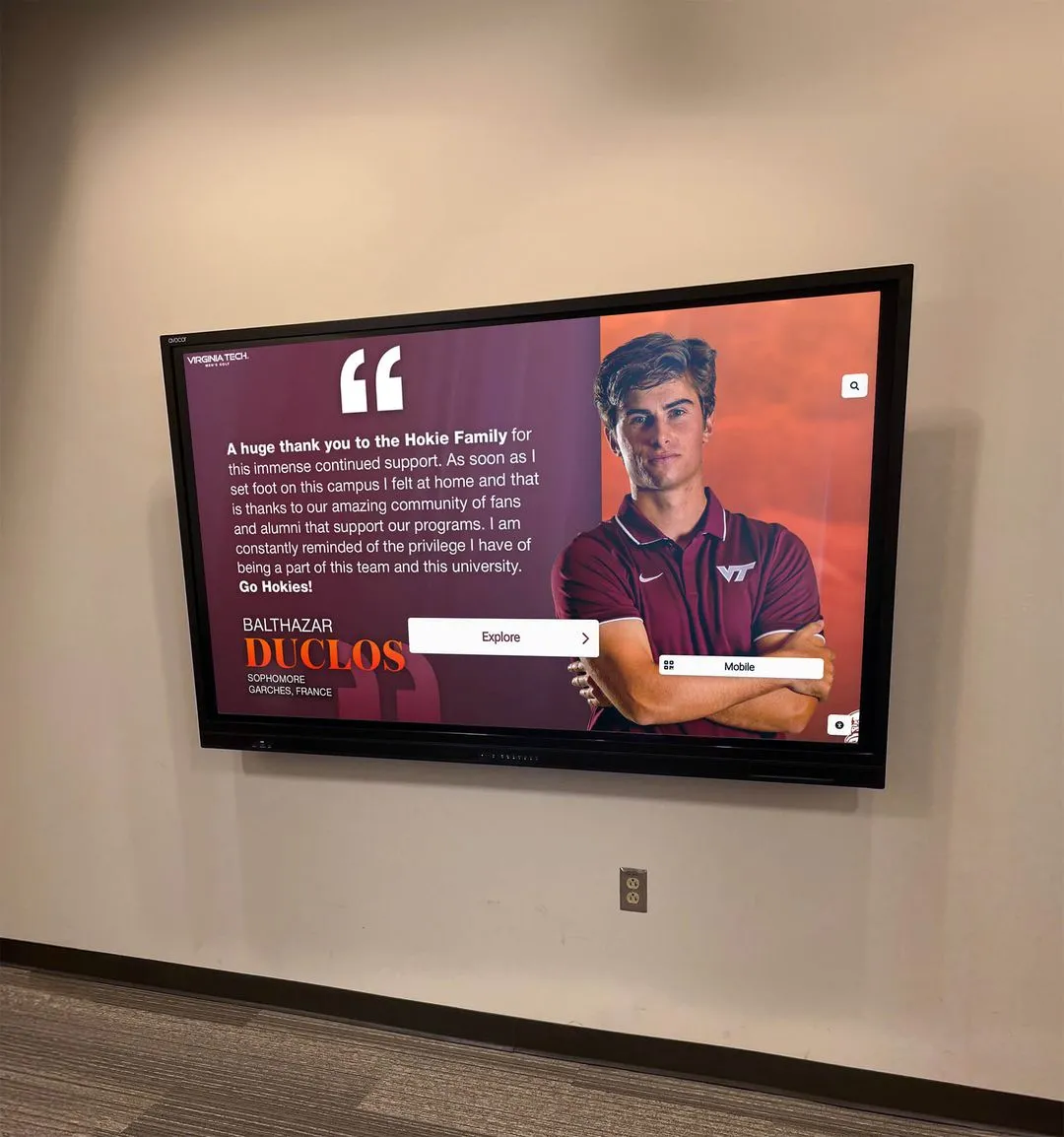
Celebrating athletic achievements alongside prioritizing athlete health creates balanced, successful athletic programs
Building Medical Support Networks
Schools without full-time athletic trainers require structured medical support networks:
Team Physician Relationships
- Designated physicians familiar with school’s athletic programs
- Pre-participation physical examination coordination
- Consultation availability for injury evaluation
- Return-to-play clearance protocols
- Emergency response backup for serious injuries
Specialist Network Development
- Orthopedic surgeons specializing in sports injuries
- Physical therapists with pediatric and sports medicine experience
- Concussion specialists and neurologists
- Cardiac specialists for screening and evaluation
- Mental health professionals understanding athlete-specific issues
Community Partnership Approaches
- Hospital system partnerships providing athletic training services
- Sports medicine clinic relationships offering discounted care
- Physical therapy groups providing injury assessment and rehabilitation
- Emergency medical services coordination for event coverage
Learn more about varsity athletics standards in varsity letter requirements and athletic excellence.
Injury Prevention Strategies
Proactive injury prevention represents the most effective sports medicine investment athletic departments can make.
Pre-Participation Physical Examinations
Comprehensive physical examinations identify pre-existing conditions and injury risk factors before athletic participation:
Examination Components
- Complete medical history including previous injuries and illnesses
- Family history screening for cardiac conditions and sudden death risk
- Musculoskeletal assessment identifying strength imbalances and flexibility limitations
- Cardiovascular screening including blood pressure and heart rhythm evaluation
- Vision and neurological screening
- Heat illness risk assessment
Timing and Frequency
- Complete examinations every 2-3 years at minimum
- Annual health history updates and limited physical reassessment
- Examination scheduling 4-6 weeks before season start
- Time allowance for addressing identified issues before participation
Clearance Protocols
- Full clearance for unrestricted participation
- Conditional clearance requiring specific accommodations or limitations
- Clearance withheld pending additional evaluation or intervention
- Documentation requirements and communication with coaches
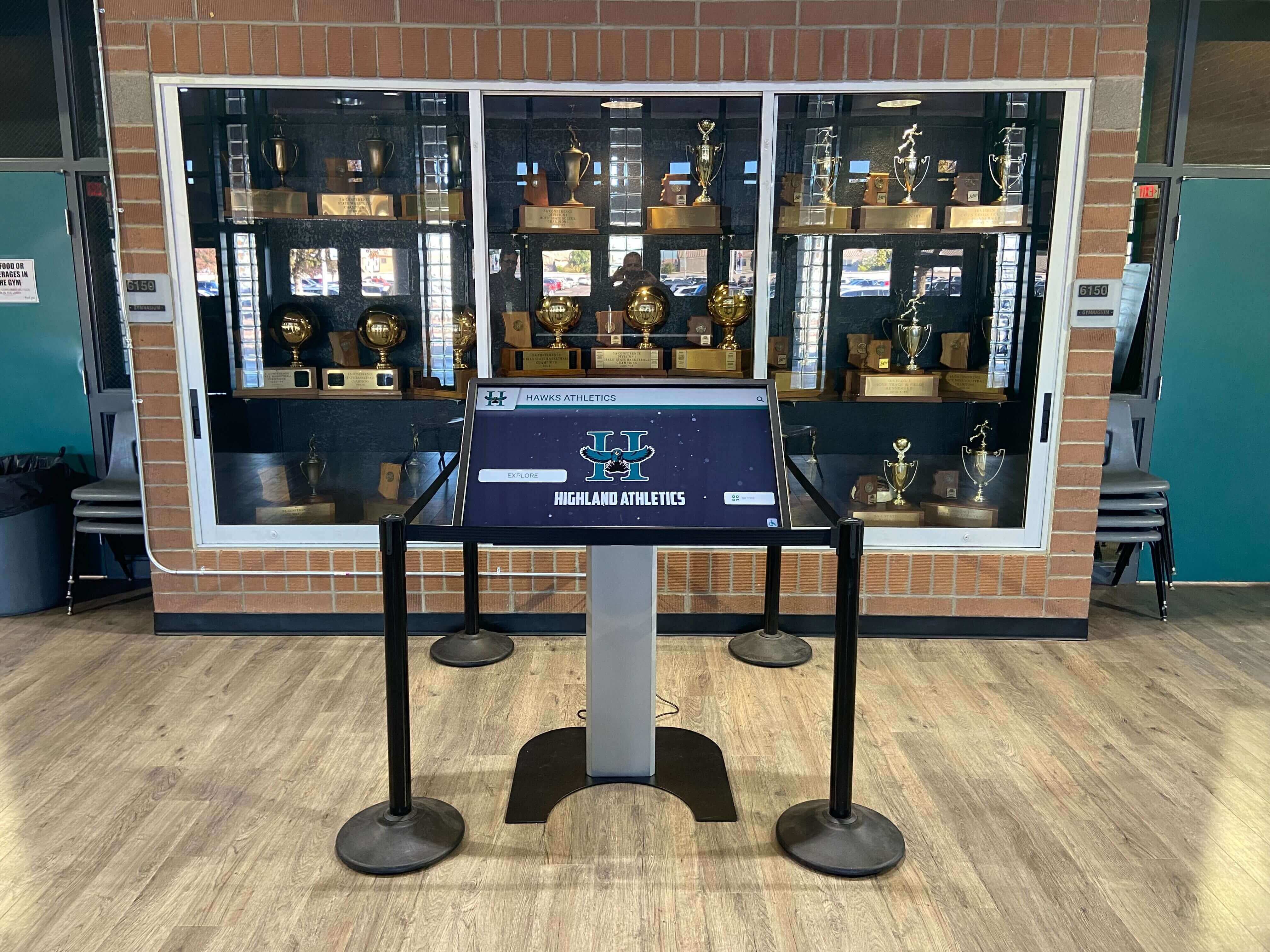
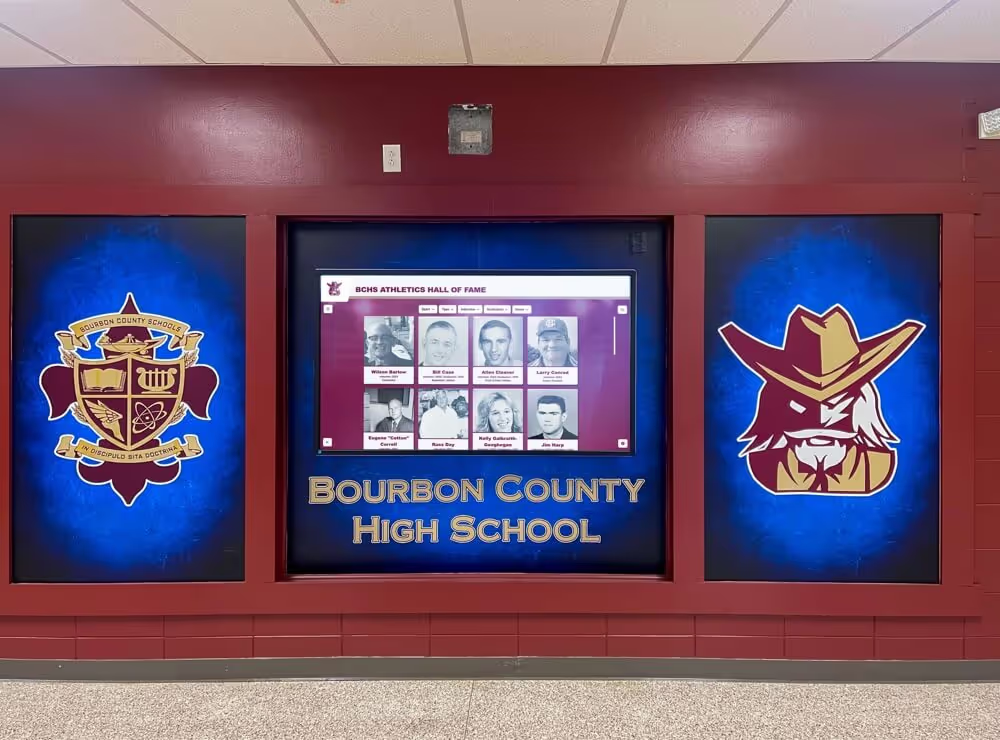
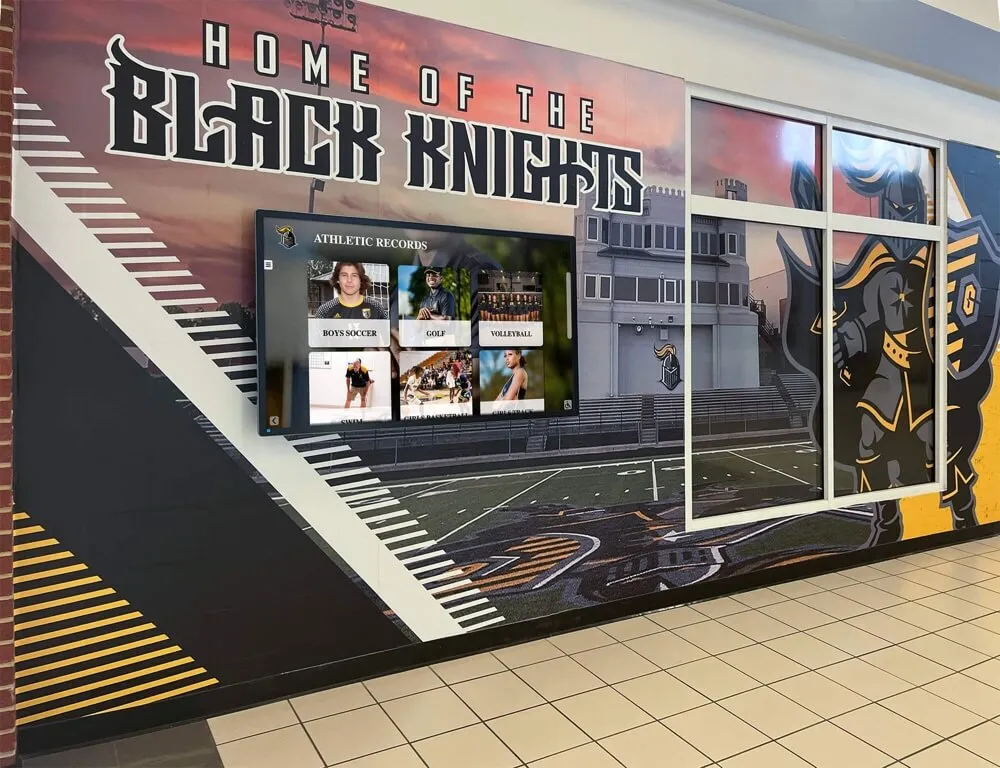
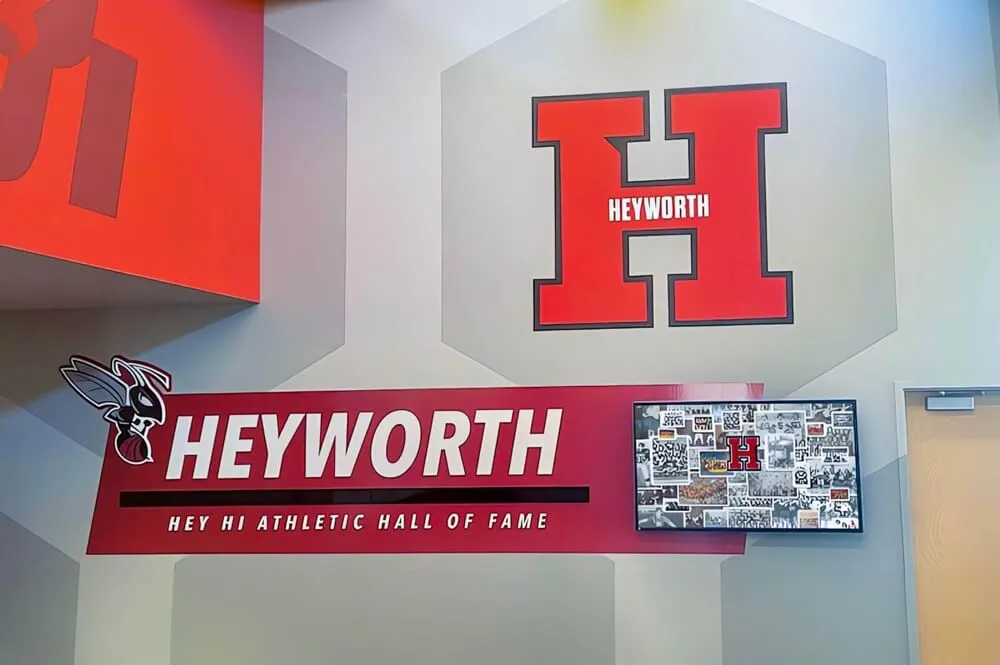
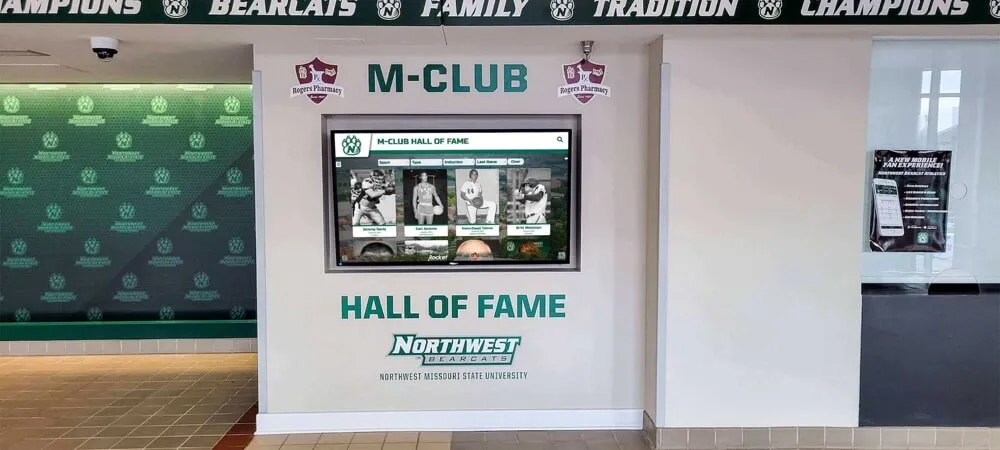
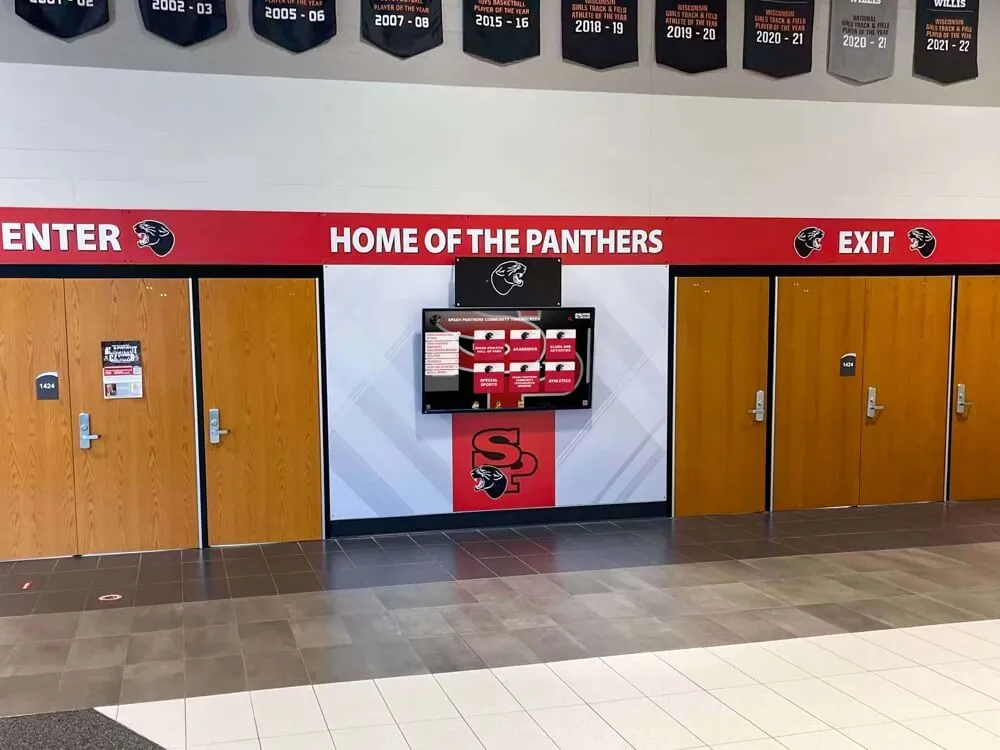
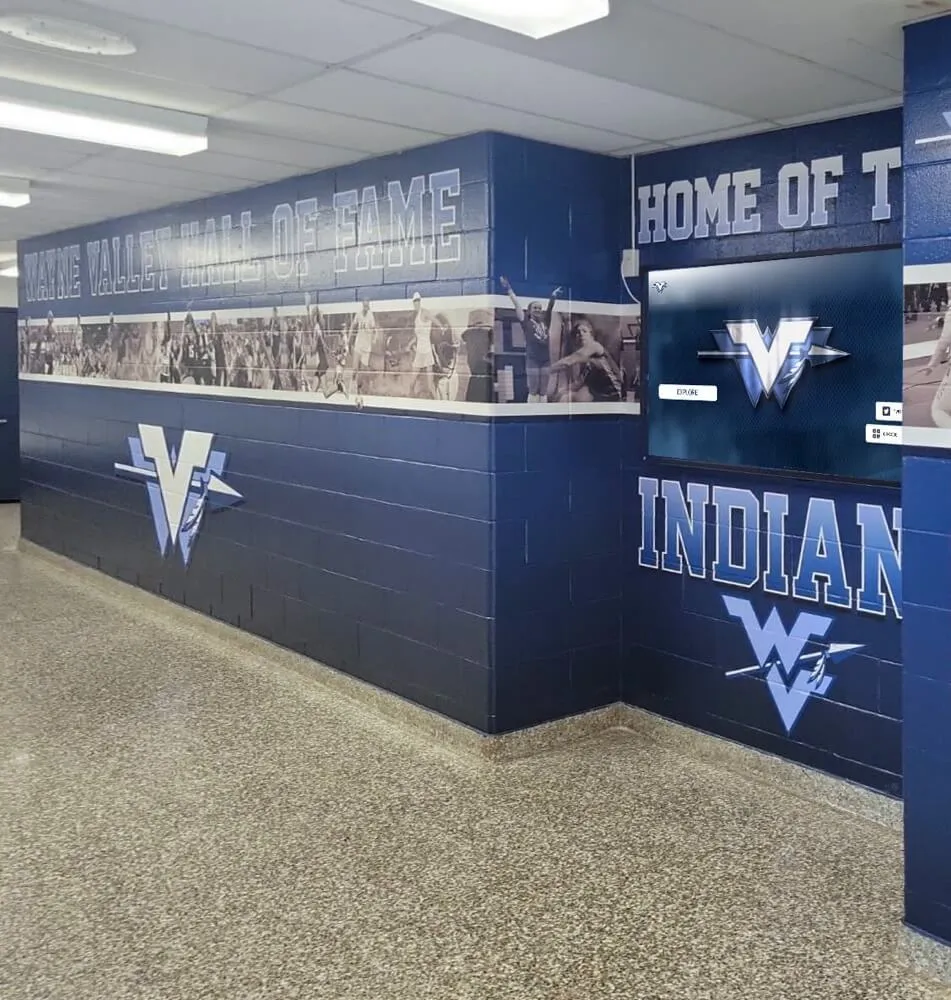
Athletic departments that invest in proper facilities for both training and recognition demonstrate comprehensive program excellence
Sport-Specific Conditioning Programs
Appropriate conditioning reduces injury risk while improving athletic performance:
Strength and Conditioning Fundamentals
- Age-appropriate resistance training emphasizing proper technique
- Core stability development supporting injury prevention
- Sport-specific strength requirements addressing competition demands
- Balanced development preventing muscle imbalances
- Progressive overload principles preventing overtraining
Flexibility and Mobility Work
- Dynamic warm-up protocols before activity
- Static stretching for flexibility development
- Sport-specific mobility requirements
- Joint range-of-motion maintenance
- Recovery protocols including foam rolling and stretching
Cardiovascular Conditioning
- Base conditioning development during off-season
- Sport-specific energy system training
- Progressive intensity increases preventing overuse injuries
- Monitoring for overtraining signs and symptoms
Injury Prevention Programs Research-supported programs targeting common athletic injuries:
- ACL injury prevention for cutting and jumping sports
- Shoulder injury prevention for overhead athletes
- Ankle stability programs for all athletes
- Concussion risk reduction through neck strengthening
- Overuse injury prevention through load management
Environmental Safety Protocols
Environmental conditions create significant injury and illness risks requiring proactive management:
Heat Illness Prevention
- Pre-season heat acclimatization protocols (gradual intensity increases over 14 days)
- Practice modifications based on heat index measurements
- Scheduled hydration breaks with water and electrolyte availability
- Equipment modifications (removing pads, lighter clothing) in extreme heat
- Emergency action plans for heat stroke recognition and treatment
Cold Weather Safety
- Wind chill monitoring and practice cancellation thresholds
- Layered clothing strategies and warming facilities
- Frostbite recognition and prevention education
- Indoor alternative preparation for extreme conditions
Lightning Safety
- Real-time weather monitoring systems
- 30-30 rule implementation (30 seconds between lightning and thunder = seek shelter, wait 30 minutes after last thunder)
- Designated safe shelter locations at all practice and competition venues
- Communication protocols for weather-related delays and cancellations
Explore comprehensive athlete recognition approaches in senior night planning for athletes.
Concussion Management Protocols
Concussion management represents one of the most critical sports medicine responsibilities facing athletic departments.
Recognition and Immediate Response
Proper concussion identification requires education and clear protocols:
Concussion Signs and Symptoms Athletes, coaches, and parents should recognize:
- Physical symptoms: headache, nausea, vomiting, balance problems, dizziness, visual disturbances, fatigue, sensitivity to light/noise
- Cognitive symptoms: feeling mentally “foggy,” difficulty concentrating, difficulty remembering, confusion about recent events, slower processing
- Emotional symptoms: irritability, sadness, nervousness, emotional changes
- Sleep disturbances: drowsiness, sleeping more/less than usual, difficulty falling asleep
Immediate Response Protocol When concussion is suspected:
- Immediately remove athlete from participation
- Inform parents/guardians of suspected injury
- Arrange medical evaluation by appropriate healthcare provider
- Prohibit same-day return to play regardless of symptom resolution
- Document injury details, mechanism, and symptoms observed
- Monitor athlete until parent/guardian assumes care
“When in Doubt, Sit Them Out” Philosophy Conservative approach prioritizes long-term health over competitive considerations.
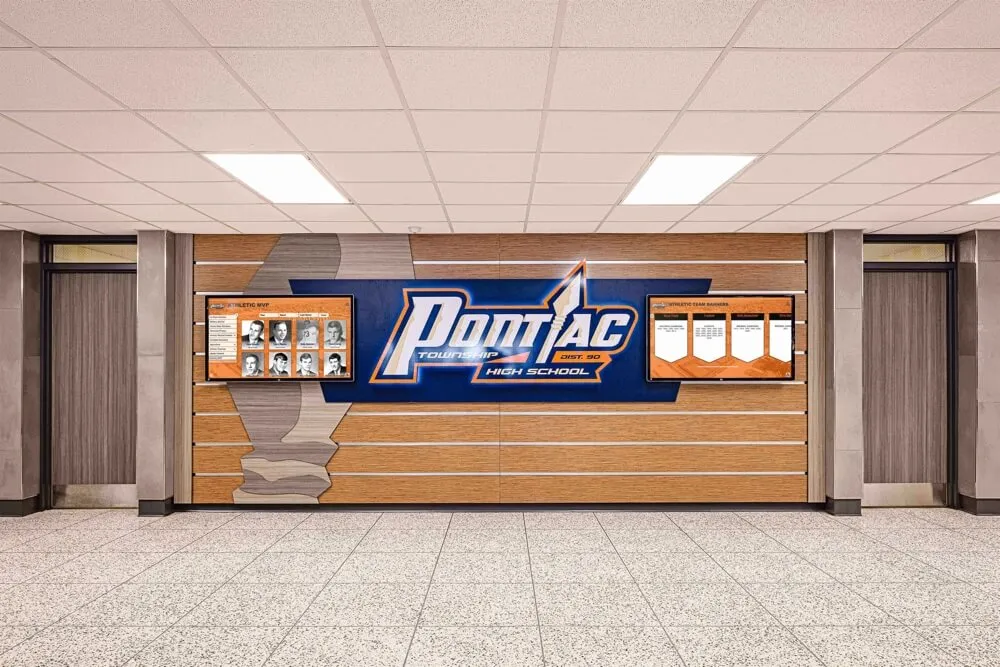
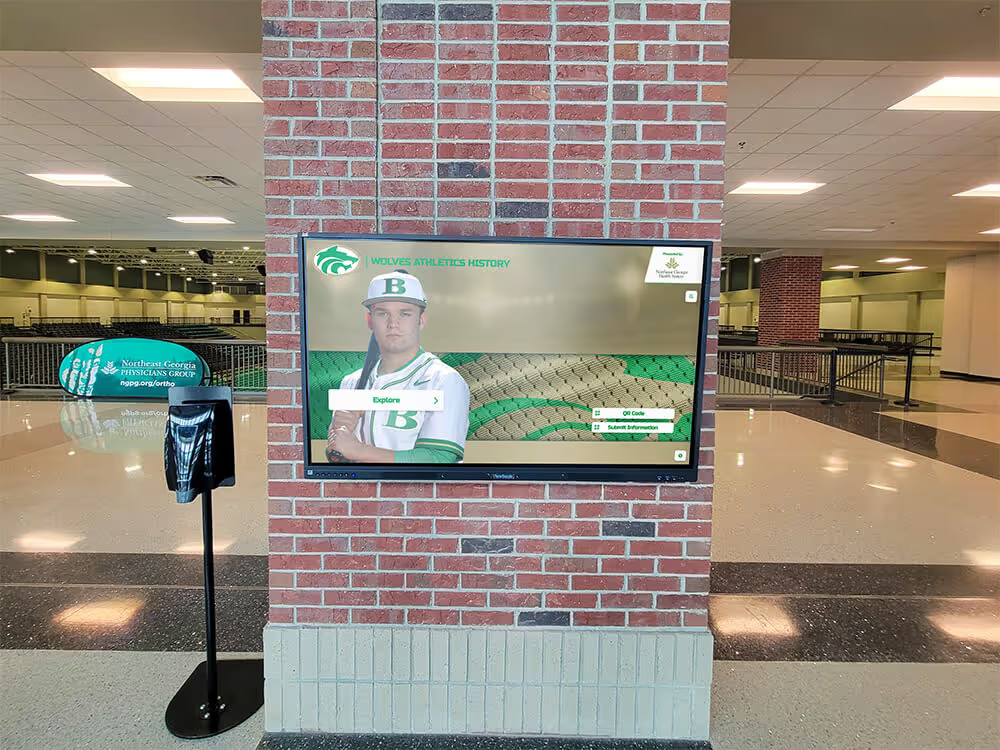
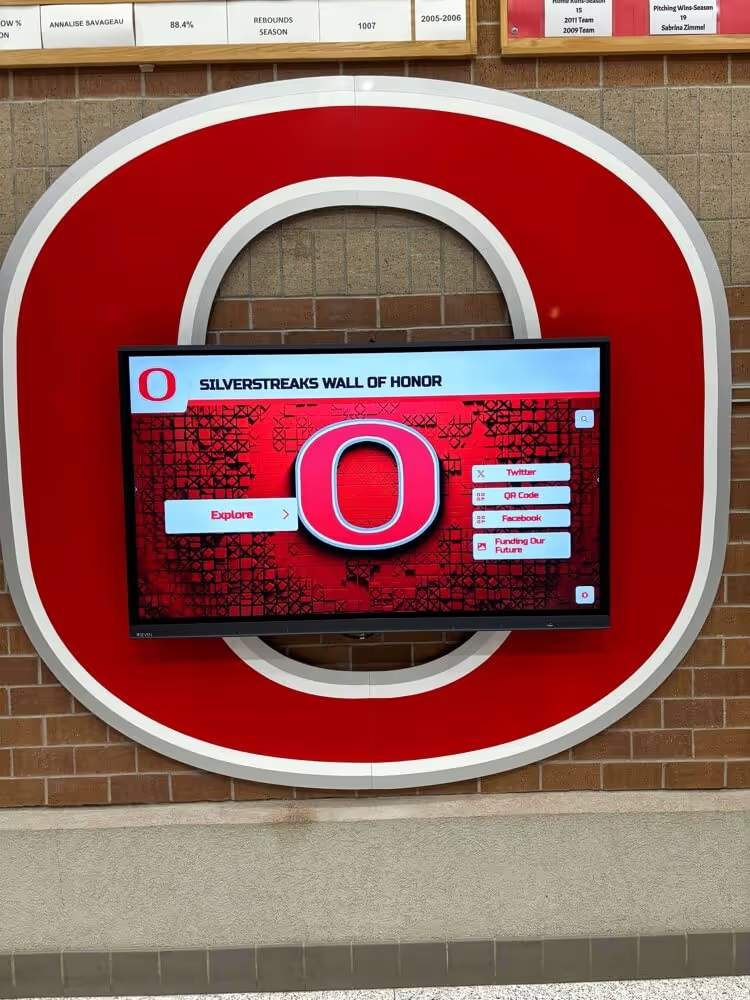
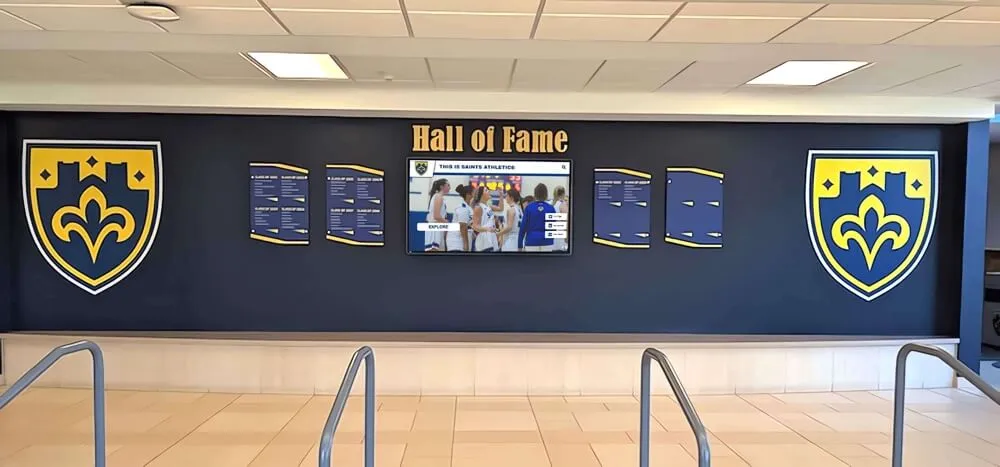
Athletic programs balance competitive excellence with athlete safety, celebrating achievements while prioritizing long-term health
Return-to-Play Protocols
Evidence-based return-to-play protocols prevent premature return and reduce re-injury risk:
Five-Stage Progression
- Complete rest - Physical and cognitive rest until symptom-free
- Light aerobic activity - Walking, swimming, stationary bike at <70% max heart rate
- Sport-specific exercise - Running drills, moderate intensity, no head impact
- Non-contact training drills - Progressive resistance training, complex drills
- Full-contact practice - Normal training activities after medical clearance
- Return to competition - Normal game play
Progression Requirements
- Minimum 24 hours between stages
- Symptom-free at rest and during each stage before advancement
- Any symptom return requires dropping to previous stage
- Medical clearance required before final return to competition
- Academic accommodation during recovery when needed
State Law Compliance All 50 states have concussion laws requiring:
- Annual concussion education for coaches, athletes, and parents
- Immediate removal from play when concussion suspected
- Medical clearance from qualified healthcare provider before return
- Documented compliance with state-specific requirements
Athletic Training Room Design and Equipment
Proper facilities enable effective sports medicine delivery regardless of program size.
Essential Training Room Components
Even modest athletic training facilities should include core components:
Assessment and Treatment Area
- Examination tables for injury evaluation
- Adequate lighting for visual assessment
- Privacy considerations for athlete dignity
- Storage for assessment tools and documentation
Ice and Heat Therapy Capabilities
- Ice machine or refrigerator/freezer for ice therapy
- Hot packs and heating units for therapeutic heat
- Appropriate barriers and timers for safe application
Taping and Bracing Station
- Counter or table at appropriate height for taping
- Organization system for tape, pre-wrap, and supplies
- Storage for braces, protective equipment, and padding
Rehabilitation Space
- Area for therapeutic exercise and rehabilitation
- Basic equipment: resistance bands, stability balls, foam rollers
- Progressive equipment as budget allows: weights, bike, balance equipment
Emergency Equipment
- Automated External Defibrillator (AED) with adult and pediatric pads
- Spine board and cervical collar for catastrophic injury management
- Emergency splints and immobilization equipment
- Emergency action plan posted and accessible
- Communication equipment for emergency service contact
Documentation Systems
- Electronic or paper injury reporting and tracking
- HIPAA-compliant storage for medical records
- Treatment logs and rehabilitation progress tracking
- Return-to-play documentation
Modern athletic departments integrate recognition systems within athletic facilities, showcasing trophy case design approaches that celebrate achievement alongside medical support areas.
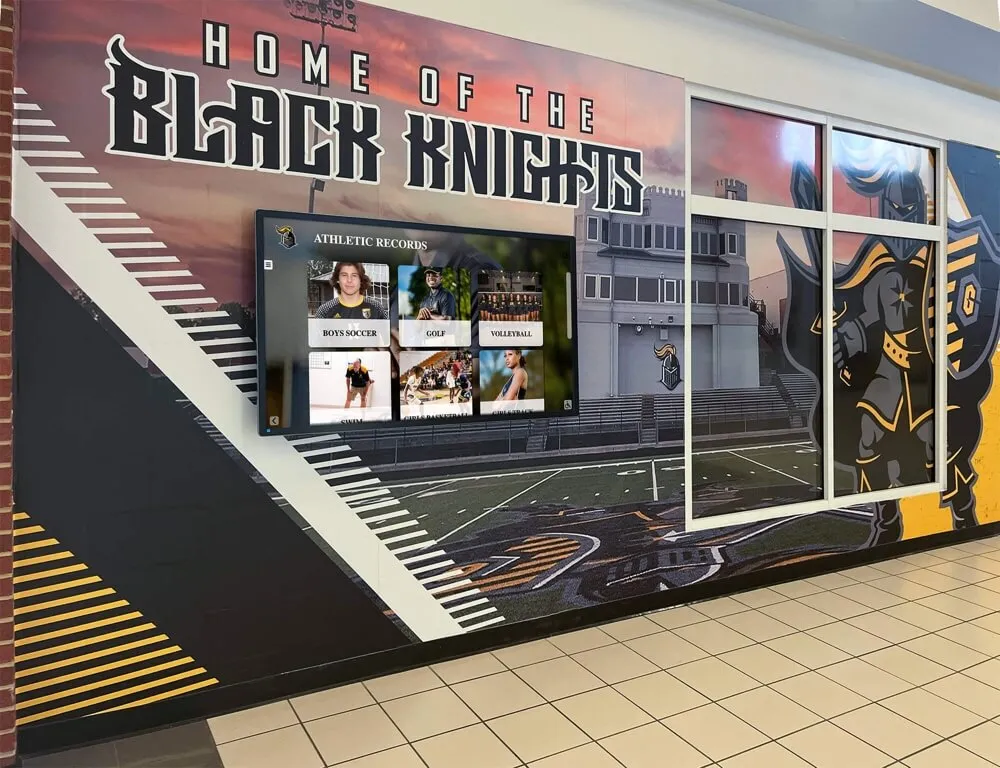
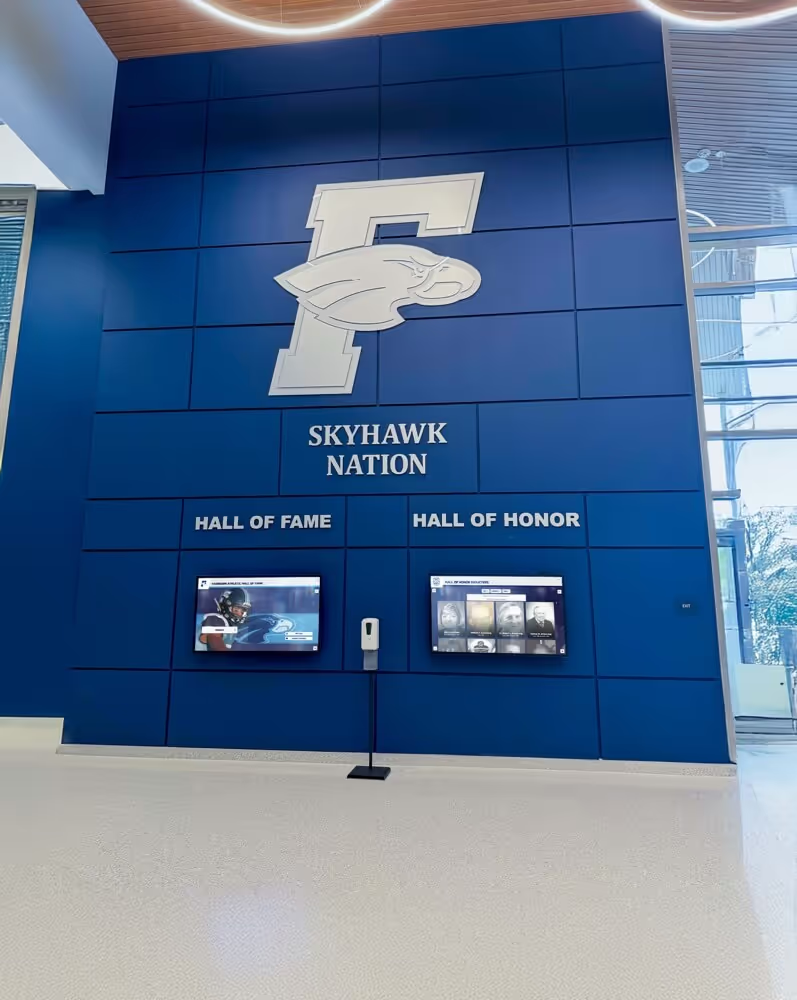
Modern athletic facilities combine medical support spaces with recognition displays that honor program history and athlete achievements
Budget-Conscious Implementation
Schools with limited resources can build effective programs through phased implementation:
Phase 1: Essential Safety (Immediate Priority)
- AED and emergency equipment
- Ice therapy capability
- Basic taping supplies
- Emergency action plans and staff training
- Cost: $2,000-$5,000
Phase 2: Basic Treatment Capability
- Examination table
- Heat therapy equipment
- Expanded taping and bracing supplies
- Basic rehabilitation equipment
- Cost: $3,000-$7,000
Phase 3: Enhanced Services
- Additional rehabilitation equipment
- Improved documentation systems
- Enhanced storage and organization
- Cost: $5,000-$10,000
Funding Strategies
- Booster club partnerships and fundraising
- Community business sponsorships
- Grant opportunities through foundations and medical organizations
- Equipment donation programs from hospitals and clinics
- Budget allocation from general athletic department funds
Mental Health and Sports Medicine
Comprehensive sports medicine extends beyond physical injuries to encompass mental health support.
Recognizing Mental Health Concerns
Athletes face unique mental health challenges requiring awareness and appropriate response:
Common Athlete Mental Health Issues
- Performance anxiety and competitive stress
- Depression and mood disorders
- Eating disorders and disordered eating
- Substance abuse and dependency
- Burnout and overtraining syndrome
- Post-injury psychological impact
Warning Signs Staff should recognize potential indicators:
- Significant performance decline unexplained by physical factors
- Social withdrawal from teammates and usual activities
- Mood changes, irritability, or emotional outbursts
- Changes in eating or sleeping patterns
- Expression of hopelessness or excessive self-criticism
- Risk-taking behaviors or substance use
Response Protocols When mental health concerns emerge:
- Express concern through private, non-judgmental conversation
- Encourage professional evaluation by mental health specialist
- Inform parents/guardians of concerns observed
- Connect athlete with school counseling resources
- Maintain confidentiality while ensuring safety
- Follow up on professional care connection
Creating Supportive Athletic Culture
Proactive mental health support prevents crises and normalizes help-seeking:
Education and Awareness
- Annual mental health education for coaches and staff
- Athlete education addressing stress management and mental health
- Parent programs covering athlete mental health topics
- Reducing stigma through open discussion and modeling
Resource Access
- Relationship with mental health professionals understanding athlete-specific issues
- School counselor integration with athletic department
- Crisis intervention protocols and resources
- Peer support programs when appropriate
Balanced Expectations
- Realistic performance expectations appropriate to developmental level
- Recognition of multi-dimensional athlete identity beyond sports
- Rest and recovery emphasis preventing burnout
- Academic support ensuring school success alongside athletic participation
Comprehensive athletic programs recognize achievements across domains, including student recognition programs that celebrate well-rounded student-athletes.
Emergency Action Plans
Every athletic venue requires documented emergency action plans addressing catastrophic injury scenarios.
Core Emergency Action Plan Components
Venue-Specific Plans Separate plans for each practice and competition venue should include:
- Exact venue address and nearest cross-streets for emergency services
- Specific access points for emergency vehicles
- Parking lot locations and navigation instructions
- Entrance instructions to reach specific fields/courts/facilities
Communication Protocols
- Designated individuals responsible for calling 911
- Script for emergency communication including venue information
- Backup communication methods if primary fails
- Chain of command for decision-making
- Parent notification procedures
Emergency Equipment Locations
- AED location and access instructions
- Spine board and emergency equipment storage
- First aid kit locations
- Emergency medication (epinephrine auto-injectors if applicable)
Personnel Responsibilities Clear role assignments for emergency scenarios:
- Emergency care provider (person providing immediate care)
- Emergency services caller (person contacting 911)
- Equipment retriever (person obtaining emergency equipment)
- Crowd control (person managing bystanders and clearing access)
- Documentation (person recording incident details)
Scenario-Specific Protocols Detailed procedures for common emergencies:
- Sudden cardiac arrest (recognition, AED use, CPR)
- Catastrophic head or spine injury (immobilization, transport)
- Heat stroke (recognition, cooling protocols, emergency transport)
- Severe bleeding or traumatic injury
- Allergic reactions and anaphylaxis
- Asthma emergencies
Emergency Action Plan Implementation
Plans require regular practice and updates to ensure effectiveness:
Staff Training
- Annual emergency response training for all coaches and staff
- CPR/AED certification for all coaching staff
- First aid training appropriate to role
- Scenario-based practice drills at each venue
- Review of plan updates and changes
Plan Review and Updates
- Annual review of all venue emergency action plans
- Updates reflecting facility changes or construction
- Incorporation of lessons learned from incidents or drills
- Compliance verification with state and local requirements
Documentation and Accessibility
- Posted plans at each venue in accessible locations
- Copies in coaching staff emergency bags
- Digital access through phones or tablets
- Emergency services pre-notification when applicable
Effective emergency preparedness demonstrates the same attention to detail reflected in digital athletics recognition systems that showcase athletic program excellence.
Documentation and Legal Considerations
Proper documentation protects athletes, staff, and institutions while ensuring legal compliance.
Injury Reporting and Tracking
Systematic injury documentation serves multiple important functions:
Initial Injury Reports Every injury should be documented including:
- Athlete identification and sport
- Date, time, and location of injury
- Activity when injury occurred
- Mechanism of injury and body part affected
- Immediate signs and symptoms
- Initial treatment provided
- Referral or follow-up recommendations
- Witnesses present
Treatment Documentation Ongoing care requires tracking:
- Each treatment session date and interventions provided
- Athlete-reported symptoms and functional limitations
- Progress toward return-to-play goals
- Home program compliance
- Communication with parents and physicians
Return-to-Play Documentation Clear records of return-to-play progression:
- Medical clearance documentation from physicians
- Progression through return-to-play protocol stages
- Functional testing results if applicable
- Date cleared for full participation
- Any restrictions or modifications required
Data Analysis and Trends Injury tracking enables program improvement:
- Identification of injury patterns by sport or activity
- Evaluation of prevention program effectiveness
- Resource allocation decisions based on injury frequency
- Comparison with regional or national injury data
Legal and Regulatory Compliance
Athletic departments must navigate complex legal requirements:
Liability Protection Strategies
- Documented pre-participation medical clearance for all athletes
- Comprehensive informed consent and waiver processes
- Proper staff training and certification maintenance
- Adherence to established return-to-play protocols
- Following manufacturer guidelines for equipment and facilities
HIPAA and Privacy Considerations
- Secure storage of athlete medical information
- Limited access to medical records
- Proper authorization for information sharing
- Communication with parents/guardians regarding minors
- Privacy during medical treatment and assessment
State Regulatory Compliance Requirements vary by state but commonly include:
- Concussion management law compliance
- Heat illness prevention mandates
- Sudden cardiac arrest protocols
- Required coach education and certifications
- Athletic trainer licensure requirements
Insurance Considerations
- Verification of adequate liability insurance coverage
- Understanding of school-provided athletic injury insurance
- Communication with families regarding insurance requirements
- Documentation supporting insurance claims when needed
Building Comprehensive Sports Medicine Programs
Effective sports medicine implementation requires systematic development and stakeholder buy-in.
Administrative Support and Budget Allocation
Athletic director leadership drives sports medicine program development:
Making the Case for Investment Present evidence to administrators:
- Injury statistics demonstrating need
- Liability risk reduction through proper medical support
- Comparison with peer schools and competitive programs
- Student-athlete recruitment and retention benefits
- Long-term health outcomes for student-athletes
Phased Implementation Planning Multi-year development approach:
- Year 1: Emergency preparedness and essential equipment
- Year 2: Part-time athletic trainer coverage or medical partnerships
- Year 3: Facility enhancement and expanded coverage
- Year 4: Full-time athletic trainer or comprehensive contract services
- Year 5: Enhanced prevention programs and advanced services
Budget Development Typical budget categories:
- Personnel costs (athletic trainer salary or contract fees)
- Medical supplies and equipment
- Facility development or renovation
- Professional development and continuing education
- Technology and documentation systems
Stakeholder Education and Communication
Program success requires understanding and support from entire athletic community:
Coach Education Coaches need training in:
- Injury recognition and appropriate response
- When to refer athletes for medical evaluation
- Proper communication with athletic trainers and medical staff
- Prevention strategies integrated into practice planning
- Documentation responsibilities and protocols
Athlete Education Student-athletes should understand:
- Injury reporting expectations and procedures
- Concussion recognition and reporting
- Proper warm-up, stretching, and recovery practices
- Nutrition and hydration strategies
- Warning signs requiring medical attention
Parent Communication Families require information about:
- Athletic department medical support structure
- Injury reporting and treatment protocols
- Insurance and cost considerations
- Return-to-play decision-making processes
- How to communicate concerns or questions
Modern athletic departments leverage digital communication platforms to share athletic program information, achievements, and medical protocols with school communities.
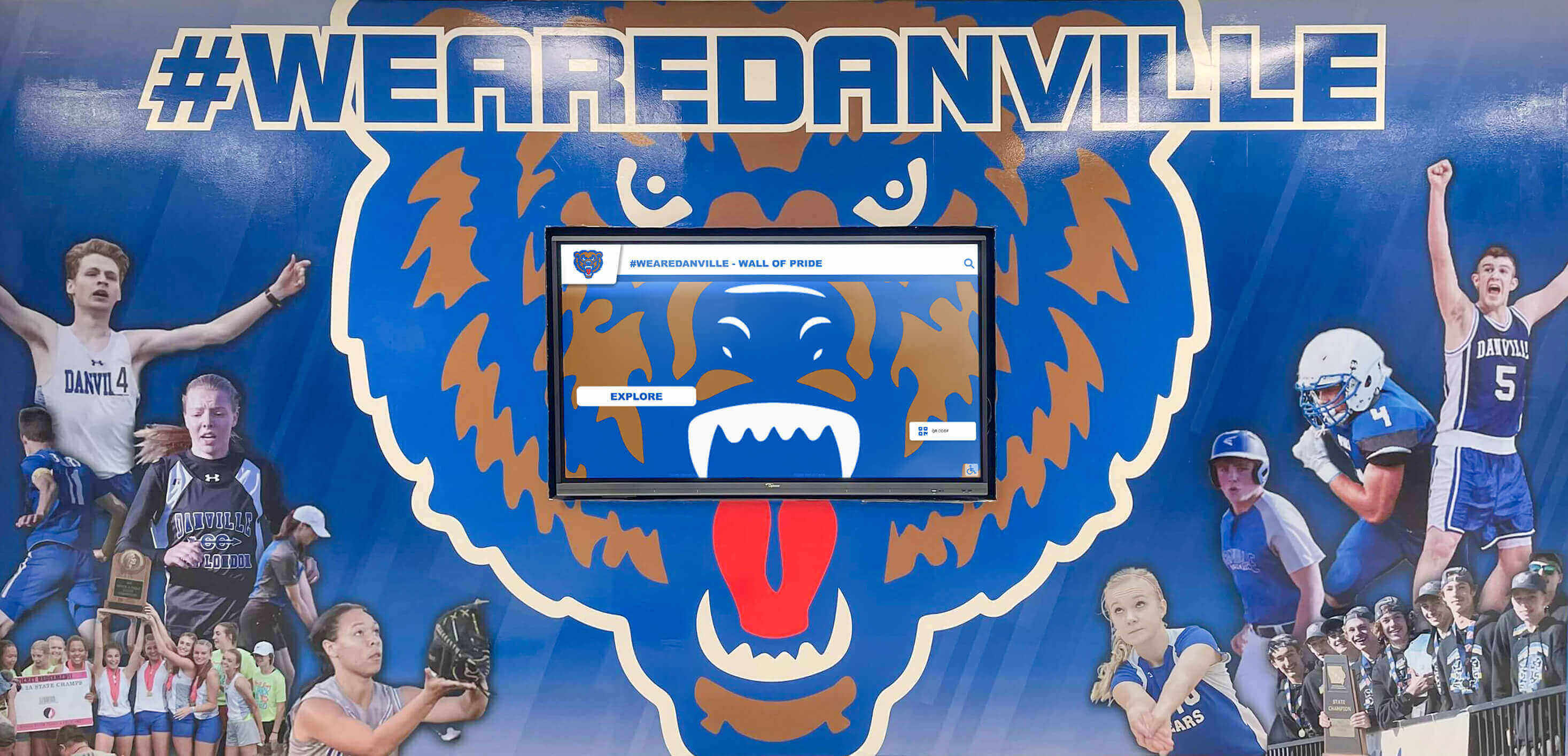
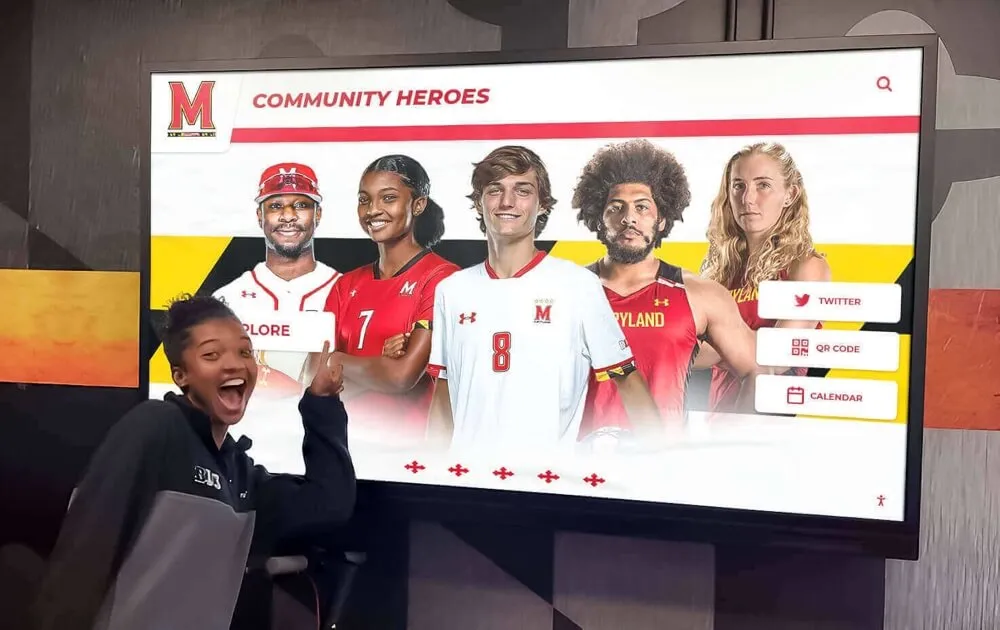
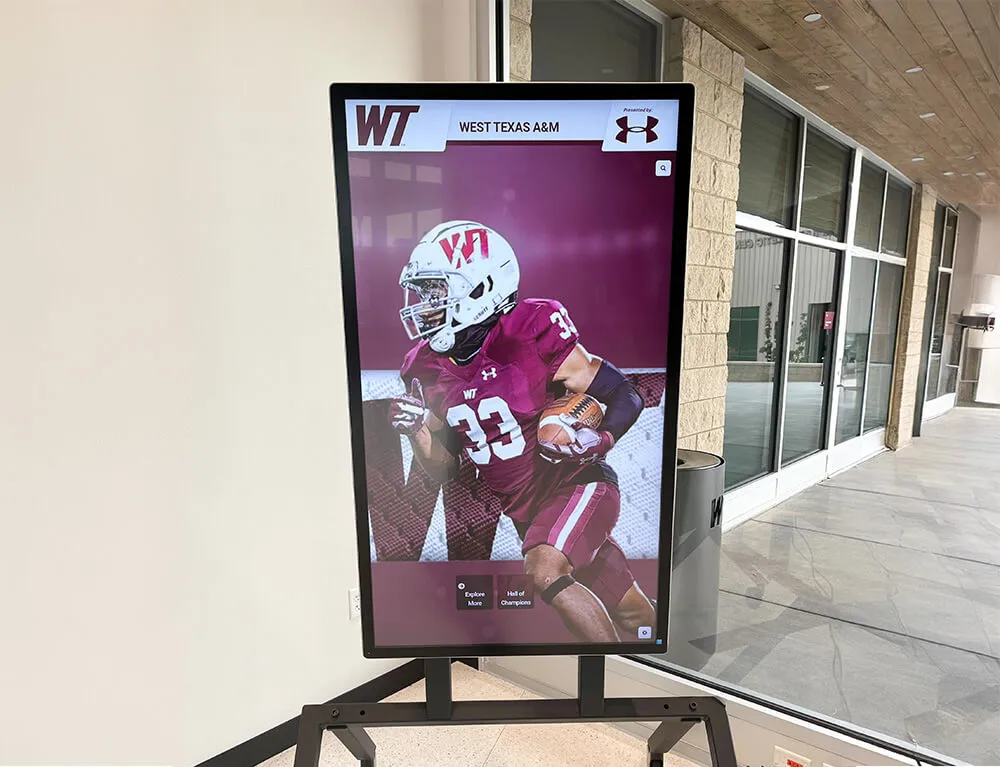
Digital display systems in athletic facilities communicate program information, celebrate achievements, and can share sports medicine resources
Measuring Program Effectiveness
Data-driven evaluation demonstrates program value and guides improvements:
Outcome Metrics Track and analyze:
- Injury incidence rates by sport and type
- Time lost to injury (practice and competition days)
- Re-injury rates indicating rehabilitation effectiveness
- Catastrophic injury prevention
- Athlete satisfaction with medical support
Process Metrics Monitor program implementation:
- Percentage of athletes receiving pre-participation examinations
- Athletic trainer coverage hours by sport
- Emergency action plan drill completion
- Coach certification and training compliance
- Documentation completion rates
Benchmark Comparisons Compare performance against:
- Previous years’ data showing trends
- State or regional injury surveillance data
- National high school injury research
- Similar-sized schools with comparable programs
Continuous Improvement Use data to drive enhancements:
- Injury pattern identification leading to targeted prevention
- Resource allocation based on coverage gaps
- Protocol refinement addressing identified weaknesses
- Education focus areas based on injury trends
Looking Forward: Sports Medicine Program Development
Athletic departments committed to student-athlete welfare view sports medicine as an ongoing investment rather than an expense.
Comprehensive sports medicine programs protect athlete health, reduce liability, enhance competitive performance, and demonstrate institutional values. Whether starting with basic emergency preparedness or expanding existing services, every improvement in medical support benefits student-athletes and strengthens athletic programs.
Athletic directors should prioritize sports medicine alongside competitive success, recognizing that sustainable excellence requires protecting the long-term health of athletes who make athletic programs possible. The same commitment to excellence that drives competitive achievement and athletic program recognition should extend to comprehensive medical support ensuring student-athletes can compete safely and recover effectively.
Schools that build strong sports medicine foundations create athletic cultures where safety and performance complement rather than compete with each other—where student-athletes receive the medical support that enables them to pursue excellence while protecting their health for life beyond competition.