



Sportsmanship award ideas that go beyond a single generic trophy—“Most Sportsmanlike Player”—give athletic directors and coaches a genuine tool for shaping program culture. When high schools build structured, multi-category recognition programs around character, conduct, and community, they signal a clear institutional message: how athletes compete matters as much as whether they win.
Most programs already recognize sportsmanship in some form, but the typical approach is a single staff-selected award presented at the end of the season. That model works for the one recipient. It does nothing for the other 24 athletes on the roster who demonstrated outstanding character throughout the year, or for the team as a whole, or for the program’s reputation in the community. Broadening sportsmanship recognition into a structured, multi-category system changes all three.
This guide maps 20 specific sportsmanship award ideas across four recognition dimensions—peer recognition, coaching staff selection, community and academic character, and program-wide recognition—so athletic departments can audit their current approach and identify where more intentional recognition can do the most good.
A well-designed sportsmanship recognition program is one of the most effective tools athletic departments have for building the culture they want to coach into. According to the National Interscholastic Athletic Administrators Association (NIAAA), programs with structured character recognition experience measurable improvements in ejection rates, community relations, and athlete retention across consecutive seasons. Recognition programs work because they make values visible—they tell athletes, families, and opponents exactly what the program stands for.

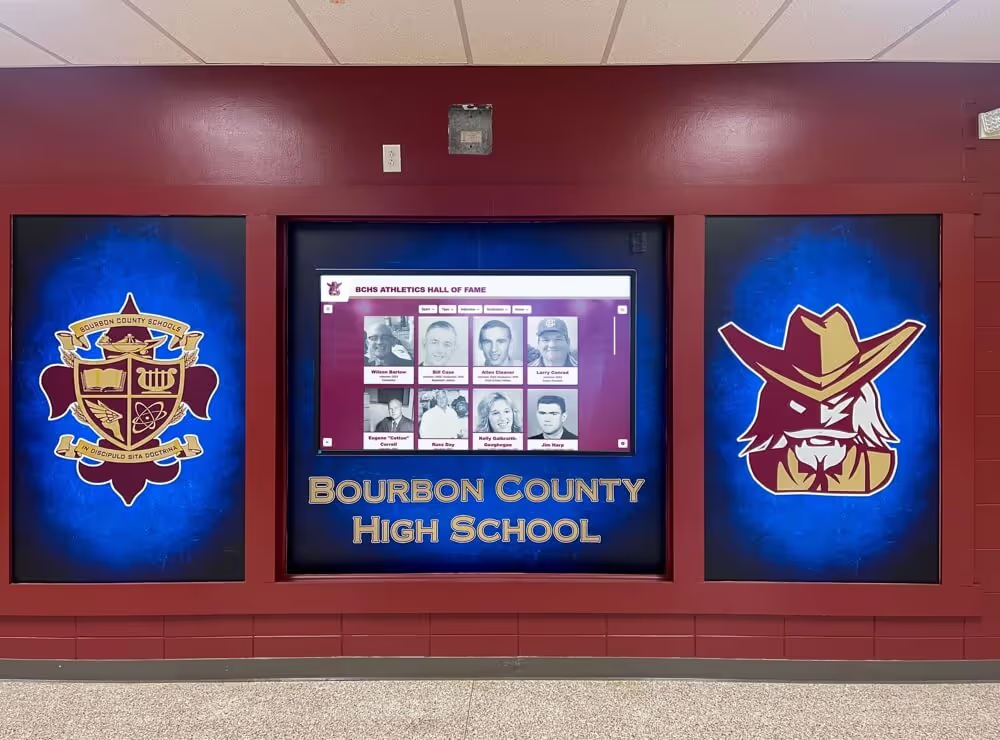
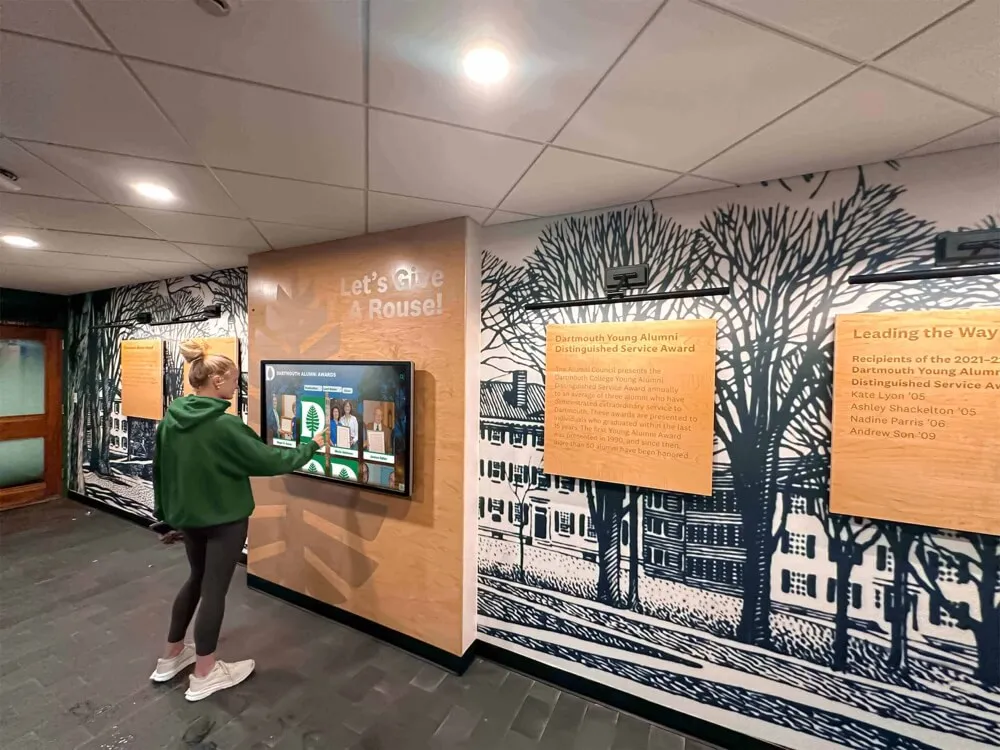
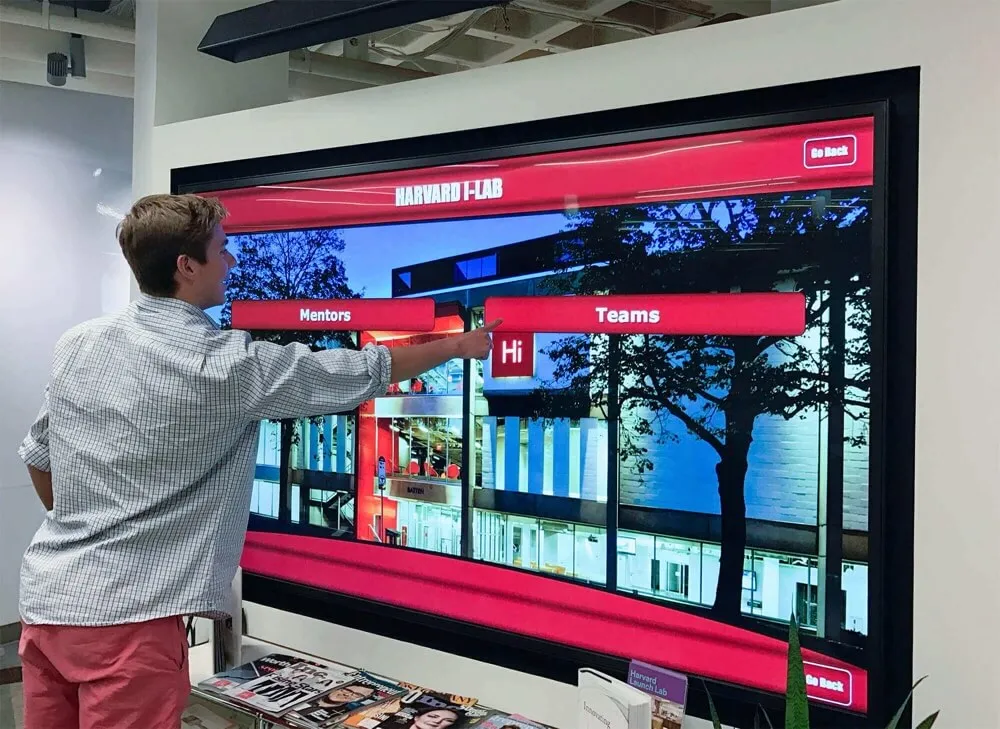
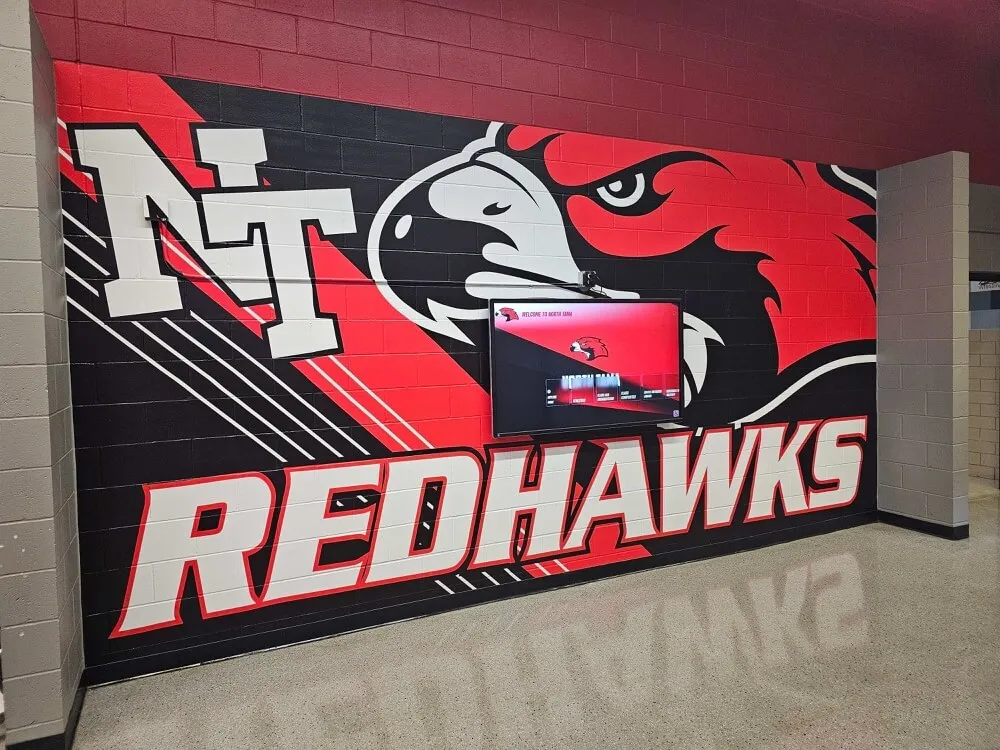
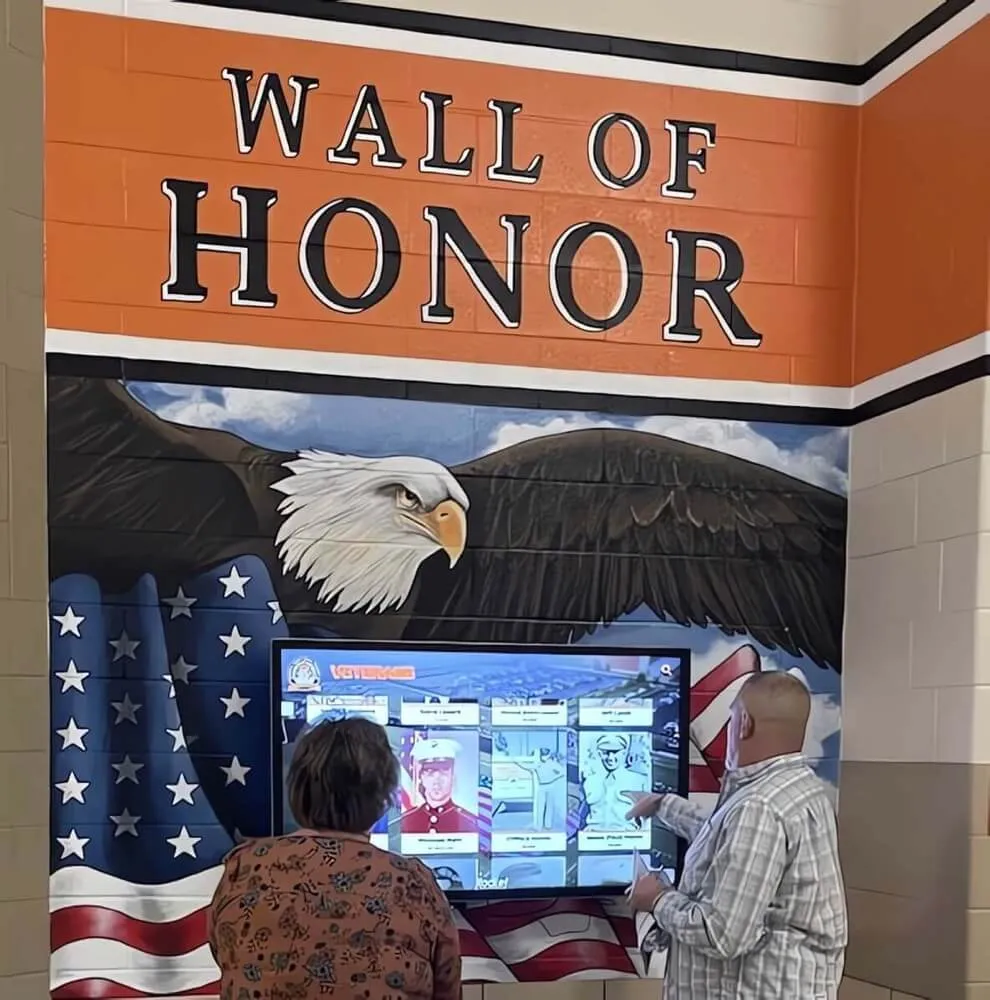
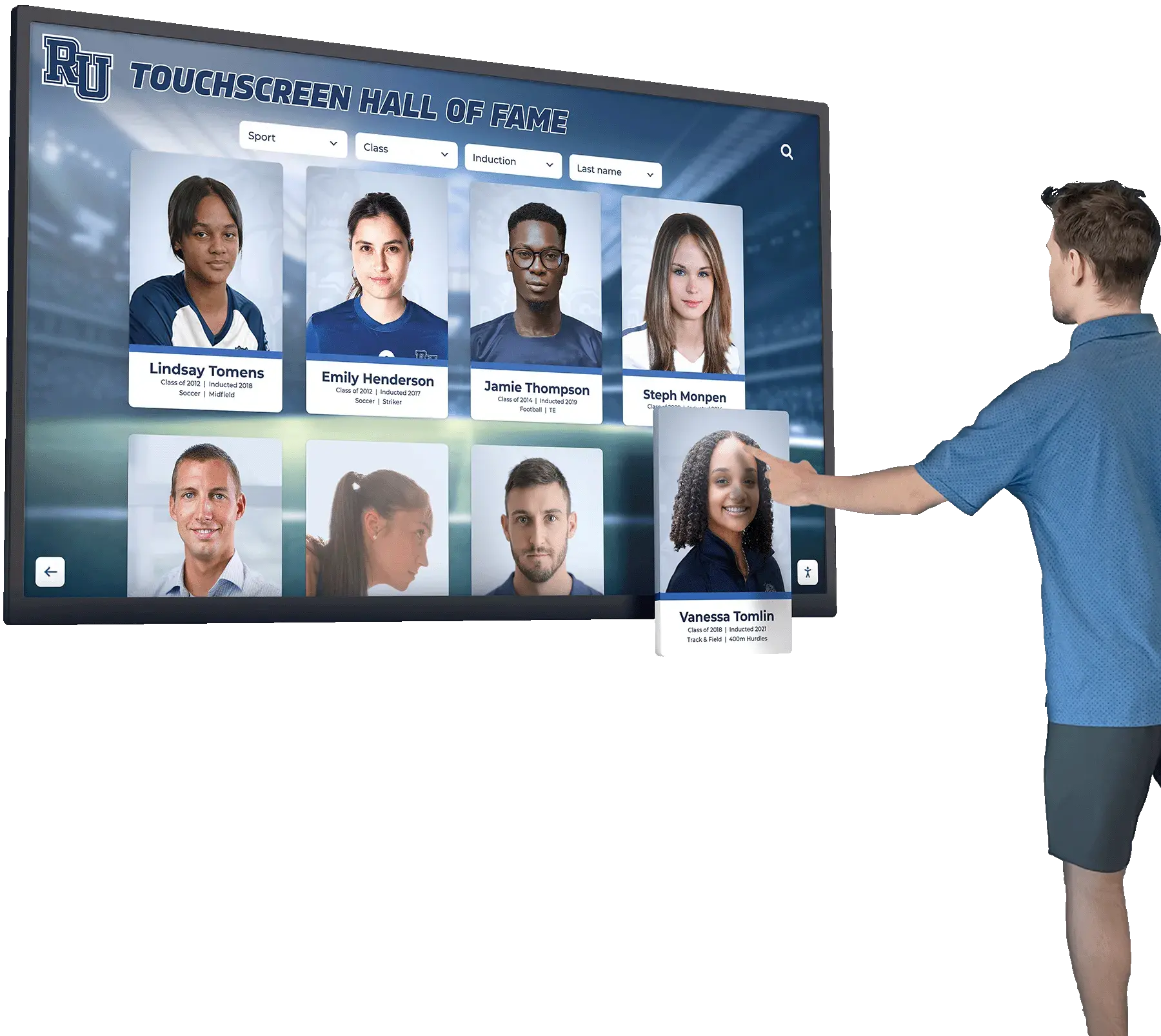
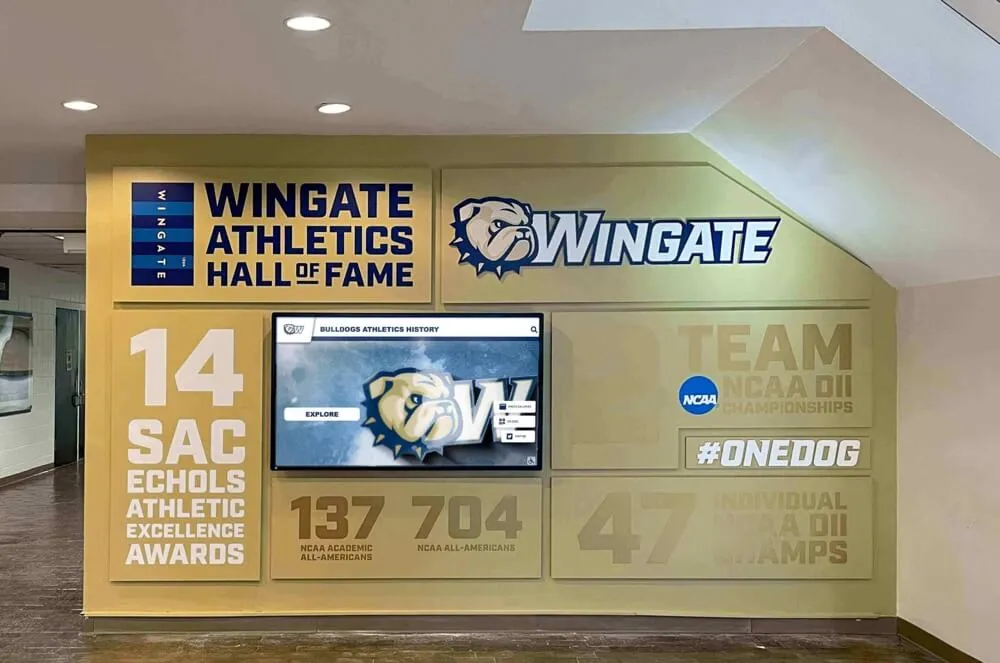
Character-focused recognition programs communicate institutional values to athletes, families, and communities—not just to individual award recipients
Why Sportsmanship Award Ideas Need a Dedicated Structure
A single end-of-season sportsmanship trophy, however well-intentioned, operates as a recognition afterthought. It acknowledges one athlete out of a full roster, selected through a process rarely communicated to players in advance, and presented without the selection criteria that would make the recognition meaningful.
By contrast, programs with dedicated sportsmanship recognition structures communicate those values at the start of the season, give athletes and coaches shared language for character expectations, and create multiple pathways for recognition that reach players across all performance levels. The most statistically limited athlete on a roster can win a sportsmanship award. The starting point guard who dominates the stat sheet but leads the conference in technical fouls cannot.
For an overview of how recognition programs build long-term institutional culture, explore how schools use youth sports award structures to reinforce character alongside performance across every age group.
Category 1: Peer Recognition Awards (Ideas 1–5)
Peer-nominated sportsmanship awards carry a particular authenticity that staff-selected categories cannot replicate. When athletes choose which teammate best embodied character under competitive pressure, both the nominating and the receiving carry moral weight. These awards also reinforce character values at the team level: asking every athlete on a roster to think carefully about who demonstrated the most integrity, most grace under pressure, or most genuine respect for opponents turns the nomination process itself into a character exercise.
1. Peer-Nominated Sportsmanship Award
The foundational sportsmanship recognition category. A confidential ballot at the final team meeting asks every athlete to name the teammate who best demonstrated fair play, respect for officials, and composure during competition. The athlete named most frequently by teammates wins. The peer-nomination structure makes this award one of the most coveted on any roster, because it reflects how the team—not the coaching staff—genuinely perceives a player’s character.
2. Best Teammate Recognition
Separate from sportsmanship in the competitive sense, this award honors the athlete who made playing on the team better for every other person on the roster. Characteristics nominees demonstrate include: consistent encouragement of struggling teammates, genuine celebration of others’ success without ego, willingness to accept role changes without complaint, and off-field investment in teammate well-being. Best Teammate recognition works particularly well with a narrative component—asking all nominators to submit one sentence explaining their choice creates a presentation with genuine emotional weight.
3. Spirit of Competition Award
This award recognizes the athlete whose approach to the game—intense, joyful, and fully committed regardless of the score—elevates competitive standards for everyone on the court or field. The Spirit of Competition Award differs from a sportsmanship award in that it focuses on competitive engagement rather than conduct. Athletes who embody the spirit of competition are fierce but respectful, fully committed but never reckless. This peer-nominated category is particularly powerful in individual sports like tennis, wrestling, and track, where the isolation of one-on-one competition makes competitive spirit especially visible.
4. Locker Room Leader Award
Character exists in competitive contexts, but it’s also demonstrated in the spaces no opponent or official ever sees. The Locker Room Leader Award recognizes the athlete who sets the tone in practice, pre-game preparation, and team meetings—the player whose attitude in private determines what the team’s attitude in public looks like. Peer nomination with coaching staff verification ensures this award stays grounded in genuine observation rather than popularity.
5. Gracious Competitor Award
Some athletes handle winning well. Fewer handle losing graciously. The Gracious Competitor Award specifically recognizes the athlete who manages difficult losses—close defeats, bad officiating calls, upset losses to perceived lesser opponents—with exceptional composure and dignity. Coaches who maintain situational notes throughout the season can cross-reference peer nominations with specific documented instances, making presentations for this award particularly meaningful.
Category 2: Coaching Staff and Official Recognition Awards (Ideas 6–10)
Coaching staff and officials observe athlete conduct throughout the season in contexts that peer voters may not fully appreciate: early-morning practice behavior, communication under extreme game pressure, post-game conduct toward opponents, and consistency across an entire campaign rather than a single memorable moment. Staff-selected sportsmanship award ideas should draw on this contextual depth.
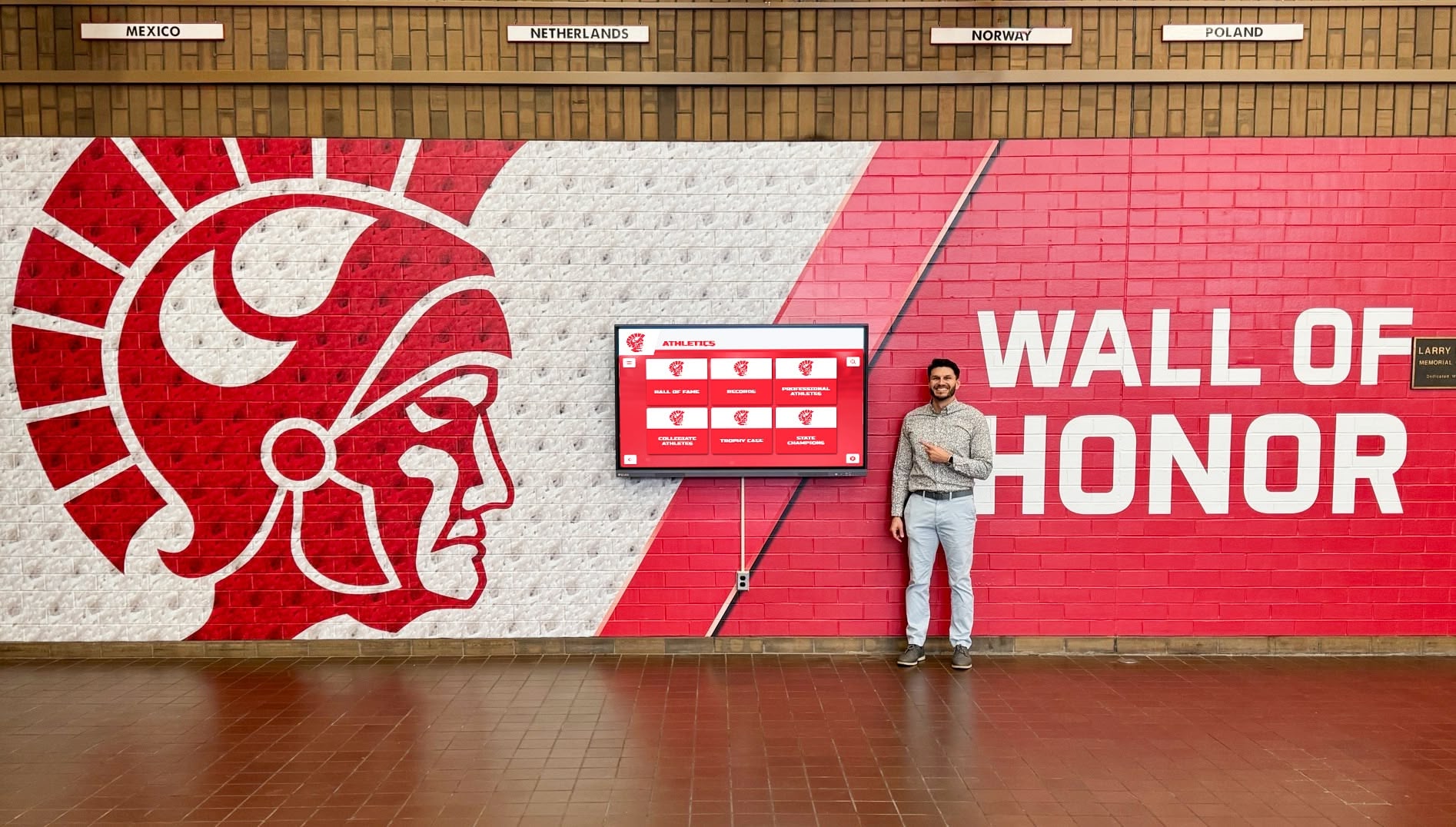
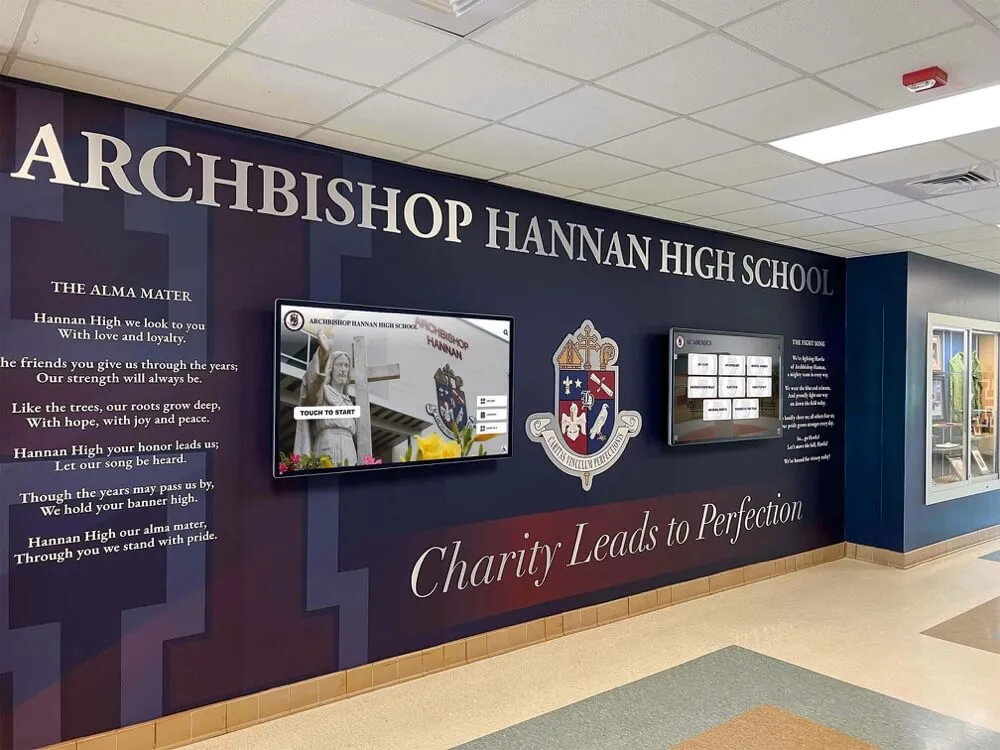
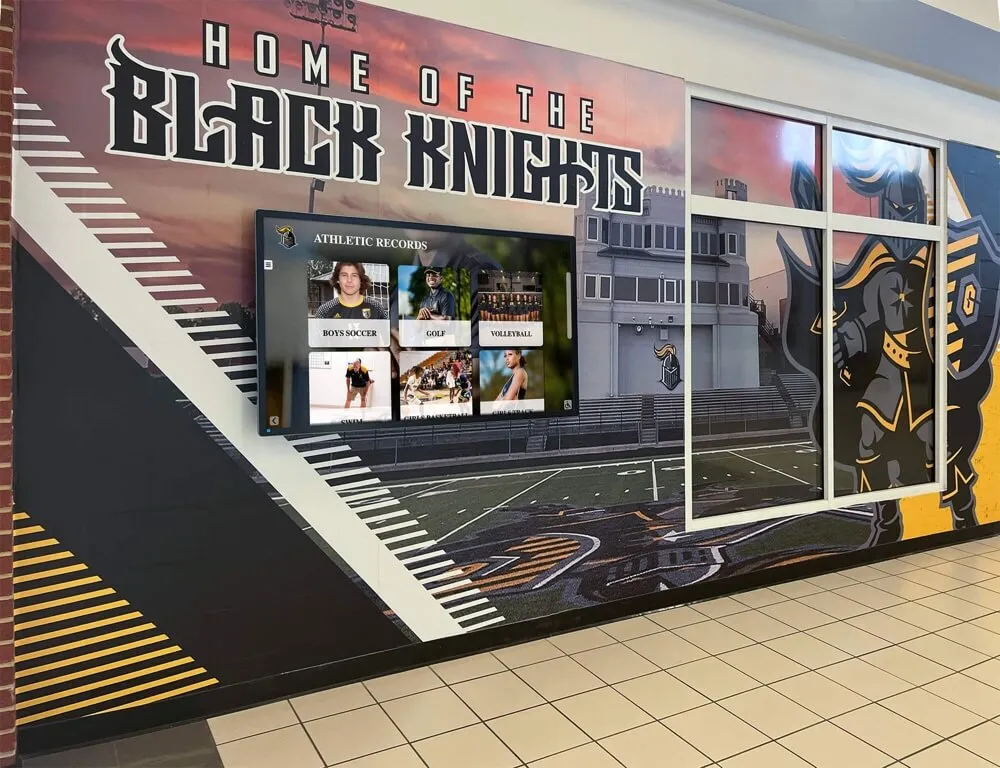
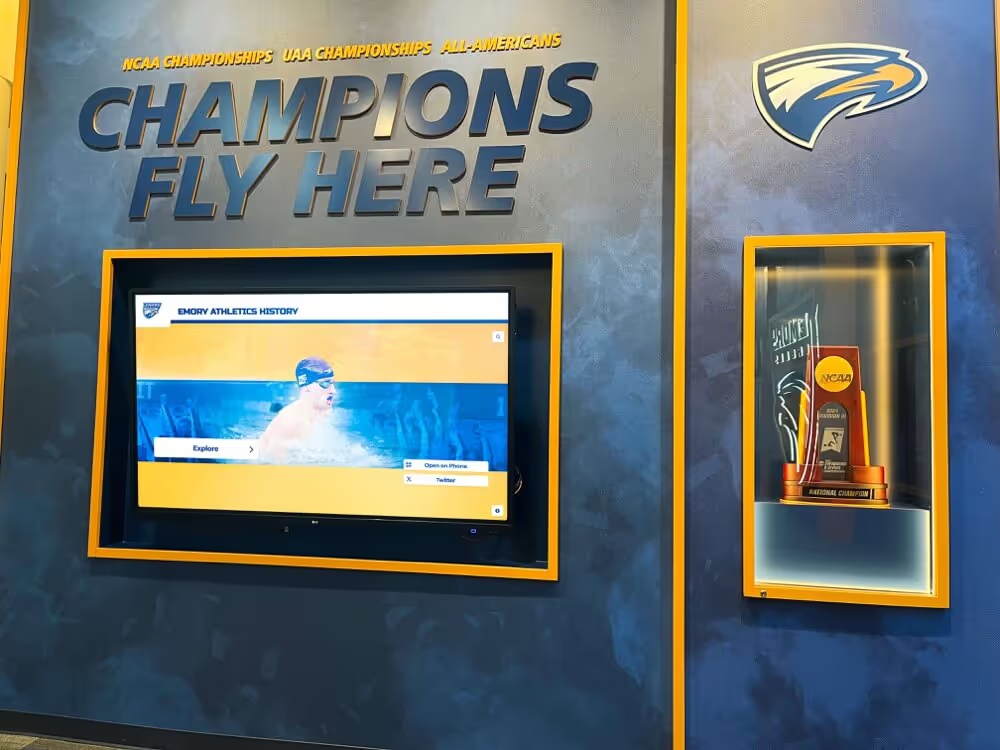
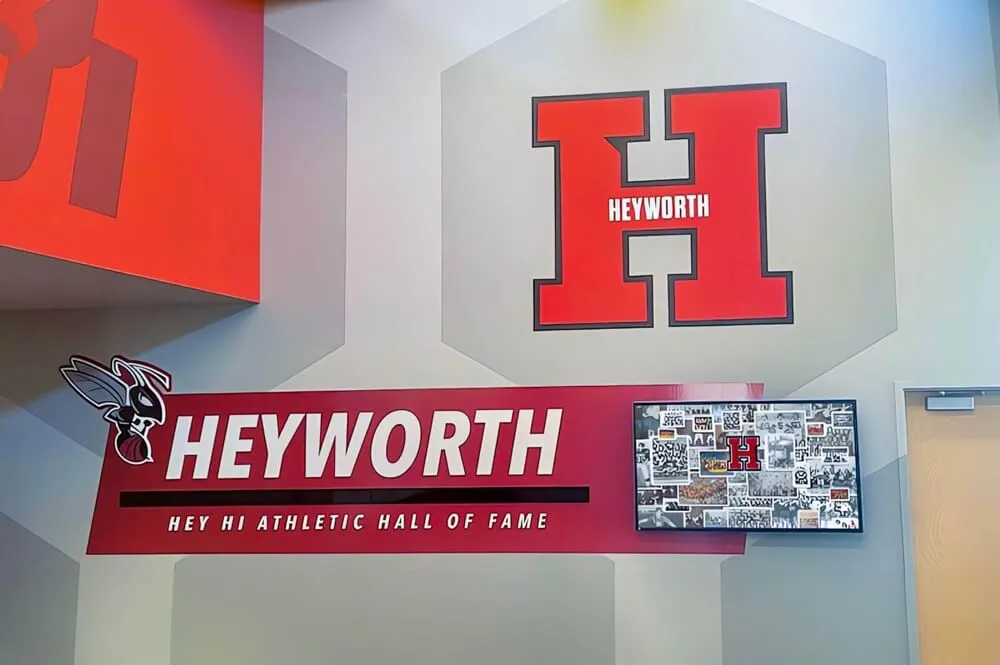
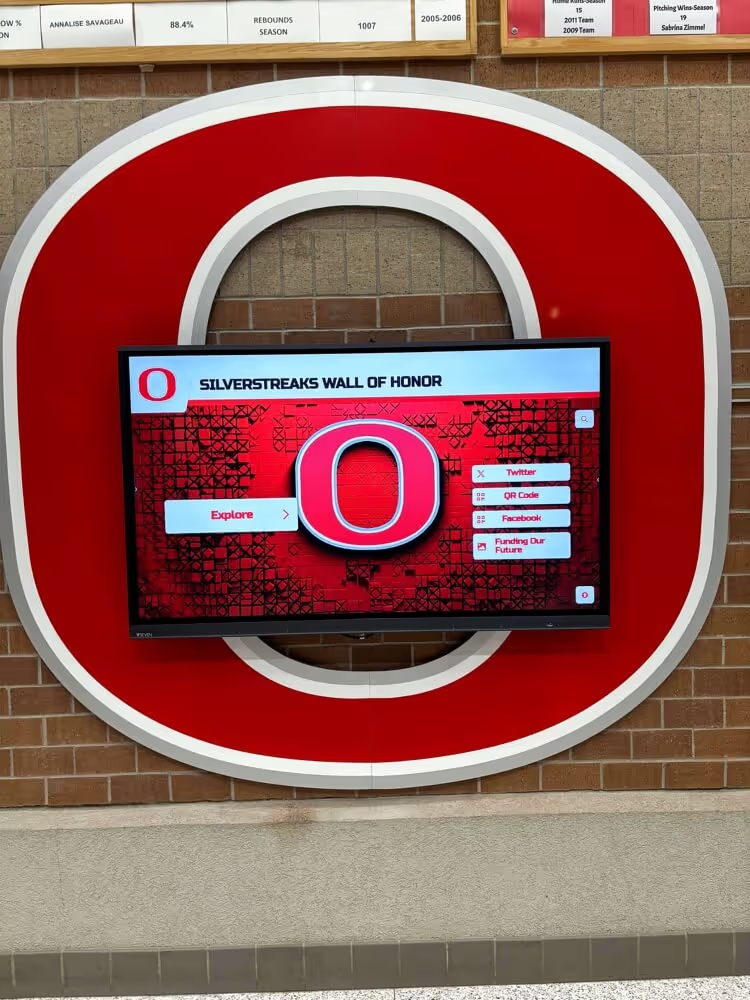
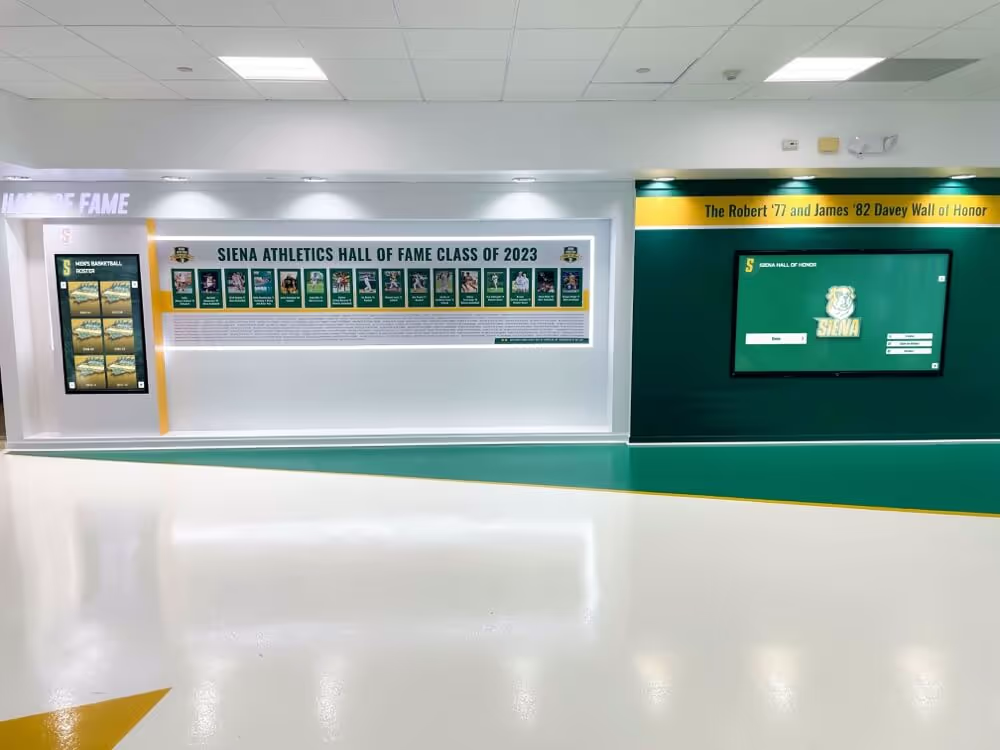
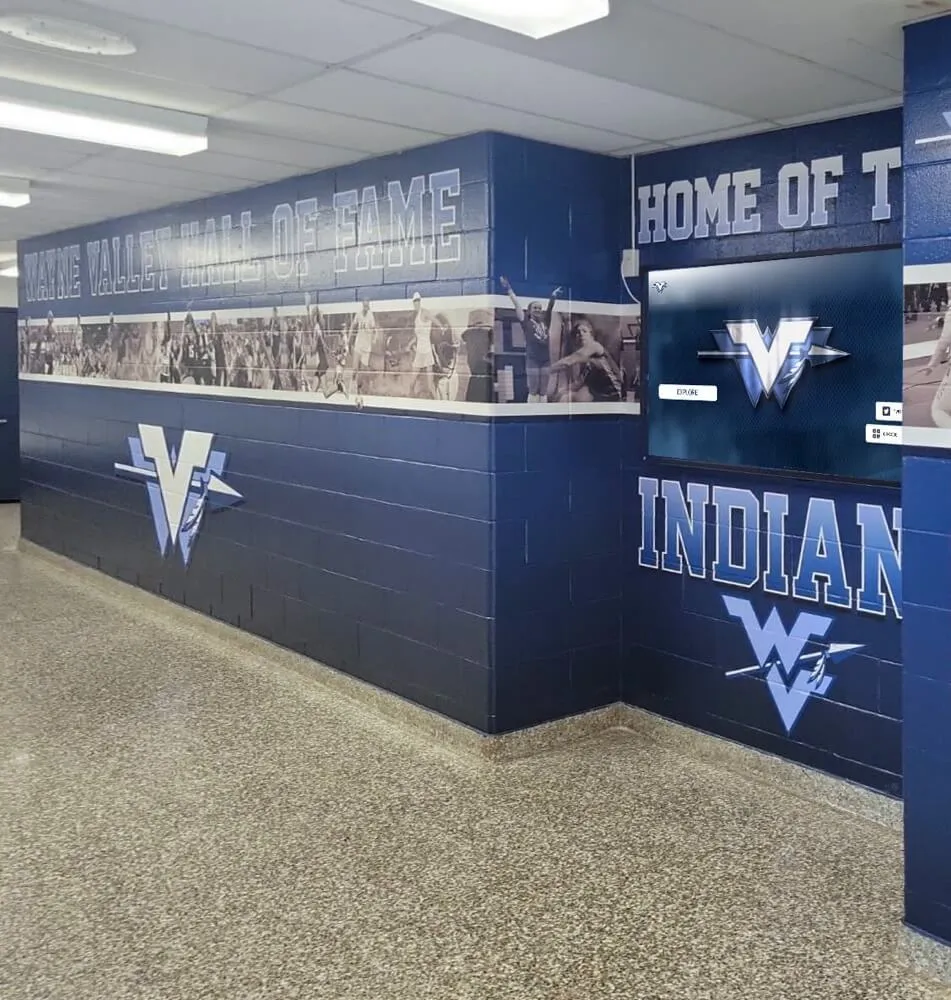
Permanent hallway recognition displays give sportsmanship awards ongoing visibility beyond the season banquet
6. Coach’s Character Award
The most direct staff-selected sportsmanship recognition, the Coach’s Character Award goes to the athlete the coaching staff identifies as exemplifying program values most completely. What distinguishes a strong Coach’s Character Award presentation from a generic recognition is specificity: the coach should articulate, in the banquet presentation, exactly which moments, behaviors, and interactions throughout the season made this athlete stand out. Specific incidents make the award real; abstract praise makes it forgettable.
7. Comeback Character Award
Some of the most visible sportsmanship is demonstrated not when things go well, but when things fall apart. The Comeback Character Award recognizes the athlete who faced significant adversity during the season—an injury that cost them playing time, a public mistake during a high-stakes moment, a personal off-field challenge—and responded with exceptional character. Coaching staff are best positioned to identify these situations, which are often invisible to peer voters.
8. Practice Conduct Award
Practice behavior is where character habits are formed. The athlete who brings the same intensity, focus, and respect to a Tuesday morning practice as to a Friday night playoff game demonstrates a discipline of character that most athletic programs never formally recognize. A Practice Conduct Award, selected by the coaching staff based on observed practice behavior across the full season, signals explicitly that the program monitors and values character in non-public contexts.
9. Season-Long Consistency Award
A single exceptional moment of sportsmanship is admirable. Consistent sportsmanship across 15, 20, or 30 competitive events throughout a full season is exceptional. The Season-Long Consistency Award recognizes the athlete whose character never wavered—no technical fouls, no unsportsmanlike conduct calls, no post-game incidents, no antagonistic behavior toward officials—across an entire campaign. Coaches should establish clear, objective criteria at the season’s start so athletes understand this recognition pathway.
10. Official Appreciation Recognition
Athletic officials—referees, judges, line judges, umpires—interact with athletes throughout competition and observe conduct that coaches watching from the bench sometimes miss. Partnering with local officiating associations to identify and recognize athletes who demonstrated exceptional respect toward officials across a season creates a third-party validation that carries distinctive credibility. Many officiating associations welcome this kind of program-official partnership as an opportunity to recognize positive athletic culture.
Category 3: Community and Academic Character Awards (Ideas 11–15)
Sportsmanship isn’t purely a competitive phenomenon. The same character traits that produce great competitors—discipline, empathy, resilience, respect—show up in academic settings, community contexts, and how athletes represent their school when not wearing a uniform. Sportsmanship award ideas that extend beyond the playing field create a more complete character recognition system.
For how national recognition programs identify athletes who demonstrate excellence across both performance and character dimensions, see this guide on what defines an all-American athlete at the highest levels of high school sport.
11. Scholar-Athlete Character Award
The athlete who maintains academic excellence while competing at a high level demonstrates a form of character that the classic sportsmanship framework often overlooks. The Scholar-Athlete Character Award recognizes athletes who meet an established GPA threshold—commonly 3.5 or above—while also demonstrating documented sportsmanship on the field. By requiring both criteria, the award avoids pigeonholing academic achievement as separate from athletic character and instead positions them as complementary expressions of the same discipline.
12. Community Service Recognition
Athletes who extend their investment beyond the sport—coaching youth leagues, organizing community fundraisers, volunteering in school programs—model for their teammates and for younger students what athletic citizenship looks like. A Community Service Recognition category within a sportsmanship awards structure makes the program’s values explicit: we expect our athletes to be good competitors, and we expect them to be good community members. Schools should establish minimum documented service hours to ensure the award is based on verified contribution.
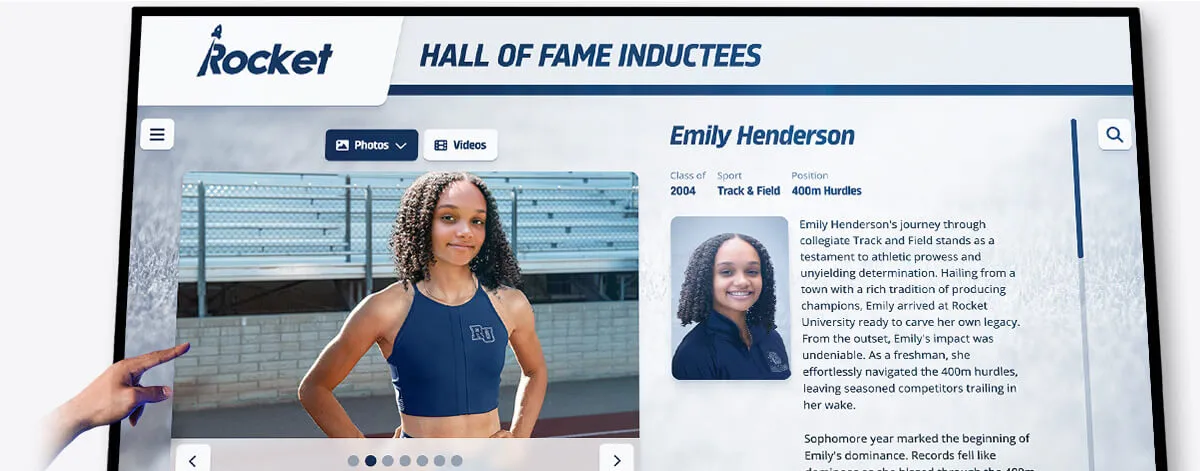
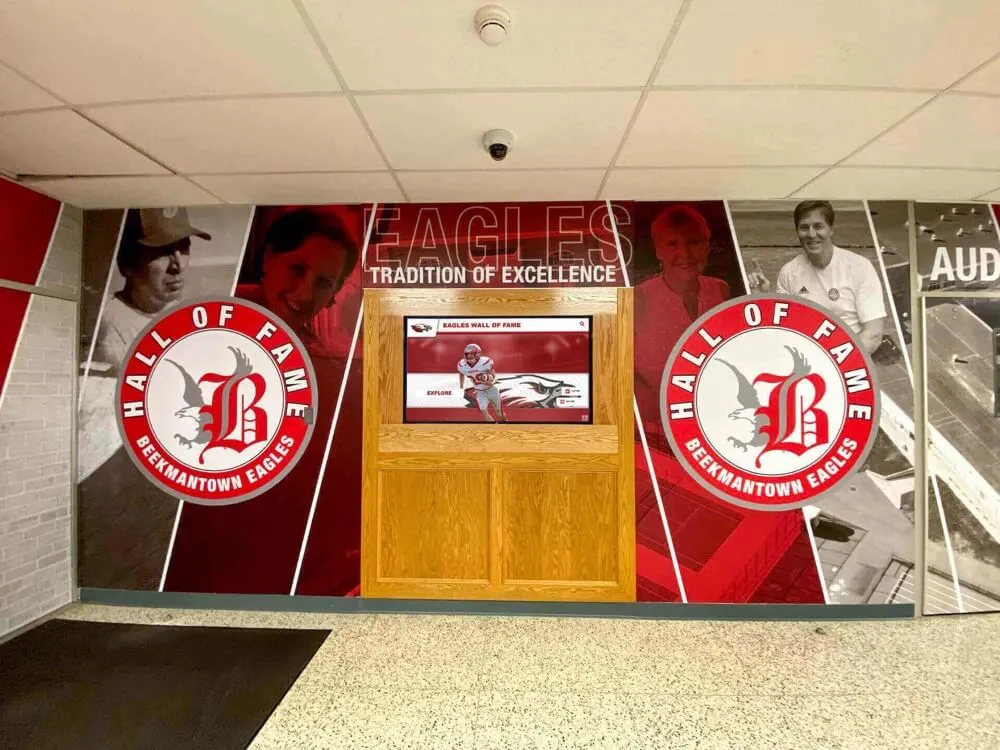
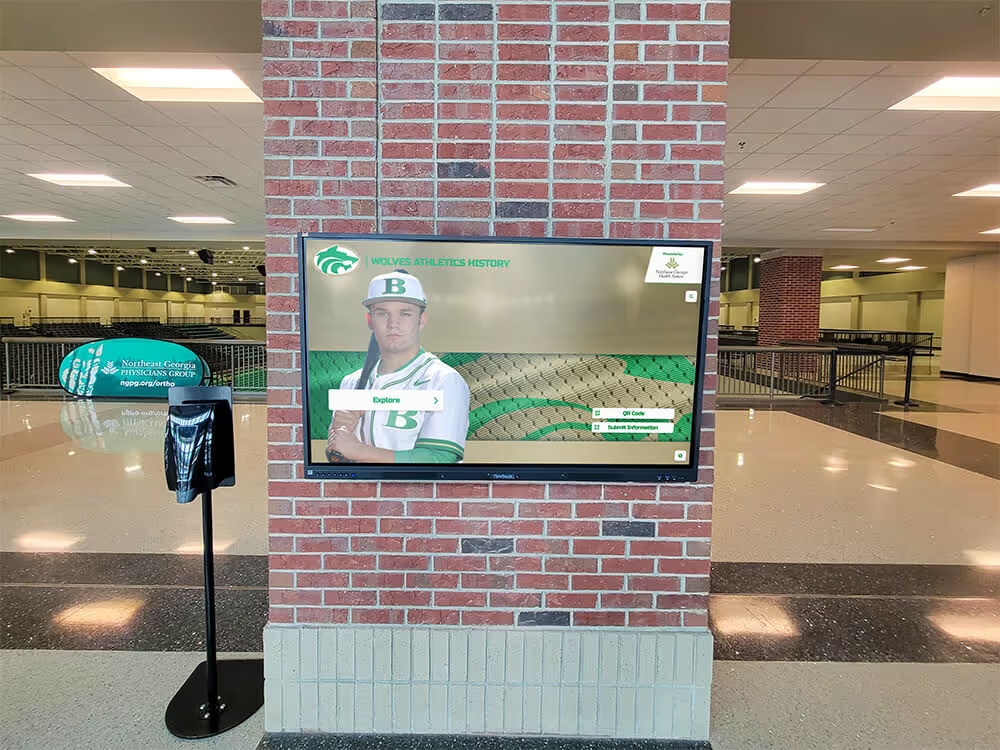
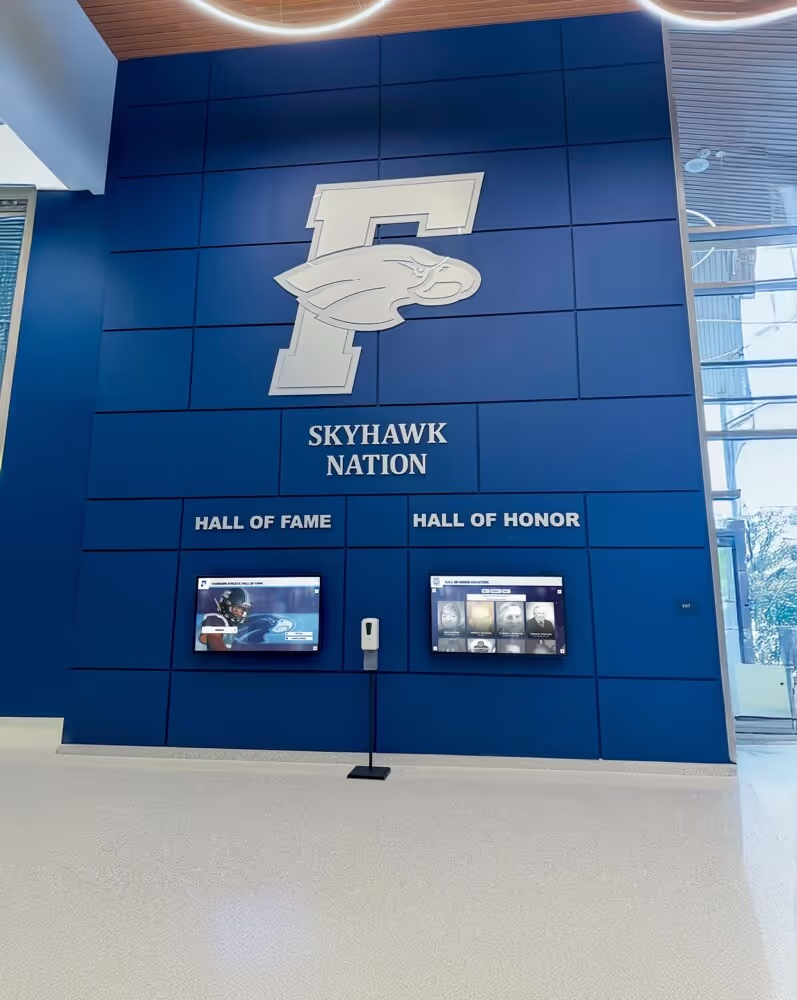
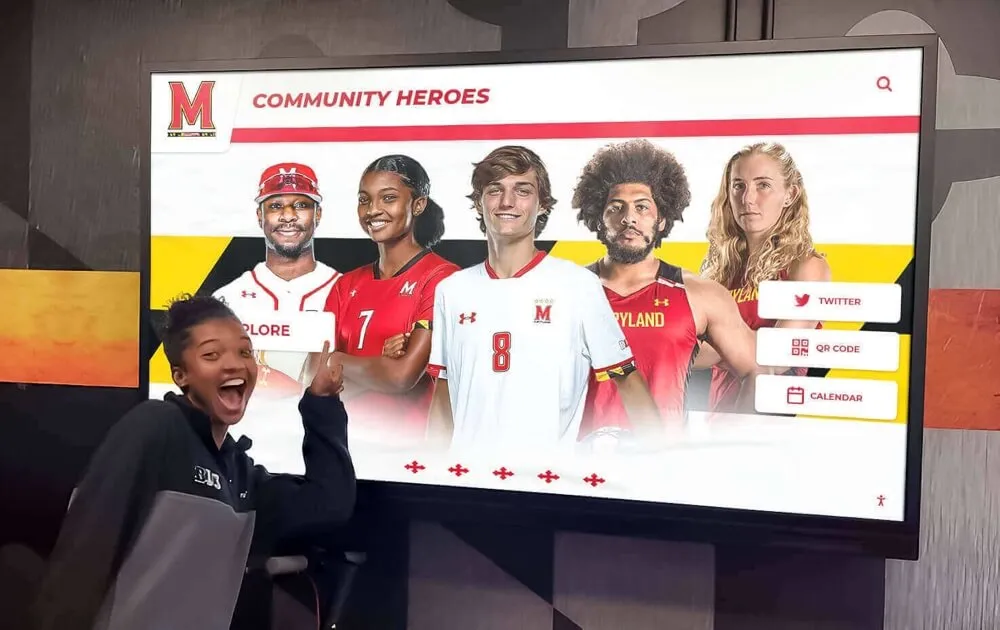
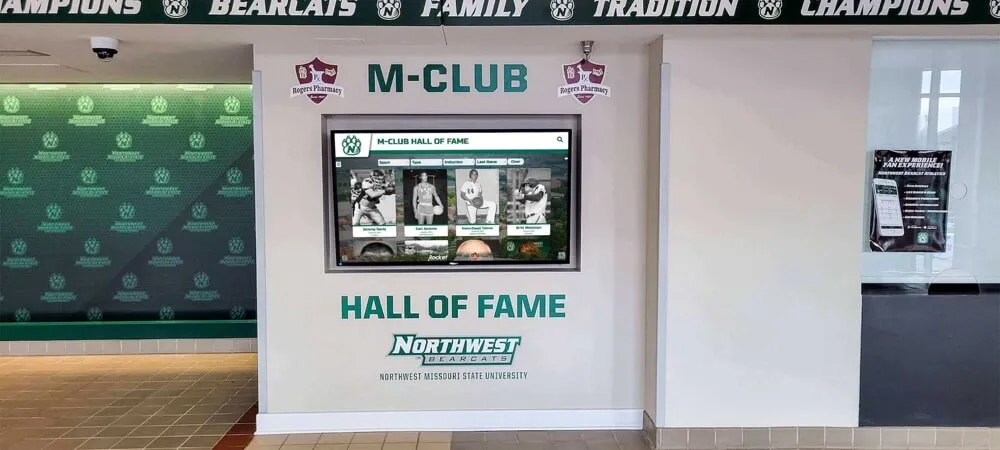
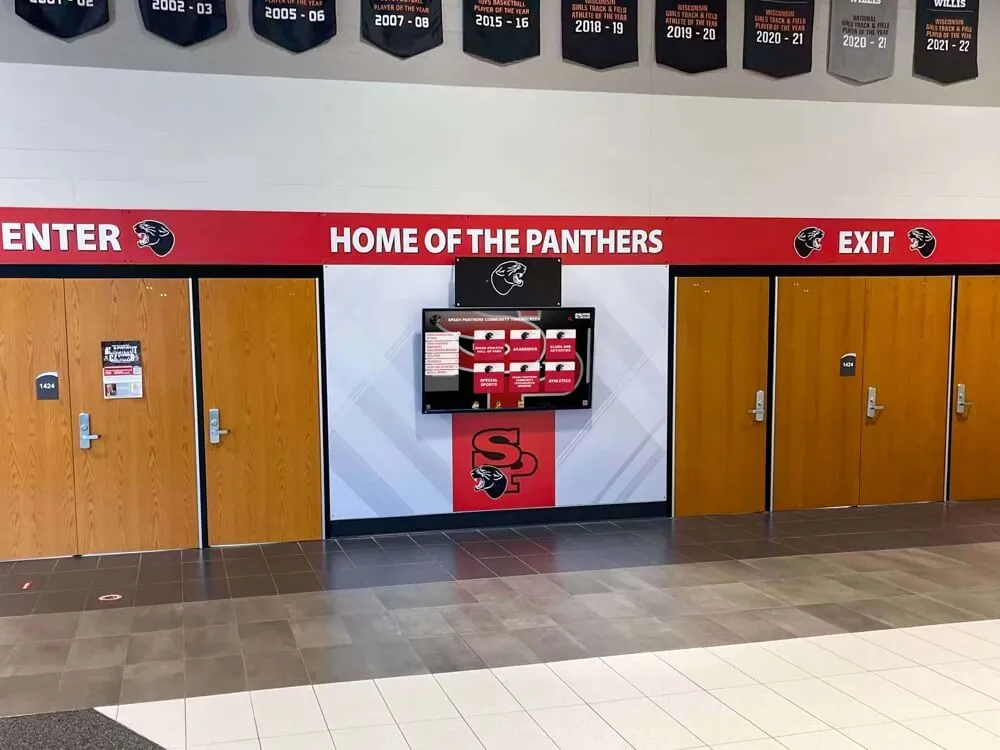
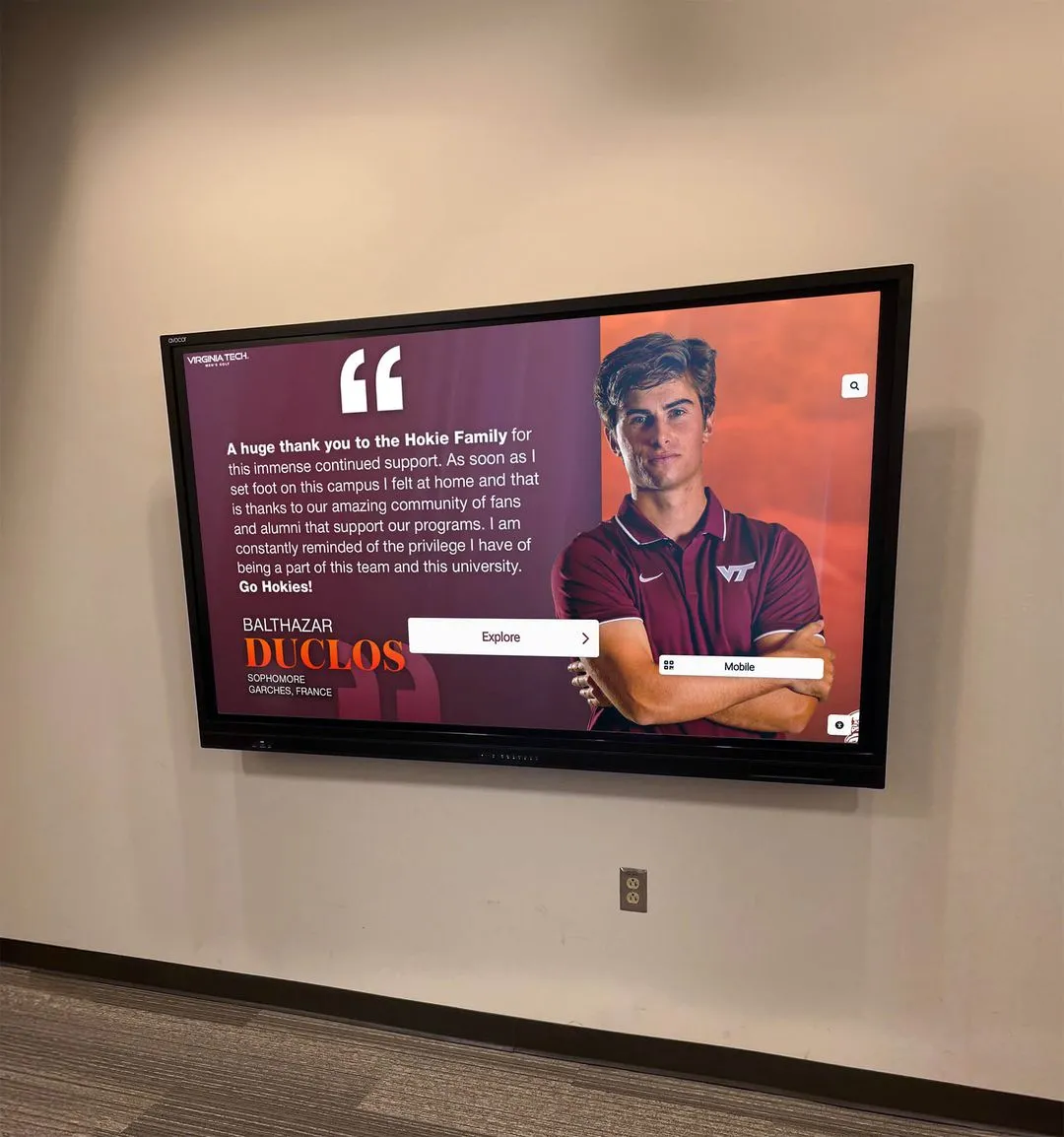
Individual athlete recognition profiles capture academic, character, and athletic achievement in a single, searchable digital display
13. Mentorship Award
Upper-class athletes who invest genuine time and energy in mentoring younger teammates demonstrate leadership that compounds across program generations. The Mentorship Award recognizes the athlete whose investment in freshman or JV teammates—through skill instruction, encouragement, inclusion in team culture, and off-field guidance—made measurable contributions to team development. This award is coach-nominated and works best when the presenting coach can describe specific mentorship interactions that made a difference.
14. Character Under Adversity Award
Resilience is a character trait as much as a performance skill. The Character Under Adversity Award recognizes athletes who faced significant personal, academic, or athletic adversity during the season and maintained their integrity, work ethic, and team commitment throughout. This award requires care and discretion in selection—adversity should be acknowledged with dignity and the athlete’s consent—but when presented thoughtfully, it creates the most emotionally meaningful moments in any athletic recognition ceremony.
15. Leadership Beyond the Sport Award
Some athletes leverage their athletic platform to lead in contexts far removed from competition—organizing community events, building bridges between student groups, representing the school in public contexts that require character and poise. The Leadership Beyond the Sport Award recognizes athletes who used their visibility as competitors to make positive impacts that extended well beyond the athletic program. This award is particularly appropriate for programs that want to position sportsmanship as a school-wide value rather than a purely athletic one.
Category 4: Program-Wide and Multi-Sport Recognition (Ideas 16–20)
Program-level sportsmanship recognition creates competitive motivation at the team and department level, not just the individual level. These categories are especially effective for athletic directors managing multiple sports who want to build a department-wide character culture.
16. Team Sportsmanship Trophy
A rotating team trophy awarded each season to the sport that demonstrated the highest collective sportsmanship—measured through official conduct records, community engagement metrics, ejection rates, and coach-submitted character evaluations—creates competitive motivation between programs. When the basketball team is competing not just for a conference title but for the department’s sportsmanship trophy, the culture of individual character recognition spreads to the bench, the locker room, and the stands.
17. Athletic Department Sportsmanship Award
At the department level, an annual Athletic Department Sportsmanship Award—recognizing one athlete from across all sports, selected by athletic directors and head coaches collectively—creates a capstone recognition that signals the program’s highest character values. Athletes eligible for this award should have already received sportsmanship recognition in their sport; the department award is a second-tier honor for the athletes who stood out even among sport-level sportsmanship honorees.
18. Multi-Sport Athlete Character Recognition
Athletes who compete in multiple sports throughout a school year demonstrate character across multiple coaches, multiple team cultures, and multiple competitive contexts. A Multi-Sport Athlete Character Recognition category—acknowledging athletes who maintained exceptional sportsmanship across two or more sports in the same school year—rewards one of the hardest forms of athletic consistency to achieve and signals that the program values versatility of character alongside versatility of skill.
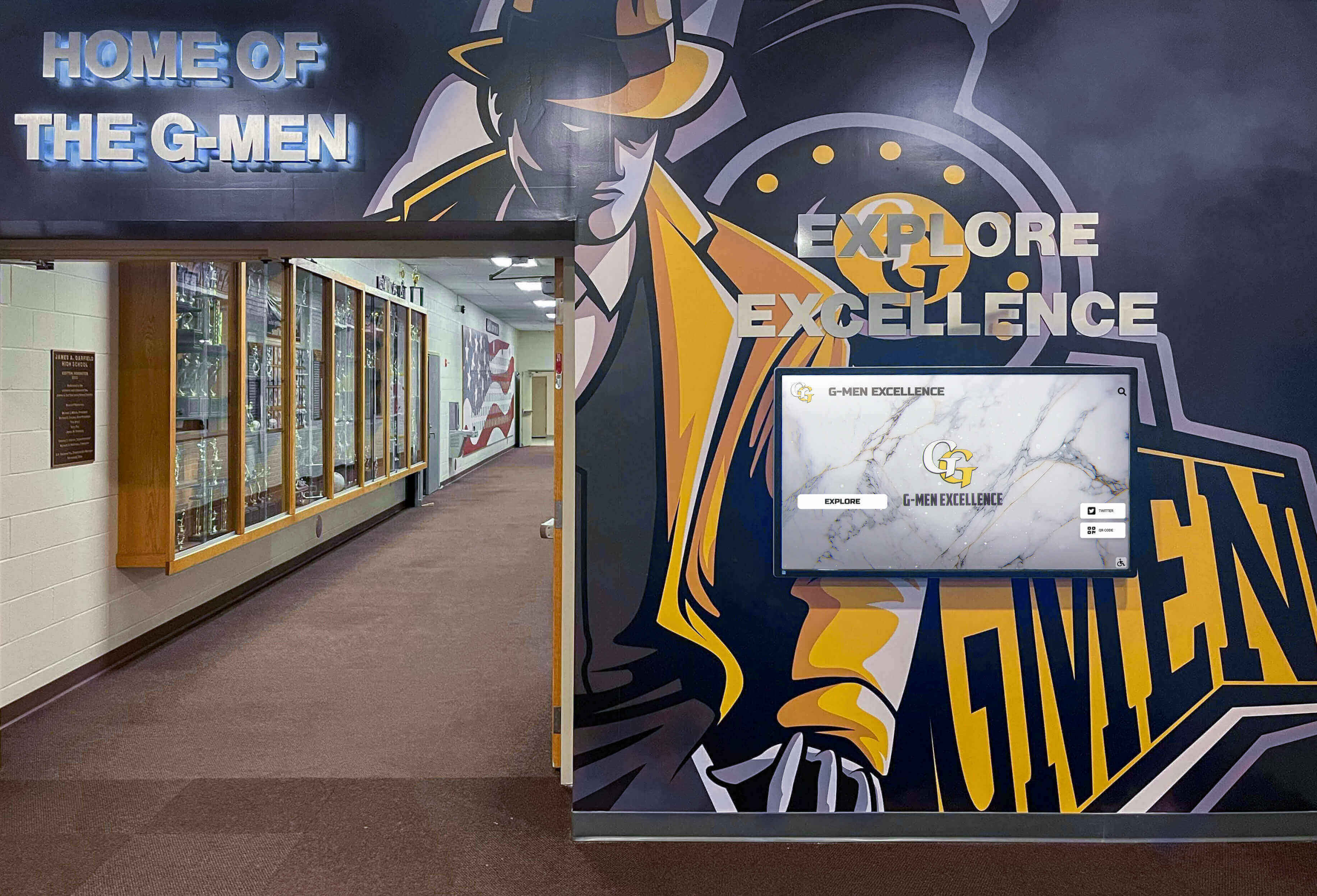
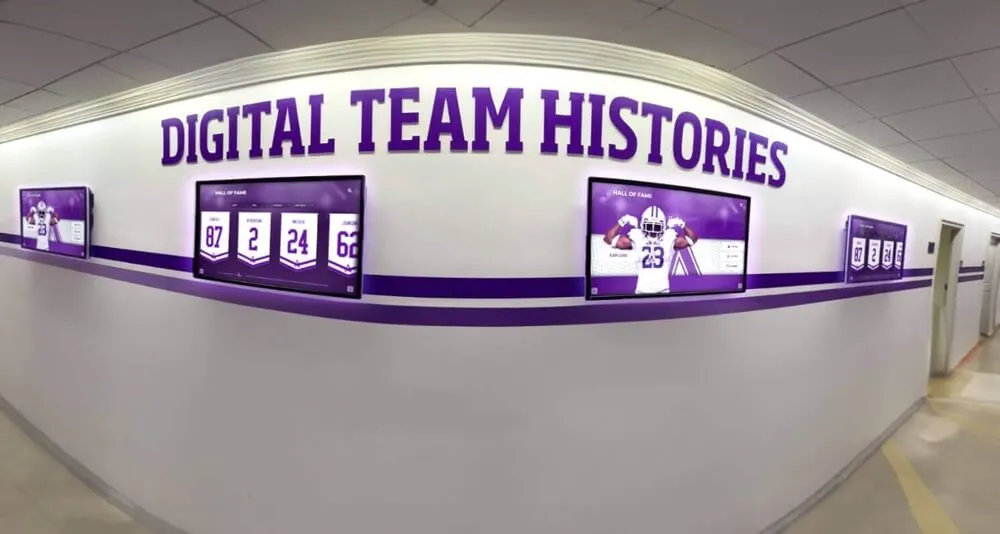
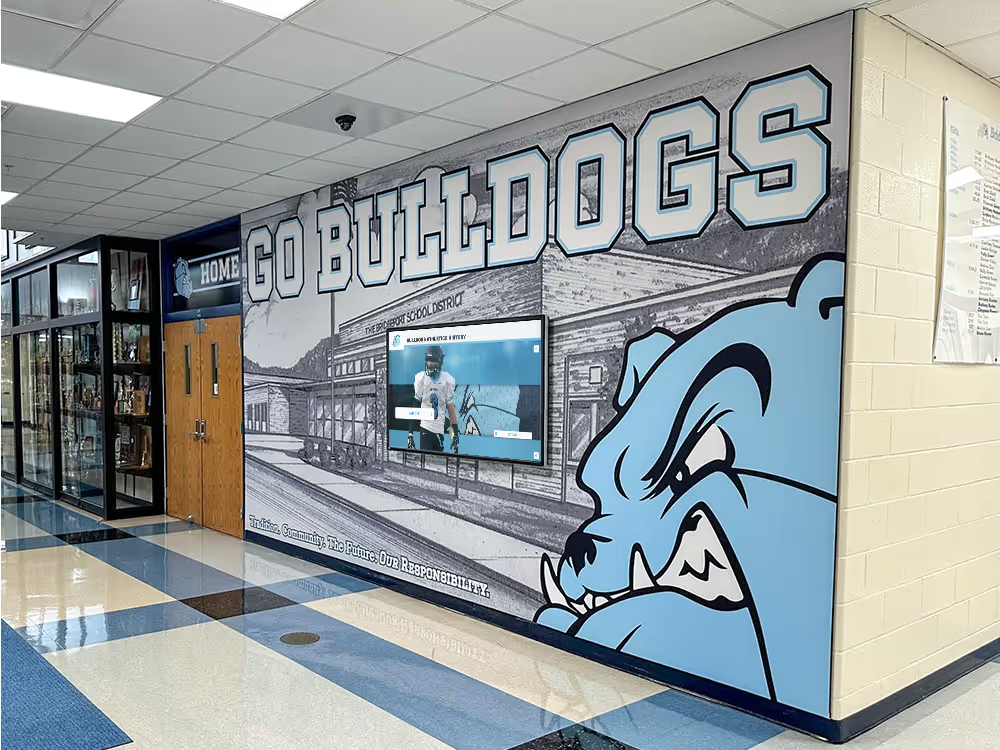
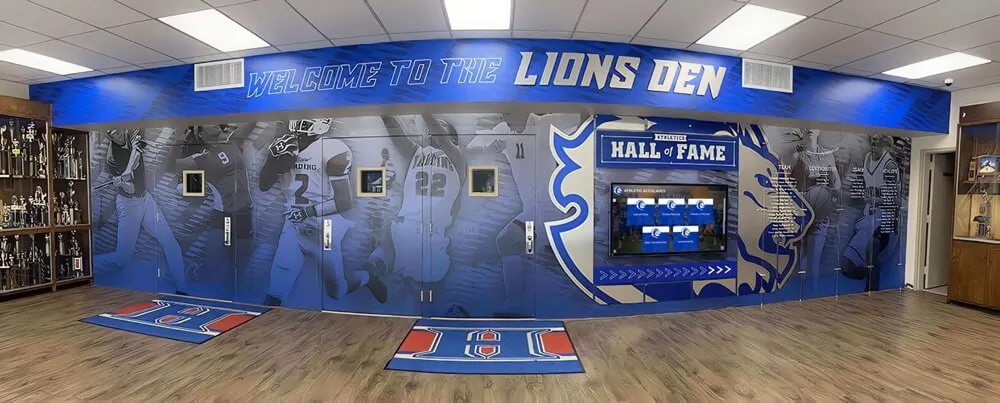
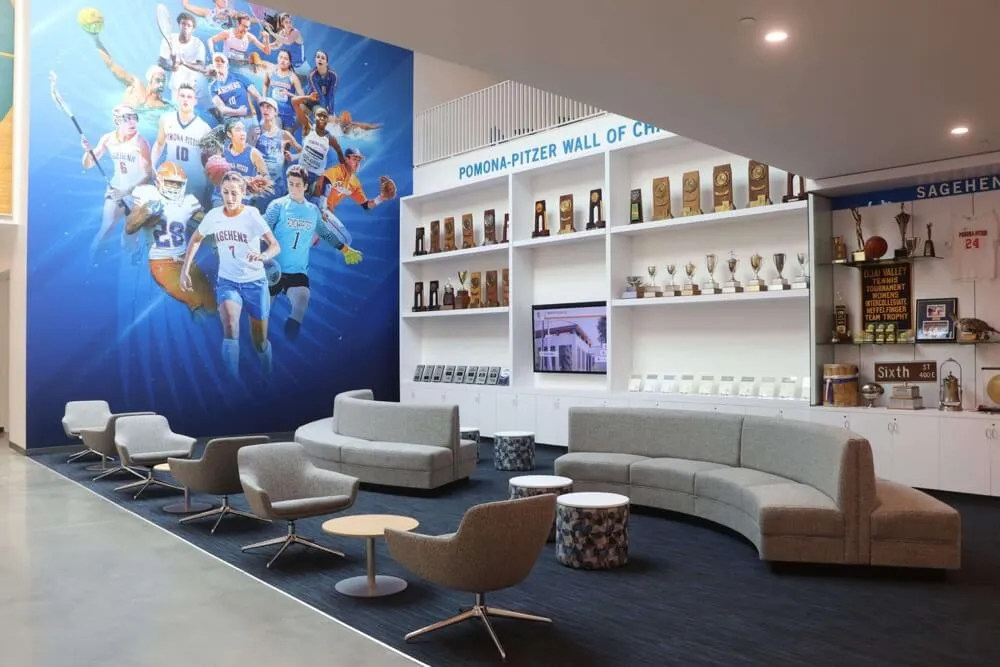
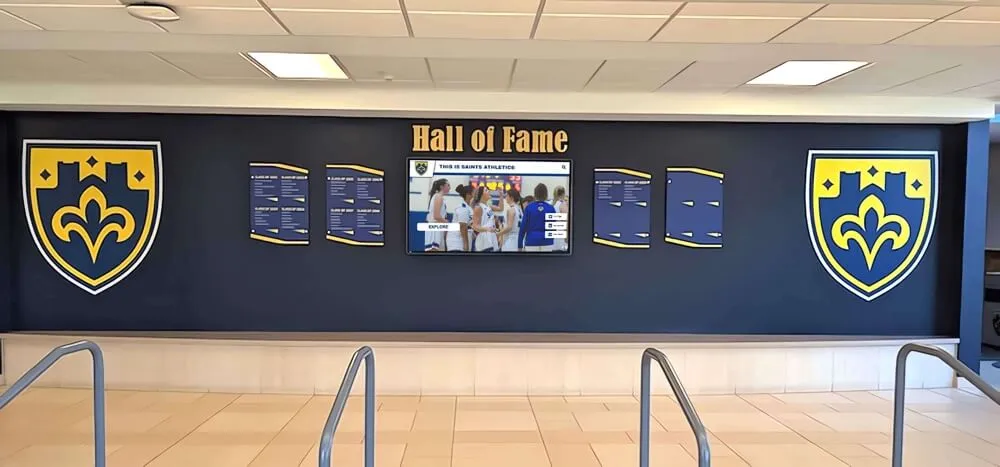
Athletic hallway recognition environments that integrate traditional and digital display create daily character inspiration for current athletes
19. Senior Character Legacy Award
Athletes completing their final season of eligibility—regardless of performance statistics—deserve recognition that acknowledges their full program tenure. The Senior Character Legacy Award is distinct from a general senior tribute because it specifically honors the character contributions a senior made across multiple years: the mentoring they provided underclassmen, the example they set in difficult seasons, the way they represented the program in the community throughout their career. This award is coach-nominated and typically involves brief testimonials from teammates.
20. Annual Sportsmanship Hall of Honor Induction
The highest tier of character recognition is permanent recognition. An Annual Sportsmanship Hall of Honor Induction—acknowledging one or two athletes per year whose conduct set a program standard across their entire athletic career—creates a permanent record of character excellence that future athletes can aspire to join. Unlike in-season awards that recognize a single year’s conduct, Hall of Honor induction recognizes the athlete whose character was consistently exemplary across multiple seasons and left a measurable legacy in program culture.
For guidance on how nationally recognized programs identify and honor character alongside performance, see this resource on digital recognition for McDonald’s All-American inductees as a model for multi-criterion athletic recognition programs.
Selection Processes That Make Sportsmanship Awards Credible
The value of any sportsmanship award depends entirely on the selection process behind it. An award selected through a process athletes don’t understand or trust will not motivate future character investment. Award programs become meaningful when:
Criteria are communicated at season start. Athletes should know at the first team meeting what each sportsmanship category recognizes and how winners are selected. Published criteria make the award aspirational rather than arbitrary.
Selection combines multiple perspectives. The strongest sportsmanship award structures gather input from peers, coaching staff, and—where applicable—officials and community partners. No single perspective captures the full picture of an athlete’s character.
Documentation supports decisions. Coaches who maintain situational notes throughout the season—recording specific instances of exceptional conduct, difficult moments handled with grace, or sustained consistency under pressure—give award presentations specificity and credibility.
Nominations happen formally. Peer nominations should be collected through structured ballots, not casual conversation. Formal processes signal that the award matters and produce more considered nominations than informal approaches.
Athletic directors looking to understand how character recognition integrates into broader program leadership frameworks will find useful context in this guide on athletic director interview questions, which covers the character-development responsibilities of program leadership.
Presenting Sportsmanship Awards at the Season Banquet
Character recognition deserves presentation time proportional to its importance to program identity. Programs that rush through sportsmanship awards between statistical recognition categories signal—even unintentionally—that character comes second. Best-practice presentation strategies include:
- Tell the story, not just the name. Describe the specific moment or pattern that earned each recipient recognition before reading their name. Specificity is what makes character recognition meaningful.
- Sequence character awards prominently. Placing sportsmanship recognition in the middle or early sections of a program—not at the end after the crowd is tired—signals its importance relative to performance categories.
- Include family acknowledgment. Character is often a product of family values. Acknowledging parents and families when presenting character awards validates the home environment that shaped the athlete’s conduct.
- Use peer voices. Where peer-nominated awards are presented, reading a selection of the nomination statements—anonymized—adds authentic weight to the recognition.
For comprehensive guidance on structuring end-of-season athletic recognition events, see this athletic banquet planning checklist for awards, speeches, and celebration ideas.
Displaying Sportsmanship Awards Beyond the Banquet
Physical trophies and printed certificates communicate character recognition effectively in the moment. Year-round visibility—which is where recognition does its most sustained cultural work—requires more deliberate display strategy.
Trophy cases and wall displays should dedicate space specifically to sportsmanship and character recognition, not only to conference championships and statistical leaders. When athletes and families walking through a gym lobby see sportsmanship awards given equal physical prominence to performance trophies, the program’s values become visible in the environment.
School hallways and common areas offer high-traffic opportunities to display character recognition continuously. A framed sportsmanship recognition wall near the athletic corridor, visible to students who never attend games, reinforces that athletic character is a school-wide value, not a locker-room-only concern.
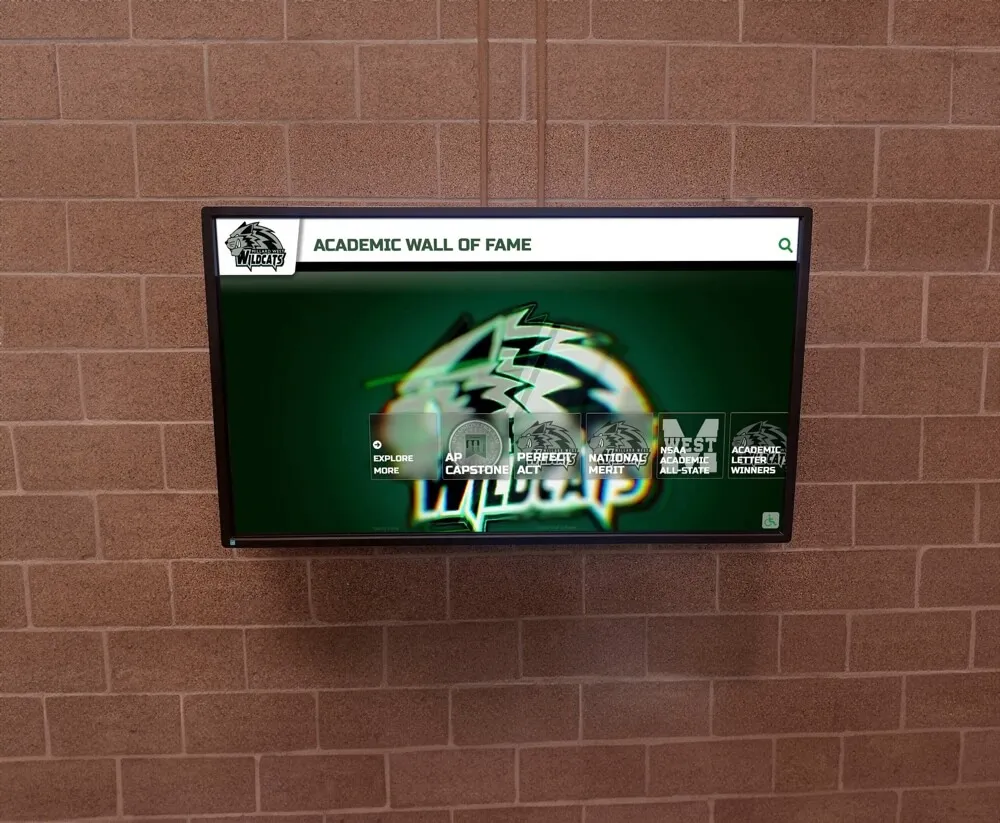
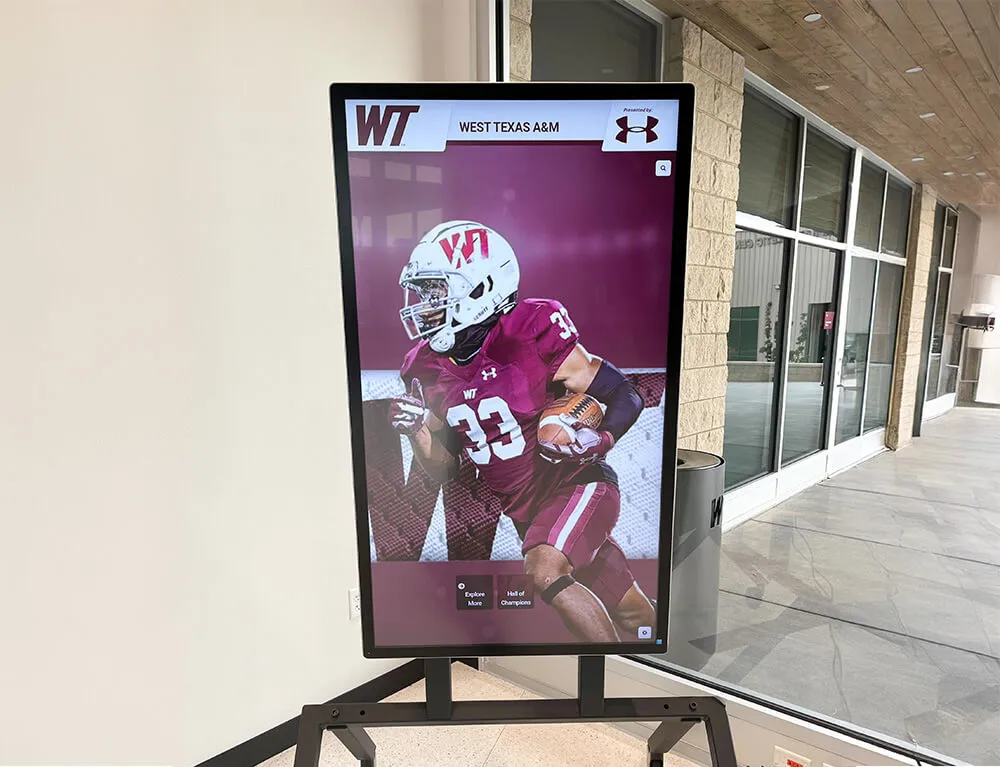
Digital recognition systems represent the most flexible and scalable option for programs managing multiple award categories across multiple seasons. Interactive touchscreen displays allow athletic departments to:
- Present full biographies and selection narratives for each sportsmanship honoree—not just a name and year
- Display all 20 award categories across multiple seasons without removing previous honorees as new ones are added
- Allow athletes and families to search and explore recognition organized by year, sport, category, or name
- Update recognition remotely as new awards are created or existing records are updated
Rocket Alumni Solutions provides touchscreen wall of fame systems designed specifically for school athletic programs that want to showcase character and performance recognition together in permanently visible, interactive formats accessible to athletes, families, and alumni year-round.
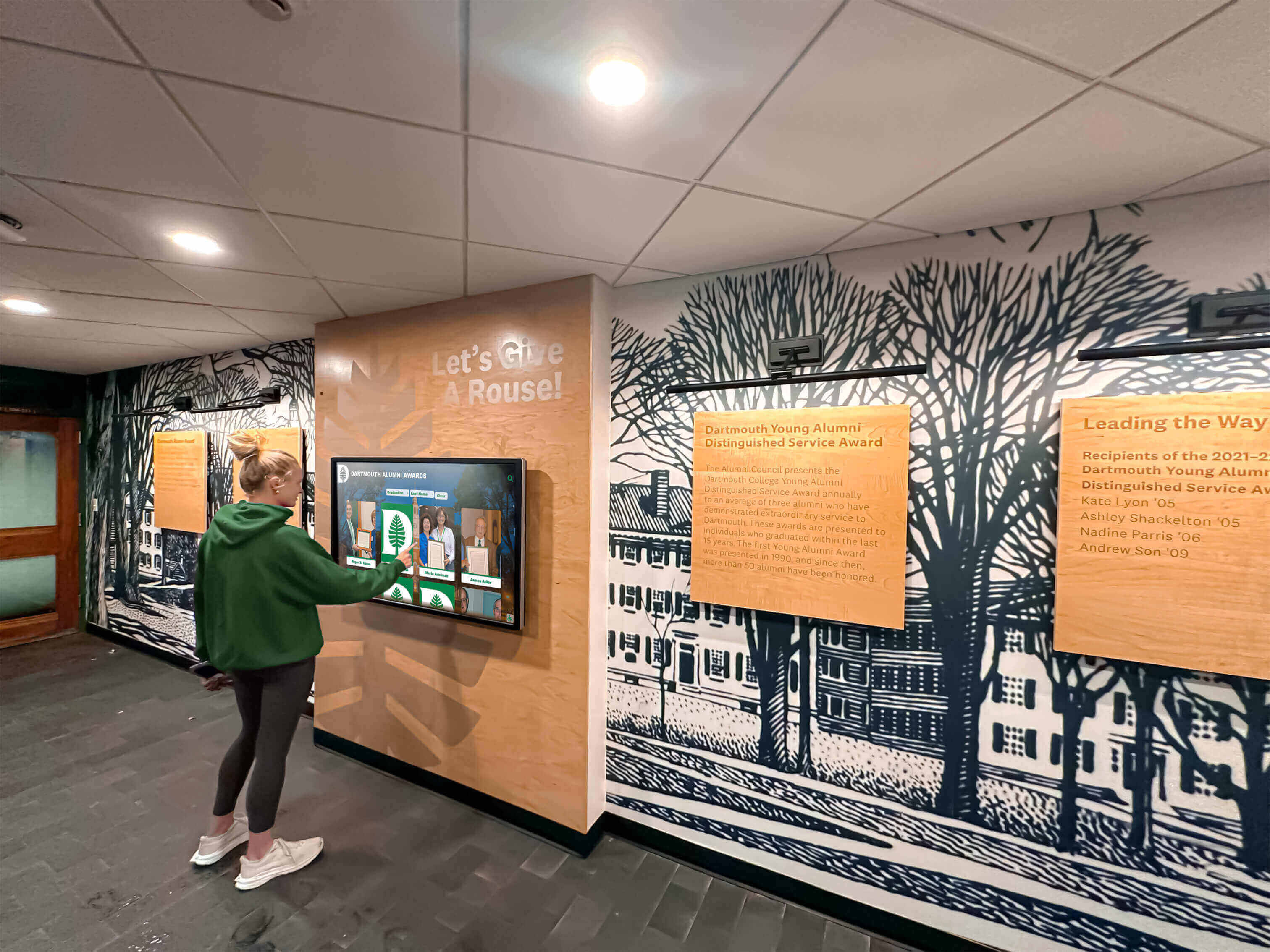
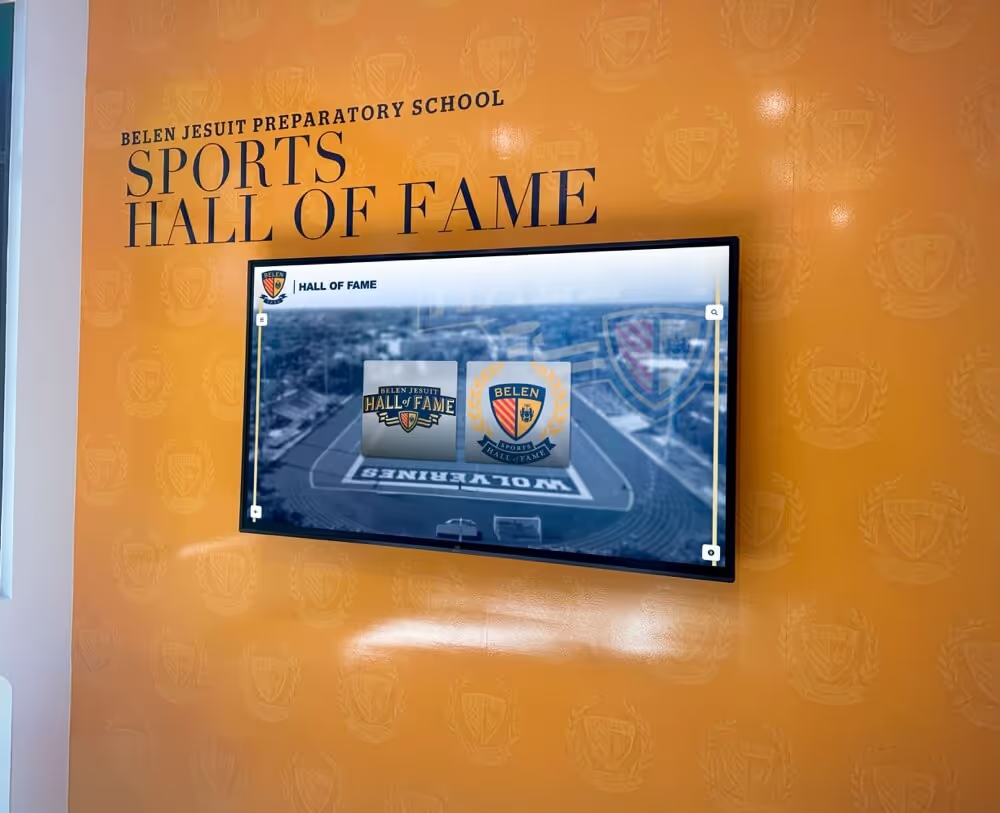
Interactive touchscreen systems make sportsmanship recognition accessible to every athlete, family member, and visitor who walks through the athletic facility year-round
For ideas on how digital systems extend recognition visibility in school environments, explore this guide on digital record board and campus engagement strategies that keep athletic achievement visible across the full school year.
Building a School-Wide Sportsmanship Culture Through Recognition
Sportsmanship recognition reaches its maximum effectiveness when it’s not confined to athletic programs. Schools that extend character recognition across academics, arts, and student life create environments where the values celebrated in athletic contexts—respect, resilience, dignity, community investment—are visible as school-wide expectations rather than athletic department policies.
Athletic directors who partner with academic administrators to share recognition frameworks, coordinate recognition events, and display character awards alongside academic achievement create the kind of unified institutional culture that shapes students well beyond graduation. For ideas on how recognition programs build school-wide pride rather than purely athletic identity, see this resource on the best ways to increase school pride through recognition.
For programs building permanent recognition infrastructure that spans both sportsmanship and performance categories, see this complete guide to creating a high school wall of fame display that integrates character alongside athletic achievement.
Award programs that survive and strengthen over time are ones where the recognition infrastructure—the display systems, the ceremony traditions, the nomination processes, the selection criteria—becomes institutionalized rather than dependent on any one coach’s personal enthusiasm. Building that infrastructure is what separates programs that recognize character once from programs that build character systematically, year after year.
For programs implementing character recognition for the first time, an alumni hall of fame that includes sportsmanship among its selection criteria is a powerful anchor. Explore how schools create alumni hall of fame programs that extend character recognition across generations of athletes.
National recognition programs that emphasize both excellence and character—like the Gatorade Player of the Year program—offer useful models for how to structure criteria that capture the full athlete. See how Gatorade Player of the Year recognition programs identify character alongside performance in a way that high school programs can adapt at the local level.
FAQ: Sportsmanship Award Ideas
What makes a sportsmanship award meaningful to high school athletes?
Sportsmanship awards carry the most meaning when selection criteria are communicated to athletes before the season begins, when the presentation includes specific examples of conduct that earned the recognition, and when the award is given equivalent platform time as performance categories at the end-of-season ceremony. Awards selected through opaque processes and presented without explanation feel arbitrary; awards grounded in documented, season-long observation feel earned.
Should sportsmanship awards be peer-nominated or staff-selected?
The most effective programs use both. Peer-nominated categories—where athletes choose the teammate who best demonstrated character—carry authenticity that staff-selected awards can lack, because peers observe conduct in locker rooms and practice contexts that coaches sometimes miss. Staff-selected categories capture the coaching staff’s full-season perspective and can be grounded in documented situational examples. Combining both processes creates a more complete picture of each athlete’s character.
How many sportsmanship award categories is appropriate for one team?
For most high school teams, two to four sportsmanship award categories per season creates meaningful breadth without diluting the significance of each recognition. A typical structure might include: one peer-nominated sportsmanship award, one coach-selected character award, one community or academic character recognition, and one team-level sportsmanship category. Programs with larger rosters or multi-season athletes may support additional categories, while smaller roster sports may focus on two or three.
How should schools display sportsmanship awards year-round?
Sportsmanship awards deserve permanent, visible display equal to performance trophies. Physical display options include dedicated wall panels in athletic hallways and space within trophy cases. Digital options—including interactive touchscreen displays in gym lobbies or main corridors—enable programs to display full recognition narratives, photographs, and selection criteria for every sportsmanship honoree across multiple seasons, without displacing previous recipients to make physical room for new ones.
Can sportsmanship awards be incorporated into a hall of fame program?
Yes, and programs that include sportsmanship among their hall of fame selection criteria consistently report stronger community engagement with the recognition program than programs that use only performance criteria. An annual Sportsmanship Hall of Honor induction—either as a standalone recognition or as a character-specific track within a broader athletic hall of fame—creates the highest-tier character recognition available to a high school athletic program and gives athletes a permanent aspiration that extends across their entire career.
Conclusion: 20 Sportsmanship Award Ideas, One Character-Driven Program
The 20 sportsmanship award ideas in this guide—spanning peer recognition, coaching staff selection, community and academic character, and program-wide recognition—give athletic directors and coaches the architecture to build character recognition systems that are as thoughtfully designed as their performance award structures.
Every program already recognizes athletic performance. Programs that build equally deliberate, equally visible recognition structures around character become the programs athletes and families are proud to be associated with—not just when teams are winning, but across the full range of what high school athletics is supposed to develop.
When those character awards are paired with year-round display systems that keep recognition visible throughout the athletic facility and accessible to every athlete, family member, and alumnus who walks through the building, sportsmanship recognition stops being an end-of-season formality and becomes a continuous statement of institutional values.
Display Sportsmanship Awards Alongside Your Athletic Hall of Fame
Rocket Alumni Solutions designs interactive touchscreen recognition systems that let high school athletic programs showcase sportsmanship, character, and performance awards together—visible to athletes, families, and alumni every day of the year, not just at the season banquet.
Explore Athletic Recognition Solutions