



Student awards ideas are only as powerful as the systems schools build around them. Choosing the right categories is the starting point—but recognition that disappears the week after an awards ceremony fails to deliver the lasting motivation that educators are actually after. When schools design award programs covering 30 or more categories and pair them with year-round display strategies, they create cultures where excellence feels attainable and visible every single school day.
Many schools default to recognizing a narrow slice of student achievement: the highest GPA earners and the most dominant athletes. Hundreds of other students—those excelling in character, service, the arts, technical programs, and unique talents—receive little acknowledgment beyond a handshake at the door. This guide solves that problem by mapping the full landscape of student award categories and showing how to keep every honored achievement visible long after the ceremony ends.
A well-rounded recognition program doesn’t just reward the students who were already succeeding—it creates new aspirational targets for students who haven’t yet found their category. The 30+ ideas below are organized by domain so schools can build comprehensive programs without leaving any student population behind.

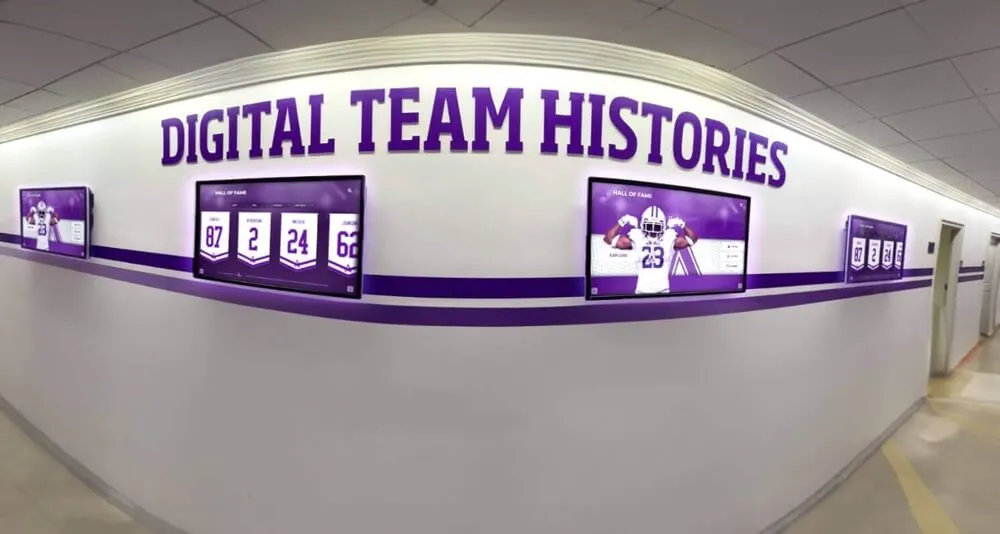
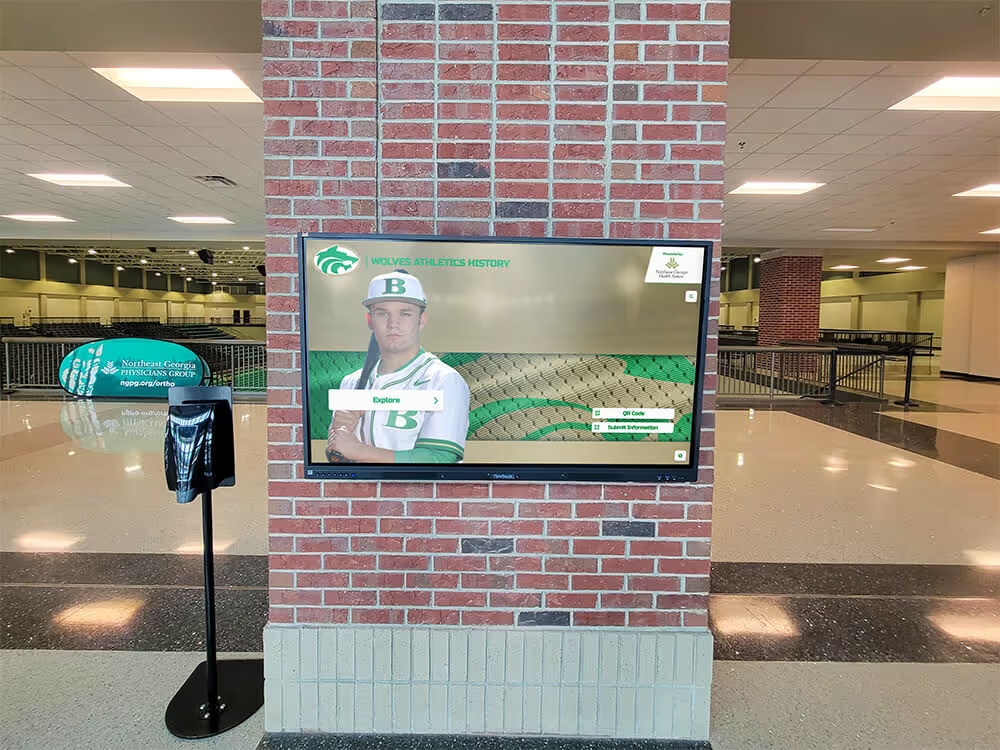
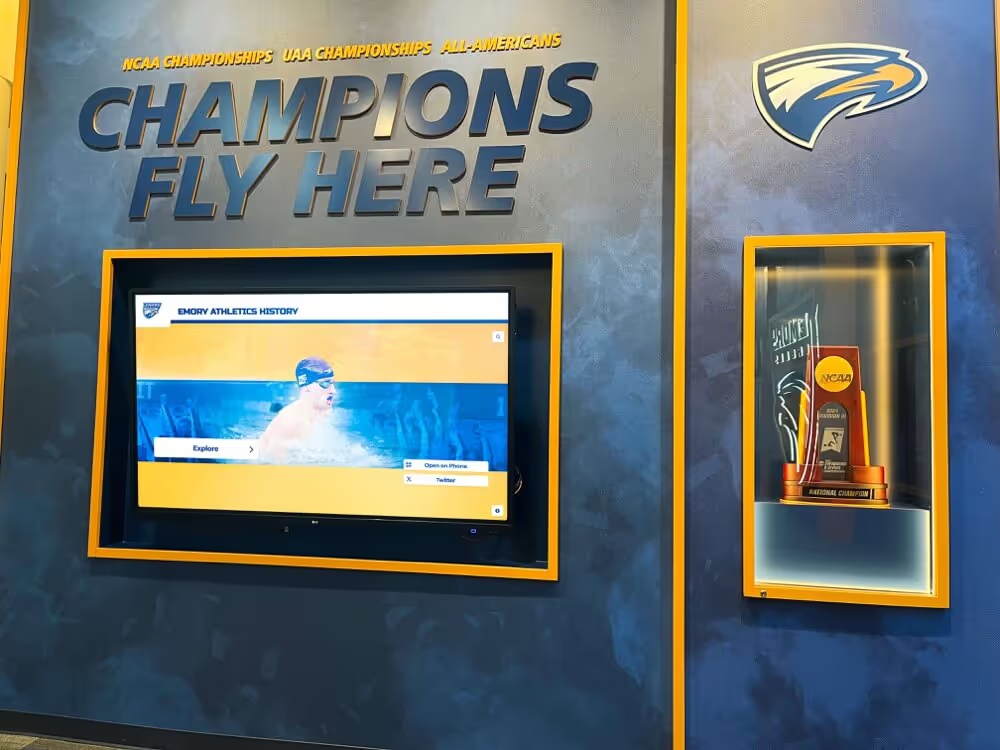
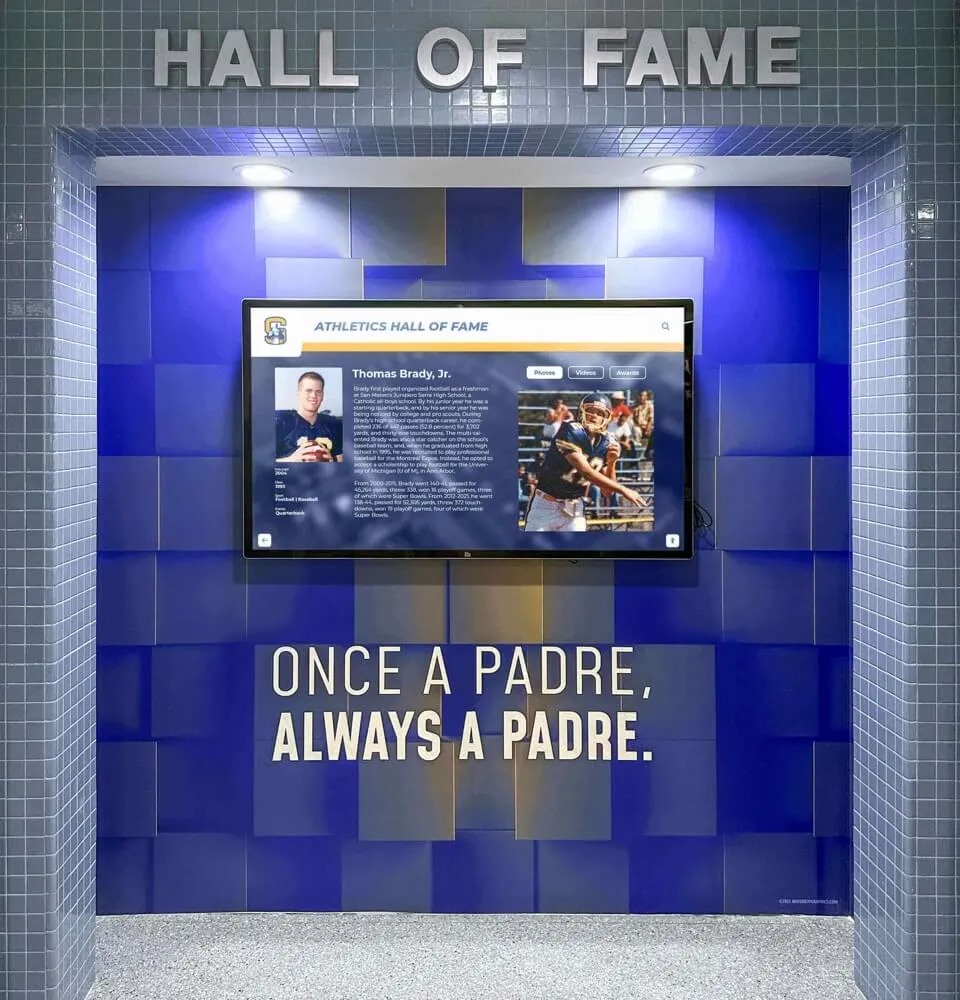
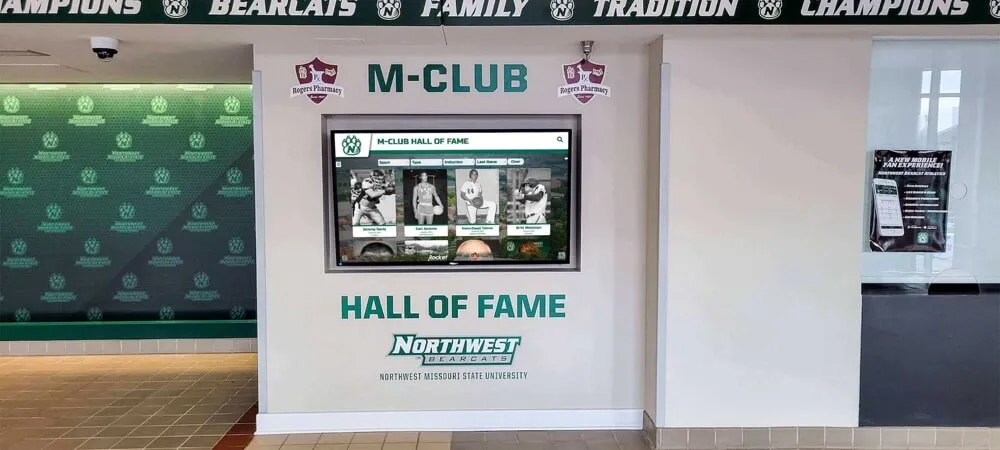
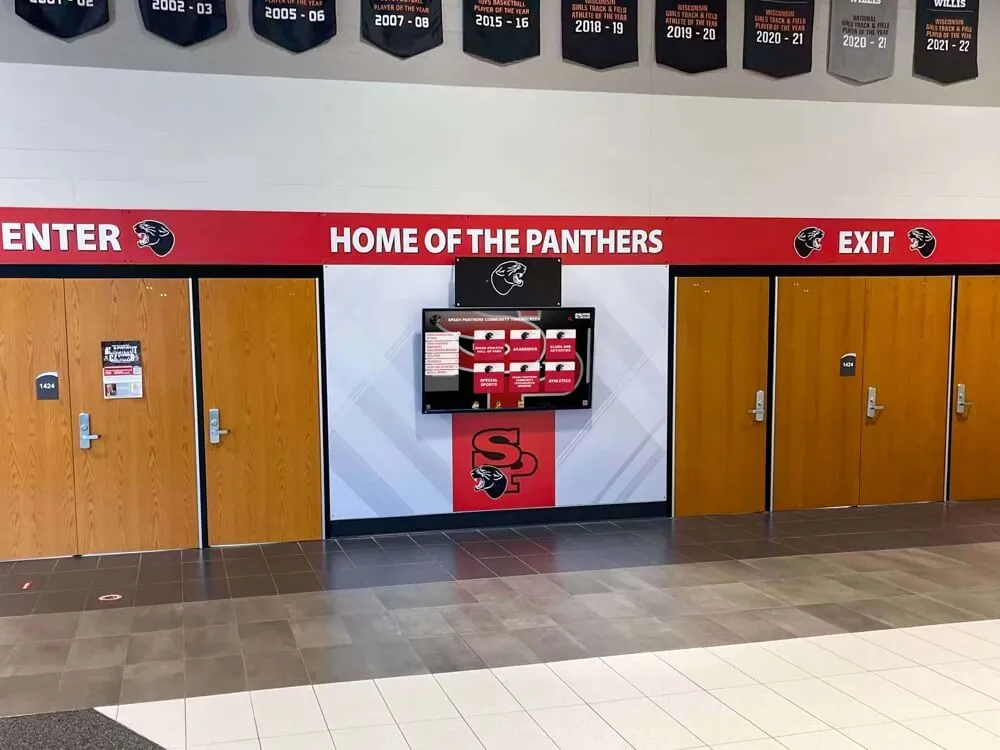
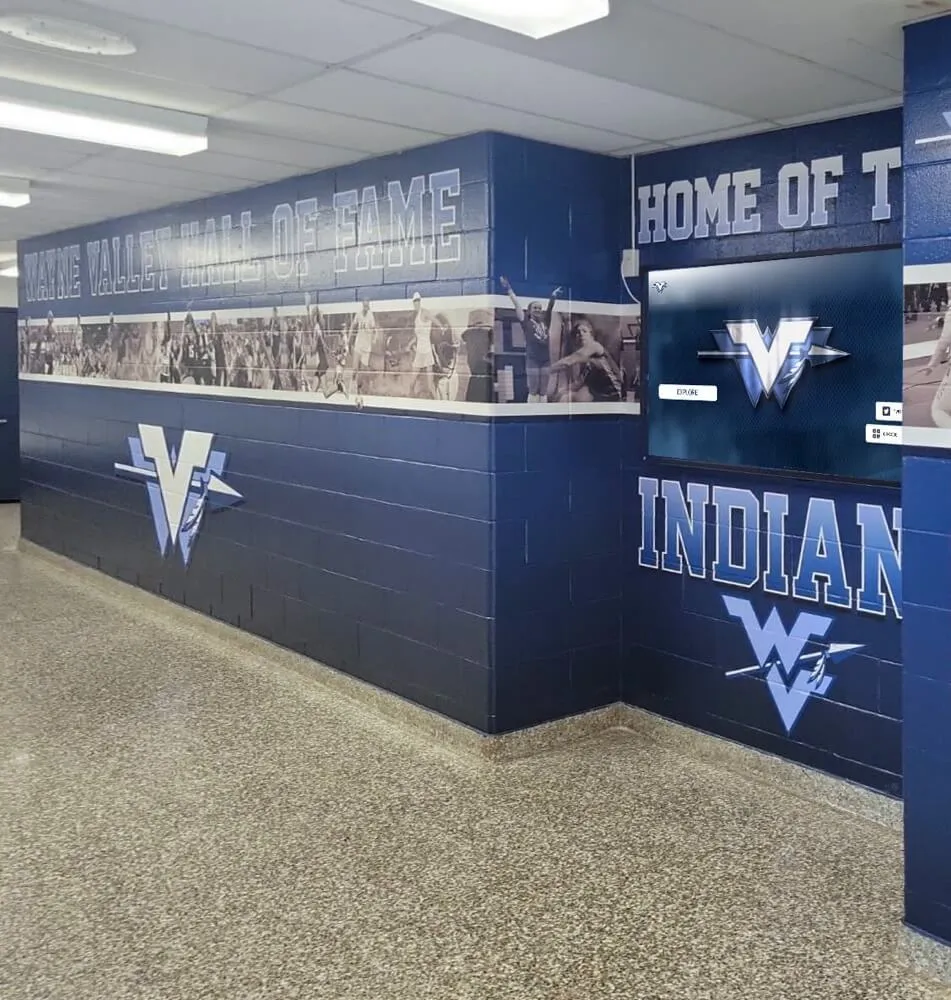
Permanent hall of honor displays make student achievement visible to every student, staff member, and visitor who walks through the door
Why 30+ Categories Beat the Traditional Handful
Research from the American Educational Research Association indicates that students who receive any form of meaningful recognition show 18–25% higher sustained academic engagement compared to unrecognized peers. That figure only improves when recognition programs are broad enough to capture diverse achievement types.
The schools with the strongest recognition cultures typically operate on two principles:
Multiple pathways, multiple recipients — No single student should dominate the award stage. Broad category lists ensure first-time recipients have opportunities each year.
Visibility beyond the ceremony — A certificate handed out at an April banquet is forgotten by June. Year-round display systems keep every achievement alive. Explore how digital trophy cases and interactive school displays extend recognition far beyond a single event.
Academic Achievement Award Ideas
Academic recognition should span every subject, achievement level, and type of intellectual growth—not just the students with the highest cumulative GPA.
1. Honor Roll / Principal’s List
The cornerstone of academic recognition, honor roll programs work best when structured in tiers:
- Principal’s List / President’s List — typically 3.8–4.0 GPA
- Honor Roll — typically 3.5–3.79 GPA
- Merit Roll — typically 3.0–3.49 GPA
- Perfect 4.0 Recognition — a stand-alone achievement deserving its own spotlight
- Consistent Honor Roll — multi-semester or multi-year recognition
Publishing honor roll lists digitally—rather than just printing them in a newsletter—dramatically increases their motivational impact. Learn how honor roll digital recognition systems keep academic achievement visible between ceremonies.
2. Subject-Specific Excellence Awards
Every academic department should name its own outstanding student. These awards carry weight because they come directly from the teachers who know the subject best:
- Outstanding Achievement in Mathematics
- English / Language Arts Excellence
- Science Distinction Award
- Social Studies Achievement Recognition
- Foreign Language Proficiency Award
- Performing Arts Academic Excellence
Department-specific awards also give teachers a structured way to recognize the student who may not have the highest overall GPA but demonstrably outperformed peers in a single discipline.
3. Most Improved Academic Performance
Recognition for growth—not just absolute achievement—is one of the highest-impact categories schools can offer. Research from Stanford University indicates that students who receive improvement-based recognition show 40% higher subsequent effort investment compared to peers who receive only fixed-achievement awards.
Effective most improved criteria include:
- Highest GPA increase from the previous marking period or year
- Subject-specific grade advancement (e.g., C to A in a challenging course)
- Measurable reading or mathematics level progression
- Academic goal achievement documented at the start of the year
4. Perfect Attendance Award
Consistent presence is an underrated predictor of long-term student success. Recognize it at multiple milestones: single semester, full year, and multi-year streaks. Schools can also create a “Near-Perfect Attendance” tier (one or two excused absences) to acknowledge students whose circumstances occasionally create unavoidable absences.
5. Academic Competition Achievement
Many students invest extraordinary effort preparing for academic competitions that happen largely out of the public eye. A dedicated award category—or a dedicated section of the recognition display—gives this effort the visibility it deserves:
- Science Olympiad medals and team placements
- MATHCOUNTS and AMC competition results
- Academic decathlon and quiz bowl regional and state recognition
- Spelling bee and geography bee championships
- Debate and forensics tournament success
- Model United Nations distinctions
6. National Merit and College Board Recognition
National Merit Scholarship Program Semifinalists and Finalists, College Board National Recognition Program honorees, and AP Scholars represent significant nationally benchmarked achievements. Many schools announce these awards but fail to display them permanently—a missed opportunity to build institutional pride and signal academic ambition to incoming students.
7. AP Scholar and IB Achievement Awards
Advanced Placement and International Baccalaureate programs create natural recognition tiers: AP Scholar, AP Scholar with Honor, AP Scholar with Distinction, and National AP Scholar designations. IB Diploma completers deserve equivalent recognition. These achievements demonstrate college-level academic performance and benefit from permanent display alongside other honors.
8. Research and Independent Study Award
Students who complete independent research projects, senior capstones, or mentored scientific investigations demonstrate initiative and intellectual depth that standard GPA systems don’t fully capture. An annual research recognition award validates this work and encourages others to pursue similar projects.
9. Reading Achievement Award
Particularly impactful at the elementary and middle school levels, reading achievement recognition can celebrate:
- Accelerated Reader program milestones
- Lexile level advancement targets
- Summer reading program completion
- Book club and reading circle participation and leadership
10. Academic Perseverance Award
Some of the most meaningful academic achievements happen in spite of significant challenges—learning differences, family disruptions, health issues, or language barriers. A perseverance award, selected carefully and presented privately if the student prefers, acknowledges that success takes many forms.
Athletic Award Ideas
Athletic recognition programs give schools some of their richest award traditions—but even robust programs often overlook categories beyond MVP and All-Conference.
11. Most Valuable Player (MVP)
The classic individual performance award, MVP recognition carries the most weight when criteria are documented in advance and communicated to athletes at the start of the season. Sport-specific statistics, leadership demonstrated during competition, and influence on team success all belong in the rubric.
12. All-Conference, All-Region, and All-State Selections
External recognition from conferences and state athletic associations deserves prominent permanent display. These designations tell every student walking past the display case that your school competes at the highest levels.
Learn about displaying championship achievements with high school state championship bracket displays that make postseason success visible year-round.
13. Varsity Letter Award
Varsity letter programs have a long history in American schools because they work—athletes wear their letters as visible proof of commitment and achievement. Displaying letter winners digitally extends that visibility beyond the jacket.
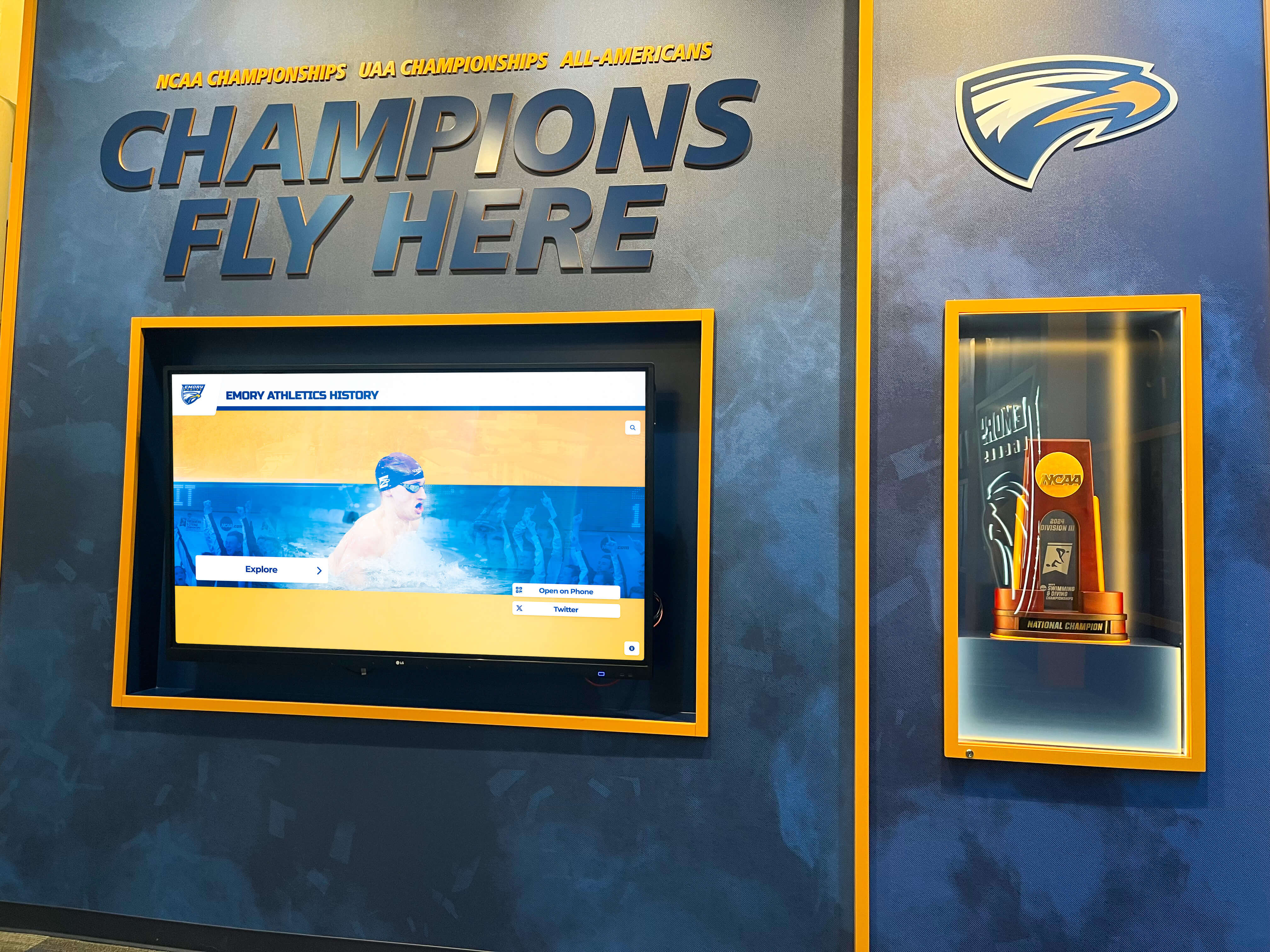
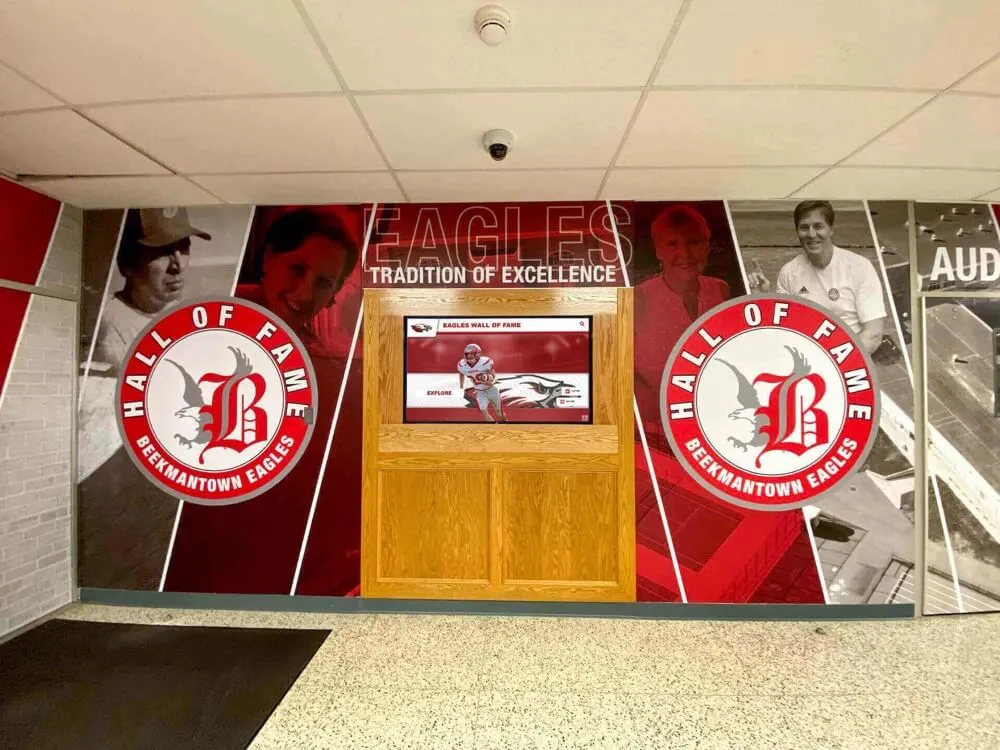
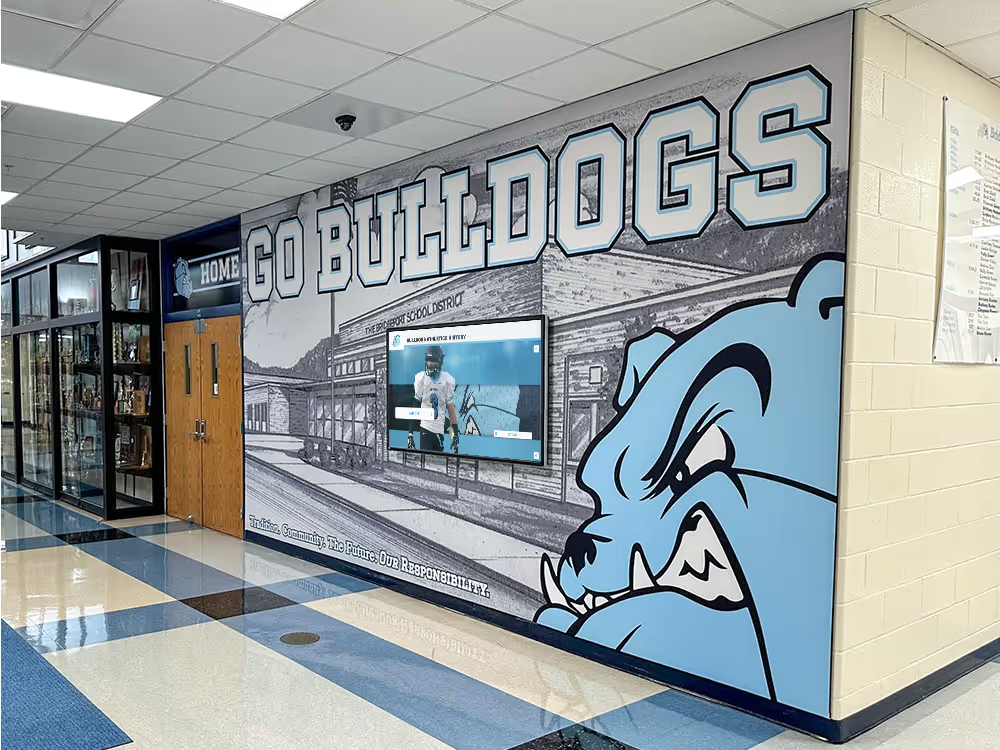
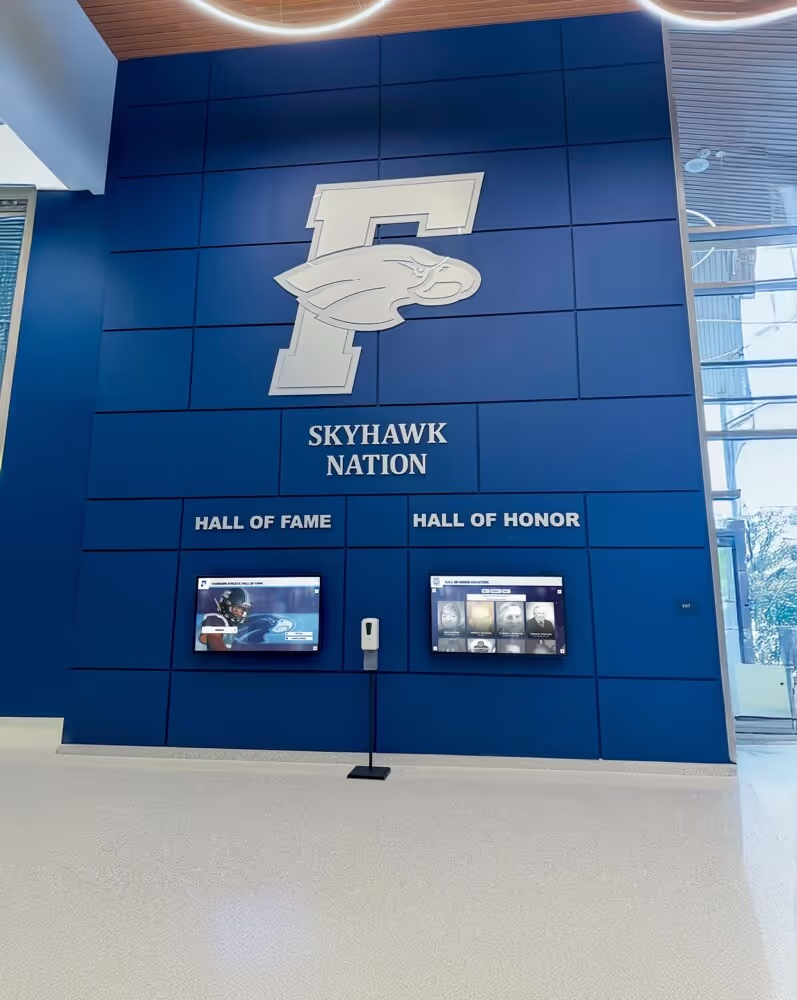
Dedicated champions walls create a permanent home for athletic achievement that inspires current and future athletes
14. Team Captain Recognition
Captains take on leadership responsibilities that go far beyond the statistics sheet. A captain’s award that specifically acknowledges the communication, accountability, and mentorship roles these students fulfill sends an important message: leadership matters as much as performance.
15. Sportsmanship Award
Research from the National Interscholastic Athletic Administrators Association consistently links sportsmanship recognition programs to higher participation retention rates and improved team culture. Consider a peer-nominated version where athletes select the teammate who best demonstrated character under pressure.
16. Championship and Tournament Achievement
State championships, regional titles, and tournament victories are landmark achievements in any program’s history. Create both team and individual award categories for championship performances and display them in dedicated locations accessible to future athletes, families, and community members.
17. Most Improved Athlete
Applied to athletics, most improved awards track measurable performance growth: sprint times, lift totals, skill ratings, statistical production, or coach-assessed technique development. Establishing a clear baseline at the start of a season makes selection objective and defensible.
18. Senior Athlete Tribute
Seniors who complete their athletic eligibility—regardless of stat lines—deserve acknowledgment for the multi-year commitment they made to their program. A dedicated senior recognition tradition builds program loyalty and gives senior athletes a meaningful farewell.
Character, Leadership, and Service Award Ideas
Recognition programs that stop at academics and athletics miss the students who contribute most visibly to school culture.
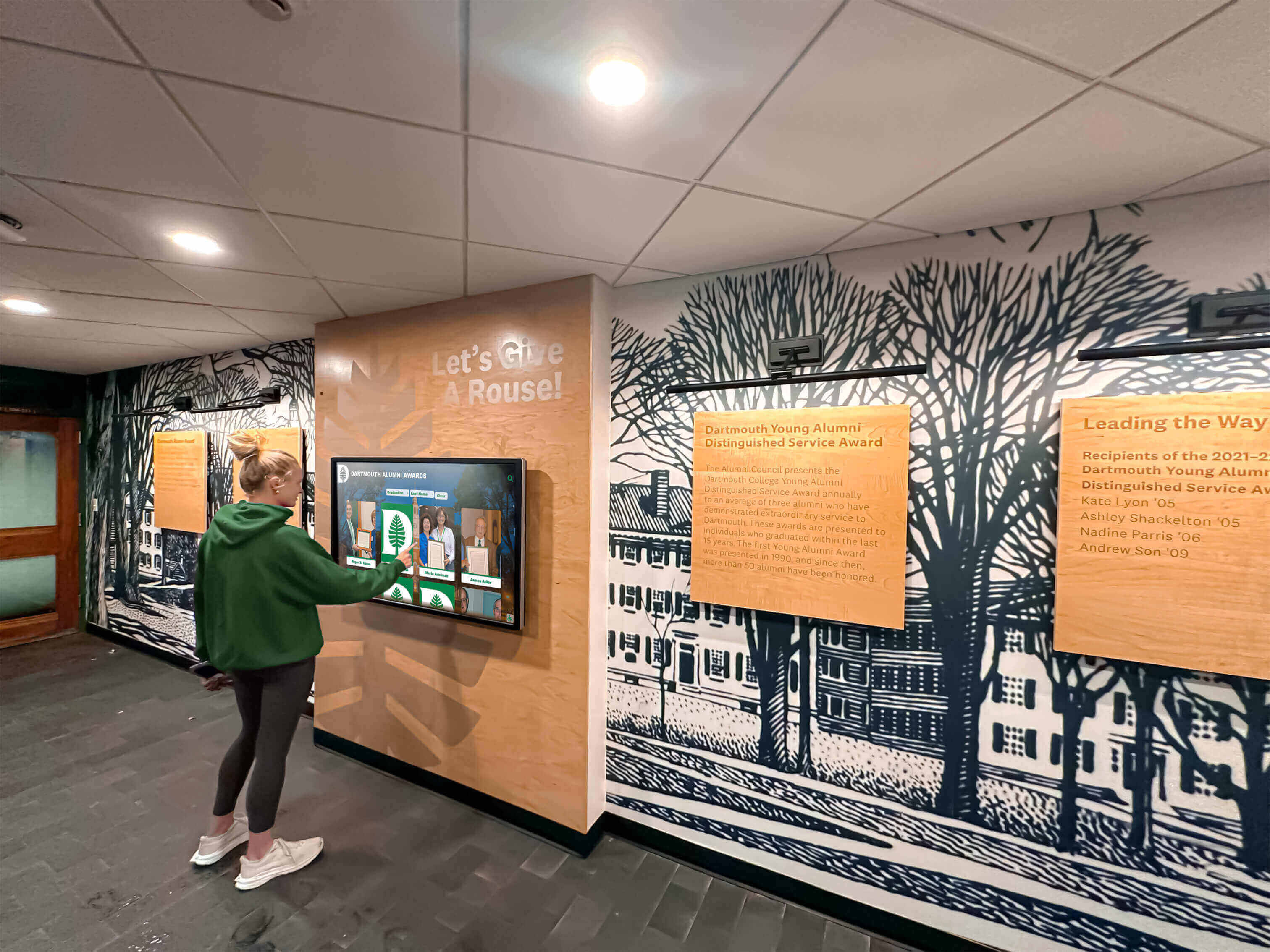
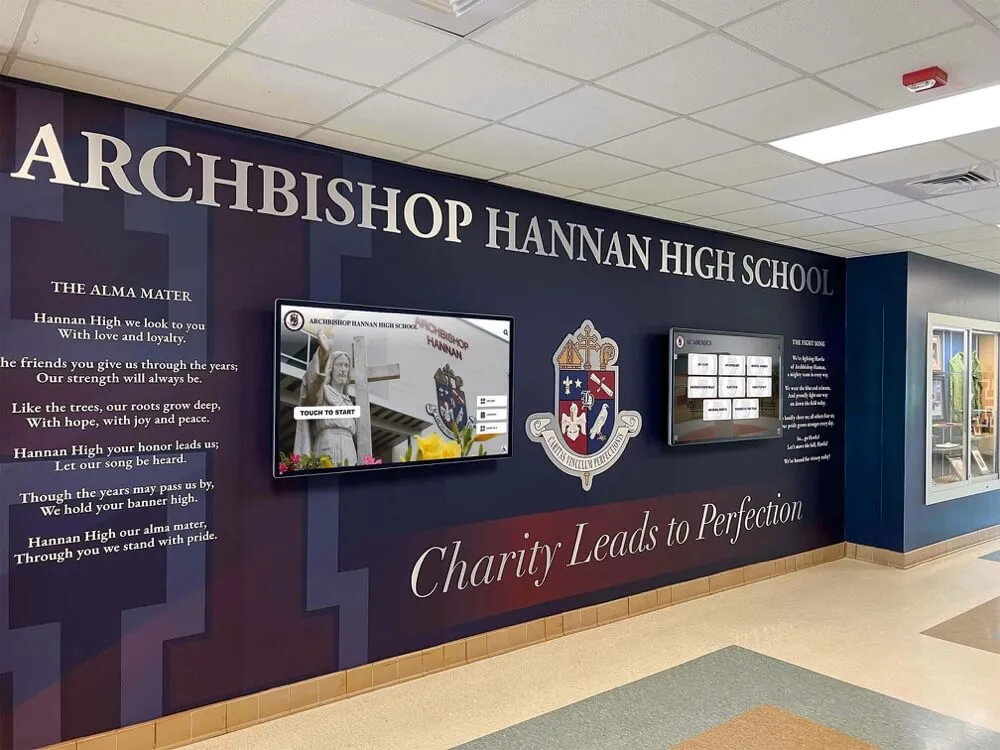
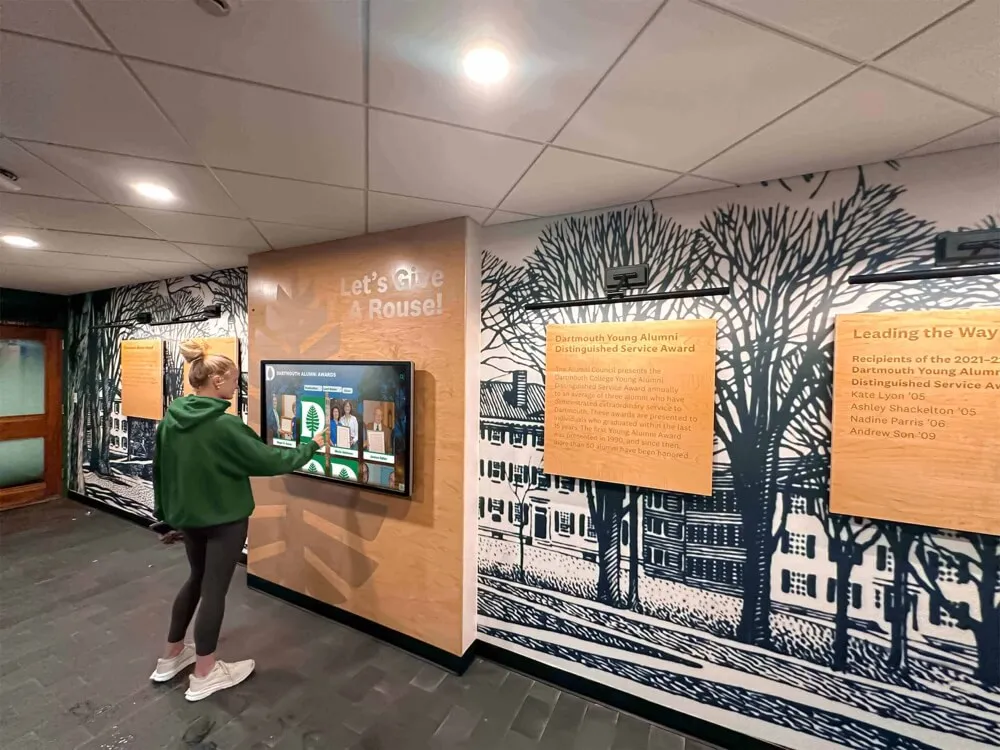
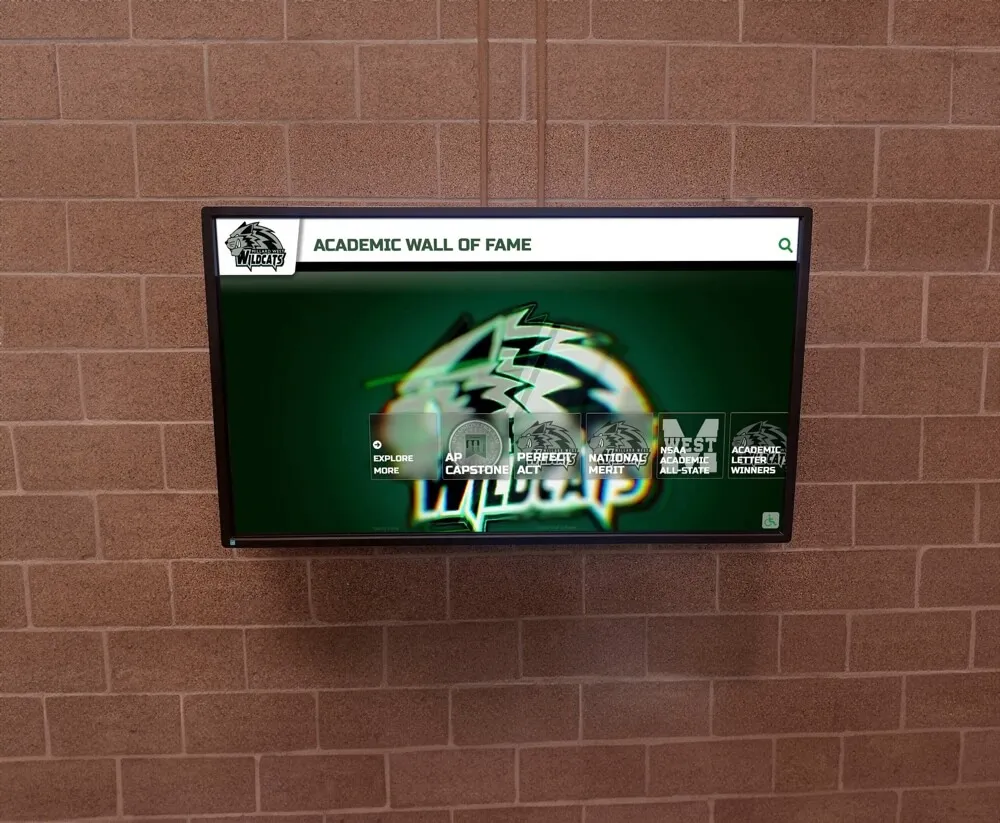
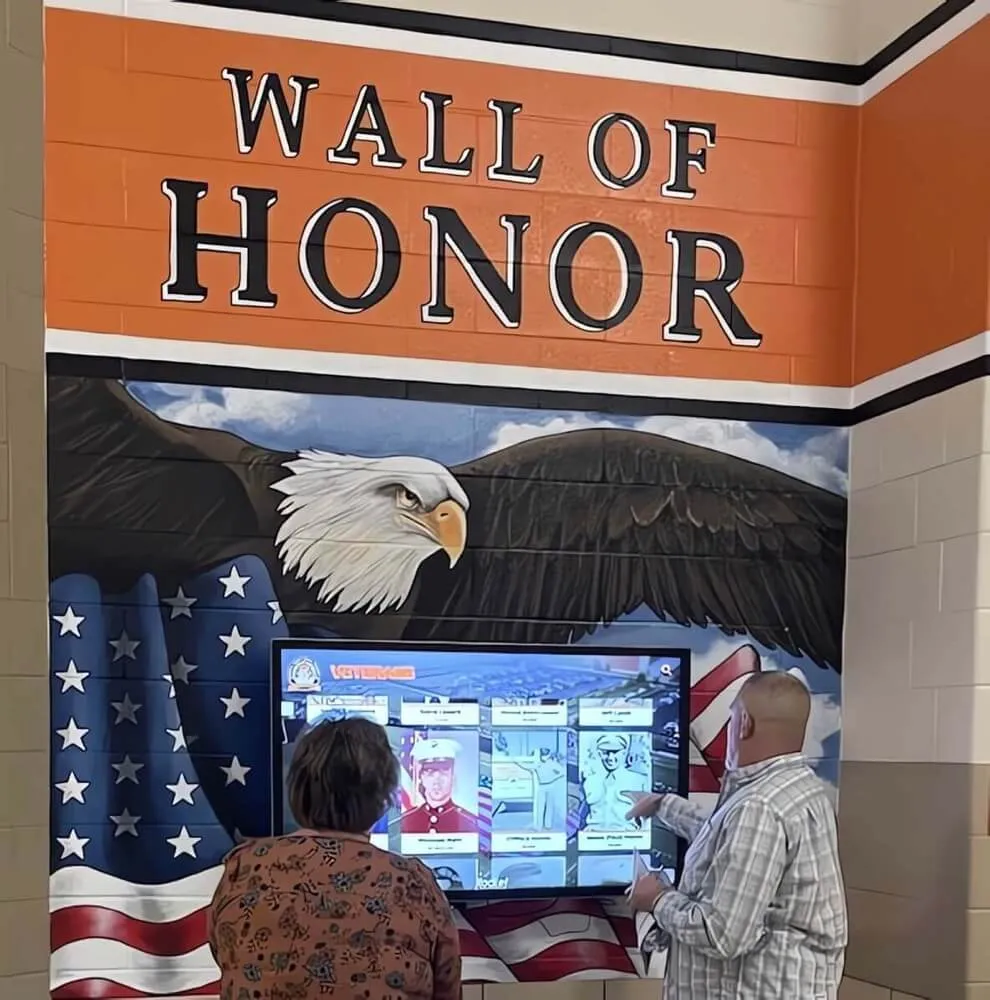
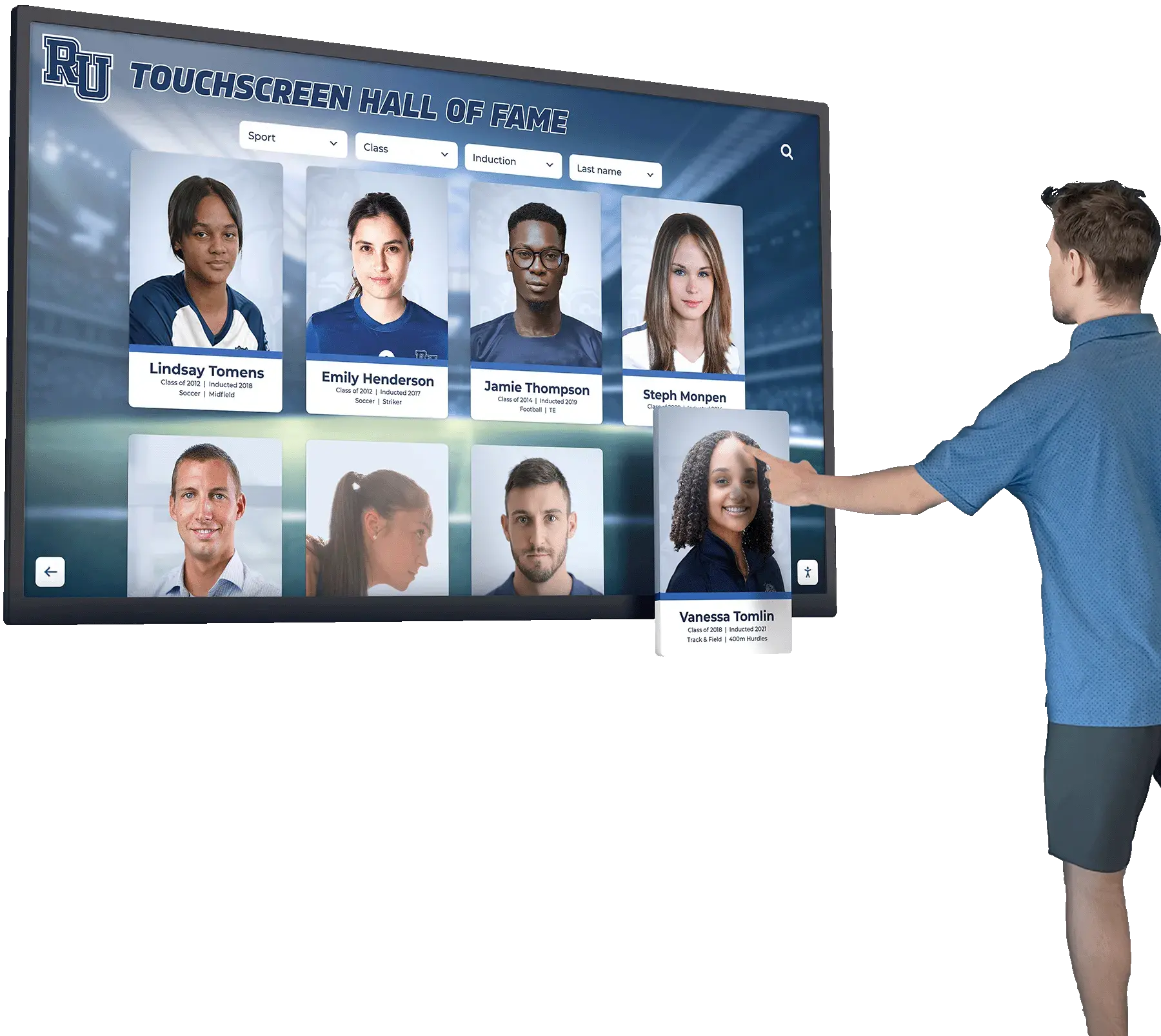
Interactive displays make it easy for students to find recognition across all categories—academic, athletic, character, and service
19. Student Government Achievement Award
Student government officers carry real responsibilities: planning events, managing budgets, advocating for student needs, and representing their school to administration and community. Year-end recognition for officers and committee leads acknowledges these contributions concretely.
20. Community Service Hours Award
Milestone-based service recognition creates a clear progression students can aim for throughout their time at your school:
- 25 hours: Bronze Recognition
- 50 hours: Silver Recognition
- 100 hours: Gold Recognition
- 200+ hours: Platinum or Distinguished Service Award
Beyond the hours, consider a separate award for the student whose service demonstrated the greatest measurable community impact—not just the most time volunteered.
21. Peer Mentorship Recognition
Students who formally mentor younger peers, tutor classmates, or lead peer support programs provide value to the school community that rarely appears on any award list. A peer mentorship award validates this work and encourages more students to step into helping roles.
22. School Spirit Award
School spirit recognition celebrates the students who show up for events, lead cheer sections, organize rallies, and maintain enthusiasm even during difficult stretches of a season or school year. This award pairs naturally with school spirit week activities that create additional recognition touchpoints throughout the year.
23. Citizenship Award
A broad but meaningful category, citizenship recognition honors students who consistently demonstrate school values—responsibility, respect, integrity, and community—in their daily behavior. Selection works best when multiple staff members nominate and a committee selects from documented nominations.
24. Kindness and Inclusion Award
Peer-nominated kindness awards are among the most emotionally resonant in any recognition program. When students choose who among their peers made them feel most welcomed, respected, or supported, the resulting recognition carries authenticity that teacher-selected awards sometimes lack.
25. Club and Organization Leadership Award
Clubs and extracurricular organizations often operate with minimal staff involvement, meaning student leaders carry genuine administrative and organizational responsibilities. Create category-specific leadership awards for major organizations (NHS, FBLA, DECA, FFA, drama club, environmental club) or a general Outstanding Club Leader award spanning all organizations.
Arts, Activities, and Special Talent Award Ideas
Arts and activities recognition is where many schools have the greatest opportunity to expand their award programs without duplicating existing categories.
26. Outstanding Performing Arts Award
Theater, band, orchestra, choir, and dance programs all deserve dedicated recognition:
- Outstanding Lead Performance (theater/drama)
- Technical Theater Excellence (lighting, sound, set design)
- Outstanding Musician by ensemble section
- Music Solo and Ensemble Competition Achievement
- All-State Band, Orchestra, or Choir Selection
- Choreography and Dance Performance Excellence
All-state music selections in particular represent externally validated achievement that deserves permanent display alongside athletic conference selections.
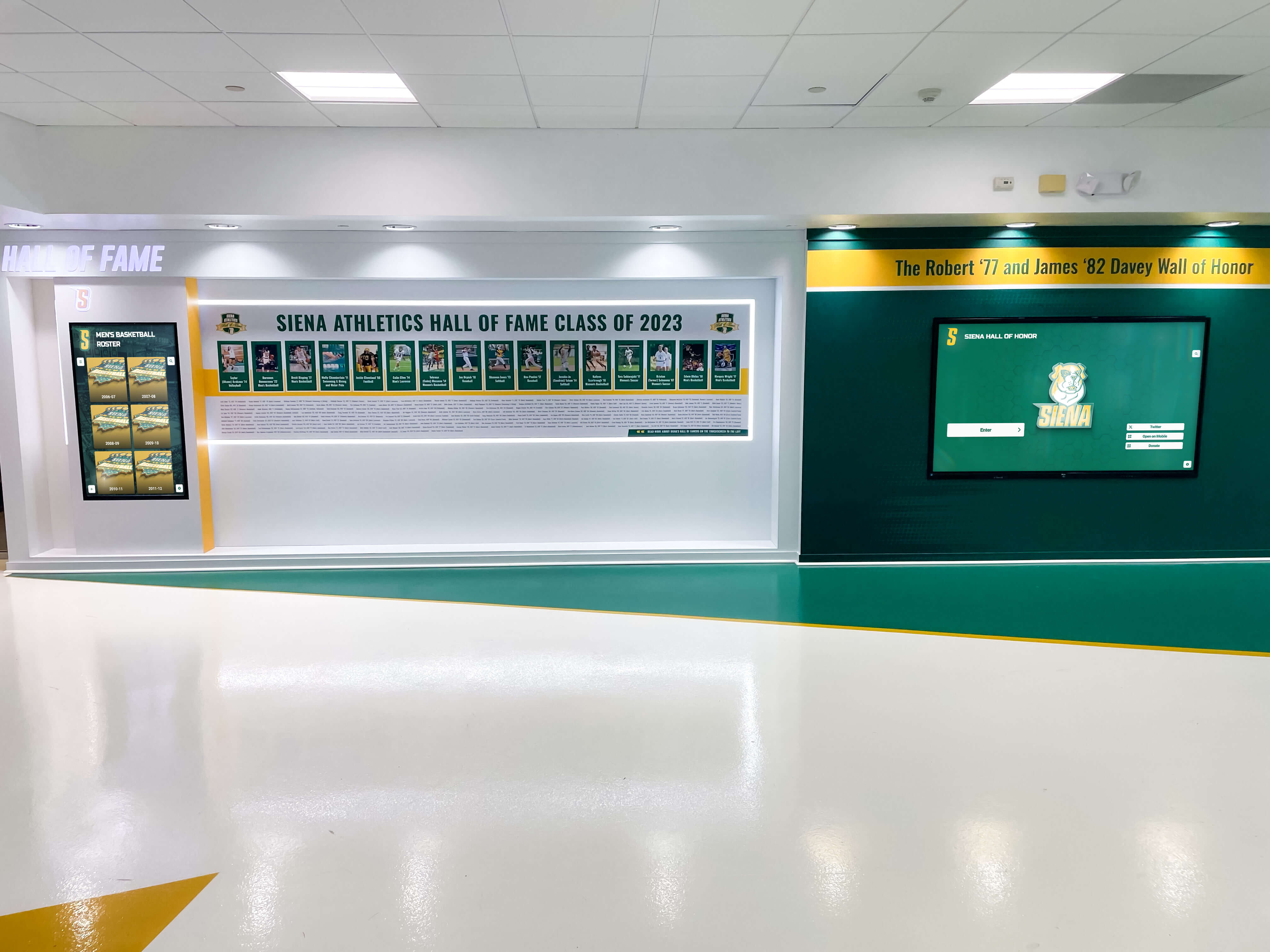
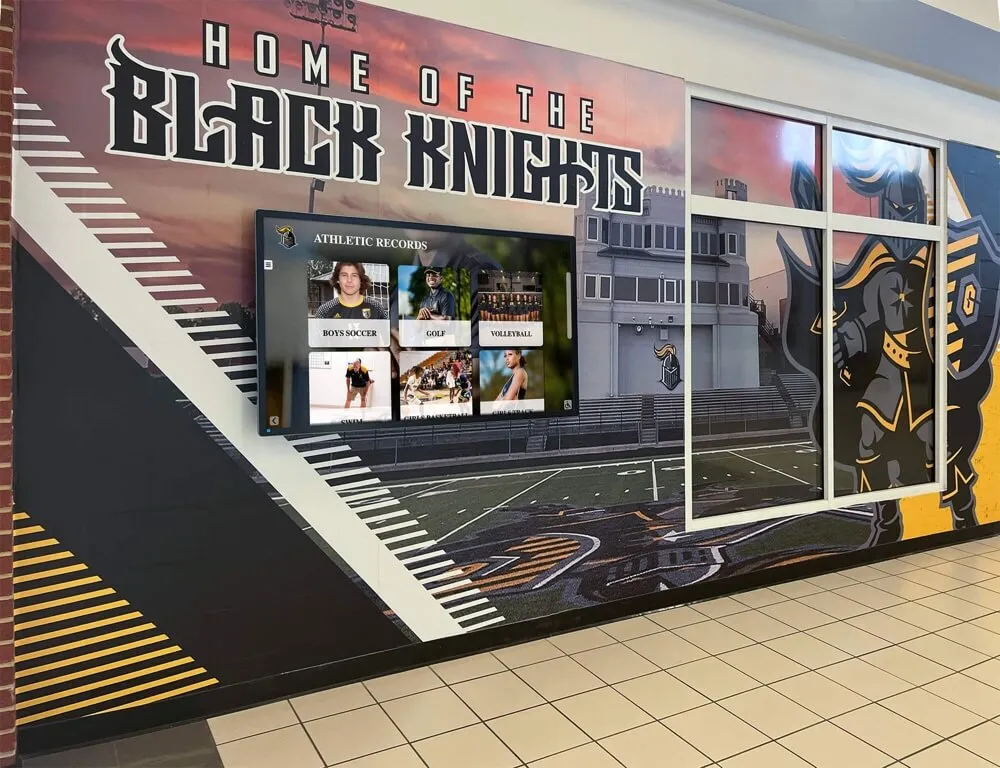
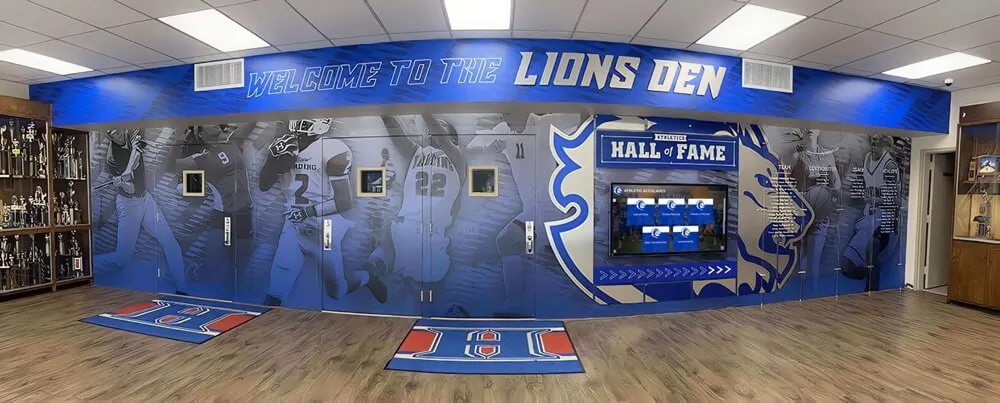
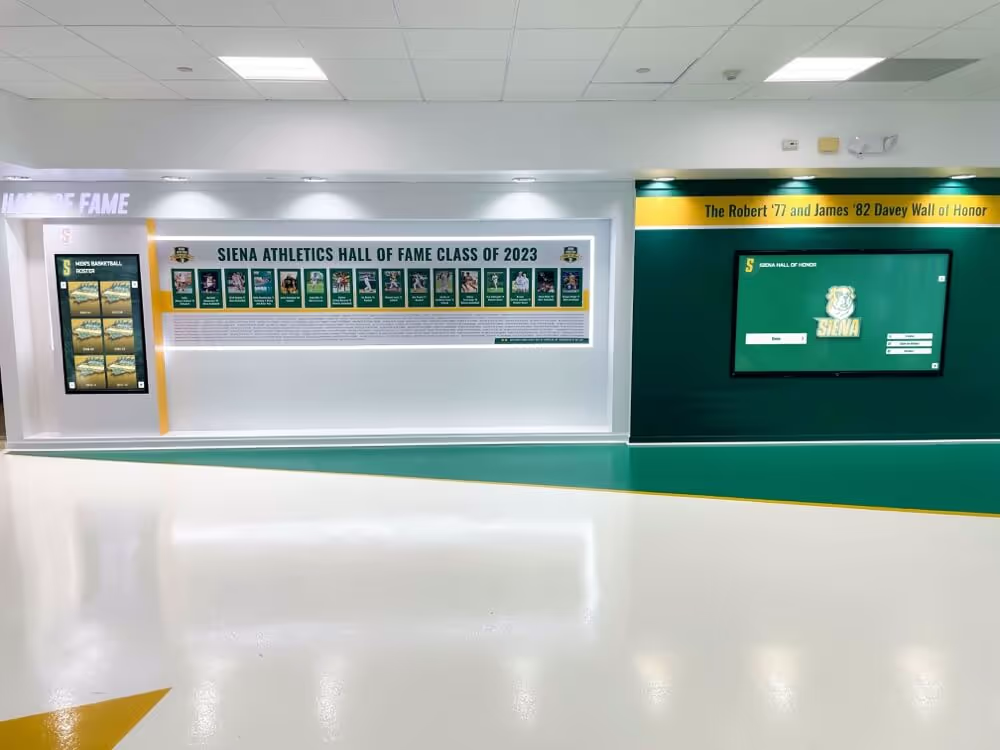
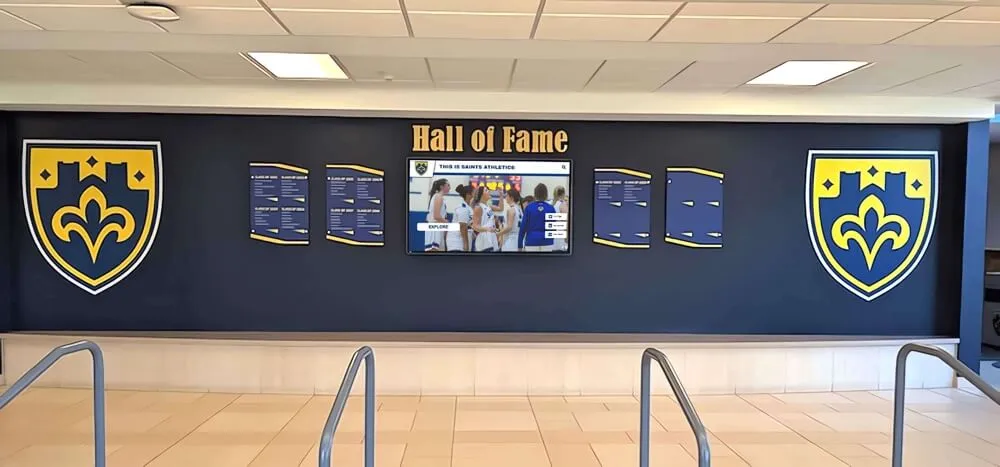
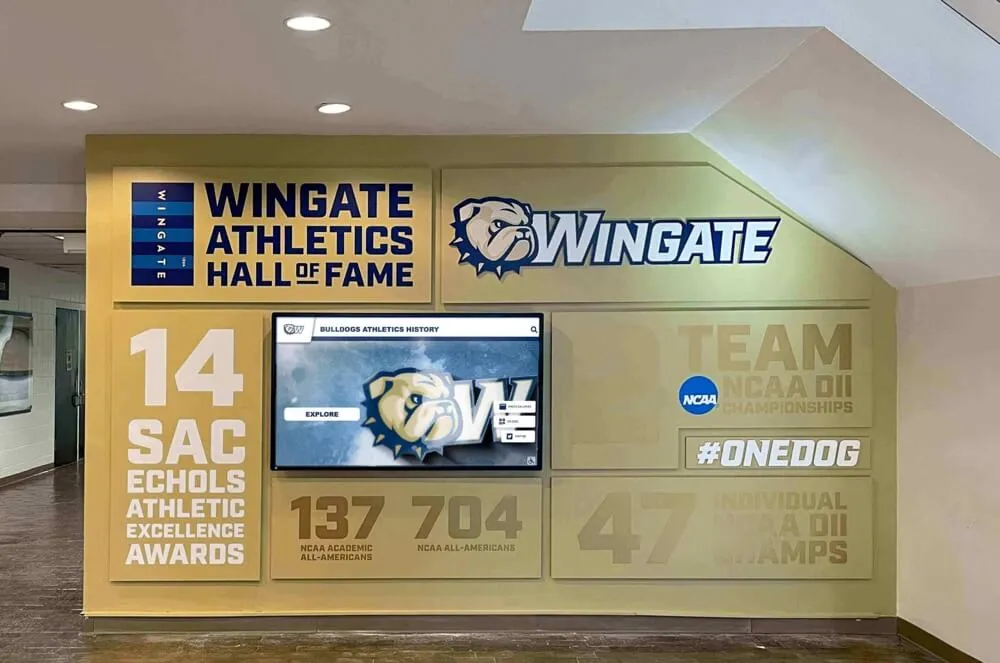
Organized display walls accommodate multiple award categories while creating a cohesive visual identity for recognition programs
27. Visual Arts Excellence Award
Visual arts recognition can include:
- Portfolio Development Award (strongest body of work)
- Art Competition and Exhibition Achievement
- Specific Medium Mastery (photography, ceramics, painting, digital art)
- Community Art Project Leadership
- Art Program Service Award
Featuring student artwork physically or digitally in recognition spaces adds a visual dimension that traditional trophy cases cannot replicate.
28. Journalism and Student Media Award
Student journalists, yearbook editors, podcast producers, and social media managers contribute meaningfully to school community documentation and communication. Annual recognition categories might include Outstanding Feature Story, Best Sports Coverage, Yearbook Editor Leadership, and Broadcast Excellence.
29. Career and Technical Education (CTE) / Career Readiness Award
CTE students earn industry certifications, compete in SkillsUSA, DECA, FFA, and FBLA competitions, and complete work-based learning experiences that prepare them for careers and postsecondary education. This achievement deserves display space equal to AP and IB recognition. See how CTE program digital display strategies can create permanent recognition homes for career-readiness accomplishments.
30. STEM Innovation and Robotics Award
Robotics competitions, science fairs, engineering design challenges, and maker-space projects generate achievement that few schools display prominently. Create specific recognition for:
- Robotics team competition placements
- Science fair regional and state winners
- Engineering challenge success
- Coding and programming excellence
- Maker-space project achievement
31. Academic Club and Special Interest Achievement
Chess club tournament winners, debate team state qualifiers, Model UN best delegate awards, and environmental club project recognition all deserve formal acknowledgment. Learn about recognizing chess club and academic tournament winners as part of a comprehensive activities recognition program.
32. Esports and Gaming Achievement
Esports programs are among the fastest-growing school activities in the country. Varsity esports teams compete in structured leagues, and individual players demonstrate skill, teamwork, and strategic thinking comparable to traditional sports. Adding an esports recognition category signals to students in this growing activity that the school values their achievement.
How to Display Student Awards Year-Round
The most common failure point in student recognition programs isn’t the award selection—it’s what happens after the ceremony. Awards handed out in April fade from institutional memory by September. Year-round display strategies solve this problem.
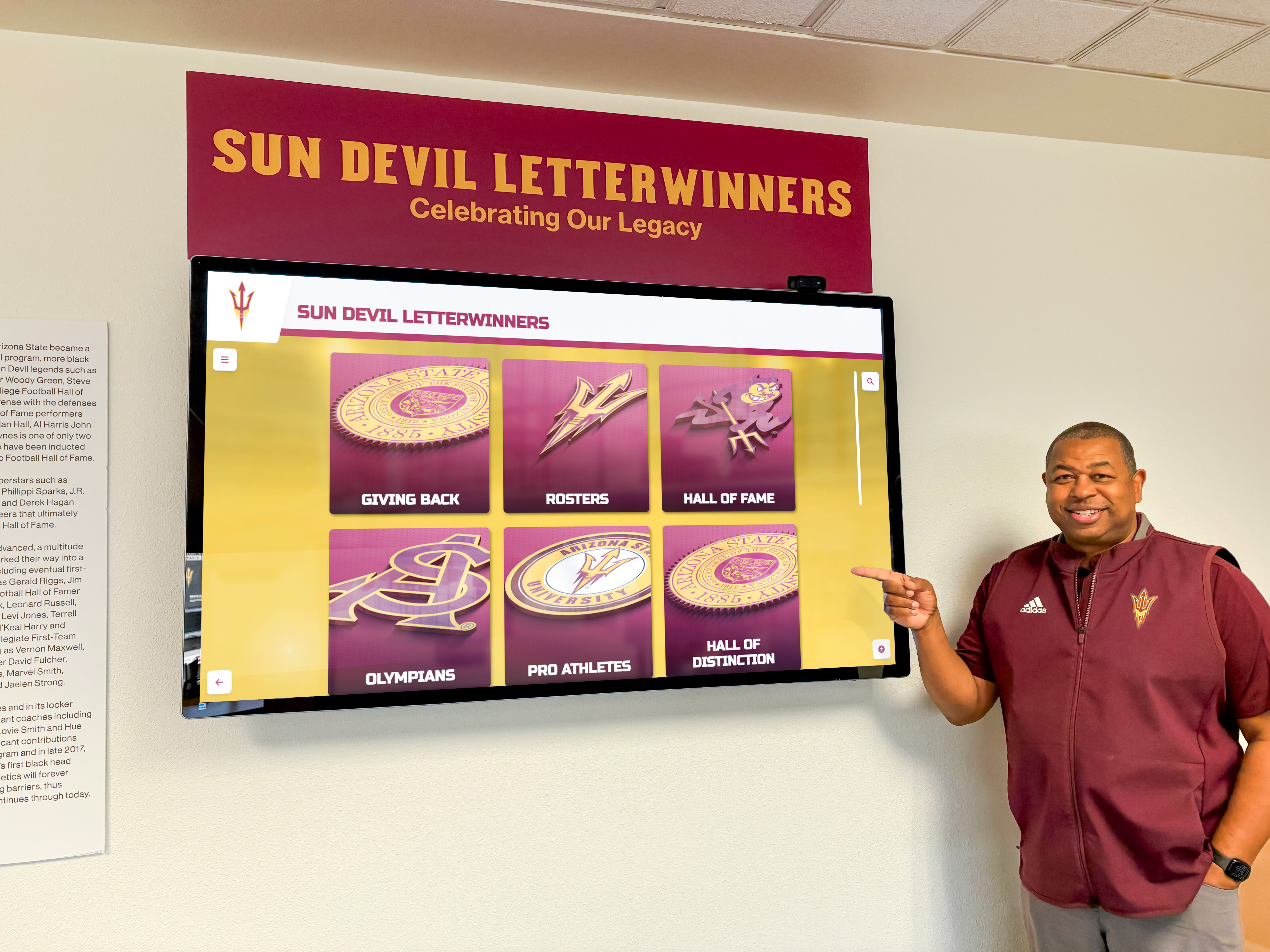
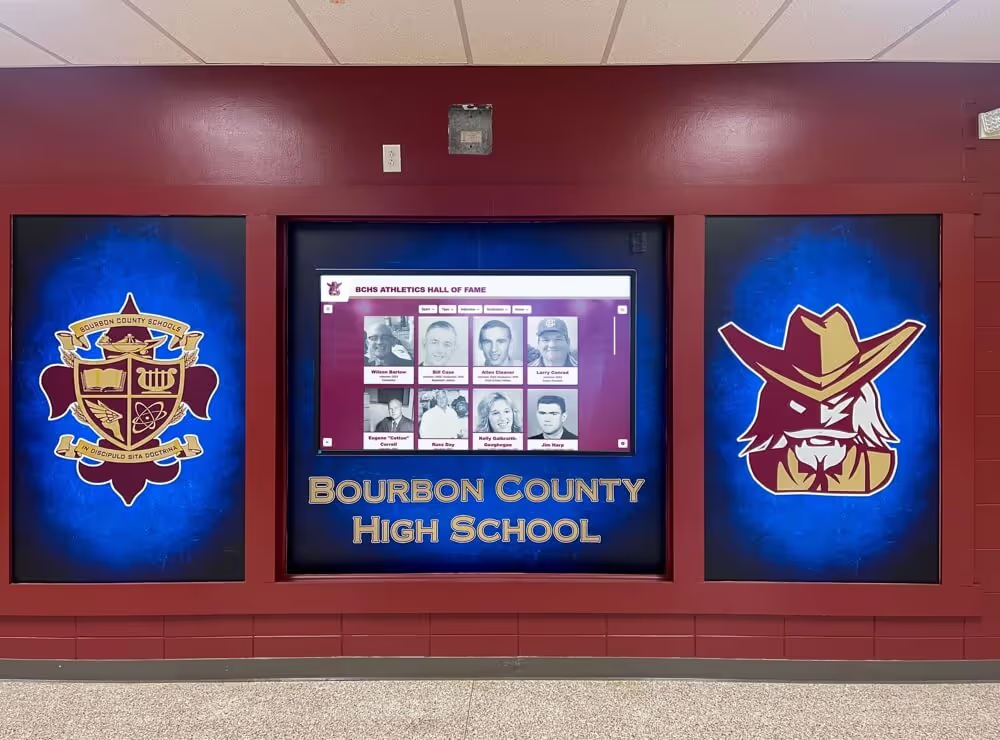
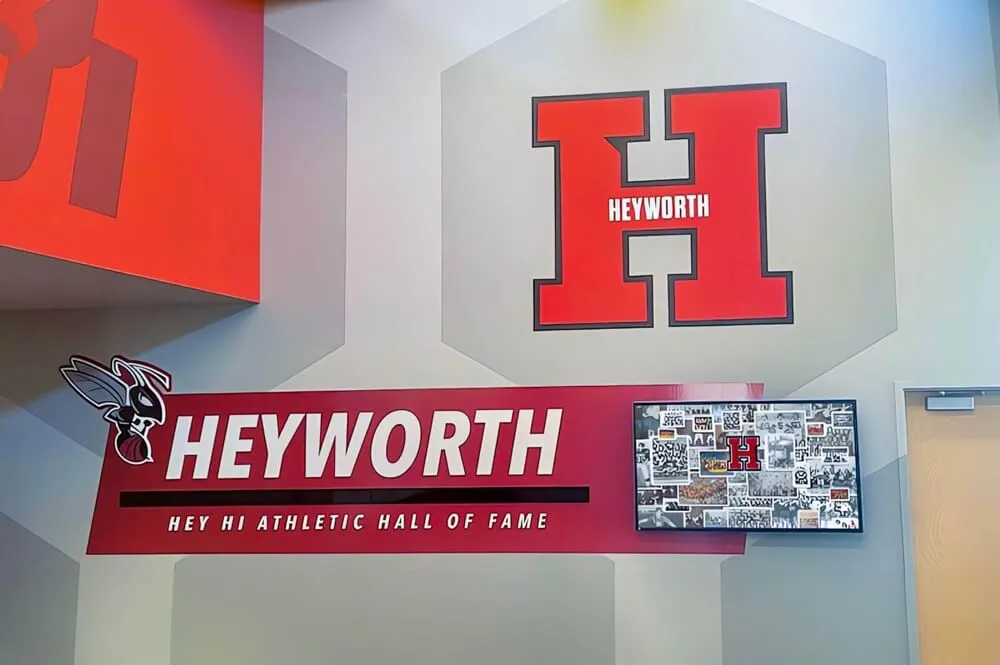
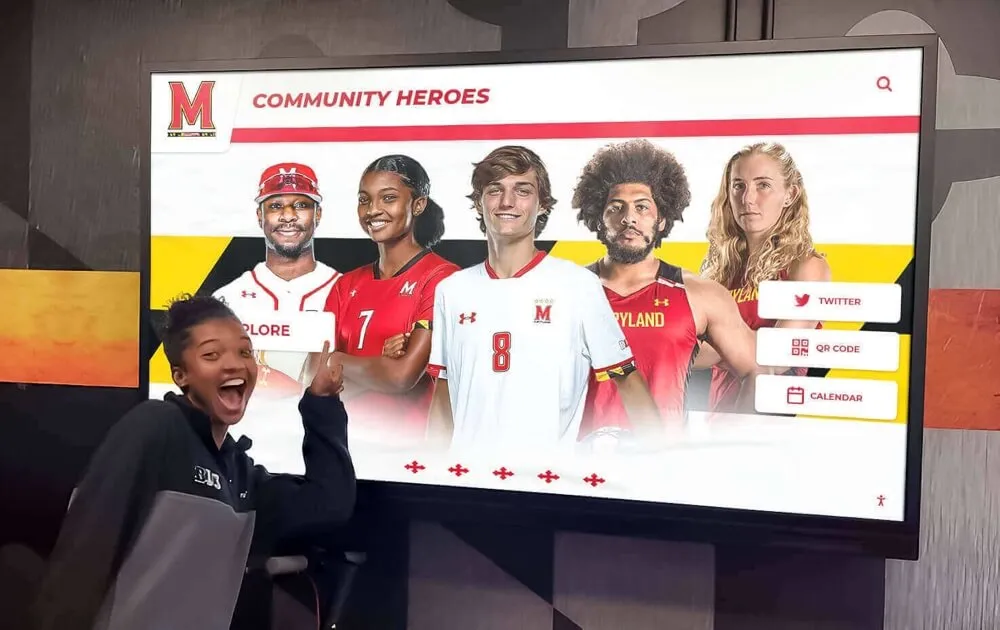
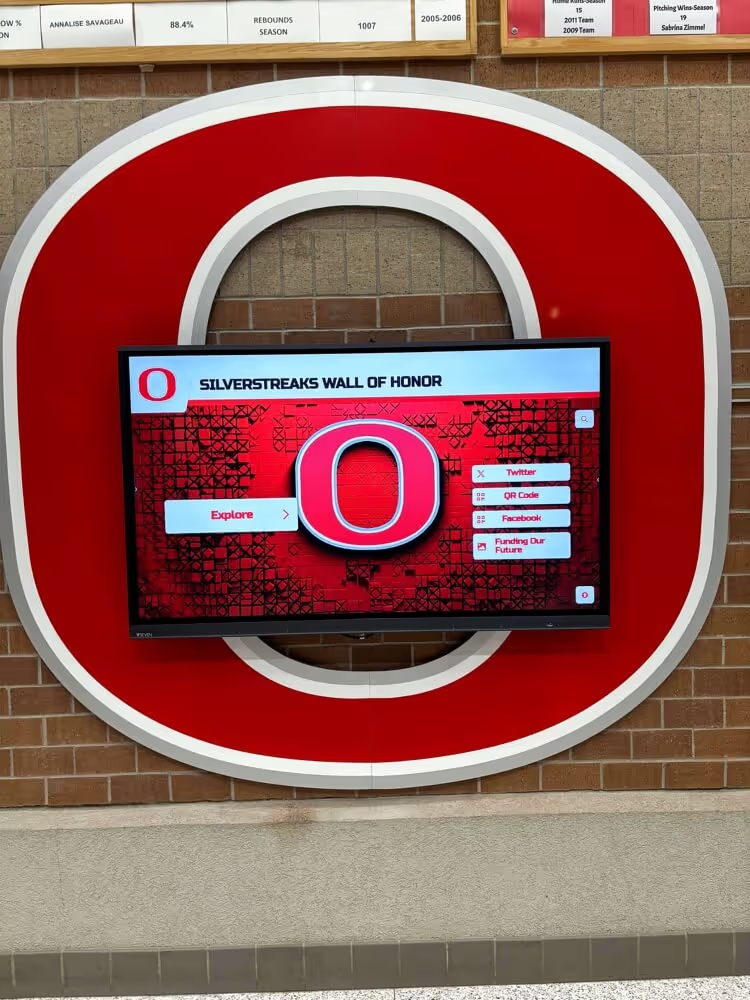
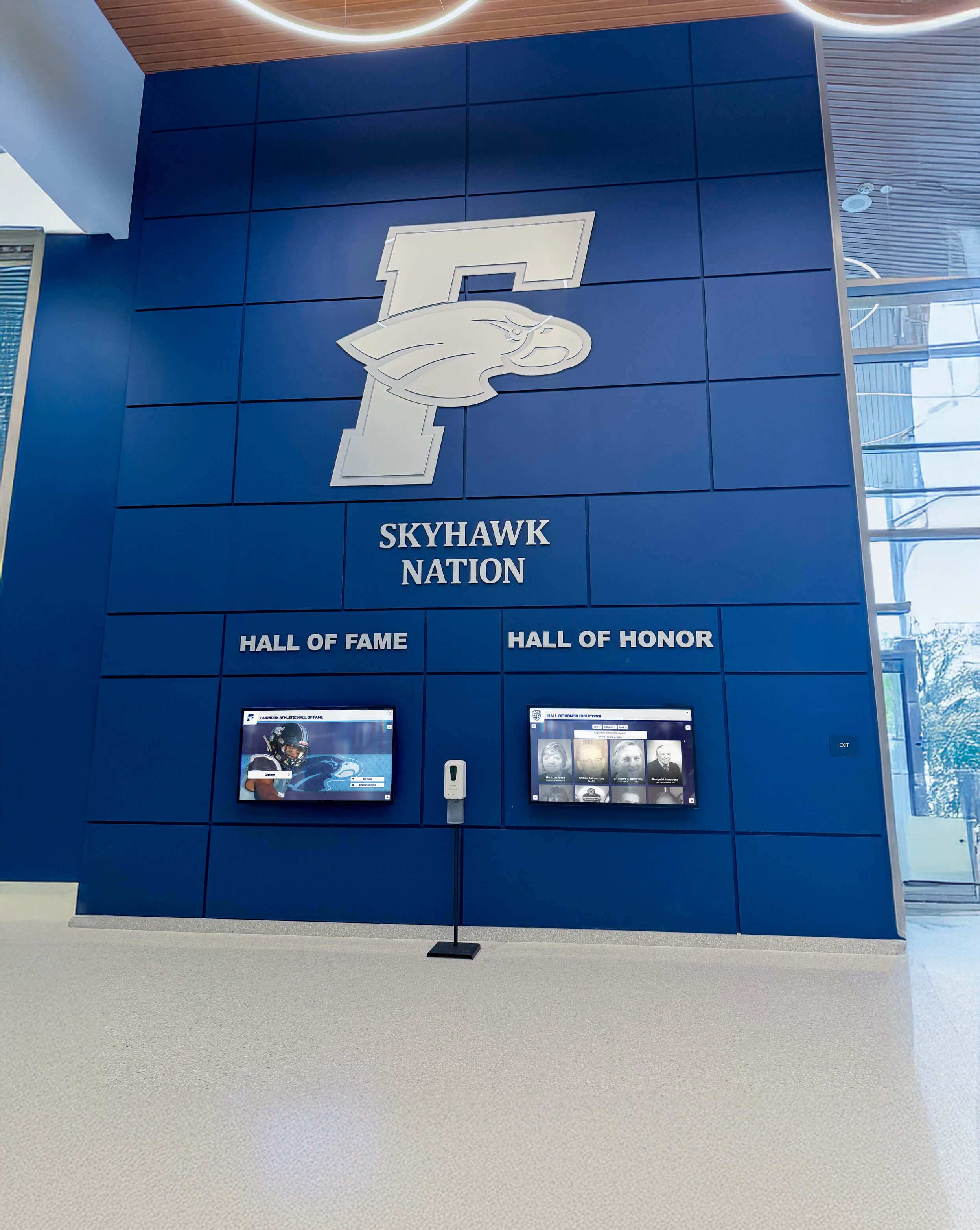
Interactive displays organized by award category make it easy for students, families, and visitors to explore the full depth of a school's recognition tradition
Physical Display Strategies
Traditional trophy cases and wall plaques remain valuable when implemented thoughtfully:
By-category organization — Grouping awards by category (academic, athletic, arts, service) rather than chronologically makes it easier for students to find what’s relevant to them and understand what they could pursue.
Rotating annual displays — Dedicate wall space to the current year’s honorees with photo displays and brief achievement descriptions, then archive previous years in a digital system.
Strategic placement — Main entrance lobbies, cafeteria walls, athletic facility corridors, and library commons are high-traffic locations where displays reach the most students daily.
Digital Recognition Display Systems
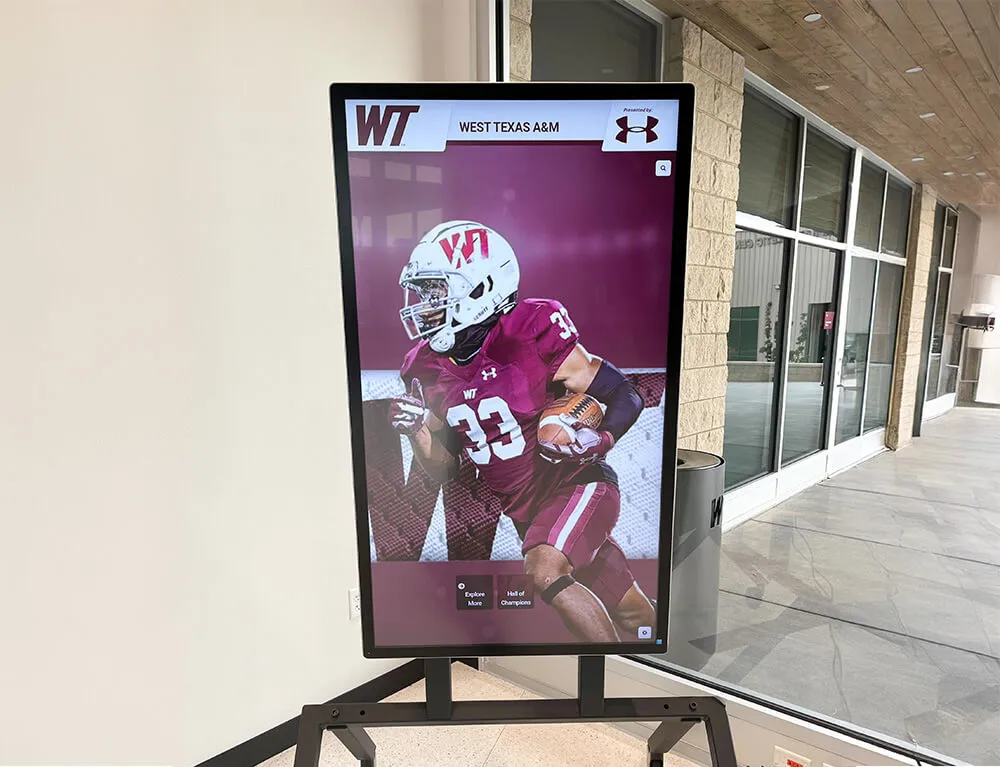
Solutions like Rocket Alumni Solutions enable schools to showcase every student award category on touchscreen displays that students, families, and visitors can explore interactively. Key capabilities include:
- Unlimited capacity — Display all 30+ categories indefinitely without removing previous honorees
- Searchable profiles — Students can find their own recognition and browse peers’ achievements
- Remote content management — Update displays from any internet-connected device without on-site technical support
- Category filtering — Organize by award type, year, grade level, or department
- Web extensions — Make recognition accessible beyond campus via web-based platforms
Comparing digital wall of fame systems against physical-only displays reveals consistent advantages in engagement, maintenance cost, and scalability for programs covering 30 or more categories.
Induction Ceremony Integration
Year-round displays work best when connected to a structured induction process. Schools that treat recognition as an ongoing system—with a clear nomination cycle, selection process, ceremony, and then permanent display—see higher student engagement with both the award program and the display. Review school hall of fame induction ceremony planning guides for frameworks applicable to any award category.
Archiving Historical Recognition
One of the most powerful things a comprehensive display system does is preserve recognition history. Students researching your school’s tradition, alumni returning for homecoming, and prospective families evaluating your school’s culture all benefit from access to decades of achievement. Explore how digital record boards can drive campus engagement through searchable historical archives.
Physical Award Materials That Last
For the awards themselves—the physical objects students receive at ceremonies—material choice affects perceived value and longevity. Acrylic awards for schools offer a versatile, durable option that photographs well and engraves cleanly for personalization—an important consideration when personalizing awards across 30+ categories and dozens of recipients.
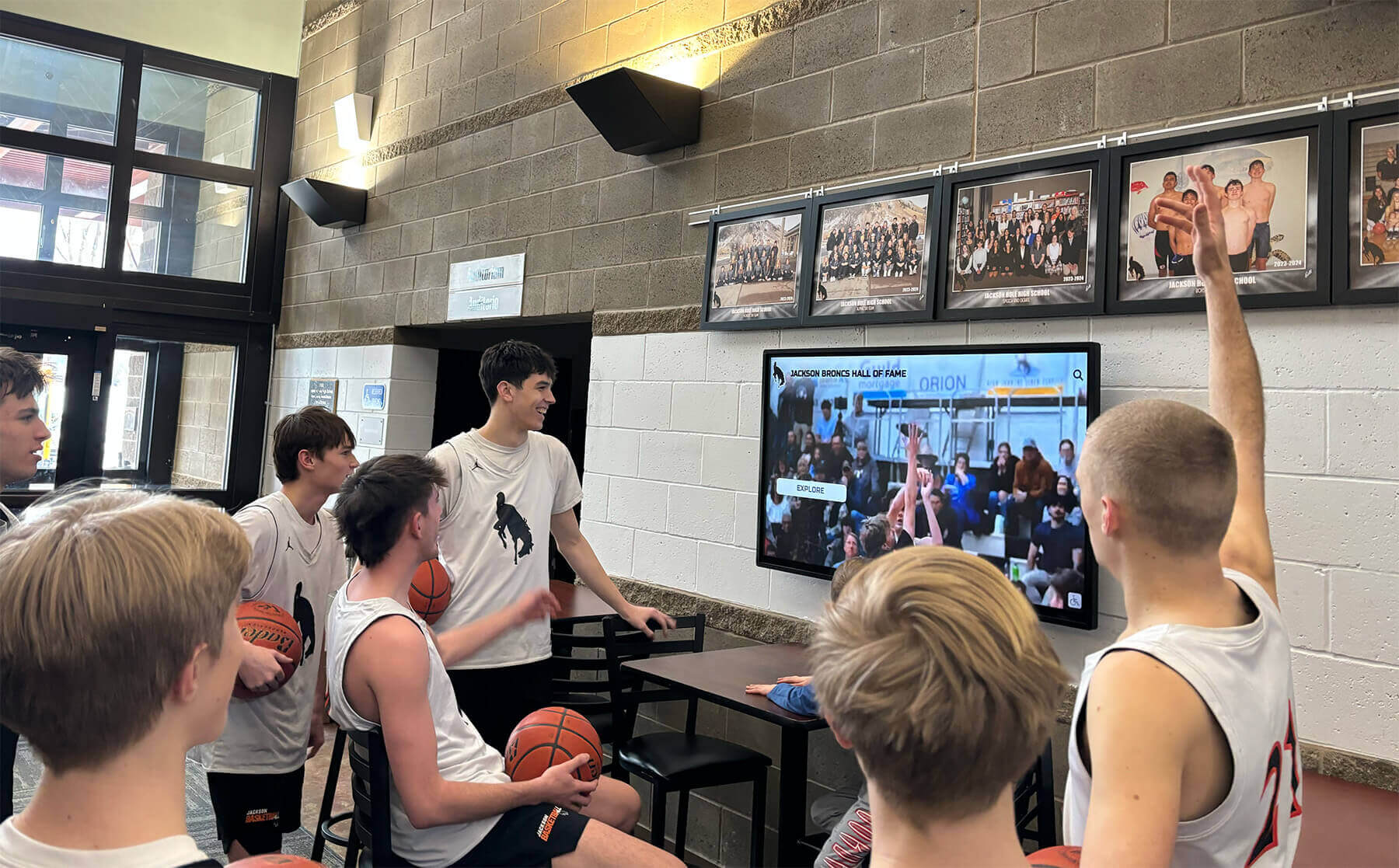
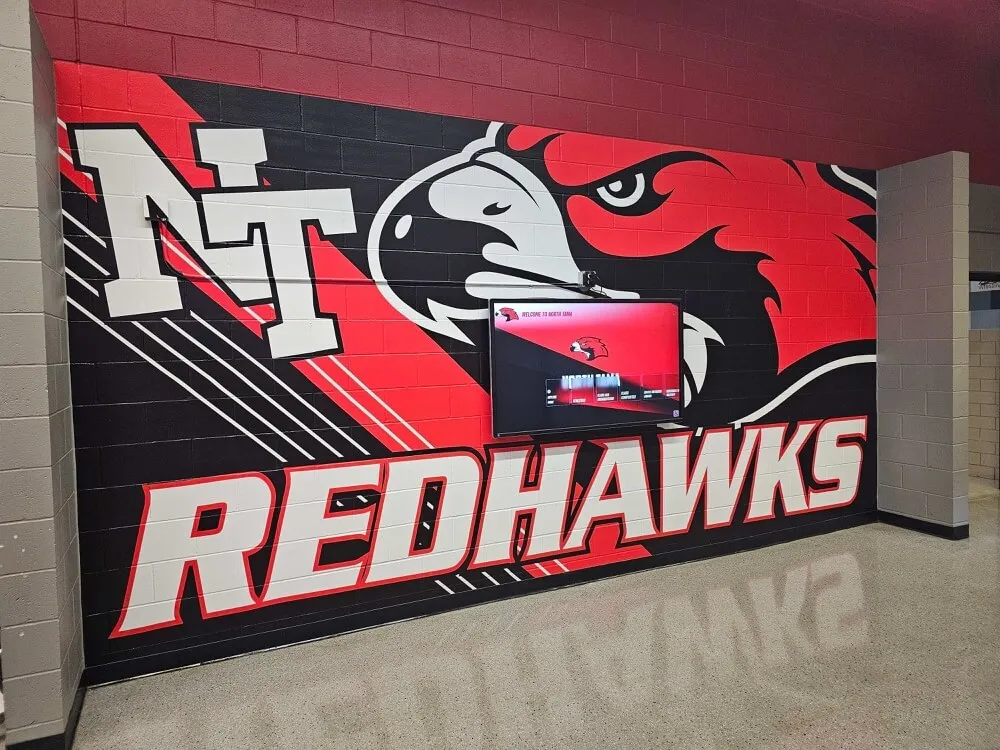
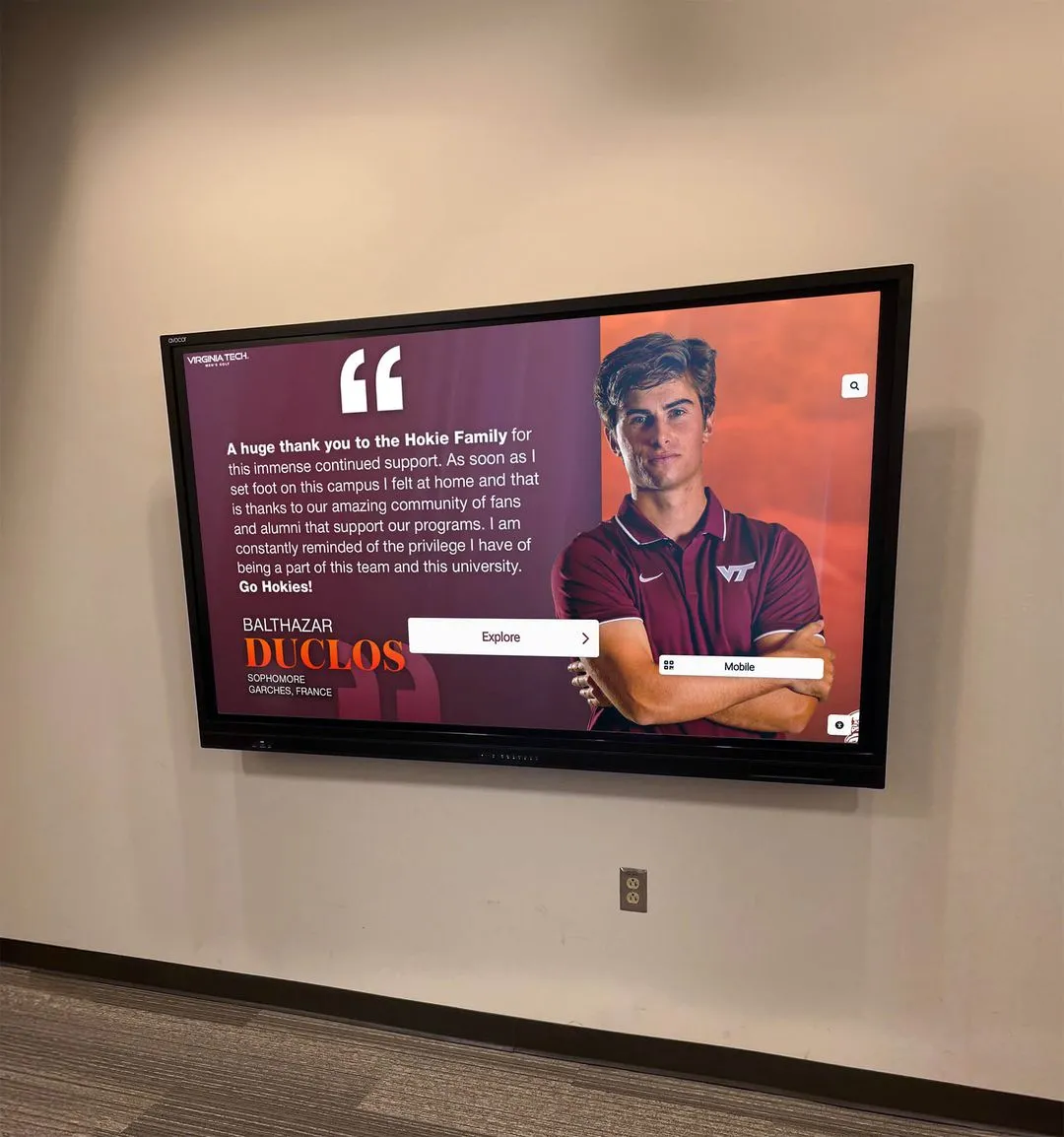
Dynamic lobby displays keep student achievement visible during the passing periods and activity windows when recognition has the highest peer impact
Building Your Award Calendar: When to Recognize What
With 30+ categories, a structured calendar prevents recognition from clustering exclusively around the school year’s end:
Fall semester:
- Fall sports seasonal awards (October–November)
- Quarterly honor roll recognition
- First semester attendance milestone acknowledgment
- CTE certification completions
Winter:
- Winter sports seasonal awards (February–March)
- Semester academic recognition
- Arts semester showcase recognition
- Club leadership mid-year recognition
Spring:
- Spring sports seasonal awards (May)
- Annual academic excellence ceremony
- Comprehensive character, leadership, and service recognition
- Senior class awards and legacy recognition
- Year-end CTE and extracurricular recognition
Summer:
- Digital display updates incorporating all year’s recognition
- Alumni recognition additions
- Archive updates and new inductee displays
A distributed calendar ensures students see recognition happening throughout the year, not only during a single May ceremony—which is critical for building the aspirational culture that comprehensive award programs are designed to create.
FAQ: Student Awards Ideas
What are the most impactful student award categories to add?
Most schools already have academic and athletic awards but underserve character, arts, CTE, and service recognition. Adding peer-nominated kindness awards, CTE achievement categories, and club leadership recognition typically reaches new student populations who had no prior pathway to formal recognition.
How many award categories is too many?
There’s no hard ceiling, but categories should be meaningful enough that each recipient feels genuinely distinguished. If every student in the school receives an award, the recognition loses motivational power. A good benchmark is that 20–40% of your student body receives some form of recognition annually—broad enough to motivate, selective enough to matter.
How can schools display student awards year-round without a large facilities budget?
Digital recognition platforms offer a cost-effective alternative to physical renovation. A single touchscreen display in a high-traffic location can showcase unlimited award categories indefinitely, replacing the need for new trophy cases or wall renovations each year as the program expands. Many schools see display costs offset by reduced trophy and plaque printing costs within 2–3 years.
Should student awards include peer-nominated categories?
Yes. Peer-nominated awards—particularly for kindness, inclusion, leadership, and sportsmanship—carry authenticity that staff-selected awards sometimes lack. When students choose who among their peers best embodies a value, the result feels earned by both giver and receiver.
How do you prevent the same students from winning awards every year?
Design award criteria specifically for it. Growth-based awards (most improved), peer-nominated categories, and narrowly defined subject or activity-specific awards naturally diversify recipients. Track first-time recipients annually and set a program goal that a defined percentage of awards each year go to students who haven’t been recognized before.
Conclusion: 30+ Categories, One Cohesive Recognition Culture
The strongest argument for expanding your student awards ideas beyond a handful of familiar categories isn’t that it’s fairer—it’s that it works. Broad recognition programs create more students with personal stakes in the institution’s culture of excellence. When more students have been honored, more students encourage their peers to pursue similar recognition. The aspirational effect compounds over years and across graduating classes.
The 30+ categories in this guide—spanning academic achievement, athletic excellence, character and service, arts and activities, CTE, and specialized interests—give schools the building blocks for recognition programs that reach students who would otherwise go unacknowledged. Pair that breadth with year-round display systems that keep every honored achievement visible, and you’ve created a recognition infrastructure worthy of the students it celebrates.
Showcase Every Award Category Year-Round
Discover how Rocket Alumni Solutions helps schools display 30+ recognition categories on interactive touchscreen systems that keep student achievement visible every day of the school year—not just at the annual ceremony.
Explore Recognition Solutions