

Unified sports recognition puts two questions in front of every school recognition coordinator: what do these athletes and partners actually earn, and how do we make sure every team member sees their contribution reflected on the wall?
Special Olympics Unified Sports—a program that places people with and without intellectual disabilities on the same roster for shared training and competition—has grown into a genuine interscholastic program at many schools. That growth creates real administrative work: confirming which awards participants are eligible for, collecting accurate names and roles, designing a ceremony that feels like a genuine athletic celebration, and deciding what the permanent record looks like ten years from now. This guide walks through each of those decisions with concrete suggestions, a sample planning table, and a clear look at where national recognition standards end and local team celebration begins.
Unified Sports teams practice together, compete together, and share the hard stretches of a season like any other squad. The recognition programs built around them should feel the same way—grounded in actual achievement, organized with the same care given to other varsity sports, and visible in the same hallways where championship banners hang.
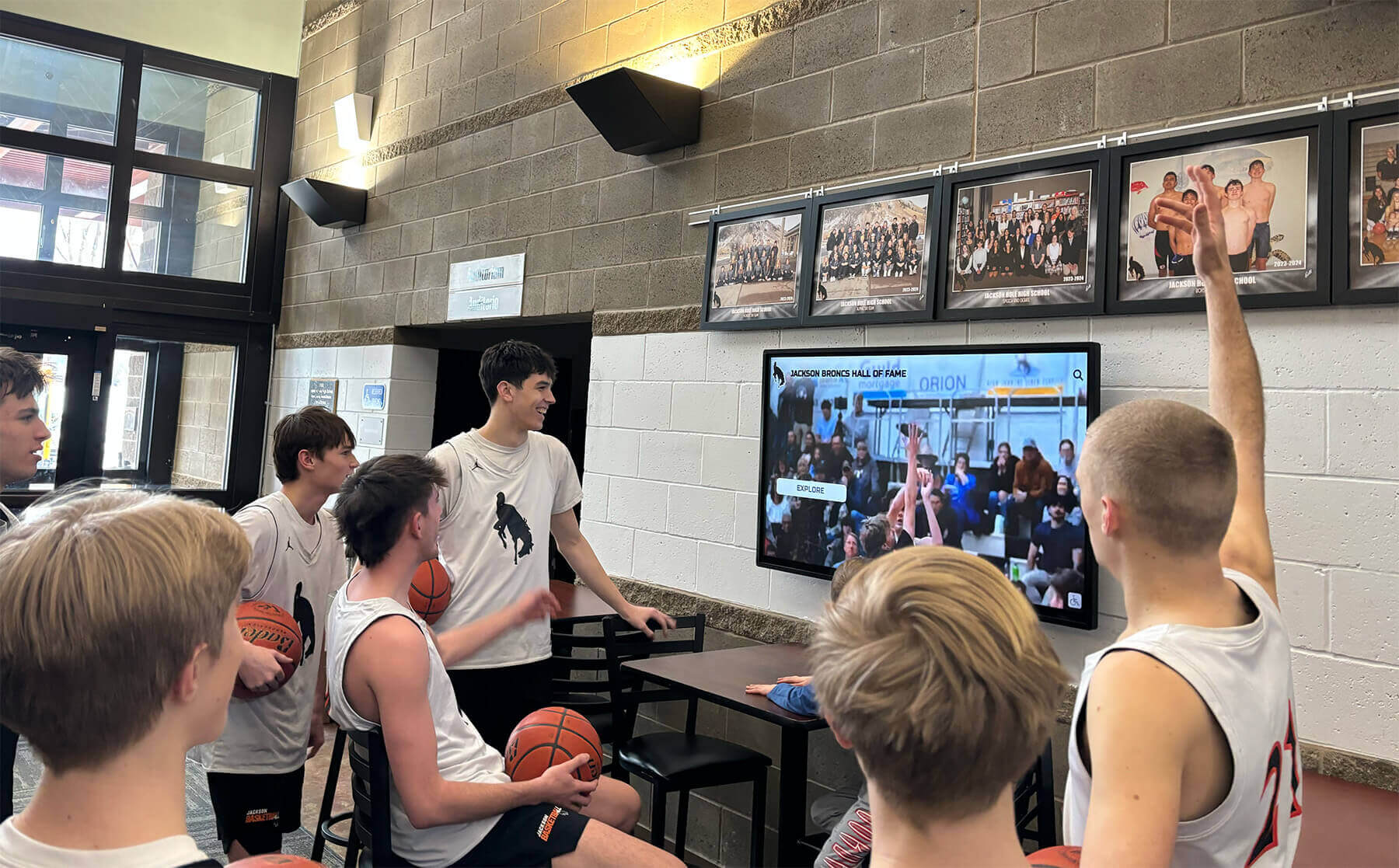
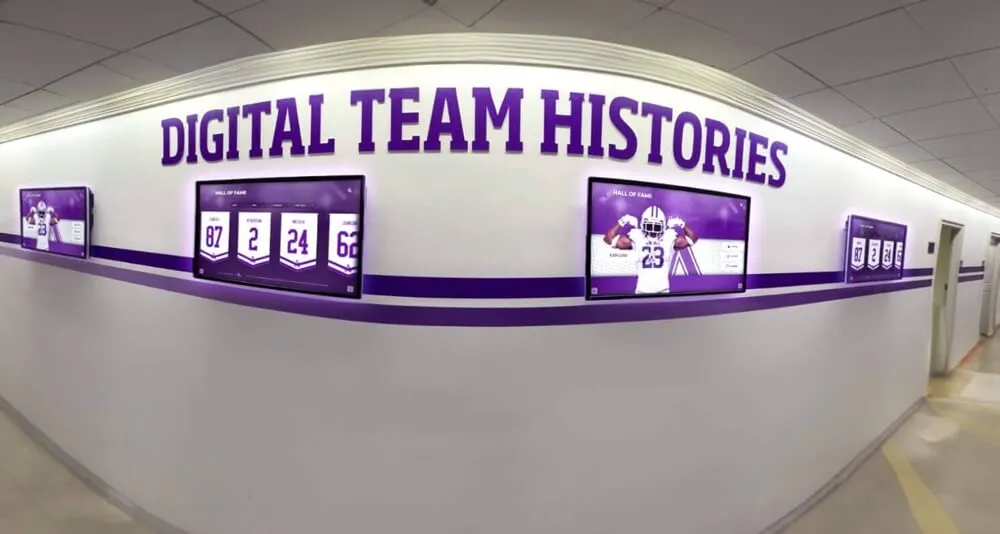
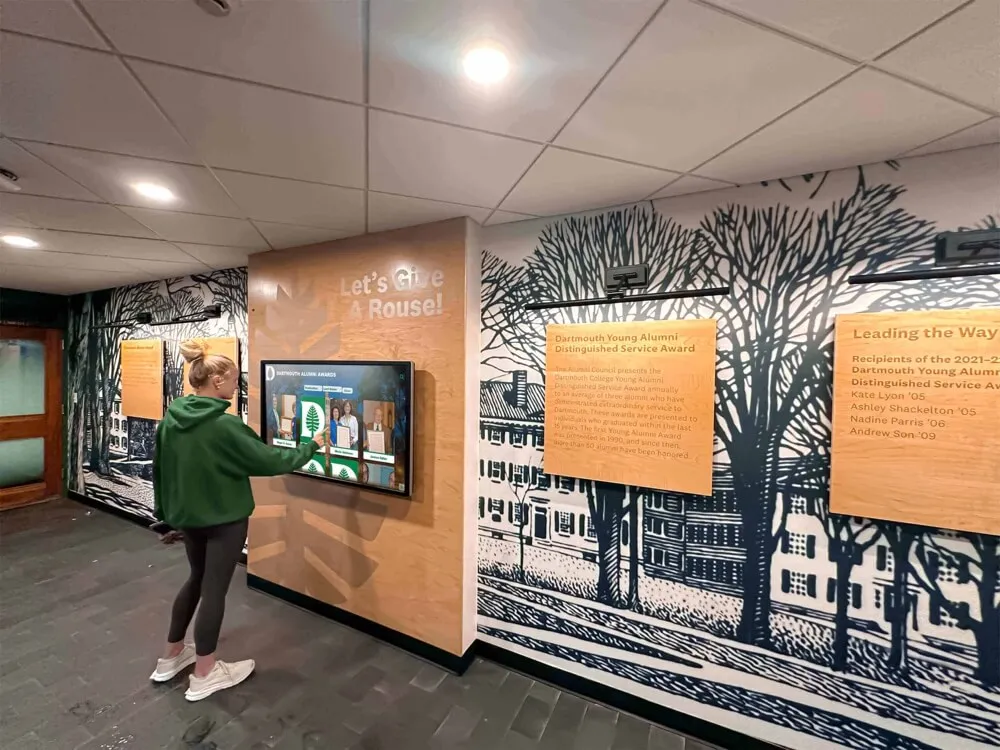
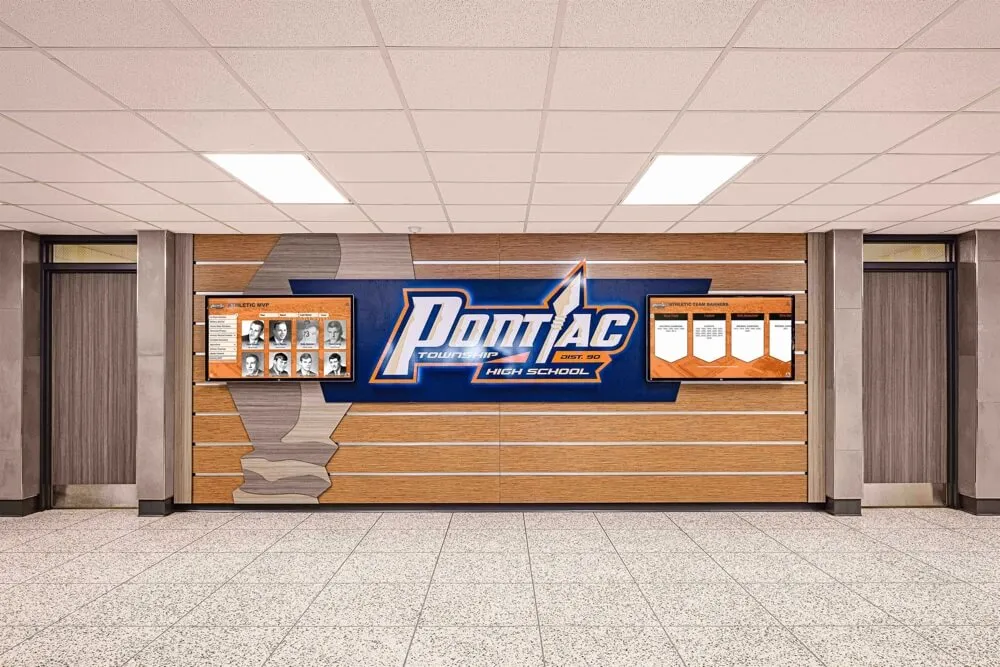
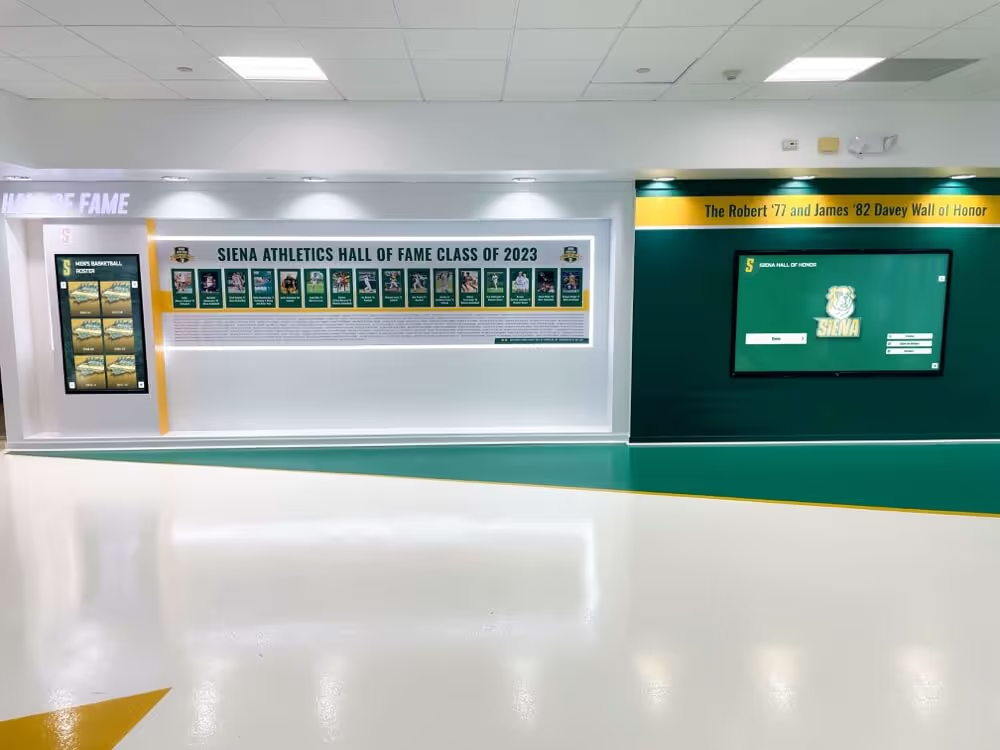
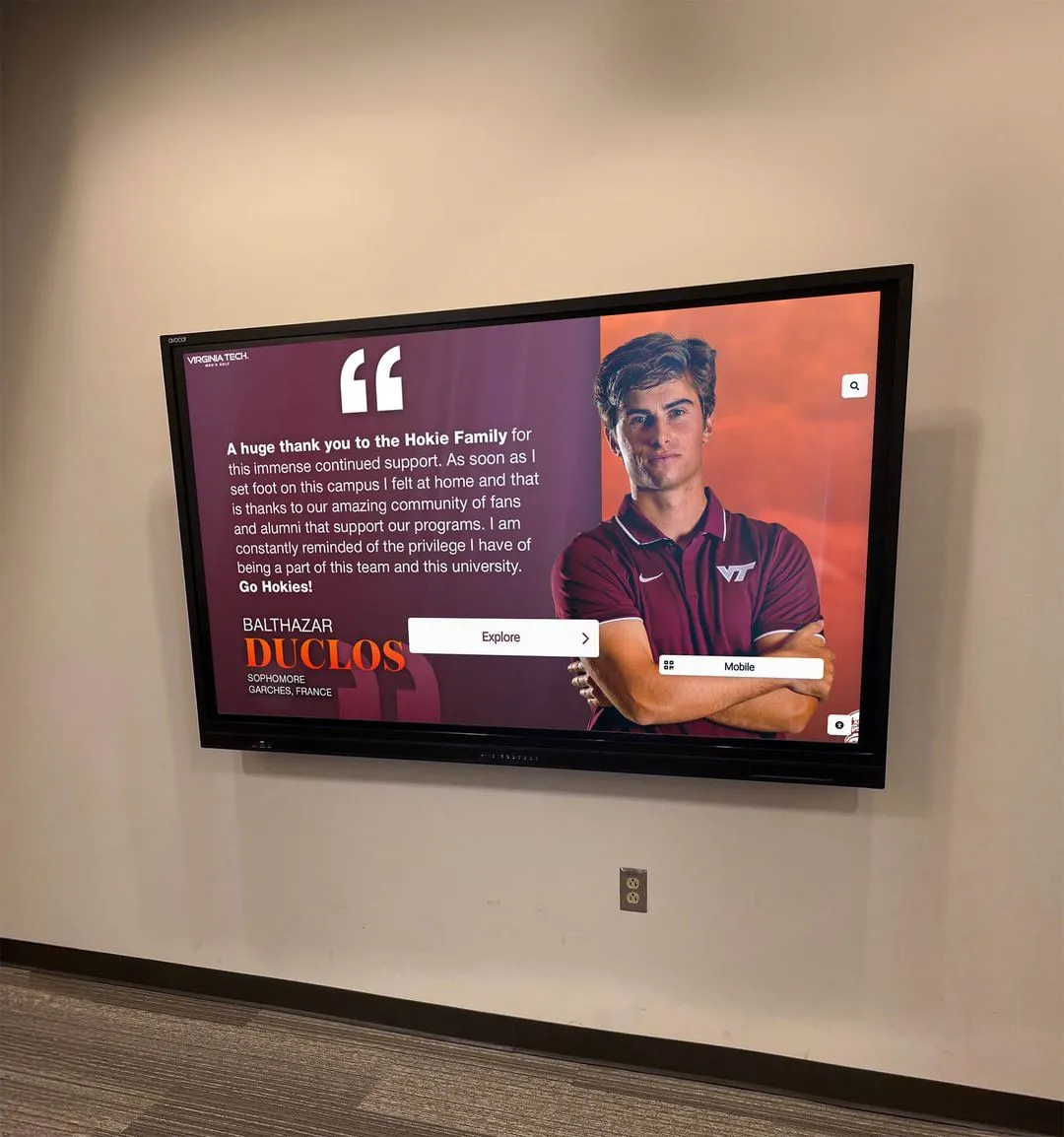
Making team achievements visible in shared spaces year-round reinforces that every program's work is worth celebrating
What Unified Sports Actually Is
Before planning recognition, every coordinator needs a precise answer to one question: who is on this team and what role does each person play?
Special Olympics Unified Sports brings people with and without intellectual disabilities together on the same team for shared training and competition. Participants with intellectual disabilities are called athletes. Participants without intellectual disabilities are called Unified Partners—they are full teammates, not helpers or aides. Teams are composed of players of similar age and comparable athletic ability so that practices are purposeful and competition is equitable.
That distinction matters directly for recognition planning. An athlete and a Unified Partner who both completed a full season, attended required practices, and participated in interscholastic competition have both done the work. Award documentation and ceremony programs should reflect their actual contributions without attaching labels about disability status to either person’s entry.
Can Unified Sports Participants Earn Varsity Letters?
This is the question athletic directors hear most often, and the honest answer is: it depends entirely on your state association and your school’s written lettering policy.
In Arizona, the AIA Unified Sports program operates as a formal interscholastic track through the Arizona Interscholastic Association (AIA), a partnership that began in 2011. According to Special Olympics Arizona’s Unified Champion Schools program, students who participate in AIA Unified Sports are explicitly eligible to earn JV and varsity letters for participation in high school athletics—the same athletic letters awarded in any standard high school sport. That eligibility is specific to the AIA interscholastic track; it does not automatically extend to Unified PE programs, area recreational programs, or Special Olympics activities outside the interscholastic structure.
Other states vary considerably. Some have adopted similar interscholastic frameworks; others are still developing their approach. No national standard automatically grants varsity-letter eligibility to every Unified Sports participant in every program type.
The practical step: Before communicating anything about letters to athletes, partners, or families, request the written lettering criteria from your athletic director or state association. The criteria should specify which program track qualifies, what participation thresholds apply (practices attended, seasons completed, competitions entered), and who holds signature authority for letter approval. A written policy protects families from disappointment and protects staff from disputes later.
For broader context on how high school letter programs work—criteria, traditions, and recognition practices—the overview at touchhalloffame.us covers varsity-letter requirements and recognition traditions across the general landscape that coaches and athletic directors have navigated for years.
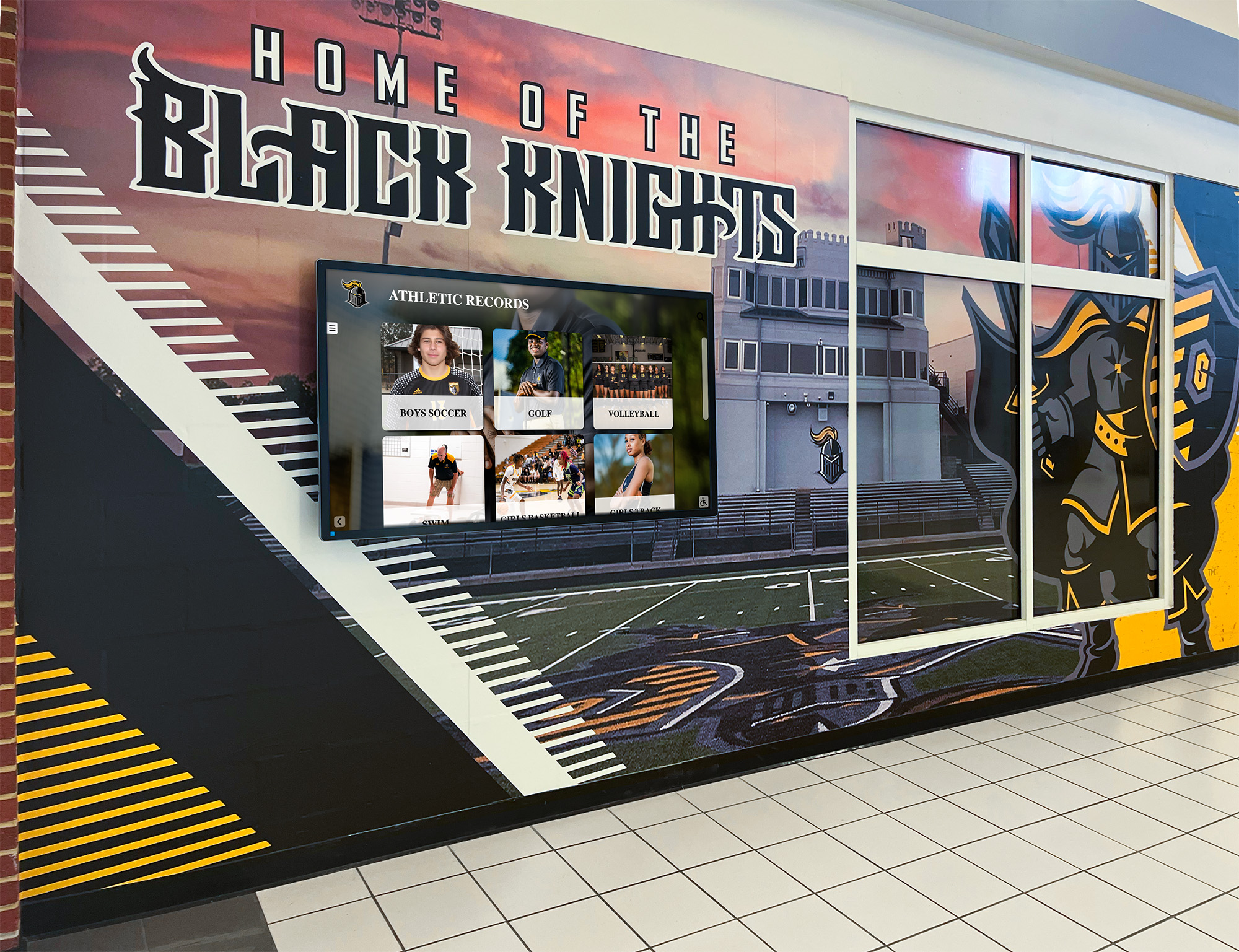
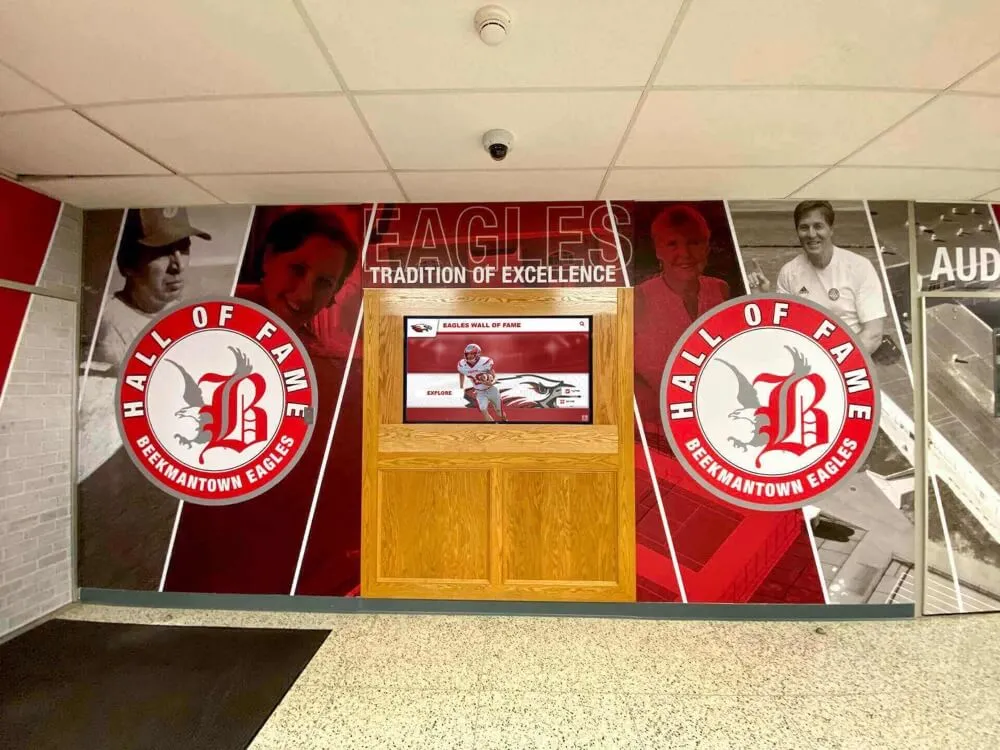
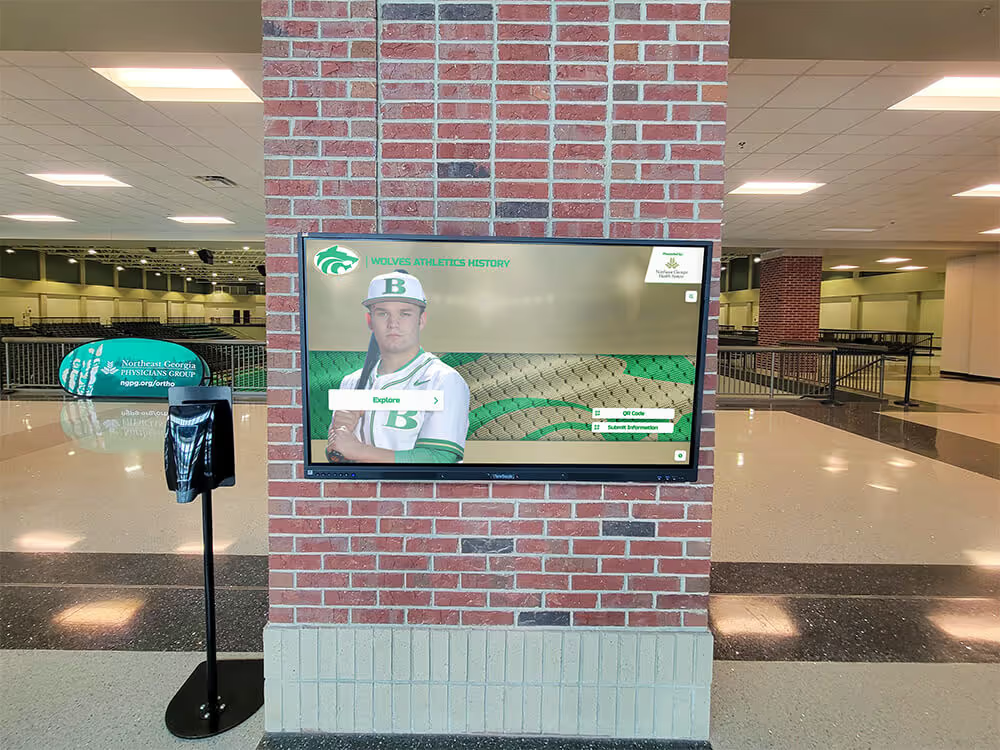
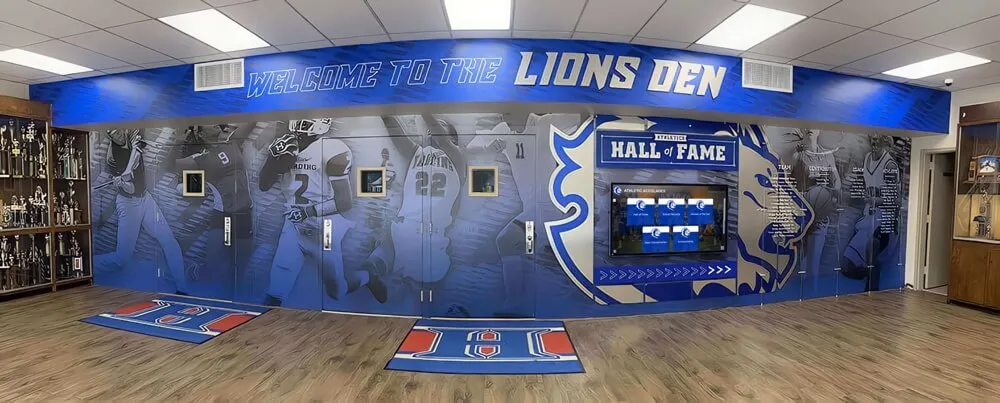
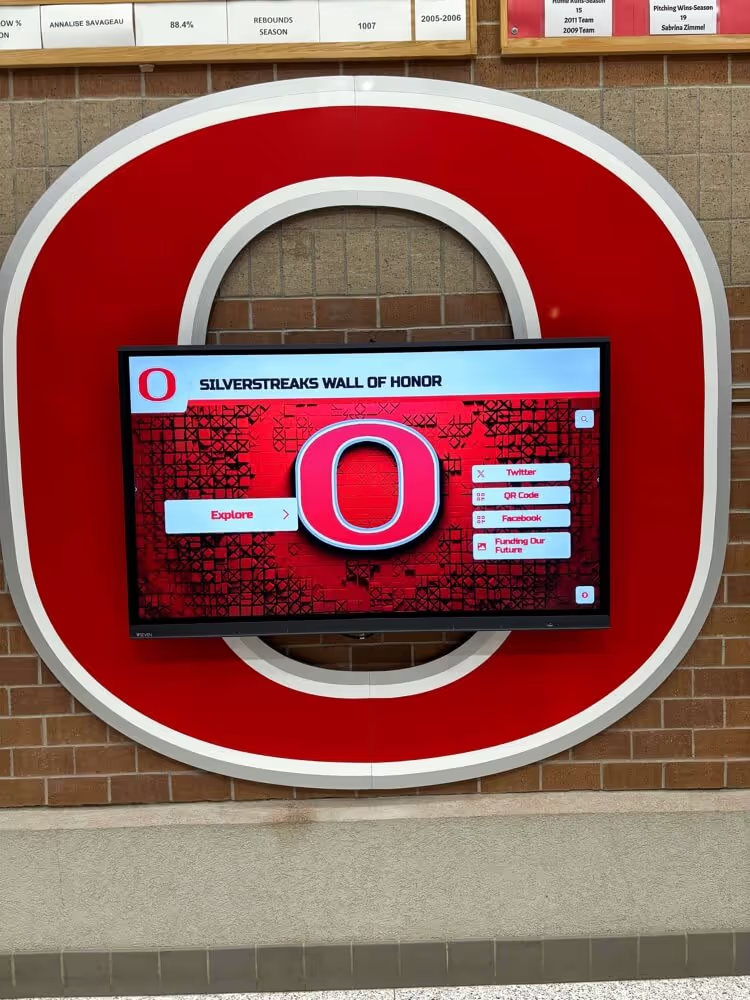
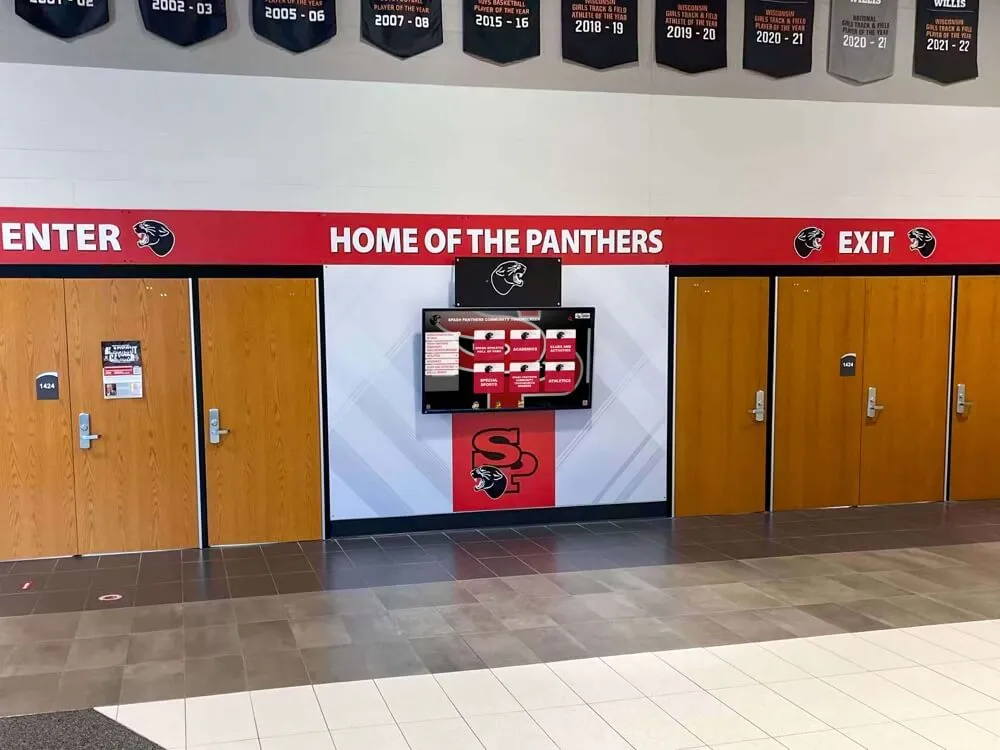
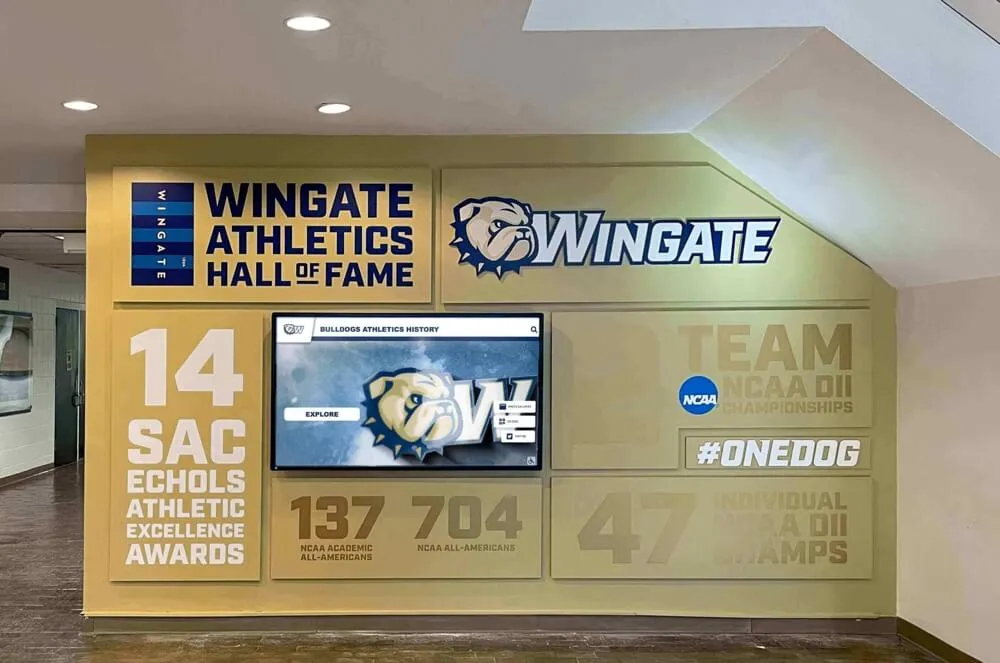
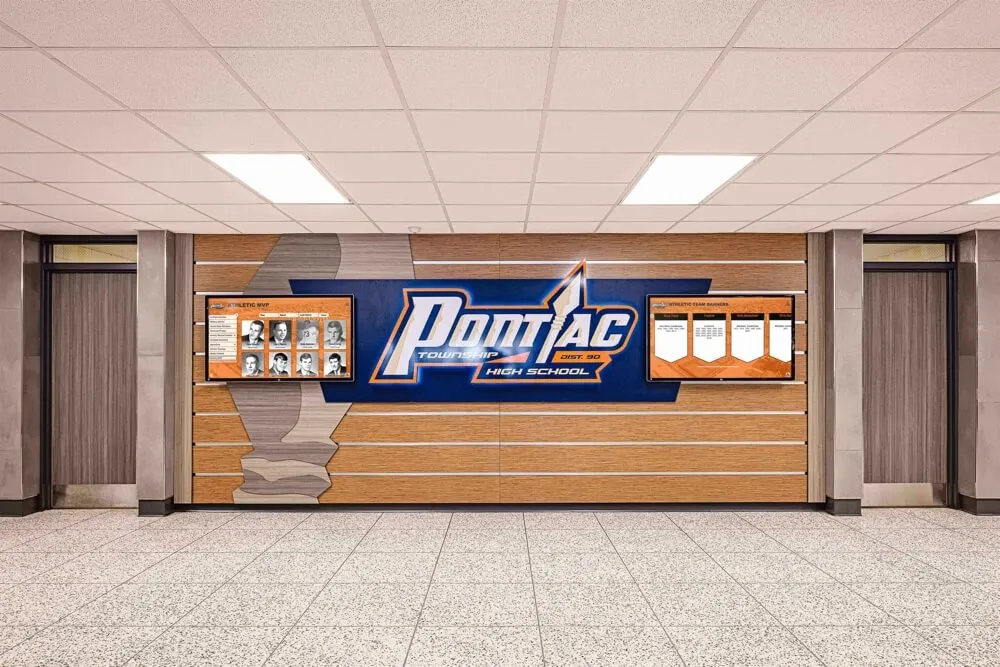
Recognition infrastructure built for all programs—traditional and digital—creates space for every team's history in the same building
What Belongs in a Permanent Recognition Record
Once eligibility is confirmed, the question shifts to documentation. What information gets recorded, and what stays off the permanent display?
A well-designed recognition record celebrates the sport, not the disability. The following categories are appropriate for any athletic honor record:
- Full preferred name — confirm with the student and family, not just the legal name on file
- Sport and program track — for example, “AIA Unified Track and Field, Varsity”
- Role — Athlete or Unified Partner
- Season year(s) — all eligible seasons completed
- Award(s) earned — JV Letter, Varsity Letter, or program-specific honors
- Additional season recognition — team captain designation, end-of-season awards
What does not belong in the permanent display: disability classification, IEP status, Special Olympics athlete registration status, or any medical information. These are private and irrelevant to the athletic achievement being honored. Staff should treat Unified Sports records with the same care and the same retention schedule applied to all athletic records.
Athlete and Partner Voice in Recognition
Good recognition programs ask athletes and partners what they want before deciding for them. Some practical questions worth building into your planning process:
- How would you like your name to appear in the ceremony program and on the display?
- Are there any photos you would or would not like used?
- Is there anything about your season you’d like highlighted?
These questions apply to every athlete, not just Unified Sports participants. The habit of confirming preferred names and inviting input removes a large source of recognition errors and shows every team member that the school treats their honoring with care. Families who feel consulted are far more likely to attend ceremonies and engage with permanent displays.
Building an Inclusive Awards Ceremony
Unified Sports participants belong in the same ceremony as other letter-winners—not in a separate event, not in a five-minute segment at the end of a longer program, but integrated into the flow of awards night as any other team would be.
Some practical decisions that signal equal standing:
Use the same presenter for all teams. An athletic director who presents varsity letters to the soccer team, the swim team, and the Unified Sports team in the same format is making a visible statement about program parity.
Seat teams together. If letter recipients are seated with their programs, Unified Sports participants should sit with their team in the same arrangement used for every other squad—not in a designated section.
Rehearse every name. Coaches or emcees announcing Unified Sports awards should practice pronunciation of every name on the list—the same care expected for any team’s full roster.
Give the season its moment. A brief team photo, a season highlight reel, or a coach’s remarks about the year are recognitions that work for every sport. Unified Sports teams that trained through a full season have a season story worth telling, and the ceremony is the right place to tell it.
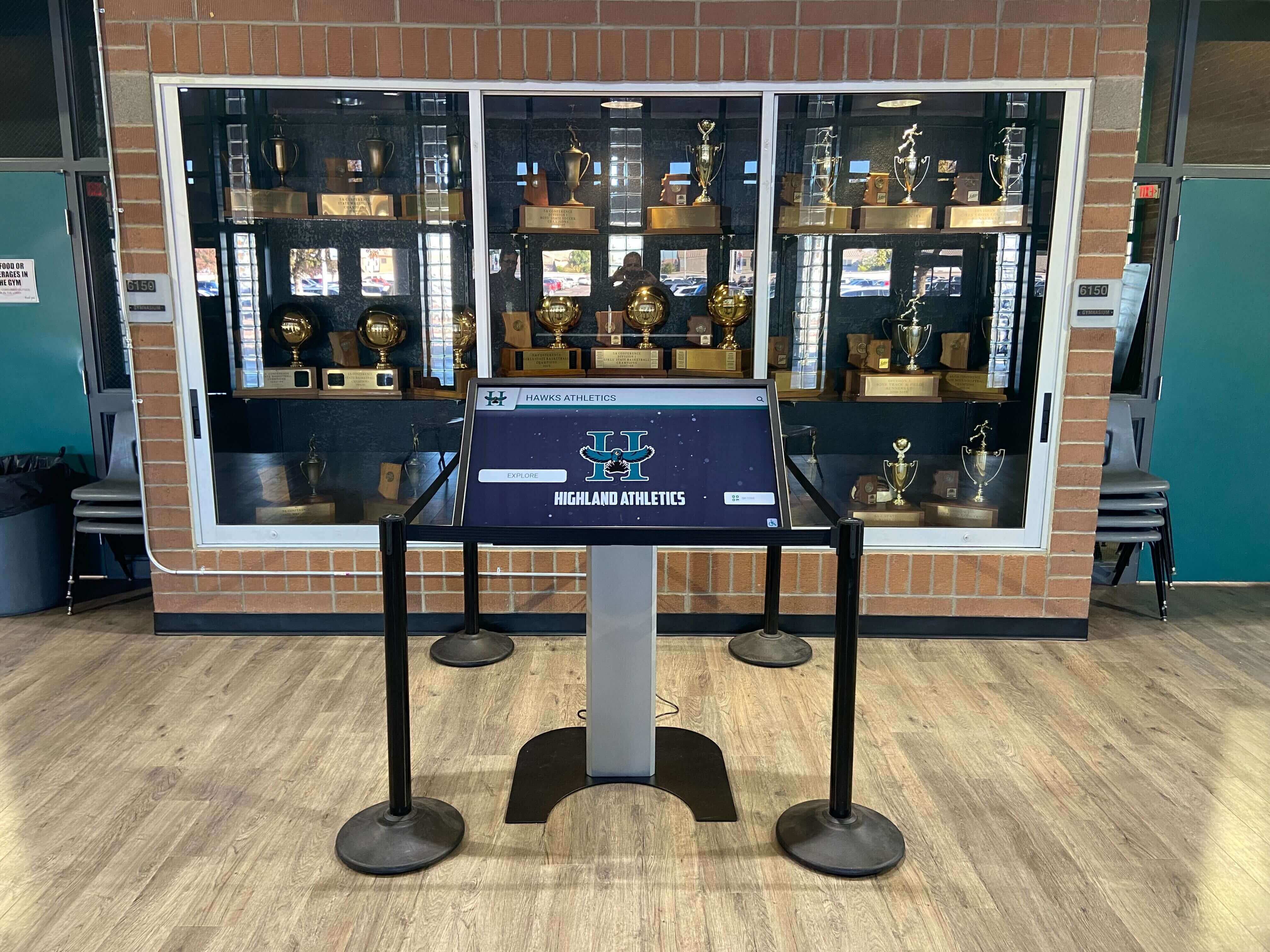
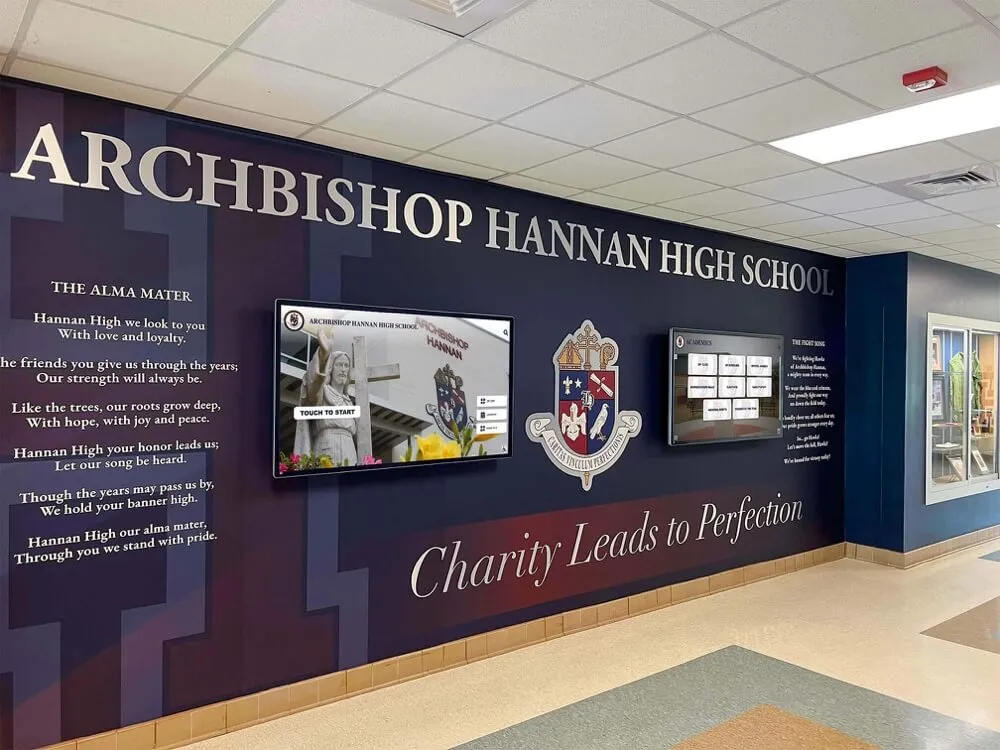
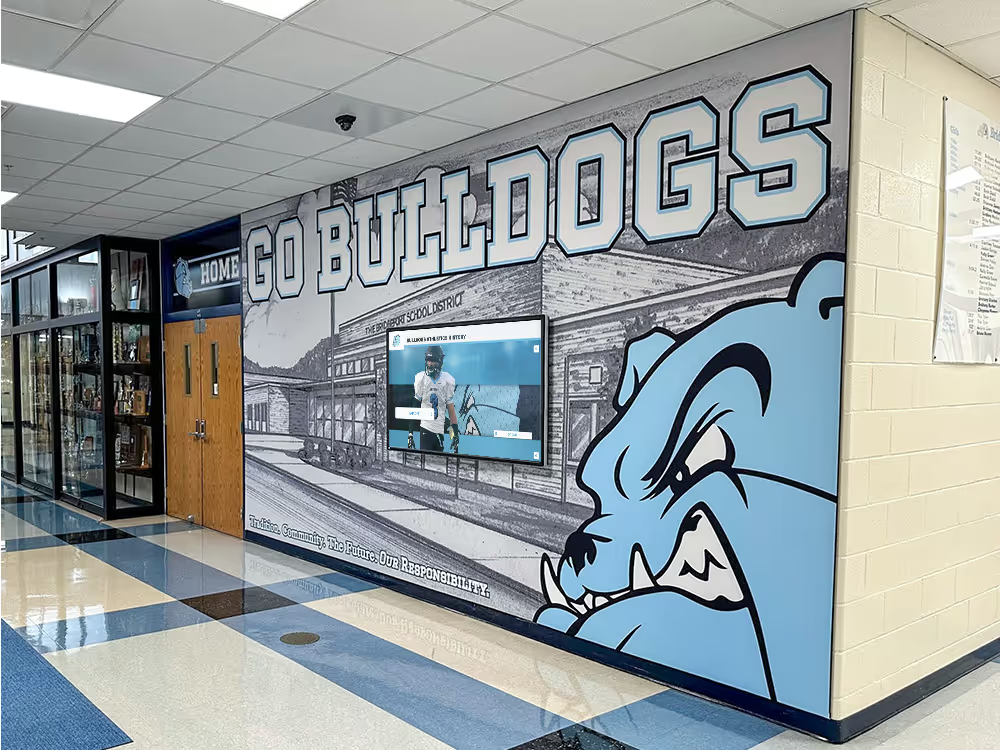
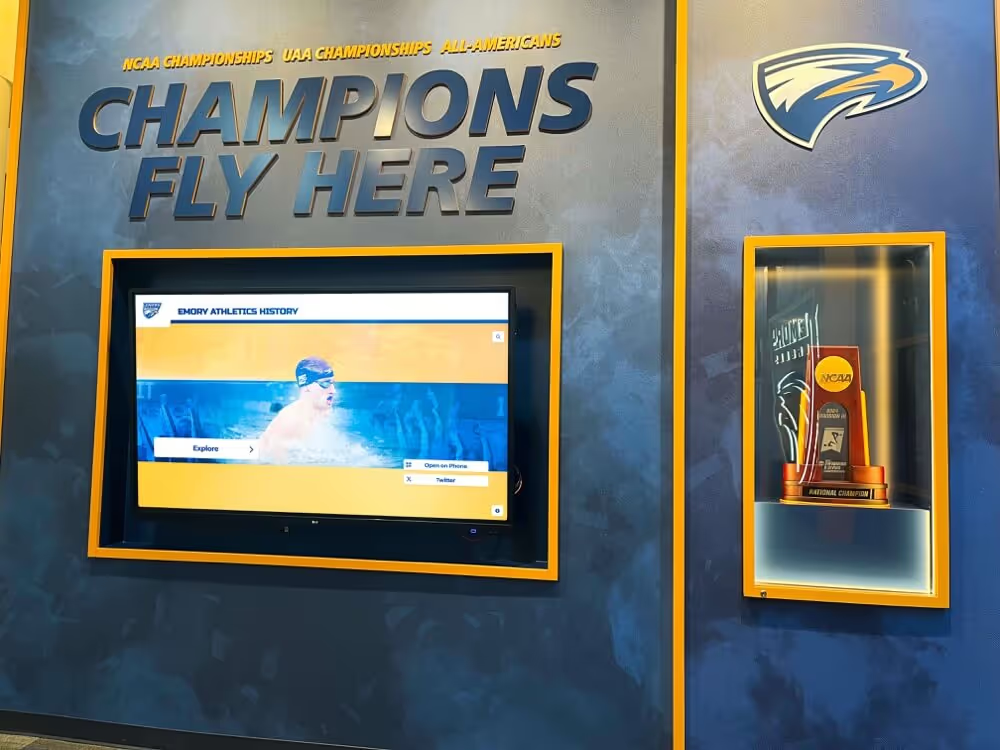
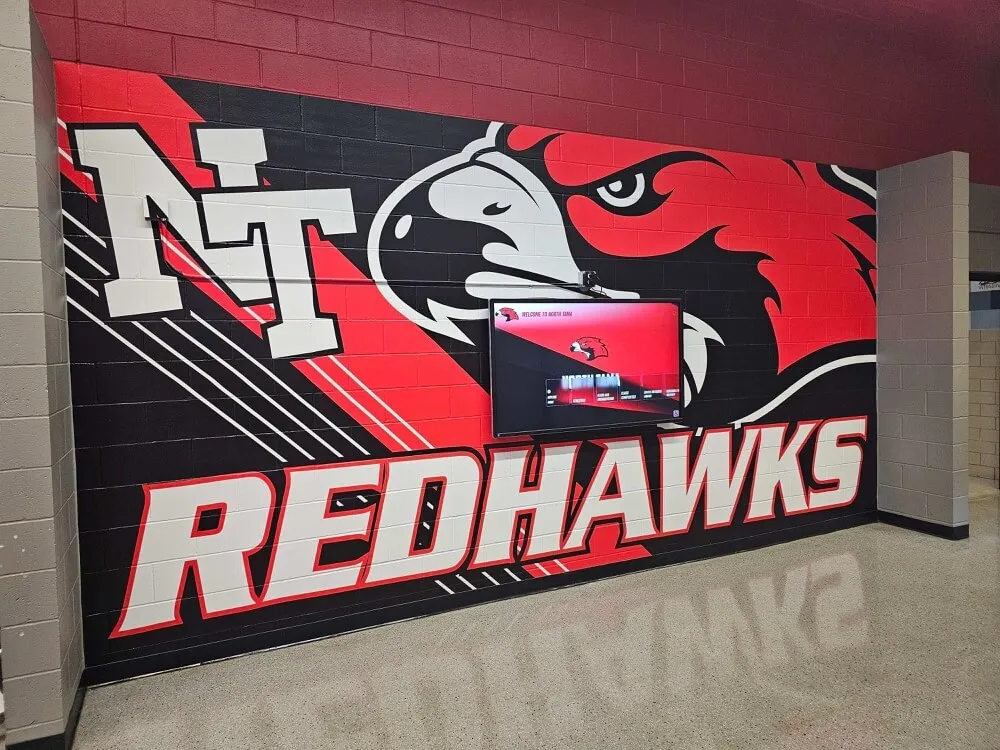
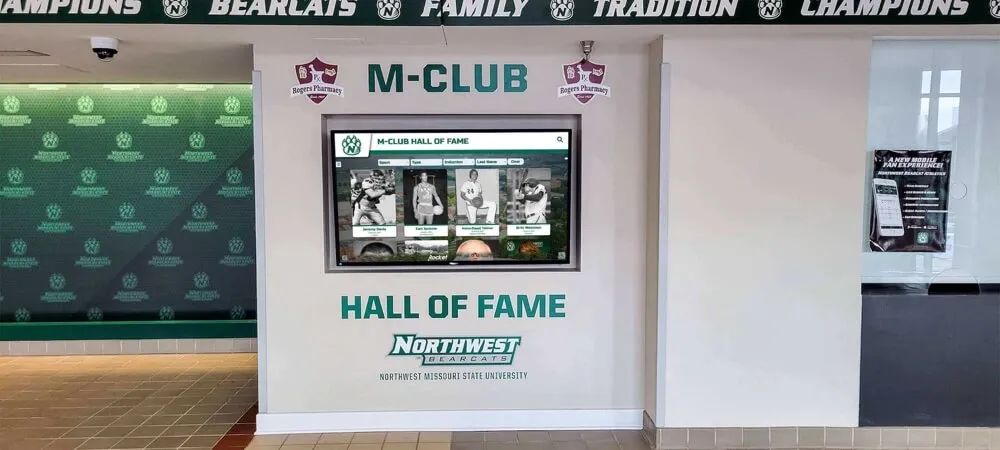
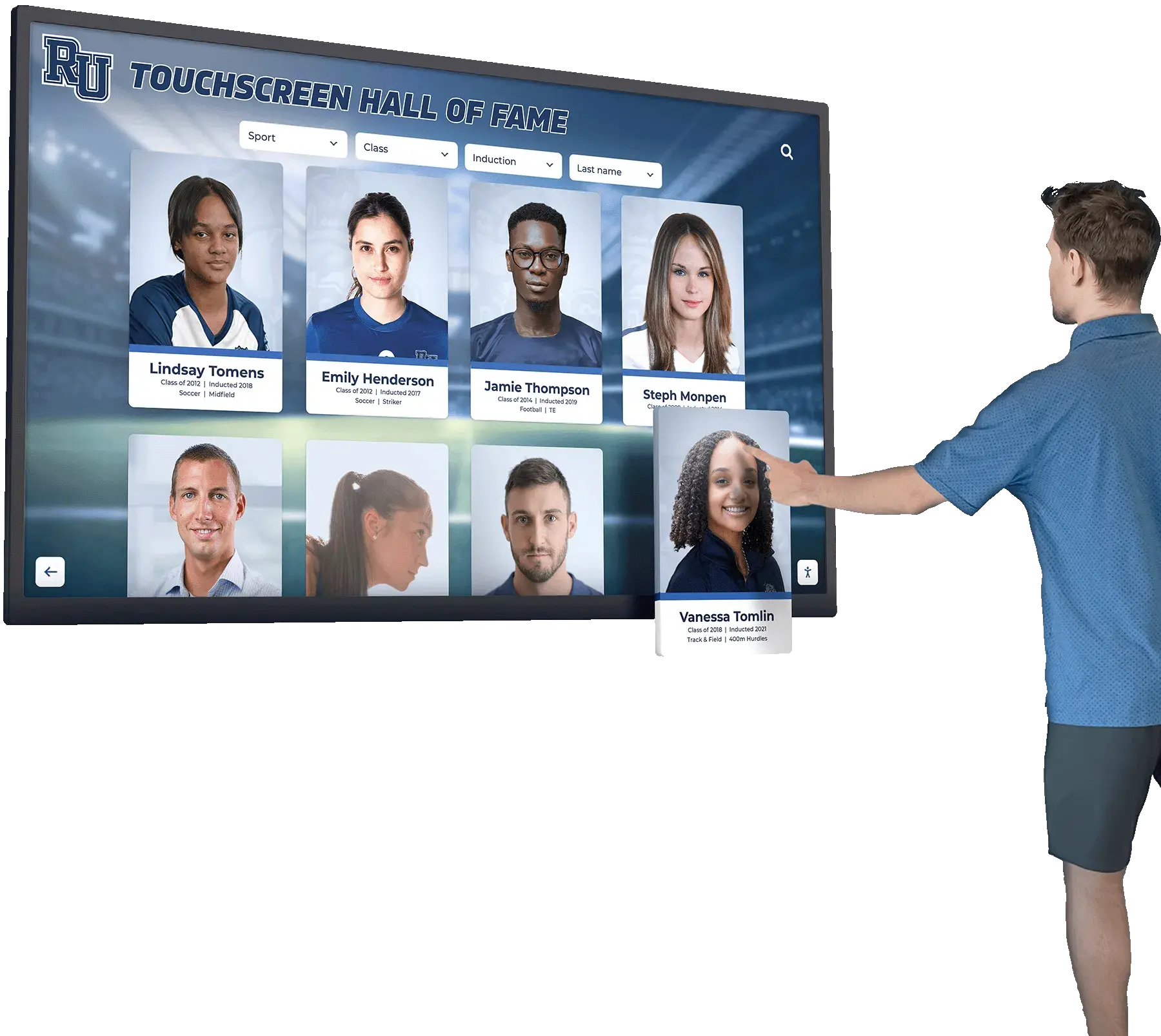
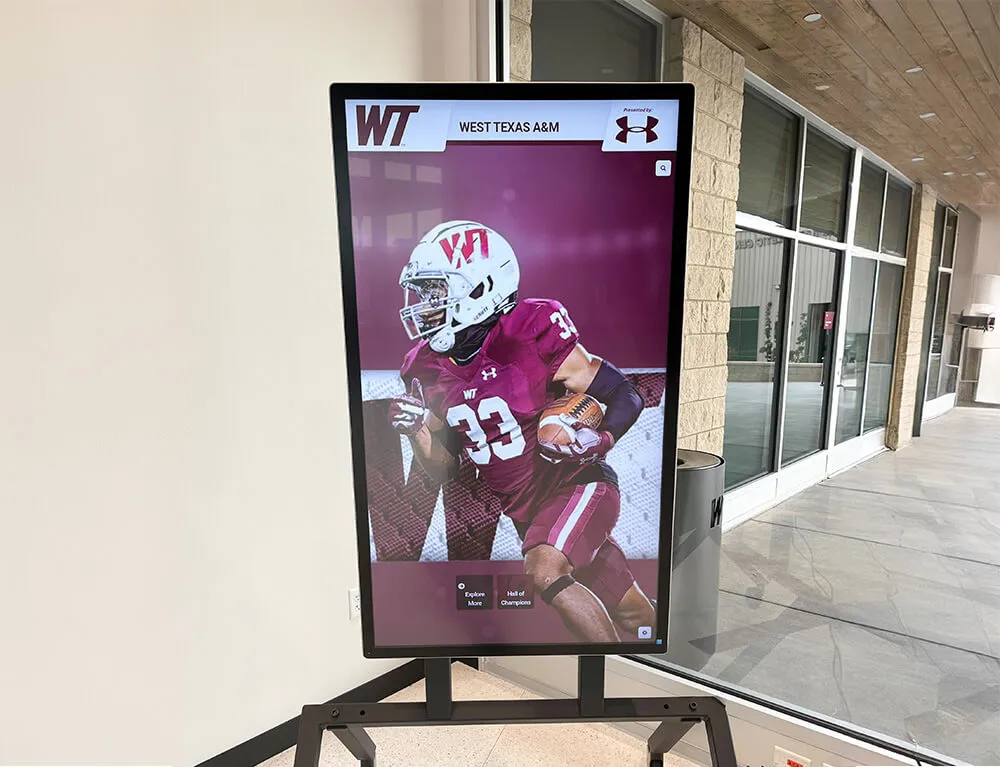
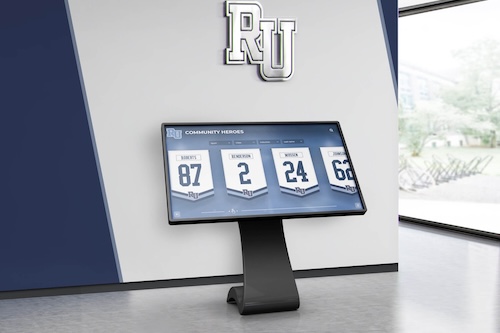
A touchscreen kiosk alongside a traditional trophy case makes team recognition accessible year-round, not only on ceremony night
Recognizing Student Organizers and School-Community Contributors
Many Unified Sports programs also involve student organizers who coordinate schedules, facilitate inclusive leadership activities, and support whole-school engagement beyond competition. These contributors deserve acknowledgment proportionate to their actual contributions.
Recognition for these students looks different from a varsity letter. An appropriate acknowledgment might include a program note at the awards ceremony, a mention in school publications, or inclusion in an appreciation event for student contributors. The practical planning guide on inclusive school appreciation-event logistics at digital-trophy-case.com covers how to design celebration formats that reflect genuine contribution without over-formalizing what are often organic leadership roles—a useful reference when planning events that include organizers alongside athlete honorees.
One important distinction: if a student’s primary contribution was organizing rather than competing, framing their recognition as athletic participation would create the same record problem it would for any other sport. Keep each recognition accurate to the actual contribution. Student organizers and student athletes both deserve recognition; conflating the two serves neither group well.
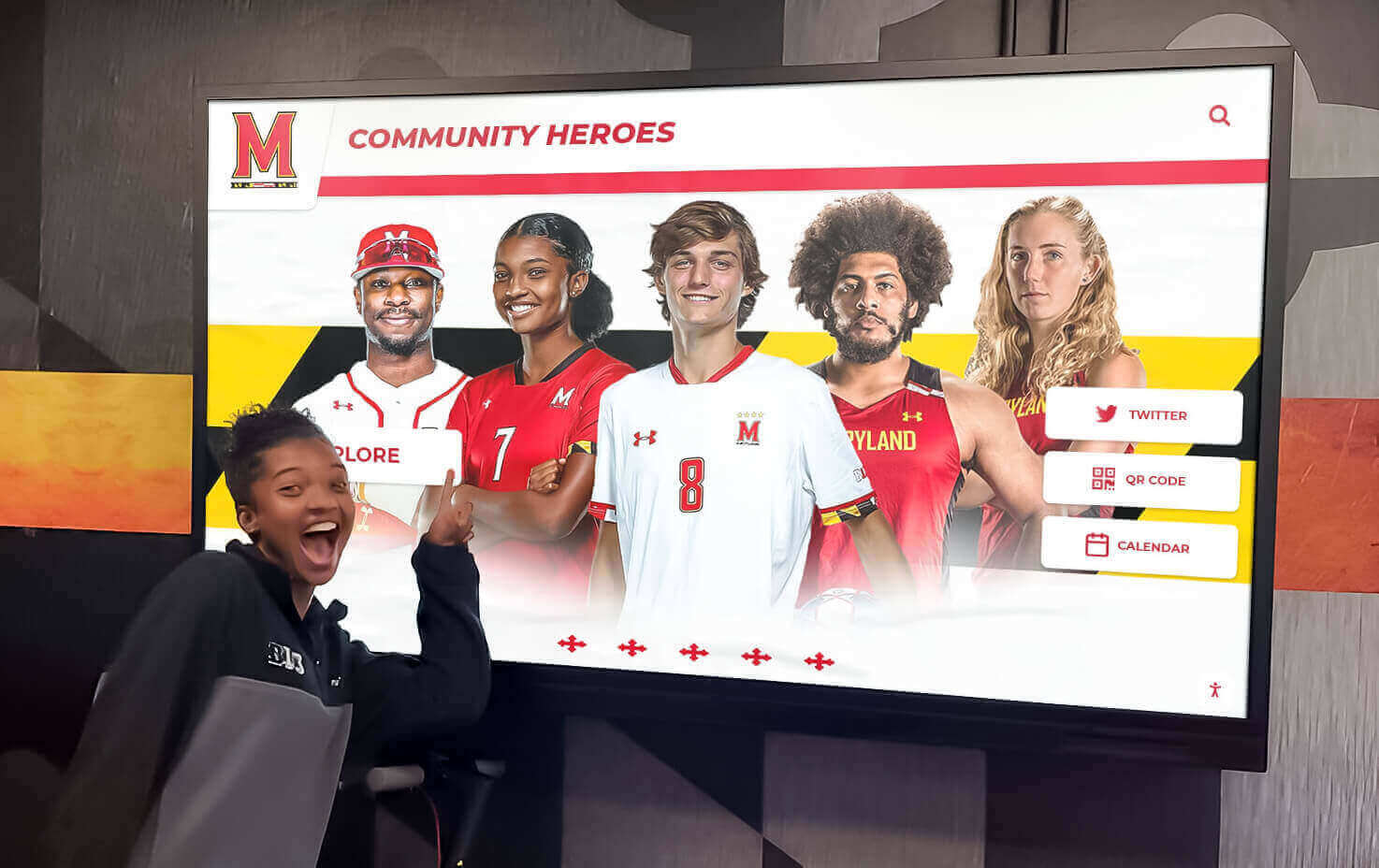
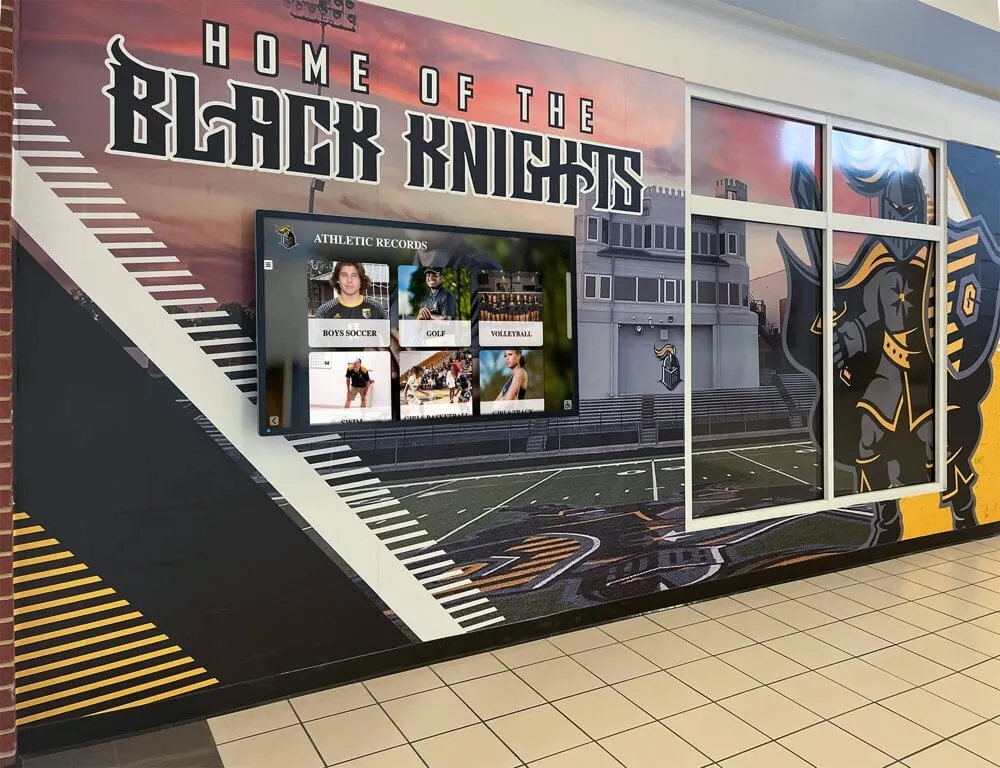
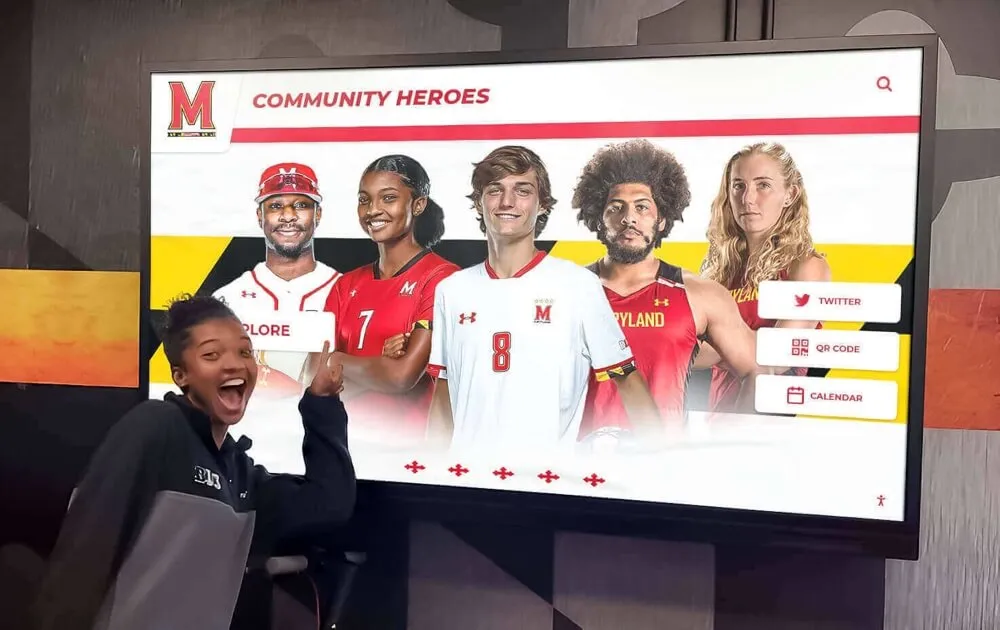
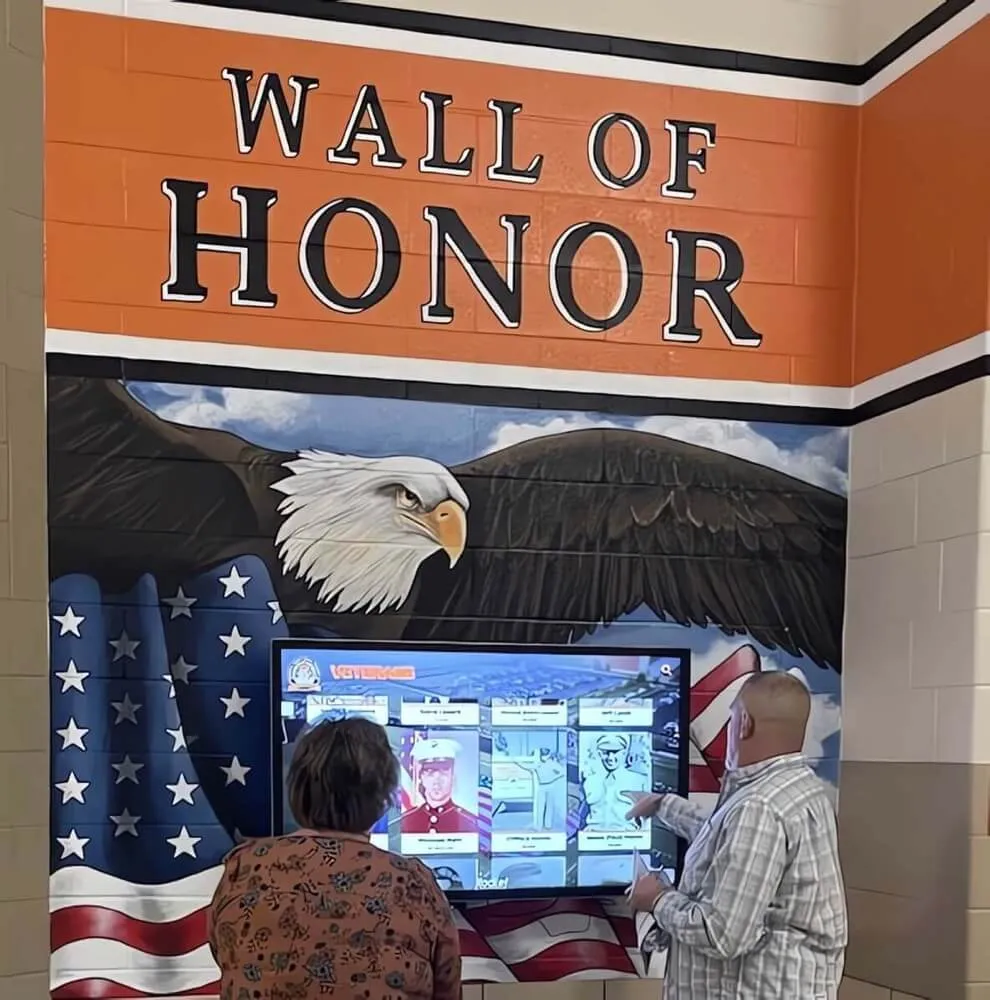
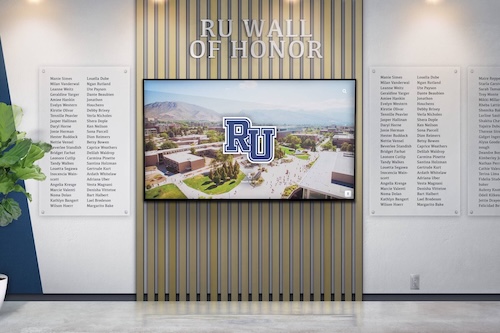
Community-focused recognition displays can highlight both competitive athletes and student contributors without conflating the two roles
A Sample Planning Table for Recognition Coordinators
The following blank template is a suggested starting point—not a built-in form from any association or platform. Adapt it to fit your school’s specific policies and approval requirements.
| Field | Notes |
|---|---|
| Student preferred name | Confirm with student and family before any publication |
| Role | Athlete / Unified Partner |
| Sport and program track | Specify AIA interscholastic, area, PE, or other |
| Season year(s) | Include all eligible completed seasons |
| Awards pending confirmation | Letter type pending AD written approval |
| Verified by (AD signature) | Required before ceremony announcement |
| Display inclusion approved | Yes / No / Pending |
| Additional season recognition | Captain designation, banquet awards, etc. |
| Record reviewed with student | Date and communication method |
Run a draft of every entry past your athletic director—and, where school policy requires, a special education coordinator—before publishing any names in ceremony programs, display plaques, or digital profiles.
Digital Recognition as a Complement to Letters and Ceremony
Schools that invest in touchscreen recognition displays can extend Unified Sports team histories beyond the trophy case and the awards ceremony. A permanent digital record can show season rosters, award histories by year, and team photos (with appropriate consent) that stay accessible as new classes complete their seasons.
Rocket Alumni Solutions provides school touchscreen recognition systems that allow athletic departments to build and manage these records in a central platform, viewable on lobby displays or through mobile-accessible QR codes. Unified Sports team records can sit alongside every other athletic history in the same system—no separate category required, no separate section needed.
Digital storytelling in this context works as a complement to letters and ceremony, not a substitute for them. A display built before letters are formally granted isn’t a shortcut to recognition—it’s a premature record. Build the ceremony and the official documentation first, then add the permanent display so that what visitors see on the screen matches what the athletic department has officially documented.
How National Banner Recognition Differs from School-Level Awards
Some schools that run Unified Sports programs pursue Special Olympics Unified Champion Schools National Banner recognition. It is worth being precise about what that involves, because earning a varsity letter and earning a National Banner are entirely separate things with different criteria, different applicants, and different processes.
The National Banner Recognition Program is awarded to schools that demonstrate sustained excellence across three program areas: Unified Sports, Inclusive Youth Leadership, and Whole-School Engagement. Schools must meet 10 standards of excellence across all three areas and demonstrate that the program is self-sustainable or has a credible sustainability plan. Applications are reviewed first by state program staff, then by a national certifying body. Schools must reapply on a multi-year cycle to maintain banner status.
Earning a varsity letter through a school’s standard athletic program is an individual honor granted by the school through its athletic department process—a meaningful, school-conferred athletic credential. National Banner status, by contrast, is an institution-level recognition reflecting a school’s overall program infrastructure, community engagement strategy, and leadership development across all three Unified Champion Schools components. They are not steps on the same ladder.
Schools interested in National Banner recognition should contact their state Special Olympics program for current application timelines and standards. The national program operates on its own cycle and is not tied to the school year’s letter-award process.
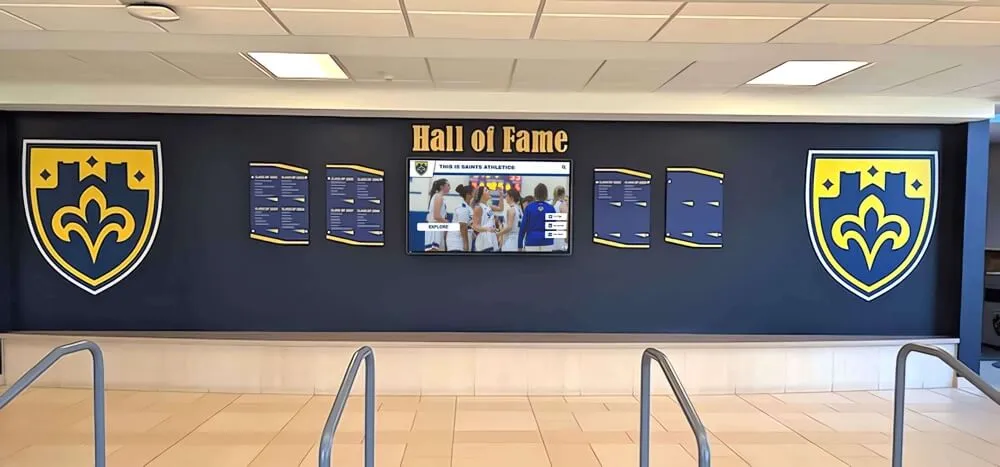
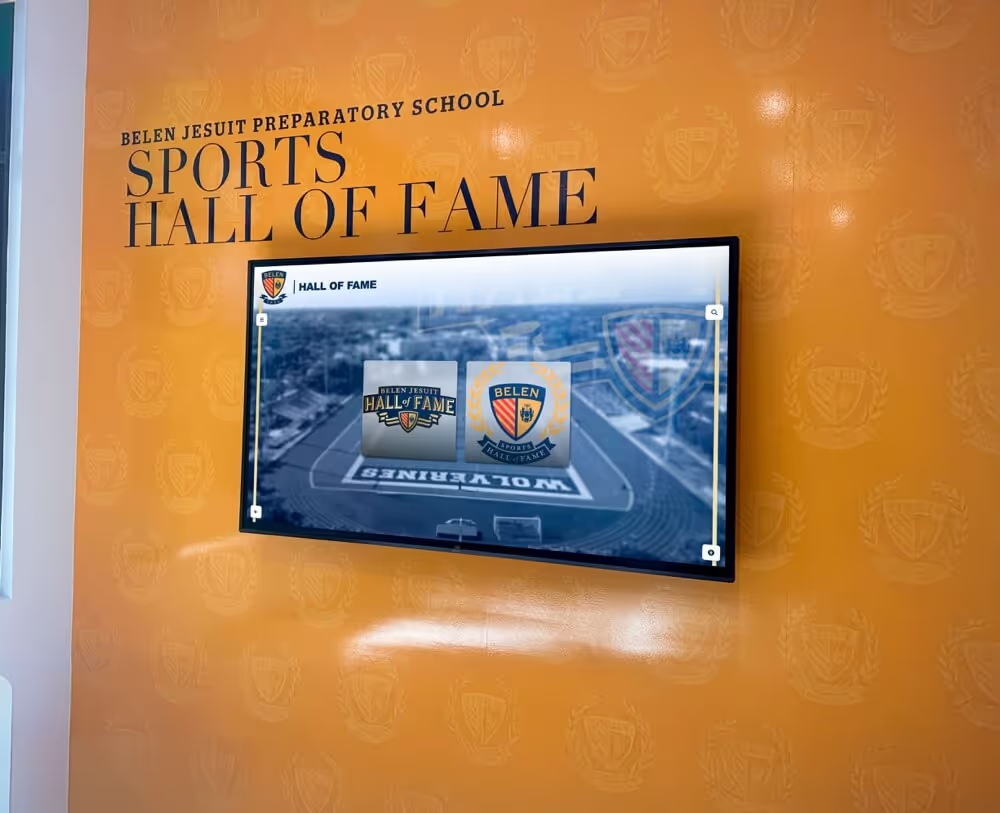
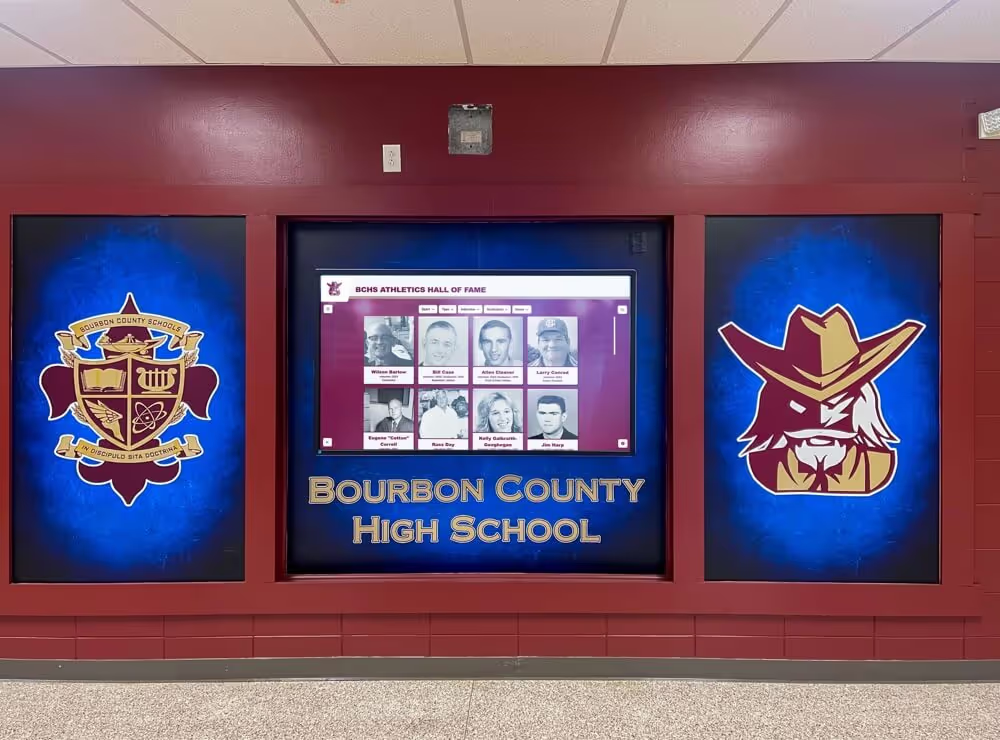
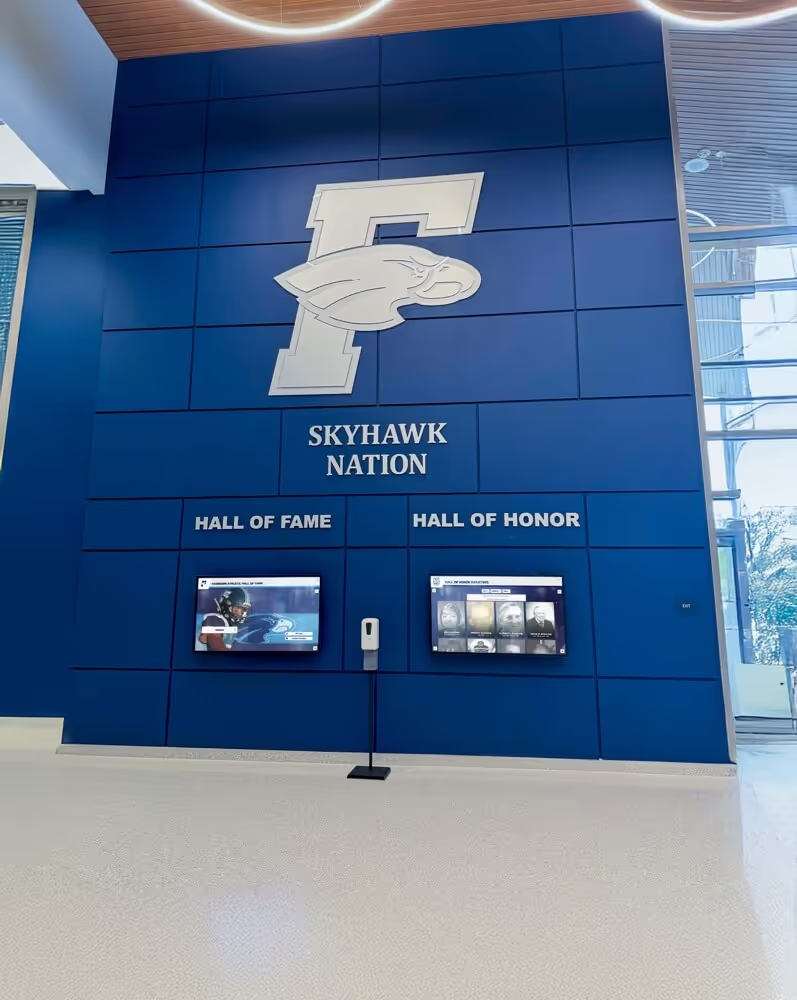
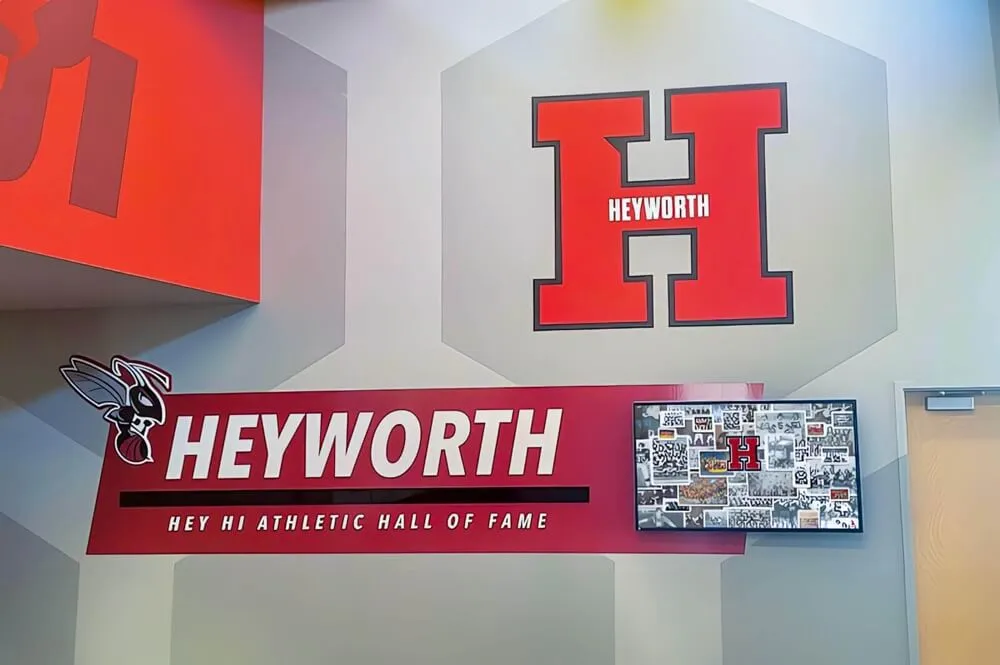
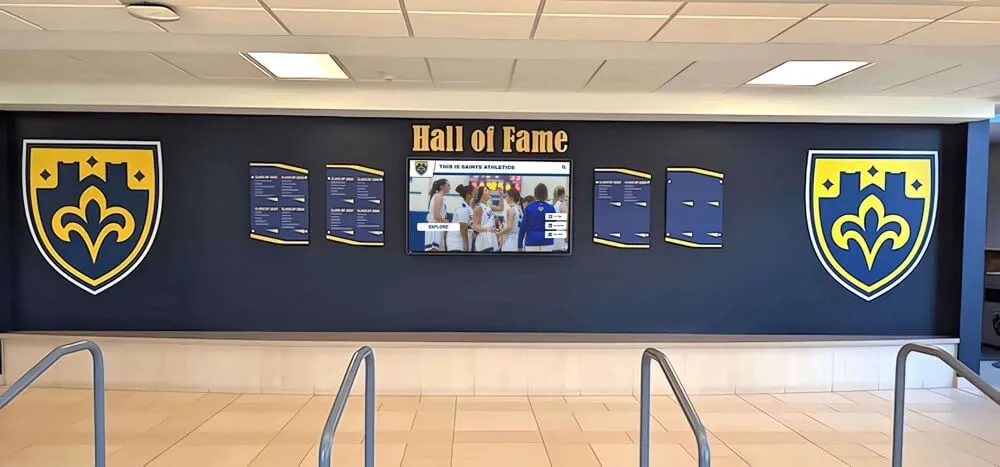
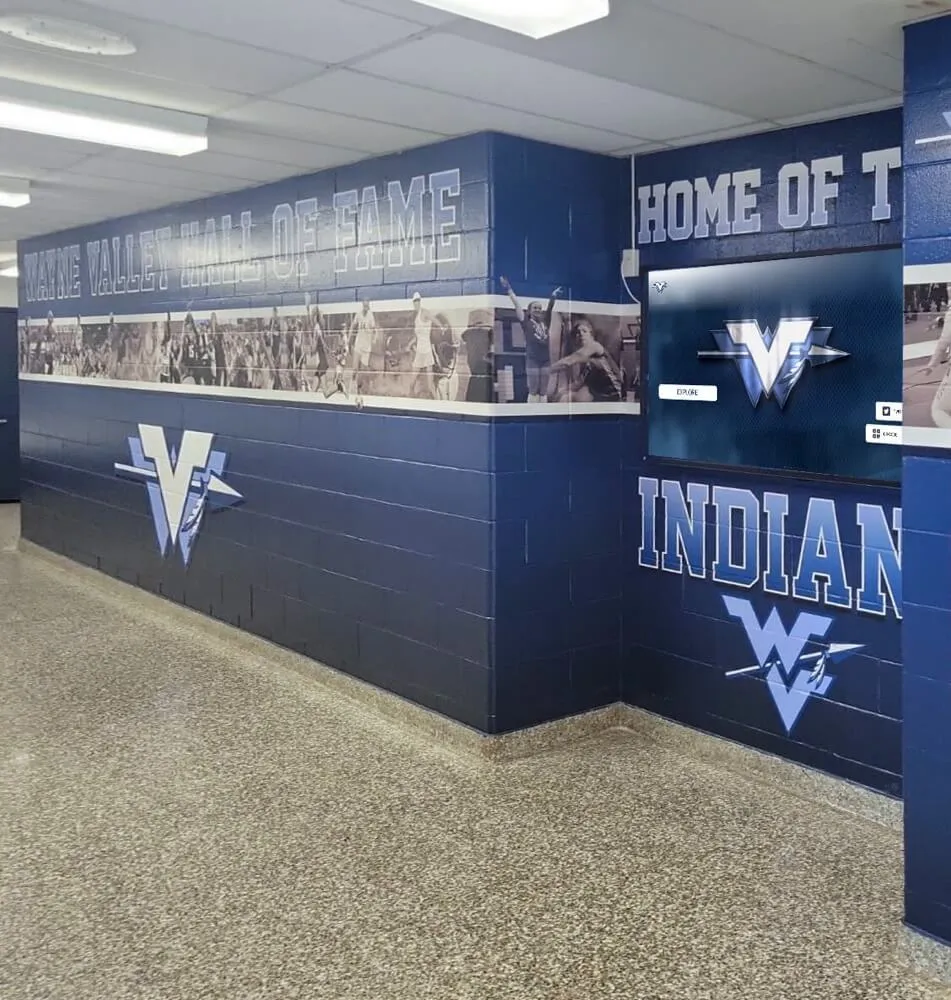
Organized hall of fame displays work best when criteria and categories are clearly defined before the first entry goes on the wall
A Staff Approval Checklist Before Recognition Goes Public
Before any Unified Sports recognition appears in ceremony programs, display plaques, digital records, or school publications, this checklist helps ensure accuracy and appropriate scope. It is a suggested template, not a required administrative form.
Before the ceremony:
- Athletic director has confirmed program-track eligibility in writing
- Lettering criteria reviewed and applied consistently to each participant
- Preferred names confirmed with students and families
- Role accurately noted for each participant (Athlete / Unified Partner)
- No medical, classification, or IEP information included in any recognition material
- Draft ceremony program reviewed by athletic director
Before a permanent display or digital record is created:
- All letter awards formally granted and documented
- Student consent obtained for photo use in any display
- Record format matches what is used for other school athletic programs
- Display entry reviewed and approved by athletic director
- Retention schedule aligns with school athletic records policy
Frequently Asked Questions
Can athletes and Unified Partners both earn varsity letters?
Yes, in programs where letter eligibility has been formally established—but only where your school’s athletic department and state association have created a specific policy covering Unified Sports. In Arizona, the AIA Unified Sports interscholastic track explicitly includes JV and varsity letter eligibility. Other states and program types may differ. Confirm your state’s rules and your school’s written criteria before communicating any letter expectations to participants or families.
How do we recognize partners without implying they are helpers or volunteers?
Use the term “Unified Partner” and describe their role accurately: they are teammates who trained and competed alongside athletes on the same team. In recognition programs, list them the way you would list any other player—name, role, sport, season, and earned awards. Framing their participation as support work or service misrepresents what they actually did.
What information should not appear in a Unified Sports recognition record?
Disability classification, IEP status, Special Olympics registration details, and medical information of any kind. The recognition record should contain only information relevant to athletic achievement: preferred name, role, sport, season, program track, and awards earned. The same standard applies to any other student-athlete’s display entry.
How is the National Banner different from a varsity letter?
A varsity letter is an individual award granted by the school through its athletic department’s standard process, based on participation criteria the AD has confirmed. The Special Olympics Unified Champion Schools National Banner is a school-level recognition requiring the institution to meet national standards across Unified Sports, Inclusive Youth Leadership, and Whole-School Engagement, and to demonstrate sustainable program infrastructure. They are separate credentials with different applicants—an individual student versus a whole school.
Should Unified Sports awards be presented in the same ceremony as other sports?
Yes. Integrating Unified Sports into the school’s standard awards ceremony or banquet—presented in the same format, with the same ceremony weight, by the same presenters—signals program parity clearly. A separate event or a brief add-on at the end of a larger ceremony implies the team’s achievements are secondary. The athletes and partners did the same season’s work as anyone else in the room.
Your school’s Unified Sports team put in the practices, the travel, the competition, and the team moments that every athletic program is built from. They deserve recognition that reflects all of it—accurate, equal, and lasting.
If your athletic department is building or updating a permanent recognition system for all your programs, request a demo from Rocket Alumni Solutions to see what a display built for your specific teams looks like.