
A Utah high school swimming state record display may only carry that label after the UHSAA formally confirms the designation—not at the moment a fast time appears in meet results. If the swim occurred outside the UHSAA State Swim Meet, keep the display label as a meet result until the association accepts a completed state record application. If the time was set at the UHSAA State Swim Meet itself, the official results distinguish “UT HS Record,” “5A HS Record,” and “Pool Record” as separate columns—and your school panel should reflect the specific label the results show, not a broader claim. A compact example: a school recognition panel might read [Event] · 5A HS Record · [Year State Meet] only if the UHSAA 5A results document shows that designation for that swim.
The UHSAA swimming resources page links the state record application and current standards. How and when to update a school recognition wall to reflect that status is a display decision—and getting the timing and label right protects the credibility of everything else on the board.
Understanding the difference between a fast meet result and a confirmed state record is the most useful thing an athletic director or recognition editor can know before updating any display panel.
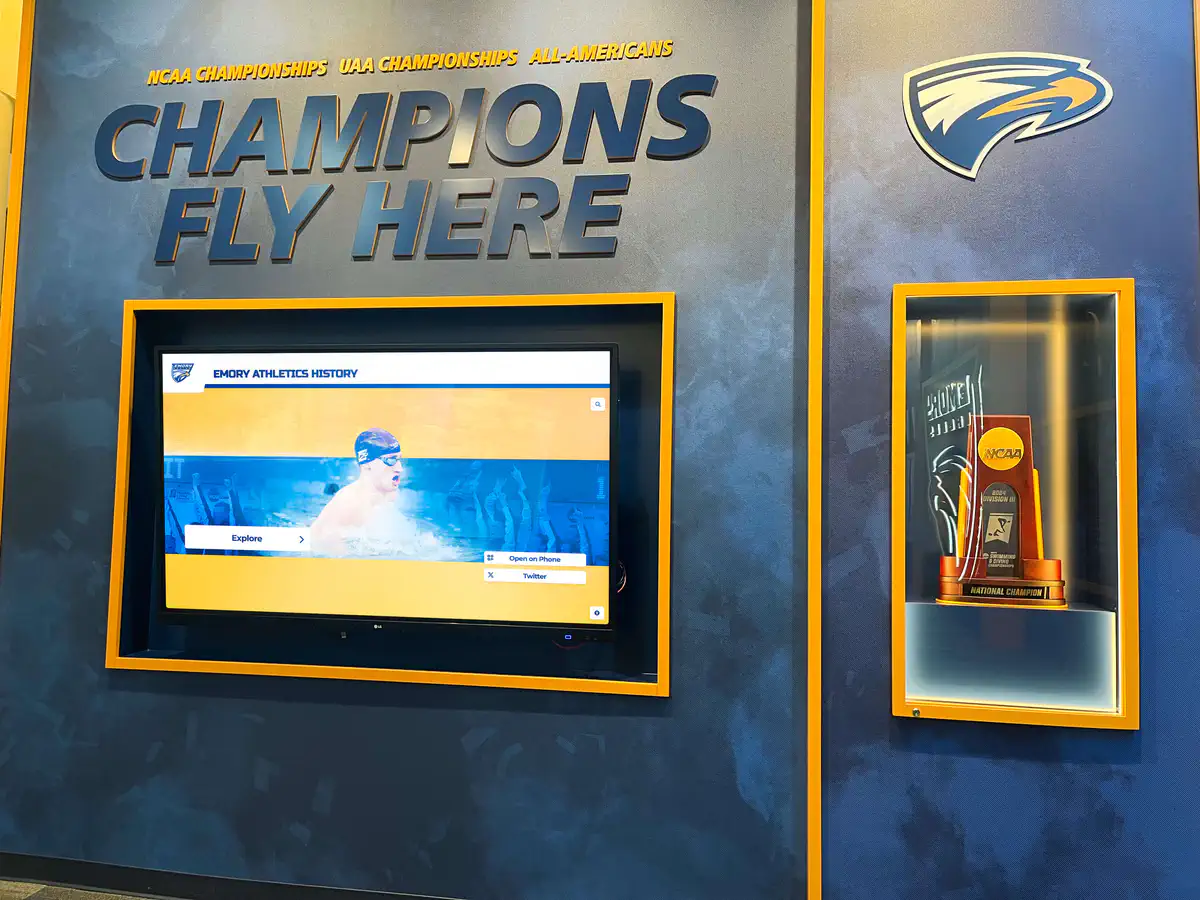
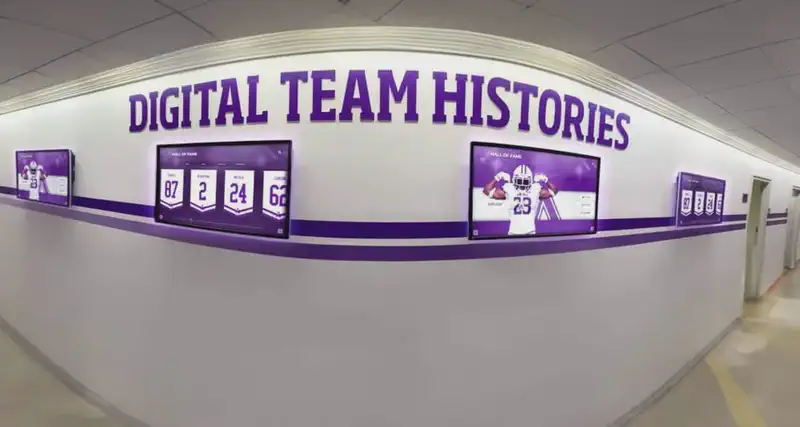
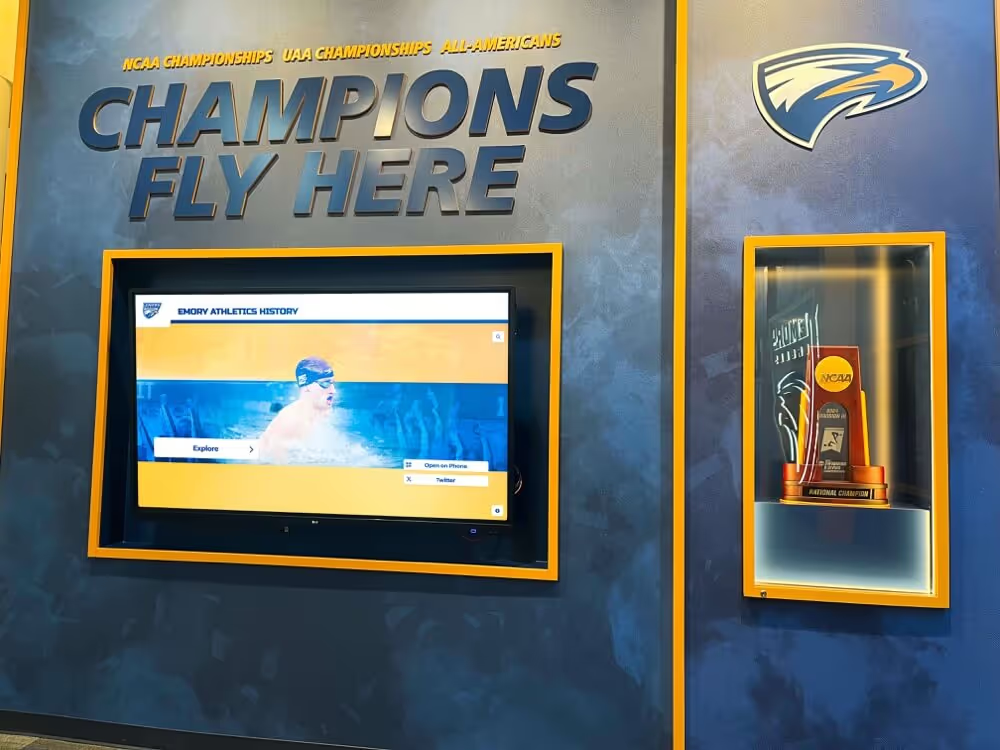
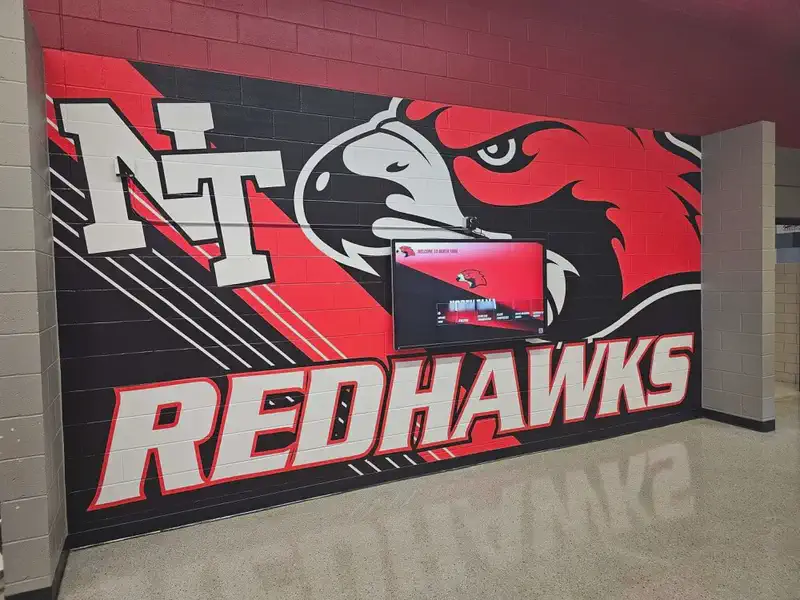
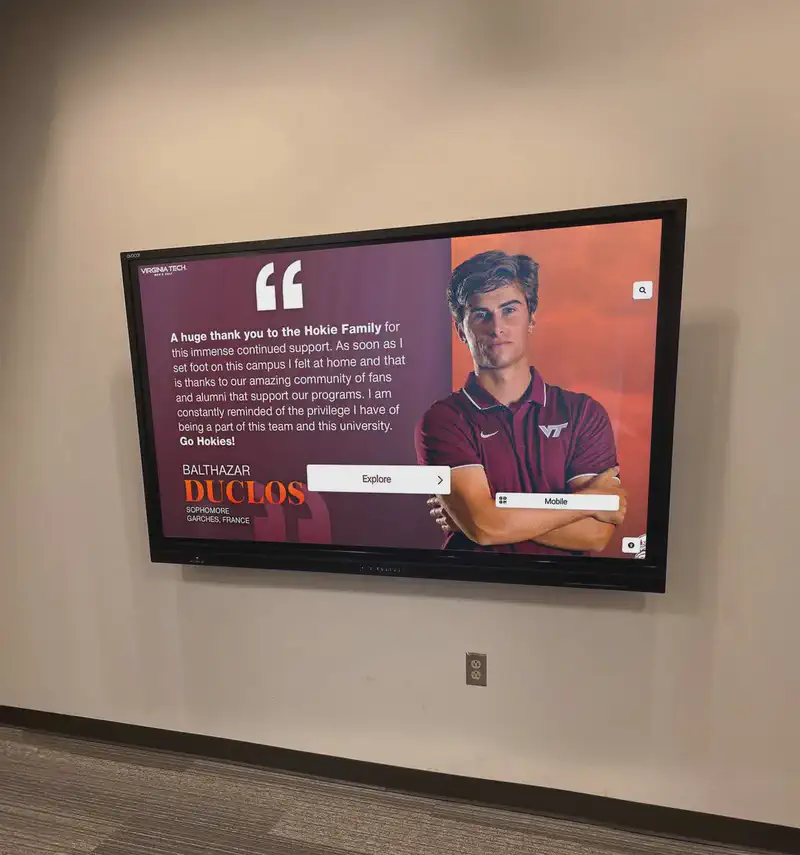
Digital recognition walls can distinguish championship-level swimming achievements—including state records and national titles—with clearly labeled sections for each designation
What “Utah High School Swimming State Record” Actually Means on a Display
A UHSAA state record is a specific, association-confirmed designation—not simply the fastest time recorded in Utah high school competition. For a time to carry the Utah high school swimming state record label on a school recognition display, the UHSAA must have accepted a completed UHSAA Swimming State Record application.
That is a meaningful distinction from three other labels you may encounter:
- Meet result: The official finish time recorded at any sanctioned event. Every swimmer has one at every meet; it has no implication about state records unless UHSAA confirms otherwise.
- Pool record: The fastest time ever recorded at a specific facility. A pool record is local to that venue and is a separate designation from a state record.
- Classification record (e.g., 5A HS Record): The fastest time within a single UHSAA classification. As the UHSAA 2026 5A State Swimming Finals Results show, the results document uses distinct columns for 5A HS Record, UT HS Record, and Pool Record. A swim can carry more than one designation at once, but the labels are independent—a 5A HS Record is not automatically a UT HS Record, and neither designation is automatically accepted without confirmation.
Your display label should match exactly the confirmed designation—no more and no less.
Three Labels That Can Appear on the Same Swim Without Being the Same Thing
The UHSAA 5A finals results document illustrates the layered nature of these designations well. A single swim in the same event can simultaneously appear with markers for 5A HS Record, UT HS Record, and Pool Record if the conditions for each were met and confirmed—but those conditions differ, and the labels remain distinct.
| Label | What It Certifies | Confirmed By |
|---|---|---|
| Meet Result | Official time at that event | Meet officials on the day |
| Pool Record | Fastest time at that specific pool | Meet records, host facility |
| 5A HS Record | Fastest time for Class 5A competition | UHSAA results annotation |
| UT HS Record | Fastest time across all Utah HS classifications | UHSAA results annotation and/or accepted application |
The practical point for display editors: do not use one label as a proxy for another. A pool record annotation in a meet results PDF does not establish a state record. A 5A HS Record marker does not mean the statewide UT HS Record has been updated. Read each column independently before writing any label on your display.
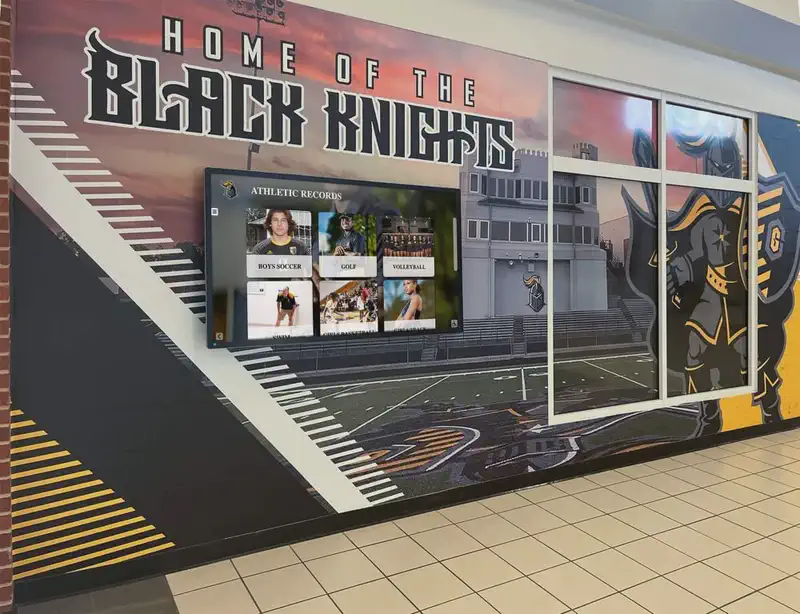
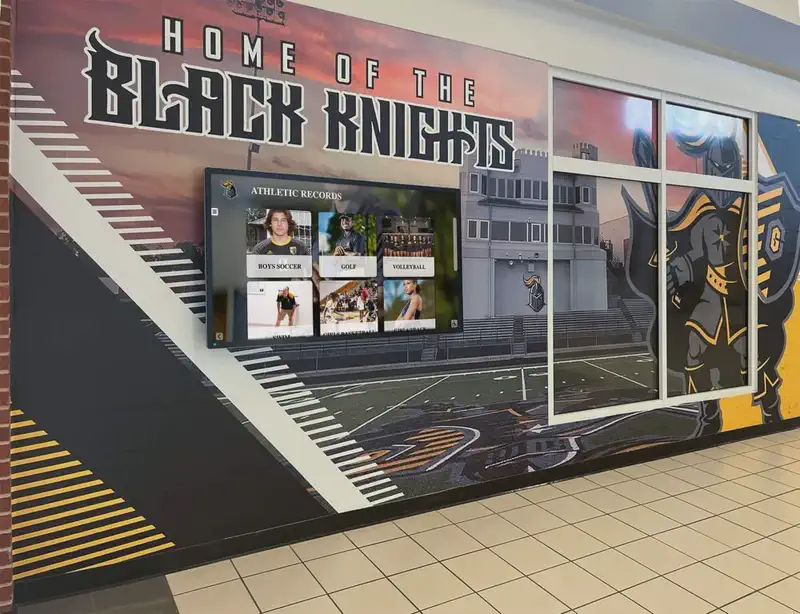
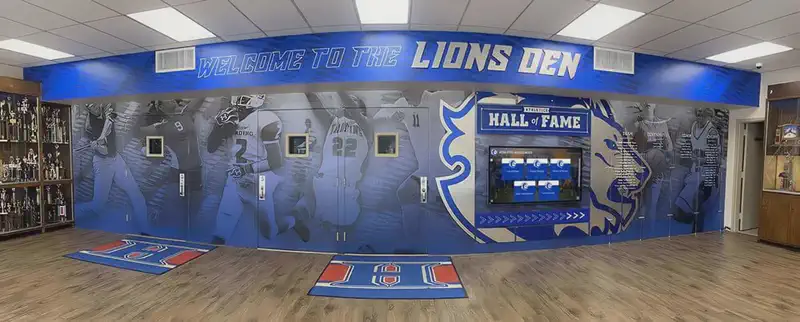
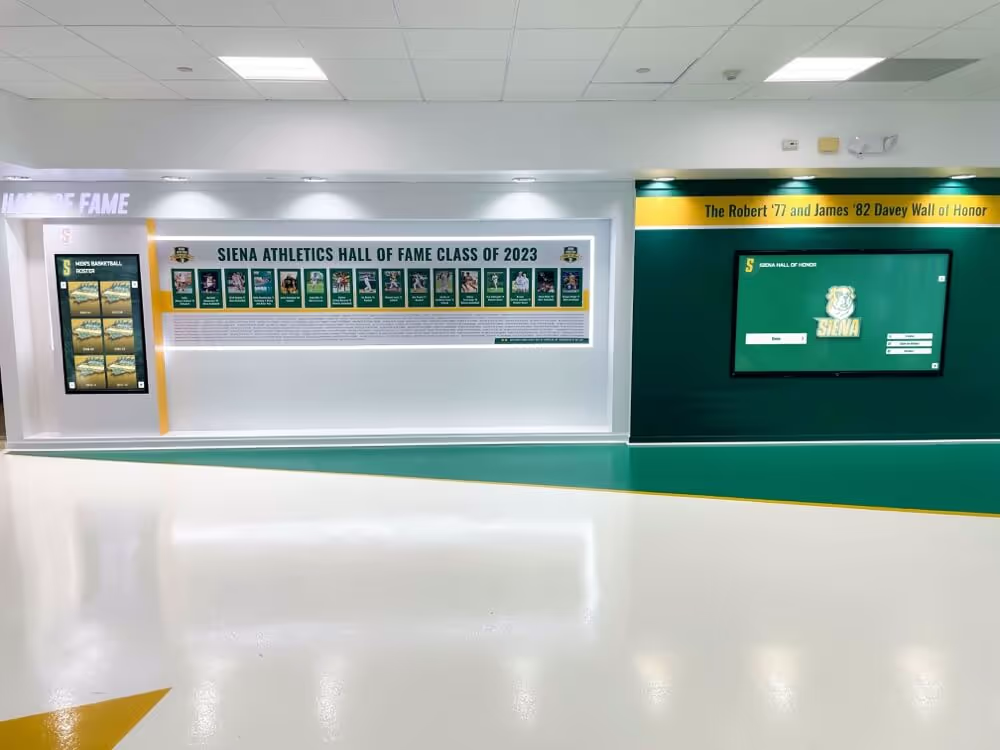
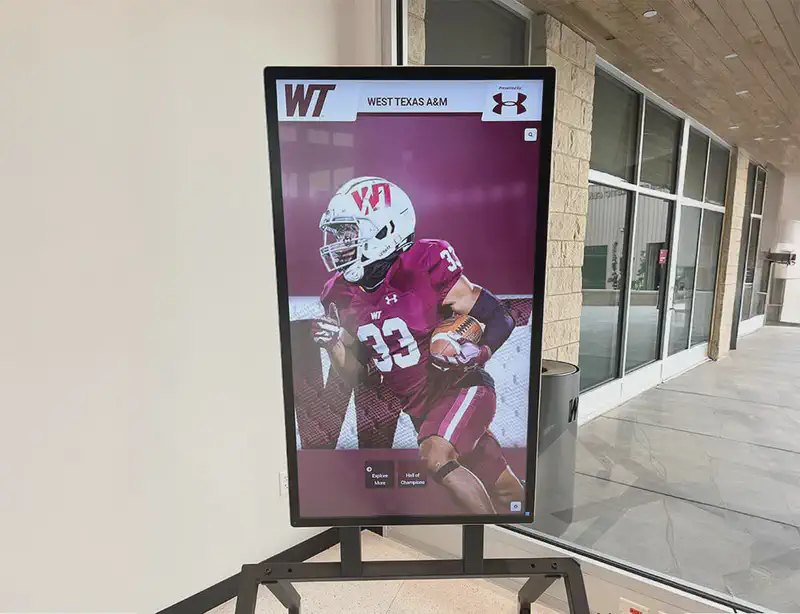
Organizing school records by sport and by label type—separate sections for meet records, pool records, and confirmed state records—prevents labeling confusion when multiple designations exist for the same swim
What UHSAA Requires Before the Label Can Change
The UHSAA State Swim Meet is the most common source of confirmed state records because the meet infrastructure already satisfies most requirements. However, a time set at any UHSAA-sanctioned invitational or dual meet can be submitted for state record consideration if it meets all the conditions specified in the UHSAA Swimming State Record application.
The application identifies a useful subset of requirements an athletic director should understand before deciding whether a submission is worth initiating:
Pool certification. The pool must have been certified by an inspector and must measure at least 25 yards. An uncertified pool or a non-standard length disqualifies the time regardless of how it was swum.
Event sanction. The meet must have been a UHSAA-sanctioned event conducted in compliance with UHSAA rules. An unsanctioned club event or an out-of-state meet does not qualify even if the time would otherwise be record-eligible.
Timing system. Fully automatic timing must have been used and approved for the event. Hand-held backup times are not sufficient to support a state record claim.
Officials. A certified starter and at least four additional certified deck officials must have been present. The number and certification status of officials is part of the application verification.
Rule compliance. The swim must have been conducted under NFHS swimming rules, which cover stroke legality, start procedures, turn rules, and finish procedures—all of which affect whether a time is legal for record consideration.
Application deadline. The signed application must be received by the UHSAA office within two weeks of the meet. Missing that window means the time cannot be considered regardless of how fast it was.
The application itself is the controlling document. These points give an athletic director enough context to have a preliminary conversation with a coach, but the form and the UHSAA office determine whether a submission proceeds. Link coaches and staff to the official UHSAA Swimming State Record application rather than reproducing the form as a checklist on your display or in internal guidance documents.
The Display Decision: What to Show Before and After Confirmation
The practical question for a school display editor is straightforward: what do you show during the period between when a fast time is swum and when UHSAA confirms the application?
Before UHSAA confirms: Show only what is verified. If the swim took place at a sanctioned meet, label it as a meet result with the event, the meet name, and the year. If a pool record was set and the facility has documentation, that label can stand independently. Do not add “State Record” or “UT HS Record” to the panel.
After UHSAA confirms: Update the panel to reflect the specific confirmed designation—whether that is a 5A HS Record, a UT HS Record, or both. Add the year and the meet at which the time was recorded. The label should name the classification and the designating body.
What stays off the display entirely: Application forms, signatures, grades, ages, and certification documents are part of the submission process and do not belong on a public recognition display. The panel shows the verified result and its confirmed label—nothing from the supporting paperwork.
A compact label format that works in most cases: [Event Name] · [Confirmed Designation] · [Year] · [Meet Name]. For a time confirmed as both a 5A HS Record and a UT HS Record, two lines or a combined label are both acceptable, as long as each designation is named clearly rather than assumed.
Reading the State Meet Results for Display Purposes
A time set at the UHSAA State Swim Meet may already appear in the UHSAA 2026 5A State Swimming Finals Results with a record designation. When results use a “UT HS Record” annotation, that annotation reflects what the meet recorded.
However, even state meet result annotations are not automatically self-executing on your display. The label should identify the meet and year and reference the confirmed designation from the official results document—not assume the record was accepted without reviewing the results directly.

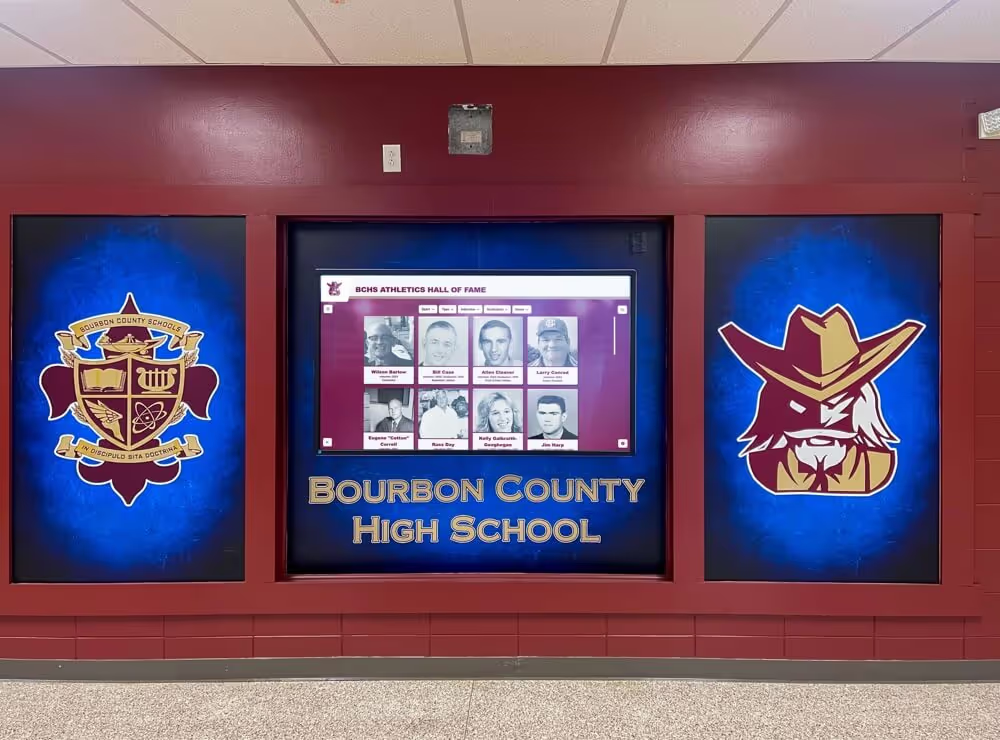
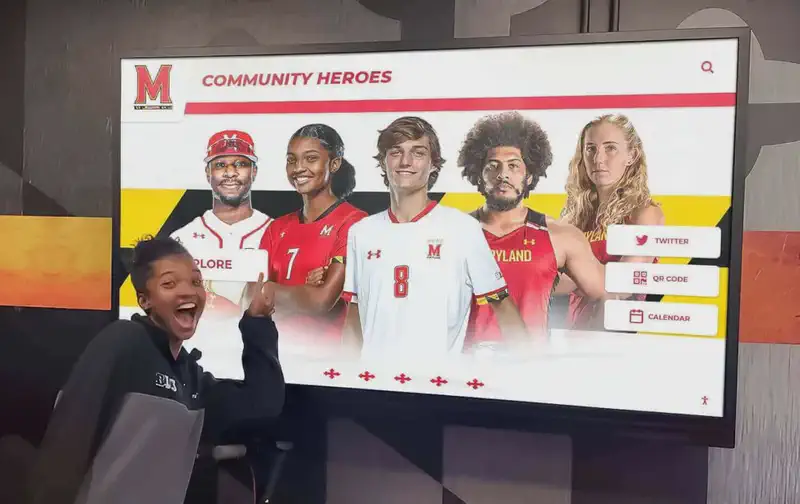
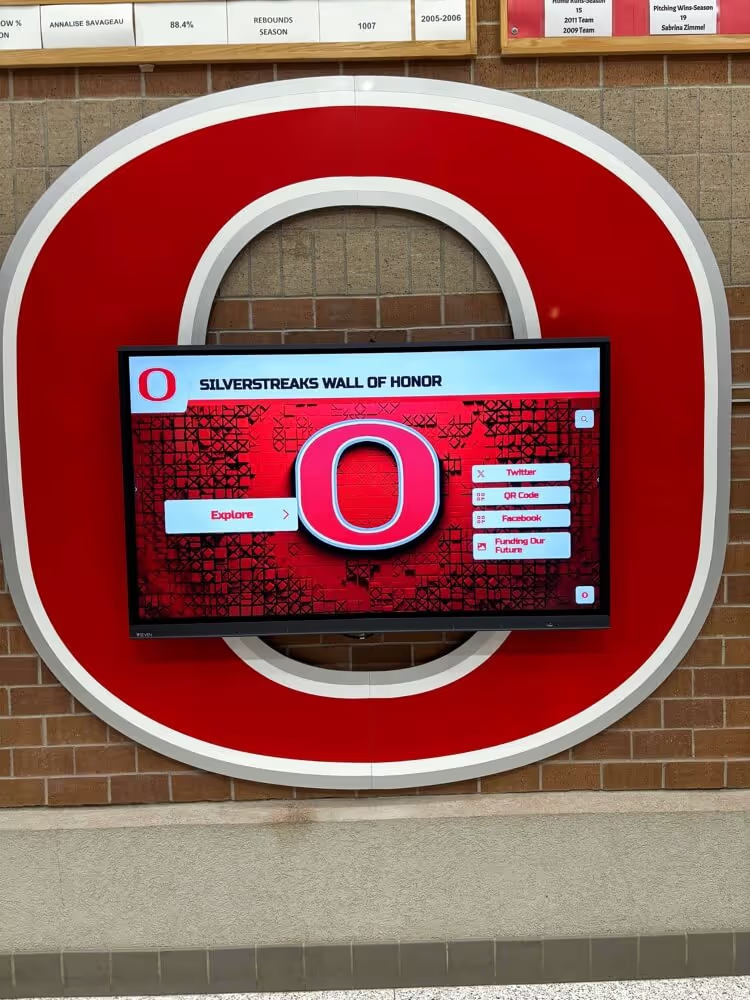
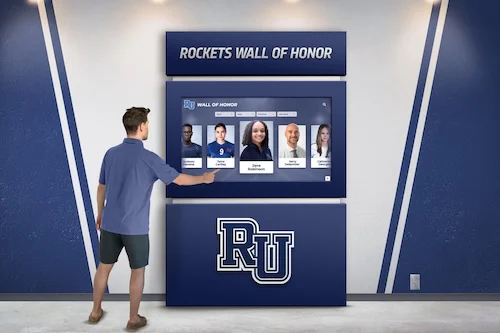
Dedicated panels for each recognition category—rather than a single combined board—make it straightforward to update one section as new confirmations arrive without disturbing others
How Multi-Category Displays Handle Swim Record Labels
Schools that display swimming recognition alongside other sports should organize state records, pool records, and meet achievements as distinct sections rather than merging them into a single “school records” column. The same approach the UHSAA uses in its results documents—separate columns for each designation—translates directly into sound display practice.
For schools using a digital recognition system, this translates into separate entries or categories:
- Meet results and seasonal bests — updated each season, labeled by meet and year
- Pool records — updated when the pool record is broken, labeled by event and facility
- Classification records (e.g., 5A HS Record) — updated only after UHSAA confirms, labeled with the classification and year
- State records (UT HS Record) — updated only after UHSAA confirms, labeled with the year and the meet at which the time was recorded
Keeping these as separate display categories means that updating one does not create implicit claims about another. If a pool record is broken but the state record application has not been confirmed, the pool record panel gets updated and the state record panel remains unchanged.
For a broader look at how schools structure and maintain multi-category swimming recognition, high school swimming records and display programs offer a useful overview of organizational frameworks that apply regardless of classification.

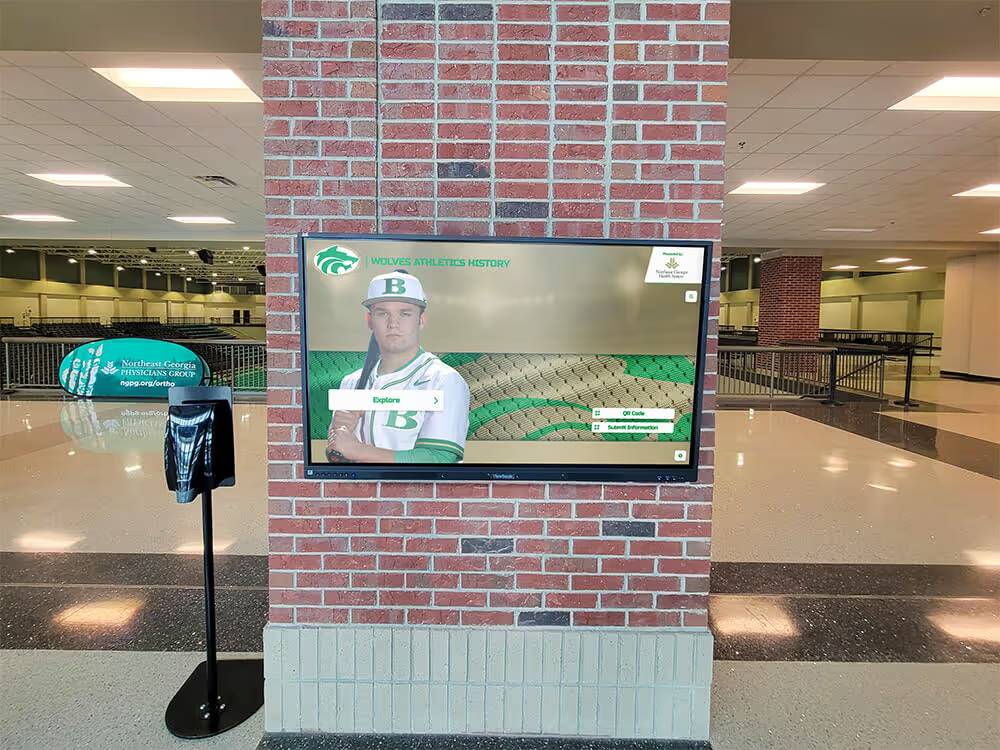
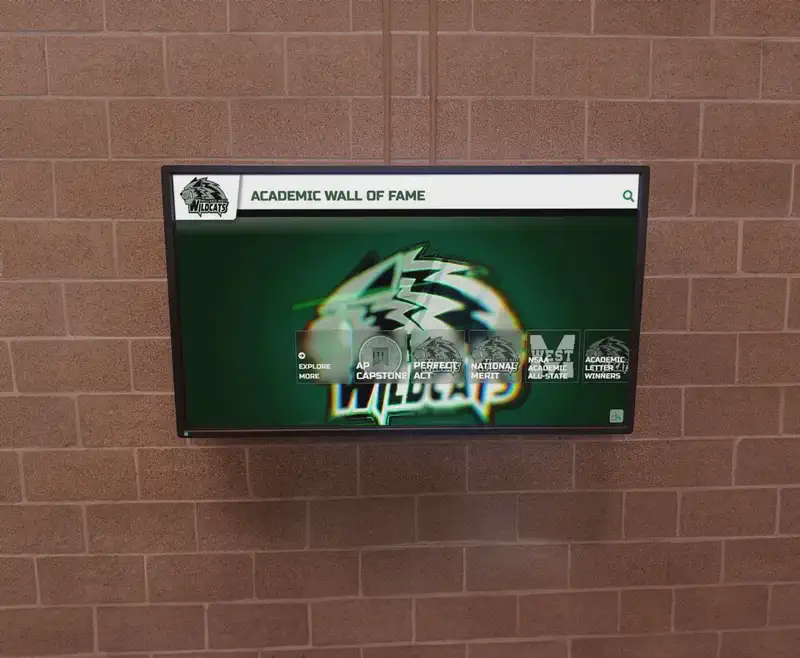
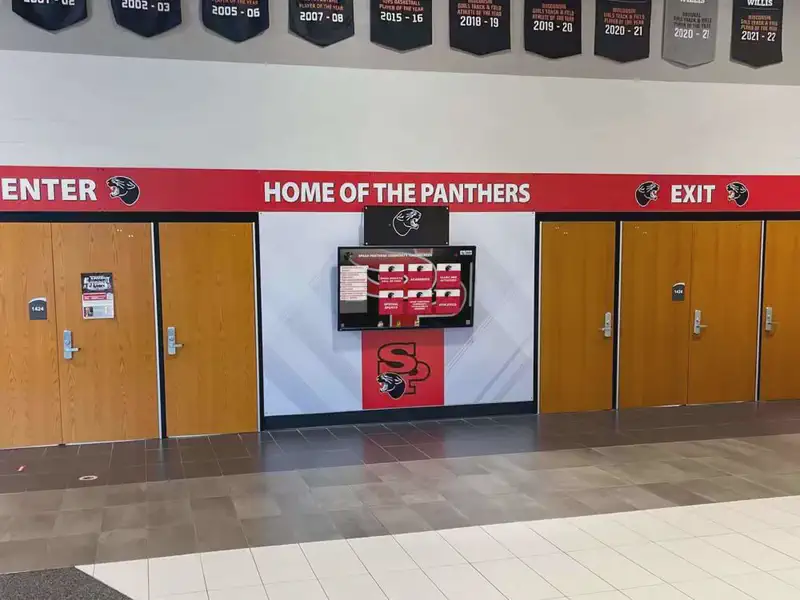
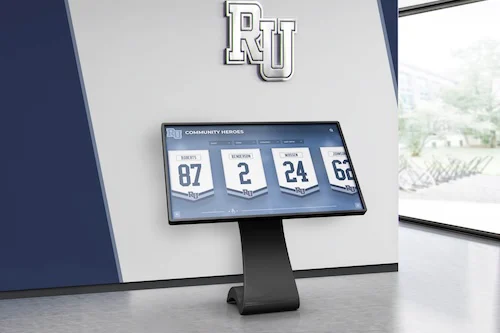
Year-organized panels make it easy to identify when a specific designation was confirmed and to separate multi-year records from individual seasonal achievements
Why Label Accuracy Matters Beyond the Swim Record Itself
An incorrectly labeled state record panel does more than mislead visitors—it casts doubt on every other panel in the display. If a “UT HS Record” label appears before UHSAA has confirmed the application, and a staff change or document gap later makes the basis unclear, there is no reliable way for future editors to know whether to trust or question the entry.
The fix is straightforward: establish a simple internal protocol. When a potentially record-breaking time is swum, note the meet result and begin the application process if requirements are met. Mark the display entry as “pending confirmation” or leave it as a labeled meet result until UHSAA responds. Update to the confirmed designation when the association confirms. This two-stage approach produces a display that earns trust because every label is traceable to a source.
The same discipline applies to pool records. A “Pool Record” panel should identify the pool by name and the year the record was set, not just the time, so that facility changes or pool recertifications do not create ambiguity about which pool the record was set at.
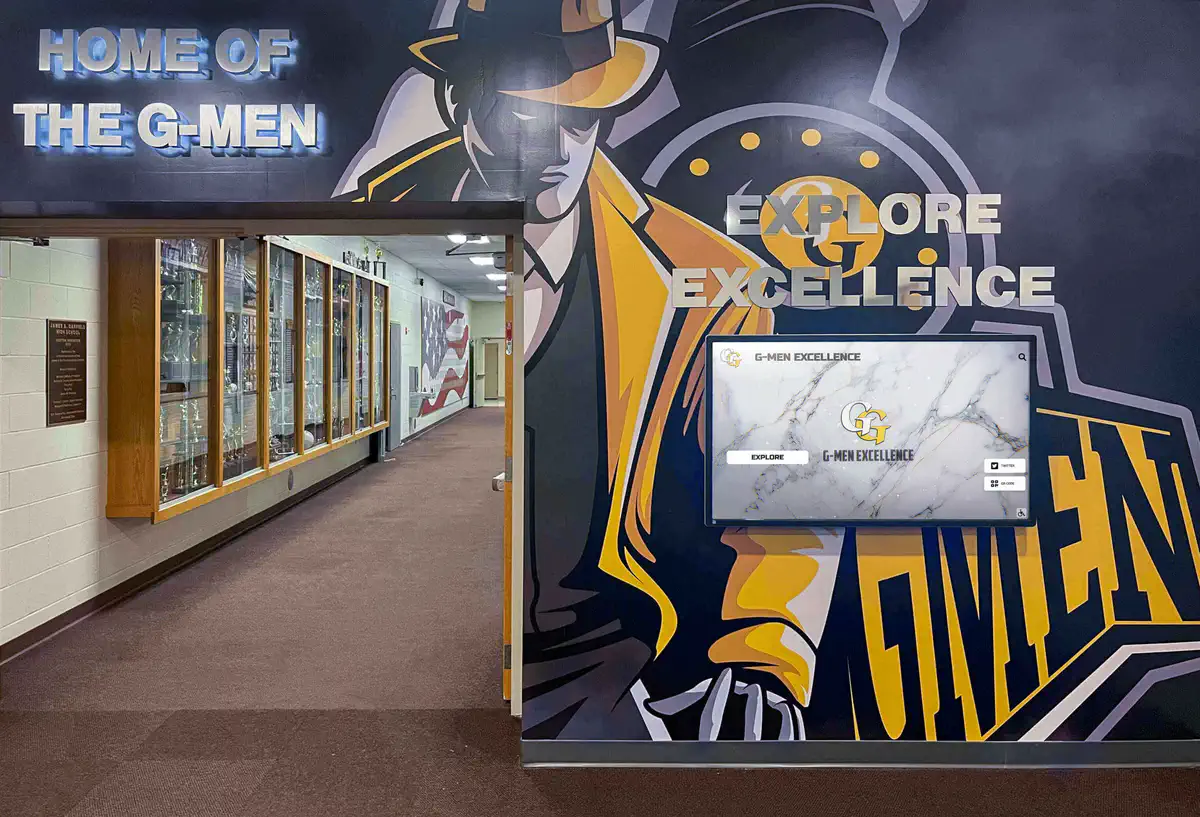
Combining physical trophy displays with an updateable digital system allows schools to maintain historically verified records while keeping current achievements—including newly confirmed state records—immediately current
Frequently Asked Questions About Utah High School Swimming State Record Displays
Can I label a swim time as a Utah state record as soon as results are posted?
No. A meet result—including one posted on an official results sheet—is not automatically a confirmed state record. For a time set outside the UHSAA State Swim Meet, the UHSAA must receive and accept a completed state record application before the state record label can appear on any display. For times set at the state meet itself, the official results document uses explicit record annotations you can reference—but your display label should match the specific annotation shown, not assume a broader status.
What is the difference between a 5A HS Record and a UT HS Record for display labeling?
A 5A HS Record is the fastest time recorded within UHSAA Class 5A competition. A UT HS Record is the fastest time recorded across all UHSAA classifications—the statewide standard. As the UHSAA 2026 5A State Swimming Finals Results show, these appear as separate designations in the official results. A swim can hold both simultaneously, but each is independent. Display your panel using the confirmed label for each category rather than substituting one for the other.
Can a pool record be shown on a display before state record confirmation?
Yes. A pool record is a separate designation from a state record and can be shown under its own verified label without waiting for a state record application. Keep the pool record panel clearly separate from any state record section so visitors do not read across the two as a single combined claim.
What information should stay off the public swimming records display?
Application forms, signatures, ages, grades, and certification documents are part of the submission process and do not belong on a public recognition display. The panel should show the verified result, its confirmed designation, the event, and the year. Supporting paperwork is an internal administrative document, not a display element.
How should I update a swimming records display when UHSAA confirms a state record?
Add or update the entry in the state record section of your display using the confirmed designation, the event name, and the year the time was recorded. Apply the same label format used for other confirmed records so the display remains consistent. If your system supports it, note the confirming body (UHSAA) and the specific label (5A HS Record, UT HS Record, or both) so future editors understand the basis for the entry.
Conclusion: Accurate Labels Are the Foundation of a Credible Swimming Records Display
A Utah high school swimming state record display earns its credibility from the same quality that makes the record itself meaningful: verification. The UHSAA state record process exists to ensure that only times meeting the full set of certification requirements carry the statewide label—inspector-certified pool, sanctioned event, fully automatic timing, qualified officials, NFHS rule compliance, and a completed application received within the required window.
For athletic directors and recognition editors, the practical takeaway is straightforward: show what is confirmed, label it specifically, and keep application-process documents out of the public display. A meet result panel, a pool record panel, and a state record panel can coexist in the same display area as long as each carries a clear and accurate heading. When UHSAA confirms the application, update the state record section. Until then, keep the accurate result under its own verified label.
Keeping swimming records current and correctly categorized as a program grows is exactly the kind of ongoing recognition challenge that benefits from a flexible, updateable display system.
Keep Your Swimming Records Display Current and Accurate
When a new state record is confirmed, your recognition display should reflect it immediately—with the right label, in the right section. Discover how modern digital recognition systems make it easy to maintain separately labeled record categories, update each section independently, and show every swim achievement under a clear and accurate heading.
Request a Custom Demo