



Valedictorian speech tips can transform the daunting task of addressing hundreds of classmates, families, and faculty into an opportunity to deliver words that resonate for years. As the highest academic honor your school can bestow, the valedictorian address carries weight that extends far beyond a typical graduation speech—it represents your entire class while showcasing the leadership, reflection, and perspective that earned you this recognition.
Yet standing before your graduation audience presents unique challenges. You must balance personal achievement acknowledgment with inclusive celebration of your entire class. Your speech needs sufficient depth to feel meaningful without becoming heavy-handed or preachy. You must engage diverse audiences simultaneously—peers who shared your journey, parents emotional about their children’s milestone, faculty who invested in your education, and administrators representing institutional tradition. Generic platitudes fall flat, inside jokes exclude families, and purely personal narratives fail to represent collective experiences.
This comprehensive guide provides proven valedictorian speech tips, strategic writing frameworks, and delivery techniques for creating addresses that honor your classmates, acknowledge those who supported your journey, and leave your audience with inspiration they’ll remember long after graduation concludes.
Delivering a memorable valedictorian speech requires far more than summarizing your high school experience or offering conventional wisdom about the future—it demands thoughtful reflection on shared experiences, authentic voice that resonates with your actual personality, strategic structure that maintains engagement, and delivery confidence that matches the significance of this moment. Valedictorians who excel at this final academic responsibility approach speechwriting as they would any important project: with research, planning, drafting, revision, and practice.

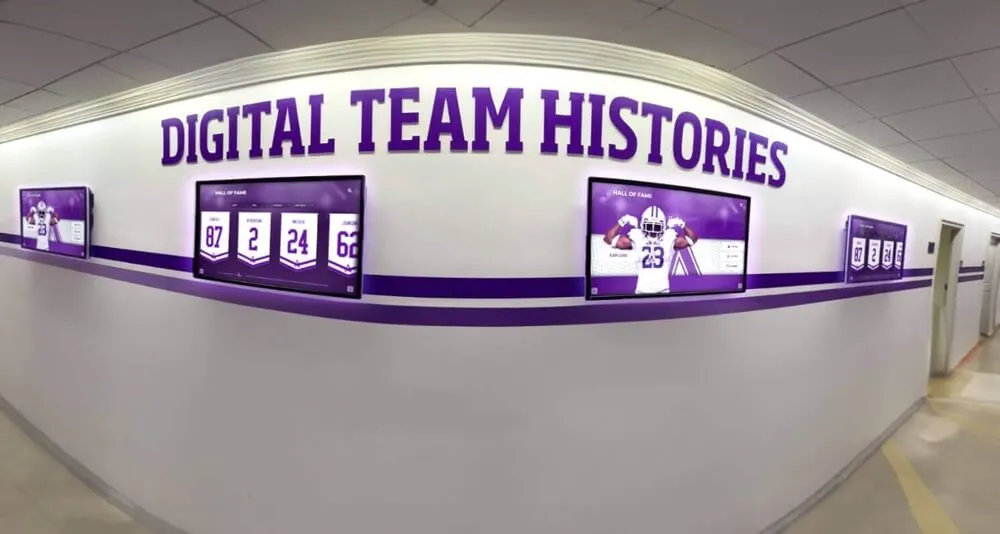
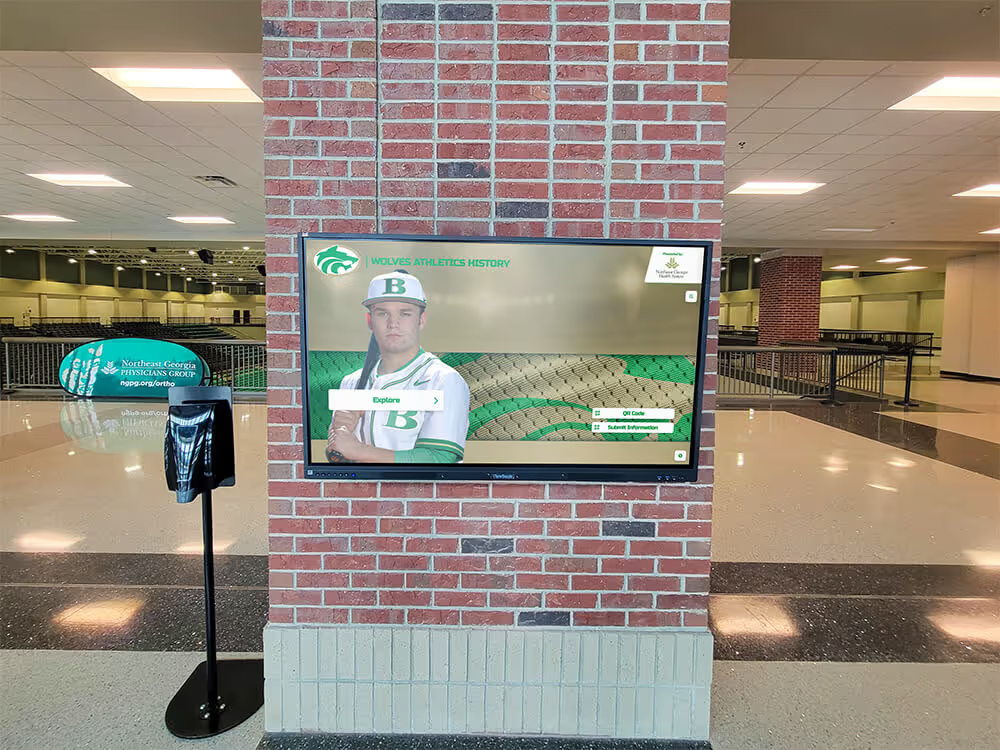
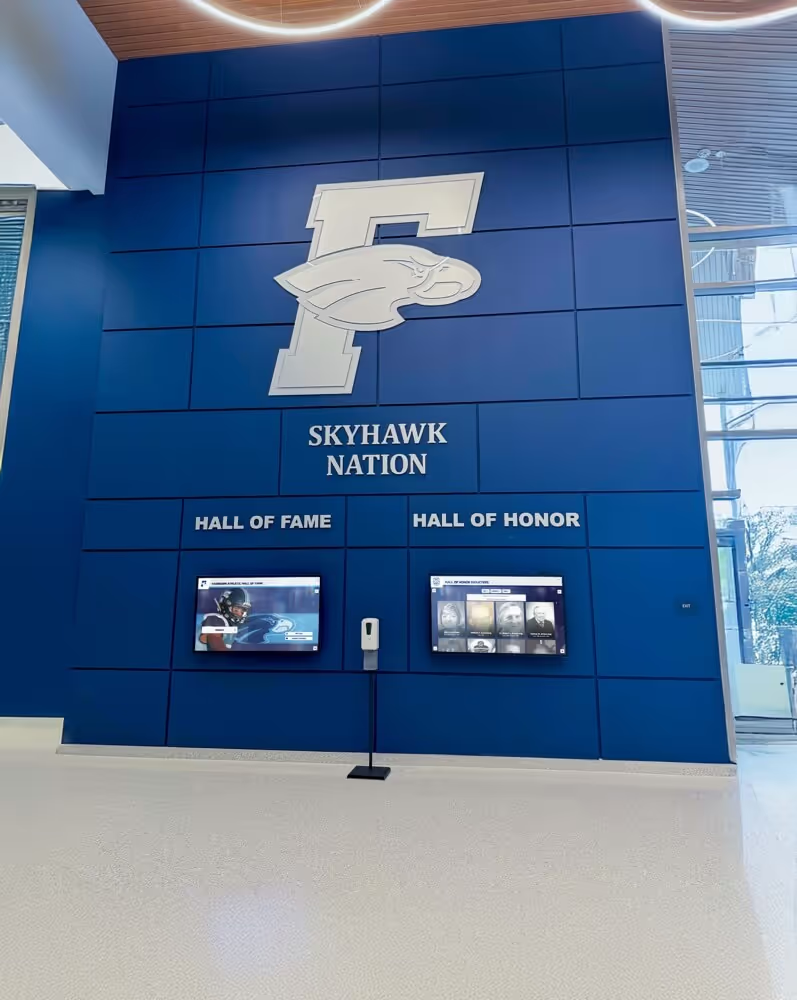
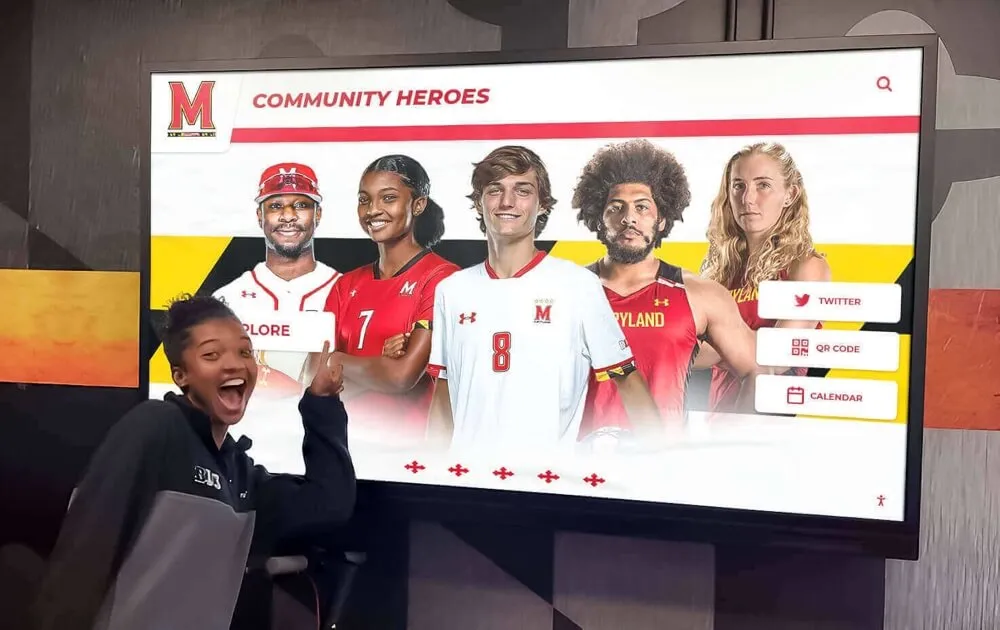
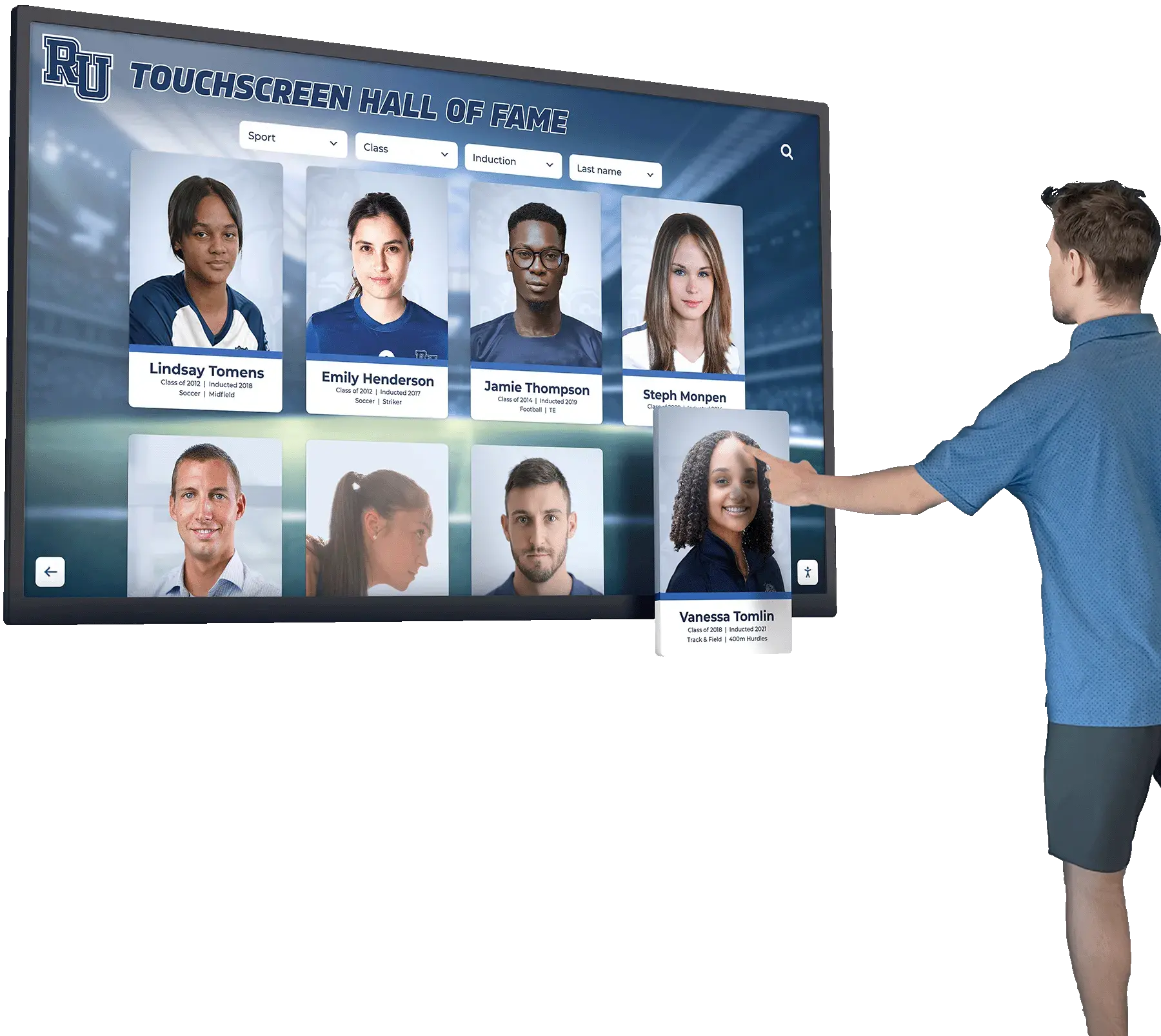
Recognition displays celebrate the achievements that culminate in honors like valedictorian, documenting the journey of academic excellence
Understanding the Valedictorian Speech Purpose and Audience
Before writing a single word, clarify what your speech should accomplish and who you’re addressing.
Multiple Purposes to Balance
Effective valedictorian speeches simultaneously serve several functions:
Representing Your Entire Class
- Speaking on behalf of all graduates, not just yourself
- Acknowledging diverse experiences and pathways
- Celebrating collective achievements and shared memories
- Recognizing the variety of futures your classmates will pursue
- Creating inclusive language that represents different perspectives
This representative function distinguishes valedictorian speeches from other graduation remarks. While guest speakers offer outside perspective and principals provide institutional viewpoints, you speak as a peer who lived the same experiences as your audience.
Acknowledging Support Systems
- Thanking parents, families, and guardians who supported your class
- Recognizing teachers, counselors, and staff who invested in your education
- Acknowledging administrators and school leadership
- Appreciating classmates who created your shared community
- Recognizing friends who made the journey meaningful
Gratitude should feel genuine rather than obligatory. Specific examples of support resonate more powerfully than generic thank-yous.
Providing Perspective and Inspiration
- Reflecting on lessons learned during your school years
- Offering insight about growth and change
- Encouraging classmates for future challenges
- Sharing wisdom without lecturing or preaching
- Creating hope and optimism about what lies ahead
The inspiration challenge: sound genuine rather than recycling quotes from Pinterest. Your unique perspective matters more than borrowed wisdom.
Marking the Transition
- Acknowledging this significant life milestone
- Honoring the end of one chapter while anticipating the next
- Processing the emotional weight of conclusion and beginning
- Creating space for mixed feelings about graduation
- Celebrating accomplishment while recognizing uncertainty ahead
Learn about comprehensive recognition programs in digital recognition displays that celebrate student achievement.
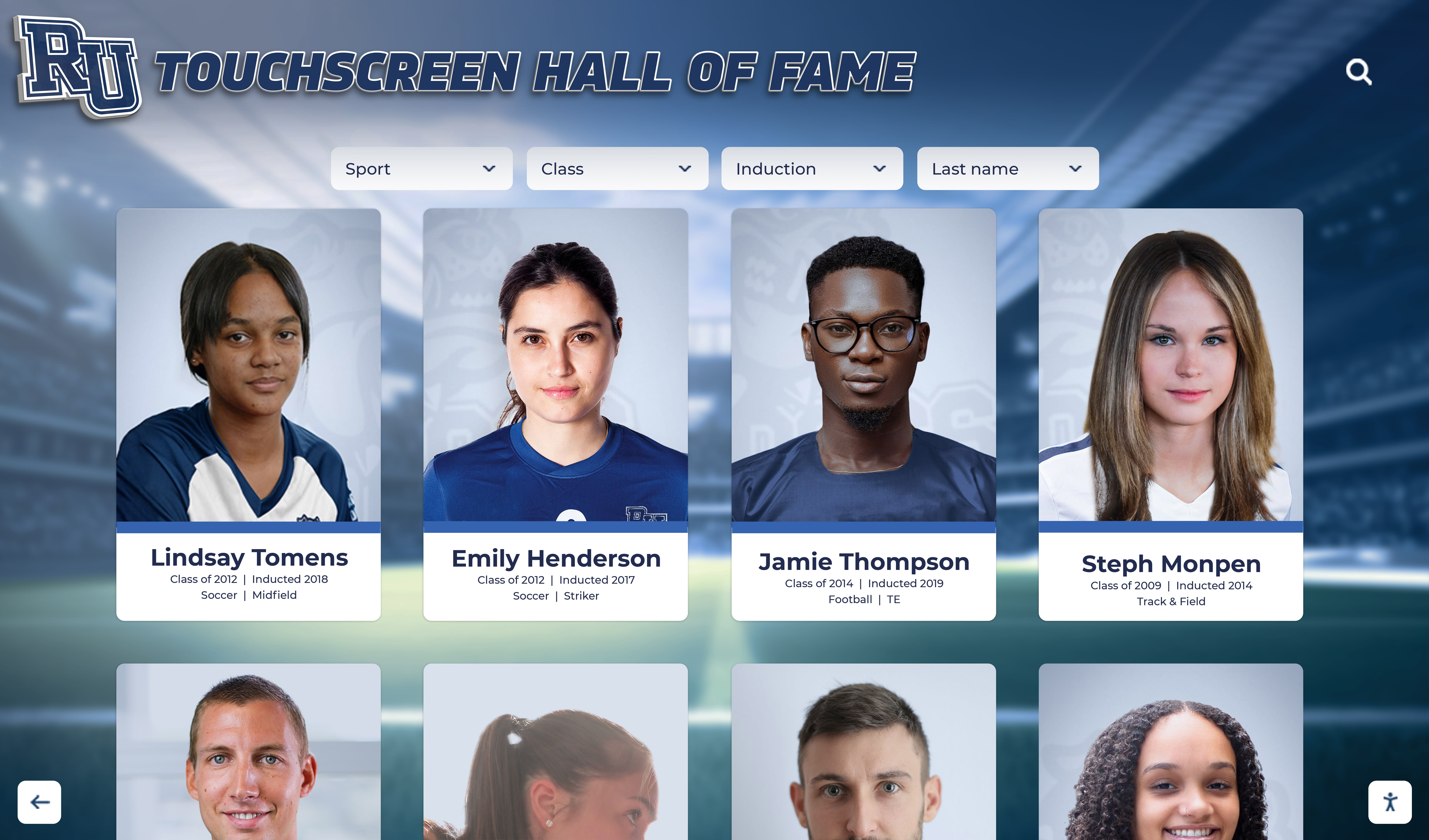
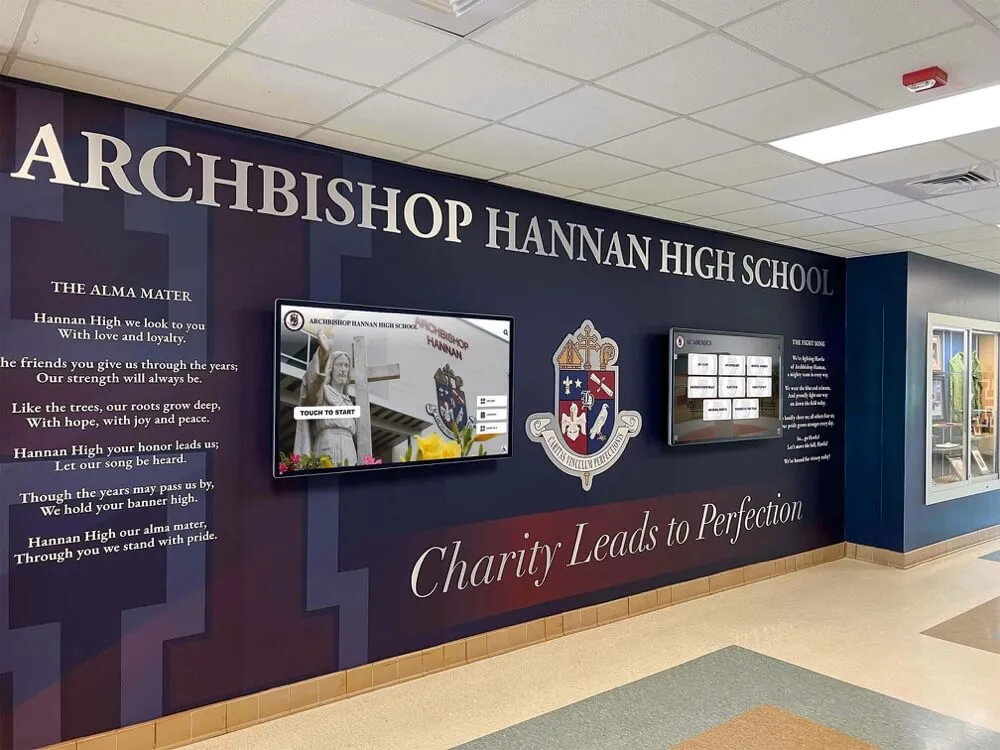
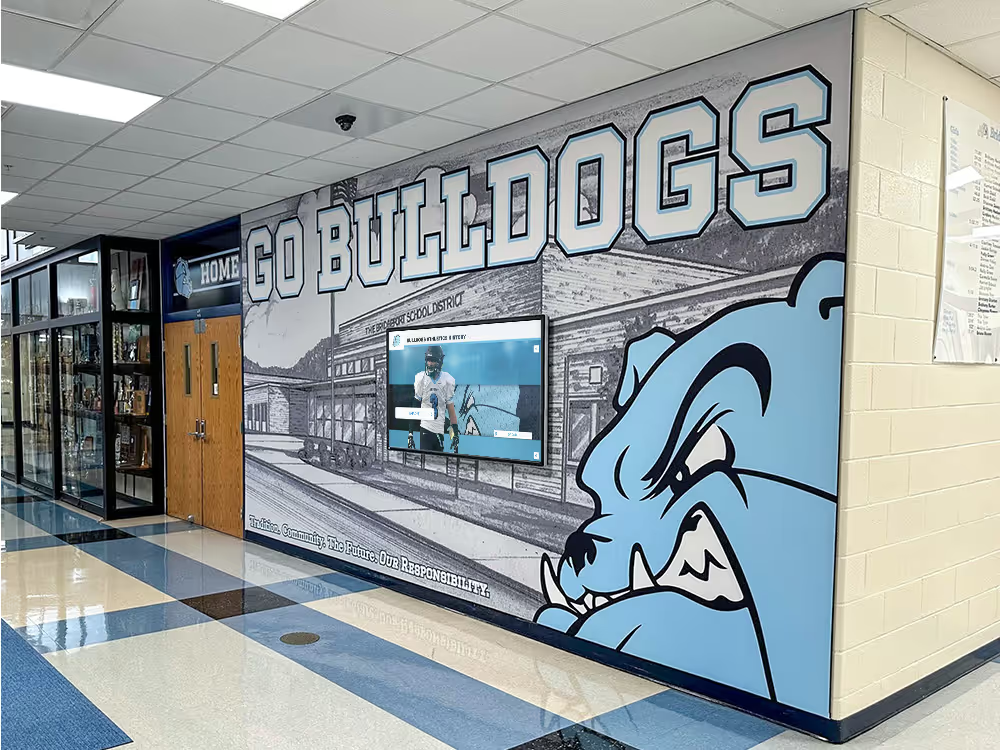
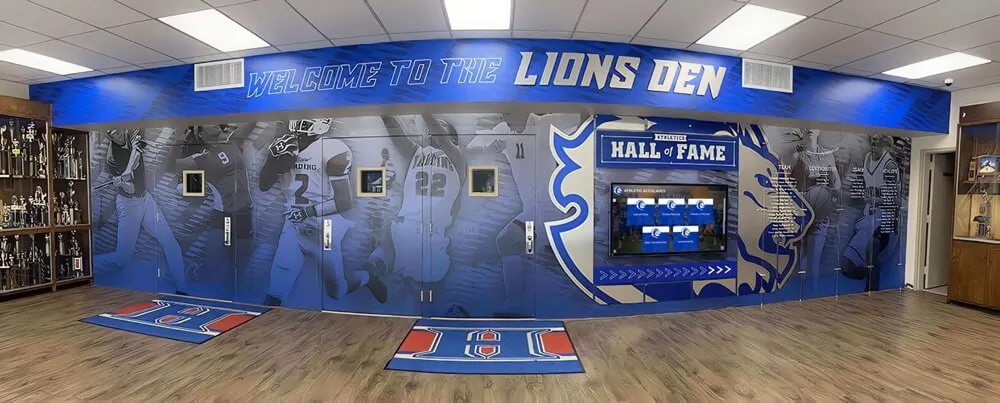
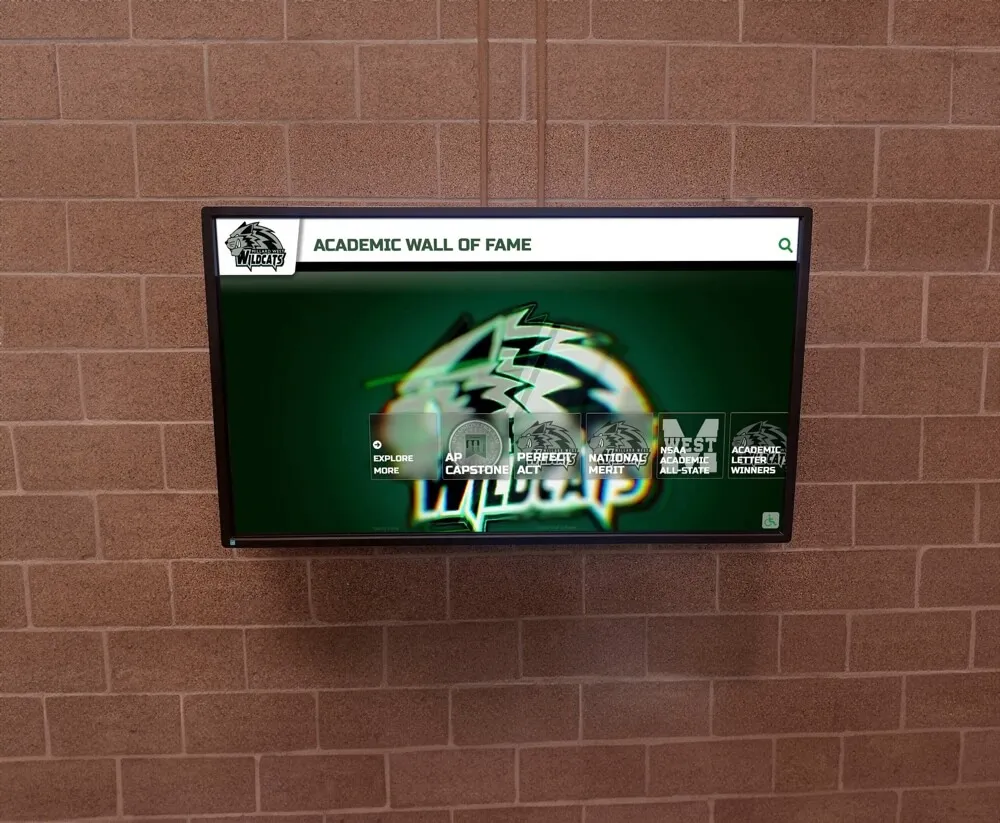
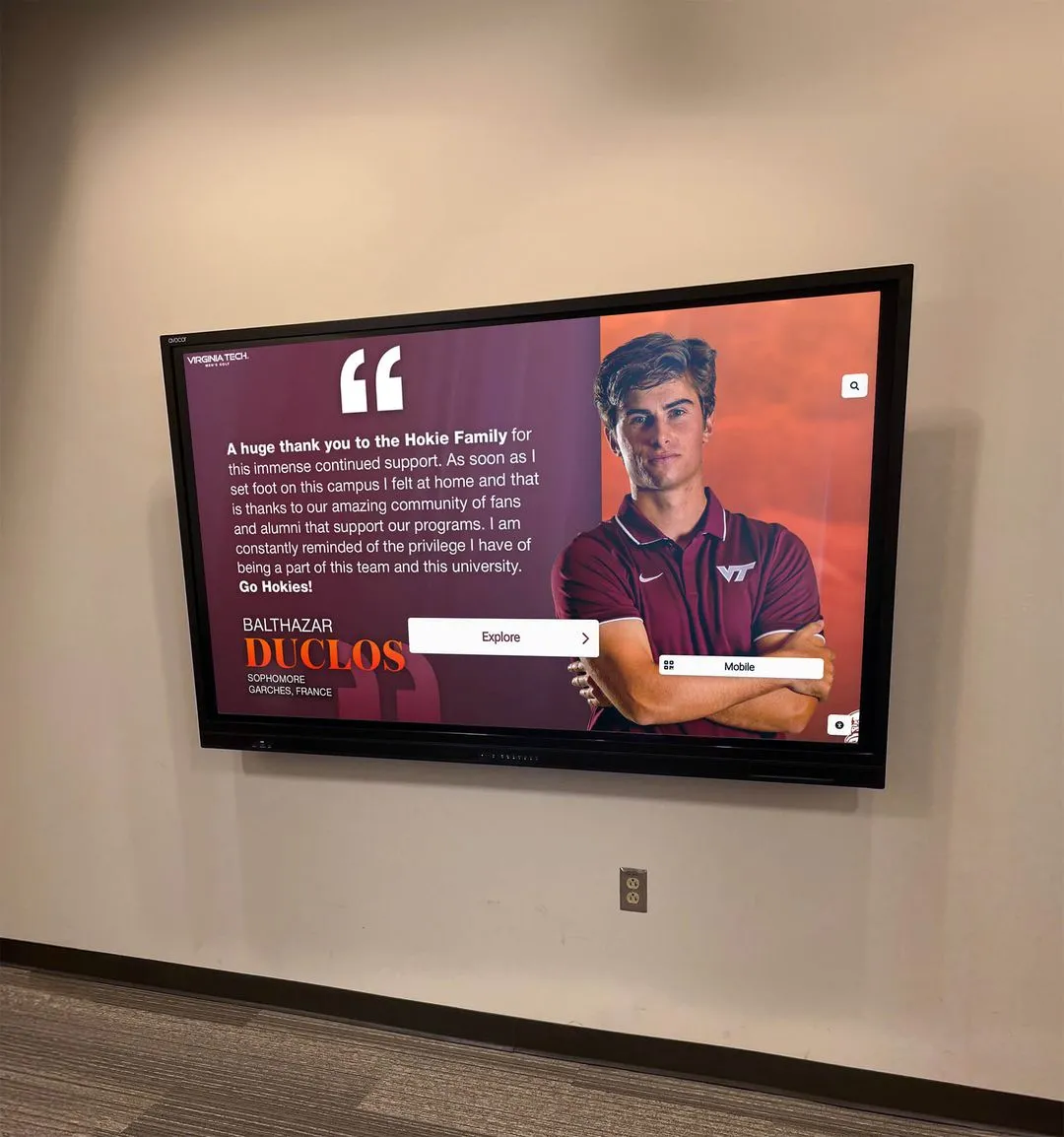
Modern recognition systems showcase the accomplishments of top students and valedictorians with detailed achievement profiles
Understanding Your Diverse Audience
Valedictorian speeches face the challenge of engaging multiple audience segments simultaneously:
Your Fellow Graduates (Primary Audience)
- Peers who shared your exact experiences
- Classmates with inside references and shared memories
- Friends who will judge authenticity most harshly
- Students with different perspectives and experiences than yours
- The group you’re ostensibly representing in your remarks
Your classmates constitute your most important audience. If the speech doesn’t resonate with them, it fails regardless of how much adults appreciate it.
Parents and Families
- Emotional about their children’s milestone achievement
- May not understand inside references or school-specific context
- Appreciative of acknowledgment of their support and sacrifice
- Seeking reassurance about their graduates’ futures
- Often the audience most likely to cry during your speech
Parents evaluate your speech partially through how it honors their specific graduate, making inclusive language particularly important.
Faculty and Staff
- Teachers who educated your class
- Counselors and support staff who aided your journey
- Administrators representing institutional perspective
- Professionals evaluating your poise and presentation
- Educators who appreciate sophisticated thinking and authentic voice
Faculty members often appreciate intellectual substance and authentic reflection more than purely emotional appeals or conventional platitudes.
Extended Community
- School board members and local officials
- Alumni returning for graduation ceremonies
- Community members who support the school
- Younger students observing what they might aspire to
- Media potentially covering the graduation ceremony
Broader community members evaluate your speech as representing your school’s educational quality and your class’s character.
Strategic Audience Engagement Balance these audiences by:
- Leading with content resonating with your classmates
- Including enough context that families understand references
- Demonstrating intellectual substance faculty appreciate
- Using inclusive language welcoming all audience segments
- Avoiding inside jokes that exclude or lengthy explanations that bore
Essential Valedictorian Speech Content Elements
Strong valedictorian speeches incorporate specific content components while maintaining authentic voice.
Opening Hook That Captures Attention
The first 30 seconds determine whether your audience engages with your entire speech or mentally checks out while politely listening.
Effective Opening Approaches
Vivid Specific Memory Begin with a detailed, specific moment your class experienced together:
- A memorable school event everyone attended
- First day of freshman year when everything felt new and uncertain
- A challenging moment your class navigated collectively
- A triumphant achievement your school community celebrated
- A peculiar tradition unique to your school culture
Effective example framework: “Four years ago, we walked into this building for the first time as freshmen, most of us clutching schedules we couldn’t decipher and looking for classrooms we couldn’t find. I watched Alex Martinez confidently walk into what he thought was his English class, only to discover he’d joined an AP Physics discussion about quantum mechanics. He stayed for ten minutes before realizing his mistake.”
Specific details make memories vivid and immediately engaging while inside knowledge demonstrates your authentic connection to your class’s shared experience.
Unexpected Question or Observation Lead with something surprising that reframes conventional graduation thinking:
- “How many of us are sitting here right now absolutely certain about our futures? Keep your hands up. Now, how many of you had that same certainty four years ago about where you’d be today?”
- “In about 45 minutes, we’ll walk across that stage to receive our diplomas. But the piece of paper we’re getting today isn’t actually what we earned here.”
- “There are exactly 247 students graduating today, which means 247 different versions of what these four years meant.”
Questions engage audiences actively rather than passively. Unexpected observations signal your speech won’t recycle conventional graduation platitudes.
Humor That’s Inclusive Open with humor that includes rather than excludes:
- Self-deprecating observations about shared struggles
- Gentle school culture observations everyone recognizes
- Common experiences all students endured
- Lighthearted acknowledgment of graduation ceremony length
- Affectionate recognition of school quirks
Effective humor acknowledges shared reality while avoiding meanness, inside jokes that exclude parents, or references that embarrass individuals.
Explore student leadership recognition in peer leadership spotlight programs that celebrate student achievement.
Acknowledging Growth and Transformation
The body of your speech should explore how your class changed during your school years.
Individual Growth Themes
- Academic development and intellectual maturity
- Social confidence and relationship skills
- Identity exploration and self-discovery
- Resilience developed through challenges
- Independence and decision-making capability
- Perspective shifts about what matters
Collective Growth as a Class
- How your class culture evolved over time
- Relationships that deepened from acquaintances to friends
- Collective resilience through difficult moments
- Shared achievements and milestone accomplishments
- Class identity and community formation
- Ways students supported each other
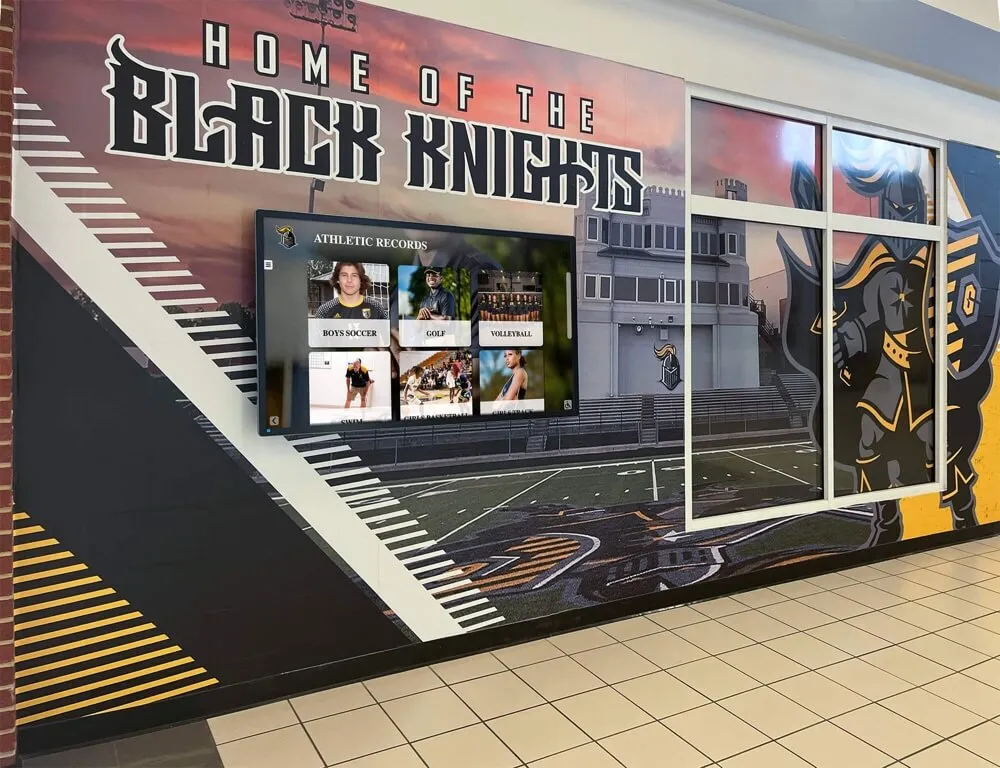
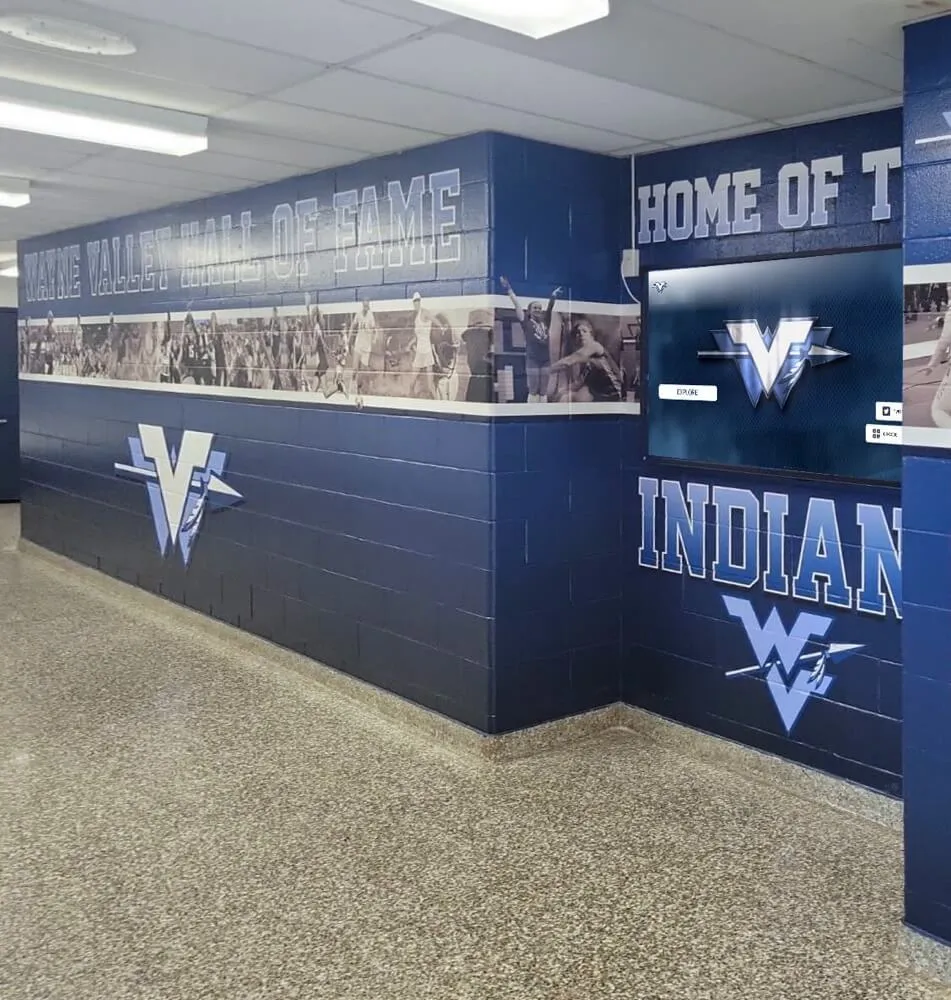
Recognition displays document the growth journey students experience throughout their academic careers
Effective Growth Discussion Strategies
- Use specific examples illustrating broader themes
- Acknowledge that growth looked different for different students
- Recognize that challenges contributed to development
- Avoid suggesting everyone grew in identical ways
- Include both planned growth and unexpected development
Growth narratives resonate because they acknowledge the real purpose of education while honoring the difficulty of transformation.
Expressing Authentic Gratitude
Gratitude sections risk becoming rote lists unless you make acknowledgment specific and genuine.
Teachers and Staff Move beyond generic thank-yous:
- Reference specific teaching approaches that made differences
- Acknowledge subject areas that challenged or inspired
- Recognize support staff often overlooked in graduation speeches
- Mention counselors and administrators who advocated for students
- Thank teachers who stayed late, arrived early, or offered extra help
Effective approach: “To our teachers—thank you for the obvious things like lesson planning and grading, but also for the invisible work we didn’t always see. For staying after school when you had families waiting at home. For writing recommendation letters that took hours you didn’t have. For the conversations in the hallway that meant more than any lesson plan.”
Parents and Families Acknowledge diverse family situations while expressing appreciation:
- Recognize different family structures without assuming uniformity
- Thank families for support that took many forms
- Acknowledge sacrifices parents made for education
- Appreciate patience during difficult teenage years
- Recognize that support looked different in different households
Inclusive language matters: “parents and families” rather than “moms and dads,” “guardians” alongside “parents,” recognition that support came from various sources.
Classmates Thank your peers authentically:
- Acknowledge friendships that sustained students through challenges
- Recognize classmates who created inclusive community
- Thank peers who pushed each other to improve
- Appreciate students who made school culture welcoming
- Acknowledge that you learned from classmates, not just teachers
Peer recognition demonstrates humility about your valedictorian position while honoring the relationships that made school meaningful.
Learn about recognition approaches in JV and varsity recognition programs that celebrate diverse student achievement.

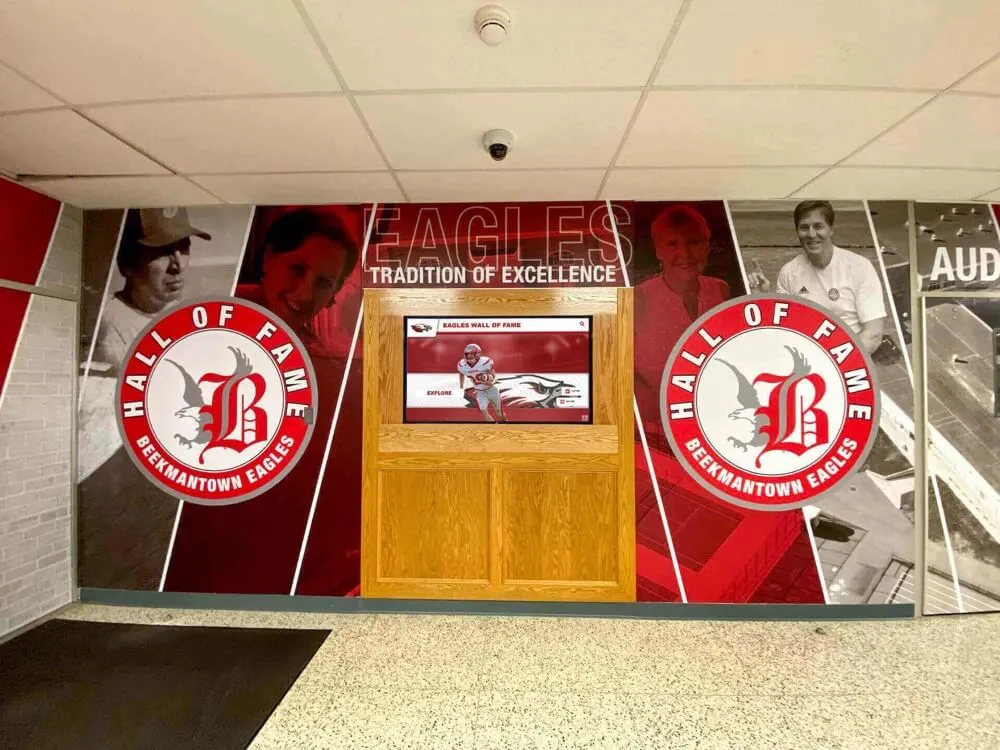
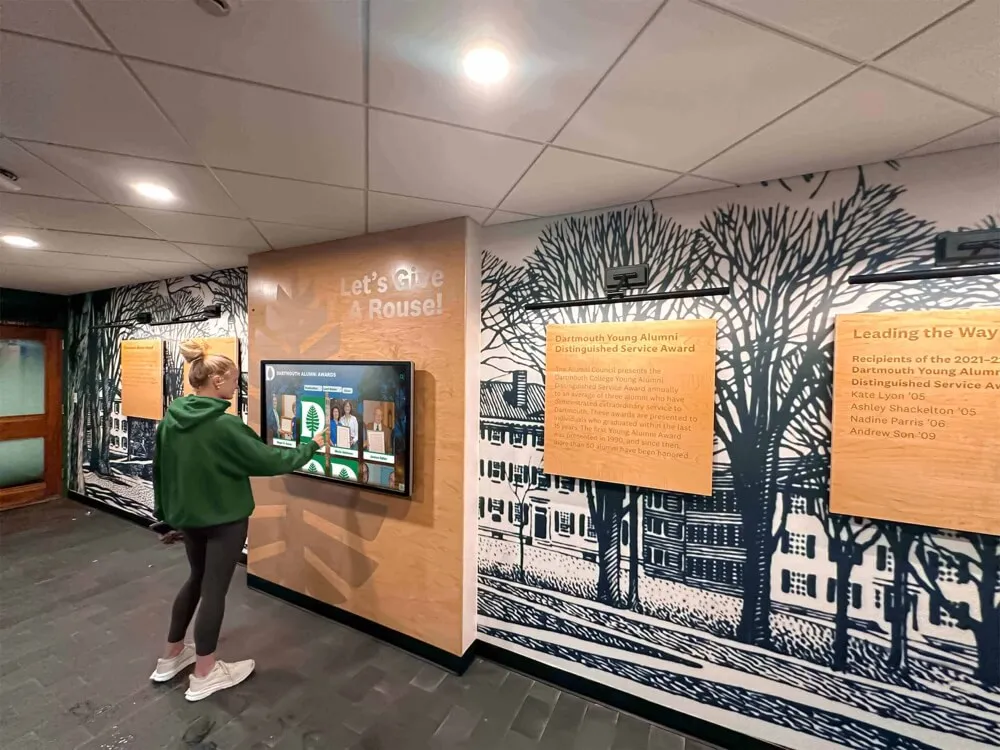
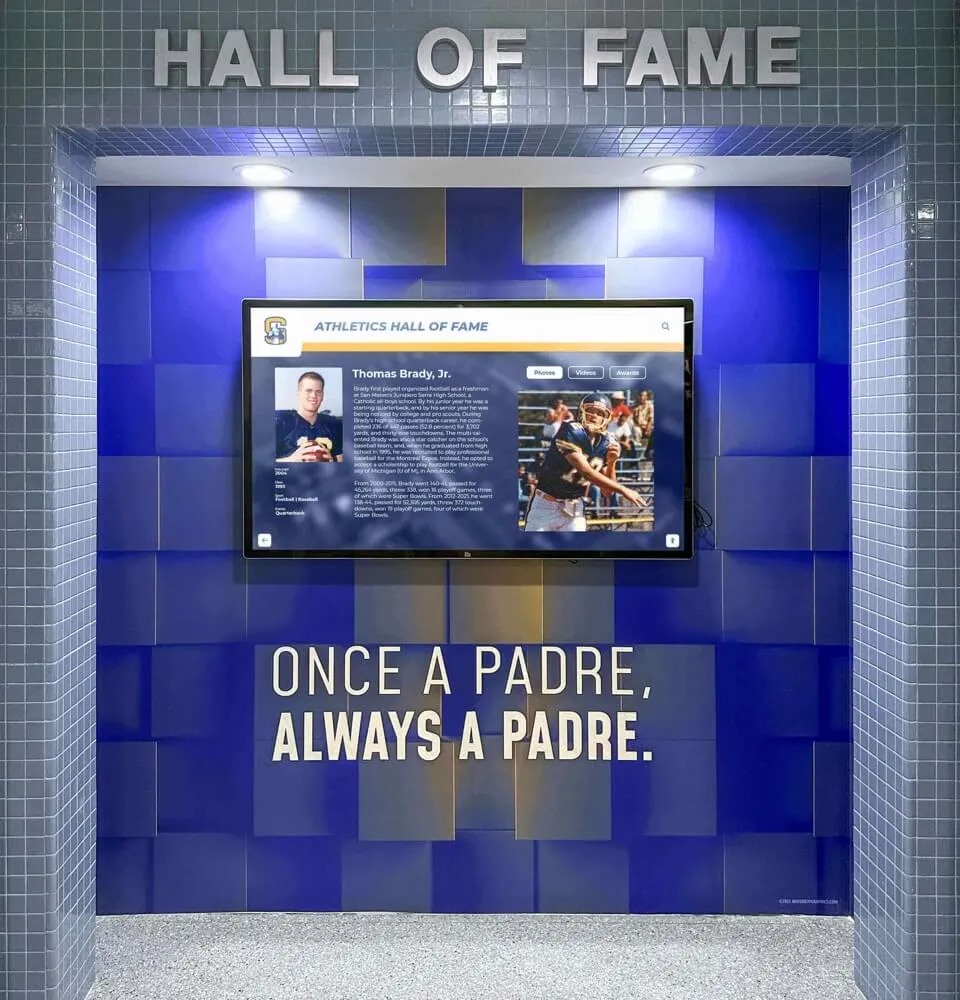
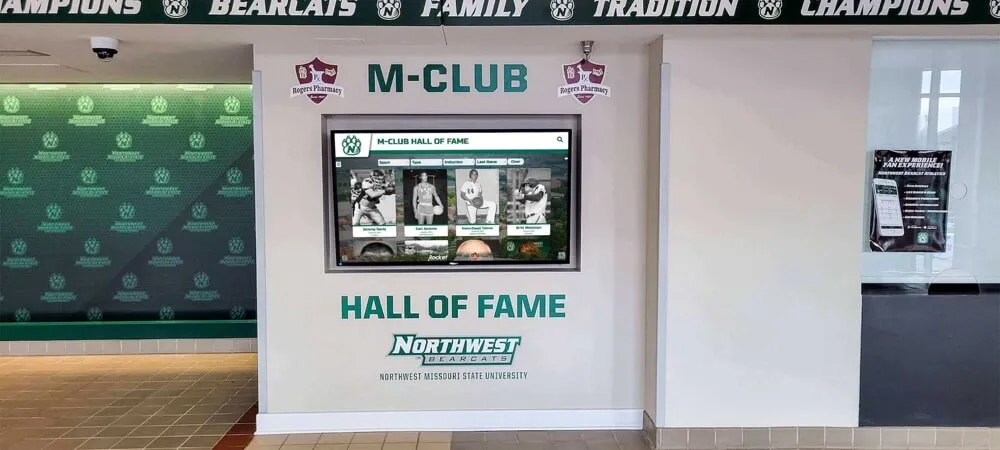
Digital recognition systems allow students to explore achievements of peers and role models including valedictorians and top scholars
Sharing Meaningful Lessons or Insights
The insight section distinguishes memorable speeches from forgettable ones. What wisdom can you offer that feels both earned and genuine?
Lessons from Academic Experience
- Realizations about learning itself, not just content
- Understanding that intelligence takes many forms
- Recognition that grades measure specific capabilities, not worth
- Appreciation for intellectual curiosity beyond achievement
- Acknowledgment that not knowing leads to growth
Avoid preaching or suggesting your academic success makes you uniquely qualified to dispense wisdom. Frame insights as personal discoveries you’re sharing, not universal truths you’re declaring.
Insights About Community and Relationships
- Understanding that asking for help demonstrates strength
- Recognition that everyone faces struggles others don’t see
- Appreciation for unexpected friendships
- Realization that comparison steals joy
- Understanding that kindness matters more than popularity
Relationship insights resonate universally because everyone navigates social dynamics during school years.
Perspective on Failure and Resilience
- Experiences with setbacks and how you recovered
- Realizations that failure isn’t final
- Understanding that mistakes create learning opportunities
- Recognition that everyone’s path includes struggles
- Appreciation for resilience you didn’t know you possessed
Vulnerability about your own challenges makes you relatable rather than positioning yourself above your classmates. Authenticity matters more than perfection.
Future-Oriented Wisdom
- Encouragement about handling uncertainty
- Perspective on the value of not having everything figured out
- Reassurance about different paths to success
- Reflection on the importance of remaining open to change
- Insight about defining success for yourself rather than by others’ standards
Future-focused wisdom should inspire without prescribing exactly what classmates should do. Create space for different aspirations and paths.
Acknowledging the Bittersweet Nature of Graduation
Strong speeches recognize that graduation combines celebration with loss, excitement with anxiety, joy with sadness.
The Complexity of Endings and Beginnings
- Excitement about future opportunities alongside grief about leaving
- Relief about finishing high school mixed with uncertainty about what’s next
- Pride in accomplishment combined with nostalgia for experiences ending
- Anticipation about independence alongside fear about responsibility
- Eagerness for new adventures mixed with desire to preserve current friendships
Acknowledging ambivalence validates what many students feel but don’t express. Not everyone feels purely excited about graduation, and pretending otherwise rings false.
Honoring What You’re Leaving Behind
- Routines and rhythms that provided structure
- Friendships that may change with distance
- Daily proximity to people you care about
- Familiar spaces and traditions
- Identity as a high school student
- Community that knew you during formative years
Giving space to grief about what’s ending shows emotional intelligence. Graduation isn’t only celebration—it’s also conclusion.
Embracing Uncertainty About the Future
- Acknowledging that many students don’t have clear plans
- Recognizing that initial plans often change
- Validating anxiety about the unknown
- Encouraging flexibility and adaptability
- Reframing uncertainty as possibility rather than only threat
Many graduation speeches focus exclusively on excitement and possibility. Acknowledging uncertainty and anxiety makes your speech more honest and relatable.
Discover how schools celebrate achievement in CTE program recognition displays that honor diverse student accomplishments.
Concluding With Forward-Looking Inspiration
Your conclusion should leave the audience with emotion, motivation, and memorable final thoughts.
Effective Closing Approaches
Call to Action for Your Class Challenge your classmates with something specific:
- “As we leave here today, I challenge us to stay curious, stay humble, and stay connected to what matters most.”
- “Let’s make a commitment to check in on each other, not just this summer, but when college gets hard, when jobs disappoint, when life doesn’t match our expectations.”
- “Whatever paths we take from here, let’s carry forward the kindness and resilience that made our class special.”
Effective calls to action are concrete enough to be meaningful yet broad enough to apply to diverse futures.
Circular Callback to Opening Return to your opening image or story with new meaning:
- If you opened with freshman year arrival, close with walking out as graduates
- If you began with a question, answer it from your current perspective
- If you started with a memory, reflect on how its meaning has changed
- If you opened with humor, return to it with heart
Circular structure creates satisfying closure while demonstrating compositional sophistication.
Looking Ahead Together Paint a picture of your shared future:
- “Ten years from now, we’ll gather for our reunion, and we’ll marvel at how much has changed while some things stayed the same.”
- “Today we’re graduating together. Tomorrow we scatter to different cities, different schools, different lives. But we’ll always share these four years.”
- “The future is unwritten, and that’s exactly as it should be. We get to write it together, in our own ways, on our own terms.”
Future-focused conclusions should feel hopeful without being unrealistic. Acknowledge both change and continuity.
Final Gratitude and Celebration Close by bringing all audiences together:
- “Thank you to everyone who made today possible. To our families, our teachers, our friends, and each other. Congratulations, Class of 2026. We did it.”
- “So here’s to us, to everyone who believed in us, and to everything that comes next. We’re ready.”
- “Class of 2026, it’s been an honor growing up with you. Let’s go show the world what we’re made of.”
Ending on communal celebration brings your entire audience together in the moment’s emotion.
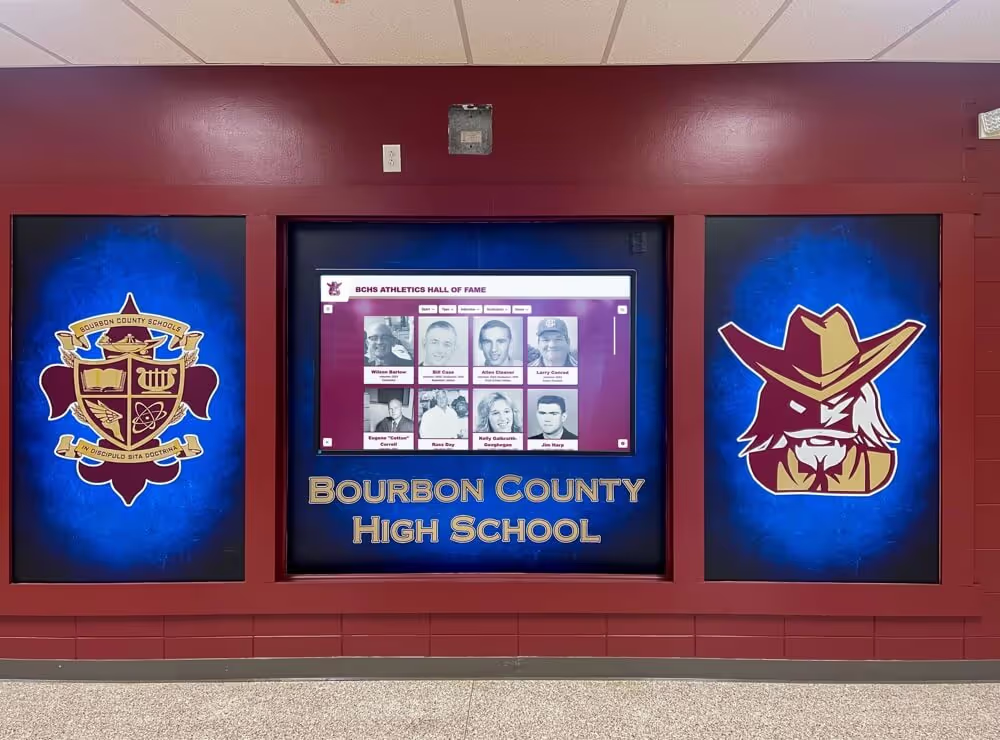
Permanent recognition displays ensure valedictorians and top students receive lasting acknowledgment of their achievements
Speech Structure and Length Guidelines
Strategic organization keeps audiences engaged while covering necessary content.
Optimal Length and Pacing
Time Guidelines
- Target length: 5-7 minutes (approximately 650-900 words)
- Absolute maximum: 10 minutes (approximately 1,200 words)
- Minimum viable: 4 minutes (approximately 500 words)
Longer speeches risk losing audience attention. Shorter speeches may feel insubstantial for such a significant honor. The 5-7 minute range provides sufficient time for meaningful content without exhausting goodwill.
Pacing Considerations
- Delivery pace: approximately 120-140 words per minute when speaking naturally
- Include pauses for emphasis, laughter, or applause
- Build in breathing room after significant statements
- Vary pacing to maintain interest
- Slow down for most important messages
When practicing, time your speech multiple times. Nerves typically accelerate delivery, so target the longer end of your time range in practice.
Effective Structural Frameworks
Traditional Three-Part Structure
Introduction (15-20% of speech)
- Opening hook capturing attention
- Brief context about your role and purpose
- Preview of what you’ll discuss
- Connection with audience
Body (60-70% of speech)
- Reflection on shared experiences
- Growth and transformation theme
- Acknowledgment and gratitude
- Lessons learned and insights
- Balance of humor and heart
Conclusion (15-20% of speech)
- Summary of main themes
- Forward-looking inspiration
- Final call to action or challenge
- Closing thanks and celebration
This classical structure works because it matches audience expectations while providing clear organization.
Thematic Organization
Rather than chronological or conventional structure, organize around a central theme:
- Resilience: Stories of challenges overcome, growth through difficulty, encouragement for future obstacles
- Community: How relationships shaped your experience, gratitude for support, call to maintain connections
- Discovery: Exploration and learning, unexpected lessons, embracing the unknown ahead
- Transformation: How your class changed, personal growth, excitement about who you’re becoming
Thematic organization creates coherence and sophistication when executed well.
Problem-Solution Structure
Particularly effective for speeches addressing challenges:
- Acknowledge difficulties your class faced (pandemic disruption, social challenges, pressure)
- Explore how your class responded and what you learned
- Apply those lessons to future challenges
- Inspire confidence based on proven resilience
This structure honors struggle while celebrating strength without toxic positivity.
Learn about comprehensive recognition approaches in digital history archives that preserve student achievement and milestones.
Transitions and Flow
Smooth transitions maintain engagement by helping audiences follow your thinking:
Effective Transition Techniques
- Signposting: “Beyond academic lessons, high school taught us about relationships…”
- Questions: “But what does all this mean for where we’re going?”
- Callbacks: “Remember that freshman year confusion I mentioned? Here’s what I learned from it…”
- Contrast: “We came here as individuals. We leave as a class.”
- Time markers: “Four years ago… Today… Tomorrow…”
Transitions should feel natural rather than mechanical. Read your speech aloud to identify where flow falters.
Writing Process: From Brainstorming to Final Draft
Excellent speeches require multiple drafts and revision. Treat speechwriting as a process, not a one-time effort.
Brainstorming and Idea Generation
Memory Mining
- List significant moments from your school years
- Identify experiences most classmates shared
- Note traditions unique to your school
- Recall challenges your class overcame together
- Document inside cultural references everyone would recognize
Cast a wide net initially. You’ll narrow focus during drafting.
Lesson Identification
- What did you learn beyond academic content?
- How did you change during these years?
- What surprised you about high school?
- What do you wish you’d known as a freshman?
- What wisdom would you share with younger students?
Effective insights often come from comparing your freshman and senior perspectives.
Audience Analysis
- What do your classmates value most about their experience?
- What would resonate emotionally with parents?
- What themes would faculty appreciate?
- What messages would honor your school’s values?
- What topics should you avoid or handle carefully?
Understanding your audience shapes content selection.
Theme Development After brainstorming, identify 2-3 central themes connecting your ideas:
- Resilience and growth
- Community and connection
- Discovery and learning
- Transformation and change
- Gratitude and celebration
Strong themes provide organizational structure and emotional coherence.
First Draft: Getting Ideas Down
Your first draft should prioritize content over polish.
First Draft Guidelines
- Write continuously without stopping to edit
- Include more material than you’ll ultimately use
- Don’t worry about perfect transitions or word choice
- Mark sections that feel weak with brackets to revise later
- Focus on getting your main ideas into sentences
First drafts often run 20-40% longer than final versions. Cutting during revision is easier than expanding sparse content.
Checking Your First Draft
- Does it sound like you, or like generic graduation speech?
- Would your classmates recognize authentic experiences?
- Have you balanced all audience segments?
- Does structure flow logically?
- Are your best stories and insights included?
If your first draft feels flat or generic, return to brainstorming. Strong speeches require strong content.
Revision: Refining Content and Voice
Multiple revision passes improve different speech elements.
Content Revision
- Remove generic platitudes that could apply to any graduation
- Cut sections that don’t advance your main themes
- Expand underdeveloped ideas that deserve more attention
- Add specific details making stories vivid and memorable
- Eliminate redundancy where you’ve made the same point multiple times
- Ensure you’ve balanced all required elements
Ask: “If someone removed school names and identifying details, would this speech work for any graduation?” If yes, add more specificity.
Voice and Tone Revision
- Read aloud to identify where language doesn’t sound like you
- Replace formal or stilted phrasing with conversational language
- Ensure humor matches your actual personality
- Check that emotional moments feel genuine rather than manipulative
- Verify you’re speaking to your audience, not at them
Your speech should sound like an articulate, prepared version of how you actually talk, not like you’re imitating graduation speeches you’ve heard.
Structure and Flow Revision
- Strengthen your opening if it doesn’t immediately capture attention
- Improve transitions between sections
- Ensure your conclusion feels like a satisfying ending
- Check pacing to avoid spending too long on less important elements
- Verify your structure supports rather than fights your content
Read your speech aloud multiple times during revision. Your ear catches flow problems your eyes miss.
Language-Level Revision
- Choose specific, vivid verbs over generic ones
- Replace abstract language with concrete details
- Vary sentence length for rhythm and emphasis
- Eliminate filler words and unnecessary qualifiers
- Check that parallelism and repetition are intentional rather than accidental
Strong language makes good content memorable.
Explore recognition program approaches in athletic field dimensions guides that detail comprehensive athletic programs.
Feedback and Final Polish
External perspective improves speeches significantly.
Who to Ask for Feedback
- Close friends who will tell you honestly what works and what doesn’t
- Parents who represent the family audience perspective
- A favorite teacher who can evaluate content sophistication
- Another top student who understands the pressure
- Your English teacher for writing craft feedback
Seek diverse perspectives rather than only friends who might avoid criticism.
Questions for Feedback Providers
- Where did your attention wander?
- What moments were most memorable?
- Did anything feel inauthentic or unlike me?
- Were there sections you didn’t understand?
- What would you add or cut?
- How did the length feel?
Specific questions yield more useful feedback than “What did you think?”
Incorporating Feedback
- Look for patterns across multiple reviewers
- Don’t change elements that represent your authentic voice just because one person preferred different phrasing
- Fix sections where multiple people lost interest or connection
- Strengthen parts that multiple reviewers identified as highlights
- Ignore suggestions that would make the speech less like you
You’re the author. Take feedback seriously without abdicating responsibility for final decisions.
Delivery Tips: Presenting Your Speech With Confidence
Even brilliant writing falls flat without effective delivery. How you present matters as much as what you say.
Physical Preparation and Practice
Practice Requirements
- Read through your speech at least 10-15 times before graduation
- Practice in front of mirrors to observe your body language
- Record yourself on video to identify distracting habits
- Present to small audiences (family, friends) for feedback
- Practice in the actual venue if possible to familiarize yourself with the space
Memorization vs. reading: Many valedictorians memorize key sections while having the full text available, allowing eye contact without risking forgetting content under pressure.
Vocal Preparation
- Practice projecting your voice to reach back rows
- Vary your pace, avoiding monotone delivery
- Emphasize key words and phrases for impact
- Build in natural pauses after important statements
- Practice breathing deeply to support vocal projection
If you’ll use a microphone, practice with one before graduation to understand appropriate volume and how to handle it without creating distracting noise.
Physical Presence
- Stand with confident posture (shoulders back, feet shoulder-width apart)
- Make eye contact with different audience sections
- Use natural hand gestures for emphasis
- Move deliberately if you’ll have space, or stand anchored if speaking from a podium
- Avoid distracting habits (swaying, fidgeting, hair touching)
Video yourself practicing to identify unconscious habits you don’t notice in the moment.
Managing Nervousness and Stage Presence
Pre-Speech Anxiety Management
- Arrive early to familiarize yourself with the space and setup
- Practice deep breathing before you speak
- Remind yourself that audiences want you to succeed
- Focus on your message rather than yourself
- Remember that brief pauses feel longer to you than to audiences
Some nervousness is normal and even beneficial. The goal isn’t eliminating nerves but managing them productively.
During Speech Composure
- If you lose your place, pause and find it rather than panicking
- If you make a mistake, continue rather than drawing attention to it
- If audience members seem disengaged, refocus on those making eye contact
- If you get emotional, pause until you can continue
- If something unexpected happens (laughter at wrong moment, technical issues), acknowledge it gracefully if necessary then continue
Professional speakers handle disruptions with poise. Your response to the unexpected demonstrates maturity.
Connection With Audience
- Make deliberate eye contact with different sections
- Smile when appropriate to your content
- Notice audience reactions and adjust slightly if needed
- Direct different sections to different audience segments
- Remember you’re having a conversation with 500 people, not performing a monologue
Engagement requires presence, not just recitation.
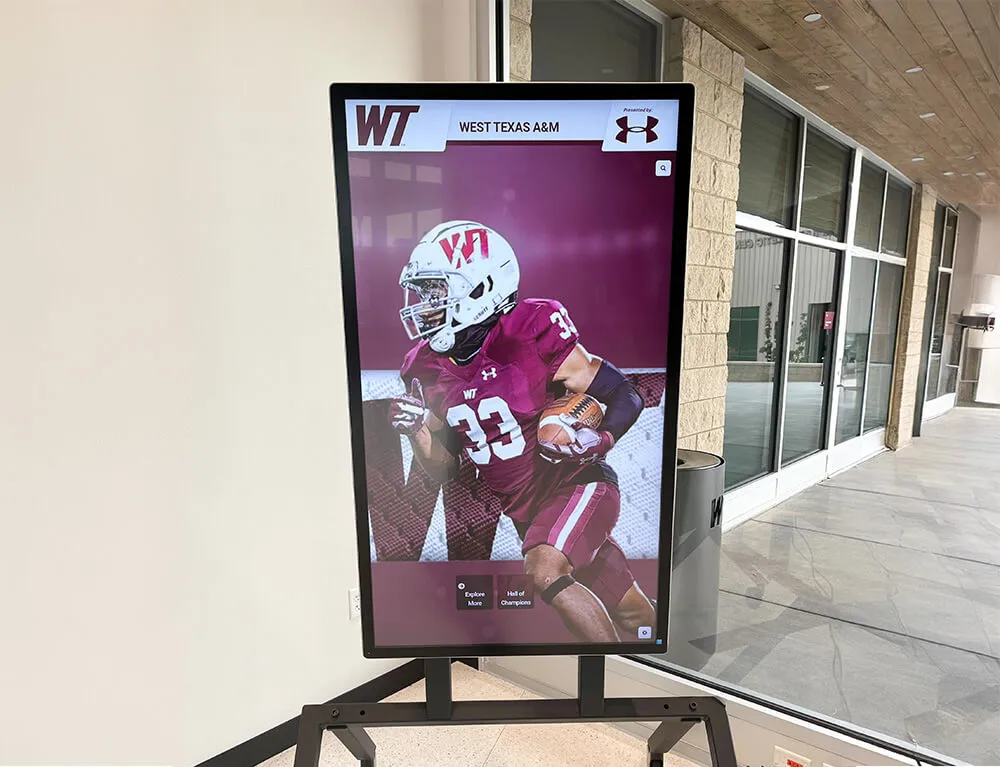
Recognition displays in prominent school locations celebrate academic excellence including valedictorian honors
Technical Considerations
Working With Microphones
- Hold handheld mics 4-6 inches from your mouth at consistent distance
- Speak directly toward lavalier or podium mics
- Test microphone beforehand if possible
- Don’t tap or blow on microphones
- Adjust mic stand before beginning rather than mid-speech
Ask ceremony coordinators what type of microphone you’ll use so you can practice with similar equipment.
Managing Your Script
- Print your speech in large, readable font (14-16 point)
- Double or triple space for easy reading
- Number pages clearly in case you drop them
- Use page breaks at natural pauses rather than mid-sentence
- Highlight or bold key phrases you want to emphasize
If reading from paper, hold it high enough to maintain head position without looking down excessively.
Weather and Environmental Factors
- For outdoor ceremonies, have a plan for wind (secure your papers)
- Account for sun glare if speaking outside midday
- Prepare for heat by staying hydrated beforehand
- Be ready for weather-related acoustic challenges
- Have contingency plans for technical failures
You can’t control the environment, but you can prepare for likely scenarios.
Common Valedictorian Speech Mistakes to Avoid
Learning from others’ errors helps you avoid the most common pitfalls.
Content Mistakes
Making It Only About Yourself Valedictorian speeches should represent your class, not serve as autobiographical presentations. Avoid:
- Long sections about your personal achievements
- Stories where you’re the only protagonist
- Excessive focus on your individual future plans
- Using “I” far more frequently than “we”
- Positioning yourself as separate from or above your classmates
Effective approach: Use brief personal anecdotes to illustrate universal themes, then expand to include classmates’ experiences.
Relying on Quotes and Clichés Generic graduation platitudes undermine authenticity:
- Opening with dictionary definitions of success or graduation
- Building speeches around inspirational quotes rather than original thinking
- Recycling conventional graduation wisdom without fresh perspective
- Using corporate-speak phrases like “thinking outside the box” or “dream big”
- Defaulting to song lyrics as wisdom
Quotes can supplement your ideas but shouldn’t replace them. If you use a quote, explain why it matters to you specifically.
Inside Jokes That Exclude References only your immediate friend group understands alienate broader audiences:
- Extensive references to events only 20 students experienced
- Nicknames without explanation
- Detailed stories about people most of the class doesn’t know
- Humor requiring extensive context to understand
- Class drama or controversies
Effective approach: Use broadly shared experiences or explain context briefly so everyone understands references.
Being Preachy or Condescending Avoid positioning yourself as qualified to lecture your peers:
- Telling classmates what they should do with prescriptive certainty
- Suggesting your academic success makes you uniquely wise
- Offering unsolicited advice about life choices
- Implying you have everything figured out
- Speaking down to your audience
Effective approach: Share insights humbly as personal discoveries you’re offering, not universal truths you’re declaring.
Delivery Mistakes
Reading Without Looking Up Spending entire speeches looking at your paper rather than your audience:
- Eliminates connection with listeners
- Makes your speech feel like a reading exercise rather than communication
- Prevents you from gauging audience reaction
- Reduces vocal projection and emphasis
- Makes you appear unprepared or nervous
Effective approach: Know your speech well enough to maintain frequent eye contact even if you’re not fully memorized.
Rushing Through Content Nervousness often accelerates delivery, creating problems:
- Audiences miss important points
- Emotional moments lose impact without space for reaction
- Your speech ends too quickly, feeling insubstantial
- You finish before nervousness subsides, missing the confident conclusion
- Meaning gets lost in rapid-fire delivery
Effective approach: Practice at a slower pace than feels natural. Build in intentional pauses. Remember that silence creates emphasis.
Apologizing or Self-Deprecating Excessively Some humility is appealing; excessive apology undermines authority:
- Beginning with “I’m not a good public speaker, so…”
- Apologizing for speech length before you begin
- Constantly minimizing your own perspective with “I don’t know if this matters, but…”
- Excessive throat clearing or visible anxiety
- Drawing attention to mistakes rather than moving past them smoothly
Effective approach: Brief self-deprecating humor works; constant apology doesn’t. Stand in your authority as the chosen speaker.
Ignoring Time Limits Speeches significantly over designated time lose goodwill:
- Audiences mentally disengage when speeches drag
- You cut into other ceremony elements
- People become physically uncomfortable in hot venues
- Your best material gets lost in excessive length
- Organizers may literally cut you off
Effective approach: Practice multiple times with a timer. Cut material until you’re comfortably within time guidelines.
Learn about team recognition programs in creative sports team awards beyond MVP.
Special Considerations for Different Contexts
Your school’s specific situation may require adapting conventional approaches.
Addressing Difficult Circumstances
Post-Pandemic Cohorts If your class experienced significant disruption:
- Acknowledge the unusual circumstances you navigated
- Honor losses and challenges without dwelling on victimhood
- Celebrate resilience and adaptability your class demonstrated
- Recognize that disruption affected different students differently
- Frame challenges as demonstrating strength rather than defining your class negatively
Balance acknowledgment with hope. Your class overcame significant obstacles—that’s worth celebrating.
After Tragedy or Loss If your class experienced the death of a classmate or community tragedy:
- Consult with administrators and affected families about appropriate acknowledgment
- Honor memory respectfully without making the speech primarily about loss
- Recognize grief while creating space for celebration
- Avoid suggesting tragedy happened “for a reason” or offers easy comfort
- Include memorial elements that families approve
Seek guidance rather than guessing what’s appropriate. Sincerity and respect matter more than eloquence.
Schools With Social or Racial Tensions If your school community experienced division:
- Acknowledge different perspectives and experiences existed
- Call for continued growth and understanding
- Avoid pretending problems didn’t exist or have been solved
- Don’t put burden on marginalized students to fix others’ biases
- Focus on potential for growth rather than declaring success
Authenticity about imperfection demonstrates maturity and creates space for continued work.
Co-Valedictorian Situations
Some schools name multiple valedictorians, requiring coordination:
Writing Collaboratively
- Meet early to discuss themes and structure
- Decide whether you’ll write one unified speech or alternating sections
- Ensure your sections complement rather than repeat each other
- Practice transitions between speakers
- Present a unified message rather than separate speeches
Effective co-speeches require more coordination than solo efforts. Start planning early.
Dividing Content Strategically
- Assign different themes to different speakers (one focuses on gratitude, one on future)
- Divide audiences (one addresses classmates, one addresses families)
- Use time periods (one covers freshman/sophomore years, one covers junior/senior)
- Alternate perspectives (one uses specific stories, one offers broader reflection)
Clear division prevents redundancy and maximizes your combined speaking time’s value.
Cultural and Community Considerations
Diverse School Communities If your school includes significant diversity:
- Ensure examples and references include different groups
- Avoid assumptions about uniform experiences or backgrounds
- Recognize different post-graduation paths as equally valuable
- Include multiple perspectives in your shared experience
- Check that humor and references translate across cultural contexts
Inclusive language requires intentional attention but demonstrates respect for your entire class.
Religious or Values-Based Schools If your school has specific values or religious framework:
- Honor the institutional context appropriately
- Balance institutional values with authentic personal voice
- Acknowledge shared values without assuming universal belief
- Respect traditions while bringing fresh perspective
- Consult administrators about any concerns regarding content
You can honor your school’s character while maintaining your authentic voice.
FAQ: Valedictorian Speech Questions
How long should a valedictorian speech be?
Valedictorian speeches should typically last 5-7 minutes, approximately 650-900 words. This length provides sufficient time for meaningful content including personal reflection, gratitude, inspiration, and humor without exhausting audience attention. Some schools set specific time limits—confirm requirements with your administration. Speeches under 4 minutes often feel rushed or insubstantial, while speeches exceeding 10 minutes risk losing audience engagement regardless of content quality.
Should I memorize my valedictorian speech or read it?
Most successful valedictorians use a hybrid approach: memorize key sections (opening, major transitions, conclusion) while having the full text available to reference. This allows confident eye contact with your audience without risking completely forgetting content under pressure. If reading, practice enough that you can look up frequently and maintain connection with listeners. Complete memorization works if you’re comfortable with public speaking but creates risk of blanking during the actual ceremony.
Can I use humor in my valedictorian speech?
Humor absolutely enhances valedictorian speeches when used appropriately. Effective humor includes self-deprecating observations about shared struggles, gentle school culture references everyone recognizes, and lighthearted acknowledgment of common experiences. Avoid inside jokes that exclude parents and community members, humor that embarrasses individuals, or sarcasm that reads as mean-spirited. The best humor celebrates your class affectionately while keeping the overall tone respectful of the ceremony’s significance.
What should I avoid in my valedictorian speech?
Avoid making the speech primarily about yourself rather than your class, relying heavily on quotes instead of original thinking, including inside jokes that exclude broader audiences, being preachy or prescriptive about how classmates should live their lives, exceeding time limits significantly, apologizing excessively or appearing unprepared, reading without looking at your audience, and using clichéd graduation platitudes without fresh perspective. The most important avoidance: Don’t write what you think a valedictorian speech should sound like—write what you genuinely want to say to your classmates.
How do I handle getting emotional during my valedictorian speech?
Getting emotional during graduation speeches is common and demonstrates genuine connection to your content and class. If you feel tears coming, pause, take a breath, and compose yourself—audiences appreciate authenticity and will wait patiently. Bringing tissues is wise. If certain sections consistently make you emotional during practice, you can either revise them slightly or practice them repeatedly until you can deliver them more comfortably. Remember that brief emotion reads as sincerity; apologizing excessively for it draws more attention than necessary.
Do I need to thank specific people by name in my valedictorian speech?
Generally avoid naming specific individuals unless they represent broader categories (the principal, a teacher giving the introduction) or you’re acknowledging something the entire audience knows about (a long-serving retiring teacher, a coach who won championships). Extensive name lists bore audiences and create politics about who gets mentioned. Instead, thank categories (teachers, parents, counselors, support staff) with specific details about what those groups contributed rather than listing individuals. The exception: if addressing a class that lost a member, consult with family about appropriate acknowledgment.
Creating a Speech That Honors Your Achievement and Your Class
Valedictorian speeches represent unique opportunities to reflect on shared experiences, express gratitude for those who supported your journey, and offer perspective on lessons learned during formative years. The honor of addressing your graduating class carries responsibility to represent diverse experiences, acknowledge various contributions to your collective success, and create inspiration for the different futures your classmates will pursue.
The comprehensive valedictorian speech tips explored throughout this guide provide frameworks for transforming the intimidating task of writing and delivering a graduation address into an achievable process producing memorable results. From understanding your multiple audiences and balancing their different needs, to structuring content that maintains engagement while covering essential elements, to practicing delivery that projects confidence and connection, effective valedictorian speeches combine thoughtful preparation with authentic voice.
Most importantly, remember that your speech should sound like you—an articulate, prepared version of your authentic self, not an imitation of graduation speeches you’ve heard or generic platitudes about the future. Your classmates, families, and teachers selected you for this honor not because you can recycle conventional wisdom, but because your perspective, achievement, and voice merit attention during this significant milestone.
Preserve Your Academic Achievement Recognition
Discover how modern digital recognition solutions can permanently showcase valedictorians and top academic achievers, creating lasting visibility for the excellence you'll celebrate in your graduation speech.
Explore Recognition SolutionsThe best valedictorian speeches balance multiple objectives: representing your entire class while bringing personal perspective, expressing gratitude that feels genuine rather than obligatory, offering wisdom without preaching, acknowledging complex emotions about endings and beginnings, and inspiring confidence about uncertain futures. When you approach speechwriting as a multi-draft process incorporating feedback and extensive practice, you create addresses that serve all these purposes while remaining authentic to who you are.
Your achievement in earning valedictorian recognition deserves celebration, but your final responsibility is using that platform to honor everyone who contributed to your success and inspire your classmates as they pursue their diverse paths. Start with the strategic frameworks and proven techniques explored in this guide, adapt them to your authentic voice and your class’s specific experience, then practice delivery until you can present with the confidence this significant moment deserves. Your words have the potential to resonate for years—make them count.