



Volleyball tryout tips can make the difference between earning your spot on the roster and watching from the sidelines this season. When student athletes prepare strategically for competitive volleyball tryouts—developing essential skills, understanding what coaches prioritize, building physical conditioning, and demonstrating coachable attitudes—they significantly increase their chances of making the team while positioning themselves for meaningful roles once the season begins.
Yet many talented athletes approach tryouts without adequate preparation, relying solely on natural ability while overlooking the specific evaluation criteria coaches use during selection. Generic fitness training doesn’t address volleyball-specific conditioning demands, unpolished fundamental skills create poor first impressions during limited evaluation time, and weak mental preparation leads to tryout-day anxiety that undermines performance. Meanwhile, athletes who fail to research team expectations, understand positional requirements, or demonstrate teachability often get overlooked regardless of raw athletic potential.
This comprehensive guide explores proven volleyball tryout tips across skill development, physical preparation, mental readiness, and strategic presentation—helping you maximize your performance during tryouts and earn your place on the team roster this season.
Making a volleyball team requires more than just showing up with decent athletic ability. Successful tryout performance combines demonstrable technical skills coaches can immediately observe, volleyball-specific conditioning that allows sustained high-level play throughout multi-day evaluations, mental composure under pressure when competing against other talented athletes, and coachable attitudes that signal future development potential. Athletes who excel at tryouts prepare systematically across all these dimensions rather than hoping natural talent alone will be sufficient.

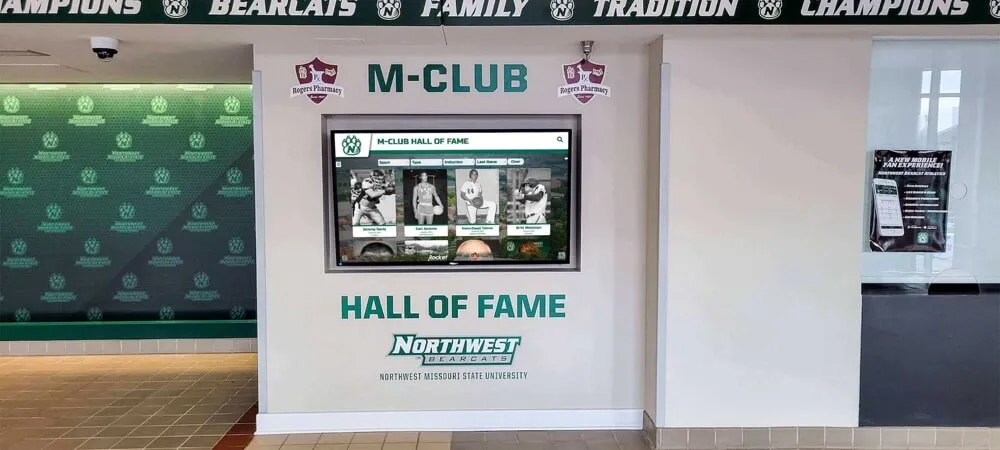
Successful tryouts lead to team roster spots and eventual recognition of athletic achievement throughout your school career
Understanding What Coaches Evaluate During Volleyball Tryouts
Before diving into specific preparation strategies, understanding evaluation criteria coaches prioritize helps you focus training efforts most effectively.
Primary Skills Coaches Assess
Volleyball coaches evaluate fundamental competencies across multiple skill categories during limited tryout timeframes:
Ball Control and Passing Fundamentals
- Platform passing accuracy and consistency
- Ability to pass serves under pressure
- Ball control during defensive situations
- Consistent contact point and body positioning
- Communication during team passing drills
- Adaptability to different serve speeds and trajectories
Serving Capabilities
- Serving consistency and accuracy
- Variety of serve types (float, topspin, jump serve)
- Strategic serving to target weak receivers
- Ability to serve under pressure situations
- Recovery and focus after service errors
- Serving aggressiveness balanced with reliability
According to USA Volleyball coaching guidelines, consistent serve receive and serving represent the most critical skills for team selection because they impact every single rally and represent areas where immediate contribution is possible regardless of experience level.
Beyond Technical Skills: Intangible Qualities
Coaches evaluate characteristics beyond measurable physical abilities:
Coachability and Learning Capacity
- Responsiveness to coaching feedback
- Ability to implement corrections quickly
- Questions demonstrating understanding
- Positive body language during instruction
- Willingness to try unfamiliar techniques
- Growth mindset about skill development
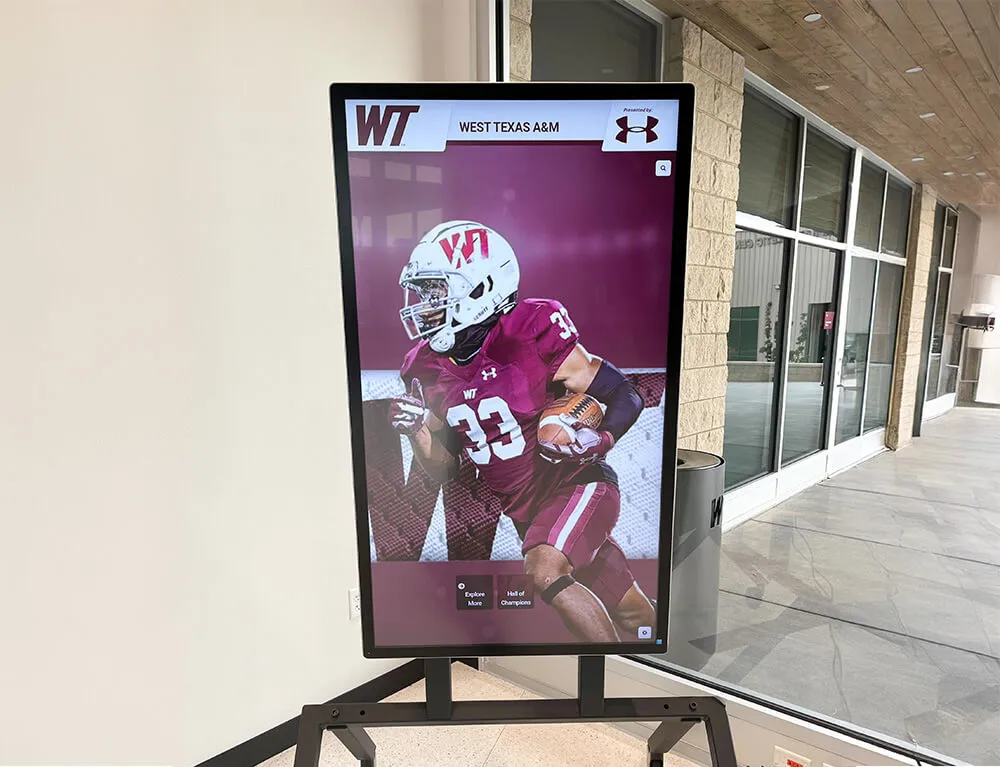
Athletes who make teams through strong tryouts eventually earn recognition in school athletic programs
Team Attitude and Chemistry Indicators
- Encouragement of other tryout participants
- Reaction to mistakes (own and teammates')
- Energy level and enthusiasm throughout sessions
- Leadership moments during small-sided play
- Conflict resolution during competitive drills
- Respect for coaches and fellow athletes
Work Ethic and Competitive Drive
- Effort level throughout entire tryout sessions
- Performance sustainability across multiple days
- Intensity during conditioning and fitness testing
- Willingness to pursue difficult balls
- Competition approach in scrimmage situations
- Recovery between high-intensity repetitions
Research published in the Journal of Sports Sciences indicates that coaches across competitive levels consistently identify attitude, coachability, and work ethic among the top three selection criteria, often weighing these intangibles as heavily as technical skill proficiency.
Essential Volleyball Skills to Master Before Tryouts
Strategic skill development in the weeks before tryouts dramatically improves evaluation performance.
Passing and Platform Fundamentals
Serve receive and defensive passing represent foundational skills requiring focused preparation:
Body Positioning and Platform Technique
- Athletic ready position with knees bent and weight forward
- Consistent platform angle created by straight, locked arms
- Proper hand clasp creating flat, even contact surface
- Shoulders shrugged forward protecting platform stability
- Movement to ball using shuffling footwork rather than running
- Body positioning behind ball creating passing triangle
Passing Accuracy Development
- Target practice to specific zones and setters
- Controlled passing to teammates at consistent heights
- Accuracy under pressure from hard-driven serves
- Adjustments for different serve types and speeds
- Consistency in repetitive passing drill environments
- Communication calling ball while executing pass
Practice Progression for Passing Excellence
- Stationary partner passing focusing on platform and contact
- Serve receive from moderate-speed serves to targets
- Defensive passing from coach-initiated attacks
- Competitive passing games with scoring and pressure
- Randomized serve receive from multiple servers
- Full-court passing drills incorporating movement and transitions
Learn about comprehensive recognition of athletic achievement in recognition program best practices.
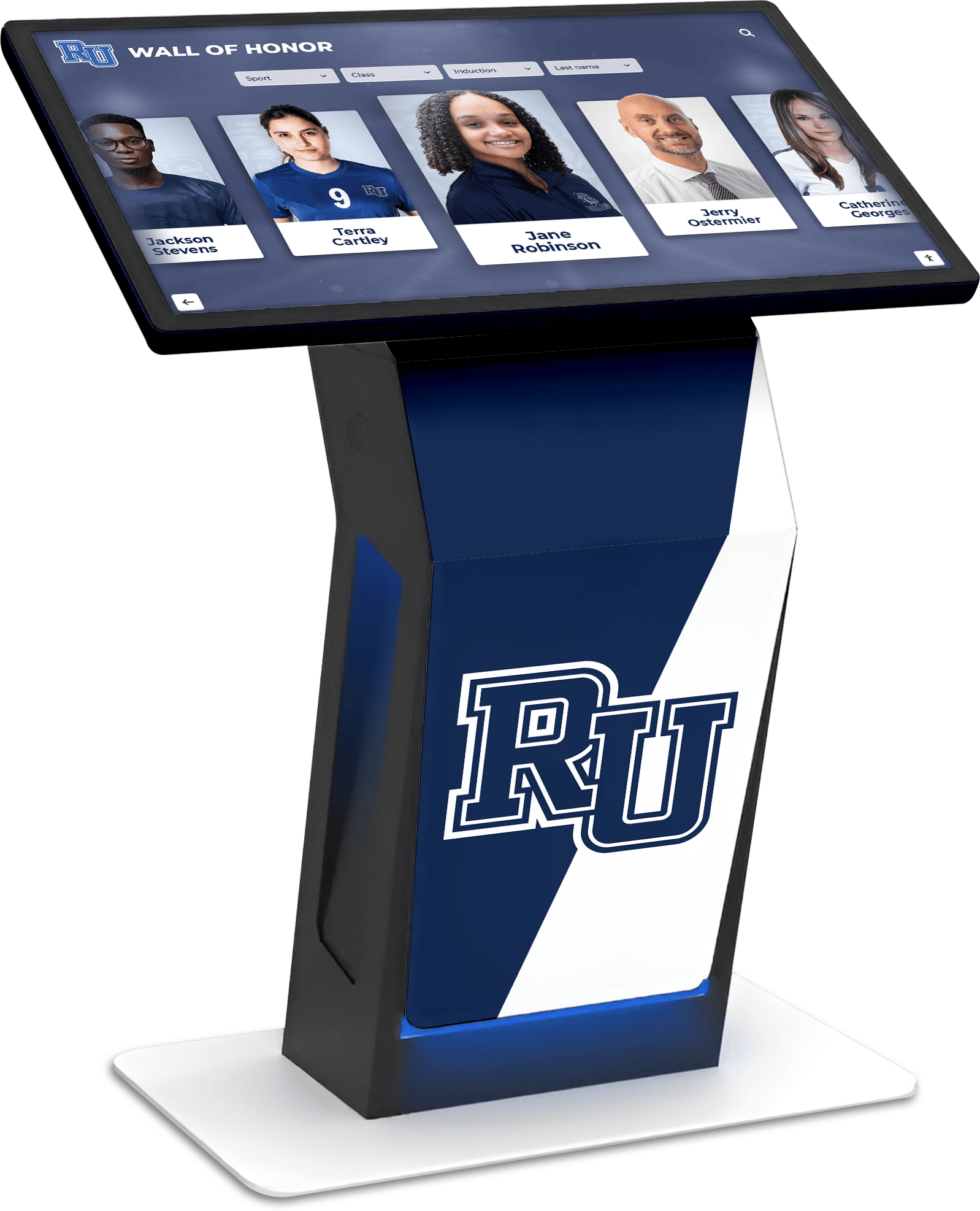
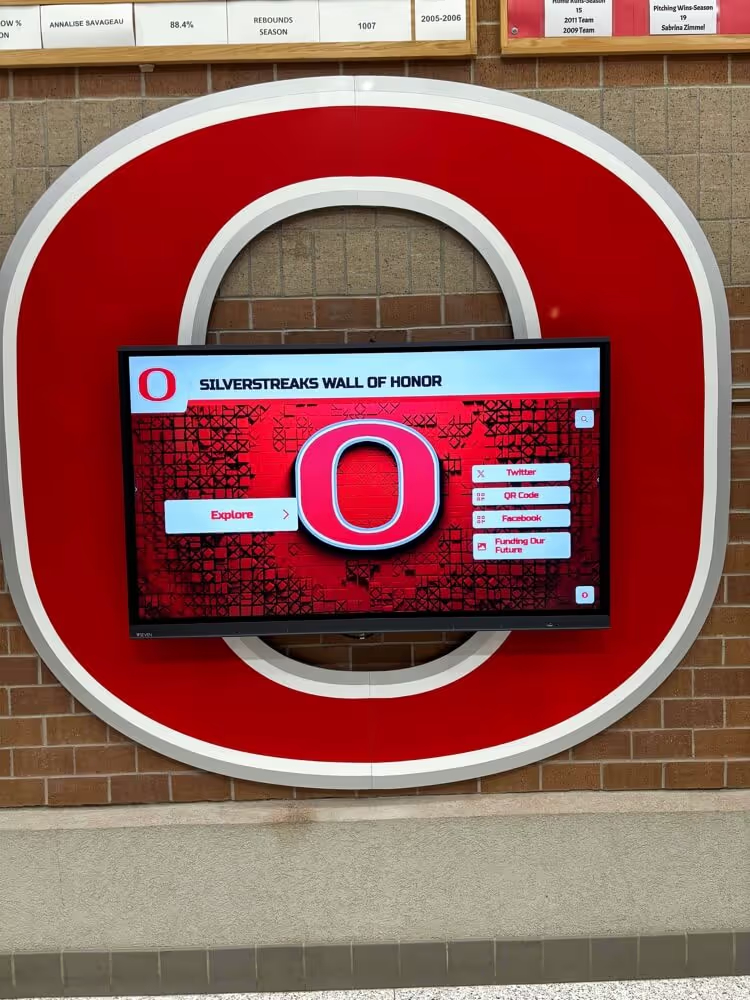
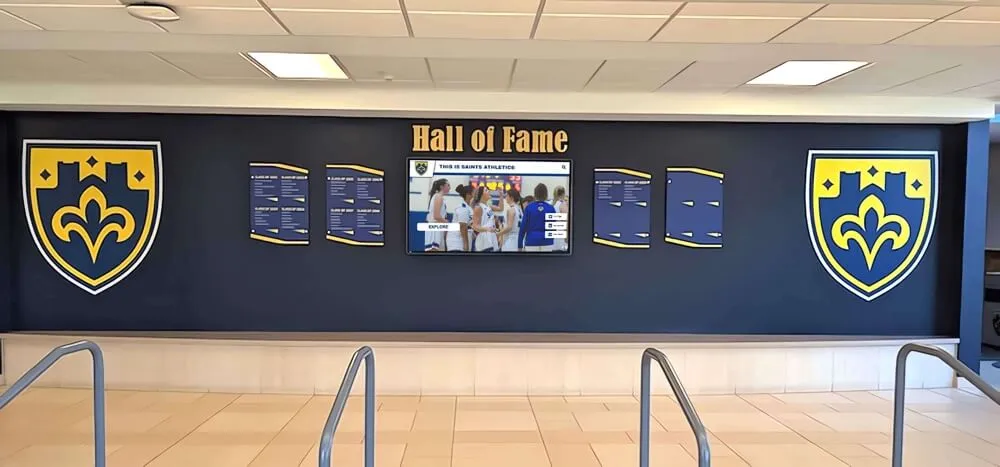
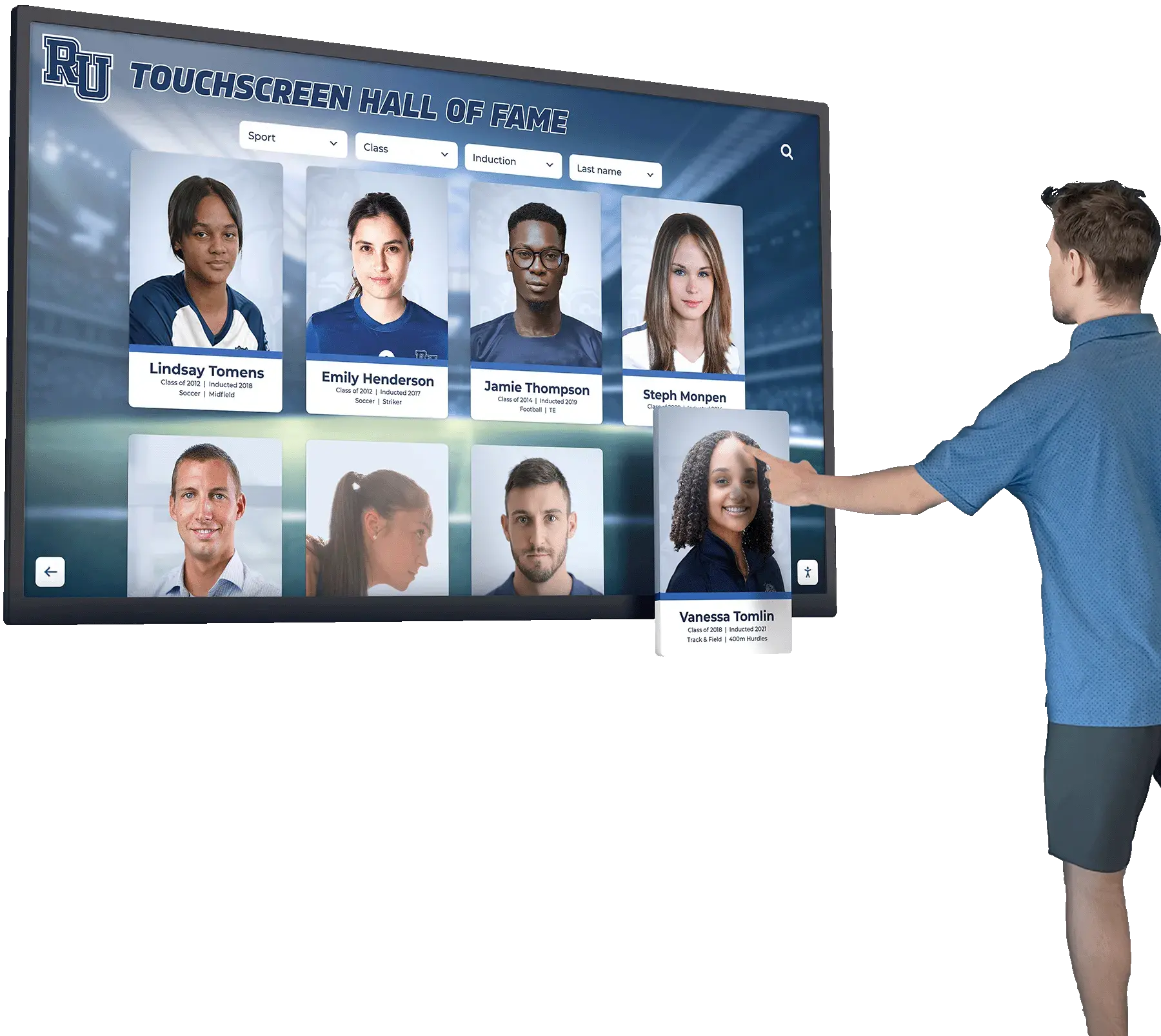
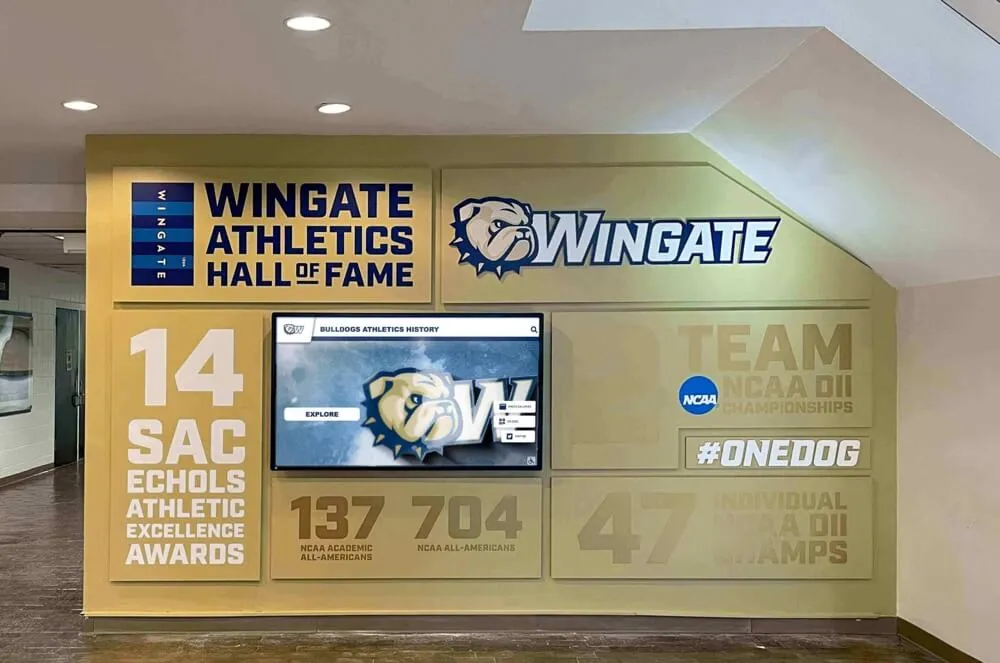
Interactive recognition systems celebrate student athletes who successfully make teams and contribute throughout their careers
Serving Development and Consistency
Serving represents the one skill entirely under your control requiring intensive pre-tryout focus:
Float Serve Mastery
- Consistent toss height and placement in front of hitting shoulder
- Contact at highest comfortable reaching point
- Firm, flat hand contact at center-back of ball
- Minimal wrist snap creating unpredictable float movement
- Follow-through directed at target without excessive motion
- Recovery and repositioning after each serve
Serving Accuracy Training
- Target specific court zones during practice
- Serve consecutive balls to same location developing consistency
- Practice serving to left back, right back, and middle back positions
- Develop ability to serve short and deep strategically
- Work on serving down lines and cross-court angles
- Track success rates identifying consistency baselines
Serving Under Pressure
- Simulate tryout pressure through scoring games
- Practice serving after sprints or physical exertion
- Serve in front of observers or small audiences
- Create consequences for missed serves during training
- Develop pre-serve routines reducing anxiety
- Practice recovery focus after service errors
According to coaching research, athletes who can serve 8 out of 10 balls in-bounds with moderate strategic placement significantly increase roster selection likelihood compared to those with inconsistent serving regardless of other skill proficiencies.
Setting Fundamentals for Aspiring Setters
Setter positions require specialized skills warranting dedicated preparation:
Hand Positioning and Ball Contact
- Proper hand shape creating window for ball contact
- Contact ball with finger pads rather than palms
- Simultaneous contact with both hands for legal sets
- Ball release directed at intended target
- Follow-through with arms extended toward target
- Quick release enabling tempo variations
Setting Accuracy and Decision-Making
- Consistent set height and location for hitters
- Outside sets placed off-net at hittable distance
- Middle sets delivered quickly for tempo offense
- Back sets to right-side attackers
- Reading blockers and setting away from defensive strength
- Communication with hitters about set intentions
Setter-Specific Conditioning
- Footwork agility enabling quick positioning to imperfect passes
- Overhead strength for consistent accurate sets
- Cardiovascular endurance throughout long rallies
- Core stability maintaining balance during off-balance sets
- Mental processing speed for rapid decision-making
- Leadership communication throughout offensive possessions
Attacking and Hitting Approach
Offensive skills demonstrate athletic ability and scoring potential:
Four-Step Hitting Approach
- Proper approach angle toward ball trajectory
- Timing steps to arrive at takeoff point when ball reaches optimal height
- Four-step rhythm (right-left-right-left for right-handers)
- Broad jump on final two steps creating upward momentum
- Arm swing coordination with approach footwork
- Contact point at highest reachable extension
Hitting Technique Fundamentals
- Bow-and-arrow arm preparation during approach
- High elbow position during arm swing
- Quick elbow extension and wrist snap at contact
- Contact ball at highest point with open hand
- Follow-through across body after contact
- Landing control on both feet prepared for transition
Shot Selection and Court Awareness
- Ability to hit cross-court angles
- Line shot execution when blockers overcommit
- Tip and roll shot options against established blocks
- Deep court hitting beyond defensive positioning
- Awareness of defensive positioning before contact
- Adjustment to imperfect set locations
Similar skill development approaches apply across sports as discussed in coach quotes for athletic displays.
Physical Conditioning and Fitness Preparation
Volleyball-specific conditioning enables sustained high-level performance throughout multi-day tryouts.
Volleyball-Specific Cardiovascular Training
General endurance differs from volleyball’s unique conditioning demands:
Interval Training for Volleyball Fitness
- High-intensity intervals mimicking rally durations (20-40 seconds)
- Rest periods matching typical between-rally recovery (10-20 seconds)
- Multiple sets simulating match-length exertion
- Incorporation of volleyball movements during intervals
- Progressive overload increasing intensity over training weeks
- Sport-specific movements rather than generic running
On-Court Movement Conditioning
- Defensive shuffling and emergency diving
- Blocking footwork and repeated jumping
- Transition running from defense to offense
- Approach footwork repetitions
- Combination movement patterns
- Full-court sprinting for chase balls
Conditioning Timeline Before Tryouts
- 6-8 weeks before: Build aerobic base with moderate-intensity work
- 4-6 weeks before: Introduce volleyball-specific interval training
- 2-4 weeks before: Peak conditioning with high-intensity volleyball movements
- 1-2 weeks before: Maintain fitness while reducing volume for recovery
- Week of tryouts: Light activity maintaining sharpness without fatigue
Strength Training for Volleyball Performance
Strategic strength development supports skill execution:
Lower Body Power Development
- Squat variations building jumping strength
- Lunges developing single-leg stability
- Plyometric exercises for explosive power
- Box jumps and depth jumps
- Broad jumps for approach power
- Single-leg exercises preventing imbalances
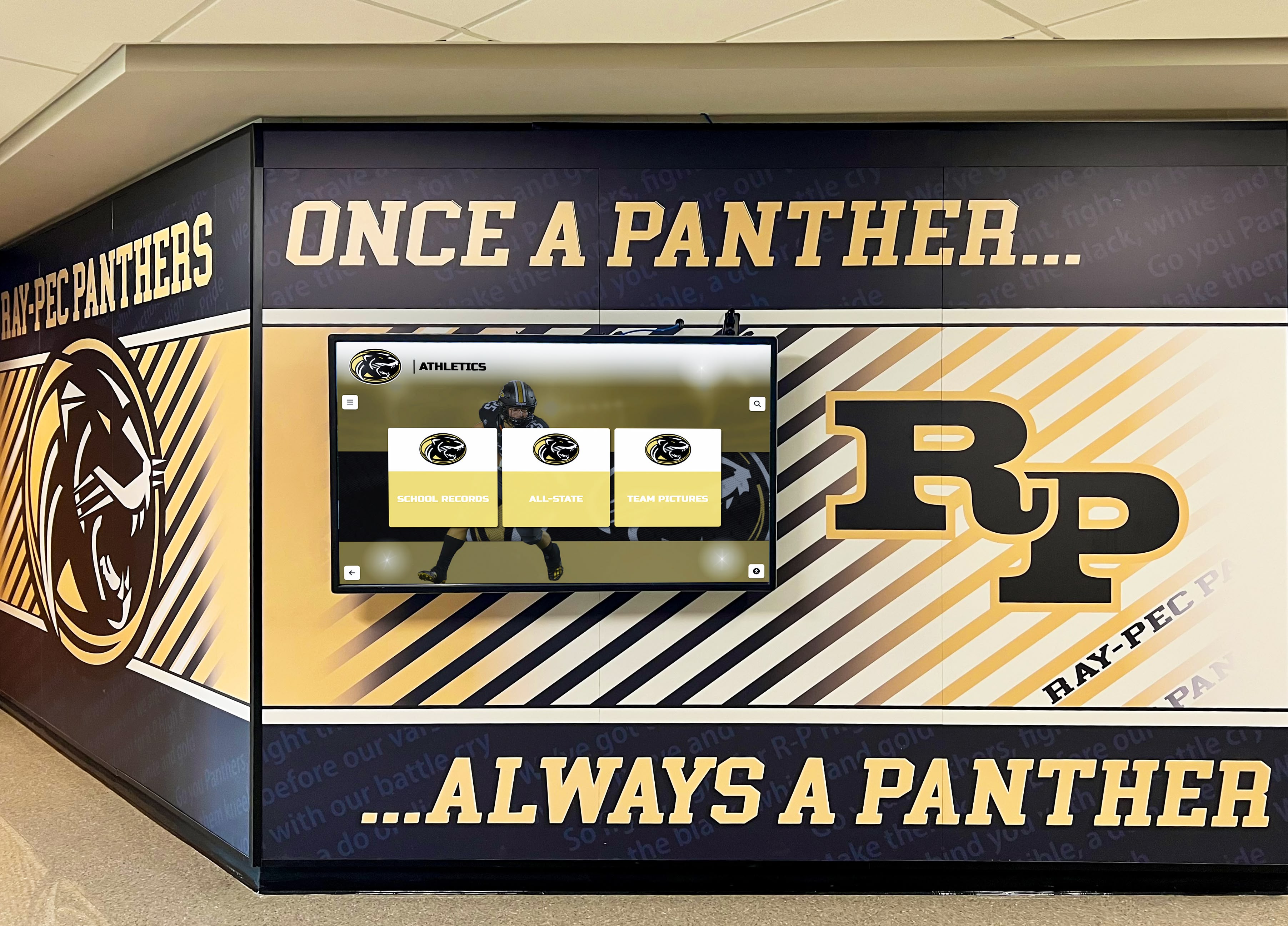
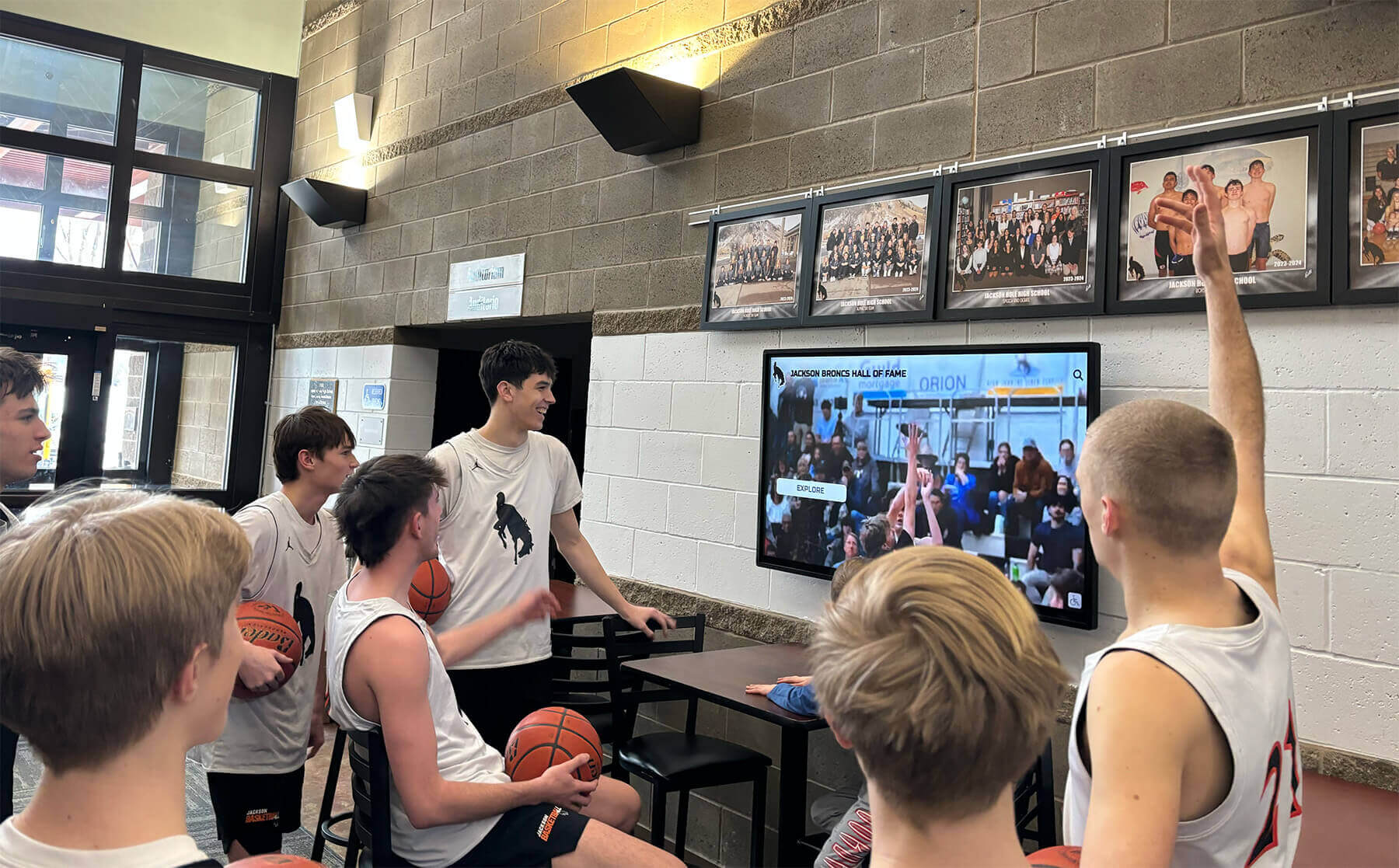
Athletic recognition displays celebrate students who successfully navigate tryouts and contribute to team success
Core Stability and Rotational Strength
- Planks and side planks for anti-rotation stability
- Medicine ball rotational throws
- Anti-rotation press exercises
- Hanging knee raises for hip flexor strength
- Pallof press variations
- Stability ball exercises
Upper Body and Shoulder Health
- Shoulder stability exercises preventing injury
- Rotator cuff strengthening
- Pushing and pulling balance
- Scapular stability work
- Overhead pressing for hitting power
- Band exercises for shoulder health
Flexibility and Mobility Work
Range of motion directly impacts volleyball performance:
Essential Flexibility Areas
- Hip flexibility for defensive positioning
- Shoulder mobility for overhead movements
- Hamstring and calf flexibility preventing injury
- Thoracic spine mobility for rotation
- Ankle mobility for stable athletic position
- Dynamic stretching before training sessions
Mobility Routine Recommendations
- 10-15 minutes daily focusing on volleyball-specific movements
- Dynamic warm-up before all training and tryouts
- Static stretching after training when muscles are warm
- Foam rolling for muscle recovery and tissue quality
- Yoga or mobility classes 1-2 times weekly
- Focus on areas of individual restriction or tightness
Mental Preparation and Tryout Psychology
Mental readiness dramatically impacts tryout performance under competitive pressure.
Managing Tryout Anxiety and Pressure
Strategic mental preparation helps athletes perform at potential despite nerves:
Pre-Tryout Visualization
- Mental rehearsal of successful skill execution
- Visualization of confident body language and communication
- Imagining positive responses to mistakes and challenges
- Mental practice of entire tryout scenarios
- Visualization incorporating all senses for realistic mental training
- Regular visualization practice in weeks before tryouts
Anxiety Management Strategies
- Controlled breathing techniques reducing physiological stress
- Positive self-talk replacing negative thought patterns
- Focus on controllable elements rather than outcomes
- Reframing pressure as excitement and opportunity
- Development of pre-performance routines
- Acceptance that some nervousness is normal and potentially helpful
Building Performance Confidence
- Documenting skill improvements during preparation
- Reviewing successful past performances
- Positive affirmation statements
- Confidence from thorough preparation
- Support systems including family, friends, and coaches
- Realistic goal-setting focused on process rather than results
According to sports psychology research, athletes who implement systematic mental skills training demonstrate 15-20% better performance under competitive pressure compared to those relying solely on physical preparation.
Developing a Growth Mindset for Tryouts
Mindset dramatically influences how coaches perceive coachability:
Growth Mindset Characteristics
- Viewing challenges as opportunities rather than threats
- Embracing feedback as pathway to improvement
- Learning from mistakes rather than dwelling on them
- Comparing performance to personal standards not others
- Celebrating effort and progress alongside outcomes
- Believing abilities can develop through dedicated practice
Demonstrating Coachability During Tryouts
- Active listening when coaches provide instruction
- Asking clarifying questions showing engagement
- Implementing feedback immediately in subsequent repetitions
- Thanking coaches for corrections and guidance
- Positive body language during challenging moments
- Persistence through difficult drills and evaluations
Managing Mistakes and Setbacks
- Quick emotional recovery after errors
- Verbal or physical reset routines between plays
- Focus on next opportunity rather than past mistakes
- Maintaining energy and effort despite performance struggles
- Using breaks to mentally reset and refocus
- Demonstrating resilience coaches value for season-long success
Learn about recognizing athletic achievement and growth in scholastic wall of honor guides.
Strategic Preparation in the Weeks Before Tryouts
Systematic training progression maximizes readiness for evaluation day.
Creating a Pre-Tryout Training Plan
Structured preparation prevents last-minute cramming:
8-6 Weeks Before Tryouts
- Assess current skill levels identifying development priorities
- Establish volleyball-specific conditioning base
- Begin fundamental skill work with emphasis on consistency
- Research team expectations and previous roster patterns
- Consider attending open gyms or summer leagues
- Evaluate equipment needs (shoes, knee pads, appropriate clothing)
6-4 Weeks Before Tryouts
- Intensify volleyball-specific skill training
- Increase conditioning intensity with interval work
- Practice under simulated pressure conditions
- Seek feedback from coaches or experienced players
- Work on identified weaknesses systematically
- Begin mental skills training and visualization
4-2 Weeks Before Tryouts
- Peak training intensity and volume
- Practice in competitive or semi-competitive settings
- Refine strongest skills ensuring consistency
- Continue addressing weaknesses showing improvement
- Increase mental preparation and visualization frequency
- Maintain strength training preventing deconditioning
2 Weeks to Tryout Day
- Reduce training volume while maintaining intensity
- Focus on skill maintenance rather than major changes
- Prioritize recovery and injury prevention
- Finalize tryout logistics (schedule, location, requirements)
- Prepare equipment and appropriate clothing
- Mental rehearsal of tryout scenarios
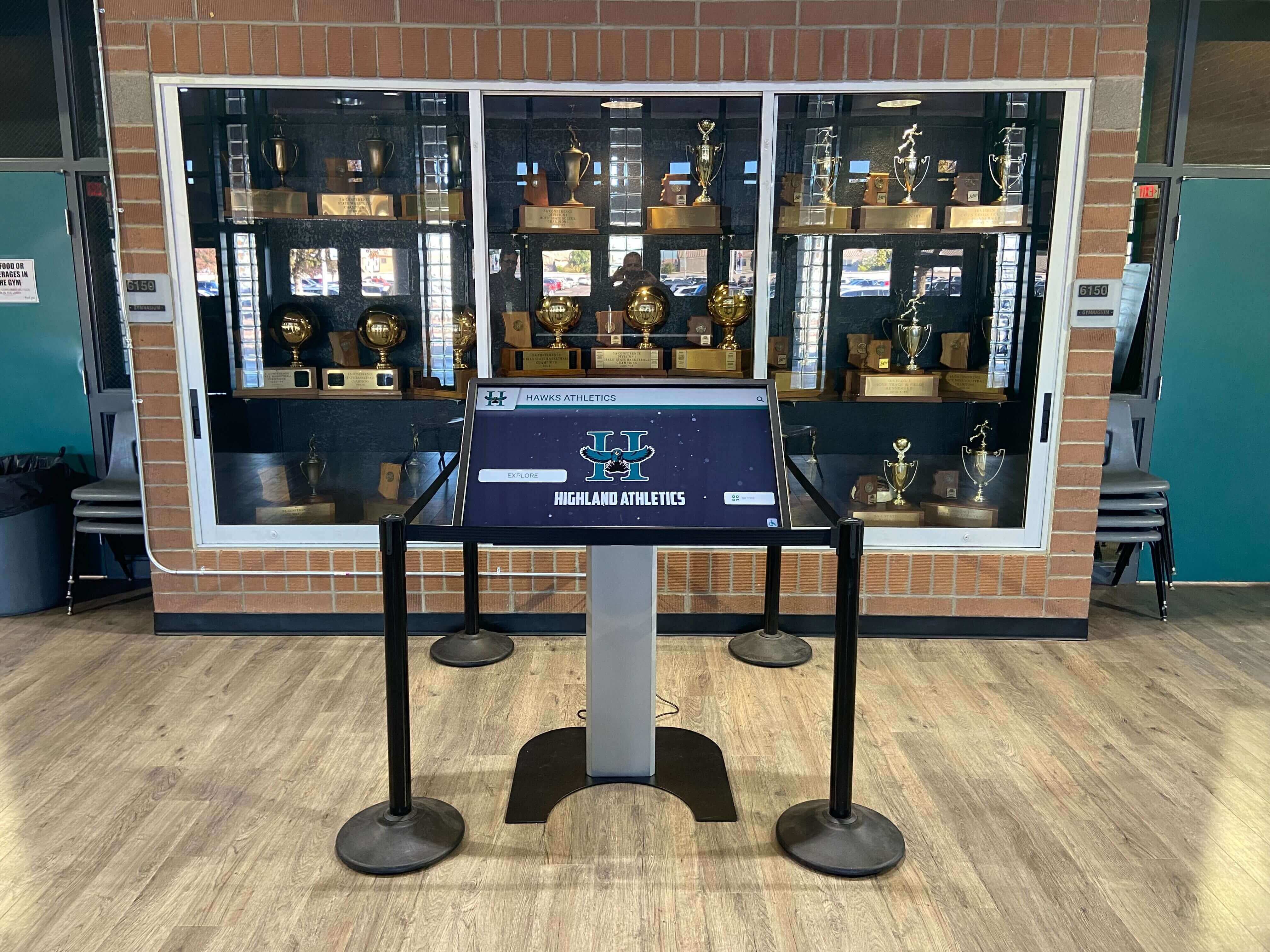
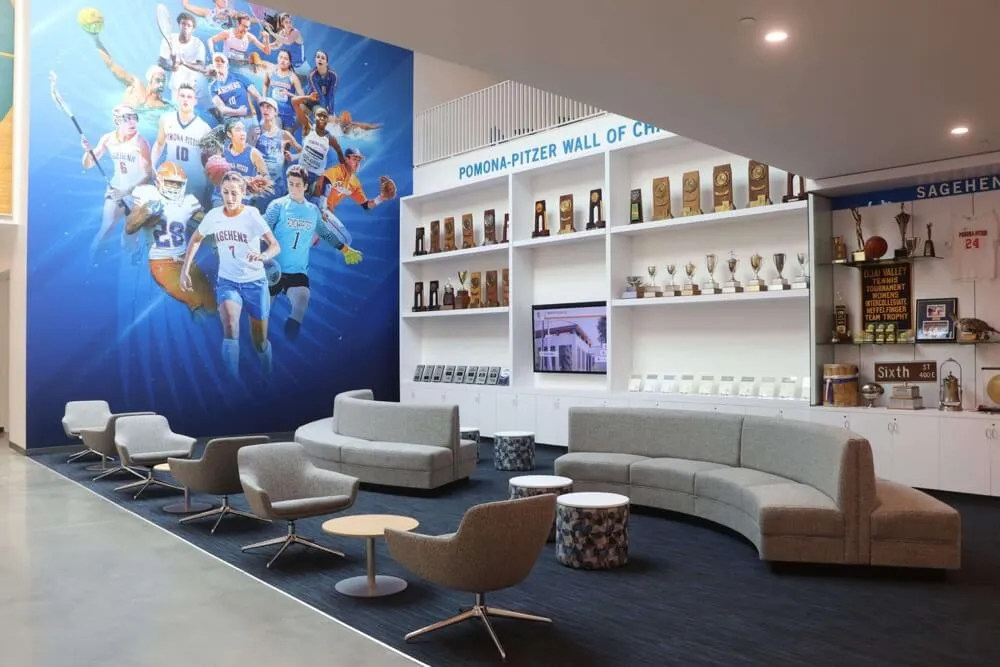
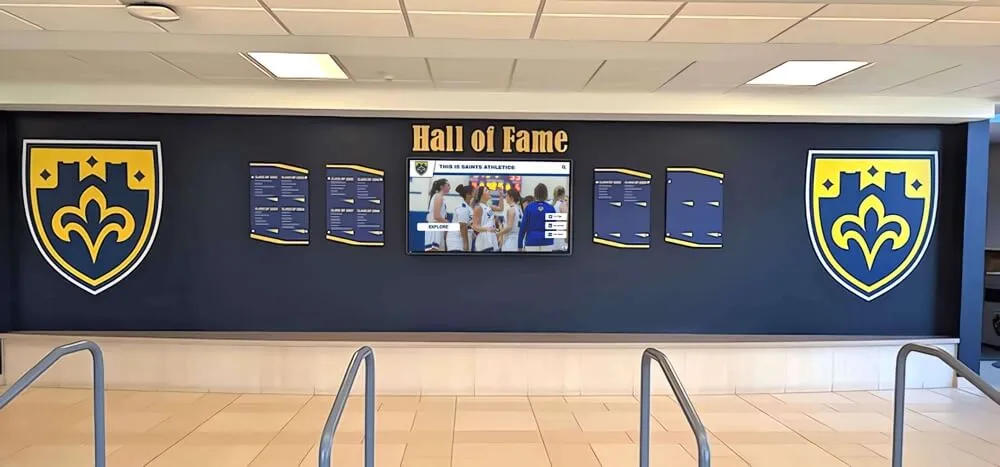
Trophy cases and digital displays celebrate athletic achievement for students who successfully earn roster spots
Finding Quality Practice Opportunities
Consistent volleyball exposure accelerates skill development:
Structured Training Options
- Club volleyball programs providing year-round development
- Volleyball camps focusing on skill and position training
- Private or small-group coaching for personalized instruction
- School or community open gym sessions
- Summer leagues and recreational volleyball
- Position-specific clinics for setters, liberos, or hitters
Self-Directed Practice Approaches
- Partner passing and setting with teammates or friends
- Individual serving practice requiring only ball and court
- Wall passing and setting for solo skill work
- Approach and jumping practice without net
- Video analysis of personal technique
- Watching high-level volleyball for tactical learning
Maximizing Limited Court Access
- Focused practice on 1-2 skills per session
- Quality repetitions over quantity
- Video recording for self-analysis
- Setting specific goals for each practice
- Tracking progress with measurable metrics
- Simulating tryout drills and evaluation formats
Physical Preparation Beyond Skills
Comprehensive readiness includes often-overlooked elements:
Injury Prevention Priorities
- Ankle strengthening and stability work
- Knee injury prevention through proper landing mechanics
- Shoulder health maintenance for serving and hitting
- Hip and core stability reducing lower back stress
- Proper warm-up protocols before all training
- Adequate recovery between high-intensity sessions
Sleep and Recovery Optimization
- 8-10 hours nightly for adolescent athletes
- Consistent sleep schedule supporting circadian rhythms
- Quality sleep hygiene practices
- Strategic napping if sleep-deprived
- Prioritizing sleep in final week before tryouts
- Avoiding all-nighters or significant sleep debt
Nutrition for Performance
- Adequate caloric intake supporting training demands
- Carbohydrate timing around training sessions
- Protein intake supporting muscle recovery
- Hydration throughout day not just during exercise
- Avoiding extreme dietary changes before tryouts
- Performance nutrition on tryout days
Maximizing Performance During Tryout Days
Strategic approaches during actual evaluation sessions optimize coach impressions.
First Impressions and Initial Evaluation
Tryouts begin before the first drill starts:
Arrival and Preparation
- Arrive early demonstrating commitment and preparation
- Proper athletic attire (team colors if known, appropriate fit)
- Quality volleyball shoes providing court performance
- Knee pads properly fitted and comfortable
- Hair secured and controlled
- Organized bag with water, extra shirt, and necessities
Pre-Tryout Warm-Up
- Arrive physically and mentally ready to perform
- Dynamic warm-up preparing body for explosive movements
- Ball contact before official tryout begins if possible
- Mental preparation and focus exercises
- Positive self-talk and confidence building
- Connecting with other tryout participants positively
Initial Coach Interactions
- Confident introduction and eye contact
- Positive body language and enthusiasm
- Attentive listening during opening remarks
- Questions demonstrating preparation and interest
- Respectful demeanor toward coaches and participants
- Energy level signaling readiness and excitement
Standing Out in Drills and Evaluations
Strategic execution during structured drills maximizes visibility:
Drill Performance Excellence
- Maximum effort on every single repetition
- Verbal communication throughout team activities
- Encouragement of drill partners and teammates
- Quick transitions between drill stations
- Focus and attention even when not actively participating
- Hustle retrieving balls and supporting drill flow
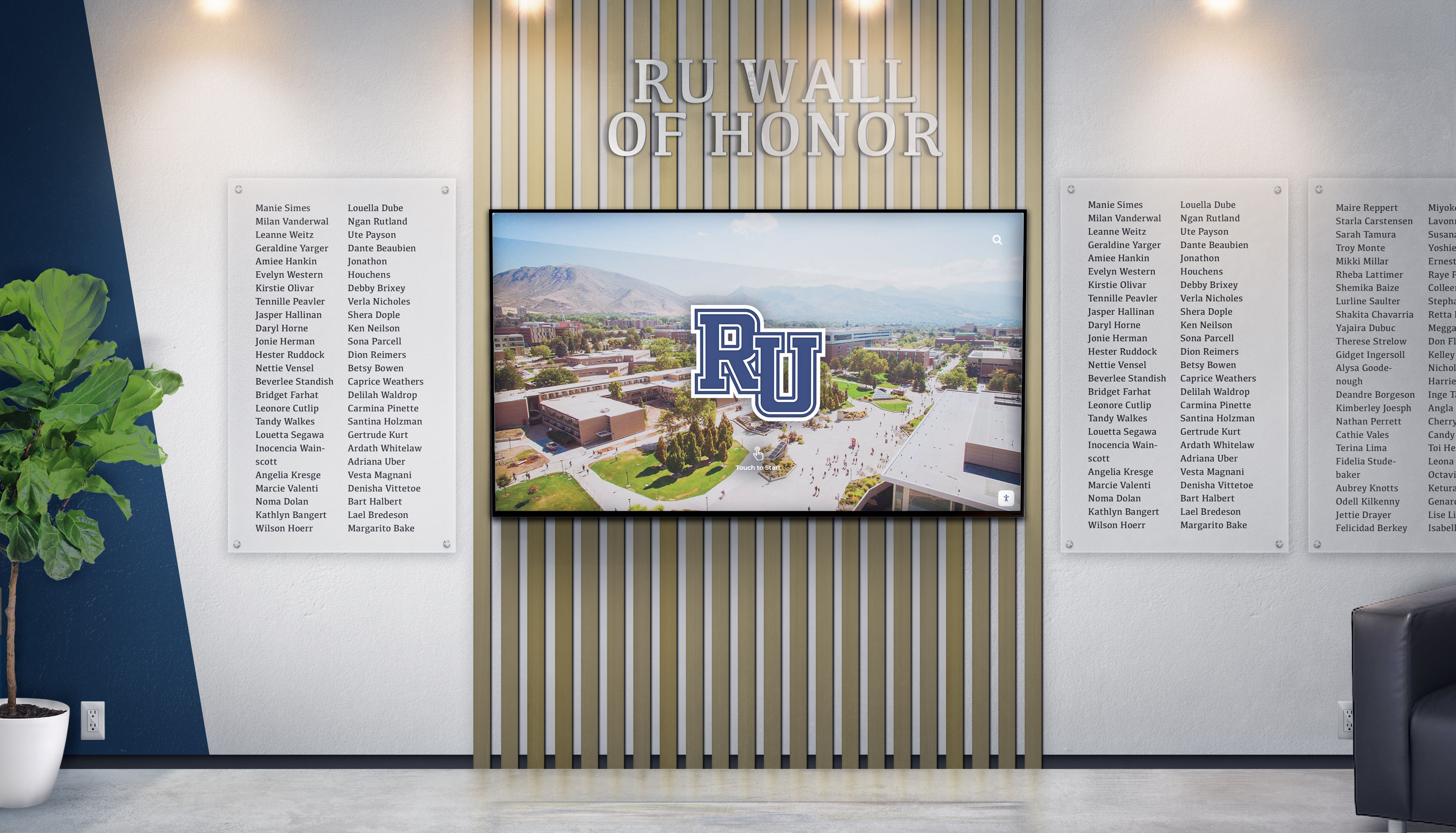
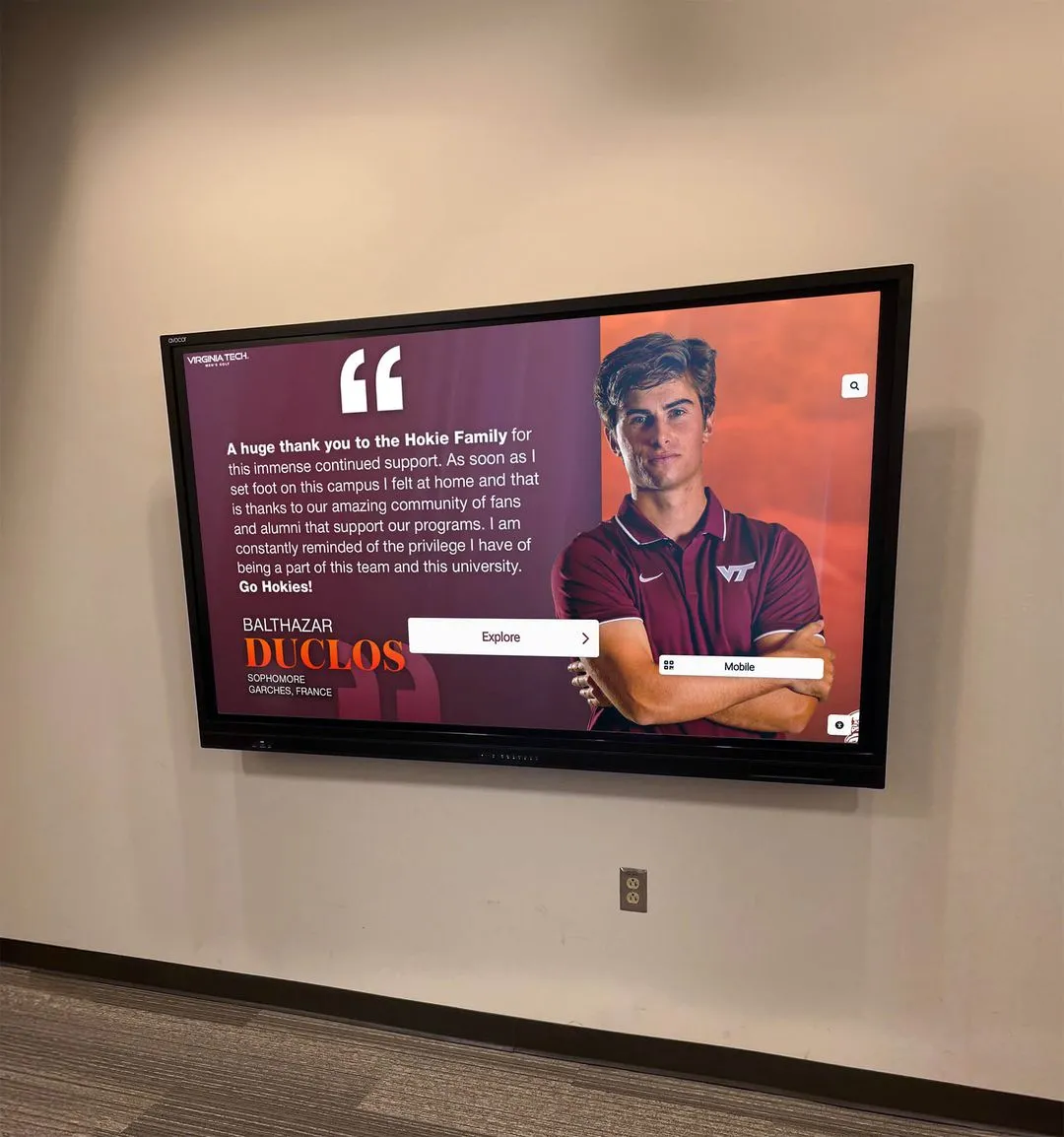
Schools recognize athletic achievement through comprehensive displays celebrating roster members and their contributions
Showcasing Strongest Skills
- Confidence in demonstrating well-prepared techniques
- Consistency over flashy but inconsistent plays
- Strategic positioning during rotations or lines
- Volunteering for demonstrations when appropriate
- Composure when coaches watch closely
- Balance between confidence and coachability
Managing Mistakes and Challenges
- Quick recovery and reset after errors
- Positive self-talk visible in body language
- Learning from corrections in real-time
- Maintaining effort despite performance struggles
- Avoiding negative reactions or excuses
- Demonstrating resilience coaches value
Scrimmage and Game-Play Performance
Competitive play reveals characteristics drills cannot:
Tactical Volleyball IQ
- Court awareness and positioning
- Anticipation of opponent actions
- Strategic decision-making with ball
- Understanding rotations and positions
- Adapting to game flow and momentum
- Recognition of offensive and defensive patterns
Team Play and Chemistry
- Communication calling balls and directing teammates
- Setting up teammates for success
- Celebration of teammates’ good plays
- Leadership during challenging moments
- Positive energy regardless of score
- Cohesive play with unfamiliar teammates
Competitive Characteristics
- Maintaining intensity in close games
- Performance under pressure situations
- Fight and competitiveness for every point
- Reaction to adversity and setbacks
- Closing out games and finishing strong
- Balance between competitiveness and sportsmanship
Explore comprehensive approaches to celebrating athletic success in teacher of the year award showcase principles.
Position-Specific Tryout Strategies
Different positions require tailored preparation and evaluation approaches.
Setter Tryout Preparation
Setter positions demand specialized skills and leadership:
Setter-Specific Skills to Emphasize
- Setting accuracy to all positions (outside, middle, right-side)
- Quick decision-making reading defensive formations
- Consistent hand positioning and legal contact technique
- Communication directing offense and calling plays
- Second-contact decision-making (set vs. over pass)
- Leadership organizing teammates during play
Demonstrating Setter Intelligence
- Distributing sets to multiple hitters strategically
- Setting away from strong defensive positioning
- Tempo variation keeping blockers off-balance
- Court awareness tracking all six players
- Composure managing imperfect passes
- Vocal leadership organizing offensive execution
Physical Attributes for Setters
- Footwork agility reaching imperfect passes
- Vertical jumping for blocking and dump attacks
- Cardiovascular endurance throughout long rallies
- Hand-eye coordination for consistent ball contact
- Quick lateral movement tracking balls
- Overhead strength for accurate long sets
Outside Hitter Preparation
Outside hitters require versatile skill sets:
Essential Outside Hitter Skills
- Consistent serve receive passing
- Offensive approach and hitting from left front
- Defensive skills in back row rotations
- Serving effectiveness
- Blocking on left-side pin
- All-around volleyball proficiency
Standing Out as Outside Hitter
- Passing consistency as primary serve receiver
- Offensive versatility hitting different sets and angles
- Defensive range and ball pursuit
- Transition speed from defense to offense
- Serving aggressiveness and accuracy
- Leadership and communication
Middle Blocker Specialization
Middle positions emphasize height, blocking, and quick offense:
Middle Blocker Priorities
- Blocking technique and positioning
- Quick-tempo offensive hitting
- Lateral movement closing block on pins
- Transition speed from blocking to offense
- Reading opposing setters and hitters
- Communication directing team blocking
Physical Characteristics Coaches Seek
- Height advantage or exceptional vertical jumping
- Lateral quickness for closing blocks
- Approach timing for quick sets
- Landing mechanics preventing injury
- Arm reach and blocking range
- Cardiovascular fitness for repeated jumping
Libero and Defensive Specialist Roles
Defensive positions require specialized passing and court coverage:
Libero-Specific Evaluation Criteria
- Elite-level passing consistency
- Defensive range and ball pursuit
- Digging hard-driven attacks
- Court communication and leadership
- Serving for defensive specialists
- Mental toughness and resilience
Demonstrating Defensive Excellence
- Fearless pursuit of difficult balls
- Consistent platform and passing technique
- Reading hitters and anticipating attacks
- Emergency ball control and scramble plays
- Communication calling plays and directing teammates
- Energy and enthusiasm inspiring team defense
Learn about recognizing diverse achievements in digital signage services.
After Tryouts: Next Steps Regardless of Outcome
Your approach after tryouts impacts immediate and future opportunities.
If You Make the Team
Roster selection begins your journey rather than completing it:
Transition from Tryouts to Team Member
- Gratitude and professionalism in accepting roster spot
- Immediate commitment to team culture and expectations
- Continued skill development throughout season
- Building relationships with coaches and teammates
- Understanding role and contributing to team success
- Maintaining work ethic and coachability that earned selection
Early Season Success Strategies
- Punctuality and preparation for all practices and events
- Positive attitude supporting all teammates
- Consistent effort regardless of playing time
- Learning team systems and strategies quickly
- Demonstrating improvement throughout season
- Contributing to team culture on and off court
Long-Term Development Mindset
- Setting individual development goals for season
- Seeking additional training opportunities
- Film study and tactical learning
- Physical development continuing strength and conditioning
- Mental skills development for competition
- Planning for future seasons and advancement
If You Don’t Make the Team
Roster cuts create opportunities for growth and future success:
Productive Response to Non-Selection
- Allow brief disappointment then refocus on development
- Request specific feedback from coaches
- Thank coaches for tryout opportunity
- Maintain relationships and positive reputation
- Avoid negative responses or poor sportsmanship
- Channel disappointment into motivation
Creating a Development Plan
- Identify specific skill gaps from coach feedback
- Seek training opportunities addressing weaknesses
- Join club teams or recreational leagues for experience
- Continue physical conditioning and strength development
- Set specific goals for next year’s tryouts
- Find mentors or coaches providing guidance
Alternative Volleyball Opportunities
- Club volleyball programs year-round
- Junior varsity or freshman teams developing skills
- Recreational leagues maintaining involvement
- Volunteer opportunities staying connected to program
- Off-season training camps and clinics
- Beach or grass volleyball variations
According to research on athletic development, many successful collegiate and professional volleyball players experienced early roster rejections, using disappointment as motivation for intensive skill development that ultimately exceeded expectations.
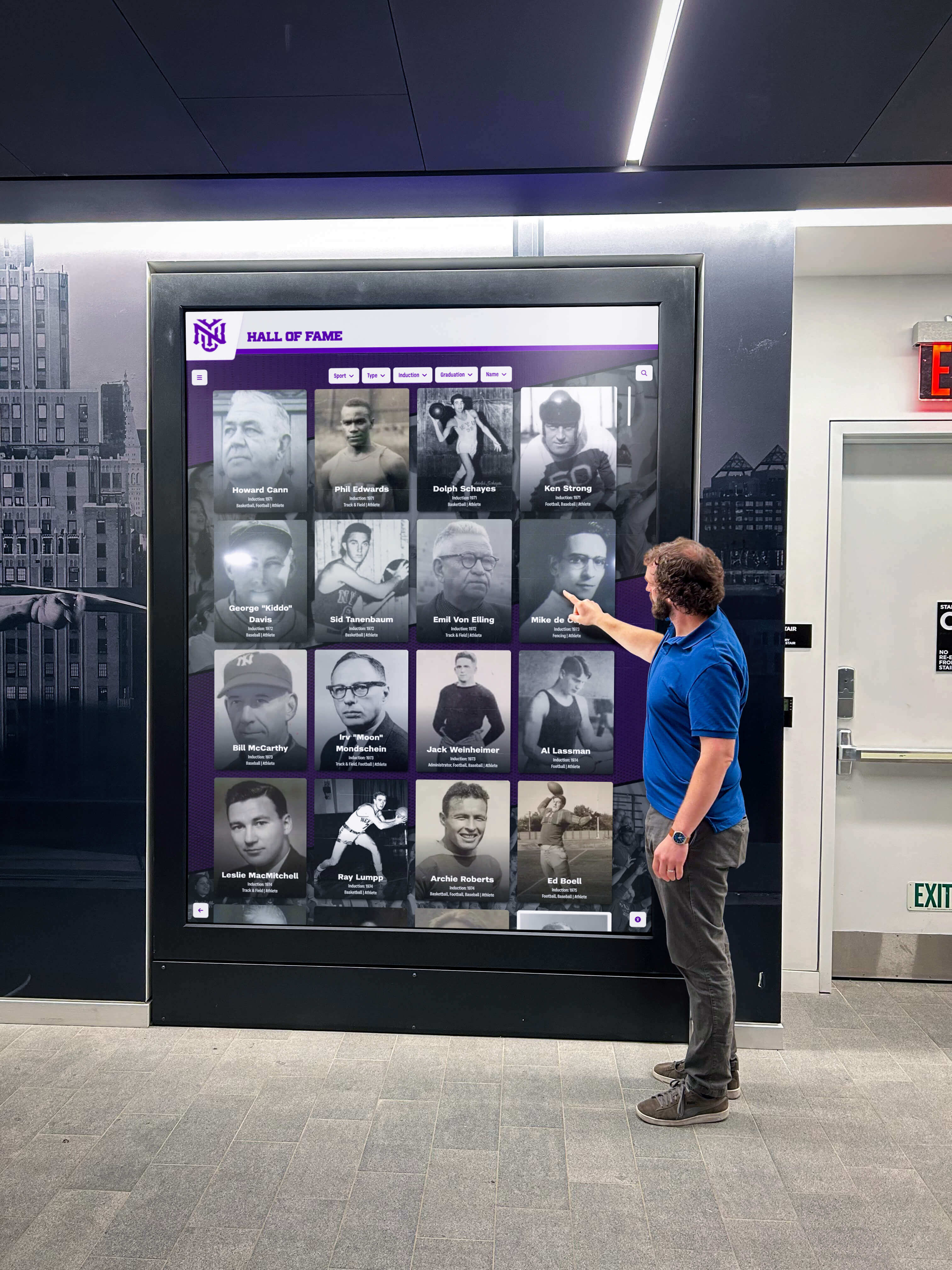
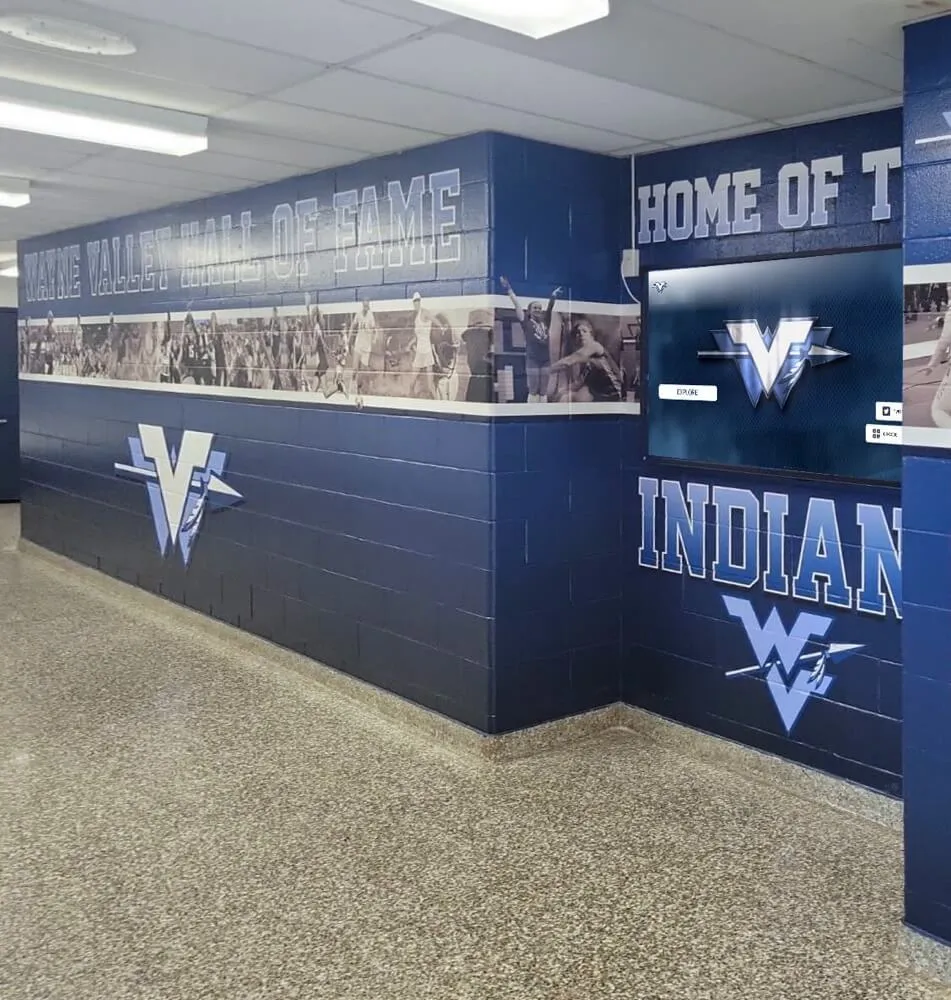
Recognition displays celebrate athletic journeys including the perseverance required to make competitive teams
Building Long-Term Athletic Success
Volleyball development extends beyond single tryout cycles:
Multi-Year Development Approach
- Understanding skill development as gradual process
- Celebrating small improvements and progress
- Maintaining passion for volleyball despite setbacks
- Diversifying athletic development across multiple sports
- Building resilience through challenges
- Focusing on personal growth not just roster outcomes
Creating Support Systems
- Family support and encouragement
- Coach mentorship and guidance
- Teammate relationships and training partners
- Academic balance and prioritization
- Mental health and well-being attention
- Identity beyond sports participation
Learn about comprehensive student success recognition in scholarship recommendation letter templates.
Common Volleyball Tryout Mistakes to Avoid
Understanding pitfalls helps athletes prevent self-sabotage during evaluations.
Preparation and Training Errors
Insufficient Preparation
- Waiting until final weeks before beginning serious training
- Neglecting fundamental skills in favor of flashy plays
- Inadequate volleyball-specific conditioning
- Failing to research team expectations and history
- Skipping mental preparation and visualization
- Ignoring equipment needs until tryout day
Overtraining and Burnout
- Excessive training volume without recovery
- Peaking too early before actual tryouts
- Training through pain or minor injuries
- Mental fatigue from obsessive preparation
- Neglecting other life areas creating stress
- Last-minute intensive training after inconsistent preparation
Tryout Day Performance Mistakes
Behavioral and Attitude Issues
- Negative body language after mistakes
- Complaining or making excuses
- Poor sportsmanship with competitors
- Lacking enthusiasm or energy
- Disrespectful communication
- Invisible or passive participation
Technical Execution Errors
- Attempting advanced skills beyond current ability
- Inconsistency trying to impress with risky plays
- Poor shot selection during scrimmages
- Lack of communication and teamwork
- Ignoring coaching instruction or feedback
- Rushing execution instead of controlled performance
Strategic Mistakes
- Trying to do too much rather than executing role
- Comparing performance to others rather than personal standards
- Focusing on what you cannot control
- Overthinking instead of competing instinctively
- Giving up mentally after poor start
- Neglecting to showcase strongest skills
Frequently Asked Questions About Volleyball Tryouts
How early should I start preparing for volleyball tryouts?
Ideally, begin volleyball-specific training 6-8 weeks before tryouts to allow adequate time for conditioning development, fundamental skill refinement, and mental preparation. However, athletes maintaining year-round volleyball involvement through club teams or regular practice will enter tryouts better prepared than those starting from scratch even several months in advance.
What should I wear to volleyball tryouts?
Wear fitted, athletic clothing allowing full range of motion (athletic shorts or spandex, moisture-wicking shirt), quality volleyball shoes with good court traction, properly fitted knee pads, and have your hair secured. Avoid oversized clothing that restricts movement or appears unprofessional, and ensure all gear is broken in rather than brand new to prevent blisters or discomfort.
What if I make a lot of mistakes during tryouts?
Coaches expect mistakes during competitive tryout environments and evaluate your response more than error-free performance. Demonstrate quick recovery with positive body language, implement coaching feedback on subsequent attempts, maintain energy and effort despite struggles, and show resilience rather than dwelling on errors—these responses signal coachability that coaches value.
How important is height for making a volleyball team?
While height provides advantages for blocking and hitting, many successful volleyball players excel without exceptional height through superior skills, athletic ability, and volleyball IQ. Coaches value consistent passing, defensive range, serving effectiveness, and court awareness that players of all heights can develop, with positions like libero and defensive specialist specifically suited for shorter athletes with elite ball control.
Can I make the team if I’ve never played organized volleyball before?
Making competitive teams without prior organized experience is challenging but possible depending on team competitiveness level, your athletic ability, and skill development intensity. Focus on mastering fundamental skills like passing, serving, and court movement; demonstrate exceptional coachability and work ethic; and consider freshman or junior varsity teams as development pathways toward varsity rosters in subsequent years.
Conclusion: Your Path from Tryout Preparation to Team Success
Effective volleyball tryout tips enable student athletes to maximize their potential during competitive evaluations, demonstrating the skills, conditioning, mental preparation, and coachable attitudes that coaches prioritize when making roster decisions. When athletes prepare systematically across technical skill development, volleyball-specific conditioning, mental readiness, and strategic self-presentation—rather than relying solely on natural ability—they significantly increase their likelihood of earning roster spots while positioning themselves for meaningful contributions once the season begins.
The comprehensive strategies explored throughout this guide provide frameworks for successful tryout preparation regardless of current skill level, previous experience, or positional aspirations. From fundamental passing and serving development to volleyball-specific conditioning, from mental skills training to position-specific preparation, these approaches enable athletes to enter tryouts confident in their readiness and clear about coach evaluation priorities.
Most importantly, remember that successful tryout performance stems from authentic preparation rather than last-minute cramming. While intensive final-week training certainly helps, athletes who maintain consistent volleyball involvement through club teams, open gyms, and systematic skill development enter tryouts with established fundamentals, match-ready conditioning, and confidence that sporadic preparation cannot replicate.
Celebrate Your Athletic Journey
When you make the team through dedicated preparation and strong tryout performance, your achievements deserve lasting recognition. Discover how modern digital displays celebrate student athletes and create inspiring recognition throughout your school career.
Explore Athletic Recognition SolutionsWhether you’re preparing for your first-ever tryout or competing for a spot on an established competitive roster, these volleyball tryout tips provide actionable guidance for maximizing your performance when evaluation opportunities arrive. Focus your training on fundamental skills coaches can immediately observe, develop volleyball-specific conditioning enabling sustained performance across multi-day tryouts, prepare mentally for pressure situations, and demonstrate coachable attitudes signaling future development potential.
The path from tryout preparation to roster selection to eventual athletic recognition throughout your school career begins with systematic preparation across all dimensions of volleyball readiness. Your dedication during training directly translates to confidence during evaluations, your physical preparation enables consistent performance when fatigue tests competitors, and your mental readiness allows you to perform at potential despite pressure situations.
Start your preparation early with clear understanding of coach evaluation priorities, develop consistent fundamental skills through quality repetitions rather than quantity alone, build volleyball-specific conditioning enabling multi-day peak performance, and approach tryouts with growth mindset demonstrating the coachability that turns tryout success into long-term team contributions. Your commitment to excellence in preparation deserves the roster spot and eventual athletic recognition that comes from making your school volleyball team through strategic readiness and outstanding tryout performance.
Make this your season to transform from tryout participant to team member through preparation, performance, and perseverance that coaches cannot ignore and roster decisions cannot overlook.