



What does salutatorian mean? It is one of the most frequently searched academic honor questions—and for good reason. The salutatorian title marks the second-highest academic achiever in a graduating class, a distinction that carries real weight on transcripts, college applications, and professional records. Yet many students, families, and even educators aren’t entirely sure what the term means, how it differs from valedictorian, or what the selection process actually involves.
For school administrators, counselors, and student recognition coordinators, the salutatorian designation is more than a ceremonial label. It is part of a broader academic recognition culture that, when well-managed and well-communicated, shapes student motivation from the first day of high school or college through graduation day. How schools define, announce, and celebrate salutatorians sends a clear signal about how seriously they take academic excellence.
This guide covers everything educators and school staff need to know: the precise definition of salutatorian, how schools select recipients, what role the salutatorian plays at graduation, and how to build recognition systems that give this honor the lasting visibility it deserves.
The salutatorian title belongs to a long tradition of honoring academic distinction at graduation. Understanding the history, the selection mechanics, and the recognition best practices behind this honor helps schools celebrate top scholars in ways that resonate with students, families, and the broader school community.

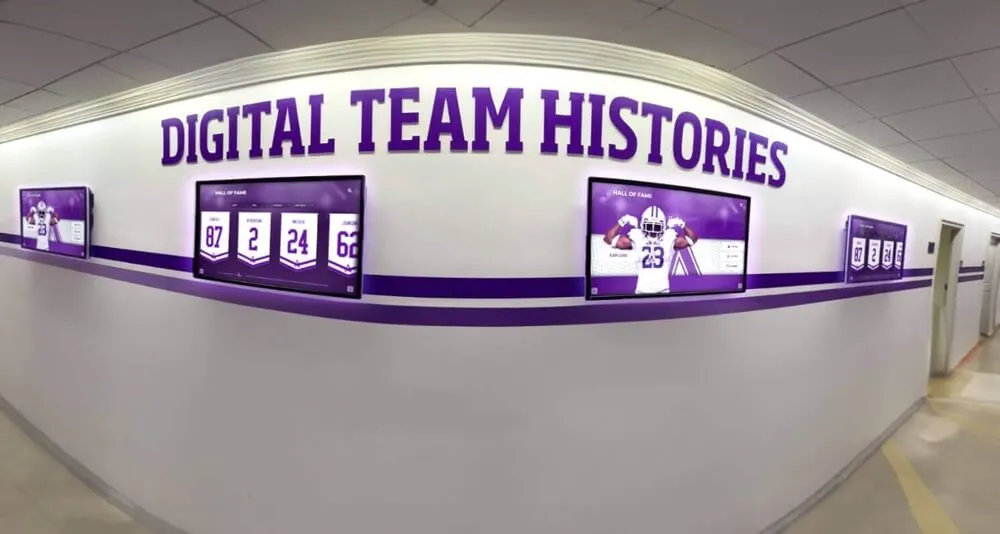
Portrait-based recognition systems give salutatorians and other academic honorees lasting visibility that extends well beyond graduation day
What Does Salutatorian Mean? The Definition
The word salutatorian comes from the Latin salutator, meaning “one who greets.” Historically, the salutatorian was the student who delivered a welcoming address—a salutation—at commencement ceremonies, opening the proceedings and setting the tone before the day’s speakers began.
In modern American education, the ceremonial speech tradition has largely shifted, but the title has retained its academic prestige. Today, salutatorian means the graduate who finishes second in class rank, immediately behind the valedictorian. In most high schools, the title goes to the student with the second-highest cumulative GPA in the graduating class. In college contexts, the designation may work differently (many universities no longer maintain class rank), but at the K–12 level, salutatorian remains a clearly defined and widely recognized honor.
The salutatorian and valedictorian together represent the top of the academic hierarchy within their class—students who have sustained excellent academic performance across every semester of their enrollment. In schools where these designations are awarded, they appear on official transcripts, are announced at commencement, and are often recognized in local media coverage.
The Latin Root and Historical Background
The salutatory address—the speech the salutatorian traditionally delivered—was originally given in Latin at colonial American colleges, reflecting the classical curriculum of early higher education. Harvard and other early American institutions followed this tradition, with the salutatorian formally welcoming dignitaries and faculty in Latin before the ceremony continued.
Over time, the speech evolved into an English-language address, and eventually many schools shifted the primary student commencement speech to the valedictorian while the salutatorian’s speech was condensed or eliminated. The academic ranking, however, persisted and remains a prestigious honor in high school graduation traditions across the United States.
Salutatorian vs. Valedictorian: Understanding the Difference
The most common related question is: what is the difference between a salutatorian and a valedictorian? The distinction is straightforward, though the significance of each role is worth understanding fully.
Valedictorian: The graduate with the highest cumulative GPA (or class rank #1) in the graduating class. The word derives from the Latin vale dicere, meaning “to say farewell”—the valedictorian traditionally delivers the farewell address at commencement. This is generally considered the top academic honor a graduating student can receive at the K–12 level.
Salutatorian: The graduate with the second-highest cumulative GPA (class rank #2). As described above, the title derives from the welcoming speech tradition. The salutatorian often gives a speech at graduation as well, though not all schools maintain this practice.
Both distinctions carry genuine prestige. College admissions officers and employers recognize both titles as indicators of sustained academic excellence. For students, the difference between first and second in class rank is often a matter of hundredths of a GPA point—a gap that represents years of close academic competition.
Schools that maintain strong academic recognition cultures treat both honors with equal ceremonial weight at commencement, even if the valedictorian traditionally delivers the primary student address.

Digital academic recognition displays give salutatorians and valedictorians year-round visibility within the school community
How Schools Select the Salutatorian
Selection processes vary by institution, but most high schools follow one of two primary methods.
GPA-Based Selection
The most common approach awards the salutatorian title to the student with the second-highest cumulative GPA at the end of the final semester before graduation. Key considerations include:
Weighted vs. Unweighted GPA: Many high schools weight grades earned in AP, IB, honors, or dual-enrollment courses, awarding additional GPA points (commonly 0.5 or 1.0 extra points) for those courses. Whether selection uses weighted or unweighted GPA significantly affects outcomes—a student taking rigorous courses may rank differently depending on which calculation method the school uses.
Course Load Policies: Some schools require minimum course loads or restrict eligible courses to ensure consistency. A student who takes fewer total courses to maintain a high GPA may not be eligible under policies requiring all students to complete the same core curriculum.
Transfer Student Considerations: Schools differ on whether transfer students can earn valedictorian or salutatorian honors, with many requiring a minimum number of semesters in attendance before a student is eligible.
Class Rank Percentile
Some institutions use percentile-based ranking rather than raw GPA thresholds. Under these systems, class rank is calculated across all students, and the top two positions determine the valedictorian and salutatorian. This approach accounts naturally for grade distribution and course rigor across different years without requiring separate weighting decisions.
Ties and Tiebreaker Policies
When two or more students share the same GPA, schools need clear tiebreaker policies. Common approaches include:
- Comparing final semester GPA specifically
- Evaluating total credit hours completed
- Awarding co-salutatorian status to tied students
- Using standardized test scores as a tiebreaker (less common)
Clear, published selection policies prevent disputes and ensure the process is perceived as fair by students and families. Many schools publish their criteria in student handbooks and review them annually with counselors.

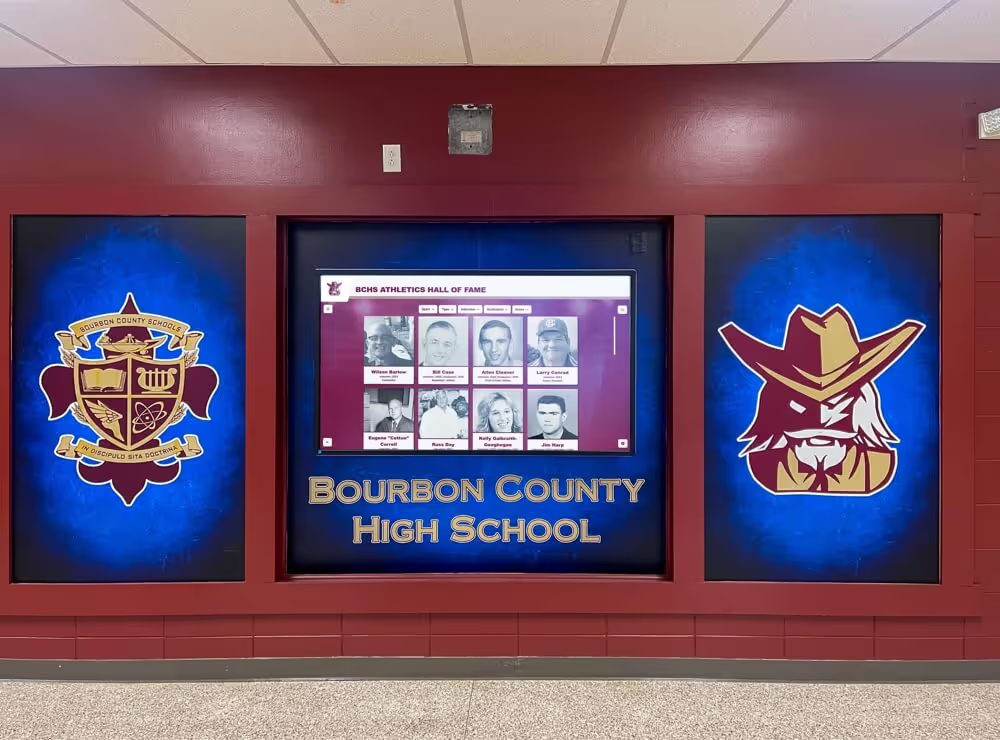
Recognition portrait systems create lasting records of each year's top academic honorees
GPA Requirements: What Does It Take to Become Salutatorian?
There is no single universal GPA threshold for salutatorian status because the designation is relative—it simply requires ranking second in the class. However, looking at national patterns offers useful benchmarks.
At competitive public high schools, salutatorian GPAs frequently fall in the 4.2–4.5 range (weighted) or 3.95–4.0 (unweighted). At smaller schools or those with less rigorous weighting policies, a student might earn salutatorian honors with a 3.8 or 3.9 unweighted GPA. At highly competitive private schools, the threshold can be even higher.
The key takeaway for schools: communicate to students early that salutatorian and valedictorian rankings reflect cumulative performance across all four years, not just final-year grades. Students who set this goal from freshman year have the opportunity to build toward it systematically.
For context on how other high-stakes academic measures fit into the recognition picture, see this guide to showcasing high ACT scores through recognition programs, which explores how schools can use test achievement displays to reinforce academic excellence culture alongside honors like salutatorian.
The Salutatorian Speech at Graduation
At schools that maintain the speech tradition, the salutatorian’s commencement address is one of the highest-profile moments in a graduating senior’s educational career.
Speech Content and Purpose
The salutatory address typically serves as the welcoming or opening remarks for the graduation ceremony, introducing the event and honoring the assembled graduates, families, faculty, and guests. Common themes include:
- Reflecting on the class’s shared journey through high school
- Honoring teachers and family members who supported students
- Looking forward to the transitions graduates are about to undertake
- Celebrating the collective academic and personal achievements of the class
Unlike the valedictorian’s farewell address (which often carries the emotional weight of a final goodbye), the salutatory address has a welcoming, celebratory tone. It sets the emotional temperature for the ceremony before the main speakers begin.
Preparation and Coaching
Schools that take the salutatorian speech seriously provide coaching support. Best practices include:
- Connecting the salutatorian with an English teacher, speech coach, or debate advisor for feedback
- Setting a clear time limit (typically 3–5 minutes)
- Encouraging a personal, authentic voice rather than a formal academic register
- Requiring a draft review by administration to ensure appropriateness
- Providing at least one formal rehearsal with microphone and podium
Students who have excelled academically don’t always have extensive public speaking experience. Supportive preparation makes the difference between a memorable address and an anxious stumble.
Celebrating Salutatorians: Recognition Best Practices for Schools
The graduation ceremony is the highest-visibility moment, but it shouldn’t be the only time salutatorians are recognized. Schools with strong academic cultures build recognition systems that give this honor lasting meaning before, during, and after commencement.
Announcement Timing and Communication
Most schools announce salutatorian and valedictorian designations near the end of the final semester, after grades are compiled and rankings certified. Best practices include:
Early, Private Notification: Notify the salutatorian and their family privately before any public announcement. This gives the student time to process the achievement and prepare for the attention that follows.
School-Wide Announcement: Follow private notification with a school-wide announcement—whether at a senior assembly, through the school newsletter, or via social media—that celebrates the achievement publicly and puts a name and face to the honor.
Local Media Outreach: Many local newspapers and community news outlets cover salutatorian and valedictorian designations. Proactively sending a press release with a brief bio and photo extends recognition beyond the school community.
Physical and Digital Recognition Displays
Graduation ceremonies last a few hours. Recognition displays last for years. Schools that invest in permanent or semi-permanent academic recognition systems give salutatorians—and future students who see their names—a lasting reminder of what academic excellence achieves.
Physical Recognition Options
- Dedicated academic honor boards listing annual salutatorians and valedictorians by year
- Framed portrait displays in hallways, the main office, or near the library
- Academic trophy cases featuring photos, GPA plaques, and college destination information
- Graduation honor cords and sashes worn at commencement

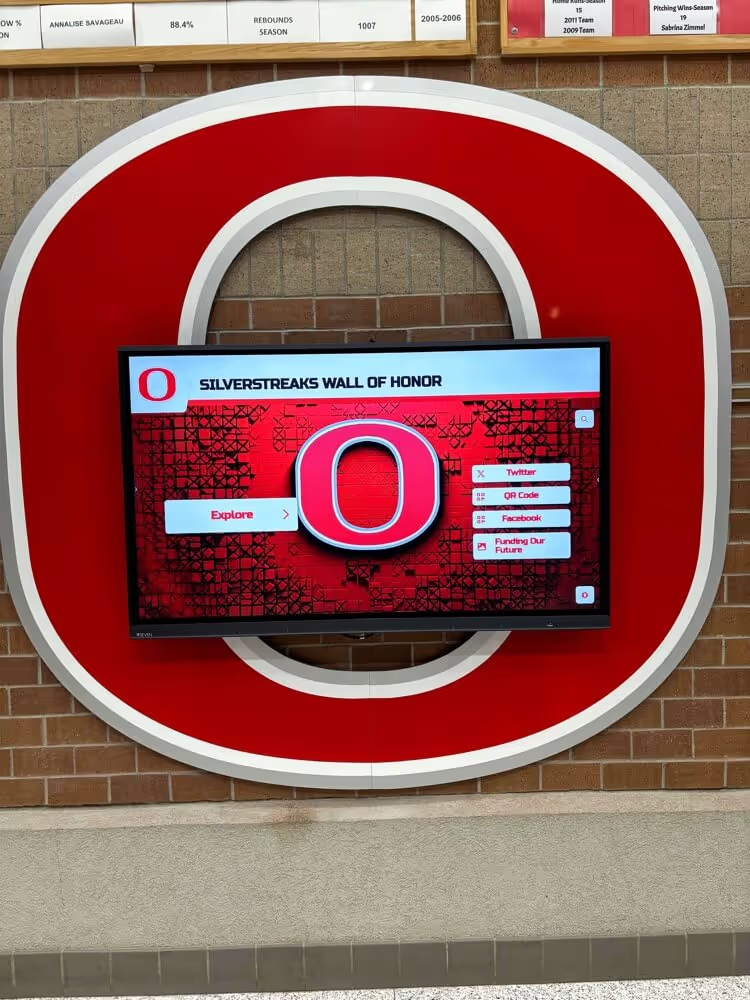
Interactive academic honor walls let visitors explore salutatorian and valedictorian profiles across multiple graduation years
Digital Recognition Options
Digital recognition platforms offer capabilities that static boards cannot match. An academic wall of excellence renovation can transform a dated trophy case into an interactive display where visitors search for salutatorians by graduation year, see photos, read about their college and career paths, and understand what academic excellence looks like in practice.
For schools looking to build a comprehensive recognition culture, explore interactive kiosk software designed specifically for school recognition programs, which covers features, platform comparisons, and implementation approaches.
Scholarships and Awards Named for the Honor
Some schools create formal scholarship programs or award categories tied to salutatorian status, adding a financial recognition component to the ceremonial one. Options include:
- A dedicated scholarship funded by alumni donors, awarded annually to the salutatorian
- Reduced or waived fees for test preparation programs
- Priority consideration for school-based scholarship applications
- Recognition in cumulative scholarship award listings distributed at commencement
Year-Round Recognition: Moving Beyond Commencement Day
The most common mistake schools make with salutatorian recognition is treating it as a single-day event. Students who earn this honor deserve recognition woven through the school year—not just a moment at graduation.
A structured approach to year-round recognition using digital recognition displays allows schools to feature current academic leaders throughout the year, build anticipation for the salutatorian and valedictorian announcements, and keep past honorees visible in school hallways and digital screens long after their graduation.
Salutatorian Recognition at Different School Levels
The salutatorian designation is most commonly associated with high school graduation, but it appears at other educational levels as well.
Middle School Salutatorians
Some middle schools award salutatorian and valedictorian honors at their eighth-grade graduation ceremonies. While these designations carry less formal weight than high school equivalents, they serve an important motivational function—introducing students to academic ranking systems and demonstrating that sustained academic effort is recognized and celebrated.
Middle school academic recognition plants seeds for the habits and aspirations that carry students through high school.
College Salutatorians
At the collegiate level, the tradition varies significantly. Many large universities have moved away from class rank entirely, making traditional salutatorian selection impractical. Some smaller liberal arts colleges and community colleges maintain the tradition, selecting a salutatorian through departmental nominations, faculty recommendations, or academic achievement standards.
At schools with religious or classical educational missions, the salutatory address tradition is often preserved more intentionally. For an example of how academic recognition works in faith-based educational contexts, see this overview of Catholic honors student recognition display systems.
Building a Culture That Makes Salutatorian Meaningful
The salutatorian designation only carries weight when the academic culture around it is strong. Schools where academic achievement is visibly celebrated, consistently recognized, and woven through daily school life produce students who genuinely aspire to honor roll status, Latin honors, and the top graduation distinctions.

Visible academic recognition walls in hallways signal to every student that scholastic achievement is celebrated at the highest level
Practical steps schools take to build that culture include:
Making academic rankings visible early: Publish honor roll lists each semester. Post them in hallways. Feature them in newsletters. Students who can see where they stand relative to academic distinction are more motivated to close the gap.
Recognizing milestone achievement alongside top honors: Salutatorian and valedictorian represent the pinnacle, but schools should also recognize perfect attendance, subject-specific excellence, and significant GPA improvement. A robust recognition ecosystem makes top honors feel like the natural culmination of a culture of achievement rather than an isolated competition.
Connecting past salutatorians to current students: Alumni who earned top academic honors and went on to successful careers are powerful motivators for current students. An alumni recognition system that links past salutatorians to their current careers and college pathways gives current students a concrete vision of what this honor makes possible.
Pairing recognition with documentation: Maintaining an online high school digital archive that preserves the names, photos, and profiles of each year’s salutatorians ensures the honor accumulates institutional weight over decades rather than being forgotten a year after graduation.
For schools considering how to display academic distinction records alongside test score achievements, this resource on recognizing perfect SAT scores through display programs provides useful implementation frameworks.
Displaying Salutatorian Honors with Modern Recognition Technology
Traditional recognition boards—plaques with names and years—have served schools for generations, but digital recognition technology has expanded what’s possible for showcasing academic achievement.
Modern digital recognition displays for schools allow institutions to:
- Feature salutatorian profiles with photos, bios, and college destinations rather than just names and years
- Include video greetings from past salutatorians sharing advice for current students
- Update content dynamically when new honorees are named without replacing physical panels
- Create searchable archives spanning 10, 20, or 30+ years of academic honor recipients
- Display recognition on screens throughout the school—in hallways, at the main entrance, in the library—rather than limiting it to a single location
Rocket Alumni Solutions builds interactive recognition systems designed for exactly this purpose, helping schools turn their academic honor walls into living, searchable records of scholastic excellence that inspire current students and honor graduates for years after commencement.
Give Your Salutatorians the Recognition They Deserve
Discover how Rocket Alumni Solutions helps schools build lasting, interactive academic honor displays that celebrate top scholars long after graduation day.
Explore Academic Recognition SolutionsFrequently Asked Questions About Salutatorian
What does salutatorian mean?
Salutatorian means the graduate who finishes second in academic class rank, immediately behind the valedictorian. The title derives from the Latin word salutator (“one who greets”), reflecting the historical tradition of the second-ranked graduate delivering a welcoming address at graduation ceremonies. In modern American high schools, the salutatorian is typically the student with the second-highest cumulative GPA in the graduating class.
What is the difference between salutatorian and valedictorian?
The valedictorian is the student with the highest GPA (class rank #1) in the graduating class, while the salutatorian is the student with the second-highest GPA (class rank #2). Both honors recognize exceptional sustained academic achievement. The valedictorian traditionally delivers the farewell address at commencement; the salutatorian traditionally delivers the welcoming address. In practice, both students are celebrated as the top academic achievers of their graduating class.
What GPA do you need to be salutatorian?
There is no universal GPA requirement for salutatorian because the designation is relative—it simply requires finishing second in class rank. At competitive high schools, salutatorian GPAs often fall between 4.2 and 4.5 on a weighted scale or 3.95–4.0 on an unweighted scale. At smaller or less competitive schools, the threshold may be lower. The exact GPA needed depends entirely on the performance of the rest of the graduating class.
Does the salutatorian give a speech at graduation?
Many high schools do invite the salutatorian to give a speech at graduation, traditionally a welcoming or opening address before the main ceremony begins. However, not all schools maintain this practice—some focus student speaking time on the valedictorian alone, while others invite multiple student speakers. Whether or not the salutatorian speaks depends on the school’s specific commencement tradition and ceremony format.
Is being salutatorian a big deal for college admissions?
Yes—salutatorian status is a meaningful distinction for college admissions. It demonstrates sustained academic excellence across an entire high school career and signals that the student was one of the two highest academic achievers in their class. College applications typically include a section for academic honors, and salutatorian is explicitly listed on transcripts at schools that maintain class rank. Selective colleges view it as strong evidence of academic capability and commitment.
How do schools handle salutatorian ties?
When two or more students have identical GPAs, schools handle ties through pre-established tiebreaker policies. Common approaches include awarding co-salutatorian status to both students, comparing final semester performance specifically, evaluating total credit hours completed, or in some cases using standardized test scores as a secondary metric. Clear, published tiebreaker policies prevent disputes and ensure the process is perceived as equitable by students and families.
Conclusion
Understanding what salutatorian means goes beyond a simple definition—it opens a window into how schools structure academic recognition, motivate students across four years of high school, and celebrate top scholars at the moment of graduation and long afterward. The salutatorian title recognizes the second-highest academic achiever in a graduating class, a distinction earned through sustained excellence that carries genuine weight in college admissions, professional contexts, and school history.
For schools, the goal is not simply to award the title but to build the recognition culture that makes it meaningful: announcing it with appropriate ceremony, displaying it with lasting visibility, connecting past salutatorians to current students, and creating systems that honor academic excellence year-round rather than only at commencement. When schools invest in recognition infrastructure that celebrates their top scholars, they signal to every student in the building that academic achievement is seen, remembered, and worth striving for.
Explore how alumni wall ideas can incorporate academic honor recipients—including salutatorians—into permanent school recognition displays that build institutional pride for decades to come.